




























Our verdict
- Daily running 90
- Tempo 44
- Race 21
- Stability 84
Pros
- Improved traction
- Soft, comfortable upper
- Versatile for daily life
- Moderate stack height keeps a natural ride
- Ideal for heel strikers
- Durable outsole rubber
- Roomier upper than Peg 41
- Solid build quality
- Looks better!
- Good breathability
Cons
- Feels heavy
- Lacks forefoot shock absorption
- Needs a supercritical foam
Awards
- Top 7% most popular running shoes
Comparison
The most similar running shoes compared
+ + Add a shoe | |||||
|---|---|---|---|---|---|
| Our score | 80 Good | 78 Good | 85 Great | 86 Great | |
| Price | $145 | $140 | $170 | $150 | |
| Pace | Daily running | Daily runningTempo | TempoDaily running | Daily running | |
| Shock absorption | High | Moderate | High | High | |
| Energy return | Moderate | Moderate | High | Moderate | |
| Traction | High | High | High | High | |
| Arch support | Neutral | Neutral | Neutral | Neutral | |
| Weight lab Weight brand | 10.1 oz / 286g 10.5 oz / 297g | 8.6 oz / 244g 8.6 oz / 244g | 8.7 oz / 247g 9.3 oz / 265g | 10.2 oz / 289g 10.2 oz / 289g | |
| Lightweight | ✗ | ✓ | ✓ | ✗ | |
| Drop lab Drop brand | 14.0 mm 10.0 mm | 11.3 mm 8.0 mm | 10.4 mm 10.0 mm | 12.2 mm 10.0 mm | |
| Strike pattern | Heel | Heel | Heel | Heel | |
| Size | True to size | Slightly small | True to size | True to size | |
| Midsole softness | Balanced | Balanced | Soft | Balanced | |
| Difference in midsole softness in cold | Small | Small | Small | Small | |
| Toebox durability | Bad | Decent | Decent | Decent | |
| Heel padding durability | Good | Good | Good | Good | |
| Outsole durability | Good | Good | Decent | Good | |
| Breathability | Moderate | Breathable | Moderate | Moderate | |
| Width / fit | Medium | Medium | Medium | Medium | |
| Toebox width | Medium | Medium | Medium | Narrow | |
| Stiffness | Moderate | Moderate | Moderate | Moderate | |
| Torsional rigidity | Flexible | Moderate | Flexible | Flexible | |
| Heel counter stiffness | Stiff | Stiff | Moderate | Stiff | |
| Rocker | ✗ | ✗ | ✓ | ✗ | |
| Heel lab Heel brand | 36.0 mm 37.0 mm | 36.5 mm 36.0 mm | 37.7 mm 38.0 mm | 37.3 mm 36.0 mm | |
| Forefoot lab Forefoot brand | 22.0 mm 27.0 mm | 25.2 mm 28.0 mm | 27.3 mm 28.0 mm | 25.1 mm 26.0 mm | |
| Widths available | NormalWide | Normal | Normal | NarrowNormalWideX-Wide | |
| Orthotic friendly | ✓ | ✓ | ✓ | ✓ | |
| Season | All seasons | SummerAll seasons | All seasons | All seasons | |
| Removable insole | ✓ | ✓ | ✓ | ✓ | |
| Ranking | #219 Bottom 45% | #269 Bottom 33% | #107 Top 27% | #81 Top 21% | |
| Popularity | #26 Top 7% | #113 Top 28% | #29 Top 8% | #16 Top 4% |


Who should buy
According to our findings, the Nike Pegasus 42 suits:
- Runners who buy every new Pegasus release. We found this version to be a safe upgrade with a few clear improvements over the previous model.
- Neutral runners looking for a dependable Nike that handles 2 or 3 runs per week without fuss.
- Casual runners who want only one shoe that also works well for everyday wear.
- Heel strikers in search of a high-drop daily trainer.
Who should NOT buy
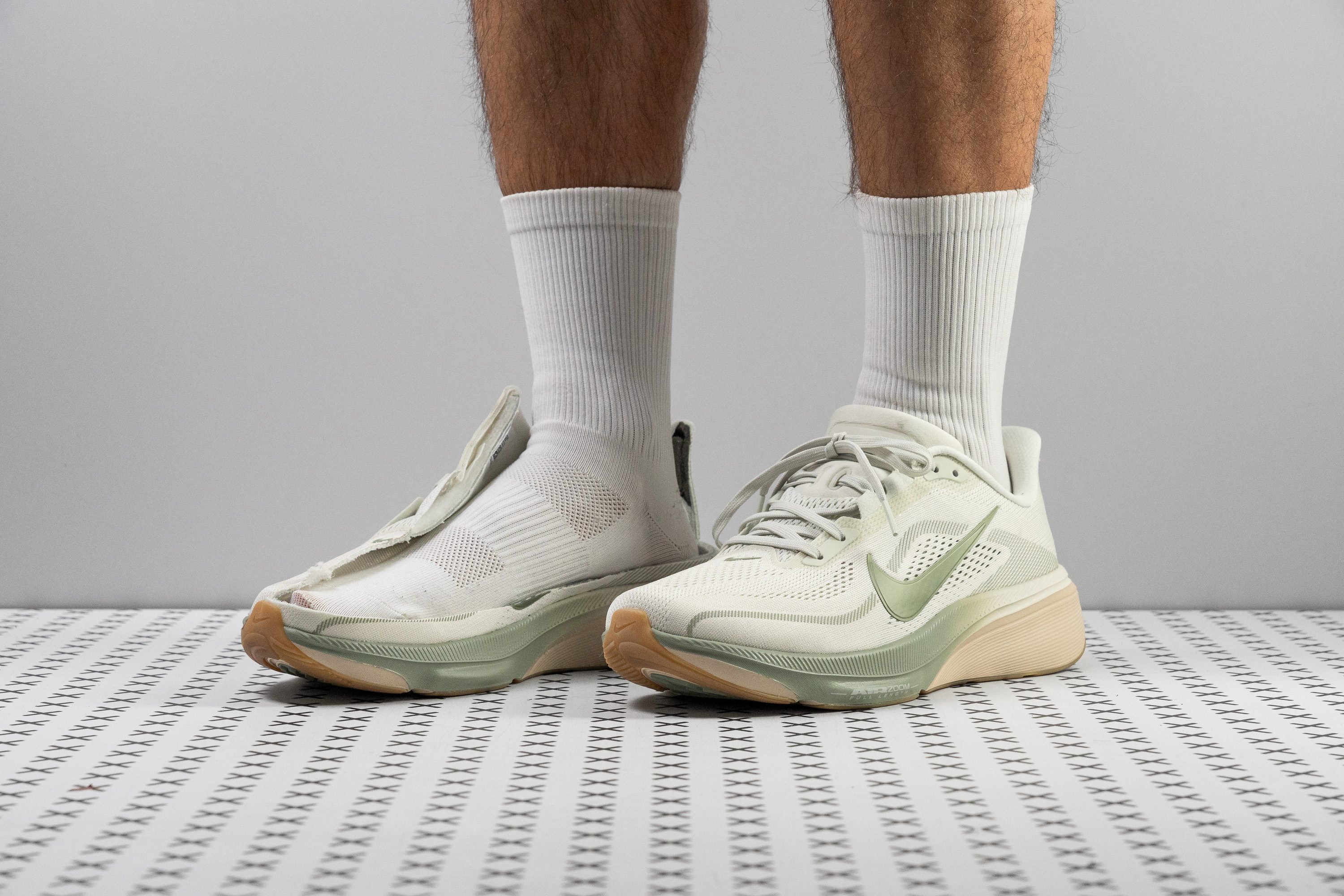
We think runners who care about weight may struggle with the Nike Pegasus 42. Its moderate stack does not match its hefty build, and shoes like the HOKA Mach 6 or adidas Supernova Rise 3 are much better options in that case.
We also believe performance-focused runners should look elsewhere. Energy return stays limited, so if bounce matters, we suggest the adidas Adizero EVO SL or spending a bit more for the Nike Pegasus Plus to get ZoomX foam instead of ReactX.
Cushioning
Shock absorption
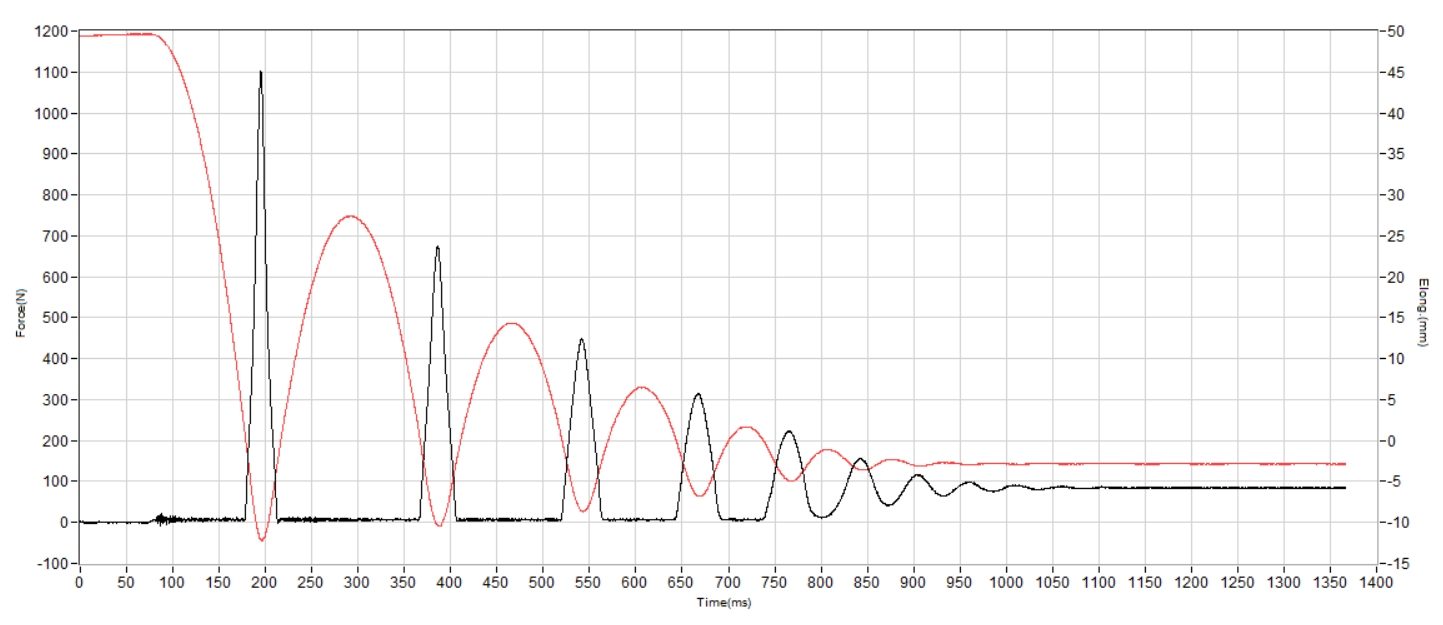
Shock absorption is solid in the heel at 131 SA and limited in the forefoot at 91 SA. That follows the usual Pegasus trend due to its high drop and moderate stack, and if you want a more cushioned experience, Nike offers the Vomero 18, which is far better suited for that purpose.
| Pegasus 42 | 131 SA |
| Average | 131 SA |
Energy return
The new full-length Air Zoom unit is supposed to bring extra pop to the Peg, but we did not find that in our energy return test. With 57.1% in the heel and 61.2% in the forefoot, it lands around the average.
In other words, there is no leap in energy return at all, and the feel remains nearly the same as in v40 or v41. It offers a decent bounce, but it stays far from a truly lively ride. And while that may have been enough a few years ago, in 2026 would be fair to get a supercritical foam with better bounce and lower weight in the standard Pegasus.
| Pegasus 42 | 61.2% |
| Average | 61.5% |
Heel stack
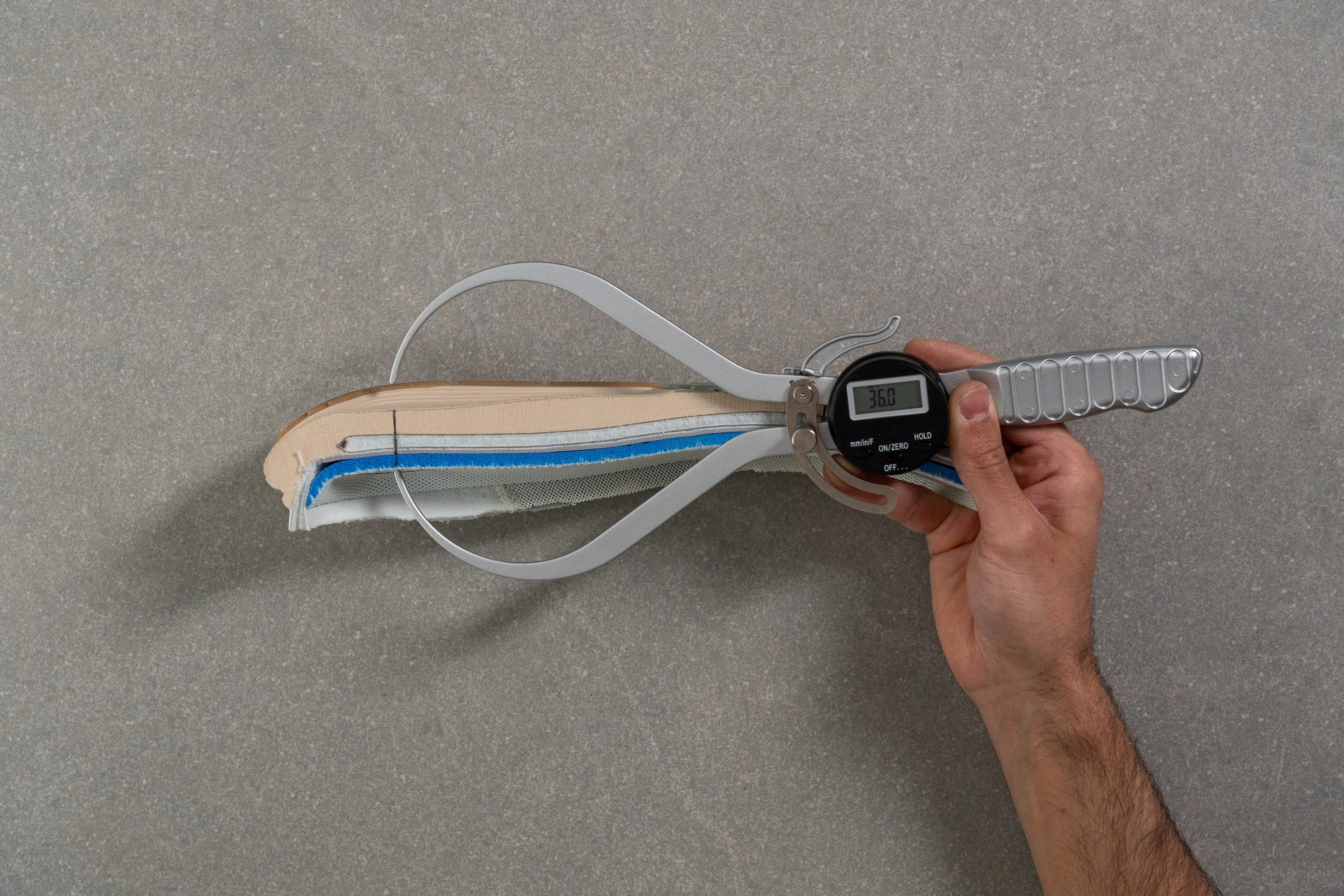
We appreciated that Nike kept the Pegasus 42 at a moderate stack height. As we mentioned before, they already have the Vomero for runners seeking more stack and greater shock absorption, so keeping the Peg with a more ground-connected ride that also feels more versatile for everyday use makes complete sense to us.
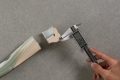
The end result was 36.0 mm of heel stack according to our digital calipers.
| Pegasus 42 | 36.0 mm |
| Average | 35.6 mm |
Forefoot stack
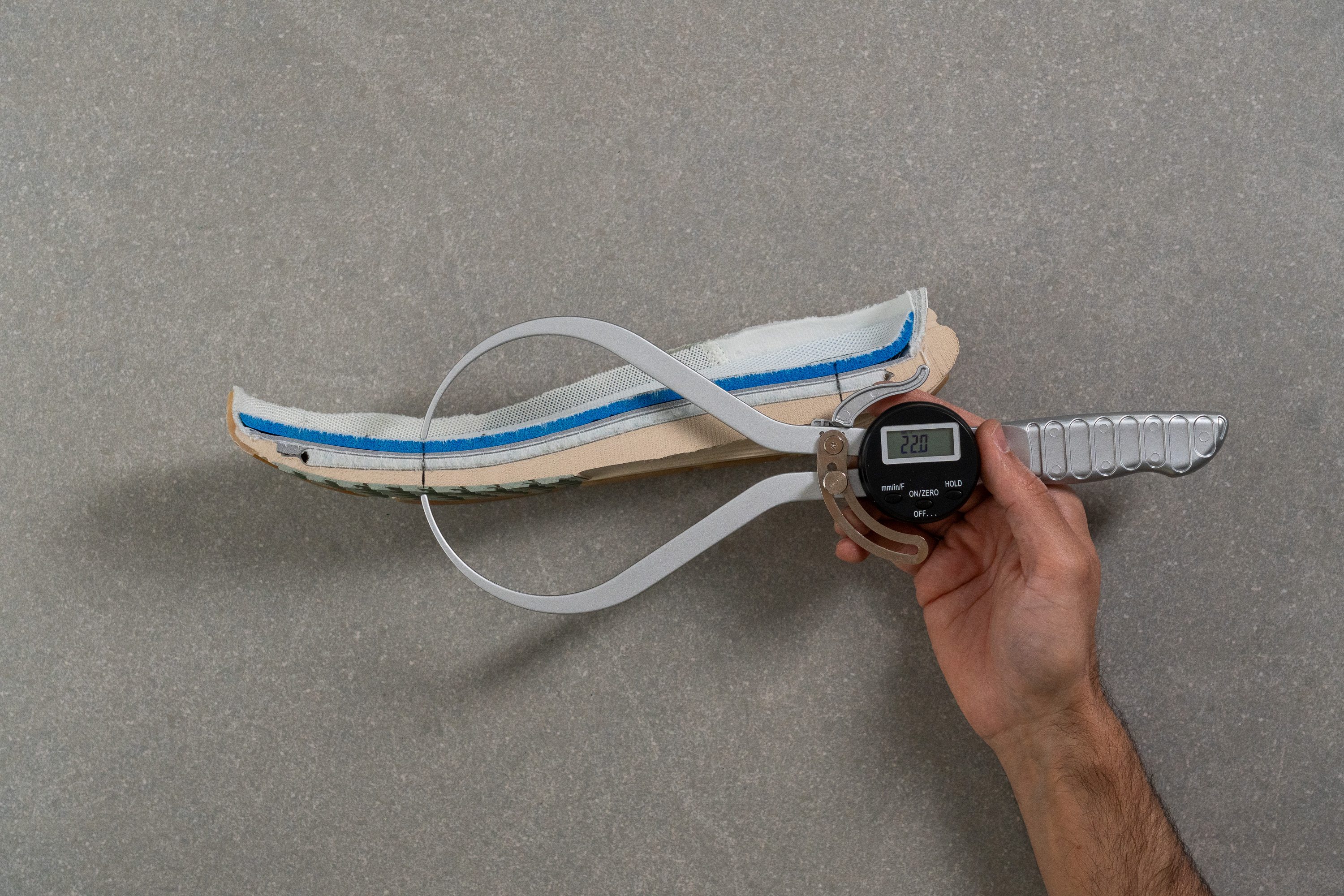
In the forefoot, we again found a much lower figure than the one stated by Nike. They claim 27 mm, but we measured 22.0 mm and, to be honest, the shoe feels like it has a very limited stack height up front.
Whether that is good or bad depends on personal preference. This is simply the hard data, and it also helps explain the lower shock absorption we found earlier compared to other daily running shoes.
| Pegasus 42 | 22.0 mm |
| Average | 27.1 mm |
Drop
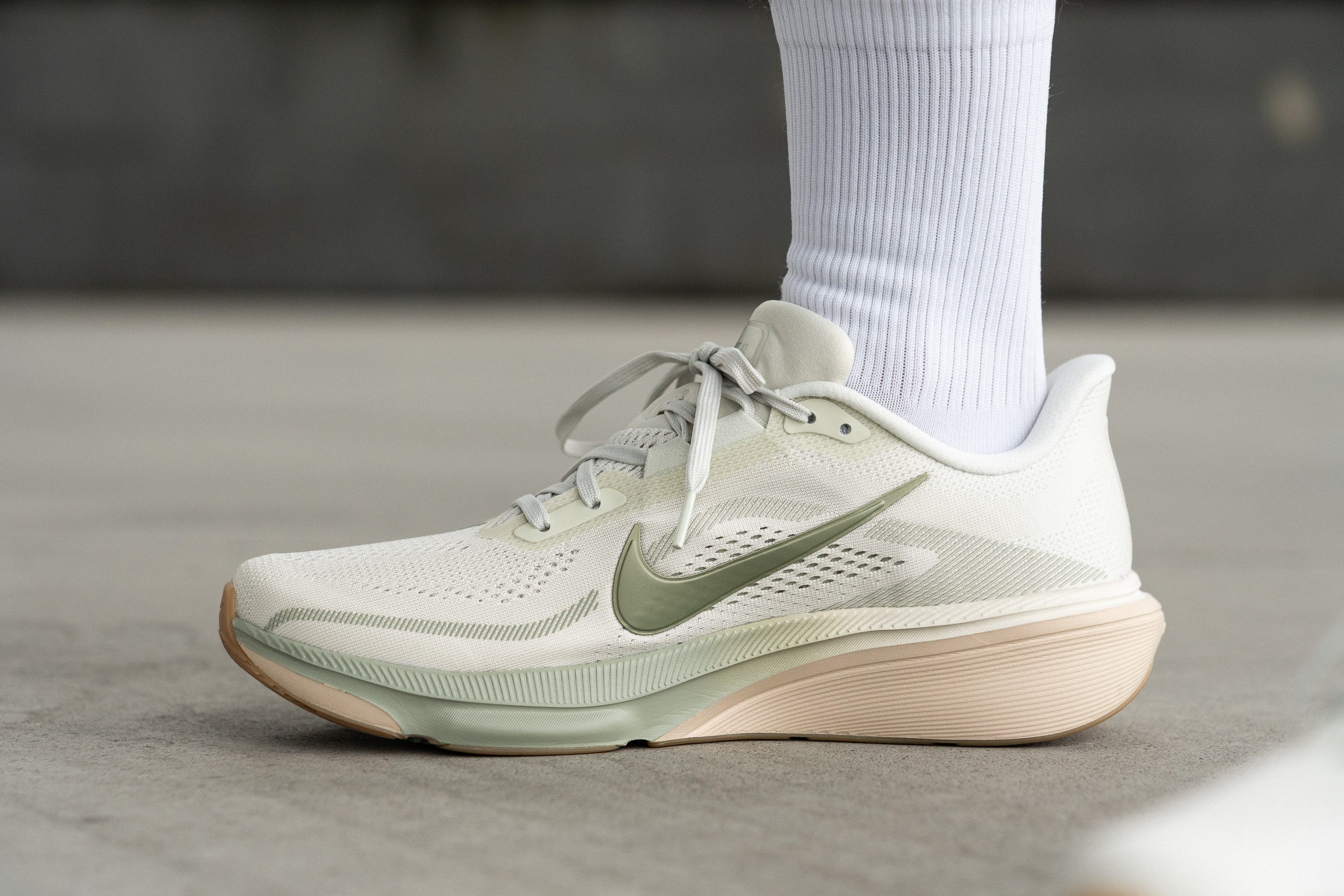
Nike has always designed the Pegasus series with an official 10 mm drop, and that remains here despite other brands moving toward lower offsets in their workhorses. In fact, we found an even bigger drop of 14.0 mm!
Heel strikers will feel especially welcome here, but midfoot and forefoot strikers will likely find that the ride is not the best match for them.
| Pegasus 42 | 14.0 mm |
| Average | 8.4 mm |
Midsole softness
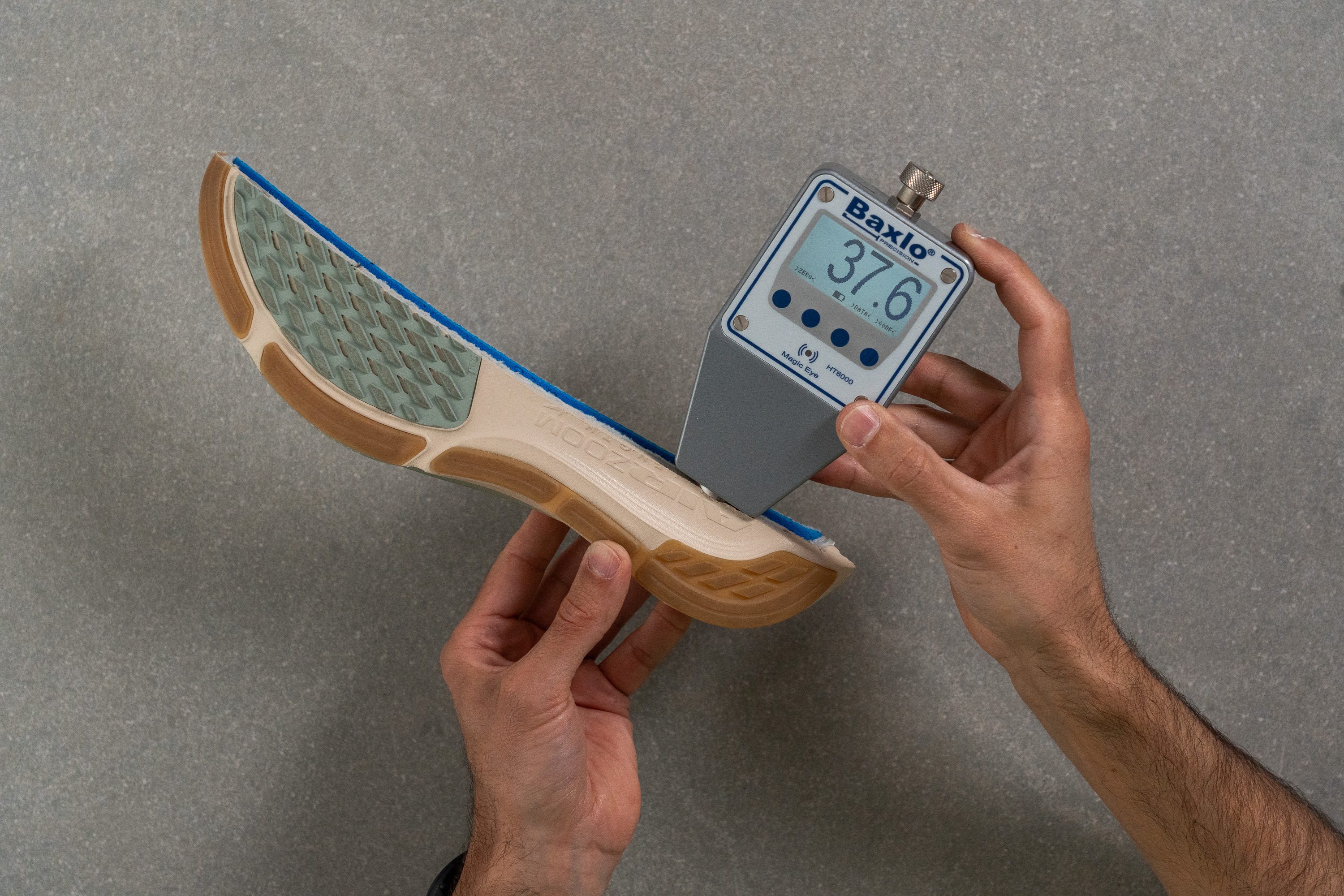
One thing that does not change is the ReactX foam. It's the same compound used in recent years, and the underfoot feel remains highly similar with a balanced character, not too firm and not too soft. Just like the Pegasus has always been, it is a shoe designed to work well for most runners and remain an easy recommendation.
We actually that a score like 37.6 AC is the best possible setup for the shoe. Softness is not a problem at all, it simply needs a bit more bounce.
| Pegasus 42 | 37.6 AC |
| Average | 35.4 AC |
Rocker
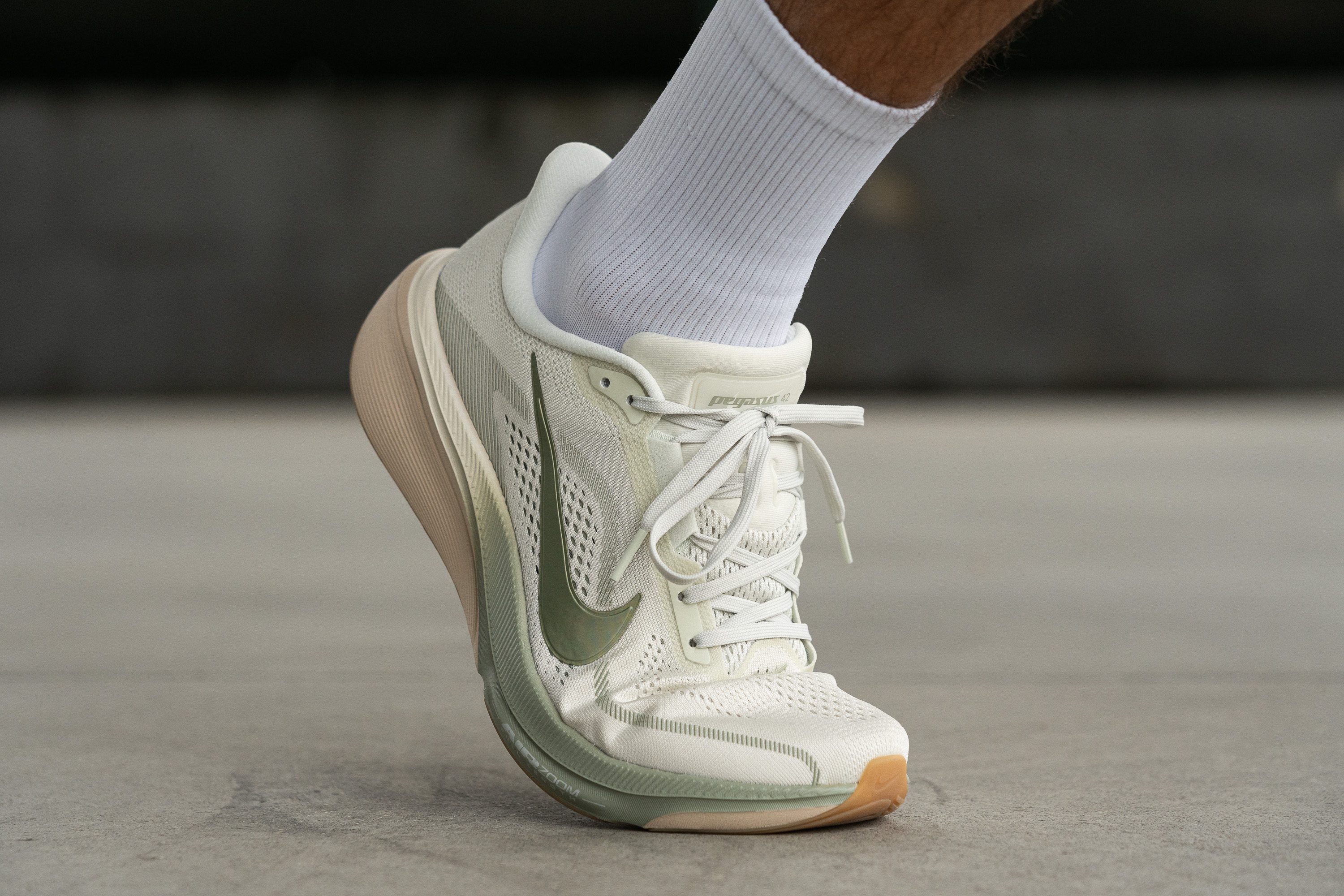
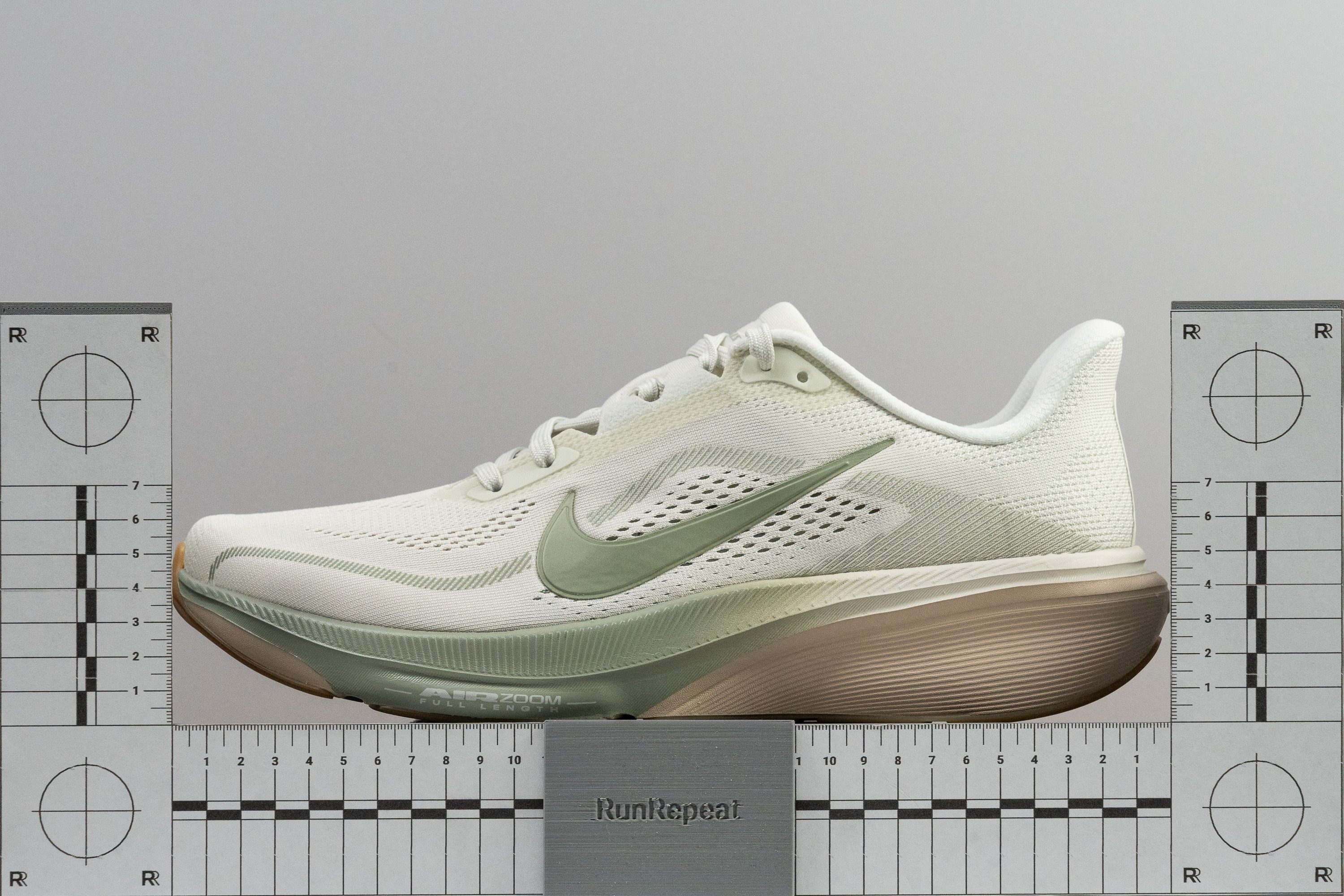
Another trend that Nike avoids jumping on is the rockered-shoe bandwagon. That is good news again, because keeping a moderate rocker allows the Pegasus 42 to stay highly versatile for all kinds of uses, as this is often a shoe worn for walking the dog or going to the gym on top of weekly runs.
That said, the forefoot does curve a bit more than in version 41, but that is also necessary due to the new Air Zoom configuration that we will show you now.
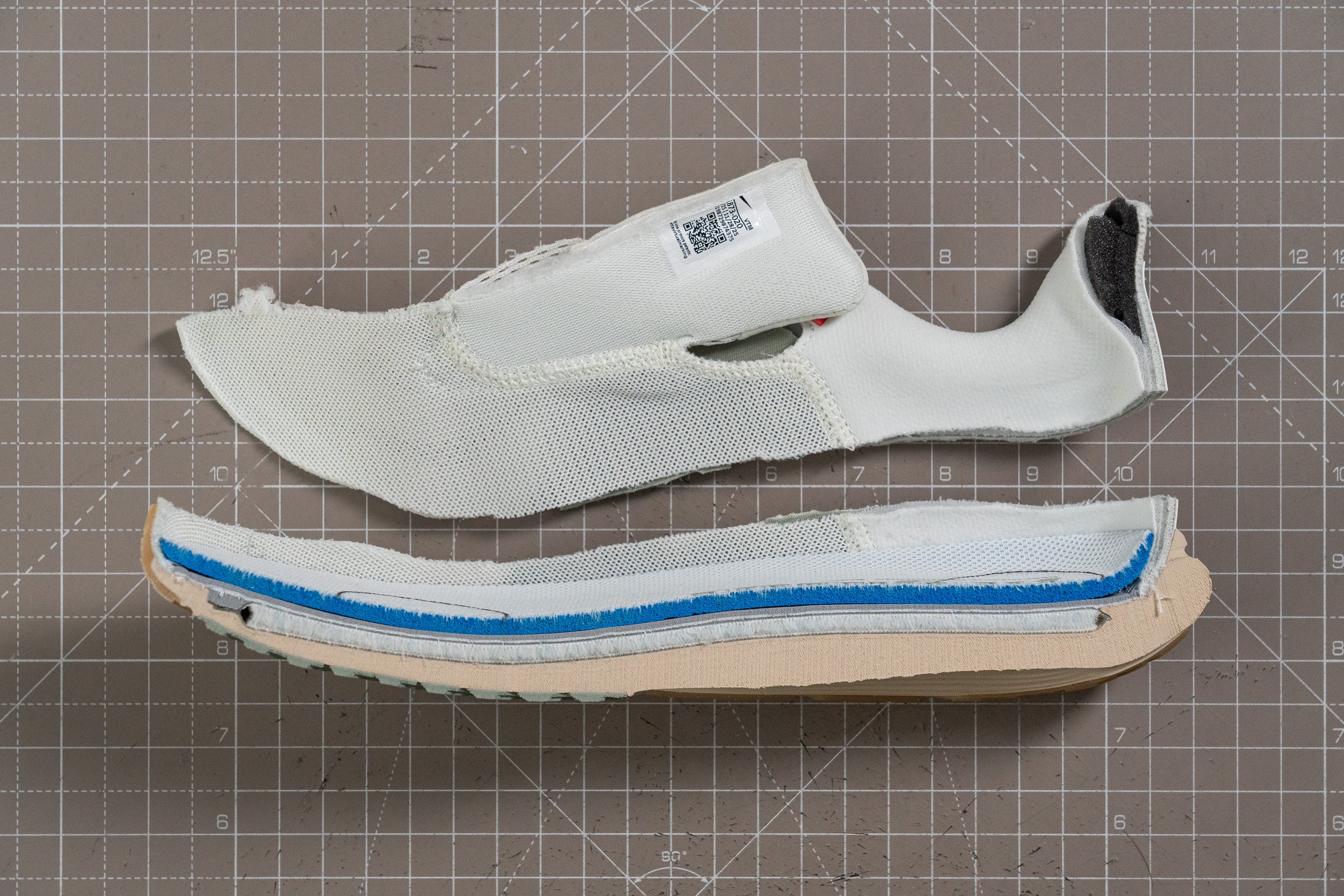
Air Zoom
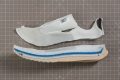
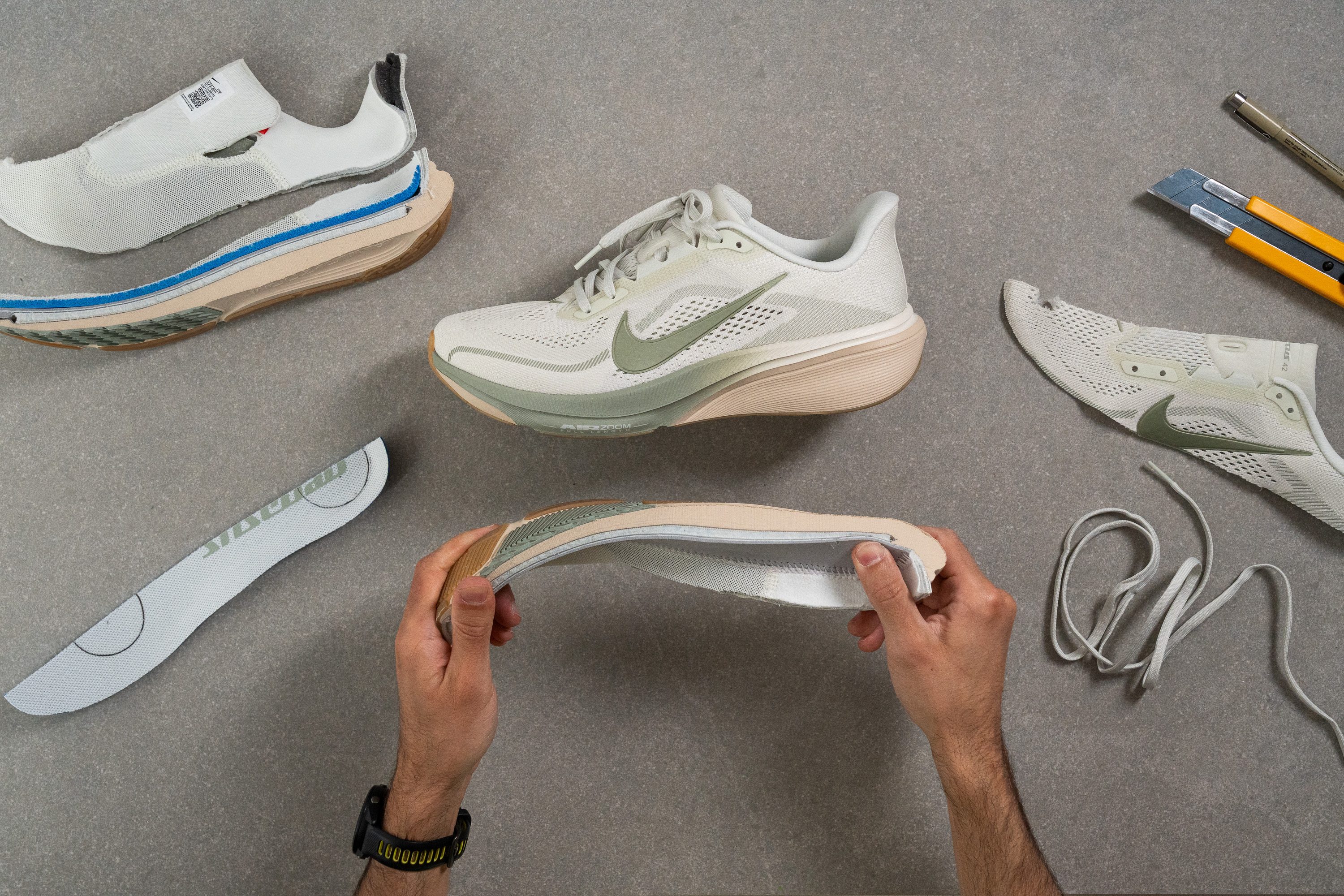
Nike introduced a major update here with a full-length Air Zoom unit in the Pegasus 42. Unlike the smaller, flat designs used in older versions, this one takes cues from the Pegasus Premium and applies a similar concept here. However, it is not the same unit (less bounce here definitely!) and doesn't come exposed.
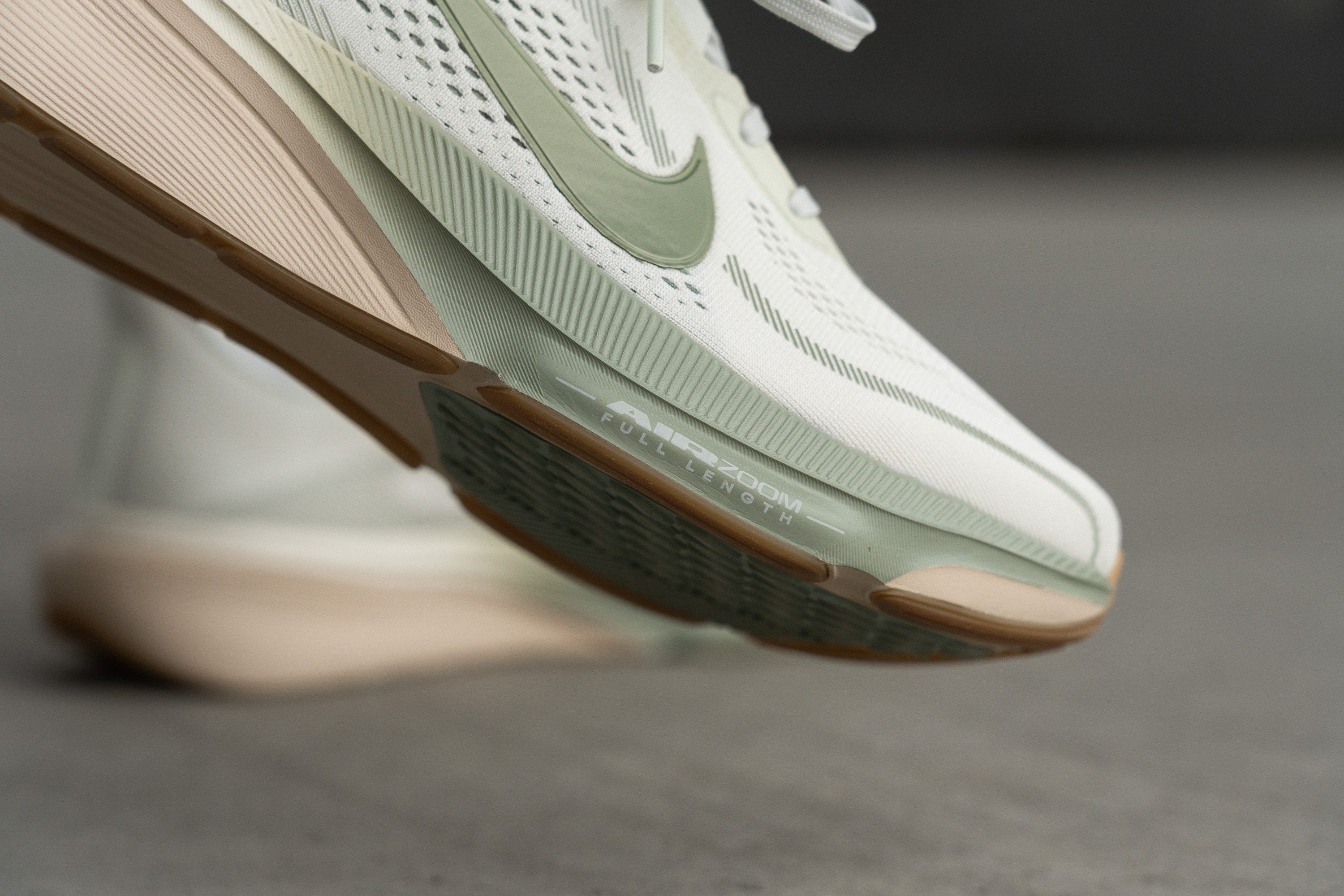
For the first time in the Pegasus line, Nike also uses size-specific tuning, adjusting both pressure and thickness to better match each foot. Therefore, smaller sizes receive thinner units, while larger sizes get higher pressure settings. Makes sense.
But does it really translate into a clear advantage? Based on our lab data, this Air Zoom unit adds little in terms of energy return or shock absorption. However, it remains such an iconic part of the Pegasus that we understand why Nike continues to refine it.
Size and fit
Size
Nike Pegasus 42 fits true to size (117 votes).
Internal length
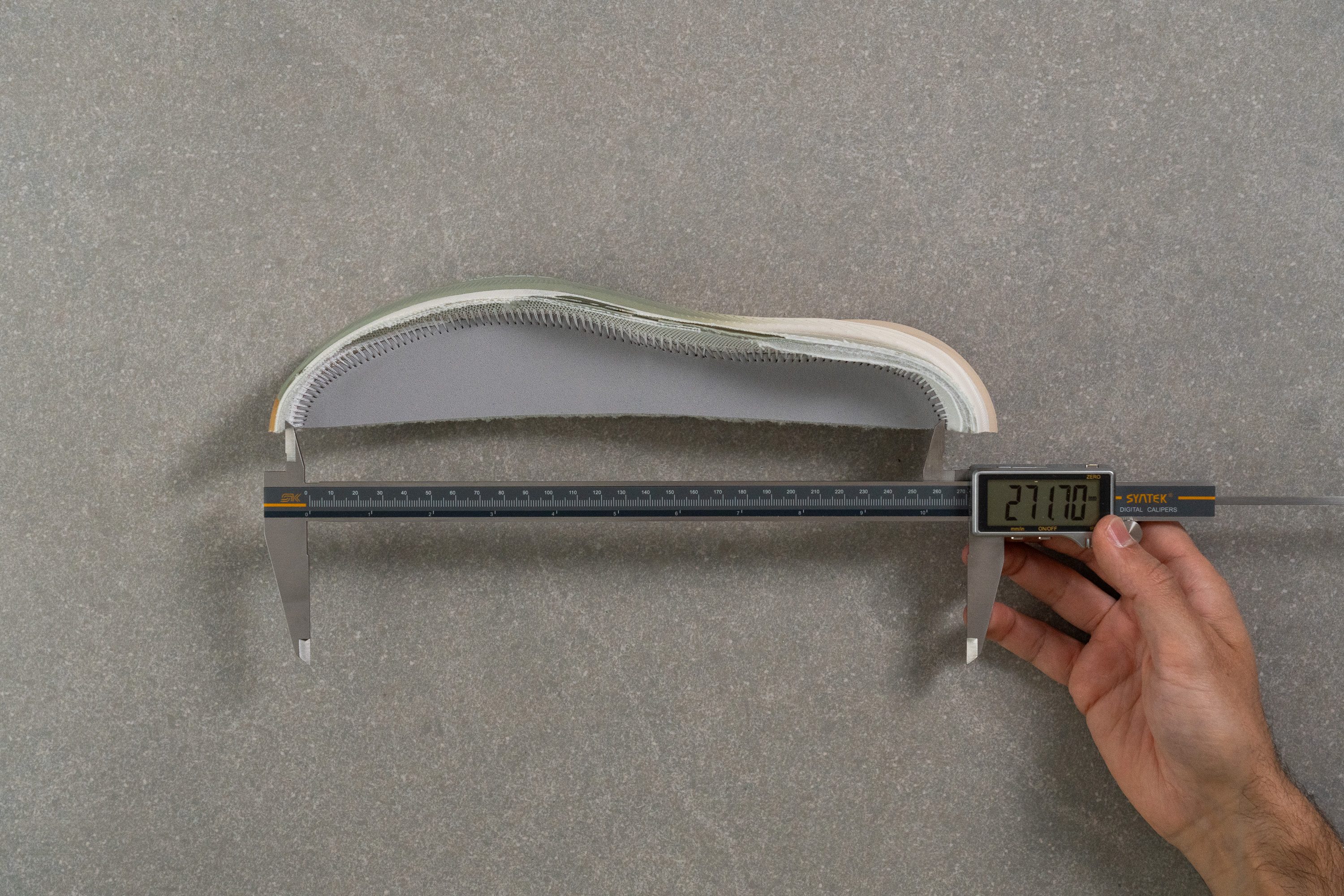
| Pegasus 42 | 271.7 mm |
| Average | 269.3 mm |
Width / Fit
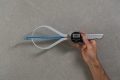
One design change that's supposed to arrive with the Pegasus 42 is a roomier upper from a new last, something Nike has clearly been moving toward in recent years. To verify that, we created a gel mold of the interior so we could compare it with any other shoe that has made its way into our lab.
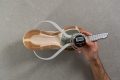
After completing the procedure, we took a first measurement of 96.5 mm. Nothing extraordinary, but definitely wider than the 94.6 mm we recorded in version 41.
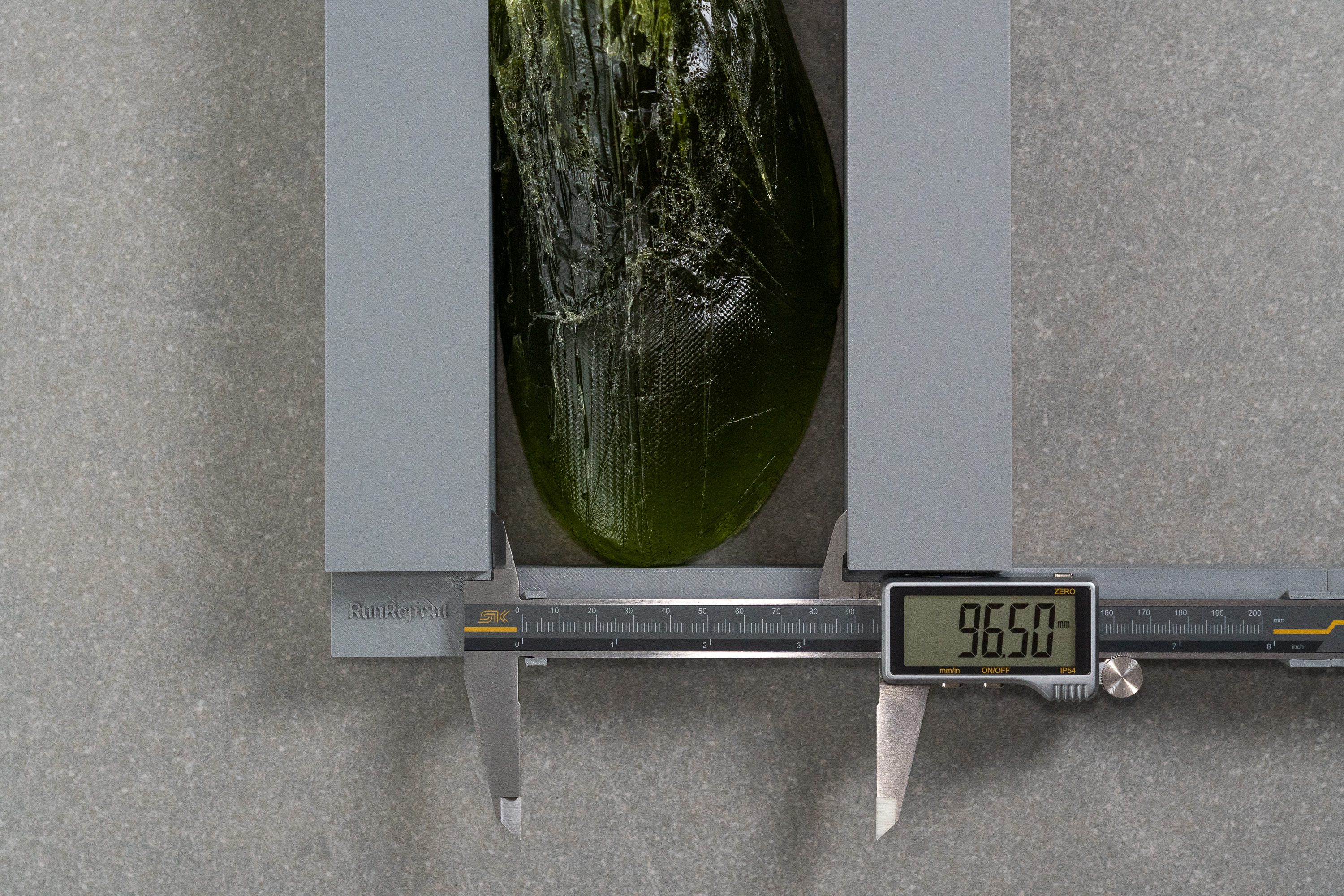
| Pegasus 42 | 96.5 mm |
| Average | 95.2 mm |
Toebox width
The toebox keeps a classic shape, which means it tapers notably, as we recorded another reading of 72.3 mm here. If you want serious toe splay, check the Altra Experience Flow 2 instead.
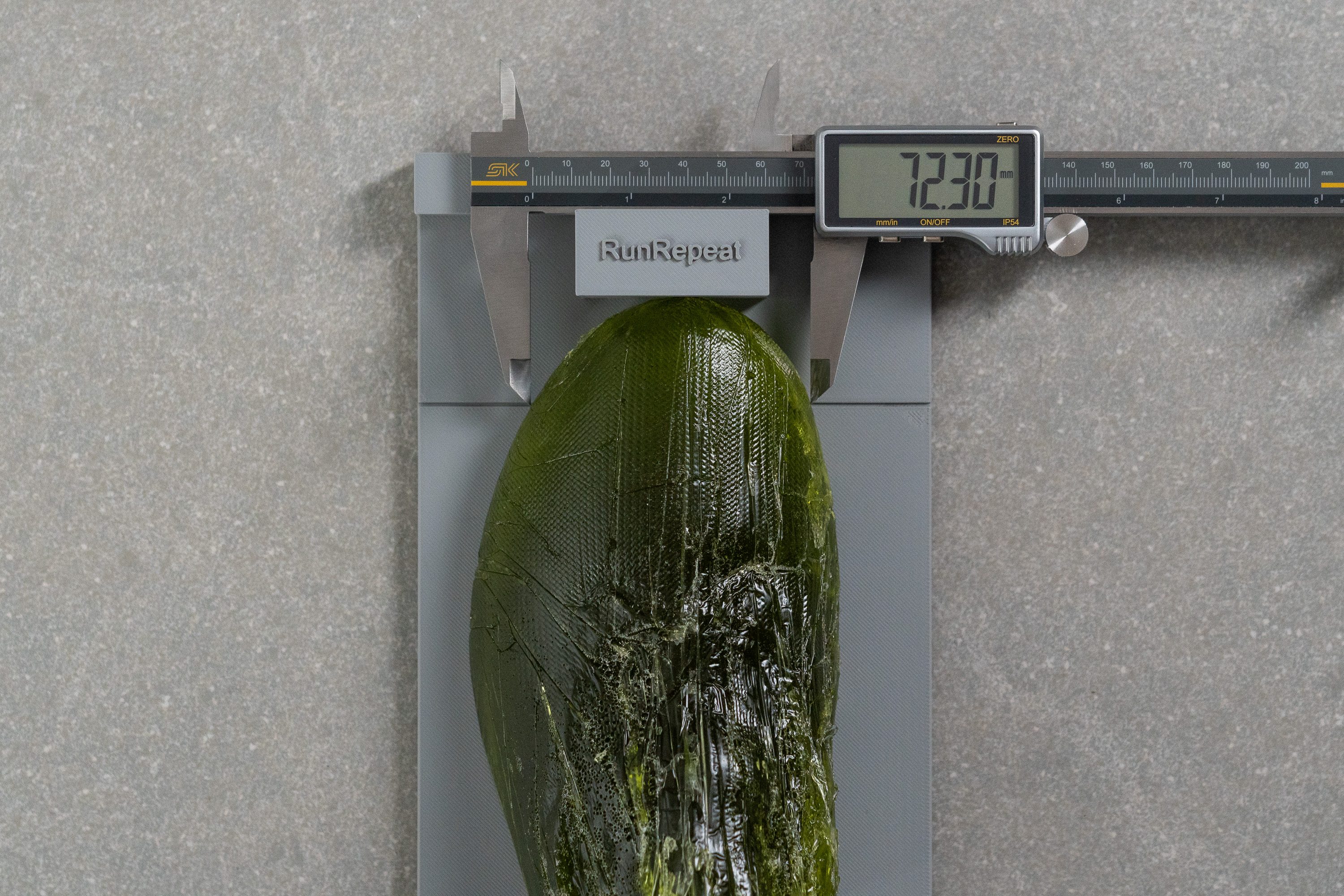
| Pegasus 42 | 72.3 mm |
| Average | 73.2 mm |
Toebox height
We took a final measurement to check the height of the toebox and see if your toenails are in danger.
Thankfully, that is not the case here. Nike went with a safe design approach, offering 27.0 mm of vertical clearance, a good compromise between lockdown and comfort.
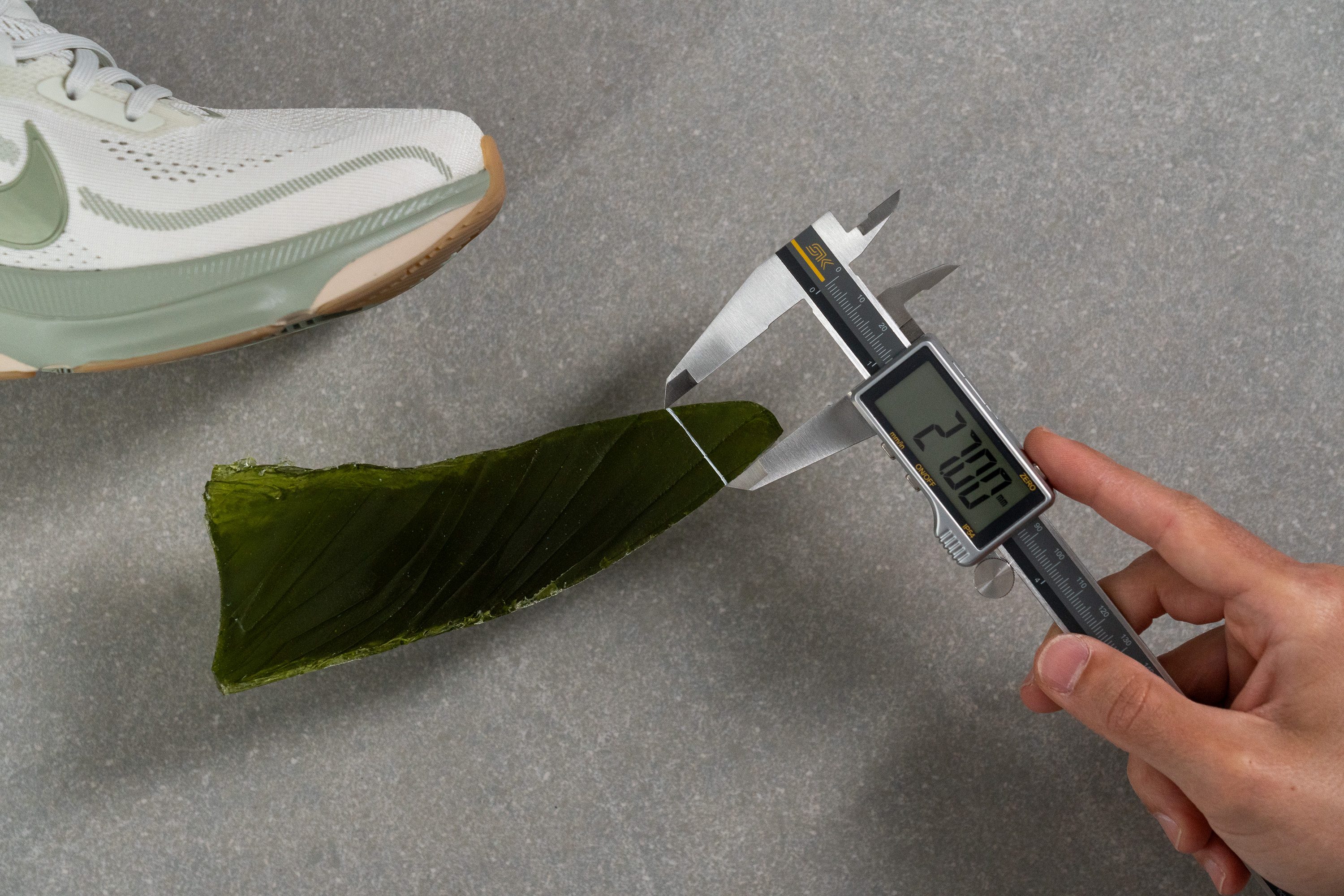
| Pegasus 42 | 27.0 mm |
| Average | 27.0 mm |
Traction / Grip
Traction test
Traction has always been a weak point of the Pegasus series. With version 42, we found that Nike almost doubled the grip from a very lackluster 0.25 score in v41 to a much better 0.45 in this version. It is still not best in class, but it is finally no longer a major disappointment.
| Pegasus 42 | 0.45 |
| Average | 0.53 |
Outsole design
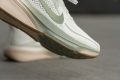
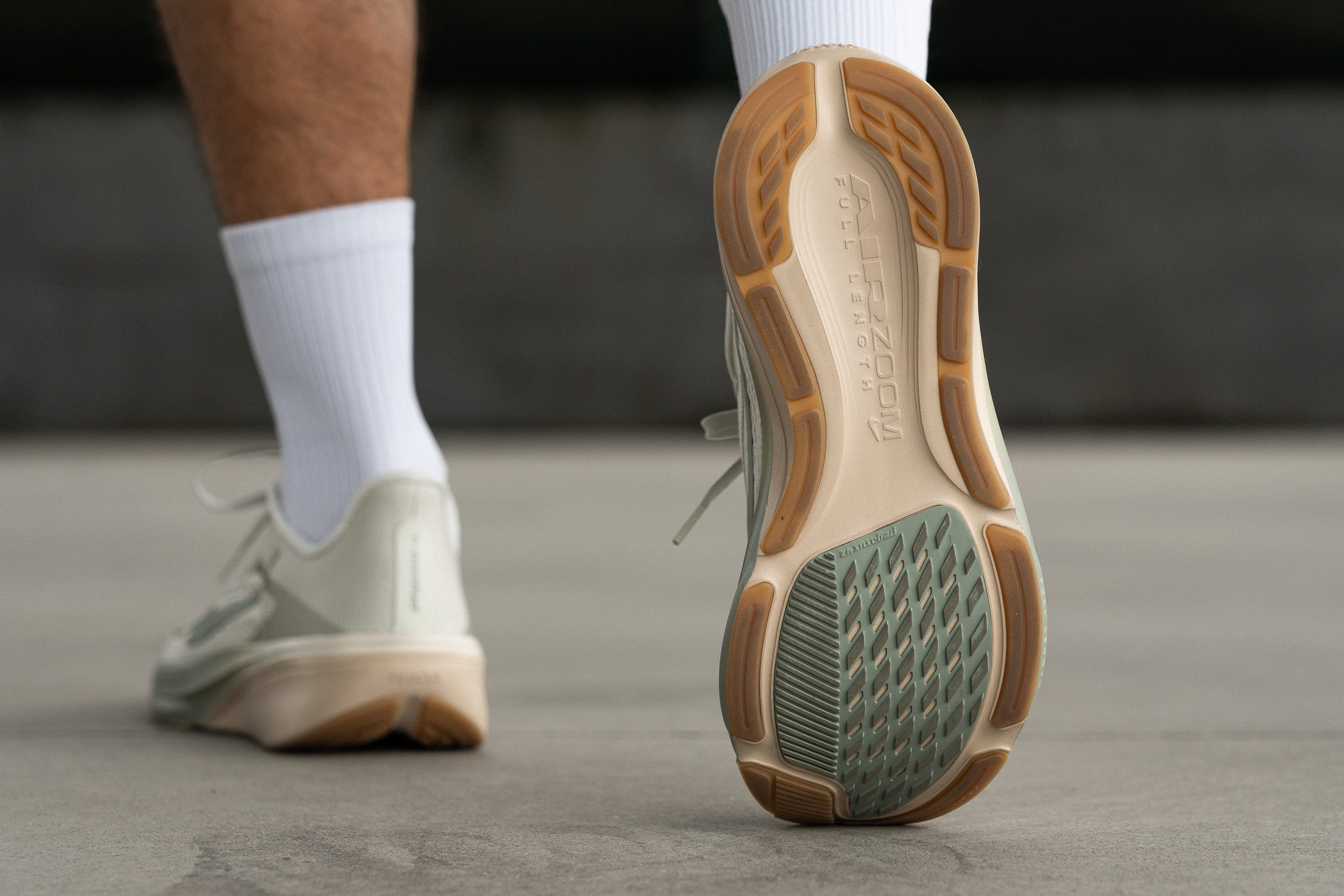
The outsole has been completely revamped. The classic waffle pattern is mostly gone, replaced by a three-zone layout: a perimeter lined with high-abrasion rubber, a textured forefoot section that plays the key role in improving grip, and a far more exposed central area through the midfoot and heel.
Flexibility / Stiffness
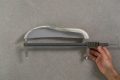
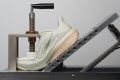
The inclusion of a full-length Air Zoom unit does not come without consequences, and one of them is added stiffness. The Pegasus 42 does not feel as flexible as before and reached 14.6N in our test.
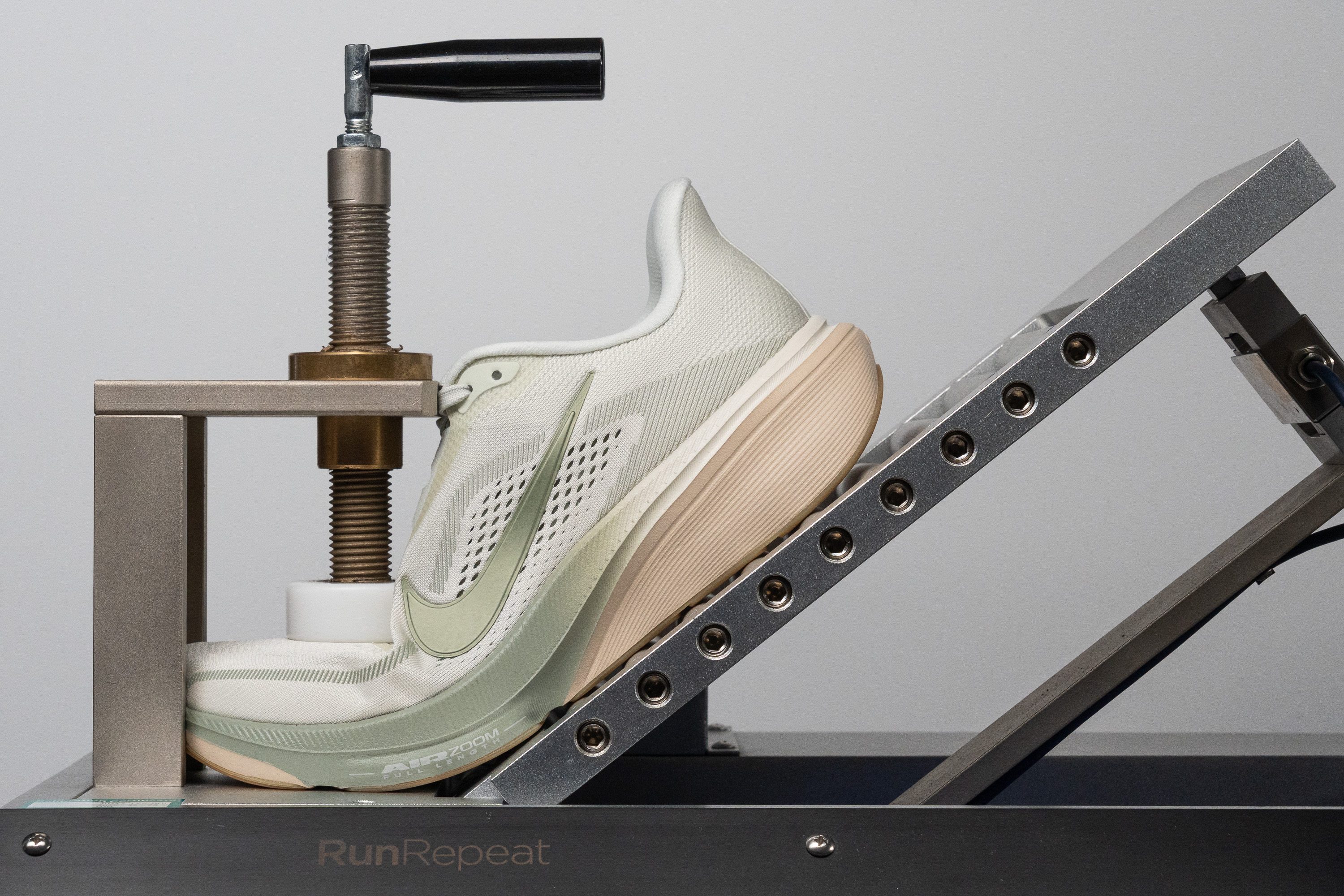
| Pegasus 42 | 14.6N |
| Average | 15.5N |
Weight
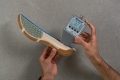
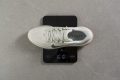
It was disappointing to see a slight weight gain in the Pegasus 42, now at 10.1 oz or 286g.
It's even weird because the outsole now uses less rubber coverage while stack height remains moderate. With many daily trainers priced inside the same bracket coming in 10% or 20% lighter, this clearly stands out as the weakest point of the shoe and an area that needs real attention for the next version, whether that arrives in one year or two.
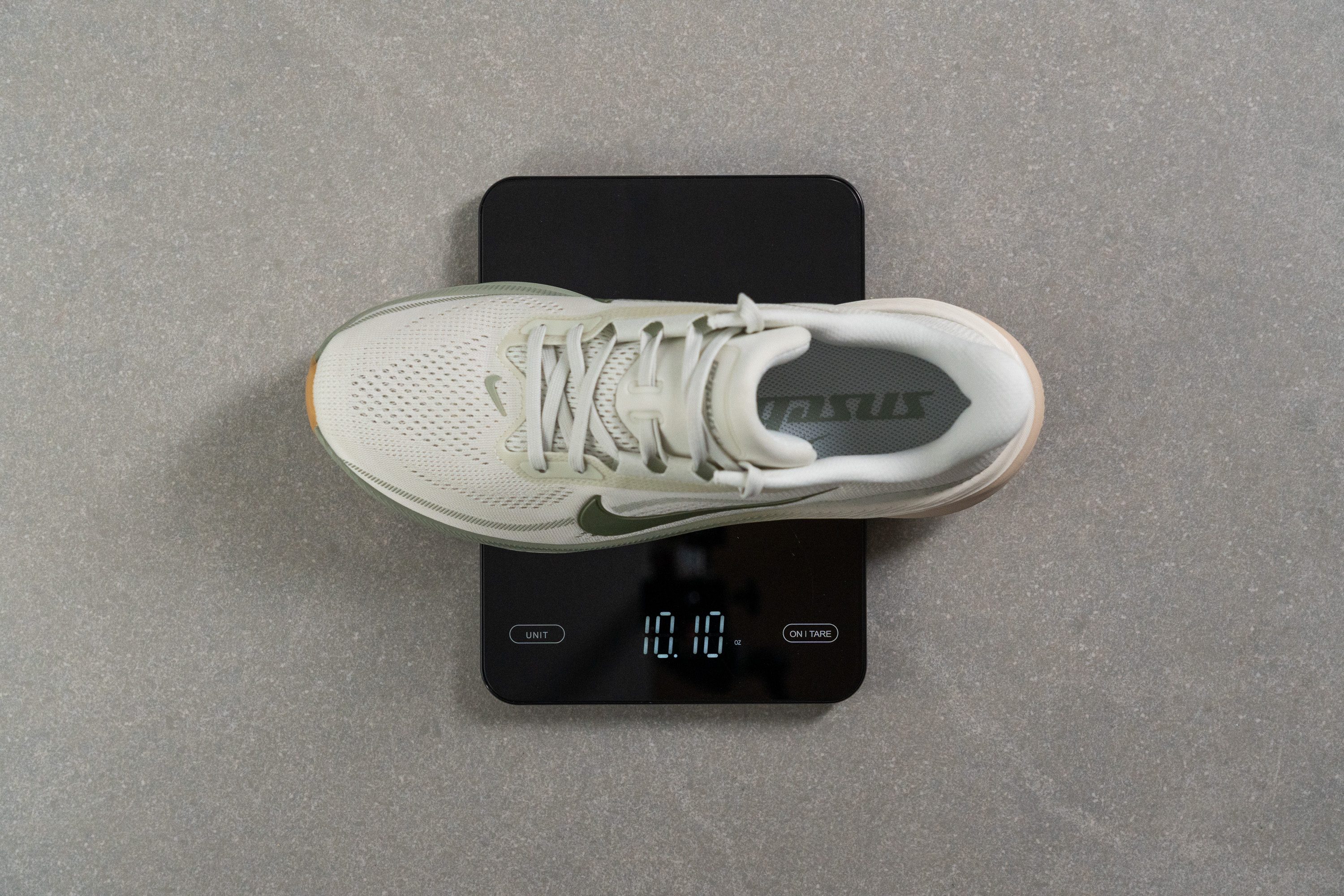
| Pegasus 42 | 10.1 oz (286g) |
| Average | 9.2 oz (261g) |
Breathability
Breathability test
Nike introduces a fully redesigned upper in the Pegasus 42, and we believe it plays a major role in one of the shoe's biggest improvements. While breathability depends on the entire shoe system and not just the upper, this new mesh clearly elevates the overall moisture-management performance.
The Pegasus 42 achieved an outstanding 87 BR in our test, proving highly effective at pulling sweat away from the foot and maintaining a dry environment.
| Pegasus 42 | 87 BR |
| Average | 75 BR |
Drying potential
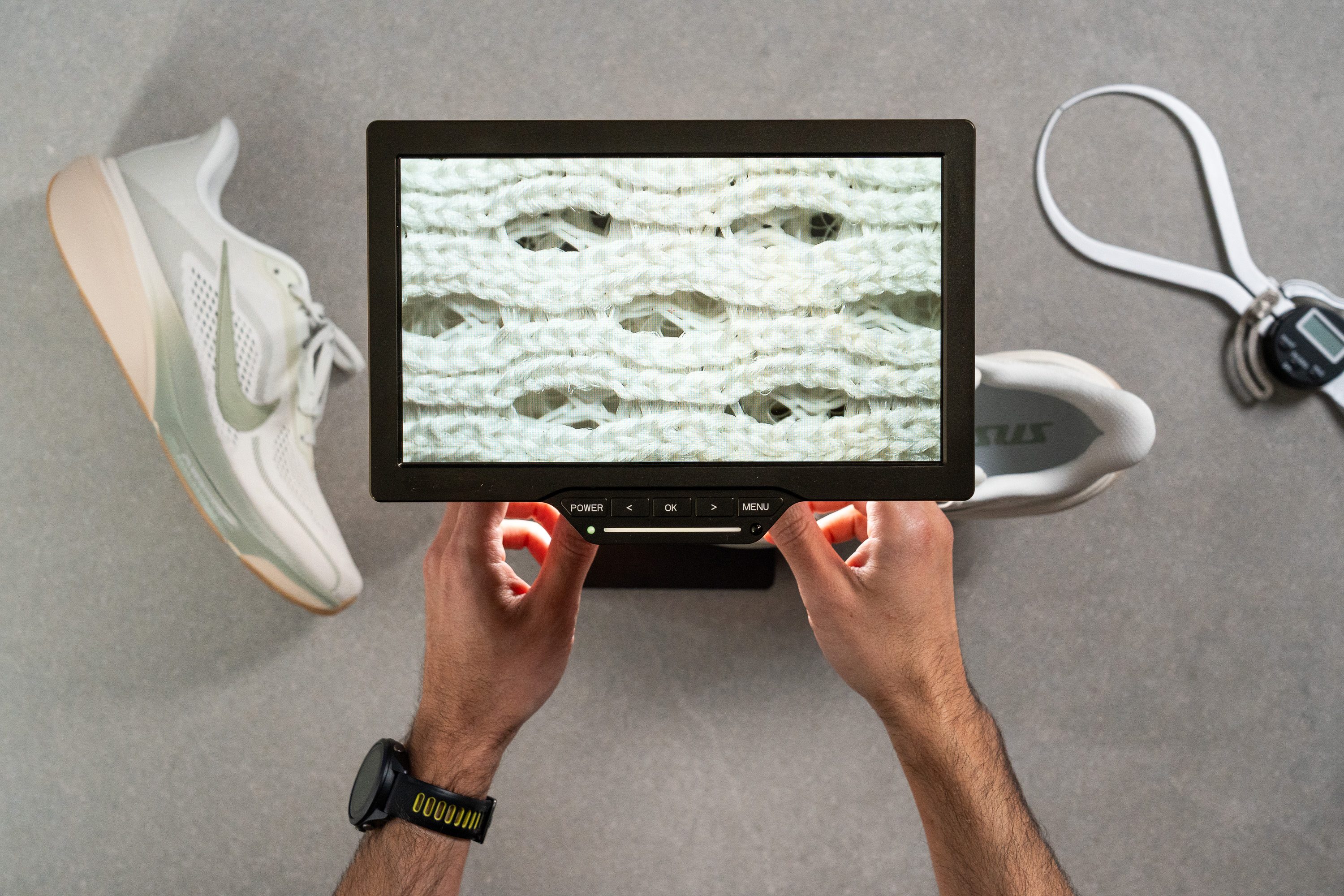
NewThe Pegasus 42 delivered another positive result in our breathability tests.
After keeping the shoe on our heated footform inside the breathability machine for 3 hours, we found that it evaporated 54% of the accumulated moisture, showing a solid ability to release sweat before it can build up inside the shoe.
| Pegasus 42 | 54% |
| Average | 53% |
Stability
Lateral stability test
Nike keeps the Pegasus 42 as its neutral daily trainer by default, and we do not recommend it for runners with stability needs. For them, Nike already offers the Structure 26, a strong alternative that delivers a similar ride with far more support.
But is this an unstable shoe? Not at all. It simply sits in the middle, just like it does in so many other categories.
Torsional rigidity
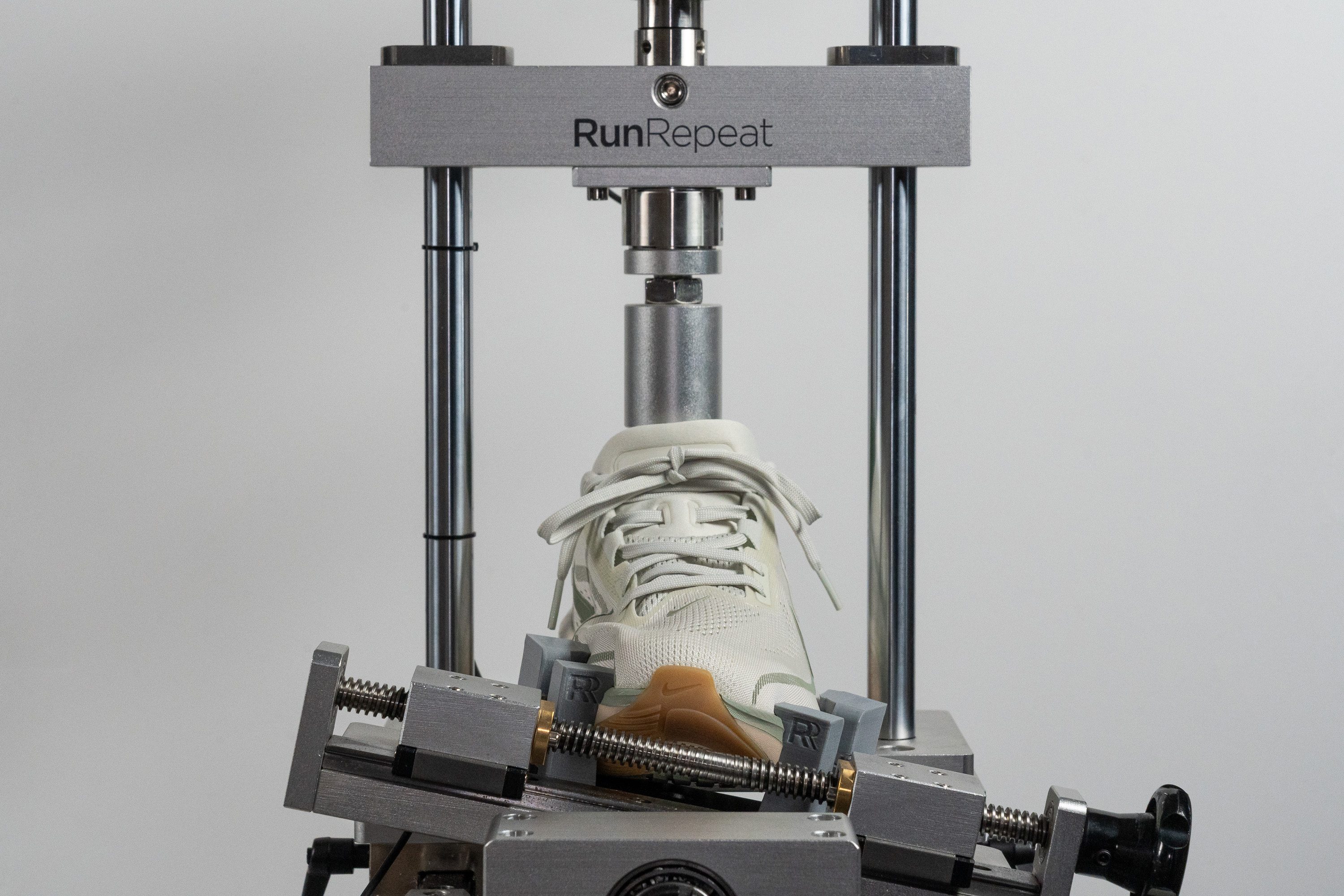
We found torsional rigidity to be fairly average, perhaps even leaning toward the flexible side with a 12.1 Nm score. It seems that the full-length Air Zoom unit has a greater impact from a longitudinal standpoint.
| Pegasus 42 | 12.1 Nm |
| Average | 14.3 Nm |
Heel counter stiffness
We found no changes in heel counter stiffness compared to its predecessor, as Nike keeps a firm, 4-out-of-5 design to better assist heel strikers. That is not a surprise, considering this group is by far the biggest user base of the Pegasus series.
| Pegasus 42 | 4 |
| Average | 2.9 |
Midsole width - forefoot
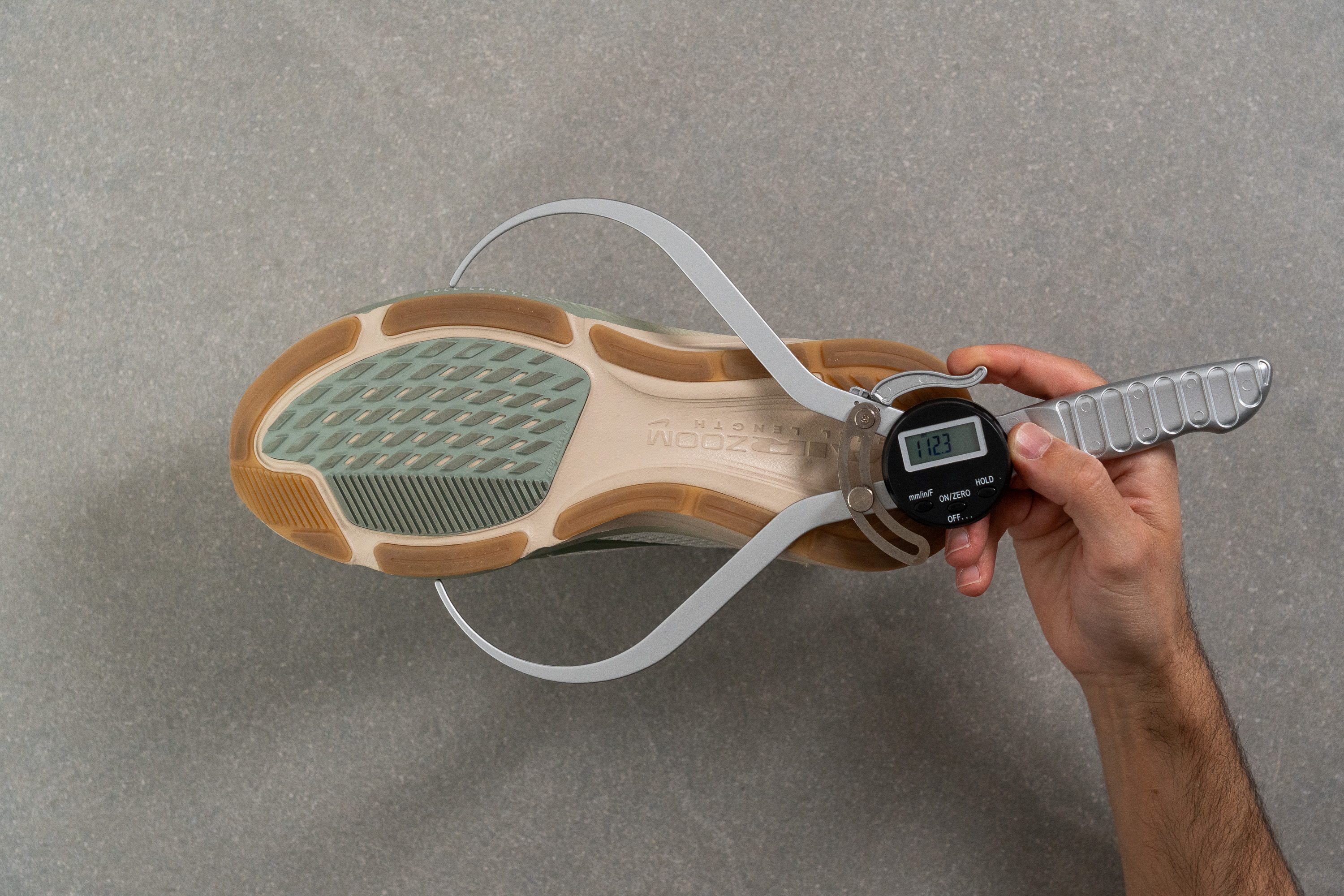
The midsole width narrowed by a few millimeters to 112.3 mm, which is an uncommon move in today’s market where nearly every shoe seems to be getting wider and taller.
We actually liked this change for the Pegasus 42, as its moderate stack allows it to stay agile and more versatile for everyday use.
| Pegasus 42 | 112.3 mm |
| Average | 115.1 mm |
Midsole width - heel
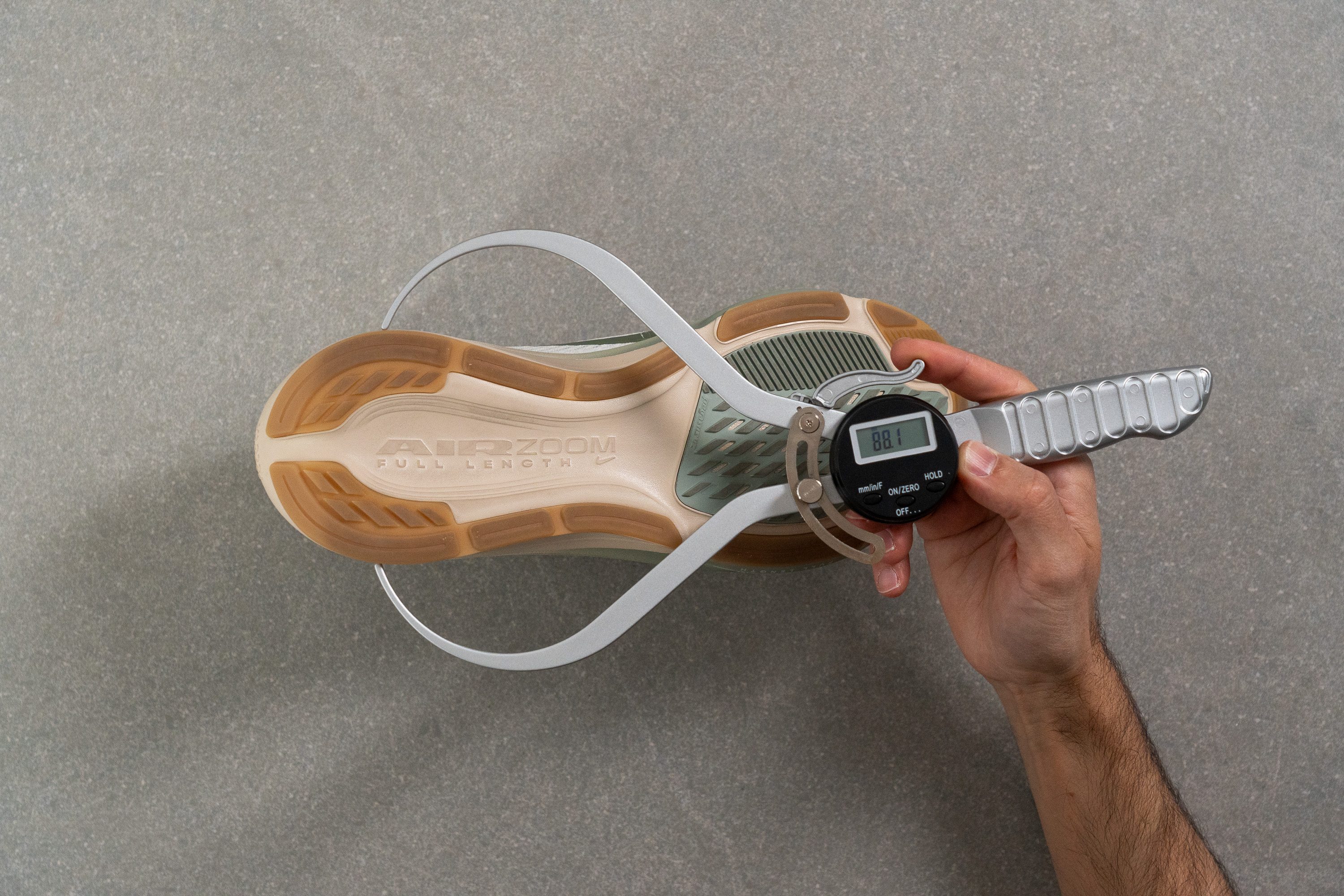
The heel also dipped below our lab average, now measuring 88.1 mm in width. It feels good underfoot, but those seeking extra stability will not find it here.
| Pegasus 42 | 88.1 mm |
| Average | 91.1 mm |
Durability
Toebox durability
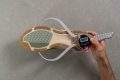
The new engineered mesh is really comfortable, and the price to pay may be durability. At least that is what stems from the 1/5 score we found after using our Dremel at 2N of force and 5K RPM.
| Pegasus 42 | 1 |
| Average | 2.6 |
Heel padding durability
Luckily, the heel padding did much better and scored 4/5 using the same test settings with the tool.
| Pegasus 42 | 4 |
| Average | 3.4 |
Outsole durability
The outsole also cleared the test with ease, with only 0.8 mm of rubber worn away from the outsole. This ensures strong long-term durability, something Pegasus users have come to expect for decades.
| Pegasus 42 | 0.8 mm |
| Average | 1.1 mm |
Outsole thickness
We also measured the outsole thickness and found 2.6 mm. That seems sufficient given the previous result, but it still leaves us wondering why this shoe is so heavy considering its size and many of our measurements.
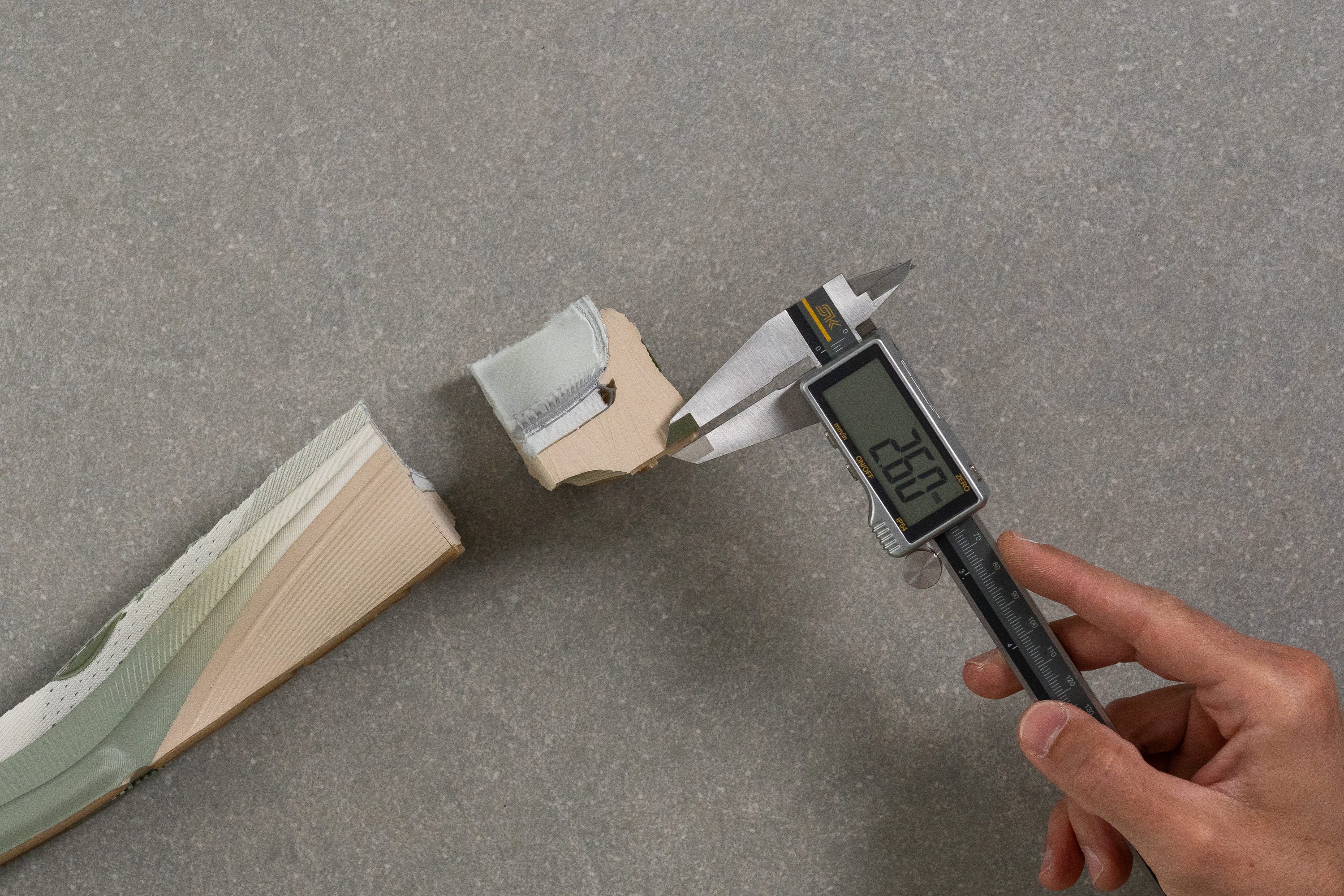
| Pegasus 42 | 2.6 mm |
| Average | 3.1 mm |
Misc
Insole thickness
The insole has a thickness of 5.0 mm, which is slightly more than usual but nothing remarkable.
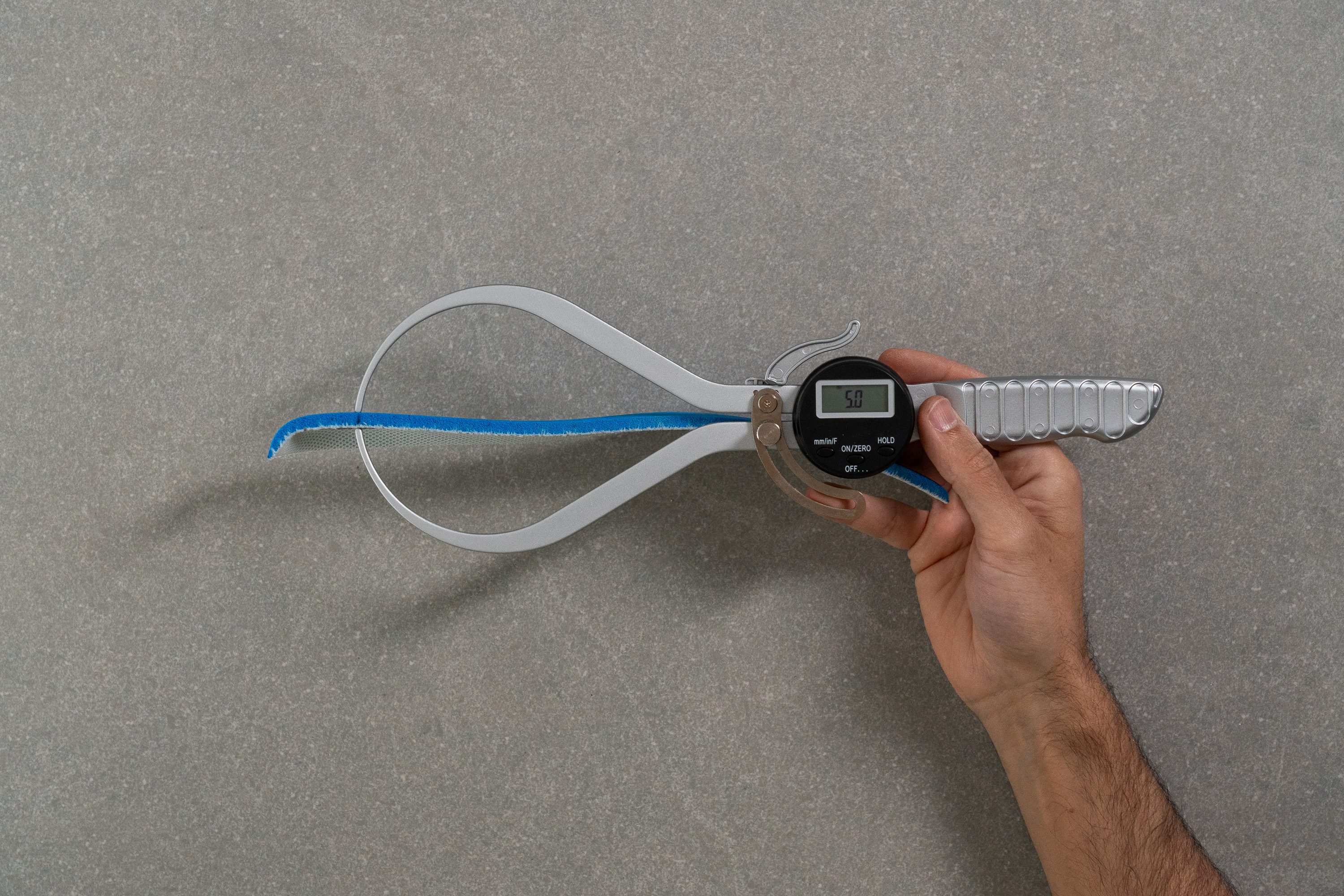
| Pegasus 42 | 5.0 mm |
| Average | 4.4 mm |
Removable insole
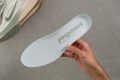
The included insole comes with "RESPONSIVE CUSHIONING" written on it, and that claim feels questionable at best. If you also disagree and want to use another insole, it can be easily replaced.
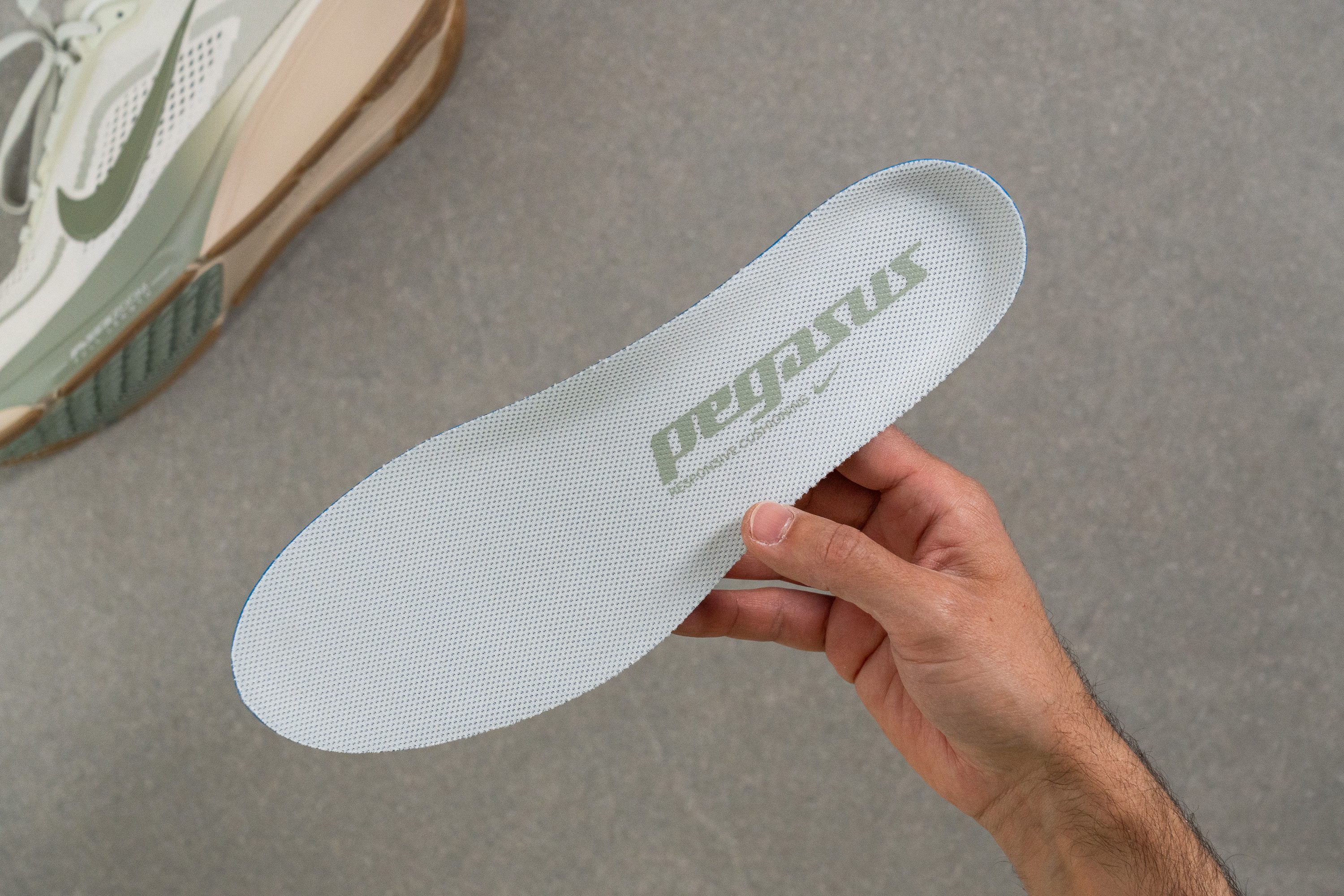
| Pegasus 42 | Yes |
Reflective elements
Nike covered the upper stitching by using two reflective pieces, and that seems like a win-win for everyone.
| Pegasus 42 | Yes |
Tongue padding
The lacing system and tongue have been revamped. It features a new loop that helps keep the tongue centered with a very clean execution, while the updated hybrid lacing system combines punched eyelets with four side loops that allow better pressure adjustment.
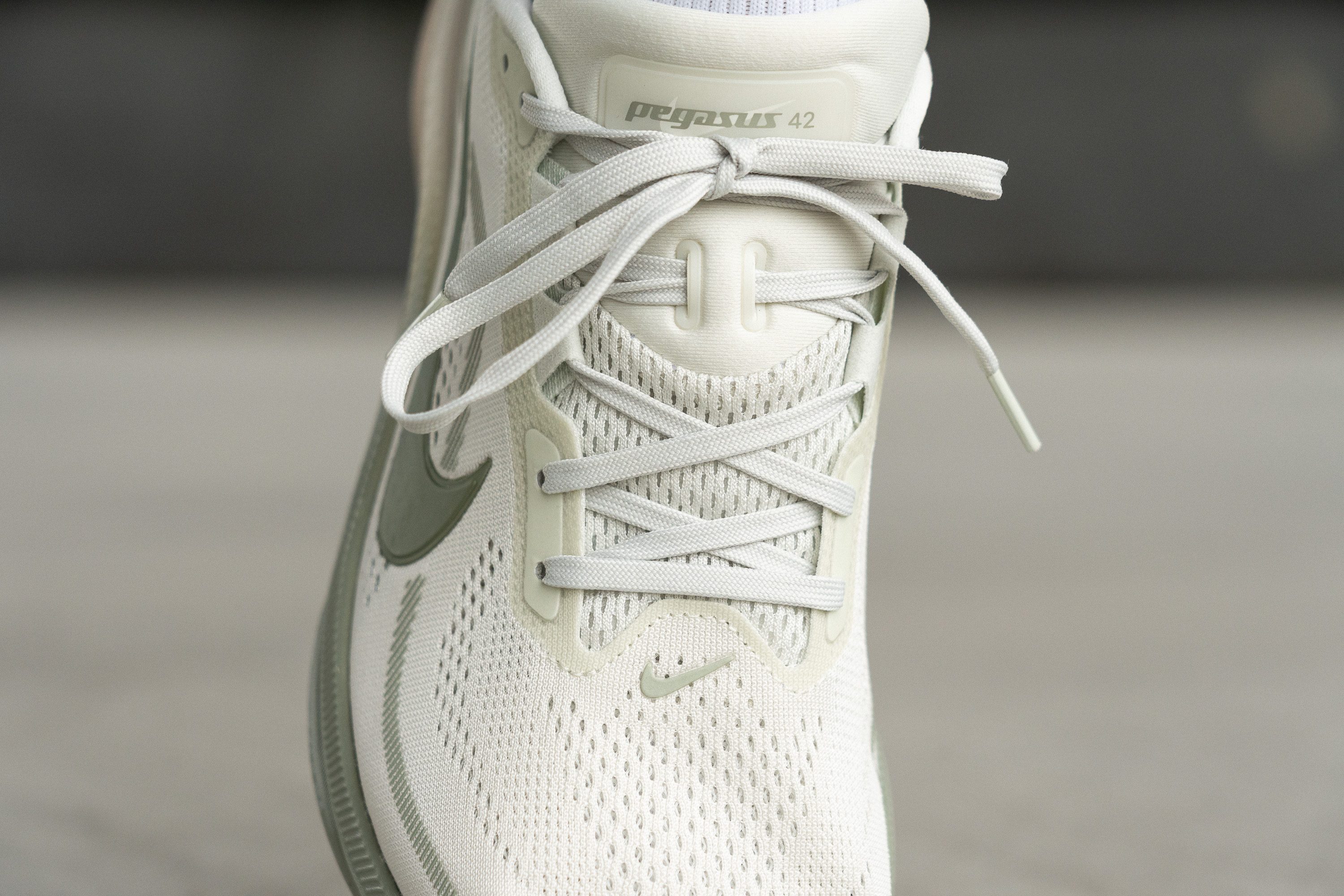
Regarding comfort, the tongue is excellent at 9.1 mm and delivers a highly plush feel. In fact, considering the shoe’s high weight, a slightly thinner design could be worth exploring for the next version if everything else remains similar.
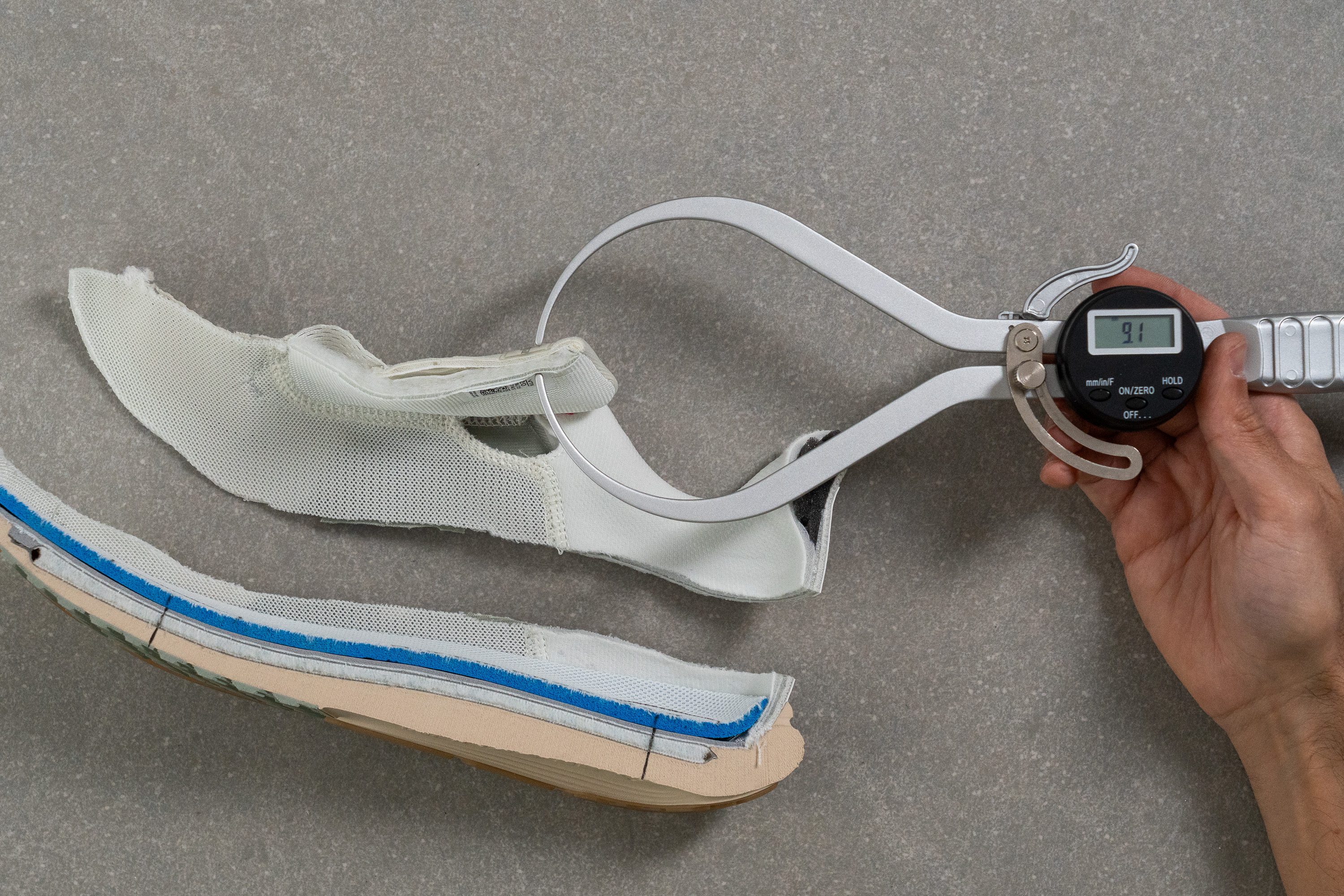
| Pegasus 42 | 9.1 mm |
| Average | 5.8 mm |
Tongue: gusset type
The tongue comes partially fixed to the sides, so that is another box checked for how a proper daily trainer should be designed.
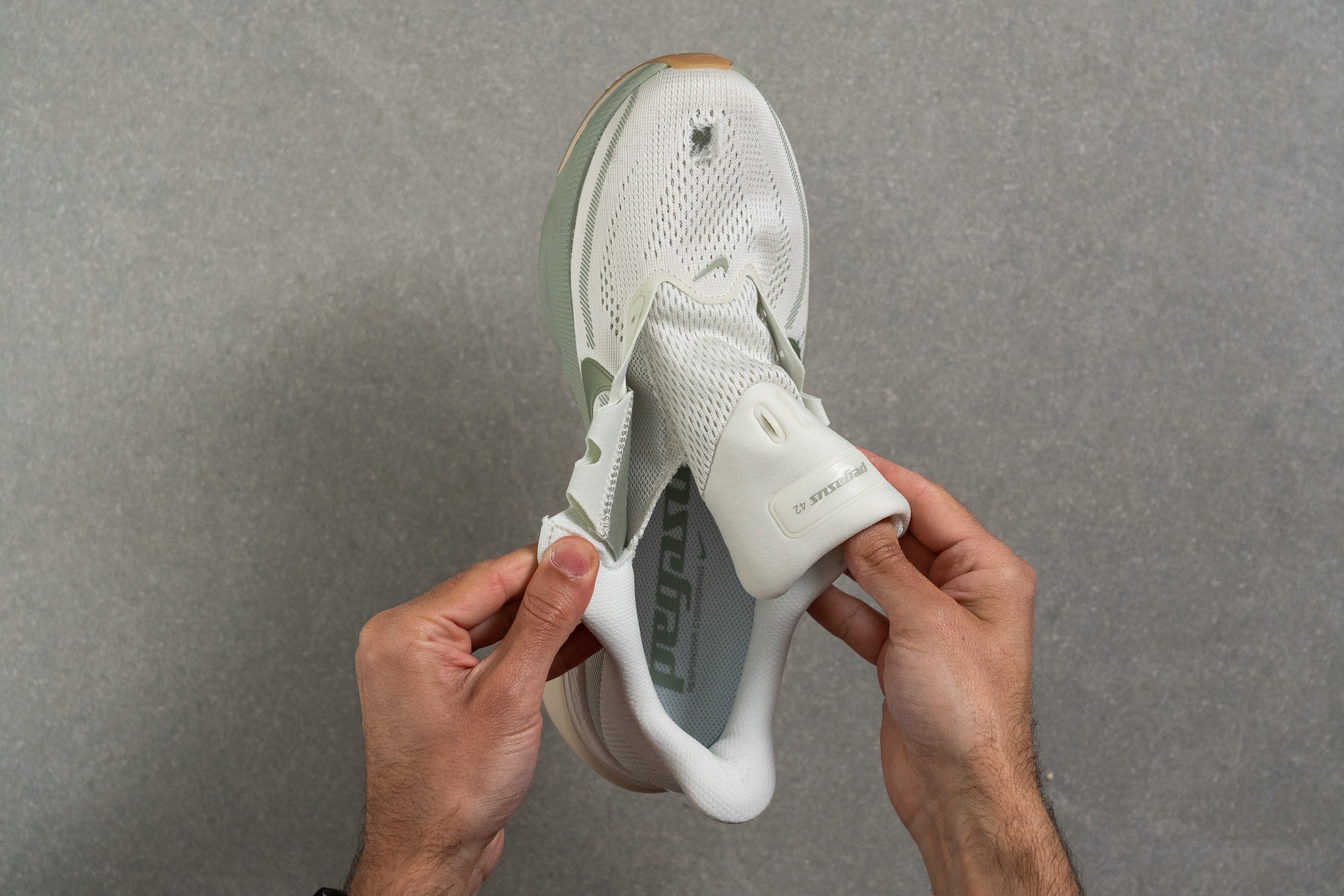
| Pegasus 42 | Both sides (semi) |
Heel tab
The heel collar of the Pegasus 42 retains the familiar design with a slight tail that can help when putting the shoe on, but once again skips a finger-loop tab.
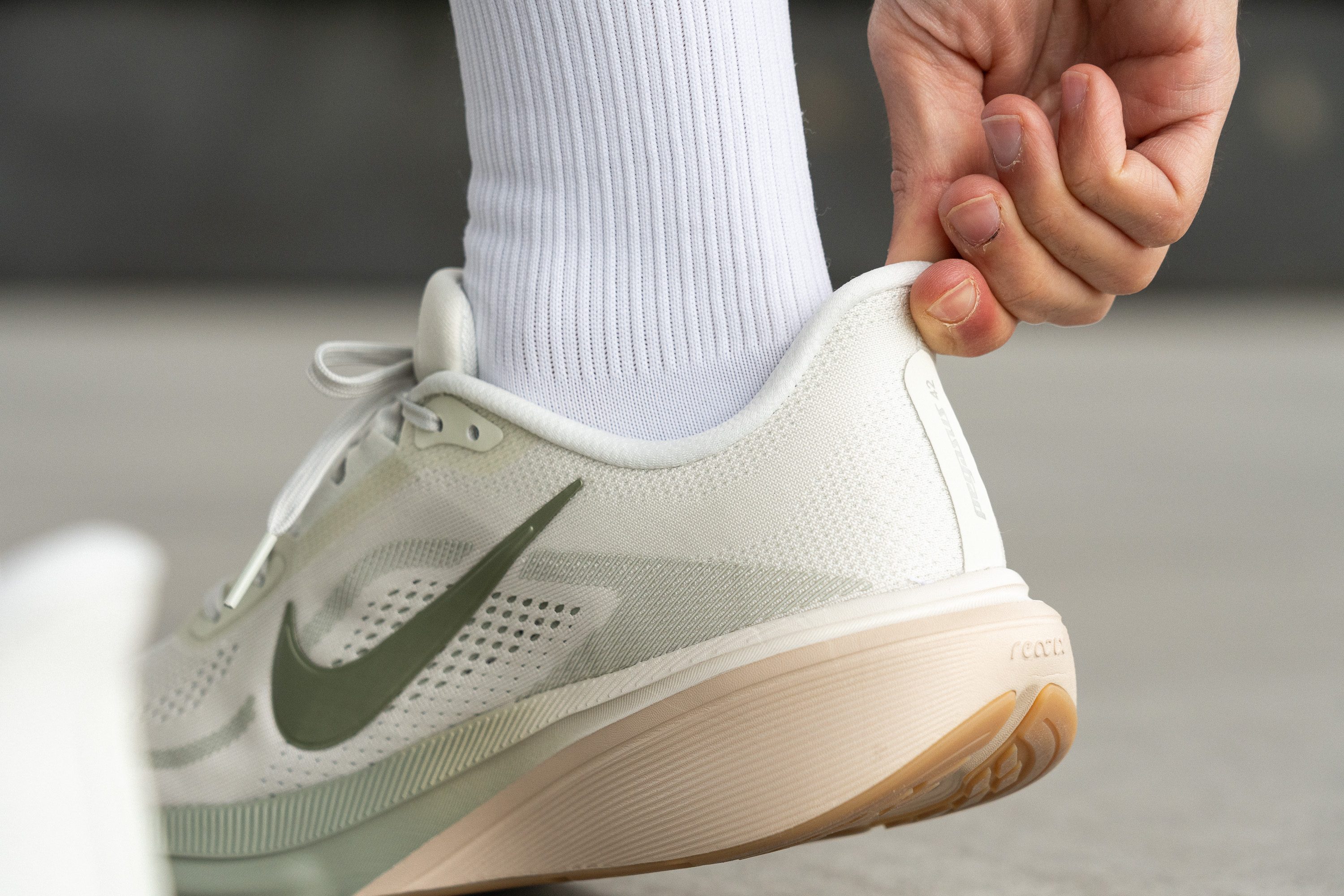
| Pegasus 42 | Extended heel collar |
Price
Nike has adjusted the price of the Pegasus 42 with a minor $5 increase. That comes after the $10 jump seen with the Pegasus 41, bringing the total rise to $15 since version 40. In our view, the Peg is starting to sit near the limit of what feels like a reasonable price.
| Pegasus 42 | $145 |
| Average | $158 |