





















Our verdict
- Daily running 87
- Tempo 71
- Race 32
- Stability 74
Pros
- Comfortable, soft ride for daily miles
- Excellent value
- Great first running shoe for beginners
- Durable upper and outsole
- Secure, comfortable fit
- Versatile for running and everyday wear
- Improved design
- A good option for improving foot strength
- Available in multiple width options
- Accurate heel-to-toe drop
- Solid grip
Cons
- Not very breathable
- Only for neutral runners
- Small energy return downgrade from v8
Awards
- Top 29% in road running shoes
- Top 30% in New Balance running shoes
- Top 6% most popular running shoes
Comparison
The most similar running shoes compared
+ + Add a shoe | |||||
|---|---|---|---|---|---|
| Our score | 85 Great | 85 Great | 79 Good | 74 Good | |
| Price | $85 | $170 | $70 | $70 | |
| Pace | Daily running | TempoDaily running | Daily running | Daily running | |
| Shock absorption | Moderate | High | Moderate | Low | |
| Energy return | Moderate | High | Moderate | Moderate | |
| Traction | High | High | High | Moderate | |
| Arch support | Neutral | Neutral | Neutral | Neutral | |
| Weight lab Weight brand | 9.1 oz / 258g 9.1 oz / 259g | 8.7 oz / 247g 8.6 oz / 245g | 9.3 oz / 264g 9.5 oz / 270g | 8.5 oz / 242g 8.7 oz / 246g | |
| Lightweight | ✗ | ✓ | ✗ | ✓ | |
| Drop lab Drop brand | 8.3 mm 8.0 mm | 7.0 mm 8.0 mm | 8.8 mm 10.0 mm | 7.7 mm 8.0 mm | |
| Strike pattern | HeelMid/forefoot | Mid/forefoot | HeelMid/forefoot | Mid/forefoot | |
| Size | True to size | True to size | Slightly small | True to size | |
| Midsole softness | Soft | Balanced | Firm | Balanced | |
| Difference in midsole softness in cold | Small | Small | Normal | Big | |
| Toebox durability | Decent | Bad | Good | Bad | |
| Heel padding durability | Good | Bad | Good | Bad | |
| Outsole durability | Good | Good | Decent | Good | |
| Breathability | - | Moderate | Moderate | Moderate | |
| Width / fit | Medium | Medium | Medium | Medium | |
| Toebox width | Medium | Narrow | Medium | Medium | |
| Stiffness | Flexible | Stiff | Flexible | Flexible | |
| Torsional rigidity | Flexible | Moderate | Moderate | Flexible | |
| Heel counter stiffness | Flexible | Moderate | Stiff | Flexible | |
| Heel lab Heel brand | 33.2 mm 30.0 mm | 33.6 mm 38.0 mm | 31.8 mm 33.0 mm | 28.1 mm | |
| Forefoot lab Forefoot brand | 24.9 mm 22.0 mm | 26.6 mm 30.0 mm | 23.0 mm 23.0 mm | 20.4 mm | |
| Widths available | NormalWideX-Wide | NormalWide | NormalWideX-Wide | NormalWideX-Wide | |
| Orthotic friendly | ✓ | ✓ | ✓ | ✓ | |
| Season | - | All seasons | All seasons | All seasons | |
| Removable insole | ✓ | ✓ | ✓ | ✓ | |
| Ranking | #105 Top 27% | #113 Top 29% | #234 Bottom 41% | #328 Bottom 18% | |
| Popularity | #23 Top 6% | #77 Top 20% | #37 Top 10% | #7 Top 2% |


Who should buy
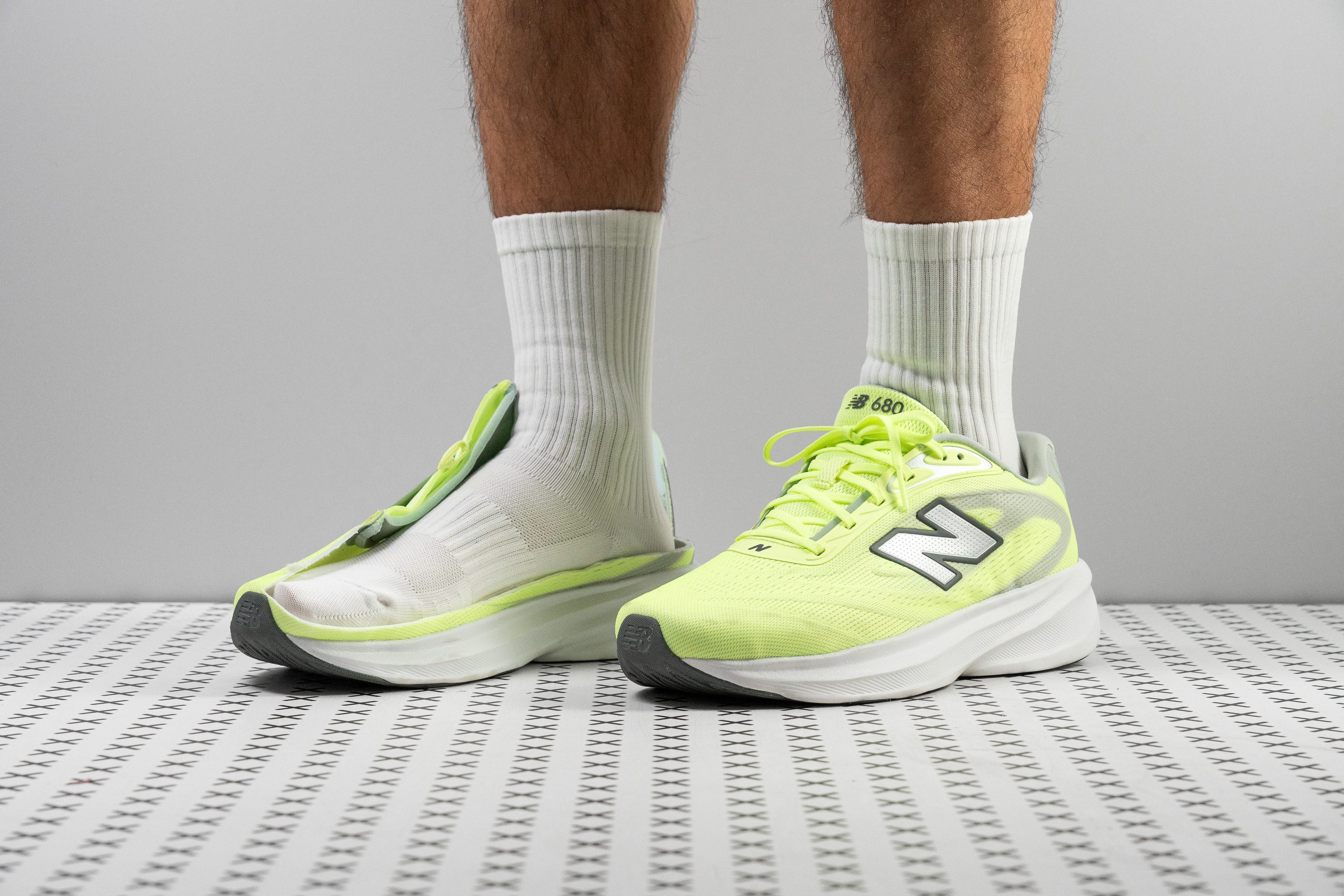
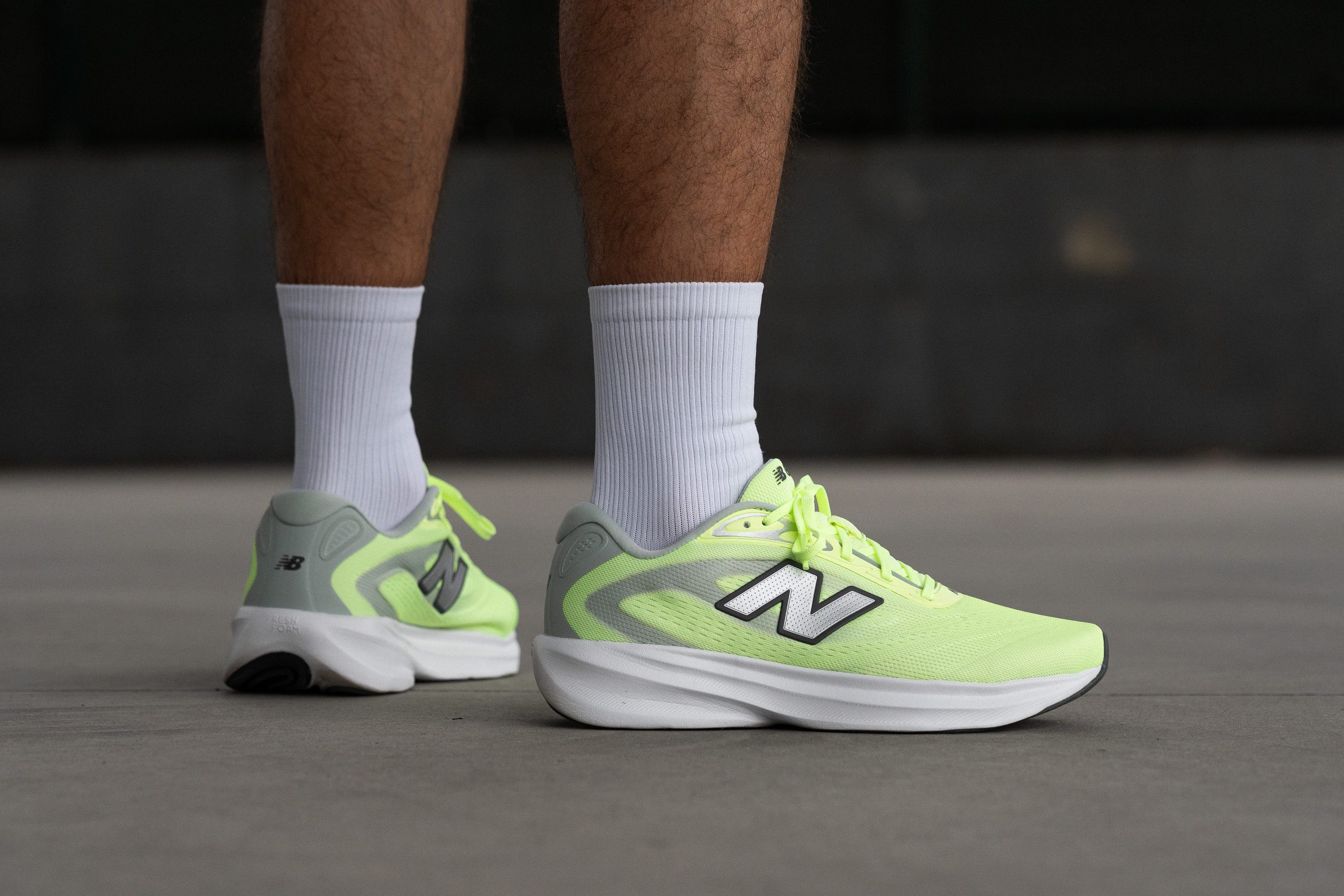
In our opinion, the New Balance Fresh Foam 680 v9 is ideal for:
- Runners on a budget looking for a comfortable and durable daily trainer.
- Beginners searching for their first running shoe to start their journey.
- Fans of previous 680s who wanted a more modern design without losing the shoe's familiar feel.
- Anyone who wants a lightweight, versatile shoe for everyday wear and a few runs each week.
Who should NOT buy
The moderate stack height of the 680 v9 may not appeal to runners who prefer a highly cushioned ride with plenty of foam underfoot. If that's what you're after, we recommend the New Balance 1080 v15 if your budget allows, or the Nike Winflo 12 if you're looking for the best value.
We also found that the 680 v9 falls short for overpronators. If stability is one of your top priorities, the ASICS GT 1000 15 is a better choice.
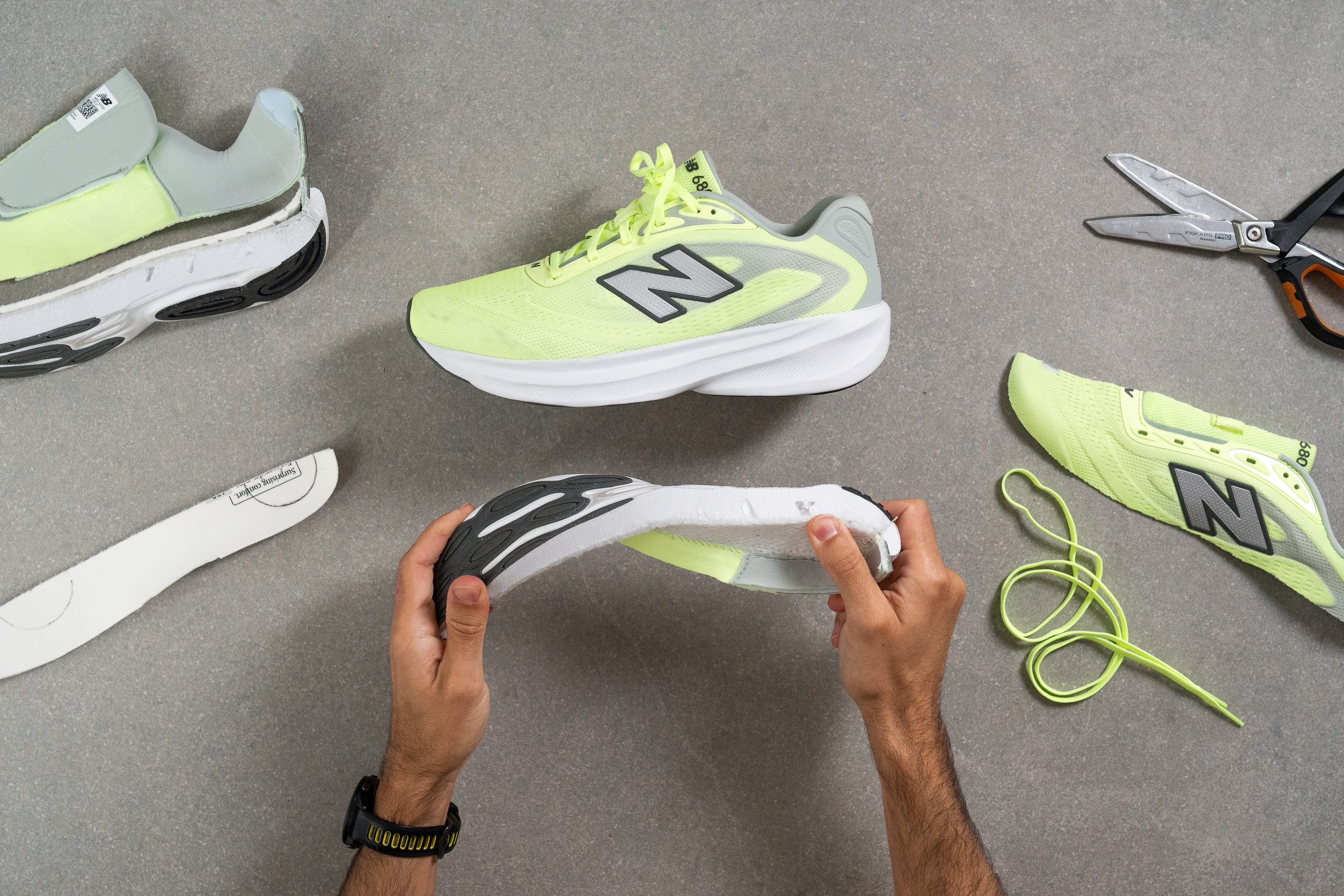
Cushioning
Shock absorption
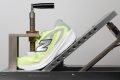
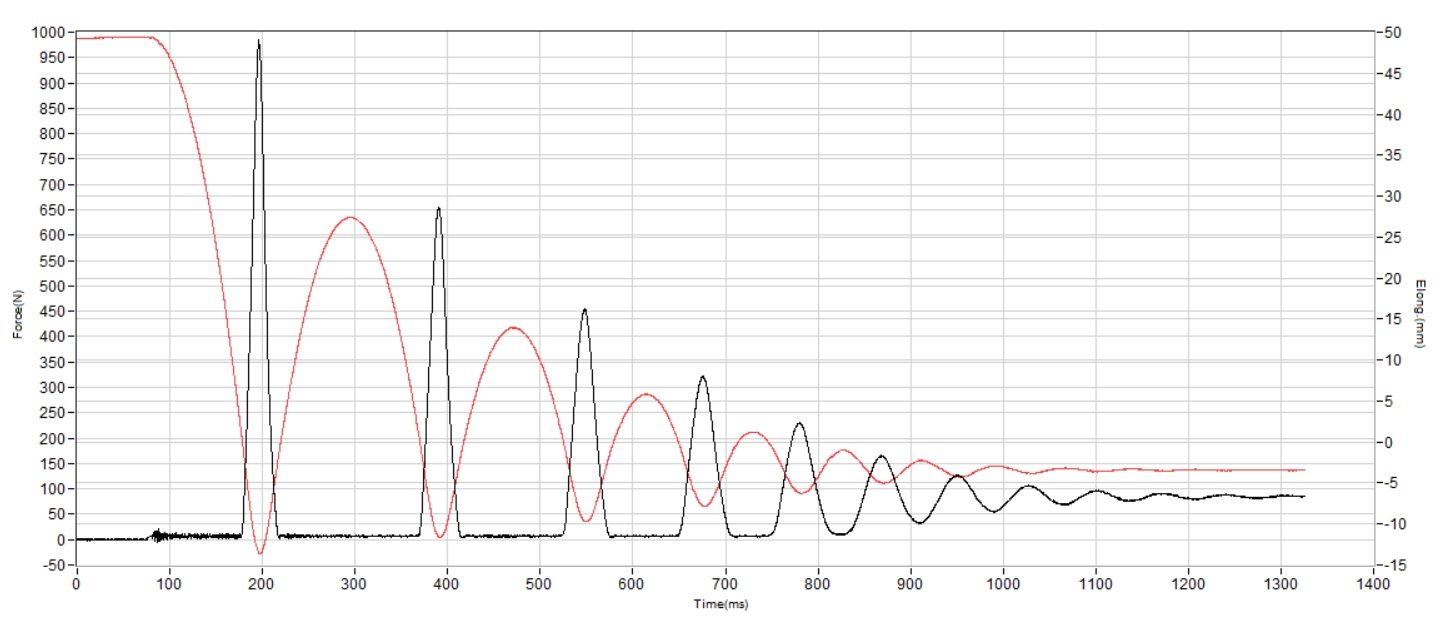
We measured 128 SA in the heel and 102 SA in the forefoot for the Fresh Foam 680 v9.
While these numbers are not especially high, they are exactly what we expected from a shoe with a moderate stack height. In our opinion, they provide enough impact protection for daily runs lasting around one hour.
| Fresh Foam 680 v9 | 128 SA |
| Average | 131 SA |
Energy return
The New Balance Fresh Foam 680 v9 features the Fresh Foam compound that served as the brand's flagship foam several years ago. However, with New Balance shifting its focus toward FuelCell, Infinion, and Fresh Foam X, it now powers the brand's budget-friendly daily trainers.
In the 680 v9, it certainly gets the job done. While the 54.7% energy return in the heel and 61.9% in the forefoot won't impress anyone, these figures outperform many running shoes that cost nearly twice as much.
| Fresh Foam 680 v9 | 61.9% |
| Average | 61.4% |
Heel stack
The 680 is a highly popular saga among runners taking their first steps into the sport thanks to its affordable price. And we believe that beginning with a flexible, moderate-stack-height shoe is a smarter approach than immediately opting for a max-cushioned and rigid option, allowing newcomers to develop a more natural feel for running.
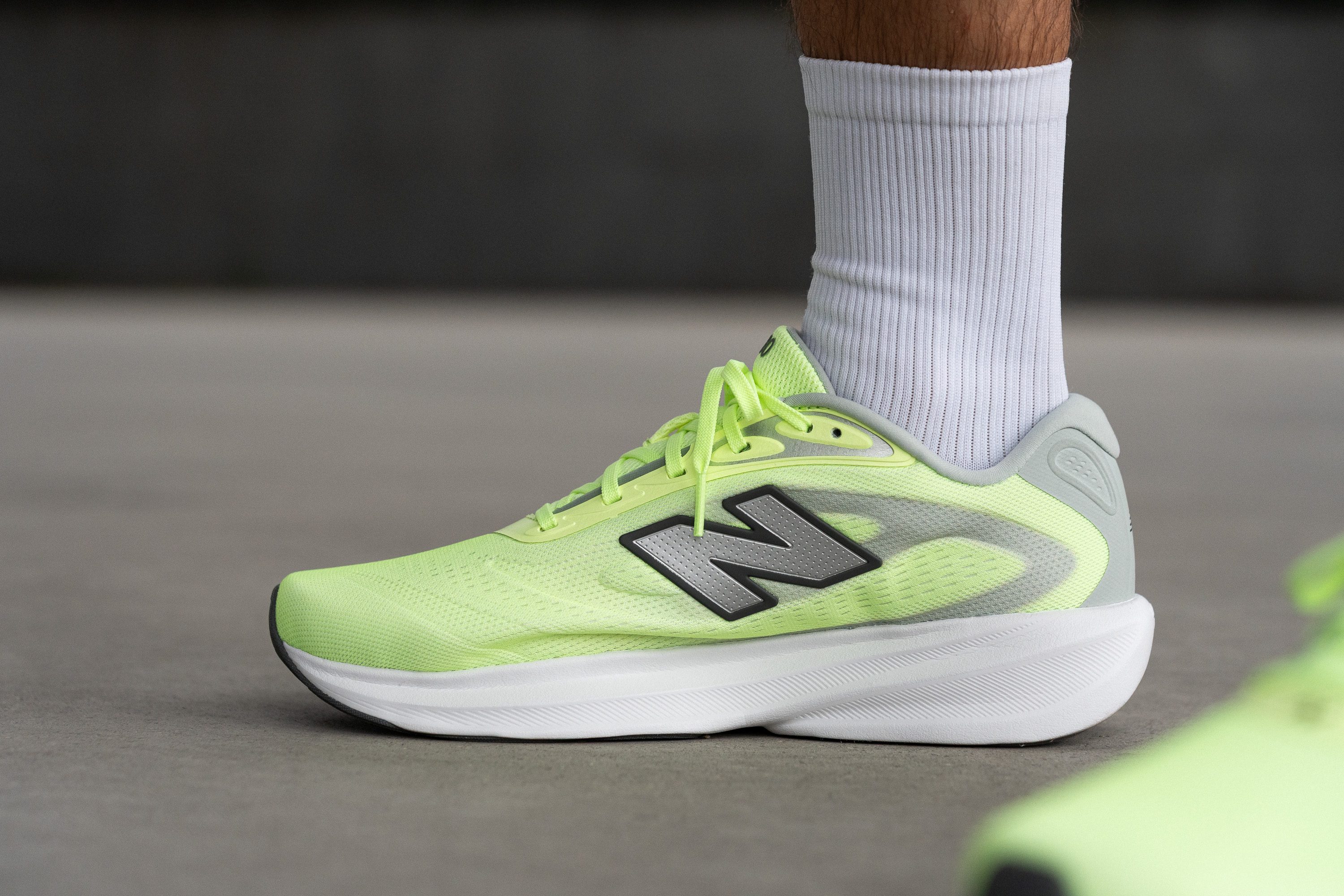
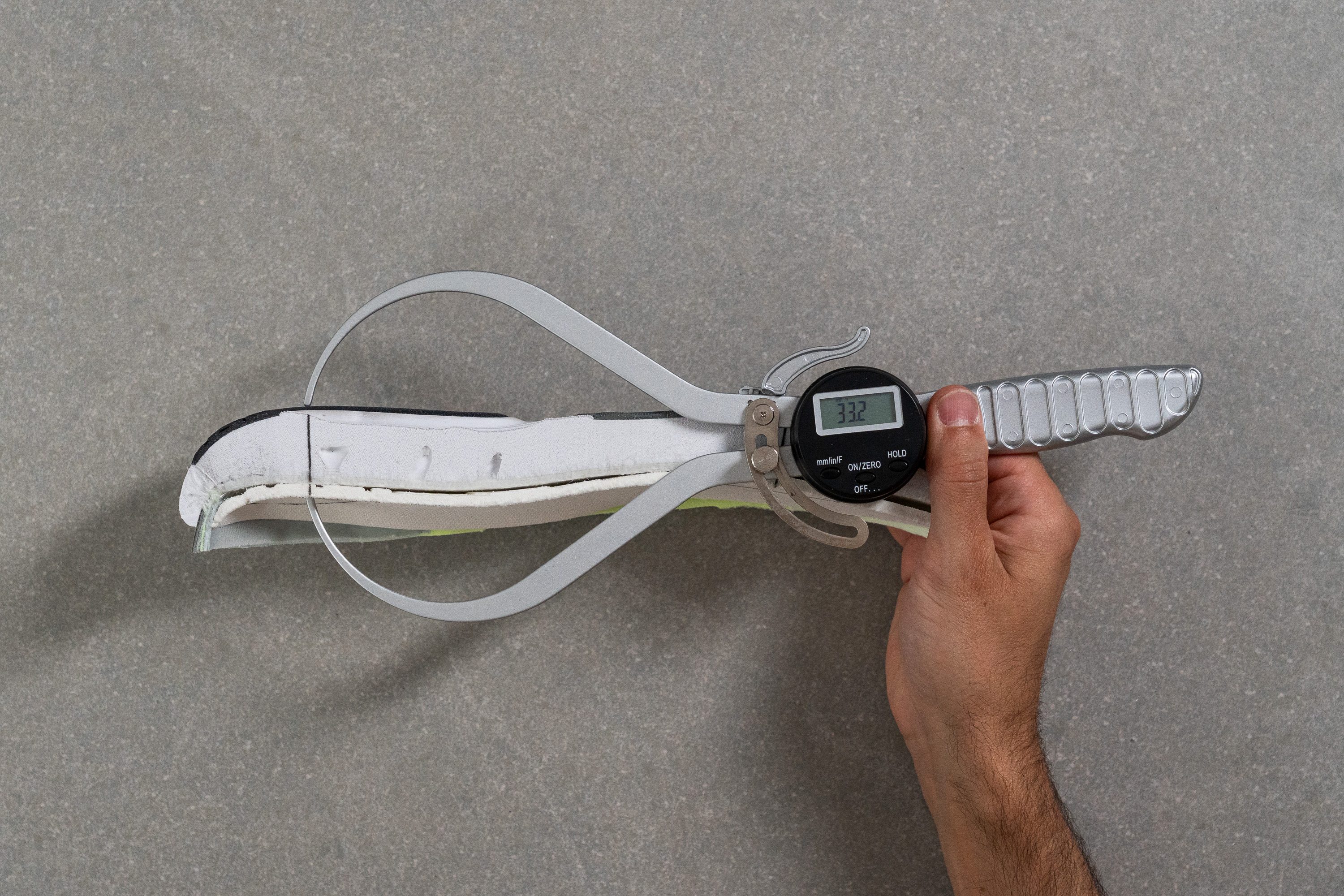
Therefore, we found the 33.2 mm heel stack to be a sensible choice. It also works surprisingly well for experienced marathoners looking for an inexpensive, no-frills trainer that can comfortably handle easy-paced miles.
| Fresh Foam 680 v9 | 33.2 mm |
| Average | 35.5 mm |
Forefoot stack
The forefoot also sits slightly below our current lab average at 24.9 mm.
We believe that this makes the 680 v9 an appealing option for experienced runners who prefer a lower-stack design with enhanced ground feel, a combination that's becoming increasingly difficult to find as many brands continue moving toward taller midsoles.
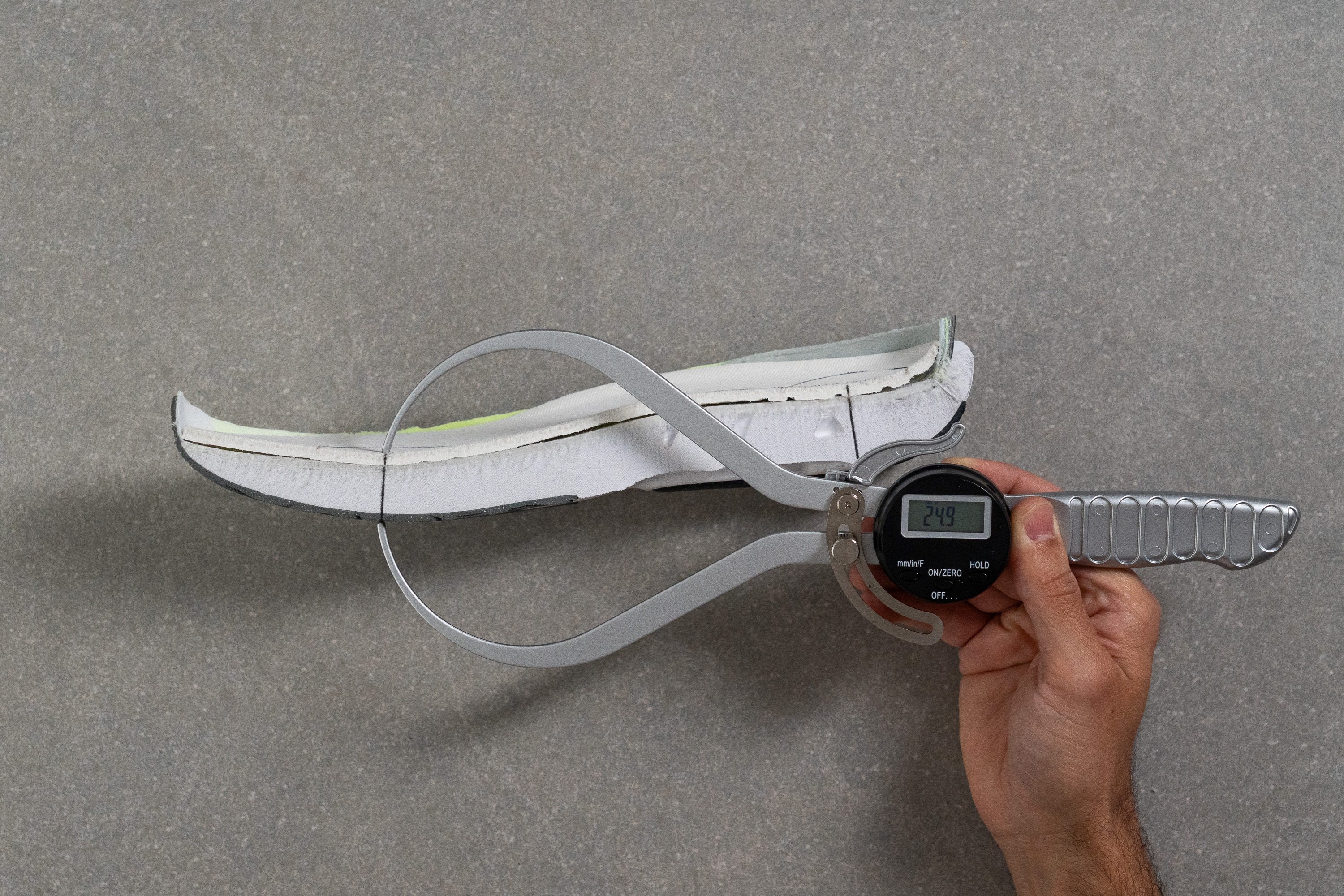
| Fresh Foam 680 v9 | 24.9 mm |
| Average | 27.1 mm |
Drop
The difference between the heel and forefoot results in an 8.3 mm drop. That's remarkably close to New Balance's claimed 8 mm, with a tiny 0.3 mm difference that ranks among the most accurate brand specifications we regularly measure.
We also believe that this moderate drop makes the shoe a versatile choice regardless of your footstrike pattern.
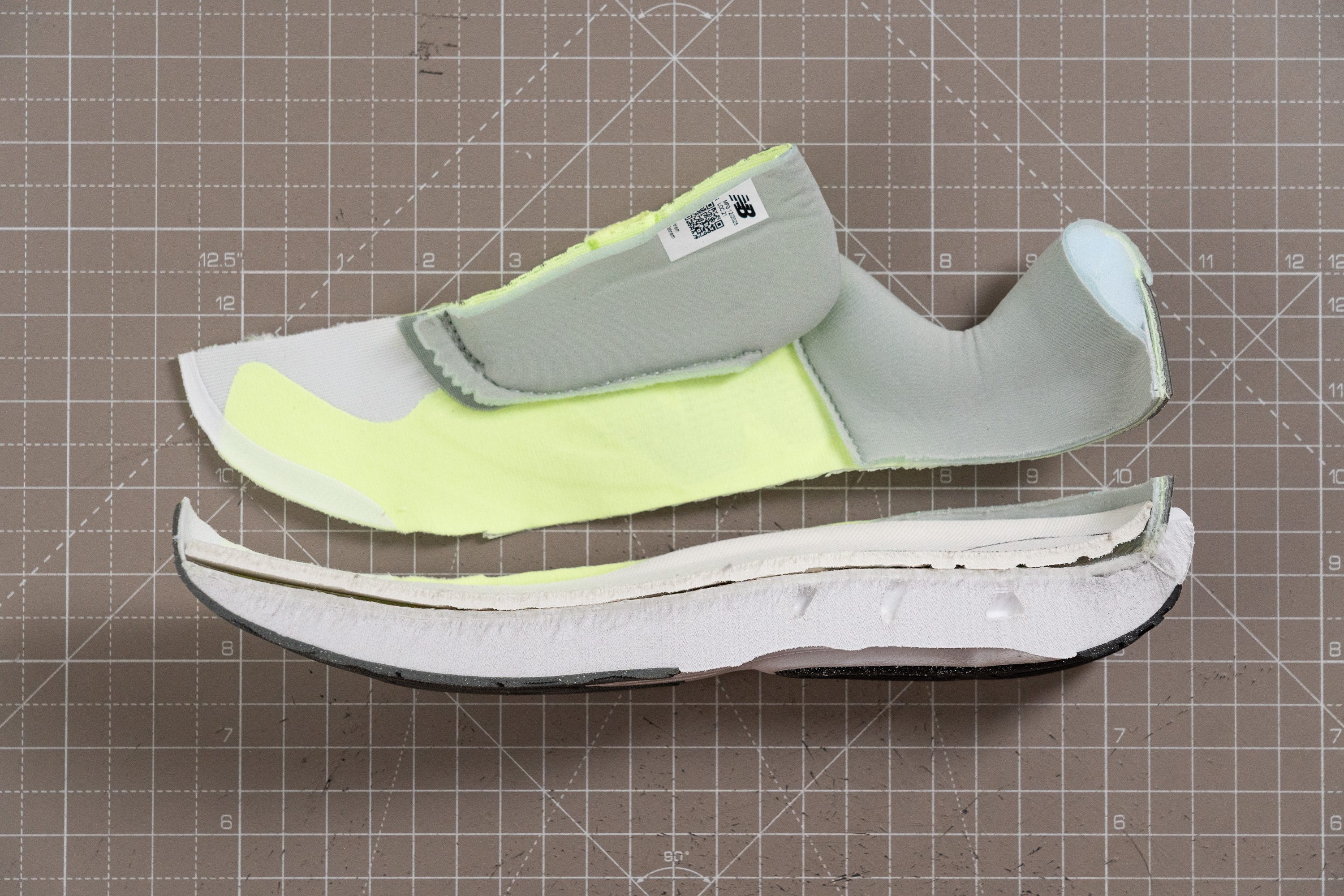
| Fresh Foam 680 v9 | 8.3 mm |
| Average | 8.4 mm |
Midsole softness
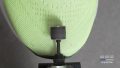
Fresh Foam has always leaned toward the softer end of the spectrum, and New Balance preserves that signature feel here. In fact, at just 29.5 AC, this is one of the softest budget-friendly running shoes we've ever measured.
This result also makes the v9 noticeably softer than its predecessor, which registered 36.5 AC on our Asker C durometer.
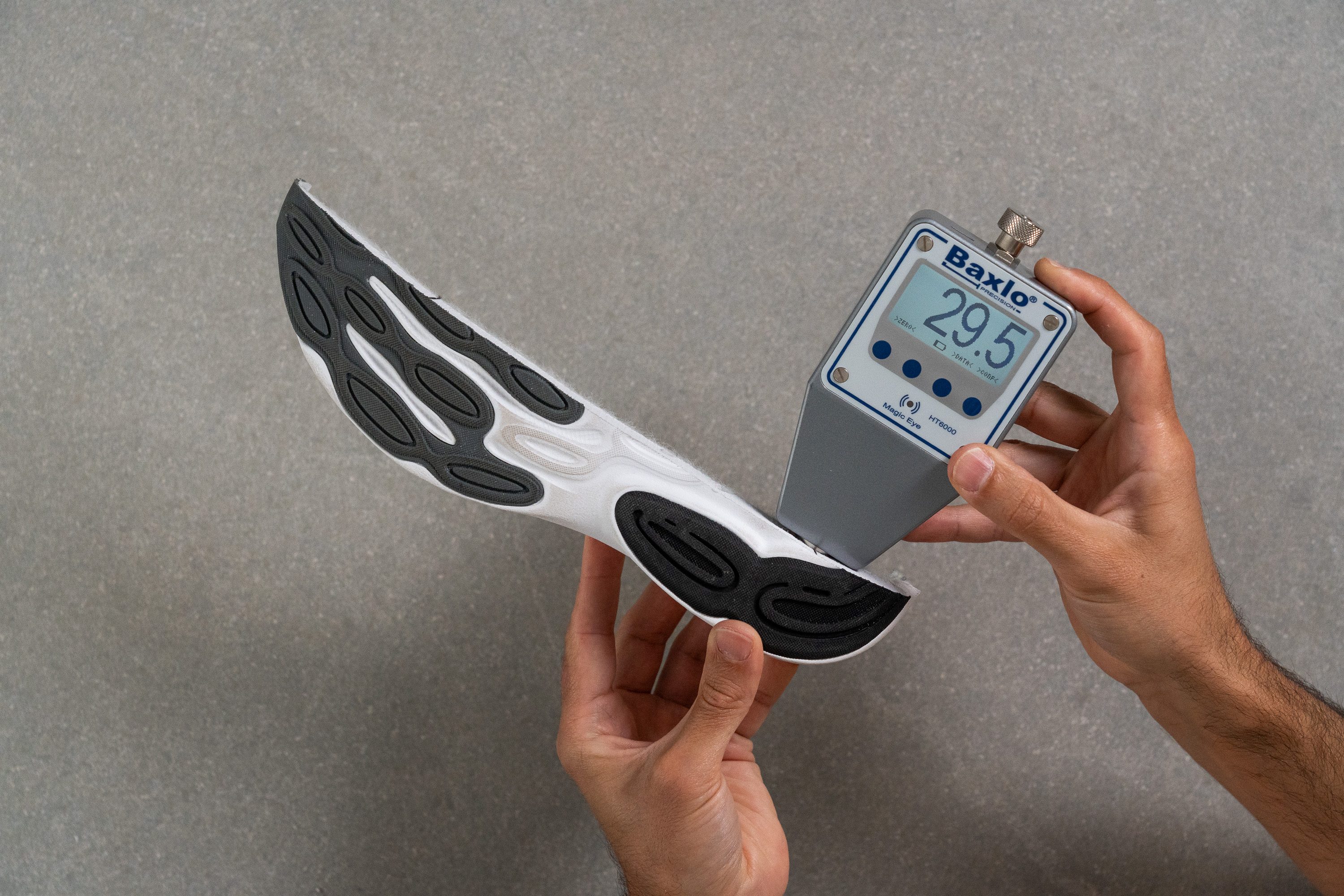
| Fresh Foam 680 v9 | 29.5 AC |
| Average | 35.5 AC |
Rocker
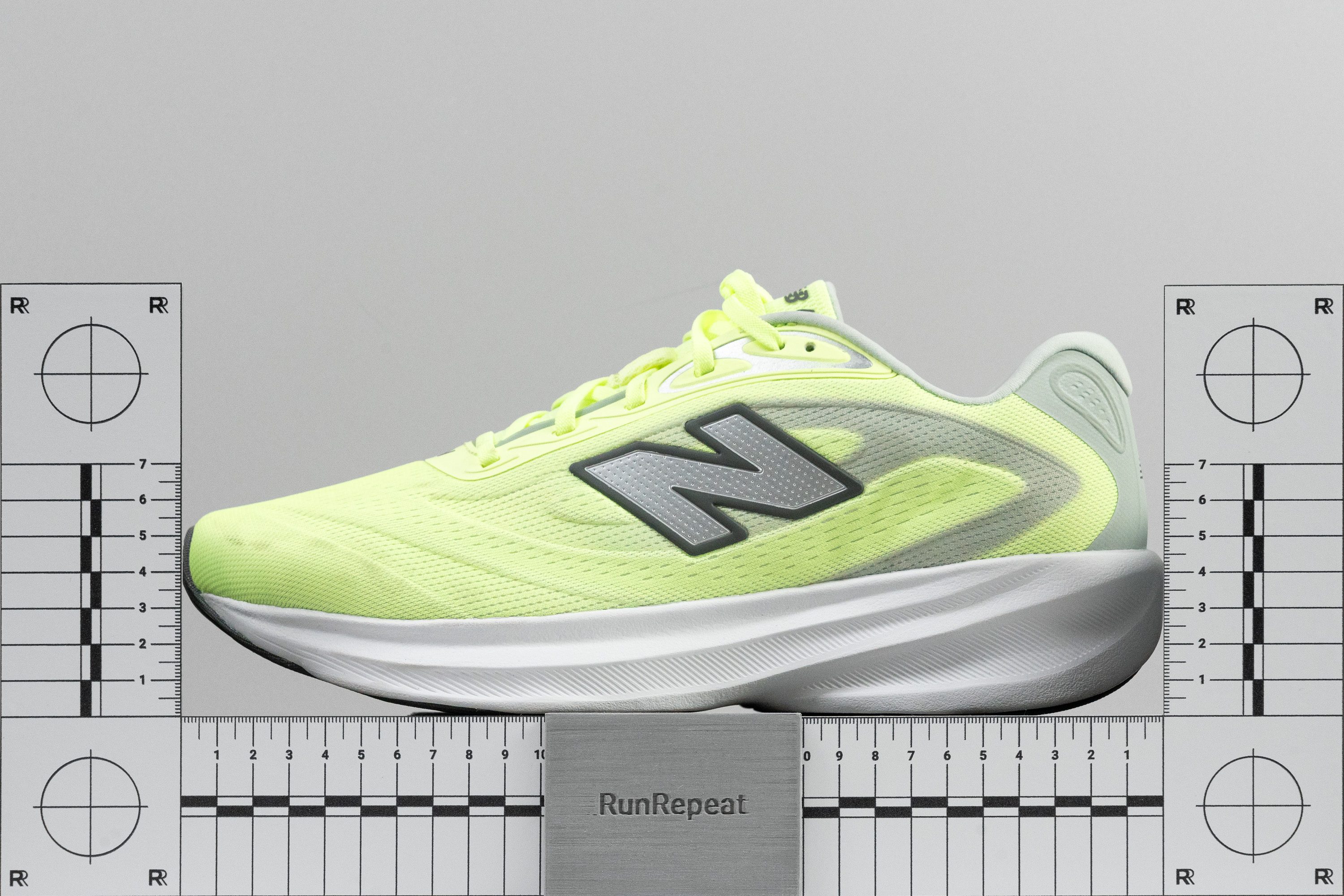
Given its moderate stack height and highly-flexible build, there's no need to overcomplicate things with an aggressive rocker. Instead, the Fresh Foam 680 v9 delivers a simple, predictable ride that feels familiar from the very first step.
Size and fit
Size
New Balance Fresh Foam 680 v9 fits true to size (37 votes).
Internal length
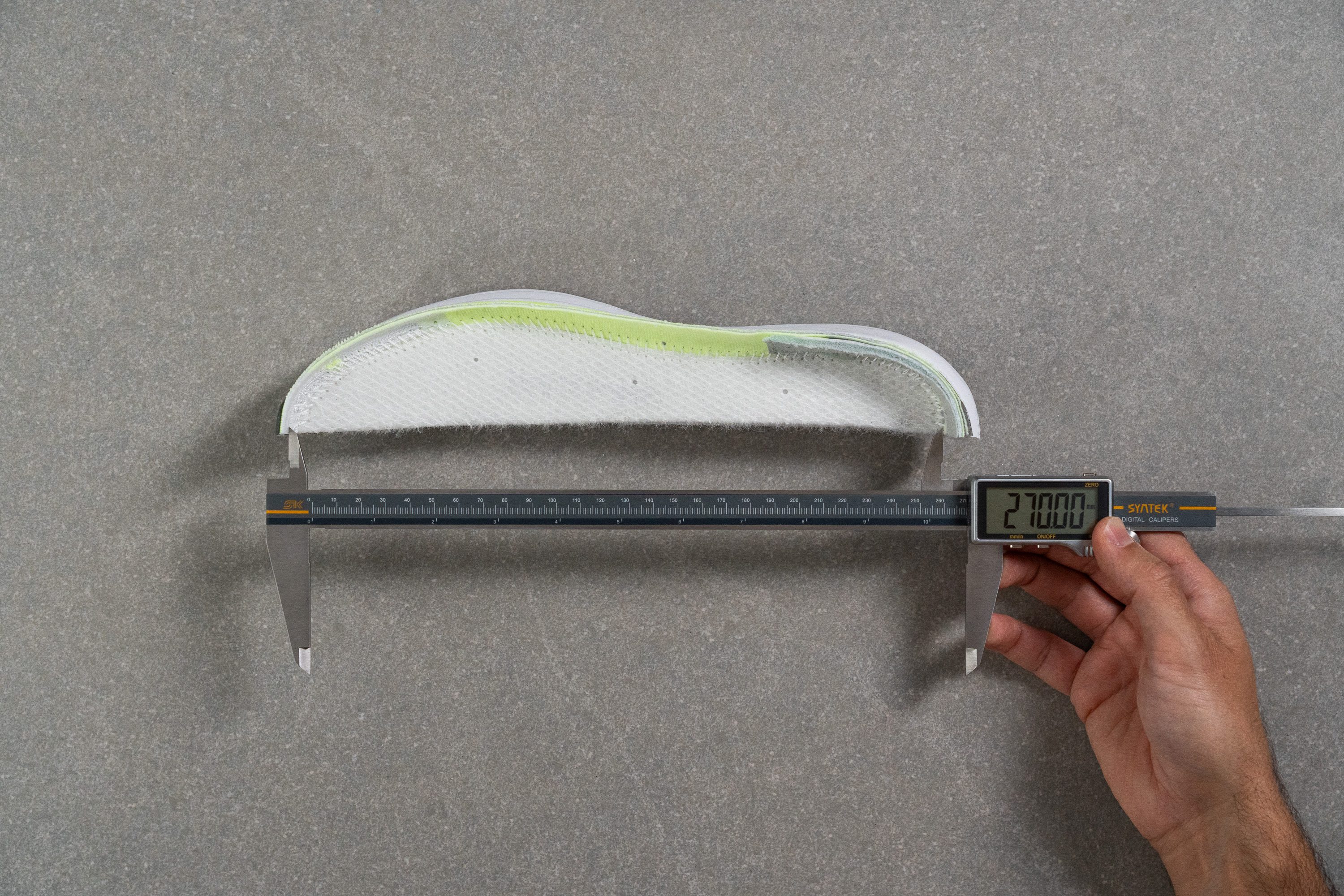
| Fresh Foam 680 v9 | 270.0 mm |
| Average | 269.4 mm |
Width / Fit
The New Balance Fresh Foam 680 v9 is available in up to three different widths, although the selection varies depending on the country and colorway. Even so, New Balance deserves credit for remaining one of the industry's leaders when it comes to offering multiple width options.
The standard D-width in our US men's 9 measured 93.7 mm at its widest point, placing it slightly below the average in our lab.
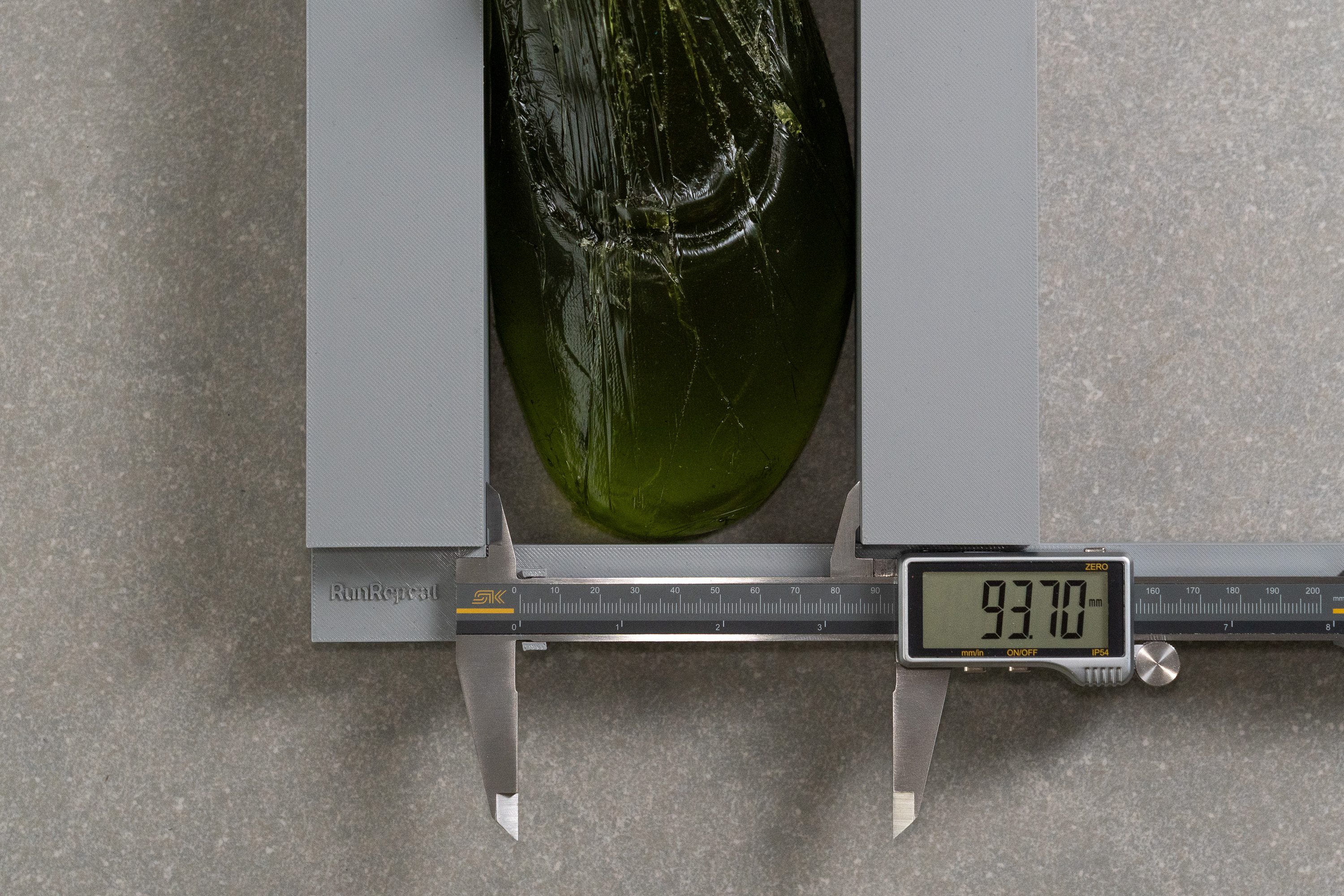
| Fresh Foam 680 v9 | 93.7 mm |
| Average | 95.2 mm |
Toebox width
The fit remains consistent with many other running shoes, especially around the toebox. We measured 73.1 mm in this area, a result that should feel familiar to runners transitioning from other mainstream brands.
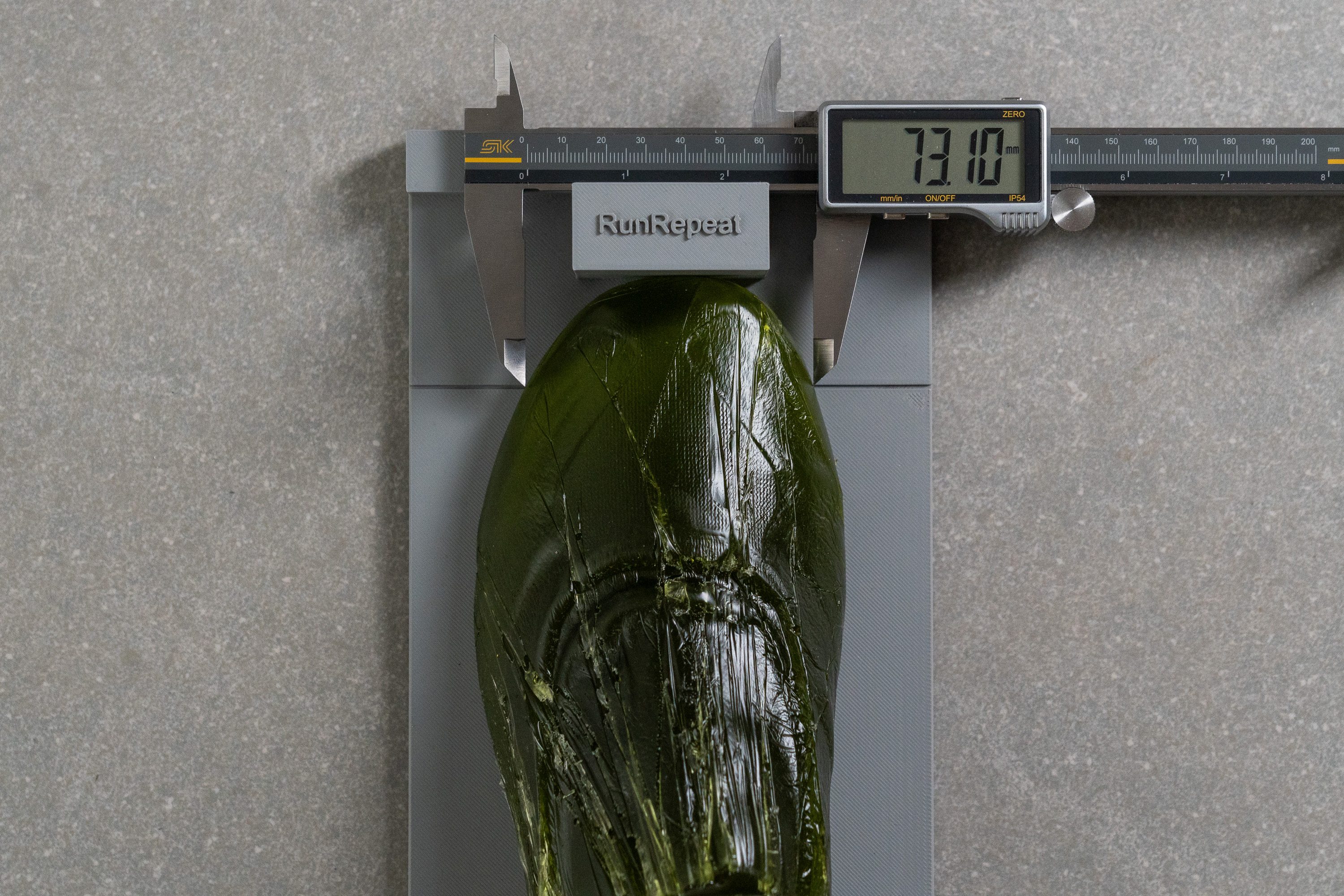
| Fresh Foam 680 v9 | 73.1 mm |
| Average | 73.2 mm |
Toebox height
In our final fit measurement, we recorded 26.4 mm of toebox height.
We think this is another sensible design choice, offering a secure fit without feeling restrictive. At the same time, there's enough vertical space to promote airflow around the toes and enhance overall comfort.
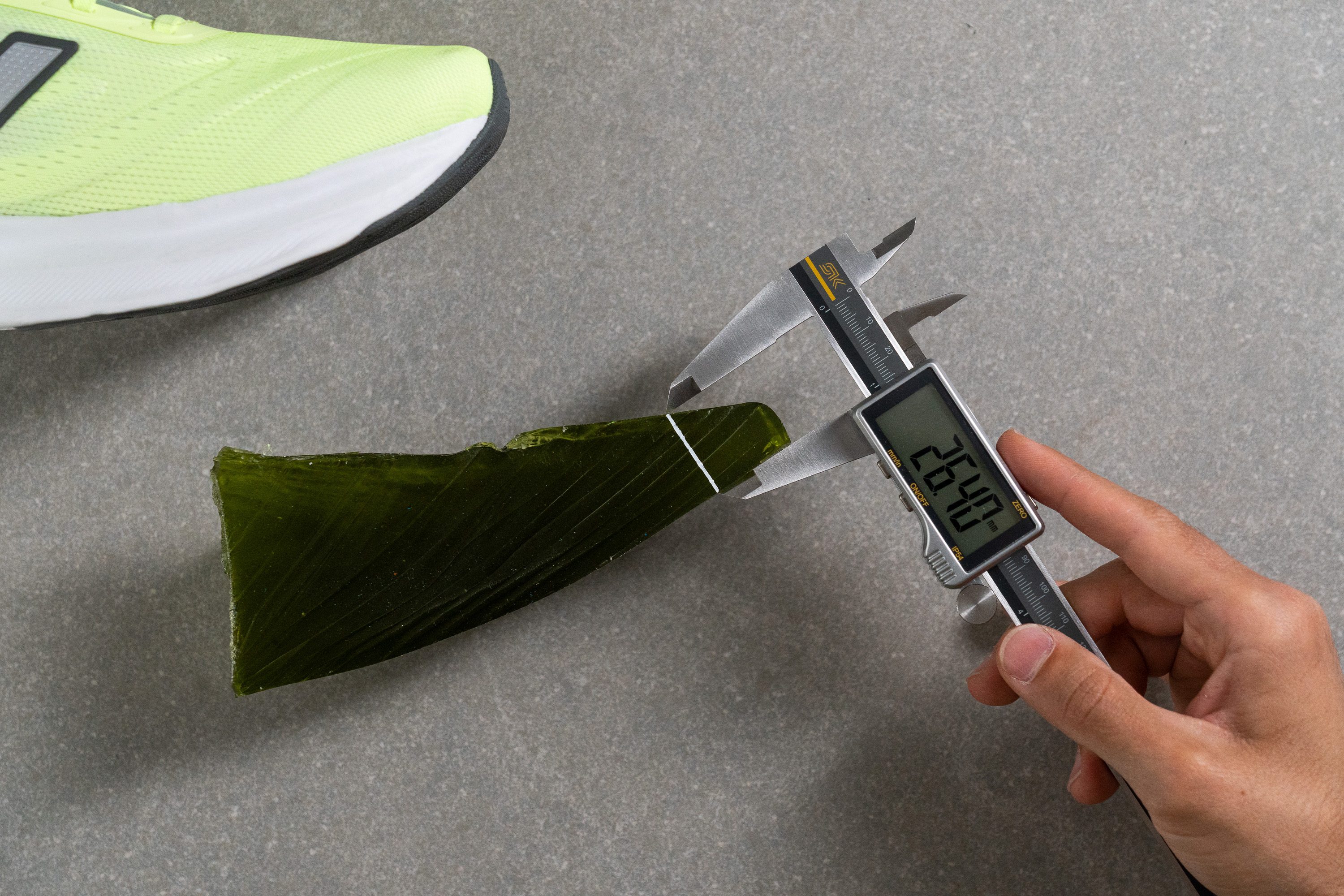
| Fresh Foam 680 v9 | 26.4 mm |
| Average | 27.0 mm |
Traction / Grip
Traction test
For an affordable daily trainer, the New Balance Fresh Foam 680 v9 exceeded our expectations in the grip department. Its 0.62 coefficient of friction puts it comfortably above the average we've measured in the lab.
In our view, this is the kind of outsole that lets you forget about the conditions underfoot. Whether heading out for an easy run on dry pavement or getting caught in an unexpected shower, the shoe consistently delivers reassuring traction.
| Fresh Foam 680 v9 | 0.62 |
| Average | 0.53 |
Outsole design
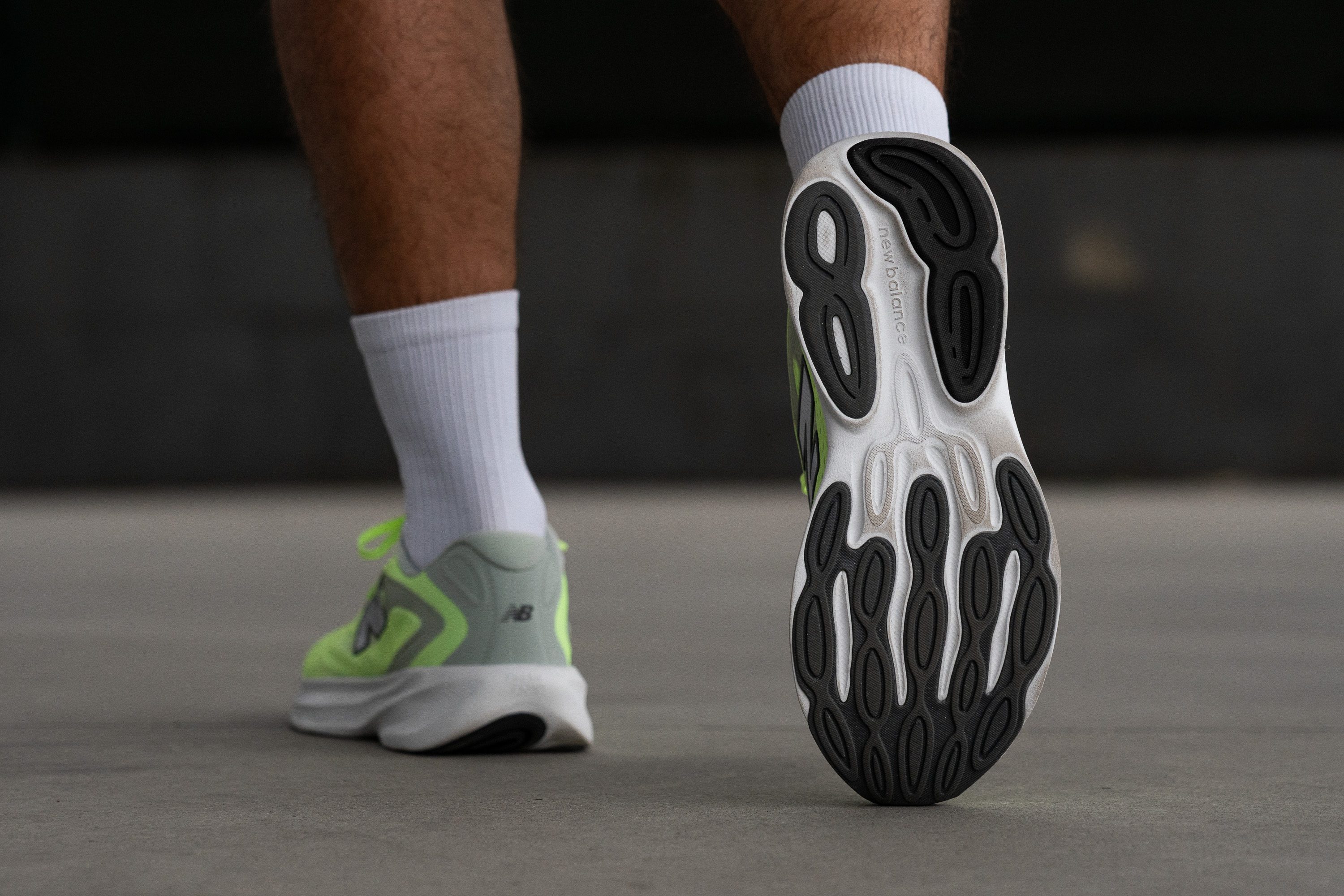
The outsole follows a layout similar to other New Balance models, such as the Fresh Foam X More v5, with two rubber pads in the heel and one large section in the forefoot. However, New Balance opted for more generous rubber coverage here, protecting a larger portion of the midsole foam and using thicker rubber too.
We believe this was a smart decision. Buyers of premium running shoes often prioritize performance over longevity, whereas those shopping in the budget category usually expect their shoes to last as long as possible and are generally more willing to accept a small weight penalty.
Flexibility / Stiffness
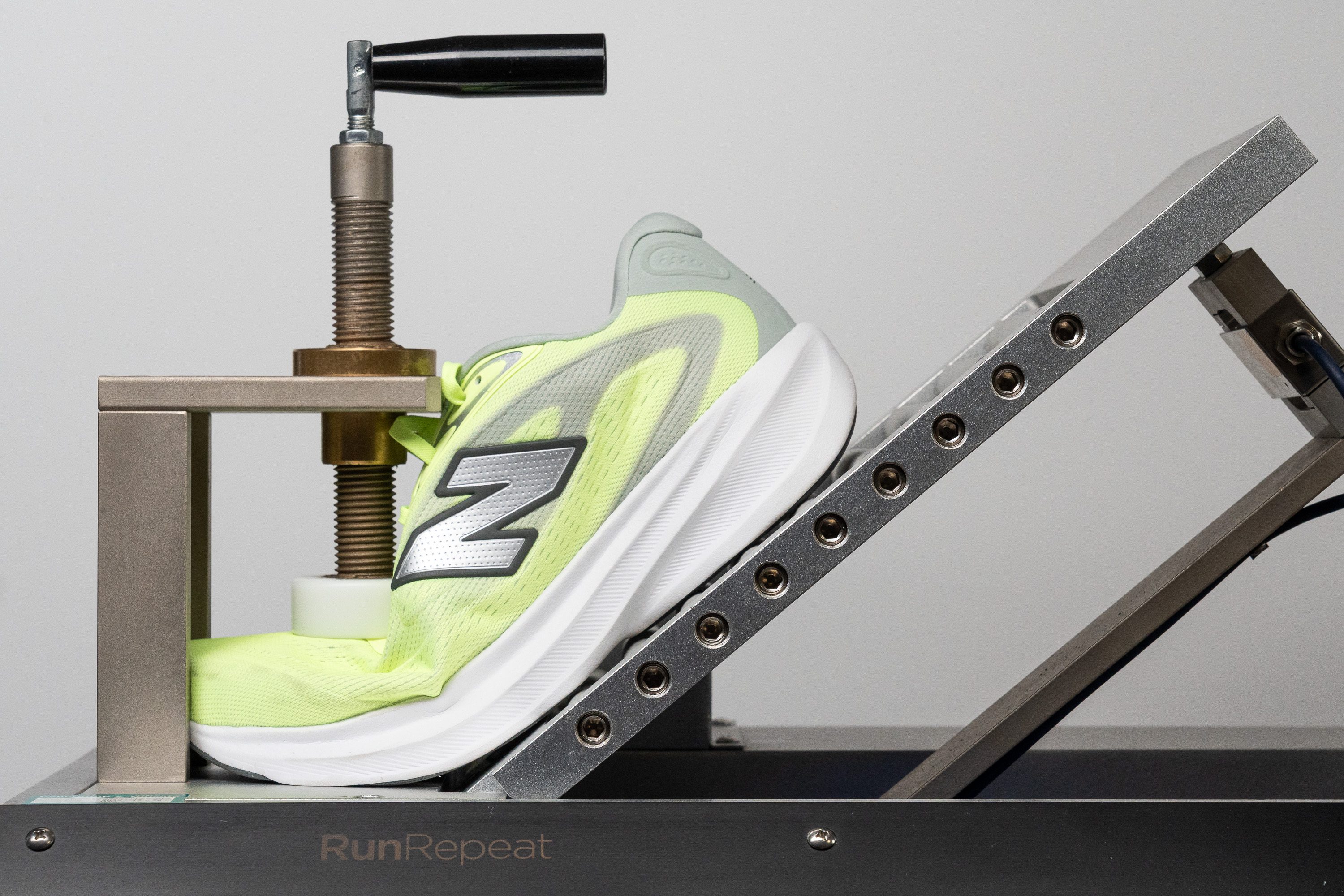
A moderate stack height also brings the advantage of a naturally flexible ride.
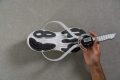
In our 30-degree bend test, the Fresh Foam 680 v9 required just 10.8N of force, making it an excellent choice for runners who prefer a more natural feel underfoot. We also found that this flexibility enhances walking comfort, making the shoe a great option for all-day wear.
| Fresh Foam 680 v9 | 10.8N |
| Average | 15.5N |
Weight
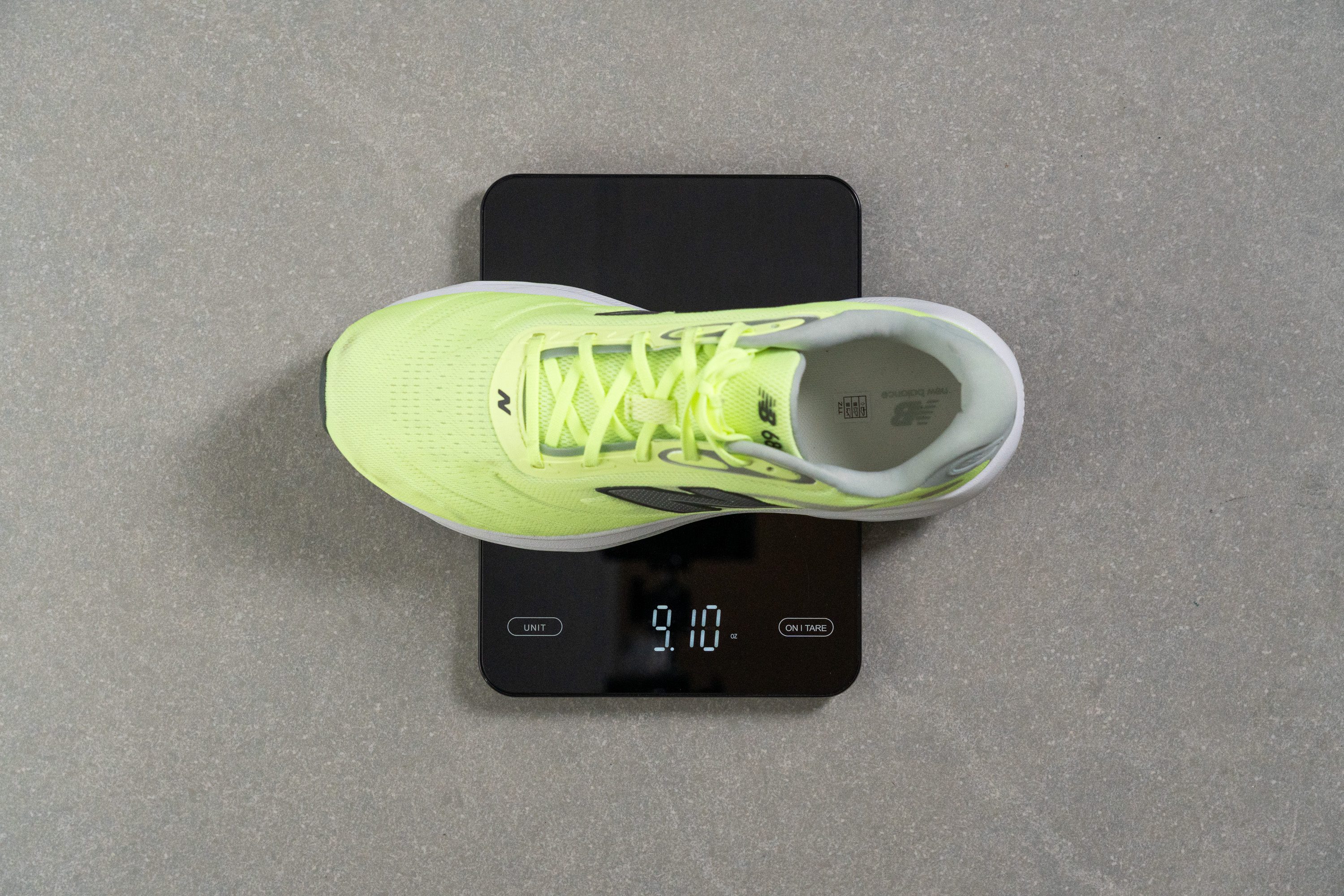
Budget-friendly running shoes are often on the heavier side, but that's not the case here. The New Balance Fresh Foam 680 v9 weighed just 9.1 oz (258g) on our scale, an impressive result that further strengthens its already excellent value.
| Fresh Foam 680 v9 | 9.1 oz (258g) |
| Average | 9.2 oz (261g) |
Breathability
Breathability test
UpdatedOne area where we found the 680 v9 falls slightly short is breathability. While its 64 BR result is not a deal-breaker, it sits a bit below our current lab average. Therefore, runners who tend to sweat heavily may find that it doesn't keep their feet as cool and dry as more breathable alternatives.
| Fresh Foam 680 v9 | 64 BR |
| Average | 75 BR |
Drying potential
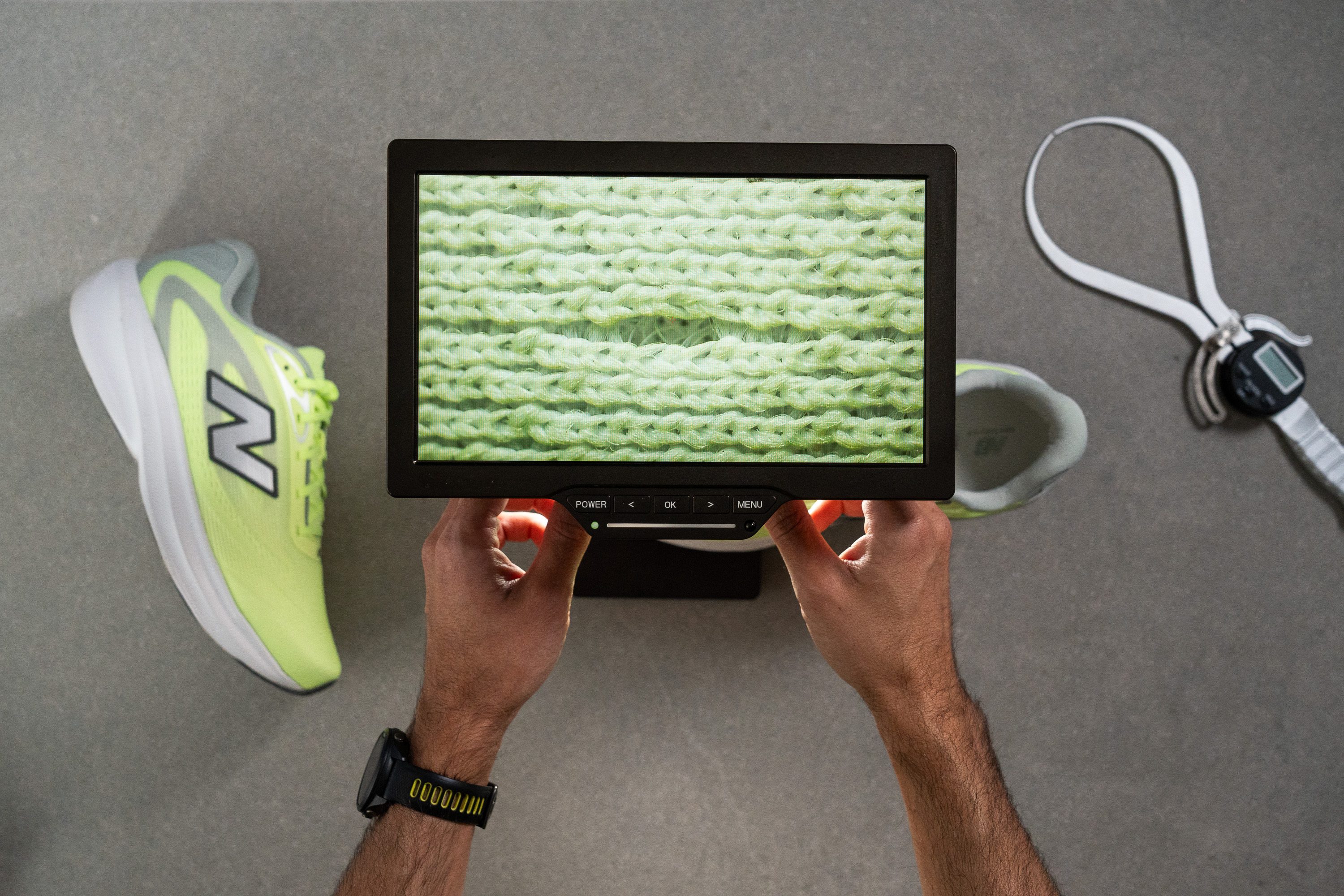
NewThe engineered mesh upper feels really comfortable, but its drying potential is lower than we expected. After our 3-hour test, the shoe released 48% of the absorbed moisture, a respectable result that nevertheless falls below our current lab average.
| Fresh Foam 680 v9 | 48% |
| Average | 53% |
Stability
Lateral stability test
We recommend the New Balance Fresh Foam 680 v9 only for neutral runners, as its soft Fresh Foam midsole and relatively narrow platform are better suited for those who don't need extra support.
Torsional rigidity
Runners seeking a highly-flexible shoe will appreciate the 680 v9.
It scored just 7.3 Nm in our torsional rigidity test, an exceptionally low result that allows the shoe to twist with ease. The upside is excellent comfort and a predictable ride, but at the cost of less stability.
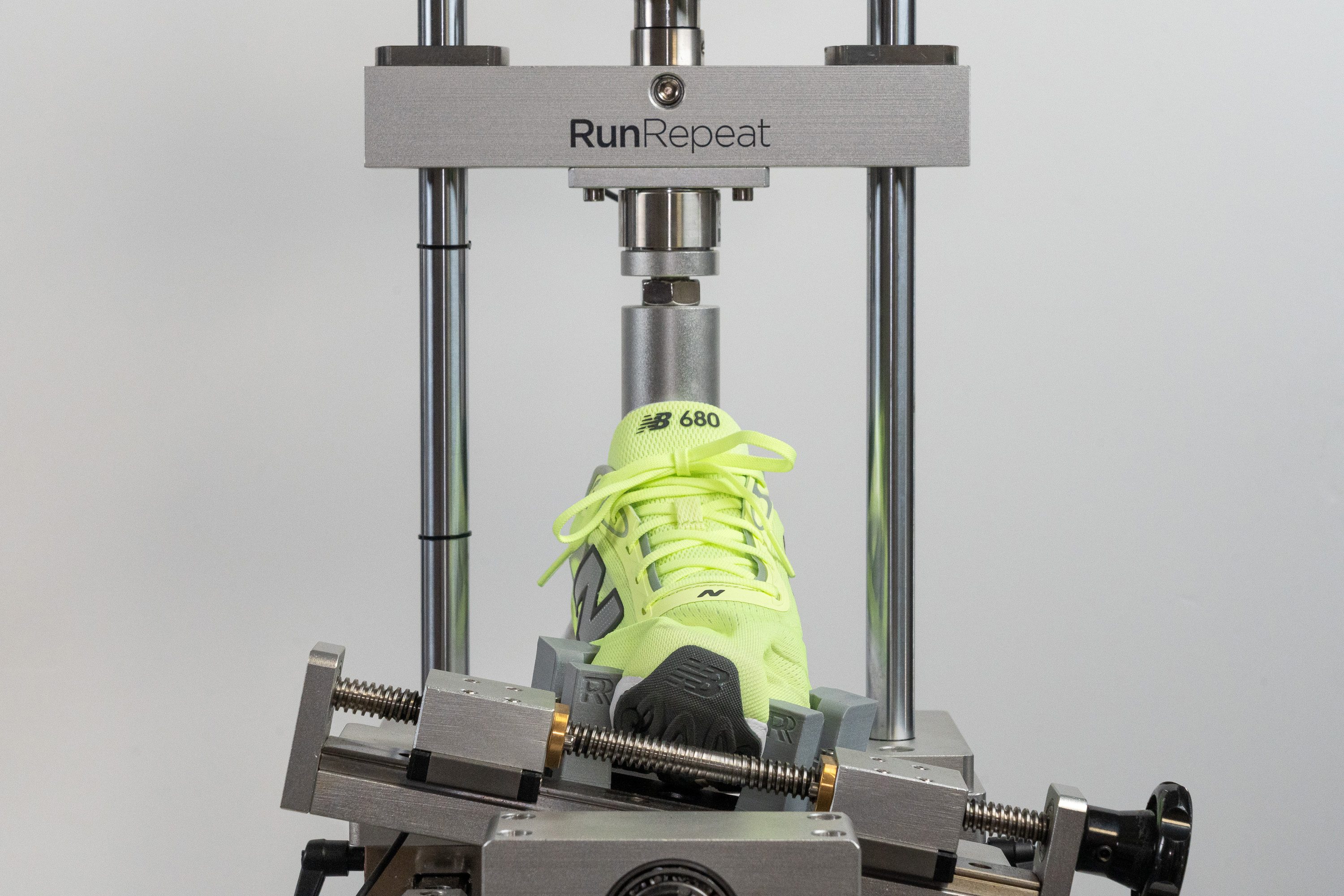
| Fresh Foam 680 v9 | 7.3 Nm |
| Average | 14.4 Nm |
Heel counter stiffness
New Balance clearly prioritized comfort over support in the 680 v9. We reached that conclusion after the shoe earned just 2/5 in our heel counter stiffness test.
| Fresh Foam 680 v9 | 2 |
| Average | 3 |
Midsole width - forefoot
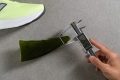
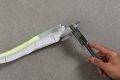
Next, we grabbed our digital calipers to measure the dimensions of the midsole. Starting with the forefoot, we recorded a width of 113.1 mm.
We believe this is a sensible design choice for a beginner-friendly daily trainer, especially one built around a moderate stack height like the 680 v9.
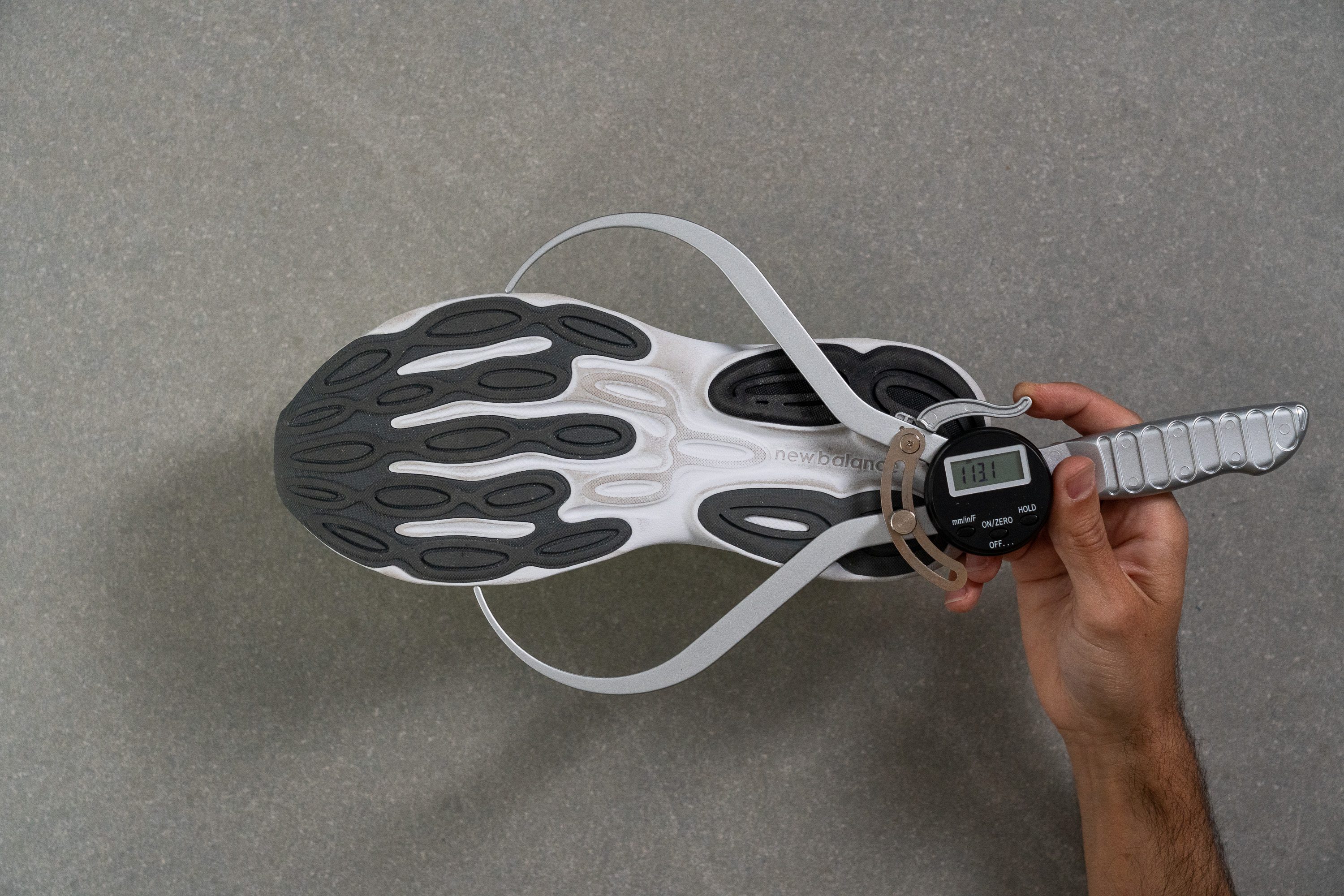
| Fresh Foam 680 v9 | 113.1 mm |
| Average | 115.1 mm |
Midsole width - heel
The heel surprised us with its generous 94.3 mm width. We believe that New Balance intentionally widened the platform to compensate for the less supportive heel counter, and based on our runs, that strategy works remarkably well.
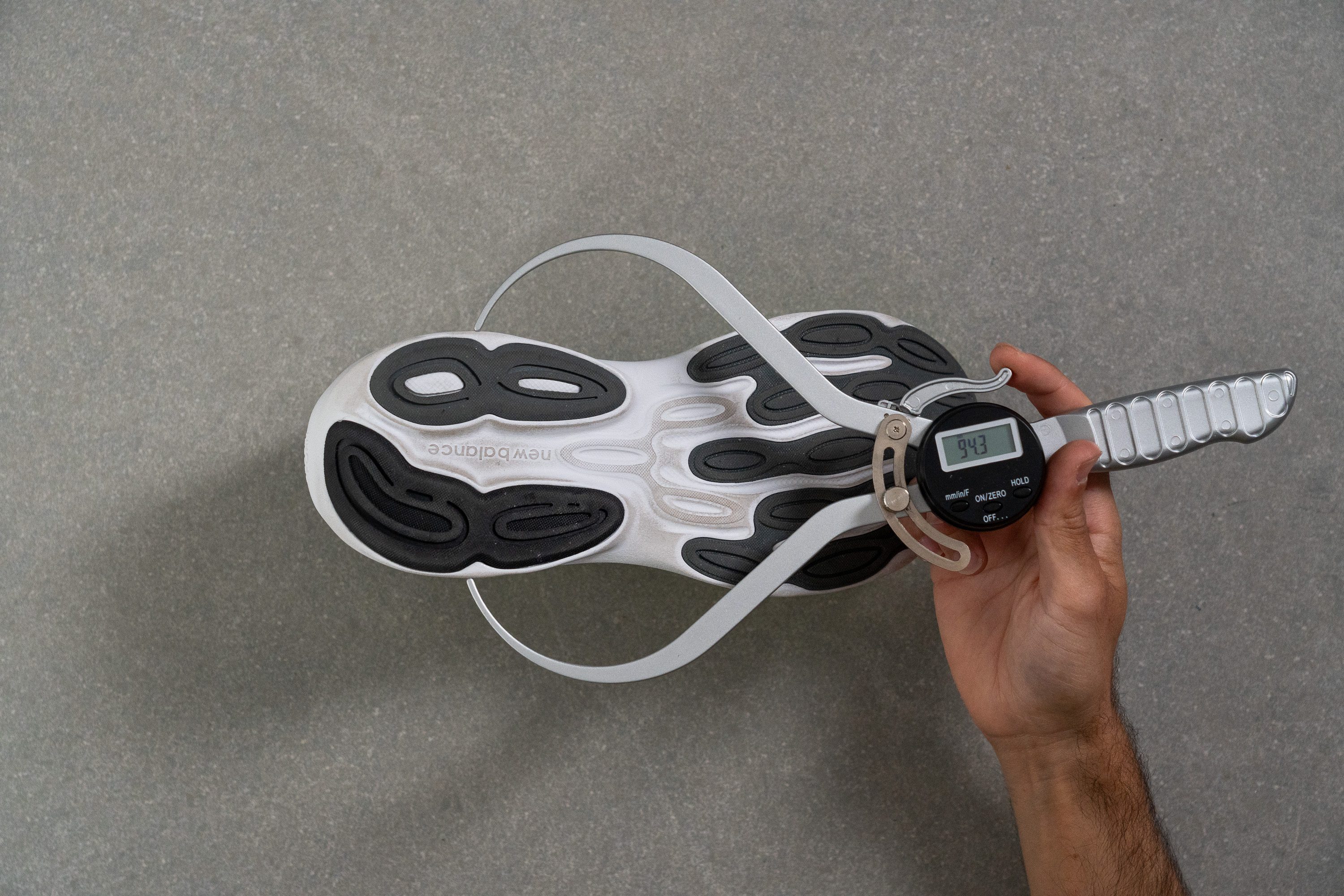
| Fresh Foam 680 v9 | 94.3 mm |
| Average | 91.1 mm |
Durability
Toebox durability
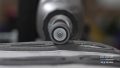
We've already highlighted how important durability is in a budget-friendly running shoe, so it was time to put the upper to the test. We started with the toebox, and after attacking the mesh with our Dremel, it earned a respectable 3/5 score, enough to confidently pass our durability test.
| Fresh Foam 680 v9 | 3 |
| Average | 2.6 |
Heel padding durability
Next, we evaluated the heel padding, and it passed the challenge with ease by earning a strong 4/5. That brings the 680 v9 to two successful results out of three durability tests so far.
| Fresh Foam 680 v9 | 4 |
| Average | 3.4 |
Outsole durability
For our final Dremel test, we increased the speed to 10,000 RPM and put the outsole rubber through its paces. The 680 v9 completed the durability hat trick with just 0.9 mm of wear, an impressive result that outperformed most of its rivals.
| Fresh Foam 680 v9 | 0.9 mm |
| Average | 1.1 mm |
Outsole thickness
New Balance added 3.0 mm of rubber beneath the foam to protect it, and we think that's a sensible design choice. Considering the good abrasion resistance we measured before, adding more rubber would likely do little besides increase weight and compromise the shoe's overall performance.
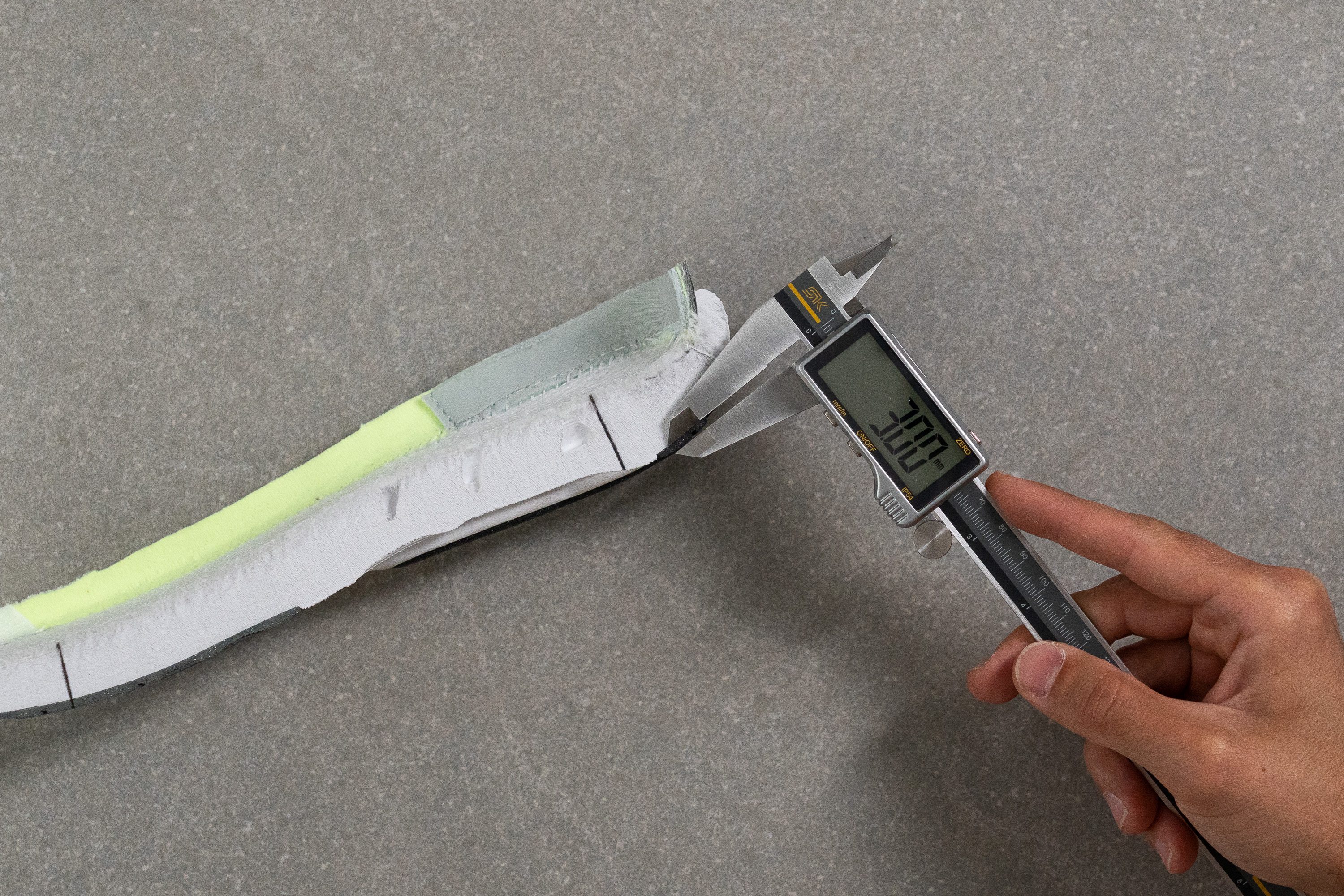
| Fresh Foam 680 v9 | 3.0 mm |
| Average | 3.1 mm |
Misc
Insole thickness
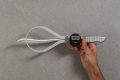
The insole is fairly basic, using the same low-cost EVA foam found in many daily trainers. It also features a thickness of 4.1 mm, more or less what we expected from a budget-friendly shoe.
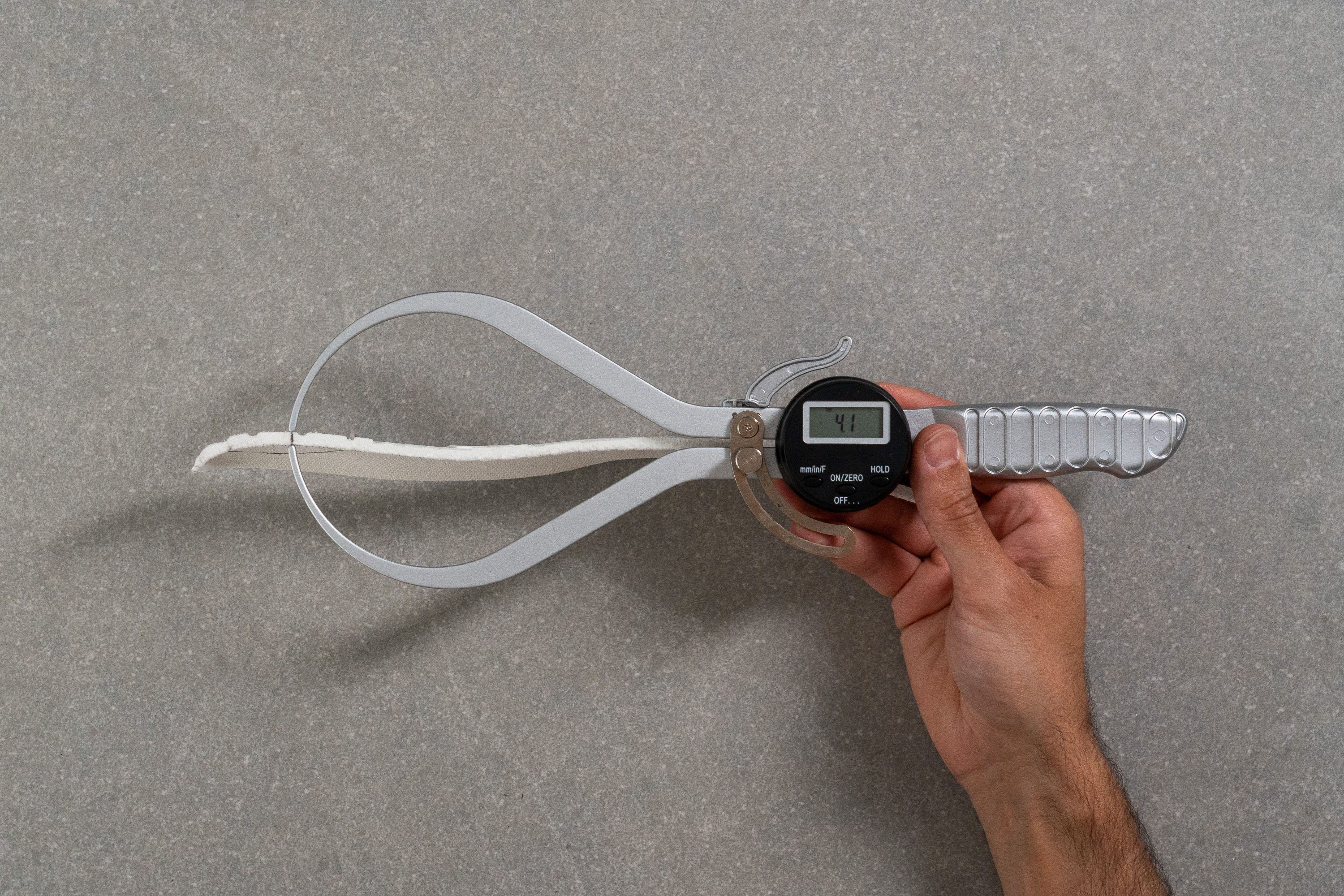
| Fresh Foam 680 v9 | 4.1 mm |
| Average | 4.4 mm |
Removable insole
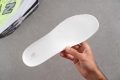
The insole is fully removable, making it easy to replace with a third-party option if you prefer a different level of support.
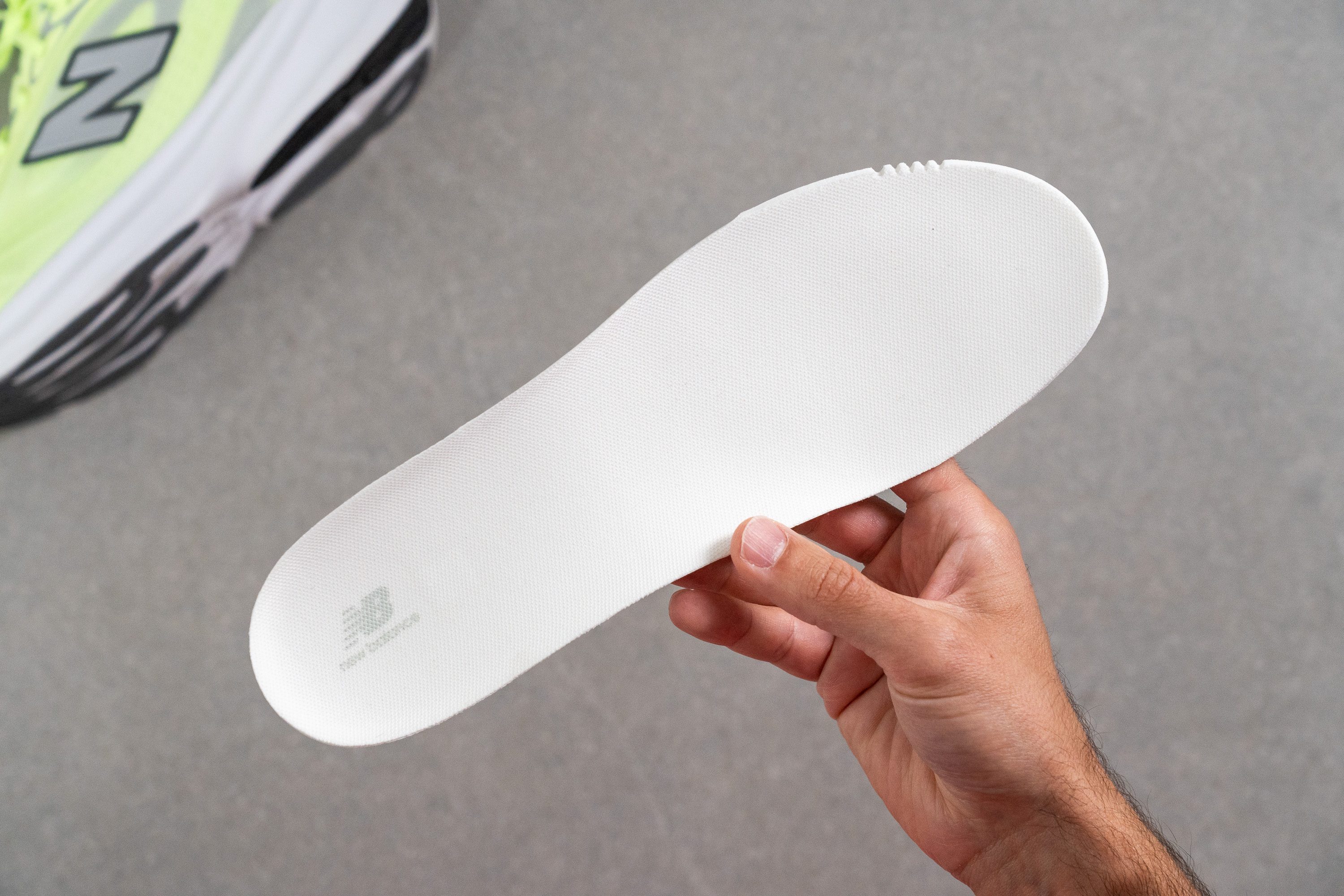
| Fresh Foam 680 v9 | Yes |
Reflective elements
We shined a powerful light on the New Balance Fresh Foam 680 v9, but there was no response.
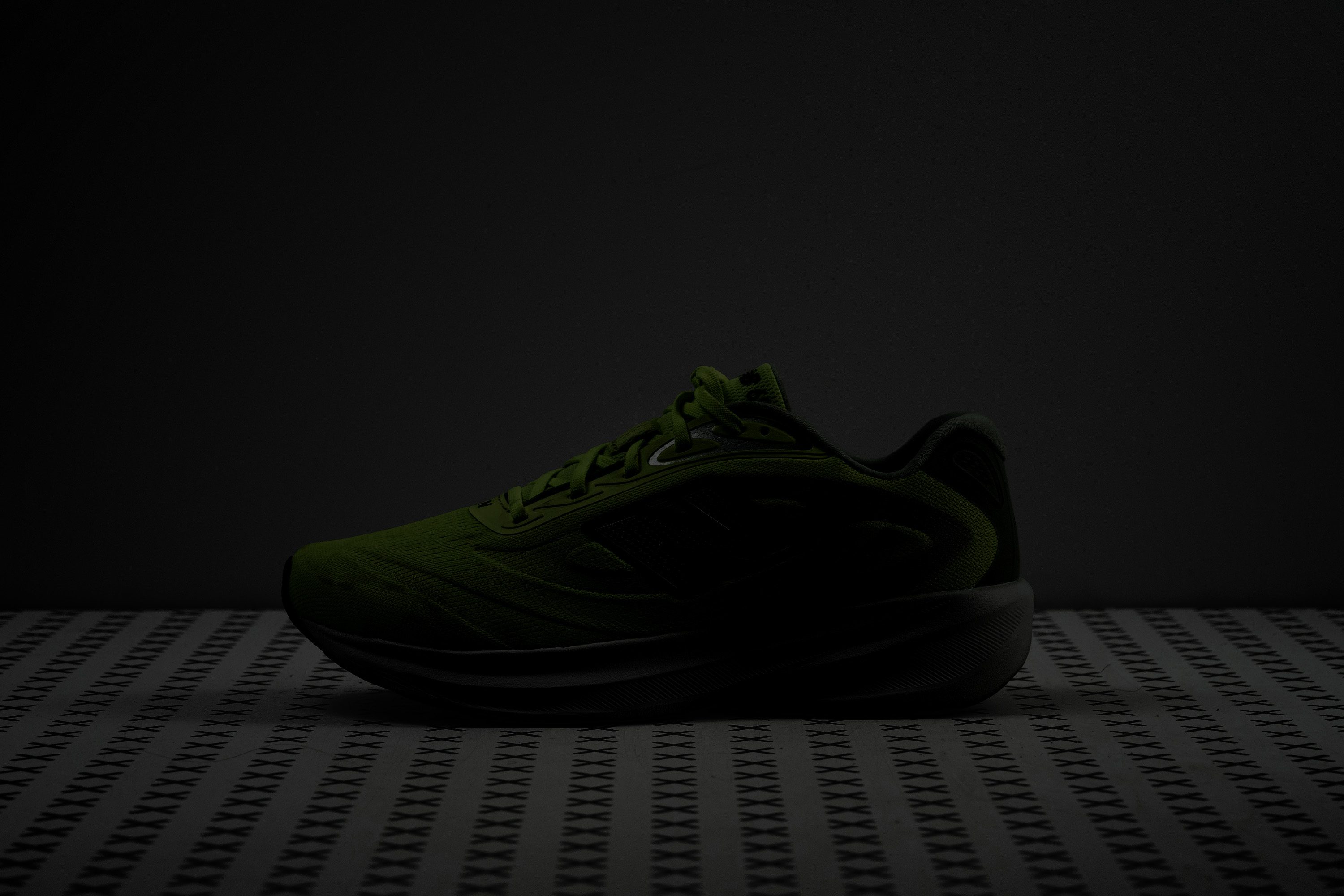
| Fresh Foam 680 v9 | No |
Tongue padding
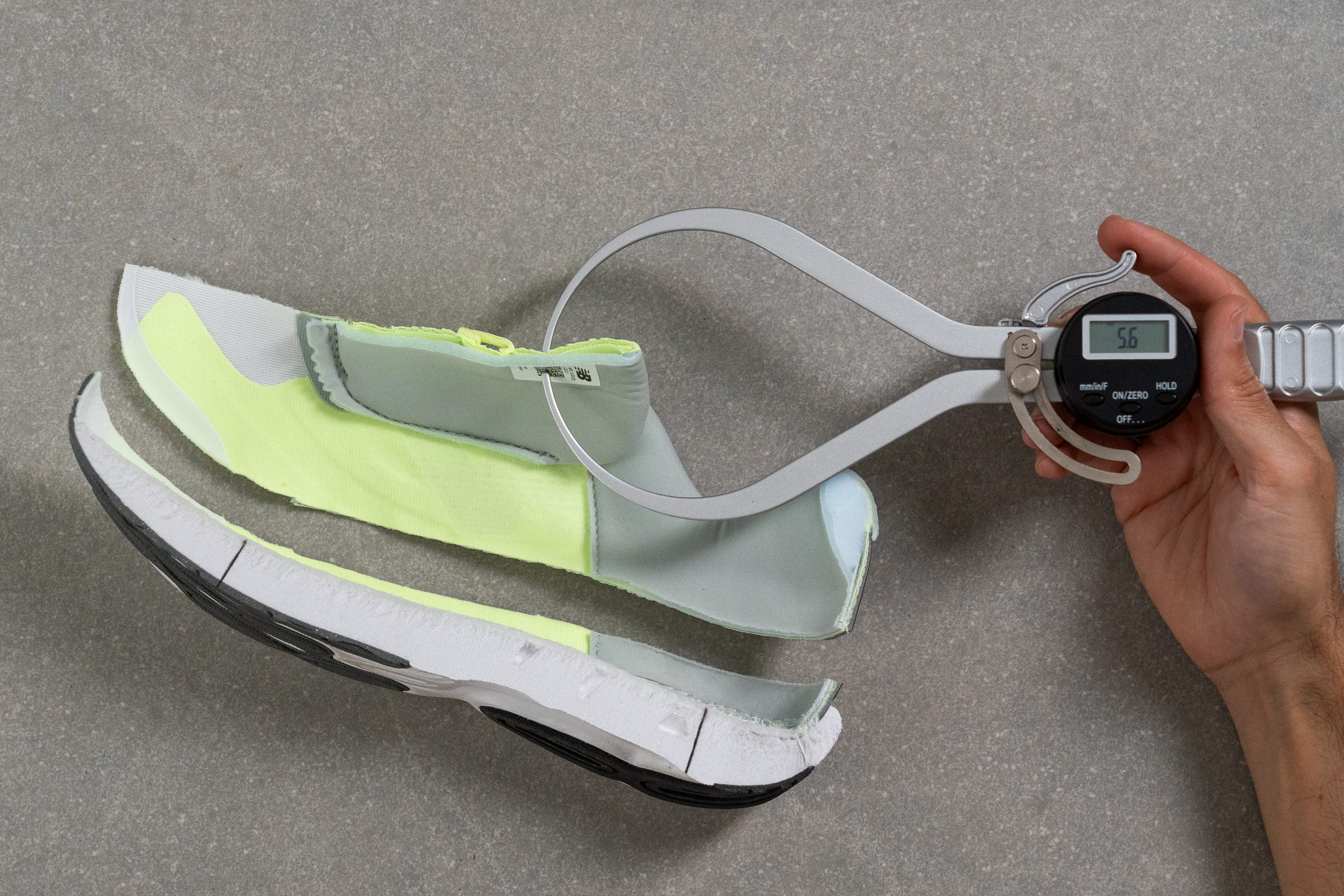
The lacing system is simple, but we appreciated its heavily reinforced construction, once again highlighting New Balance's focus on long-term durability for this shoe. We also liked the addition of a tongue loop, which keeps the tongue securely in place and prevents unwanted shifting.
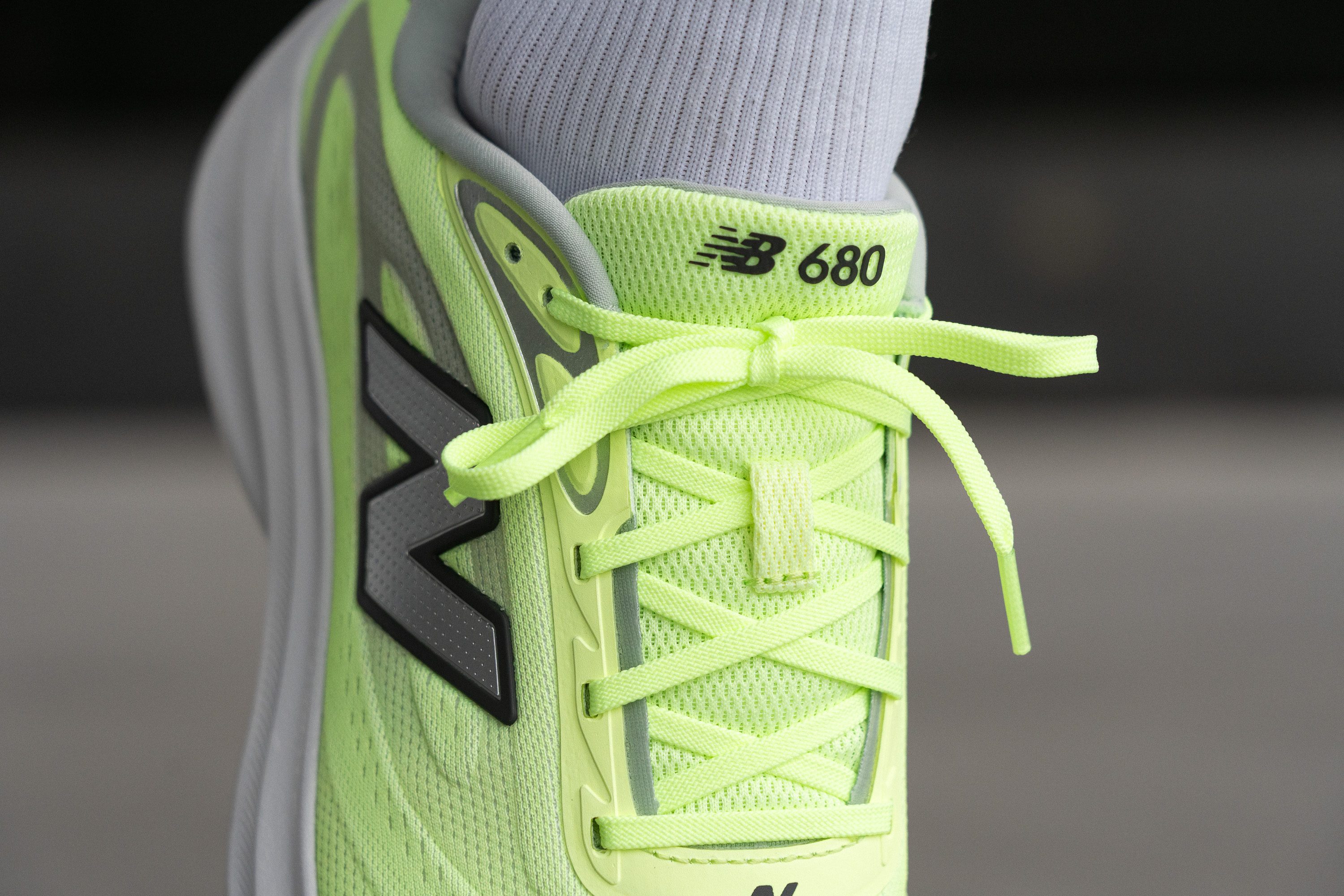
The tongue also strikes a nice balance with its 5.6 mm thickness. It skips the oversized foam padding found in some running shoes, but we believe that preserving the lightweight feel is a smarter choice for the overall character of the 680 v9.
| Fresh Foam 680 v9 | 5.6 mm |
| Average | 5.8 mm |
Tongue: gusset type
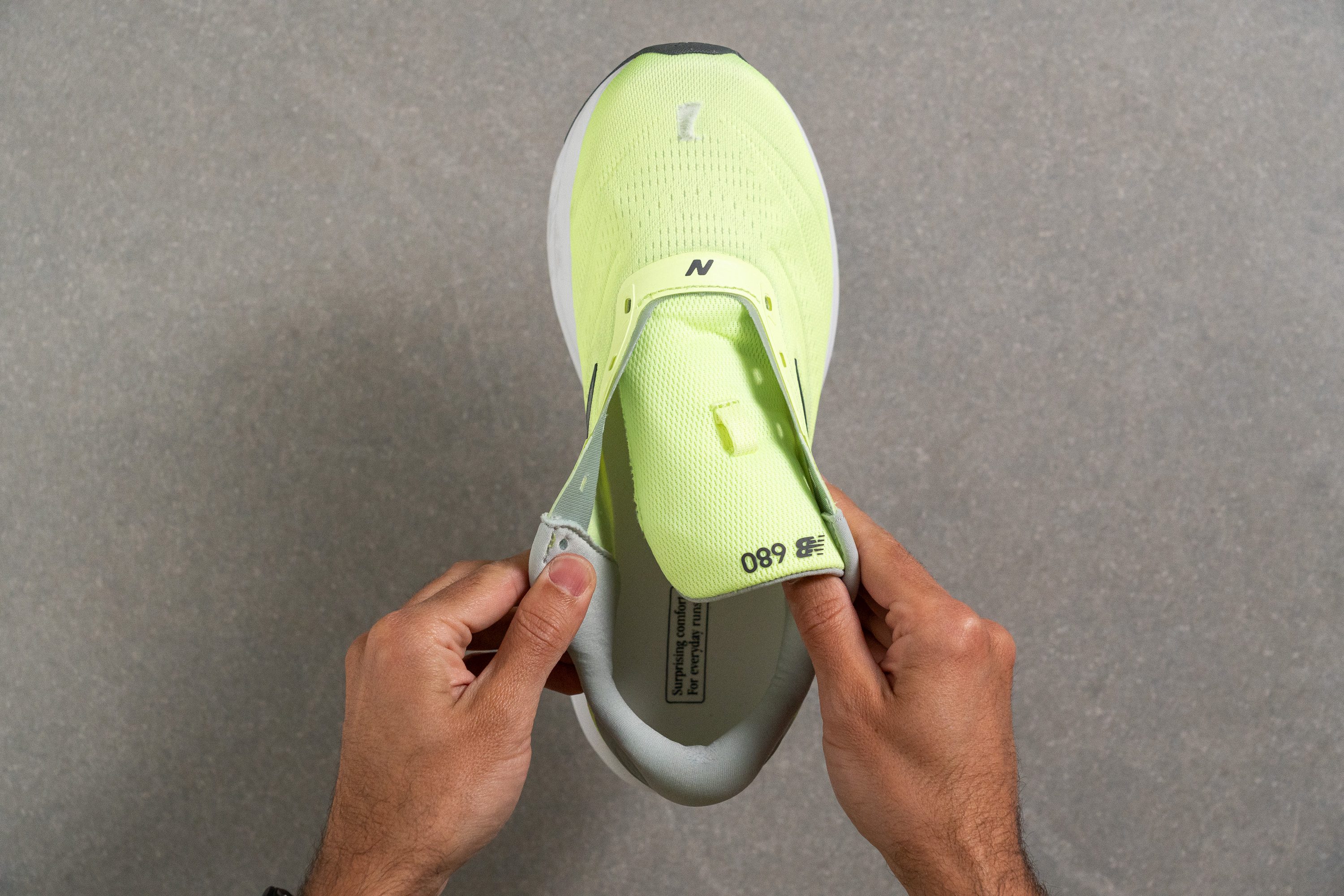
As is often the case with running shoes priced under $100, the tongue is not gusseted.
| Fresh Foam 680 v9 | None |
Heel tab
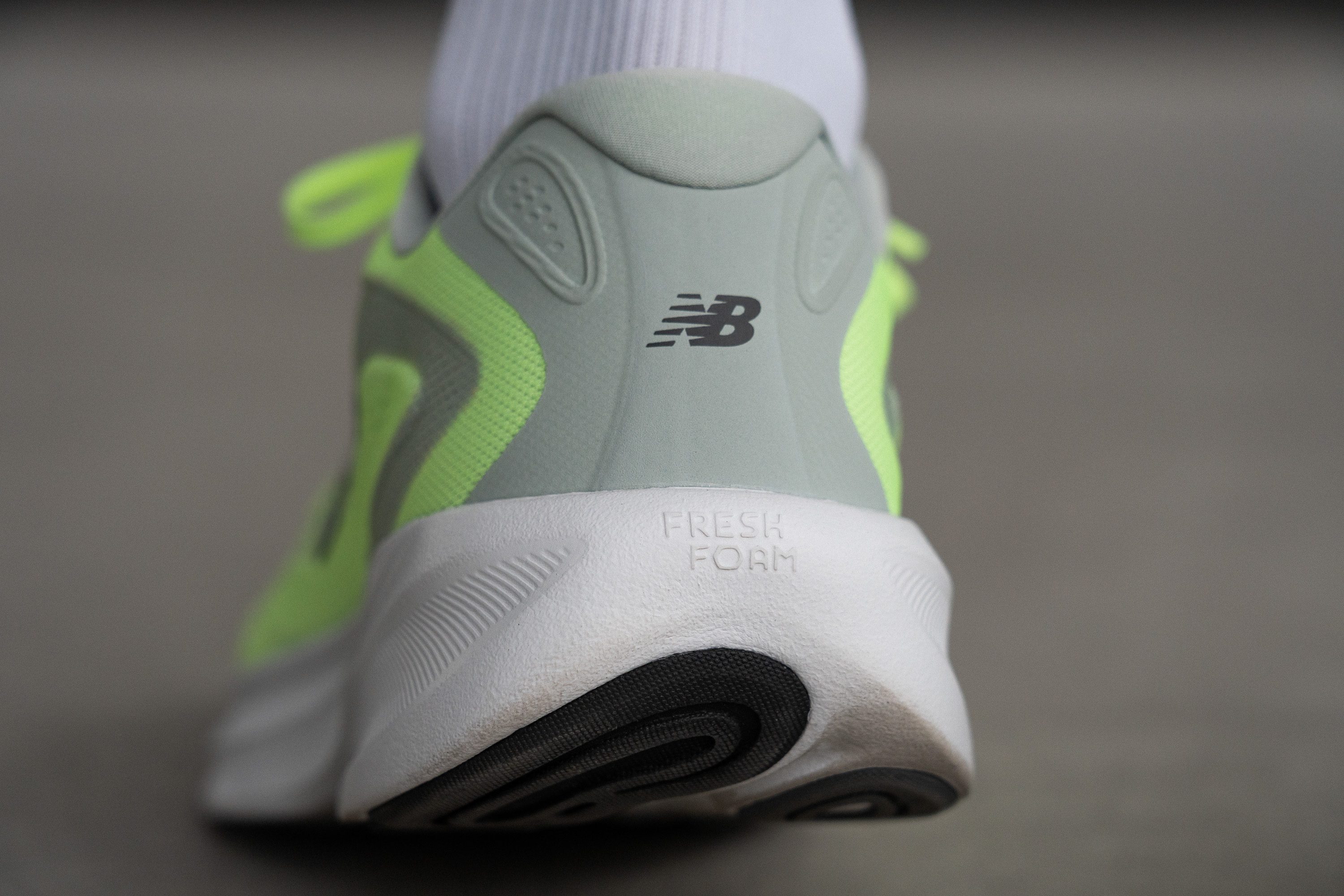
The heel comes without a heel tab, but its design feels far more refined than what we usually see in the budget category.
| Fresh Foam 680 v9 | None |
Price
The New Balance Fresh Foam 680 v9 offers outstanding value for the features it delivers, as it's becoming increasingly difficult to find such a complete package for under $100. In our view, New Balance has done an excellent job keeping the price low while still delivering a genuinely capable running shoe.
| Fresh Foam 680 v9 | $85 |
| Average | $157 |