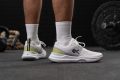
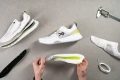
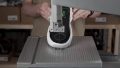
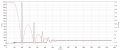


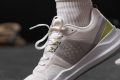
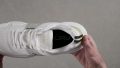
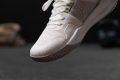
Our verdict
- Cross-training/HIIT 86
- Cardio 82
- Weightlifting 79
Pros
- Versatile for gym and racket sports
- Great shock absorption for high-impact activities
- Fantastic lateral stability
- Secure lockdown and containment
- Solid traction for gym and court use
- Highly durable upper
- Generously padded interiors
- Decent upper breathability
Cons
- Nonexistent energy return
- On the heavy side
- Snug medium fit
Comparison
The most similar training shoes compared
+ + Add a shoe | |||||
|---|---|---|---|---|---|
| Our score | 85 Great | 77 Good | 91 Superb | 90 Great | |
| Price | $169 | $95 | $150 | $125 | |
| Use | WorkoutCross-trainingGymHIITAll sports | WorkoutCross-trainingGymHIIT | CrossfitWorkoutCross-trainingGymHIITAll sports | WorkoutCross-trainingGymHIITJumping rope | |
| Shock absorption | Moderate | Moderate | Low | High | |
| Energy return | Low | High | Moderate | Low | |
| Traction | High | Moderate | Low | Low | |
| Drop lab | 12.2 mm | 12.6 mm | 8.1 mm | 10.1 mm | |
| Heel stack lab | 32.7 mm | 31.6 mm | 27.0 mm | 28.4 mm | |
| Forefoot | 20.5 mm | 19.0 mm | 18.9 mm | 18.3 mm | |
| Weight lab | 13.6 oz / 386g | 12.8 oz / 363g | 12 oz / 340g | 11.5 oz / 326g | |
| Breathability | Moderate | Warm | Moderate | Breathable | |
| Width / fit | Narrow | Medium | Narrow | Medium | |
| Toebox width | Narrow | Narrow | Medium | Medium | |
| Size | - | True to size | Slightly small | Half size small | |
| Midsole softness | Firm | Firm | Firm | Firm | |
| Stiffness | Stiff | Moderate | Moderate | Flexible | |
| Torsional rigidity | Stiff | Stiff | Moderate | Flexible | |
| Heel counter stiffness | Stiff | Moderate | Stiff | Stiff | |
| Toebox durability | Good | Good | Good | Decent | |
| Heel padding durability | Good | Decent | Good | Decent | |
| Outsole durability | Decent | Decent | Decent | Good | |
| Midsole width - forefoot | Average | Average | Average | Wide | |
| Midsole width - heel | Wide | Average | Average | Very wide | |
| Widths available | Normal | Normal | Normal | Normal | |
| Insole thickness | Very thick | Average | Average | Average | |
| Outsole thickness | Average | Average | Average | Average | |
| Heel tab | Finger loop | None | None | Finger loop | |
| Tongue: gusset type | None | Both sides (full) | Both sides (full) | Bootie | |
| Tongue padding | Thick | Very thick | Average | Thick | |
| Ranking | #16 Top 43% | #32 Bottom 15% | #3 Top 8% | #4 Top 11% | |
| Popularity | #35 Bottom 7% | #14 Top 37% | #5 Top 14% | #3 Top 8% |
Who should buy
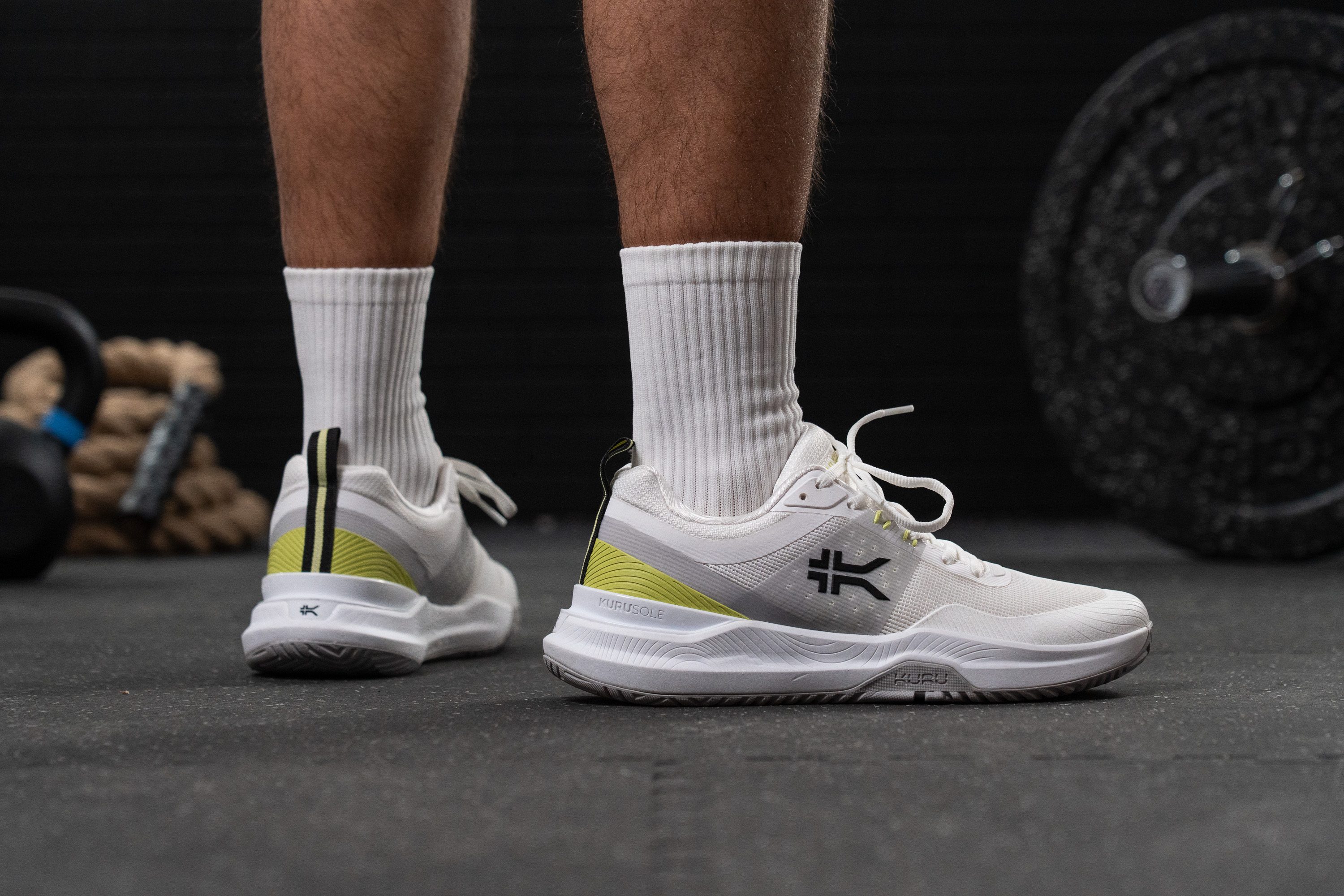
We believe that the KURU Velocity may appeal to active people who need the following:
- a versatile trainer that can tackle a gym workout, a HIIT class, and a pickleball session
- an athletic shoe that prioritizes stability and arch support above all else
Who should NOT buy
Even with all the benefits this KURU shoe has to offer, we still find it somewhat overpriced. If you are a beginner athlete or have a limited shoe budget and you aren't specifically looking for the KURUSOLE support, it may be wiser to get two pairs of cheaper yet more specialized shoes.
For example, the Nike MC Trainer 3 for gym workouts and the adidas Gamecourt 2.0 for tennis.
You might as well want to check out our selection of the best all-sports shoes.
Cushioning
Shock absorption
Set out to suit many different fitness uses, we found that the KURU Velocity actually provides the necessary impact protection for all of them!
With 90 SA in the heel and 67 SA in the forefoot, the shoe delivers excellent shock absorption for high-impact activities like HIIT, dance classes, and pickleball sessions!
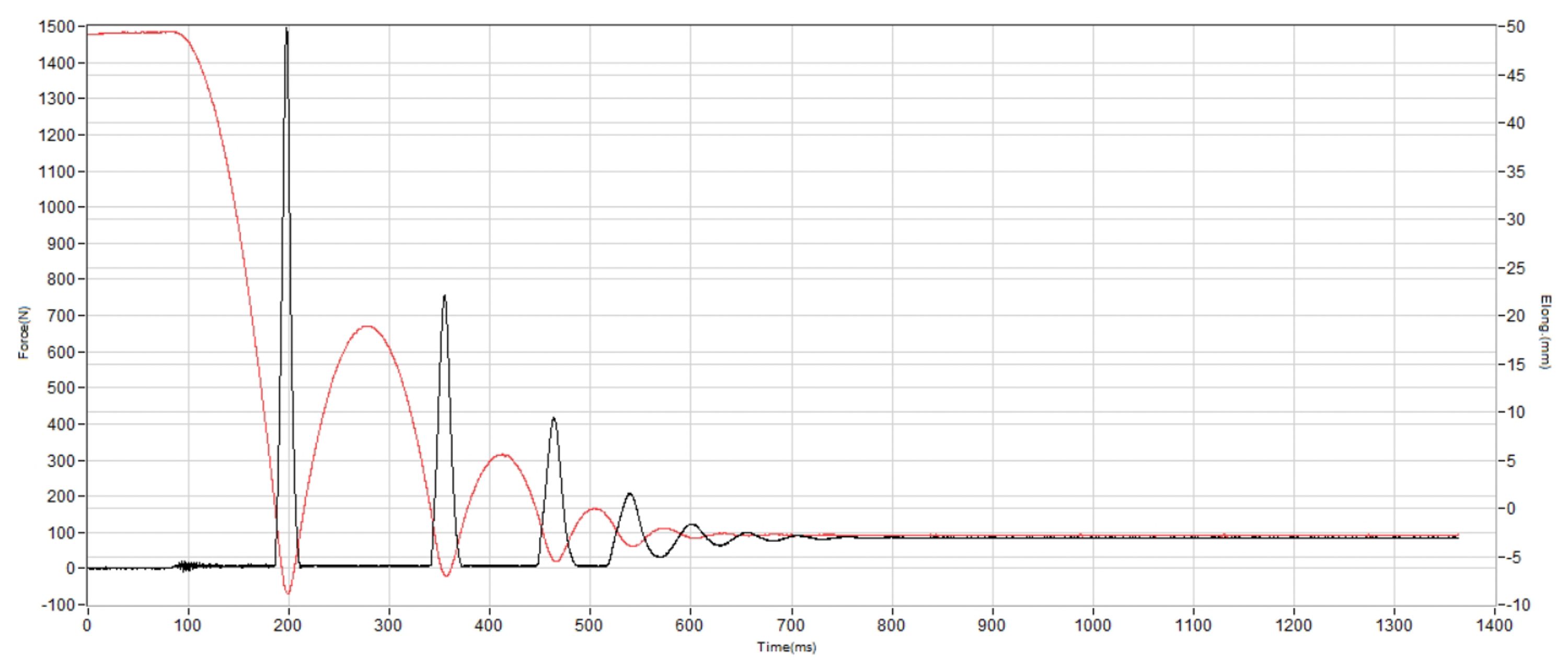
| Velocity | 90 SA |
| Average | 81 SA |
Energy return
But on the downside, you have to make peace with getting practically no rebound from this KURU's sole.
Showing very low energy return measurements of 39.7% in the heel and 44.5% in the forefoot, its platform is rather flat and grounded. And while it's great for stability, it feels like a drag when you try to pick up the pace in cardio or when scrambling to the net.
| Velocity | 44.5% |
| Average | 55.1% |
Heel stack
The KURU Velocity's stack height of 32.7 mm exceeds the average of both training and tennis shoes. It doesn't feel too platformy to compromise stability, but it mutes out proprioception and ground feel.
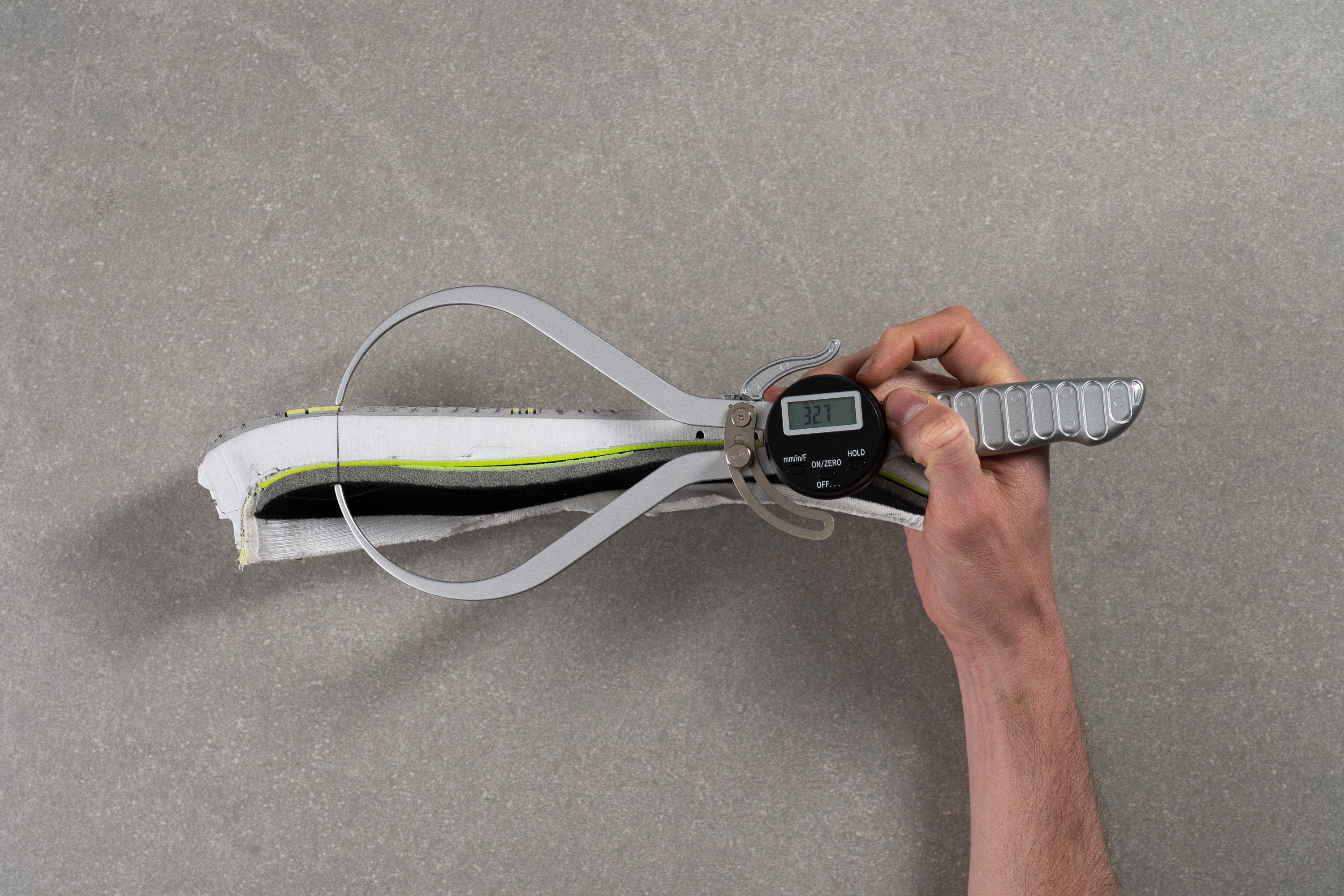
| Velocity | 32.7 mm |
| Average | 24.0 mm |
Forefoot stack
Its forefoot stack, on the other hand, is more on par with the average at 20.5 mm, allowing for some footwork maneuverability.
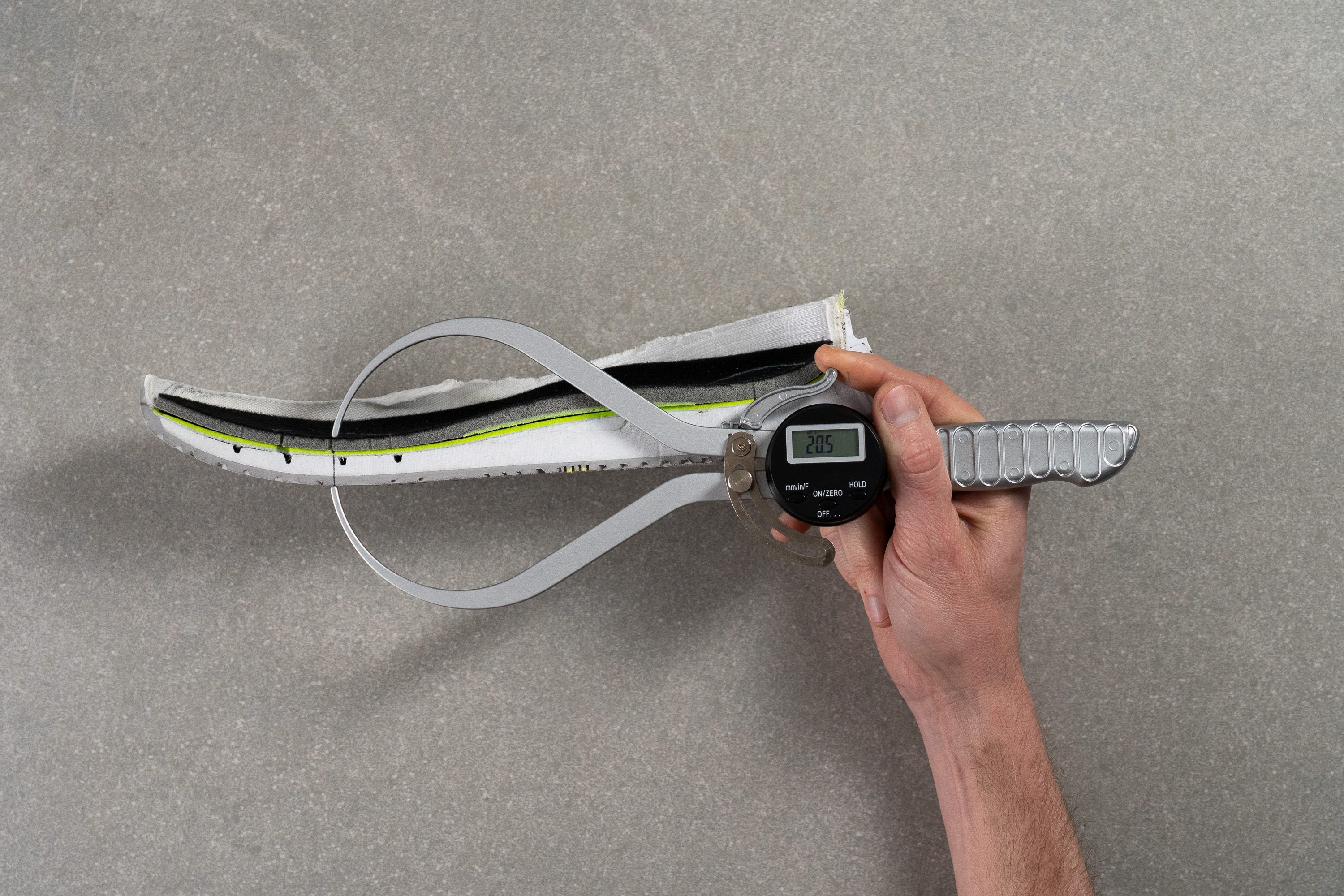
| Velocity | 20.5 mm |
| Average | 17.6 mm |
Drop
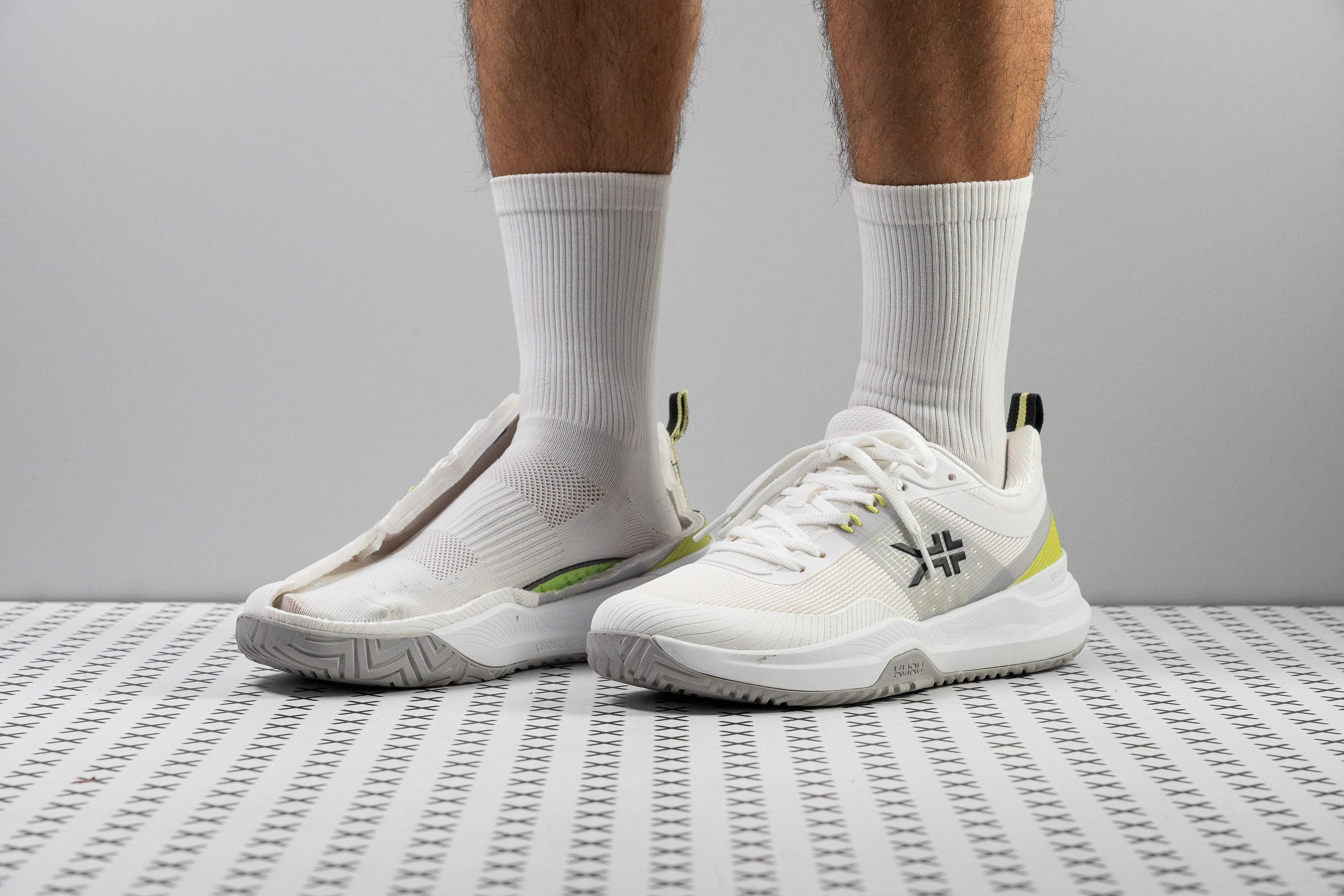
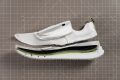
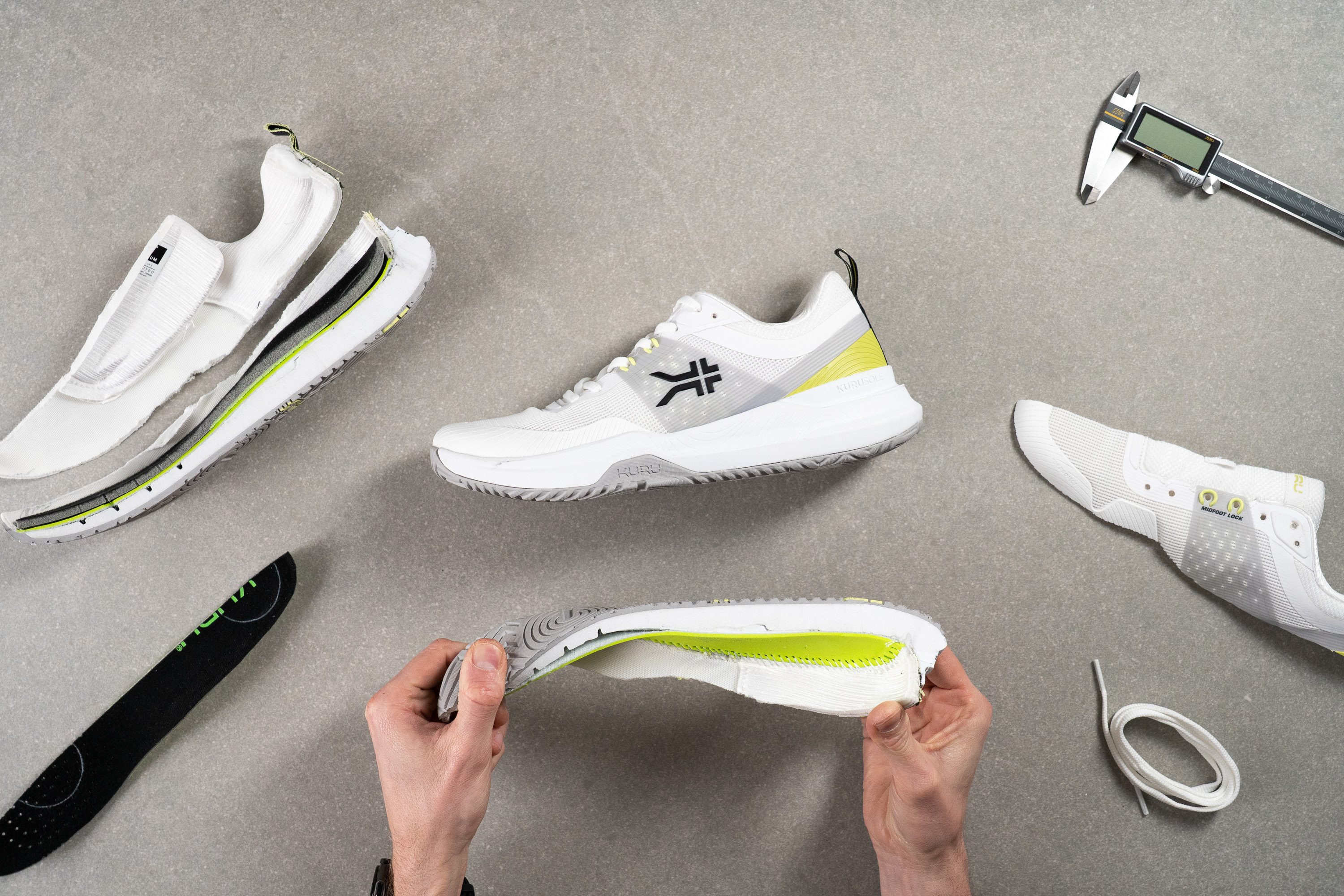
You can tell this KURU shoe's drop is pretty high just from the side-view photo of its sliced midsole. Our measurements showed that at 12.2 mm, it's even higher than the stated 10 mm.
This setup is optimal for athletes with tight ankles and calves, as the elevated heel reduces the load on them.
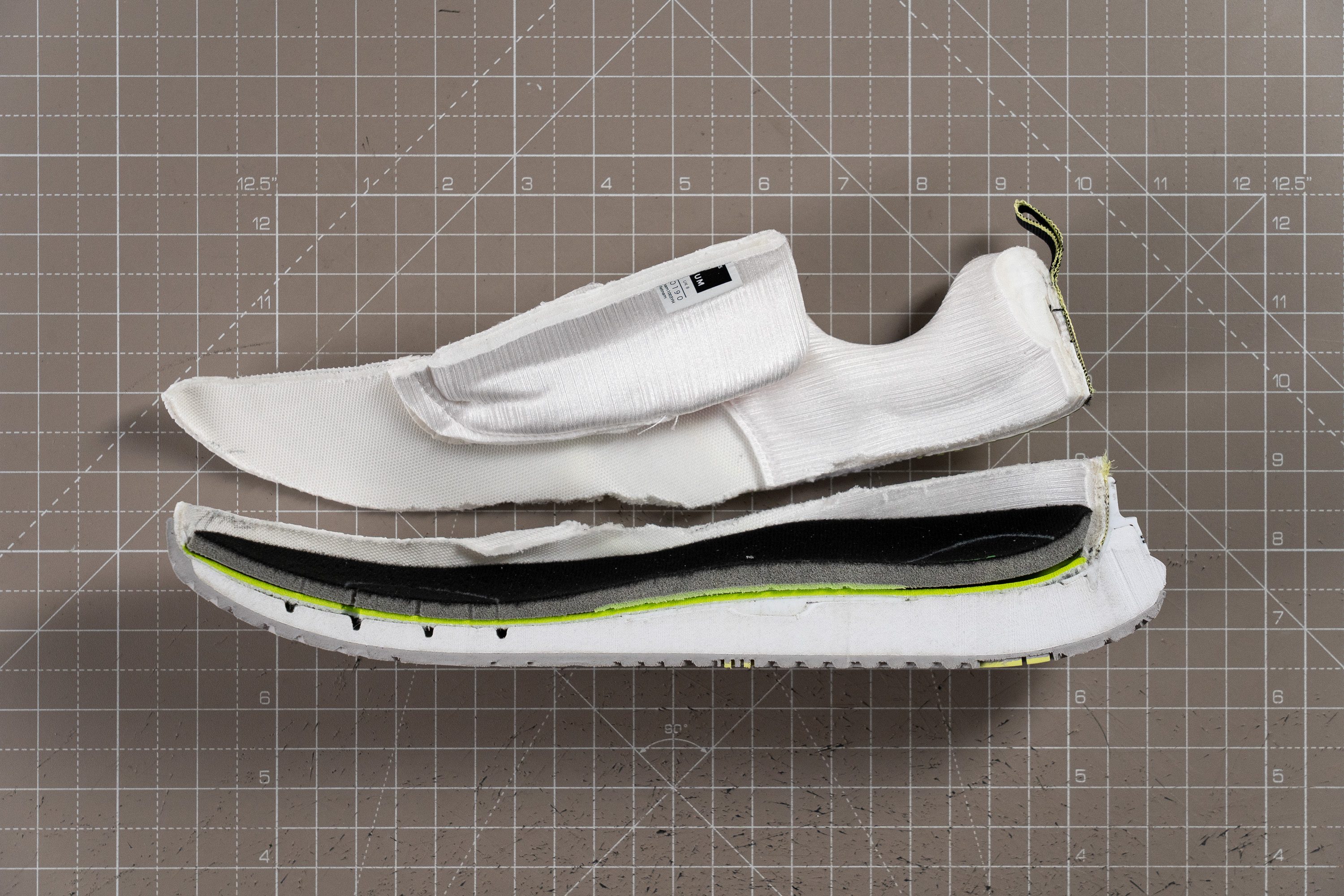
| Velocity | 12.2 mm |
| Average | 6.4 mm |
Midsole softness
The shoe's full-length KURUCLOUD midsole is made of firm foam, which makes sense for a crossover between training and tennis shoes.
Our durometer showed a firm reading of 47.9 AC, indicating very limited compression. Whether you're squatting with a barbell or running between the baseline and the net, you don't want any sinking sensation to mess with stability.
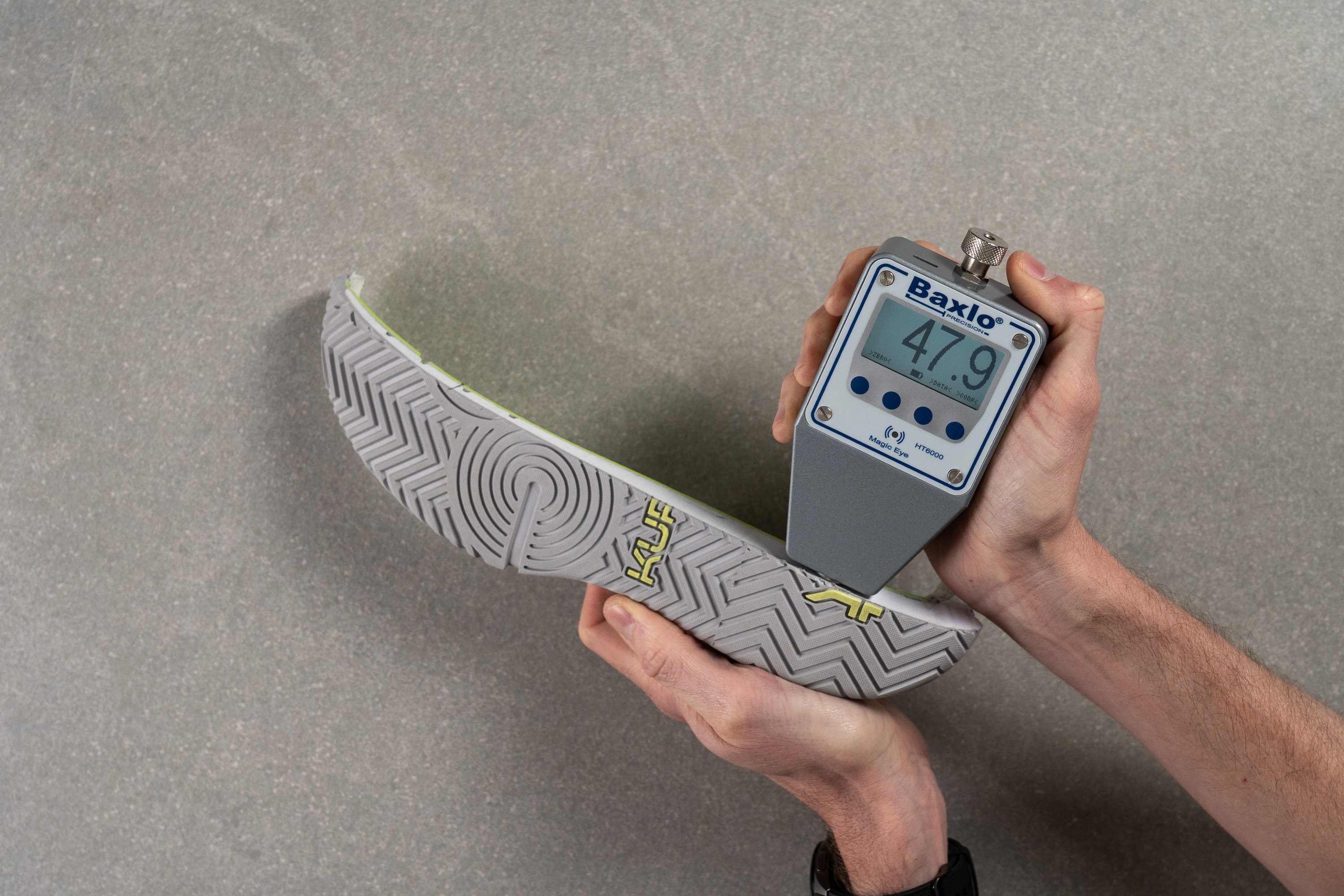
| Velocity | 47.9 AC |
| Average | 49.2 AC |
Size and fit
Size
Internal length
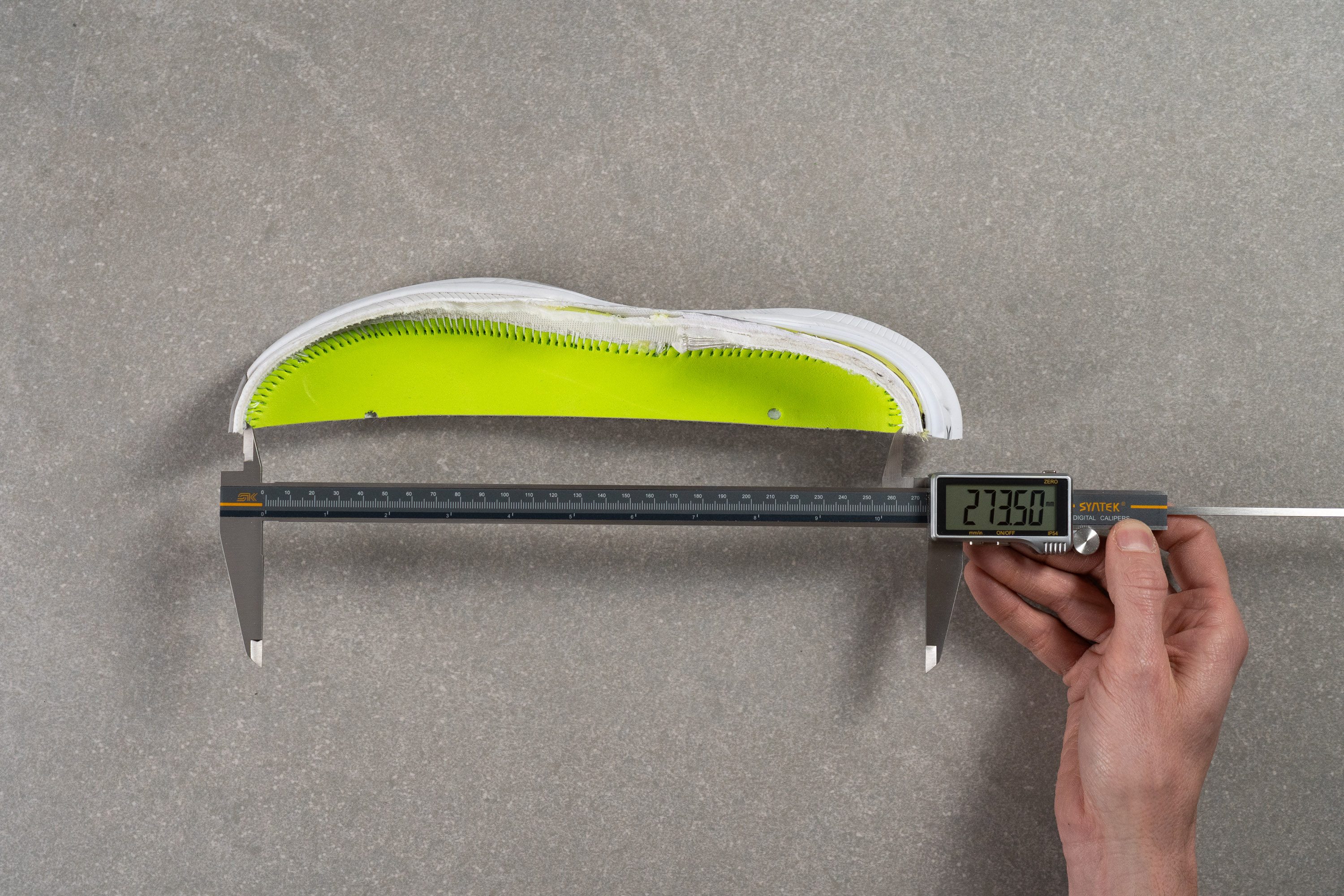
| Velocity | 273.5 mm |
| Average | 268.6 mm |
Width / Fit
Athletes with wide feet won't be happy with the KURU Velocity, as not only is this trainer available only in medium width, but it is also pretty snug-fitting.
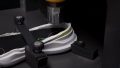
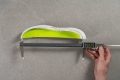
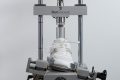
Measuring a solid gel mold of the shoe's interiors, we got only 92.3 mm in its widest area (ball of the foot).
This is too narrow for a proper toesplay in the gym, but it is actually on par with the average of dedicated tennis shoes.
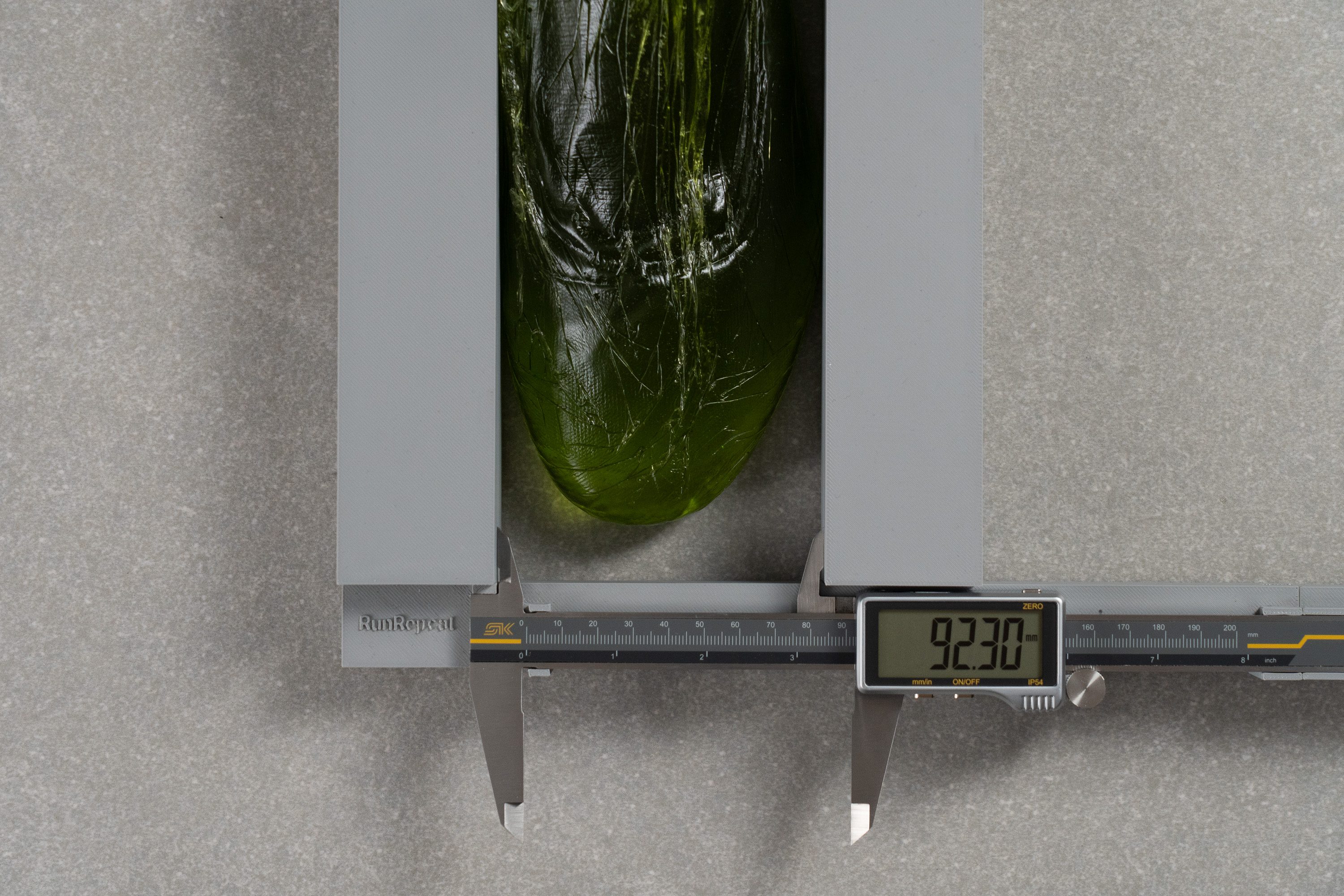
| Velocity | 92.3 mm |
| Average | 96.3 mm |
Toebox width
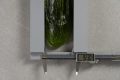
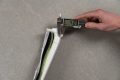
The shoe's toebox also has a visible taper angle, which is reflected in a below-average caliper reading of 69.0 mm. Again, fine for court sports but too restricting for proper gym use.
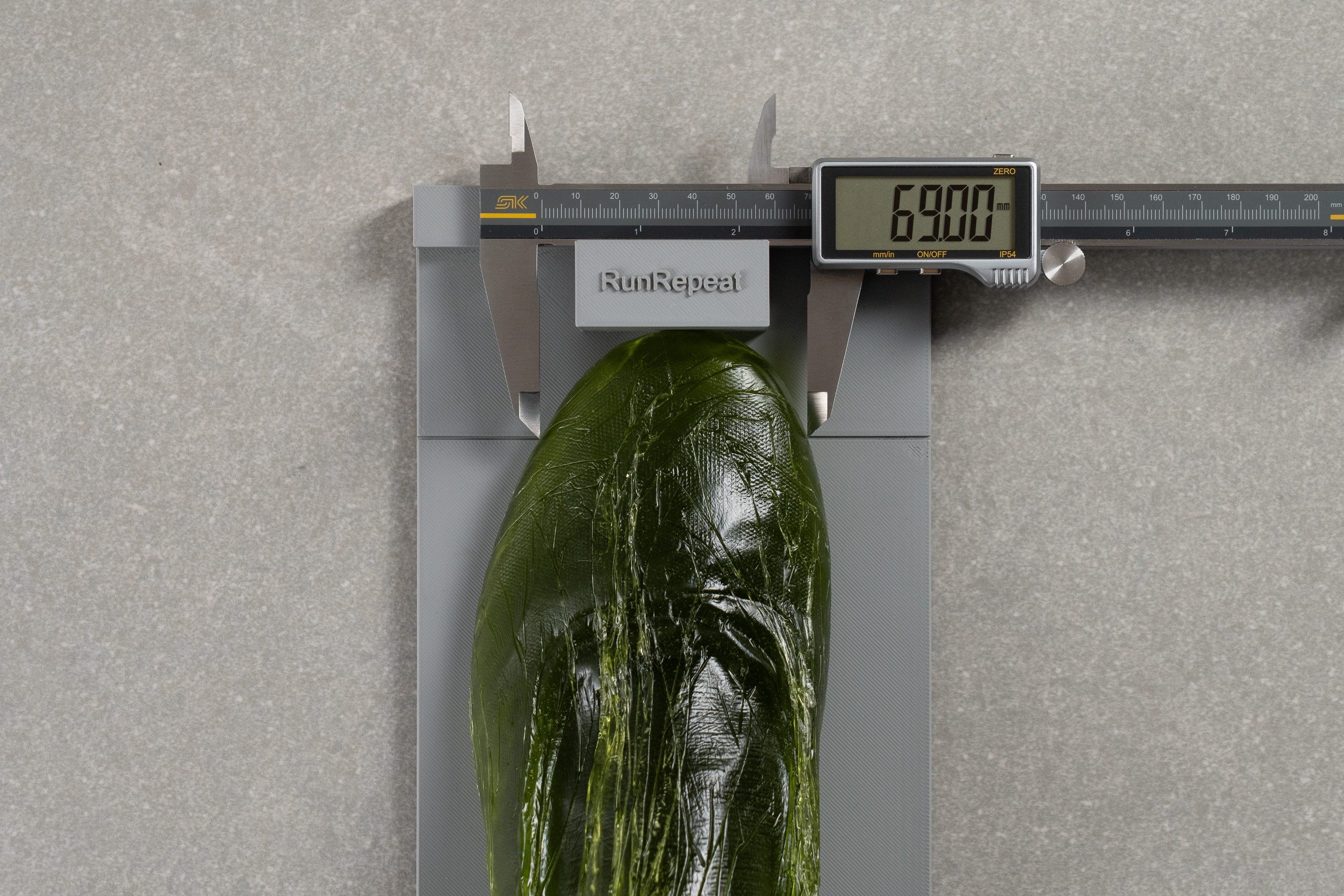
| Velocity | 69.0 mm |
| Average | 73.4 mm |
Toebox height
Pressure point warning!
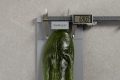
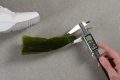
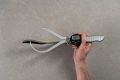
The toebox height of this KURU shoe came in at only 23.6 mm, meaning its upper sits very close to the toes.
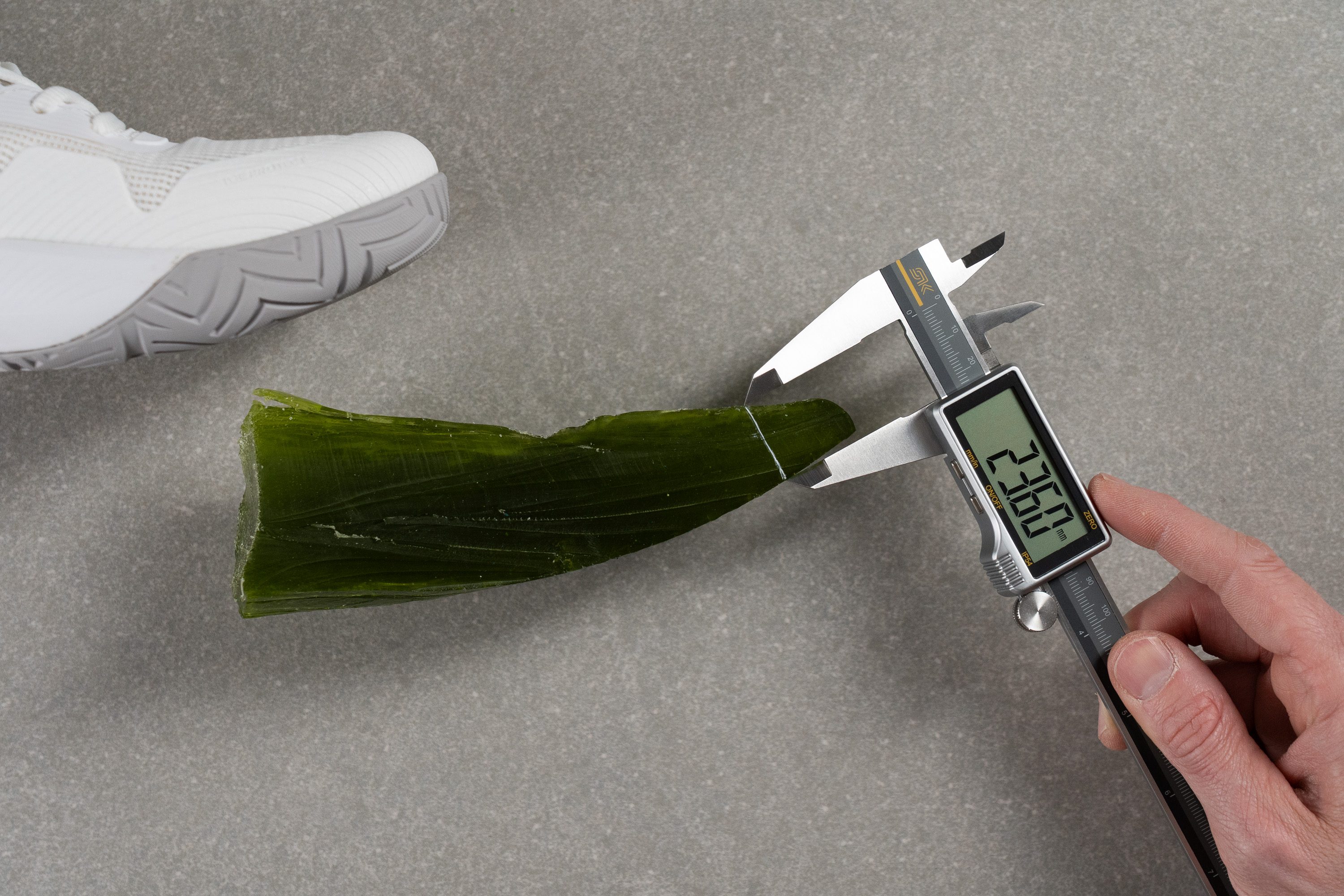
| Velocity | 23.6 mm |
| Average | 27.2 mm |
Traction / Grip
Traction test
Whether you're on a pickleball court, a hardwood floor, or a rubber mat, the KURU Velocity's outsole delivers excellent traction across a variety of surfaces!
Measuring the shoe's friction coefficient at an above-average reading of 0.50, we have no concerns about its ability to grip the floor at full speed.
| Velocity | 0.50 |
| Average | 0.34 |
Outsole design
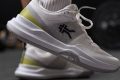
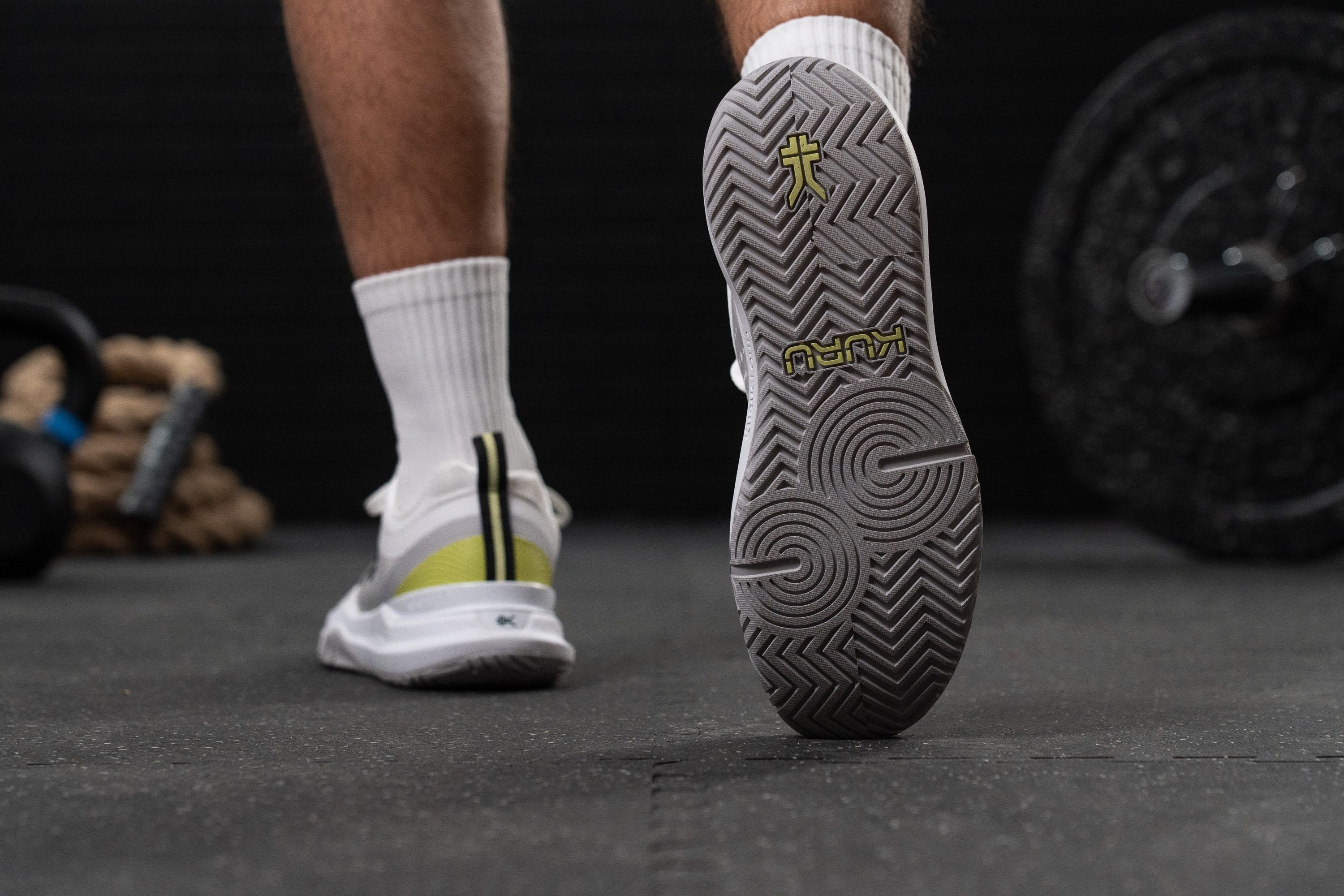
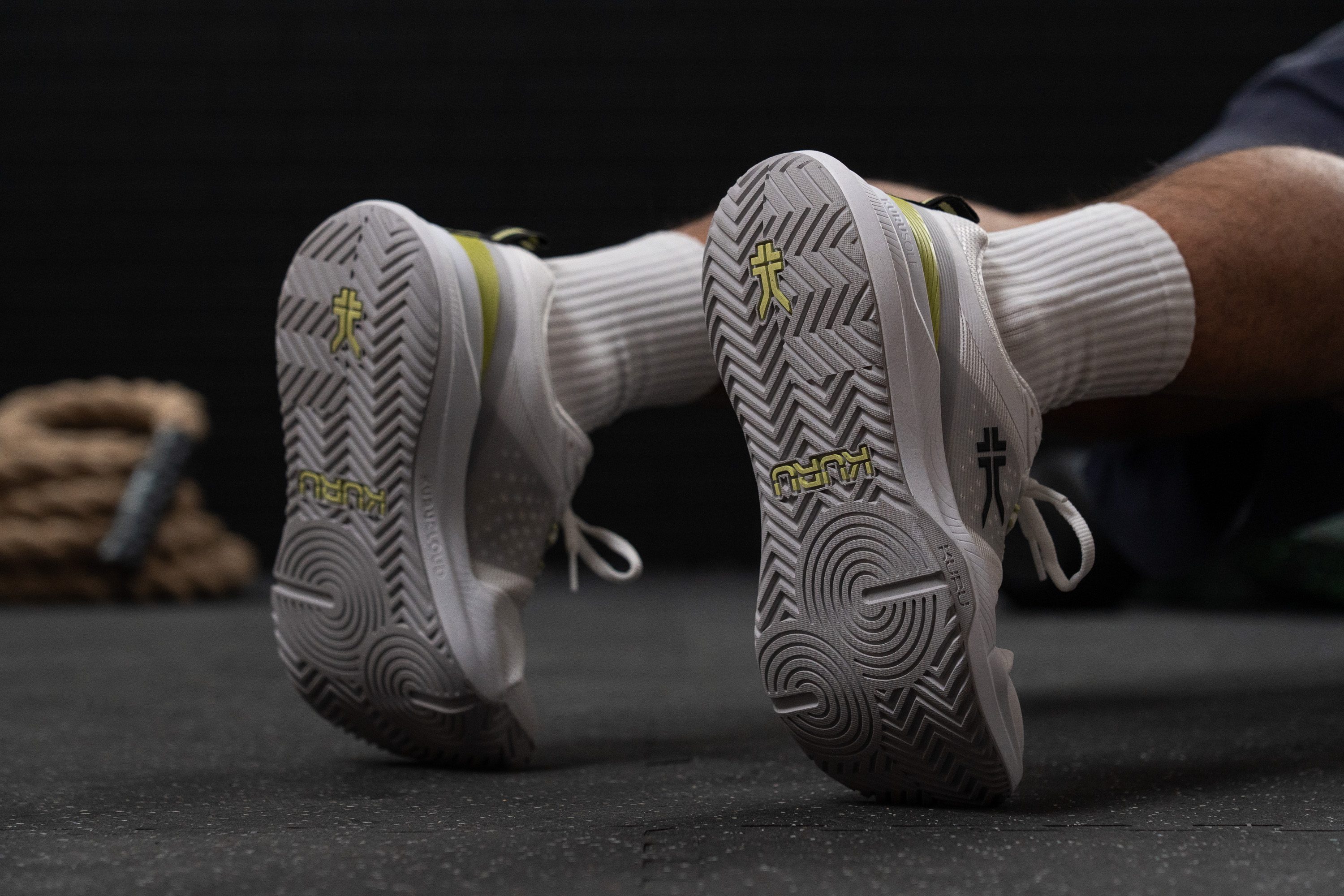
The shoe features a tough, multi-directional herringbone pattern, underscoring its orientation toward racquet sports aside from cross-training and gym use.
It has two large pivot points in the forefoot for easier rotational footwork and deep flex grooves to improve maneuverability.
Flexibility / Stiffness
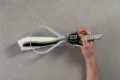
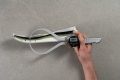
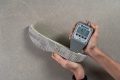
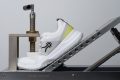
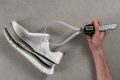
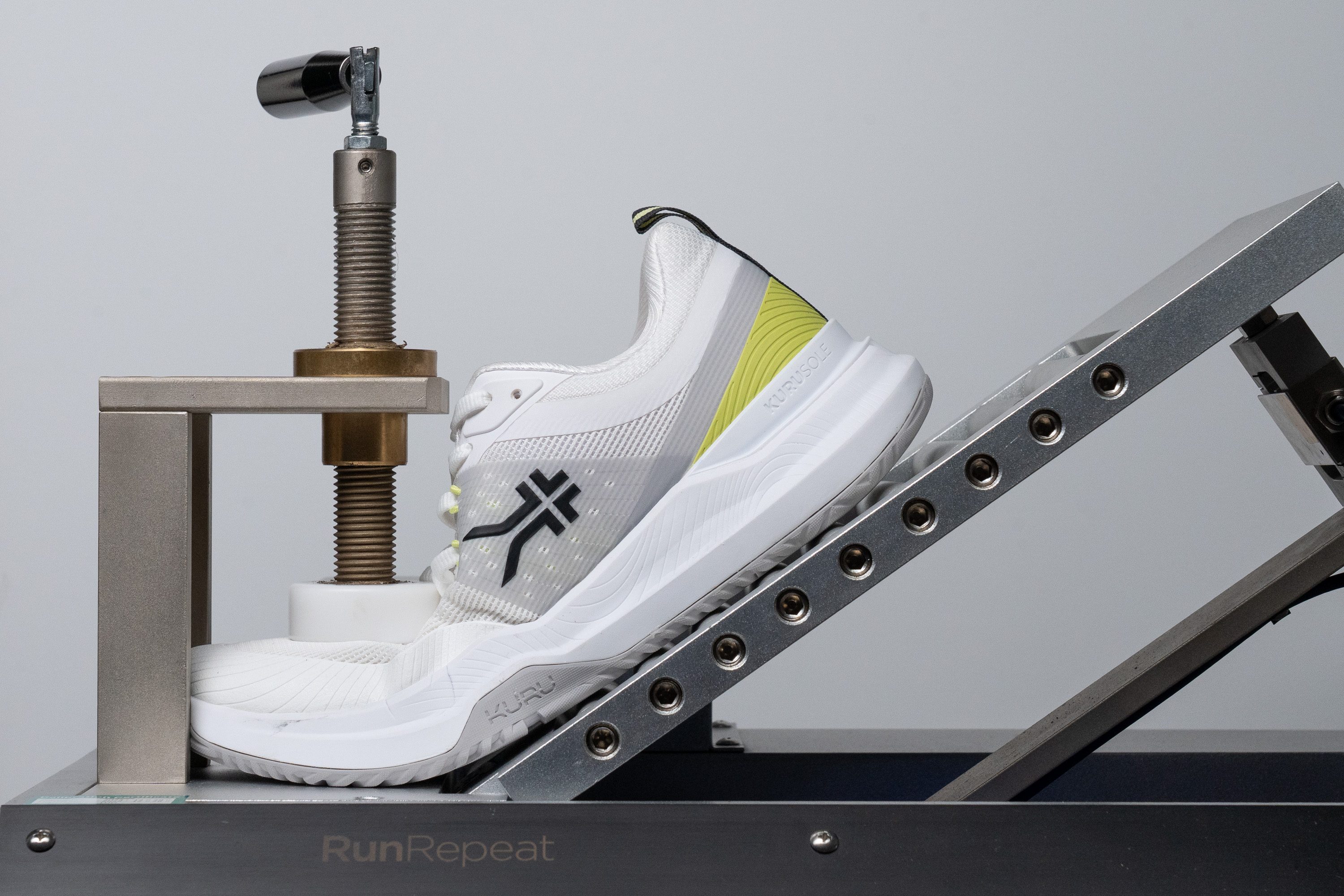
But those grooves did little to improve this KURU shoe's forefoot flexibility, as it requires as much as 18.4N to bend by 30 degrees. That puts it on the stiffer side of both training and tennis shoes.
While the stiffness makes energy transfer more efficient for court moves, the shoe's lack of flexibility becomes awkward during planks, burpees, lunges, and the like.
| Velocity | 18.4N |
| Average | 10.3N |
Weight
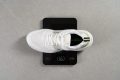
KURU shoes tend to run on the heavier side, and the Velocity follows suit. Tipping the scale at 13.6 oz (386g) in a men's US size 9, it exceeds the average weight of both cross-trainers and tennis shoes.
It can feel cumbersome when nimble footwork and agility are required.
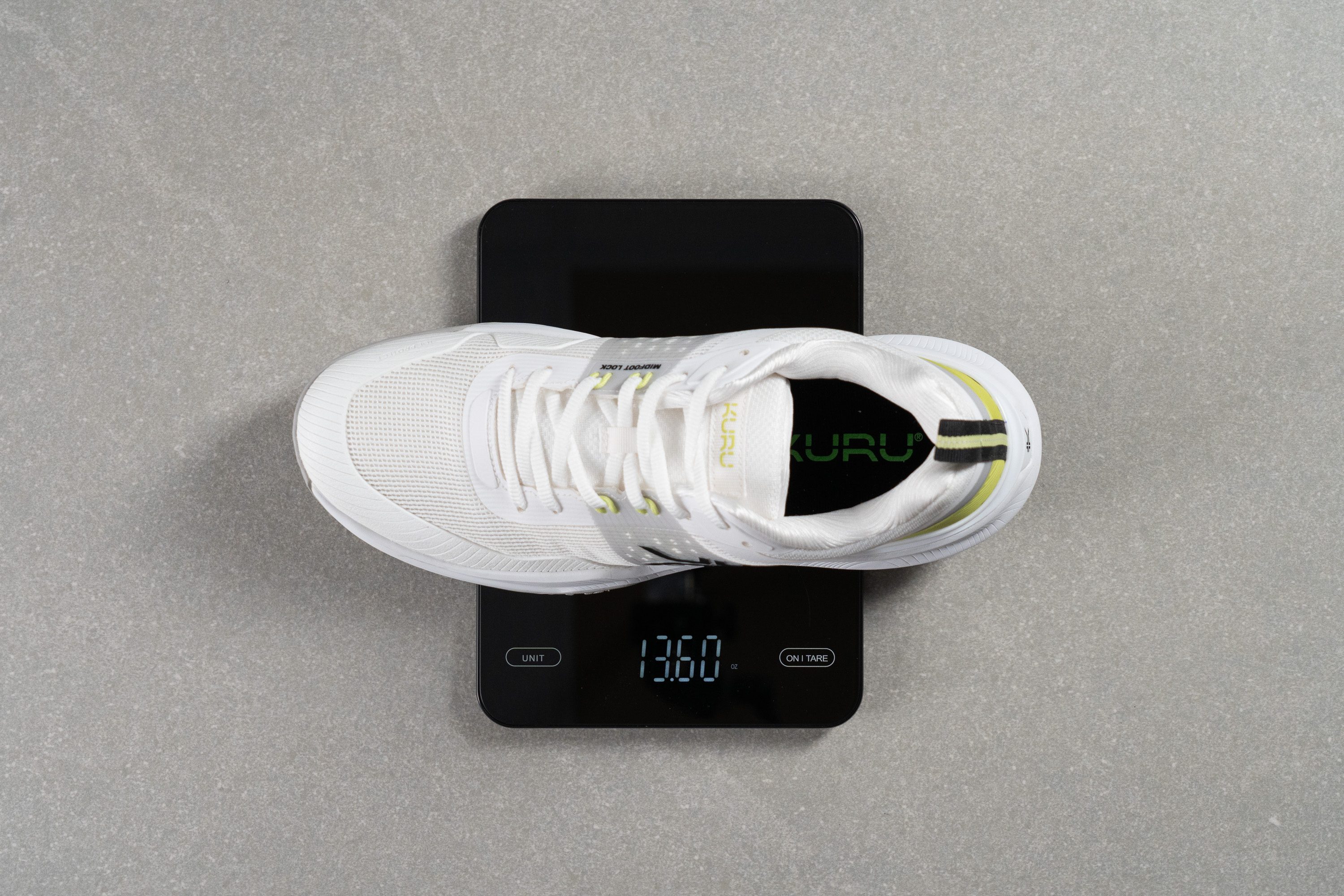
| Velocity | 13.6 oz (386g) |
| Average | 10.7 oz (304g) |
Breathability
Breathability test
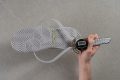
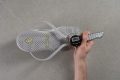
A large portion of this KURU shoe's upper is made of an airy mesh, which showed fairly good ventilation in our tests.
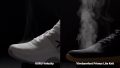
Releasing soft billows of smoke through its toebox, the shoe earned a mid-range breathability score of 3 out of 5.
Hovering its upper over the LED light revealed that the mesh remains transparent all the way to the rearfoot, and the shoe's midfoot overlay has visible air channels.
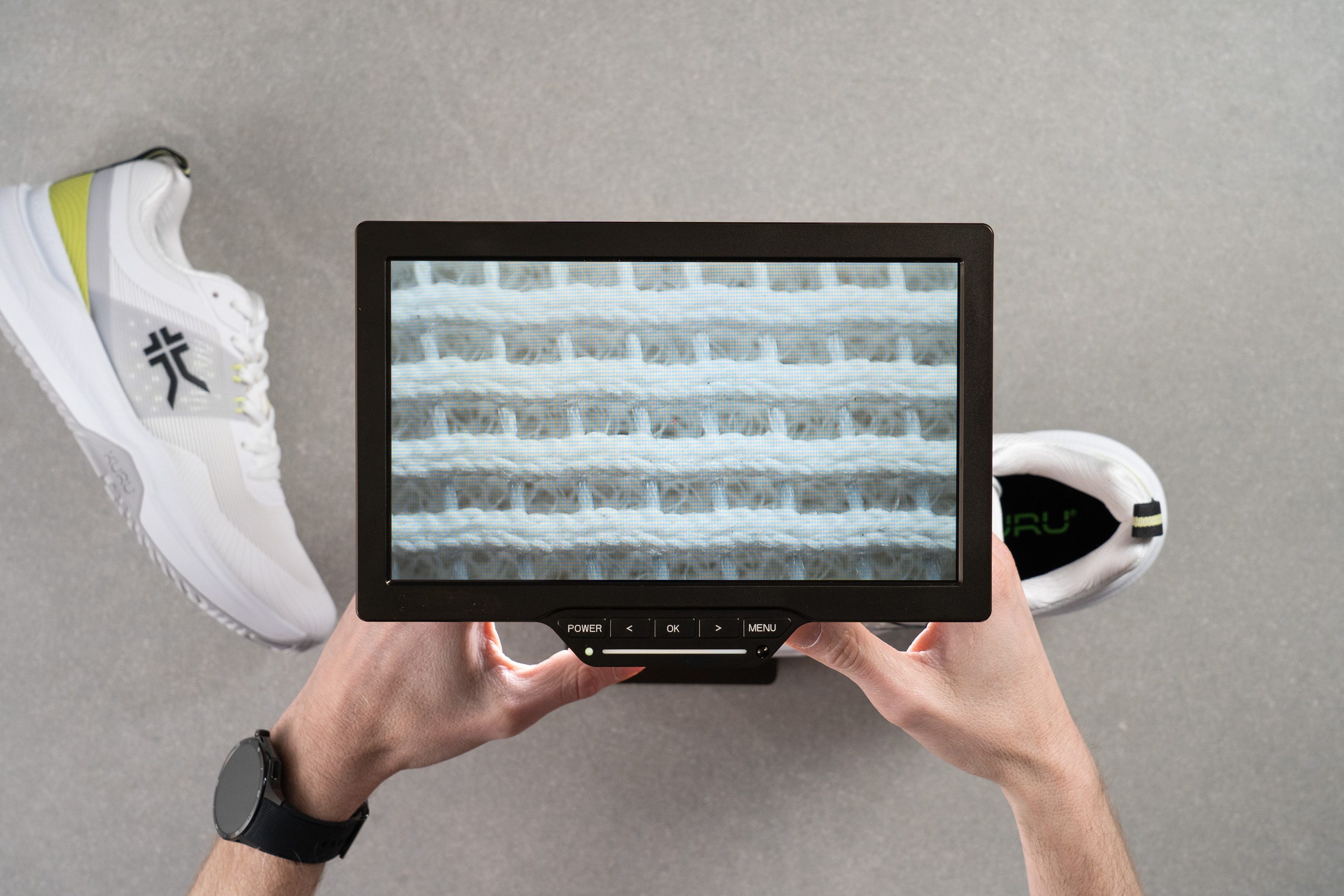
Finally, our microscope check showed a closer look at the shoe's porous mesh with a somewhat loose weave.
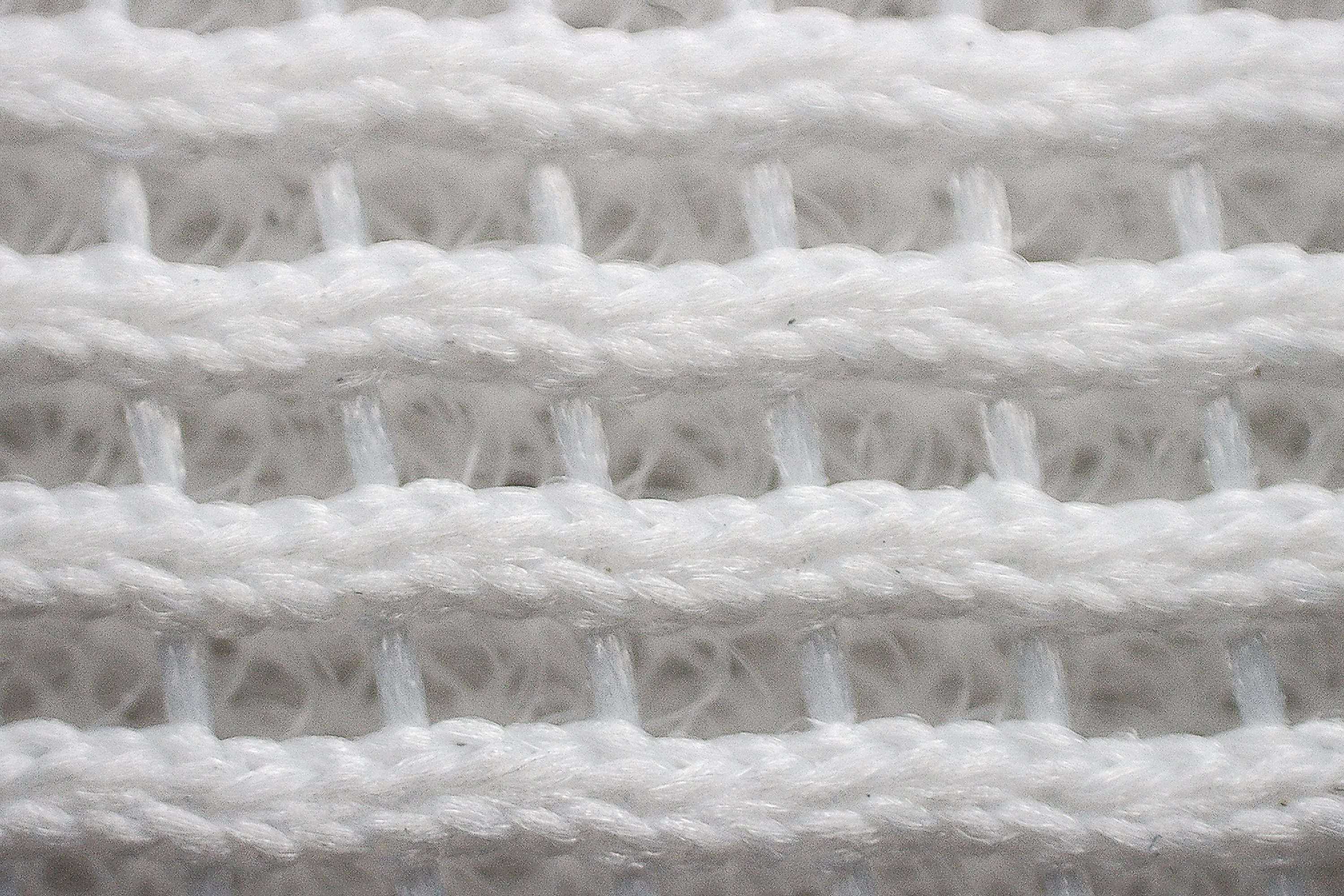
| Velocity | 3 |
| Average | 3.5 |
Stability
Lateral stability test
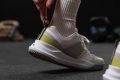
Side-to-side stability is where the KURU Velocity excels like a pro! Its rigid KURUSOLE cup forms a supportive cradle beneath the heel and continues into a stout heel counter that prevents a hint of wobbling.
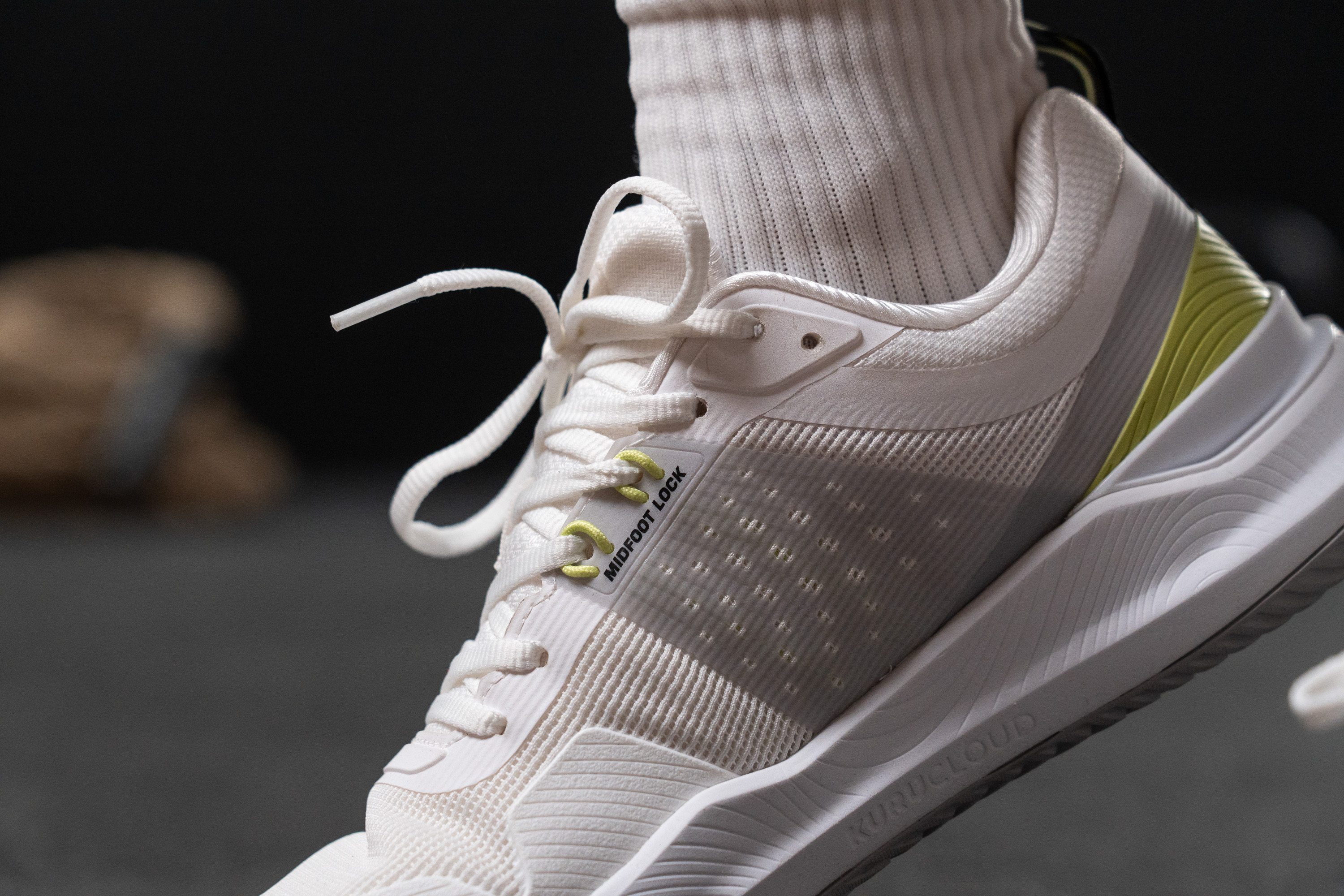
The shoe's lockdown is further enhanced by the Midfoot Lock system with wide PU overlays on both lateral and medial sides and two pairs of sturdy strings that connect the laces to the midsole beneath those overlays.
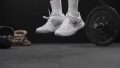
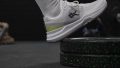
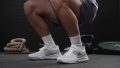
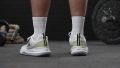
Our wear tests showed that the KURU Velocity is not only effective for lateral cuts on the court but also stable enough to support some moderate weightlifting at the gym!
Torsional rigidity
Twisting is just not happening in this incredibly structured KURU shoe. At 18.7 Nm, it showed some of the highest torque resistance measurements among training shoes!
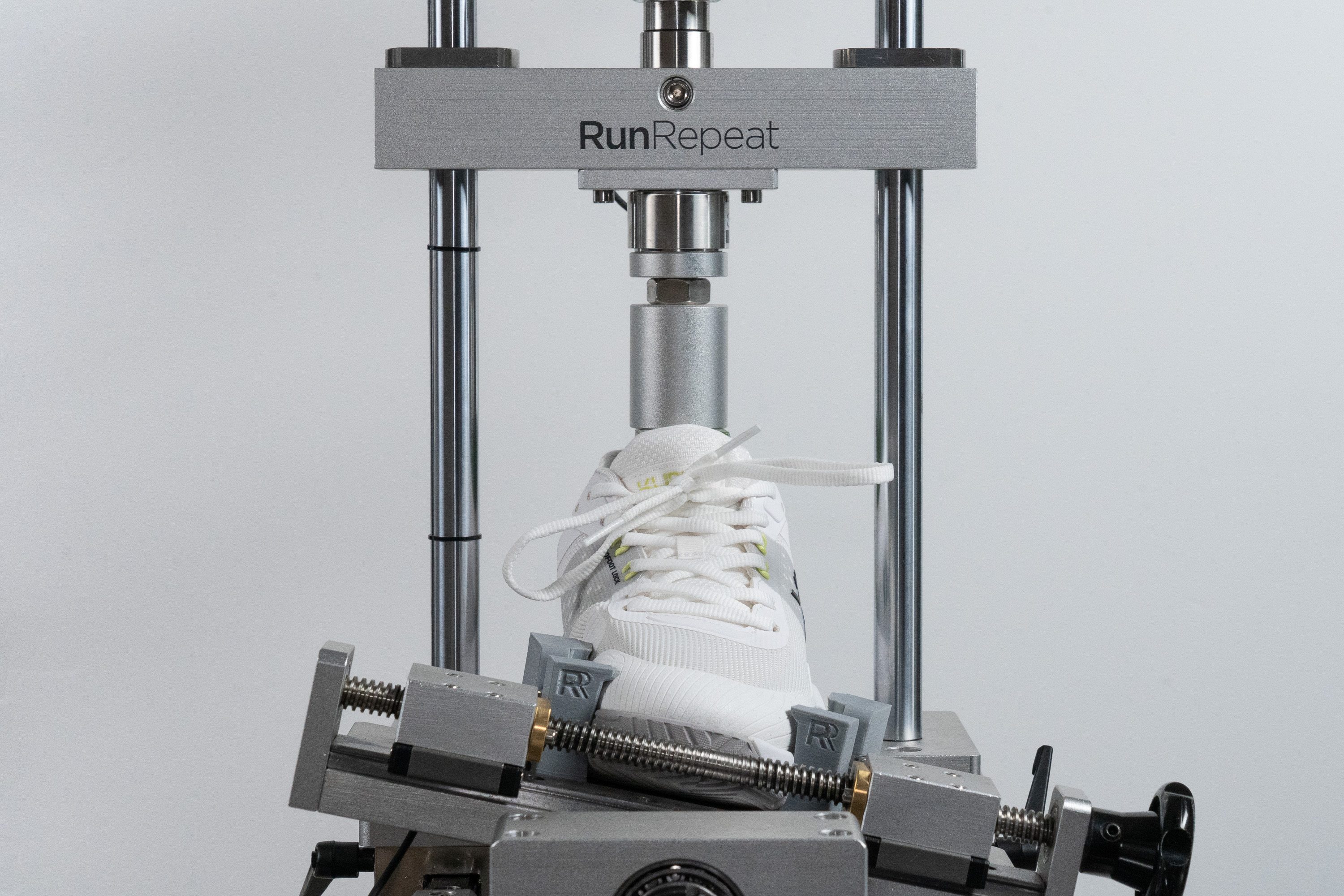
| Velocity | 18.7 Nm |
| Average | 13.8 Nm |
Heel counter stiffness
The shoe also delivers an unparalleled heel clutch thanks to its ultra-rigid heel counter. It was an immediate 5 out of 5 for us.
| Velocity | 5 |
| Average | 2.8 |
Midsole width - forefoot
The KURU Velocity features a wide platform without being overkill. With prominent outriggers in the shoe's forefoot, our caliper measured its widest area at 113.2 mm.
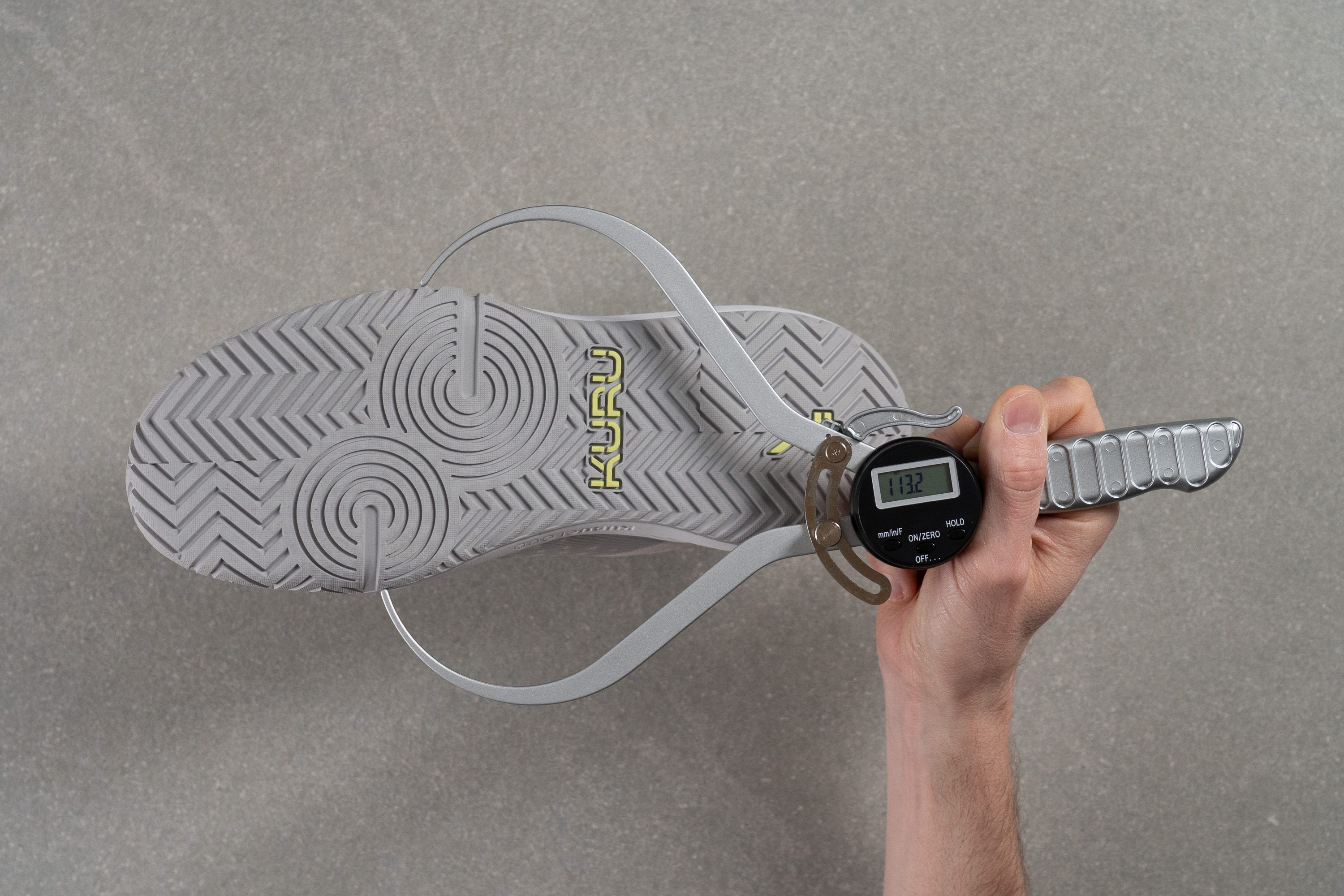
| Velocity | 113.2 mm |
| Average | 111.9 mm |
Midsole width - heel
The shoe's heel width offers plenty of landing area as well, measuring 92.2 mm at its widest point.
For context, its midsole dimensions are similar to those of the Nike Free Metcon 6 cross-trainer and the Nike Zoom GP Challenge 1 tennis shoe.
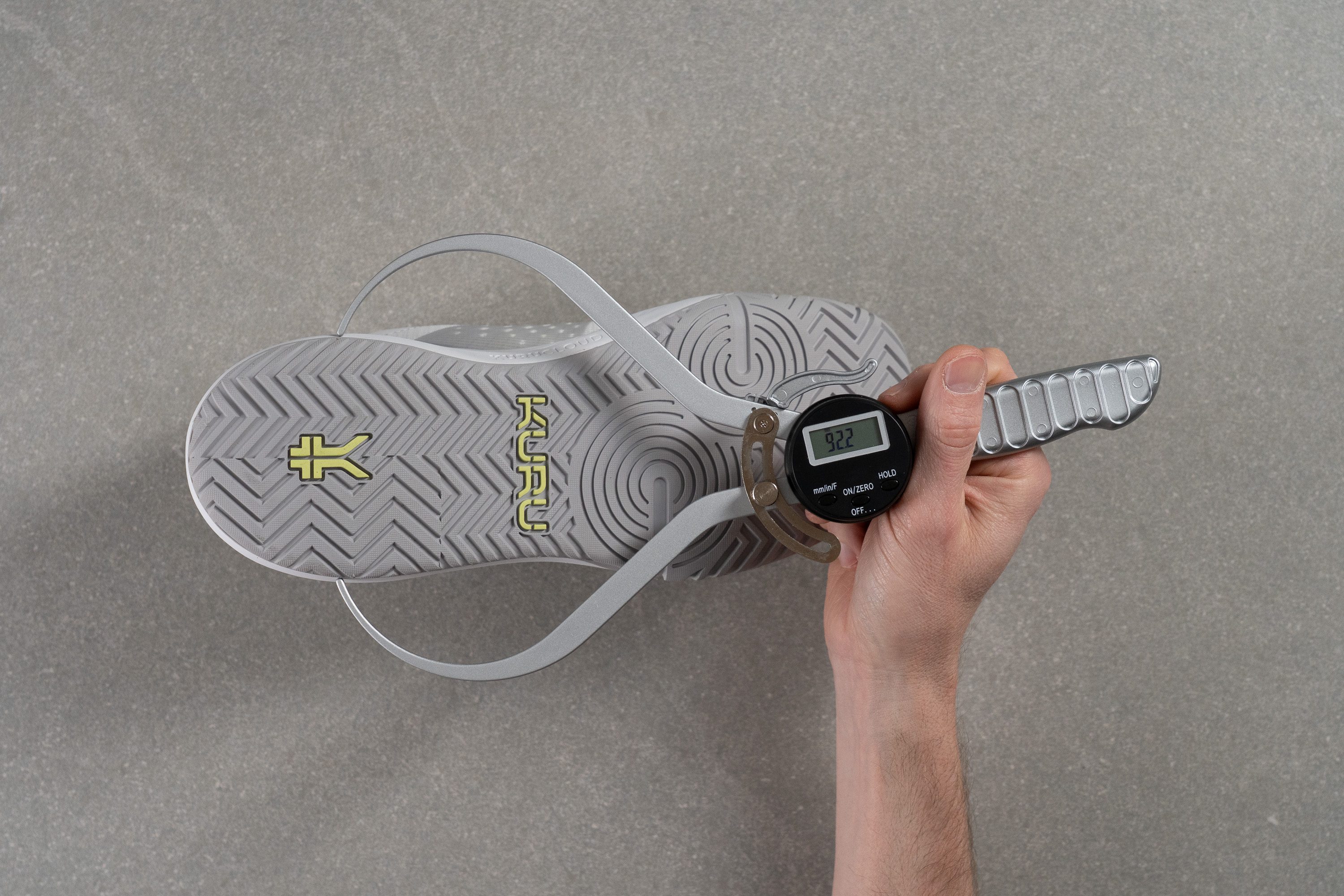
| Velocity | 92.2 mm |
| Average | 87.0 mm |
Durability
Toebox durability
Given the broad range of activities it is intended for, the KURU Velocity must withstand wear across many scenarios. And it's doing great!
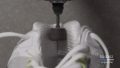
Its sturdy rand stood up to our Dremel brilliantly, protecting the toebox mesh from developing a gaping hole. That's a solid 4 out of 5 for toebox durability.
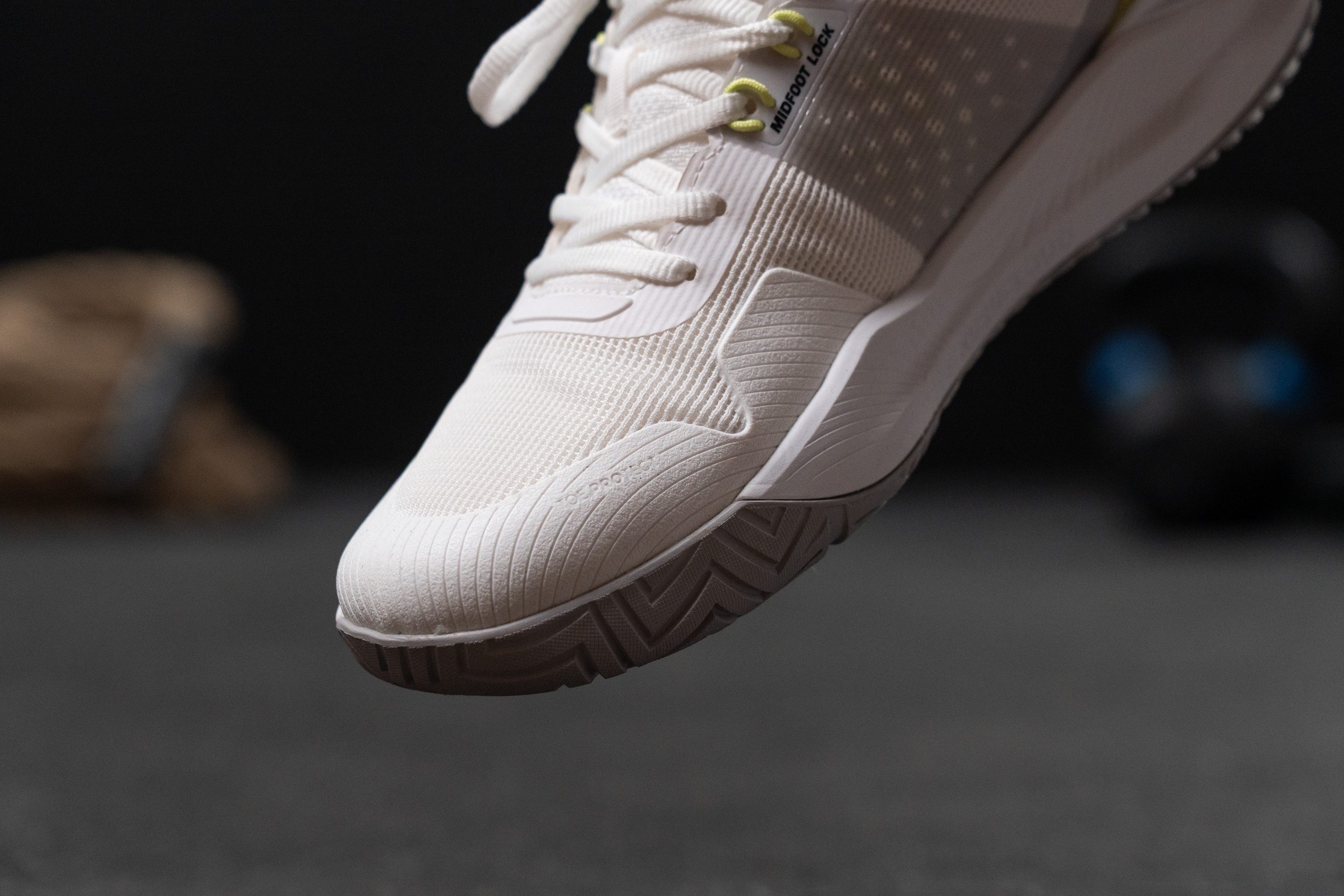
The rand also covers a significant area of the shoe's forefoot on the medial side, offering a protective toe grad guard for racquet sports.
| Velocity | 4 |
| Average | 2.7 |
Heel padding durability
The smooth, silk-like lining inside this KURU shoe also showed excellent resistance to friction, earning a high score of 4 out of 5.
| Velocity | 4 |
| Average | 3 |
Outsole durability
The shoe's outsole wasn't as impressive, though, developing 1.3 mm of damage under our Dremel. It's not a bad result per se, but we would keep this KURU shoe away from concrete and other highly abrasive surfaces to extend its lifespan.
| Velocity | 1.3 mm |
| Average | 1.1 mm |
Outsole thickness
Gladly, the amount of rubber used for the shoe's outsole is quite thick at 4.1 mm, contributing to its longevity.
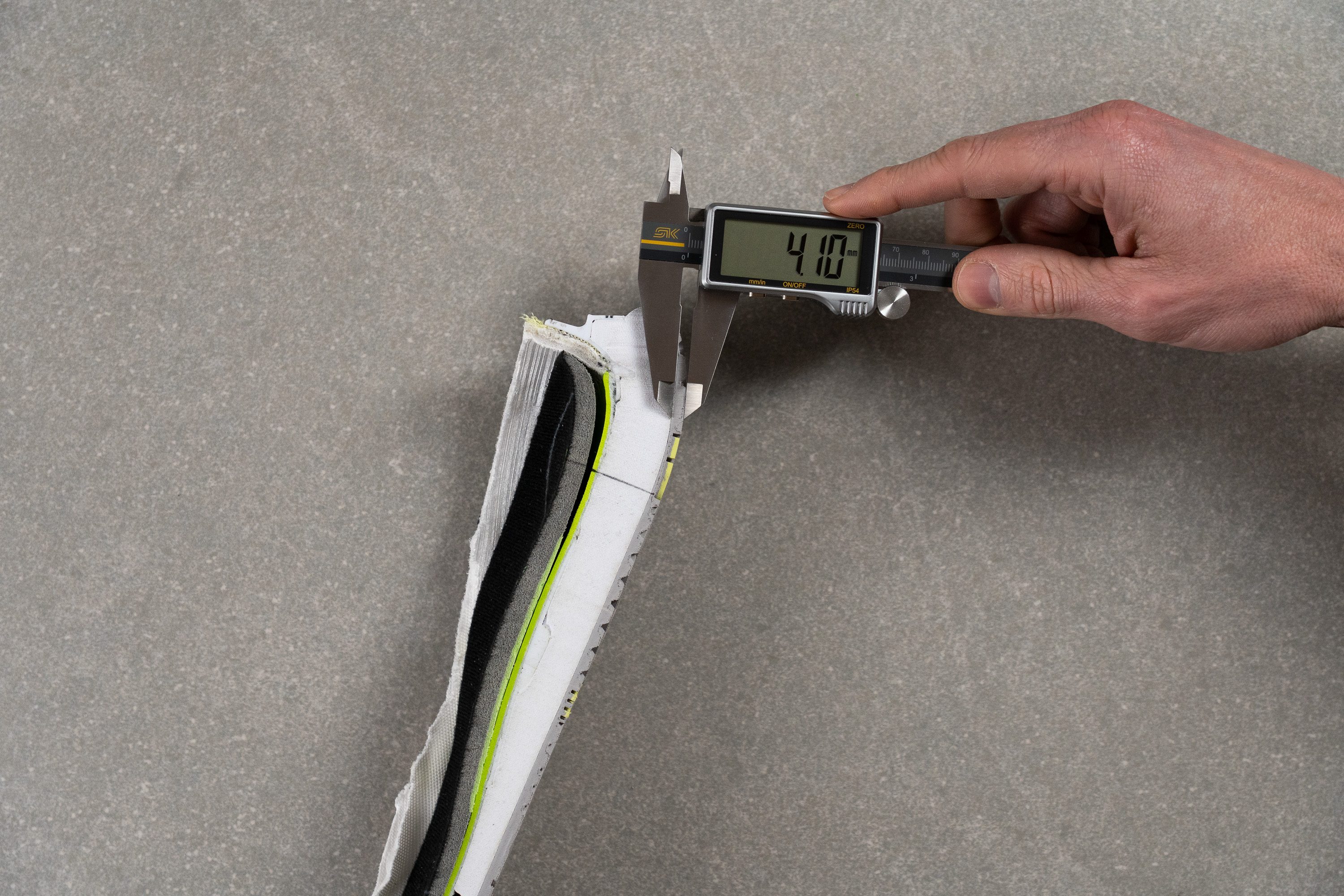
| Velocity | 4.1 mm |
| Average | 3.5 mm |
Misc
Insole thickness
The KURU Velicity's step-in comfort is ensured by a well-padded insole measuring 6.6 mm thick at the heel.
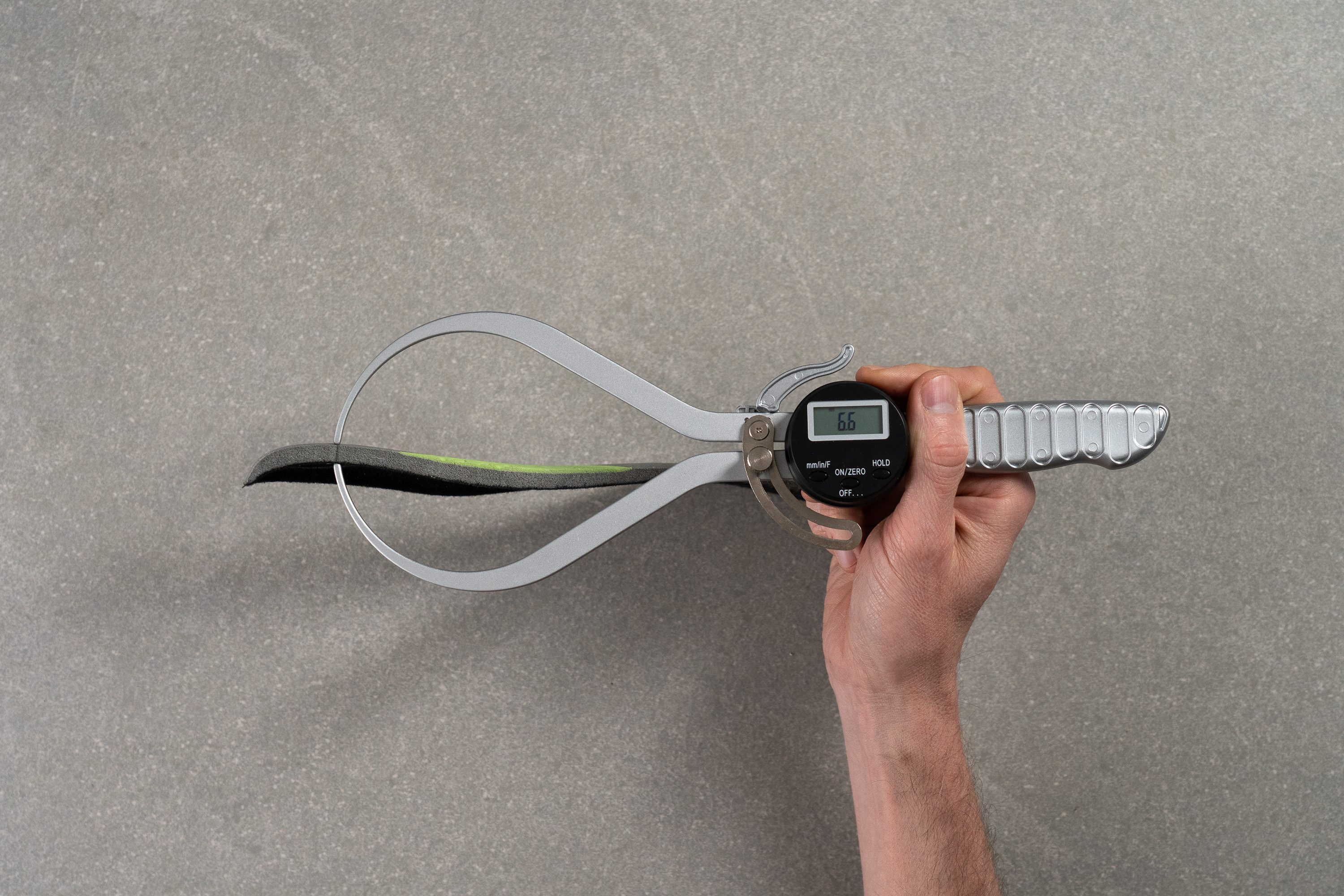
| Velocity | 6.6 mm |
| Average | 4.0 mm |
Removable insole
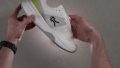
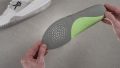
It is a high-quality insert with built-in arch support and a perforated forefoot.
| Velocity | Yes |
Reflective elements
No reflective elements were detected in our dark-room test.
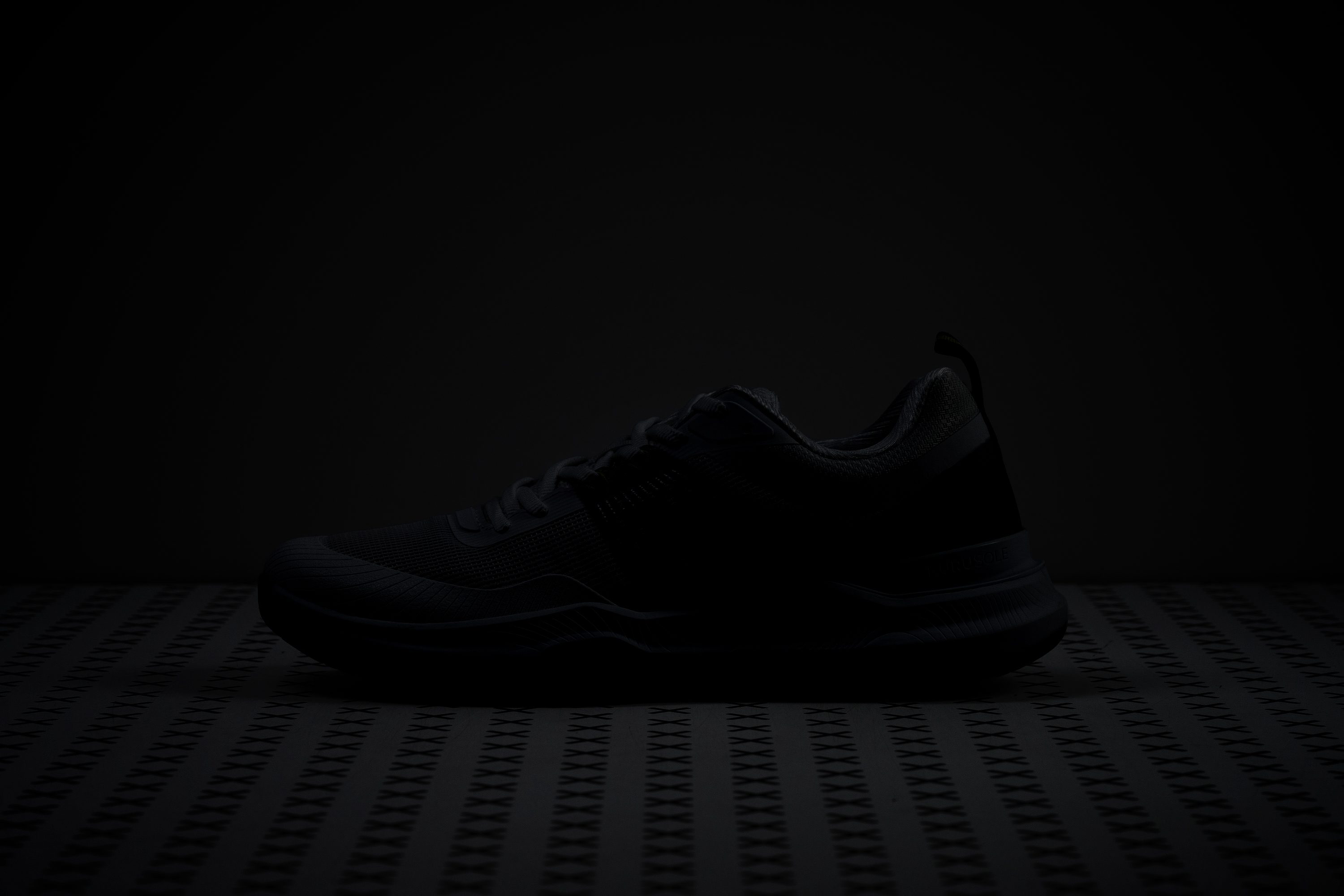
| Velocity | No |
Tongue padding
The shoe's internal padding is nothing short of luxurious, measuring 10.7 mm in thickness in the tongue.
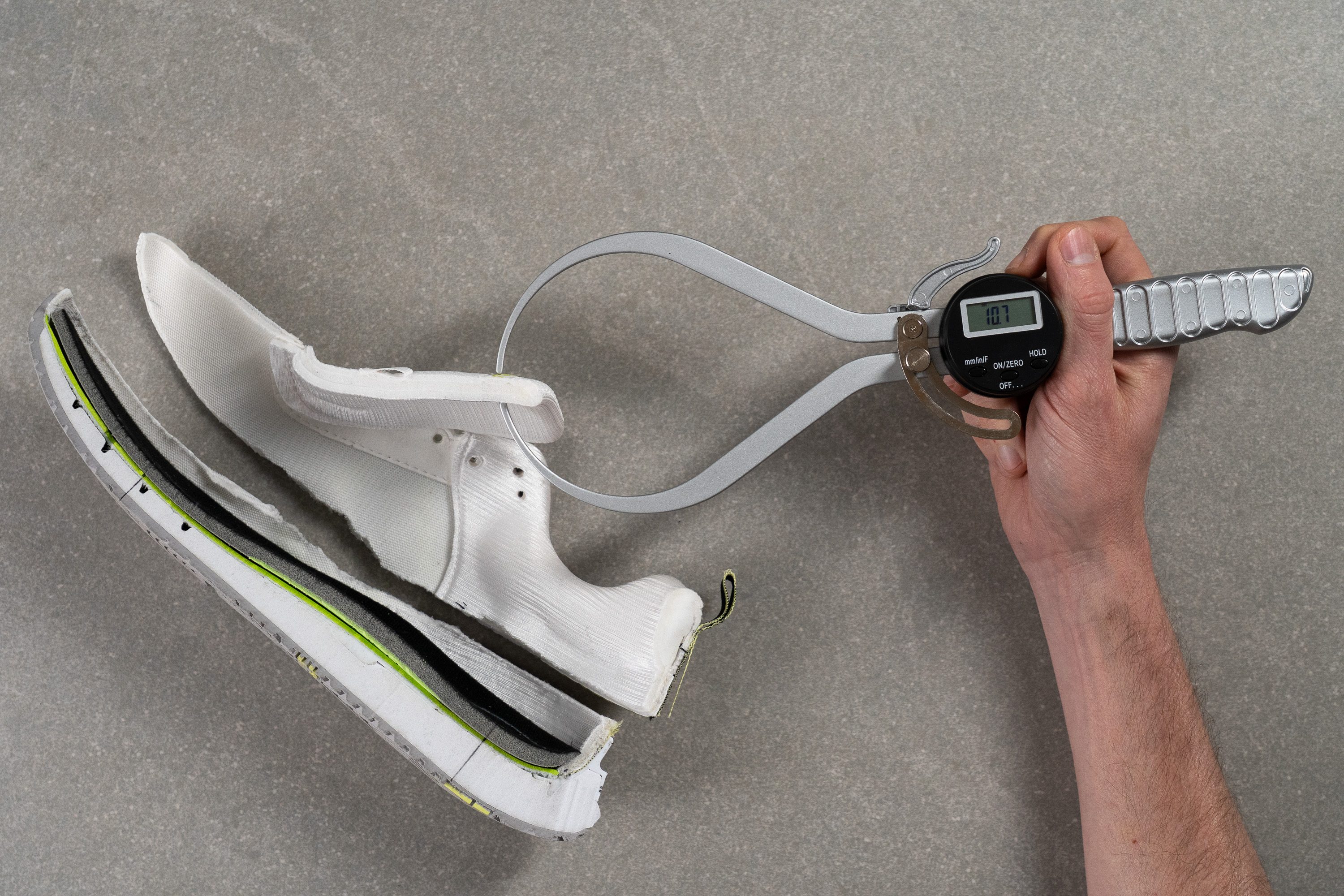
| Velocity | 10.7 mm |
| Average | 6.0 mm |
Tongue: gusset type
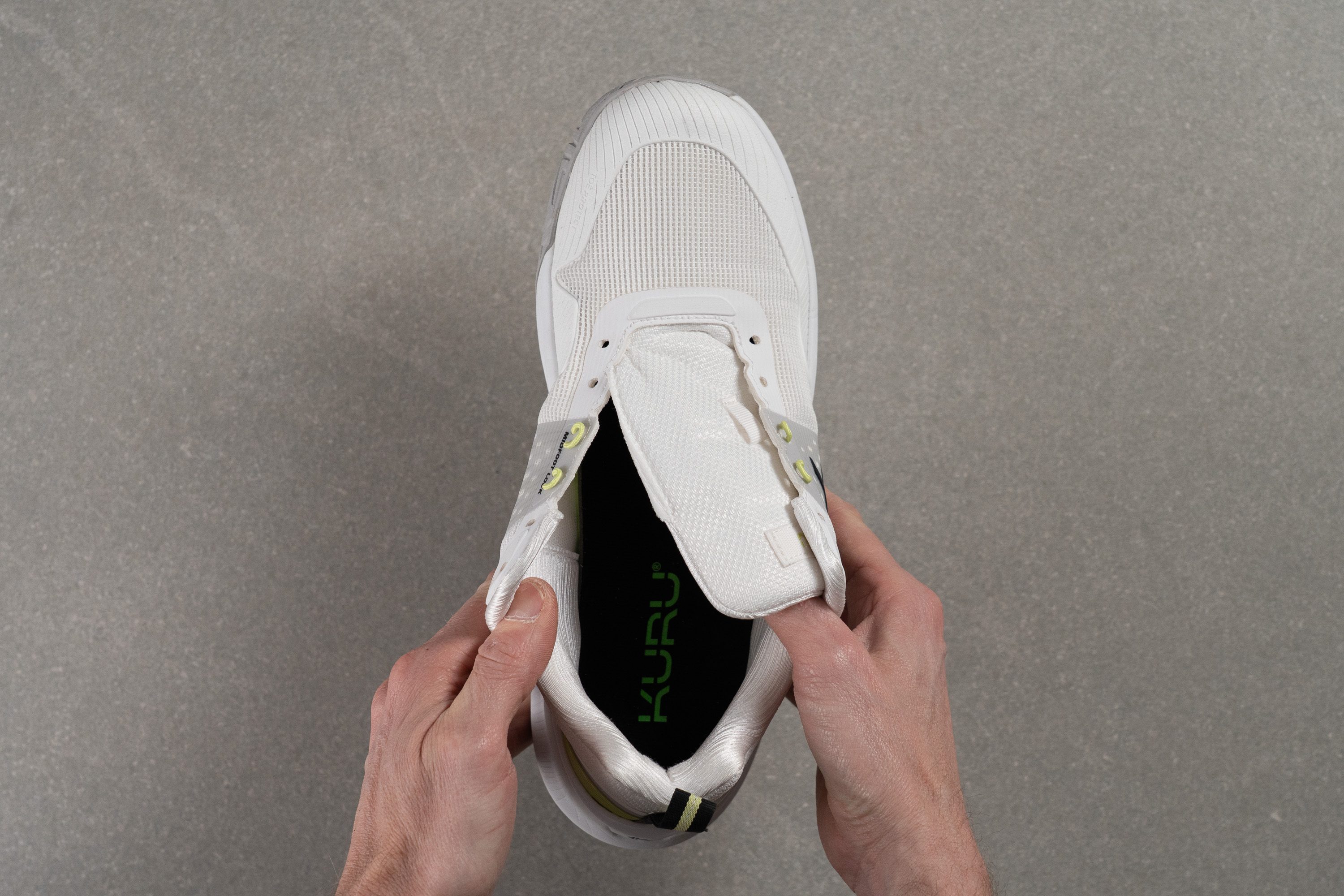
There are no gussets on the KURU Velocity, and some tongue shifting may occur during active side-to-side movement.
| Velocity | None |
Heel tab
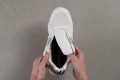
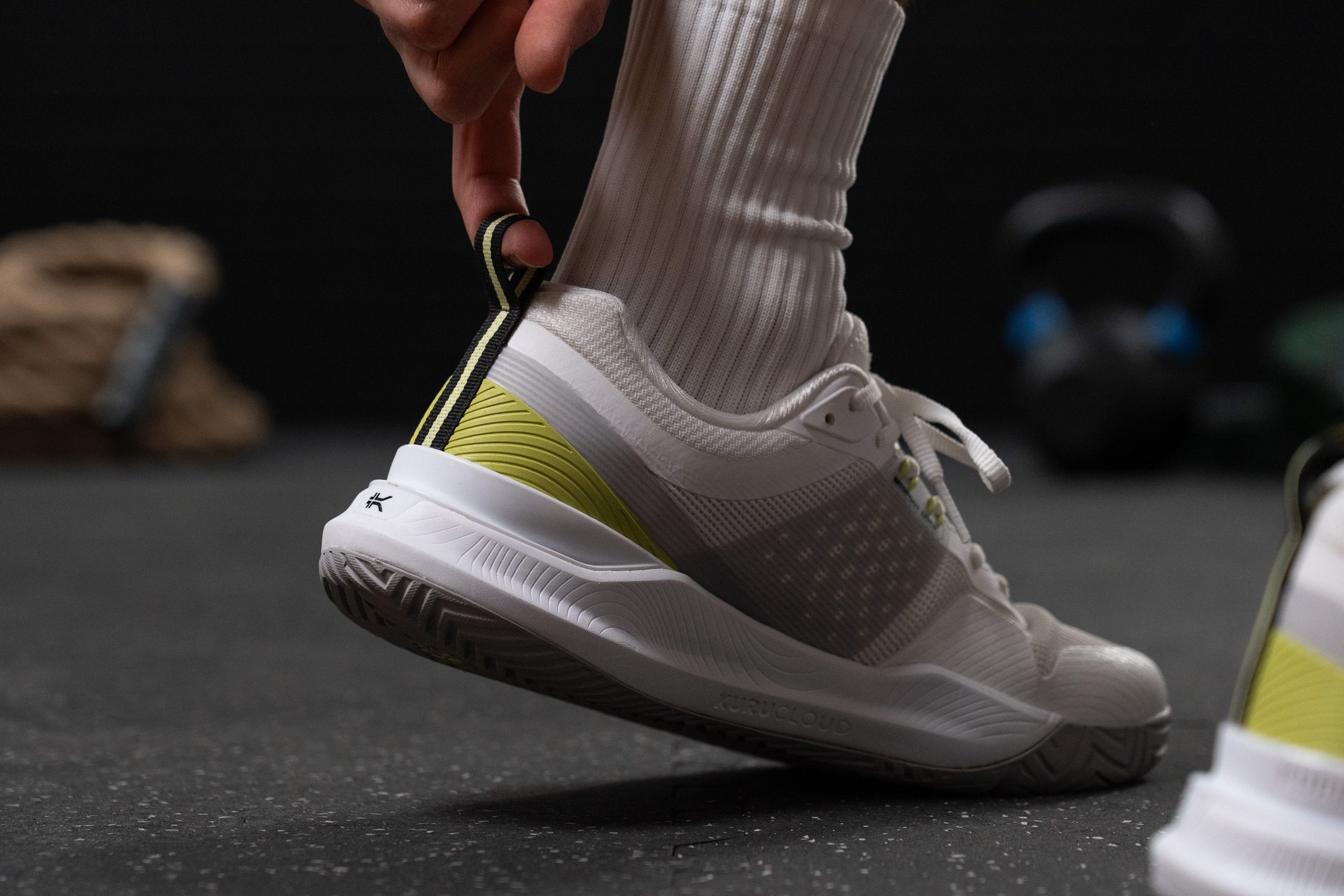
A large finger loop at the back helps get the shoe on.
| Velocity | Finger loop |
Price
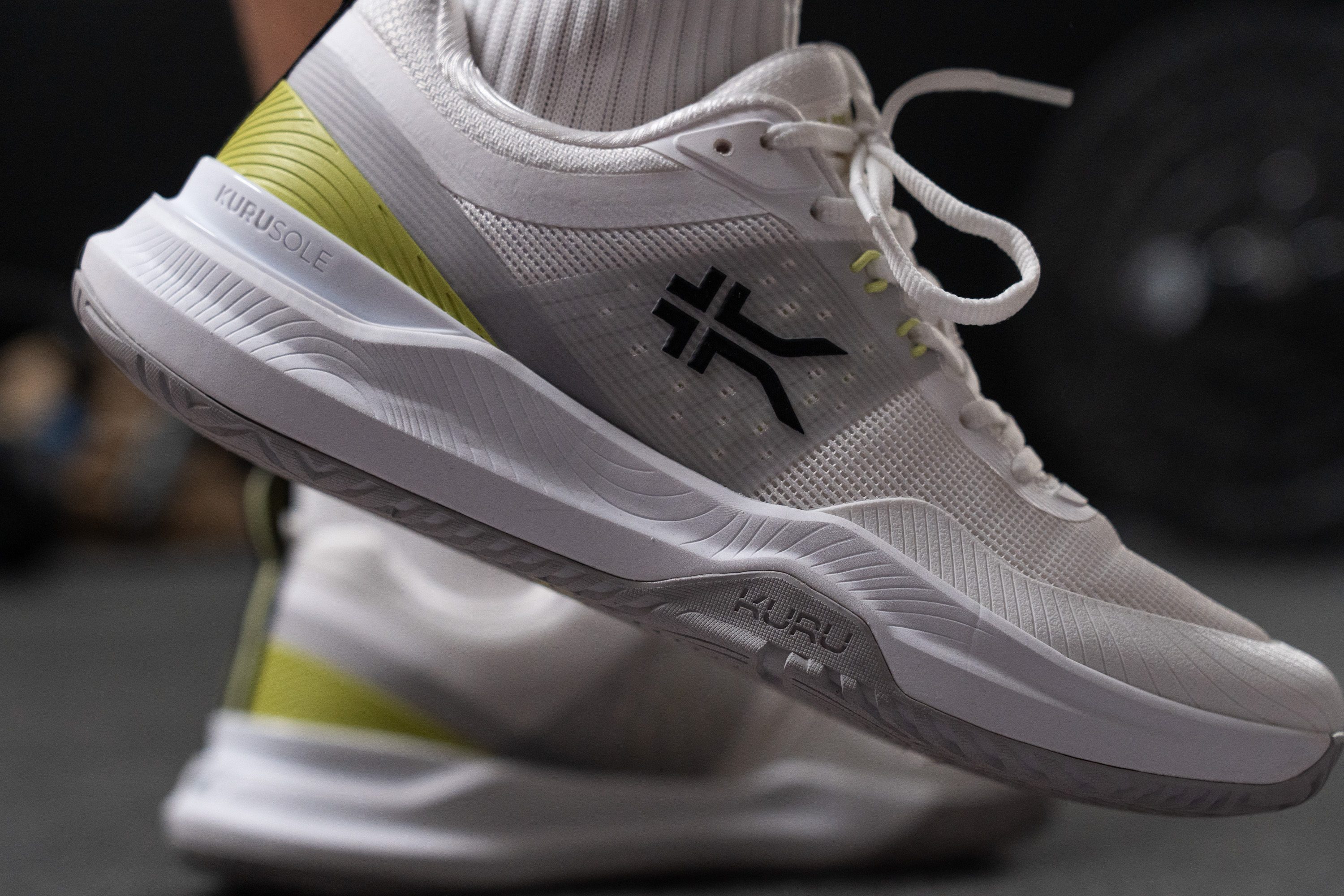
The KURU Velocity is a solid shoe on its own, but its high price point is questionable. With a retail price on par with the most advanced, flagship cross-trainers like the Nike Metcons and tennis shoes like the ASICS Court FF 3, we can't say its performance matches those shoes.
| Velocity | $169 |
| Average | $129 |