7 Hiking Shoes With The Best Shock Absorption in 2026

We buy shoes ourselves. We earn commissions when you buy through us, at no extra cost. Why trust us
Instantaneous comfort in hiking shoes is perceived thanks to the midsole softness. The softer it is, the more comfortable the shoes. However, in the long run hike, it’s the shock absorption that actually matters more. It is what keeps our legs fresh for longer. There are, of course, cases when this is not a priority and when other features take the spotlight. We go down this rabbit hole further below.
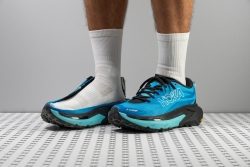
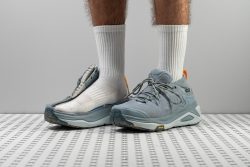
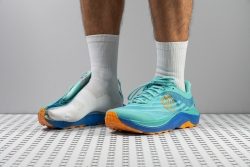
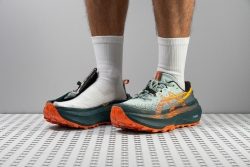
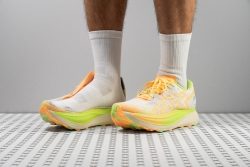
How we test hiking shoes with the best shock absorption
Our team working at the RunRepeat lab keeps the testing process completely transparent and objective. Here’s how:
- We buy all the hiking shoes with our own money. No deals with the brands, no sponsored posts, no marketing teams telling us what we can (not) write.
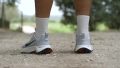
- We test the shoes on hikes to experience them and understand their pros and cons personally.
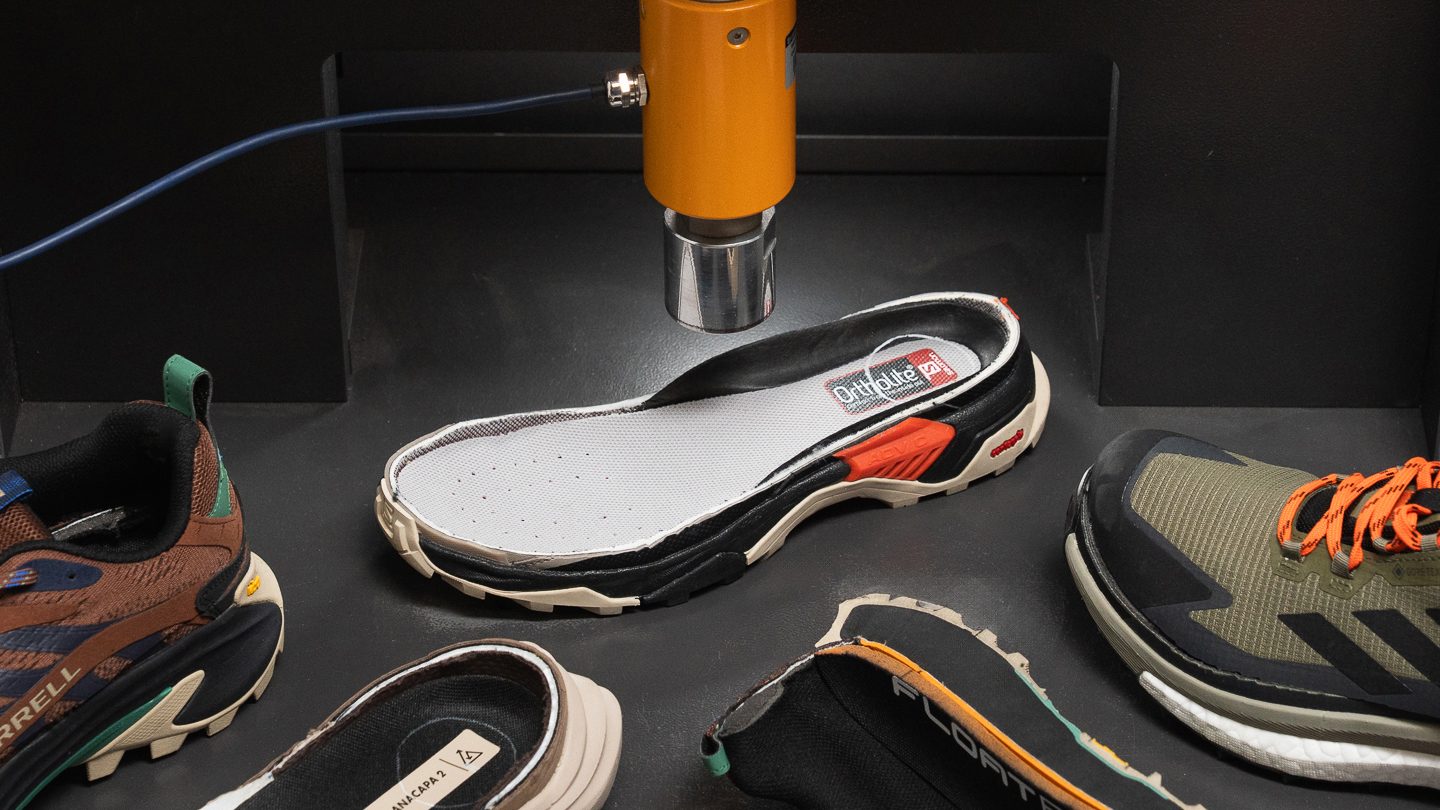
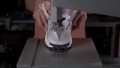
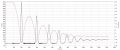
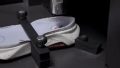
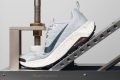
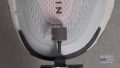
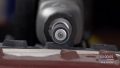
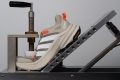
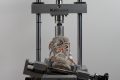
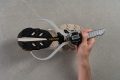
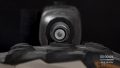
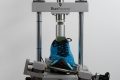
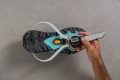
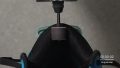
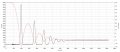
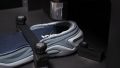
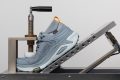
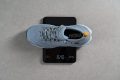
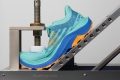
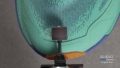
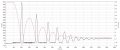
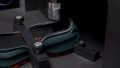
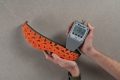
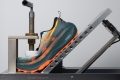
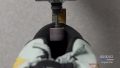
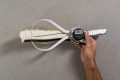
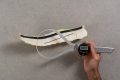
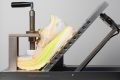
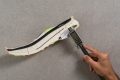
- We subject all the hiking shoes to the same tests under the same conditions. For the shock absorption test specifically, we honor the ASTM F1976 methodology: A mass weighing 8.5 kg is dropped from a height of 50 mm onto the heel. The total energy input here is 5J. We do 30 repetitions with a 2-second break between each. The first 25 repetitions simulate a natural break-in of the hiking shoe, while the last 5 are used for our lab data (we calculate the average).
- We publish all the test results on our website and allow visitors to compare all the lab test results within the same sports category.
In this guide, we highlight hand-picked shoes that outperformed the rest.
Best high shock absorption hiking shoes overall
















What makes it the best?
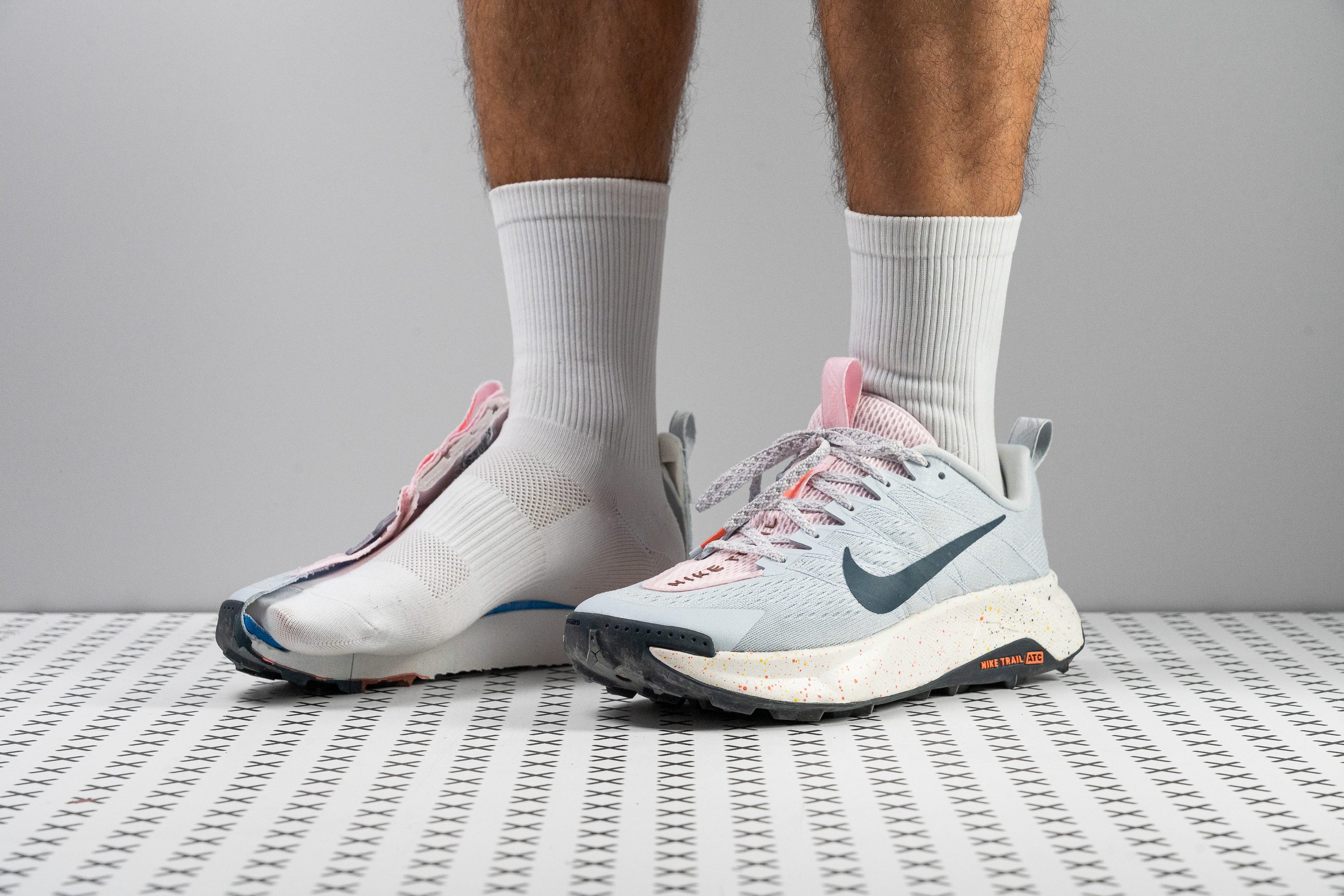
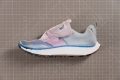
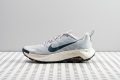
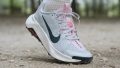
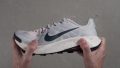
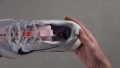
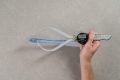
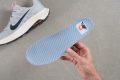
The Nike Wildhorse 10 is a joy to wear with its impact-dampening, springy, yet steady base. Lab results show its exceptional combination of height and softness, making it our best high shock absorption hiking shoe. Meanwhile, the All Terrain Compound enhances control through its reliable traction.
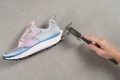
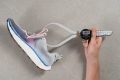
We felt isolated from the ground, having a thick 38.3/27.4 mm buffer between our feet and the surface. For context, the average is only at 32.8/22.0 mm. Besides the additional foam, the cushion itself can reduce the forces of landing better than average. In our shock absorption test, we confirmed this observation with a high 144 SA score in the heel, 38.5% above average.
Speed-hiking was never a problem because of the bouncy heel, which returned a solid 61.3% energy return score.
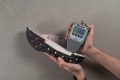
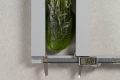
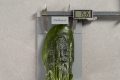
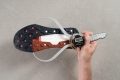
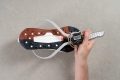
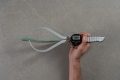
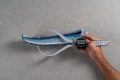
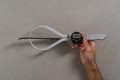
Despite its cloudlike sensation, we felt sure-footed and secure inside the base. Our caliper shows the heel is massive at 93.8 mm, giving us more room to find our footing.
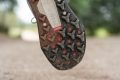
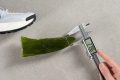
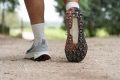
Moreover, the All Terrain Compound delivers exceptional grip, from hard-packed ground to moss-covered descents. We measured a lug depth of 3.4 mm, giving us more versatility across different terrains.
However, it performs poorly in our durability tests, especially in the upper and in the outsole. Hikers who want a sturdier defense against sharp rocks and roots should look elsewhere.
Pros
- Cushion-packed midsole
- Modernized upper
- Ideal for heel strikers
- Better build quality
- Bold new look with better finish
- Versatile
- Improved energy return
- Forefoot rock plate
Cons
- Still too heavy
- Mesh upper is fragile
- Brutal price hike
- Less agile than predecessors
Best city-to-trail hiking shoes with high shock absorption



















What makes it the best?
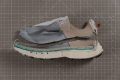
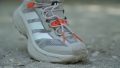
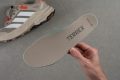
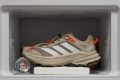
The adidas Terrex Freehiker SL GTX exudes pure comfort, from its light build to its highly cushioned base. Lab results show it beats the average in terms of height and impact protection, all wrapped in a flexible package, creating a smooth ride on mixed surfaces. Its fuss-free nature and comfort for daily wear make it our best city-to-trail high shock absorption hiking shoe.
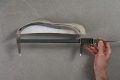
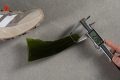
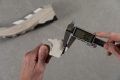
Our lab confirms an otherworldly stack height of 40.4/29.2 mm, a blessing for tired feet or sore muscles. Testing for shock absorption, the heel returned a strong 133 SA rating, making it 24% more protective than average.
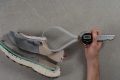
Despite its maximalism, this adidas shoe maintains a low 11.9 (337g) figure. Weighing 10% below average, it feels easy to bring around and never feels like a burden on foot. Plus, it proved to be 4% more malleable than average in our bend test, enhancing its agility.
With its 3.0 mm lugs, it’s best to strut these shoes on urban streets and well-maintained trails. Scoring 0.64 in our traction test, the Continental compound in the outsole proves it can handle wet and slippery surfaces.
However, the pointy toebox is a pain for those with wide feet. If a spacious toebox is a must, other pairs offer a more accommodating fit.
Pros
- Max-cushioned platform for long walks/hikes
- Luxuriously plush step-in feel
- Solid grip on dry and wet surfaces
- Lighter than average
- Chunky platform adds stability
- Durable materials and build
- Perfect for city-to-trail use
Cons
- Non-existent ground feel
- Pointy toebox
Most breathable hiking shoes with high shock absorption












What makes it the best?
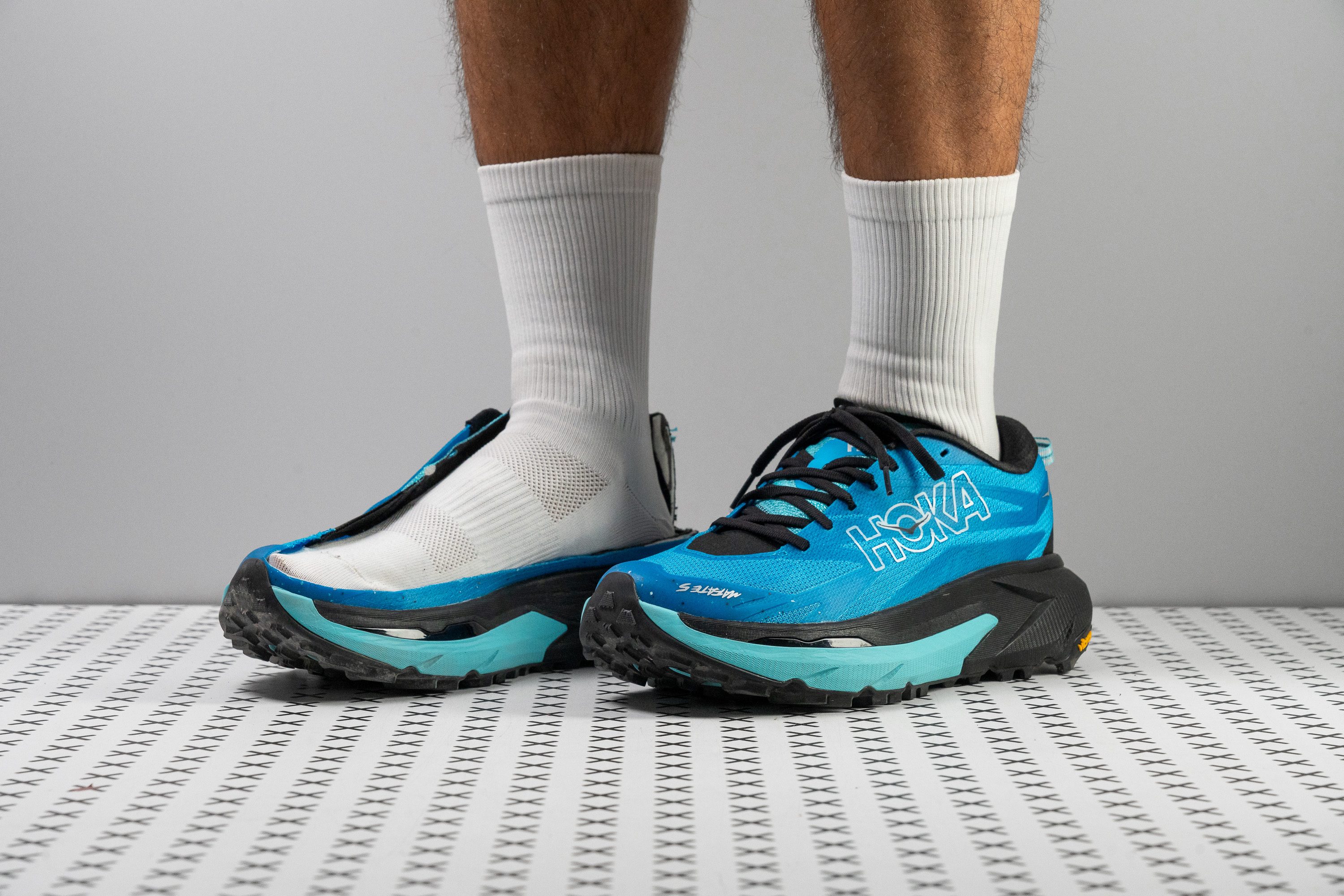
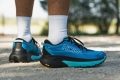
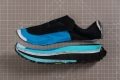
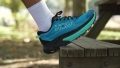
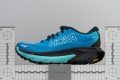
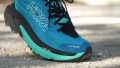
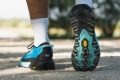
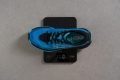
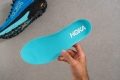
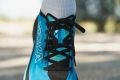
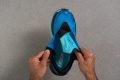
The HOKA Mafate 5 has a refreshing aura that keeps us cool and calm on our hikes. From its superior breathability, which we observed in the lab, to its stacked and fatigue-reducing cushioning in a lightweight package, Mafate 5 is all about effortless comfort. Among high shock absorption hiking shoes, it takes the crown for the best breathability.
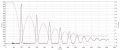
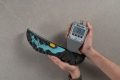
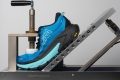
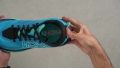
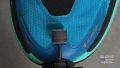
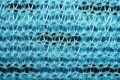
The upper is made of a permeable mesh that expels our sweat efficiently and keeps our feet dry. We observed strong breathability in our lab test, resulting in a remarkable 102 BR score. For context, that’s 50% above average!
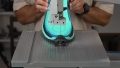
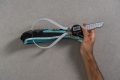
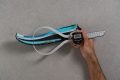
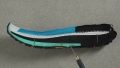
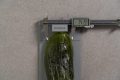
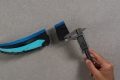
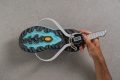
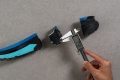
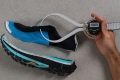
Mafate 5 packs tons of plush cushioning in its midsole, verified by our caliper reading of 42.9/33.9 mm. Moreover, we recorded a high shock absorption score of 160 SA in the heel, meaning it’s able to reduce the forces of each landing on our muscles by 30% compared to the average.
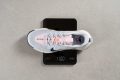
Despite its abundant cushioning, this shoe weighs only 11.1 oz (315g), 16% below the average hiking shoe. Its lightness helps maintain our legs’ freshness and allows us to rack up more miles.
Mafate 5 is so welcoming that it uses a non-gusseted tongue, which, unfortunately, can allow small rocks to slip inside. We recommend tying the laces securely to reduce the chances of this happening.
Pros
- Even more plush cushioning
- Enhanced energy return
- Roomier fit than most HOKA models
- Durable yet breathable knit upper
- Built for long ultras
- Outstanding Vibram Megagrip rubber
- Same price as the previous version
- Stable for its tall stack
- Solid durability
Cons
- Heavy (and heavier than version 4)
- Tongue design could be much better
- Could be too stiff for some
Best backpacking shoes with high shock absorption















What makes it the best?
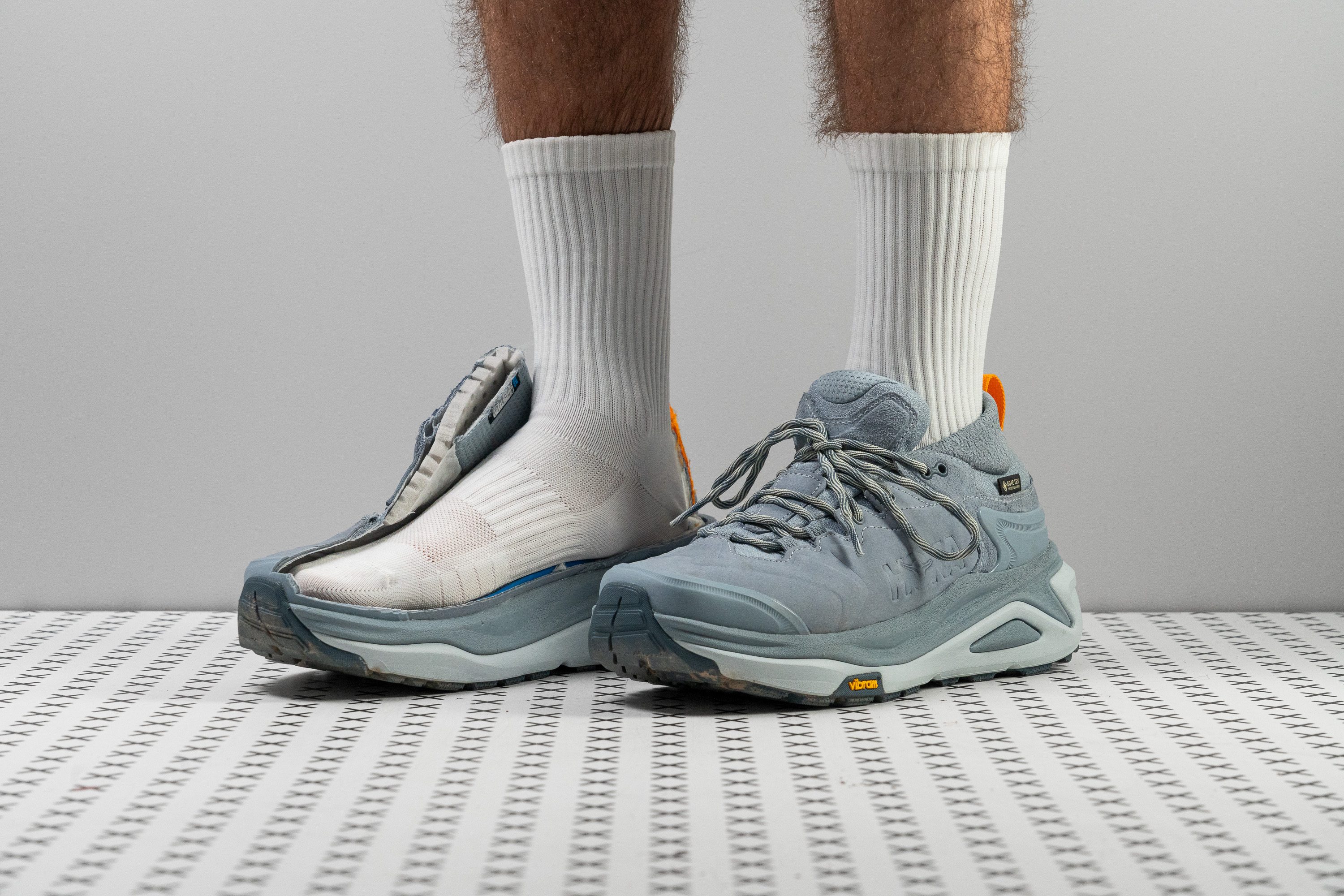
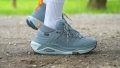
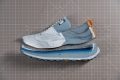
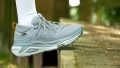
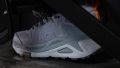
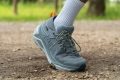
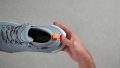
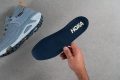
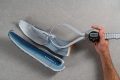
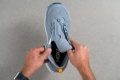
The HOKA Kaha 3 Low GTX is designed for long hikes and can handle unpredictable terrain without foot pain or imbalances. Our lab assessment reveals top-level support, which includes steady footing, unwavering traction from the Vibram rubber, and effective impact protection underfoot. Among high shock absorption hiking shoes, it’s our top pick for backpacking.
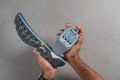
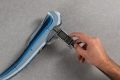
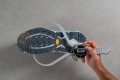
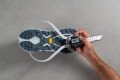
This shoe stands out for the surefootedness it brings, enhanced by its high torque to twisting, specifically 62% above average, and its massive platform. It delivers effective lateral support, and it almost feels impossible to lose balance in its 117.4/104.6 mm base, since the average is only 111.9/88.2 mm wide.
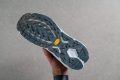
The outsole features world-class Vibram Megagrip rubber, which enables us to maintain control over mossy logs and wet boulders. It’s equipped with 3.7 mm multi-directional lugs and an aggressive braking zone in the heel for added control on inclines and mixed surfaces.
The shoe features a thick 40.5/28.4 mm stack, which is our buffer from the harsh ground. Its Hubble Heel’s comfort exceeds the average, showing strong shock absorption of 116 SA. Moreover, its steep 12.1 mm offset is designed for long-haul hikes, transferring the load to our hips and knees when carrying heavy backpacks.
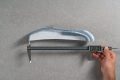
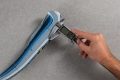
However, the shoe is also stiff longitudinally, which loses the agility and natural feel some hikers prefer. Those who associate comfort with flexibility should look elsewhere, as this boot-like shoe offers very little give.
Pros
- Great shock absorption for long hikes
- Massive buffer from the trail
- Boot-like stability for backpacking
- Heavenly comfortable step-in feel
- Amazing grip on wet, mixed and hilly terrain
- New form-fitting collar design
- Premium-level durability
Cons
- Much heavier than average
- Too chunky and blocky for rocky trails
- Not breathable
Best high shock absorption hiking shoes with a wide fit























What makes it the best?
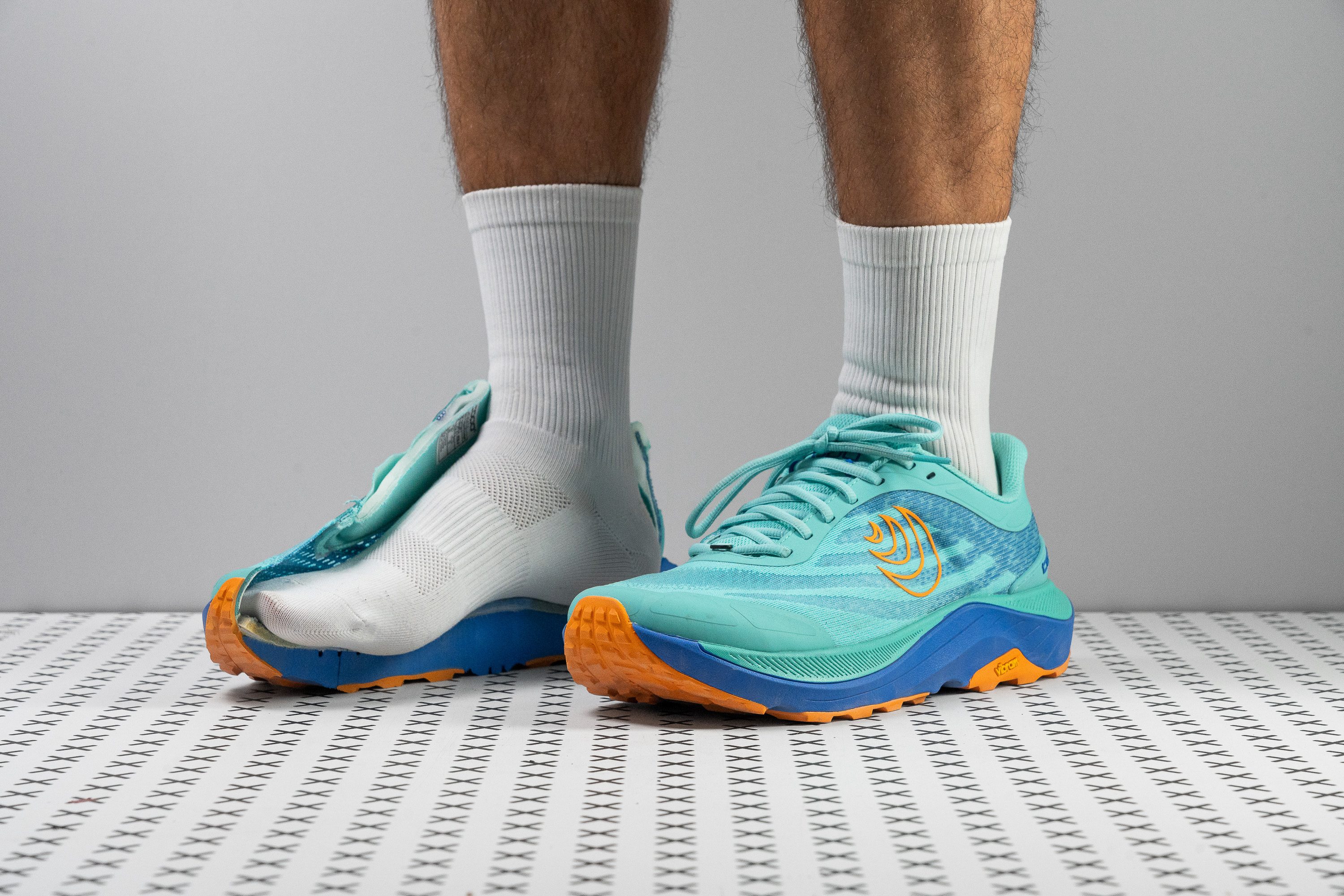
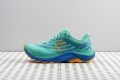
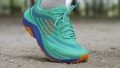
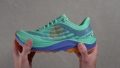
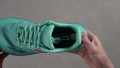
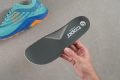
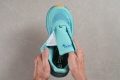
In our treks with the Topo Ultraventure 4, we couldn’t help but notice that comfort takes center stage. It’s packed with cushioning in the midsole and offers a roomy, accommodating fit, as confirmed by our lab tests, making it our best wide-fitted high shock absorption hiking shoe. With the reliable Vibram compound underfoot, we can confidently tackle a variety of trails without worrying about losing our footing.
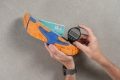
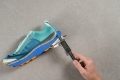
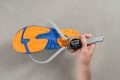
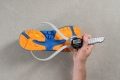
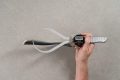
We went straight to measuring the shoe’s width using our gel mold. Indeed, it delivers with a whopping 99.0 mm, freely accommodating those with broad or swollen feet, compared to the 95.6 mm average.
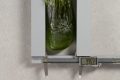
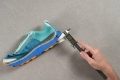
The shoe feels chunky and luxuriously padded, and our caliper backs us up with a 35.1/28.5 mm stack height. The rear also offers superior shock absorption of 129 SA, making it 24.0% more protective than average.
Underfoot, the Vibram XS Trek rubber offers strong slip resistance. Testing for its traction outdoors, we never felt like losing control on loose gravel or wet rocks. It also features 3.2 mm versatile lugs to enhance our control during inclined segments.
However, the heel is slightly narrow at 87.8 mm, which may cause some instability when the feet get tired. Hikers who prefer more structured support should check for alternatives.
Pros
- Extra-roomy toebox
- Hardwearing Vibram outsole
- More flexible and comfortable than version 3
- Ideal for midfoot strikers
- Can handle ultra races
- Plush tongue improves comfort
- Excellent stability in the forefoot area
- Good lockdown with no tongue movement
Cons
- Not for narrow-footed runners
- Midsole lacks energy return
- No reflective elements
- Unstable heel
High shock absorption hiking shoes with the best traction













What makes it the best?
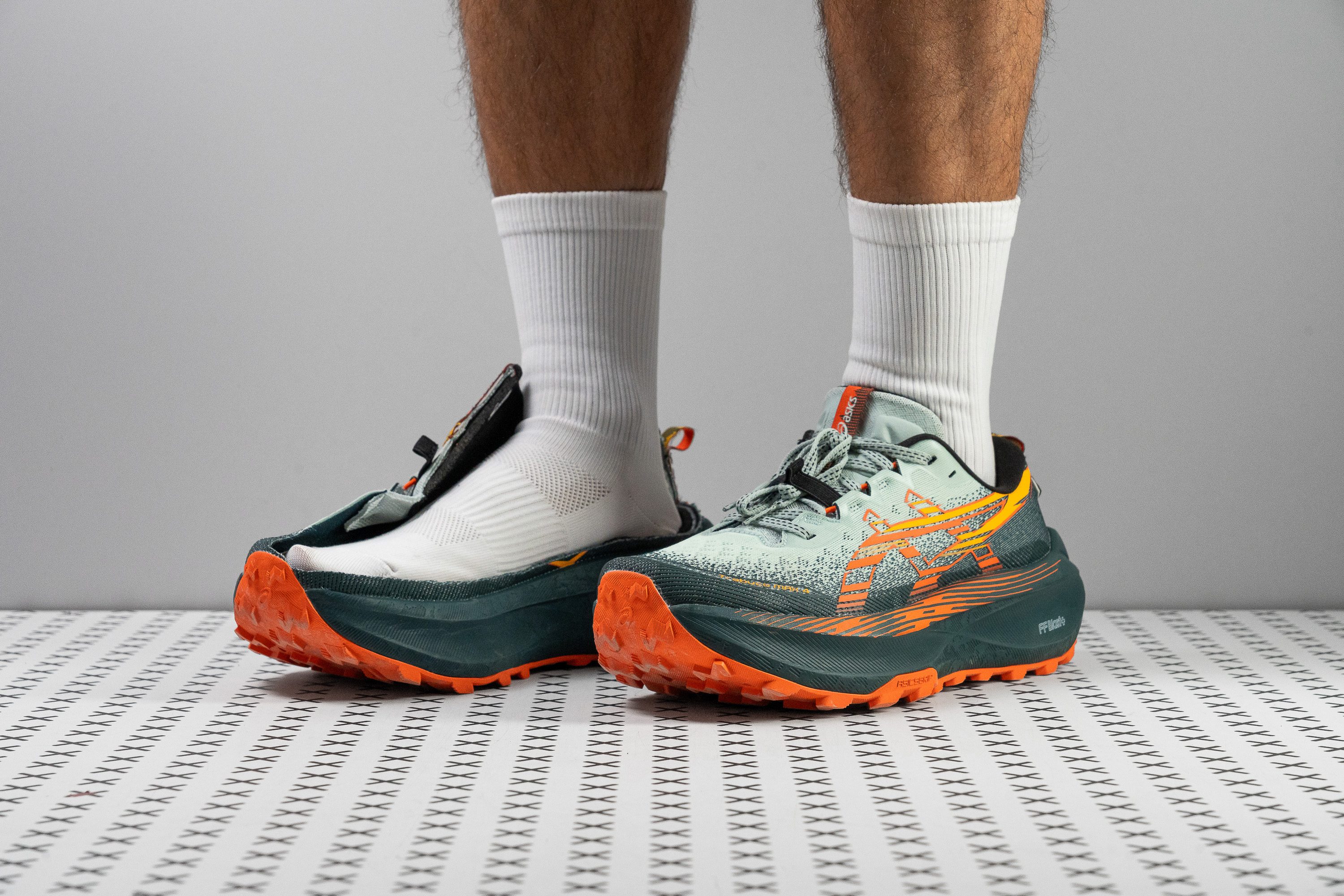
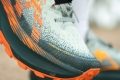
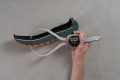
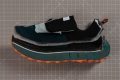
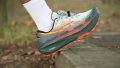
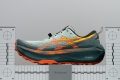
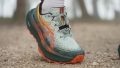
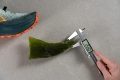
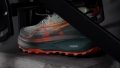
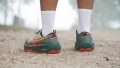
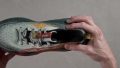
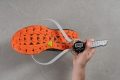
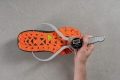
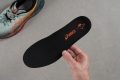
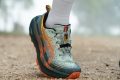
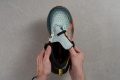
Our treks with the ASICS Trabuco Max 4 offer a perfect mix of comfort and control, featuring maximum slip resistance and stack height for long hours on foot. We verified in the lab that this shoe offers the best traction in the high shock absorption hiking category, with a steady ride as the added benefit.
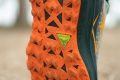
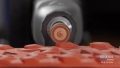
We never held back when we wanted to shift our directions in a heartbeat, and our traction test confirms the outsole is 34.4% grippier than average. We had no slippage issues even as we ran through muddy paths and loose gravel, because the mix of M-shaped and chevron-shaped 3.1 mm lugs offers smooth control.
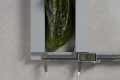
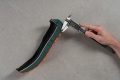
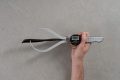
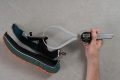
We measured the stack height at a massive 39.3/33.2 mm, indicating a platform ready for a long day of hiking. We tested for its shock absorption, and the heel impressed with 125 SA, and the forefoot an even higher 127 SA.
Surprisingly, for such an amount of foam, the ride feels steady and stable. Trabuco Max 4 gives us a well-planted sensation despite running through steep and uneven terrains with its high sidewalls and stiff structure. Testing for its twist resistance, it had no give, and so we rated it with the maximum 5/5 torsional rigidity score.
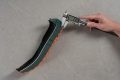
Unfortunately, its weight also maxed out to 11.0 oz (312g), making it 8.0% heavier than average. Hikers who prefer more agility should go for a lighter pair.
Pros
- Huge forefoot cushioning
- Full-length ASICSGRIP rubber
- Extremely stable despite its height
- Can handle any distance
- Handy tongue loop keeps laces quiet
- Well-padded, comfortable tongue
- Rockered shape for easy transitions
- Ideal for flat, easy trails
Cons
- Not ideal for heel strikers
- Questionable outsole durability
- Heavy build
- Tapered toebox
Best lightweight hiking shoes with high shock absorption






















What makes it the best?
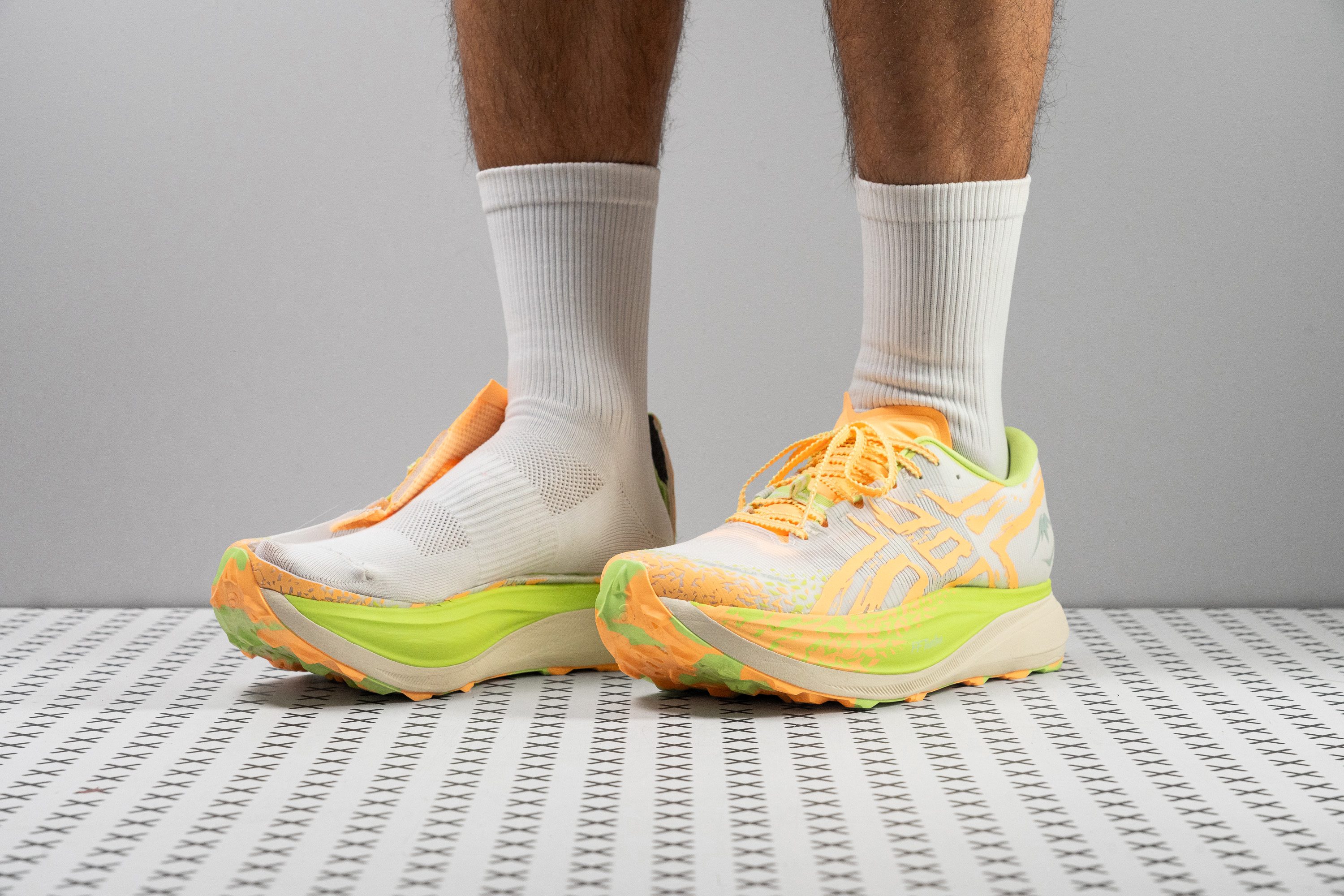
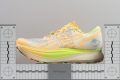
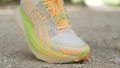
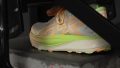
Comfort is paramount in our hikes with the ASICS Metafuji Trail. Our lab assessments confirm its sky-high stack has a plush feel, which offers world-class impact protection. It keeps our feet refreshed with its seamless ventilation and minimal construction, making it our best lightweight high shock absorption hiking shoe.
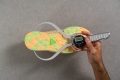
Upon checking our scales, we verified the weightlessness we enjoyed. It’s only 9.1 oz (258g), 31% lighter than the average hiking shoe. Moreover, it posted a strong 59.7% responsiveness rate in the heel, which enhances quick and effortless turnover.
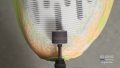
What makes it ready for all-day wear is its unmatched impact protection. In our shock absorption test, we recorded an outstanding 153 SA rating in the heel, softening impact by 42% compared to the average. Moreover, we never have to feel the harsh surface with its glorious 44.7/34.4 mm cushioning.
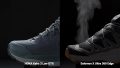
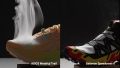
Comfort skyrockets to another level with its remarkably breathable upper. Made of MOTIONWRAP TR, an ultra-light material, its maximum 5/5 rating on our smoke test mirrored the seamless ventilation we had in our treks.
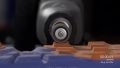
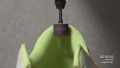
However, the upper is prone to tears and scratches, leaving us with durability concerns. Our Dremel destroyed the lightweight material instantly, so we advise caution when using this pair on trails with sharp rocks and roots.
Pros
- Exceptional shock absorption
- Amazing ASICSGRIP outsole
- High-end build quality
- Ideal for narrow feet
- Lightweight for a trail shoe
- Fast-rolling forefoot rocker
- Ideal for easy, flat-ish ultras
- Outstanding upper with top ventilation
- Record-breaking stack height
Cons
- FF Blast+ foam limits energy return
- Expensive
- Minimal stability
- Delicate upper prone to tearing
Who benefits from high shock absorption the most?
Before thinking “I must find hiking shoes with the best shock absorption in the world”, we recommend understanding who these shoes are best for:
- High shock absorption is great for heavy hikers because their impact forces are higher (due to the weight) and they need cushioned hiking shoes that will be gentle toward their legs.
- Hikers covering longer distances. Impact forces build up over time (miles) and midsoles with very low shock absorption may cause your feet and legs to work significantly more and, therefore, end up with premature fatigue.
- Maybe you’re not heavy per se, but are hiking with a heavy backpack. This is when high shock absorption can help a lot, especially if you’re covering longer distances. Of course, heavy backpacks also ask for very stable hiking shoes (no wobbling, not too soft, and higher torsional rigidity). We’ve covered this in greater detail in the guide on backpacking shoes.
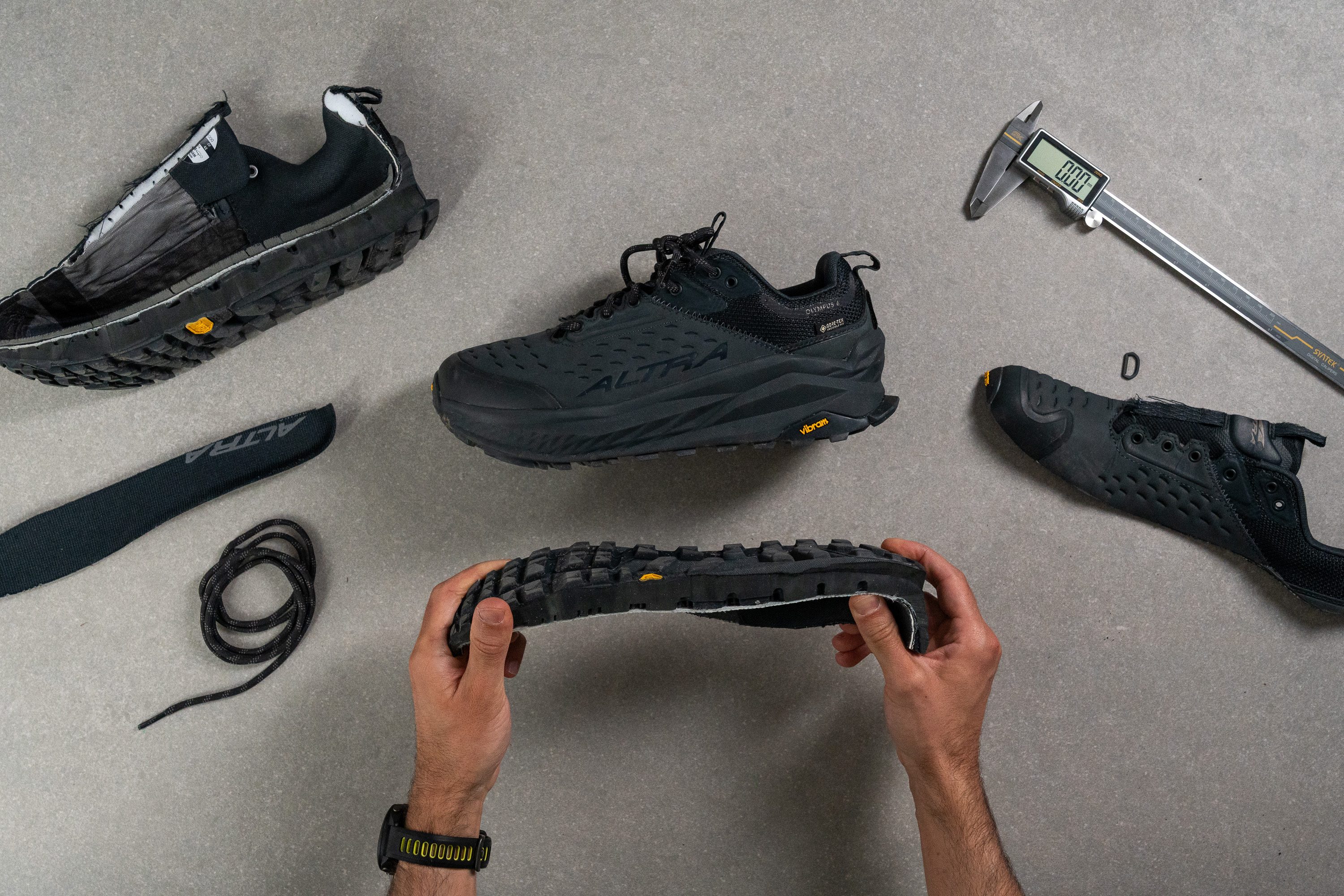
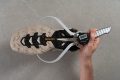
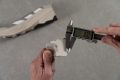
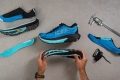
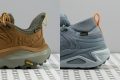
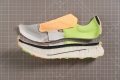
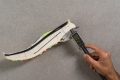
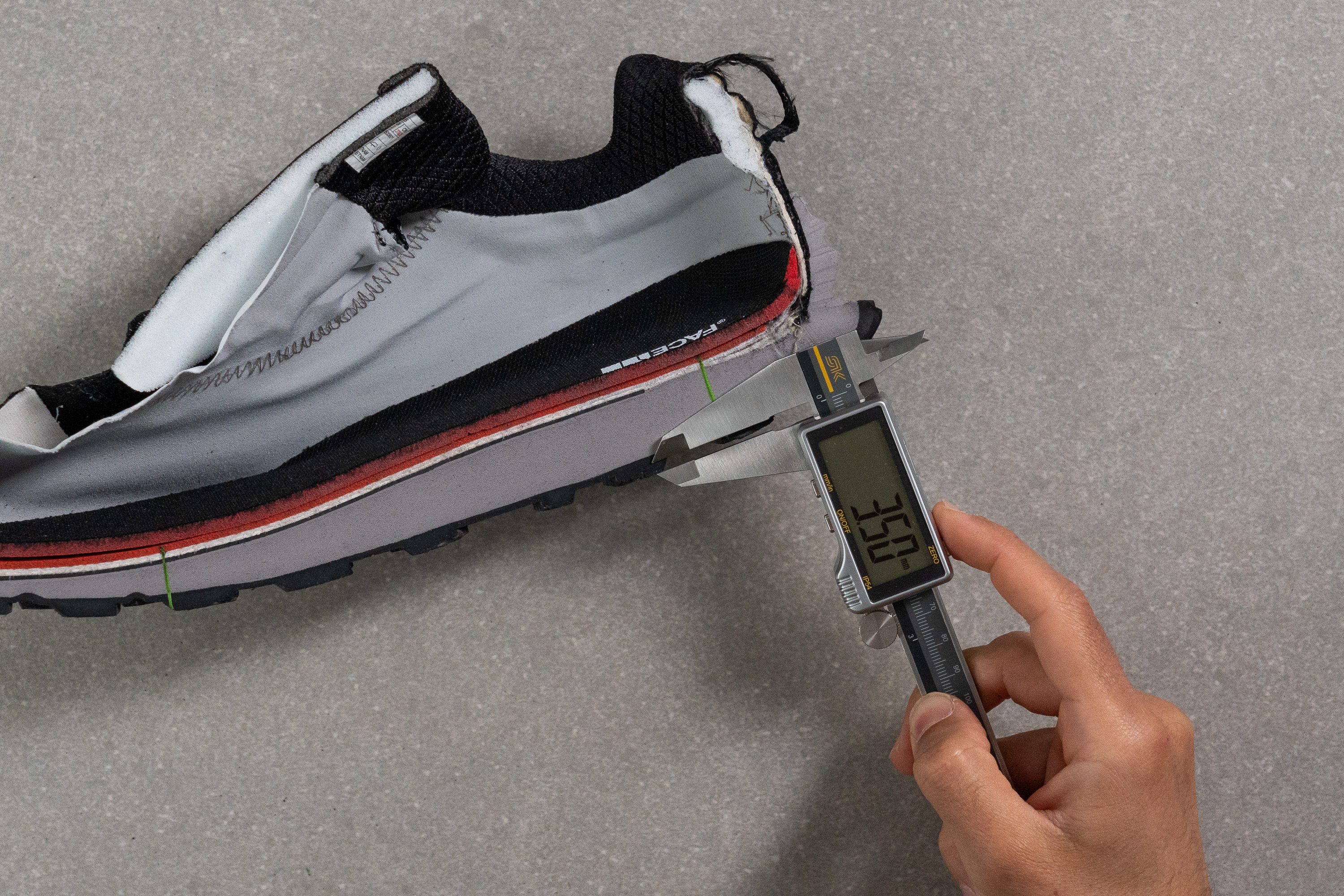
In our lab, we tear the shoes into pieces to be able to properly measure and test every little detail.
3 features of hiking shoes with high shock absorption
While some of these may be intuitive, it’s best to keep them in mind before deciding on a shoe with high shock absorption.
- It’s impossible to visually inspect a shoe and figure out how high its shock absorption is. It’s best to stick to the lab test results. Based on our lab data, anything higher than 115 SA is considered high shock absorption.
- These hiking shoes are, in general, softer than the average and higher at the heel (heel stack height measurement).
- On average, they weigh less than hiking shoes with medium or low shock absorption.
Cushioning trio: stack height, softness, and shock absorption
When we talk about cushioning and midsoles in hiking shoes, we have to know how stack height, softness, and shock absorption are connected and the effects their different values may have on hikers’ legs and performance.
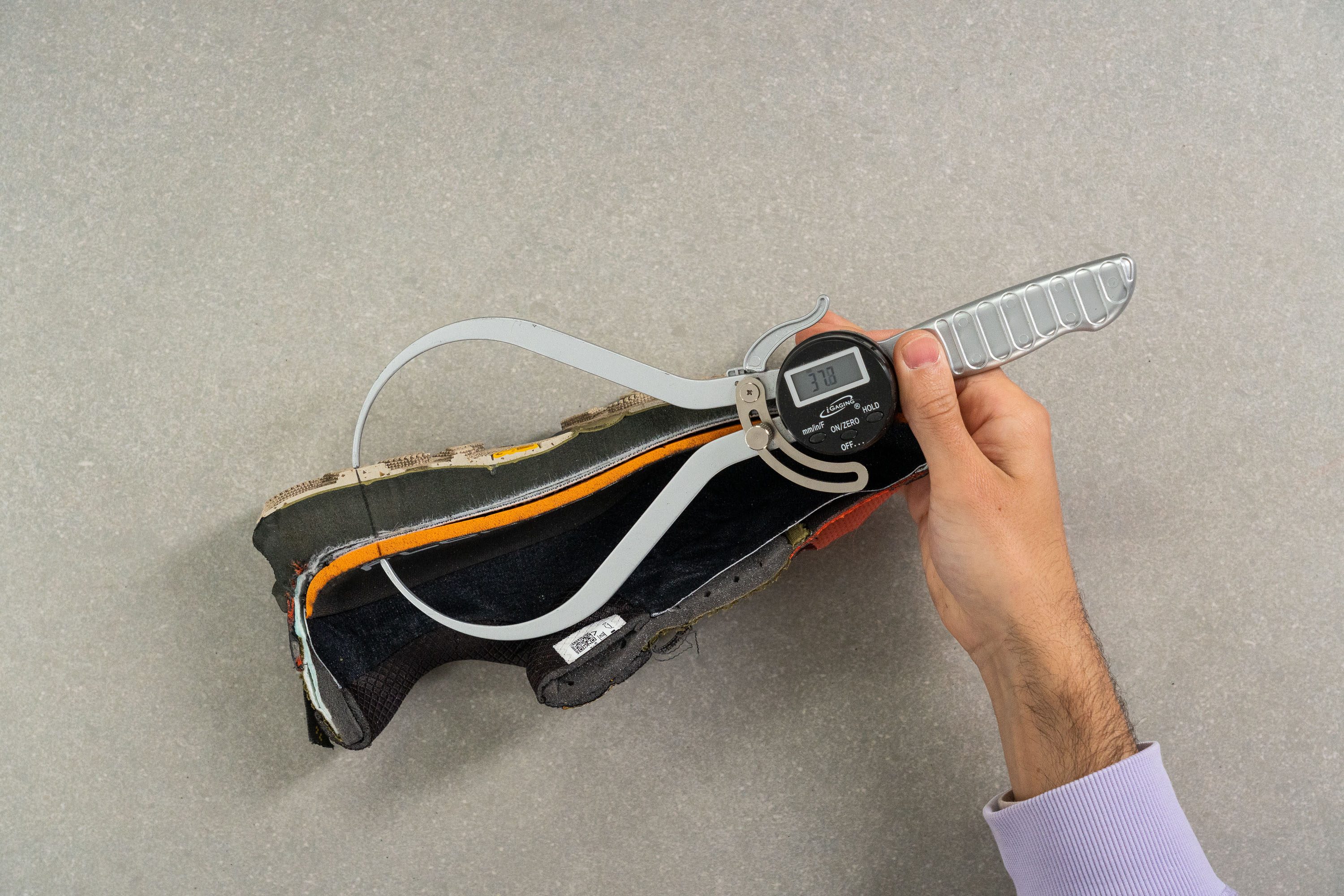
For a hiking shoe to have good shock absorption, it simply has to be higher off the ground. Barefoot and minimalist hiking shoes do not have midsoles thick enough to dampen the impact effectively.
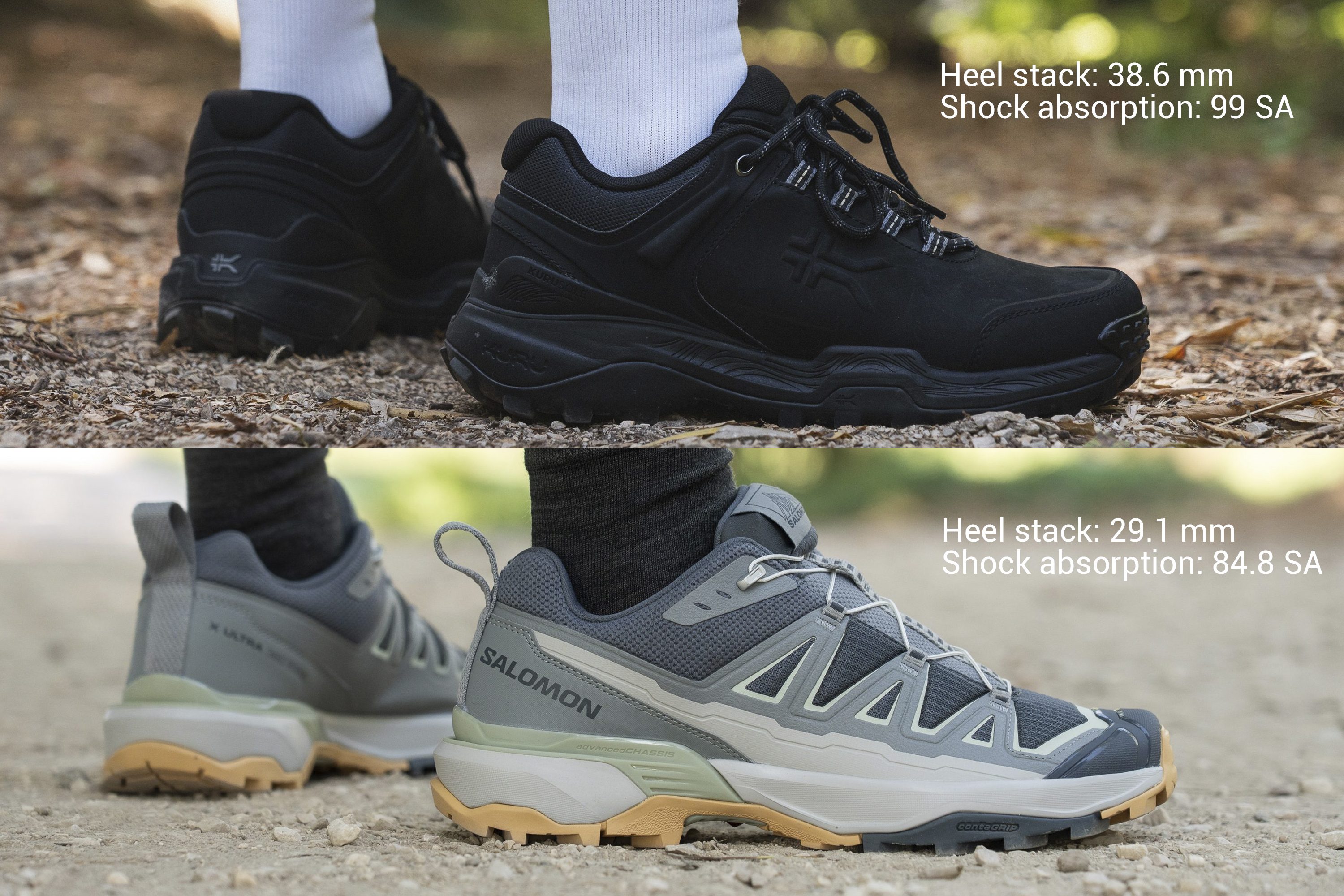
High stack height is not a guarantee of good shock absorption, but low stack height can’t offer high shock-absorption values as we can see in the examples above
What also plays a big role here is how thick the outsole is and how deep the lugs are. They “take away” a lot from the overall stack height, which means there’s less space for the midsole, which is the part of the shoe doing the shock attenuation.
Hiking shoes with high shock absorption are softer, in general. Here’s an overview where we can see all 3 features:
|
Hiking shoes with… |
Average heel stack height |
Average midsole softness |
|
Low SA |
32.4 mm |
52 AC |
|
Moderate SA |
33.3 mm |
45 AC |
|
High SA |
36.5 mm |
41 AC |
Low shock absorption is lower than 100 SA, moderate between 100 and 115 SA, and high is 115+ SA.
Don’t forget the energy return in hiking shoes
Energy return is all the buzz in running shoes. In hiking, however, the needs are different, so other features are prioritized: grip, stability, and protection. However, we can’t talk about cushioning without mentioning energy return.
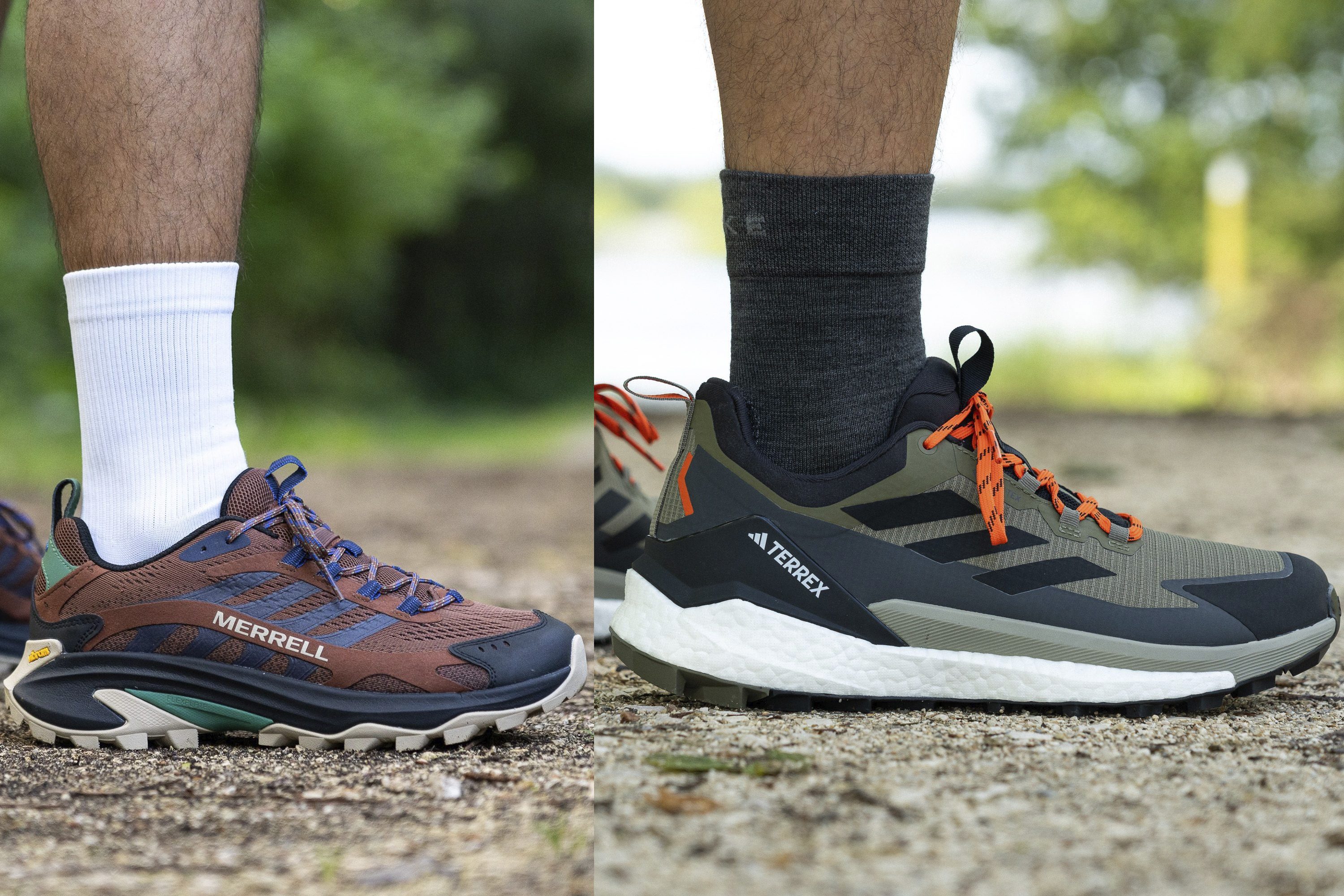
Energy return basically tells us how responsive and lively the ride is. Even if the midsole has great shock absorption, it can have very low energy return. This means that the foam isn’t good at bouncing back after being landed on, so your legs have to work extra. This is not an essential feature in hiking because, as mentioned, other features are prioritized. Still, if you’re hiking over shorter distances and want to go as fast as possible (usually called fast and light), you should take into account the energy return of your hiking shoes.
It’s not a rule, but in most cases, the lowest energy return is found in hiking shoes for technical terrain that are very stiff and protective.
Lower shock absorption: who is it for?
Based on the test results obtained in the lab, we have 3 groups of hiking shoes: low shock absorption (<100 SA), medium shock absorption (100-115 SA), and high shock absorption (>115 SA).
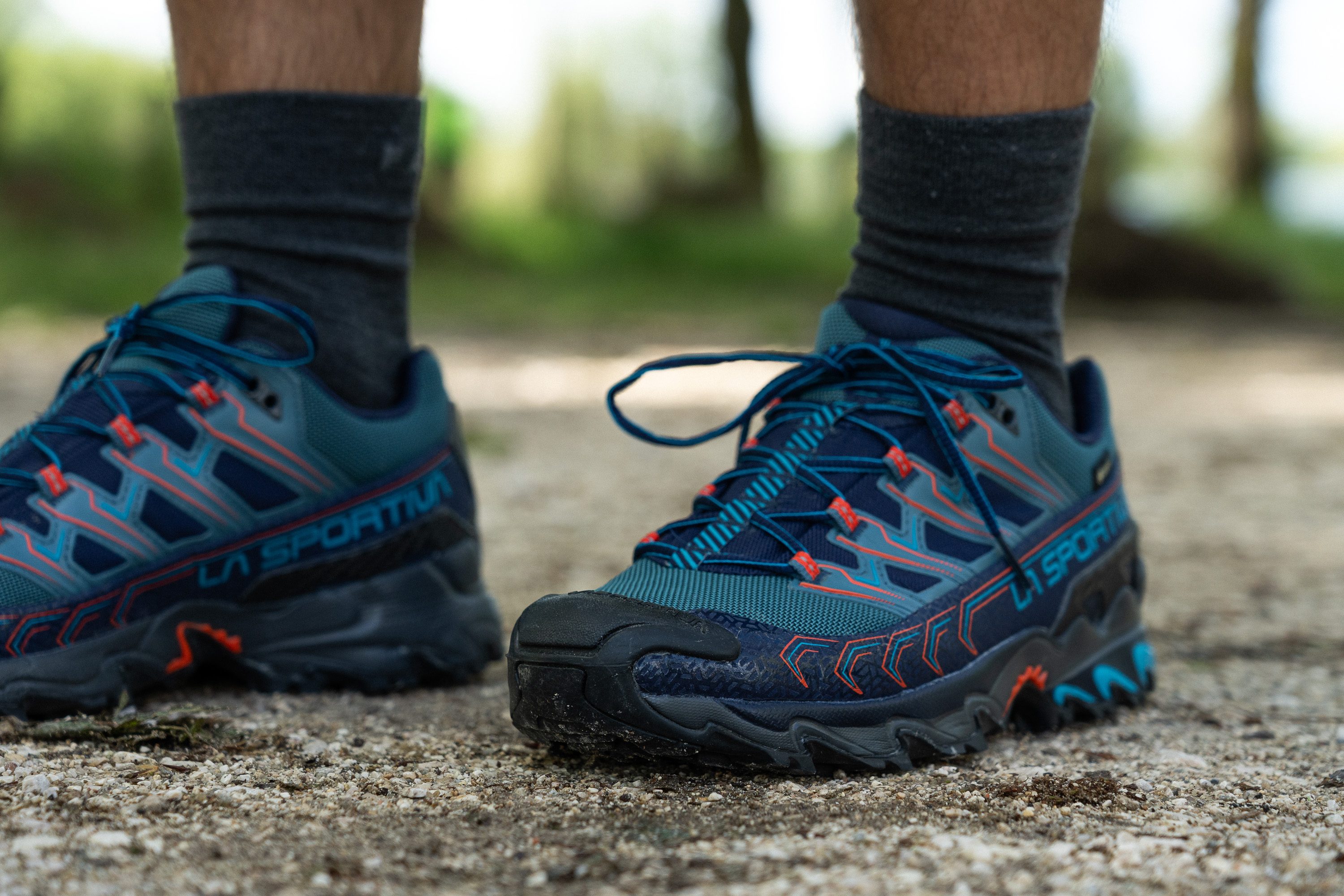
Low shock absorption is not bad, it’s actually good for hikers who need shoes for technical terrain. This comes with firmer (balanced or firm) platforms and high toebox durability, given that stability and protection are prioritized.
Are high-shock-absorption hiking shoes heavier?
On the contrary, they are lighter than hiking shoes with medium and low shock absorption. The reason lies in the fact that the shoes with lower shock absorption are made for more demanding terrain, and the protection and grip needed for that terrain come with more weight.
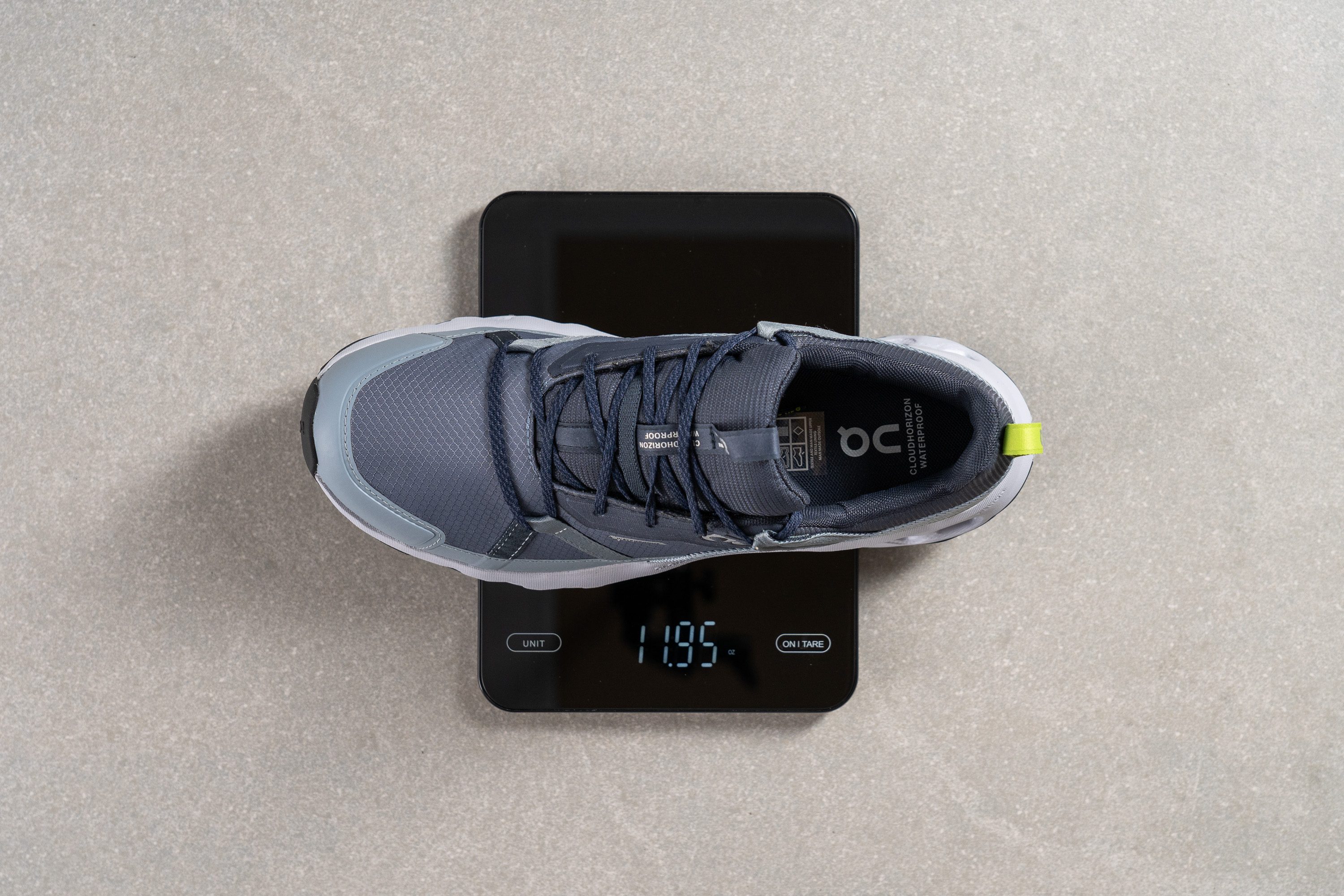
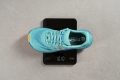
Each shoe that goes through the RunRepeat lab is weighed on the scale (in Men’s US 9)
|
Shock absorption |
Average weight |
|
Low |
14.4 oz | 407.0g |
|
Medium |
13.2 oz | 375.3g |
|
High |
12.9 oz | 365.3g |
Keep in mind that, at the moment of writing this guide, the average weight of all hiking shoes sits at 13.4 oz (380g).
Price of hiking shoes with high shock absorption
There’s no direct correlation between price and shock absorption in hiking shoes. This makes sense given how small piece of the puzzle shock absorption is and that there are many other technologies that are often prioritized.
MSRP is the manufacturer’s suggested retail price. It tells us how much the shoe cost when it was released, potential discounts excluded, of course.
Currently, the average price of hiking shoes with high shock absorption sits at $169.3. However, we always recommend finding a good deal, and our Deal page is a great place to start!
Similar buying guides