
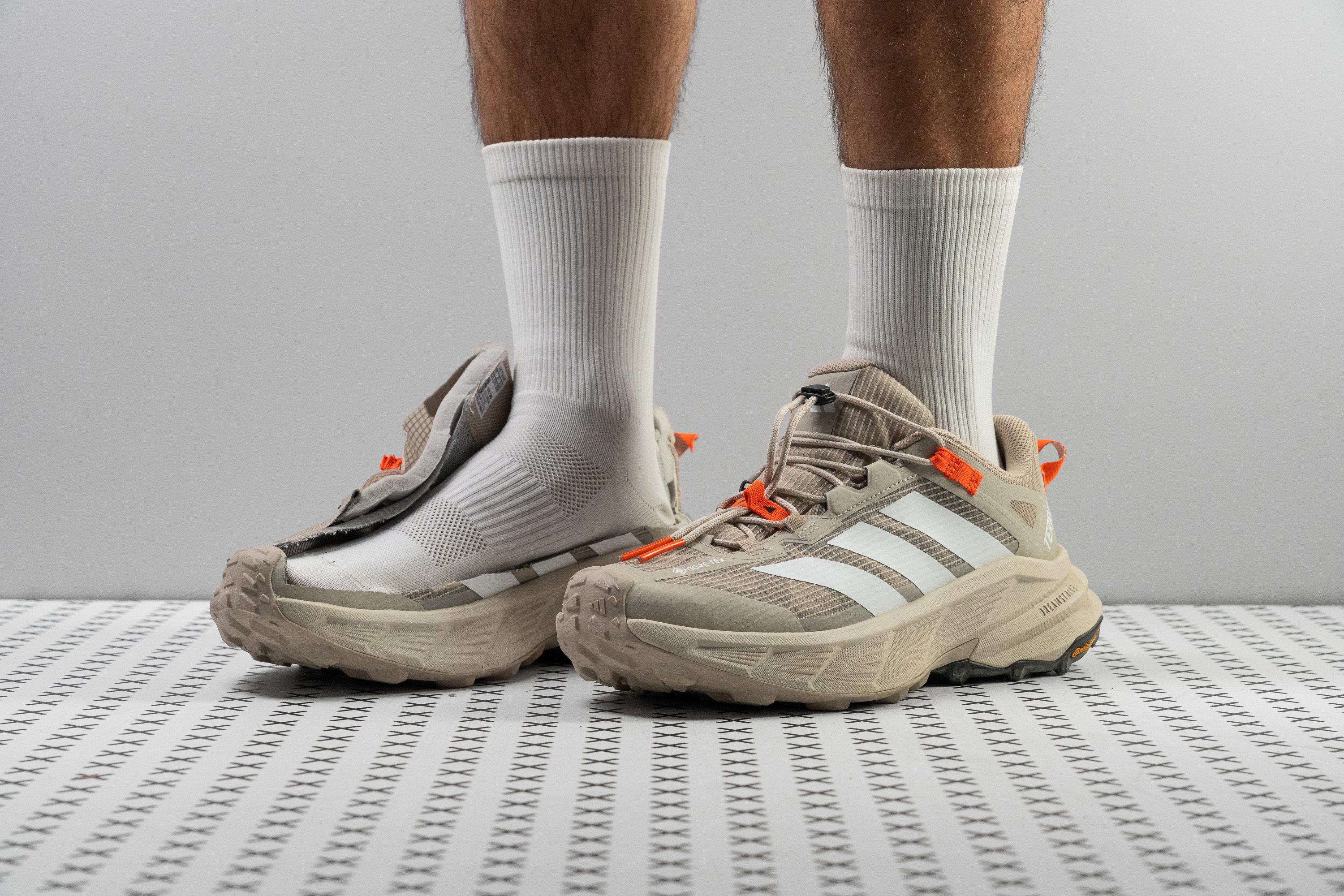


















Our verdict
- Urban 91
- Speed 80
- Day hiking 84
- Backpacking 55
Pros
- Max-cushioned platform for long walks/hikes
- Luxuriously plush step-in feel
- Solid grip on dry and wet surfaces
- Lighter than average
- Chunky platform adds stability
- Durable materials and build
- Perfect for city-to-trail use
Cons
- Non-existent ground feel
- Pointy toebox
Awards
- Top pick in best adidas hiking shoes
- Top pick in best Adidas Terrex hiking shoes
Comparison
The most similar hiking shoes compared
+ + Add a shoe | |||||
|---|---|---|---|---|---|
| Our score | 84 Great | 87 Great | 88 Superb | 80 Good | |
| Price | $150 | $180 | $220 | $85 | |
| Trail terrain | Light terrainVersatile / Moderate terrain | Light terrainVersatile / Moderate terrain | Light terrainVersatile / Moderate terrain | Light terrainVersatile / Moderate terrain | |
| Shock absorption | High | High | High | Low | |
| Energy return heel | Moderate | Moderate | High | Moderate | |
| Traction | Moderate | High | High | Moderate | |
| Weight lab Weight brand | 11.9 oz / 337g | 13.1 oz / 371g | 12.9 oz / 366g | 12.7 oz / 360g | |
| Lightweight | ✓ | ✓ | ✓ | ✓ | |
| Use | Day HikingSpeed HikingUrban hiking | Day HikingSpeed HikingUrban hiking | Day HikingSpeed HikingUrban hiking | Day HikingSpeed HikingUrban hikingBeginners | |
| Orthotic friendly | ✓ | ✓ | ✓ | ✓ | |
| Drop lab | 11.2 mm | 14.4 mm | 12.7 mm | 8.7 mm | |
| Size | True to size | True to size | Slightly small | True to size | |
| Midsole softness | Soft | Balanced | Balanced | Firm | |
| Difference in midsole softness in cold | Small | Normal | Normal | Small | |
| Torsional rigidity | Stiff | Stiff | Stiff | Stiff | |
| Heel counter stiffness | Flexible | Stiff | Flexible | Stiff | |
| Stiffness | Stiff | Stiff | Stiff | Stiff | |
| Waterproofing | Waterproof | Waterproof | Waterproof | Waterproof | |
| Material | Mesh | Mesh | Mesh | - | |
| Toebox durability | Decent | Decent | Decent | Good | |
| Heel padding durability | Good | Decent | Good | Decent | |
| Outsole durability | Good | Good | Good | Decent | |
| Width / fit | Medium | Medium | Medium | Wide | |
| Toebox width | Narrow | Medium | Medium | Narrow | |
| Lug depth | 3.0 mm | 3.7 mm | 3.9 mm | 3.3 mm | |
| Heel stack lab | 40.4 mm | 41.8 mm | 39.4 mm | 30.2 mm | |
| Forefoot | 29.2 mm | 27.4 mm | 26.7 mm | 21.5 mm | |
| Widths available | Normal | Normal | NormalWide | NormalWide | |
| Technology | Gore-TexOrtholite | Gore-Tex | Gore-Tex | - | |
| Heel tab | Finger loop | Finger loop | Finger loop | Finger loop | |
| Removable insole | ✓ | ✓ | ✓ | ✓ | |
| Ranking | #19 Top 42% | #10 Top 22% | #6 Top 14% | #32 Bottom 30% | |
| Popularity | #41 Bottom 10% | #3 Top 7% | #2 Top 5% | #21 Top 46% |

Who should buy
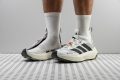
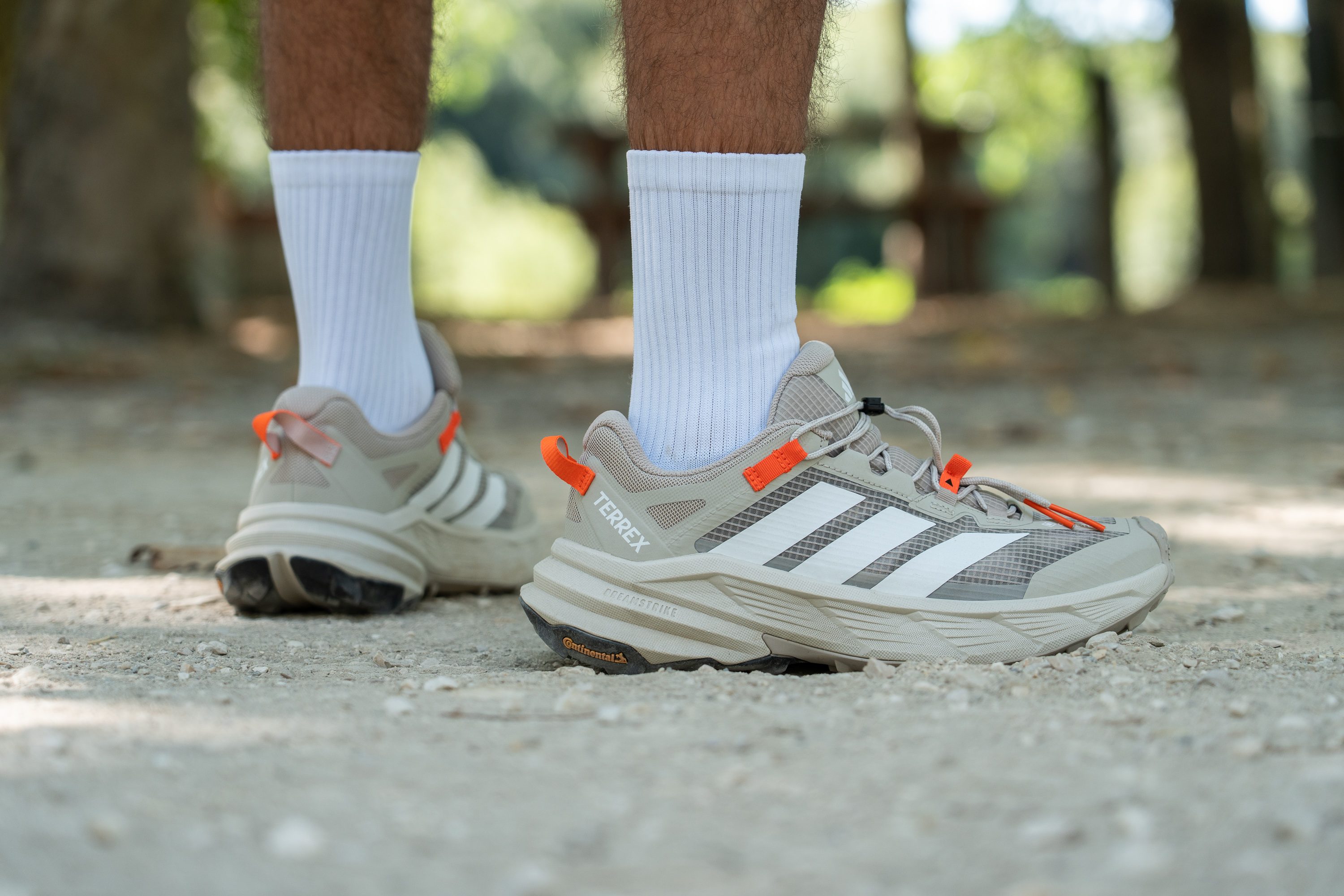
We firmly believe that the adidas Terrex Freehiker SL GTX should be on your radar if:
- you need a versatile shoe for both moderate outdoor escapades and casual city strolls
- you are a fan of the Freehiker 3 GTX's profile but could use a more affordable version
- you need a grippy waterproof shoe for the colder and rainy season
- you have a soft spot for high-stacked, chunky trail shoes
Who should NOT buy
The Freehiker SL GTX has its limits in demanding trail use. If you need a truly adventure-ready hiking shoe for rocky terrain, we would recommend the Merrell Moab 3 GTX and the Salomon X Ultra 5 GTX instead.
And if you are preparing for a multi-day trip with a backpack, the HOKA Kaha 3 Low GTX would be a more reliable companion.
Cushioning
Shock absorption
We found the Freehiker SL GTX to be nothing less than a blessing for tired feet and sore joints!
With an exceptionally high shock absorption of 133 SA, it offers plenty of impact protection for all-day hikes and casual walks, even on hard-packed trails or concrete streets.
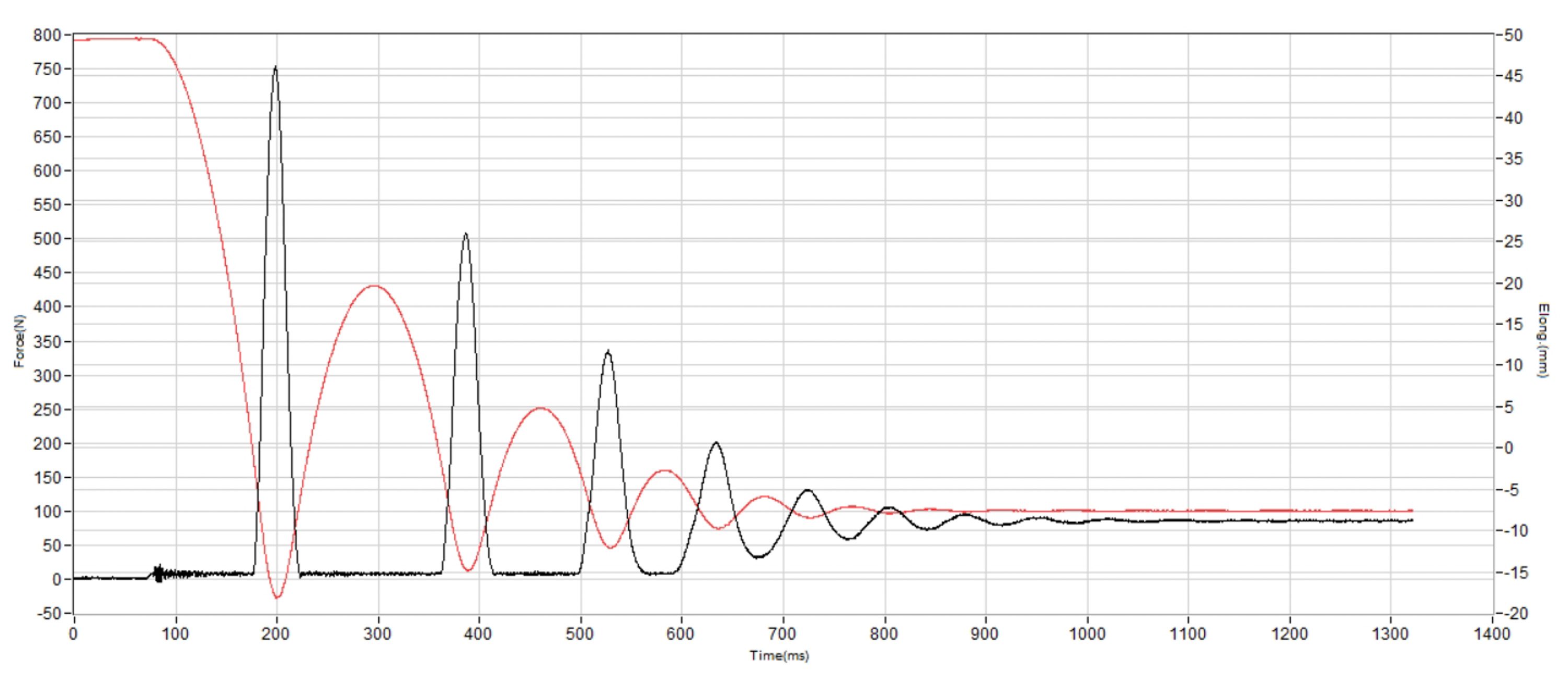
| Terrex Freehiker SL GTX | 133 SA |
| Average | 108 SA |
Energy return
Unlike the flagship Freehiker 3 Ultra GTX, which combines two PEBA-based foams (the Hyperboost Pro and the Dreamstrike+), the Freehiker SL's midsole is made of a thick slab of Dreamstrike+* alone.
That keeps its energy return at a moderate 50.9%, offering a more stable yet sufficiently responsive ride.
*The same cushioning foam that's used in the adidas Supernova Rise 3.
| Terrex Freehiker SL GTX | 50.9% |
| Average | 49.6% |
Heel stack
If you're wondering how thick-foamed this adidas Terrex shoe is, we can tell you that it is HOKA Kaha 3 Low GTX thick!
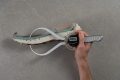
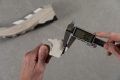
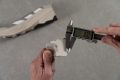
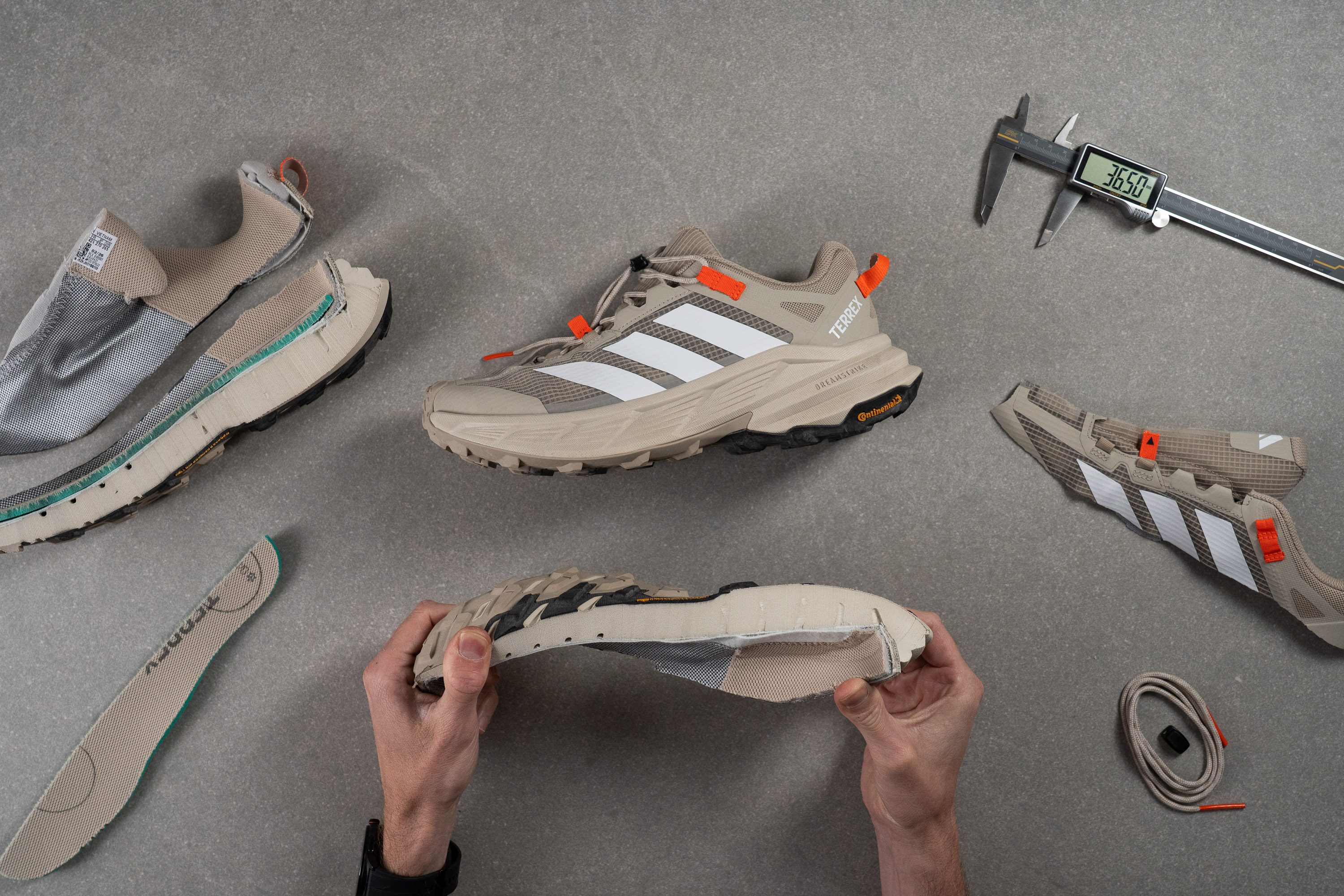
Measuring its heel stack with a caliper, we recorded one of the highest readings in the category - 40.4 mm!
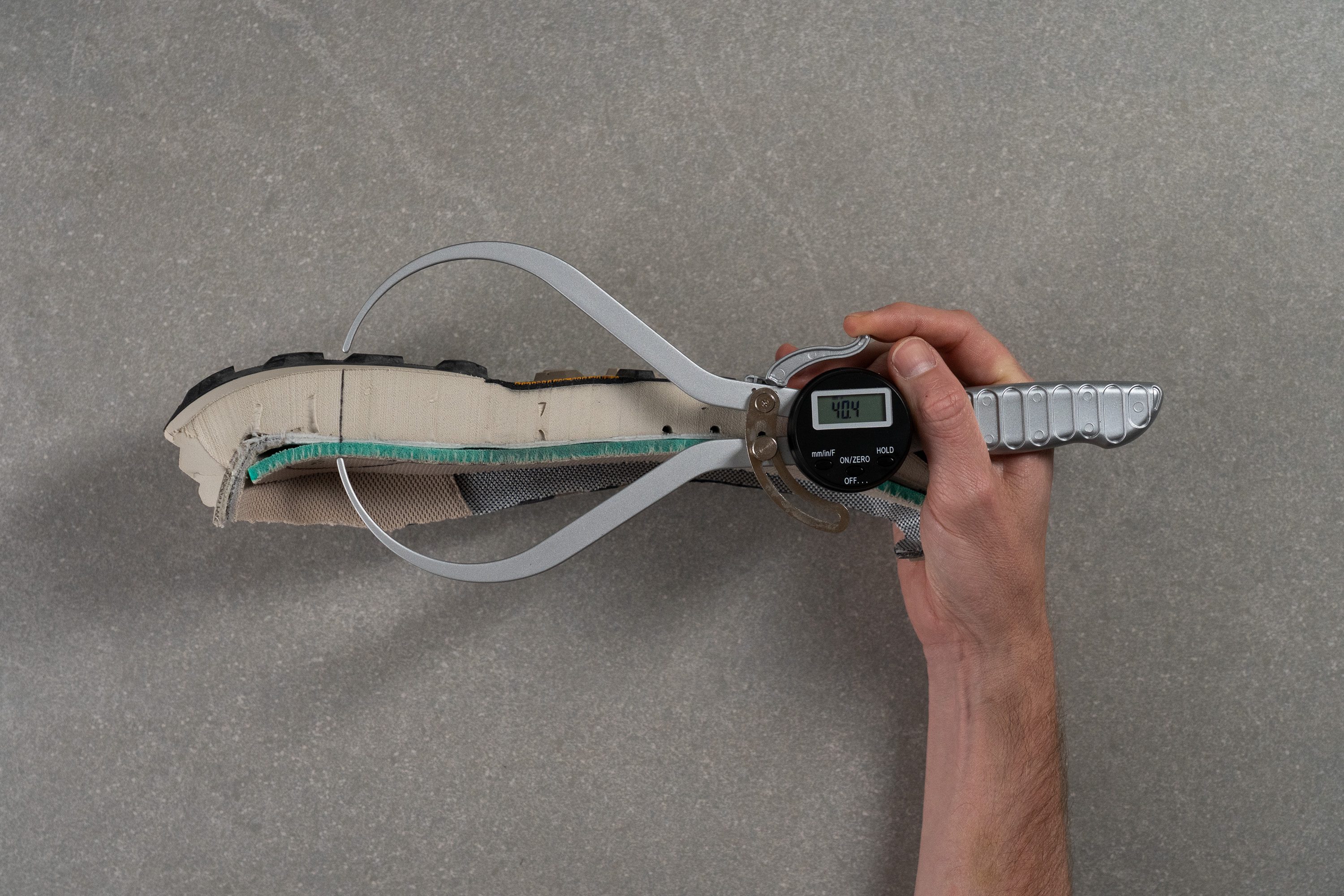
| Terrex Freehiker SL GTX | 40.4 mm |
| Average | 34.0 mm |
Forefoot stack
The shoe's forefoot stack also surpassed the category average with a whopping 29.2 mm.
Ground feel is pretty much non-existent here, making the Freehiker SL better suited to urban surfaces and moderate trail terrain where comfort is more important than precise foot placement.
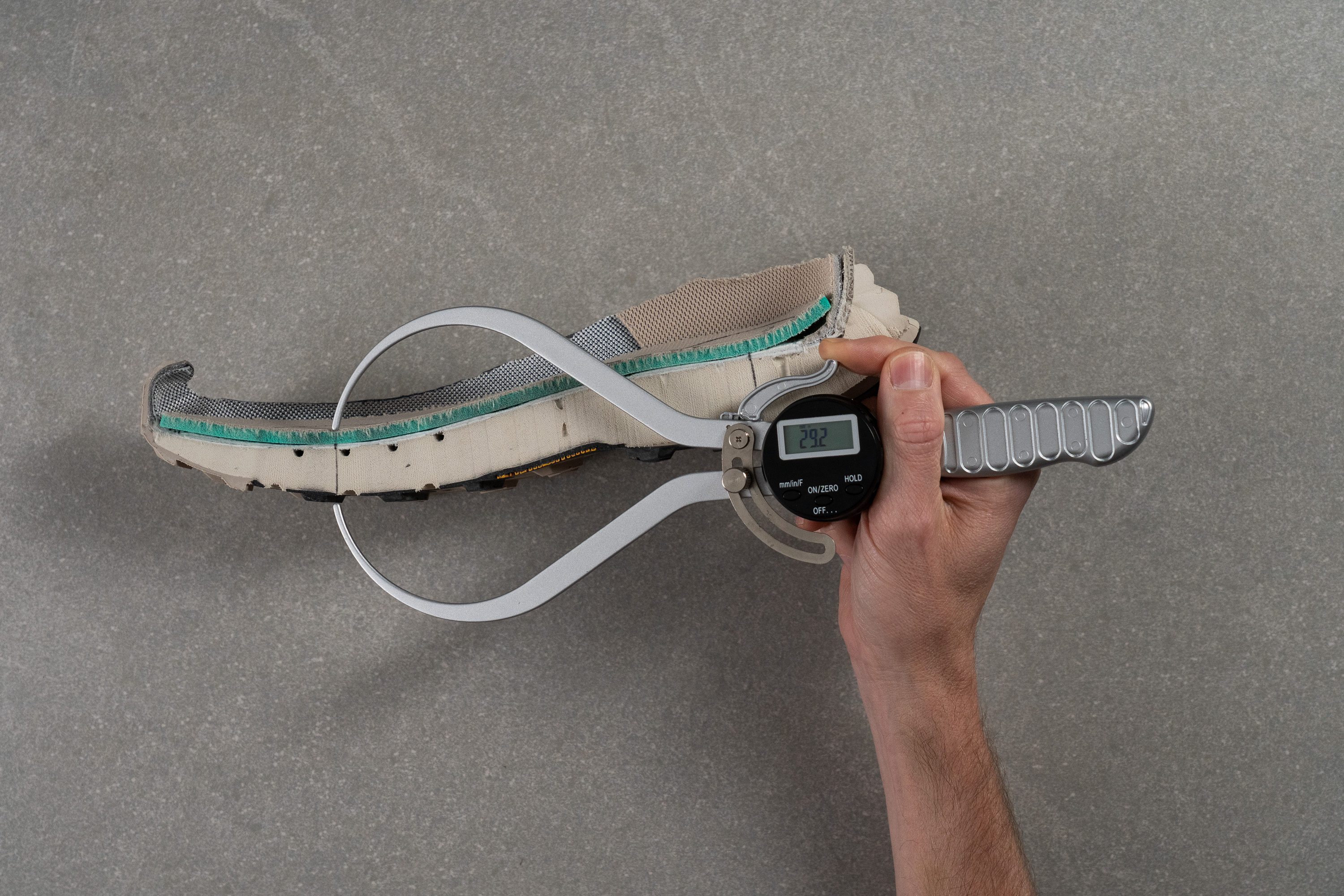
| Terrex Freehiker SL GTX | 29.2 mm |
| Average | 22.9 mm |
Drop
The shoe's 11.2 mm heel-to-toe drop also favors long-distance walking comfort. On par with the average, it is a common offset for hiking shoes and casual sneakers, as it accommodates heel striking and takes the stress off the Achilles and calves.
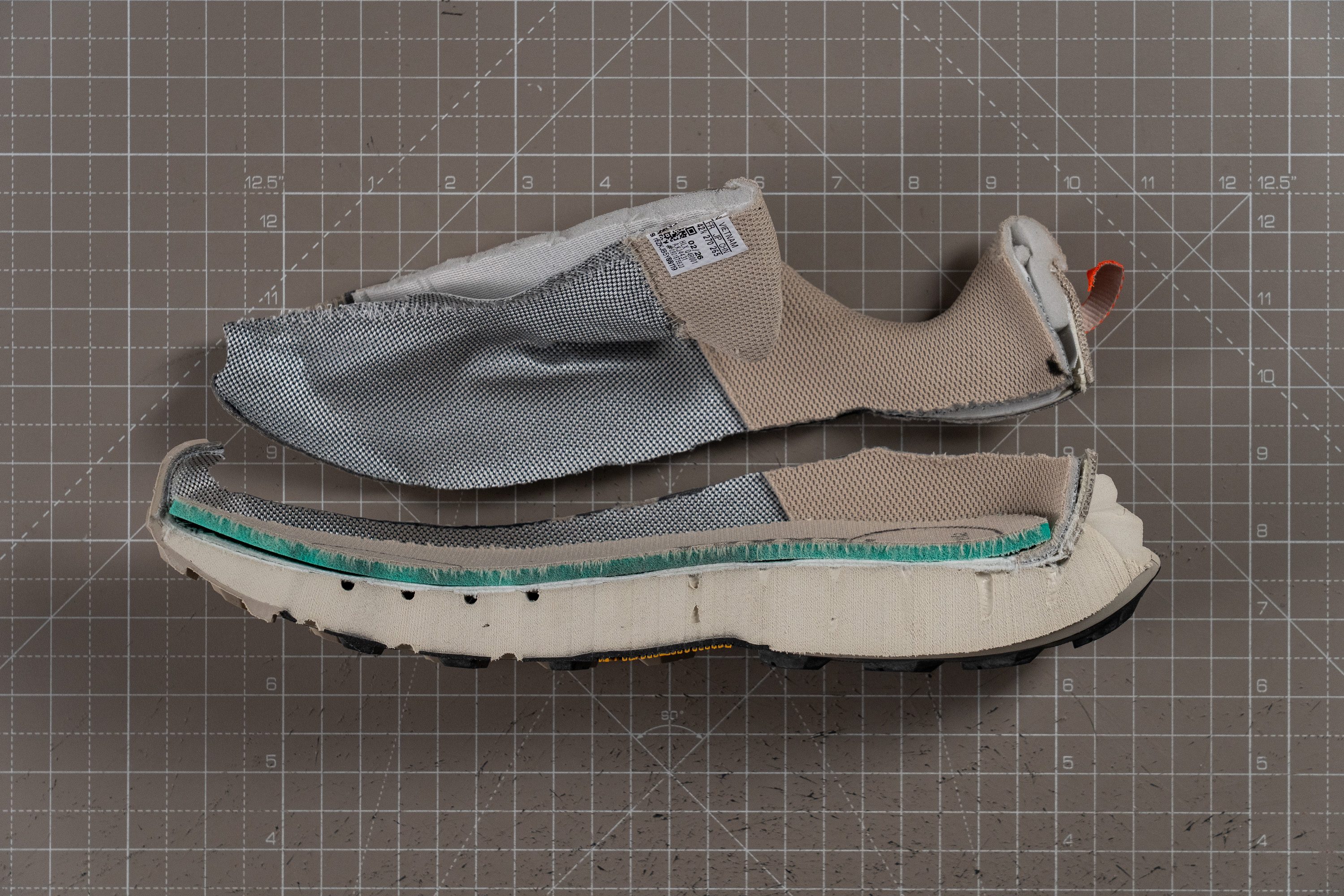
| Terrex Freehiker SL GTX | 11.2 mm |
| Average | 11.2 mm |
Midsole softness
Featuring a single-density Dreamstrike+ foam, the Freehiker SL GTX surprised us with its plushness!
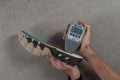
With a low durometer reading of only 32.3 AC, it proved to have some of the squishiest platforms among hiking shoes, confirming its more comfort-oriented design.
However, that also raised concerns about any serious hiking endeavors on rockier, more technical terrain.
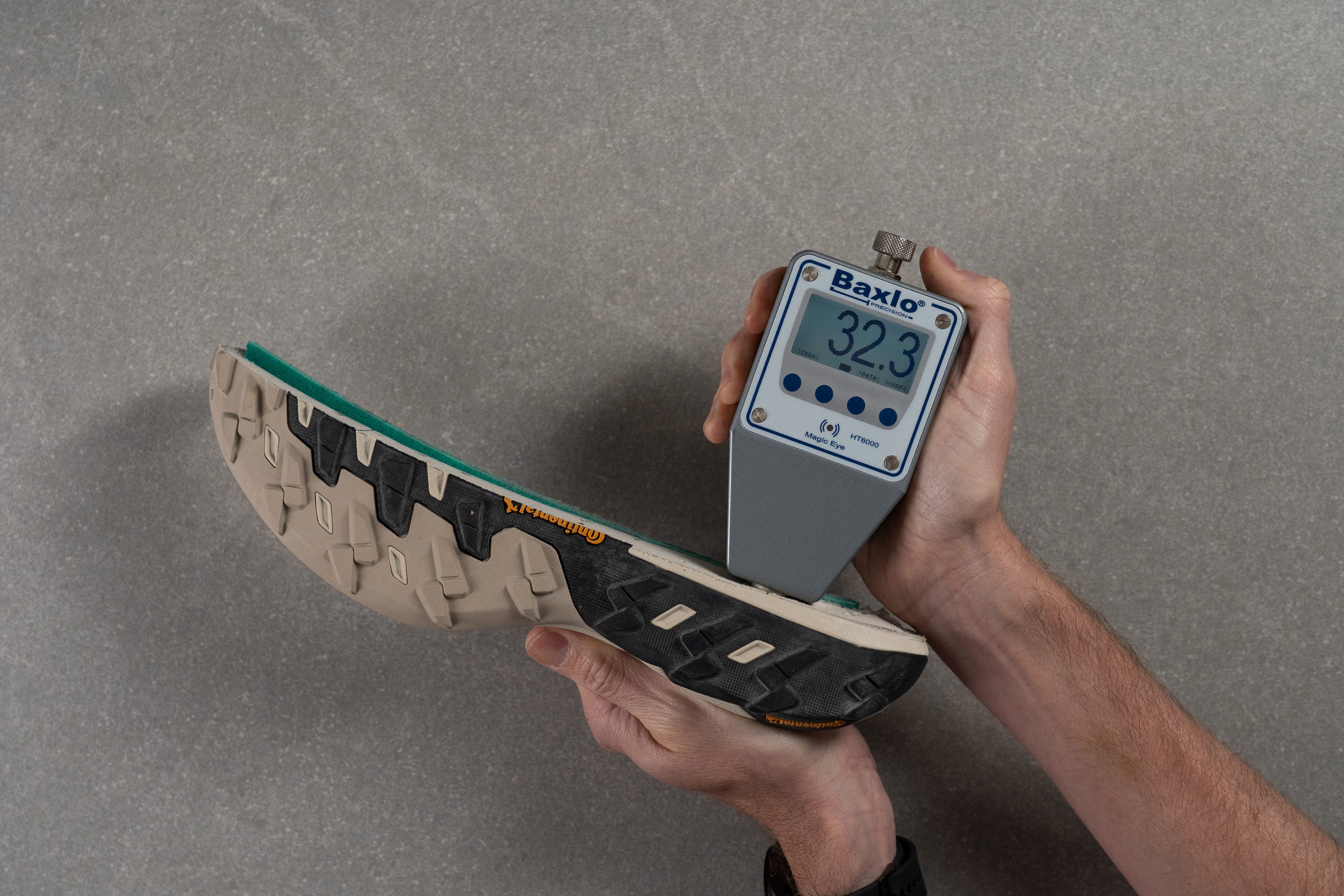
| Terrex Freehiker SL GTX | 32.3 AC |
| Average | 43.9 AC |
Size and fit
Size
adidas Terrex Freehiker SL GTX fits true to size (16 votes).
Internal length
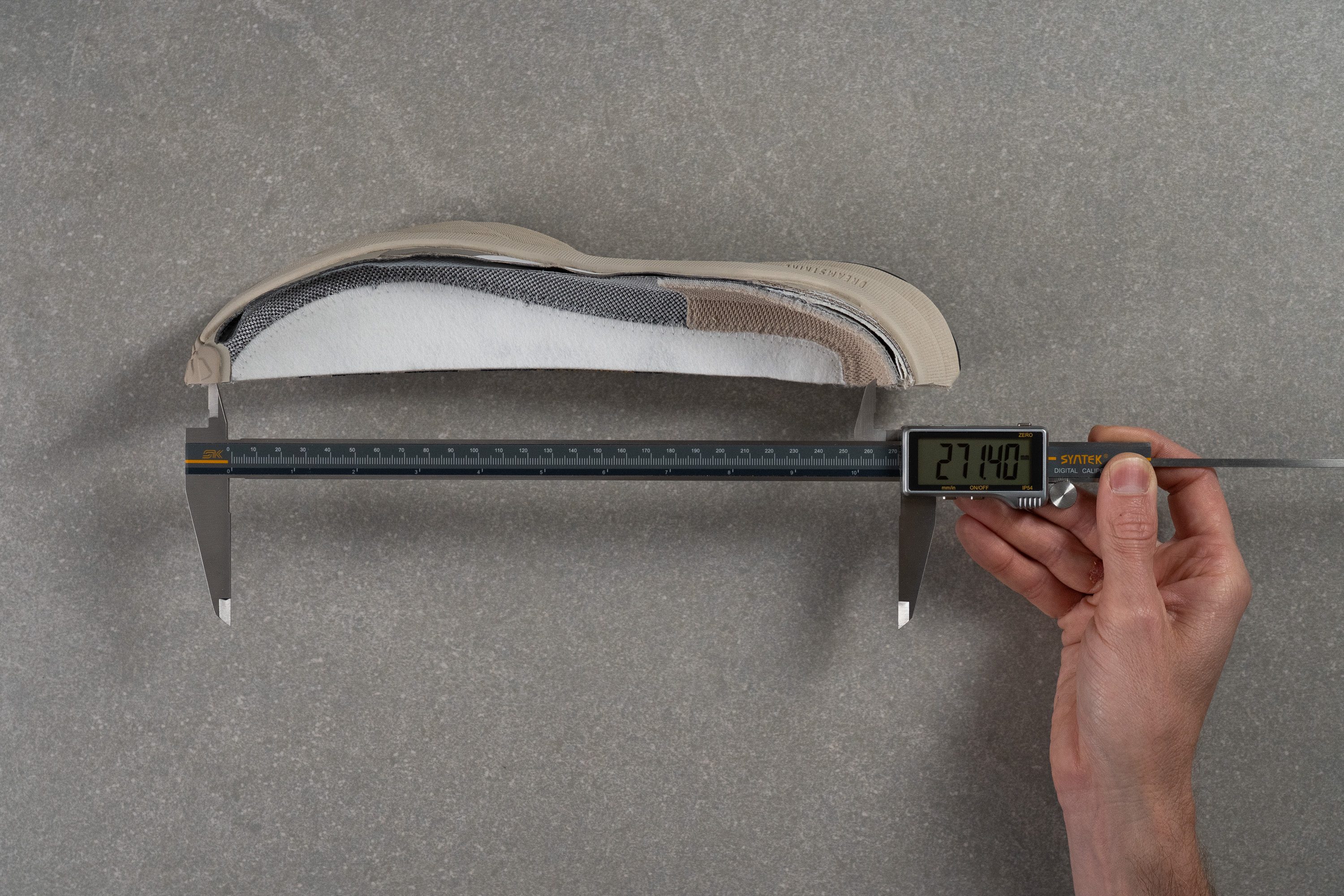
| Terrex Freehiker SL GTX | 271.4 mm |
| Average | 268.9 mm |
Width / Fit
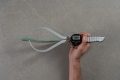
The adidas Terrex Freehiker SL GTX is offered in one medium width only. So, of course, we had to check whether its internal dimensions reflect that true medium fit by creating a one-to-one gel cast of the shoe.
Applying our caliper to the widest part of the cast, we recorded a solid middle-range width of 92.6 mm.
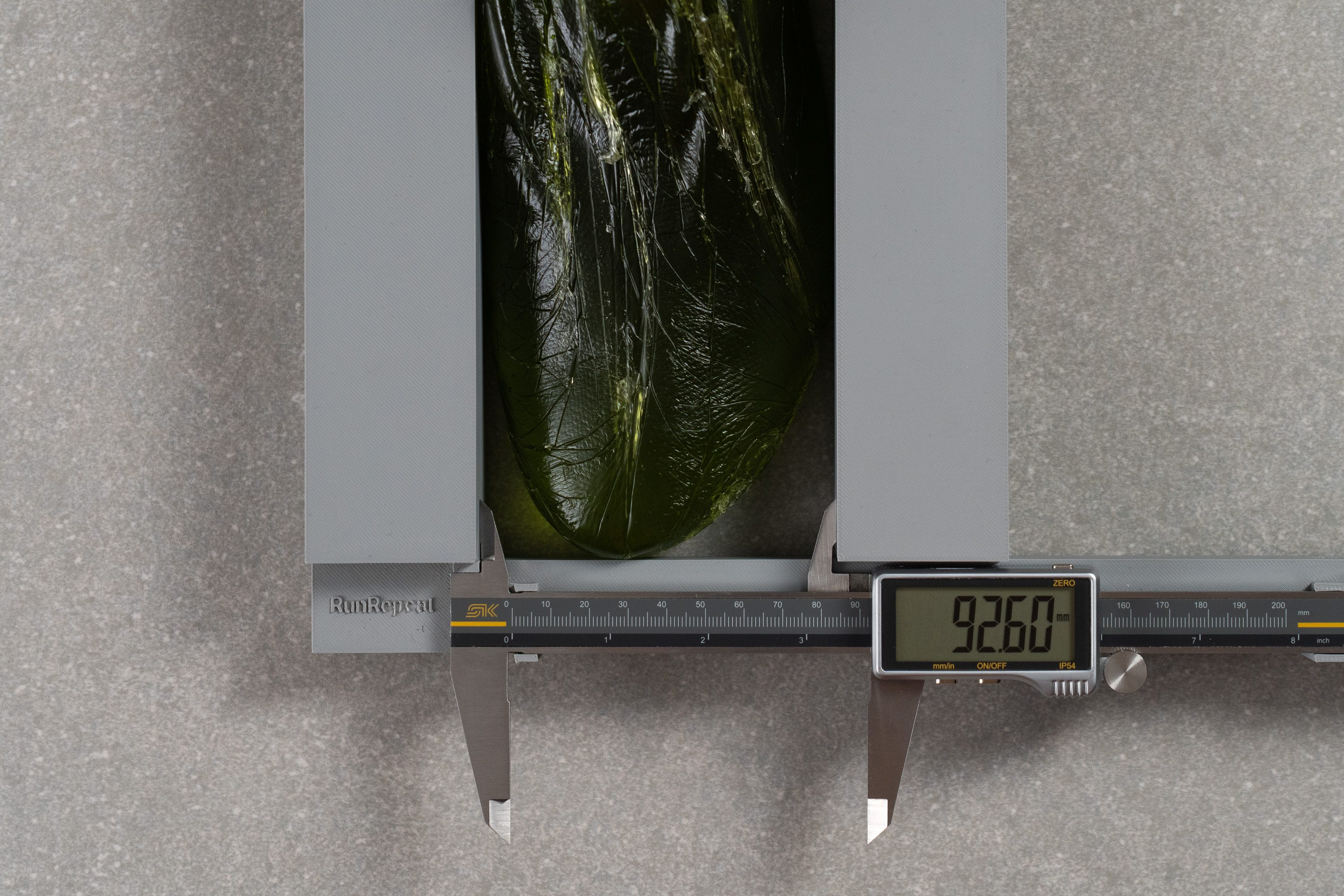
| Terrex Freehiker SL GTX | 92.6 mm |
| Average | 94.0 mm |
Toebox width
However, the replica also showed that the shoe's toebox clearly gets pointier towards the toes. In the big toe area, it even falls below the average at 68.4 mm, which may not suit some foot shapes.
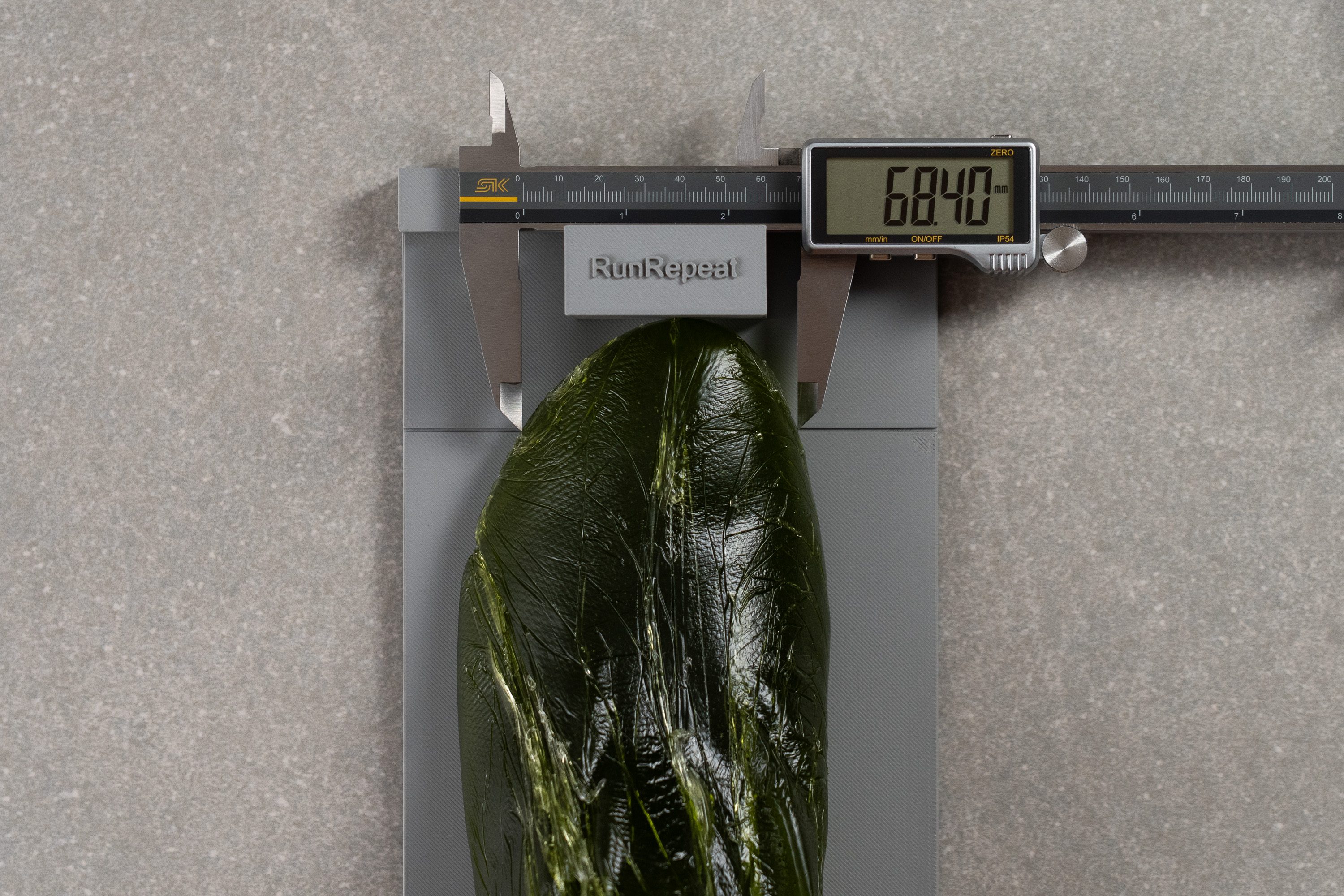
| Terrex Freehiker SL GTX | 68.4 mm |
| Average | 71.9 mm |
Toebox height
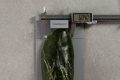
But gladly, there is no lack of toebox height in this adidas Terrex shoe, as it measured a standard 27.4 mm on our caliper.
Neither its toe bumper nor the upper material caused any pressure on our toes or toenails.
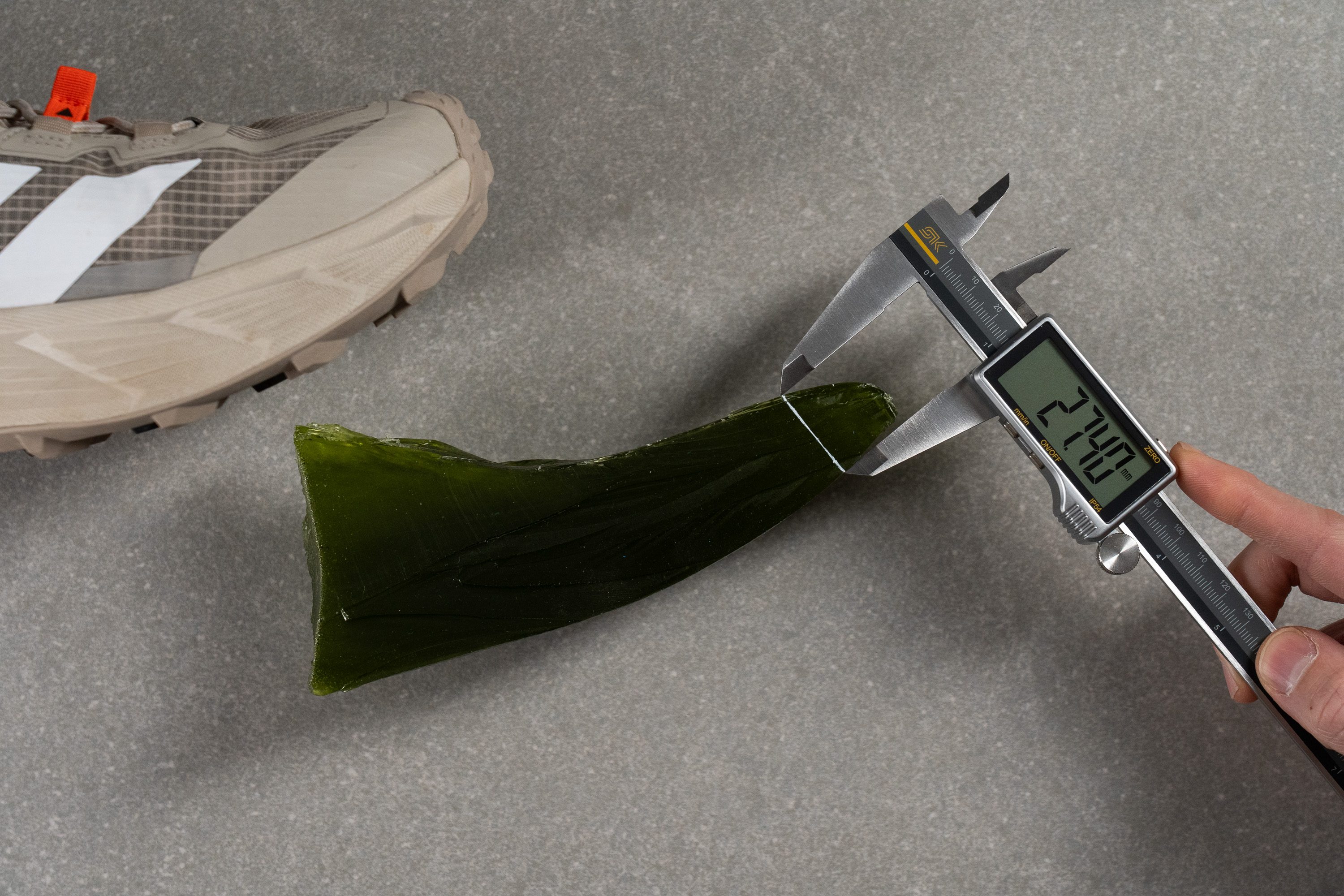
| Terrex Freehiker SL GTX | 27.4 mm |
| Average | 27.5 mm |
Traction / Grip
Traction test
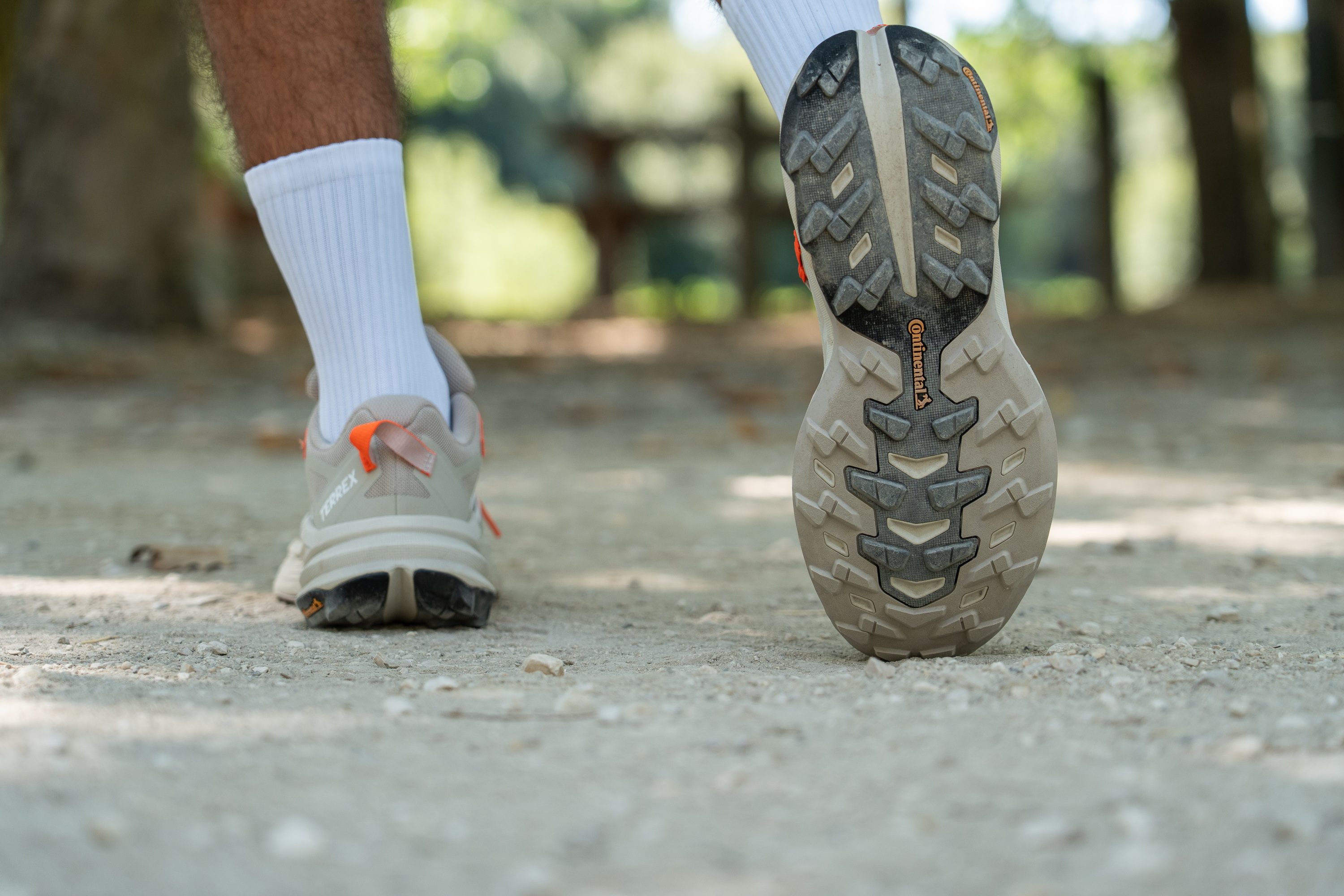
We are happy to report that the Continental rubber on the Terrex Freehiker SL GTX delivers the grip needed to stay surefooted even on smooth and wet surfaces! And the latter is particularly important given the shoe's waterproof design.
Measuring its friction coefficient on wet concrete, we recorded a solid 0.64. It's a little lower than that of the Freehiker 3 Ultra GTX (0.79), but as our lab tests have shown, the Freehiker SL GTX is more of a step-down version after all.
| Terrex Freehiker SL GTX | 0.64 |
| Average | 0.68 |
Lug depth
We also found the Freehiker SL's lugs to be slightly shallower, at 3.0 mm. Yet another indicator that this adidas shoe is more of a city-to-trail hybrid than it is a dedicated hiking shoe.
Its treading can bite onto light dirt, sand, and grass, but probably nothing more demanding than that.
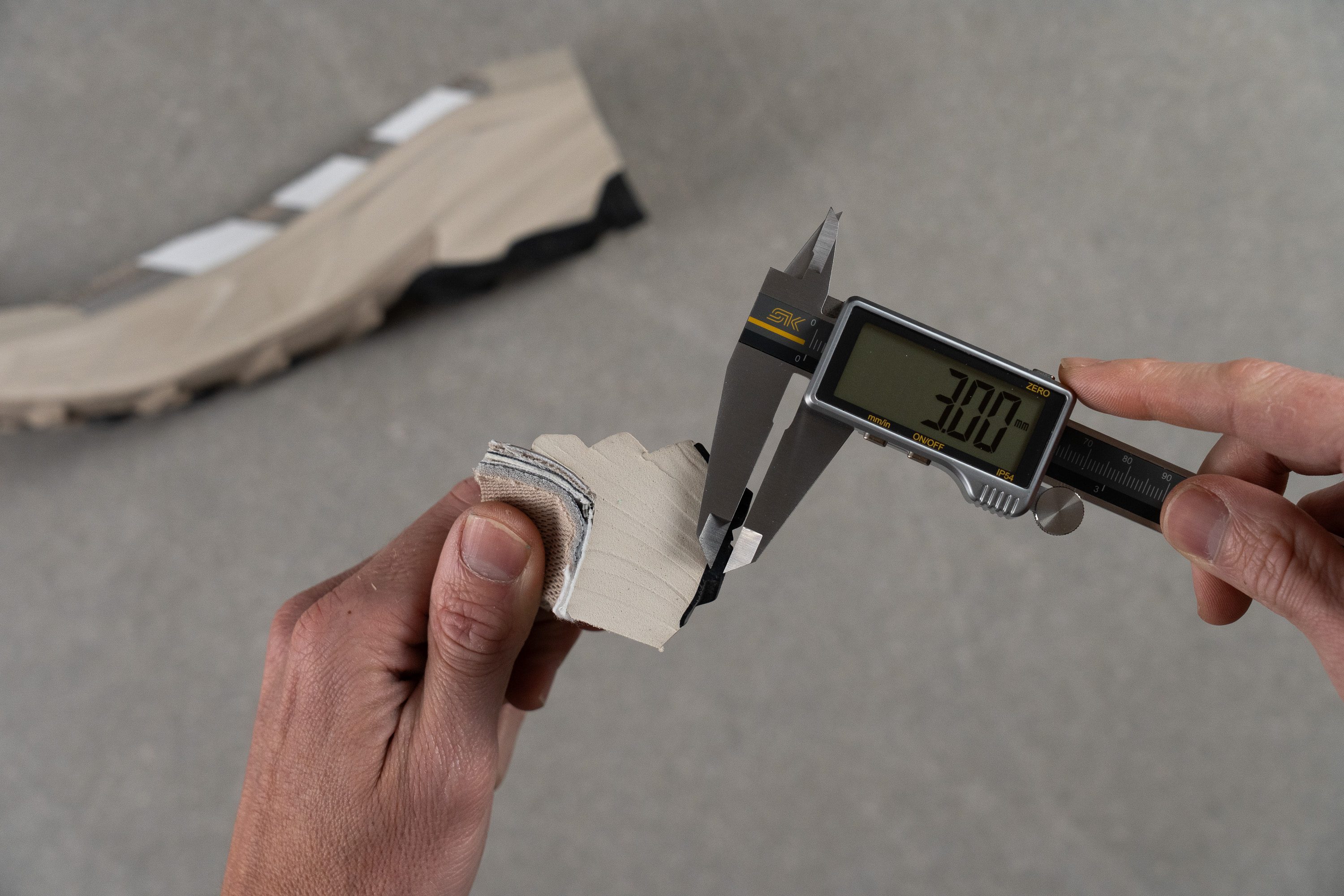
| Terrex Freehiker SL GTX | 3.0 mm |
| Average | 3.9 mm |
Outsole design
And the shoe's tread pattern further suggests less aggressive intentions, with its wide, flat lugs and few sharp edges. We found that thst the Freehiker SL GTX feels most at home on smoother, hard-packed, and even terrain.
Flexibility / Stiffness
Among hiking shoes with the same forefoot stack height, the adidas Terrex Freehiker SL GTX proved the most pliable.
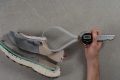
It takes a rather moderate force of 17.9N to bend this shoe forward by 30 degrees. That flexibility helps heel-to-toe transitions feel smoother in this platformy shoe.
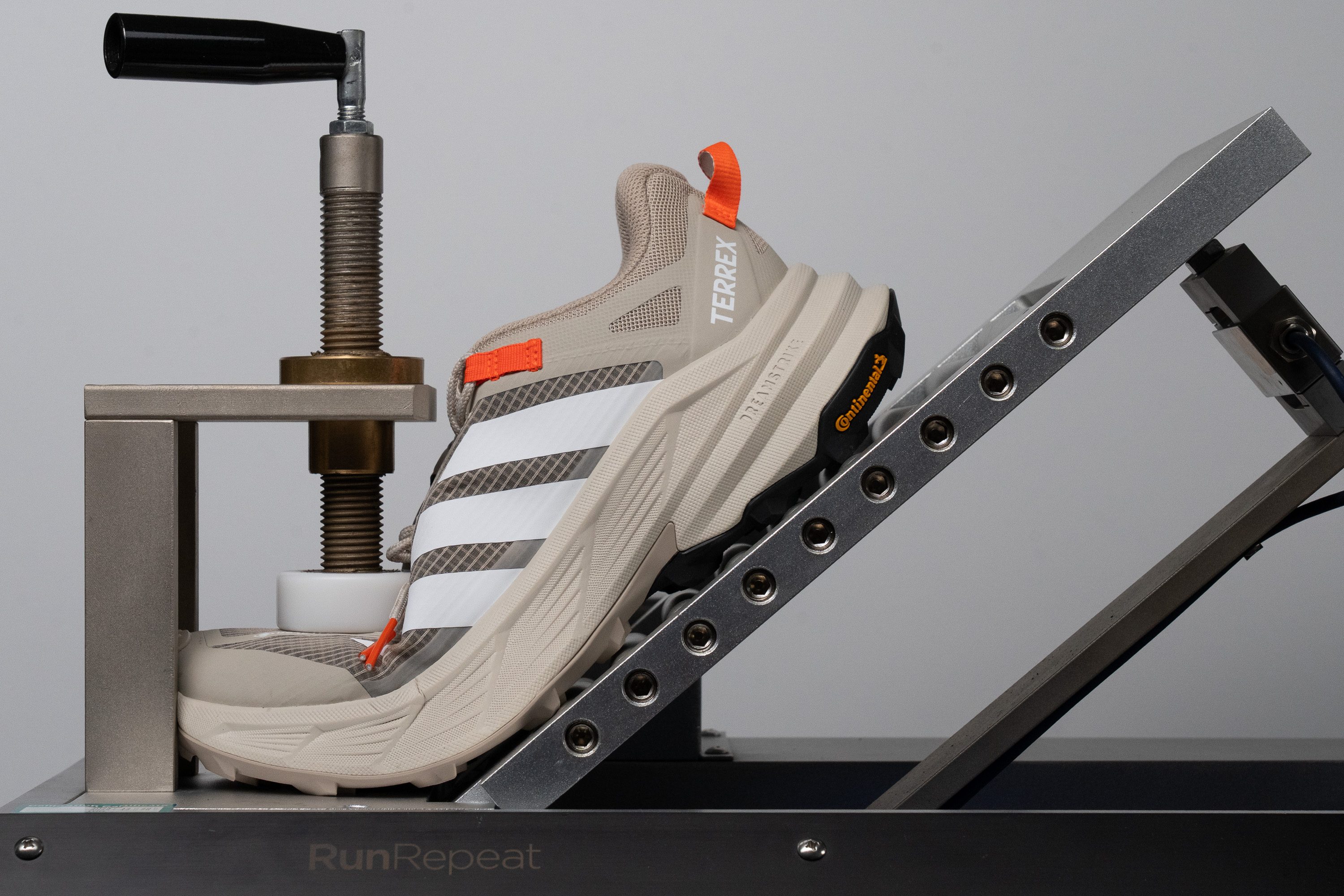
| Terrex Freehiker SL GTX | 17.9N |
| Average | 18.8N |
Weight
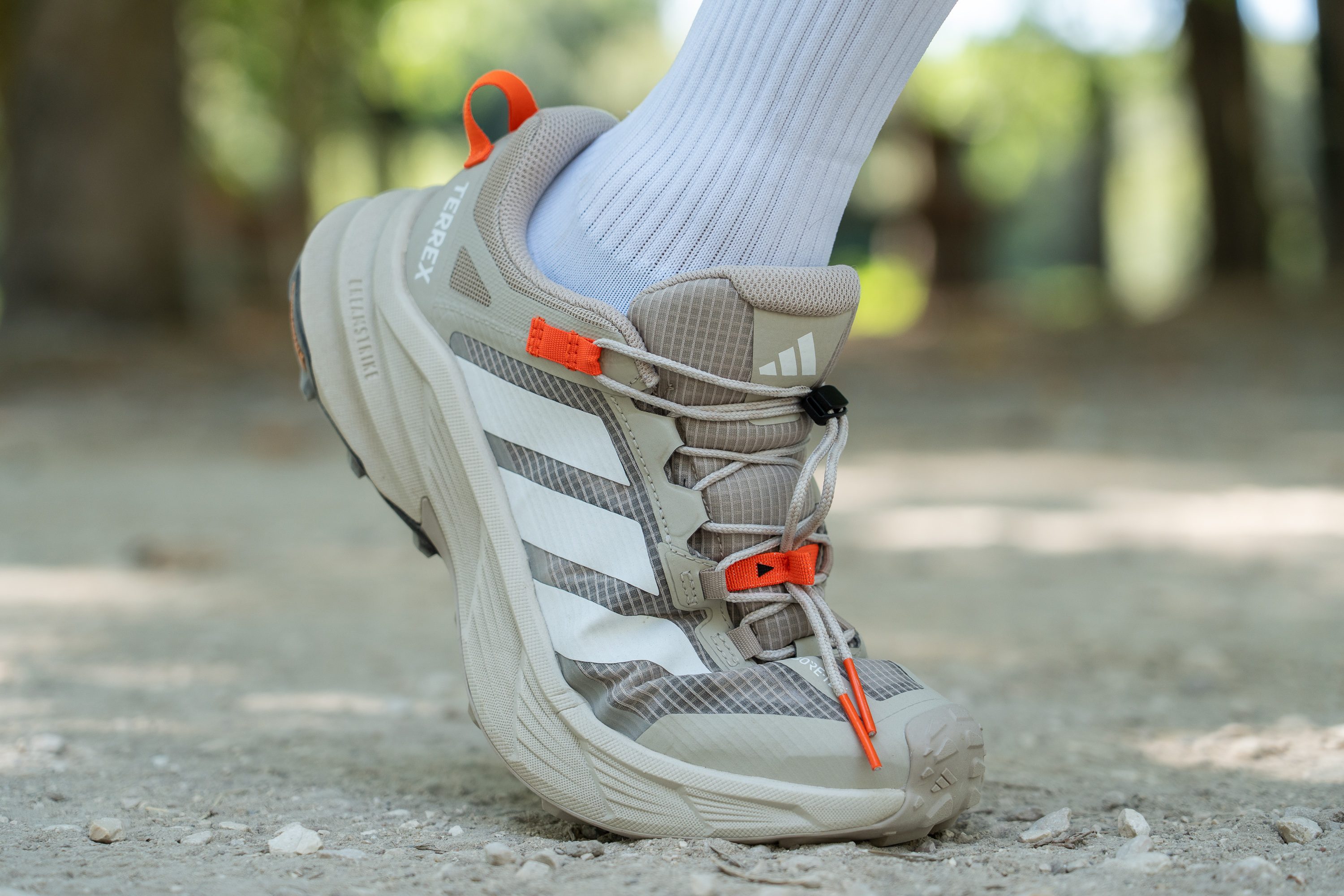
We suspect that 'SL' in the shoe's name stands for 'Super Light' because its construction resembles a lighter, less technical version of the Freehiker 3 Ultra GTX.
And that difference shows in a lower scale number as well, as we weighed the Freehiker SL GTX at only 11.9 oz (337g), an ounce lighter than the Freehiker 3 Ultra GTX.
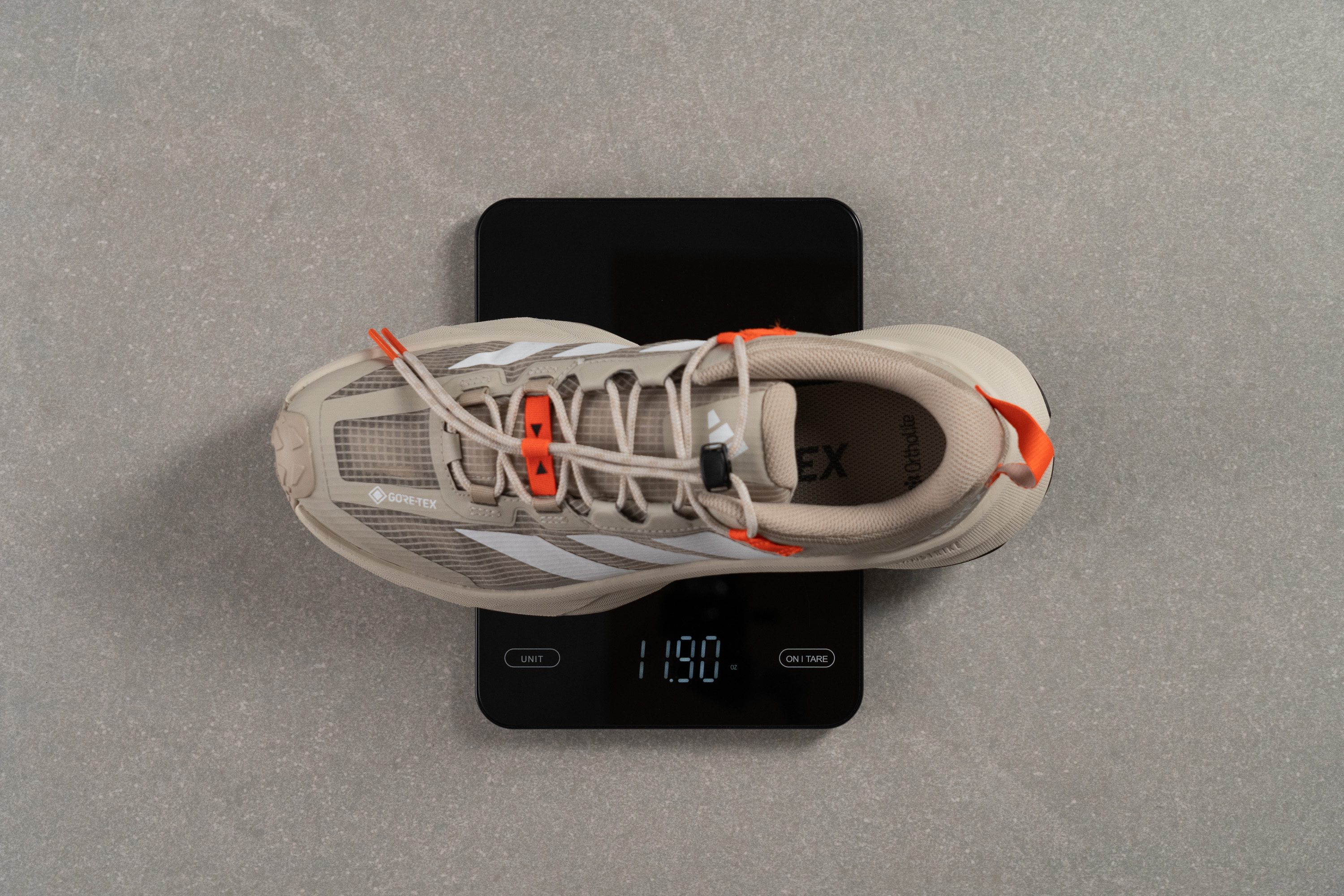
| Terrex Freehiker SL GTX | 11.9 oz (337g) |
| Average | 13.2 oz (375g) |
Stability
Lateral stability test
From the start, we want to make it clear that the Terrex Freehiker SL GTX lacks the shanks and stabilizing components of the more serious hiking shoes.
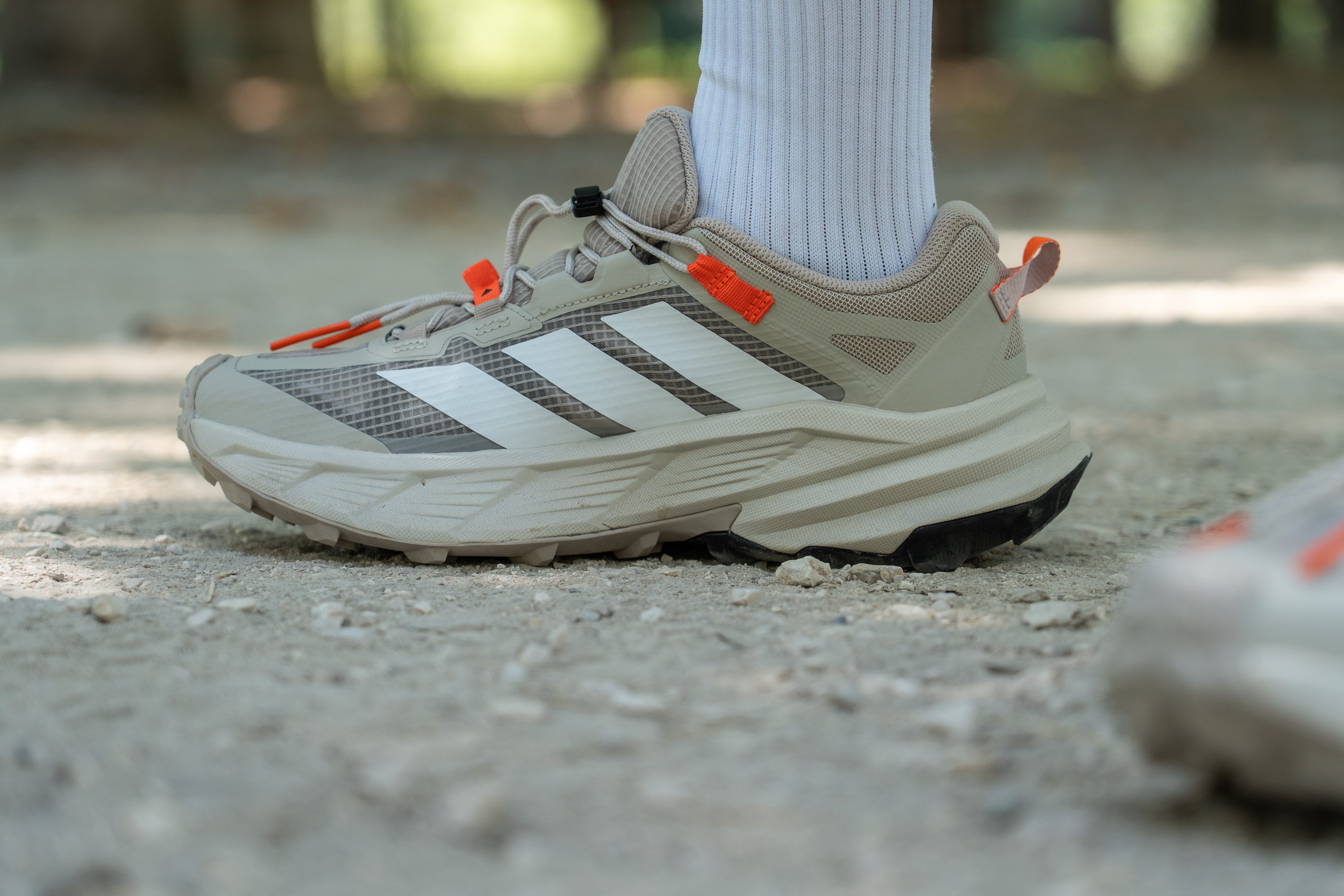
However, its wide, cradled platform does an excellent job of keeping the foot in place for moderate city-to-trail use.
Torsional rigidity
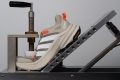
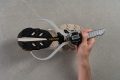
Its midsole design makes it quite challenging to twist the Freehiker SL GTX in either direction. Our machine recorded that the shoe requires a solid torque of 19.0 Nm to move sideways by only 10 degrees.
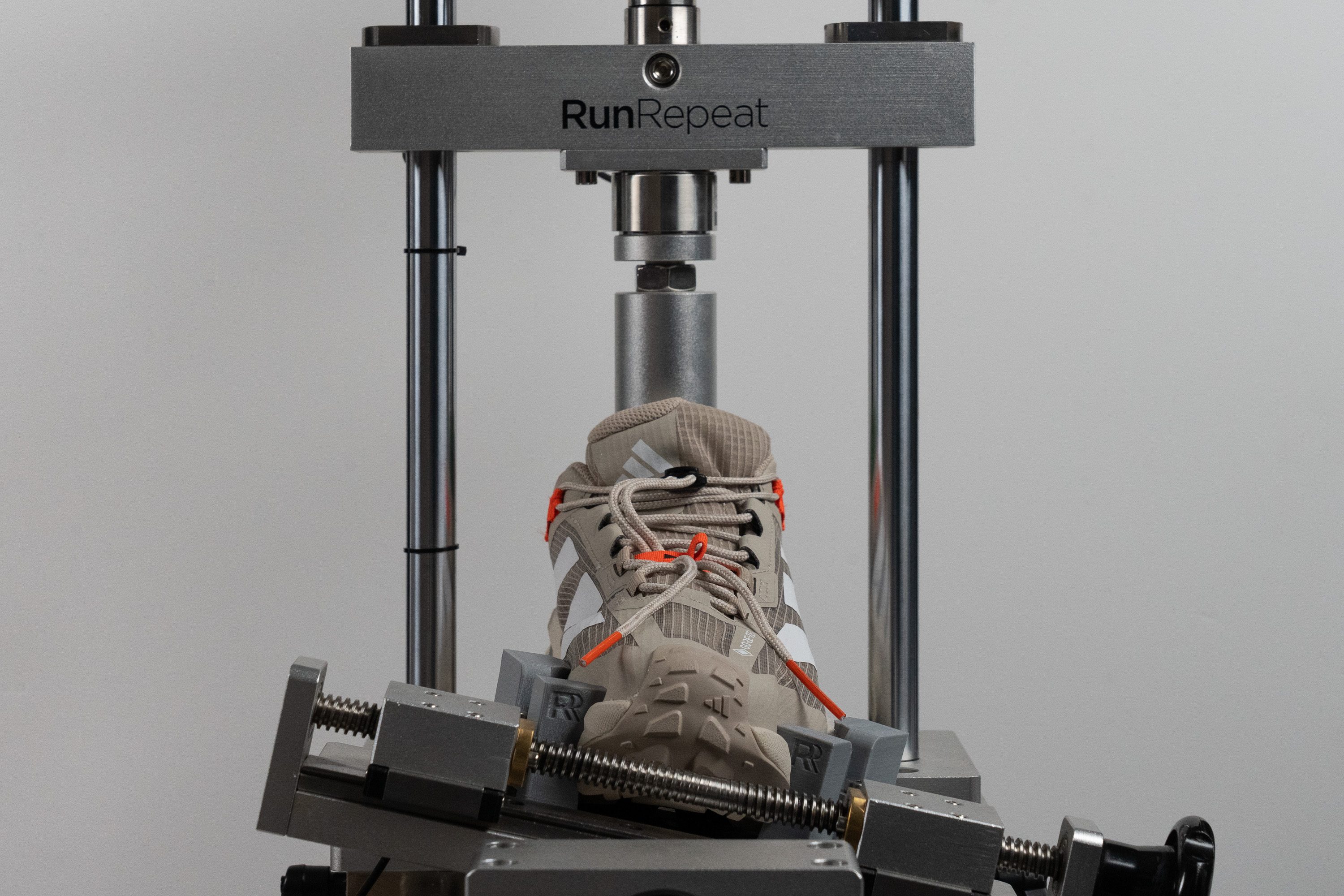
| Terrex Freehiker SL GTX | 19.0 Nm |
| Average | 19.1 Nm |
Heel counter stiffness
That foam cradle also covers the bottom of the shoe's heel and works together with an internal heel counter to secure the rearfoot in place.
But the shoe's heel counter is not particularly rigid either, earning a moderate stiffness score of 3 out of 5 in our manual test. And frankly, you don't need more structure here considering the shoe's intent.
| Terrex Freehiker SL GTX | 3 |
| Average | 3.7 |
Midsole width - forefoot
The biggest source of stability in this adidas Terrex shoe is, of course, its extremely wide platform.
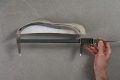
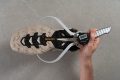
The widest part of its forefoot measured a whopping 122.9 mm on our caliper, making it one of the chunkiest hiking shoes, on par with HOKAs!
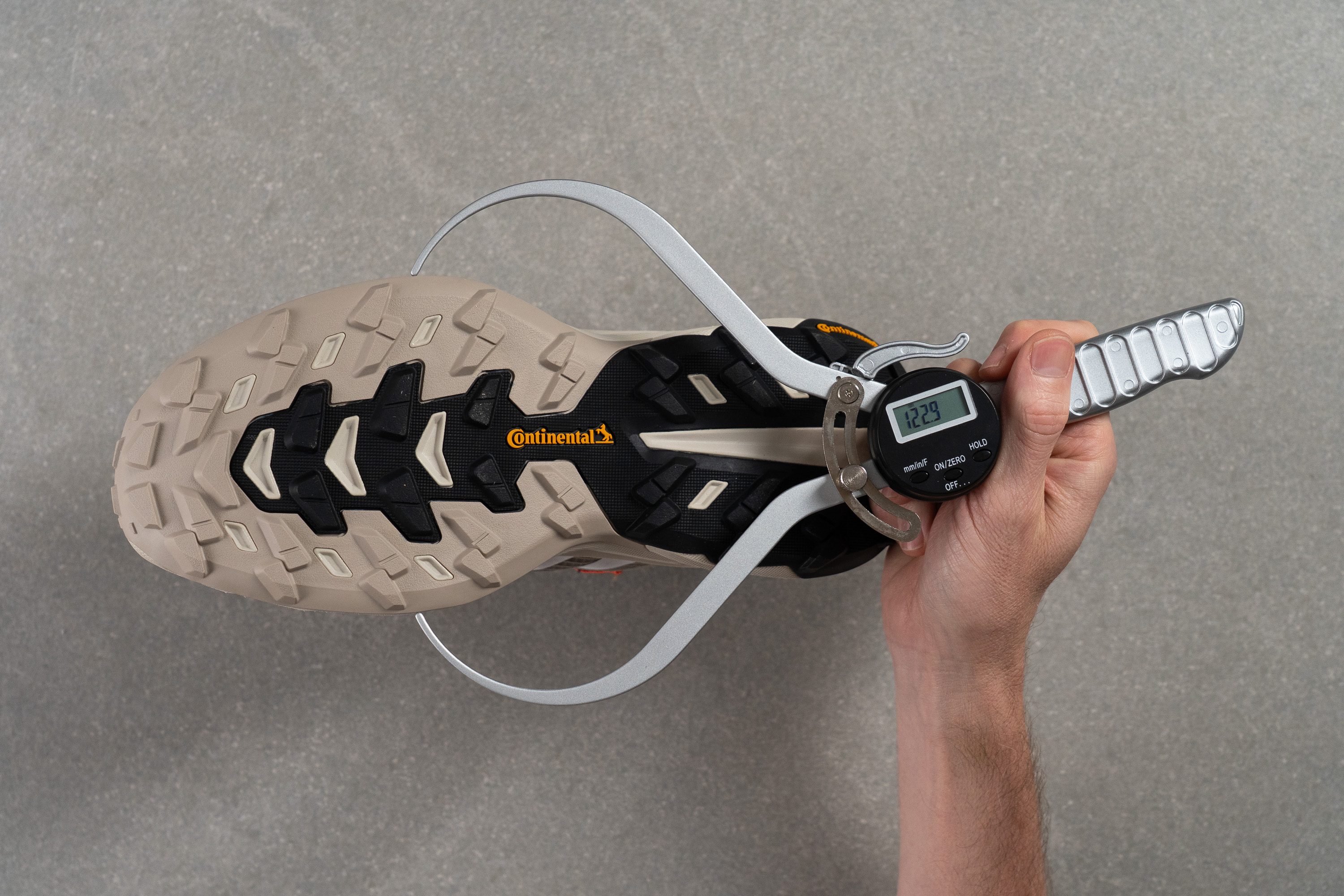
| Terrex Freehiker SL GTX | 122.9 mm |
| Average | 112.6 mm |
Midsole width - heel
Back in the heel, the Freehiker SL GTX also proved to be over 10 mm wider than average, measuring 99.6 mm at the widest point!
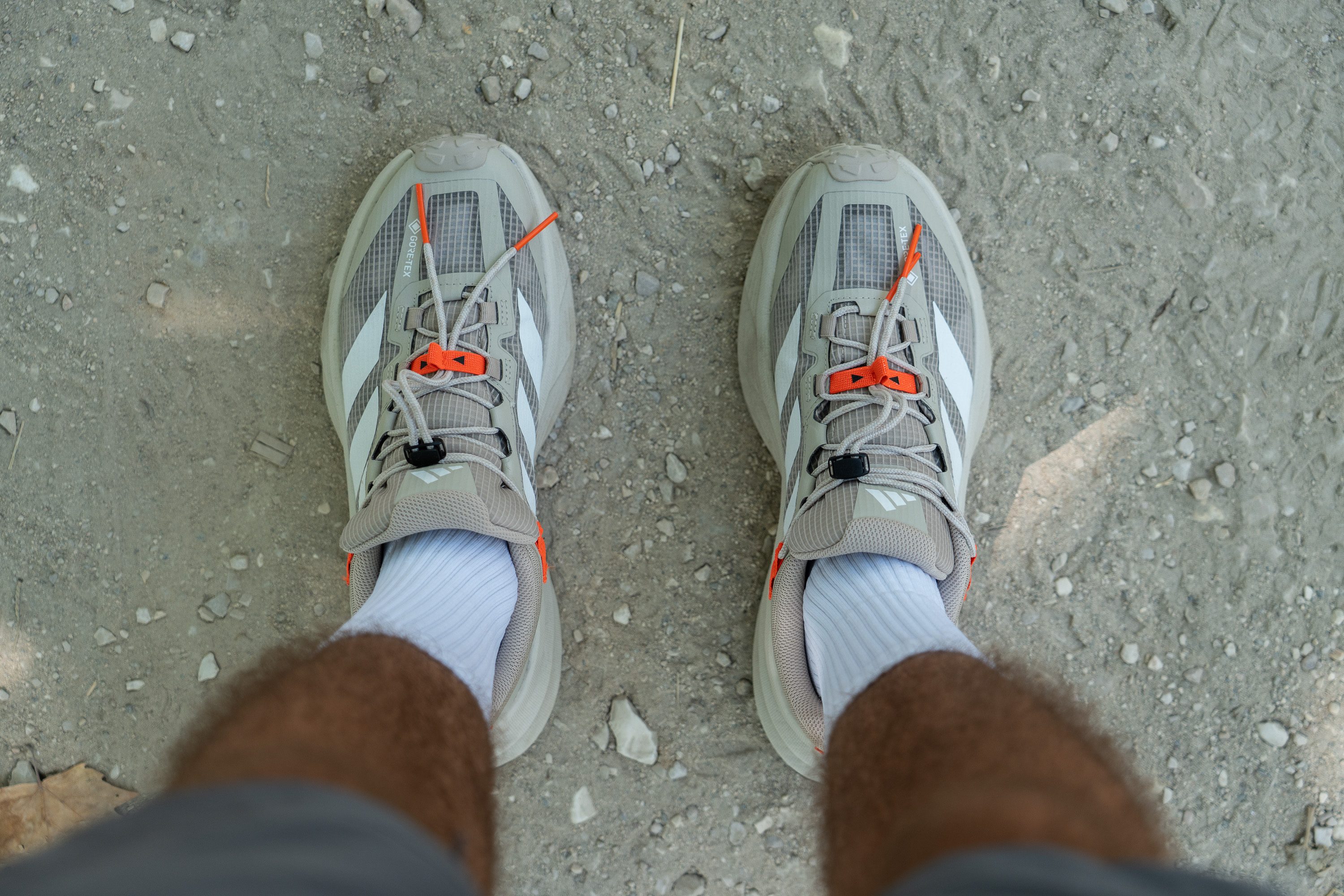
On moderate terrain, that means plenty of surface area for surefooted steps and comfort. But try stepping on any remotely technical trails, and you will not appreciate the reduced precision and increased risk of catching rock edges.
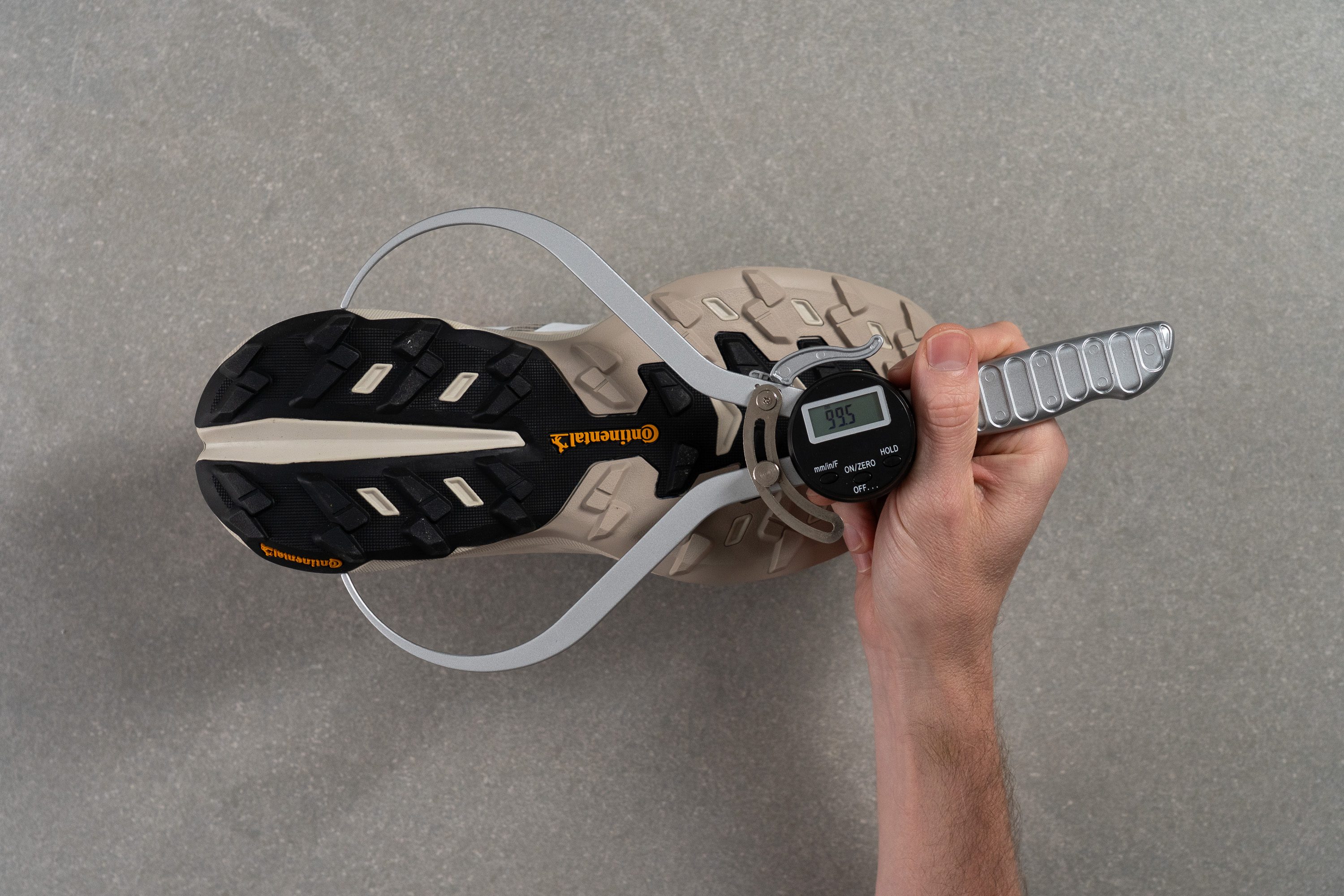
| Terrex Freehiker SL GTX | 99.5 mm |
| Average | 88.6 mm |
Durability
Toebox durability
Despite its dainty appearance, the mesh on the Terrex Freehiker SL GTX is much sturdier than it seems! And its high-wear areas are additionally protected by synthetic overlays.
Testing its wear resistance with a Dremel, we assessed the shoe's toebox durability as 3 out of 5. As long as you avoid pushing through thorny bushes and sharp rocks, you won't be seeing any premature wear on this shoe's upper.
| Terrex Freehiker SL GTX | 3 |
| Average | 3.6 |
Heel padding durability
The textile lining inside the Freehiker SL GTX did not disappoint either.
After a few seconds of our demanding Dremel test, it showed minimal wear, earning the shoe a solid 4 out of 5 for heel padding durability.
| Terrex Freehiker SL GTX | 4 |
| Average | 3 |
Outsole durability
The shoe's Continental rubber also stood up to the challenge, leaving us equally pleased by the results. With a shallow dent of 0.7 mm, it is one of the most hard-wearing blends.
| Terrex Freehiker SL GTX | 0.7 mm |
| Average | 0.9 mm |
Outsole thickness
But please keep in mind that the Freehiker SL GTX has less outsole rubber than most hiking shoes. Aside from its shallower 3.0 mm lugs, it also packs only 1.0 mm of rubber. That helps keep the shoe's weight below average but can potentially shorten its lifespan too.
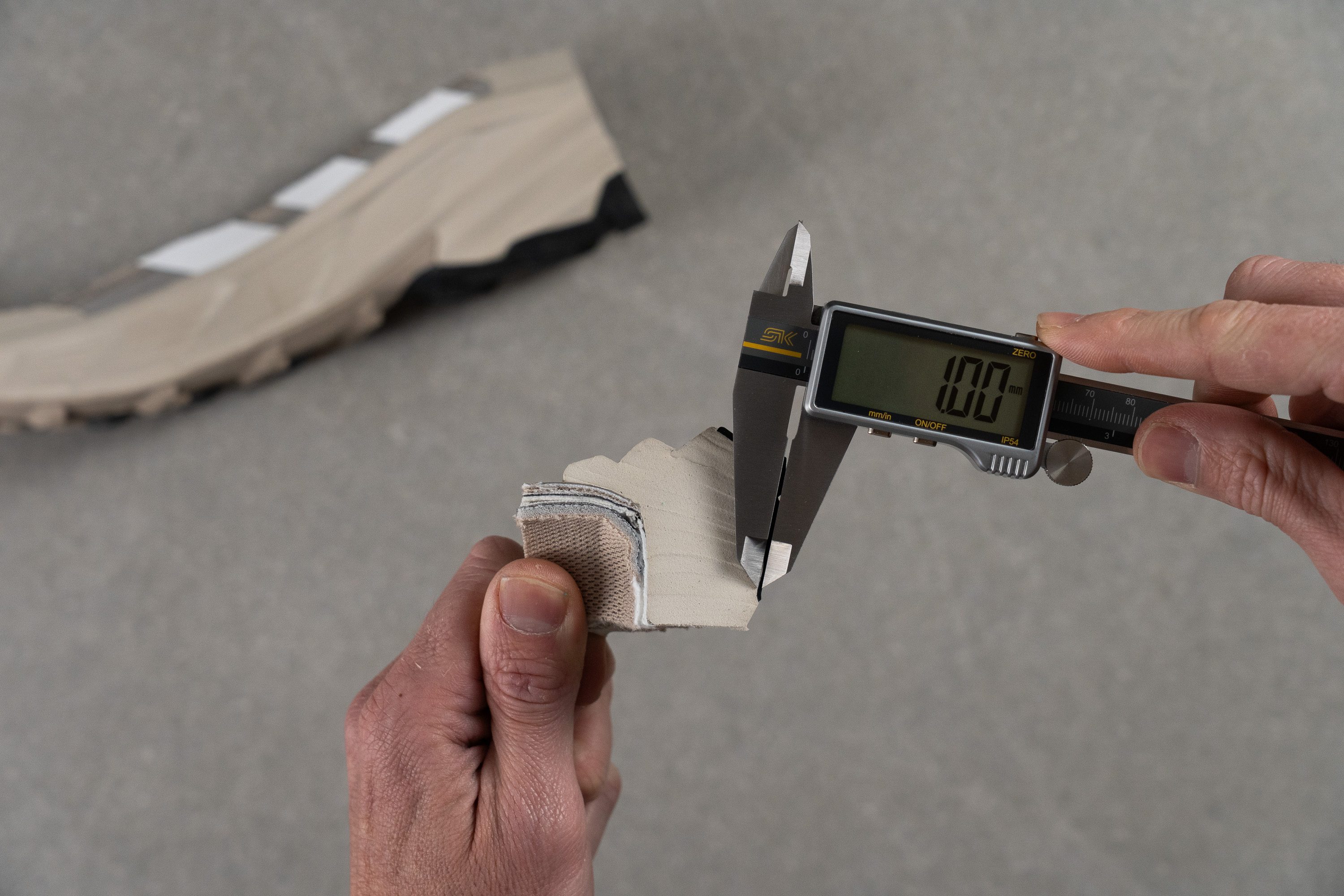
| Terrex Freehiker SL GTX | 1.0 mm |
| Average | 2.3 mm |
Misc
Insole thickness
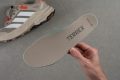
With an insole thickness of 5.0 mm, this adidas doesn't need much more padding for a comfortable step-in feel, thanks to its abundant and plush midsole.
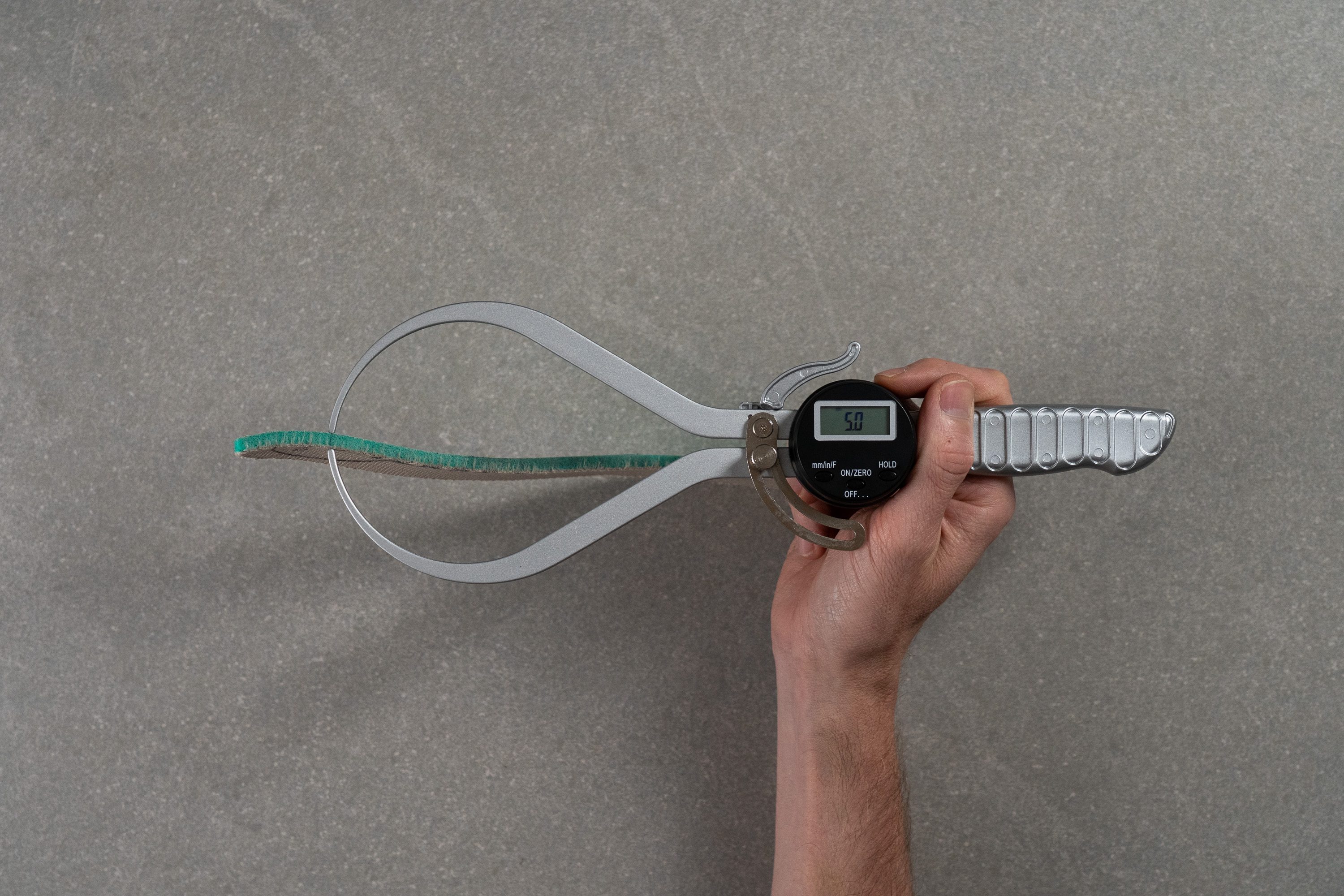
| Terrex Freehiker SL GTX | 5.0 mm |
| Average | 5.3 mm |
Removable insole
But if you prefer some targeted support or added cushioning, you can easily remove the shoe's insole in favor of a custom orthotic.
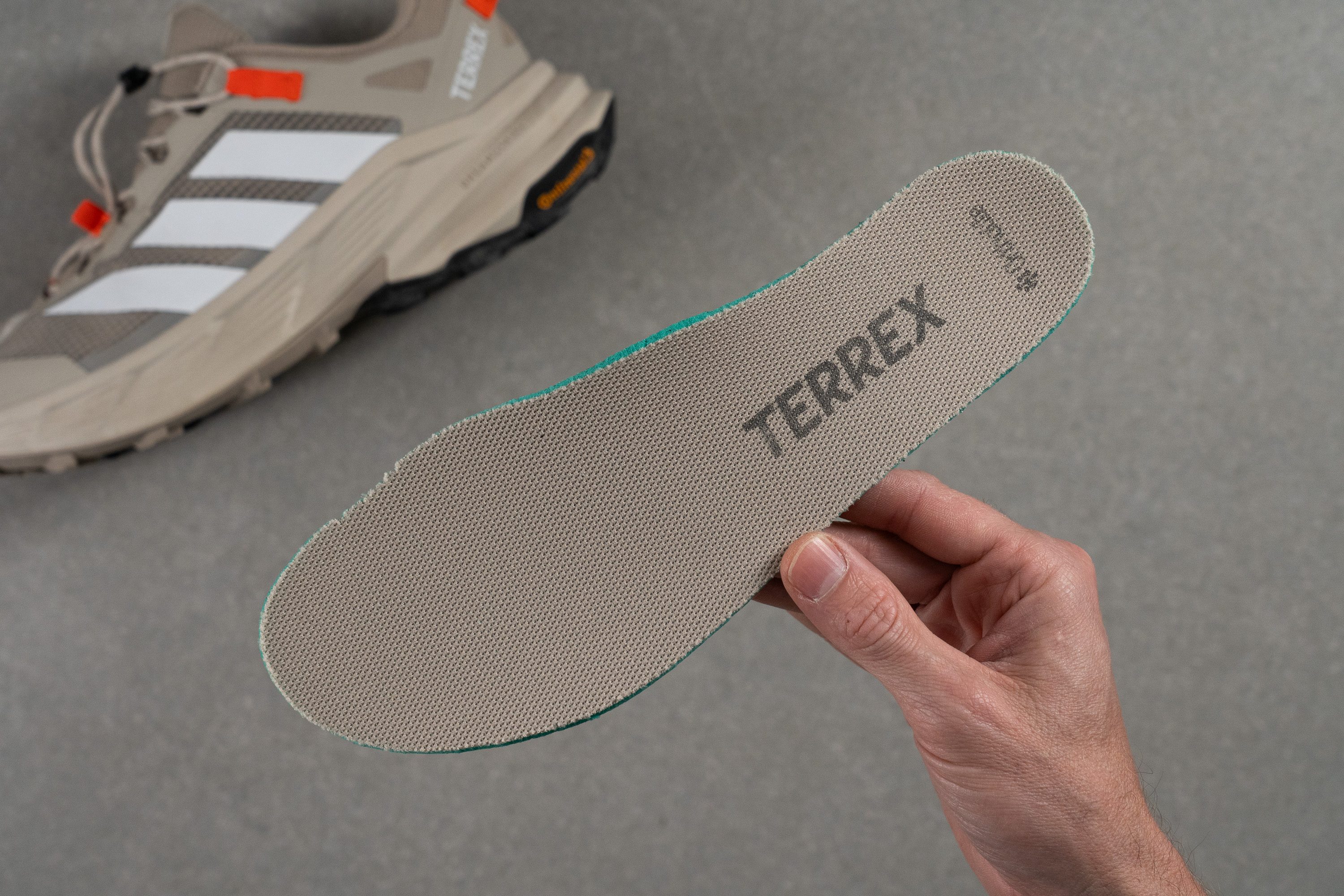
| Terrex Freehiker SL GTX | Yes |
Midsole softness in cold (%)
Yet again, a PEBA-based foam showed great resistance to low temperatures.
Measuring the shoe's Dreamstrike+ with a durometer before and after a 20-minute session in the freezer, we recorded a minor 13% change in softness. This means that the Freehiker SL GTX remains moderately soft in cold weather.
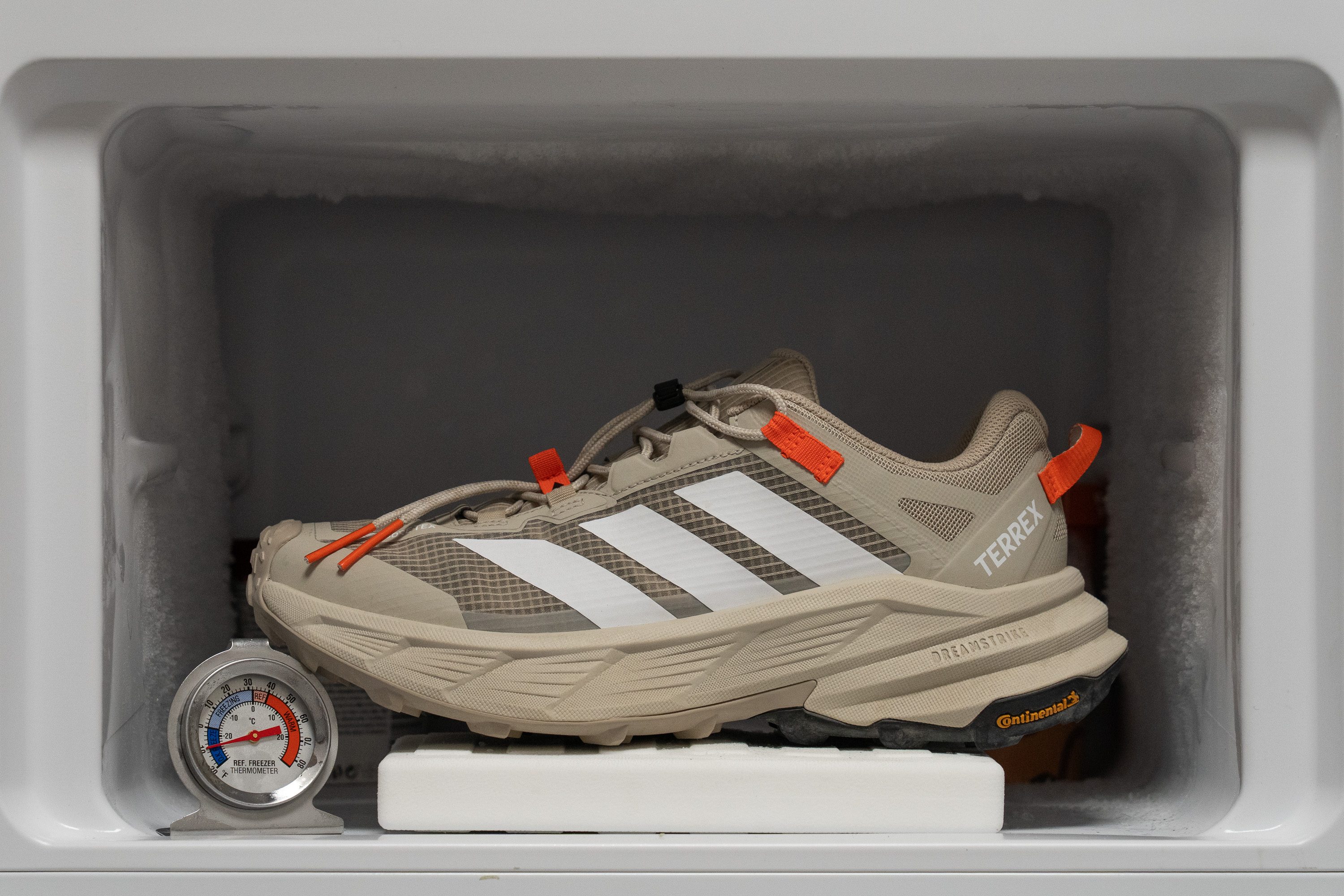
| Terrex Freehiker SL GTX | 13% |
| Average | 18% |
Reflective elements
We detected no reflective elements on this version of the Freehiker.
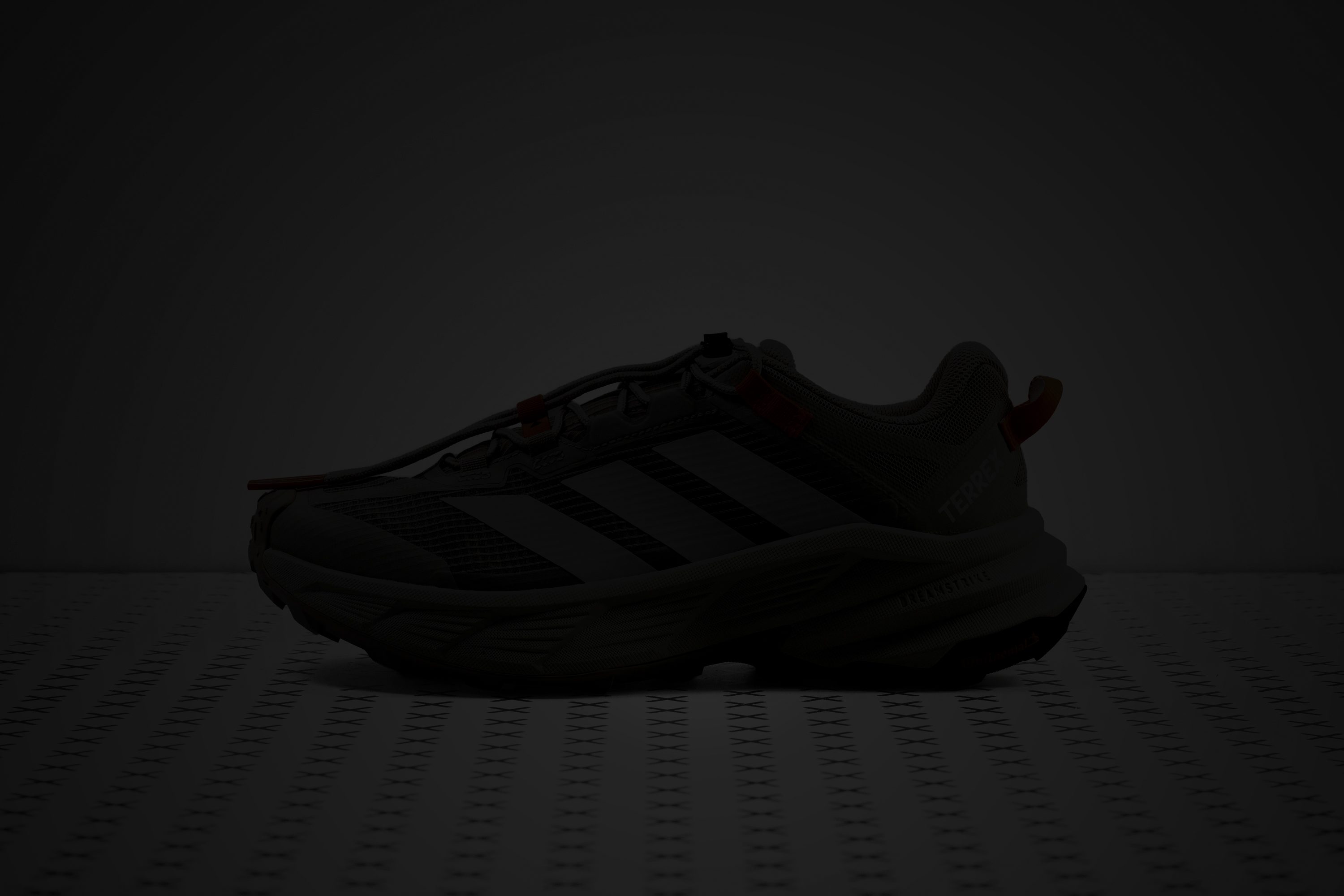
| Terrex Freehiker SL GTX | No |
Tongue padding
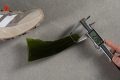
Adidas packed a generous amount of foam into the Freehiker SL GTX's collar and tongue. Measuring the latter with a caliper, we got an above-average thickness of 12.8 mm.
That's a considerable buffer from rubbing, pressure points, and irritation.
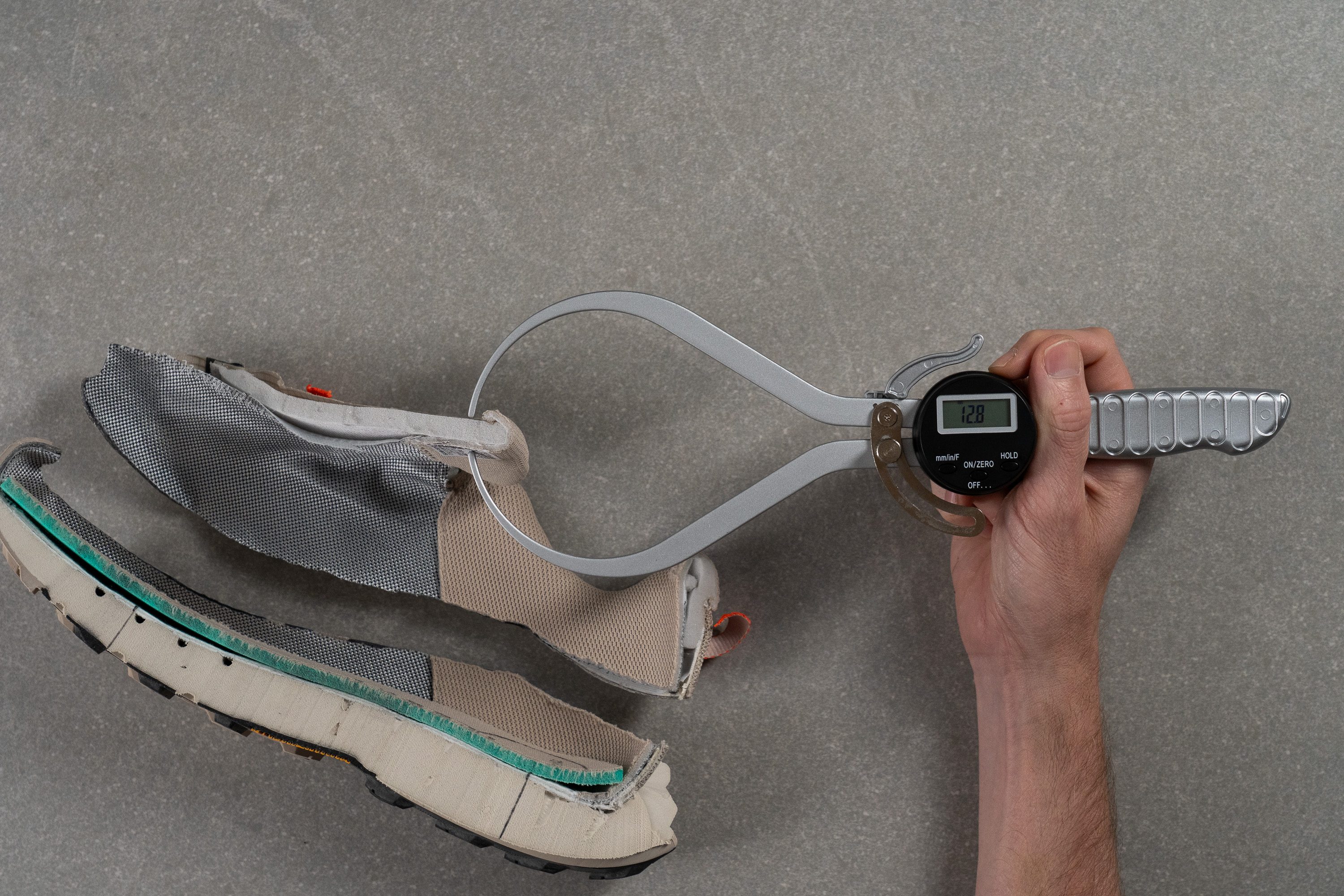
| Terrex Freehiker SL GTX | 12.8 mm |
| Average | 9.8 mm |
Tongue: gusset type
A fully gusseted tongue works with the Gore-Tex membrane to prevent water from entering the shoe. Not to mention that it also helps create a more locked-in, secure fit.
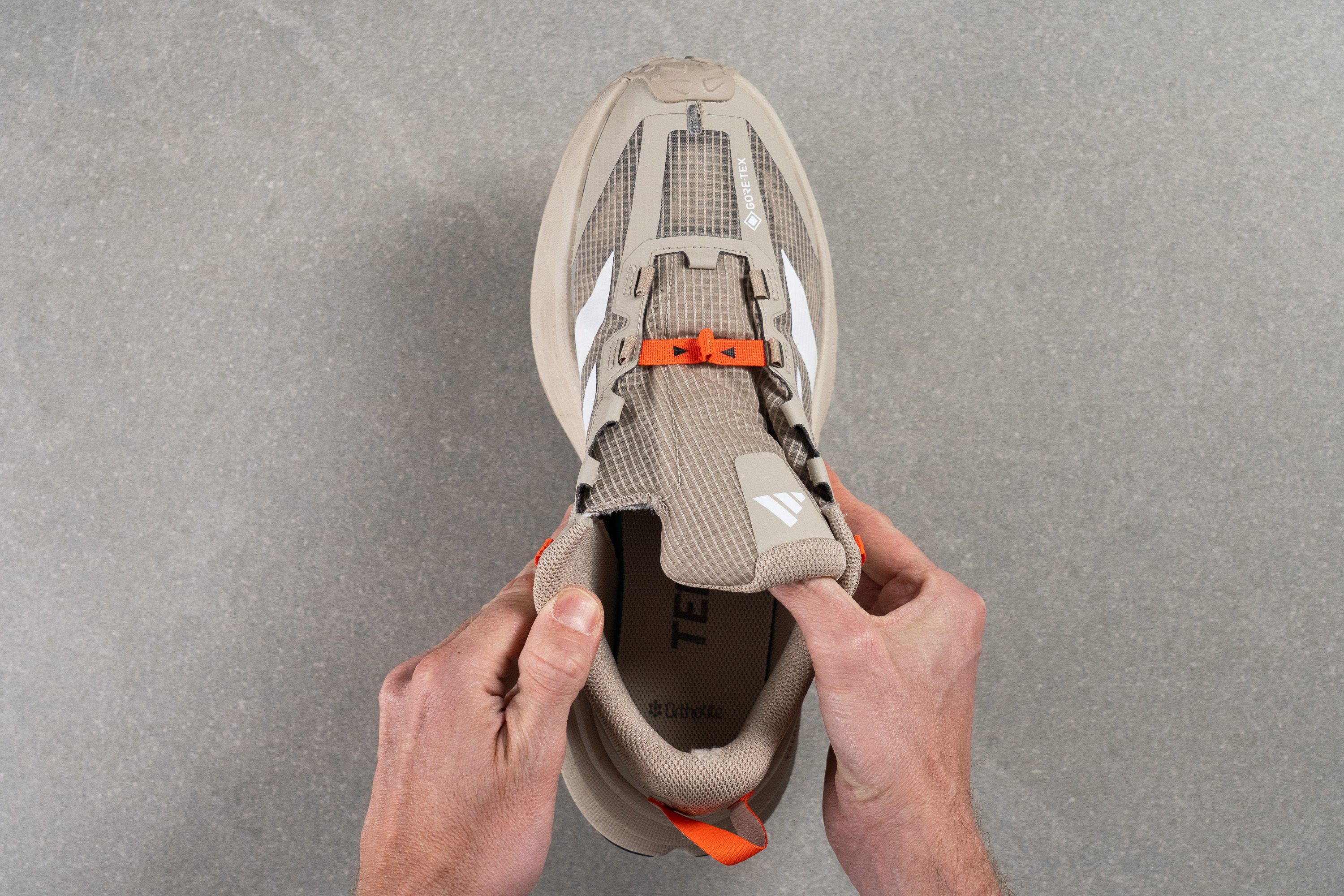
| Terrex Freehiker SL GTX | Both sides (full) |
Heel tab
When the shoe's tongue is completely integrated with the rest of the upper, it is quite handy to have a finger loop to make on-and-off easier.
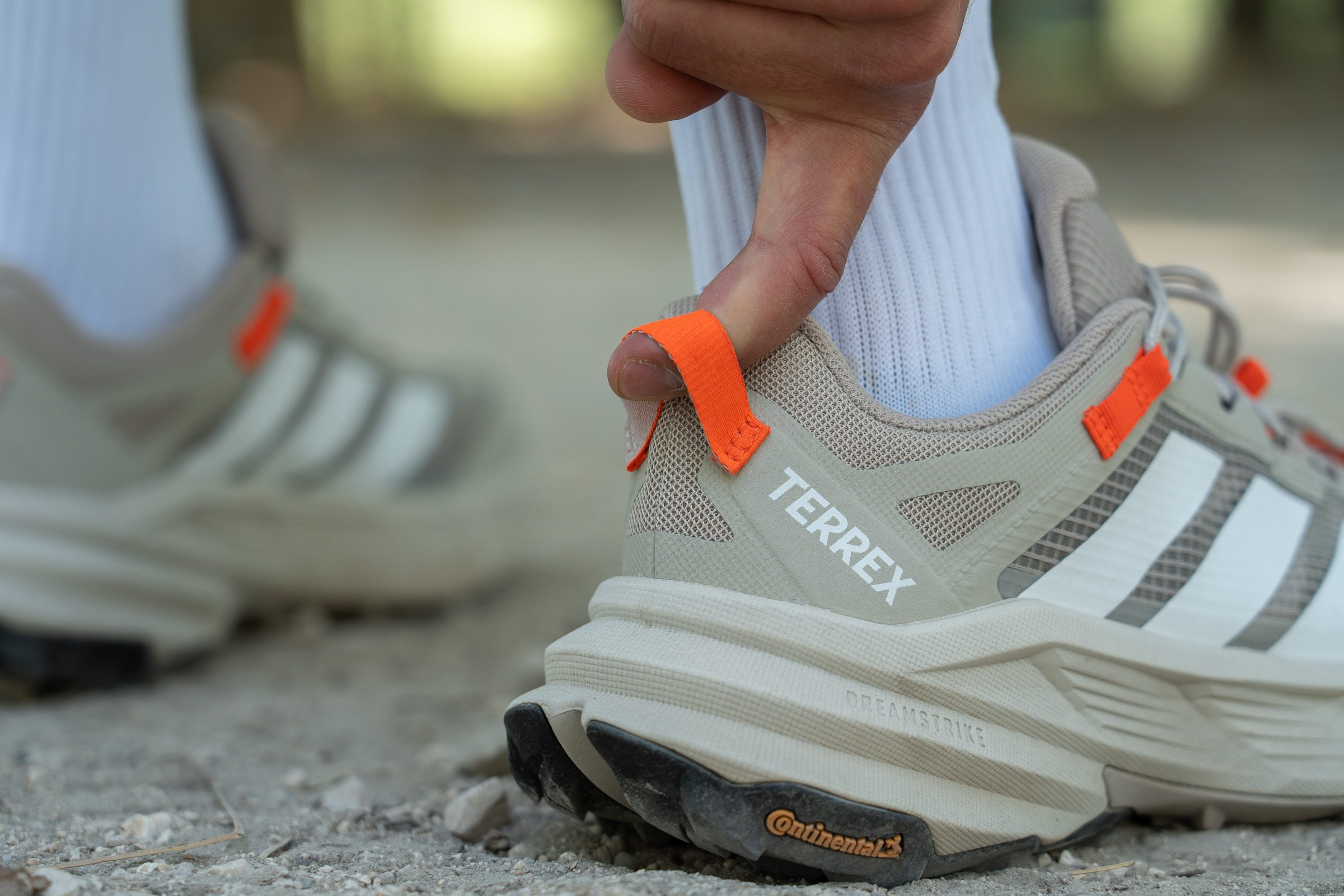
| Terrex Freehiker SL GTX | Finger loop |
Price
The Terrex Freehiker SL GTX is a more affordable version of adidas's premium Freehiker 3 GTX. Yet we found in the lab that it still offers excellent value for money, thanks to its high-quality materials and overall performance.
| Terrex Freehiker SL GTX | $150 |
| Average | $157 |
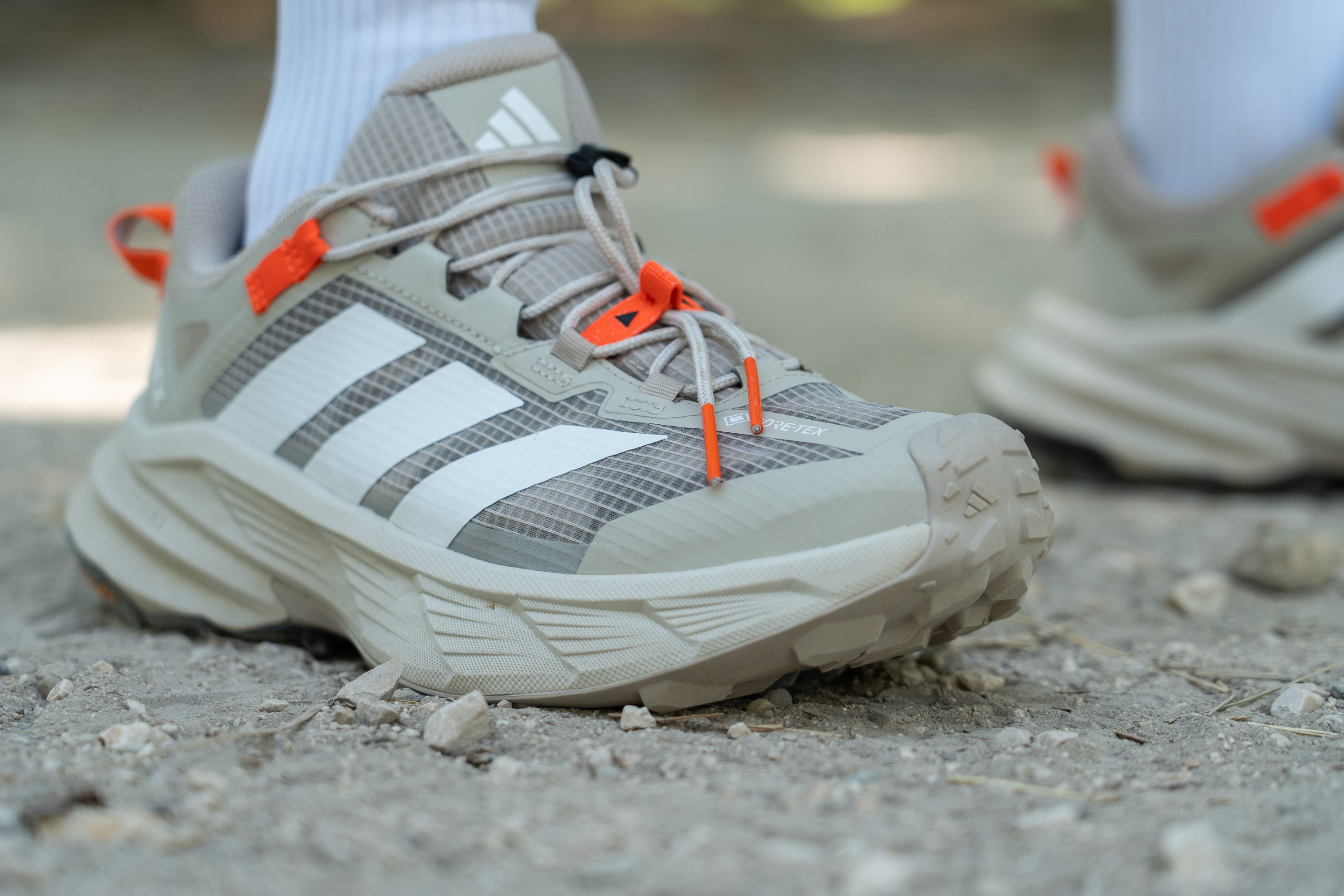
Speed lacing
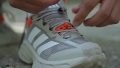
The Freehiker SL GTX features adidas' proprietary Speed lacing with stretchy shoestrings and a toggle for quicker fit regulation. A webbed loop on the midfoot allows for storing excess laces.