7 Best Gravel Running Shoes in 2026


We buy shoes ourselves. We earn commissions when you buy through us, at no extra cost. Why trust us
How did we get here? We already had so-called hybrid running shoes or road-to-trail running shoes. They can do a bit of everything from the moment you leave your house or building, run on city streets and through the park, and then hit the (non-demanding) trails.
All of a sudden, we hear gravel everywhere. We can thank the cycling community for this. With gravel bikes starting to gain traction back in summer 2020, they hit the peak in August 2026 (according to Google Trends). Gravel running shoes can’t even come close, but here they are making a fuss in the summer of 2026.
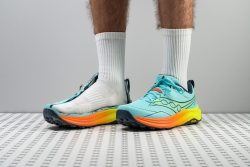
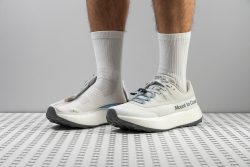
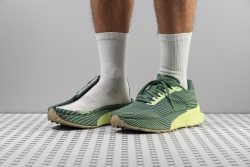
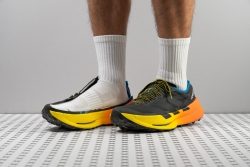
How we test gravel running shoes
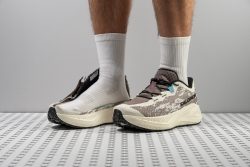
Gravel running shoes have quite some overlap with road-to-trail ones. Here, we try to highlight the similarities and the differences, so that you can understand what you actually need and how to find the shoes that fit your criteria. We’re able to do this thanks to our extensive field and lab tests.
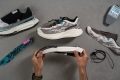
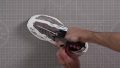
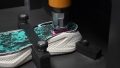
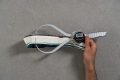
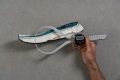
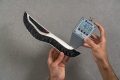
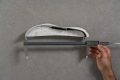
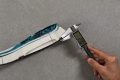
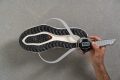
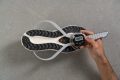
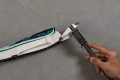
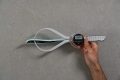
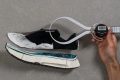
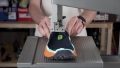
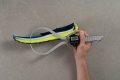
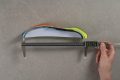
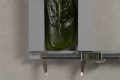
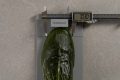
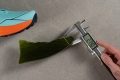
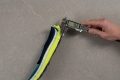
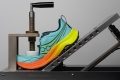
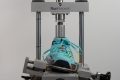
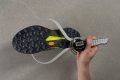
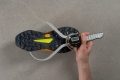
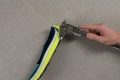
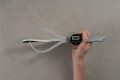
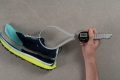
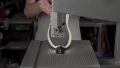
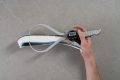
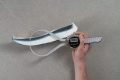
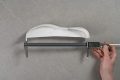
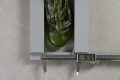
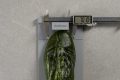
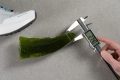
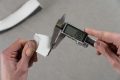
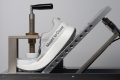
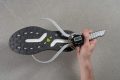
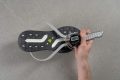
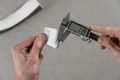
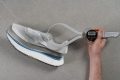
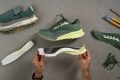
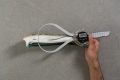
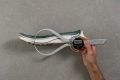
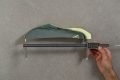
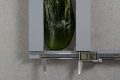
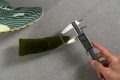
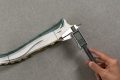
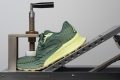
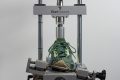
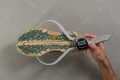
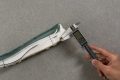
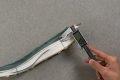
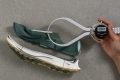
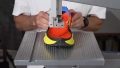
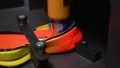
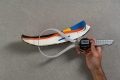
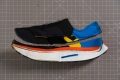
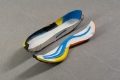
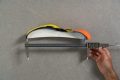
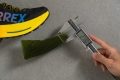
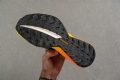
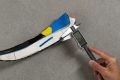
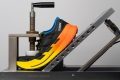
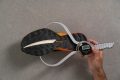
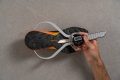
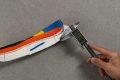
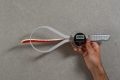
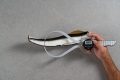
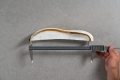
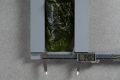
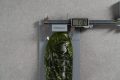
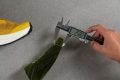
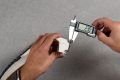
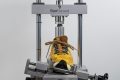
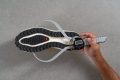
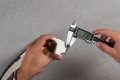
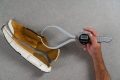
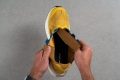
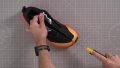
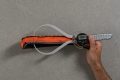
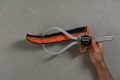
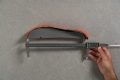
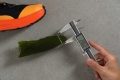
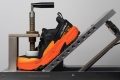
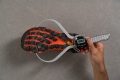
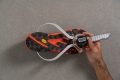
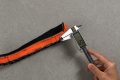
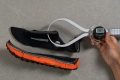
In the lab, we are especially interested in the traction (which we test following the SATRA TM144 methodology), lug depth (we use digital calipers on a shoe cut in half for the most accurate measurements), stiffness (we measure how much force is needed to bend the shoe to 30 degrees), and durability (gravel is harsh and the outsole needs to deliver).
We, of course, do all the other tests as well, and end up with more than 30 data points that describe each shoe. You can use this data to compare the shoes or to filter out those that are out of the question (e.g., with a heel drop higher than 8 mm, with low energy return if you love running fast, and so on).
Best gravel running shoes overall
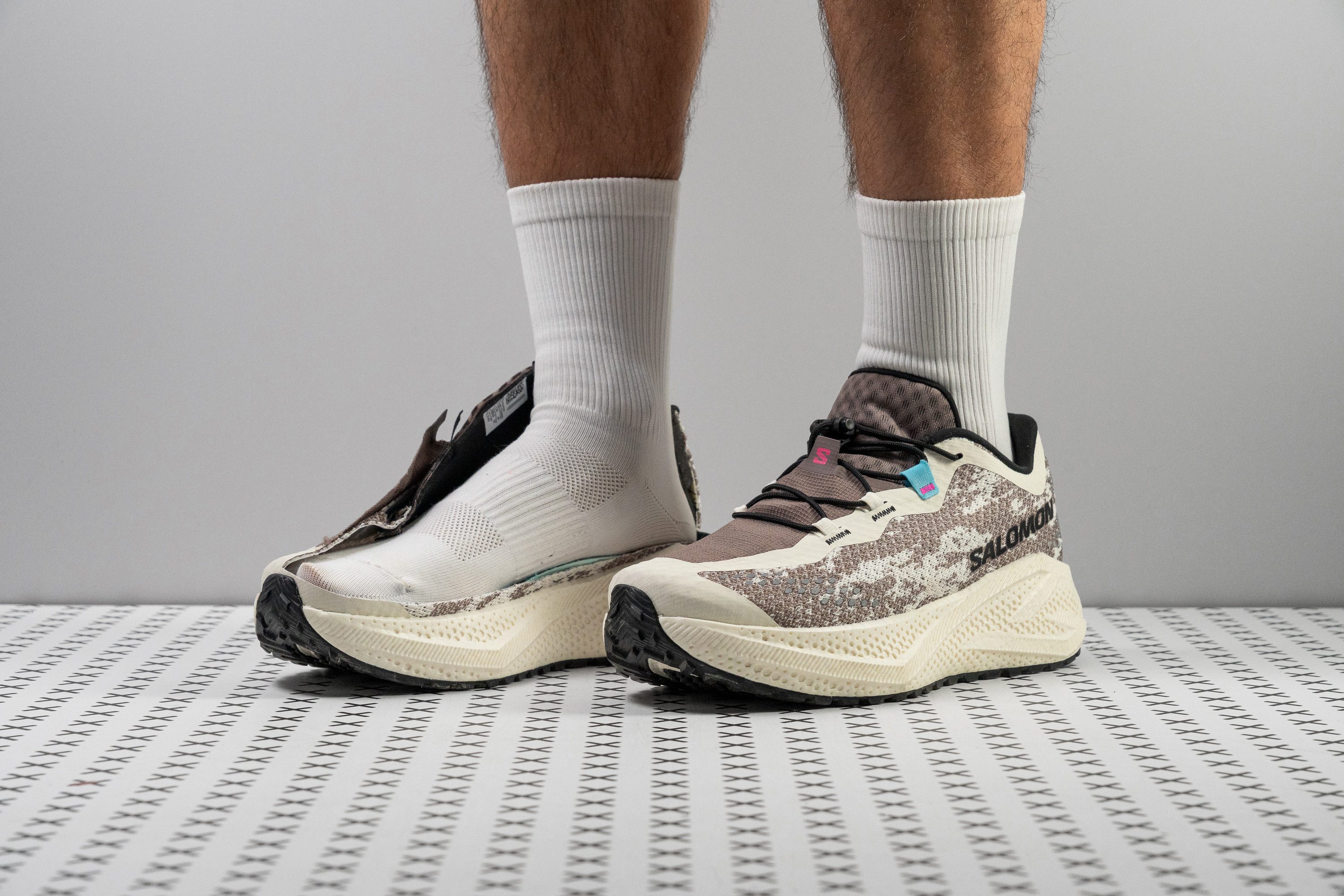
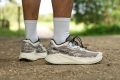

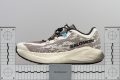
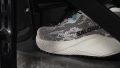
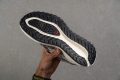
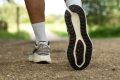
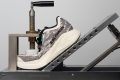
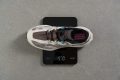


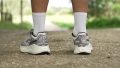


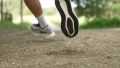

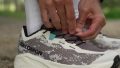
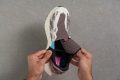
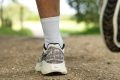
What makes it the best?
Pros
- Incredible energy return
- Ideal for long gravel runs or flat ultras
- Excellent road-to-trail versatility
- Stable despite maximalist stack height
- Outstanding outsole durability
- Perfect for winter running
- Smooth ride on paved surfaces too
- Terrific value for the performance
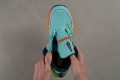
- Updated Quicklace Neo lacing system
Cons
- Fit can be a bit too snug
- Oversized tongue may bother some
- Hard to put on
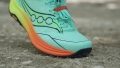
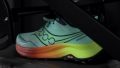
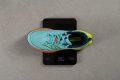
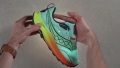
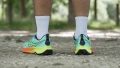
Most versatile gravel running shoes
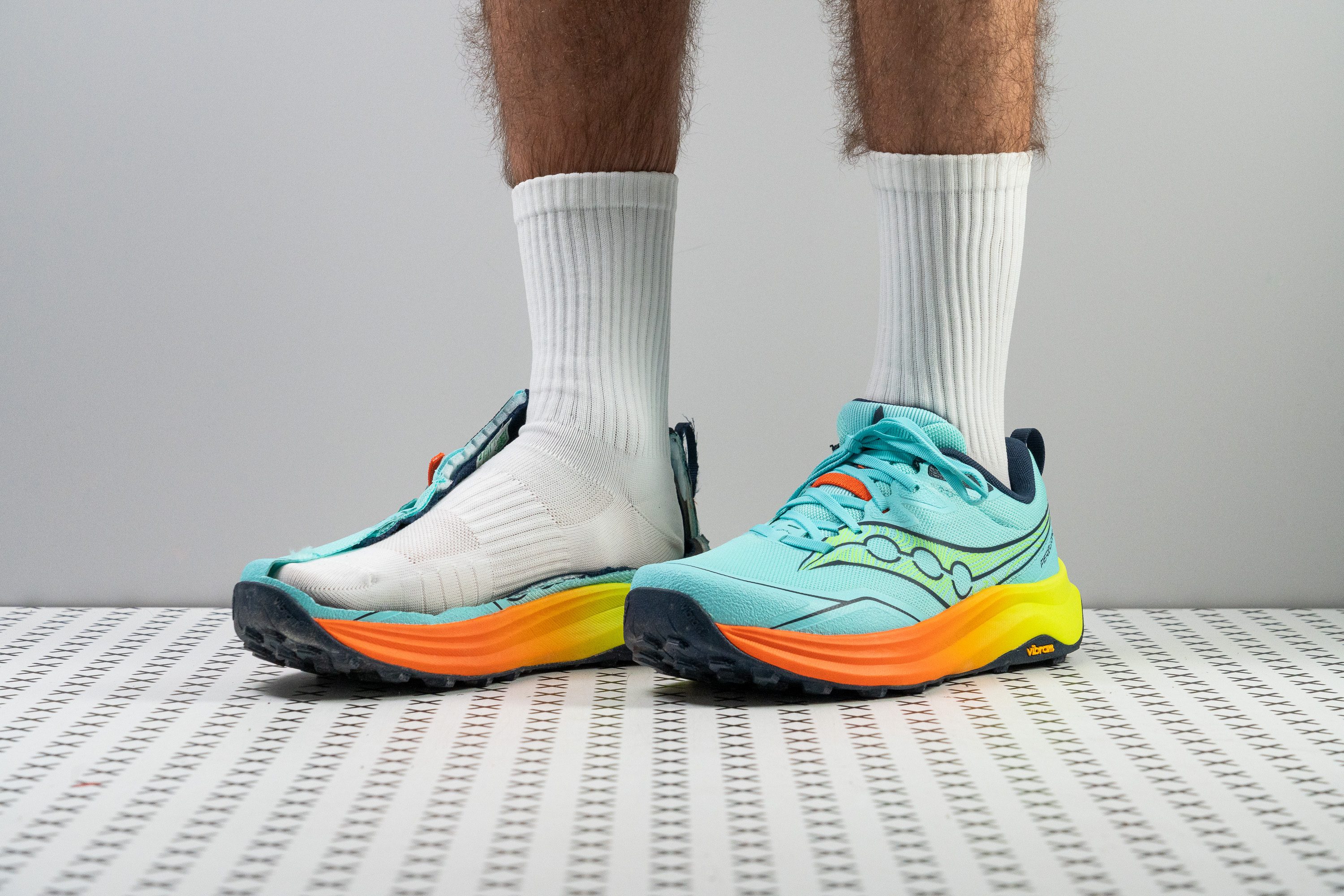






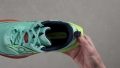
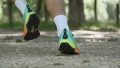


What makes it the most versatile?
Pros
- Vibram Megagrip is in da house
- Stable ride
- Secure, confidence-inspiring fit
- Dependable workhorse for trail training
- Better than before on gravel roads
- Can handle hiking with ease
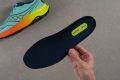
- Premium PWRRUN+ insole
- Comfortable foam
- Modern look
- Reasonable price
Cons
- Slight weight gain
- Tapered toebox
- Low drop limits appeal for some
Best lightweight gravel running shoes
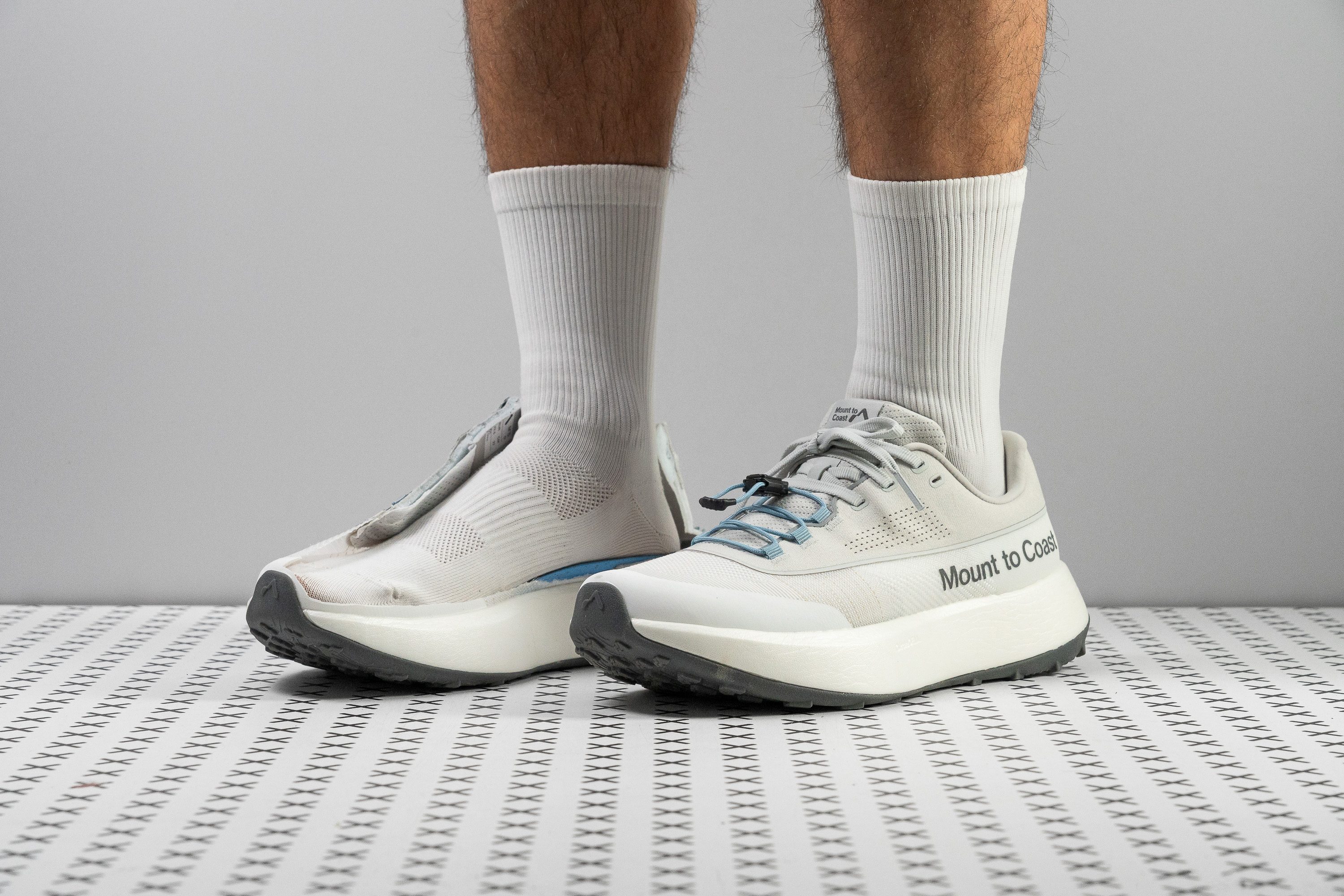

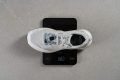


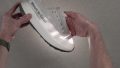
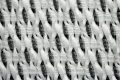

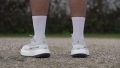







What makes it the best?
Pros
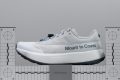
- Excellent gravel shoe
- Good grip on mixed terrain
- Very lightweight for being a trail shoe
- Premium-feeling upper
- Innovative lacing system
- Stable ride
- Balanced cushioning with good bounce
- Sustainable foam
- Fair price
Cons
- Tapered toebox limits toe splay
- Thin outsole may reduce longevity
- Toebox and outsole durability
Best gravel running shoes with carbon plates
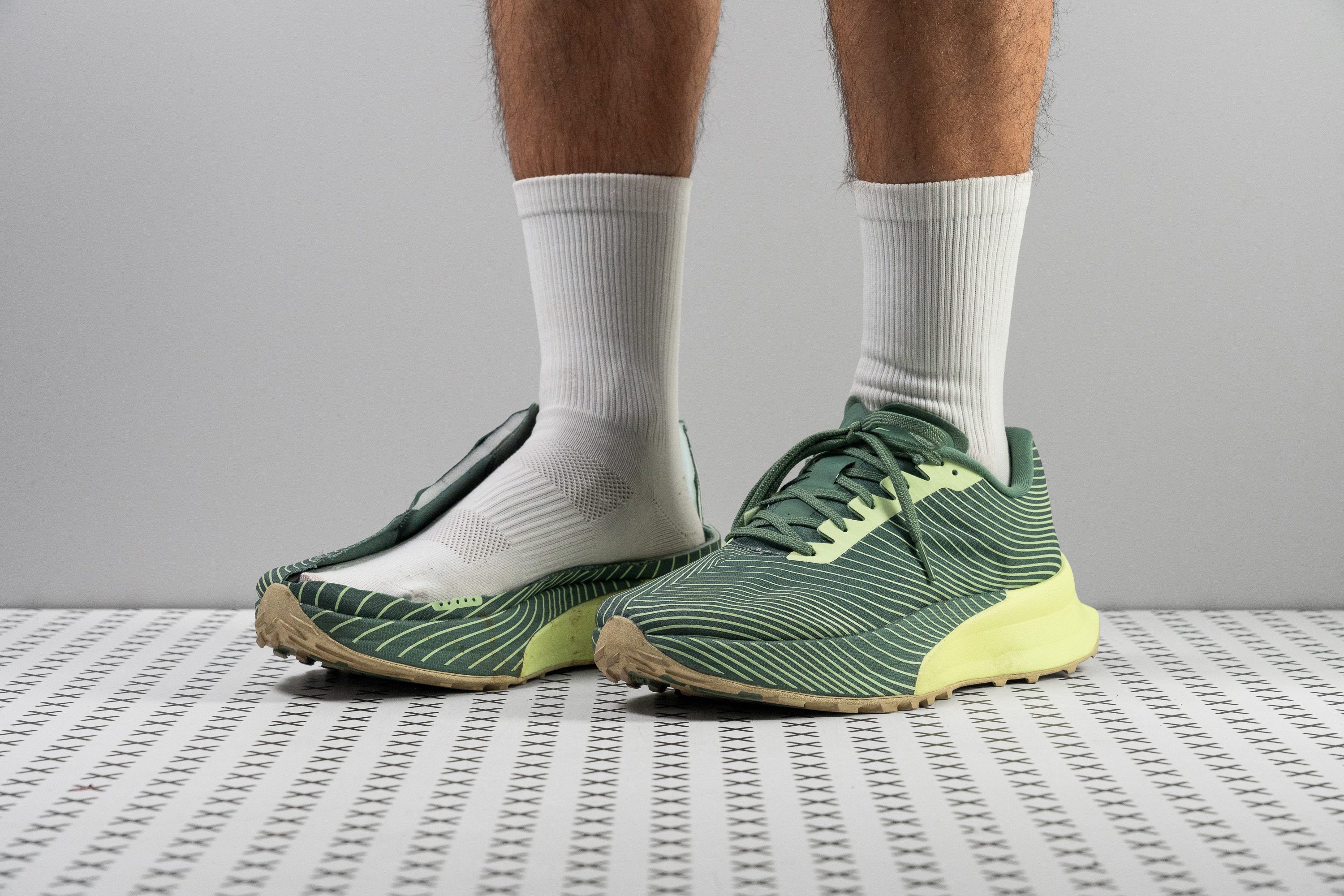
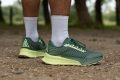
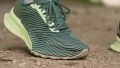
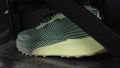
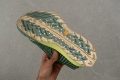
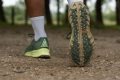
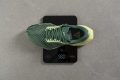

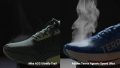
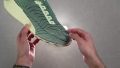
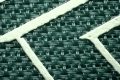
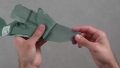

What makes it the best?
Pros
- Incredible energy return
- Excellent Vibram outsole
- More stable than expected
- Roomy fit
- Plush foam
- Great cold-weather performance
- Greatly improved over its predecessor
- Improved weight
- Comfortable upper
Cons
- High retail price
- Some may prefer a lower drop
- Lacks airflow for hot weather
- Shallow lugs limit versatility
Gravel running shoes with the best energy return
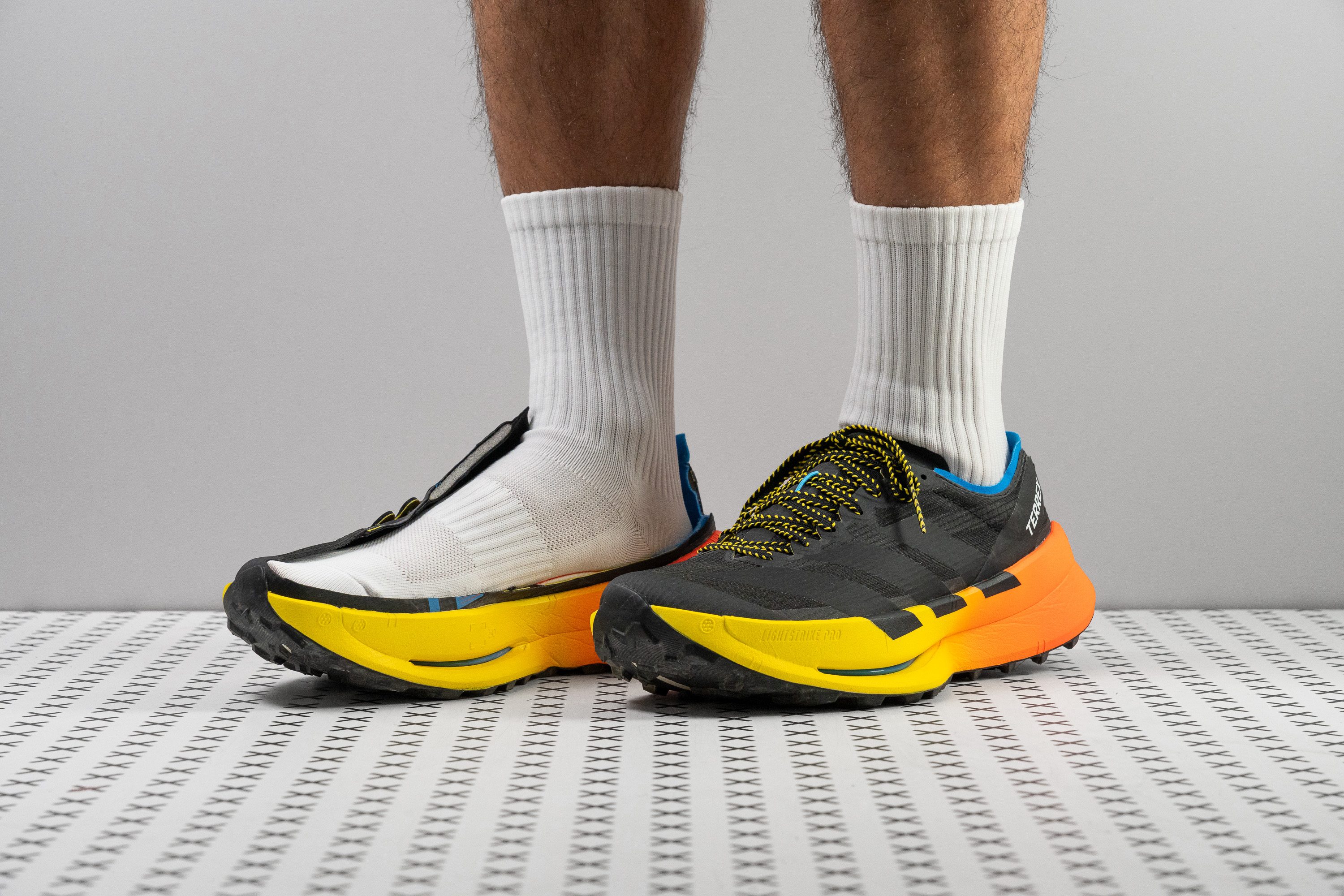
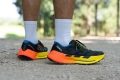
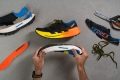
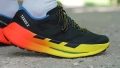
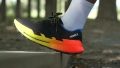
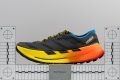

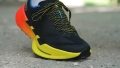
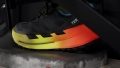



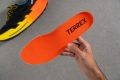

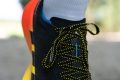
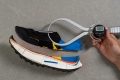
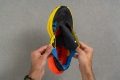

What makes it the best?
Pros
- Fast and bouncy ride
- Exceptional breathability
- Improved upper comfort compared to v1
- Stable forefoot platform
- Secure and tight fit
- Excellent Continental outsole
- Performs 10/10 on runnable trails
- Flexible and forgiving Energy Rods
- Tailored for midfoot and forefoot strikers
Cons
- Upper durability
- Poor choice for heel strikers
- Tapered toebox
- Expensive
Best value
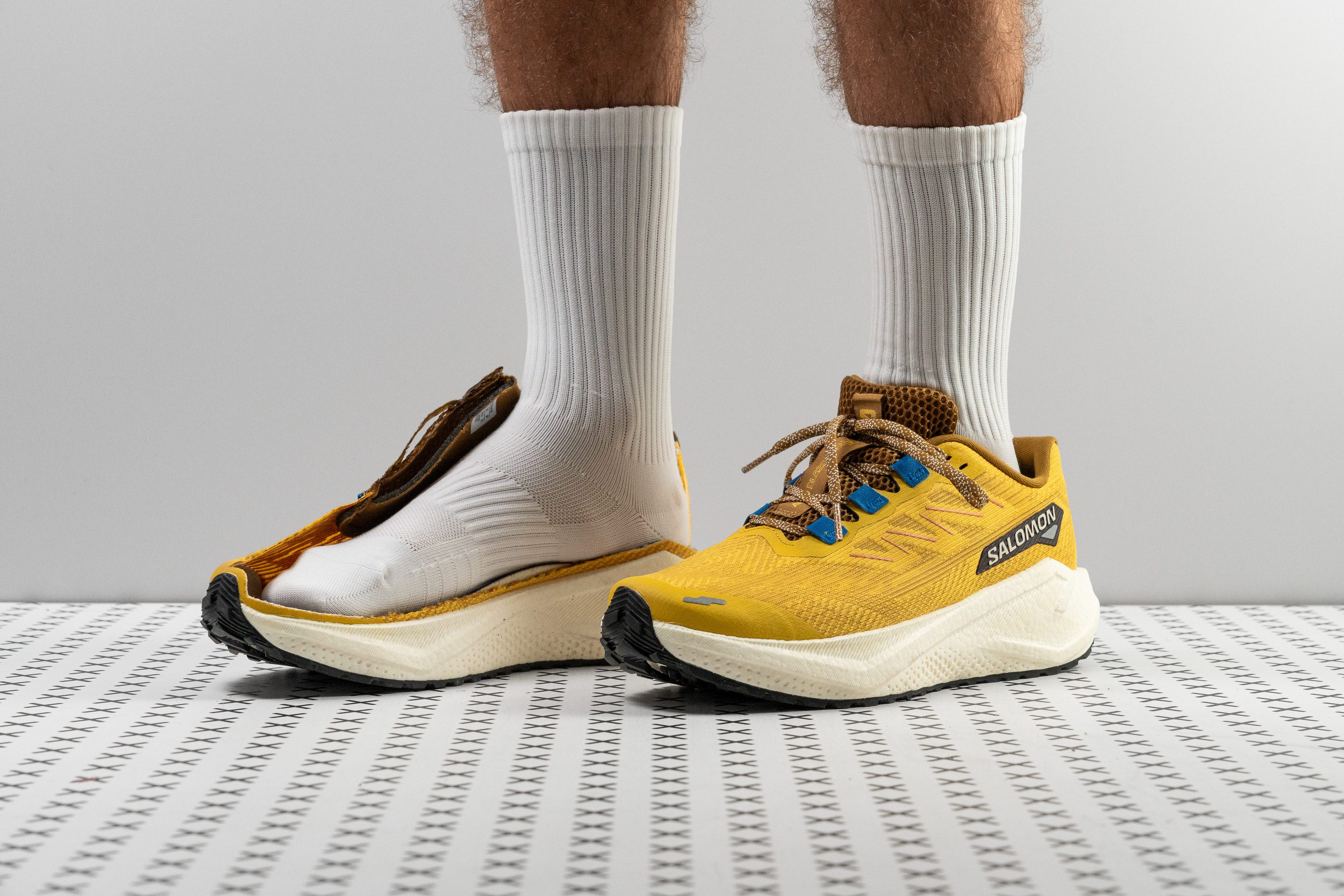

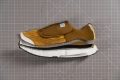
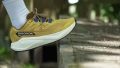
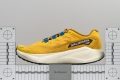

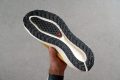
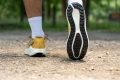
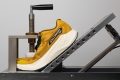
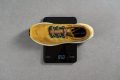




What makes it the best?
Pros
- Excellent energy return
- Lightweight build
- Versatile across asphalt, gravel and easy trails
- Snug fit offers secure lockdown
- Strong durability
- Very reasonable price
- Handles well cold temps
- Smooth rocker promotes easy transitions
- Works for all footstrikes
Cons
- Not for wide feet
- No gusseted tongue
- Firm midsole can feel harsh over distance
Best gravel running shoes for wide feet
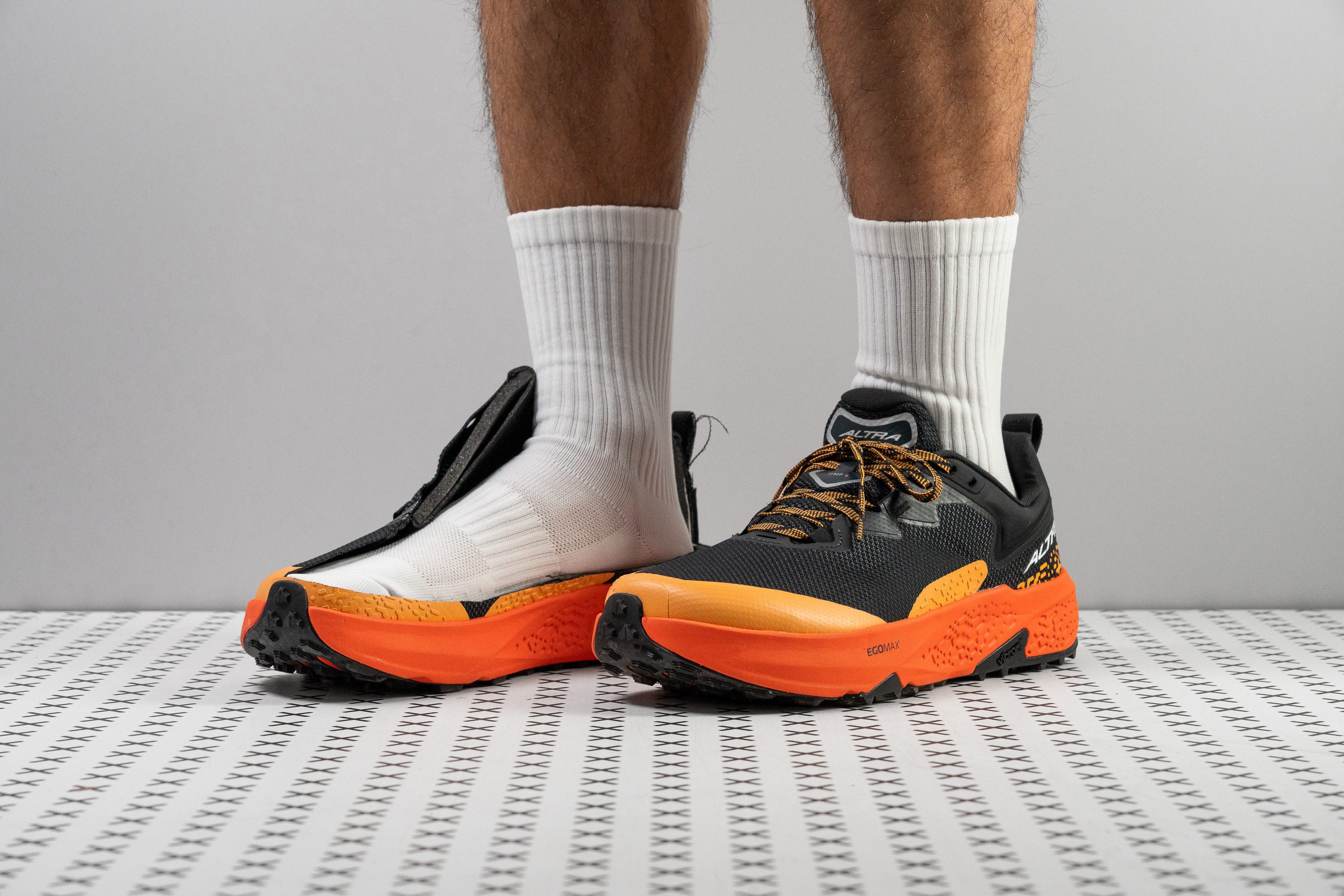


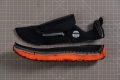
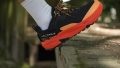
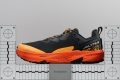

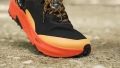
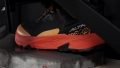
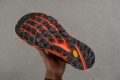
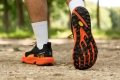

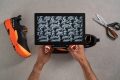
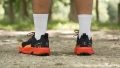

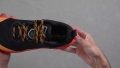
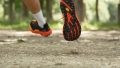


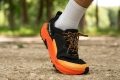
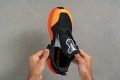
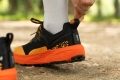
What makes it the best?
Pros
- Ideal for wide feet
- Vibram Megagrip outsole
- Improved and softer midsole foam
- Balanced cushioning with strong forefoot protection
- Highly breathable for year-round use
- Excellent toebox and outsole durability
- Roomier fit than previous Timps
- True zero-drop platform
- Flexible build
- More comfortable step-in feel
Cons
- Low heel stability
- Probably a bit overpriced
- Weight increase
- Not for narrow feet
The definition of gravel is… vague
We know what gravel is: a mixture of loose and small rock fragments that may vary in size. When it comes to gravel roads, the rocks are quite small because we run on the top layer and rarely encounter the bottom gravel layers used to build the road (usually 3 layers, with the bottom ones consisting of significantly larger rock fragments).

Then, we come to gravel running shoes. To avoid confusion, we need to clear the air:
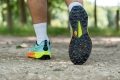
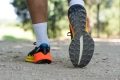
- Gravel running shoes are made for running on gravel. Together with gravel, you may also see fire roads, dirt roads, smooth dirt, or hard-packed roads mentioned when discussing gravel running shoes. These shoes need to be grippier, more durable, and more stable than road running shoes, given the constant stomping over (tiny) rocks.
- Road-to-trail running shoes need to do well on roads and trails. Because the features needed for roads and demanding trails differ so much, these shoes are usually best for easy trails only. Some also use the term hybrid to describe this type of shoe.
- The term is new, and it wasn’t really necessary, but brands didn’t think so, with Salomon even adding GRVL to the shoe names to ride the popularity wave and highlight the shoe’s purpose.
4 features of gravel running shoes
Given the big overlap with road-to-trail running shoes, there’s nothing insanely distinctive to cover here, but there are 3 features that one should pay attention to (or be aware of):
- Outsole durability: rocks are harsher than grass, mud, or asphalt. The outsole must be able to withstand the abuse. You can look at our lab data and find the shoes whose outsoles ended up with the shallowest dents after meeting the Dremel.
- Underfoot protection often reads as good shock absorption. Cushioned shoes feel great and, when packed with high shock absorption, they are more protective, especially on longer runs. However, if you’re familiar with stone bruising, you may want to consider shoes with rock plates. The point is, the midsole works both faces at once. On top, it absorbs what your body drives down into it. Underneath, it blunts what the ground drives up into it.
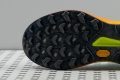
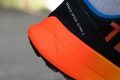
- Great grip. With traction, it’s straightforward: the higher the dynamic coefficient of traction (that we measure in the lab), the better. With lugs, it’s a different story, as the best gravel running shoes actually have shallow lugs.
- Stability. Tons of rocks below your feet, and every time you land on them, they may wiggle to settle better or to make room for your feet that are sinking in a bit. Gravel is a very uneven surface, and the shoe’s platform needs to be stable enough to compensate for all the wobbling without tiring your feet prematurely.
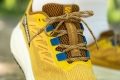
- Preventing the debris from entering your shoes could be the icing on the cake. Some shoes come with higher heel collars; others are equipped with gaiter attachments (you’d have to buy the gaiters, though). While it may seem like a tiny thing, when running longer distances, it can become very bothersome to stop every few hundred meters to take crushed stones out of your shoes.
Most durable outsoles in gravel running shoes
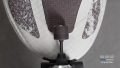
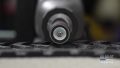
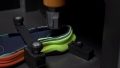
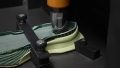
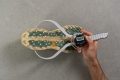
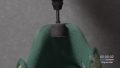
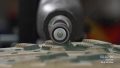
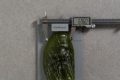
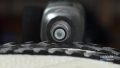
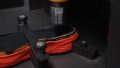
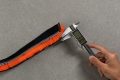
Gravel is abrasive. We need to know that the outsoles you’ve got are up for the task. In the lab, we discover this by performing a durability test. We use a Dremel and intentionally damage the outsole.
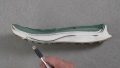
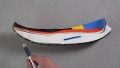
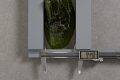
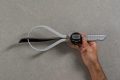
Once done, we use a tire tread gauge to measure how deep the dent is. The deeper the dent, the less durable the outsole.

When it comes to durability, this is not the only test we do. We also perform the test on the toebox and on the heel padding. Except in those cases, we can’t use a tire tread gauge because the material is not as hard as rubber, so we assess the damage on a 1-5 scale, where 5 is the most durable. If this interests you as well, look no further:
Finding good shock absorption in gravel running shoes
We need to talk about good impact protection and that’s shock absorption. It tells us how good the midsole is at absorbing the impact forces because the better it is at that job, the less stress is sent to your legs.
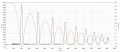
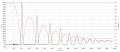
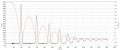
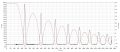
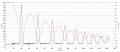
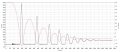
In the lab, we perform a test that gives us the energy return and shock absorption numbers at the same time. Naturally, the higher the numbers (on both tests), the better!
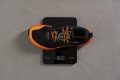
For context, the best shock absorption sits at 130 SA or higher. When it comes to energy return, we consider it high when it scores 65% or above.
Stop the stone bruising: rock plates
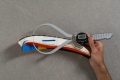
Your leg might be just fine after running on gravel, especially if it’s fine gravel, and you have well-cushioned running shoes. However, some runners prefer extra safety and want rock plates. Well, why not?
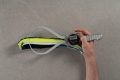
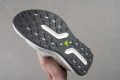
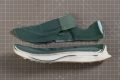
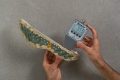
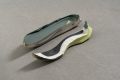
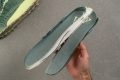
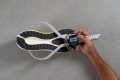
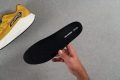
Not all plates are easy to spot like this one (above), especially when they are embedded between the midsole and the outsole, and not even full length. Because of this, Saucony added a few holes to the outsole to make it visible (the rubber outsole is black; the plate is light).

If this is your cup of tea, you can filter for shoes with rock plates on our gravel catalog page.
Don’t look for very deep lugs for running on gravel roads
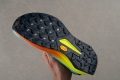
The thing with the lugs and the grip is that many often think “the deeper, the better”. Not in this case. Very deep lugs would simply get too deep into the gravel and make the running harder. Not to mention, running shoes with very deep lugs (like mud shoes, for example) have outsoles made of very sticky rubber, which can be quite soft. Soft rubber and harsh crushed stones are a highway to premature disposal of running shoes.

If we look at some of the highest-scoring gravel shoes in our lab, their lug depth is actually not as high as you may have expected.

As a bonus, we perform a traction test.
Now, this test is done on wet concrete. Wet concrete has nothing in common with gravel when we look at them as running surfaces; however, the traction test does give us a coefficient of friction. Given that the test is standardized, meaning that all the shoes are treated the same, using the same forces, angles, water, and so on, the test tells us which outsoles simply offer better traction than others.
A stable ride is a must in gravel running shoes
When it comes to stability, we have to look at the width of the platform. Given that we want good cushioning (shock absorption), that means that the gravel shoes can’t be minimalist or barefoot (except for those very rare enthusiasts). High stack often means instability, and there are a few ways to deal with that: make the platform wider, the foam firmer, or add a plate.

If you love those planted landings, we recommend looking for wider platforms. Below, we actually list the widest of them among gravel running shoes.
Looking at the midsole softness, as mentioned earlier, very soft midsoles can also be unstable/wobbly. How soft foam actually works depends on other things as well. The shoes that scored highest for gravel running have midsoles that are balanced to firm. Not soft.

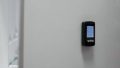
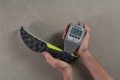
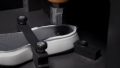
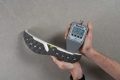
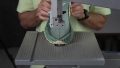
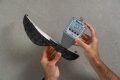
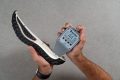
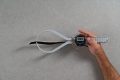
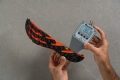
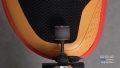
The higher the number on the digital display of the durometer, the firmer the midsole.
Last but not least, while testing the shoes outside the lab, we always assess the lateral stability in person and report on that in our reviews.
Rocks should not enter your gravel shoes
There are a few ways to ensure no debris (or as small amounts as possible) gets into your shoes:
- High heel collar
- Gaiter around the heel
- Having specific attachments for locking the gaiters in place
- Even gusseted tongues help.

We always report on the gusset type in our reviews, so you don’t have to.
Similar buying guides