6 Most Durable Hiking Shoes in 2026

We buy shoes ourselves. We earn commissions when you buy through us, at no extra cost. Why trust us
Durability is a very important topic, and it feels like it’s even more important in hiking than, say, jogging or walking. Hiking shoes falling apart, an upper rupturing, or any other similar event is an inconvenience when you’re walking around the city, but a quite dangerous thing to happen if you’re somewhere 10,000 ft high or in the middle of the forest, on a very steep, technical trail covered with sharp rocks and roots.
On top of that, we all want to know whether the money we’re investing in a pair of hiking shoes is worth it! That’s where our lab comes in; thanks to the extensive testing, we can proudly highlight hiking shoes that have performed the best on the durability tests and the trails.
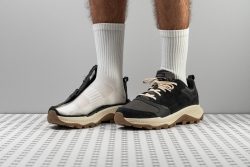
How we test Most durable hiking shoes
We run an independent shoe lab, which allows us to test all the shoes in the same way (standardized testing) and publish unbiased results. Brands don’t dictate what we write and publish; it’s all about the shoe and how it performs, be it in the lab or on the trails.
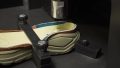
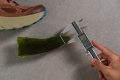
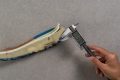
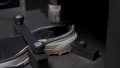
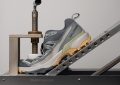
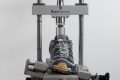
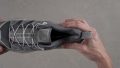
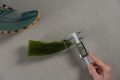
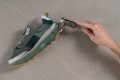
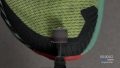
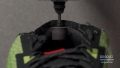
We buy hiking shoes with our own money and cut them in half and into pieces so that we can measure their durability and other features like traction, shock absorption, stiffness, lug thickness, etc. We do all of that at constant temperature and humidity levels. This is important because you may wonder whether a leather upper and a mesh upper perform the same in durability tests at different temperatures or humidity levels. The pressure we apply to the shoe with a Dremel, the rotational speed, and the test duration are the same for all hiking shoes. This makes our tests comparable across the whole category.
Once done with testing, we publish hiking shoe reviews and all the lab data. Hiking shoes that have scored the highest are selected as best picks in various categories.
Best durable hiking shoes overall

















What makes it the best?
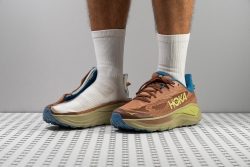
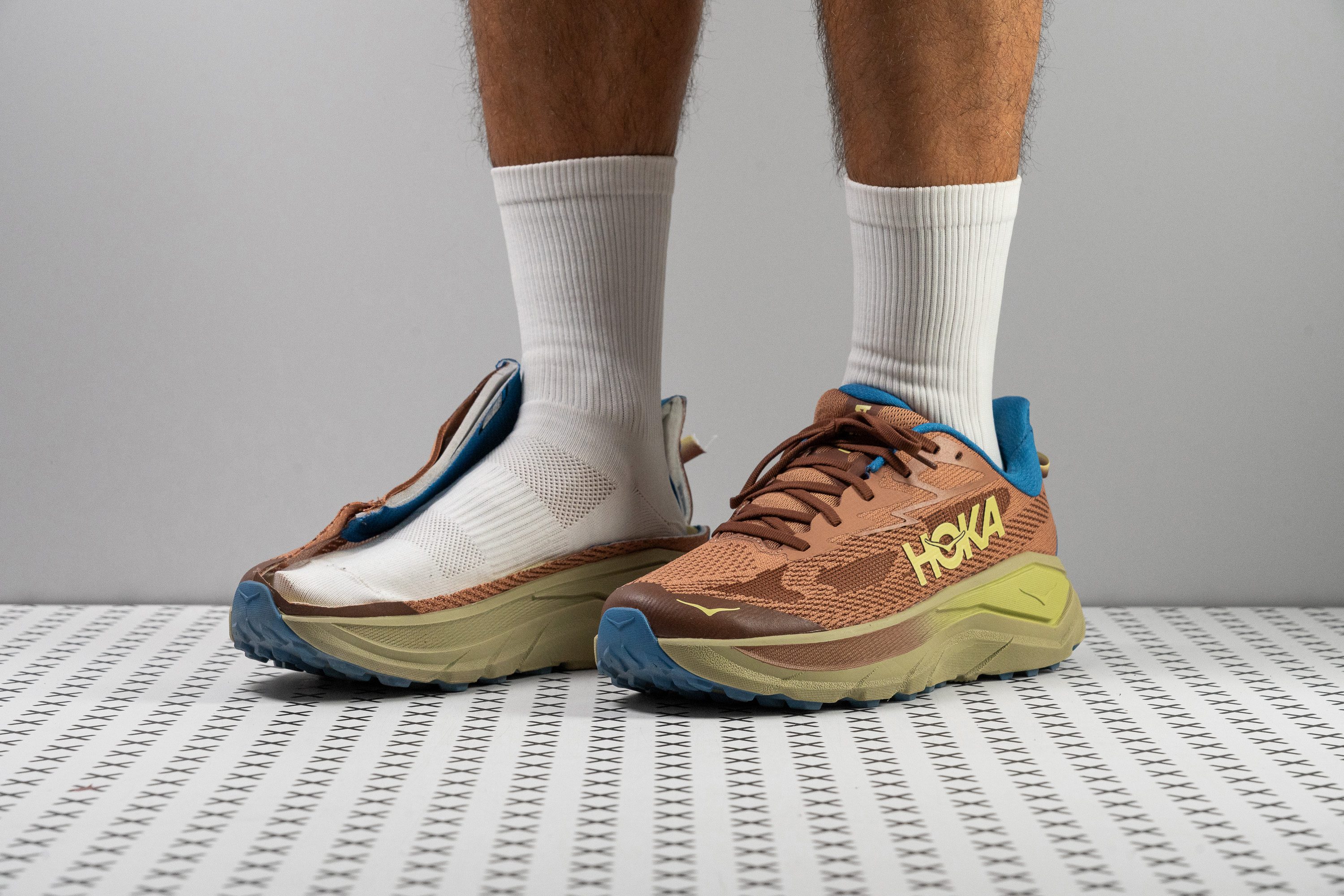
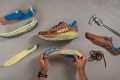
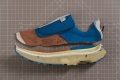
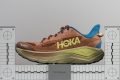
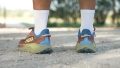
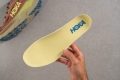
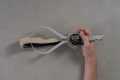
We took apart the best durable hiking shoes in the lab and extensively tested them outdoors to find the cream of the crop, and the HOKA Challenger 8 emerged as the winner overall. With its adaptive nature, dreamy cushioning, and all-around sturdy build, we felt confident exploring new terrain.
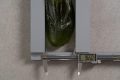
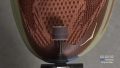
Challenger 8 proved exceptionally durable on the trail—the outsole showed only 0.6 mm of wear in our abrasion test, while the reinforced toebox and inner lining earned strong 4/5 and 5/5 durability ratings, respectively, offering reliable protection and resilience in rugged conditions.
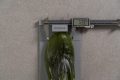
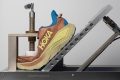
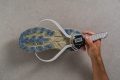
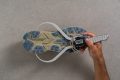
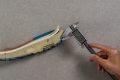
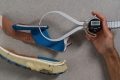
We didn’t know we were stepping on rocks until we saw them ourselves. The Challenger 8 features a thick slab of foam beneath our feet, measuring 40.2/30.1 mm per our caliper. Besides its height, it offers softer landings, as evidenced by its fantastic shock absorption score of 152 SA at the heel.
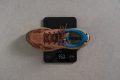
Given all the cushioning and sturdy construction, its light 9.5 oz (269g) build was a pleasant surprise. Staying 28% below average, it’s easy to maneuver the shoe, along with its highly flexible midsole, which emerged 35% more pliable than average in our bend test.
However, the ultra-thick midsole takes away terrain feel, which may be a turn-off for some hikers. Those who want a closer connection to the surface for better stability should look elsewhere.
Pros
- Excellent cushioning with improved SA
- Flexible for a max-stack trail shoe
- Roomier than before
- Impressive durability
- Fantastic breathability
- Better suited for heel strikers
- Great stability for heel strikers
- Redesigned lugs for better grip
- Ideal for gravel
Cons
- Outdated CMEVA foam
- Slightly heavier than version 7
- Price increase
- Non-gusseted tongue
Most versatile durable hiking shoes














What makes it the best?
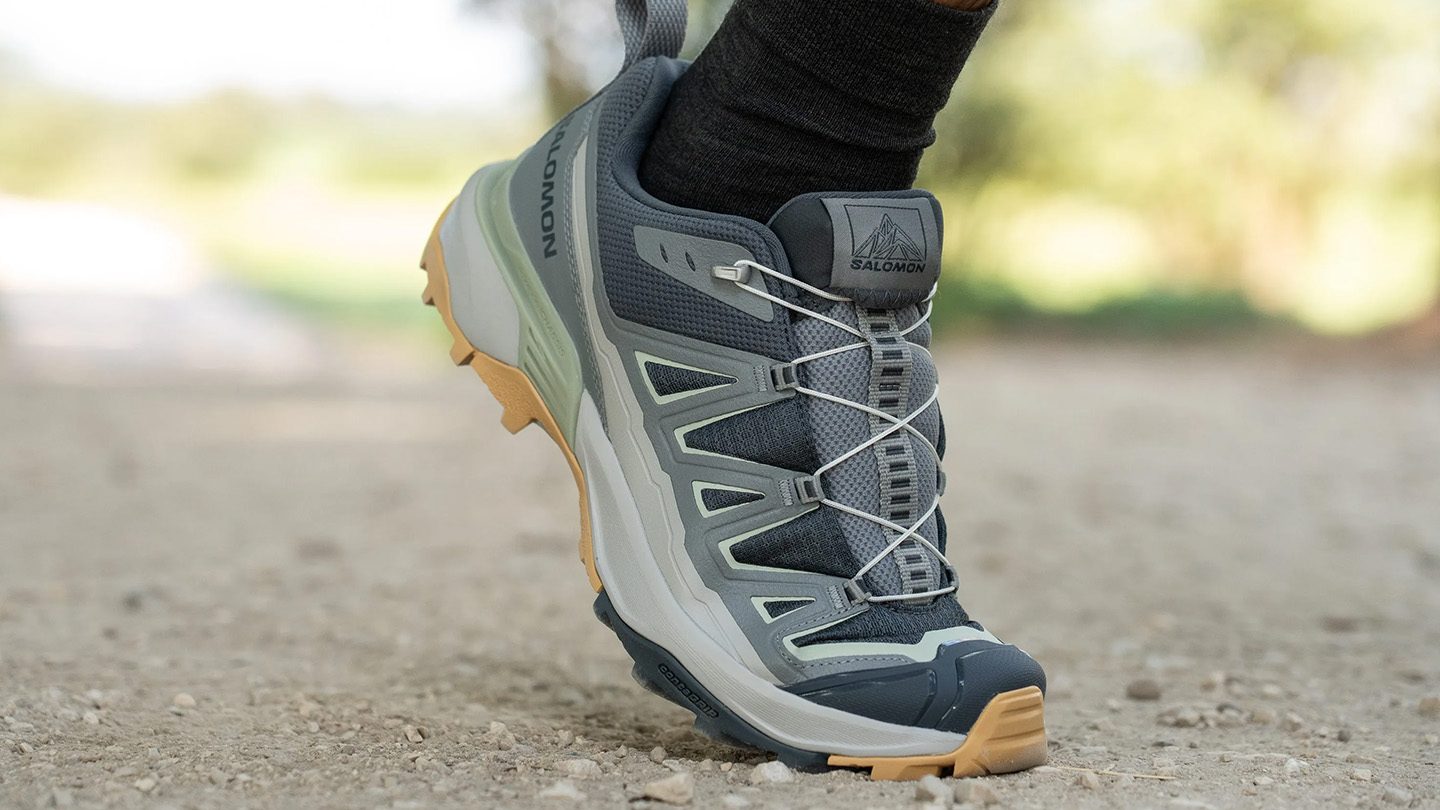
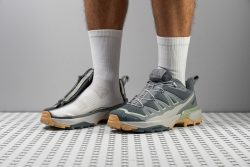
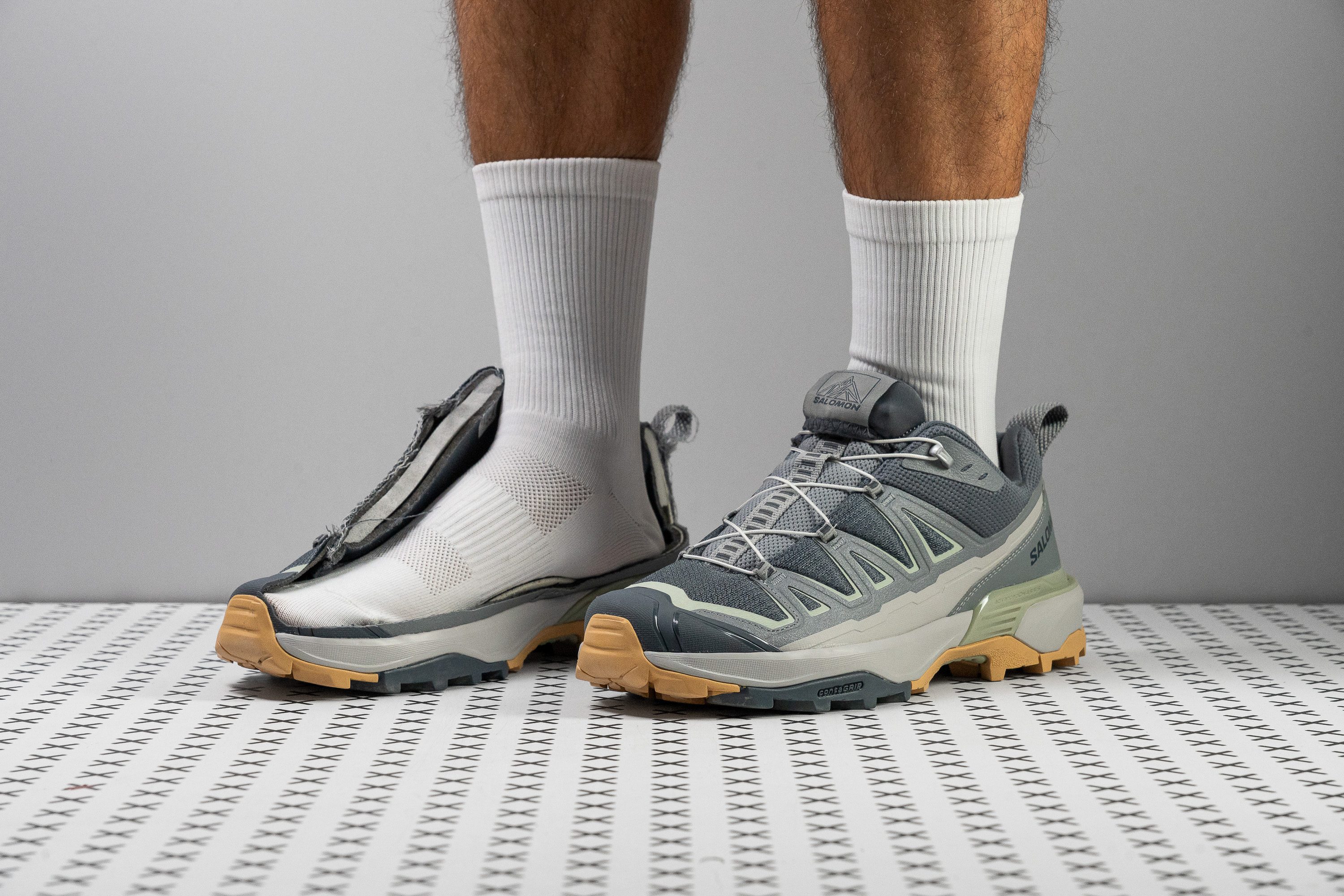
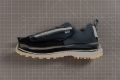
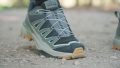
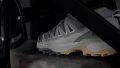
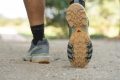
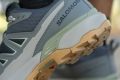
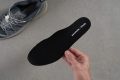
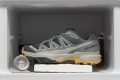
The Salomon X Ultra 360 Edge offers a bit of everything: comfort for casual wear, unwavering support for daily use, and a sturdy build for conquering the trails. We enjoyed how easy it was to move from the city to beaten paths, making the X Ultra 360 Edge our best versatile, durable hiking shoe in the lab.
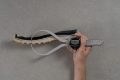
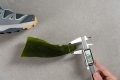
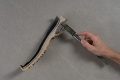
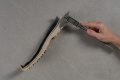
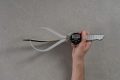
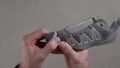
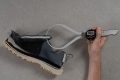
This pair offers heightened trail awareness through its minimal cushion, confirmed by our caliper at 29.1/18.9 mm. Besides enhanced stability, its lower profile leads to high flexibility. In our bend test, it emerged 16% more malleable than average. This result indicates versatility for other activities, maneuverability on the trails, and comfort for prolonged use.
In the midsole, we found the AdvancedChassis technology, which is present in the midfoot all the way to the heel to create a steady and centered ride. Moreover, the All Terrain Contagrip showed a strong traction result of 0.56 in our lab test, along with 4.5 mm lugs that can handle both soft and hard-packed terrain well.
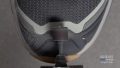
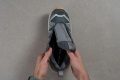
As we observed the upper, we found a tough toe bumper and synthetic overlays that make the upper more wear-resistant. True enough, our Dremel had minimal effect, and it reached a high 4/5 in toebox durability.
However, the rigid upper and toe bumper leaves little room for expansion. We felt in our treks and verified in the lab that the toebox has a snug fit. Those who prefer a more relaxed feel should look elsewhere.
Pros
- Grounded and trail-connected
- Great lateral stability and support
- Fantastic traction on various terrains
- Excellent wear-resistance and durability
- Easy fit regulation with Quicklace
- Generously padded upper
Cons
- Not much shock absorption
- Not for wide feet
- Gets even firmer in cold
- Dries slowly
Durable hiking shoes with the best shock absorption

















What makes it the best?
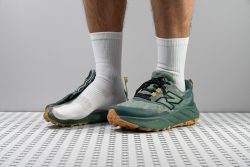
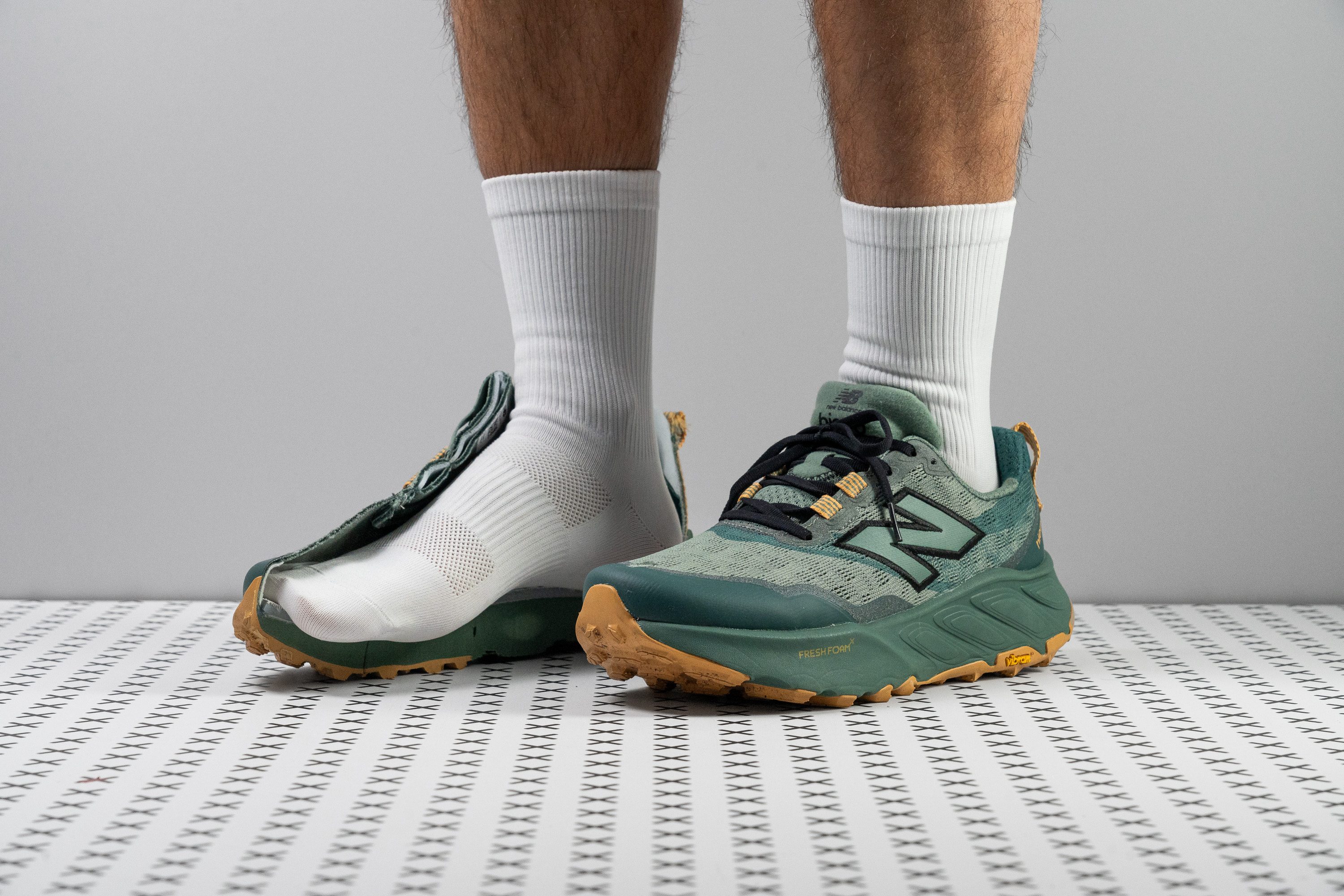
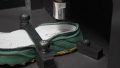
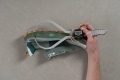
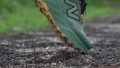
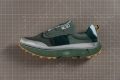
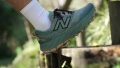
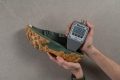
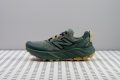
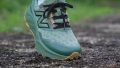
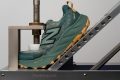
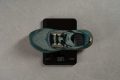
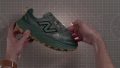
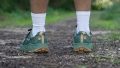
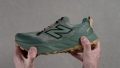
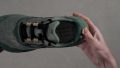
The New Balance Fresh Foam X Hierro v9 is equipped with leg-saving cushioning, grippy Vibram Megagrip rubber, and a rugged build that makes it ready for whatever our off-road adventures bring. Backed up by lab tests and felt best by our feet, Hierro v9 offers the best shock absorption among durable hiking shoes.
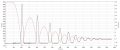
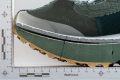
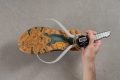
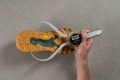
We knew we had a thick buffer between our feet and the ground, and measured the massive stack height at 37.3/33.1 mm. It erased any trace of the ground and protected us from debris. Our joints felt good even towards the end of the day because the cushion offers exceptional impact protection, with an above-average shock absorption score of 131 SA in the heel.
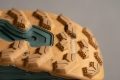
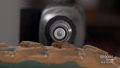
The Vibram Megagrip displays reliable traction across various terrains, with the 3.3 mm Traction Lugs showing strong bite and control in loose gravel and light mud. It also proves its resilience in our Dremel test by showing a minimal 0.9 mm dent. Even the toebox shows strong wear resistance with its high 4/5 rating.
However, the midsole is stiff in all directions, which makes it less suited for easy and relaxed treks. Those who prefer more fluidity should skip this pair.
Pros
- So much foam underfoot!
- Vibram Megagrip outsole
- Improved Fresh Foam X midsole
- Surprisingly stable
- Amazing durability
- Ideal for long distances
- Available in multiple widths
- Good quality materials
- Excellent for forefoot and midfoot strikers
Cons
- Not the roomiest fit
- Heavier than before
- Lost its flexible nature
- Low drop won't suit everyone
Best durable hiking shoes for wide feet













What makes it the best?
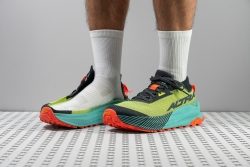
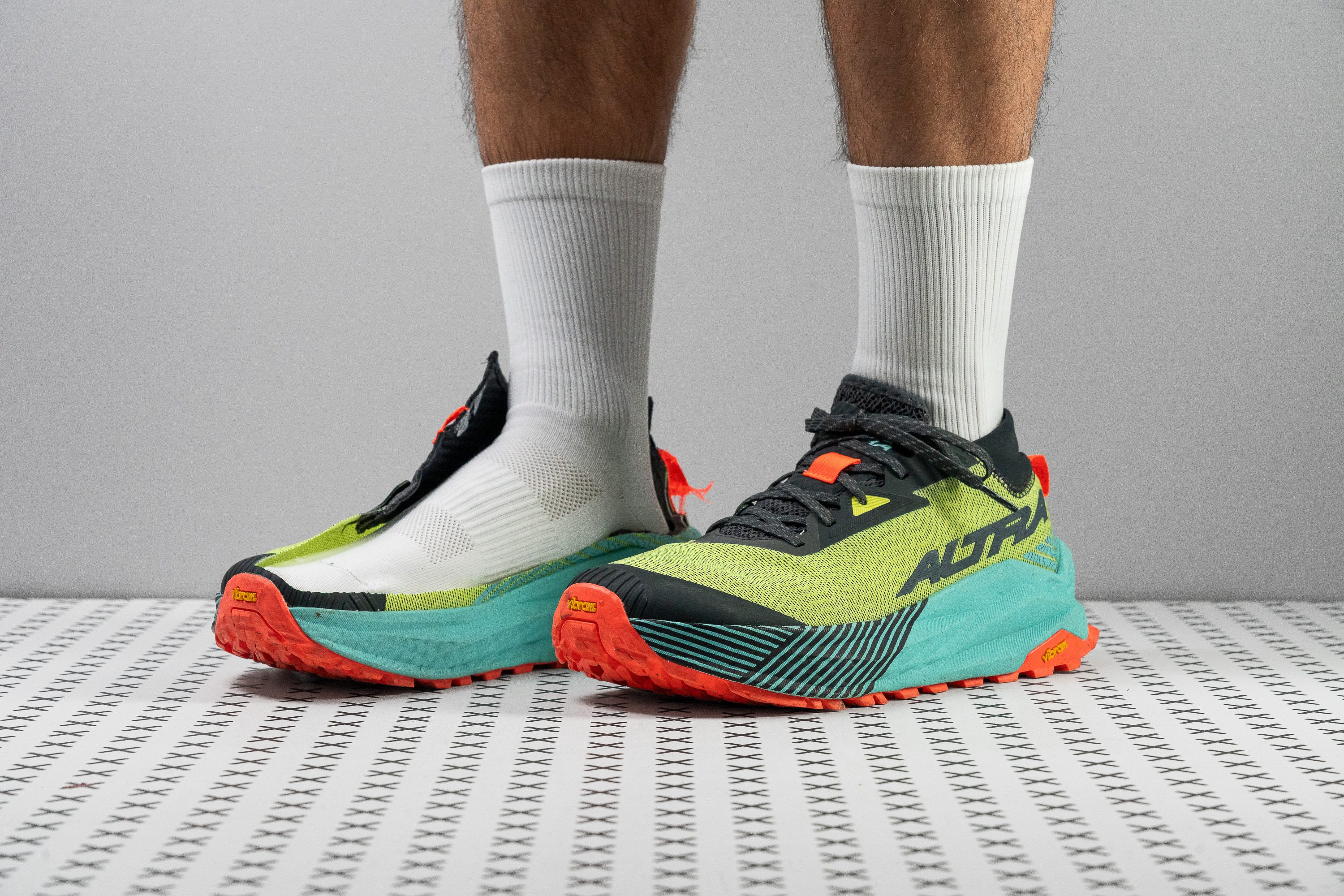
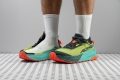
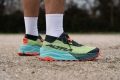
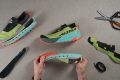
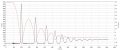
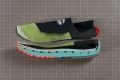
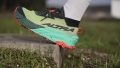
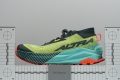
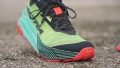
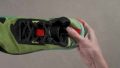
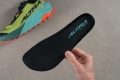
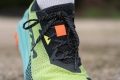
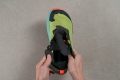
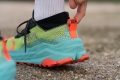
The Altra Olympus 275 has a flexible and spacious build that shows its commitment to comfort for long hikes. It does so without compromising traction and top-to-bottom wear resistance, as we witness its exceptional performance in our lab’s abrasion tests. Among durable hiking shoes, it’s our top pick for wide feet.
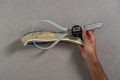
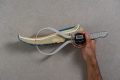
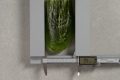
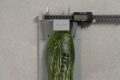
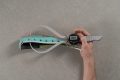
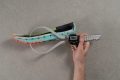
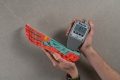
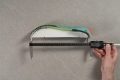
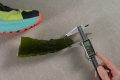
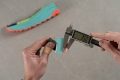
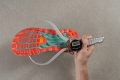
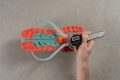
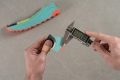
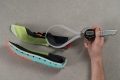
We used a gel mold to replicate the shoe and accurately measure its dimensions. At the widest part, it measures 100.1 mm vs. the 95.7 mm average, making even those with broad feet feel at home. It also maintains its relaxed fit even if our feet swell after hours of trekking.
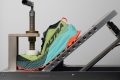
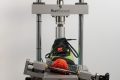
We could tackle various terrains with confidence since the Vibram Megagrip outsole and 3.5 mm lugs deliver reliable grip, backed up by its strong 0.63 traction result. It’s also very sturdy, as our Dremel damages it by only 0.5 mm, 44% less than average. Moreover, the toebox proved its wear resistance with a high 4/5 durability score.
Thankfully, this pair bends seamlessly with our feet, as demonstrated by our flex test, which showed 5% higher pliability than average.
With a low 0.3 mm heel-to-toe drop, we find that the Olympus 275 isn’t the best fit for people prone to calf or Achilles tendon issues. We recommend trying out mid-drop shoes first before diving into the zero-drop world.
Pros
- Much lighter than Olympus 6
- Extremely stable
- True zero-drop platform
- Very wide toebox
- Excellent MATRYX upper
- World-class Vibram Outsole
- Solid durability overall
- Ideal for flat and easy trails
Cons
- Still a heavy shoe
- CMEVA foams needs an improvement
- Not for narrow feet
- Limited versatility
Durable hiking shoes with the best stability





















What makes it the best?
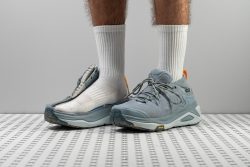
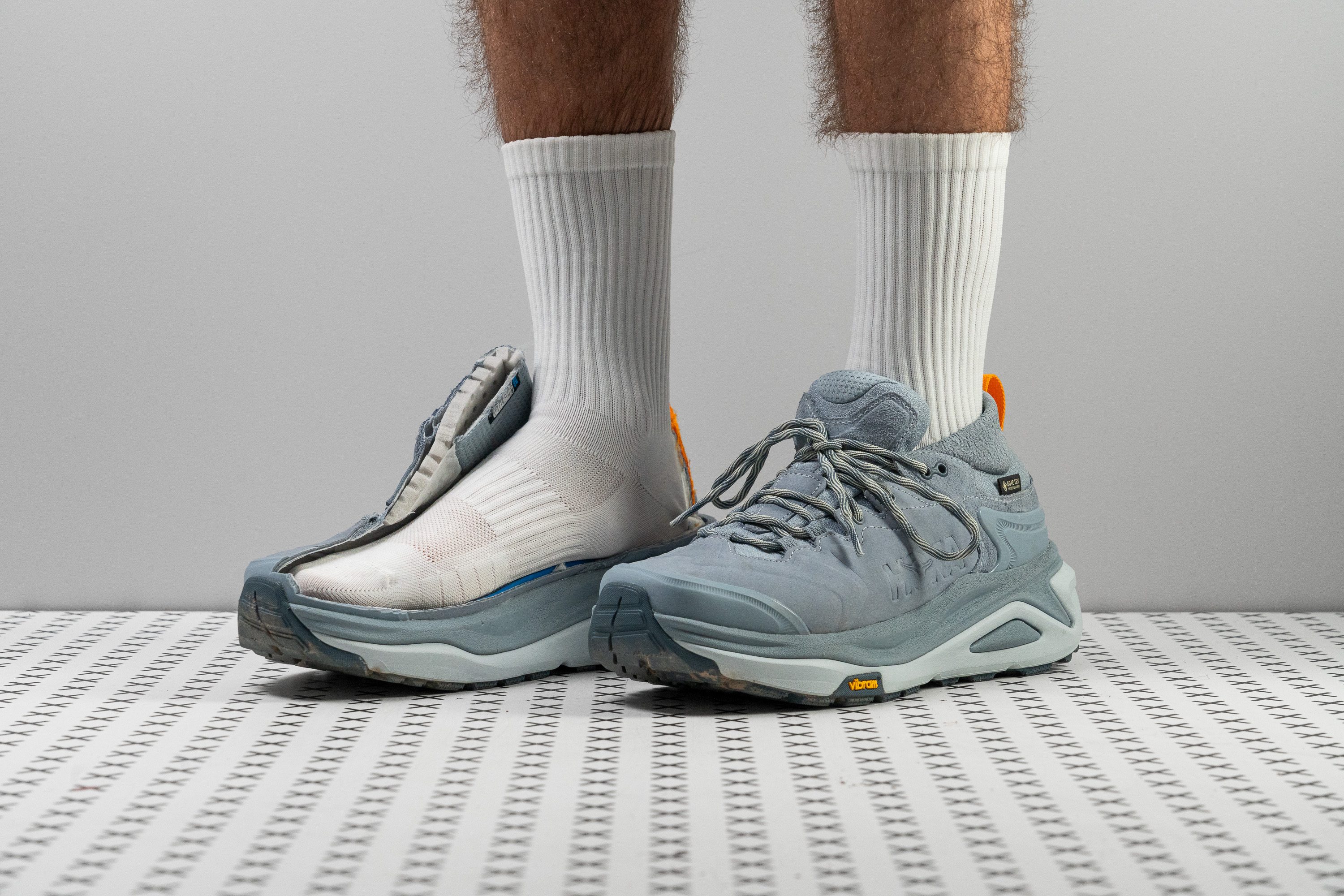
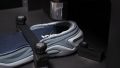
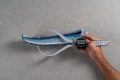
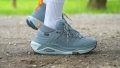
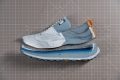
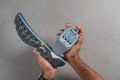
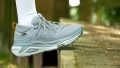
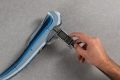
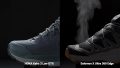
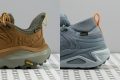
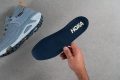
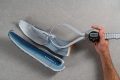
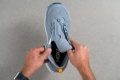
The HOKA Kaha 3 Low GTX proved to be steady and sturdy, both in our treks and lab assessment. It delivers all-around wear resistance and unwavering support through its broad base and rigid construction, delivering the best stability among durable hiking shoes.
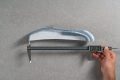
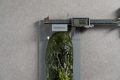
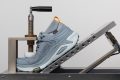
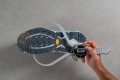
We had no worries about rolling our ankles or spilling over because the shoe’s massive platform gave a well-planted feeling. Our readings show its base is 117.4/104.6 mm vs. the 112.0/88.2 mm average hiking shoe. Additionally, its high level of torsional rigidity delivers excellent lateral support, needing a staggering 60% higher torque to twist compared to the average.
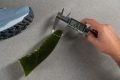
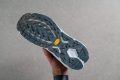
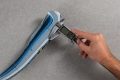
The outsole features the Vibram Megagrip compound, ensuring protection from wear and slips. Our Dremel only managed to shave off 0.6 mm of rubber, cementing its longevity. It includes a badass mix of chevron and blocky 3.7 mm lugs that grip all terrains effectively, ensuring we can fully enjoy various trails without slipping. In our traction test, it also posted a 0.84 friction score, 25% above average.
Even the toebox and heel padding performed well in our abrasion test, exceeding their respective averages with durability scores of 4/5 and 5/5, respectively. We had no worries about encountering accidental toe stubs or slashes since the shoe won’t break down easily.
However, its top-notch protection comes at the expense of weight. At 16.4 oz (465g), it’s 24% heavier than average and feels too bulky for relaxed treks or speedy thru-hikes.
Pros
- Great shock absorption for long hikes
- Massive buffer from the trail
- Boot-like stability for backpacking
- Heavenly comfortable step-in feel
- Amazing grip on wet, mixed and hilly terrain
- New form-fitting collar design
- Premium-level durability
Cons
- Much heavier than average
- Too chunky and blocky for rocky trails
- Not breathable
Best budget durable hiking shoes
















What makes it the best?
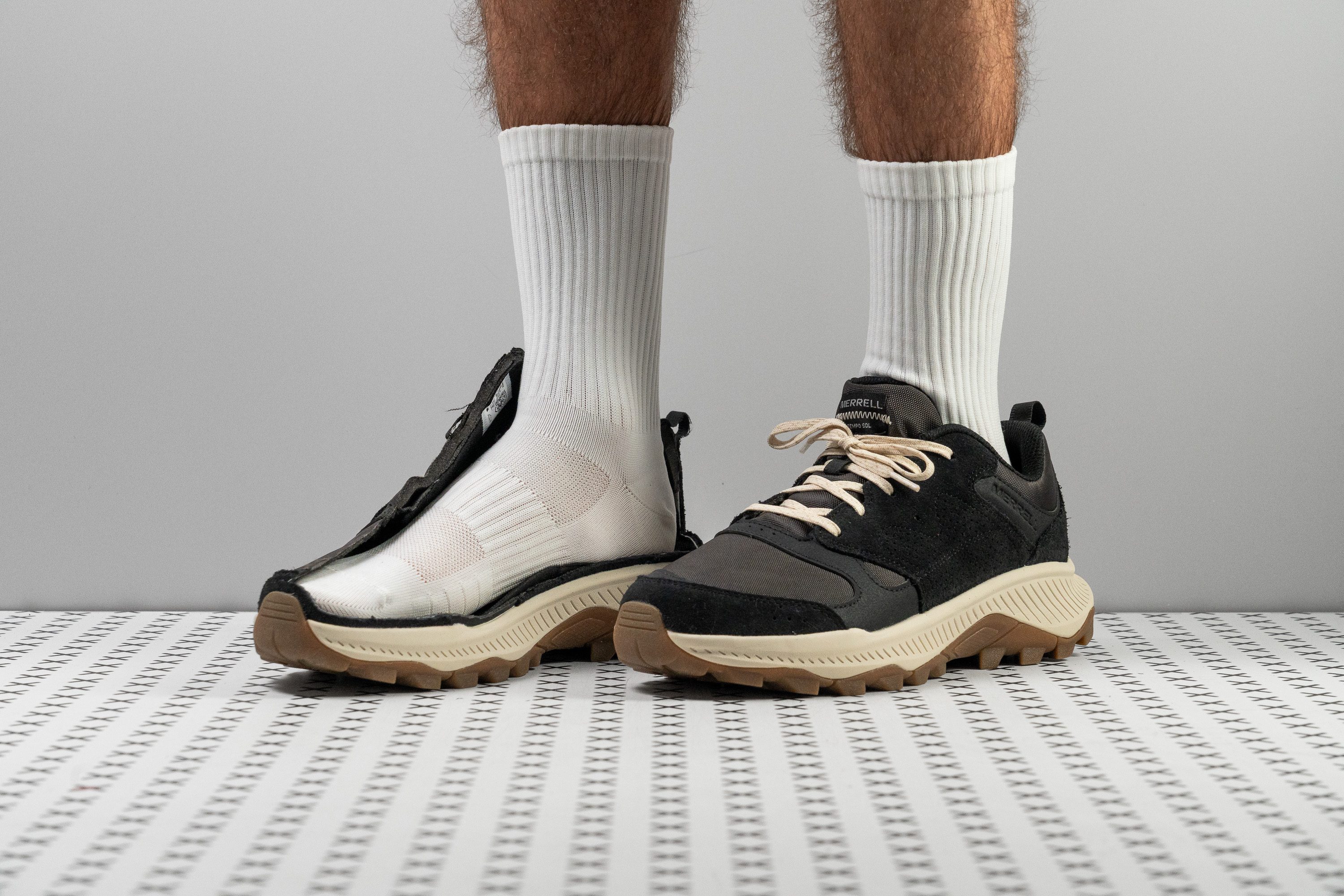
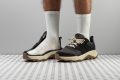
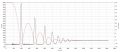
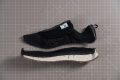
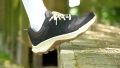
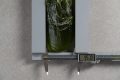
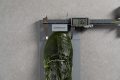
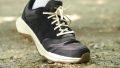
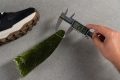
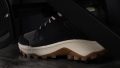
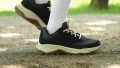
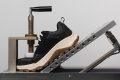
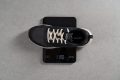
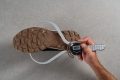
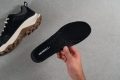
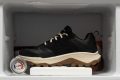
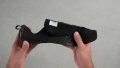
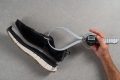
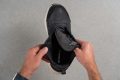
The Merrell Tempo Sol is easy on the feet without compromising its build quality. We enjoyed its cushioned and refreshing feel in our treks, while lab tests prove its top-to-bottom wear resistance. What’s even more impressive is its $80 price, 47% cheaper than average, making it our best budget durable hiking shoe.
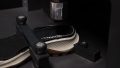
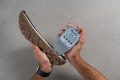
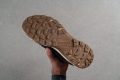
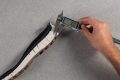
We tested the outsole immediately with our Dremel, and after only 0.8 mm of rubber was removed, it proved 11% more resilient than average. Even the upper remained intact after abrasion, so we awarded it a solid 4/5 in toebox durability. Its low price is such a steal!
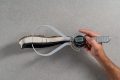
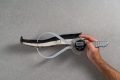
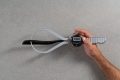
While most sturdy shoes sacrifice weight and flexibility, Tempo Sol does the opposite. Our scales show it’s only 11.9 oz (337g), making it 10% lighter than the average hiking shoe. Its effortless feel is enhanced by its pliability, as it emerged 6% more flexible than average in our bend test.
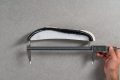
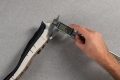
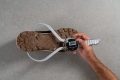
The Tempo Sol features a well-cushioned platform, proven by our caliper with 36.4/23.1 mm measurements. Its lasting comfort comes from its high shock absorption of 113 SA, which we recorded in the heel.
However, its traction is reliable on light trails and smooth surfaces only. Therefore, Tempo Sol is best for city-to-trail use, not for technical terrain.
Pros
- Impressive value for money
- Good shock absorption for long hikes/walks
- Lighter than average
- Stable for light-to-moderate trails
- Great grip for mixed terrain
- Fantastic durability for the price
- Comfortable step-in feel
- True to medium width
Cons
- Lacks breathability
- Midsole gets firm in cold
What is durability in hiking shoes and how to use our lab data
The durability of hiking shoes depends on many factors. We may think that if the materials used are high-quality, that’s enough. But it’s not. The way the materials are cut, treated, glued, or stitched together also plays a significant role. This story can not only be about making sure the hiking shoe you pay X amount of dollars for is well worth the investment. It’s also about how many hiking shoes you need, buy, and throw away. Keep in mind that 20 billion pairs of (all sorts of) shoes are purchased every year (Wang et al., 2012).
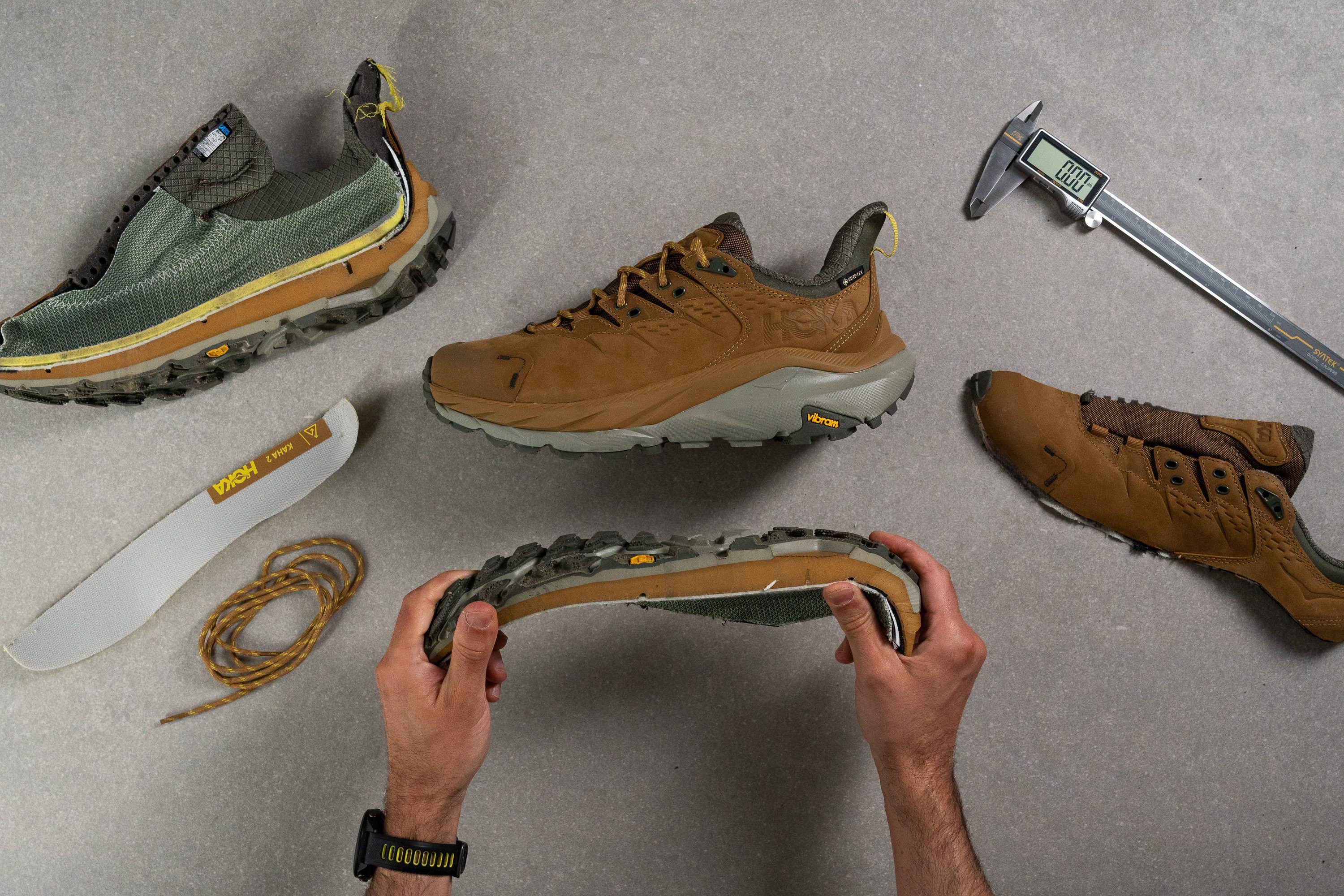
The durability of hiking shoes in our lab is examined by performing 3 lab tests: toebox durability, heel padding durability, and outsole durability. If you’re interested in toebox or heel padding durability, look for the highest ratings (5/5). When it comes to the outsole durability, look for the lowest test results, as they tell us how deep the dent was post-test.
Looking at the scientific research, it’s difficult to present all the findings because there are different durability testing methods out there, and many of them do not replicate the real-life hiking conditions. They can be somewhat relatable, but that’s often not enough for a systematic overview.
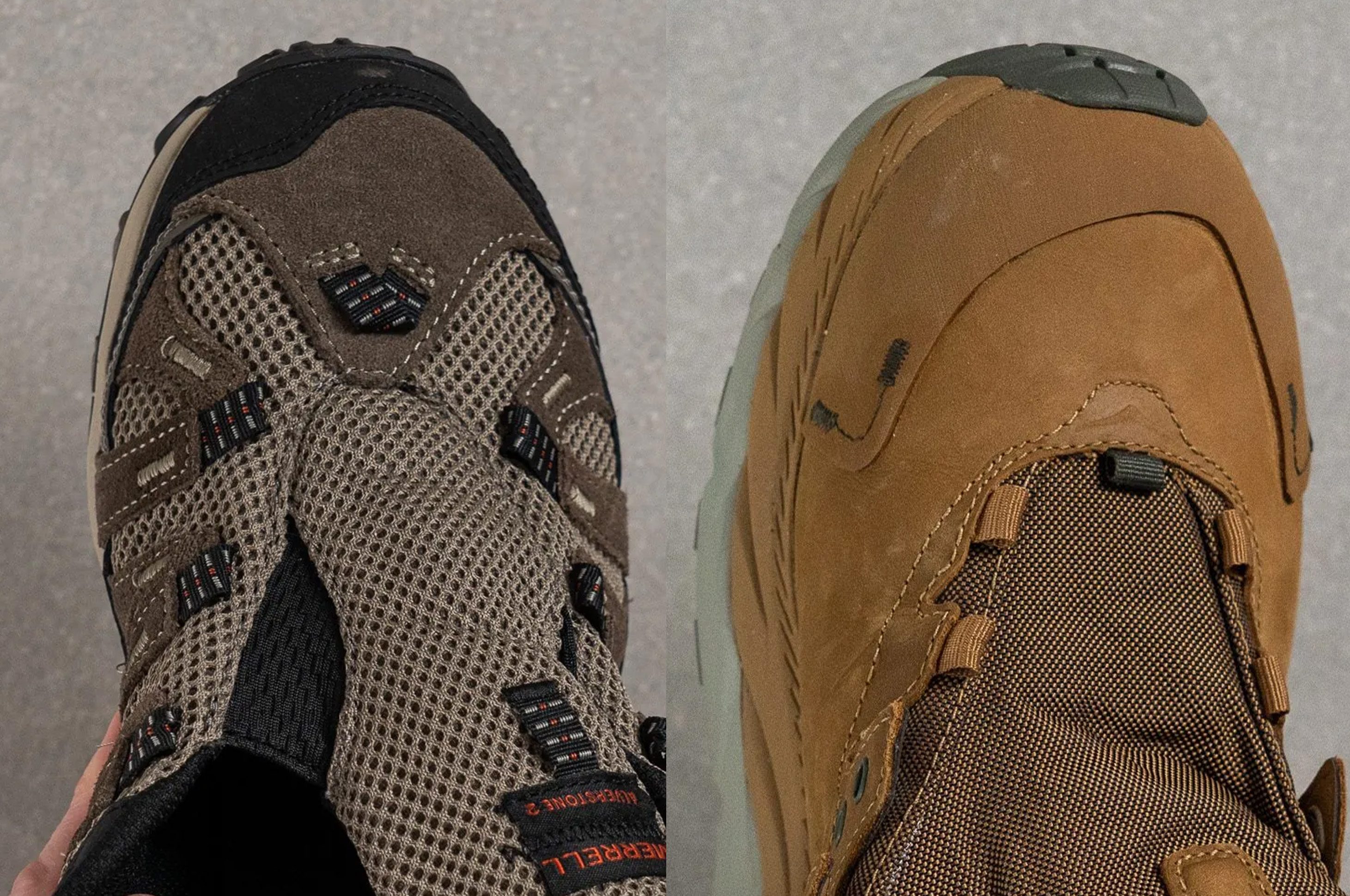
Our practical experience, lab data, and the overall consensus from the hiking community are that leather and suede uppers are more durable than other options (Cordura/nylon, mesh/textile, knit). Leather has other qualities that may not go well with your hiking needs: they are not breezy, they are not lightweight, and they may require some extra time for the leather to mold to the shape of your feet.
The great thing about lab testing is that we can see the durability of all 3 hiking shoe areas for each model, regardless of the materials and manufacturing processes used.
Most durable toeboxes in hiking shoes
Durability of the toebox in hiking shoes depends on a) how much protection there is (think toe bumpers) and b) the choice of upper material.
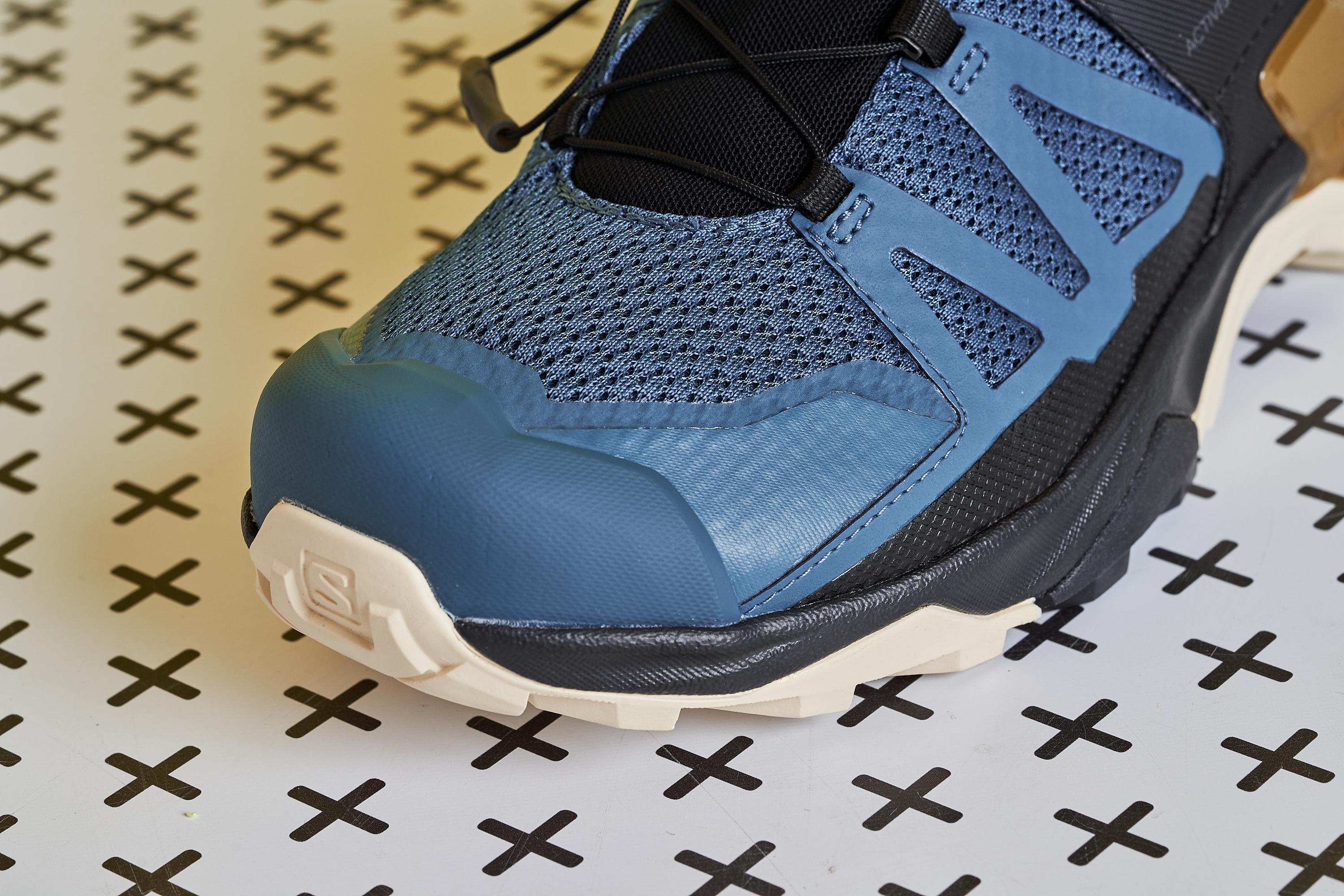
Toe bumpers are rubber overlays that are, by default, significantly more durable than any other upper made of textile or leather. And, looking at the upper materials, we also have significant variation there.
We test the toebox durability by pressing a Dremel against it using always the same force, time duration, and RPMs (rotation per minute). This way, all hiking shoes are treated the same, which makes the results comparable.
On this test, we assign each toebox a durability score on a 1-5 scale. 1/5 is assigned to the toeboxes that “don’t survive” the Dremel, meaning they end up with a visible hole. Dremel goes through all the layers, if there are more than 1. 5/5 is given to the toeboxes that barely get scratched (best durability)!
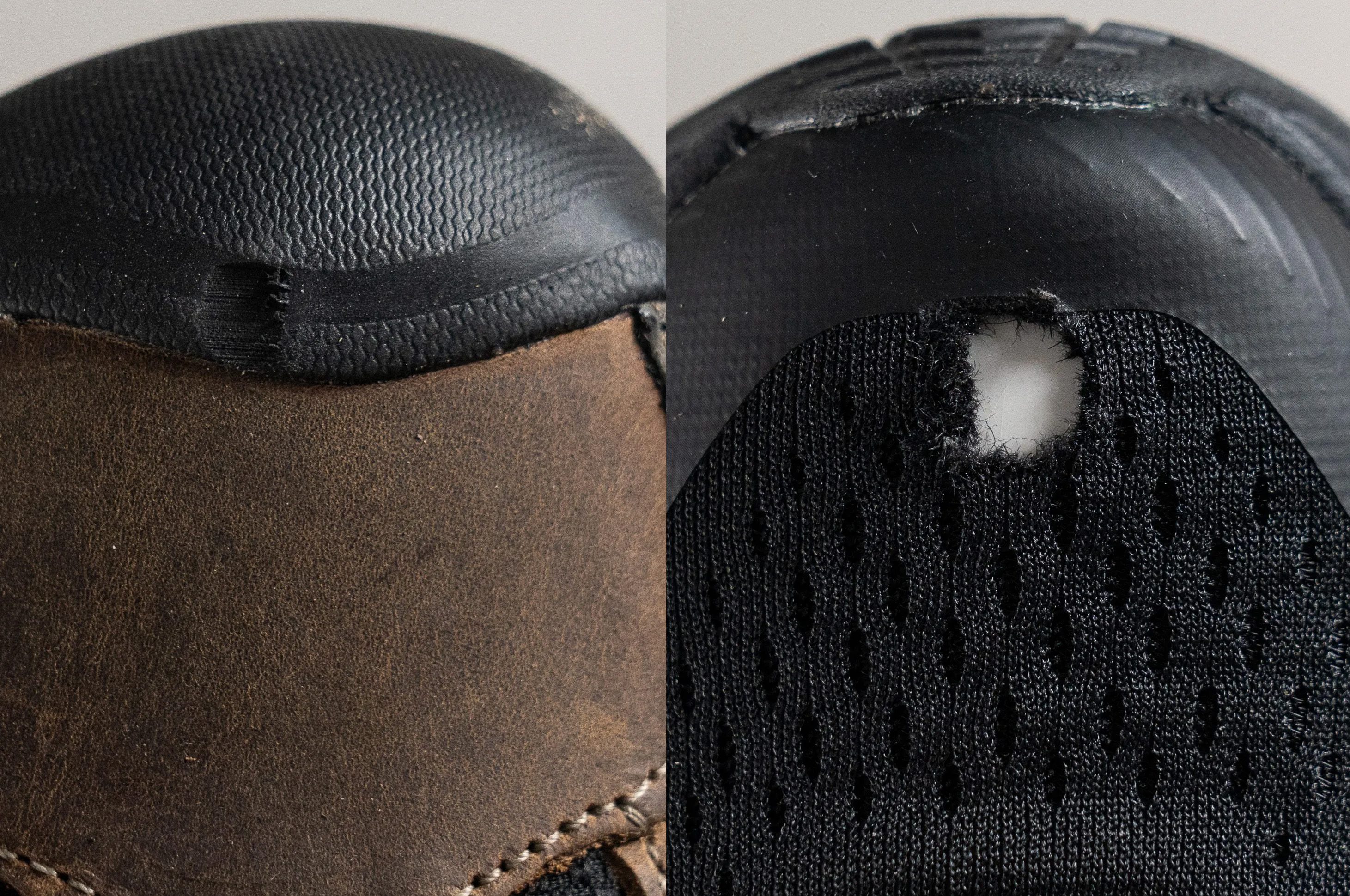
In general, lighter hiking shoes (usually very nimble and often made for fast and light adventures) have thinner and more breathable uppers, which are less durable. Thicker uppers, especially the leather ones, score higher on the durability tests. Let’s have a look.
|
Upper material |
Average toebox durability |
|
Knit |
1.0/5.0 |
|
Mesh |
3.6/5.0 |
|
Leather |
4.3/5.0 |
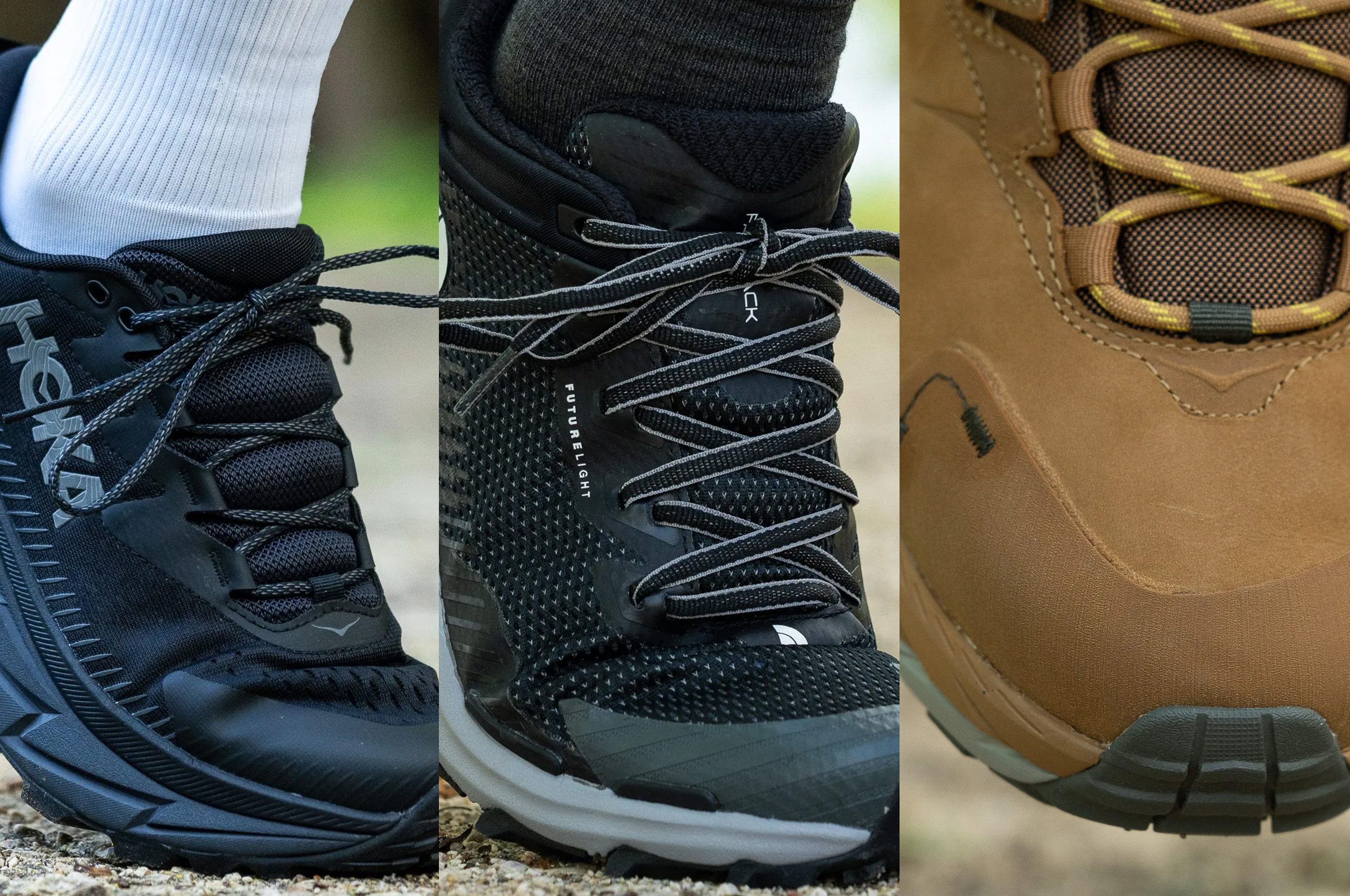
Leather and suede can actually look good when scuffed and worn; they can patina well and develop a unique aesthetic that way. No other upper material has that feature.
Heel padding durability in hiking shoes
Who usually worries about the durability of the material behind the heel? Hikers with Haglund’s deformity, with sensitive heels or unstable heels (especially overpronators) who love it when shoes give their heels good padded hugs, and hikers who don’t like to use a shoe horn, so they keep squishing and/or rubbing that area whenever they put the shoes on.
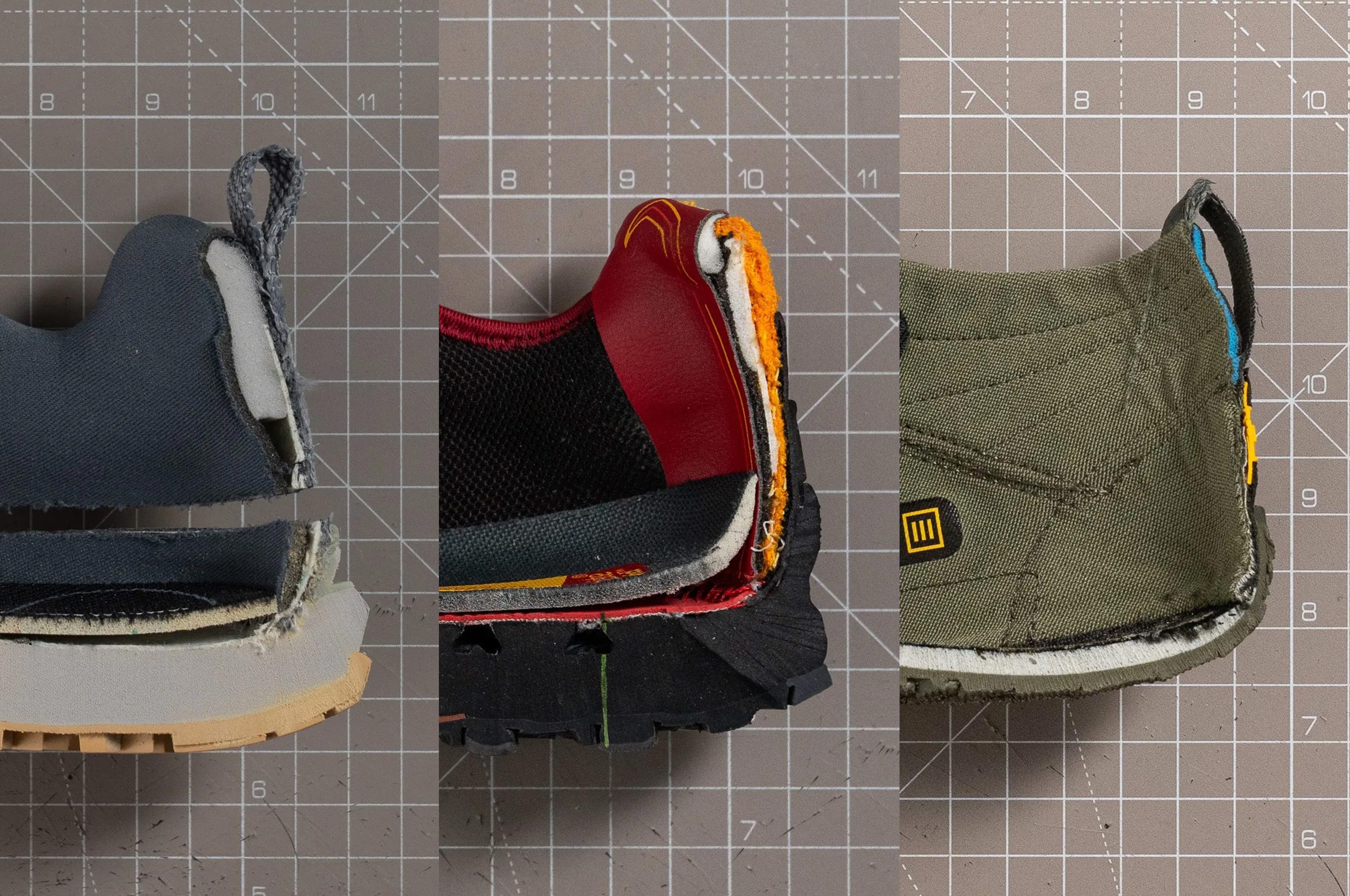
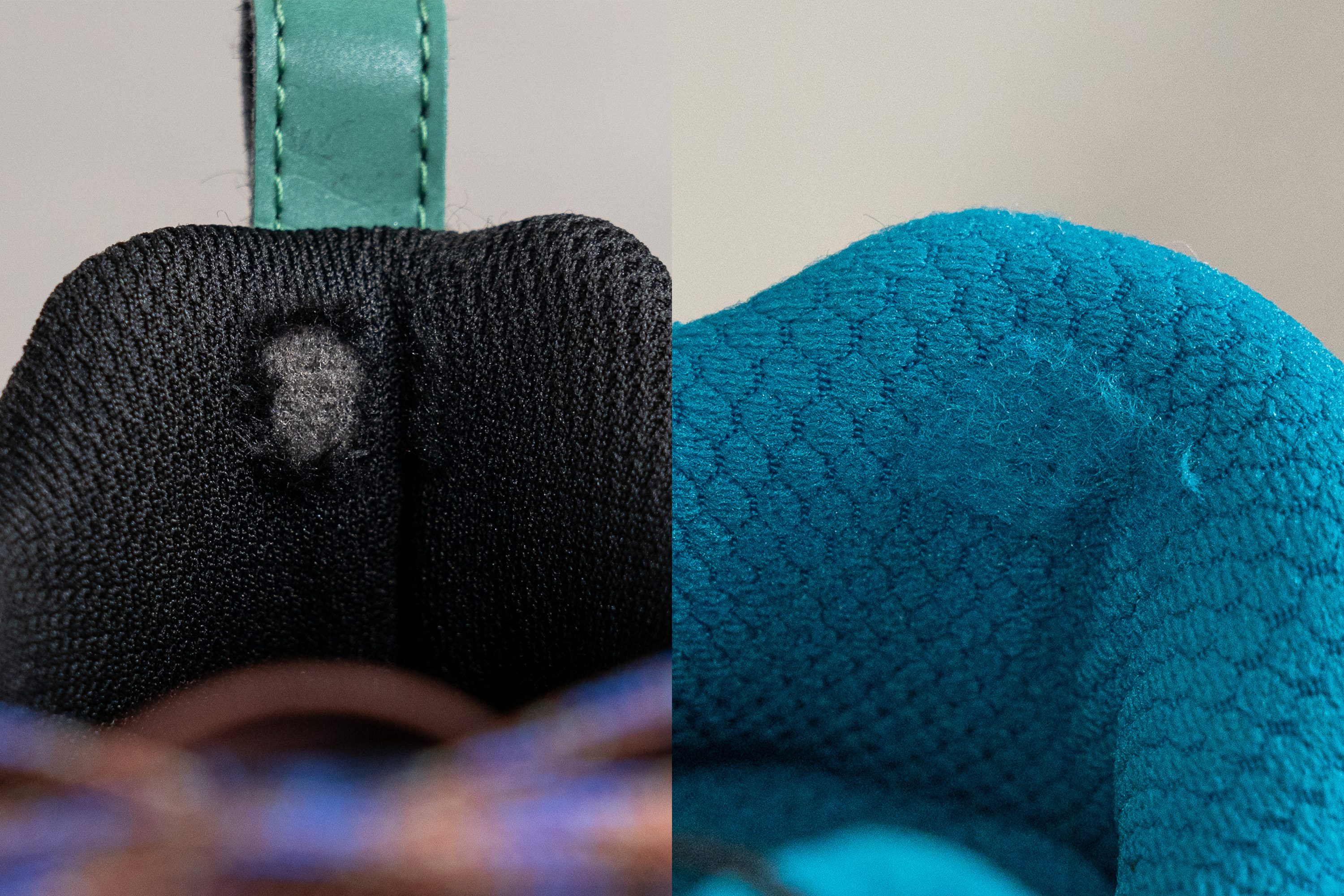
We test this area in the lab using a Dremel and, again, assign each hiking shoe a heel-padding durability score on a 1-5 scale, where 1/5 is the least durable and 5/5 the most. As you may suspect, we assign 1/5 only to the heel counters who get properly destroyed, as in, there’s a big hole that went through (usually) multiple layers.
Most durable outsoles in hiking shoes
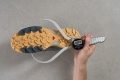
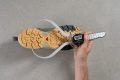
Now, testing for outsole durability may look the same because we also use a Dremel, but it is different in terms of how we measure the damage. No assessments this time! Rubber is hard, which means we can use proper instruments; in this case, it’s a tire tread gauge.
The thing with hiking shoes and their outsole durability is somewhat similar to running shoes. In road running, we have flat outsoles which, once eaten through, make shoes basically unusable because the exposed midsole offers no grip. Here, once the lugs are destroyed, you can’t use the hiking shoes on their intended terrain because, well, you’re out of lugs. You can rock the shoes casually in urban settings, but that’s a different topic.
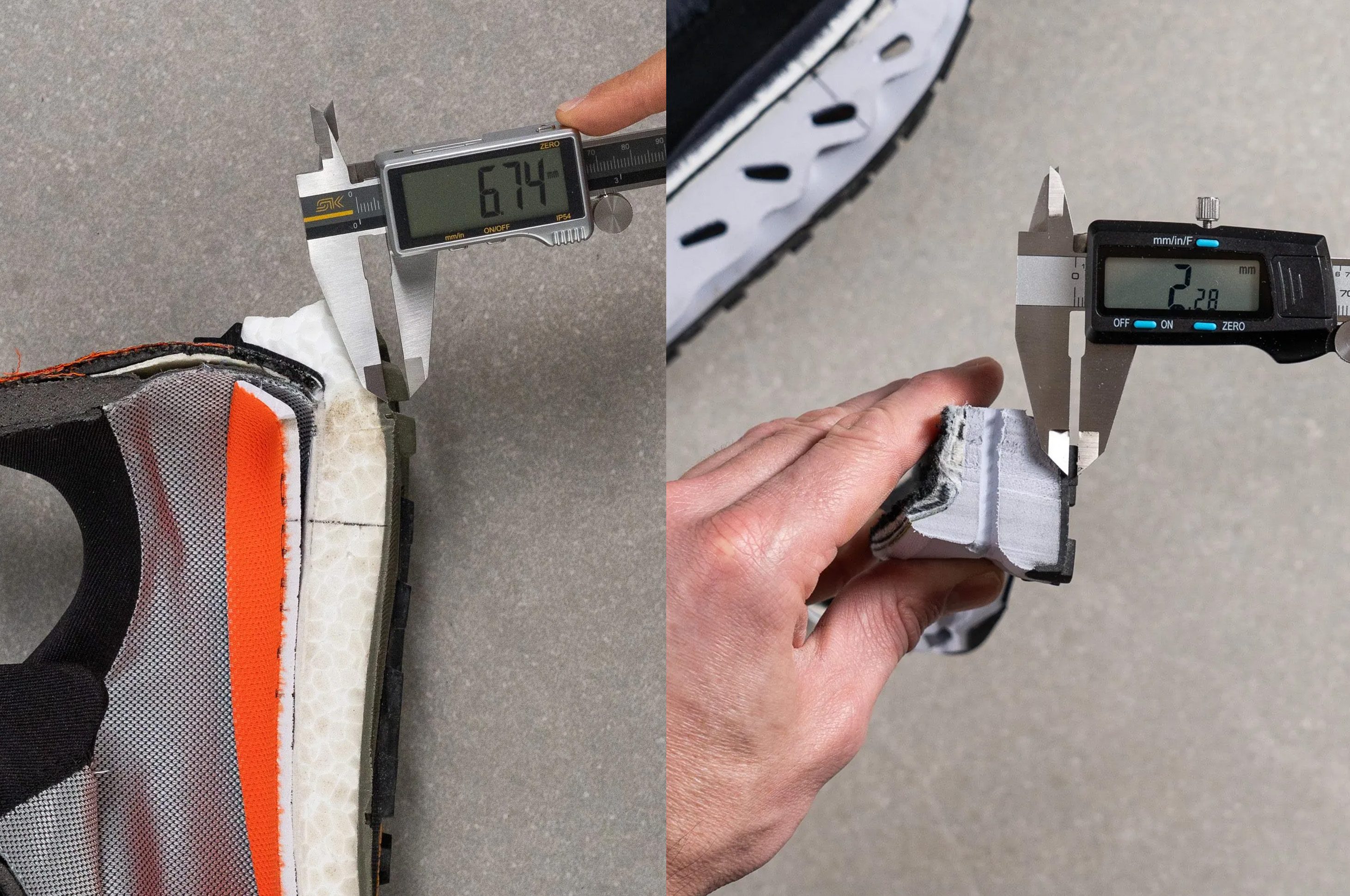
So, what we care about here is the lug thickness. The thicker the lugs, the better. If the Dremel can make a 2 mm dent in the rubber, your experience in such shoes will be significantly different if they have lugs that are 4.5 mm deep or 2 mm deep. It’s a 2.5 mm difference or the matter of having or not having lugs at all.
Now that we've gone through all 3 tests, we can look at all the shoes and their durabilty scores:
You can’t blame it on the brand only
How long a pair of hiking shoes will last does not depend only on the brand. We have to do our own work when it comes to taking care of the shoes. This means taking the brand's advice and using the necessary creams, balms, or sprays to maintain the upper’s waterproofing or leather quality (moisture level, shape). It’s also important to learn what’s the best way to clean the hiking shoes you own in order not to damage the membrane or any other material.
Not related to the footwear, but a good indicator of how we treat things we own, is this tidbit from Arc’teryx (climate report 2022), which claims we can extend garment life by 32% with proper maintenance!
Durability and sustainability: we can’t have it both (yet)
We also have to talk about the relationship between durability and sustainability. One study (Osei, 2024) has clearly highlighted that while biodegradable running shoes have 34% lower carbon emissions and lower fossil fuel dependence compared to conventional synthetic shoes, they also use more water and agricultural land, and they are less durable. On top of that, they can achieve 94% decomposition under industrial conditions, but in real life, the number is significantly lower, only 31%. This also means that biodegradable shoes are dependent on proper waste management infrastructure.
Some brands may highlight that their footwear is sustainable, but if we want to dive deeper and not blindly succumb to greenwashing, we'd better look deeper into the production process and the product overall. Were sustainable/recycled materials used? How long is the footwear predicted to last (and how close to reality is that prediction)? Is the brand committed to fair wages? Does the brand offer to repair your shoes, resole them, or recycle them? What’s the packaging like? Are there any data on the brand’s website regarding their carbon footprint, material sourcing, and greenhouse gas emissions?
Similar buying guides