
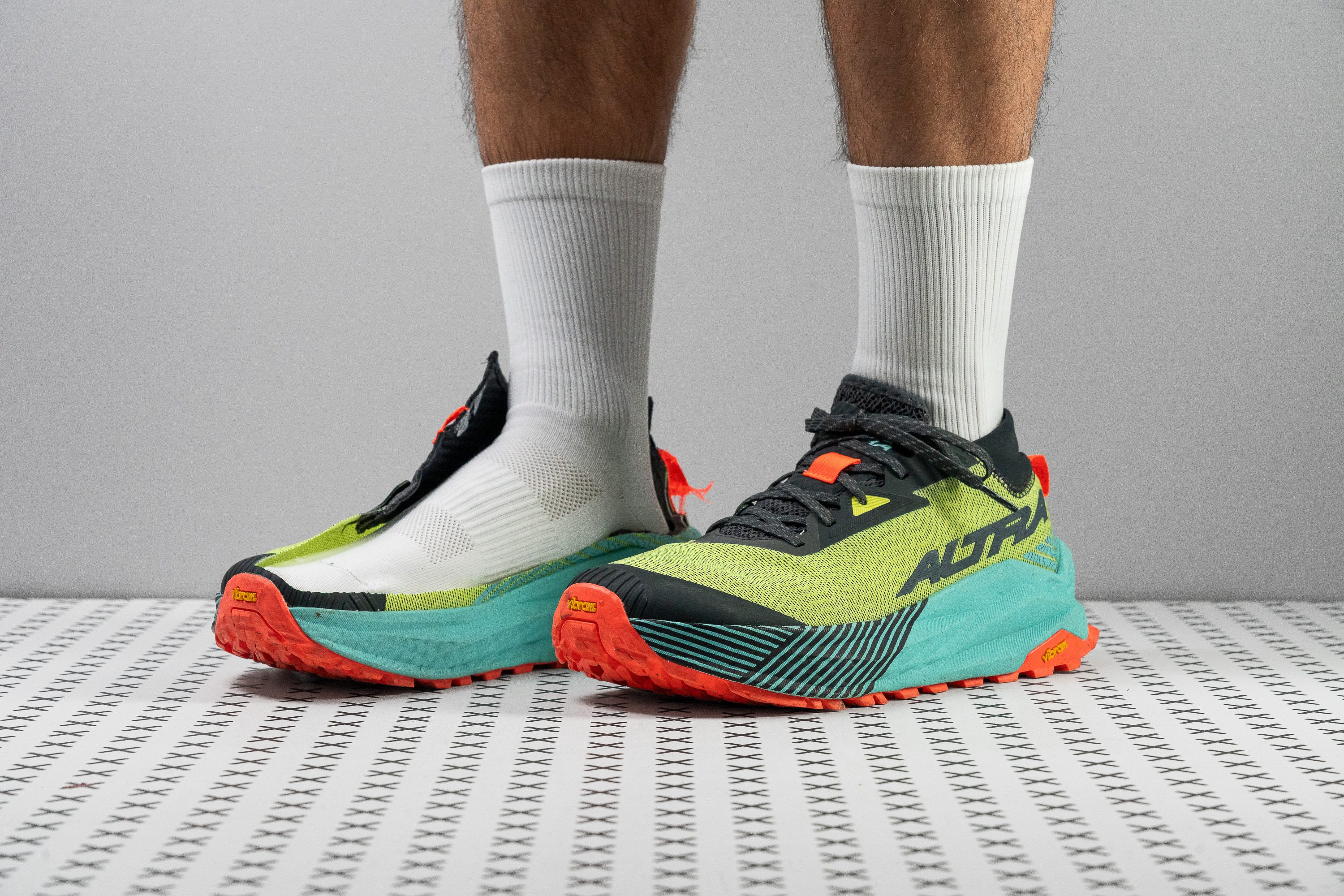

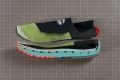
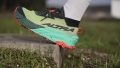
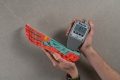
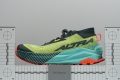


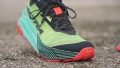




Our verdict
- Gravel 83
- Versatile 77
- Technical 55
Pros
- Much lighter than Olympus 6
- Extremely stable
- True zero-drop platform
- Very wide toebox
- Excellent MATRYX upper
- World-class Vibram Outsole
- Solid durability overall
- Ideal for flat and easy trails
Cons
- Still a heavy shoe
- CMEVA foams needs an improvement
- Not for narrow feet
- Limited versatility
Awards
- Top pick in best Altra trail running shoes
- Top 24% in trail running shoes
- Top 10% in Altra running shoes
Comparison
The most similar running shoes compared
+ + Add a shoe | |||||
|---|---|---|---|---|---|
| Our score | 85 Great | 82 Great | 78 Good | 80 Good | |
| Price | $185 | $140 | $130 | $175 | |
| Trail terrain | Gravel / Road-to-trailVersatile / Moderate terrain | Gravel / Road-to-trailVersatile / Moderate terrain | Gravel / Road-to-trailVersatile / Moderate terrain | Gravel / Road-to-trailVersatile / Moderate terrain | |
| Shock absorption | Moderate | Low | Low | Moderate | |
| Energy return | Low | Moderate | Moderate | Moderate | |
| Traction | High | - | High | - | |
| Arch support | Neutral | Neutral | Neutral | Neutral | |
| Weight lab Weight brand | 10.7 oz / 303g 10.8 oz / 305g | 10.9 oz / 309g 10.4 oz / 295g | 8.3 oz / 235g 9.3 oz / 263g | 12.6 oz / 357g 12.5 oz / 354g | |
| Lightweight | ✗ | ✗ | ✓ | ✗ | |
| Drop lab Drop brand | 0.3 mm 0.0 mm | 0.0 mm 0.0 mm | 0.6 mm 0.0 mm | 0.7 mm 0.0 mm | |
| Strike pattern | Mid/forefoot | Mid/forefoot | Mid/forefoot | Mid/forefoot | |
| Size | Slightly large | True to size | True to size | Half size small | |
| Midsole softness | Balanced | Balanced | Firm | Balanced | |
| Difference in midsole softness in cold | Small | Normal | Small | Normal | |
| Toebox durability | Good | Decent | Decent | Very good | |
| Heel padding durability | Decent | Decent | Good | Good | |
| Outsole durability | Good | Good | Good | Good | |
| Breathability | Moderate | Warm | Moderate | Breathable | |
| Width / fit | Wide | Wide | Medium | Medium | |
| Toebox width | Wide | Wide | Wide | Wide | |
| Stiffness | Moderate | Moderate | Flexible | Stiff | |
| Torsional rigidity | Moderate | Moderate | Flexible | Stiff | |
| Heel counter stiffness | Flexible | Flexible | Flexible | Moderate | |
| Lug depth | 3.5 mm | 3.8 mm | 3.5 mm | 3.5 mm | |
| Heel stack lab Heel stack brand | 30.8 mm 33.0 mm | 23.3 mm 25.0 mm | 20.6 mm 21.0 mm | 32.2 mm 35.0 mm | |
| Forefoot lab Forefoot brand | 30.5 mm 33.0 mm | 23.3 mm 25.0 mm | 20.0 mm 21.0 mm | 31.5 mm 35.0 mm | |
| Widths available | Normal | NormalWide | Normal | NormalWide | |
| For heavy runners | ✗ | ✗ | ✗ | ✓ | |
| Season | All seasons | All seasons | All seasons | SummerAll seasons | |
| Removable insole | ✓ | ✓ | ✓ | ✓ | |
| Orthotic friendly | ✓ | ✓ | ✓ | ✓ | |
| Ranking | #124 Top 31% | #184 Top 46% | #275 Bottom 31% | #219 Bottom 45% | |
| Popularity | #175 Top 44% | #39 Top 10% | #255 Bottom 36% | #81 Top 21% |

Who should buy
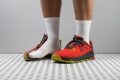
We believe the Altra Olympus 275 is a great match for:
- Runners who found the standard Olympus too heavy and want a lighter version that keeps the same midsole and outsole setup.
- Trail runners committed to zero-drop shoes who want a highly stable, tank-like option for long and easy trail runs.
- Wide-footed runners looking for a premium trail shoe with a very roomy toebox and a stable platform.
Who should NOT buy
We believe the Olympus 275 is not the best choice if you want a natural feel. We found in the lab that the towering stack puts you very high above the trail. If that bothers you, the Altra Lone Peak 9 makes more sense, and it's cheaper too.
We also think runners who do not seek an ultra-roomy fit should skip it. In our experience, the massive toebox can feel loose and confidence-reducing for those with narrow feet. Check the HOKA Mafate 5 or the Saucony Xodus Ultra 4 instead.
Cushioning
Shock absorption
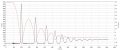
The zero-drop geometry of the Altra Olympus 275 has a clear impact on its shock absorption. We measured 115 SA in the heel and a higher-than-average 110 SA in the forefoot, confirming that a flat midsole favors midfoot and forefoot strikers more than heel landings.
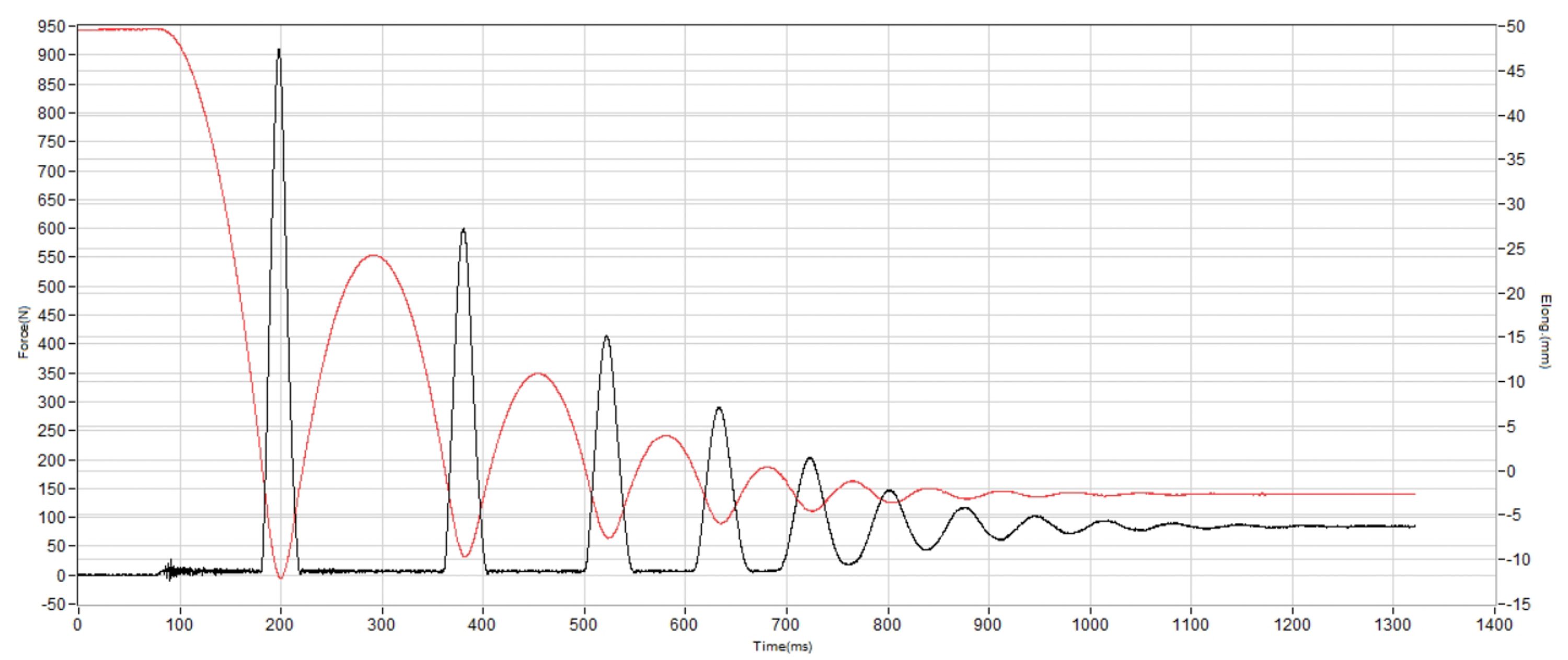
| Olympus 275 | 115 SA |
| Average | 122 SA |
Energy return
While the weight reduction of the Olympus 275 is very impressive compared to the regular version, we feel Altra missed a chance to make it even lighter by switching to a supercritical EVA foam.
Instead, they kept the same compression-molded EVA, which is heavy and also lacks bounce, with just 52.7% in our energy return test.
| Olympus 275 | 54.7% |
| Average | 59.7% |
Heel stack
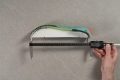
Altra lists a 33 mm heel stack height for this shoe, but we measured a slightly lower 30.8 mm. The difference is small and it still holds its place as Altra’s highest-stacked trail shoe, but it’s always useful to know the real number.
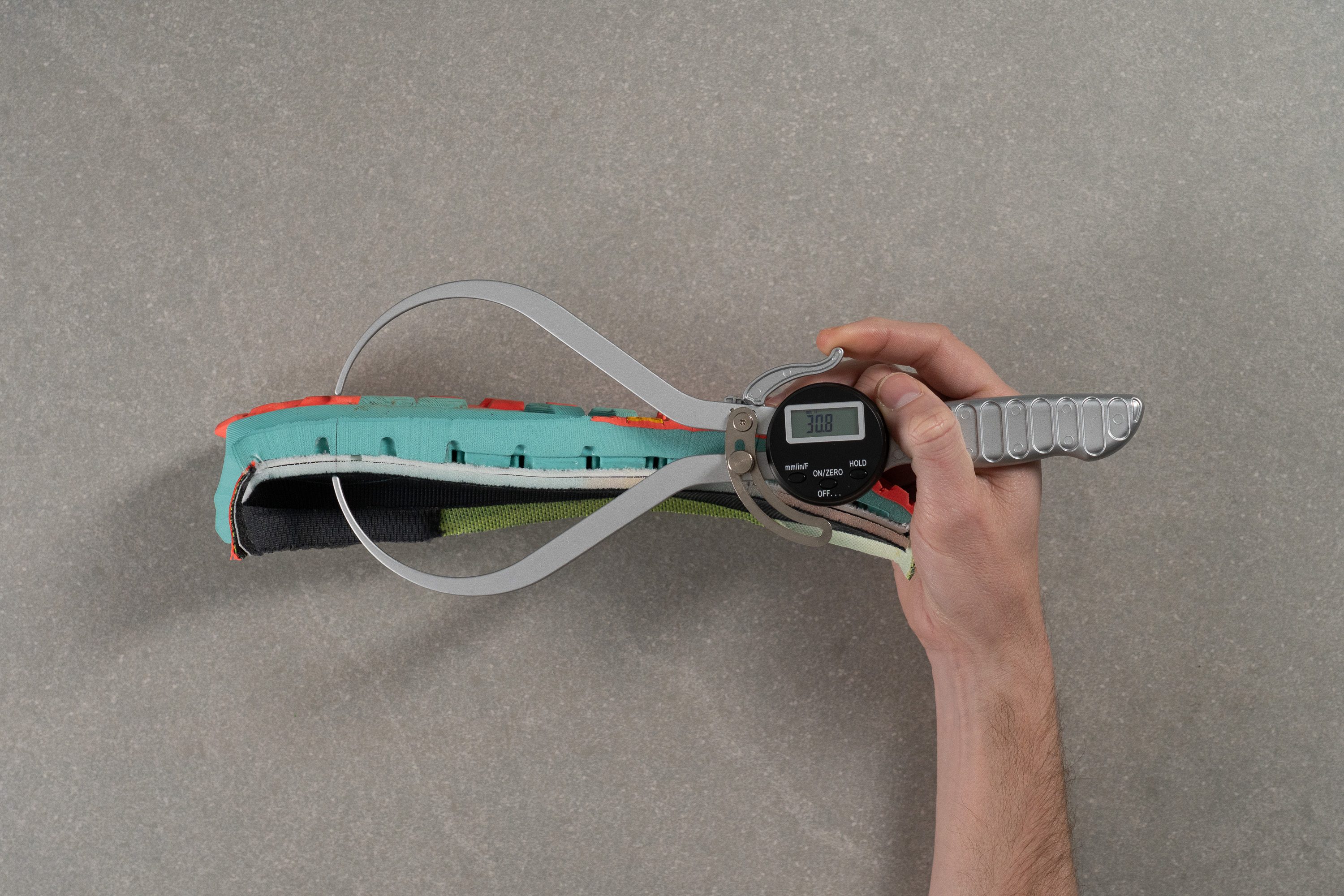
| Olympus 275 | 30.8 mm |
| Average | 33.0 mm |
Forefoot stack
The forefoot measures 30.5 mm, which is much higher than the average trail shoe due to the flat midsole design of the Olympus 275. As a result, there is plenty of cushioning underfoot, which is clearly noticeable on forefoot landings.
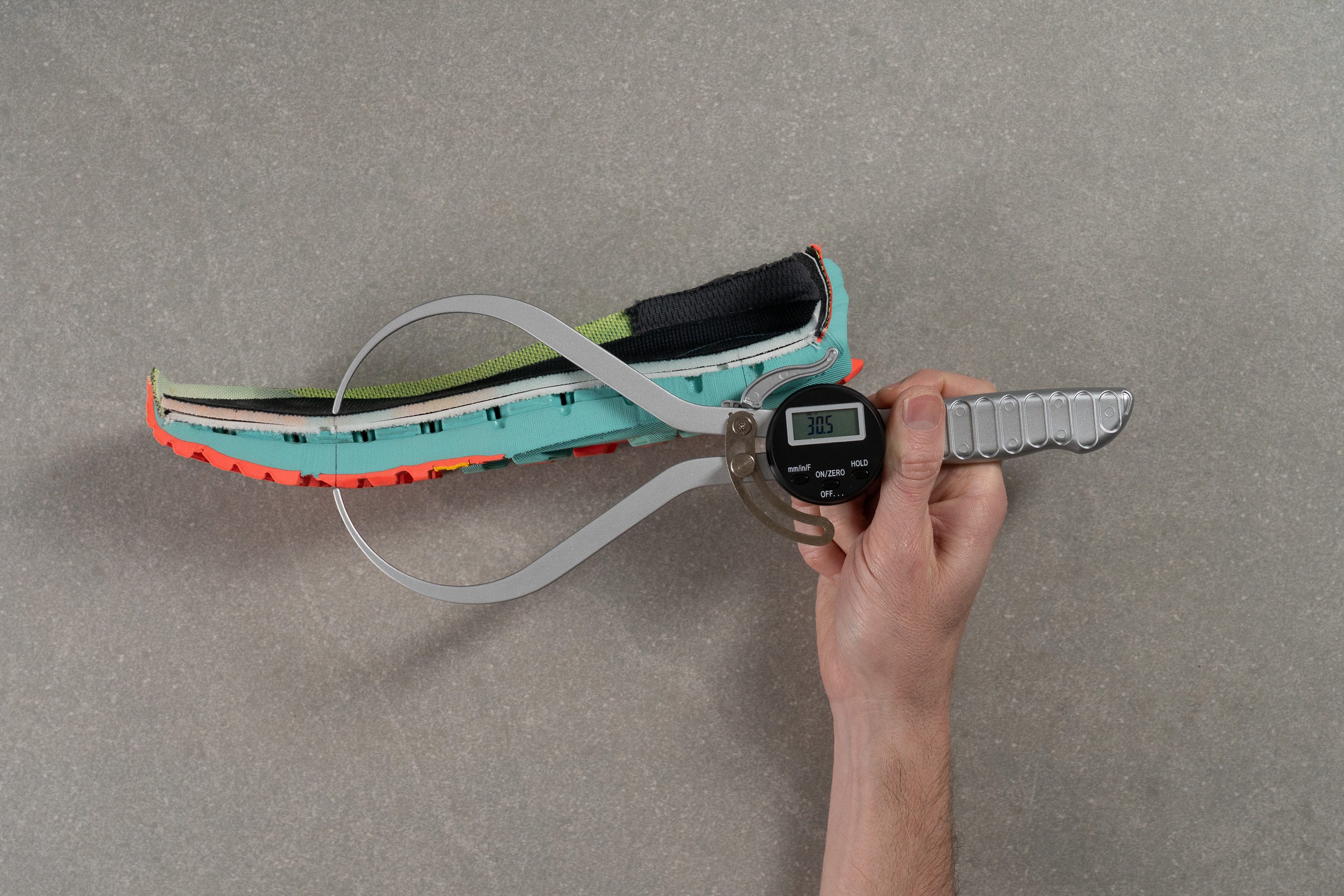
| Olympus 275 | 30.5 mm |
| Average | 25.7 mm |
Drop
Anyone buying the Olympus 275 expects a true zero-drop setup, and with a measured drop of just 0.3 mm, this shoe clearly delivers. It may not read exactly 0.0 mm, but minor differences are expected due to manufacturing tolerances and midsole shaping, and the O275 fully delivers that flat underfoot feel.
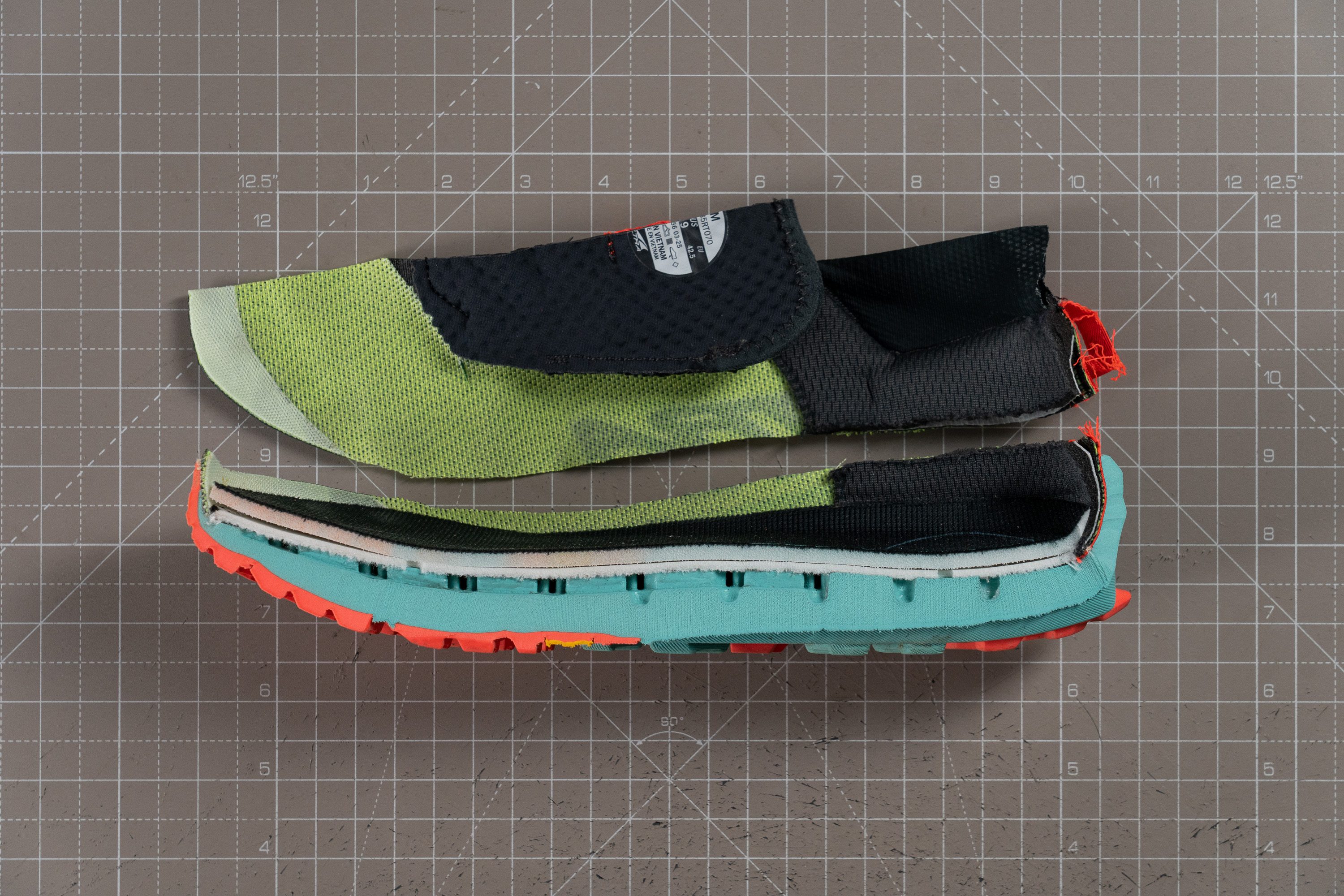
| Olympus 275 | 0.3 mm |
| Average | 7.2 mm |
Midsole softness
While running in the Olympus 275, we noticed a firm feel underfoot, which we later confirmed in the lab with a 41.7 AC reading.
This is not a negative if you prefer a firm and stable feel on trails, but keep in mind that the plush sensation common in many modern running shoes is not present here.
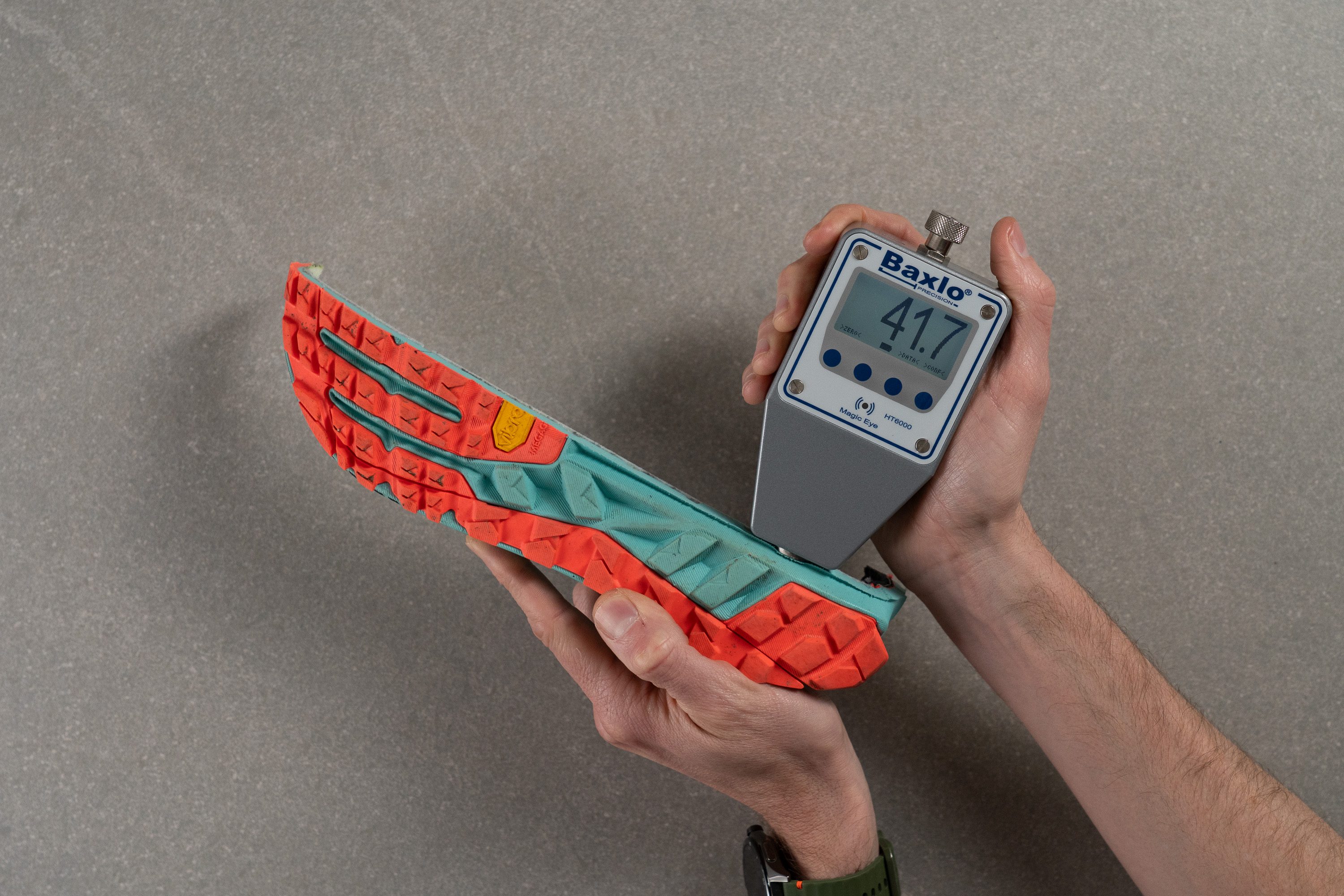
| Olympus 275 | 41.7 AC |
| Average | 38.1 AC |
Rocker
The high stack height of the Olympus 275 and its zero-drop geometry clearly shape the rocker design.
Altra added extra curvature to the forefoot to offset the added foam underfoot, and also introduced a mild heel curve to smooth transitions for heel landings, even though it's worth noting that heel striking is not ideal in a zero-drop shoe.
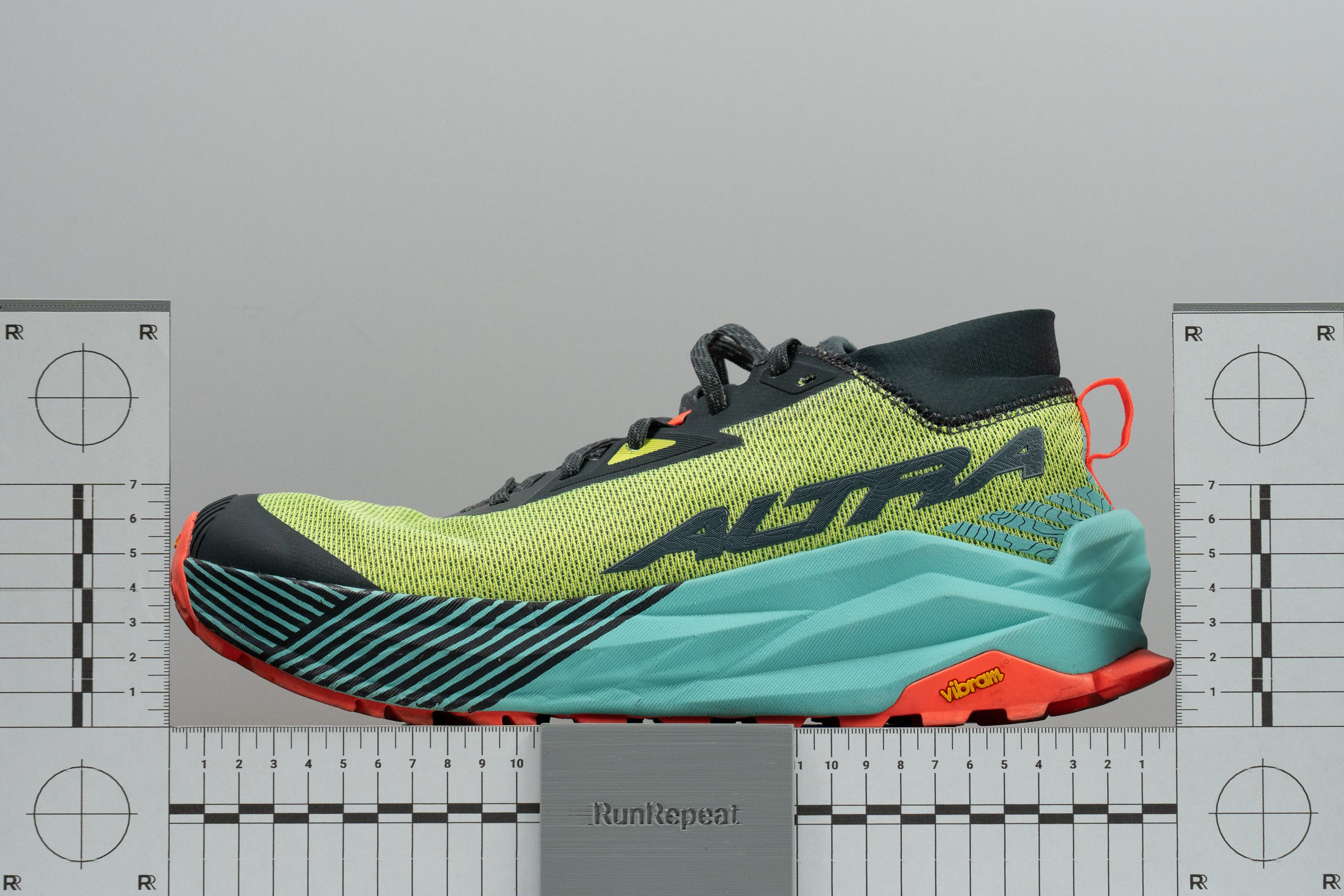
Size and fit
Size
Altra Olympus 275 fits slightly large (20 votes).
Internal length
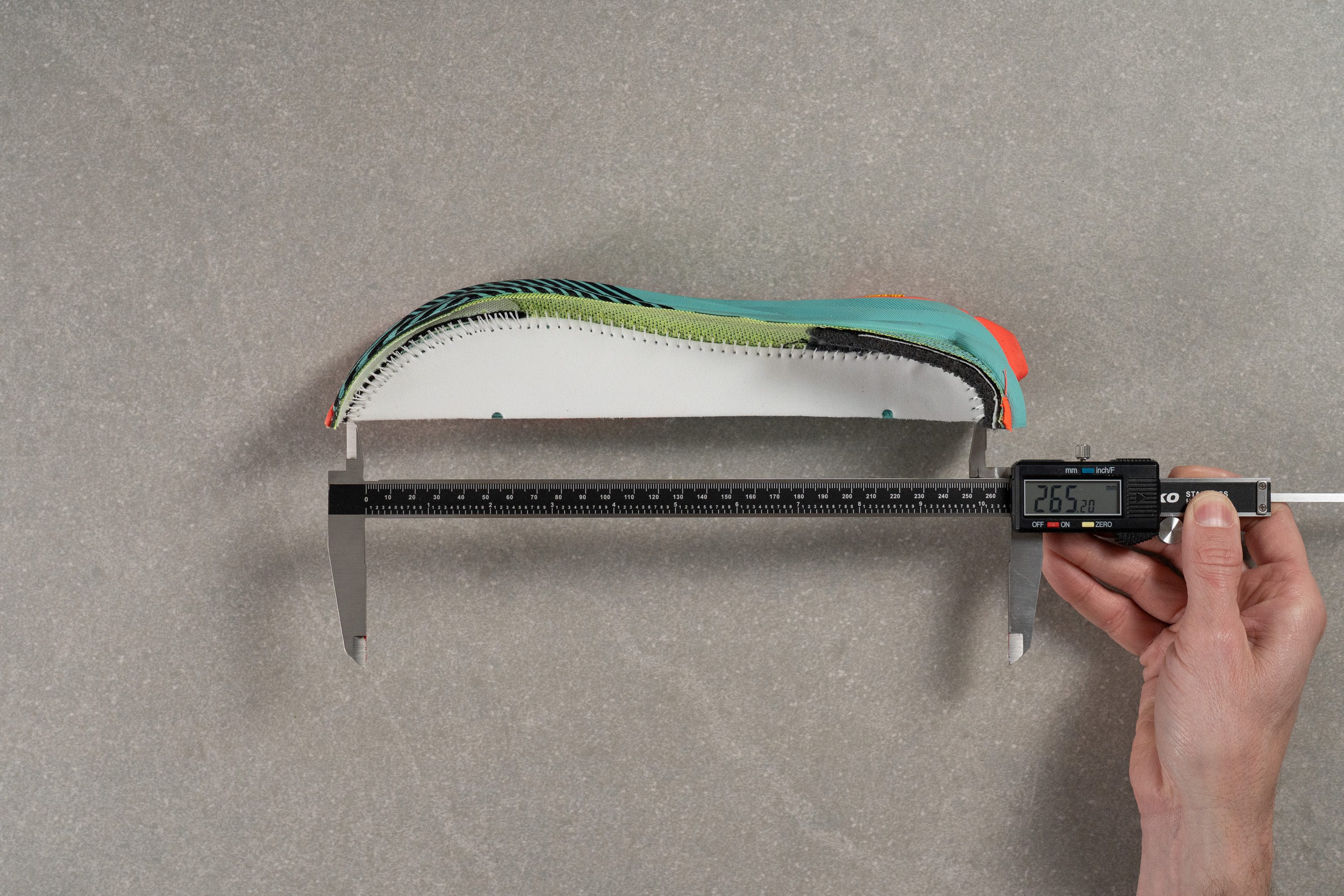
| Olympus 275 | 265.2 mm |
| Average | 269.2 mm |
Width / Fit
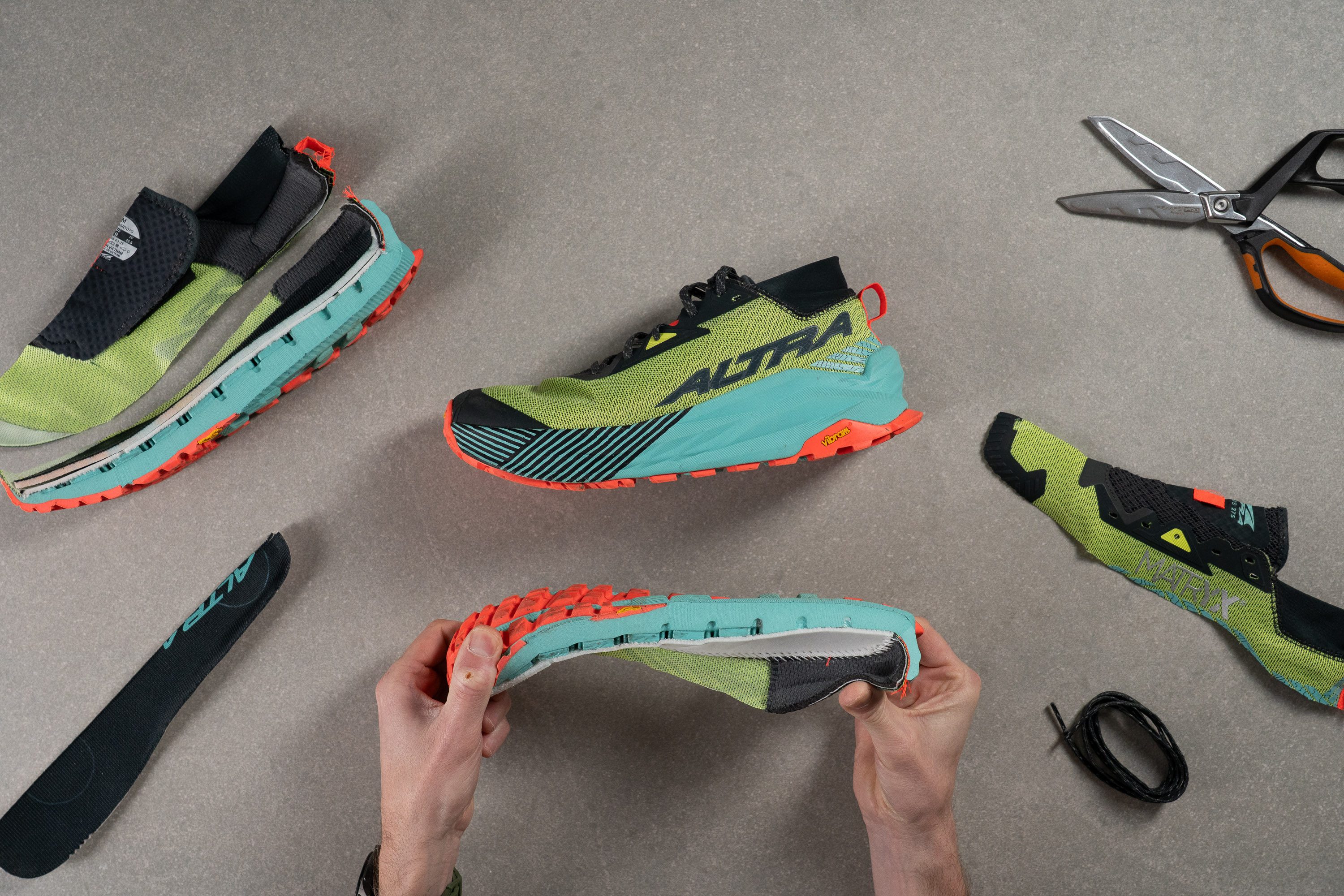
When we unboxed the Altra Olympus 275, the first thing we wanted to check was whether the new MATRYX upper made the shoe feel narrower than before.
Instead, we found the opposite. There is more room than ever, as we measured a generous 100.1 mm right away.
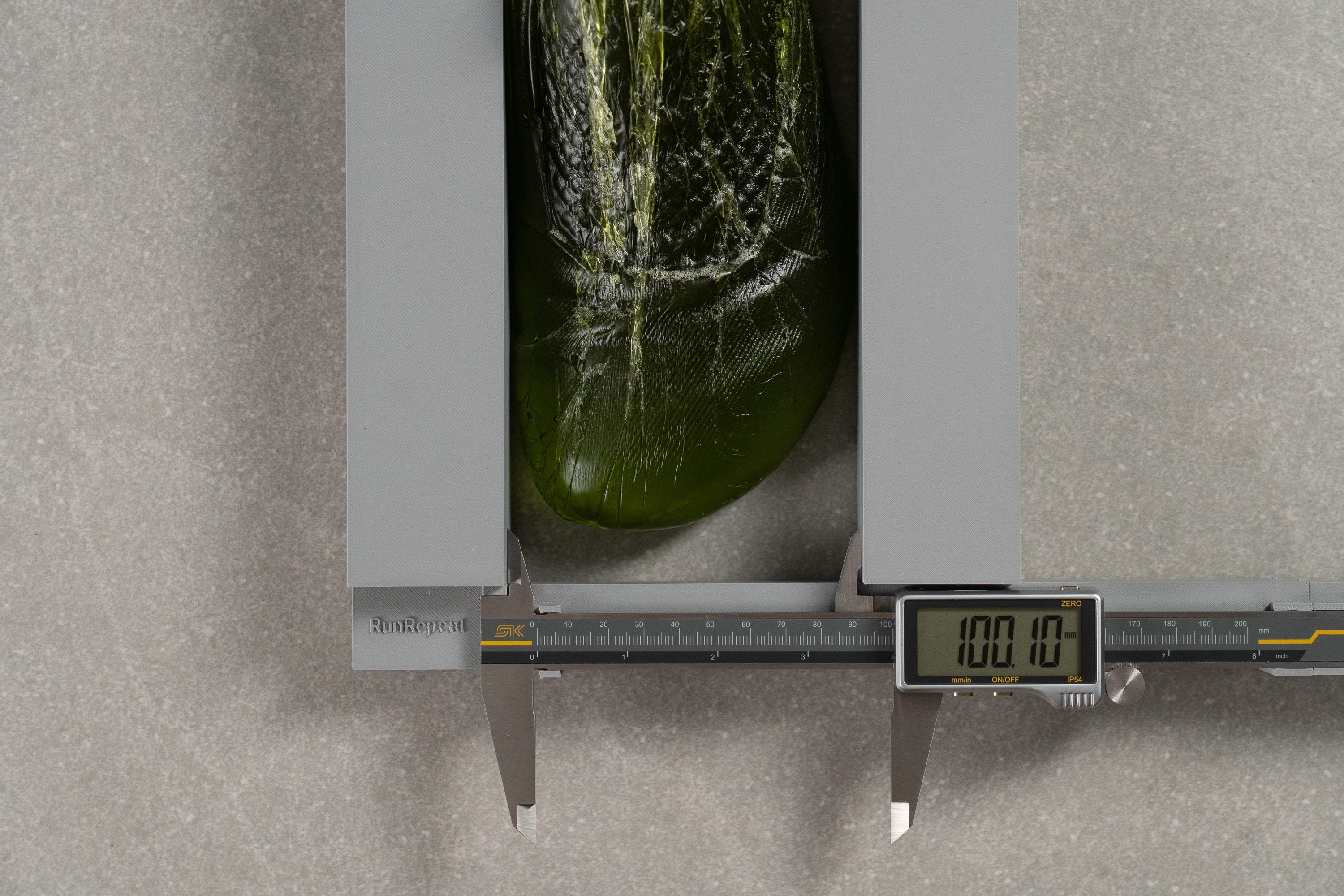
| Olympus 275 | 100.1 mm |
| Average | 95.7 mm |
Toebox width
We also confirmed with our gel mold of the interior that there is a generous amount of straight-line space for the big toe, which feels natural and relaxed.
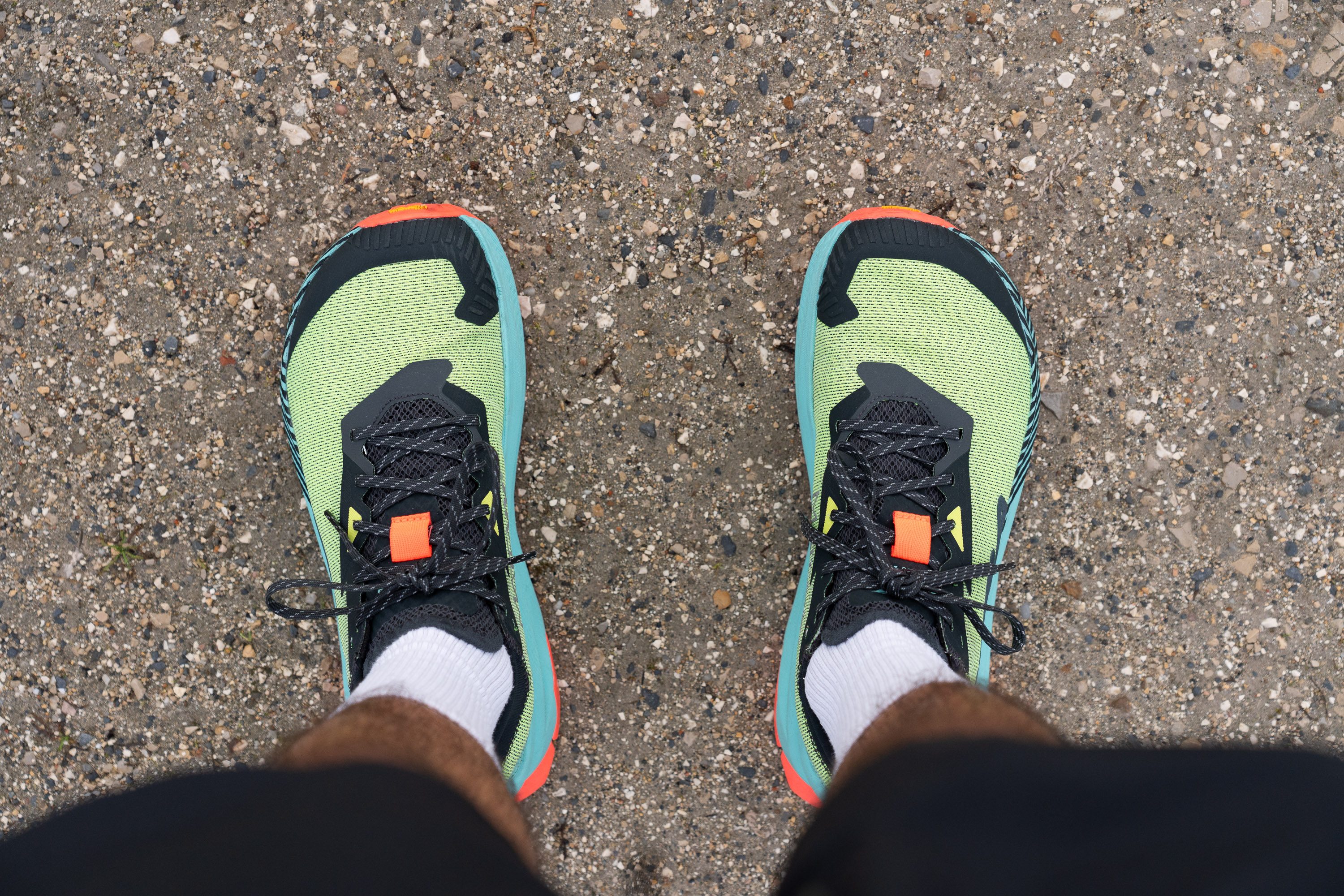
And since this shoe uses Altra’s Original FootShape Fit (the widest last they offer) there is plenty of room for toe splay at 81.0 mm.
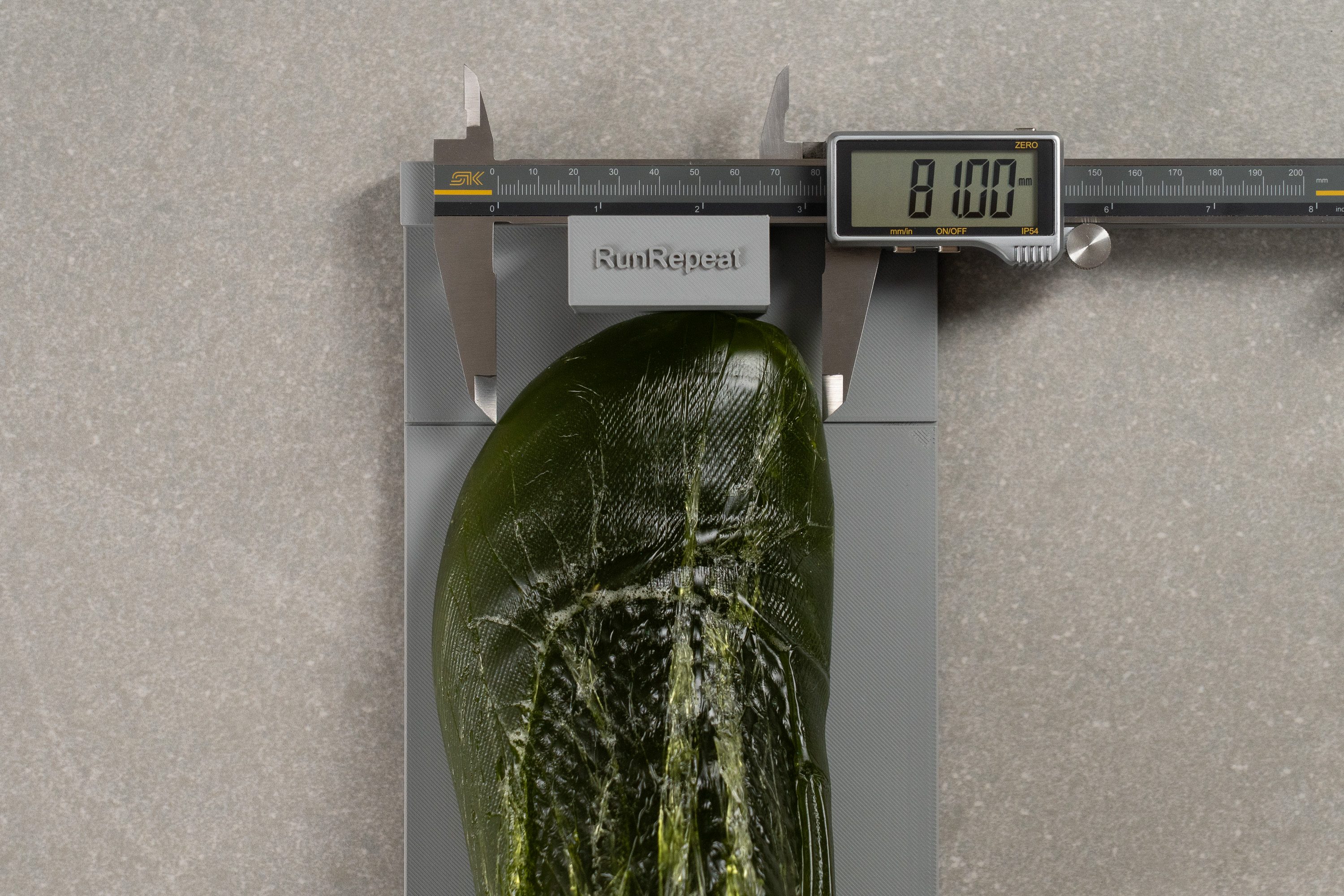
| Olympus 275 | 81.0 mm |
| Average | 74.3 mm |
Toebox height
Vertical space is not an issue at all, and it is even more generous than in the regular Olympus.
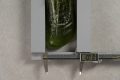
We measured 29.9 mm here, which clearly shows that this shoe offers excellent room for toe movement in every direction.
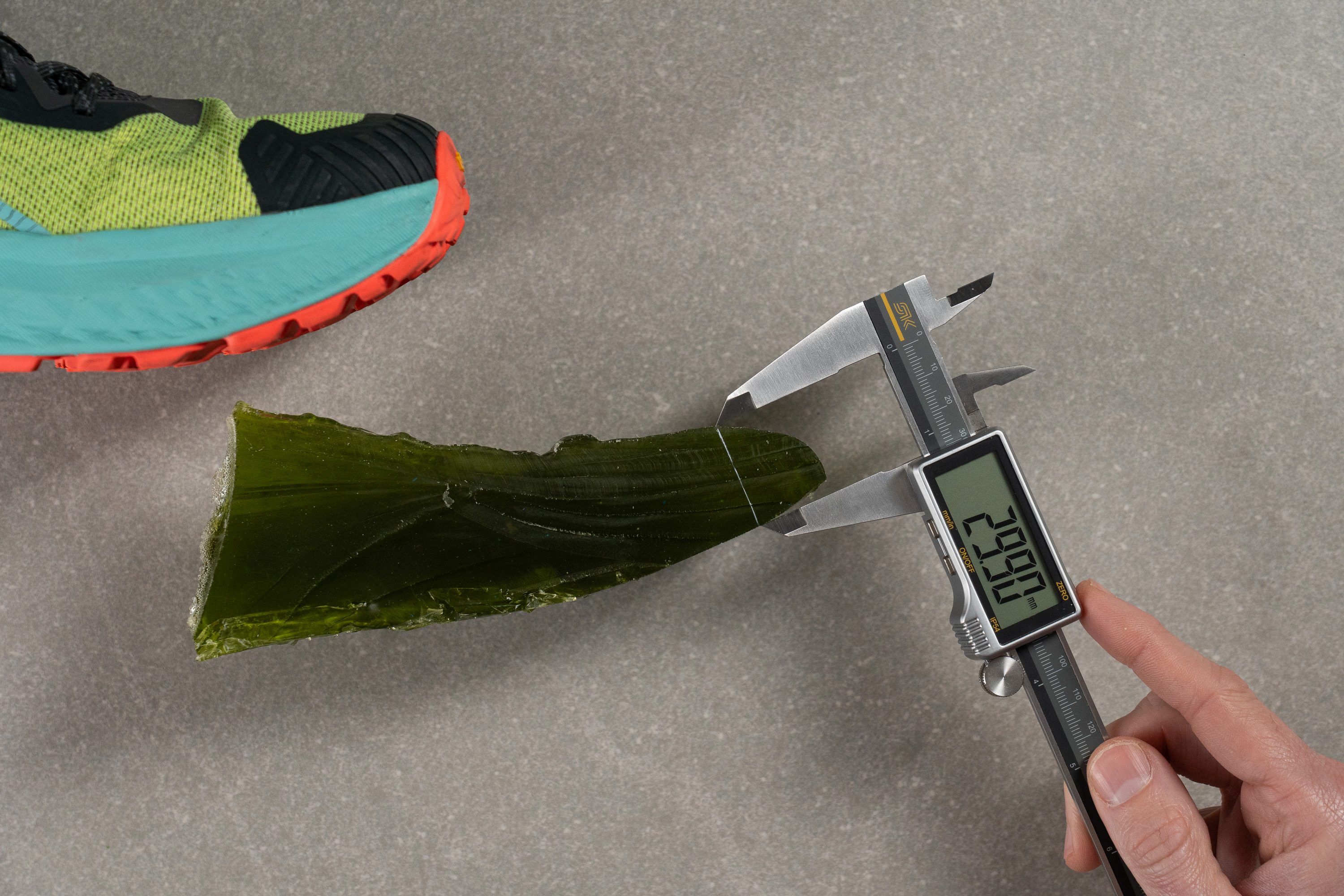
| Olympus 275 | 29.9 mm |
| Average | 27.0 mm |
Traction / Grip
Traction test
Vibram Megagrip continues to perform reliably in our lab, and the Olympus 275 is another solid example. A 0.63 score may not look state-of-the-art at first, but with limited rubber coverage and plenty of exposed foam, it’s a strong result in our view.
| Olympus 275 | 0.63 |
| Average | 0.68 |
Lug depth
The Altra Olympus 275 remains a top choice for easy terrain thanks to its high forefoot stack height and shallow 3.5 mm lugs, which suit smooth trails and long efforts well but limit its performance on more technical ground.
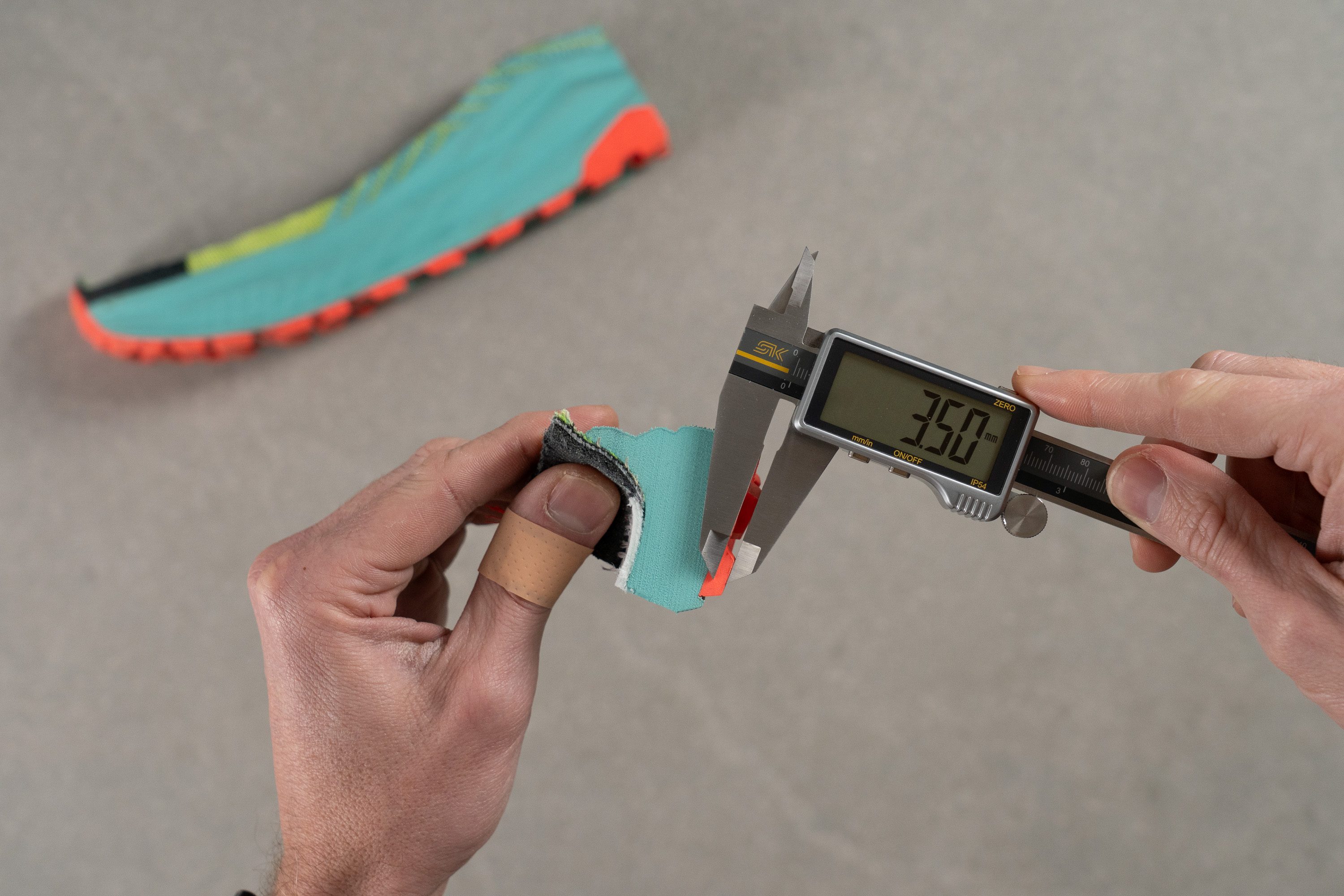
| Olympus 275 | 3.5 mm |
| Average | 3.5 mm |
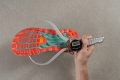
Outsole design
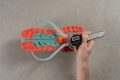
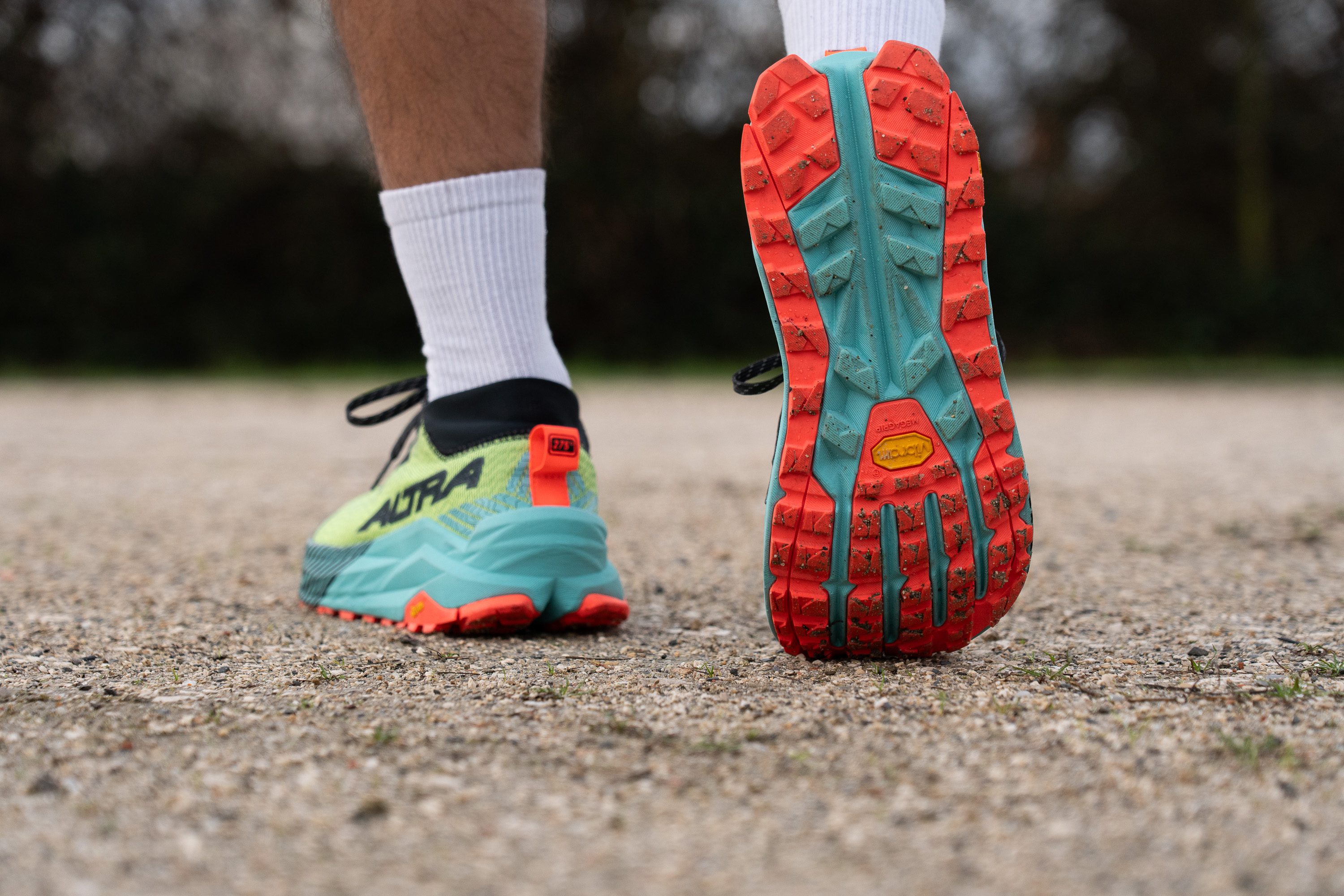
This photo does a great job highlighting the Olympus 275 outsole, especially thanks to Altra’s clear color separation between foam and rubber, which makes the layout easy to read.
The design follows Altra’s familiar formula, with Vibram Megagrip placed in the heel and forefoot and lighter coverage through the midfoot. Deep flex grooves run across the outsole to promote natural movement, while the large central cutout through the heel and midfoot improves torsional adaptability and helps the shoe flex more freely despite its high stack.
Flexibility / Stiffness
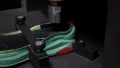
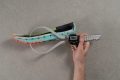
It’s impressive that Altra managed to keep this shoe at 13.9N in our bend test, which is lower than average for trail shoes. The flex grooves in both the outsole and midsole clearly play a key role here, helping preserve a natural feel underfoot despite the tall stack.
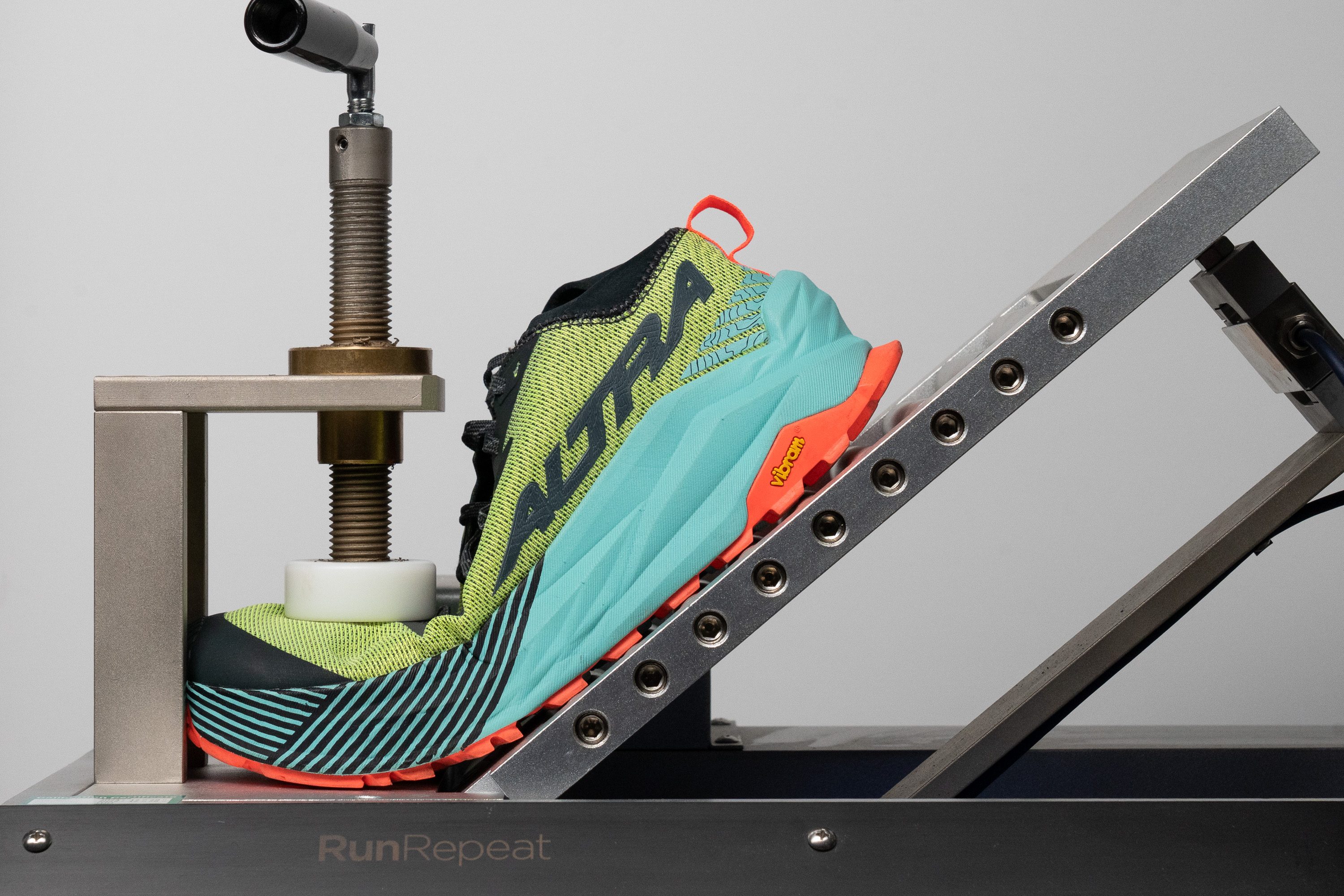
| Olympus 275 | 13.9N |
| Average | 14.8N |
Weight
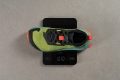
The main reason to choose the Olympus 275 over the standard version is the huge weight reduction it brings. The new MATRYX upper and a few smart tweaks drop the weight to 10.7 oz (303g) from 12.6 oz (357g) on the Olympus 6.
In our view, this is the weight the Olympus 6 should have reached earlier. Still, it’s great to finally get a version that feels right—despite still being heavier than the average trail shoe, it's a good result considering the massive size of the shoe.
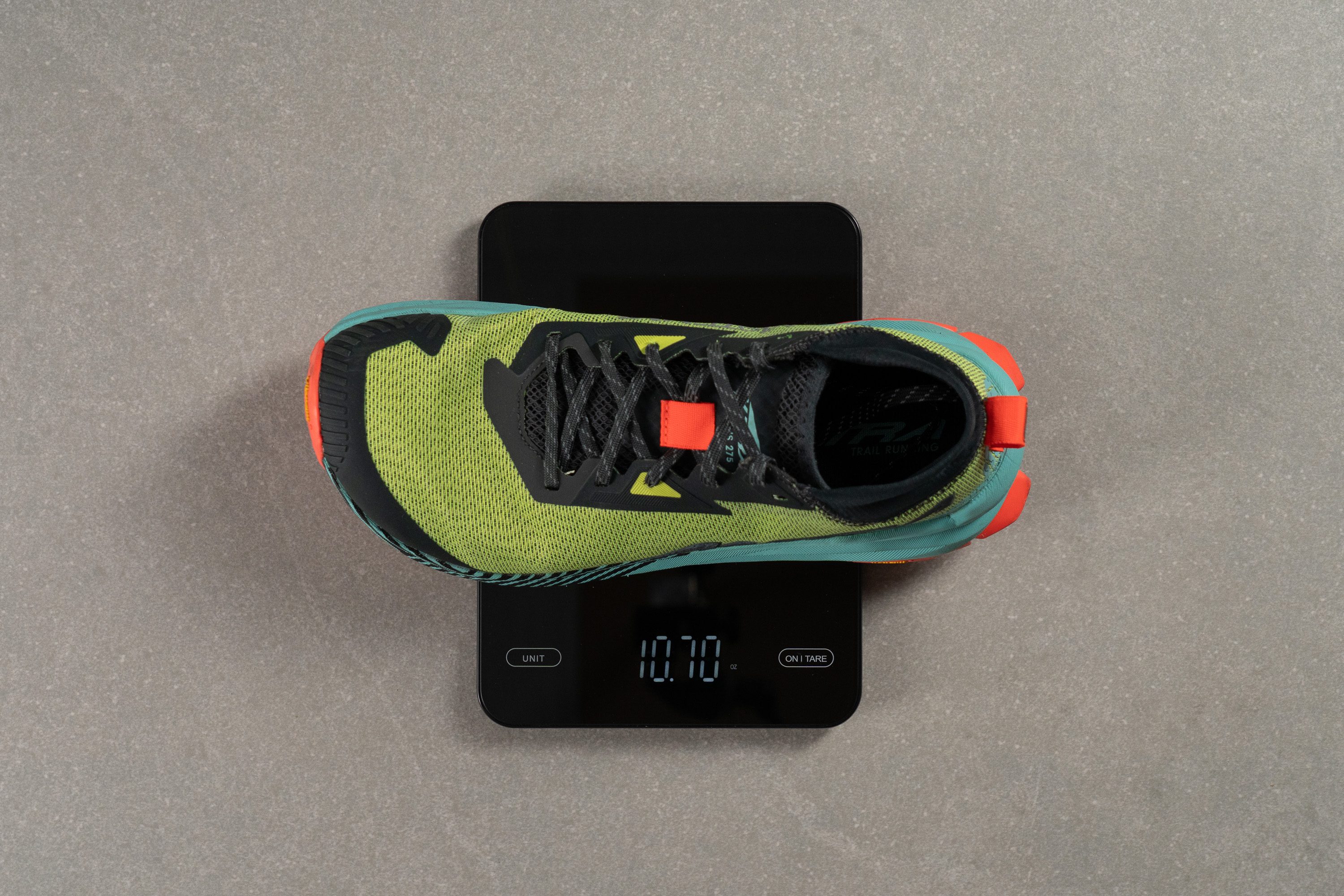
| Olympus 275 | 10.7 oz (303g) |
| Average | 10.1 oz (285g) |
Breathability
Breathability test
One of the main reasons to move from the standard model to the 275 version is the new MATRYX upper. It is clearly lighter than before while still maintaining solid ventilation.
We rated it 4 out of 5 in our breathability test, which makes it a strong option for trail running across different seasons.
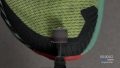
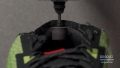
Shining a light through the upper showed that airflow is not limited to the toebox but also extends through the midfoot. This is especially helpful for runners who tend to generate more heat in their feet.
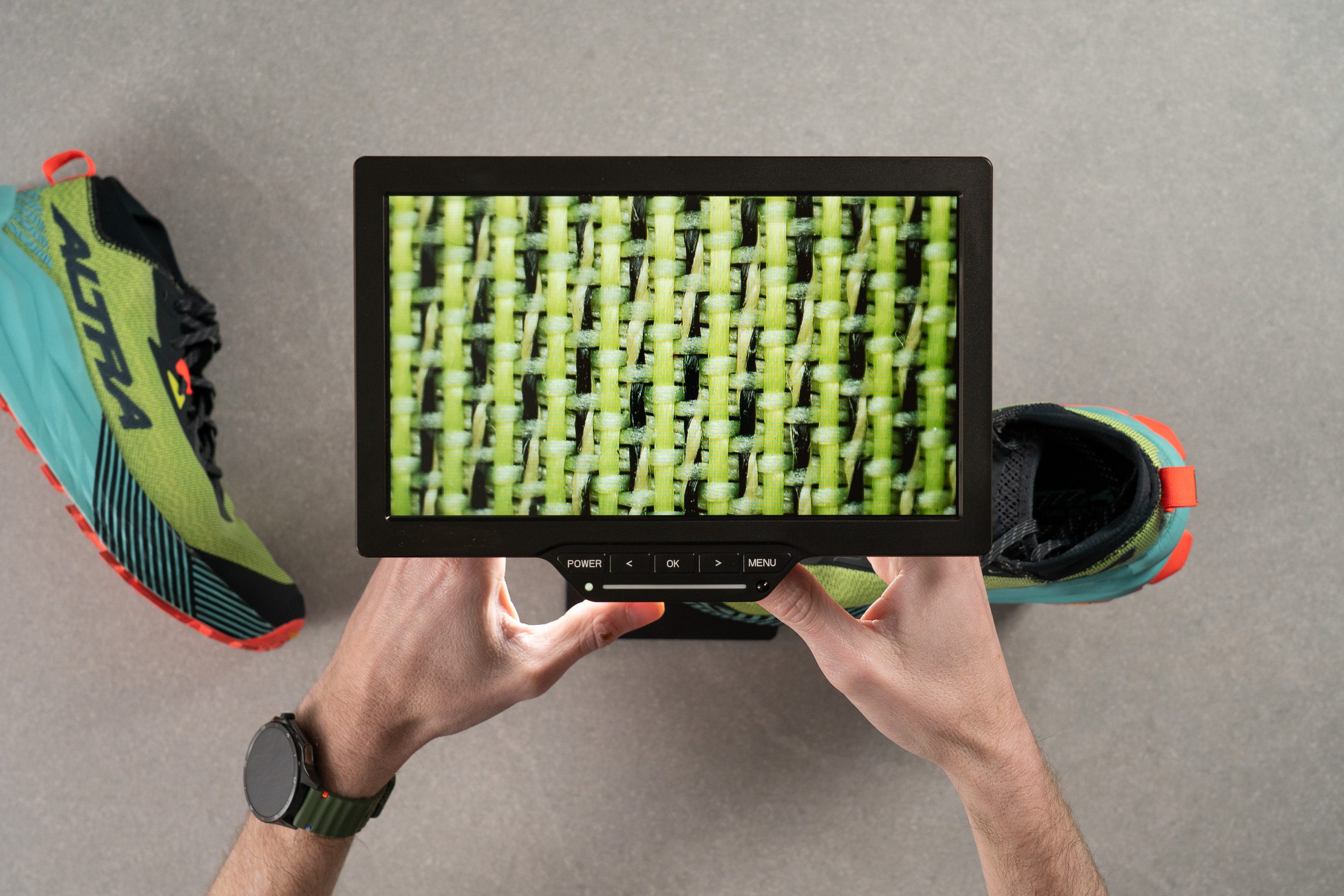
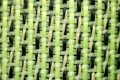
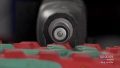
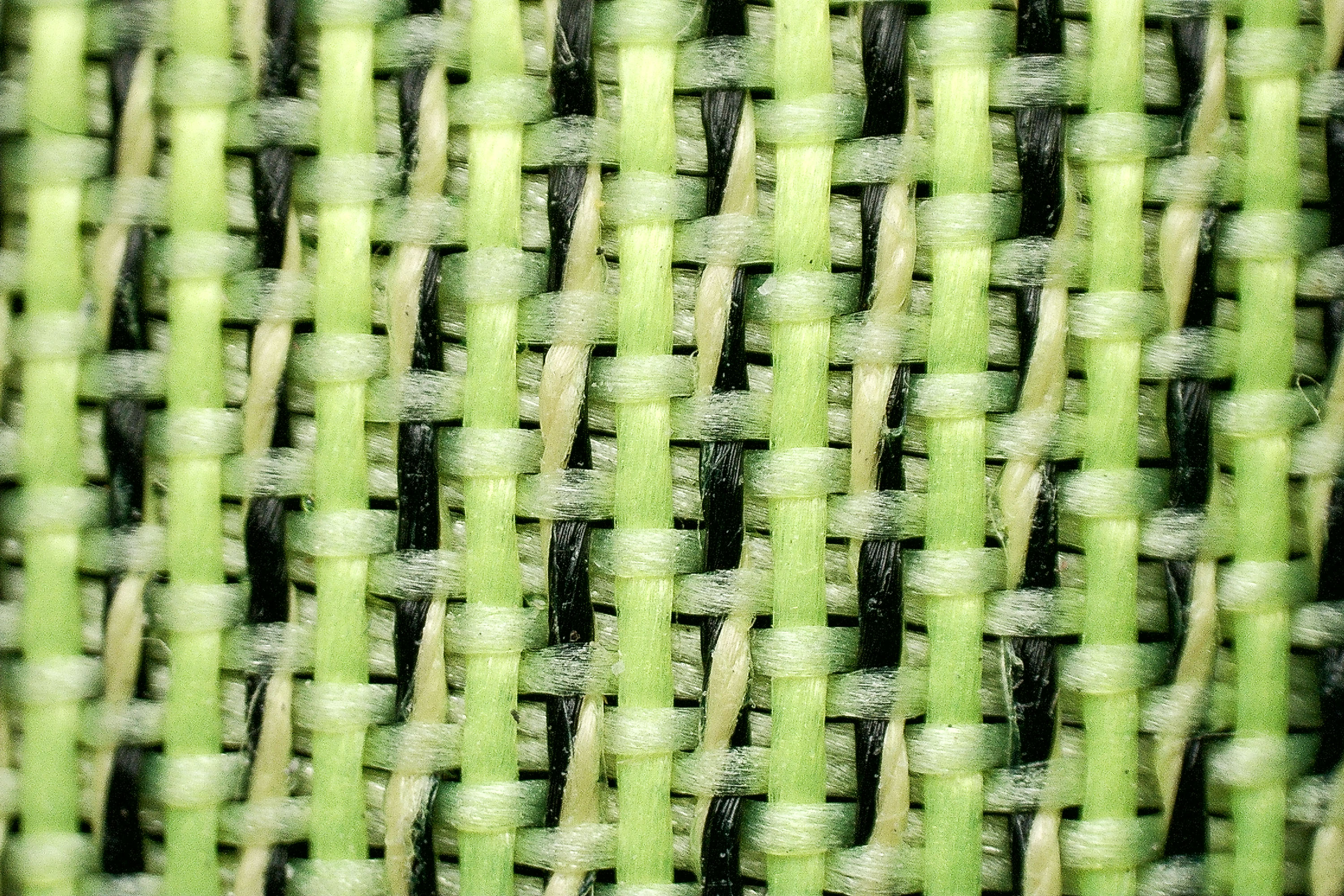
Under the microscope, the MATRYX textile once again shows its high-quality construction. We saw the familiar mix of yarns and enough open space to allow air to move through the upper.
Comfort may be the only area where some runners notice a trade-off, as padding is kept to a minimum. This was expected, since weight reduction was a clear priority, and it comes as part of that design choice.
| Olympus 275 | 4 |
| Average | 3.3 |
Stability
Lateral stability test
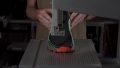
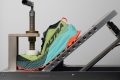
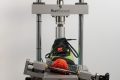
One of the main selling points of the Olympus 275 is its extremely strong stability. This might seem surprising given that it is Altra’s highest-stacked trail shoe, but the wide footprint, tall midsole sidewalls, and firm foam work together very effectively, especially on flat or easy terrain.
Torsional rigidity
Combining firm foam with a high stack height usually leads to high torsional rigidity. However, Altra focuses on maintaining flexibility here like they do with most shoes, and we believe that achieving 14.7 Nm in such a high-stacked shoe is quite impressive.
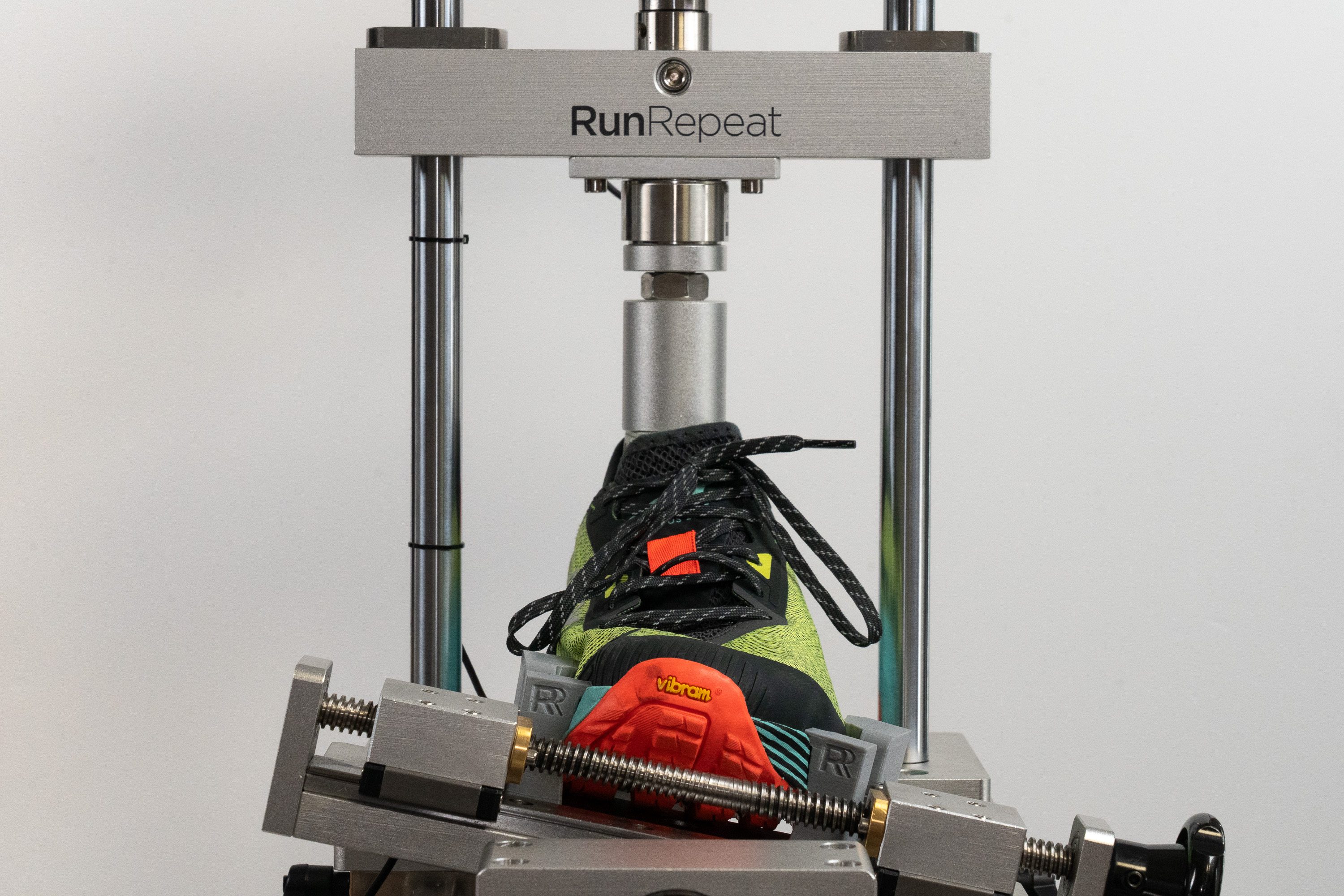
| Olympus 275 | 14.7 Nm |
| Average | 15.7 Nm |
Heel counter stiffness
The heel design of the Olympus 275 is very different from a traditional running shoe, sitting much closer to a racing-style setup with a soft, sock-like fit and a low 1/5 stiffness score.
Because zero-drop shoes are rarely used by heel strikers, this less supportive heel can actually be a benefit, especially for runners who often feel Achilles discomfort when using rigid heel counters.
| Olympus 275 | 1 |
| Average | 2.9 |
Midsole width - forefoot
We already mentioned the wide footprint of the Olympus 275, and now it’s time to put numbers to it. Our measurement showed 118.1 mm in the forefoot, which is clearly wider than the average trail shoe.
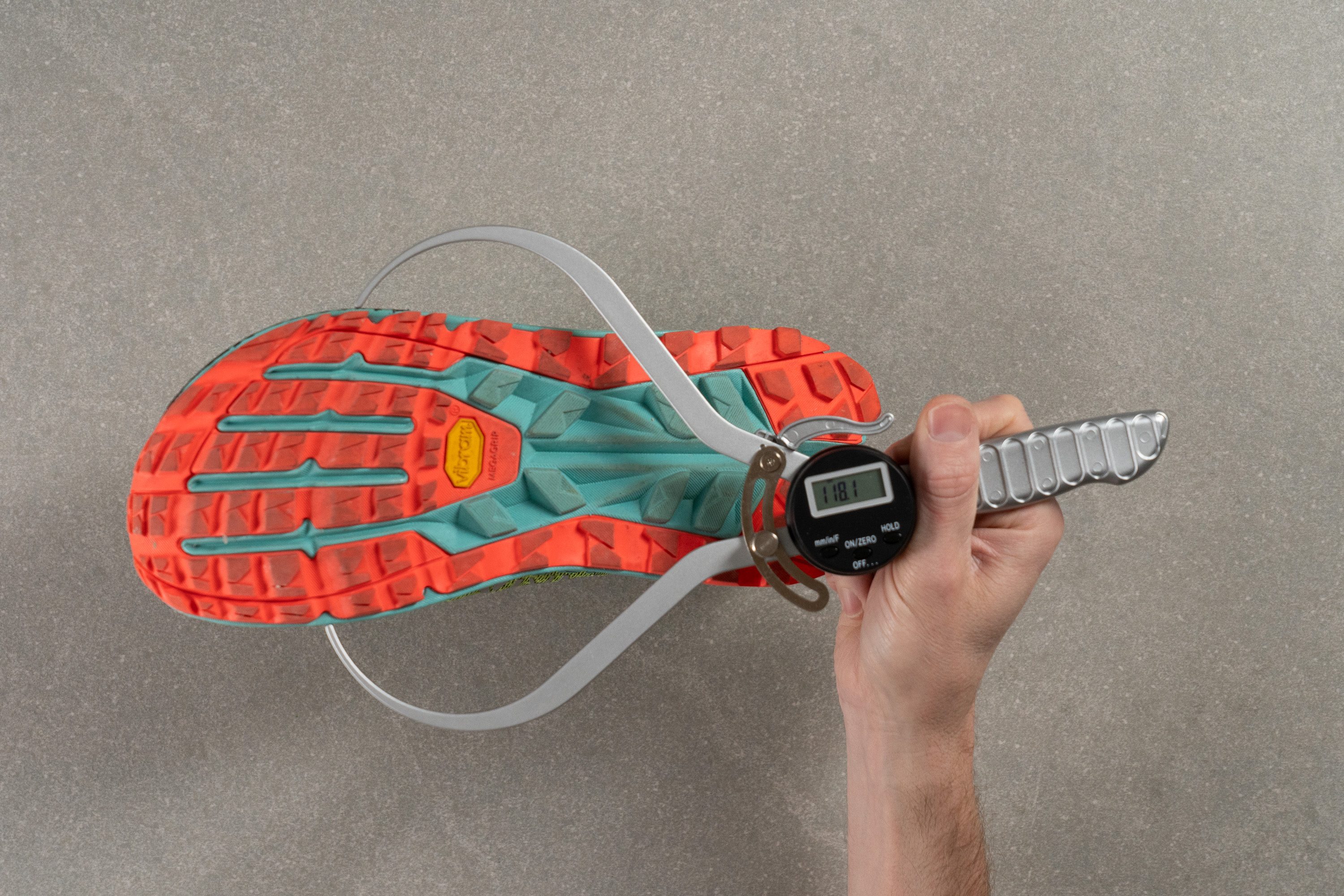
| Olympus 275 | 118.1 mm |
| Average | 114.3 mm |
Midsole width - heel
The forefoot flows into the heel through an extremely wide midfoot, which makes the Olympus 275 a solid option for runners with moderate support needs. Then, at the rear, we measured a massive 100.8 mm width, reinforcing its reputation as a true tank built for trail running.
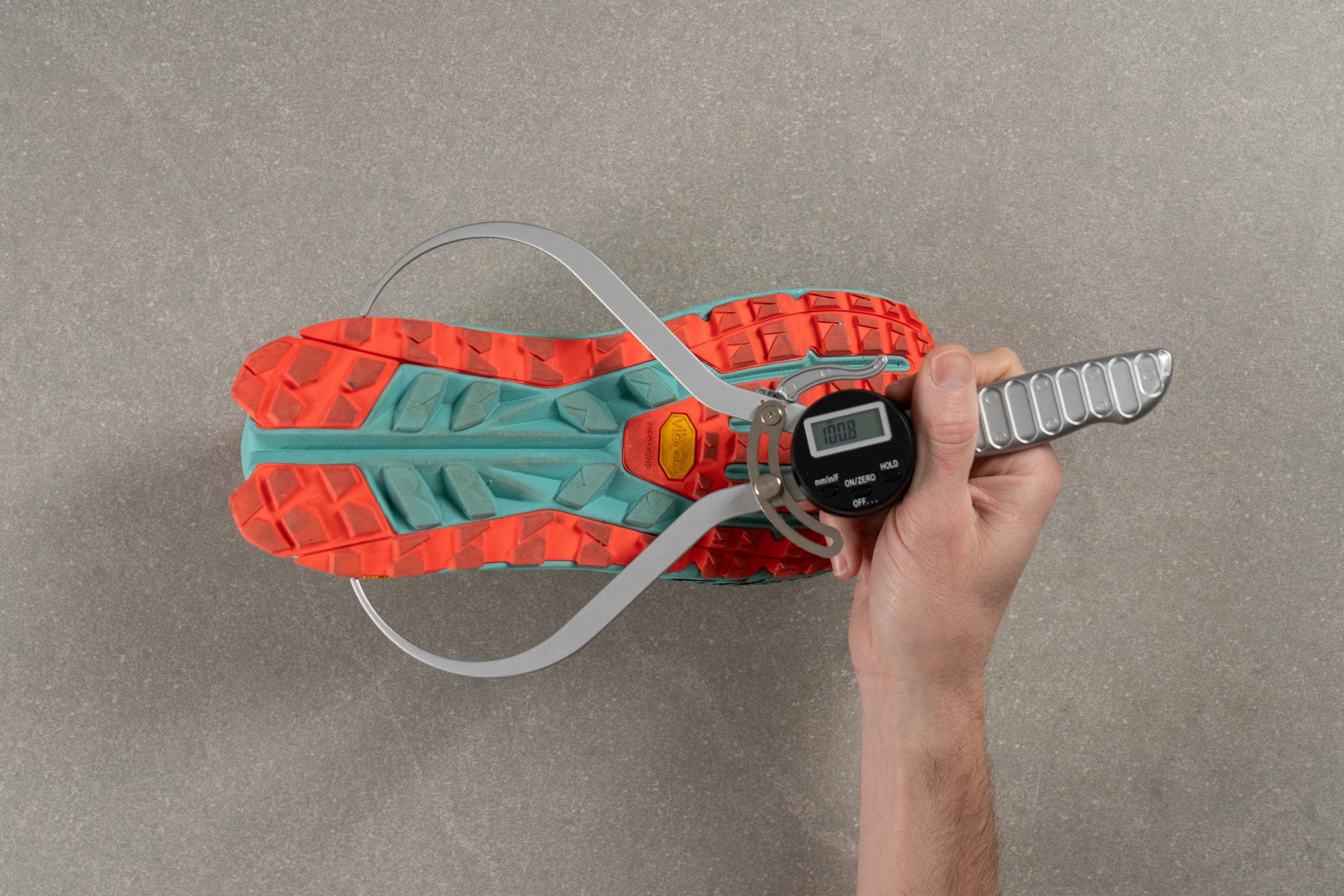
| Olympus 275 | 100.8 mm |
| Average | 90.5 mm |
Durability
Toebox durability
One of the standout traits of the MATRYX upper is how it usually balances comfort, ventilation, and durability. In this case, we confirmed its toughness with an excellent 4/5 score in our test.
On top of that, the upper is heavily reinforced with a rugged toe bumper, so we fully expect this shoe to hold up well over time.
| Olympus 275 | 4 |
| Average | 3.1 |
Heel padding durability
The heel padding is less impressive with a 3/5 score, but it is still sufficient to meet basic comfort expectations.
| Olympus 275 | 3 |
| Average | 3.1 |
Outsole durability
The story with Vibram Megagrip mirrors what we see with the MATRYX upper. There’s a reason major brands rely on external companies and pay royalties, as they deliver a level of quality that's hard to match. In our durability test, Vibram once again proved its strength, showing just 0.5 mm of wear.
| Olympus 275 | 0.5 mm |
| Average | 0.9 mm |
Outsole thickness
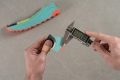
The outsole measures 1.7 mm in thickness. Combined with the thick midsole, it offers enough protection to shield the foot from common trail hazards.
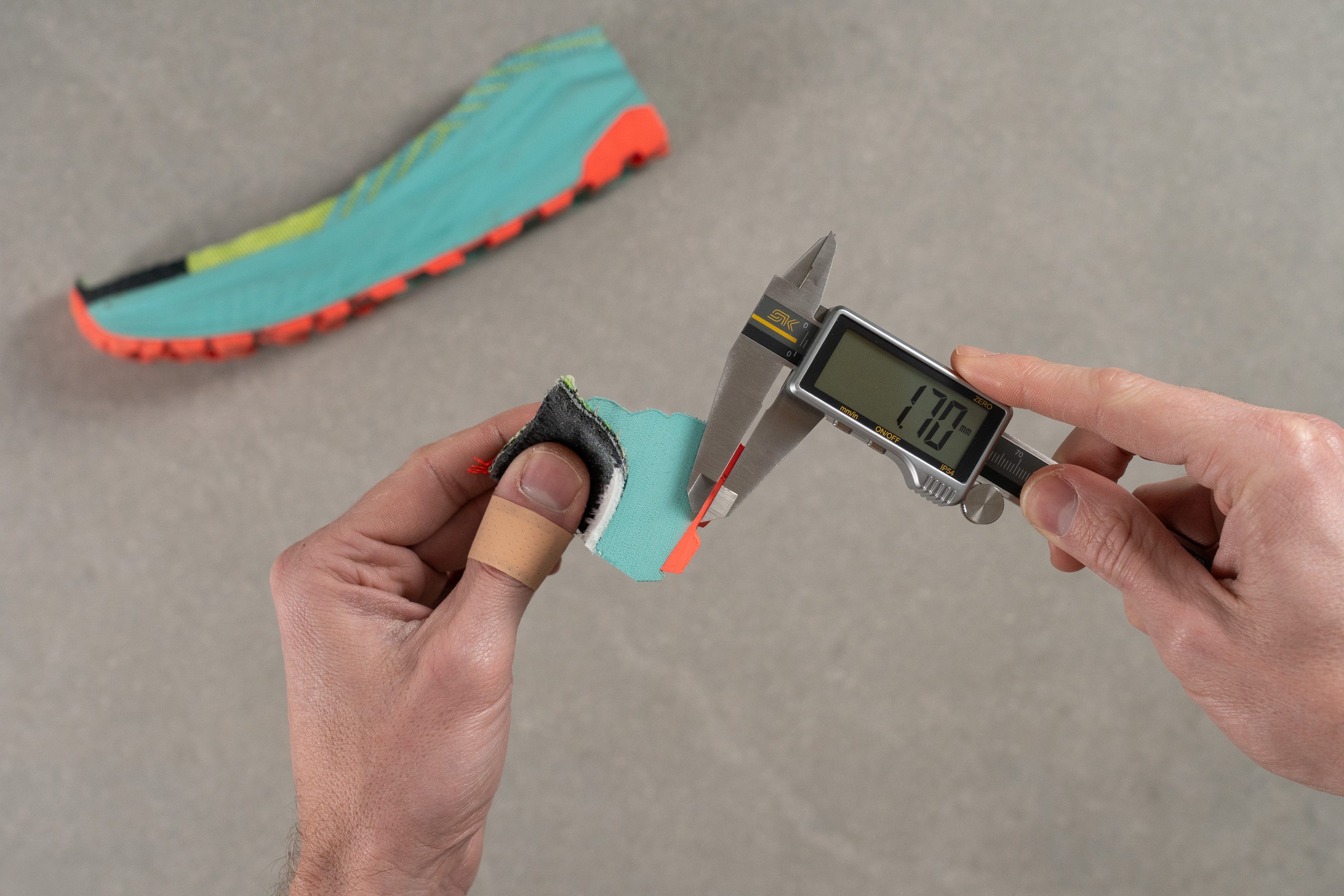
| Olympus 275 | 1.7 mm |
| Average | 1.9 mm |
Misc
Insole thickness
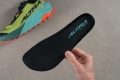
The insole is fairly standard when it comes to thickness at 4.5 mm, but it's made from TPEE instead of EVA, which is a nice plus.
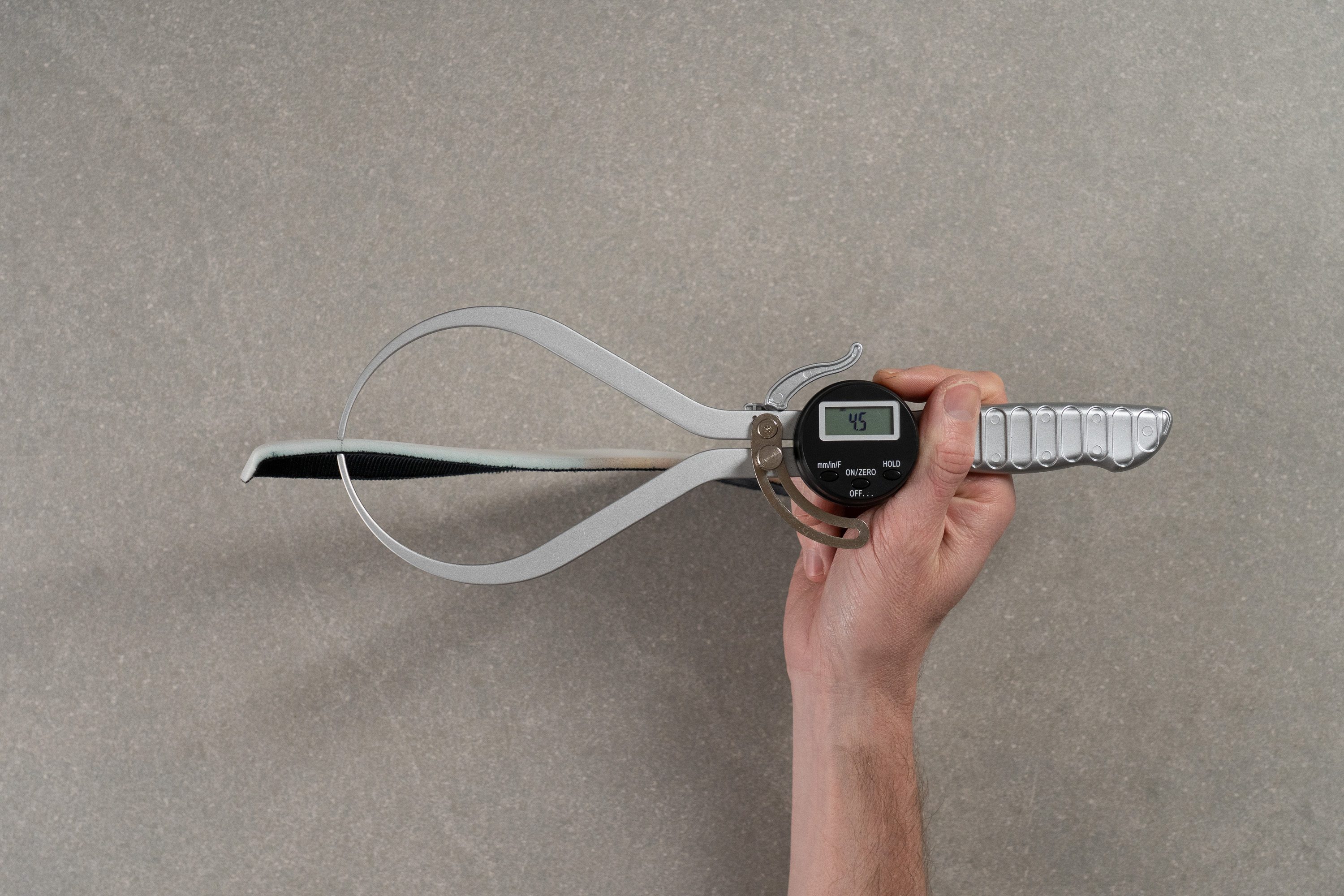
| Olympus 275 | 4.5 mm |
| Average | 4.6 mm |
Removable insole
Taking out the insole caused us no trouble at all, but swapping it for a third-party option can be challenging because of the massive size of the forefoot.
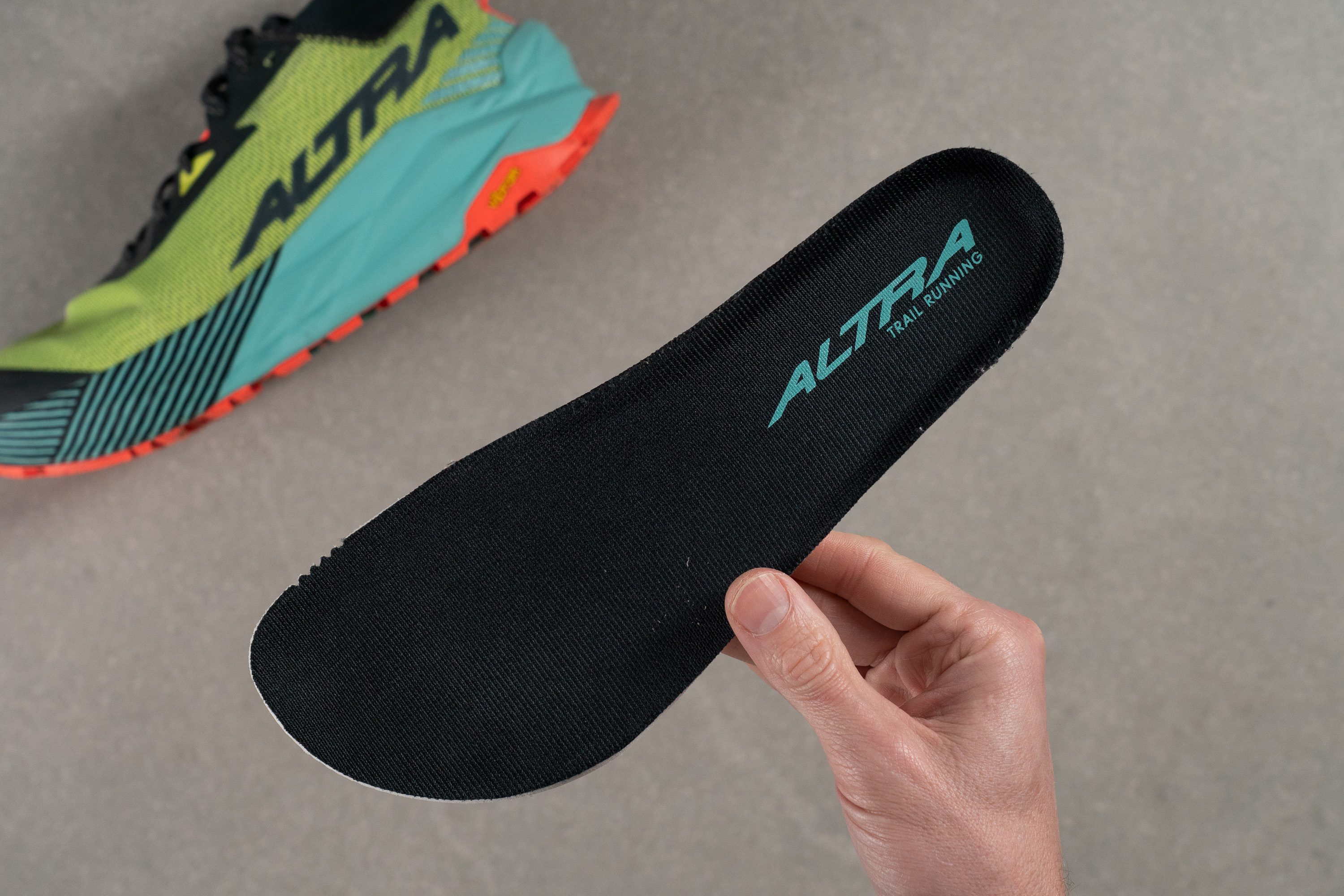
| Olympus 275 | Yes |
Reflective elements
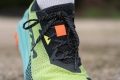
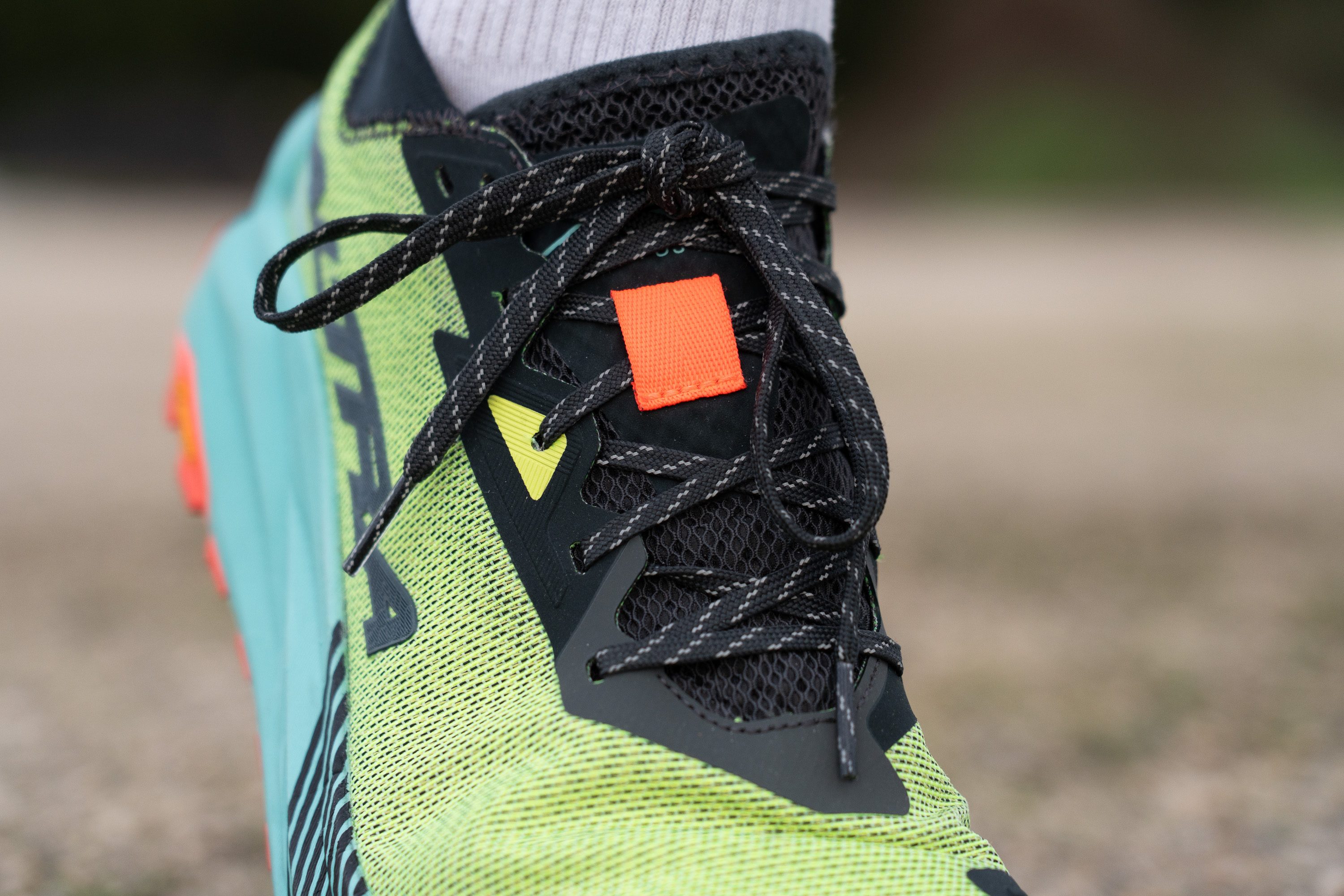
Altra included reflective laces on the Olympus 275, which is a nice touch, although we think the shoe would benefit from adding a few reflective details around the heel as well.
| Olympus 275 | Yes |
Tongue padding
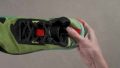
Altra kept the lacing system simple and familiar, using reinforced punched eyelets, trail-style flat laces, and a tongue loop to keep everything centered. There are no unusual elements or experimental designs here.
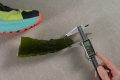
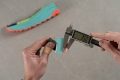
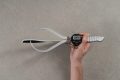
If you remember, during our breathability test we noticed that the tongue is quite thin to save weight, and our caliper measurement confirmed it with just 2.6 mm of padding.
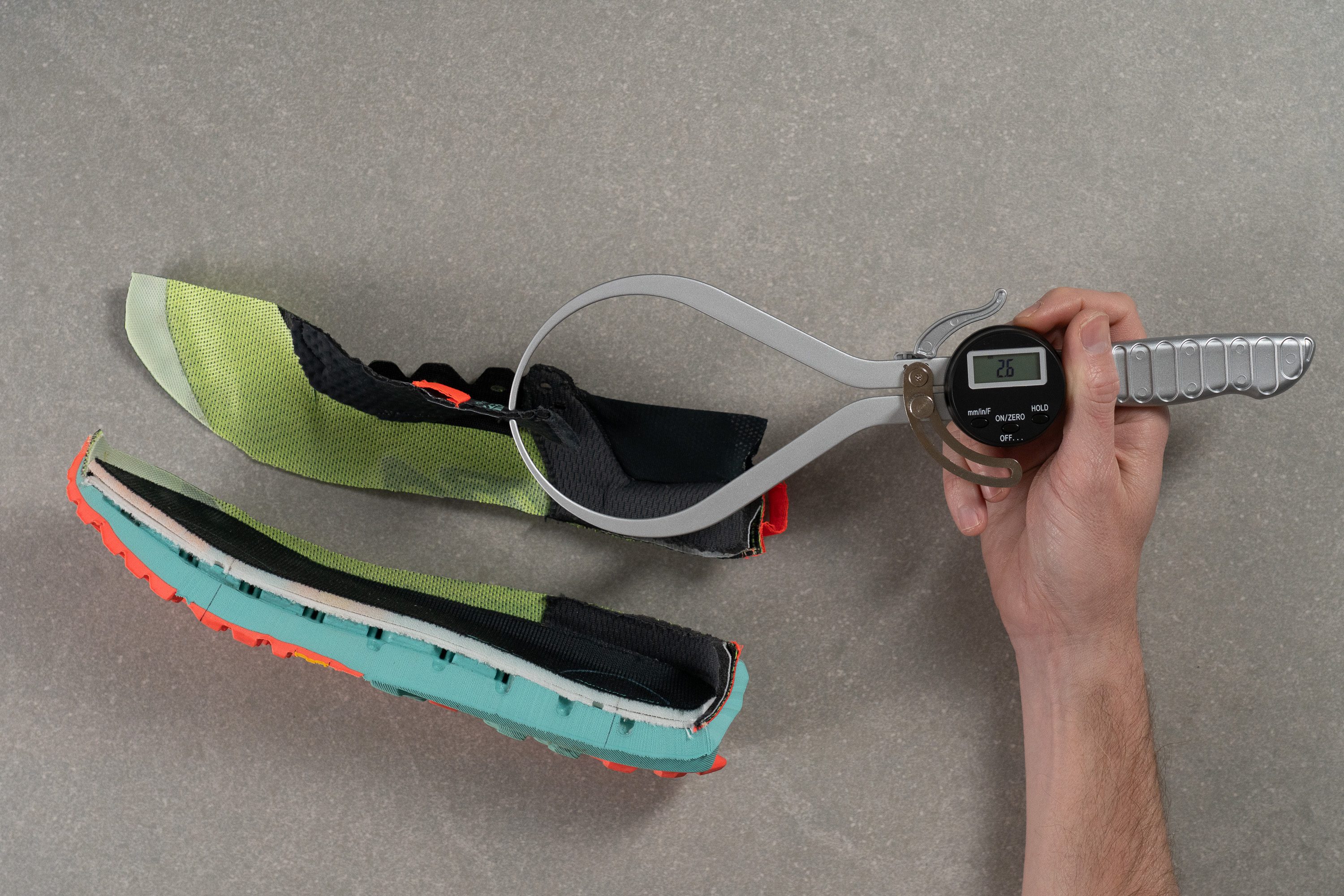
| Olympus 275 | 2.6 mm |
| Average | 6.4 mm |
Tongue: gusset type
The secure fit we found around the instep is partly due to the semi-gusseted tongue design. We usually prefer trail shoes with a fully gusseted tongue, but in this case, saving weight was clearly a priority, and we think this solution works well too.
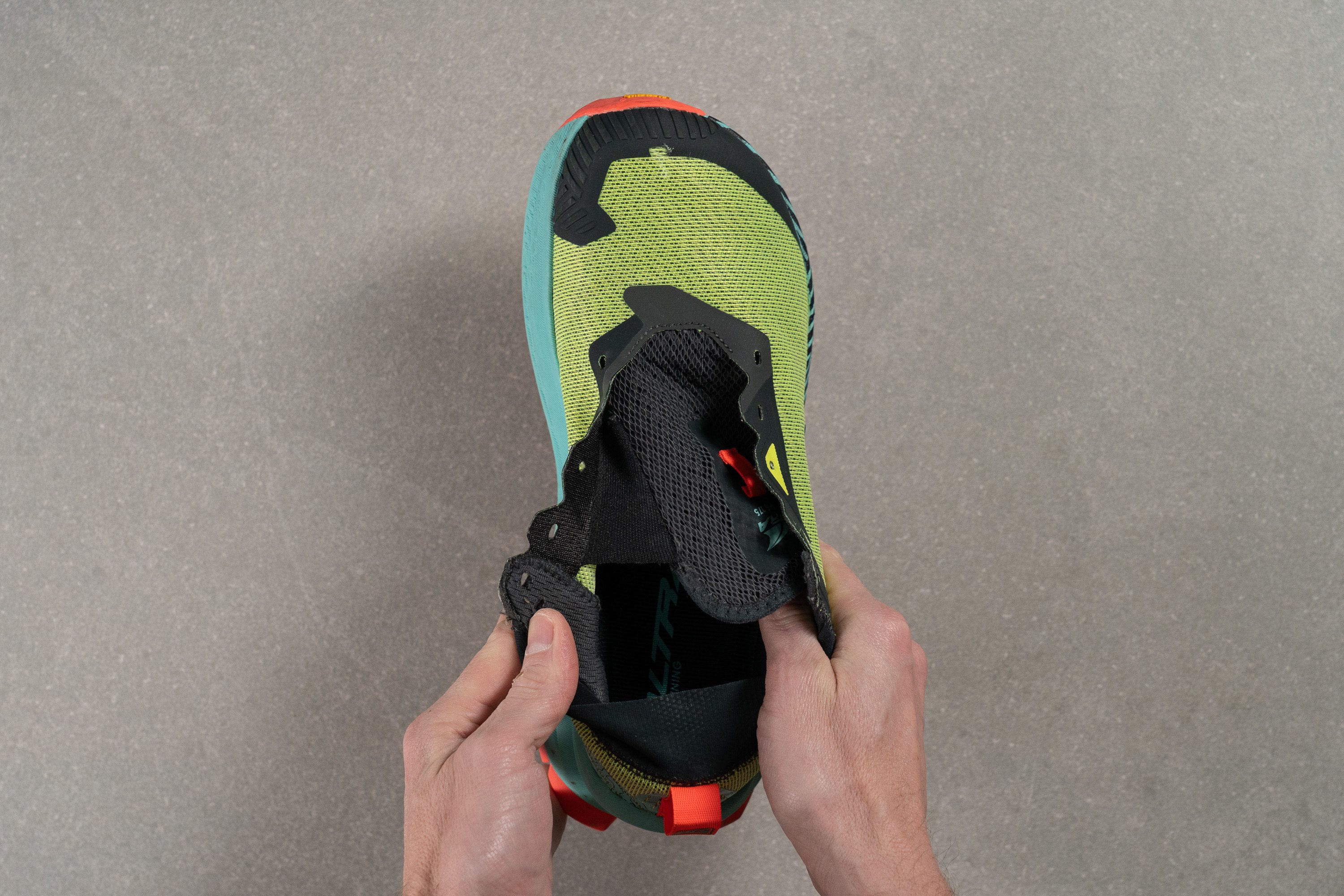
| Olympus 275 | Both sides (semi) |
Heel tab
The heel includes a finger-loop pull tab marked with the 275° detail, a nod to the temperature (Fahrenheit, of course) Altra’s founders used when they cranked up their home oven to create their first shoe prototypes.
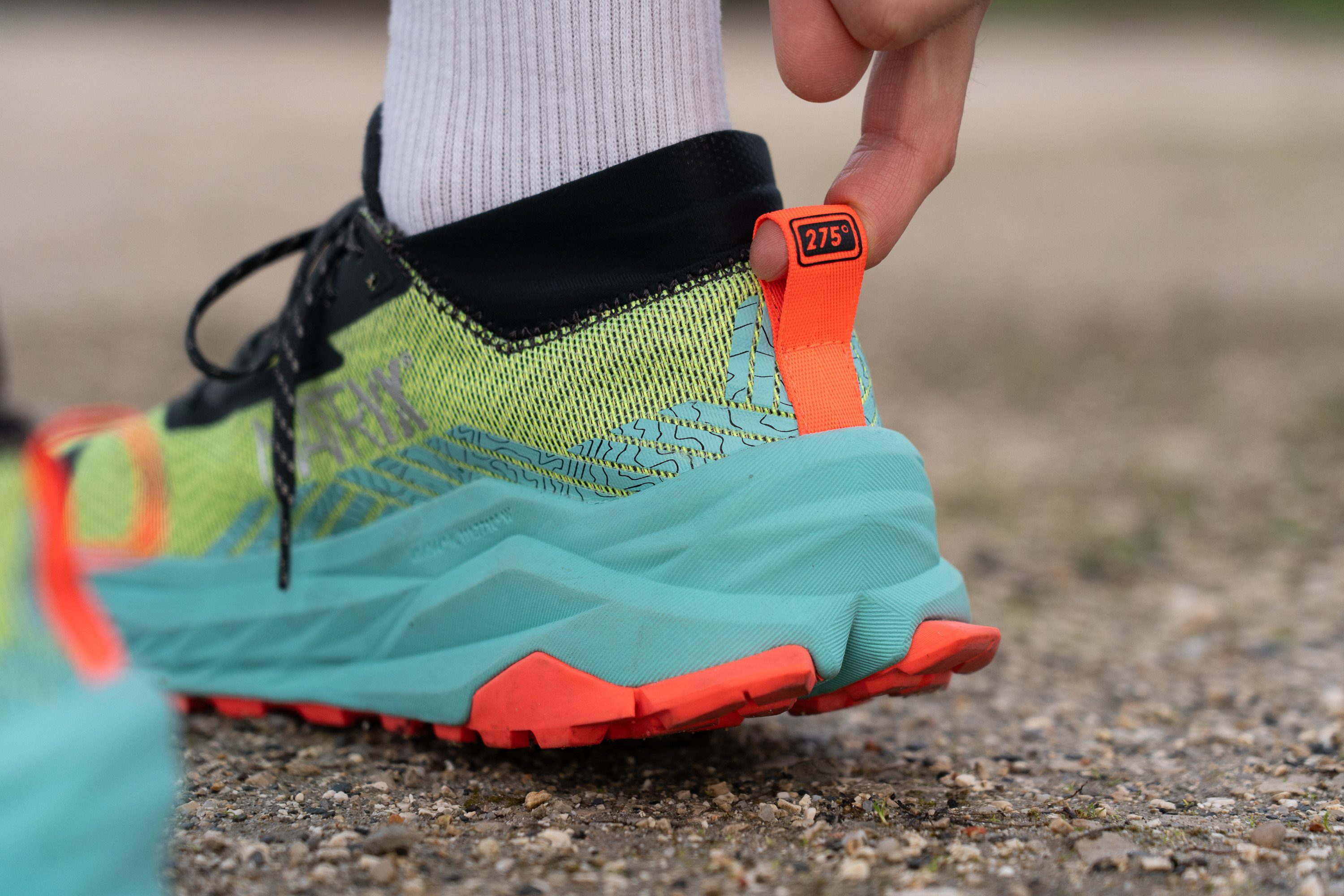
| Olympus 275 | Finger loop |
Price
Altra is asking for $10 more than the Olympus 6 with the 275, and we think it’s an easy call. The MATRYX upper and the noticeable weight savings more than justify the minor price increase.
| Olympus 275 | $185 |
| Average | $160 |