














Nuestra conclusión
- Tiradas diarias / rodajes 89
- Tempo 85
- Competición 77
- Estabilidad 76
Pros
- Retorno de energía y protección contra impactos impresionantes
- Muy versátiles para ritmos distintos
- Más ligeras que la mayoría de sus rivales de entrenamiento diario
- Suela rediseñada con dos zonas de caucho Continental
- Cierre seguro
- Diseño de alta calidad
- Ideales para las tiradas largas
- Con rebote
- Estética que las separa del resto
- Relación calidad-precio mejor que la de las Edge
Contras
- Muy poco transpirables
- Parte delantera con un espacio vertical limitado
- Si estás buscando estabilidad, no son para ti
Premios
- Top 23% más vendidas zapatillas de running
Comparativa
Las zapatillas de running más parecidas
+ + Añadir unas zapatillas | |||||
|---|---|---|---|---|---|
| Nuestra puntuación | 84 Geniales | 83 Geniales | 86 Geniales | 75 Buenas | |
| Precio | 170 € | 160 € | 200 € | 55 € | |
| Ritmo | Correr a diarioTempo / series | Correr a diario | Correr a diario | Correr a diario | |
| Absorción de impactos | Alta | Alta | Alta | Moderada | |
| Retorno de energía | Alto | Moderado | Bajo | Bajo | |
| Tracción | Alta | Alta | Alta | Alta | |
| Sujeción arco del pié | Neutral | Neutral | Neutral | Neutral | |
| Peso laboratorio Peso marca | 8.7 oz / 247g 8.7 oz / 248g | 10.1 oz / 286g 10.3 oz / 292g | 9.8 oz / 278g 10 oz / 283g | 11.2 oz / 318g 11.5 oz / 326g | |
| Ligero | ✓ | ✗ | ✗ | ✗ | |
| Drop laboratorio Drop marca | 6.8 mm 6.0 mm | 9.0 mm 6.0 mm | 5.2 mm 8.0 mm | 6.9 mm 5.0 mm | |
| Técnica de carrera | Medio/antepié | TalónMedio/antepié | Medio/antepié | Medio/antepié | |
| Talla | Tallan bien | Tallan bien | Tallan bien | Tallan bien | |
| Rigidez de la mediasuela | Equilibrada | Equilibrada | Equilibrada | Equilibrada | |
| Diferencia de la rigidez de la mediasuela en frío | Pequeña | Normal | Pequeña | Pequeña | |
| Durabilidad de la parte delantera | Decente | Mala | Decente | Decente | |
| Durabilidad del acolchado del talón | Media | Alta | Media | Baja | |
| Durabilidad de la suela exterior | Buena | Buena | Buena | Buena | |
| Transpirabilidad | - | - | Media | - | |
| Anchura / ajuste | Media | Media | Media | Media | |
| Anchura de la parte delantera | Media | Media | Media | Estrecha | |
| Flexibilidad | Rígida | Rígida | Rígida | Rígida | |
| Rigidez torsional | Moderadas | Moderadas | Rígidas | Rígidas | |
| Rigidez del contrafuerte del talón | Flexible | Moderado | Rígido | Moderado | |
| Con rocker | ✓ | ✓ | ✓ | ✓ | |
| Talón laboratorio Talón marca | 38.6 mm 38.0 mm | 38.6 mm 40.0 mm | 39.5 mm 43.5 mm | 37.4 mm 37.0 mm | |
| Antepié laboratorio Antepié marca | 31.8 mm 32.0 mm | 29.6 mm 34.0 mm | 34.3 mm 35.5 mm | 30.5 mm 32.0 mm | |
| Anchuras disponibles | EstándarAncho | EstándarAnchoExtra Ancho | EstándarAnchoExtra Ancho | EstándarAnchoExtra Ancho | |
| Compatibles con plantillas personalizadas | ✓ | ✓ | ✓ | ✓ | |
| Estación | - | - | Todas las estaciones | - | |
| Plantilla extraíble | ✓ | ✓ | ✓ | ✓ | |
| Clasificación | #133 Top 34% | #149 Top 38% | #82 Top 21% | #320 20% inferior | |
| Popularidad | #90 Top 23% | #29 Top 8% | #28 Top 8% | #259 35% inferior |


Quién debería comprárselas
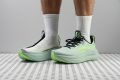
Las Adidas Hyperboost Run son una opción estupenda para los runners que:
- Priorizan las mediasuelas ultrarreactivas y las suelas duraderas, y no les importa sacrificar la transpirabilidad por ello.
- Quieran probar la impresionante espuma Hyperboost Pro en unas zapatillas más equilibradas y menos extremas que las Hyperboost Edge.
- Sean principiantes y necesiten unas zapatillas de entrenamiento versátiles que sean igual de cómodas en las tiradas fáciles, en los entrenamientos de tempo e incluso en alguna que otra competición.
- Sean fans de las pisadas divertidas y protectoras, pero que pasan de esa sensación voluminosa, que es más típica de los modelos maximalistas.
Quién NO debería comprárselas
Aunque las Hyperboost Run se han ganado su puesto en la categoría de las superzapatillas de entrenamiento, creemos que no son la mejor opción para quienes buscan un modelo maximalista que presuma de muchísima amortiguación. En ese caso, las adidas Hyperboost Edge o las ASICS Superblast 3 son mejores opciones.
Tampoco se las recomendamos a los corredores que priorizan la transpirabilidad. En el laboratorio, descubrimos que este es uno de sus principales puntos débiles, así que si sales a correr cuando hace calor o sudas mucho, no te pierdas las Saucony Triumph 23 o las HOKA Mach 7.
Amortiguación
Shock absorption
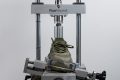
Las Hyperboost Run les van a encantar a los corredores que buscan una buena protección contra los impactos. Obtuvieron un resultado de 147 SA en el talón y de 133 SA en el antepié en nuestra prueba, superando con creces la media actual de nuestro laboratorio.
Por eso mismo creemos que estas superzapatillas de entrenamiento son una muy buena opción para los corredores de cualquier complexión, y se adaptan tanto a las tiradas fáciles como a los tanto para salidas fáciles como para esfuerzos de larga distancia.
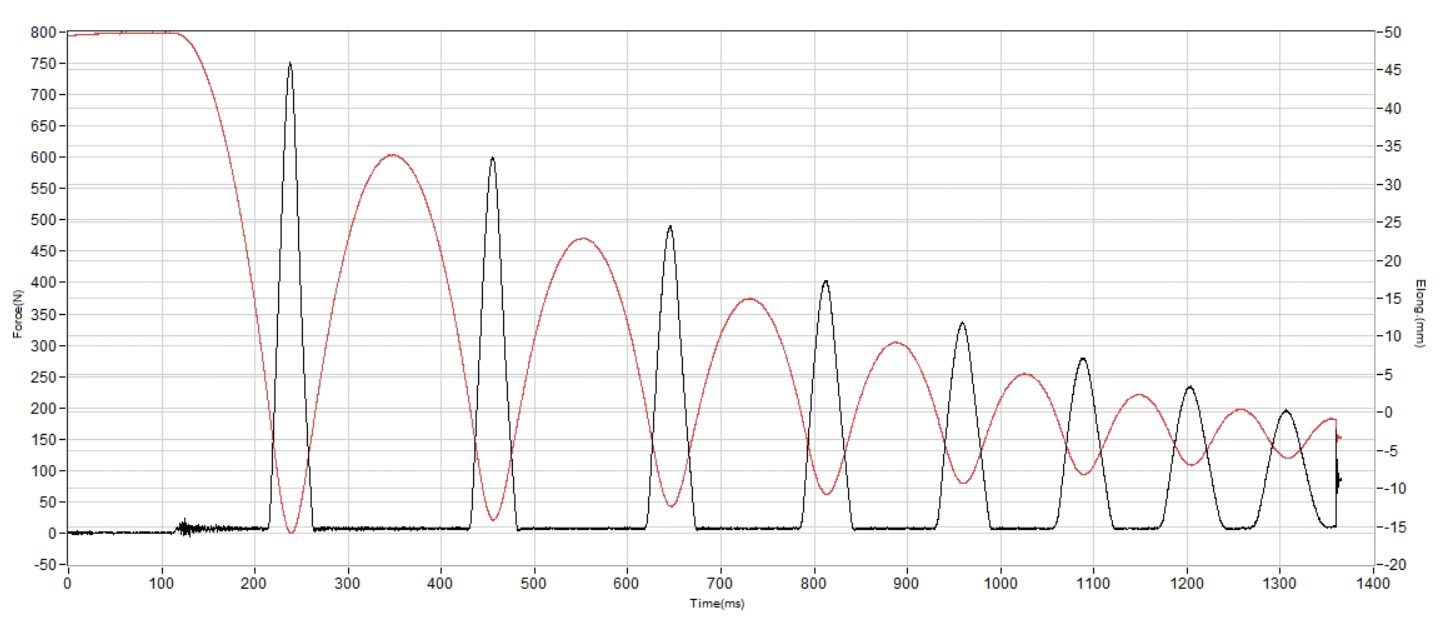
| Hyperboost Run | 147 SA |
| Media | 131 SA |
Energy return
La nueva Hyperboost Pro, fabricada con ePEBA, es una maravilla y, a diferencia de Light Boost, representa la evolución que se merecía la antigua Boost. Aunque el upper de esta nueva gama de adidas ha generado opiniones divididas, parece que la mayoría de los runners coinciden en una cosa: la espuma es fantástica.
Siguiendo el estándar ASTM F1976, vimos que el retorno de energía alcanzaba un impresionante 71,6 % en el talón y 72,8 % en el antepié. Son cifras que no están nada mal para unas zapatillas de entrenamiento y, en nuestra opinión, las hacen muy versátiles, ya que las Hyperboost Run rinden estupendamente bien tanto a ritmos altos como suaves.
| Hyperboost Run | 72.8% |
| Media | 61.4% |
Altura de la suela en la zona del talón
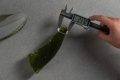
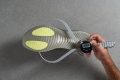
Adidas diseñó las Hyperboost Run como una alternativa menos extrema a las Edge, las zapatillas que estrenaron la gama Hyperboost. Cuando medimos la altura de la suela en el talón, nuestro calibre marcó 38,6 mm, un resultado que sigue estando por encima de la media actual de nuestro laboratorio y que encaja con los perfiles altos tan típicos de los modelos de entrenamiento diario actuales.
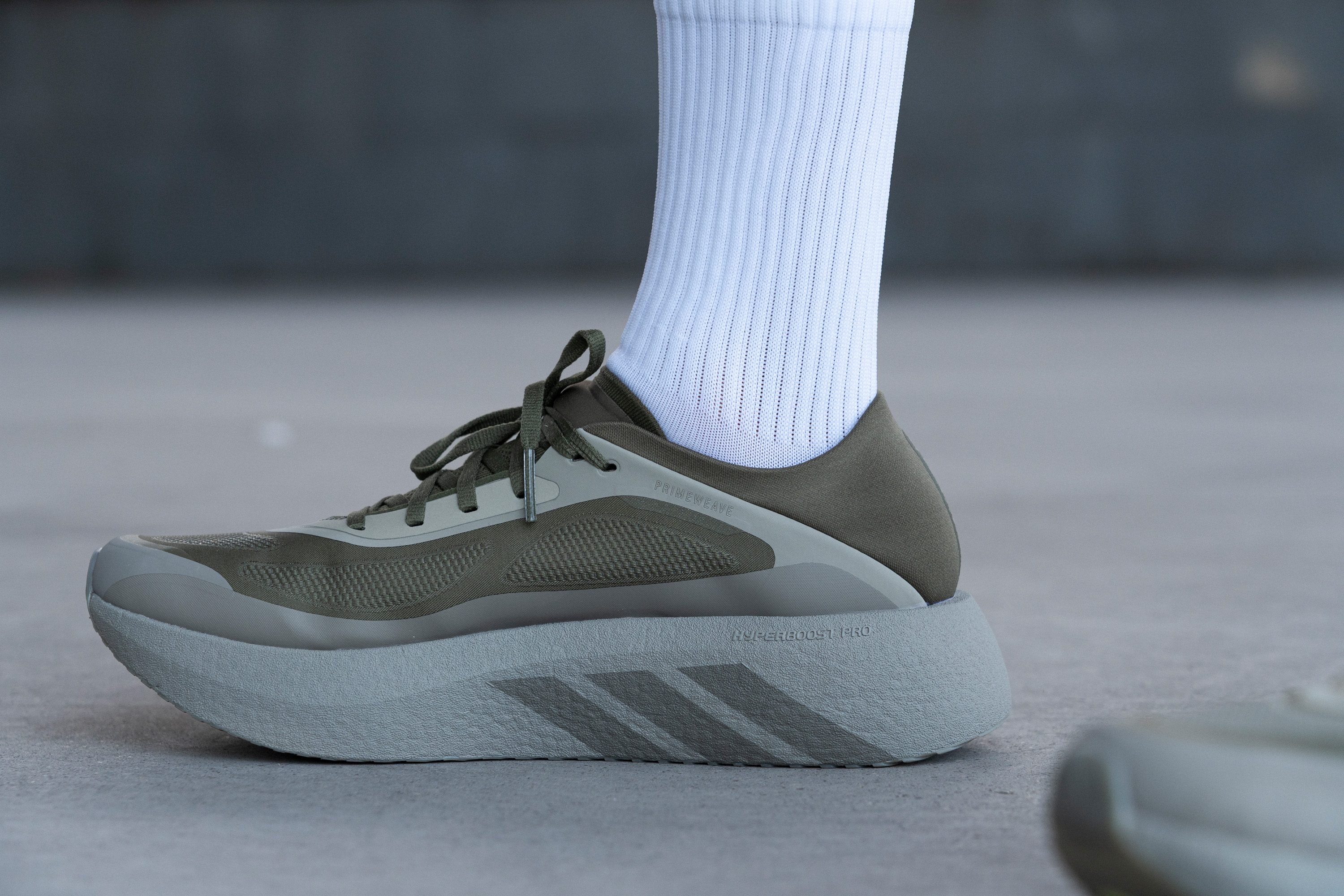
Es decir, las Hyperboost Run ofrecen una experiencia más versátil que las Edge. Como su plataforma es más bajita, la estabilidad y el control son mejores, y creemos que este diseño más conectado con el suelo las convierte en la opción más sensata para la mayoría de los corredores que buscan un modelo de entrenamiento diario que les sirva para todo.
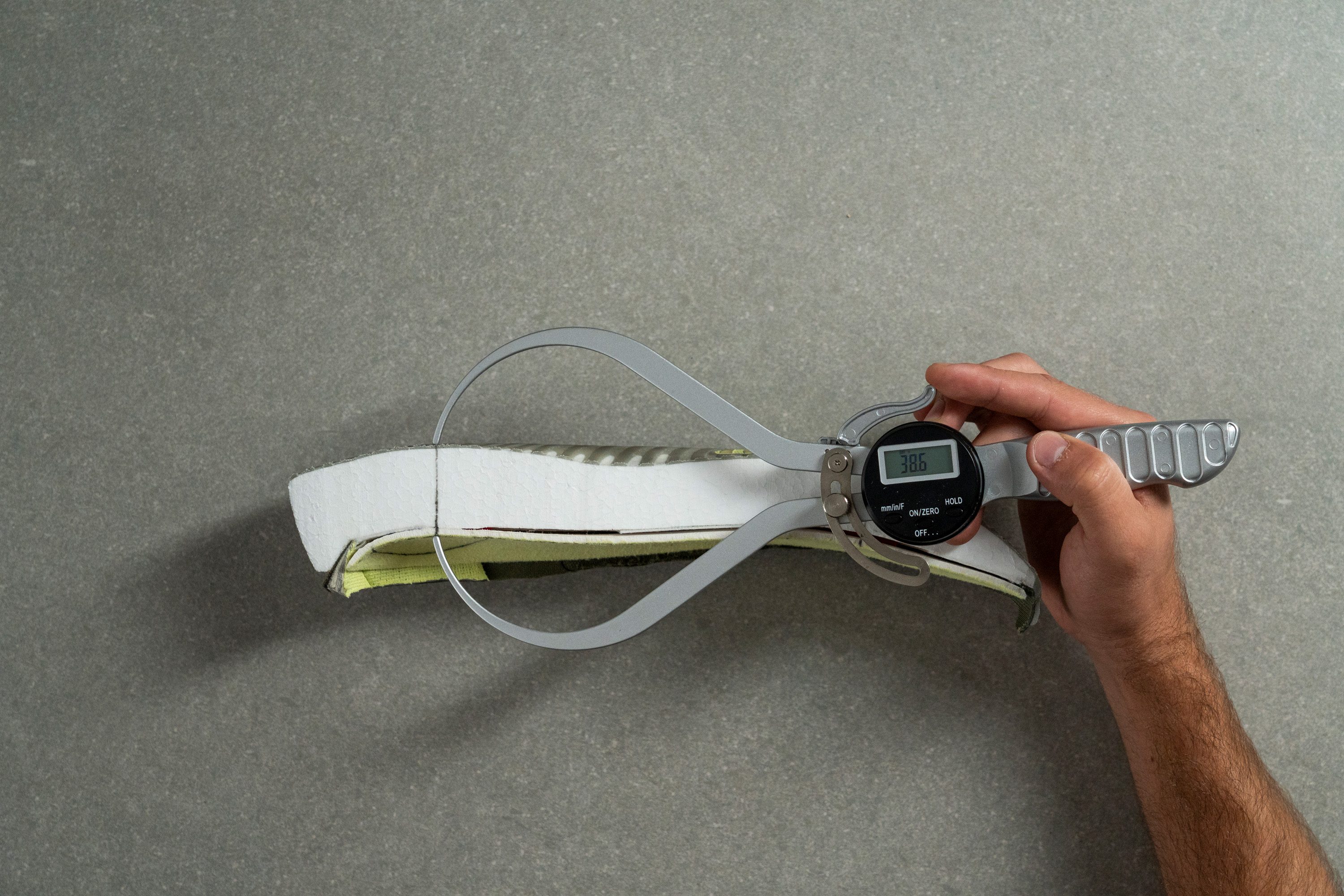
| Hyperboost Run | 38.6 mm |
| Media | 35.5 mm |
Altura de la suela en el antepié
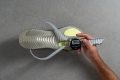
Con una altura de 31,8 mm en el antepié, estas zapatillas son 6,3 mm más bajitas que las Hyperboost Edge. Esta diferencia nos ha dejado claro que adidas tenía dos ideas de diseño distintas.
En nuestra opinión, las Edge son más adecuadas para las personas que están buscando una mediasuela altísima, muchísima amortiguación y toda la espuma posible bajo los pies. Sin embargo, gracias a nuestras pruebas de uso, creemos que para las demás personas, las Run son como una especie de término medio más equilibrado y sensato, y también se adaptan mucho mejor a los principiantes y corredores de menor peso.
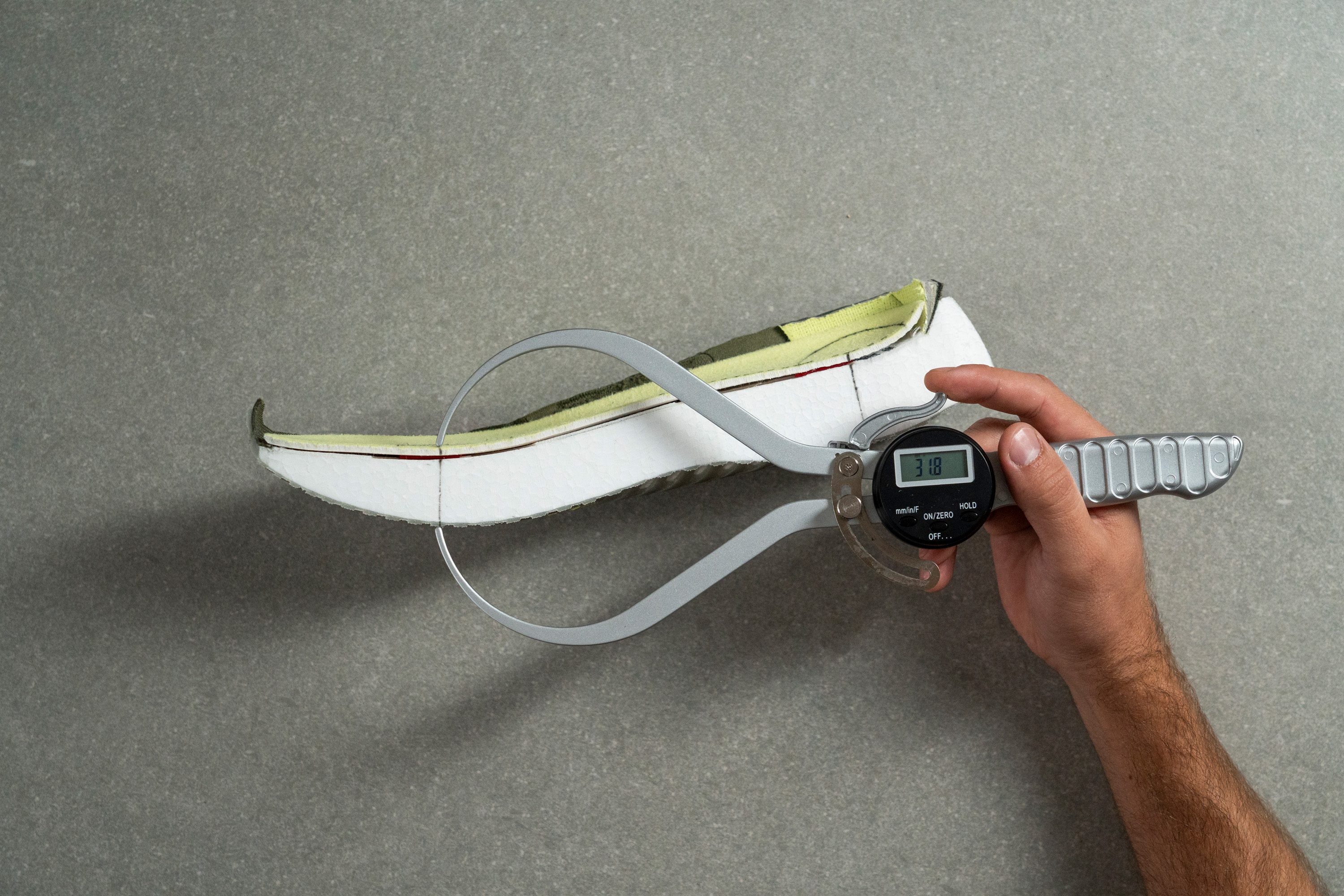
| Hyperboost Run | 31.8 mm |
| Media | 27.1 mm |
Drop
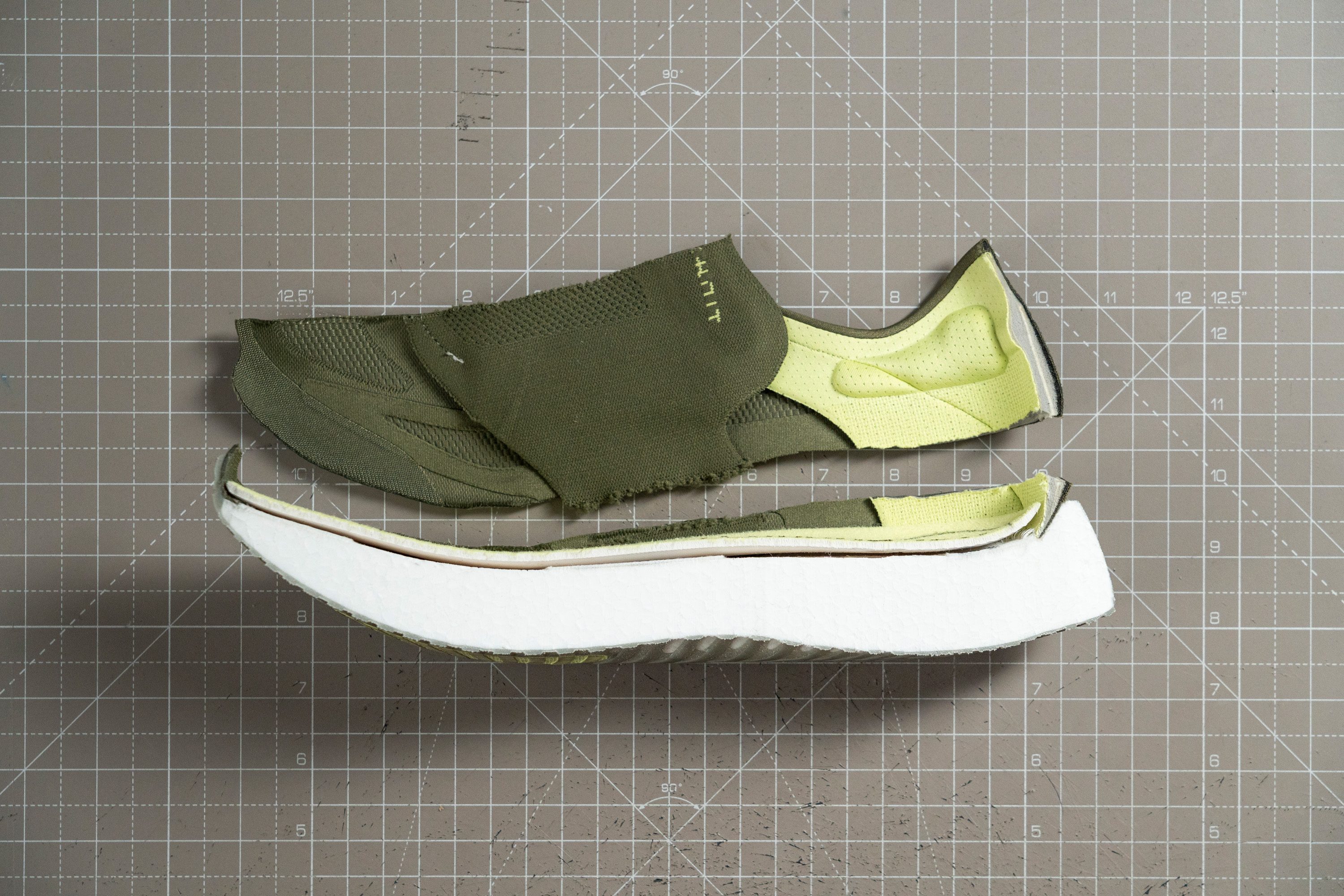
Después de hacer nuestros cálculos, vimos que el drop era de 6,8 mm, muy cercano a los 6 mm que especifica adidas.
Por lo tanto, al correr, la geometría de estas zapatillas es ideal para los corredores de mediopié, pero también les resultará cómoda y natural para los talonadores o los corredores de metatarsos.
| Hyperboost Run | 6.8 mm |
| Media | 8.4 mm |
Dureza de la mediasuela
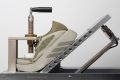
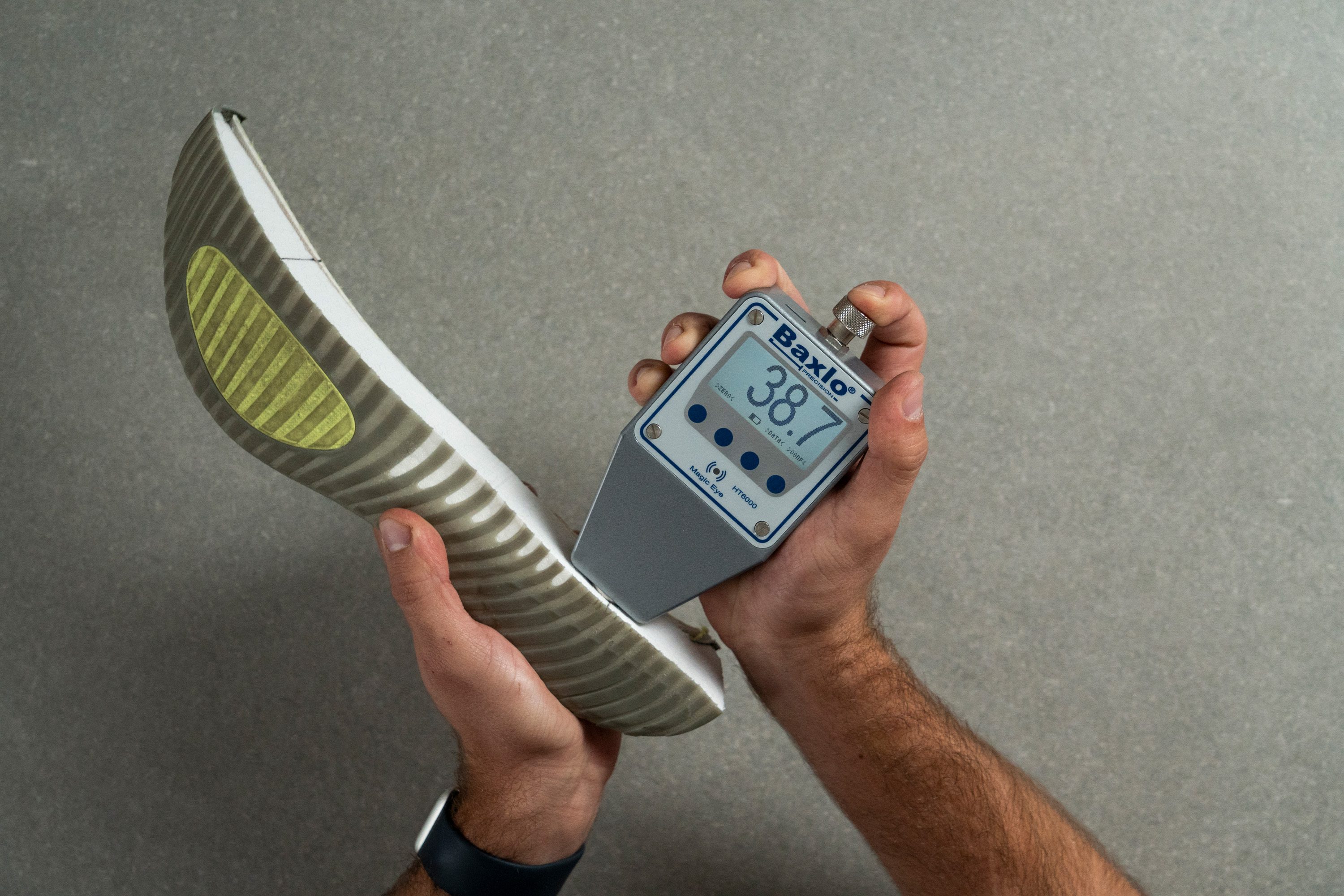
La espuma Hyperboost Pro es un poquito más firme en las Hyperboost Run que en las Edge, y nuestro calibre está totalmente de acuerdo. Con 38,7 AC, esta espuma está entre las más firmes de su categoría, pero no llega a sentirse dura bajo los pies.
Eso sí, que no tengan caucho tradicional afecta mucho a la sensación al correr. Según nuestra experiencia, las zapatillas con una capa gruesa de caucho suelen sentirse bastante más firmes al entrar en contacto con el suelo. En cambio, los diseños modernos con mucha espuma expuesta o suelas de GCPU te permiten apreciar mejor las cualidades de la mediasuela y ofrecen una sensación más blandita y agradable bajo los pies.
| Hyperboost Run | 38.7 AC |
| Media | 35.5 AC |
Rocker
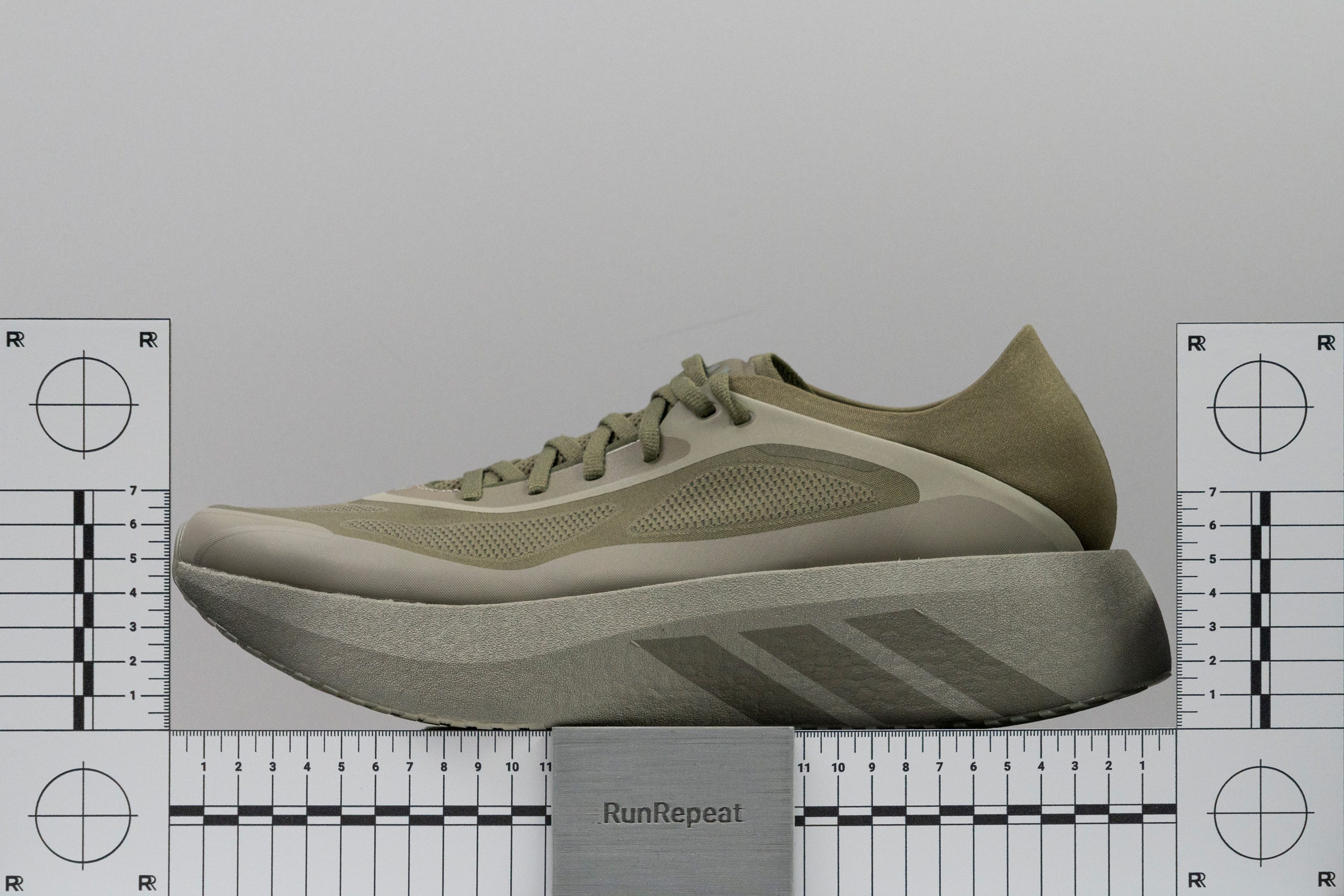
Las Hyperboost Run tienen un rocker en el antepié que entra en acción mucho más tarde en el ciclo de la pisada. En lugar de presumir de la curvatura suave y continua de muchas superzapatillas de entrenamiento modernas, su mediasuela se mantiene plana durante un tramo más largo, lo que ofrece una pisada más tradicional y una asistencia menos marcada.
También queremos mencionar la gran prolongación del talón, un detalle que nos indica que el diseño de este modelo se adapta incluso a los corredores que aterrizan con el talón de forma más marcada.
Tallaje y ajuste
Talla
Las adidas Hyperboost Run tallan bien (31 votos).
Longitud interna

| Hyperboost Run | 275.7 mm |
| Media | 269.4 mm |
Anchura / Ajuste
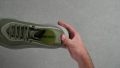
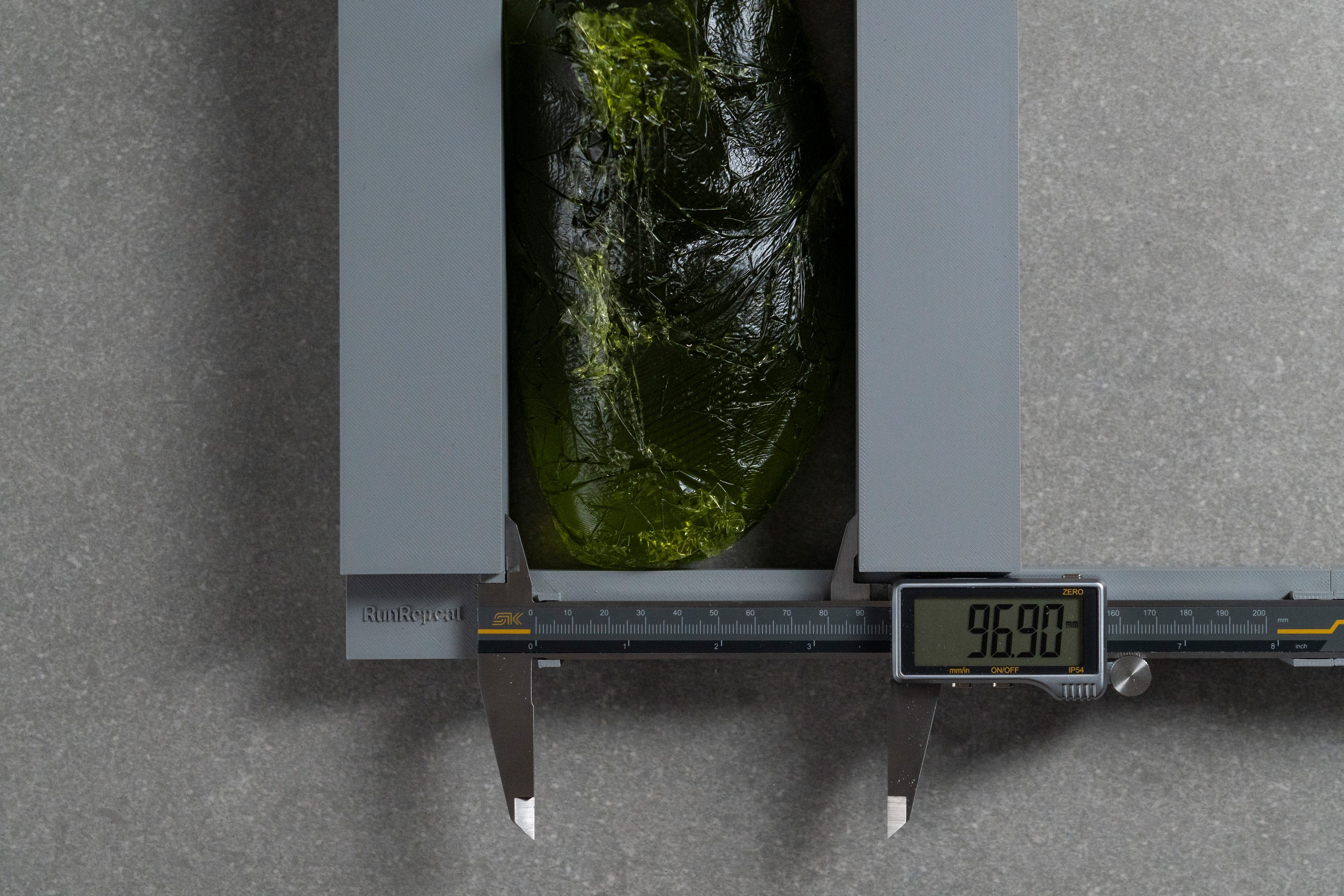
Durante nuestras pruebas de uso, comprobamos que las Hyperboost Run presumen de un ajuste cómodo y con suficiente espacio, sin ser demasiado apretado, algo que encaja con la línea que adidas ha seguido en muchos de sus últimos modelos.
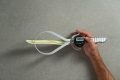
Cuando nos las llevamos al laboratorio, nuestro calibre confirmó nuestras impresiones, ya que marcó 96,9 mm en la zona más ancha.
| Hyperboost Run | 96.9 mm |
| Media | 95.2 mm |
Anchura de la parte delantera
Después medimos la zona de los dedos, y nuestro calibre marcó 73,6 mm, una anchura que debería serles conocida y cómoda a la mayoría de los corredores.
No es tan espaciosa como la de unas Altra, pero tampoco tiene uno de esos diseños estrechos y muy en punta que pueden limitar el movimiento de los dedos y volverse incómodos.
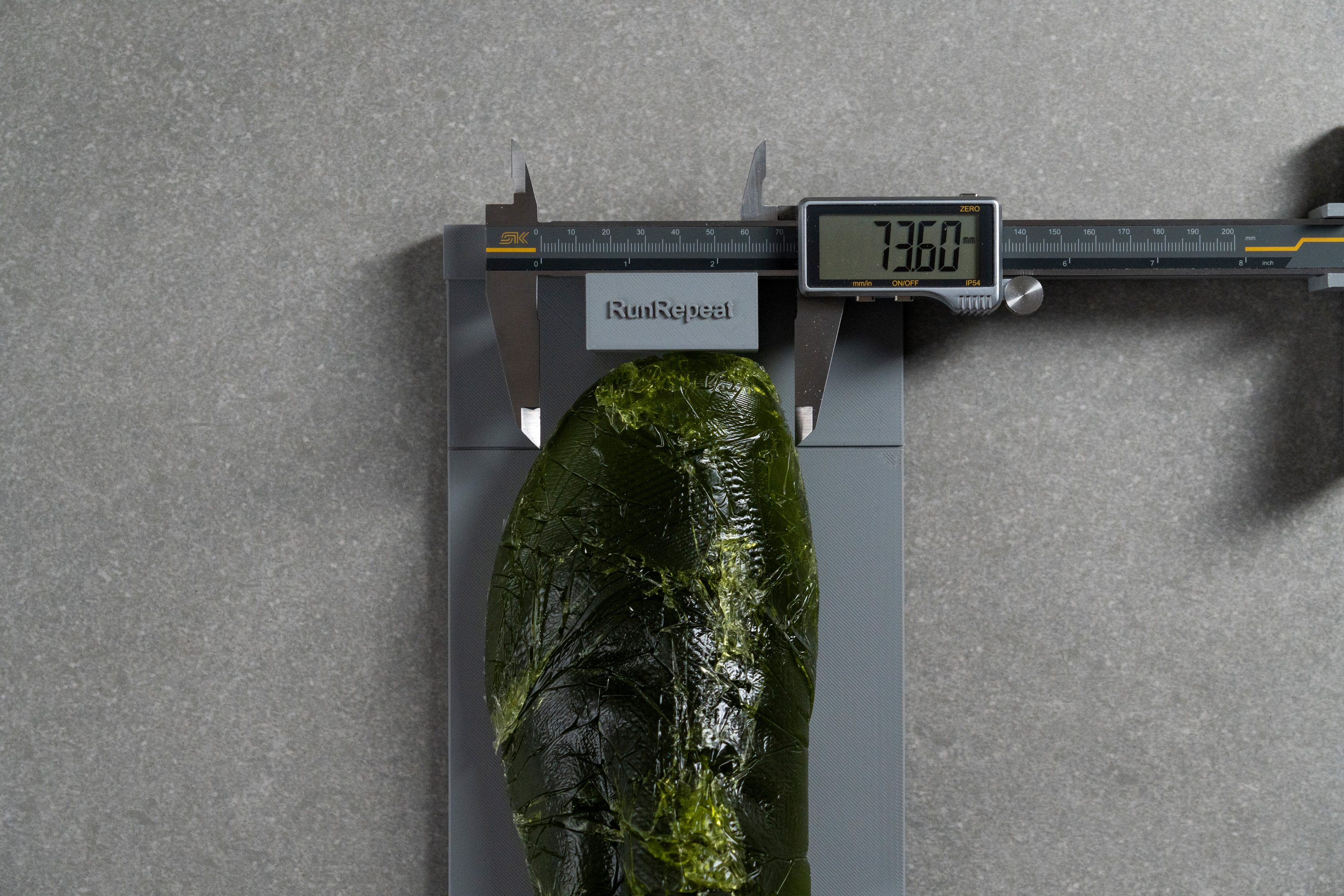
| Hyperboost Run | 73.6 mm |
| Media | 73.2 mm |
Altura de la parte delantera
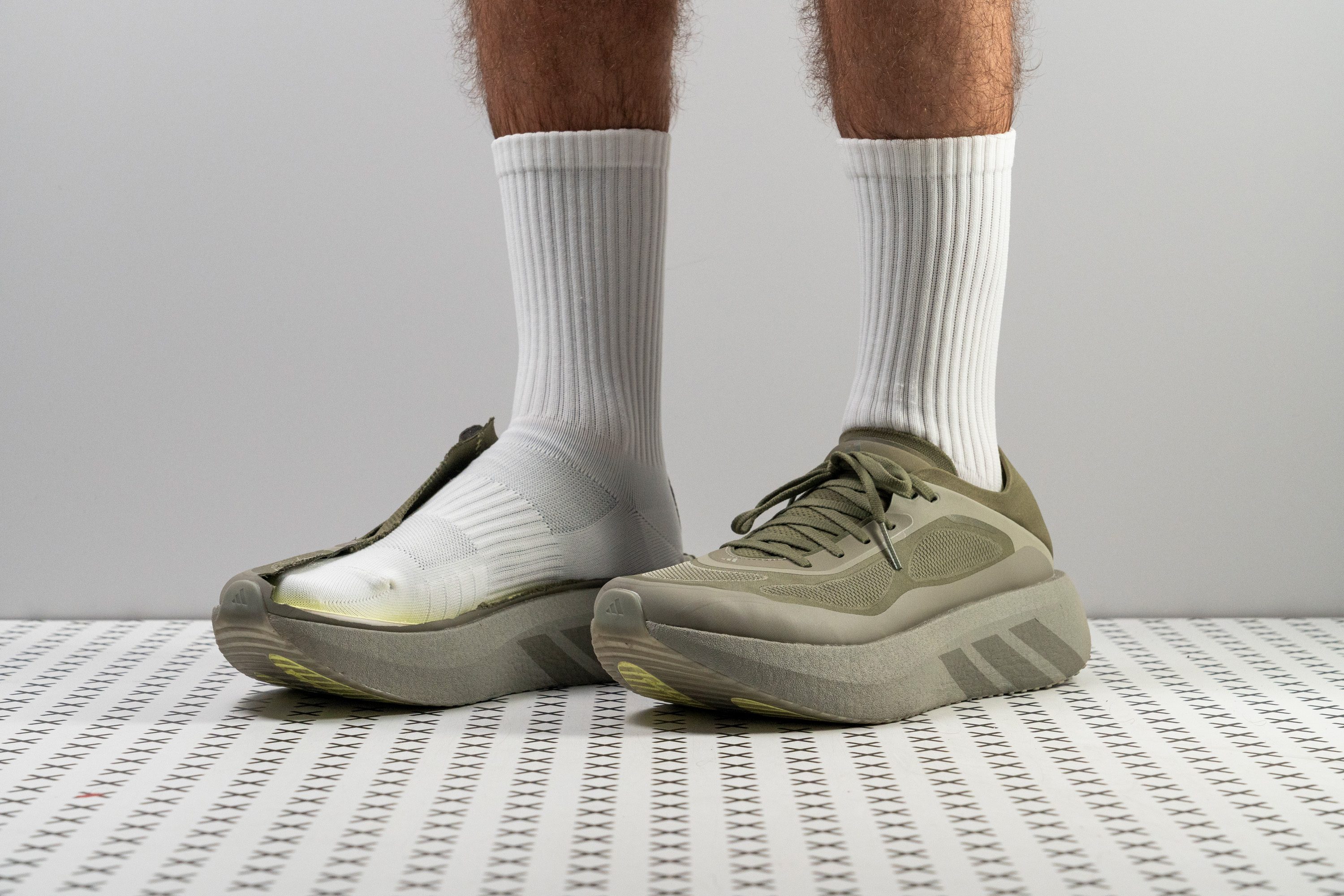
Sin embargo, durante nuestras pruebas de uso, sí que sentimos que el upper no nos dejaba mucho espacio vertical en la zona de los dedos.
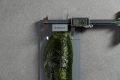
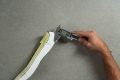
Después lo confirmamos en el laboratorio, donde vimos que la parte delantera tiene una altura de solo 23,7 mm. En nuestra opinión, este diseño más bajito les va a gustar a quienes prefieren un ajuste ceñido y una buena sujeción, pero la gente que prefiere tener más espacio por encima de los dedos a lo mejor lo siente demasiado apretado.
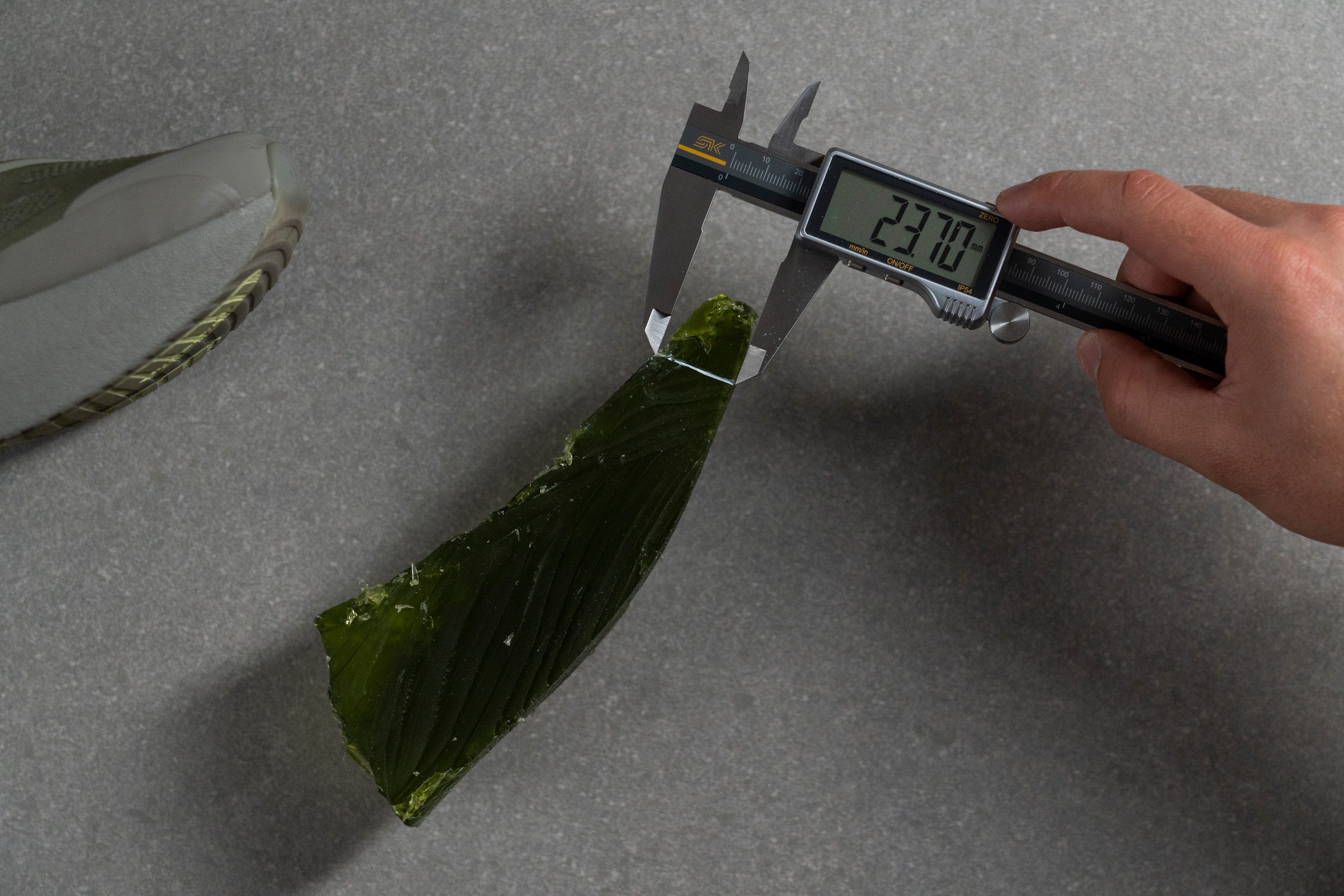
| Hyperboost Run | 23.7 mm |
| Media | 27.0 mm |
Tracción / Agarre
Traction test
Las Adidas Hyperboost Run nos dejaron muy buenas sensaciones en nuestra prueba de tracción, con un excelente coeficiente de fricción de 0,68 sobre hormigón mojado. Aunque no llegan al nivel de las Hyperboost Edge, creemos que es una diferencia razonable teniendo en cuenta que son más baratas.
| Hyperboost Run | 0.68 |
| Media | 0.53 |
Diseño de la suela exterior
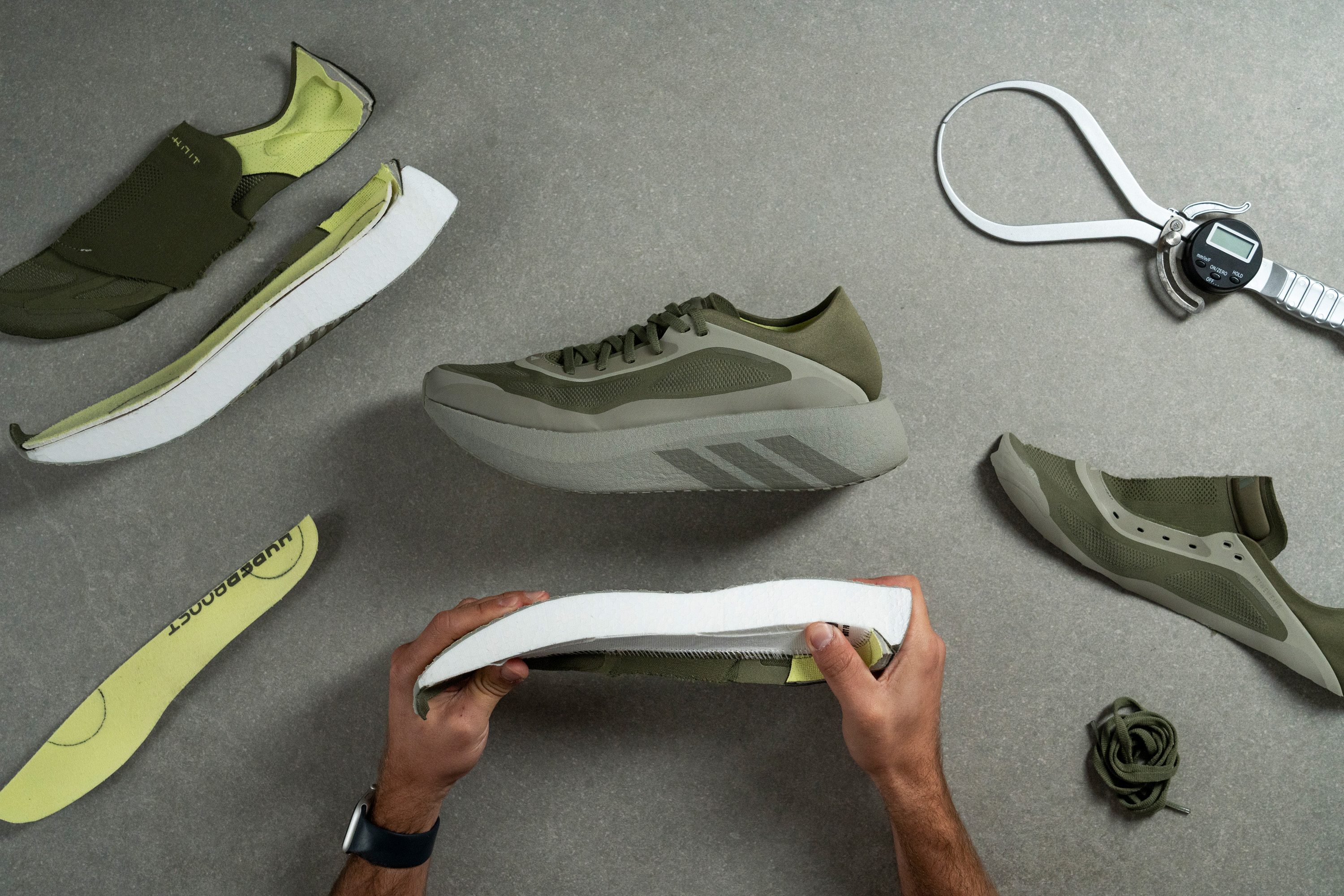
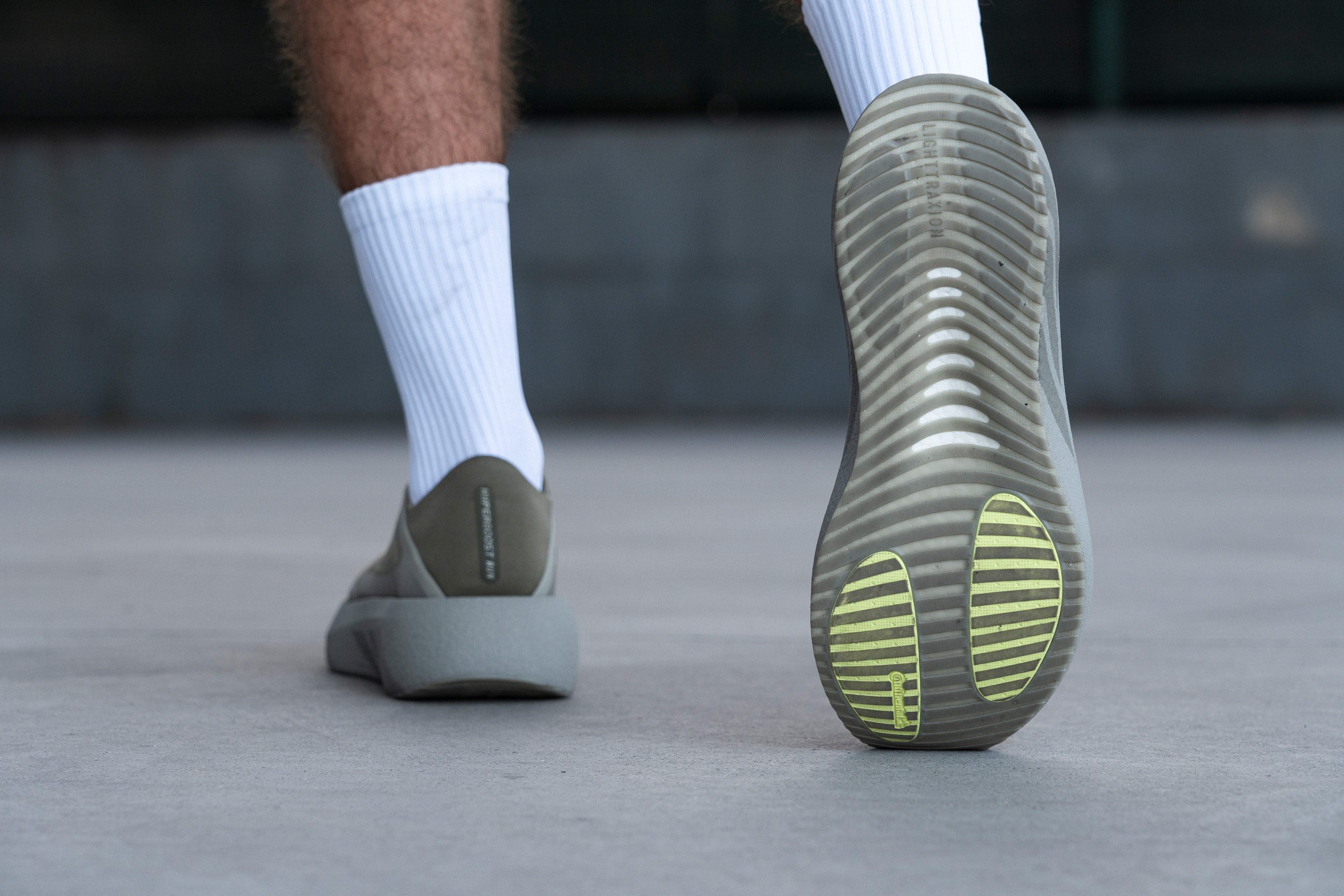
Aunque son más baratas que las Edge, las Hyperboost Run tienen dos piezas de caucho Continental en el antepié, un detalle que nos sacó una sonrisa en cuanto lo vimos. El resto de la suela utiliza el compuesto LIGHTTRAXION de adidas, un material a base de GCPU cada vez más común entre los nuevos lanzamientos de la marca.
Esta combinación nos pareció muy eficaz, ya que el caucho cubre casi todas las zapatillas y añade muy poco peso.
Flexibilidad / Rigidez
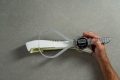
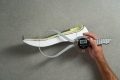
Las Hyperboost Run están lejos de ser unas zapatillas flexibles: necesitaron 18,5 N de fuerza en nuestra prueba de flexión hasta 30 grados para doblarse. Pero bueno, la verdad es que tampoco nos sorprendió, ya que las zapatillas con suelas de más de 30 mm en el antepié no suelen ser muy flexibles.
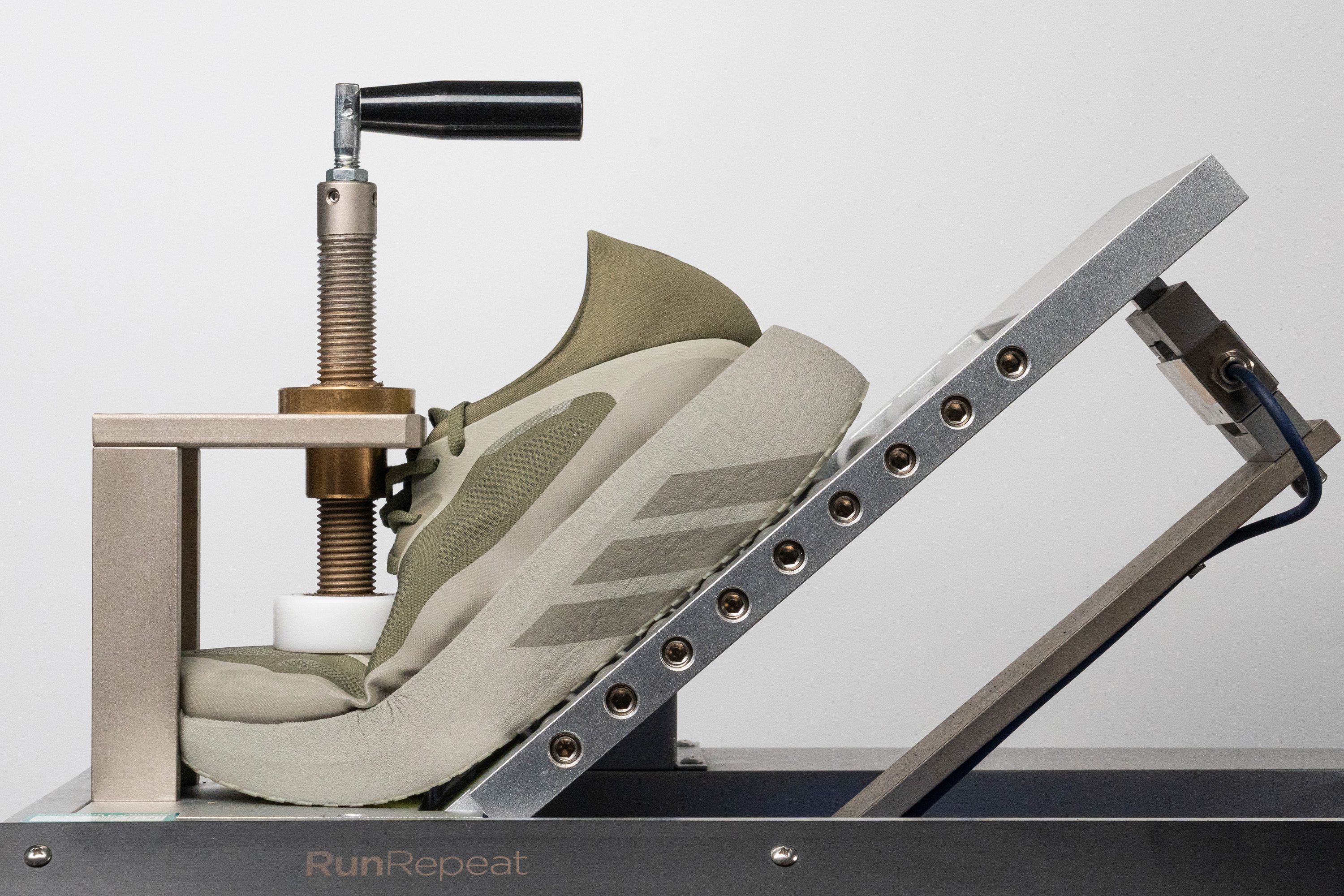
| Hyperboost Run | 18.5N |
| Media | 15.5N |
Peso
Curiosamente, las Hyperboost Run pesan exactamente lo mismo que las Edge: 247 g. Sabemos que nuestra báscula no miente, pero, a primera vista, es normal que te choque, ya que las Edge tienen una mediasuela bastante más alta.
Esto se debe a los pequeños cambios en el diseño. Las Hyperboost Run añaden dos piezas de caucho Continental en el antepié que hacen que sean un poco más pesadas, y su upper también parece más robusto.
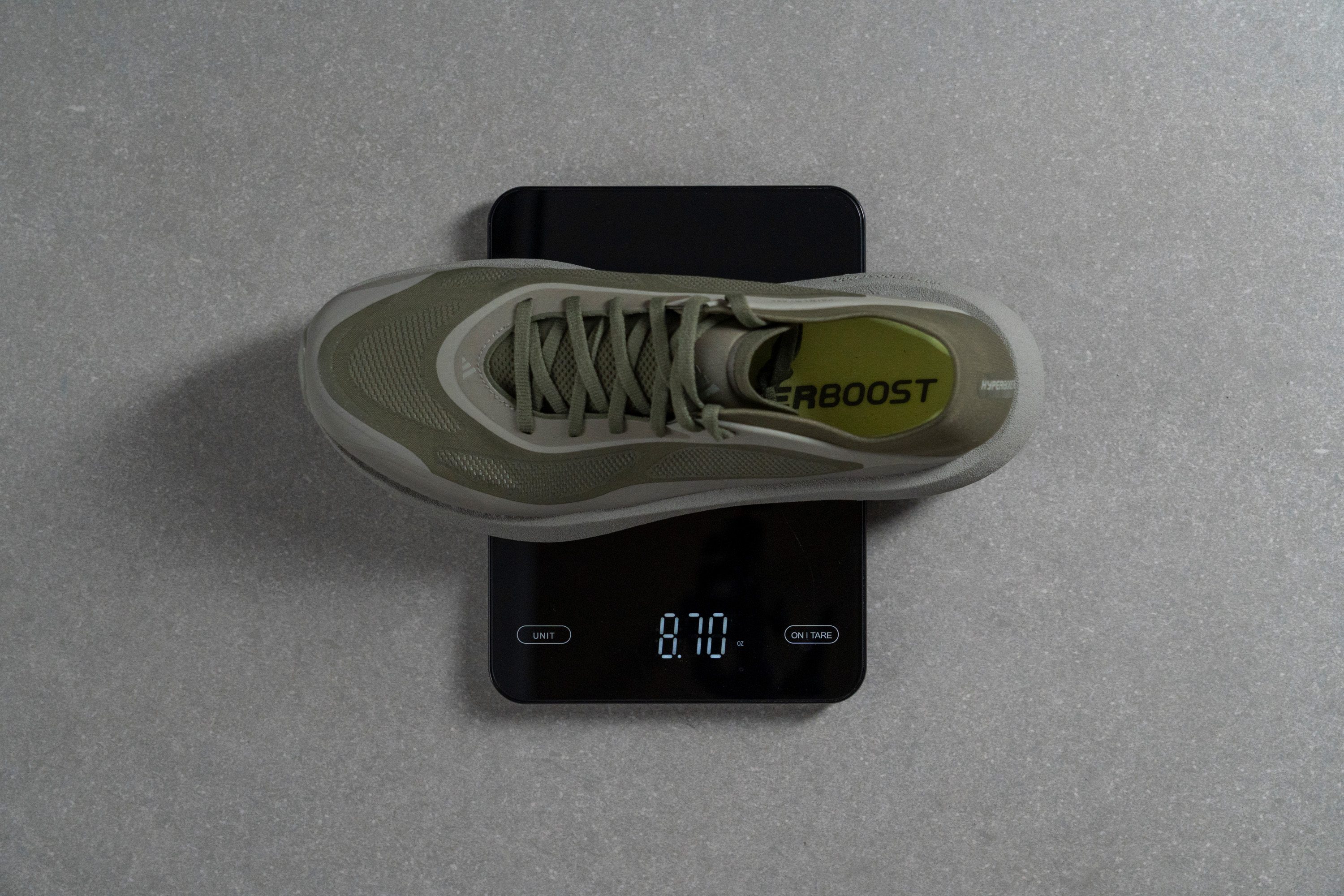
| Hyperboost Run | 8.7 oz (247g) |
| Media | 9.2 oz (261g) |
Transpirabilidad
Breathability test
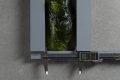
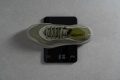
ActualizadoNuestra prueba de transpirabilidad en el laboratorio confirmó nuestros miedos: las Hyperboost Run obtuvieron un resultado decepcionante, igual que las Edge. Con una puntuación de solo 54 BR, están entre las zapatillas menos transpirables que hemos analizado. ¡Su resultado fue incluso peor que el de varios modelos diseñados para el invierno y con membranas impermeables!
La verdad es que nos esperábamos que la versión Run mejorase esto, pero parece que adidas sigue apostando por un upper diferente, y aunque ahora deja más malla al descubierto que las Edge, a estas zapatillas también les costó mantener el pie seco durante las tres horas que duró nuestra prueba.
| Hyperboost Run | 54 BR |
| Media | 75 BR |
Potencial de secado
NuevoEl potencial de secado fue otro chasco, ya que las Hyperboost Run solo consiguieron liberar el 38 % de la humedad durante nuestra prueba. Es otro resultado bastante malo que también está por detrás del de casi todas las demás zapatillas que hemos analizado en el laboratorio.
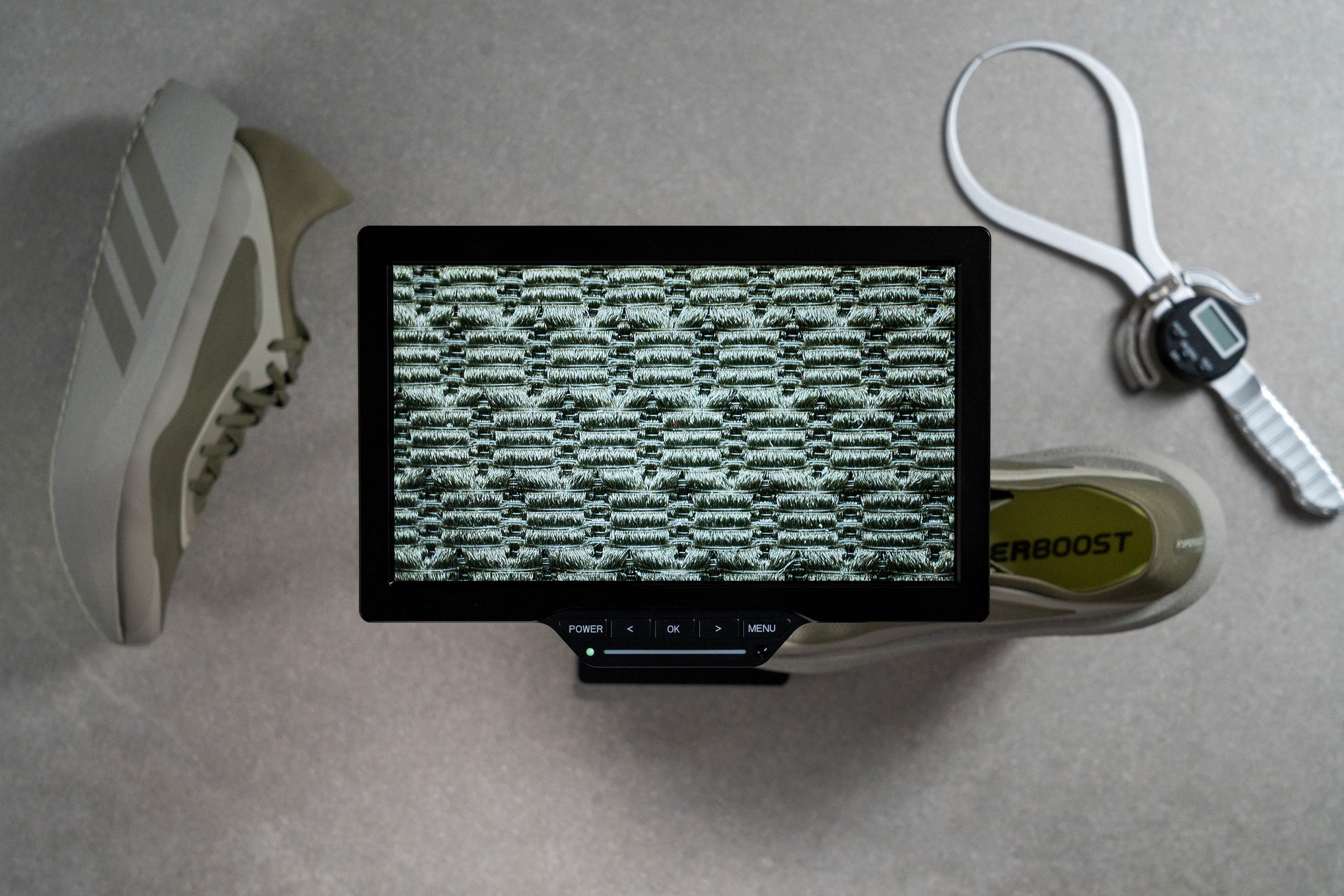
| Hyperboost Run | 38% |
| Media | 53% |
Estabilidad
Prueba de estabilidad lateral
En nuestra opinión, las Hyperboost Run son adecuadas únicamente para corredores con una pisada neutra. Son muy reactivas y dinámicas, pero ponen la diversión y la velocidad antes de la sujeción en su lista de prioridades.
A ver, esto no tiene que ser necesariamente algo negativo, ya que no todas las zapatillas necesitan elementos de estabilidad intrusivos ni una plataforma muy ancha para ofrecer una buena experiencia al correr. De hecho, muchos runners prefieren los modelos que ni guían ni limitan demasiado su pisada.
Rigidez torsional
Aunque tienen una mediasuela alta, las Hyperboost Run mantienen una flexibilidad torsional considerable gracias a que no tienen placa y al compuesto LIGHTTRAXION de su suela, que también tiene bastantes cortes que mejoran su flexibilidad.
Nuestra máquina diseñada a medida marcó 13,7 Nm cuando analizamos su rigidez torsional, lo que confirma que estas zapatillas evitan la sensación de rigidez excesiva que suele venir de la mano con las zapatillas de entrenamiento que tienen mediasuelas altas.
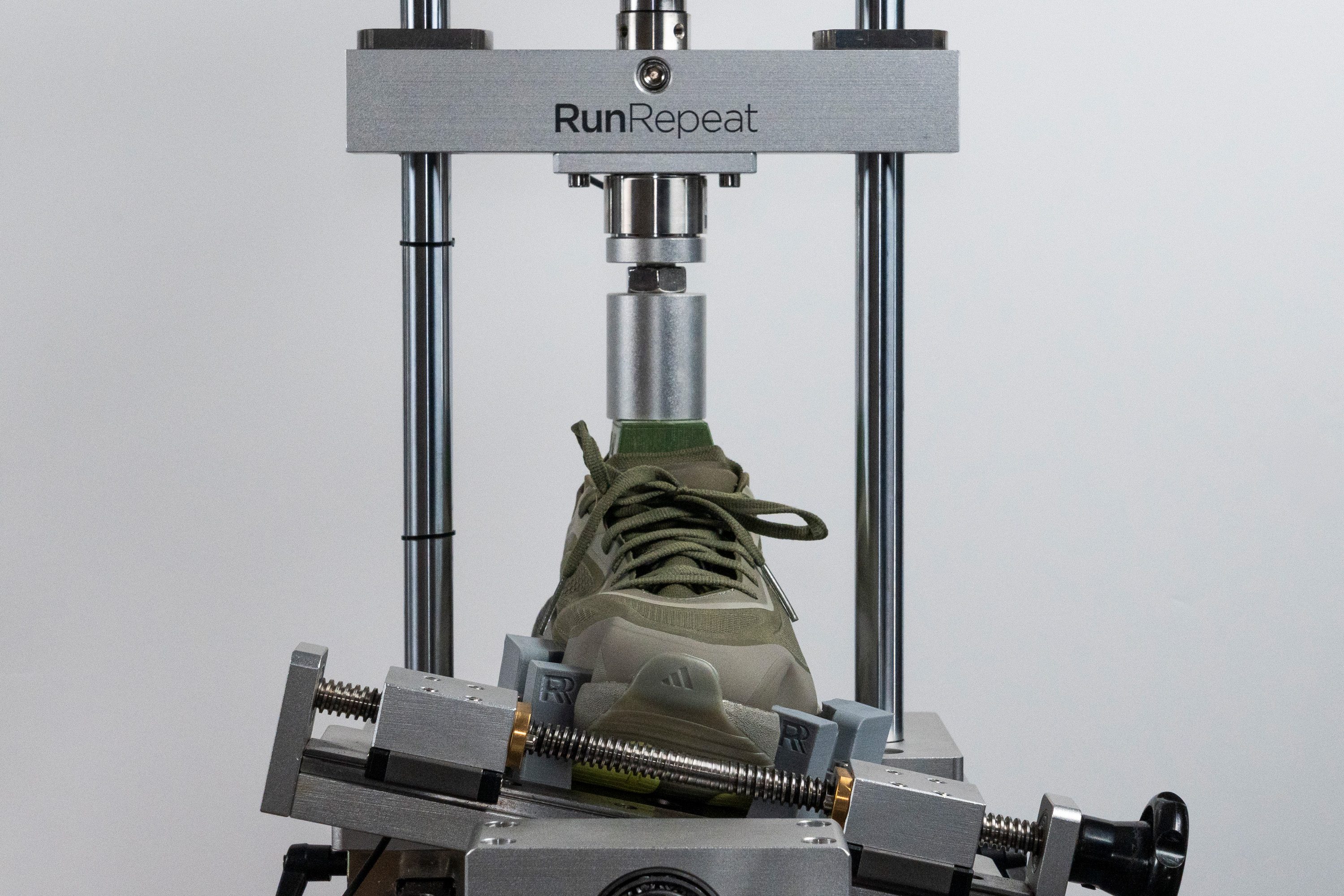
| Hyperboost Run | 13.7 Nm |
| Media | 14.4 Nm |
Rigidez del contrafuerte del talón
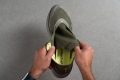
El talón, que tiene un diseño poco convencional, es bastante flexible, así que le dimos un 2/5 en nuestra prueba. Esta decisión de diseño influye mucho en las sensaciones al correr, ya que refuerza el carácter neutro de las Hyperboost Run y la ausencia de elementos que guíen la pisada de forma marcada.
| Hyperboost Run | 2 |
| Media | 3 |
Anchura de la mediasuela - antepié
El antepié nos pareció lo bastante ancho como para transmitir confianza sin sacrificar la agilidad. Ofrece un buen equilibrio entre estabilidad y reactividad, aportándonos seguridad sin perder una pisada divertida y ágil.
En el laboratorio pudimos confirmar lo que sentimos, ya que nuestro calibre marcó 117,0 mm en el antepié, un resultado un poquito más alto que la media actual.
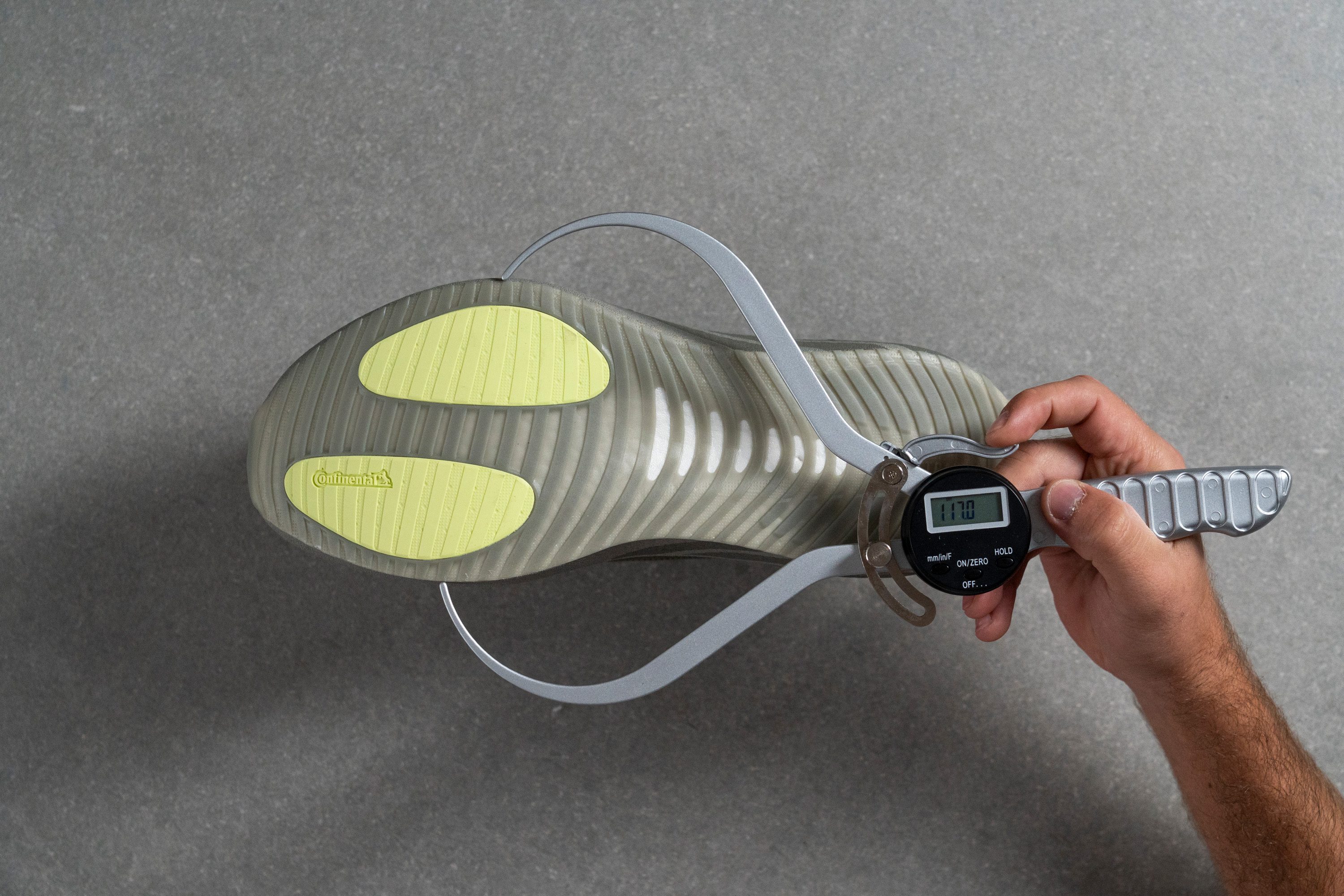
| Hyperboost Run | 117.0 mm |
| Media | 115.1 mm |
Anchura de la mediasuela - talón
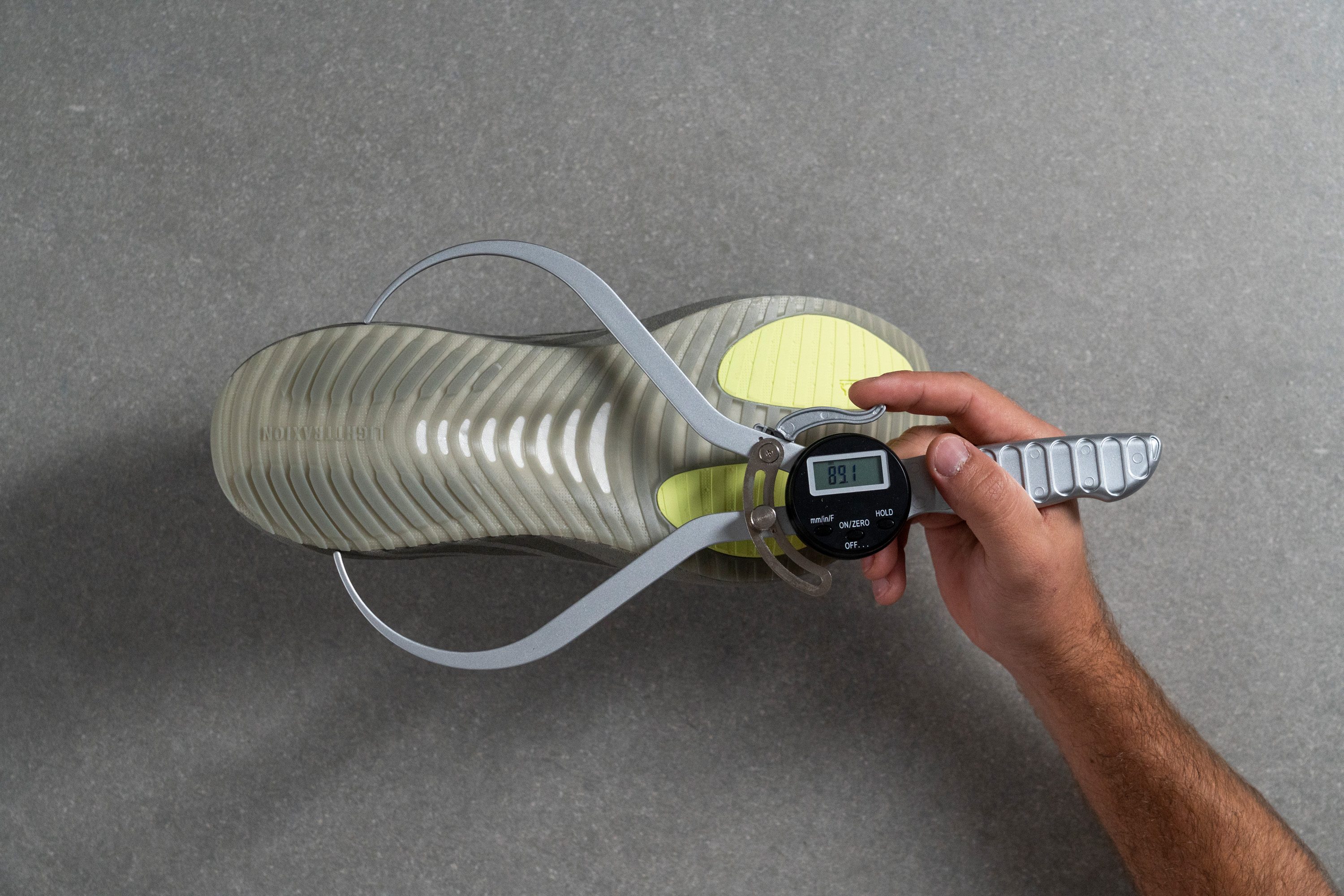
Como la mayoría de las zapatillas de running de adidas, las Hyperboost Run tienen una plataforma con una forma más agresiva en el mediopié y en el talón que la de muchas de sus competidoras.
Este diseño hace que la pisada se sienta incluso más dinámica, aunque sacrifica parte de la estabilidad natural de las zapatillas. Nuestro calibre estuvo totalmente de acuerdo, ya que marcó 89,1 mm en el talón.
| Hyperboost Run | 89.1 mm |
| Media | 91.1 mm |
Durabilidad
Durabilidad de la parte delantera
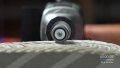
Uno de los puntos fuertes de la malla técnica que adidas eligió para estas zapatillas es su buena resistencia al desgaste. Conseguir un 3/5 en nuestra prueba de durabilidad con el Dremel no es nada fácil, ¡pero las Hyperboost Run estuvieron a la altura!
| Hyperboost Run | 3 |
| Media | 2.6 |
Durabilidad del acolchado del talón
El acolchado del talón obtuvo un 3/5 en nuestra prueba, un resultado aceptable que no nos preocupa demasiado, pero que tampoco destaca.
| Hyperboost Run | 3 |
| Media | 3.4 |
Durabilidad de la suela
Aunque parece menos robusto que el caucho tradicional, el compuesto GCPU obtuvo un resultado excelente en nuestra prueba de durabilidad. Solo perdió 0,8 mm de material, una cifra sorprendentemente baja que demuestra su excelente resistencia al desgaste.
| Hyperboost Run | 0.8 mm |
| Media | 1.1 mm |
Grosor de la suela
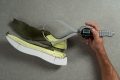
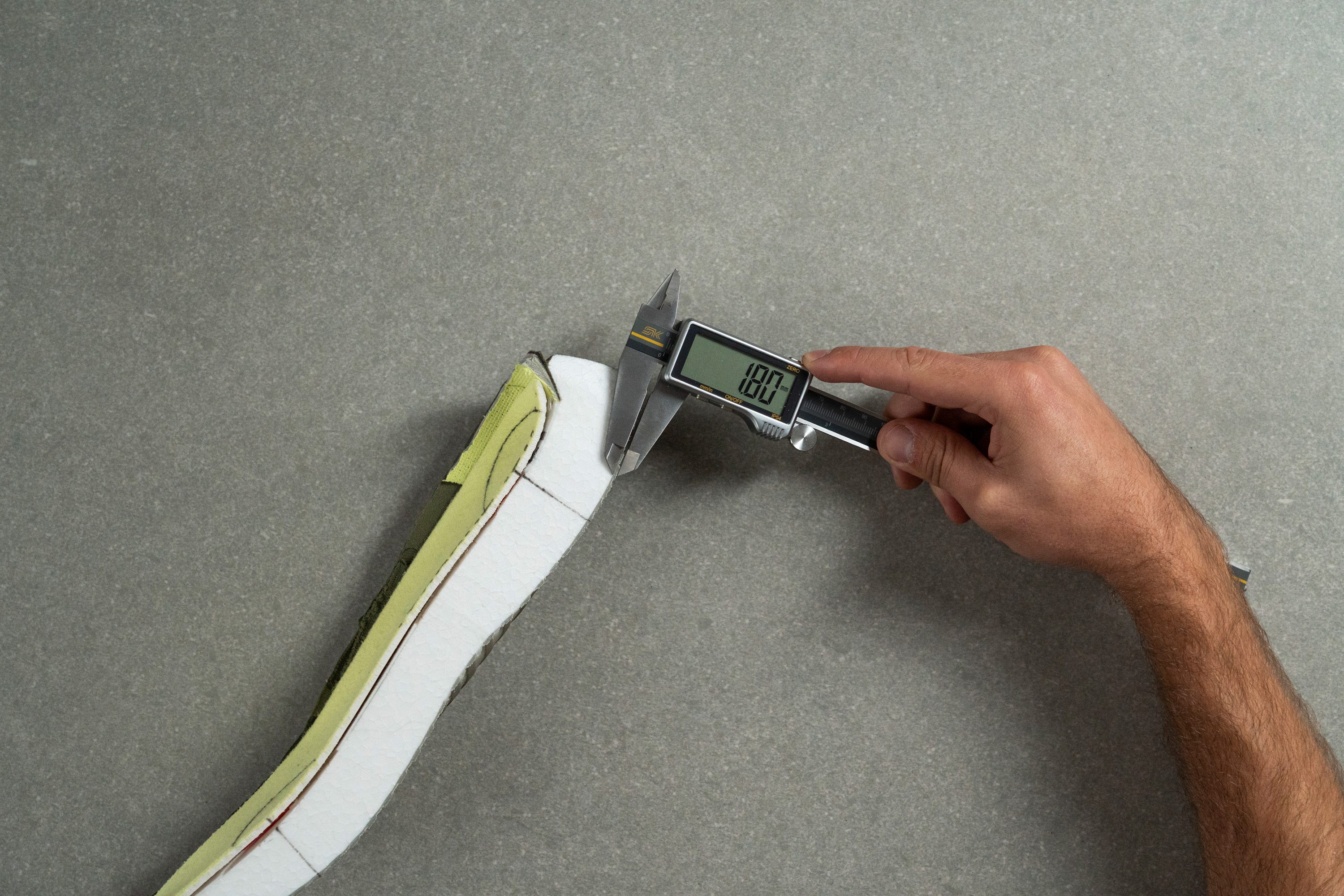
Otro factor que influye en la pisada de las Hyperboost Run es el diseño de su suela. El compuesto LIGHTTRAXION no solo es más blandito que el caucho tradicional, sino que además tiene un grosor de solo 1,8 mm, bastante menos de lo que solemos ver en las zapatillas de running para asfalto.
| Hyperboost Run | 1.8 mm |
| Media | 3.1 mm |
Varios
Grosor de la plantilla
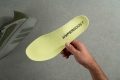
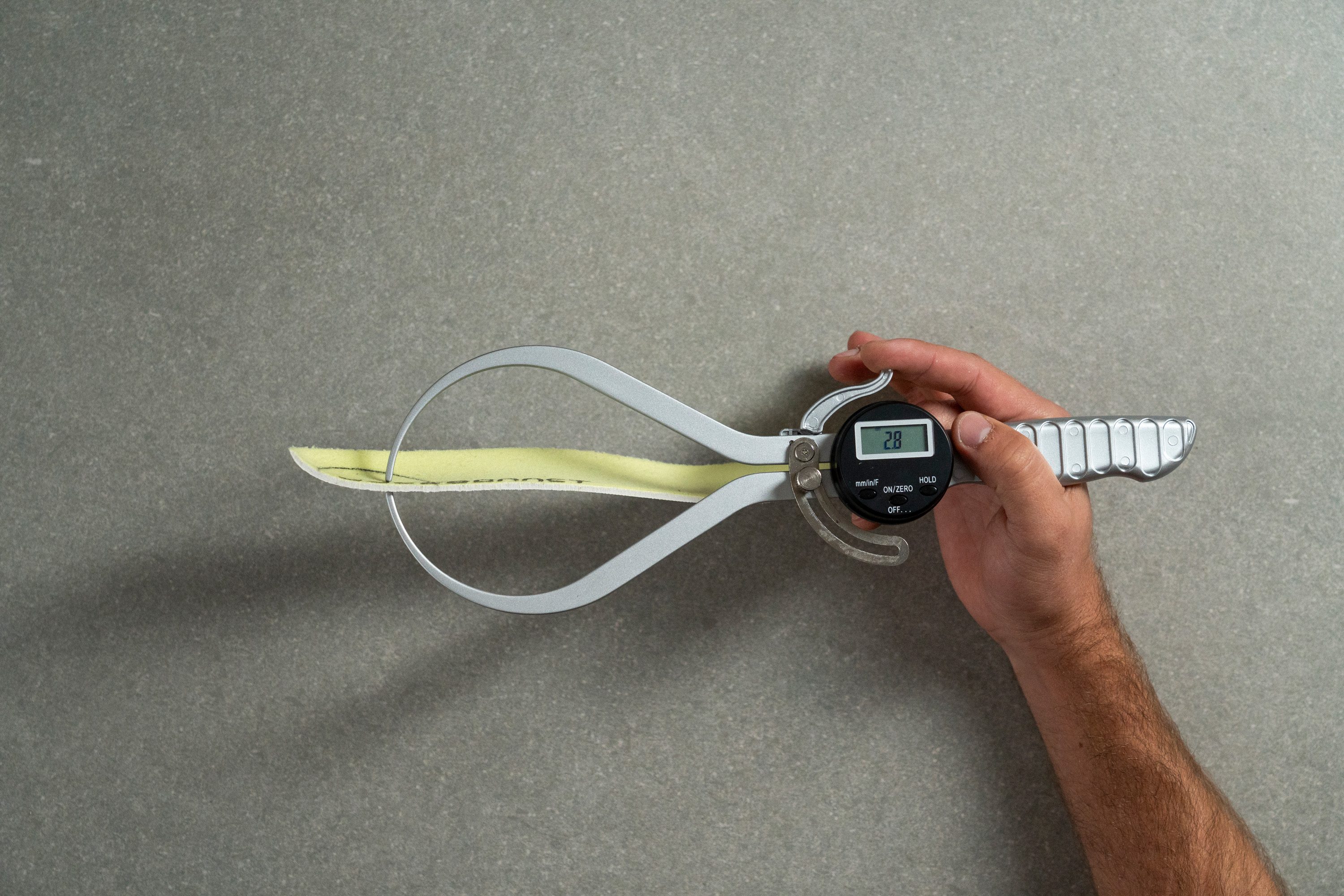
Con solo 2,8 mm de grosor, la plantilla es muy finita: mide casi la mitad de lo que solemos ver en nuestro laboratorio.
| Hyperboost Run | 2.8 mm |
| Media | 4.4 mm |
Plantilla extraíble
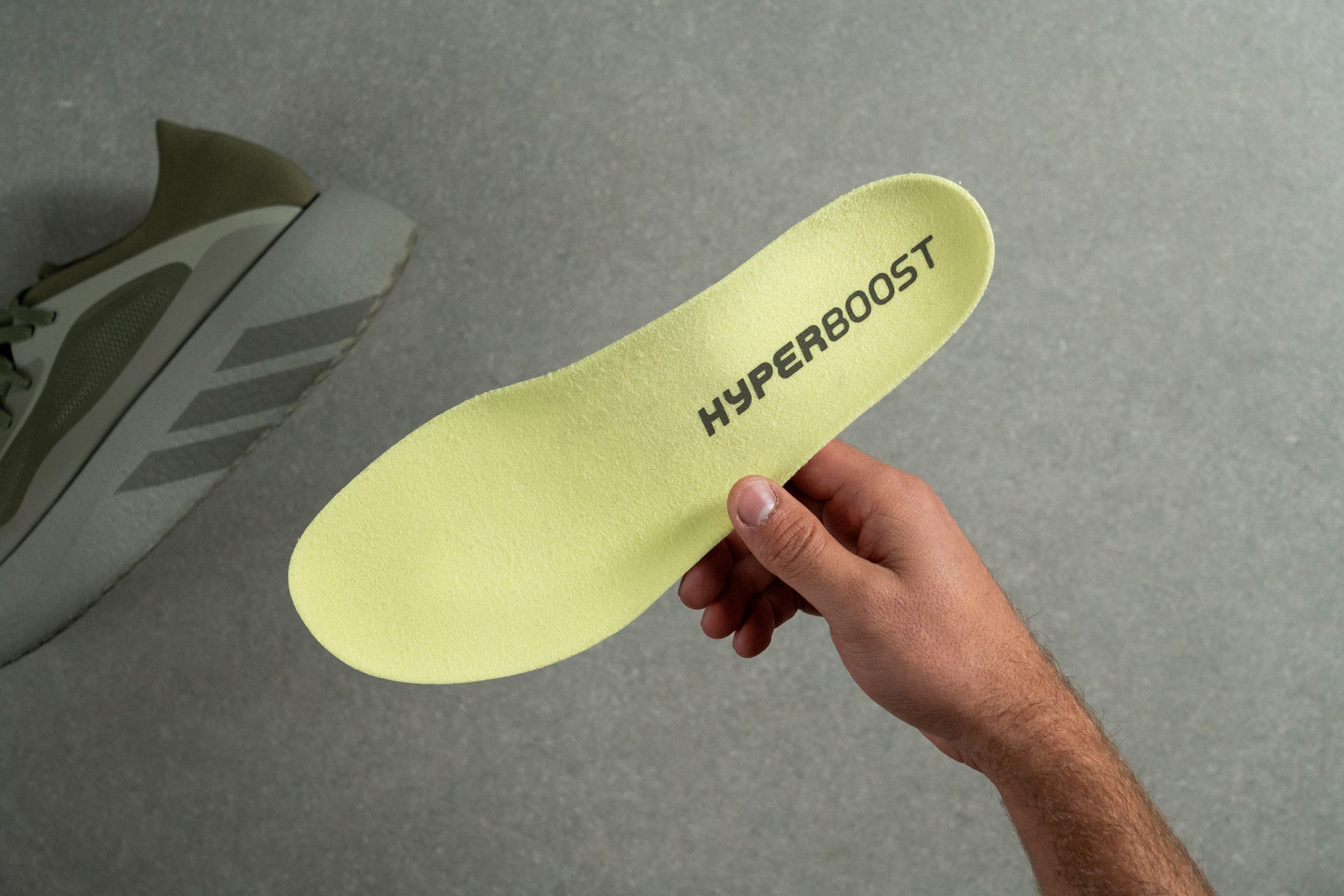
Las Hyperboost Run vienen con una plantilla que, en nuestra opinión, se nota que es de bastante más calidad de las que solemos ver en las zapatillas de running.
Aunque, técnicamente, la puedes cambiar, nuestro consejo es que no lo hagas. Su diseño es muy finito, así que influye mucho en el ajuste y, como la zona de los dedos no tiene mucho espacio vertical, cambiarla por una plantilla estándar podría generar demasiada presión y problemas importantes de comodidad.
| Hyperboost Run | Sí |
Elementos reflectantes
Siempre apreciamos que las zapatillas tengan detalles reflectantes, y nos alegra que adidas se los haya puesto a las Hyperboost Run.
En este caso, la marca recurre a una solución ingeniosa: un refuerzo a lo largo de la fila de ojales que ayuda a mantener la estructura del upper, con un acabado reflectante que mejora la visibilidad cuando hay poca luz.
| Hyperboost Run | Sí |
Acolchado de la lengüeta
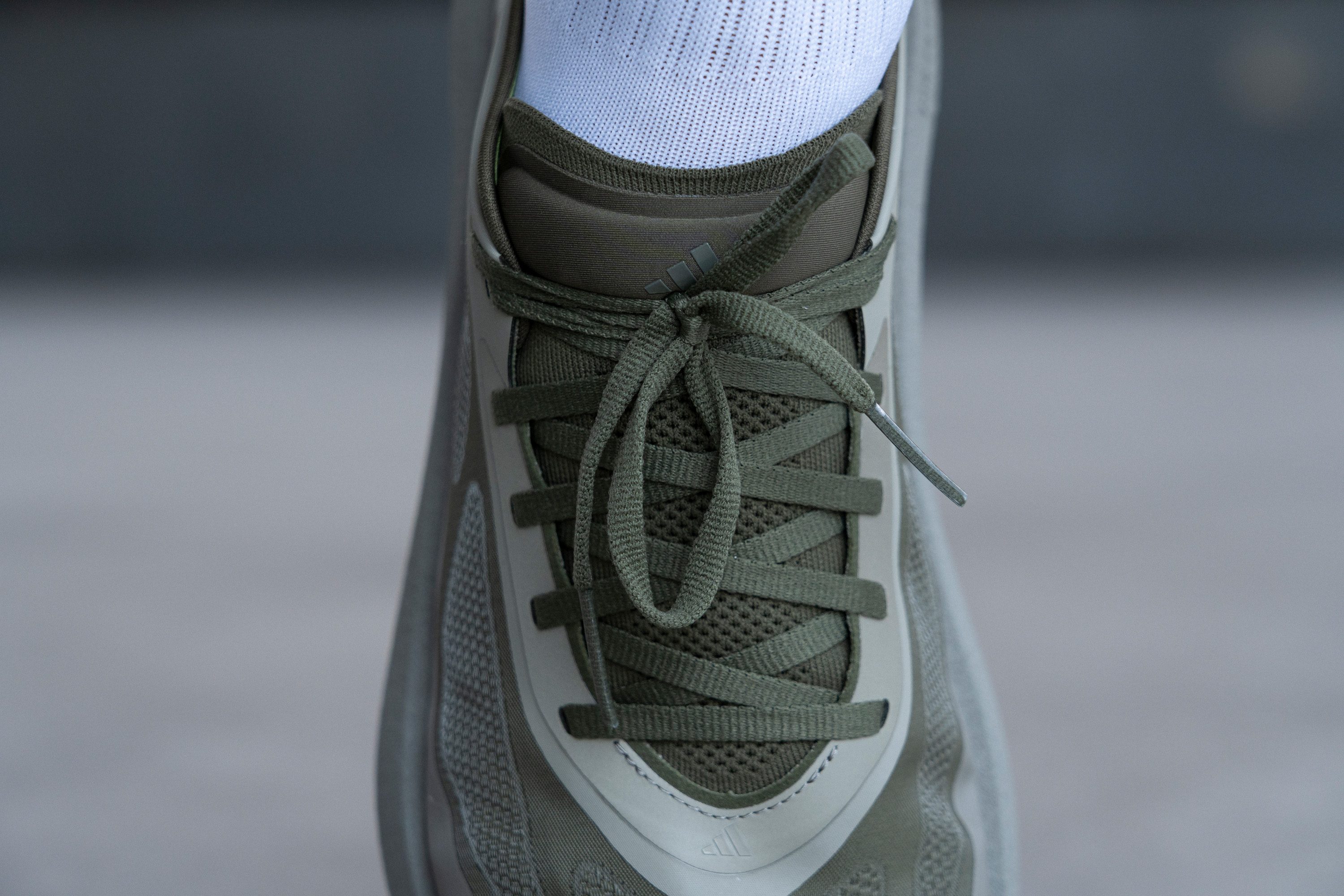
Las Hyperboost Run tienen un sistema de cordones más sencillo que las Edge, con ojales perforados tradicionales en lugar de un diseño oculto. La lengüeta puede parecerles un poco corta a algunos corredores, aunque a nosotros no nos dio ningún problema durante nuestras pruebas de uso.
La lengüeta tiene un acolchado de 5,5 mm, pero es importante señalar que está concentrado en una zona muy pequeña. La mayor parte está cerca de la parte de arriba de la lengüeta, así que, para conseguir la máxima comodidad, es fundamental que la presión de los cordones esté en el punto adecuado.
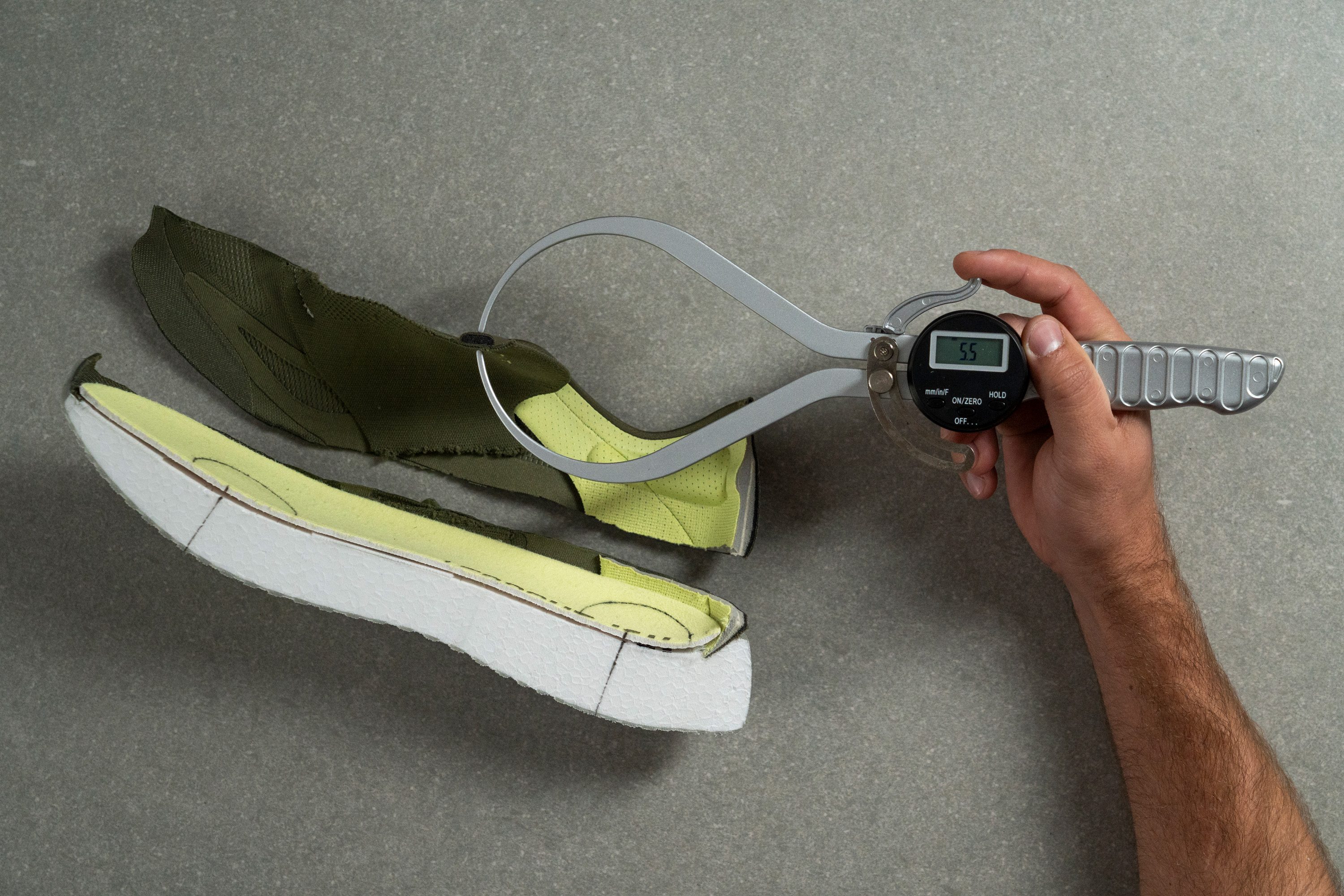
| Hyperboost Run | 5.5 mm |
| Media | 5.8 mm |
Lengüeta: tipo de refuerzo
La lengüeta de las Hyperboost Run ofrece una sujeción excelente porque está semirreforzada, así que envuelve el pie de forma segura y mejora la comodidad general.
En nuestra opinión, este diseño de calidad premium es justo lo que los corredores deberían esperarse de unas zapatillas que son más caras que la media.
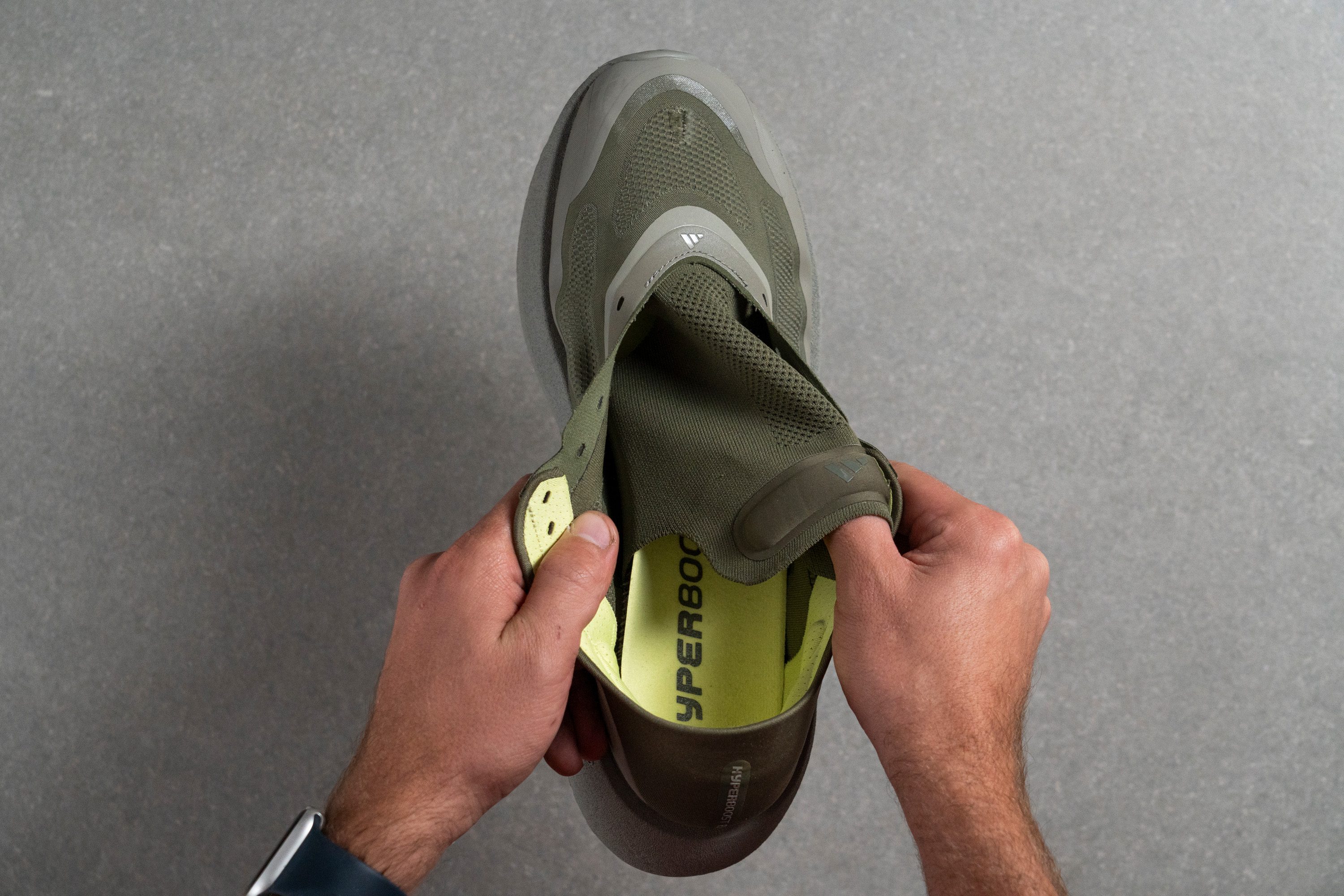
| Hyperboost Run | Ambos lados (semi) |
Tirador del talón
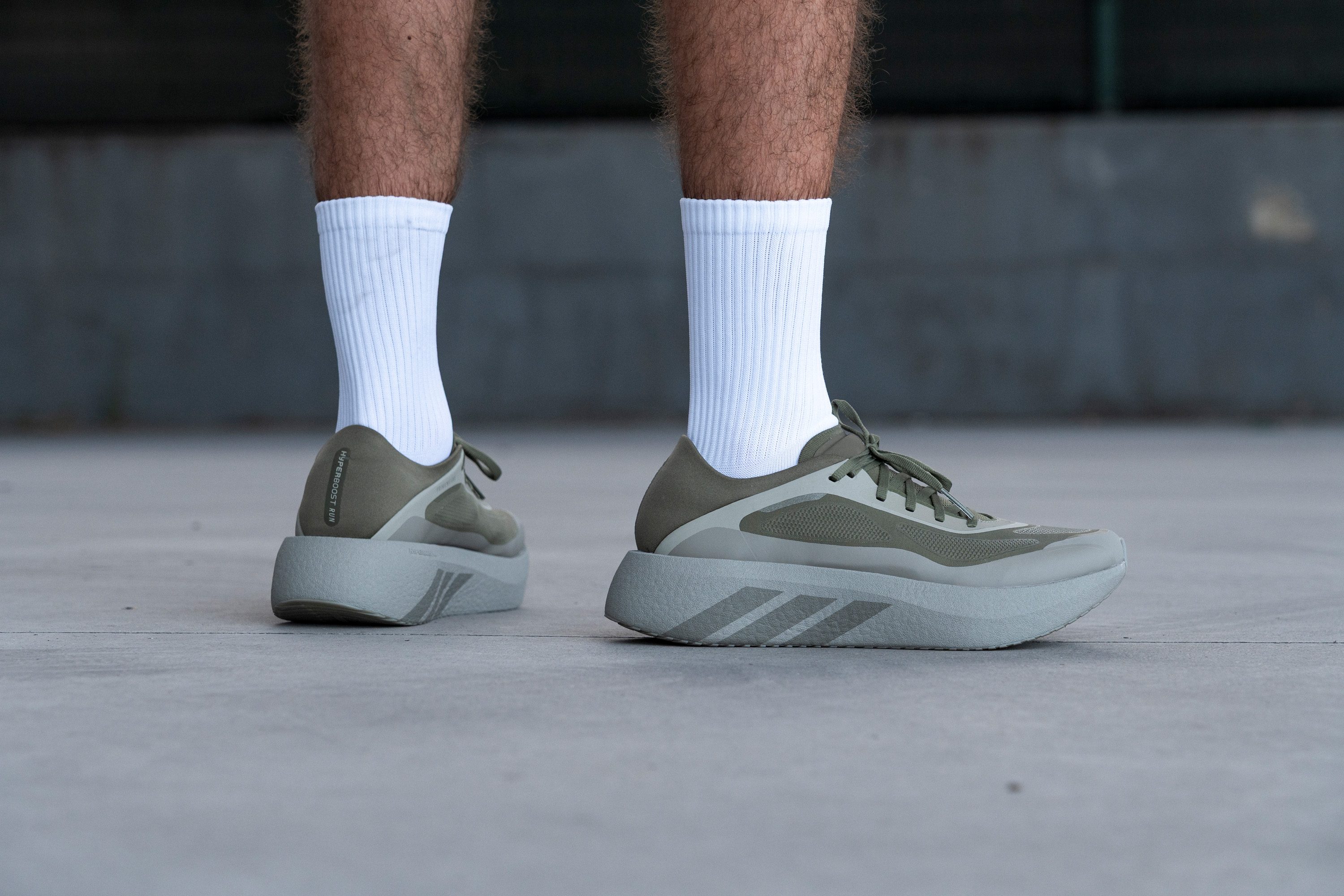
Las Hyperboost Run tienen un diseño sencillo en el talón, y aunque adidas no les ha puesto tirador, creemos que la zona sigue siendo bonita gracias al "Hyperboost Run" que tienen escrito.
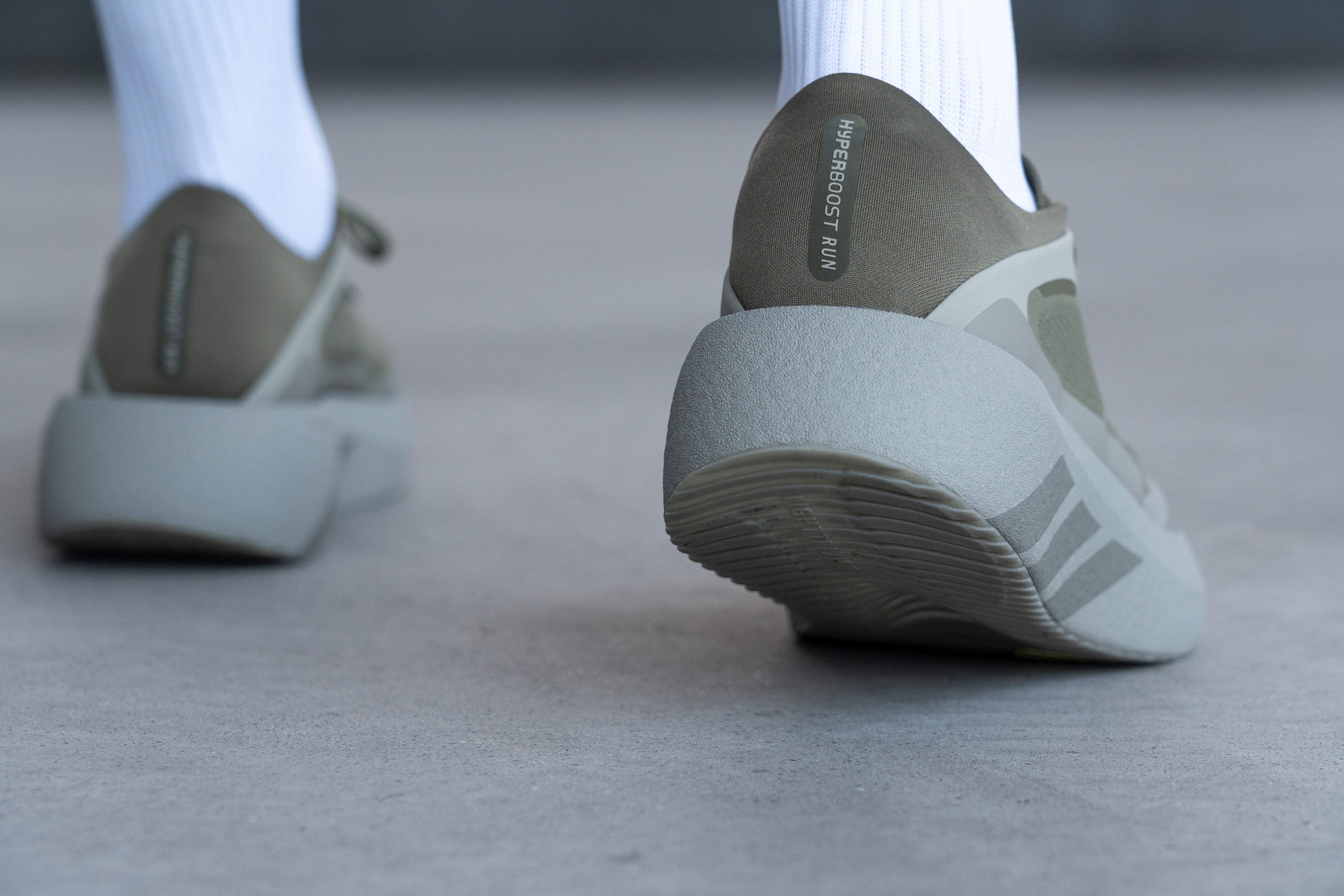
| Hyperboost Run | Ninguno |
Precio
Las Hyperboost Run están un escalón por debajo de las Edge en la gama de adidas, pero se han ganado su puesto en la sección premium. Siendo justos, su precio se lo deben al excelente retorno de energía y a la pisada dinámica que ofrece la espuma Hyperboost Pro.
Sin embargo, a los corredores que buscan unas zapatillas que destaquen en todos los aspectos puede costarles más justificar su precio, ya que sus características son algo desiguales.
| Hyperboost Run | $180 |