



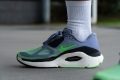

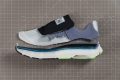



















Our verdict
- Daily running 90
- Tempo 46
- Race 32
- Stability 91
Pros
- Finally some plush ZoomX in the Structure
- Good shock absorption
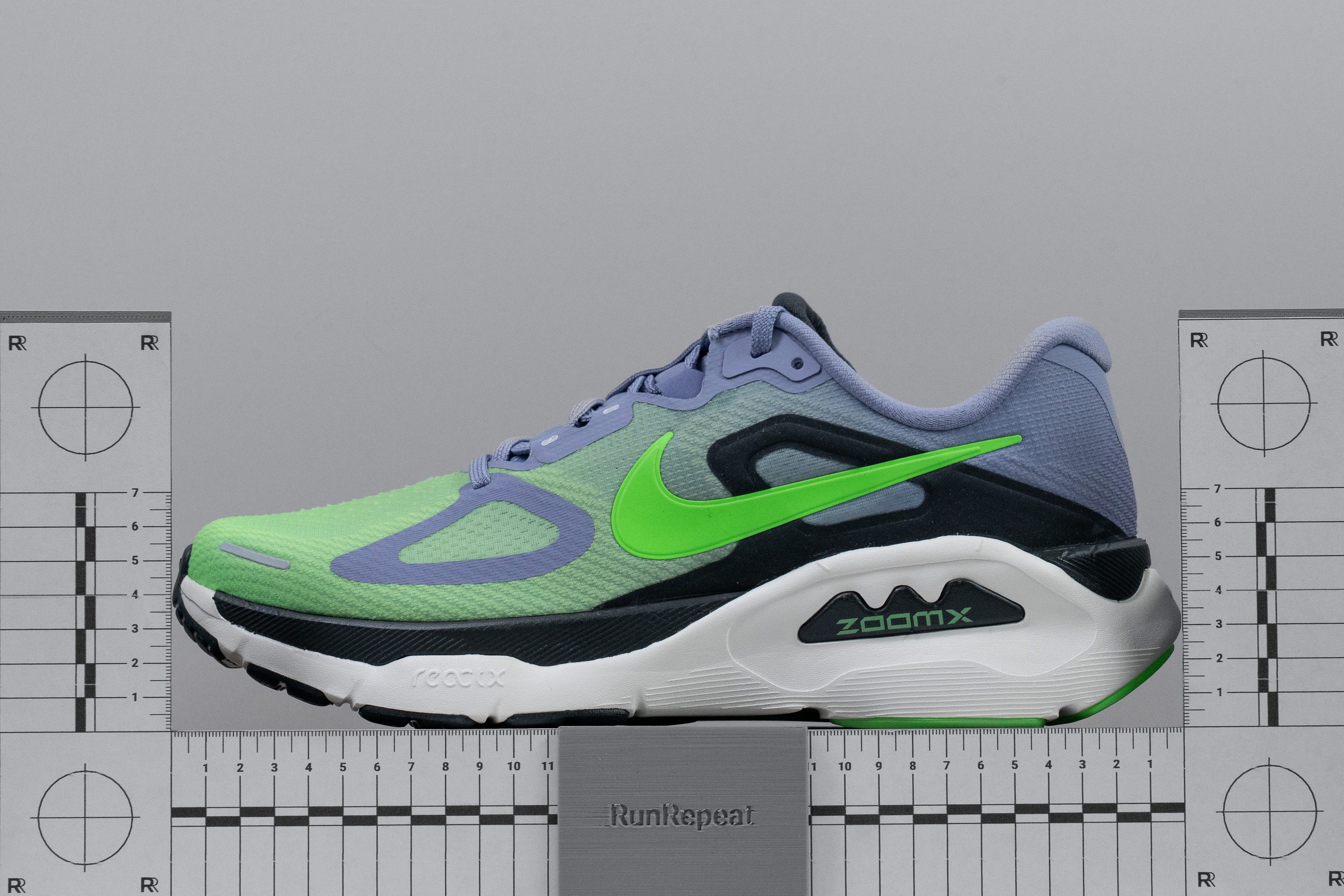
- Doubles as a sneaker and looks super cool
- High drop suits heel strikers
- Improved traction
- Premium upper with solid ventilation
- Durable outsole
- Smooth, non-intrusive stability system
- Excellent step-in comfort
Cons
- Heavy
- Still feels muted despite ZoomX
- Non-gusseted tongue
Awards
- Top pick in best Nike walking shoes
- Top pick in best Nike shoes for walking and standing all day
- Top 18% in road running shoes
- Top 25% in Nike running shoes
- Top 15% most popular running shoes
Comparison
The most similar running shoes compared
+ + Add a shoe | |||||
|---|---|---|---|---|---|
| Our score | 87 Great | 83 Great | 79 Good | 85 Great | |
| Price | £165 | £140 | £140 | £130 | |
| Pace | Daily running | Daily running | Daily running | Daily running | |
| Shock absorption | High | Moderate | High | High | |
| Energy return | High | Low | Moderate | Moderate | |
| Traction | High | High | High | High | |
| Arch support | Stability | Stability | Stability | Stability | |
| Weight lab Weight brand | 10.3 oz / 292g 10.9 oz / 309g | 9.9 oz / 280g 10.4 oz / 294g | 9.8 oz / 278g 10 oz / 284g | 10.4 oz / 296g 10.5 oz / 298g | |
| Drop lab Drop brand | 11.2 mm 10.0 mm | 7.6 mm 10.0 mm | 10.3 mm 8.0 mm | 10.1 mm 10.0 mm | |
| Strike pattern | Heel | Mid/forefoot | Heel | Heel | |
| Size | True to size | True to size | True to size | Slightly small | |
| Midsole softness | Soft | Soft | Soft | Balanced | |
| Difference in midsole softness in cold | Small | Small | Small | Small | |
| Toebox durability | Decent | Decent | Decent | Decent | |
| Heel padding durability | Good | Decent | Good | Good | |
| Outsole durability | Good | Good | Good | Good | |
| Breathability | Moderate | Moderate | Breathable | Moderate | |
| Width / fit | Medium | Medium | Medium | Medium | |
| Toebox width | Medium | Medium | Narrow | Medium | |
| Stiffness | Stiff | Moderate | Moderate | Moderate | |
| Torsional rigidity | Moderate | Flexible | Flexible | Moderate | |
| Heel counter stiffness | Stiff | Stiff | Moderate | Moderate | |
| Heel lab Heel brand | 40.9 mm 42.0 mm | 36.6 mm 38.5 mm | 38.0 mm 39.0 mm | 36.1 mm 38.0 mm | |
| Forefoot lab Forefoot brand | 29.7 mm 32.0 mm | 29.0 mm 28.5 mm | 27.7 mm 31.0 mm | 26.0 mm 28.0 mm | |
| Widths available | NormalWide | NormalWide | NormalWideX-Wide | NarrowNormalWideX-Wide | |
| Orthotic friendly | ✓ | ✓ | ✓ | ✓ | |
| Season | All seasons | All seasons | SummerAll seasons | All seasons | |
| Removable insole | ✓ | ✓ | ✓ | ✓ | |
| Ranking | #61 Top 16% | #164 Top 41% | #239 Bottom 40% | #112 Top 28% | |
| Popularity | #58 Top 15% | #151 Top 38% | #123 Top 31% | #49 Top 13% |



Who should buy
In our opinion, the Nike Structure Plus is a compelling option for:
- Runners loyal to Nike who want the brand’s most advanced stability trainer so far.
- Those who prefer stability shoes with a classic geometry instead of aggressive rocker designs.
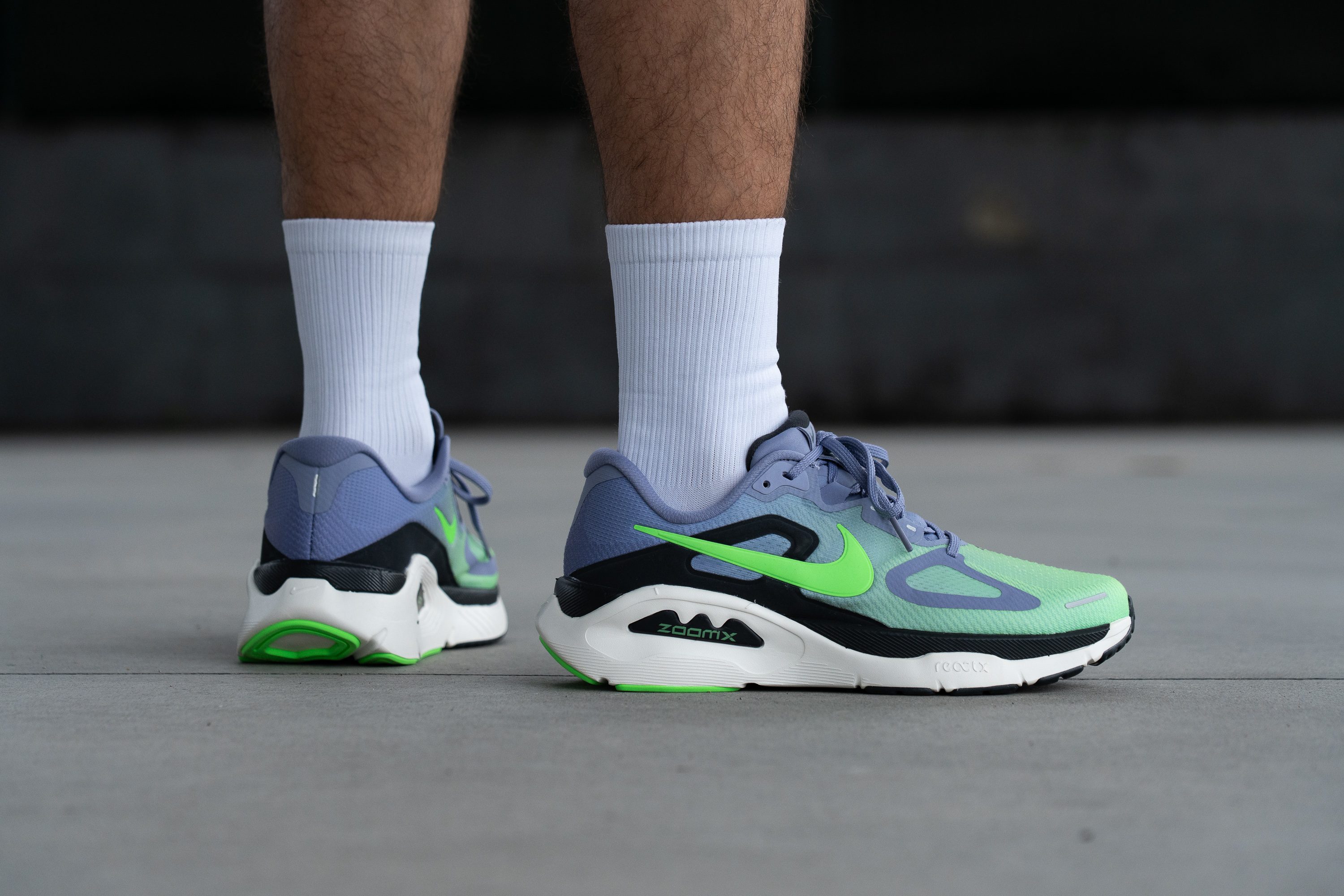
- Anyone looking for a daily trainer that blends sneaker-style looks with amazing support.
- Long-time Structure fans who want a step up in tech and comfort. The added ZoomX layer and new upper bring a more premium feel compared to previous versions.
Who should NOT buy
The main drawback of the Nike Structure Plus is its high price. In our view, many runners will struggle to justify that cost for simple daily mileage. We think beginners especially may hesitate too, particularly when more affordable options like the Nike Structure 26 or the ASICS GT 2000 14 deliver reliable support and similar versatility.
We also believe the shoe’s weight hurts its overall experience. During our runs it felt noticeably bottom-heavy and far from a fast-paced trainer when pushing the pace. From our perspective, lighter stability options like the Saucony Tempus 2 or the HOKA Arahi 8 offer a more agile feel and can even handle some tempo sessions.
Cushioning
Shock absorption
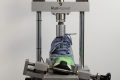
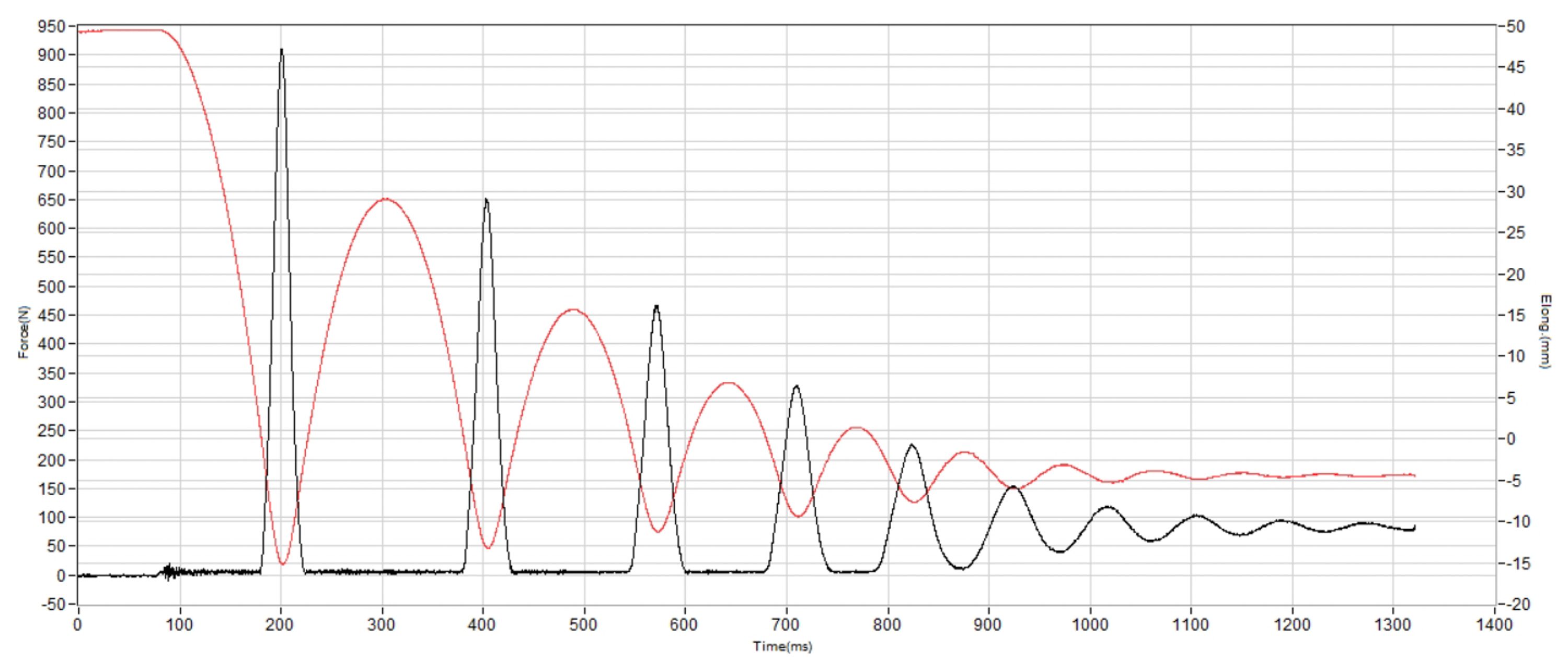
The midsole of the Structure Plus is clearly thick, so we expected above-average results in our shock absorption test. After completing all procedures, we measured 140 SA in the heel and 110 SA in the forefoot, which is solid for everyday runs but not especially impressive.
However, for runners seeking a bit more cushioning than the regular Structure 26 (132 SA / 99 SA), Nike delivers.
| Structure Plus | 140 SA |
| Average | 131 SA |
Energy return
The ZoomX logo looked promising, yet during our runs the shoe felt far from pogo-stick bouncy, if anything the opposite. Indeed, our lab results confirmed this impression, showing just 58.2% energy return in the heel and 65.2% in the forefoot.
The forefoot contains more ZoomX relative to ReactX, so the difference between both measurements makes sense. Consequently, with these numbers the shoe will feel a tiny bit energetic but only for midfoot and forefoot strikers.
| Structure Plus | 65.2% |
| Average | 61.5% |
Heel stack
At 40.9 mm, Nike went fully maximalist with the Structure Plus, and that is exactly how the shoe feels underfoot. As soon as we started running in it, we immediately noticed how elevated our feet sit above the ground.
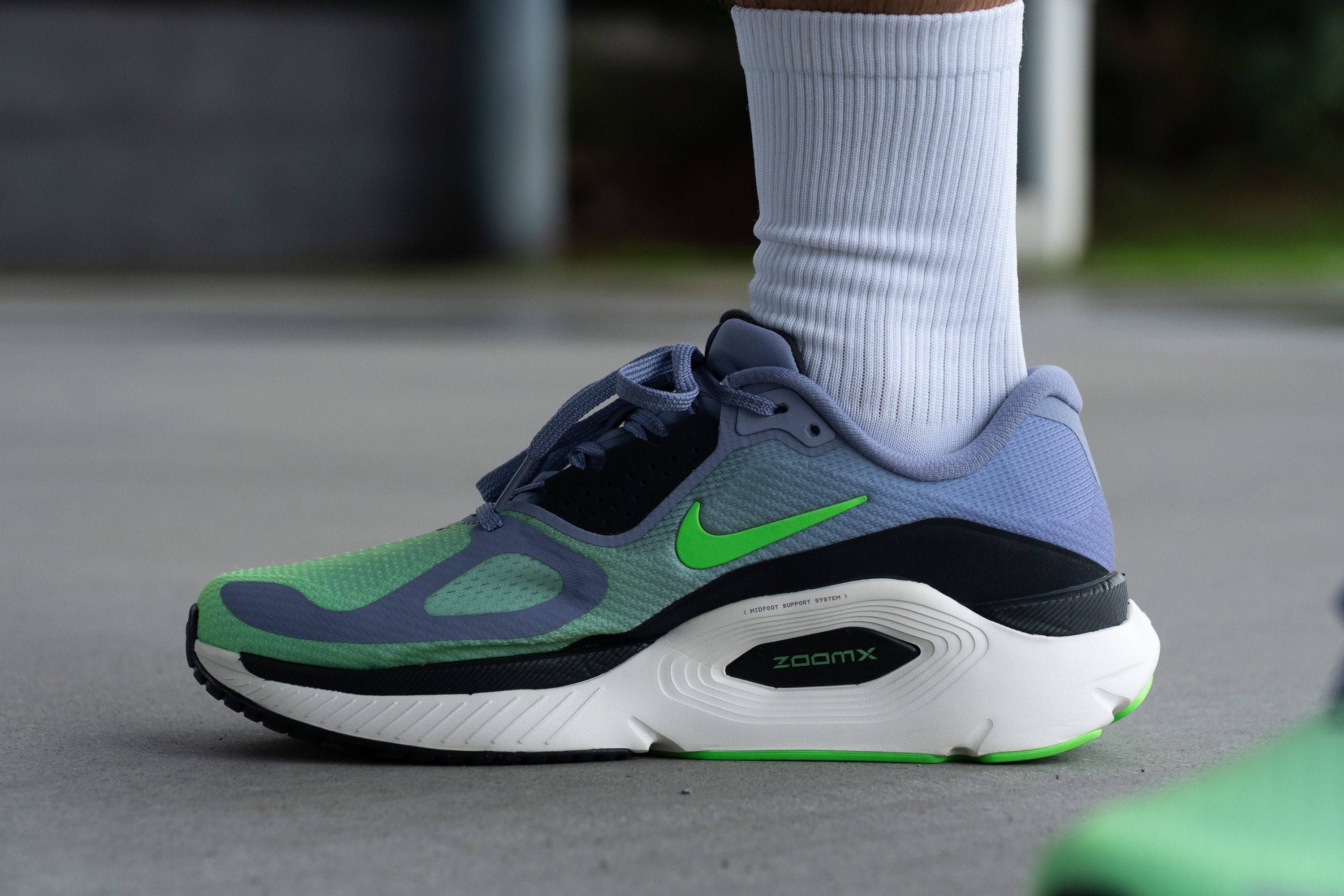
However, do not be misled by the massive sidewalls that Nike designed to help prevent the arch from collapsing. The platform is tall, but not that tall.
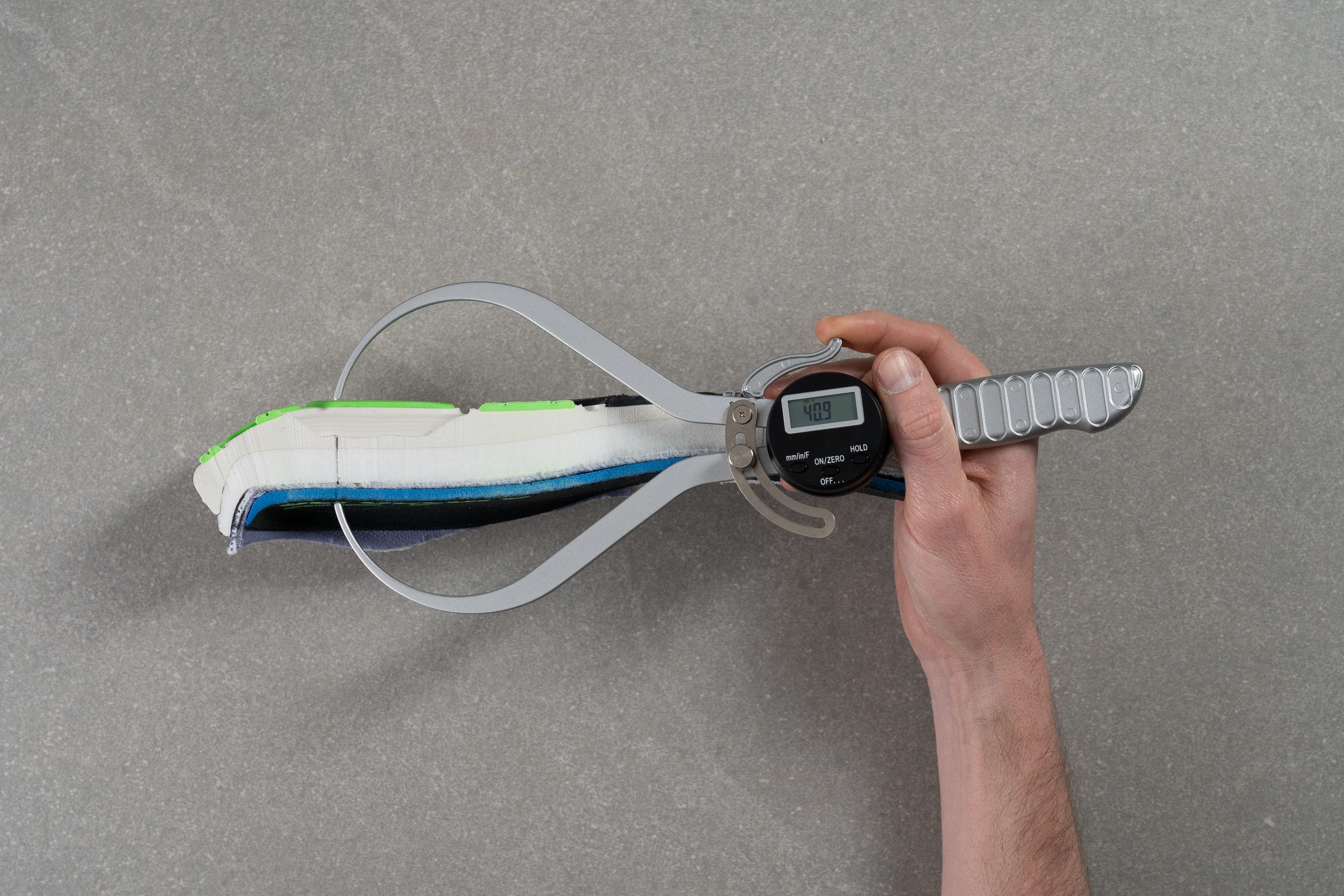
| Structure Plus | 40.9 mm |
| Average | 35.6 mm |
Forefoot stack
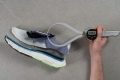
The forefoot rises 29.7 mm from the ground, offering plenty of foam for easy runs and delivering the solid cushioning as we observed earlier in our shock absorption test.
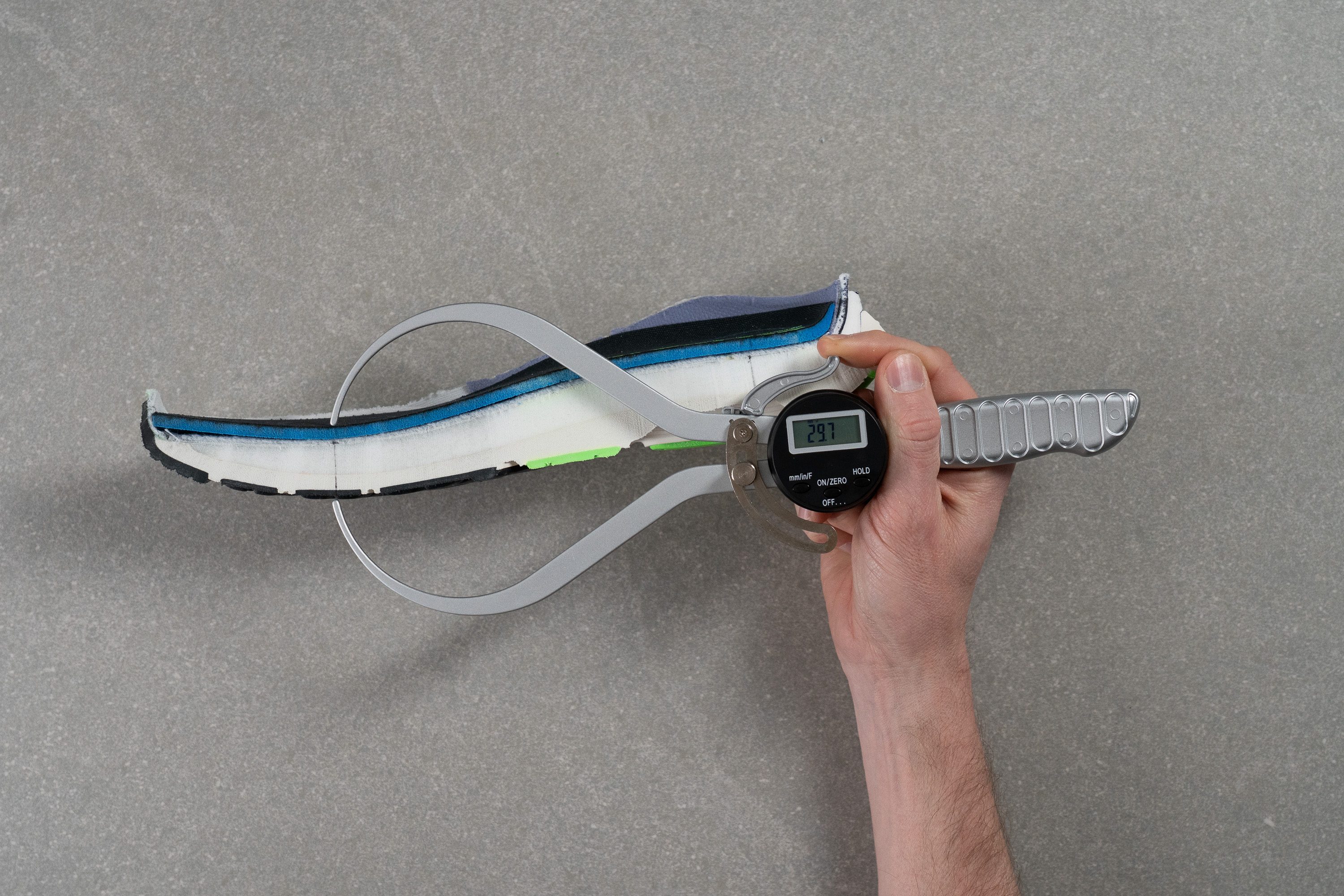
| Structure Plus | 29.7 mm |
| Average | 27.2 mm |
Drop
Most runners are used to Nike deploying a high drop in its daily running shoes, and we found that the Structure Plus follows that same steep geometry. With 11.2 mm of actual heel-to-toe drop, it's clear to us that rearfoot strikers will feel right at home in this shoe.
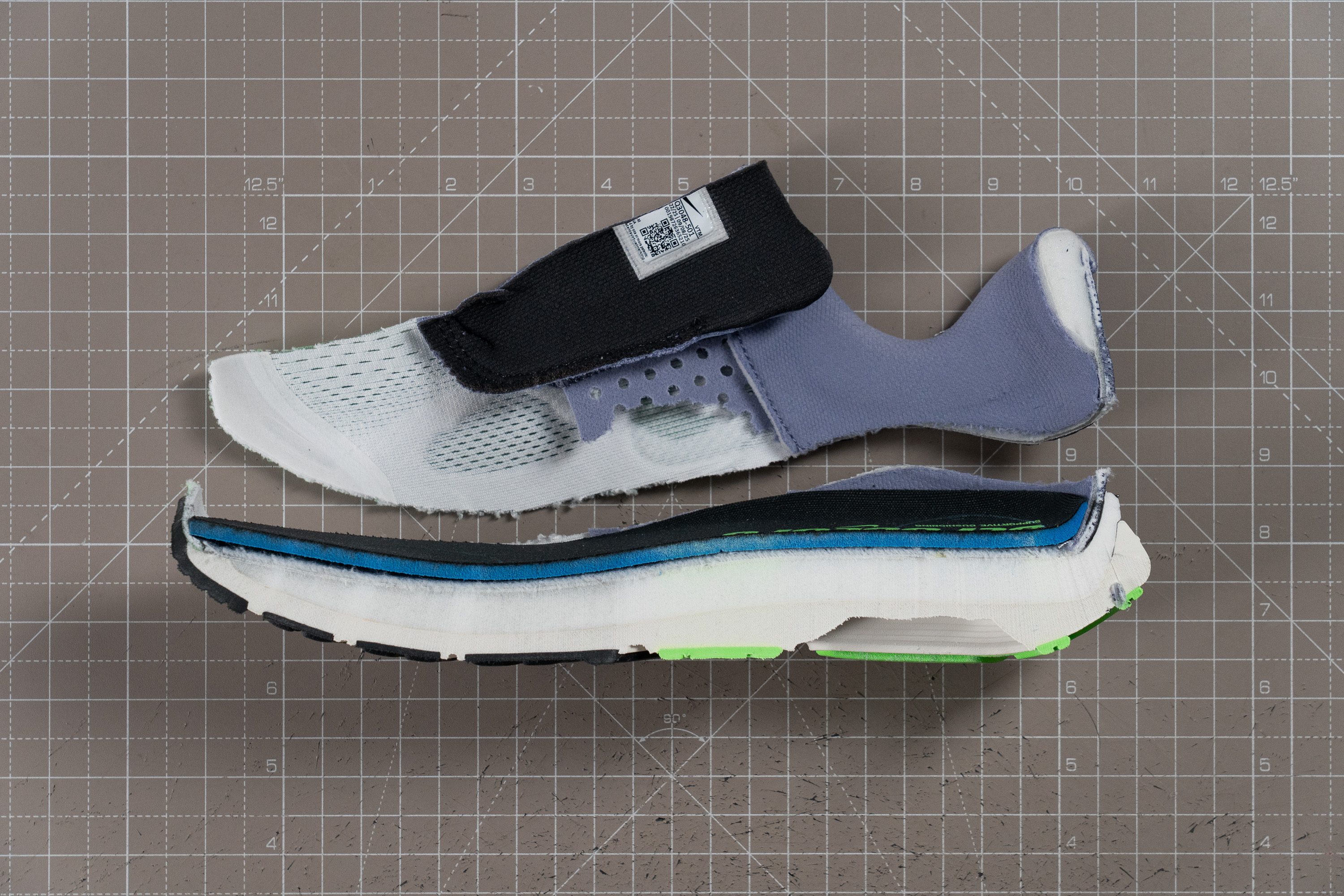
| Structure Plus | 11.2 mm |
| Average | 8.4 mm |
Midsole softness
The ZoomX logo is not as impressive today as it once was. Nike has adjusted the formula using a TPE foam instead of Pebax for training shoes, and many other brands now use premium foams in their trainers.
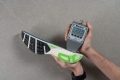
However, after testing the shoe ourselves we still found that this version of ZoomX performs well for the Structure Plus, delivering a plush and forgiving ride underfoot. Our Asker C durometer measured 29.5 AC for the top layer, which is clearly softer than the average.
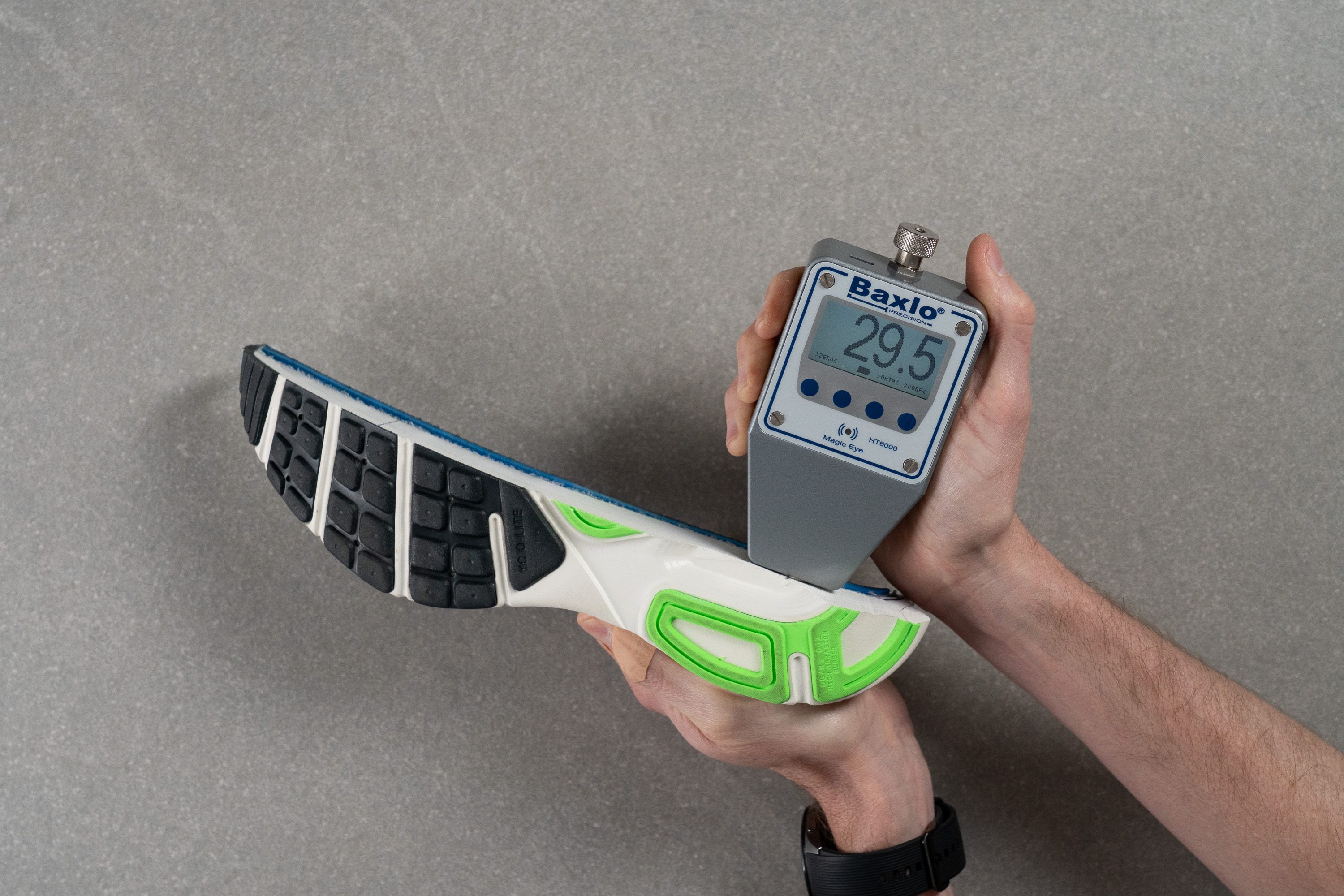
| Structure Plus | 29.5 AC |
| Average | 35.4 AC |
Rocker
Some brands are moving toward highly rockered designs on every shoe, but Nike avoids that approach with the Structure Plus. In our view, that is a sensible decision for a stability daily trainer.
This design makes the shoe a strong option for runners who prefer a more classic midsole geometry. It also feels more natural when walking or wearing the shoe casually, which seems like something Nike clearly considered when creating this sneaker-friendly design.
Size and fit
Size
Nike Structure Plus fits true to size (66 votes).
Internal length
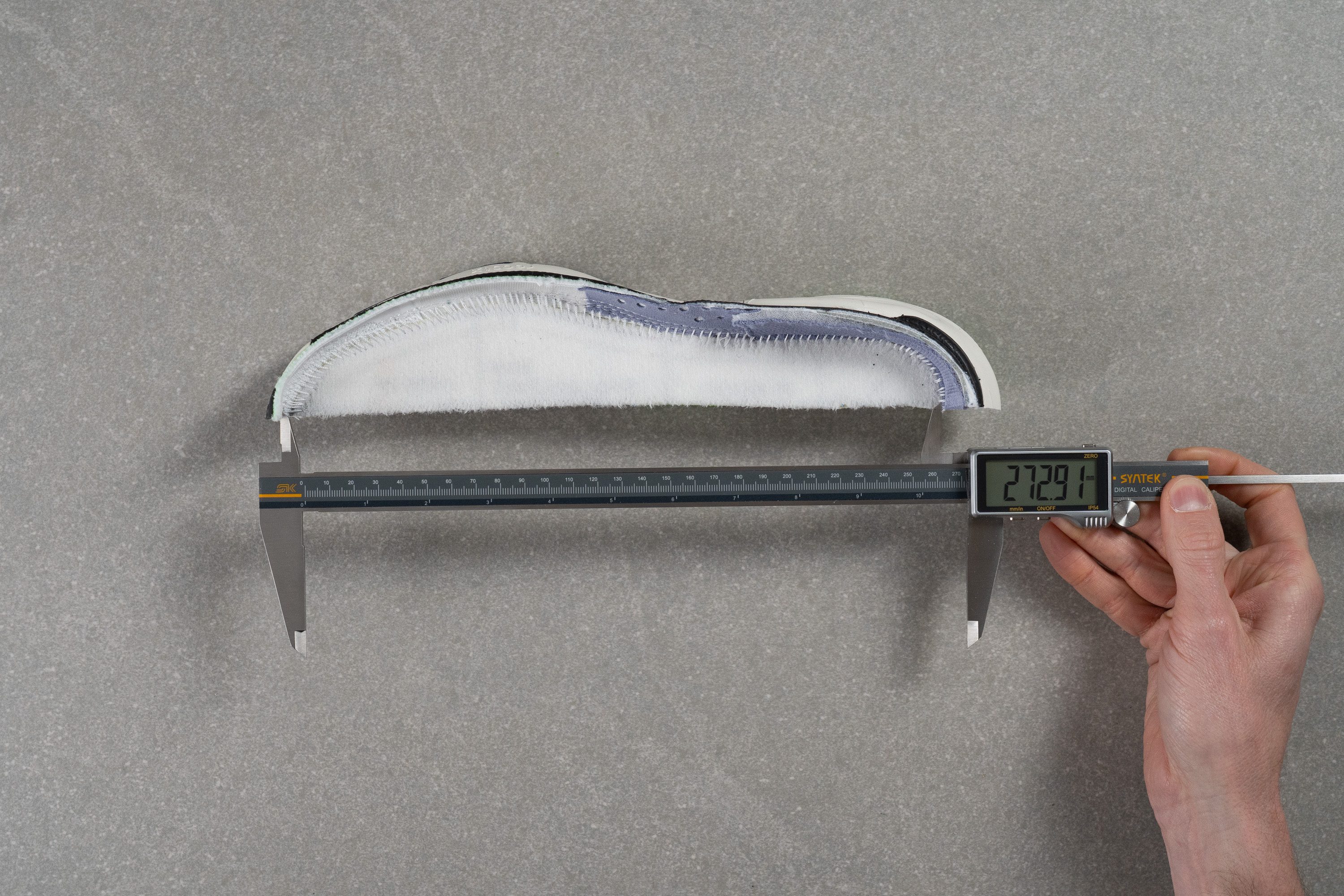
| Structure Plus | 272.9 mm |
| Average | 269.4 mm |
Width / Fit
As with every shoe we test, we purchased the Nike Structure Plus in US 9 with standard width. It is also worth noting that Nike offers this model in a Wide version, although availability may vary by market.
That said, we began taking measurements on our pair. With 93.4 mm in our first reading, it shows a classic Nike fit that likely will not suit wide feet well, though we still needed to complete the rest of our measurements.
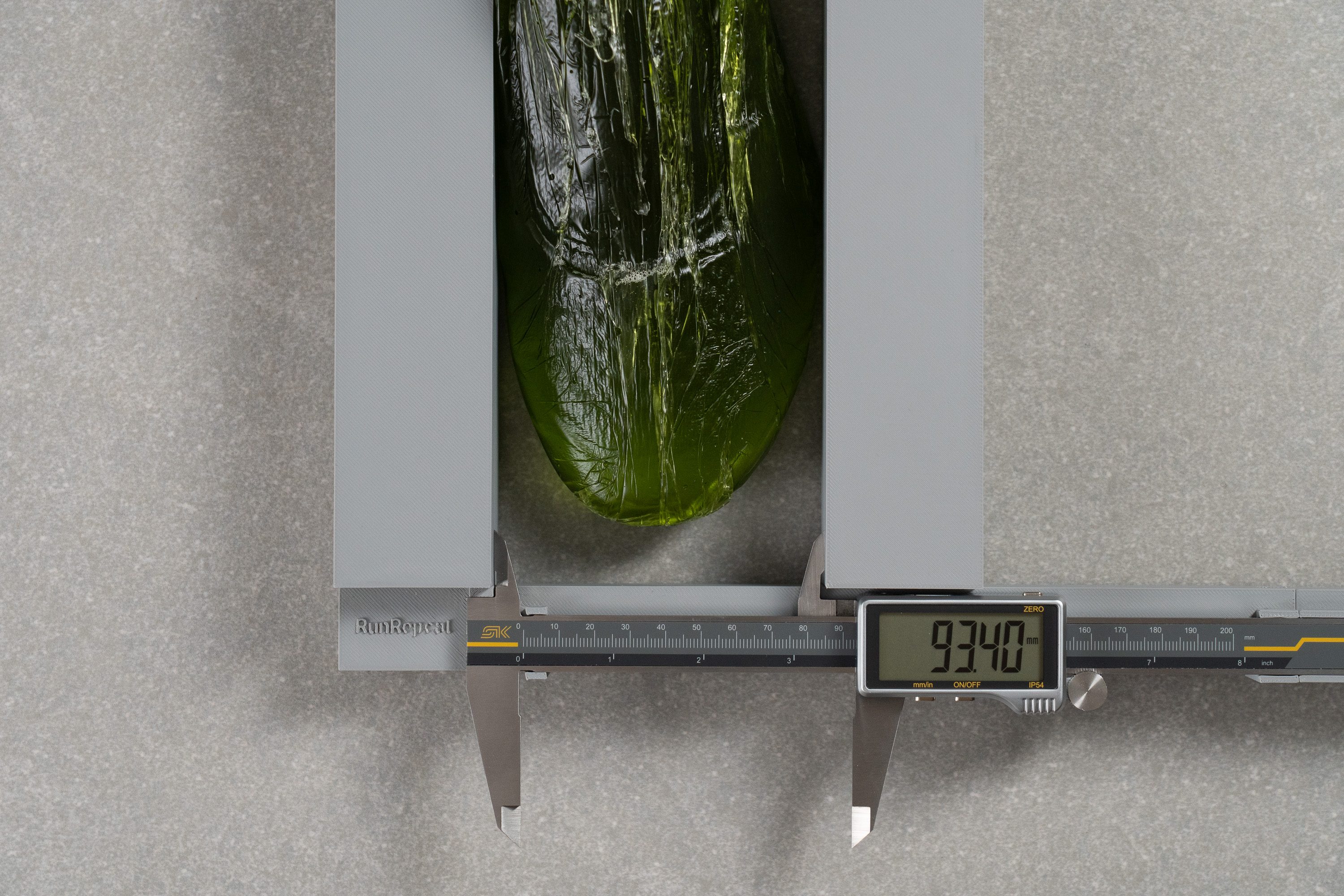
| Structure Plus | 93.4 mm |
| Average | 95.2 mm |
Toebox width
The second measurement also came in slightly below average at 72.5 mm, though only by a small margin. We consider it a very standard fit, and we believe anyone who has worn Nike shoes before will find the feel familiar on foot.
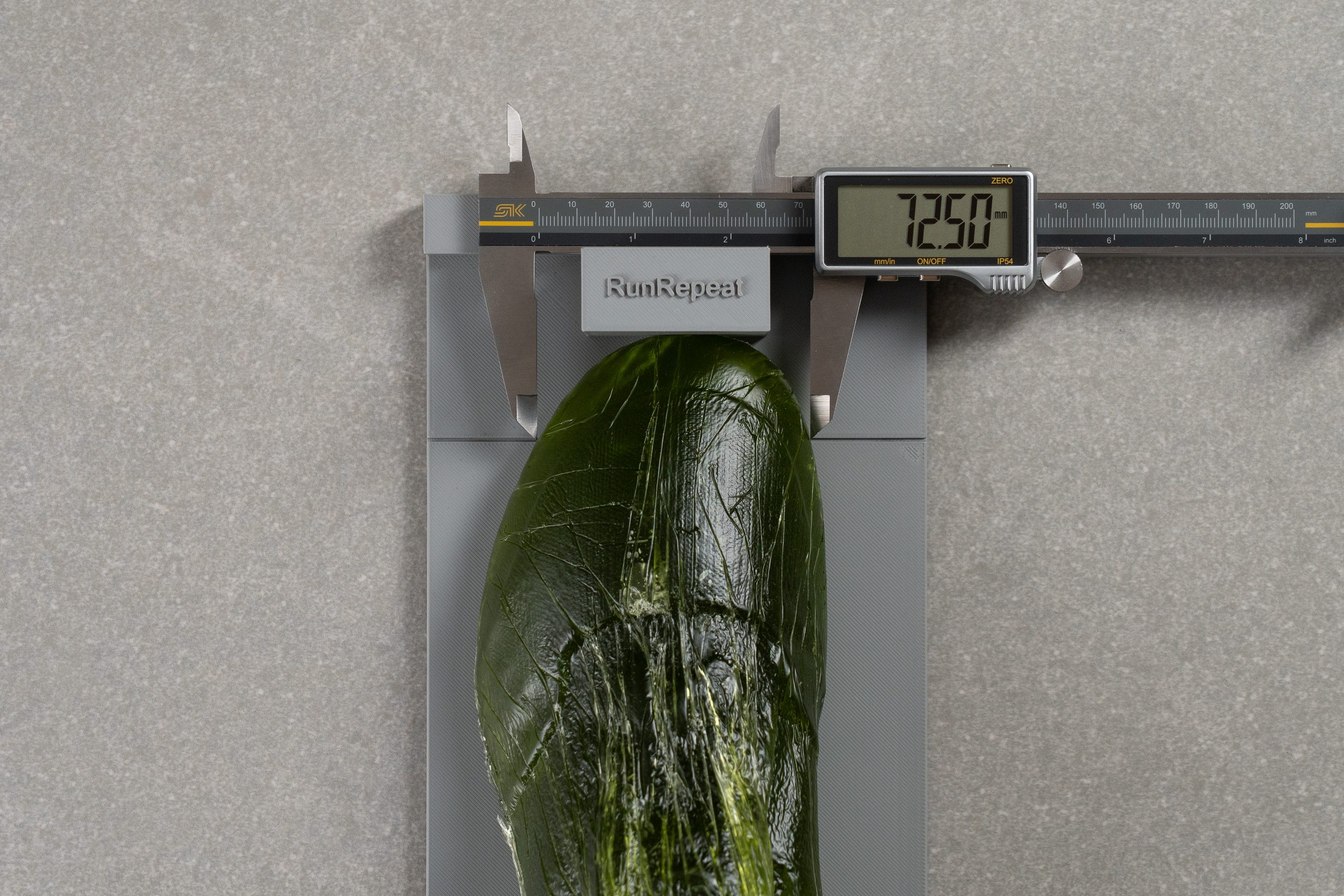
| Structure Plus | 72.5 mm |
| Average | 73.2 mm |
Toebox height
Toebox height follows the same pattern as the previous two measurements, so there are no surprises here.
At 26.0 mm, the figure feels reasonable to us, especially since stability shoes often benefit from a slightly snugger fit to help contain lateral forces and improve support.
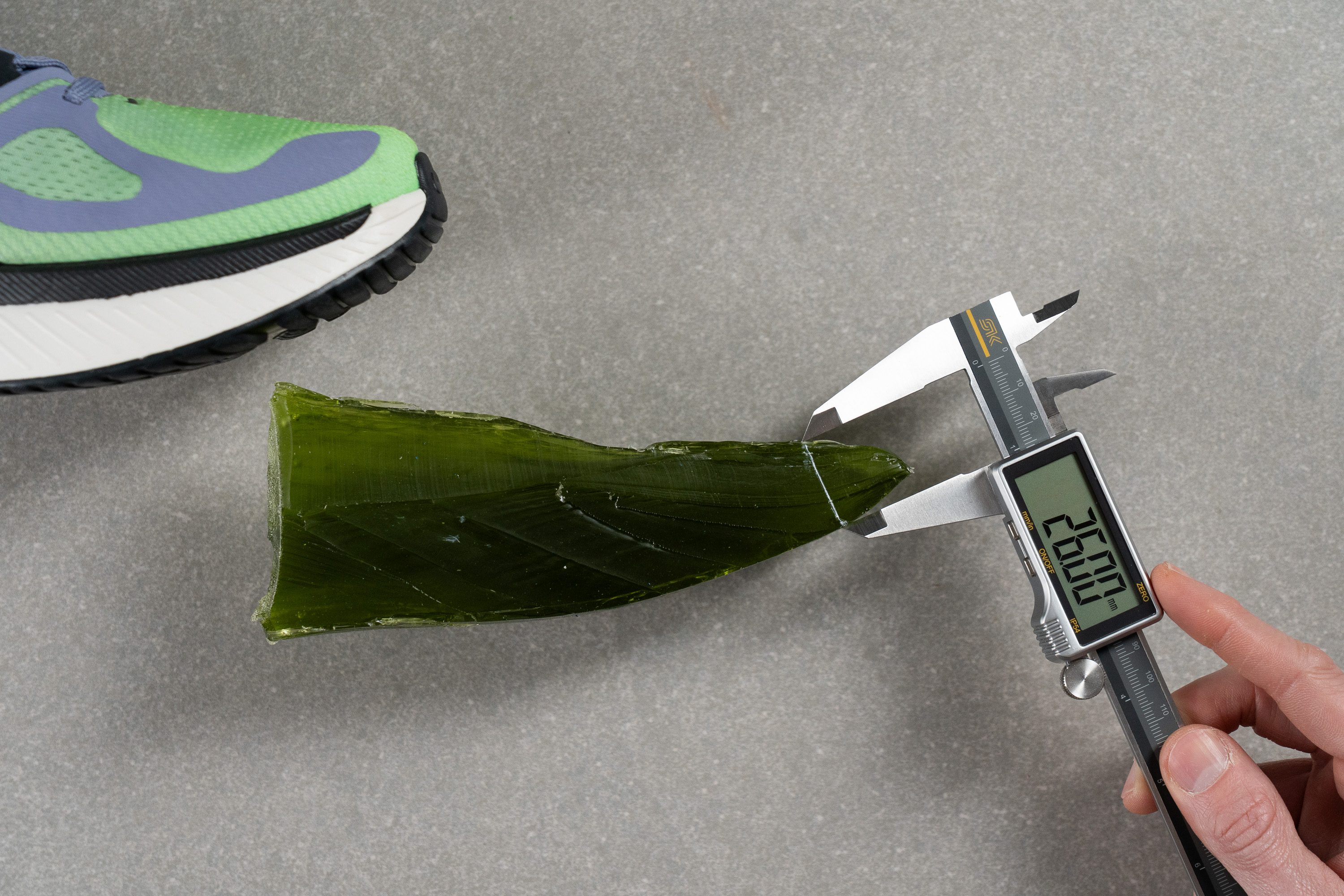
| Structure Plus | 26.0 mm |
| Average | 27.0 mm |
Traction / Grip
Traction test
One area that needed improvement from the regular Structure was traction. We previously measured 0.37, and fortunately the Plus version raises that figure to a more acceptable 0.51.
It is still not impressive, but it now delivers dependable grip, even when running in the rain.
| Structure Plus | 0.51 |
| Average | 0.53 |
Outsole design
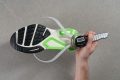
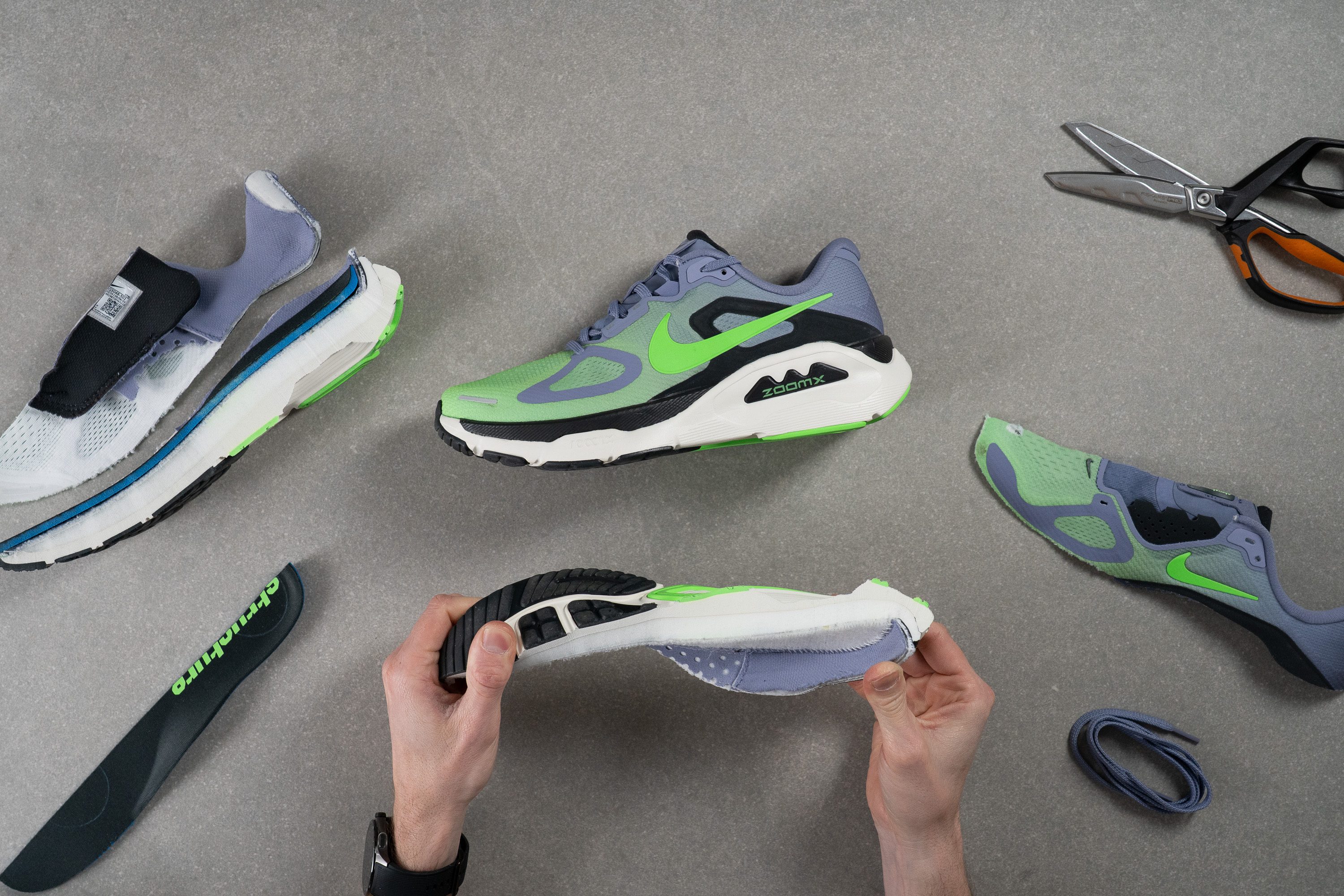
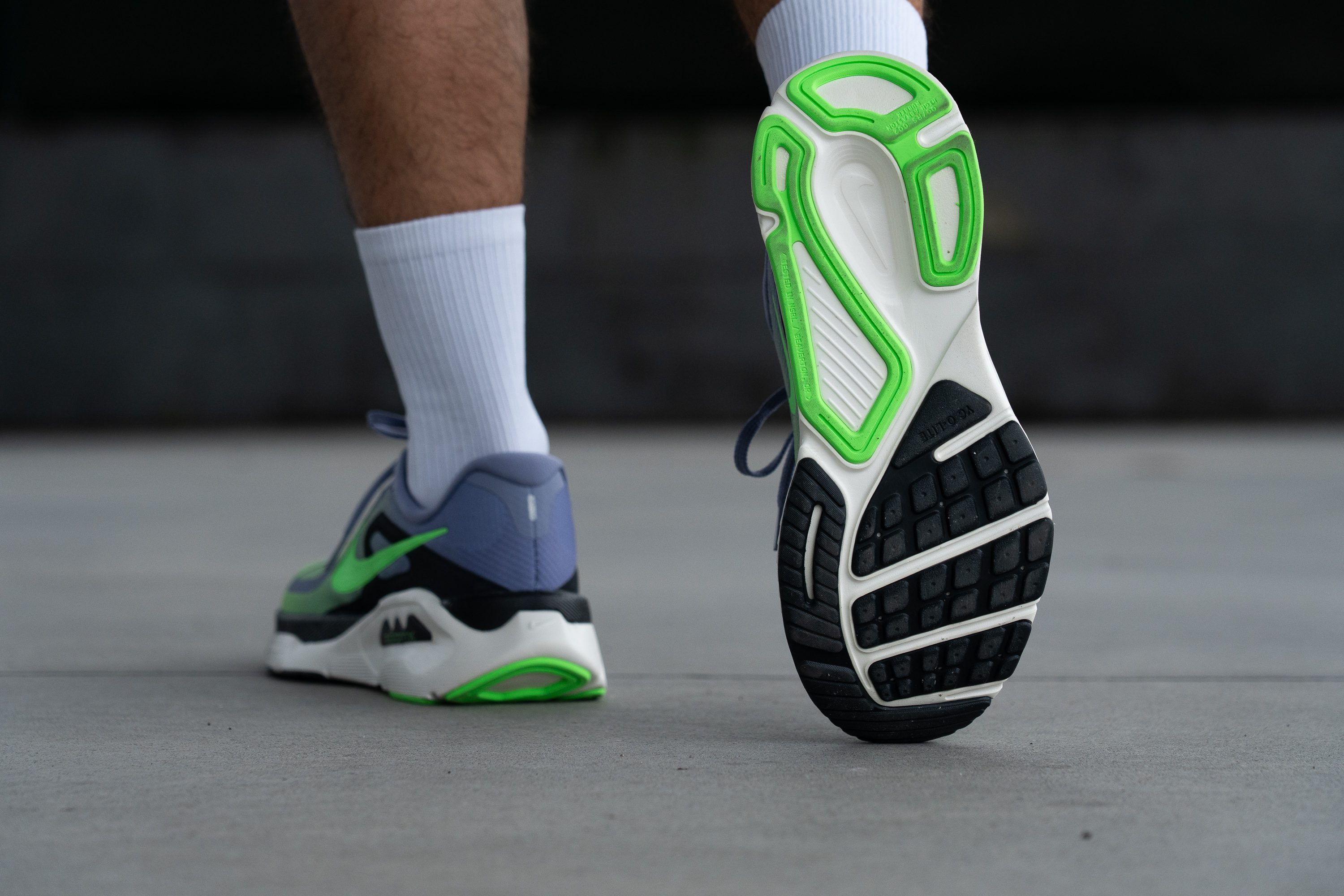
The outsole keeps a very similar layout to the Structure 26, preserving most of its design DNA with only small visual tweaks. It combines black "YC O-LITE" rubber in the forefoot with bright green "OG/RS 002" high abrasion rubber panels across the midfoot and heel.
The rearfoot and midfoot rubber provide solid protection, especially because the rubber sits clearly higher than the exposed foam. We also noted a very deep cutout in the centre of the heel that helps with foam compression too.
Flexibility / Stiffness
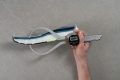
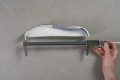
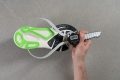
To enjoy the Nike Structure Plus, you definitely need to be a fan of longitudinally stiff shoes. With 19.3N in our lab test, it quickly becomes a no-go for runners who prefer a more flexible feel underfoot.
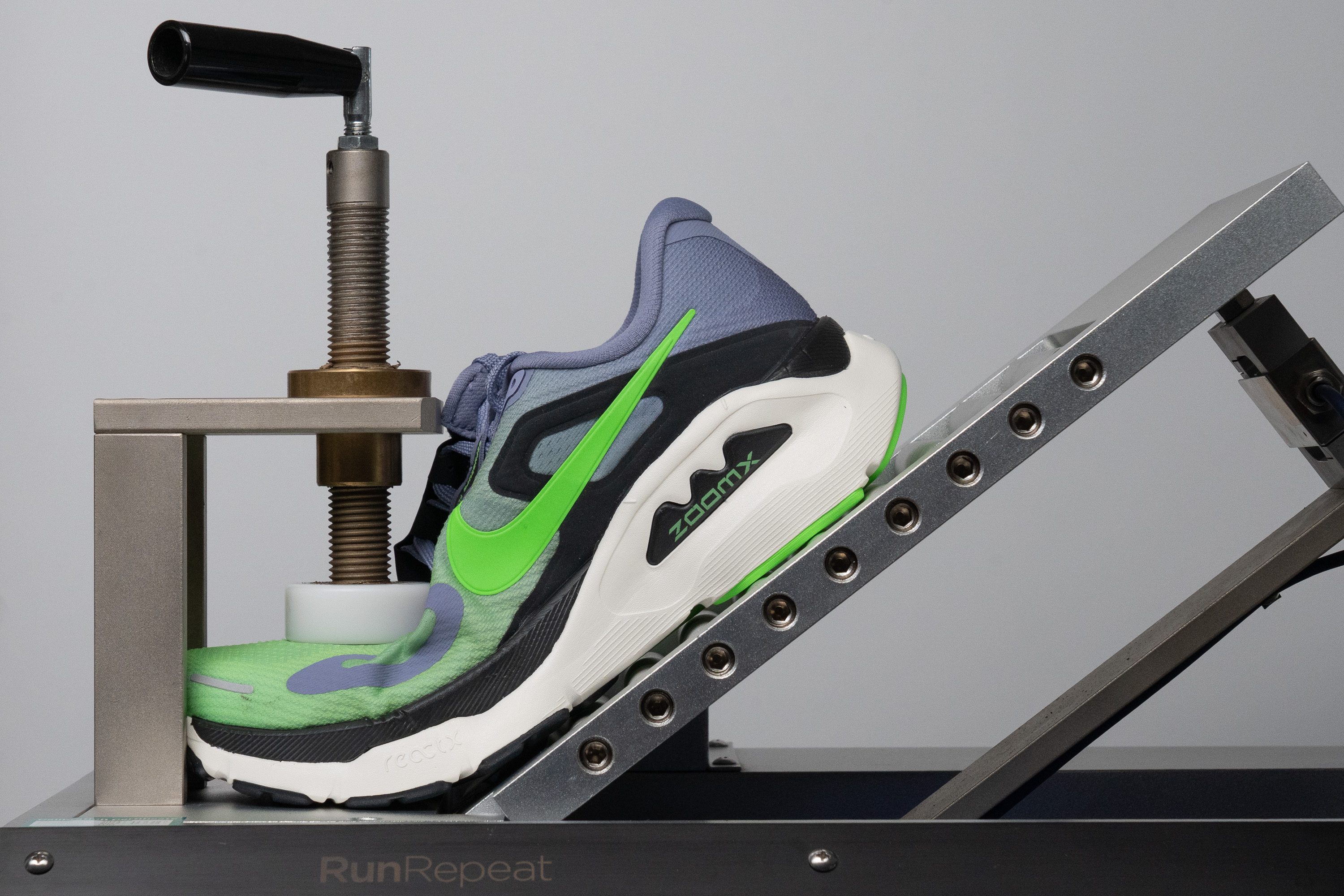
| Structure Plus | 19.3N |
| Average | 15.5N |
Weight
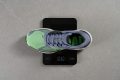
The Nike Structure Plus is only 1% lighter than the Structure 26, coming in at 10.3 oz or 292g. That small reduction hardly changes the experience, and the shoe still sits on the heavier side of the current market.
For daily mileage it can work, yet during our testing the shoe felt somewhat bottom heavy. In our opinion, this is a missed opportunity for Nike to gain ground against strong rivals like the ASICS Gel Kayano 32.
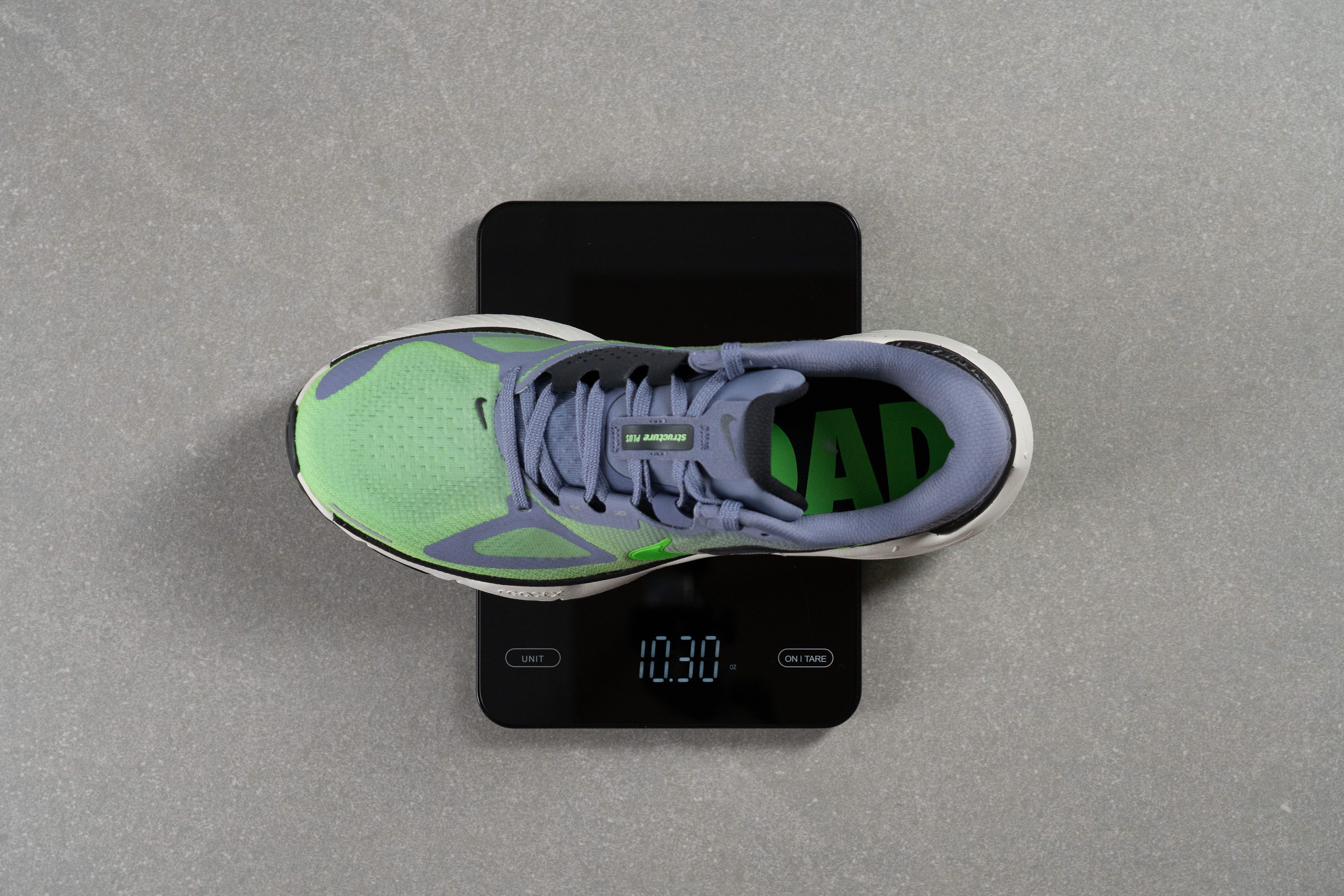
| Structure Plus | 10.3 oz (292g) |
| Average | 9.2 oz (261g) |
Breathability
Breathability test
One thing we all should demand from Nike is amazing materials in the Plus and Premium versions of its daily trainers. In this case, we think the Structure Plus delivers on that expectation.
The upper feels noticeably better than the one found in the regular version. It improves breathability to a 4 out of 5 score while maintaining the same comfortable overall feel.
Nike organises the upper into three clear zones: a well-ventilated forefoot, a very dense heel designed for stability, and a balanced construction through the midfoot area.
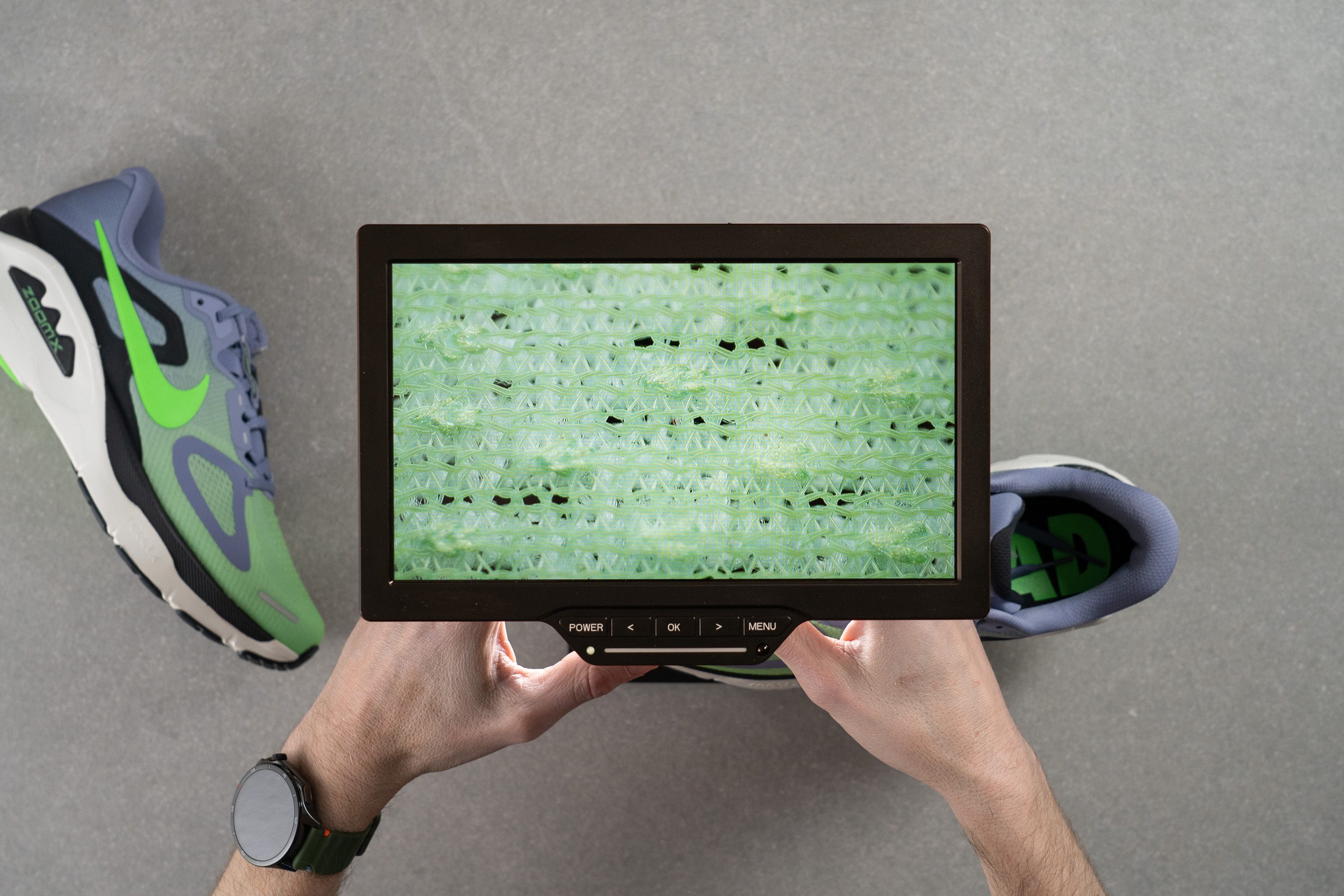
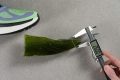
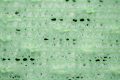
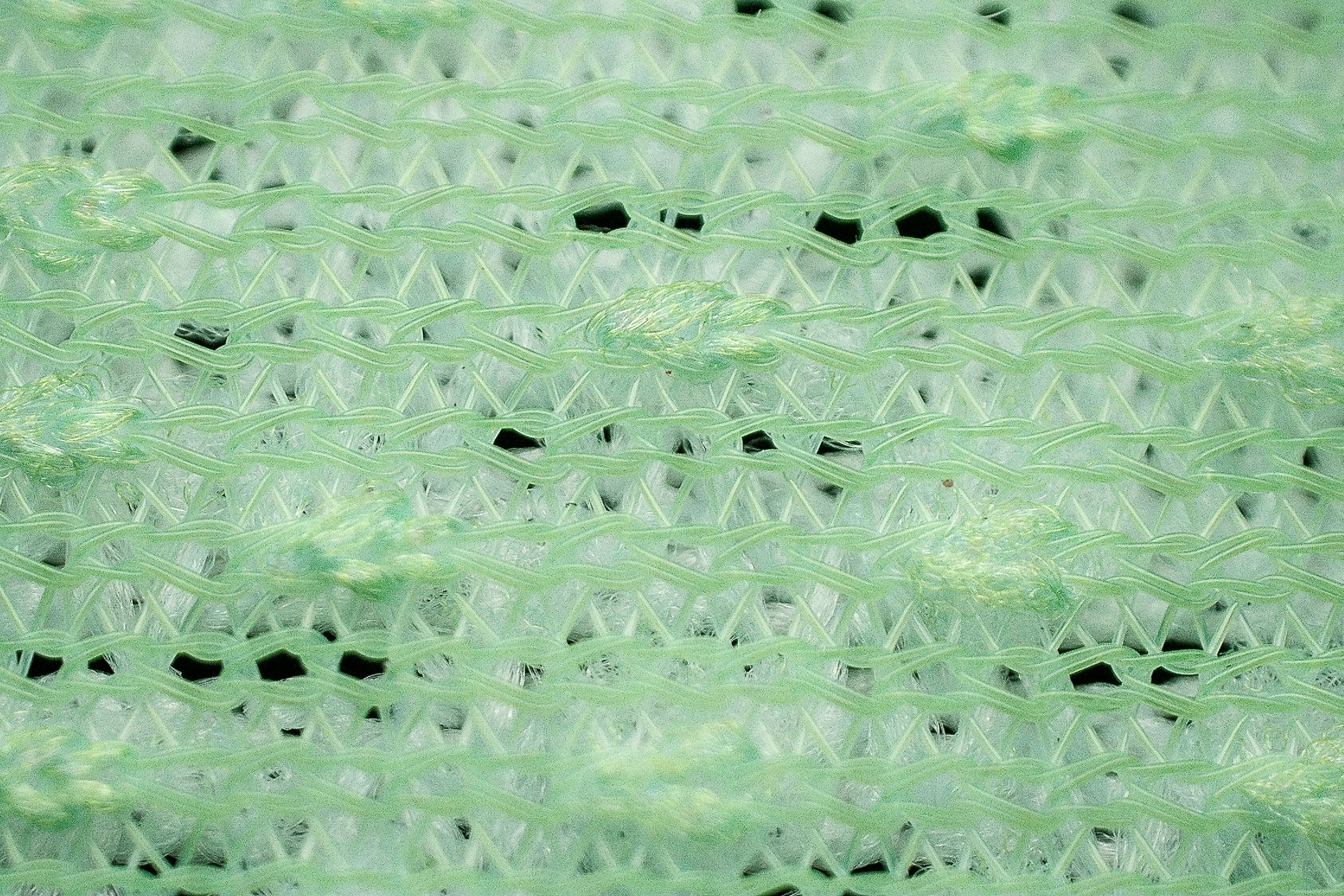
When we examined the upper with our digital microscope, the jump in quality became clear. The mesh looks softer and more refined, and the ventilation holes appear well distributed.
Handling the shoe confirms that comfort was a clear priority here. The heel padding is extremely generous, and all the materials feel soft and pleasant to the touch.
| Structure Plus | 4 |
| Average | 3.6 |
Stability
Lateral stability test
The Nike Structure Plus continues to use Nike’s Midfoot Support System to help stabilise the ride and limit pronation. It worked well on the regular Structure, and here Nike made it more pronounced to match the higher stack height of this version.
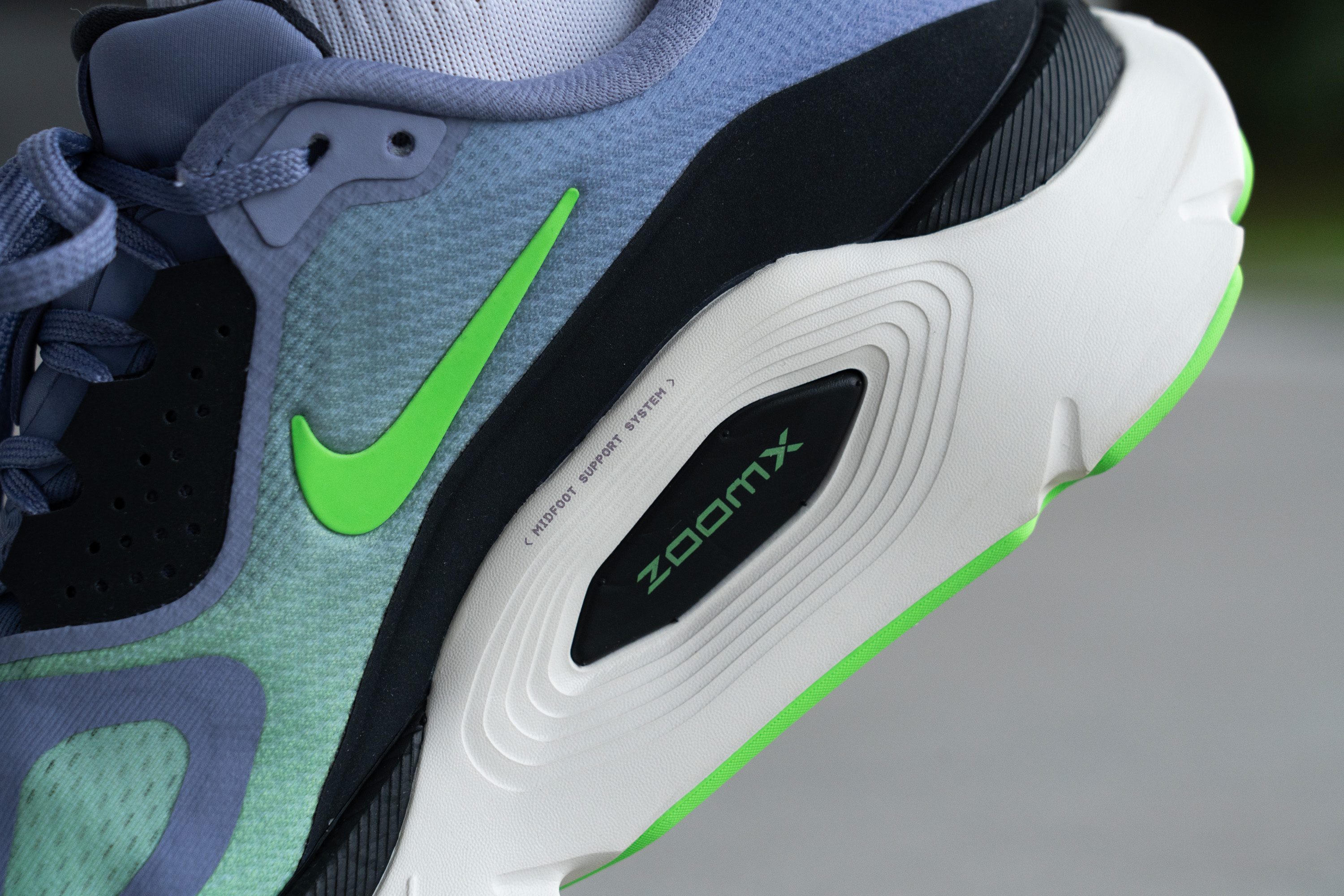
The support feels unobtrusive, and it's a good option for those who overpronate as well as neutral runners seeking a more controlled ride, without the harsh feel of older stability shoes. Oh, and we also really liked how Nike integrated support into the upper in a subtle and visually clean way.
Torsional rigidity
At 14.4 Nm in our test, the Structure Plus has a more flexible structure than many stability shoes, which also makes it more comfortable for everyday wear as a sneaker.
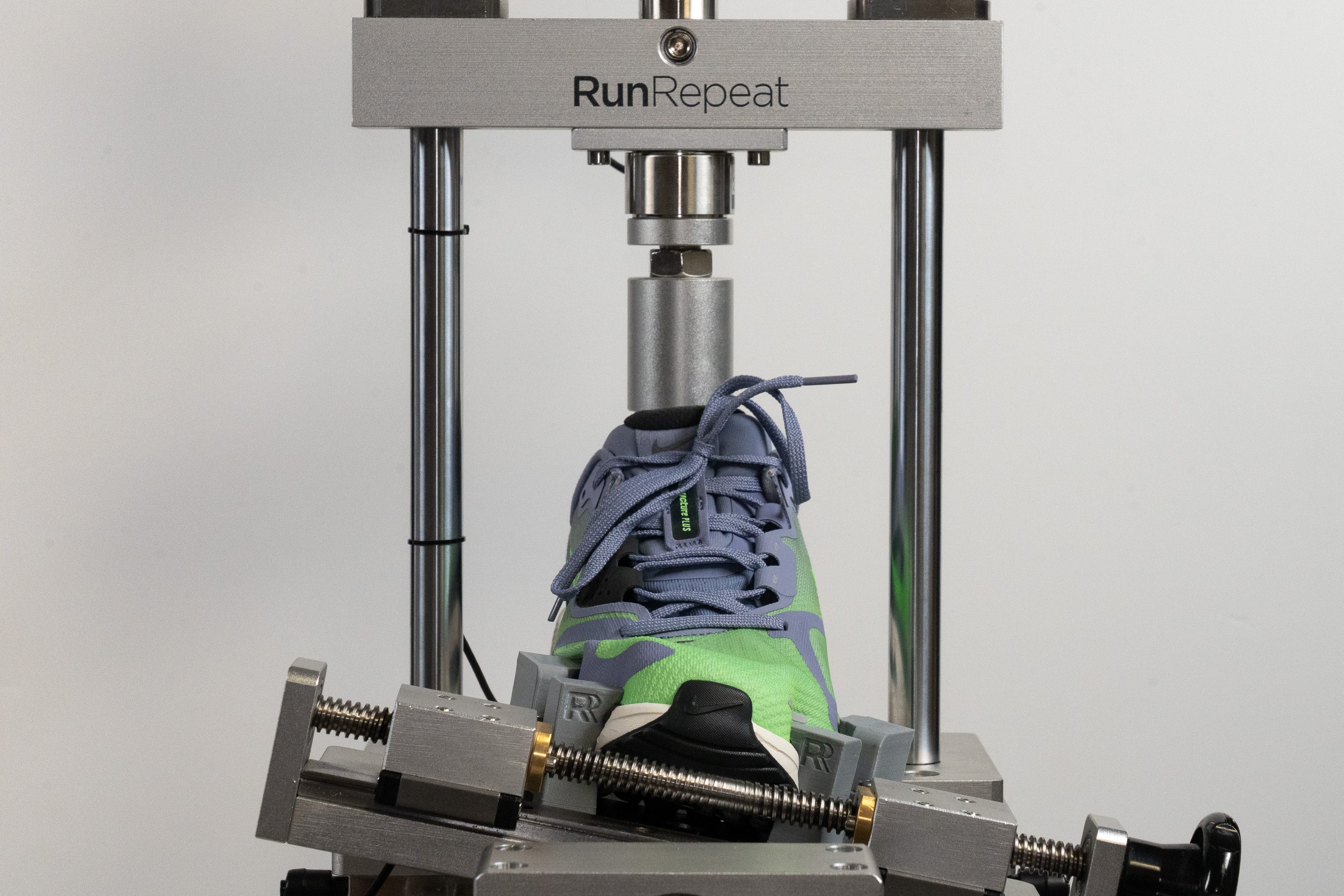
| Structure Plus | 14.4 Nm |
| Average | 14.3 Nm |
Heel counter stiffness
The heel counter also scored 4/5 instead of the maximum rating, which is uncommon for this type of shoe. We appreciate having an alternative like this in the market, offering solid stability without that overly stiff feel on foot.
| Structure Plus | 4 |
| Average | 3 |
Midsole width - forefoot
The midsole width follows the same pattern we saw in previous tests, showing a moderate rather than extreme design.
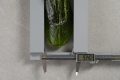
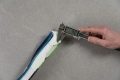
We measured 119.4 mm, which is clearly wider than a neutral trainer but still narrower than some max-stack stability options.
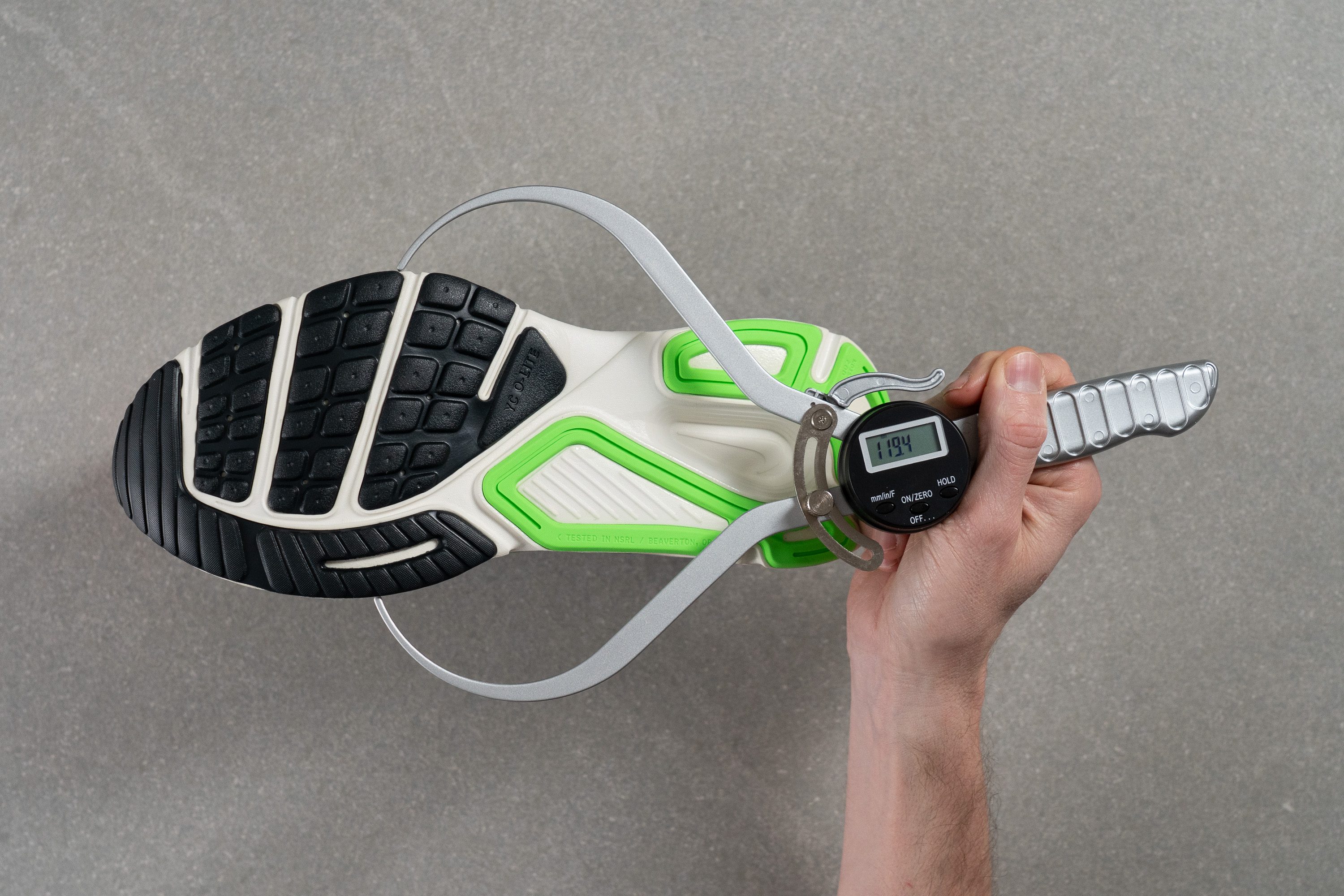
| Structure Plus | 119.4 mm |
| Average | 115.1 mm |
Midsole width - heel
Moving our callipers to the heel, we measured 94.7 mm. Once again, this reflects what we consistently observed in this shoe, a less aggressive and more beginner-friendly approach to stability.
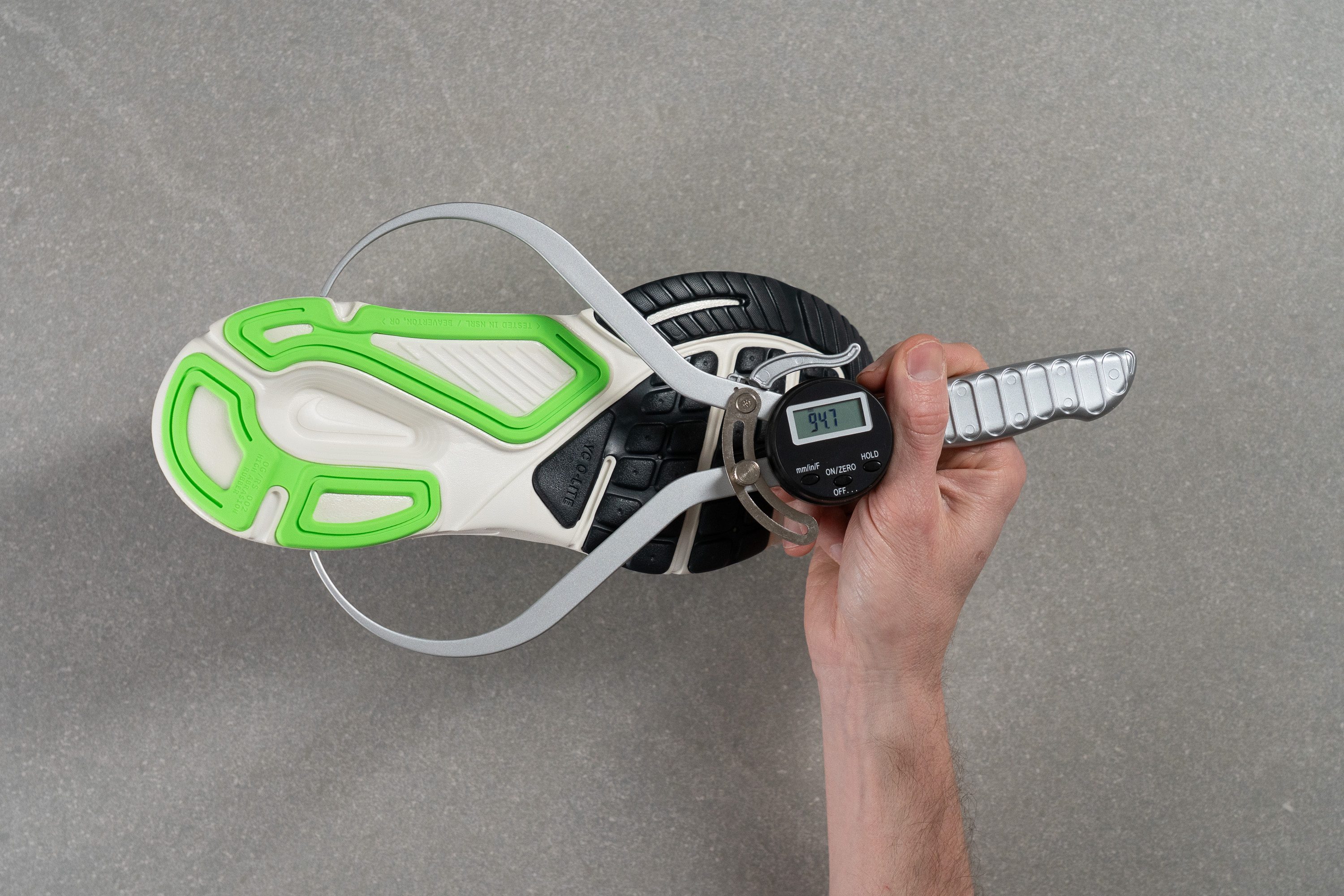
| Structure Plus | 94.7 mm |
| Average | 91.1 mm |
Durability
Toebox durability
After evaluating the breathability of the Structure Plus, we moved to the durability section of our lab to see how the upper holds up under stress. Ventilated uppers like this often struggle here, and this one followed that pattern with a modest 2/5 result.
| Structure Plus | 2 |
| Average | 2.6 |
Heel padding durability
Fortunately, the super-plush heel padding performed much better in our test. This time it earned a solid 4 out of 5.
| Structure Plus | 4 |
| Average | 3.4 |
Outsole durability
Nike has rarely been a market leader in outsole grip or durability when relying on its own compounds... and yes, Vibram-equipped trail models like the Ultrafly do not count here. With the Structure Plus, however, we were satisfied, as our test showed solid durability with only 0.9 mm of rubber worn away.
| Structure Plus | 0.9 mm |
| Average | 1.1 mm |
Outsole thickness
The outsole also offers a generous thickness of 3.4 mm. Combined with the durability result we observed, we believe runners can feel confident about the long-term wear of the shoe.
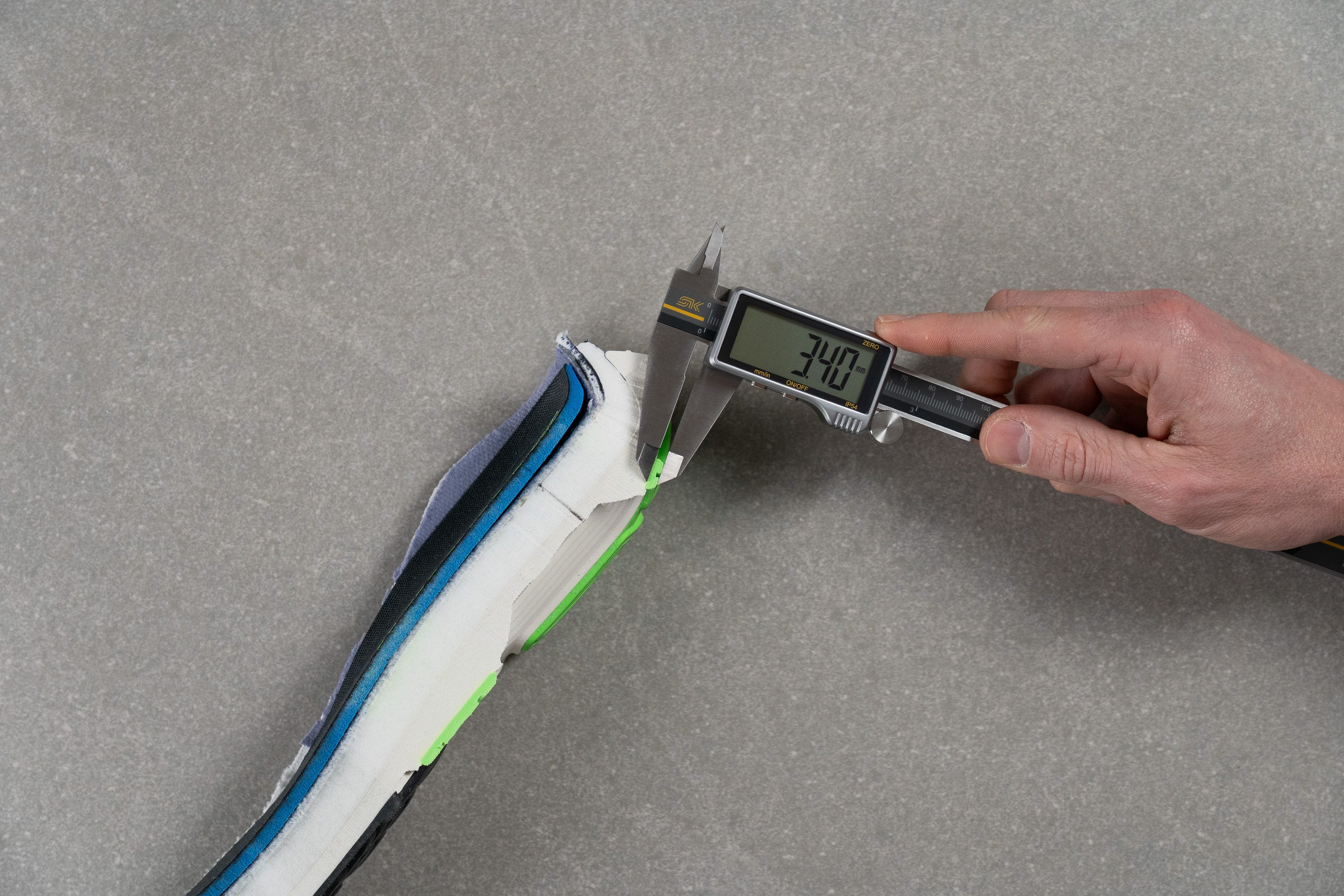
| Structure Plus | 3.4 mm |
| Average | 3.1 mm |
Misc
Insole thickness
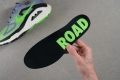
The insole is quite basic, made from EVA foam, and adds 4.9 mm of cushioning to the Structure Plus.
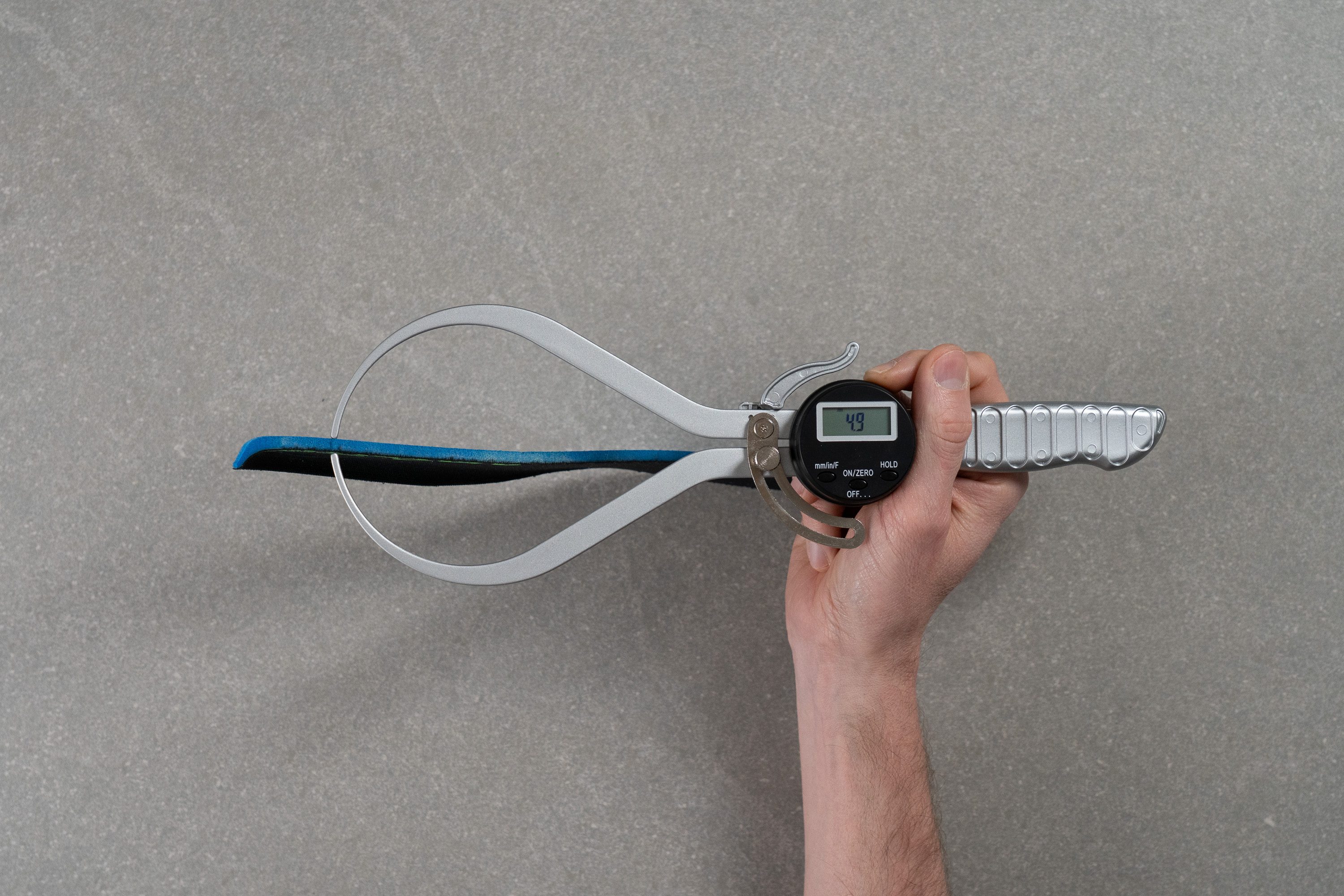
| Structure Plus | 4.9 mm |
| Average | 4.4 mm |
Removable insole
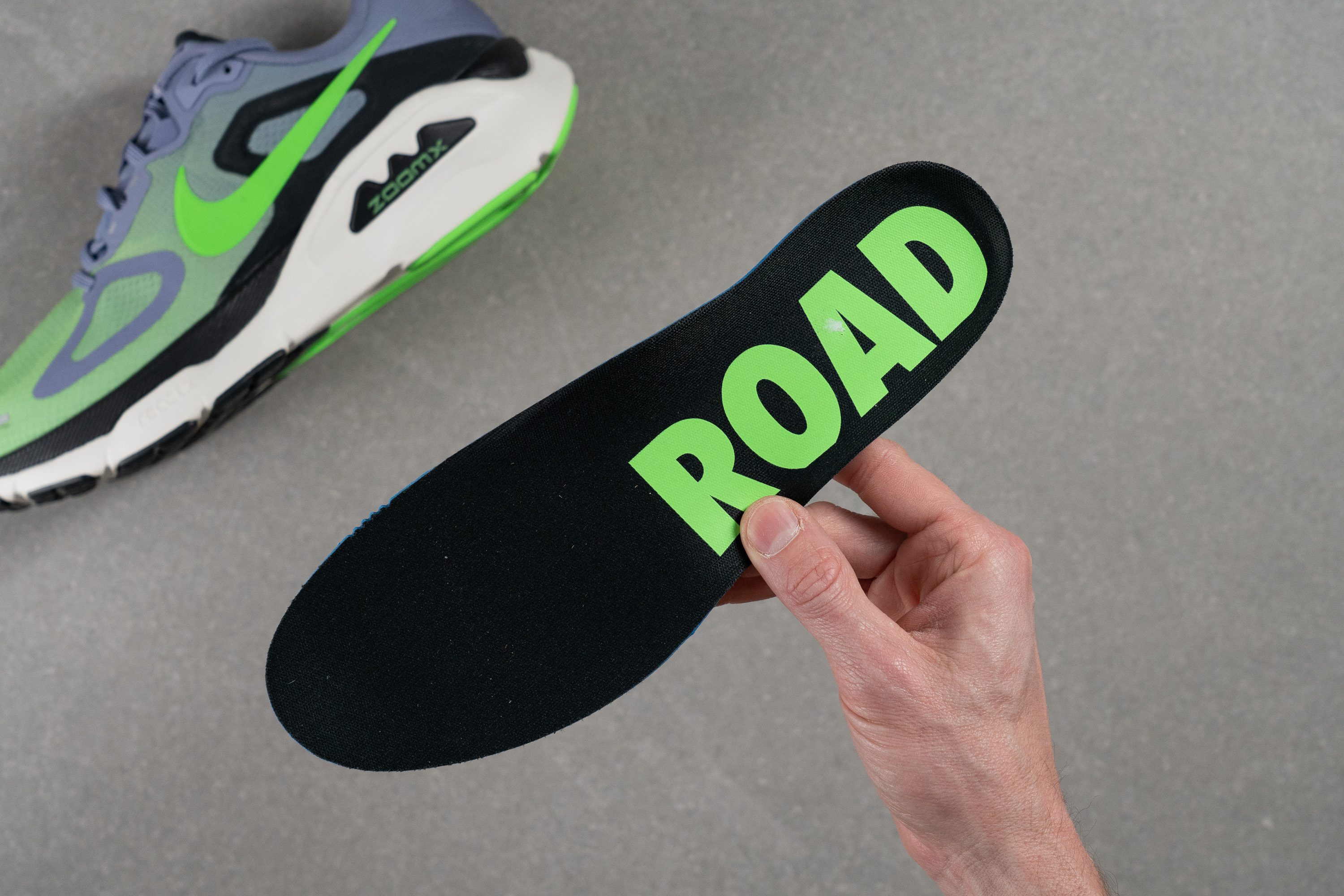
Removing the insole from the Structure Plus is quick and easy. And yes, we know it is a road shoe, thanks Nike!
| Structure Plus | Yes |
Reflective elements
Nike includes reflective elements on the heel, but we did not find them particularly impressive. If anything, they felt rather underwhelming.
| Structure Plus | Yes |
Tongue padding
We noticed that Nike slightly updated the lacing system compared to the regular Structure, yet the overall fit feels very similar. The laces also pass twice under a central tongue loop, helping reduce unwanted tongue movement during runs.
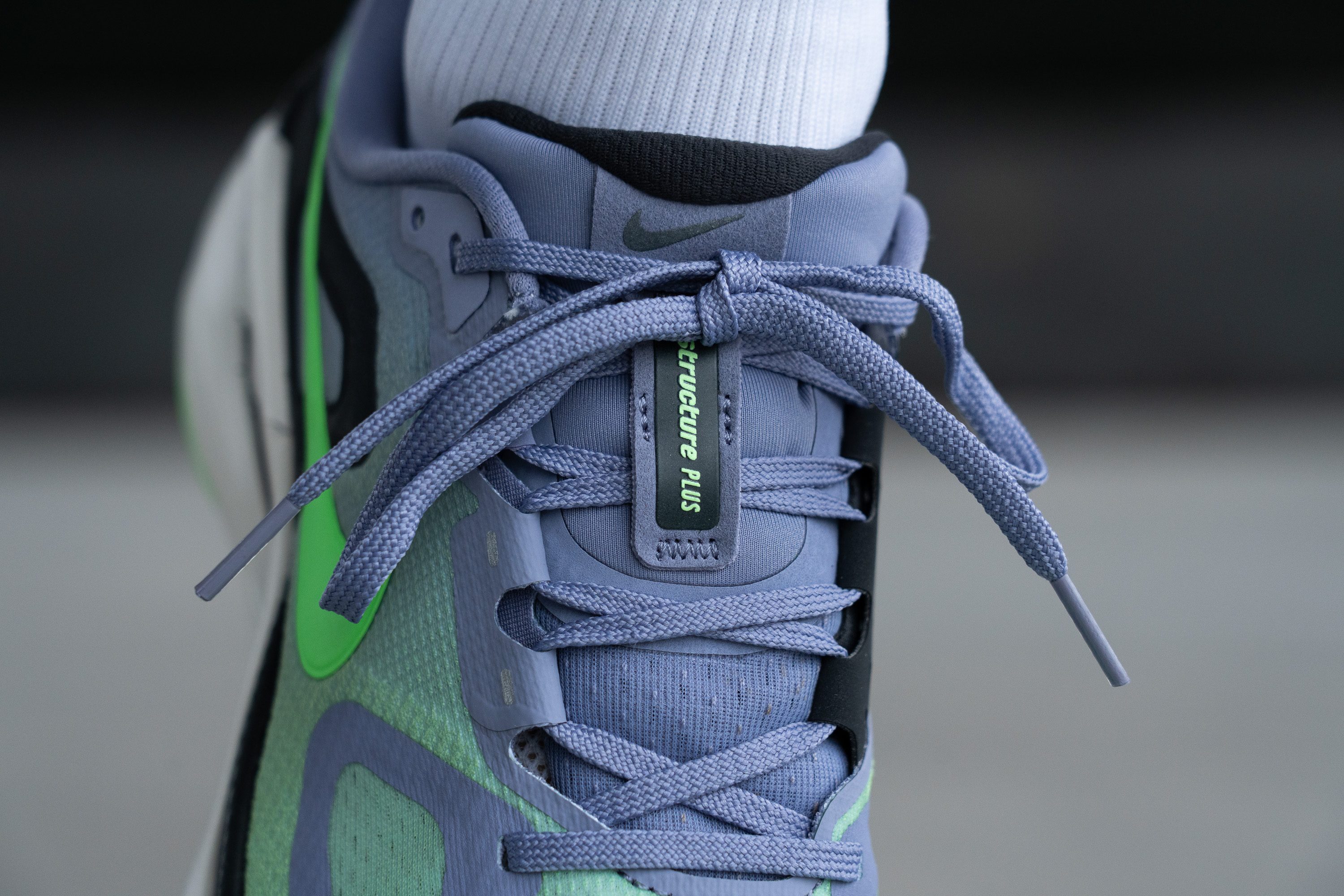
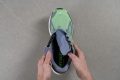
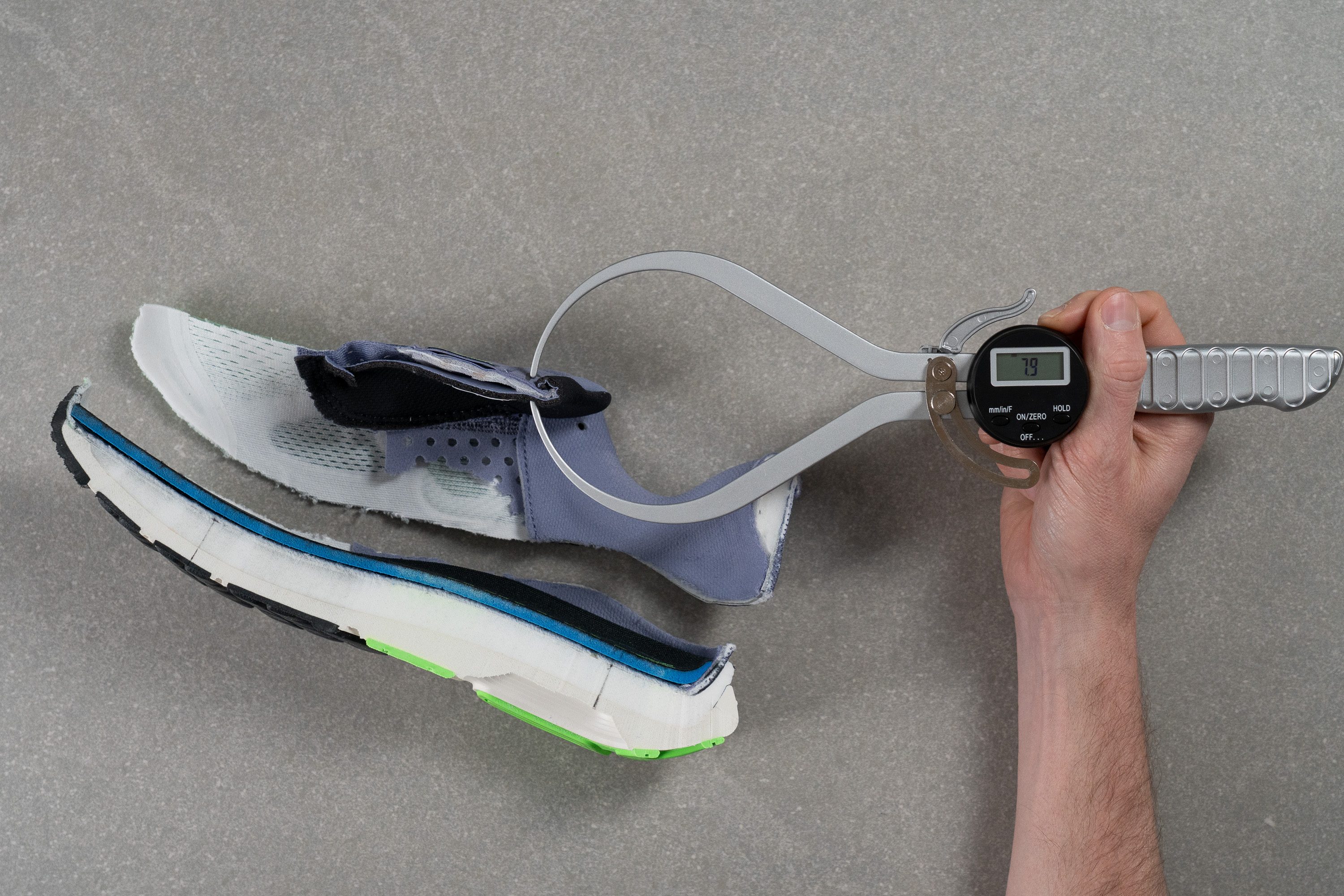
The step-in feel is comfortable thanks to a thick tongue with 7.9 mm of padding, which feels more than sufficient for running and everyday wear. Considering the already high weight of the shoe, adding more padding looks like a bad idea.
| Structure Plus | 7.9 mm |
| Average | 5.8 mm |
Tongue: gusset type
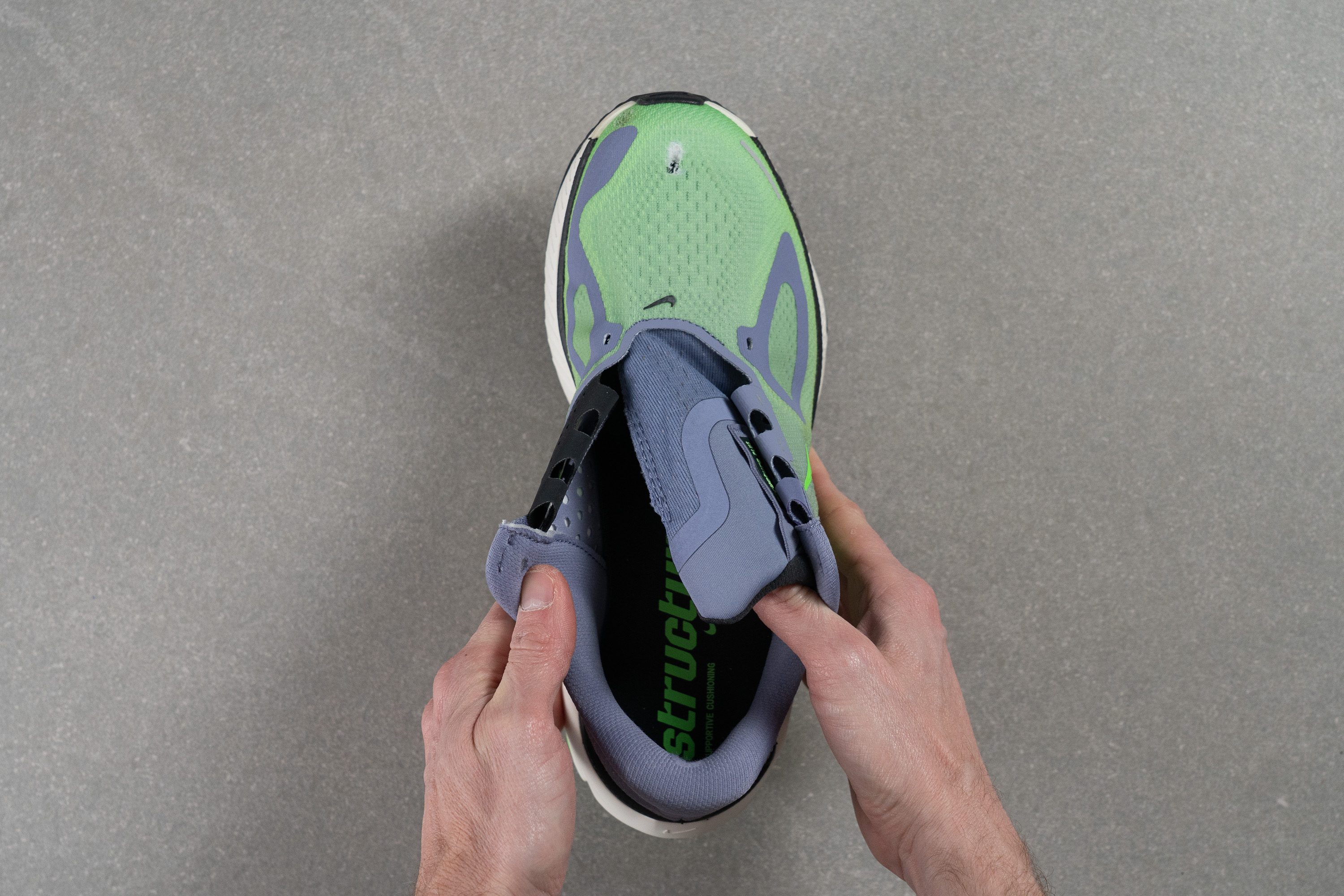
The tongue is not gusseted to the sides, which feels disappointing for a shoe at this price point. It is a tough pill to swallow.
| Structure Plus | None |
Heel tab
The heel collar curves inward with plush padding, delivering secure ankle lockdown while skipping the a finger loop tab.
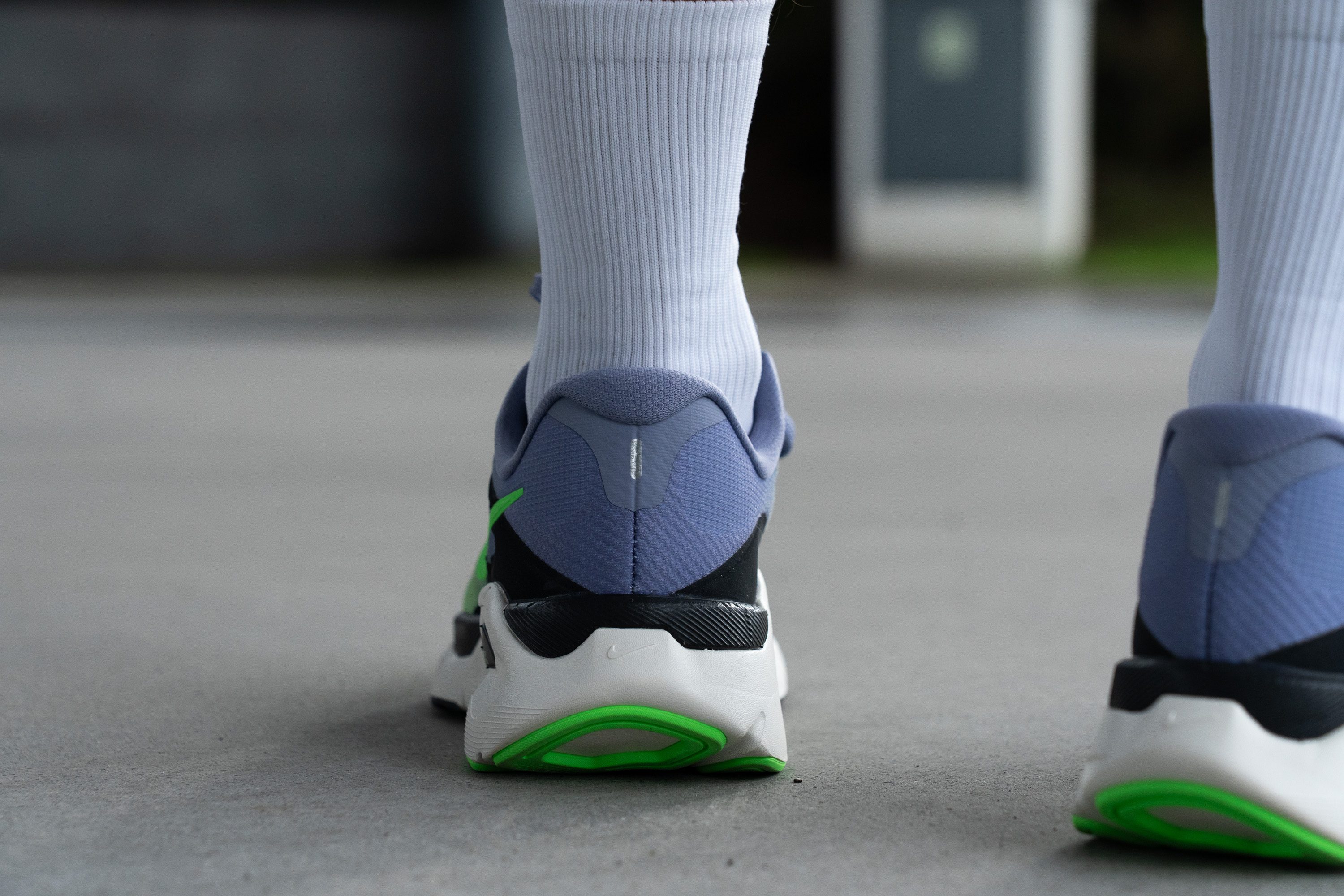
| Structure Plus | None |
Price
The Plus label in the Structure name does not bring encouraging news for the price, just as we saw with the Pegasus Plus. Consequently, the cost can feel quite steep given its performance and relatively muted ride.
However, it can be a worthwhile upgrade for runners seeking the next step beyond the regular Structure, as it introduces an approach to stability that Nike has not offered before with the use of ZoomX foam. And the fact that the shoe also works so easily as a sneaker helps with the high price too.
| Structure Plus | $170 |