
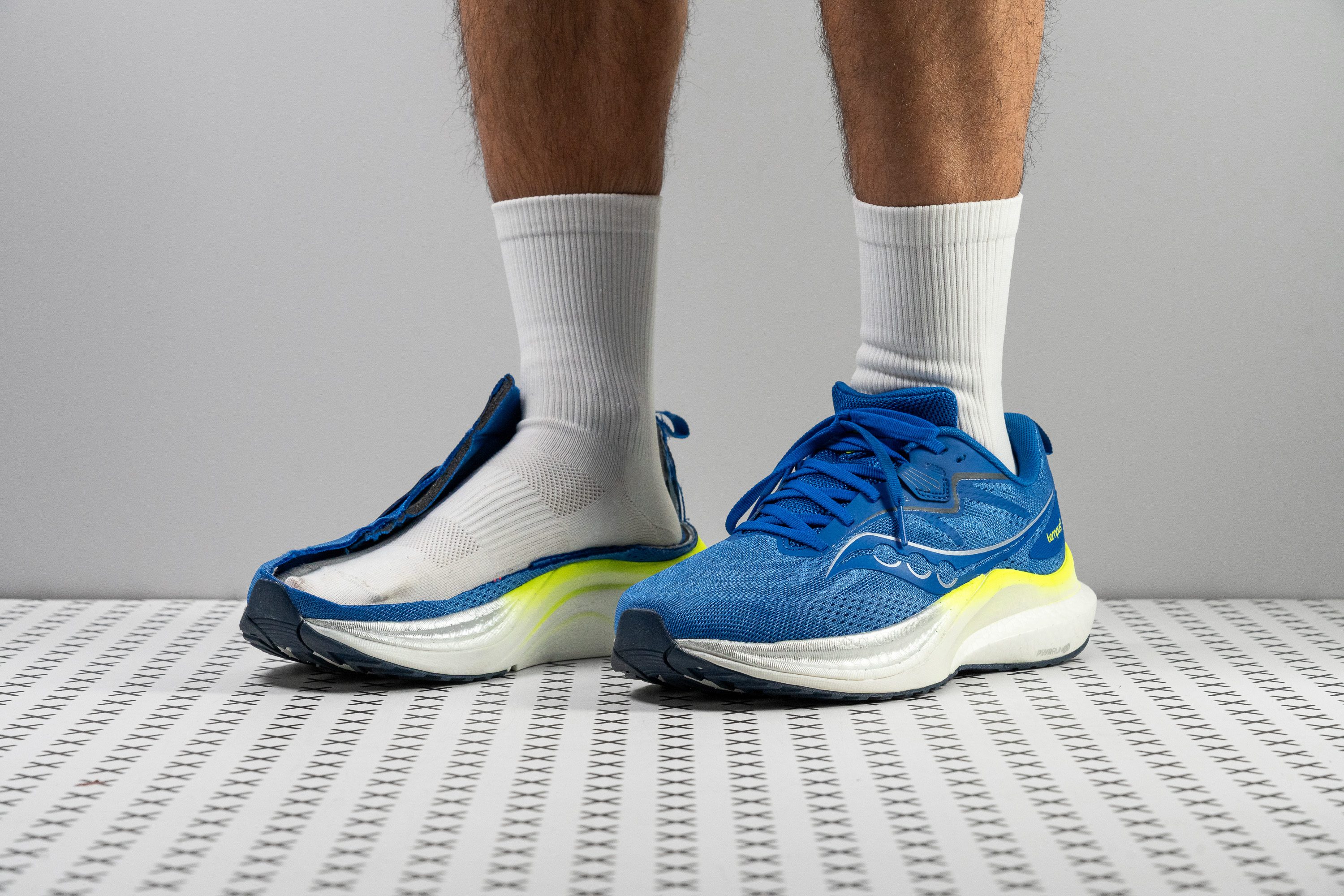






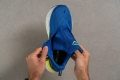
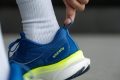
Our verdict
- Daily running 93
- Tempo 80
- Race 60
- Stability 95
Pros
- Excellent energy return
- Very stable ride
- Durable and grippy outsole
- Classic, non-aggressive rocker
- Works amazing for heel strikers
- Solid and secure fit
- No price increase from v1
- Perfect as a daily workhorse
Cons
- Poor breathability
- Feels a bit too firm
- Slight weight increase
- Fit is narrow in the forefoot
Awards
- Top pick in best running shoes for flat feet
- Top pick in best Saucony walking shoes
- Top 4% in road running shoes
- Top 9% in Saucony running shoes
Comparison
The most similar running shoes compared
+ + Add a shoe | |||||
|---|---|---|---|---|---|
| Our score | 93 Superb | 85 Great | 85 Great | 83 Great | |
| Price | £170 | £130 | £140 | £110 | |
| Pace | Daily running | Daily running | Daily running | Daily running | |
| Shock absorption | Moderate | High | High | High | |
| Energy return | High | Moderate | Moderate | Moderate | |
| Traction | High | High | High | High | |
| Arch support | Stability | Stability | Stability | Stability | |
| Weight lab Weight brand | 9.3 oz / 264g 9.5 oz / 269g | 10.4 oz / 296g 10.5 oz / 298g | 10.3 oz / 291g 10 oz / 283g | 8.1 oz / 231g 8 oz / 228g | |
| Lightweight | ✗ | ✗ | ✗ | ✓ | |
| Drop lab Drop brand | 10.1 mm 8.0 mm | 10.1 mm 10.0 mm | 8.8 mm 10.0 mm | 9.4 mm 5.0 mm | |
| Strike pattern | Heel | Heel | HeelMid/forefoot | HeelMid/forefoot | |
| Size | Slightly small | Slightly small | True to size | Slightly small | |
| Midsole softness | Firm | Balanced | Firm | Balanced | |
| Difference in midsole softness in cold | Small | Small | Small | Big | |
| Toebox durability | Decent | Decent | Good | Bad | |
| Heel padding durability | Decent | Good | Decent | Decent | |
| Outsole durability | Good | Good | Decent | Bad | |
| Breathability | Warm | Moderate | Moderate | Breathable | |
| Width / fit | Narrow | Medium | Narrow | Narrow | |
| Toebox width | Narrow | Medium | Medium | Narrow | |
| Stiffness | Moderate | Moderate | Flexible | Moderate | |
| Torsional rigidity | Moderate | Moderate | Flexible | Stiff | |
| Heel counter stiffness | Stiff | Moderate | Flexible | Stiff | |
| Rocker | ✗ | ✗ | ✗ | ✓ | |
| Heel lab Heel brand | 36.8 mm 33.0 mm | 36.1 mm 38.0 mm | 35.3 mm 38.0 mm | 36.0 mm 33.0 mm | |
| Forefoot lab Forefoot brand | 26.7 mm 25.0 mm | 26.0 mm 28.0 mm | 26.5 mm 28.0 mm | 26.6 mm 28.0 mm | |
| Widths available | Normal | NarrowNormalWideX-Wide | NormalWide | NormalWide | |
| Orthotic friendly | ✓ | ✓ | ✓ | ✓ | |
| Season | All seasons | All seasons | All seasons | SummerAll seasons | |
| Removable insole | ✓ | ✓ | ✓ | ✓ | |
| Ranking | #10 Top 3% | #113 Top 29% | #128 Top 32% | #154 Top 39% | |
| Popularity | #159 Top 40% | #49 Top 13% | #283 Bottom 29% | #50 Top 13% |

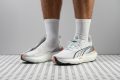
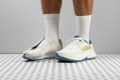
Who should buy
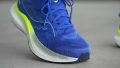
The Saucony Tempus 2 is a very solid choice for:
- Runners who can’t find version 1 anymore and want the same stable and dependable feel.
- Heel strikers who want a stability shoe that feels lively and responsive underfoot.
- Runners in cold climates looking for a supportive, grippy, and comfortable daily trainer, which we discovered works well in low temperatures.
Who should NOT buy
We do not recommend the Saucony Tempus 2 if you are chasing a max-stack shoe. From our perspective, its design stays closer to older standards, and we found in the lab that it clearly falls short of today’s high-cushion trend. There are better choices if you want shock absorption, like the Saucony Hurricane 25 or the ASICS Gel Kayano 32.
We also think the Tempus 2 is not the best option for runners with wide feet. Based on our precise lab measurements, the fit feels narrow and restrictive. We suggest the Altra Paradigm 8 or the Mizuno Wave Inspire 21 instead.
Cushioning
Shock absorption
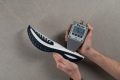
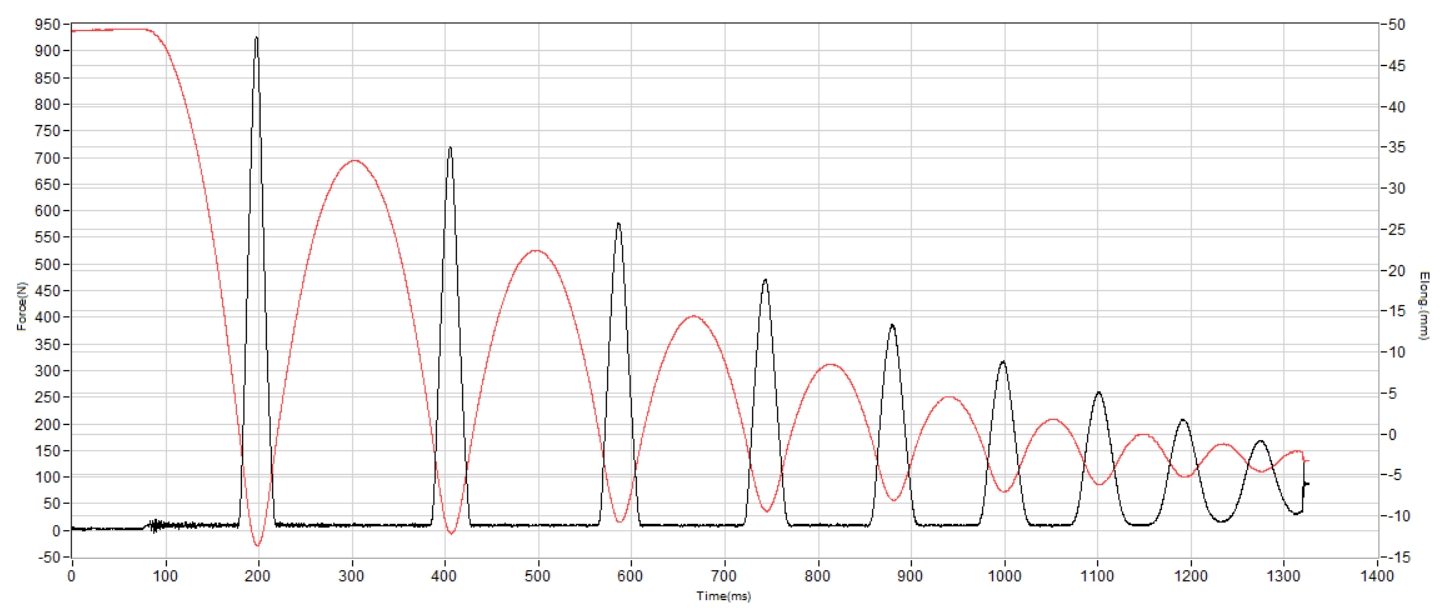
The Tempus 2 fits squarely as a standard daily trainer rather than a max-cushioned model. Its size already suggests this, and our shock absorption test confirmed it, with 123 SA in the heel and 108 SA in the forefoot.
That's average or slightly below, making it better suited for moderate distances or long runs for lighter runners.
| Tempus 2 | 123 SA |
| Average | 131 SA |
Energy return
The Saucony Tempus 2 benefits from using a superfoam like PWRRUN PB, which delivers excellent energy return. We tested it using the ASTM F1976 method and measured 69.9% energy return in the heel and 72.2% in the forefoot.
These are strong numbers that clearly expand what the shoe can do, as it feels capable of handling faster paces during long runs or performing confidently in fartlek sessions while still providing reliable support.
| Tempus 2 | 72.2% |
| Average | 61.5% |
Heel stack
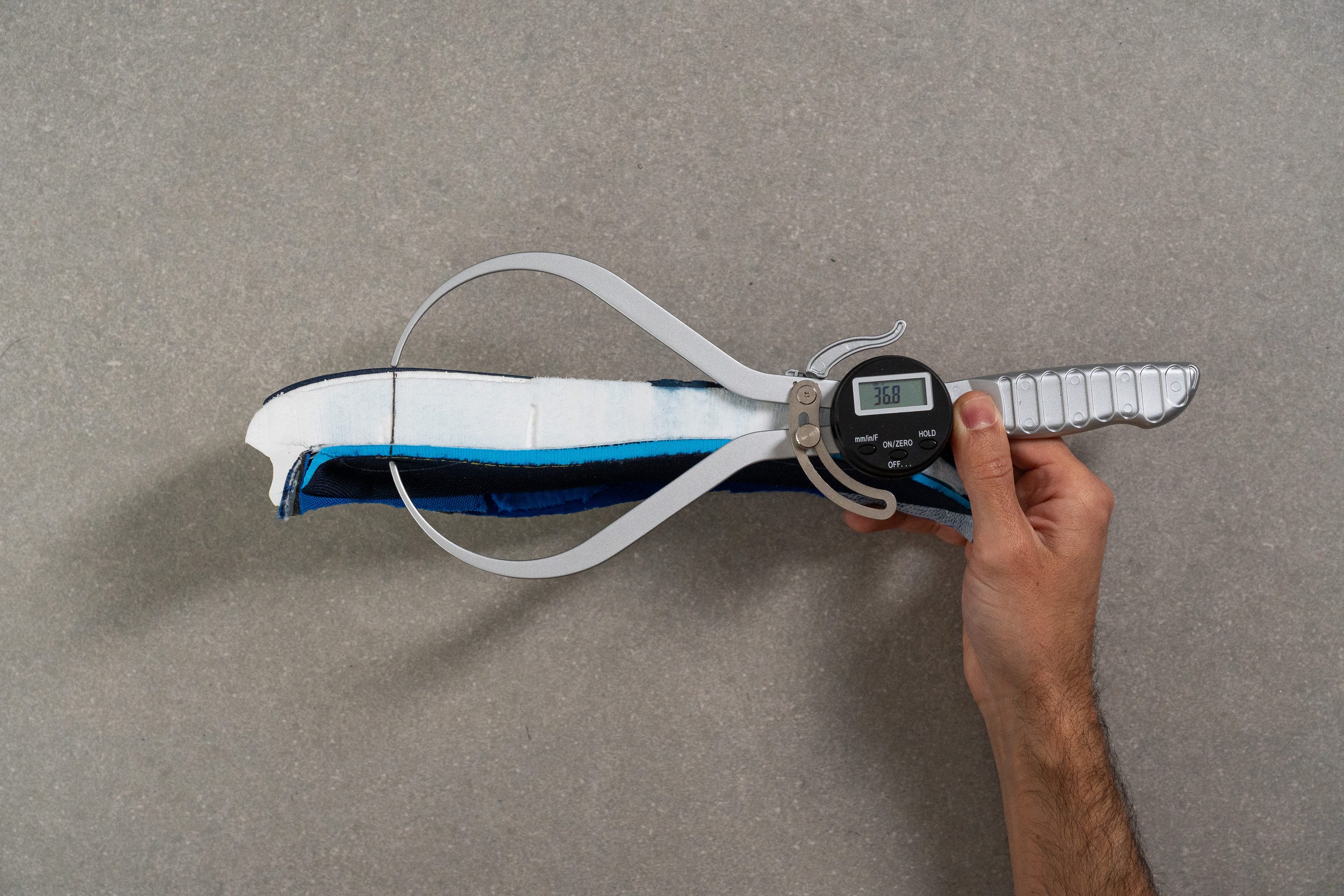
The heel stack reaches 36.8 mm, which suggests strong impact protection on paper. However, the shock absorption result came in below average as we proved before, mainly due to the very firm PWRRUN layer used in the midsole, which we explain in detail later.
Remember that while softness is not directly linked to energy return, it is closely related to shock absorption, and this result clearly highlights that relationship.
| Tempus 2 | 36.8 mm |
| Average | 35.6 mm |
Forefoot stack
We measured the forefoot at 26.7 mm, which is an average value that matches the Tempus 2’s role as a true all-around daily trainer. It provides enough cushioning for most runs without feeling either too thin or overly thick.
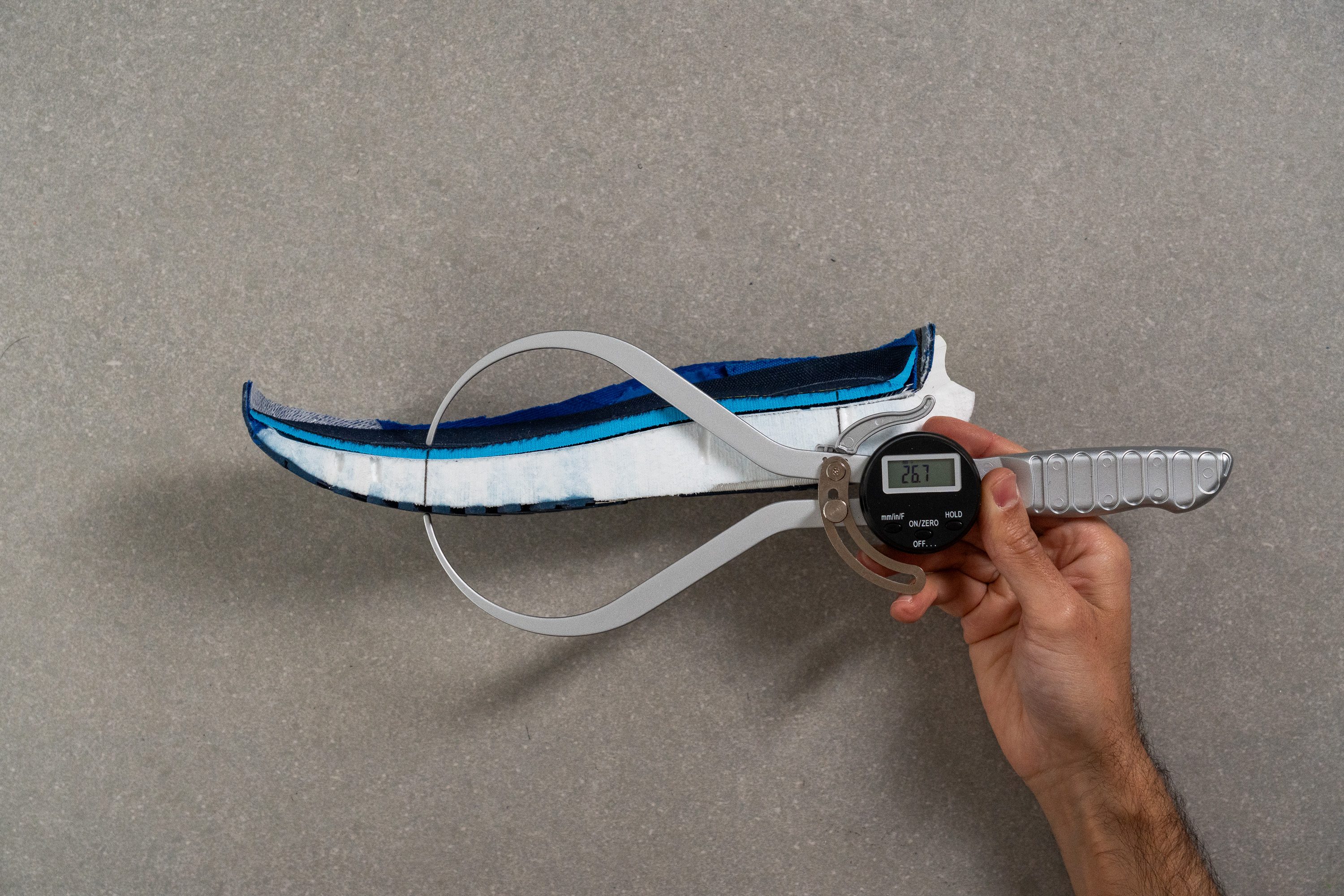
| Tempus 2 | 26.7 mm |
| Average | 27.2 mm |
Drop
That leaves us with a 10.1 mm heel-to-toe drop. This is higher than the stated 8 mm, but it still confirms a high drop and shows that Saucony played it safe with the Tempus 2, keeping it very friendly for heel strikers.
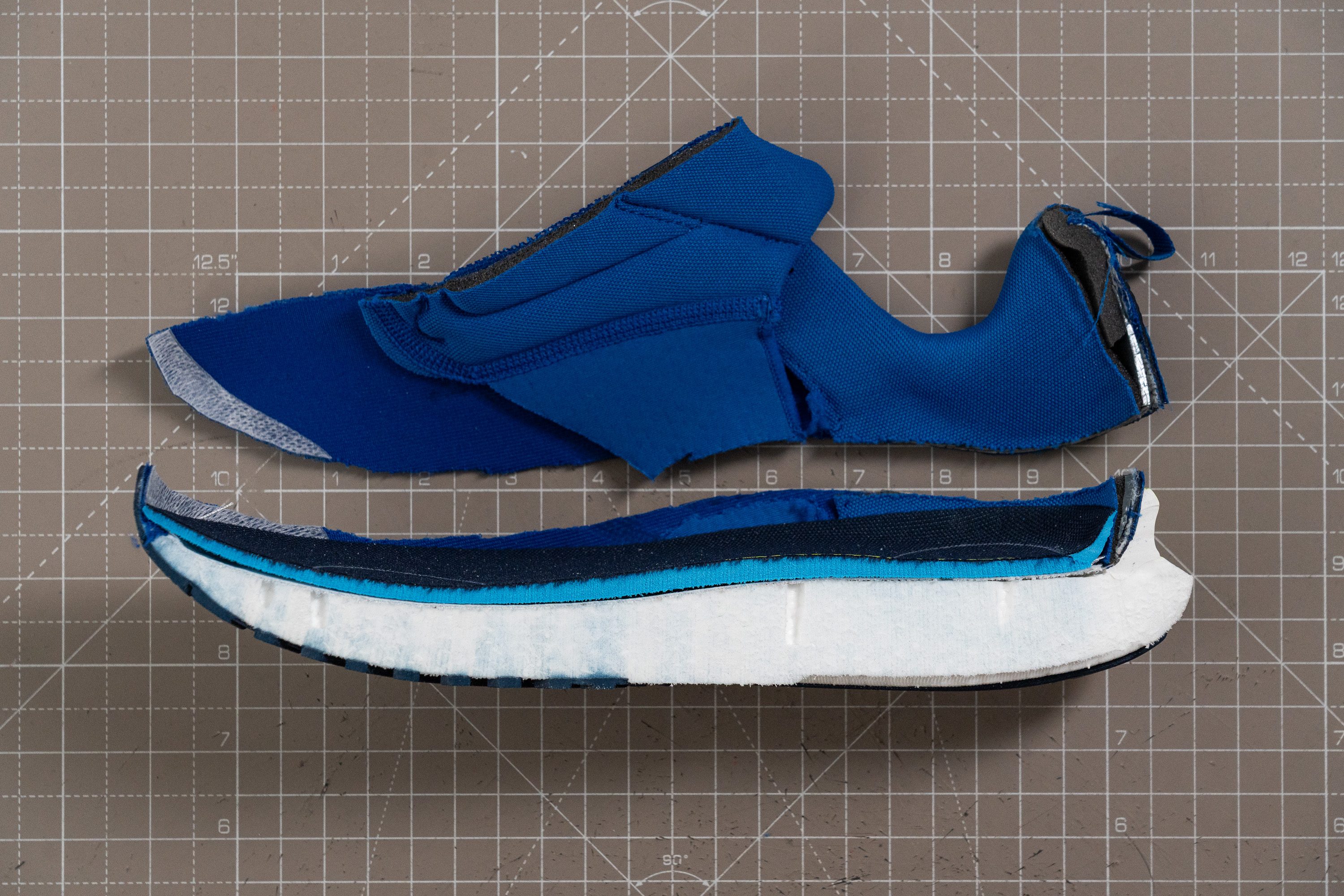
| Tempus 2 | 10.1 mm |
| Average | 8.4 mm |
Midsole softness
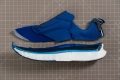
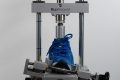
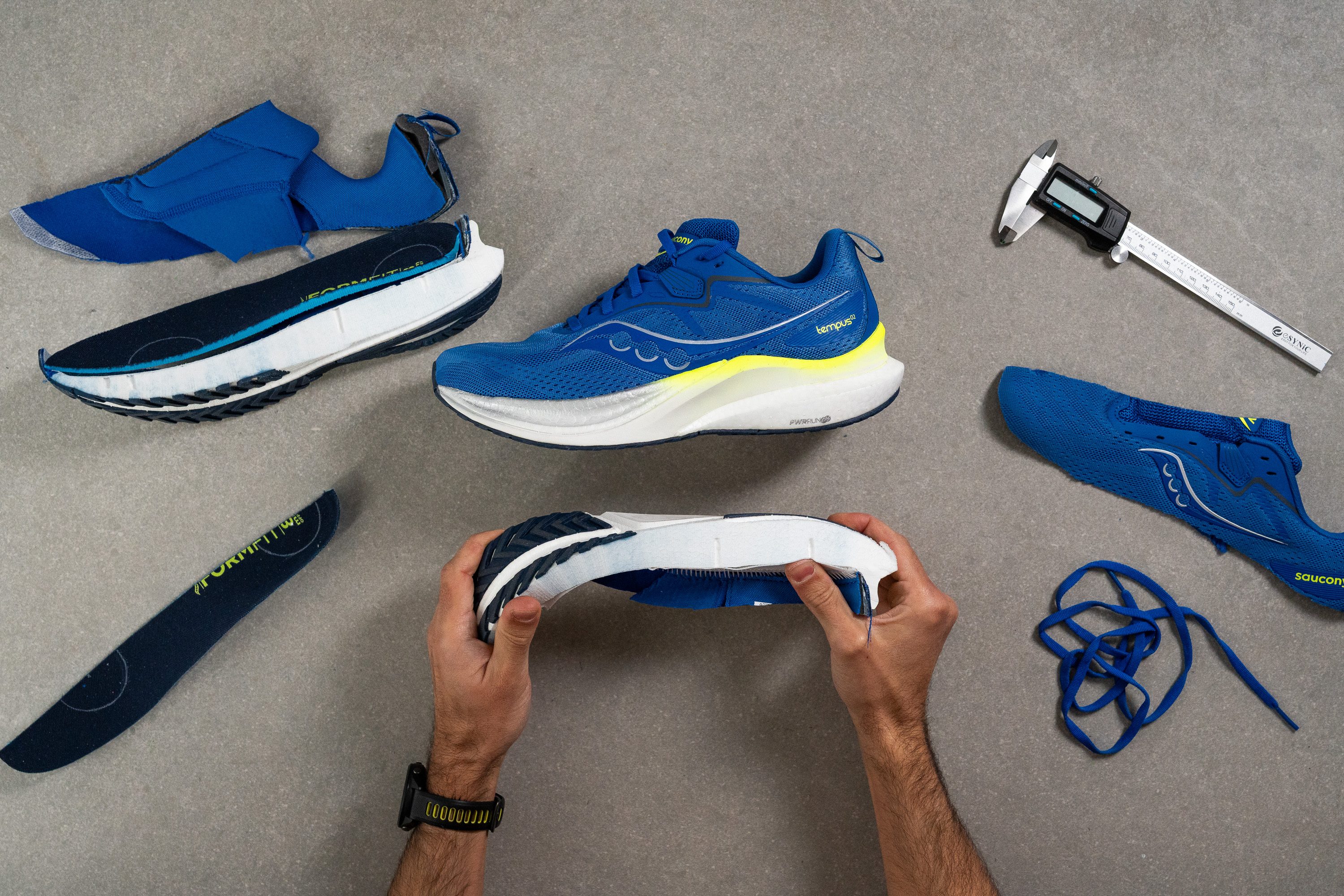
In the Tempus 2, the softer PWRRUN PB core is wrapped by a firmer PWRRUN frame, creating a dual-density setup that both limits side-to-side movement and shields the more responsive Pebax-based foam from wear. In our softness measurements, PWRRUN PB stays true to its usual dense feel at 42.3 AC.
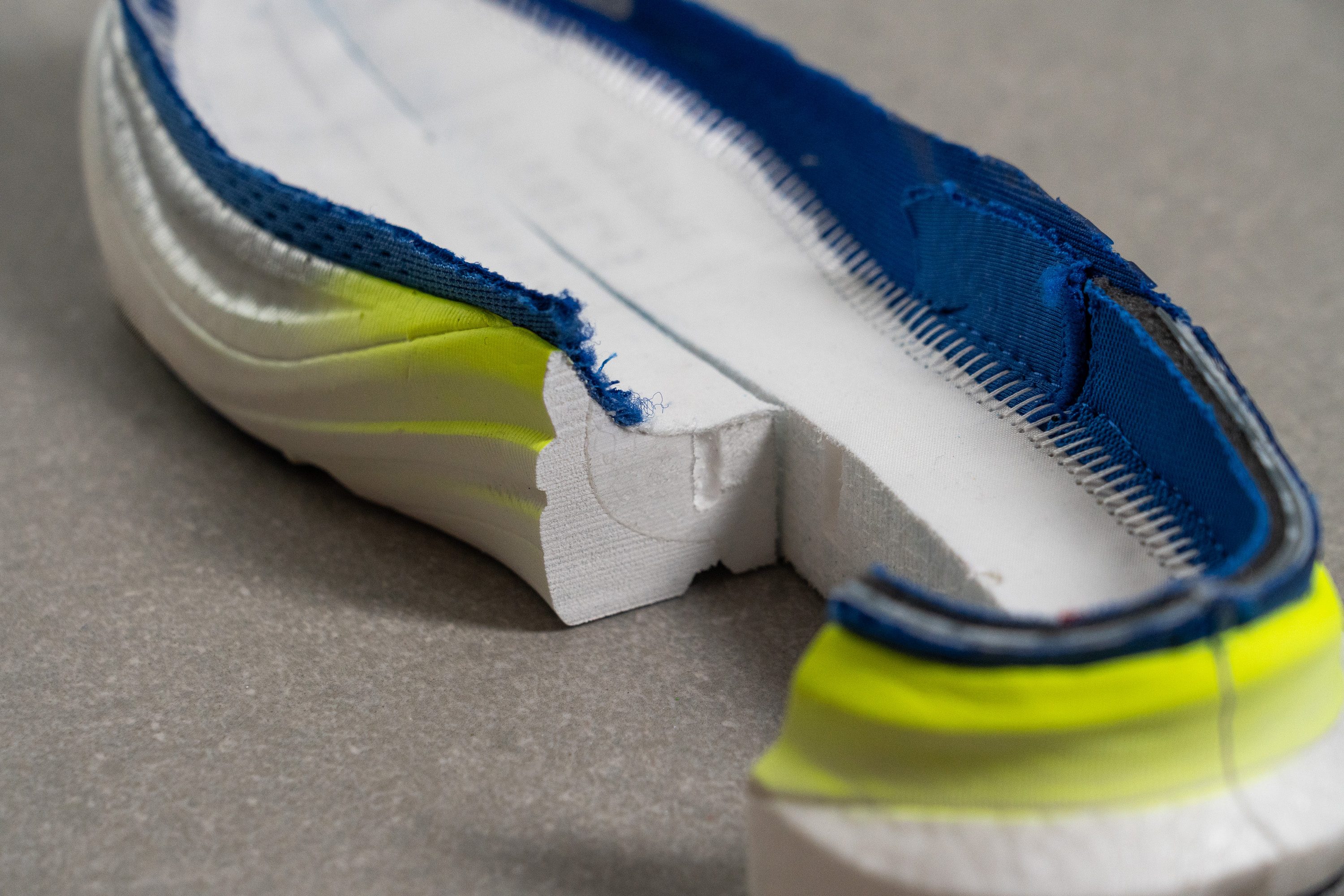
This layout proves highly effective, and it’s surprising that more stability shoes do not follow this approach. By placing the energetic Pebax superfoam closer to the foot and letting the tougher and cheaper EVA contact the ground, Saucony achieves an impressive mix of rebound, control, and durability.
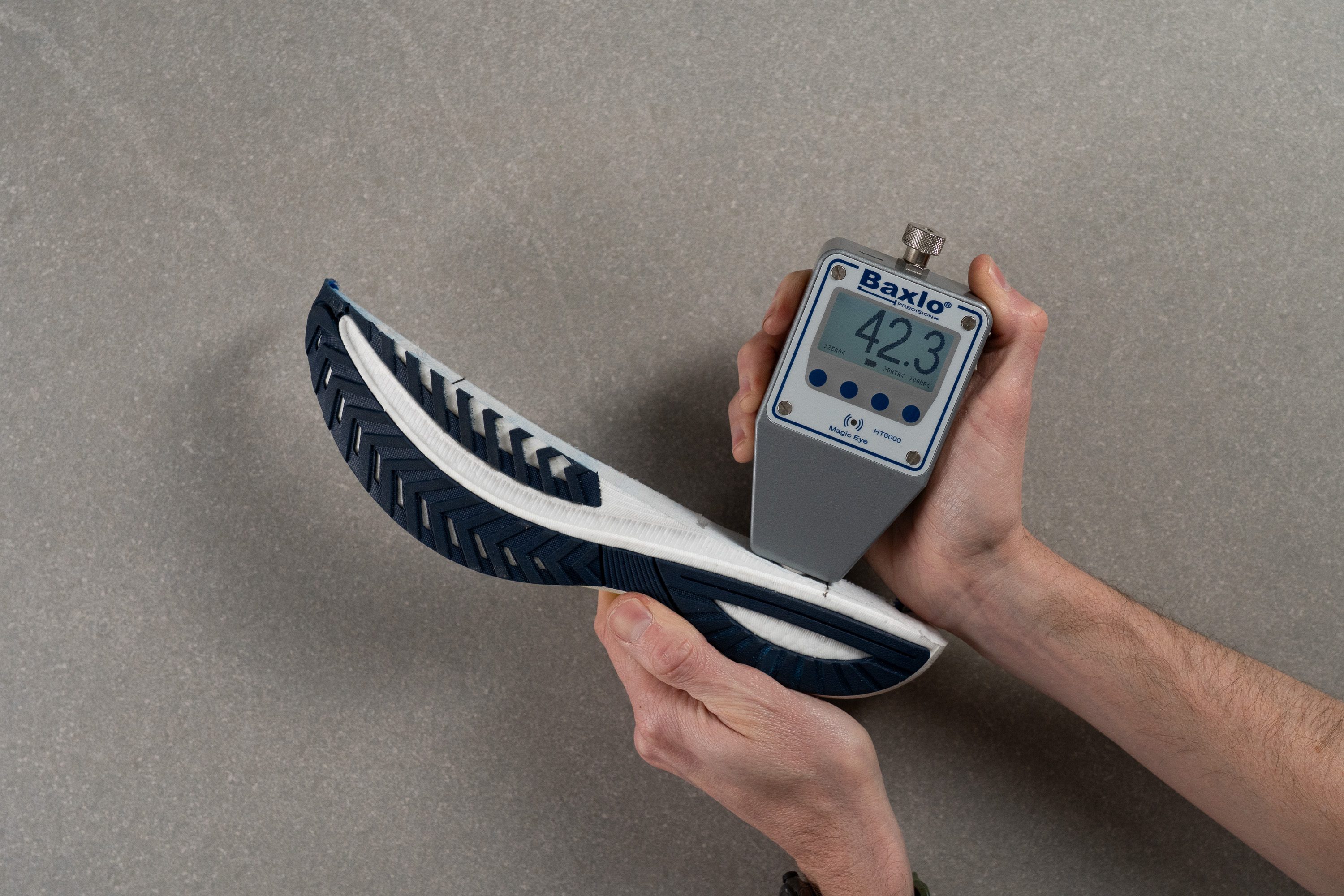
| Tempus 2 | 42.3 AC |
| Average | 35.4 AC |
Rocker
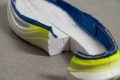
One advantage of keeping the Tempus 2 at a reasonable stack height and out of the maximalist category is that it does not need an exaggerated rocker. Instead, this shoe uses a classic forefoot design that feels refreshingly natural today, while the heel features a clear PWRRUN PB extension and a moderate curvature to smooth transitions for rearfoot strikers.
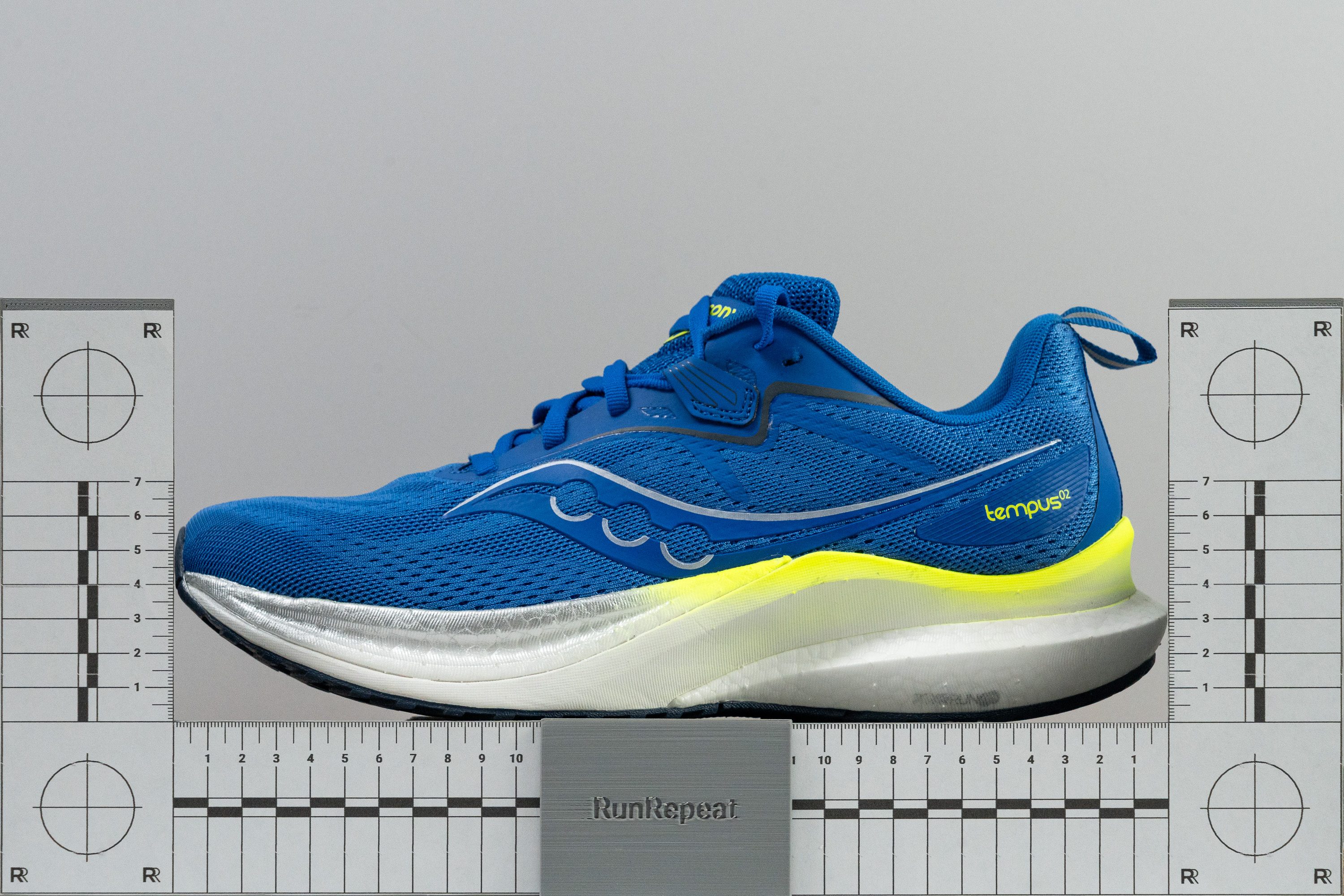
Size and fit
Size
Saucony Tempus 2 fits slightly small (21 votes).
Internal length
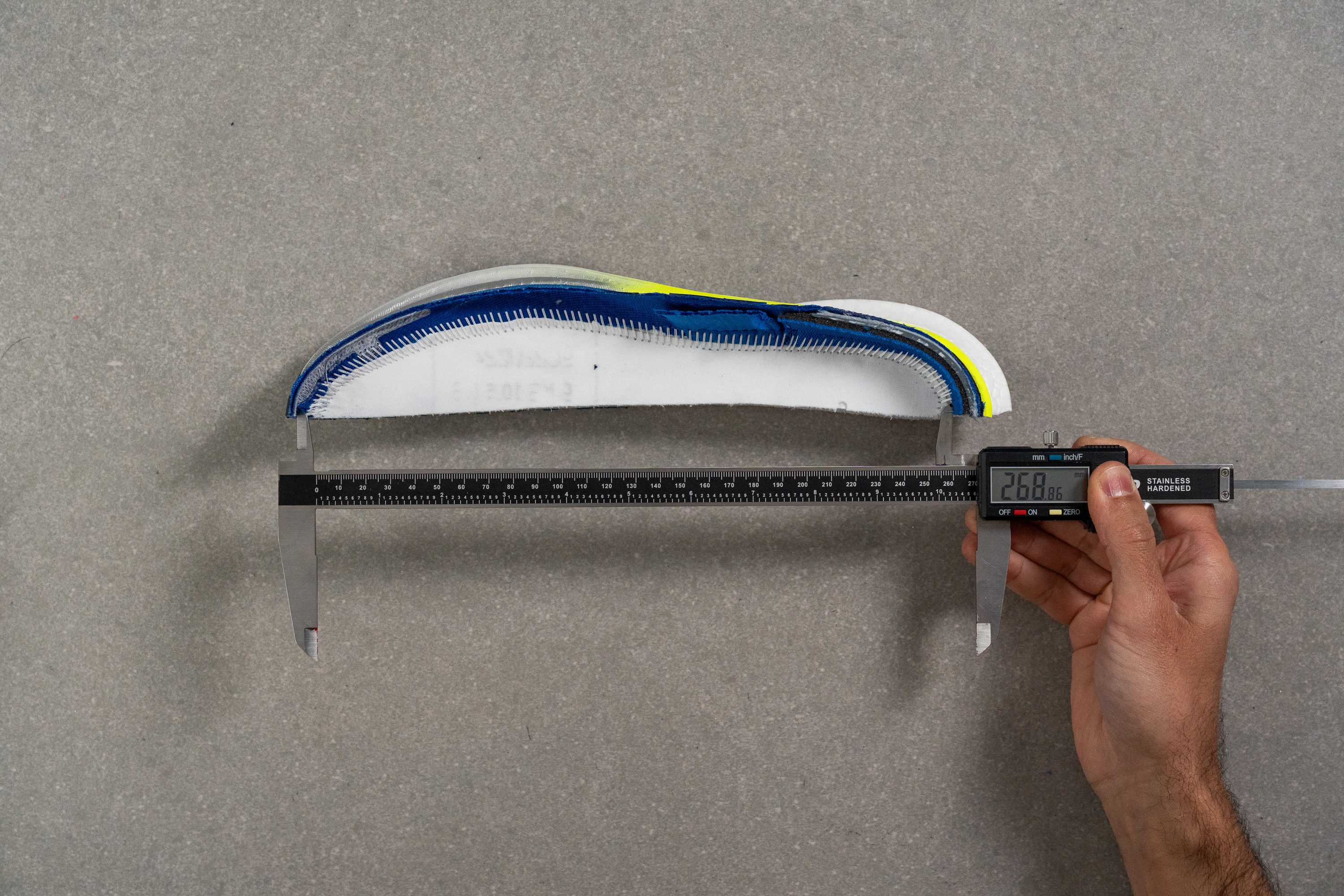
| Tempus 2 | 268.9 mm |
| Average | 269.4 mm |
Width / Fit
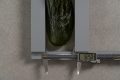
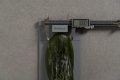
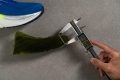
To assess the internal fit of the Tempus 2, we first created a gel mould using our in-house gel formula and allowed it to fully set before measuring.
This process gives us a clear and accurate picture of the shoe’s inner shape. At its widest point, the mould measured 92.5 mm, which places it on the narrow side.
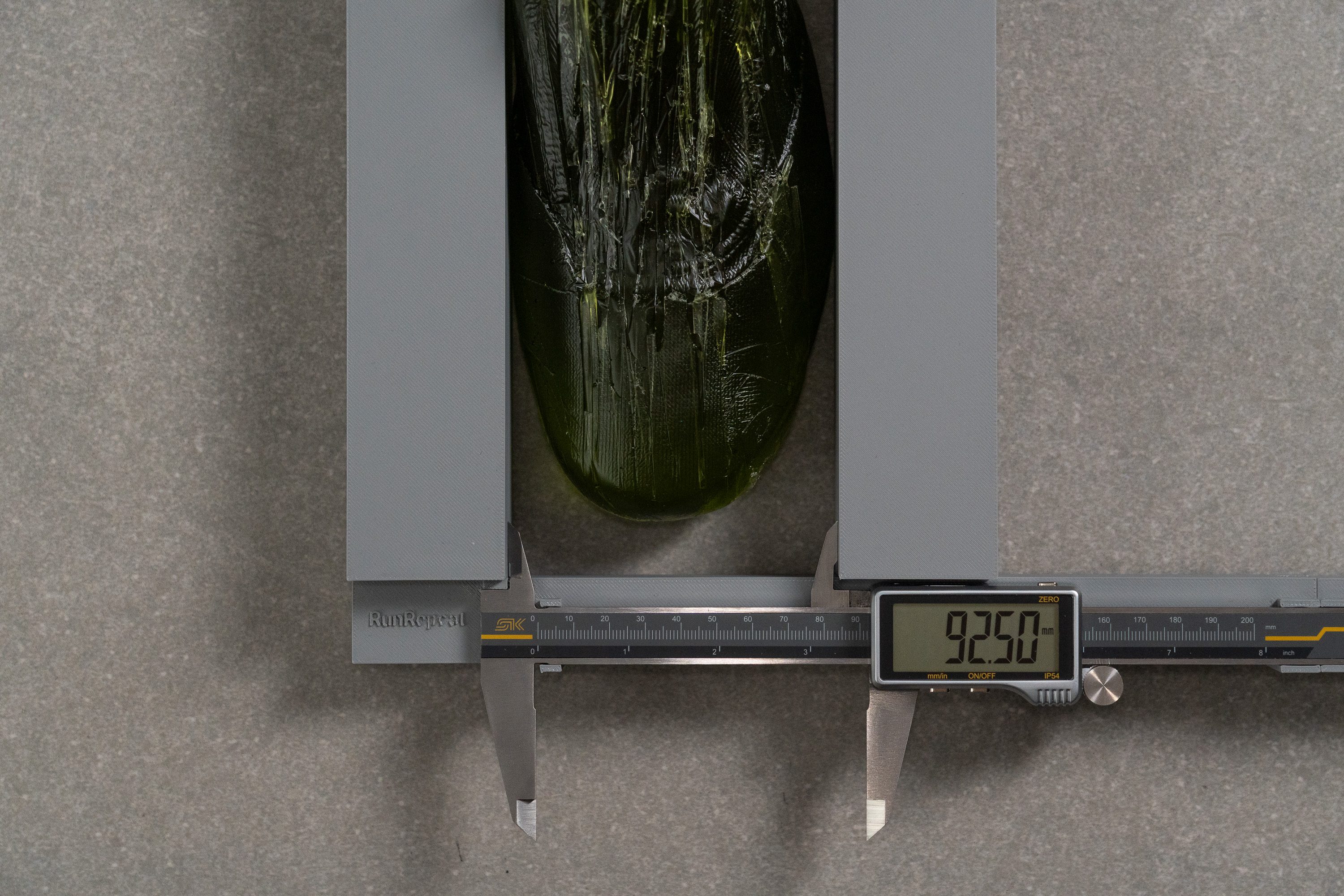
| Tempus 2 | 92.5 mm |
| Average | 95.2 mm |
Toebox width
The snug fit was further confirmed by our second measurement, as the 70.8 mm reading shows a pronounced taper. This limits toe splay and makes the shoe better suited for narrow feet or runners who prefer a secure, locked-in feel.
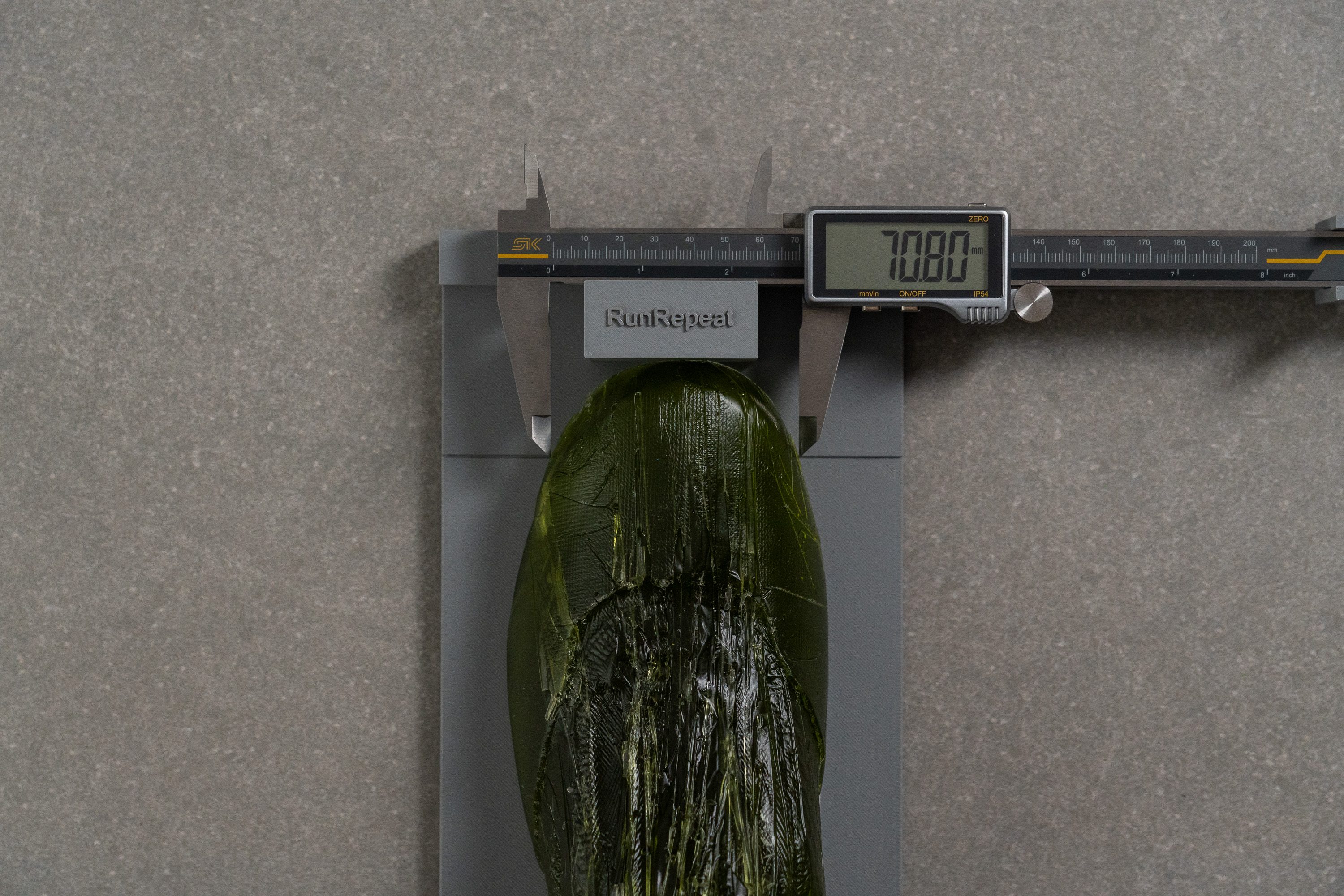
| Tempus 2 | 70.8 mm |
| Average | 73.2 mm |
Toebox height
On the flip side, the toebox offers generous vertical space.
We had plenty of room to lift our toes freely, which we later confirmed with a 31.9 mm measurement.
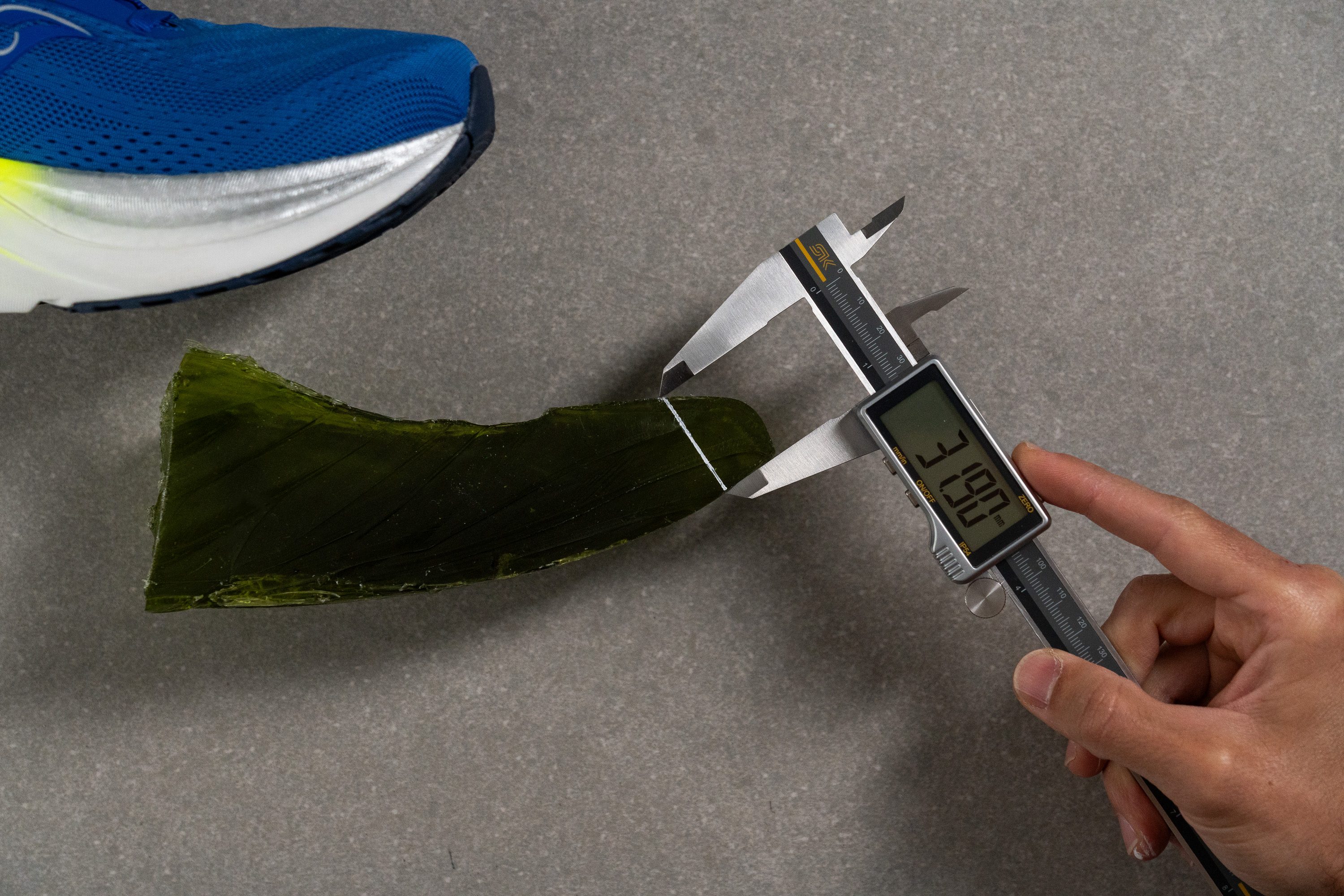
| Tempus 2 | 31.9 mm |
| Average | 27.0 mm |
Traction / Grip
Traction test
Saucony used its XT-900 rubber on the Tempus 2, and we are glad they did. It delivered very good grip in our SATRA TM144 test with a 0.63 score, outperforming many competitors and ensuring reliable traction in all weather conditions.
| Tempus 2 | 0.63 |
| Average | 0.53 |
Outsole design
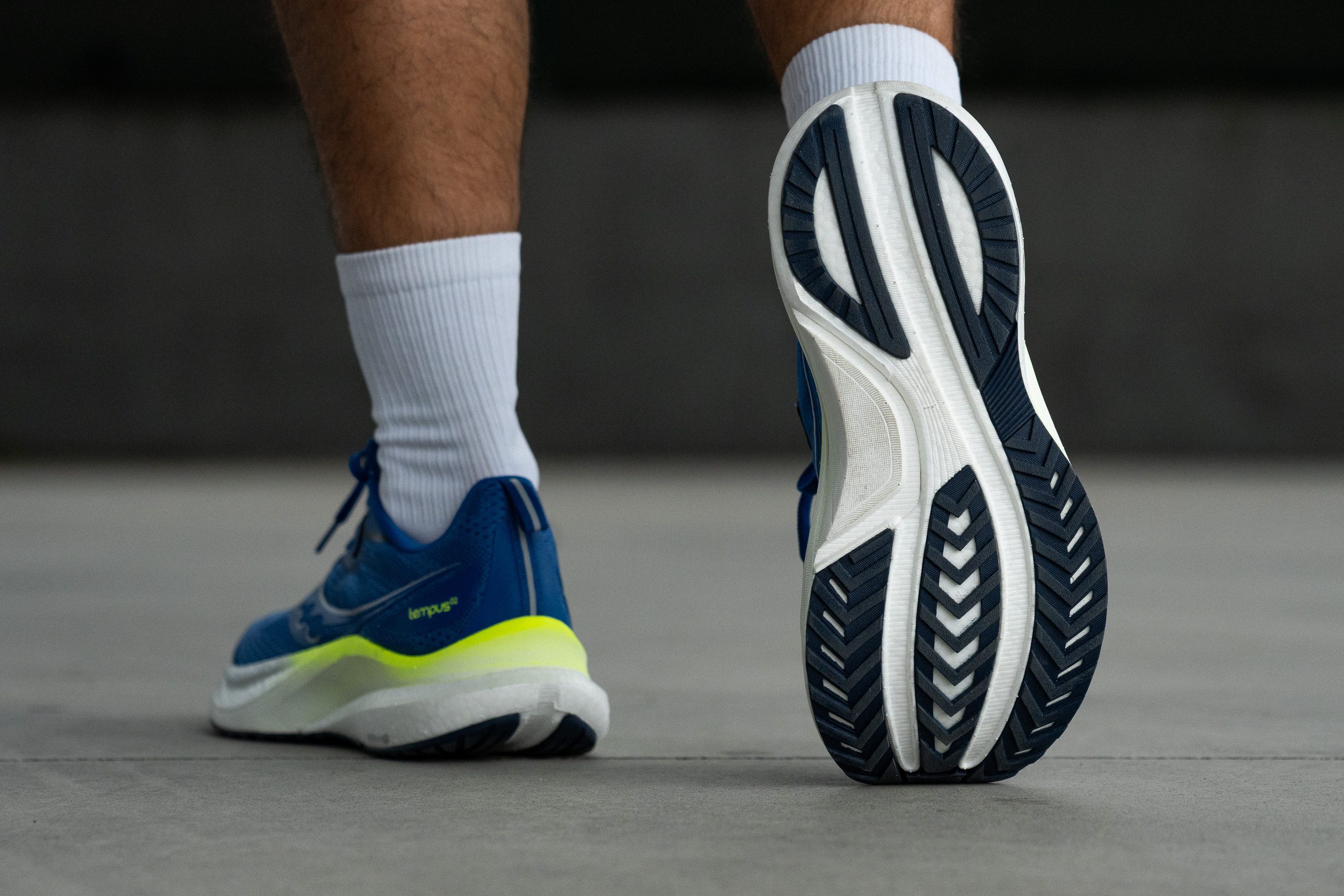
We discovered that the Tempus 2 outsole combines exposed foam with rubber sections like most modern running shoes.
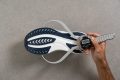
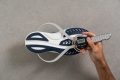
Rubber is placed in the heel and forefoot, while most of the midfoot remains foam, with a different texture on the medial side to cover early wear from pronators. Up front, small rubber patches use a chevron-shaped pattern and are separated by clear gaps. And yes, they copy-pasted the design of the original Tempus.
Flexibility / Stiffness
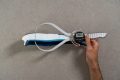
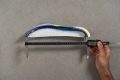
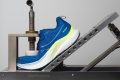
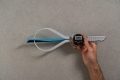
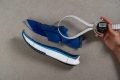
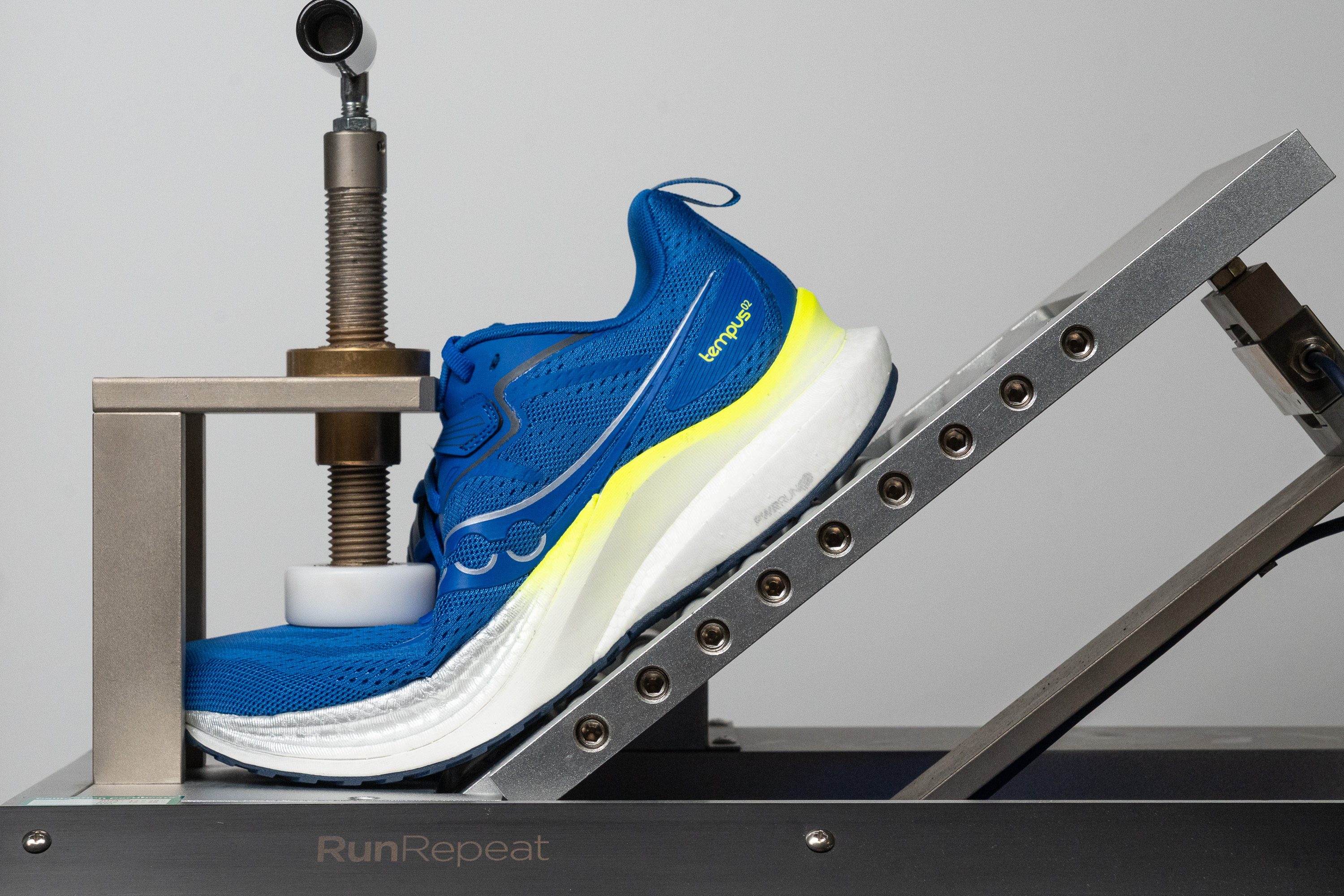
By avoiding a maximalist design, the Tempus 2 shows average stiffness, scoring 15.1N in our 30-degree bend test. This balanced result blends comfort and stability well, as too much flexibility is not ideal in a stability shoe.
| Tempus 2 | 15.1N |
| Average | 15.5N |
Weight
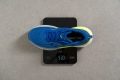
One of the few drawbacks of the Tempus 2 compared to the original Tempus is a small weight increase due to the new upper. Our scale showed 9.3 oz (264g) instead of the previous 8.9 oz (252g).
This difference is almost impossible to feel while running, so it is far from a real issue, especially since the shoe remains light for a stability model. Still, we hoped to see some weight savings here, and we got the opposite.

| Tempus 2 | 9.3 oz (264g) |
| Average | 9.2 oz (261g) |
Breathability
Breathability test
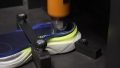
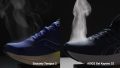
Breathability is not a strong point of the Tempus 2. We clearly felt heat buildup during our runs, and we later confirmed this feeling in the lab with our full set of tests.
It scored just 2/5 in our breathability rating, which makes it better suited for autumn, winter, and spring. Summer runs can become uncomfortable, especially if you live in a hot and sunny area.
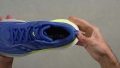
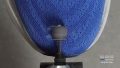
There is some airflow in the toebox, but the rest of the upper offers very limited ventilation. This was easy to spot during our light test.
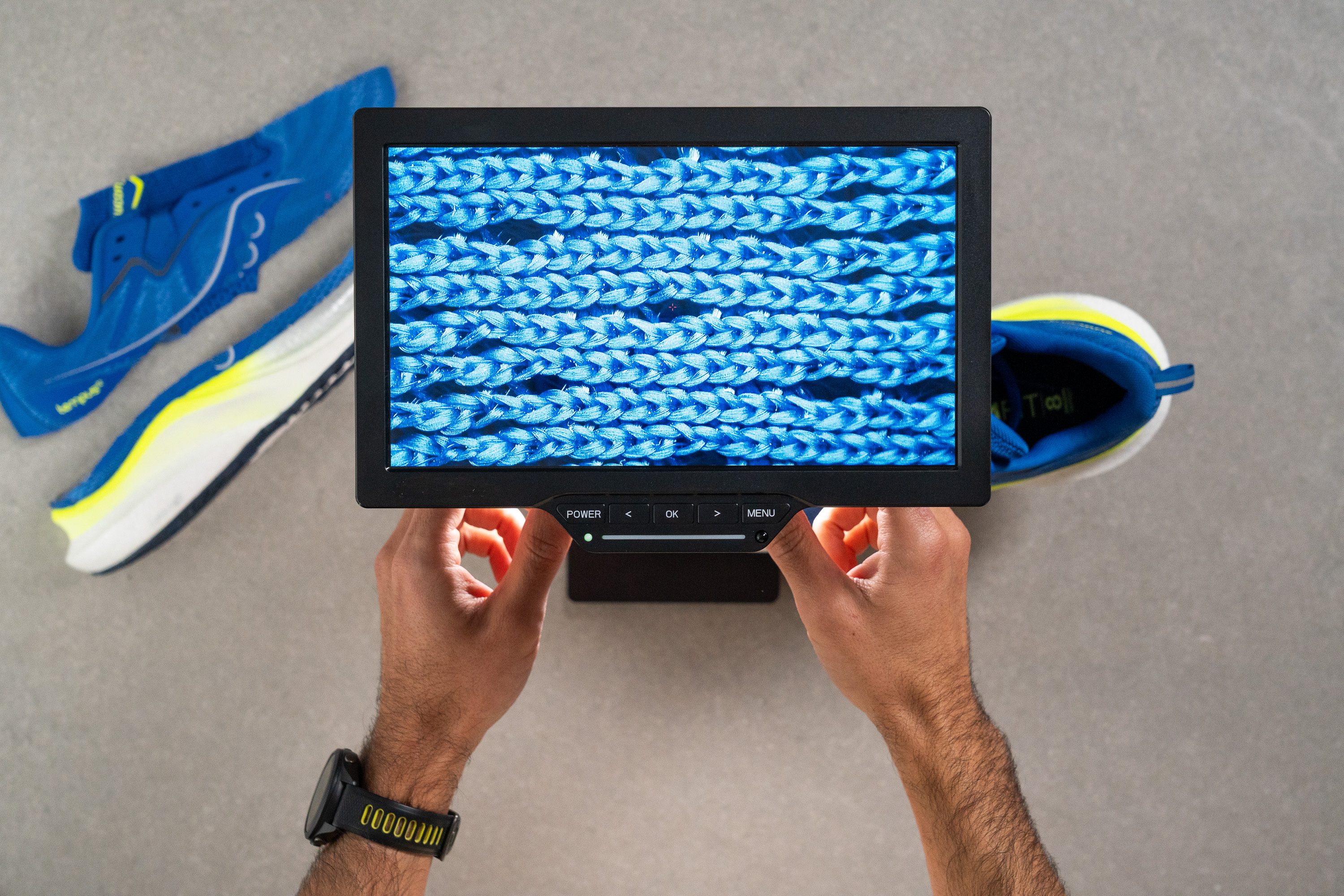
Using our digital microscope, we saw that the ventilation holes are extremely small and not very effective. On top of that, a secondary inner layer blocks most of the airflow.
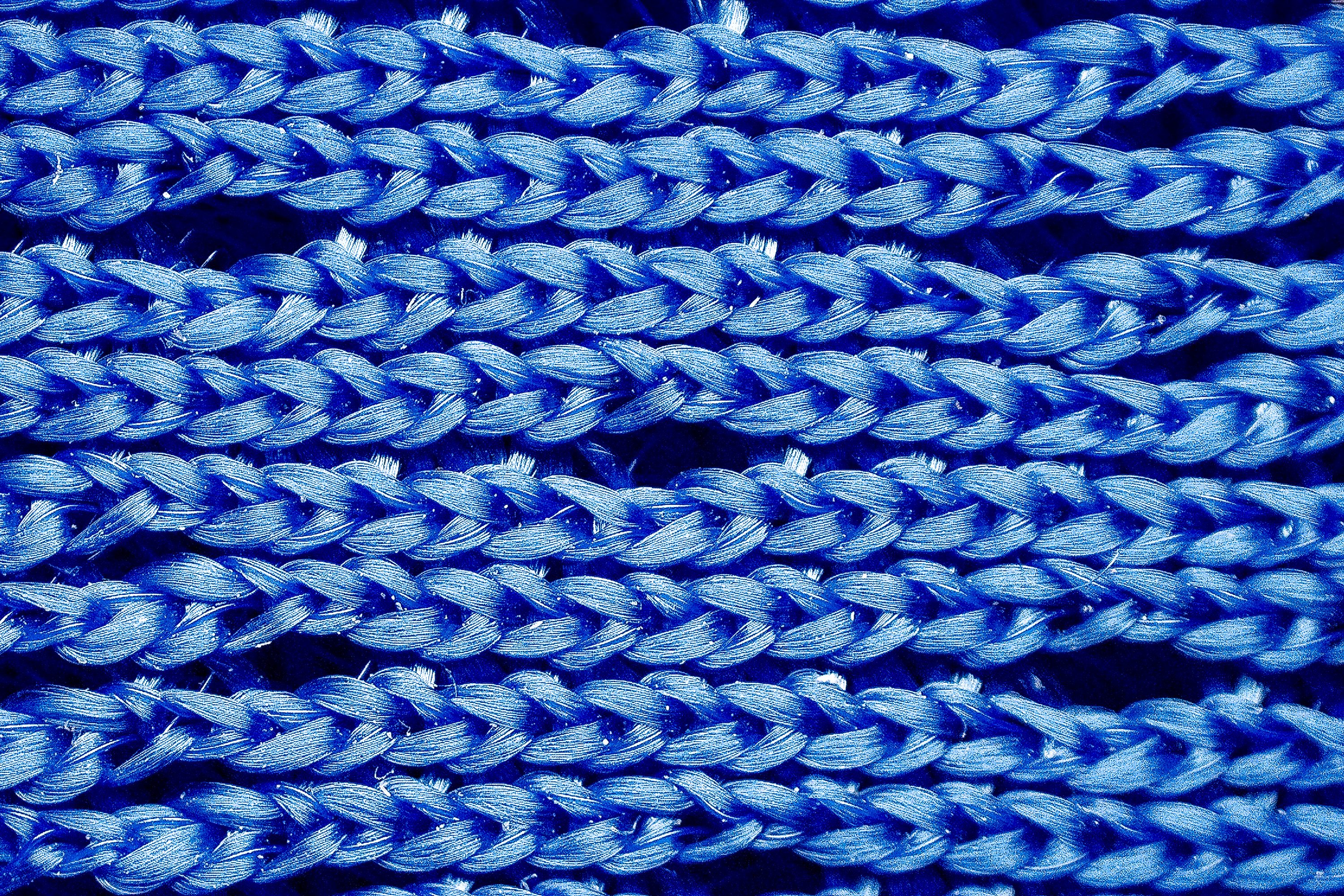
From a comfort and quality standpoint, the upper feels good. However, it clearly needs an update focused on ventilation, especially with larger holes in the toebox to manage heat better.
| Tempus 2 | 2 |
| Average | 3.6 |
Stability
Lateral stability test
The Tempus is a mild-stability running shoe, offering more support than a neutral trainer but less than a full stability model. That said, version 2 clearly leans closer to max stability.
The firm PWRRUN frame does most of the work, and Saucony also adjusted the heel counter stiffness and used wide landing areas across the shoe to keep the stride well centred.
Torsional rigidity
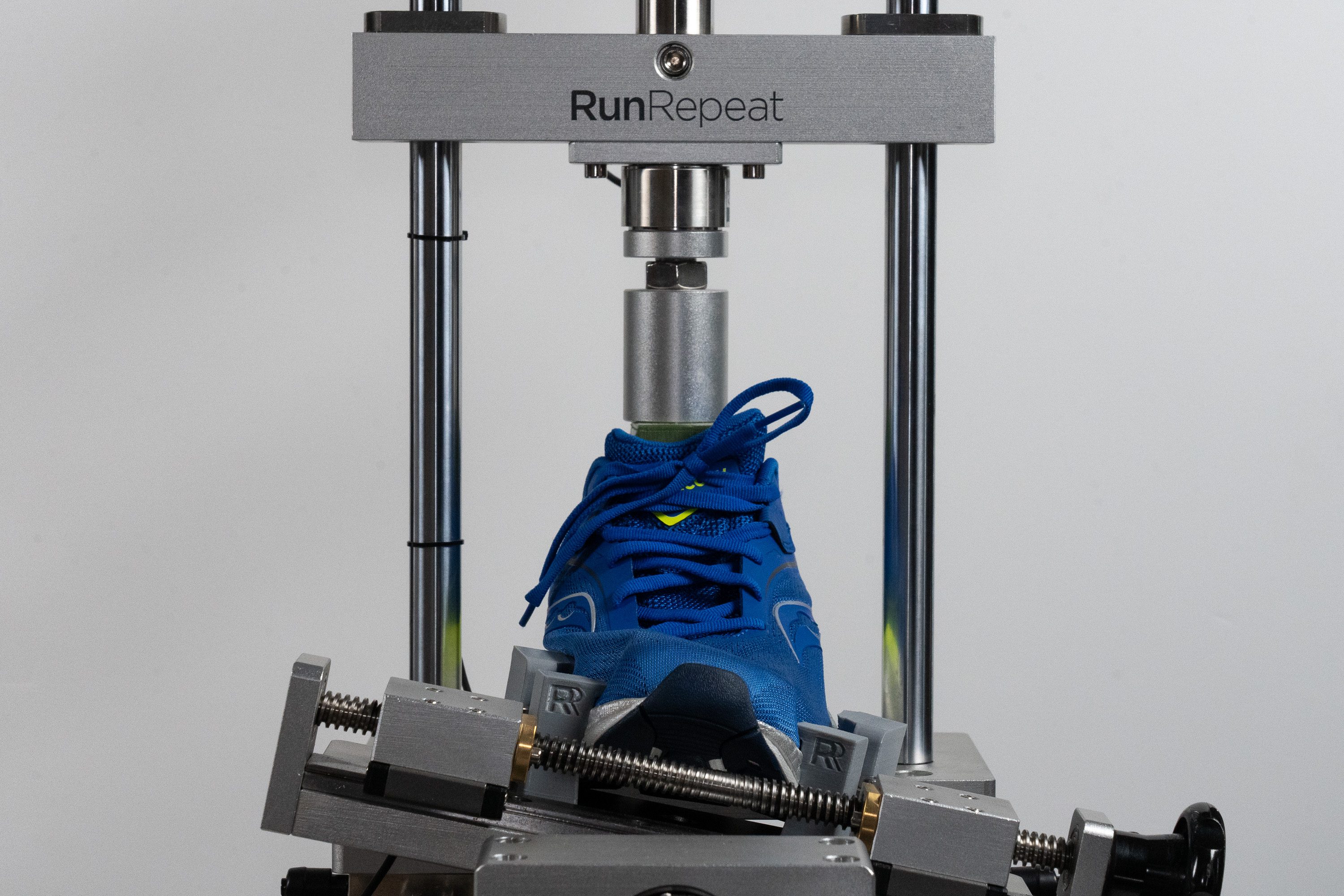
The Tempus 2 is not easy to twist, requiring 13.7 Nm of total force, yet it also remains far from rigid. And anyway, a certain level of torsional resistance is expected for a support-focused shoe, so we view this result as well aligned with its design.
| Tempus 2 | 13.7 Nm |
| Average | 14.3 Nm |
Heel counter stiffness
The heel counter feels extremely rigid and is very hard to move. While running in the Tempus 2, lateral forces are well contained thanks to this design, although runners who dislike a very firm rear may find it a bit intrusive.
That said, despite the 5/5 stiffness score, Saucony added plenty of padding to maintain comfort during long use, even when wearing the shoe casually.
| Tempus 2 | 5 |
| Average | 3 |
Midsole width - forefoot
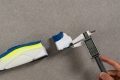
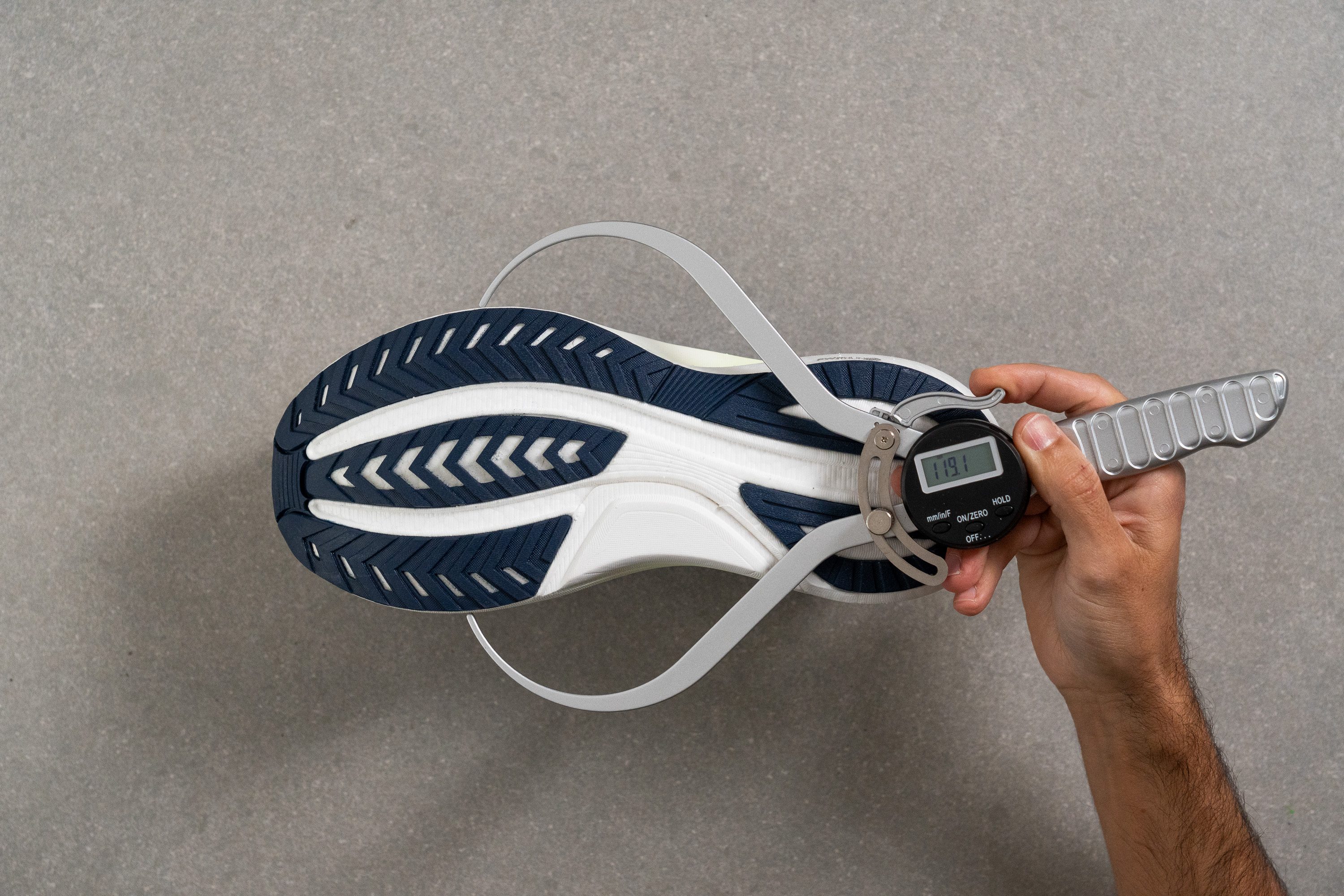
We mentioned earlier the wide dimensions of the shoe, and here we confirm it with precise calliper measurements. In the forefoot, we recorded 119.1 mm, which closely matches what we typically see in stability shoes, usually around 120 mm.
| Tempus 2 | 119.1 mm |
| Average | 115.1 mm |
Midsole width - heel
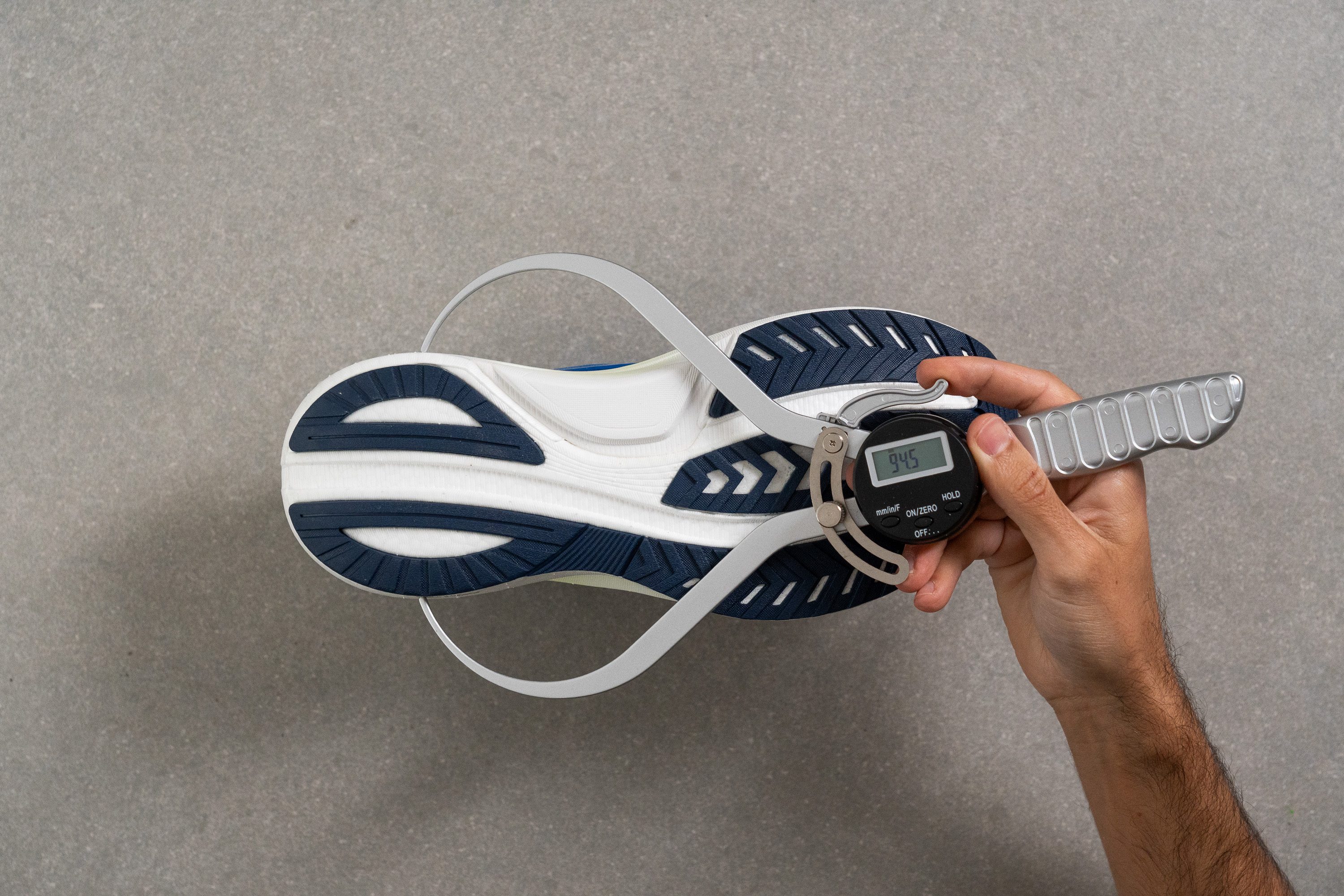
The heel measures 94.5 mm in the US 9 pair we purchased, which is also above average. This is a good moment to note that we test every shoe in this size, considered the industry standard, so comparisons between models remain accurate and meaningful.
| Tempus 2 | 94.5 mm |
| Average | 91.1 mm |
Durability
Toebox durability
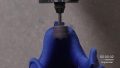
The upper is not very breathable and also falls short in durability, earning a 2/5 score in our first Dremel test. With this result, it is clear that this is the main area Saucony should focus on when developing the next Tempus.
| Tempus 2 | 2 |
| Average | 2.6 |
Heel padding durability
The heel padding also earned a low 2/5 score, which is more concerning. Most shoes perform better in this area, so if you tend to wear through heel padding quickly, it may be best to skip the Tempus 2.
| Tempus 2 | 2 |
| Average | 3.4 |
Outsole durability
While the upper clearly needs a material update, we are very happy with the XT-900 rubber. It delivers strong traction and outstanding durability, as we measured only 0.4 mm of wear after the Dremel test, which is seriously impressive.
| Tempus 2 | 0.4 mm |
| Average | 1.1 mm |
Outsole thickness
With 3.7 mm of thickness, it feels like it will last a very long time. In fact, even for a stability shoe, Saucony could consider making it slightly thinner to reduce weight without putting durability at risk.
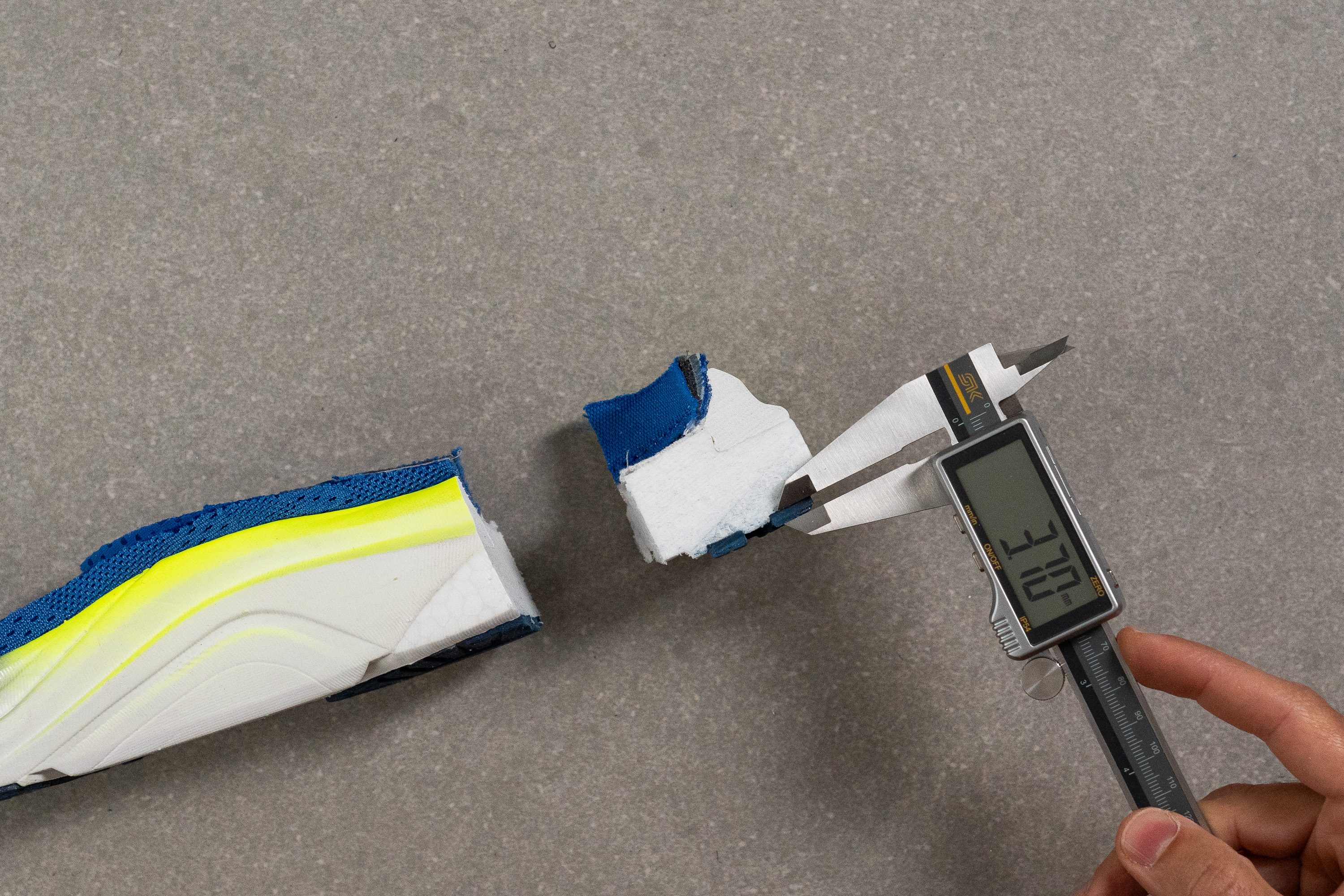
| Tempus 2 | 3.7 mm |
| Average | 3.1 mm |
Misc
Insole thickness
The Tempus 2 includes a standard insole that measures 4.4 mm in thickness.
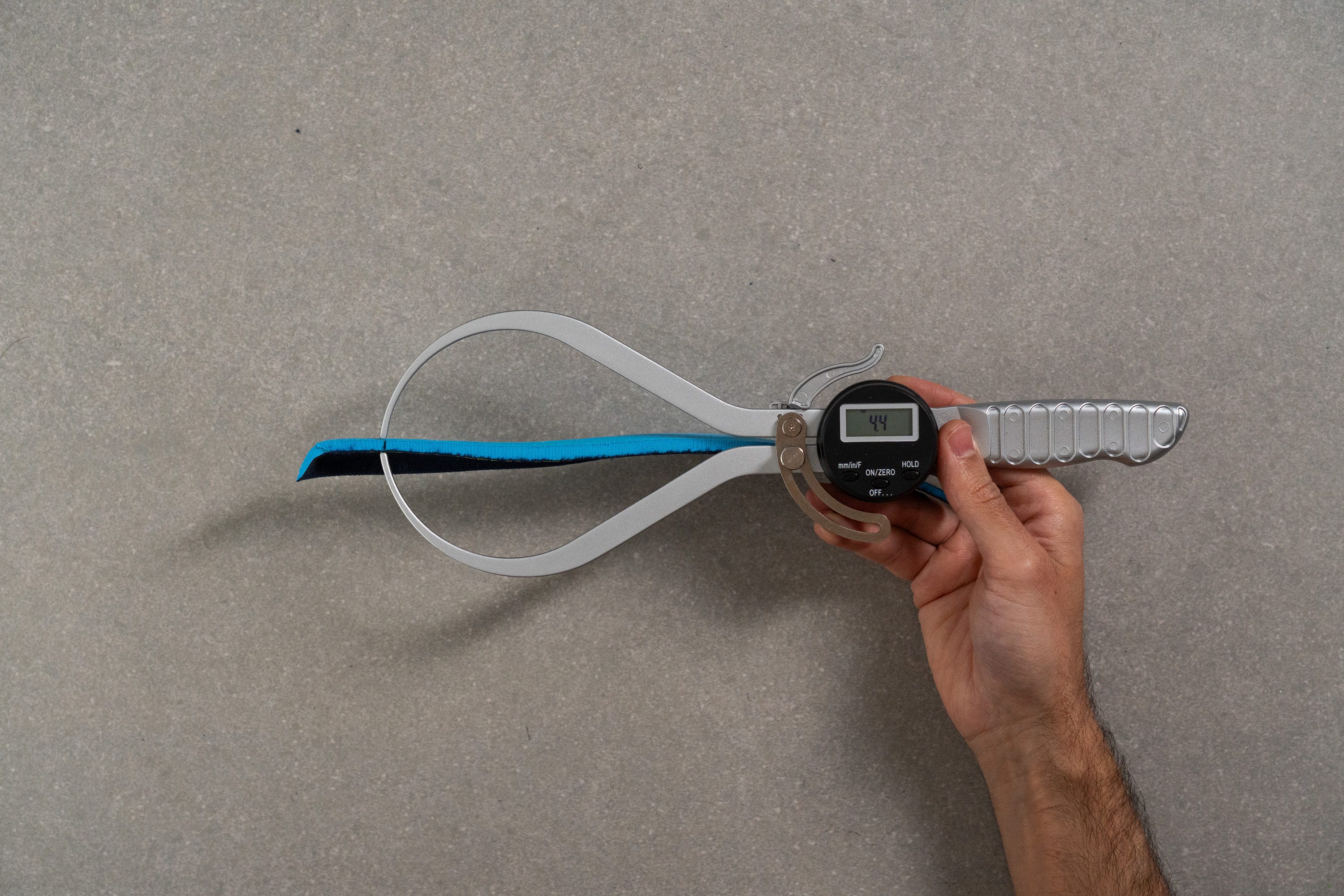
| Tempus 2 | 4.4 mm |
| Average | 4.4 mm |
Removable insole
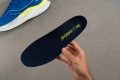
If you want to remove the FormFit insole and use your own, you can do so without any issues.
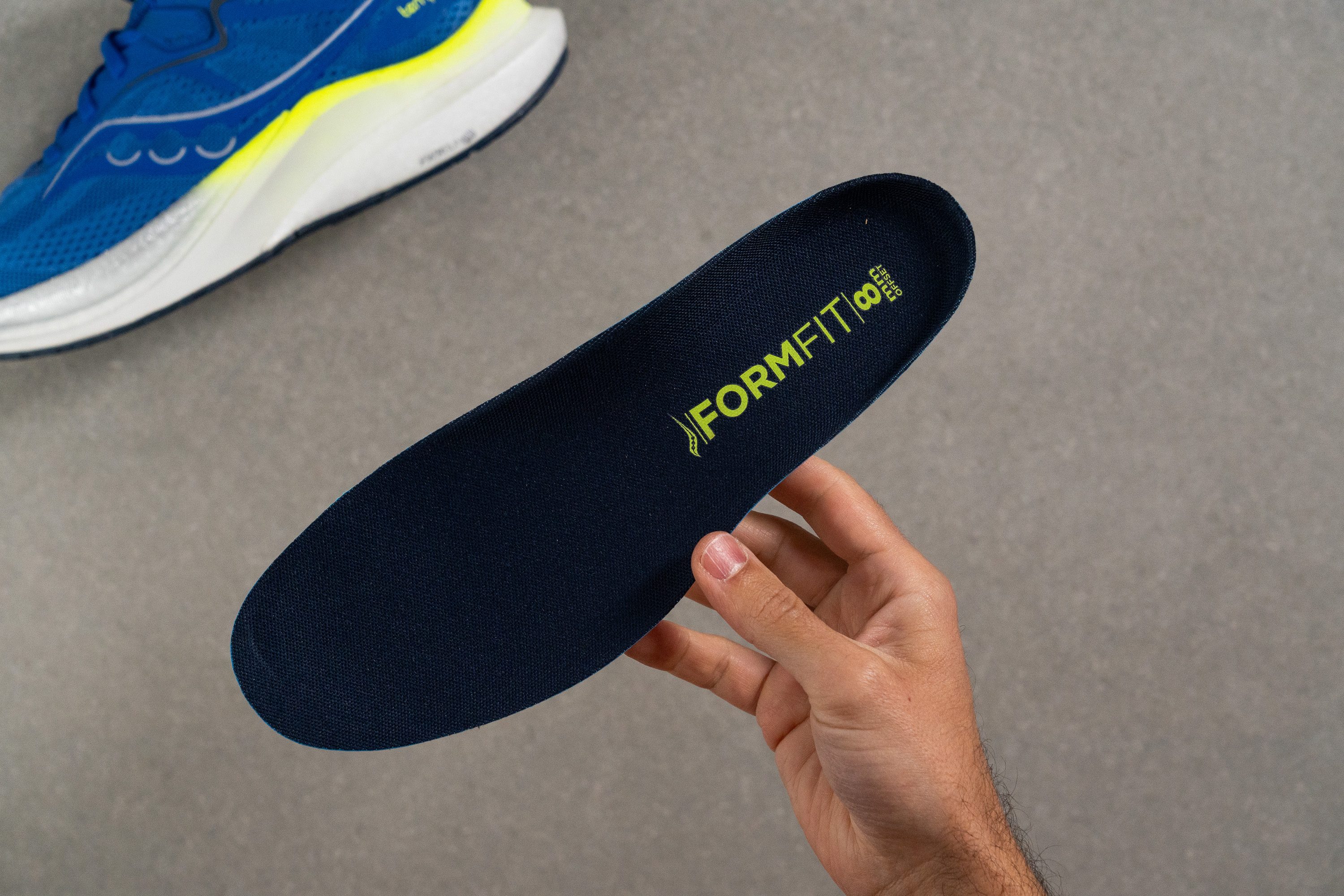
| Tempus 2 | Yes |
Reflective elements
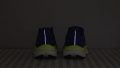
Anyone approaching from behind in a car or on a motorbike will easily spot you at night thanks to the large reflective elements on the heel.
| Tempus 2 | Yes |
Tongue padding
Saucony keeps the offset eyelet from version 1, but the design is now much simpler and cleaner. This revised layout is easier to adjust and avoids the fit issues some runners experienced before, while still delivering a secure and stable lockdown while relieving the instep from some pressure.
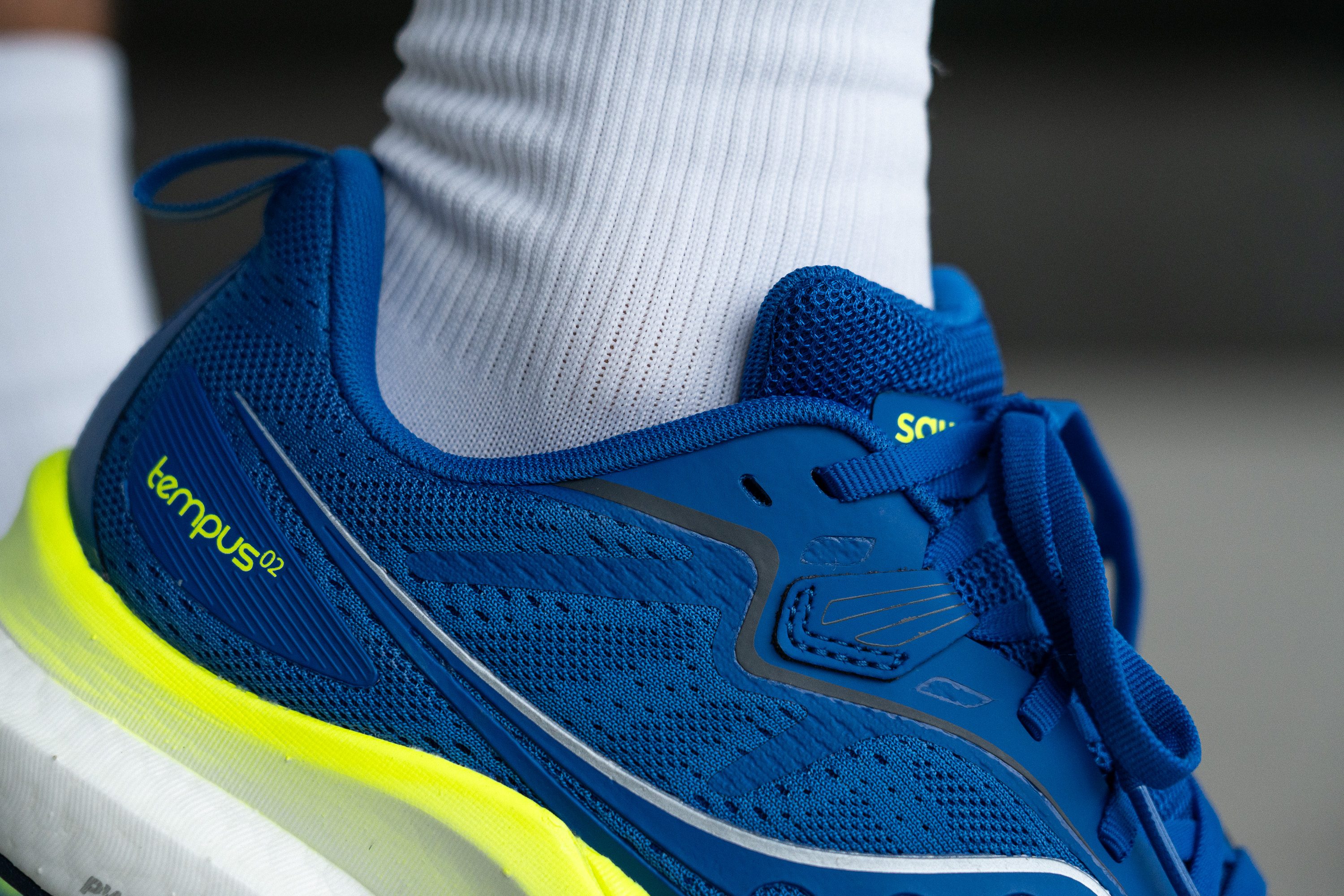
The tongue uses a balanced 5.0-mm thickness that is not overly plush but delivers solid comfort across most distances without adding bulk.
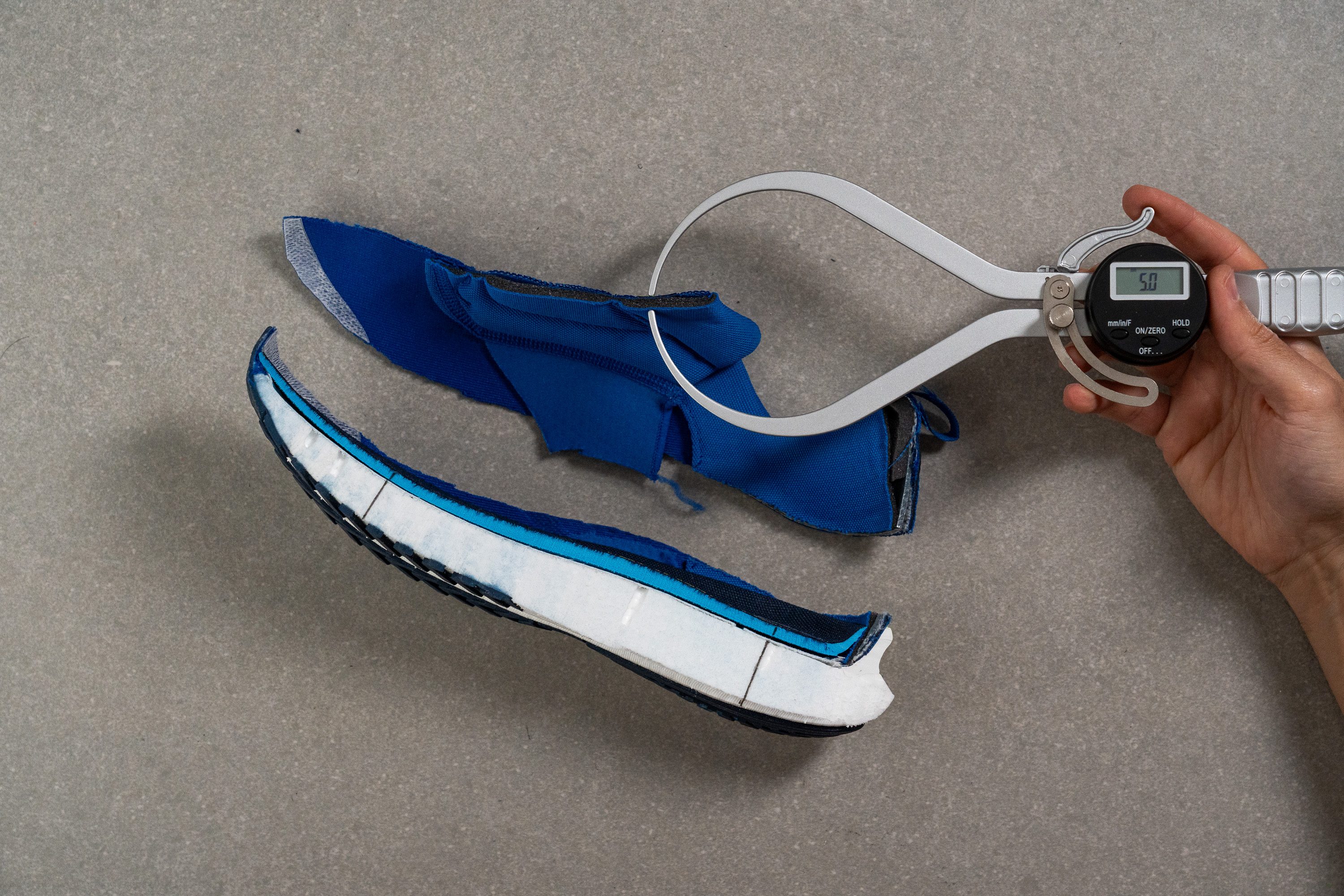
| Tempus 2 | 5.0 mm |
| Average | 5.8 mm |
Tongue: gusset type
This semi-gusseted tongue is attached on both sides to limit movement, improving lockdown and midfoot stability. At the same time, the breathable fabric used here is a smart detail that enhances ventilation in the midfoot area.
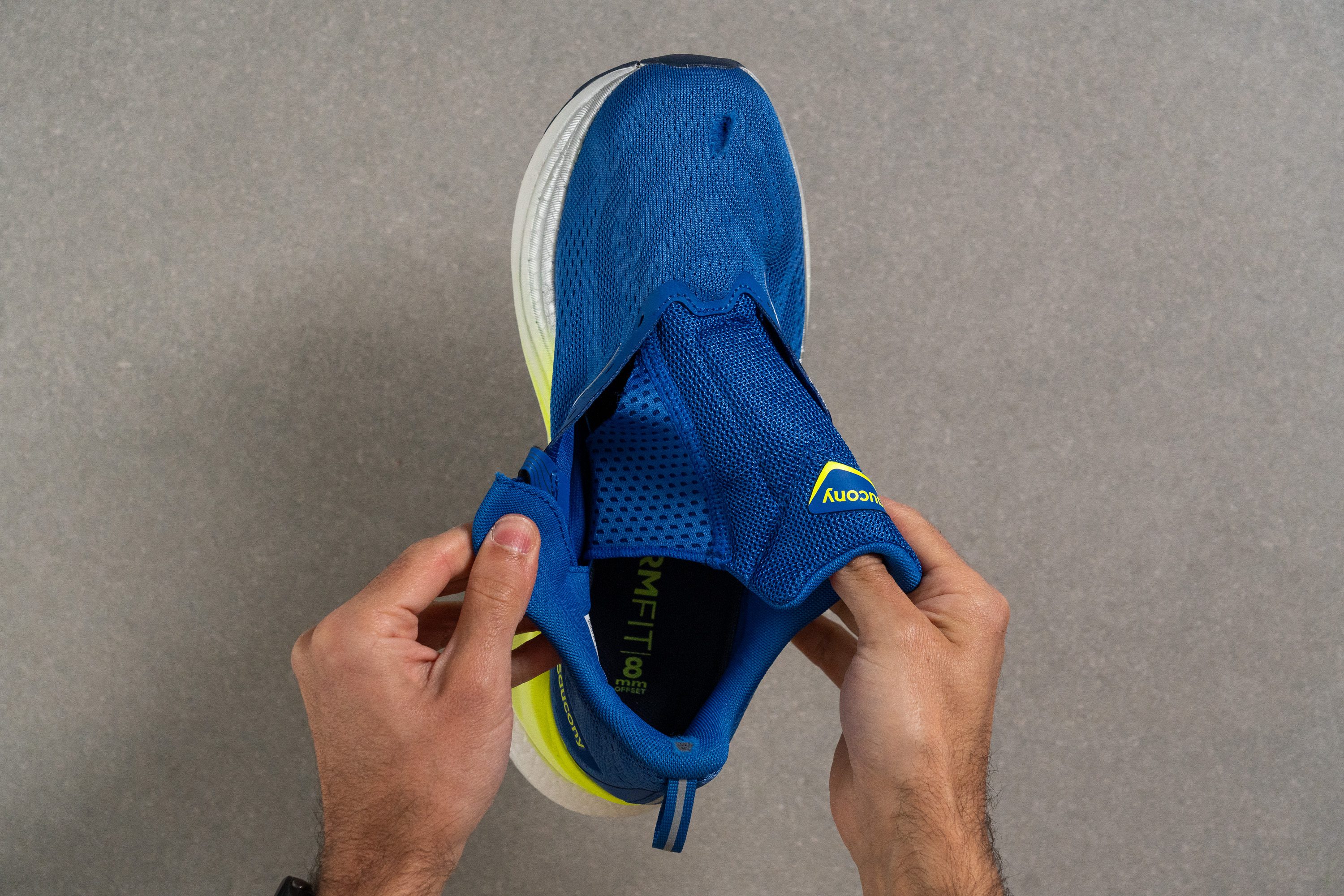
| Tempus 2 | Both sides (full) |
Heel tab
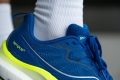
The heel design includes a finger-loop heel tab that extends upward and smartly hides the upper stitching, resulting in a cleaner and more refined finish.
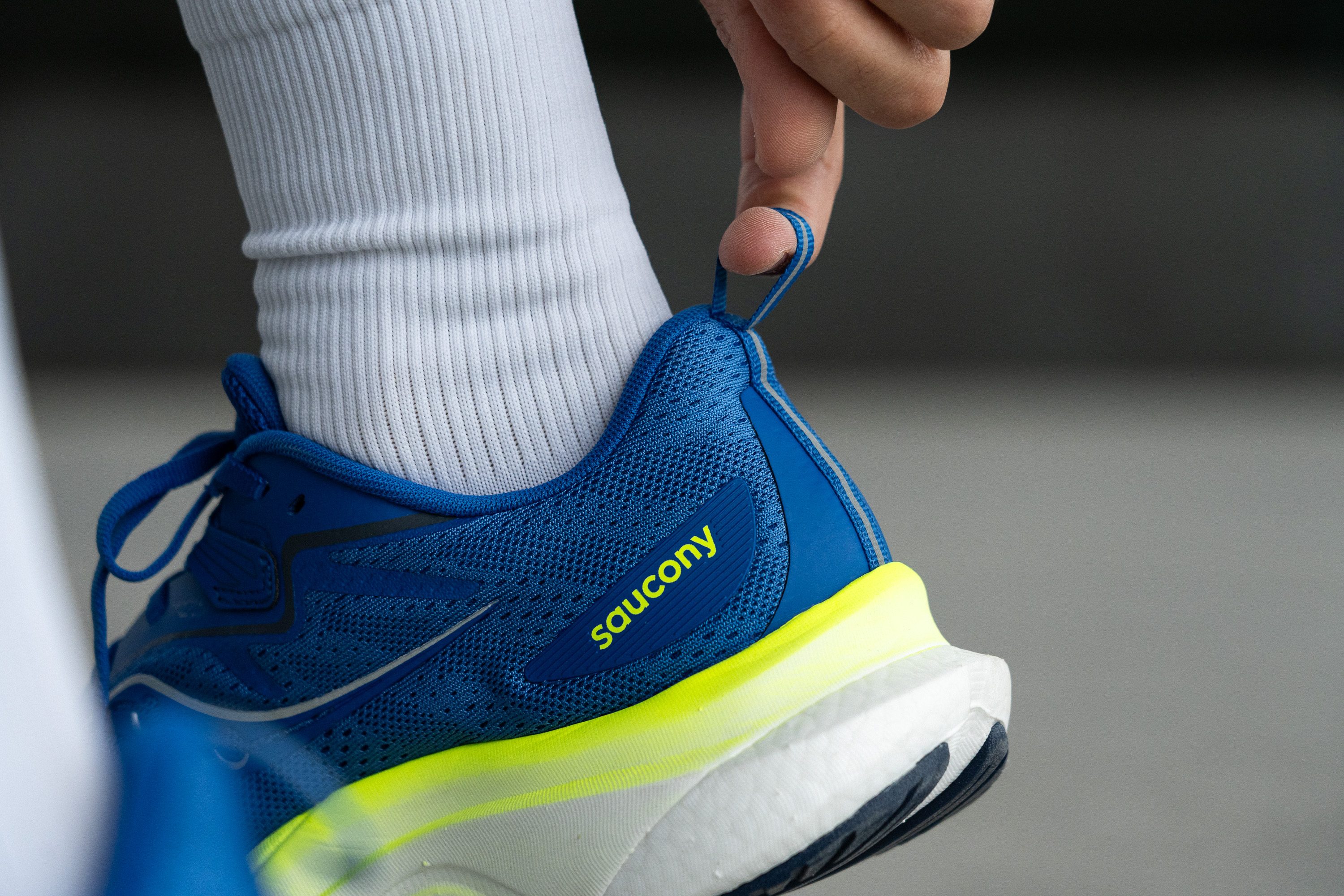
| Tempus 2 | Finger loop |
Price
The Saucony Tempus 2 comes at a fair price for the level of performance it offers, and we believe it is a strong value for runners looking for moderate stability. It is also worth noting that there is no price increase from version 1, which is refreshing at a time when many brands are raising prices without adding meaningful new technology.
| Tempus 2 | $160 |