7 Best Super Trainers in 2025

We buy shoes ourselves. We earn commissions when you buy through us, at no extra cost. Why trust us
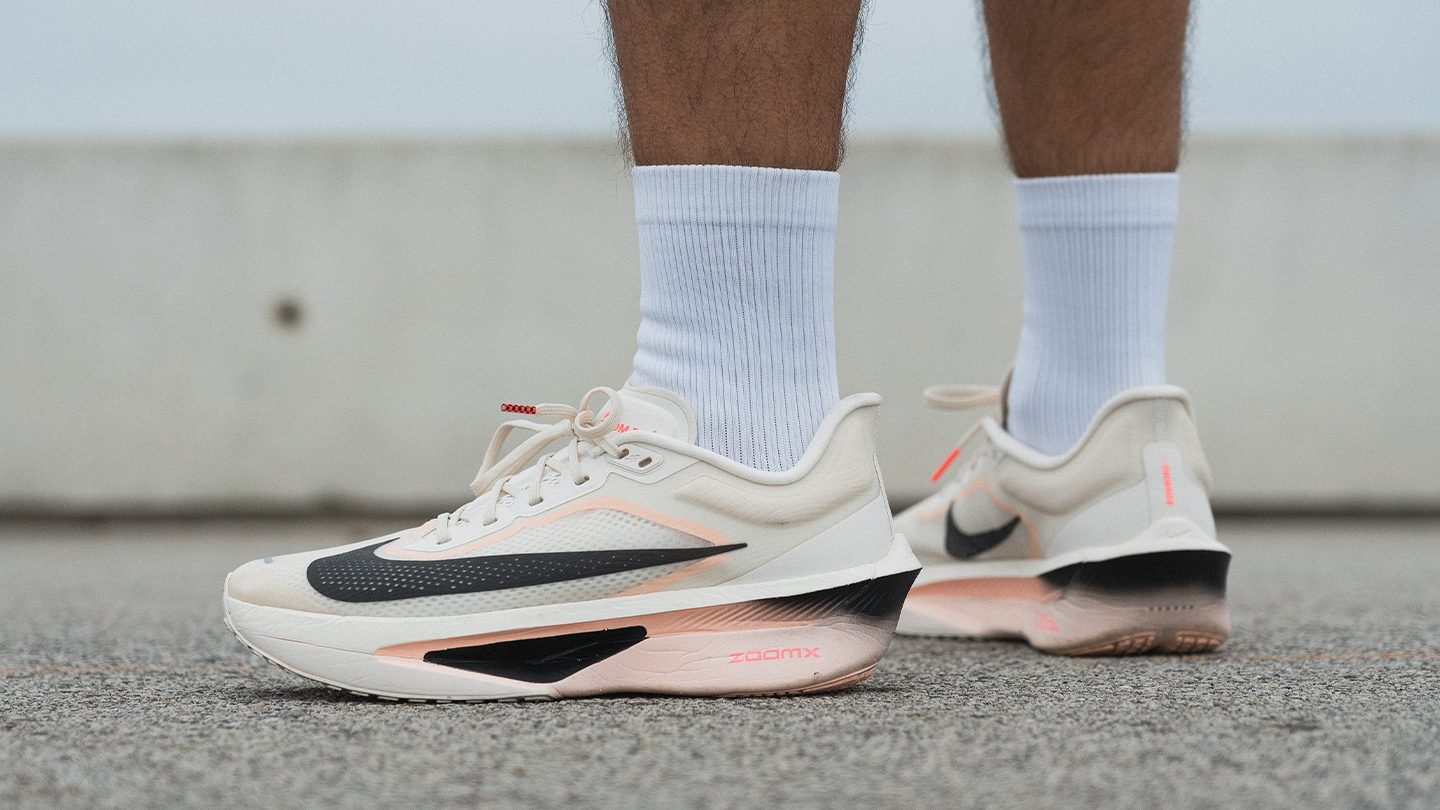
Premium foams and carbon plates have certainly proven to be game changers. Finally, they are not saved for race-day shoes only (so-called super shoes). We get to experience the expensive tech in a friendlier package that’s more durable and even suited for daily runs. Still, there’s a lot to untangle and clarify, which is exactly what we do in this guide. And, as always, we highlighted pairs that have outshone the rest.

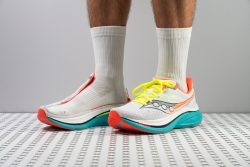
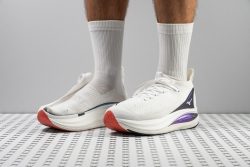
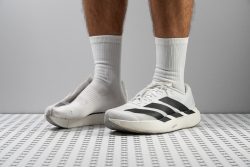
How we test super trainers
The trend is clear: there are super shoes, super trainers, superfoams… Well, guess what, we have a superlab. What makes it super?
- It’s independent. We buy all the shoes, tools, and machines with our own money. We don’t sign contracts with brands, and we publish all the lab data.
- The shoes are tested both outside and inside the lab. Wear testing is a must because we need to personally experience the fit, comfort, and performance of the super trainer. Lab data is needed so that we can make super trainers comparable, and because it reflects the importance of test standardisation.
- All the shoes are given the same treatment. We use the same tools, force, time duration, weight, machines, testing protocols, and so on.
- All the results are published on our website, which allows you to compare super trainers based on how they performed on different tests.
Best super trainers overall
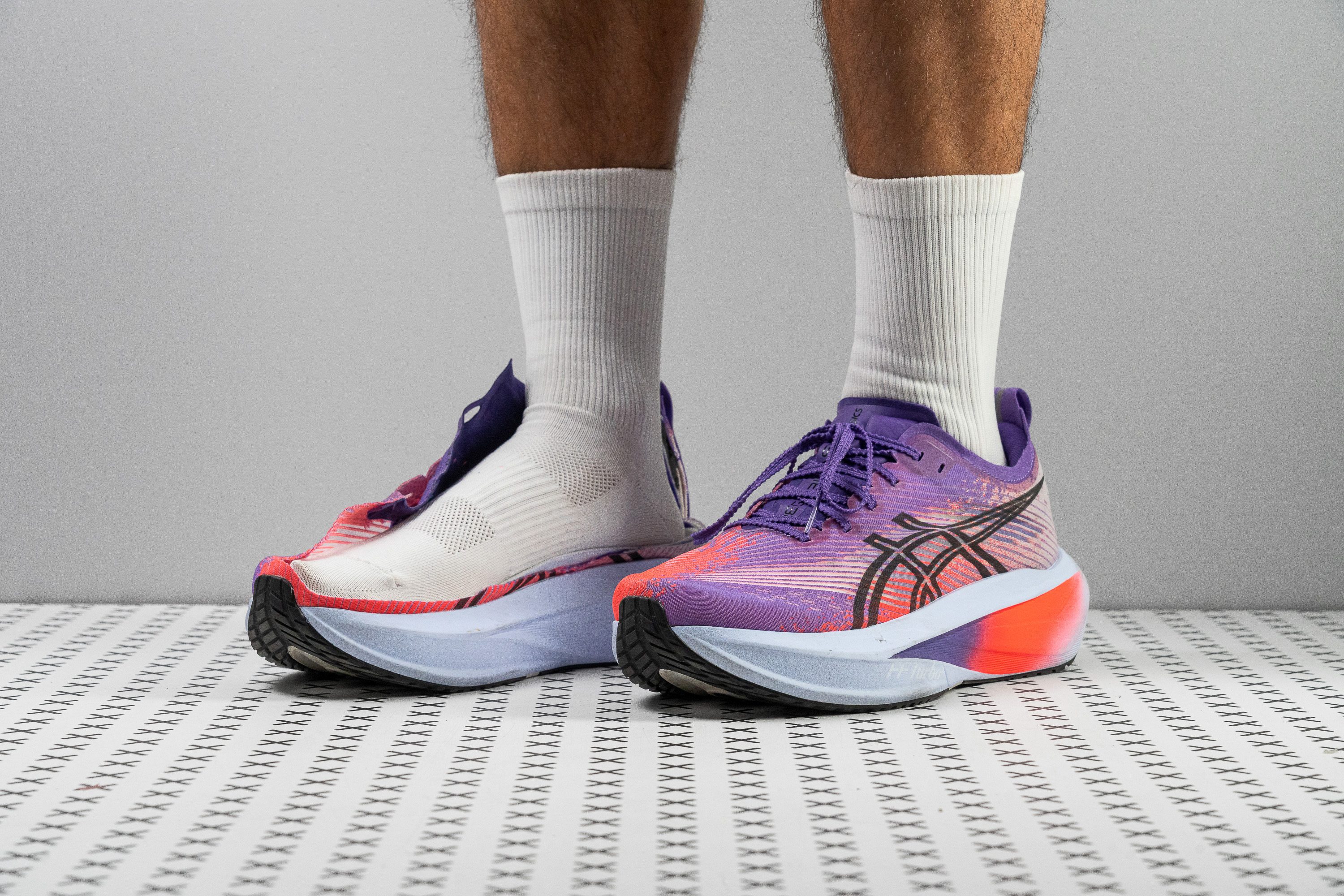

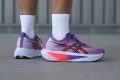


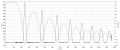


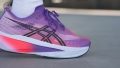


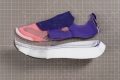
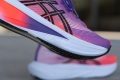


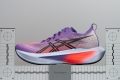




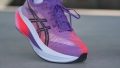















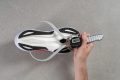










What makes it the best?
Pros
- Outstanding energy return
- Exceptional impact protection
- Durable, grippy outsole rubber
- Astonishingly low weight
- Performs at any pace and distance
- Breathable, lightweight upper
- High-quality materials from heel to toe
- Suitable for all footstrikes
- Top performance without a carbon plate
Cons
- Extremely expensive for a training shoe
- Limited outsole coverage
- Poor toebox durability
Best super trainers with max cushioning
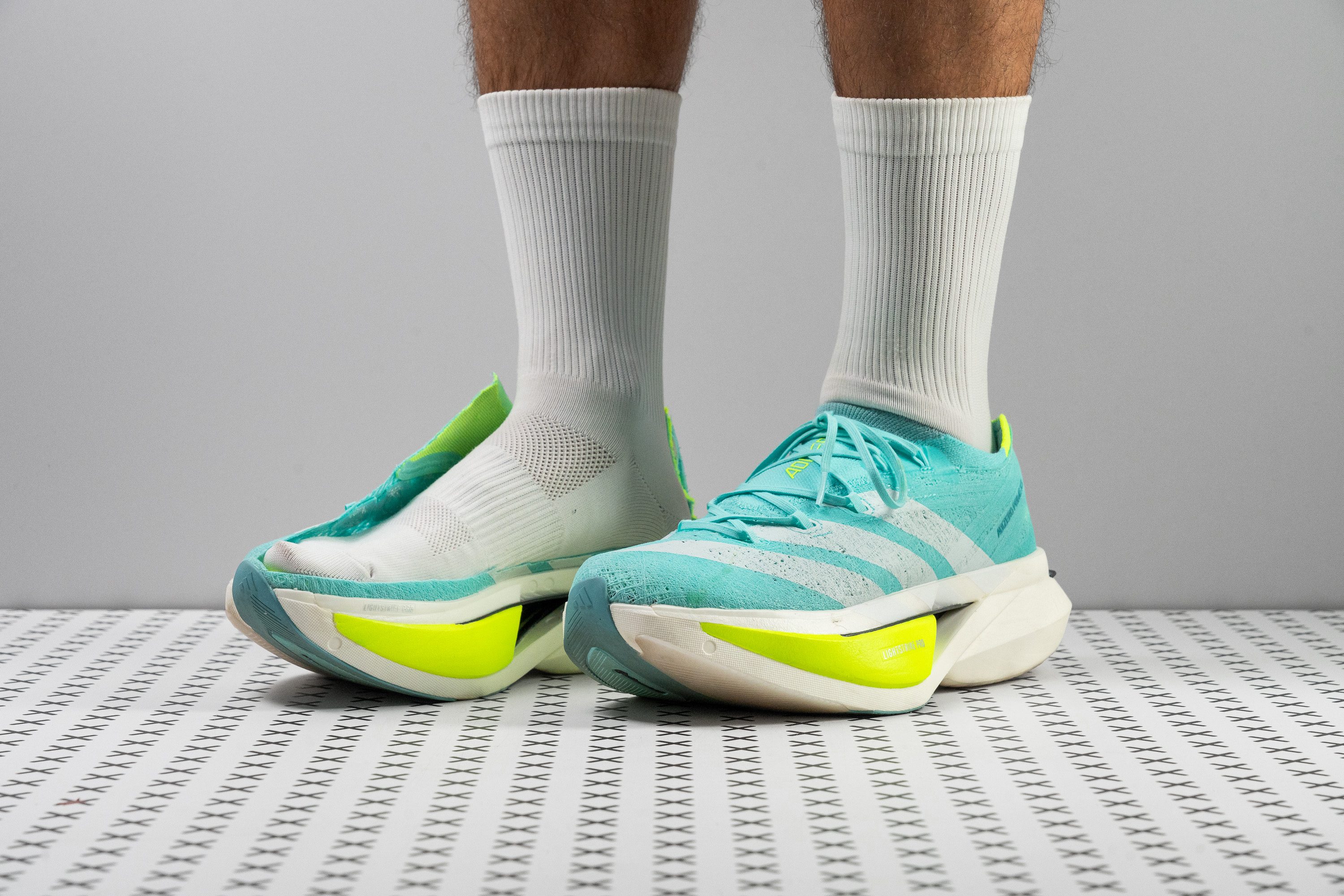










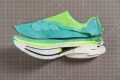




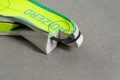
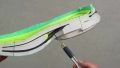
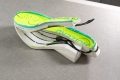







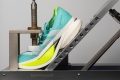

























What makes it the best?
Pros
- Excellent shock absorption
- Fantastic bounce from new Lightstrike Pro foam
- Fits better than v2
- Innovative tech and design from heel to toe
- STRUNG upper is just awesome
- Works well on any season
- Skyscraper-like stack height
- A total blast (if it suits you)
- Breathable upper
Cons
- Crazy expensive
- Heavier than all supershoes
- Heel strikers may feel unstable
- Too stiff for easy days
Best super trainers for daily runs
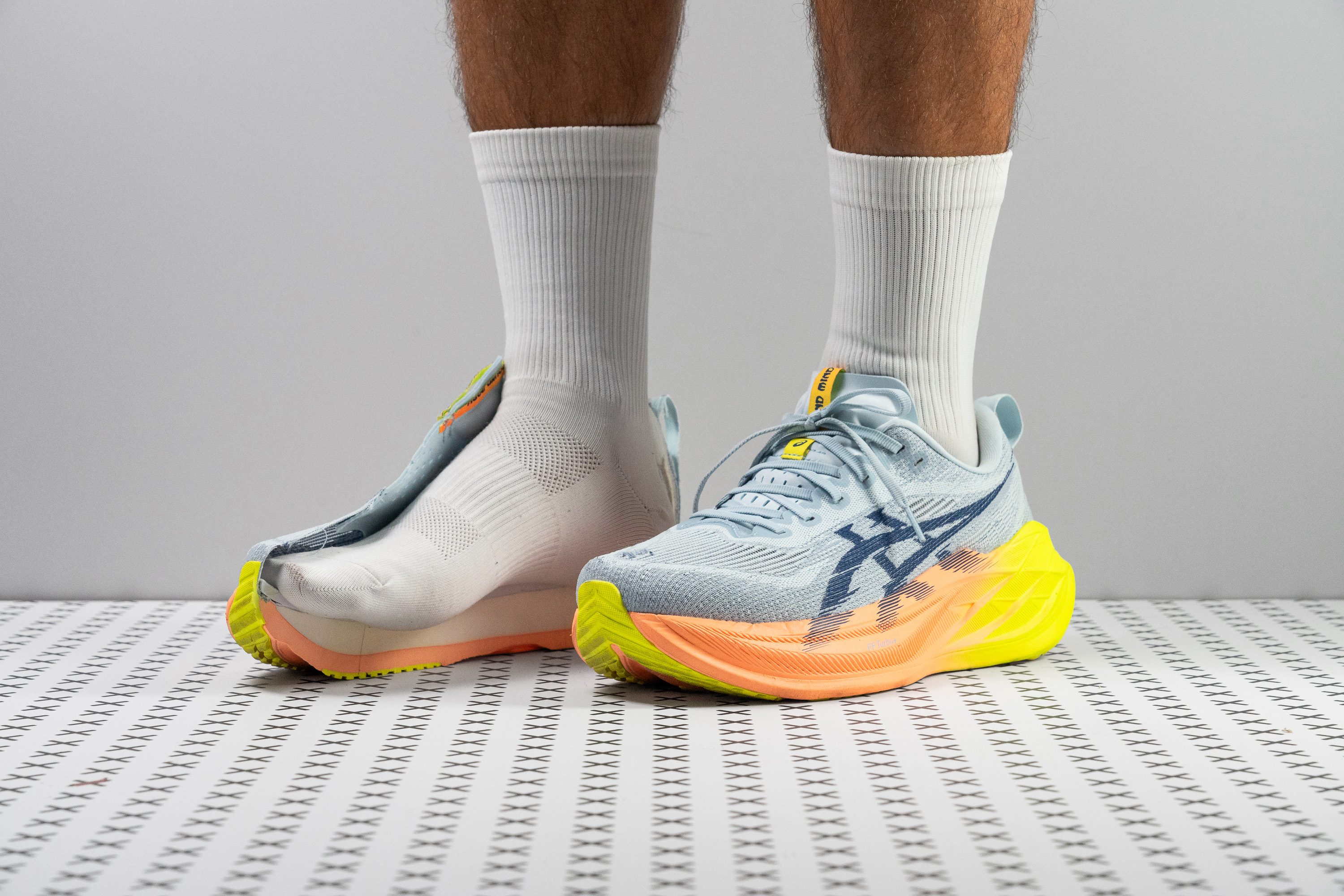









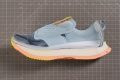





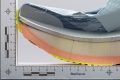
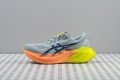





























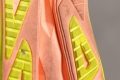









What makes it the best?
Pros
- Fantastic new upper
- Improved overall comfort
- Grippier outsole without cutouts
- Durability enhancements
- Excellent weight/cushioning ratio
- Supreme stability
- Works at every pace and distance
- Exceptional performance without a carbon plate
- Exceptional performance without a carbon plate
Cons
- Slight weight gain
- Fit remains tight
- Minimal tongue padding
- Energy return is not on par with the price
Best super trainers for heel strikers
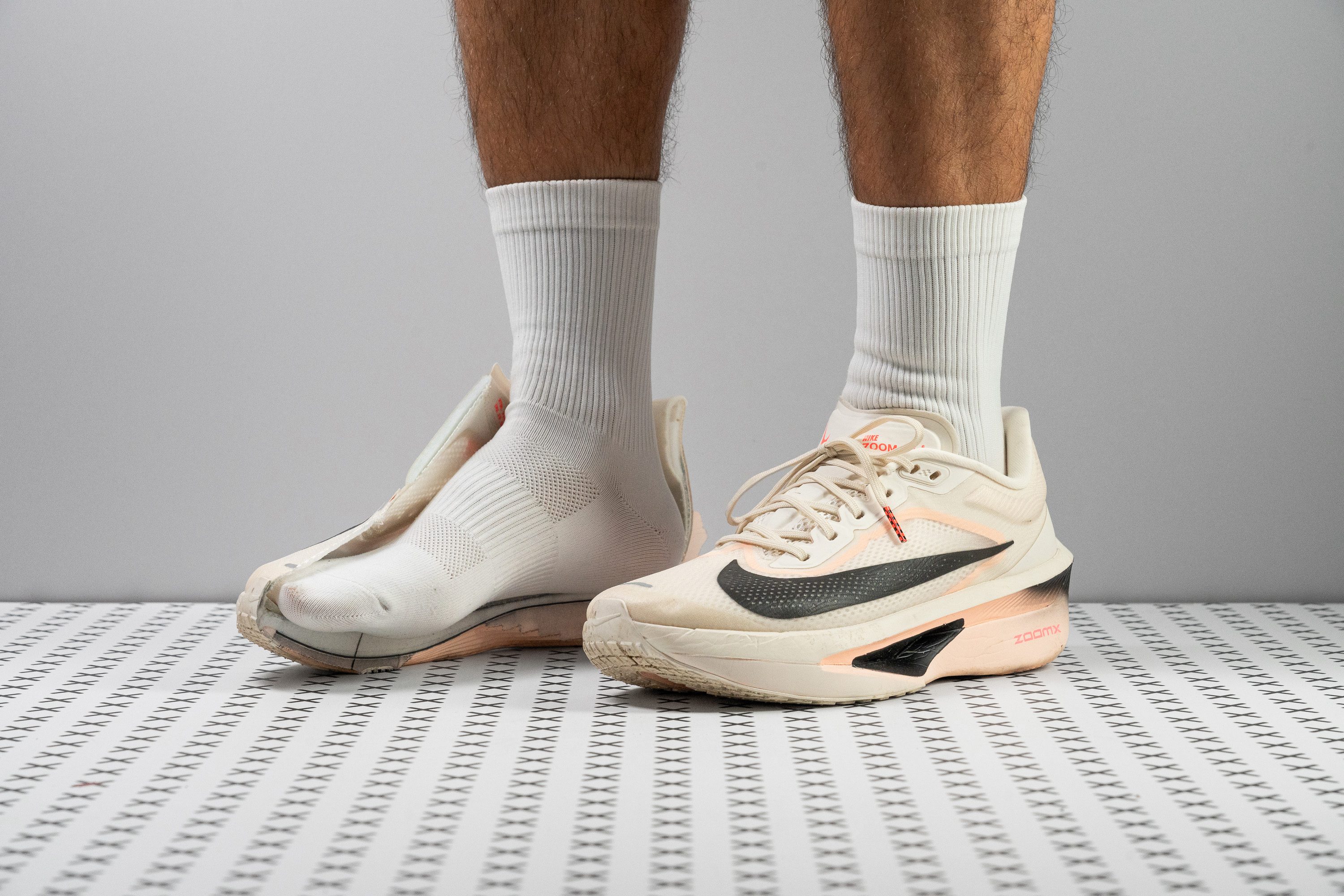

















































What makes it the best?
Pros
- The Zoom Fly is back!
- Fairly priced
- Versatile, performance-ready supertrainer
- Reasonable weight
- Can handle all paces
- Comfortable upper
- Outstanding durability
- Amazing for tempo and marathon workouts
Cons
- Toebox is narrow and restrictive
- SR-02 foam lacks bounce
- Could be more stable
Best super trainers for racing
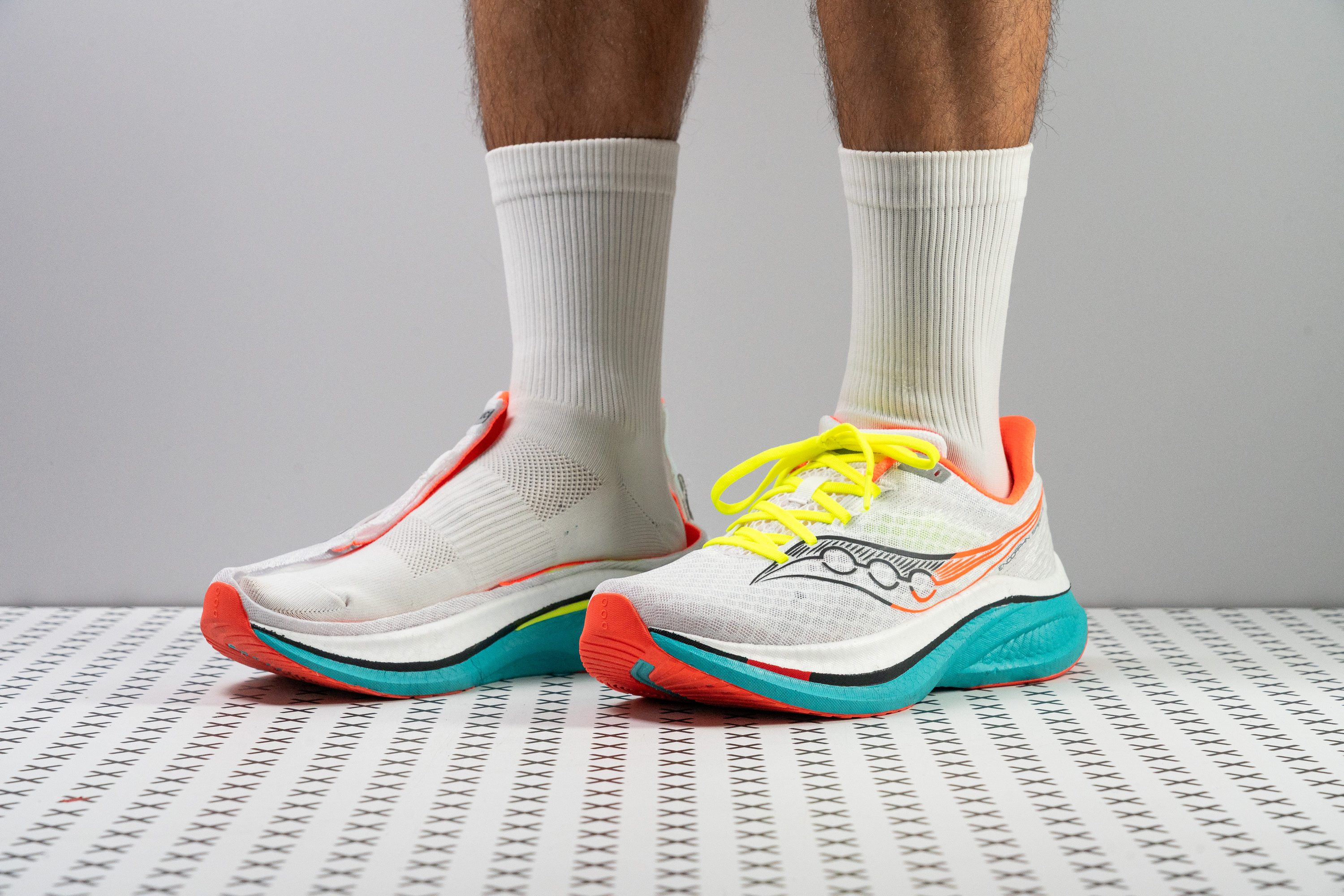





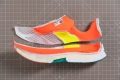



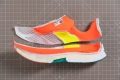




























What makes it the best?
Pros
- Supershoe-like energy return
- Fantastic upper with top-notch ventilation
- Softer PWRRUN PB foam
- Endorphin Speed DNA still present
- Great lockdown
- Versatile for multiple paces
- Smooth SPEEDROLL rocker
- Roomier and taller toebox
- Can be used for racing too
- OG special colorway looks fantastic!
Cons
- Small price hike
- Less agile than predecessors
- Durability downgrade
Best super trainers with plush foam
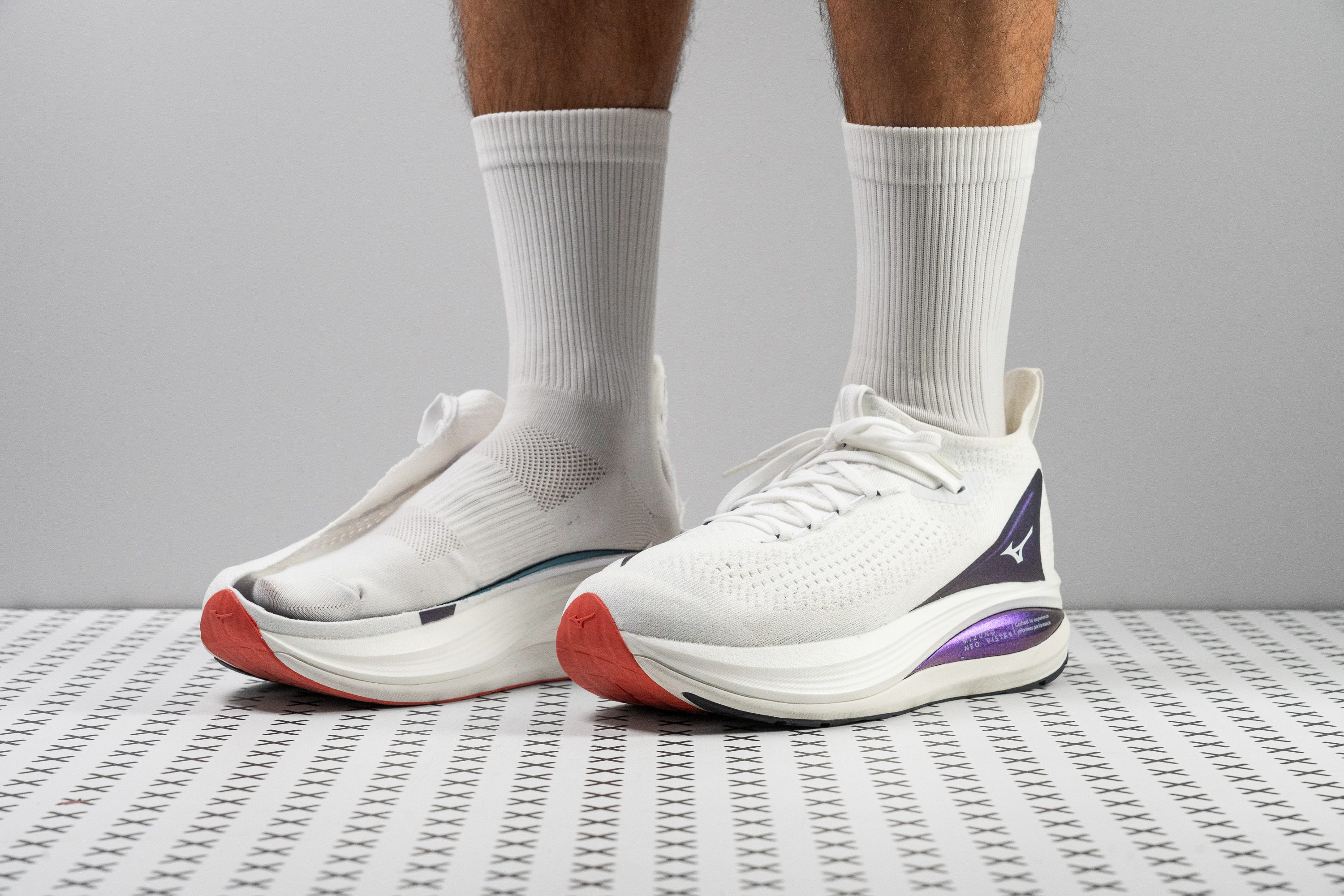








































What makes it the best?
Pros
- Massive stack height
- Super-plush Enerzy NXT foam
- Perfect for long runs
- Lightweight for its huge size
- Good durability
- Breathable knit upper
- Roomy toebox height
- Insanely fun!
Cons
- Not enough energy return
- Price hike feels unjustified
- Not stable for heel strikers
Super trainers with the best value

























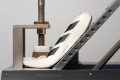

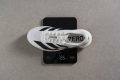

























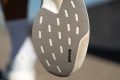




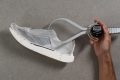




What makes it the best?
Pros
- 100% Lightstrike Pro superfoam
- Exceptional value-to-performance ratio
- Low weight
- Ultra-breathable upper
- Unmatched versatility
- Agile and fun ride
- Handles short and long runs with ease
- Striking Evo 1-inspired aesthetics
- Striking Evo 1-inspired aesthetics
Cons
- Poor-quality laces
- Short, non-gusseted tongue
- Toebox durability
Super trainers are super because they feature a super foam. This foam is actually called premium foam. Compared to running shoes with standard foams, super trainers are better because they are more responsive and easier on the feet. However, they are also more expensive and less durable.
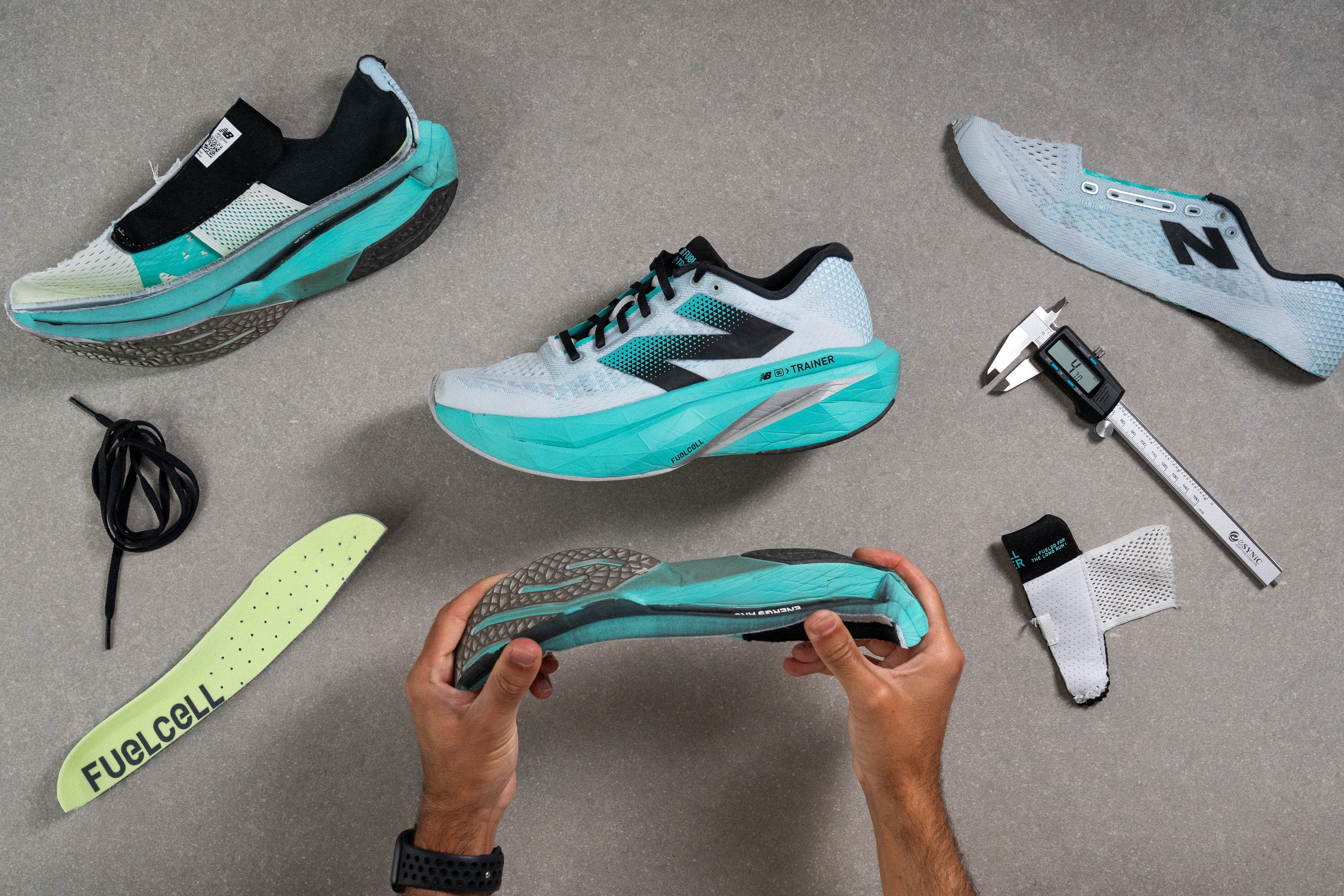
Compared to super shoes, they use the same tech but come in a slightly heavier and more durable package that can be used for daily runs as well.
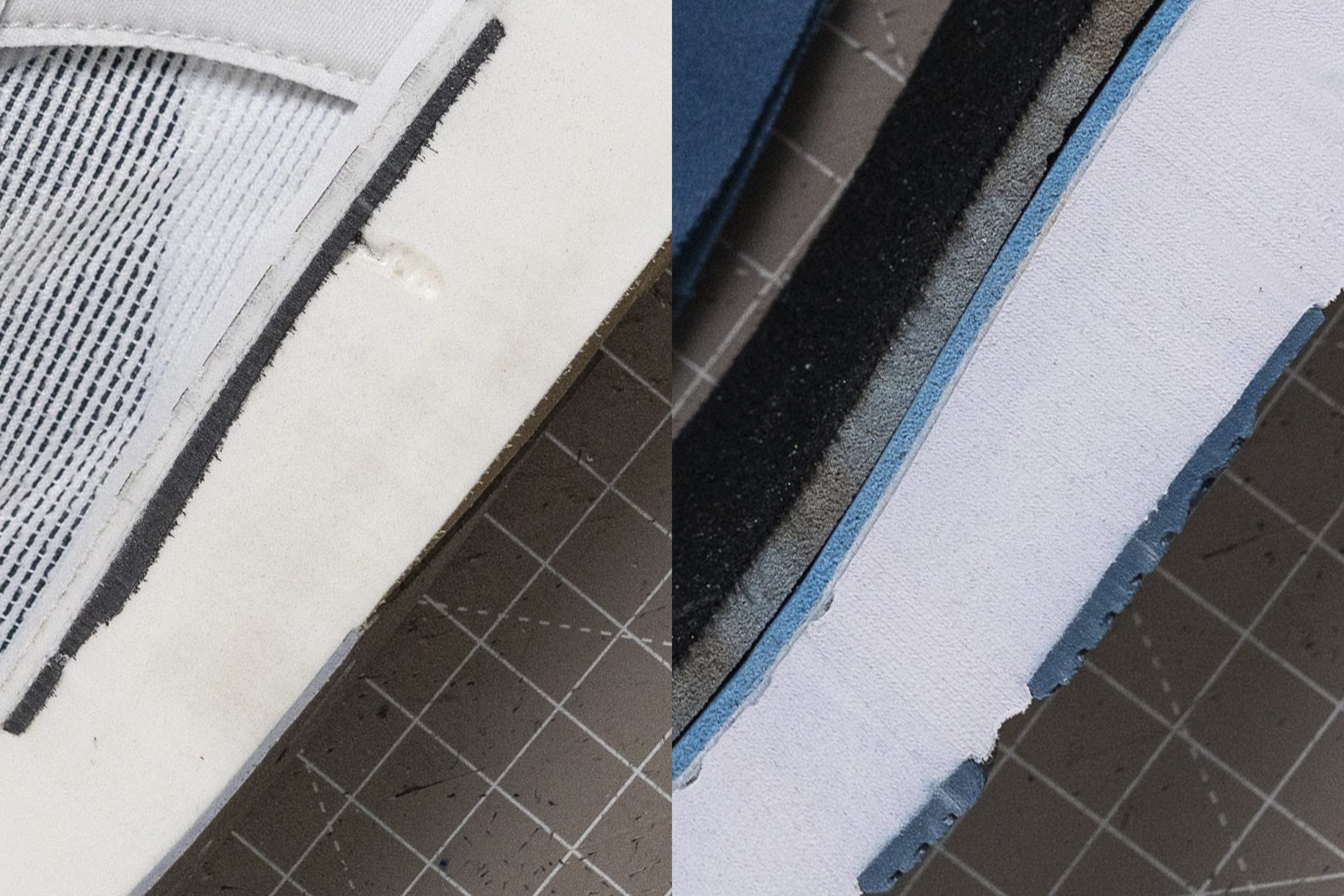
It is really important to understand the importance of premium foams. We’ve covered this in the smallest detail possible in our Ultimate guide to running shoe foams.
5 features of super trainers
There’s no rule or guideline written by a governing body that would say what specifically a super trainer is, but we know from our experience, our lab data, and overall market knowledge, what makes a super trainer.
- High stack height, often above 40 mm.
- The midsole is made of premium foam or at least has one layer made of it. This, obviously, means that the shoe is very responsive with energy return higher than 65% on average.
- Most super trainers feature a rocker! Rockered geometry is a must when you have a high-stacked stiff shoe.
- Thanks to the premium foams, super trainers prevent or reduce muscle fatigue. Thanks to these leg-saving features, they are great for building up the mileage and increasing training intensity.
- On average, super trainers are more expensive than regular daily beaters or versatile running shoes with standard foams.
Some sources claim that suprtrainers always come with a carbon-fibre plate. We have too many exceptions to call it a rule. Actually, at this moment, more than 50% super trainers in our database do not feature a carbon plate. There are models that feature a nylon or a pebax plate, though.
Super trainers vs. super shoes: 5 main differences
We have to make this distinction. Super shoes are race-day shoes, equipped with premium foams, carbon plates, and aggressive geometry. They sacrifice durability and cut on weight in order to perform best when it’s needed the most.
Compared to super shoes, super trainers are different because:
- They can be higher than 40 mm. Super shoes, on the other hand, tend to stay below 40 mm in order to comply with the stack height rule for official races.
- Compared to super shoes, these are more versatile because they are not made only for competition, but can handle tempo and race days, or tempo and daily runs.
- They are more durable than super shoes.
- They are more stable (hello, wide platforms!) because cutting weight is not the highest priority.
- They are heavier than super shoes because they are more durable and more stable = all these things bring more weight to the table and that’s a lovely trade-off given that the pros are still heavily outweighing the cons.
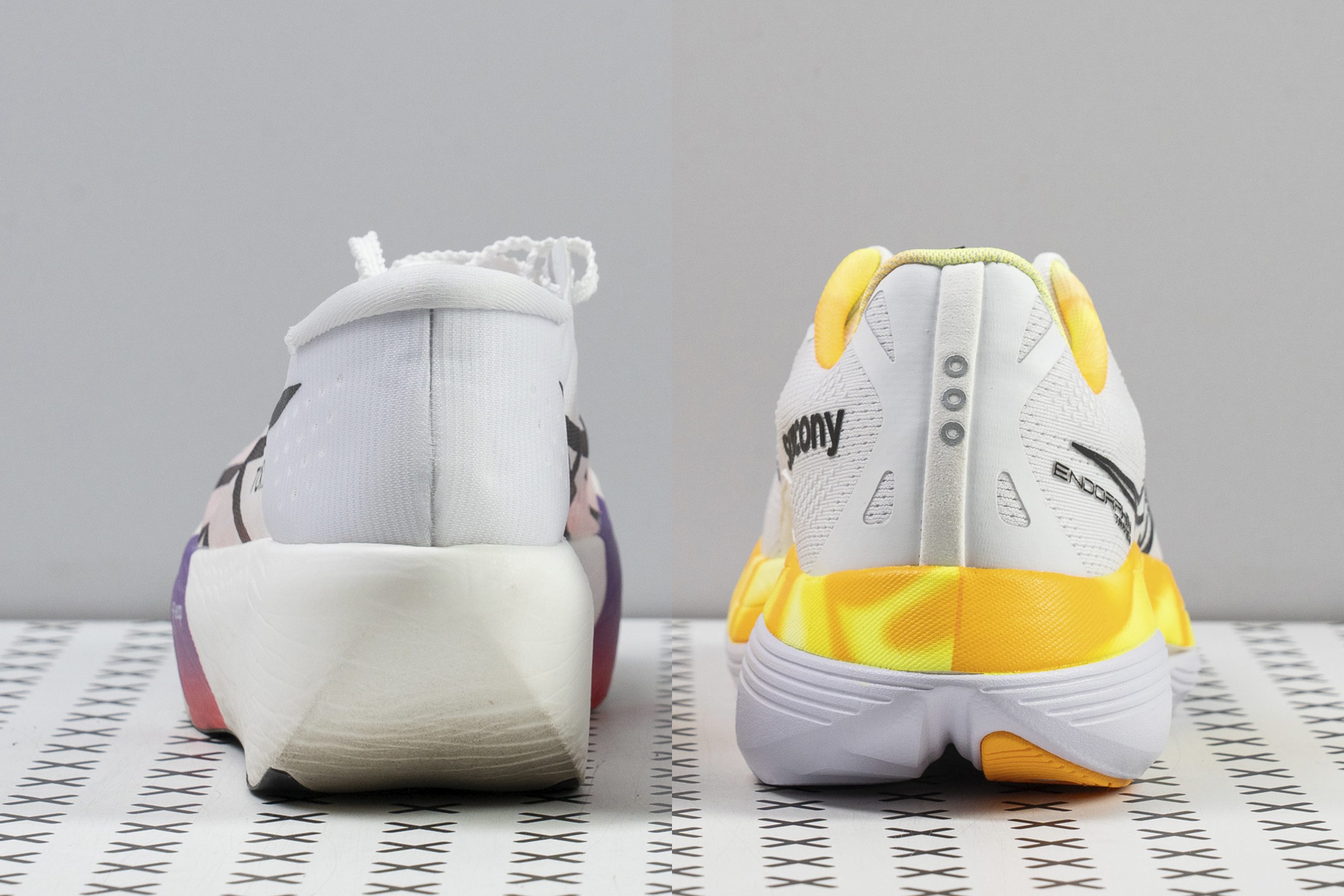
Similarities between these 2 are obvious: both use premium foams, have high energy return, leg-saving features, rockers, they are stiffer and more expensive than running shoes with standard foams.
Stack height of super trainers
40 mm is the limit that many talk about. It’s not allowed to participate in official road marathons wearing shoes with a heel stack higher than that, but no one is stopping you from training in such shoes. This is great news for super trainers.

For reference, the average heel stack height of super trainers is 40.9 mm. The average heel height of all road running shoes is 34.8 mm.
Energy return of super trainers
Certainly, the main feature of super trainers is their energy return. They can thank premium foams for this because it is them that, together with a stiffer design, allow for high scores on the energy return test.
High energy return means that the shoe is responsive and lively. Many runners describe this as if the shoe was pushing them forward. No wonder, given that energy return is all about the midsole’s ability to recover from being squished at the landing.
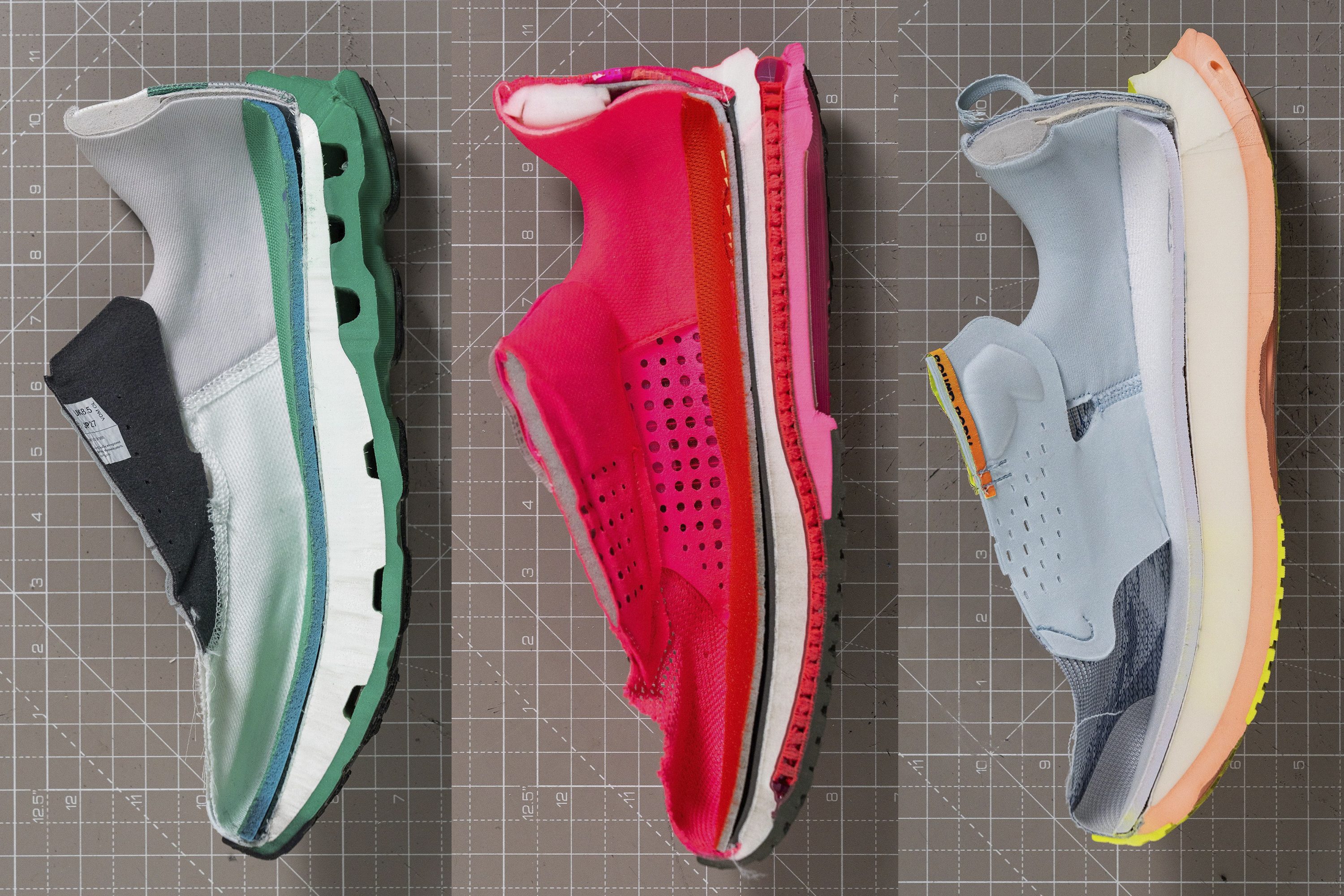
Super trainers have an average energy return of 67.8%! For reference, the average energy return of all running shoes is 61.0% (that’s including super trainers and super shoes).
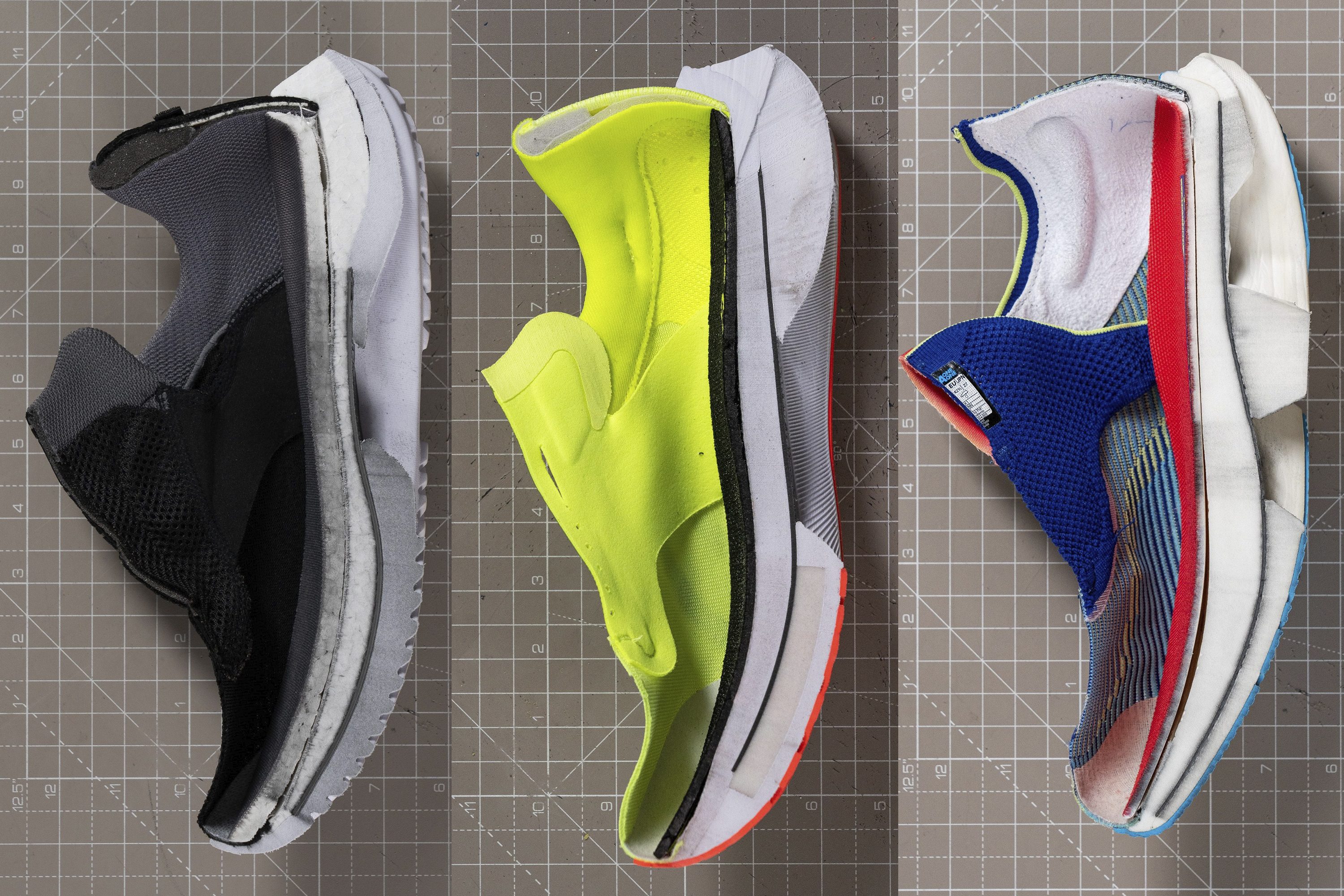
If you want to learn more about energy return, whether it depends on foot strike, how it helps with muscle fatigue, its connection to the shock absorption and shoe weight, and much more, head over to our insanely in-depth guide on energy return!
Shock absorption of super trainers
Premium foams are known for their high energy return and high shock absorption. If you’re getting a super trainer for daily runs, long runs, or recovery runs, this is very important because you will want as much protection as possible.
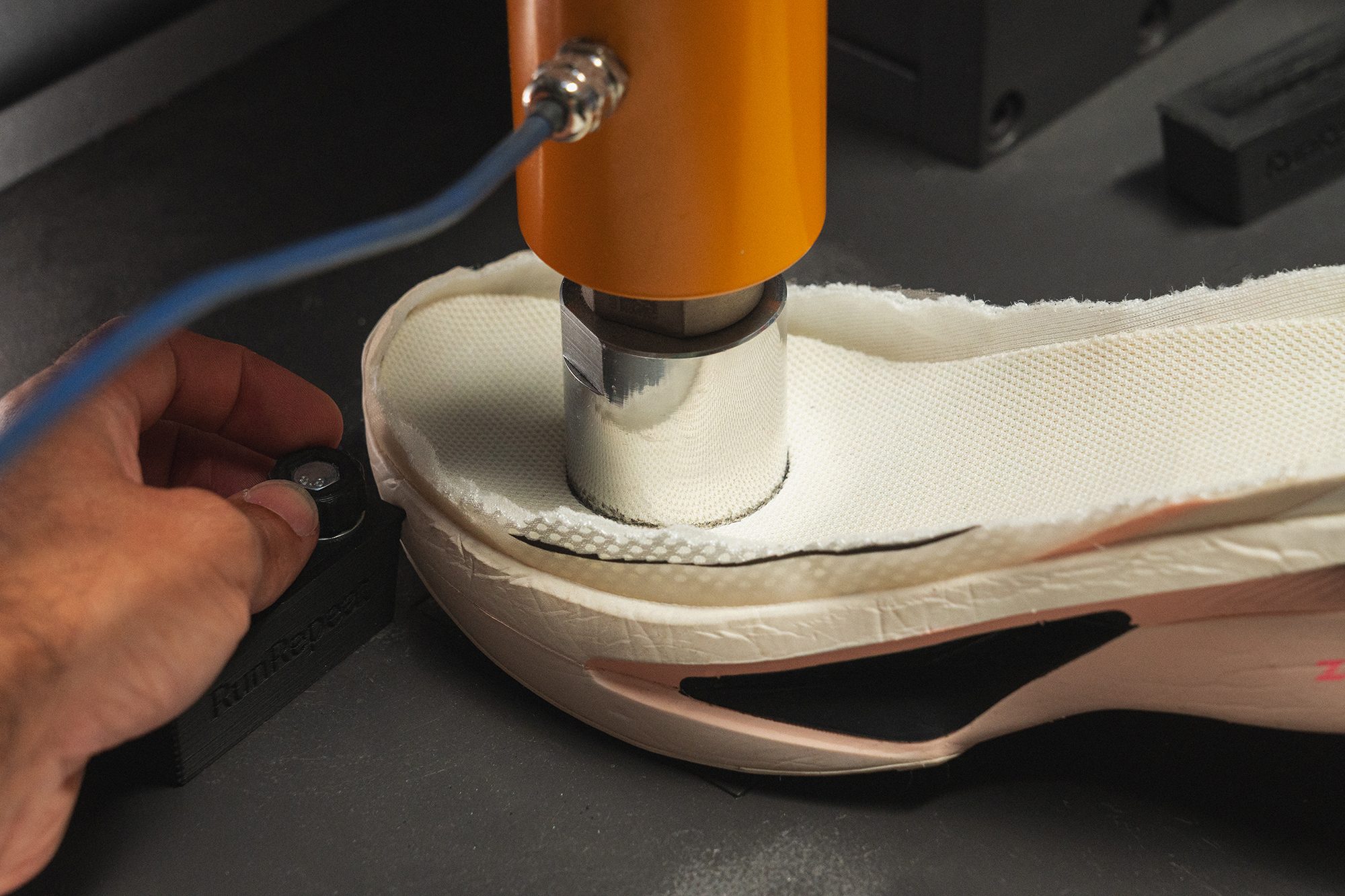
Having high shock absorption and high energy return is basically ideal here. We do think that, for an average runner looking for a highly durable daily beater, having these features scoring sky-high is not needed. But, we’re talking about super trainers here, so it is expected that they are more expensive and, well, more fun.
If you’re still not familiar enough with the term shock absorption, we recommend diving deeper here: Shock absorption in running shoes.
Rocker is a must for super trainers
Imagine a slab of foam that’s 5 cm tall and quite stiff. How do you get it moving? You add a rocker! Super trainers are known to be high off the ground and stiff and the rocker is what saves the day or makes them work as well as they do!
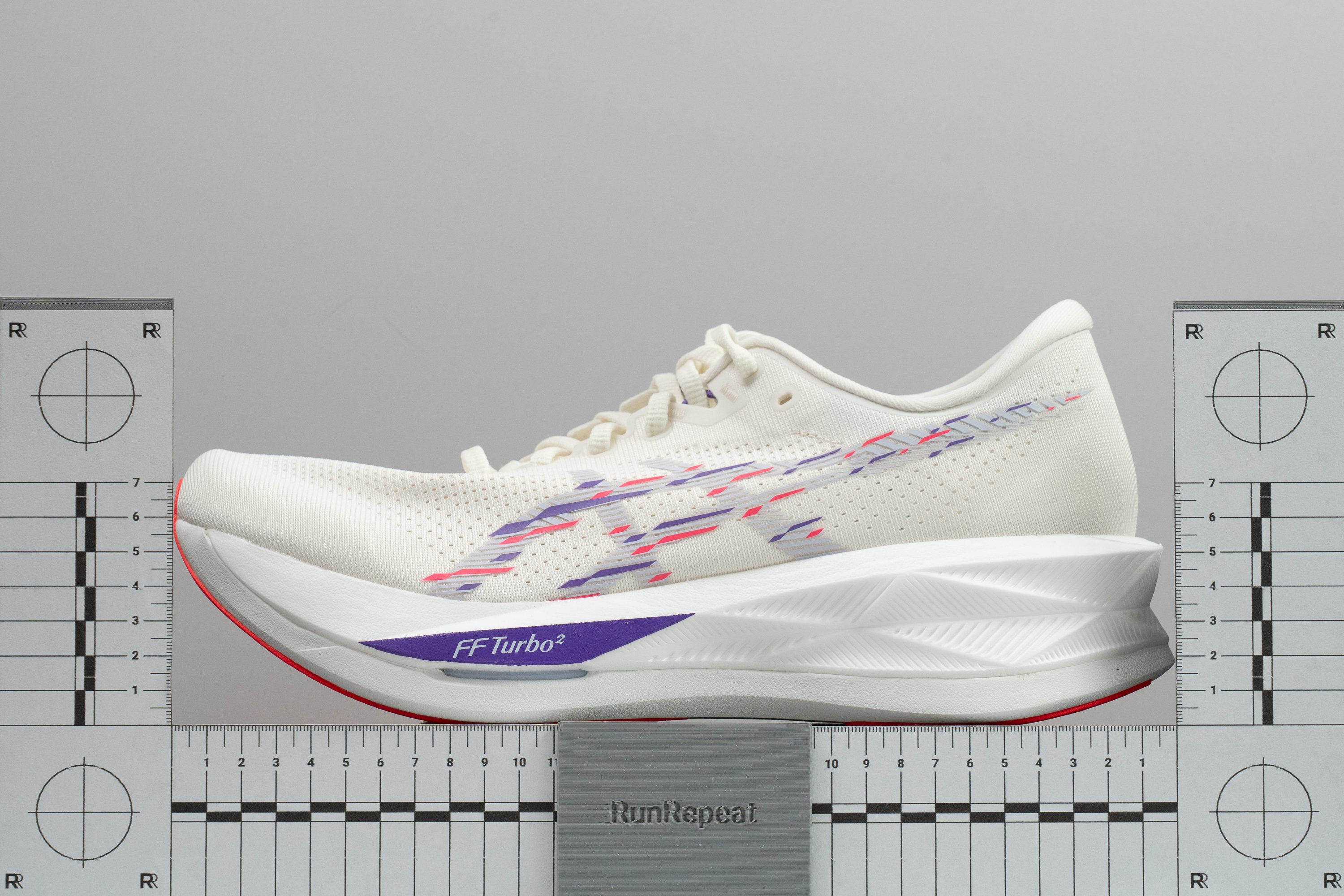
Rocker is a pronounced curve and we can see it at the forefoot and at the heel. The purpose of the rocker is straightforward: it helps with the transition by rolling the shoe forward, and it does so while reducing the pressure both on the heel and the toes. This is especially useful when runners struggle with heel striking and potentially have been dealing with some injuries in that area, because the rocker literally mimics the shape of the heel (which is curved) and makes the landing smoother.
|
We’ve written about rockered running shoes A LOT in our guide called All you need to know about rockered running shoes. |
Durability of super trainers
Super trainers are more durable than super shoes but, when comparing them to the daily running shoes with standard foam, they are less durable. This, of course, applies mostly to the foam and outsole. Here’s why:
- Super trainers can have more rubber coverage on the outsole because they are not made for race day only. Super trainers made for long and/or recovery runs do feature more rubber because grip, stability, and durability matter more than shedding weight for faster paces.
- Standard foams are more durable by default. They are also more affordable but offer a lower energy return. It’s a matter of balance, what you actually need and want.
Below, we can see super trainers with the most durable uppers. Just in case, we also added breathability. 5/5 is summer friendly and 1/5 winter friendly. Best to be knowledgeable about breeziness as well when talking about the uppers!
|
Shoe type |
Average upper durability (1-5) |
|
All road running shoes |
2.6 |
|
Super trainers |
2.9 |
|
Super shoes |
2.0 |
|
Shoe type |
Average outsole durability (dent depth) |
|
All road running shoes |
1.1 mm |
|
Super trainers |
0.8 mm |
|
Super shoes |
1.7 mm |
Super trainers with the best traction
When we say that super trainers are more durable than super shoes, we also wonder how that translates to traction. To test the traction, we follow the SATRA TM144 methodology and use a machine specialised for this test.
The result of this test is a dynamic Coefficient of friction. Anything above 0.45 is considered high traction in our lab.
Stability of super trainers vs. super shoes
This is where super trainers actually shine when compared to super shoes. Super shoes can allow the instability because the time spent in contact with the ground is significantly shorter given that those shoes are made for races. Very fast pace = very short ground contact time. This also means there’s not much room (time) for instability.
On the other hand, when paces are slower, we need more stability, especially in daily trainers and at the heel, given that the majority of runners are heel strikers.
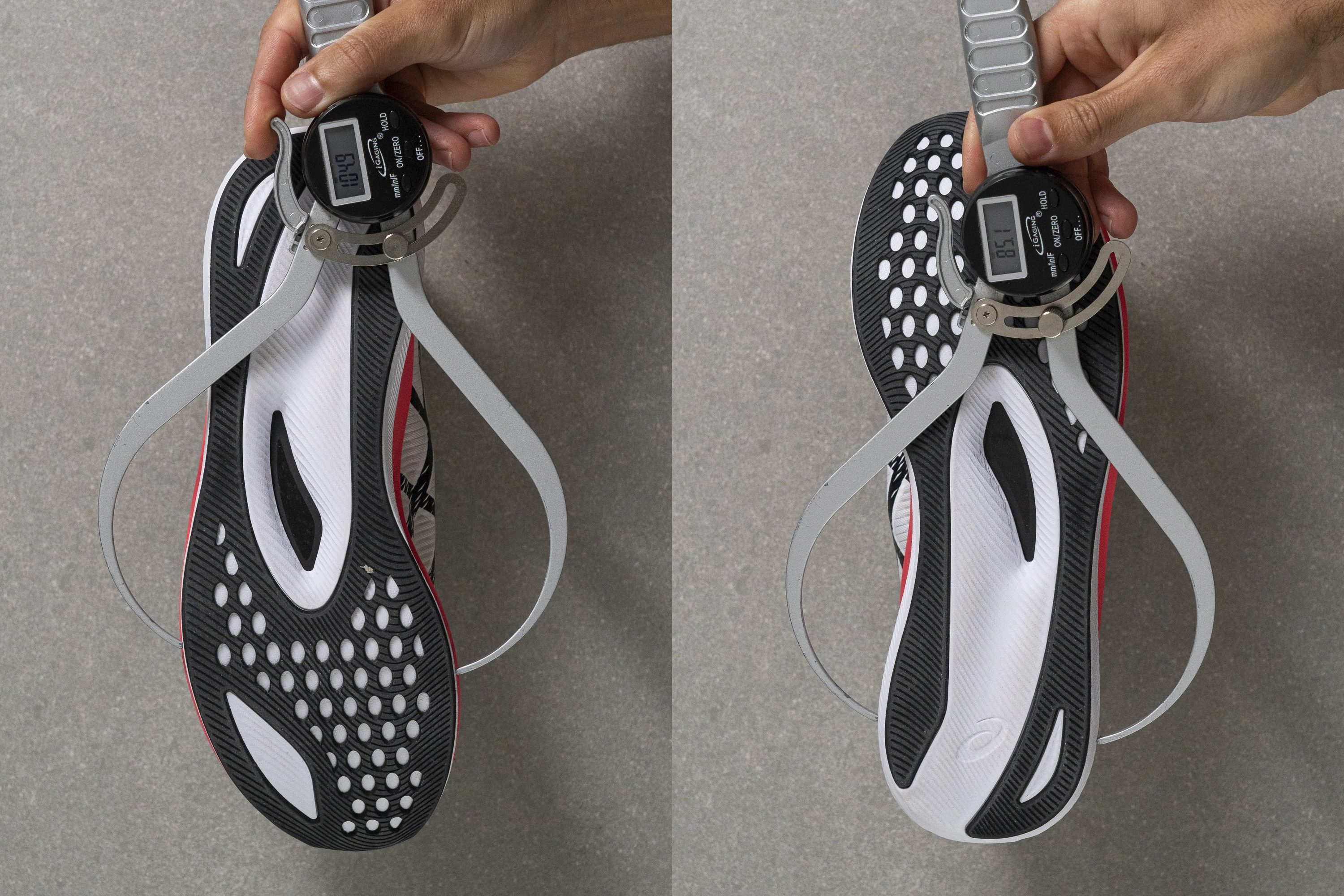
Super trainers don’t have to be as light as possible, so they can feature a wider platform or more rubber at the bottom, which also contributes to the stability.
Looking at the average platform width at the heel, super trainers are 10 mm wider than super shoes.
Stiffness of super trainer running shoes
When talking about the stiffness, we test the longitudinal one (bending the shoe) and the torsional rigidity (twisting the shoe).

The average stiffness of all running shoes is 15.3N, while the average stiffness of super trainers sits at 19.9N.
In the table below, we list both longitudinal and torsional stiffness. Torsional one is assessed when a shoe is twisted and it goes from 1 to 5, where 5/5 is the stiffest. Looking at the list below, it’s clear that the longitudinal stiffness varies significantly. One of the reasons is certainly the (non) existence of the plate.
How heavy are super trainers?
In our lab, everything is measured, and so is the weight of the shoe. All the shoes we test are bought in Men’s US size 9, which means it’s easy to compare the weight of the shoes across different categories of running shoes (like daily beaters, shoes for speed work, carbon-plated shoes, etc.).
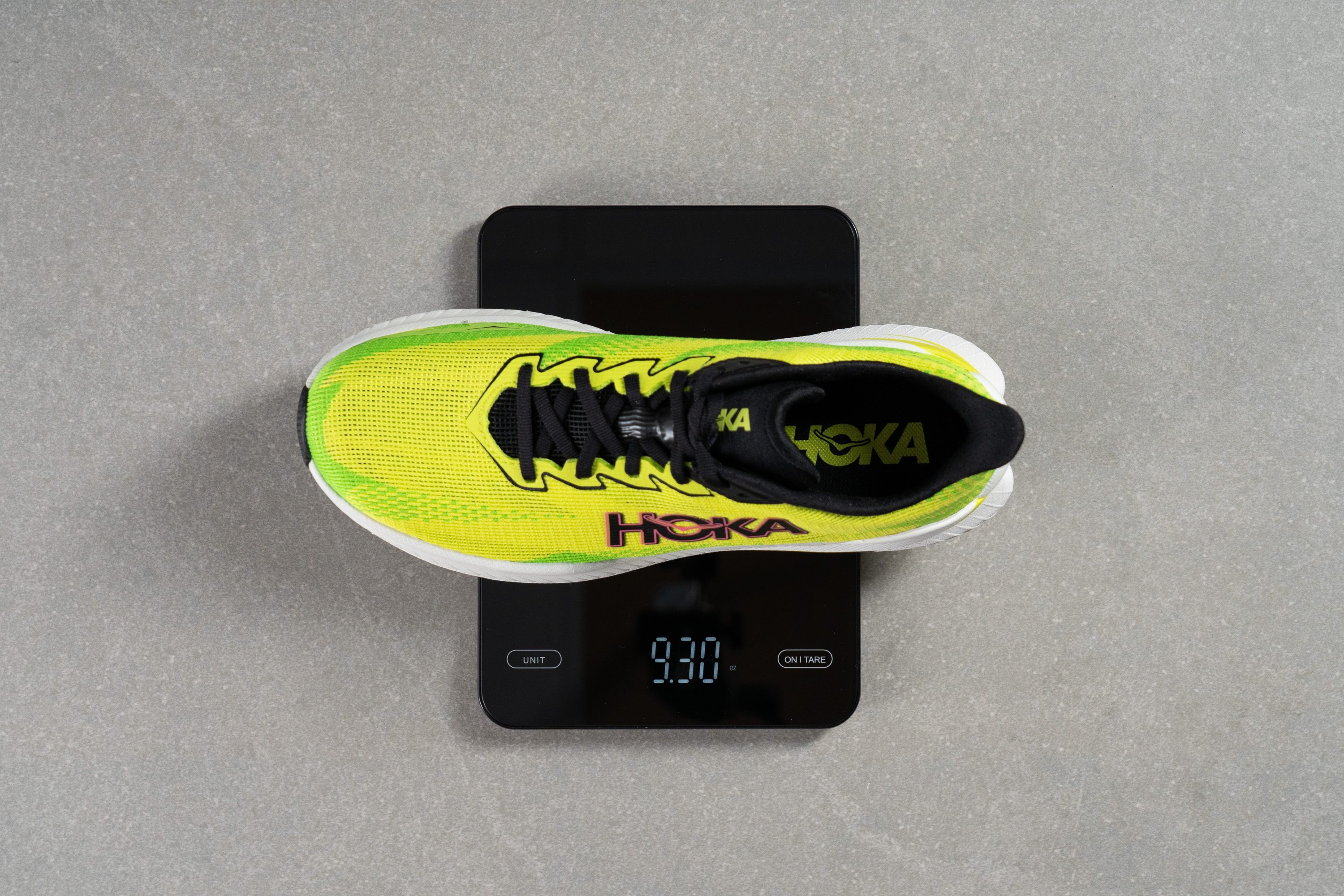
Super trainers, unlike super shoes, can allow some extra heft because they bring more durability and stability to the table. How much extra heft are we exactly talking about? Let’s look at the average weights:
- all road running shoes 9.3 oz | 264.8g,
- super trainers 9.1 oz | 258.8g,
- super shoes 6.9 oz | 195.6g.
Finding more affordable super trainers
Again, we can compare super trainers to all the running shoes, and to super shoes. Let’s do that. Looking at the average prices, super trainers cost £190.7, while all road running shoes average at £150.3.
Fortunately, we have a page that is specifically dedicated to discounts and you can look for some in your size and colorway. Below, we list the cheapest and most expensive super trainers, but keep in mind that the MSRP given is their price at the moment of release. No discounts.
Similar buying guides