




























Our verdict
- Daily running 85
- Tempo 81
- Race 71
- Stability 74
Pros
- Ideal for long-distance training
- Secure fit with excellent midfoot hold
- Stable for midfoot and forefoot strikers
- Excellent impact protection
- Good energy return
- Brooks keeps nailing upper comfort
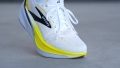
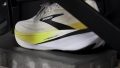
- Beautiful design from every angle
- Very good option for narrow feet
Cons
- Maybe a bit expensive for its features
- Heavier than most rivals
- Not for wide feet
- Breathability could be better
Awards
- Top pick in best Brooks running shoes
- Top 26% in road running shoes
- Top 25% in Brooks running shoes
Comparison
The most similar running shoes compared
+ + Add a shoe | |||||
|---|---|---|---|---|---|
| Our score | 86 Great | 85 Great | 91 Superb | 85 Great | |
| Price | £160 | £170 | £155 | £150 | |
| Pace | Daily runningTempo | Daily running | Daily running | Daily running | |
| Shock absorption | High | High | High | High | |
| Energy return | High | Low | High | Moderate | |
| Traction | High | High | High | High | |
| Arch support | Neutral | Neutral | Neutral | Neutral | |
| Weight lab Weight brand | 10.3 oz / 292g 10.1 oz / 286g | 11.2 oz / 318g 11 oz / 311g | 10.2 oz / 289g 10.1 oz / 285g | 10.7 oz / 303g 10.7 oz / 303g | |
| Drop lab Drop brand | 9.6 mm 6.0 mm | 8.1 mm 6.0 mm | 9.6 mm 10.0 mm | 8.2 mm 8.0 mm | |
| Strike pattern | HeelMid/forefoot | HeelMid/forefoot | HeelMid/forefoot | HeelMid/forefoot | |
| Size | True to size | True to size | True to size | Slightly small | |
| Midsole softness | Soft | Soft | Soft | Soft | |
| Difference in midsole softness in cold | Small | Small | Small | Normal | |
| Toebox durability | Decent | Decent | Decent | Decent | |
| Heel padding durability | Good | Good | Good | Good | |
| Outsole durability | Good | Decent | Good | Good | |
| Breathability | - | Moderate | Moderate | Moderate | |
| Width / fit | Narrow | Medium | Medium | Medium | |
| Toebox width | Medium | Medium | Medium | Medium | |
| Stiffness | Stiff | Stiff | Stiff | Moderate | |
| Torsional rigidity | Stiff | Stiff | Moderate | Moderate | |
| Heel counter stiffness | Stiff | Stiff | Moderate | Stiff | |
| Rocker | ✓ | ✓ | ✗ | ✓ | |
| Heel lab Heel brand | 44.8 mm 45.0 mm | 45.4 mm 45.0 mm | 42.3 mm 45.0 mm | 37.2 mm 38.0 mm | |
| Forefoot lab Forefoot brand | 35.2 mm 45.0 mm | 37.3 mm 39.0 mm | 32.7 mm 35.0 mm | 29.0 mm 30.0 mm | |
| Widths available | Normal | NormalWide | NarrowNormalWideX-Wide | NormalWideX-Wide | |
| Orthotic friendly | ✓ | ✓ | ✓ | ✓ | |
| Season | - | All seasons | All seasons | All seasons | |
| Removable insole | ✓ | ✓ | ✓ | ✓ | |
| Ranking | #90 Top 23% | #110 Top 28% | #18 Top 5% | #102 Top 26% | |
| Popularity | #130 Top 33% | #44 Top 11% | #2 Top 1% | #14 Top 4% |



Who should buy
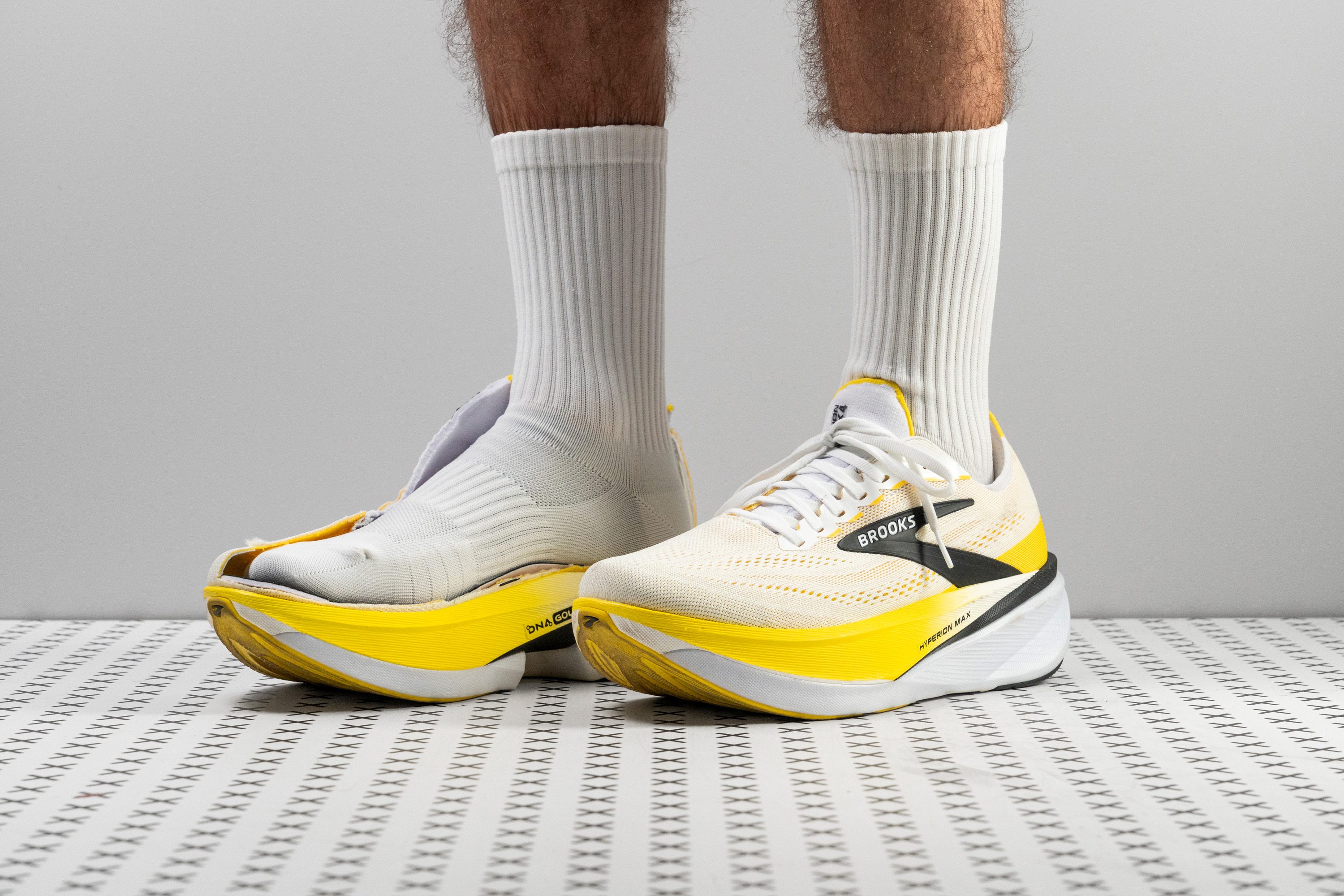
In our opinion, the Brooks Hyperion Max 4 is best for:
- Runners looking for a super trainer with a secure fit and a premium-quality upper.
- Those with narrow feet who want a reliable shoe for long-distance runs.
- Heavier runners seeking maximum cushioning while skipping an overly soft midsole.
Who should NOT buy
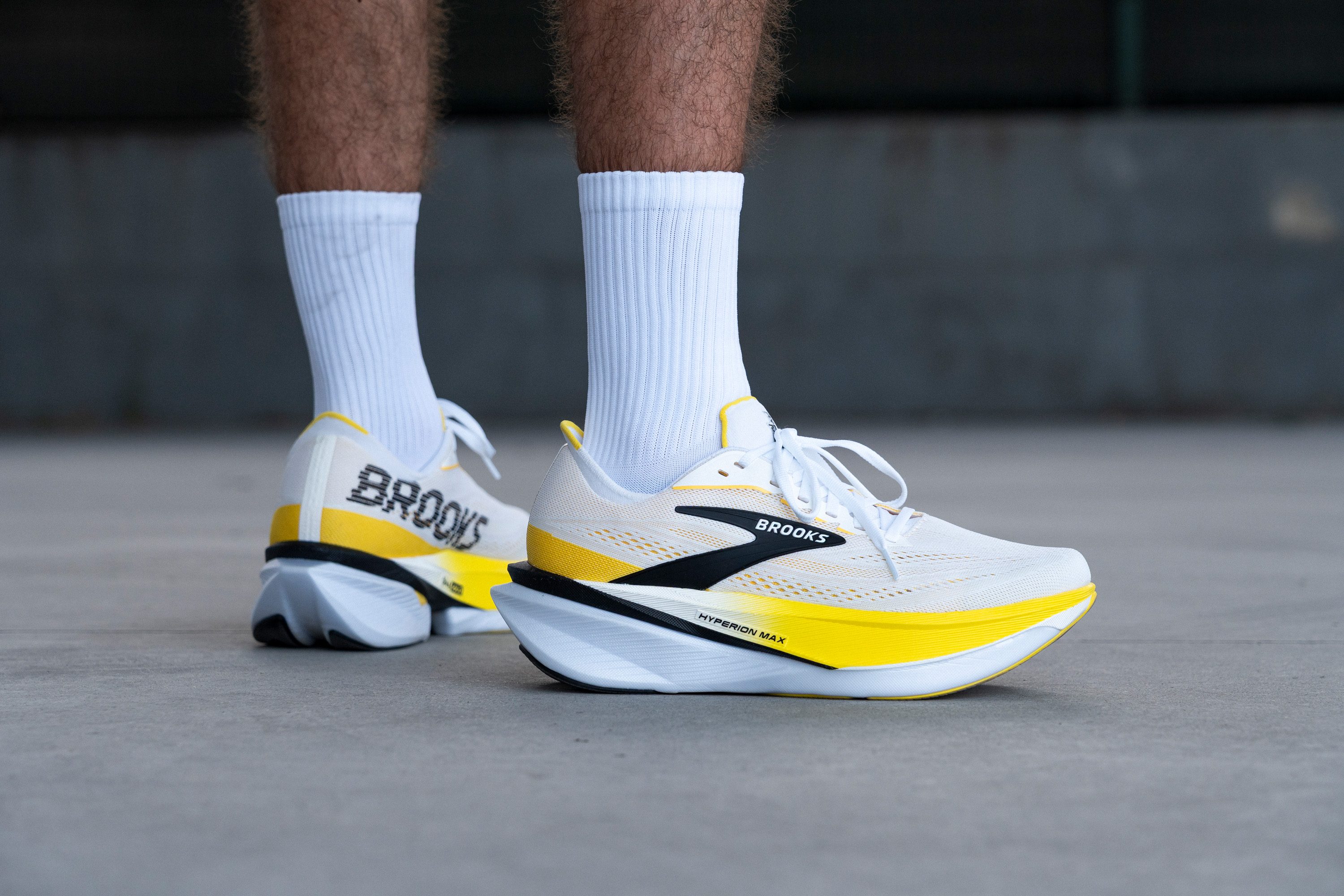
Brooks needs to shave some weight off this shoe. After testing it and comparing it with rival super trainers, we found that it feels noticeably heavier than most of its competitors. If you prefer a lighter ride, we recommend the ASICS Megablast instead.
We also think that the Hyperion Max 4's premium price may put it out of reach for runners on a tighter budget. In that case, we recommend the Saucony Endorphin Azura if stability is your priority, or the adidas Adizero EVO SL if you're looking for a more versatile option.
Cushioning
Shock absorption
When it comes to impact protection, the Hyperion Max 4 delivers impressive results. We recorded 148 SA in the heel and 134 SA in the forefoot, both high enough to provide ample protection for runners of all sizes across any distance.
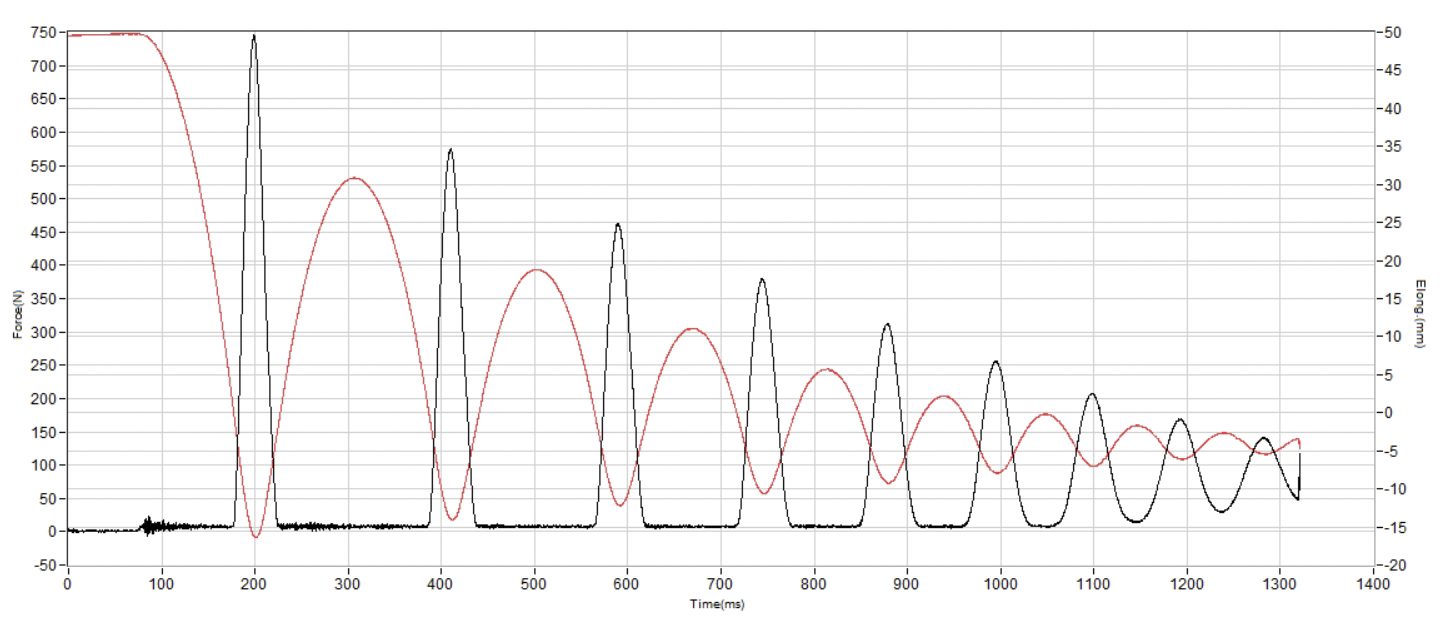
| Hyperion Max 4 | 148 SA |
| Average | 131 SA |
Energy return
The combination of DNA Gold (PEBA) and DNA Flash v2 (EVA) delivers respectable energy return. While it doesn't reach the 70%+ figures posted by the most energetic super trainers, our tests recorded 62.9% in the heel and 67.9% in the forefoot, making it a responsive shoe especially in the front.
In our view, the Hyperion Max 4 feels especially well suited for workouts with progressive pacing and long runs that finish at marathon target pace.
| Hyperion Max 4 | 67.9% |
| Average | 61.4% |
Heel stack
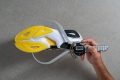
Like most super trainers, the Brooks Hyperion Max 4 surpasses the 40 mm threshold, reaching a towering 44.8 mm heel stack in our calliper measurement.
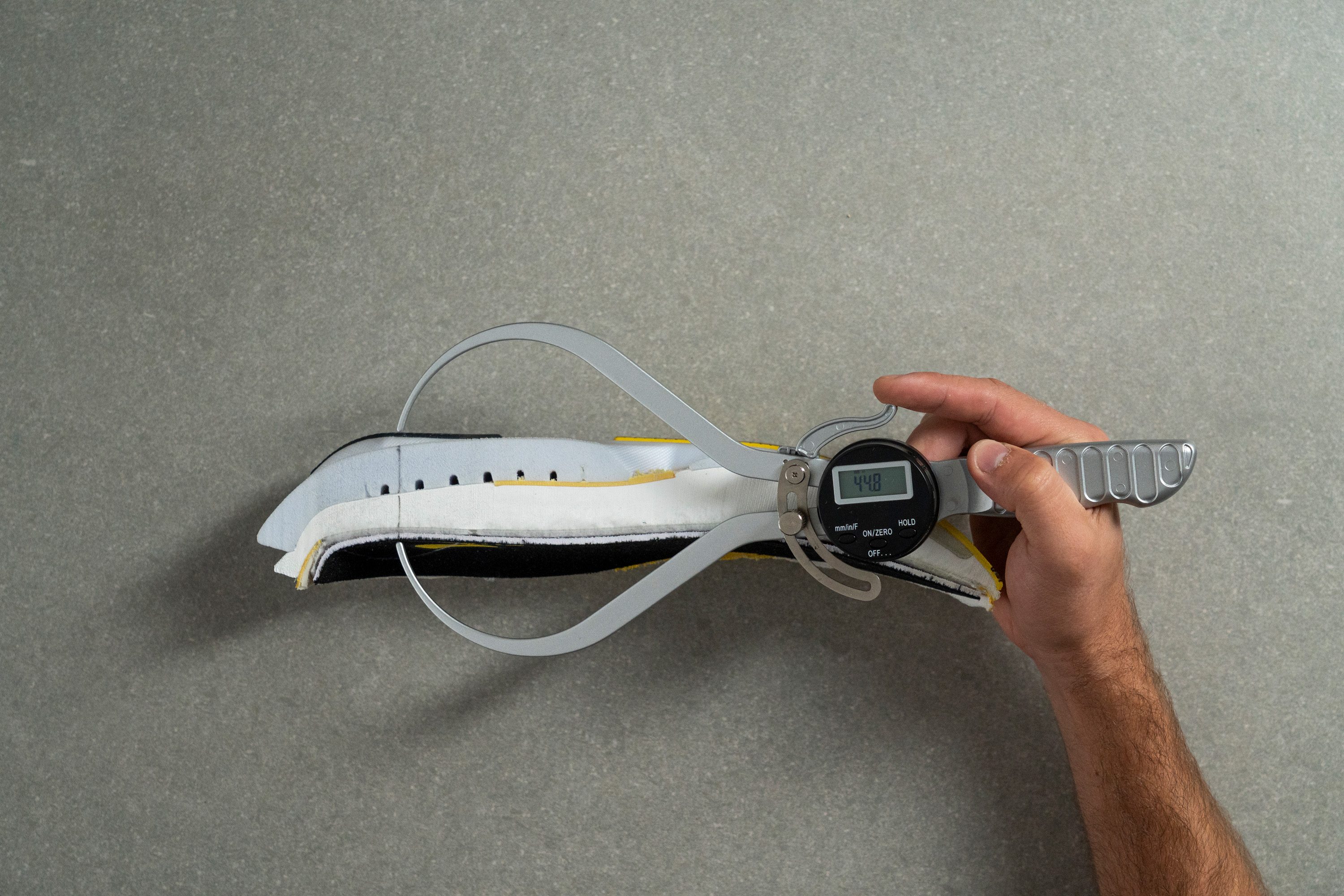
| Hyperion Max 4 | 44.8 mm |
| Average | 35.6 mm |
Forefoot stack
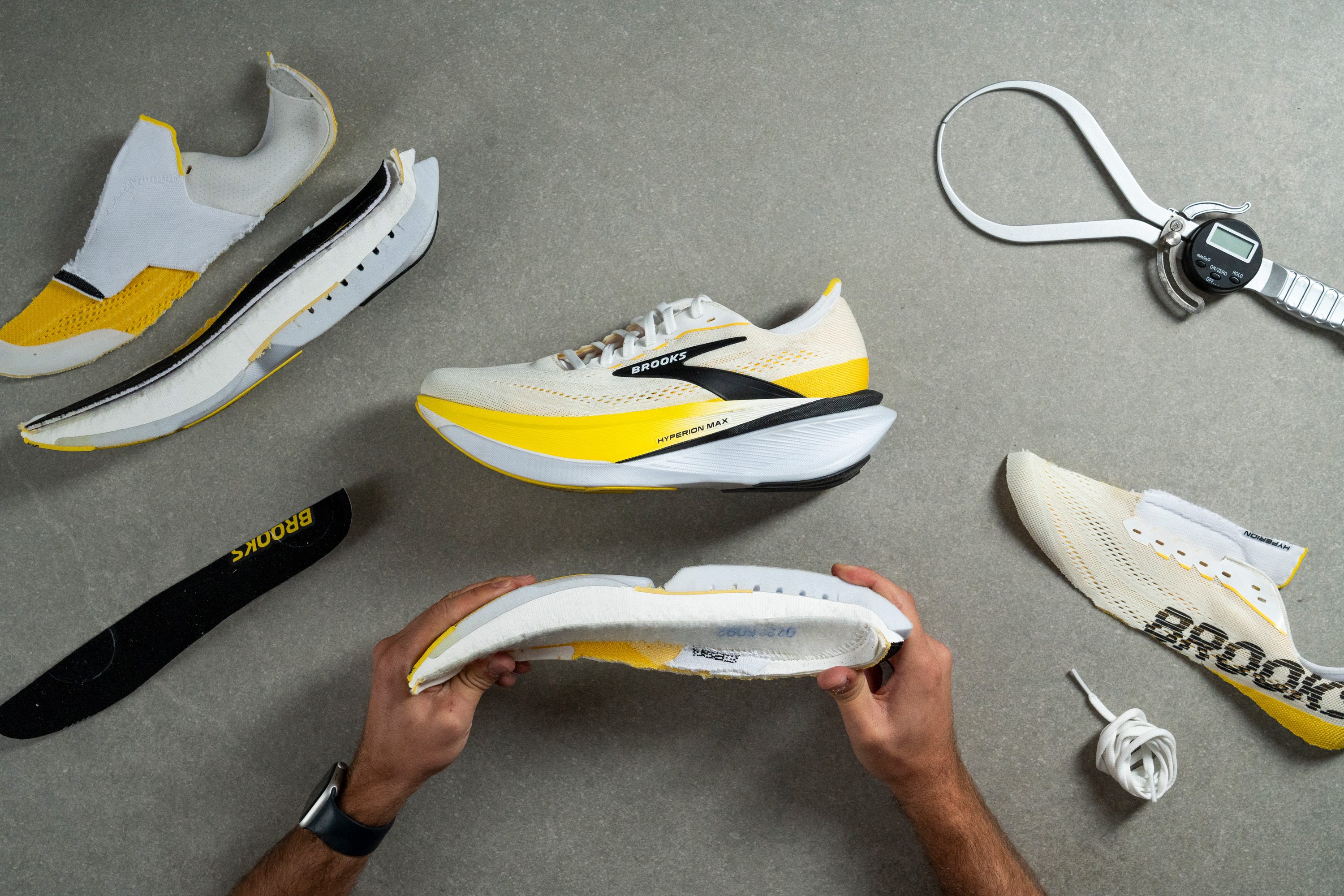
We confirmed that the Hyperion Max 4 fully embraces the super trainer category with its towering forefoot stack and highly-sculpted midsole design.
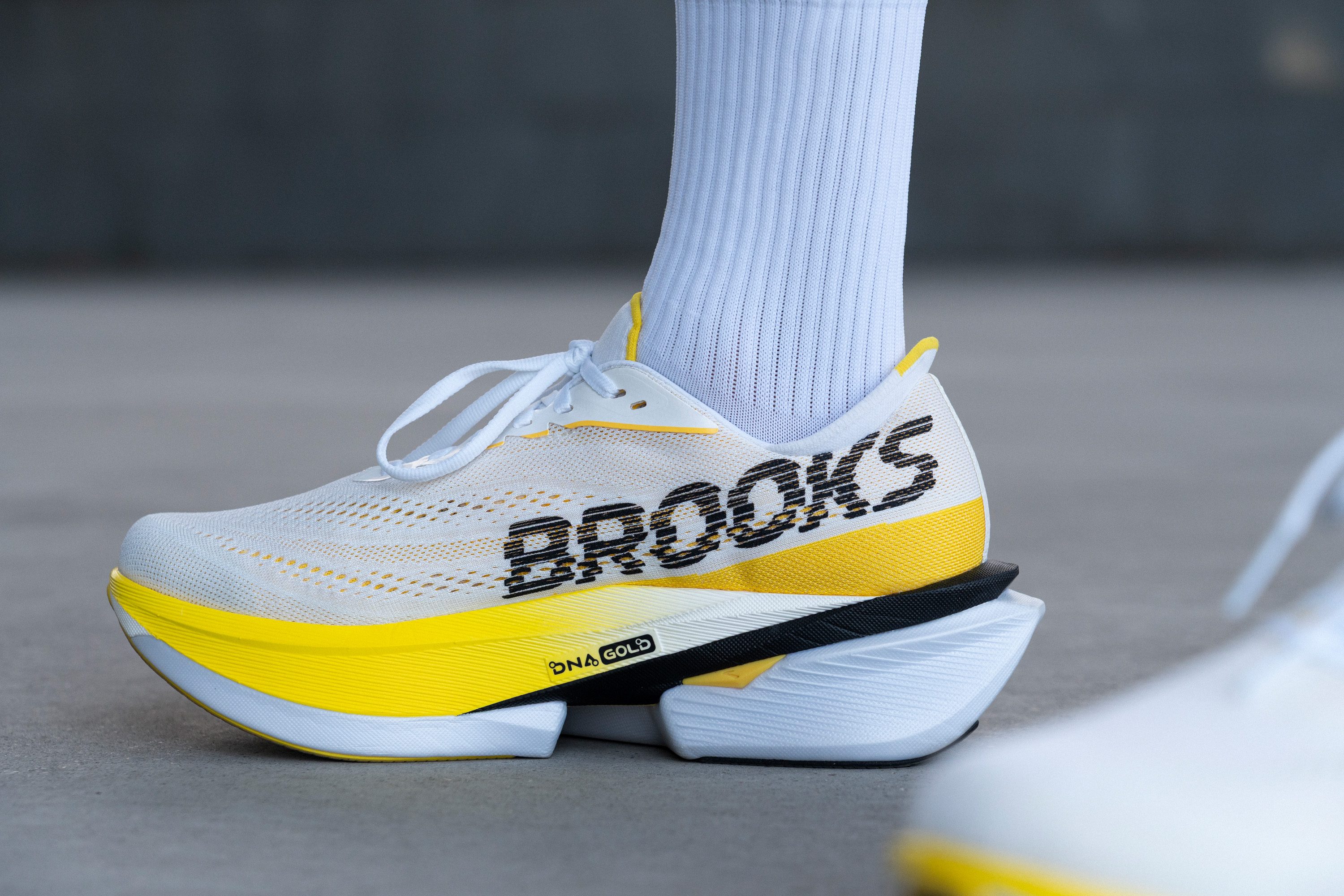
In the forefoot, we measured 35.2 mm of cushioning, making it an excellent choice for long runs.
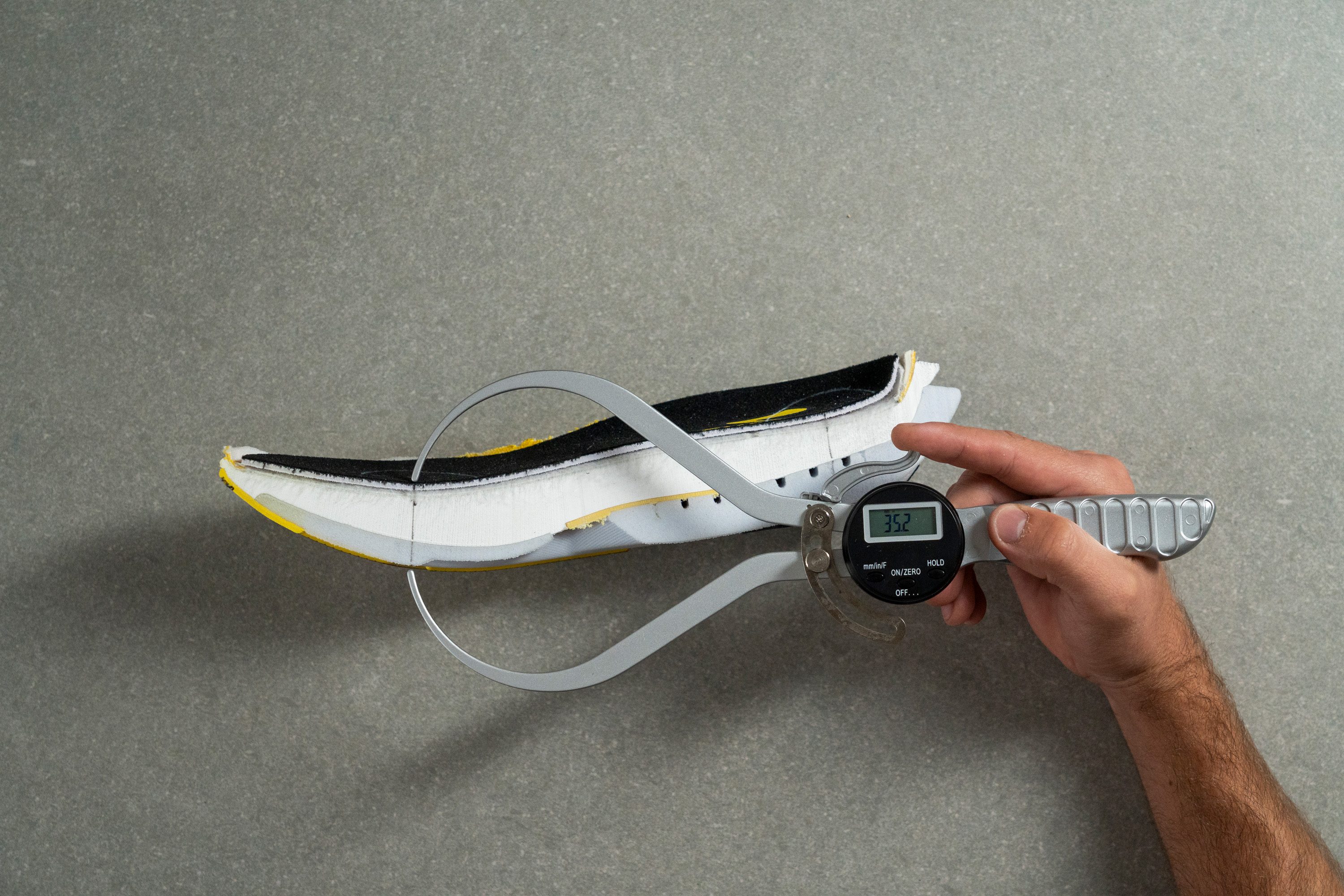
| Hyperion Max 4 | 35.2 mm |
| Average | 27.1 mm |
Drop
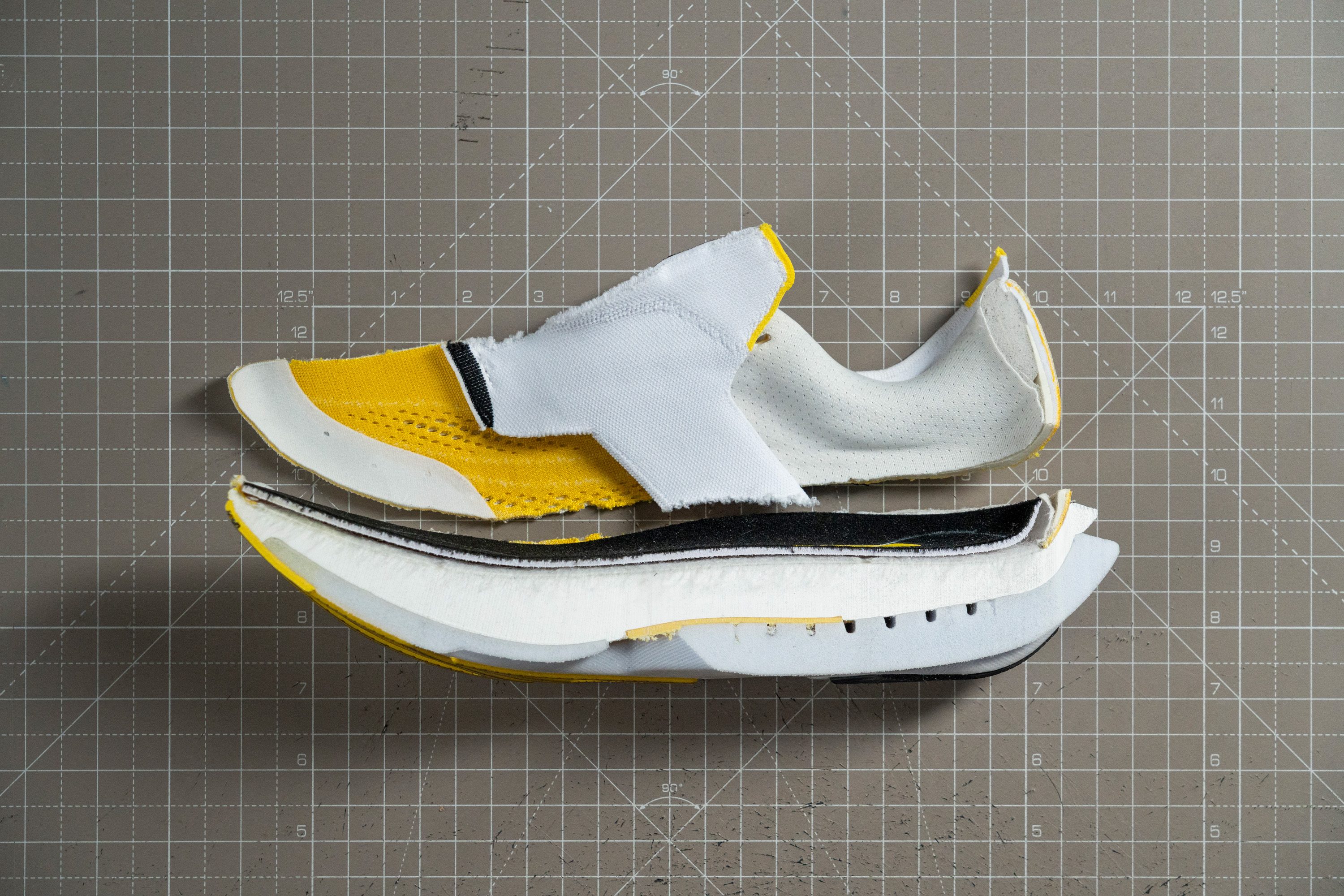
The drop is substantially higher than the value listed on the spec sheet. Brooks states a 6 mm drop, but our lab measurements came in at 9.6 mm.
However, with such a generous amount of foam under the forefoot and a greater concentration of DNA Gold in that area, we still believe the Hyperion Max 4 works well for all footstrike patterns. That said, the higher-than-advertised drop makes it now more appealing to heel strikers.
| Hyperion Max 4 | 9.6 mm |
| Average | 8.4 mm |
Midsole softness
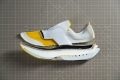
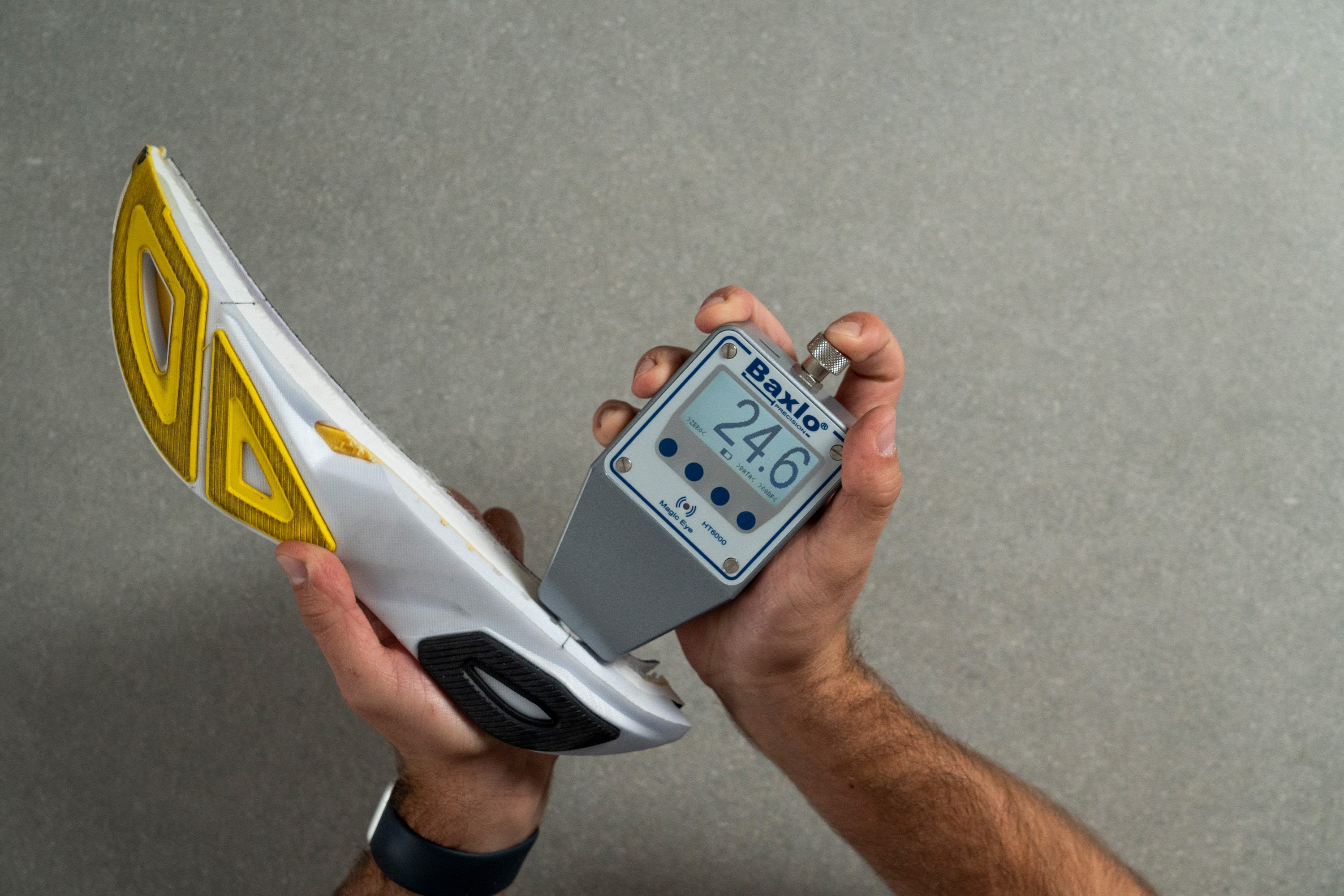
The Brooks Hyperion Max 4 features a dual-density midsole split by the SpeedVault plate. Sitting above it is the premium DNA Gold foam, a PEBA-based compound that feels exceptionally plush and delivers most of the shoe's rebound.
Our durometer measured this layer at just 24.6 AC, confirming its remarkably-soft nature. However, the shoe doesn't feel nearly as soft on the run, so let's find out why.
| Hyperion Max 4 | 24.6 AC |
| Average | 35.5 AC |
Rocker
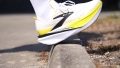
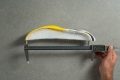
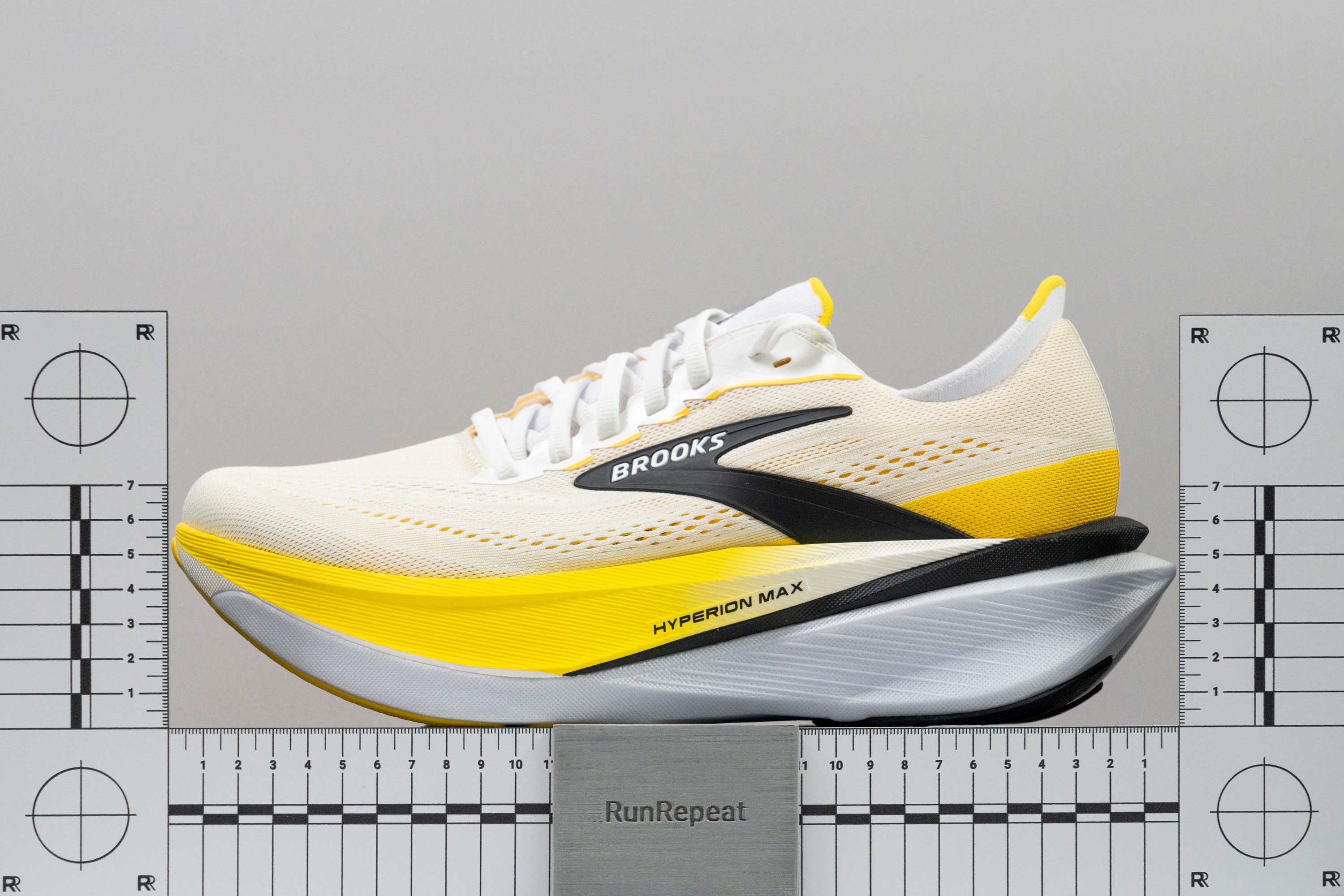
Given its towering stack height, Brooks had no choice but to incorporate a pronounced rocker geometry to offset the high stiffness that naturally comes with such a maximalist design. We found an aggressive heel design with a sharply-pointed heel flare, while the forefoot rocker begins quite late, encouraging quick toe-offs.
As usual, Brooks refers to this rocker geometry as GlideRoll.
Plate
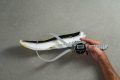
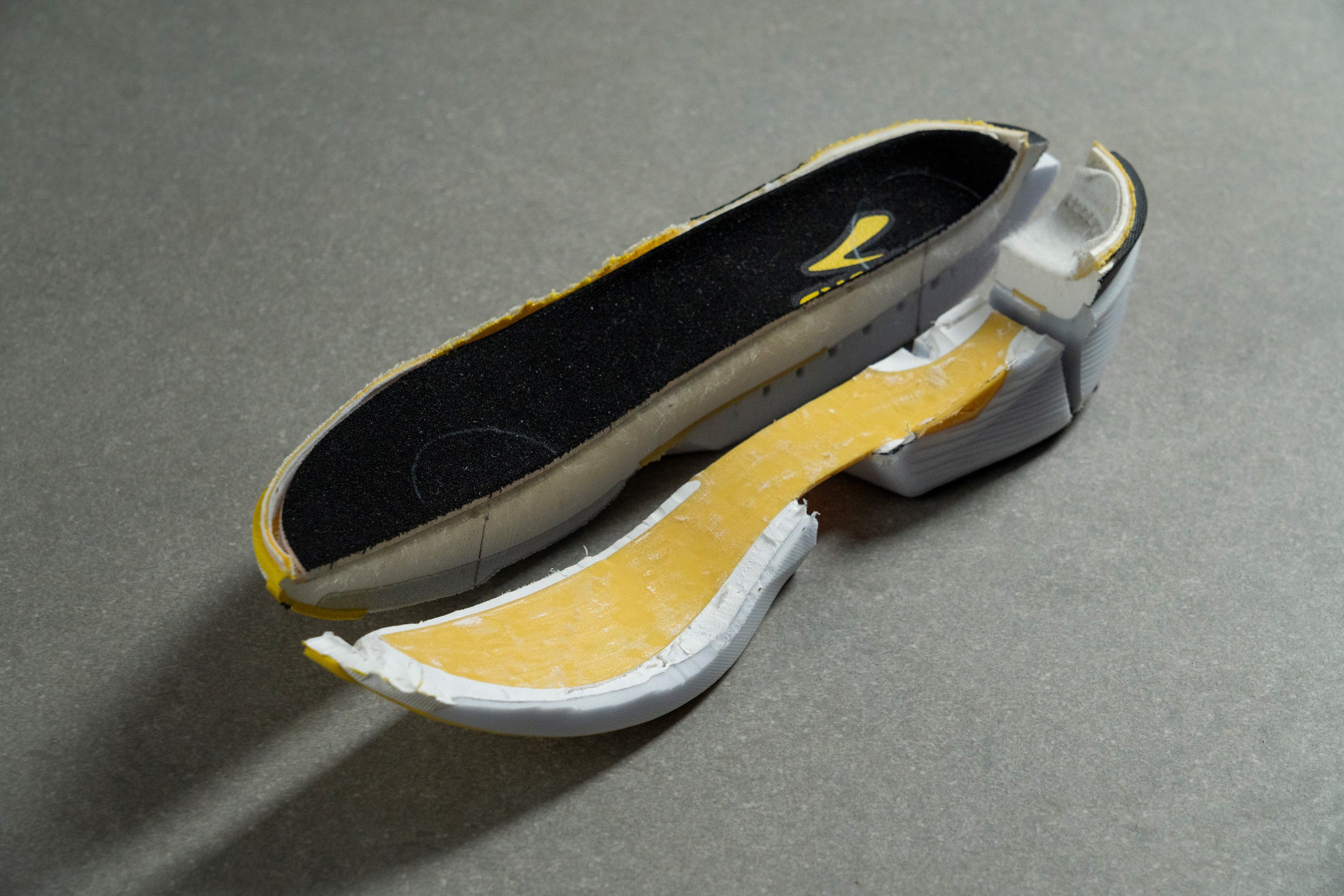
The plate also comes with its own name: SpeedVault. Rather than using carbon fibre, Brooks opted for a nylon-based plate that's forked in both the heel and forefoot, and strikes a balance between propulsion and forgiveness, delivering a less aggressive ride that's better suited for daily training.
Size and fit
Size
Brooks Hyperion Max 4 fits true to size (16 votes).
Internal length
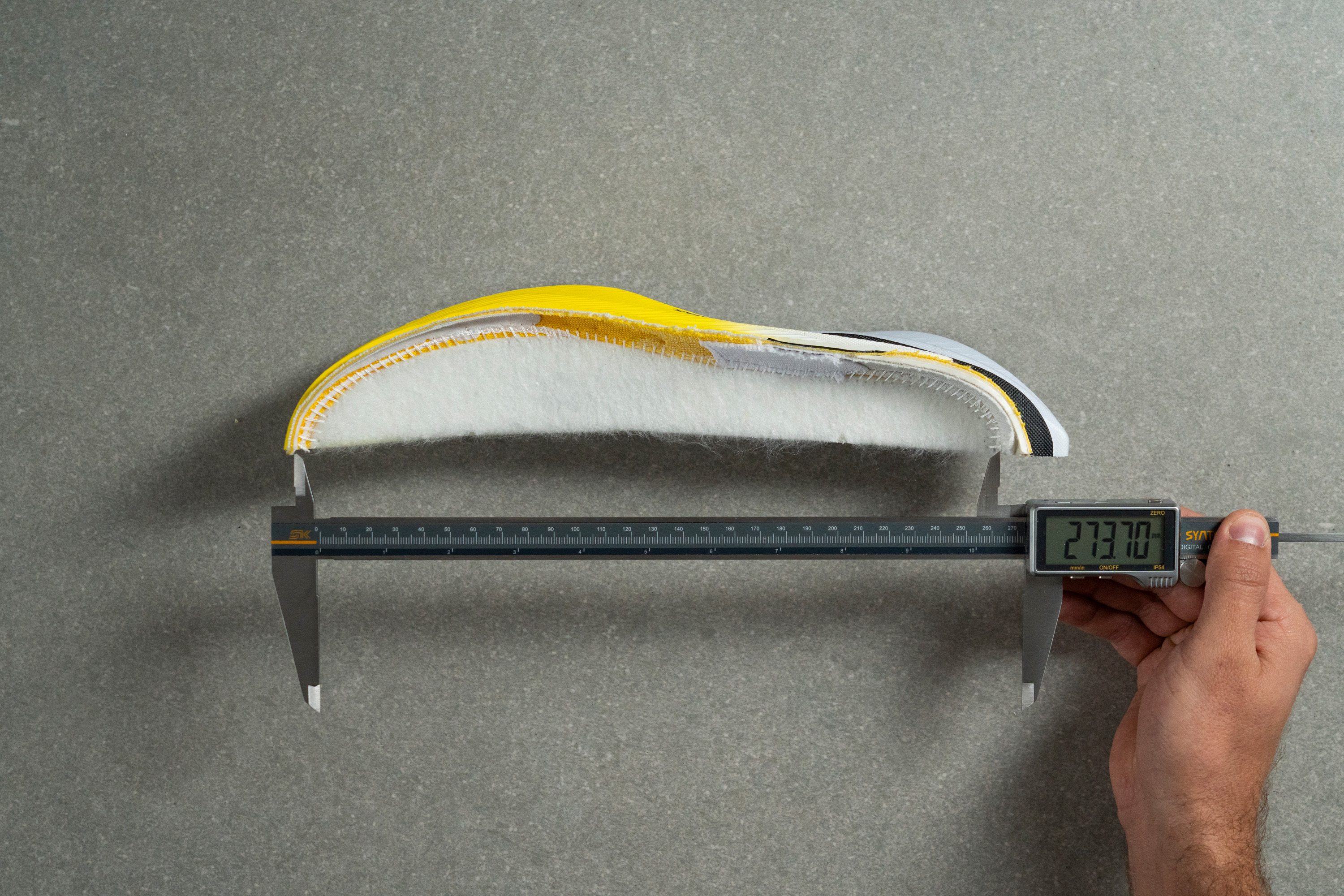
| Hyperion Max 4 | 273.7 mm |
| Average | 269.3 mm |
Width / Fit
We weren't surprised to find a secure, race-inspired fit from the very first run. Brooks has long favoured a performance-oriented shape over an accommodating one, and the Hyperion Max 4 continues that trend.
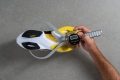
Our first fit measurement came in at just 92.7 mm at the widest part of the upper, placing it well below the average and confirming that this shoe is unlikely to suit runners with wide feet.
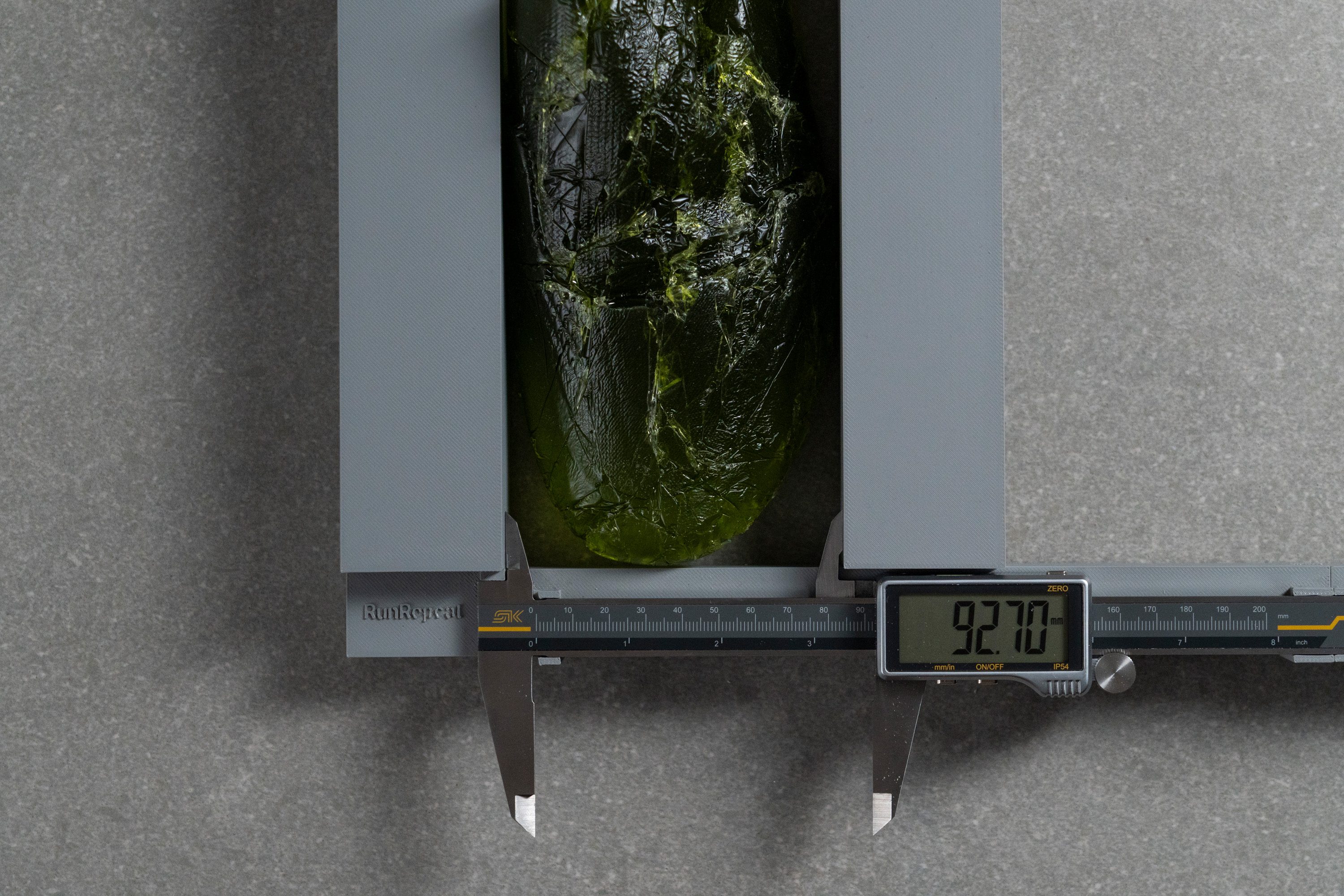
| Hyperion Max 4 | 92.7 mm |
| Average | 95.2 mm |
Toebox width
Our second measurement reinforces that the Hyperion Max 4 is best suited for runners with regular or, even better, narrow feet.
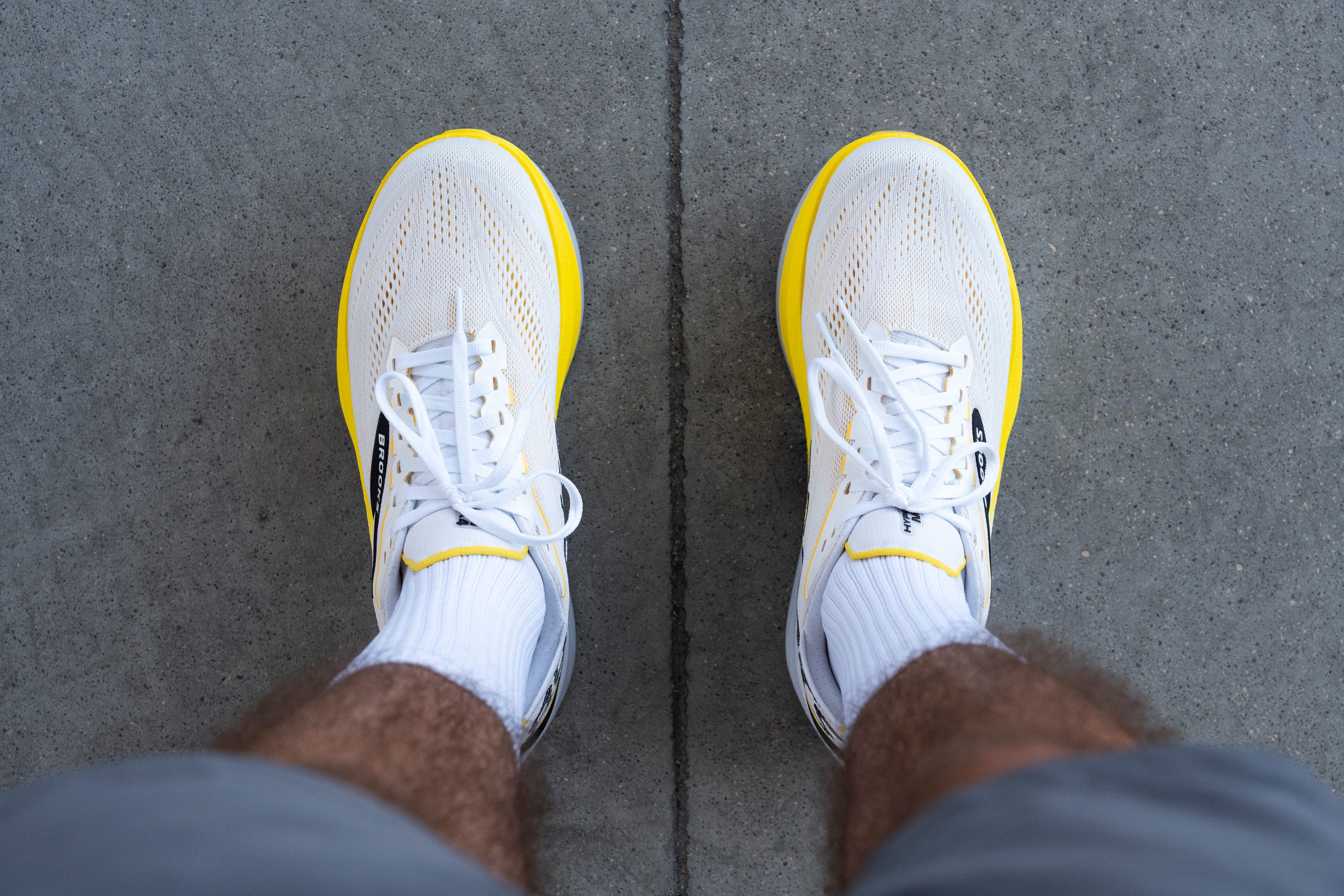
At just 71.7 mm in the toebox, we found a distinctly pointy shape that prioritises a secure lockdown over extra toe room.
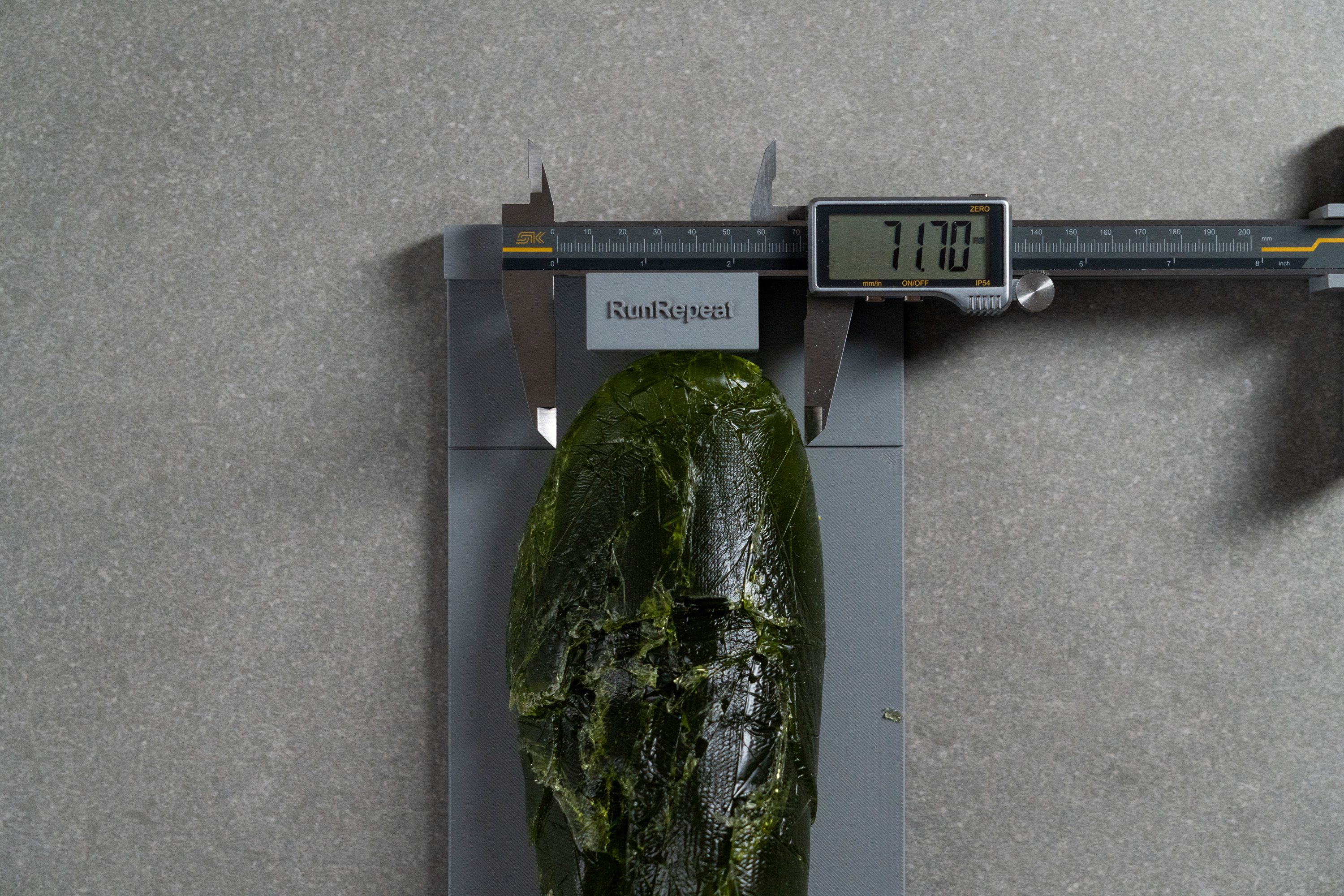
| Hyperion Max 4 | 71.7 mm |
| Average | 73.2 mm |
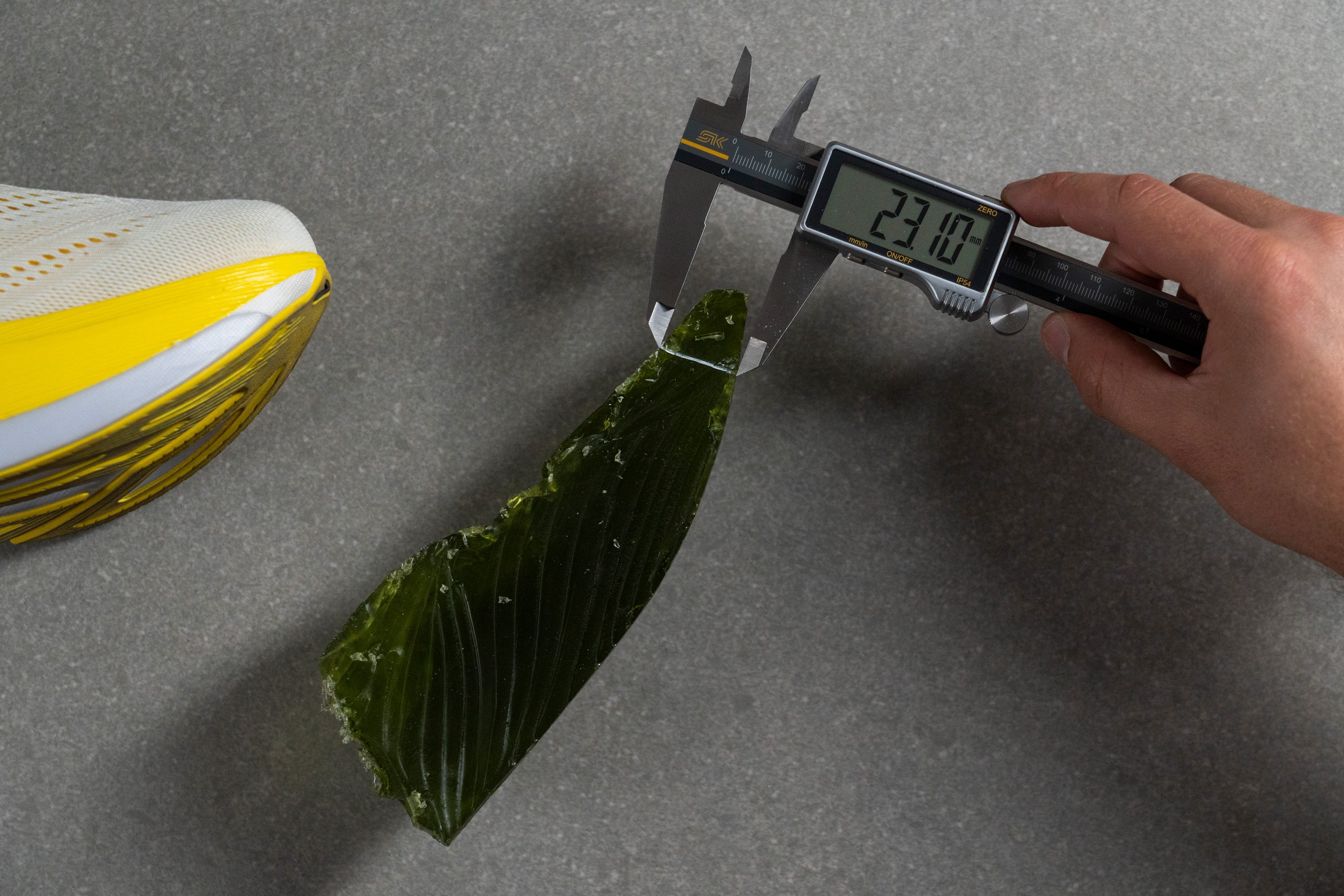
Toebox height
Our final fit measurement confirms that Brooks aimed for an exceptionally-secure fit throughout the shoe.
However, the 23.1 mm toebox height may feel restrictive for runners who prefer a higher-volume forefoot with extra room for their toes to move naturally.
| Hyperion Max 4 | 23.1 mm |
| Average | 27.0 mm |
Traction / Grip
Traction test
The Brooks Hyperion Max 4 proved that a max-stack midsole doesn't have to come at the expense of traction. Its 0.59 coefficient of friction surpassed our lab average, and during testing we found ourselves cornering with confidence even when the road surface wasn't at its best!
| Hyperion Max 4 | 0.59 |
| Average | 0.53 |
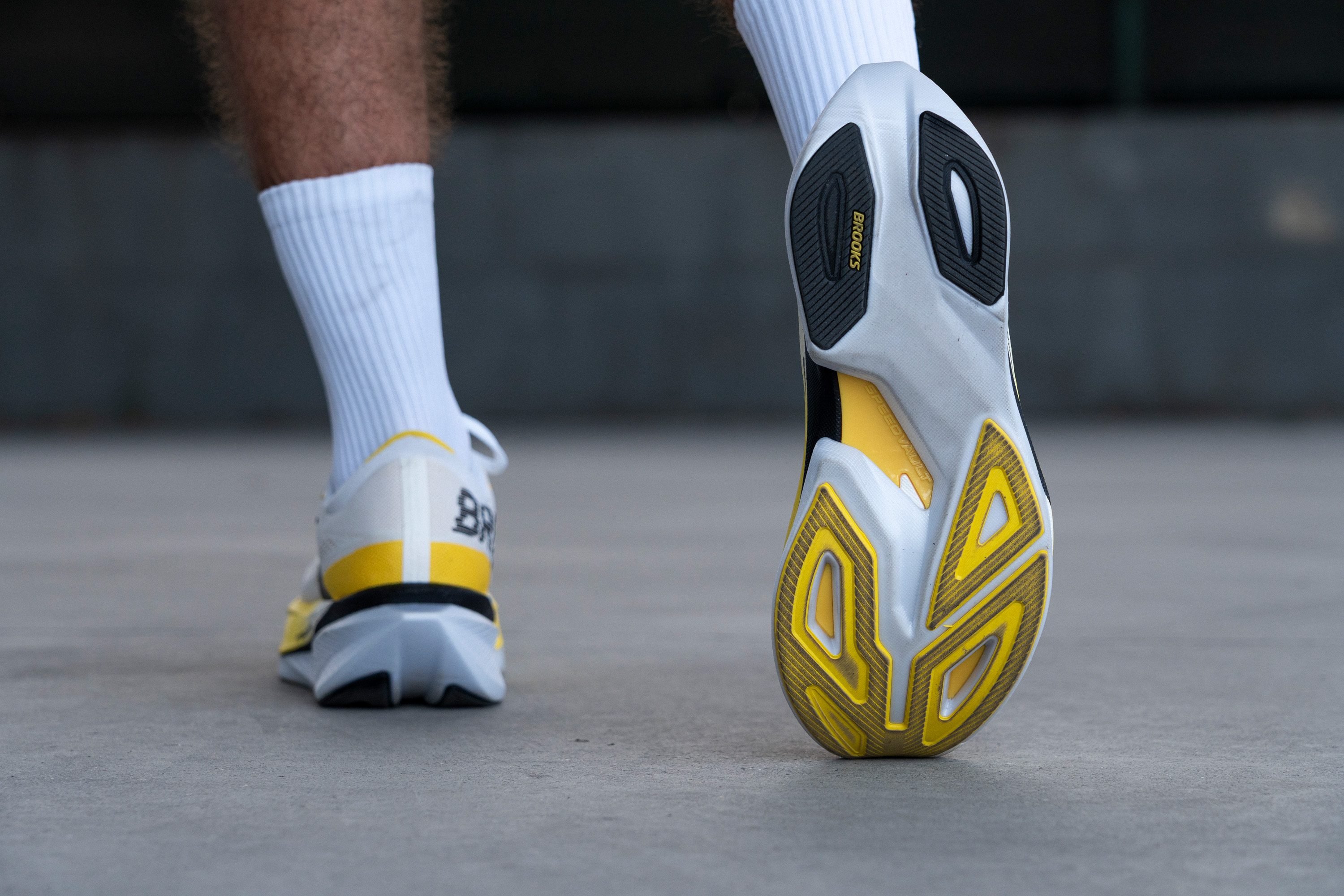
Outsole design
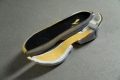
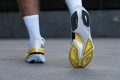
The outsole design remains unchanged from the previous generation, retaining four rubber pods separated by generous exposed midsole sections. It also keeps the large medial cutout and two smaller forefoot openings, exposing the yellow SpeedVault plate while shaving off a few extra grammes.
Flexibility / Stiffness
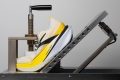
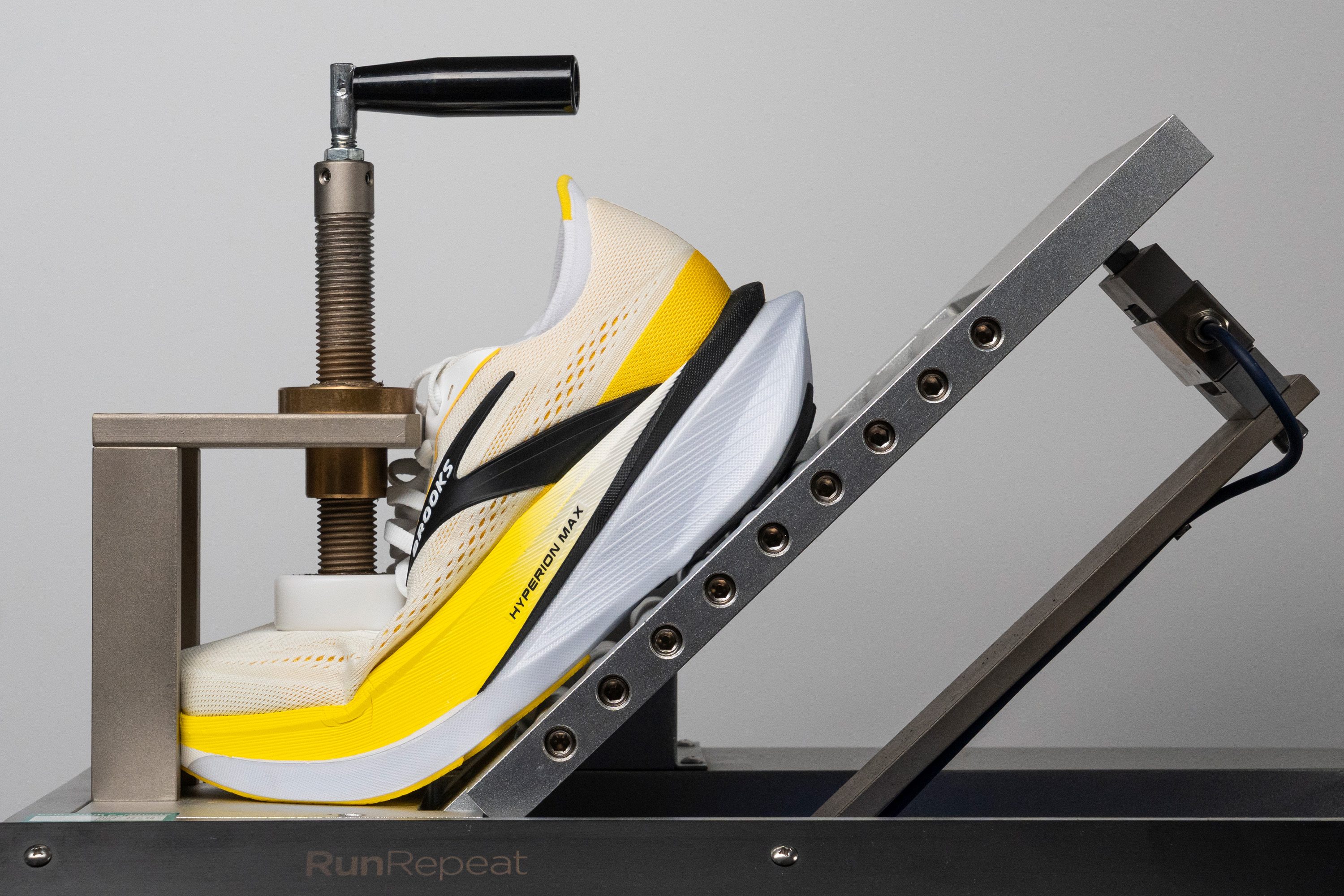
Like most super trainers, the Brooks Hyperion Max 4 delivers a notably stiff ride. In our standardised 30-degree bend test, our machine needed 19.0N of force to flex the shoe.
| Hyperion Max 4 | 19.0N |
| Average | 15.5N |
Weight
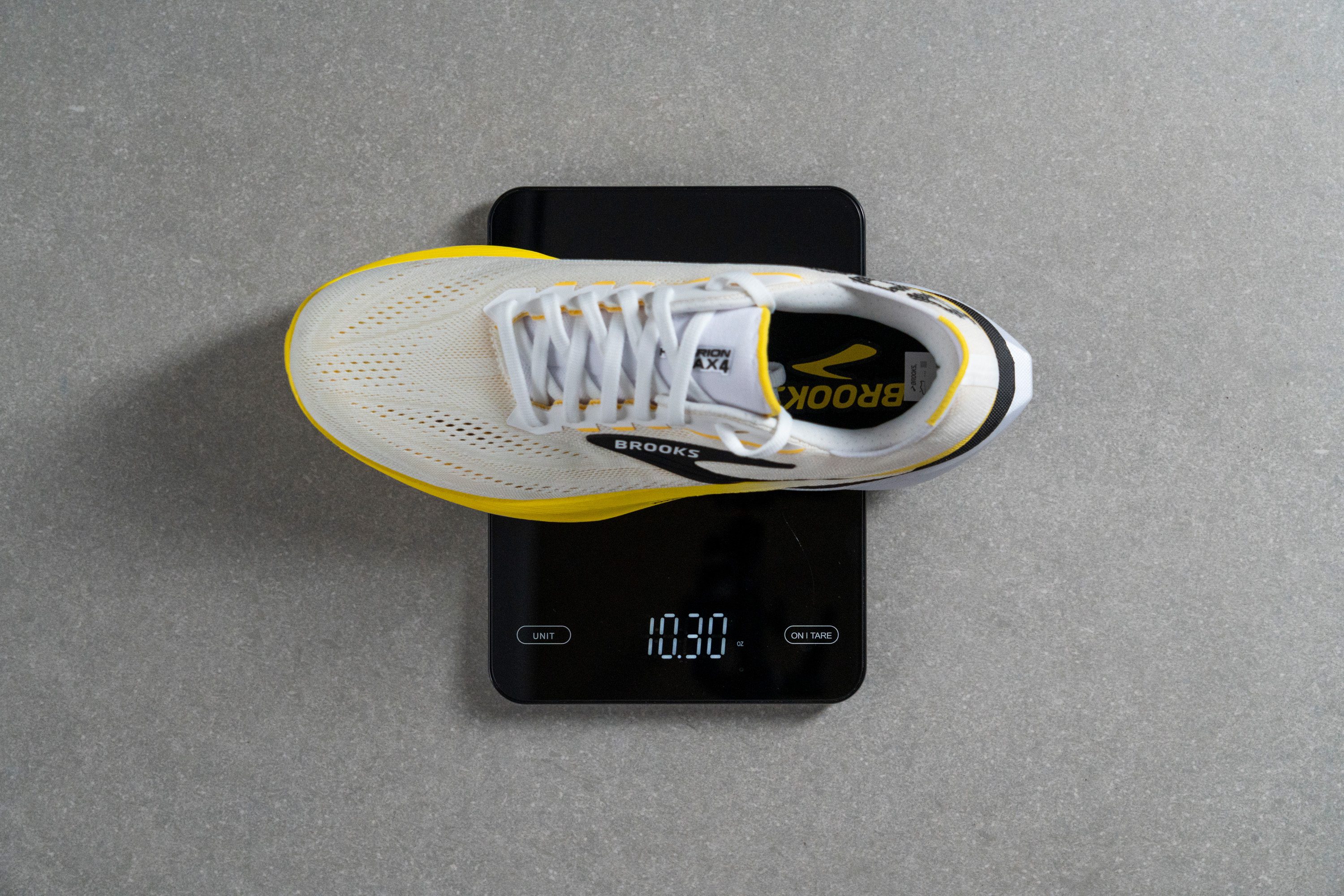
Last year, we criticised the Hyperion Max 3 for being heavier than most of its rivals. Unfortunately, Brooks has gone in the same direction with version 4.
At 10.3 oz (292g), the Hyperion Max 4 is 3% heavier than its predecessor, making it a poor choice for runners who prioritise a lightweight ride. In our opinion, trimming 10-15% of its weight would dramatically improve the overall experience and make it a much more competitive super trainer against peers like the ASICS Superblast 3.
| Hyperion Max 4 | 10.3 oz (292g) |
| Average | 9.2 oz (261g) |
Breathability
Breathability test
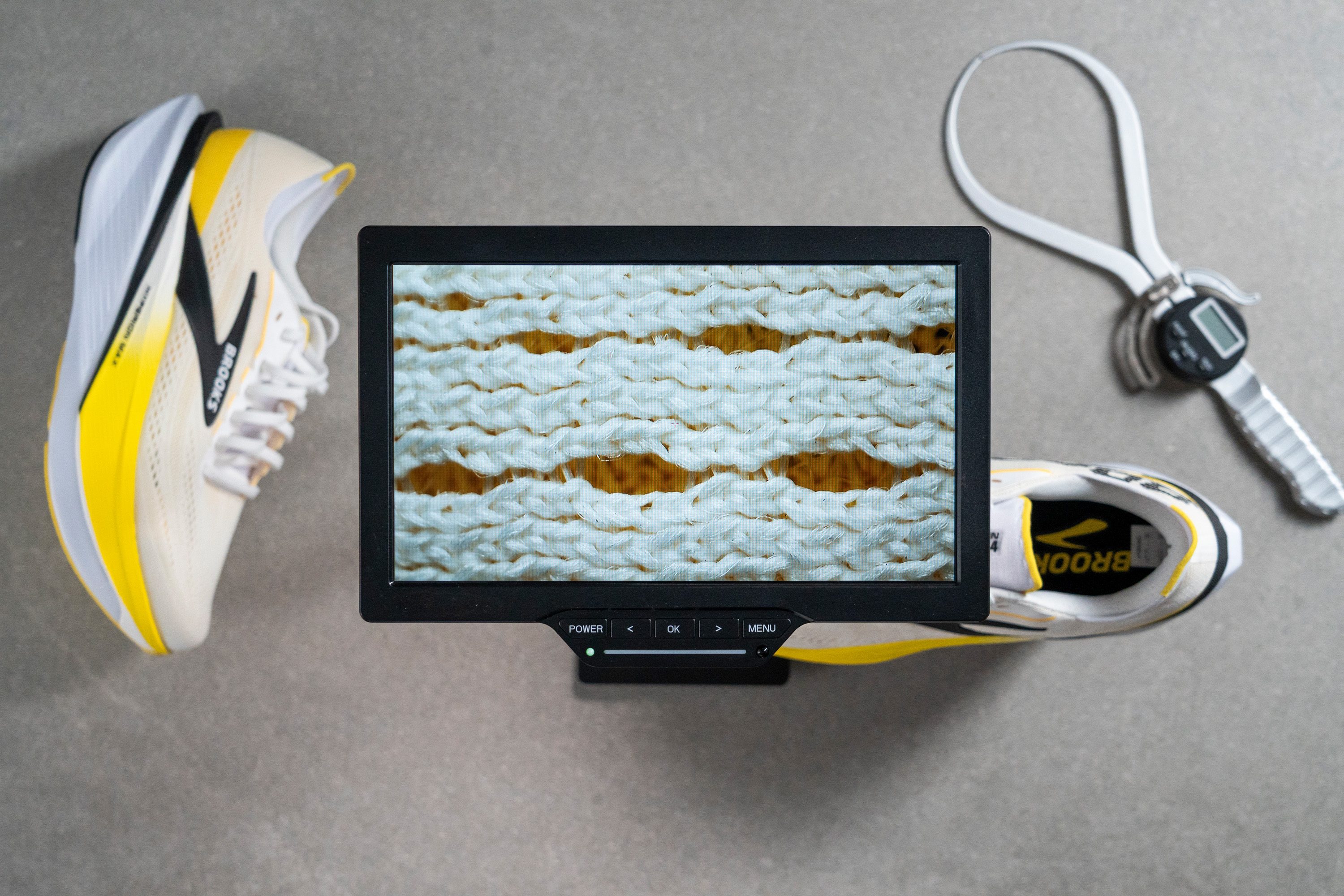
UpdatedBrooks equipped the Hyperion Max 4 with a warp knit upper that prioritises comfort and a secure lockdown. However, the snug fit and thick fabric leaves little room for air to circulate inside the toebox, which inevitably impacts breathability.
Our 3-hour test returned a score of 61 BR, placing the shoe below the category average. As a result, we think runners who regularly train in hot climates may find it warmer than other options.
| Hyperion Max 4 | 61 BR |
| Average | 75 BR |
Drying potential
NewOn the other hand, we found a satisfactory result in the drying potential test. After our 3-hour evaluation, the Hyperion Max 4 managed to release 53% of the moisture it had absorbed, a solid outcome for a knit upper.
| Hyperion Max 4 | 53% |
| Average | 53% |
Stability
Lateral stability test
At first glance, it's easy to assume that the Hyperion Max 4 would feel unstable underfoot. However, Brooks has incorporated multiple design elements that create a remarkably confident ride.
High sidewalls, a broad forefoot platform, strong torsional rigidity, and guidance-focused features like the SpeedVault plate and the large central cutout all work together to keep transitions centred and limit excessive side-to-side movement.
Torsional rigidity
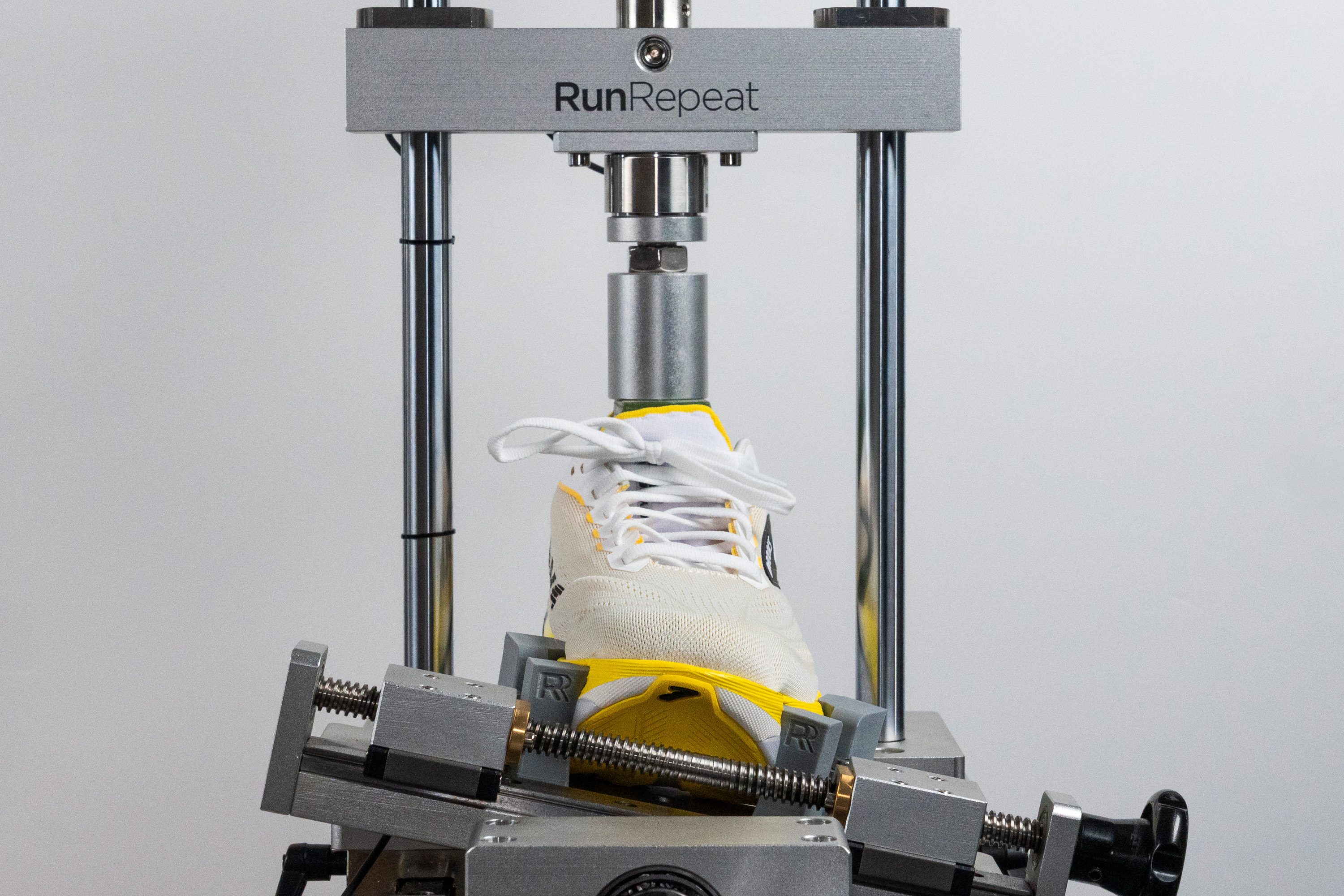
To quantify torsional rigidity, we secured the Hyperion Max 4 in our machine, which twists the shoe in both directions. It registered 19.1 Nm, much higher than the category average and making a clear statement about the rigidity of the shoe.
| Hyperion Max 4 | 19.1 Nm |
| Average | 14.3 Nm |
Heel counter stiffness
The heel counter further enhances the shoe's stable ride. In our manual assessment, it earned a solid 4 out of 5, as it takes considerable force to deform.
Because of its rigidity, Brooks paid close attention to comfort. The generously-padded heel creates a plush, secure environment that keeps the foot comfortably locked in without feeling harsh.
| Hyperion Max 4 | 4 |
| Average | 3 |
Midsole width - forefoot
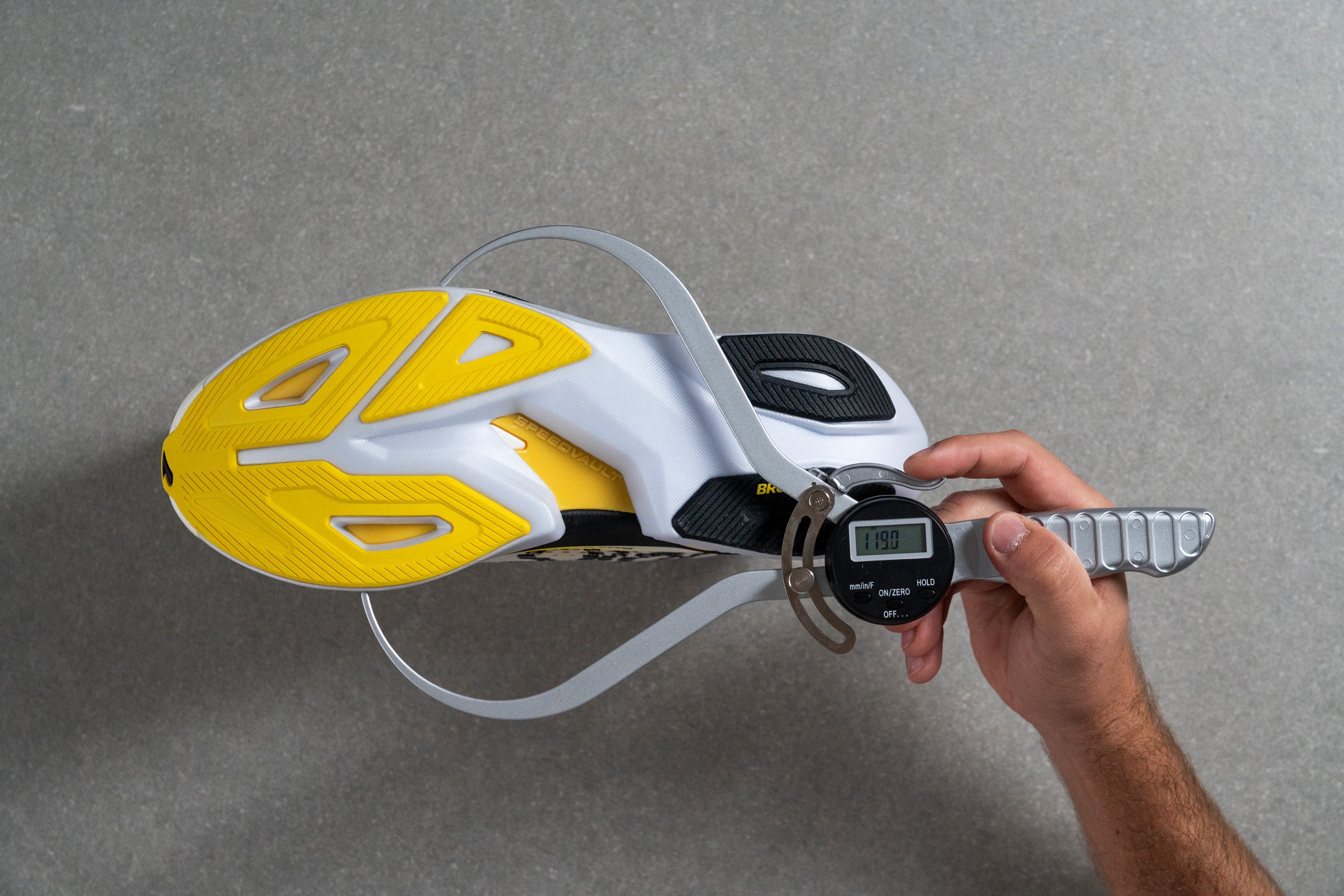
At 119.0 mm, the forefoot is considerably wider than that of the average running shoe.
However, when compared to today's super trainers, this measurement is right in line with the category, as brands increasingly favour broad forefoot platforms to enhance stability.
| Hyperion Max 4 | 119.0 mm |
| Average | 115.1 mm |
Midsole width - heel
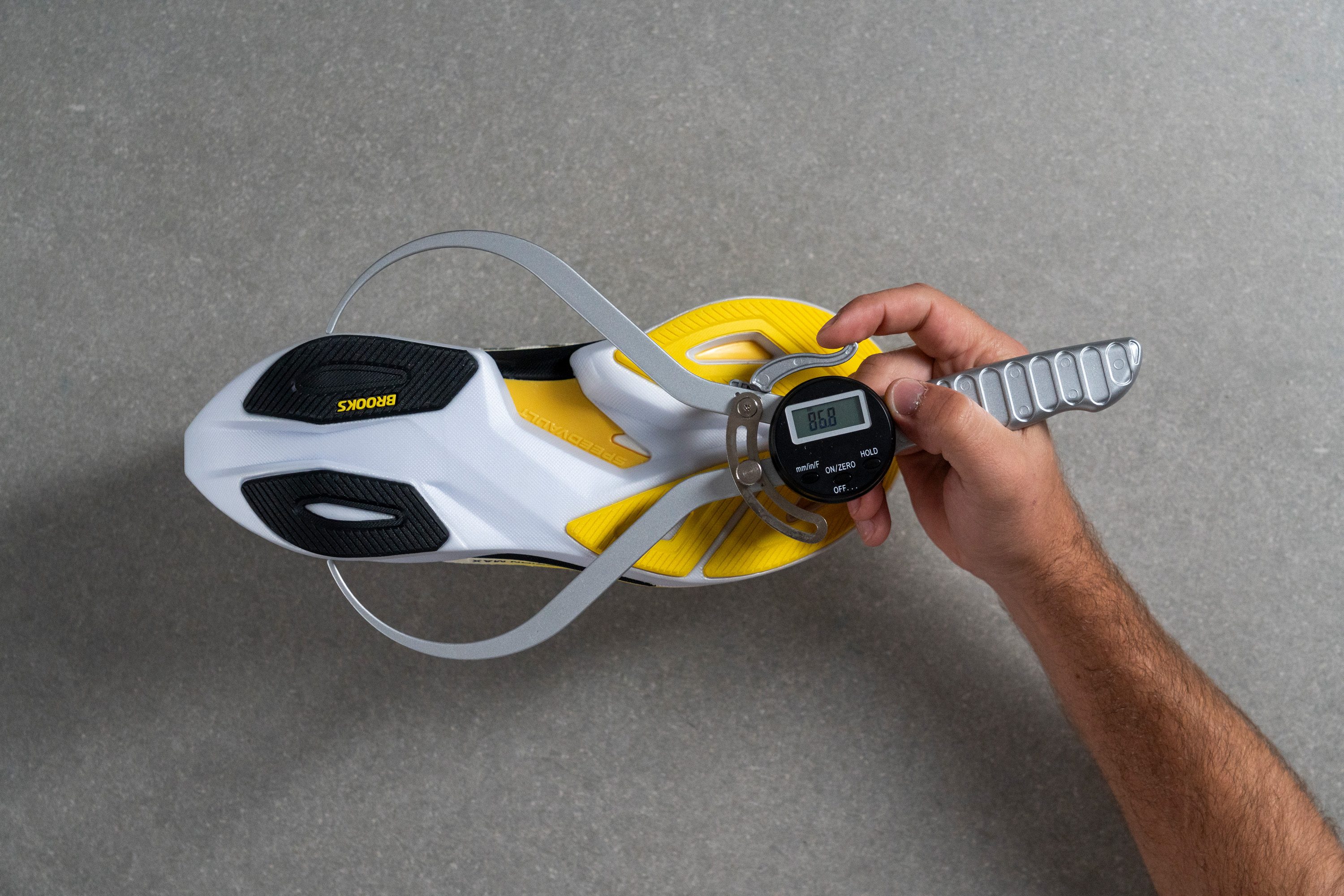
Because the Hyperion Max 4 retains the same midsole geometry as its predecessor, the heel remains relatively narrow at 86.8 mm. As a result, heel strikers may not find it quite as stable as runners who land on the midfoot or forefoot.
On the other hand, this streamlined heel helps offset the shoe's hefty weight, giving it a more agile feel underfoot than what is naturally expected from our previous result.
| Hyperion Max 4 | 86.8 mm |
| Average | 91.1 mm |
Durability
Toebox durability
The knit upper delivers excellent comfort and a secure lockdown, but durability isn't one of its strengths. After assessing the damage from our Dremel test, it earned a modest 2 out of 5.
| Hyperion Max 4 | 2 |
| Average | 2.6 |
Heel padding durability
The heel padding delivered a much stronger result, which came as a pleasant surprise given how delicate it appeared at first glance. Its solid 4 out of 5 score is another reminder that proper testing always beats first impressions.
| Hyperion Max 4 | 4 |
| Average | 3.4 |
Outsole durability
The outsole also performed well in our final durability test for the Hyperion Max 4. With just 0.9 mm of rubber worn away, it delivered a strong result.
| Hyperion Max 4 | 0.9 mm |
| Average | 1.1 mm |
Outsole thickness
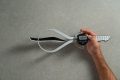
Brooks equipped the Hyperion Max 4 with 2.8 mm of outsole rubber.
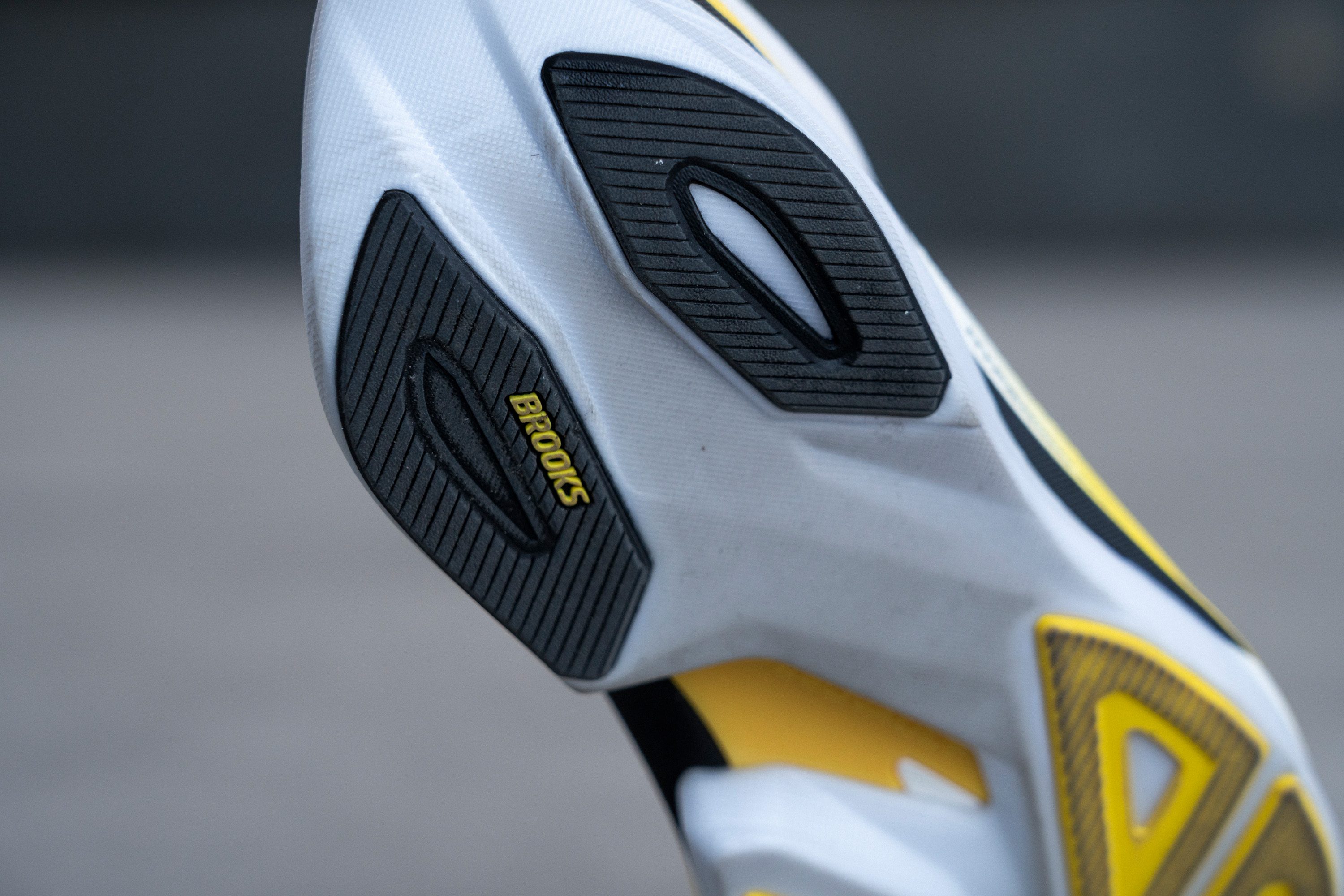
Combined with the excellent result from our durability test, we believe this shoe is built to withstand hundreds of miles, making it a dependable option for marathoners logging high mileage.
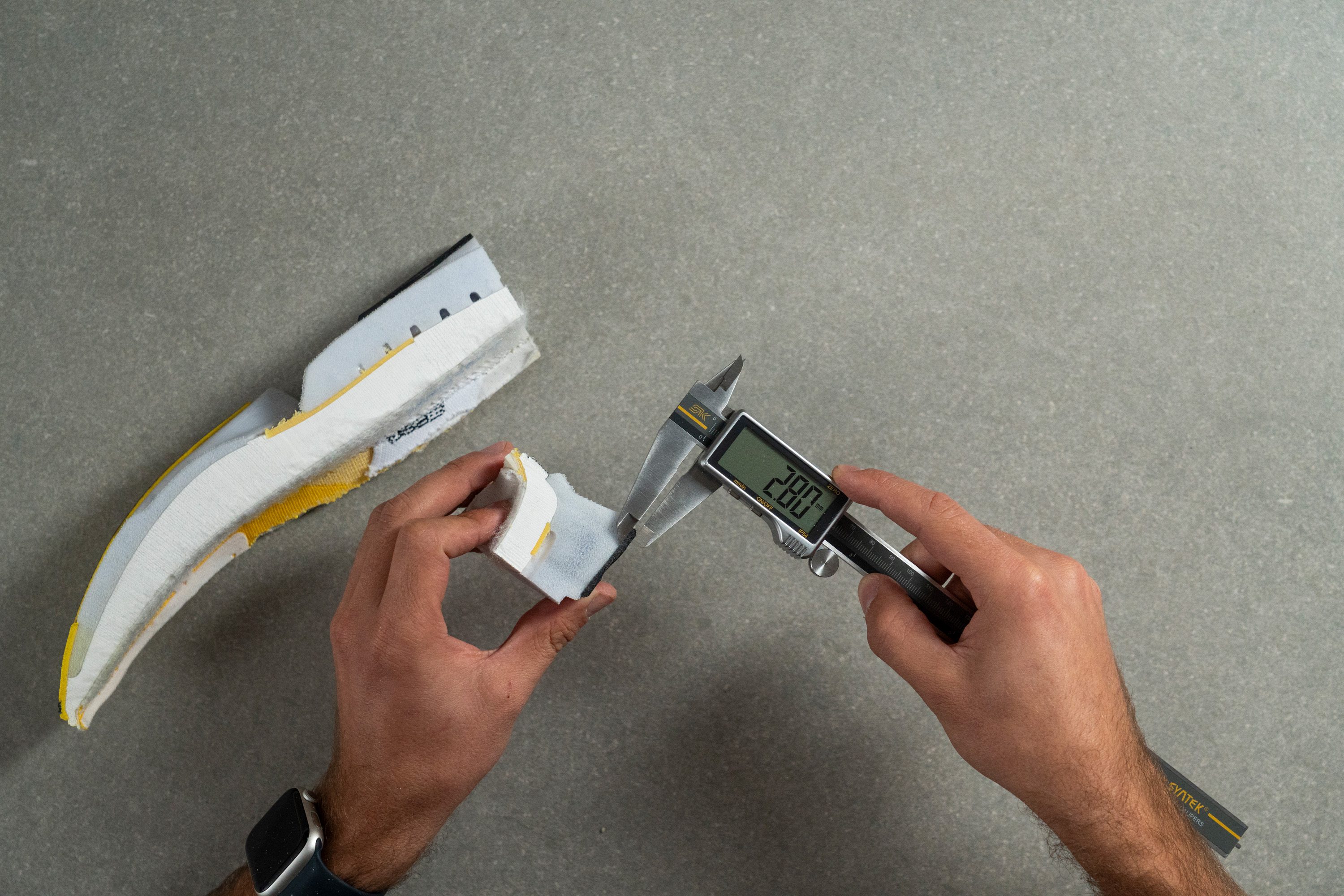
| Hyperion Max 4 | 2.8 mm |
| Average | 3.1 mm |
Misc
Insole thickness
Interestingly, the Hyperion Max 4 takes the opposite approach with its insole, using an unusually-thin 2.5 mm design that's well below the average thickness we measure in running shoes.
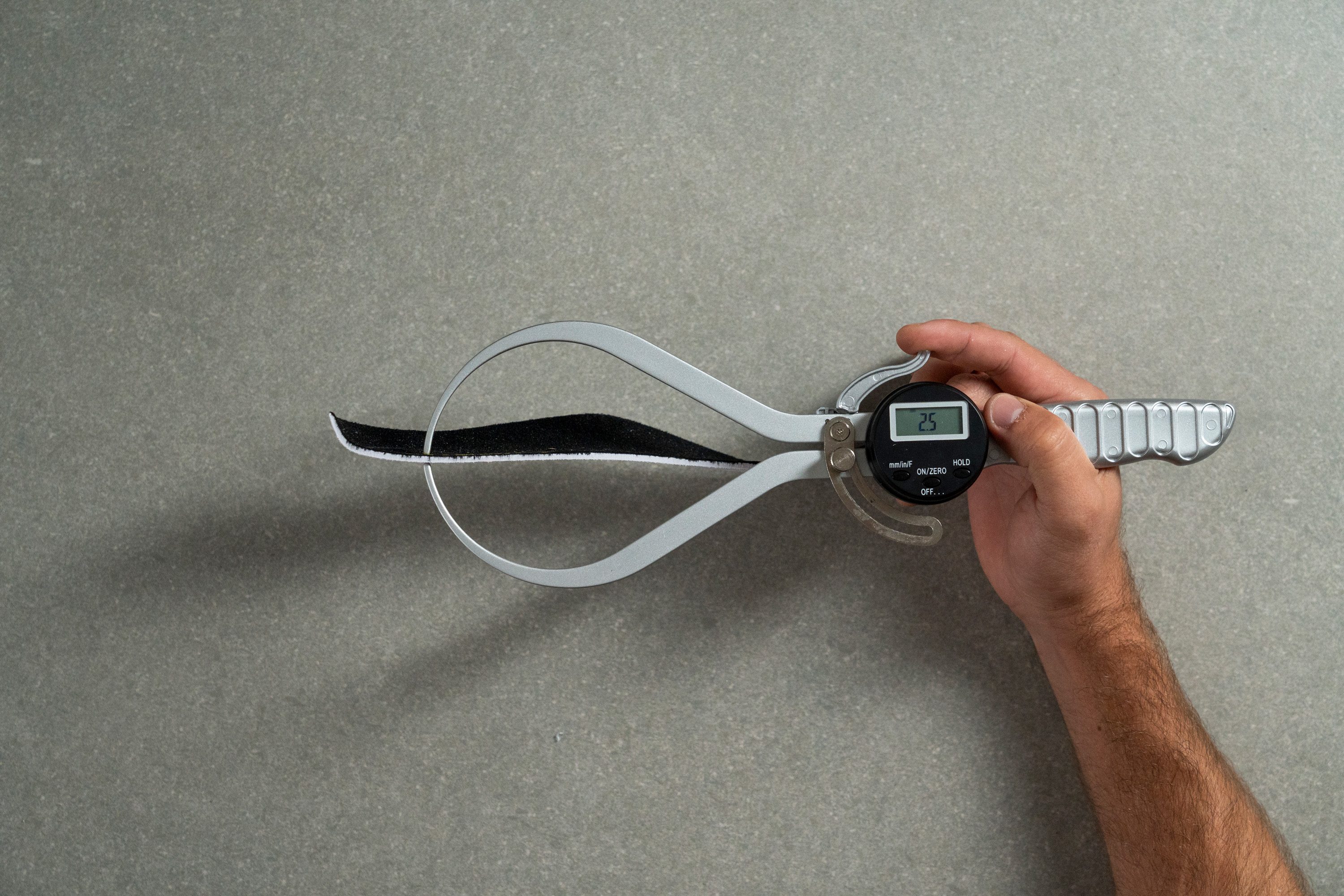
| Hyperion Max 4 | 2.5 mm |
| Average | 4.4 mm |
Removable insole
You can swap the insole for a different one, but we don't think it's a good idea. The toebox offers very limited vertical space, and installing a thicker insole can make the fit feel overly cramped.
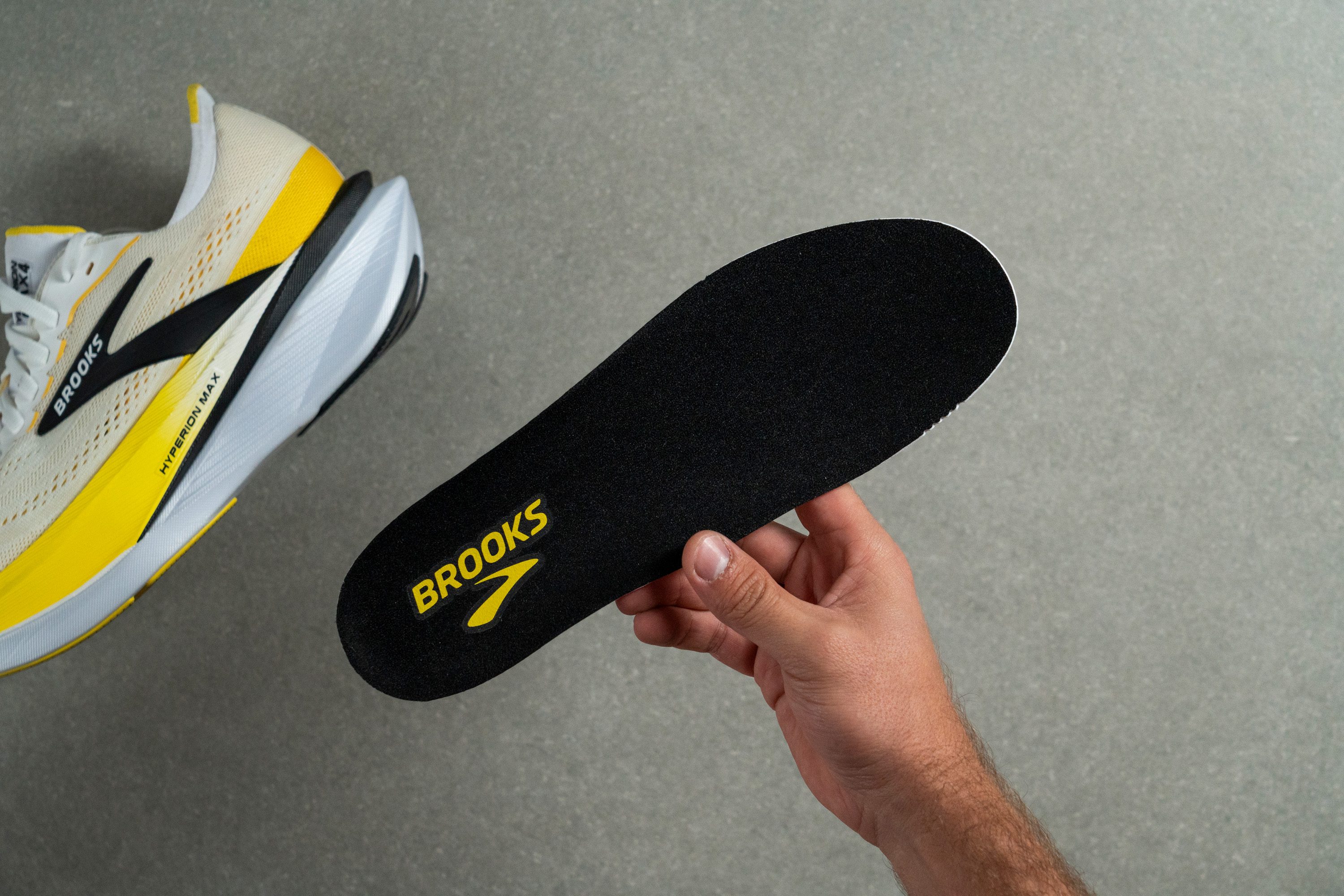
| Hyperion Max 4 | Yes |
Reflective elements
Brooks had the opportunity to include reflective elements, but ultimately chose not to.
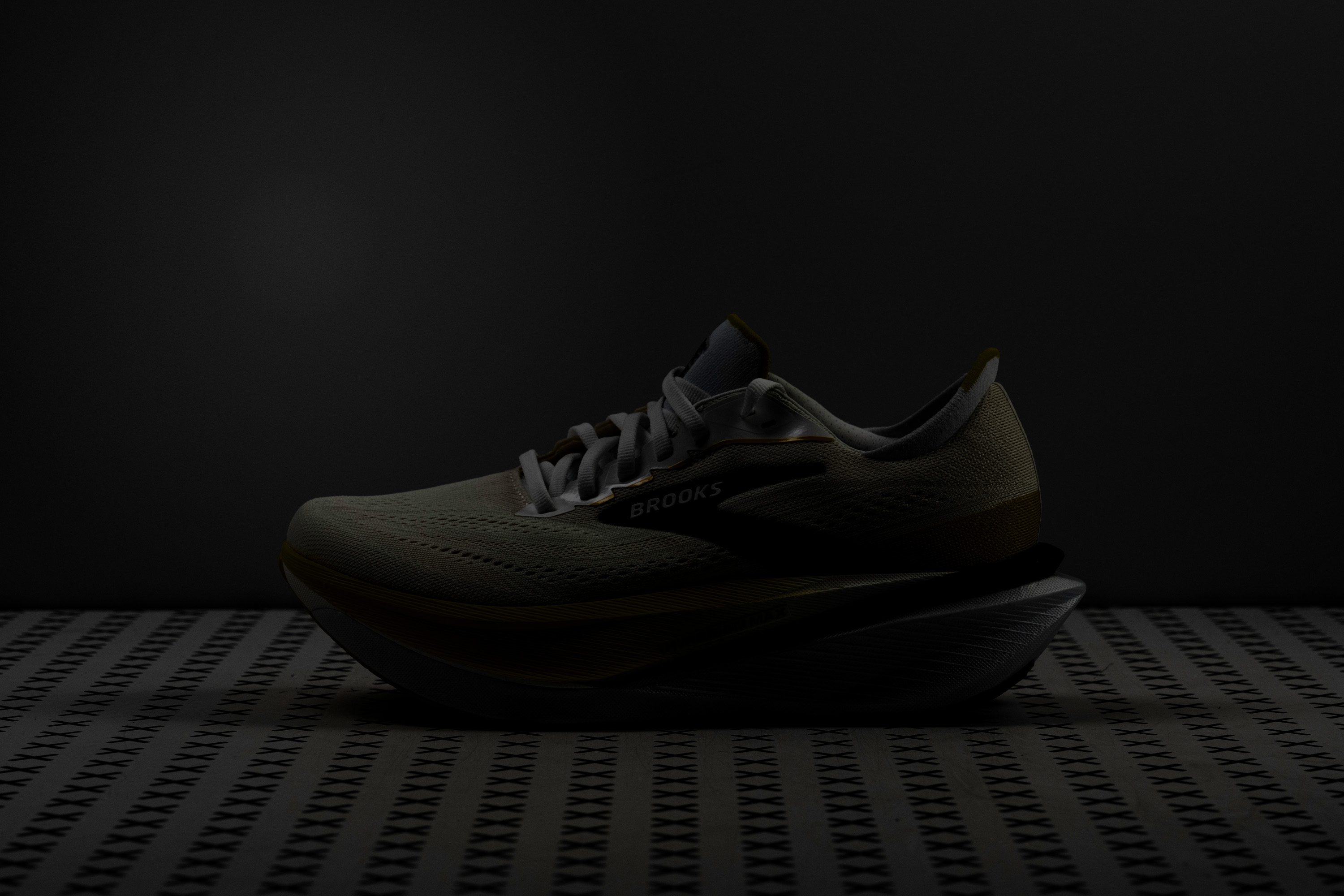
| Hyperion Max 4 | No |
Tongue padding
One of the Hyperion Max 4's biggest strengths is its outstanding fit. The lacing system and knit tongue work together seamlessly to create a secure lockdown, and we also appreciated the tongue's shape and length, a detail that brands don't always get right.
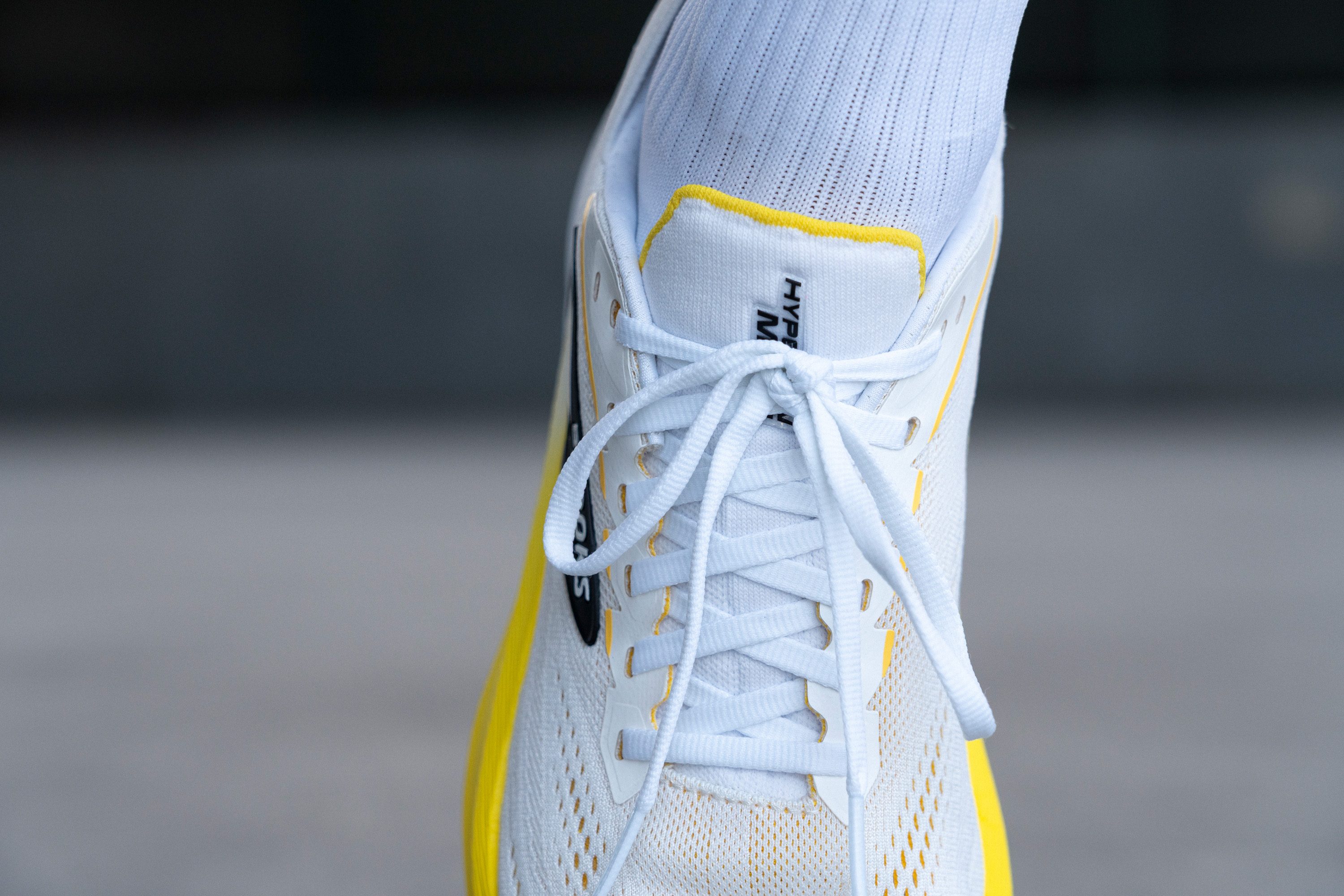
To keep weight under control, Brooks used just 3.3 mm of tongue padding. We found it sufficient as long as you don't overtighten the laces, and given the shoe's already hefty weight, we don't think adding more padding would have been the right choice.
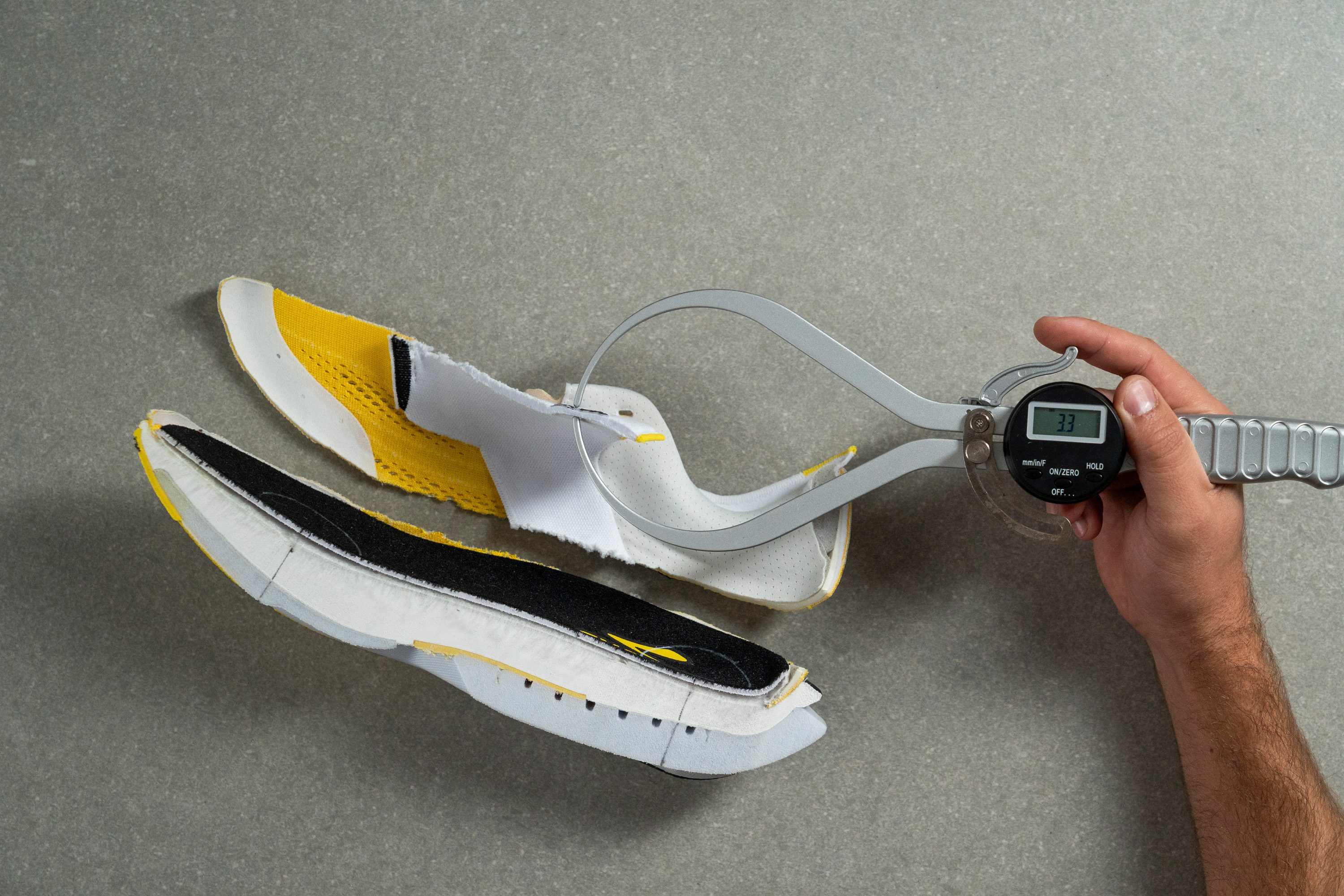
| Hyperion Max 4 | 3.3 mm |
| Average | 5.8 mm |
Tongue: gusset type
The knit tongue is partially gusseted, adding an extra layer of security by preventing unwanted movement and creating a true set-and-forget fit.
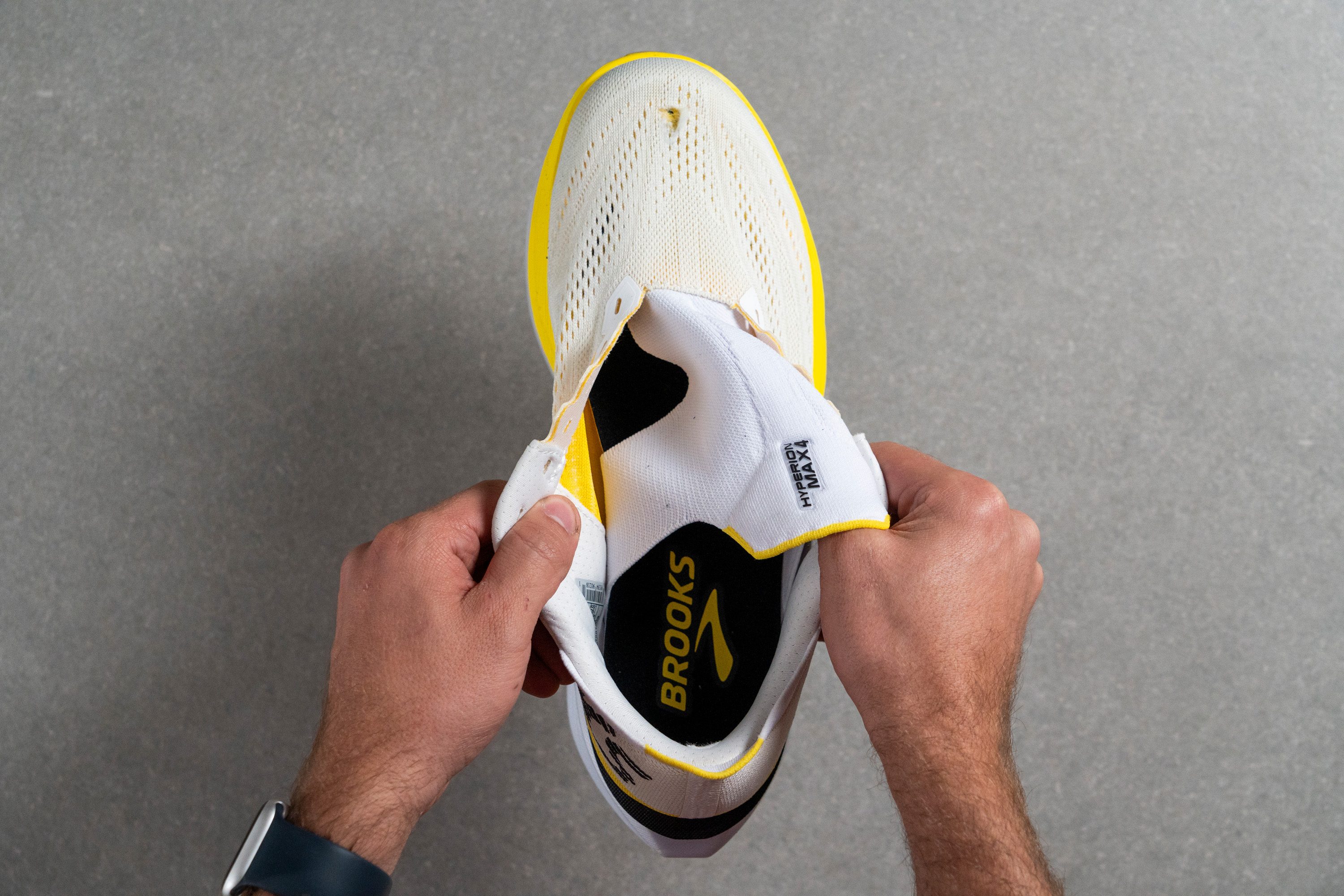
| Hyperion Max 4 | Both sides (semi) |
Heel tab
The heel is cleanly finished, with the stitching covered, an expected but not always guaranteed detail in a premium-priced shoe. However, Brooks chose not to include a heel tab.
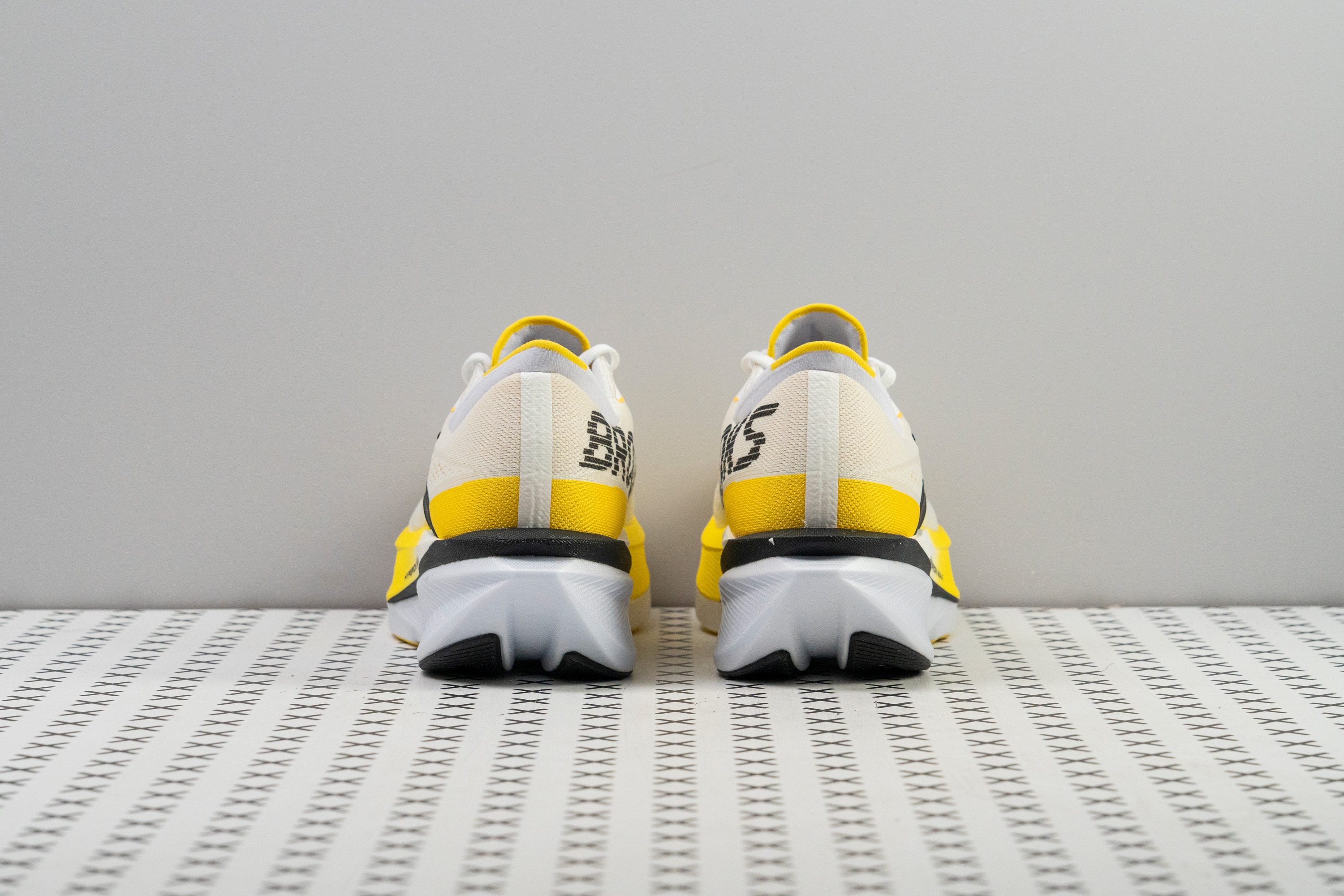
| Hyperion Max 4 | None |
Price
Super trainers are expected to retail around the £180 mark, so we don't think the Hyperion Max 4 is overpriced looking at its rivals.
However, whether it's worth the investment depends largely on what you value in a running shoe, as it combines clear strengths, such as exceptional comfort, with notable trade-offs, like its high weight, making it best suited for a specific type of runner.
| Hyperion Max 4 | $200 |