
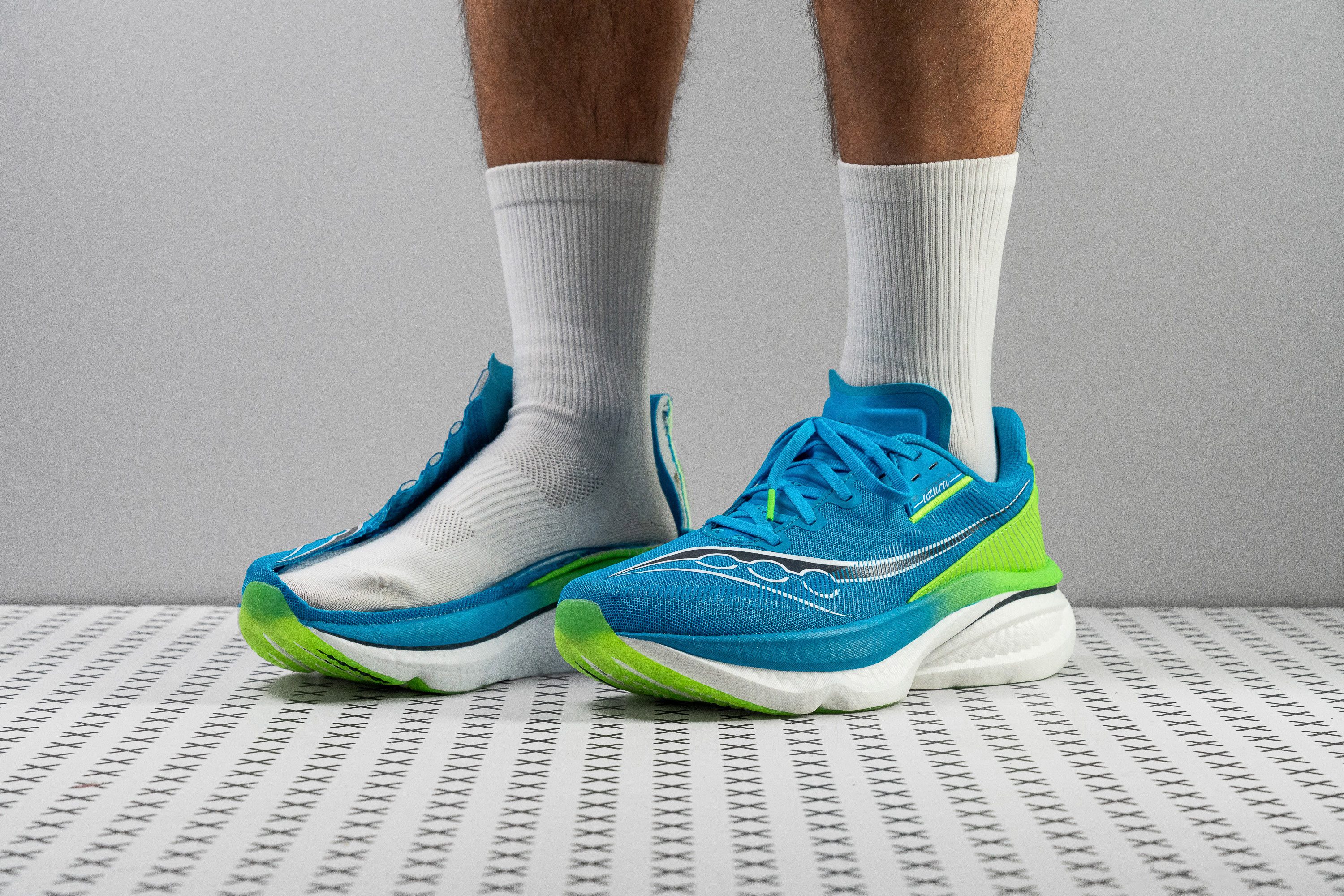

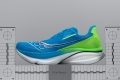


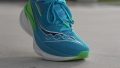






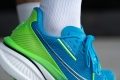
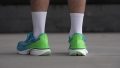
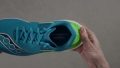





Our verdict
- Daily running 92
- Tempo 89
- Race 74
- Stability 90
Pros
- Excellent energy return from PWRRUN PB
- High stack cushioning for long runs
- Stable as a table!
- Lightweight for its size
- Versatile for multiple paces and different footstrikes
- Insane value for performance level
- Fantastic outsole durability
- Breathable upper
- Solid, dependable fit
Cons
- Firm ride won't suit everyone
- SpeedRoll rocker can feel intrusive
- Not as fun as other super trainers
Awards
- Top pick in best running shoes for knee pain
- Top 8% in road running shoes
- Top 27% in Saucony running shoes
- Top 19% most popular running shoes
Comparison
The most similar running shoes compared
+ + Add a shoe | |||||
|---|---|---|---|---|---|
| Our score | 91 Superb | 94 Superb | 84 Great | 83 Great | |
| Price | £140 | £180 | £160 | £160 | |
| Pace | TempoDaily running | Tempo | Daily running | Daily running | |
| Shock absorption | High | High | High | High | |
| Energy return | High | High | Moderate | Low | |
| Traction | High | High | High | High | |
| Arch support | Neutral | Neutral | Neutral | Neutral | |
| Weight lab Weight brand | 8.5 oz / 241g 8.5 oz / 240g | 8.5 oz / 241g 8.4 oz / 238g | 9.6 oz / 272g 9.2 oz / 260g | 9.5 oz / 269g 9.7 oz / 275g | |
| Lightweight | ✓ | ✓ | ✗ | ✗ | |
| Drop lab Drop brand | 8.0 mm 8.0 mm | 10.6 mm 8.0 mm | 7.5 mm 6.0 mm | 10.5 mm 8.0 mm | |
| Strike pattern | HeelMid/forefoot | Heel | Mid/forefoot | Heel | |
| Size | True to size | Slightly small | True to size | True to size | |
| Midsole softness | Balanced | Firm | Soft | Balanced | |
| Difference in midsole softness in cold | Small | Normal | Small | Small | |
| Toebox durability | Decent | Decent | Decent | Decent | |
| Heel padding durability | Good | Good | Good | Decent | |
| Outsole durability | Good | Good | Good | Good | |
| Breathability | Moderate | Breathable | Moderate | Moderate | |
| Width / fit | Medium | Medium | Wide | Medium | |
| Toebox width | Medium | Medium | Medium | Narrow | |
| Stiffness | Moderate | Moderate | Stiff | Stiff | |
| Torsional rigidity | Moderate | Moderate | Moderate | Moderate | |
| Heel counter stiffness | Moderate | Stiff | Stiff | Moderate | |
| Rocker | ✓ | ✓ | ✓ | ✓ | |
| Heel lab Heel brand | 40.7 mm 40.0 mm | 37.4 mm 36.0 mm | 40.7 mm 42.0 mm | 45.5 mm 46.0 mm | |
| Forefoot lab Forefoot brand | 32.7 mm 32.0 mm | 26.8 mm 28.0 mm | 33.2 mm 36.0 mm | 35.0 mm 38.0 mm | |
| Widths available | NarrowNormal | NormalWide | NormalWide | Normal | |
| Orthotic friendly | ✓ | ✓ | ✓ | ✓ | |
| Season | All seasons | SummerAll seasons | All seasons | All seasons | |
| Removable insole | ✓ | ✓ | ✓ | ✓ | |
| Ranking | #24 Top 6% | #4 Top 1% | #131 Top 33% | #163 Top 41% | |
| Popularity | #73 Top 19% | #21 Top 6% | #78 Top 20% | #150 Top 38% |
Who should buy
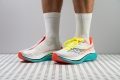
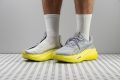
In our opinion, the Saucony Endorphin Azura is a very interesting shoe for runners who:
- Want a super trainer at a competitive price that still delivers strong energy return in our lab tests.
- Prefer one versatile shoe that can handle easy runs, tempo workouts, and even race day for those that prefer to skip carbon-plated shoes.
- Enjoy the Endorphin series and want a daily trainer with its signature SpeedRoll rocker feel.
Who should NOT buy
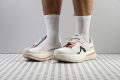
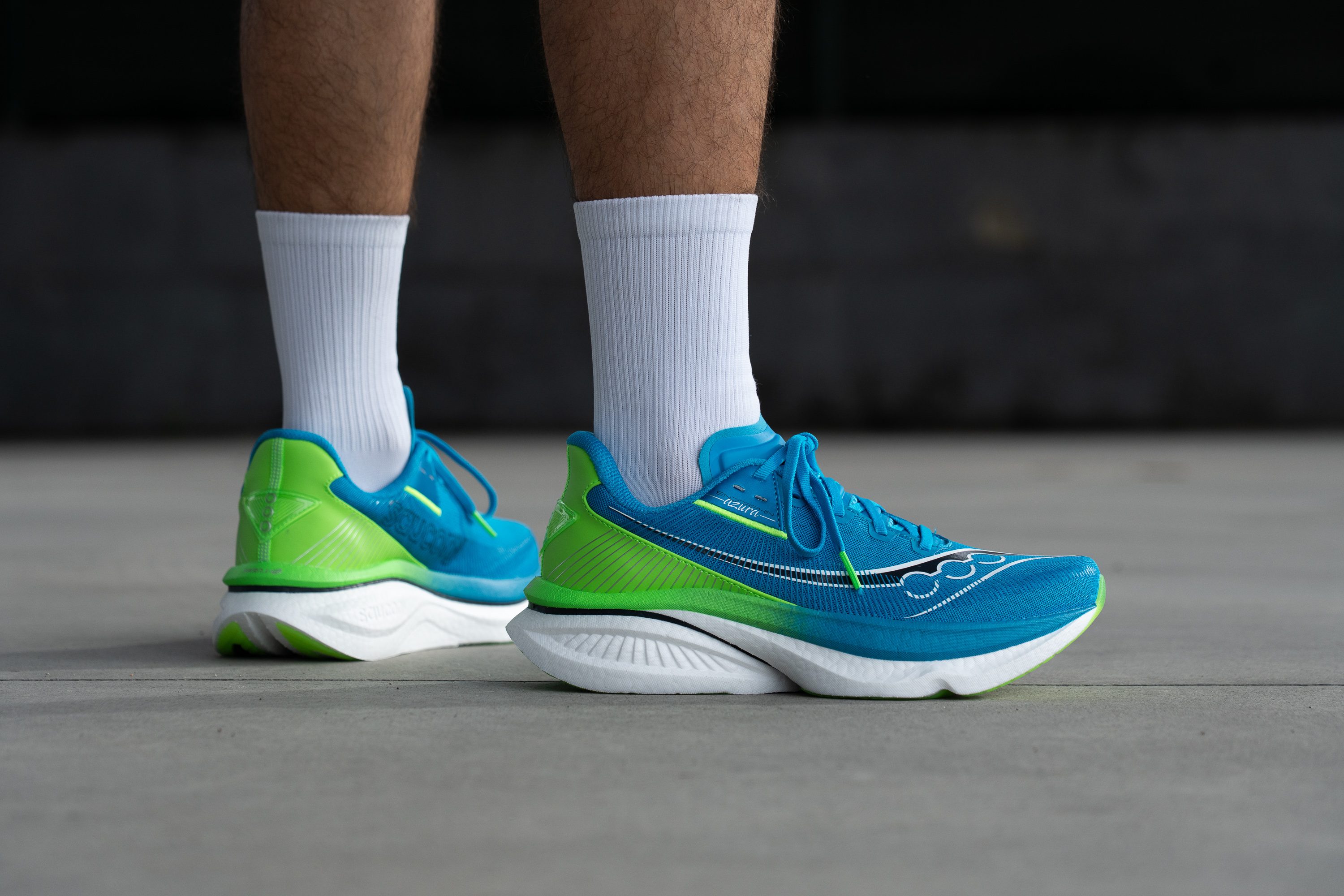
We found in the lab that the Endorphin Azura delivers a firm ride that will not suit runners looking for a soft, cloud-like feel underfoot. From our perspective, those runners should consider the ASICS Novablast 5 or the New Balance FuelCell Rebel v5 instead. Or maybe the Nike Pegasus Plus, although its higher MSRP may be harder to justify.
We also think the Azura is not the best choice if your main goal is fast intervals workouts. In our view, the Endorphin Speed 5 is a more compelling option inside Saucony's lineup for speedy workouts.
Cushioning
Shock absorption
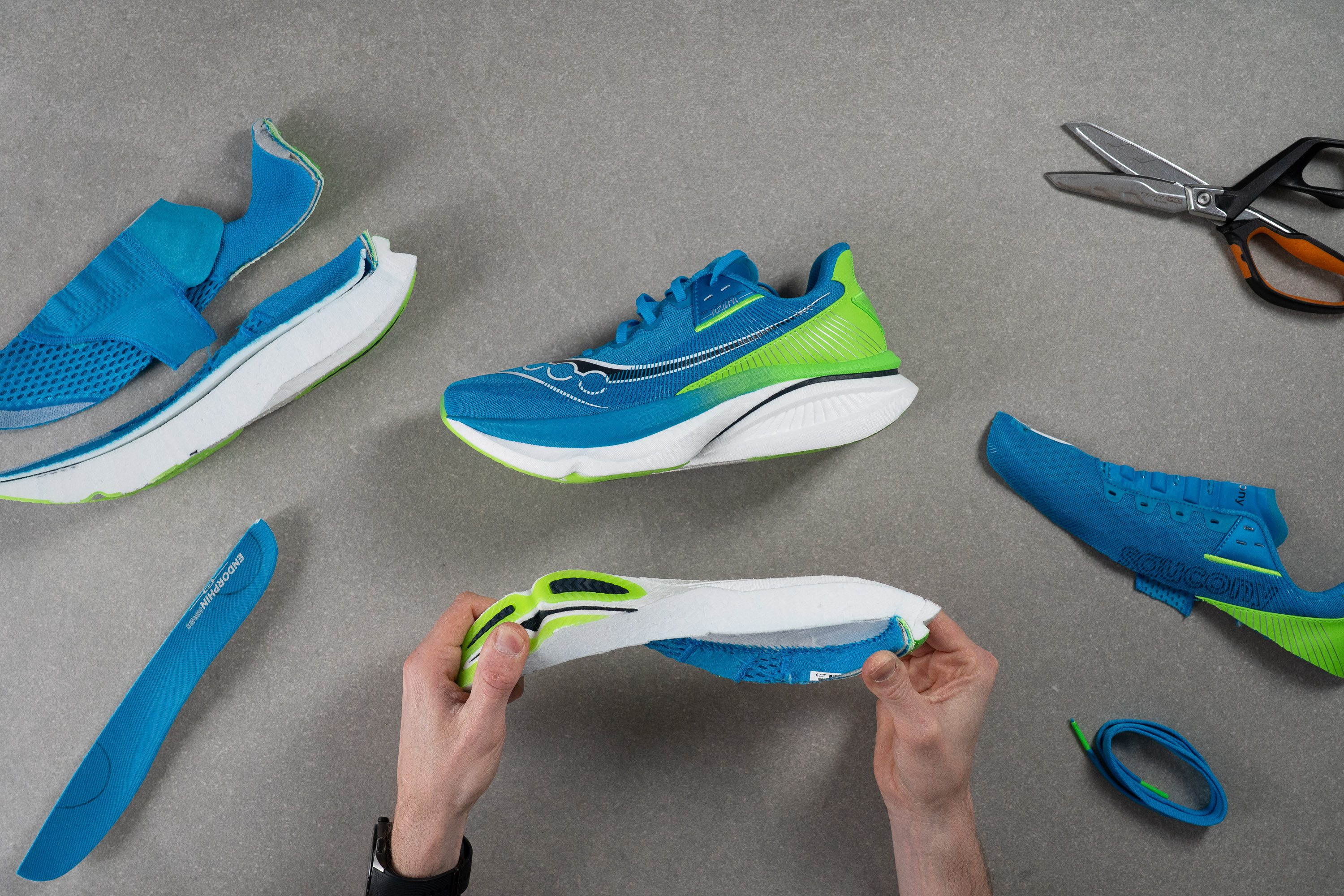
Versatility is exactly what the Endorphin Azura aims for, and it clearly delivers when it comes to handling multiple distances. We analysed its shock absorption and recorded 137 SA in the heel and 122 SA in the forefoot, providing solid protection for runs throughout the week, including the Sunday long run.
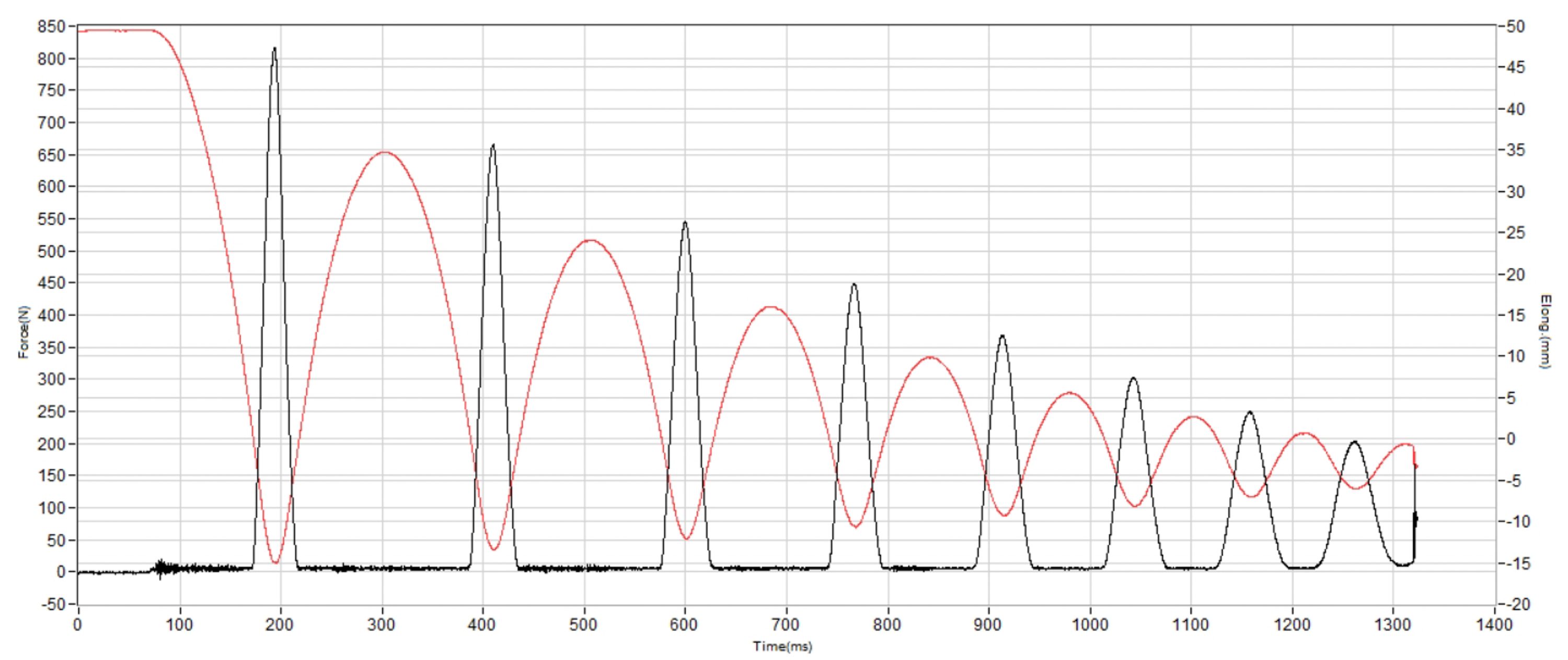
| Endorphin Azura | 137 SA |
| Average | 131 SA |
Energy return
When we reviewed the adidas Adizero EVO SL, we said the shoe had the potential to reshape the industry. More than one year later, it truly achieved that, creating a new demand for reasonably priced, super-foam daily trainers.
The Endorphin Azura uses Saucony’s proven PWRRUN PB foam, a beaded Pebax material known for delivering strong bounce since its launch in 2020. And our lab test confirmed that it stands as a worthy competitor to the EVO SL in terms of energy return: 70.6% in the heel and 74.7% in the forefoot, all at the same price.
| Endorphin Azura | 74.7% |
| Average | 61.5% |
Heel stack
There can be some debate about whether the Endorphin Azura is a super trainer or not. In our view, it clearly belongs in that category thanks to its excellent energy return and massive stack height of 40.7 mm. For us, having a plate is not a requirement, as proven by other excellent shoes like the ASICS Megablast. Of course, we understand if others see it differently.
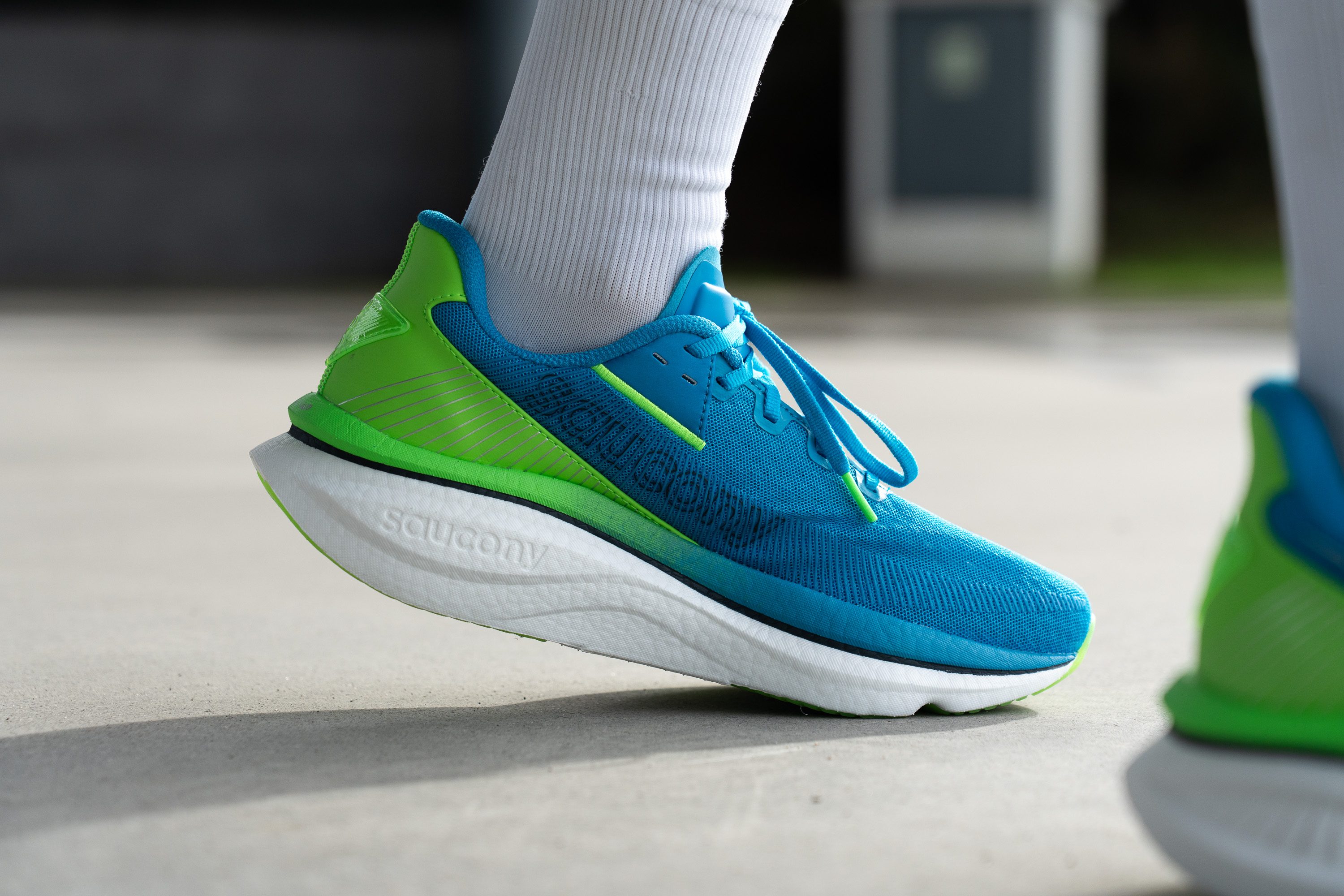
And sure, it does not look as extreme as some of the newest models on the market, but that is largely because more and more shoes now exceed 40 mm of stack height. In our opinion, that trend should not determine whether this shoe qualifies as a super trainer. For us, the Azura absolutely does.
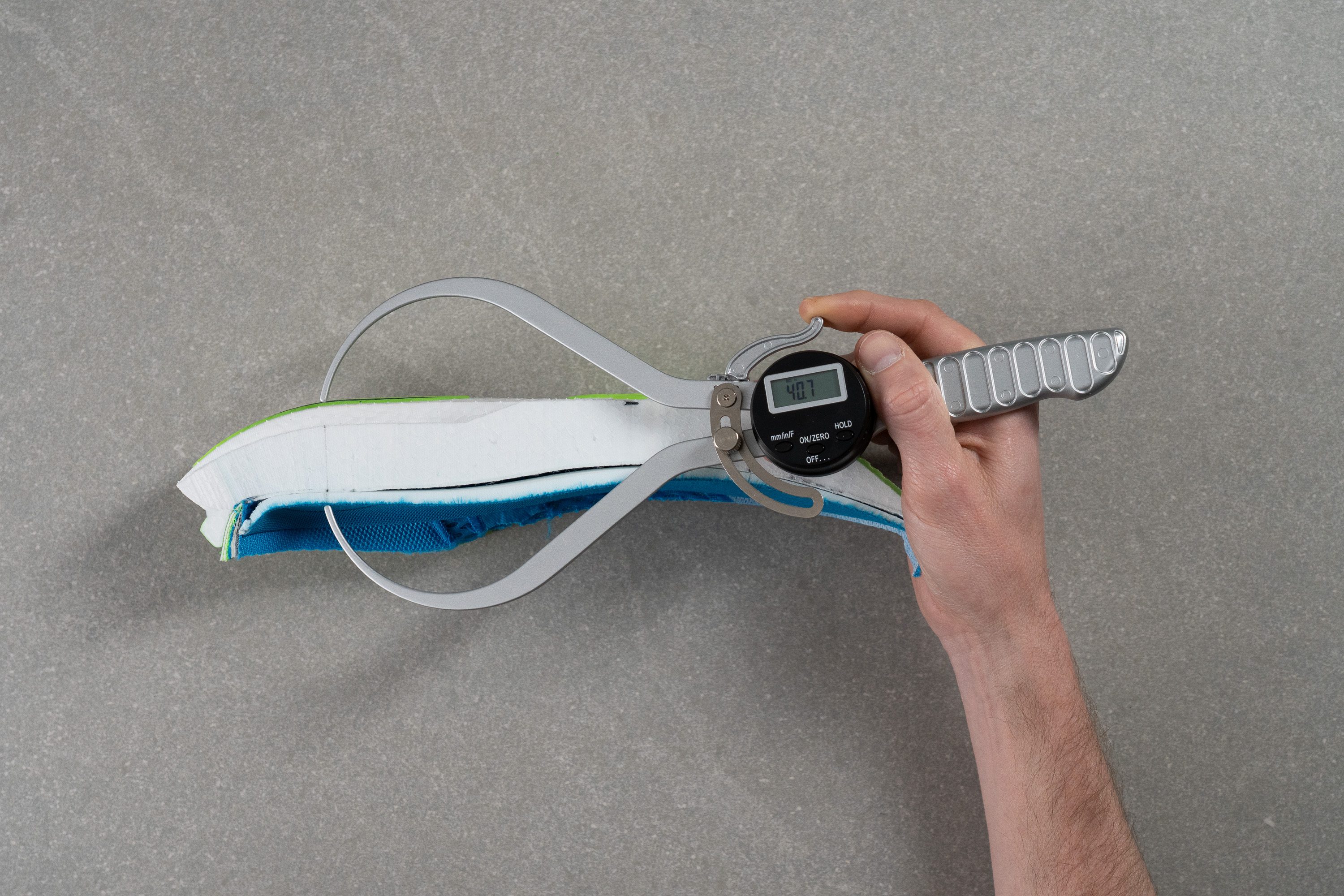
| Endorphin Azura | 40.7 mm |
| Average | 35.6 mm |
Forefoot stack
The forefoot easily surpasses 30 mm, reaching 32.7 mm in our measurement. This result was not surprising considering the strong shock absorption we recorded in our tests. Because of this generous cushioning, the shoe works especially well as a long-run partner for runners preparing for the marathon distance.
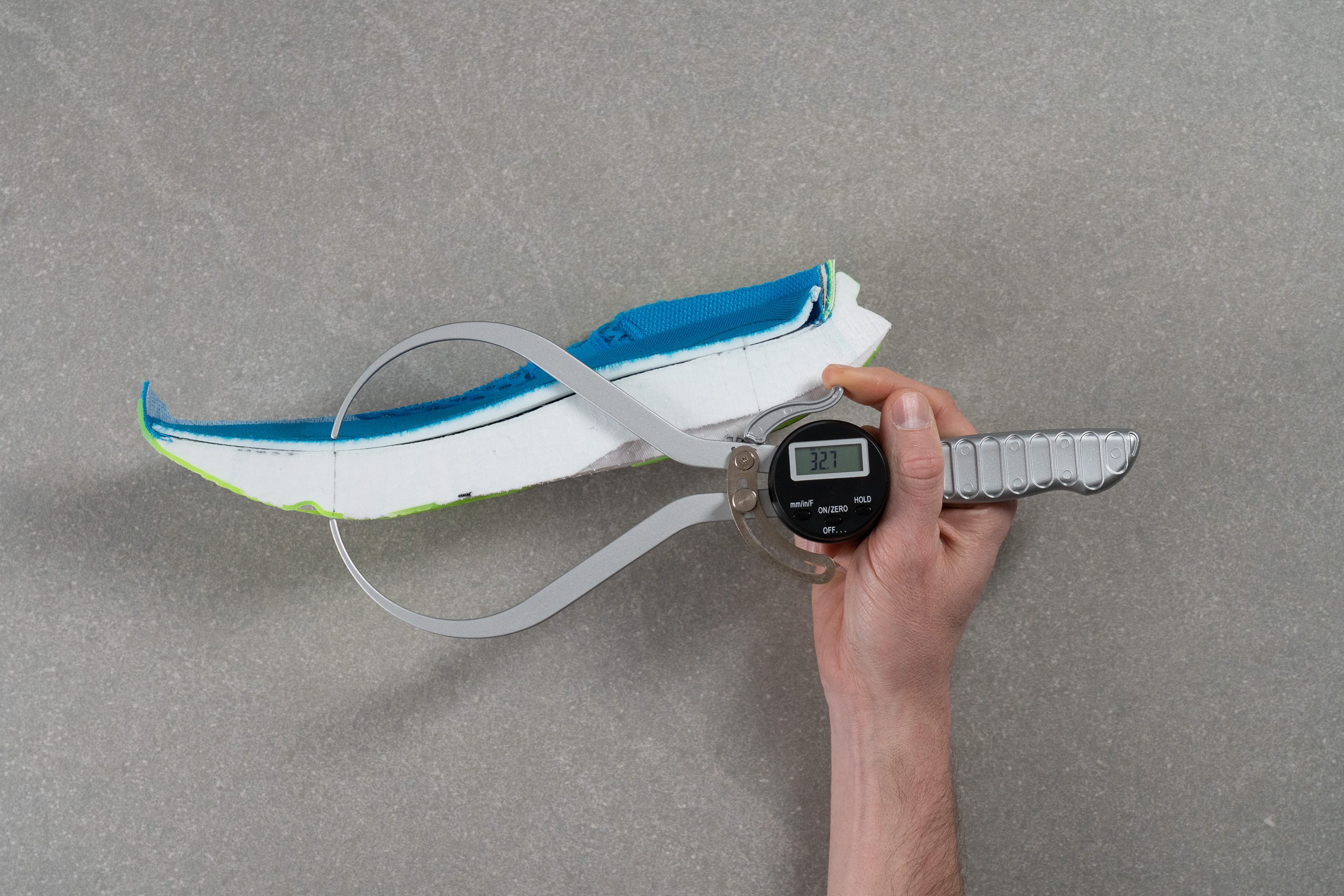
| Endorphin Azura | 32.7 mm |
| Average | 27.2 mm |
Drop
They nailed it! Saucony states an 8 mm drop, and we measured exactly 8 mm in the lab.
The shoe truly sits in that sweet spot for heel-to-toe offset, making it suitable for all footstrikes—even runners landing on the forefoot can also benefit from its rockered geometry.
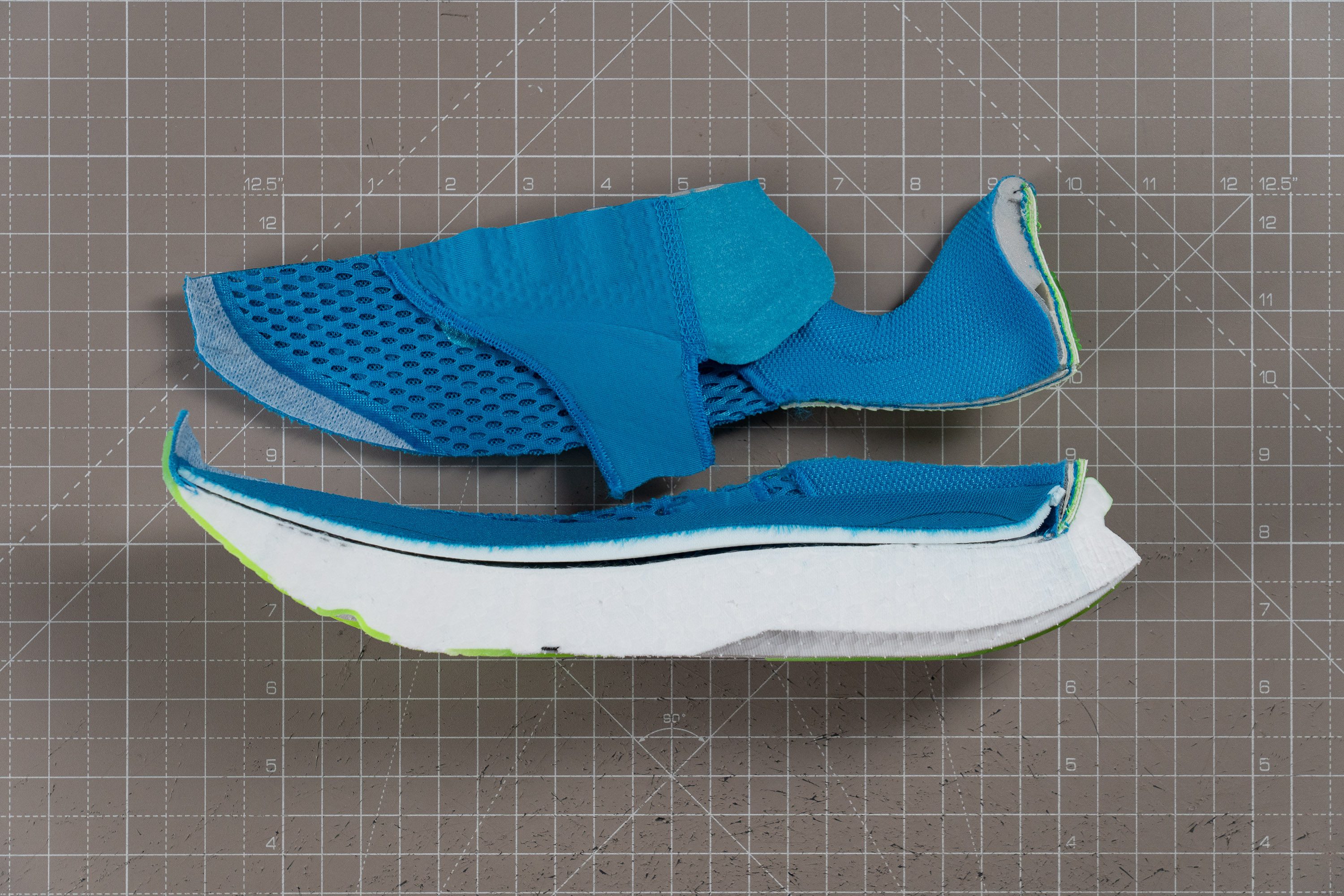
| Endorphin Azura | 8.0 mm |
| Average | 8.4 mm |
Midsole softness
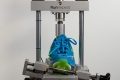
Here is where the Azura may divide opinions. We measured 40.2 AC with our Asker C durometer, confirming what we noticed during our runs: the ride feels a bit firm.
That is not necessarily a drawback, because it brings benefits like better stability and a more predictable ride. However, if you prefer a plush sensation underfoot, the Azura is not the right choice for you.
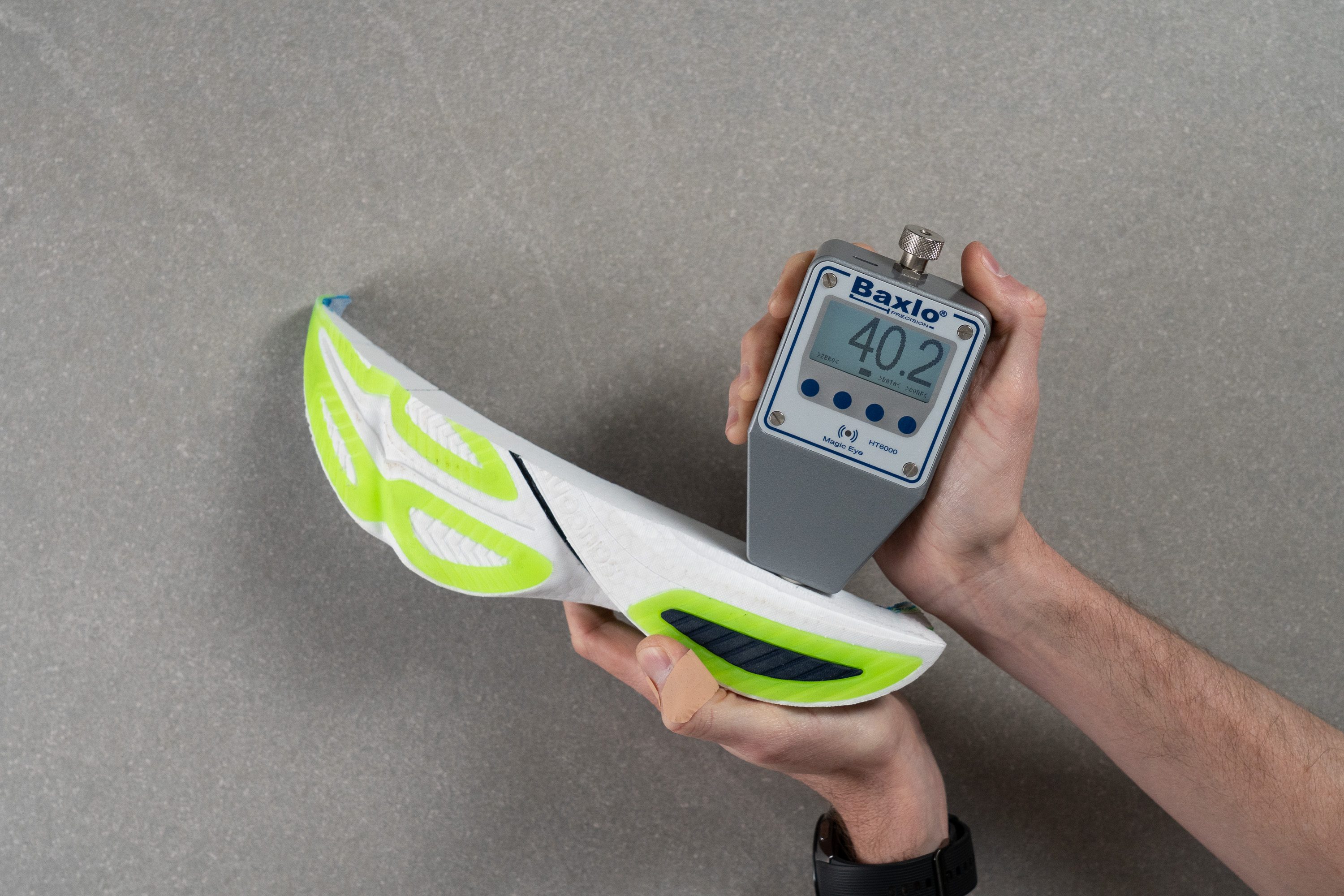
| Endorphin Azura | 40.2 AC |
| Average | 35.4 AC |
Rocker
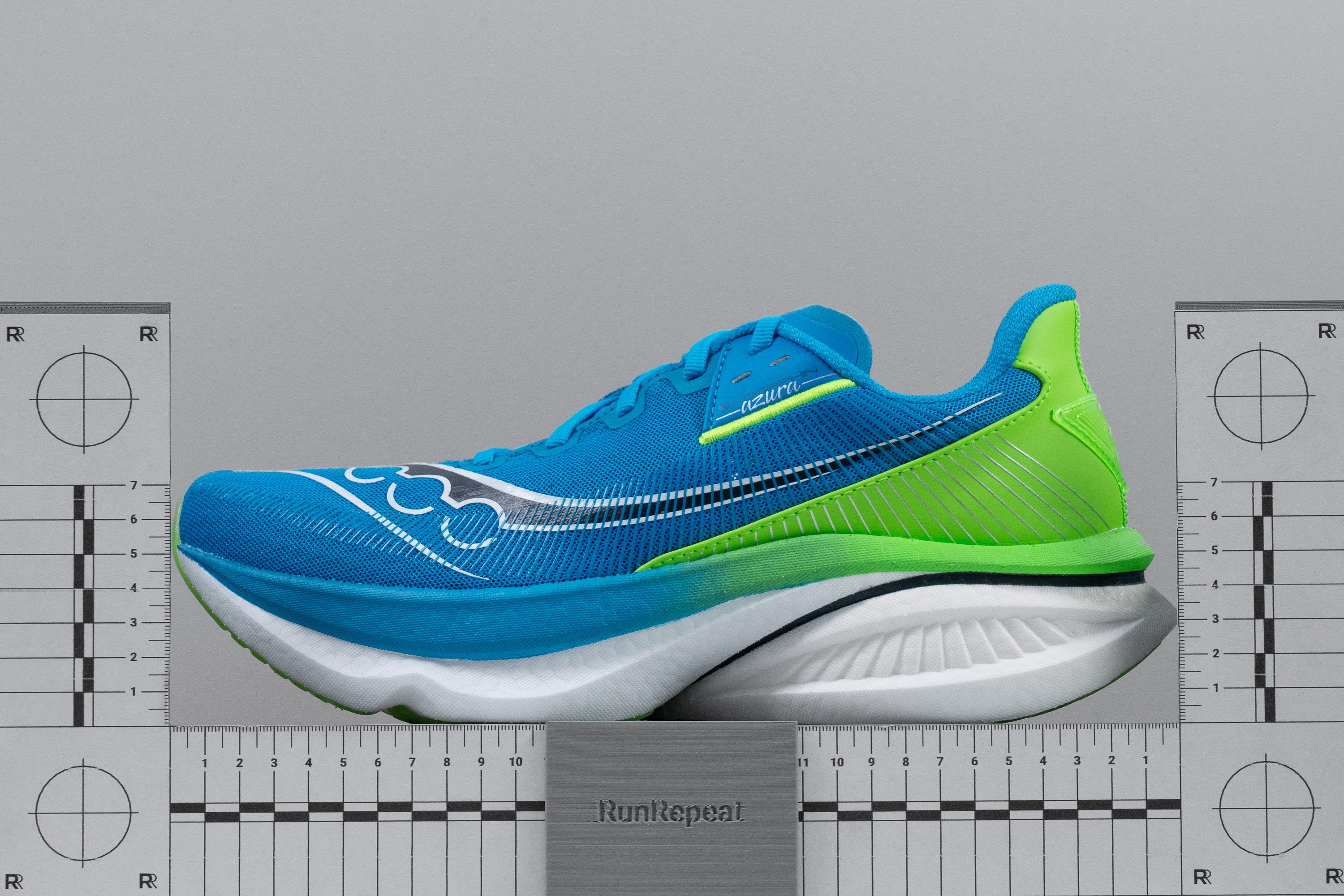
As expected from the Endorphin series, this shoe features the SpeedRoll geometry. That can be good or bad news depending on your preferences.
The SpeedRoll rocker is known for being a hit or miss. Some runners simply dislike it, and if you tried it in another model and it did not work for you, the Azura will likely feel the same and you should save your money. However, if you enjoy an aggressive, stiff rocker sensation underfoot, this shoe can feel like a dream daily trainer or a powerful option for long runs.
Size and fit
Size
Saucony Endorphin Azura fits true to size (86 votes).
Internal length
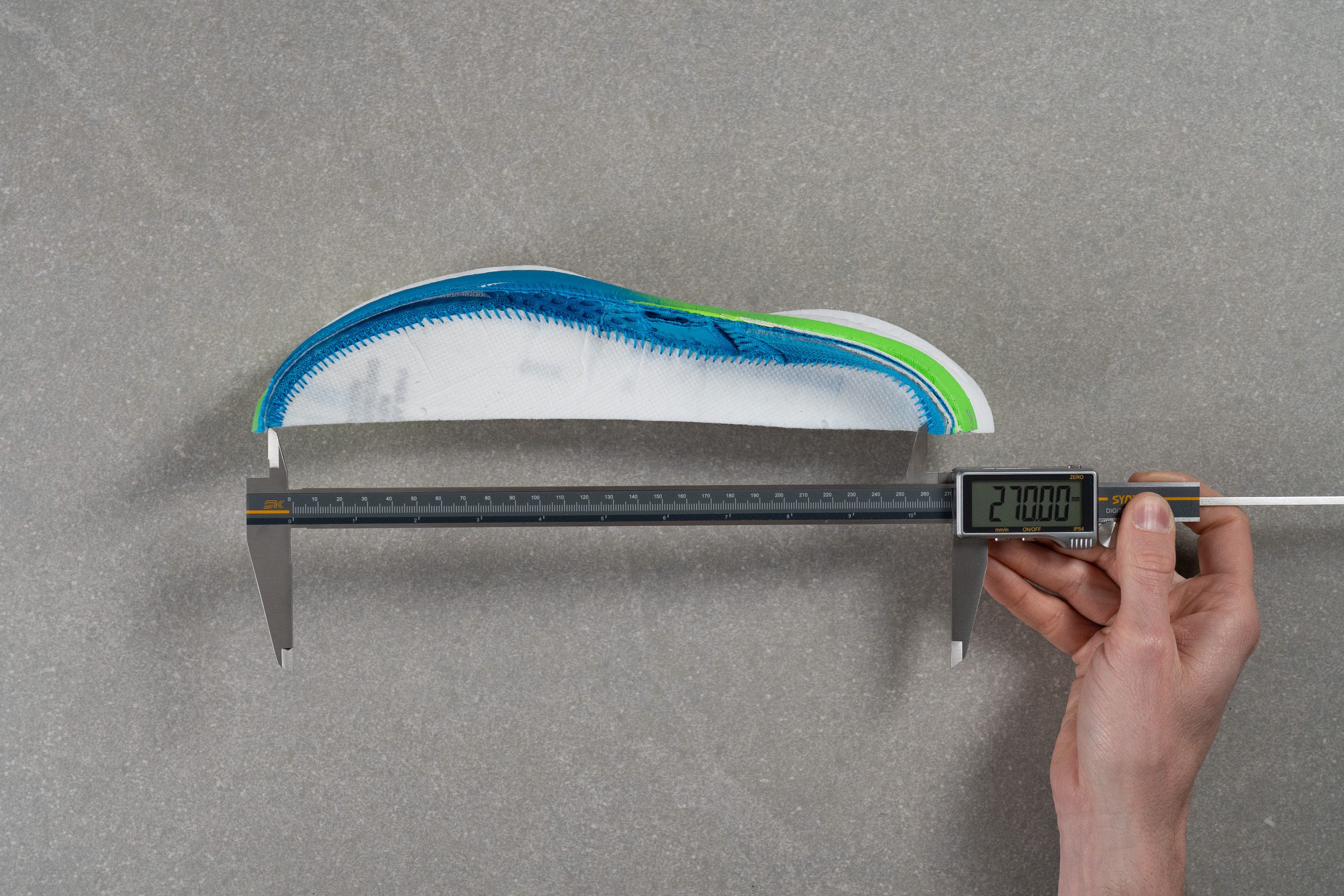
| Endorphin Azura | 270.0 mm |
| Average | 269.4 mm |
Width / Fit
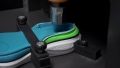
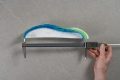
We carefully crafted a gel mould of the Azura’s interior, capturing its exact shape to measure the dimensions with precision. The shoe measured 94.0 mm at its widest point, which sits slightly below what we usually find in most running shoes.
However, the difference is very small, and since Saucony aims for versatility with this model, a width that lands at or close to average makes perfect sense to us.
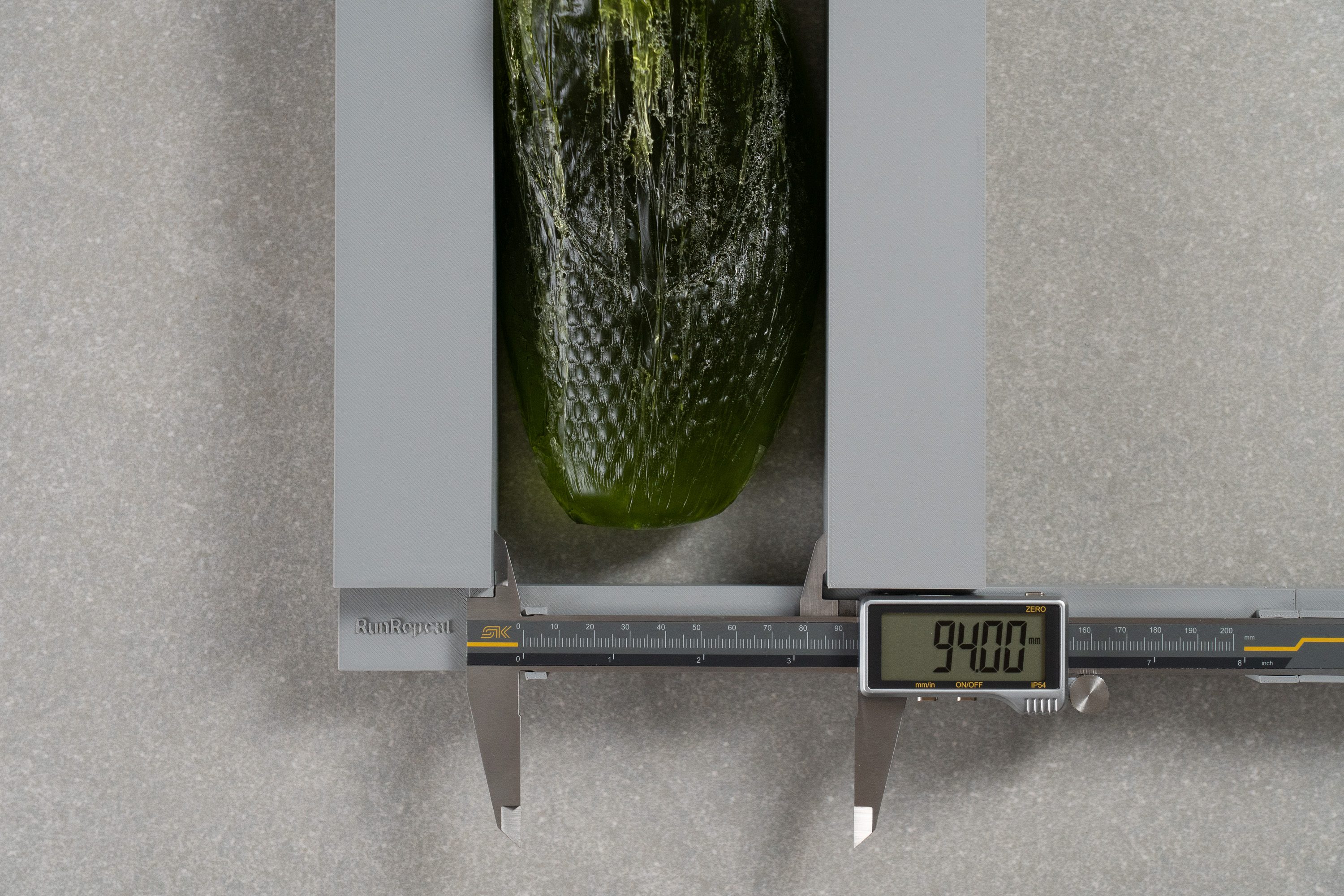
| Endorphin Azura | 94.0 mm |
| Average | 95.2 mm |
Toebox width
The same applies to the toebox width. We measured 72.2 mm in this part of the forefoot, which should work well for most runners.
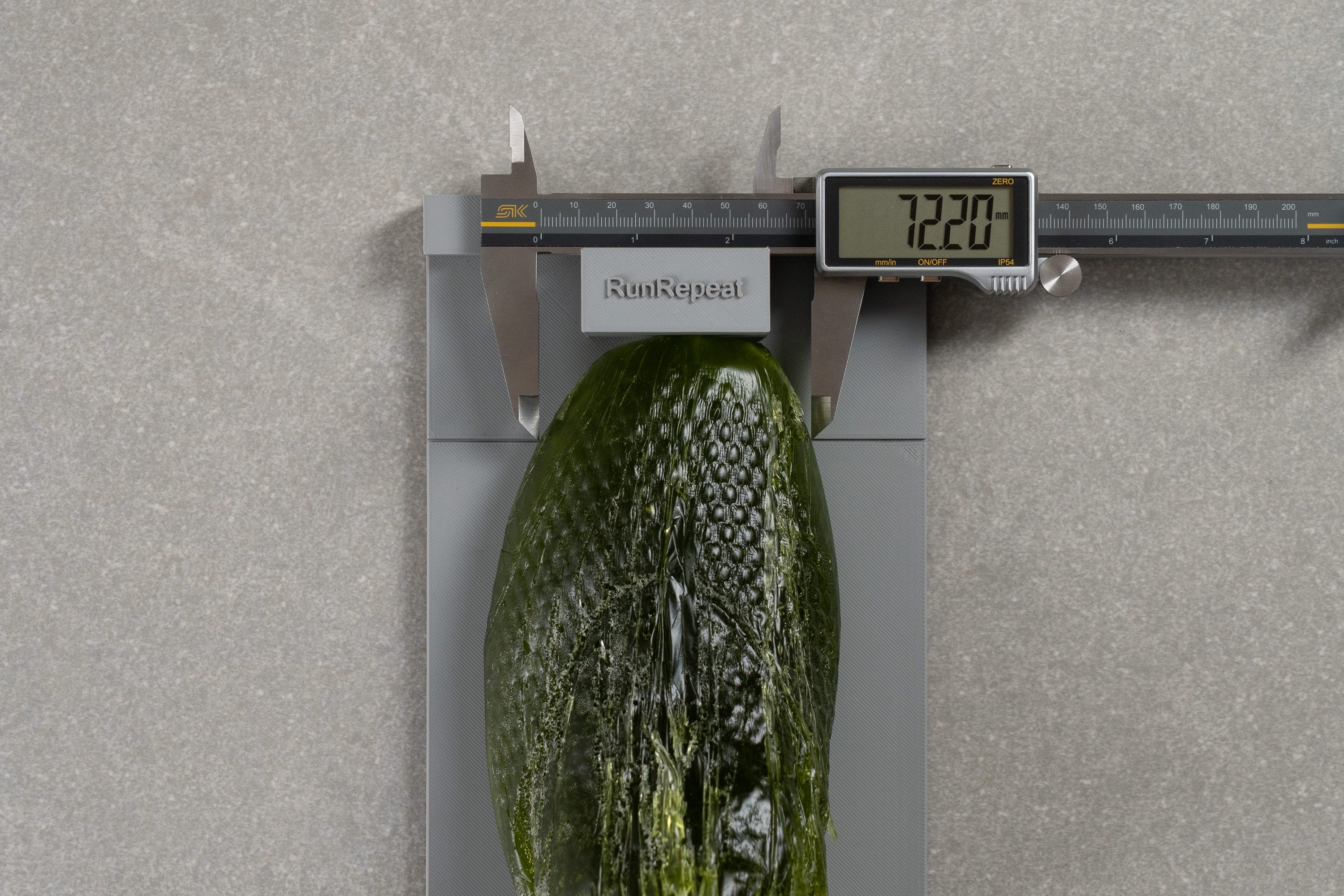
| Endorphin Azura | 72.2 mm |
| Average | 73.2 mm |
Toebox height
We captured all dimensions to give a clear picture of how the Endorphin Azura fits, and we compared them with the rest of the running shoes in our database.
At 28.3 mm, we found enough vertical space to avoid feeling cramped during long runs while still holding the foot securely when the pace picks up.
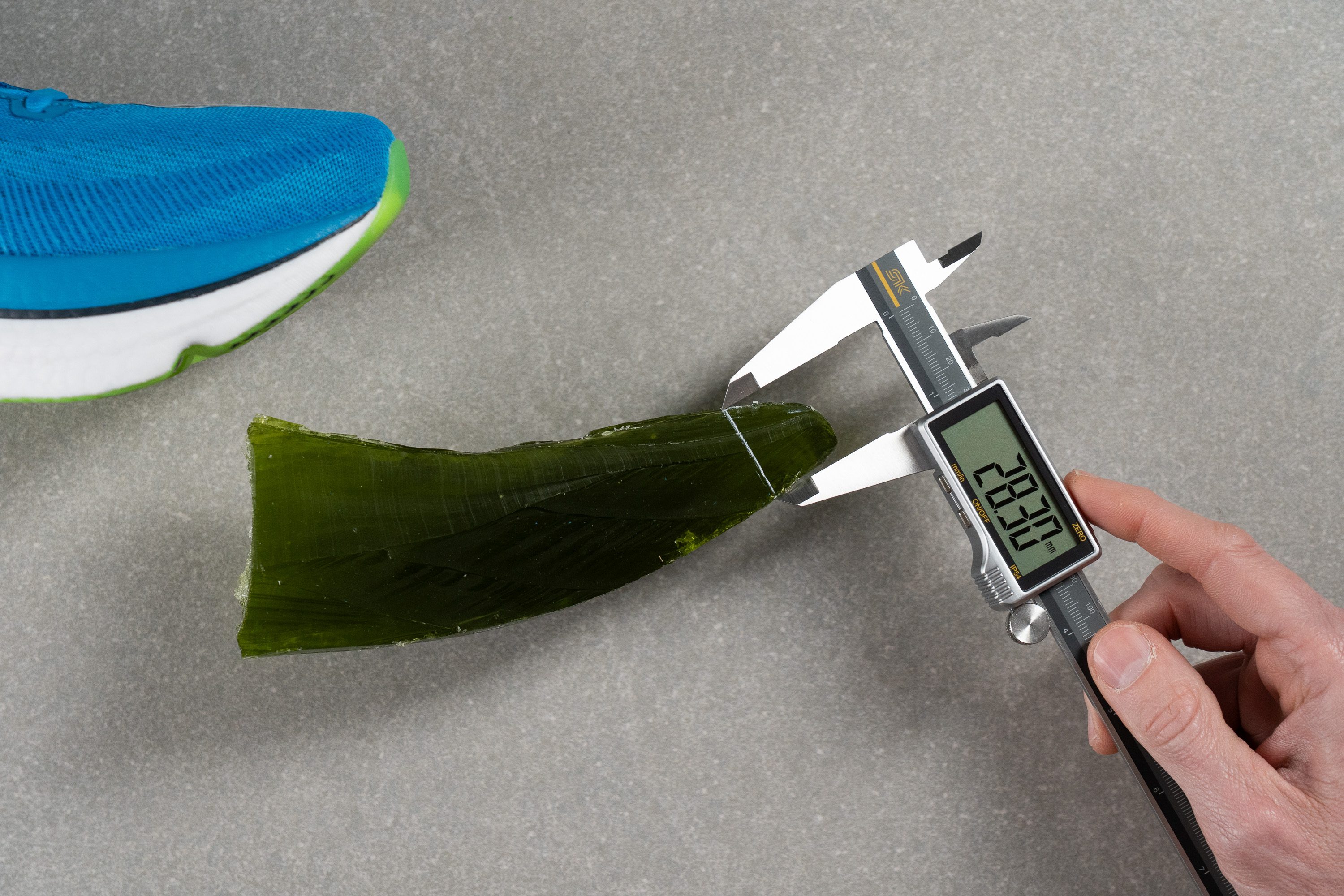
| Endorphin Azura | 28.3 mm |
| Average | 27.0 mm |
Traction / Grip
Traction test
Traction is not particularly impressive, but it gets the job done with a 0.51 score in our SATRA TM144 test. It provides a solid level of grip on both dry and wet surfaces, although it does not reach the exceptional grip we see from PumaGrip or ASICSGRIP rubber used by PUMA and ASICS.
| Endorphin Azura | 0.51 |
| Average | 0.53 |
Outsole design
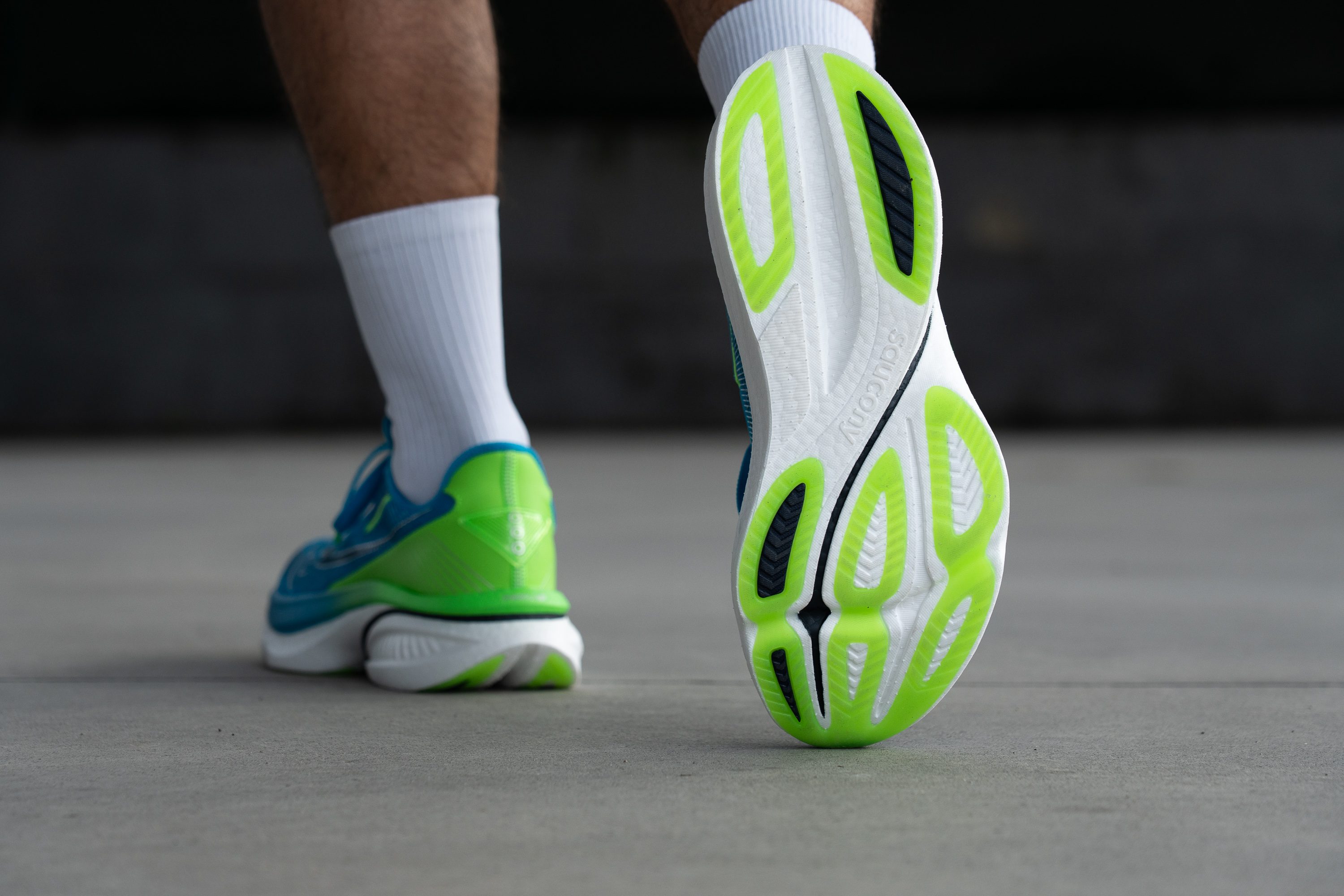
We noted that the outsole combines exposed PWRRUN PB foam with several XT-900 rubber patches placed across the forefoot and heel. Coverage is not very impressive, but we are not concerned because after 6 years of running on shoes with PWRRUN PB, we know it resists abrasion very well.
It's also interesting to see a long flex groove starts on the lateral side of the heel and runs through the midfoot, finishing near the toe spring.
Flexibility / Stiffness
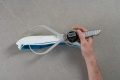
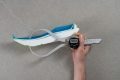
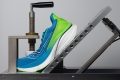
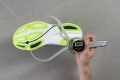
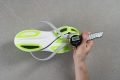
Despite its very high stack height and firm foam, the Azura delivered a reasonable 16.6N result in our flexibility test.
It does not bend like your yoga teacher, but the black groove running from heel to toe and the horizontal forefoot cutout helped lower the score compared to many other max-stack shoes.
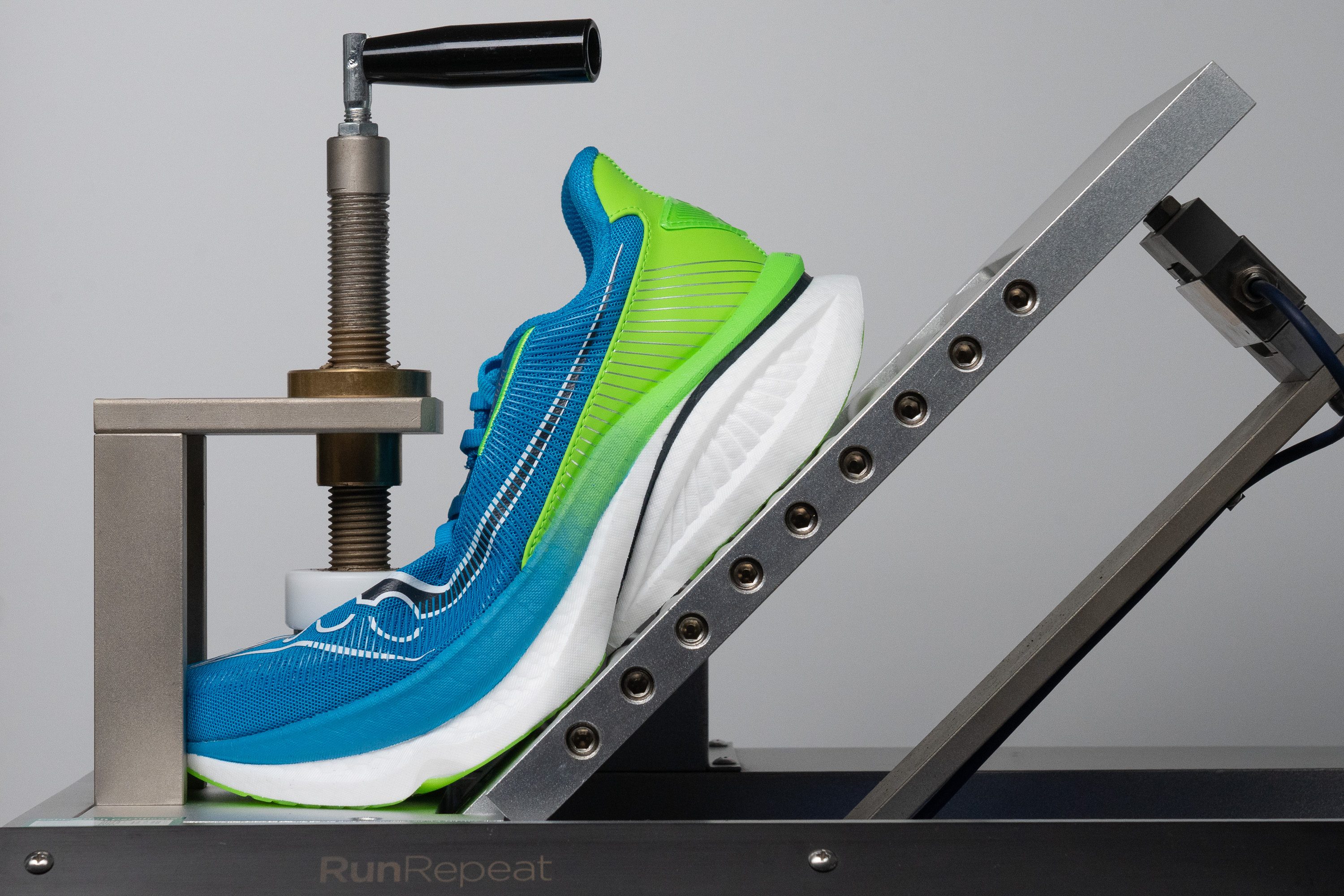
| Endorphin Azura | 16.6N |
| Average | 15.5N |
Weight
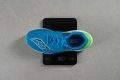
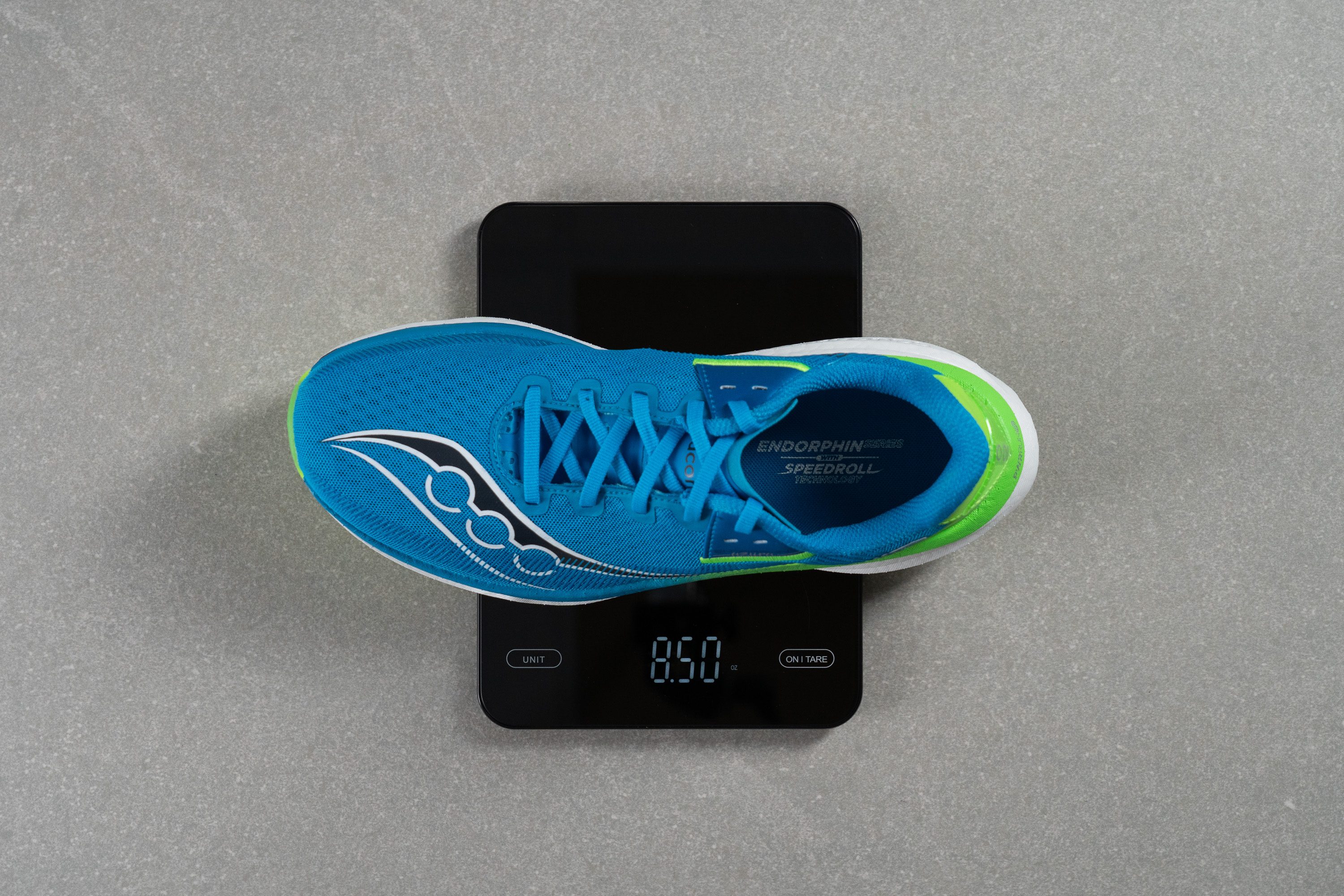
Weight is also a positive. Thanks to the full-length PWRRUN PB midsole, the Azura delivers such a cushioned and bouncy ride at only 8.5 oz or 241g.
Yes, that is slightly heavier than the EVO SL, but only by 0.6 oz or 18g and mostly due to the more structured upper and the thicker outsole rubber.
| Endorphin Azura | 8.5 oz (241g) |
| Average | 9.2 oz (261g) |
Breathability
Breathability test
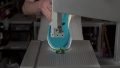
Saucony rarely disappoints when it comes to upper design and execution, and the Azura follows that tradition very well.
Smoke escaped from the shoe effortlessly during our test, something we expected after closely inspecting the upper right out of the box.
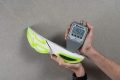
When we placed the upper over a light source, it became even clearer why ventilation works so well and where the airflow is strongest. The entire forefoot performs particularly well in this regard, earning the Azura a 4/5 score for breathability.
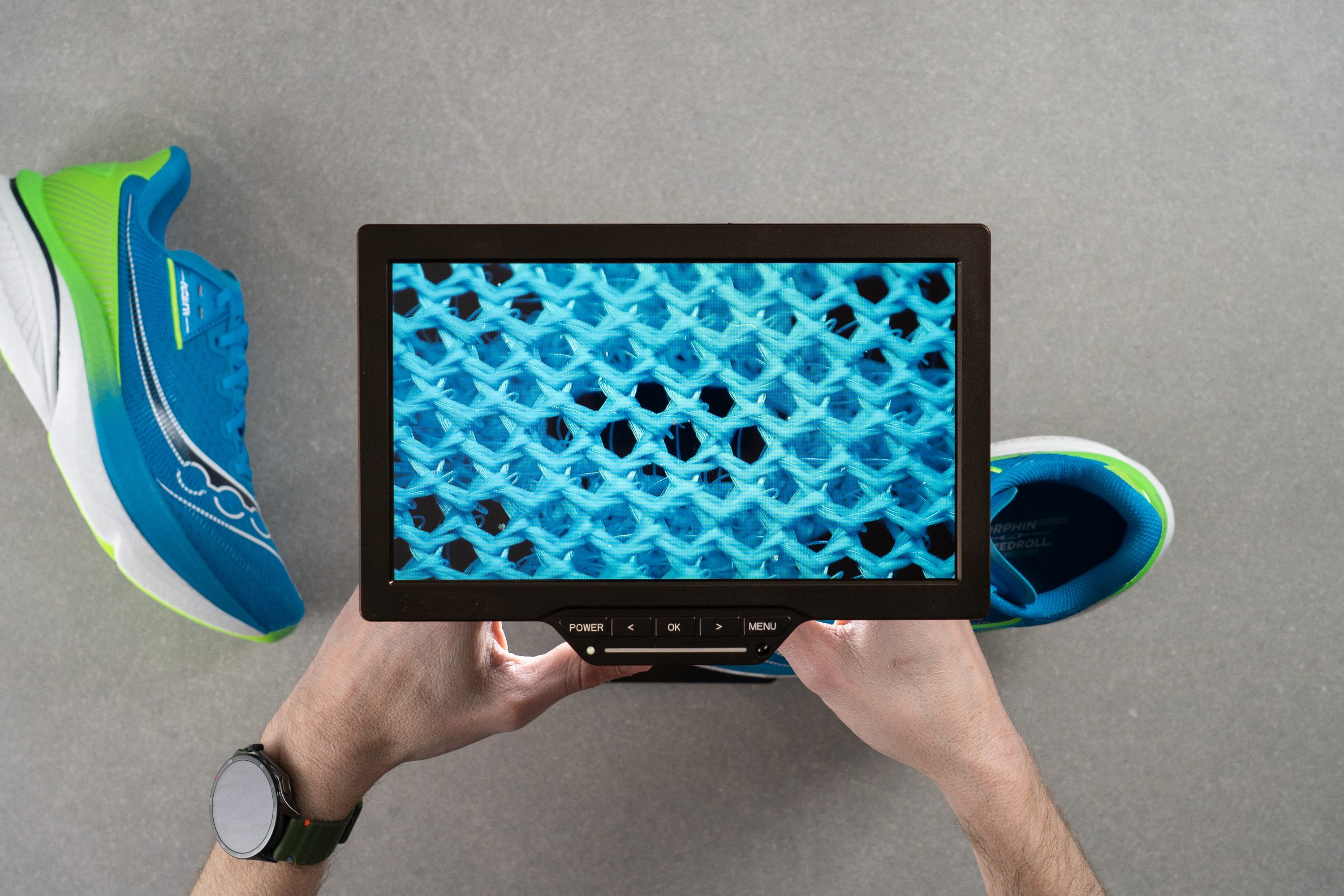
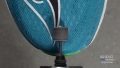
Looking at the material under the microscope confirmed how this ventilation is achieved.
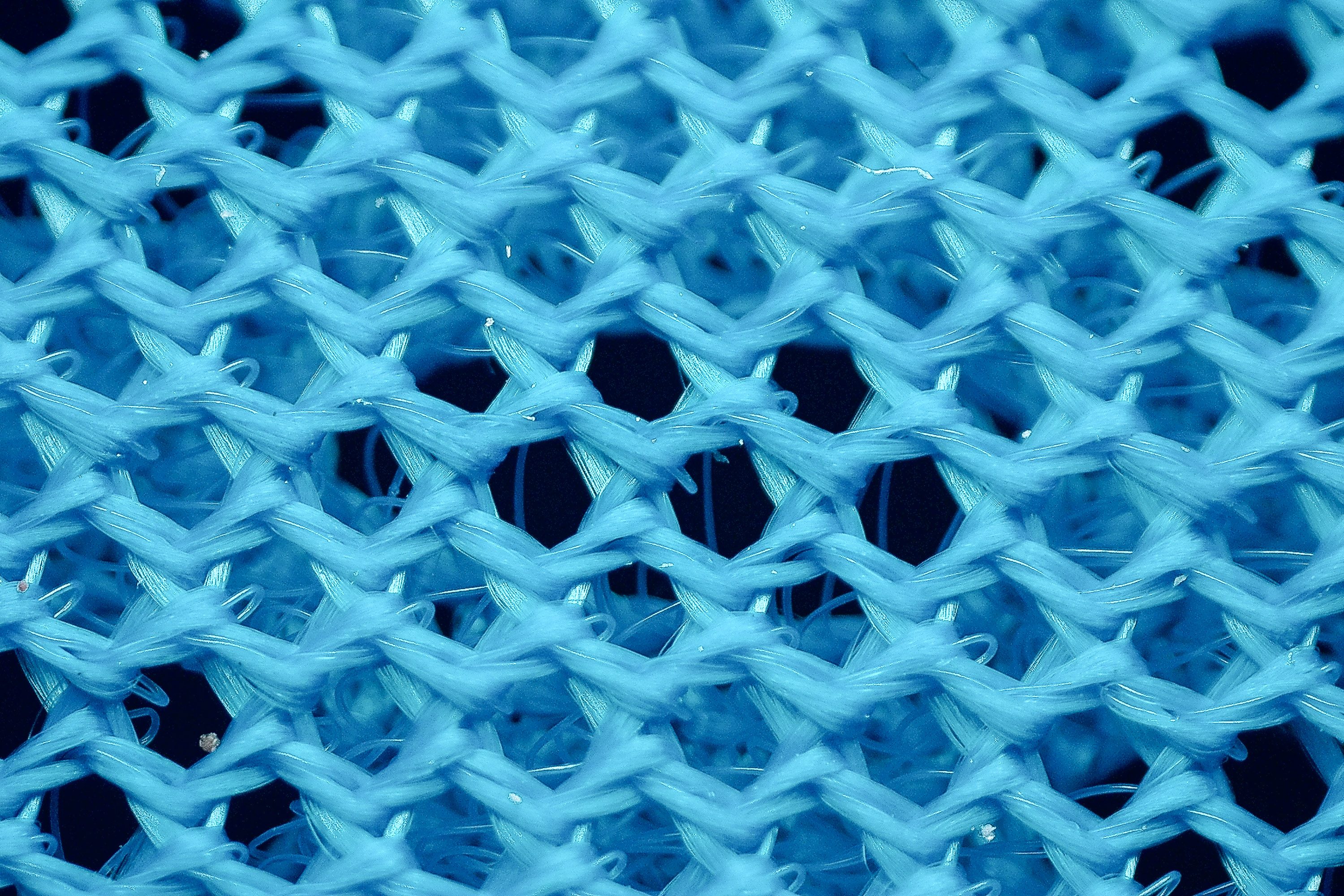
The upper uses a two-layer construction, with an outer structural mesh full of tiny holes and a second inner layer with larger openings.
Overall, this is a very solid upper for the price, especially considering that the shoe mainly focuses its budget on the PWRRUN PB midsole. It has no clear weaknesses, works well across seasons, and stays comfortable during longer runs.
| Endorphin Azura | 4 |
| Average | 3.6 |
Stability
Lateral stability test
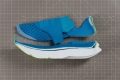
One thing the Endorphin Azura does surprisingly well is stability and we can truly say that it can handle even those with moderate pronation needs. We noticed a very interesting mix of firm foam, midsole sidewalls, a central guidance groove running from heel to midfoot, and a very wide forefoot that helps deliver better stability than many runners might expect from such a fast shoe.
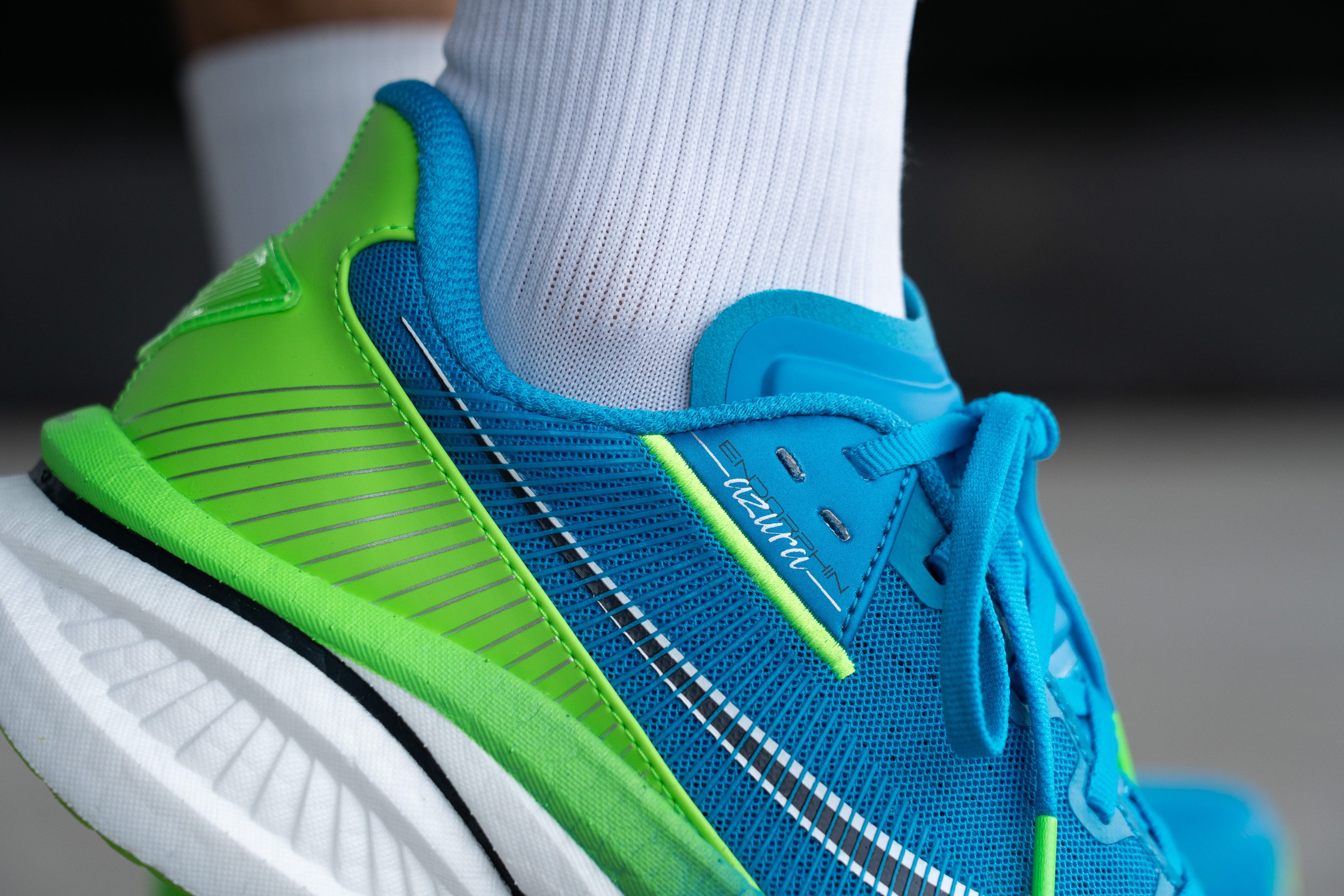
There is also some interesting extra support coming from the upper. Aside from the obvious green reinforcement in the heel, we found dozens of ultra-thin vertical TPU strips running from rear to front, helping reinforce the structure and contain lateral forces.
Torsional rigidity
Saucony added an interesting flex groove that allows the Azura to bend slightly more through the midfoot. And hey, it works well to offset the high stack height and retain some flex, as we measured 14.5 Nm in this test.
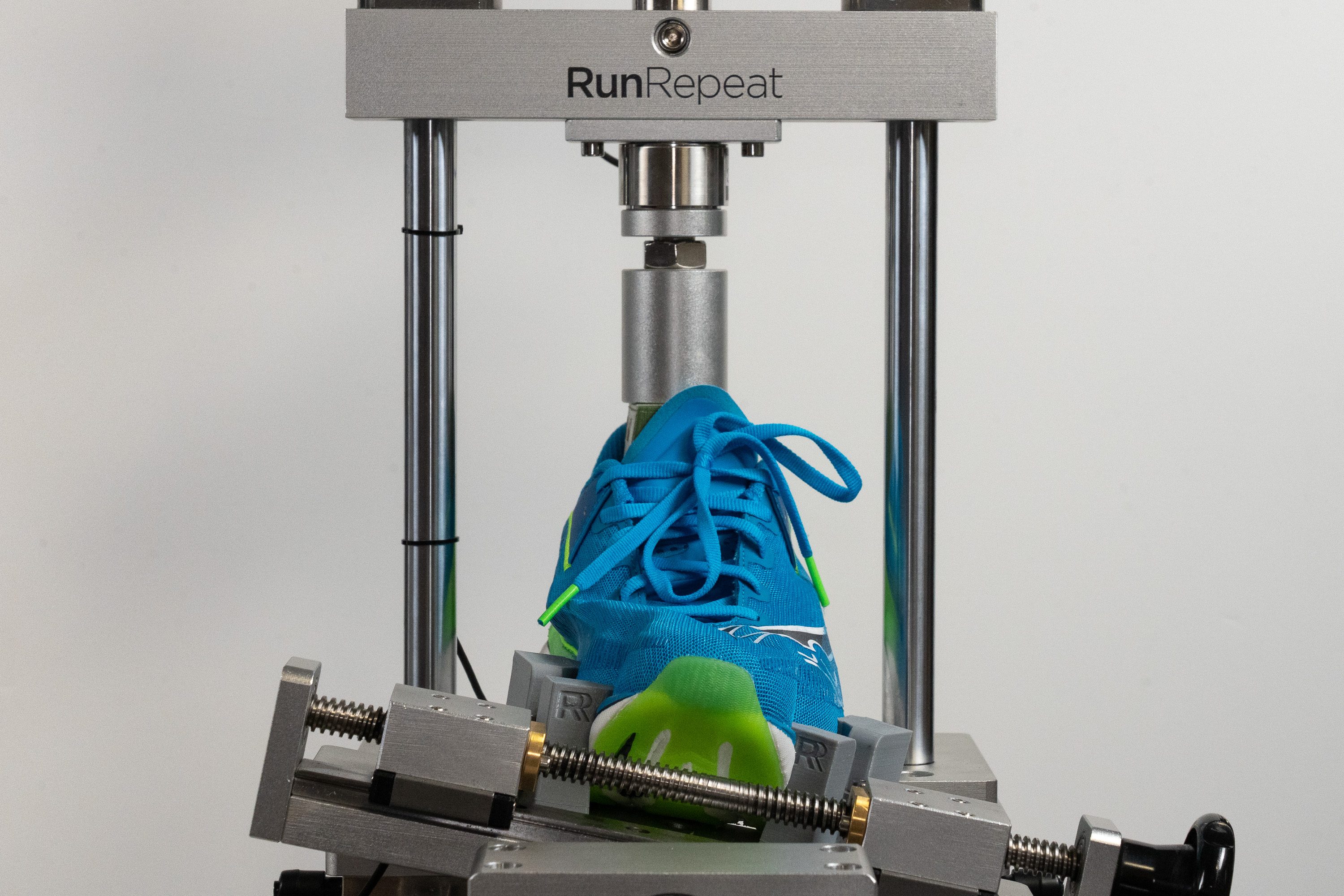
| Endorphin Azura | 14.5 Nm |
| Average | 14.3 Nm |
Heel counter stiffness
The heel counter may look quite stiff at first glance, but it is actually more flexible than it appears. We rated it 3/5, which is the same score we often give to many daily trainers.
| Endorphin Azura | 3 |
| Average | 3 |
Midsole width - forefoot
Here’s one of the key design tweaks that helps make the Azura stable. The midsole width is extremely generous at 123.4 mm, making it even wider than some stability shoes.
However, this kind of platform is becoming more common as super trainers continue to grow in size.
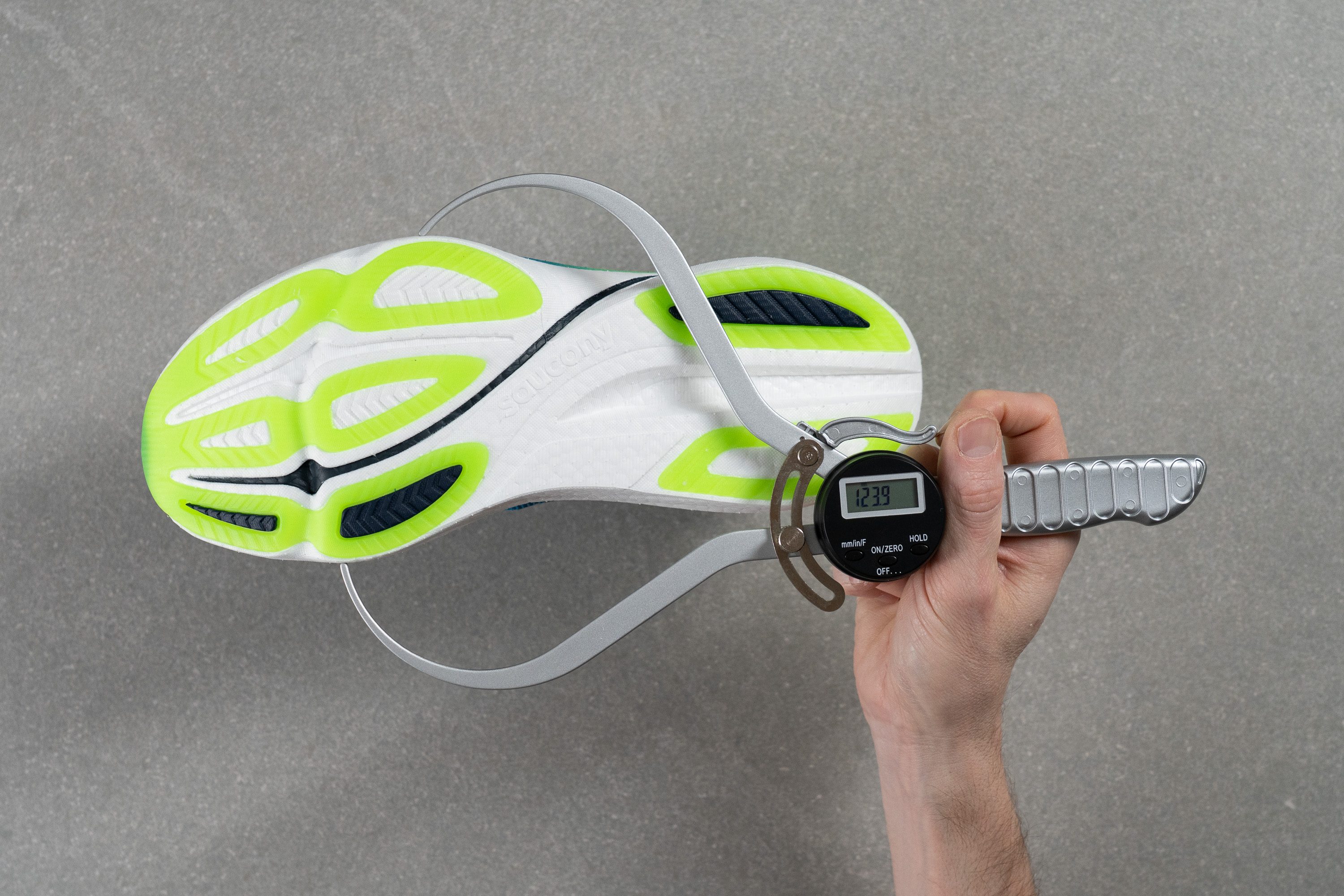
| Endorphin Azura | 123.4 mm |
| Average | 115.1 mm |
Midsole width - heel
The heel measures a more modest 91.6 mm, yet it remains wide enough to support most neutral runners—especially with the firm PWRRUN PB foam helping prevent lateral collapse.
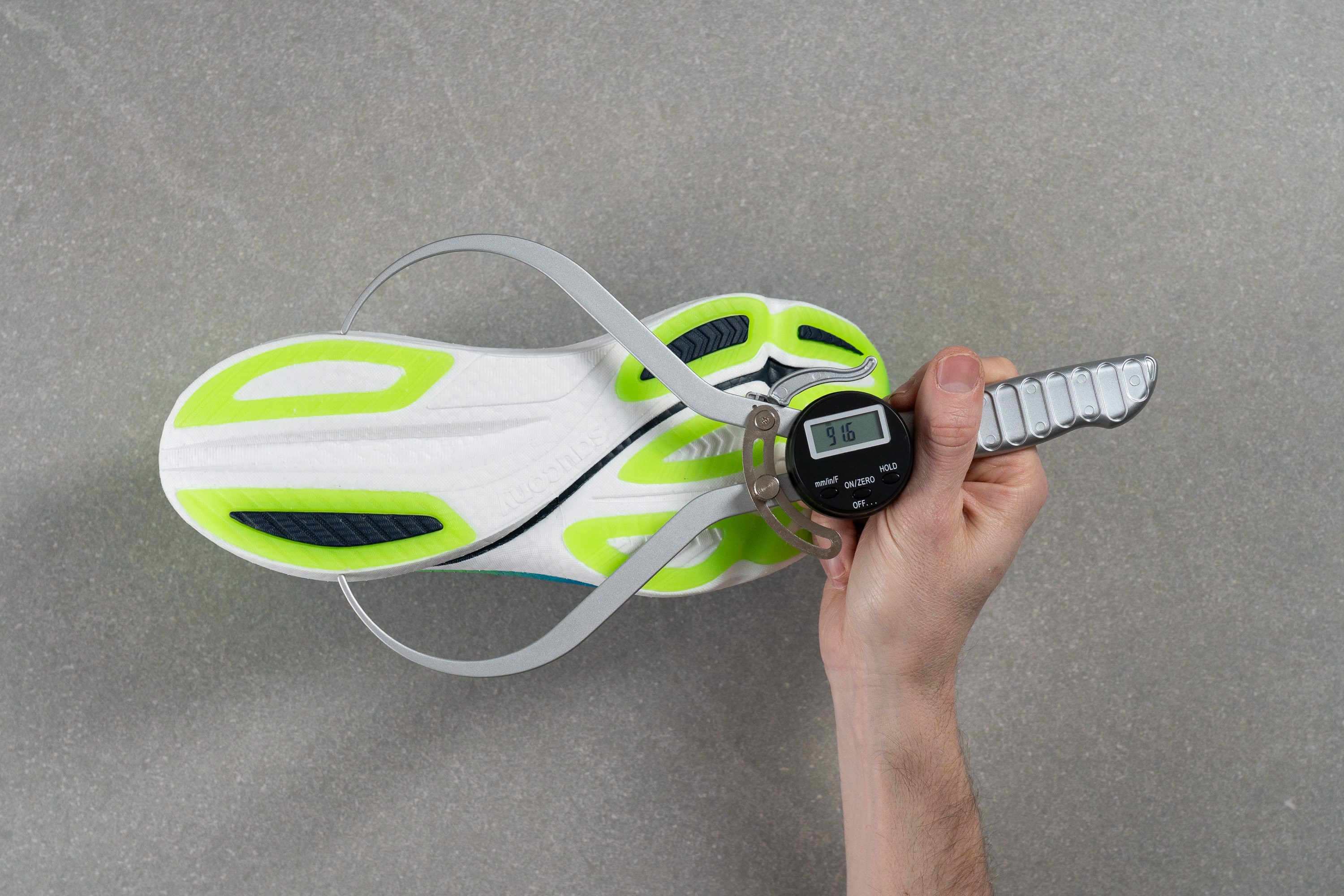
| Endorphin Azura | 91.6 mm |
| Average | 91.1 mm |
Durability
Toebox durability
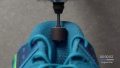
When we inspected the mesh upper for breathability, we noticed the forefoot was extremely thin, which made us question how it might affect durability. And there is nothing better than another lab test to find out.
After running the Dremel test, we recorded a 2/5 score. It is not the best result and sits below the lab average, but it should not create major issues for most runners.
| Endorphin Azura | 2 |
| Average | 2.6 |
Heel padding durability
On the other hand, the heel padding performed exceptionally well, earning a perfect 5 out of 5, so we do not expect early wear in this part of the Azura.
| Endorphin Azura | 5 |
| Average | 3.4 |
Outsole durability
The strong durability trend that began with the heel continues with the outsole. We observed only 0.5 mm of wear, which is truly impressive. And as we mentioned earlier, from our experience with dozens of Endorphin models like the Speed and Pro, PWRRUN PB also holds up very well over time.
| Endorphin Azura | 0.5 mm |
| Average | 1.1 mm |
Outsole thickness
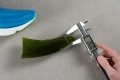
At 2.3 mm, the outsole thickness may not seem like much, but we think it hits a good balance for a shoe designed for performance workouts. Thicker rubber can sometimes mute the ride, and given the strong durability we observed, even 2.3 mm might already be more than enough.
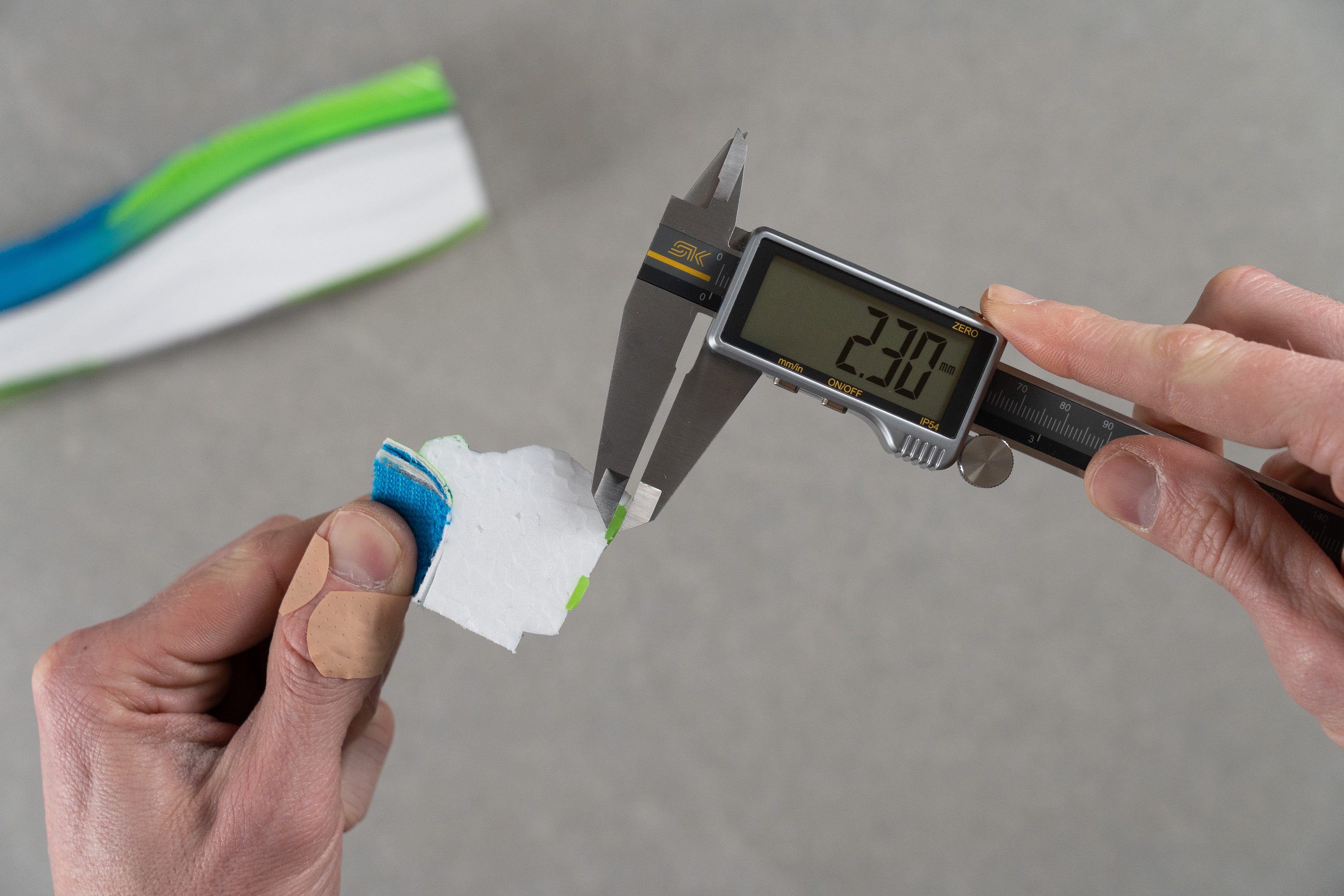
| Endorphin Azura | 2.3 mm |
| Average | 3.1 mm |
Misc
Insole thickness
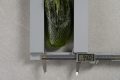
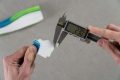
The insole that comes with the Endorphin Azura has a thickness of 4.4 mm, which is similar to what we see in many competing shoes.
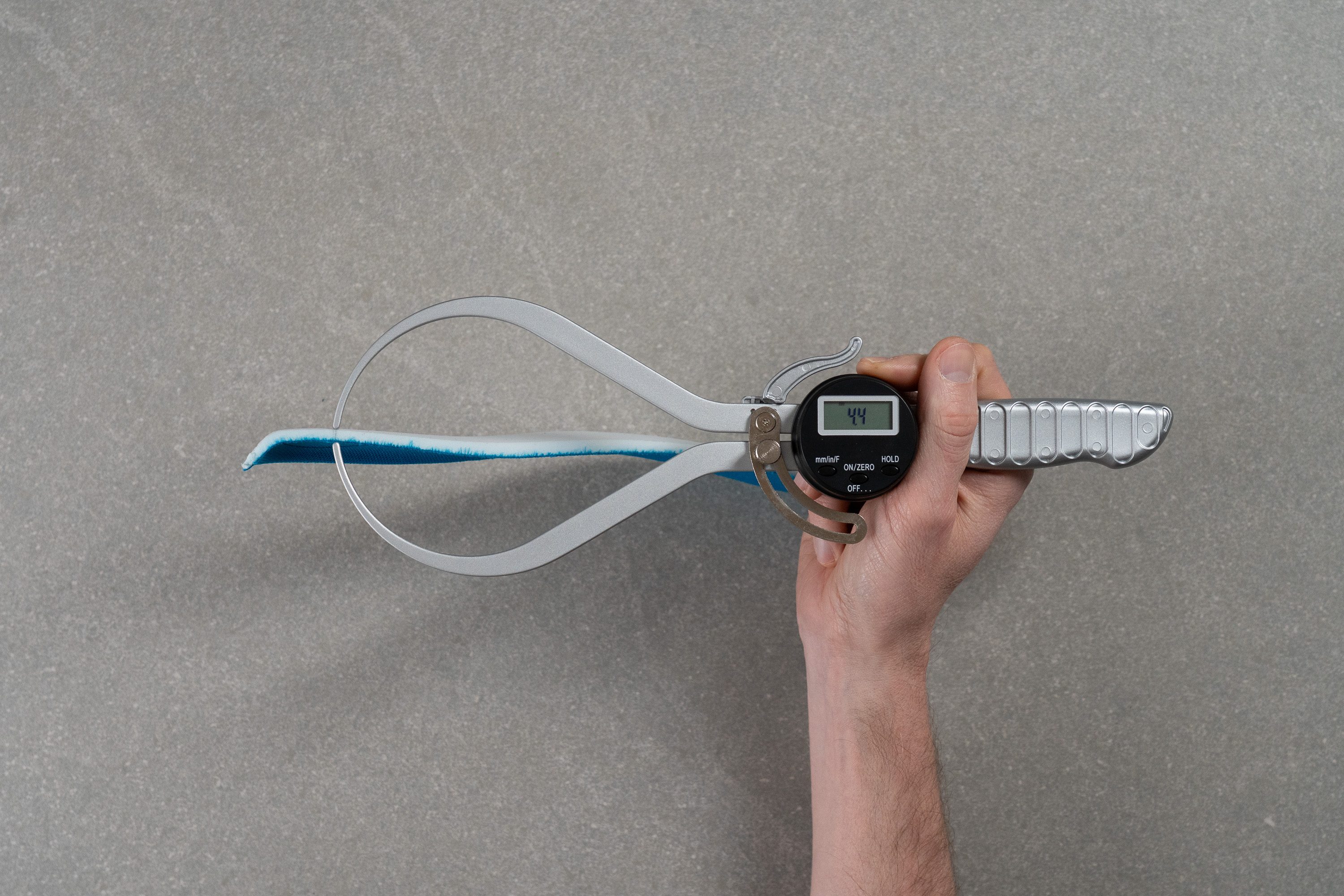
| Endorphin Azura | 4.4 mm |
| Average | 4.4 mm |
Removable insole
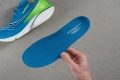
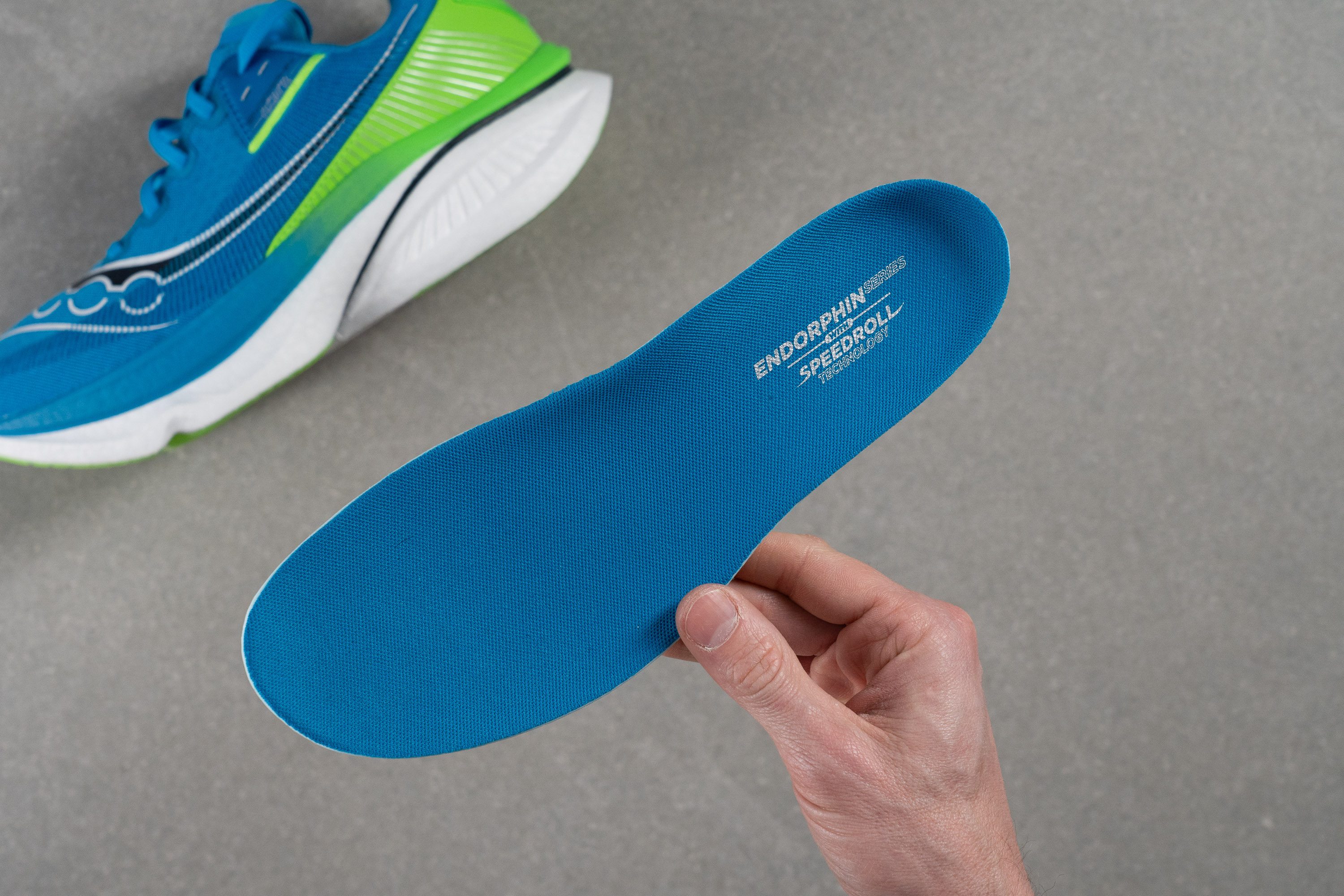
You can remove the insole easily, as we did, since it is not glued in place. Therefore, runners who use custom orthotics can also try the Azura.
| Endorphin Azura | Yes |
Reflective elements
It was nice to find reflective elements in the heel area for those after-dusk runs.
| Endorphin Azura | Yes |
Tongue padding
We had no complaints about the laces used by Saucony, and the fit stayed secure during every mile. There was zero discomfort, and the tongue length is also spot on. We also liked having two extra eyelets instead of one for doing alternative lacing techniques.
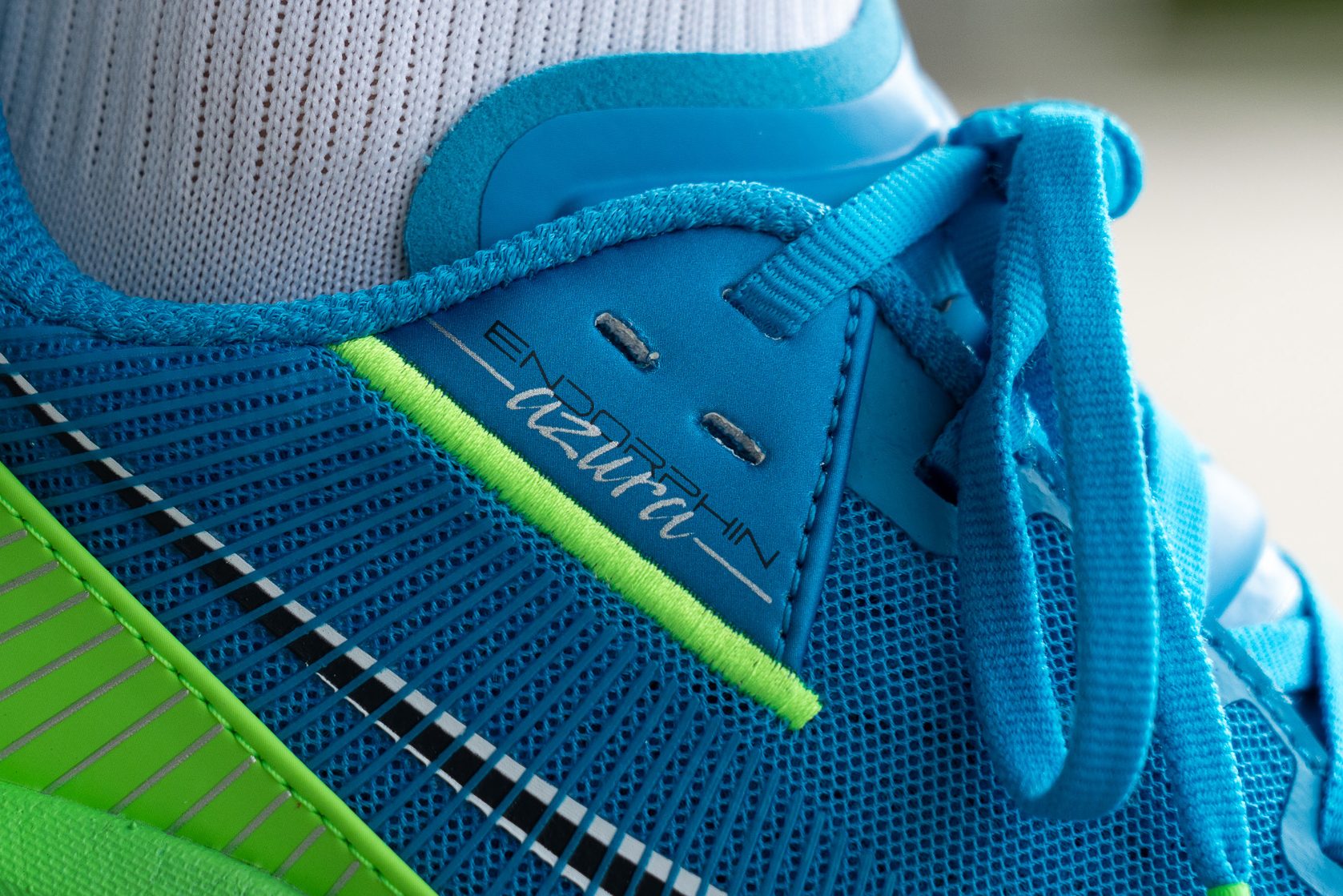
As for the tongue padding, Saucony used a clever design here. Many brands trying to save costs rely on a single slab of foam, which adds weight, or skip padding altogether, which reduces comfort.
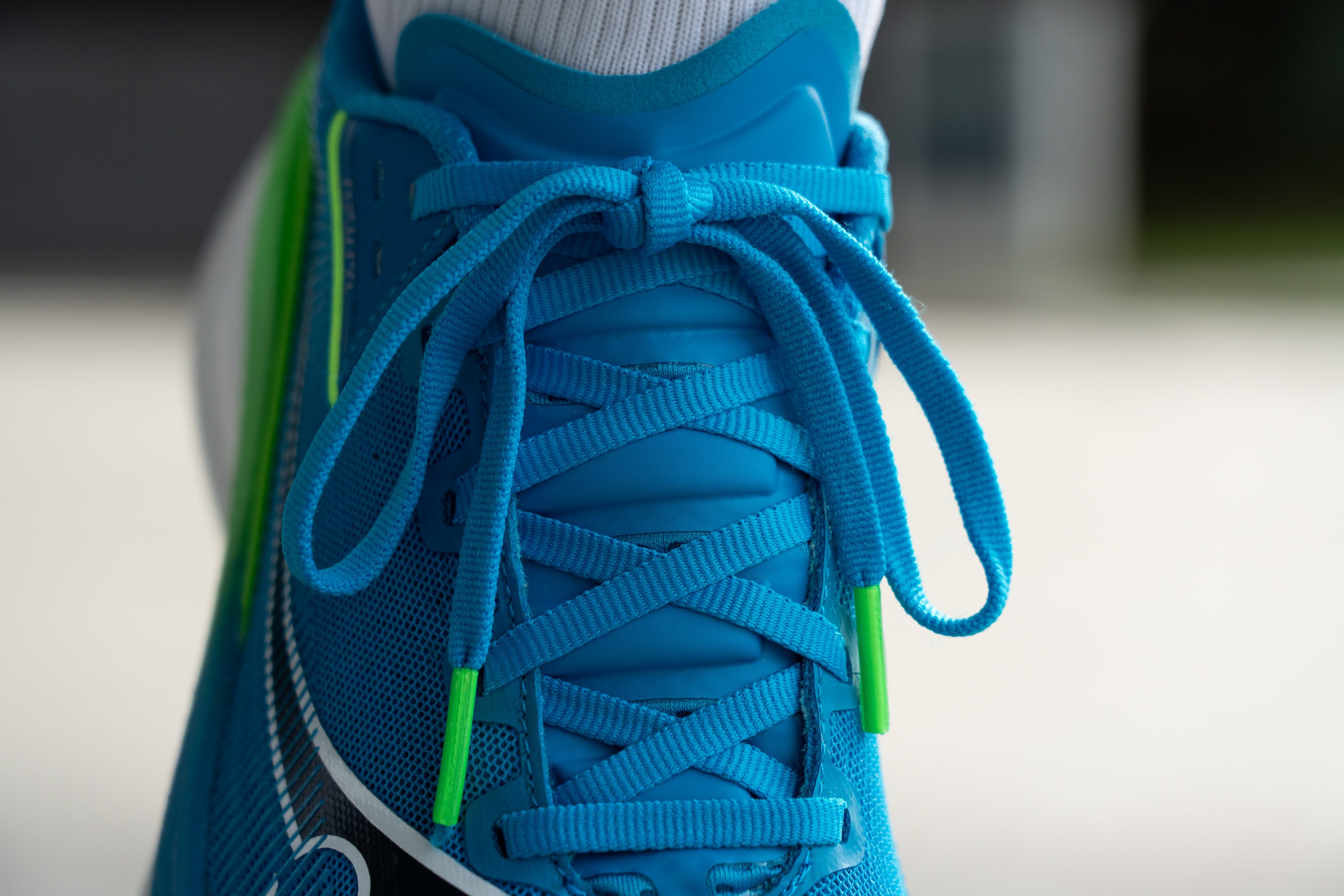
Here we found four small foam pillows measuring 4.3 mm that protect the areas with the most lace pressure while keeping the rest of the tongue light and streamlined. Another premium touch that adds clear value.
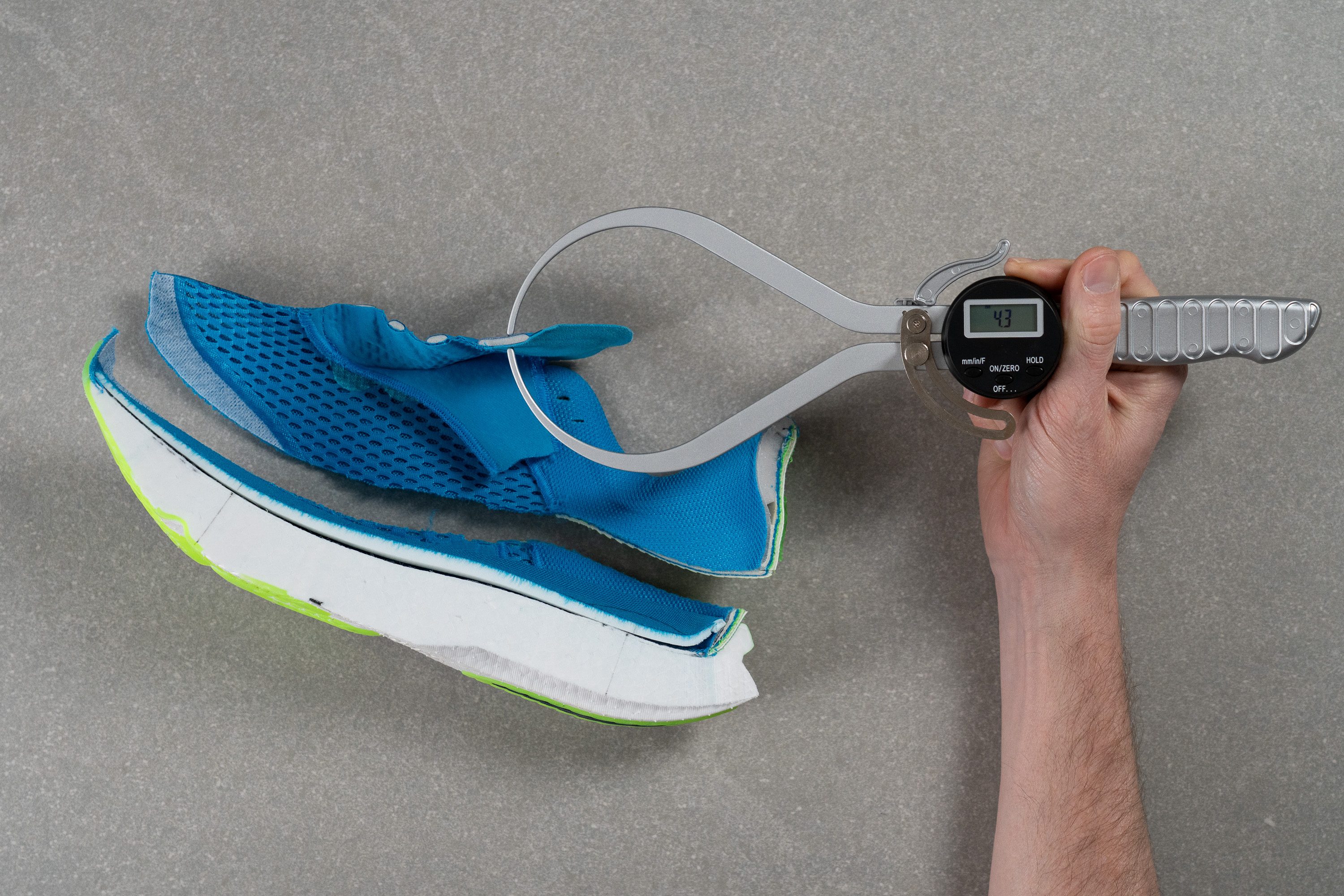
| Endorphin Azura | 4.3 mm |
| Average | 5.8 mm |
Tongue: gusset type
The tongue comes semi-gusseted, and we want to highlight that Saucony used a perforated mesh here to improve airflow on the sides, something that other brands often overlook even in more expensive models.
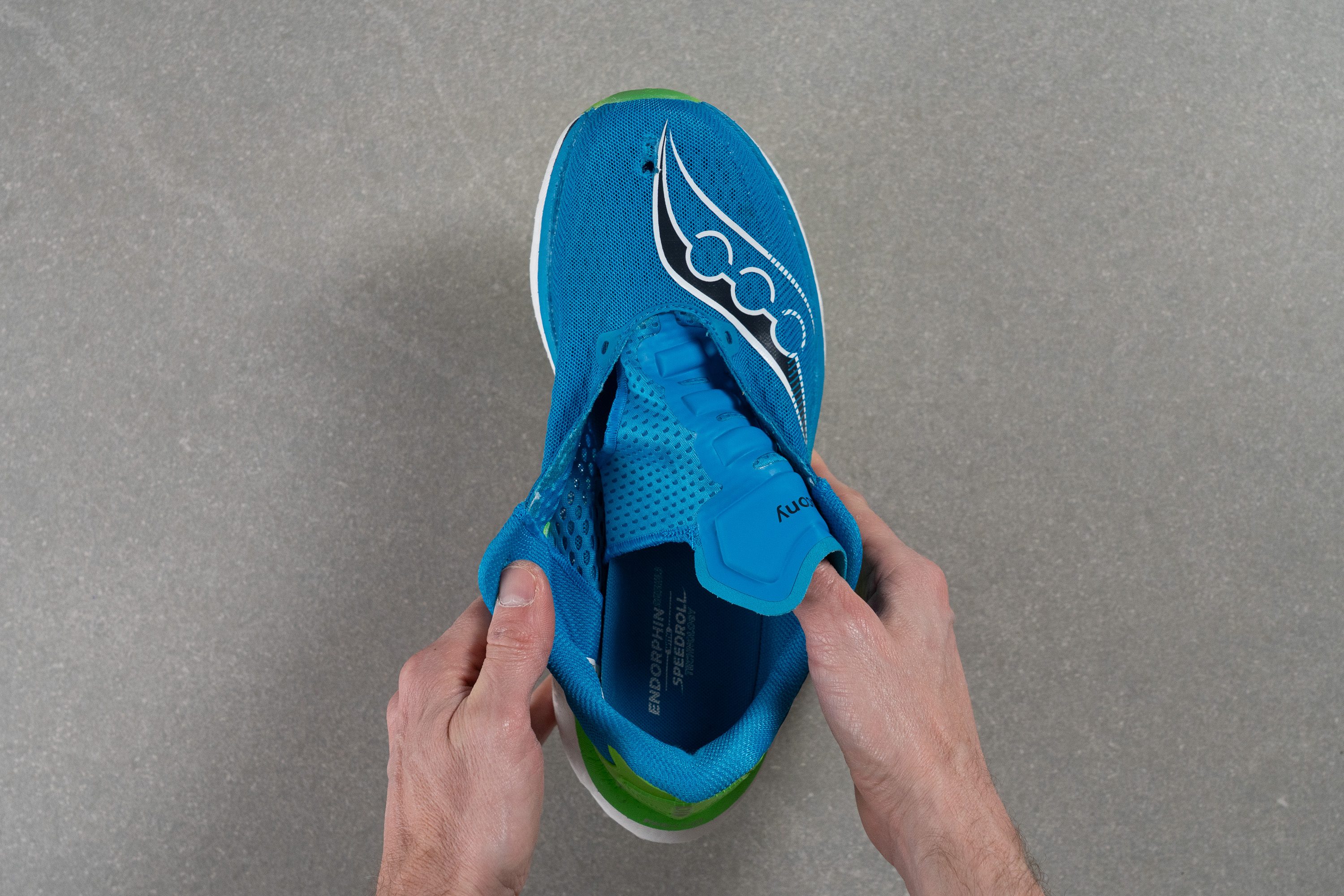
| Endorphin Azura | Both sides (semi) |
Heel tab
The heel is not the cleanest or most impressive design we have seen, but it is exactly what we expect from a shoe that does not prioritise premium upper materials.
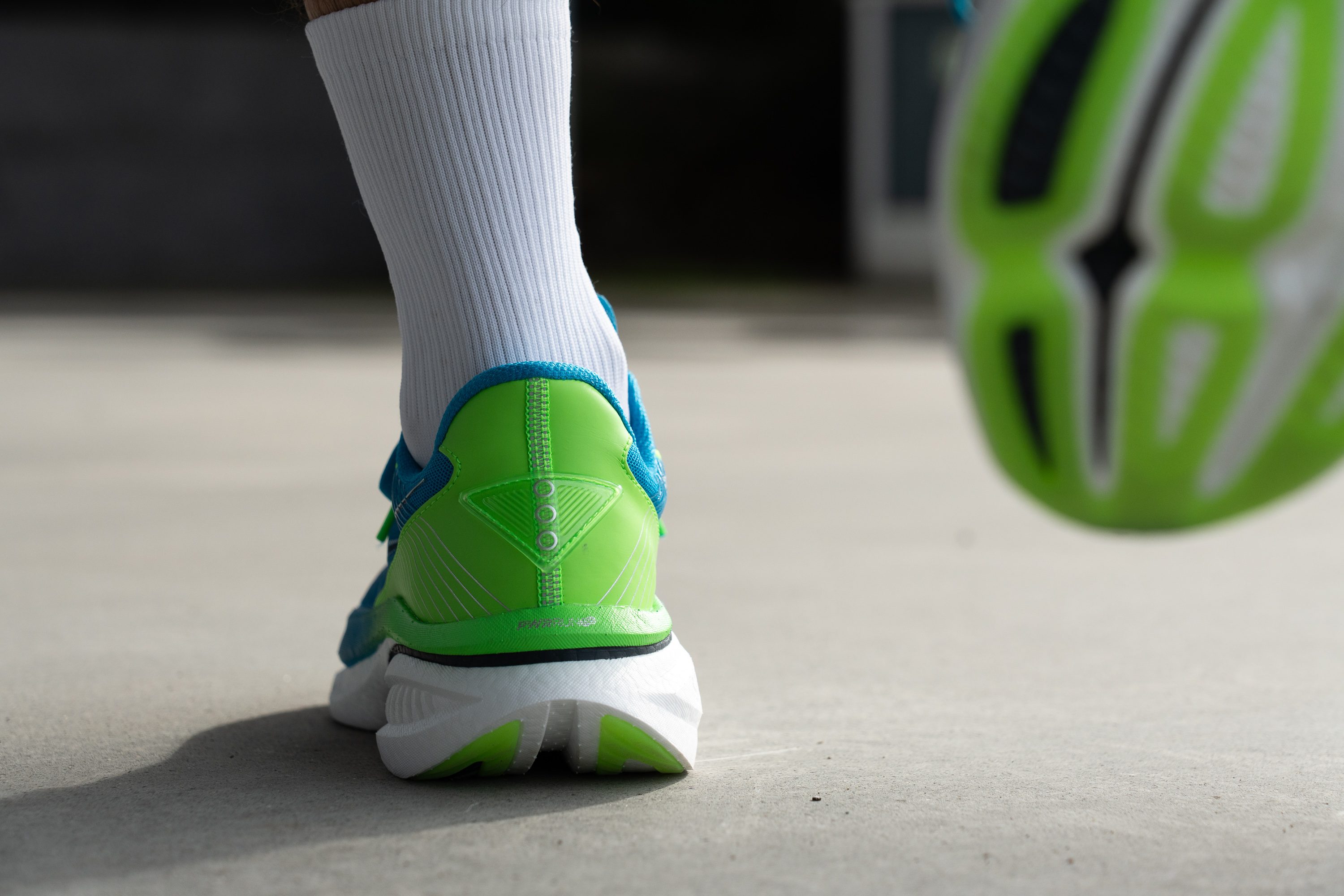
| Endorphin Azura | None |
Price
This shoe truly stands out in terms of value. With outstanding energy return for its moderate price, it delivers an energetic ride that runners who love midsole bounce will immediately appreciate. It feels fast and versatile underfoot, and even beginners or casual runners can confidently use it as a race-day option without any issues.
| Endorphin Azura | $150 |