
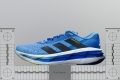
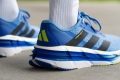
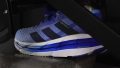
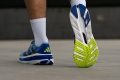








Our verdict
- Daily running 75
- Tempo 70
- Race 55
- Stability 80
Pros
- Highly stable ride
- Lightstrike Pro adds bounce
- Innovative plate design
- Continental outsole delivers solid traction
- Roomy forefoot design
- Good flex for a plated shoe
- Premium upper
- Ideal for midfoot strikers
- Perforated insole
Cons
- Bad upper durability
- Weight could be lower
- Not for summer
- Non-gusseted tongue
Comparison
The most similar running shoes compared
+ + Add a shoe | |||||
|---|---|---|---|---|---|
| Our score | 71 Decent | 94 Superb | 87 Great | 82 Great | |
| Price | £165 | £180 | £190 | £200 | |
| Pace | Daily running | Daily runningCompetition | Daily running | Daily runningTempo | |
| Shock absorption | High | High | High | High | |
| Energy return | High | High | High | High | |
| Traction | High | High | High | High | |
| Arch support | Neutral | Neutral | Neutral | Neutral | |
| Weight lab Weight brand | 9.8 oz / 278g 10.2 oz / 290g | 7.3 oz / 207g 7.7 oz / 218g | 10.1 oz / 286g 9.9 oz / 281g | 10.1 oz / 285g 10.1 oz / 286g | |
| Lightweight | ✗ | ✓ | ✗ | ✗ | |
| Drop lab Drop brand | 6.8 mm 6.0 mm | 8.8 mm 4.0 mm | 7.6 mm 5.0 mm | 6.9 mm 8.0 mm | |
| Strike pattern | Mid/forefoot | HeelMid/forefoot | Mid/forefoot | Mid/forefoot | |
| Size | Slightly small | Slightly small | Slightly small | True to size | |
| Midsole softness | Balanced | Soft | Soft | Soft | |
| Difference in midsole softness in cold | Small | Small | Big | Small | |
| Toebox durability | Bad | Decent | Decent | Decent | |
| Heel padding durability | Bad | Good | Decent | Decent | |
| Outsole durability | Good | Good | Good | Good | |
| Breathability | Warm | - | Moderate | Breathable | |
| Width / fit | Medium | Medium | Medium | Narrow | |
| Toebox width | Medium | Medium | Medium | Narrow | |
| Stiffness | Moderate | Moderate | Stiff | Stiff | |
| Torsional rigidity | Moderate | Moderate | Stiff | Stiff | |
| Heel counter stiffness | Stiff | Flexible | Stiff | Flexible | |
| Plate | Carbon plate | Carbon plate | Carbon plate | Carbon plate | |
| Rocker | ✗ | ✓ | ✓ | ✓ | |
| Heel lab Heel brand | 38.7 mm 40.0 mm | 38.3 mm 40.0 mm | 45.8 mm 44.0 mm | 38.9 mm 42.0 mm | |
| Forefoot lab Forefoot brand | 31.9 mm 34.0 mm | 29.5 mm 36.0 mm | 38.2 mm 39.0 mm | 32.0 mm 34.0 mm | |
| Widths available | NormalWide | NormalWide | Normal | Normal | |
| Orthotic friendly | ✓ | ✓ | ✓ | ✓ | |
| Season | All seasons | - | All seasons | SummerAll seasons | |
| Removable insole | ✓ | ✓ | ✓ | ✓ | |
| Ranking | #372 Bottom 7% | #5 Top 2% | #67 Top 17% | #193 Top 49% | |
| Popularity | #381 Bottom 4% | #97 Top 25% | #146 Top 37% | #258 Bottom 35% |

Who should buy
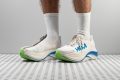
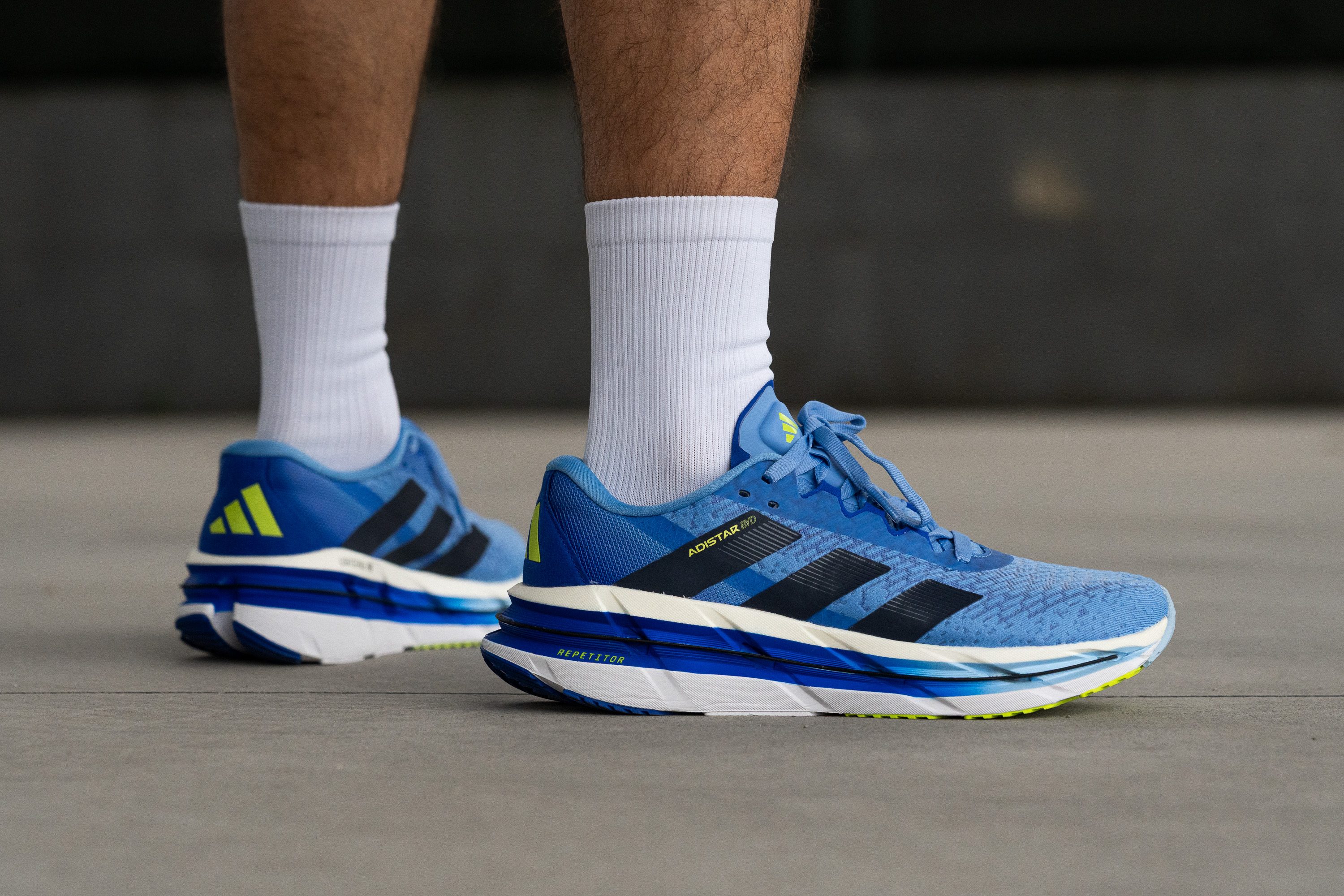
We think that the adidas BYD can be a solid choice for:
- Runners who want a super trainer without an overly wide or bulky midsole, as we found it keeps a more streamlined platform than most in this category.
- Midfoot and forefoot strikers seeking a premium option. Our lab testing showed better response and efficiency in the front than in the heel.
- Those who value support without going into full stability shoes.
- Adidas fans who still want Continental rubber!
Who should NOT buy
We think that the Adistar BYD may not be the best option for runners on a tight budget. In our view, the price can feel high given its performance-oriented features. Instead, the Saucony Endorphin Azura or the adidas Adizero EVO SL feel faster and give more value inside the super trainer category. Or just go for the adidas Adistar 4 instead!
We also think that neutral heel strikers may not enjoy this shoe as much. In our runs, it felt too controlling and not very natural. We believe that other options like the Nike Vomero Plus or even the adidas Supernova Prima 2 may suit those without support needs much better.
Cushioning
Shock absorption
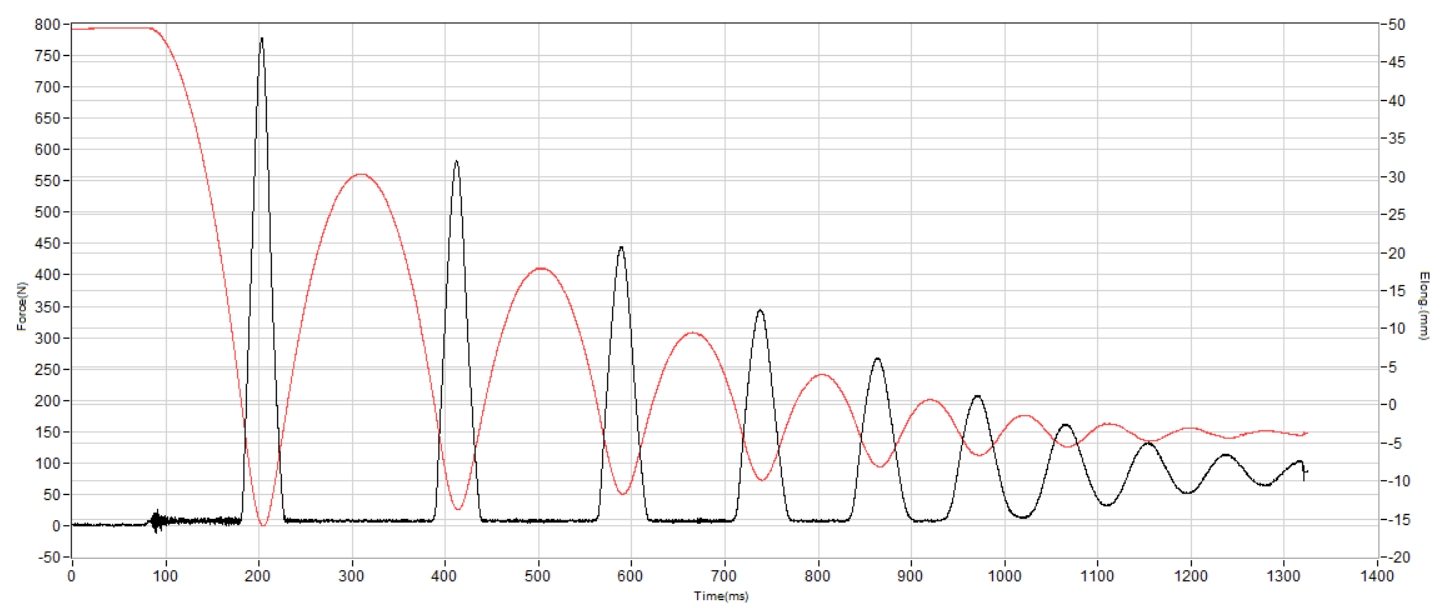
In our shock absorption test in the lab, we found two contrasting results. The heel landed around average with 131 SA, while the forefoot stands out with 129 SA.
Therefore, despite the similar numbers, the outcome is unusual, as most shoes show a much larger gap between heel and forefoot.
| Adistar BYD | 131 SA |
| Average | 131 SA |
Energy return
The same factor that keeps forefoot shock absorption close to the heel also drives higher energy return up front. The proportion of Lightstrike Pro is greater in the forefoot, with less REPETITOR 2.0 holding it back.
As a result, we measured a modest 59.9% in the heel and a more encouraging 67.2% in the forefoot. Therefore, it's clear to us that this setup favours runners who land on the midfoot or forefoot when seeking better performance.
| Adistar BYD | 67.2% |
| Average | 61.4% |
Heel stack
At 38.7 mm in our calipers, the Adistar BYD qualifies as a high-stack model and provides plenty of separation from the ground. However, the heel starts to feel closer to average compared to modern daily trainers, as most brands continue adding more foam across their lineups.
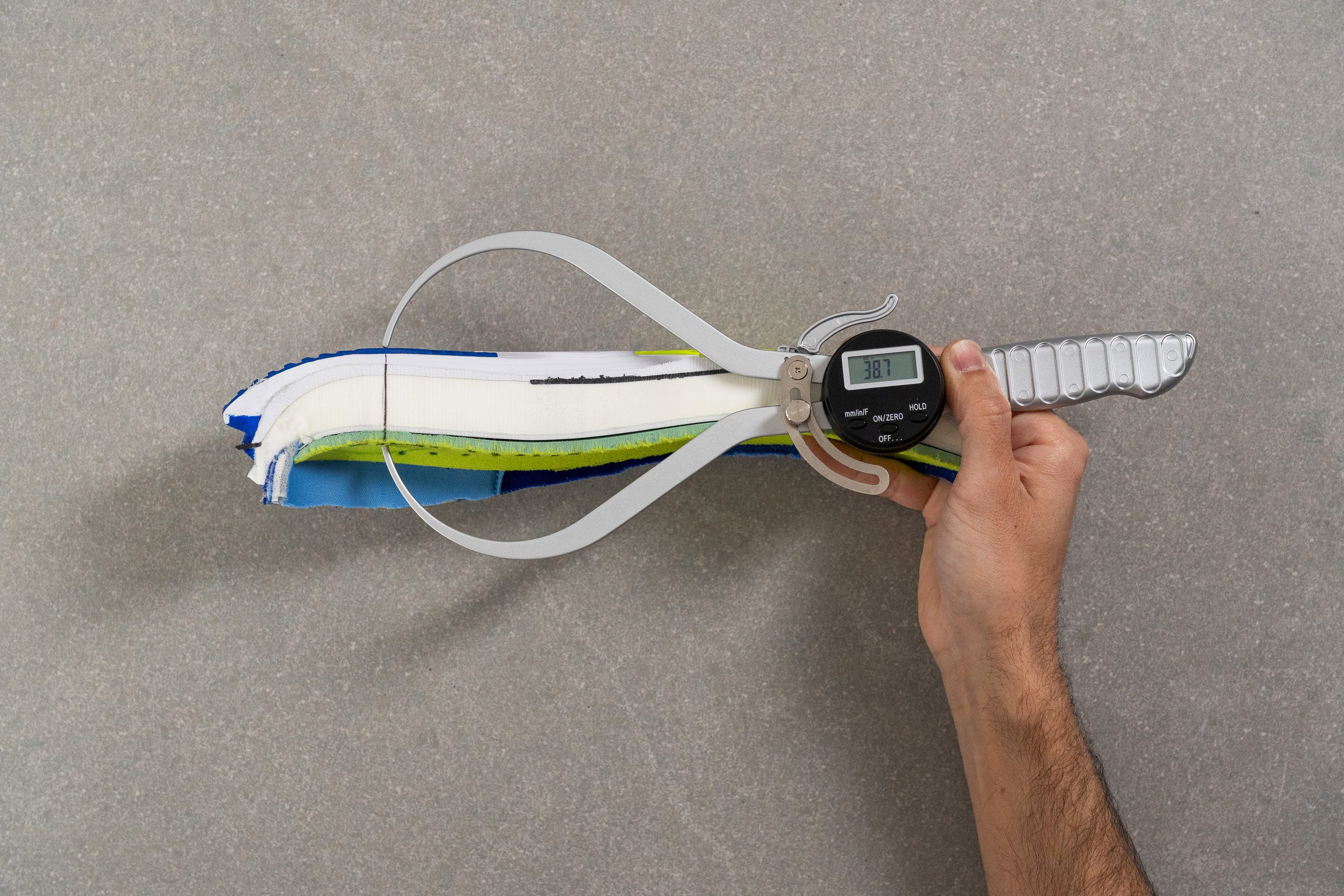
| Adistar BYD | 38.7 mm |
| Average | 35.5 mm |
Forefoot stack
The forefoot reaches 31.9 mm and feels more maximalist when compared to a standard daily trainer. This measurement also explains why shock absorption in the forefoot came out well above average, while the heel remained closer to the norm.
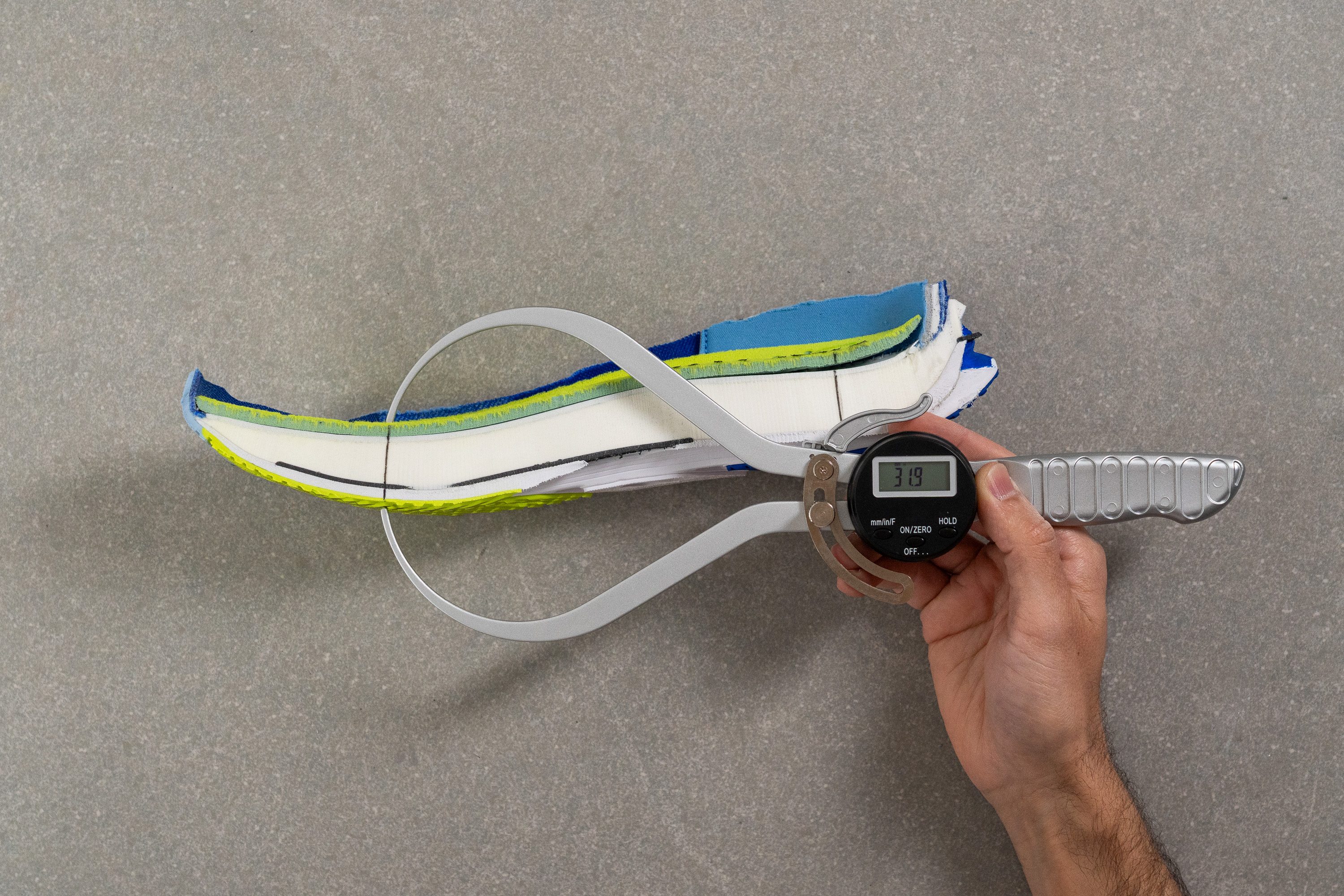
| Adistar BYD | 31.9 mm |
| Average | 27.1 mm |
Drop
The drop also suits the Adistar BYD better for midfoot strikers, as 6.8 mm is often less appealing for heel or forefoot strikers. It remains usable for all, but if we had to choose one footstrike that works best with this shoe, it is clearly midfoot.
| Adistar BYD | 6.8 mm |
| Average | 8.4 mm |
Midsole softness
One of the main appeals of the Adistar BYD comes from its primary foam, Lightstrike Pro, and yes, this superfoam is what allows the shoe to sit within the super trainer category that has gained so much attention in recent years.
In our testing, we measured the Lightstrike Pro at 33.5 HA on the Asker C durometer, which places it on the softer side, although the shoe does not feel plush, and the reason becomes clear when looking at the full setup.
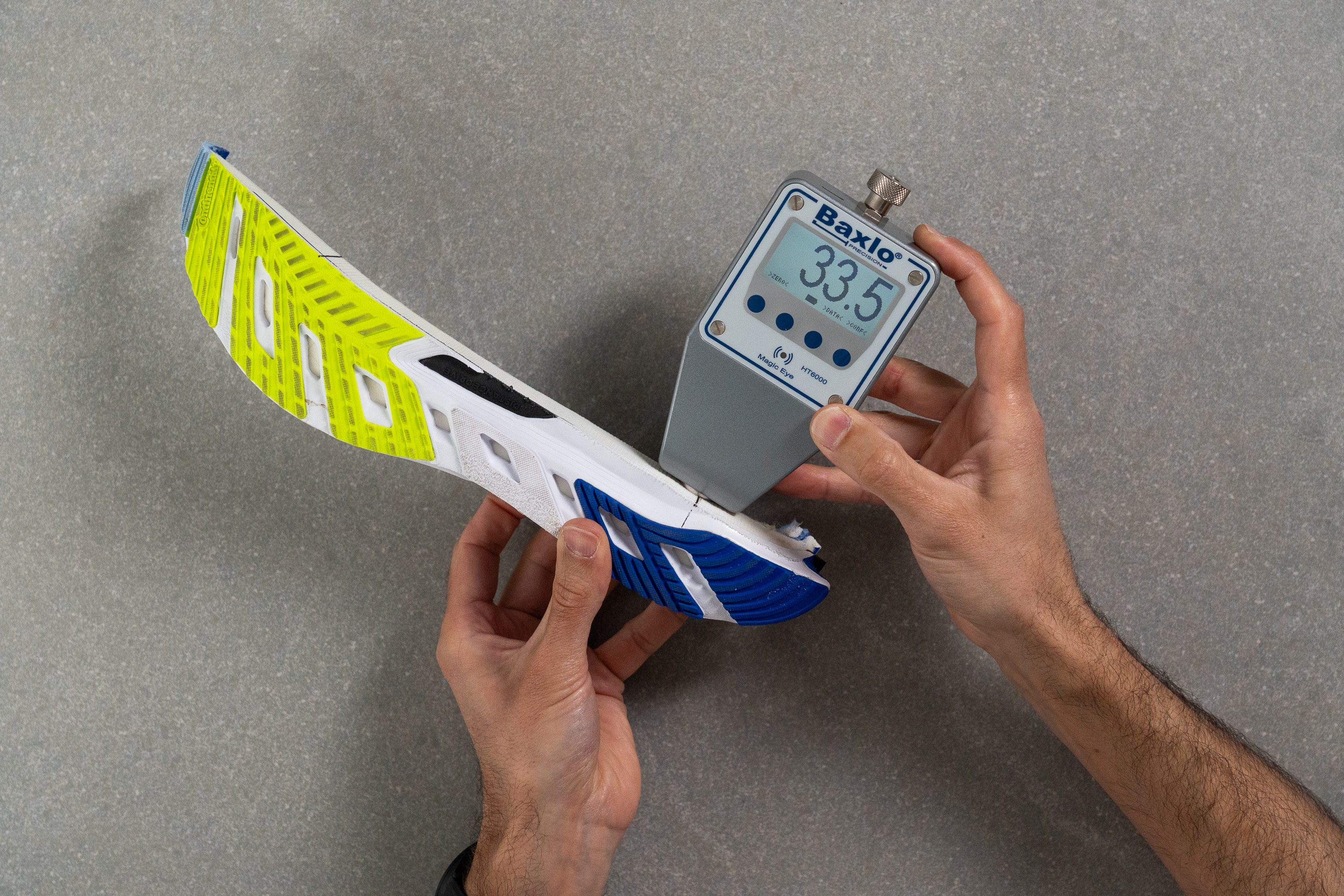
| Adistar BYD | 33.5 AC |
| Average | 35.5 AC |
Rocker
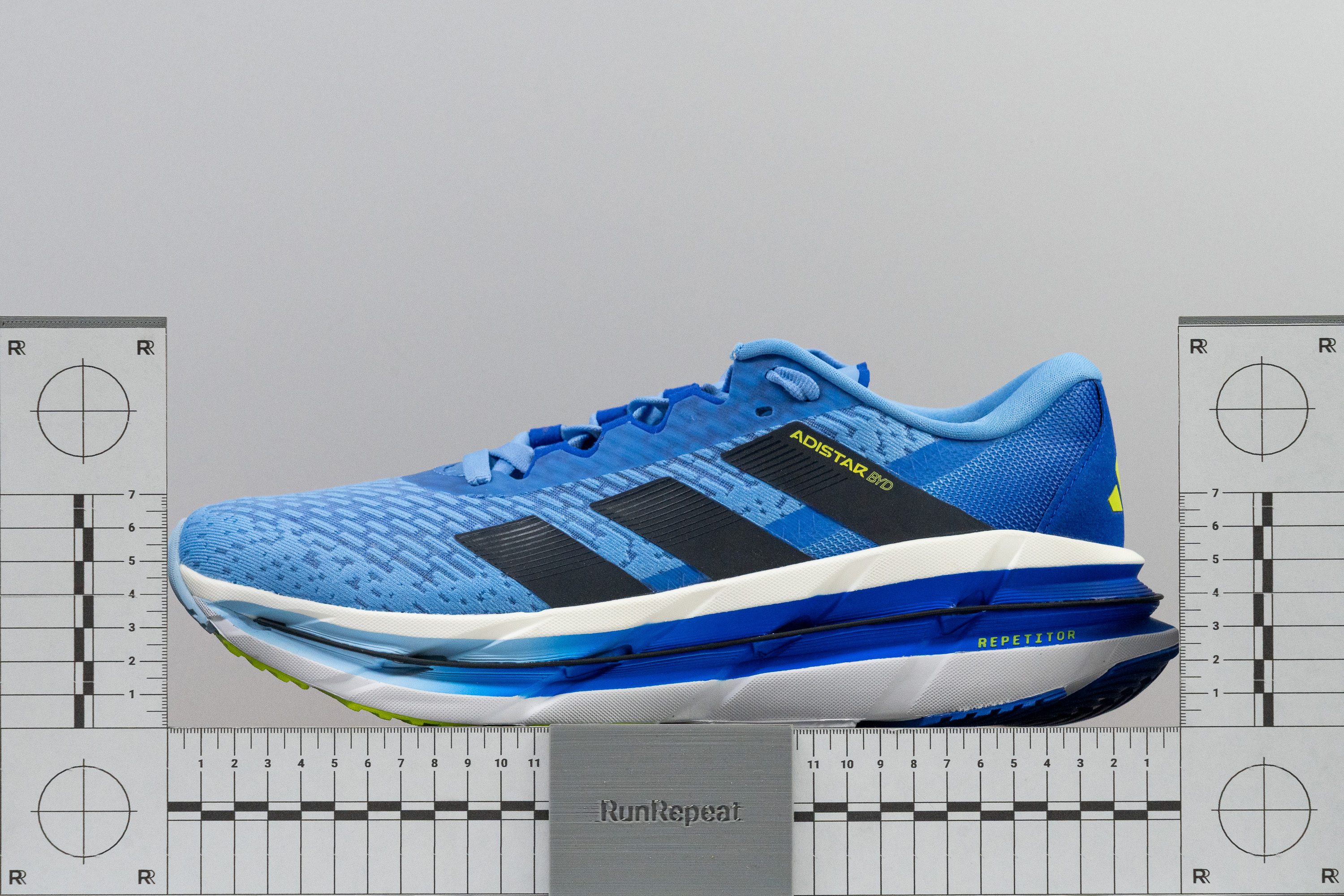
Adidas is a brand that, in our view, generally works best for runners who prefer to avoid overly pronounced rockers—with a few standout exceptions like the Prime X3 STRUNG. In fact, the Adistar BYD features one of the most moderate rocker profiles we’ve seen in a plated shoe and works well at easy paces.
Plate
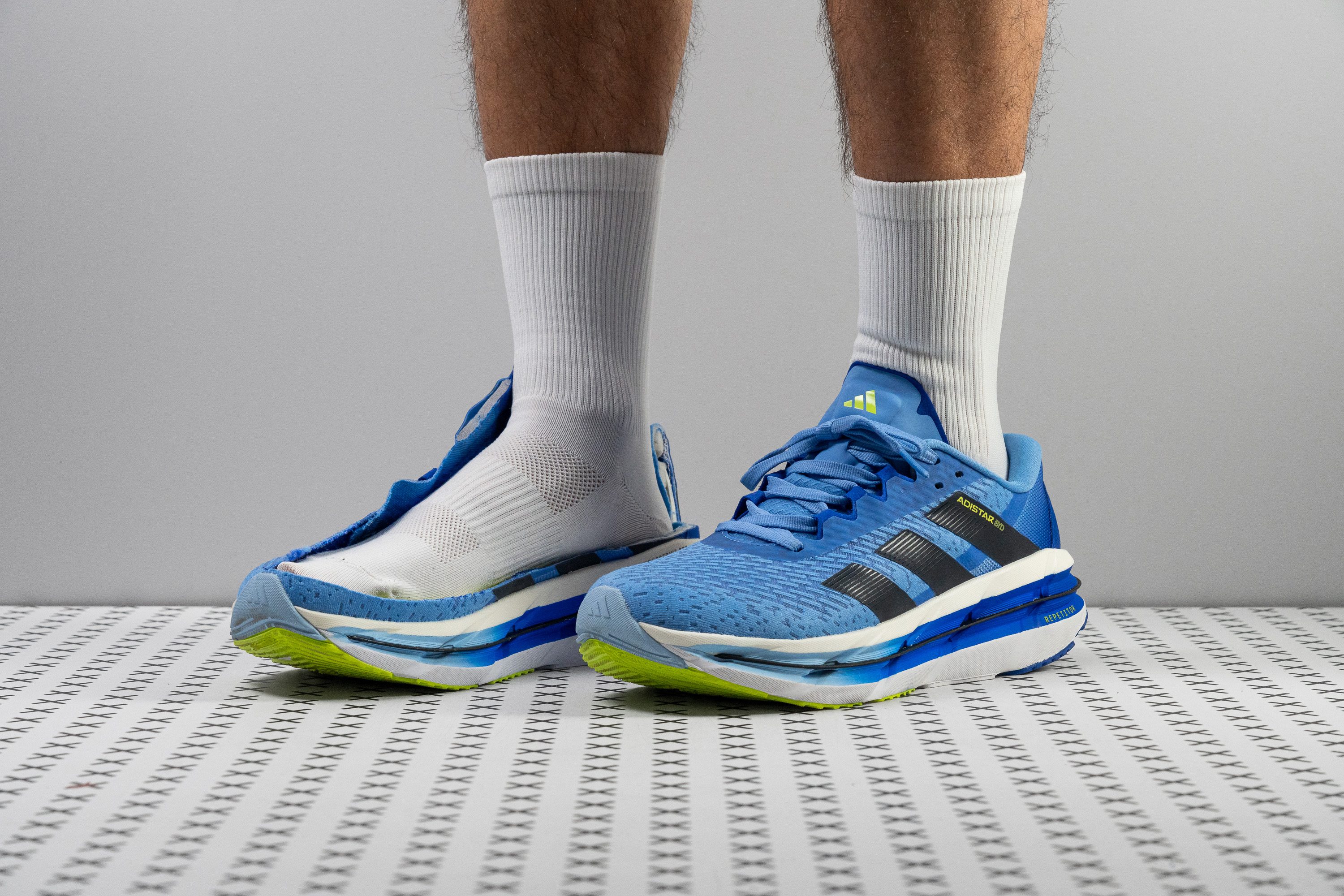
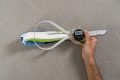
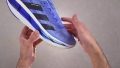
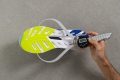
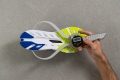
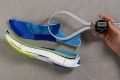
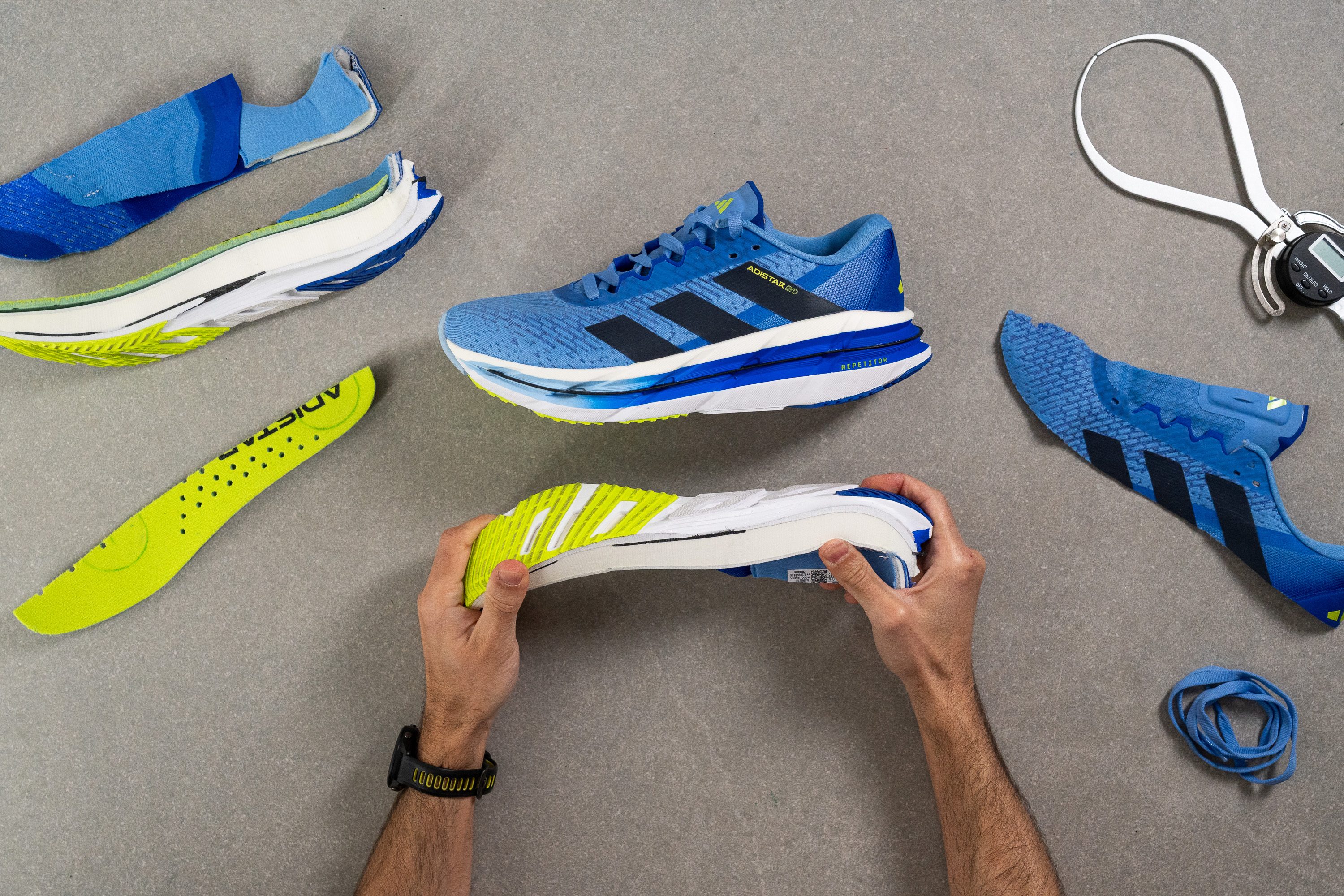
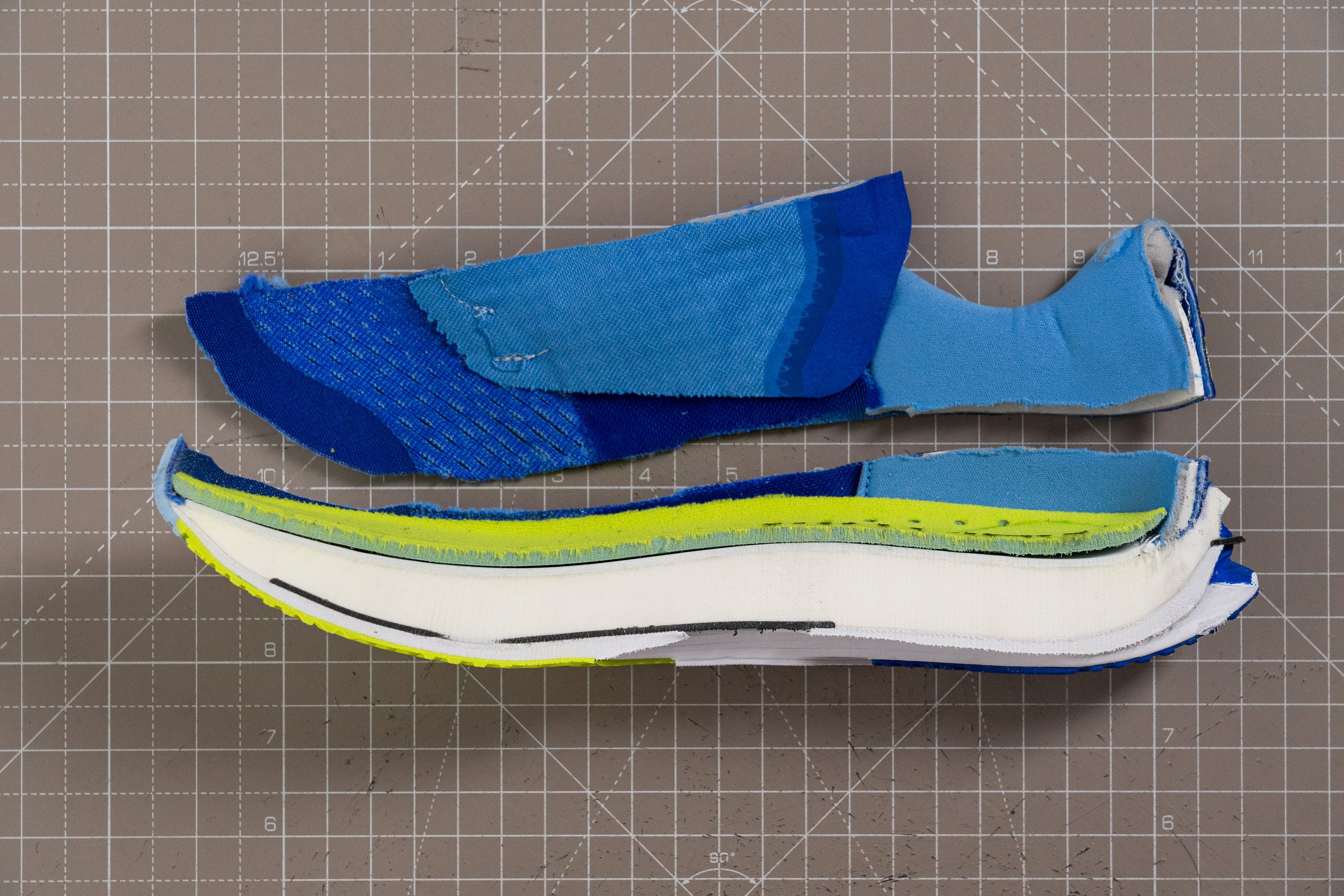
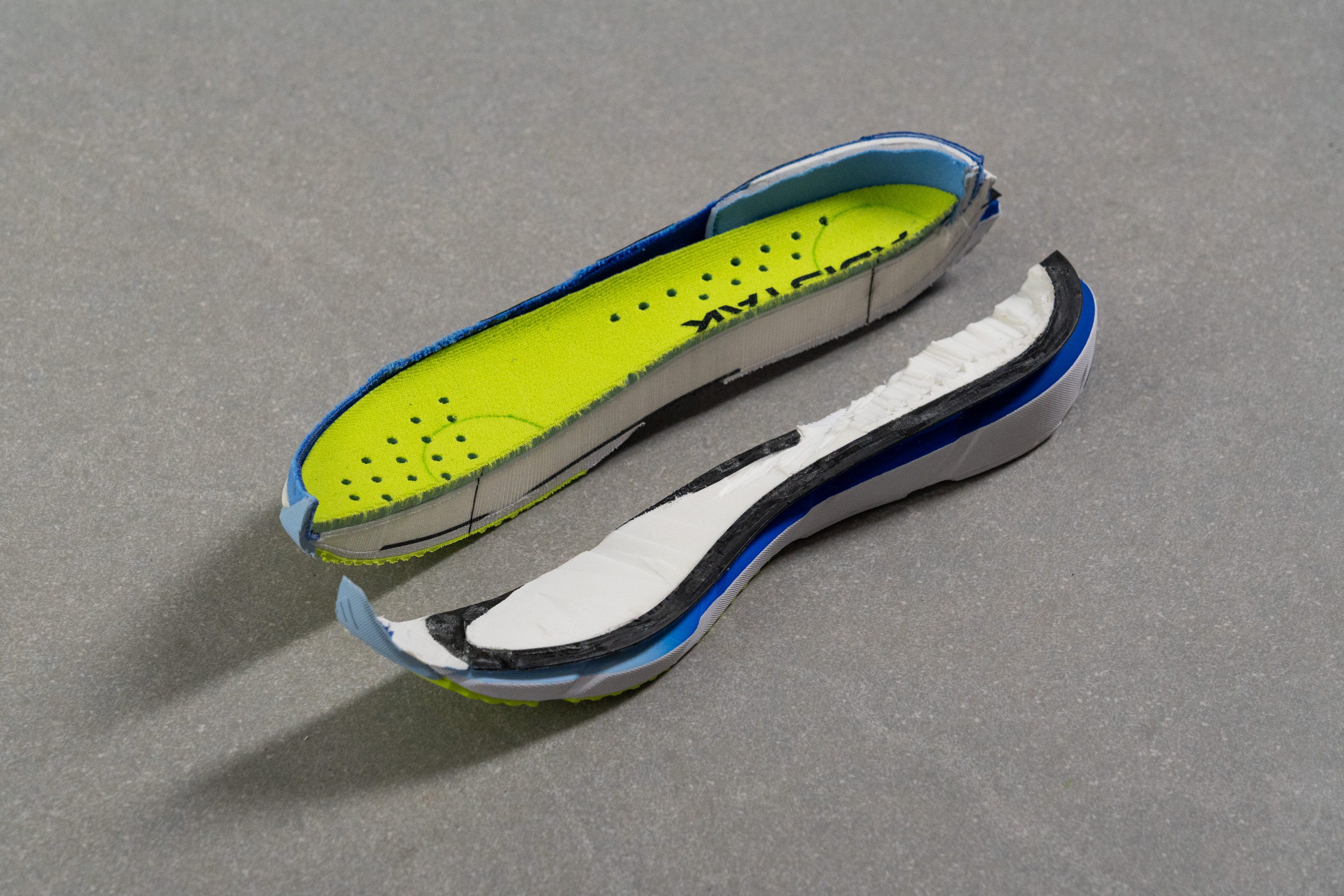
Here things get truly geeky and fascinating. There are rumours that adidas is developing future super shoes with a so-called Energy Rim instead of traditional Energy Rods or a full carbon plate, and this feels like an early preview. In this model, adidas calls it a Distance Drive plate, a carbon-infused structure with a unique layout.
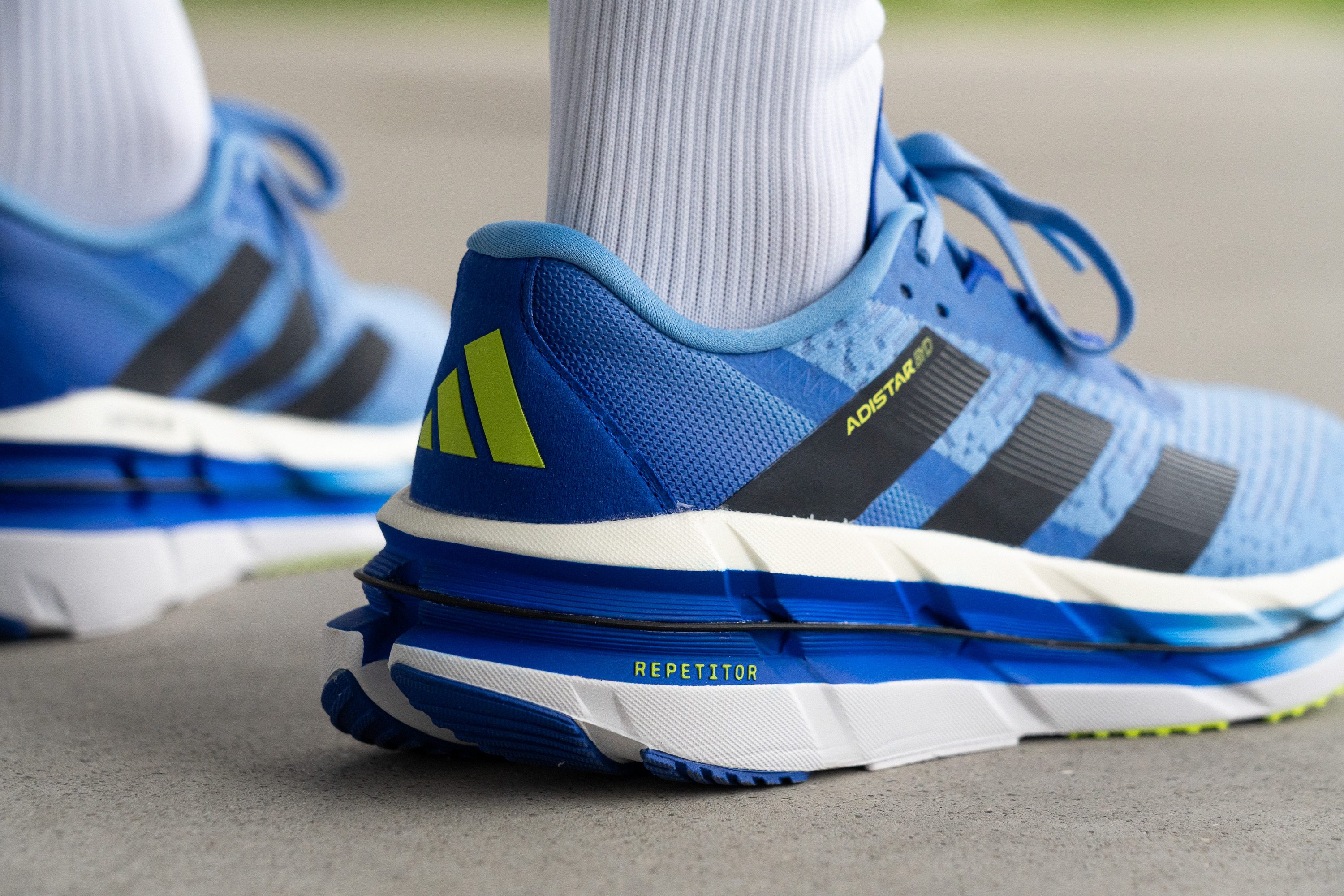
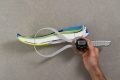
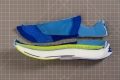
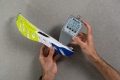
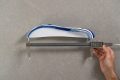
As our photo reveals, the plate runs along the perimeter of the shoe and extends through the midfoot and forefoot, while completely skipping the heel. This design increases stiffness in key areas while trimming weight and avoiding the overly-rigid feel of a full-length carbon plate.
Size and fit
Size
adidas Adistar BYD fits slightly small (14 votes).
Internal length
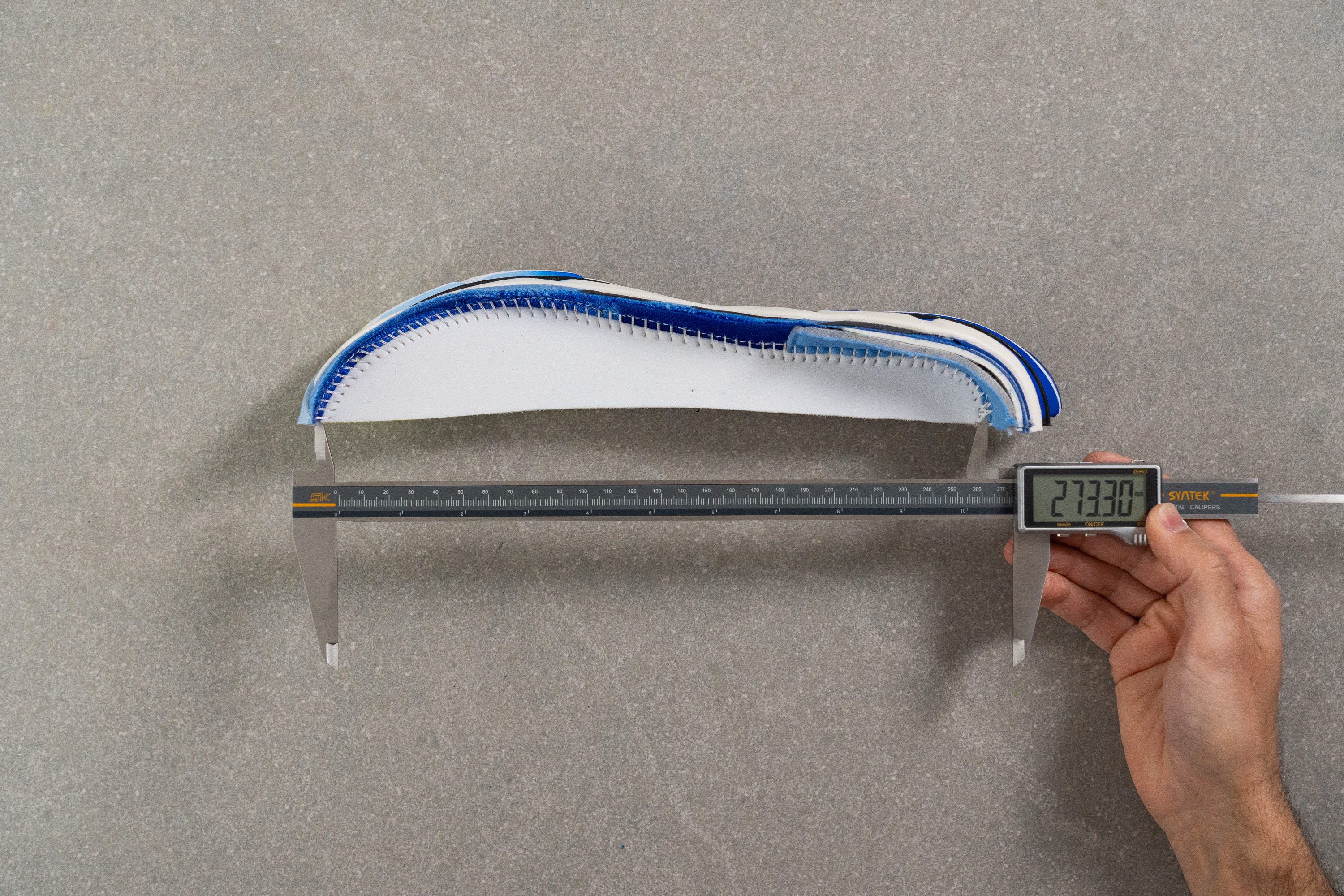
| Adistar BYD | 273.3 mm |
| Average | 269.4 mm |
Width / Fit
In our lab measurements, the forefoot reached 97.1 mm, placing it clearly above the average for road running shoes.
Although it may not fully accommodate ultra-wide feet, we believe this roomy toe area delivers a comfortable fit for most runners, making it one of the few super trainers that surpasses the average in this metric.
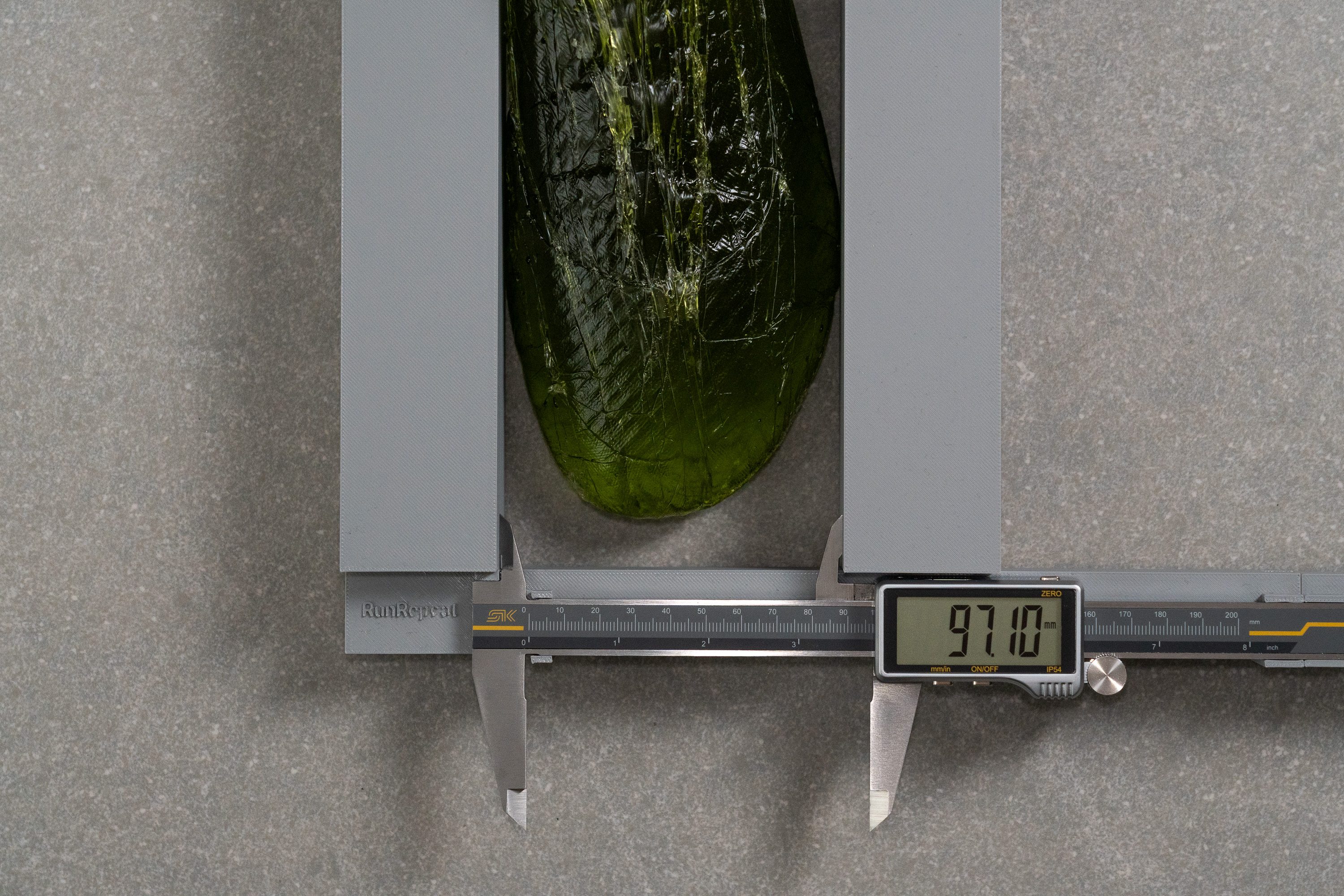
| Adistar BYD | 97.1 mm |
| Average | 95.2 mm |
Toebox width
The toebox follows a classic tapered shape, just like most adidas shoes, so nothing unexpected here. We measured 73.9 mm, which lands right around the average.
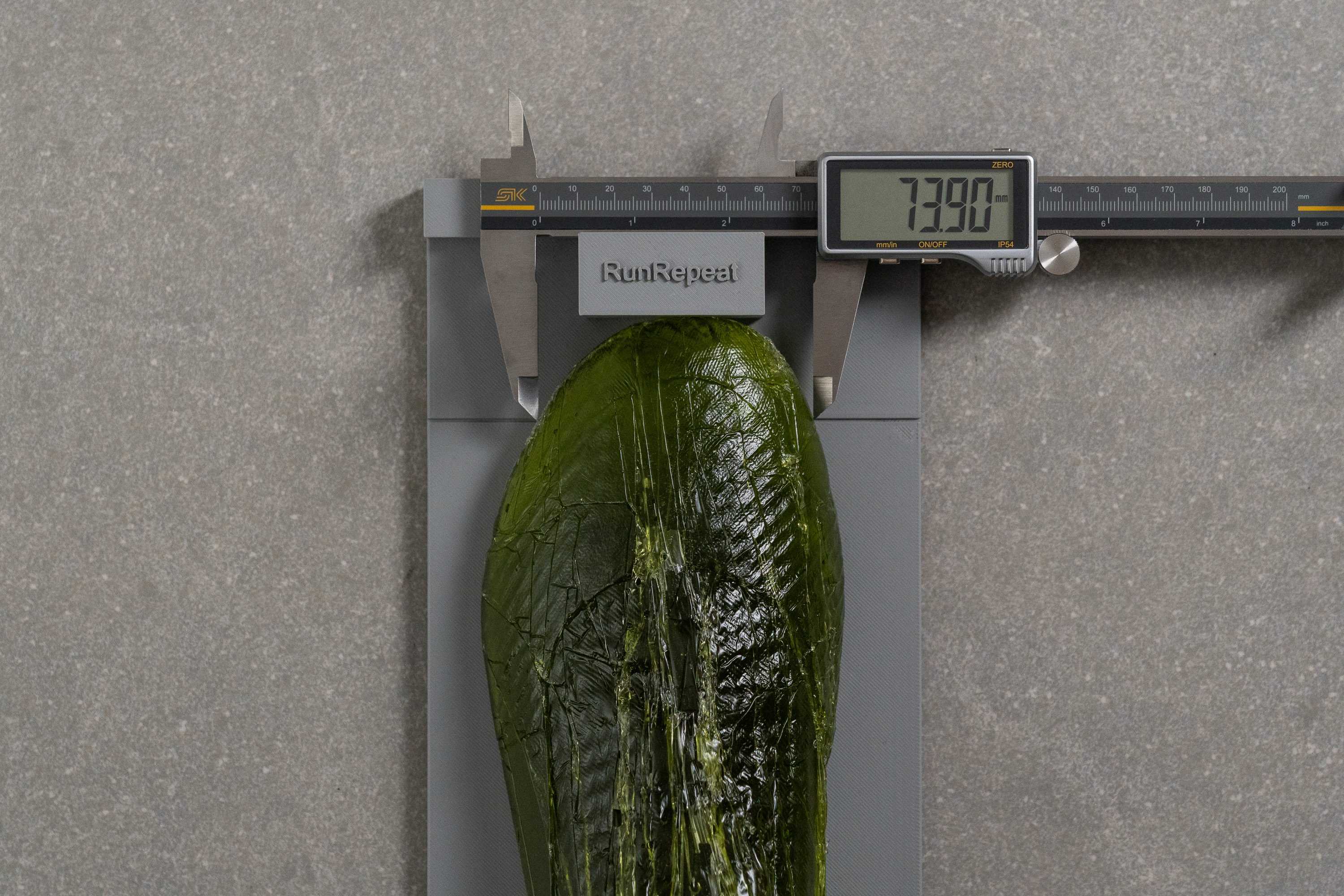
| Adistar BYD | 73.9 mm |
| Average | 73.2 mm |
Toebox height
In terms of toebox height, we don’t expect the Adistar BYD to cause any issues at 26.6 mm of vertical clearance.
We found a solid balance between offering enough space while still maintaining a secure hold, especially when picking up the pace and needing extra lockdown.
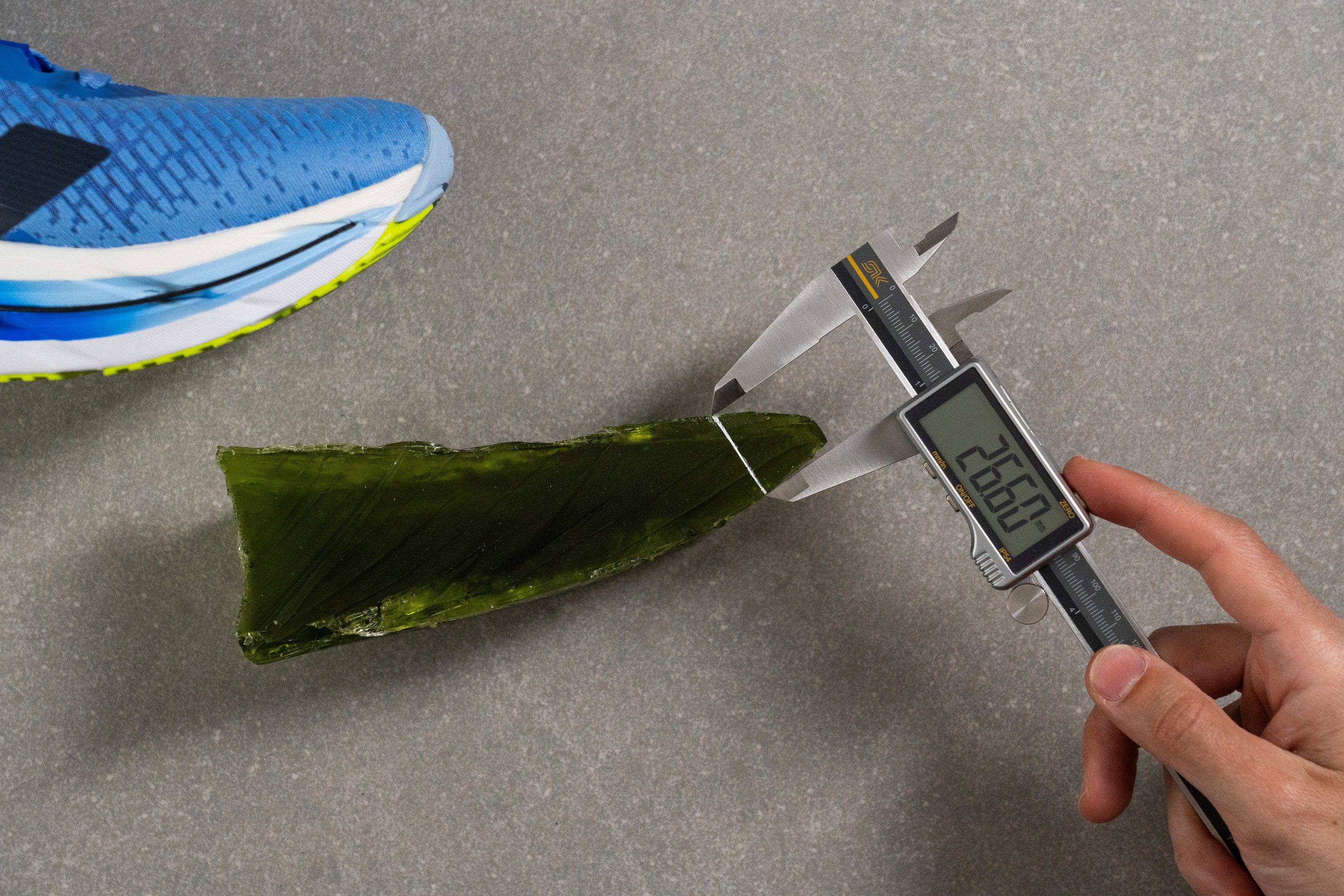
| Adistar BYD | 26.6 mm |
| Average | 27.0 mm |
Traction / Grip
Traction test
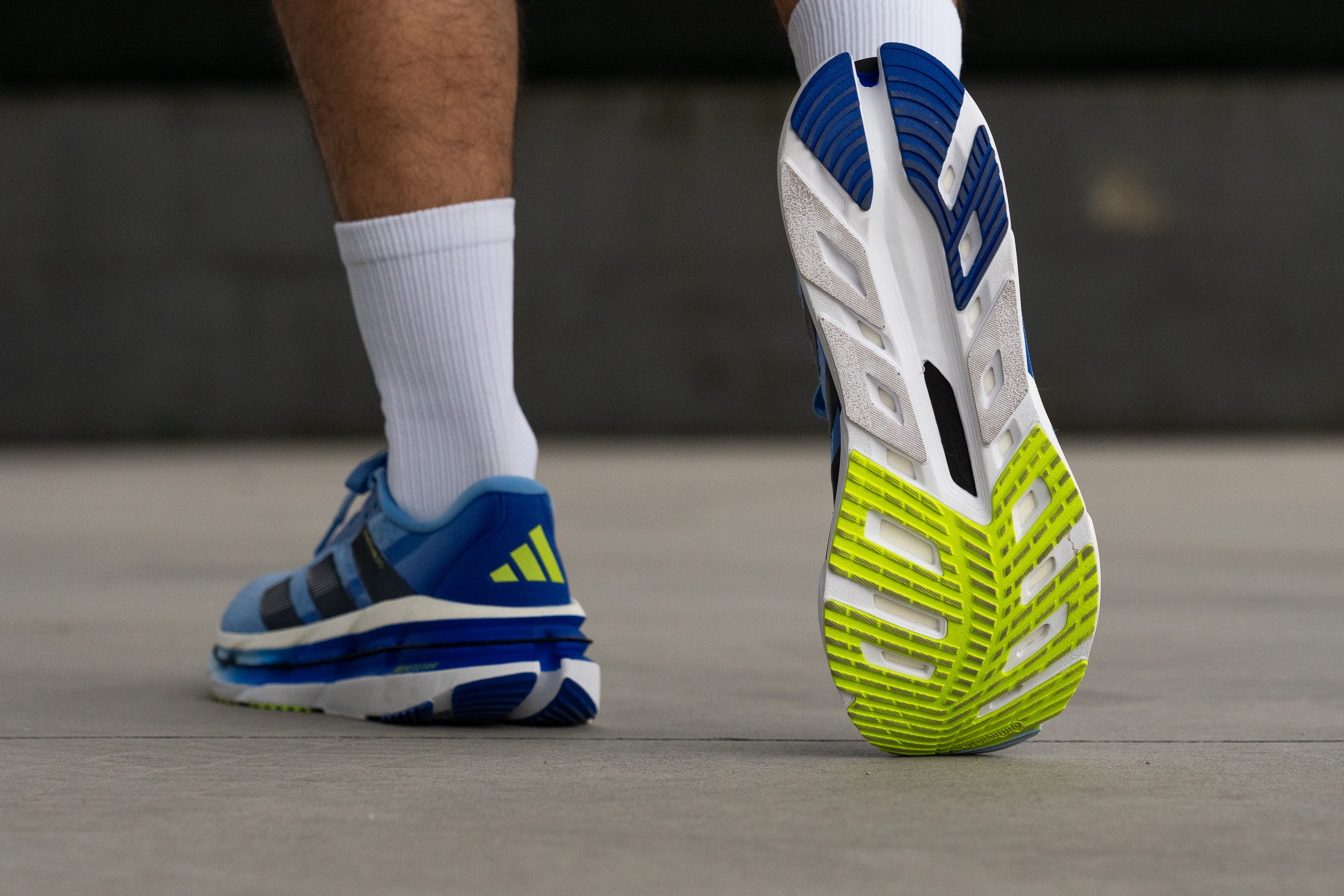
The Adistar BYD features Continental rubber, which is becoming increasingly rare in adidas road running shoes as the brand shifts toward LIGHTTRAXION, a move that may disappoint die-hard Conti fans.
Fortunately, this model retains the legendary German compound, and it delivered a strong 0.68 result in our SATRA TM144 test.
| Adistar BYD | 0.68 |
| Average | 0.53 |
Outsole design
We found that the outsole combines Continental rubber in the heel and forefoot, while the midfoot relies on non-Continental white rubber patches. There are also many large cutouts reduce weight and expose the underlying structure, yet coverage remains solid for a super trainer, especially since the exposed areas avoid direct ground contact.
Flexibility / Stiffness
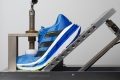
The innovative plate design delivers a side benefit for daily runs, reducing stiffness compared to what we typically see in such a max-stack shoe with a standard carbon plate. We measured 15.5N, which aligns closely with our lab average.
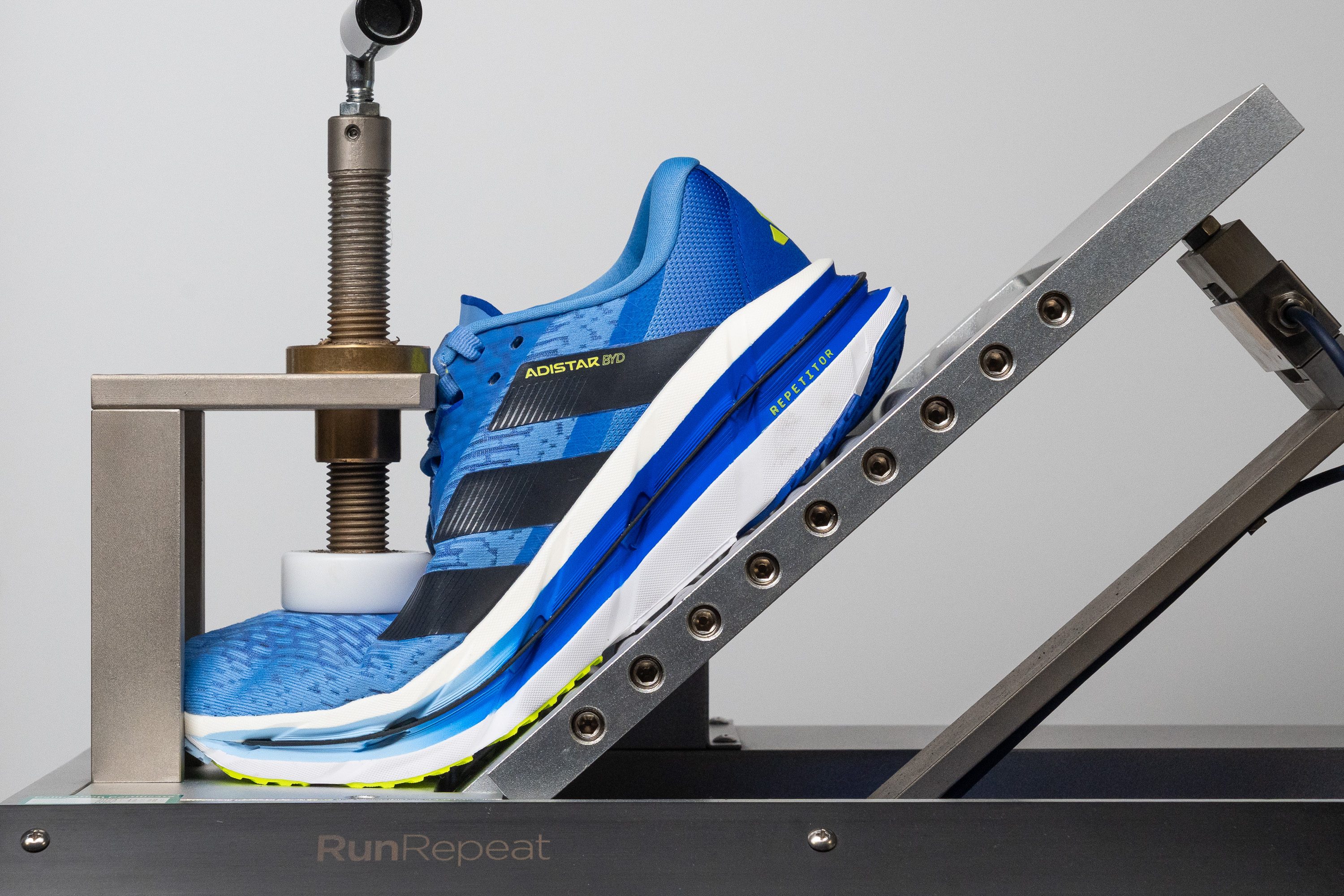
| Adistar BYD | 15.5N |
| Average | 15.5N |
Weight
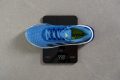
At 9.8 oz or 278g, we found the weight of the Adistar BYD reasonable, but still on the higher side compared to leading super trainers. For slower paces, it should not be an issue, but when picking up the pace, we think options like the ASICS Superblast 3 or the Saucony Endorphin Speed 5 are better suited.
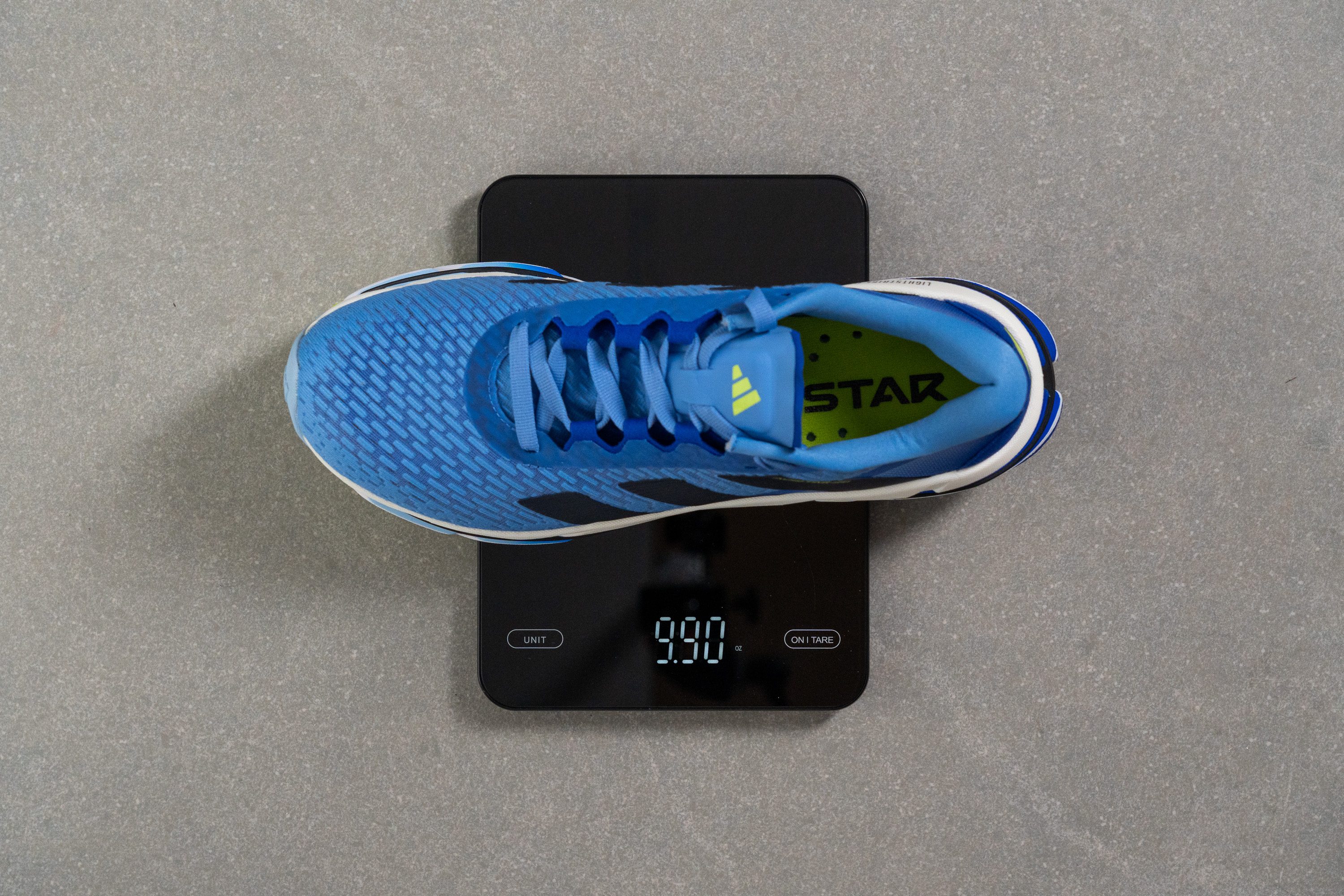
| Adistar BYD | 9.8 oz (278g) |
| Average | 9.2 oz (261g) |
Breathability
Breathability test
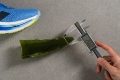
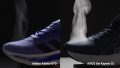
The upper of the Adistar BYD clearly shows that adidas aimed for a more premium build, moving away from a standard engineered mesh. It feels very soft to the touch and aligns well with the shoe’s high price.
However, it lacks visible ventilation openings, which affects airflow and also impacts durability. In our testing, it earned a 2 out of 5 score, which may limit its appeal in warmer conditions.
We also noticed that the upper is structured to provide solid lateral support, helping keep the foot secure during the run, even without a heavily reinforced design.
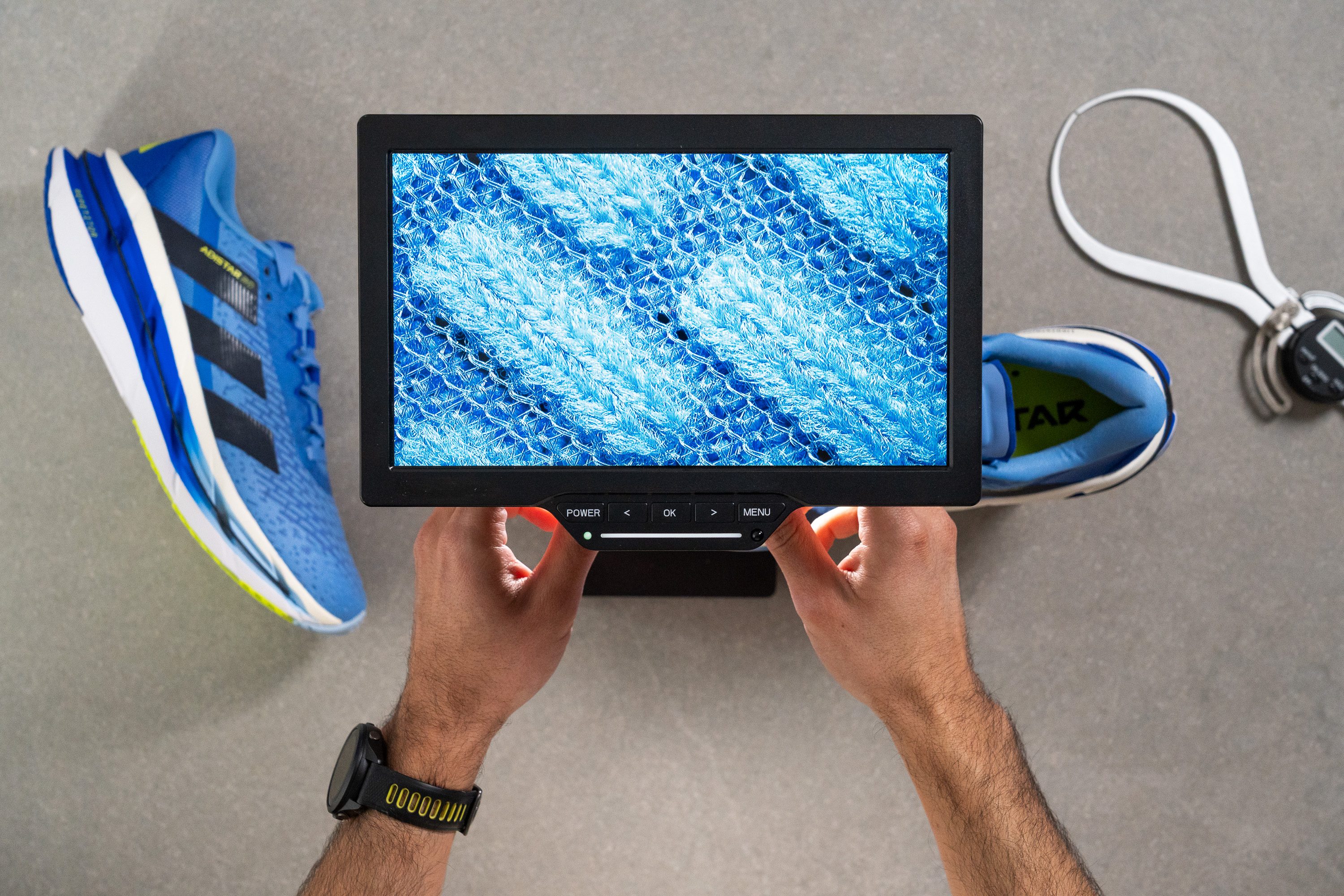
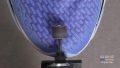
Under the microscope, we understood why it feels so pleasant. The materials are far from cheap or rough, showing a clear focus on comfort and tactile quality.
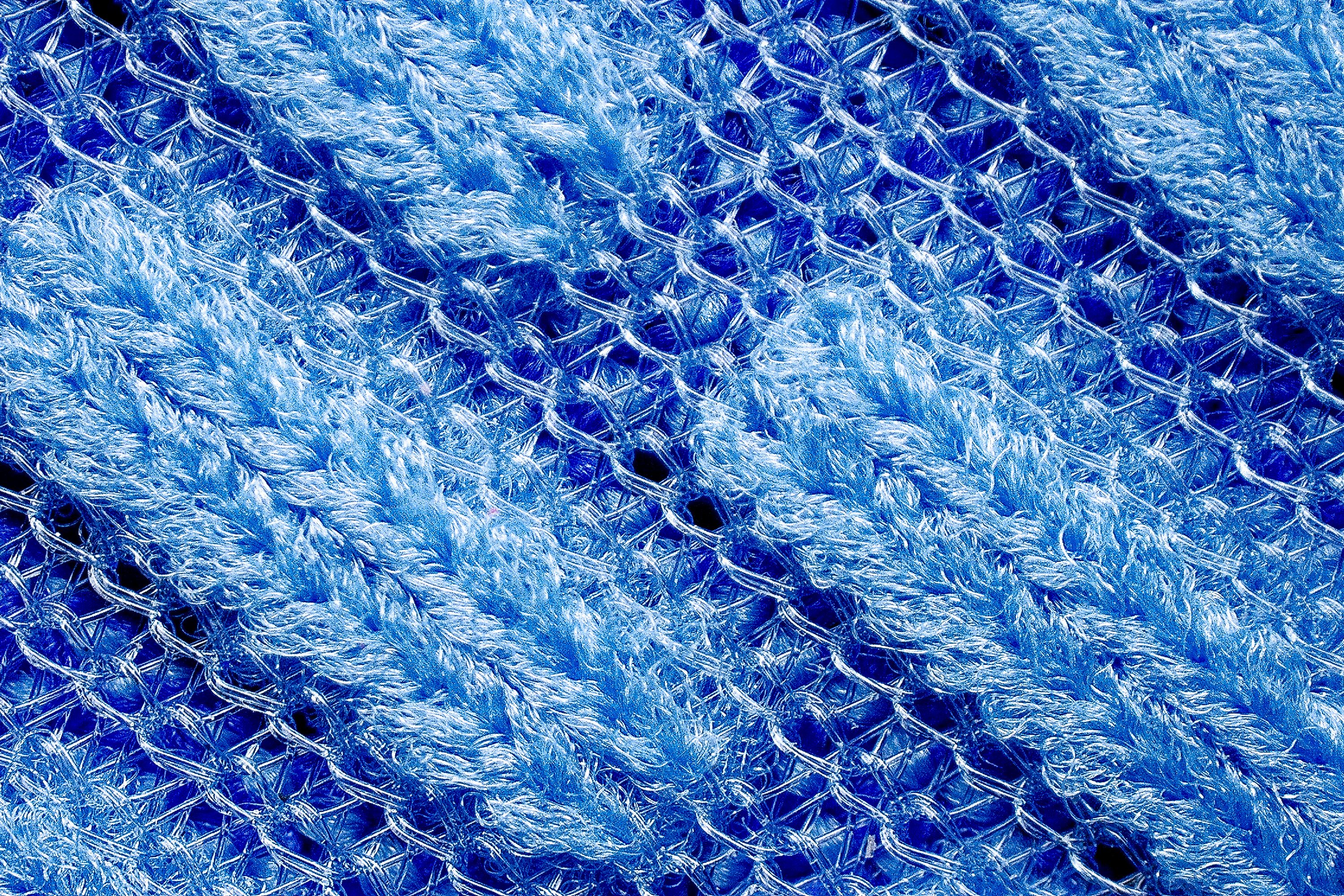
It seems that adidas prioritised a smooth step-in feel above all else, with breathability and long-term durability playing a secondary role.
| Adistar BYD | 2 |
| Average | 3.6 |
Stability
Lateral stability test
The Adistar BYD delivers an ultra-stable ride thanks to a combination of various elements.
The firm REPETITOR 2.0 foam, the carbon-infused plate, and the ultra-rigid heel counter all work together, while the pronounced lateral bias from the sharply angled heel and the central guidance line further enhance control. As a result, landings feel especially stable, particularly for heel strikers.
Torsional rigidity
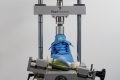
The unique plate design from adidas allows the BYD to retain some torsional flex, earning 14.4 Nm in our test instead of high scores seen in many carbon-plated shoes.
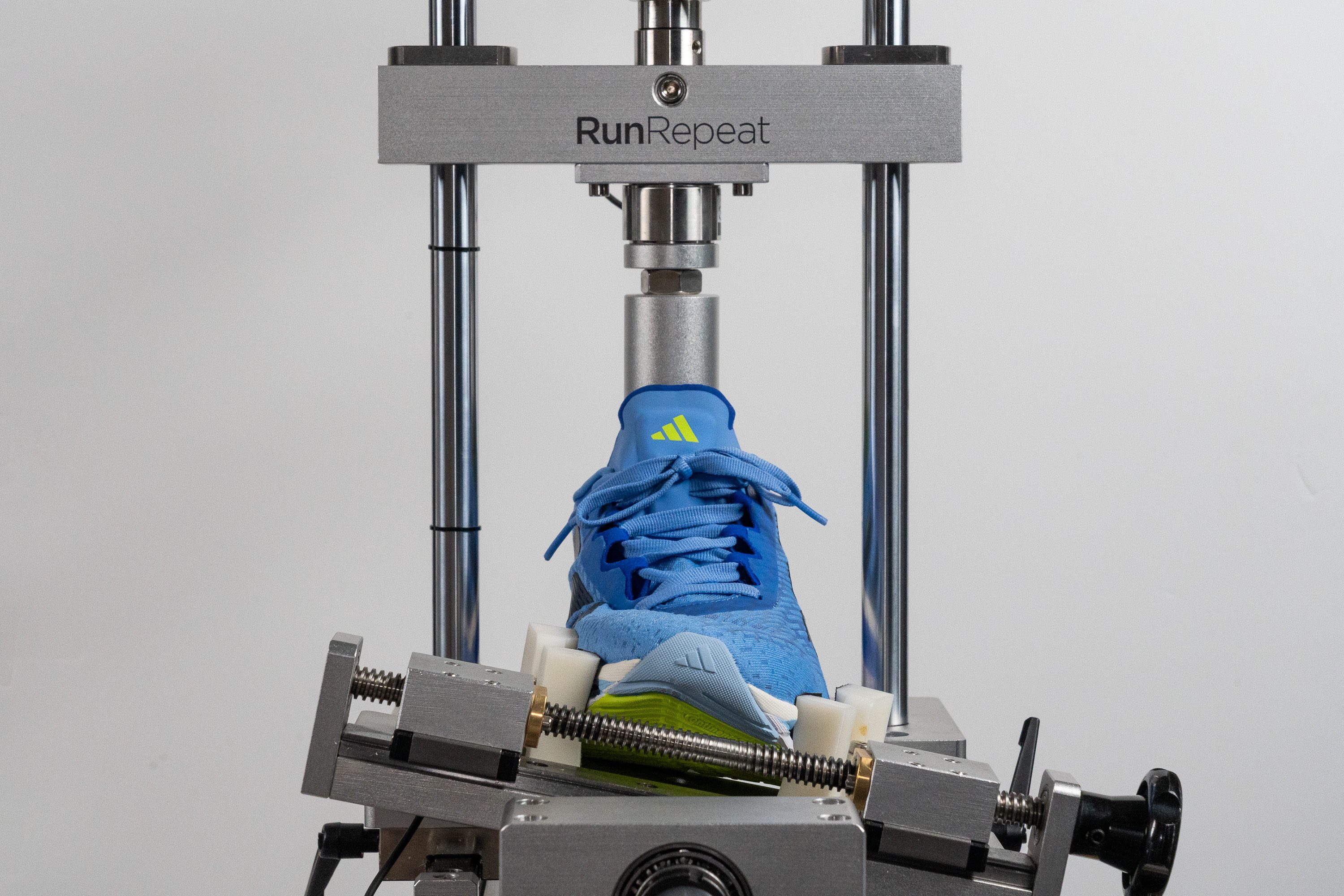
| Adistar BYD | 14.4 Nm |
| Average | 14.4 Nm |
Heel counter stiffness
Adidas has leaned toward ultra-stiff heel counters in recent years, as we saw with the adidas Supernova Solution 3, and the Adistar BYD continues that trend with another maxed-out 5/5 score. This delivers serious rearfoot stability, but may not suit runners who prefer a more forgiving, flexible design in this area.
| Adistar BYD | 5 |
| Average | 3 |
Midsole width - forefoot
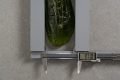
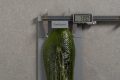
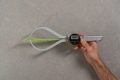
The Adistar BYD is one of the few super trainers that avoids an overly wide midsole, which we confirmed with a forefoot width of just 115.0 mm.
This is another reason why the firmer REPETITOR 2.0 foam plays a key role in maintaining stability.
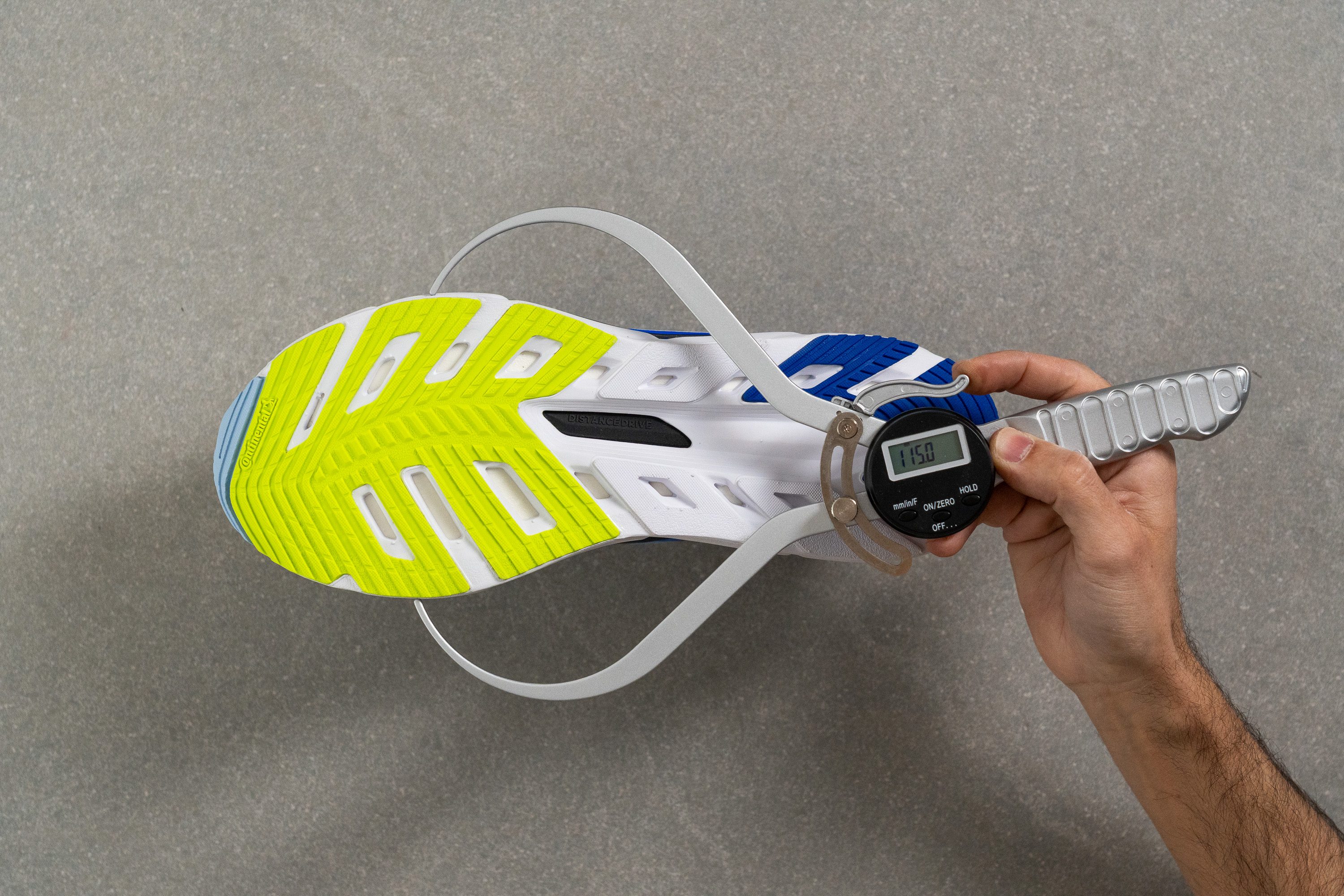
| Adistar BYD | 115.0 mm |
| Average | 115.1 mm |
Midsole width - heel
The heel even falls below our current lab average at 89.1 mm, but as we explained earlier, the shoe includes multiple support-focused design elements, so it does not rely on an extra-wide base. The Adistar BYD goes slightly against the trend here, but we think that is part of its appeal.
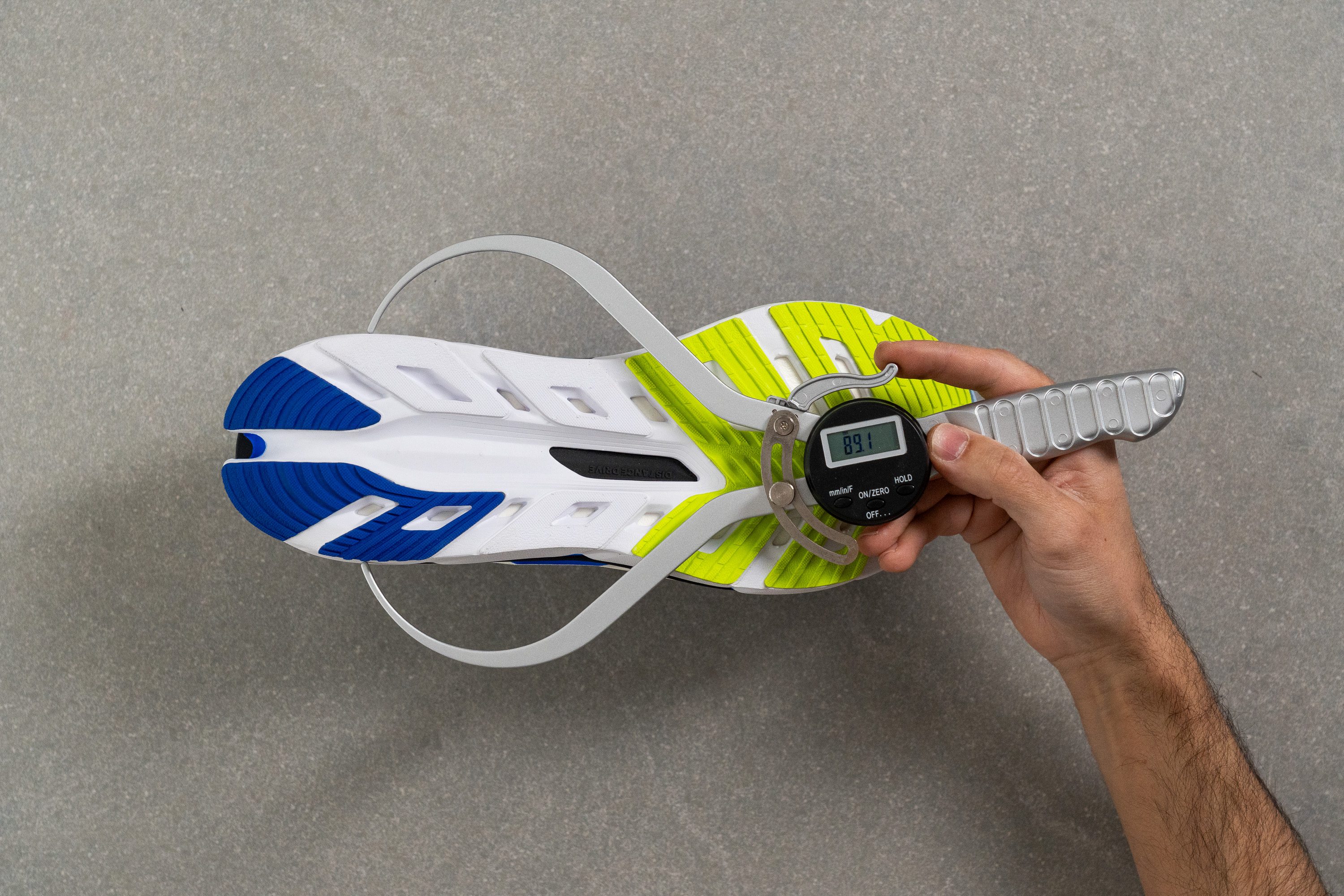
| Adistar BYD | 89.1 mm |
| Average | 91.1 mm |
Durability
Toebox durability
The upper of the Adistar BYD delivers a visually striking design and top-tier comfort, but we found that durability takes a hit. It received the lowest possible score, a 1 out of 5, in our first Dremel test.
| Adistar BYD | 1 |
| Average | 2.6 |
Heel padding durability
The second test yielded no improvement and confirms that durability is a clear weakness of this upper. It scored another 1 out of 5, a result we rarely see in a running shoe.
| Adistar BYD | 1 |
| Average | 3.4 |
Outsole durability
Continental rubber never disappoints when it comes to durability. Once again, it outperformed our lab average with just 0.7 mm of wear, and it keeps doing so time after time.
| Adistar BYD | 0.7 mm |
| Average | 1.1 mm |
Outsole thickness
We measured an outsole thickness of 2.4 mm, which provides more than enough rubber given how reliable Continental is. Therefore, we have no concerns about premature wear, and it’s reassuring to see this level of durability compensating for the upper’s weak results.
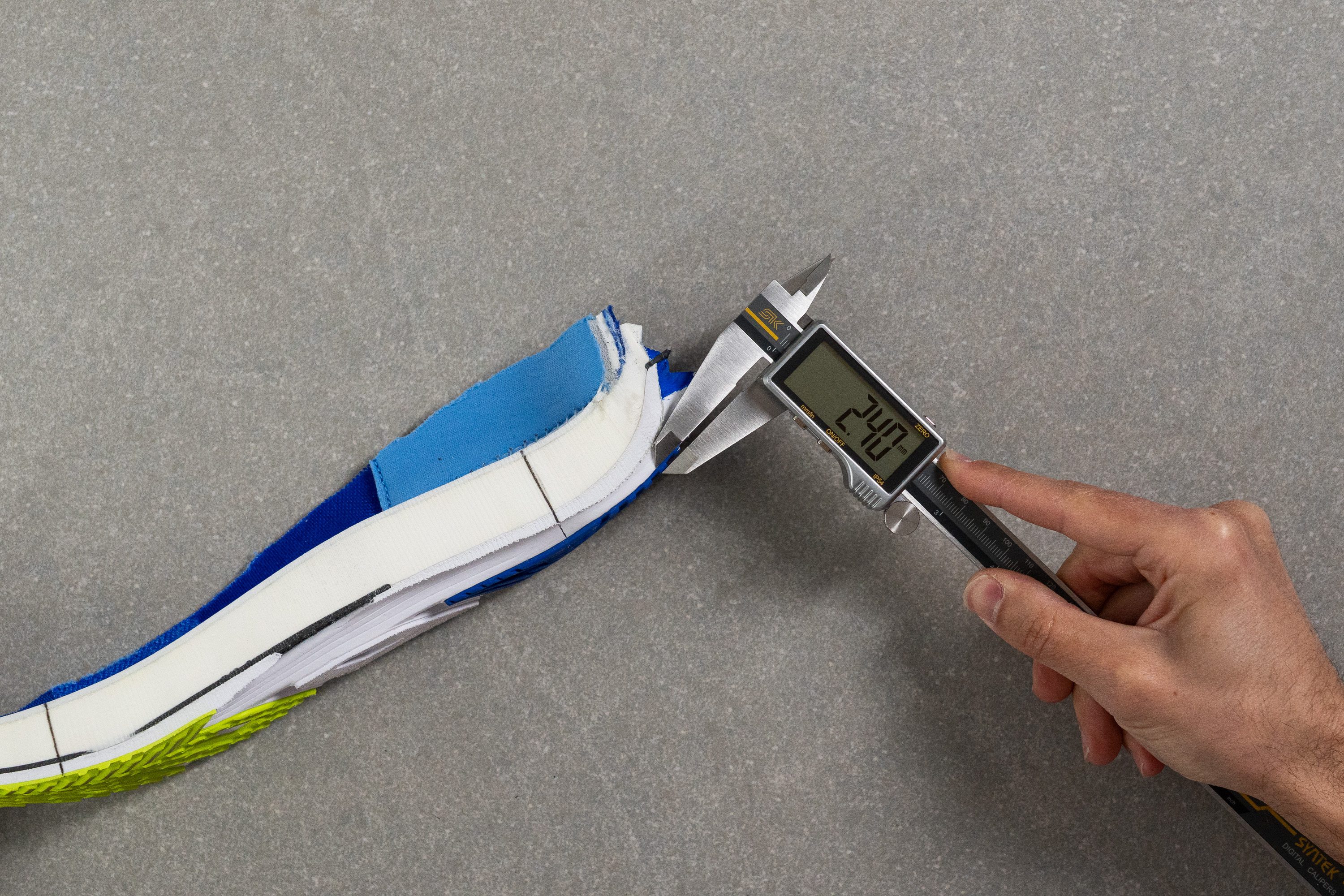
| Adistar BYD | 2.4 mm |
| Average | 3.1 mm |
Misc
Insole thickness
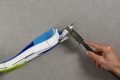
The insole measures 4.2 mm in thickness, aligning closely with our current lab average and delivering a feel that remains consistent with most other shoes.
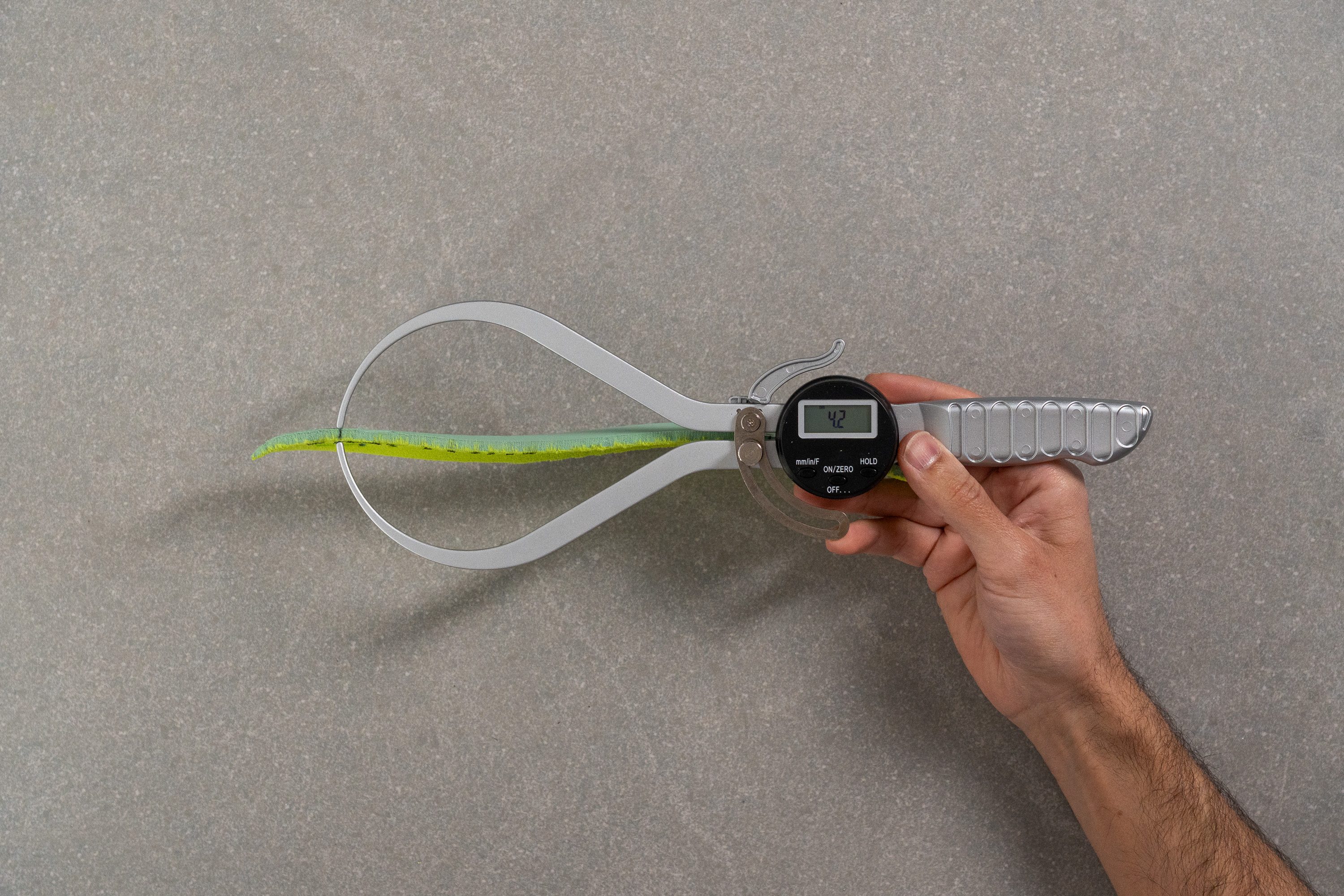
| Adistar BYD | 4.2 mm |
| Average | 4.4 mm |
Removable insole
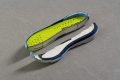
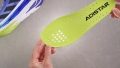
We loved that the removable insole of the Adistar BYD features large perforations to boost airflow while trimming weight. It’s exactly the kind of detail-oriented touch we expect from a premium-priced model.
| Adistar BYD | Yes |
Reflective elements
The Adistar BYD features reflective three stripes, a subtle detail that we really appreciated.
| Adistar BYD | Yes |
Tongue padding
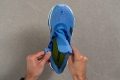
The Adistar BYD features a hybrid lacing system that combines punched eyelets at the top and bottom with six lace loops in the middle, helping distribute pressure more evenly across the foot.
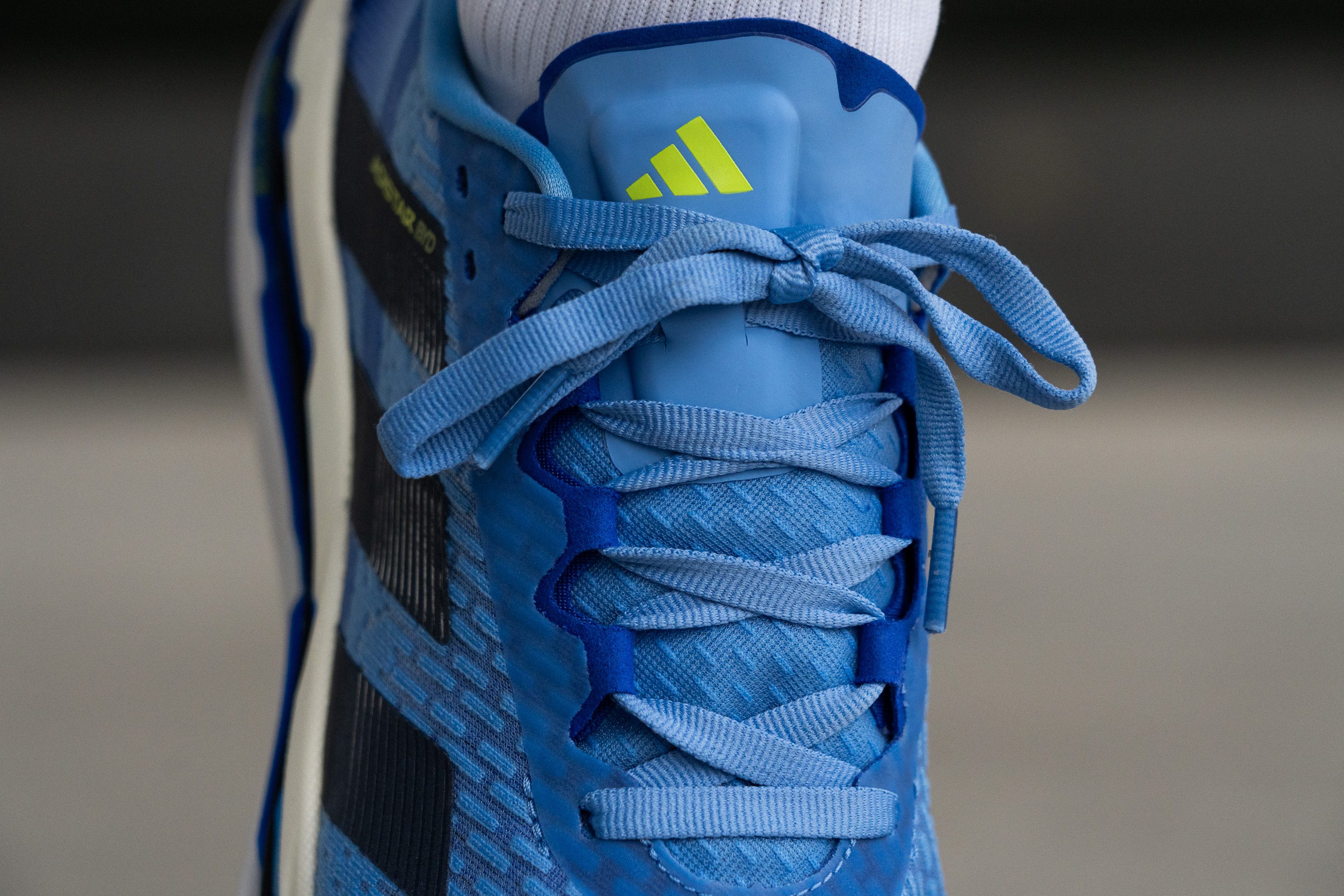
The tongue also delivers a well-judged level of padding that we appreciated. At 6.0 mm, it offers a comfortable feel without becoming bulky or overly intrusive like in some other running shoes.
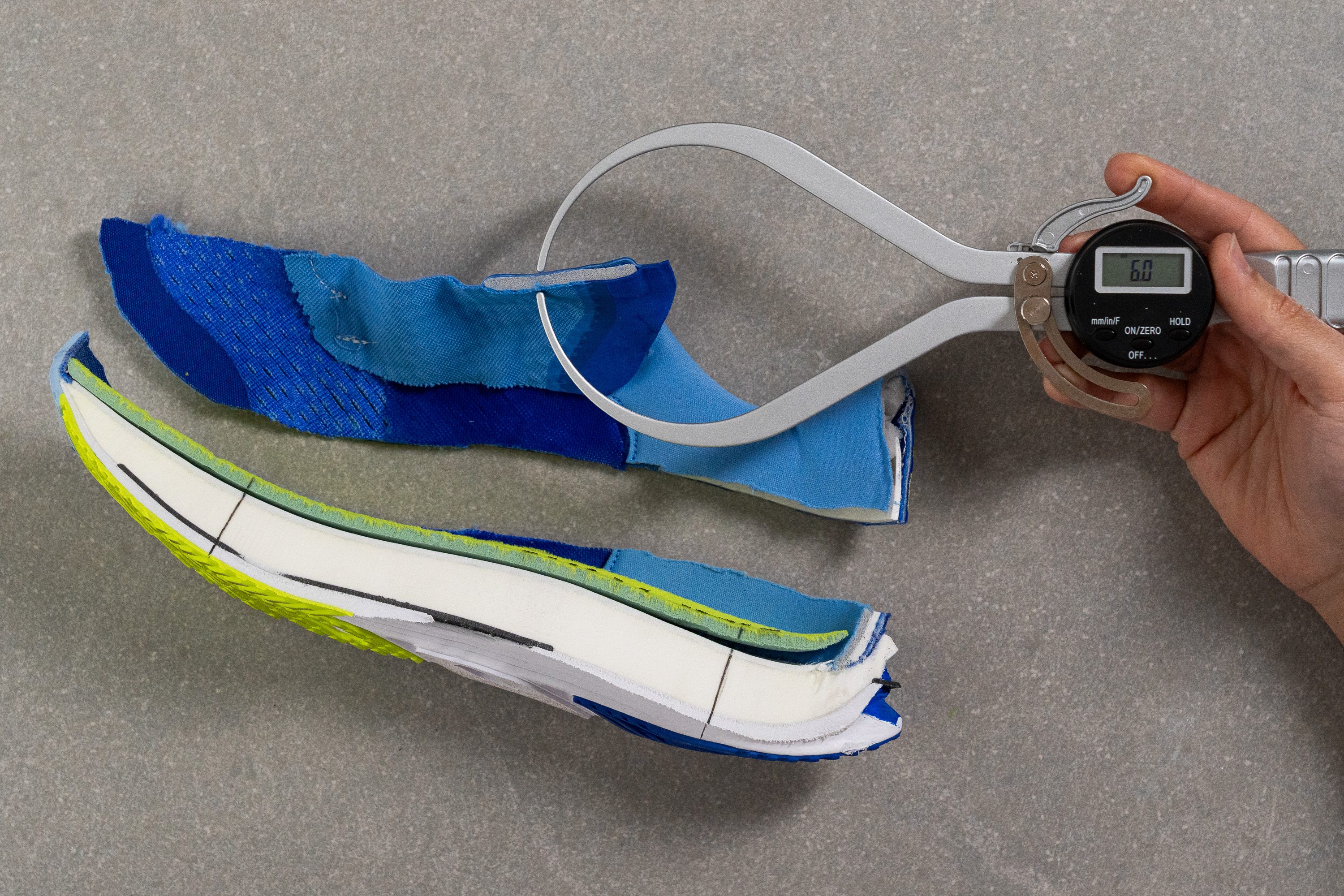
| Adistar BYD | 6.0 mm |
| Average | 5.8 mm |
Tongue: gusset type
An odd design-choice appears here. Despite its premium-tier price, the Adistar BYD skips a gusseted tongue, which we find a rather surprising decision for a high-cost training model.
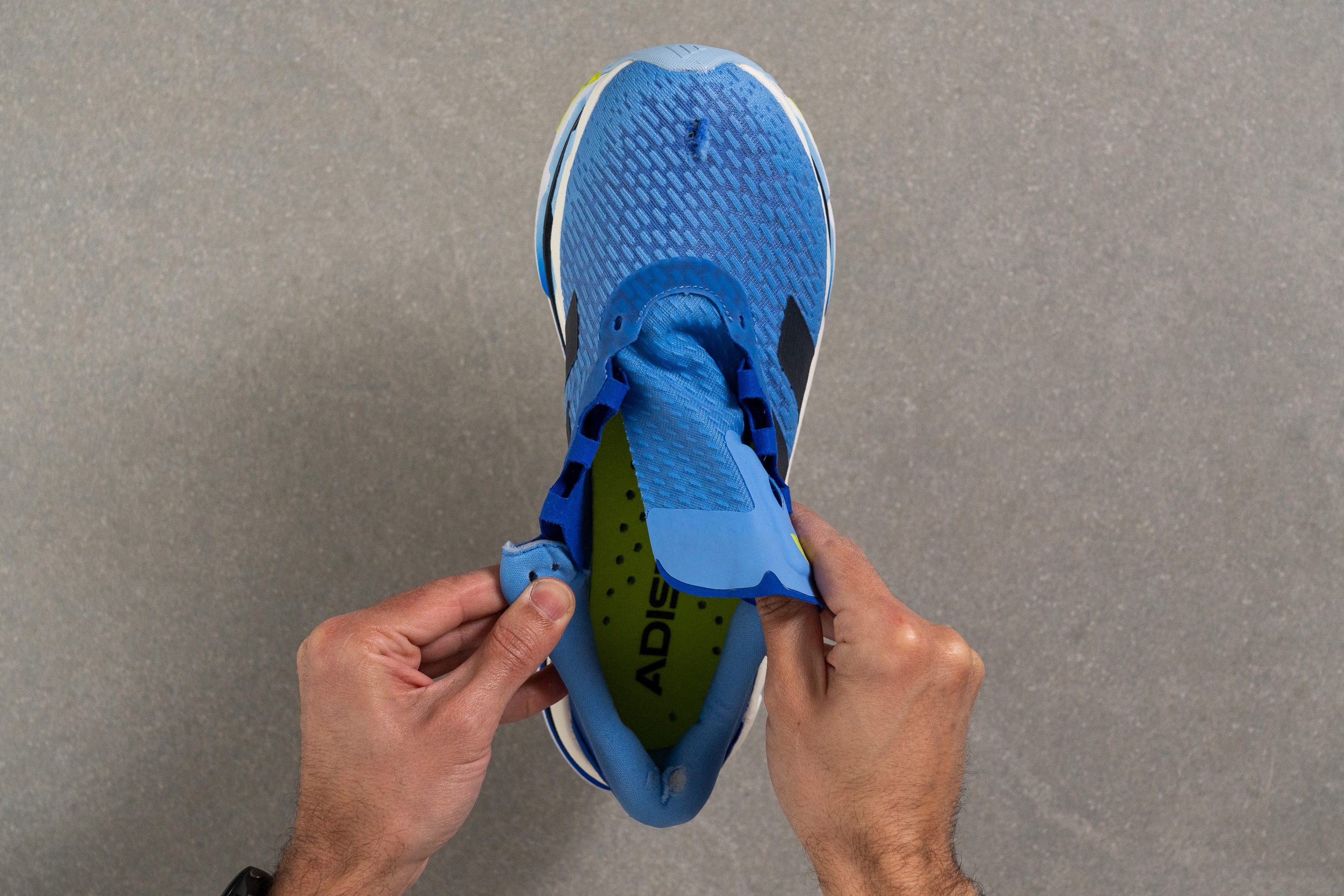
| Adistar BYD | None |
Heel tab
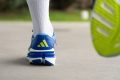
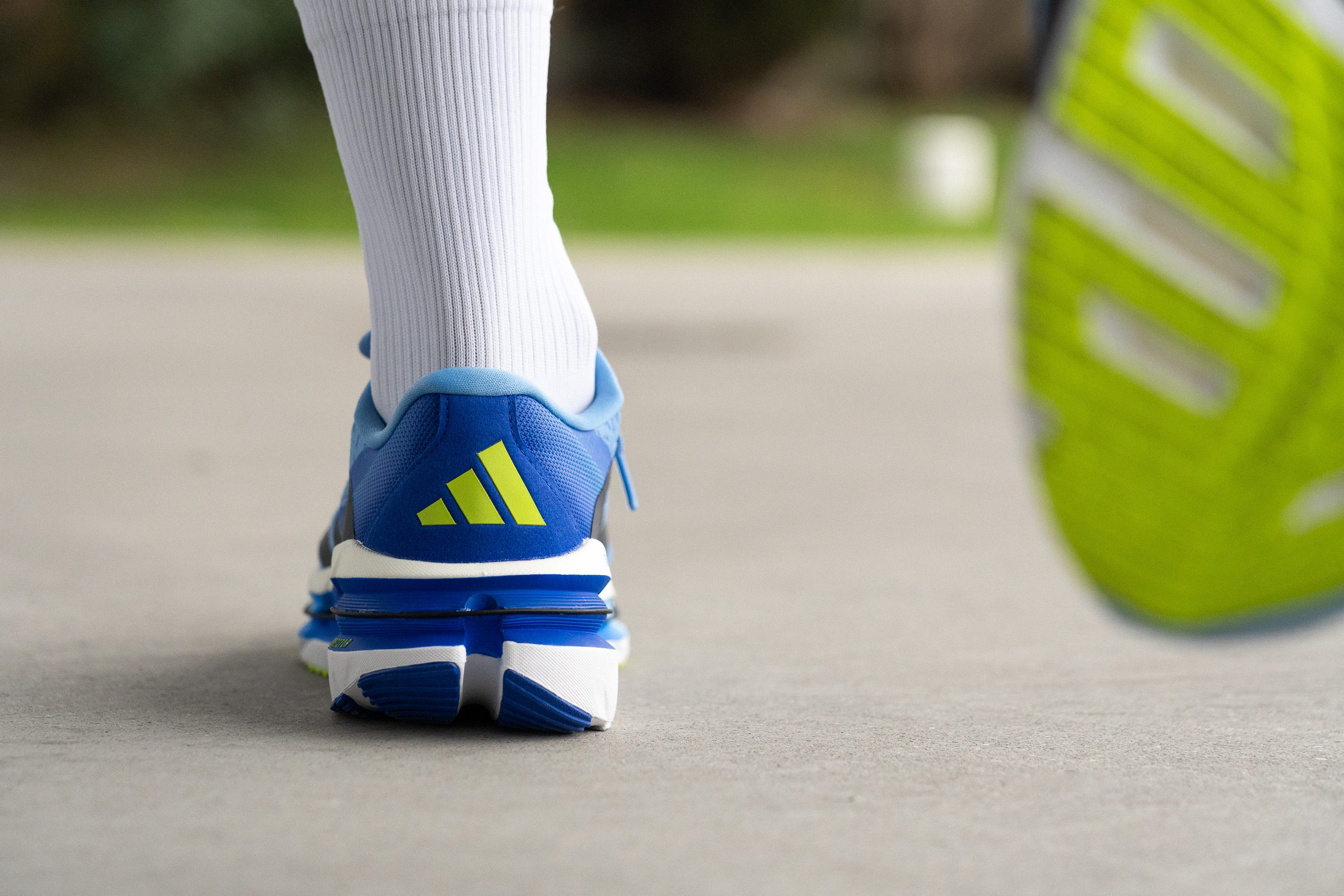
Like most recent adidas shoes, the Adistar BYD features a clean, minimal heel design without a finger-loop tab, and we think it fits the overall concept really well. What we do get instead is an oversized adidas logo, just in case anyone forgets the brand behind the Adistar BYD.
| Adistar BYD | None |
Price
The Adistar BYD comes with a high price tag that may be hard to justify for many runners. It feels more rewarding for midfoot and forefoot strikers thanks to its added front-end responsiveness, while heel strikers may need a strong discount to make it worthwhile... something that often happens with our price comparison tool!
| Adistar BYD | $180 |