


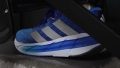
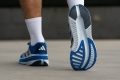
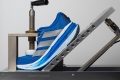
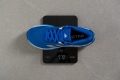


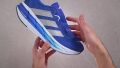



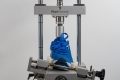
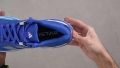
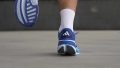



Our verdict
- Daily running 85
- Tempo 50
- Race 34
- Stability 78
Pros
- Stable running experience
- Strong shock absorption
- Soft foam feels comfortable
- Good outsole durability
- Amazing reflective details
- Mild rocker feels natural at easy paces
- Can double as a lifestyle-ready shoe
- Ideal for beginners
Cons
- Not enough bounce
- Poor breathability
- A bit stiff for a daily trainer
Awards
- Top pick in best running shoes for beginners
Comparison
The most similar running shoes compared
+ + Add a shoe | |||||
|---|---|---|---|---|---|
| Our score | 76 Good | 76 Good | 87 Great | 86 Great | |
| Price | £120 | £80 | £130 | £115 | |
| Pace | Daily running | Daily running | Daily running | Daily running | |
| Shock absorption | High | Moderate | High | High | |
| Energy return | Moderate | Low | Moderate | Moderate | |
| Traction | High | High | High | High | |
| Arch support | Neutral | Neutral | Neutral | Neutral | |
| Weight lab Weight brand | 9.7 oz / 275g 9.6 oz / 272g | 10.1 oz / 286g 10.2 oz / 290g | 9.3 oz / 264g 9.3 oz / 264g | 9.3 oz / 264g 9.2 oz / 260g | |
| Drop lab Drop brand | 10.1 mm 5.0 mm | 10.8 mm 8.0 mm | 7.8 mm 8.0 mm | 7.6 mm 8.0 mm | |
| Strike pattern | Heel | Heel | Mid/forefoot | Mid/forefoot | |
| Size | True to size | Slightly small | Slightly small | True to size | |
| Midsole softness | Balanced | Balanced | Soft | Balanced | |
| Difference in midsole softness in cold | Small | Small | Normal | Normal | |
| Toebox durability | Decent | Bad | Good | Good | |
| Heel padding durability | Bad | Good | Bad | Good | |
| Outsole durability | Good | Good | Good | Good | |
| Breathability | Warm | Warm | Moderate | Moderate | |
| Width / fit | Medium | Medium | Medium | Medium | |
| Toebox width | Medium | Medium | Medium | Medium | |
| Stiffness | Stiff | Stiff | Moderate | Moderate | |
| Torsional rigidity | Moderate | Moderate | Flexible | Moderate | |
| Heel counter stiffness | Stiff | Stiff | Stiff | Stiff | |
| Rocker | ✗ | ✓ | ✓ | ✗ | |
| Heel lab Heel brand | 40.0 mm 40.0 mm | 38.2 mm | 35.0 mm 36.0 mm | 39.4 mm 39.0 mm | |
| Forefoot lab Forefoot brand | 29.9 mm 35.0 mm | 27.4 mm | 27.2 mm 28.0 mm | 31.8 mm 31.0 mm | |
| Widths available | Normal | NormalWideX-Wide | NormalWide | Normal | |
| Orthotic friendly | ✓ | ✓ | ✓ | ✓ | |
| Season | All seasons | All seasons | All seasons | All seasons | |
| Removable insole | ✓ | ✓ | ✓ | ✓ | |
| Ranking | #308 Bottom 23% | #296 Bottom 26% | #65 Top 17% | #93 Top 24% | |
| Popularity | #315 Bottom 21% | #69 Top 18% | #99 Top 25% | #209 Bottom 47% |



Who should buy
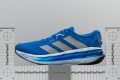
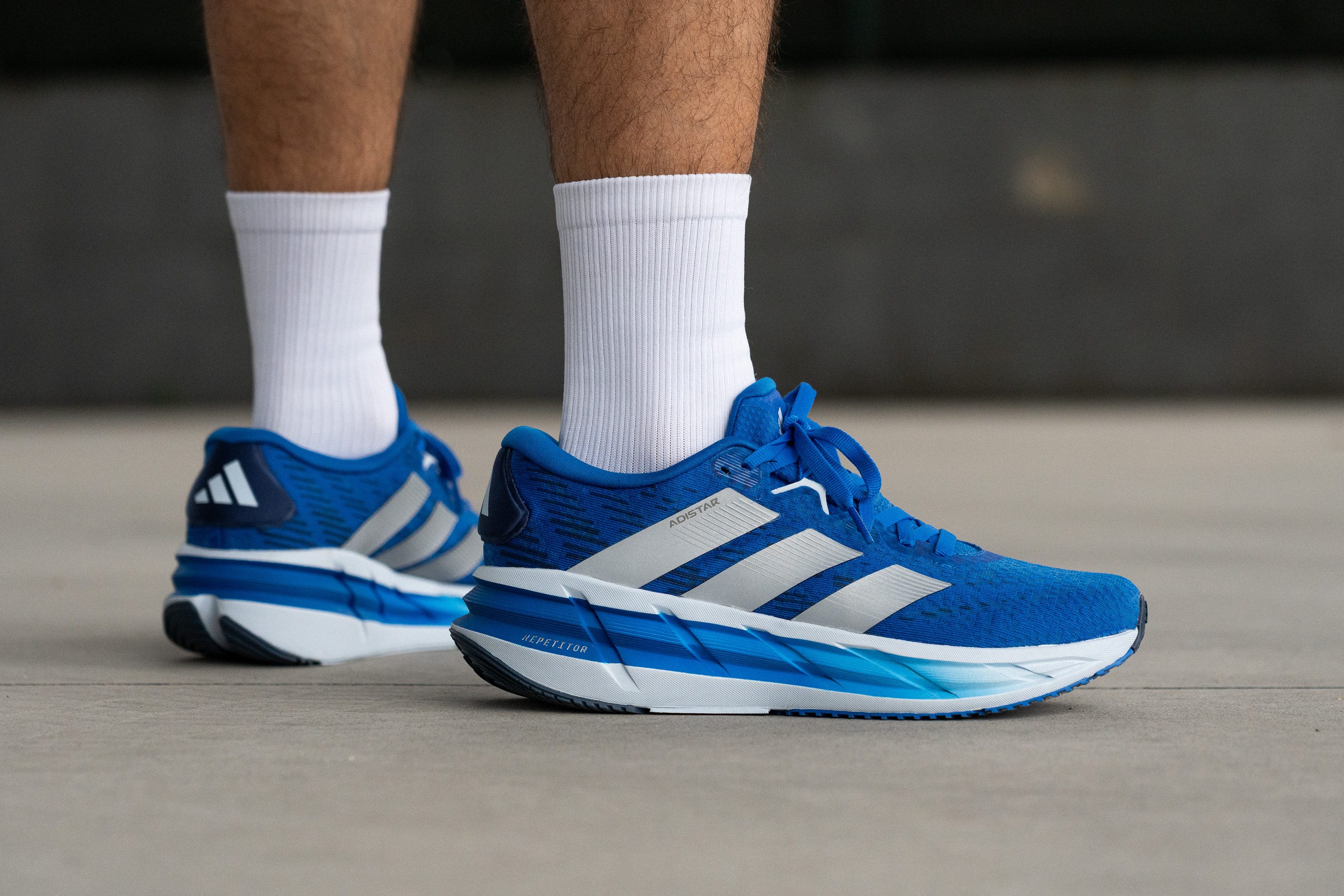
The adidas Adistar 4 is a shoe that can work very well for runners that:
- Hit the pavement with the midfoot or forefoot and prefer daily trainers with a mild front rocker and a more natural feel during transitions.
- Run once or twice per week and want a stable, grippy and well-cushioned option for both short and longer efforts.
- Enjoyed the Adistar 3 and are looking for a similar experience with small updates.
- Are heel strikers and want solid stability without relying on an overly wide platform.
Who should NOT buy
We think that the Adistar 4 is not the best choice for runners looking for a fast ride. In our testing, the ride felt quite flat and not very responsive—far from that bounce-driven experience many expect today even in daily trainers. Instead, take a look at the ubiquitous adidas Adizero EVO SL or the ASICS Novablast 5, both offering a more energetic ride at a similar price.
We also do not recommend it for those running in hot or humid climates. We found in the lab that airflow is limited, and on our runs it felt warm. The PUMA Magnify Nitro 3 provide a cooler experience, and it also offers better energy return as a side benefit.
Cushioning
Shock absorption
In our lab testing, we recorded 132 SA in the heel and a surprisingly high 130 SA in the forefoot. What stands out is not the numbers themselves, but how similar they are, as most running shoes tend to show a more noticeable difference between rearfoot and forefoot shock absorption.
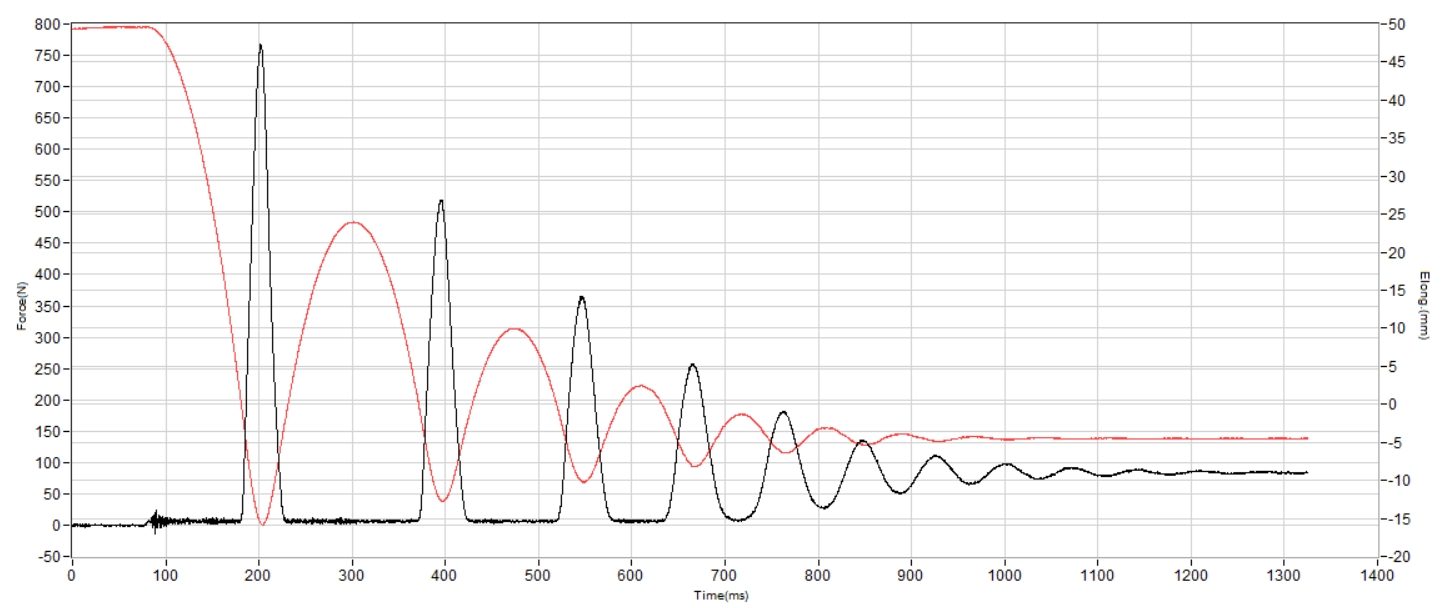
| Adistar 4 | 132 SA |
| Average | 131 SA |
Energy return
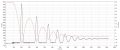
The Adistar 4 definitely has some upsides, but energy return is clearly not one of them. Still, we can’t say this result is unexpected given the midsole setup. We know a thing or two about running shoe foams, and after reviewing the Adistar BYD and seeing how REPETITOR 2.0 held back Lightstrike Pro, we had a clear idea of what to expect here.
In our lab tests, we measured 51.9% in the heel and 55.9% in the forefoot, both results landing below the current average and confirming the same muted behaviour.
| Adistar 4 | 55.9% |
| Average | 61.4% |
Heel stack
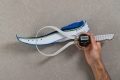
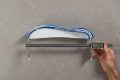
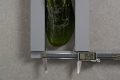
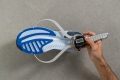
Adidas positions the Adistar 4 as their entry-level option for runners seeking a max-stack experience, and it delivers on that promise. In our measurements, we found 40.0 mm in the heel, which clearly places it within the maximalist category.
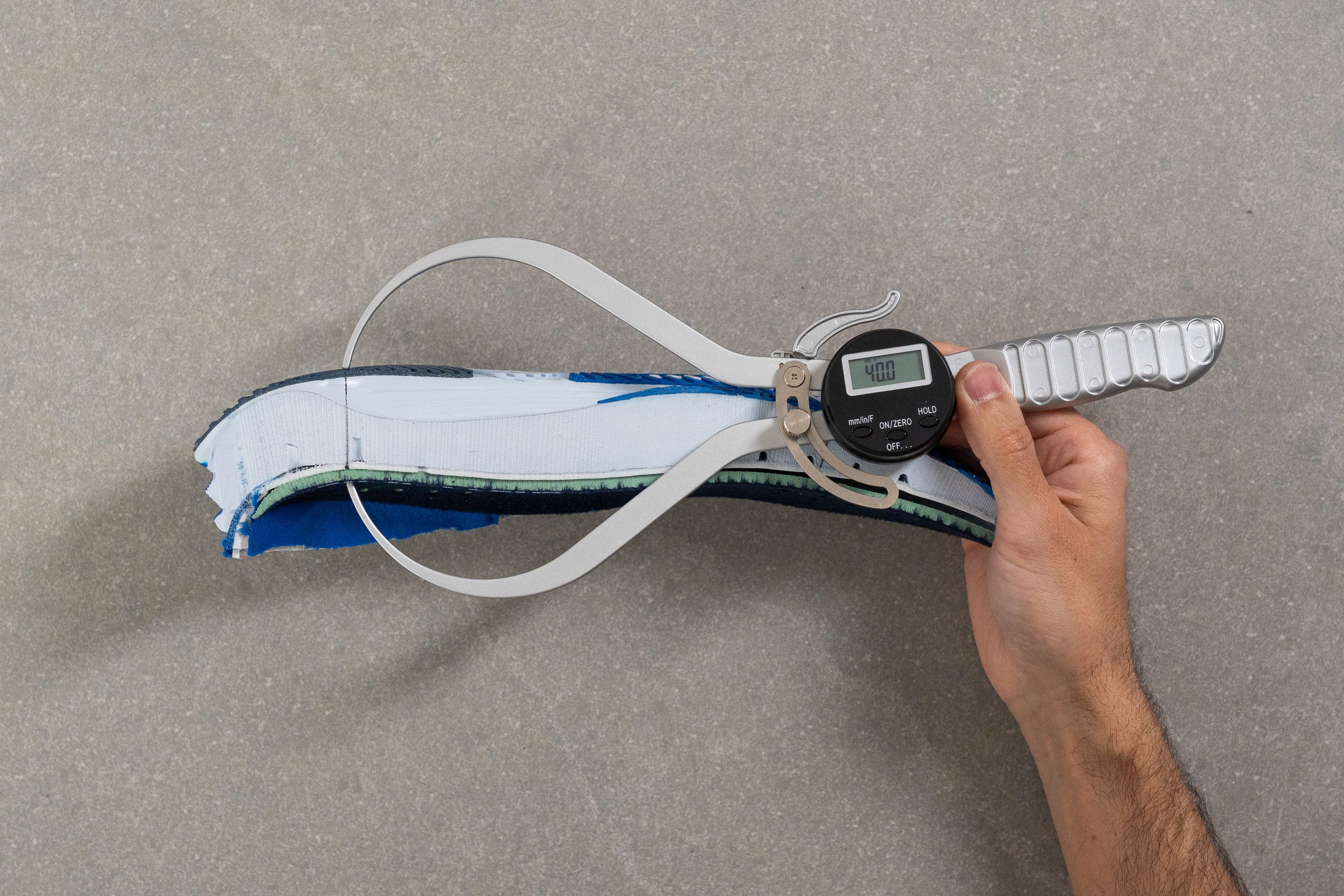
| Adistar 4 | 40.0 mm |
| Average | 35.5 mm |
Forefoot stack
The forefoot comes in just under 30 mm at 29.9 mm, offering plenty of foam underfoot and, as we showed earlier, strong shock absorption. We think this setup works well for runners seeking a durable workhorse that can handle both daily miles and longer efforts.
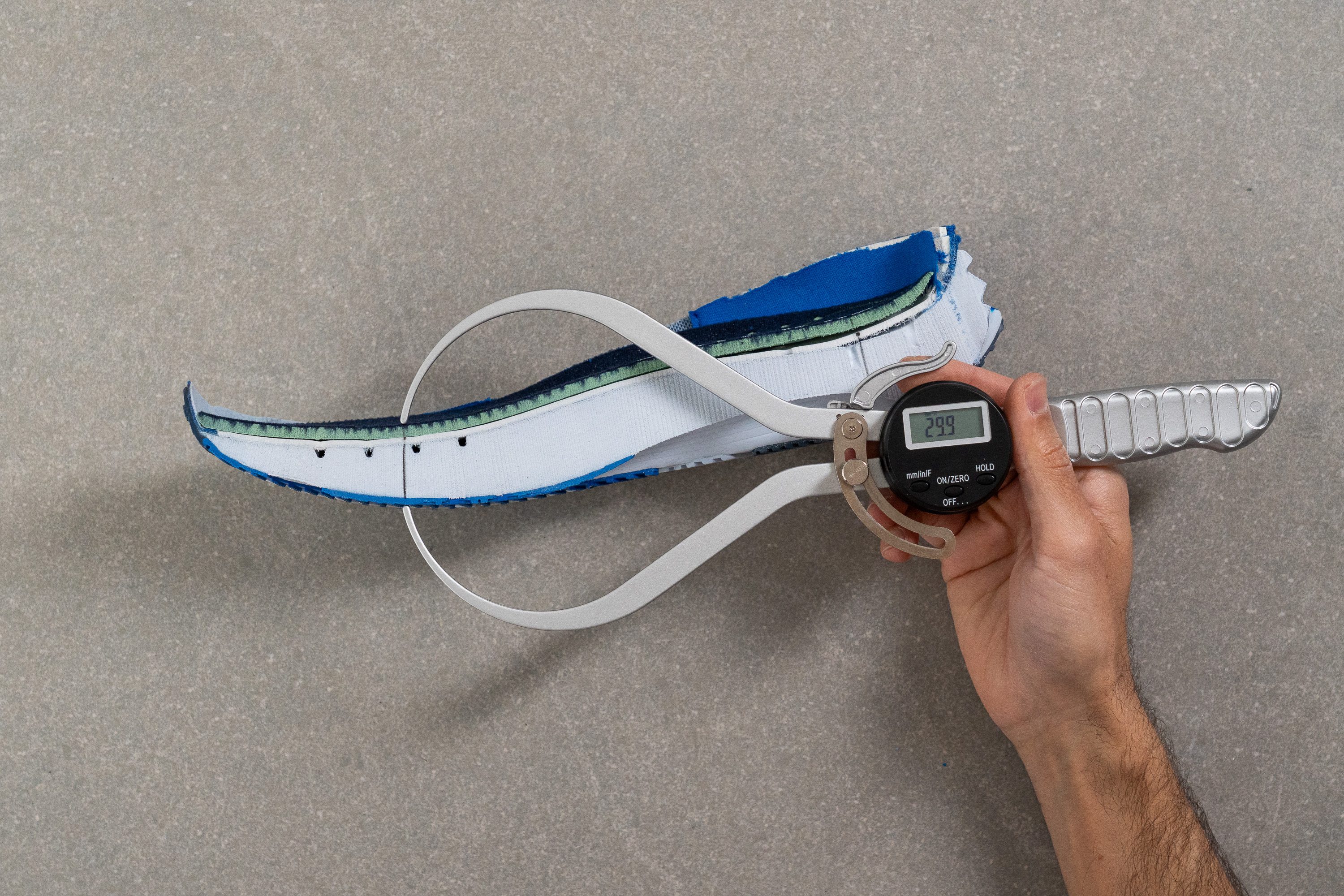
| Adistar 4 | 29.9 mm |
| Average | 27.1 mm |
Drop
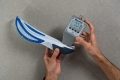
Here we found a clear discrepancy from adidas. The brand states a 5 mm drop, but we measured 10.1 mm using the points defined by World Athletics.
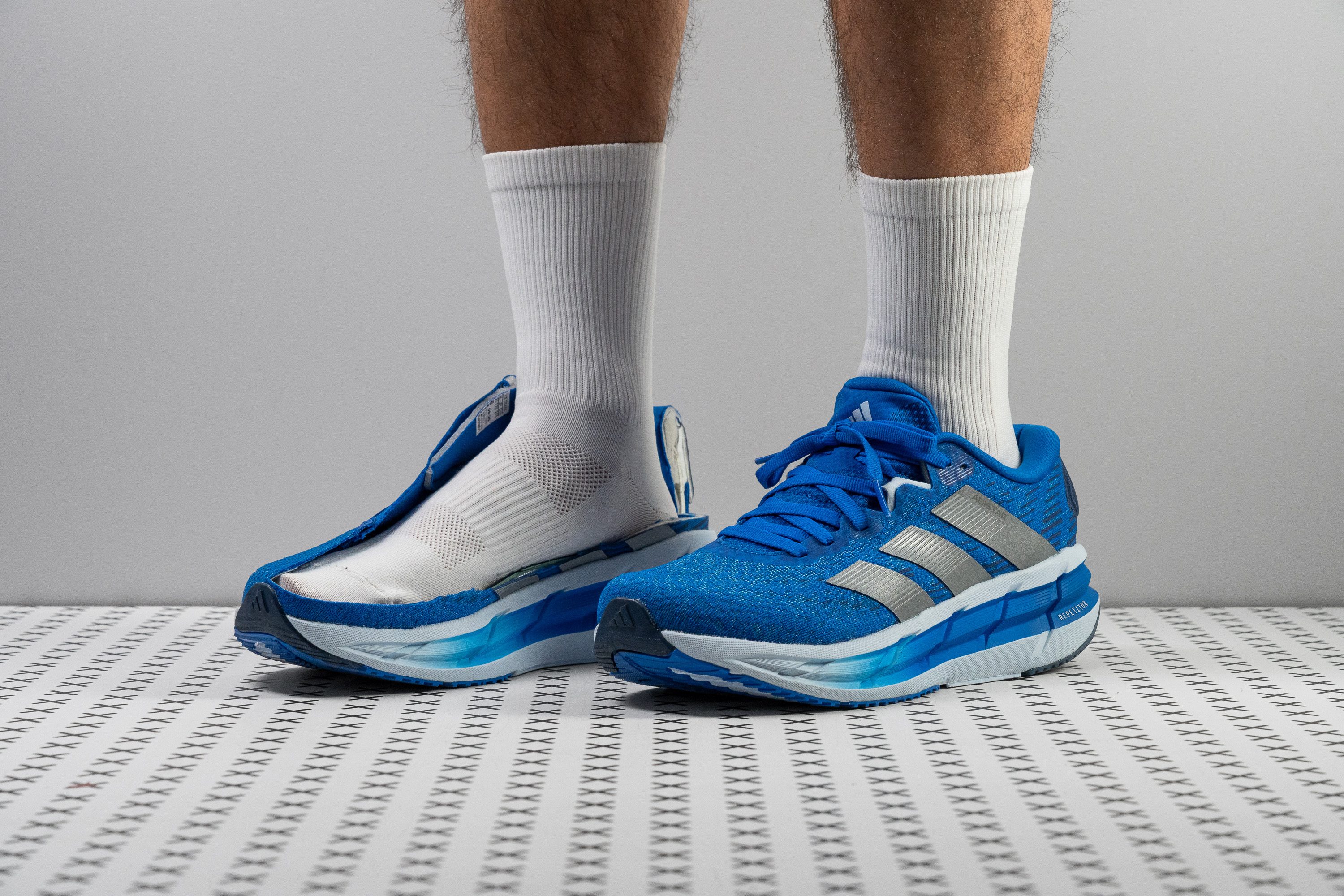
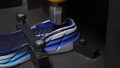
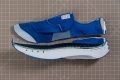
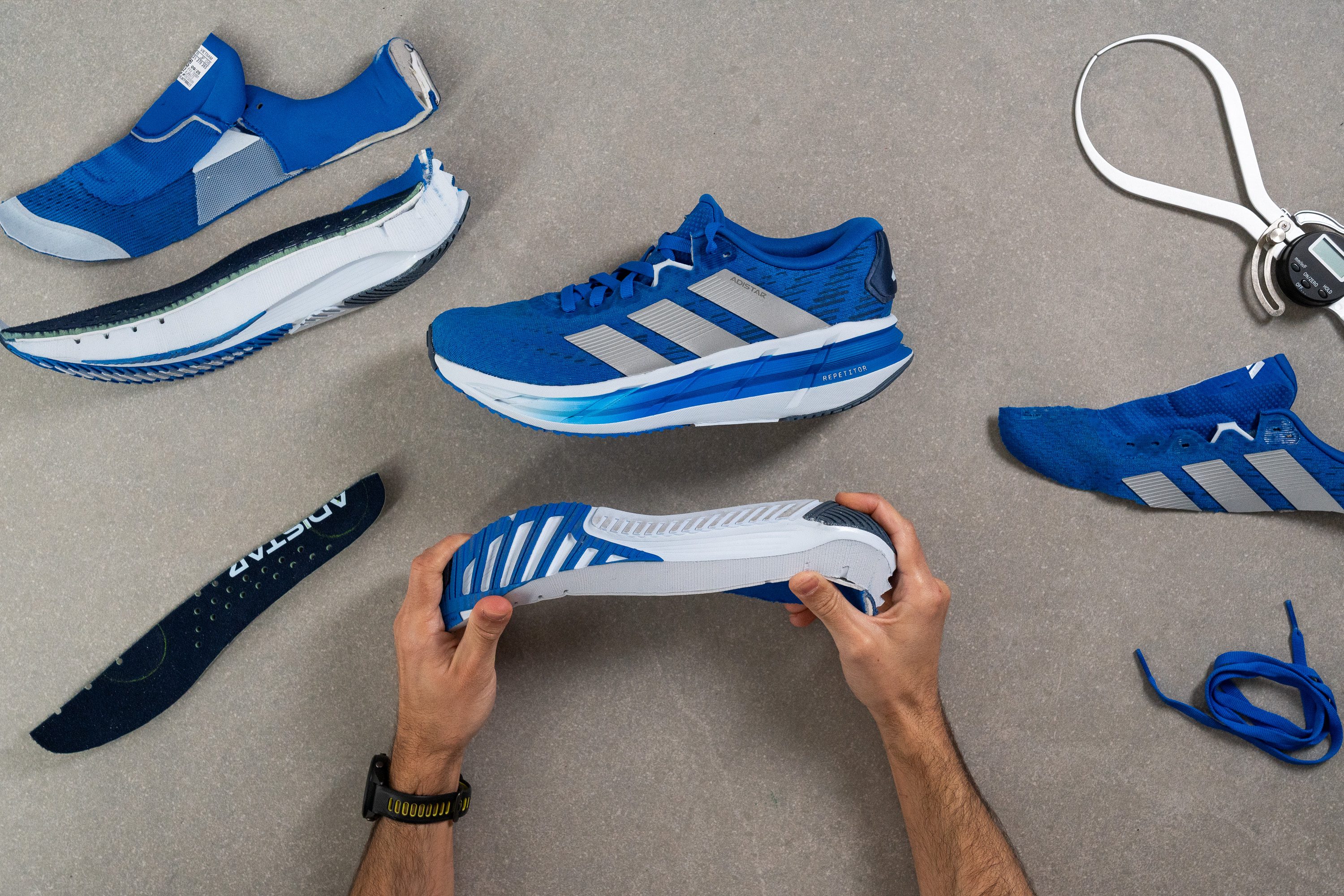
Just by looking at the shoe cut in half, it’s obvious this is not a mid-drop design, as the forefoot is noticeably thinner than the heel. On foot, it clearly feels like a high-drop shoe, except when landing hard on the heel, where the softer foam compresses more.
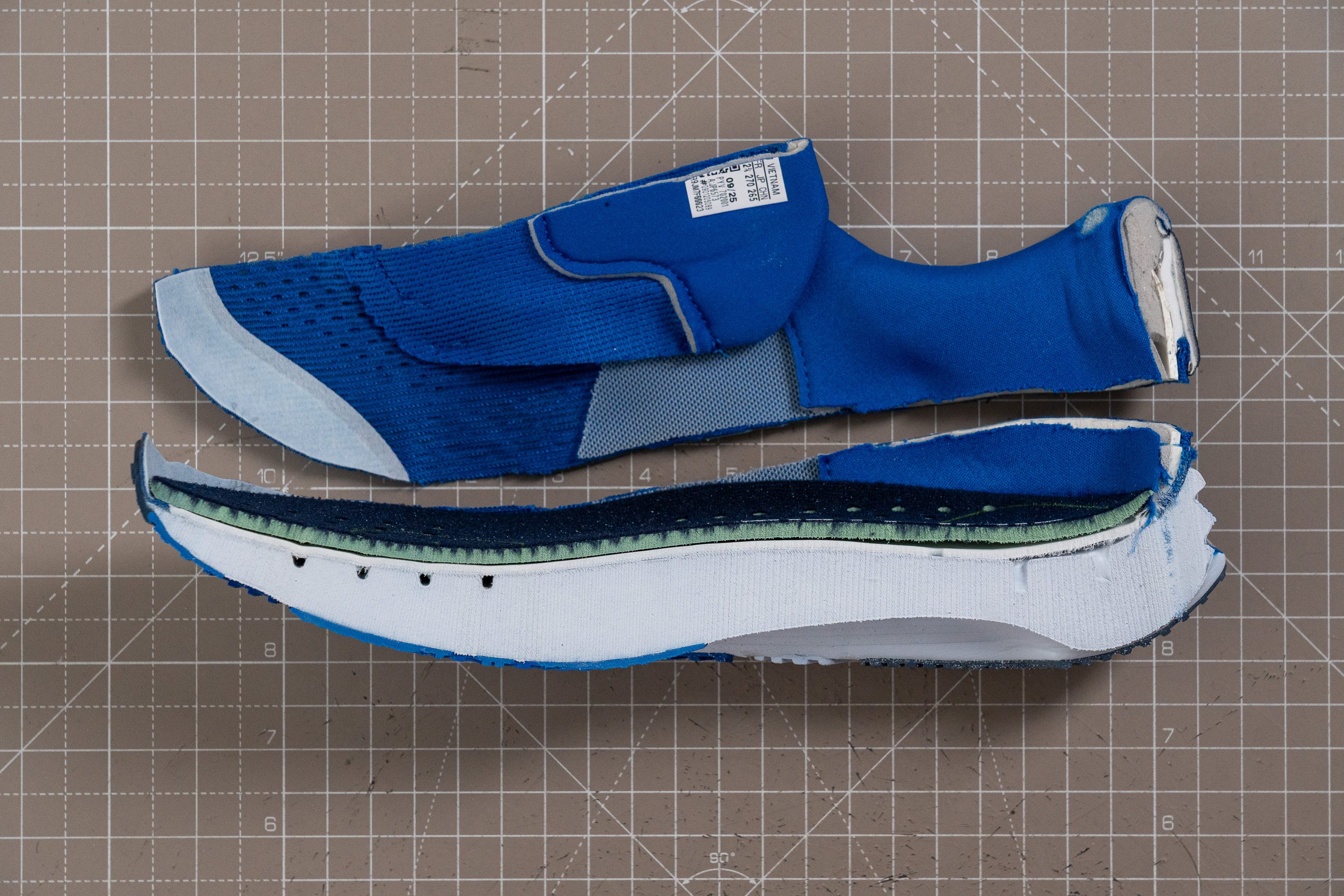
| Adistar 4 | 10.1 mm |
| Average | 8.4 mm |
Midsole softness
The REPETITOR 2.0 foam in the Adistar 4 features a soft formulation that feels comfortable and easygoing for daily runs. It may not deliver much energy return, but if bounce isn’t a priority for you, it handles its role well.
In the lab, we measured its softness at 33.8 AC using our Asker C durometer. This sits around a balanced range, leaning slightly toward the softer side.
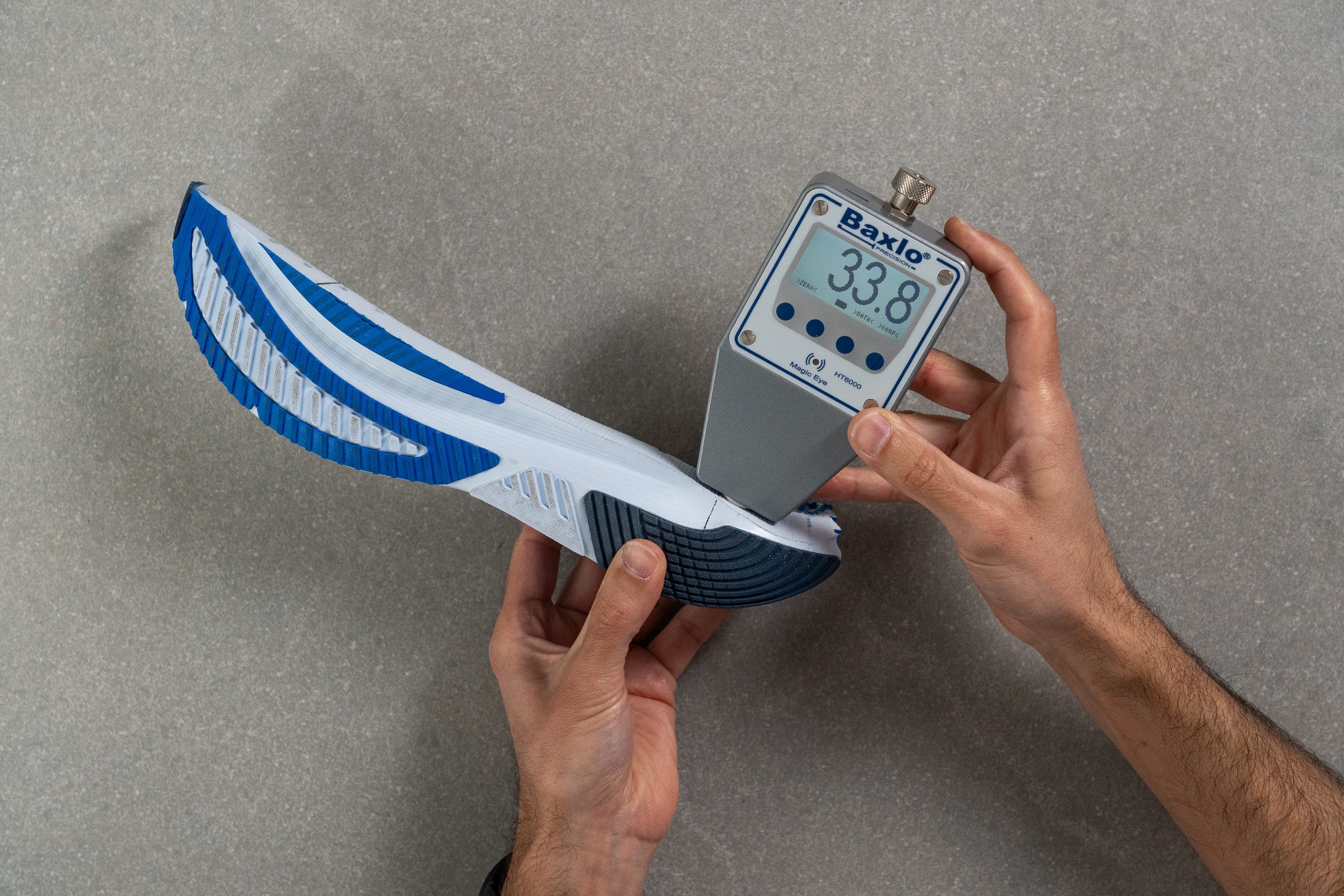
| Adistar 4 | 33.8 AC |
| Average | 35.5 AC |
Rocker
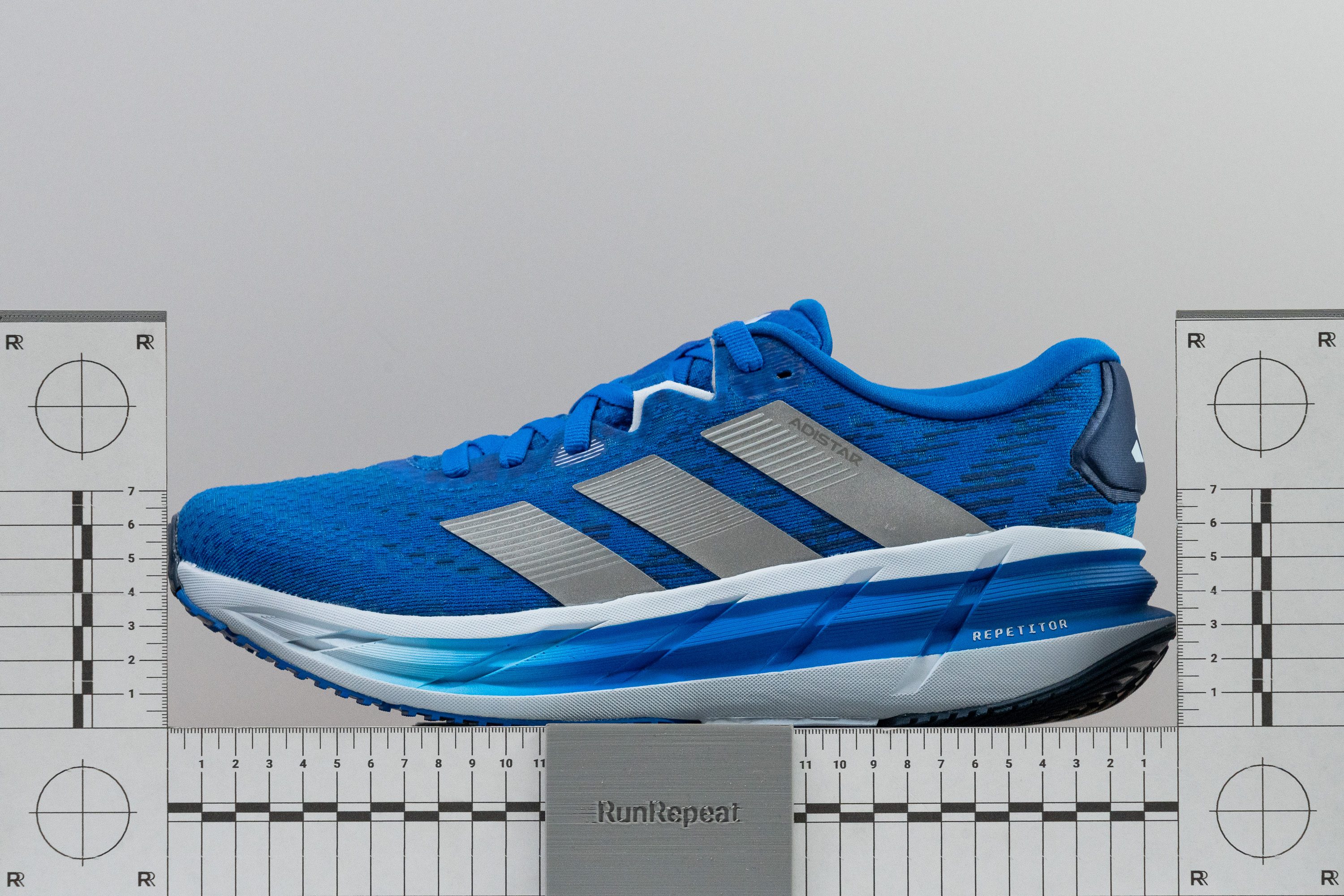
As is common with many adidas trainers, the rocker is mild to moderate rather than aggressive or intrusive.
We see that as a positive, since some brands are pushing this design too far, and it’s refreshing to have a daily trainer that feels more natural and comfortable for easy runs and everyday use.
Size and fit
Size
adidas Adistar 4 fits true to size (18 votes).
Internal length
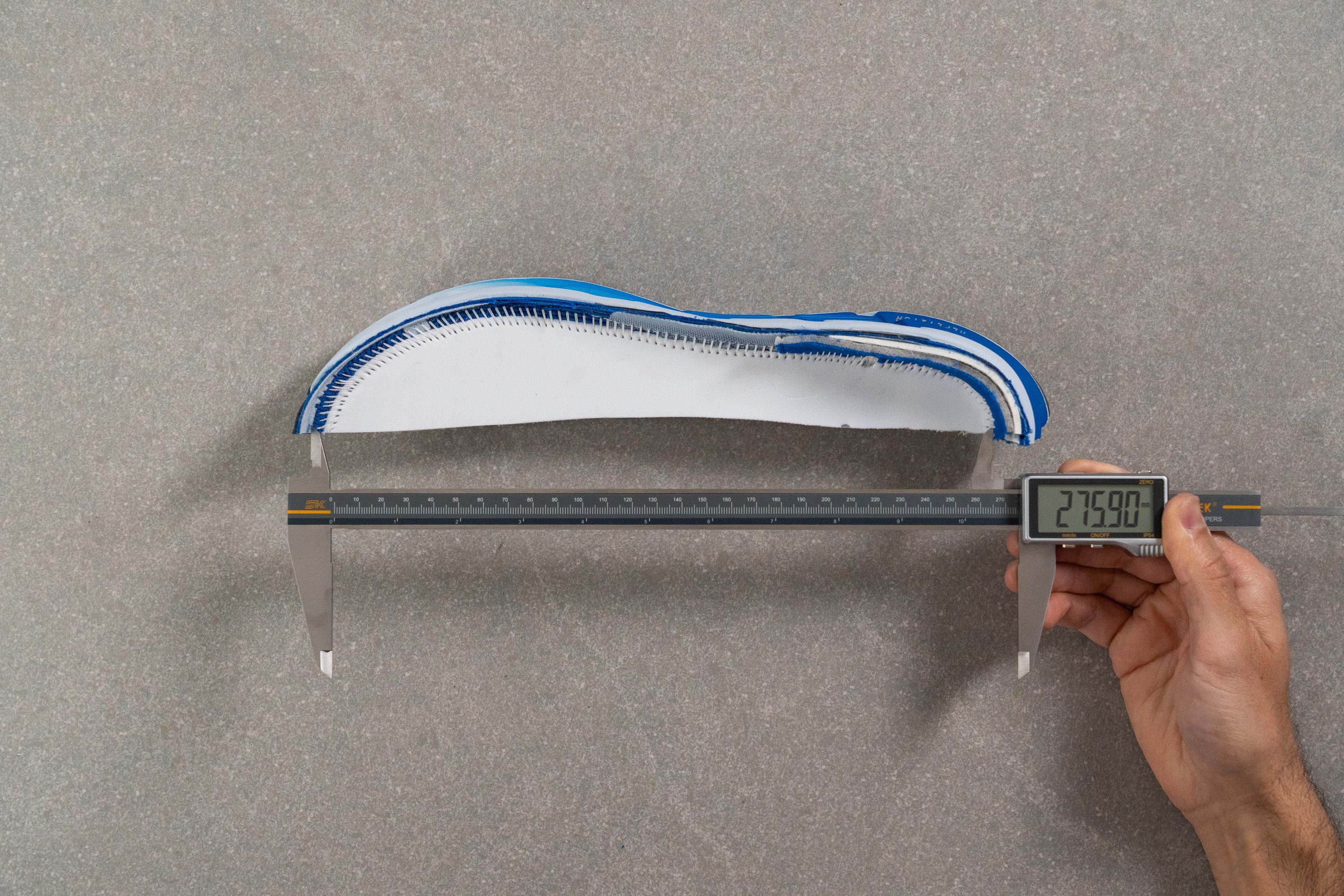
| Adistar 4 | 275.9 mm |
| Average | 269.4 mm |
Width / Fit
From the moment we stepped into the Vomero Plus, it was clear that it offers a classic daily trainer fit, neither roomy nor narrow. But enough impressions, let’s look at the mould we created.
Our first measurement came in at 95.4 mm, which sits right around the average.
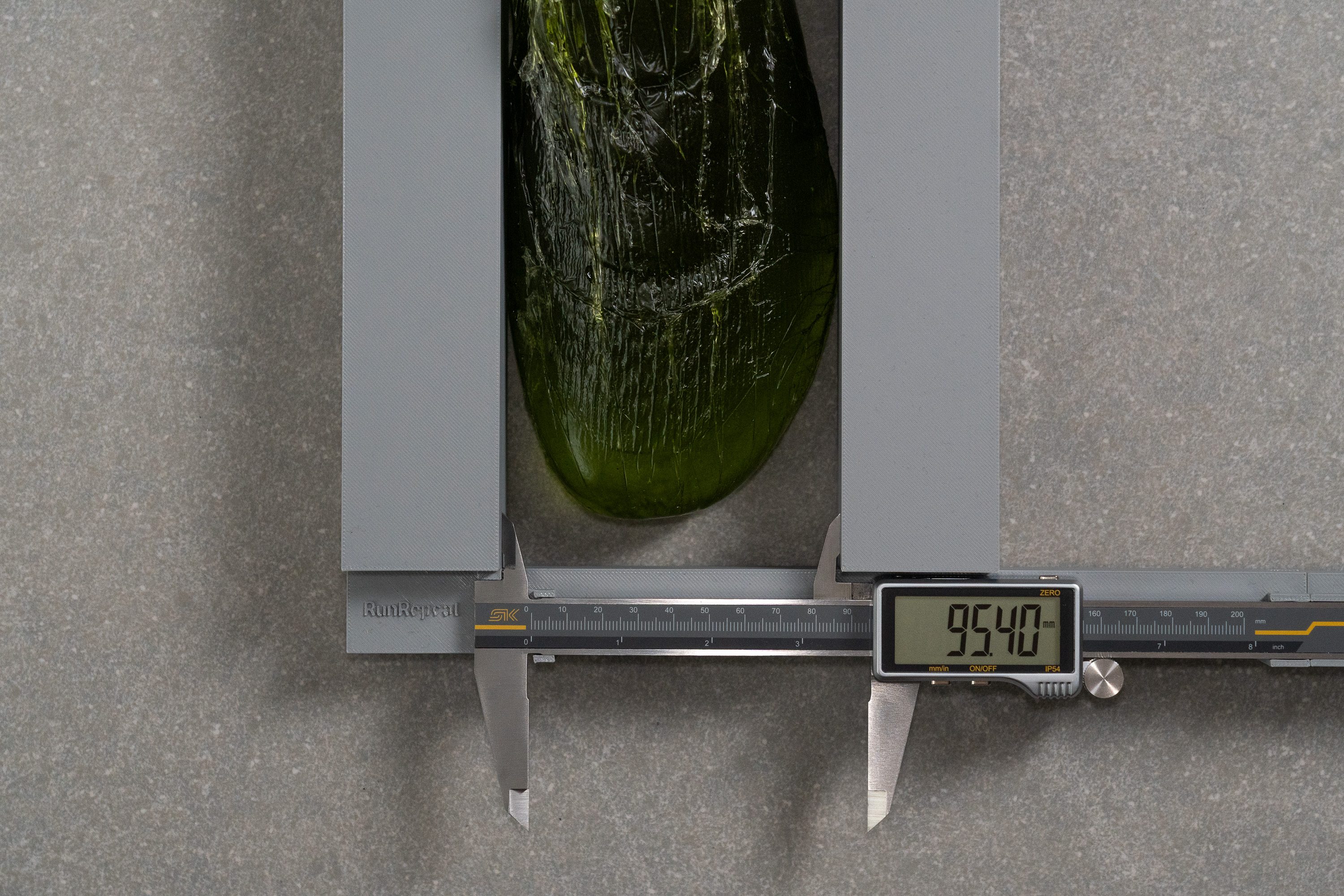
| Adistar 4 | 95.4 mm |
| Average | 95.2 mm |
Toebox width
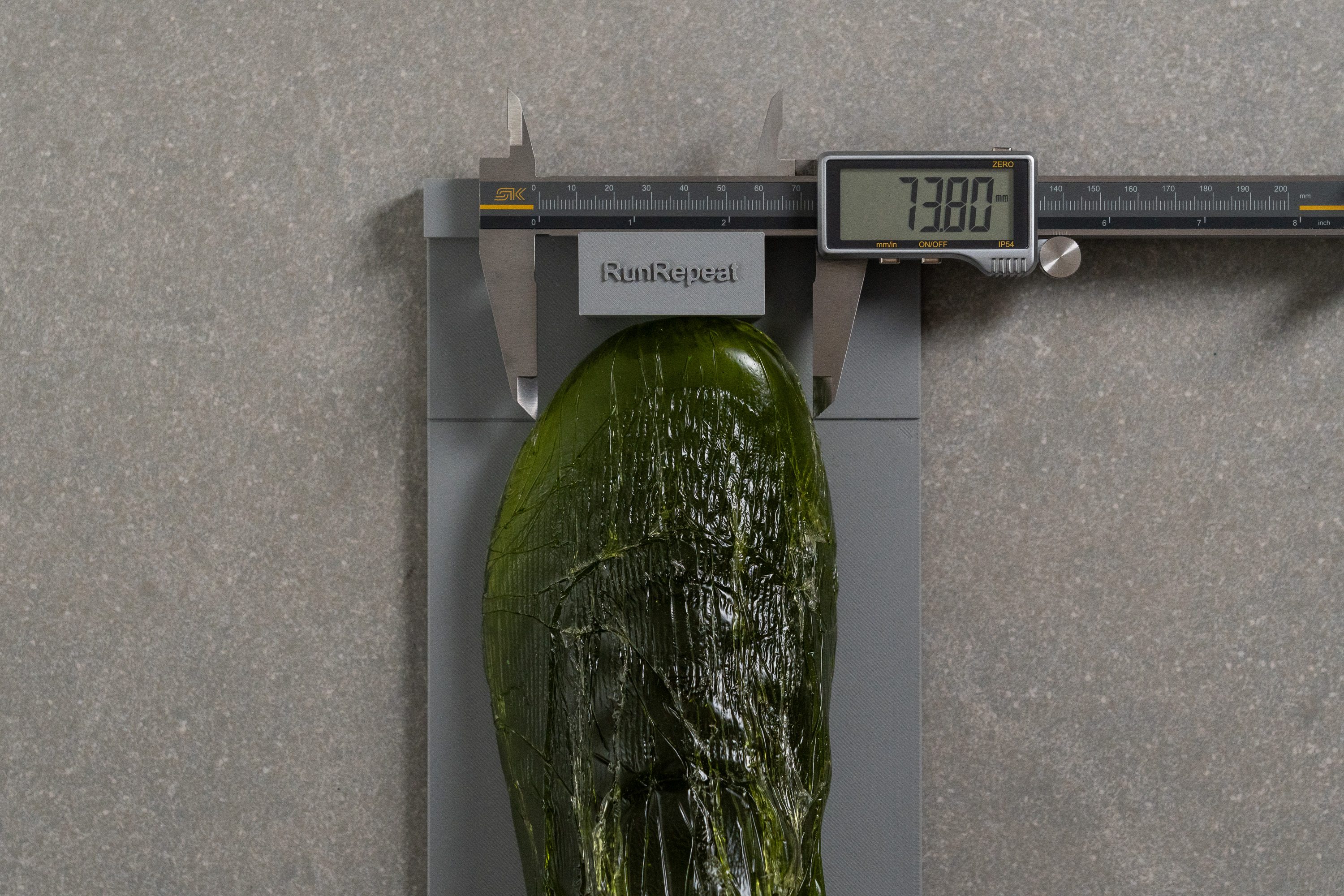
At 73.8 mm, the toebox follows a classic tapered shape, offering standard room for toe splay but not enough to feel comfortable for runners with serious wide feet.
| Adistar 4 | 73.8 mm |
| Average | 73.2 mm |
Toebox height
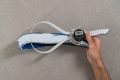
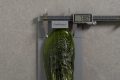
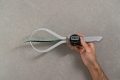
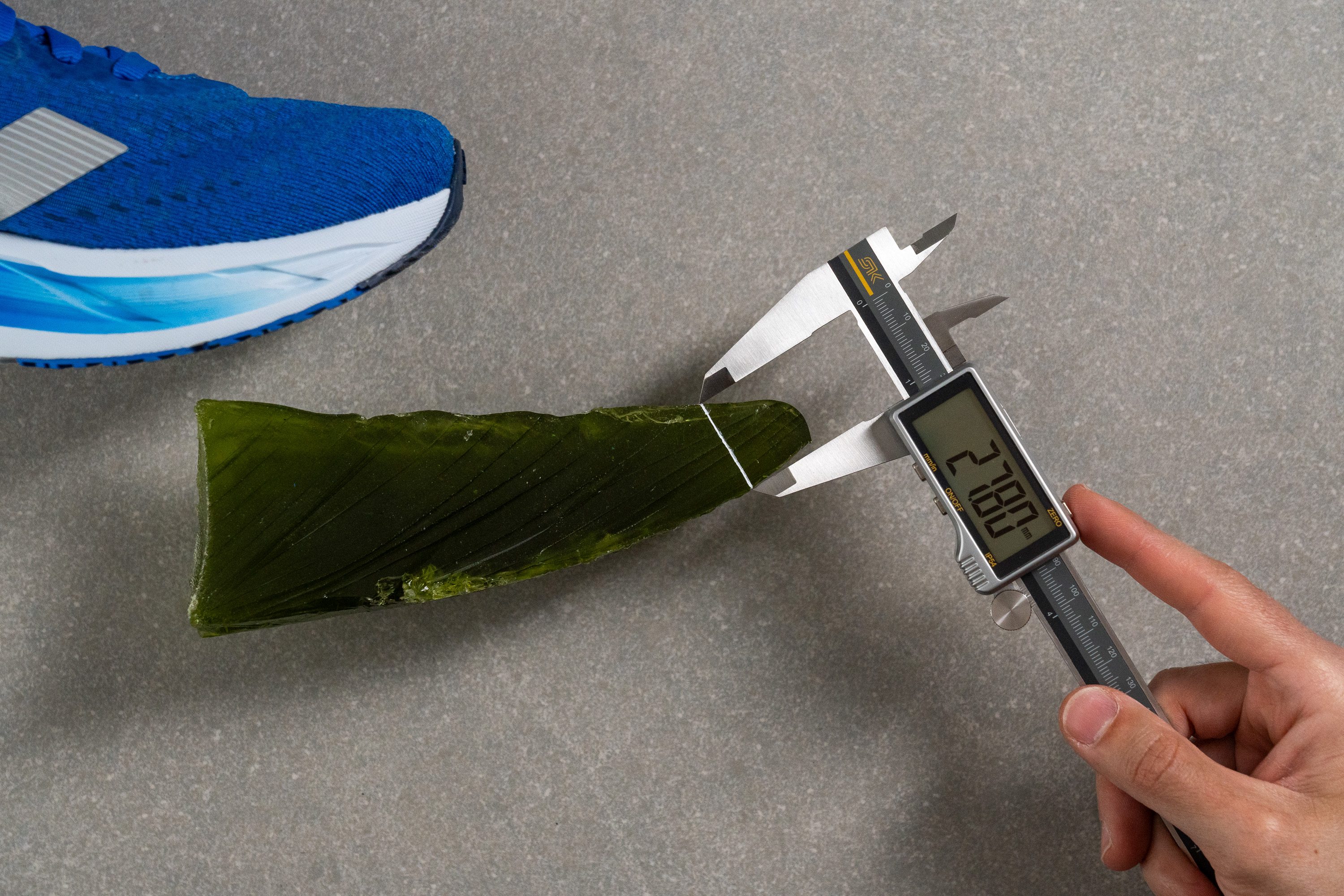
We also measured the toebox height and recorded a very reasonable 27.8 mm.
This amount of space strikes a smart balance between comfort and a secure fit, with no issues to report. adidas kept things simple here and went with a shape that works well for most runners.
| Adistar 4 | 27.8 mm |
| Average | 27.0 mm |
Traction / Grip
Traction test
To cut the price of this shoe compared to the BYD, adidas made a few clear trade-offs. Lightstrike Pro is gone, and so is Continental rubber. In the Adistar 4, you get ADIWEAR rubber instead.
That may disappoint some runners, but the outsole still delivered a solid 0.57 result on wet concrete, which we consider more than adequate even if it doesn’t match Continental performance.
| Adistar 4 | 0.57 |
| Average | 0.53 |
Outsole design
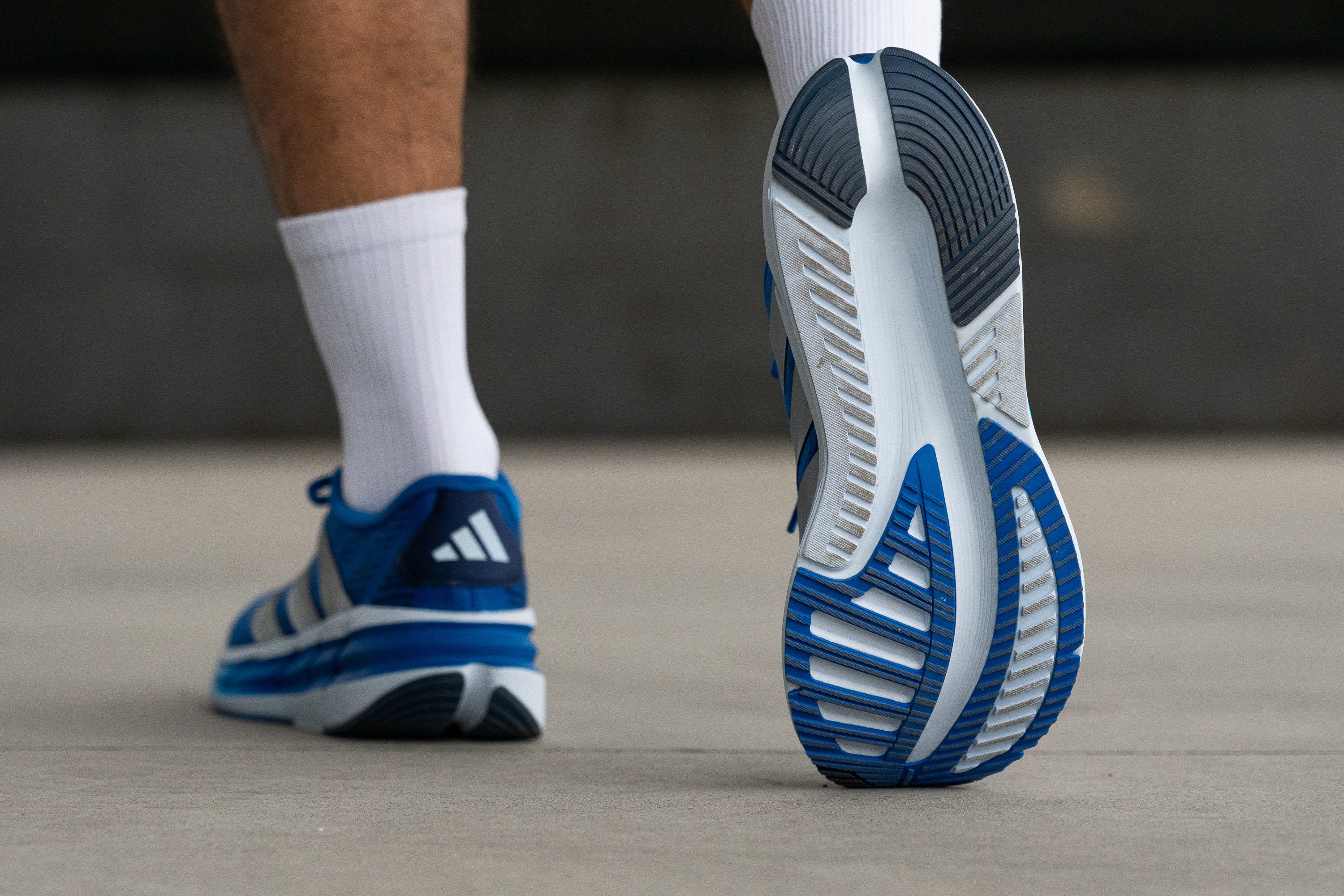
The outsole uses ADIWEAR rubber patches in the heel and forefoot, while large areas of exposed foam run through the midfoot. We also observed wide, curved rubber segments in the heel arranged in a rounded pattern, covering the main landing zone, especially for pronators.
Coverage is not as extensive as in some recent designs, but the Adistar 4 already sits on the heavier side, and it’s clear that adidas aimed to reduce weight in this area.
Flexibility / Stiffness
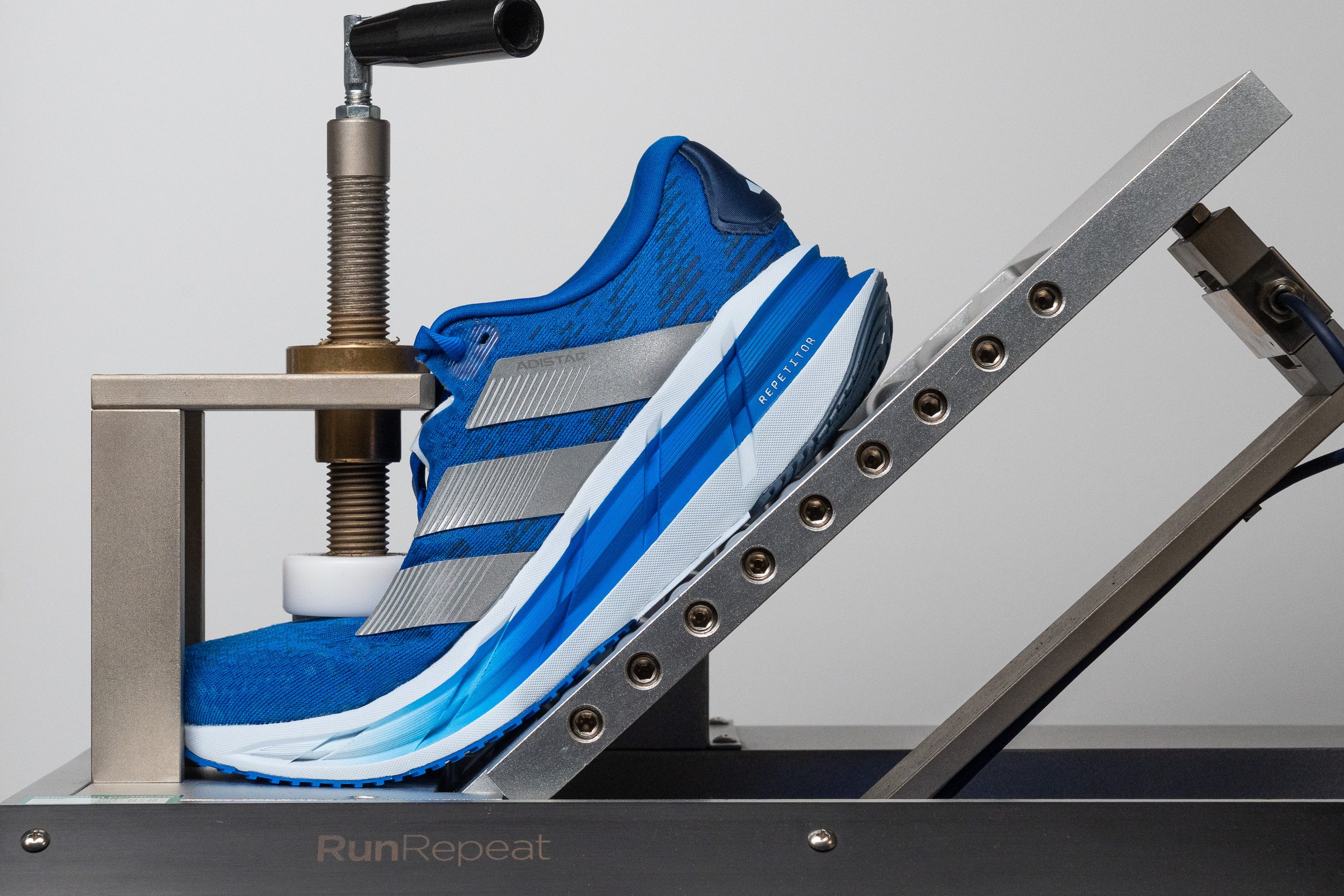
Even without a plate, the Adistar 4 feels stiffer than the BYD variant, as its midsole and outsole design reached 17.4N in our 30-degree bend test.
| Adistar 4 | 17.4N |
| Average | 15.5N |
Weight
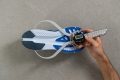
The adidas Adistar 4 tipped our scale at 9.7 oz or 275g. It’s a reasonable weight for daily runs and not a deal-breaker, but it doesn’t stand out as a strength either.
Similarly priced options like the ASICS Novablast 5 come in much lighter despite offering more foam underfoot. This makes us question whether sticking with REPETITOR 2.0 is still the right move compared to newer supercritical EVA compounds or even Dreamstrike+.
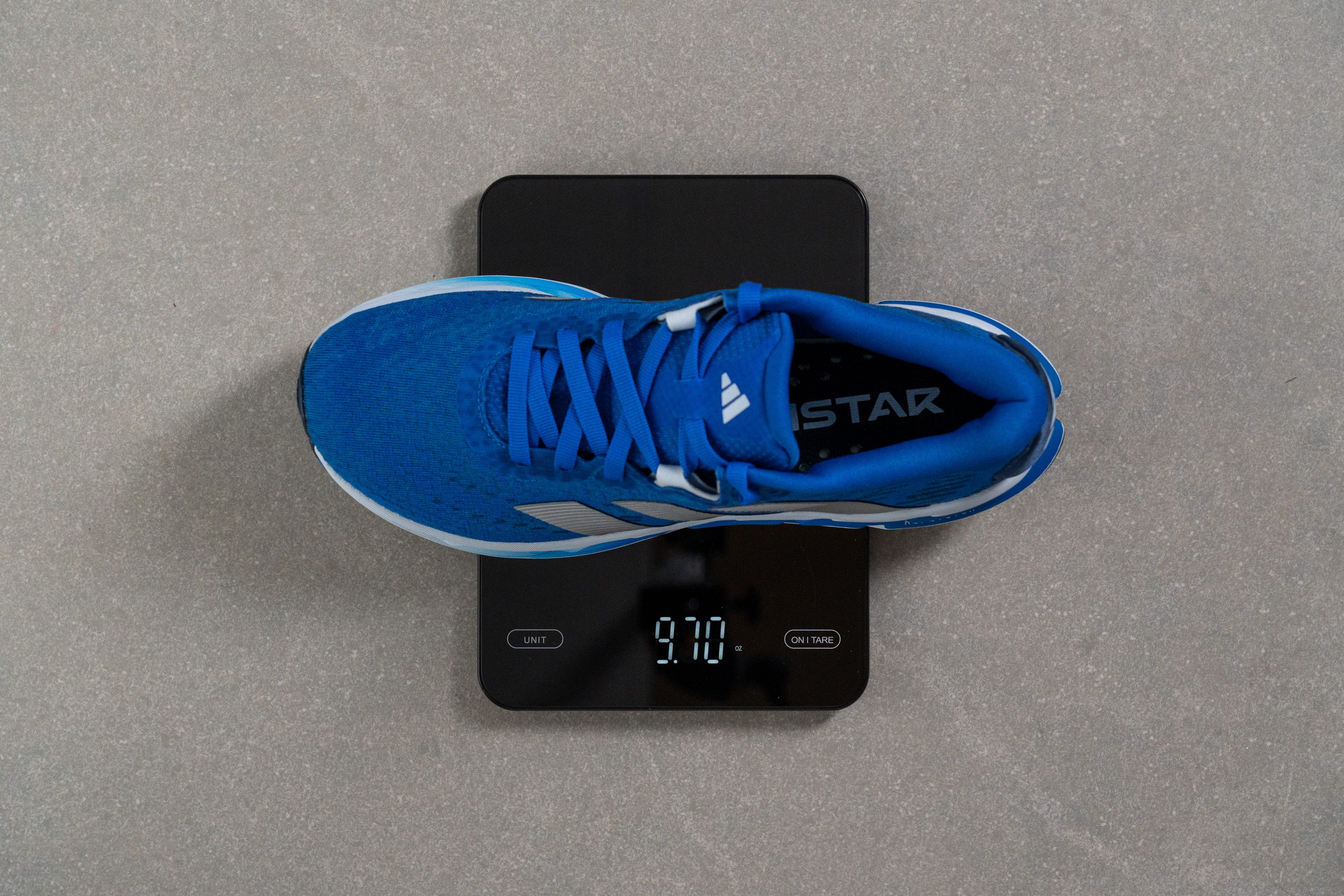
| Adistar 4 | 9.7 oz (275g) |
| Average | 9.2 oz (261g) |
Breathability
Breathability test
The upper uses a basic engineered mesh, skipping Primeweave, which seems reserved for other models.
In our breathability test, the Adistar 4 did not perform particularly well. With a 2/5 score, it falls below many competitors and may not be ideal for warm-weather runs.
Most of the airflow is concentrated in the toebox, but we think the overall design would need changes to achieve a higher result in this test.
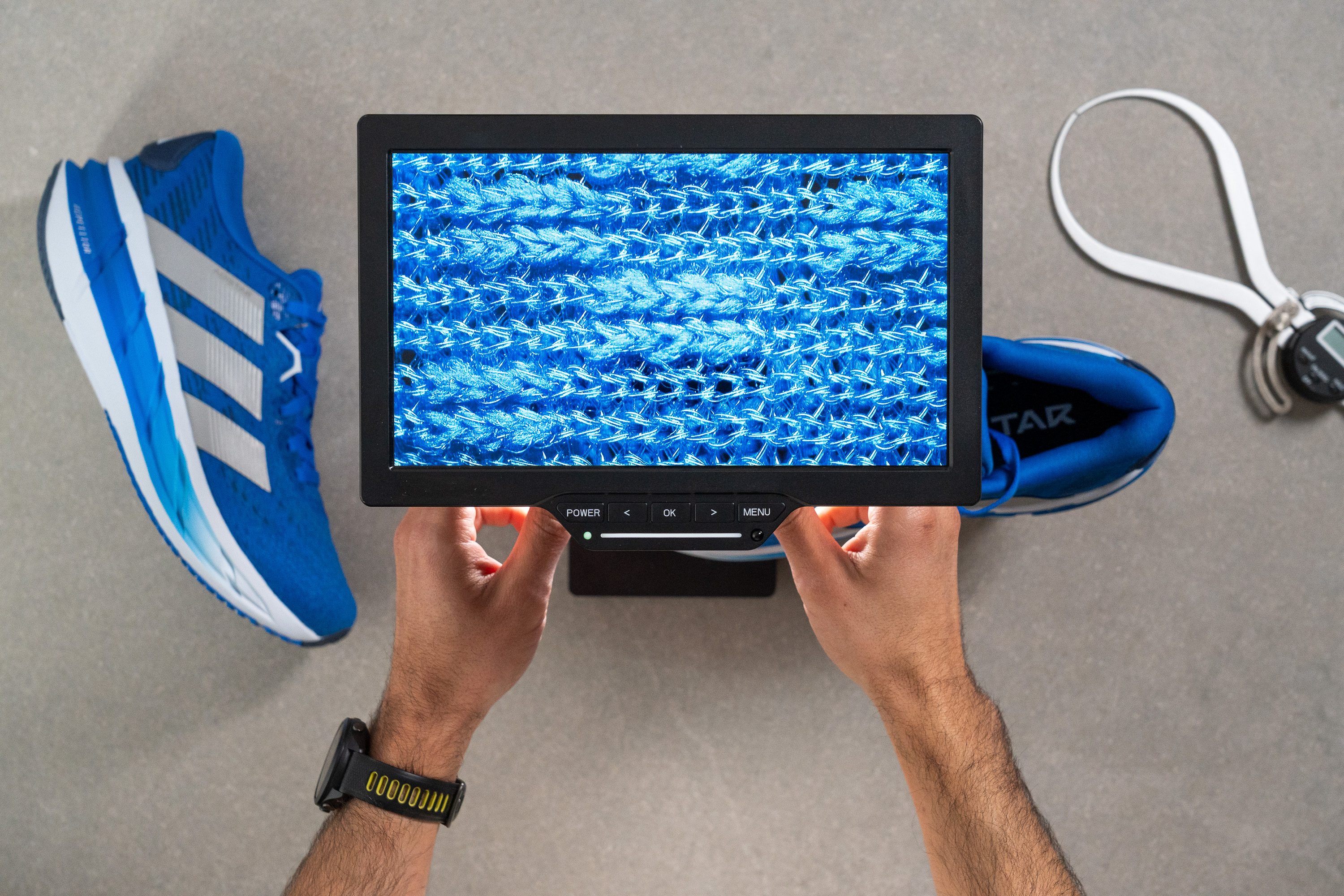
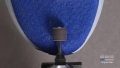
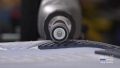
Under the microscope, we saw a relatively thin mesh with added reinforcements, but no fully open ventilation holes, which helps explain the limited airflow.

In terms of quality, the upper feels solid for the price. Padding is generous in the heel and moderate in the tongue, with comfort clearly taking priority over ventilation.
| Adistar 4 | 2 |
| Average | 3.6 |
Stability
Lateral stability test
Adidas has clearly focused on making the Adistar 4 stable for heel strikers, also compensating for the softer REPETITOR 2.0 foam. To achieve this, they added a very stiff heel counter and high torsional rigidity, two key elements that help deliver a more stable ride.
Torsional rigidity
Like most maximalist shoes, the Adistar 4 is not very flexible. In our torsional test, where we twist the shoe in both directions, it required a total torque of 15.8 Nm.
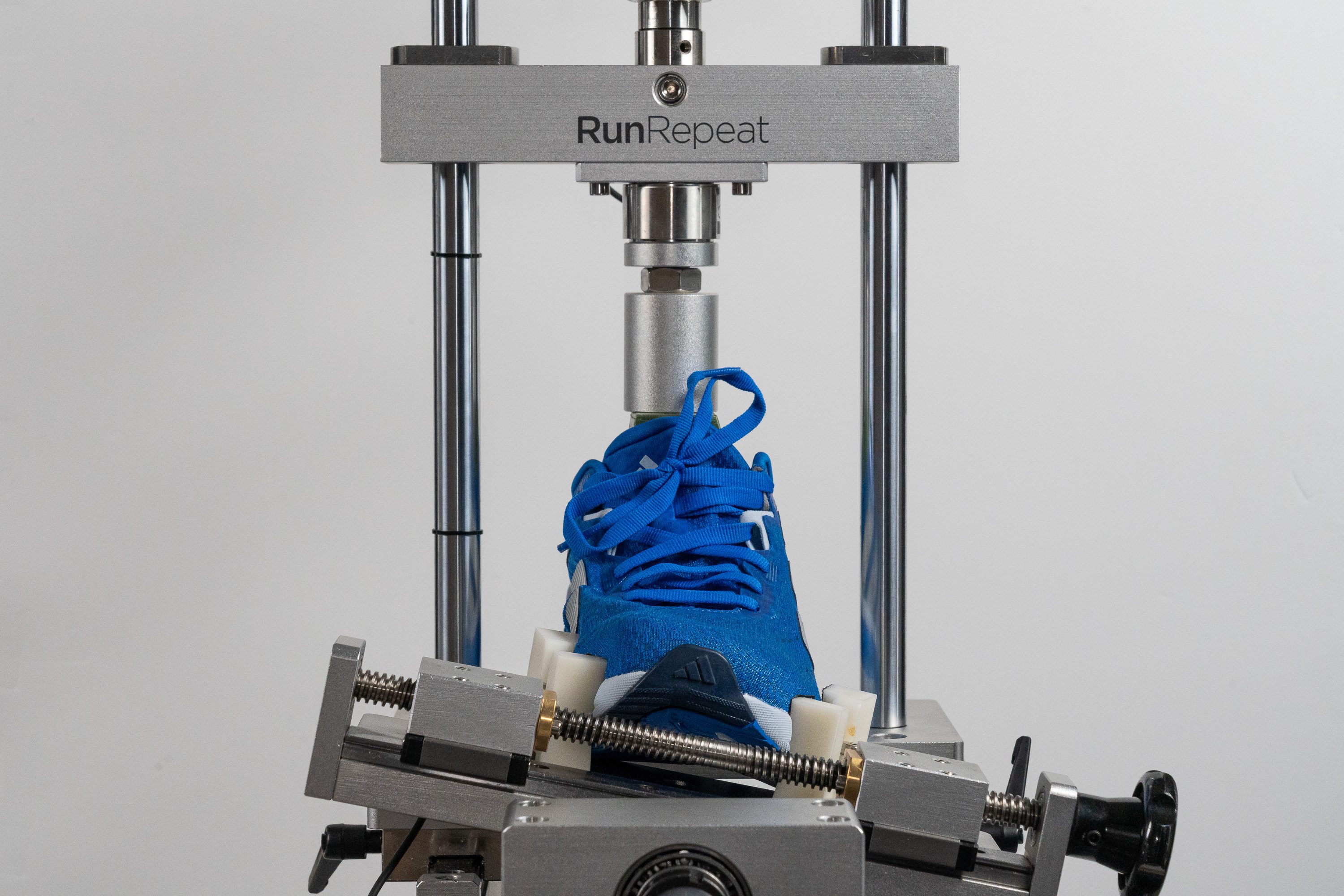
| Adistar 4 | 15.8 Nm |
| Average | 14.4 Nm |
Heel counter stiffness
Despite the generous padding in the heel area, the Adistar 4 may not suit runners who dislike stiff heel counters. We rated this one at 5 out of 5 and it delivers incredible stability, but the stiff structure is noticeable on foot.
| Adistar 4 | 5 |
| Average | 3 |
Midsole width - forefoot
Another area with no meaningful changes from the Adistar 3 is the midsole width.
Adidas had already trimmed the platform in the Adistar 3 to make it more agile and less bulky, and version 4 continues that approach with 115.0 mm in the forefoot.
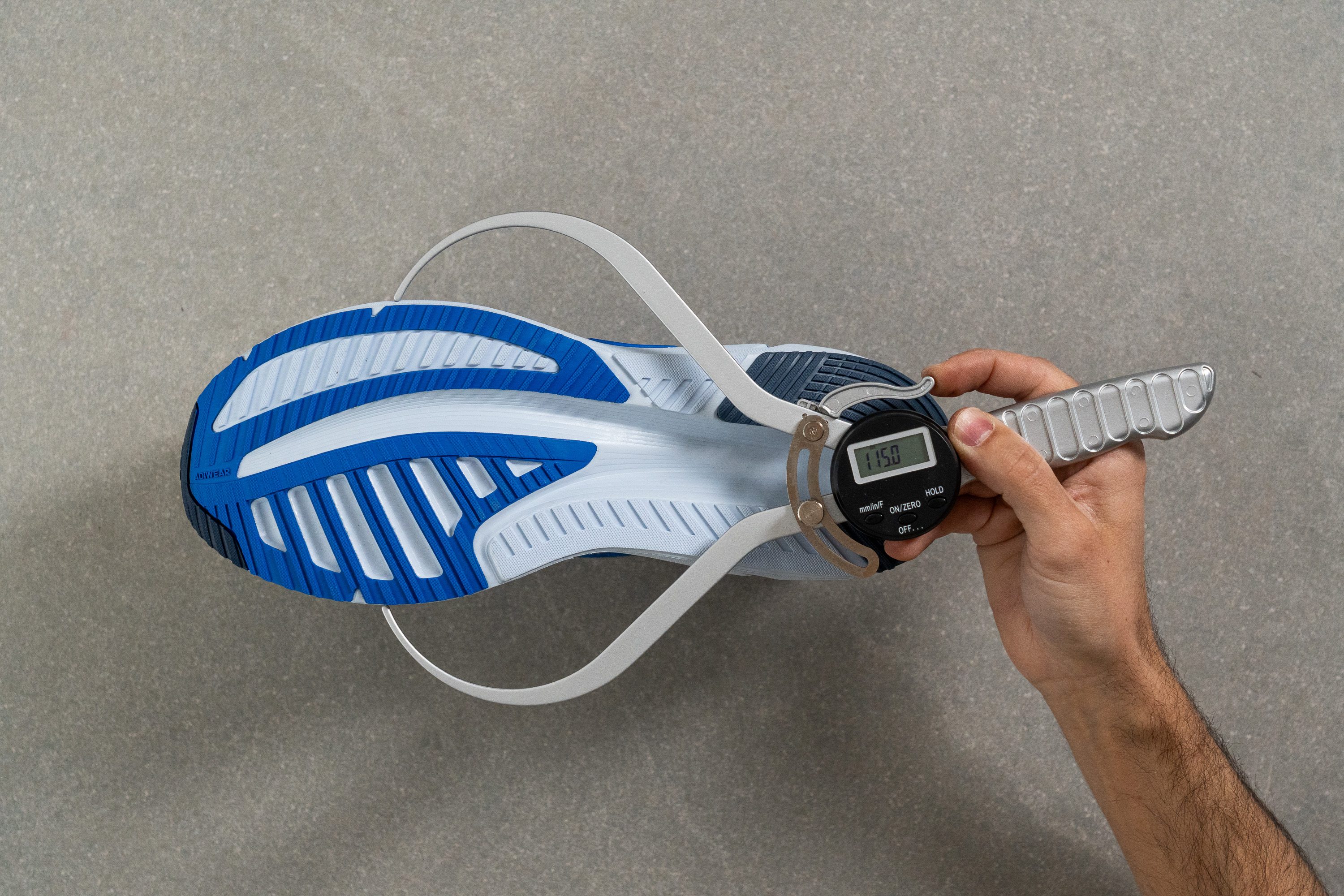
| Adistar 4 | 115.0 mm |
| Average | 115.1 mm |
Midsole width - heel
In fact, this shoe goes against the trend more than most. The Adistar 2.0 measured 96.1 mm in the heel, and the Adistar 3 dropped to 91.9 mm. Now, Adidas has taken it even further, narrowing the heel down to 89.6 mm in version 4.
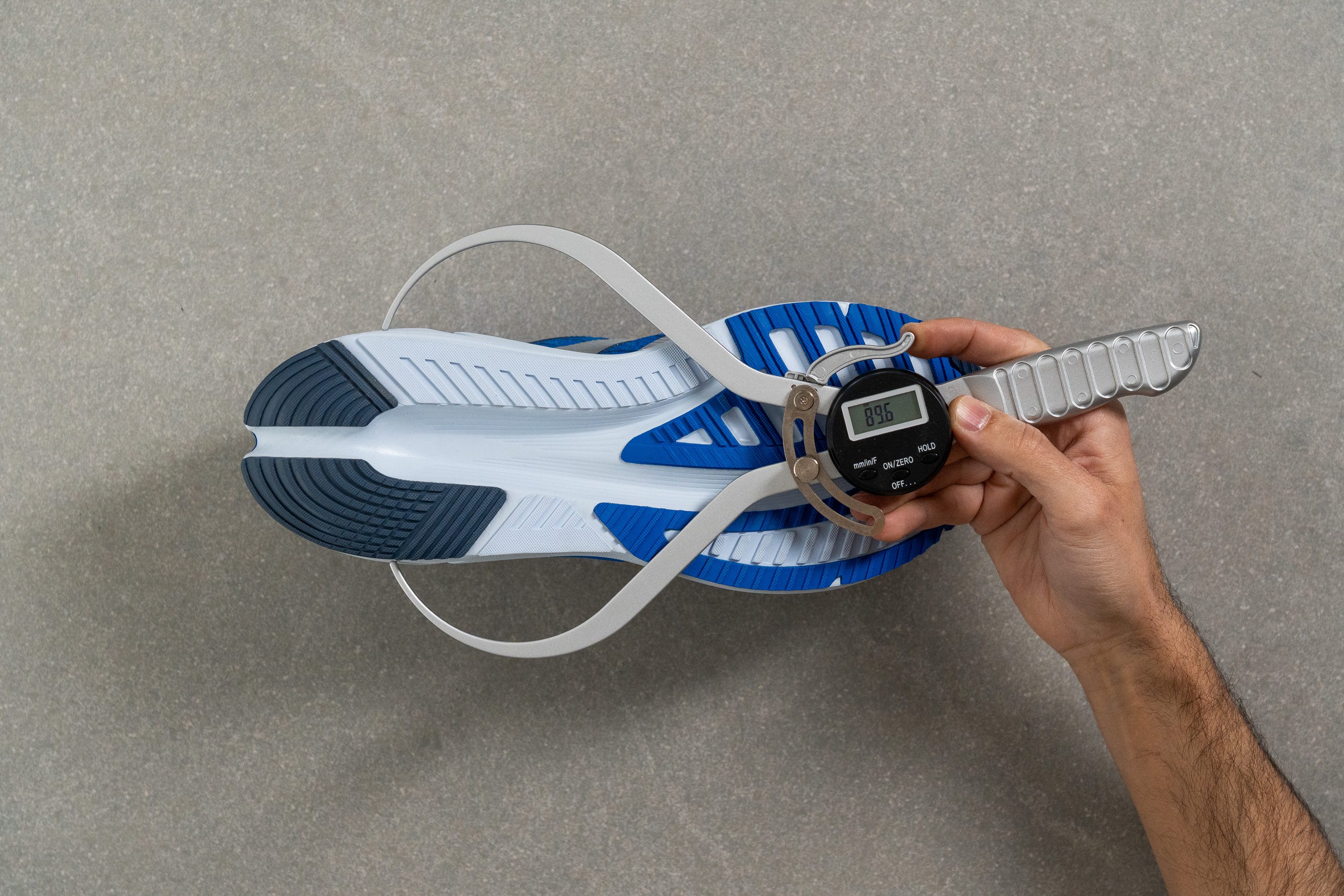
| Adistar 4 | 89.6 mm |
| Average | 91.1 mm |
Durability
Toebox durability
One advantage of skipping the Primeweave upper is the improved durability we found in the toebox. It scored 3 out of 5, which we consider a solid result.
| Adistar 4 | 3 |
| Average | 2.6 |
Heel padding durability
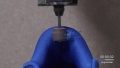
On the other hand, the heel padding told a very different story in our Dremel test. Using the same conditions we apply to every shoe, it returned a poor result of 1 out of 5.
| Adistar 4 | 1 |
| Average | 3.4 |
Outsole durability
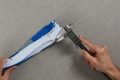
In our final durability test, we found that ADIWEAR may not match Continental in grip, but it holds up just as well. Only 0.7 mm of rubber wore off the outsole, which is a strong result.
| Adistar 4 | 0.7 mm |
| Average | 1.1 mm |
Outsole thickness
With 2.4 mm of outsole thickness, and considering the previous result, the Adistar 4 is well covered in this area, with no concerns about durability.
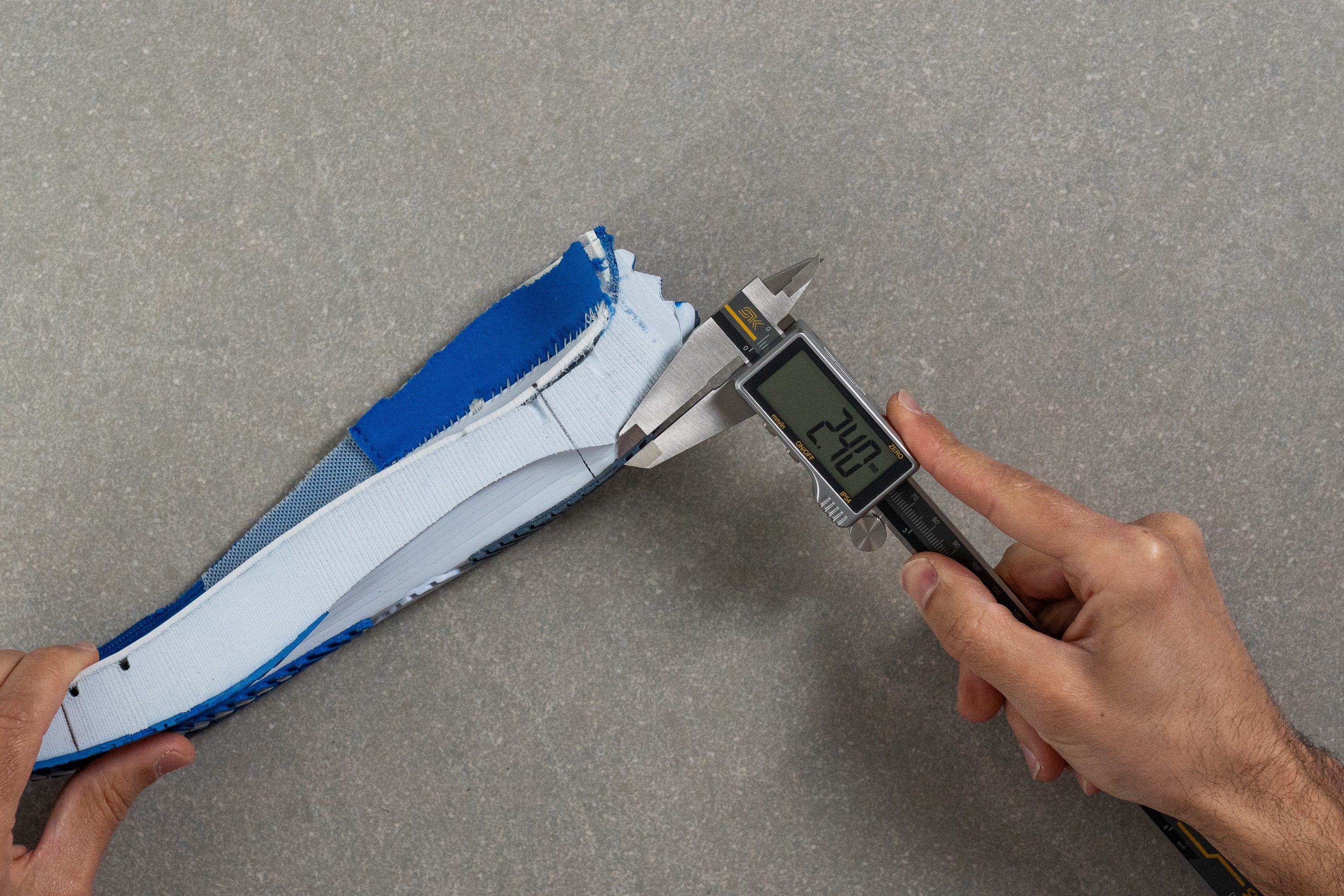
| Adistar 4 | 2.4 mm |
| Average | 3.1 mm |
Misc
Insole thickness
The insole measures 4.2 mm in thickness, which aligns closely with what we usually see in daily trainers.
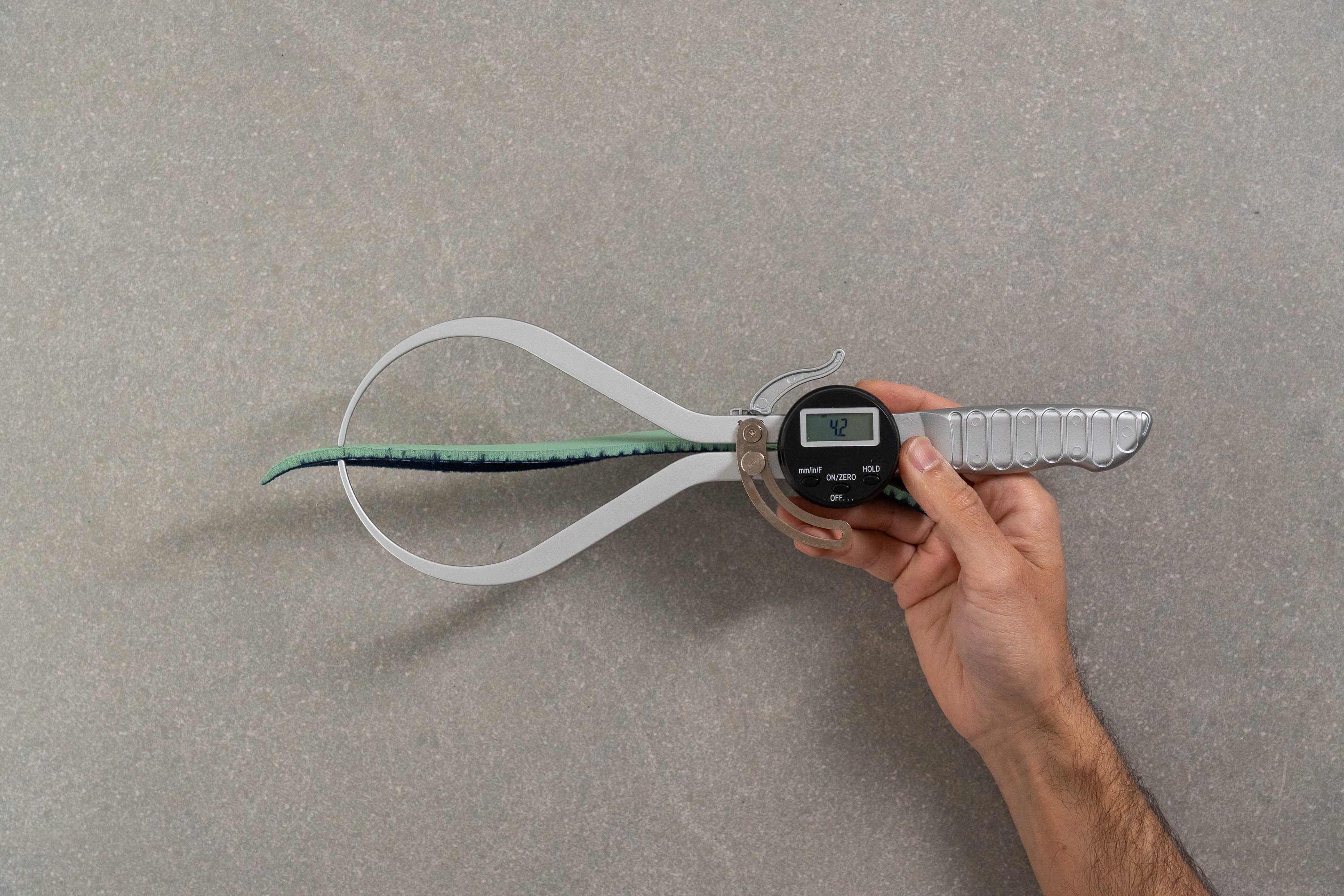
| Adistar 4 | 4.2 mm |
| Average | 4.4 mm |
Removable insole
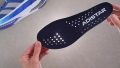
The insole can be taken out if needed. It also includes large perforations that help improve airflow while also trimming some weight down.
| Adistar 4 | Yes |
Reflective elements
This is a clear message to other brands: add bold, visible reflective elements like adidas does and everyone benefits. Runners gain extra safety, and the brand gets strong visibility at night when lights hit those three stripes.
| Adistar 4 | Yes |
Tongue padding
Someone at adidas clearly liked the lacing setup from version 3, which used punched eyelets combined with a loop to relieve pressure, because it returns unchanged in version 4.
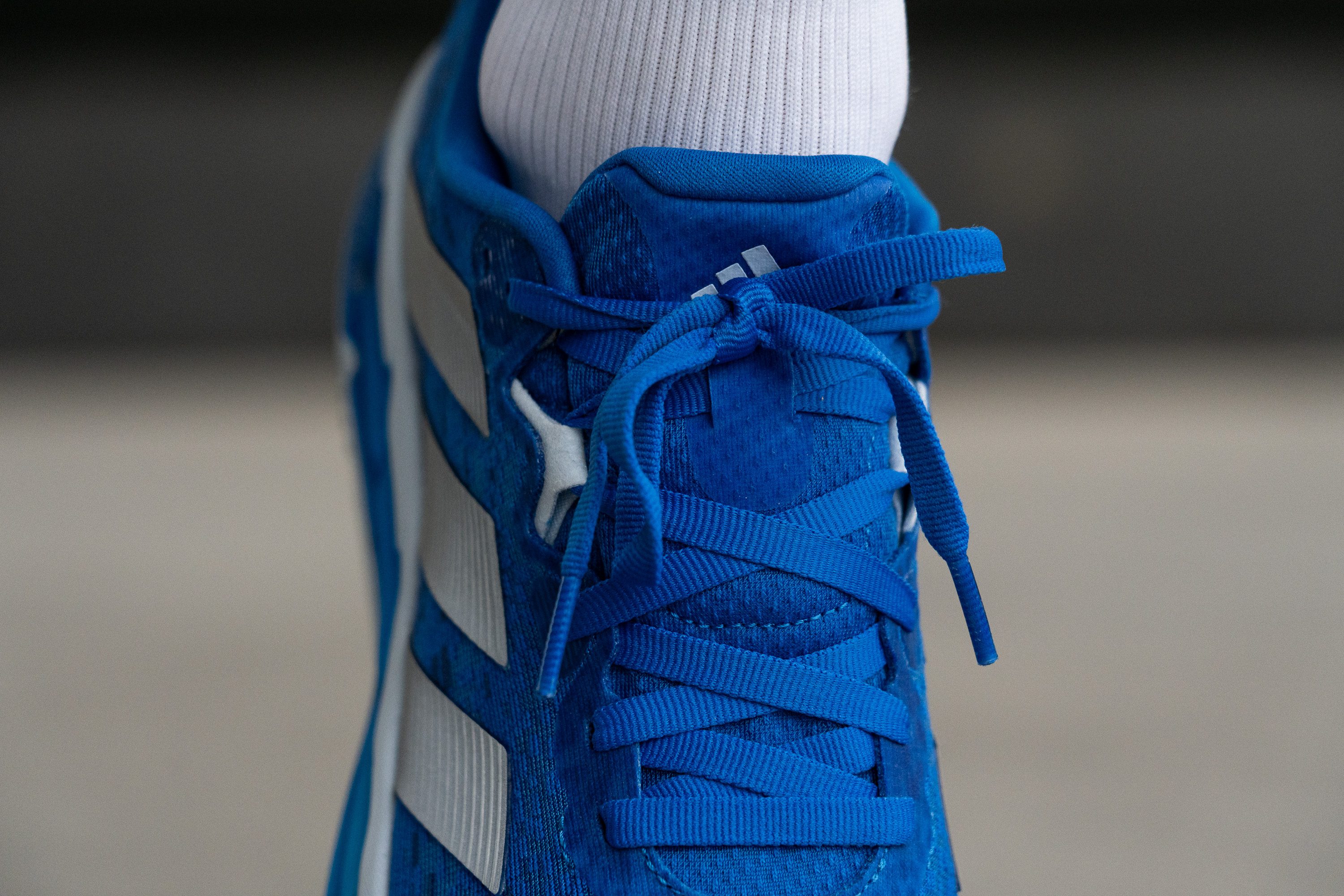
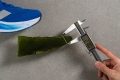
The tongue, however, sees a major update. Version 3 had an oversized, sneaker-like design with 12.3 mm of padding, while this one drops to 4.3 mm, likely in another effort to trim some weight.
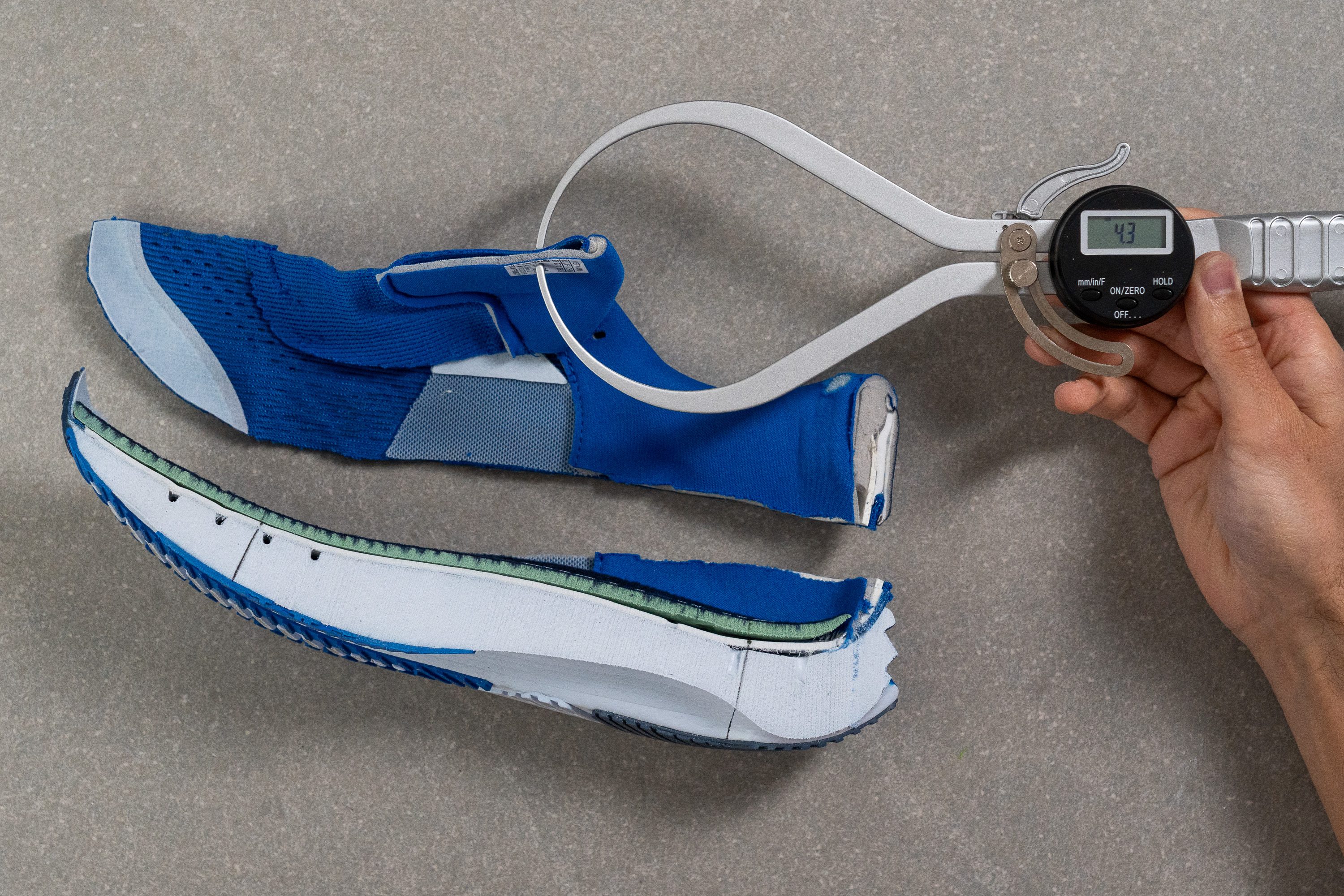
| Adistar 4 | 4.3 mm |
| Average | 5.8 mm |
Tongue: gusset type
We think this shoe would benefit from a gusseted tongue, but adidas chose a different approach. It isn’t attached to the sides, so it can shift laterally during runs.
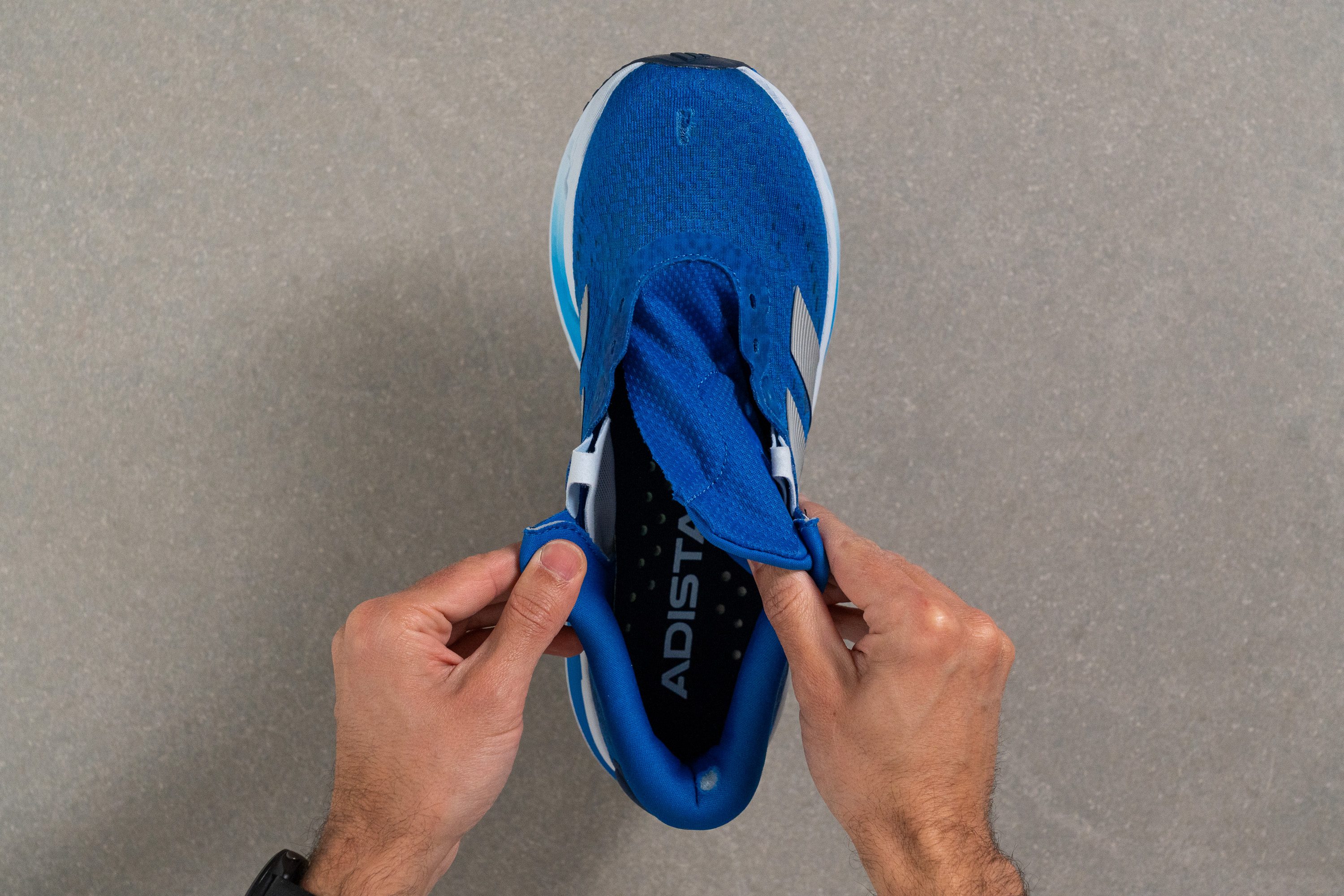
| Adistar 4 | None |
Heel tab
The heel features a large adidas logo and a clean, simple design, but it also includes a padded piece glued to the back. It looks good and hides the stitching, but it also adds weight despite efforts to reduce it elsewhere.
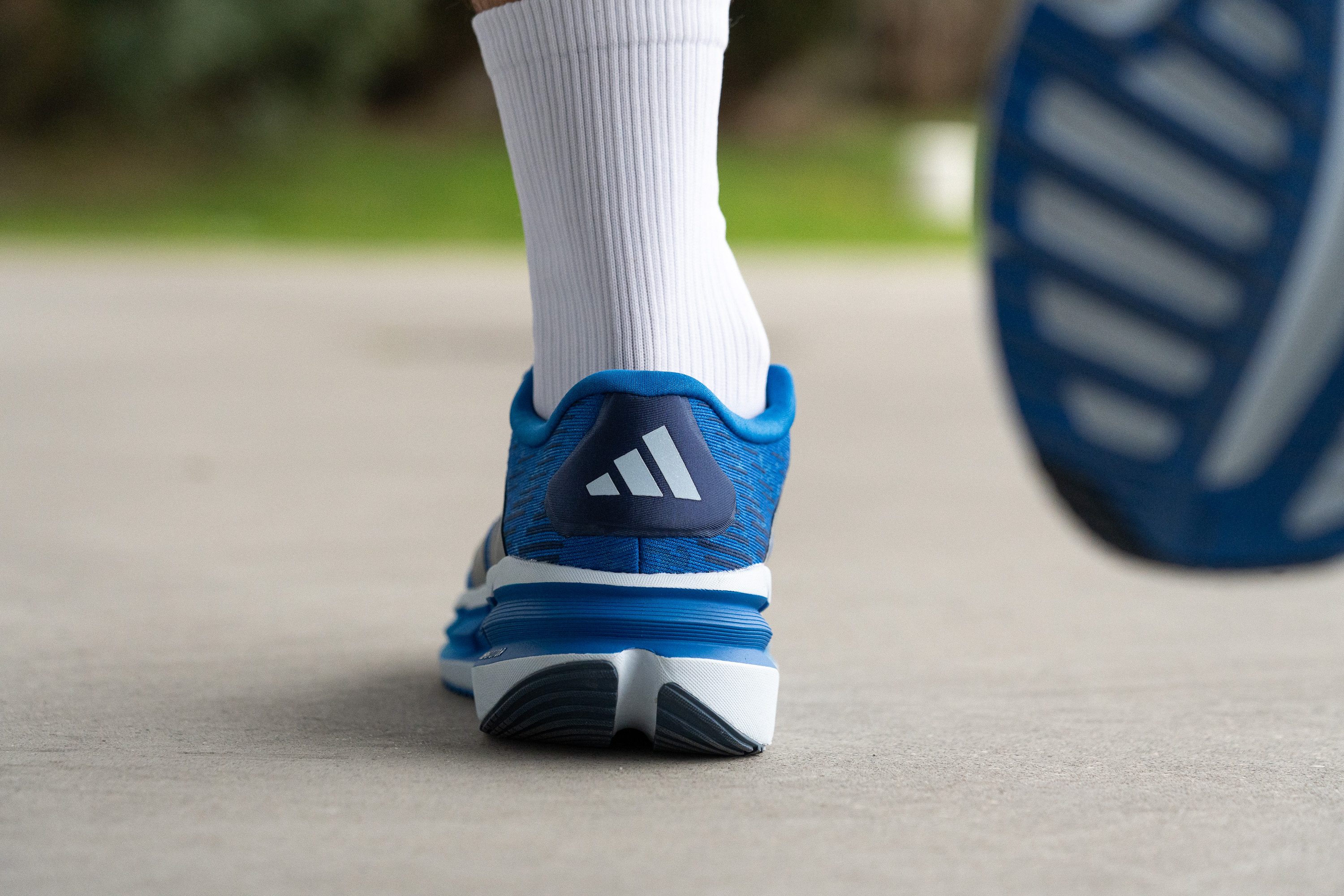
| Adistar 4 | None |
Price
The price of the Adistar 4 feels fair and places it in a highly competitive segment alongside best-selling models like the Pegasus and Novablast. That makes it harder to stand out, but it still brings a few unique features that set it apart from typical options in this range.
| Adistar 4 | $140 |