


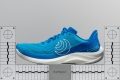





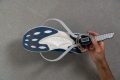
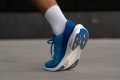


Our verdict
- Daily running 77
- Tempo 91
- Race 78
- Stability 58
Pros
- Exceptionally lightweight and agile
- Ideal for tempo runs
- Pebax midsole delivers good bounce
- Amazing ground feel and natural ride
- Spacious, foot-shaped toebox
- Works well for high-volume feet
- Smooth, quick transitions
- Perfect stepping stone towards zero drop
- Improved upper design from v2
- Promotes feet strength
Cons
- Not for low-volume feet
- Poor upper durability
- Lacks stability
- Minor price bump
Comparison
The most similar running shoes compared
+ + Add a shoe | |||||
|---|---|---|---|---|---|
| Our score | 83 Great | 89 Superb | 86 Great | 86 Great | |
| Price | $155 | $140 | $180 | $140 | |
| Pace | Tempo | Daily runningTempo | TempoCompetition | Daily runningTempo | |
| Shock absorption | Moderate | Moderate | Moderate | High | |
| Energy return | High | High | High | High | |
| Traction | High | High | High | High | |
| Arch support | Neutral | Neutral | Neutral | Neutral | |
| Weight lab Weight brand | 6.8 oz / 193g 6.9 oz / 196g | 8.4 oz / 238g 8.6 oz / 244g | 6.5 oz / 184g 6.5 oz / 184g | 7.8 oz / 220g 7.9 oz / 225g | |
| Lightweight | ✓ | ✓ | ✓ | ✓ | |
| Drop lab Drop brand | 5.4 mm 5.0 mm | 5.2 mm 8.0 mm | 6.9 mm 7.0 mm | 6.3 mm 6.0 mm | |
| Strike pattern | Mid/forefoot | Mid/forefoot | Mid/forefoot | Mid/forefoot | |
| Size | - | True to size | True to size | True to size | |
| Midsole softness | Balanced | Balanced | Soft | Soft | |
| Difference in midsole softness in cold | Small | Small | Small | Small | |
| Toebox durability | Bad | Decent | Good | Bad | |
| Heel padding durability | Decent | Good | Good | Good | |
| Outsole durability | Good | Good | Decent | Good | |
| Breathability | Moderate | Moderate | Warm | Moderate | |
| Width / fit | Medium | Narrow | Medium | Medium | |
| Toebox width | Wide | Medium | Medium | Medium | |
| Stiffness | Flexible | Flexible | Moderate | Flexible | |
| Torsional rigidity | Flexible | Flexible | Flexible | Flexible | |
| Heel counter stiffness | Flexible | Flexible | Flexible | Moderate | |
| Rocker | ✓ | ✗ | ✓ | ✓ | |
| Heel lab Heel brand | 27.2 mm 28.0 mm | 31.3 mm 35.0 mm | 30.6 mm 32.0 mm | 33.0 mm 35.0 mm | |
| Forefoot lab Forefoot brand | 21.8 mm 23.0 mm | 26.1 mm 27.0 mm | 23.7 mm 25.0 mm | 26.7 mm 29.0 mm | |
| Widths available | Normal | NormalWide | Normal | NarrowNormalWideX-Wide | |
| Orthotic friendly | ✓ | ✓ | ✓ | ✓ | |
| Season | All seasons | All seasons | All seasons | All seasons | |
| Removable insole | ✓ | ✓ | ✓ | ✓ | |
| Ranking | #173 Top 44% | #44 Top 11% | #97 Top 25% | #84 Top 21% | |
| Popularity | #251 Bottom 37% | #145 Top 37% | #239 Bottom 40% | #34 Top 9% |


Who should buy
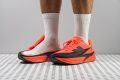
We think the Topo Cyclone 3 is an excellent choice for:
- Runners looking for a low-stack, low-drop shoe as a stepping stone toward zero-drop designs.
- Anyone who wants a lightweight, energetic tempo trainer with a natural ride.
- Those with wide feet or anyone needing extra room for natural toe splay in a fast shoe.
- Cyclone 2 fans who hated the oversized midsole Topo logo.
Who should NOT buy
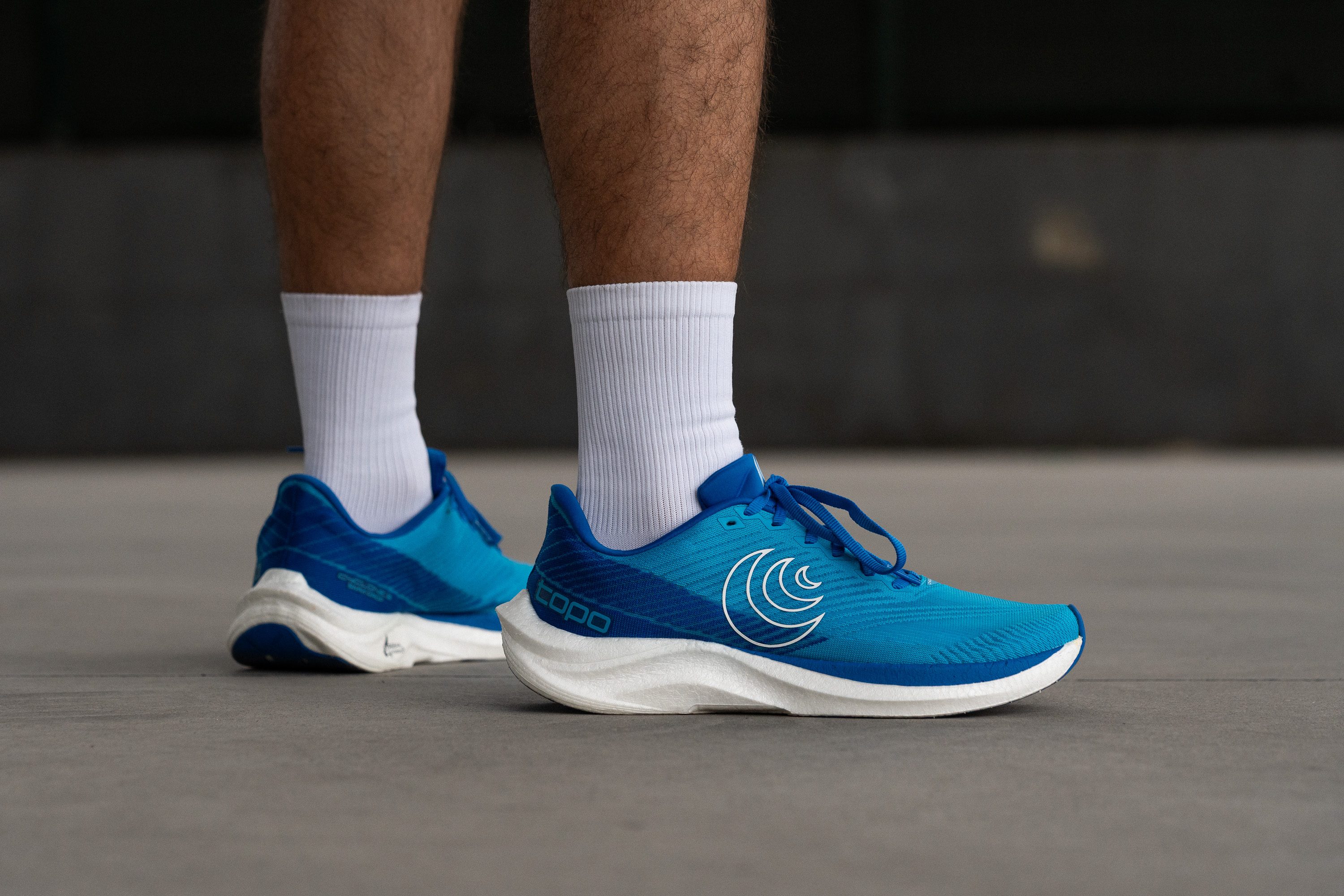
The Topo Cyclone 3 isn't the right choice for runners who want maximum shock absorption. Instead, we recommend the Saucony Endorphin Azura, which delivers a similar Pebax-based foam while offering substantially more cushioning underfoot.
We also think that runners with narrow feet may struggle to achieve a secure fit in the Cyclone 3. Instead, the adidas Adizero Adios 9 offers a much more snug, race-ready fit that's better suited to slimmer foot shapes.
Cushioning
Shock absorption
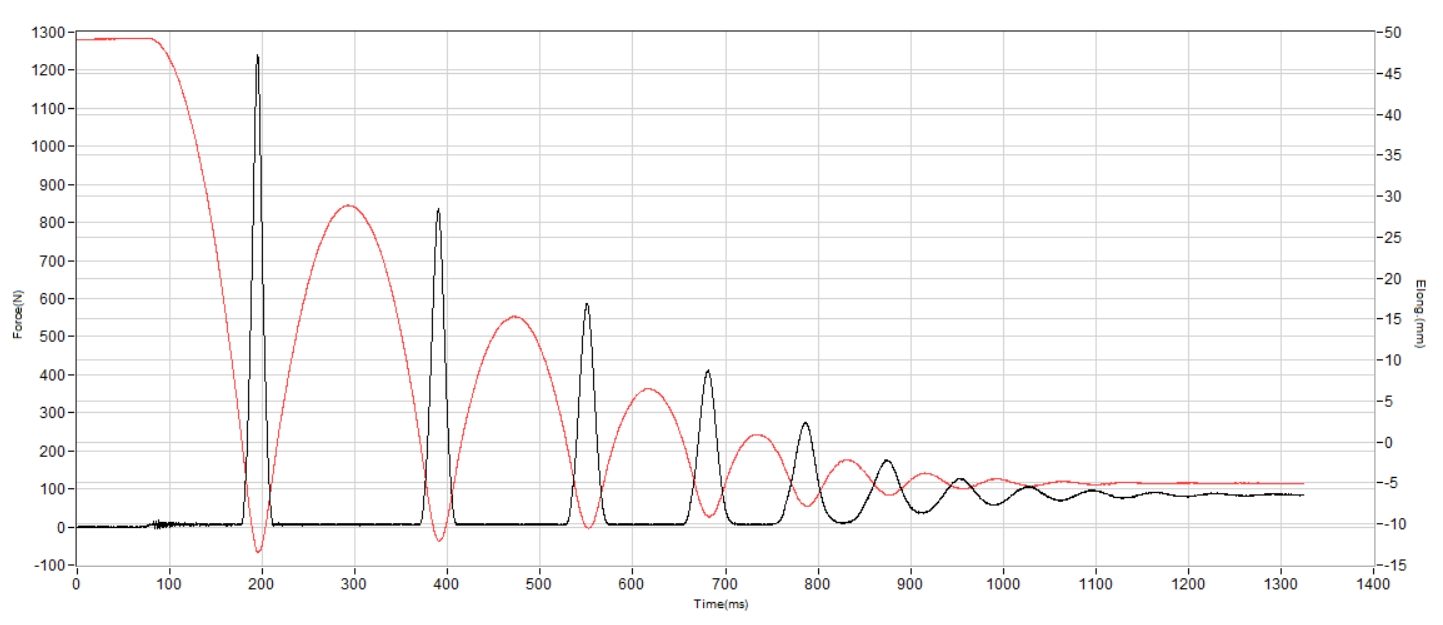
Despite its low-stack design prioritizing ground feel over maximum impact protection, the Cyclone 3 still somehow left us satisfied by delivering 110 SA in the heel thanks to its high-quality Pebax foam.
However, the forefoot registered just 81 SA, making it clear that high impact protection wasn't the primary goal for Topo's designers.
| Topo Cyclone 3 | 110 SA |
| Average | 131 SA |
Energy return
Like its predecessor, the Topo Cyclone 3 features a full Pebax midsole. We found that this beaded formulation feels remarkably similar to Saucony's PWRRUN PB, delivering the lively rebound runners expect from this premium material. In our lab, it returned 64.7% of the energy in the heel and 65.1% in the forefoot.
These are solid figures that translate into an energetic ride. However, they would have stood out far more a couple of years ago. Nowadays, many brands offer similarly high energy return in lightweight performance trainers at this price point, like adidas with the ubiquitous EVO SL.
| Topo Cyclone 3 | 65.1% |
| Average | 61.5% |
Heel stack
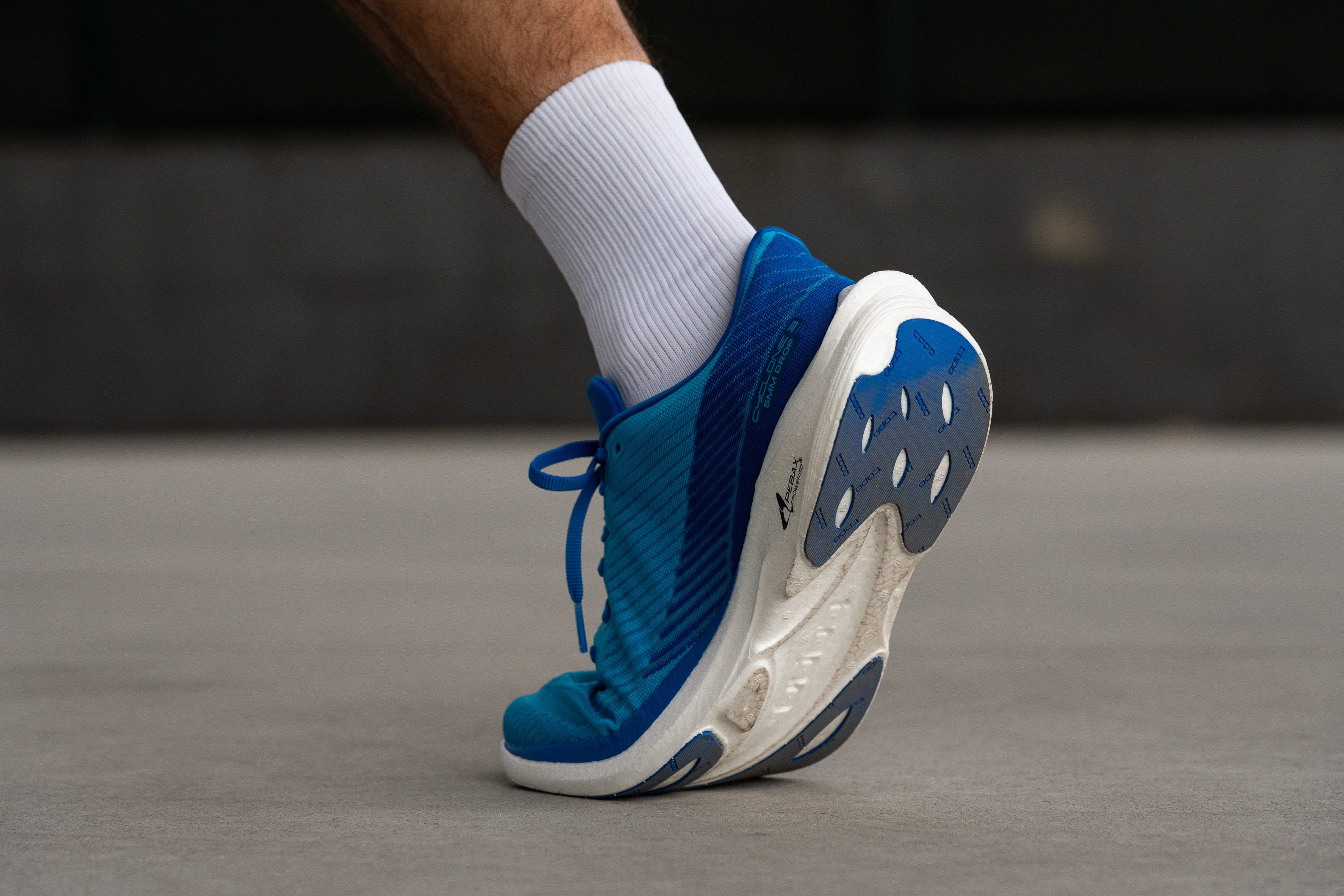
Besides its energetic Pebax midsole, the Cyclone 3 brings back something that has become increasingly rare in today's running shoe market: a genuinely low-stack design. We think this alone gives it a distinct personality compared to the towering trainers that dominate the category.
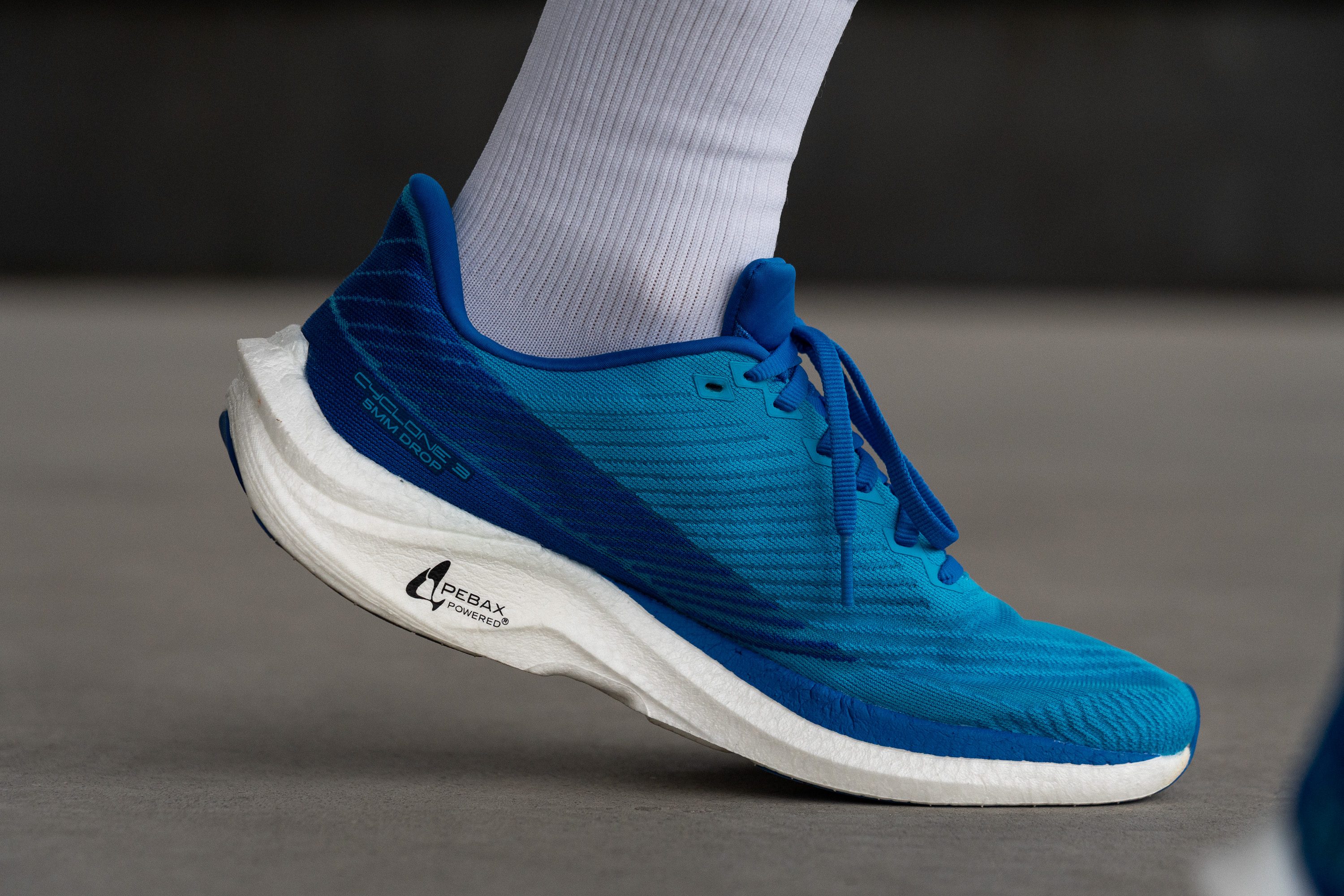
With just 27.2 mm under the heel, it delivers an old-school ride packed with road feel. Every stride provides meaningful feedback from the surface, creating a natural and highly-connected experience that many modern max-cushioned shoes simply can't replicate.
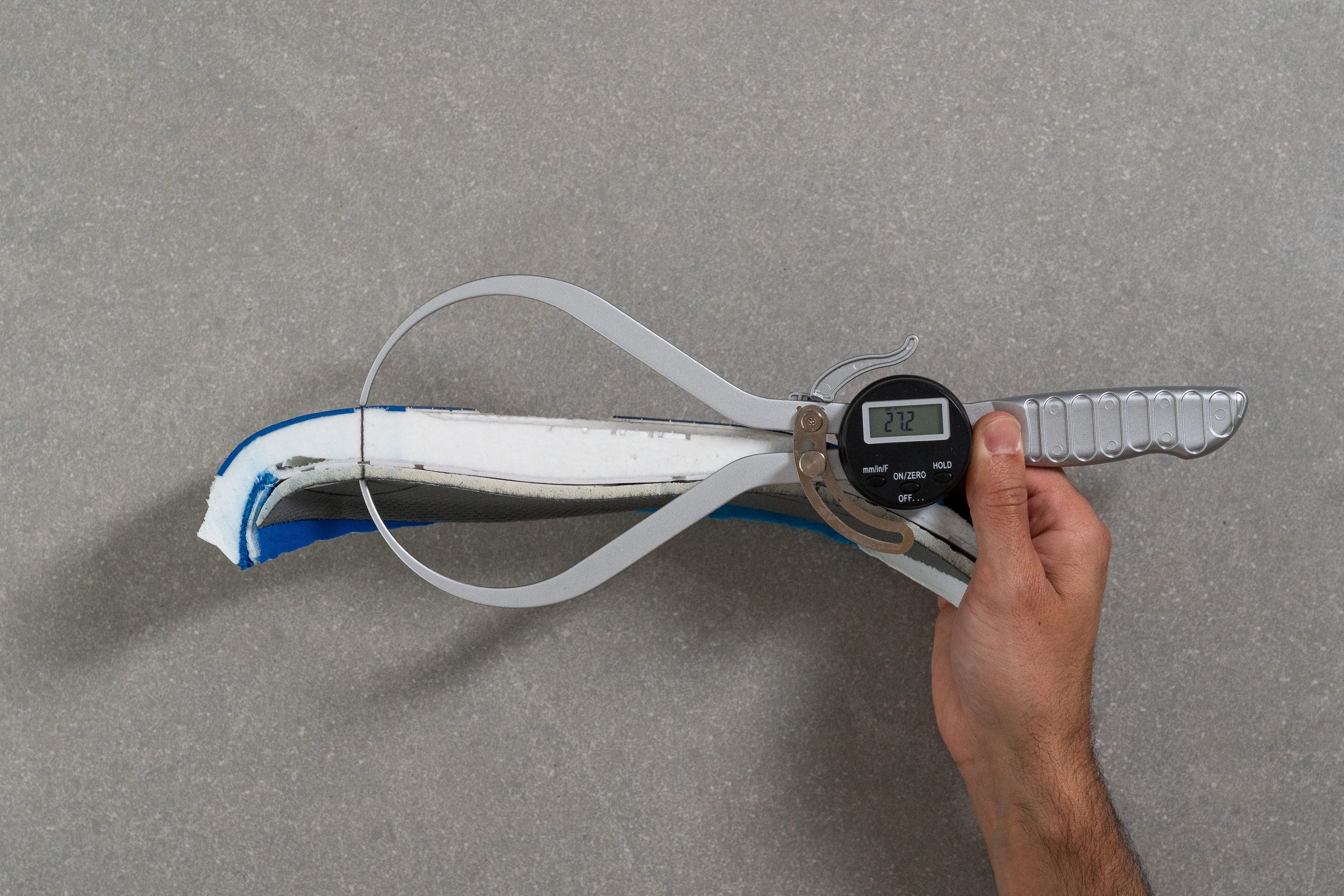
| Topo Cyclone 3 | 27.2 mm |
| Average | 35.6 mm |
Forefoot stack
The forefoot sits even lower, with just 21.8 mm separating your foot from the ground.
Such a low stack also makes the Cyclone 3 an excellent choice for one or two weekly runs in a less protective shoe, helping challenge the feet and lower legs while promoting strength in the muscles, tendons, and bones.
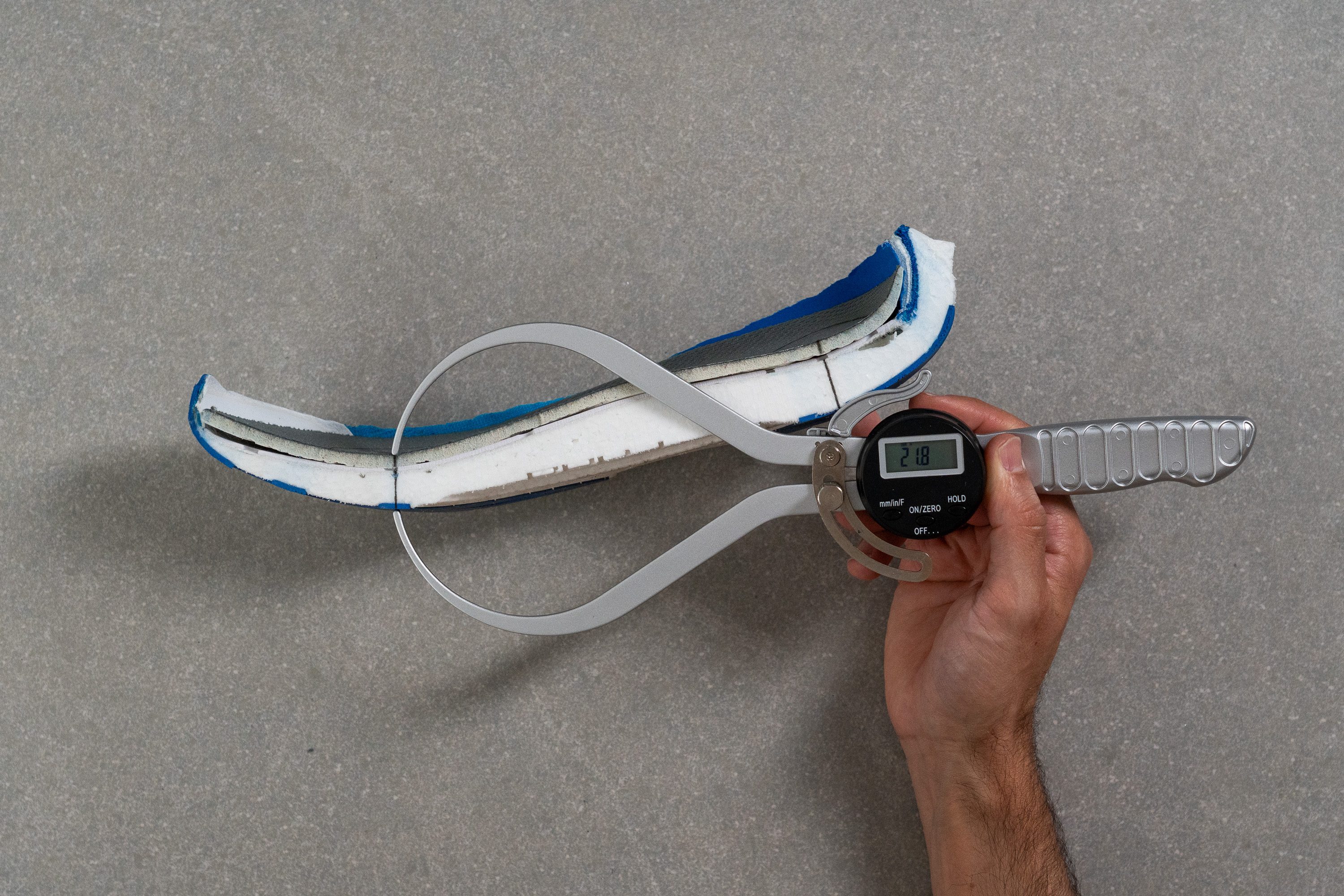
| Topo Cyclone 3 | 21.8 mm |
| Average | 27.2 mm |
Drop
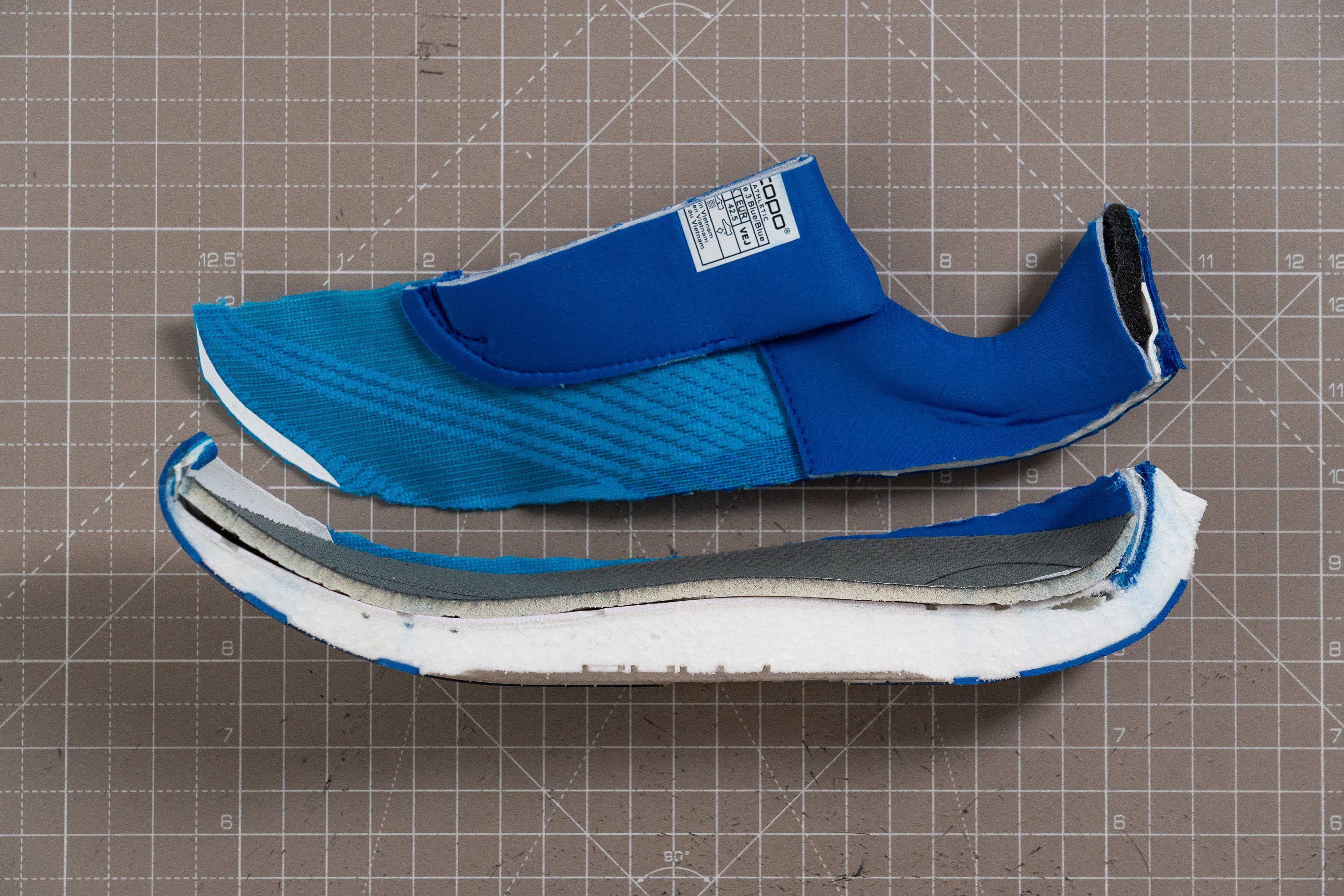
Topo loves to design shoes with a 5-mm drop, and the Cyclone 3 stays true to that philosophy. In our lab, however, we measured a slightly higher 5.4 mm drop. It's a negligible difference that won't be noticeable on the run.
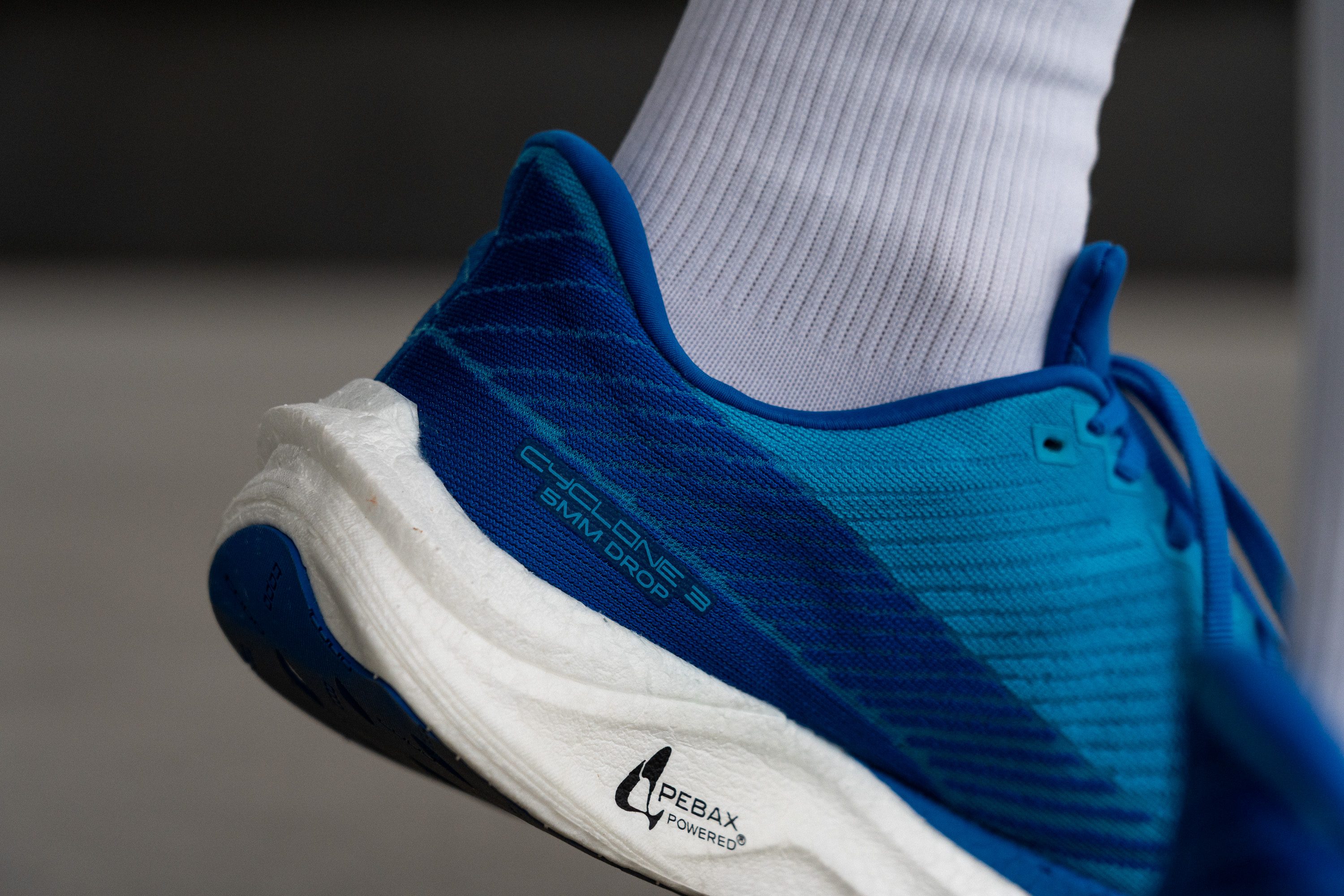
As expected, this geometry feels best suited to midfoot and forefoot strikers. That said, we believe plenty of heel strikers can also enjoy the Cyclone 3.
| Topo Cyclone 3 | 5.4 mm |
| Average | 8.4 mm |
Midsole softness
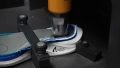
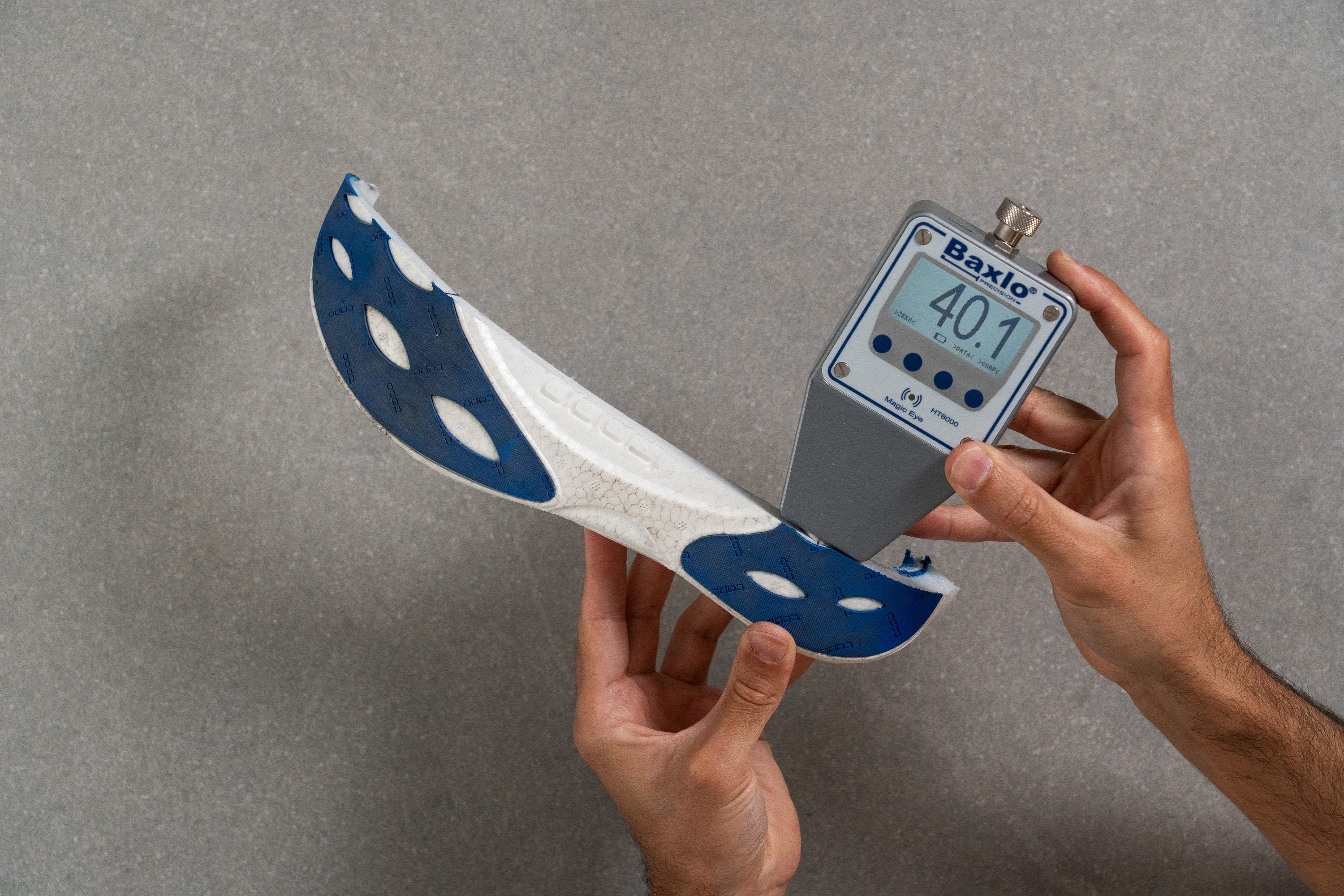
The Pebax midsole in the Cyclone 3 prioritizes responsiveness over plushness, resulting in a firm ride that's instantly familiar if you've run in previous Topo models using the same foam... or even other beaded foams like the old Boost. We measured its softness at 40.1 AC with our Asker C durometer, placing it slightly firmer than the current lab average.
In our view, this tuning makes perfect sense for the shoe's intended purpose. The firmer platform helps prevent the foam from bottoming out under heavier runners, even during slower-paced runs.
| Topo Cyclone 3 | 40.1 AC |
| Average | 35.4 AC |
Rocker
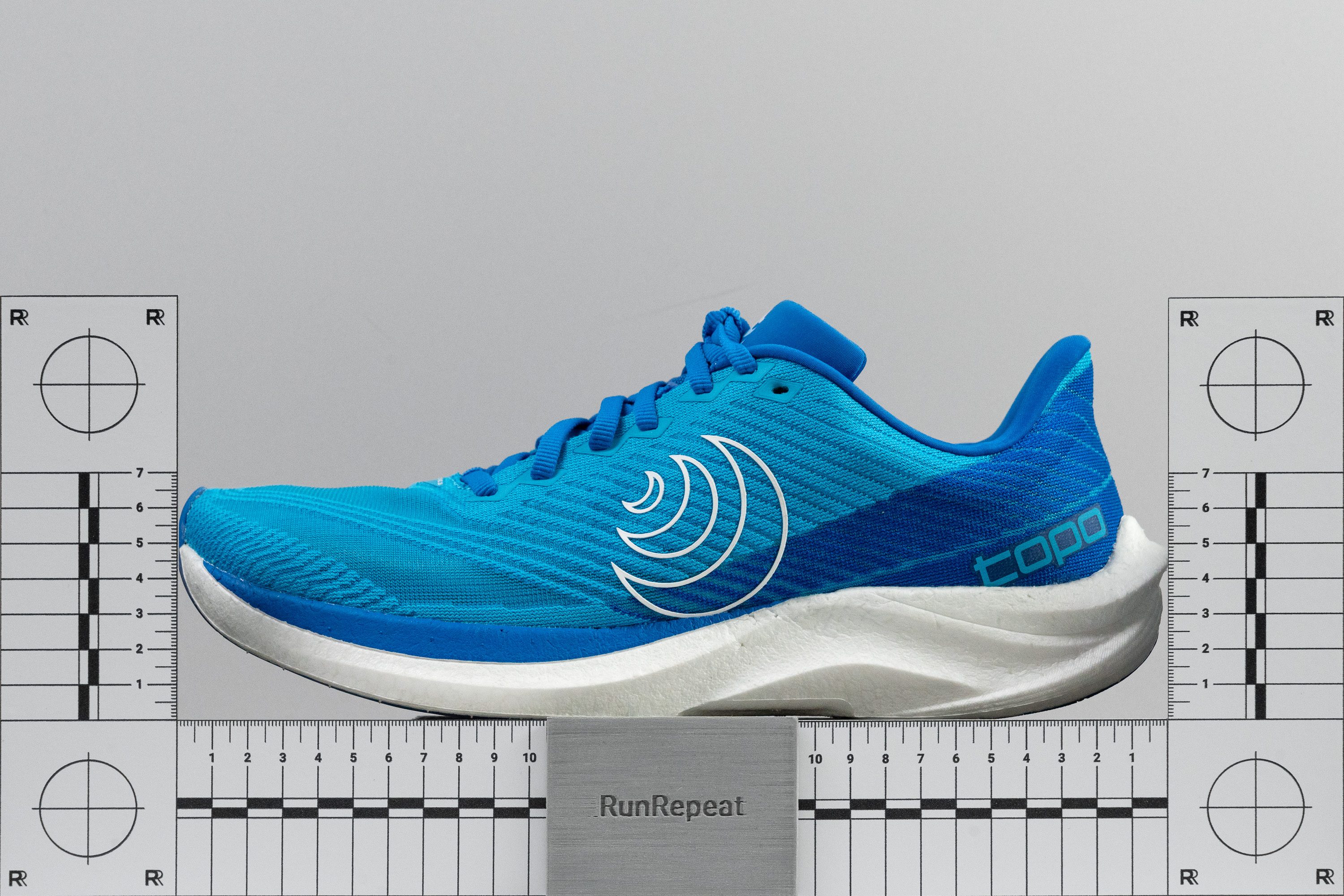
Despite its low-stack geometry, Topo designed the Cyclone 3 to deliver quick, forward-moving transitions rather than a flat feel. To achieve this, the shoe combines a pronounced heel bevel with a moderately aggressive toe spring that helps maintain momentum through each stride.
Size and fit
Size
Internal length
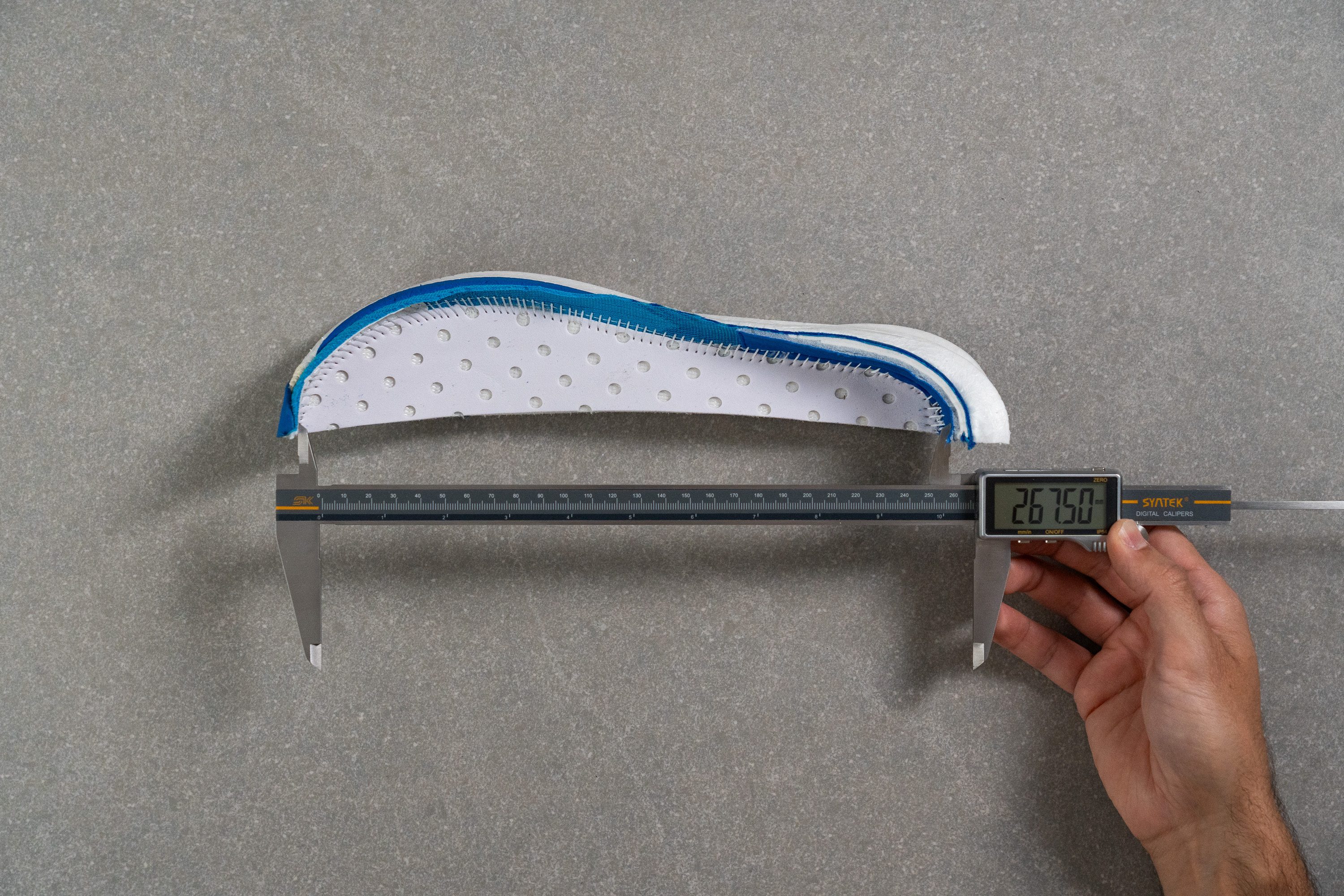
| Topo Cyclone 3 | 267.5 mm |
| Average | 269.4 mm |
Width / Fit
To verify whether the Cyclone 3 preserves Topo's signature combination of a roomy toebox and secure foothold, we analyzed its fit using our gel-based measurement method.
Our first measurement came in at 95.2 mm, placing it very close to the average running shoe. That's also 3.1 mm narrower than the Cyclone 2 here.
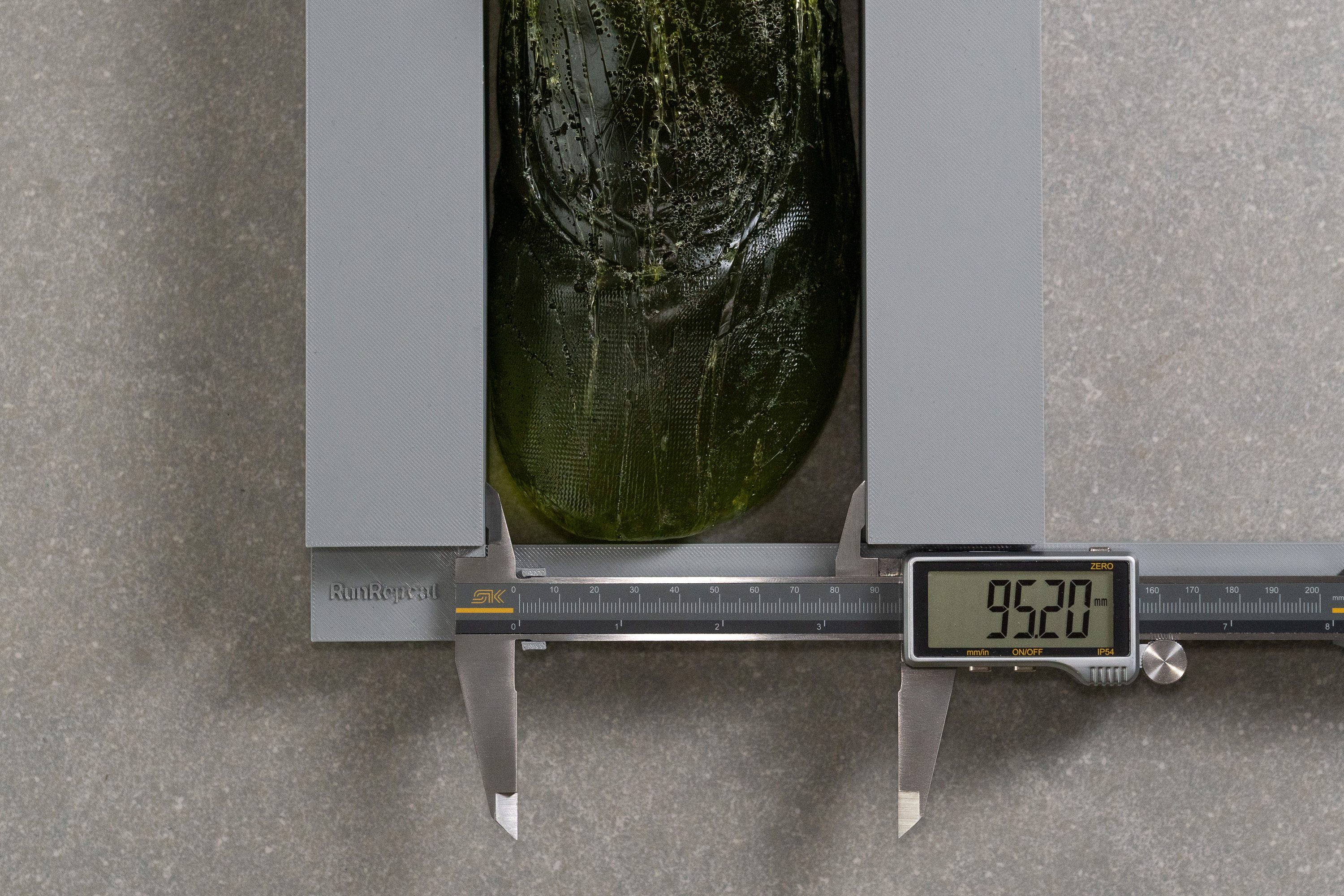
| Topo Cyclone 3 | 95.2 mm |
| Average | 95.2 mm |
Toebox width
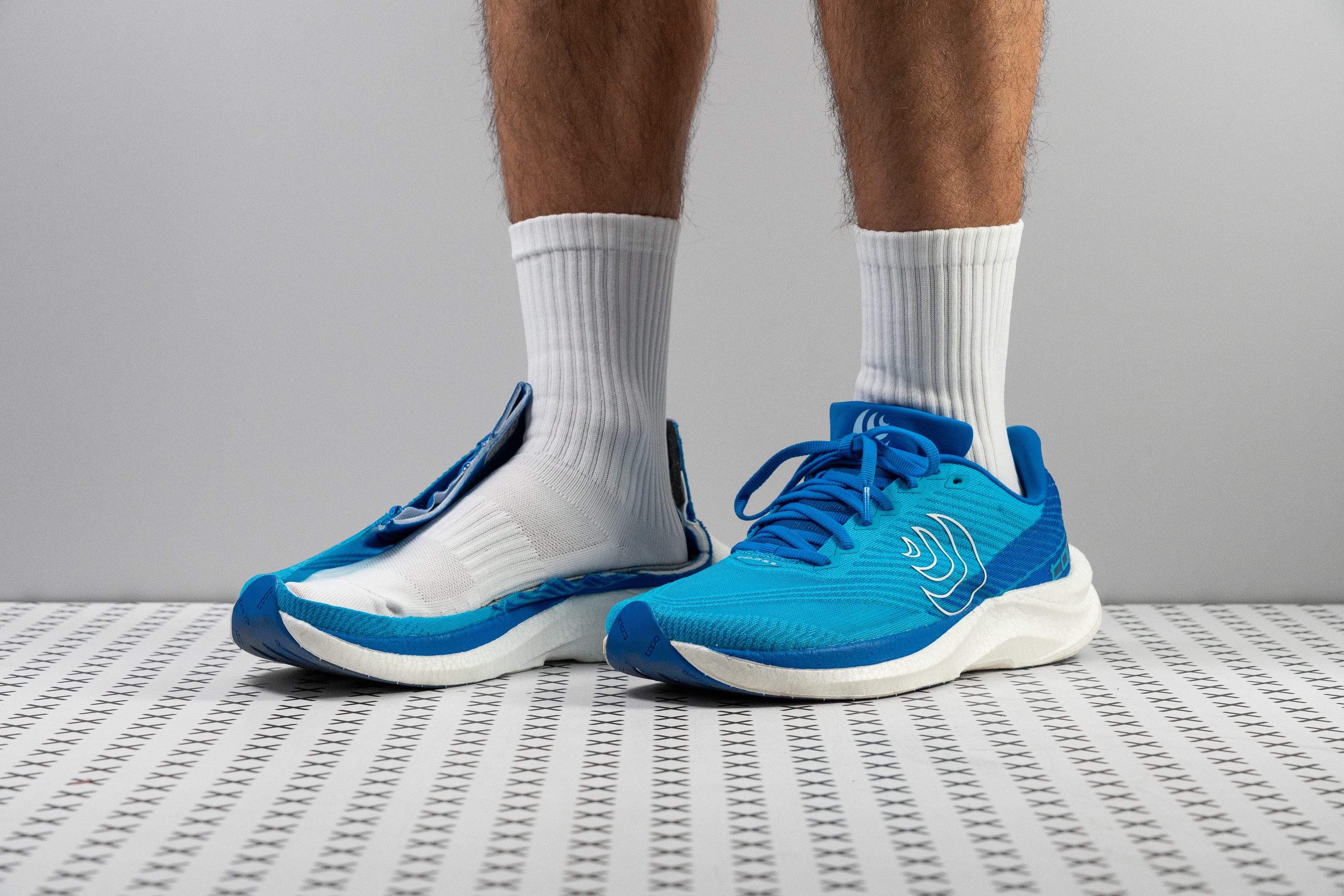
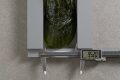
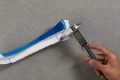
The unusual shape of the gel mold already hints at what to expect. True to Topo's philosophy, the Cyclone 3 features a generously foot-shaped toebox, and our caliper confirmed it with an impressive width of 81.0 mm.
Even so, it's another area where the new version trims things down slightly. The Cyclone 3 is a bit narrower here than the Cyclone 2, so runners with especially wide feet may want to grab the previous model while it's still available.
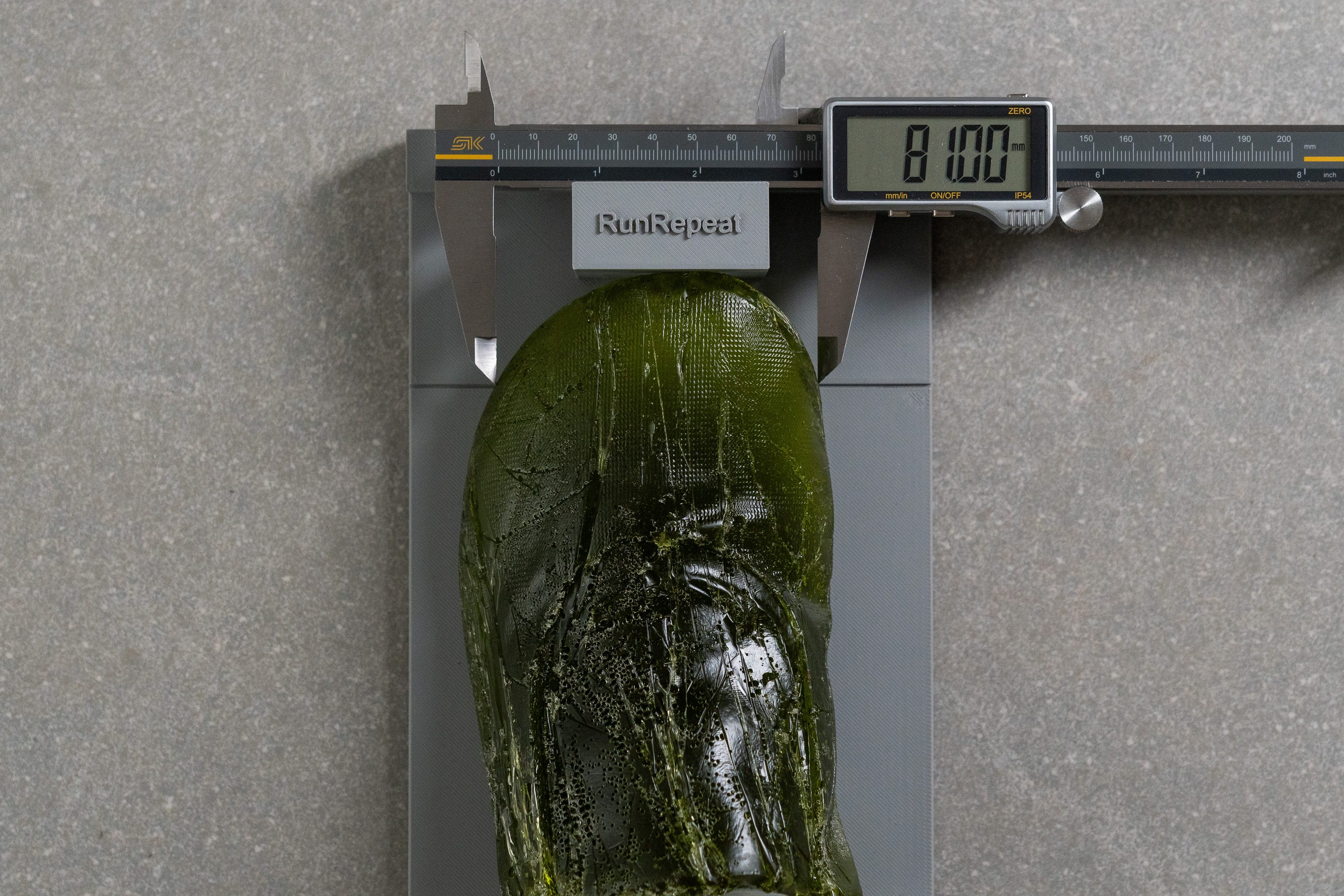
| Topo Cyclone 3 | 81.0 mm |
| Average | 73.2 mm |
Toebox height
The toebox is equally accommodating in terms of vertical space, offering a generous 29.3 mm of height. This creates plenty of room for the toes to move naturally without feeling restricted from above.
As with previous generations, we think the Cyclone remains an easy recommendation for runners with high-volume feet.
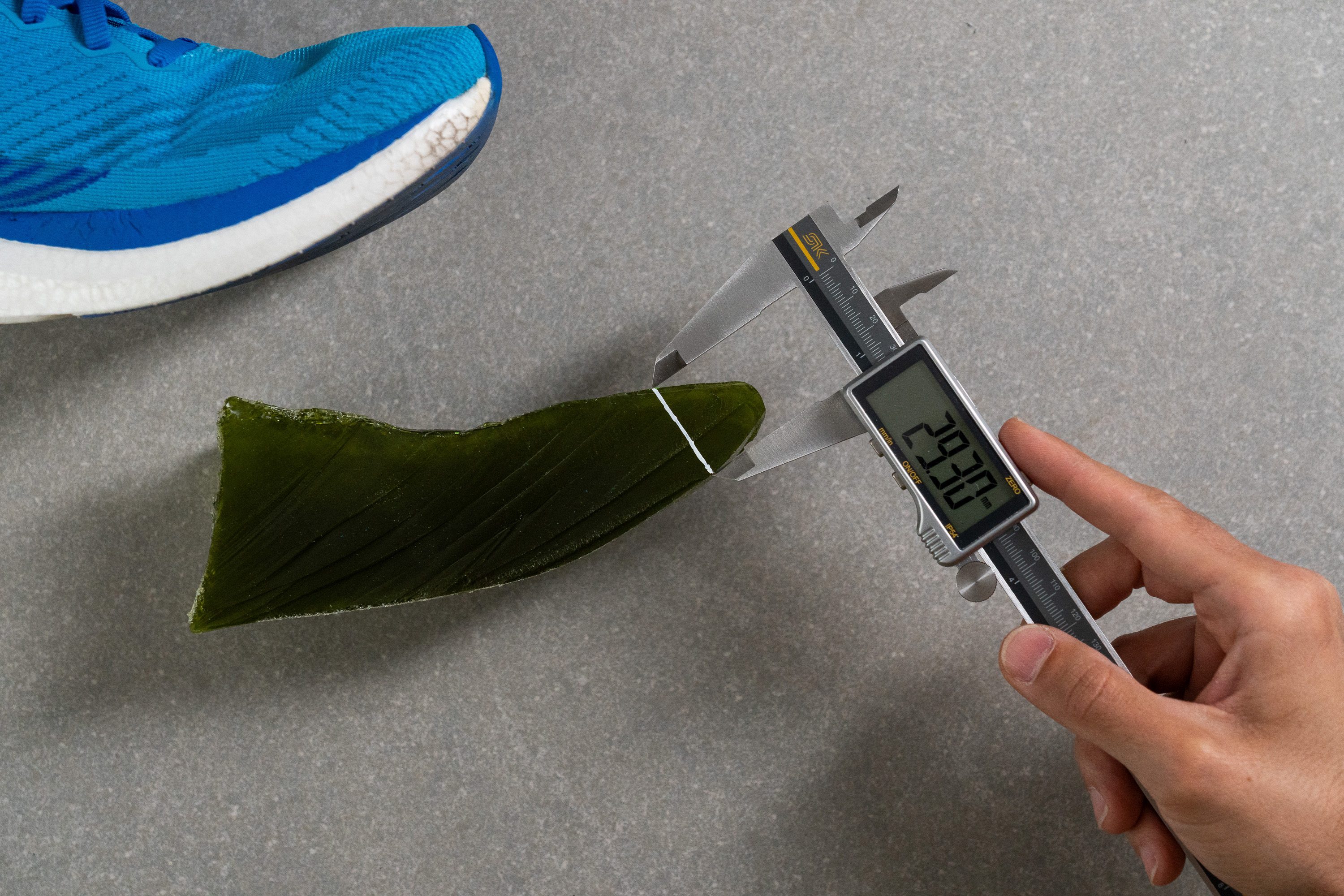
| Topo Cyclone 3 | 29.3 mm |
| Average | 27.0 mm |
Traction / Grip
Traction test
The Topo Cyclone 3 surprised us with a 0.60 coefficient of friction, a good result for a lightweight performance trainer and a solid +0.12 improvement over its predecessor. We think this level of grip gives the shoe extra versatility, making it feel just as ready for rainy tempo runs as it is for chasing fast splits on dry roads or even your local track!
| Topo Cyclone 3 | 0.60 |
| Average | 0.53 |
Outsole design
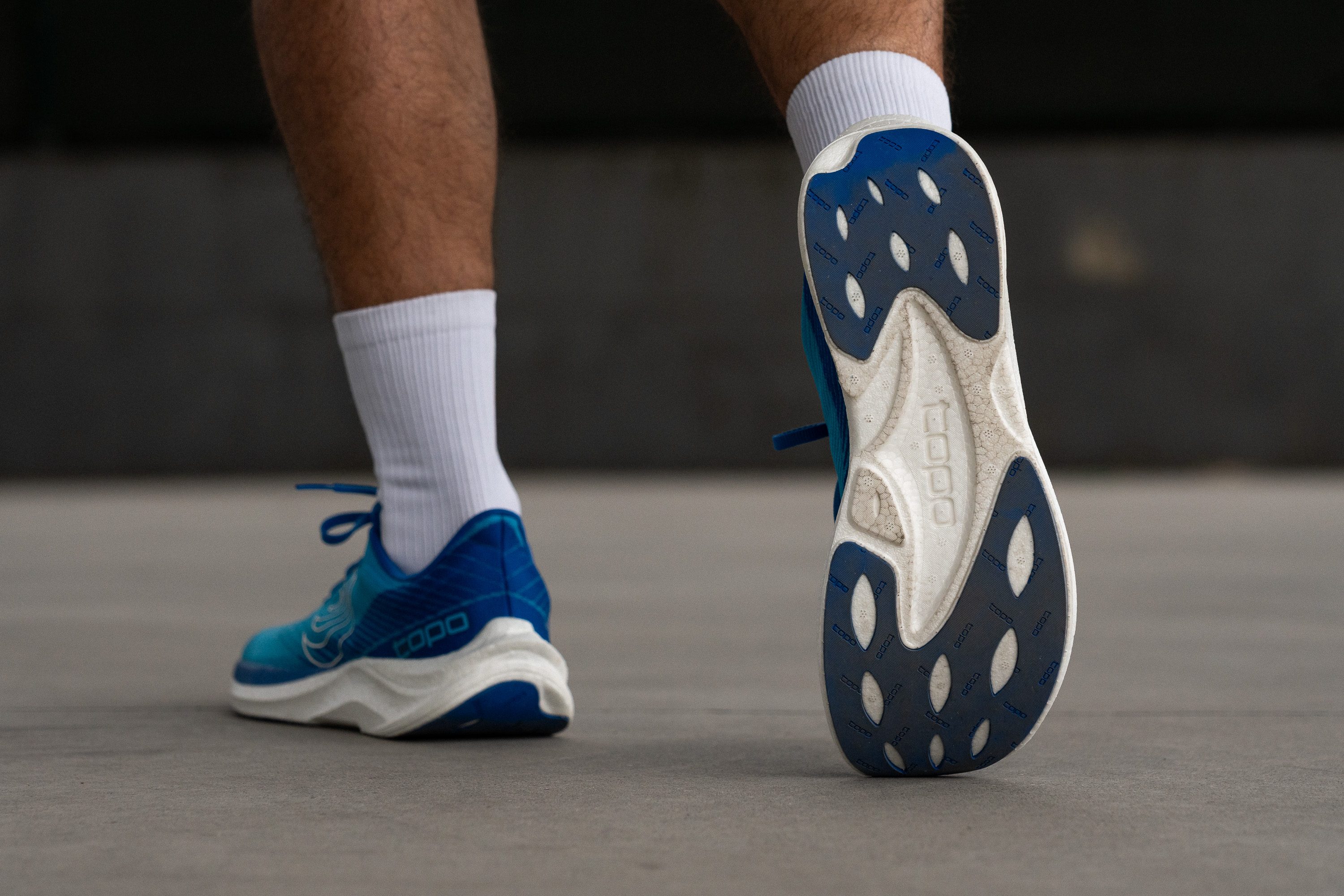
Since the Cyclone 3 is only a minor update, the outsole remains unchanged from its predecessor. Topo intentionally kept rubber coverage to a minimum to save weight while still delivering dependable grip where it matters most.
Fortunately, the large exposed areas are made of beaded foam, a material that has consistently impressed us with its abrasion resistance in other Topo Athletic shoes, as well as adidas or Saucony.
Flexibility / Stiffness
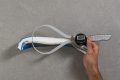
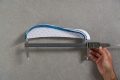
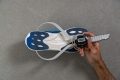
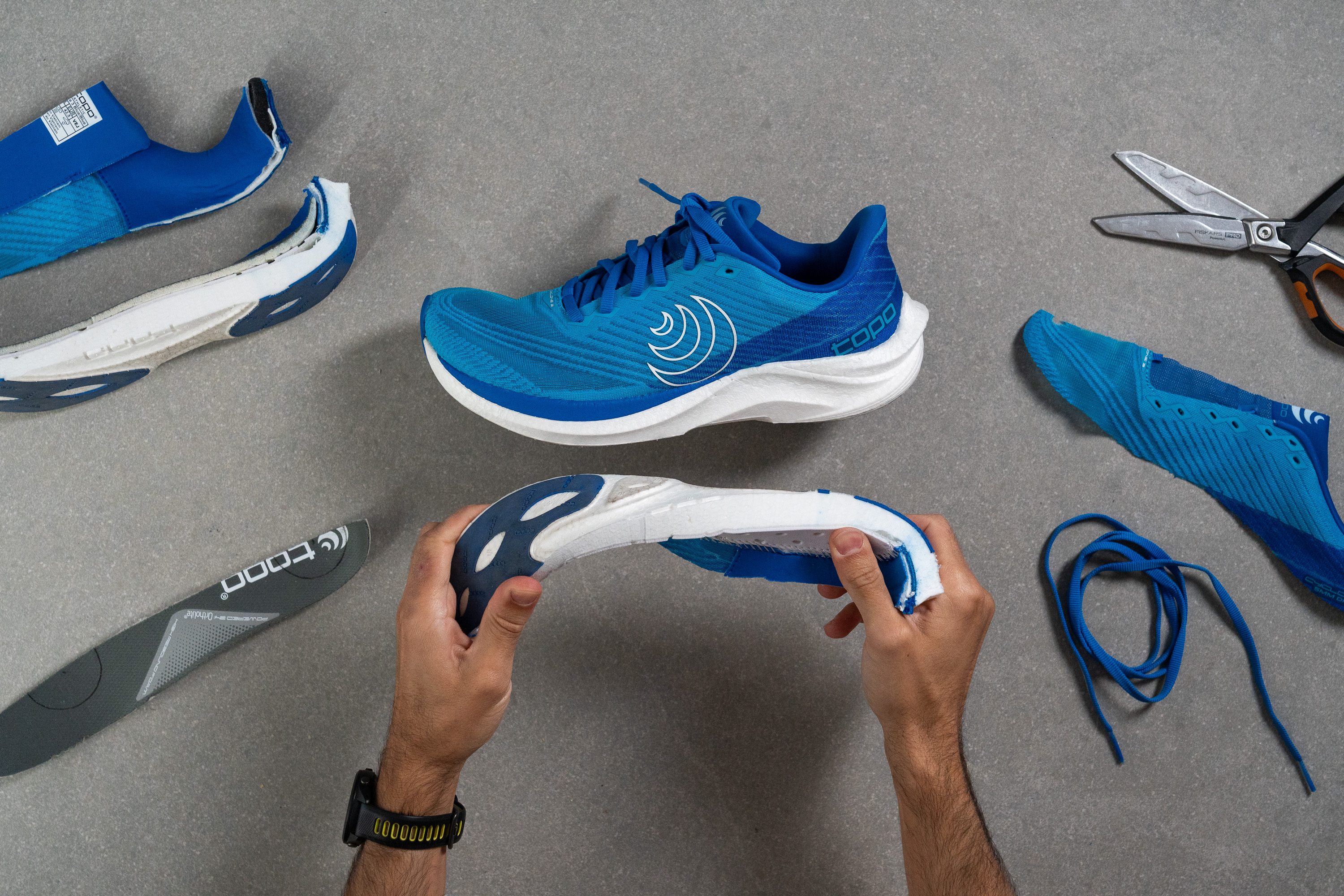
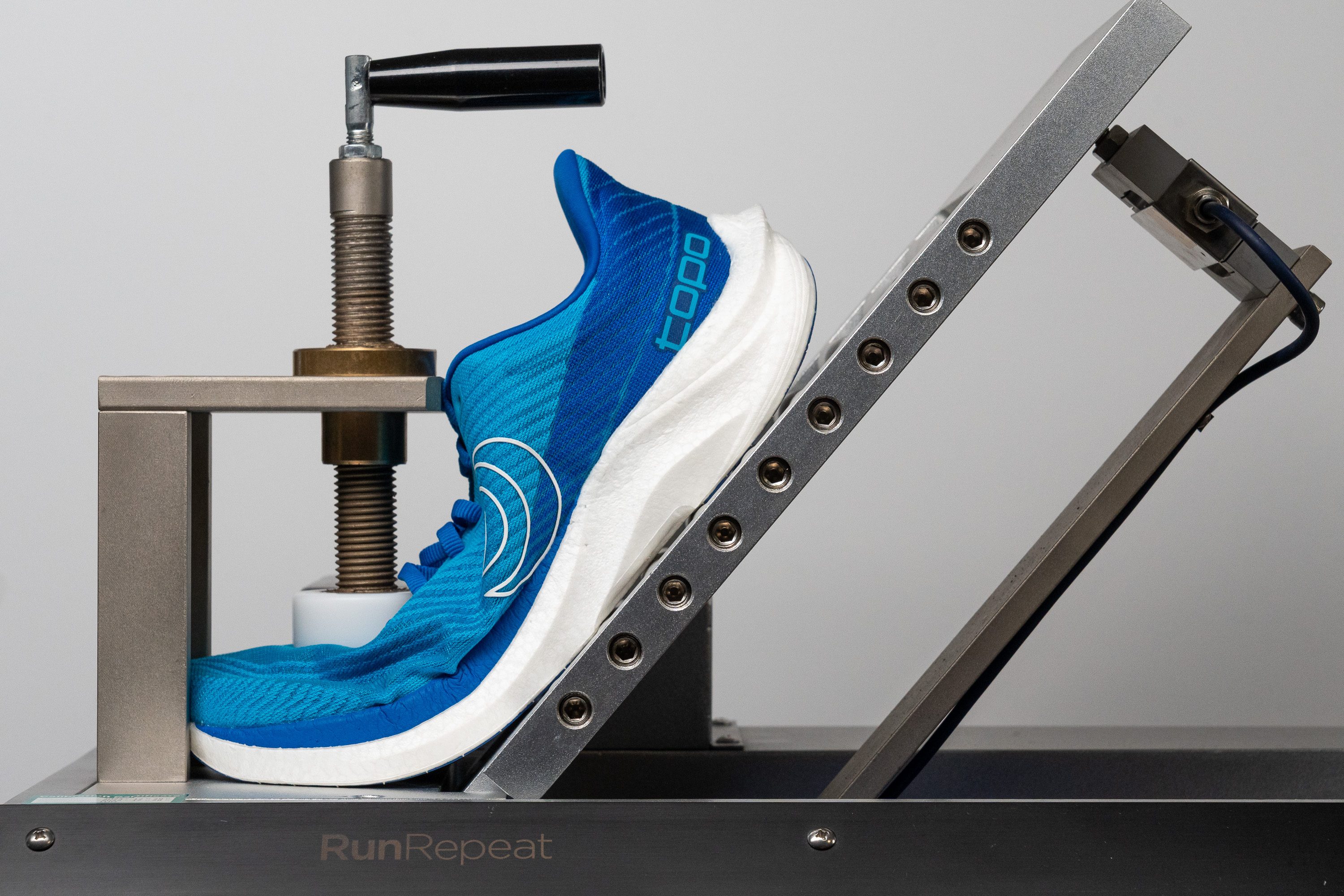
The Topo Cyclone 3 is exceptionally flexible, requiring just 8.1N to bend to 30 degrees in our lab test. That's one of the lowest readings we've recorded in a while, giving the shoe a remarkably natural feel that promotes feet strength.
| Topo Cyclone 3 | 8.1N |
| Average | 15.5N |
Weight
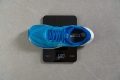
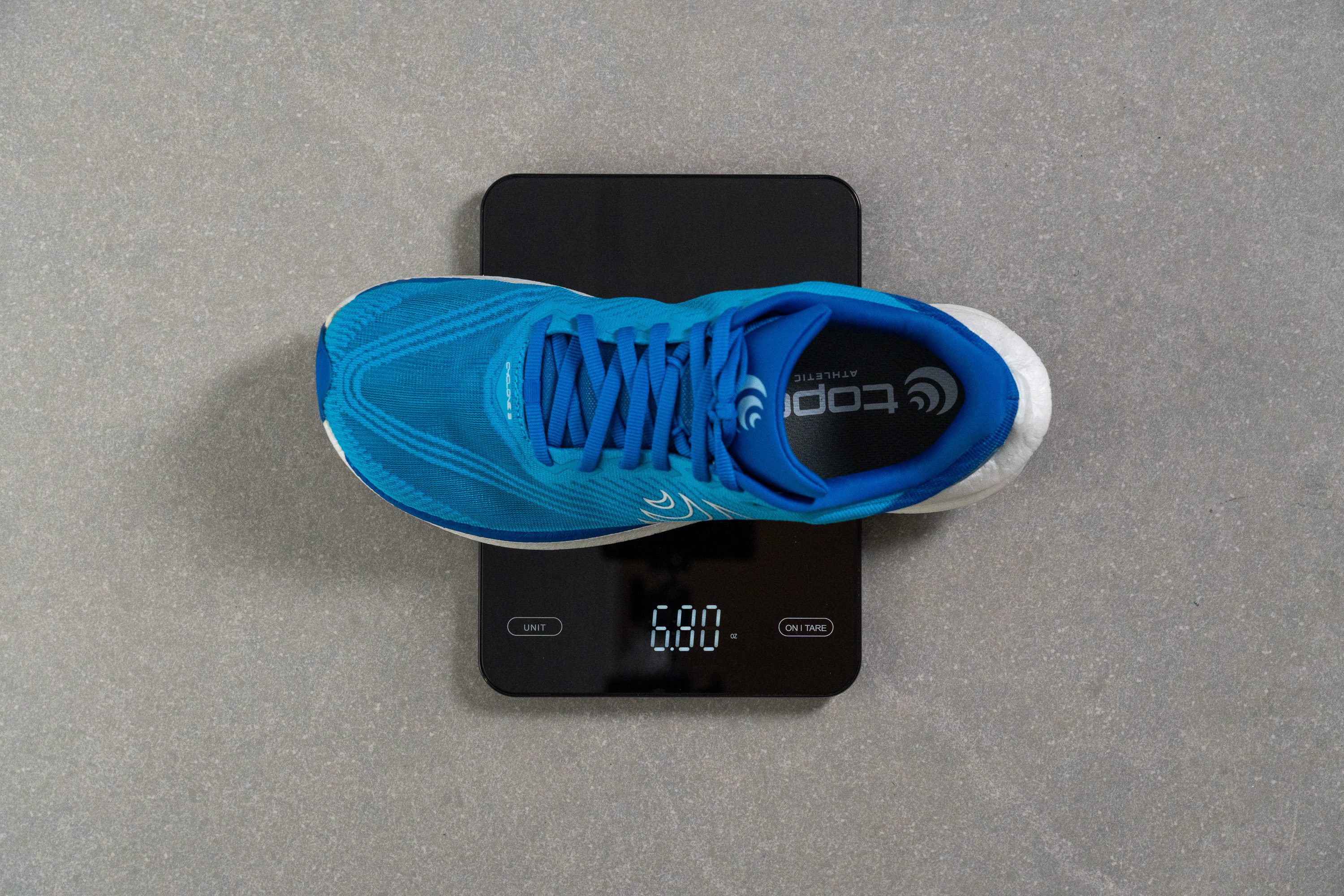
Weight is another area where the Topo Cyclone 3 truly stands out. By pairing a low-stack design with a lightweight Pebax midsole, it tips the scales at just 6.8 oz (193 g), putting it in the same weight class as many of today's super shoes.
| Topo Cyclone 3 | 6.8 oz (193g) |
| Average | 9.2 oz (261g) |
Breathability
Breathability test
The Cyclone 3 is built as a fast, lightweight training shoe, and we usually expect this type of model to feature a thin, highly-breathable upper that allows plenty of airflow.
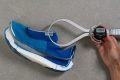
However, our smoke-pumping machine revealed a more modest result, earning it a 3/5 in our breathability test. The material allows some air to escape, but it falls short of the almost unrestricted airflow we've seen in other tempo trainers. Maybe adding a few ventilation holes...

| Topo Cyclone 3 | 3 |
| Average | 3.6 |
Stability
Lateral stability test
Stability has never been the main priority of the Cyclone series, and the third generation stays true to that philosophy. The slightly firmer Pebax foam adds a touch of inherent stability, but Topo continues to favor an agile, nimble ride without relying on supportive upper elements or guidance features.
We think it's an excellent choice for runners who prefer a shoe that simply gets out of the way. It's also a fantastic option for those looking to incorporate a less supportive trainer into their rotation.
Torsional rigidity
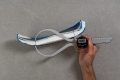
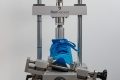
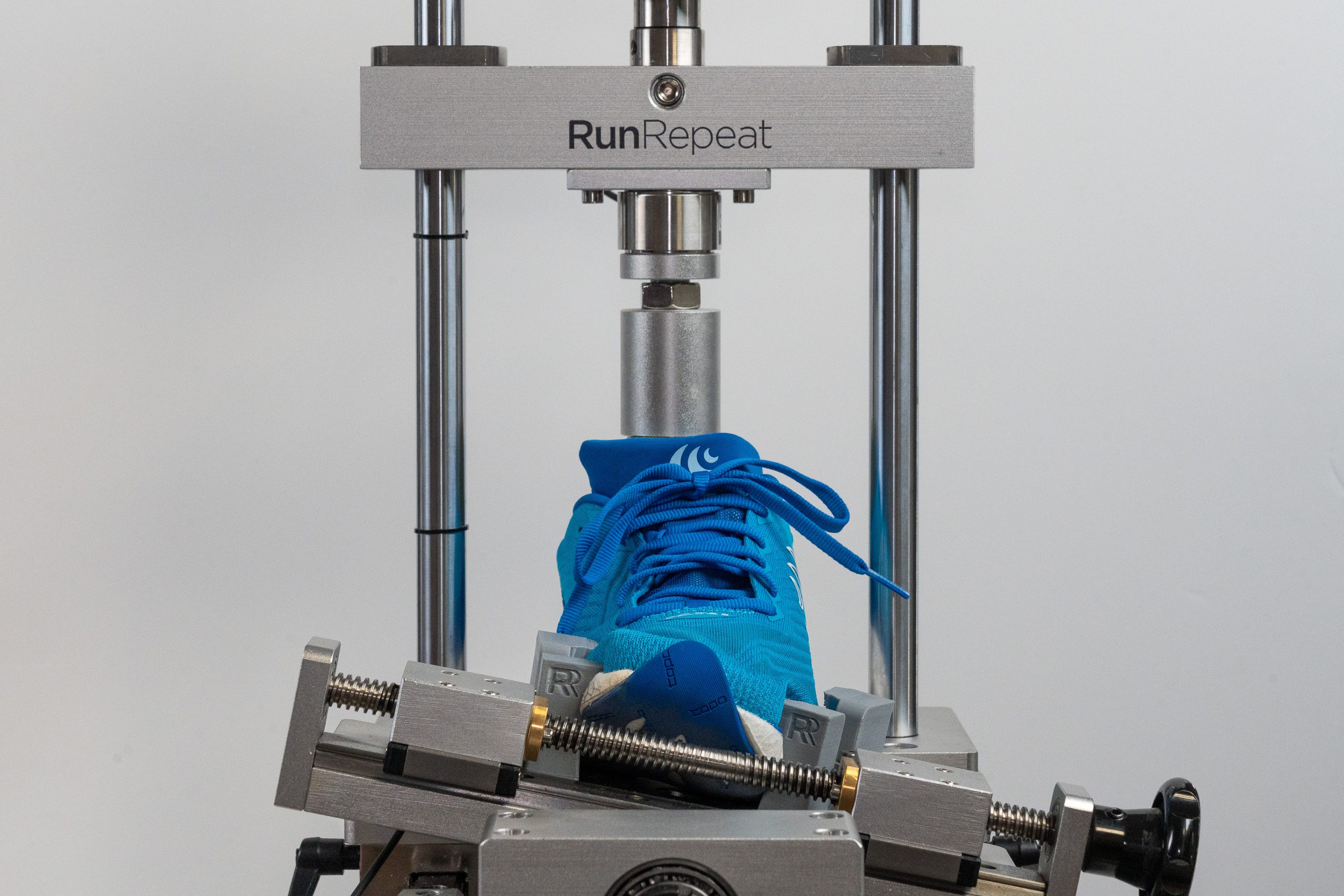
The Cyclone 3 twists effortlessly in every direction, helped in part by its minimal rubber coverage that allows the platform to move more freely. Our torsional rigidity test confirmed this impression, requiring just 8.4 Nm of torque to twist the shoe, a result that sits comfortably below the current lab average.
| Topo Cyclone 3 | 8.4 Nm |
| Average | 14.3 Nm |
Heel counter stiffness
The heel counter follows the same minimalist approach, offering very little reinforcement and earning just 2/5 in our assessment. This is one of the reasons the Cyclone 3 feels so free and natural on the run.
| Topo Cyclone 3 | 2 |
| Average | 3 |
Midsole width - forefoot
As we've mentioned throughout this review, the Cyclone 3 prioritizes agility over support. Instead of following the current trend toward extra-wide midsoles, Topo kept the platform remarkably compact at just 111.2 mm.
In fact, we can hardly remember testing another road running shoe in recent weeks that measured this far below the current lab average!
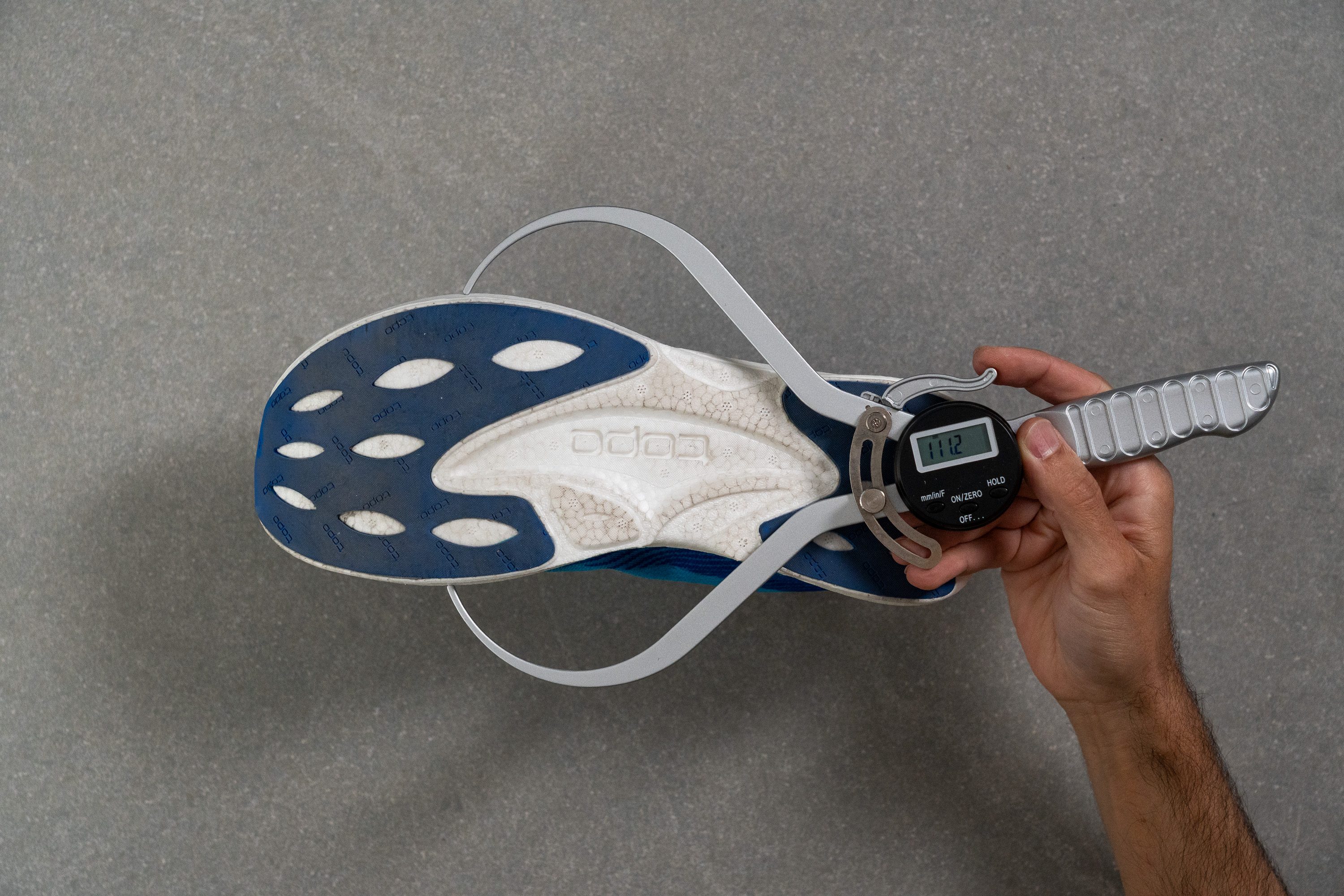
| Topo Cyclone 3 | 111.2 mm |
| Average | 115.1 mm |
Midsole width - heel
The heel follows the same philosophy, measuring just 86.0 mm across.
That's an exceptionally narrow platform by today's standards, making it one of the slimmest heel widths we've measured in a training shoe rather than a dedicated racing model.
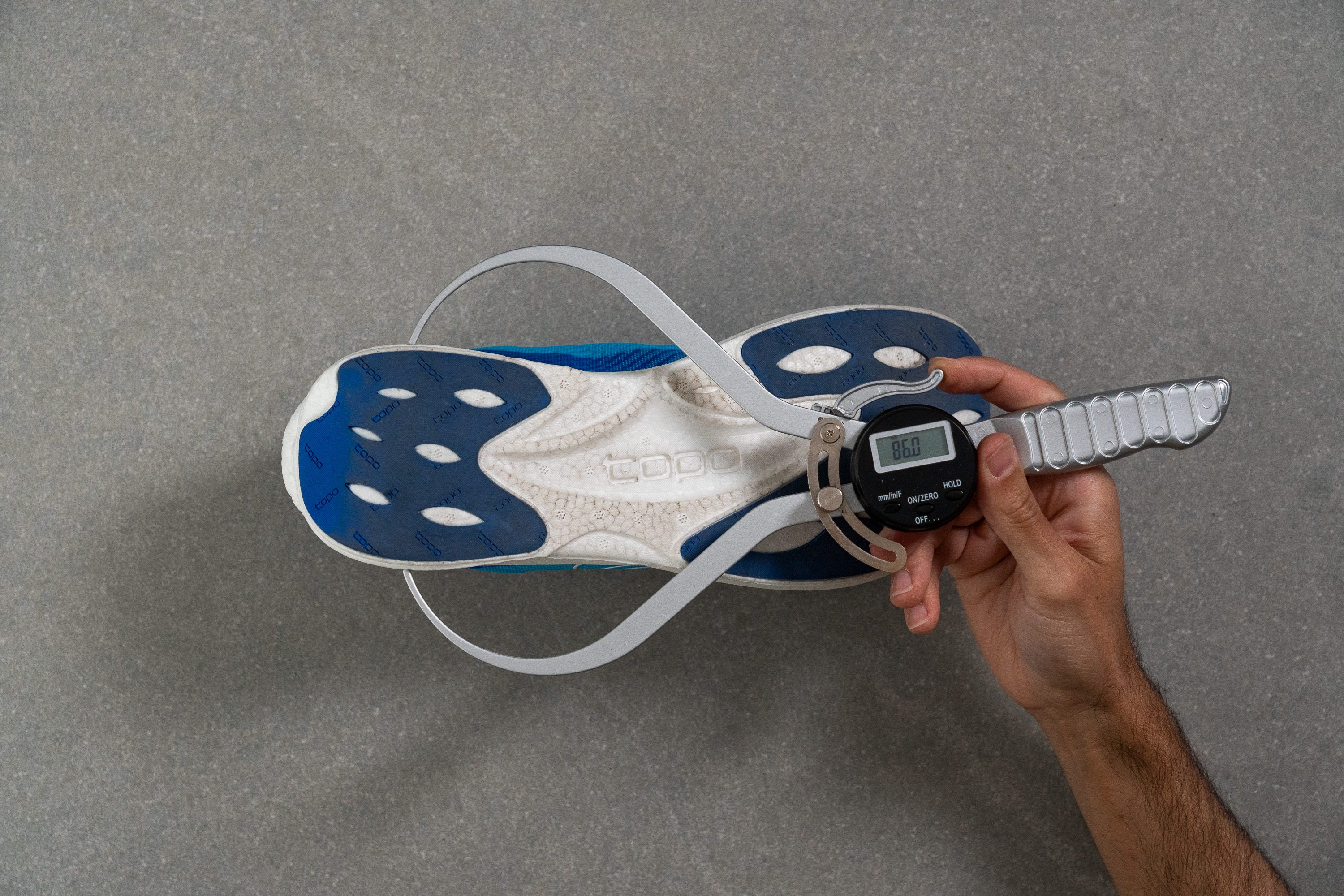
| Topo Cyclone 3 | 86.0 mm |
| Average | 91.1 mm |
Durability
Toebox durability
The upper gives away its delicate nature at first glance, and our durability test confirmed that impression. The toebox earned the lowest possible score of 1/5, indicating very poor resistance to abrasion.
| Topo Cyclone 3 | 1 |
| Average | 2.6 |
Heel padding durability
Unfortunately, the outcome was very similar in this test. Although a 2/5 may appear to be an improvement, it falls within the same performance range we usually see, making the difference negligible in real-world terms.
| Topo Cyclone 3 | 2 |
| Average | 3.4 |
Outsole durability
Although the upper doesn't inspire much confidence in terms of durability, the outsole tells a different story. That's especially reassuring considering its minimal rubber coverage and thin layer of rubber.
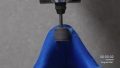
In our last Dremel test for this review, it lost just 0.8 mm of material.
| Topo Cyclone 3 | 0.8 mm |
| Average | 1.1 mm |
Outsole thickness
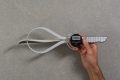
To keep weight to a minimum while maximizing ground feel, Topo equipped the Cyclone 3 with a remarkably thin outsole. Our digital caliper confirmed this minimalist approach, measuring just 1.9 mm of rubber.
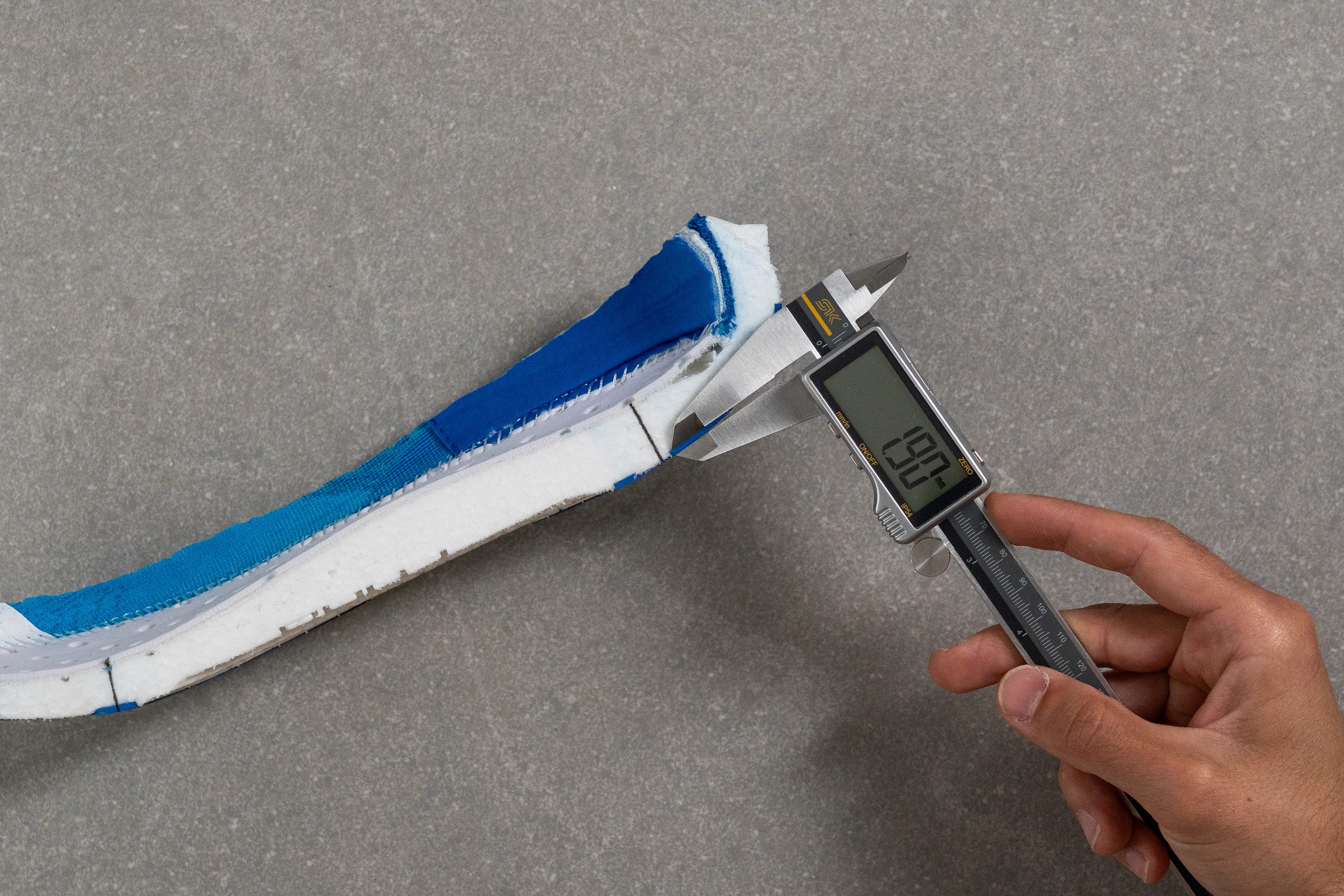
| Topo Cyclone 3 | 1.9 mm |
| Average | 3.1 mm |
Misc
Insole thickness
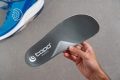
The Cyclone 3 comes equipped with an Ortholite insole that measures 4.1 mm thick.
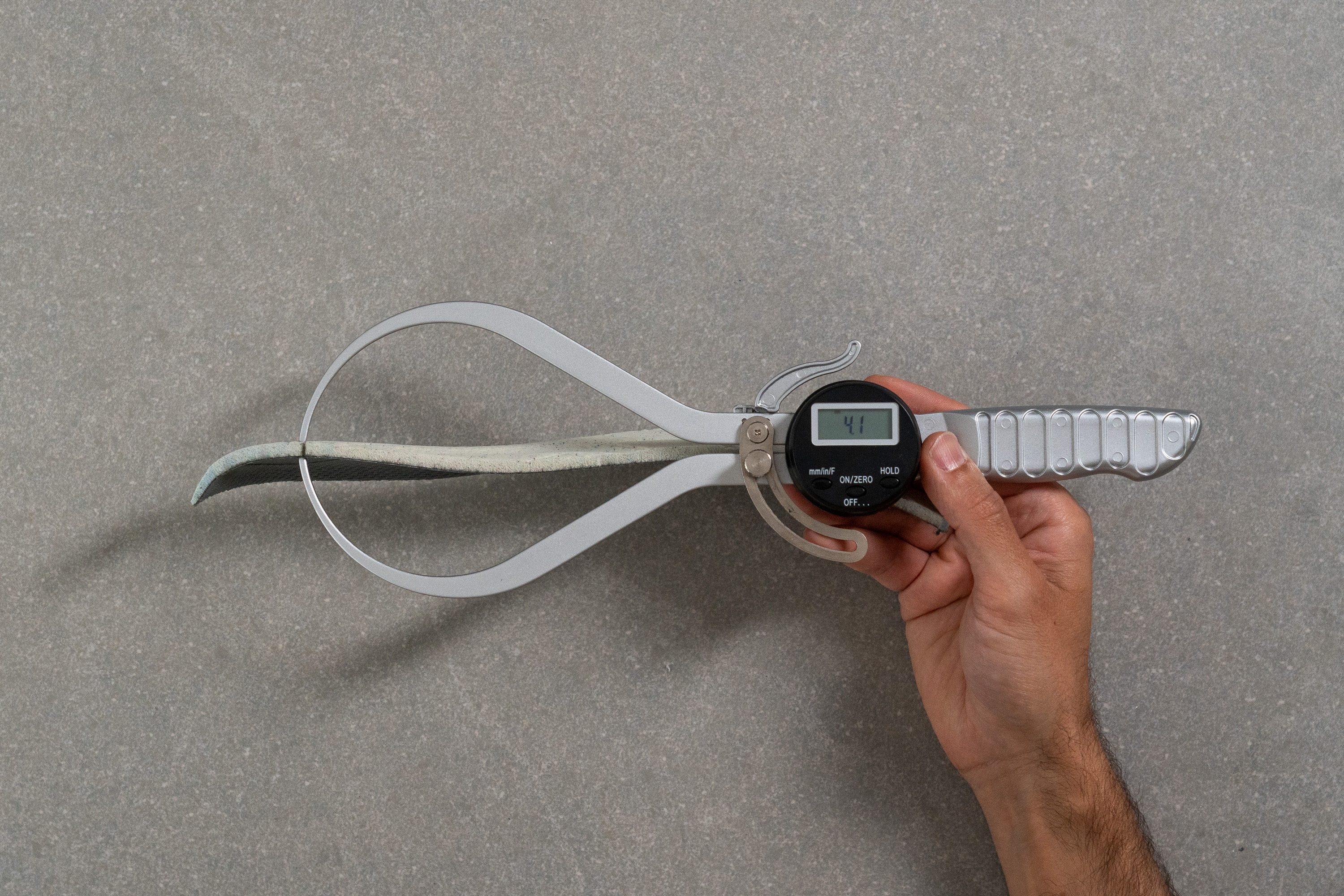
| Topo Cyclone 3 | 4.1 mm |
| Average | 4.4 mm |
Removable insole
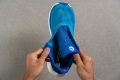
The insole is removable, although replacing it may not be straightforward. Due to the Cyclone 3's distinctive foot-shaped design, most aftermarket insoles are unlikely to match its shape properly.
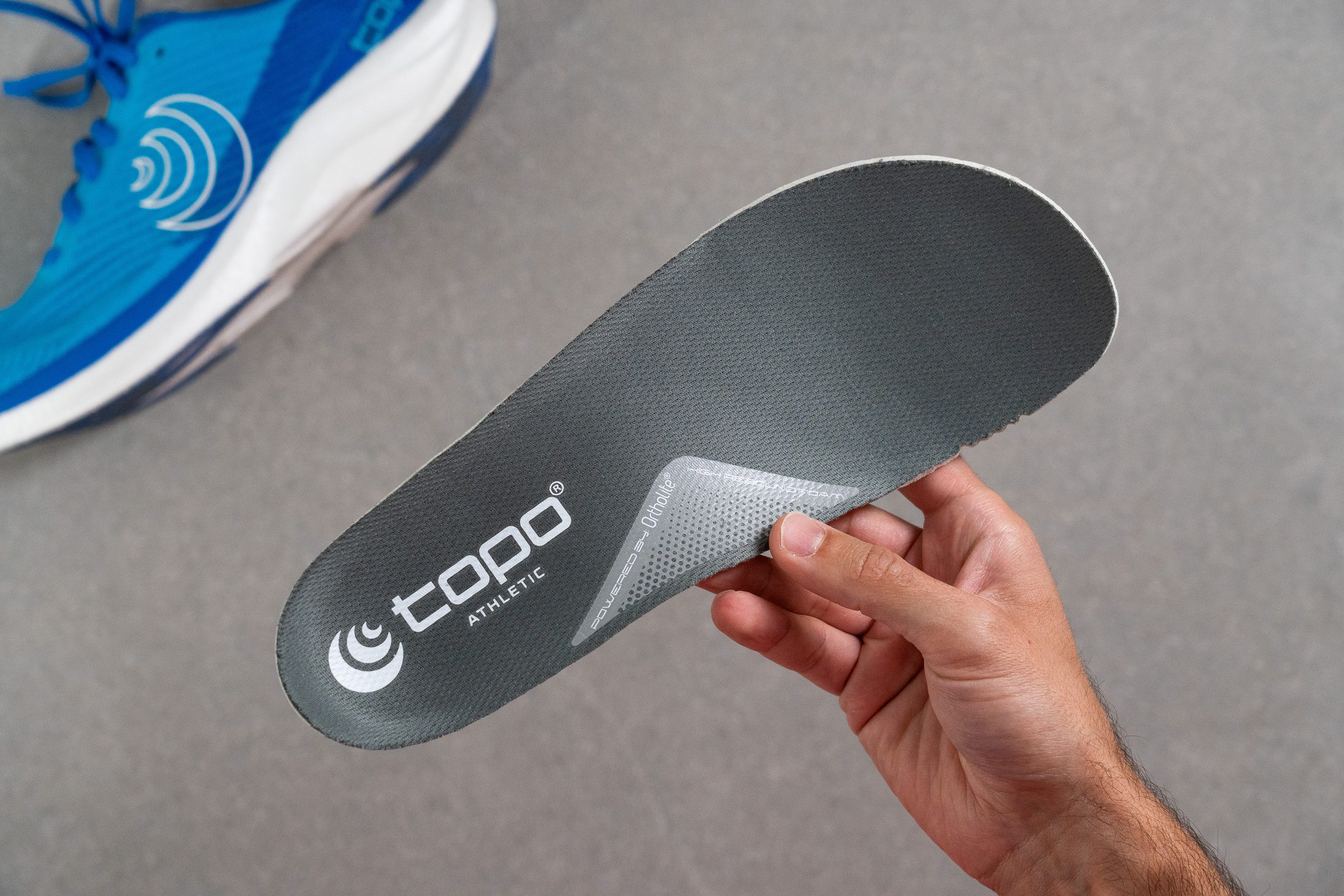
| Topo Cyclone 3 | Yes |
Reflective elements
Once again, Topo Athletic skipped reflective elements on the Cyclone 3. We hope this is one area the brand finally addresses in the fourth generation.
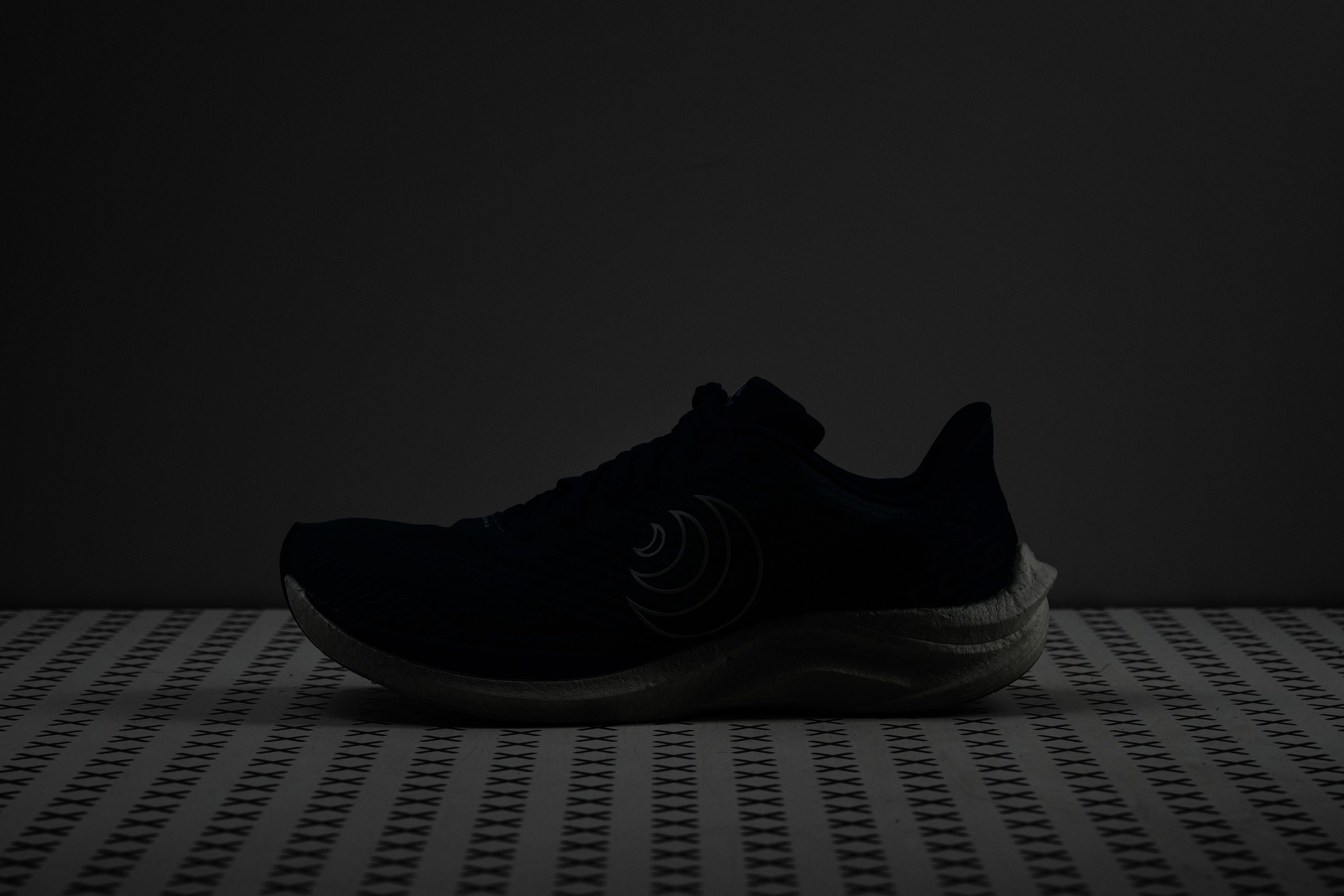
| Topo Cyclone 3 | No |
Tongue padding
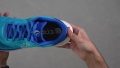
As we've mentioned throughout this review, the Cyclone 3 is a minor update focused almost entirely on the upper. One of the most noticeable changes is the redesigned tongue, which extends farther along the sides and wraps a bit more around the ankle, a welcome improvement over the previous version.
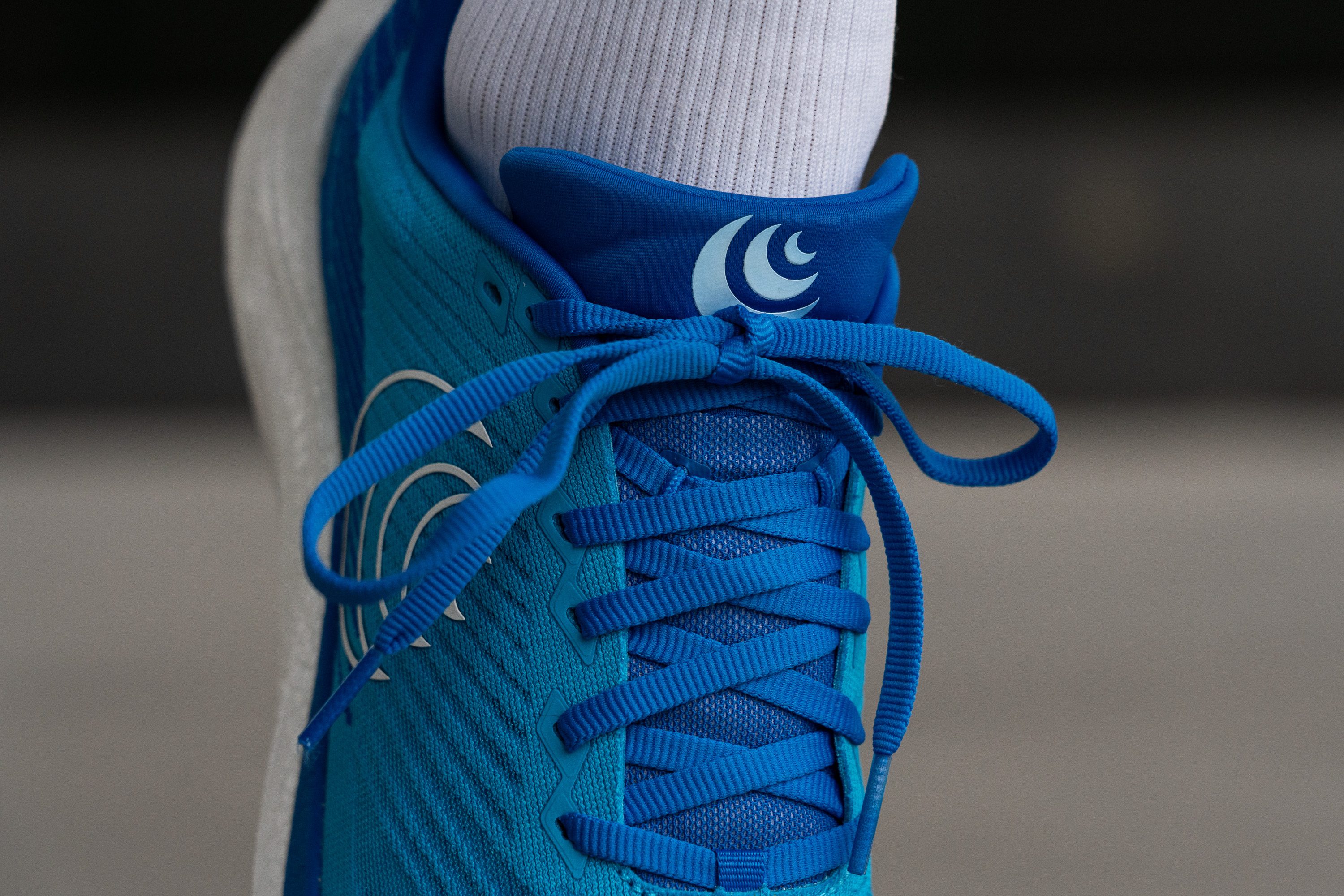
It's also thinner, measuring just 4.0 mm. Although this slightly reduces step-in comfort, we think it better matches the lightweight, performance-oriented character of the shoe.
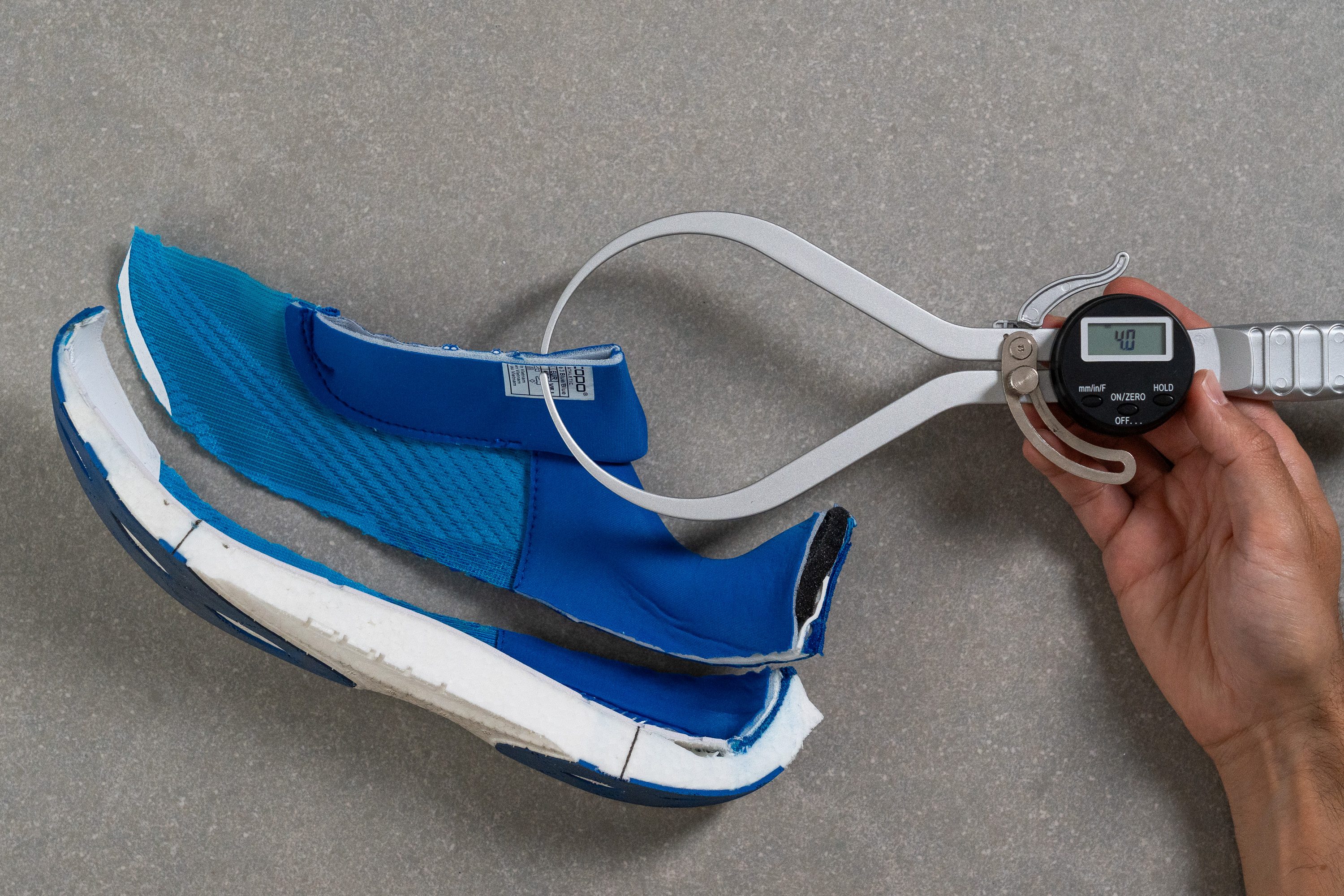
| Topo Cyclone 3 | 4.0 mm |
| Average | 5.8 mm |
Tongue: gusset type
The tongue remains non-gusseted, with Topo relying on its dual-loop design to keep it centered during runs. In our experience, it works surprisingly well. Even so, we believe many runners would have preferred a semi-gusseted construction.
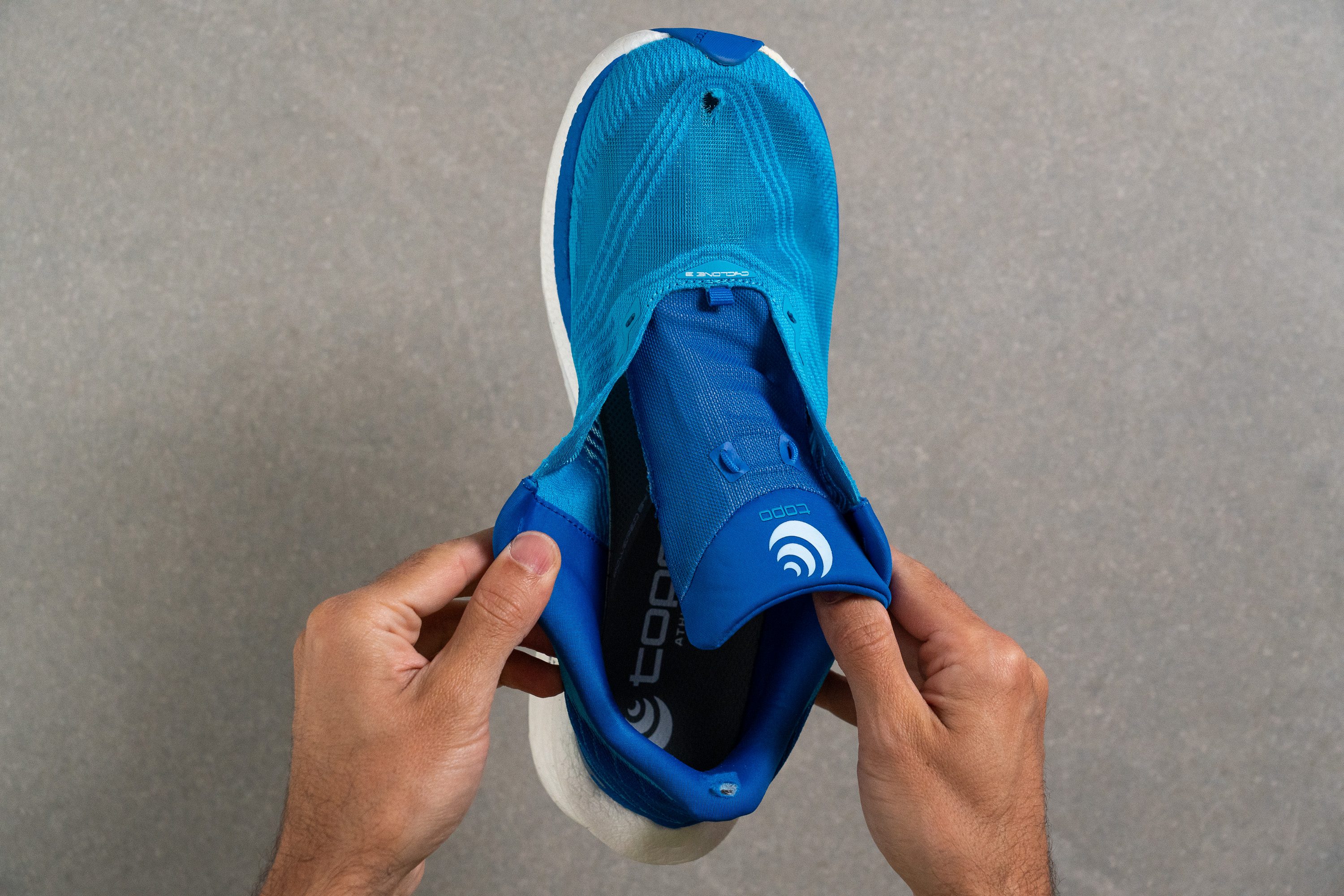
| Topo Cyclone 3 | None |
Heel tab
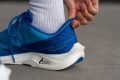
The heel features an extended collar that makes the shoe easy to pull on while adding a distinctive touch to its overall design.
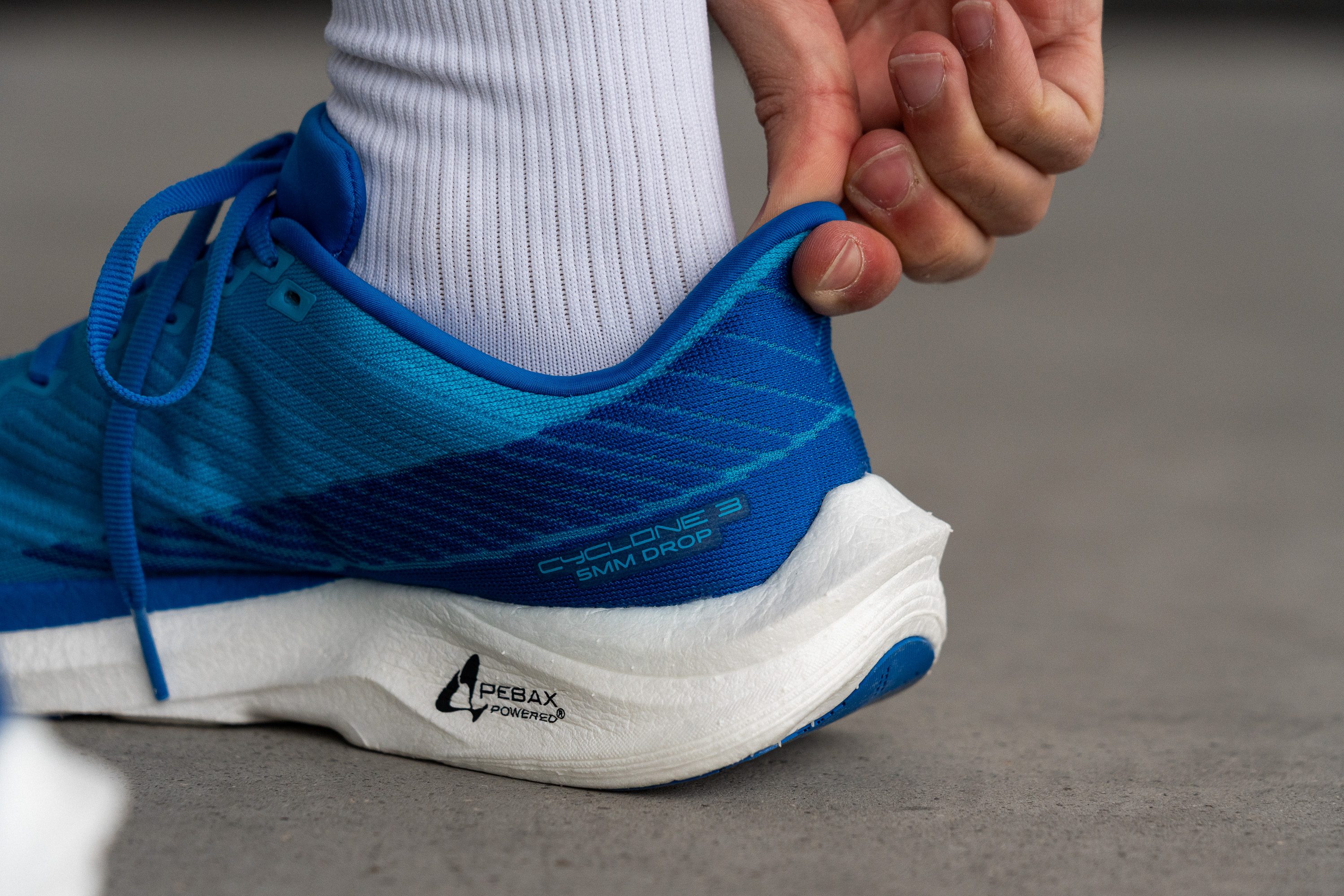
| Topo Cyclone 3 | Extended heel collar |
Price
Topo Athletic raised the price of the Cyclone 3 by $5, yet we still think it offers amazing value. The increase is modest, especially considering the premium Pebax midsole and the thoughtful upper refinements.
| Topo Cyclone 3 | $155 |
| Average | $158 |