

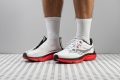
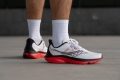
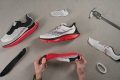
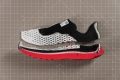

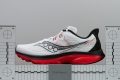

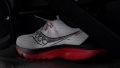
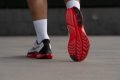
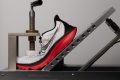
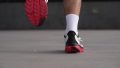






Our verdict
- Daily running 74
- Tempo 76
- Race 60
- Stability 72
Pros
- Still low-drop, low-stack!
- Lightweight and flexible
- High-quality upper
- Loves to go fast
- Breathable for hot summer days
- Dependable traction
- Gusseted tongue
- Good for developing foot strength
Cons
- Price hike
- Low energy return
- Not for wide feet
Awards
- Top pick in best treadmill running shoes
- Top pick in best shoes for gym and running
Comparison
The most similar running shoes compared
+ + Add a shoe | |||||
|---|---|---|---|---|---|
| Our score | 79 Good | 74 Good | 82 Great | 78 Good | |
| Price | $130 | $180 | $150 | $140 | |
| Pace | TempoDaily running | Tempo | Daily running | TempoCompetition | |
| Shock absorption | Low | Moderate | Moderate | - | |
| Energy return | Low | Low | Moderate | - | |
| Traction | High | High | Moderate | - | |
| Arch support | Neutral | Neutral | Neutral | Neutral | |
| Weight lab Weight brand | 7.3 oz / 207g 7 oz / 198g | 9.6 oz / 271g 9.5 oz / 269g | 9.3 oz / 264g 9.4 oz / 266g | 7.9 oz / 224g 7.9 oz / 224g | |
| Lightweight | ✓ | ✗ | ✗ | ✓ | |
| Drop lab Drop brand | 4.5 mm 4.0 mm | 4.1 mm 6.0 mm | 4.5 mm 6.0 mm | 1.1 mm 0.0 mm | |
| Strike pattern | Mid/forefoot | Mid/forefoot | Mid/forefoot | Mid/forefoot | |
| Size | True to size | Slightly small | True to size | True to size | |
| Midsole softness | - | Firm | Firm | - | |
| Difference in midsole softness in cold | Small | Small | Small | Normal | |
| Toebox durability | Bad | Good | Decent | Good | |
| Heel padding durability | Good | Good | Bad | Decent | |
| Outsole durability | Bad | Decent | Decent | Good | |
| Breathability | Breathable | Warm | Warm | Breathable | |
| Width / fit | Medium | Narrow | Medium | Wide | |
| Toebox width | Narrow | Wide | Medium | Wide | |
| Stiffness | Moderate | Stiff | Stiff | - | |
| Torsional rigidity | Flexible | Stiff | Stiff | Flexible | |
| Heel counter stiffness | Moderate | Moderate | Moderate | Flexible | |
| Rocker | ✗ | ✓ | ✗ | ✗ | |
| Heel lab Heel brand | 28.0 mm 29.0 mm | 32.8 mm 34.0 mm | 33.8 mm 37.0 mm | 22.5 mm 24.0 mm | |
| Forefoot lab Forefoot brand | 23.5 mm 25.0 mm | 28.7 mm 28.0 mm | 29.3 mm 31.0 mm | 21.4 mm 24.0 mm | |
| Widths available | Normal | Normal | NormalWide | NormalWide | |
| Orthotic friendly | ✓ | ✓ | ✓ | ✓ | |
| Season | SummerAll seasons | All seasons | All seasons | SummerAll seasons | |
| Removable insole | ✓ | ✓ | ✓ | ✓ | |
| Ranking | #244 Bottom 39% | #337 Bottom 16% | #189 Top 47% | #273 Bottom 32% | |
| Popularity | #144 Top 36% | #258 Bottom 36% | #165 Top 41% | #232 Bottom 42% |
Who should buy
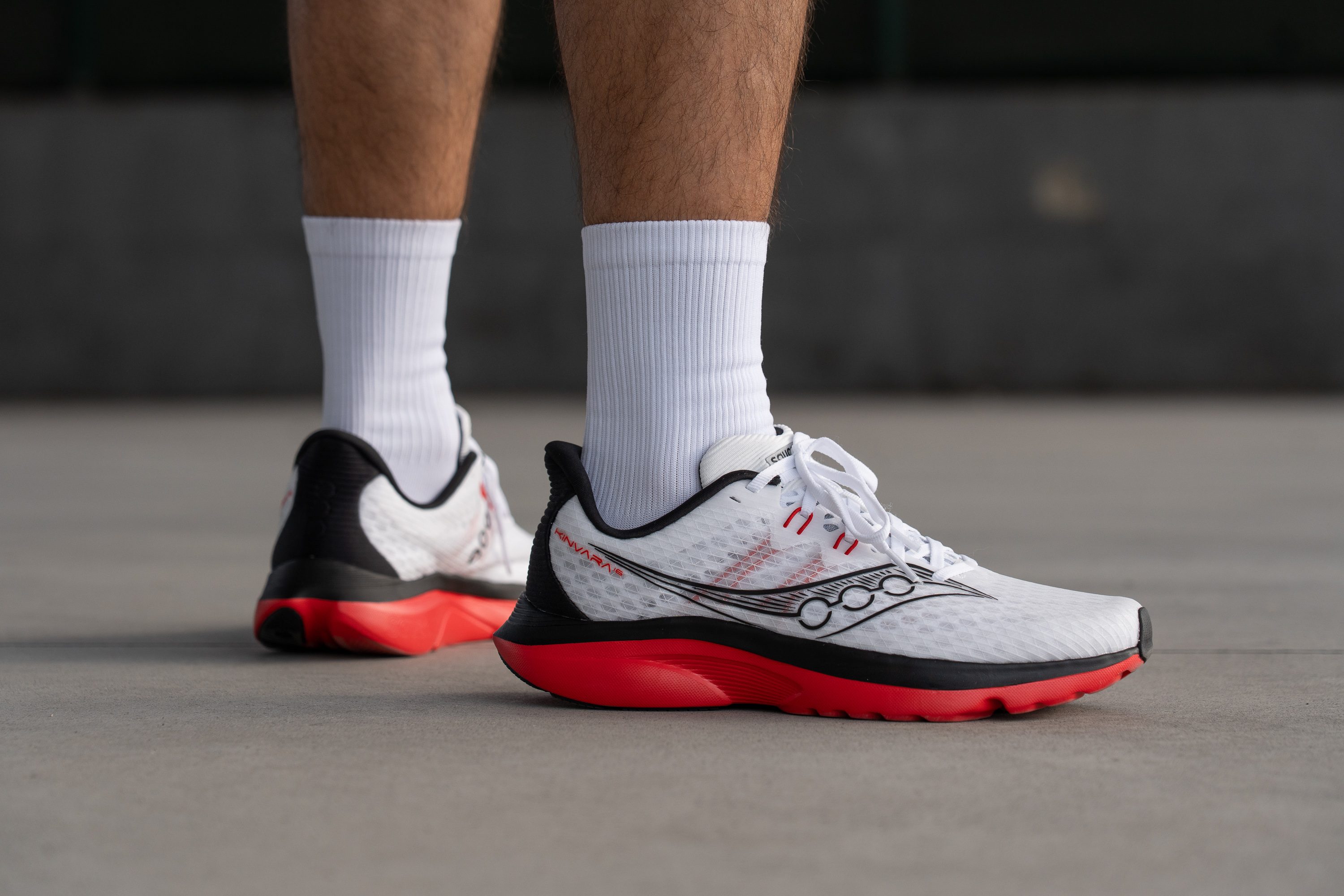
In our view, the Saucony Kinvara 16 is:
- A smart starting point for runners interested in low-drop shoes without jumping straight into minimal designs.
- Still a solid pick for long-time Kinvara fans, maintaining its signature feel underfoot.
- Interesting for those with narrow feet that are searching a lightweight running shoe.
Who should NOT buy
We found in the lab that the PWRRUN foam lacks spark and feels muted rather than bouncy. Therefore, we do not recommend it for runners chasing an energetic, super-fast feel. If you are after high energy return, we believe there are better choices like the adidas Adizero Adios 9 or the Topo Cyclone 2 that also avoid a maximalist stack height.
We also think the Kinvara 16 is not the best option for cushioning seekers or heavier runners. In our experience, the low-stack setup feels underbuilt compared to modern daily trainers and does not work well for long runs. Instead, shoes like the Nike Vomero 18 or the ASICS Novablast 5 deliver a far more protective ride.

Cushioning
Shock absorption
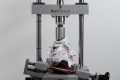
The Kinvara 16 once again offers less shock absorption than most modern daily trainers, which is expected for a shoe long known for its low-to-moderate cushioning. As a result, 109 SA in the heel and 100 SA in the forefoot feel appropriate and suit short to medium distance runs well.
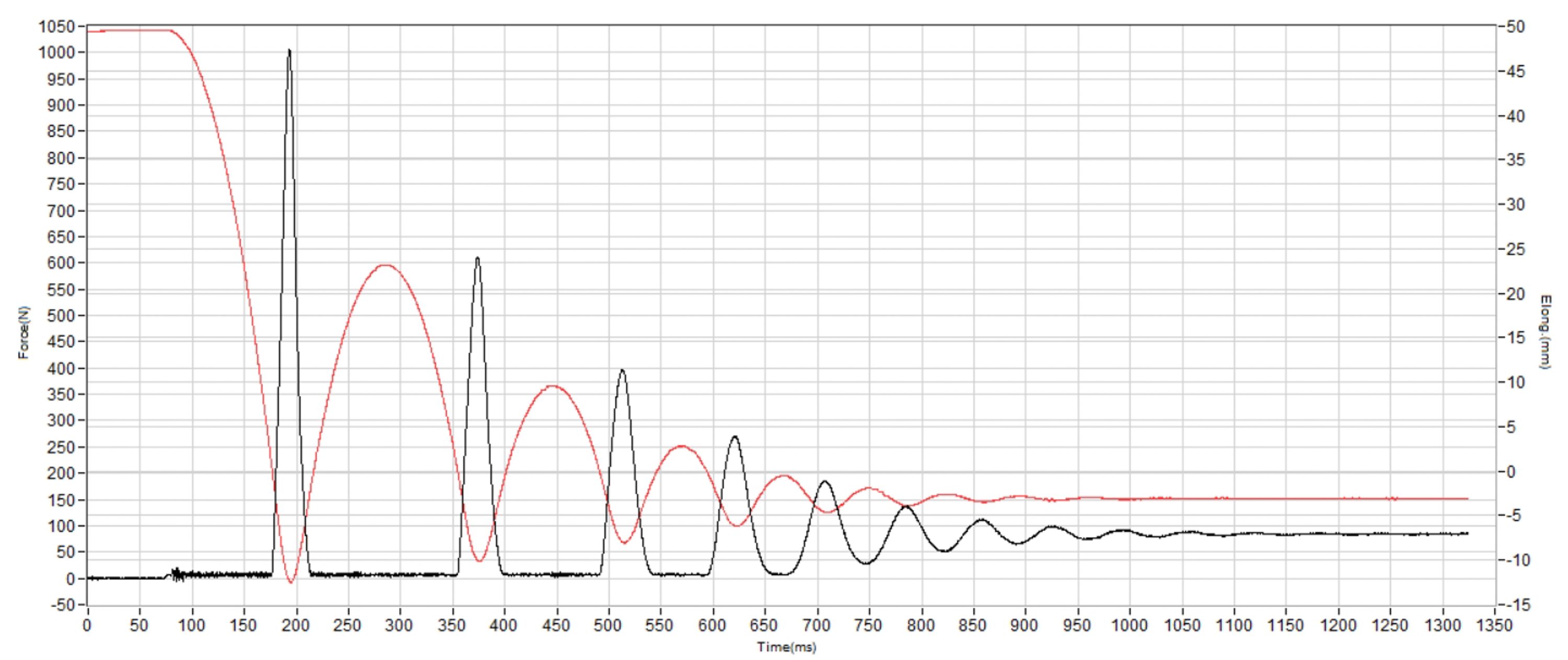
| Kinvara 16 | 109 SA |
| Average | 131 SA |
Energy return
When we analyzed the Kinvara 15, we raised doubts that energy return would improve soon given the low price point of this line.
However, our energy return test delivered even lower results than its predecessor, measuring only 50.3% in the heel and 53.6% in the forefoot, which is disappointing for everyone, but especially for runners focused on performance.
| Kinvara 16 | 53.6% |
| Average | 61.5% |
Heel stack
We measured just 28.0 mm of stack height in the heel, which was a genuine relief for us. Each year there is concern that Saucony might push the Kinvara past 30 mm, but once again it avoids a high-stack design, and our measurements confirm it.
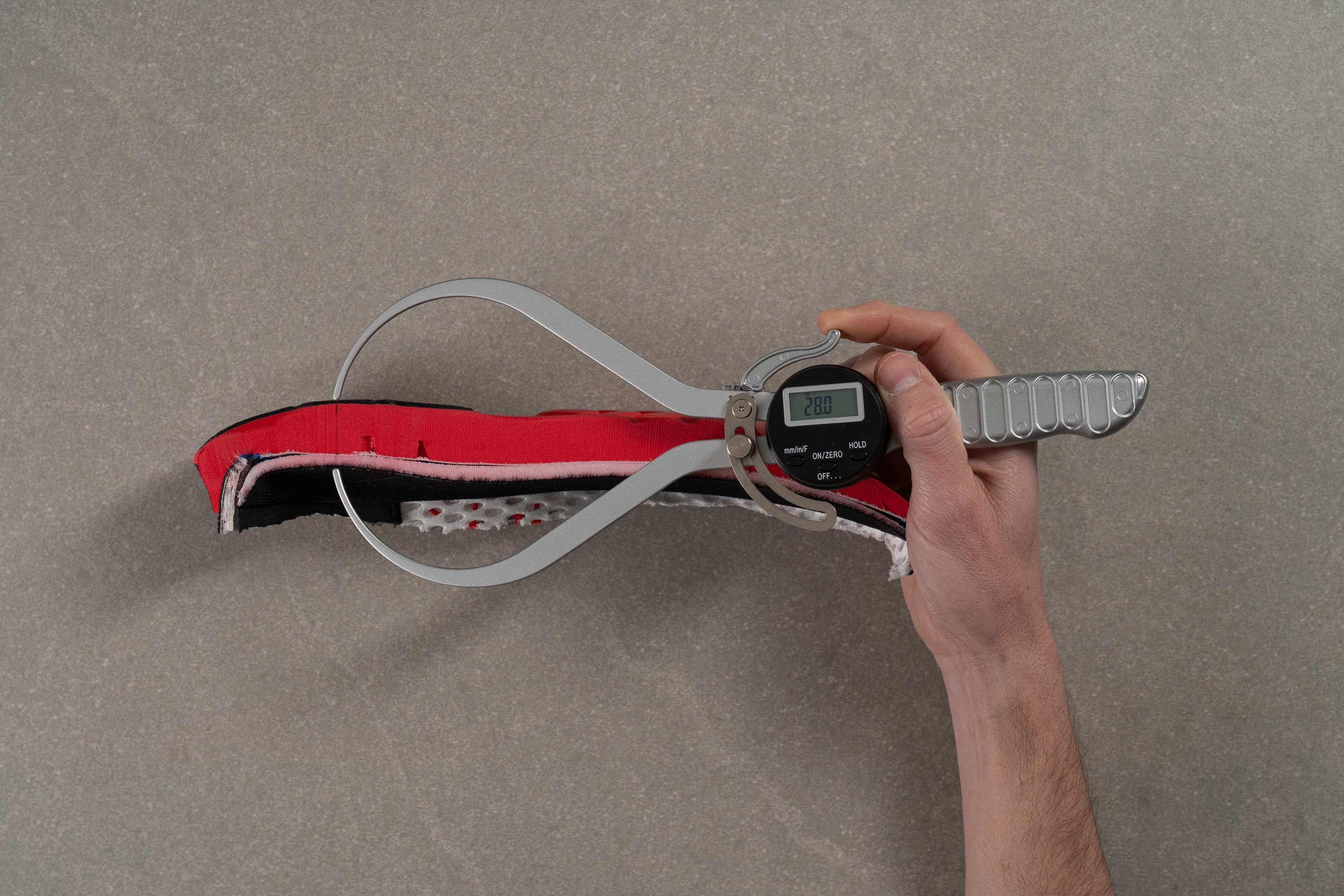
| Kinvara 16 | 28.0 mm |
| Average | 35.6 mm |
Forefoot stack
The forefoot measures 23.5 mm, delivering ample ground feel with every stride, even for lightweight runners. This is exactly what we expect from any Kinvara, and we are glad to see it preserved for the sixteenth year in a row.
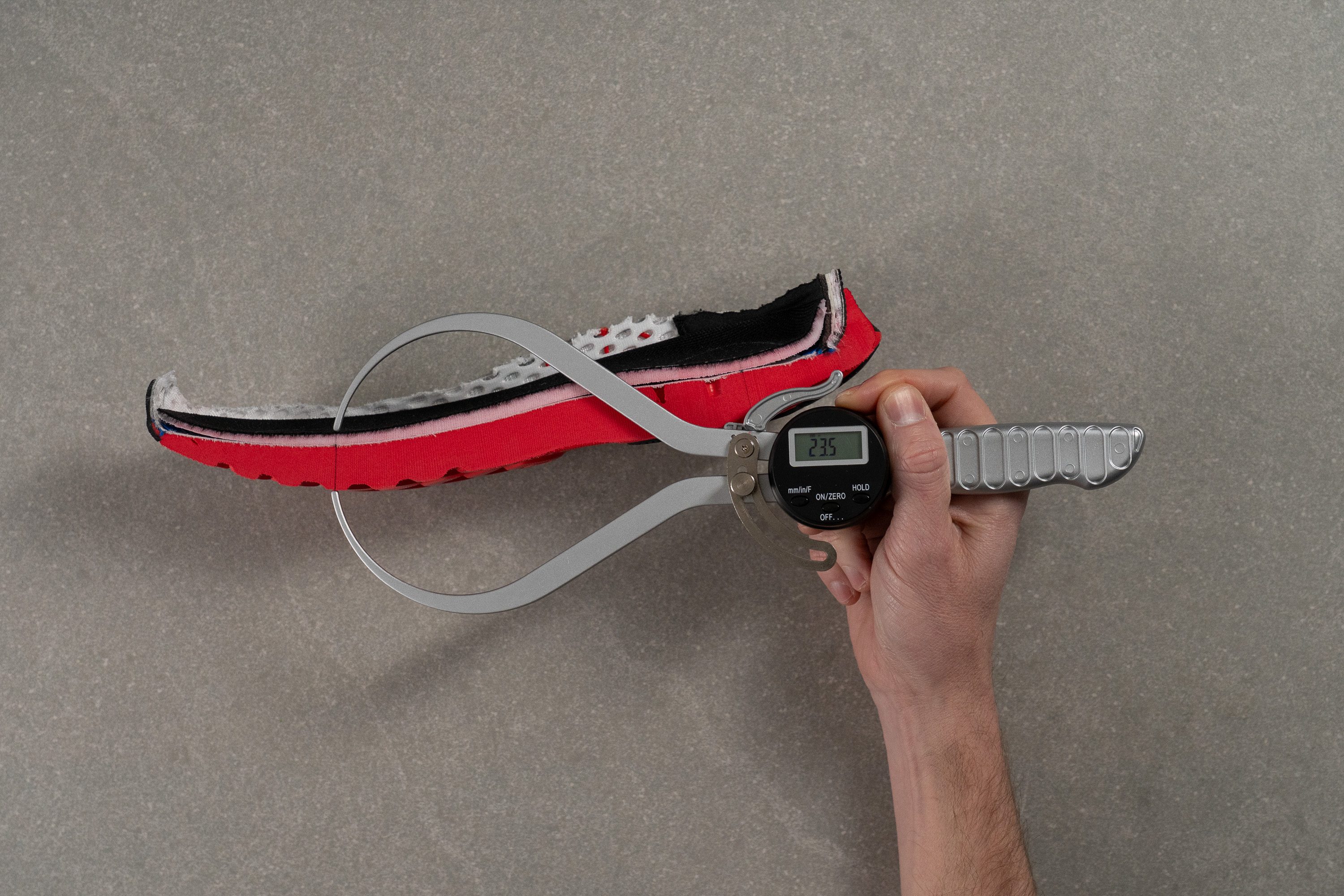
| Kinvara 16 | 23.5 mm |
| Average | 27.1 mm |
Drop
As usual, Saucony lists a 4 mm drop. We confirmed this with a measured 4.5 mm difference from heel to toe, which is extremely close and not something any runner would realistically notice. For us, it totally feels like a low-drop shoe.
Credit is due here, as the easier move would have been pushing the Kinvara toward a 6 or 8 mm drop to appeal to a wider audience. That choice would have disappointed longtime fans, and keeping the iconic low drop is clearly the right call.
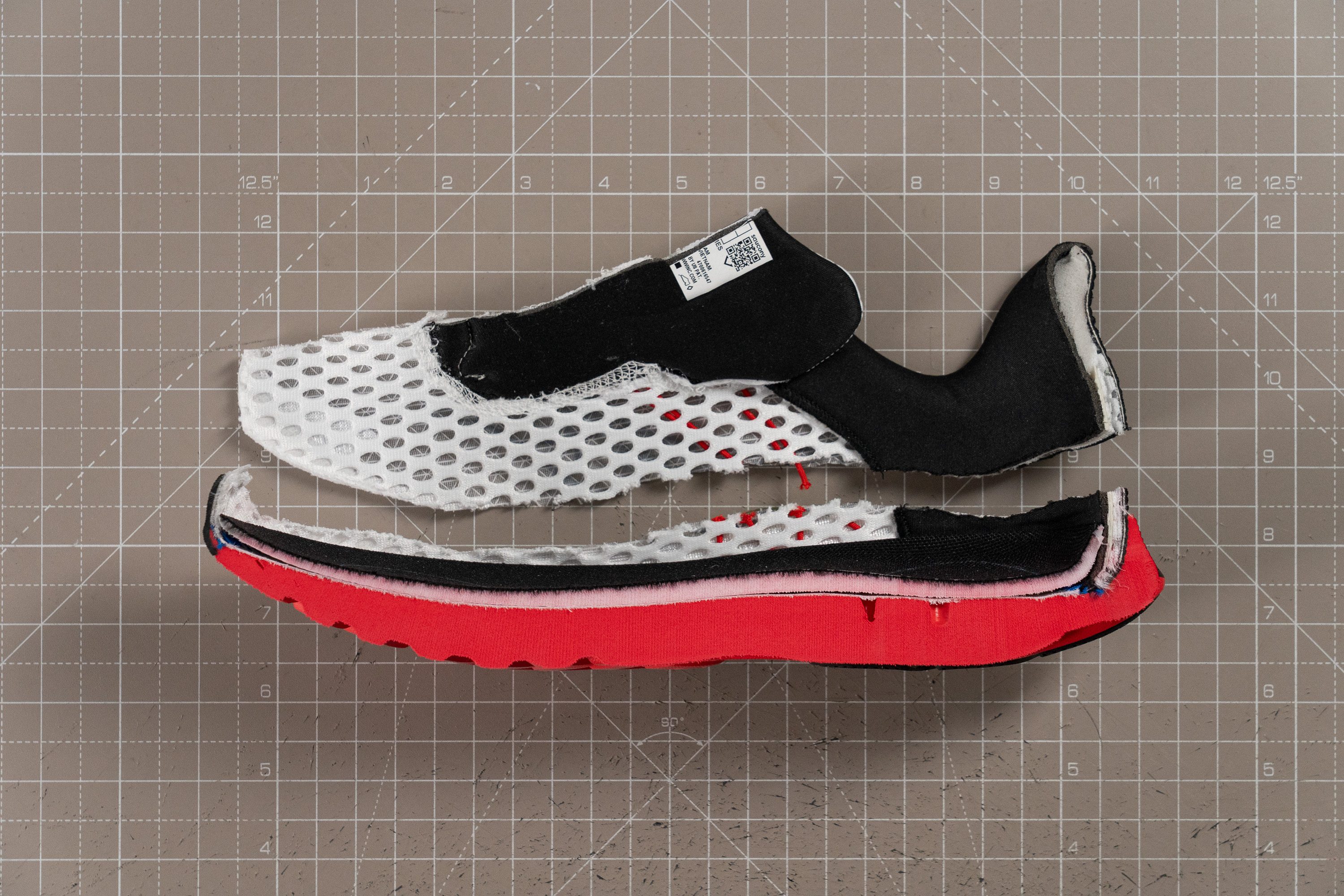
| Kinvara 16 | 4.5 mm |
| Average | 8.4 mm |
Midsole softness
Another area where the Kinvara clearly goes against current market trends is midsole softness. While the average keeps dropping as more shoes move toward softer setups, the Kinvara 16 actually comes in firmer than its predecessor.
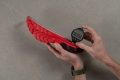
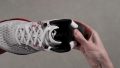
We measured 27.5 HA with our Shore A durometer. This places the shoe on the firmer end of the range and suits runners who dislike a plush feel underfoot. This PWRRUN formulation probably makes sense given the low stack, helping avoid excessive compression (bottoming out) and too much ground feel.
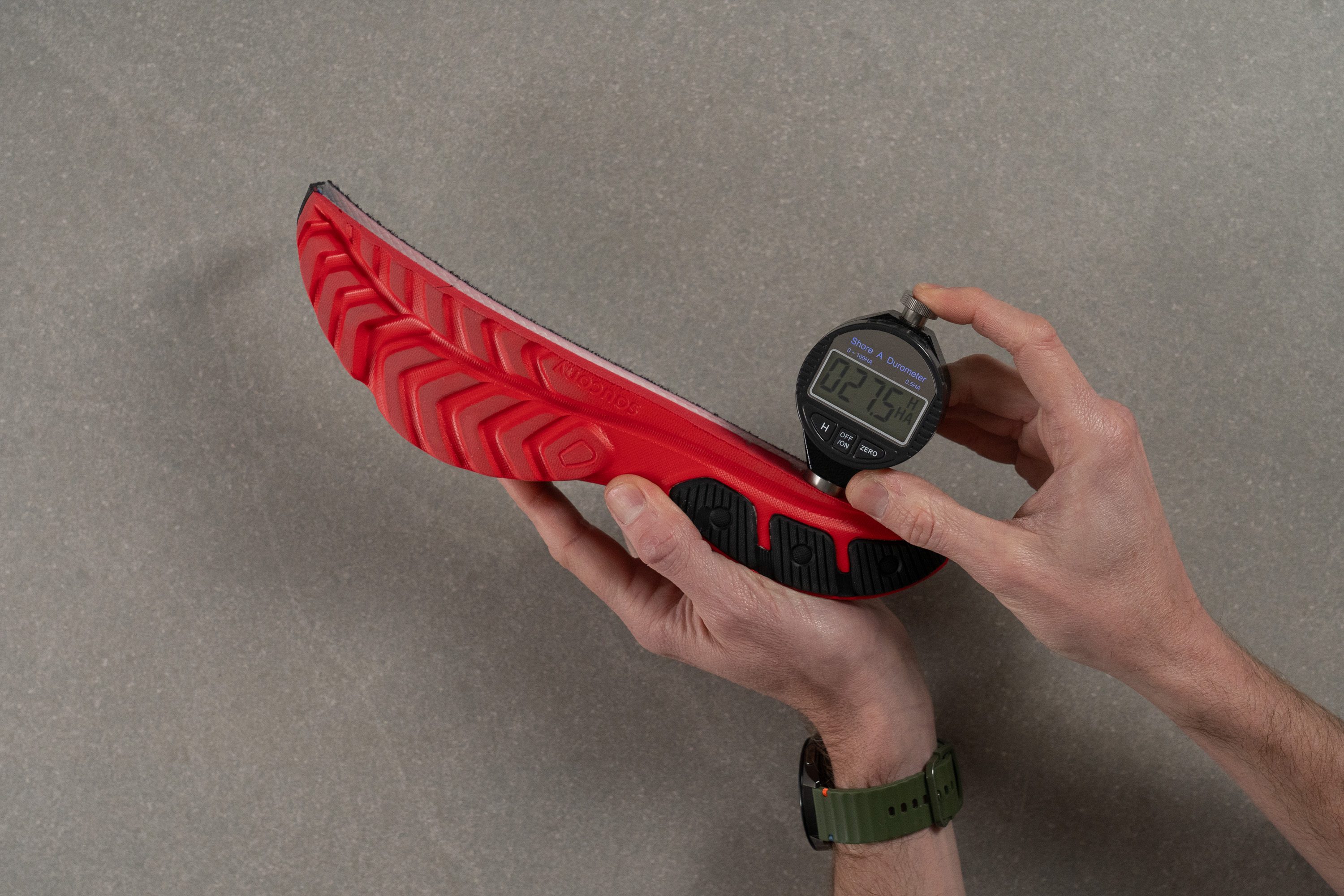
| Kinvara 16 | 27.5 HA |
| Average | 20.1 HA |
Rocker
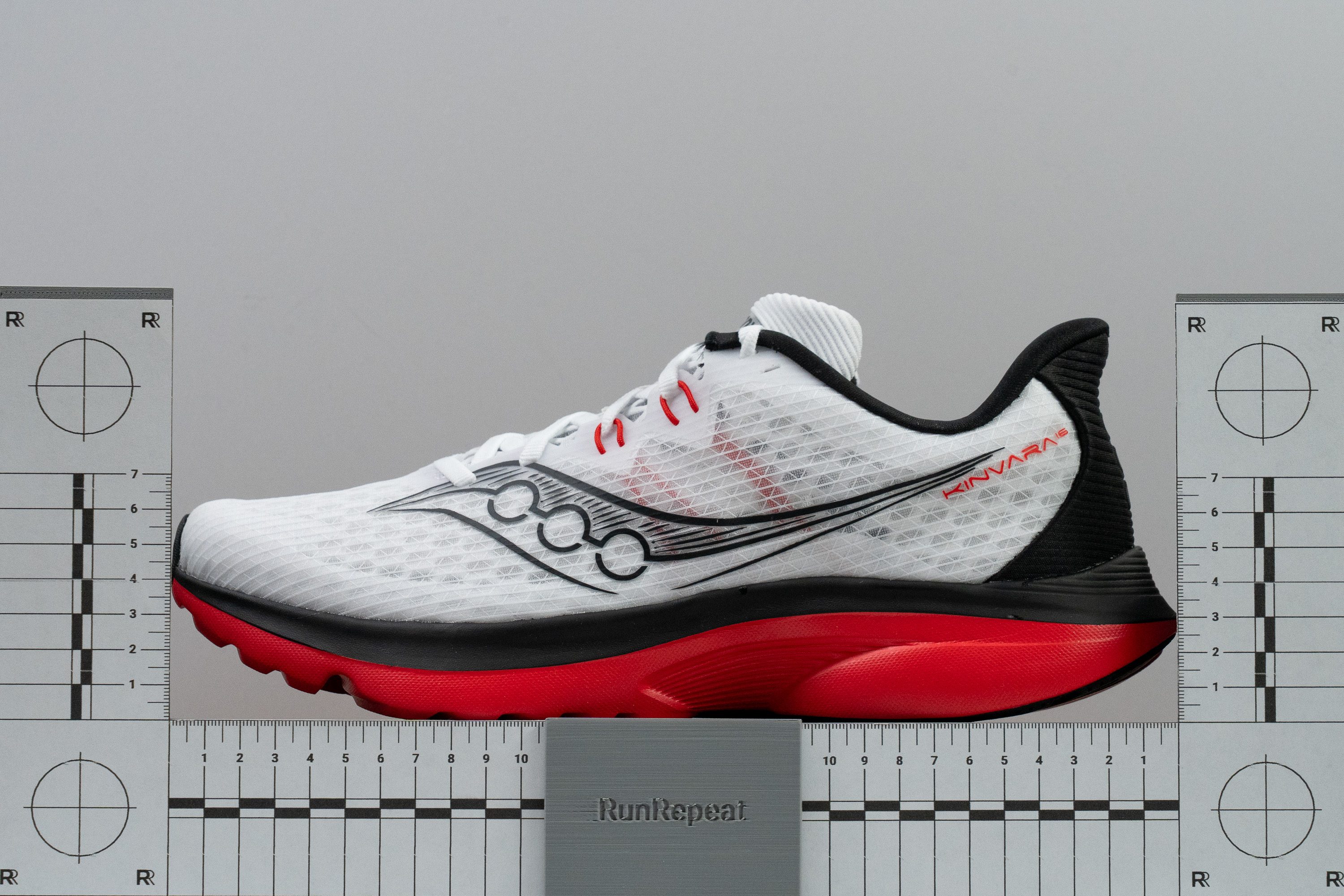
The Kinvara 16 keeps a very classic forefoot rocker, largely thanks to its low stack height. The front of the shoe stays relatively flat, allowing a natural toe-off and preserving the Kinvara’s traditional feel.
In contrast, the heel shows a noticeably more pronounced curvature. This early heel bevel helps smooth initial contact and transitions for rearfoot strikers, striking a balance between tradition in the front and subtle geometry tuning in the heel.
Size and fit
Size
Saucony Kinvara 16 fits true to size (19 votes).
Internal length
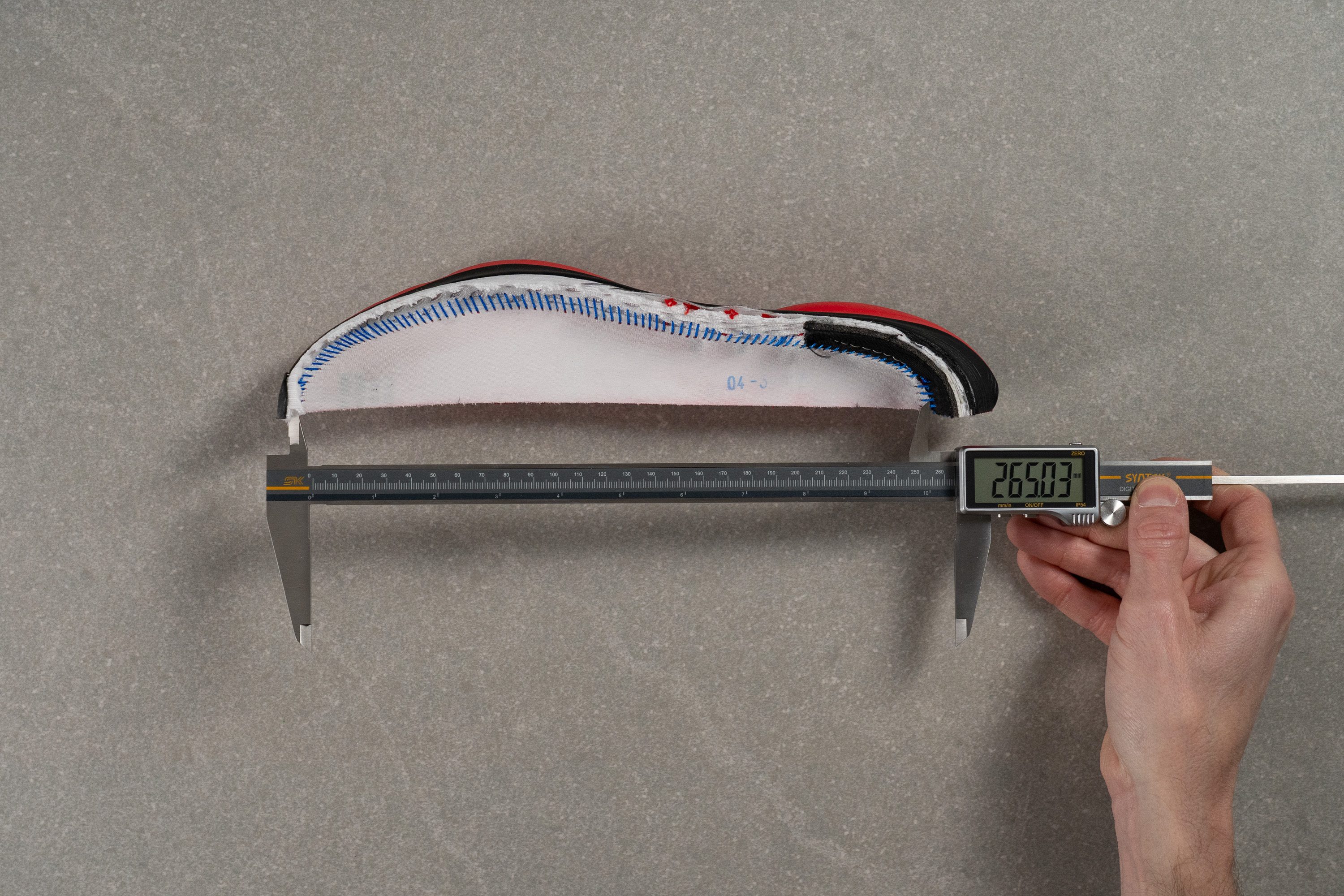
| Kinvara 16 | 265.0 mm |
| Average | 269.3 mm |
Width / Fit
The Kinvara line has traditionally leaned toward a performance-focused fit, with a tapered toebox that does not suit wide feet particularly well. This likely reflects Saucony’s intent to cater to runners using the shoe for tempo sessions, so we set out to verify the fit of v16 using our gel method.
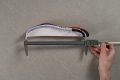
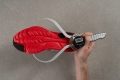
Our first measurement came in at 94.0 mm, which sits slightly below the average.
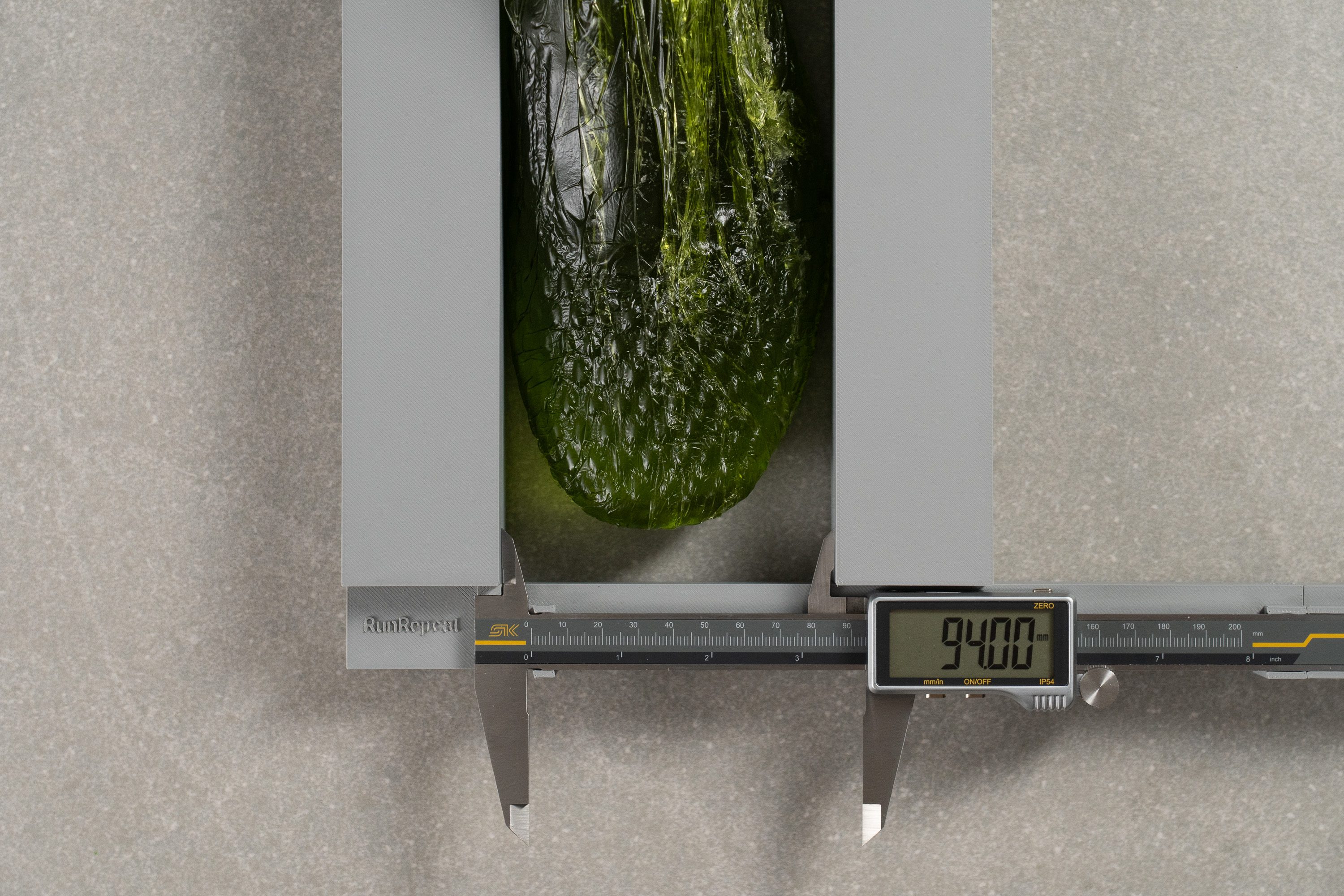
| Kinvara 16 | 94.0 mm |
| Average | 95.2 mm |
Toebox width
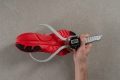
The second measurement shows that Saucony is pushing this performance-focused fit even further, with just 70.8 mm of toebox width. This leaves little room for toe splay and increases the risk of pressure, especially on runs lasting over one hour.
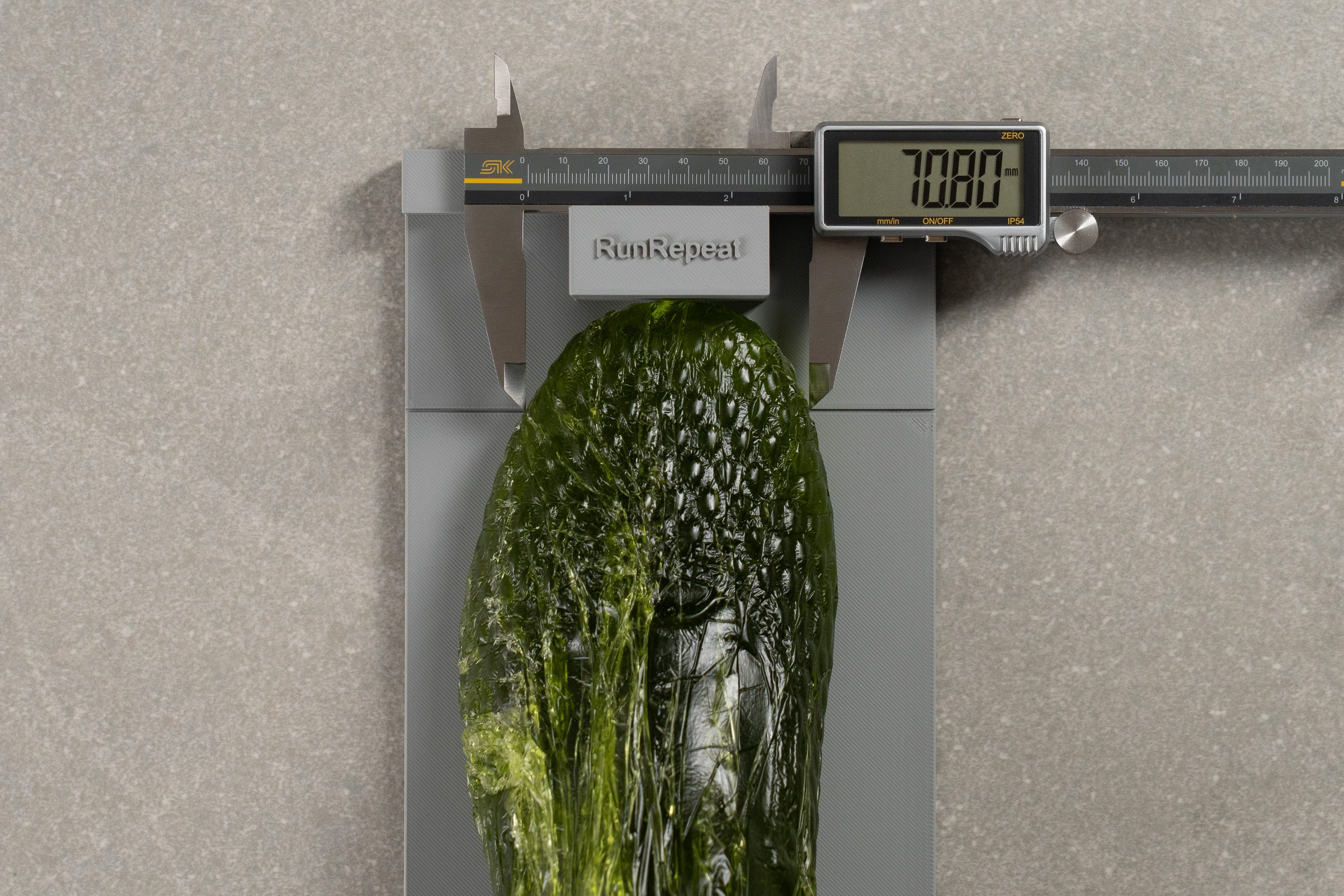
| Kinvara 16 | 70.8 mm |
| Average | 73.2 mm |
Toebox height
On the other hand, vertical space in the toebox is fairly generous.
We measured 28.9 mm, which makes pressure on the big toenail unlikely. However, runners who prefer a tight, sock-like fit for faster efforts may find this extra height less appealing.

| Kinvara 16 | 28.9 mm |
| Average | 27.0 mm |
Traction / Grip
Traction test
A 0.52 score in our SATRA TM144 test is a strong result, providing reliable traction in both dry and wet conditions. It is also a clear step up from the previous version, which reached only 0.41 in the same test.
| Kinvara 16 | 0.52 |
| Average | 0.53 |
Outsole design
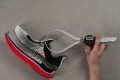
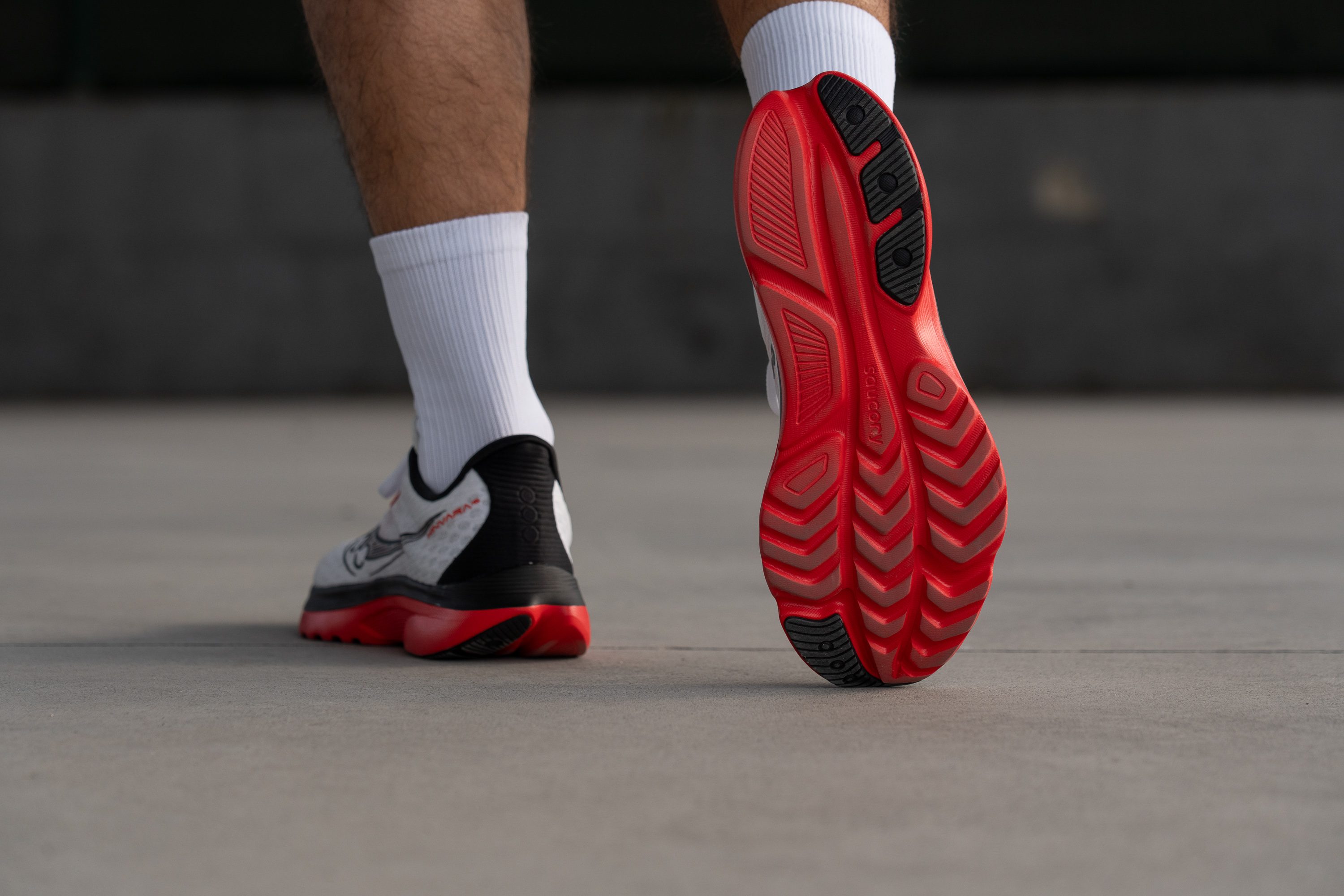
That traction score feels even more impressive because of this outsole design. Saucony clearly focused on keeping weight down, leaving most of the outsole as exposed foam. Rubber is limited to two small black patches, one on the lateral heel and another near the big toe.
These XT-900 rubber pieces are compact and ribbed, while the rest of the outsole relies on sculpted PWRRUN foam with deep, chevron-shaped grooves in the forefoot to improve grip. And because coverage is so limited, we do not recommend this shoe for runners who burn through outsoles quickly, as exposed foam obviously wears faster than rubber.
Flexibility / Stiffness
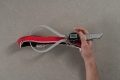
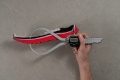
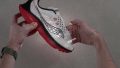
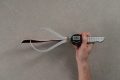
One of the core traits built into all Kinvara generations is a highly flexible ride, and losing that would be a real problem. Based on our testing, it still leans flexible with a 12.0N result, but it is clearly getting stiffer... and that shift goes against what this shoe stands for—so be careful, Saucony!
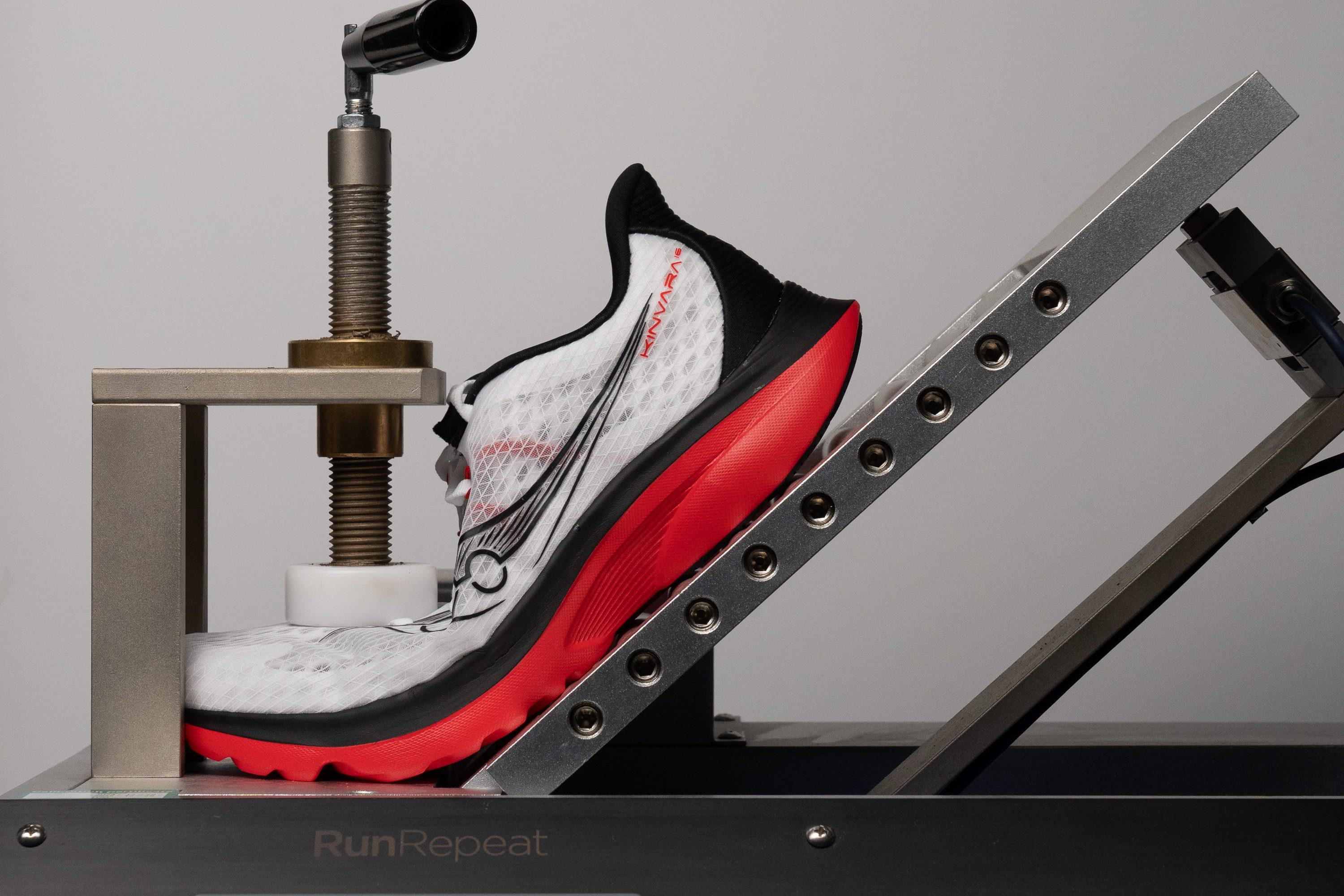
| Kinvara 16 | 12.0N |
| Average | 15.5N |
Weight
At just 7.3 oz or 207g, the Saucony Kinvara 16 maintains its identity as a lightweight running shoe, which has always been one of the defining traits of this sixteen-year-old series. This low weight continues to be a major part of its appeal, especially for runners who value a nimble, stripped-down feel.
That said, it is 7% heavier than its predecessor, a change that we don't like. We hope Saucony adjusts its direction in the next version, as the Kinvara line has traditionally been about staying light year after year, not gradually adding weight. And this is yet another reason to move this series to a lighter, supercritical foam.
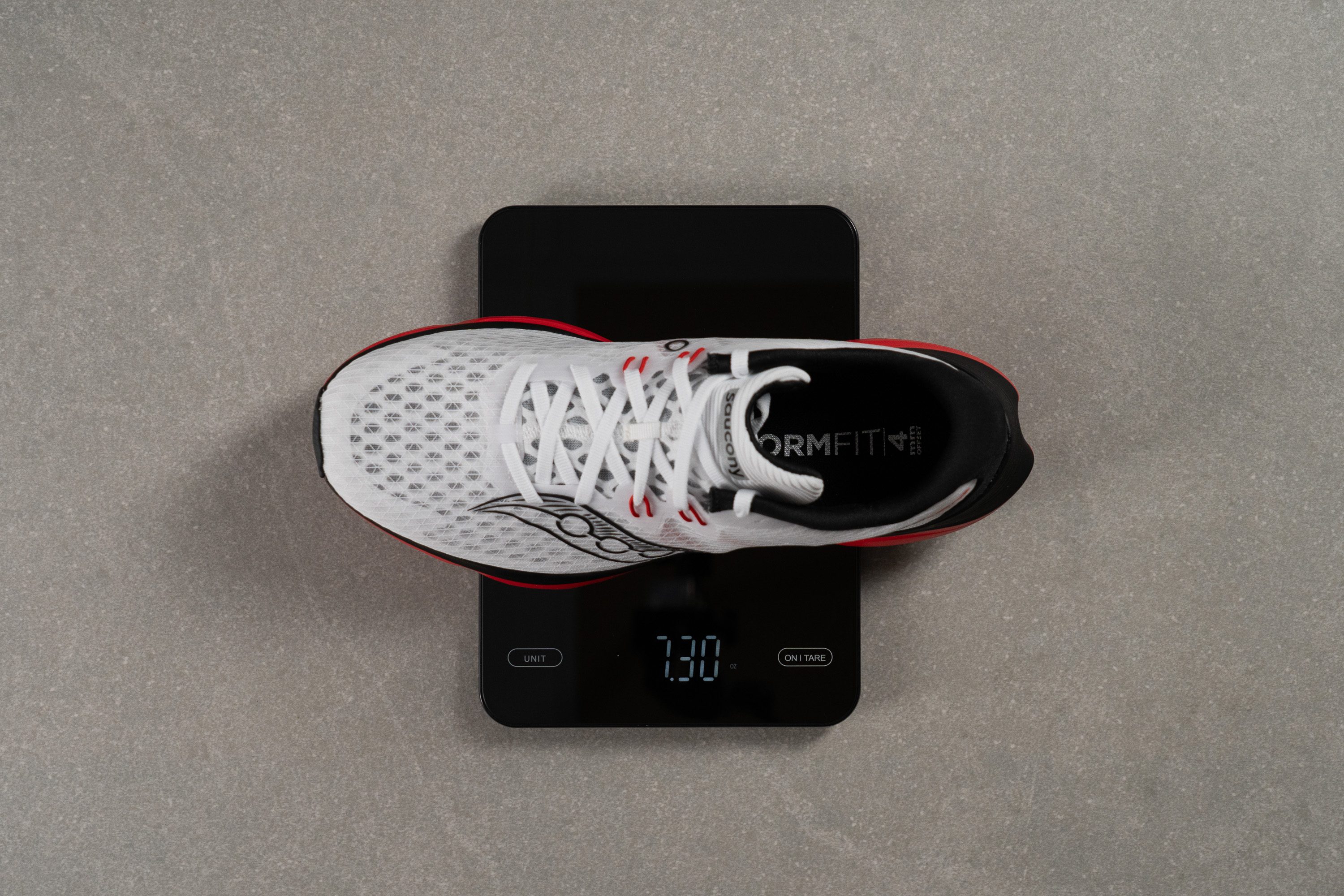
| Kinvara 16 | 7.3 oz (207g) |
| Average | 9.2 oz (261g) |
Breathability
Breathability test
One of the strongest updates in the Kinvara 16 compared to previous models is the upper. It feels clearly improved in every aspect, and this step forward likely explains the price increase seen in this version.
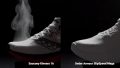
Ventilation is excellent, with uninterrupted airflow through the toebox, as confirmed by our smoke machine test. As a result, it earns a clear 5 out of 5 for breathability.
This airflow is not limited to the toebox. Most of the upper delivers the same high level of ventilation, which is impressive and also allows Saucony to add more padding to the tongue.
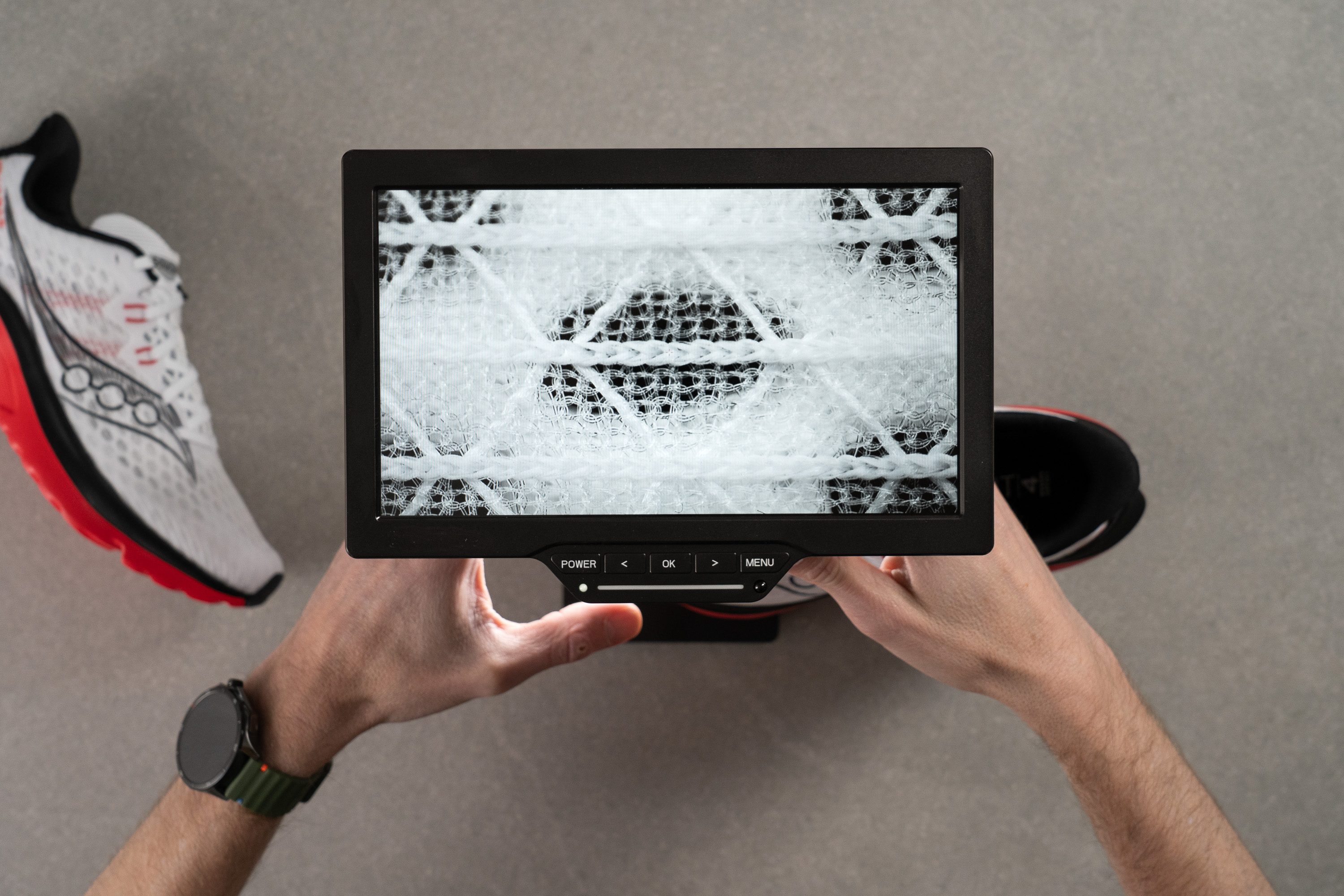
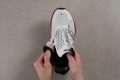
Under close inspection, the engineered mesh stands out for its design and quality.
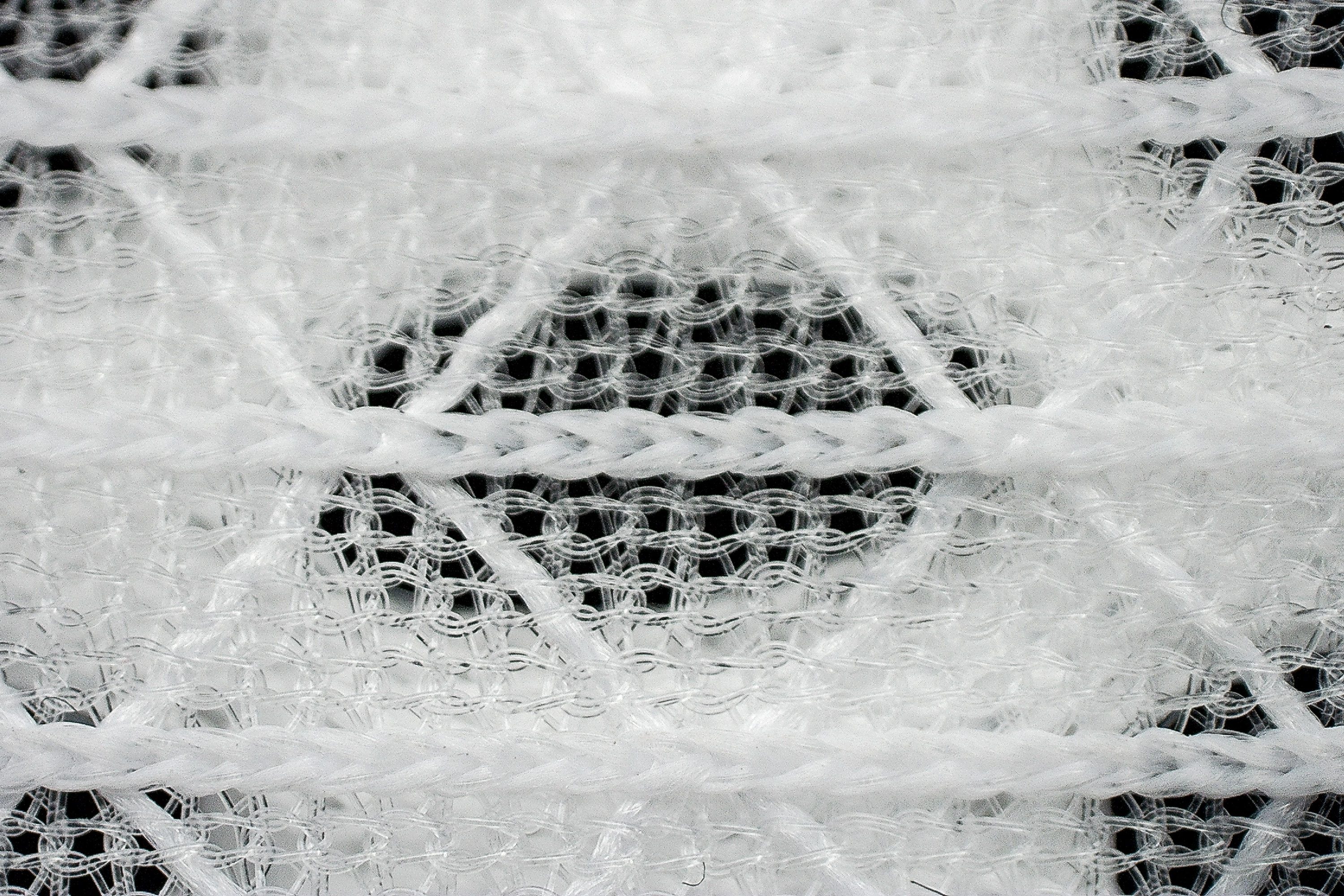
This type of upper is more common in higher-priced shoes, which adds noticeable value to the Kinvara 16.
The upper also feels very different from what we are used to, something that becomes obvious as soon as you touch it. We liked this approach, as the Kinvara line has always challenged conventions, making it an ideal platform for Saucony to test new ideas.
| Kinvara 16 | 5 |
| Average | 3.6 |
Stability
Lateral stability test
The Saucony Kinvara 16 is a fully neutral shoe and is not suited for runners with support needs. That said, this does not mean it feels unstable, as the low stack height and firm foam help limit side-to-side movement.
Torsional rigidity
The Kinvara 16 is genuinely flexible, as fans of the series expect, given how the previous 15 versions were designed. We confirmed this in our lab with a low torsional rigidity of 9.3 Nm.
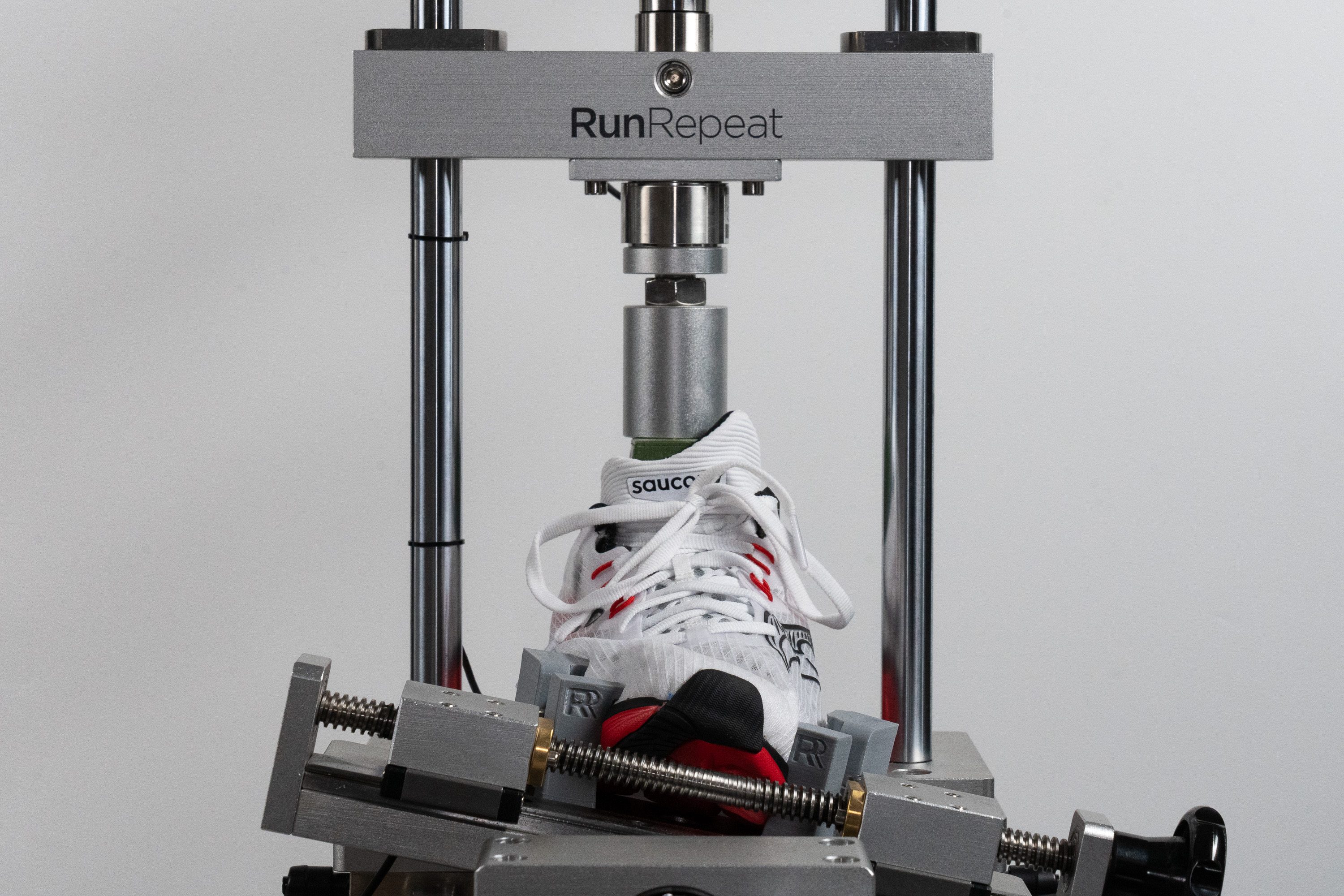
| Kinvara 16 | 9.3 Nm |
| Average | 14.3 Nm |
Heel counter stiffness
Version 16 introduces a 3D-molded heel cup that also adds more stiffness than previous versions and hits another 3 out of 5. This change is a double-edged sword, as some runners will appreciate the added stability, but it again comes at the expense of overall flexibility.
| Kinvara 16 | 3 |
| Average | 2.9 |
Midsole width - forefoot
The dimensions of the Kinvara 16 remain compact, helping the shoe feel agile and quick on foot. In the forefoot, we measured 113.8 mm, which is close to the average and strikes a solid balance between stability and a fun ride.

| Kinvara 16 | 113.8 mm |
| Average | 115.1 mm |
Midsole width - heel
The Kinvara has always favored midfoot and forefoot strikers thanks to its low drop and classic rocker shape. Version 16 reinforces that focus with a narrow heel measuring 86.5 mm, which clearly aligns the shoe with a more forward footstrike pattern.
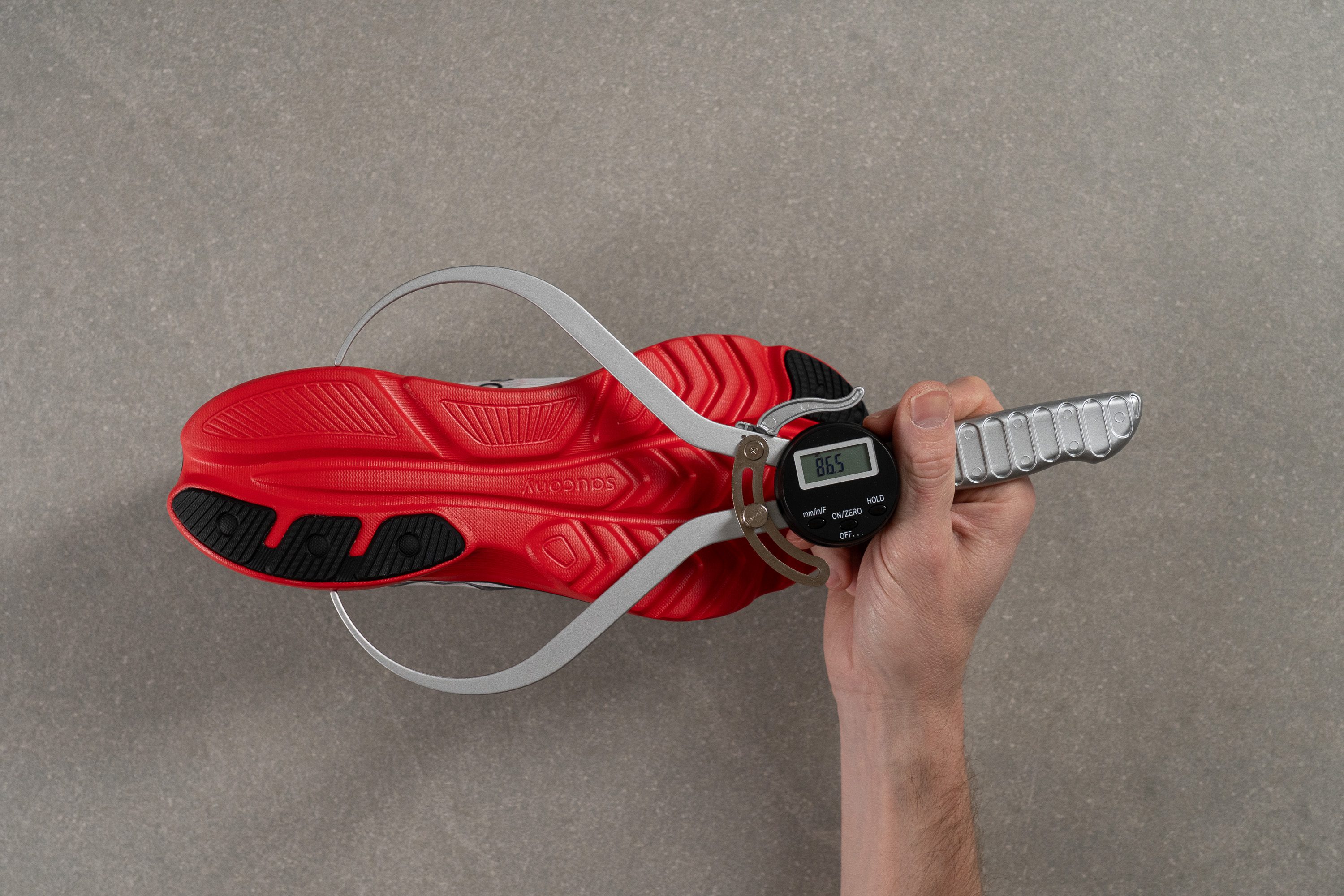
| Kinvara 16 | 86.5 mm |
| Average | 91.1 mm |
Durability
Toebox durability
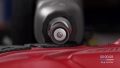
The new upper looks great in terms of design and breathability, but we had serious concerns about its durability based on visual inspection. To confirm this, we fired up the Dremel and, as expected, it earned the lowest possible score of 1 out of 5.
| Kinvara 16 | 1 |
| Average | 2.6 |
Heel padding durability
We also tested the heel padding with our Dremel, and thankfully it performed much better, earning a solid 4 out of 5. There are no real concerns here about early wear or damage.
| Kinvara 16 | 4 |
| Average | 3.4 |
Outsole durability
The XT-900 rubber underperformed in our Dremel test, with 2.0 mm of material wearing away from the small black heel pod. This is clearly not an encouraging result and falls short of what we expected to see.
| Kinvara 16 | 2.0 mm |
| Average | 1.1 mm |
Outsole thickness
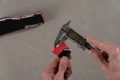
The outsole measures 2.7 mm in thickness, which is respectable for such a lightweight shoe. However, this is not a model built for extreme longevity, and our testing made that limitation fairly clear.
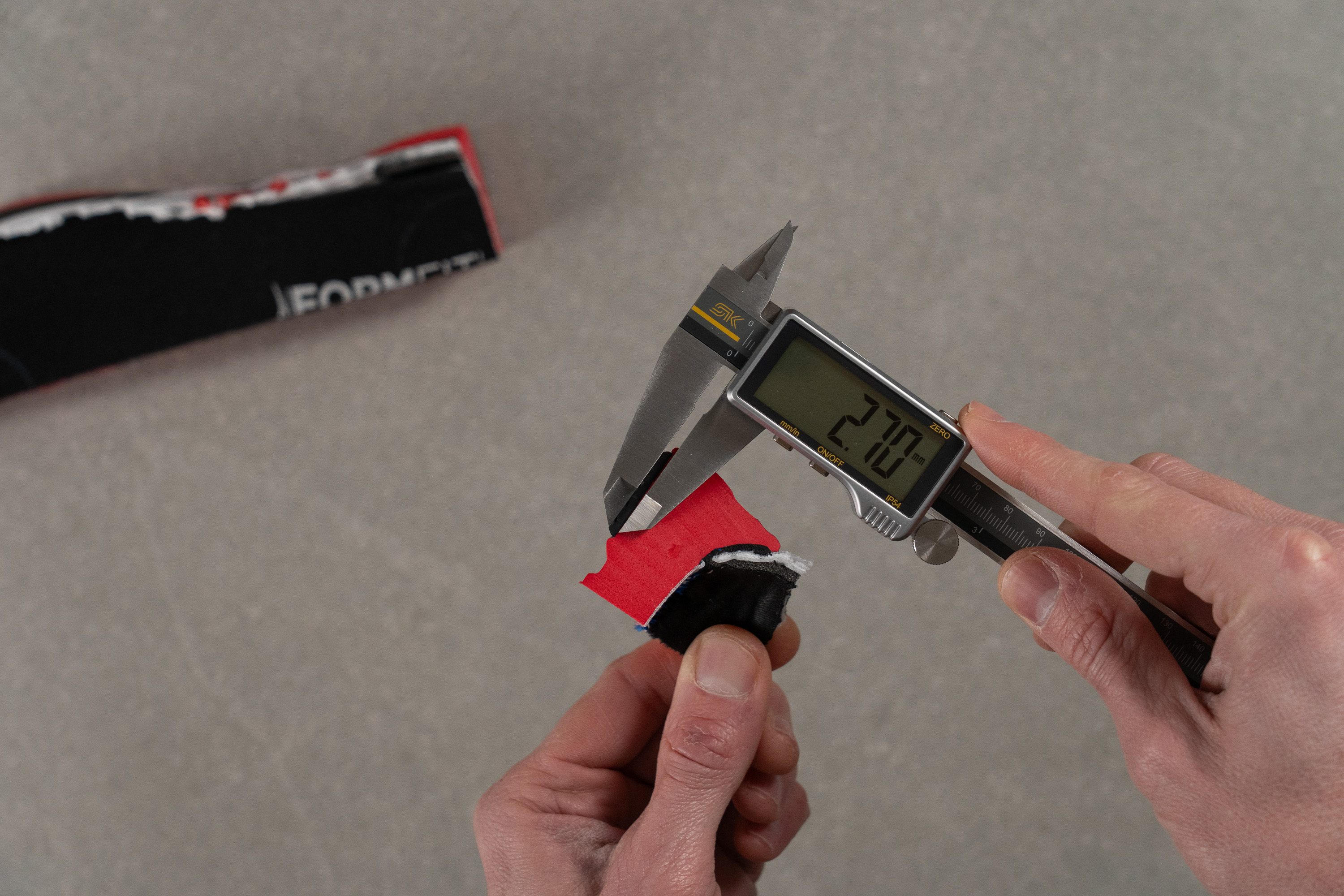
| Kinvara 16 | 2.7 mm |
| Average | 3.1 mm |
Misc
Insole thickness
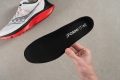
The insole included in the Kinvara 16 measures 4.6 mm in thickness, which is very close to the average for running shoes.
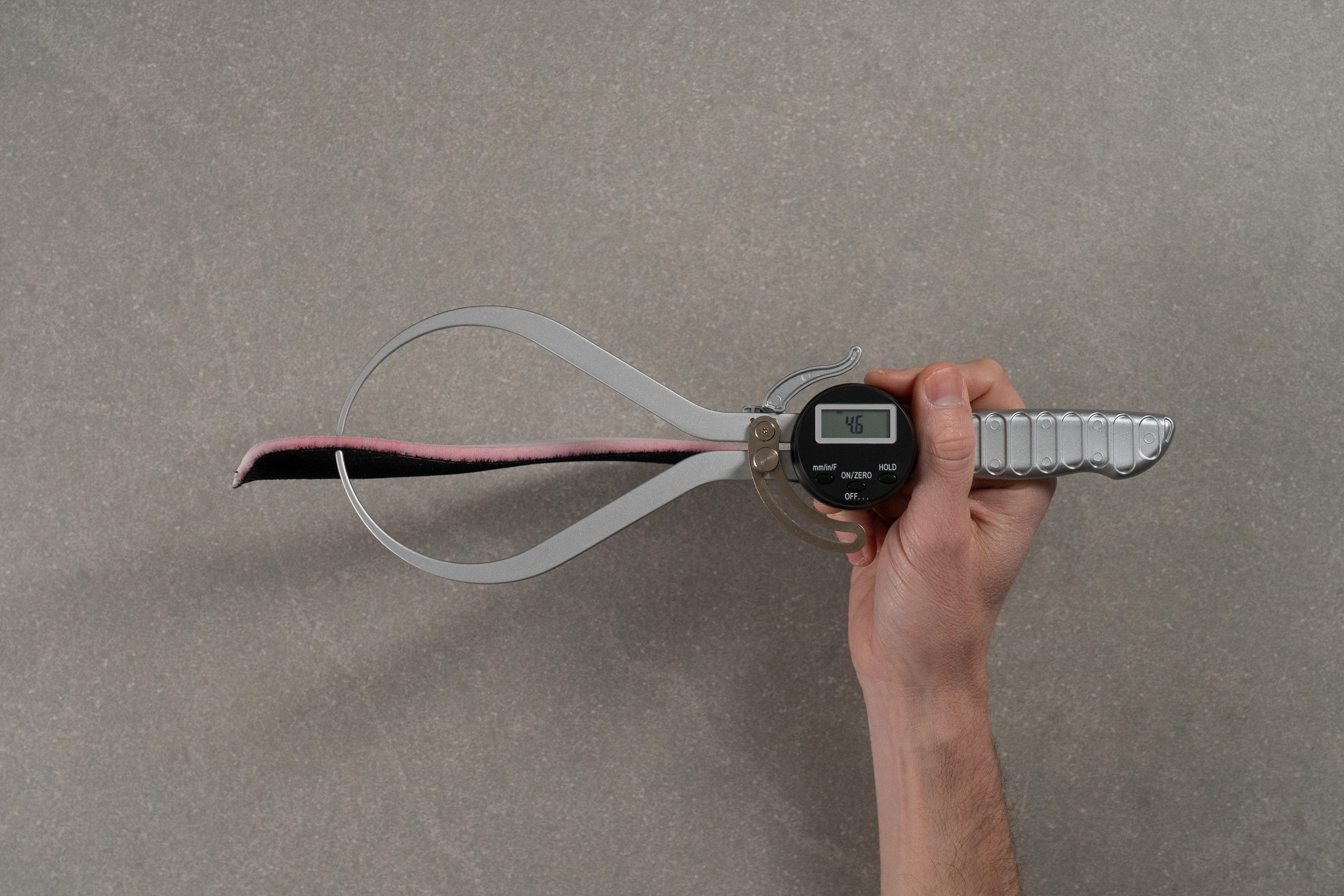
| Kinvara 16 | 4.6 mm |
| Average | 4.4 mm |
Removable insole
The FormFit insole is removable, which makes it easy to swap it out for another option based on personal preference.
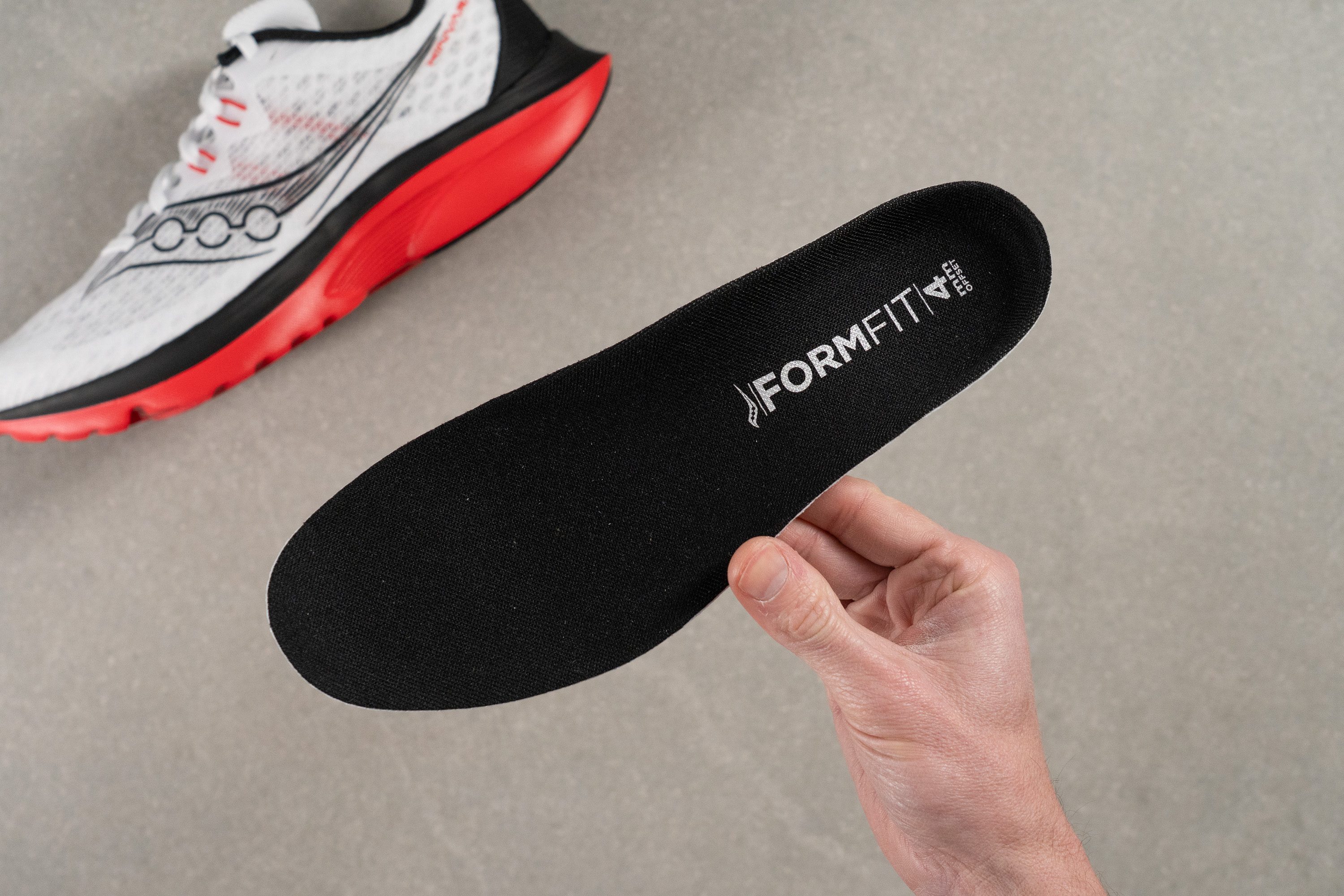
| Kinvara 16 | Yes |
Reflective elements
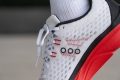
The tongue of the Kinvara 16 features a reflective strip with the Saucony logo. However, we would have liked to see a similar reflective element on the heel to increase visibility for cars approaching from behind.
| Kinvara 16 | Yes |
Tongue padding
The lacing system of the Kinvara 16 uses a hybrid design that combines punched eyelets with two lace loops on each side. This setup improves adjustability and helps reduce pressure on the instep, though it may slightly compromise long-term durability.
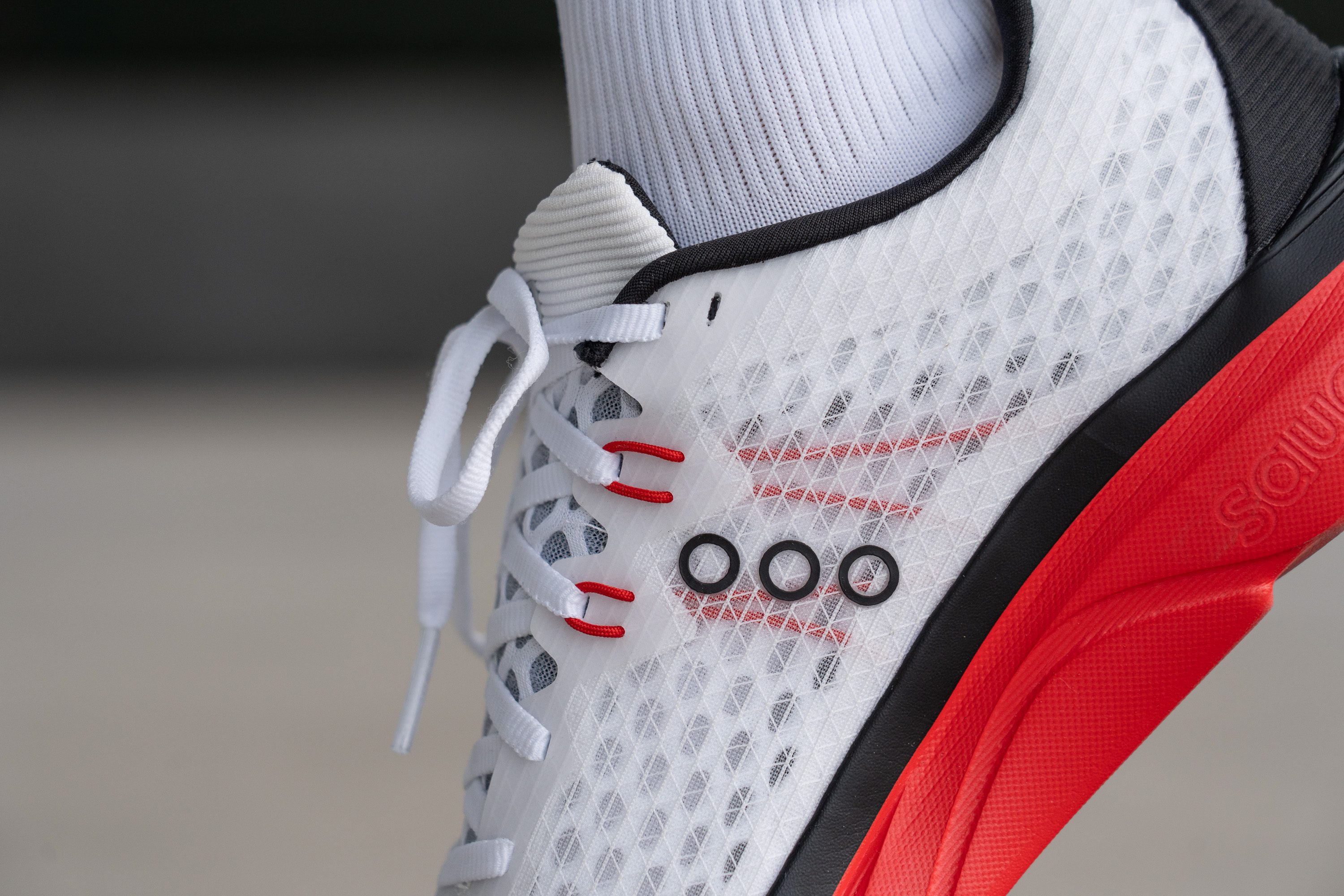
As for tongue padding, we have no complaints at all. With 4.9 mm of cushioning, it balances comfort and low weight well, which feels like the right call for this type of shoe.
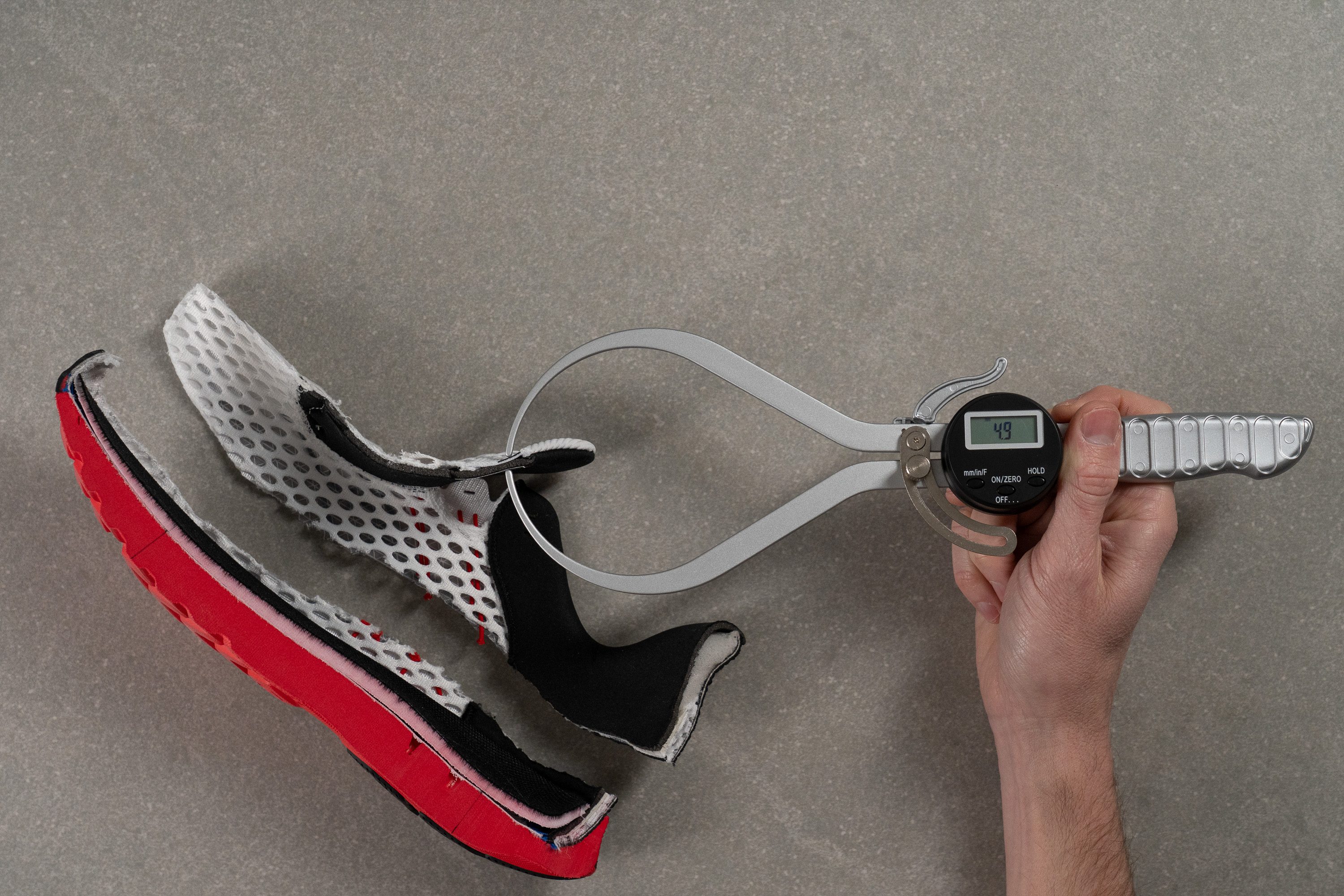
| Kinvara 16 | 4.9 mm |
| Average | 5.8 mm |
Tongue: gusset type
As is common in the Kinvara line, the tongue is fixed to both sides of the upper. This construction improves lockdown and remains a notable feature at this price point.
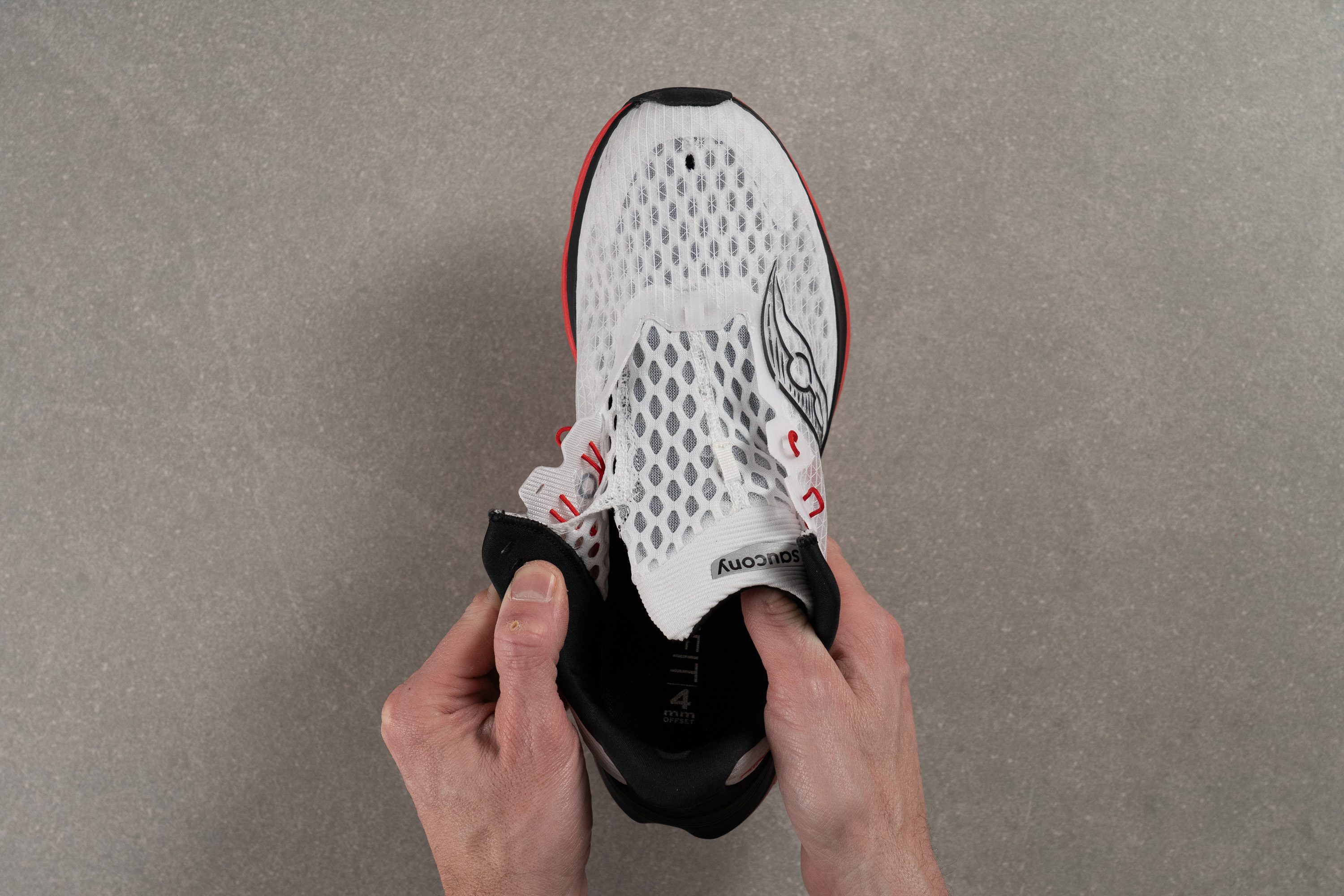
| Kinvara 16 | Both sides (full) |
Heel tab
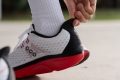
The heel of the Kinvara 16 features a very small extension that does not qualify as a true heel tab. However, it is still large enough to be pinched between your fingers, making the shoe easier to pull on.

| Kinvara 16 | None |
Price
The Kinvara 16 comes with a small price increase compared to its predecessor, and this is largely justified by the much-improved upper. However, many runners would argue that the Kinvara’s low price has always been a key part of its appeal, and upgrading materials at the cost of a higher price may feel counterproductive.
| Kinvara 16 | $130 |
| Average | $158 |