5 Best Hiking Boots With A Wide Toebox in 2026

We buy shoes ourselves. We earn commissions when you buy through us, at no extra cost. Why trust us
Talking about wide toeboxes in hiking boots is not as simple as “Check out some Altras or Lems.” It’s also about the boot width, the toebox height, and the purpose of the boot. Do you need it for urban settings or for actual hiking? If the latter, is it leaf-caked trails, mud, or scrambling? Context matters. It’s what we uncover here and, for those who don’t have the time to read about it, we highlight the top performers in various categories. What do they have in common? A wide toebox!
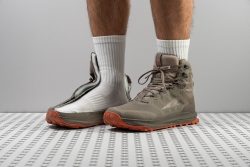
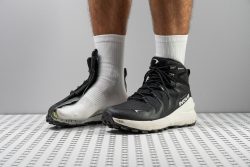
How we test hiking boots with a wide toebox
Tests at RunRepeat are done outside of the lab, covering different surfaces and in different weather conditions, to properly test the performance of hiking boots, and inside the lab, where the conditions are just the opposite: they are constant. Both the humidity and the temperature. Not just that, but all the tests are standardized; all the boots are treated the same.
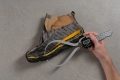
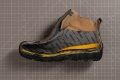
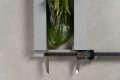
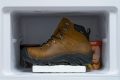
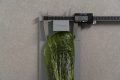
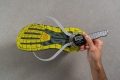
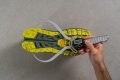
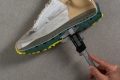
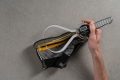
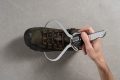
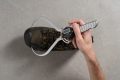
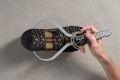
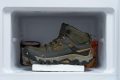
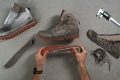
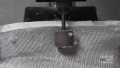
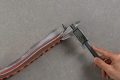
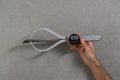
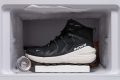
For wide-toebox options, we pay special attention to our gel tests, where we pour a special liquid into the boots, freeze them, and then take a gel cast out of the boot. This cast perfectly resembles the boots' interiors, which allows us to accurately measure the width and the height of the toebox.
To make this even more objective, we buy all the boots with our own money, sign no contracts with the brands, and have no brand ambassadors on the team.
Best hiking boots with a wide toebox overall

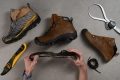

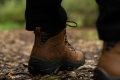








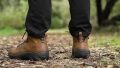
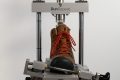
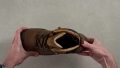
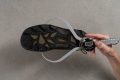
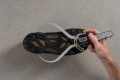
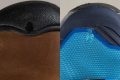
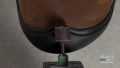
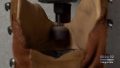

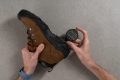

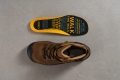

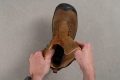


What makes it the best?
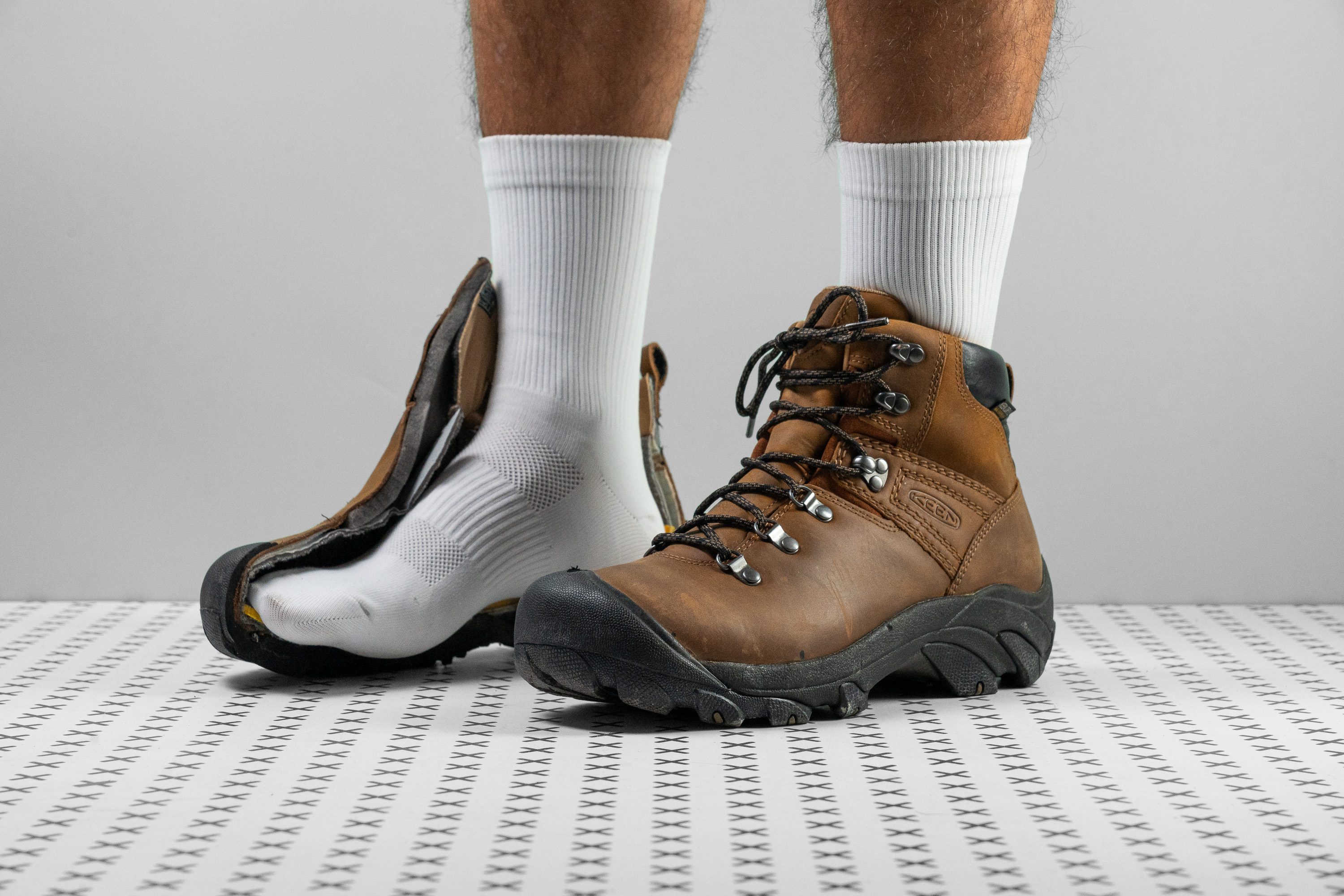
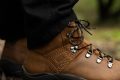
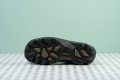
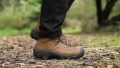
After extensive lab testing and outdoor hikes, the Keen Pyrenees emerged as our top pick among wide-toebox hiking boots. Besides its massive toebox, it’s also crafted from premium nubuck leather. It features a robust build and plush midsole, offering unparalleled protection and comfort for long treks, particularly in cold conditions.
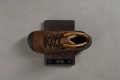
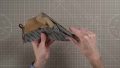
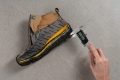
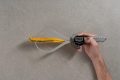
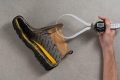
Using our gel mold, we captured the toebox width at 76.6 mm, making it much more forgiving to broad feet compared to the 71.6 mm average. This additional space is important given that the upper isn’t stretchy. Our adventures across uneven and sloped terrain felt stable and supported, thanks to the wide toebox facilitating natural toe splay and the midfoot shank ensuring balanced and controlled strides.
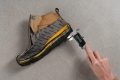
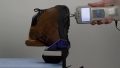
Our feet feel secure and shielded from various elements, including cold winds, water, sharp rocks, and protruding roots. The durable leather wraps snugly around our feet, ensuring a secure lockdown. Our rigorous Dremel test confirms its toughness, scoring a perfect 5/5 score.
Despite its ruggedness, the Pyrenees maintains a plush midsole that provides ample impact protection, scoring an impressive 151 SA in the heel in our impact protection test. The generous heel stack of 40.2 mm, combined with an average forefoot, results in a substantial 16.7 mm drop, offering ergonomic relief for backpackers by alleviating pressure on the legs.
However, with its robust build, the Pyrenees weighs 21.7 oz (615g), making it 18% heavier than the average boot. For those seeking a lighter option, we suggest exploring alternative models.
Pros
- Premium nubuck leather quality
- Top-notch waterproofing
- Tons of impact protection
- Surprisingly soft cushioning
- Excellent stability and support
- Very wide, accommodating toebox
- Convenient lacing system
- Stays warm in cold weather
Cons
- Too bulky and heavy
- Tongue edges dig into shins
- Lacks traction for mud, ice, and snow
- Poor breathability
Best zero drop hiking boots with a wide toebox













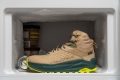
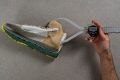
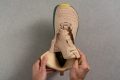
What makes it the best?
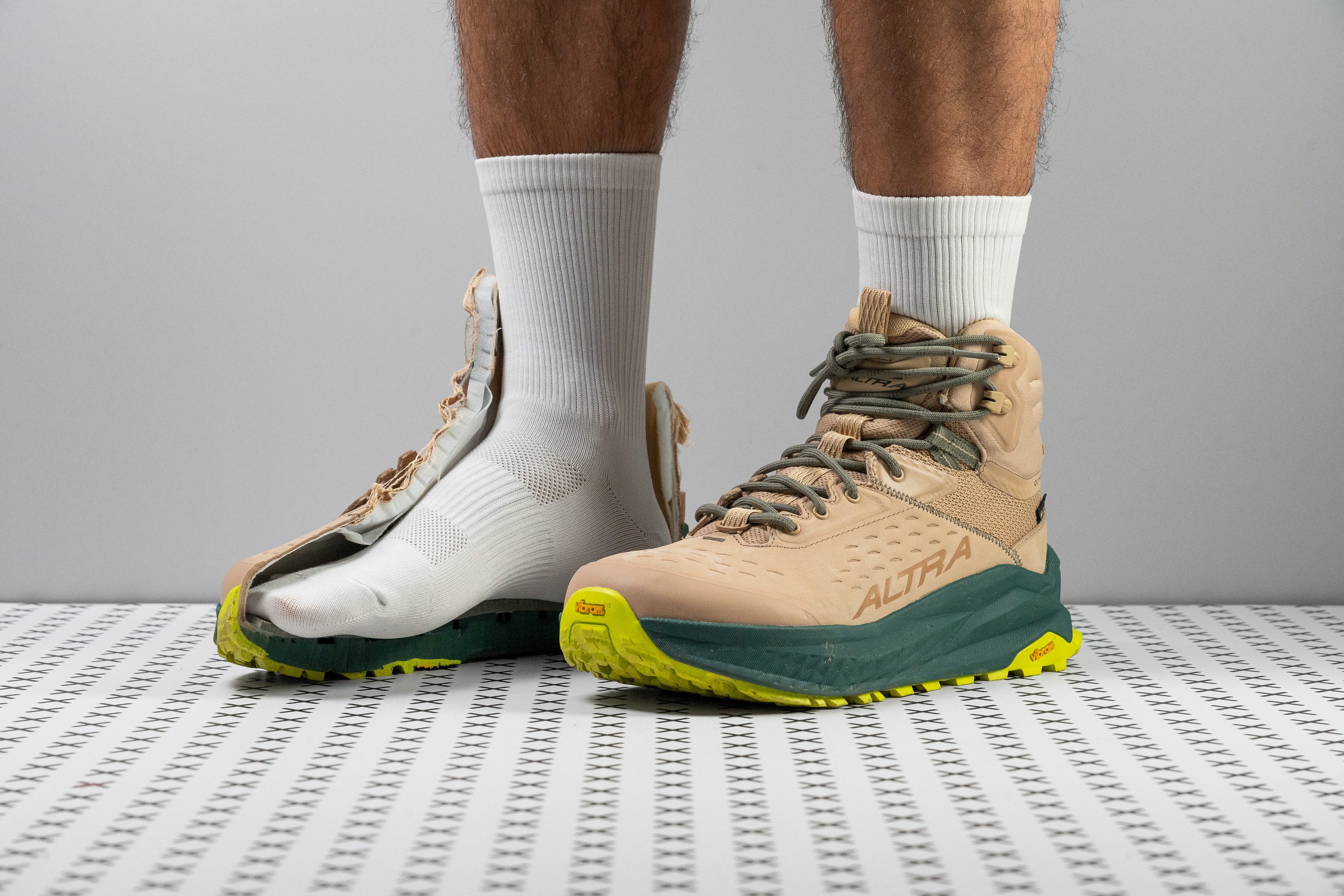
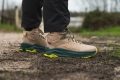
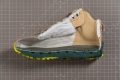
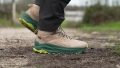
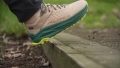
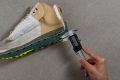
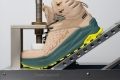
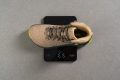
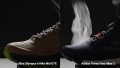
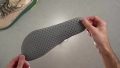
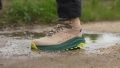
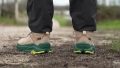
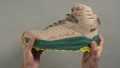
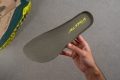
In our outdoor adventures, the Altra Olympus 6 Hike Mid GTX stands out as the wide-toebox hiking boot with the best zero drop. It has an all-natural feel with its light, malleable, and foot-friendly design that promotes unrestricted movement. It has exceptional ground feel as an added appeal, boosting our agility and confidence.
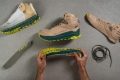
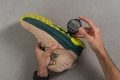
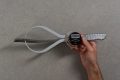
The ride gives a barefoot feel due to its low and leveled stack, with precise caliper measurements of 31.6/31.0 mm. With a virtually non-existent 0.6 mm drop, it gave us heightened surface feedback, allowing us to adapt to uneven terrains. Moreover, the platform has a light spring in the heel of 55.2%, allowing us to briskly walk with less effort.
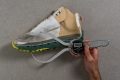
Following the natural foot shape, its toebox barely tapers in the big toe area, which we measured at a whopping 80.7 mm vs the 71.6 mm average. It accommodates natural toe splay, eliminating any discomfort and hotspots, especially since it’s also taller than average at 33.5 mm.
Weighing just 16.2 oz (458g), it's 11% lighter than the average. Adding to its airiness is the midsole that flows freely with our strides. Our bend test confirms it's 17% more adaptive than average. This high level of flexibility ensures comfort during long hikes.
While the shoe excels in comfort and agility, its high flexibility may pose challenges on technical terrain, leading to a lack of sure-footedness. We recommend hikers requiring additional stability, especially on rocky terrains, to explore more supportive options.
Pros
- Well-cushioned for long hikes
- Responsive and bouncy ride
- True zero-drop design
- Extra spacious rounded toebox
- Lightweight for its stack and support
- Excellent stability for moderate hikes
- Highly durable upper and outsole
- Effective waterproofing
- Generously padded interiors
Cons
- Gets much firmer and stiffer in cold
- Frail inner lining
- Overpriced for its kind
Most versatile hiking boots with a wide toebox










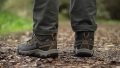
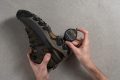
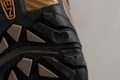

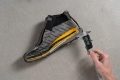

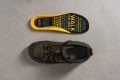




What makes it the most versatile?
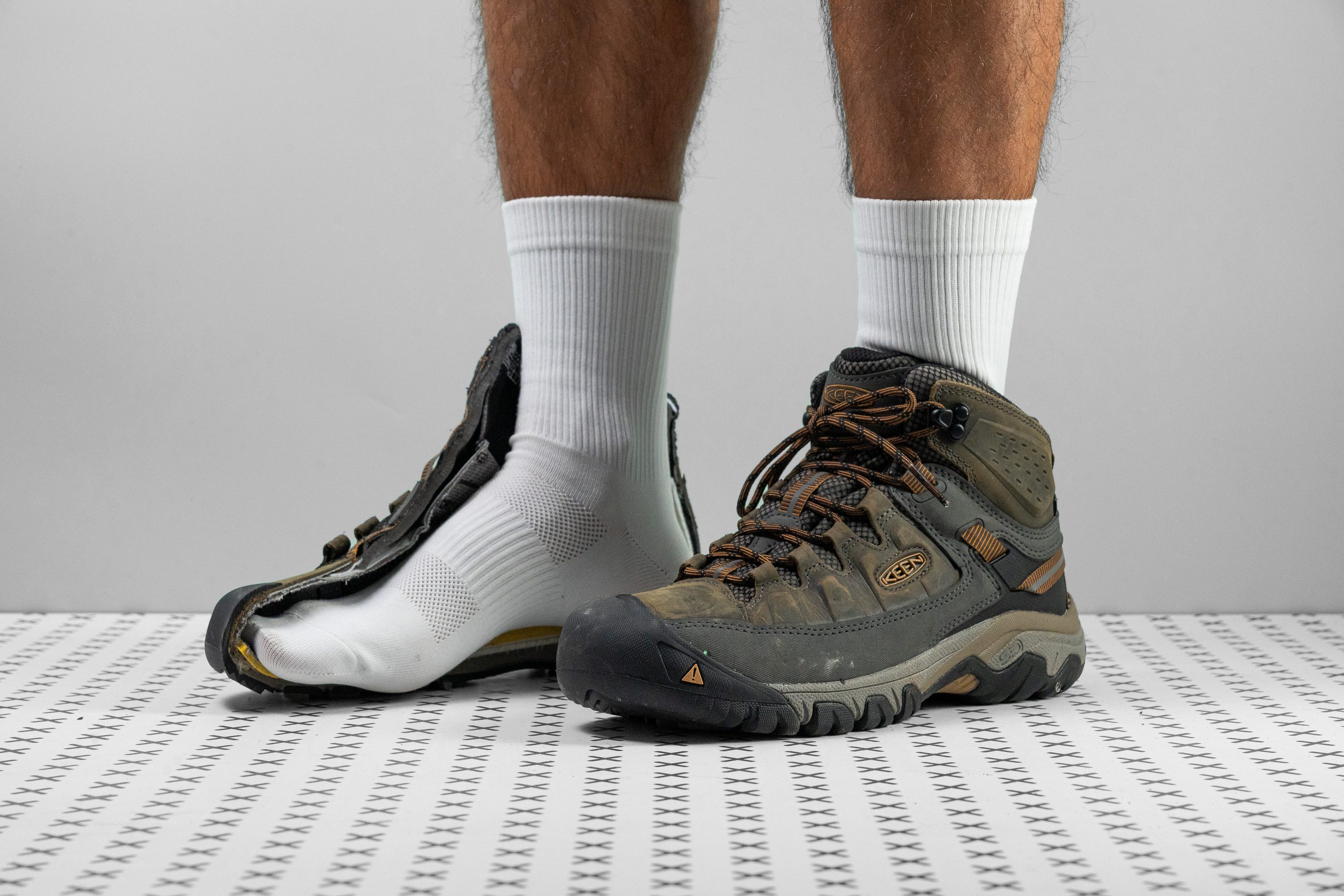
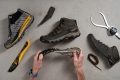
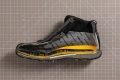
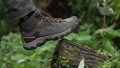
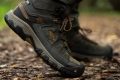
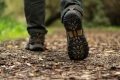
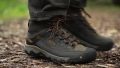
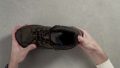
Hiking with the KEEN Targhee III Waterproof Mid, our most versatile wide-toebox hiking boot, feels unrestricted yet armored at the same time. It offers a healthy balance of soft and tough features to ensure our comfort and protection over various terrains.
Starting with its gentle features, this boot houses an accommodating toebox for our natural toe splay. No need to worry about blisters and chafing since it’s 8% wider than average. The midsole’s flexibility, exceeding the average by 38% in our bend test, makes each stride feel natural and effortless because it barely resists our motions.
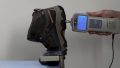
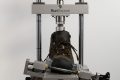
The next highlight is its protective leather upper that seals our feet from water and other debris. We passed through puddles and rivers and stayed warm and dry through our wet escapades. It even includes a toe bumper to ensure we don’t experience painful toe stubs. Proving it’s our armor, it scored a solid 5/5 against our Dremel test.
Beneath our feet is a firm midsole that ensures we remain centered and steady on rugged trails. With two rigid shanks in the midsole, it’s impossible to lose balance even if we’re carrying a heavy load.
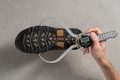
Unfortunately, its outsole surrendered easily to our Dremel, causing a deep 1.2 mm dent. If underfoot protection and longevity is a top priority, we advise going for a boot with a more rugged outsole.
Pros
- Extremely stable
- Generously padded and comfortable
- Secure heel hold
- Laudable warmth
- Great grip on various terrain
- Roomy toebox
- Excellent heat retention in cold
Cons
- Lackluster outsole durability
- Not ideal for narrow feet
- Very slow drying time
Best hiking boots for very wide feet














What makes it the best?
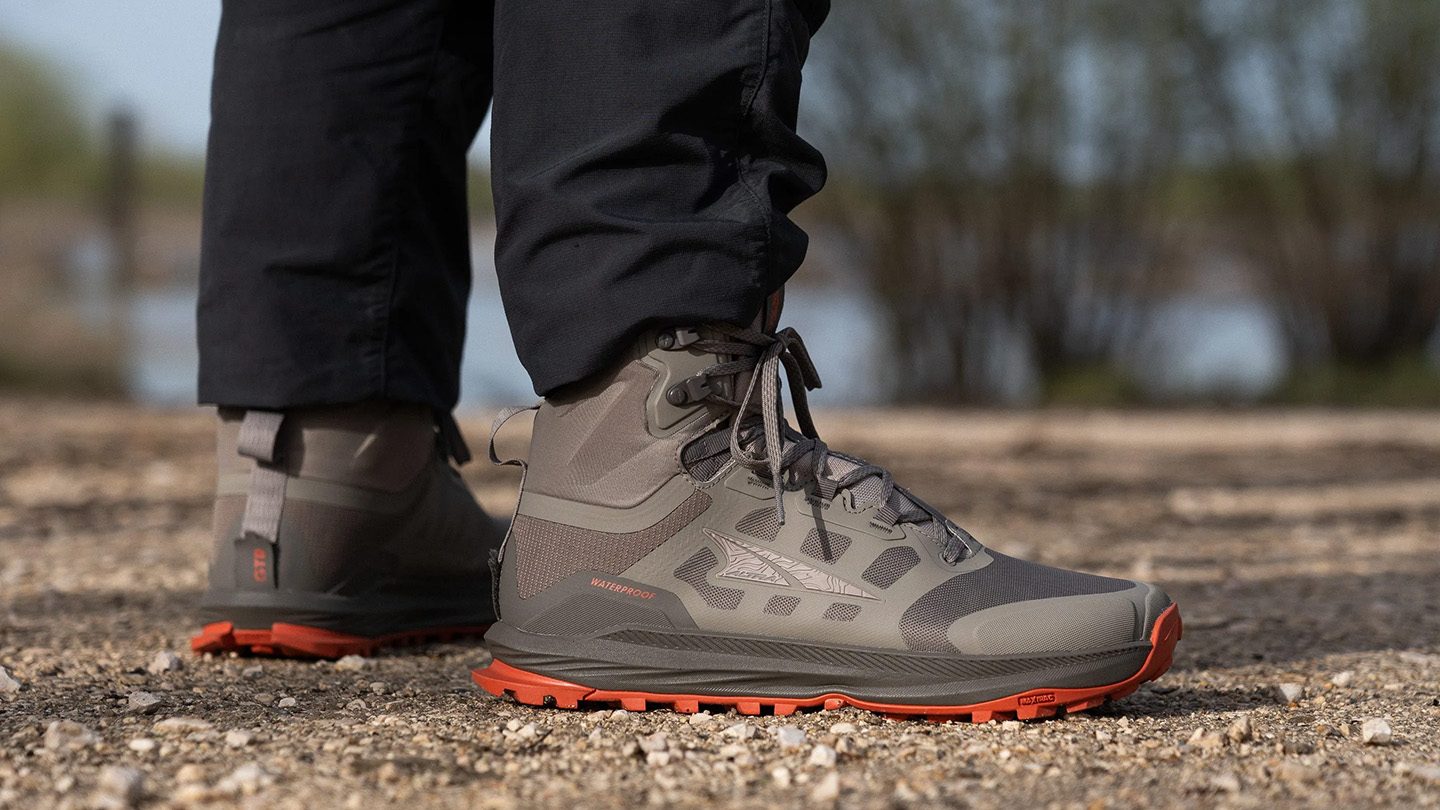
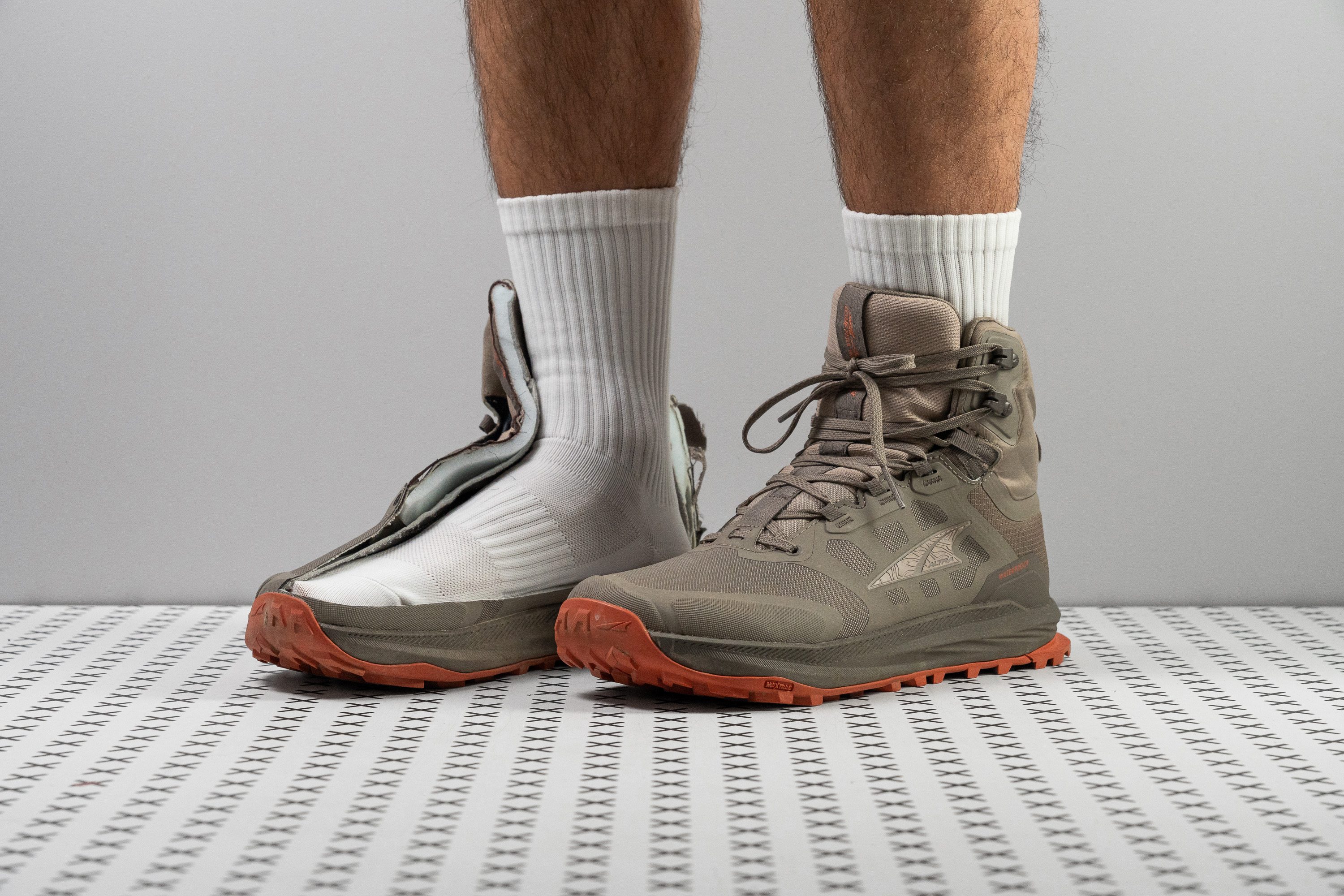
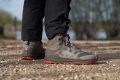
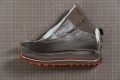
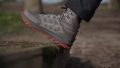
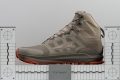
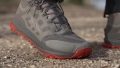
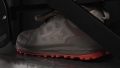
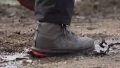
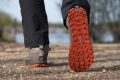
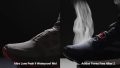
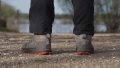
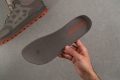
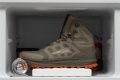
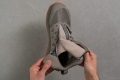
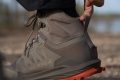
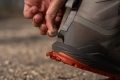
The Altra Lone Peak 9 Waterproof Mid keeps it all-natural with its minimalist build and broad dimensions, standing out as the wide-toebox hiking boot in our lab that’s best for very wide feet. Our outdoor excursions feel liberated by its airy and free-flowing build, further accentuated by its low drop.
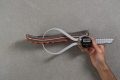
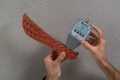
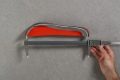
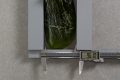
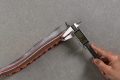
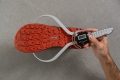
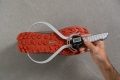
We created a gel mold to capture the roominess we immediately noticed during our wear tests. At its maximum width, we measured 96.1 mm. Its spacious big toe area, boasting a generous 82.4 mm compared to the 71.6 mm average, ensures ample room for toe splay, eliminating discomfort and hotspots. The foot-shaped design makes lengthy hikes feel like a breeze.
Its unrestricted design promotes effortless, all-day wear—even accommodating speedhiking with ease. This shoe feels like a breath of fresh air. Its 14.7 oz (417g) weight, 19% lighter than average, contributes to its exceptional agility on the trails. During our bend test, it shows 39% more flexibility than average, enhancing comfort during prolonged wear.
This boot’s modest platform and minimal 1.2 mm drop provide a near-barefoot experience without compromising on underfoot cushioning, evidenced by its near-average 87 SA score or shock absorption rating in the heel.
However, its high flexibility may pose challenges on technical terrain, leading to a lack of sure-footedness. Backpackers and individuals requiring additional stability should explore more supportive options.
Pros
- Natural ride with a flat, low-stack profile
- Surprisingly high energy return
- Exceptionally wide foot-shaped toebox
- Excellent grip on dry and wet terrain
- Much lighter than average
- Highly durable upper and outsole
- Decent shock absorption for its stack
Cons
- Small deviation from zero drop (1.2 mm)
- Weak inner lining
Best wide-toebox hiking boots for technical terrain




















What makes it the best?
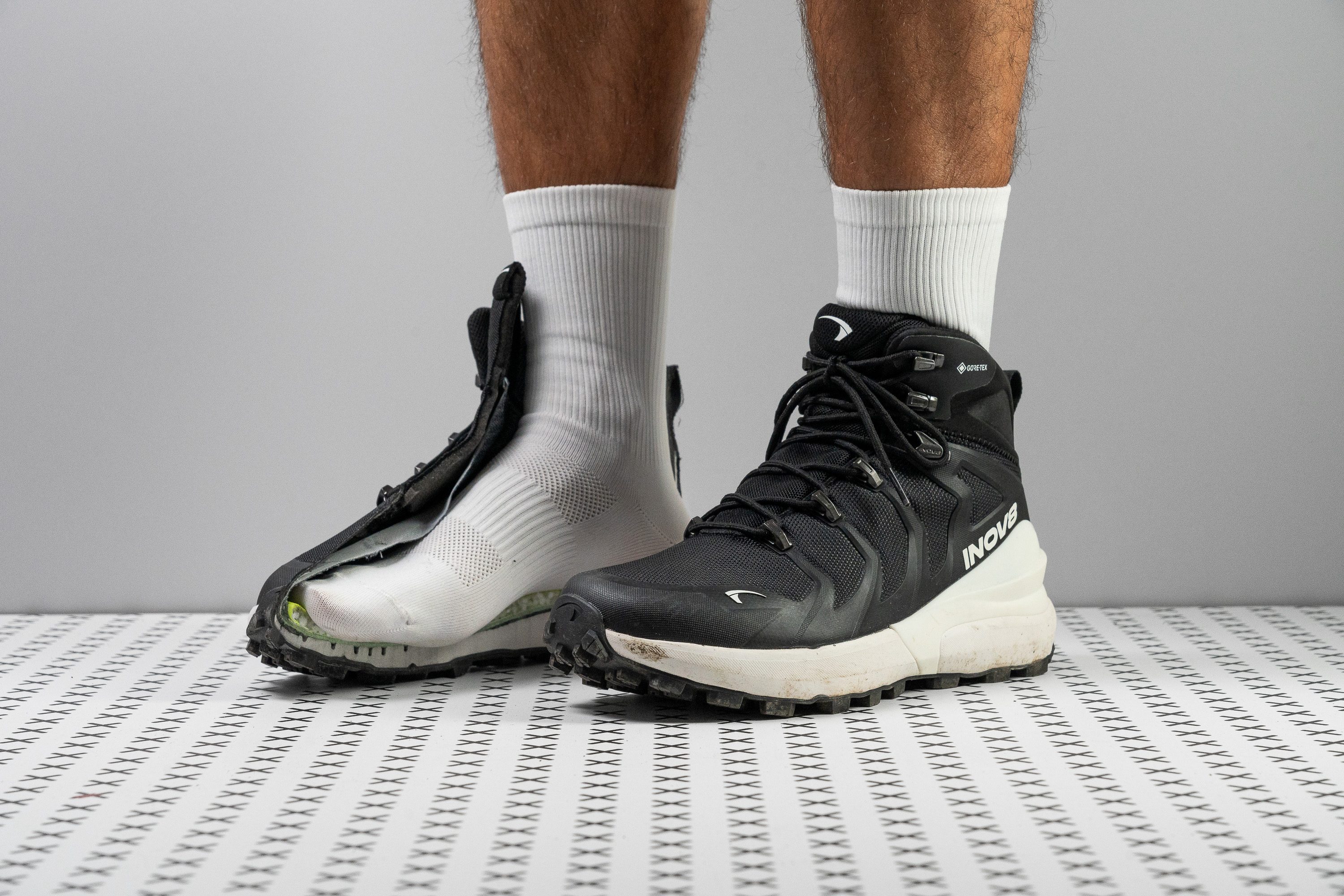
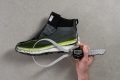
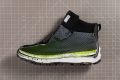
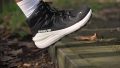
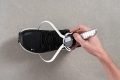
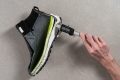
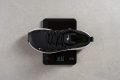
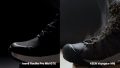
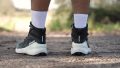
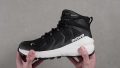
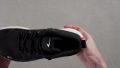
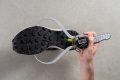
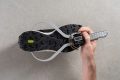
The Inov8 Roclite Pro Mid GTX’s performance in our hikes was a true master-class act, inspiring confidence and surefootedness on various surfaces. It proves its worth in the lab by revealing its stiff construction, spacious base, and aggressive lugs that deliver unmatched grip, making it our best wide toebox hiking boots for technical terrain.
We had no instances of slipping as we tackled wet rocks, deep mud, and mossy logs. We measured the lugs at 5.3 mm, one of the toothiest we’ve measured, vs. the 4.2 mm average. We felt in control of its braking power in steep hills.
The toebox allows for our natural toe splay and helps secure our balance. Our measurement shows it’s 4% wider than average, suitable for broad feet or high-volume toes. The shoe barely tapers to the front, leaving room for swollen feet.
The boot has several elements that stiffen the shoe’s structure to contain excess lateral movements. We discovered a TPU clip around the heel, a full-length rock plate, and a tough cradle in the midfoot area. Any attempts to twist the shoe came to no avail, solidifying its lateral support.
While this boot feels stable, its 8.3 mm drop may not be steep enough for multi-day hikes with heavy loads. For a more ergonomic fit, we recommend a higher-drop boot for serious backpacking.
Pros
- Great stability for backpacking
- Excellent underfoot protection (+ rock plate)
- Thick insole with energy return
- Very spacious toebox
- Light for a backpacking boot
- Superb grip with deep lugs
- Effective waterproofing
Cons
- Abrasion resistance could be better
- Gets notably stiffer in cold
Toebox width: lab data
When browsing online or talking to other hikers, it’s easy to understand that what’s wide for one person is quite different from what it means to others. It’s natural, given that we all have very different foot shapes and widths.
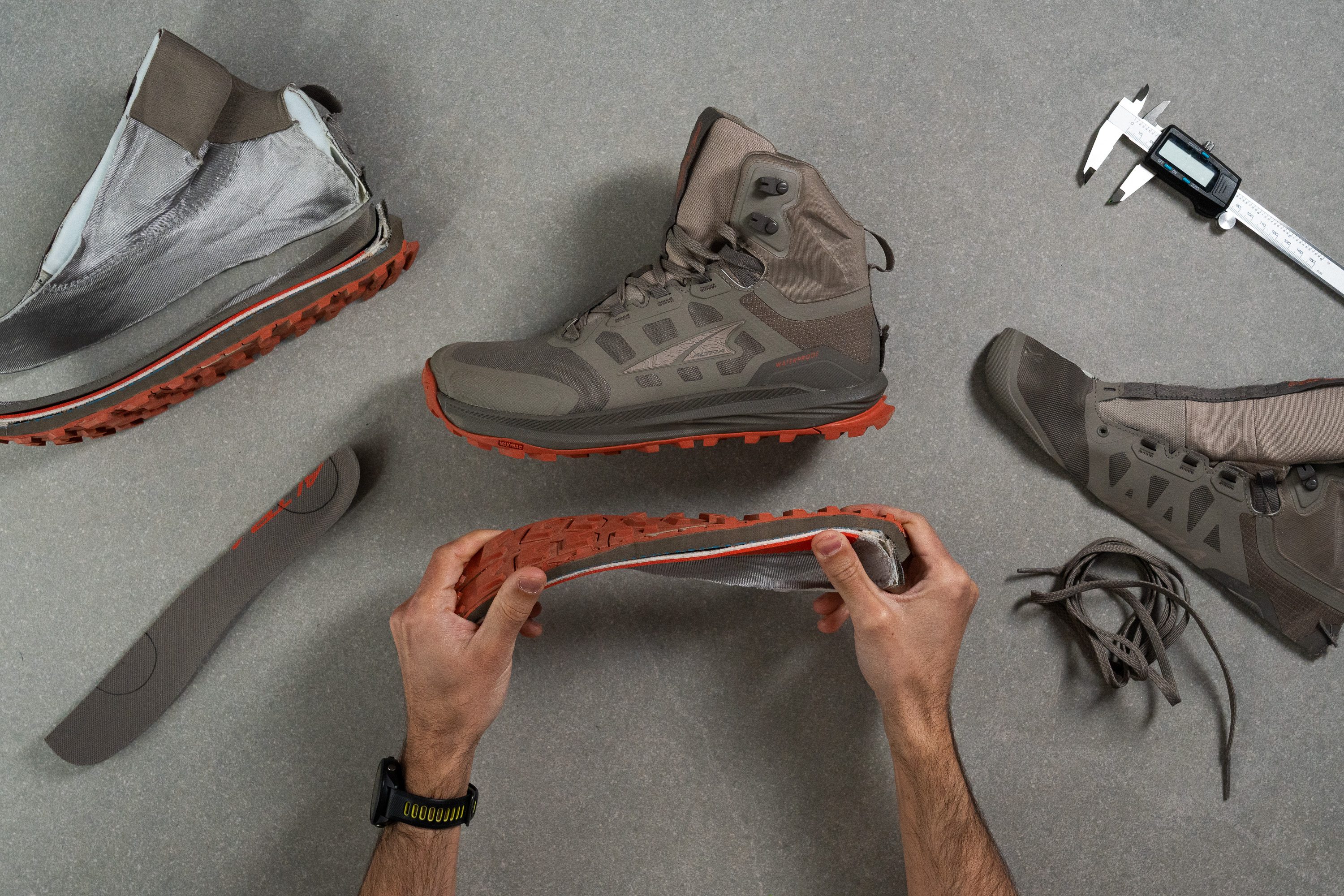
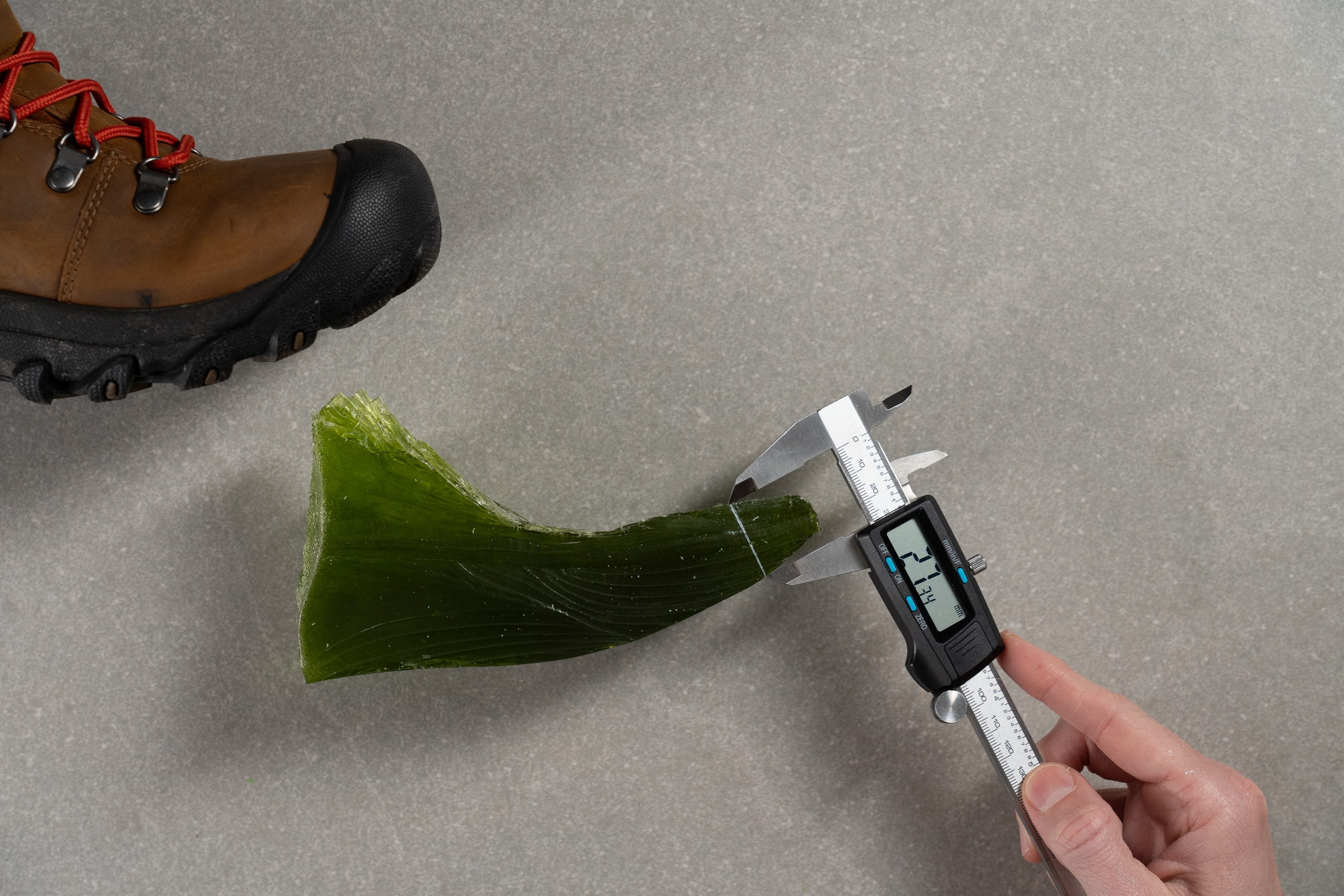
This topic has been discussed over and over again in our lab until we got it. We developed a gel formula that starts as a liquid, we pour it into the boots, and end up with gel casts that perfectly reflect the boots’ interiors.
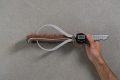
Once the gel has hardened, we take the cast out of the boot and measure: the boot width, the toebox width, and the toebox height.
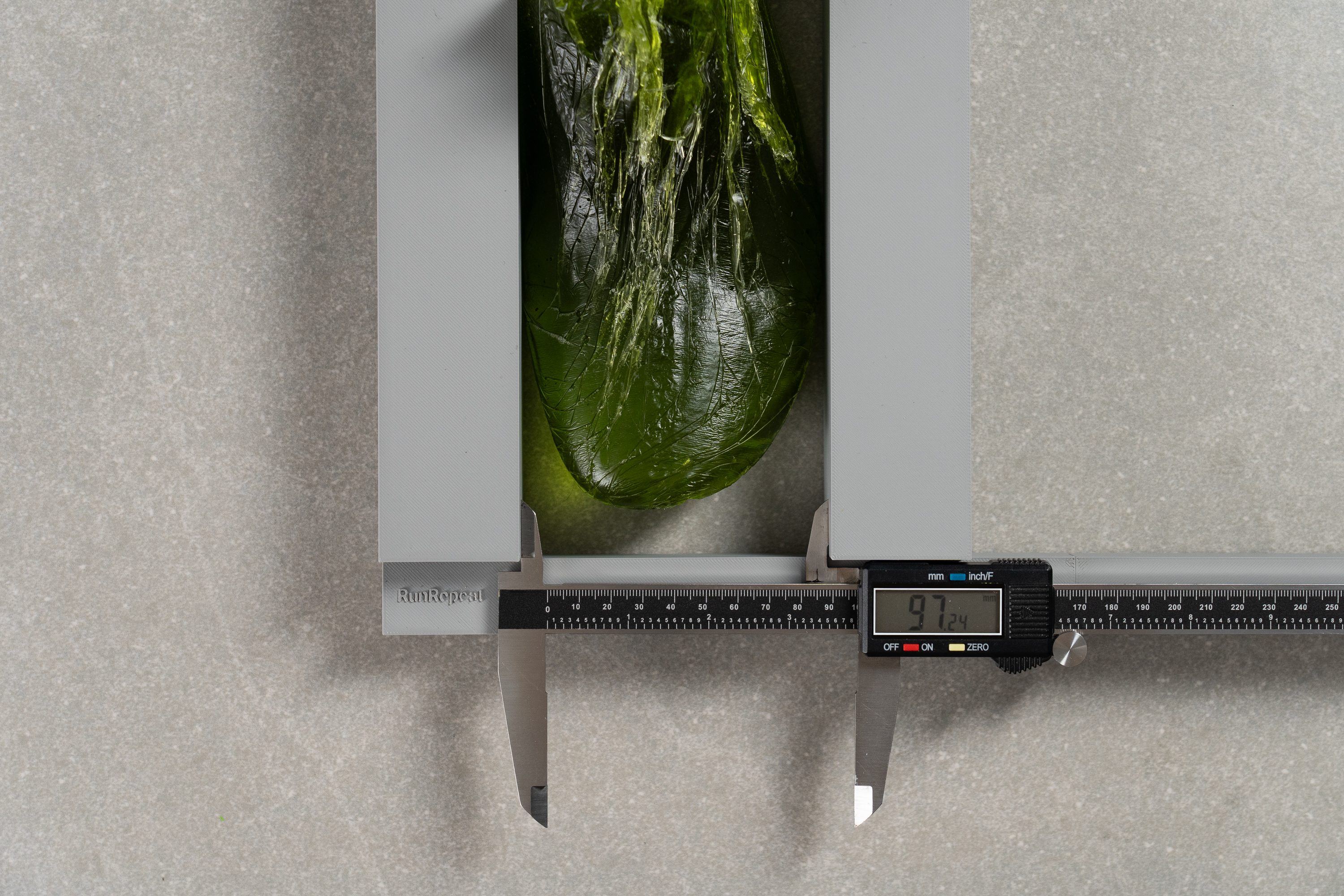
Boot width is measured where the boot is the widest using a digital caliper. Here, as with any other (of the 3) measurements, we can see why it’s important to measure the inner volume: thickness of the upper, overlays, toe bumpers, they all play a big role in the look, feel, and fit of the boot. If we were to measure the outside width only, it could give us quite misleading numbers.
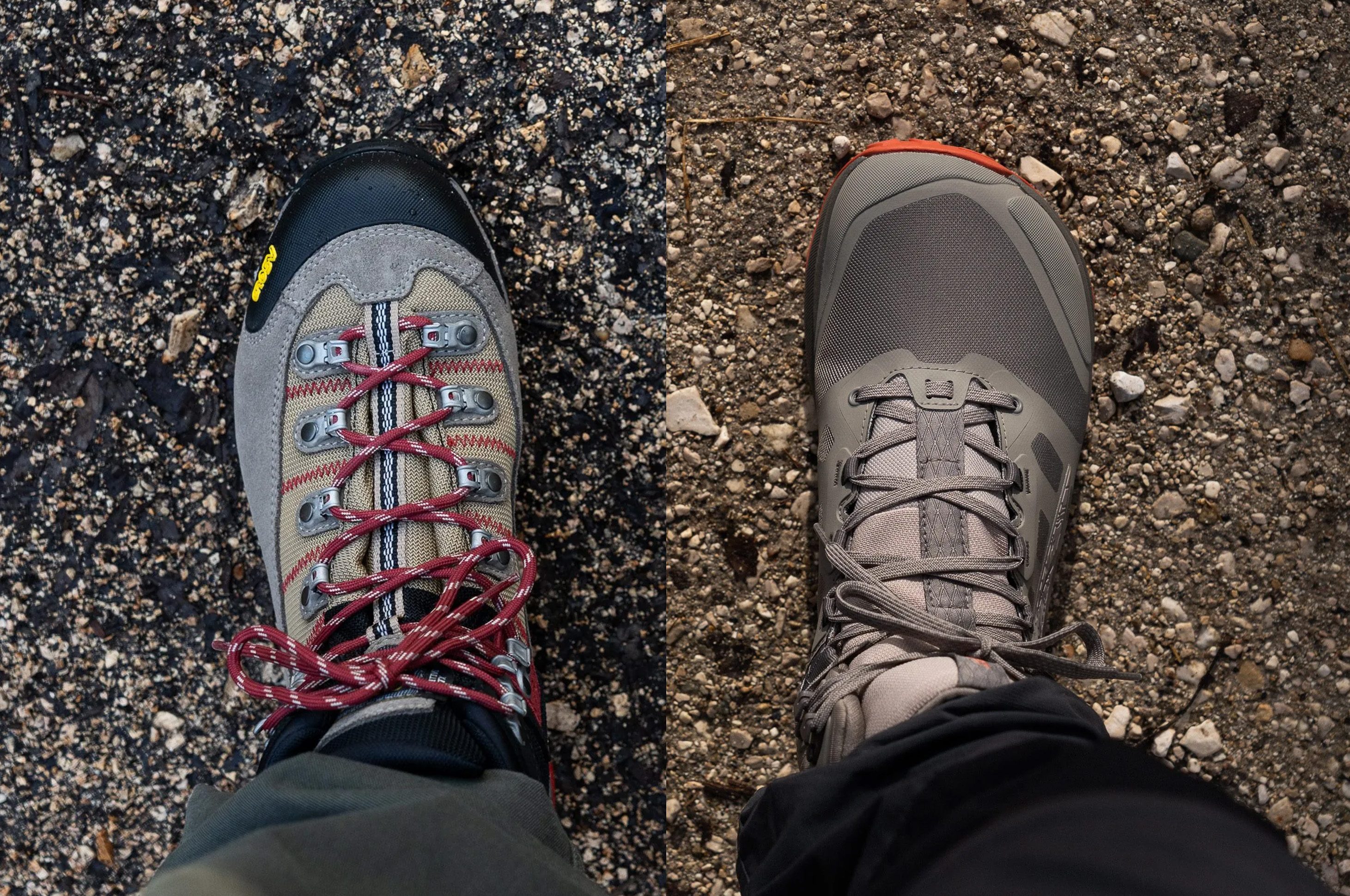
Moving towards the tip of the boot, we then measure the toebox width. This measurement is especially important to hikers who love to splay their fingers or whose foot anatomy dictates a wider toebox. It’s logical and has been proven that different toebox shapes dictate where more pressure will be felt.
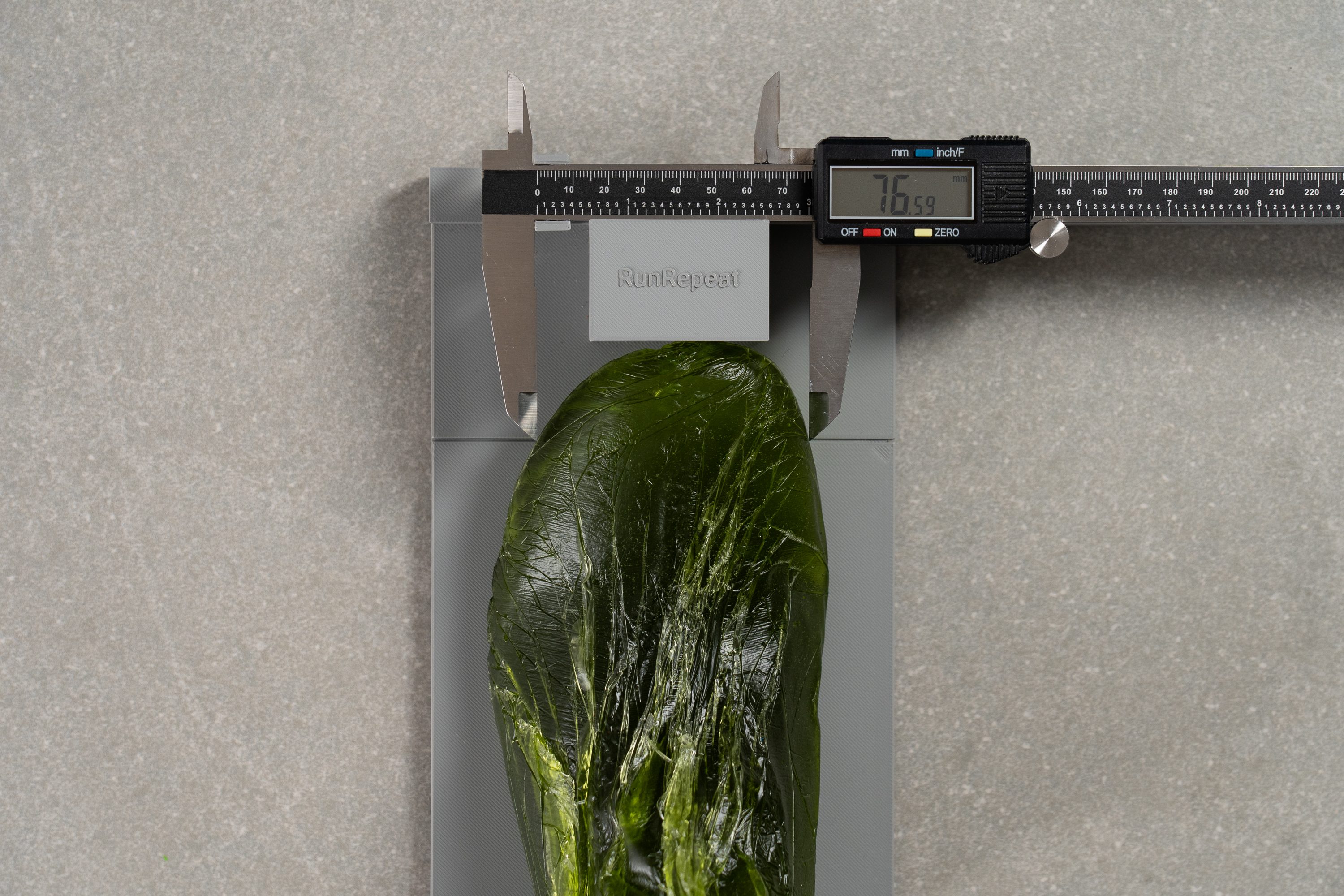
Foot shape varies so you can look for more room in the toebox if you need it. Opting for a wider toebox means you may avoid getting ingrown toenails, bunions and bunionettes, blisters, or Morton's neuroma.
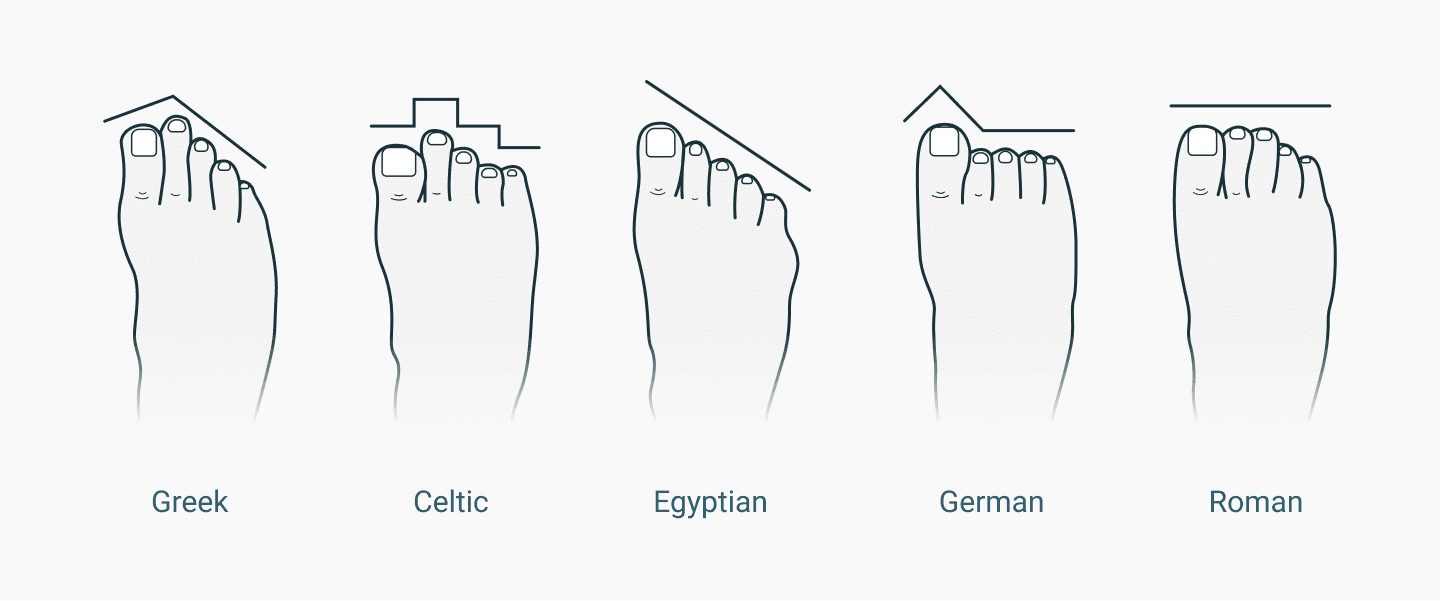
Hikers who need a wide toebox don’t necessarily need a high toebox. But, many of them still do because they a) don’t want any extra pressure on the toes, b) want to avoid black or bleeding toenails, c) have high-volume feet overall, or d) have feet that swell a lot.
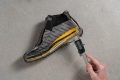
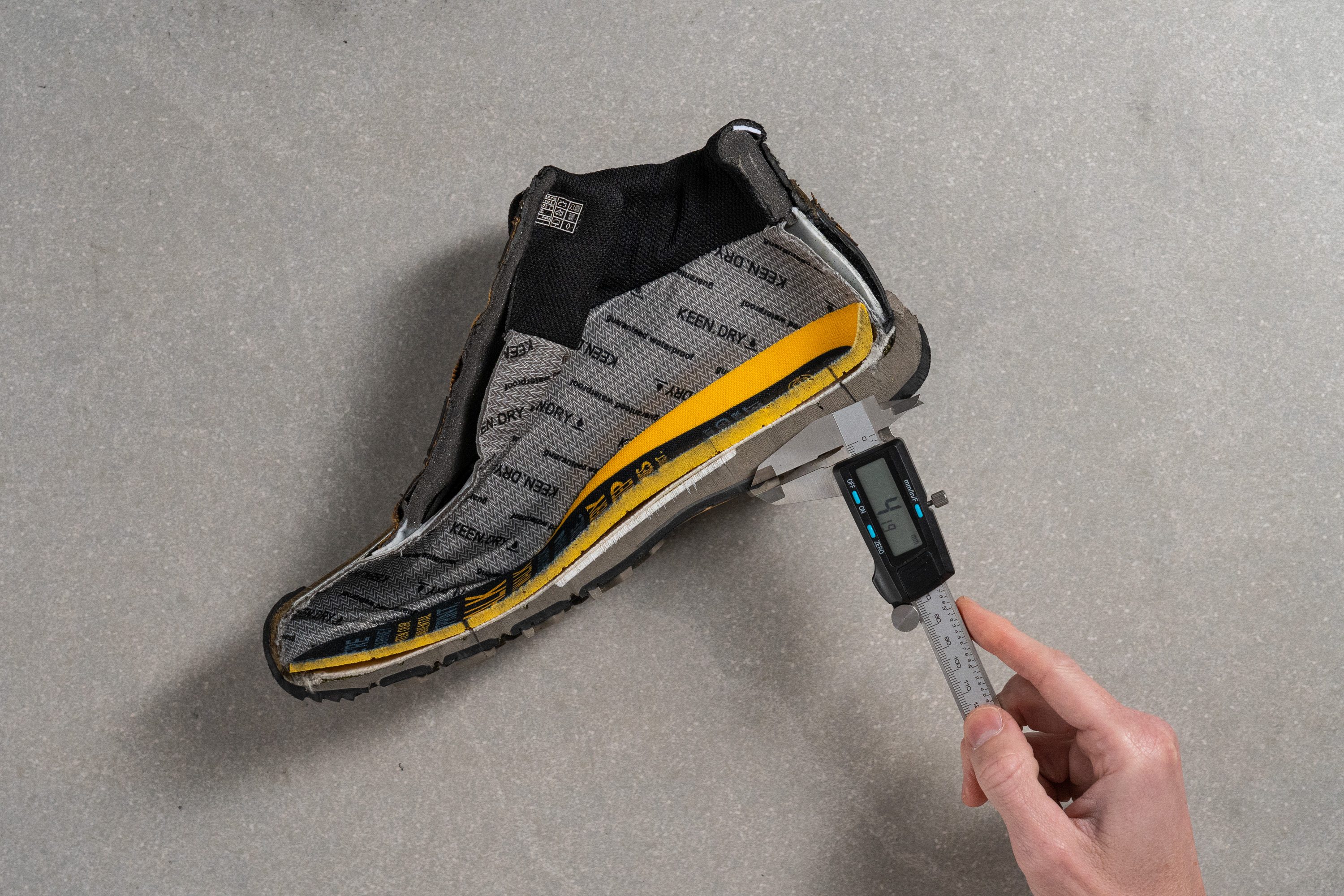
We measure the vertical clearance by cutting the gel cast in half lengthwise and then measuring the height of the cast at the big toe. This height can vary significantly, which is good news for both hikers who want an aggressive fit and those who need more room.
If you've simply read or heard that a wide toebox is healthy and you DON'T actually need it, you may end up sliding within the shoe, getting blisters, your toes will keep grabbing the soles to gain some stability, and all of this may end up with premature foot fatigue, pain, and hammer toes. Maybe even an injury if the terrain is too demanding and your lockdown is horrible.
Best cushioning in hiking boots with a wide toebox
Cushioning can be described by several features: heel stack height, forefoot stack height, midsole softness, platform stiffness, and so on. Here, we focus on the energy return and shock absorption, given their importance for prolonged comfort. Side note: all the other cushioning features are covered in individual hiking boot reviews that we publish on our website.
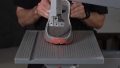
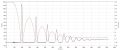
In the lab, we test the shock absorption and energy return at the same time, following the ASTM F1976-13 protocol. From this test, we learn how protective the ride is (how good the midsole is at absorbing the impact so that your legs deal with less stress) and how lively or responsive the ride is (how much of the energy is returned and not dissipated as heat or spent on deformation of the midsole).
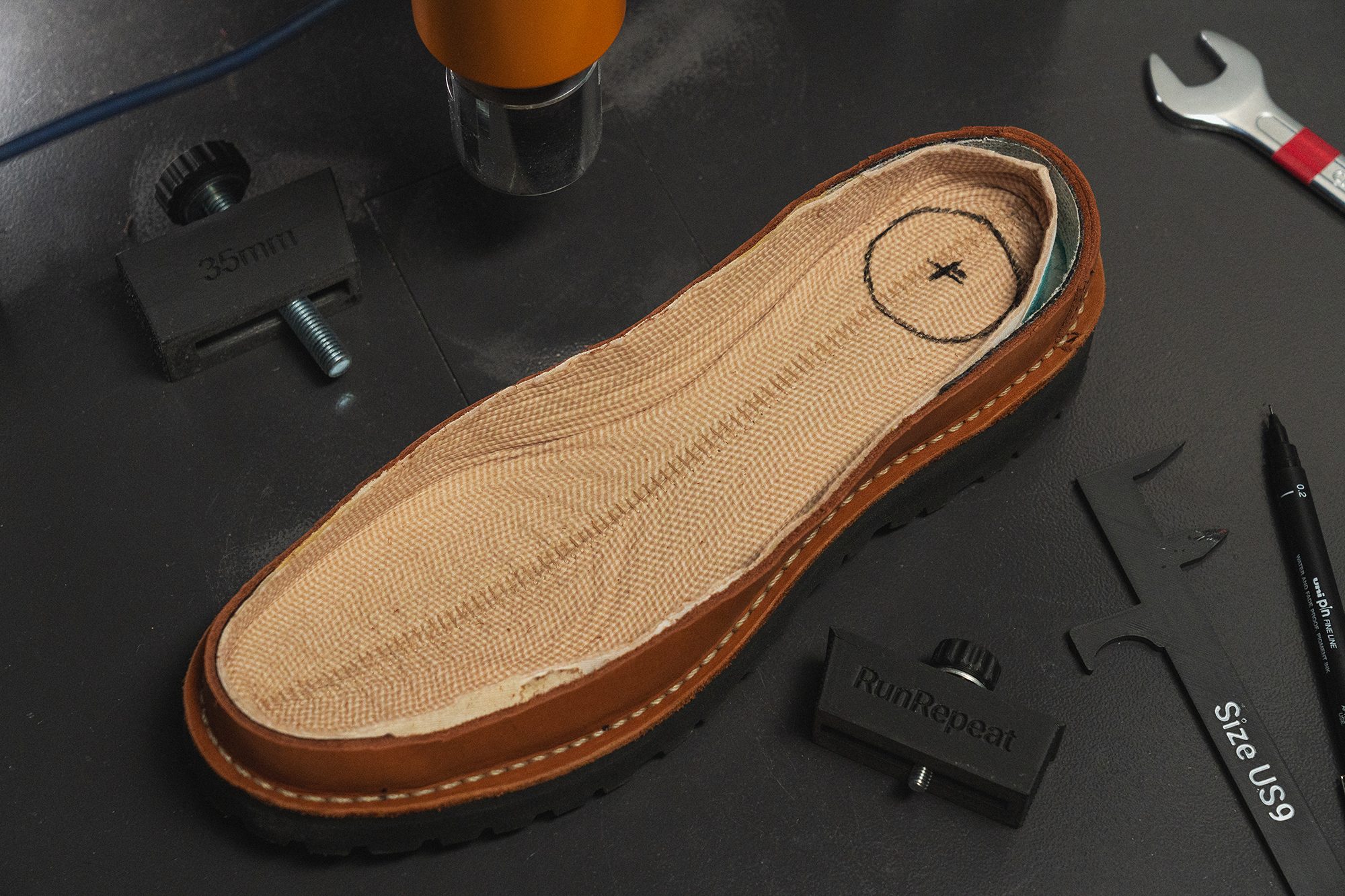
| When it comes to what will work for you or not, it naturally depends on your needs when it comes to hiking. If you’re a heavy hiker or often carry a heavy backpack, prioritise shock absorption. If you like to do it fast and light, check out the energy return as well. |
When it comes to energy return in hiking boots, anything higher than 55% is considered great, and in the 45-55% range, moderate. Boots with an energy return lower than 45% may disappoint you as they will make your legs work more (just like they will if the shock absorption is low as well).
Looking at the shock absorption data, high shock absorption midsoles score above 100 SA, and moderate in the 85-100 SA range.
Wide toebox hiking boots with the best traction
When discussing traction, we have to look at the lug depth, lug shape and distribution, overall design of the boot, and the outsole traction. Some boots have shallower lugs but a very protective and stiff design, which makes them good for technical terrain. Others have deep lugs, which end up more as a cosmetic feature, given how little focus was given to the functionality of the other boot parts.
Knowing the lug thickness and how they are shaped and distributed tells us which terrain the boot will most likely work well on.
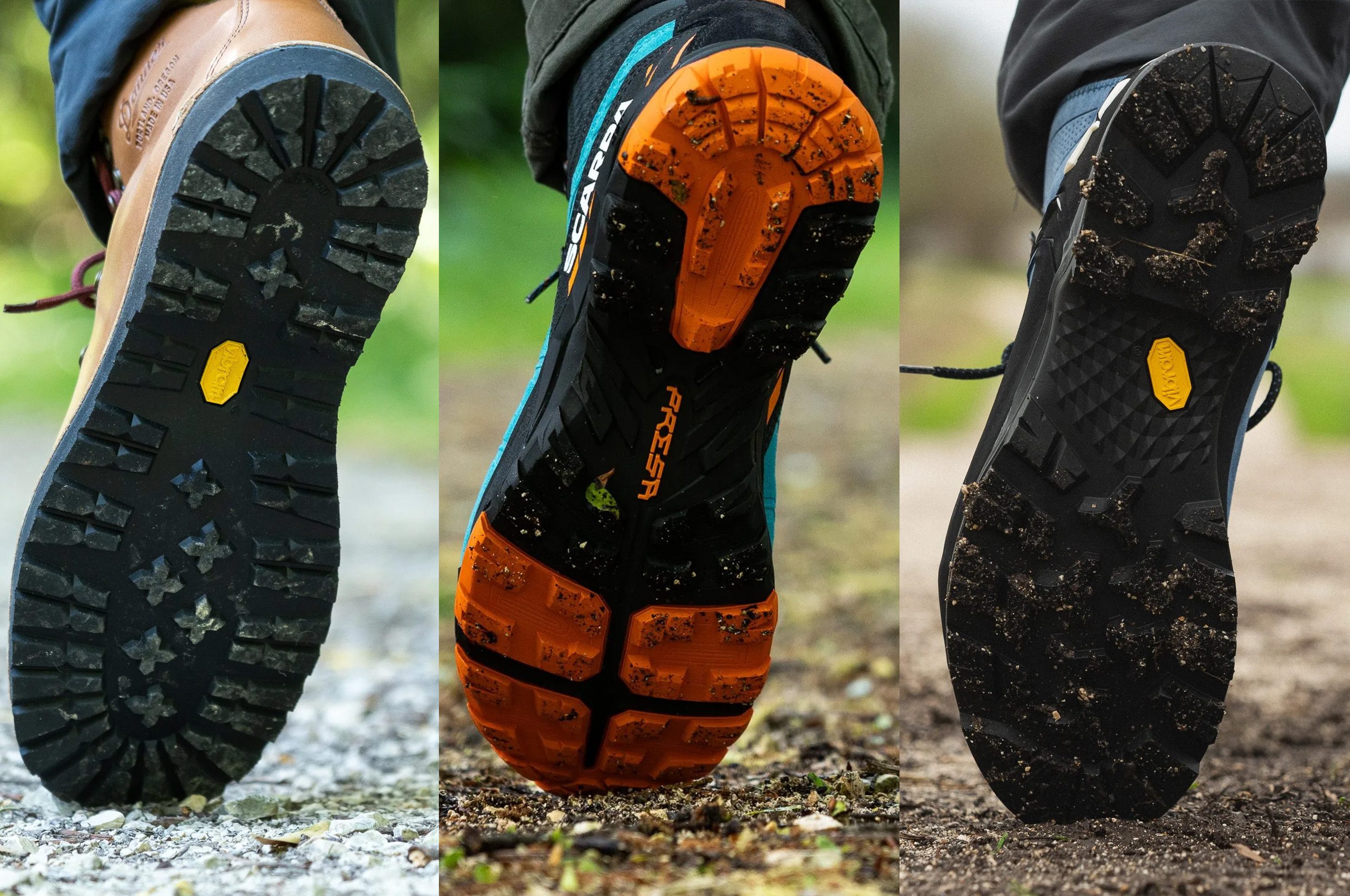
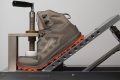
Then, we also perform a traction test. We follow SATRA TM144 methodology when doing it, which means we use a force of 500N to press the boot against the wet surface at a 7-degree angle. We test traction in so-called critical conditions, which is why the surface is wet.
What we learn from this test is how well the boot grips dry and wet surfaces by looking at its dynamic coefficient of friction. Naturally, the higher the CoF, the better! Especially when it’s higher than 0.45!
Lightweight AND with a wide toebox?
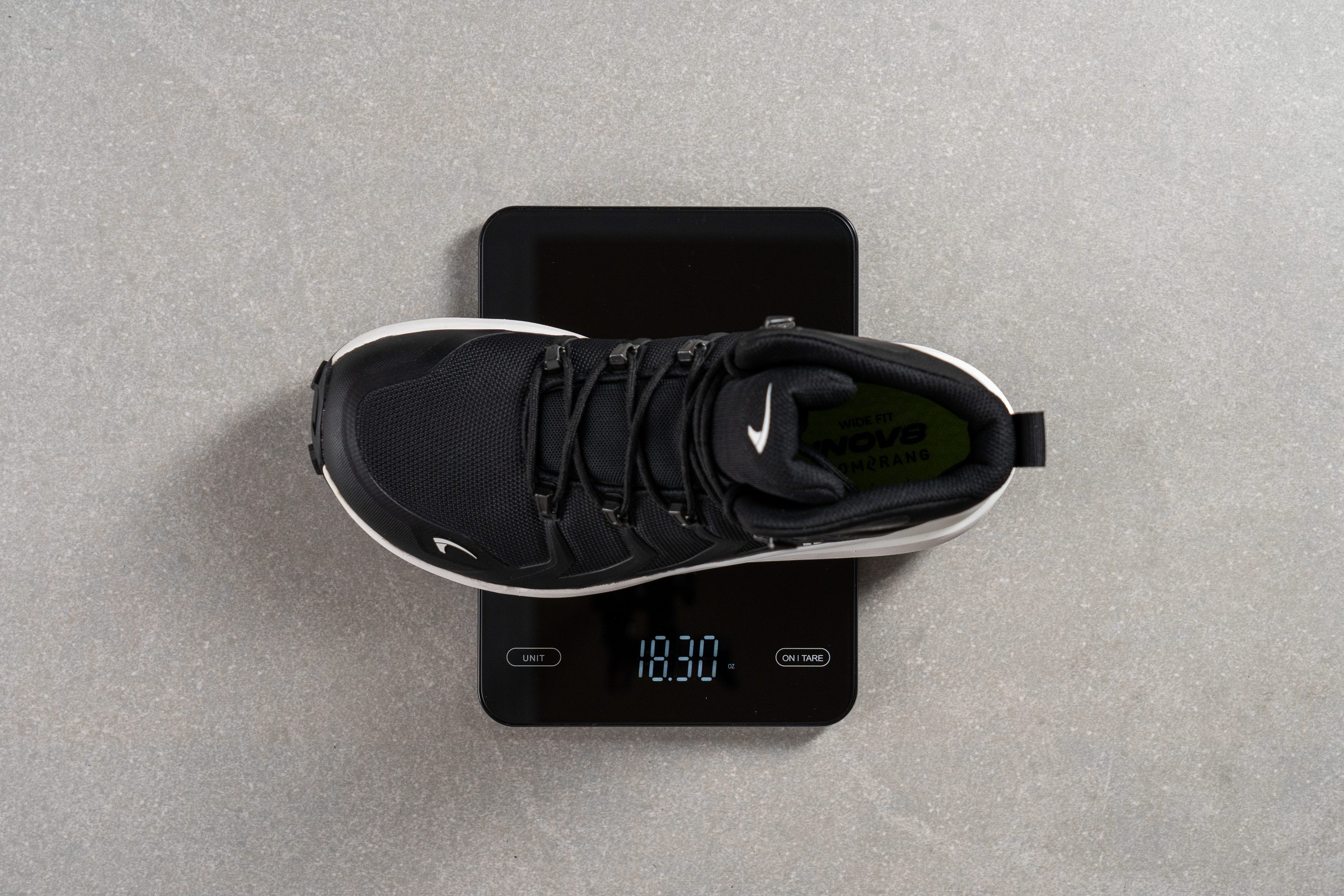
Hiking boots' weight varies from lightweight, found in very flexible, agile, and usually breathable boots, to heavyweight. Most often, those are stiff boots made of thick leather.
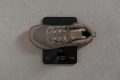
When discussing the weight (or basically, any other lab test that we do), we are always talking about boots bought in Men’s US 9, regular width.
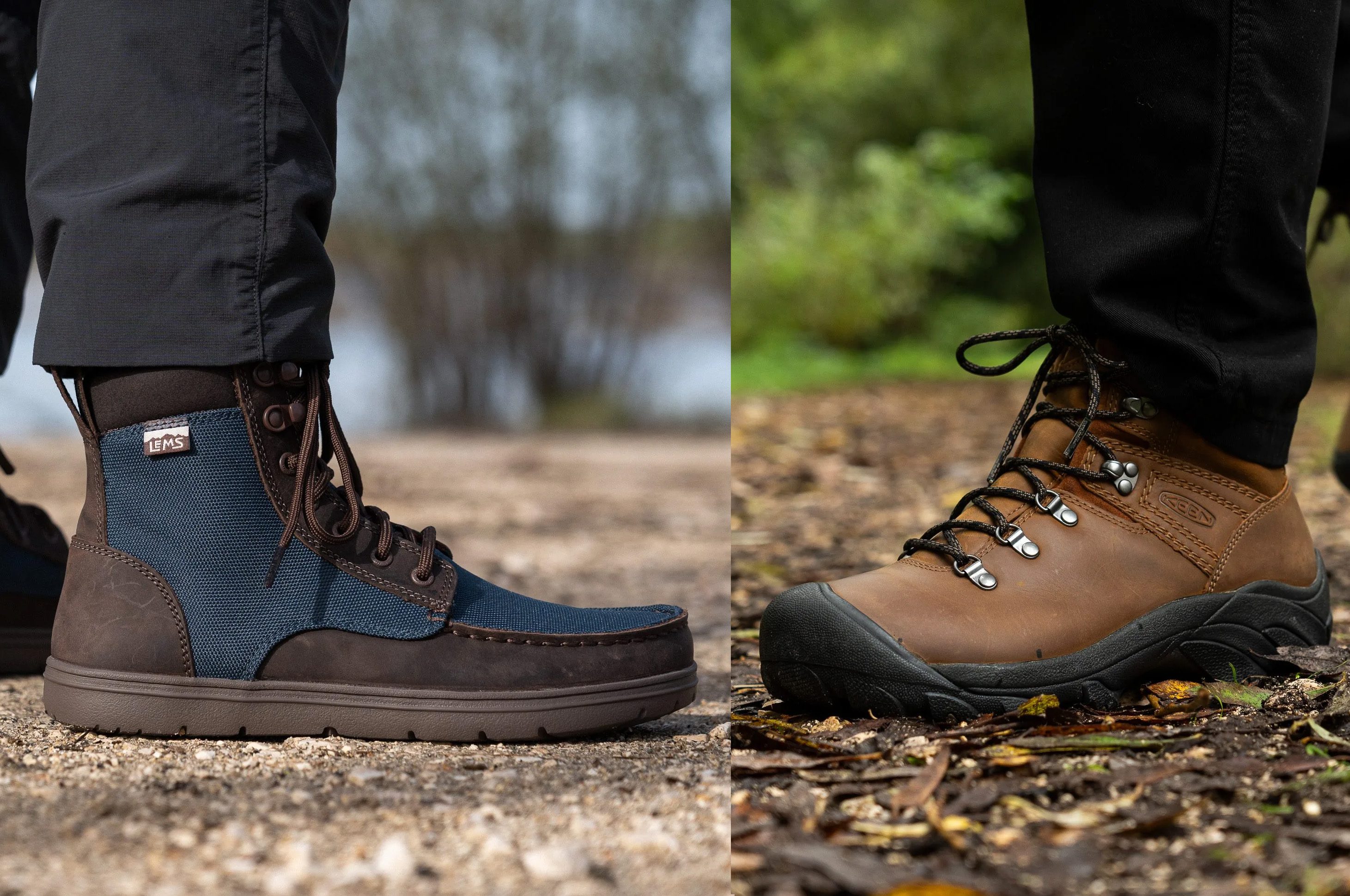
Having a wide toebox is fortunately not limiting for the hiking boot design, so you can choose a lighter option if that’s your preference.
Most durable hiking boots with a wide toebox
The width of the toebox is not a limiting factor. We know that breathability is because more breathable uppers are thinner and less durable, while the thick, warm ones tend to be harder to damage. Wide toebox is just about the shape, so there’s plenty of variation when it comes to the durability of hiking boots’ parts.
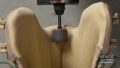
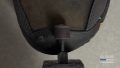
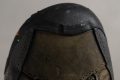
We start with the toebox. Fire up the Dremel, press it against the toebox, use the same RPMs, force, and time duration (to keep the testing standardised and treat all the boots the same), and then assess the damage on a 1-5 scale, where 5/5 is the most durable.
We apply the same principle to the heel padding testing and use a 1/5 rating only when there’s an obvious large hole. Just like the heel padding in the video above.
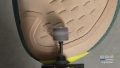
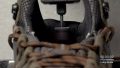
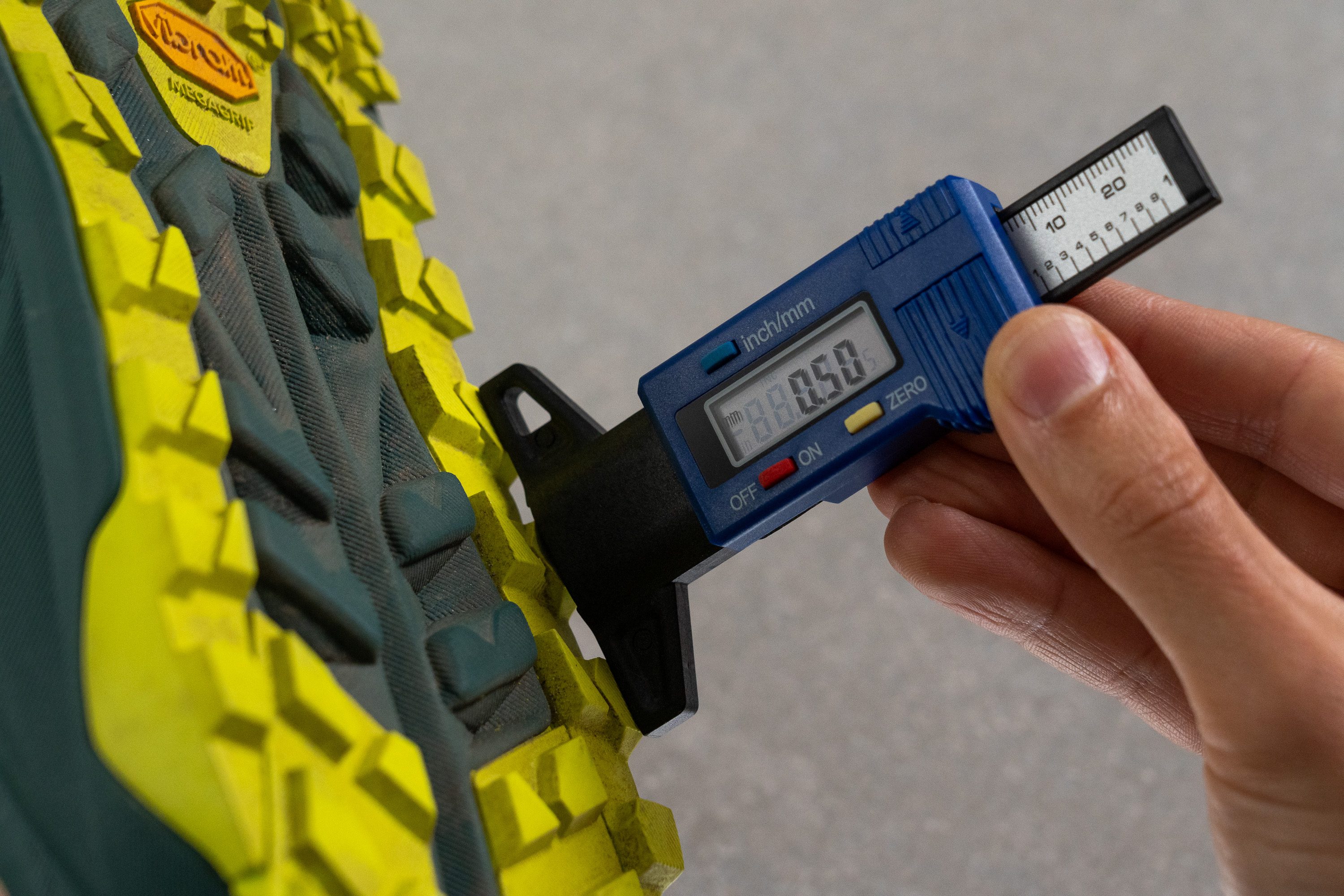
When testing the outsole, we use the Dremel for sure, but the damage does not have to be assessed; it can be measured! Outsole material (usually a thick layer of rubber) is hard, so we get to use a tire tread gauge and measure the dent depth with a 0.1 mm precision.
Crazy variation of heel drop in wide-toebox hiking boots
Most hikers don’t think about heel-to-toe drop and they may not even know that it exists. But, being the detail-oriented lab nerds we are, we can’t intentionally omit this section. Heel to toe drop tells us how higher the heel is compared to the forefoot. So, if a hiking boot has 30 mm at the heel and 20 mm at the forefoot, its heel drop is 30-20=10 mm.
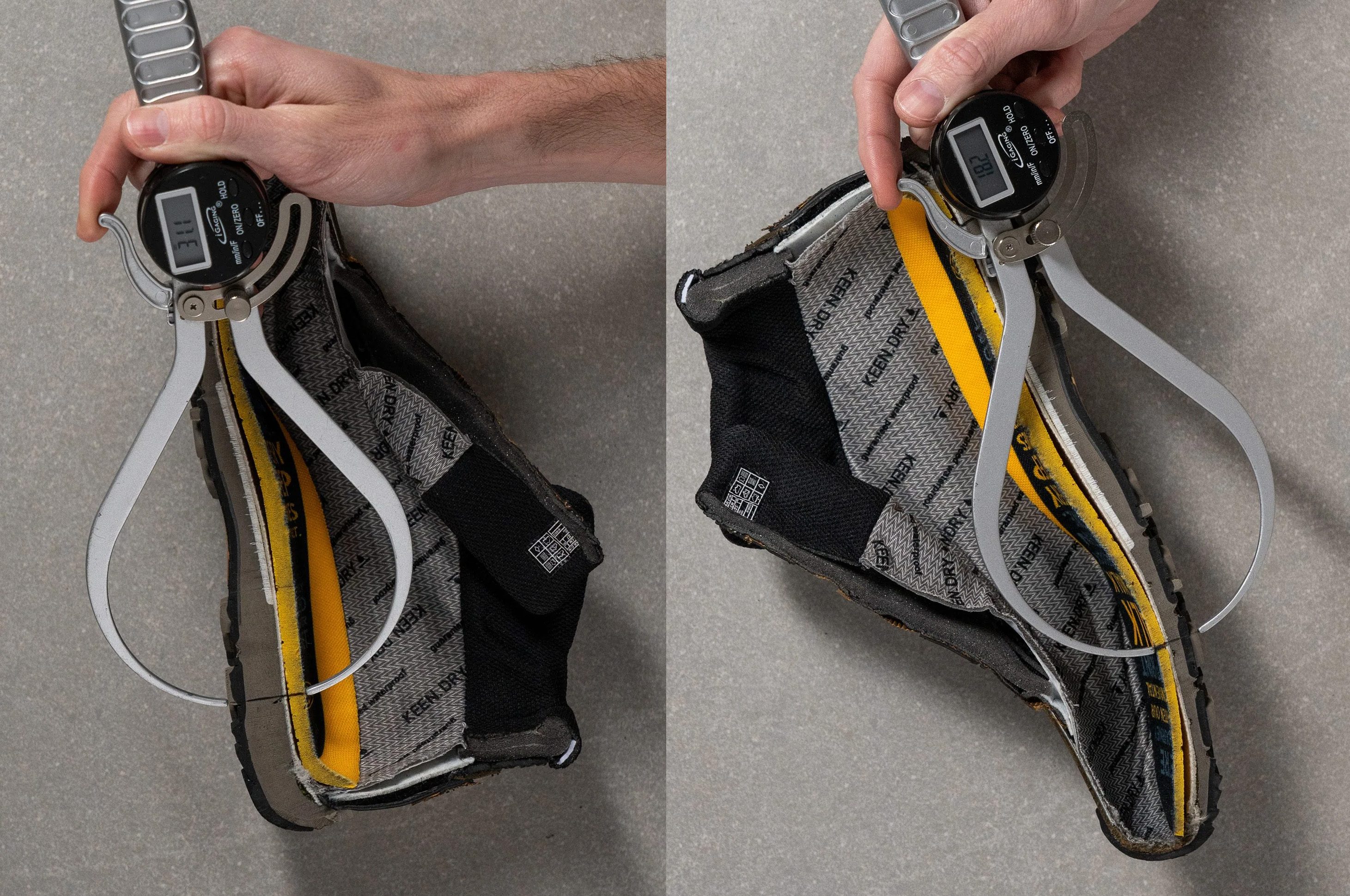
Now, you may think the heel drop is only a number, but we’re talking about it because it may impact your legs and performance quite a bit! The thing is, higher heel drop utilizes higher leg muscles and lower drop, especially the zero drop (heel stack and forefoot stack are the same) utilize the foot muscles, ankles, and Achilles the most.
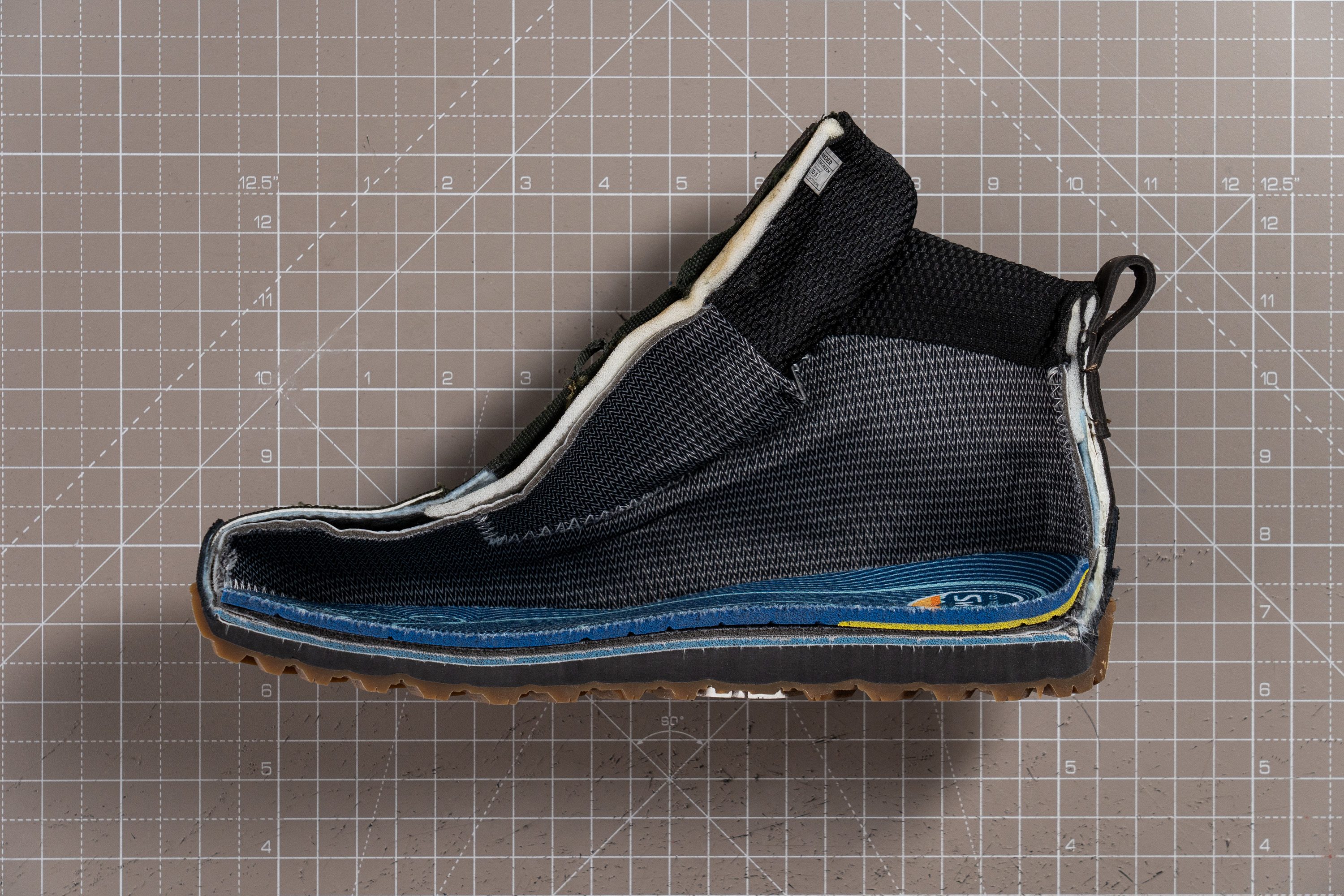
Without paying attention to the heel drop, you may get a pair of hiking boots with a zero drop and end up aggravating your Achilles injury, or you may get a 15mm-drop boots, which will put your ruptured iliopsoas on fire. We covered this topic in greater detail here: Heel to Toe Drop: The Ultimate Guide. Be aware of the heel drop and what it can do to your legs.
Similar buying guides