5 Best Tennis Shoes For Plantar Fasciitis in 2026

We buy shoes ourselves. We earn commissions when you buy through us, at no extra cost. Why trust us
Affecting 1 in every 10 adults, plantar fasciitis (PF) can become a painful roadblock on your way to enjoying tennis matches and practices. But the good news is that some tennis shoes can help minimize the pain or even prevent triggering it in the first place.
Check out our top picks below and scroll down for more nuanced information on choosing tennis shoes for PF.
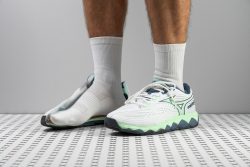
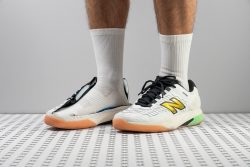
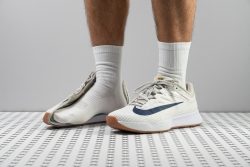
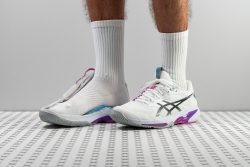
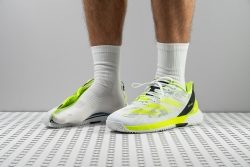
How we test tennis shoes for plantar fasciitis
We carefully study the research behind this painful condition and the type of tennis shoe characteristics that can help it.
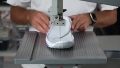
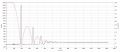
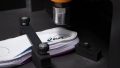
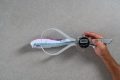
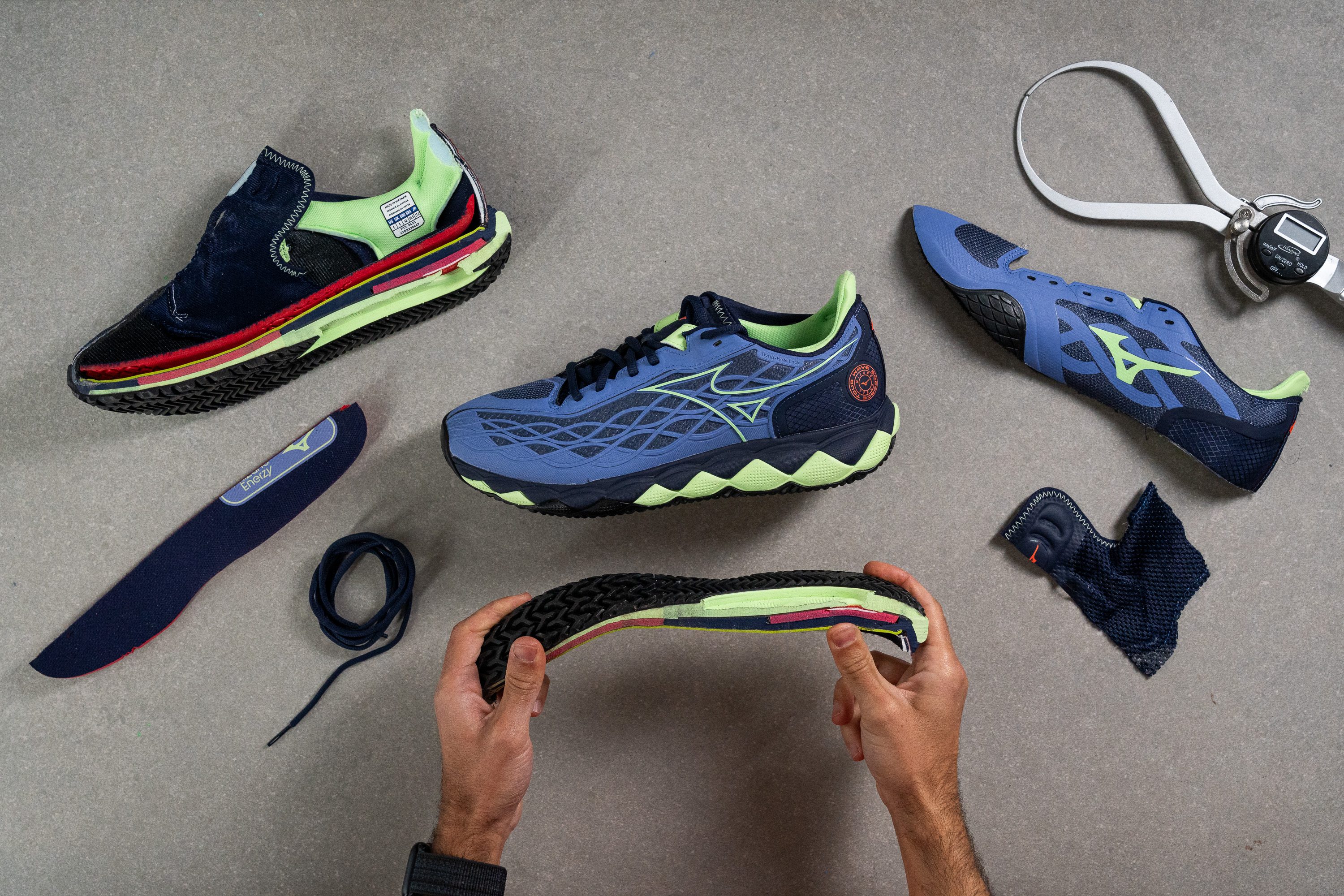
Meanwhile, we test and measure 30+ shoe parameters in our own shoe lab, but pay special attention to those that are relevant for plantar fasciitis: how to ease up the pain or reduce pressure on your plantar fascia? We measure shock absorption to make sure the shoe will do as much as possible when it comes to reducing the impact forces so that your legs don't have to work extra. We measure the heel drop and check it against the brand's claims because we don't want it too low, because that would make your feet work more. We also discuss lateral stability and overall support (torsional rigidity, platform width). We publish all the data, along with our field-testing findings, on our website.
We also purchase all tested shoes with our own funds to remain bias-free.
Best tennis shoes for plantar fasciitis overall




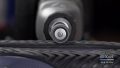
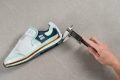
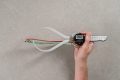
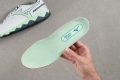
What makes it the best?
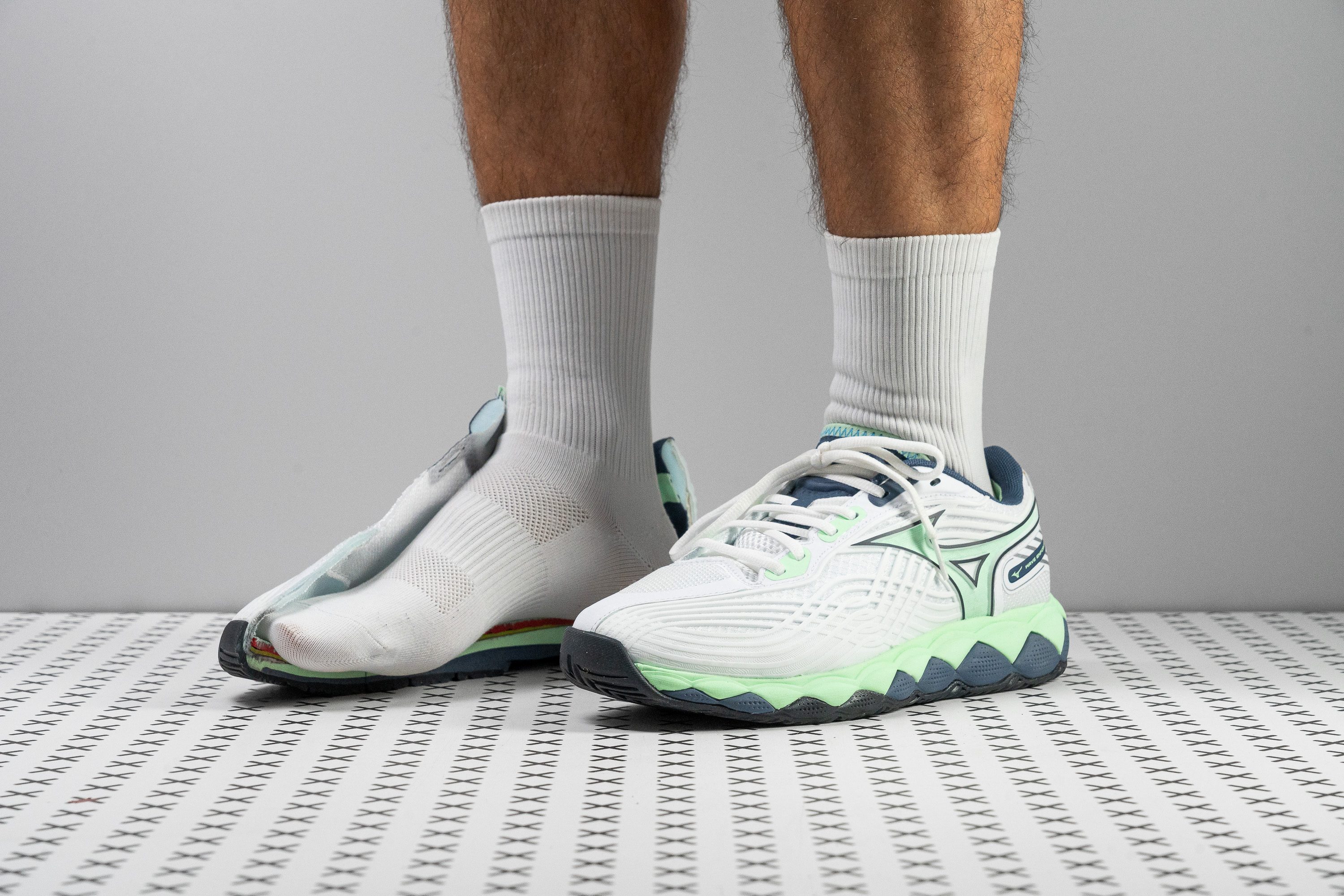
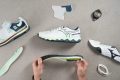
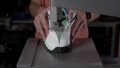
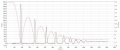
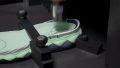
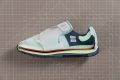
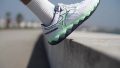
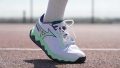
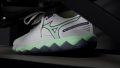
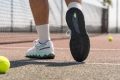
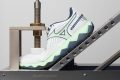
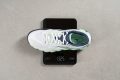
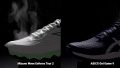
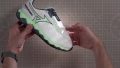
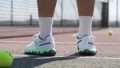
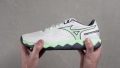
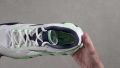
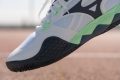
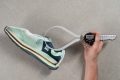
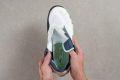
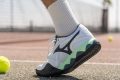
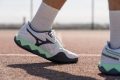
The Mizuno Wave Enforce Tour 2 offers a unique balance of support and adaptability that allows us to perform long rallies without worrying about foot pain. Our lab results validate that it’s rigid and pliable in the right areas, delivering speed, stability, and comfort. It’s hard to find another shoe that can match this pair, so we rank it as the best plantar fasciitis tennis shoe.
From split steps to crossovers, we had no second thoughts about our next move. The shoe has a rigid foothold that makes us feel so secure. We discovered it features a broad 113.4/95.4 mm base and reliable lateral support, which earned a torsional rigidity score of 4/5. Ankle shifts are also out of the picture when we rated the heel counter with the maximum 5/5 stiffness score, which prevents additional strain on our heels.
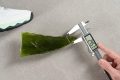
When it comes to bending our feet, the shoe moves with us naturally. We validated that this pair is 13% more pliable than average.
Performing dynamic footwork feels easy because of its responsive cushioning. We recorded above-average energy return scores of 60.6% in the heel and 62.0% in the forefoot, allowing rapid recoveries and ball chases with less fatigue.
If there’s one thing we didn’t like about this shoe, it’s the loss of the double collar, which makes achieving a secure lockdown more challenging.
Pros
- Amazing shock absorption in the heel
- Energetic ride
- Comfortable step-in feel
- Good grip on hard court
- Sufficiently flexible
- Solid lateral stability
- Wide and surefooted base
- Fantastic durability
Cons
- The double collar is gone (harder to lock down the foot)
- A bit heavier than average
Tennis shoes for plantar fasciitis with the best shock absorption
What makes it the best?
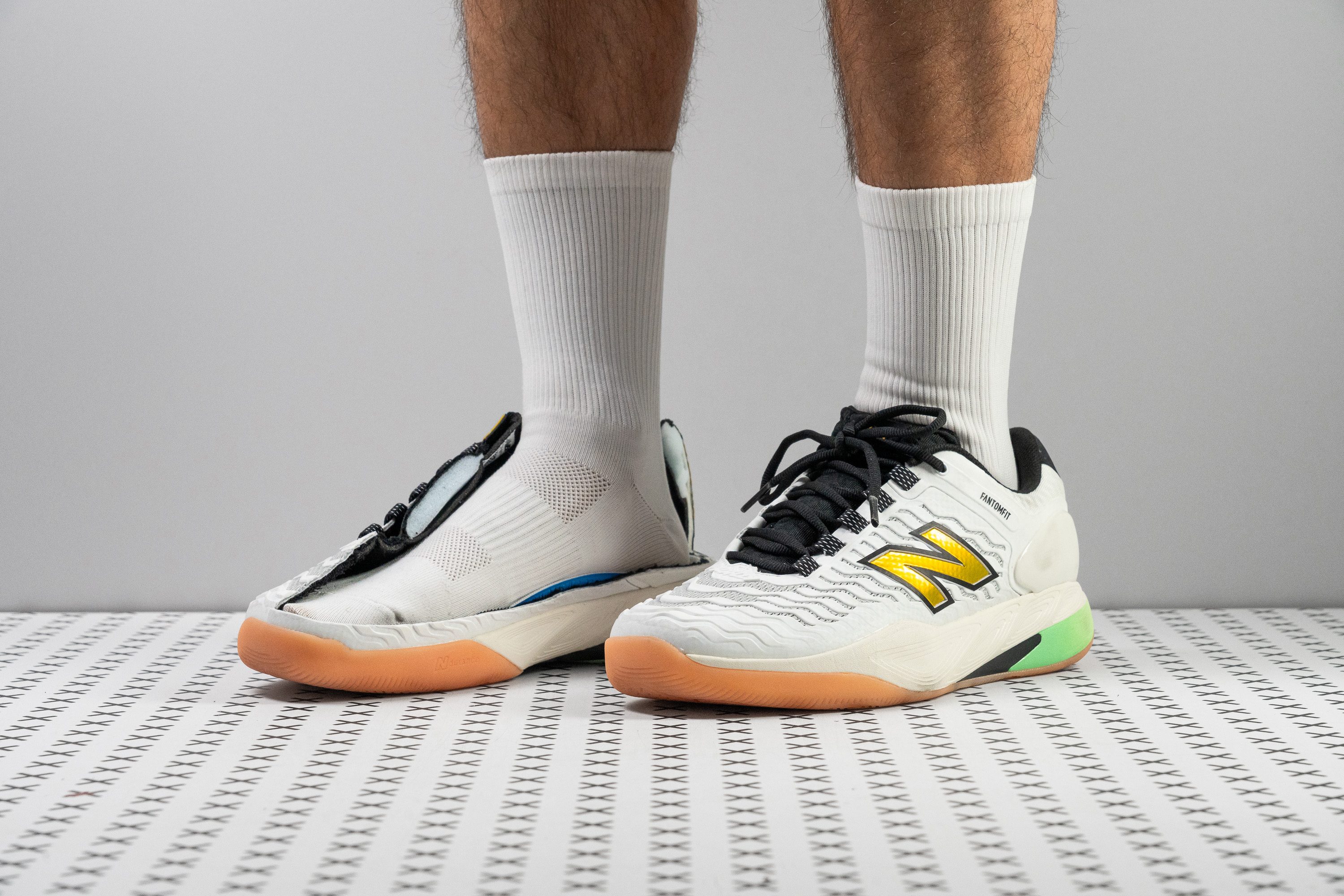
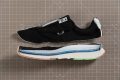
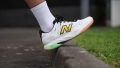
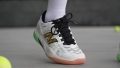
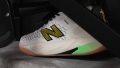
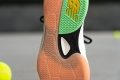
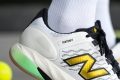
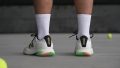
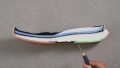
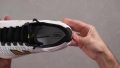
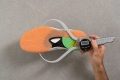
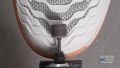
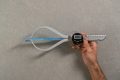
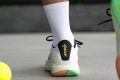
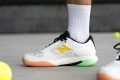
Repetitive matches, running around the court, and hours in the lab led us to discover the New Balance Fresh Foam X CT-Rally v2 as the plantar fasciitis tennis shoe with the best shock absorption. We have the numbers in the lab, but our feet truly enjoyed gentle landings. To ensure support, it has stabilizing components in the right areas, such as its stiff heel counter and Fantomfit technology.
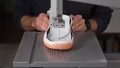
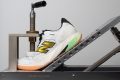
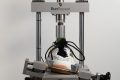
We follow a strict and standardized method of measuring shock absorption in the lab and got a high rating of 116 SA in the heel, offering 18% better impact protection than average. The forefoot exceeds the average as well! As seen in its name, the foam truly keeps our legs fresh even after long rallies.
To ensure we don’t strain our heels and overwork our feet, the CT-Rally v2 has tons of support. It consists of a stiff TPU shank that creates a highly stable experience. Meanwhile, the Fantomfit technology includes 6 webbed eyelets that secure the midfoot and ankle areas.
Even while performing multi-directional changes in footwork, we felt confident in the shoe. In our manual assessment, both the heel counter and torsional rigidity recorded maximum stiffness scores of 5/5, confirming their reassuring support.
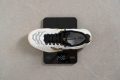
However, this trainer tipped the scales to a heavy 14.3 oz (405g). Those who prefer a more agile experience should check alternatives, since the shoe’s bulk is evident in explosive movements.
Pros
- Outstanding shock absorption
- Heavenly step-in comfort
- Fantastic lateral support and stability
- Perfect medium fit with wide width options
- Impressive upper durability
- Balanced grip and give
- Excellent lockdown and containment
- Unbelievably breathable and quick-drying
Cons
- Heavier than average
- Low toebox height
Tennis shoes for plantar fasciitis with the best traction












What makes it the best?
The Nike Vapor Pro 3 proved to be an all-rounder during our playtests, offering speed for split-second scrambles to the net, court connection, and stability for hard lateral movements. Lab results reveal its midsole is flexible, making it adaptive to our quick footwork, while maintaining control through its grippy base. Overall, it’s our plantar fasciitis tennis shoe with the best traction.
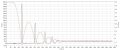
Scoring 0.75 in our traction test, it offers the perfect mix of sliding and stopping. We could instantly chase the ball as needed, and our energy return test shows impressive 50.0% and 51.0% scores.
The 28.6/20.0 mm platform feels well-balanced and is on par with average. Impact protection is high in the heel (104 SA) and lower in the forefoot (58 SA) for heightened surface feedback and control.
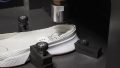
The shoe offers a firm foothold and strong resistance against ankle twists, evidenced by its high 4/5 torsional rigidity rating in our manual assessment. The integrated eyelets create an adjustable fit for the whole midfoot area, which helps us feel more secure.
It’s impressive that Vapor Pro 3 doesn’t lose its longitudinal flexibility despite its stable ride. Needing 15.7N to reach 30 degrees, it’s more bendable than average, which enhances both comfort and adaptability.
Unfortunately, it tipped the scales to a heavy 13.1 oz (383g). Players seeking top agility should find a more lightweight shoe.
Pros
- Highly secure midfoot lockdown
- Solid lateral support and stability
- Reliable impact protection
- Good mix of cushioning and court feel
- Predictable medium fit
- Fantastic durability (even in high-wear areas)
- Nice balance of grip and give
- Comfortable step-in feel
Cons
- Smaller Zoom Air unit has lower energy return
- No added flexibility (as promised)
- Still heavier than average
- Not so breathable
Best speed tennis shoes for plantar fasciitis






What makes it the best?
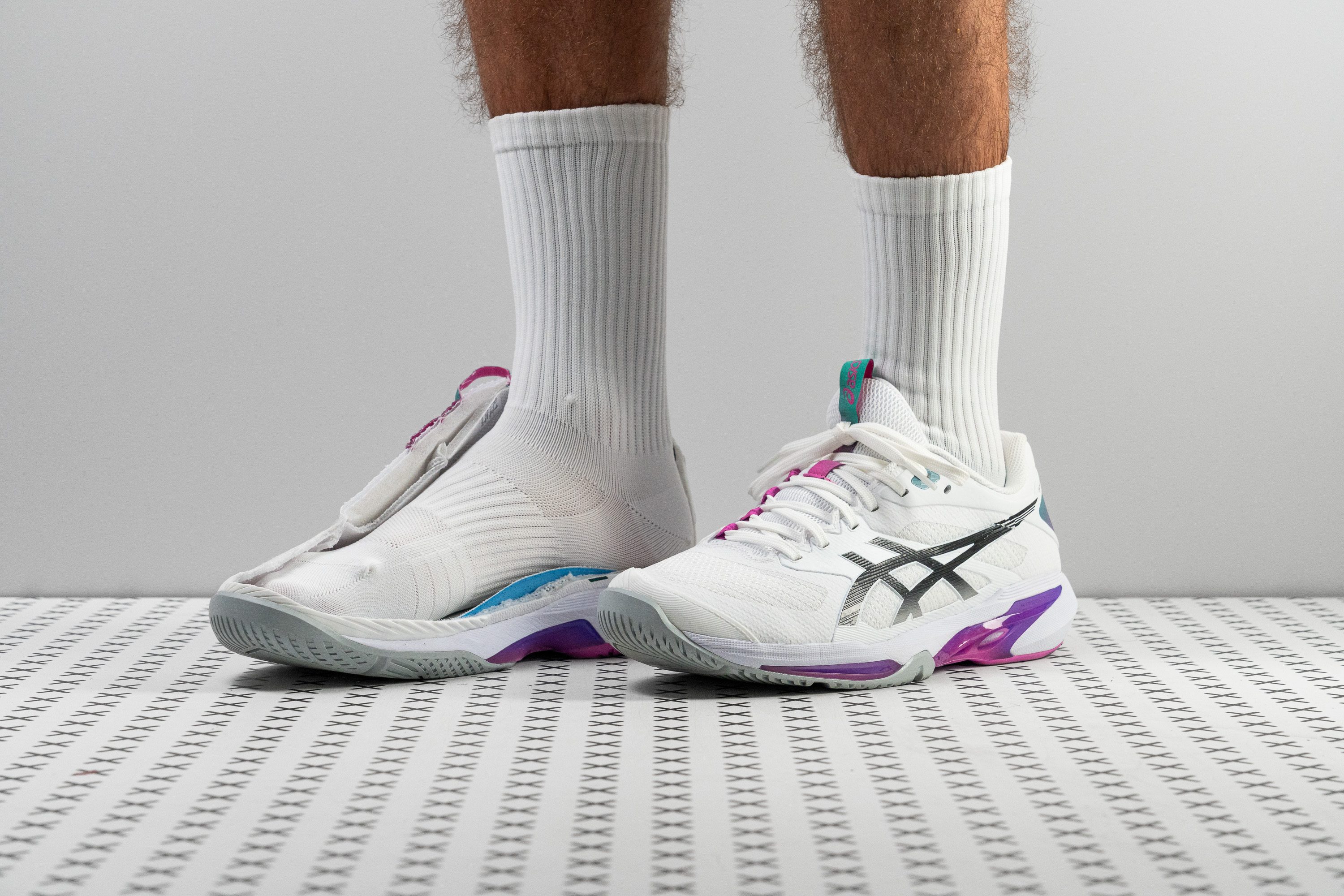
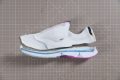
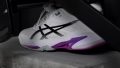
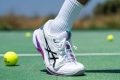
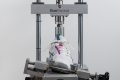
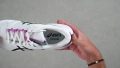
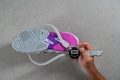
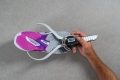
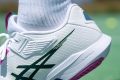
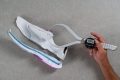
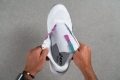
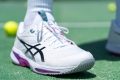
From taking off for a shot to launching hard cross-court dashes, the ASICS Solution Speed FF 4 gave us the best speedy experience among plantar fasciitis tennis shoes. Besides its undeniably light build, we discovered in the lab that it features a forgiving yet twist-resistant midsole. Thankfully, it offers support in the right areas and delivers a well-cushioned feel for harsh landings.
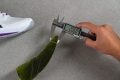
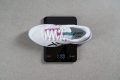
Our scales confirmed what our feet experienced: this shoe only weighs 11.9 oz (337g), 7% below average. Its effortless sensation becomes more pronounced when it takes minimal effort to bend our feet. In our standardized lab test, it's 3% more flexible than average.
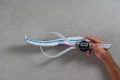
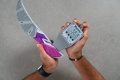
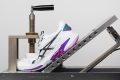
Too much flexibility can cause our feet to overwork, so we were pleased to find the Speedtruss shank that adds structure and snappiness to the midsole. In our torsional rigidity test, we measured it to be 9% stiffer than average, boosting stability. Plus, its firm heel hold (4/5 rigidity) ensures we won’t do excessive movements that can worsen plantar fasciitis.
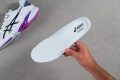
Thankfully, it still feels well-cushioned for landings and doesn’t trigger heel pain. Returning a high 113 SA score in the rear, we validated its impact protection.
We measured its vertical clearance as one of the lowest among tennis shoes, which may cause pressure points for wide feet or pointy toes. Those who need more internal real estate should opt for a more accommodating shoe.
Pros
- Unbeatable ASICSGRIP traction
- Excellent shock absorption
- Still lighter than average
- Exceptionally durable
- Good forefoot flex for agility
- Solid lockdown and support
- Softer and cushier step-in feel
Cons
- Low toebox height
- Serious lack of breathability
Tennis shoes for plantar fasciitis with the best value for money




What makes it the best?
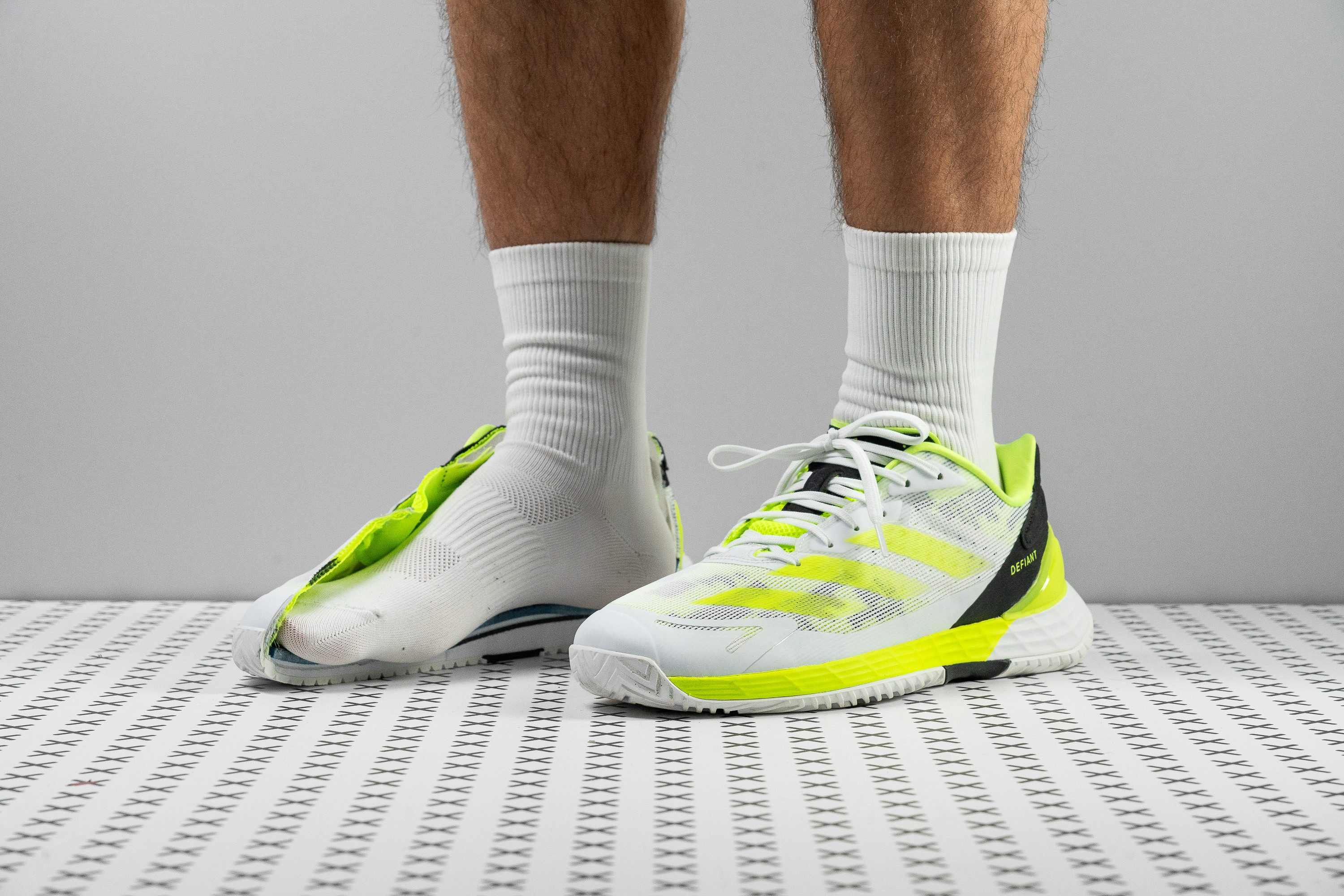
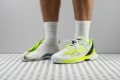
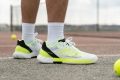
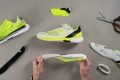
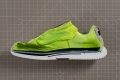
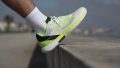
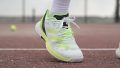
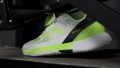
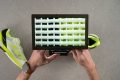
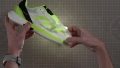
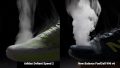
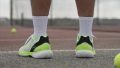
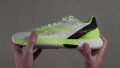
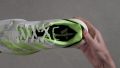
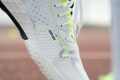
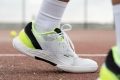
Multiple tests on and off court can back us up when we say the adidas Defiant Speed 2 offers the best value among plantar fasciitis tennis shoes. In the lab, we verified that its accessible $120 price and light build don’t sacrifice speed, impact protection, and support.
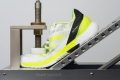
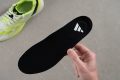
When we measured Defiant Speed 2’s shock absorption, it attained a high 105 SA score, reassuring us that our heels will feel protected even for longer rallies. Paired with a ground-connected forefoot, it features a high 11.8 mm drop that takes the weight and strain off our heels.
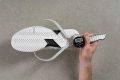
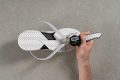
When it’s time for quick and explosive movements, we don’t feel like toppling over or twisting our ankles. An internal shank is embedded into the midsole, which explains its high torsional rigidity score of 4/5.
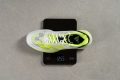
Defiant Speed 2 is not only easy on the pocket, but it’s light on foot too! Besides its low 12.2 oz (347g) weight, it also offers room for bending. In our flex test, we found it to be 18.4% more pliable than average, explaining the nimbleness we felt during our matches.
We think the upper design can be improved for better lockdown since the steep drop results in some toe jamming. Best to secure the fit before rallying on court.
Pros
- Grounded platform with good court feel
- Stable base for a speed shoe
- Generously padded insole
- Fairly flexible forefoot
- Impressive durability for the money
- Great balance of grip and give
Cons
- Not everyone can achieve a secure lockdown (especially skinny feet)
- Higher drop may cause toe jamming
Symptoms and causes of plantar fasciitis
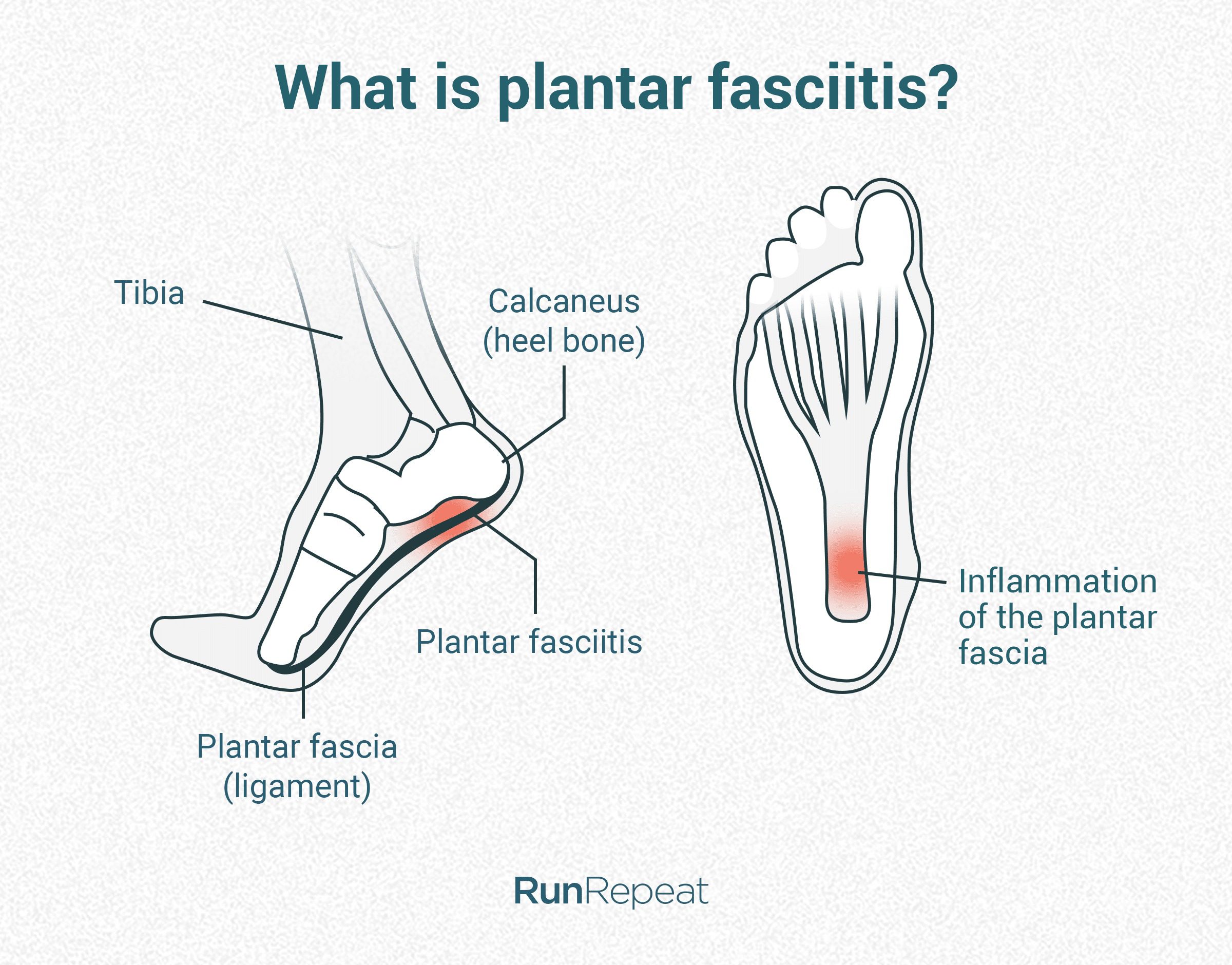
There are numerous causes of sharp pain in the heel, but plantar fasciitis (PF) is one of them.
Inflammation of the plantar fascia ligament, PF is most likely to occur due to overuse, wearing subpar or worn-out footwear*, and other conditions that cause the plantar fascia to compensate for calves, Achilles, or other muscles and tendons.
*Think of the last time you replaced your tennis shoes. Even if they don’t have any obvious signs of wear, shoes start to lose their initial cushioning and support after a given number of hours on the court. Their lifespan gets even shorter if you play regularly or if you are a heavier player. Having two pairs of tennis shoes in rotation can help, and it is, in fact, one of the PF prevention strategies.
Some of the surefire symptoms of PF include the following:
- Heel pain intensifies after stepping on your foot after a long period of rest or sleep.
- The pain gets worse towards the end of the tennis match or practice.
- The pain can shoot from the heel to the midfoot.
- Palpating the plantar fascia causes soreness.
- Passively bending your big toe by hand causes pain or discomfort.
But we all know that Googling or ChatGPTing your symptoms is never a good idea, so we highly recommend consulting a doctor (preferably a podiatrist) to confirm your diagnosis, prescribe the necessary treatment, and make personal recommendations regarding tennis shoes and insoles.
TIP: Not everyone is lucky enough to know a podiatrist who works with athletes (ideally, tennis players). That’s why it is important to emphasize that you need shoes for court sports and not only for day-to-day wear. Most running shoes and sneakers aren’t suitable for the dynamic nature of tennis.
What tennis shoes to choose for plantar fasciitis
A pair of shoes is not a cure for PF, but there are certain characteristics that you should look for if you want to avoid aggravating the condition and continue playing with less pain and discomfort.
What to look for in tennis shoes for plantar fasciitis:
- High shock absorption. Well-cushioned shoes minimize the impact.
- High heel-to-toe drop. Raised heel (8 mm or more) takes the pressure off the foot.
- Moderately soft or firm midsole. Plush cushioning can irritate the ligament.
- High torsional rigidity. Less shoe twisting keeps the foot more stable.
- High heel counter stiffness. Rearfoot lockdown minimizes wobbles and foot strain.
1. You need good cushioning and shock absorption
Hard landings, sudden stops, and jump shots all put a ton of stress on your plantar fascia tissue. Considering all the impact your feet sustain during the tennis match, it is crucial to choose shoes with excellent shock absorption.
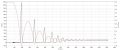
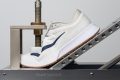
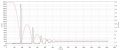
Honoring the ASTM F1976 standard for measuring shock absorption (SA), we perform meticulous tests to record each tennis shoe’s SA reading. The higher the number, the better the impact protection.
To ease the pain and discomfort caused by plantar fasciitis, we recommend sticking to tennis shoes with at least 100 SA.
2. High heel-to-toe drop is a must for players with plantar fasciitis
Drop refers to the difference in height between the shoe’s heel and forefoot stack. The higher the drop, the higher your heel sits above the toes inside the shoe.
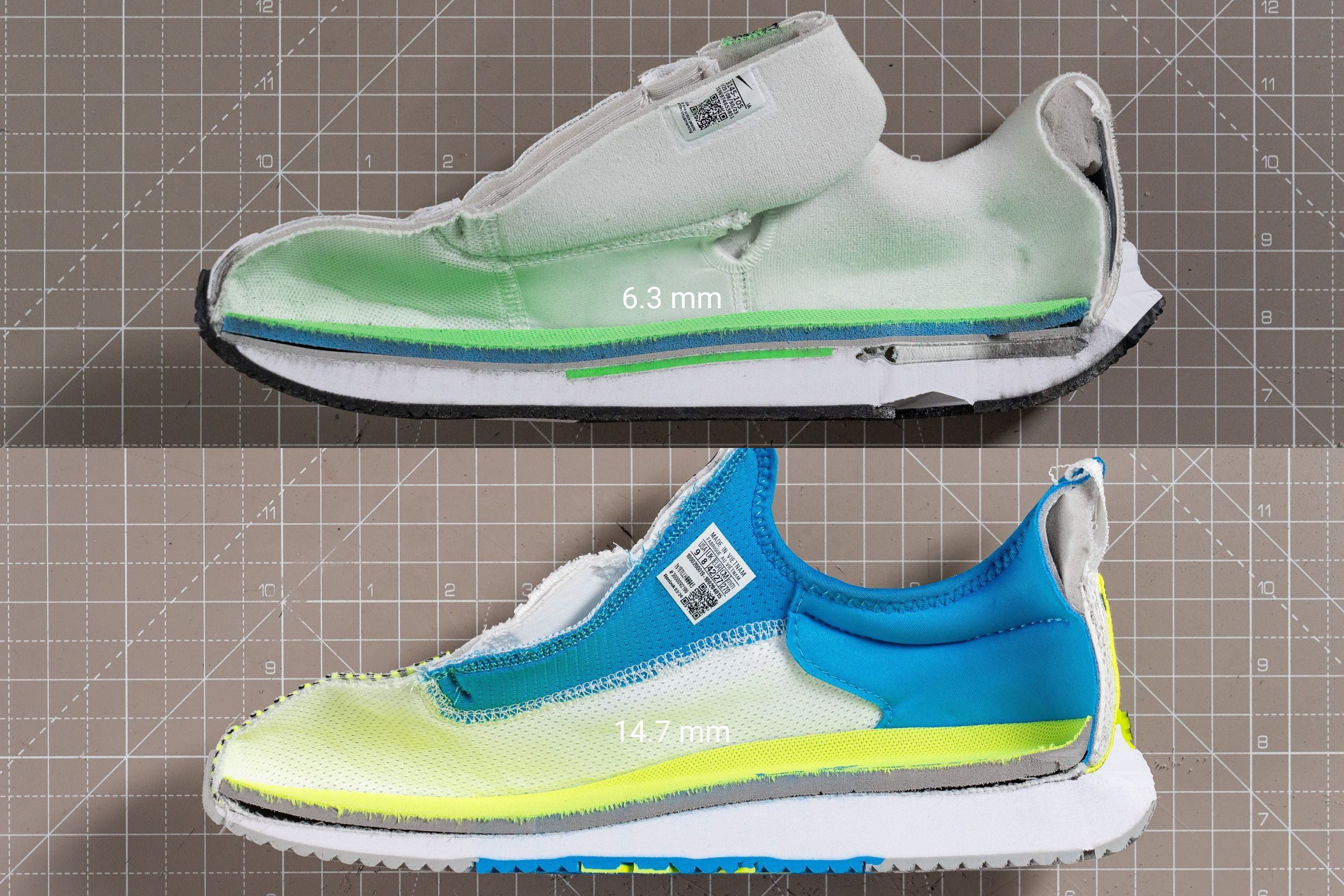
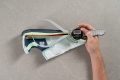
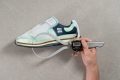
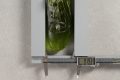
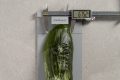
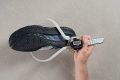
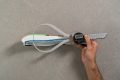
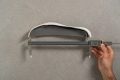
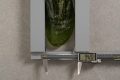
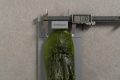
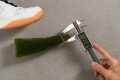
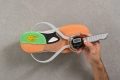
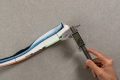
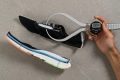
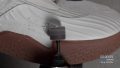
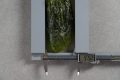
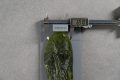
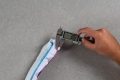
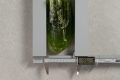
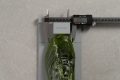
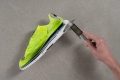
We cut all tested tennis shoes in half and use a digital caliper to measure their stack height and drop in accordance with the rules set by World Athletics.
The drop in tennis shoes typically ranges from 6 to 14 mm, but we recommend choosing at least 8 mm if you want to lower the stress and strain on your feet.
Low-drop shoes put the foot in a nearly flat position, which lengthens the plantar fascia, forcing it to work more. And if you have poor ankle mobility and tight calves, the stress gets even worse.
3. Avoid tennis shoes with soft cushioning
Why? Because your foot sinks into the plush foam, its muscles and tendons need to work harder to stabilize the foot.
But the good news is that you can hardly find a tennis shoe with plush cushioning given the dynamic and multi-directional nature of this sport.
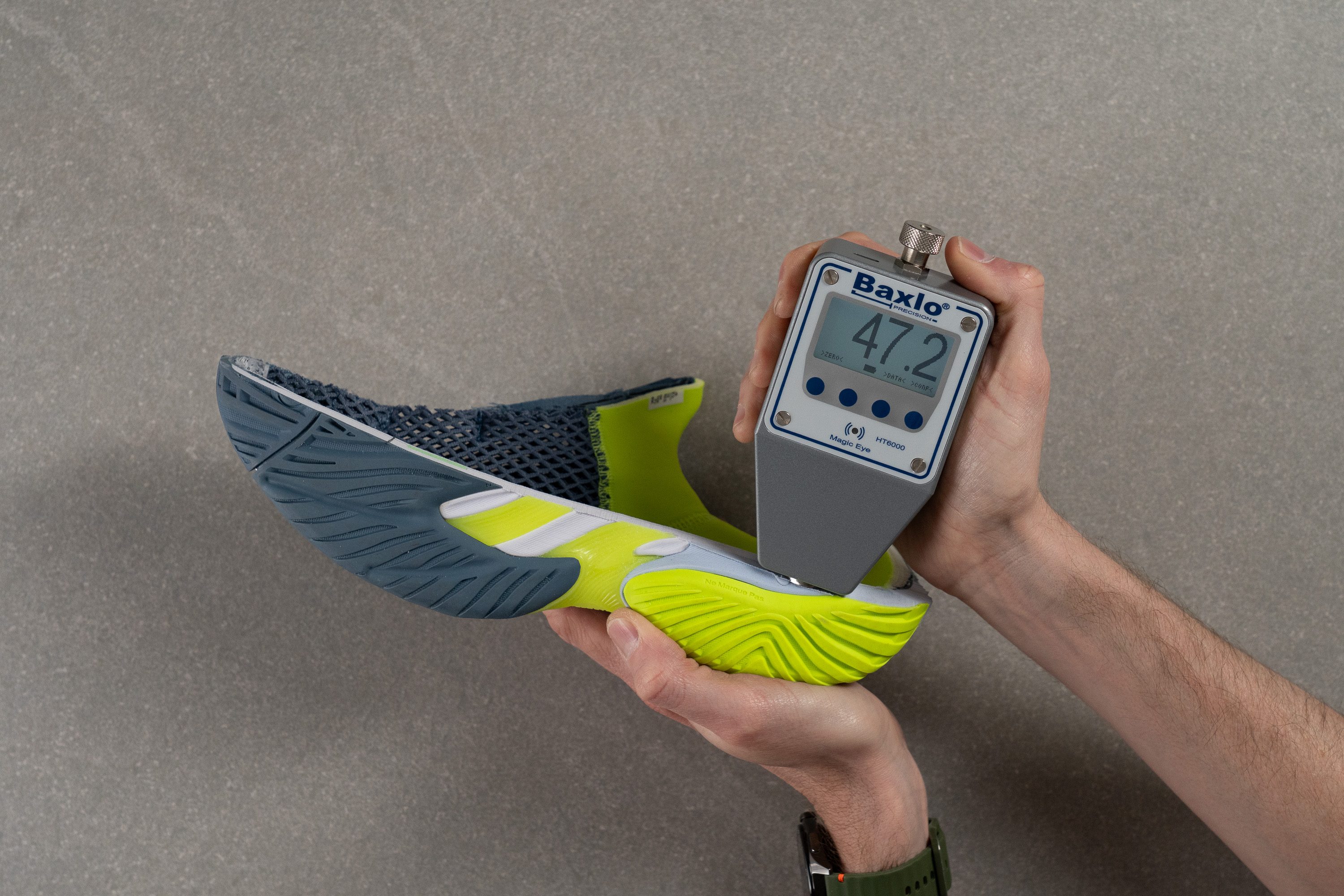
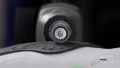
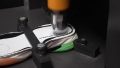
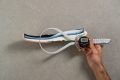
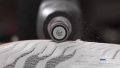
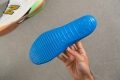
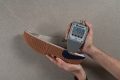
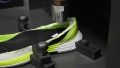
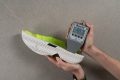
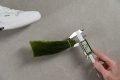
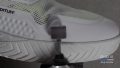
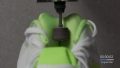
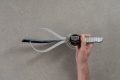
Based on our Asker C durometer measurements, the cushioning foam of most tennis shoes hovers around 48-49 AC (the higher the AC reading, the firmer the foam). For a moderately soft or firm underfoot experience, choose shoes with at least 33 AC.
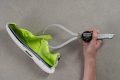
Example of a softer tennis shoe (22 HA)
Example of a firmer shoe (33 HA)
4. You want highly stable tennis shoes for plantar fasciitis
Overly flexible tennis shoes can trigger the PF pain pretty quickly because they don’t offer as much stability and support.
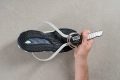
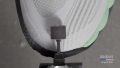
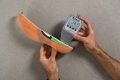
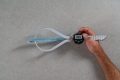
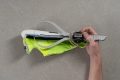
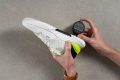
How to know if a shoe is too forgiving? If you can wring it with your hands like a towel, that’s not what you need. There should be so much torsional rigidity that you can hardly twist it.
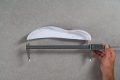
Example of a shoe with 5/5 torsional rigidity
We perform the same manual test on all tennis shoes and rate their stiffness on a 1-5 scale (the higher the number, the stiffer the shoe). For PF, it’s best to choose shoes with a torsional rigidity of 4/5 or 5/5.
5. Don’t overlook the heel counter
When you have PF, it’s best to delegate as much stabilization work as possible from the foot to the shoe.
A stiffer heel counter offers a steady cradle at the back of the foot, minimizing shifts and wobbles during intense lateral movements on the court.
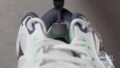
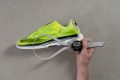
Example of a shoe with 5/5 heel counter stiffness
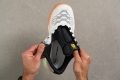
We rely on a manual push-and-squeeze test to assess the rigidity of each shoe’s heel counter on a 1-5 scale (5 being the stiffest). For PF, we only recommend shoes that scored 3, 4, or 5 in our heel counter stiffness test.
You also want to be sure that the shoe’s heel padding bodes well with your ankles. And if you have sensitive Achilles, you may want to go for a bit less stiff heel counter (3/5 as opposed to 5/5).
Similar buying guides