7 Best Lightweight Walking Shoes in 2026

We buy shoes ourselves. We earn commissions when you buy through us, at no extra cost. Why trust us
If you're intent on walking the extra mile, being in an agile pair is the way to go. One of the most surefire ways you do that is by having the best lightweight walking shoes in your arsenal.
Are you looking for a lightweight all-rounder? Perhaps you want a highly cushioned pair? Or maybe you're after something that doesn't break the bank? If you tick any of these boxes, this guide should be right up your alley.
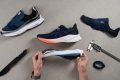
We have worn these shoes ourselves, and everything we say about them truly reflects what we encountered, observed, and felt while strolling in them in different settings. We have selected the top picks for various categories so you have more liberty in choosing what speaks to your needs and wants the most. All these picks weigh less than 10.6 oz or 300g, which makes them lightweight.

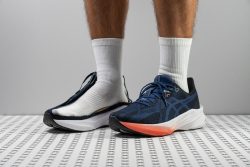
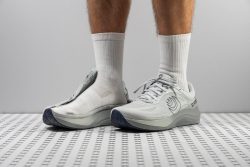

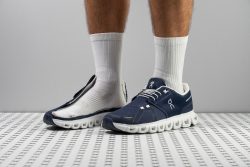
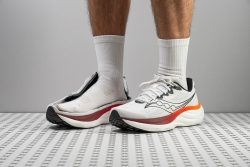
How we test lightweight walking shoes
Zeroing in on the finest lightweight walking shoes implies a whole process here at RunRepeat:
- We purchase lightweight walking shoes with our own funds. We stay away from third-party deals, allowing us to share the truth and nothing but the truth.
- We determine each shoe's pros and cons by wear-testing these kicks for days on a variety of surfaces.
- We collect the data in our lab by assessing and measuring shoes' properties. We make sure the shoe is lightweight by weighing it (we test all shoes in Men's US 9, standard width). We also try to figure out whether cutting the weight resulted in cutting corners on important fronts like durability or stability.
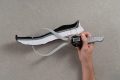
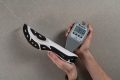
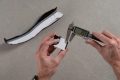
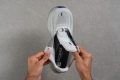
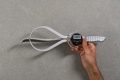
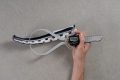
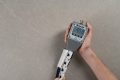
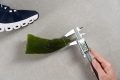
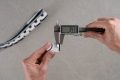
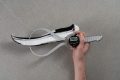
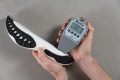
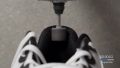
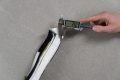
- We use calipers, durometers, tire tread gauges, climate-controlled chambers, and other devices to accurately describe the shoe with over 30 data points.
Best lightweight walking shoes overall


What makes it the best?
The Saucony Triumph 24 was a joy to test on foot, offering luxurious comfort through its massive height and impressive shock absorption without tipping the scales. Therefore, it’s our best lightweight walking shoe. What’s amazing is how its outsole doesn’t hold back on grip and durability, as shown in our lab results.
We had to double-check our scales to see if this bulky shoe is really light on foot. Weighing 9.1 oz (258g), it is indeed light compared to the average 10.3 oz (293g) walking shoe.
What makes Triumph 24’s light figure even more impressive is its gigantic 41.6/33.6 mm stack. It offers endless cushioning, really making sure our legs remain fresh all day. It’s able to reduce the forces of landing effectively, proven by its remarkable shock absorption score of 152 SA in the heel.
The XT-900 performed remarkably well in the lab. It offers unwavering traction, backed up by its high friction coefficient of 0.86 in our wet-condition test. Plus, it’s able to resist wear since our Dremel only dug 0.6 mm deep into the rubber compared to the 1.1 mm average.
However, note that the toebox has less room than expected. While comfortable enough for medium-width feet, it may feel restrictive to those with high-volume and broad-shaped feet.
Pros
- Exceptional foam technology
- Lightweight for its size
- Excellent traction across all surfaces
- Comfortable upper
- Secure fit with zero heel slippage
- Premium materials
- Smooth rocker for heel strikers
- Incredible cushion for long runs
- Superb value for its top-tier tech
- Handles slow and fast paces with ease
- Ideal for heavier runners
Cons
- Less stable than v23
- Fit could be too snug for some
- Wide footprint feels less agile than others
Lightweight walking shoes with the best shock absorption







What makes it the best?
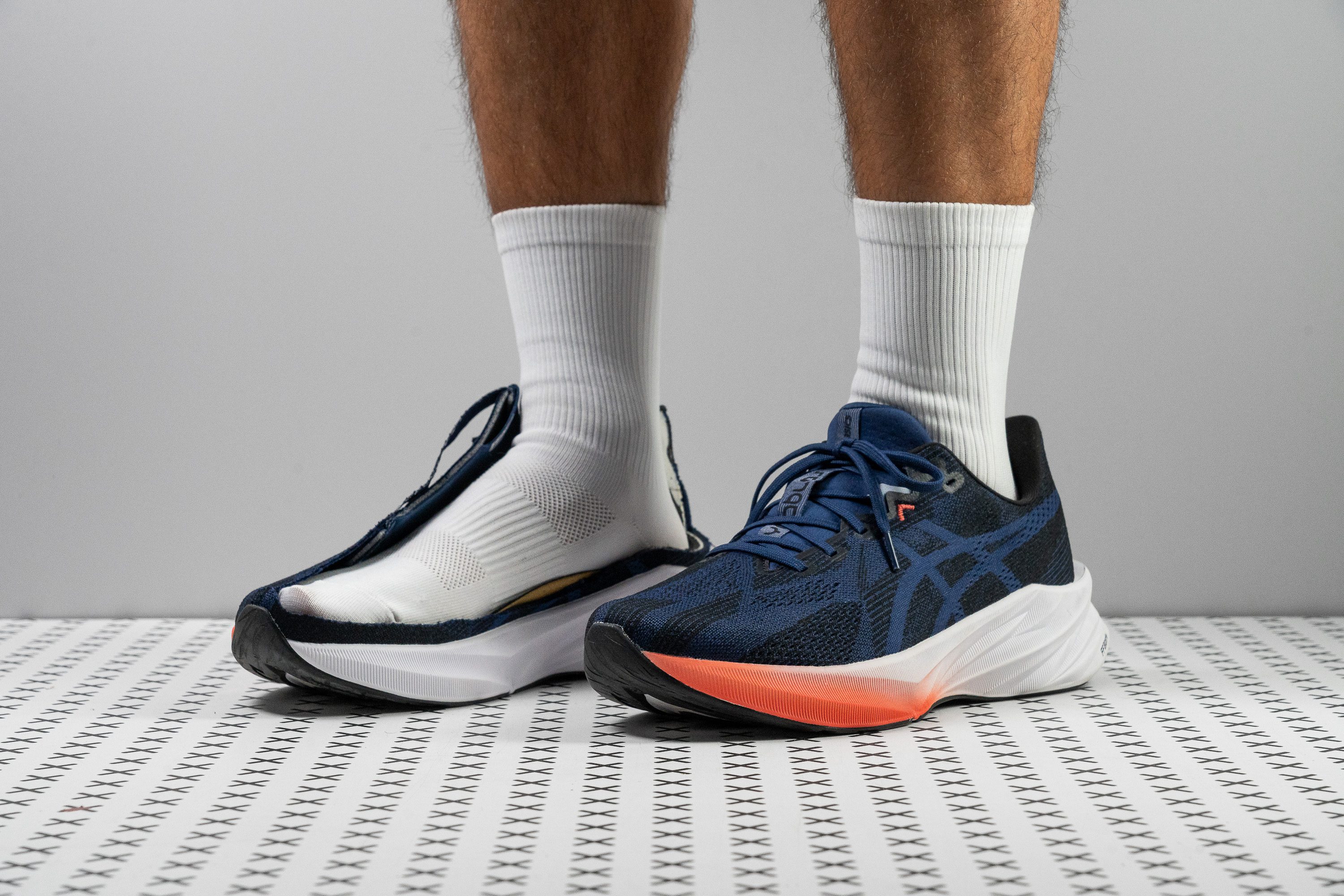
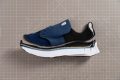
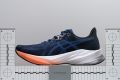
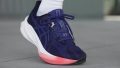
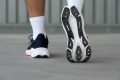
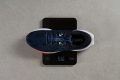
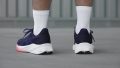
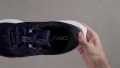
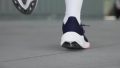
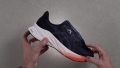
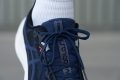
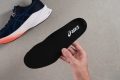
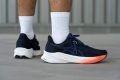
If we could use one word to describe the ASICS Dynablast 5 in our wear tests, it would be cloudlike. From its impact-reducing max-stack to its breathability, we verified in the lab that it offers lasting comfort in its low figure. Among lightweight walking shoes, its shock absorption is unmatched.
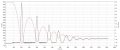
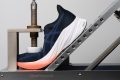
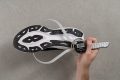
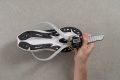
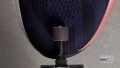
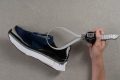
We tested the cushion immediately and recorded world-class levels of shock absorption at 156 SA in the heel and 127 SA in the forefoot. To put things into perspective, the rear reduces landing impact by 21.9% better than average, which saves us from fatigue and pain. We reveled in a thick layer of luscious foam beneath our feet, with a sky-high stack height of 39.4/31.8 mm.
Despite its size, Dynablast 5 never slowed us down with its weight. In fact, our scales show it’s only 9.3 oz (264g) even with all the extra cushioning.
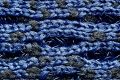
Its pleasant ventilation adds to the mesh upper’s comfort. A steady stream of smoke escaped in our breathability test, earning it a solid 4/5 rating. We never had any sweat or heat build-up.
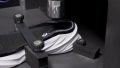
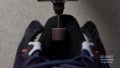
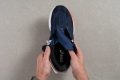
However, the upper sat very closely atop our toes, and our gel mold confirms its limited toebox height. Those with high-volume feet should find a more accommodating pair.
Pros
- World-Class shock absorption
- Maximalist cushioning at an affordable price
- Ideal for beginners
- High durability ratings
- Exceptional value
- Stable forefoot platform
- Drop suits all footstrikes
- Breathable upper
- Can handle long runs with ease
Cons
- Moderate-to-low energy return
- Heavier than Novablast 3
- Low volume toebox
Best lightweight walking shoes for wide feet









What makes it the best?
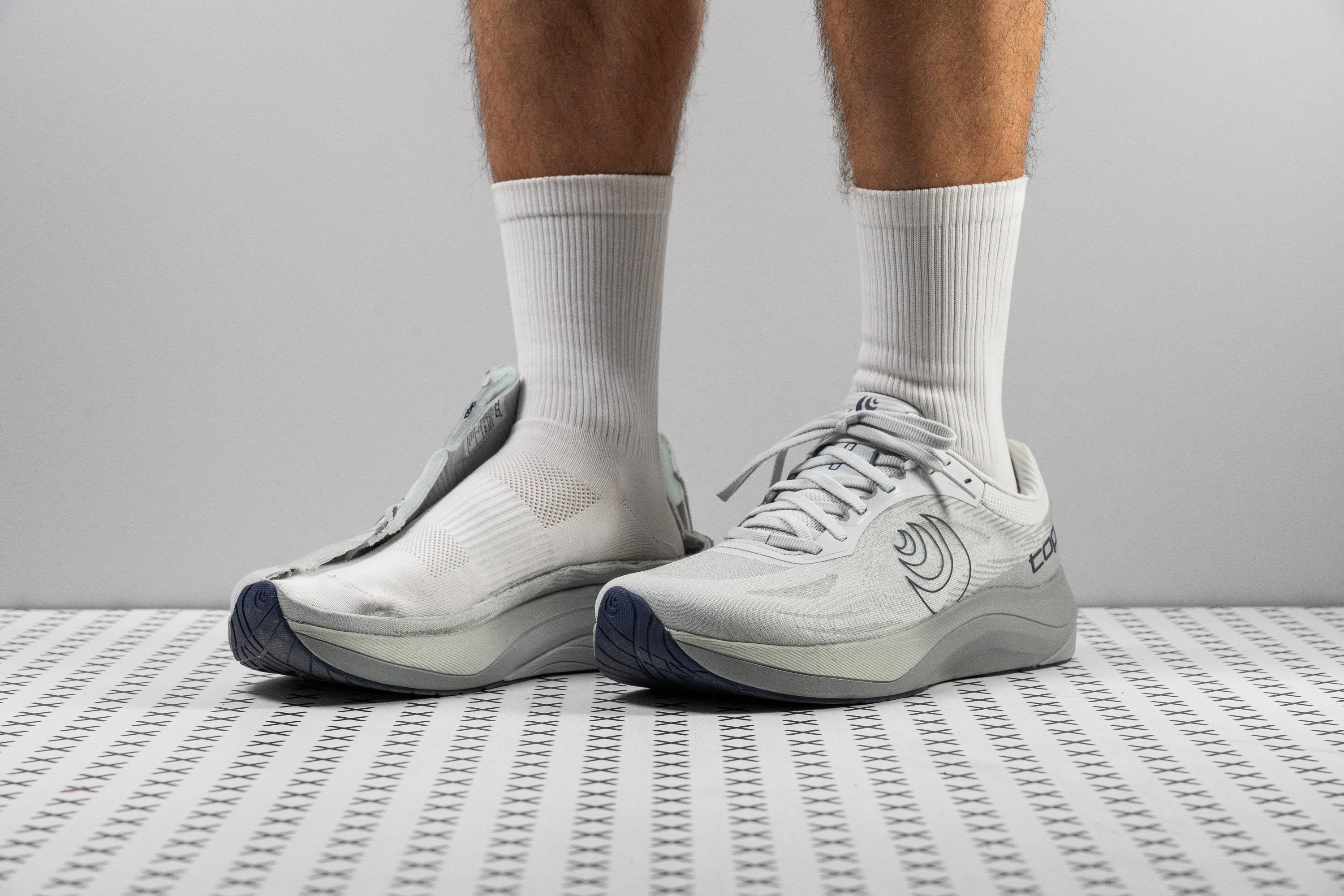
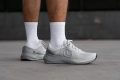
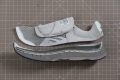
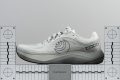
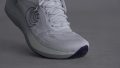
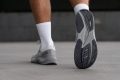
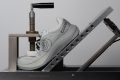
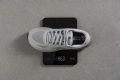
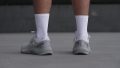
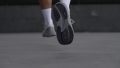
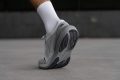
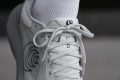
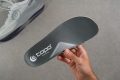
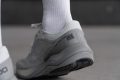
The Topo Ultrafly 6 boasts outsole durability and an accommodating fit in its light and flexible build. It offers a smooth experience for daily wear, with its broad fit being the main highlight in the lab. Therefore, it’s our best lightweight walking shoe for wide feet.
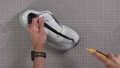
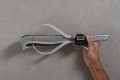
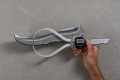
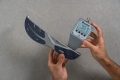
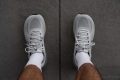
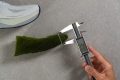
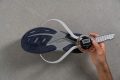
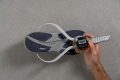
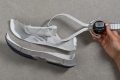
We created a gel mold to replicate the shoe’s interiors. Measuring the ball of the foot area, we recorded a solid 98.8 mm, making it 2% wider than average. Those of us with broad feet or bunions also felt at home in this shoe. Moreover, the toebox follows our natural foot shape, and our caliper registered a massive 80.3 mm reading, 13% above average!
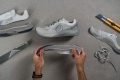
Meanwhile, its light, loose build enhances a natural, relaxed feel. Weighing only 9.6 oz (272g), it’s easy to carry around on foot all day. And by being 18% more flexible than average, Ultrafly 6 feels versatile and comfy.
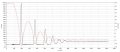
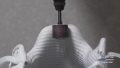
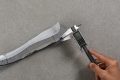
The outsole provides the wear resistance we need for added underfoot protection. In our Dremel test, we recorded a small 0.6 mm dent, making it 53% sturdier than average.
However, we were disappointed with its performance in the toebox, as our Dremel created a hole right away. Those who prefer more reinforcements in the upper should look elsewhere.
Pros
- Anatomical toebox allows for toe splay
- Stable ride with updated support
- Secure fit despite roomy forefoot
- Ideal option for custom orthotics
- Outstanding outsole durability
- Comfortable upper
- Looks a bit better than previous models
- Doubles as a walking shoe
- Interesting pick for beginners
Cons
- Outdated midsole tech
- Low shock absorption
- Limited to easy runs
- High torsional rigidity may bother some
Lightweight walking shoes with the best stability


What makes it the best?
The HOKA Arahi 9 offers confident footing in its light design, and it does so without being too intrusive. In the lab, we discovered three core support features: the HOKA H-Frame technology, its broad heel, and its unwavering traction, making it our lightweight walking shoe with the best stability.
Upon slicing the midsole, we discovered a high-density H-shaped foam that keeps our feet within the shoe. The result is a stable ride with controlled lateral motions, whose superb consistency doesn’t go unnoticed. It naturally resists ankle twists without stiffening the ride.
The broad heel allows us to feel connected to the ground with every step, making sure our whole feet are firmly planted. Our caliper confirms it is wider than average at 96.0 mm. Underfoot, the rubber generated a high friction coefficient of 0.64 in our traction test. Being 30% grippier than average, it maintains control on wet and slippery surfaces.
Thankfully, its wide dimensions and effective support didn’t weigh us down. The shoe is only 9.8 oz (278g), which is impressive for a stability shoe!
However, we recommend that severe overpronators find a stability shoe with more structural support, since the Arahi 8 is still quite a fluid shoe.
Pros
- Stable support without a rigid feel
- Improved traction on wet roads
- Very good durability
- Ideal for easy miles
- Works for runners with Haglund's
- Smooth heel-to-toe transitions
- Enhanced upper
- Can handle daily use without any issue
- Available in D, 2E and 4E widths
- Clever lacing system
Cons
- Disappointing energy return (again)
- Price increase feels difficult to justify
- Heavier than its predecessor
- Non-gusseted tongue is a miss
Best lightweight slip-on walking shoes







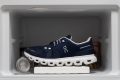

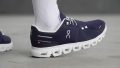
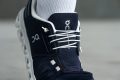
What makes it the best?
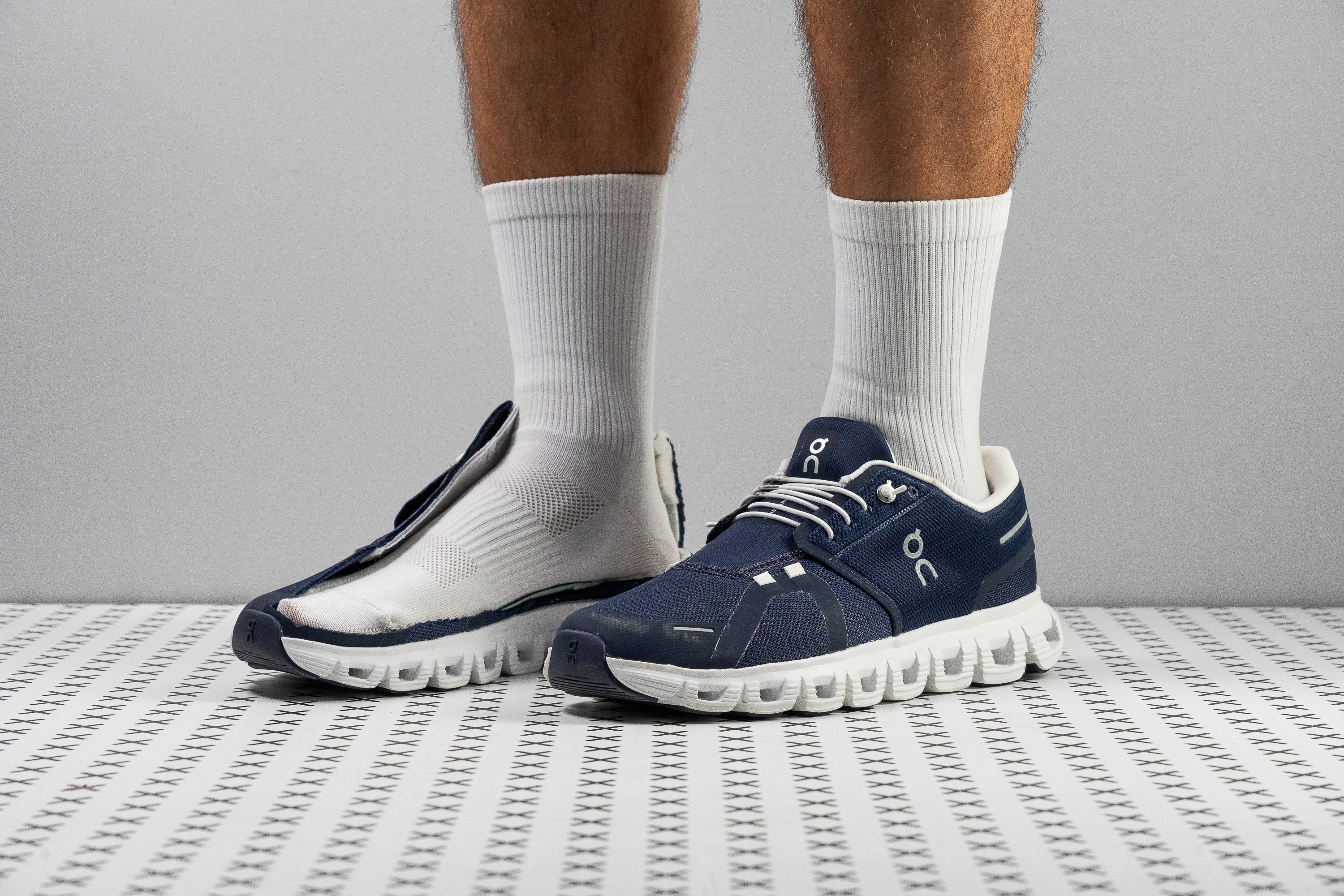
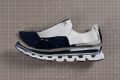
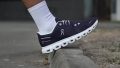
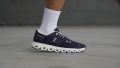
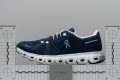
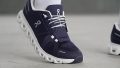
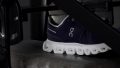
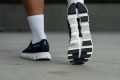
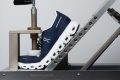
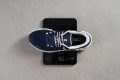
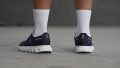
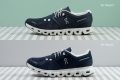
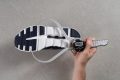
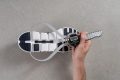
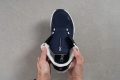
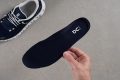
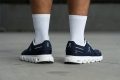
On Cloud 6 offers an unforgettable wear-and-forget experience that keeps us reaching for this pair. Its simple and straightforward build is refreshing, offering an easy and breezy experience, proven by our lab assessment. Overall, it’s our best slip-on lightweight walking shoe.
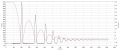
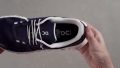
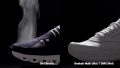
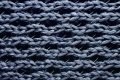
The Cloud 6 features On’s signature Speed lacing, which is hassle-free since we don’t need to tie it anymore. Besides being easy to wear, the upper offers pleasant ventilation. In our smoke test, the air we pumped in could escape, so we rated it a solid 4/5 in breathability.
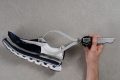
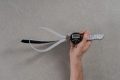
Contrary to its name, Cloud 6 isn’t so cloudlike. In fact, it offers a strong ground connection with its low 28.3/19.5 mm platform. With high surface feedback, we’re able to adapt to various road conditions.
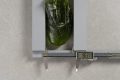
Because the midsole is thin, it has a lot of room to bend. Our flex test reveals it’s 7.9% more malleable than average, creating a freeing and natural sensation on the foot.
However, its minimal cushioning and lack of any stabilizing features won't be appealing to those who need extra cushioning and arch support.
Pros
- Smooth heel-to-toe transitions
- True to size and width
- Great traction on wet and dry
- Flexible construction
- A bit lighter than average
- Breathable for warm weather
- Promising outsole durability
- Slip-on design with easy on-and-off
Cons
- Steep price hike with minimal changes from the v5
- Not for all-day wear
- Not very supportive
- Upper lacks wear resistance
Lightweight walking shoes with the best breathability



What makes it the best?
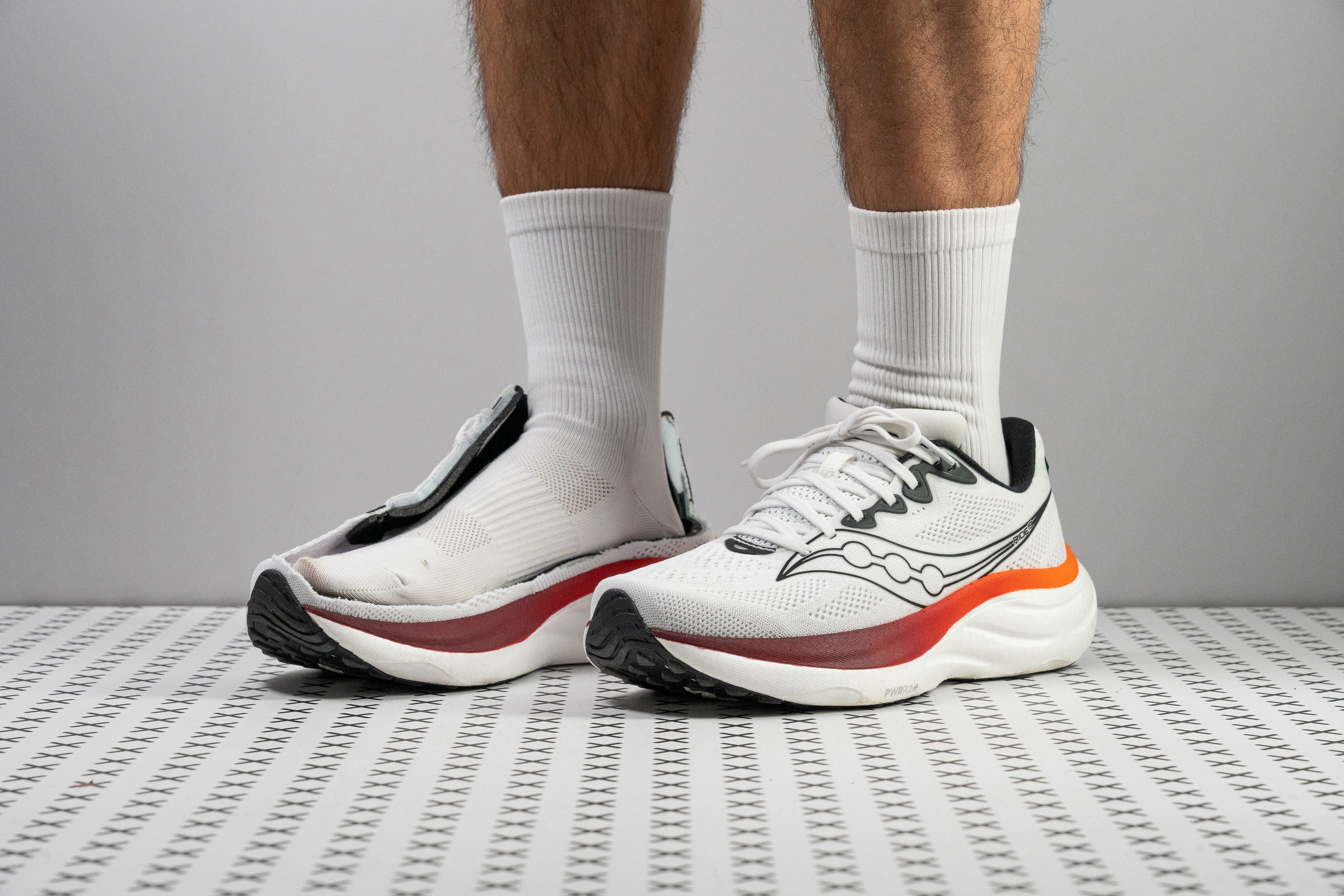
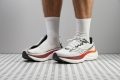
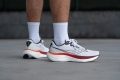
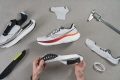
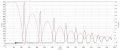
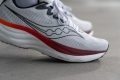
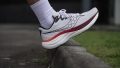
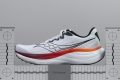
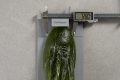
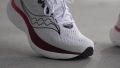
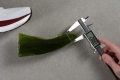
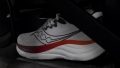
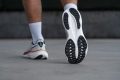
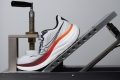
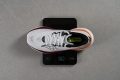
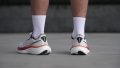
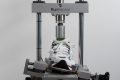
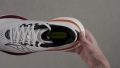
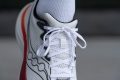
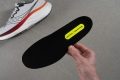
The Saucony Ride 19 is a standout lightweight shoe that feels noticeably well-cushioned and stable. Besides its low figure, lab testing shows it allows sweat vapor to escape, which keeps our feet dry and enhances comfort. Among lightweight walking shoes, Ride 19 takes the crown for breathability.
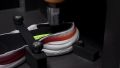
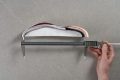
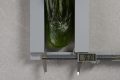
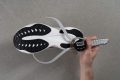
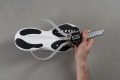
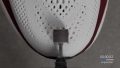
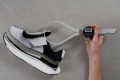
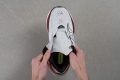
The shoe feels instantly cozy upon wear, especially with the plush 7.3 mm tongue padding embracing our foot. The upper has unblocked ventilation holes that expel our sweat. Showing a strong breathability score of 74 BR in the lab, it feels refreshing to be in these shoes all day.
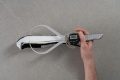
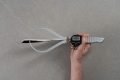
To put a number to its lightness, we checked our scales and recorded only 9.8 oz (278g), making it 3.5% lighter than average. While this may sound small, its effect compounds over thousands of steps since the weight our feet have to carry throughout the day is reduced. Moreover, the cushion absorbs impact well, with a solid 132 SA score in the heel.
Its stable ride also makes the overall experience feel more effortless. We felt confident with our footing throughout testing, since the midsole offers strong twist resistance (4/5 torsional rigidity score). Moreover, its broad 100.7 mm heel secures our footing with each step.
Unfortunately, its higher stack increased its stiffness, which loses the natural feel some people want. Those who prefer a more compact and flexible shoe should skip this pair.
Pros
- High energy return
- Even more foam underfoot than v18
- Excellent durability overall
- Keeps its dependable DNA
- Outstanding breathability
- Wide and stable platform
- XT-900 rubber delivers good grip
- Secure fit with semi-gusseted tongue
- Excellent value
- Clean, improved aesthetics
Cons
- Heavier than previous version
- Limited rubber coverage
- Minor price increase
Best budget lightweight walking shoes










What makes it the best?
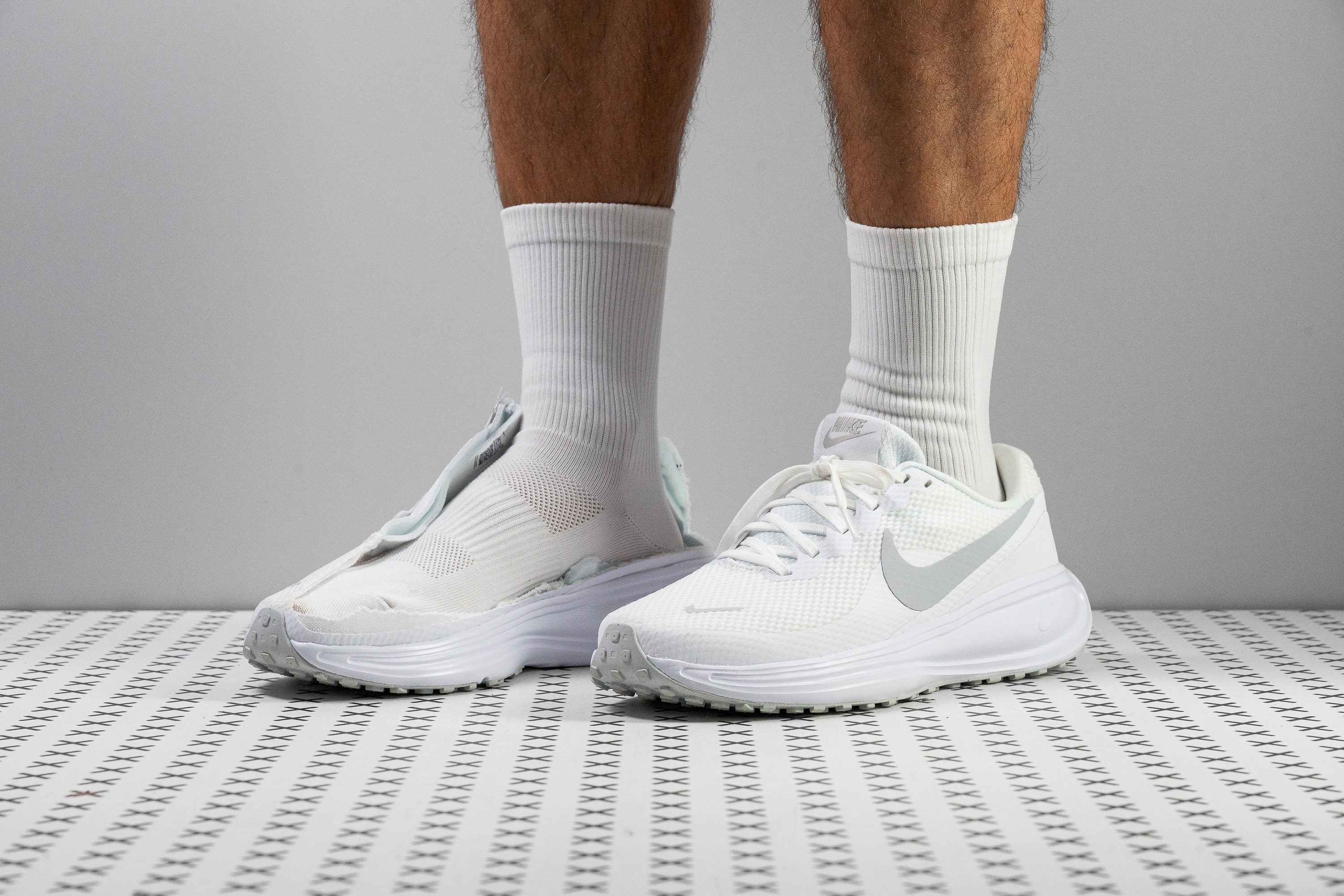
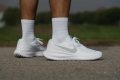
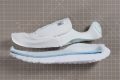
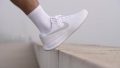
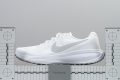
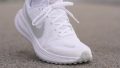
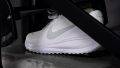
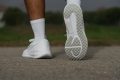
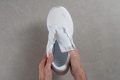
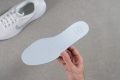
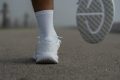
With its high flexibility and low figure, the Nike Revolution 8 offers lasting comfort for a full day of strolling. As seen in the lab, it shows top-to-bottom durability, which makes its $70 price even harder to believe! Priced 44% below average, it’s our best budget lightweight walking shoe.
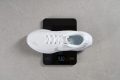
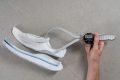
Revolution 8 feels easy on the feet, evidenced by its low 9.3 oz (264g) weight. Being 9% lighter than the average walking shoe, we’re impressed by how comfortable it feels for daily wear.
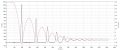
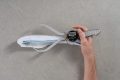
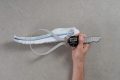
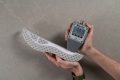
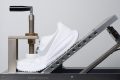
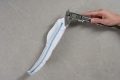
To ensure lasting comfort and versatility, its weightlessness is enhanced by its bendable midsole. In our flex test, we discovered it’s 33% more pliable than average.
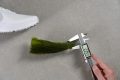
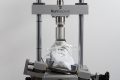
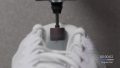
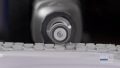
We hit the pavement every single day with this pair and didn’t see any signs of damage. Our abrasion test proves the outsole is sturdy, showing only 1.0 mm of wear. Our Dremel also couldn’t burn a hole through the toebox and heel padding, earning a solid 4/5 in durability for both areas and erasing any doubts about Revolution 8’s longevity.
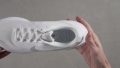
However, its narrow fit in the toebox limits its appeal to those with bunions or broad feet, as the area will feel too tight.
Pros
- Improved energy return
- Affordable price with strong value
- Much lighter than version 7
- Trustworthy grip
- Solid durability
- Padded heel for extra comfort
- Flexible and comfortable for everyday use
- Ideal for heel strikers
- Keeps the same price despite upgrades
Cons
- Lacks forefoot cushioning
- Still a narrow fit
- Low forefoot shock absorption
What is considered a lightweight walking shoe
Weighing all tested walking shoes in the same size (men’s US 9) allows us to identify the lightest options for this guide.

At the time of writing, we consider a walking shoe lightweight if it weighs 10.6 oz (300g) or less. But as materials and cushioning technologies continue to evolve and shoes get lighter each year, we expect that bar to go down as well.
You can always use the Weight filter on our catalog page to choose the shoe weight range that suits you and check an individual shoe’s measurement in its respective lab review.
What makes a shoe lighter?
To keep a shoe’s weight down, brands can use lighter materials, minimize unnecessary components, or simplify the construction. It can be any or all of the following:
- a thinner rubber outsole or less rubber coverage in general
- fewer or no protective overlays on the upper, thinner mesh
- less structure, narrower platform, fewer or no stability components
- less midsole cushioning foam
- less foam padding in the collar and tongue, etc.

On the other hand, brands can make shoes with all of the above and still keep them well under 300g, but that could mean a higher shoe price.
It's important to understand what compromises were made to shed those extra grams and whether the benefits outweigh the potential drawbacks.
Who benefits from lighter shoes?
Here's when choosing a lighter pair of walking shoes can really pay off:
- Brisk or fitness walking: Especially when paired with higher energy return, lightweight shoes feel less cumbersome and help you move faster and with less effort, whether in the city or on a treadmill.
- Traveling and commuting: A lightweight, breathable pair can make long hours at airports and on public transport more comfortable. And when it's time to pack, shoes with a low stack height and flexible construction take up less precious luggage space.
Lighter doesn’t always mean less cushioned
If you think of a lightweight walking shoe, do you imagine a low-stack, minimalist-ish silhouette with a very modest slab of cushioning foam? Well, fortunately, that’s not always the case!
Believe it or not, the heel stack height of lightweight walking shoes in our lab ranges from 10 to 45 mm, with an average of 35 mm!

Thanks to the latest advancements in supercritical foams, brands can pack more foam into the shoe’s midsole without turning it into a heavy brick.
But stack height alone doesn’t determine how well-cushioned the shoe feels or how much shock absorption it provides. The type of midsole foam, its softness, and responsiveness determine the ride more than the amount of foam itself.
That's why we put every shoe through a scientifically validated shock absorption test. It reveals how much impact the heel cushioning absorbs with each landing, rather than passing it on to your body. The higher the SA reading, the more effectively the shoe cushions those impacts.
We highly recommend considering walking shoes with higher shock absorption if:
- you want more comfort for day-to-day walking, especially if it’s concrete, asphalt, tiles, or other hard surfaces
- you spend long hours or all day walking and standing
- you walk long distances to clock up those steps
- you are a heavier person
Lightweight walking shoes can still be durable
It is true that manufacturers may reduce the amount of material to keep a shoe as light as possible. This is especially true for outsole rubber and protective overlays on the upper.
But having tested hundreds of pairs, we found that there are quite a few highly durable options among lightweight walking shoes!
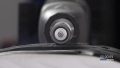
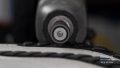
In our lab, we take every single shoe through a rigorous durability test involving a Dremel with a sandpaper tip. We apply the tool to each shoe’s toebox, heel padding, and outsole at a consistent speed (5K or 10K RPM) and pressure (2N) for a given duration (4 or 18 seconds), and assess the damage it sustains.
Depending on the severity of damage, the toebox and heel padding receive a score from 1-5, where 5 is the most durable; and the outsole damage is measured with a caliper - the shallower the dent, the better the durability.

We also measure outsole thickness to complement our abrasion resistance test and get a fuller picture of the shoe's long-term durability.
We must say that many lightweight shoes showed surprisingly high wear resistance in these tests! In the table below, we gathered the most durable options at 300g or less:
Can stability walking shoes be lightweight?
Absolutely! Especially since brands are moving away from burlier stability elements like medial posts and heavy TPU cages in favor of guiding midsole geometries.
We are seeing how long-standing stability shoe series have been getting lighter with each new iteration, going well below 300g and, in some cases, even 250g!
Does shedding weight make these shoes less stable? Our lab results suggest otherwise. Many lightweight models still earn high stability scores thanks to their broad platforms, structured heel counters, and supportive midsoles.
Folks with overpronation and other conditions that call for enhanced gait guidance can enjoy the benefits of supportive shoes without feeling dragged by them.
Similar buying guides