5 Tennis Shoes With The Best Traction in 2026

We buy shoes ourselves. We earn commissions when you buy through us, at no extra cost. Why trust us
High outsole traction is a pillar of confidence on the tennis court. Planting the foot firmly during an abrupt stop, landing from a serve, or feeling in control on sharp directional changes would not be possible without a grippy tennis shoe to rely on.
After thoroughly testing dozens of tennis shoes in our lab, we have identified those with the highest outsole traction to help you find the right pair more quickly.
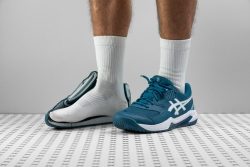
How we test tennis shoes with the best traction
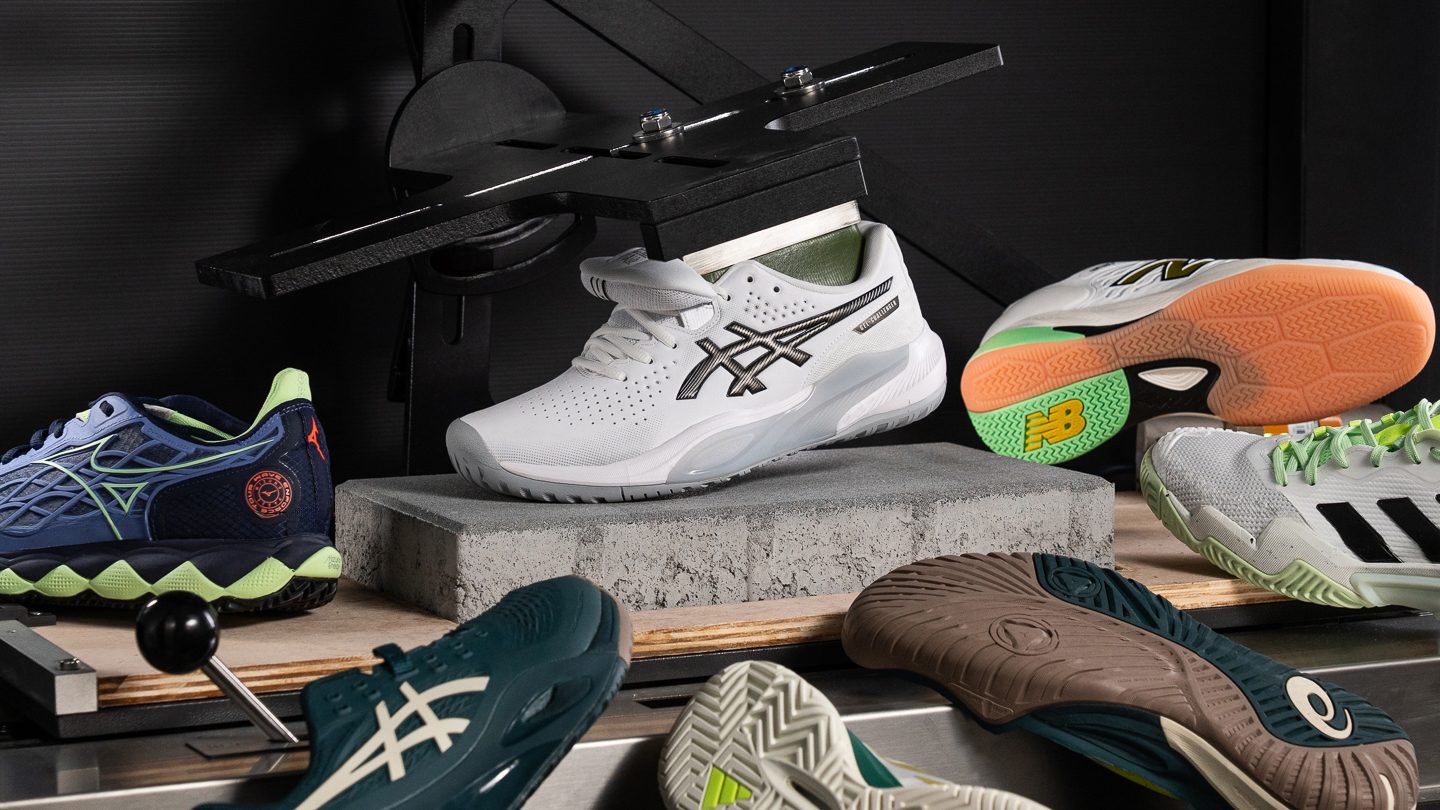
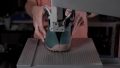
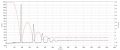
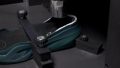
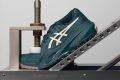
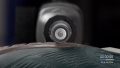
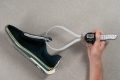
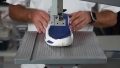
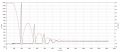
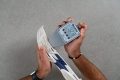
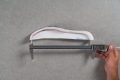
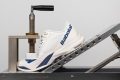
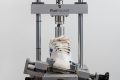
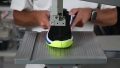
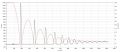
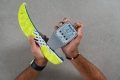
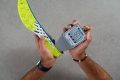
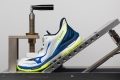
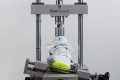
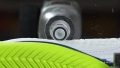
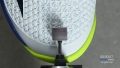
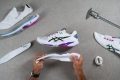
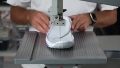
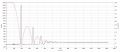
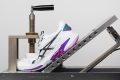
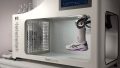
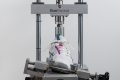
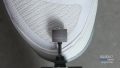
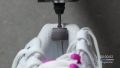
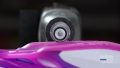
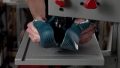
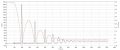
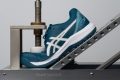
We follow the acclaimed SATRA TM144 protocol to measure each tested shoe’s dynamic coefficient of friction (CoF) in a specialized machine. The latter applies a force of 500N to smash the shoe’s outsole against the testing surface at a 7-degree angle, mimicking a real-life stopping motion in the forefoot area. We repeat the test 10 times and remove the outlying values (10% below or above the mean) to calculate the final result.
The higher the CoF is, the better the traction.
But grip isn't the only metric we’re interested in when testing tennis shoes. To provide the most comprehensive reviews, we take each pair through 30+ tests and measurements to get a full picture of its cushioning, stability, fit, stiffness, and other features.
No marketing claims are taken for granted, and no sponsorships are allowed in our lab. All our verdicts remain unbiased as each tested shoe is purchased with our own funds.
Best tennis shoes with high traction overall

What makes it the best?
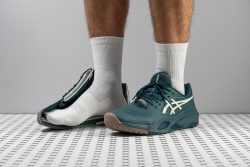
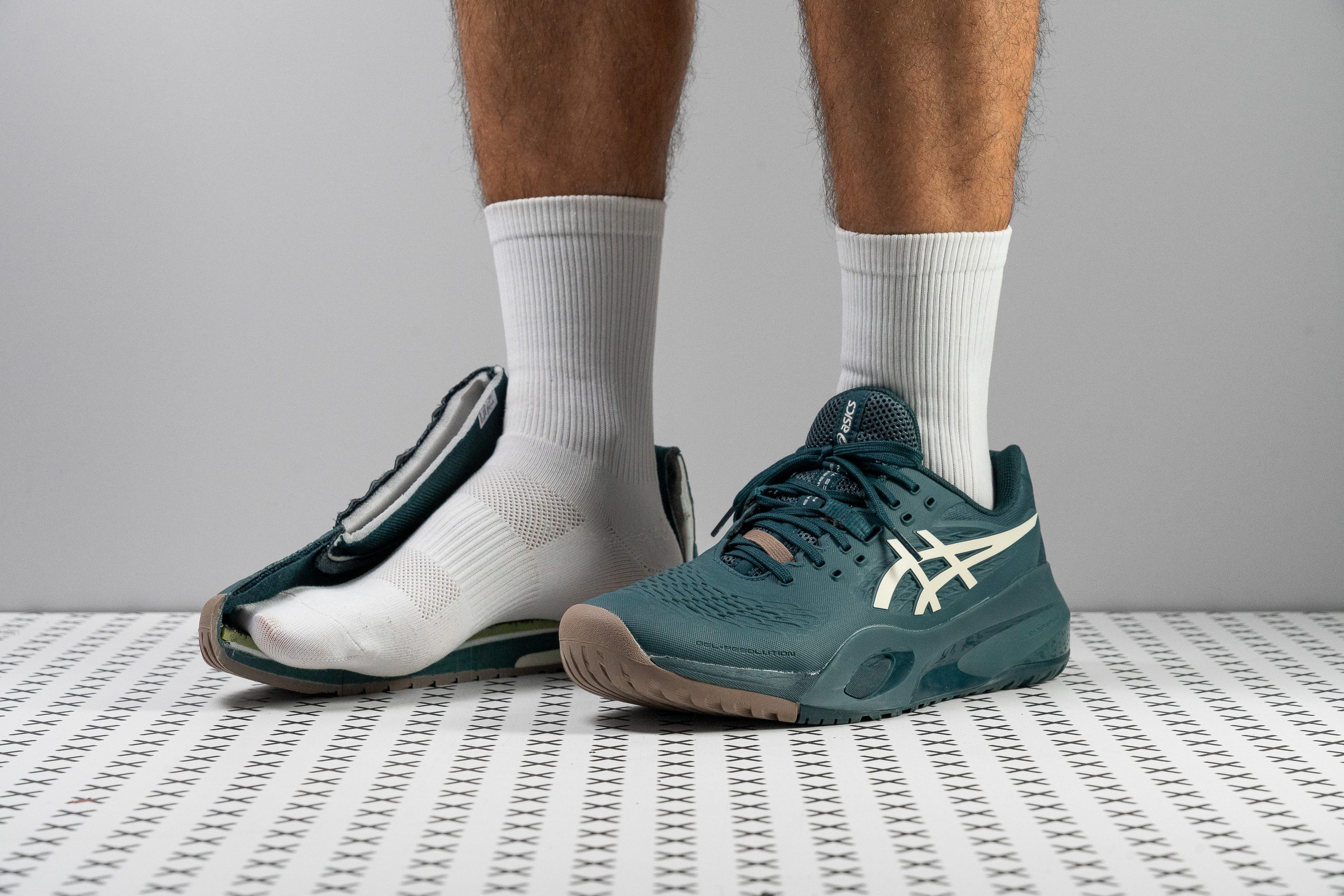
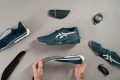
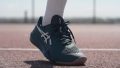
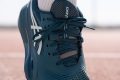
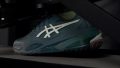
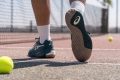
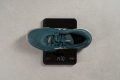
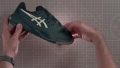
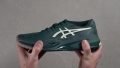
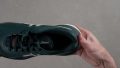
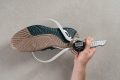
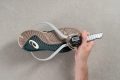
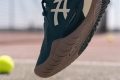
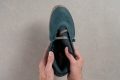
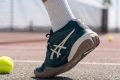
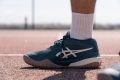
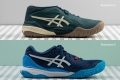
We were able to endure extended baseline rallies on court because of the ASICS Gel Resolution X’s impressive control and impact protection. Lab tests show it offers a joint-friendly experience through its impact protection and stable ride. However, the AHARPLUS rubber’s performance in the lab makes it a clear winner as the best high-traction tennis shoe.
The AHARPLUS offers reliable grip for hard stops and quick direction changes. Testing for its traction, we recorded an astounding friction score of 0.89, making it 17.1% grippier than average. It bit into the court instantly as we pushed off to chase the ball.
Besides its grippy outsole, the Gel Resolution X secures our footing well through its wide and rigid construction. It features the TPU Dynawall frame, which generates a whole lot of twist resistance, explaining its maximum 5/5 torsional rigidity score. It’s almost impossible to lose balance, given we have such a wide platform of 116.5/94.1 mm to rely on.
We could last long during our matches since the midsole took the brunt of each forceful footwork. Testing for shock absorption, we measured good scores of 98 SA in the heel and 70 SA in the forefoot.
However, all the support brought its weight down to 14.7 oz (417g). If a nimble sensation underfoot is a must, we recommend going for more agile pairs.
Pros
- Unbeatable durability
- Impeccable stability and support
- Perfect for wide feet
- Customizable Dynalacing
- Fantastic outsole traction
- Great impact protection
- Energy return is better than in v9
- Generously padded interiors
Cons
- Unusual fit and sizing
- Raised collar is a mixed bag
- Long break-in period
- Heavier than most tennis shoes
Tennis shoes with high traction and shock absorption
What makes it the best?
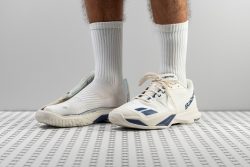
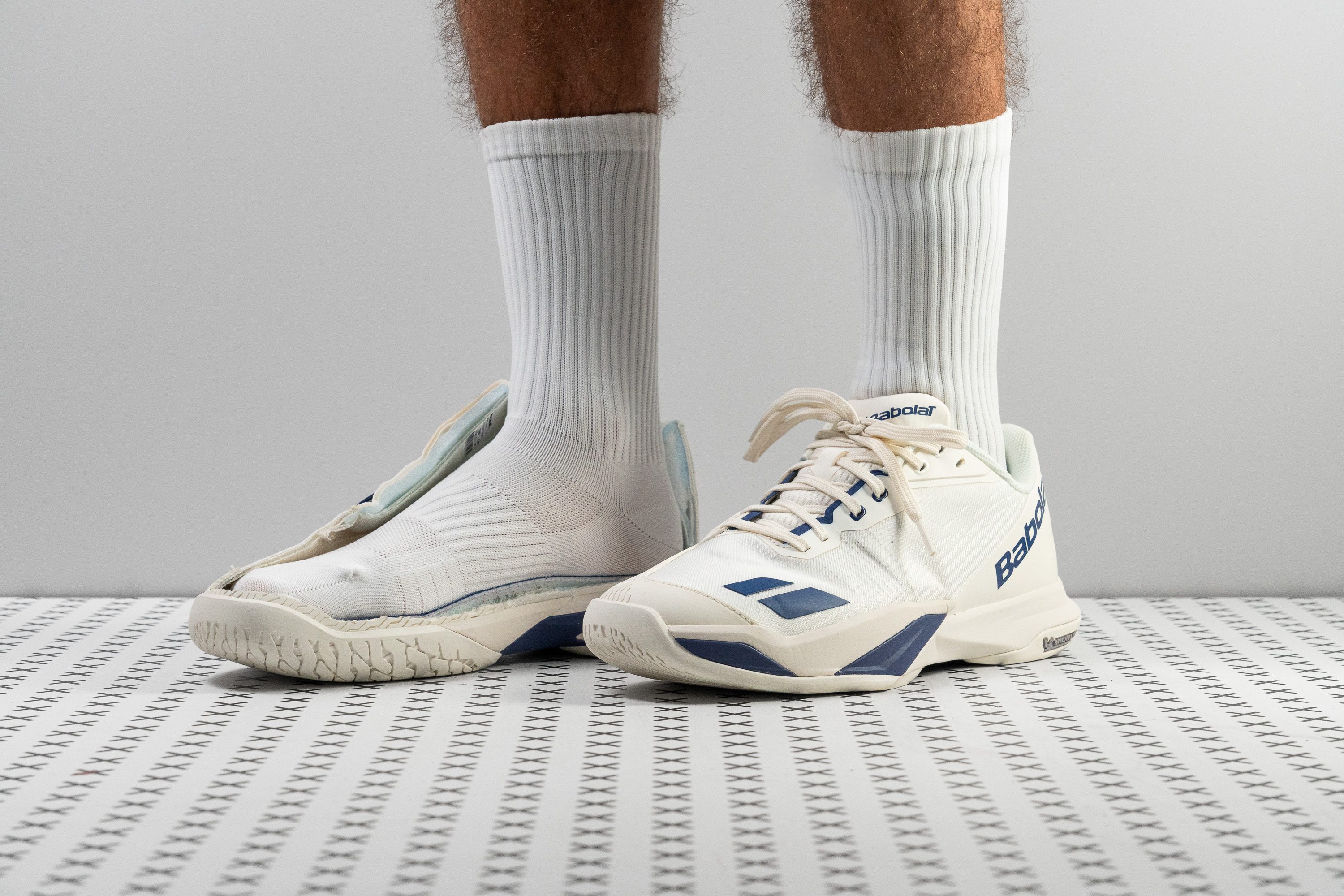
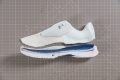
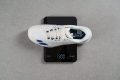
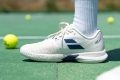
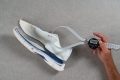
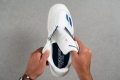
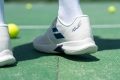
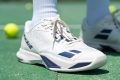
The Babolat Jet Mach 4 offers a well-cushioned sensation yet controlled footing during our rallies, without foregoing impact protection. In the lab, we found that it offers exceptional slip resistance and stiffness in the right areas for added support. However, it surprised us with the best shock absorption in the high-traction tennis shoe category.
We measured the stack height of Jet Mach 4 at 32.5/22.2 mm, allowing long hours of playing with its generous buffer under our heels and toe joints. More than that, it offers strong shock absorption in the rear and up front, backed up by high ratings of 116 SA and 72 SA, respectively.
We observed raised sidewalls and a stiff shank that wraps the midfoot for more pronounced arch and lateral support. It prevented us from rolling over our ankles during forceful movements and crossovers, without losing agility. In fact, it proved to be 16% more forgiving than average in our torsional rigidity test.
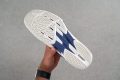
The outsole allows us to be in control of our footwork. In our traction test, it generated a high friction coefficient of 1.11, making it 46% grippier than average. It followed instantly when we wanted to brake and gave us a firm ground hold during push-offs.
However, most of the speed and power is generated by our own muscles, as the midsole lacks bounce. Players looking for an energetic shoe should explore other options.
Pros
- Exceptionally tacky outsole grip
- Abundant shock absorption
- Leveled-up durability
- Secure foothold and lockdown
- Extended forefoot outrigger
- Stiff snappy forefoot
- Comfortable step-in feel
Cons
- Underwhelming energy return
- Snug narrow fit
- Heavier than v3
Tennis shoes with high traction and energy return
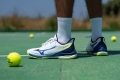
What makes it the best?
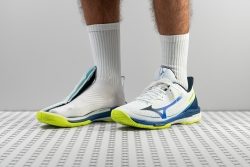
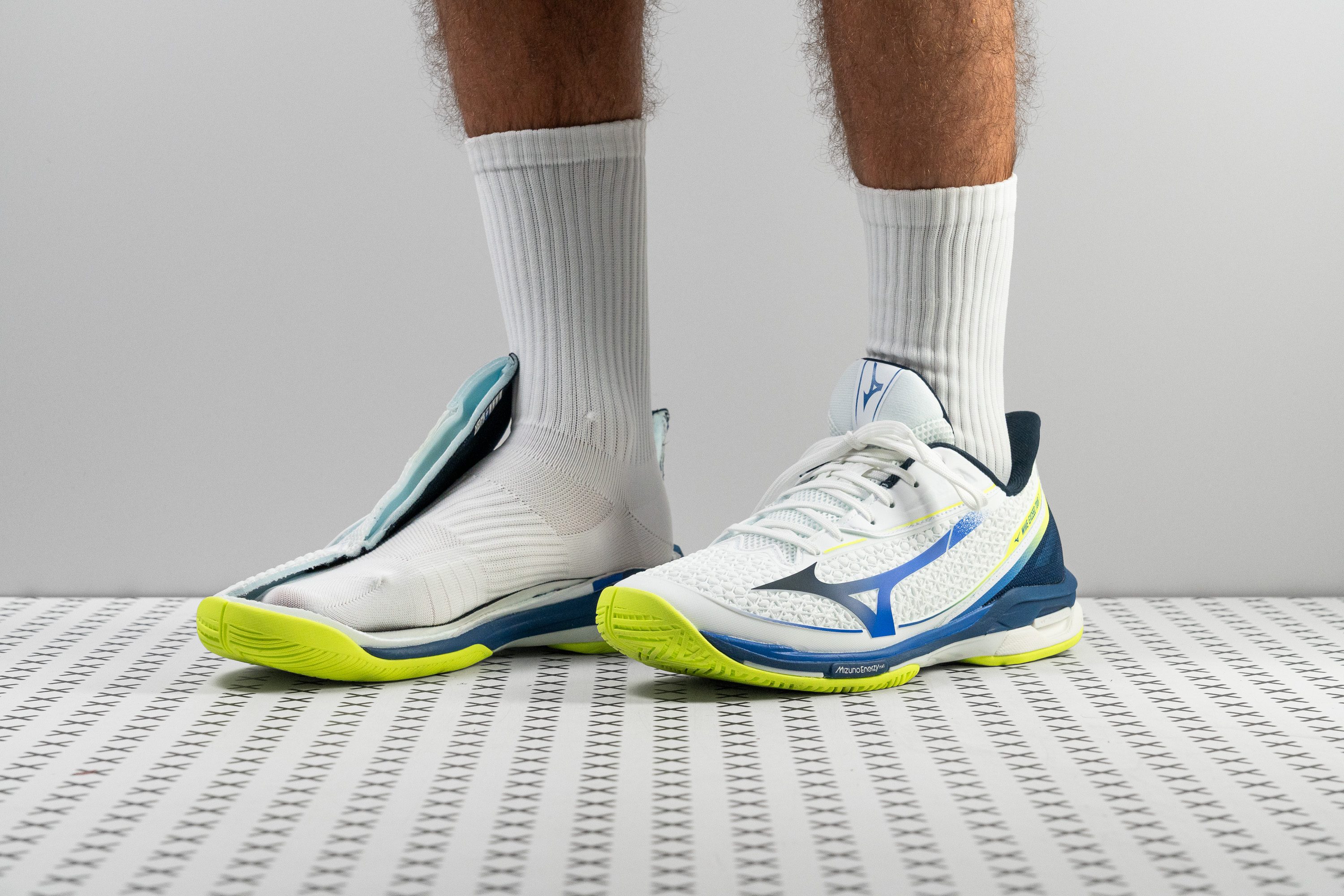
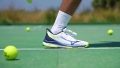
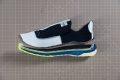
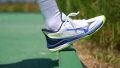
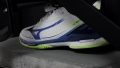
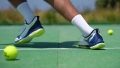
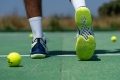
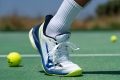
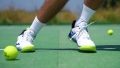
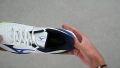
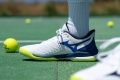
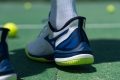
We found the Mizuno Wave Exceed Tour 7 suitable for high-speed play, with exceptional responsiveness and unwavering bite on court. Lab tests reveal its light and flexible build contributes to its agility, yet its energy return is clearly the best among high-traction tennis shoes.
The ENERZY XP felt so delightful in our games, supporting our dynamic movement with a springy release. We verified high energy return scores in the lab, reaching 55.7% in the heel and 58.5% in the forefoot. Because the power we exert goes back to us, less effort is needed to perform our footwork.
The DX Rubber outsole balances all the wildness with its tacky bite on court. It delivers a well-planted sensation through its strong traction, generating a friction score of 1.04 in our lab test. At this rate, it’s 35% grippier than average!
Given all that it offers, its below-average 12.1 oz (343g) weight is a pleasant surprise. We also found it to be 24% more flexible than average in our bend test, which helps us adapt to the surface better and makes long rallies more comfortable.
However, it has a more streamlined base and toebox compared to average. Players who don’t like a close-fitting sensation should look for more spacious shoes.
Pros
- Top-level outsole grip
- Fantastic overall durability
- Balanced cushioning and court feel
- Springy and responsive ride
- Highly flexible and maneuverable
- Good stability for a speed shoe
- Snug and secure fit
Cons
- Not as light as claimed
- Not for wide feet
Best speed tennis shoes with high traction
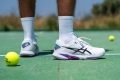


What makes it the best?
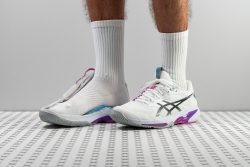
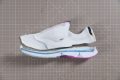
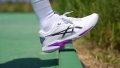
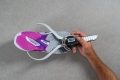
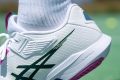
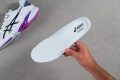
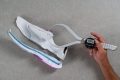
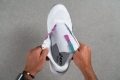
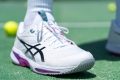
The ASICS Solution Speed FF 4 is all about nimbleness with its simple and easygoing nature. Lab tests show it’s light and maneuverable, almost disappearing on foot, yet it reinforces its presence with exceptional grip and lateral support. Ultimately, it’s our best speedy high-traction tennis shoe.
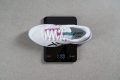
Solution Speed FF 4 doesn’t demand much attention, and our scales reveal it’s on the lighter side of tennis shoes at 11.9 oz (337g). It freely bends with our feet, which enhances its lightness. Our bend test verifies it’s 3% more flexible than average.
In the midfoot, we found the Speedtruss shank, which prevents us from losing our balance and adds some springiness to our footwork. It resists twisting and excessive lateral movements, as shown by how it needs 9% more torque than average to twist to our desired angle.
Moving to the outsole, the ASICSGRIP’s strong bite on the court kept us confident. Our traction test reveals an astounding friction coefficient of 1.11, making it unmatched and 46% grippier than average.
However, this shoe struggles to keep our feet dry and sweat-free on humid days or long matches. Players who don’t want to deal with clammy feet or unwanted hotspots should aim for a more breathable shoe.
Pros
- Unbeatable ASICSGRIP traction
- Excellent shock absorption
- Still lighter than average
- Exceptionally durable
- Good forefoot flex for agility
- Solid lockdown and support
- Softer and cushier step-in feel
Cons
- Low toebox height
- Serious lack of breathability
Best budget tennis shoes with high traction



What makes it the best?
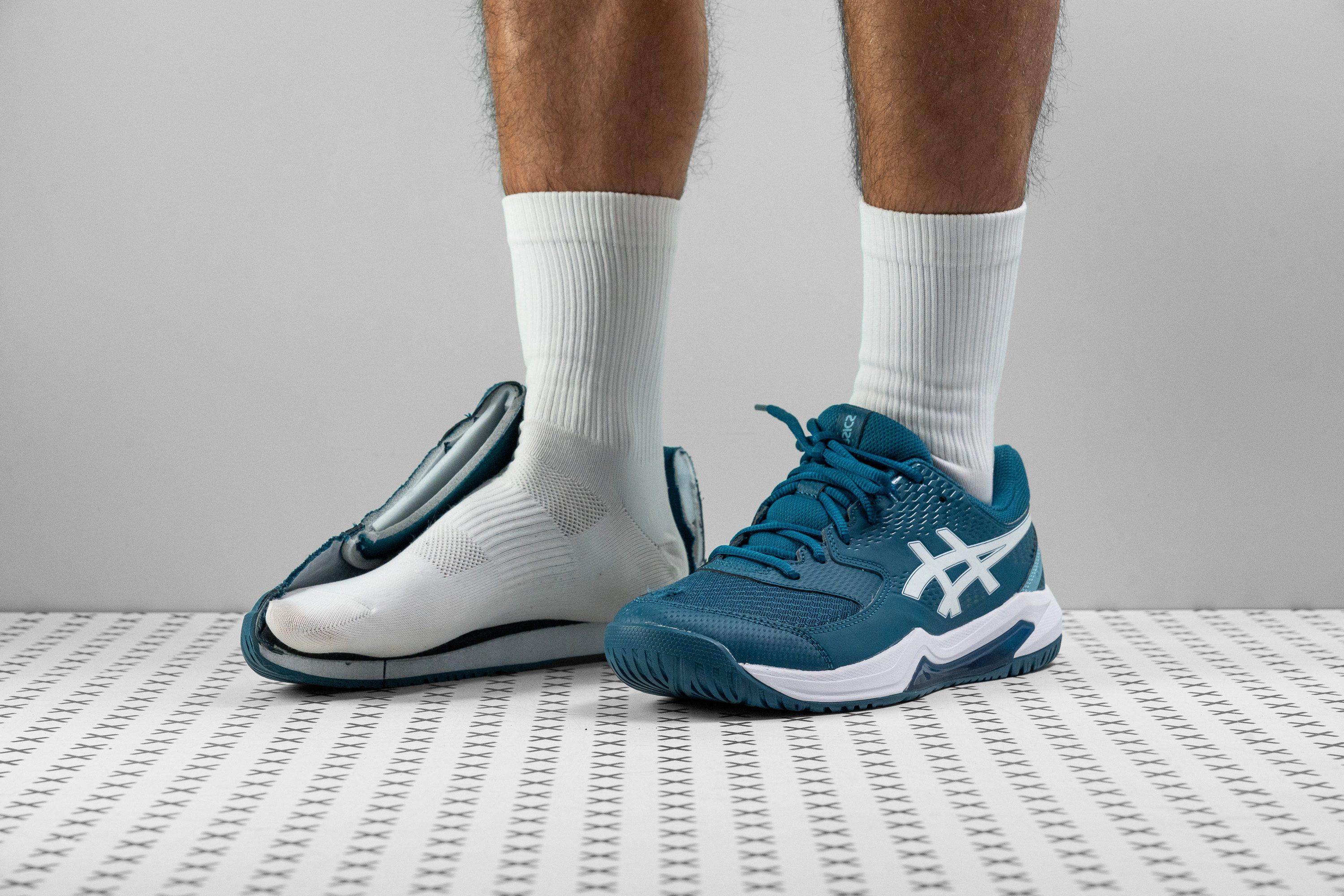
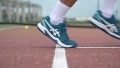
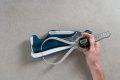
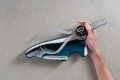
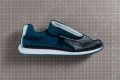
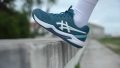
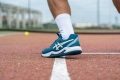
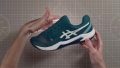
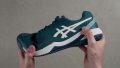
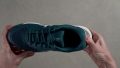
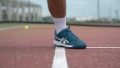
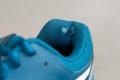
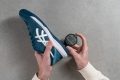
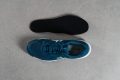
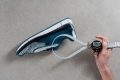
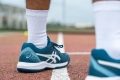
The ASICS Gel Dedicate 8 is a wallet-friendly and foot-friendly tennis shoe that delivers all the essentials needed to enjoy the sport. We found it nimble and easy to maneuver, as lab results reveal its light and flexible build. It stands out for its show-stopping grip, topped with a beautifully breathable upper. At $80, it’s 41.2% cheaper than average, making it our best budget high-traction tennis shoe.
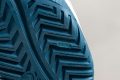
We felt confident with our footwork, as the grippy outsole allowed us to push off and pivot as needed. In our traction test, we recorded a staggering friction coefficient of 0.98, making it 28.9% grippier than average.
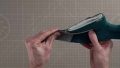
The shoe showed versatility through its low weight and minimal resistance to bending. Our scales show it’s only 11.3 oz (319g), making it 11.9% lighter than average. Moreover, in our flex test, it emerged 26.5% more malleable. These features combined create an effortless experience.
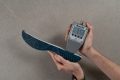
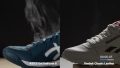
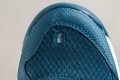
The Gel Dedicate 8 can also take the heat with its impressive airflow. We filled the upper with smoke and saw that it escaped through the material, resulting in an impressive 4/5 breathability score.
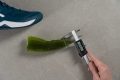
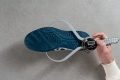
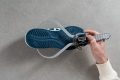
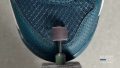
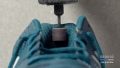
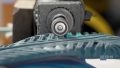
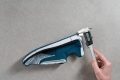
However, the cost of a lower price is a shorter lifespan. Our Dremel made a significant impact on the shoe, especially the upper, so we can’t recommend it to players who value durability.
Pros
- Among the cheapest you can get
- Highly breathable upper
- Super strong grip out of the box
- Decent outsole durability for the price
- Much lighter than average
- Sufficient impact protection
- Surprisingly stable platform
- Responsive midsole
- Flexible in the forefoot
- Well-padded interiors
Cons
- Very frail upper materials
- Lacking support in the upper
The benefits of tennis shoes with high traction
The most obvious advantage of high traction in tennis shoes is, of course, the reduced risk of impromptu slipping. And when you don’t have to worry about skidding, you avoid loss in performance and even potential injury, and feel more confident exerting full effort and play more aggressively.
However, that’s not the only benefit of a grippy outsole. You also achieve more control over:
- acceleration and maintaining high speed
- deceleration and making hard stops
- abrupt directional changes and cuts
The problem with high traction in tennis shoes
The movements involved in tennis are nowhere near as linear and straightforward as those in walking or running. The dynamic and multi-directional footwork of tennis players requires both:
- translational (straight-line) grip to avoid slipping forward, backwards, or sideways
- and rotational release to allow twisting and sliding
You don’t just want the shoe to be so grippy that it keeps sticking to the court on each step. Excessive traction has been linked to an increased risk of injury in multiple studies.
When the foot gets stuck on hard stops, it puts higher stress on the knees and ankles, and when it happens during rotational moves, there is an increased risk of knee injuries (like ACL or meniscus tears).
A tennis shoe must have a good balance of grip and give to feel fine-tuned to your playing style.
|
You need an optimal amount of traction, NOT the highest traction. |
The friction coefficients in our current tennis shoe catalog range from 0.50 to 1.1, with the average hovering around 0.75.
It is quite possible that you may find the grippest options too sticky for your playing style, especially if it involves a lot of sliding. So it's perfectly fine if you find the right level of grip somewhere in the moderate range of our rankings below.
A disclaimer about our method of testing traction
Our current traction test is limited to translational (straight-line) grip alone, as it only records the outsole friction that’s generated by a forward stopping motion (think hard forehand stop).
Testing outsole traction in our lab
This means the shoe’s on-court performance during side-to-side moves, twists, and slides can differ from what our traction measurement suggests.
However, it gives you an idea of how much stopping power you can expect when sprinting to the net and braking hard to hit the shot.
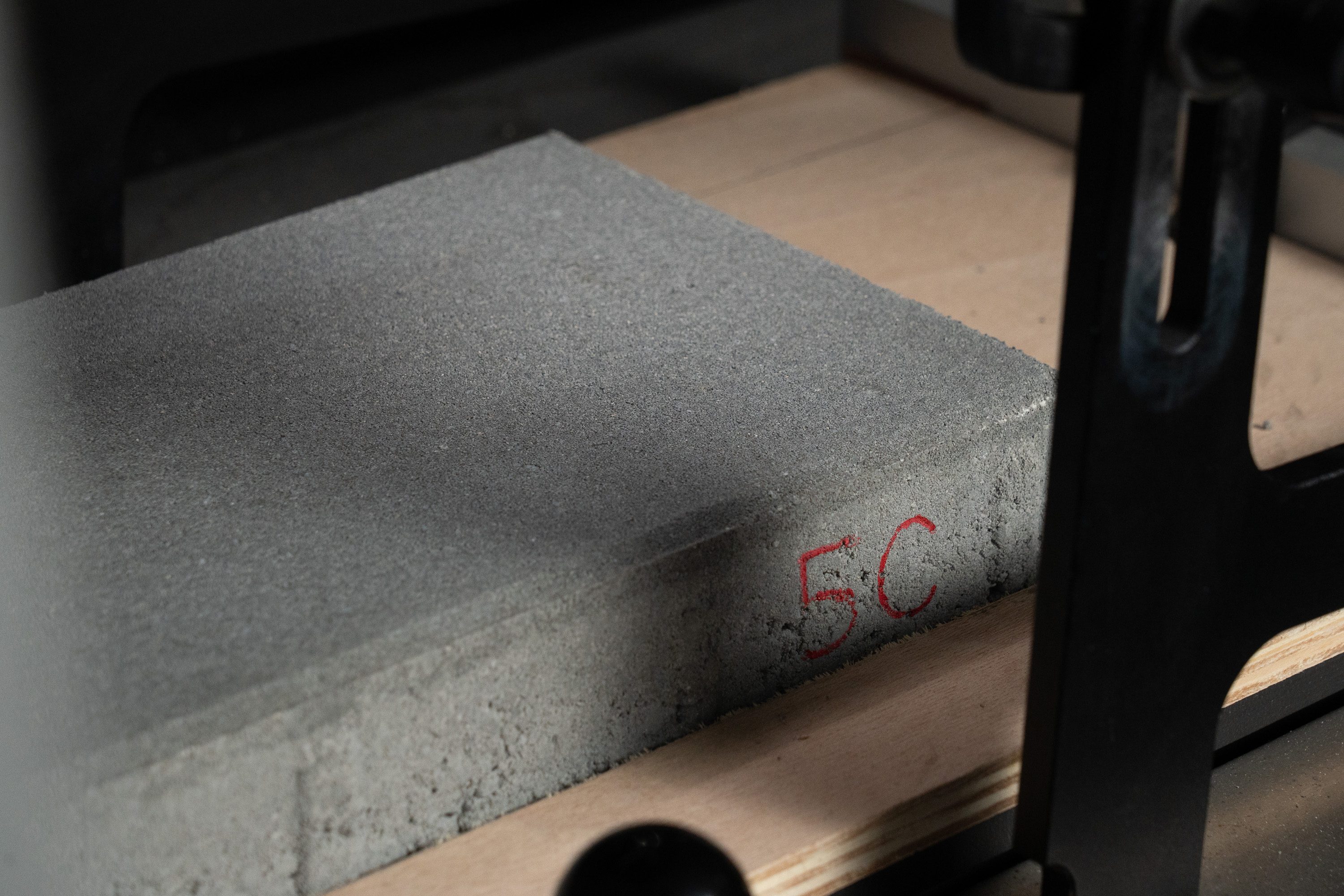
We also chose to perform our traction test on a slab of dry concrete for uniformity. Even though it doesn’t mimic real-life playing surfaces, smooth concrete yields more consistent results compared to clay or acrylic paint mixed with silica sand.
The latter is particularly tricky because the roughness of acrylic hard courts depends on the paint–silica–sand mixture, and it’s been reported to differ between surface manufacturers. For example, mixtures with larger sand particles show lower friction.
Factors that affect traction in tennis shoes
The more we get into the nitty-gritties of tennis biomechanics and physics, the more layers of complexity we discover in its traction department.
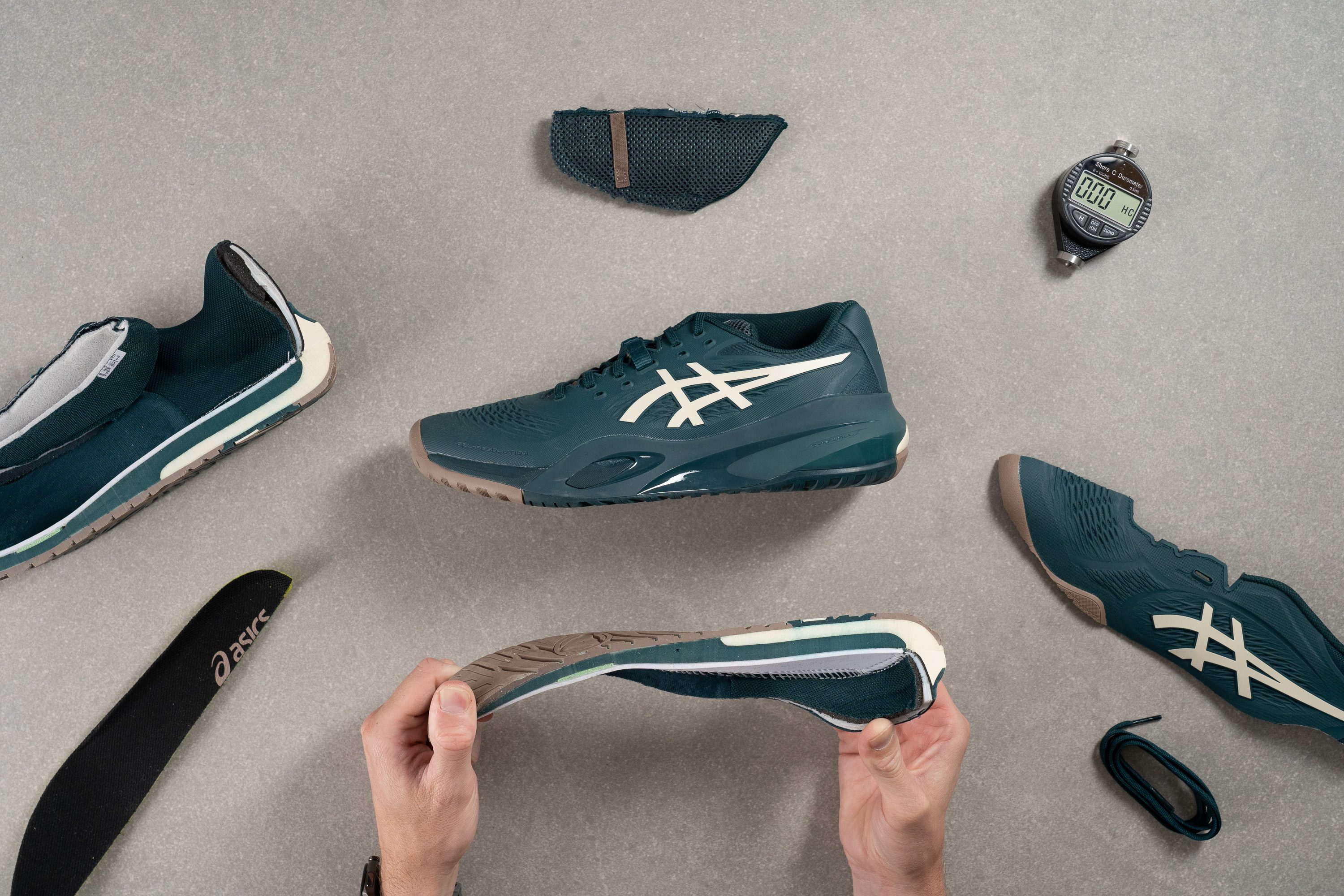
Our research shows that almost a dozen factors can affect a shoe’s traction on the court!
1. Type of tennis court: It’s been confirmed that a hard court has a notably higher friction coefficient than a clay court. So choosing overly sticky shoes for hard court can backfire, leading to higher peak traction that makes it harder to release the foot after planting and placing more stress on ankles, knees, and Achilles.
2. The state of the court: Newly built or resurfaced hard courts can take weeks or even months to smooth out. Until then, sharp and exposed sand particles create more friction with the rubber outsole, resulting in higher traction and, consequently, faster outsole wear.
3. The loading of the shoe: Heavier players and/or folks with aggressive playing styles put more load and force into the shoe, which results in higher grip. That’s because the outsole rubber molds and engages with the court’s rough texture more under pressure. Studies even show that dry artificial clay can feel almost as grippy as a hard court with enough downward force.
4. The player’s foot angle: Our current traction test shows how well the shoe’s grip works during forward movement. However, the amount of friction changes in relation to the angle at which the player’s foot is turned, tilted, or planted — even on the same surface.
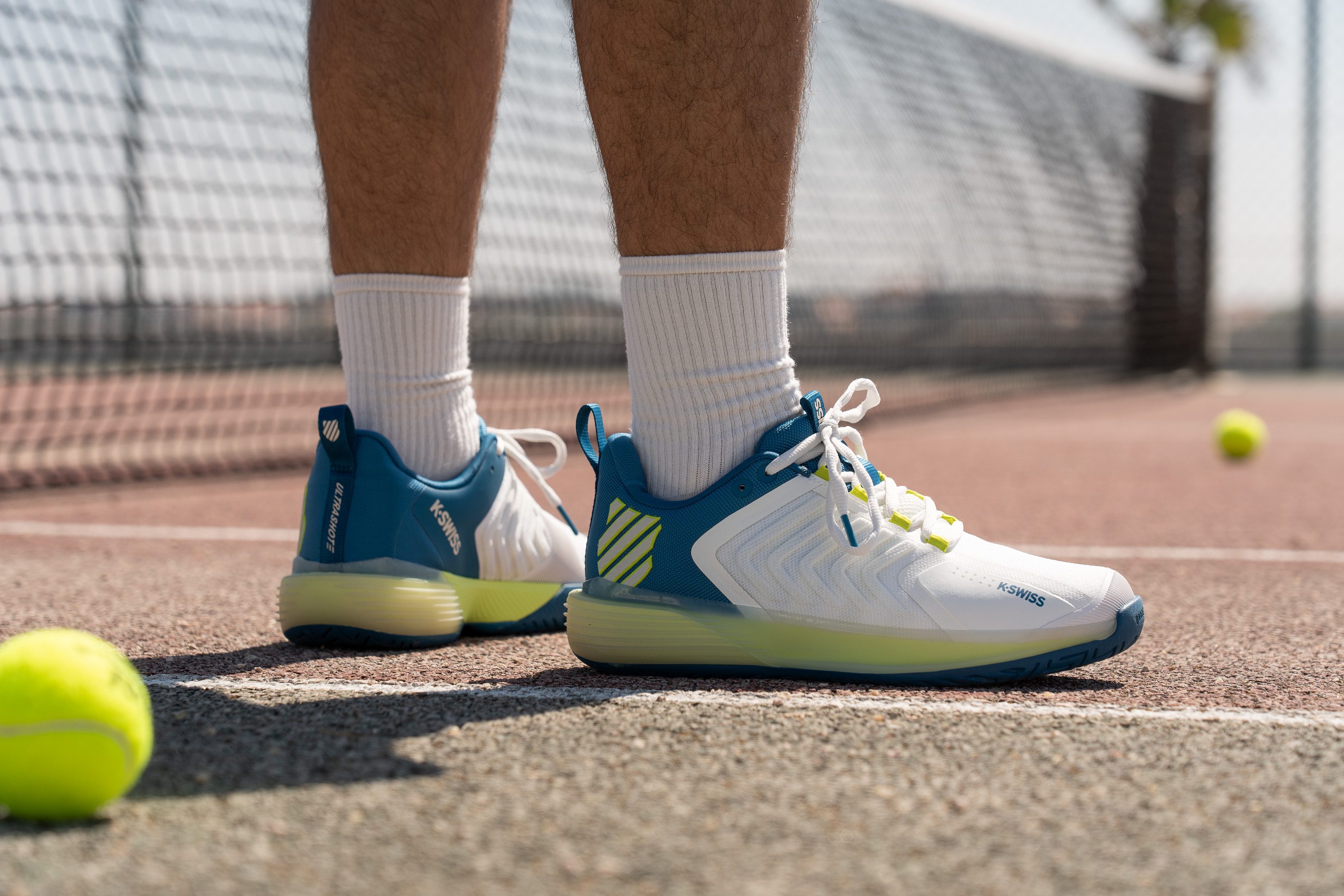
5. Moisture: A wet court makes for a rather slippery surface and reduces grip quite significantly.
6. Break-in period: The shoe’s out-of-the-box grip rarely matches its post-break-in traction capacity. For example, cheap shoes can be super sticky at first, but once the thin coating wears off, they become more agreeable. On the other hand, less tacky shoes with harder rubber blends can start to show a stronger bite after a few warm-up sessions.
7. Temperature: The shoe’s outsole behavior on a chilly morning will differ from its grip on a scorching hot summer afternoon. When the temps go up, the shoe’s rubber gets softer and more malleable, resulting in stronger adhesion. Meanwhile, the acrylic coating on hard courts also softens, exposing the sand particles and increasing friction. On the contrary, lower temperatures tend to decrease friction.
8. Shoe outsole wear: It is no secret that tennis shoe outsoles don’t last forever, and their traction capacity declines gradually as the treading gets erased.
As you can see, high traction isn’t a fixed characteristic of a tennis shoe. It changes depending on how, where, and even when you move!
Outsole design and traction pattern in tennis shoes
Because tennis shoes must provide grip across multiple foot angles and movement types, herringbone (zigzag) tread patterns are very common.
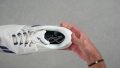
In the photos below, we put together 3 tennis shoe outsoles with the highest friction coefficients and 3 outsoles with the lowest traction scores.
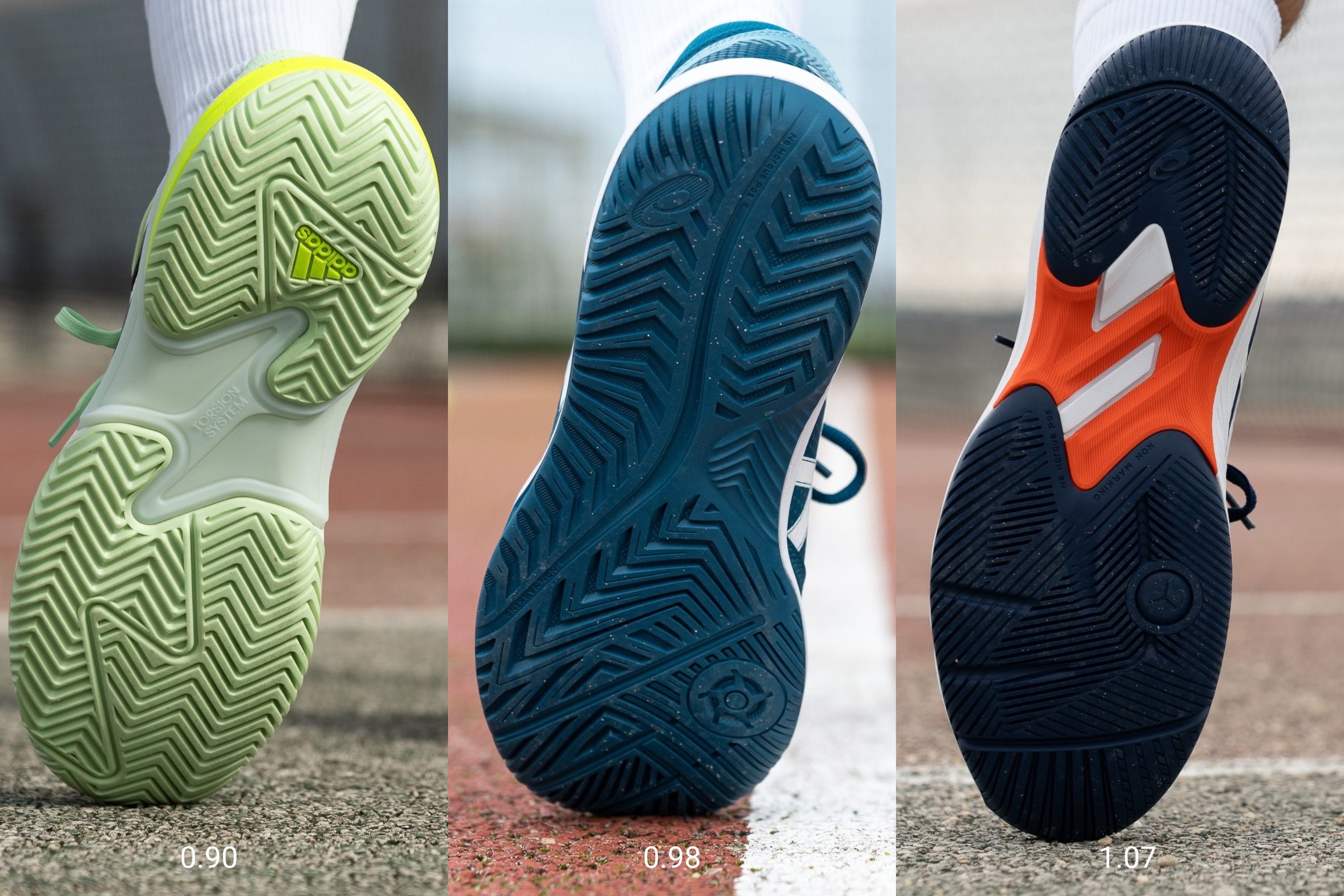
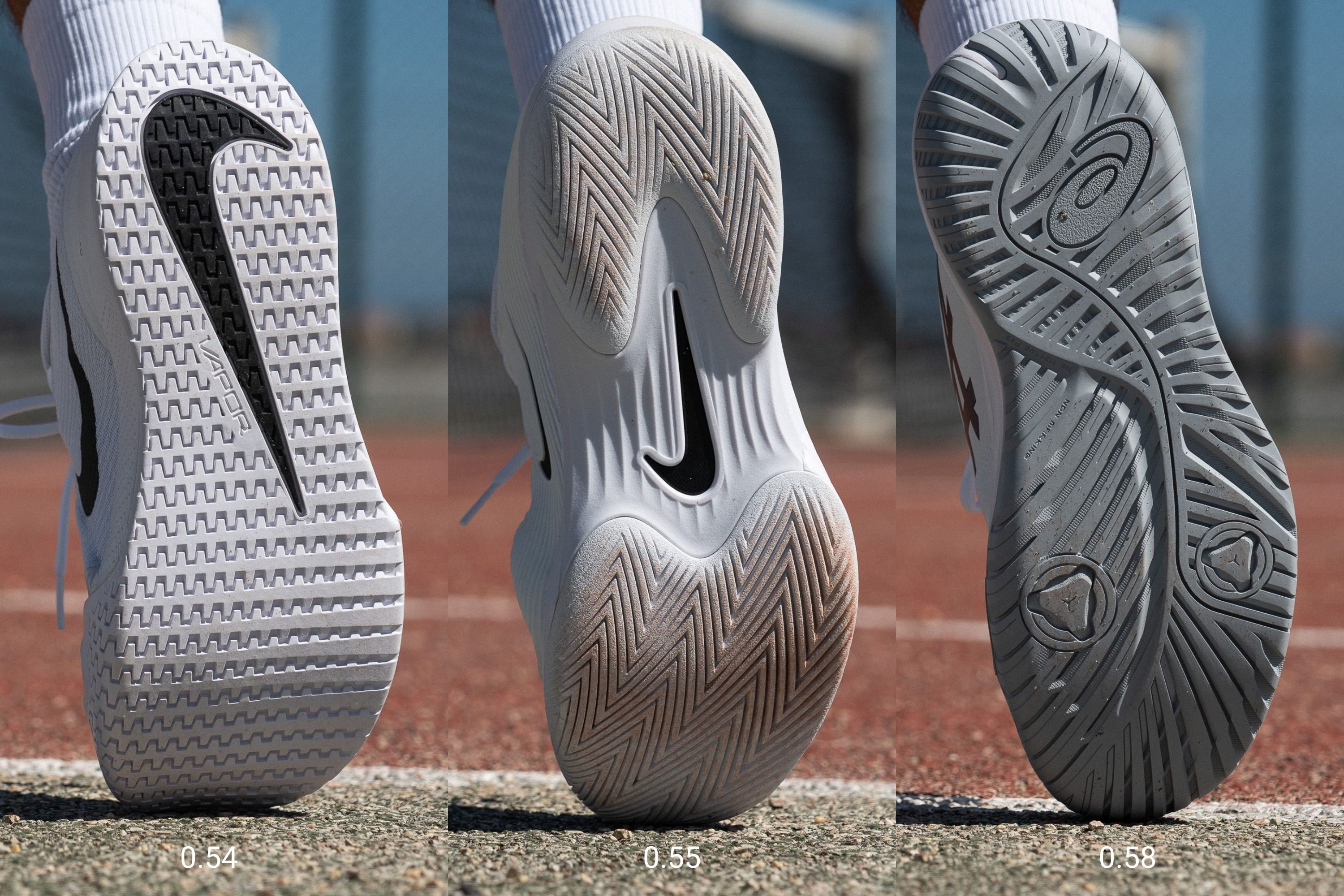
While we don’t see any prominent differences to draw strong conclusions, we can see that grippier shoes tend to have deeper, sharper treadlines, allowing them to bite into the surface more aggressively and at multiple angles.
On the other hand, less grippy outsoles tend to feature shallower, smoother designs.
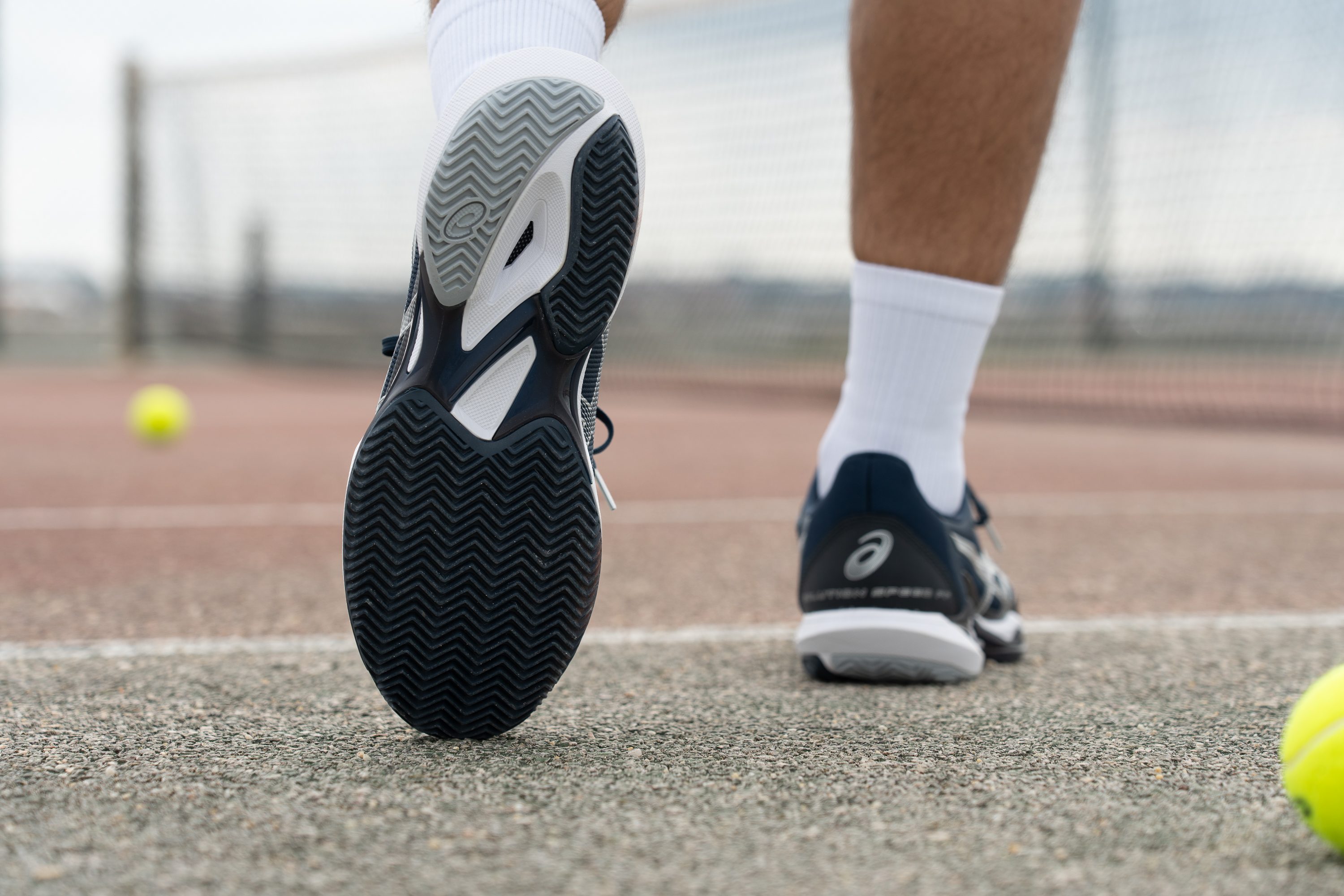
Clay court shoes nearly always feature a full-length herringbone pattern with deep treadlines, which prevent the buildup of clay particles by moving them out from under the shoe. It also allows for long controlled slides on this type of surface.
Outsole durability and thickness in grippy tennis shoes
The highly abrasive nature of tennis courts can burn through outsole treading in a matter of months or even weeks! And loss of traction patterns inevitably results in reduced grip.
But how can you tell if the shoe’s outsole is wear-resistant before testing it on the court?
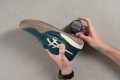
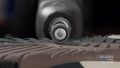
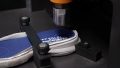
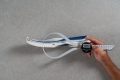
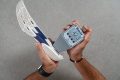
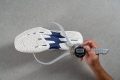
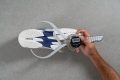
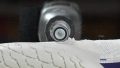
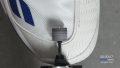
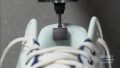
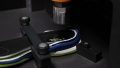
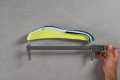
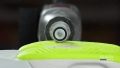
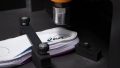
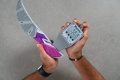
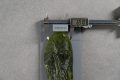
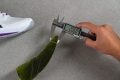
In our lab, we use a Dremel with a sandpaper tip to test the potential durability of tennis shoe outsoles. The tool is applied to the same spot at the same pressure (2N) and speed (10K RPM) for 18 seconds.
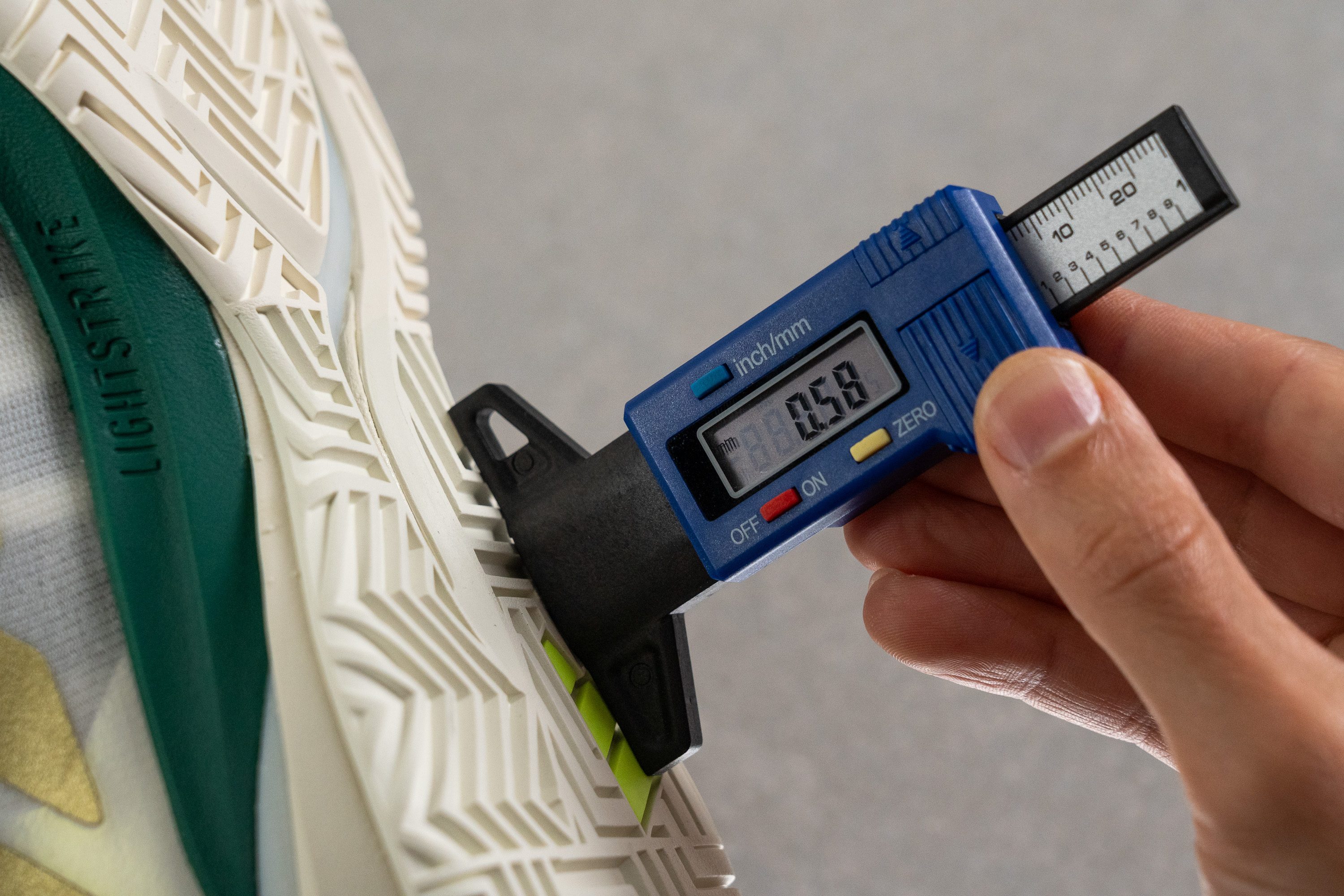
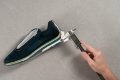
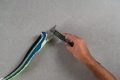
We then use a tread gauge to measure the depth of the damage left by the Dremel. The shallower the dent, the sturdier the rubber.
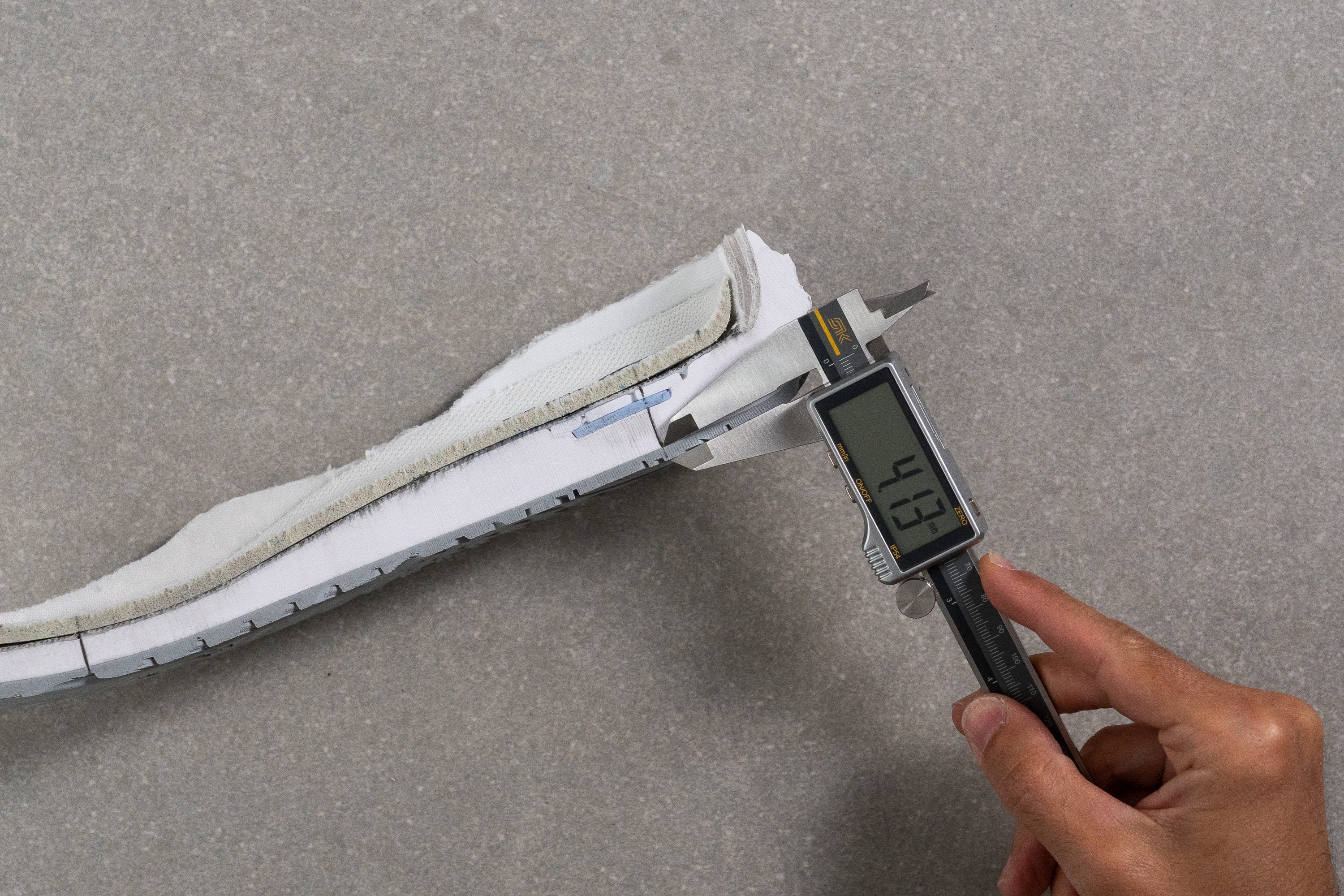
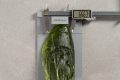
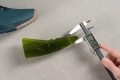
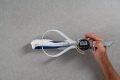
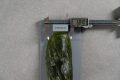
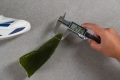
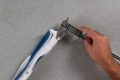
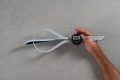
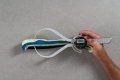
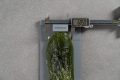
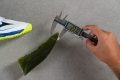
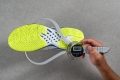
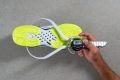
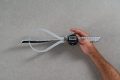
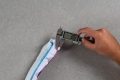
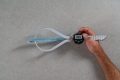
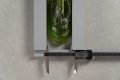
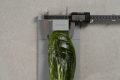
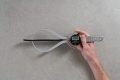
We also measure the outsole thickness of each tennis shoe with a digital caliper to check how much rubber it packs. The thicker the outsole, the longer the lifespan.
The price of tennis shoes with high traction
The average price of tennis shoes hovers around $130, and so does the average price of the highest-traction models.
That’s because stickiness is not necessarily a feature of more advanced, premium rubber compounds. It can also be found in the softer rubbers of budget-friendly court shoes. In fact, many elite tennis shoes feature hard-rubber outsoles that don’t offer a strong initial grip out of the box.
So let us highlight once again that the perfect traction is not necessarily the highest traction.
Similar buying guides