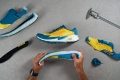
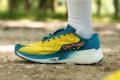

Nuestra conclusión
- Grava 88
- Versátiles 65
- Técnico 38
Pros
- Una pisada estable que inspira confianza
- Ideales para talonadores
- Agarre fiable en distintos tipos de terreno fácil
- Upper seguro con un cierre excelente
- Upper duradero
- Espuma nueva y placa rediseñada
- Ajuste cómodo que se adapta a la mayoría de los corredores
- Diseño de buena calidad
- Se siguen sintiendo ligeras
- Los cordones son estupendos
Contras
- Retorno de energía bajo
- Caras para lo que ofrecen
- Menos ágiles que antes
- Pesan un poco más
Premios
Comparativa
Las zapatillas de running más parecidas
+ + Añadir unas zapatillas | |||||
|---|---|---|---|---|---|
| Nuestra puntuación | 82 Geniales | 82 Geniales | 81 Geniales | 78 Buenas | |
| Precio | 170 € | 150 € | 200 € | 140 € | |
| Terreno de trail | Grava / Trail y asfalto | Grava / Trail y asfalto | Grava / Trail y asfalto | Grava / Trail y asfalto | |
| Absorción de impactos | Moderada | Alta | Moderada | Moderada | |
| Retorno de energía | Moderado | Moderado | Bajo | Moderado | |
| Tracción | Alta | Alta | Alta | Alta | |
| Sujeción arco del pié | Neutral | Neutral | Neutral | Neutral | |
| Peso laboratorio Peso marca | 9.3 oz / 264g 9.5 oz / 270g | 10.2 oz / 289g 10.8 oz / 305g | 9.8 oz / 278g 10.4 oz / 295g | 10 oz / 283g 9.8 oz / 277g | |
| Drop laboratorio Drop marca | 8.4 mm 6.0 mm | 8.5 mm 8.0 mm | 5.4 mm 6.0 mm | 9.1 mm 8.0 mm | |
| Técnica de carrera | TalónMedio/antepié | TalónMedio/antepié | Medio/antepié | TalónMedio/antepié | |
| Talla | Tallan bien | Tallan bien | Tallan un poquito grande | Tallan bien | |
| Rigidez de la mediasuela | Equilibrada | Blanda | Firme | Equilibrada | |
| Diferencia de la rigidez de la mediasuela en frío | Normal | Pequeña | Pequeña | Pequeña | |
| Placa | Rock plate | ✗ | Rock plate | ✗ | |
| Durabilidad de la parte delantera | Decente | Muy mala | Muy buena | Muy mala | |
| Durabilidad del acolchado del talón | Alta | Alta | Media | Media | |
| Durabilidad de la suela exterior | Decente | Buena | Buena | Buena | |
| Transpirabilidad | - | Media | - | Baja | |
| Anchura / ajuste | Media | Media | Media | Media | |
| Anchura de la parte delantera | Media | Media | Media | Media | |
| Flexibilidad | Moderada | Moderada | Moderada | Moderada | |
| Rigidez torsional | Moderadas | Flexibles | Moderadas | Moderadas | |
| Rigidez del contrafuerte del talón | Moderado | Moderado | Flexible | Rígido | |
| Profundidad del dibujo de la suela | 3.1 mm | 3.1 mm | 3.0 mm | 3.1 mm | |
| Altura de la suela en la zona del talón laboratorio Altura de la suela en la zona del talón marca | 31.5 mm 34.0 mm | 34.1 mm 35.0 mm | 32.1 mm 32.0 mm | 32.6 mm 35.0 mm | |
| Antepié laboratorio Antepié marca | 23.1 mm 28.0 mm | 25.6 mm 27.0 mm | 26.7 mm 26.0 mm | 23.5 mm 27.0 mm | |
| Anchuras disponibles | Estándar | EstándarAncho | Estándar | Estándar | |
| Para corredores pesados | ✓ | ✗ | ✓ | ✗ | |
| Estación | - | Todas las estaciones | - | Invierno | |
| Plantilla extraíble | ✓ | ✓ | ✓ | ✓ | |
| Compatibles con plantillas personalizadas | ✓ | ✓ | ✓ | ✓ | |
| Clasificación | #194 Top 49% | #183 Top 46% | #203 49% inferior | #276 30% inferior | |
| Popularidad | #273 31% inferior | #82 Top 21% | #274 31% inferior | #332 16% inferior |
Who should buy
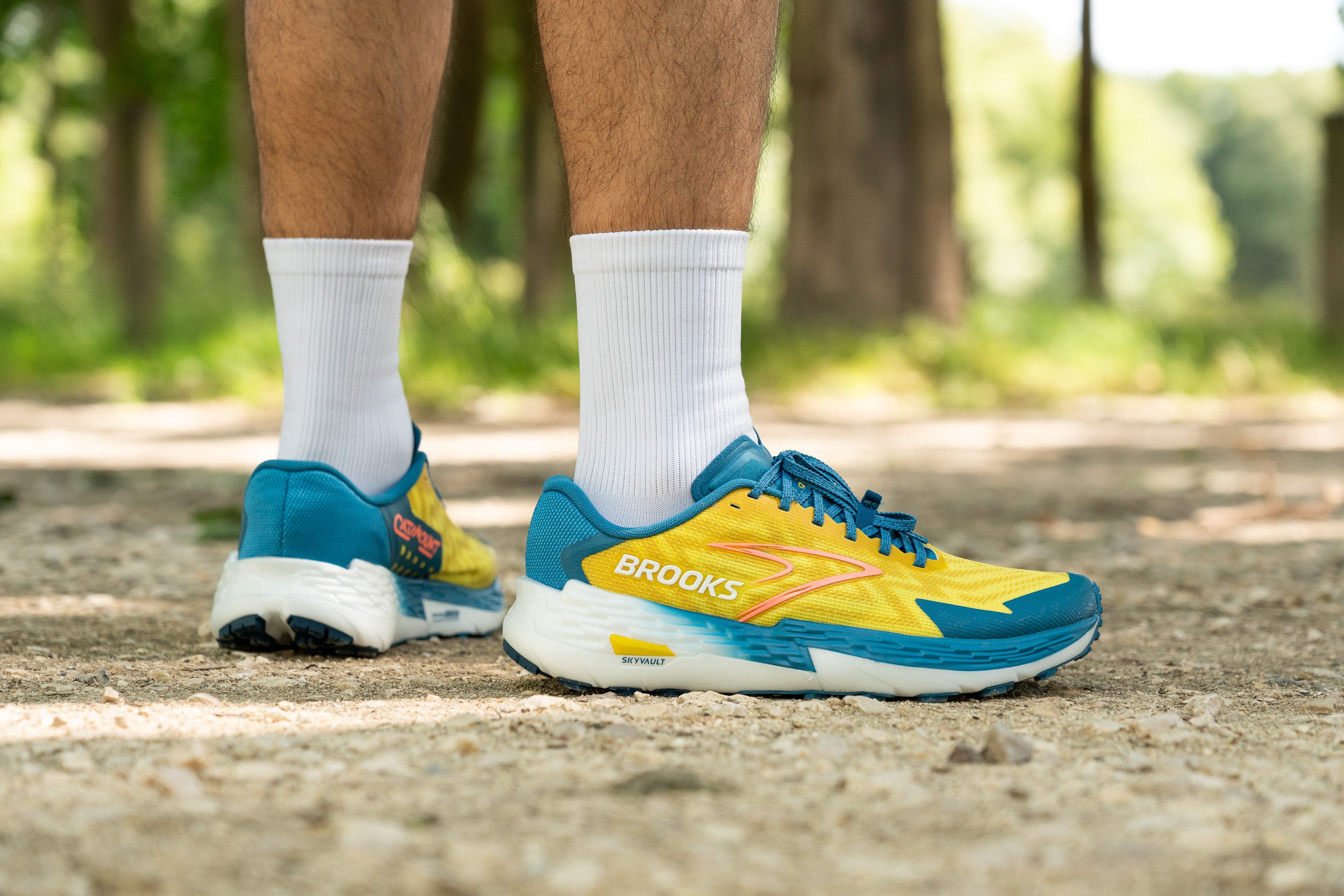
After our testing, we believe that the Brooks Catamount 4 is ideal for:
- Trail runners who want a balanced ride with good cushioning but also some ground feel.
- Runners looking for a highly-stable trail shoe for easy terrain or gravel roads.
- Heel strikers who prefer a higher-drop geometry with extra support during landings.
- Brooks fans seeking a trail shoe with a familiar road-inspired ride and fit.
Who should NOT buy
We think the Catamount 4 is priced a bit too high for what it offers. We recommend checking out the ASICS Trabuco 14 or the Salomon Aero Glide 4 GRVL, both of which deliver excellent value.
We also believe that runners targeting longer distances may benefit from more underfoot protection. In that case, the Nike Wildhorse 10 is an interesting alternative, while the HOKA Mafate 5 is our top recommendation for those seeking maximum cushioning.
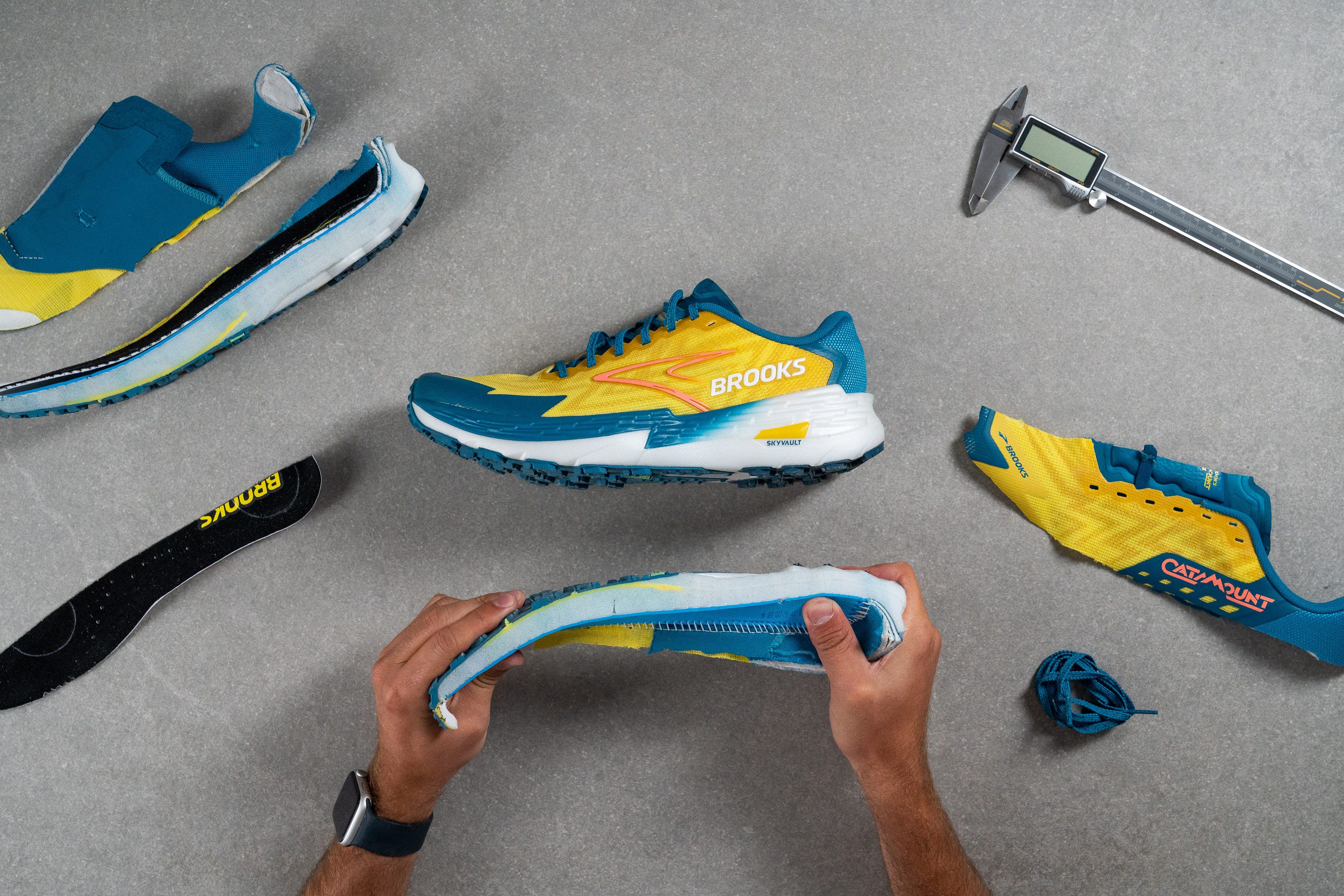
Amortiguación
Shock absorption
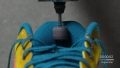
Brooks has consistently positioned the Catamount series far from the maximalist end of the spectrum, although the fourth edition adds a bit more cushioning underfoot. As a result, it landed close to the current lab average in our shock absorption test, recording 123 SA in the heel and 99 SA in the forefoot.
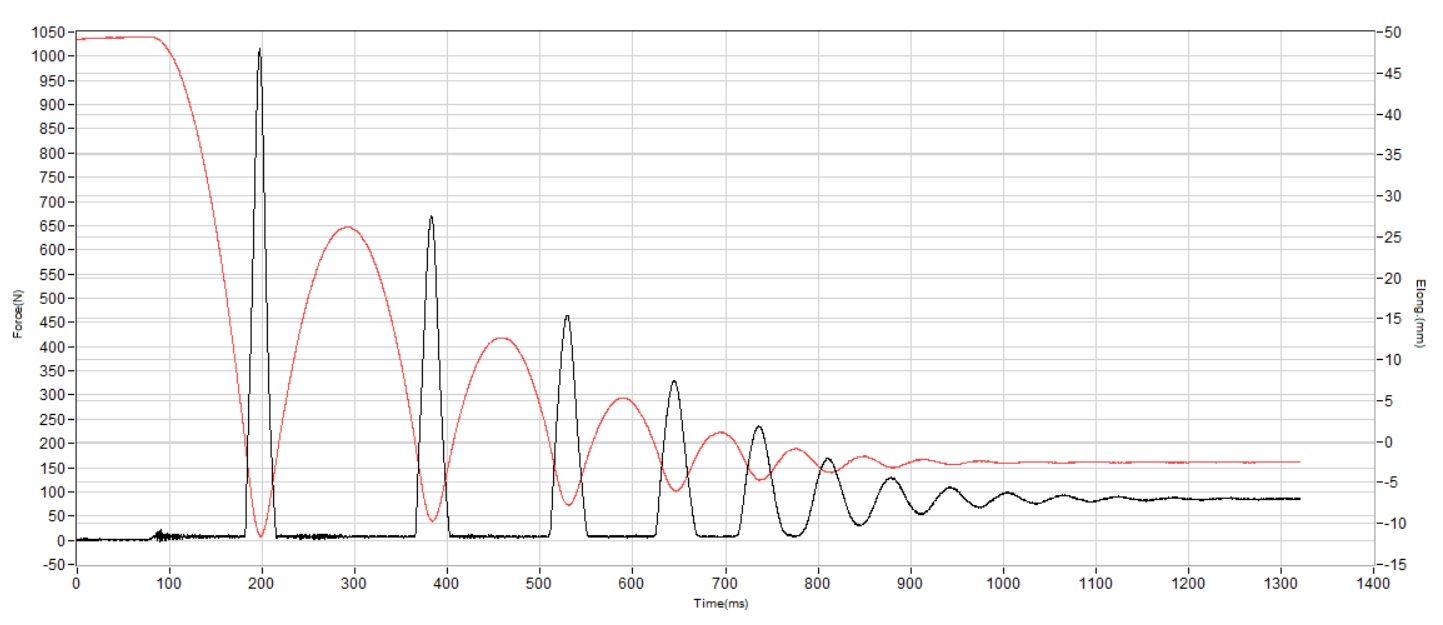
| Catamount 4 | 123 SA |
| Media | 123 SA |
Energy return
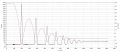
Brooks upgraded the Catamount 4 with DNA Flash v2, replacing the original DNA Flash foam used in its predecessor. However, don't expect an ultra-bouncy ride, as this EVA-based compound still prioritizes control over rebound.
Our lab confirmed that impression, returning 53.4% energy return in the heel and 58.7% in the forefoot, figures that are more balanced than explosive.
| Catamount 4 | 58.7% |
| Media | 59.7% |
Altura de la suela en la zona del talón
The heel stack increases from 28.3 mm to 31.5 mm in this update, and we think Brooks made the right call.
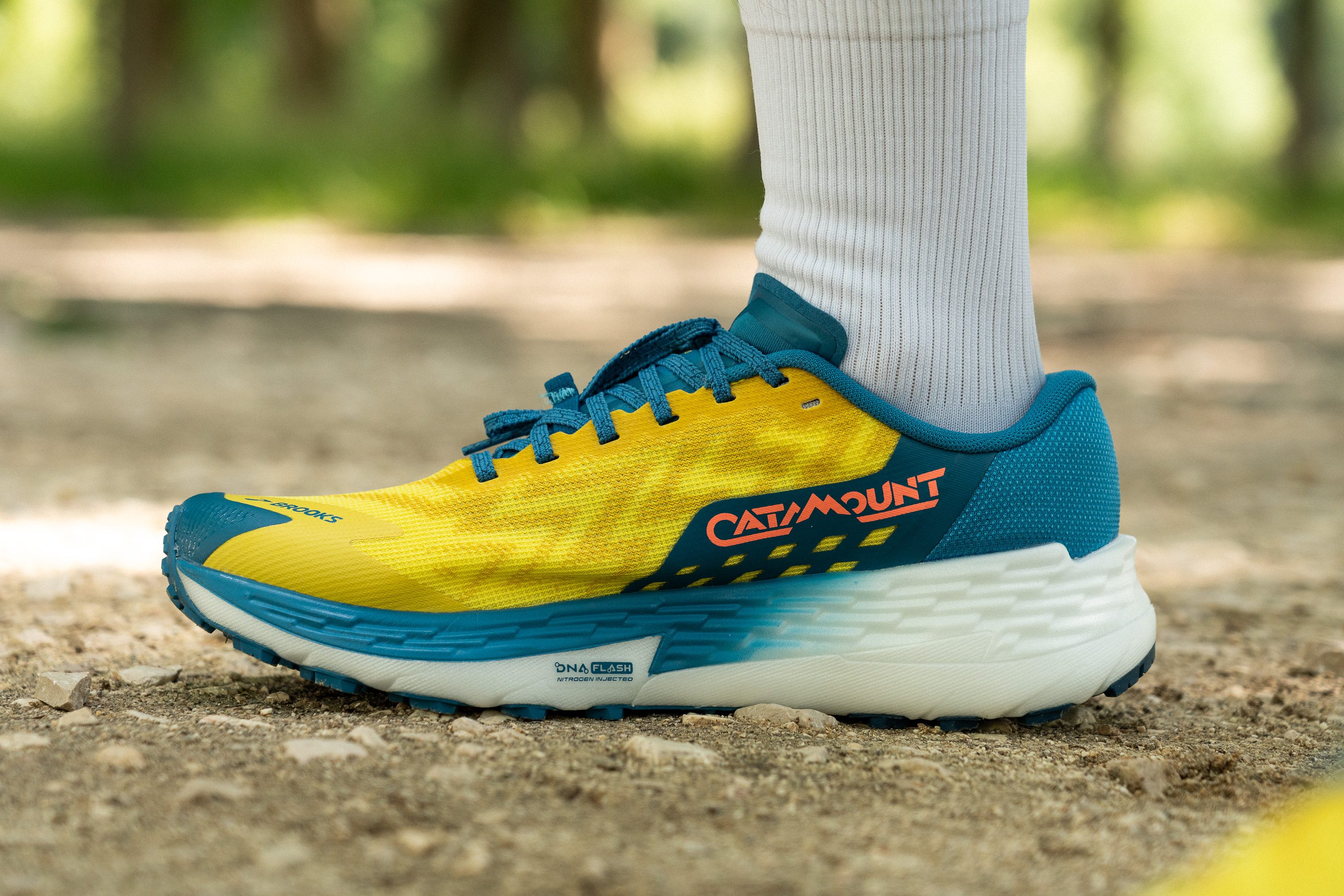
With cushioning levels rising across the trail shoe market, the Catamount 4 gains extra protection underfoot while preserving the fast, agile character that has always defined the series.
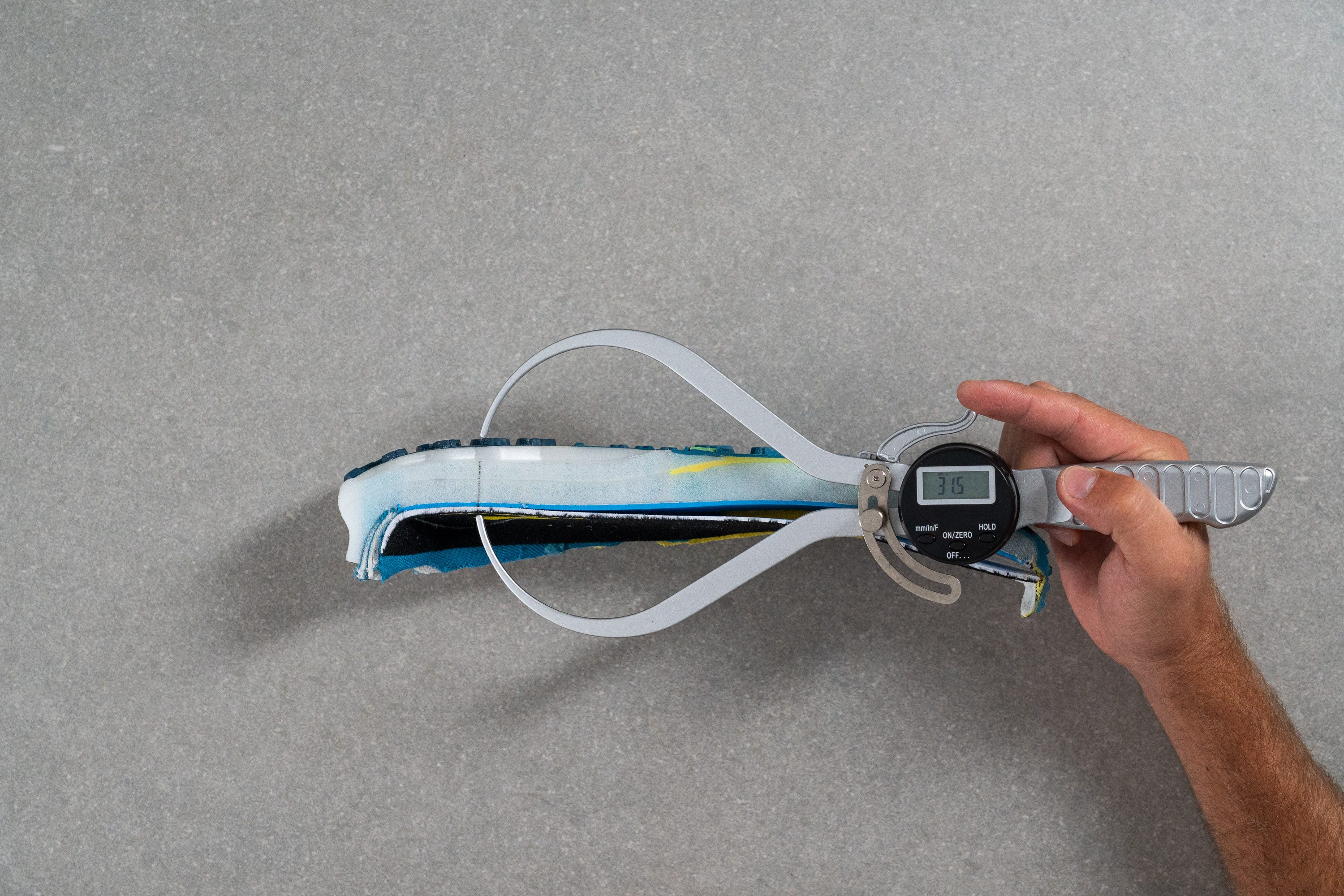
| Catamount 4 | 31.5 mm |
| Media | 33.1 mm |
Altura de la suela en el antepié
The forefoot also gains extra cushioning compared to the previous version. Even so, Brooks wisely preserved the Catamount's low-to-the-ground character, keeping the stack at a modest 23.1 mm for a precise and agile ride.
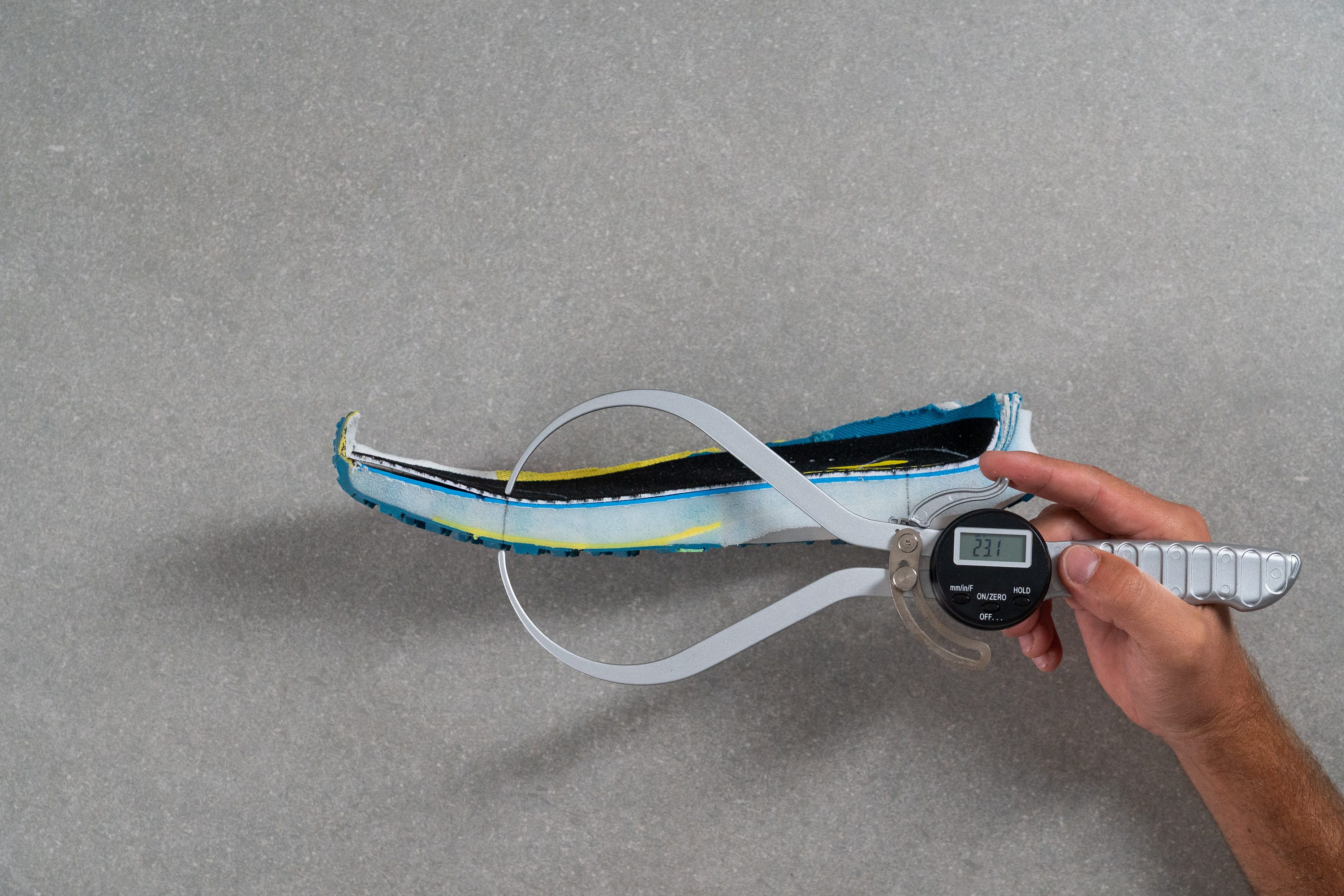
| Catamount 4 | 23.1 mm |
| Media | 25.8 mm |
Drop
Although Brooks lists the Catamount 4 with a 6 mm drop, our measurements tell a different story. Following the official World Athletics protocol, we recorded an actual heel-to-toe drop of 8.4 mm.
That result perfectly matched our experience on the trails. The Catamount 4 feels noticeably more heel-biased than many modern trail shoes, making it a better option for heel strikers and runners who simply prefer a higher-drop geometry.
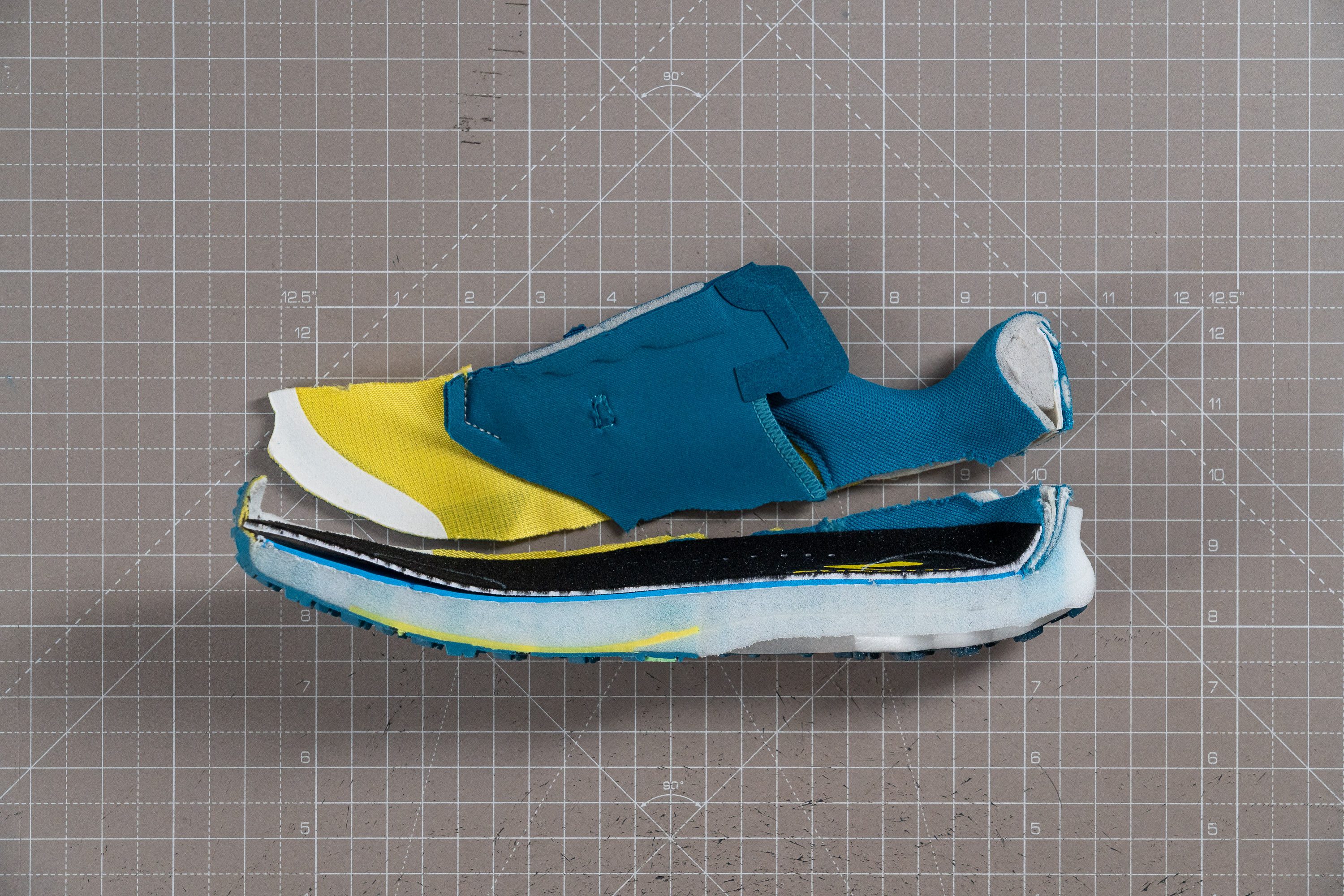
| Catamount 4 | 8.4 mm |
| Media | 7.3 mm |
Dureza de la mediasuela
If you enjoyed the underfoot feel of the Catamount 3, moving to the fourth version won't require much adjustment. Despite the switch to DNA Flash v2, Brooks preserved a very similar cushioning feel, so the ride remains familiar from the first step.
The foam lands right in the middle, feeling neither overly soft nor excessively firm. We measured 36.5 AC with our Asker C durometer, and we think Brooks found the sweet spot for most runners. A softer foam could have been a problem with this moderate stack height, while a firmer one would likely have made the ride unnecessarily harsh.
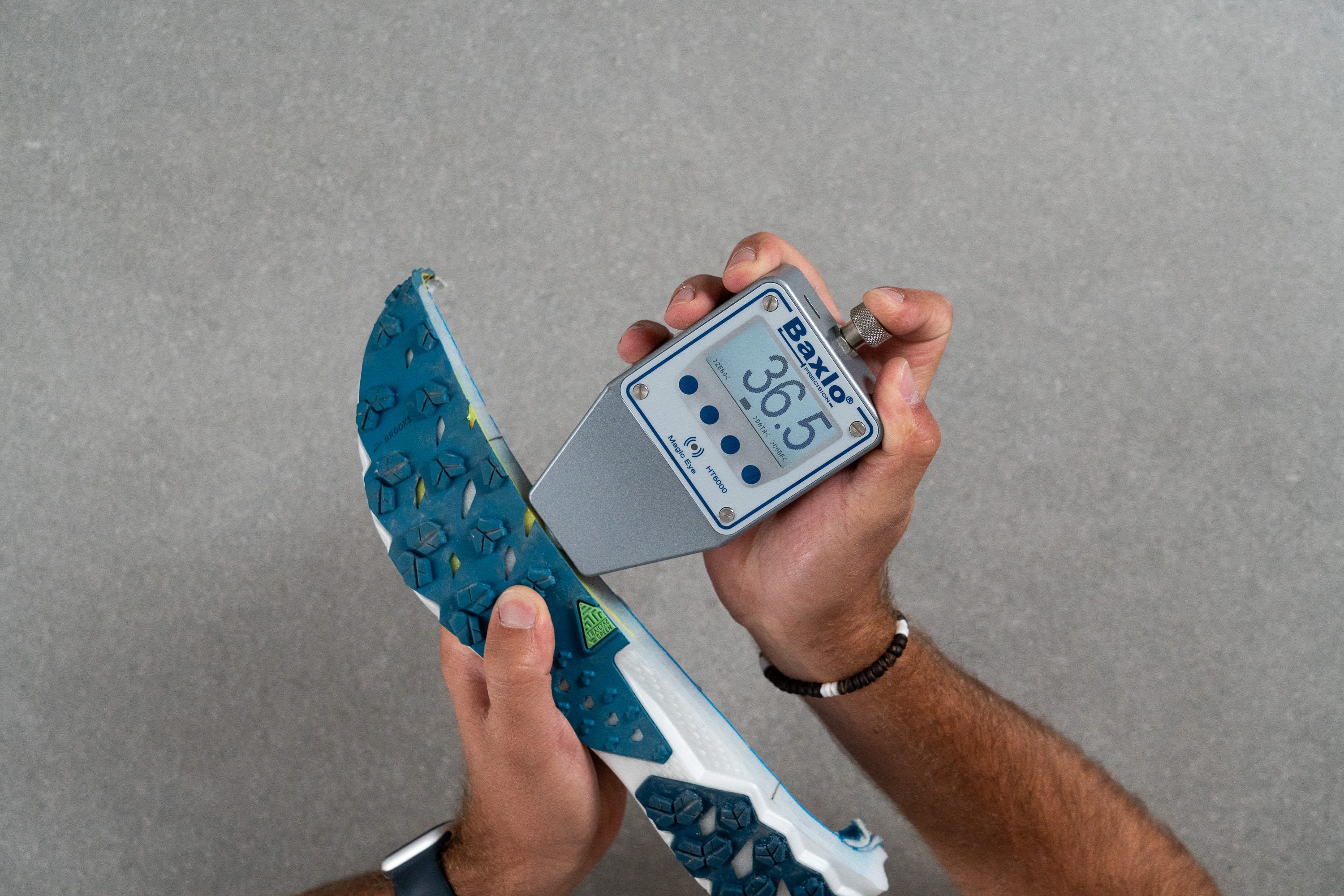
| Catamount 4 | 36.5 AC |
| Media | 38.3 AC |
Rocker
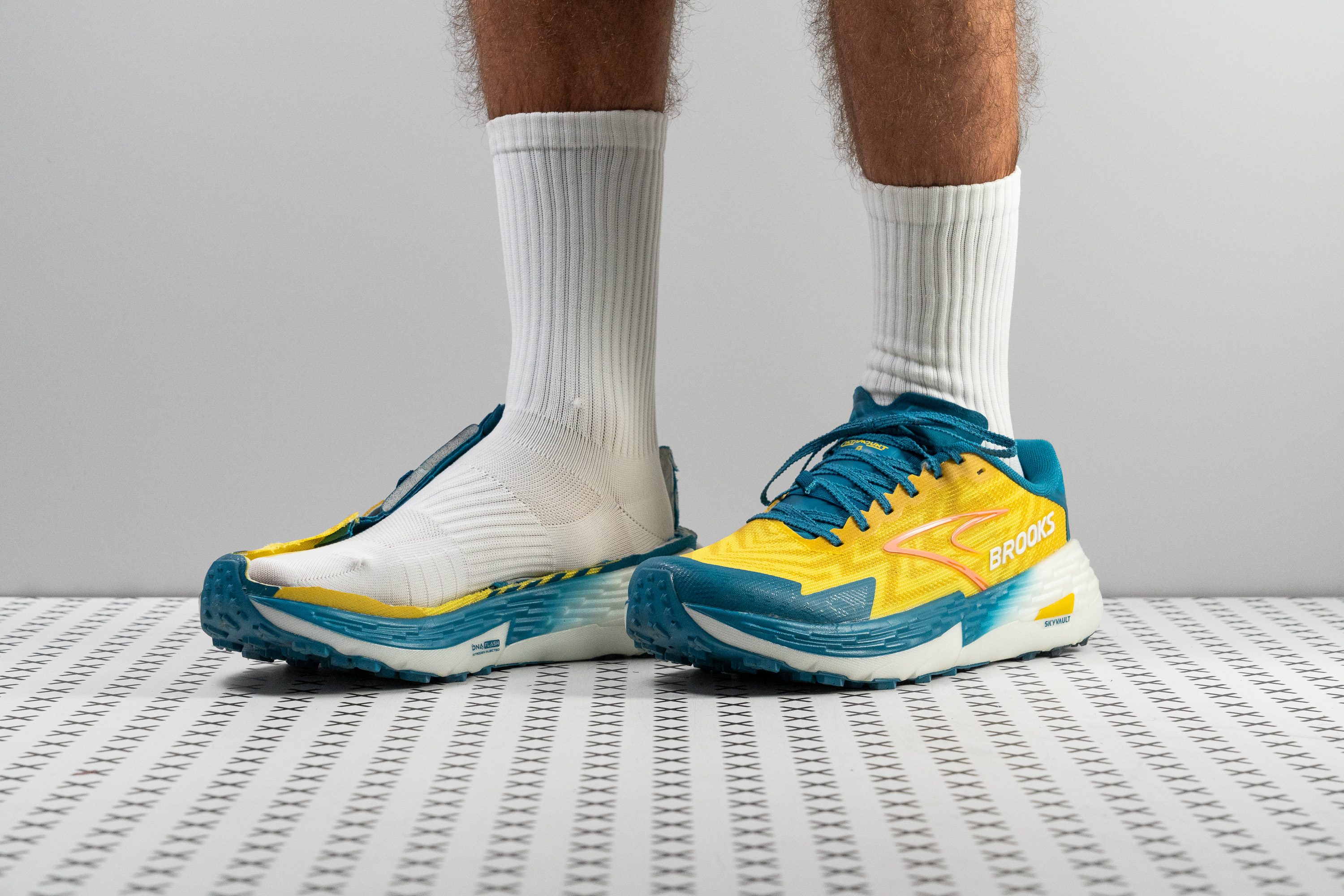
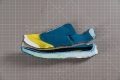
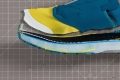
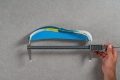
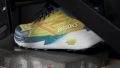
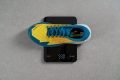
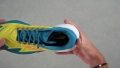
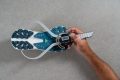
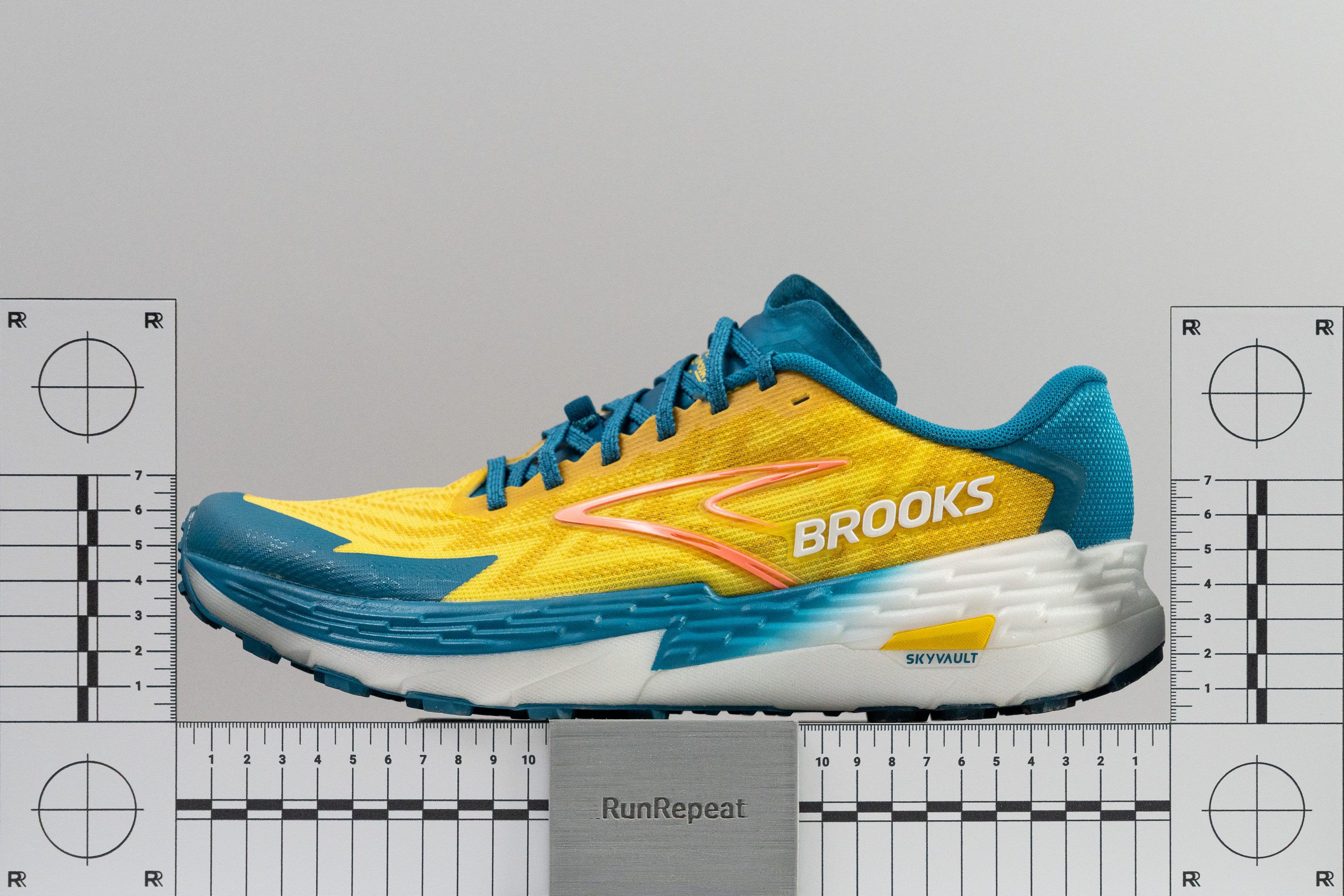
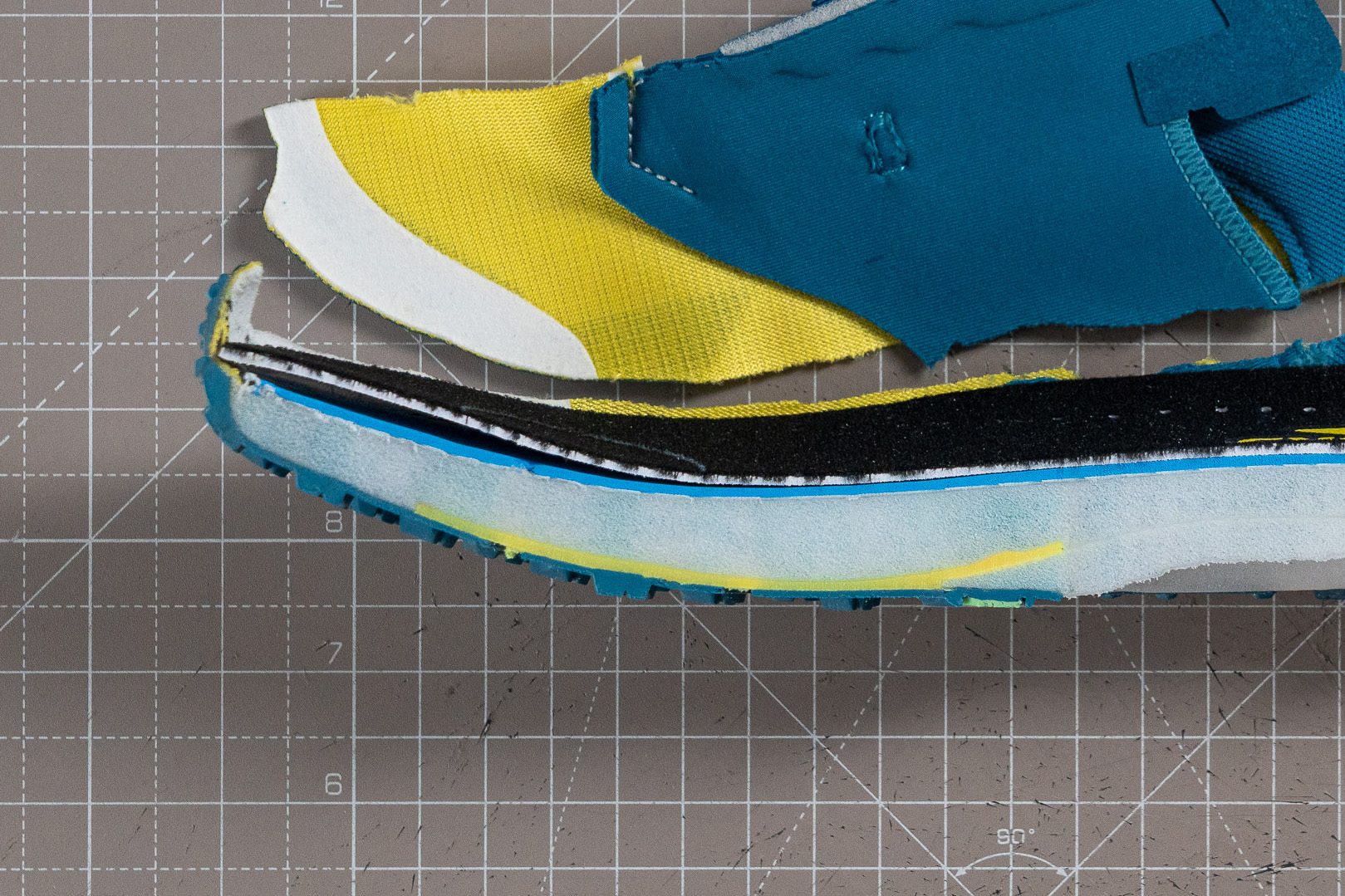
Despite maintaining a moderate stack height, Brooks fully embraces the modern rocker trend with the Catamount 4. As our photo clearly shows, both the heel and forefoot rise noticeably off the ground, creating a geometry designed to promote smoother and more efficient heel-to-toe transitions.
Placa
Brooks states that the updated SkyVault plate is stiffer and more performance-oriented than the previous version. It also serves a dual purpose, acting as a rock plate to protect the relatively low-stack forefoot from sharp rocks.
Tallaje y ajuste
Talla
Longitud interna
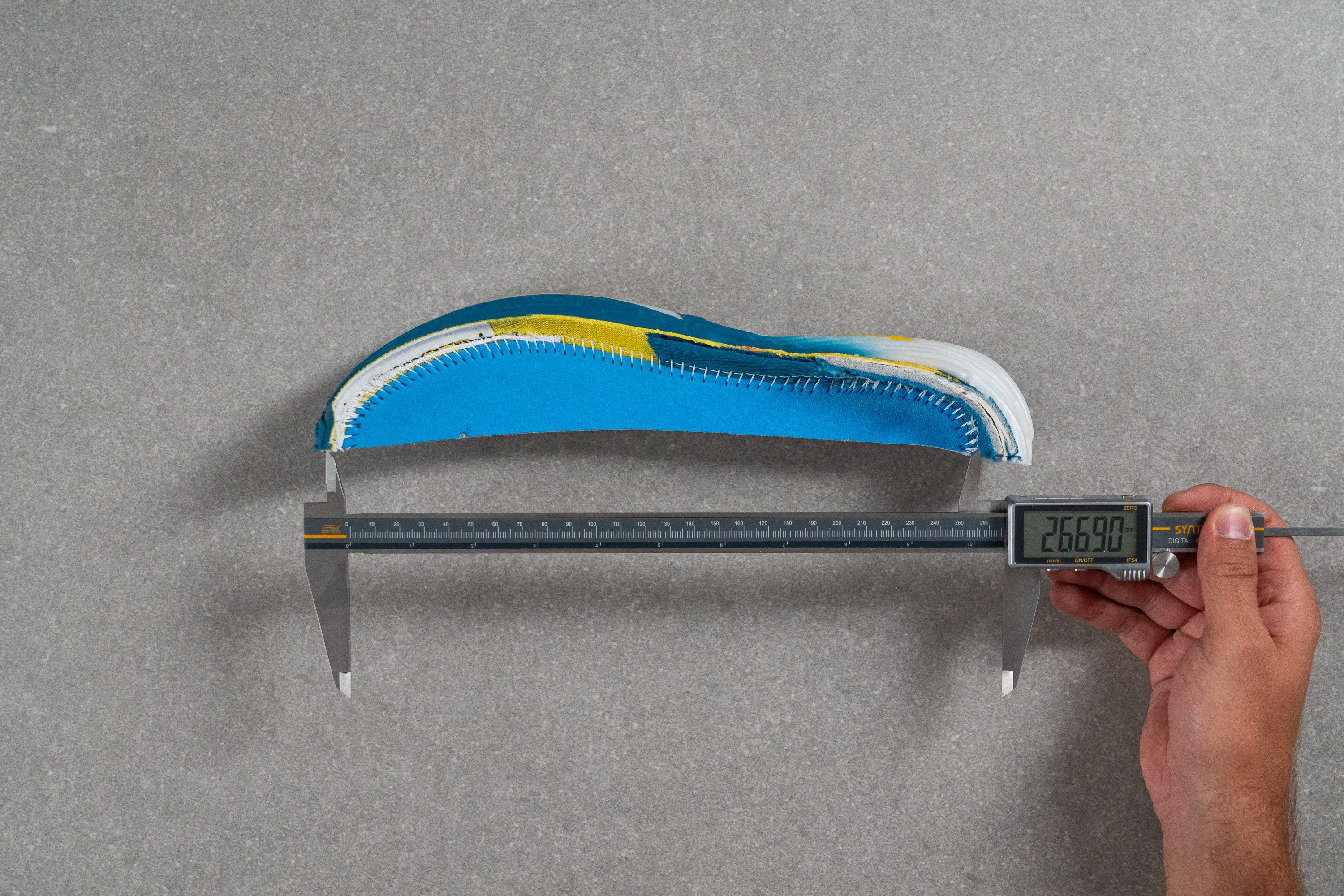
| Catamount 4 | 266.9 mm |
| Media | 269.2 mm |
Anchura / Ajuste
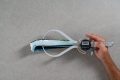
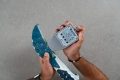
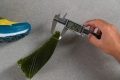
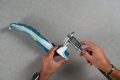
To fully understand the fit of the Catamount 4, we followed our standard procedure by creating a precise replica of the shoe's interior using ballistic gel.
Our first measurement came in at 94.3 mm. That's slightly below the current lab average, although only by a small margin, which is something we frequently see in Brooks running shoes.
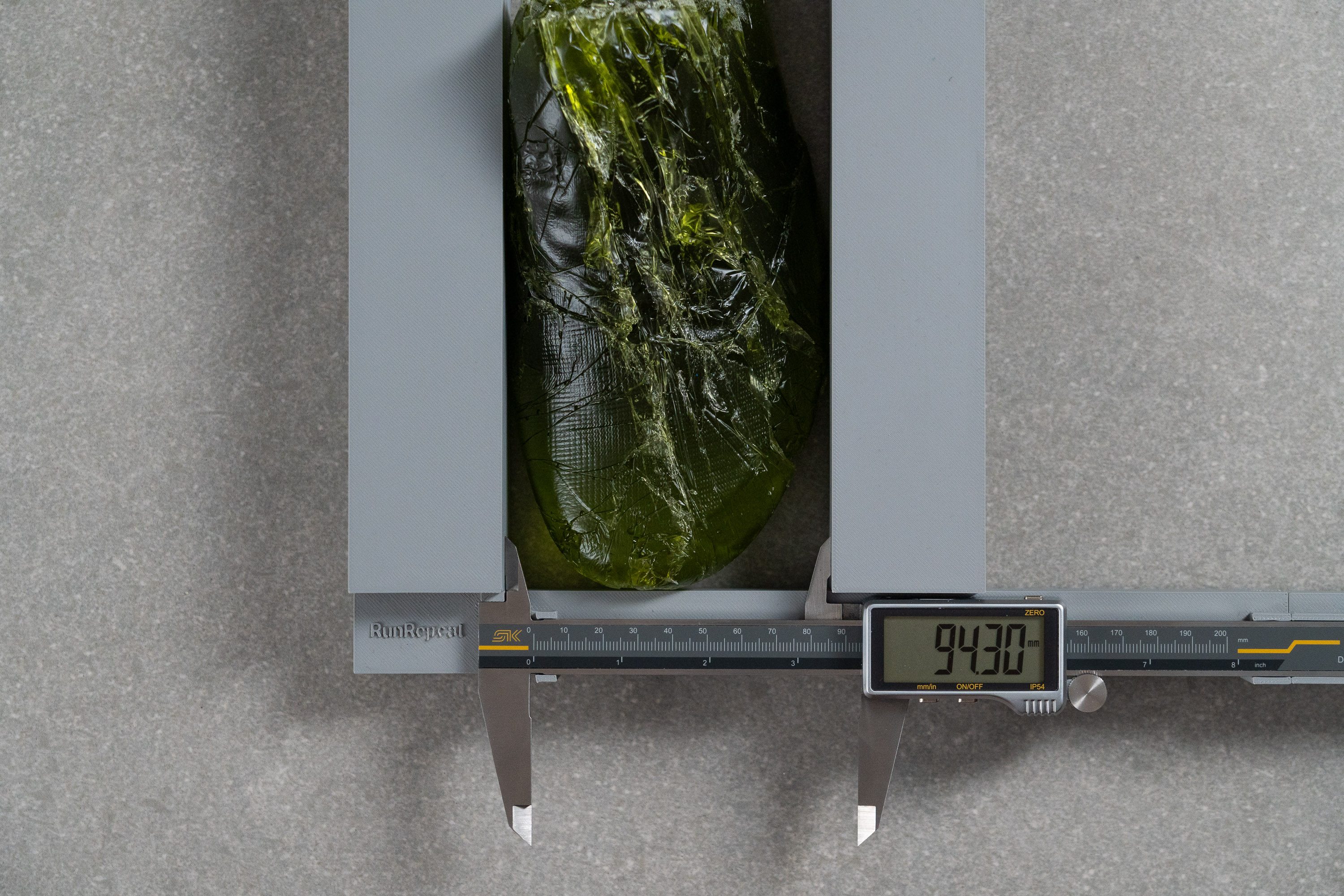
| Catamount 4 | 94.3 mm |
| Media | 95.7 mm |
Anchura de la parte delantera
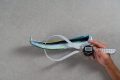
Next, we measured the toebox and recorded 74.2 mm. That's almost identical to the current lab average, confirming that the Catamount 4 features a design that should comfortably fit most runners.
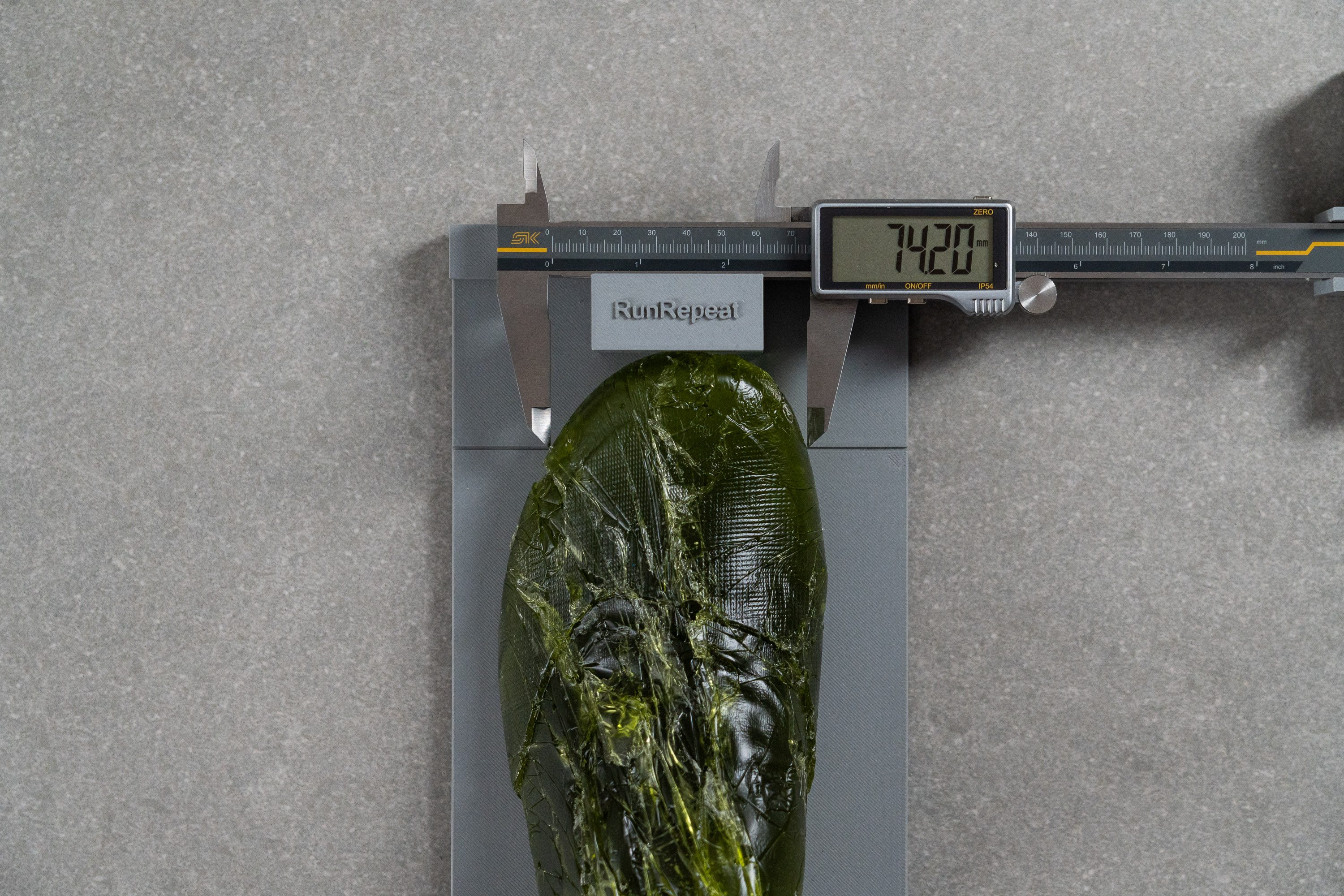
| Catamount 4 | 74.2 mm |
| Media | 74.3 mm |
Altura de la parte delantera
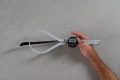
We also measured the toebox height at 24.5 mm.
That's slightly lower than usual, creating a more secure foothold. As a result, runners who prefer a locked-in fit will likely appreciate it, while those seeking extra toe room may find it less accommodating.
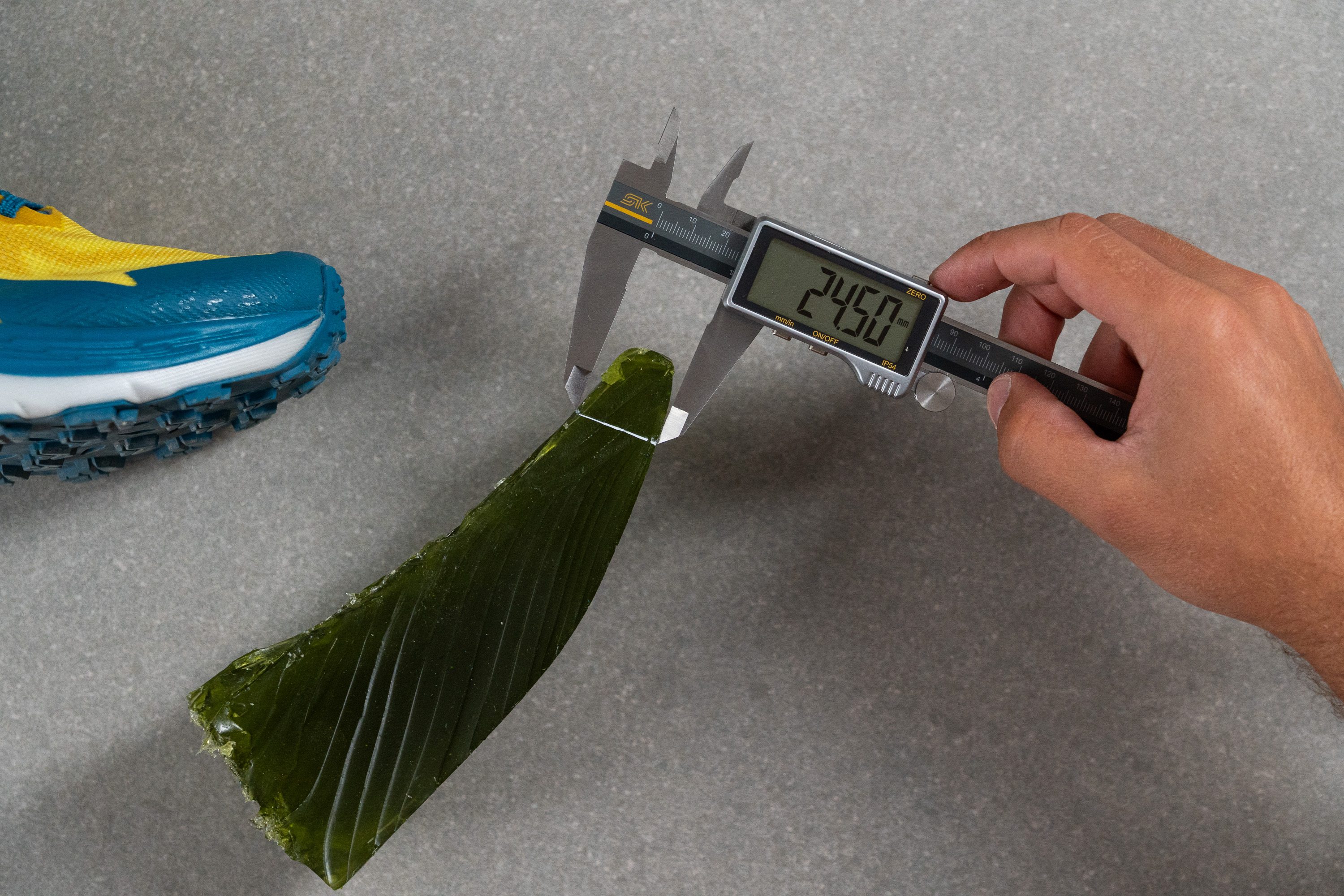
| Catamount 4 | 24.5 mm |
| Media | 27.0 mm |
Tracción / Agarre
Traction test
With a traction score of 0.69, the Catamount 4 delivers reliable grip and easily clears our expectations.
TrailTack Green may not rank among the very best rubber compounds we've tested like Vibram Megagrip or Continental, but it performs consistently across a wide range of surfaces and conditions. In our experience, the only real limitation appears on highly technical terrain.
| Catamount 4 | 0.69 |
| Media | 0.67 |
Profundidad del dibujo de la suela
That limitation comes more from the relatively shallow lugs than from the rubber compound itself.
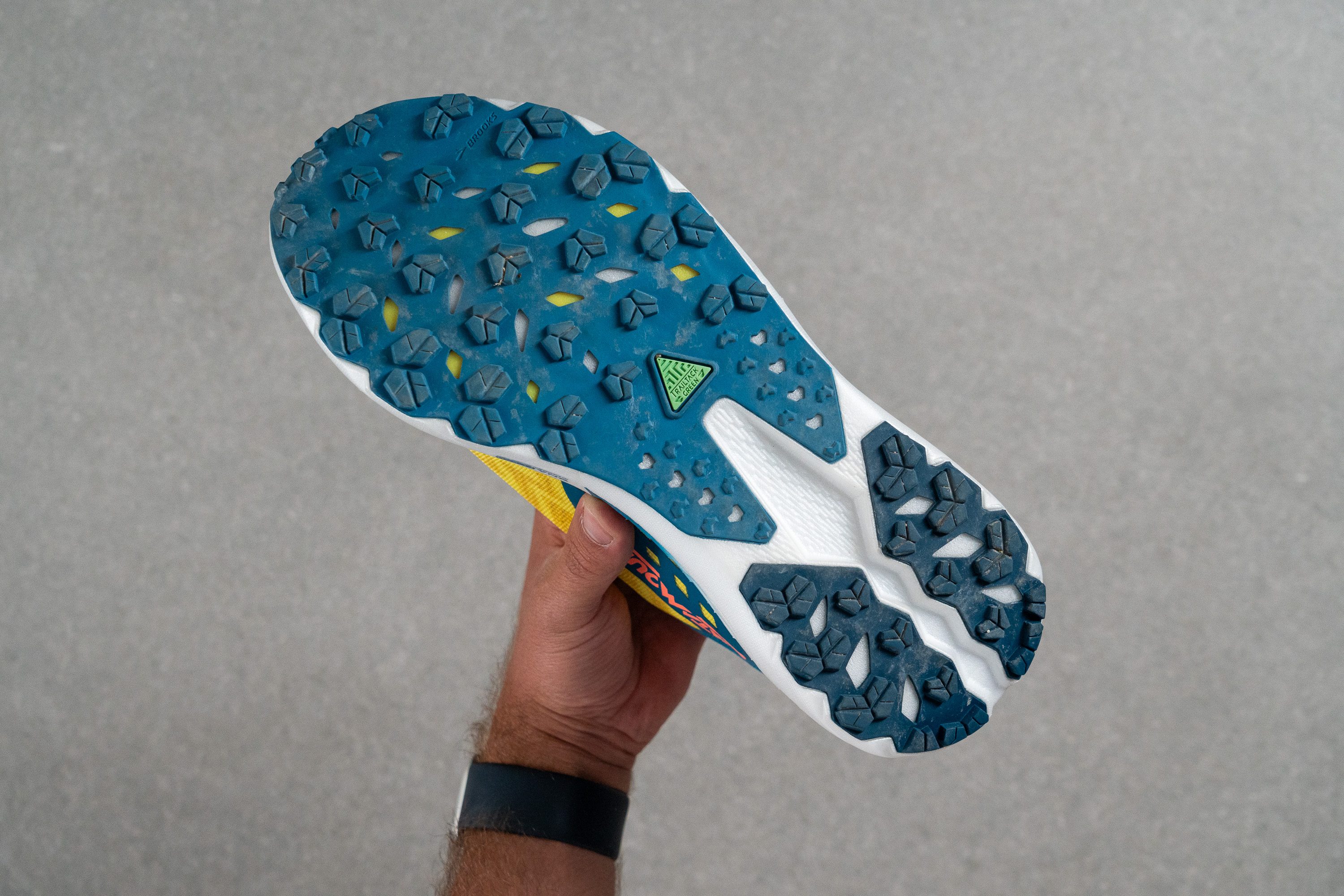
With 3.1 mm lugs, the Catamount 4 is best suited for things like smooth singletrack trails, forest paths, gravel roads or hard-packed dirt.
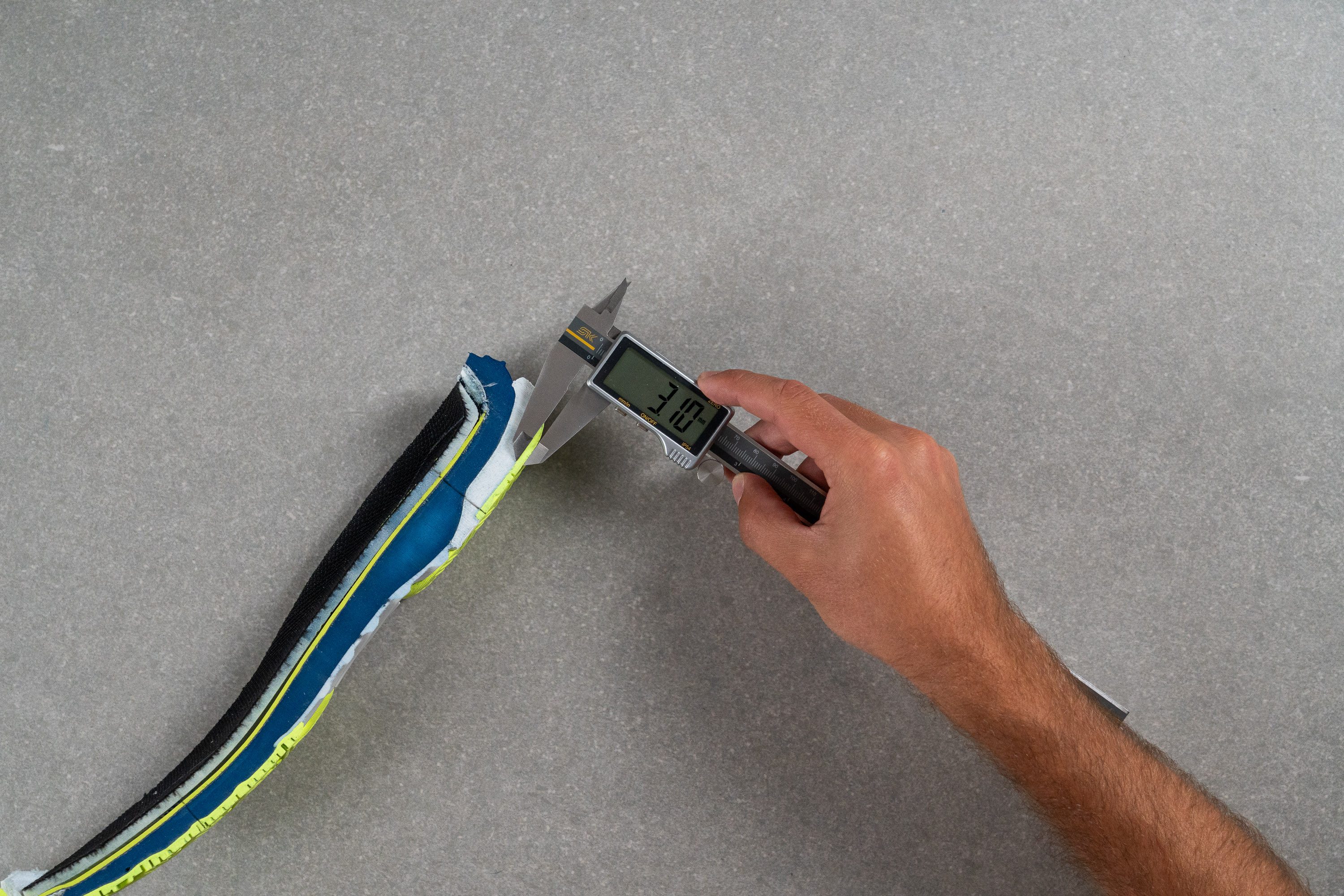
| Catamount 4 | 3.1 mm |
| Media | 3.5 mm |
Diseño de la suela exterior
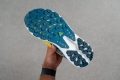
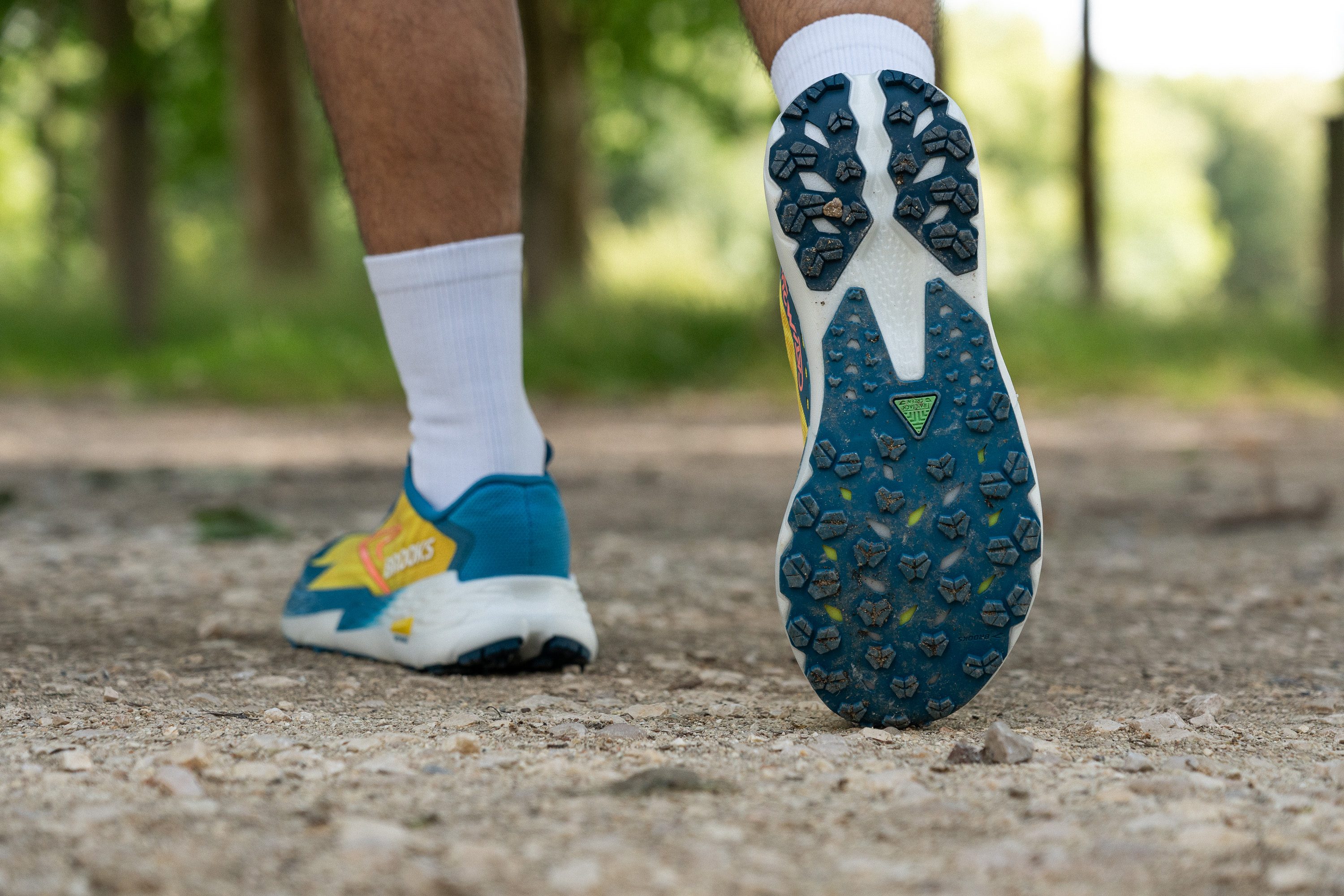
The outsole of the Catamount 4 leaves a small section of foam exposed through the midfoot, but we don't see it as a major concern since it's slightly recessed and less likely to take direct impacts. Everywhere else, Brooks covered the outsole almost entirely with TrailTack Green rubber, leaving only a few small cutouts to reduce weight.
Flexibilidad / Rigidez
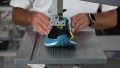
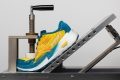
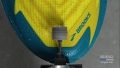
The SkyVault plate adds noticeable stiffness through the forefoot, and that's the main reason the Catamount 4 required 16.4N in our flexibility test despite its moderate stack height.
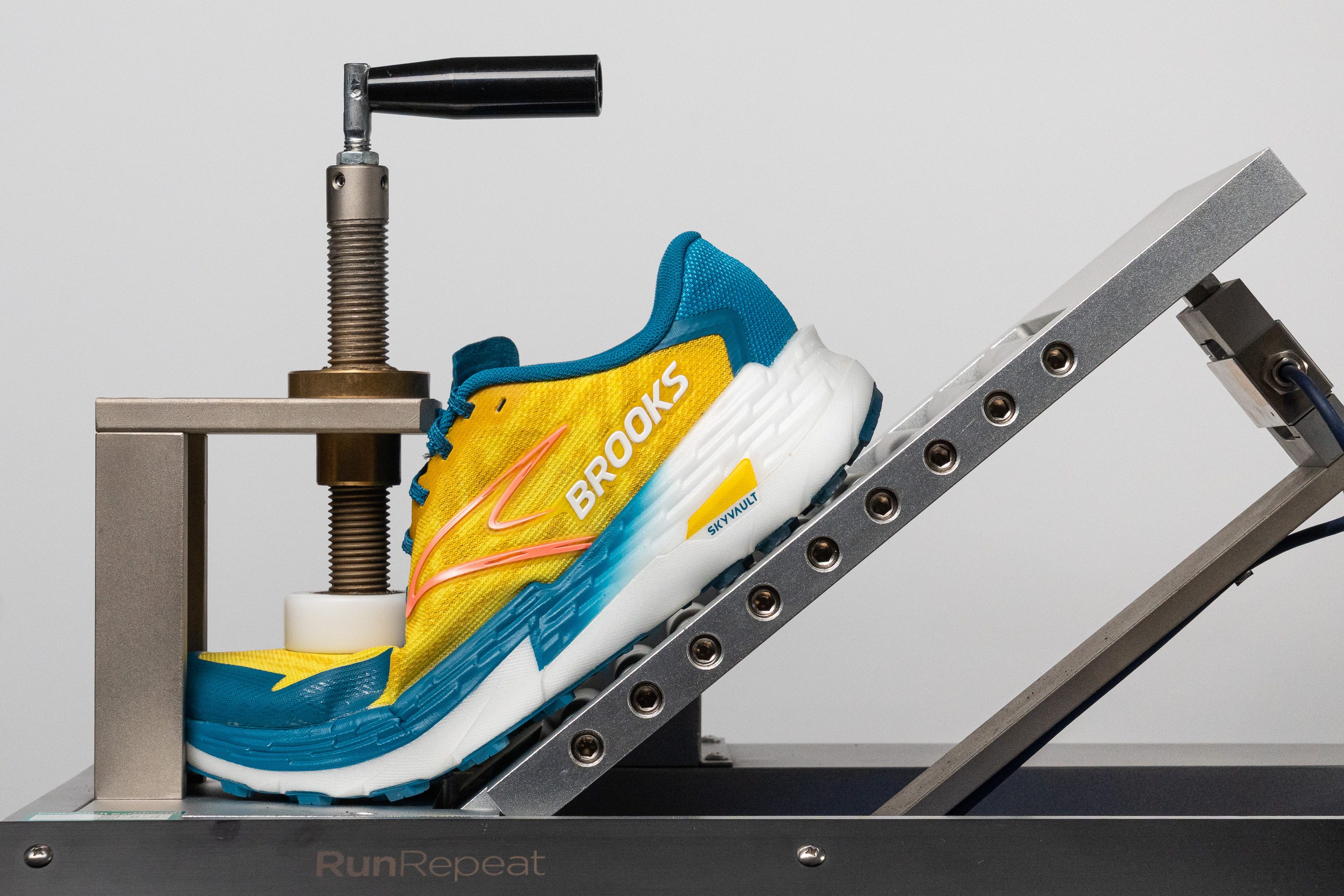
| Catamount 4 | 16.4N |
| Media | 14.8N |
Peso
One trade-off of the added cushioning is weight. The Catamount 4 comes in 3.5% heavier than its predecessor, tipping our scale at 9.3 oz (264g).
Fortunately, the increase is small enough that the shoe still feels light on the trails.
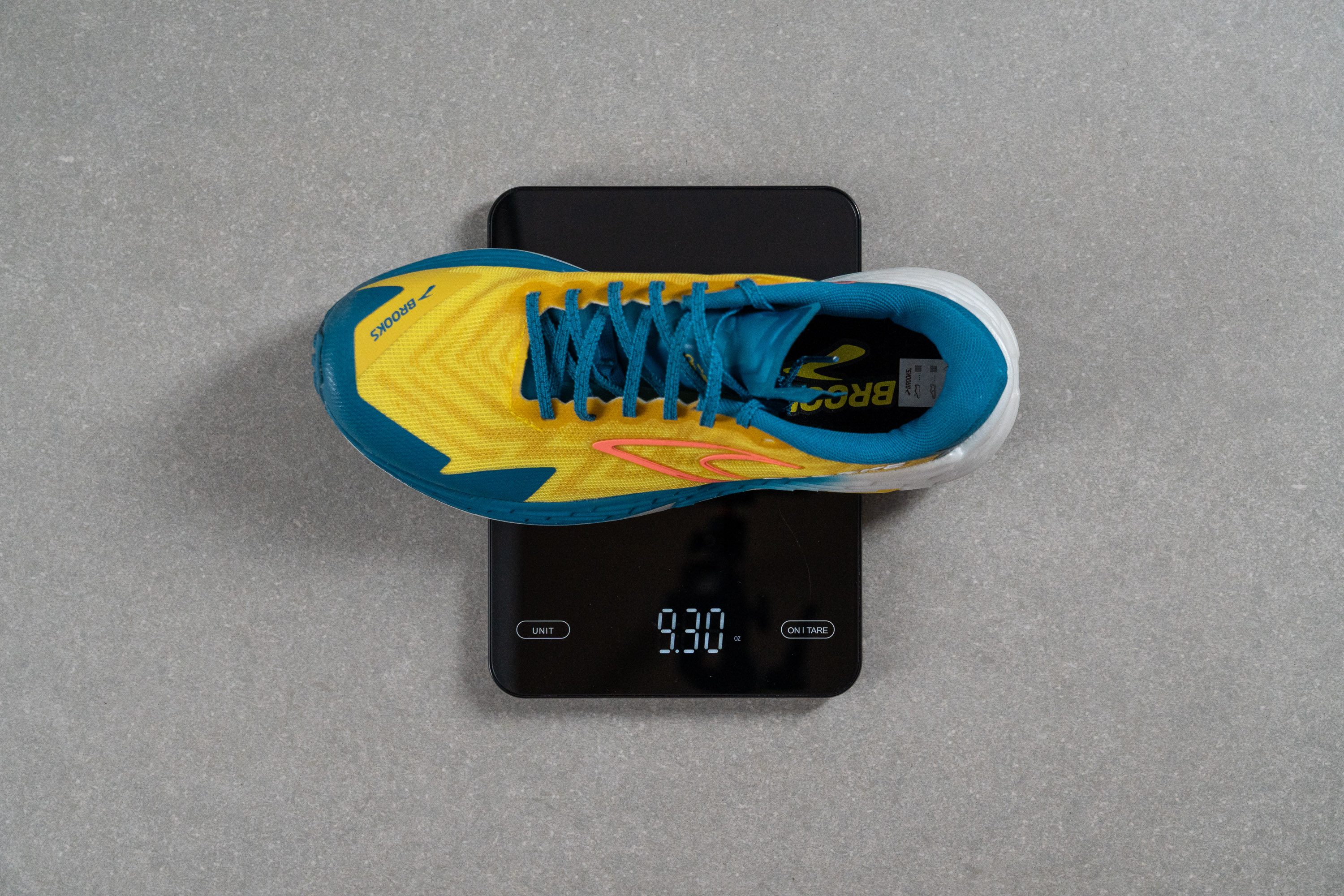
| Catamount 4 | 9.3 oz (264g) |
| Media | 10.1 oz (285g) |
Estabilidad
Prueba de estabilidad lateral
The Catamount series has always stood out for its stability thanks to its supportive sidewalls, moderate stack height, and SkyVault plate. The firmer heel foam further enhances support during rearfoot landings, and we believe the v4 works exceptionally well for neutral runners as well as those with mild to moderate overpronation.
Rigidez torsional
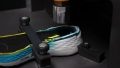
During our runs, the Catamount 4 never felt particularly flexible, and our lab confirmed that impression with a torsional rigidity of 16.8 Nm.
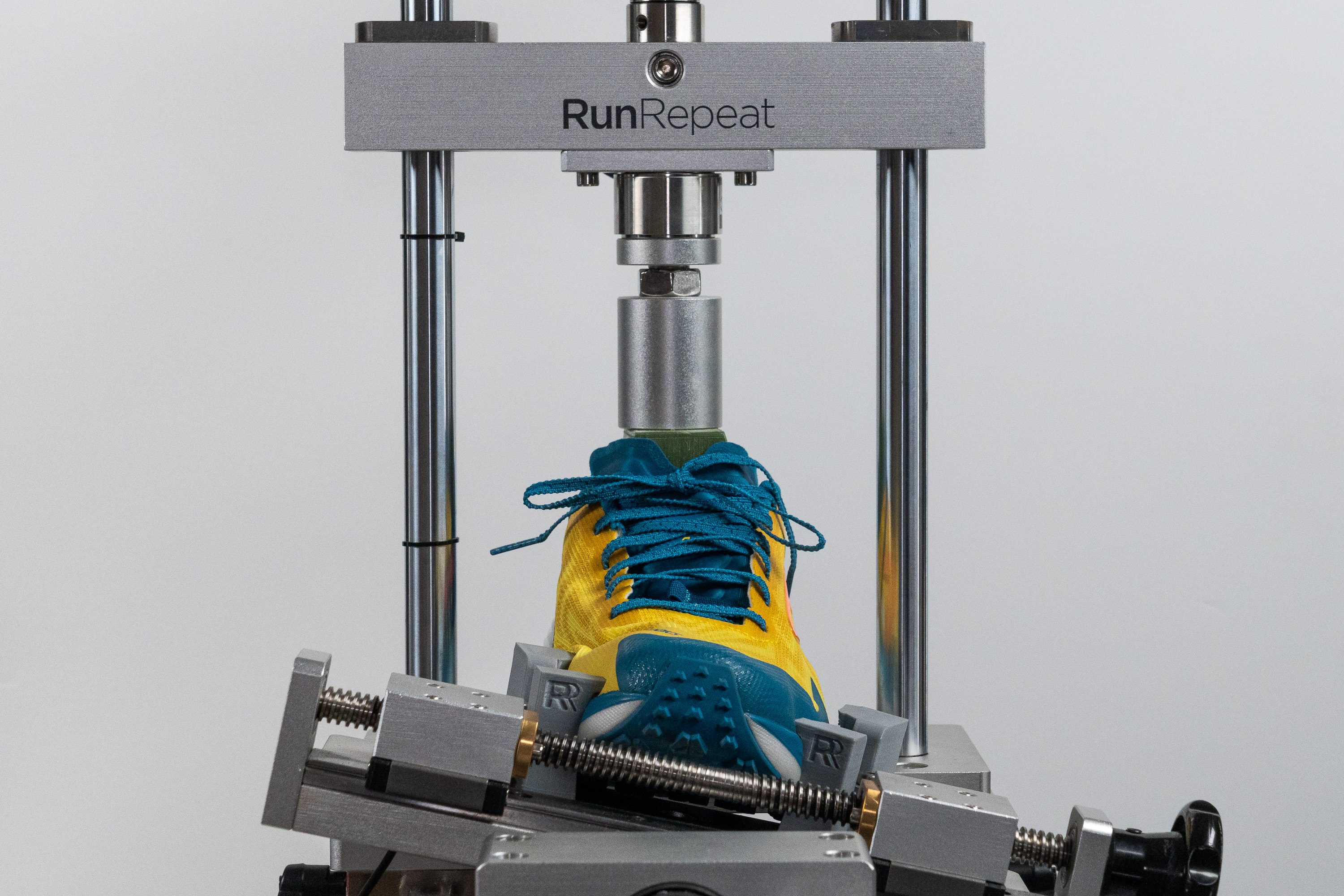
| Catamount 4 | 16.8 Nm |
| Media | 15.8 Nm |
Rigidez del contrafuerte del talón
The heel counter strikes a nice balance between support and comfort, earning a solid 3/5 in our manual assessment.
| Catamount 4 | 3 |
| Media | 2.9 |
Anchura de la mediasuela - antepié
Another reason the Catamount 4 felt so stable during our runs is its generously wide platform.
The forefoot measures an impressive 120.4 mm, a substantial increase from the 115.3 mm of its predecessor. In our view, Brooks intentionally widened the platform to offset the added stack height, although runners who prefer a more nimble ride may find this increase a bit excessive.
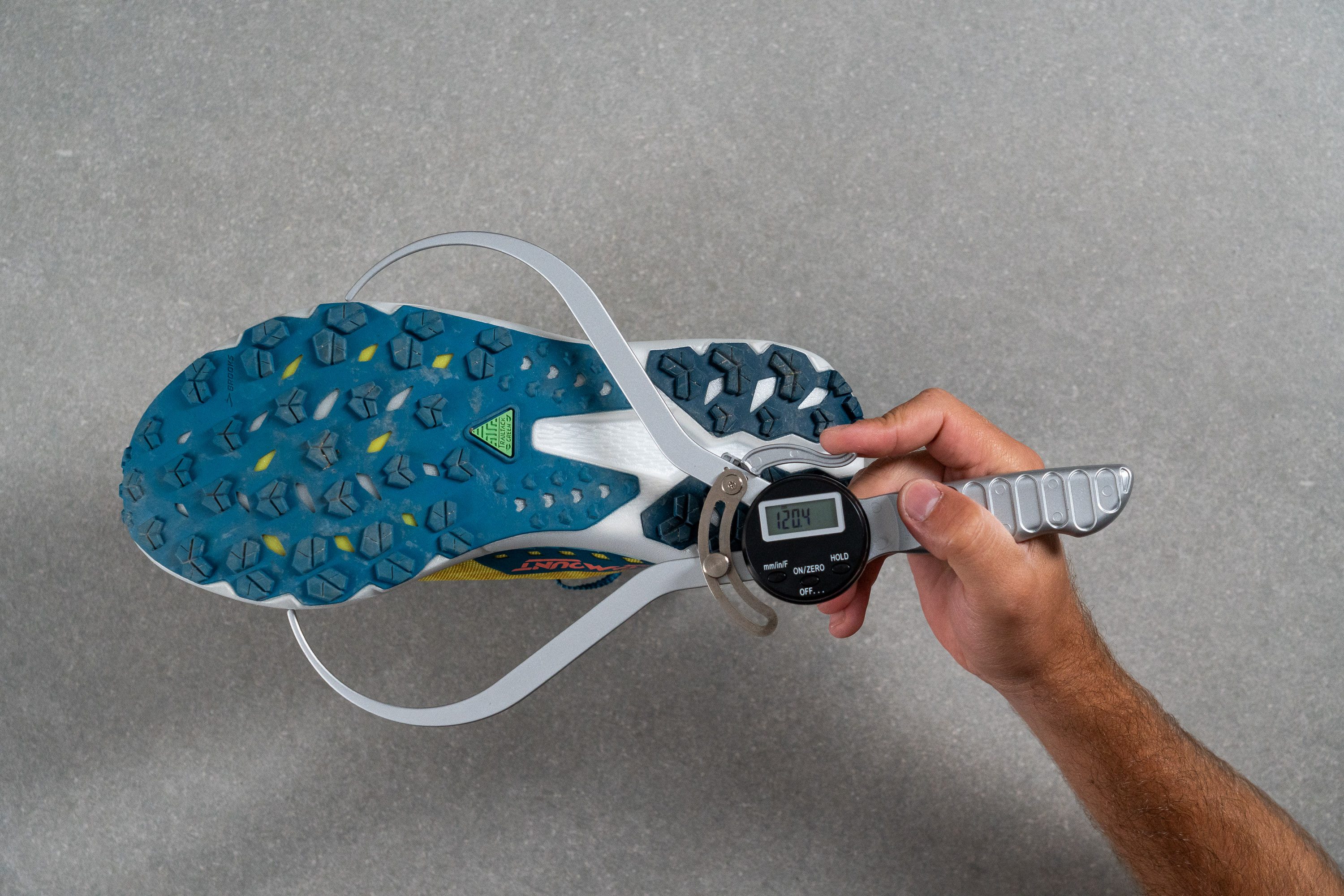
| Catamount 4 | 120.4 mm |
| Media | 114.3 mm |
Anchura de la mediasuela - talón
We also found that Brooks widened the heel, increasing it from 91.4 mm to 94.2 mm in this version. It reinforces the same design philosophy we noticed up front: greater stability at the expense of a bit of agility.
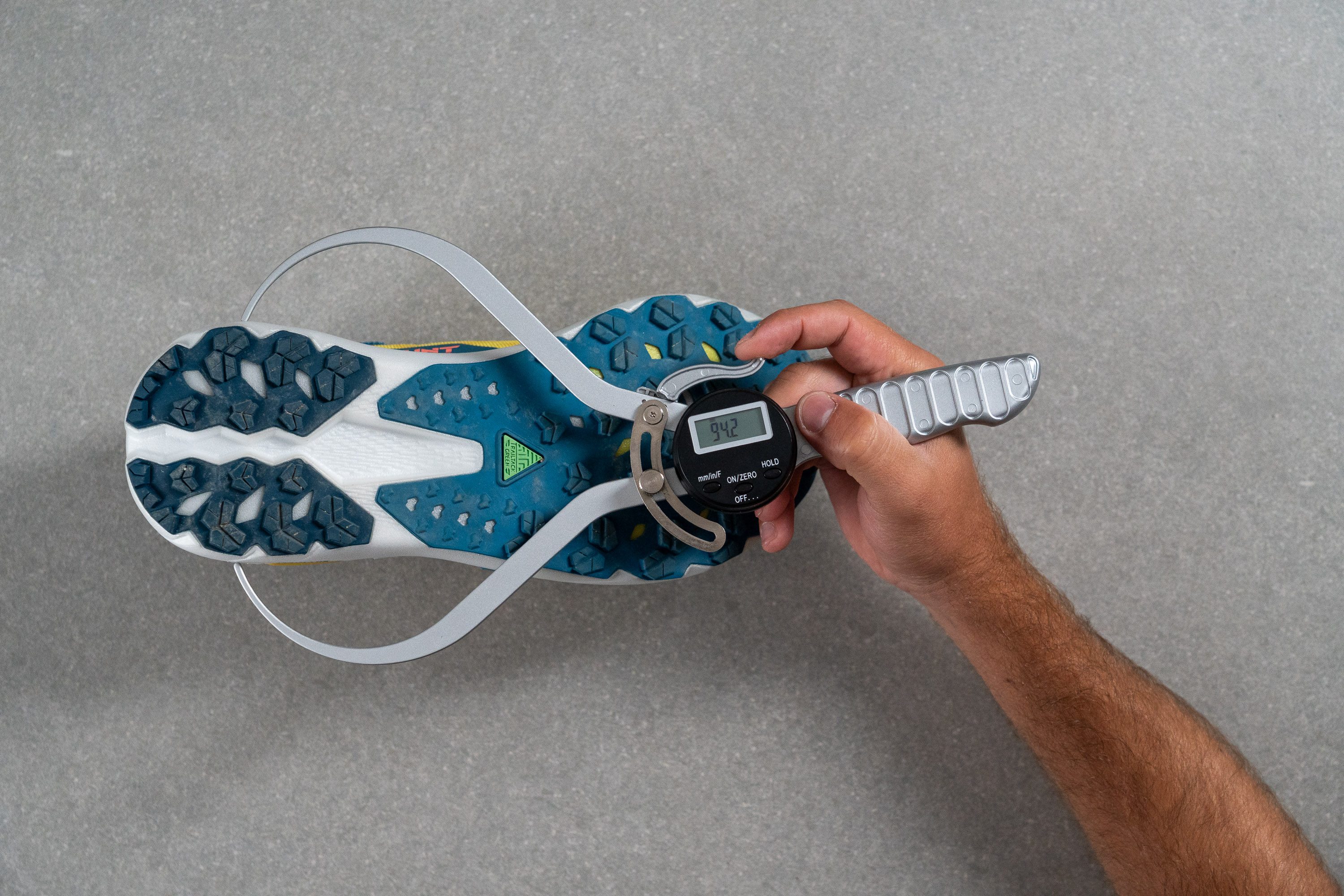
| Catamount 4 | 94.2 mm |
| Media | 90.5 mm |
Durabilidad
Durabilidad de la parte delantera
Scoring 3/5 in our first durability test, the Catamount 4 delivered a solid result that leaves us satisfied with the toughness of its toebox.
| Catamount 4 | 3 |
| Media | 3.1 |
Durabilidad del acolchado del talón
The Catamount 4 also performs well in this durability test, earning a strong 4/5. That's another encouraging result that suggests the heel padding should hold up well after many miles of trail running.
| Catamount 4 | 4 |
| Media | 3.1 |
Durabilidad de la suela
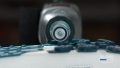
The TrailTack Green rubber delivered a respectable result, losing 1.1 mm of material in our Dremel test. We don't see durability as a concern here, although the compound still falls short of the toughest outsoles we've tested.
| Catamount 4 | 1.1 mm |
| Media | 0.9 mm |
Grosor de la suela
Brooks opted for a thin 1.3 mm outsole, likely because the SkyVault plate already provides plenty of protection under the forefoot. This approach helps reduce weight while still delivering enough underfoot defense.
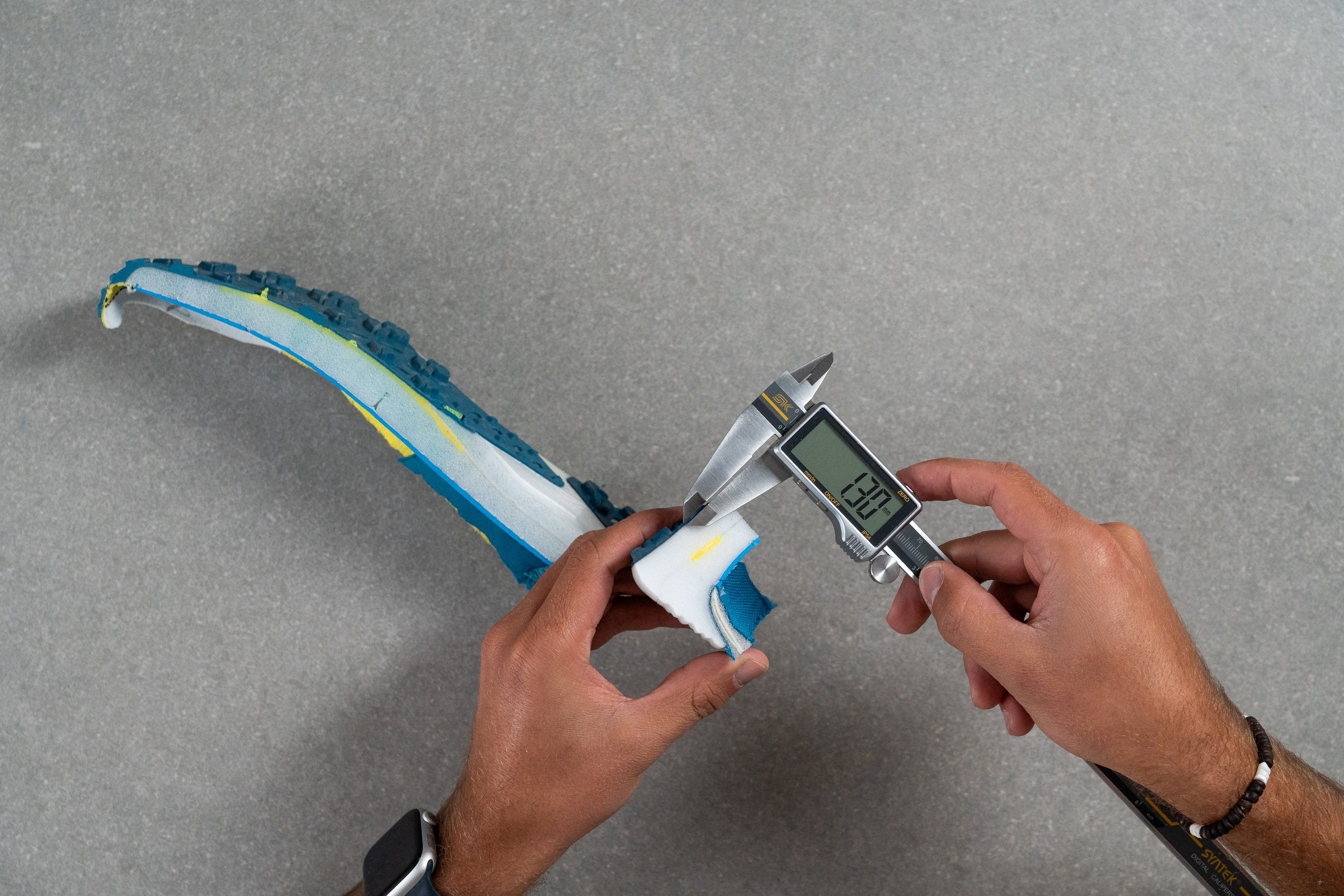
| Catamount 4 | 1.3 mm |
| Media | 1.9 mm |
Varios
Grosor de la plantilla
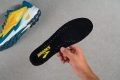
The insole is unusually thin at just 2.5 mm, which is something we rarely see in running shoes.
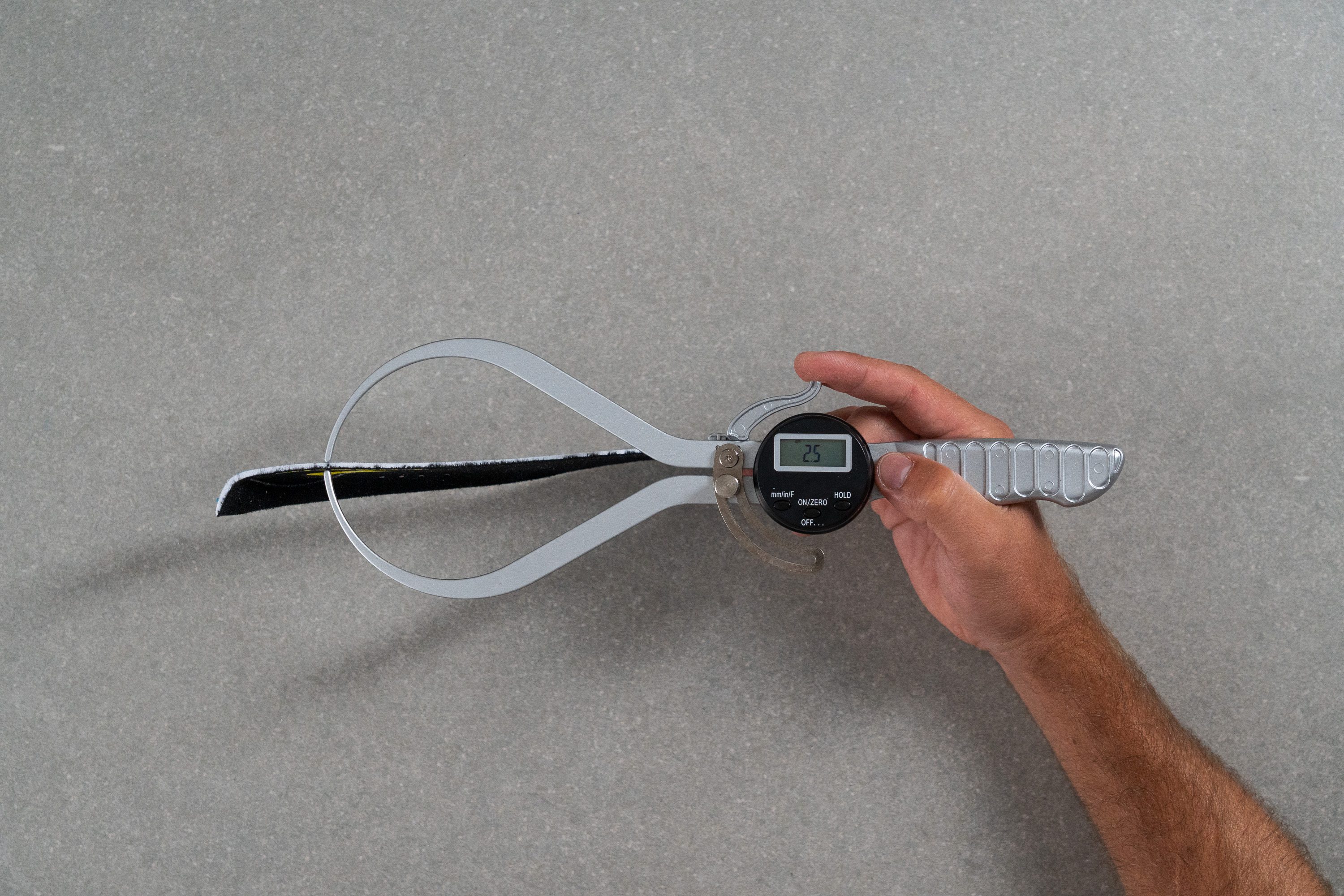
| Catamount 4 | 2.5 mm |
| Media | 4.6 mm |
Plantilla extraíble
Brooks deserves credit for including a perforated insole, as it helps improve airflow inside the shoe. It's also removable, although we think fitting a thicker third-party insole could be challenging due to the relatively low toebox height.
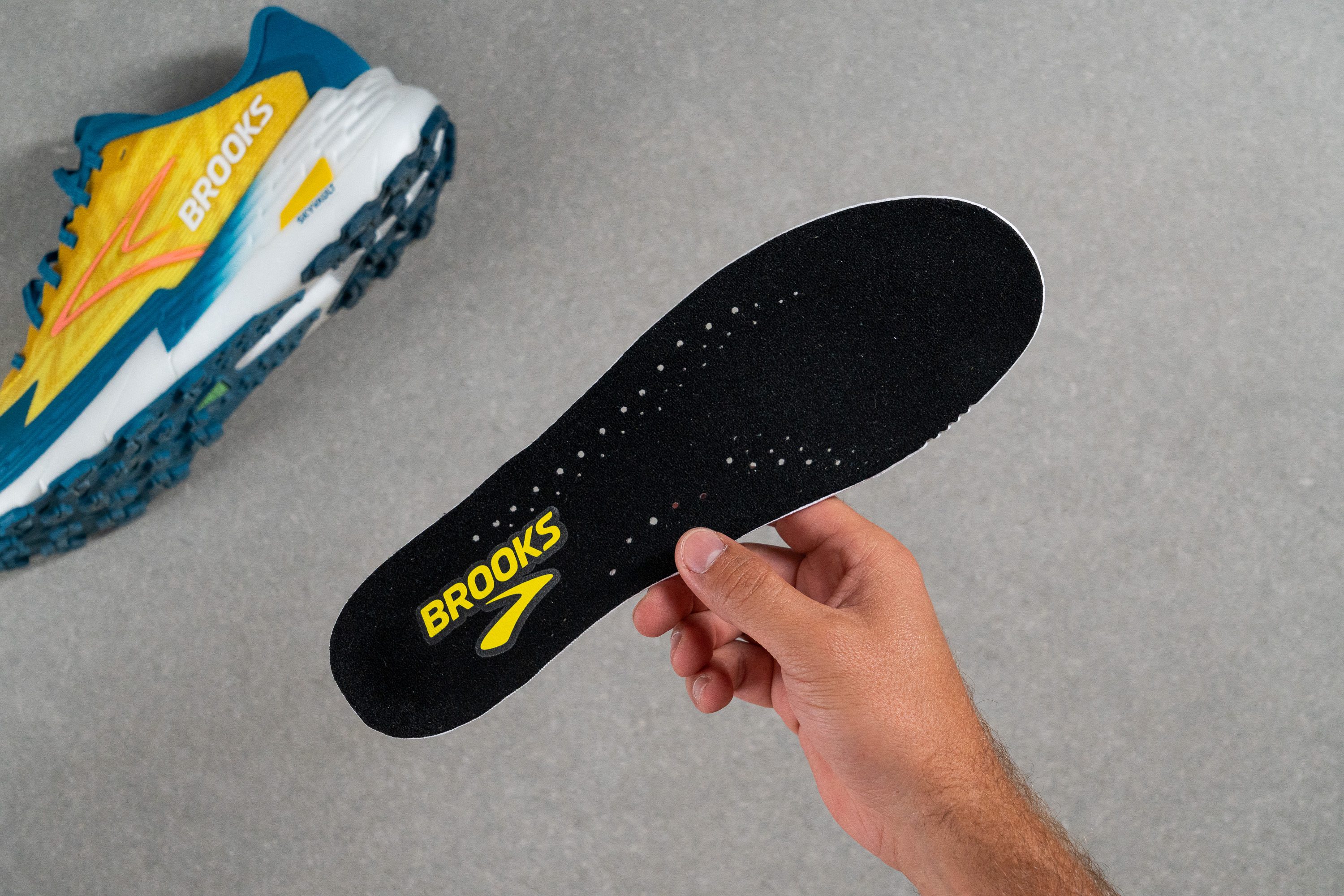
| Catamount 4 | Sí |
Elementos reflectantes
We shined a powerful light on the Catamount 4, but it didn't reveal a single reflective element. That's a disappointing omission for a trail shoe that could easily end up being used in low-light conditions.
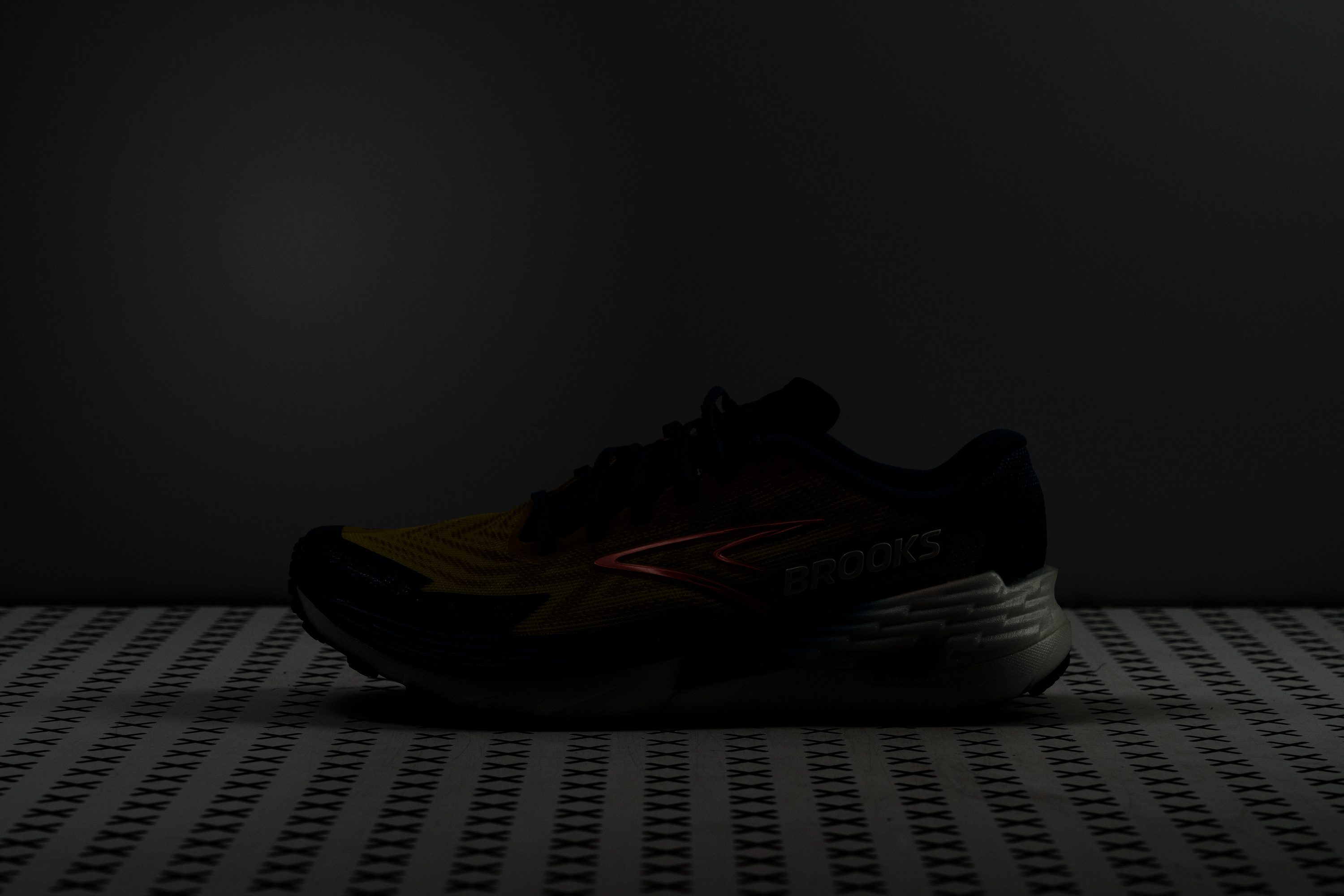
| Catamount 4 | No |
Acolchado de la lengüeta
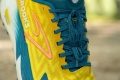
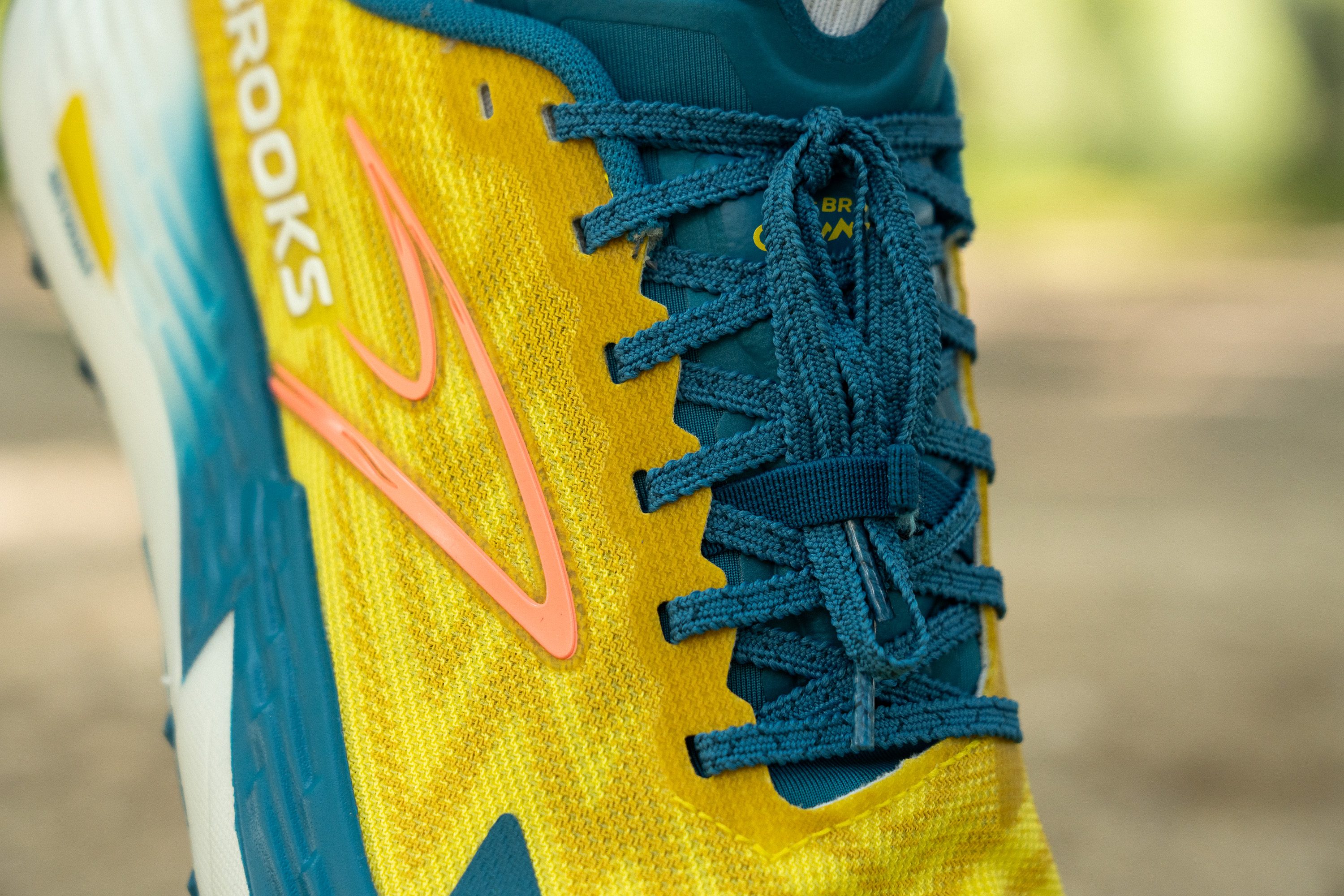
It was immediately clear to us that Brooks did an excellent job with the upper, delivering a secure and comfortable fit. And the high-quality laces and elastic lace keeper keep everything neatly in place throughout the run.
We measured 6.4 mm of tongue padding, and unlike other trail shoes, it extends along the entire length of the tongue.
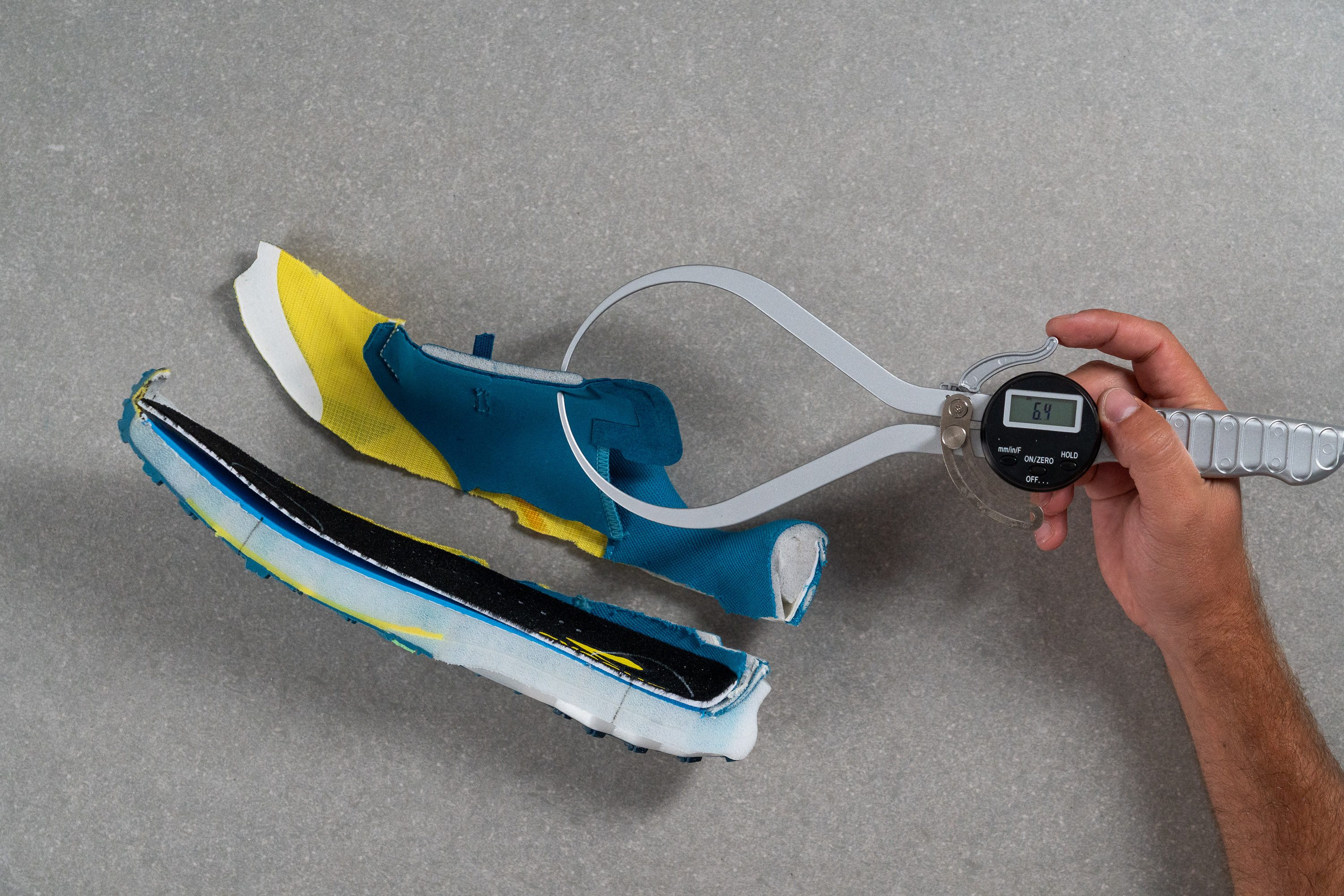
| Catamount 4 | 6.4 mm |
| Media | 6.4 mm |
Lengüeta: tipo de refuerzo
The tongue is almost fully gusseted, delivering excellent lockdown while also helping keep dirt, small rocks, and other trail debris from entering the shoe.
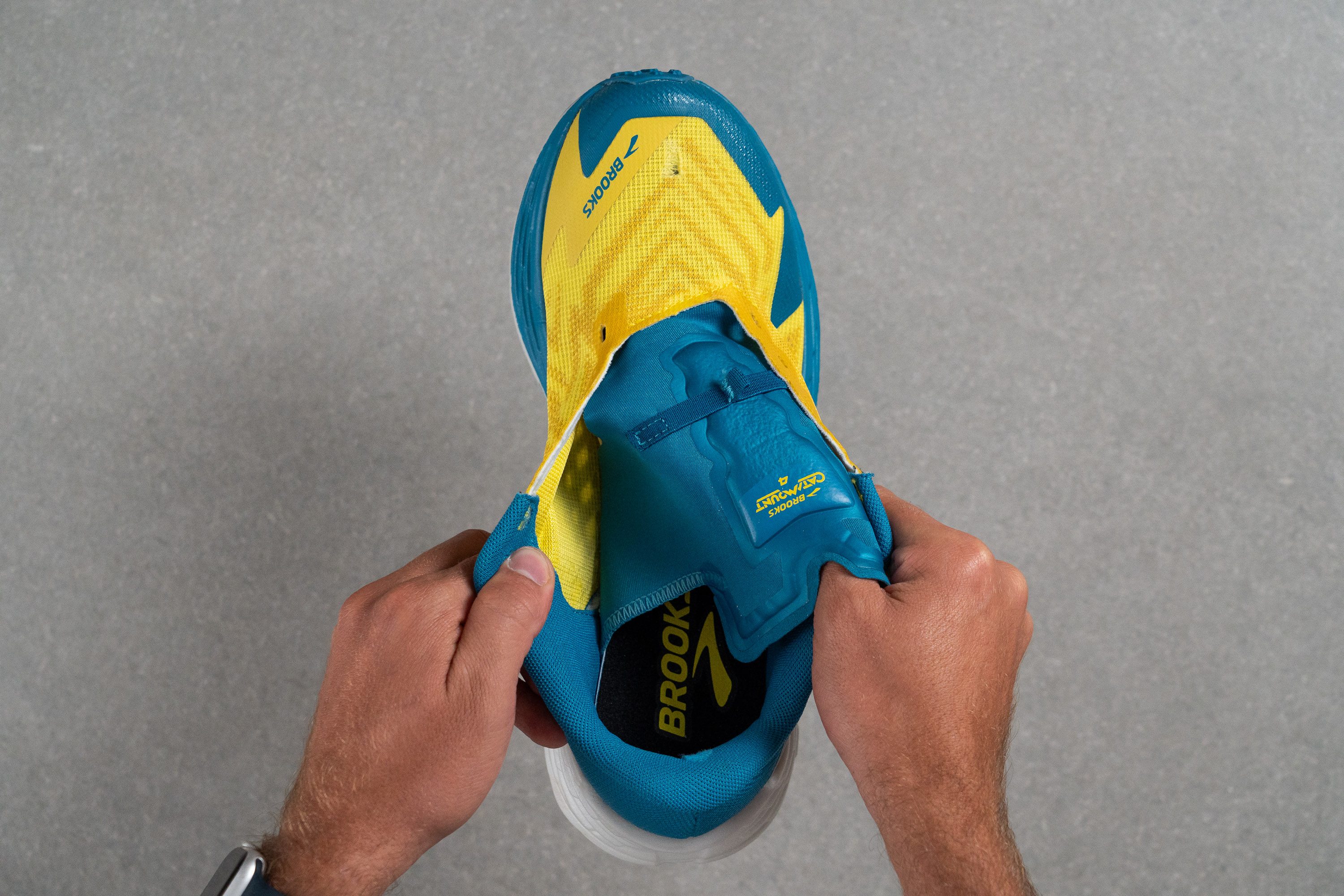
| Catamount 4 | Ambos lados (semi) |
Tirador del talón
Brooks kept the heel design simple and functional, with very little structure or extra reinforcement. Maybe even too simple?
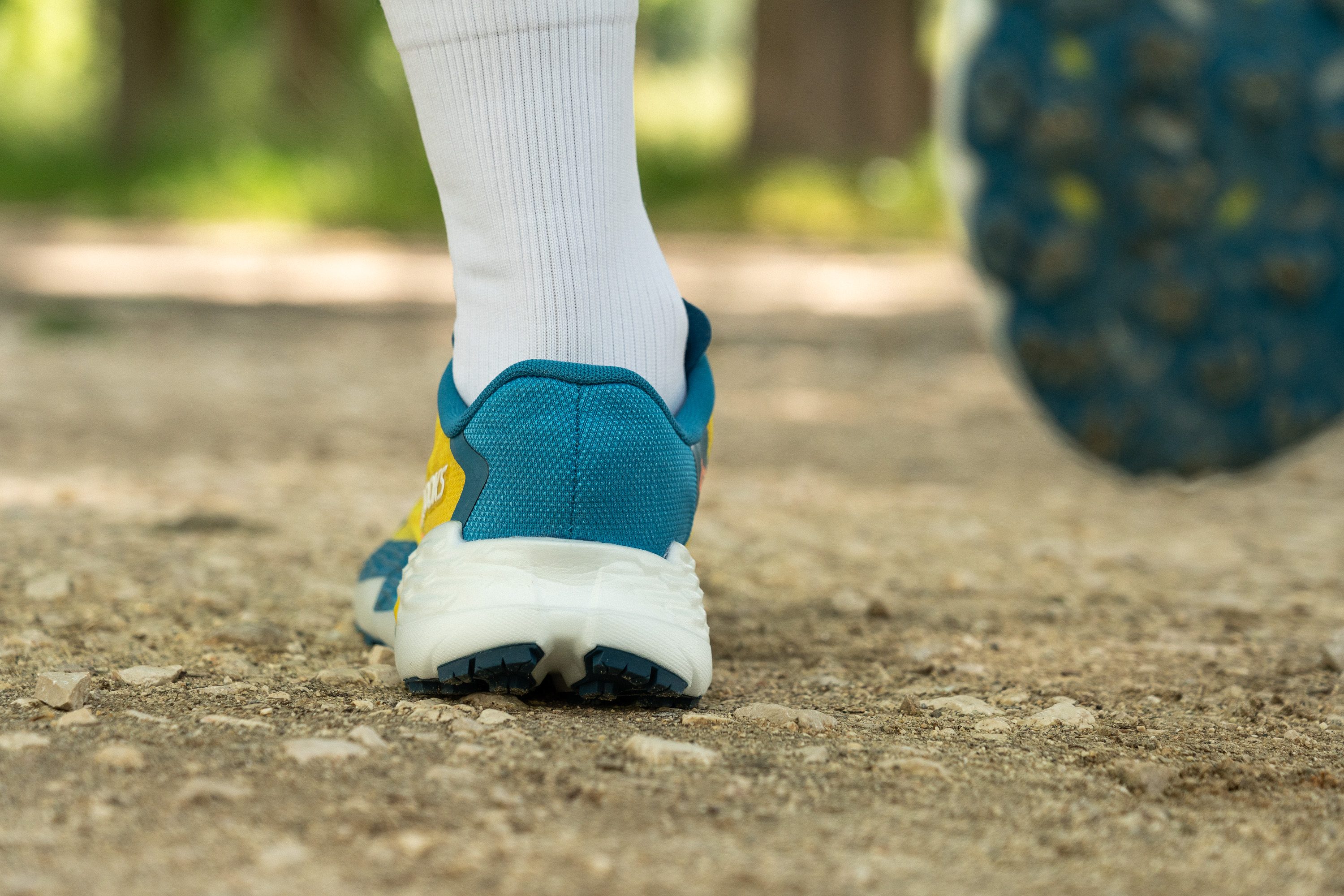
| Catamount 4 | Ninguno |
Precio
One area where we think the Catamount 4 falls short is value. At full retail price, it's difficult to justify against its rivals, especially considering it lacks a premium midsole foam and doesn't feature a Vibram outsole.
| Catamount 4 | $170 |