
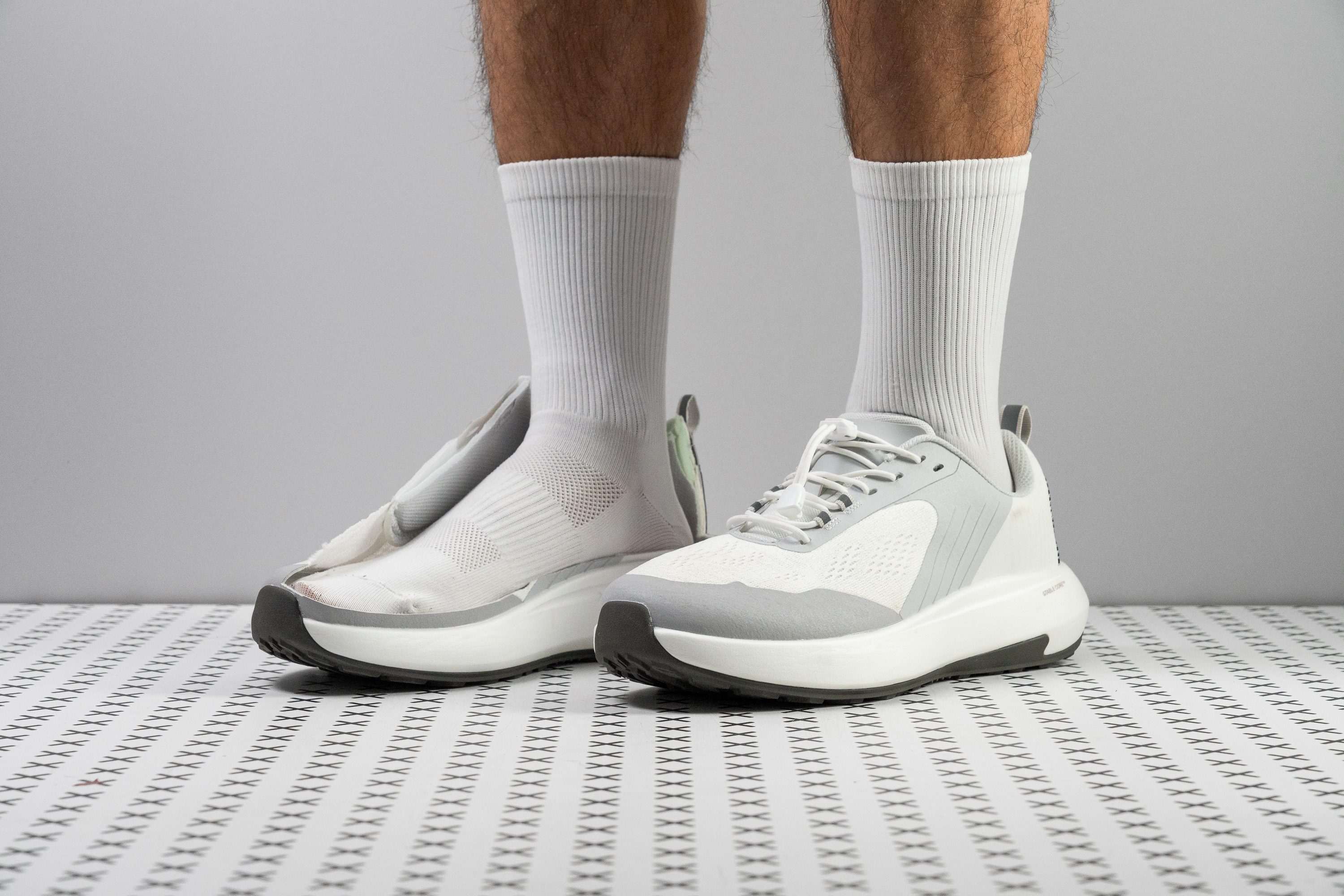

Our verdict
- Daily running 77
- Tempo 60
- Race 43
- Stability 83
Pros
- High energy return from A-TPU foam
- Stable ride
- Toebox is made to last
- Good materials
- Neutral, everyday-ready design
- Ideal for cold temperatures
- Reasonably priced
- Excellent for casual runners
- Amazing reflective elements
Cons
- Heavier than expected
- Limited breathability
- Maybe too stiff
Comparison
The most similar running shoes compared
+ + Add a shoe | |||||
|---|---|---|---|---|---|
| Our score | 77 Good | 91 Superb | 76 Good | 83 Great | |
| Price | $149 | $180 | $180 | $165 | |
| Pace | Daily running | Daily running | Daily running | Daily running | |
| Shock absorption | Moderate | High | High | High | |
| Energy return | High | High | Low | Moderate | |
| Traction | High | High | High | High | |
| Arch support | Neutral | Neutral | Neutral | Neutral | |
| Weight lab Weight brand | 10.8 oz / 306g 9.9 oz / 282g | 10.2 oz / 289g 10.1 oz / 285g | 10.3 oz / 292g 10.3 oz / 292g | 9.6 oz / 272g 9.7 oz / 274g | |
| Drop lab Drop brand | 11.3 mm 6.0 mm | 9.6 mm 10.0 mm | 7.9 mm 6.0 mm | 7.9 mm 4.0 mm | |
| Strike pattern | Heel | HeelMid/forefoot | Mid/forefoot | Mid/forefoot | |
| Size | - | True to size | True to size | True to size | |
| Midsole softness | Soft | Soft | Firm | Soft | |
| Difference in midsole softness in cold | Small | Small | Normal | Small | |
| Toebox durability | Good | Decent | Decent | Decent | |
| Heel padding durability | Bad | Good | Decent | Decent | |
| Outsole durability | Bad | Good | Decent | Good | |
| Breathability | Warm | Moderate | Warm | Warm | |
| Width / fit | Medium | Medium | Medium | Wide | |
| Toebox width | Medium | Medium | Medium | Wide | |
| Stiffness | Stiff | Stiff | Stiff | Moderate | |
| Torsional rigidity | Moderate | Moderate | Moderate | Flexible | |
| Heel counter stiffness | Moderate | Moderate | Moderate | Moderate | |
| Heel lab Heel brand | 36.6 mm | 42.3 mm 45.0 mm | 37.3 mm 37.0 mm | 36.7 mm 37.0 mm | |
| Forefoot lab Forefoot brand | 25.3 mm | 32.7 mm 35.0 mm | 29.4 mm 31.0 mm | 28.8 mm 33.0 mm | |
| Widths available | Normal | NarrowNormalWideX-Wide | NormalWide | NormalWide | |
| Orthotic friendly | ✓ | ✓ | ✓ | ✓ | |
| Season | All seasons | All seasons | All seasons | All seasons | |
| Removable insole | ✓ | ✓ | ✓ | ✓ | |
| Ranking | #298 Bottom 25% | #18 Top 5% | #299 Bottom 25% | #160 Top 40% | |
| Popularity | #402 Bottom 1% | #2 Top 1% | #95 Top 24% | #79 Top 20% |
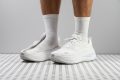
Who should buy
We found this shoe especially suitable for:
- Casual runners or weekend warriors who want a model that performs well on short runs and still feels comfortable for everyday wear.
- Runners who enjoy discovering and supporting smaller brands bringing fresh ideas to the market.
- Those looking for a daily trainer that delivers a stable ride with a lively, responsive feel underfoot based on our lab tests.
Who should NOT buy
Darimati is a Kickstarter-born brand, and that means limited availability and slow shipping. If you need a fast-delivery, ready-to-order option, we think it’s not the best choice right now. We believe you should consider the adidas Adizero EVO SL or the ASICS Novablast 5 instead.
We also found in the lab that the thick outsole creates a stiff-underfoot feel that may not suit everyone. If you prefer a smoother ride, we do not recommend this model. From our perspective, the Altra Experience Flow 2 is a more flexible and natural-feeling alternative while keeping a fun and bouncy ride.
Cushioning
Shock absorption
Despite its moderate stack height, the Darimati BR-001 delivers reliable shock absorption, posting 130 SA in the heel and 104 SA in the forefoot in our lab tests.
These figures sit right around our lab average, and in our view, they align perfectly with the shoe’s intended purpose: short to moderate city runs.
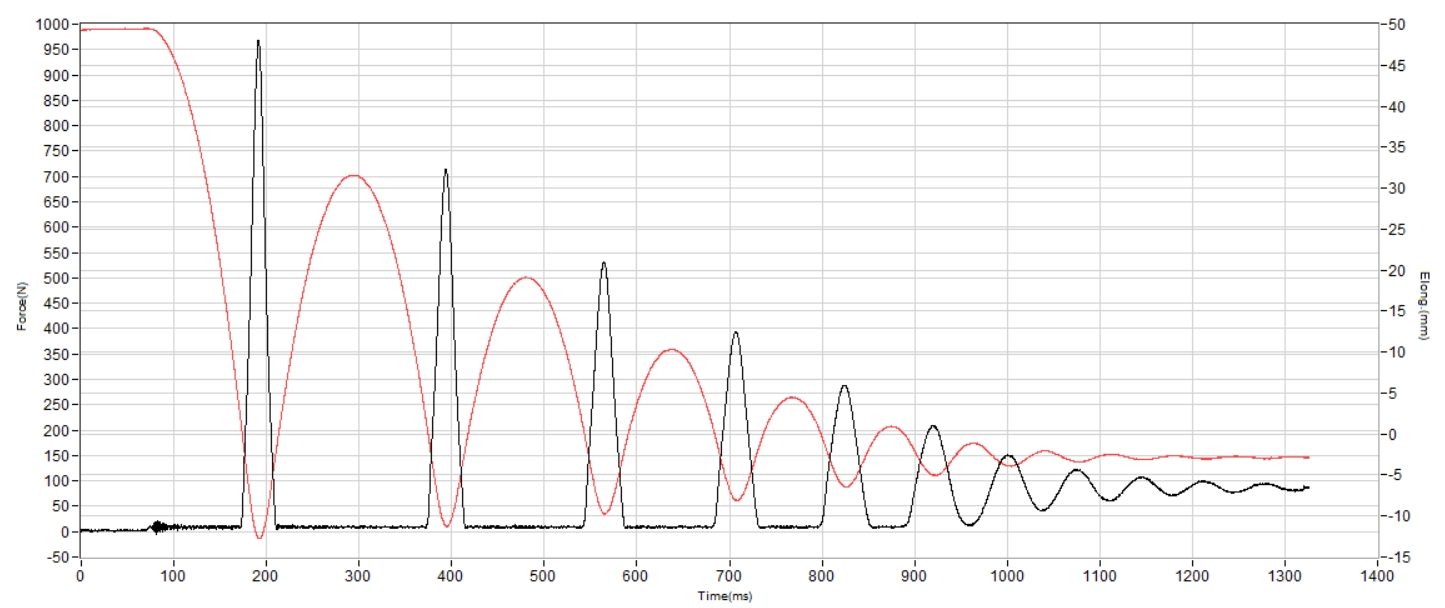
| BR-001 | 130 SA |
| Average | 131 SA |
Energy return
One of the very pleasant surprises of the Darimati BR-001 is its midsole. Many shoes from startups or small brands rely on EVA foams to reduce costs, but this model features an A-TPU foam. Yes, it’s the same compound (albeit different formulation) that you can find, for example, in the ASICS Megablast.
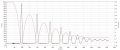
Thanks to the A-TPU foam, the BR-001 feels really peppy underfoot, and our lab tests confirmed it with 67.5% energy return in the heel and 68.7% in the forefoot.
| BR-001 | 68.7% |
| Average | 61.5% |
Heel stack
Darimati clearly went for a modern approach with the midsole, combining a solid stack height with a premium foam choice. The 36.6 mm we measured in the heel feels more than sufficient for this shoe, and anything higher could have made the ride feel bulky and less agile.
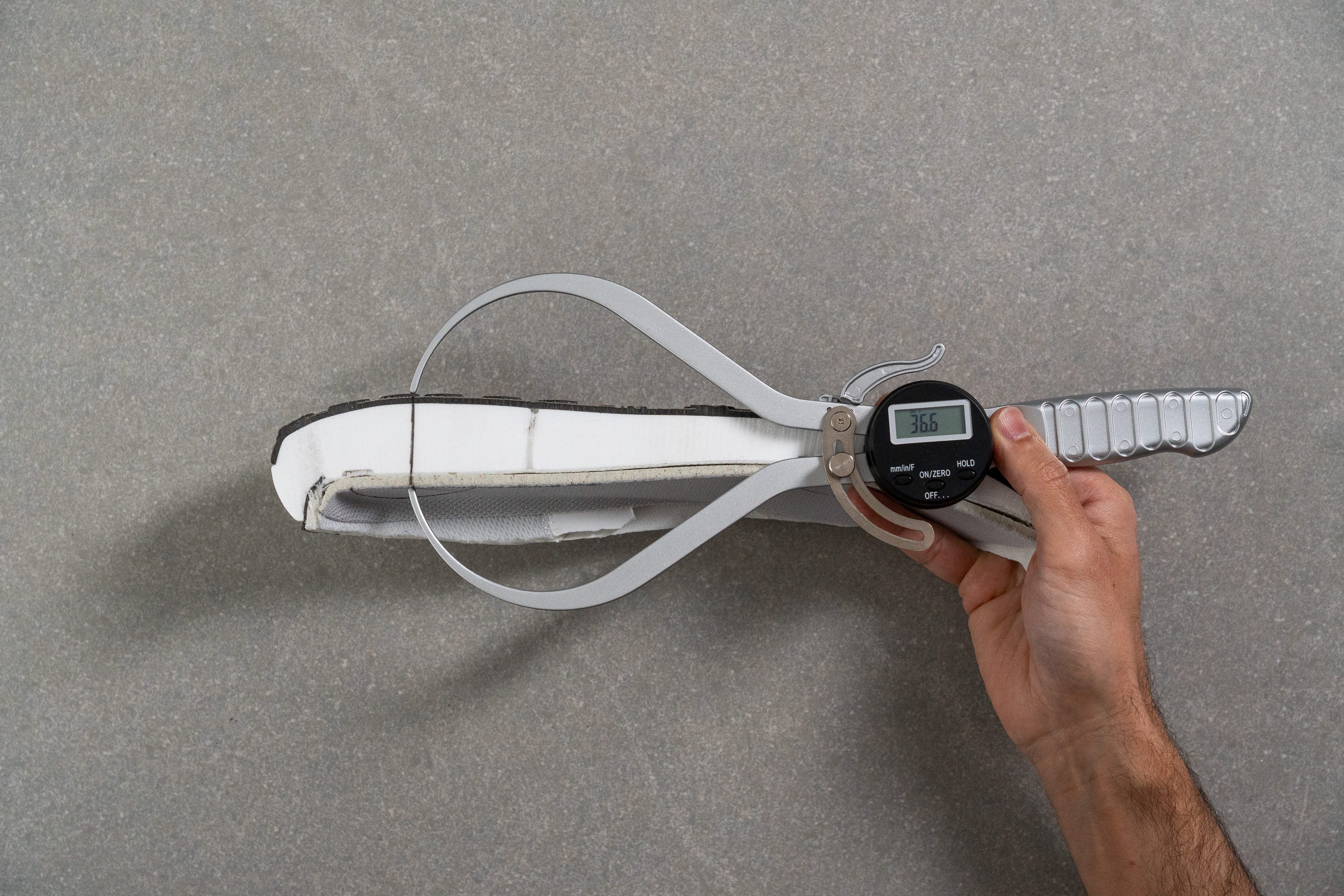
| BR-001 | 36.6 mm |
| Average | 35.6 mm |
Forefoot stack
The forefoot stack comes in at 25.3 mm, which feels perfectly reasonable for this type of shoe. We’re satisfied with that measurement, as this model doesn’t need a maximalist build to perform well.
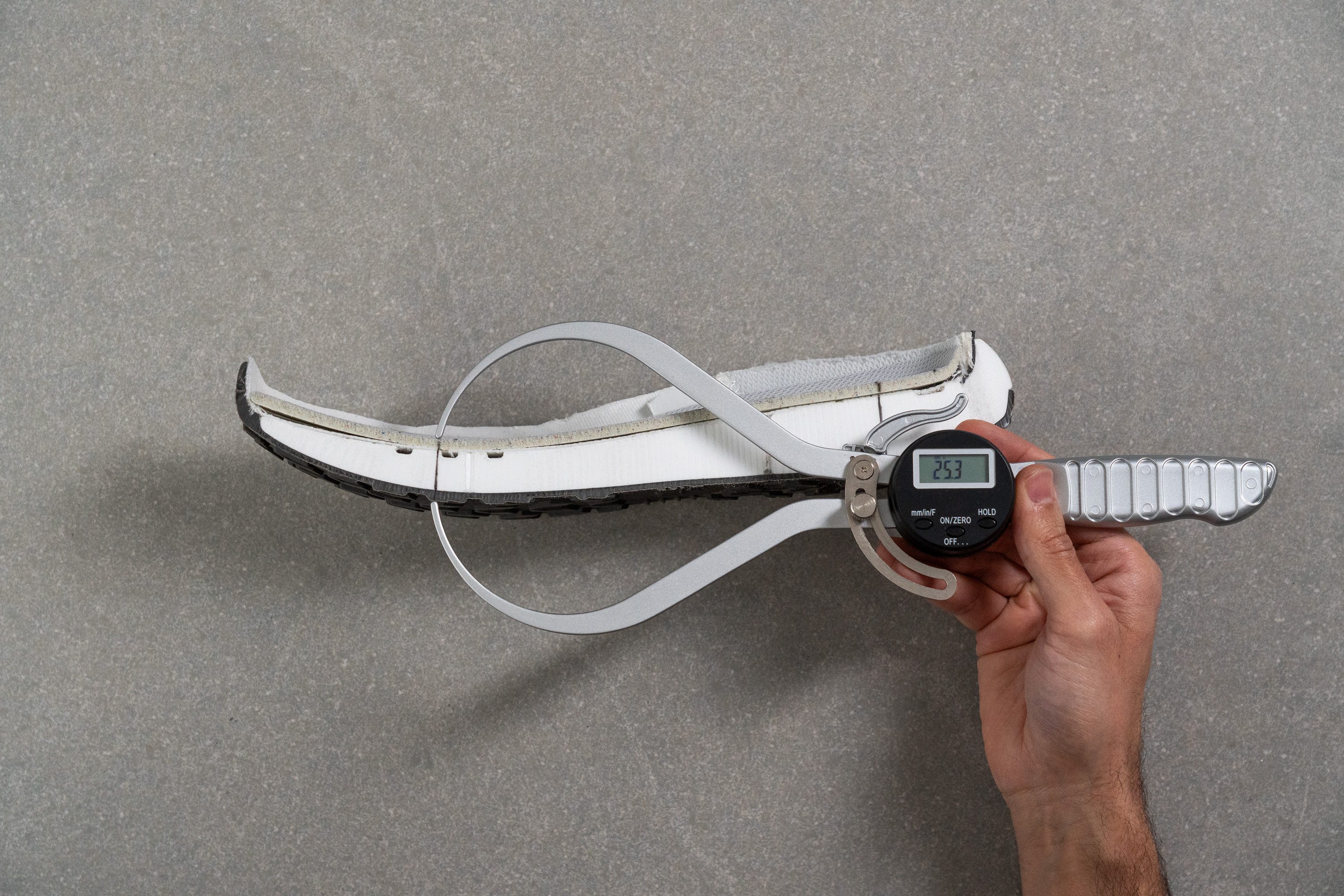
| BR-001 | 25.3 mm |
| Average | 27.2 mm |
Drop
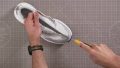
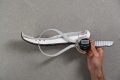
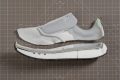
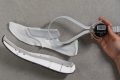
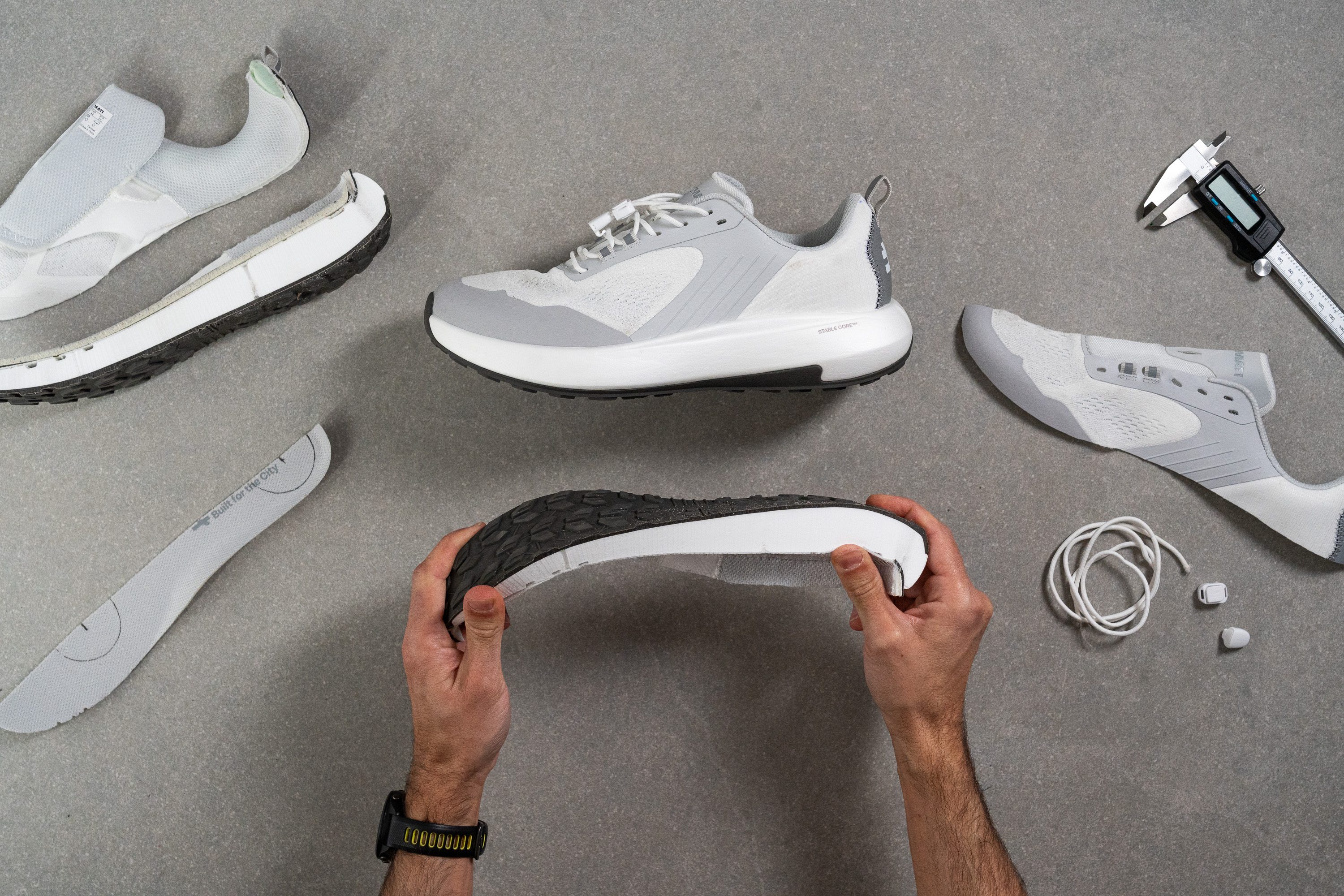
We identified a major discrepancy in the stated drop. Darimati lists it at 6 mm, but following our standard World Athletics-based measurement protocol, we recorded 11.3 mm.
Even a quick look at the shoe cut in half makes it clear this is not a moderate drop, and on the run it confirms that impression, feeling much closer to a Pegasus-style setup.
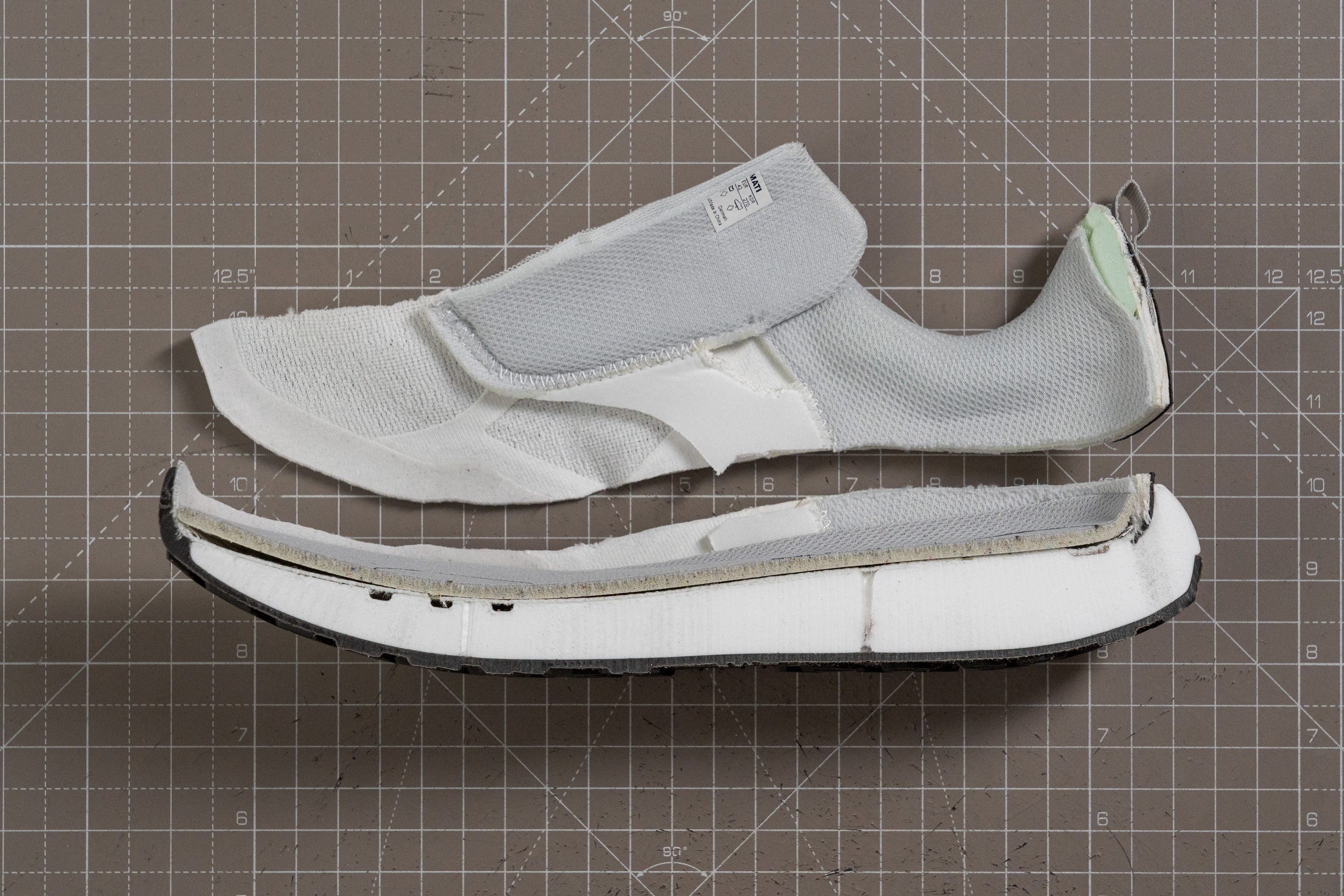
| BR-001 | 11.3 mm |
| Average | 8.4 mm |
Midsole softness
The A-TPU foam in the Darimati BR-001 feels pleasant underfoot without reaching an overly plush sensation, and after testing it ourselves, we believe it strikes a smart middle ground for a shoe designed to handle plenty of walking mixed with running in its all-purpose role.
Our Asker C durometer reading of 32.5 AC places it in the softer range on paper. However, the underfoot feel is not as soft as the numbers suggest, since the thick outsole makes the ride feel slightly firmer overall.
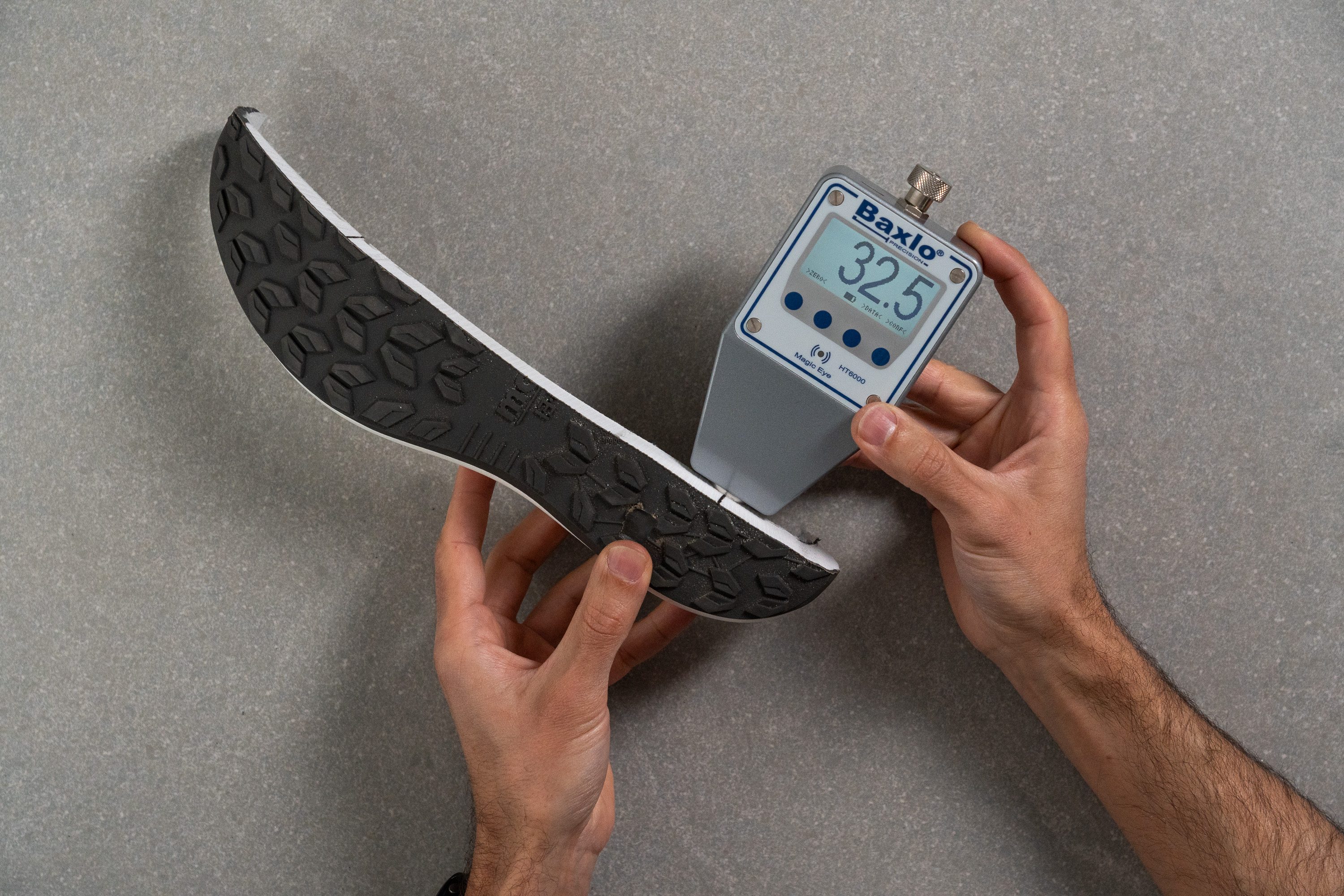
| BR-001 | 32.5 AC |
| Average | 35.4 AC |
Rocker
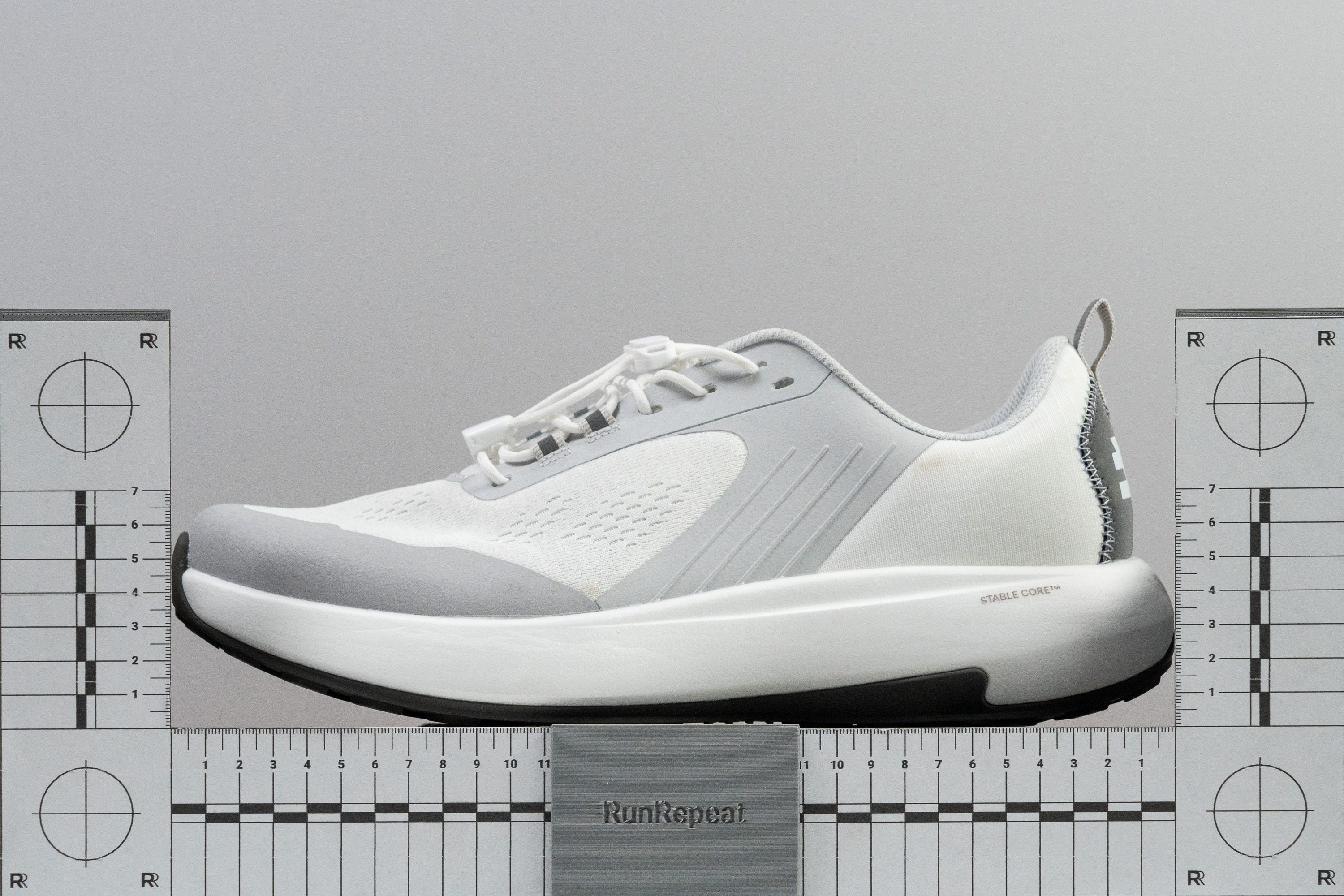
Another design detail that shows the Darimati BR-001 is built for more than just running is its rocker. While it has a mild curvature, it is less pronounced than in many modern shoes, and after testing it ourselves, we think this was a smart choice.
A highly-rockered shoe can feel awkward for daily wear, and with its moderate stack and soft foam, this more subtle rocker fits the overall design.
Size and fit
Size
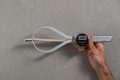
Internal length
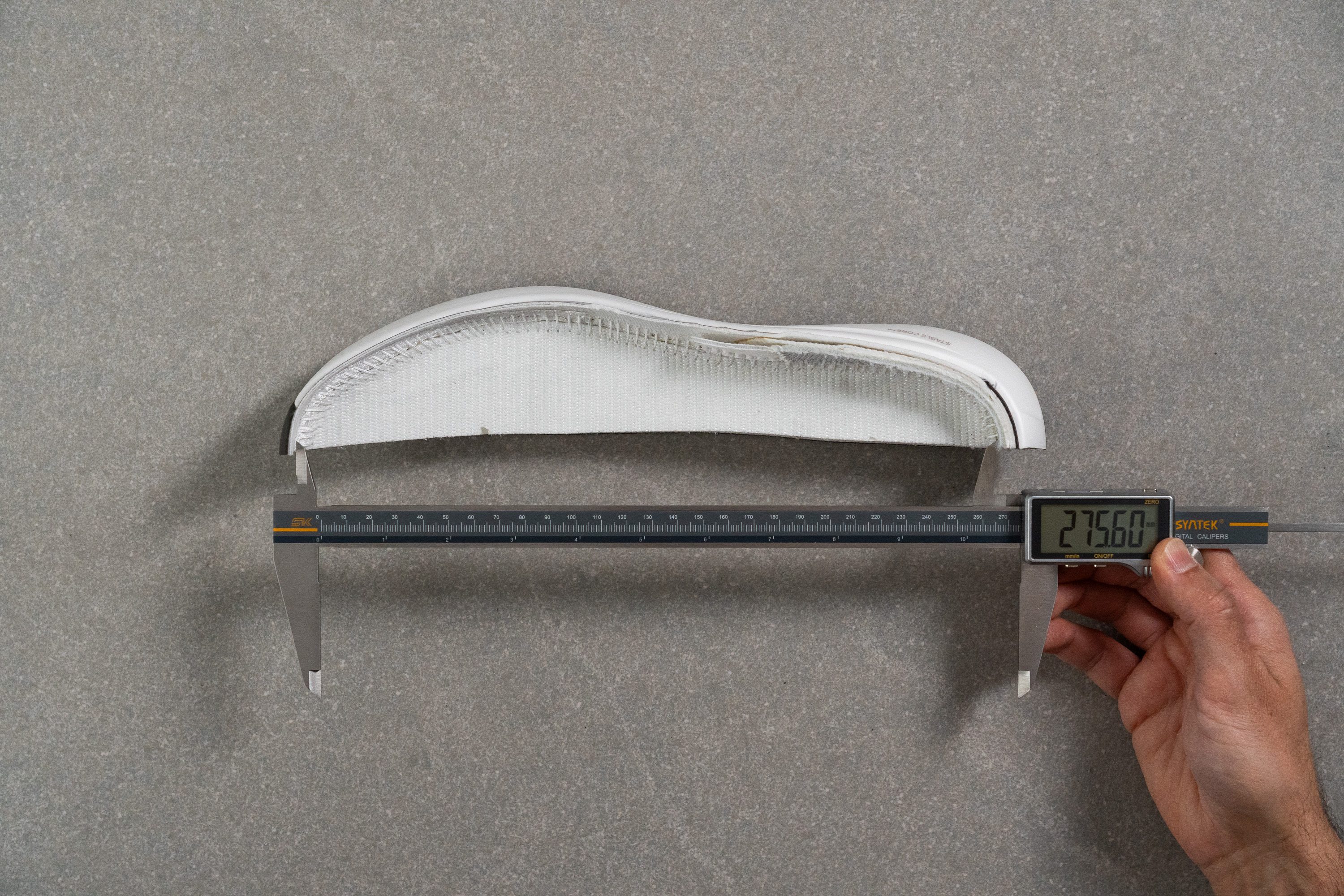
| BR-001 | 275.6 mm |
| Average | 269.4 mm |
Width / Fit
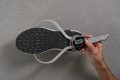
At its widest point, we measured a generous 97.0 mm, which makes the BR-001 especially accommodating for runners with wider feet.
This added width becomes even more important since Darimati does not offer the shoe in a 2E option, leaving standard width as the only available choice.
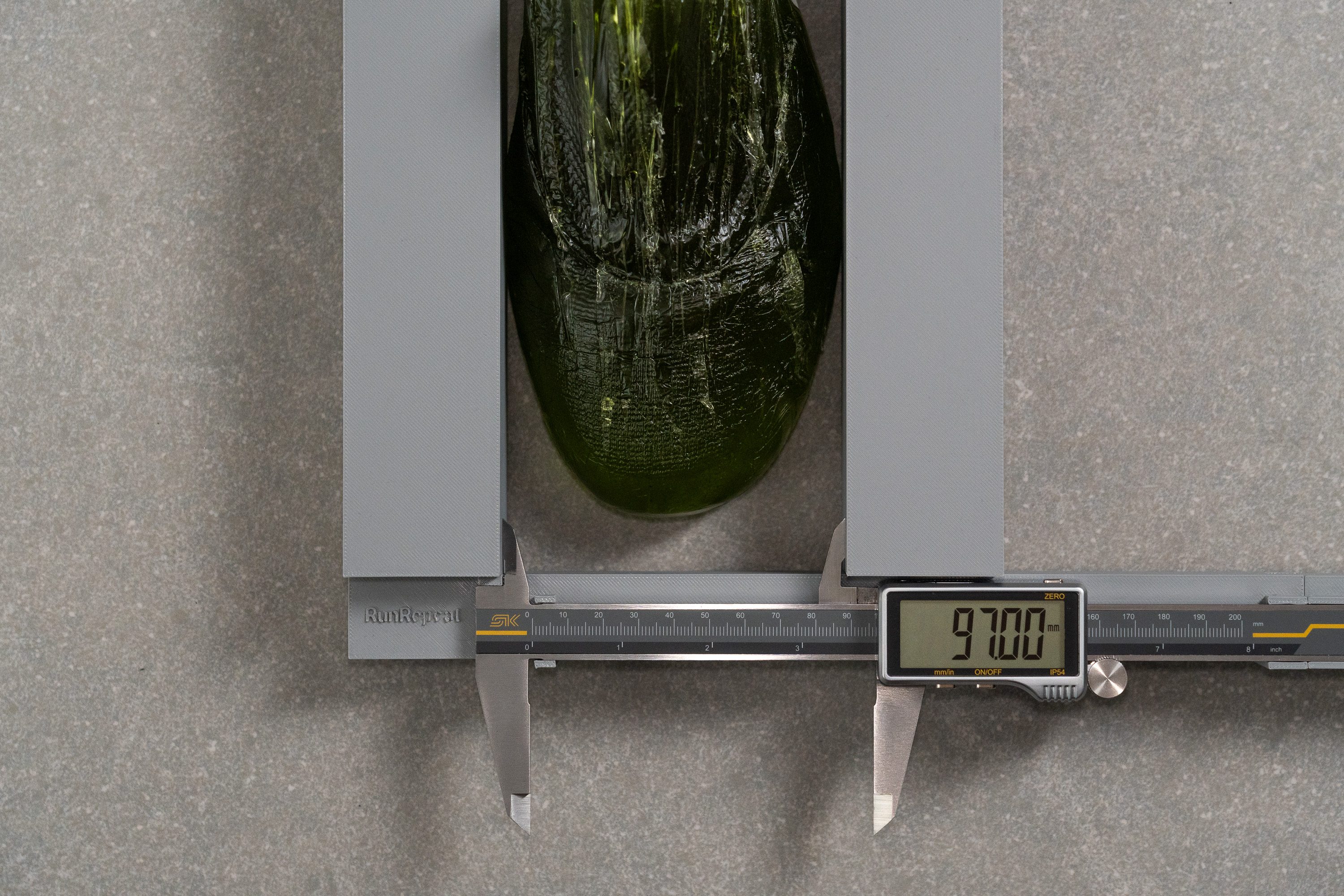
| BR-001 | 97.0 mm |
| Average | 95.2 mm |
Toebox width
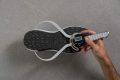
The toebox also performs well for most feet, measuring 73.0 mm in our second reading.
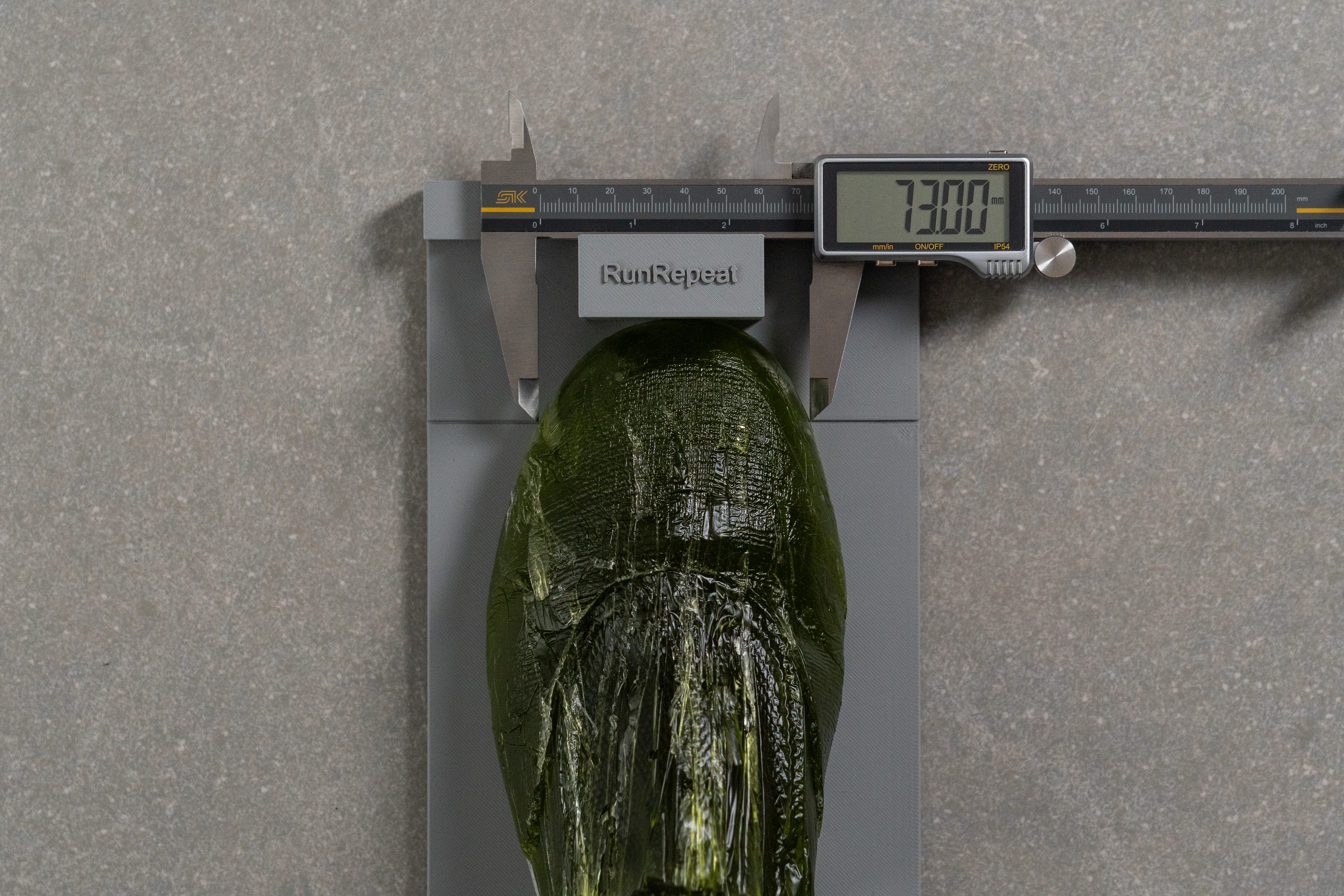
| BR-001 | 73.0 mm |
| Average | 73.2 mm |
Toebox height
To wrap up the fit section, we measured the toebox height.
Considering the shoe’s city-ready and lifestyle-friendly design, we were pleased to find ample room to move the toes, with a generous 33.4 mm of vertical space.
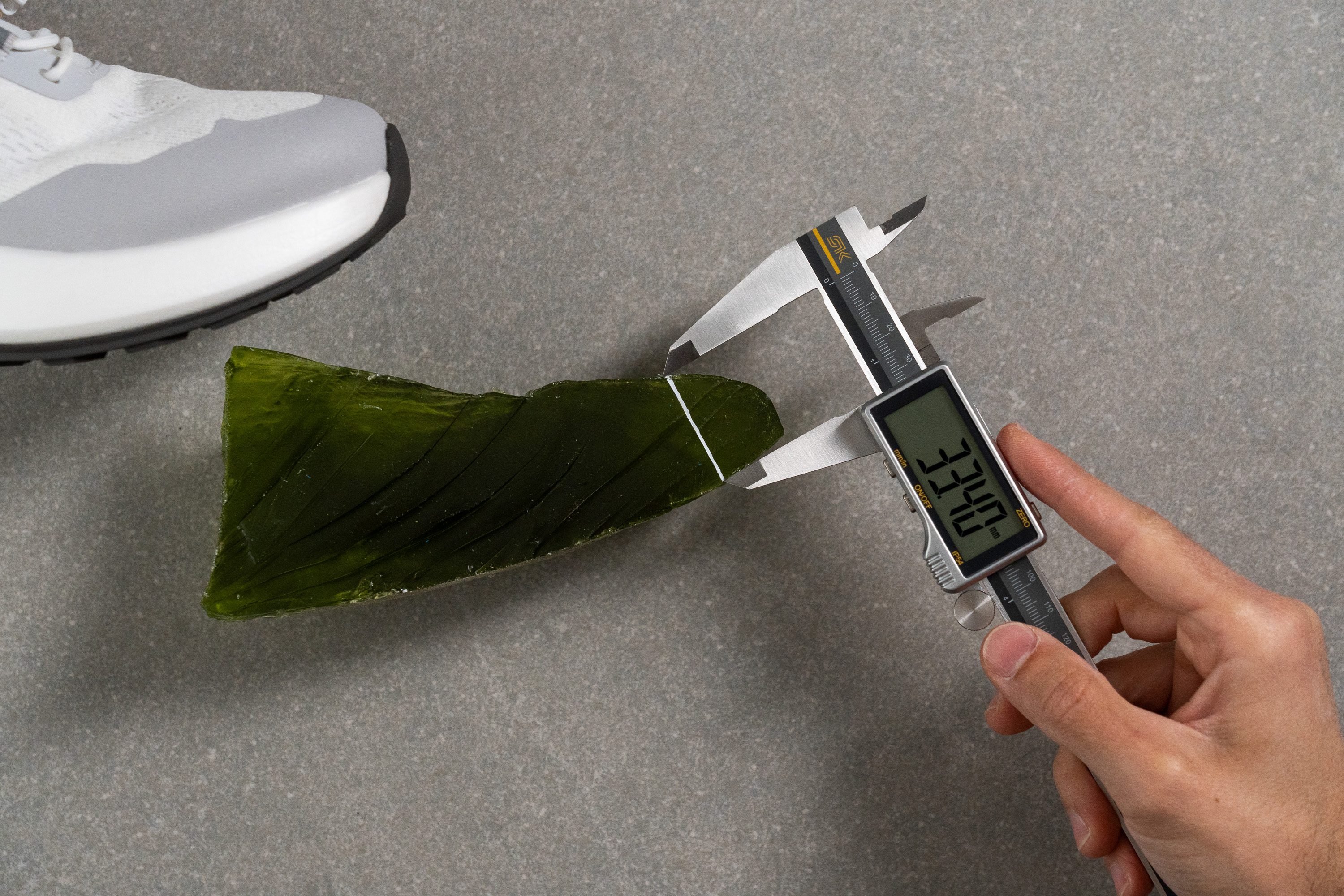
| BR-001 | 33.4 mm |
| Average | 27.0 mm |
Traction / Grip
Traction test
Darimati is a new brand, and we had no prior data on its outsole performance. Fortunately, the BR-001 performed well in our lab, scoring 0.51 in the SATRA TM144 test.
This result indicates dependable traction on both dry and wet surfaces, making it a reliable option for all-weather runs, including city sidewalks.
| BR-001 | 0.51 |
| Average | 0.53 |
Outsole design
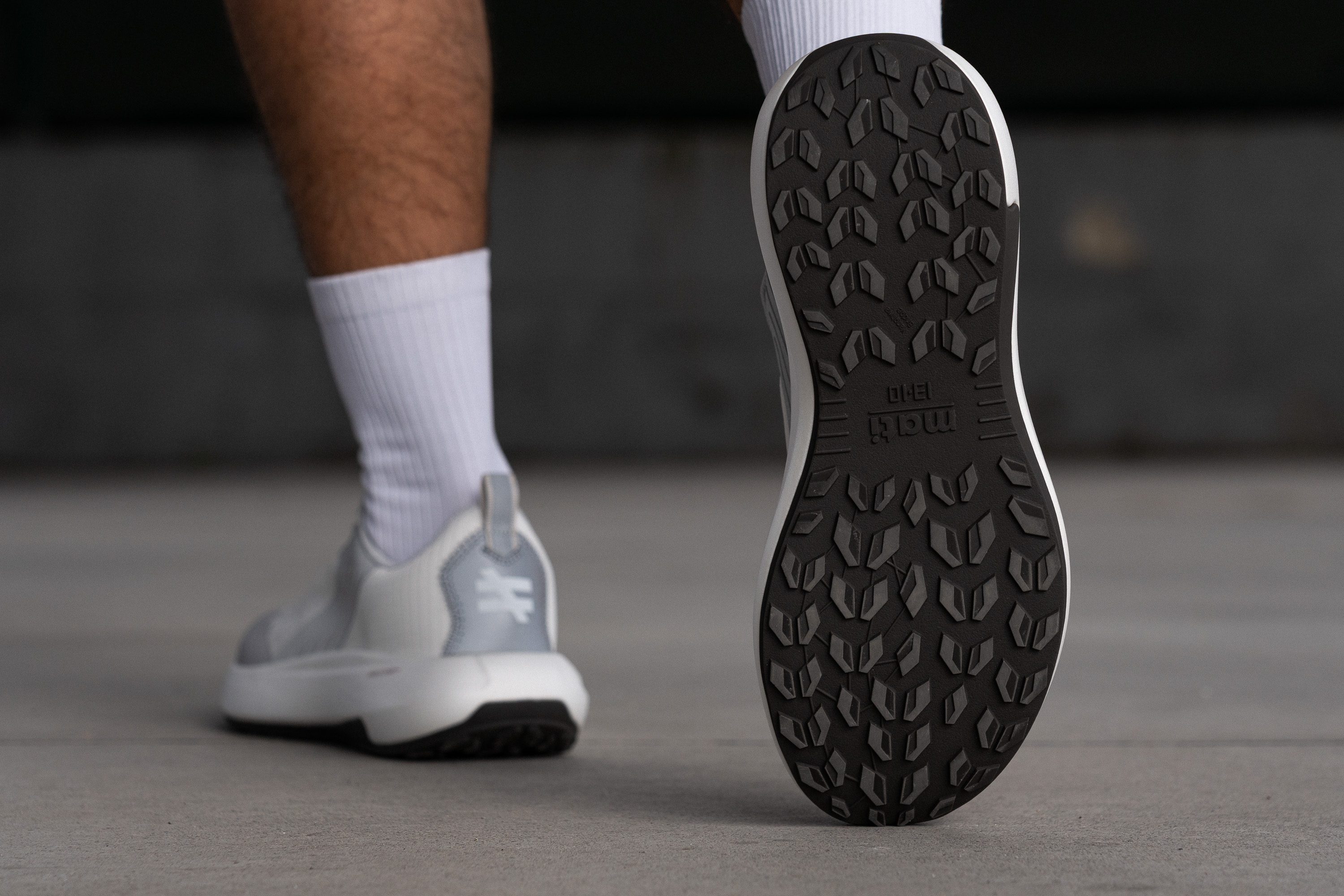
The outsole design is straightforward, featuring a full-length rubber layer with butterfly-shaped lugs. Interestingly, Darimati chose an approach that feels closer to a trail-inspired setup, but with shallow lugs, similar to what adidas implemented with the EVO SL ATR.
Flexibility / Stiffness
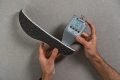
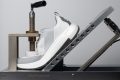
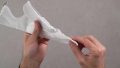
Because of its full-length outsole coverage, the BR-001 shows a high stiffness of 19.6N, which caught us slightly by surprise. We’re generally cautious with stiff daily trainers, as more flexible shoes usually feel more forgiving and comfortable during long hours on foot.
Still, it ultimately comes down to personal preference. Now that you have the data, you can make your own decision.
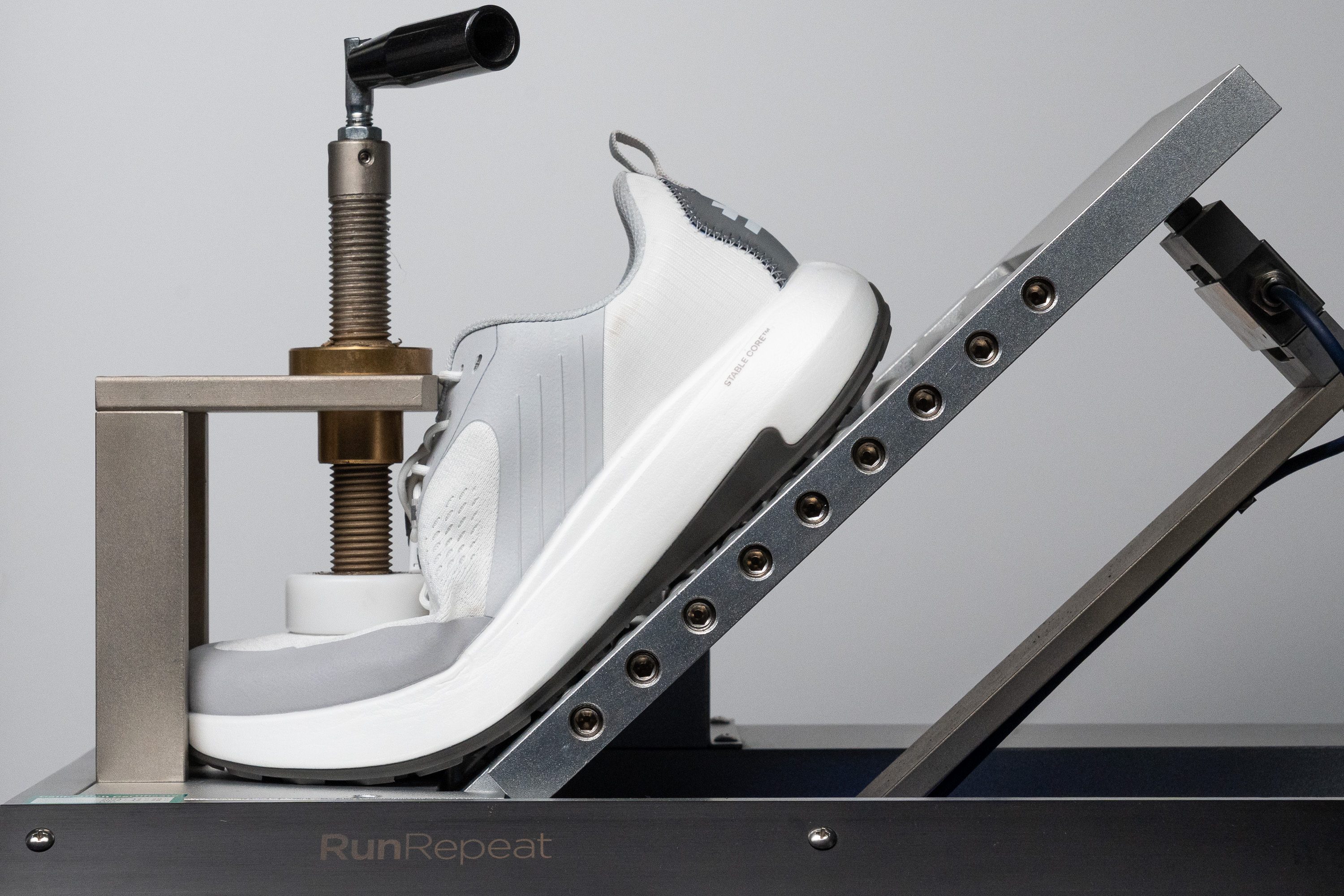
| BR-001 | 19.6N |
| Average | 15.5N |
Weight
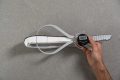
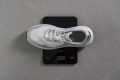
For us, the main drawback of the BR-001 is its weight. At 10.8 oz or 306g on our scale, it feels heavier than expected considering its stack height and A-TPU midsole, and we suspect the outsole plays a significant role here.
Perhaps in the next version Darimati can develop a lighter and more efficient outsole compound...
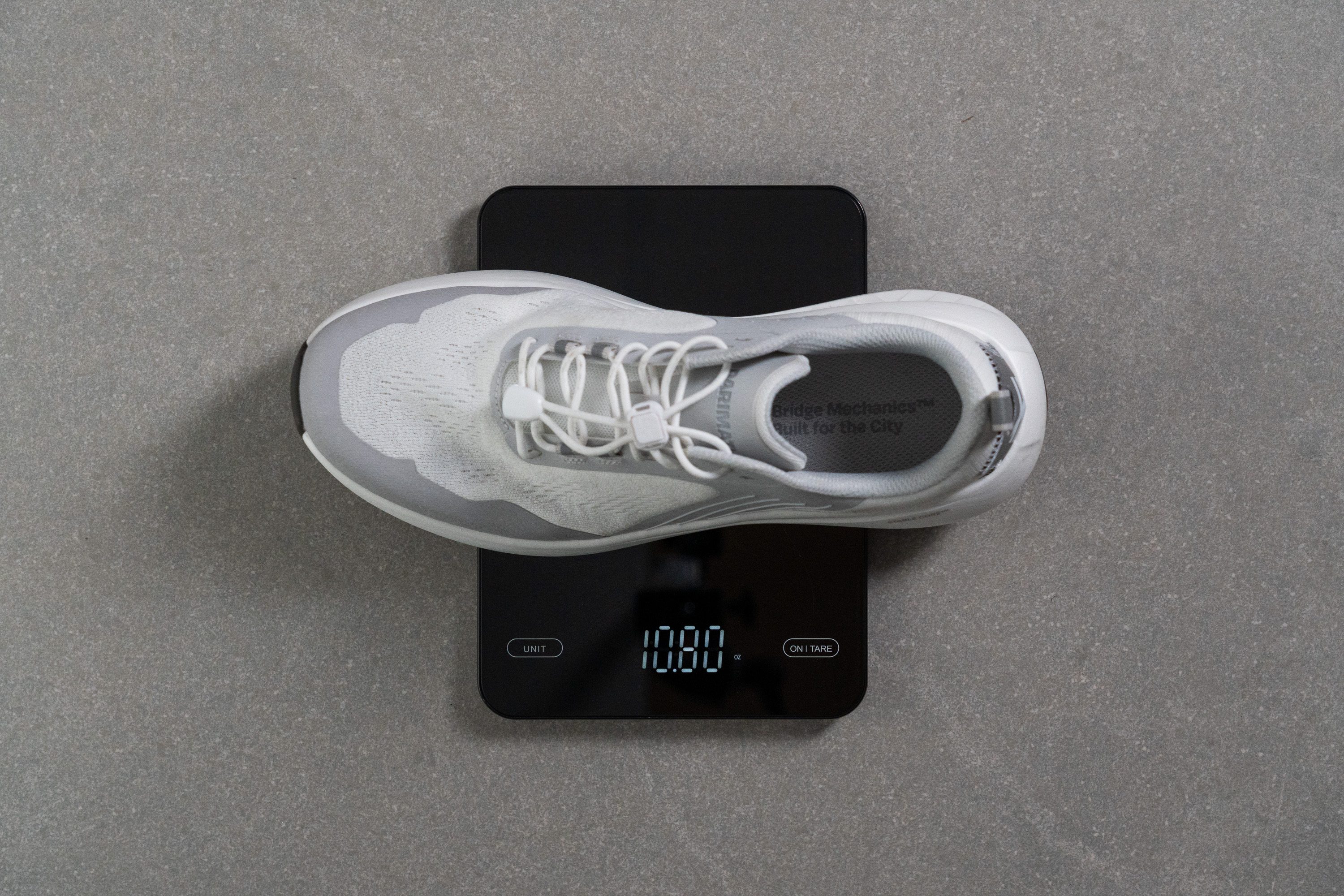
| BR-001 | 10.8 oz (306g) |
| Average | 9.2 oz (261g) |
Breathability
Breathability test
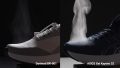
After testing the Darimati BR-001 with our smoke machine, we observed slightly restricted airflow and rated it 2/5 for breathability.
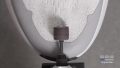
It’s clear that the Korean brand prioritized comfort and durability, as the ventilation holes appear partially blocked by an additional layer, something we will check under the microscope in a minute.
There is indeed a secondary layer that reduces ventilation, but at the same time it makes the upper feel plush and comfortable for everyday use, while also adding extra durability.
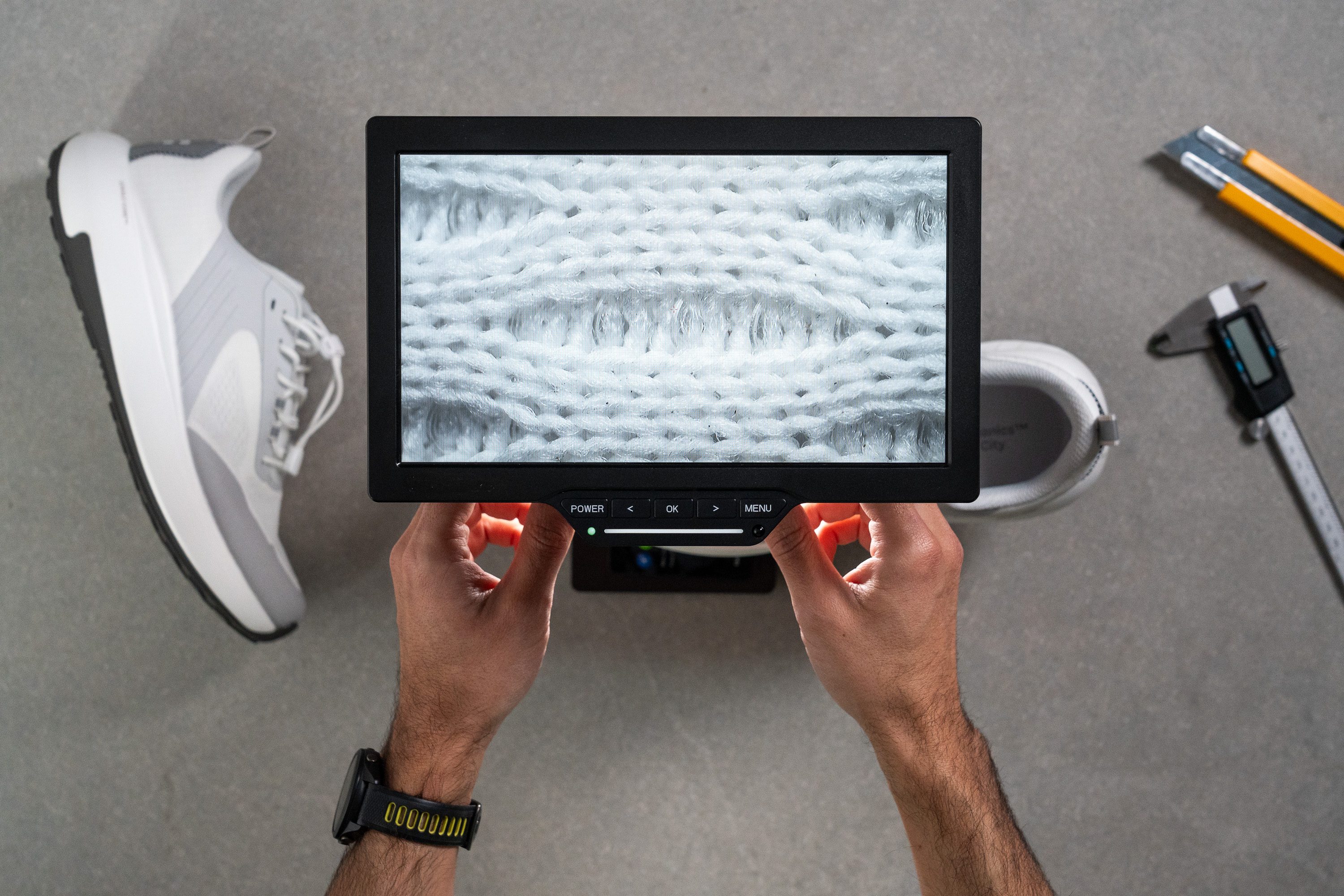
Whether this was the right decision depends on your preferences and location.
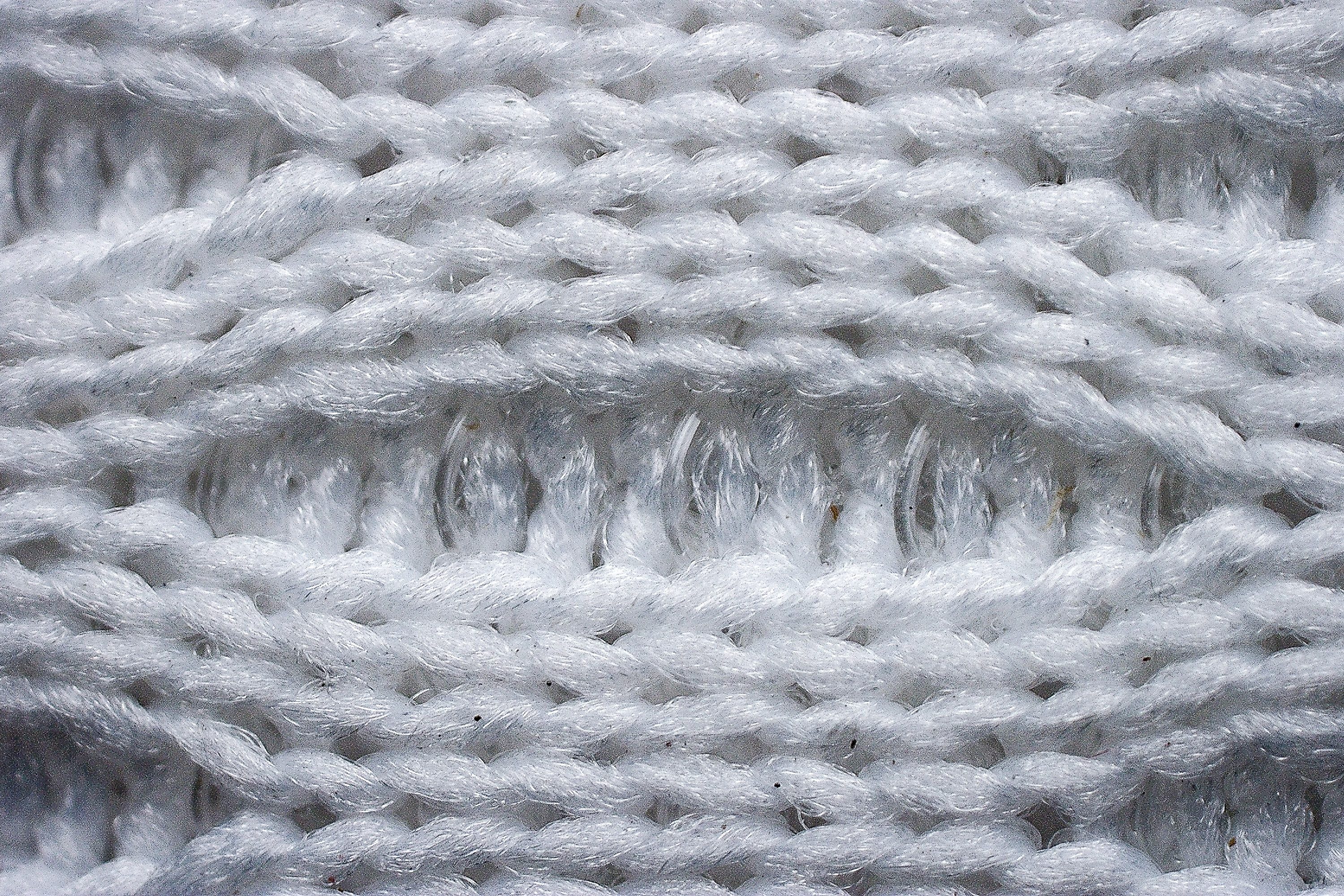
On very hot summer days the shoe will likely feel warm, although for runs under 1 hour it may not be a major issue. Still, more airflow would have been welcome.
From a build quality and comfort perspective, the upper is highly impressive, especially considering this is the first shoe developed by this startup.
| BR-001 | 2 |
| Average | 3.6 |
Stability
Lateral stability test
One area where Darimati clearly shows confidence with the BR-001 is stability. It remains a neutral running shoe, but with a clear focus on delivering a steady, grounded feel, and that is noticeable during runs.
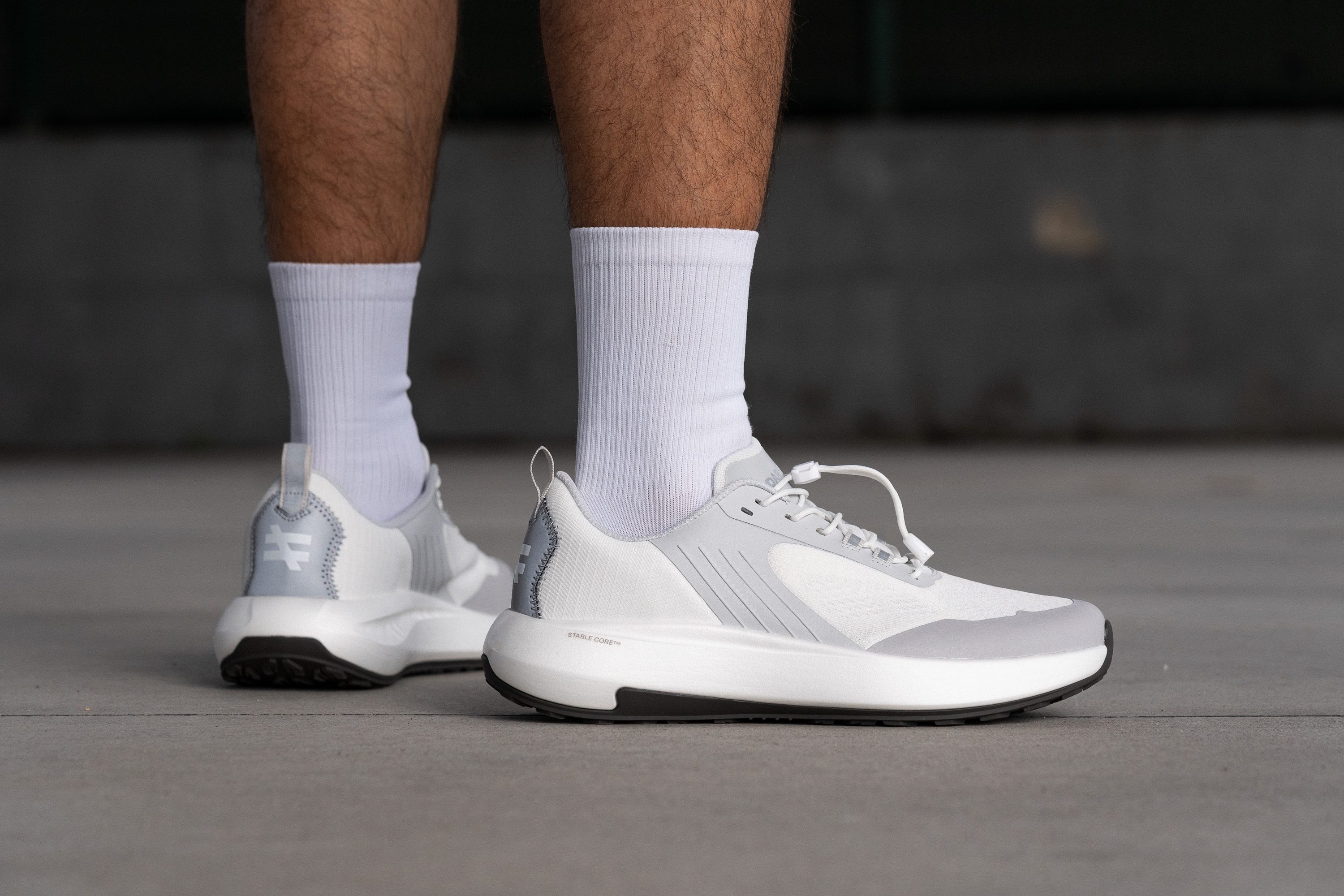
The brand highlights this approach with its Stable Core design, making it an interesting choice for runners who want a more stable ride without moving into traditional stability-shoe territory.
Torsional rigidity
Torsional rigidity came in close to the average, with the large outsole being the main contributing factor. It scored 14.6 Nm in our test.
| BR-001 | 14.6 Nm |
| Average | 14.3 Nm |
Heel counter stiffness
The heel counter avoids excessive stiffness, which we appreciated, and we rated it 3/5. This aligns with many daily trainers that take a safe and moderate approach in this area.
| BR-001 | 3 |
| Average | 3 |
Midsole width - forefoot
While we appreciated the controlled stack height of the BR-001, we also liked that Darimati kept the footprint sensible and avoided a bulky platform. At 116.8 mm in the forefoot, it sits slightly above our lab average.
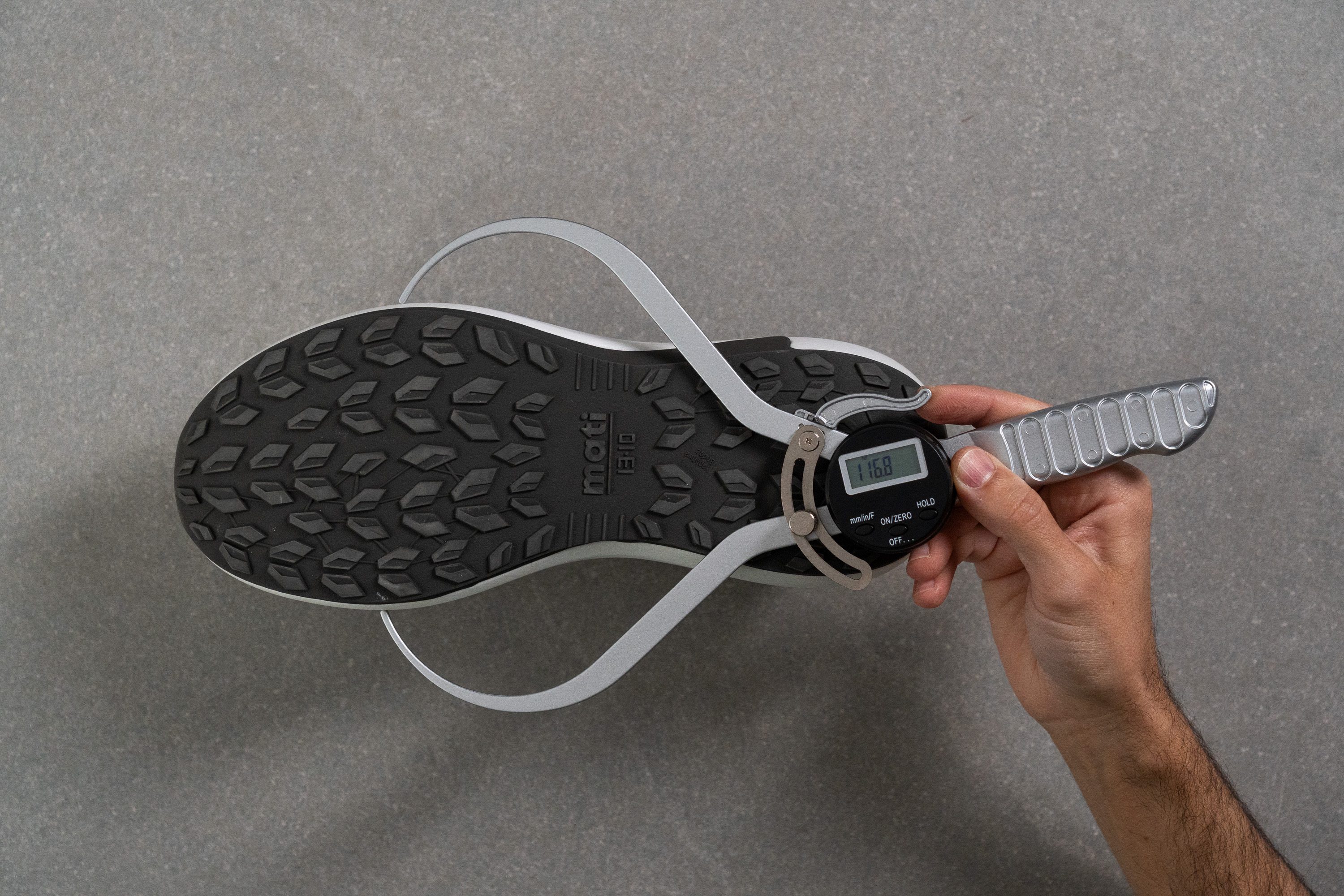
| BR-001 | 116.8 mm |
| Average | 115.1 mm |
Midsole width - heel
Possibly due to its stability focus, the heel measures a slightly wider 95.5 mm. Even so, it’s far from excessive, and the shoe consistently felt agile and confident when taking turns, for example.
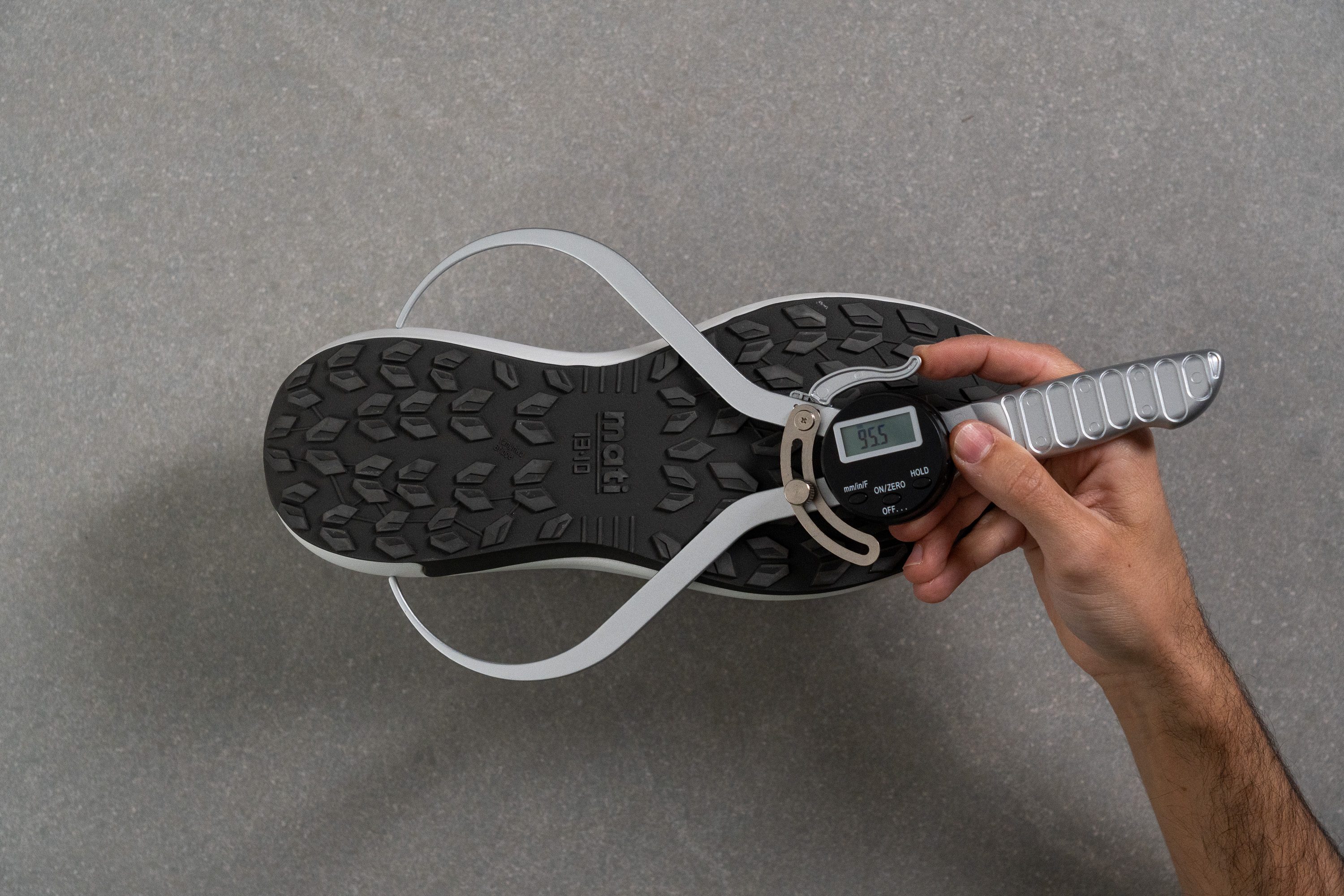
| BR-001 | 95.5 mm |
| Average | 91.1 mm |
Durability
Toebox durability
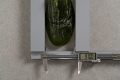
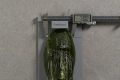
Our durability test series begins on a high note, earning a 5/5 for toebox durability when we applied the test to the mesh. On top of that, the shoe features a very generous toe bumper that adds extra protection up front.
| BR-001 | 5 |
| Average | 2.6 |
Heel padding durability
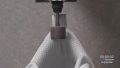
The heel padding was not among the most durable we’ve tested in the lab and we gave it a dismal 1/5. For runners who tend to wear through this area, this could be a concerning result.
| BR-001 | 1 |
| Average | 3.4 |
Outsole durability
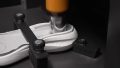
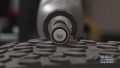
We recorded a disappointing result in our outsole durability test, as 2.8 mm of rubber wore away after the Dremel completed its third run. Clearly not the outcome we were hoping for.
| BR-001 | 2.8 mm |
| Average | 1.1 mm |
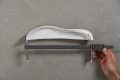
Outsole thickness
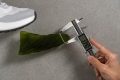
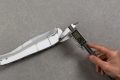
To offset the low score in our durability test, we can at least highlight the thick 3.9 mm outsole. It doesn’t completely remove our concerns, and it does add noticeable weight, so it’s very clear that the rubber isn’t meant to be the standout feature of this shoe.
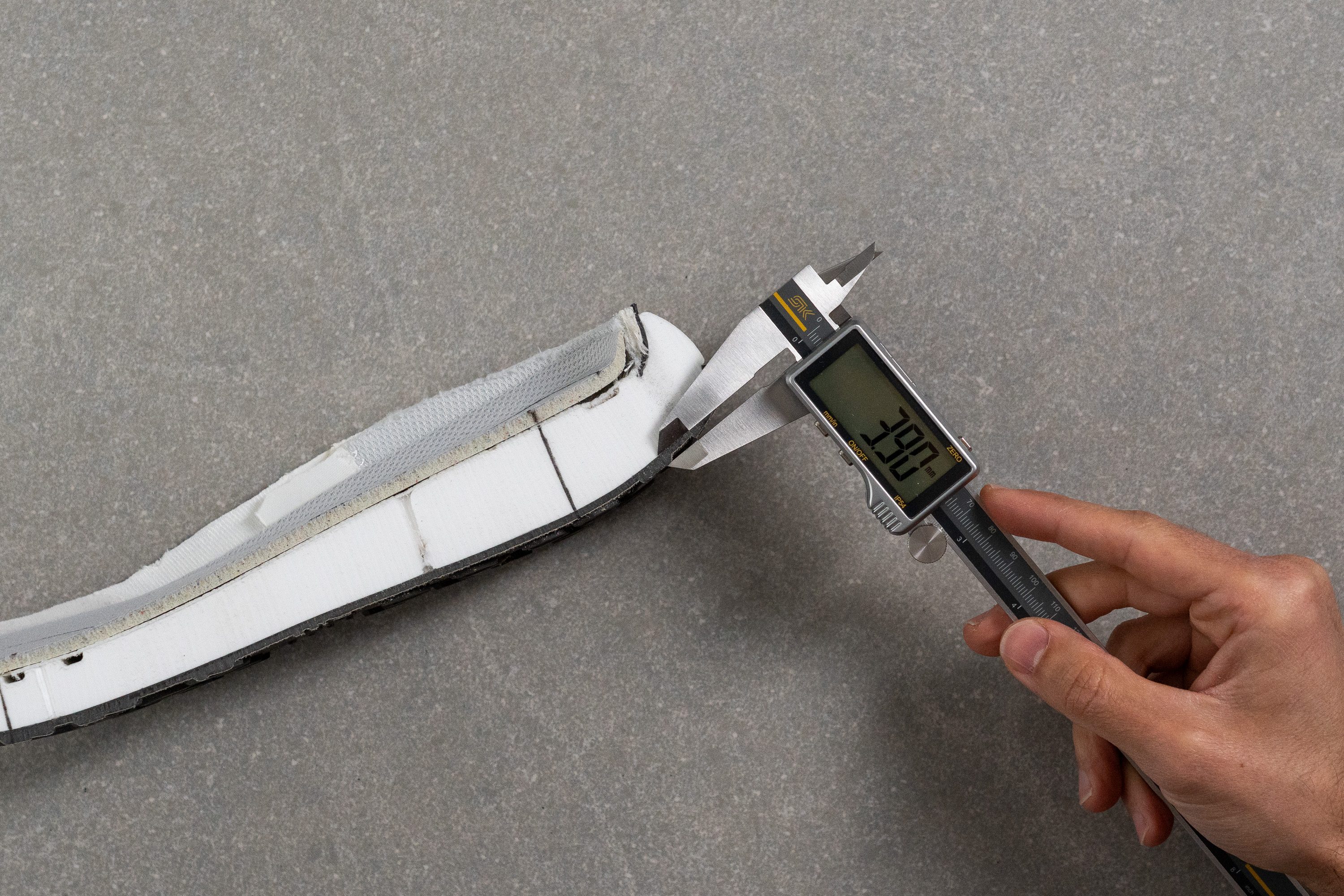
| BR-001 | 3.9 mm |
| Average | 3.1 mm |
Misc
Insole thickness
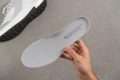
There’s nothing particularly remarkable about the insole, which measures 4.0 mm thick and uses a basic material. Unfortunately, it does not feature A-TPU here.
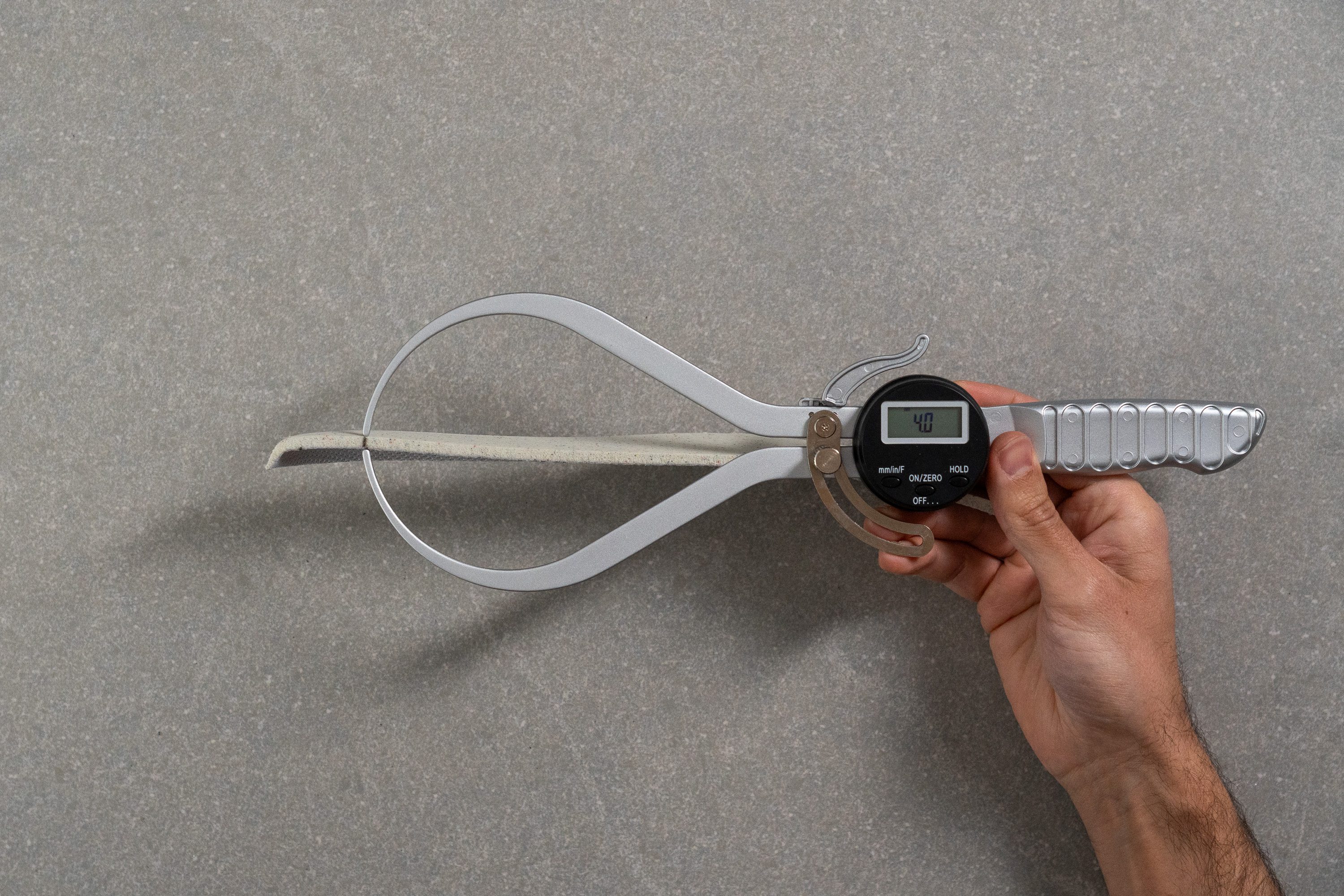
| BR-001 | 4.0 mm |
| Average | 4.4 mm |
Removable insole
The insole is fully removable, making it easy to replace with an alternative if needed.
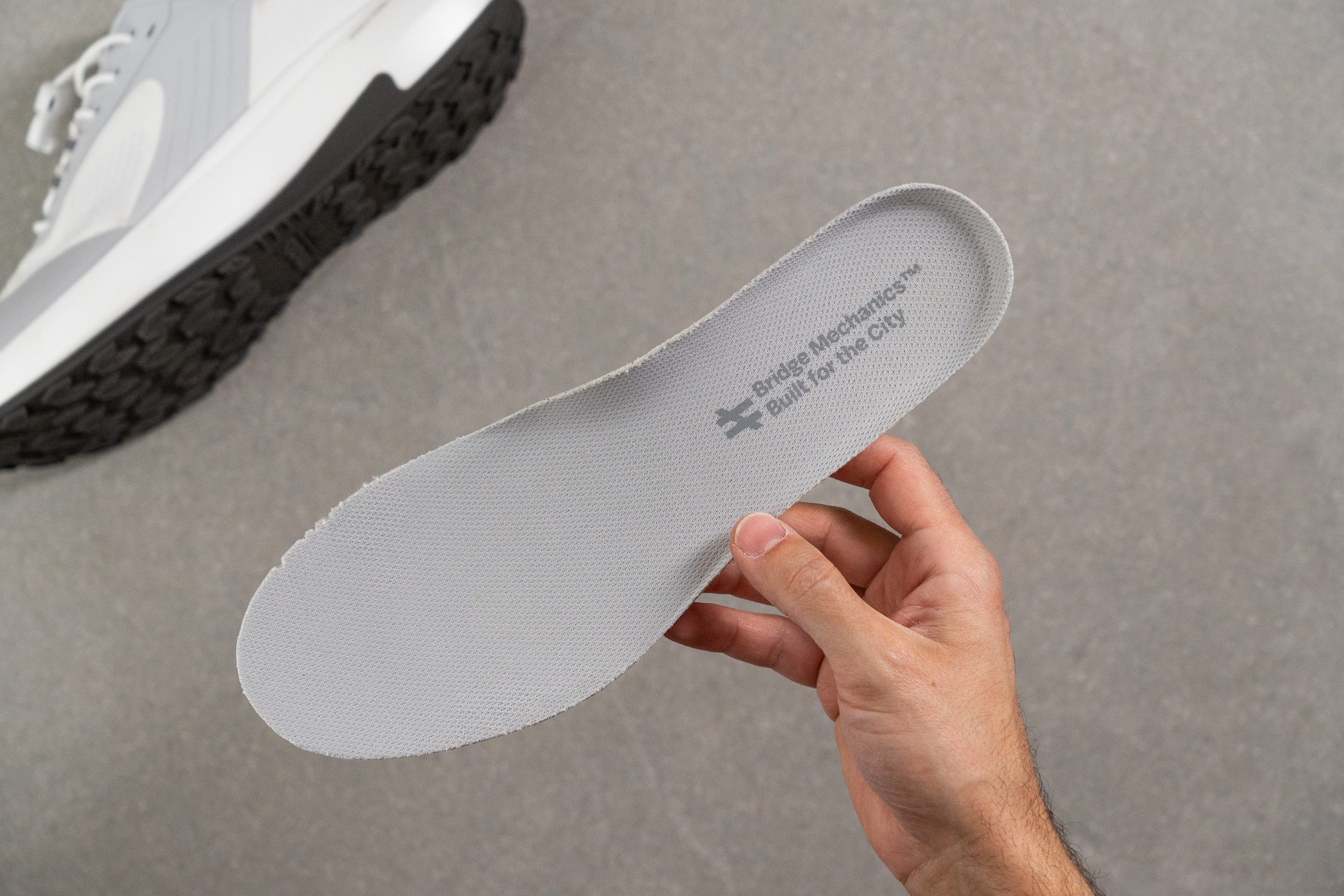
| BR-001 | Yes |
Reflective elements
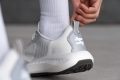
This shoe is strongly marketed for city running, so we expected visible and effective reflective elements for obvious reasons. We’re happy to say that Darimati delivered, and other brands could certainly take note of this implementation.
| BR-001 | Yes |
Tongue padding
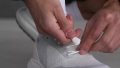
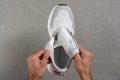
We liked the Salomon-inspired lacing system, which is excellent from a time-saving standpoint and makes adjustments quick and simple. However, we know that it does not work for everyone, and the good news is that it’s very easy to swap out if you prefer a more traditional setup.
The tongue keeps things minimal with 4.0 mm of padding, avoiding an overly thick foam construction. This lighter approach feels consistent with the rest of the upper and matches the shoe’s streamlined design.
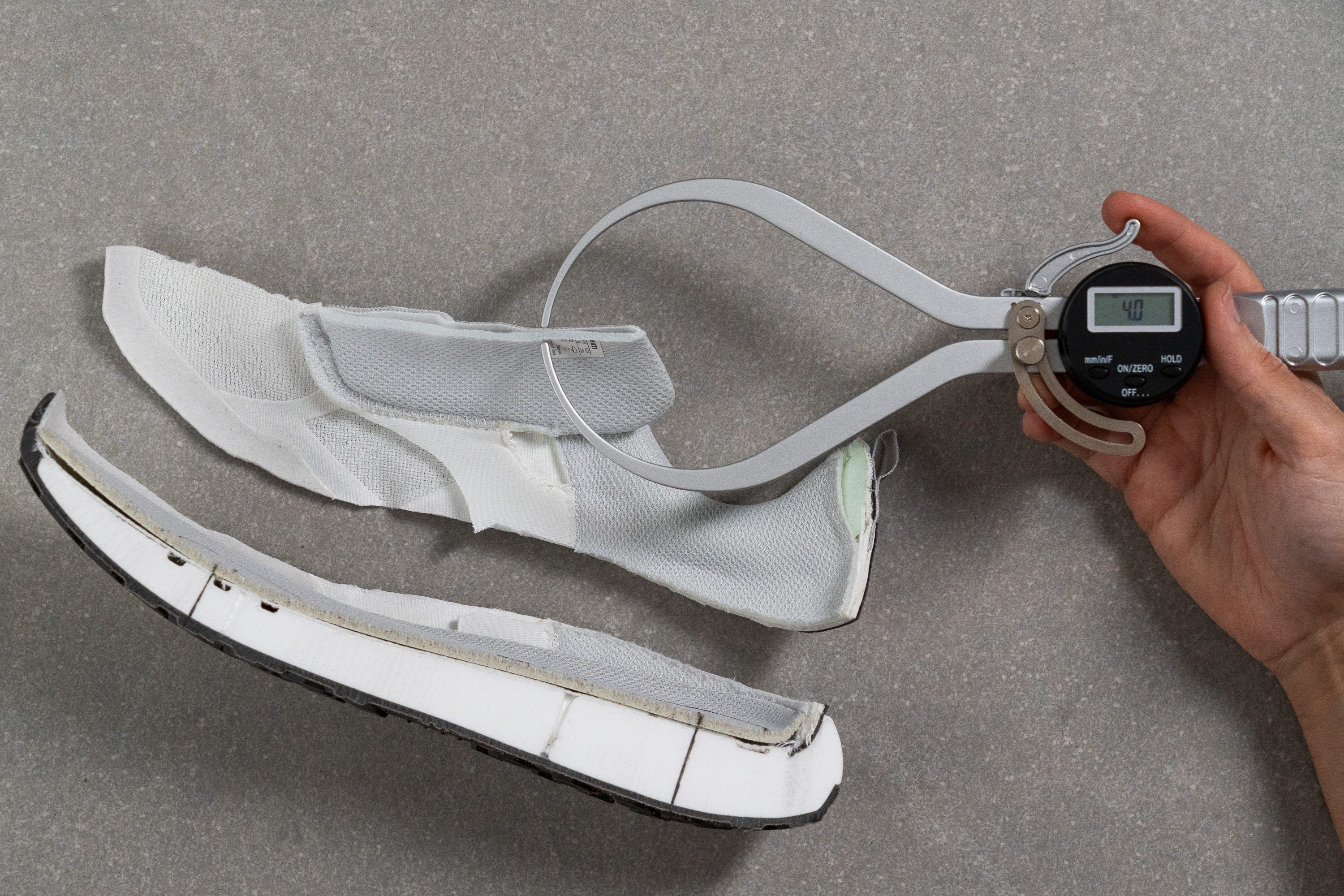
| BR-001 | 4.0 mm |
| Average | 5.8 mm |
Tongue: gusset type
The tongue features a semi-gusseted design with a very narrow strip of fabric, yet it’s sufficient to enhance lockdown and keep the foot securely in place.
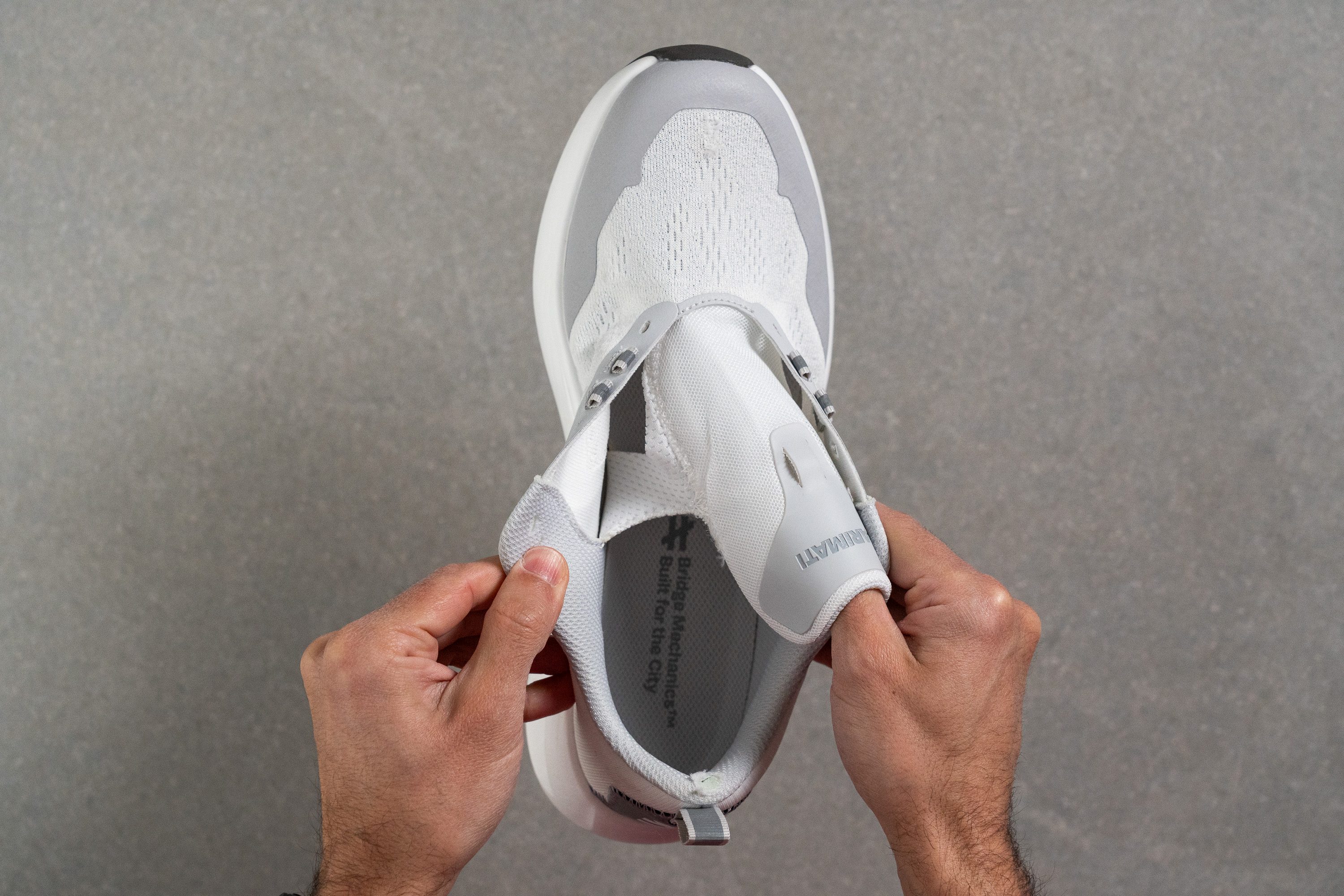
| BR-001 | Both sides (semi) |
Heel tab
The heel incorporates a sleek finger-loop tab that adds a stylish touch and looks genuinely eye-catching.
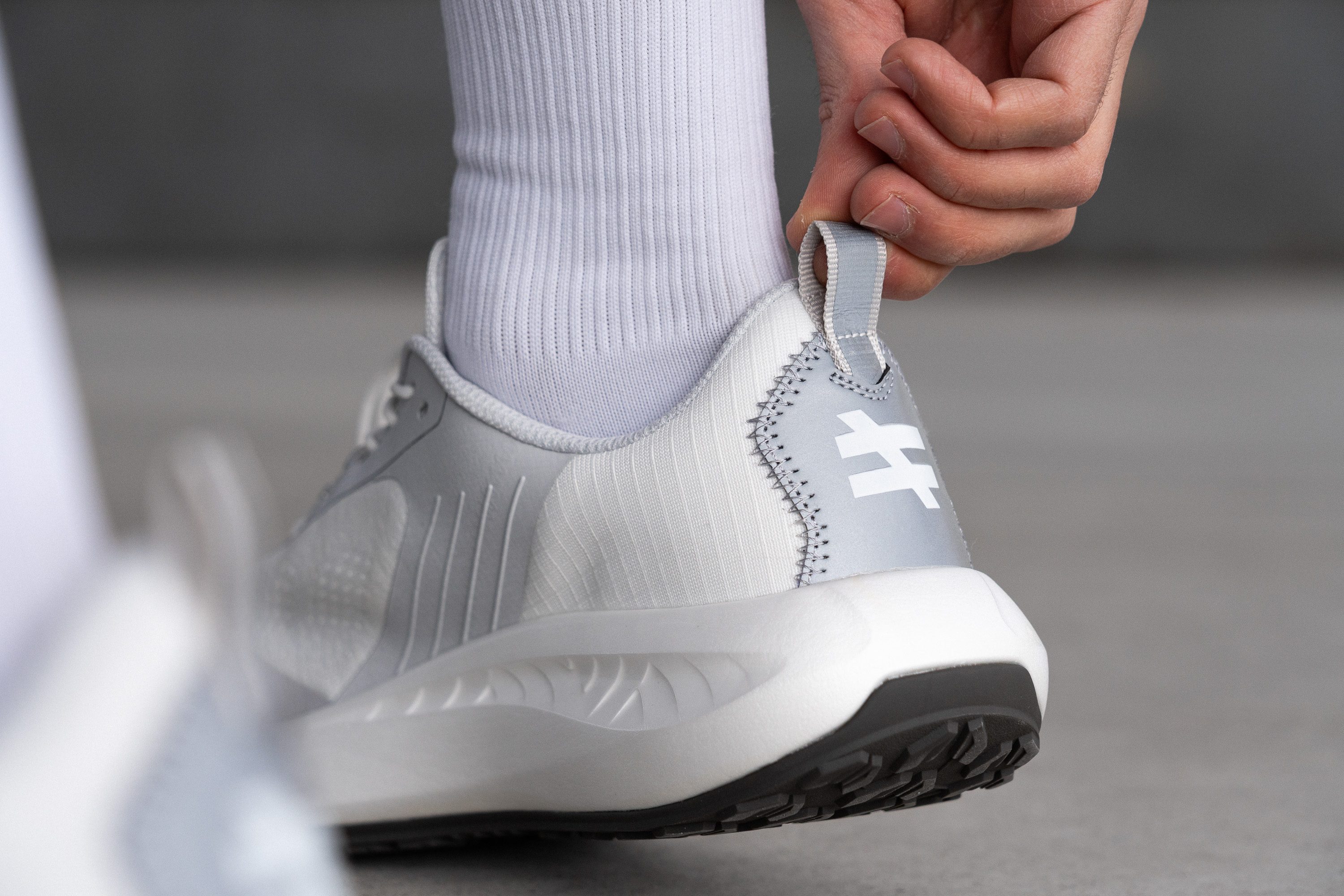
| BR-001 | Finger loop |