
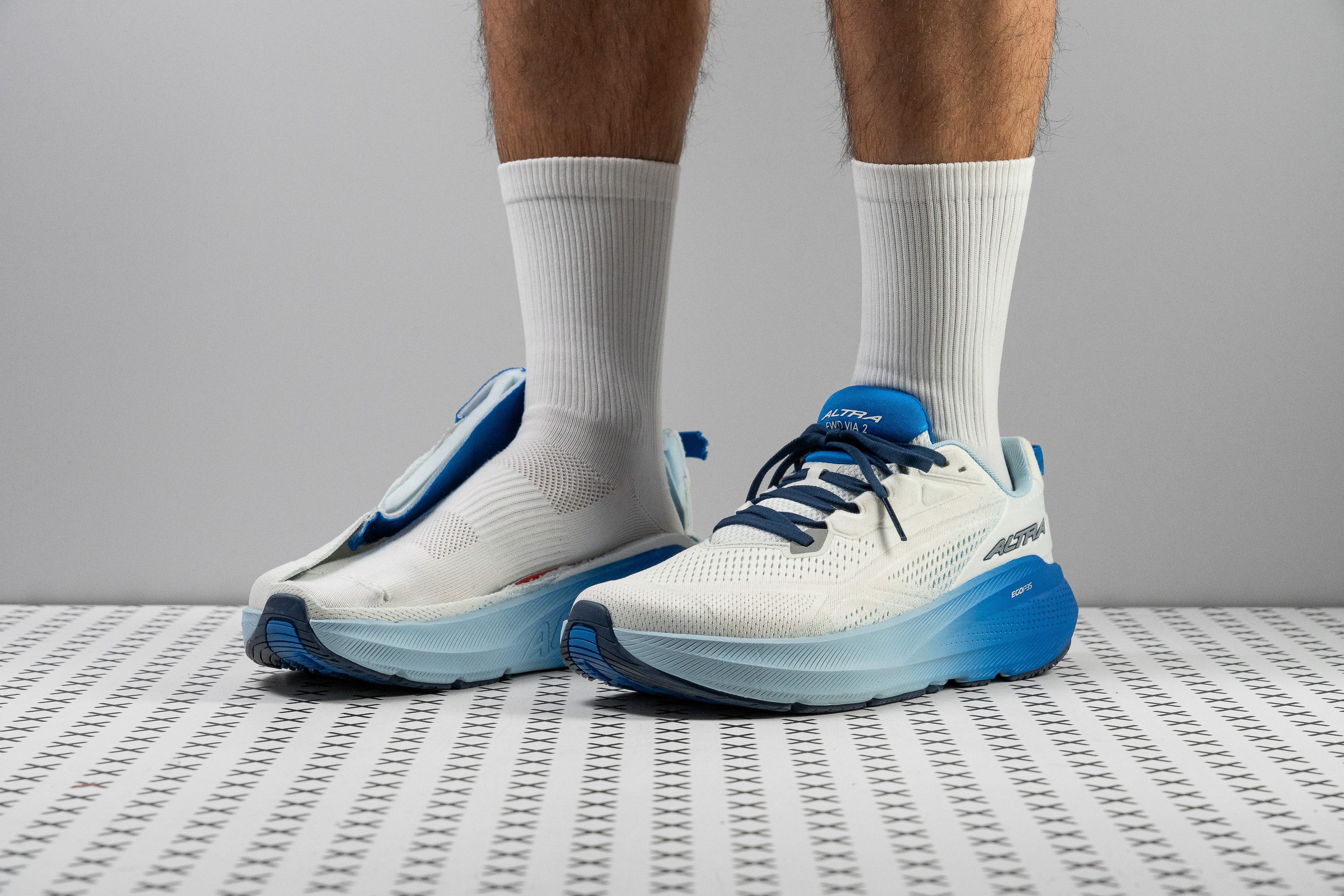














Our verdict
- Daily running 86
- Tempo 50
- Race 34
- Stability 83
Pros
- Much softer midsole than version 1
- Strong impact protection
- Very wide and roomy toebox
- Major improvement in grip
- Outsole is made to last forever
- Excellent space for natural toe splay
- Flexible build despite its high stack height
- Ideal for newcomers to Altra
Cons
- Small price increase
- Higher than expected drop
- Poor breathability
- Energy return still below average
Awards
- Top pick in best running shoes with a wide toebox
- Top pick in best running shoes for bunions
- Top 23% in Altra running shoes
- Top 30% in running shoes for walking
- Top 22% most popular running shoes
Comparison
The most similar running shoes compared
+ + Add a shoe | |||||
|---|---|---|---|---|---|
| Our score | 83 Great | 76 Good | 91 Superb | 87 Great | |
| Price | $165 | $180 | $180 | $140 | |
| Pace | Daily running | Daily running | Daily running | Daily running | |
| Shock absorption | High | High | High | High | |
| Energy return | Moderate | Low | High | Moderate | |
| Traction | High | High | High | High | |
| Arch support | Neutral | Neutral | Neutral | Neutral | |
| Weight lab Weight brand | 9.6 oz / 272g 9.7 oz / 274g | 10.3 oz / 292g 10.3 oz / 292g | 10.2 oz / 289g 10.1 oz / 285g | 9.3 oz / 264g 9.3 oz / 264g | |
| Drop lab Drop brand | 7.9 mm 4.0 mm | 7.9 mm 6.0 mm | 9.6 mm 10.0 mm | 7.8 mm 8.0 mm | |
| Strike pattern | Mid/forefoot | Mid/forefoot | HeelMid/forefoot | Mid/forefoot | |
| Size | True to size | True to size | True to size | Slightly small | |
| Midsole softness | Soft | Firm | Soft | Soft | |
| Difference in midsole softness in cold | Small | Normal | Small | Normal | |
| Toebox durability | Decent | Decent | Decent | Good | |
| Heel padding durability | Decent | Decent | Good | Bad | |
| Outsole durability | Good | Decent | Good | Good | |
| Breathability | Warm | Warm | Moderate | Moderate | |
| Width / fit | Wide | Medium | Medium | Medium | |
| Toebox width | Wide | Medium | Medium | Medium | |
| Stiffness | Moderate | Stiff | Stiff | Moderate | |
| Torsional rigidity | Flexible | Moderate | Moderate | Flexible | |
| Heel counter stiffness | Moderate | Moderate | Moderate | Stiff | |
| Rocker | ✗ | ✗ | ✗ | ✓ | |
| Heel lab Heel brand | 36.7 mm 37.0 mm | 37.3 mm 37.0 mm | 42.3 mm 45.0 mm | 35.0 mm 36.0 mm | |
| Forefoot lab Forefoot brand | 28.8 mm 33.0 mm | 29.4 mm 31.0 mm | 32.7 mm 35.0 mm | 27.2 mm 28.0 mm | |
| Widths available | NormalWide | NormalWide | NarrowNormalWideX-Wide | NormalWide | |
| Orthotic friendly | ✓ | ✓ | ✓ | ✓ | |
| Season | All seasons | All seasons | All seasons | All seasons | |
| Removable insole | ✓ | ✓ | ✓ | ✓ | |
| Ranking | #162 Top 41% | #303 Bottom 25% | #18 Top 5% | #64 Top 16% | |
| Popularity | #88 Top 22% | #84 Top 21% | #2 Top 1% | #103 Top 26% |



Who should buy
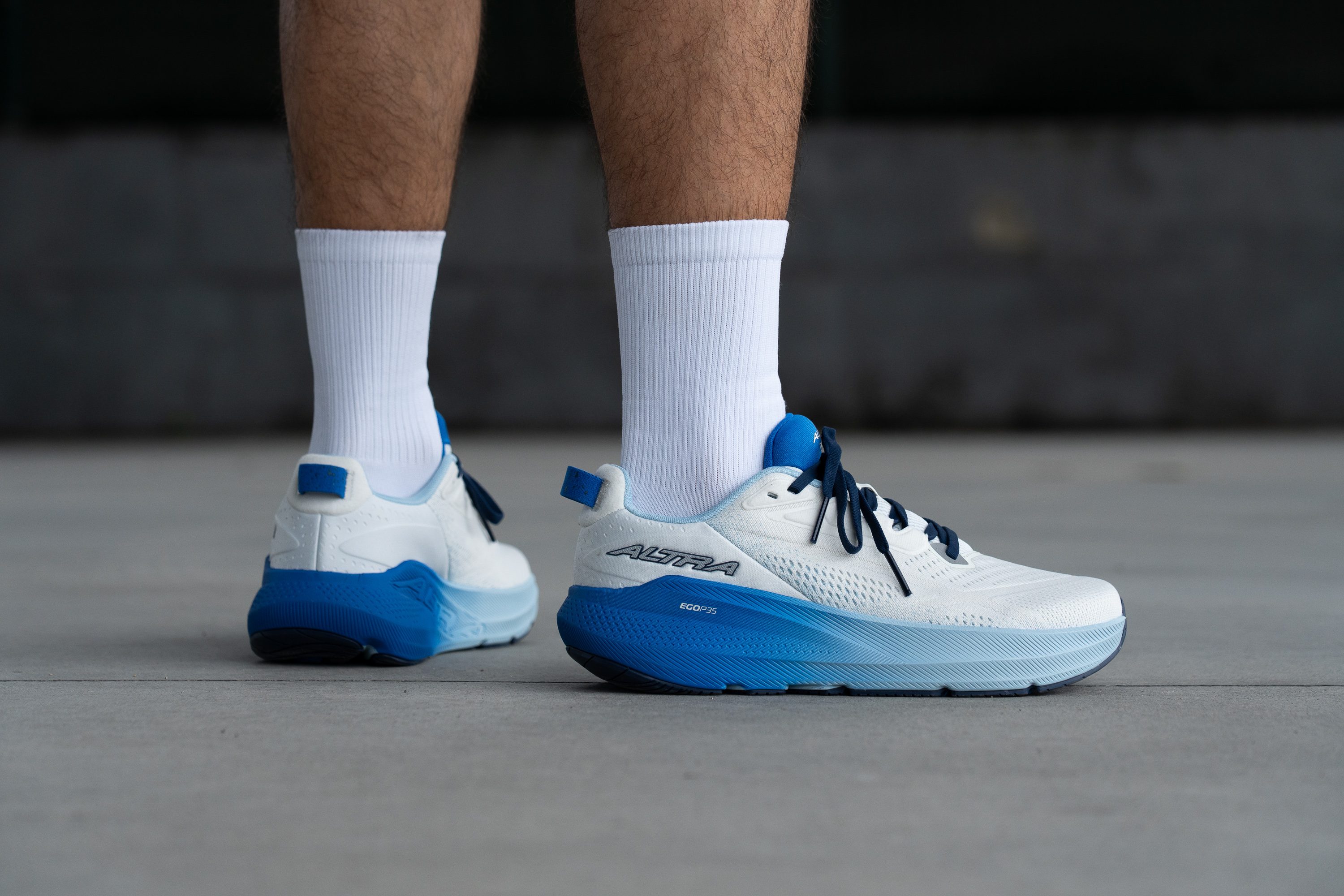
After testing the Altra FWD VIA 2, we concluded that:
- It's a good option if you want a well-cushioned daily trainer that avoids an aggressive rocker and keeps a more natural running feel.
- Runners who liked version 1 but wanted a softer and more comfortable ride will find this update a clear improvement.
- It's ideal for those curious about Altra but hesitant about zero-drop shoes, as the moderate drop makes it an easier entry into the brand.
Who should NOT buy
Despite the improvements, we think the Altra FWD VIA 2 may feel bulky for runners used to Altra’s more agile models. If you prefer to keep some ground feel in a similar package, the Experience Flow 2 is a better pick thanks to its lower stack, higher bounce, and more affordable price.
We also do not recommend the FWD VIA 2 for runners facing scorching summer heat. In the lab we saw limited airflow from the upper, making it less breathable than expected. Instead, we think the Topo Cyclone 2 is a cooler, summer-ready option that also offers an anatomical toebox.
Cushioning
Shock absorption
The FWD VIA 2 is Altra’s max-stack option designed for runners who want a big chunk of foam underfoot, and it clearly delivers solid protection. In our ASTM F1976 lab test, the shoe recorded 139 SA in the heel and 113 SA in the forefoot.
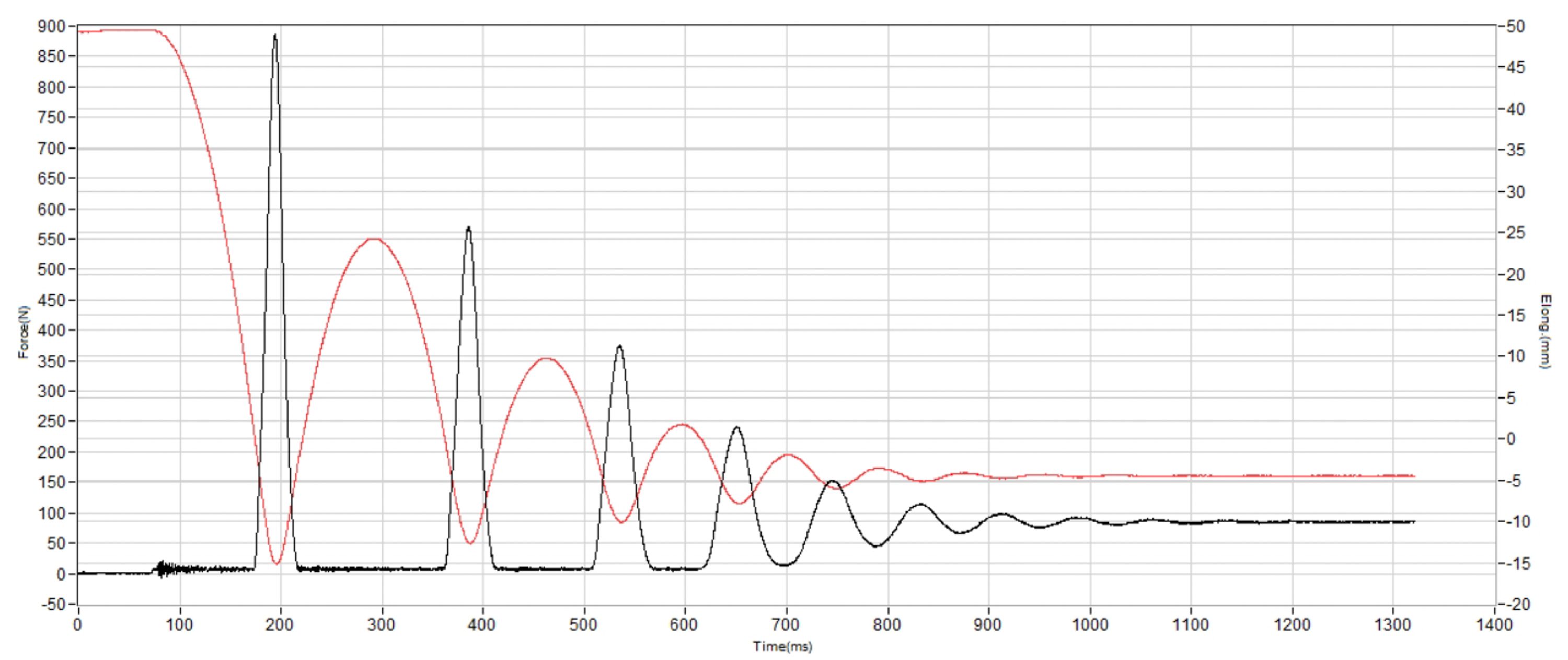
| FWD VIA 2 | 139 SA |
| Average | 131 SA |
Energy return
One of the biggest drawbacks of the first-generation FWD VIA was its EGO FLO foam, as it delivered the complete opposite of an energetic ride. This was especially disappointing because Altra strongly promoted it as a major upgrade over its previous midsole compounds.
With the second generation of the FWD VIA, Altra changed the foam to EGO P35, and it’s certainly a clear step forward. However, it still falls below average in terms of energy return, posting 51.5% in the heel and 57.0% in the forefoot.
| FWD VIA 2 | 57.0% |
| Average | 61.5% |
Heel stack
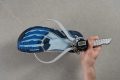
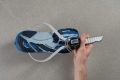
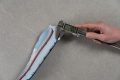
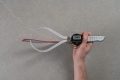
Altra claims 37 mm of stack height in the heel, and our measurement came in at 36.7 mm. That ultra-close result confirms you’re getting exactly the amount of foam the brand promises under the heel.
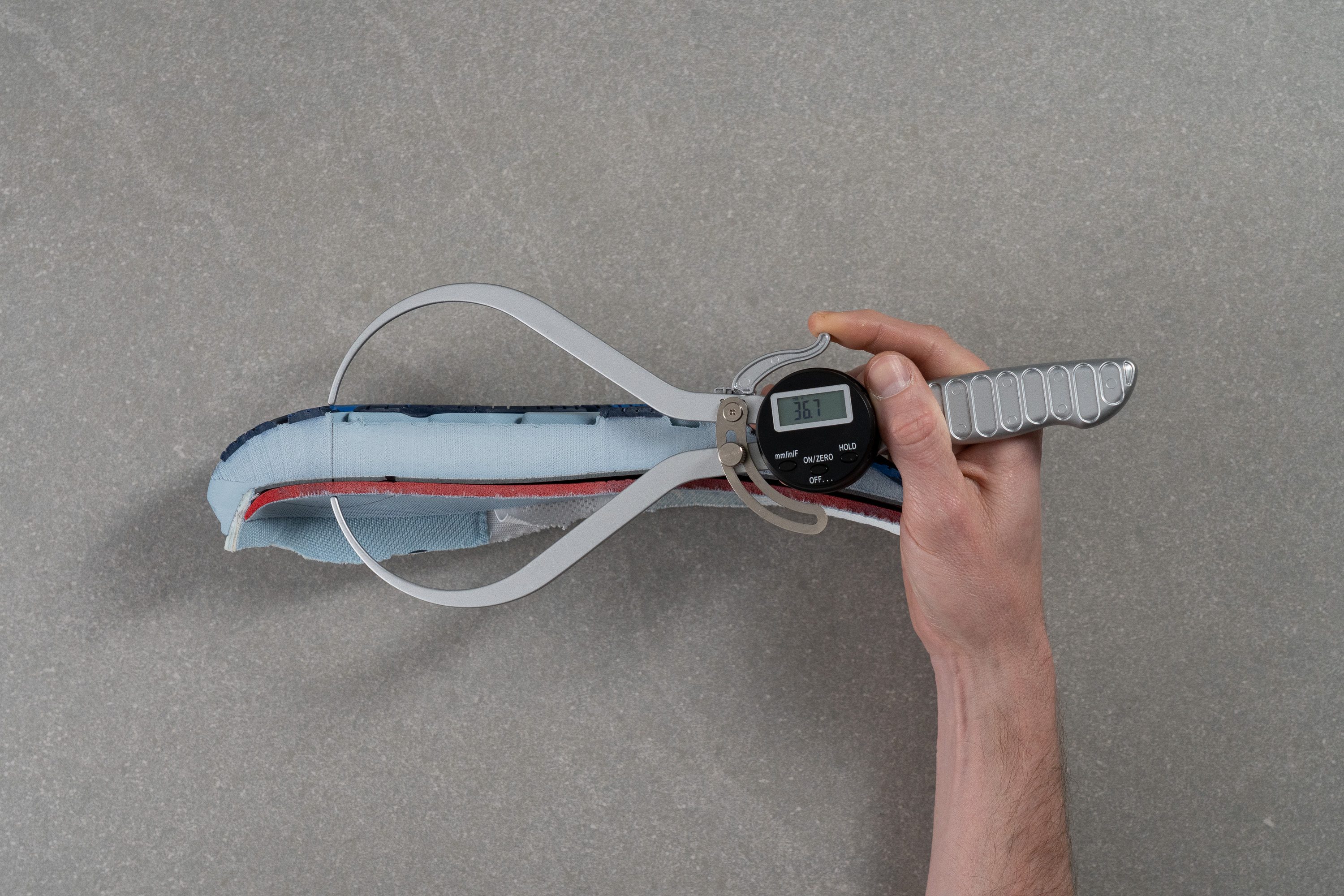
| FWD VIA 2 | 36.7 mm |
| Average | 35.6 mm |
Forefoot stack
On the other hand, the forefoot tells a different story compared to Altra’s official figure. The brand states 33 mm, yet our measurement came in at 28.8 mm when following the official World Athletics measurement points.
The shoe still delivers a generous amount of foam, but based on these numbers it lands somewhere between a standard daily trainer and a true max-stack model. And it's a result that may actually appeal to many Altra fans better than the 33 mm...
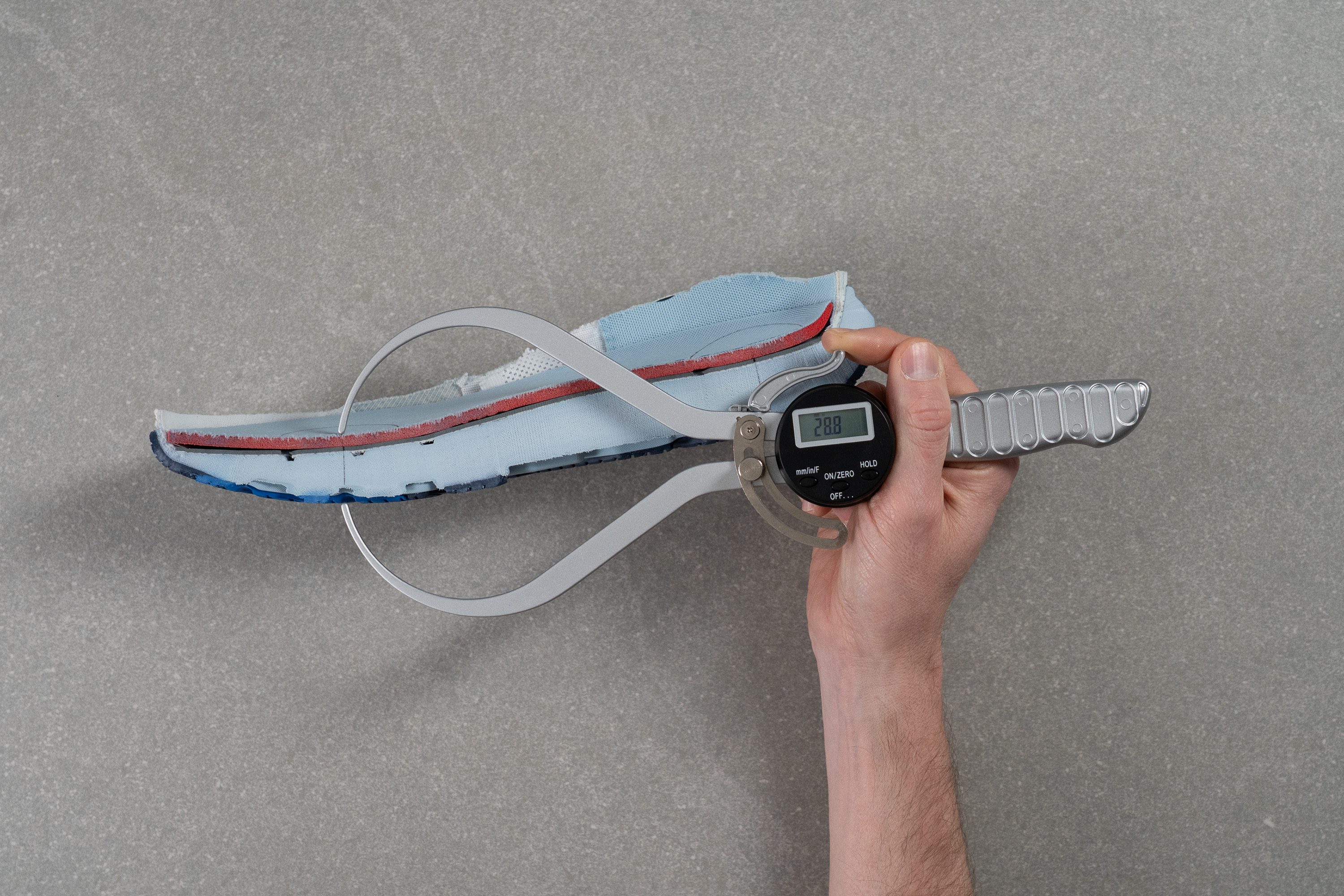
| FWD VIA 2 | 28.8 mm |
| Average | 27.1 mm |
Drop
We also found a large difference in the drop, although it may already be clear if you subtract the previous measurements. Our test showed 7.9 mm from heel to toe, which moves the FWD VIA 2 even farther from Altra’s original zero-drop philosophy.
However, we already knew that Altra wanted to expand its lineup and reach more runners, something we discussed multiple times since they launched the FWD and Experience series. During our runs, the shoe also felt steeper than the official 4 mm drop suggests, and based on our testing we think the sweet spot for the FWD VIA 2 is landing with a midfoot strike.
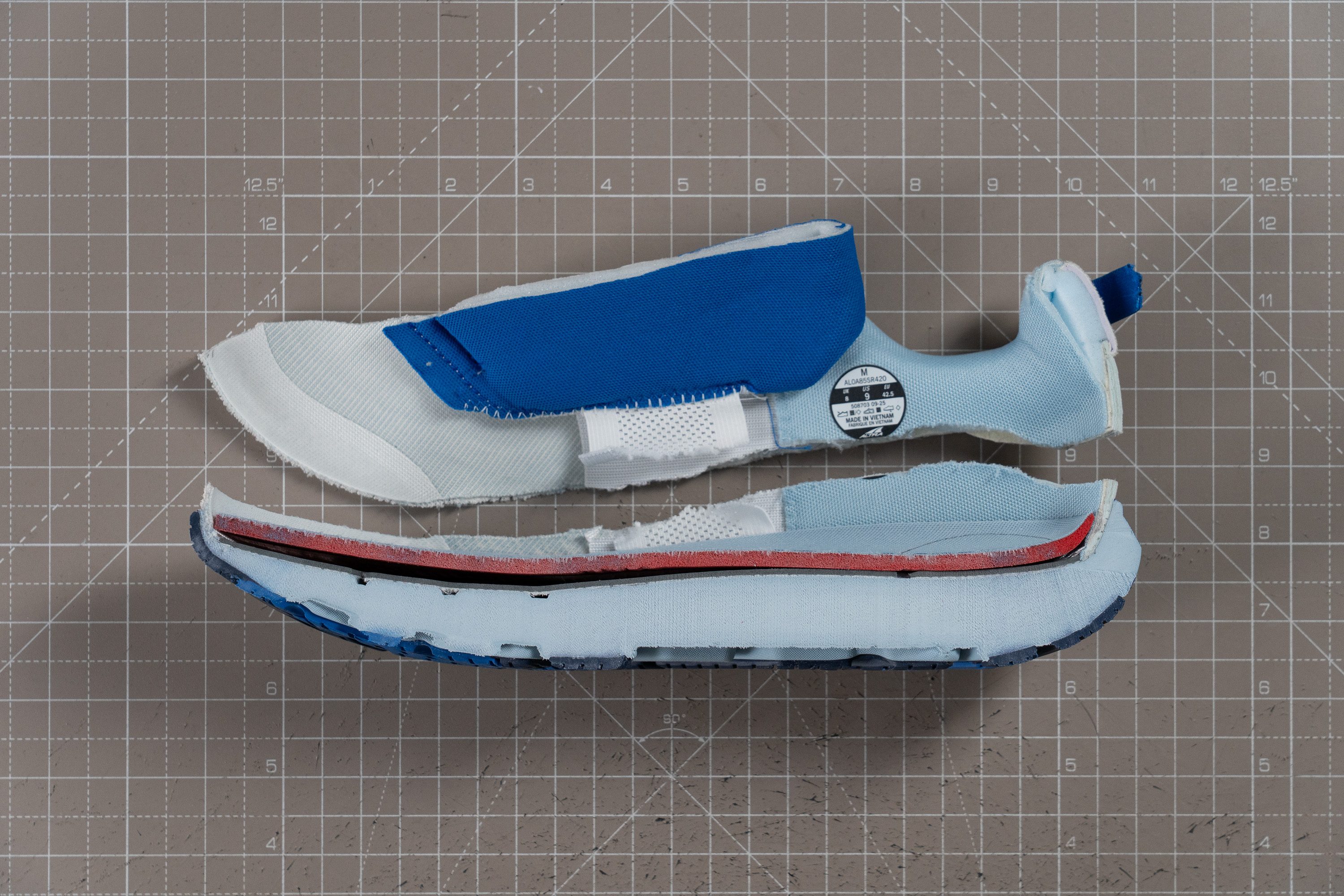
| FWD VIA 2 | 7.9 mm |
| Average | 8.4 mm |
Midsole softness
If we had to highlight one major disappointment from version 1, it was midsole softness. The shoe was marketed as plush, yet it felt extremely firm underfoot. That changes with version 2.
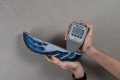
Our Asker C durometer measured 27.8 AC, a result well below the lab average and, believe it or not, 59% softer than its predecessor.
Now Altra can truly claim a plush underfoot feel. However, if you prefer a firm ride or enjoyed version 1, this update likely won’t suit you.
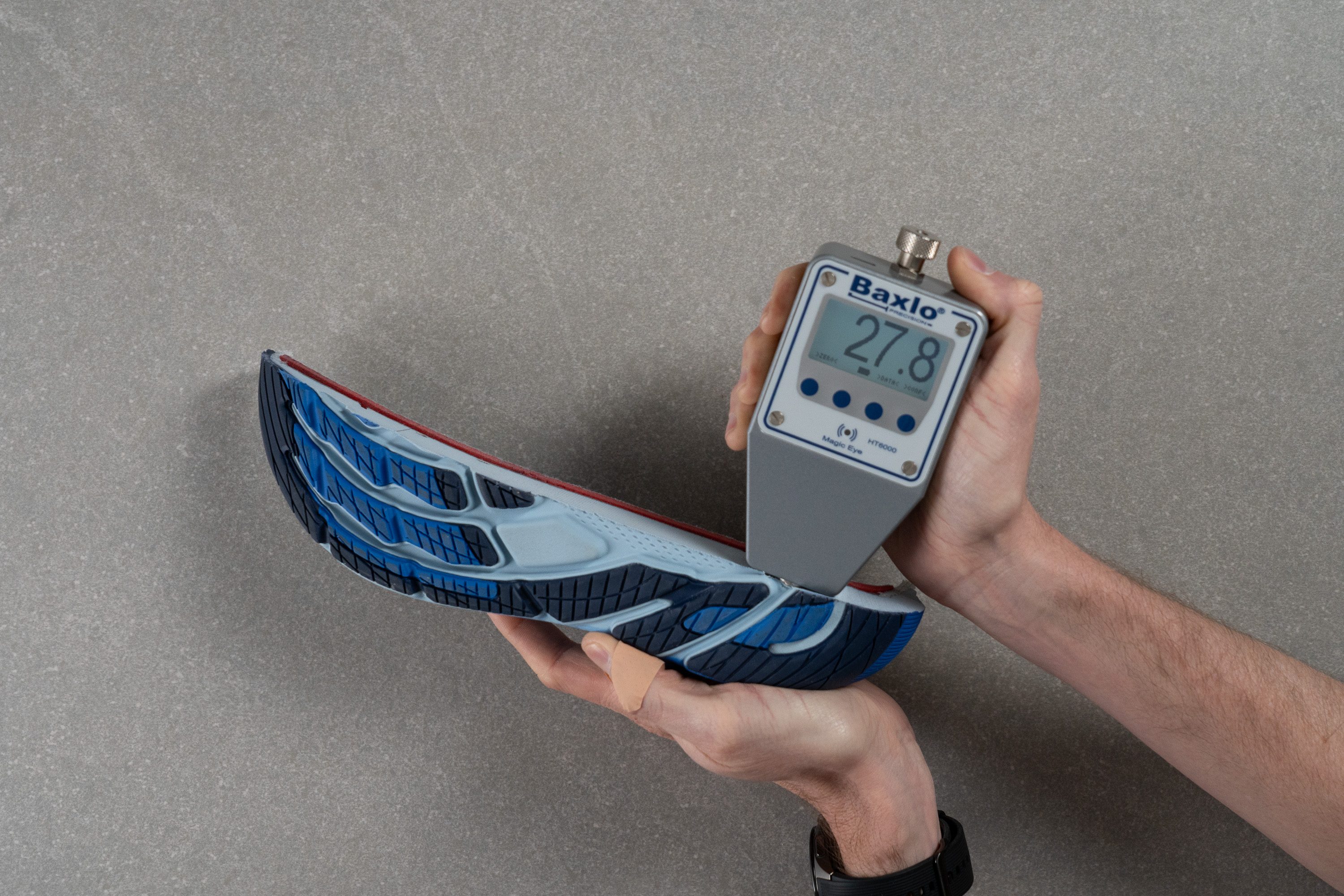
| FWD VIA 2 | 27.8 AC |
| Average | 35.4 AC |
Rocker
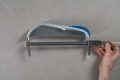
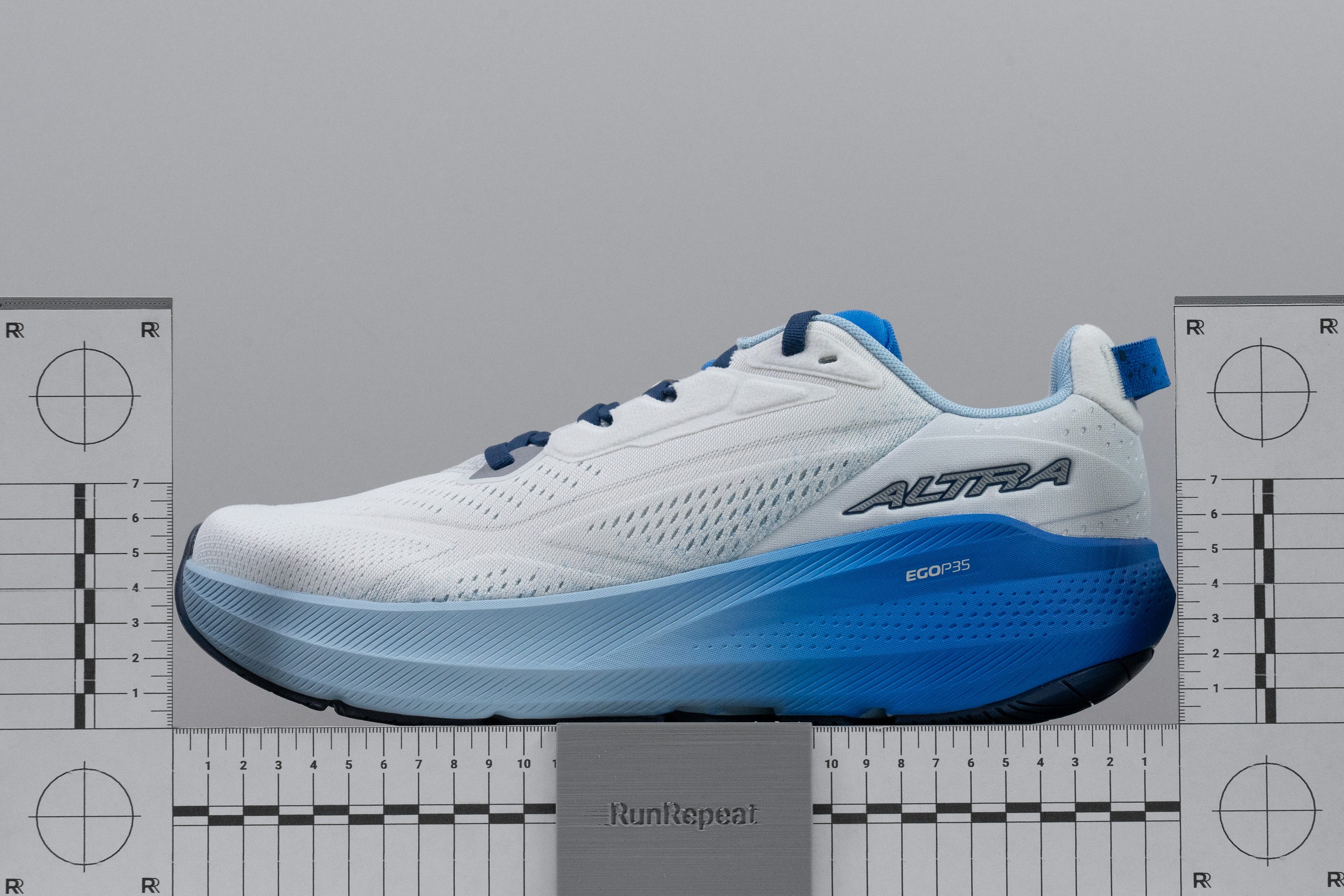
This is one of the few shoes on the market right now that pairs a high stack height with a moderate midsole rocker. The forefoot rises just over 3 cm, which is quite unusual today and helps preserve the natural feel many runners associate with Altra.
On the other hand, if you’re used to the forward-rolling sensation of strongly rockered shoes, this one will feel a bit less dynamic.
Size and fit
Size
Altra FWD VIA 2 fits true to size (26 votes).
Internal length
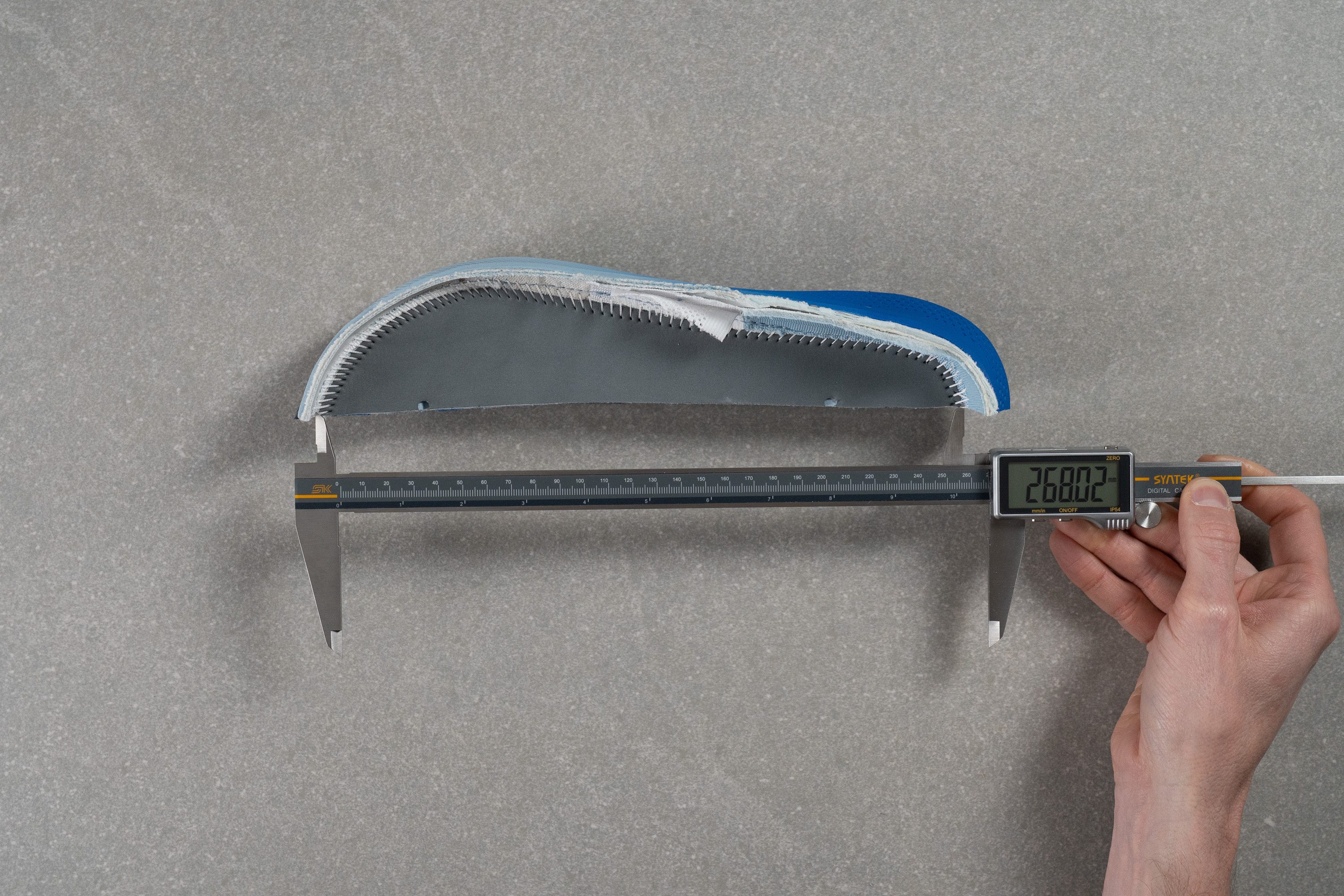
| FWD VIA 2 | 268.0 mm |
| Average | 269.3 mm |
Width / Fit
One of the main reasons many runners choose Altra is its anatomical, ultra-wide toebox. The FWD VIA 2 features the brand’s Original FootShape Fit, which offers the most spacious forefoot shape in Altra’s lineup.
To confirm this, we created a gel mold of the interior. After cooling it in the fridge, our first measurement came in at 101.4 mm, a very promising result for runners looking for plenty of space inside the shoe. But there's more to come.
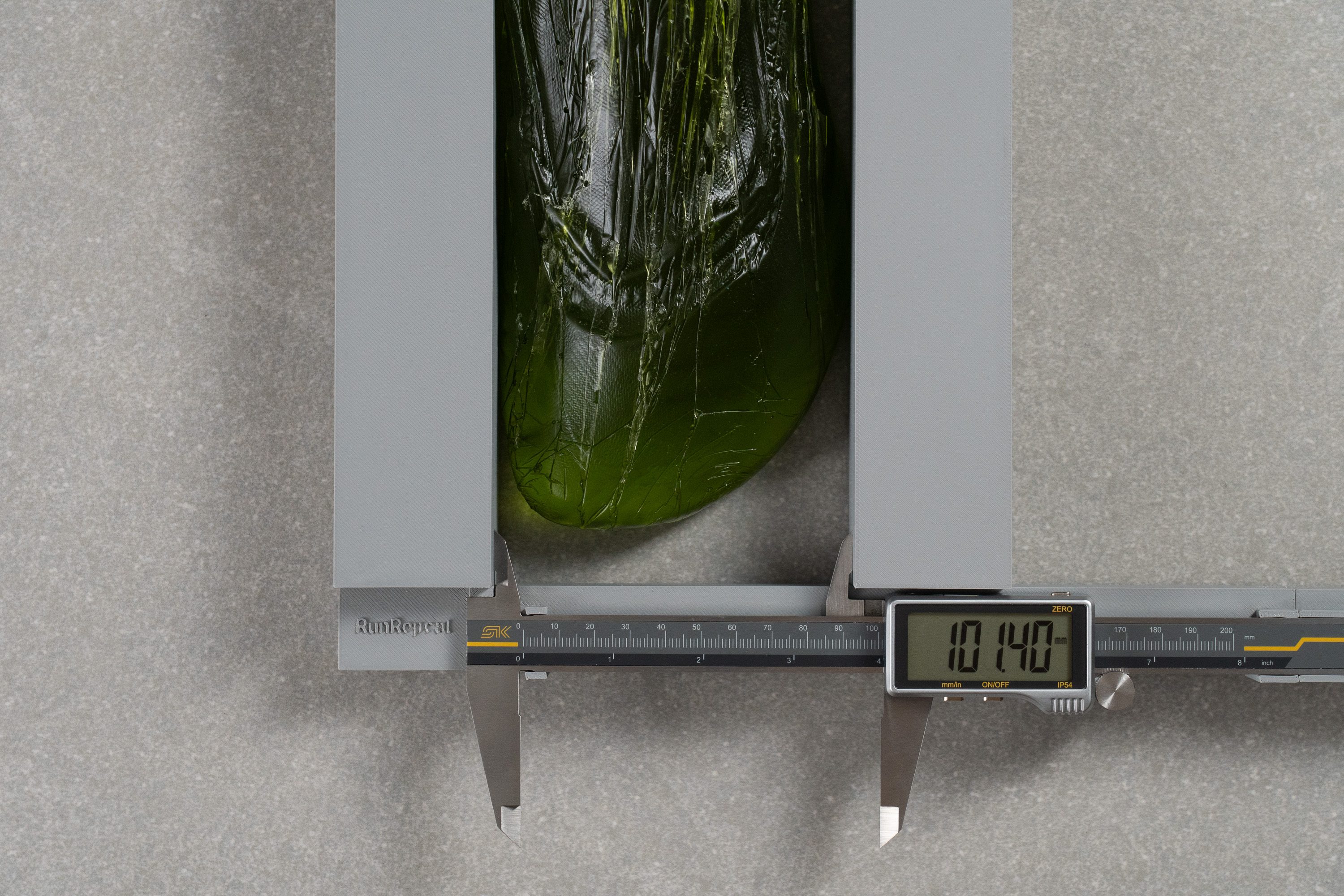
| FWD VIA 2 | 101.4 mm |
| Average | 95.2 mm |
Toebox width
This is the key measurement for runners worried about toe splay, and the FWD VIA 2 delivers once again in terms of space. Our test showed an enormous 82.4 mm width, a truly standout result for forefoot room.
That said, runners with narrow feet or those who prefer a tight, secure fit will not enjoy this design. Wider doesn't mean better or worse, it simply comes down to finding the shoe that matches your foot shape, and this one clearly favors those who want more space than a classic running shoe provides.
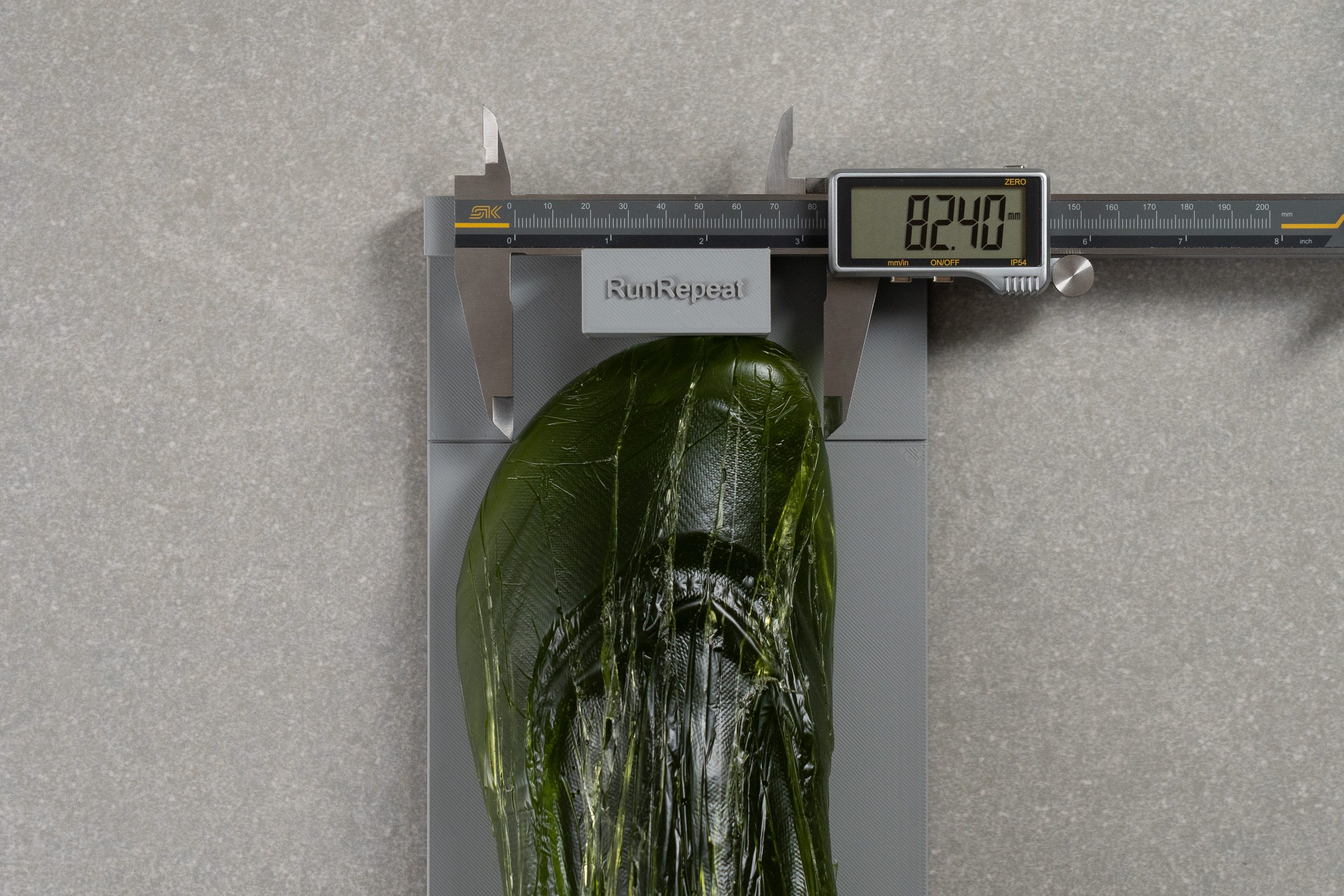
| FWD VIA 2 | 82.4 mm |
| Average | 73.2 mm |
Toebox height
When it comes to vertical space, the FWD VIA 2 is slightly less generous.
We measured 26.4 mm, a balanced result that should work well for most runners without creating any noticeable pressure.
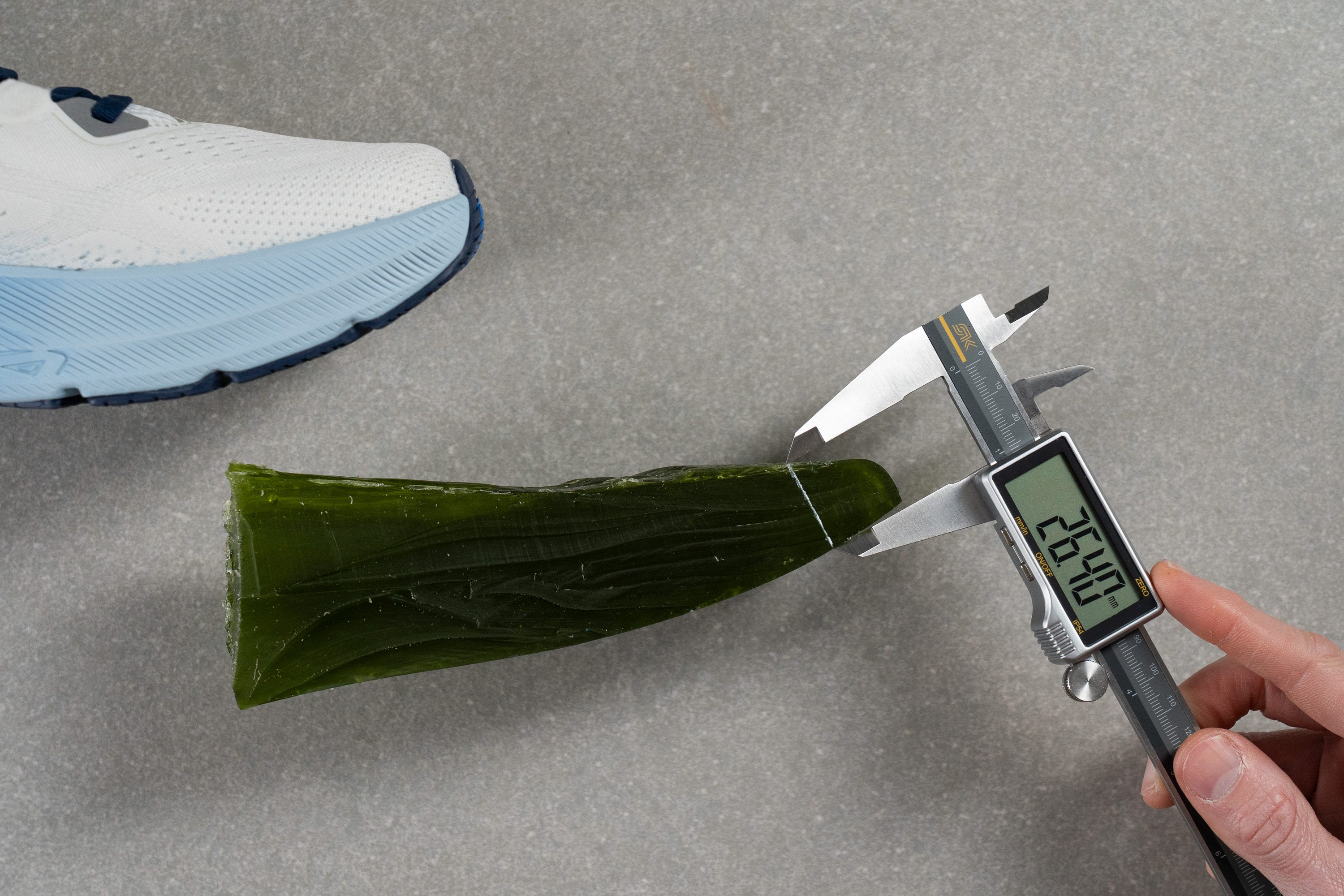
| FWD VIA 2 | 26.4 mm |
| Average | 27.0 mm |
Traction / Grip
Traction test
Another major improvement in the FWD VIA 2 comes from grip. Version 1 scored 0.48 in this test, while the new model raises the result to 0.73, a big upgrade that ensures excellent traction on both dry and wet surfaces. This is the way, Altra.
| FWD VIA 2 | 0.73 |
| Average | 0.53 |
Outsole design
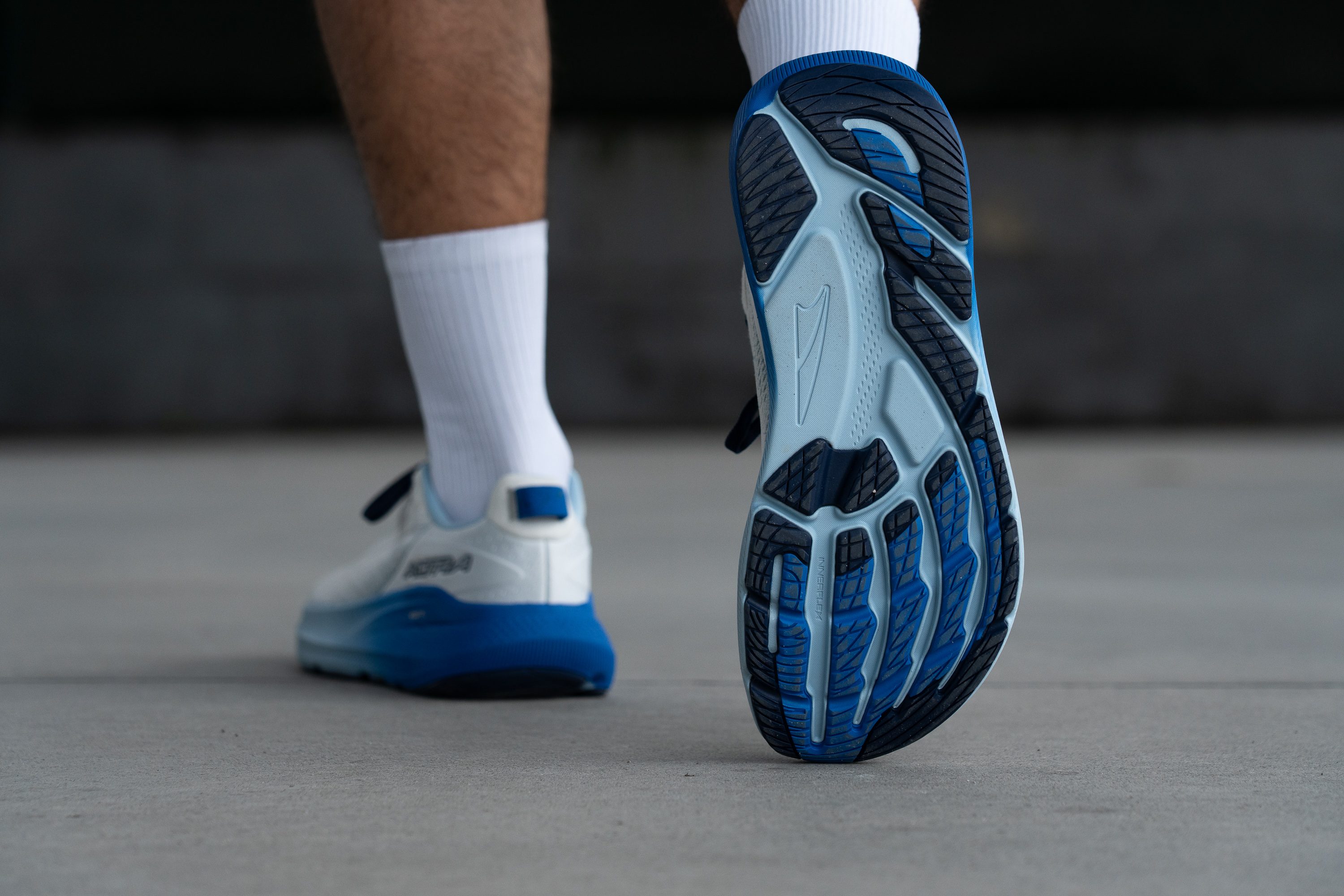
Altra made small tweaks to the outsole design, adding a bit more rubber in the midfoot while keeping the iconic INNERFLEX layout that follows the anatomy of the human foot to improve flexibility. And it works extremely well.
Flexibility / Stiffness
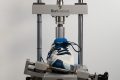
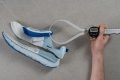
Thanks to the INNERFLEX design mentioned earlier, the Altra FWD VIA 2 shows lower-than-average stiffness even with a large amount of foam underfoot. Our test measured just 13.1N, and the softer EGO P35 foam also makes it more flexible than the previous version.
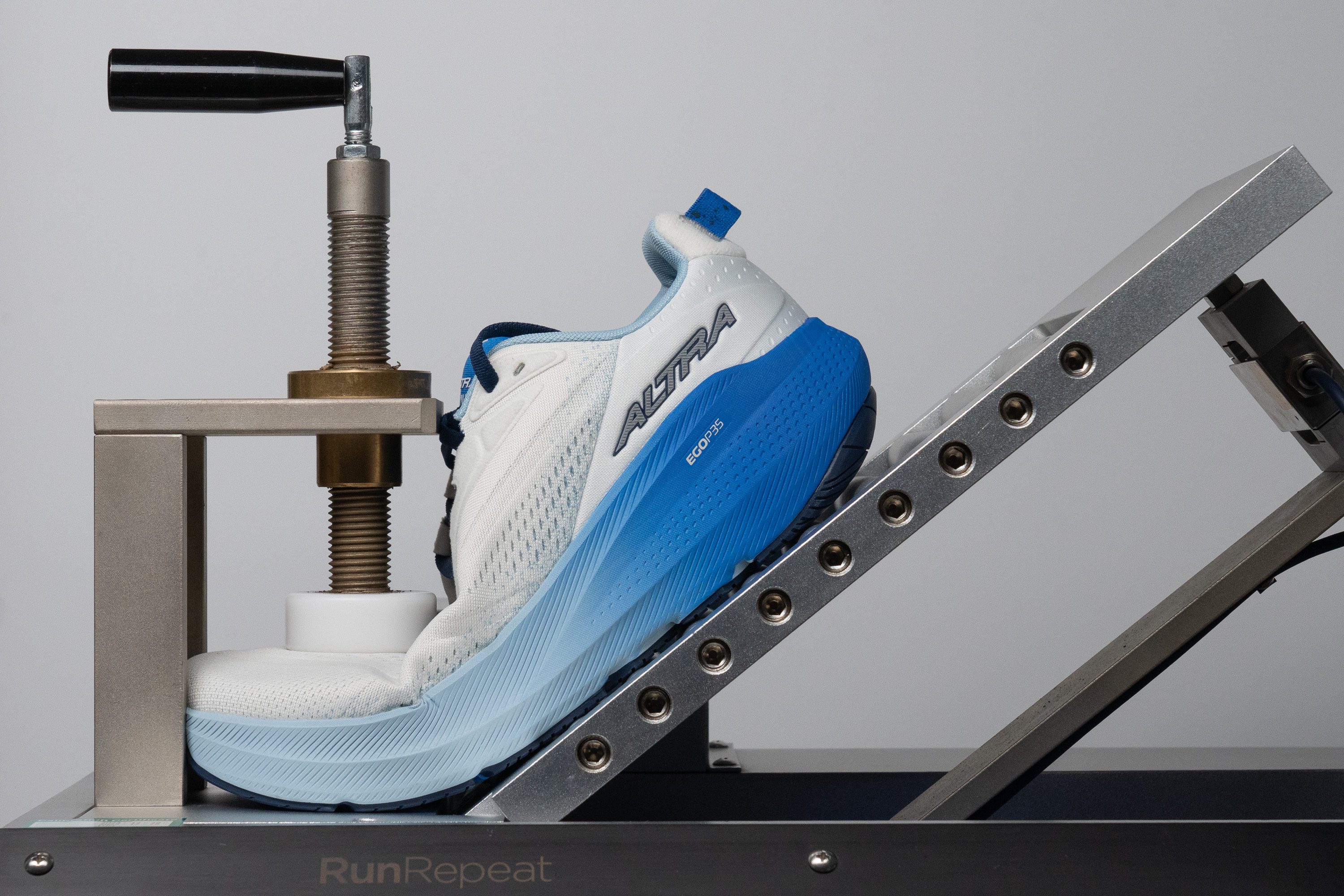
| FWD VIA 2 | 13.1N |
| Average | 15.5N |
Weight
One of the few drawbacks of the FWD VIA 2 comes from its weight. The shoe has gained some mass and now tips the scale at 9.6 oz or 272g, which represents a 7% increase compared to version 1.
It remains a reasonable weight considering the amount of cushioning and the overall size of the shoe, and we don’t believe this small increase becomes a deal breaker. Still, it’s not exactly great news.
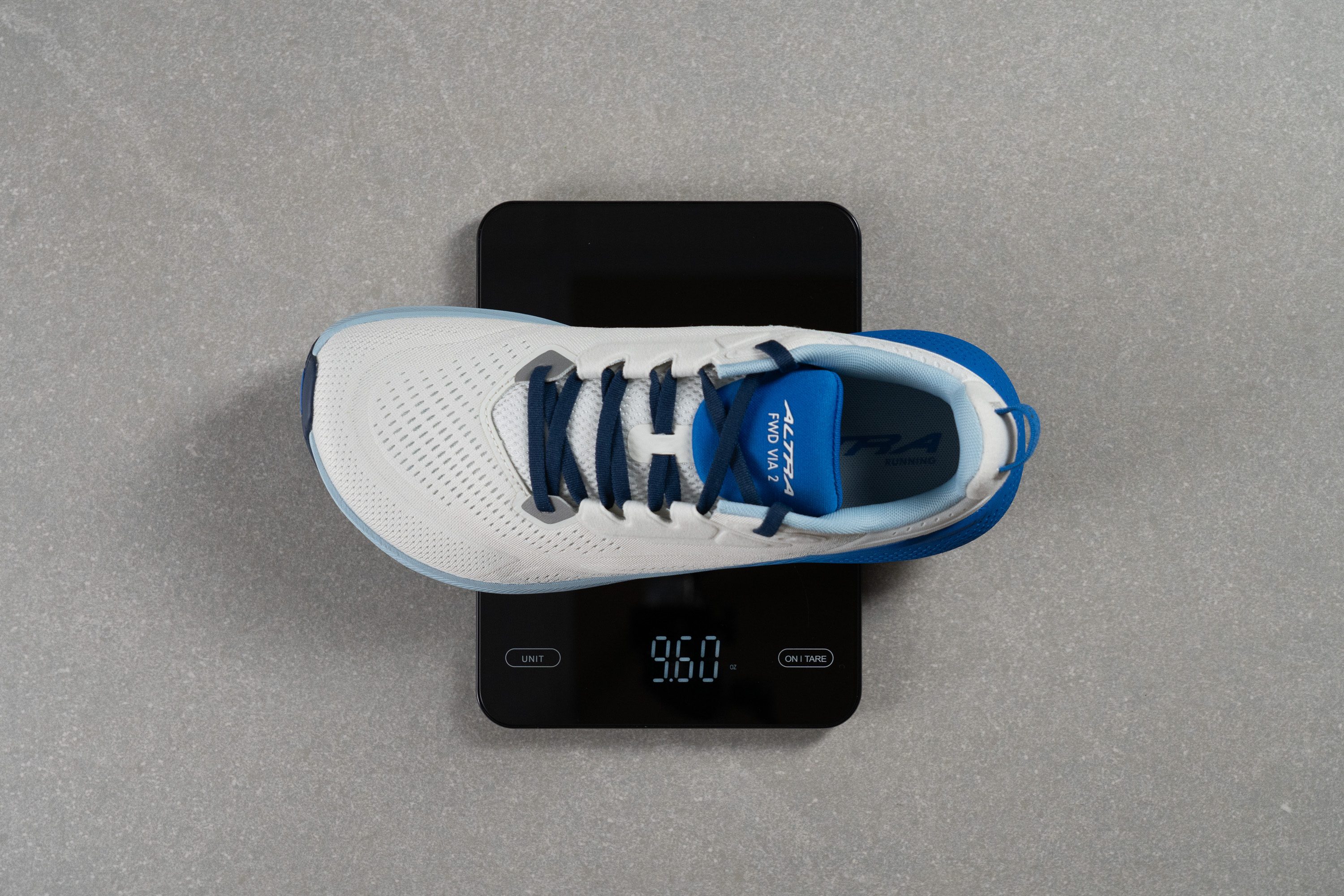
| FWD VIA 2 | 9.6 oz (272g) |
| Average | 9.2 oz (261g) |
Breathability
Breathability test
Another area that took a step backward is breathability, and this result honestly caught us by surprise.
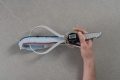
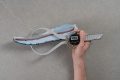
The upper design initially misled us, as it features many ventilation holes that looked very promising. However, once we activated our custom smoke machine, airflow turned out to be minimal, forcing us to give the shoe a low 2/5 rating.
That score makes the FWD VIA 2 a weaker option for running in hot weather. On the other hand, runners in colder climates may actually benefit from the reduced airflow. There’s always a bright side.
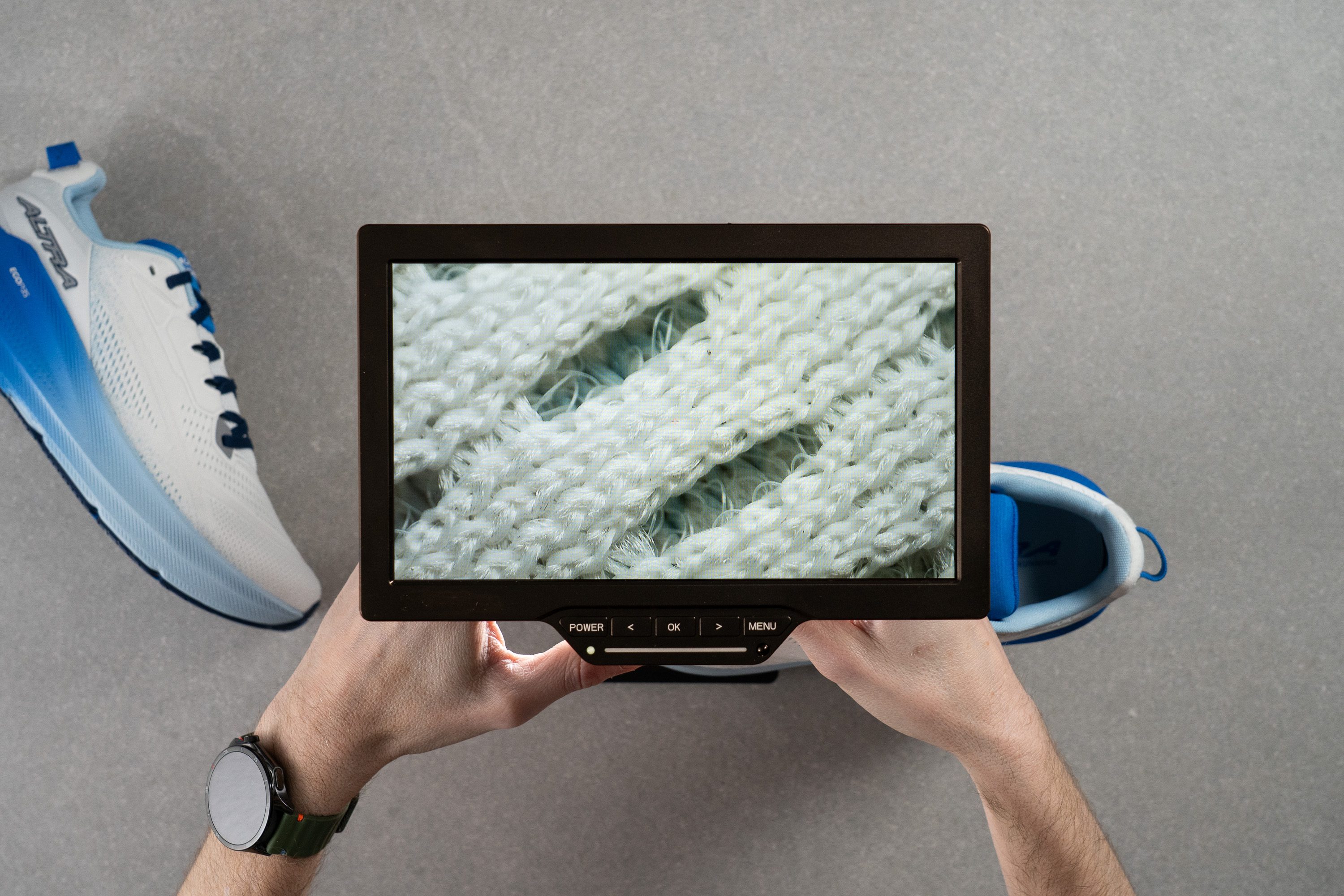
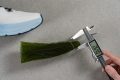
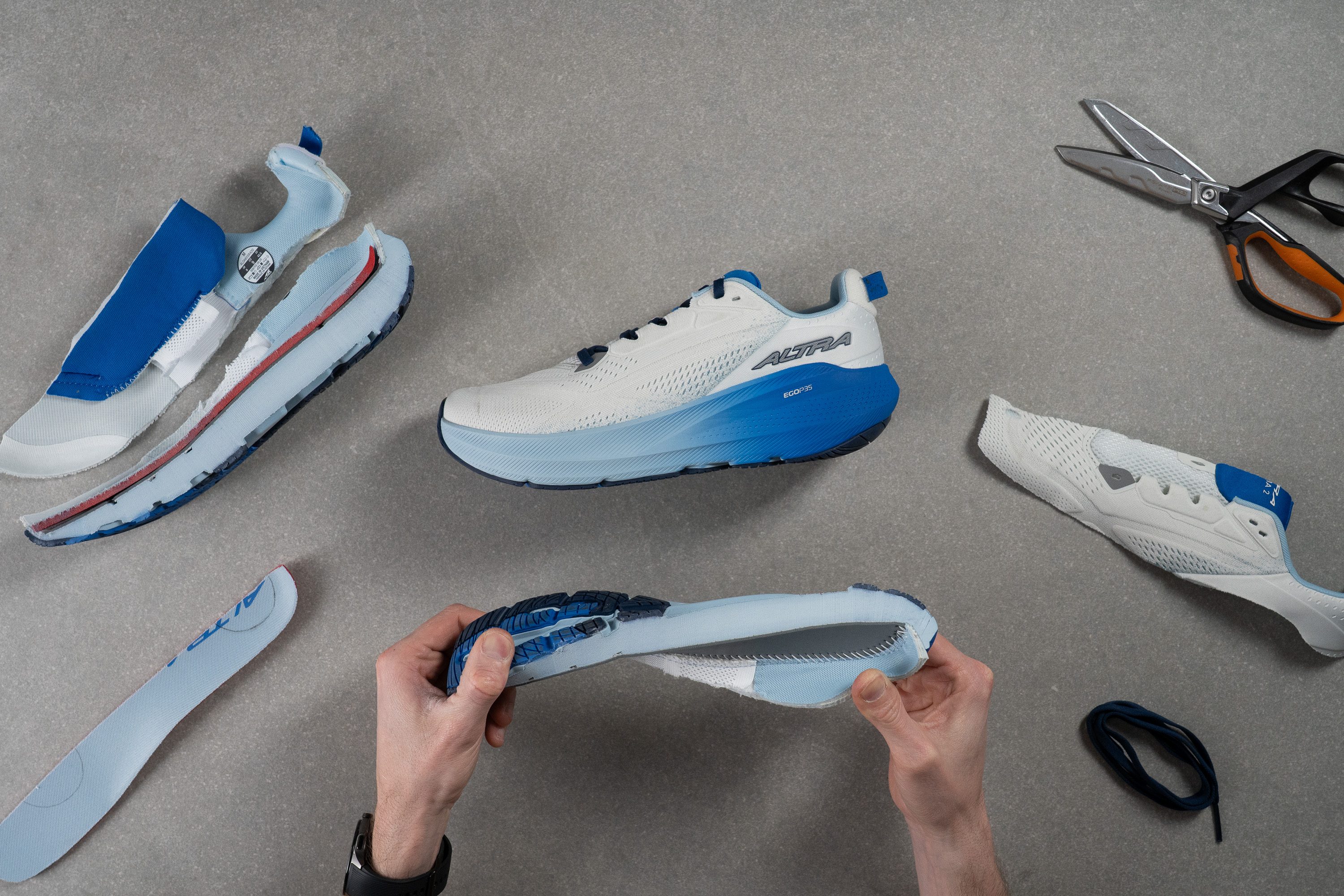
When we examined the engineered mesh under the microscope, we confirmed that the ventilation holes are indeed present.
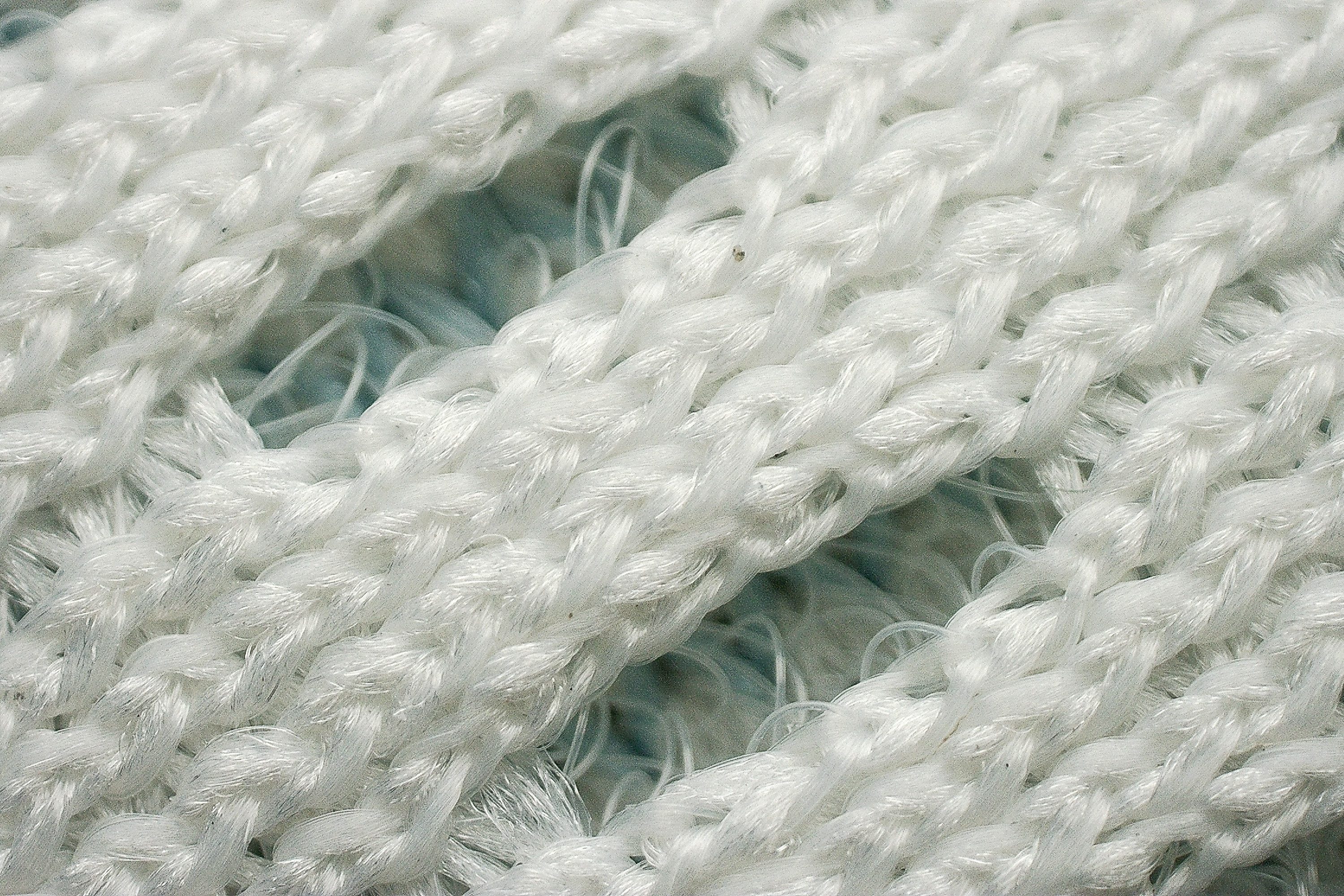
Unfortunately, a secondary internal layer sits beneath them and blocks most of the airflow.
The upper keeps the same design language seen in recent Altra models, with a low ankle collar and excellent comfort around the heel. However, if strong airflow is a priority for you, this shoe likely won’t be the right choice.
| FWD VIA 2 | 2 |
| Average | 3.6 |
Stability
Lateral stability test
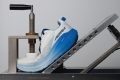
Now that the shoe uses a plush foam, stability takes a slight step back compared to its predecessor. However, we believe the trade-off is absolutely worth it, as the ride remains stable enough for neutral runners thanks to the tall sidewalls, but the FWD VIA 2 now feels noticeably more comfortable underfoot.
Torsional rigidity
This shoe may not feature Altra’s zero-drop midsole design, but it still maintains an easy-to-bend structure despite its high stack height.
In fact, scoring 12.5 Nm in torsional rigidity is quite impressive for a shoe with this much foam, showing that Altra worked hard to achieve this natural feel, especially through the outsole design.
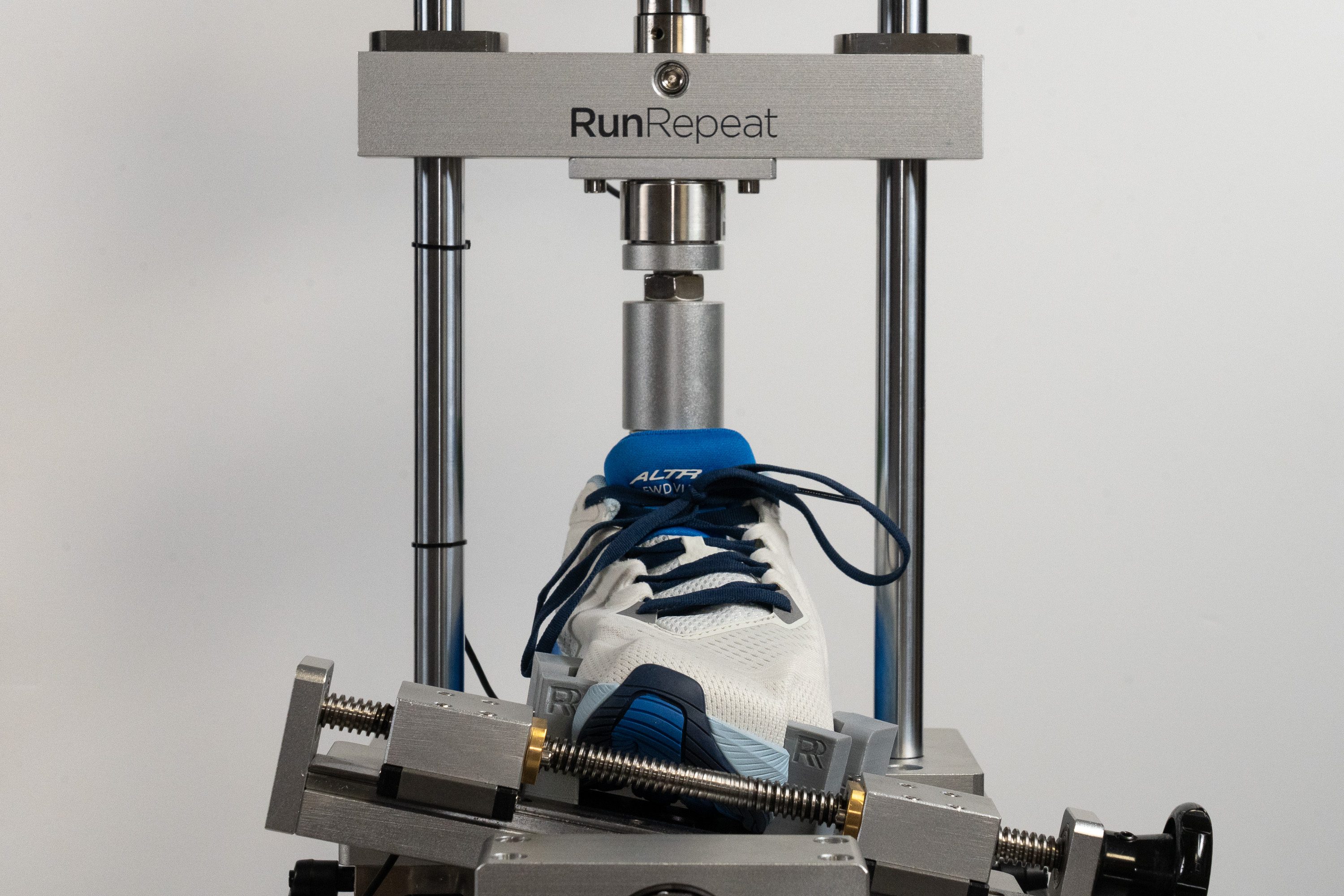
| FWD VIA 2 | 12.5 Nm |
| Average | 14.3 Nm |
Heel counter stiffness
The heel counter shows a very average level of stiffness, closely matching what we have measured for years in many daily trainers. Therefore, it earns a clear 3 out of 5 in our test.
| FWD VIA 2 | 3 |
| Average | 2.9 |
Midsole width - forefoot
Another detail that makes it clear the FWD VIA 2 doesn’t aim to be a fully maximalist running shoe is its midsole width. In the forefoot, we even recorded a below-average measurement of 113.2 mm.
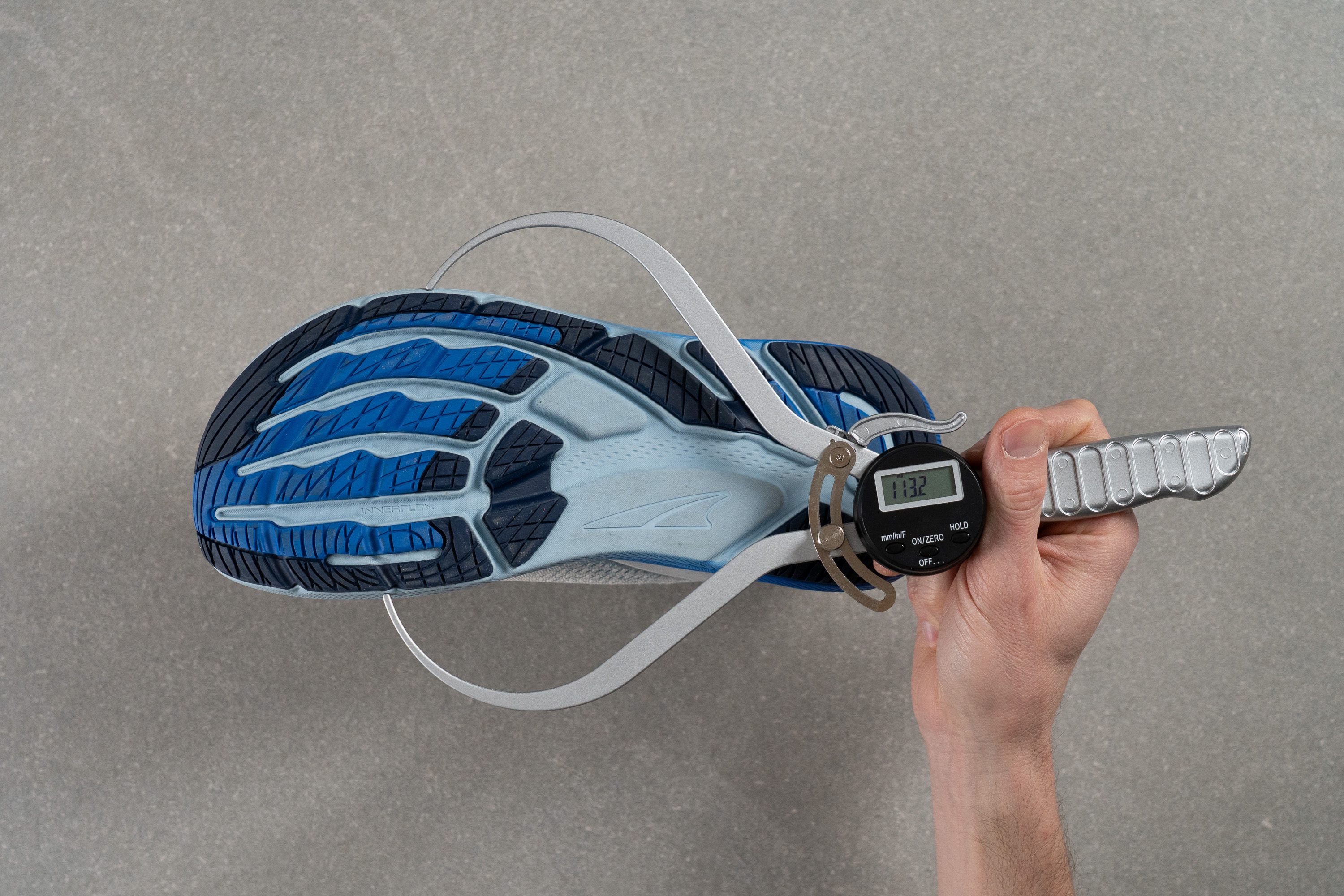
| FWD VIA 2 | 113.2 mm |
| Average | 115.1 mm |
Midsole width - heel
The heel design also lands close to the average reading in our lab, although it is slightly wider in comparison. However, at 92.6 mm, it doesn’t expand excessively and helps maintain the agile and flexible feel we mentioned earlier.
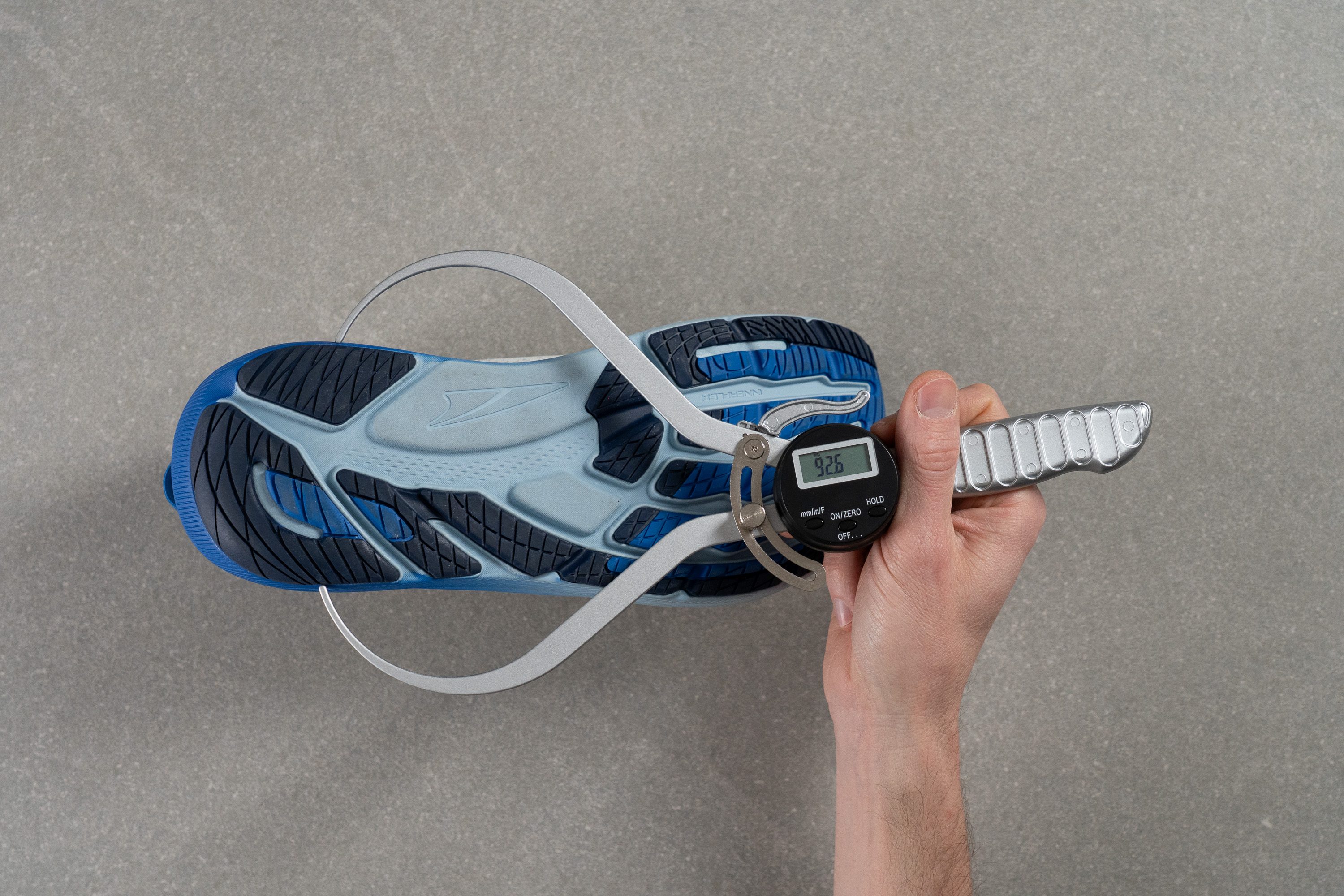
| FWD VIA 2 | 92.6 mm |
| Average | 91.1 mm |
Durability
Toebox durability
Earlier we found that the toebox offers limited breathability, which often comes with the side benefit of improved durability. So, does that happen here as well?
After firing up our Dremel at 5K RPM and applying 2N of force, the result was a 3/5 score, a solid outcome, although not outstanding.
| FWD VIA 2 | 3 |
| Average | 2.6 |
Heel padding durability
The heel padding didn’t share the same result and earned a disappointing 2 out of 5 in our scale. This is clearly an area that should improve in version 3.
| FWD VIA 2 | 2 |
| Average | 3.4 |
Outsole durability
For many runners, this is the most important durability test. The outsole usually wears out before any other part of the shoe, and we’re pleased to report that the FWD VIA 2 performs very well here, as our test showed that only 0.7 mm disappeared after the Dremel finished its work.
| FWD VIA 2 | 0.7 mm |
| Average | 1.1 mm |
Outsole thickness
It’s clear to us that Altra aimed to position the FWD VIA 2 as a top pick for runners seeking an exceptionally long-lasting outsole. Or at least that the conclusion we reached after measuring this massive 4.0 mm-thick rubber layer.
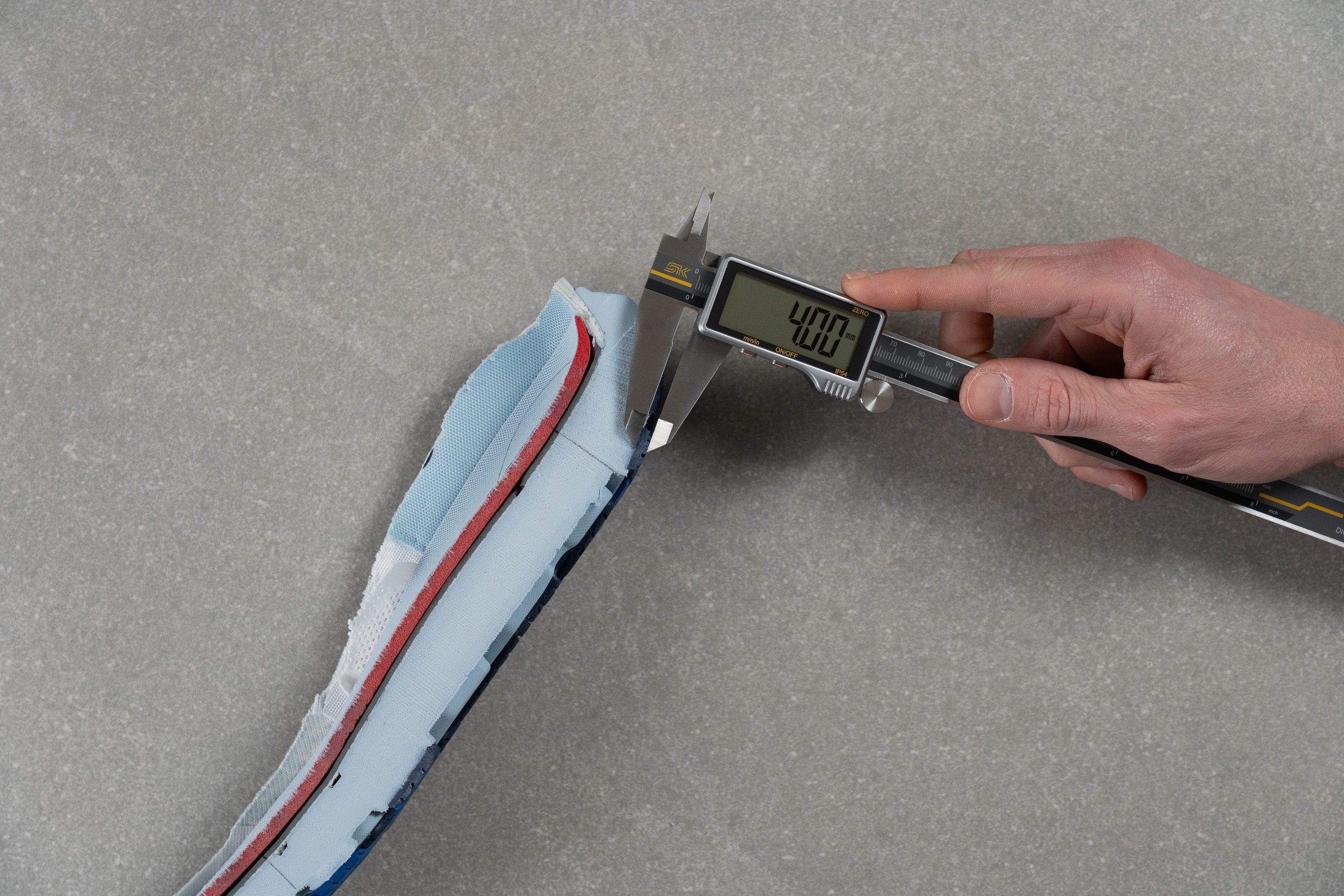
| FWD VIA 2 | 4.0 mm |
| Average | 3.1 mm |
Misc
Insole thickness
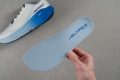
At 4.8 mm thick, the insole is slightly thicker than what we usually measure in the lab, although the difference is minimal.
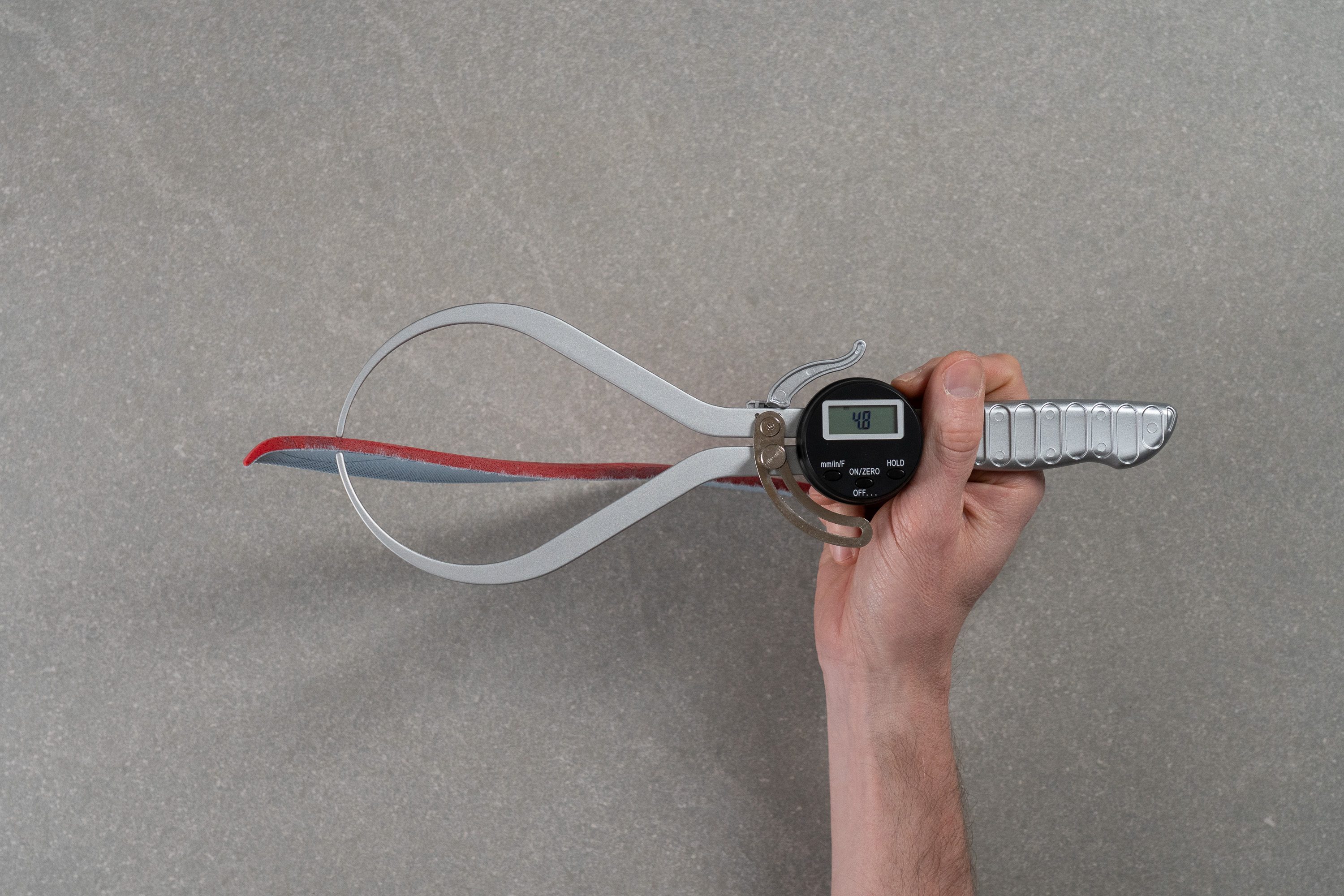
| FWD VIA 2 | 4.8 mm |
| Average | 4.4 mm |
Removable insole
The insole can be removed if needed. However, keep in mind that not every aftermarket option will match well with Altra’s naturally roomy interior.
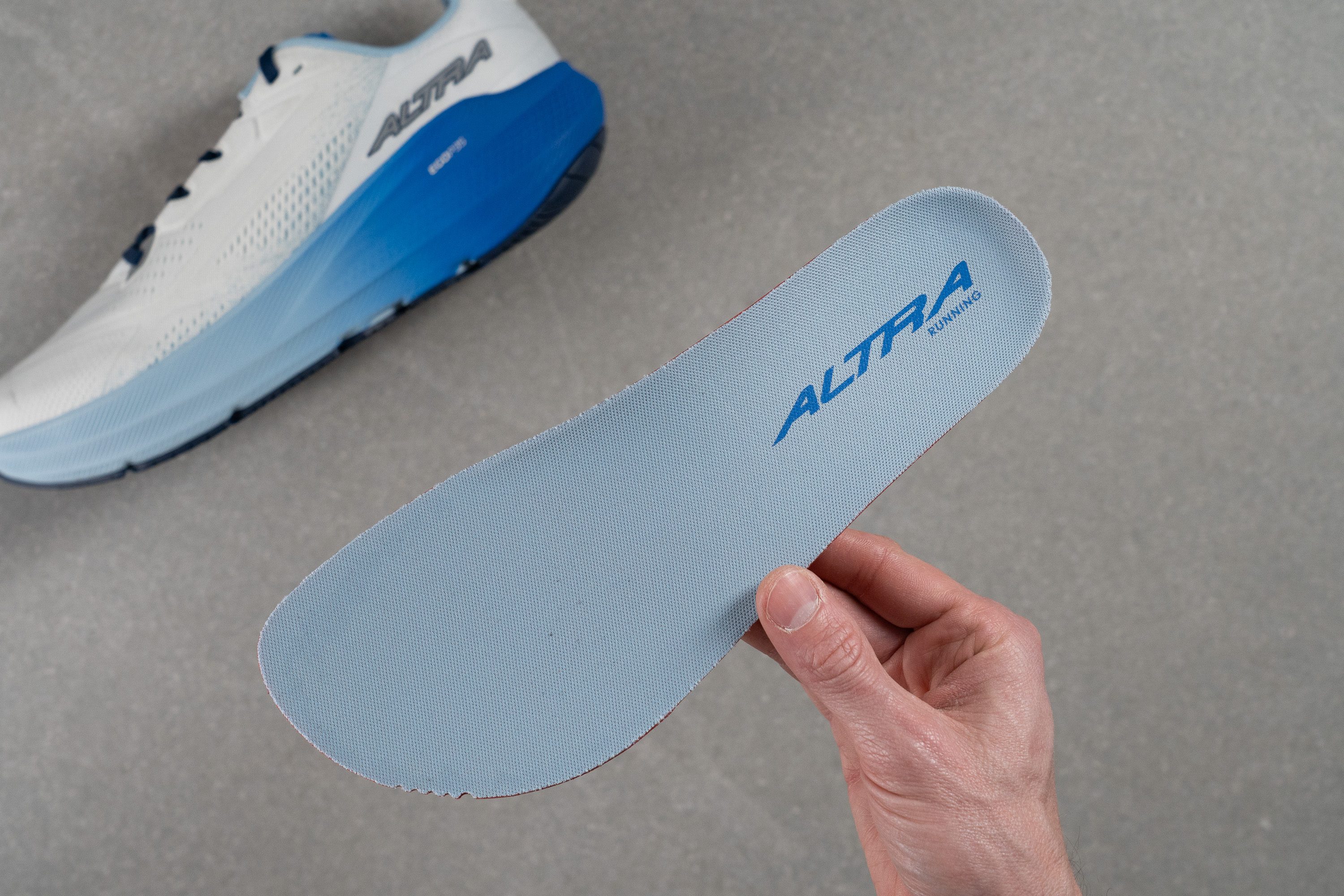
| FWD VIA 2 | Yes |
Reflective elements
Kudos to Altra for integrating reflective elements in a clever, elegant way that enhances visibility while subtly promoting the brand.
| FWD VIA 2 | Yes |
Tongue padding
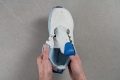
The lacing system uses a hybrid setup, combining loops in the middle with punched eyelets at the ends of the eyelet chain. This design works well for runners who often experience pressure on the instep.
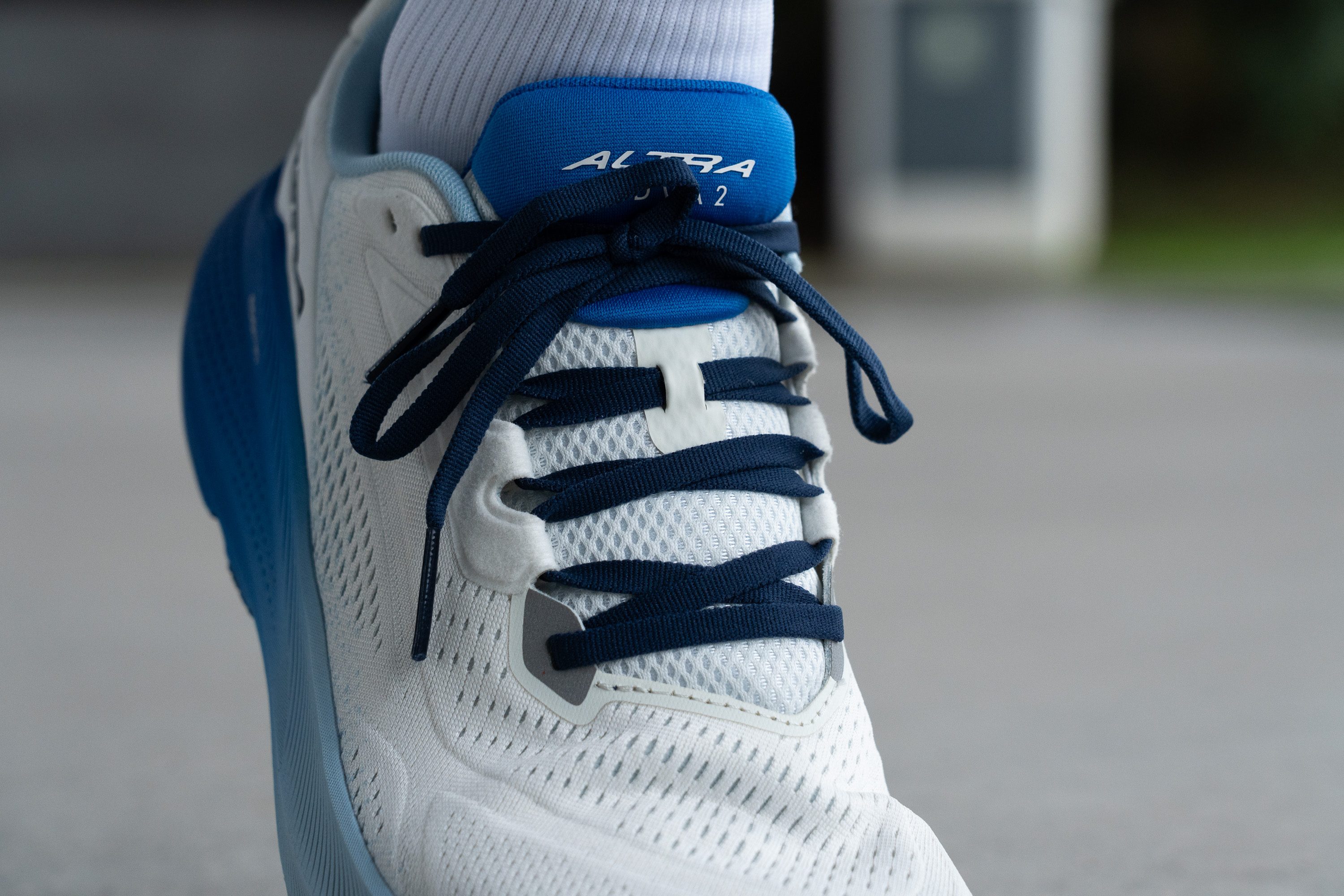
That pressure should be minimal here thanks to the thick slab of foam inside the tongue. We measured 10.4 mm, which provides a secure instep feel along with excellent comfort for everyday runs.
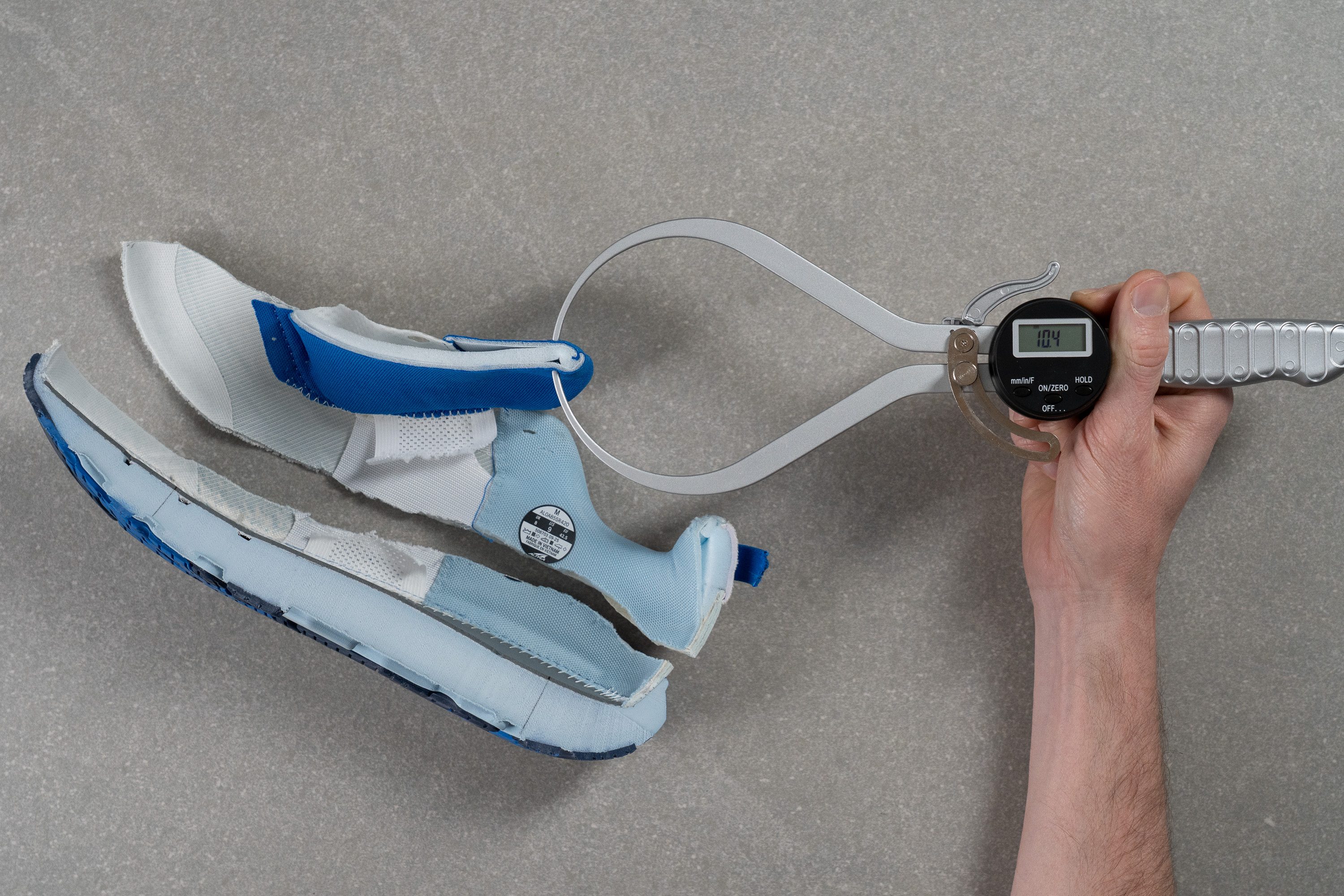
| FWD VIA 2 | 10.4 mm |
| Average | 5.8 mm |
Tongue: gusset type
The tongue uses a semi-gusseted design attached to the midsole, and in our runs it stayed nicely centered at every pace.
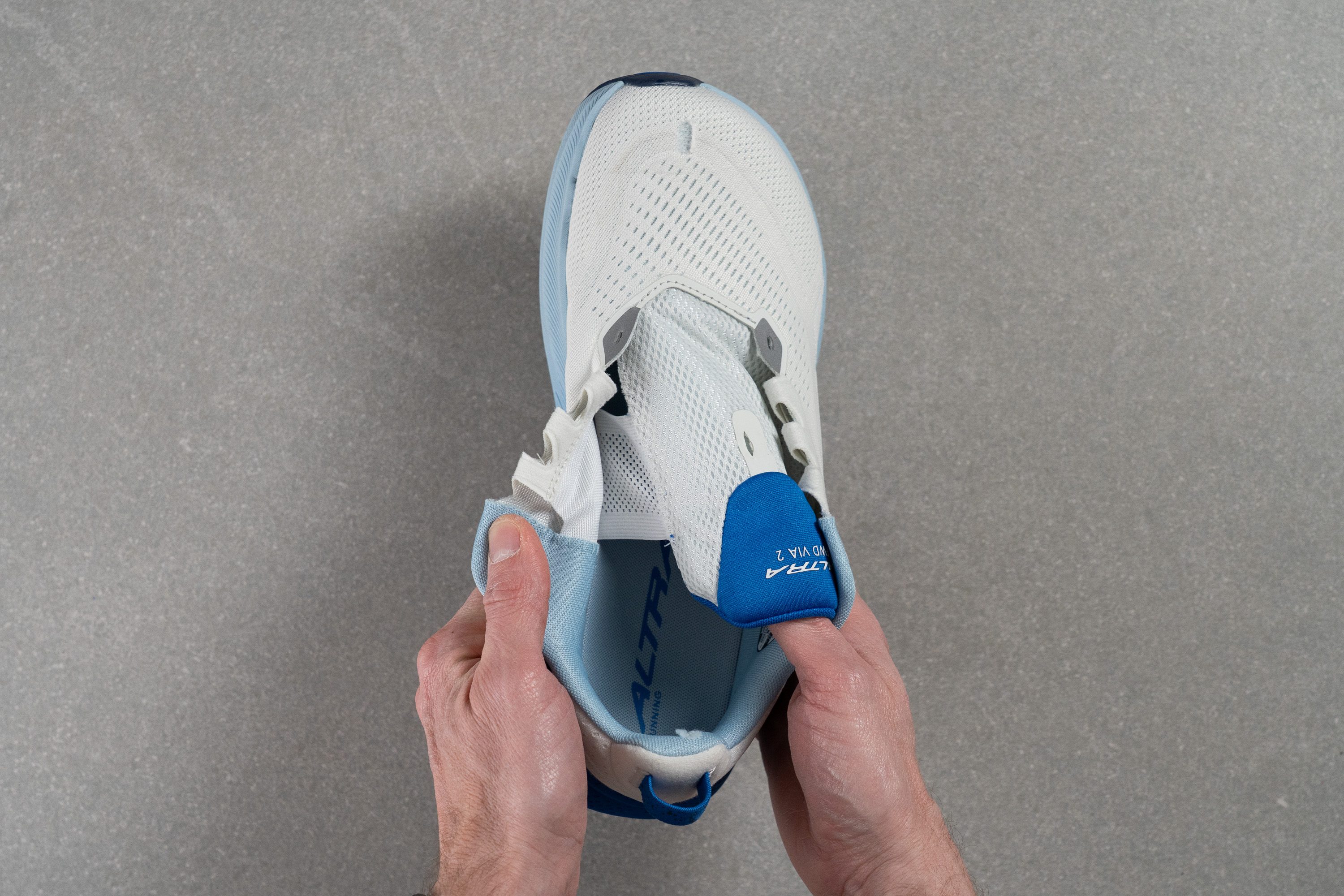
| FWD VIA 2 | Both sides (semi) |
Heel tab
A horizontal finger-loop tab sits at the heel, firmly stitched into the upper. It's a design that remains nearly identical to the version used in last year’s model.
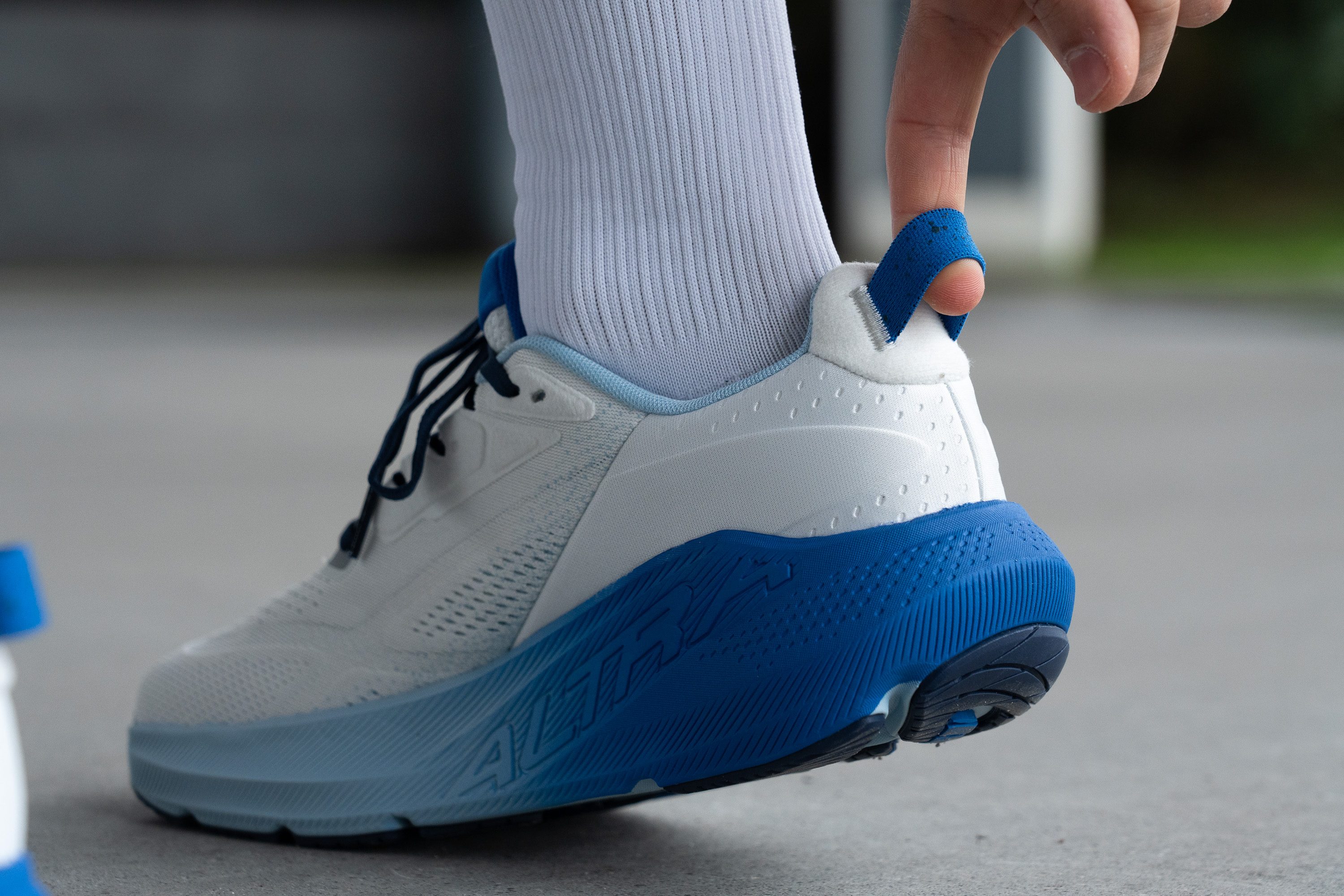
| FWD VIA 2 | Finger loop |
Price
Altra has increased the price of the FWD VIA 2 compared to the FWD VIA, which may be somewhat justified given the new foam. However, the shoe already sits close to feeling overpriced, and EGO P35 is arguably the midsole compound that we deserved from the very beginning of the series...
| FWD VIA 2 | $165 |
| Average | $158 |