






Our verdict
- Daily running 77
- Tempo 84
- Race 62
- Stability 80
Pros
- Excellent fit for wide-footed runners
- Improved energy return
- Comfortable for walking and running
- Stable platform for midfoot and forefoot strikers
- Natural ride
- Thick, durable outsole handles heavy use
- Breathable for hot summer days
- Excellent knit upper
- Versatile for different paces
- Promotes natural foot movement
Cons
- Heavier than expected for its size
- Lacks a gusseted tongue
- Poor heel padding durability
- Traction could be better
Awards
- Top pick in best running shoes for bunions
- Top pick in best shoes for gym and running
- Top 5% in Altra running shoes
- Top 25% in low drop running shoes
Comparison
The most similar running shoes compared
+ + Add a shoe | |||||
|---|---|---|---|---|---|
| Our score | 85 Great | 75 Good | 79 Good | 74 Good | |
| Price | $140 | $145 | $165 | $180 | |
| Pace | Daily runningTempo | Daily running | Daily running | Tempo | |
| Shock absorption | Low | Moderate | Low | Moderate | |
| Energy return | High | Low | Low | Low | |
| Traction | High | High | High | High | |
| Arch support | Neutral | Neutral | Neutral | Neutral | |
| Weight lab Weight brand | 9.5 oz / 269g 9.7 oz / 275g | 8.5 oz / 241g 8.7 oz / 246g | 8.9 oz / 252g 8.8 oz / 249g | 9.6 oz / 271g 9.5 oz / 269g | |
| Lightweight | ✗ | ✓ | ✗ | ✗ | |
| Drop lab Drop brand | 2.2 mm 0.0 mm | 5.2 mm 4.0 mm | 3.3 mm 2.0 mm | 4.1 mm 6.0 mm | |
| Strike pattern | Mid/forefoot | Mid/forefoot | Mid/forefoot | Mid/forefoot | |
| Size | Slightly small | True to size | - | Slightly small | |
| Midsole softness | Balanced | Soft | Firm | Firm | |
| Difference in midsole softness in cold | Small | Normal | Small | Small | |
| Toebox durability | Good | Good | Decent | Good | |
| Heel padding durability | Bad | Decent | Bad | Good | |
| Outsole durability | Good | Decent | Decent | Decent | |
| Breathability | - | Warm | Breathable | Warm | |
| Width / fit | Wide | Wide | Medium | Narrow | |
| Toebox width | Wide | Wide | Medium | Wide | |
| Stiffness | Flexible | Flexible | Moderate | Stiff | |
| Torsional rigidity | Flexible | Flexible | Moderate | Stiff | |
| Heel counter stiffness | Flexible | Flexible | Stiff | Moderate | |
| Rocker | ✗ | ✗ | ✗ | ✓ | |
| Heel lab Heel brand | 25.9 mm 24.0 mm | 31.0 mm 32.0 mm | 26.2 mm 24.0 mm | 32.8 mm 34.0 mm | |
| Forefoot lab Forefoot brand | 23.7 mm 24.0 mm | 25.8 mm 28.0 mm | 22.9 mm 22.0 mm | 28.7 mm 28.0 mm | |
| Widths available | NormalWide | NormalWide | Normal | Normal | |
| Orthotic friendly | ✓ | ✓ | ✓ | ✓ | |
| Season | - | All seasons | SummerAll seasons | All seasons | |
| Removable insole | ✓ | ✓ | ✓ | ✓ | |
| Ranking | #122 Top 31% | #320 Bottom 20% | #265 Bottom 34% | #338 Bottom 16% | |
| Popularity | #129 Top 32% | #73 Top 19% | #385 Bottom 4% | #259 Bottom 35% |


Who should buy
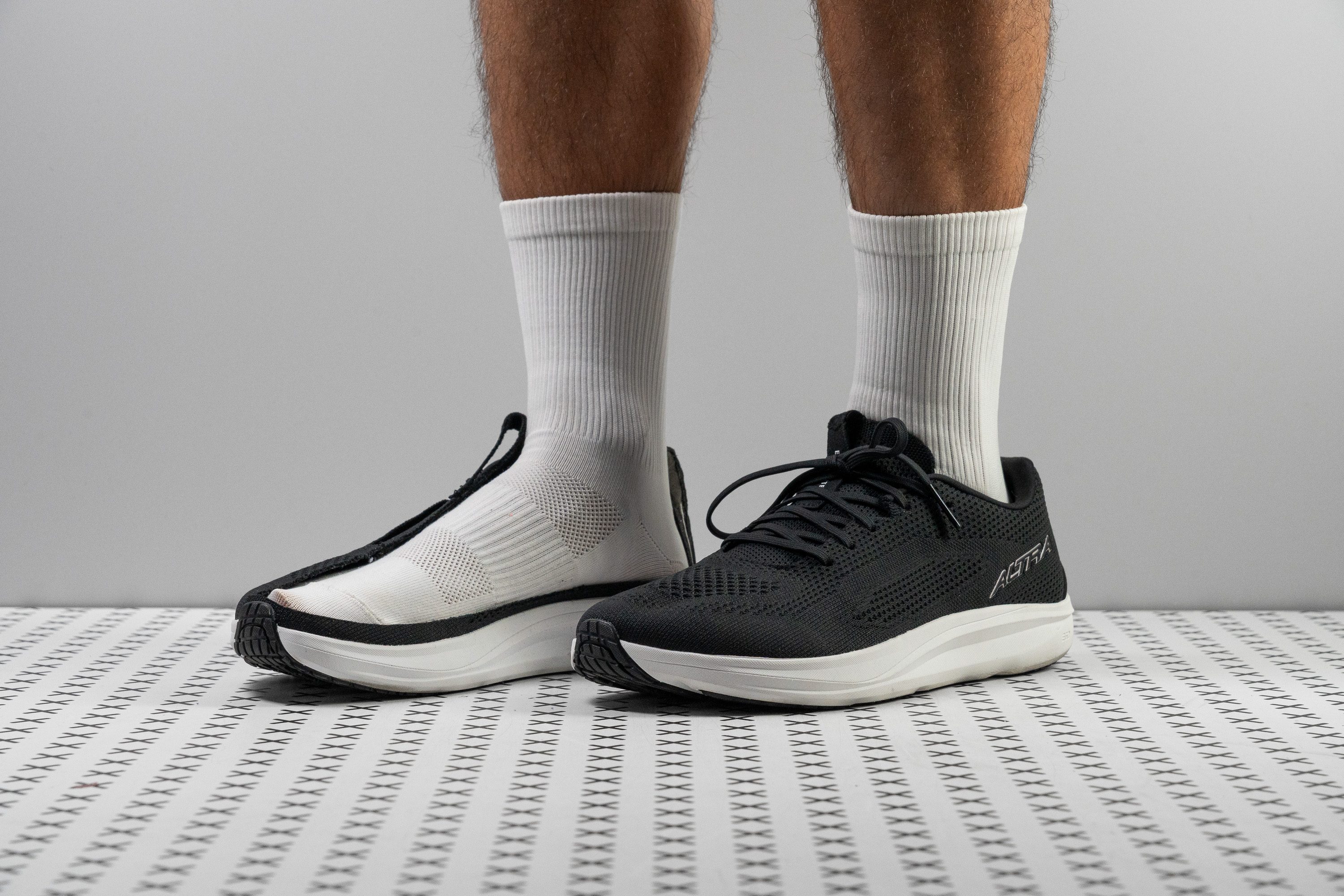
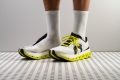
We tested the Altra Escalante 5 and found out that it's ideal for those that:
- Need a wide-foot-friendly shoe that feels comfortable for both walking and running.
- Loved previous Escalantes but were waiting for a more breathable design.
- Prefer to avoid high stack heights but still want a shoe for daily runs.
- Strike with the forefoot or midfoot and want a low-stack shoe for both slow and fast runs.
Who should NOT buy
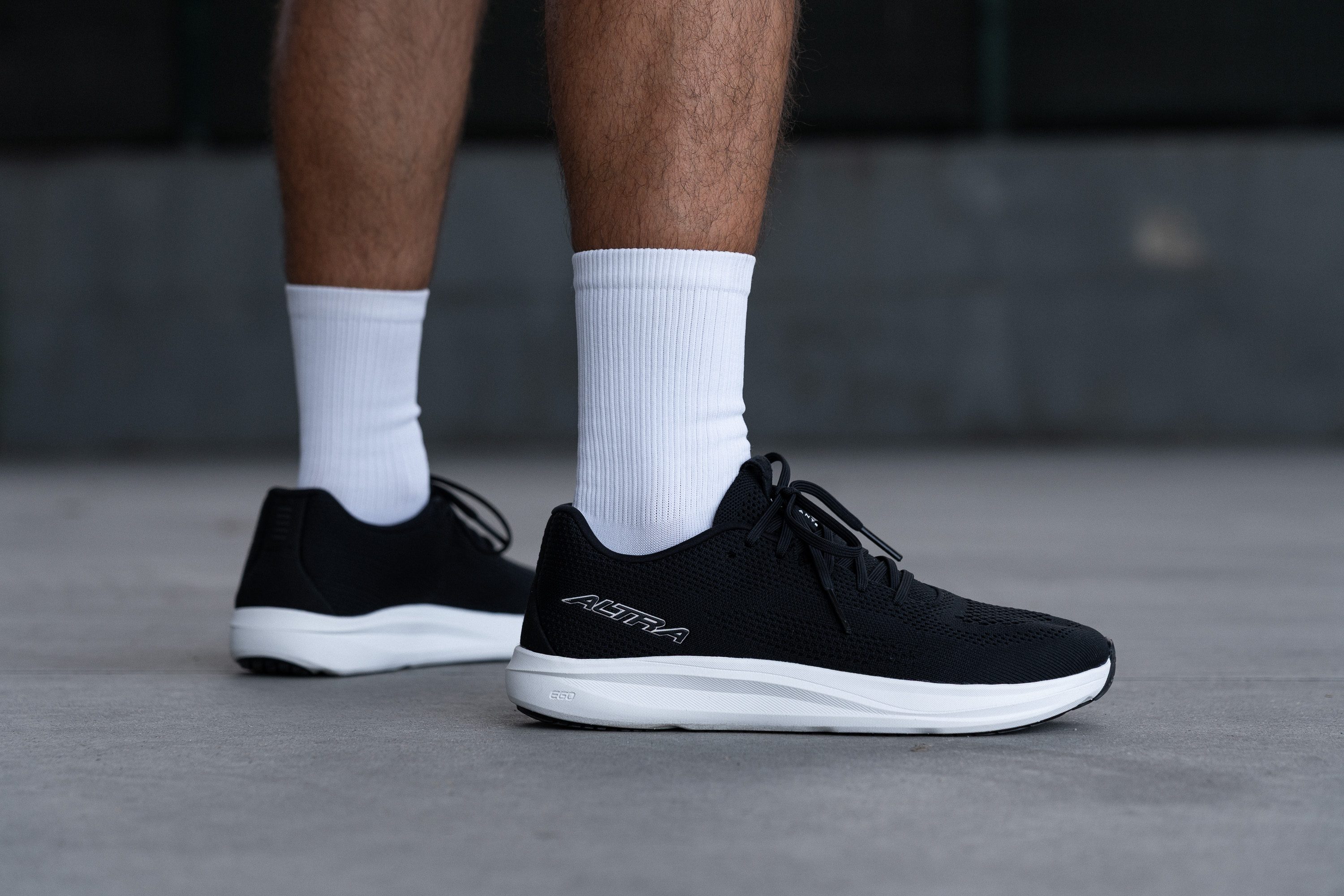
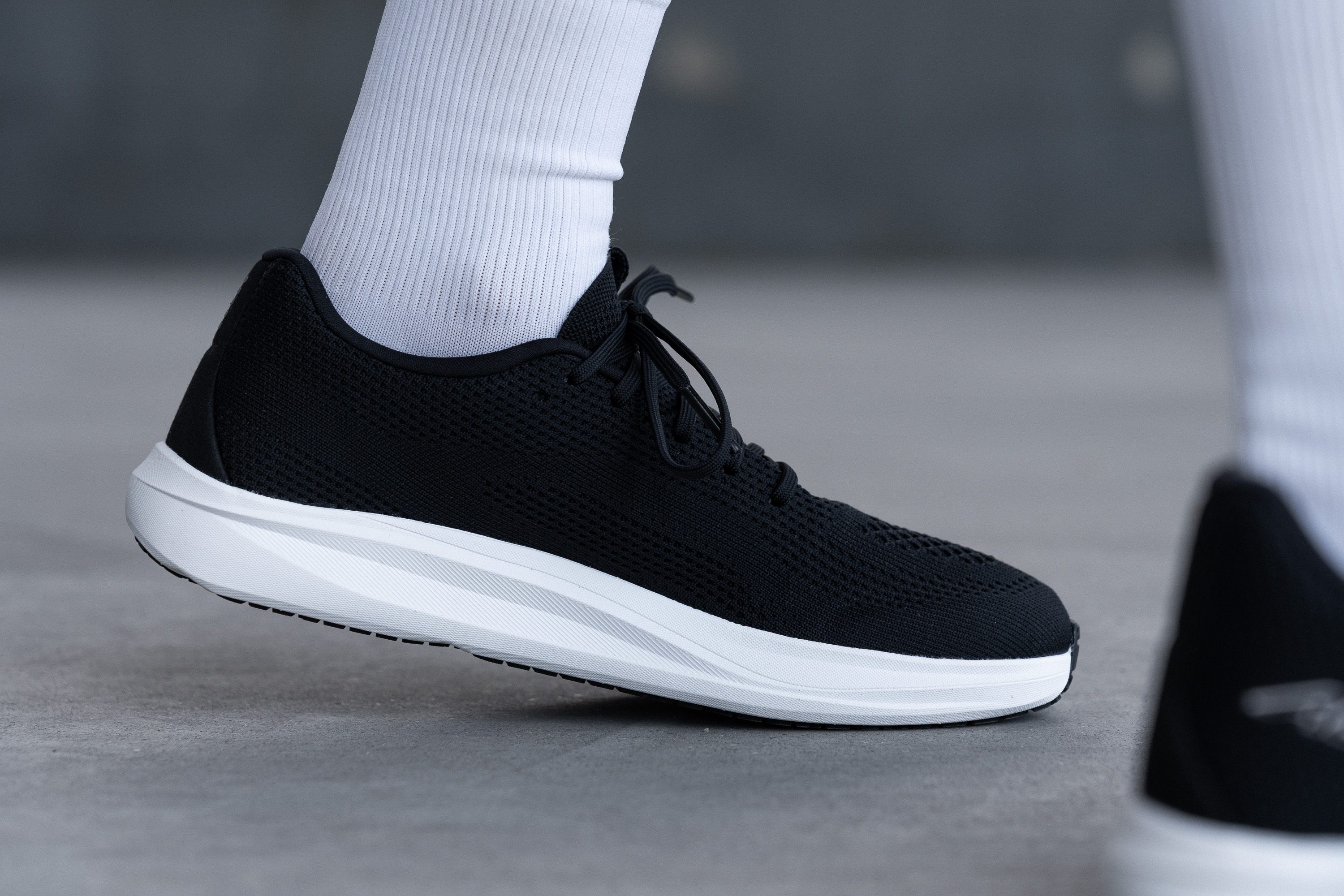
Heel strikers may not pair well with the Escalante 5's zero-drop geometry. Instead, take a look at the Topo Cyclone 3 if you want a versatile shoe with a wide toebox but a higher drop.
We also found the Escalante 5 to be heavier than expected for its size, which is a bit of a letdown. If you're after a featherweight shoe with a low stack height, we highly recommend the adidas Adizero Adios 9. It's extremely bouncy and also better suited to heel strikers.
Cushioning
Shock absorption
The Altra Escalante 5 delivers less shock absorption than most running shoes, but that's exactly what we expected from a shoe like this. The Escalante has always offered moderate impact protection, and that's still the case here, with 101 SA in the heel and 90 SA in the forefoot.
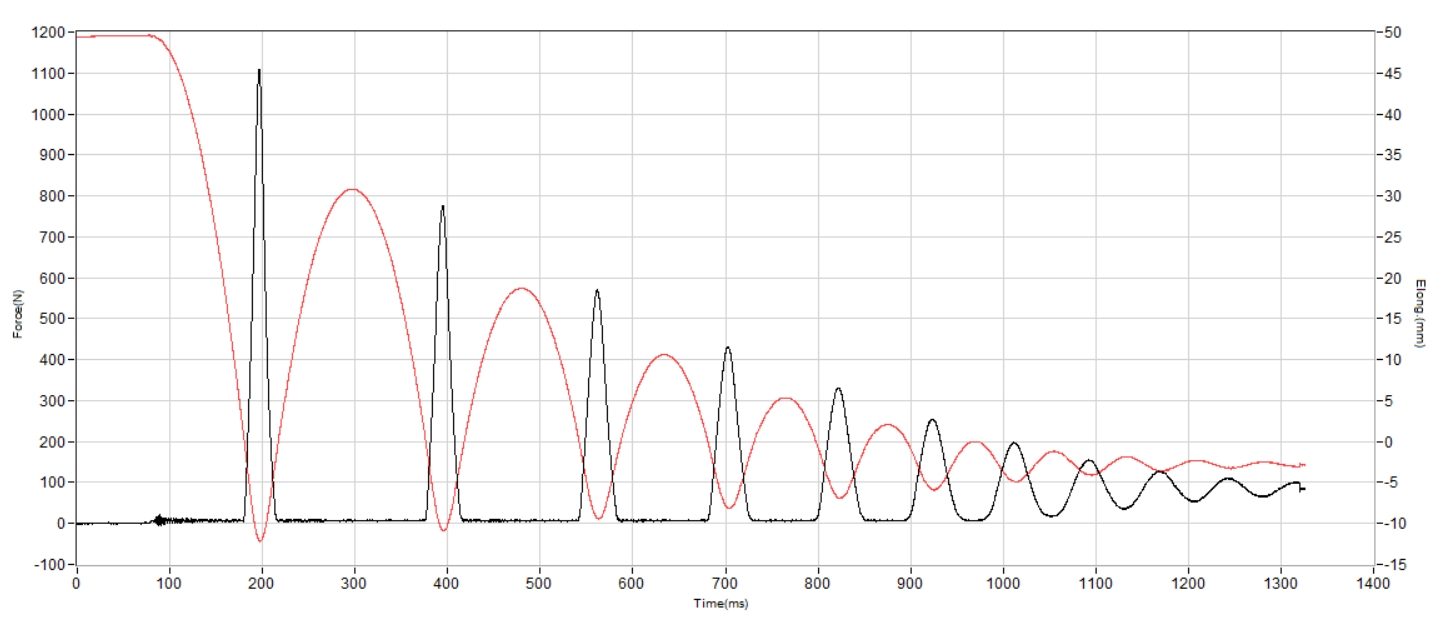
| Escalante 5 | 101 SA |
| Average | 131 SA |
Energy return
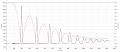
Altra is one of the brands that has been slower to elevate its game when it comes to midsole foams, but it looks like the time has finally come. The Altra Escalante 5 delivers 64.2% energy return in the heel and 67.3% in the forefoot, marking a clear step forward for both the series and the brand.
Moreover, this improvement makes the shoe much more appealing for faster running, including tempo workouts.
| Escalante 5 | 67.3% |
| Average | 61.5% |
Heel stack
With a heel stack height of 25.9 mm, the Altra Escalante 5 gains 2.1 mm over the previous version, although we still consider it part of the low-stack club.
However, we think Altra needs to be careful not to push the stack height any further. Escalante fans love the thin midsole and close-to-the-ground feel, and losing that would be a huge mistake, especially with the Torin 8 already covering that side of Altra's lineup. In fact, we believe reducing the stack height by 2-3 mm in the next version would be beneficial.
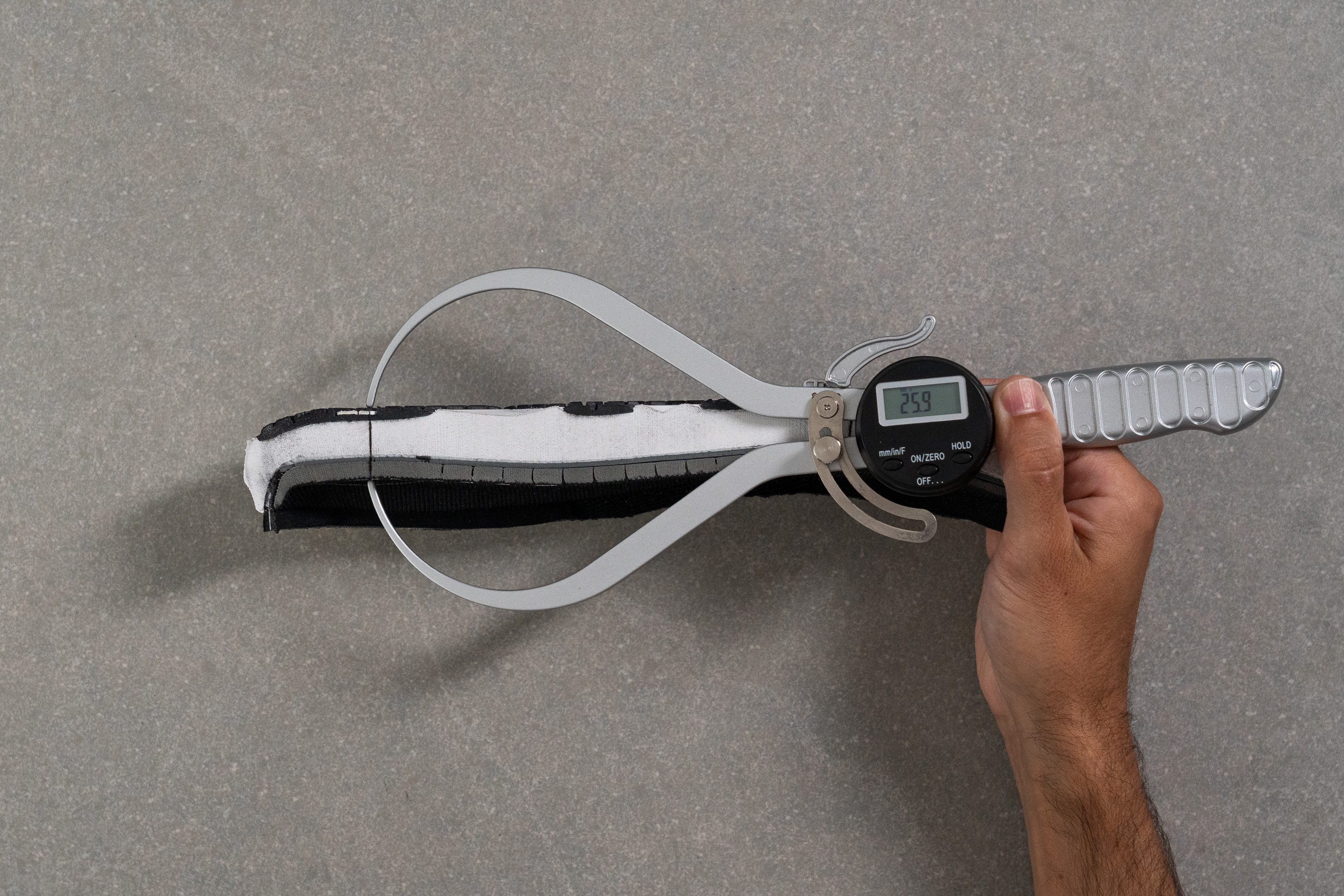
| Escalante 5 | 25.9 mm |
| Average | 35.6 mm |
Forefoot stack
We measured a slightly thinner forefoot at 23.7 mm, which feels perfectly aligned with the Escalante DNA and matches the spec sheet closely, as Altra lists a 24 mm stack height.
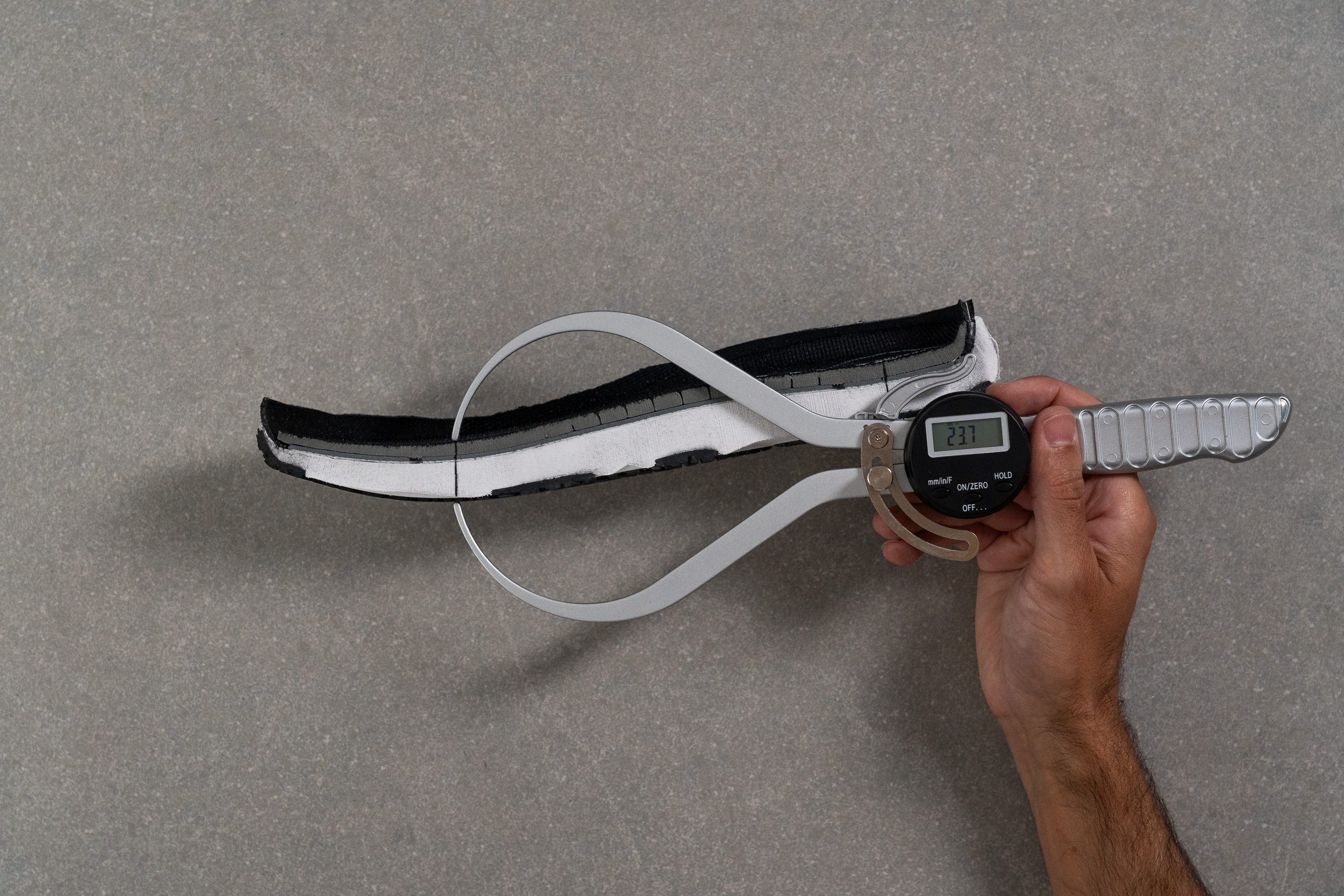
| Escalante 5 | 23.7 mm |
| Average | 27.1 mm |
Drop
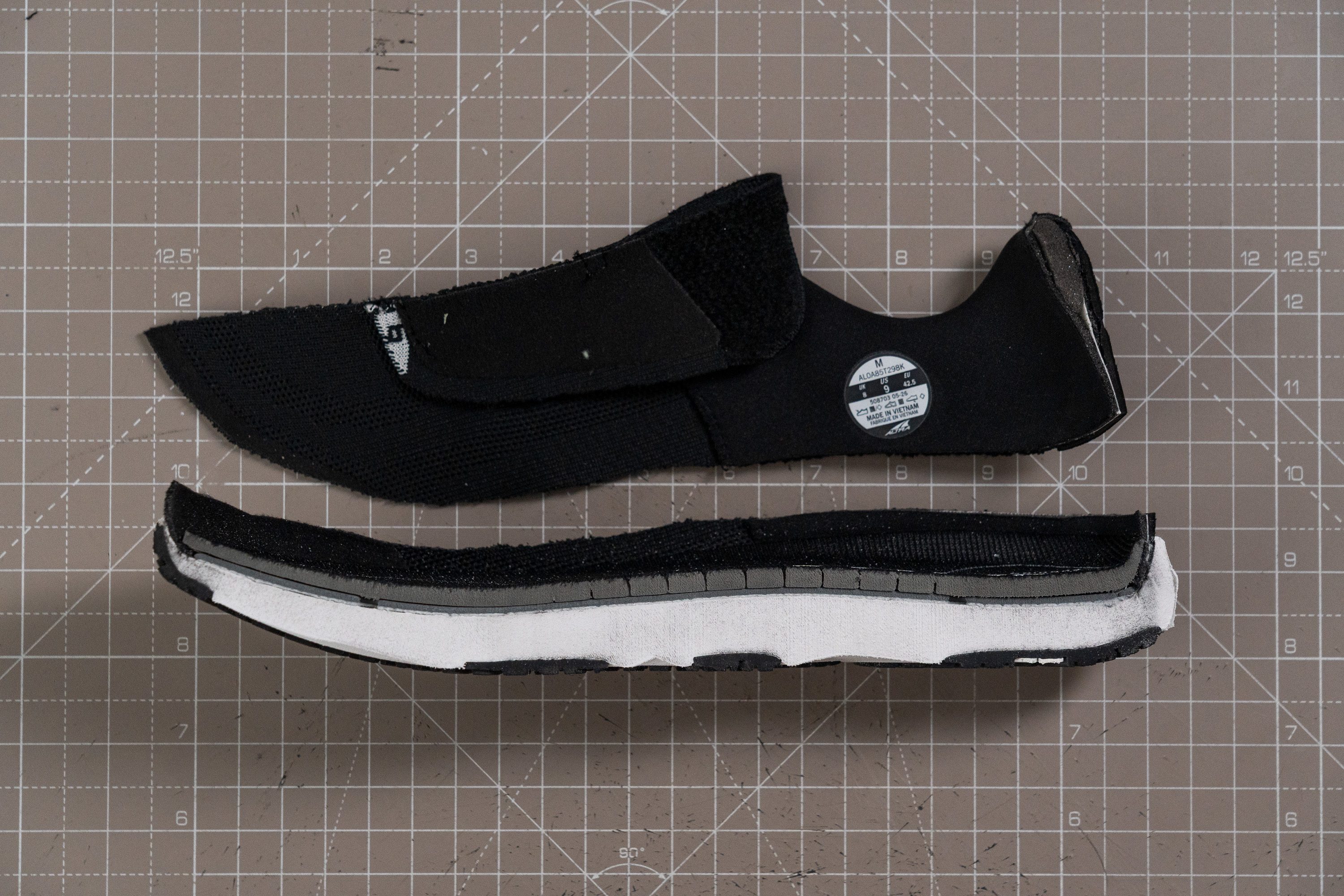
We measured a 2.2 mm heel-to-toe drop in the Escalante 5, which is a bit more than expected for a zero-drop shoe. However, there's no reason for concern, as manufacturing tolerances can account for variations of a few millimeters.
If you're new to zero-drop footwear, we really recommend easing into it gradually to avoid injuries. Start with walking which should not give you any trouble, or consider transitioning through a moderate-drop shoe in the 4-5 mm range before gradually introducing longer and more frequent runs.
| Escalante 5 | 2.2 mm |
| Average | 8.4 mm |
Midsole softness
The EGO foam may feel a bit bouncier, but its softness remains very similar to version 4 at 39.2 AC, with the ride still leaning slightly toward the firm side. We believe this is good news for runners looking for a safe upgrade from previous versions who were concerned that this 2026 release might move toward a plush feel.
On the other hand, runners seeking a plush ride won't find it here. However, given the shoe's low stack height, we think a very plush foam wouldn't be the best match anyway.
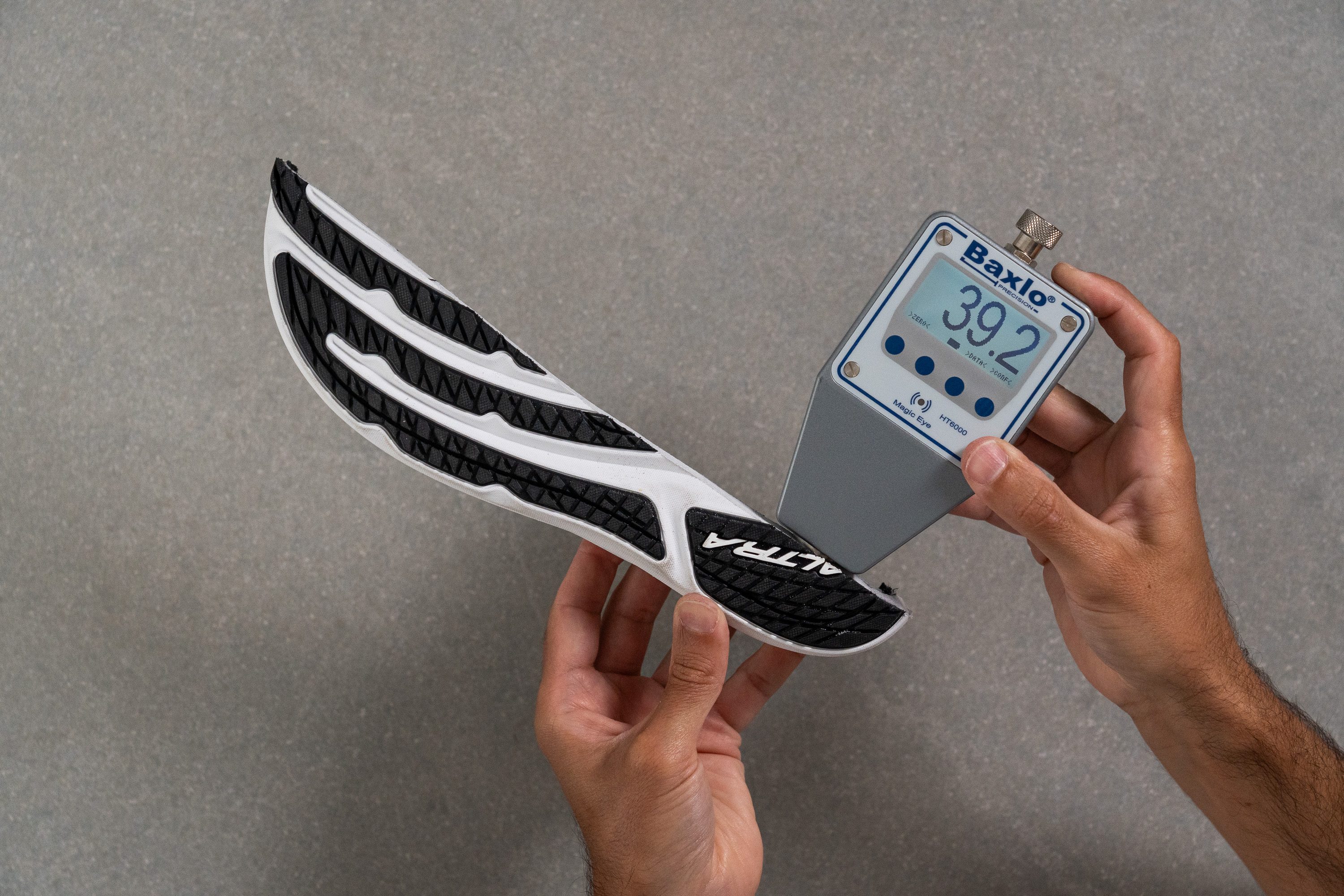
| Escalante 5 | 39.2 AC |
| Average | 35.4 AC |
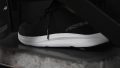
Rocker
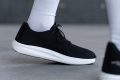
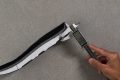
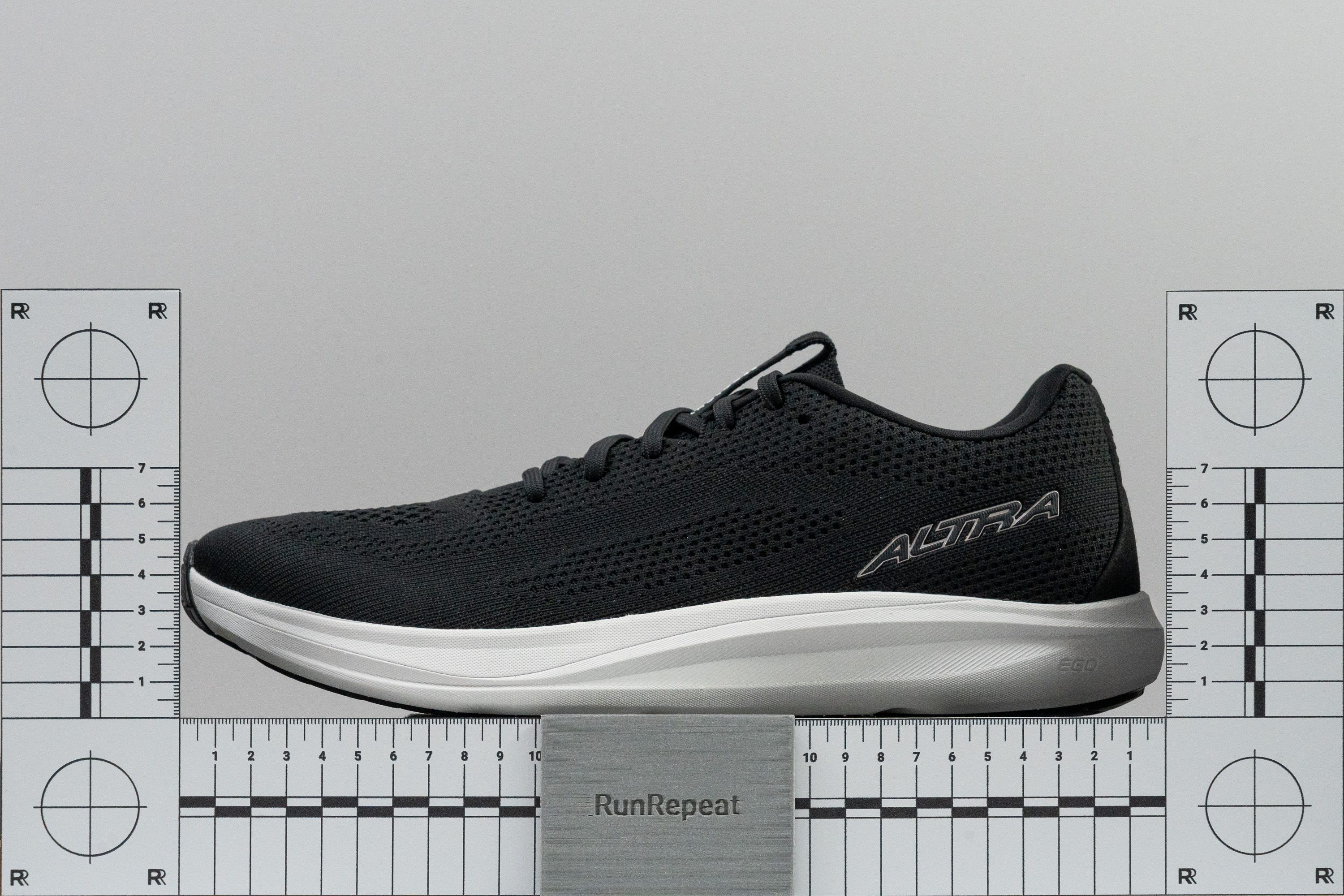
Some things have changed with the Escalante 5, but one feature we believe should always remain is its natural-feeling midsole. Altra delivered on that front, as this is one of the least-rockered shoes you can buy today, with the forefoot rising just 3 cm.
Size and fit
Size
Altra Escalante 5 fits slightly small (17 votes).
Internal length
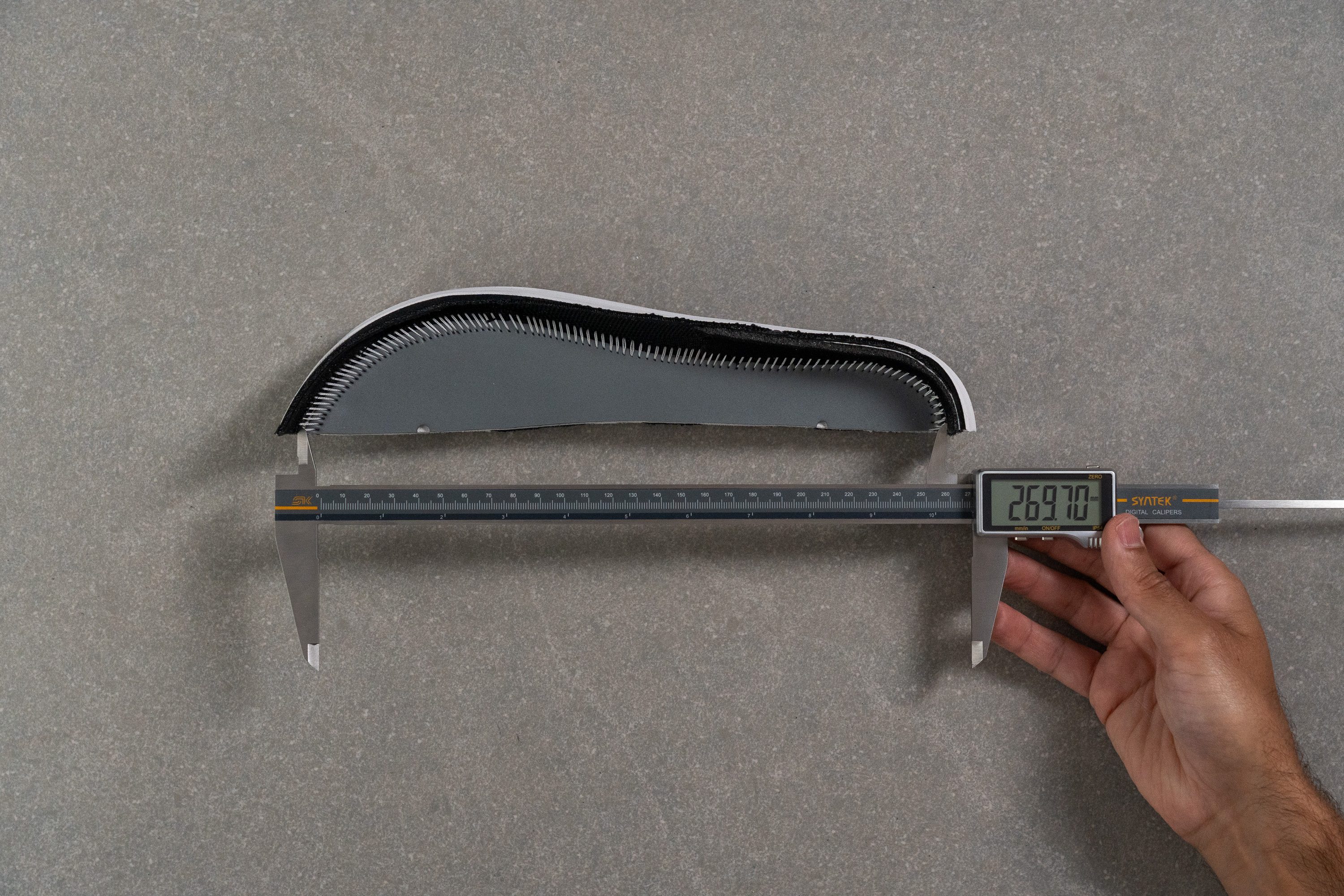
| Escalante 5 | 269.7 mm |
| Average | 269.3 mm |
Width / Fit
This test is especially important for any Altra shoe, and the Escalante 5 is no exception. Most runners who choose Altra expect a roomy fit that can comfortably accommodate wide feet.
Starting with our first measurement, we found that the Escalante 5 meets those expectations with a 99.1 mm reading.
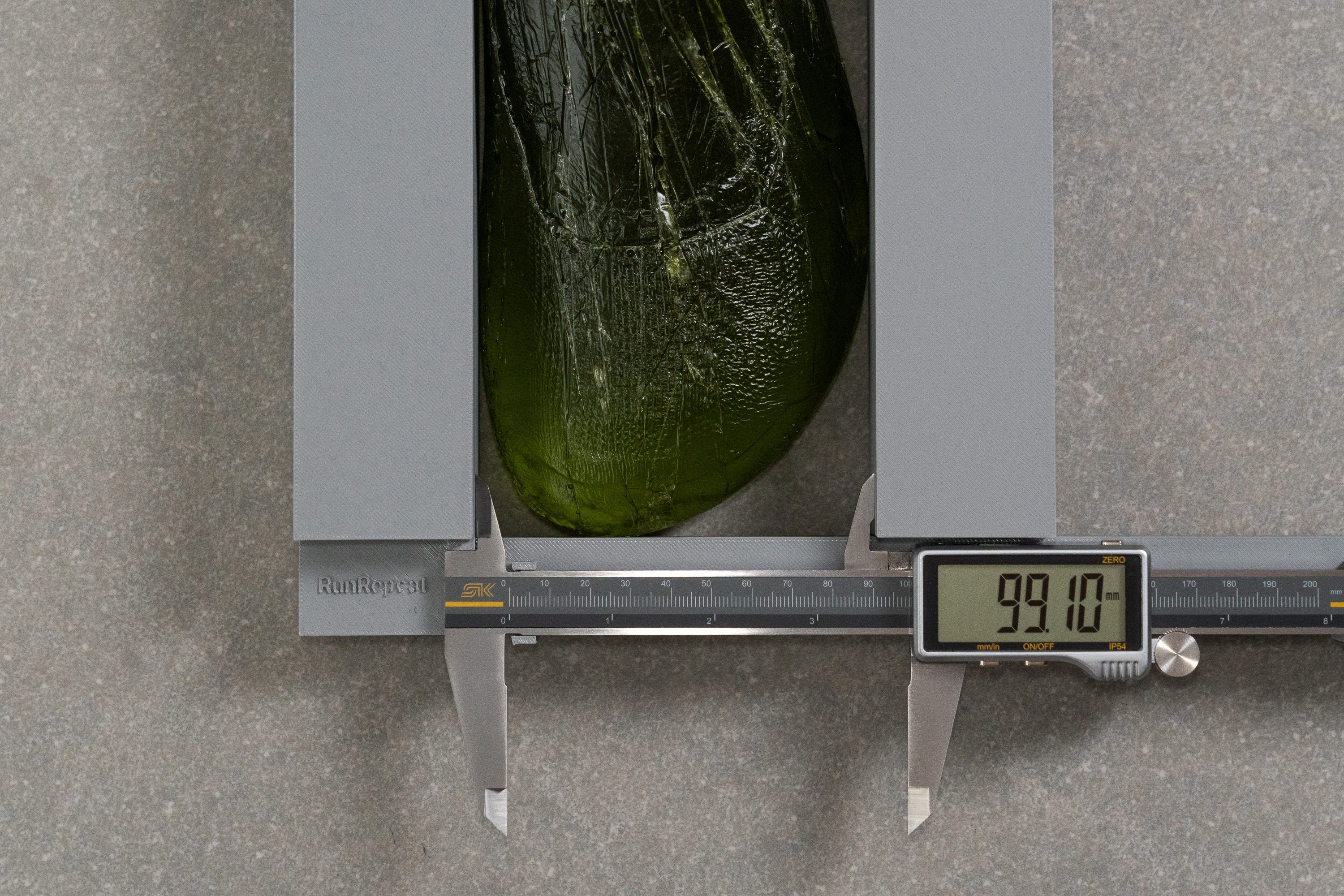
| Escalante 5 | 99.1 mm |
| Average | 95.2 mm |
Toebox width
But it's the toebox where most runners expect Altra to deliver, and the Escalante 5 won't let die-hard Altra fans down.
It features Altra's Original FootShape Fit, the brand's roomiest toebox, and we verified that it lives up to the name with 80.8 mm of toebox width.
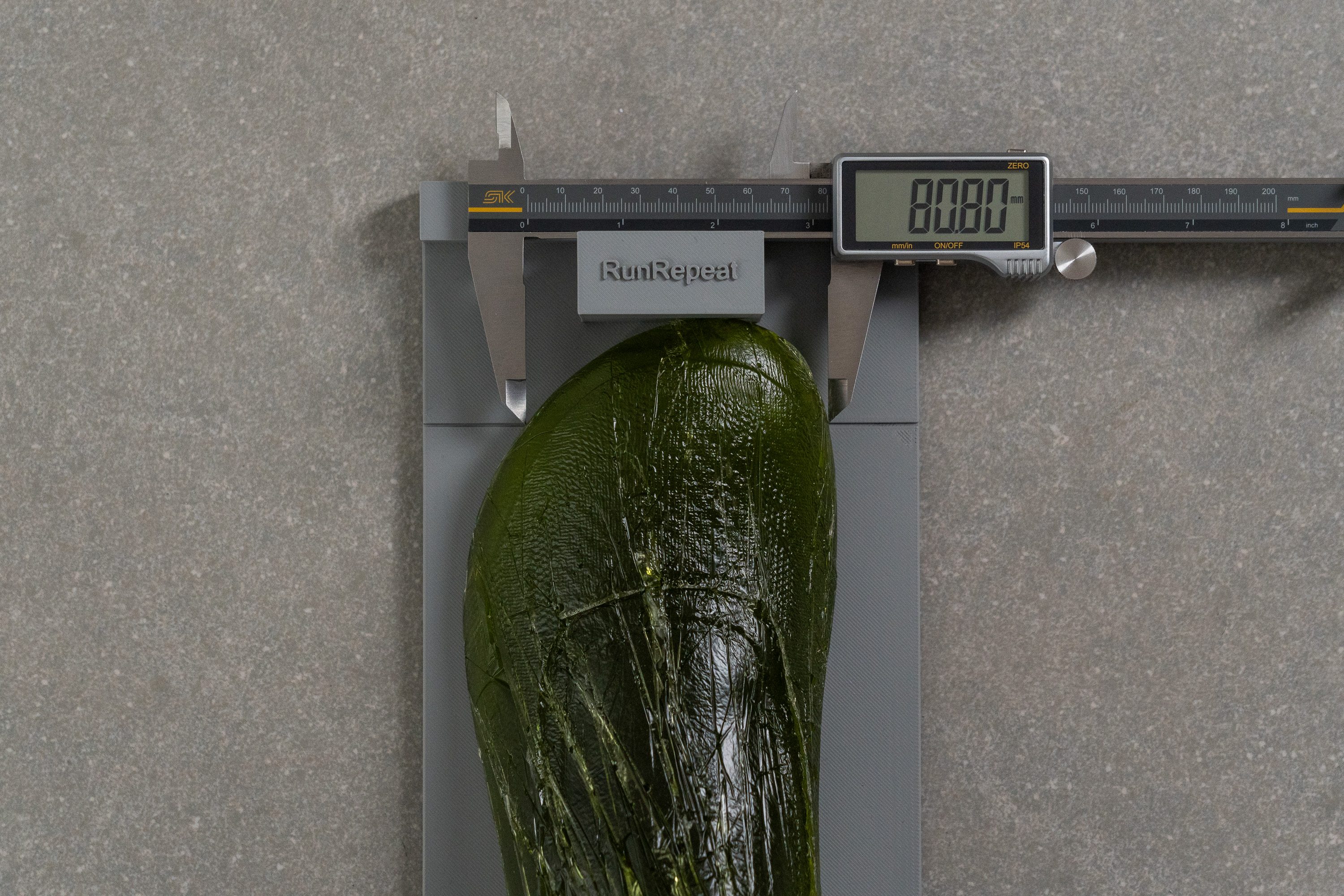
| Escalante 5 | 80.8 mm |
| Average | 73.2 mm |
Toebox height
To complete our three fit measurements, we checked the toebox height.
At 26.9 mm, it offers plenty of room for the toes, so we don't expect it to be an issue for most runners.
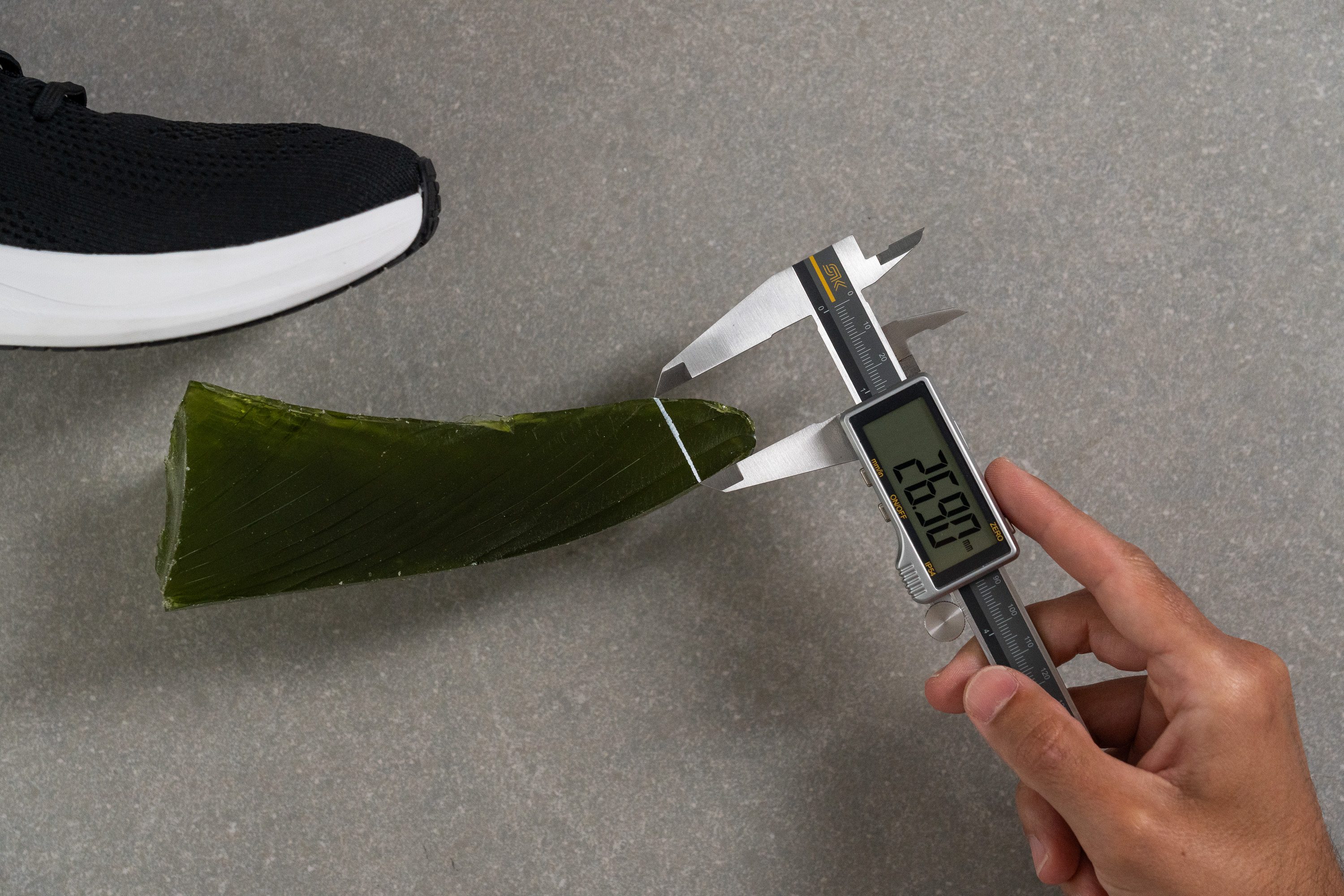
| Escalante 5 | 26.9 mm |
| Average | 27.0 mm |
Traction / Grip
Traction test
While the Escalante 5 is a step forward in most ways, there are still a few areas that require some work.
The outsole is where we see the most room for improvement, as its 0.47 coefficient of friction on wet concrete would have been fine a few years ago. However, with most brands ramping up their game in road running, we believe Altra needs to do the same here.
| Escalante 5 | 0.47 |
| Average | 0.53 |
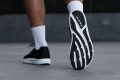
Outsole design
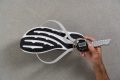
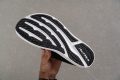
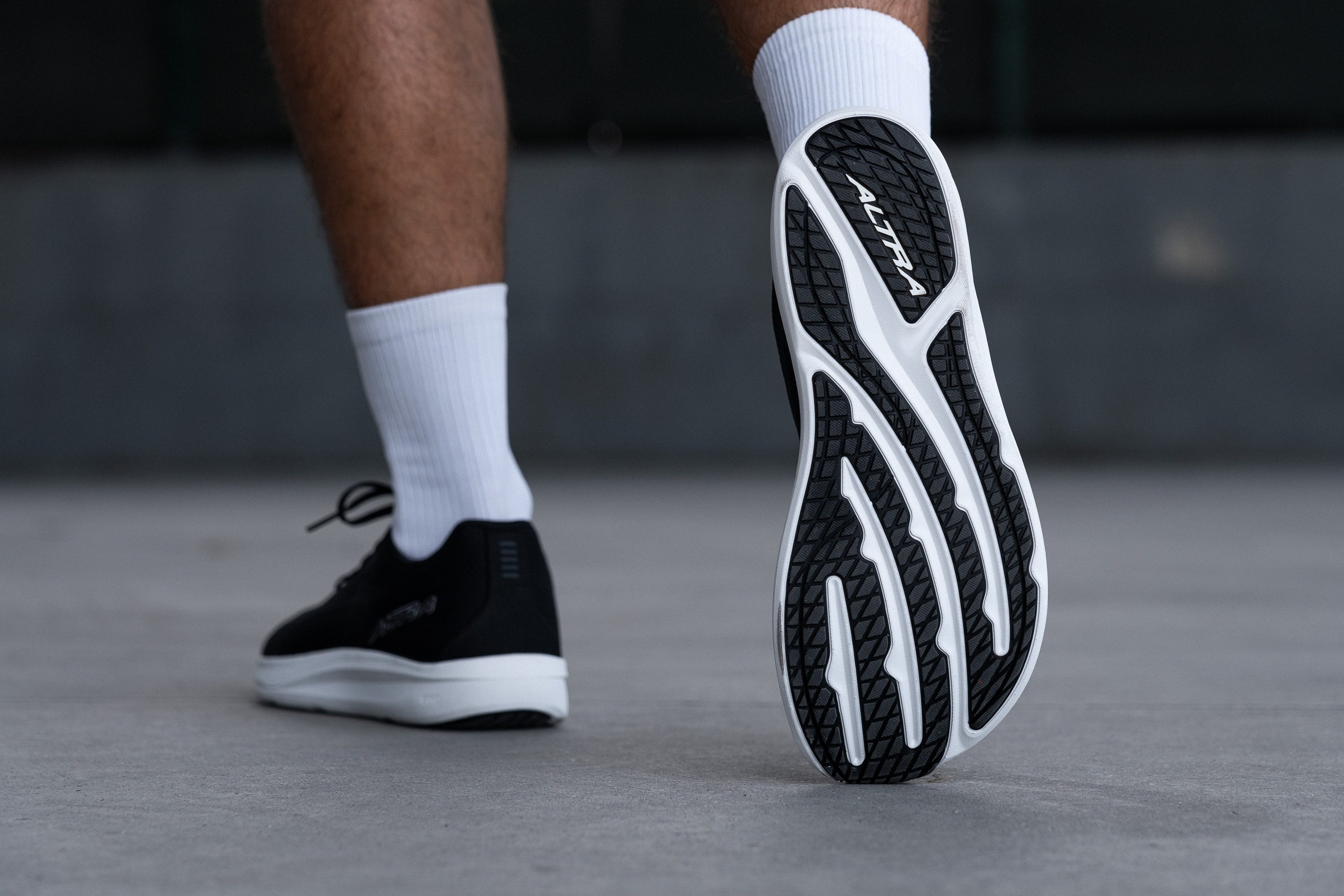
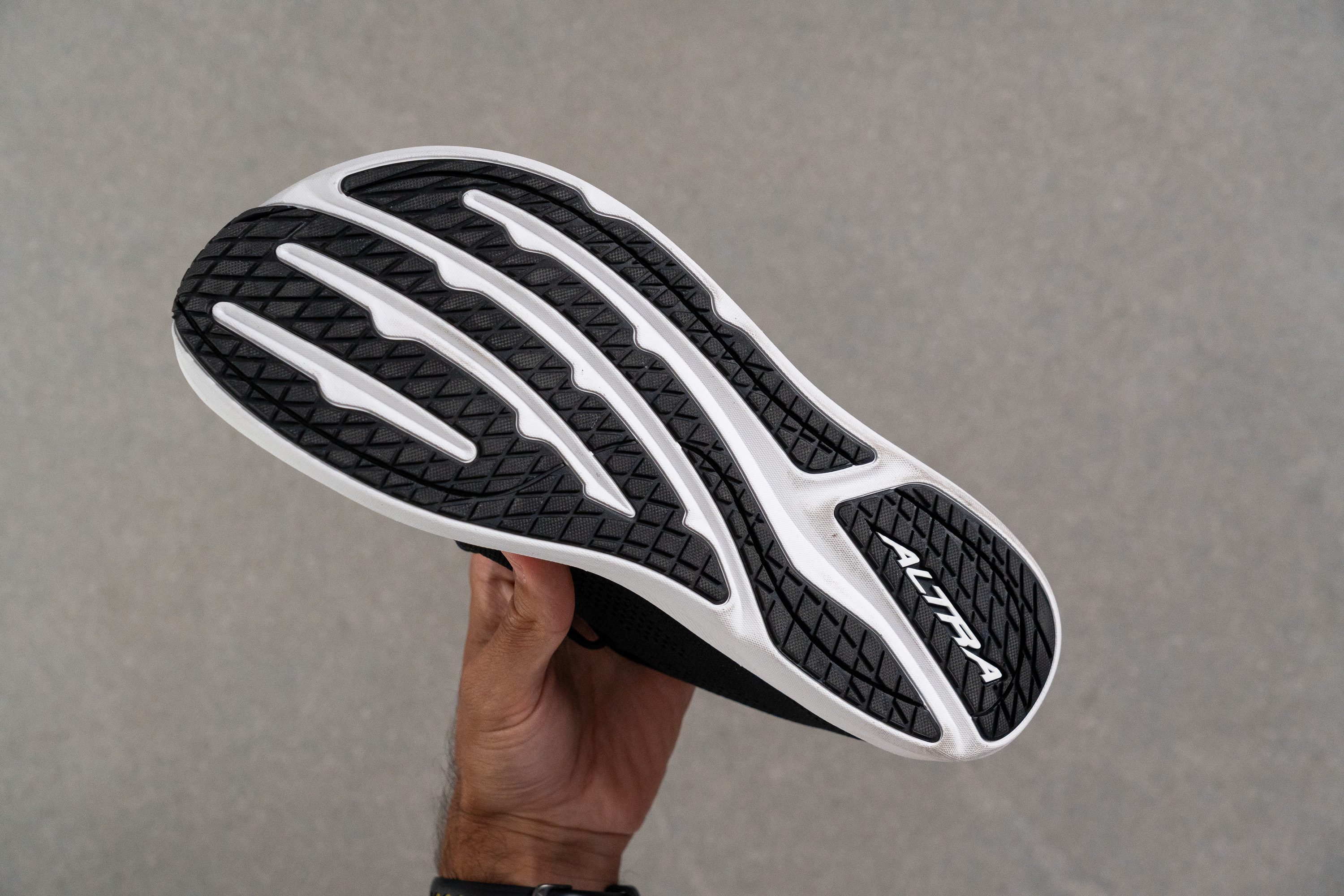
The outsole carries Altra's DNA, featuring the brand's InnerFlex design with multiple midsole flex grooves that encourage natural movement. And it really works, as the shoe flexes more naturally than most others.
In our opinion, keeping this outsole design across Altra's lineup is the right call.
Flexibility / Stiffness
Anyone who has tried the first four generations of the Escalante and is considering upgrading to version 5 is probably looking for the same highly-flexible ride, and we can confirm that it's still here. However, this version is slightly stiffer than v4, increasing from 8.2N to 10.1N in our 30-degree bend test.
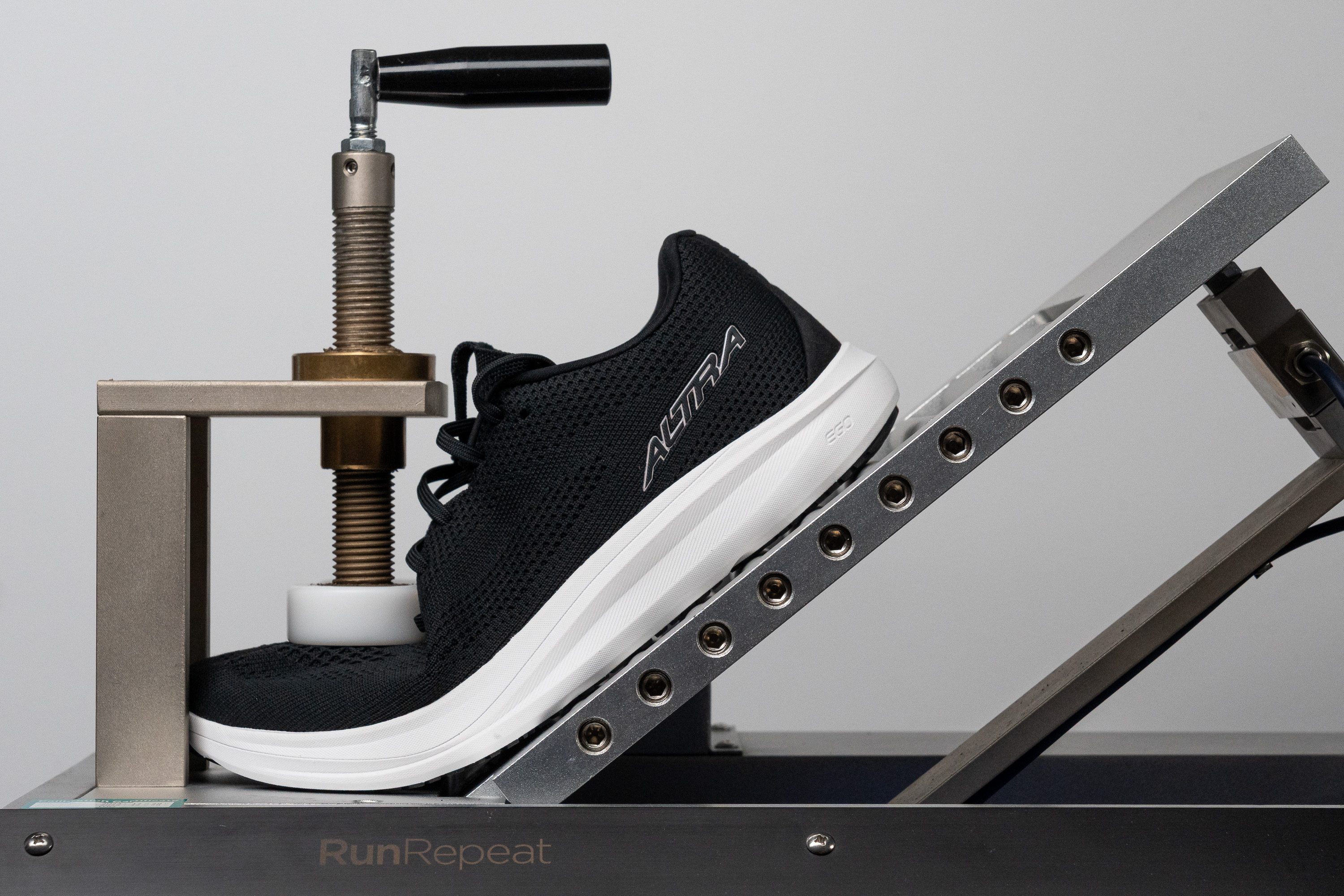
| Escalante 5 | 10.1N |
| Average | 15.5N |
Weight
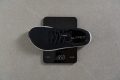
At 9.5 oz (269g), the Altra Escalante 5 is a bit heavier than we would have liked, especially considering how lightweight it looks.
In our view, this is one of the shoe's biggest letdowns, although there's a good reason for it: the outsole's substantial thickness, which we'll cover later in this review.
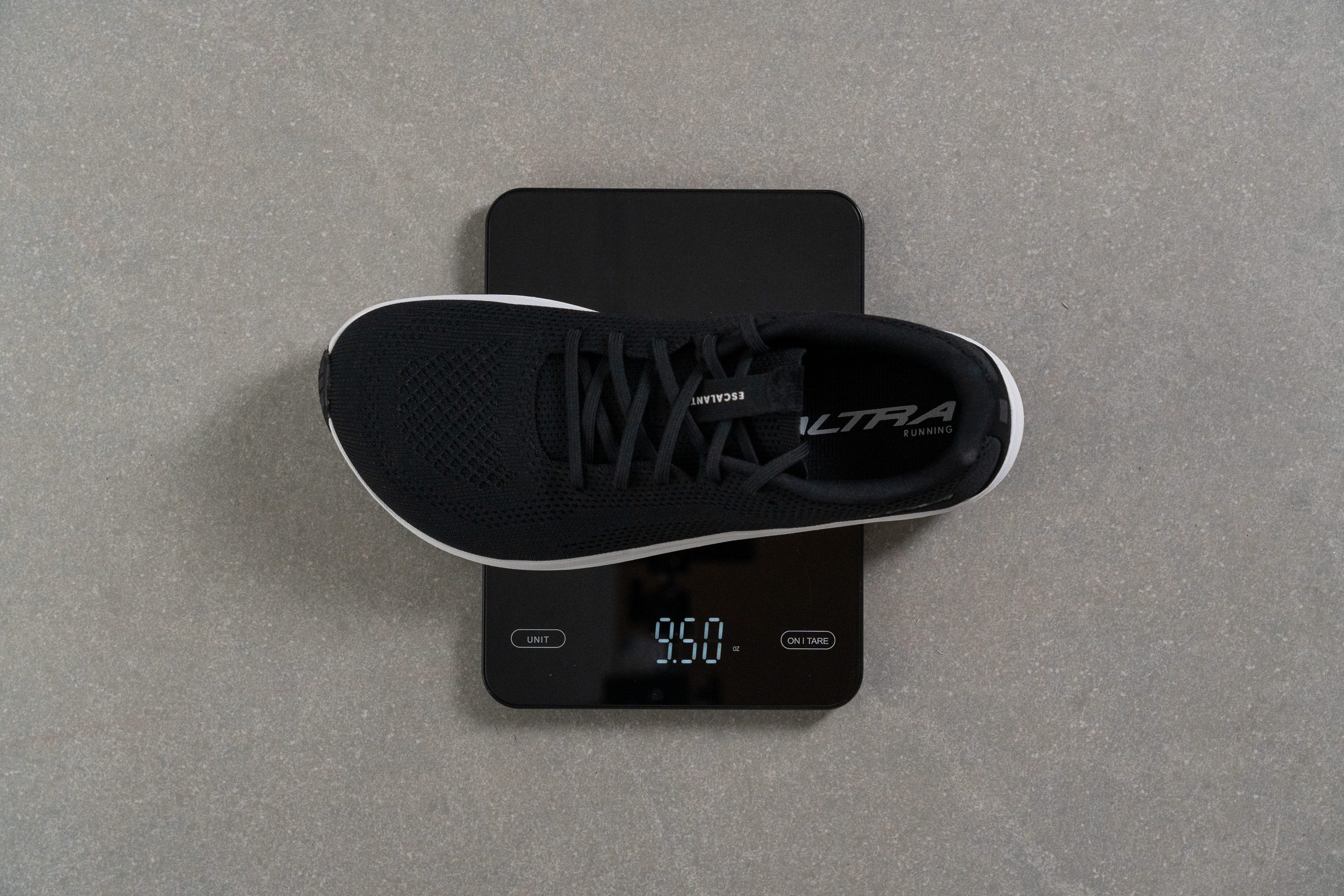
| Escalante 5 | 9.5 oz (269g) |
| Average | 9.2 oz (261g) |
Breathability
Breathability test
Breathability encompasses the shoe as a whole and involves much more than upper ventilation, although it's true that airflow plays a major role in keeping your feet dry. With the Escalante 5 using a knit-based upper, we can understand why some runners might be concerned, as this material doesn't always excel in this regard.
However, that's not the case with the Escalante 5. It scored 82 BR in our lab, which is a very good result for a knit-based upper and well above our current lab average.
| Escalante 5 | 82 BR |
| Average | 75 BR |
Drying potential
NewAnother common concern with knit uppers is their tendency to retain sweat, but that's not an issue with the Escalante 5 either. After our breathability test, we found that it released 60% of the retained moisture, outperforming most engineered mesh uppers we've tested.
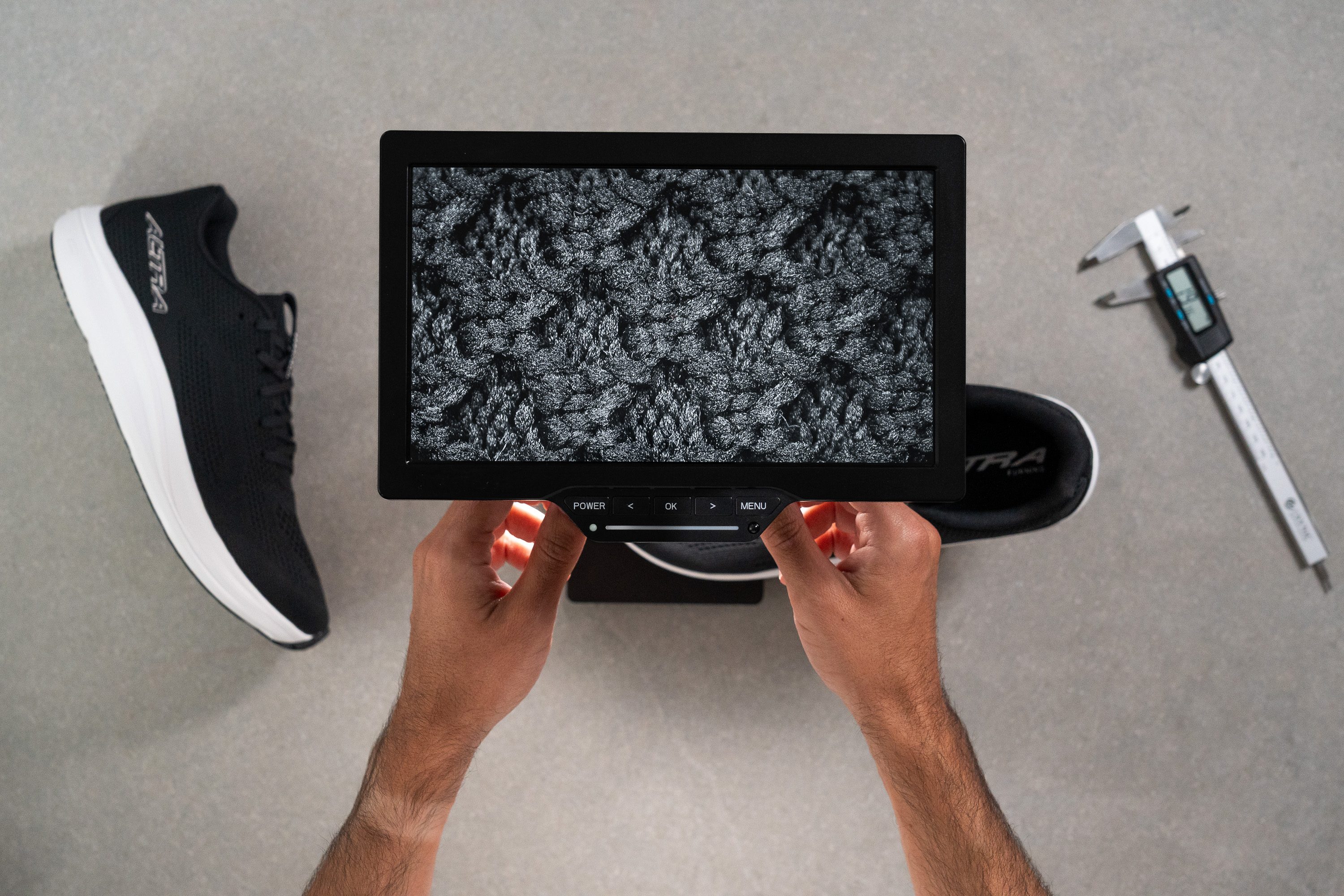
| Escalante 5 | 60% |
| Average | 53% |
Stability
Lateral stability test
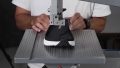
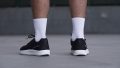
The Escalante 5's low-to-the-ground design provides a naturally stable platform for midfoot and forefoot strikers, especially compared with modern daily trainers, many of which now approach 40 mm of stack height.
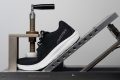
Torsional rigidity
We found the Escalante 5 to be slightly more stable than version 4, which may be partly due to its reduced flexibility.
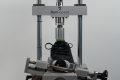
It scored 12.1 Nm in our torsional rigidity test, a bit higher than we expected from the Escalante series. However, it's still on the flexible side, and the added support may be a worthwhile trade-off for some runners.
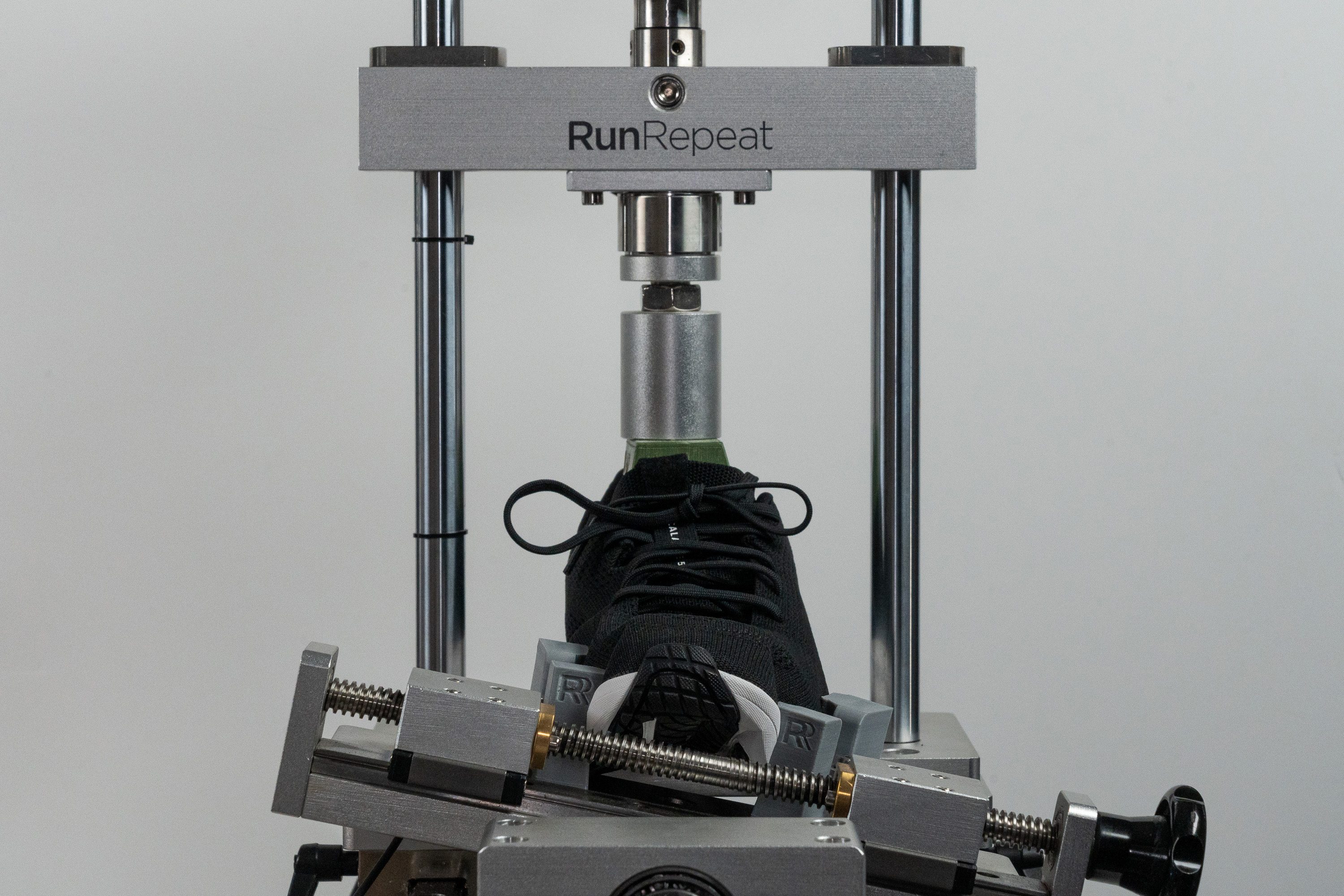
| Escalante 5 | 12.1 Nm |
| Average | 14.3 Nm |
Heel counter stiffness
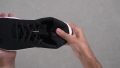
With a soft and pliable heel counter (2/5) that collapses easily under slight pressure, the Escalante 5 offers a natural feeling here too.
| Escalante 5 | 2 |
| Average | 2.9 |
Midsole width - forefoot
The forefoot follows Altra's signature design, with a broad 117.2 mm base that contributes to the shoe's highly-controlled feel for midfoot and forefoot strikers.
In our opinion, these are the two groups we would recommend the Escalante 5 to, as the zero-drop geometry isn't the best match for runners who primarily land on their heels.
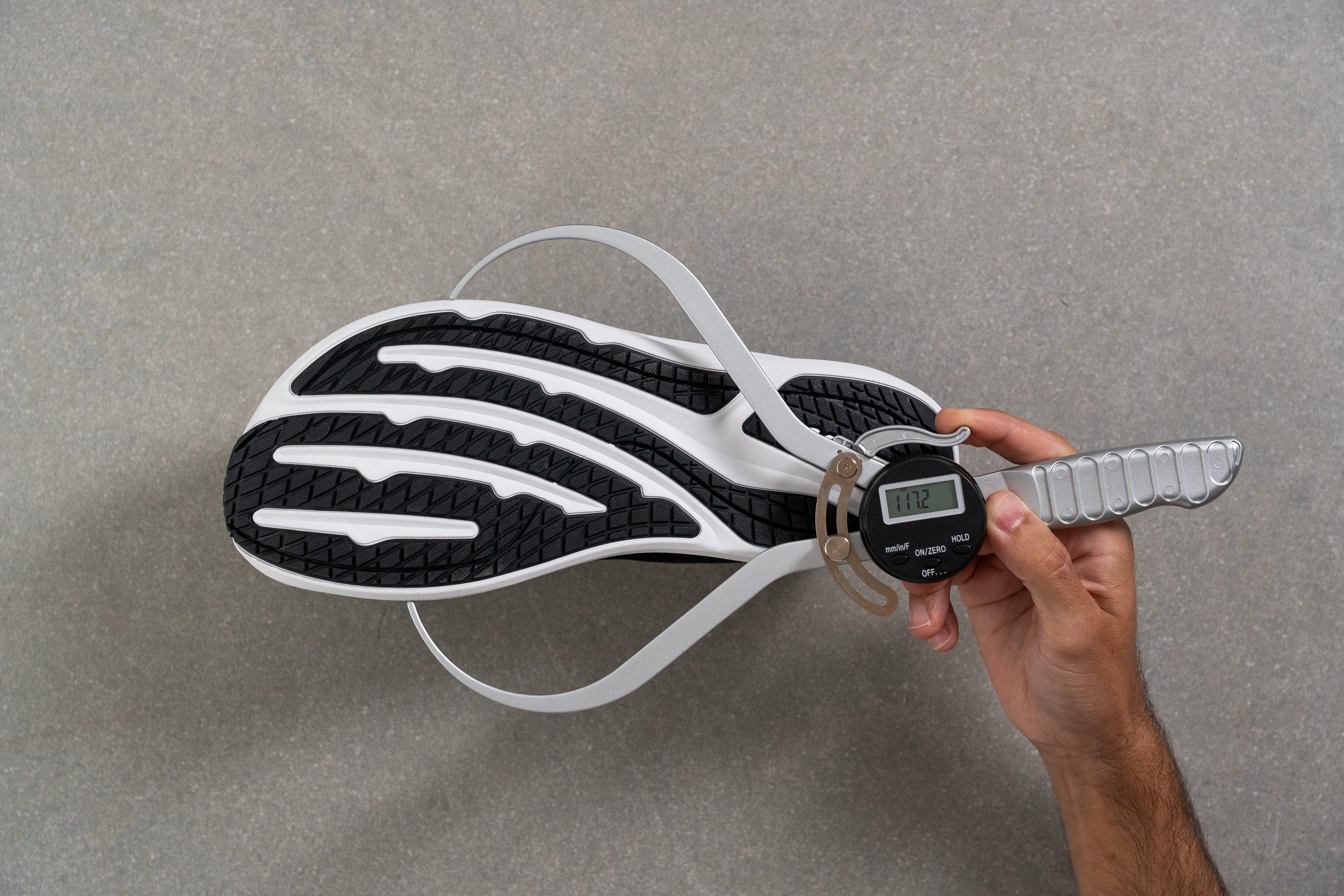
| Escalante 5 | 117.2 mm |
| Average | 115.1 mm |
Midsole width - heel
And if you need further proof that this shoe isn't designed for heel strikers, here it is.
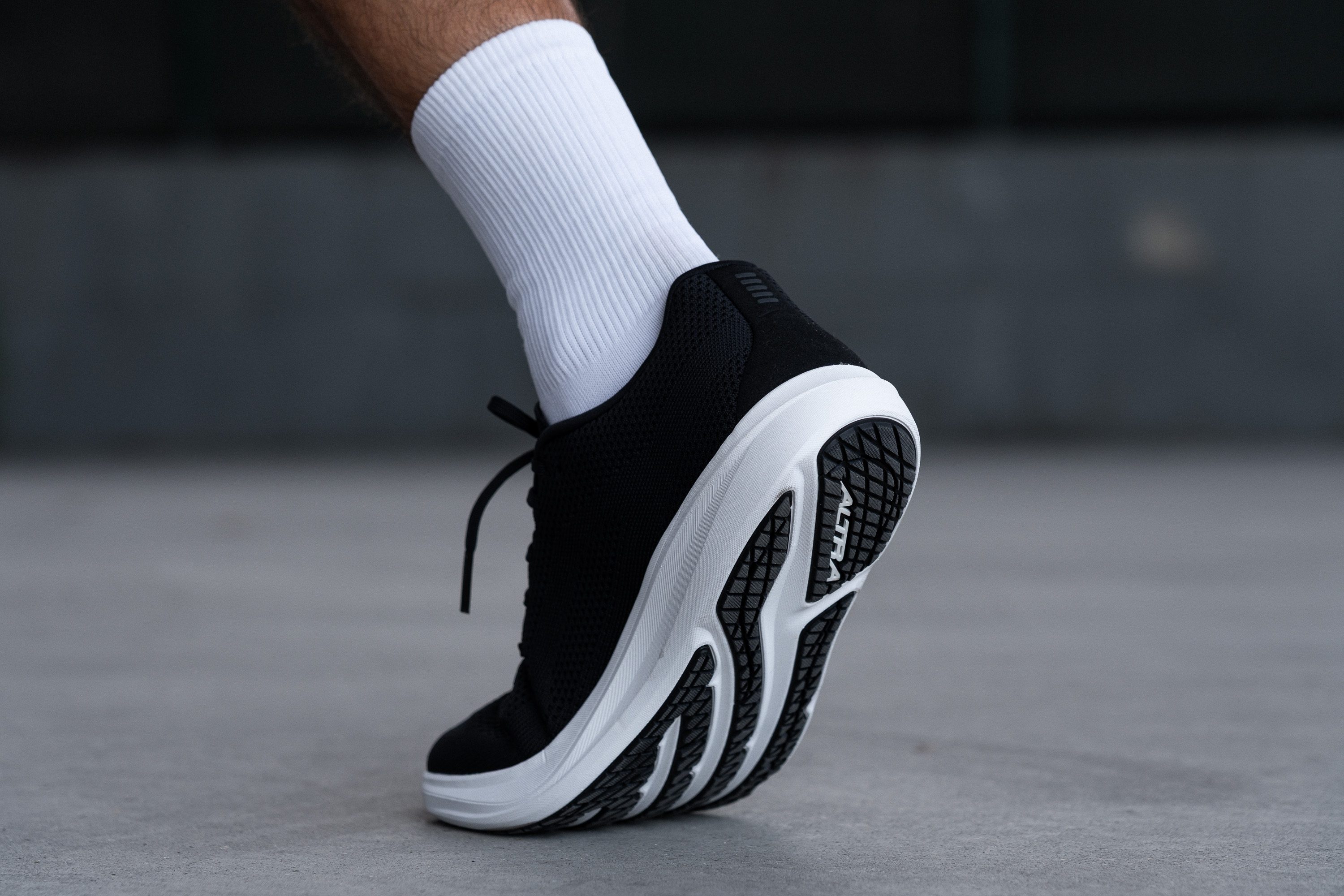
At just 81.2 mm wide, the heel is designed more to stay out of the way than to provide substantial support or influence the ride. In our experience, the Escalante 5 is much better suited to midfoot and forefoot strikers.
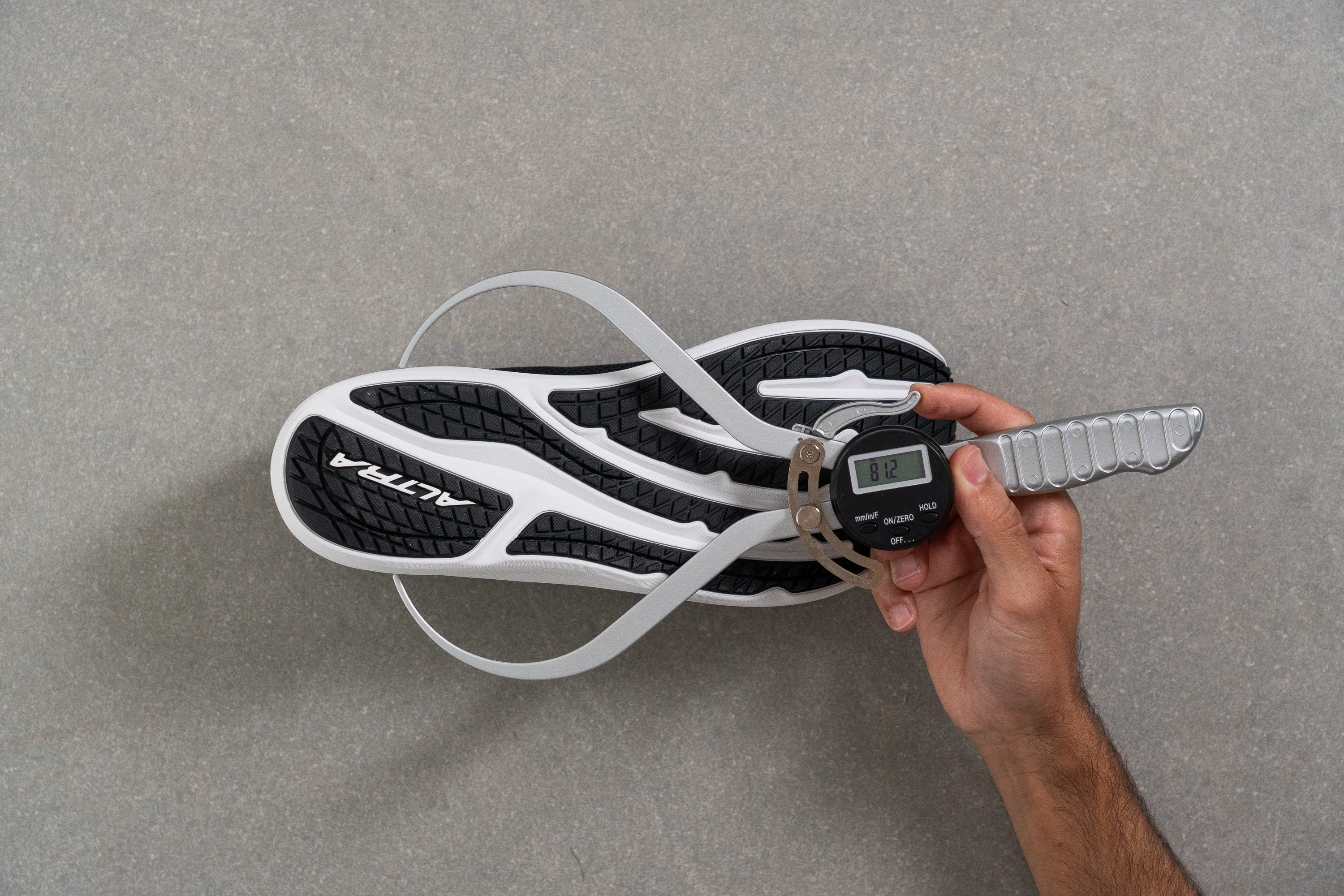
| Escalante 5 | 81.2 mm |
| Average | 91.1 mm |
Durability
Toebox durability
The knit upper is a winner: it's comfortable, breathable, and impressively durable, earning a solid 4 out of 5 in our durability test.
| Escalante 5 | 4 |
| Average | 2.6 |
Heel padding durability
Unfortunately, we can't say the same about the heel padding. It scored the lowest possible rating in our durability test, and we hope to see this area improved in version 6.
| Escalante 5 | 1 |
| Average | 3.4 |
Outsole durability
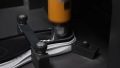
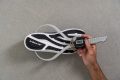
Back to positive results with the outsole. After applying 2N of force at 10K RPM with our Dremel, we found that just 0.9 mm of rubber was worn away.
| Escalante 5 | 0.9 mm |
| Average | 1.1 mm |
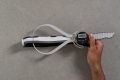
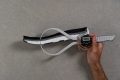
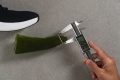
Outsole thickness
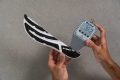
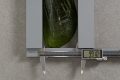
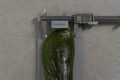
Just by looking at the Escalante 5, it's very clear that the rubber is quite substantial and thicker than what we usually find on running shoes. This is also something we could feel during our runs.
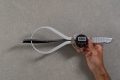
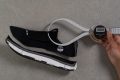
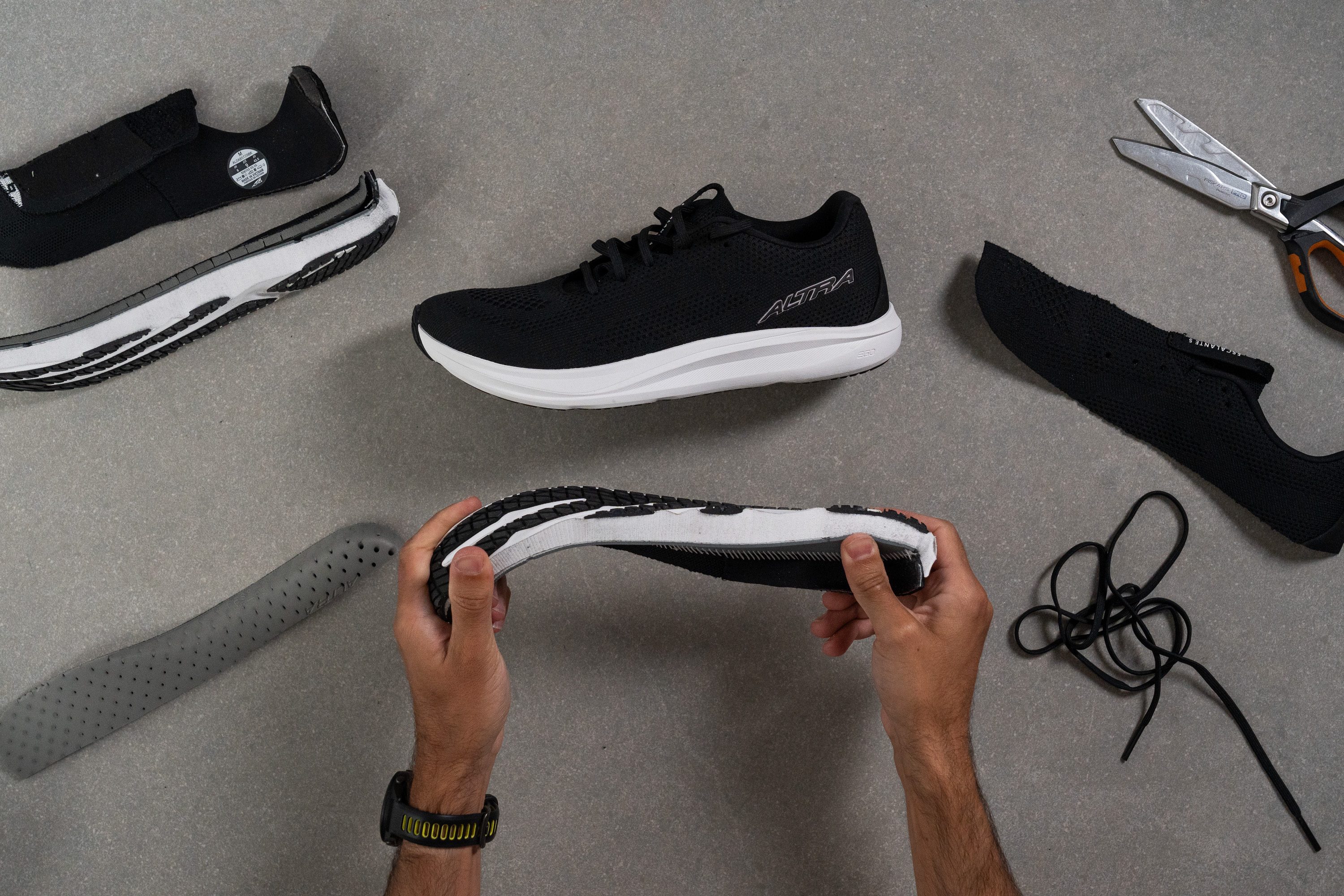
Using our calipers, we measured a whopping 4.9 mm of thickness. That's crazy for a road running shoe, and makes the Escalante 5 an excellent choice for runners who are hard on their outsoles or use their shoes for both daily life and running and need an outsole that can last for ages. However, all that rubber does come with a weight penalty, as we found before.
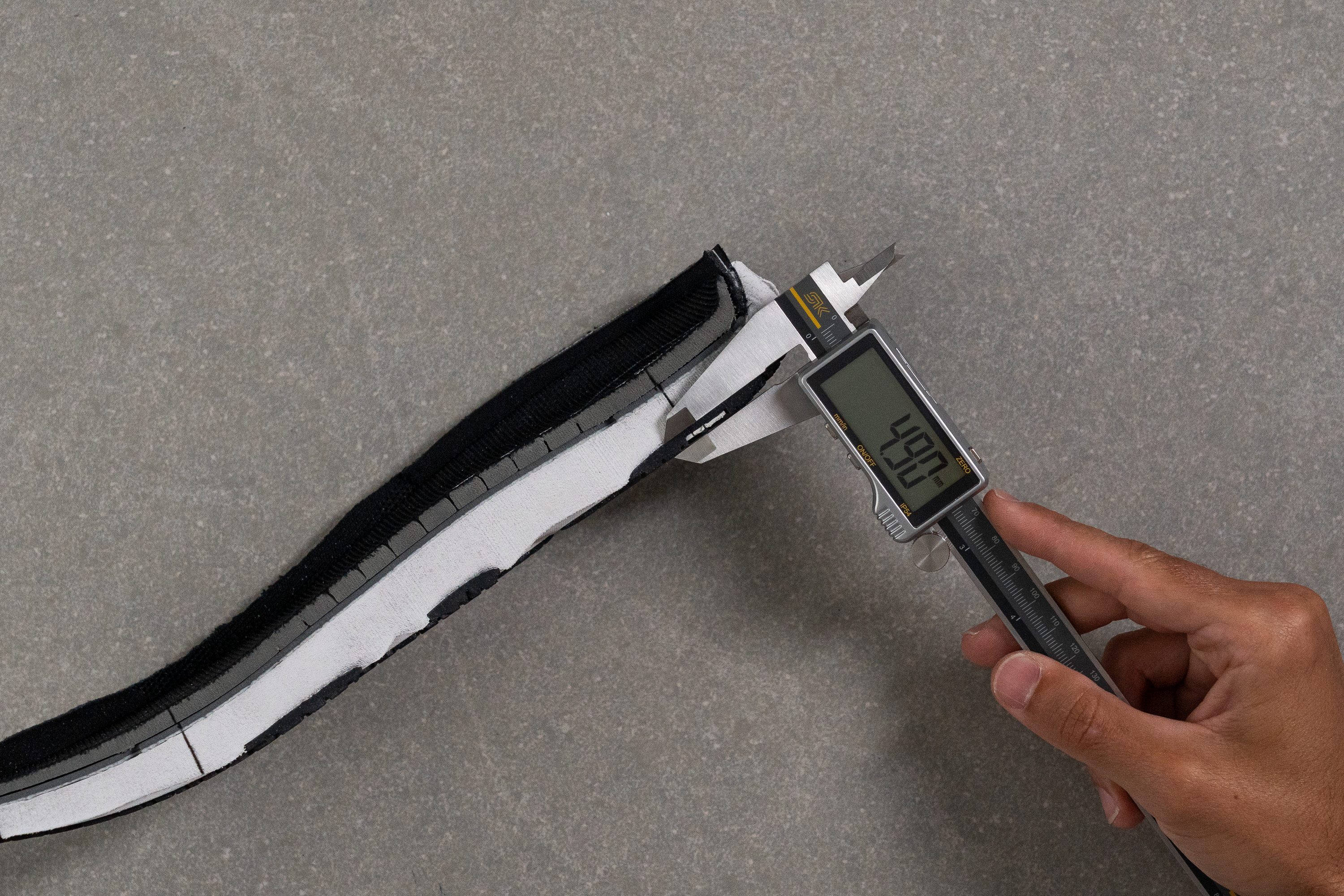
| Escalante 5 | 4.9 mm |
| Average | 3.1 mm |
Misc
Insole thickness
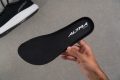
The insole is slightly thicker than what we usually find in running shoes, measuring 5.5 mm.
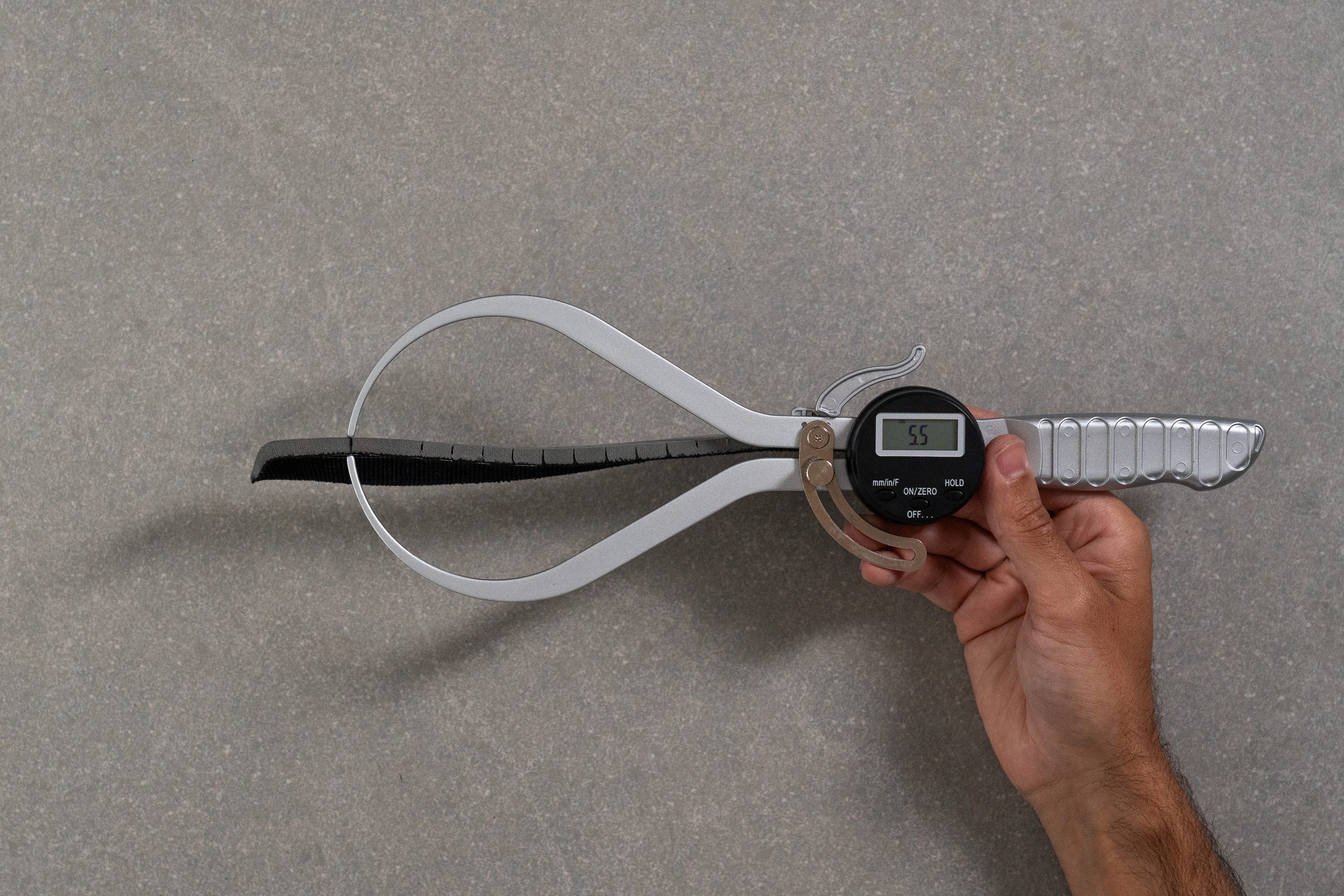
| Escalante 5 | 5.5 mm |
| Average | 4.4 mm |
Removable insole
You can remove the insole because it isn't glued to the shoe, but finding an alternative that matches the Escalante 5's anatomical shape won't be easy.
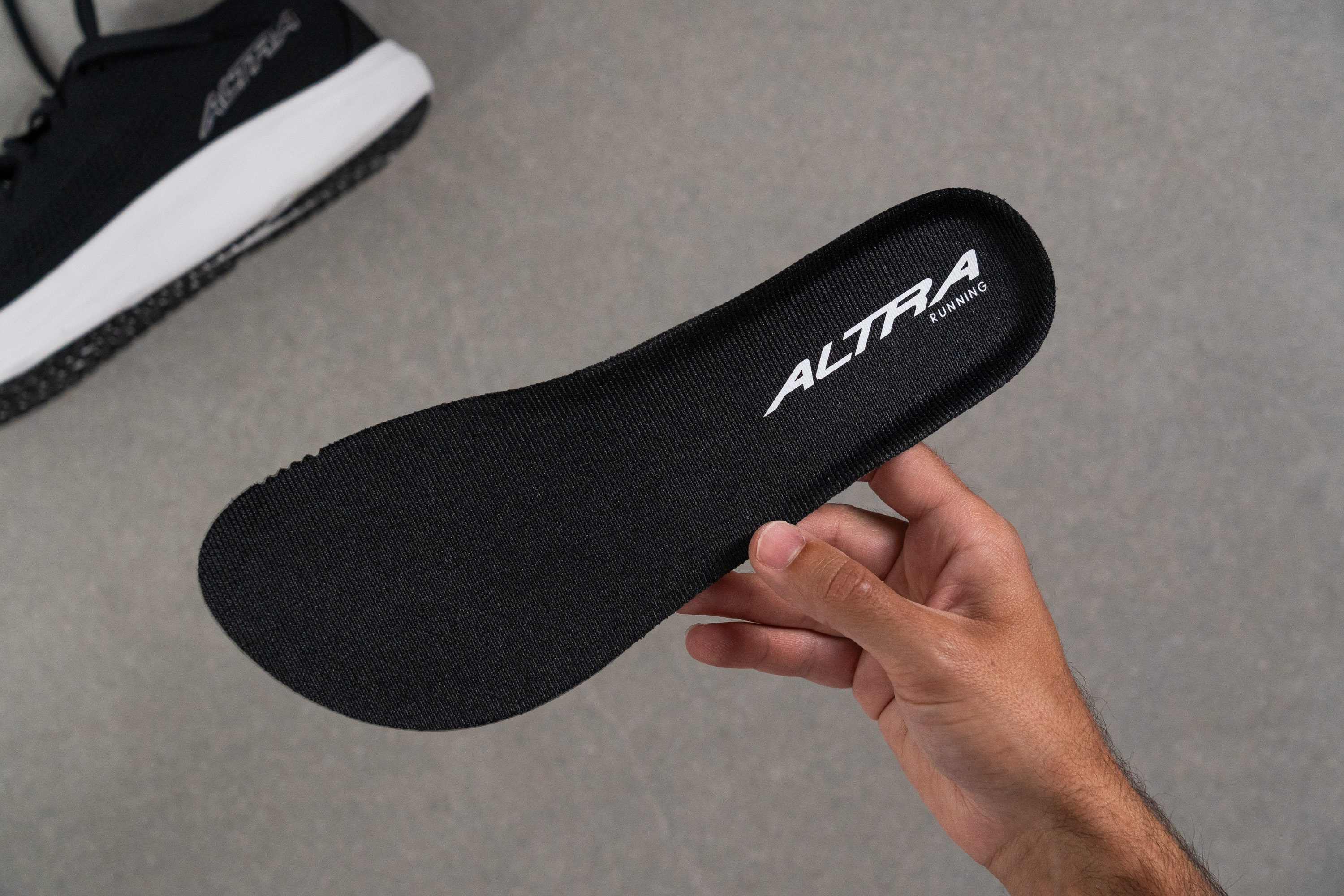
| Escalante 5 | Yes |
Reflective elements
We found 0 reflective elements in the Escalante 5, which didn't come as a surprise after unboxing the shoe and taking a quick look. Still, we had to check!
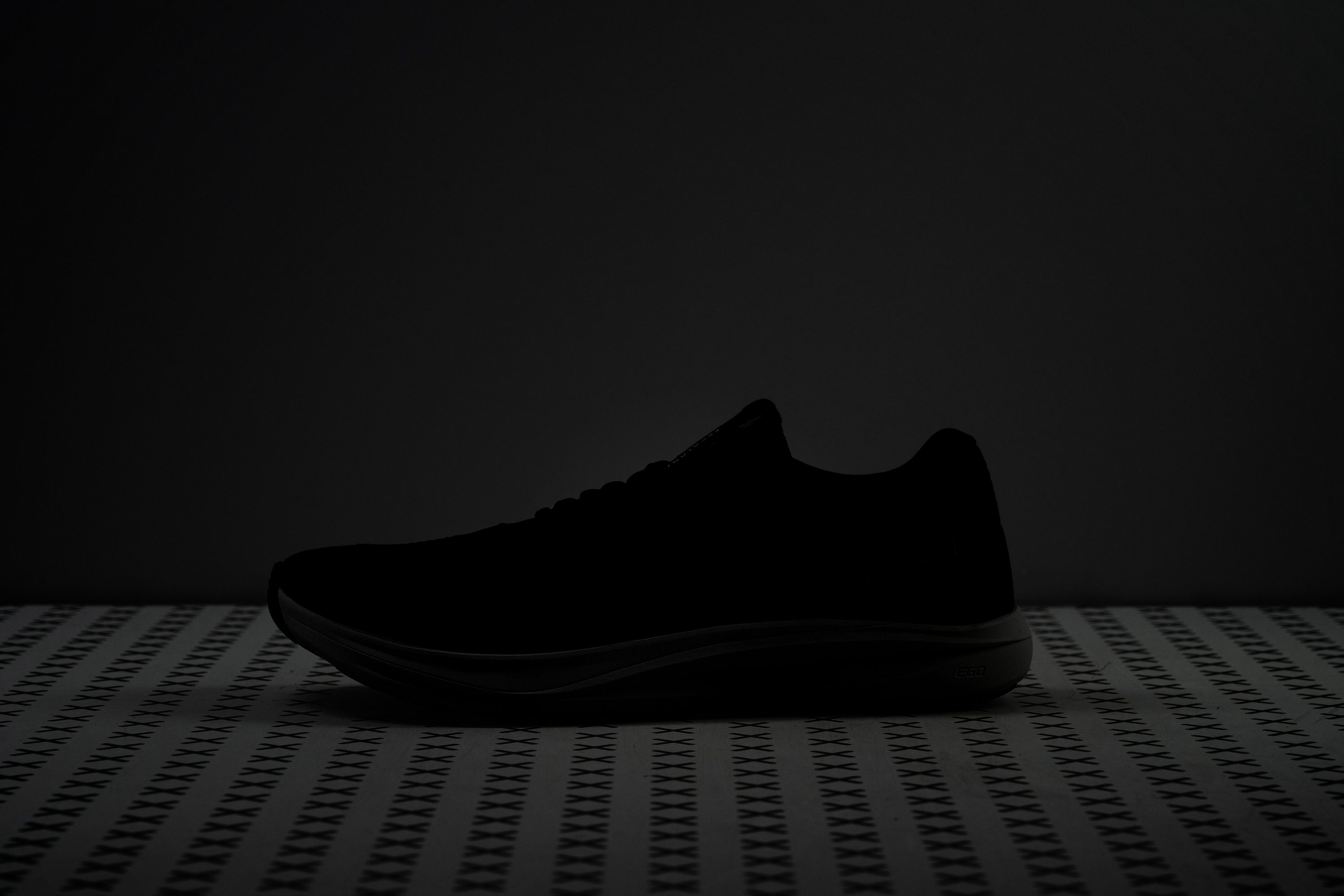
| Escalante 5 | No |
Tongue padding
The laces are flat and thin, yet they provide a secure lockdown in the Escalante 5. We also found a tongue loop that helps keep the tongue centered during runs.
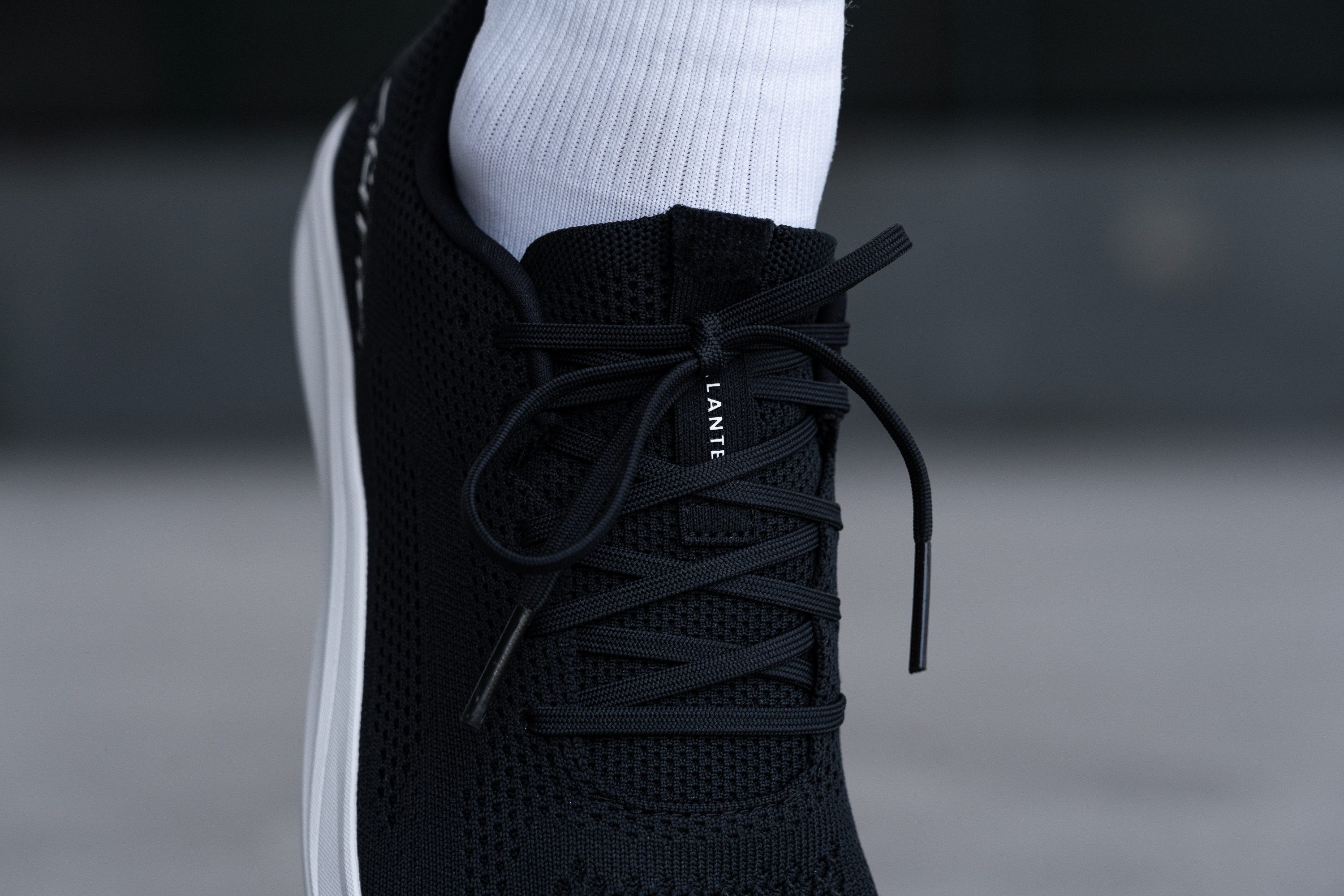
The tongue uses the same knit material as the upper, making it highly-comfortable against the foot. At 3.3 mm thick, it provides a touch of cushioning while preserving the shoe's minimalist feel.
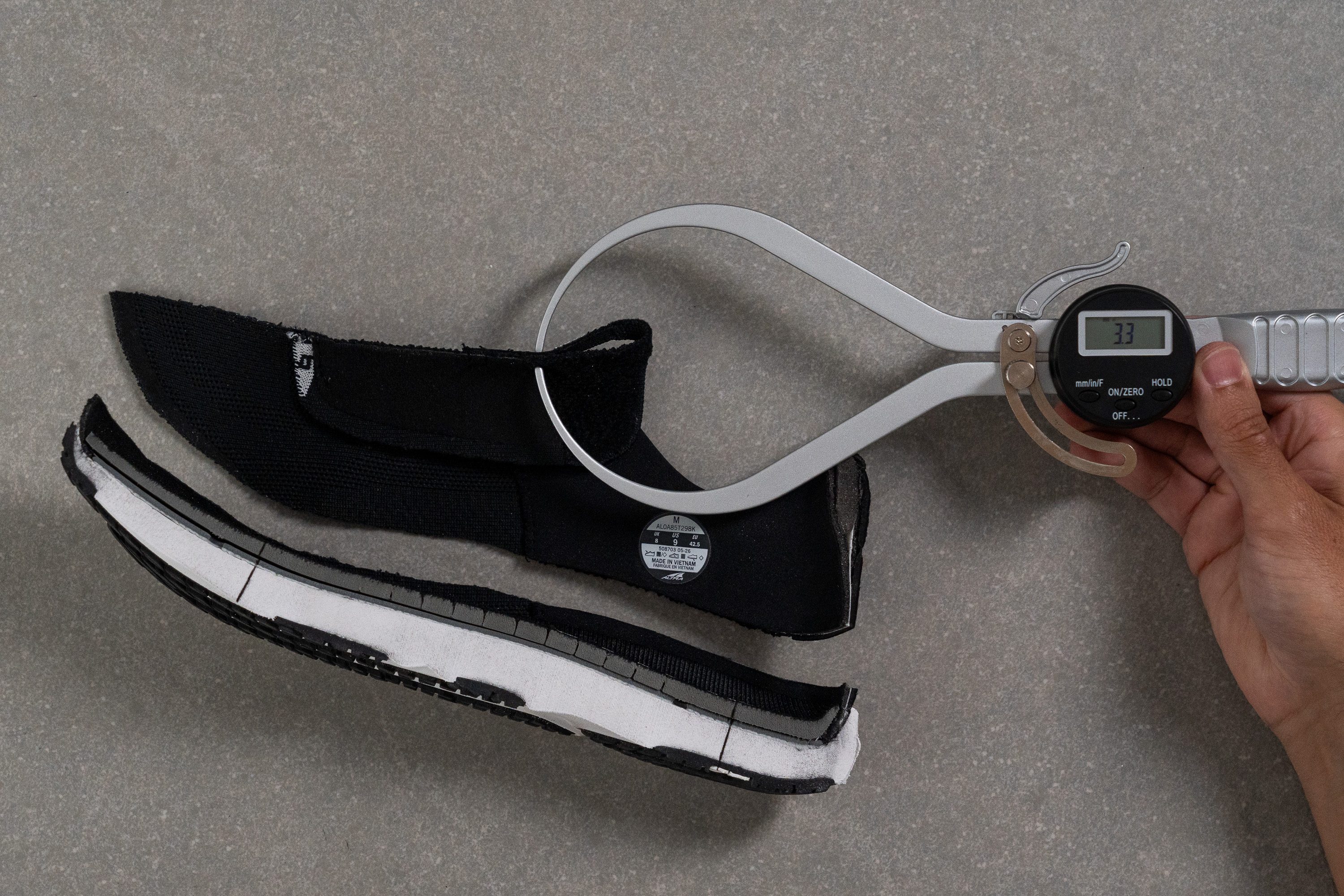
| Escalante 5 | 3.3 mm |
| Average | 5.8 mm |
Tongue: gusset type
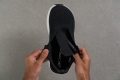
One thing we wish Altra had changed in this version is the non-gusseted tongue. Unfortunately, it can shift from side to side because it isn't secured to either the upper or the midsole.
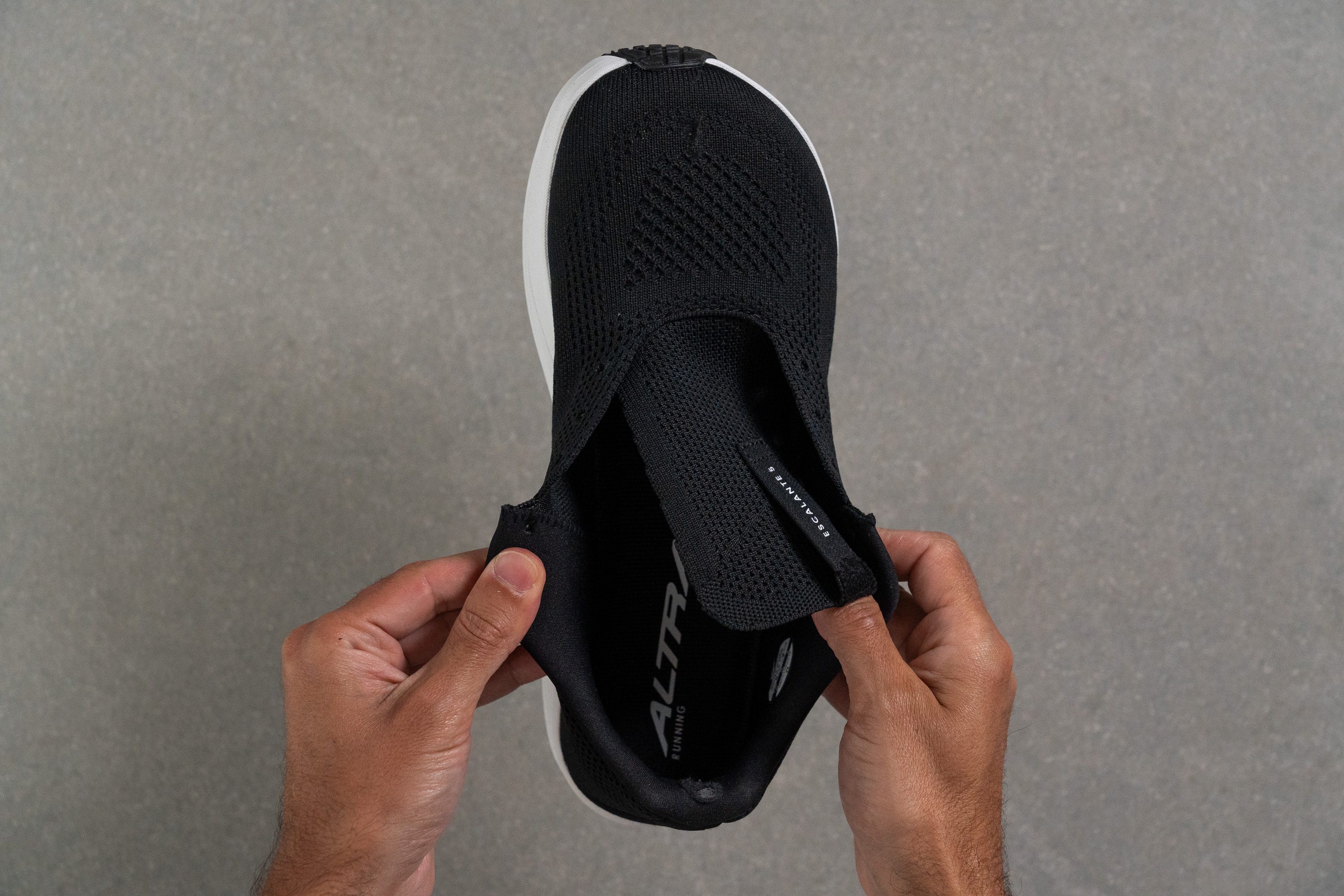
| Escalante 5 | None |
Heel tab
The heel features the same simple design found on most Altra road shoes and lacks a finger-loop heel tab.
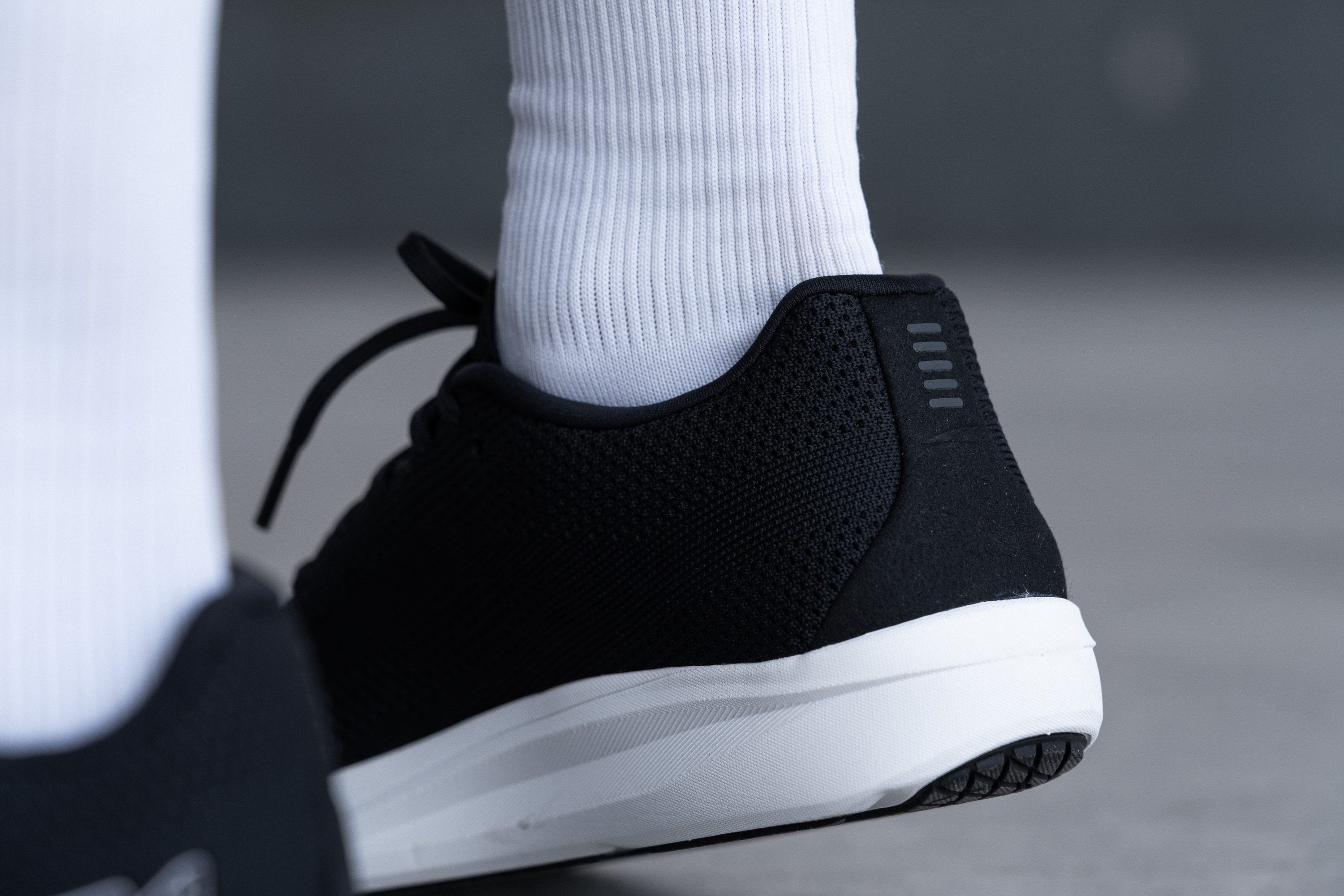
| Escalante 5 | None |
Price
The Escalante 5 comes with a price hike over its predecessor, but we think it’s fully justified by the foam upgrade introduced with version 5. Moreover, given the long gap since the Escalante 4 was released, we also have to take into account the inflation over the past two years.
| Escalante 5 | $140 |
| Average | $158 |