
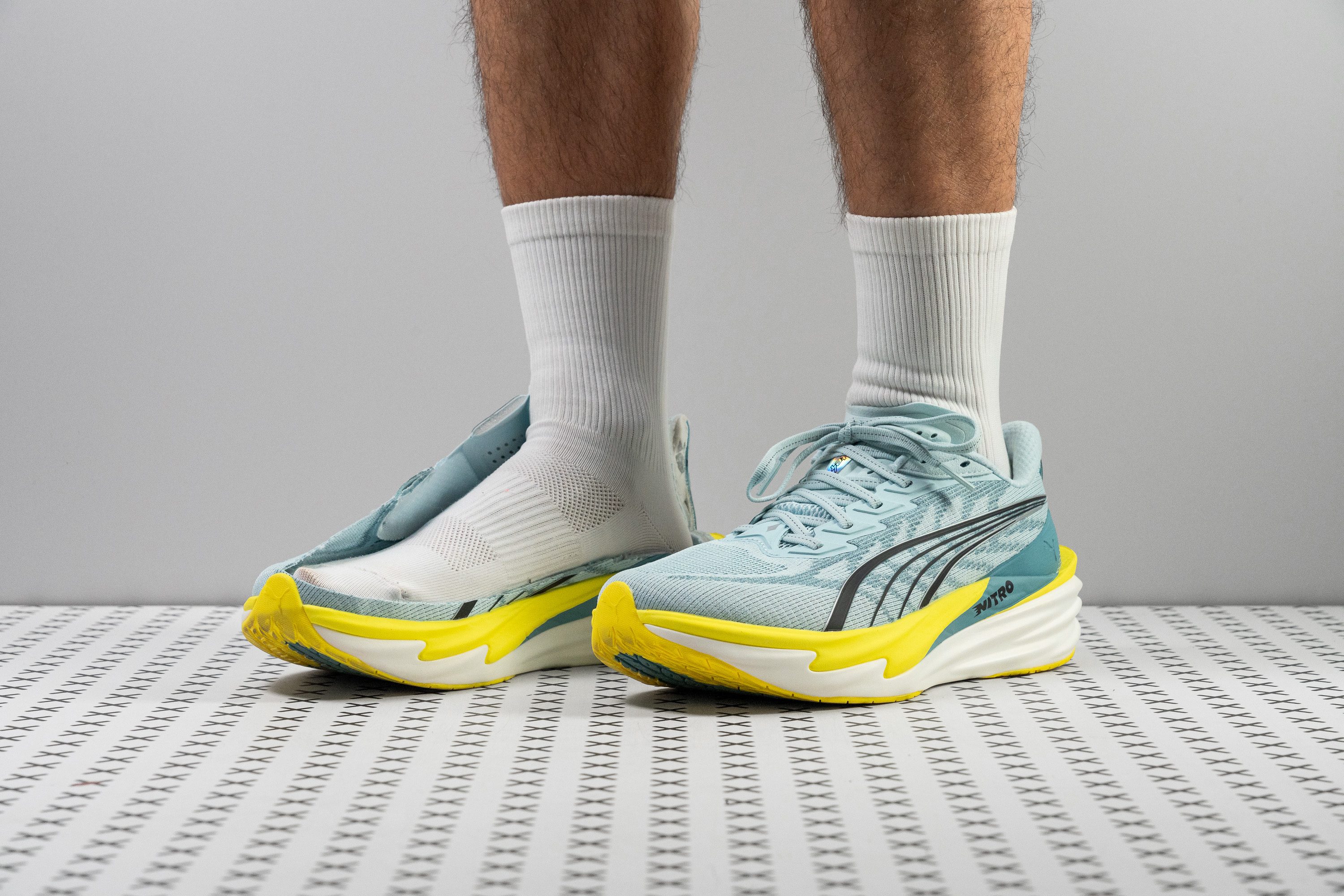



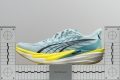








Our verdict
- Daily running 85
- Tempo 86
- Race 74
- Stability 73
Pros
- Agile ride
- Excellent outsole grip and durability
- Forefoot feels lively and fun
- Solid breathability
- Carbon plate adds snappy feel
- Reasonable price
- Ride feels connected instead of oversized
- Lighter than v3
Cons
- Stiff plate kills some comfort
- Heel energy return is a letdown
- Upper durability will disappoint many runners
Awards
- Top pick in running shoes with the best traction
- Top 29% in running shoes
- Top 29% in neutral running shoes
- Top 20% most popular running shoes
Comparison
The most similar running shoes compared
+ + Add a shoe | |||||
|---|---|---|---|---|---|
| Our score | 85 Great | 85 Great | 79 Good | 85 Great | |
| Price | £150 | £95 | £60 | £140 | |
| Pace | TempoDaily running | Daily running | Daily running | Daily running | |
| Shock absorption | High | Moderate | Moderate | High | |
| Energy return | High | Moderate | Moderate | Low | |
| Traction | High | High | High | High | |
| Arch support | Neutral | Neutral | Neutral | Neutral | |
| Weight lab Weight brand | 8.7 oz / 247g 8.6 oz / 245g | 9.1 oz / 258g 9.1 oz / 259g | 9.3 oz / 264g 9.5 oz / 270g | 9.1 oz / 258g 9.3 oz / 264g | |
| Lightweight | ✓ | ✗ | ✗ | ✗ | |
| Drop lab Drop brand | 7.0 mm 8.0 mm | 8.3 mm 8.0 mm | 8.8 mm 10.0 mm | 7.0 mm 5.0 mm | |
| Strike pattern | Mid/forefoot | HeelMid/forefoot | HeelMid/forefoot | Mid/forefoot | |
| Size | True to size | True to size | Slightly small | Slightly small | |
| Midsole softness | Balanced | Soft | Firm | Balanced | |
| Difference in midsole softness in cold | Small | Small | Normal | Small | |
| Toebox durability | Bad | Decent | Good | Decent | |
| Heel padding durability | Bad | Good | Good | Bad | |
| Outsole durability | Good | Good | Decent | Good | |
| Breathability | Moderate | - | Moderate | Warm | |
| Width / fit | Medium | Medium | Medium | Medium | |
| Toebox width | Narrow | Medium | Medium | Wide | |
| Stiffness | Stiff | Flexible | Flexible | Moderate | |
| Torsional rigidity | Moderate | Flexible | Moderate | Flexible | |
| Heel counter stiffness | Moderate | Flexible | Stiff | Flexible | |
| Rocker | ✗ | ✗ | ✗ | ✓ | |
| Heel lab Heel brand | 33.6 mm 38.0 mm | 33.2 mm 30.0 mm | 31.8 mm 33.0 mm | 34.6 mm 35.0 mm | |
| Forefoot lab Forefoot brand | 26.6 mm 30.0 mm | 24.9 mm 22.0 mm | 23.0 mm 23.0 mm | 27.6 mm 30.0 mm | |
| Widths available | NormalWide | NormalWideX-Wide | NormalWideX-Wide | NormalWide | |
| Orthotic friendly | ✓ | ✓ | ✓ | ✓ | |
| Season | All seasons | - | All seasons | All seasons | |
| Removable insole | ✓ | ✓ | ✓ | ✓ | |
| Ranking | #112 Top 29% | #104 Top 26% | #233 Bottom 41% | #115 Top 29% | |
| Popularity | #77 Top 20% | #23 Top 6% | #37 Top 10% | #104 Top 27% |



Who should buy
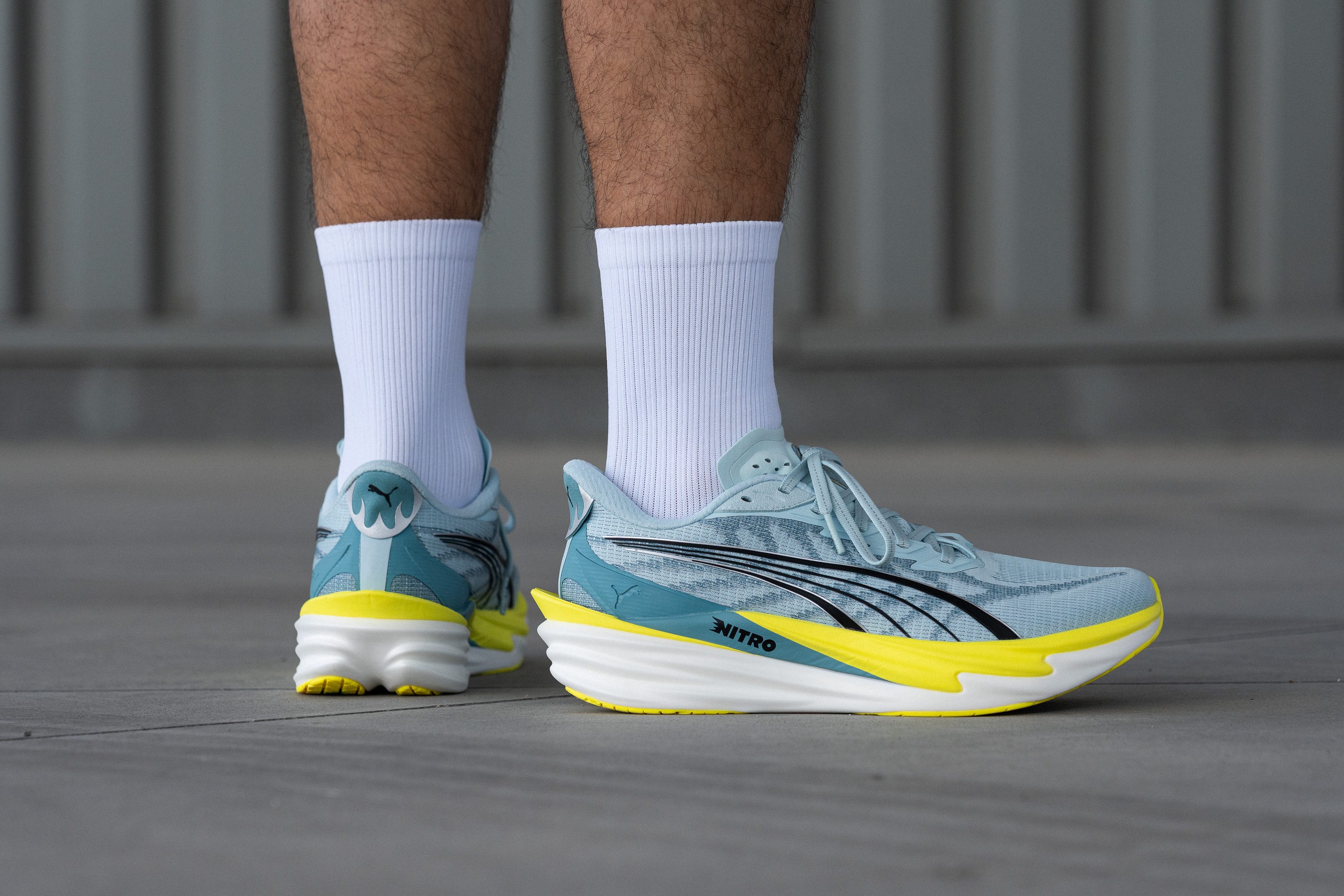
We found the PUMA Deviate Nitro 4 a very interesting pick for:
- Midfoot and forefoot strikers wanting an agile super trainer with moderate stack height.
- Runners familiar with PUMA super shoes seeking a durable training-focused shoe.
- Those who love carbon-plated shoes and want a single shoe for daily runs and faster workouts.
Who should NOT buy
We think the Deviate Nitro 4 may disappoint runners who prefer a flexible shoe. In our lab tests, the carbon-fibre PWRPLATE made the shoe extremely stiff. For those runners, we believe the PUMA Velocity Nitro 4 is a smoother, cheaper and more versatile option, and the Saucony Endorphin Speed 5 is probably the safest pick due to its flexible nylon plate and bouncy Pebax foam.
We also think the cushioning feels slightly limited for long-distance runs compared to today’s max-stack super trainers. During our runs, shoes like the ASICS Superblast 3 or the adidas Adizero EVO SL delivered a more protective experience.
Cushioning
Shock absorption
The Deviate Nitro series has never focused on maximum cushioning (for that, PUMA offers the MagMax Nitro 2), and our shock absorption test clearly reflects that philosophy.
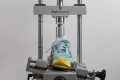
We measured 130 SA in the heel and 102 SA in the forefoot, which still delivers solid protection for daily training and even long runs for lighter runners. In our view, this balanced setup helps make the shoe genuinely versatile rather than a specialised option built for only one purpose.
| Deviate Nitro 4 | 130 SA |
| Average | 131 SA |
Energy return
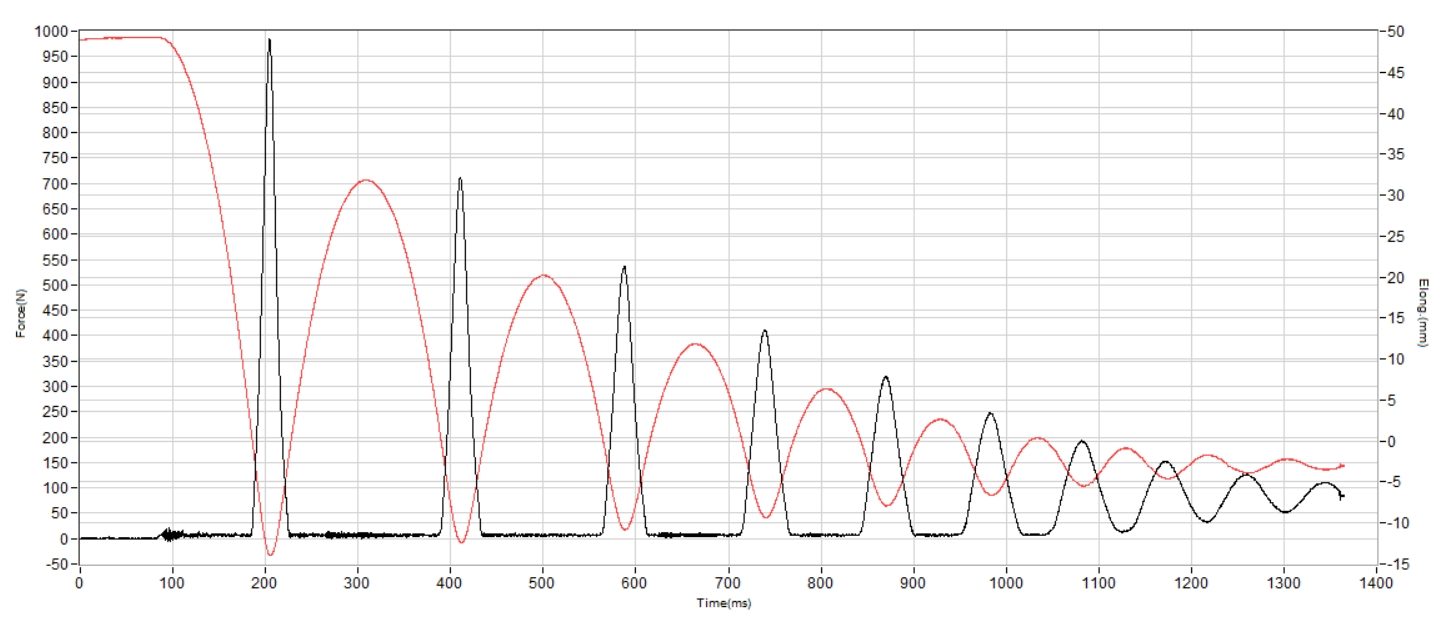
The results from our energy return test felt completely bittersweet. We were happy with the 70.0% rebound in the forefoot, but the heel told a very different story with a disappointing 58.1% result.
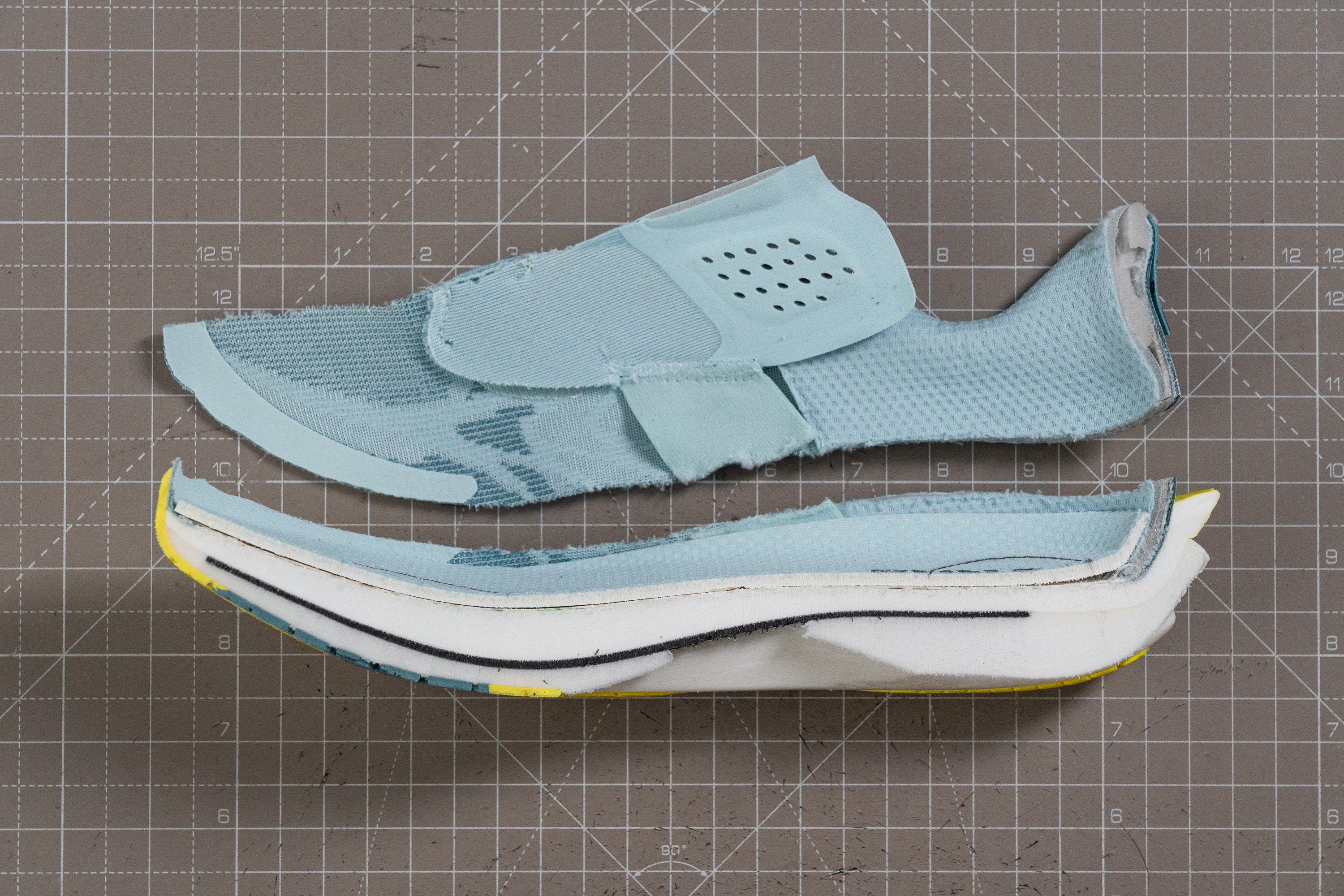
The explanation comes from the dual-density midsole setup. The shoe uses two versions of Nitro foam: a pure PEBA layer with a stronger presence in the forefoot, and a PEBA+EVA blend concentrated more heavily in the heel. And during our testing, the difference was immediately noticeable.
| Deviate Nitro 4 | 70.0% |
| Average | 61.4% |
Heel stack
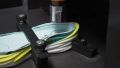
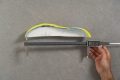
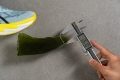
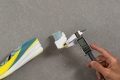
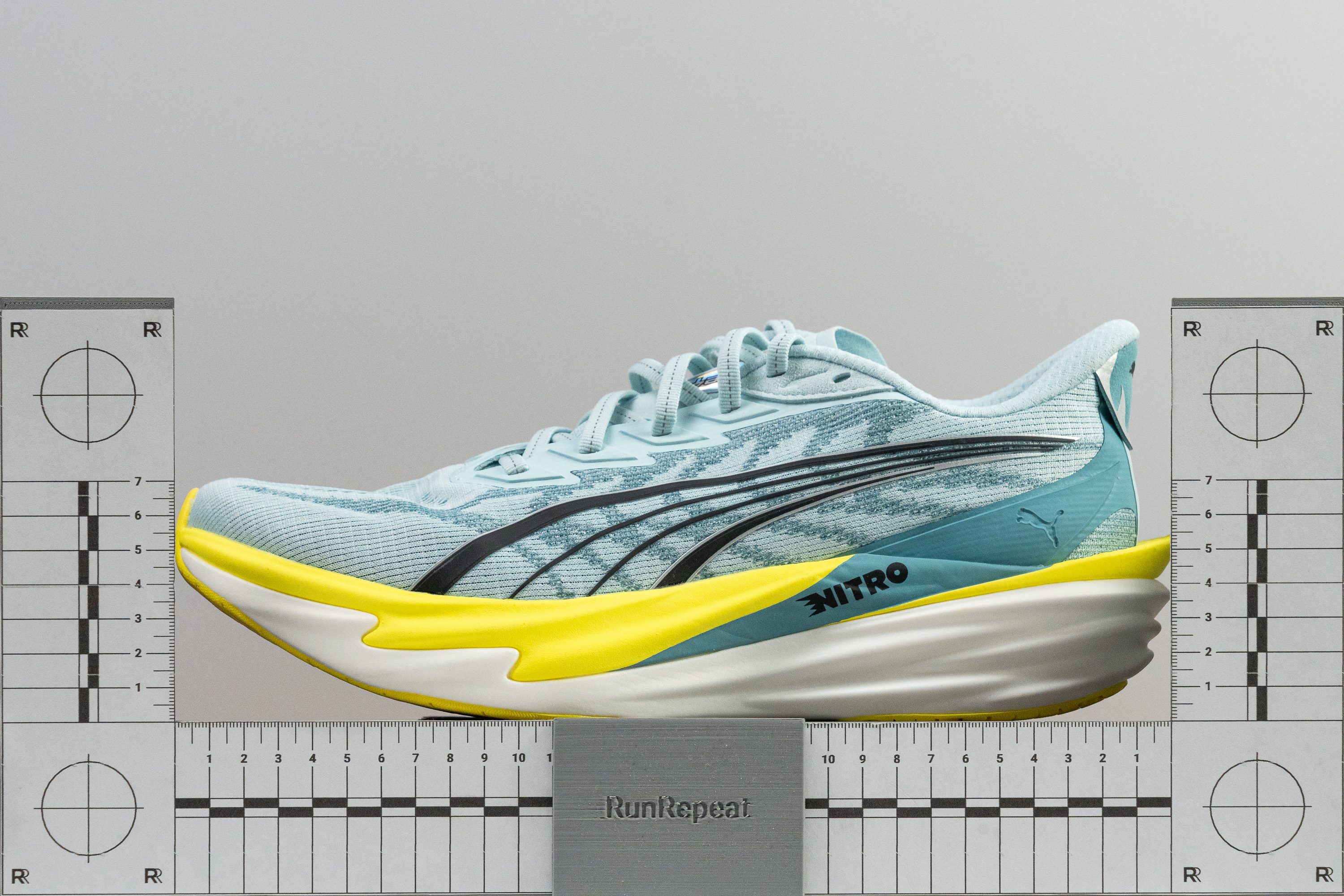
PUMA claims a 38 mm heel stack, but the shoe definitely feels lower underfoot, and our measurements fully backed up that impression. Once we returned to the lab, sliced the shoe in half, and measured it with our digital callipers, we recorded only 33.6 mm. Suddenly, the shock absorption results became even more impressive to us.
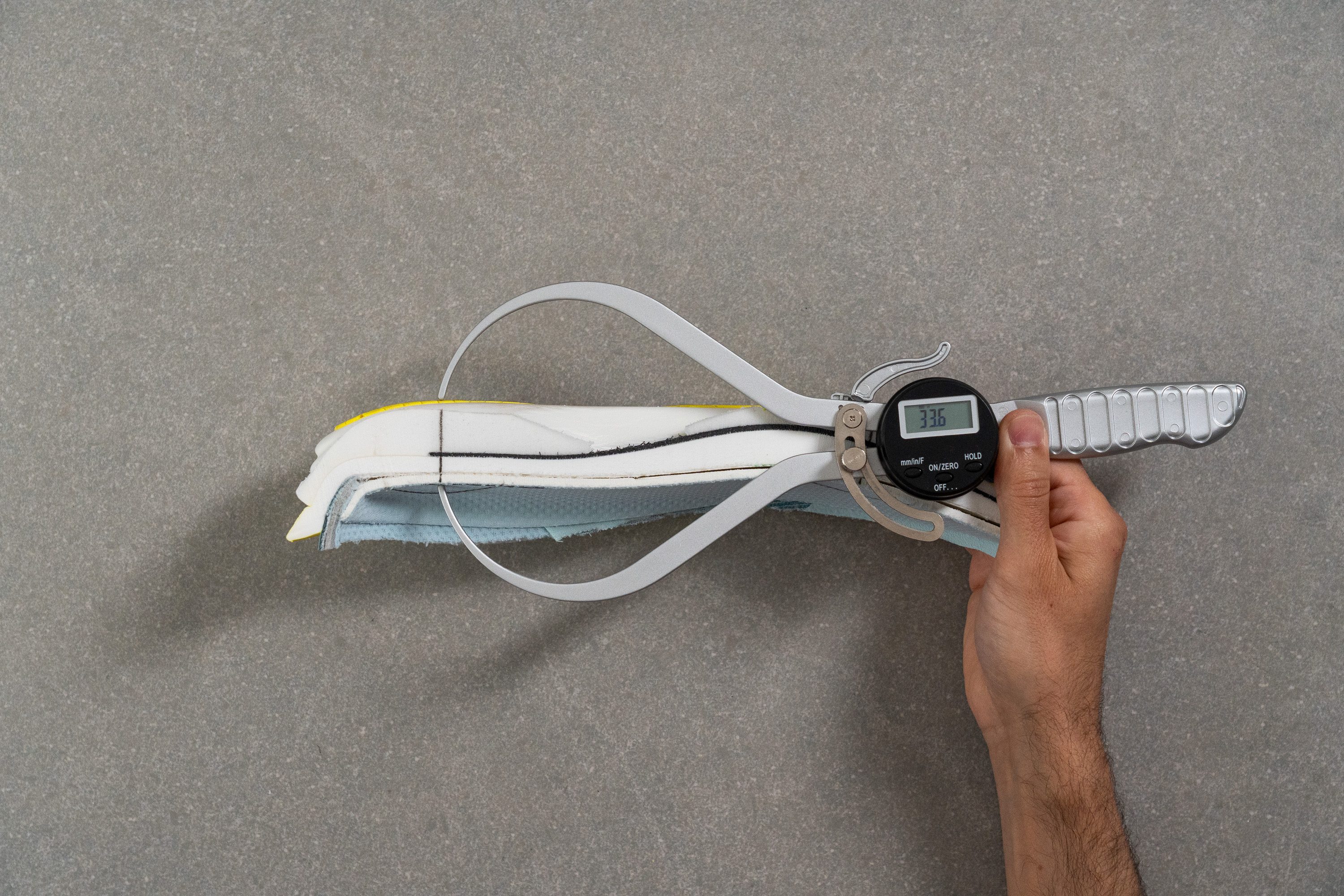
| Deviate Nitro 4 | 33.6 mm |
| Average | 35.5 mm |
Forefoot stack
The forefoot stays right around our current lab average at 26.6 mm, making the Deviate Nitro 4 a great option for runners seeking a balanced mix of cushioning and ground feel without the bulky and bottom-heavy character often found in maximalist running shoes.
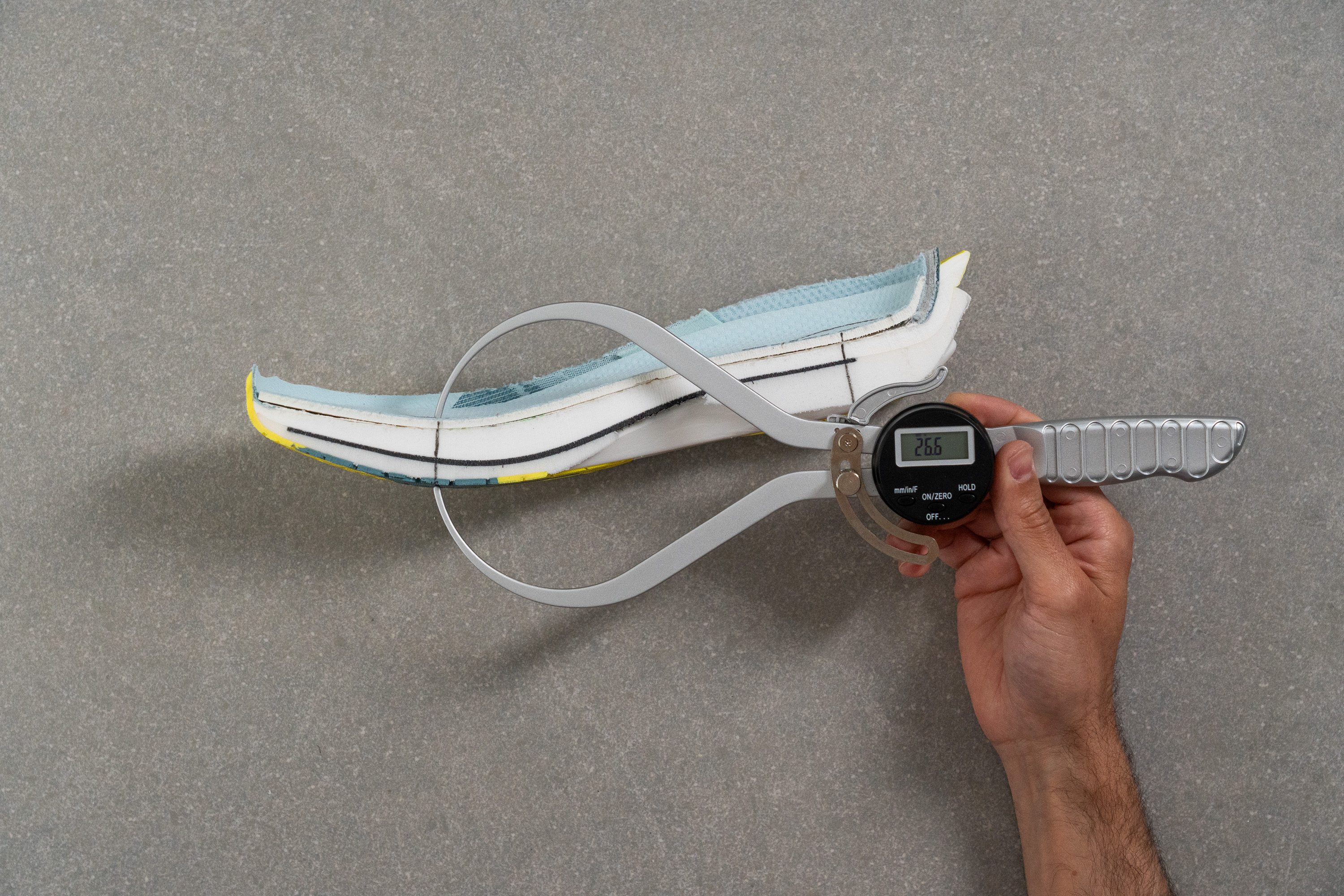
| Deviate Nitro 4 | 26.6 mm |
| Average | 27.1 mm |
Drop
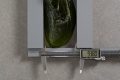
PUMA states an 8.0 mm drop for this shoe, and our measurements revealed only a tiny discrepancy at 7.0 mm.
That difference is impossible to notice while running, and the shoe still works well for all foot strike patterns. However, given the lower energy return we measured in the heel, we think the ride makes slightly more sense for midfoot and forefoot strikers.
| Deviate Nitro 4 | 7.0 mm |
| Average | 8.4 mm |
Midsole softness
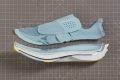
The dual-layer foam setup of the PUMA Deviate Nitro 4 combines two noticeably different softness levels.
The main layer sits closer to the ground and measured 33.2 AC in our durometer test, which we would describe as nicely balanced. That makes perfect sense, since this section directly contacts the ground and helps add a welcome layer of stability to the ride.
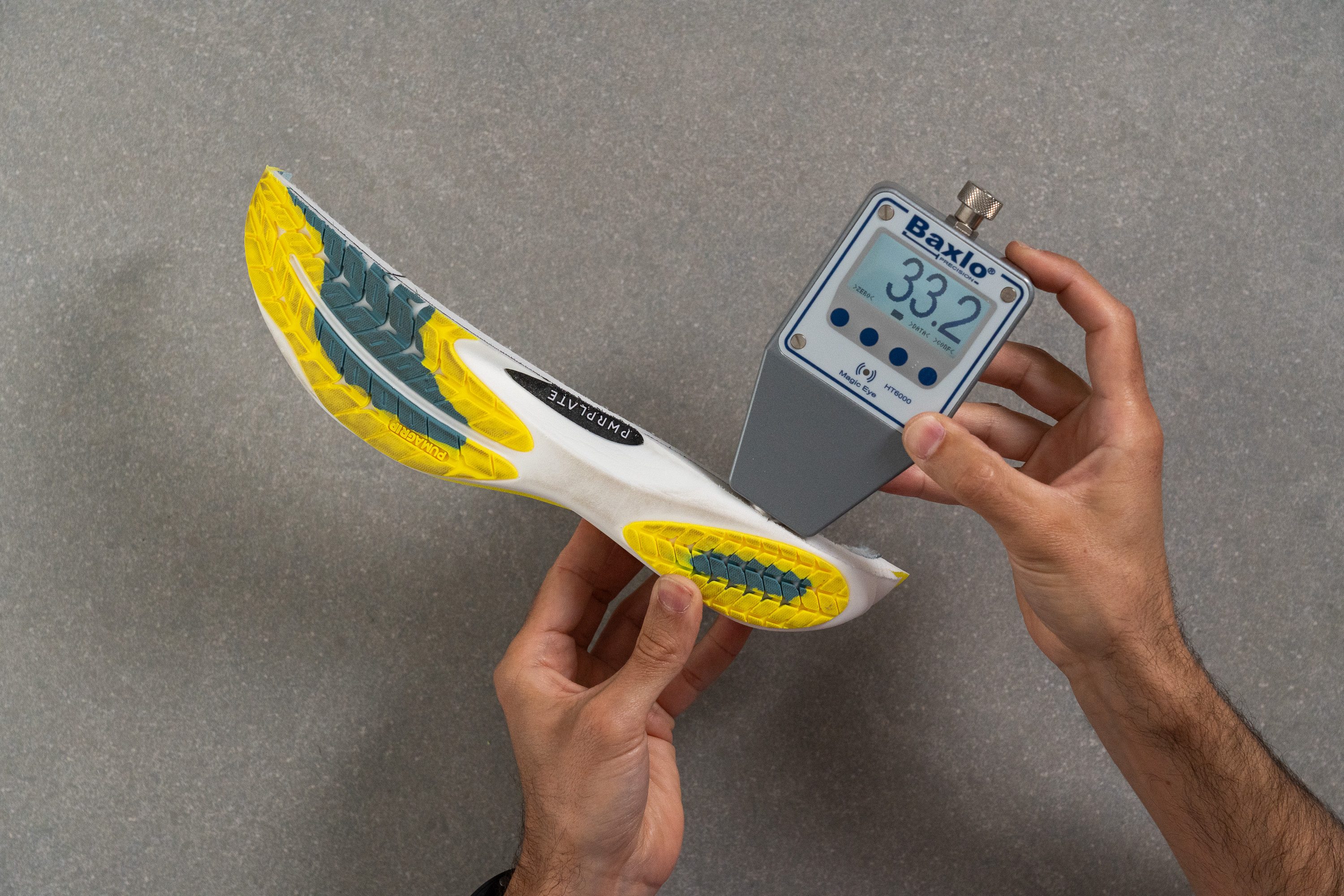
| Deviate Nitro 4 | 33.2 AC |
| Average | 35.5 AC |
Rocker
The PUMA Deviate Nitro 4 follows the brand’s usual philosophy of avoiding exaggerated rocker geometries, and that will definitely appeal to runners who dislike overly-curved midsoles.
And considering the moderate stack height of this shoe, we think it was the right decision from PUMA to keep the geometry more natural and controlled.
Plate
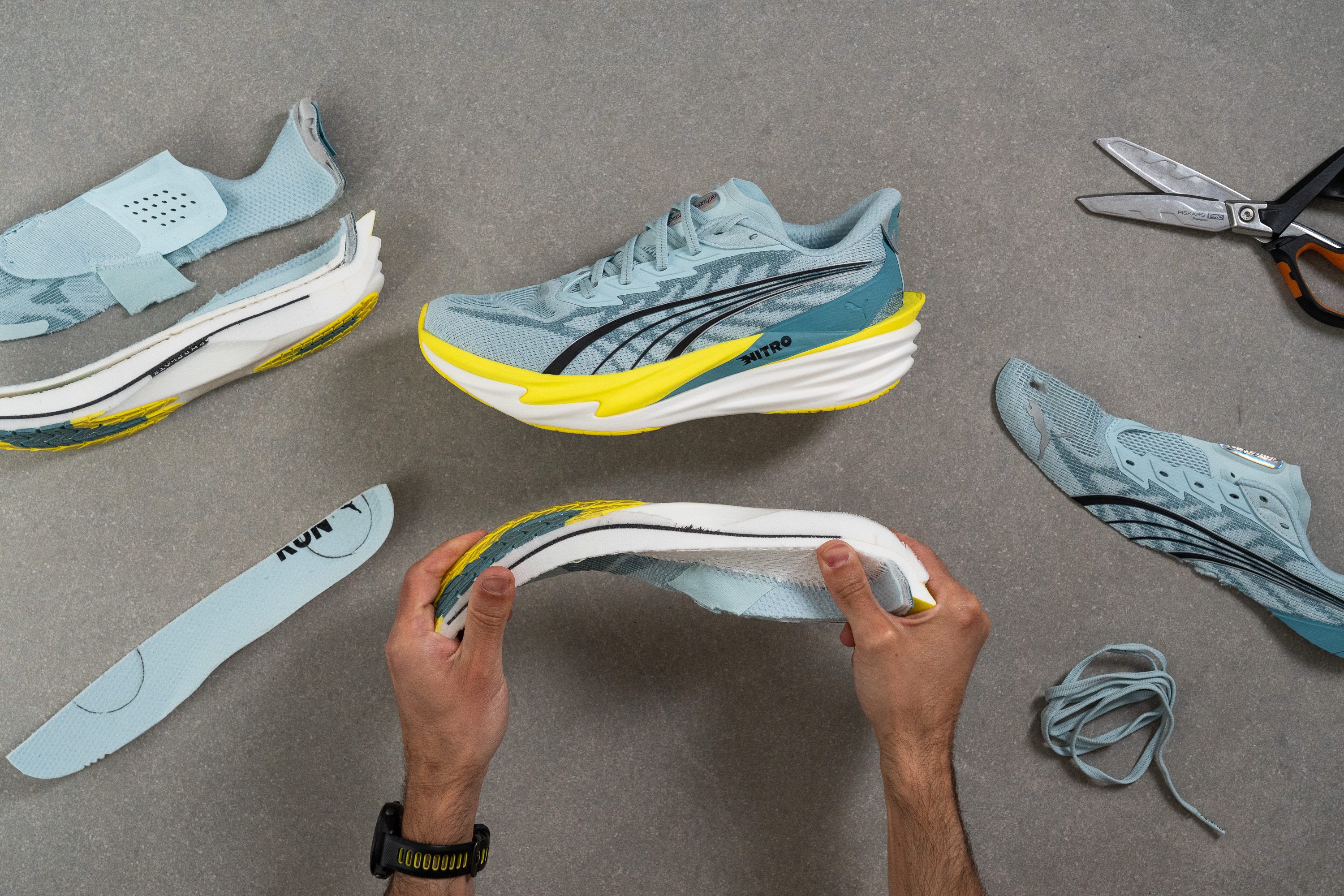
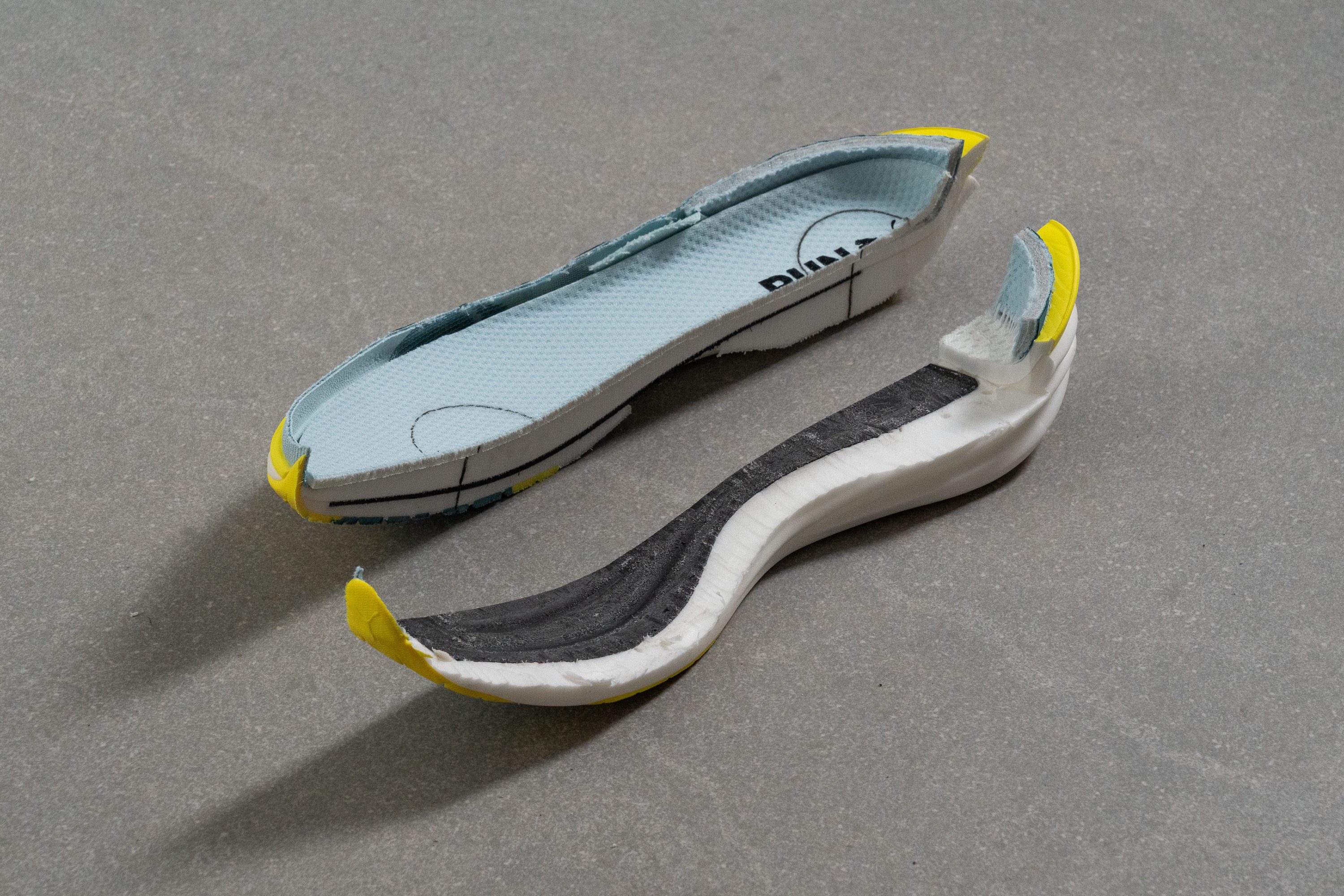
The Deviate Nitro 4 features a carbon-fibre PWRPLATE positioned between the two foam layers, just like a modern super shoe. And since it uses the same naturally rigid material, runners should expect a plated feel that is less forgiving and more structured underfoot compared to traditional daily trainers or those with nylon-based plates.
That said, despite sharing the same PWRPLATE name as the racing-focused Deviate Nitro Elite 4, this version is clearly different. We found it less aggressive and without the extreme shapes and geometry of its elite-level counterpart.
Size and fit
Size
PUMA Deviate Nitro 4 fits true to size (36 votes).
Internal length
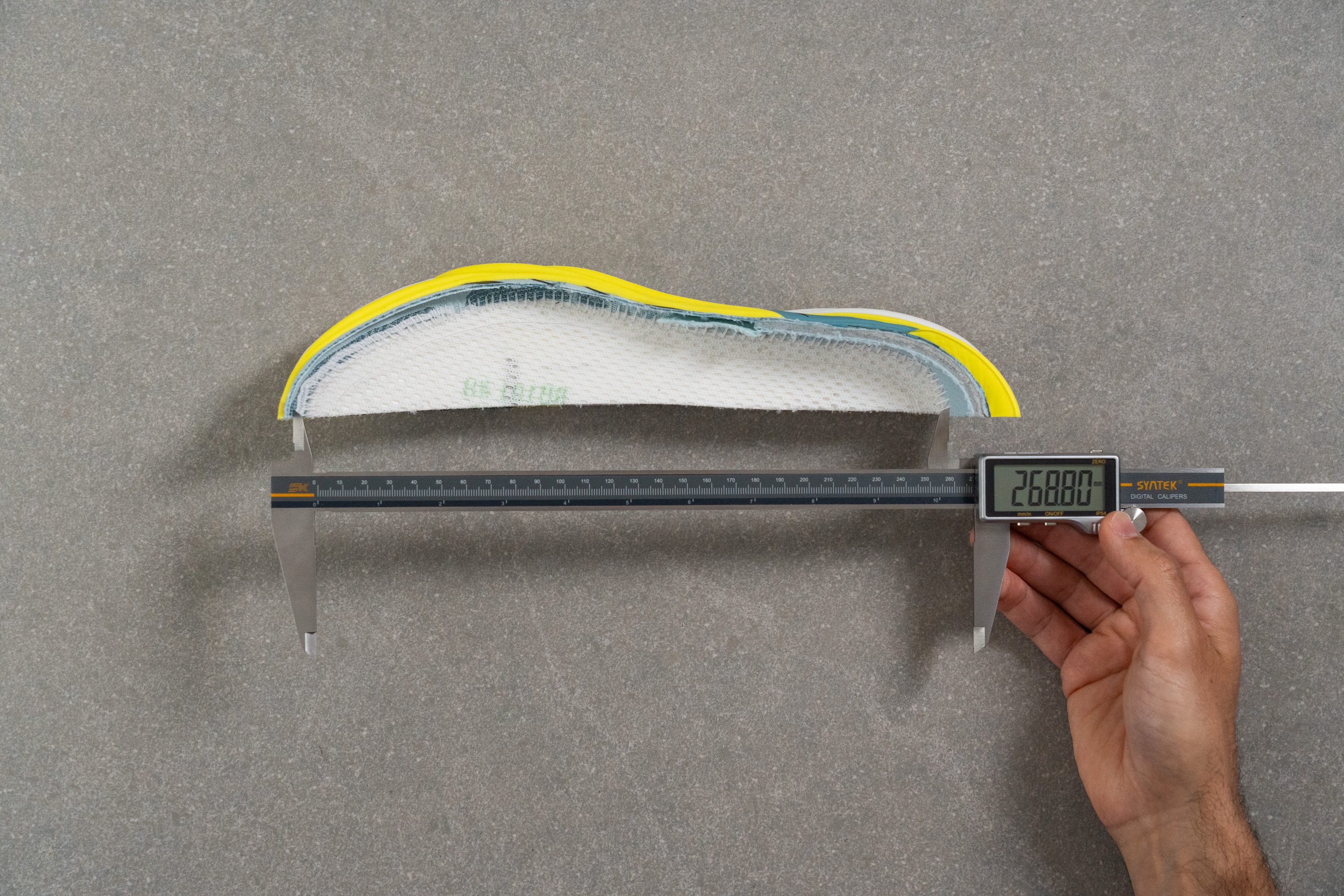
| Deviate Nitro 4 | 268.8 mm |
| Average | 269.4 mm |
Width / Fit
We mentioned earlier that this shoe stays true to PUMA’s design philosophy by avoiding an aggressive rocker, and the fit also follows the brand’s usual approach with a snug and performance-oriented shape.
Our first measurement came in at 93.8 mm, which helps create a very secure lockdown, although runners who prefer roomier or wide-foot-friendly designs may find it somewhat restrictive.
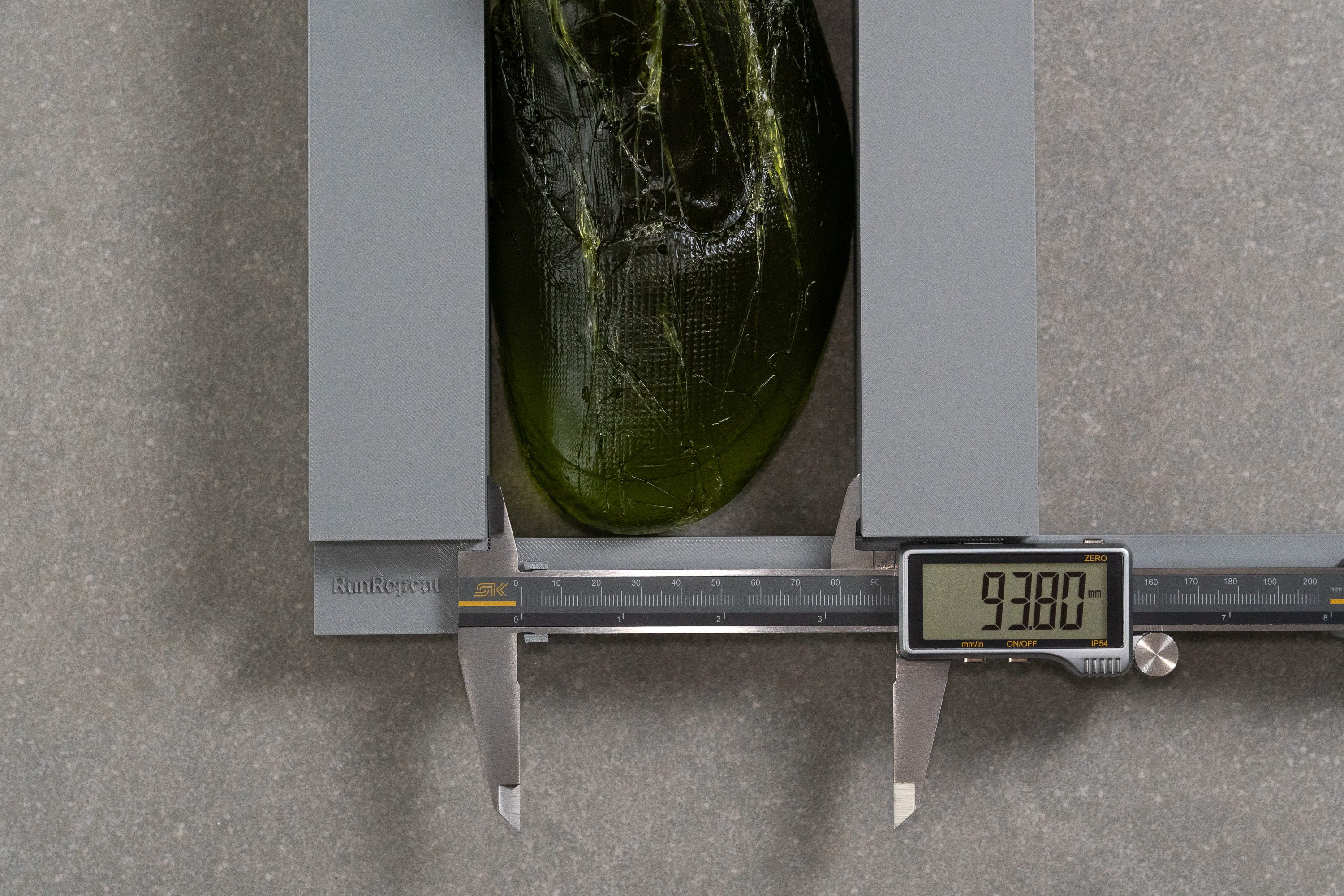
| Deviate Nitro 4 | 93.8 mm |
| Average | 95.2 mm |
Toebox width
The toebox measurement of 70.6 mm reinforces that this shoe is clearly built for a specific type of runner. In our view, it’s definitely not a good match for wide feet.
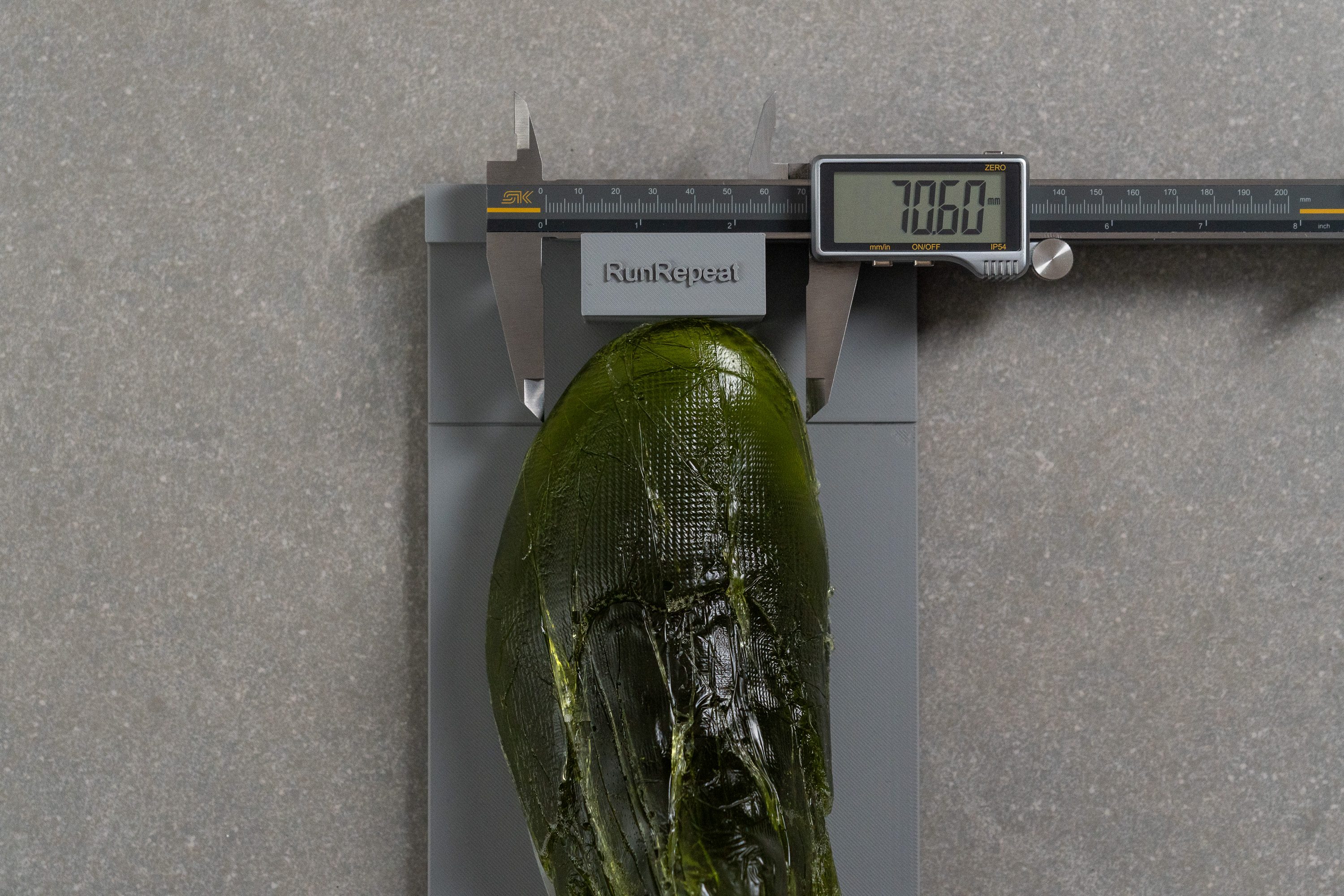
| Deviate Nitro 4 | 70.6 mm |
| Average | 73.2 mm |
Toebox height
We also measured the toebox height of the Deviate Nitro 4 and recorded 26.1 mm.
That result feels much less extreme and should comfortably work for most runners.
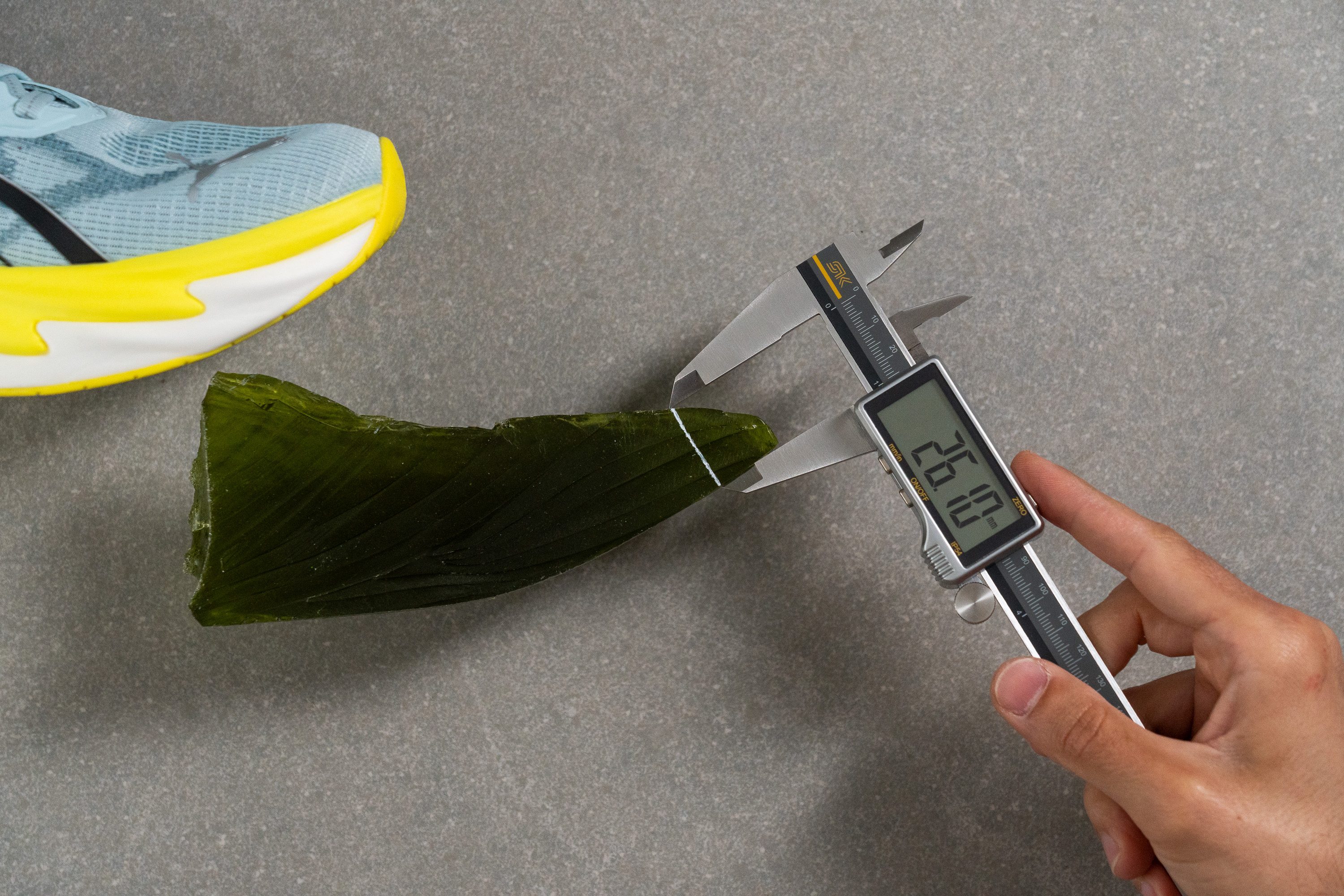
| Deviate Nitro 4 | 26.1 mm |
| Average | 27.0 mm |
Traction / Grip
Traction test
PUMA truly struck gold with its PUMAGRIP compound, as it remains one of the very best outsole rubbers on the market. We’ve already confirmed that through countless traction tests with other PUMA shoes, and the Deviate Nitro 4 once again delivered an outstanding result by scoring 0.77 in our test.
This is an excellent result that guarantees reliable grip across virtually every running condition.
| Deviate Nitro 4 | 0.77 |
| Average | 0.53 |
Outsole design
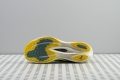
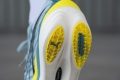
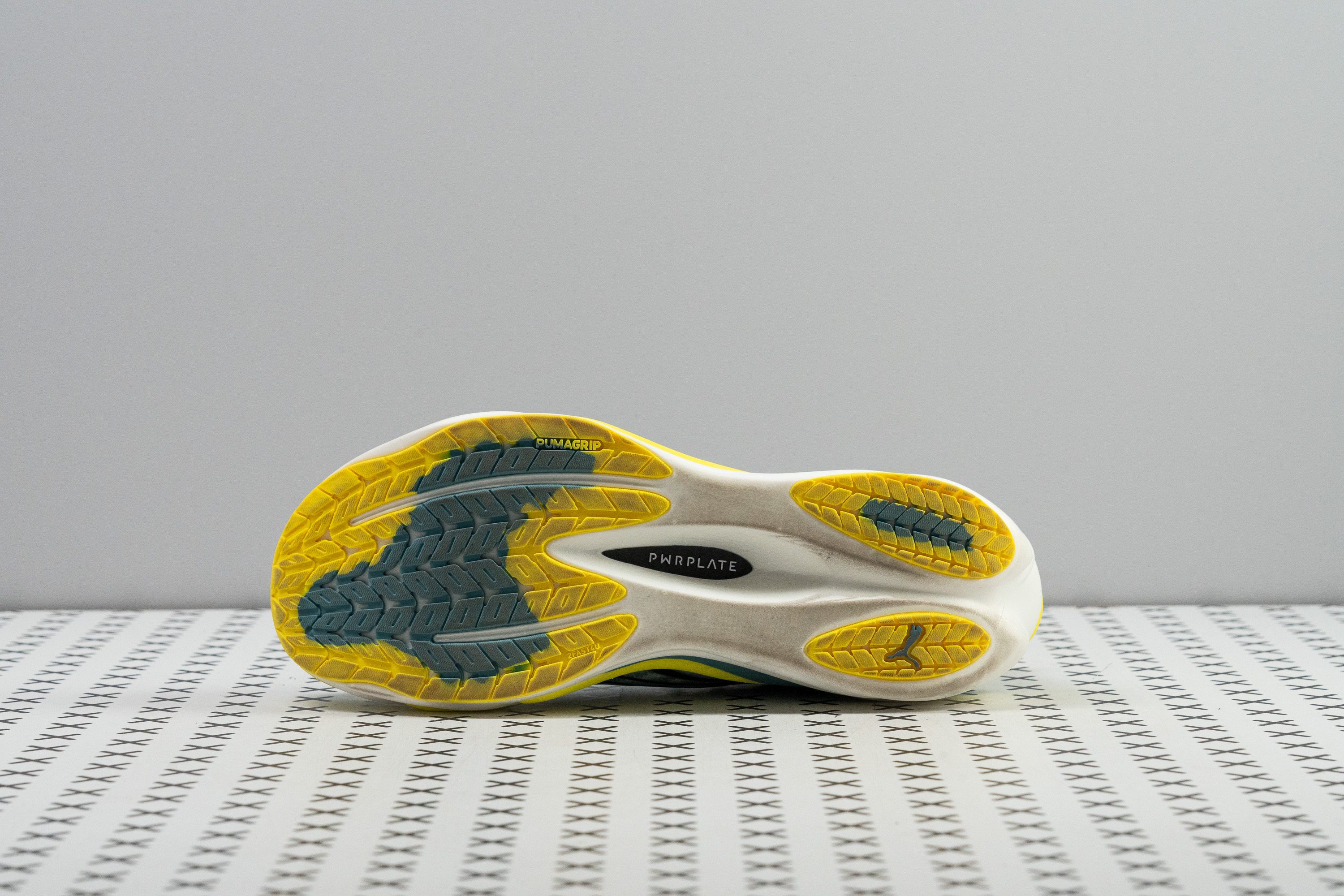
The outsole of the PUMA Deviate Nitro 4 features generous PUMAGRIP coverage, and we really appreciate that decision because it would have been easy for PUMA to reduce rubber in pursuit of lower weight. Instead, the brand clearly prioritised durability and training versatility.
The heel also receives solid protection, while the outsole showcases a pressure-map-inspired layout that visually mimic force distribution during the landing and toe-off phase, which we found to be a really cool design detail.
Flexibility / Stiffness
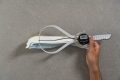
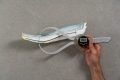
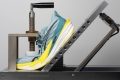
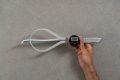
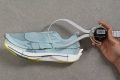
The carbon-fibre PWRPLATE adds a massive amount of stiffness to the Deviate Nitro 4, and during our testing it felt extremely difficult to bend. Our lab measurement reached a huge 22.7N when flexed to 30 degrees, which is an exceptionally high result that even surpasses many marathon-focused super shoes.
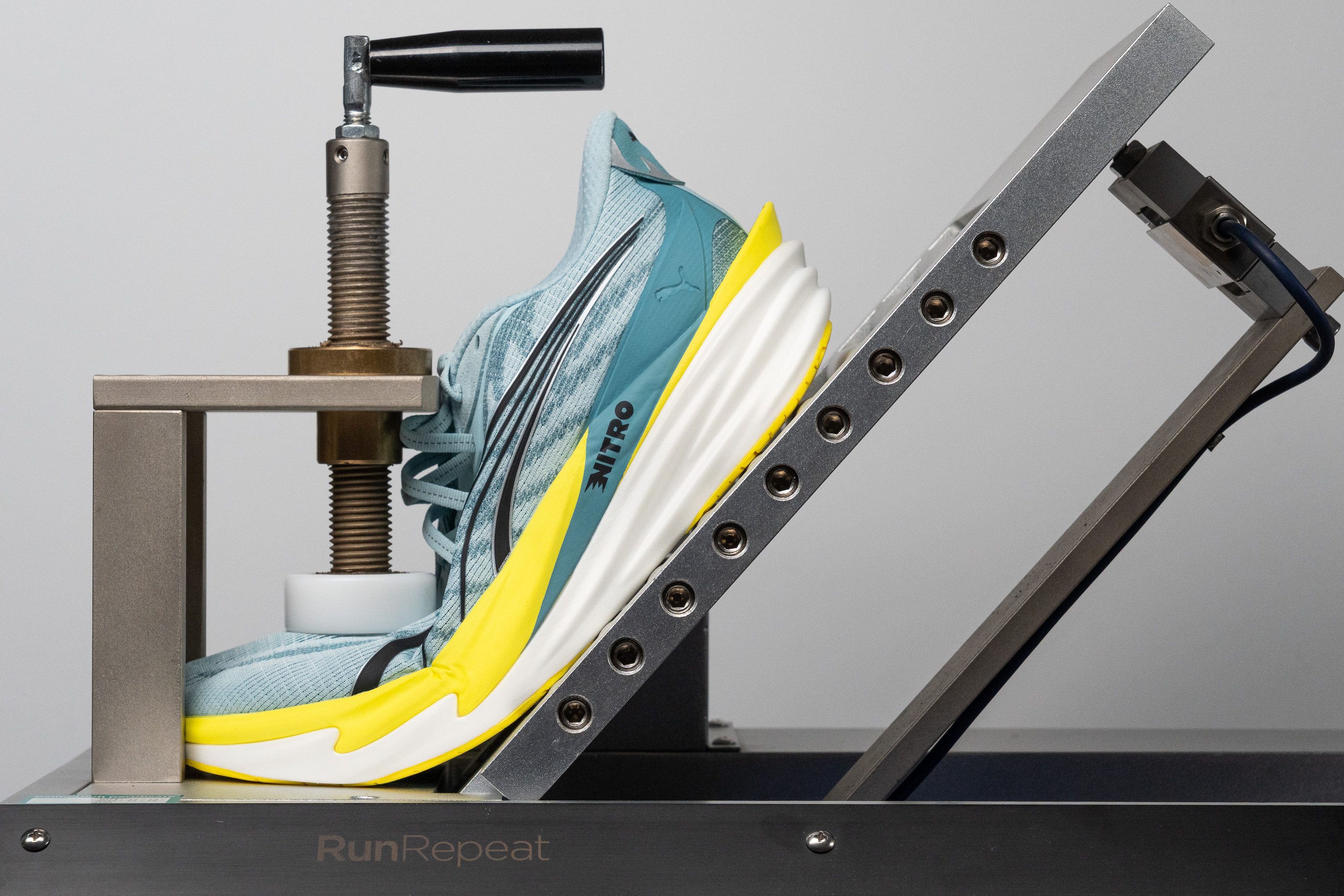
| Deviate Nitro 4 | 22.7N |
| Average | 15.5N |
Weight
We found the weight of the Deviate Nitro 4 quite reasonable at 8.7 oz or 247g.
That represents an impressive 8% reduction compared to the previous generation, although at the same time we still feel that PUMA could trim a bit more weight from this shoe without introducing meaningful trade-offs.
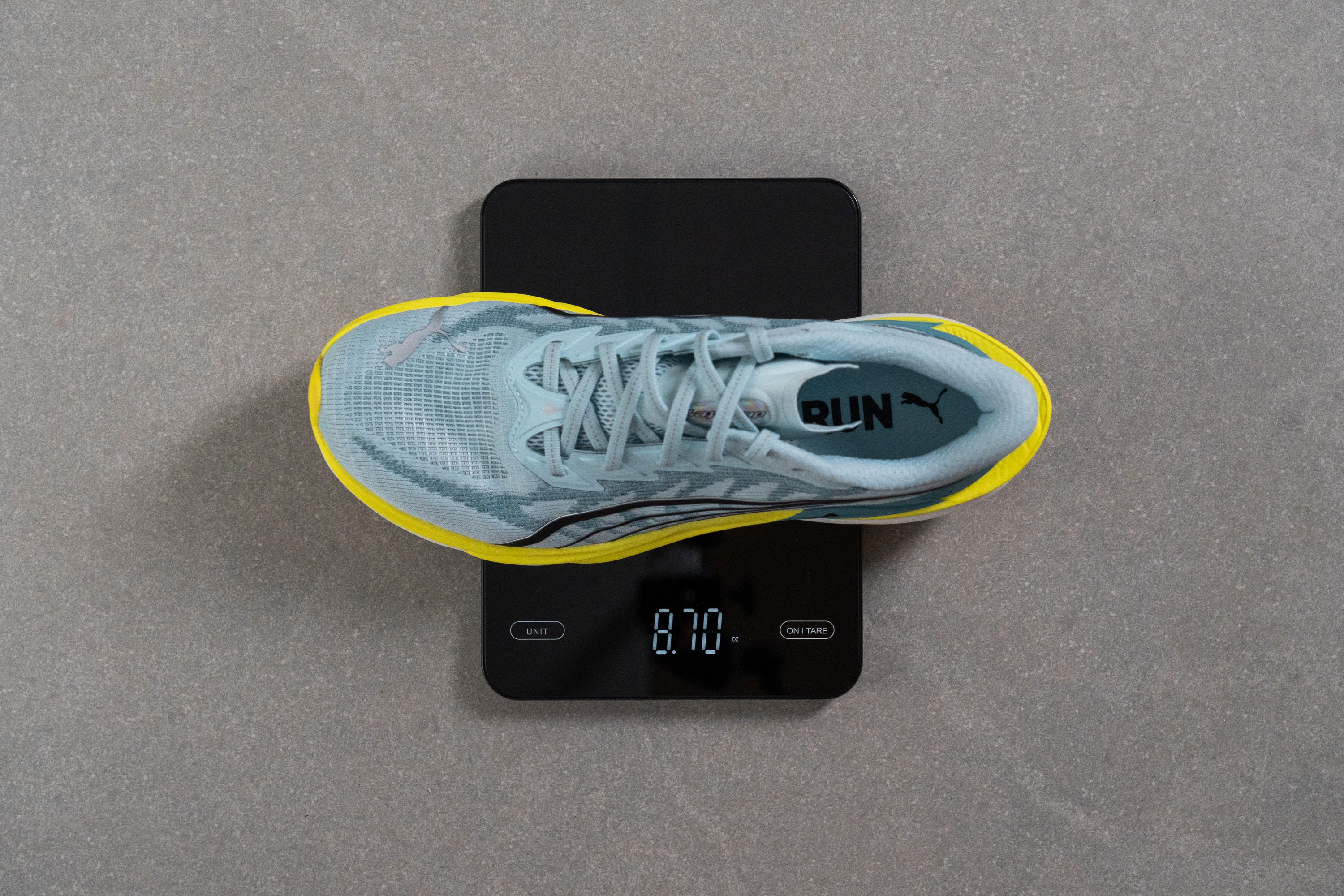
| Deviate Nitro 4 | 8.7 oz (247g) |
| Average | 9.2 oz (261g) |
Breathability
Breathability test
UpdatedThe upper has undergone a major redesign compared to previous versions. PUMA swapped the knit construction for an engineered mesh, and the change paid off in our breathability test.
The shoe now earned a strong result of 71 BR during our 3-hour evaluation inside a climate-controlled chamber, showing a clear improvement in moisture management although it still falls short of being truly impressive.
| Deviate Nitro 4 | 71 BR |
| Average | 75 BR |
Drying potential
NewWhile breathability is just fine, drying potential is where the shoe truly shines.
During the same 3-hour test, we measured how much moisture evaporated from the shoe over time and found an outstanding result of 63%. That's an excellent figure that highlights the shoe's ability to prevent humidity from accumulating during longer efforts.
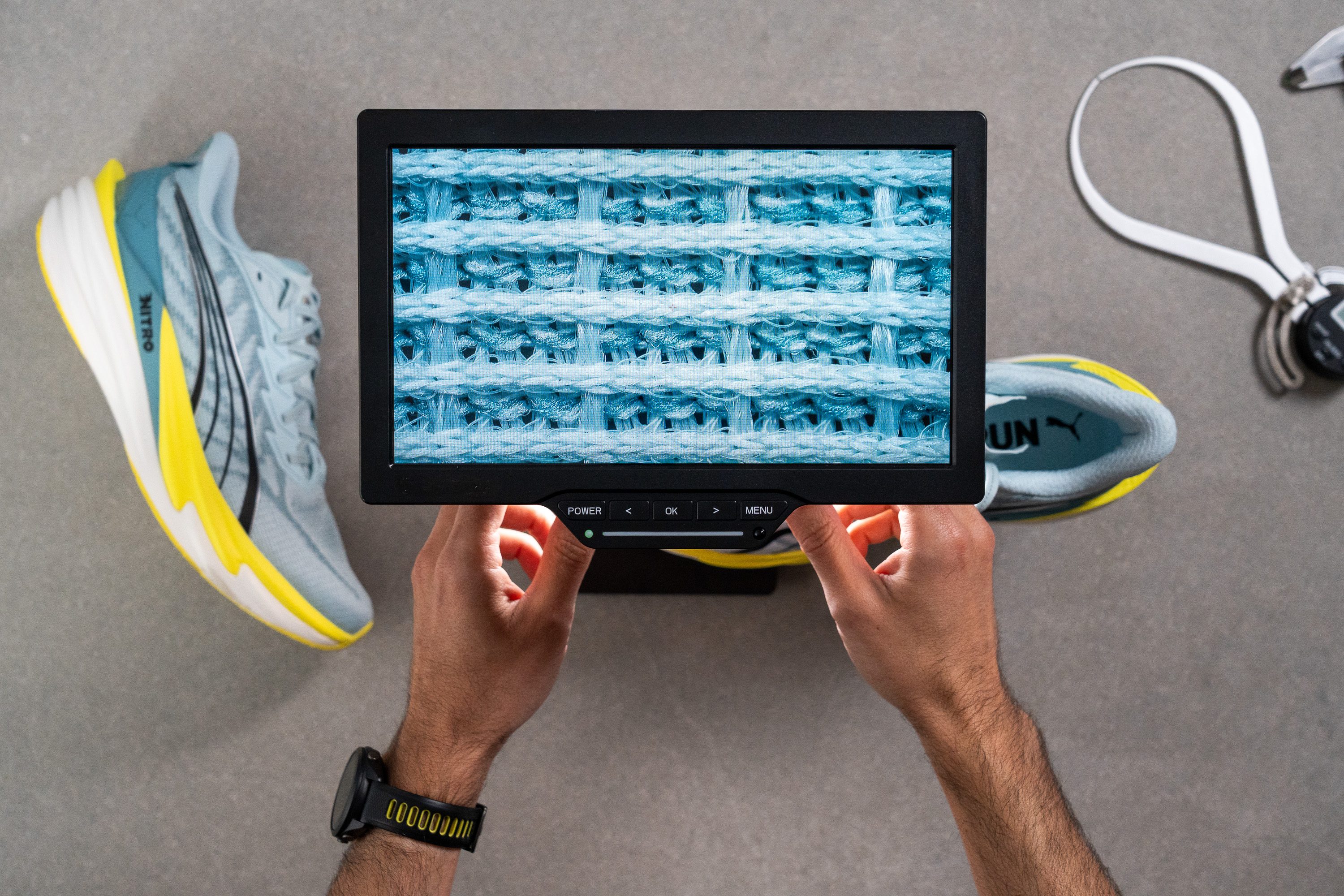
| Deviate Nitro 4 | 63% |
| Average | 53% |
Stability
Lateral stability test
The PUMA Deviate Nitro 4 is clearly a neutral running shoe, and we would not recommend it for runners dealing with pronation issues. The carbon plate does add a welcome layer of stability, but the plush foam and relatively narrow platform create a fun and agile ride that works best for neutral runners.
Torsional rigidity
The carbon plate mainly increases stiffness in the longitudinal direction, as our torsional rigidity test returned a near-average result of 14.5 Nm.
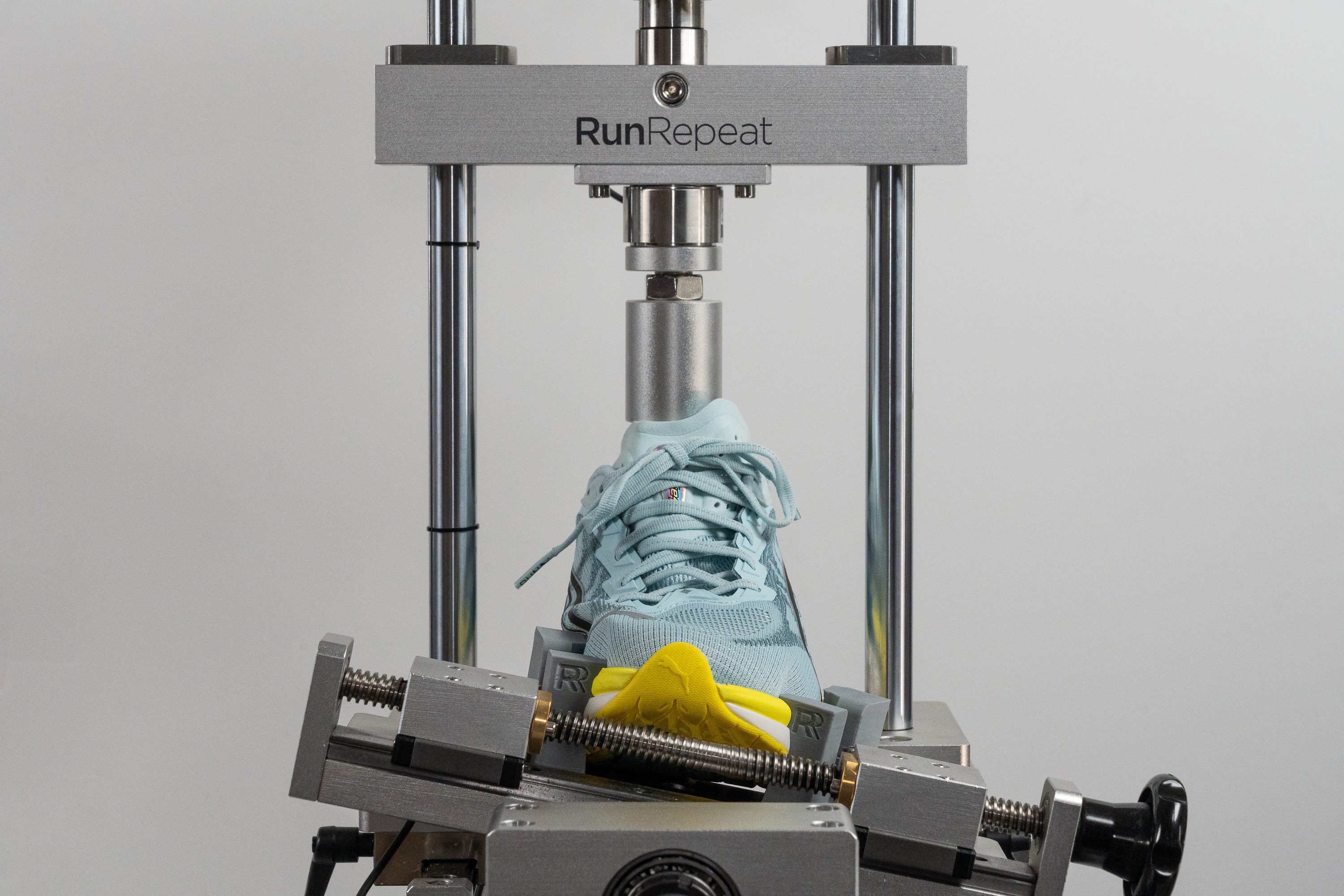
| Deviate Nitro 4 | 14.5 Nm |
| Average | 14.4 Nm |
Heel counter stiffness
The heel counter stayed far from extreme at 3/5, using a nicely balanced design that adds a moderate amount of stiffness and control without feeling overly rigid, very much in line with what we expect from a daily trainer.
| Deviate Nitro 4 | 3 |
| Average | 3 |
Midsole width - forefoot
In our opinion, the PUMA Deviate Nitro 4 separates itself from many modern competitors with oversized midsoles by delivering a more agile and connected ride.
A big reason for that comes from avoiding the max-width, super-sized approach that dominates today’s market, and in our view that makes this shoe feel especially refreshing and enjoyable to run in.
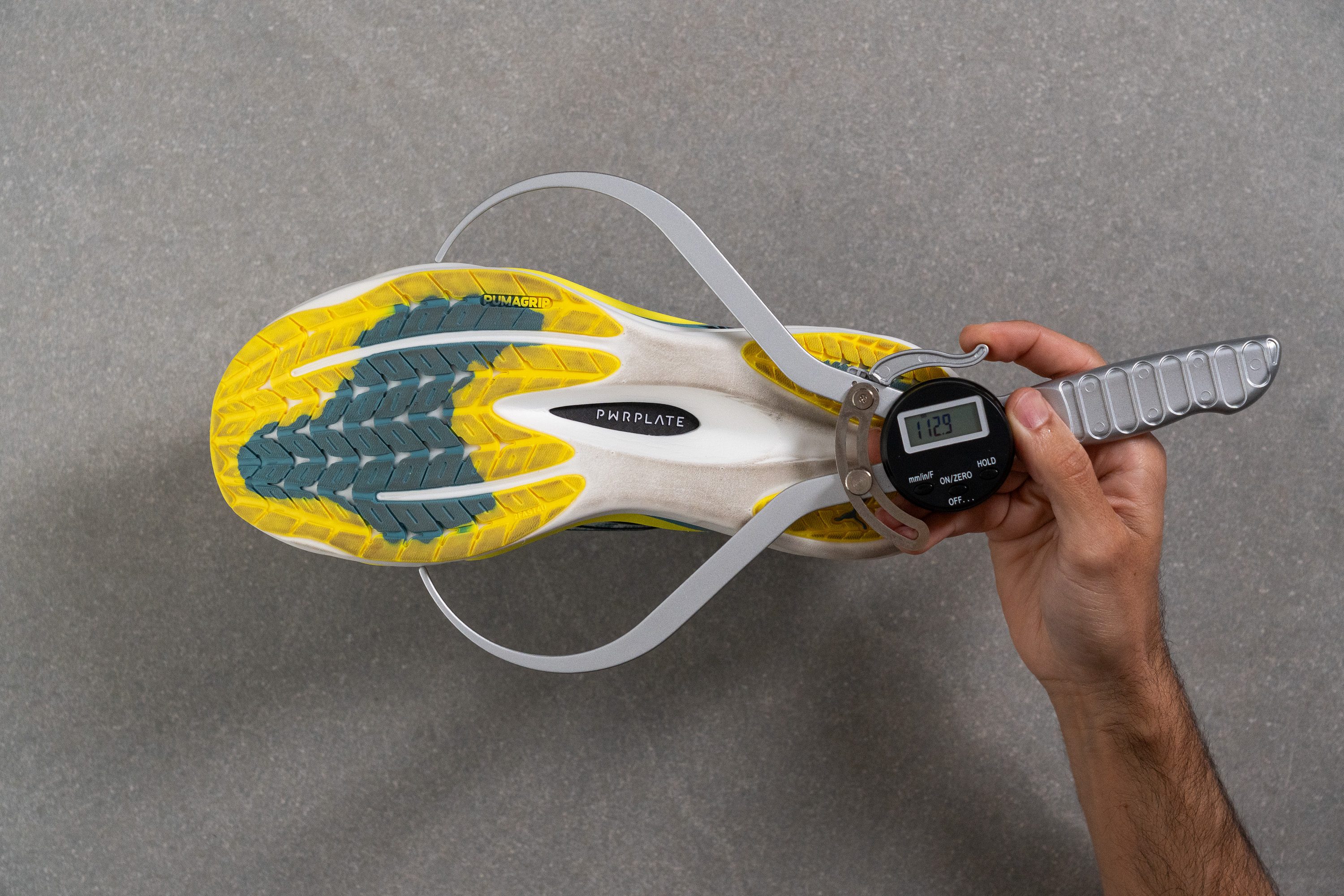
| Deviate Nitro 4 | 112.9 mm |
| Average | 115.1 mm |
Midsole width - heel
We measured the heel at just 85.4 mm, which sits clearly below our current lab average and perfectly reflects the intended audience of this shoe. Runners who enjoy a more classic and agile underfoot feel with less built-in guidance will likely love the Deviate Nitro 4.
However, support is definitely limited in the rearfoot area, and again, that’s something important to keep in mind.
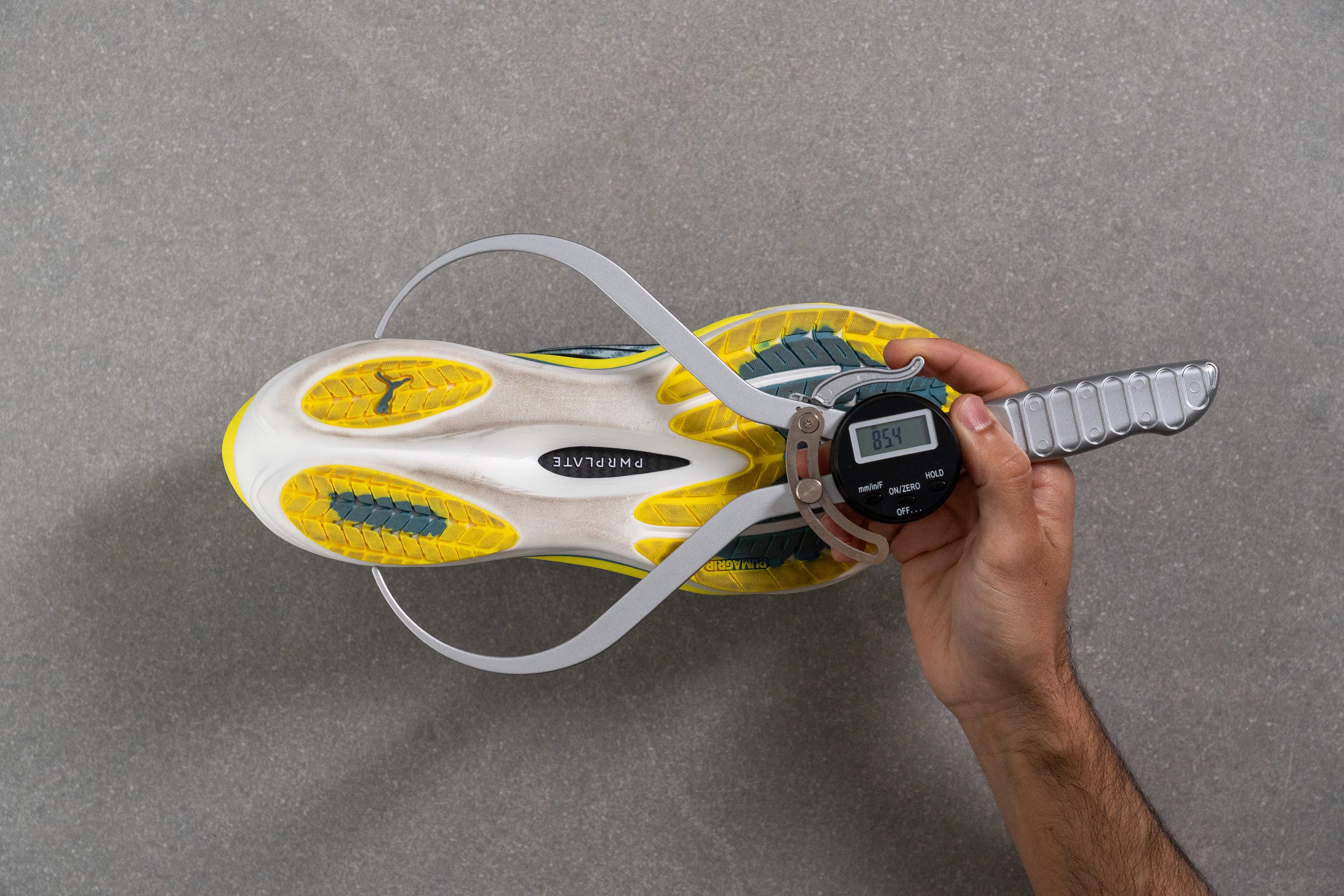
| Deviate Nitro 4 | 85.4 mm |
| Average | 91.1 mm |
Durability
Toebox durability
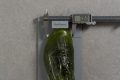
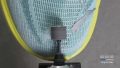
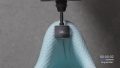
PUMA chose a super-lightweight mesh upper that clearly helped reduce weight compared to version 3, but it also led to disappointing toebox durability. In fact, our Dremel test produced the lowest possible result on our scale with a poor 1/5 score.
| Deviate Nitro 4 | 1 |
| Average | 2.6 |
Heel padding durability
The heel lining feels extremely comfortable on foot, but unfortunately it also proved to be very fragile. Our second Dremel test resulted in another disappointing 1/5 durability score.
| Deviate Nitro 4 | 1 |
| Average | 3.4 |
Outsole durability
PUMAGRIP rarely disappoints, and this shoe proved that once again.
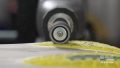
After aggressively testing it with our Dremel, we measured only a tiny 0.6 mm dent, which proves excellent long-term outsole durability and helps offset the weaker upper durability results.
| Deviate Nitro 4 | 0.6 mm |
| Average | 1.1 mm |
Outsole thickness
With 3.3 mm of outsole thickness, the Deviate Nitro 4 offers plenty of rubber for long-term durability.
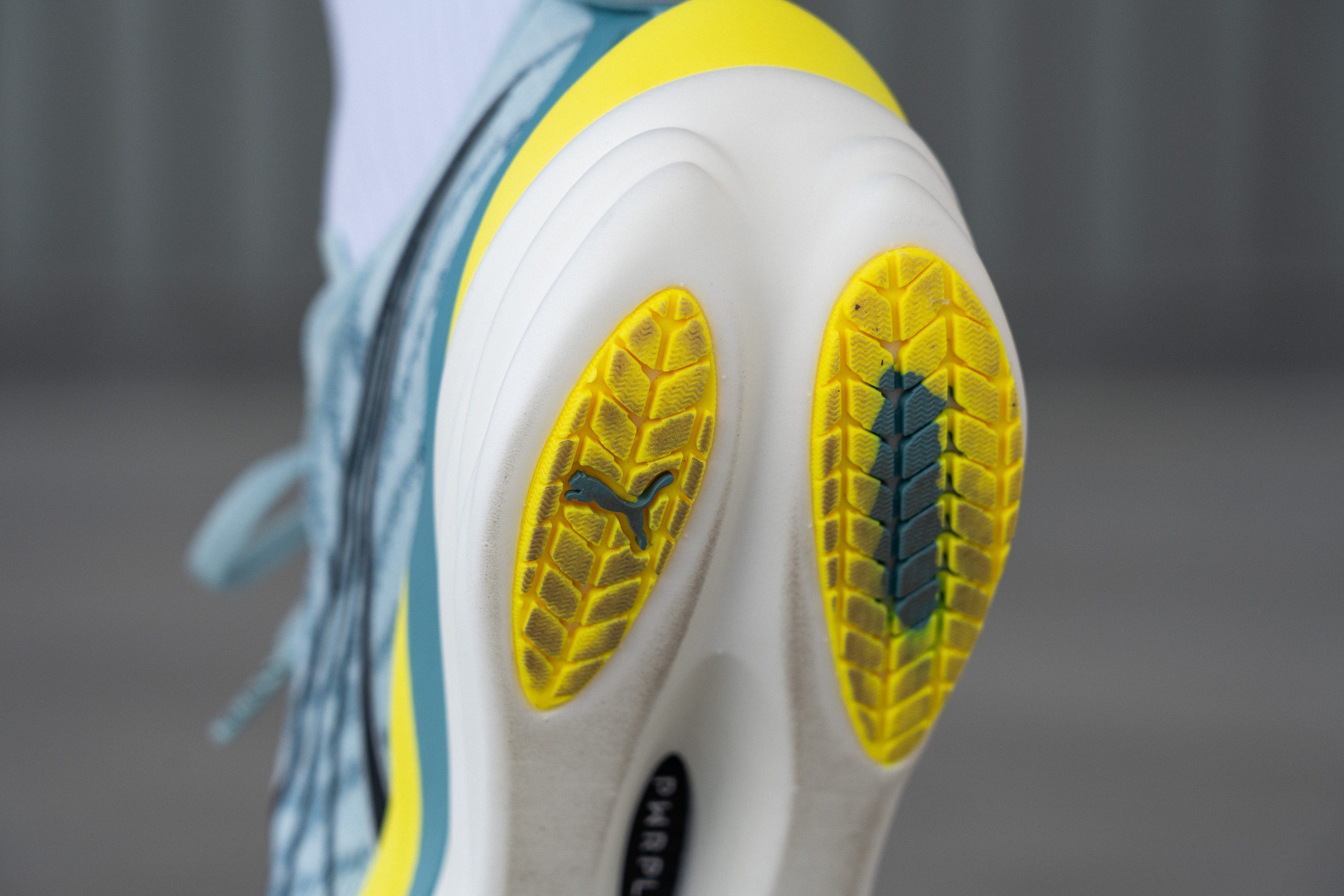
However, we also think this could be one area where PUMA trims a bit of weight in future versions. Reducing the outsole by around 1 mm could make the shoe feel lighter and more connected to the ground while still maintaining solid durability.
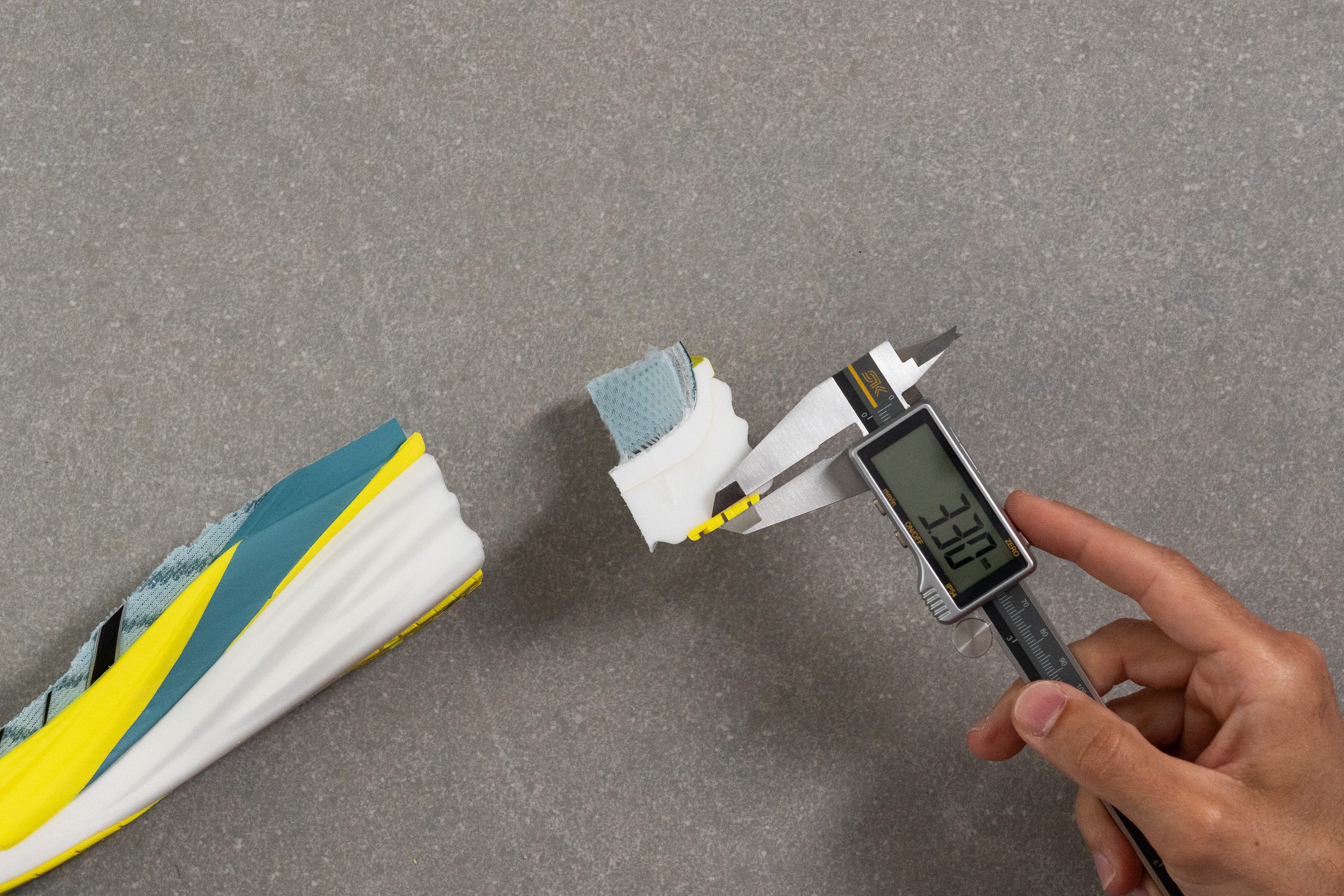
| Deviate Nitro 4 | 3.3 mm |
| Average | 3.1 mm |
Misc
Insole thickness
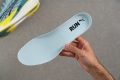
The insole sits slightly below our current lab average, measuring 3.5 mm in thickness.
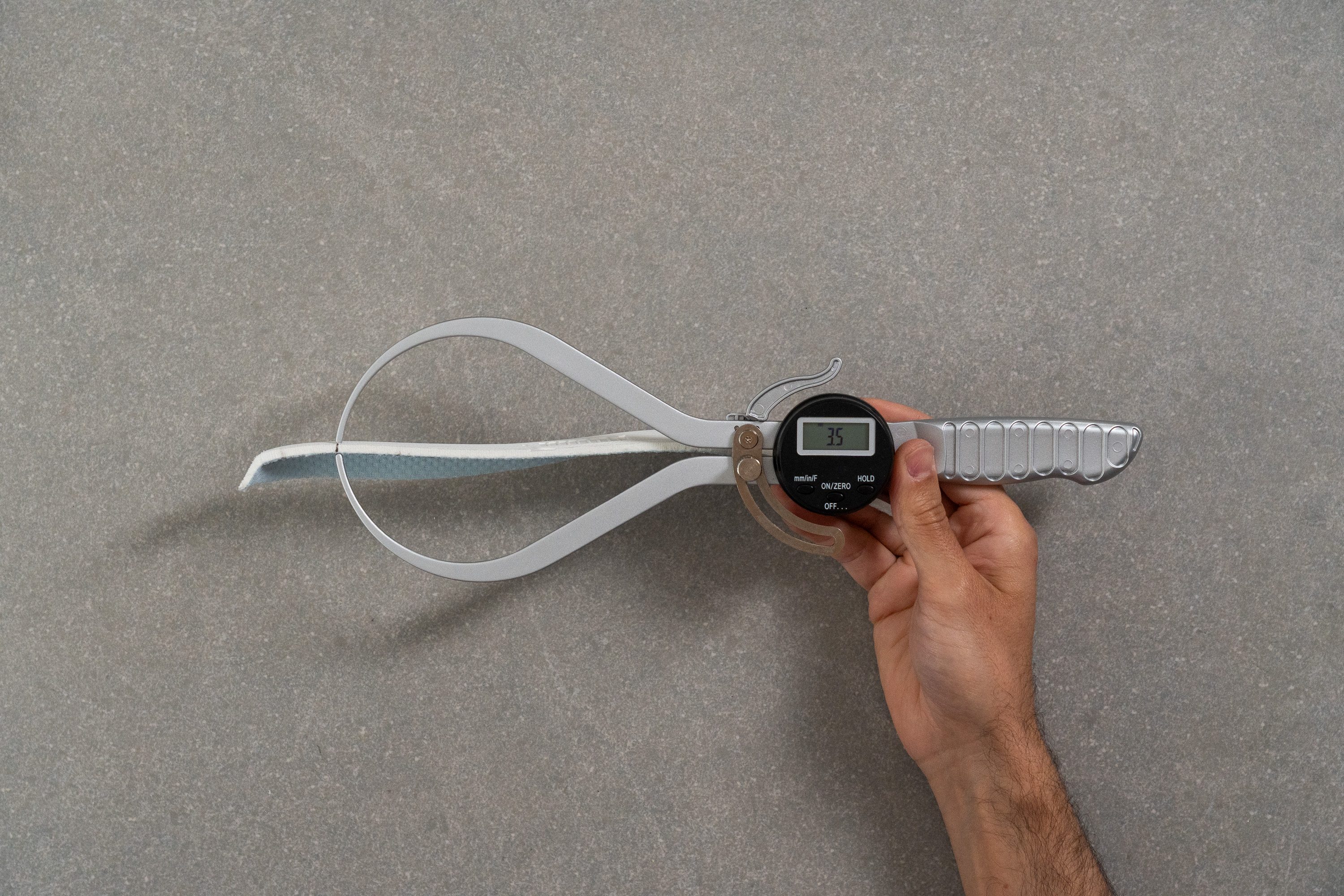
| Deviate Nitro 4 | 3.5 mm |
| Average | 4.4 mm |
Removable insole
The insole feels slightly more premium than what we usually find in tempo shoes, although you can still easily replace it if needed.
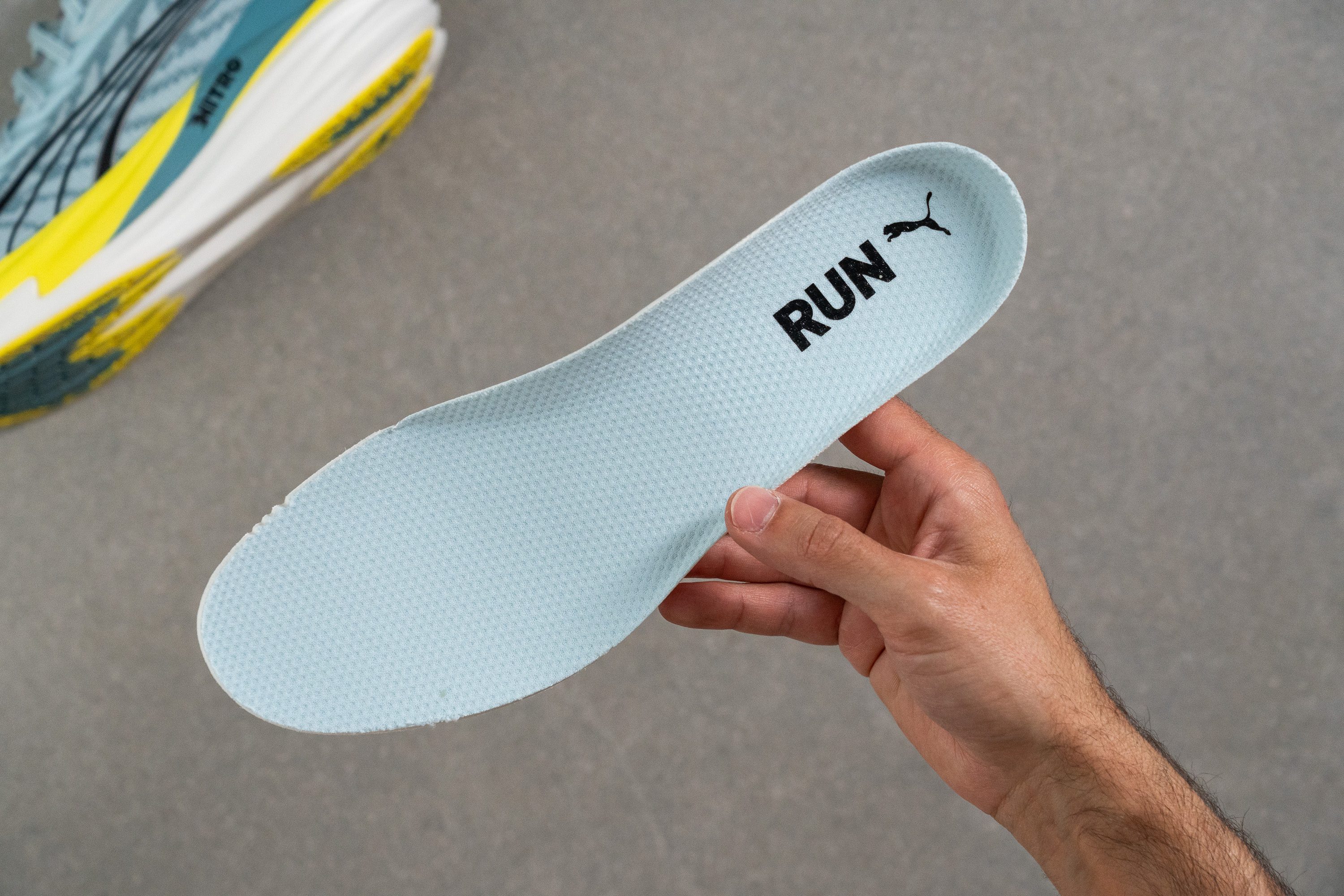
| Deviate Nitro 4 | Yes |
Reflective elements
The PUMA Deviate Nitro 4 comes with multiple reflective elements around, and the ones in the heel area are so cool!
| Deviate Nitro 4 | Yes |
Tongue padding
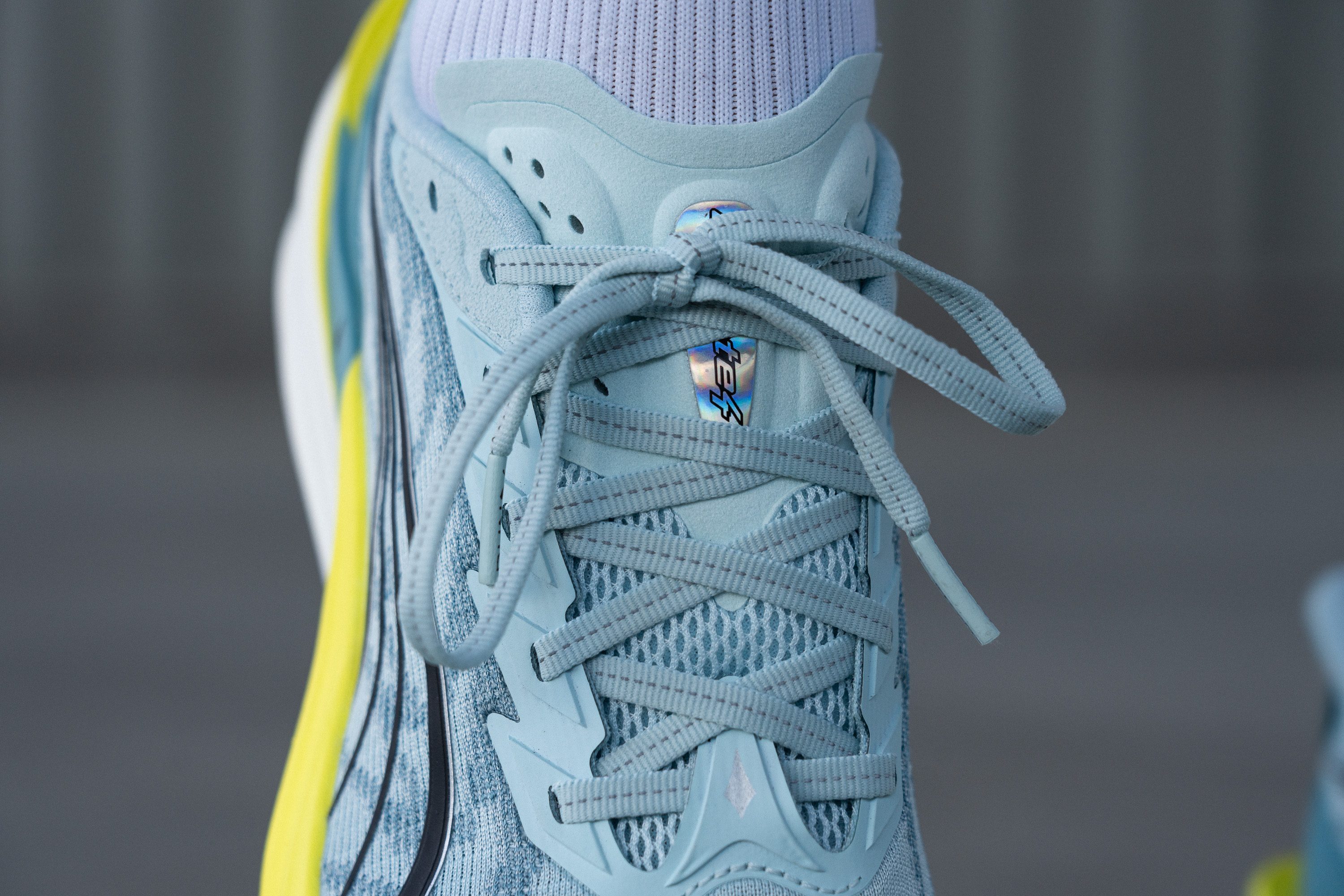
We liked the eyelet system of the PUMA Deviate Nitro 4 because it delivers a secure and race-ready lockdown. The flat laces work especially well, and the extra eyelet sits far back near the ankle for runners who need an even more locked-in fit.
As for the tongue, PUMA matched the personality of the shoe really well. It uses less padding than a daily trainer but noticeably more than a pure racing shoe, reaching a balanced 5.5 mm thickness in our measurements.
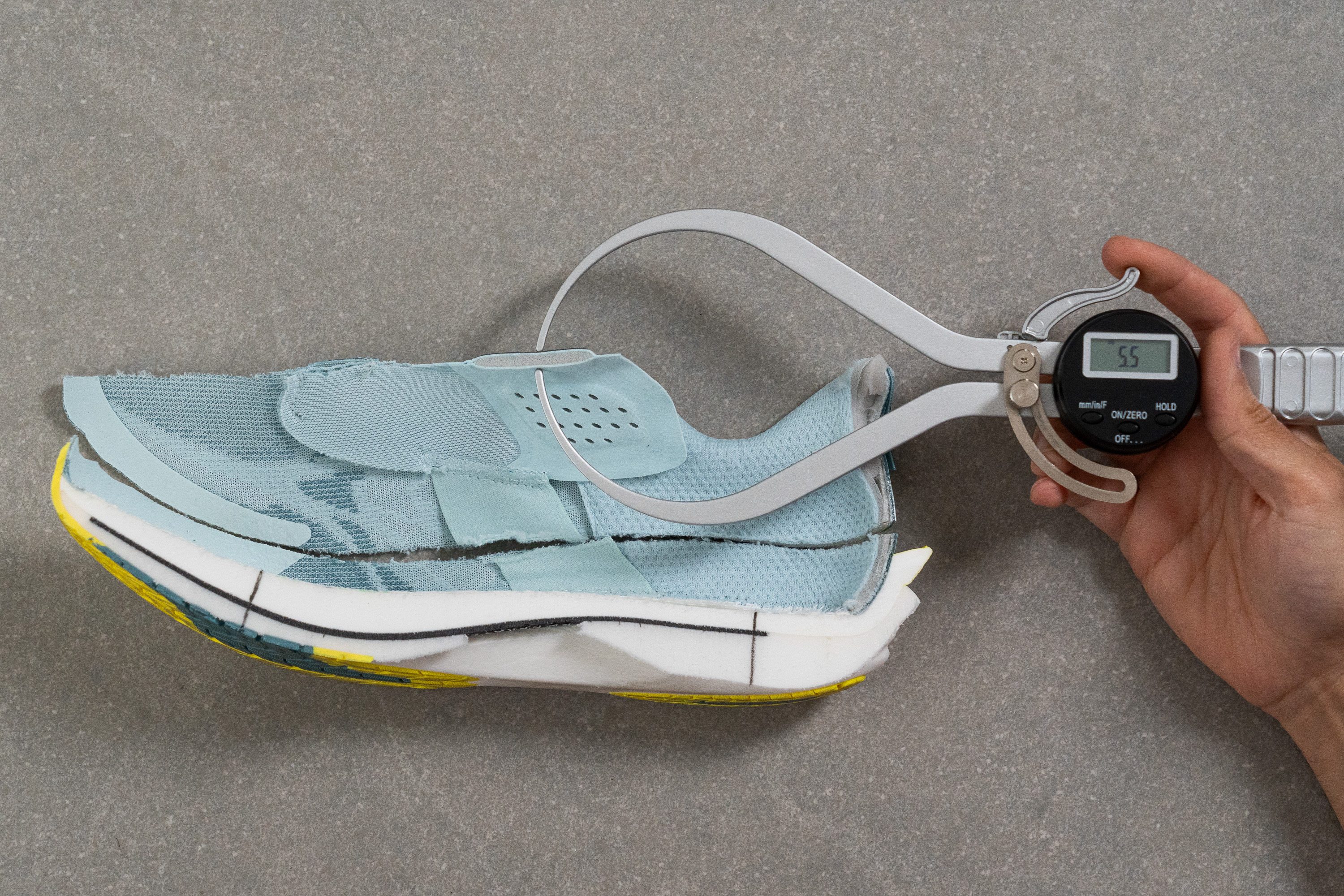
| Deviate Nitro 4 | 5.5 mm |
| Average | 5.8 mm |
Tongue: gusset type
The tongue features a semi-gusseted design that works perfectly for the fast-paced purpose of this shoe, helping create a secure and race-ready lockdown. However, we also noticed that the edges of the tongue look somewhat rough, and this should be much better at this high price point.
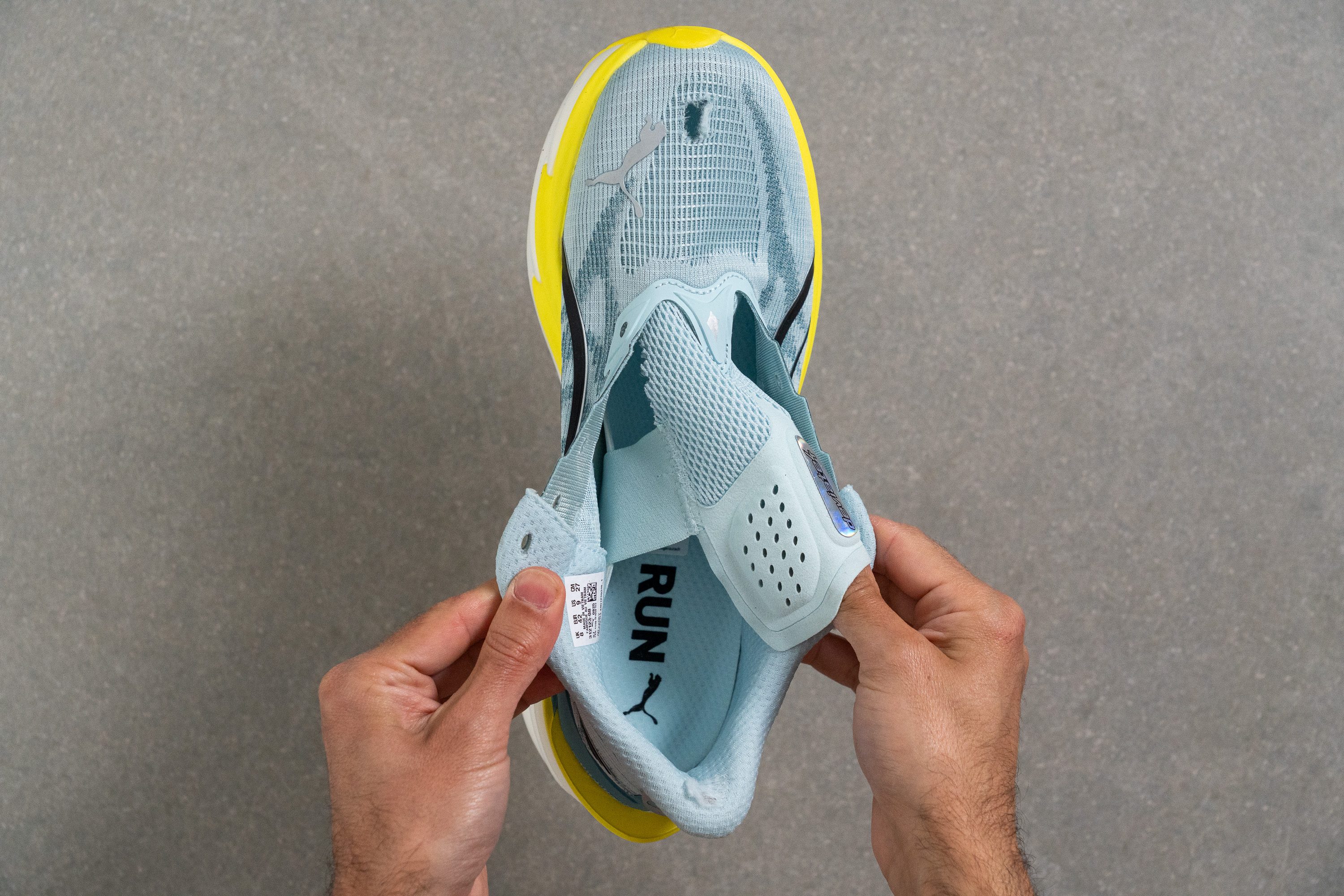
| Deviate Nitro 4 | Both sides (semi) |
Heel tab
PUMA and adidas have shared a fierce rivalry ever since the Dassler brothers split many decades ago, and even today both brands still seem unable to stop watching each other.
We found that the heel design of the PUMA Deviate Nitro 4 features an extended collar that’s easy to grab, but it also includes a small tab you can lift to reveal a hidden message... remarkably similar to the idea used in the adidas Adizero Adios Pro 4.
| Deviate Nitro 4 | Extended heel collar |
Price
The Deviate Nitro 4 feels fairly priced in today’s market, sitting one step above regular daily trainers but still below the premium-priced super trainer category.
We also believe PUMA should avoid increasing the price in future versions, because pushing this shoe closer to the £180 range would start to feel like a stretch.
| Deviate Nitro 4 | $170 |