
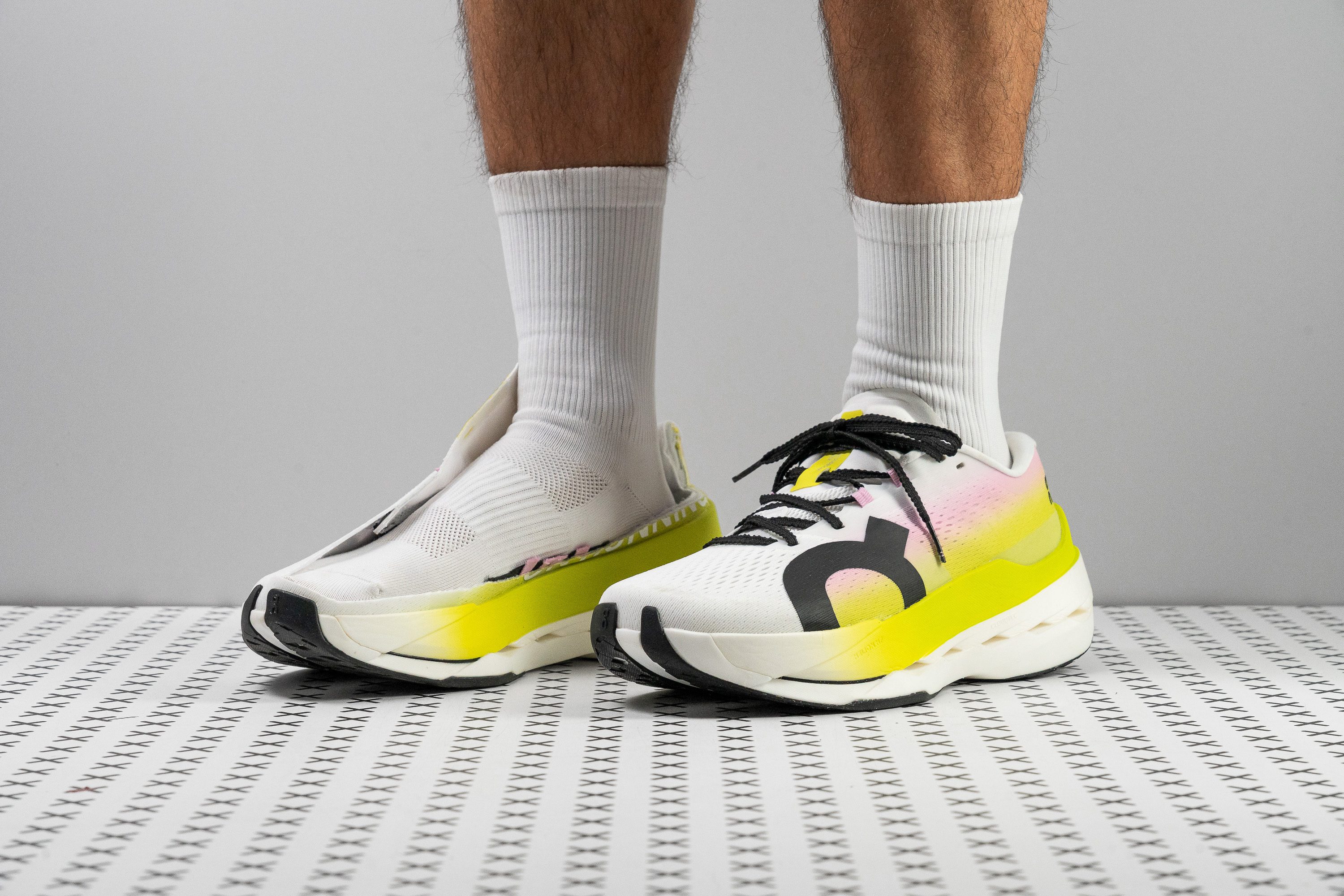





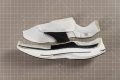





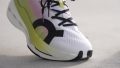

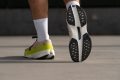
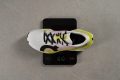







Our verdict
- Daily running 89
- Tempo 82
- Race 66
- Stability 94
Pros
- Excellent durability from top to bottom
- Finally improved energy return
- Stable as a table
- High-quality materials
- Solid traction
- A real max-stack shoe
- Generous rubber coverage
- Upper mixes comfort and ventilation
- Excellent lockdown
Cons
- Heavier than most competitors
- Very expensive
- Shock absorption is lower than expected
- Feels a bit too firm
Awards
- Top pick in best running shoes for Achilles tendonitis
- Top 26% in road running shoes
- Top 22% in On running shoes
Comparison
The most similar running shoes compared
+ + Add a shoe | |||||
|---|---|---|---|---|---|
| Our score | 86 Great | 88 Superb | 91 Superb | 94 Superb | |
| Price | £220 | £140 | £155 | £180 | |
| Pace | Daily runningTempo | Daily running | Daily running | Tempo | |
| Shock absorption | Moderate | High | High | High | |
| Energy return | High | High | High | High | |
| Traction | High | High | High | High | |
| Arch support | Neutral | Neutral | Neutral | Neutral | |
| Weight lab Weight brand | 10.1 oz / 286g 10.4 oz / 296g | 9.8 oz / 278g 9 oz / 255g | 10.2 oz / 289g 10.1 oz / 285g | 8.5 oz / 241g 8.4 oz / 238g | |
| Lightweight | ✗ | ✗ | ✗ | ✓ | |
| Drop lab Drop brand | 9.2 mm 8.0 mm | 8.5 mm 8.0 mm | 9.6 mm 10.0 mm | 10.6 mm 8.0 mm | |
| Strike pattern | HeelMid/forefoot | HeelMid/forefoot | HeelMid/forefoot | Heel | |
| Size | True to size | True to size | True to size | Slightly small | |
| Midsole softness | Balanced | Balanced | Soft | Firm | |
| Difference in midsole softness in cold | Small | Small | Small | Normal | |
| Toebox durability | Decent | Decent | Decent | Decent | |
| Heel padding durability | Good | Good | Good | Good | |
| Outsole durability | Good | Good | Good | Good | |
| Breathability | Moderate | Breathable | Moderate | Breathable | |
| Width / fit | Medium | Medium | Medium | Medium | |
| Toebox width | Wide | Medium | Medium | Medium | |
| Stiffness | Stiff | Stiff | Stiff | Moderate | |
| Torsional rigidity | Stiff | Moderate | Moderate | Moderate | |
| Heel counter stiffness | Stiff | Stiff | Moderate | Stiff | |
| Rocker | ✓ | ✓ | ✗ | ✓ | |
| Heel lab Heel brand | 39.2 mm 40.0 mm | 38.7 mm 36.0 mm | 42.3 mm 45.0 mm | 37.4 mm 36.0 mm | |
| Forefoot lab Forefoot brand | 30.0 mm 32.0 mm | 30.2 mm 28.0 mm | 32.7 mm 35.0 mm | 26.8 mm 28.0 mm | |
| Widths available | NormalWide | NarrowNormalWide | NarrowNormalWideX-Wide | NormalWide | |
| Orthotic friendly | ✓ | ✓ | ✓ | ✓ | |
| Season | All seasons | SummerAll seasons | All seasons | SummerAll seasons | |
| Removable insole | ✓ | ✓ | ✓ | ✓ | |
| Ranking | #94 Top 24% | #49 Top 13% | #18 Top 5% | #4 Top 1% | |
| Popularity | #175 Top 44% | #55 Top 14% | #2 Top 1% | #18 Top 5% |


Who should buy
After running on it and dissecting the On Cloudboom Max in the lab, we can recommend it for:
- On loyal runners who stick to the brand and want a super trainer with clearly improved energy return compared to the dull Cloudmonster Hyper.
- Midfoot and forefoot strikers who prefer a flatter feel in the toe-off phase, and do not enjoy aggressive rocker designs.
- Those looking for a premium daily trainer who don't mind paying extra for On’s design and materials.
Who should NOT buy
Sure, the Cloudboom Max is a super trainer, but is a heavy one. We found in the lab that this weight hurts pace changes, making it feel slow rather than lively. For a more versatile ride, the ASICS Megablast and the Saucony Endorphin Speed 5 are better picks.
We also think the high price is a serious drawback. In our view, it is hard to justify paying this much when faster-paced, budget-friendlier shoes like the adidas Adizero EVO SL or the Brooks Hyperion Max 3 exist.
Cushioning
Shock absorption
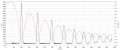
The Cloudboom Max clearly follows a maximalist design, yet the shock absorption results from our lab were lower than expected for this category.
With 126 SA in the heel and 111 SA in the forefoot, cushioning is only decent and that gap may disappoint runners expecting top-tier numbers from a shoe with this name.
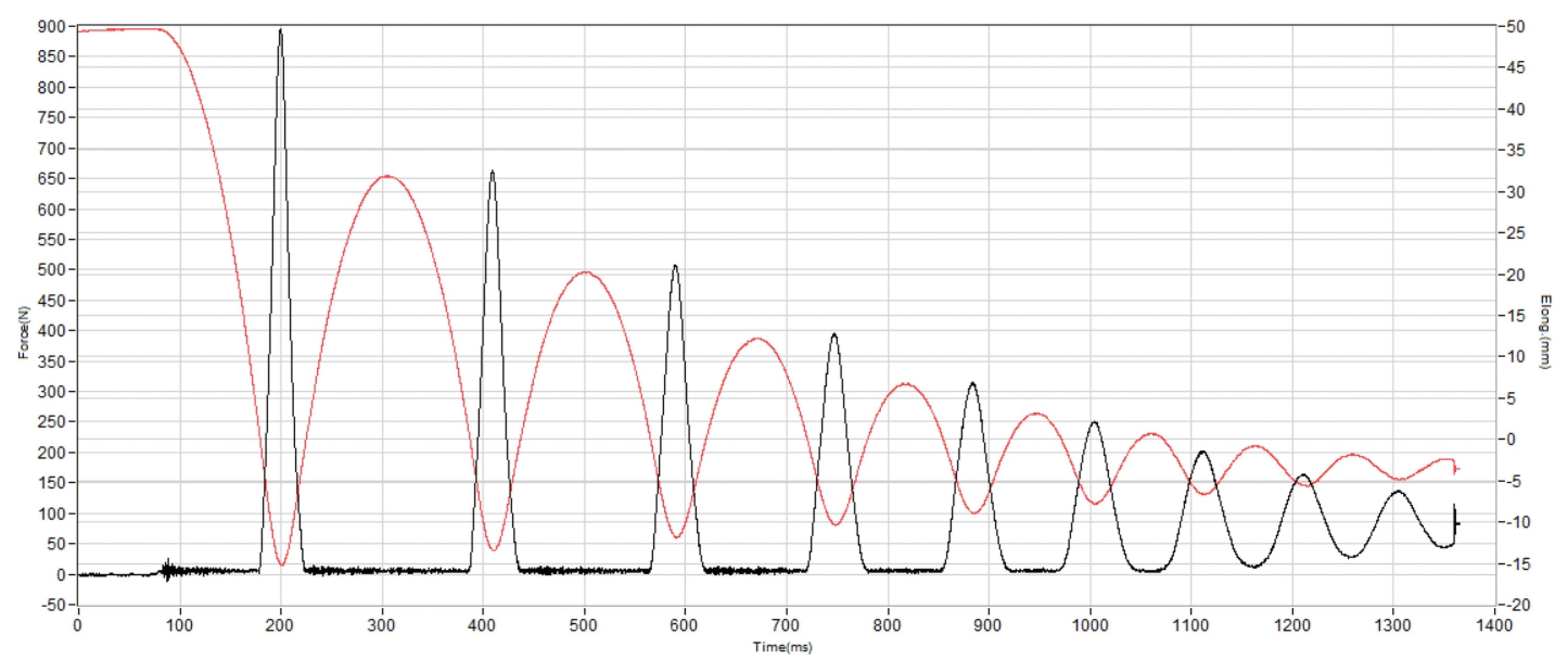
| Cloudboom Max | 126 SA |
| Average | 131 SA |
Energy return
Energy return has long been a weak point for many On daily trainers, as the brand often struggled to deliver a lively bounce in their training shoes. That changes with the On Cloudboom Max, which brings a noticeably more energetic and modern feel underfoot.
The shoe uses a dual-foam setup, with a top layer of PEBA-based Helion HF, the same material found in the Cloudboom Strike super shoe. In our testing, the higher amount of PEBA foam in the front of the midsole led to a clear split, with 61.9% energy return in the heel and an impressive 69.7% in the forefoot.
| Cloudboom Max | 69.7% |
| Average | 61.5% |
Heel stack
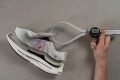
Adding Max to a shoe name today usually means pushing the heel stack as close as possible to 40 mm, or even beyond it. The On Cloudboom Max comes in just under that mark at 39.2 mm, but it still fits the max-stack category in our book.
That said, do not expect the extreme height or towering feel of shoes like the Nike Vomero Premium. The Cloudboom Max feels more like a slightly taller daily trainer, which for most runners is actually a much reasonable outcome.
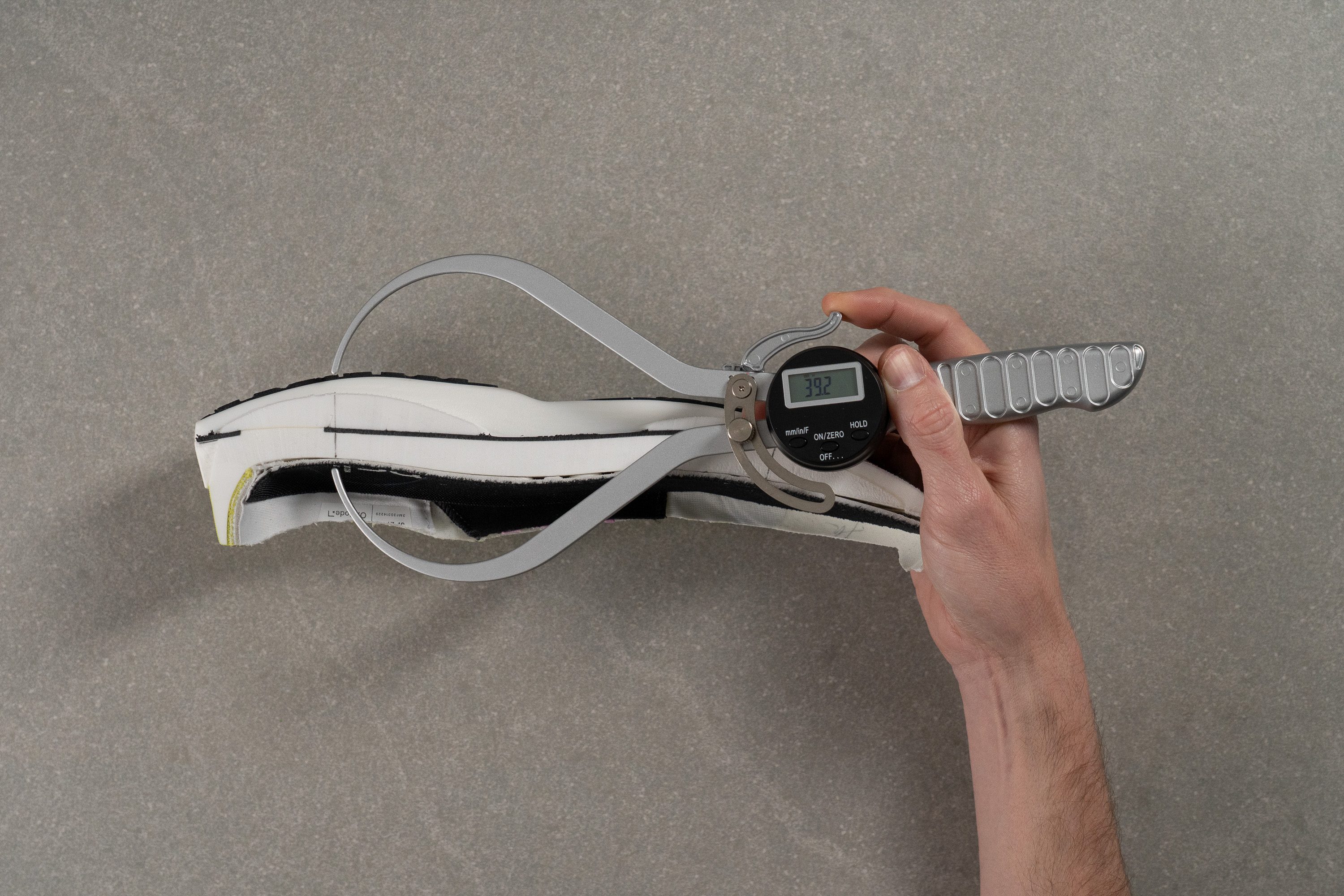
| Cloudboom Max | 39.2 mm |
| Average | 35.6 mm |
Forefoot stack
We also measured the forefoot stack, which came in at exactly 30.0 mm. For runners who dislike strong ground feel, this offers reassurance, especially since the shoe pairs that height with a firm bottom foam layer and a plate sandwiched in between.
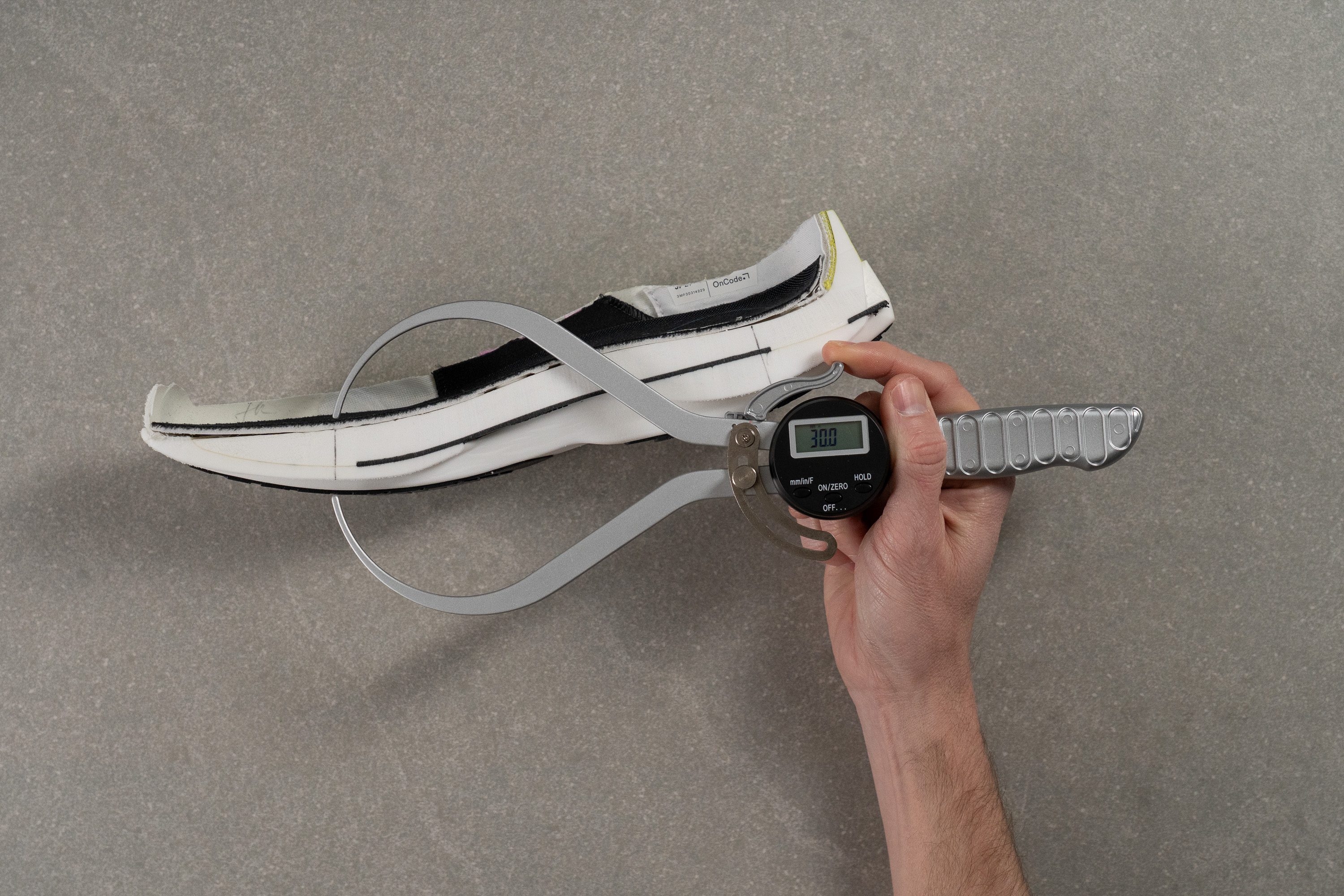
| Cloudboom Max | 30.0 mm |
| Average | 27.1 mm |
Drop
On lists an official drop of 8 mm, but our measurements came out slightly higher at 9.2 mm. This small difference does not change the ride, as the feel underfoot remains the same and the shoe still works well for all footstrike patterns.
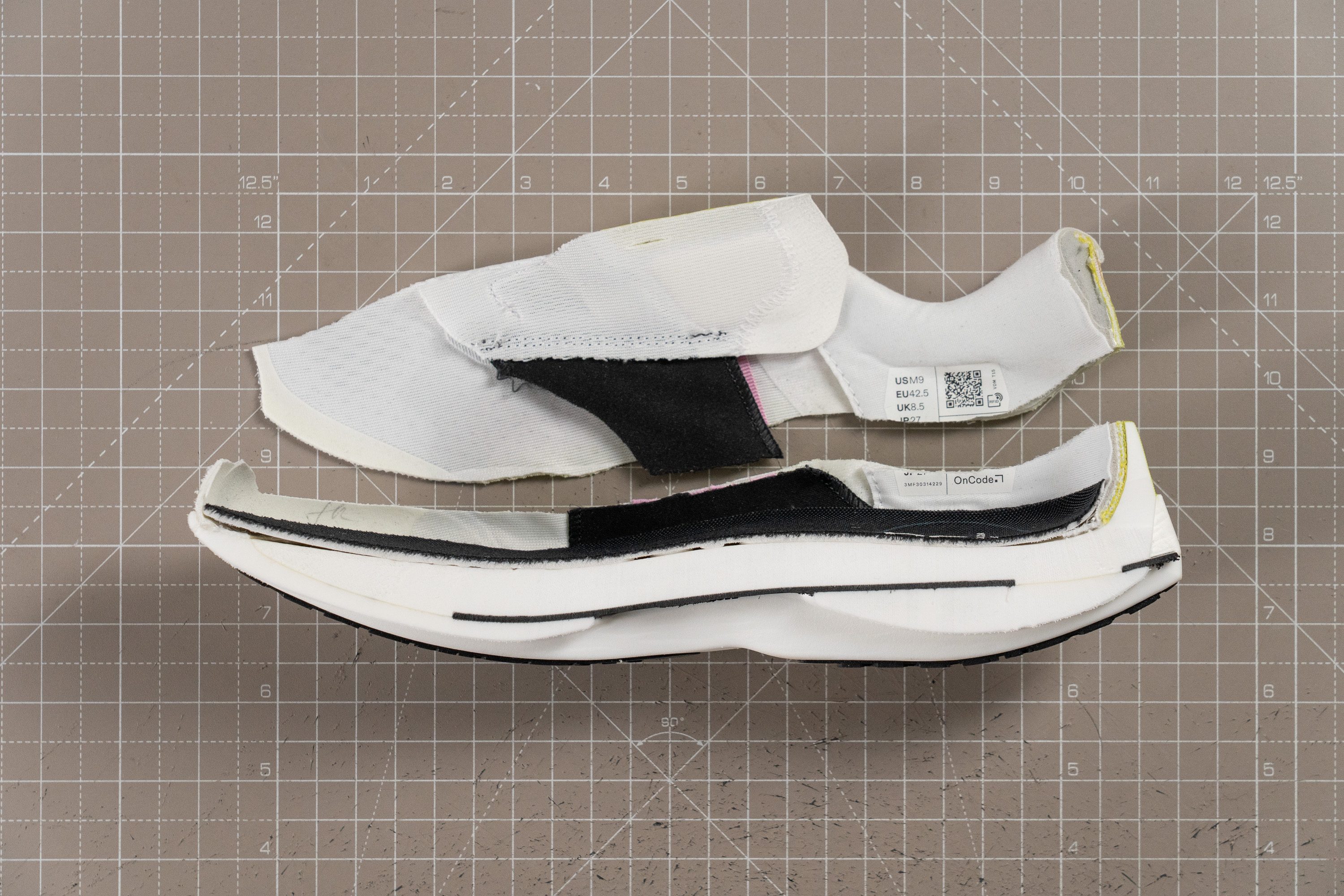
| Cloudboom Max | 9.2 mm |
| Average | 8.4 mm |
Midsole softness
A proper super trainer needs a premium foam, and On checks this box by using its Helion HF compound. This PEBA-based material is light and energetic, which is also expected at this price point.
When it comes to softness, we measured 33.8 AC. Even so, the ride feels noticeably firmer than that number (and our chart) suggests. Why?
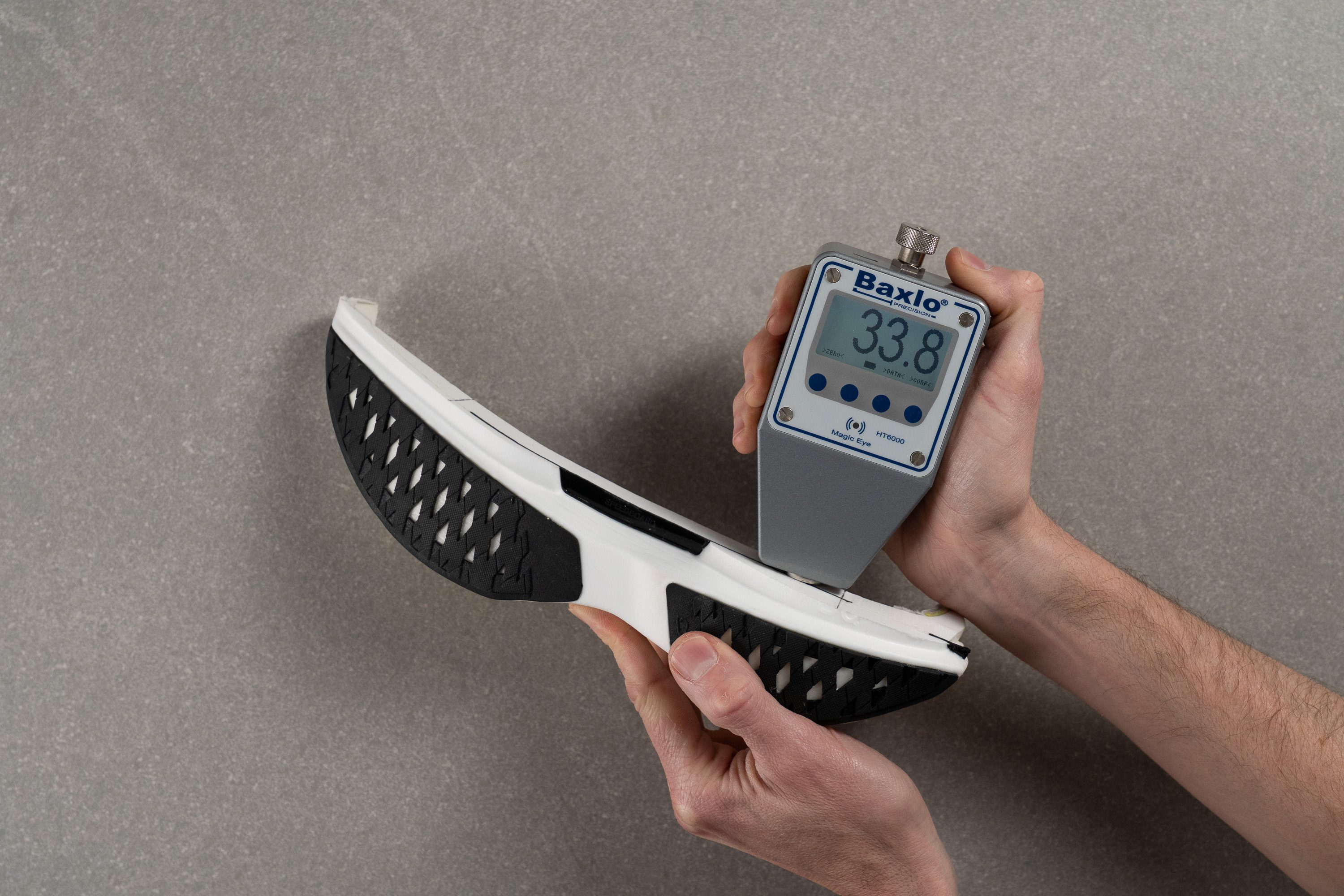
| Cloudboom Max | 33.8 AC |
| Average | 35.4 AC |
Rocker
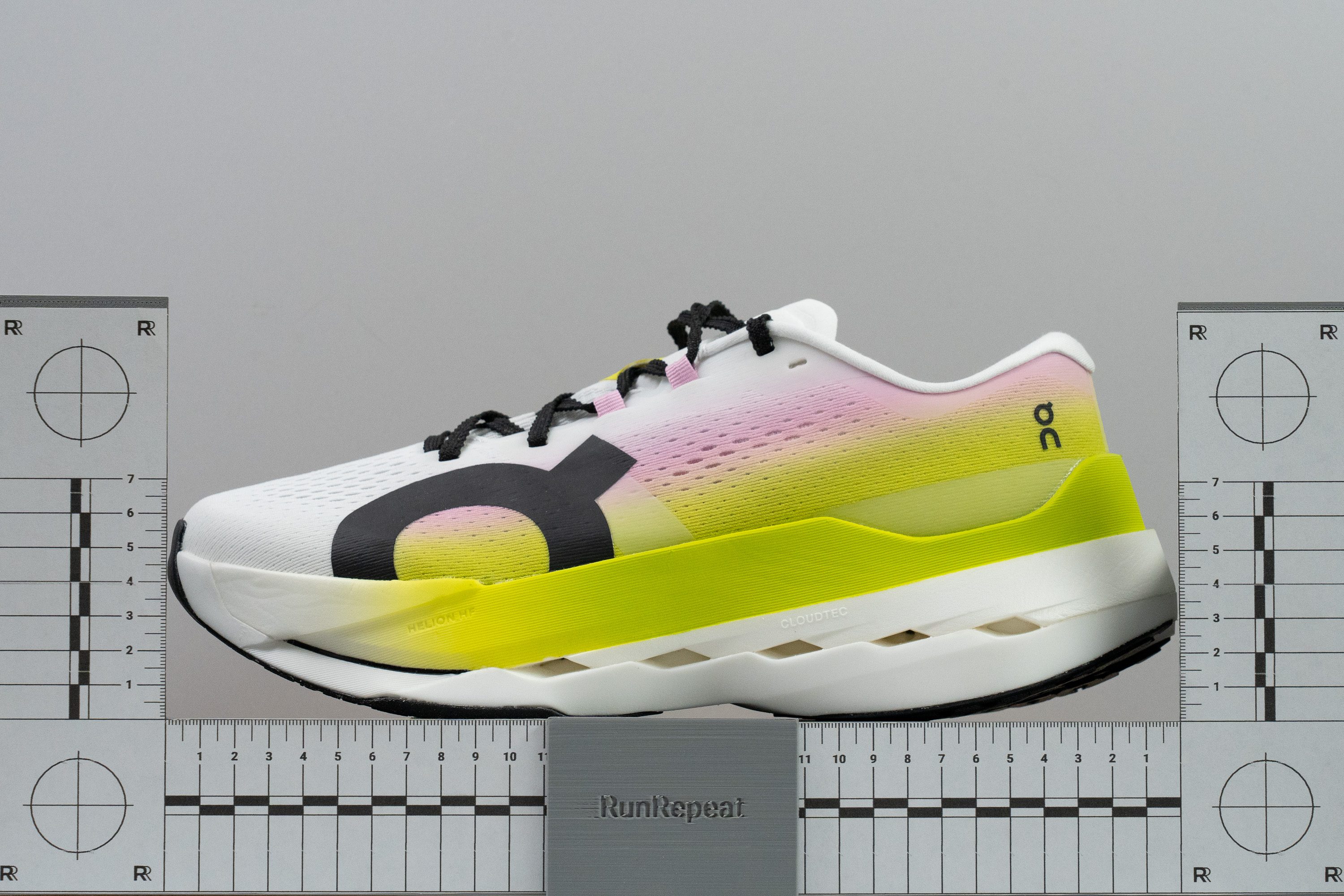
One area where On clearly separates itself from most brands is the rocker design, and it is a welcome choice. The Cloudboom Max keeps a moderate forefoot rocker despite being a max-stack shoe, preserving a more natural toe-off that many runners still prefer, instead of forcing an aggressive roll.
In contrast, the heel shows a much stronger curvature. This pronounced bevel helps heel strikers transition forward more smoothly and offsets the high stack.
Plate
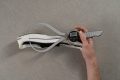
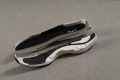
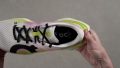
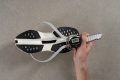
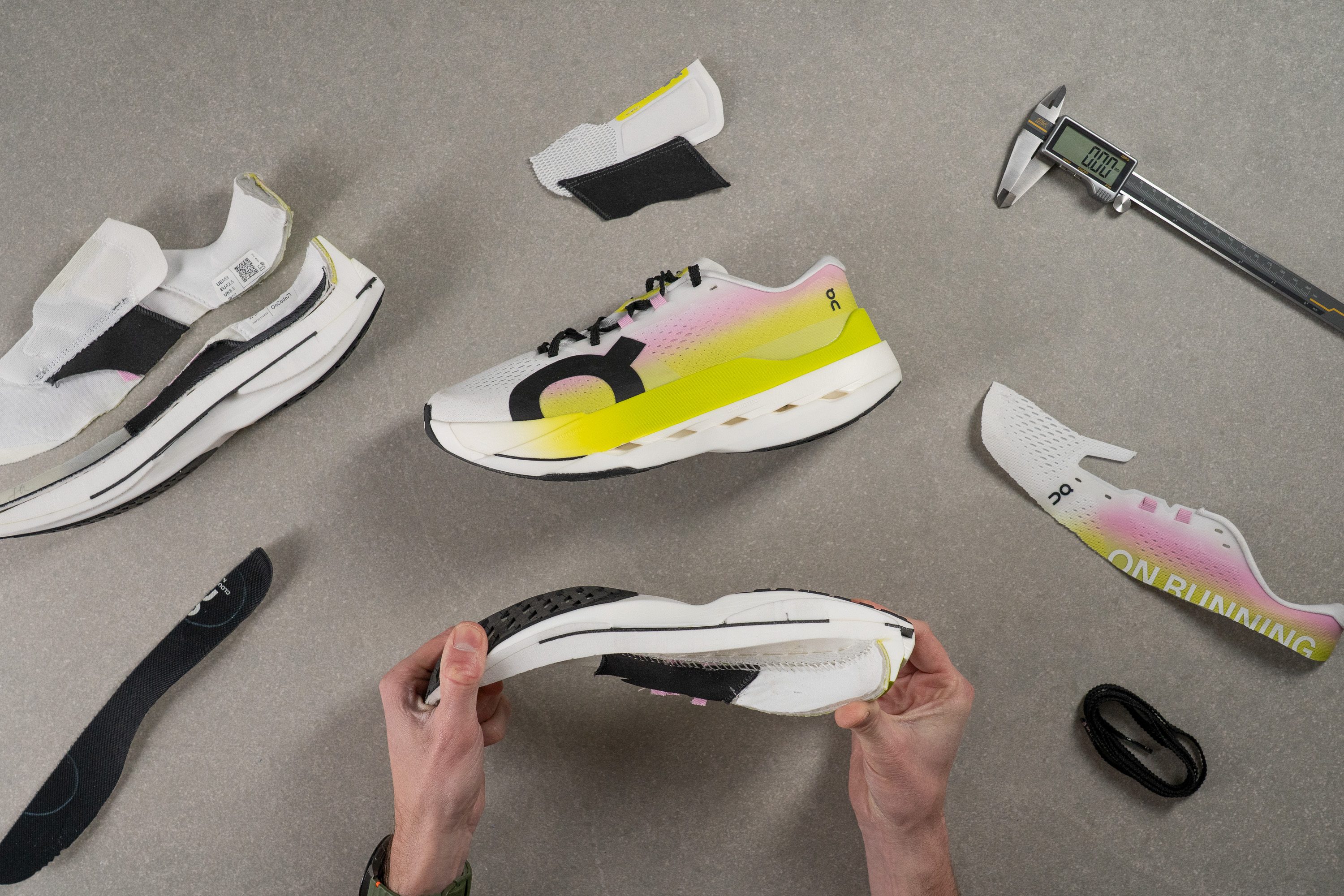
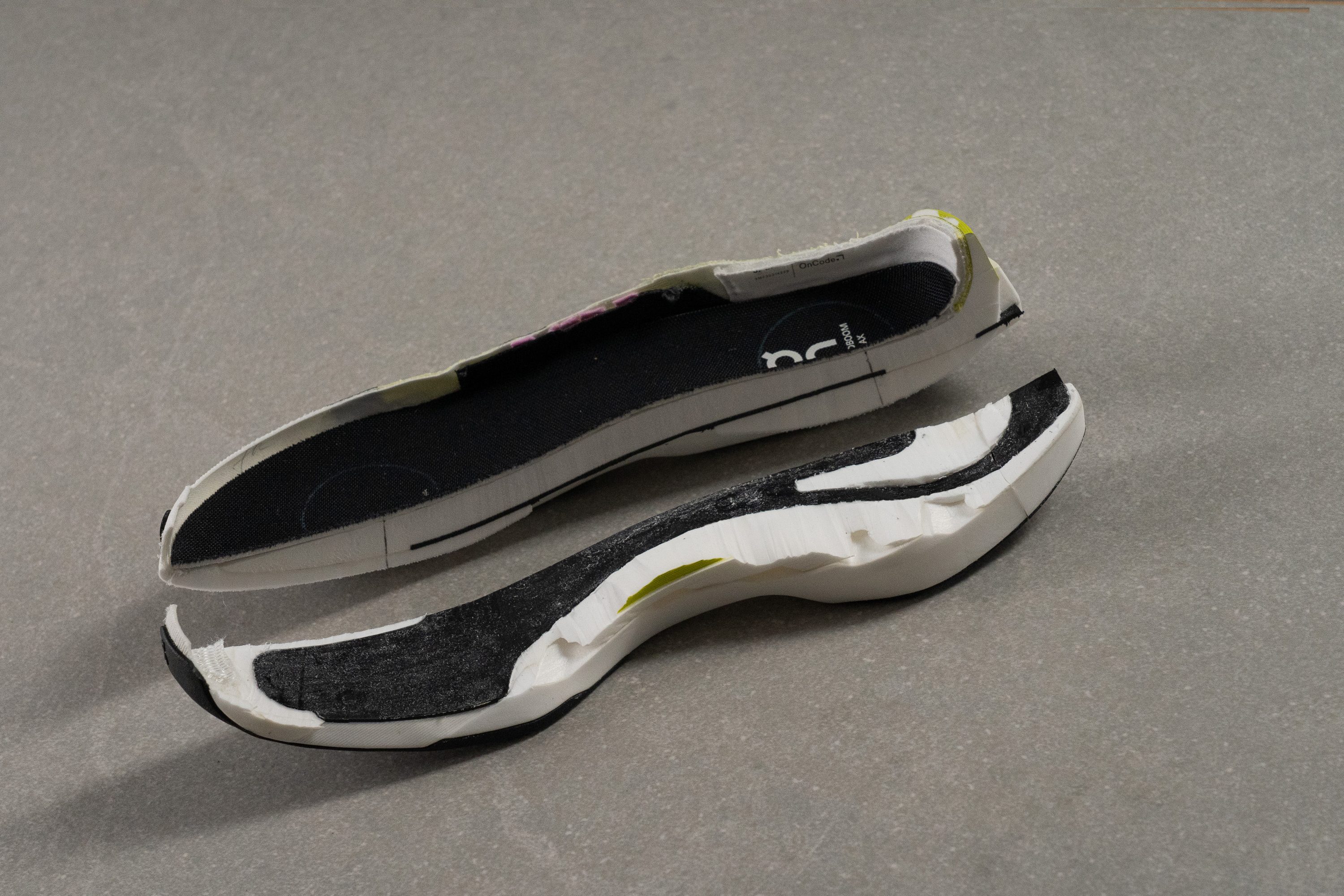
Like most super trainers, the On Cloudboom Max uses a plate placed between two foam layers. In this case, the Speedboard is not carbon fibre but a fibreglass material, which is cheaper and noticeably more flexible.
The plate also features visible cutouts, as seen in our photo, instead of a solid sheet. This carved design allows extra bending through the midfoot and forefoot, helping the shoe feel less rigid than traditional full plates.
Size and fit
Size
On Cloudboom Max fits true to size (19 votes).
Internal length
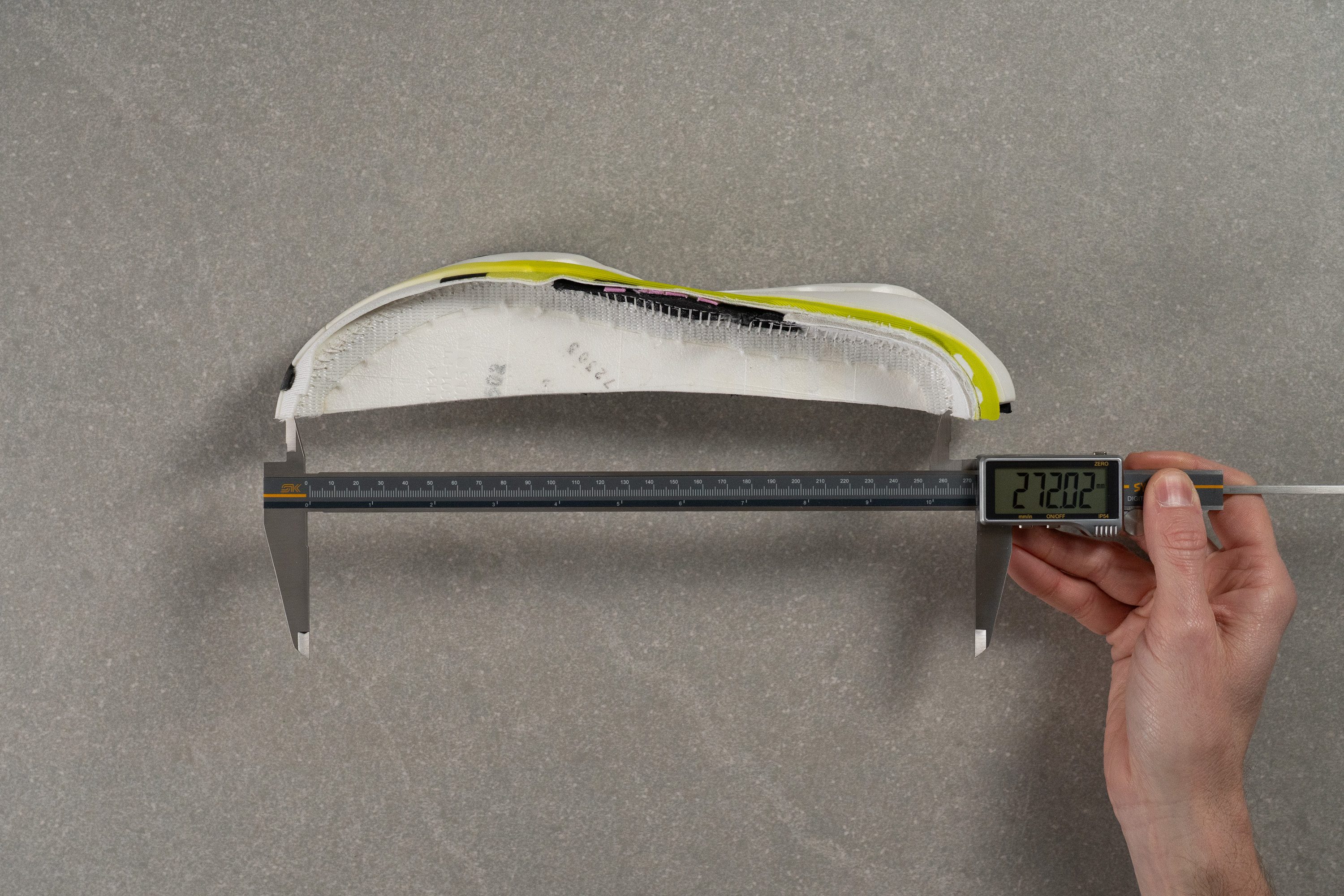
| Cloudboom Max | 272.0 mm |
| Average | 269.3 mm |
Width / Fit
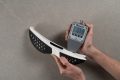
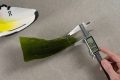
We created a detailed gel mould of the shoe’s interior, which showed a width of 94.6 mm. This sits slightly below the average of the running shoes we have tested so far.
However, we felt there was a bit more room in the forefoot, so we took a second measurement to get a clearer and more complete picture.
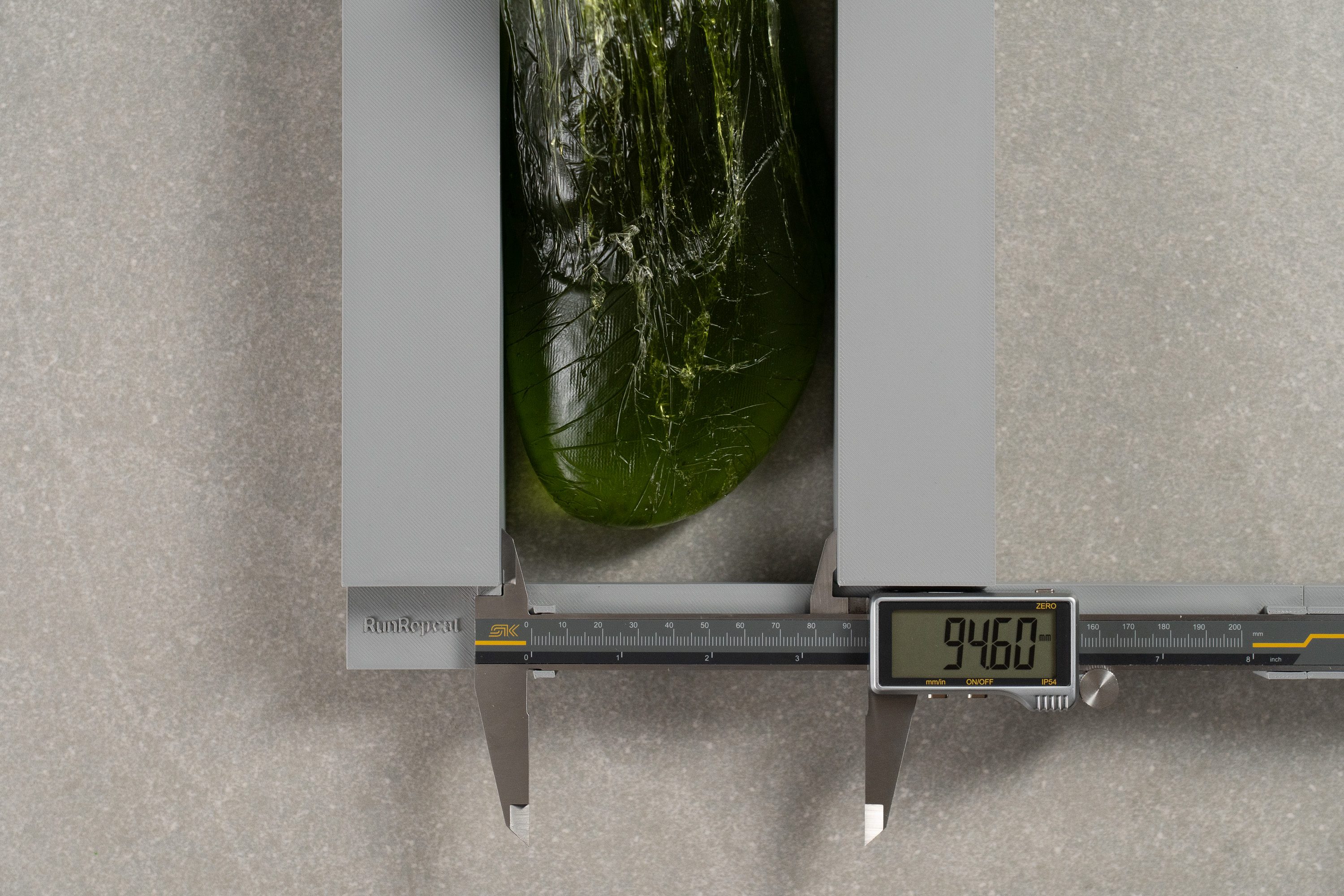
| Cloudboom Max | 94.6 mm |
| Average | 95.2 mm |
Toebox width
The toebox width measured 76.9 mm, which explains why the Cloudboom Max feels more forgiving than most other super trainers. While it is not foot-shaped like an Altra, it still provides plenty of room for natural toe splay.
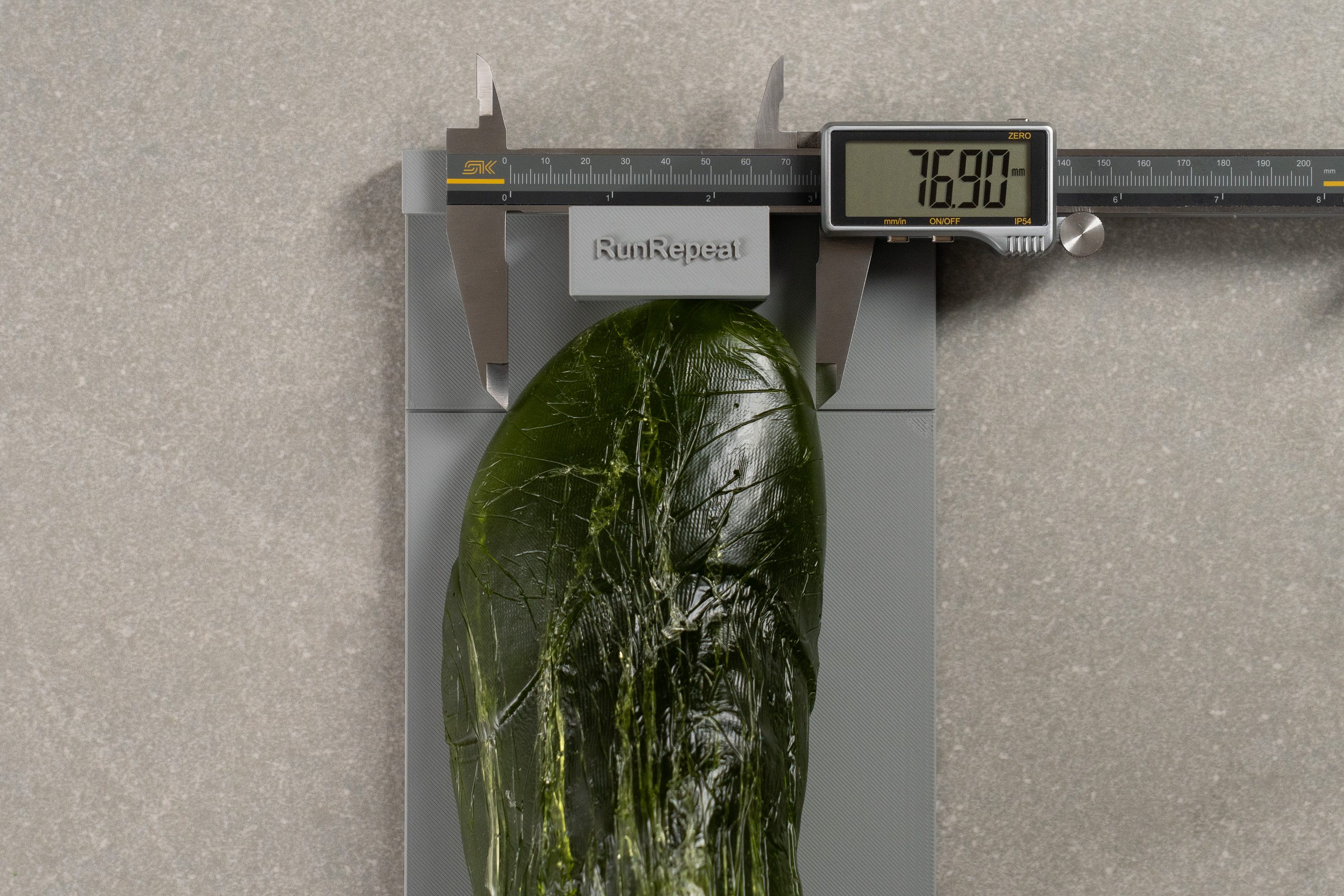
| Cloudboom Max | 76.9 mm |
| Average | 73.2 mm |
Toebox height
There is also above-average vertical space in the toebox at 28.1 mm, allowing the toes to move more freely without feeling cramped.
For this reason, we see the Cloudboom Max as a solid option for runners looking for a maximalist shoe for long runs that offers generous internal volume.
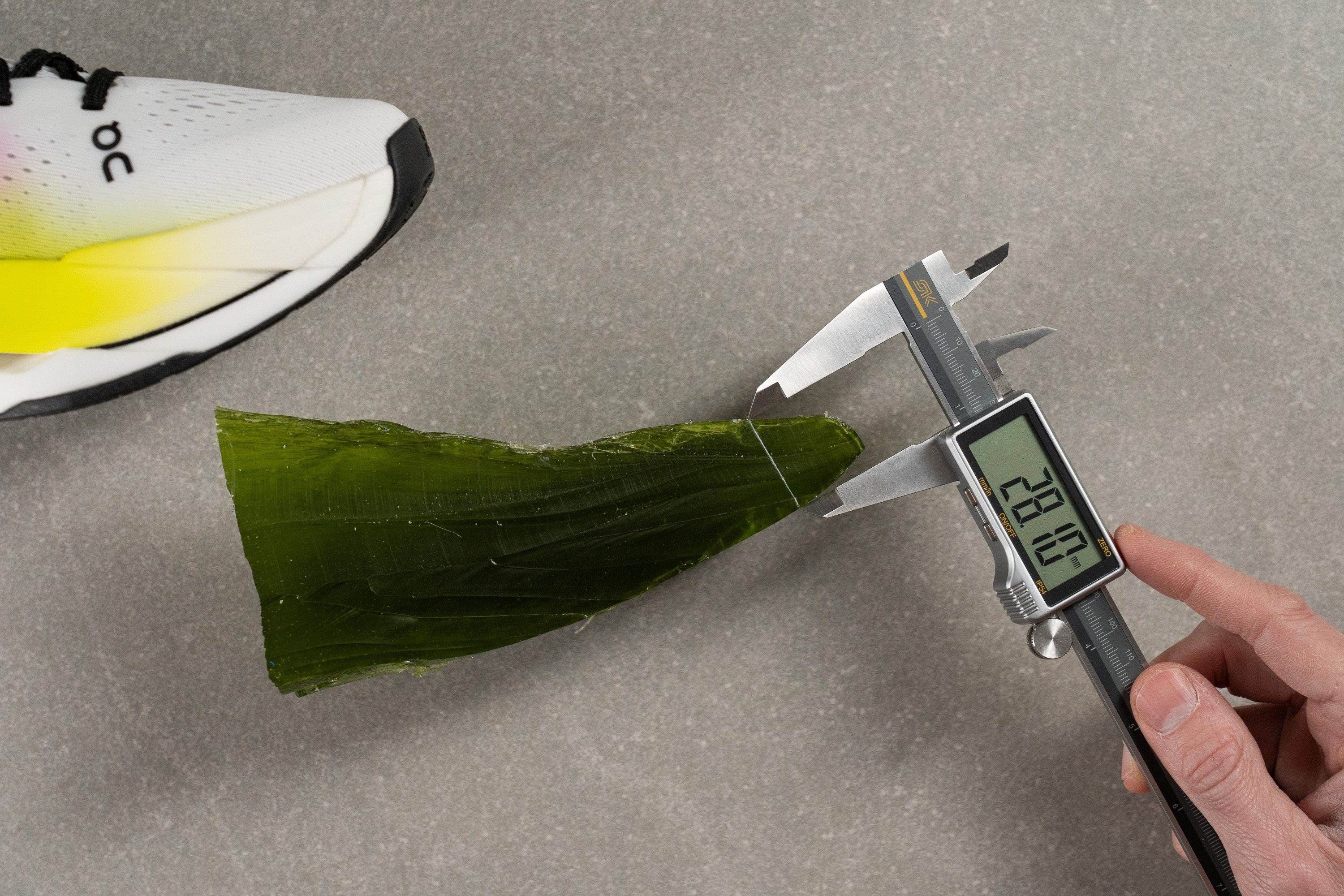
| Cloudboom Max | 28.1 mm |
| Average | 27.0 mm |
Traction / Grip
Traction test
On asks a premium price for this shoe, which totally calls for high-quality materials across the board. Thankfully, the rubber delivers, as shown by our SATRA TM144 test result of 0.64, placing the shoe in the upper half of the lab and remaining reliable even on wet surfaces.
| Cloudboom Max | 0.64 |
| Average | 0.53 |
Outsole design
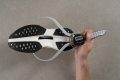
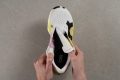
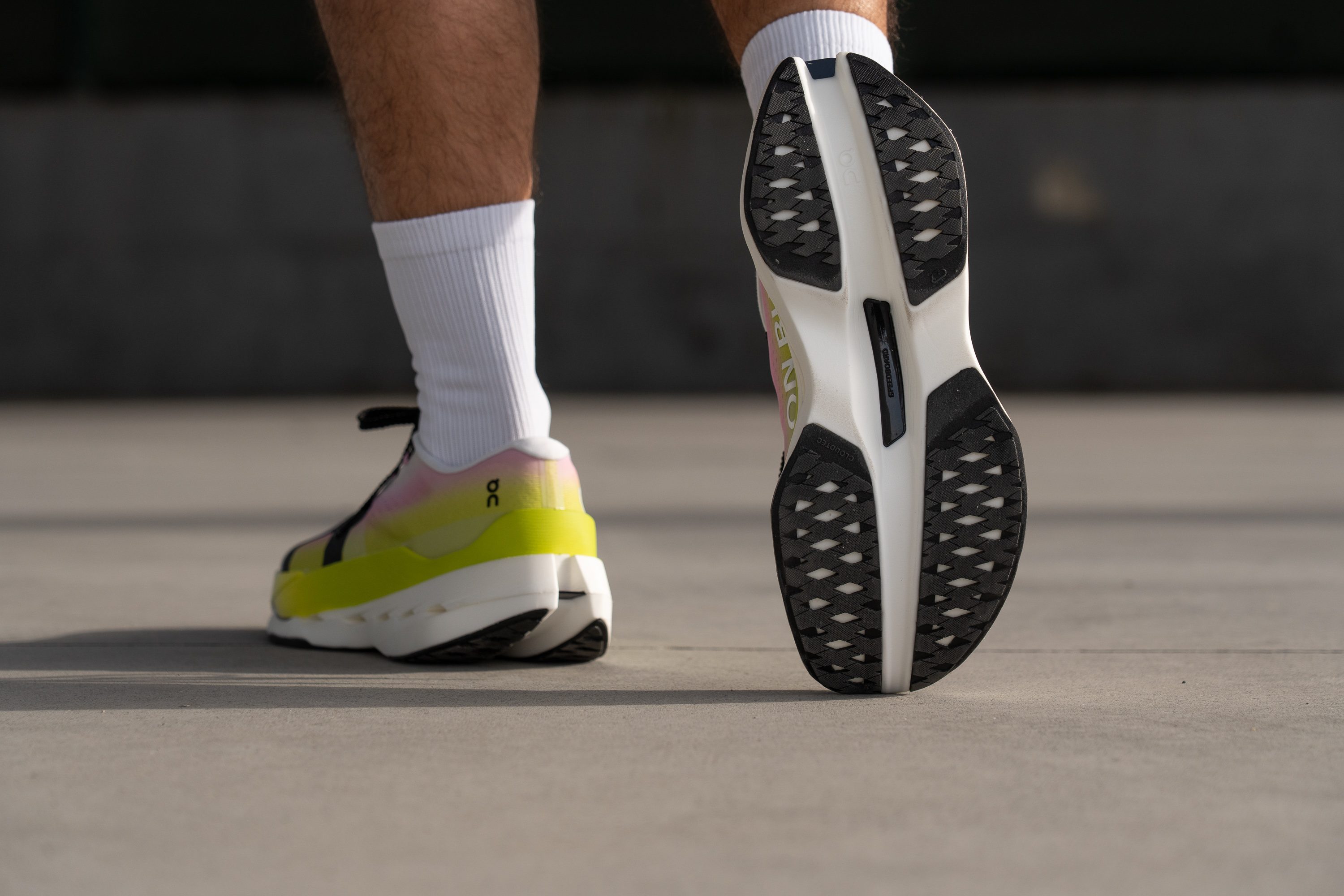
On is not afraid to go against current trends, and the outsole of the Cloudboom Max is a clear example of that. Instead of a stripped-down layout, it uses broad rubber coverage across the heel and forefoot.
The exposed midsole is limited to a deep central channel and small carved sections that are unlikely to touch the ground on pavement. This offers strong midsole protection and durability, although the trade-off is clear, as this generous rubber layout inevitably adds weight.
Flexibility / Stiffness
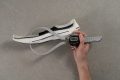
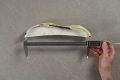
The high stack height of the Cloudboom Max results in a stiff ride, with a 19.1N reading in our test. This helps explain On’s choice of a fiberglass plate, as a carbon option would likely have made the shoe overly harsh for daily use.
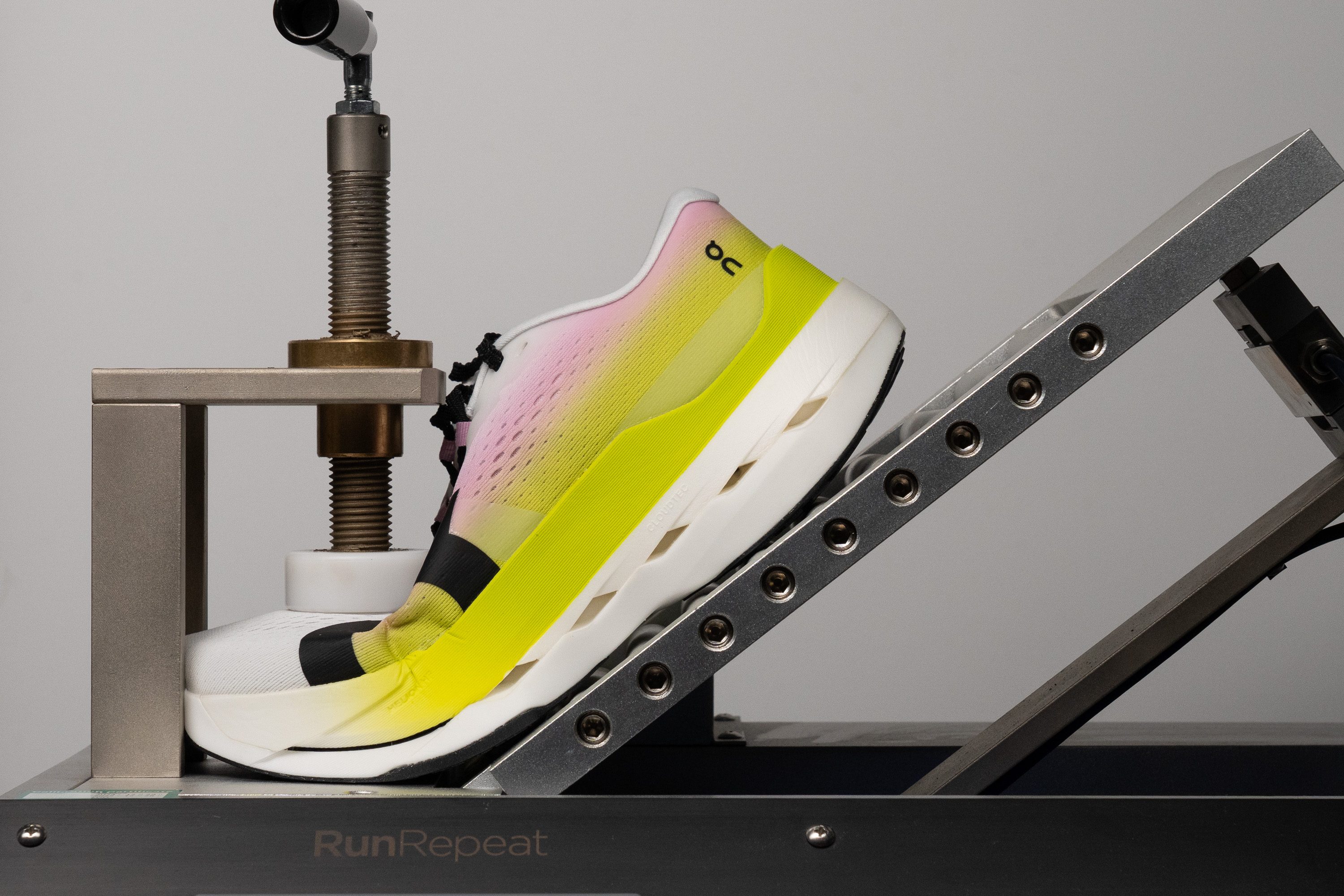
| Cloudboom Max | 19.1N |
| Average | 15.5N |
Weight
At 10.1 oz or 286g, weight is clearly not a strength of the Cloudboom Max. We definitely felt the shoe heavy, and it becomes noticeable when trying to increase pace, making the shoe feel sluggish and best suited for slower efforts.
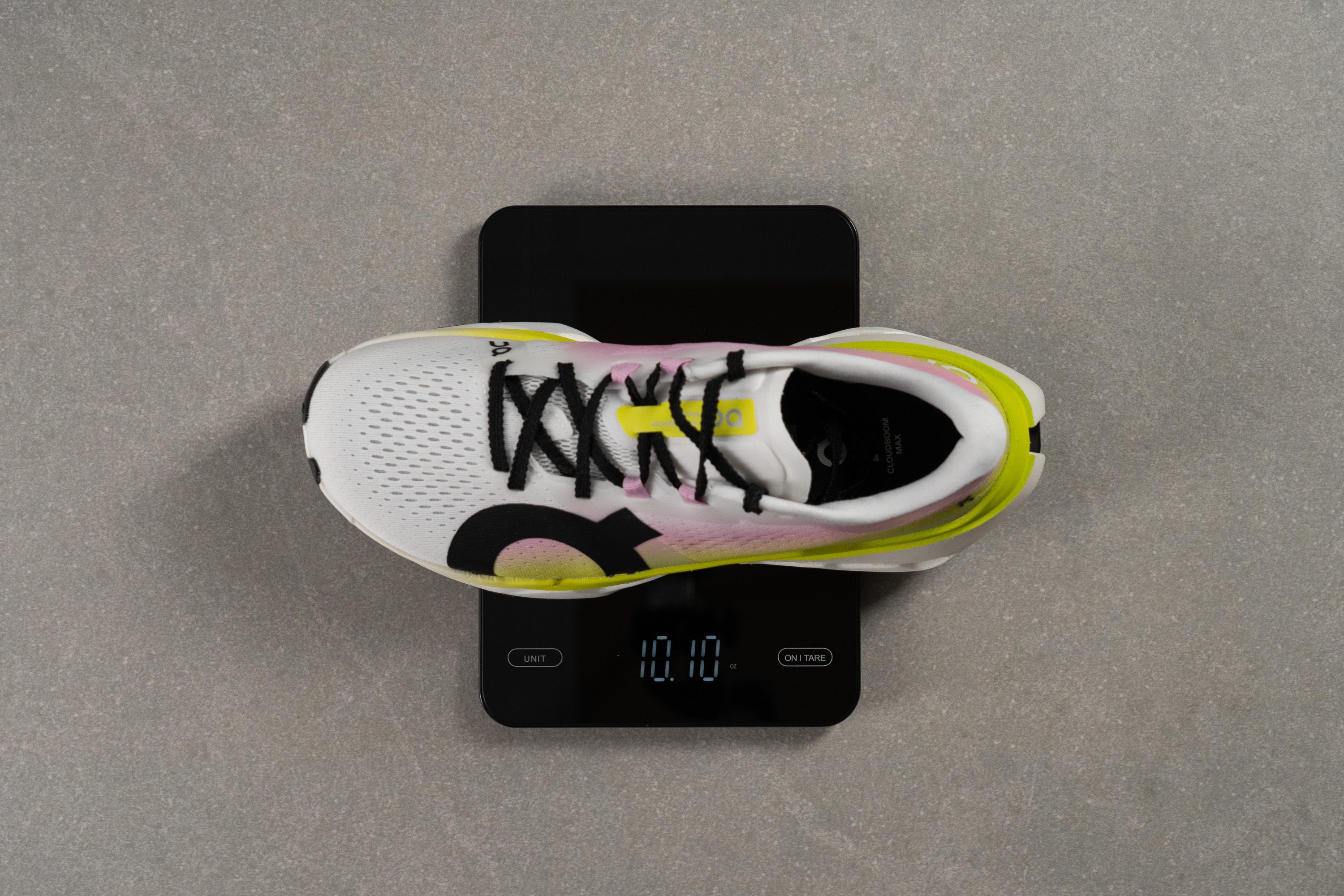
| Cloudboom Max | 10.1 oz (286g) |
| Average | 9.2 oz (261g) |
Breathability
Breathability test
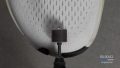
The engineered mesh of the Cloudboom Max is made from recycled polyester with TPU overlays, using ventilation holes to keep airflow consistent across the upper.
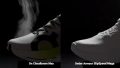
And consistency is exactly what we found. Using our smoke machine, the shoe earned a 4 out of 5 score, which feels well suited for summer runs while still offering enough protection for colder conditions. Just remember that sock choice remains critical in extreme weather.
Most of the ventilation is concentrated in the toebox and tongue, with an additional small vented section on the lateral side that we did not expect to see.
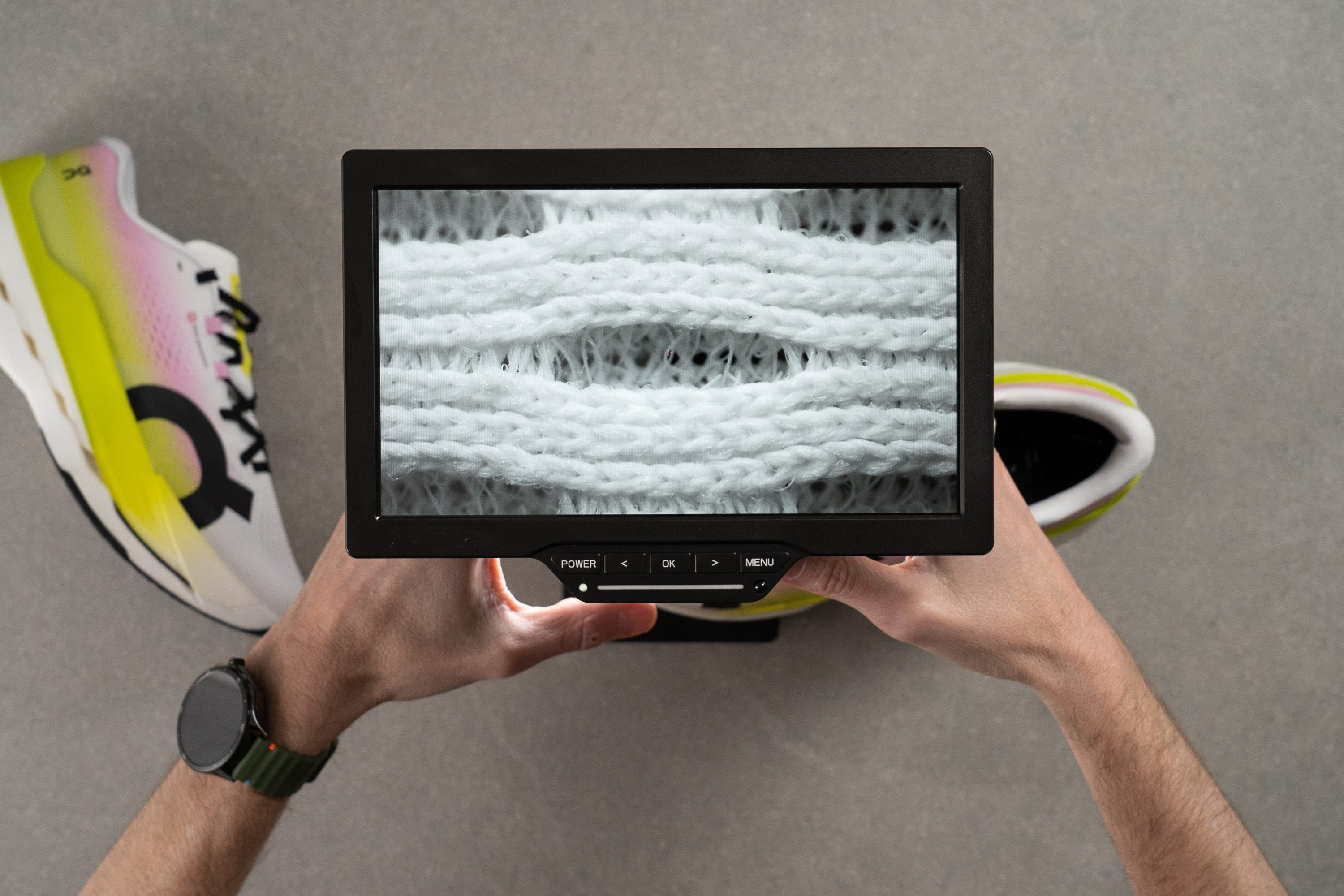
The material itself is not especially advanced for this price range.
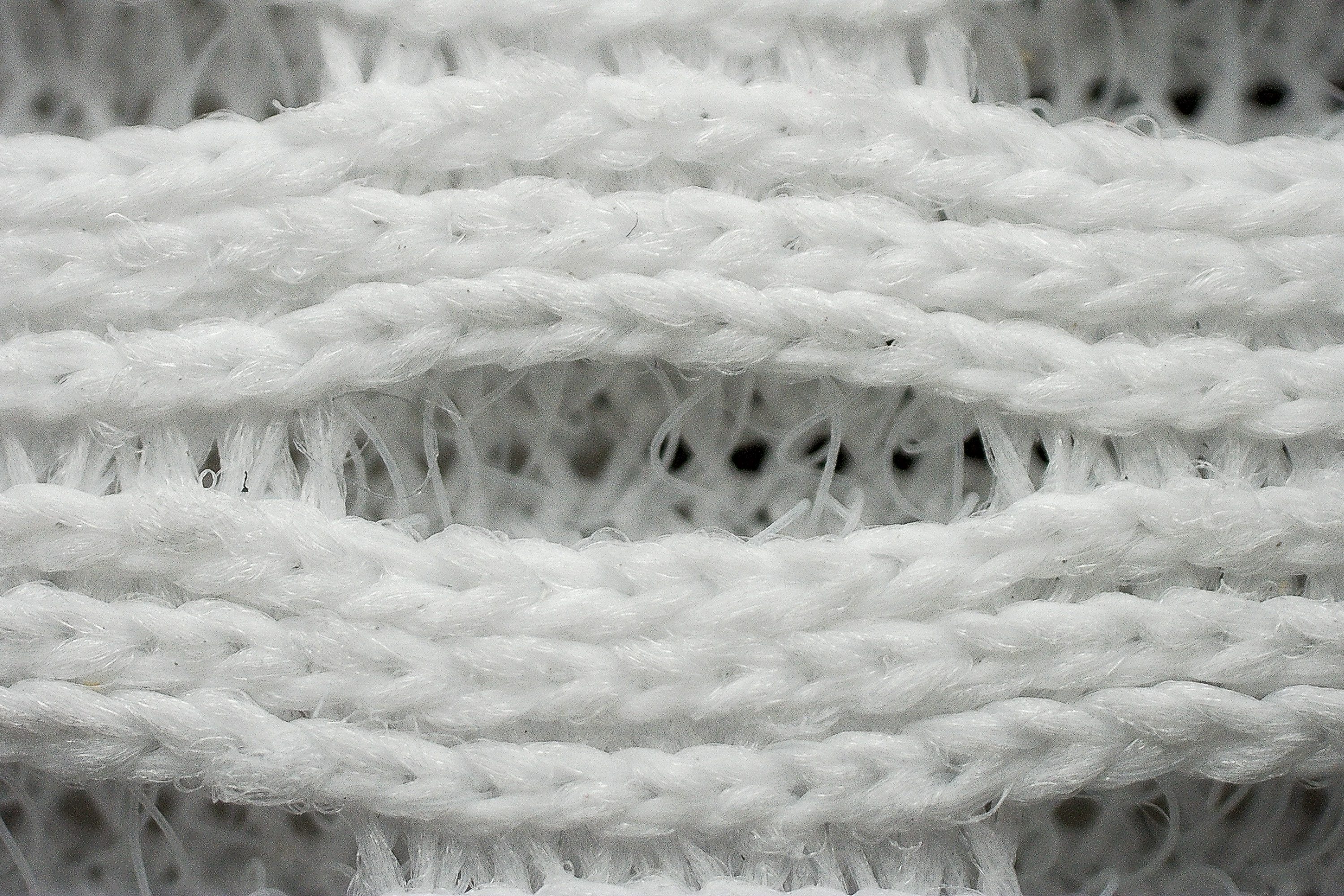
While the overall quality is excellent and well executed, this is the same type of engineered mesh commonly found in shoes that cost much less.
Up front, the shoe feels less cushioned than expected given its weight, which stands out. In contrast, the heel area is very comfortable, thanks to plush foam that makes the heel counter feel soft and supportive.
| Cloudboom Max | 4 |
| Average | 3.6 |
Stability
Lateral stability test
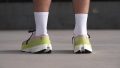
The On Cloudboom Max felt very stable throughout our runs, and despite being a neutral shoe, it can suit runners with moderate support needs.
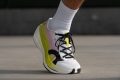
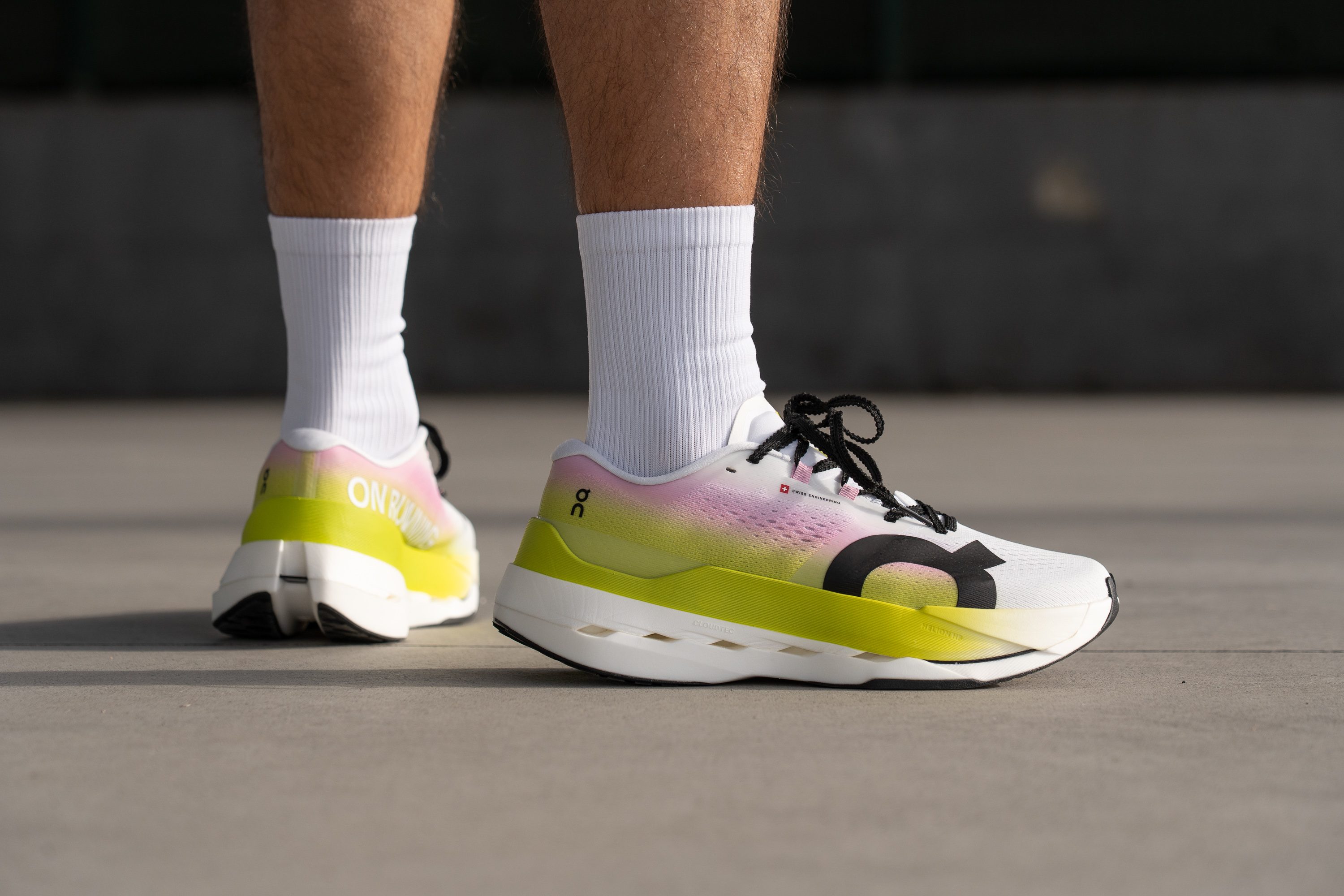
A wide footprint, high rigidity, the firmer Helion HF bottom layer, and the large external yellow clip wrapping the midfoot and heel all work together to keep the foot centred. It does not feel cloud-like, but the payoff is excellent control and stability.
Torsional rigidity
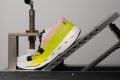
The fibreglass plate limits torsional flex, reaching 18.8 Nm on our custom-made machine that twists the shoe 10 degrees in both directions. This makes the Cloudboom Max highly rigid, delivering a torsional feel similar to carbon-plated designs.
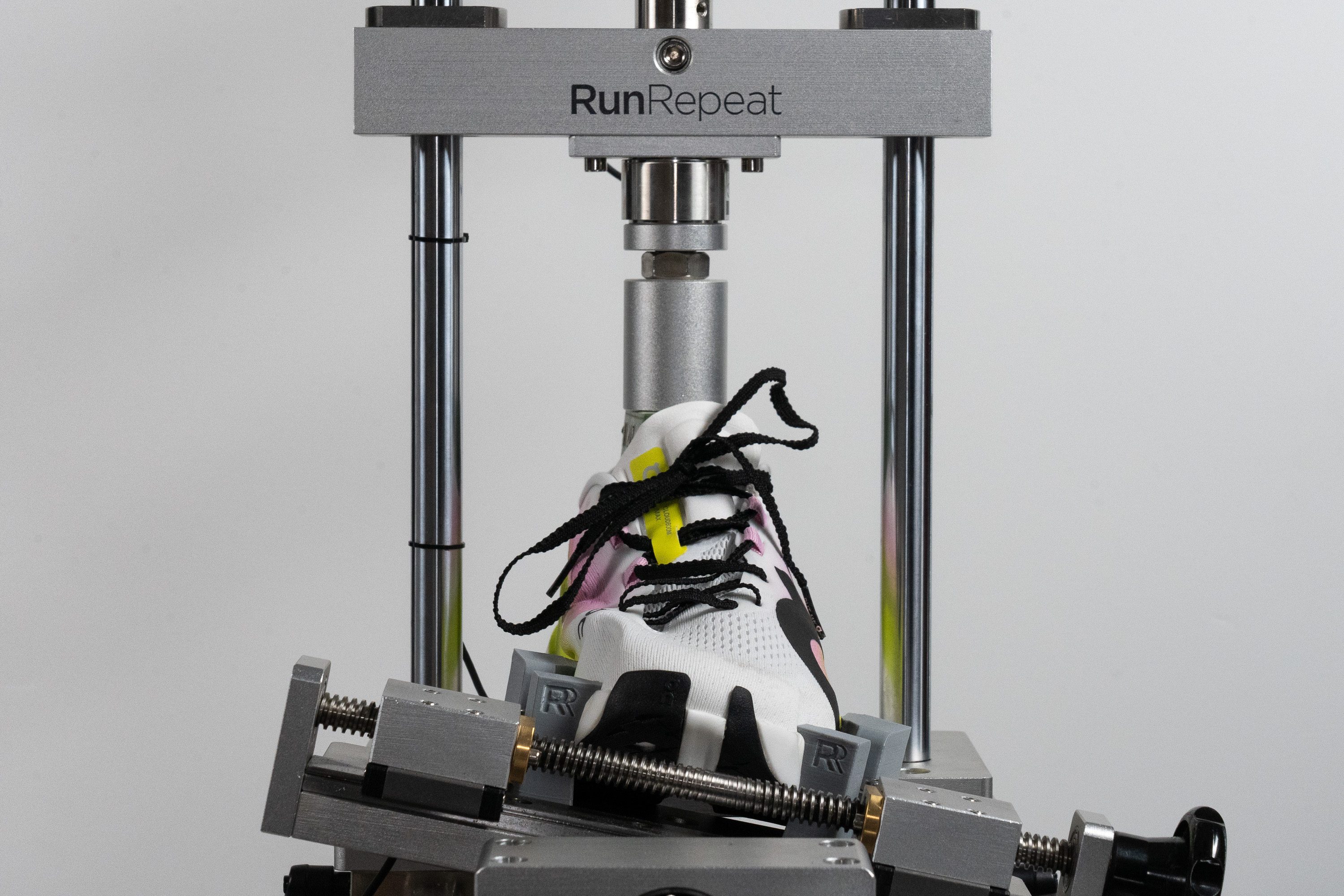
| Cloudboom Max | 18.8 Nm |
| Average | 14.3 Nm |
Heel counter stiffness
On went all-in with heel counter stiffness, earning a 5 out of 5 in our manual test. Runners sensitive to firm counters may notice it, but the thick foam padding helps soften the feel and should work well for most users.
| Cloudboom Max | 5 |
| Average | 2.9 |
Midsole width - forefoot
Like most maximalist running shoes, the Cloudboom Max has larger dimensions than the average model.
However, the forefoot stays controlled at 117.2 mm, avoiding the oversized feel seen in shoes that push past 120 mm, which helps it avoid feeling bulky.
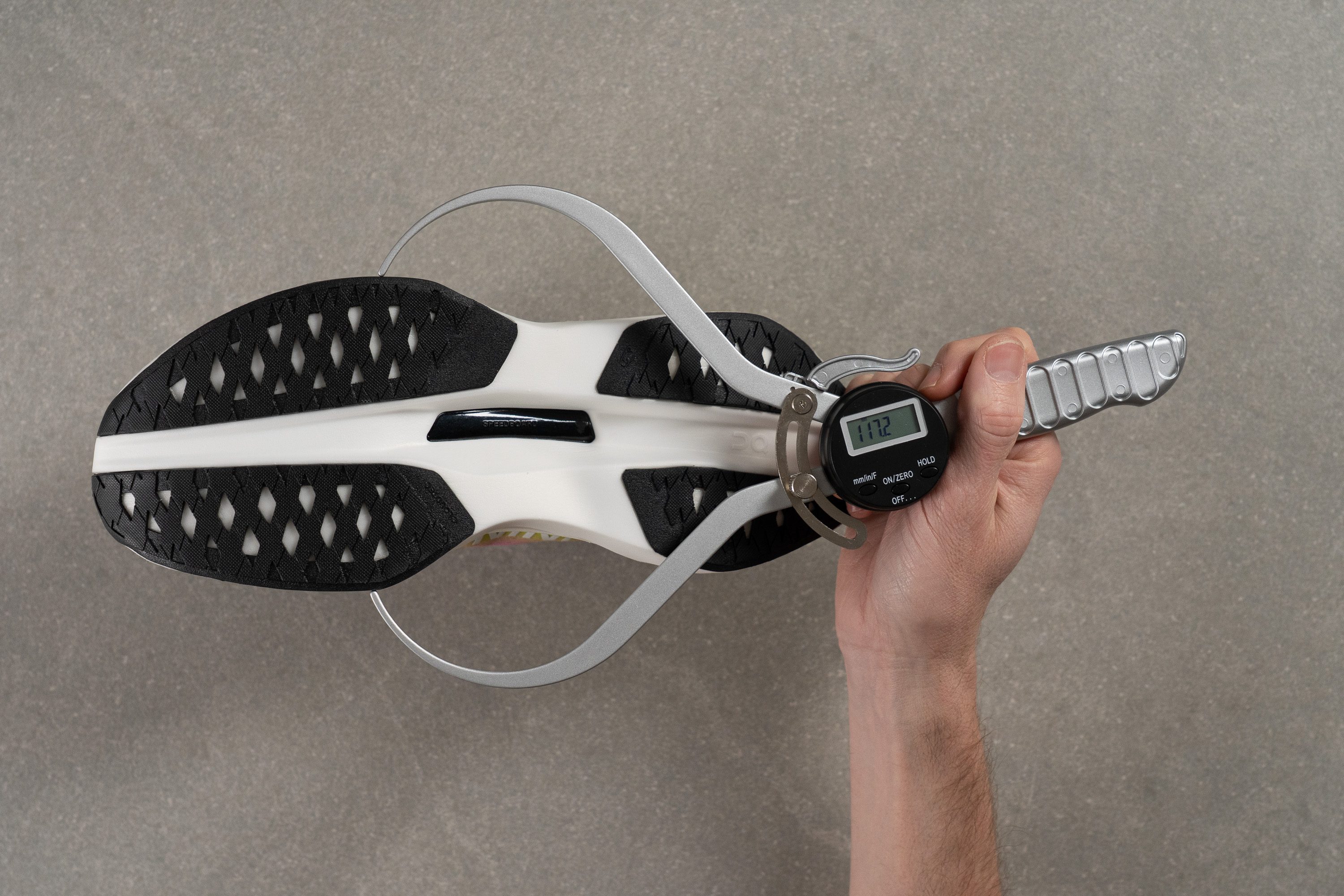
| Cloudboom Max | 117.2 mm |
| Average | 115.1 mm |
Midsole width - heel
It is at the heel where On clearly aimed for maximum stability, and it shows. A higher share of the firmer TPEE-based Helion HF, a very wide base measuring 101.5 mm, and the previously measured 5 out of 5 heel counter all work together to lock things down.
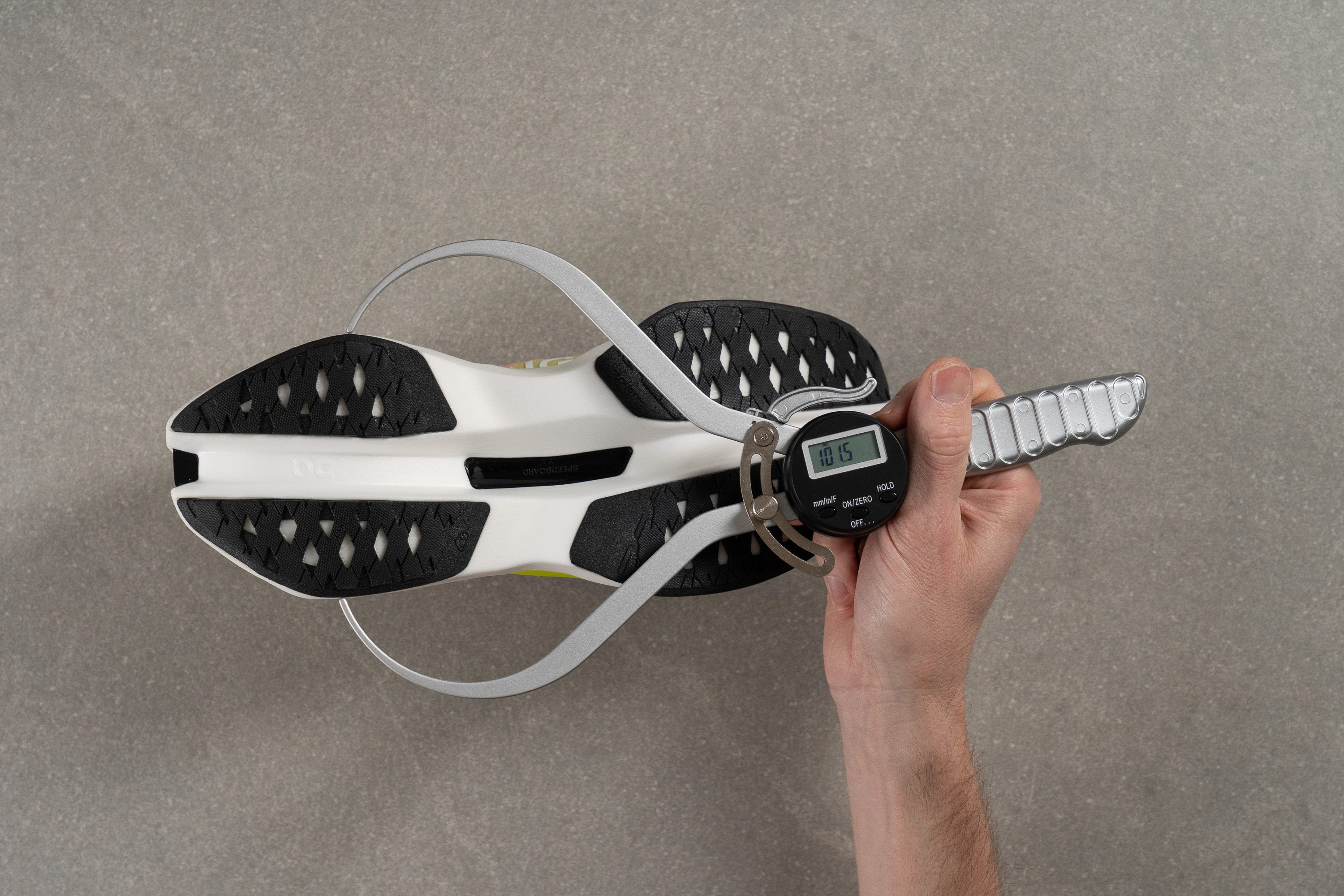
| Cloudboom Max | 101.5 mm |
| Average | 91.1 mm |
Durability
Toebox durability
The soft engineered mesh of the Cloudboom Max held up better than expected in our durability test thanks to the dual-layer design. A 3 out of 5 may not sound outstanding, but it still guarantees reliable durability for regular daily use.
| Cloudboom Max | 3 |
| Average | 2.6 |
Heel padding durability
The heel padding is extremely comfortable while also delivering top-level durability. After using the Dremel, we found barely any damage at all, which justified a maximum score of 5 out of 5.
| Cloudboom Max | 5 |
| Average | 3.4 |
Outsole durability
The rubber delivers both solid grip and strong durability, which is exactly the combination we want to see. After testing, we measured just 0.7 mm of rubber wear, an excellent result by any standard.
| Cloudboom Max | 0.7 mm |
| Average | 1.1 mm |
Outsole thickness
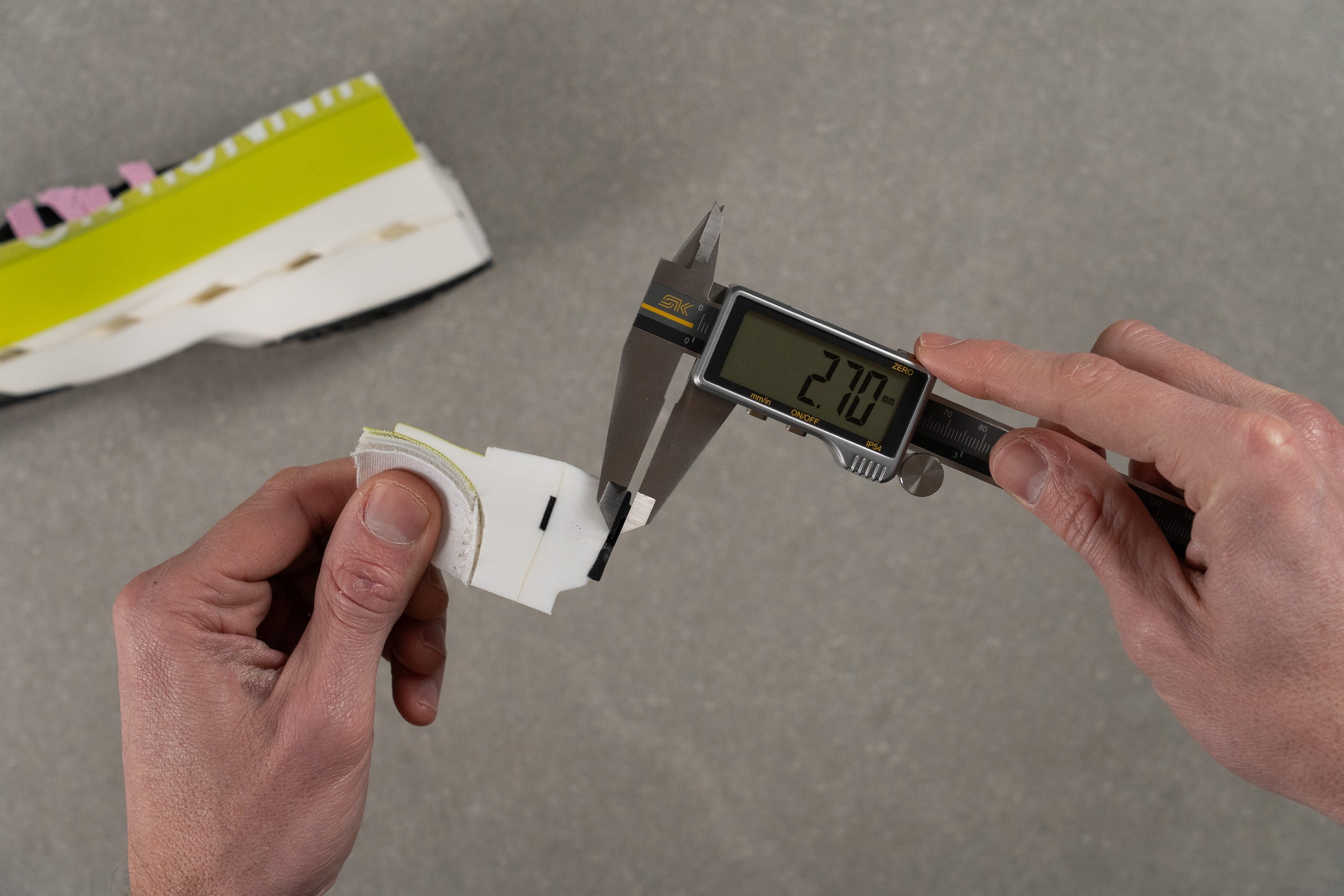
With 2.7 mm of outsole thickness, the On Cloudboom Max leaves little doubt about durability.
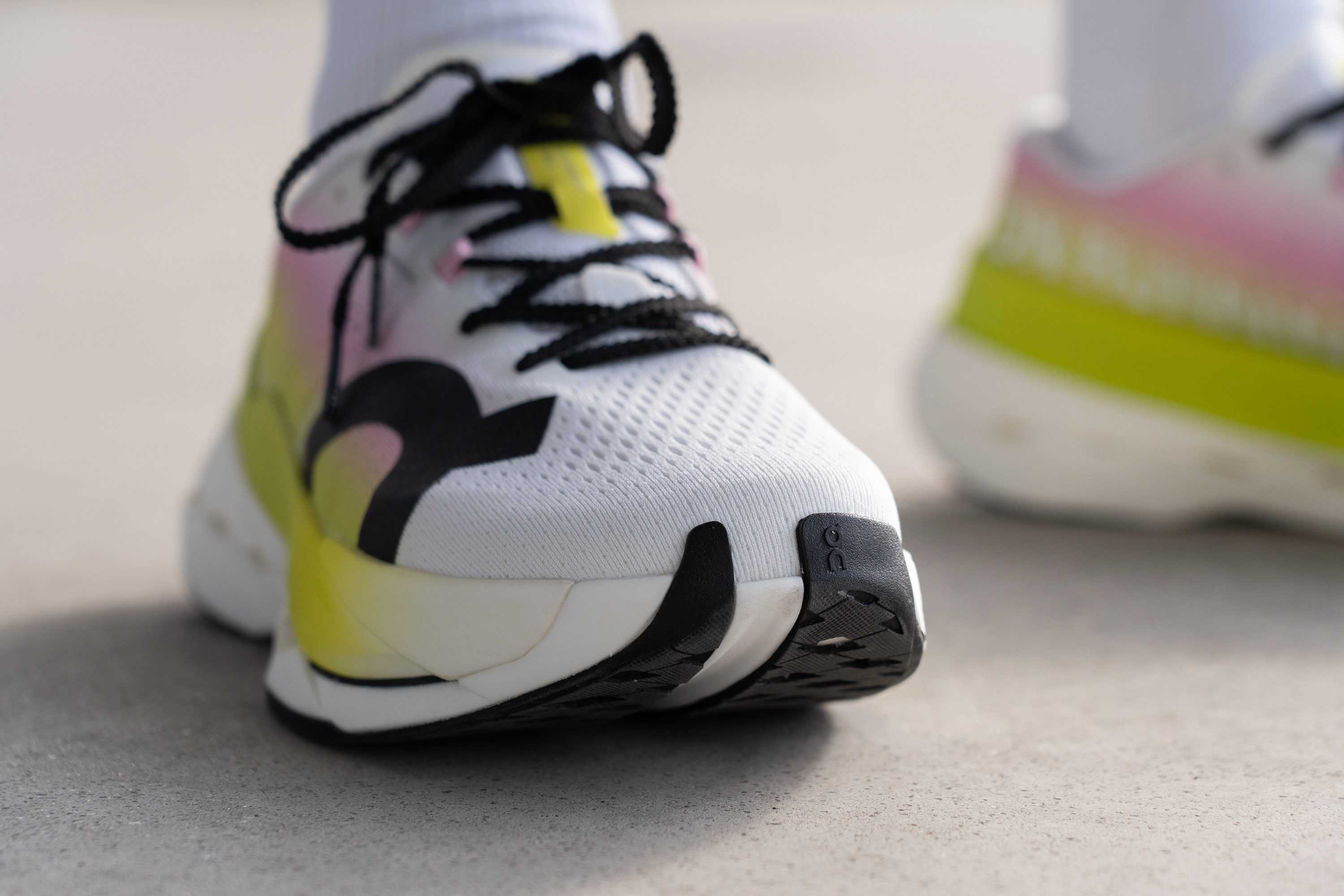
While this is slightly below the average, the strong resilience of the rubber supports it, and we think On could have trimmed it even further for a lighter weight.
| Cloudboom Max | 2.7 mm |
| Average | 3.1 mm |
Misc
Insole thickness
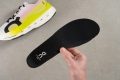
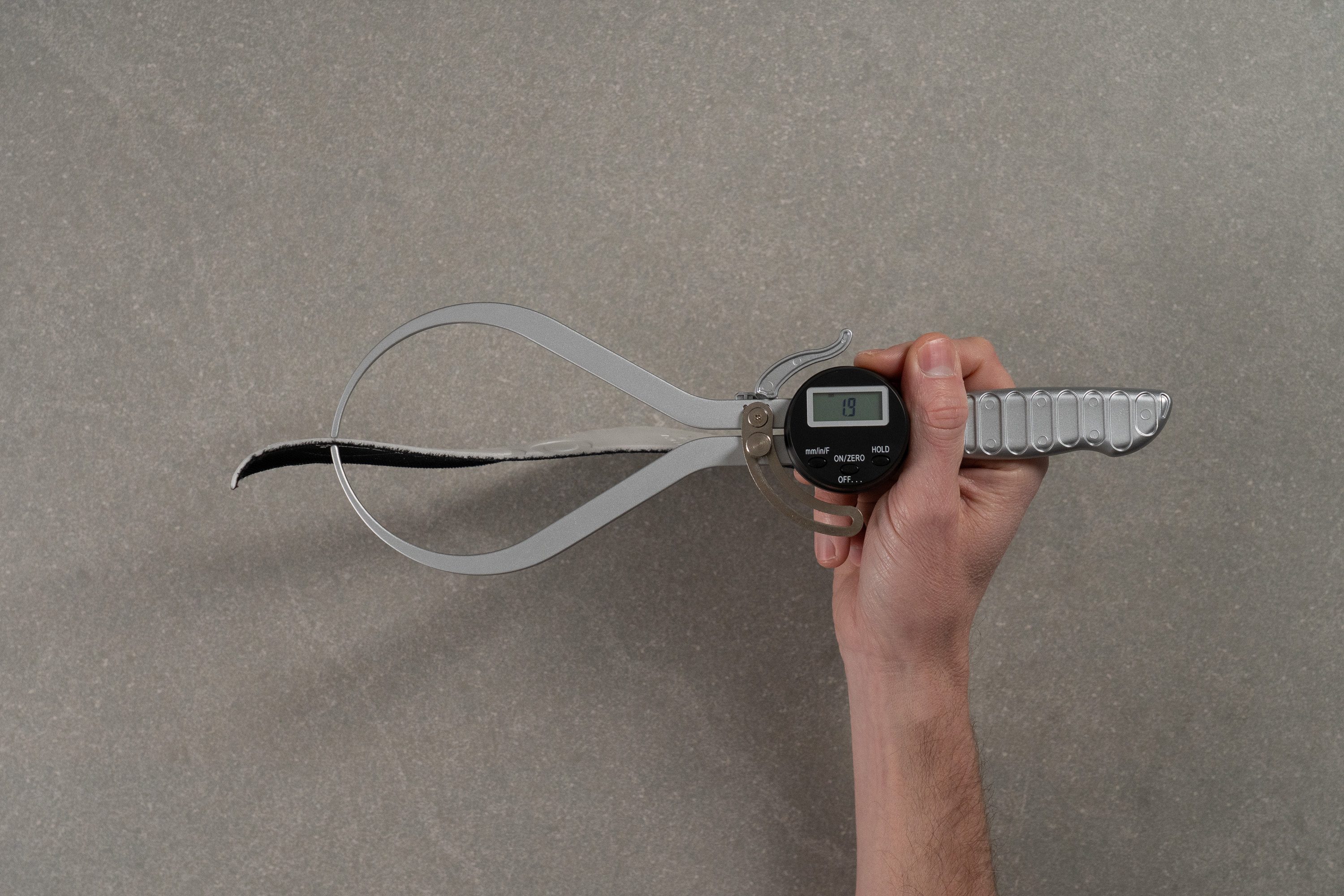
On uses an insole similar to those found in super shoes, featuring an ultra-thin design that measures just 1.9 mm in thickness.
| Cloudboom Max | 1.9 mm |
| Average | 4.4 mm |
Removable insole
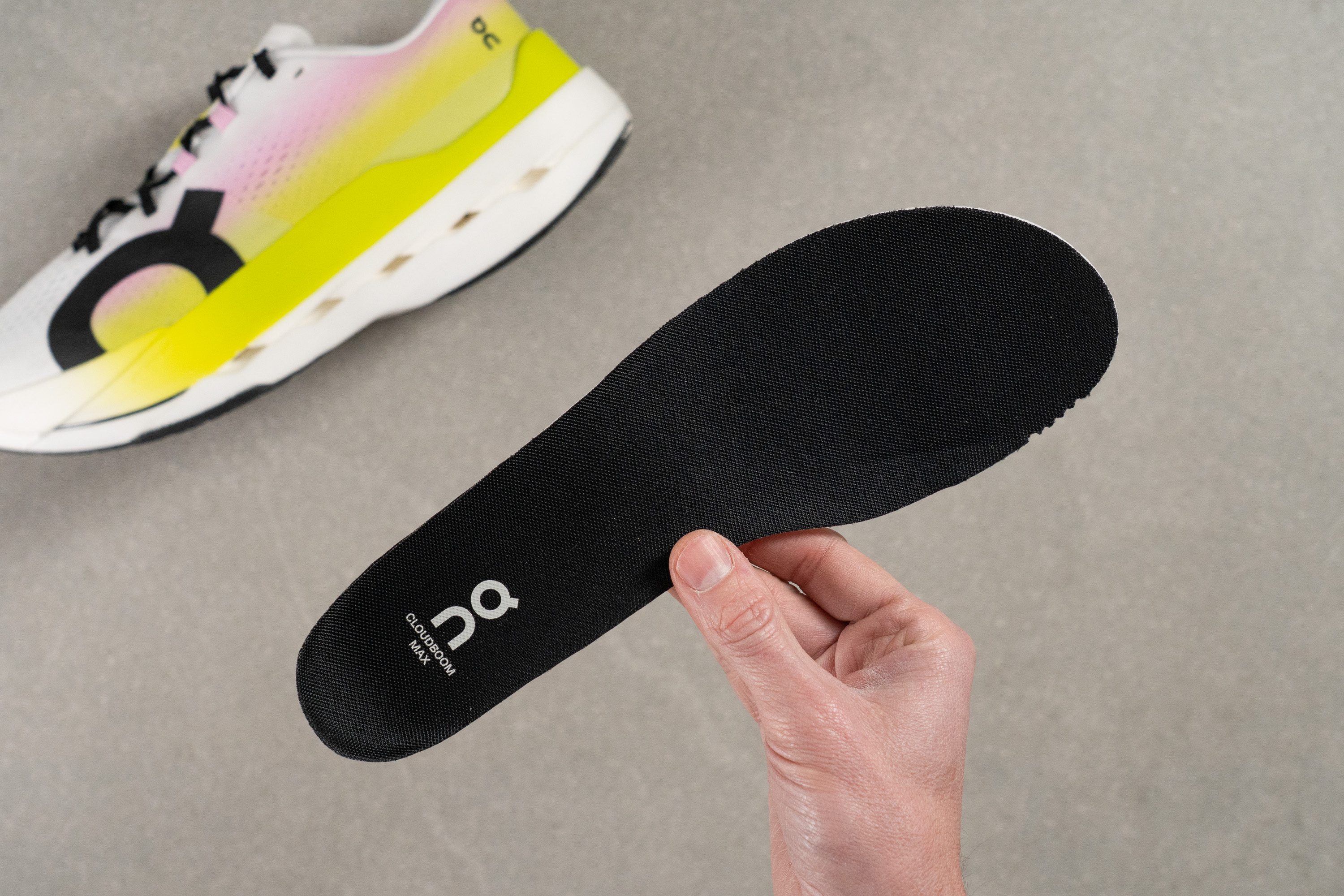
If you want even more stack height and cushioning, you can replace the stock insole with a thicker option. Interior volume will be reduced, but that should not be an issue for most runners given that the volume inside the toebox is generous.
| Cloudboom Max | Yes |
Reflective elements
We found a small reflective On logo on the tongue, which earns a mention. However, we prefer the approach used in other On models like the Cloudsurfer 2, where the logo sits on the lateral side and is more visible to passing cars.
| Cloudboom Max | Yes |
Tongue padding
The foot hold and lacing of the Cloudboom Max feel in line with its high price, using textured laces similar to those in super shoes and a hybrid eyelet chain that spreads pressure across the instep thanks to four lace loops.
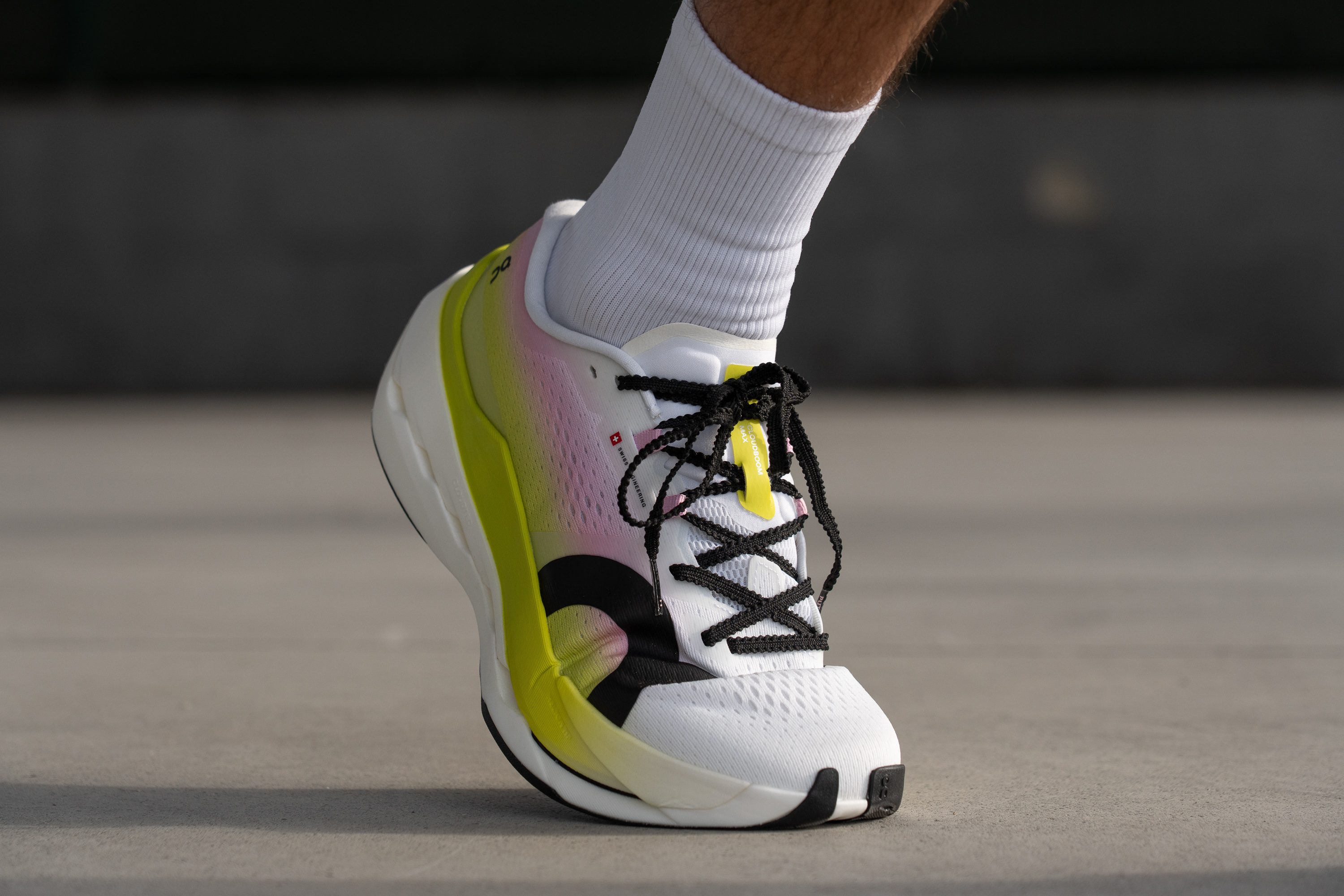
And this pressure-relieving design matters a lot because the tongue is extremely thin at 1.1 mm, following a weight-saving trend also seen in ASICS models.
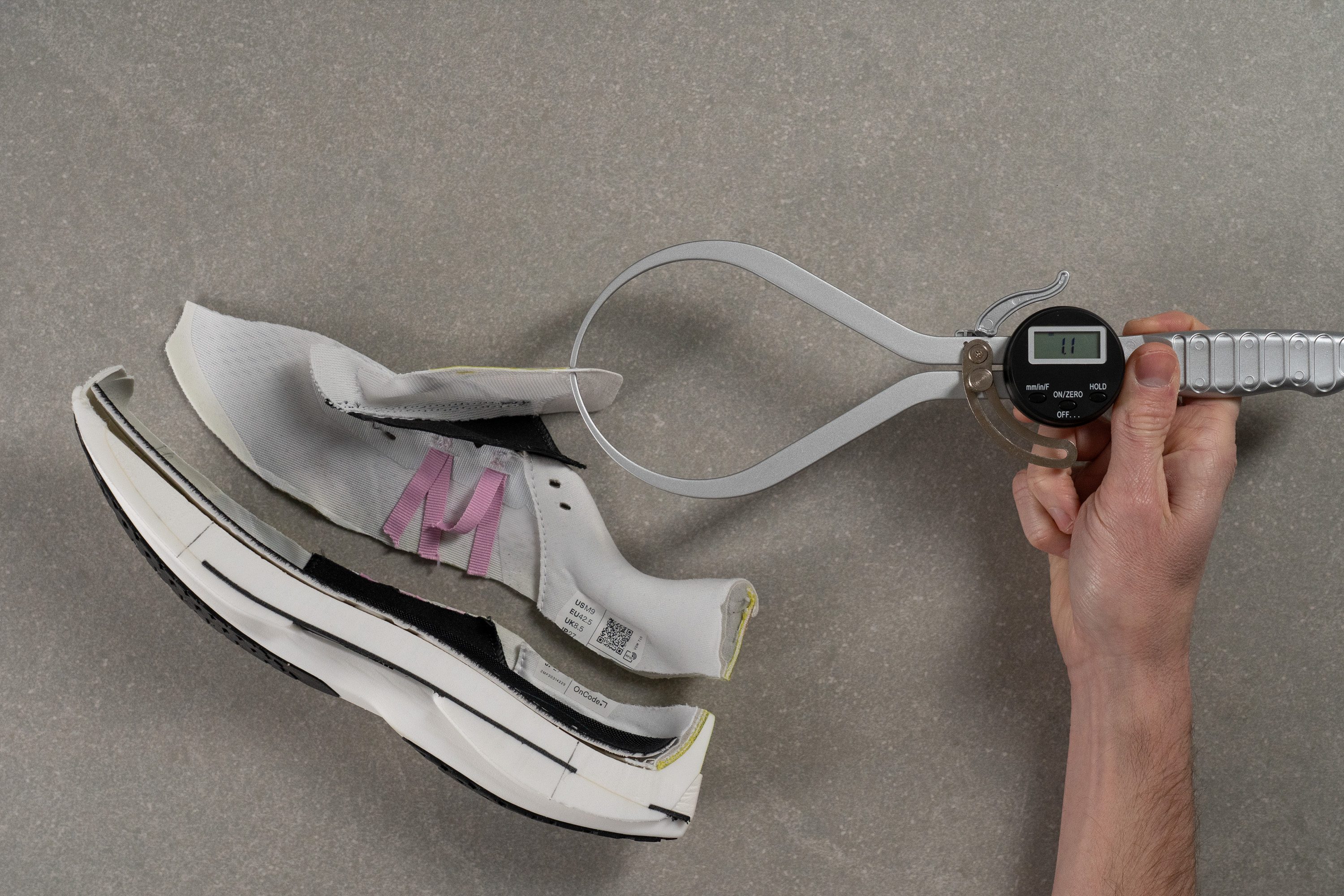
| Cloudboom Max | 1.1 mm |
| Average | 5.8 mm |
Tongue: gusset type
As expected for a premium shoe, the tongue is fully gusseted. It is not easy to spot due to the black fabric, but it is there.
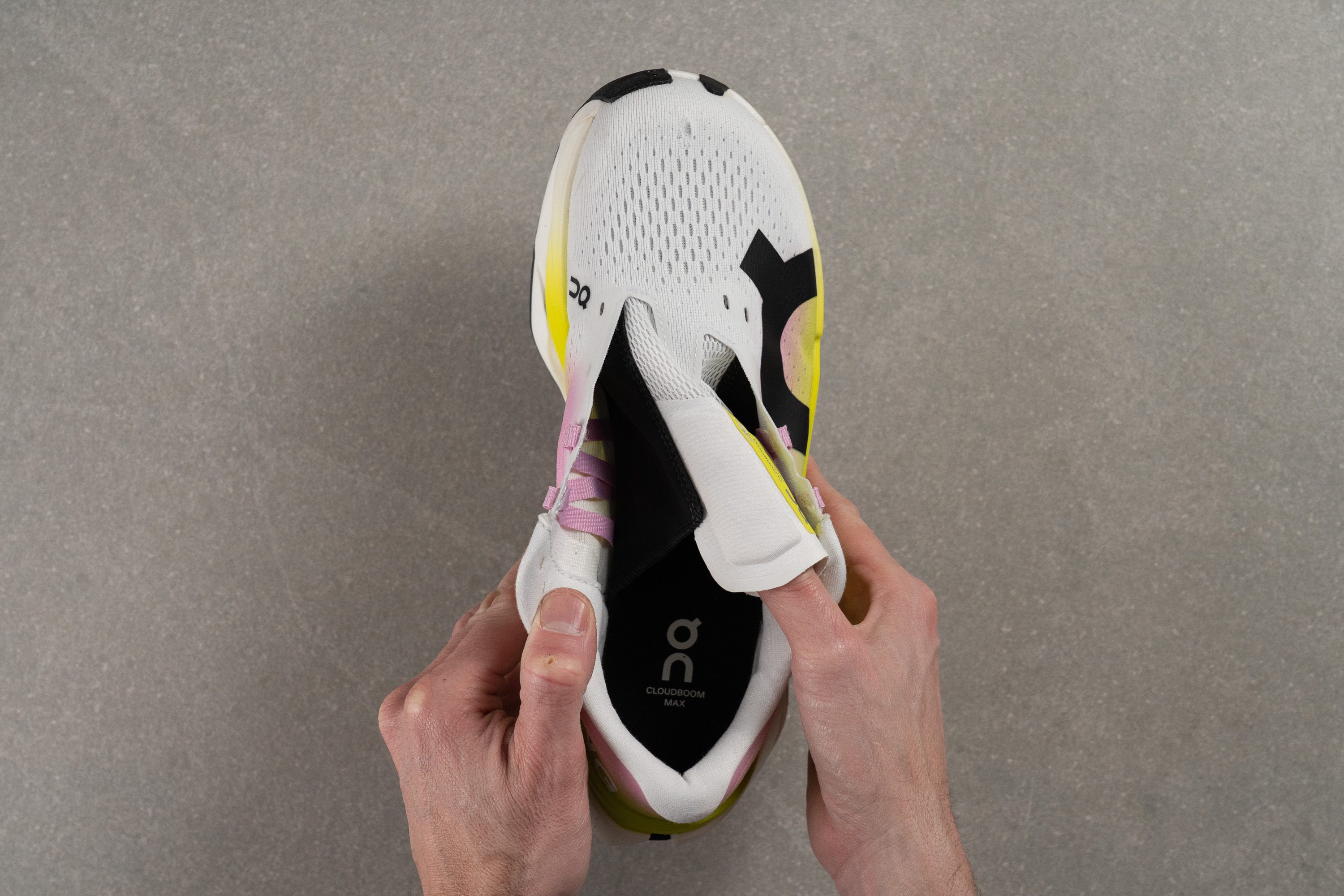
| Cloudboom Max | Both sides (full) |
Heel tab
The heel design is very simple and does not include a pull tab. However, it clearly shows On’s focus on stability, with a shape that aims to keep the rearfoot well supported and centered.
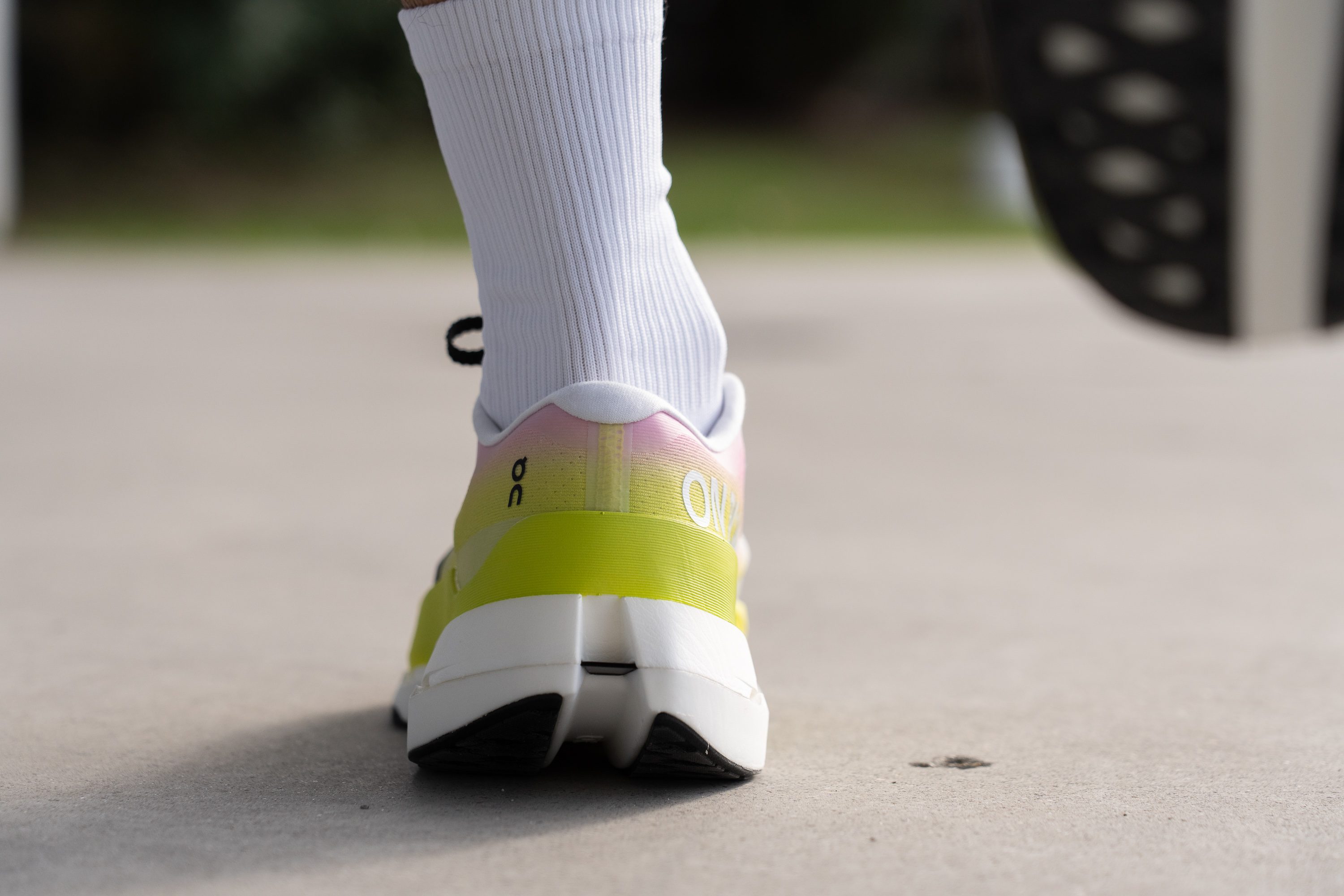
| Cloudboom Max | None |
Price
The On Cloudboom Max is very expensive—even by super trainer standards—and from a purely economic point of view, it is hard to justify. There are better options in terms of value or performance, so you need to be at peace with the usual premium that most On shoes carry.
| Cloudboom Max | $230 |