
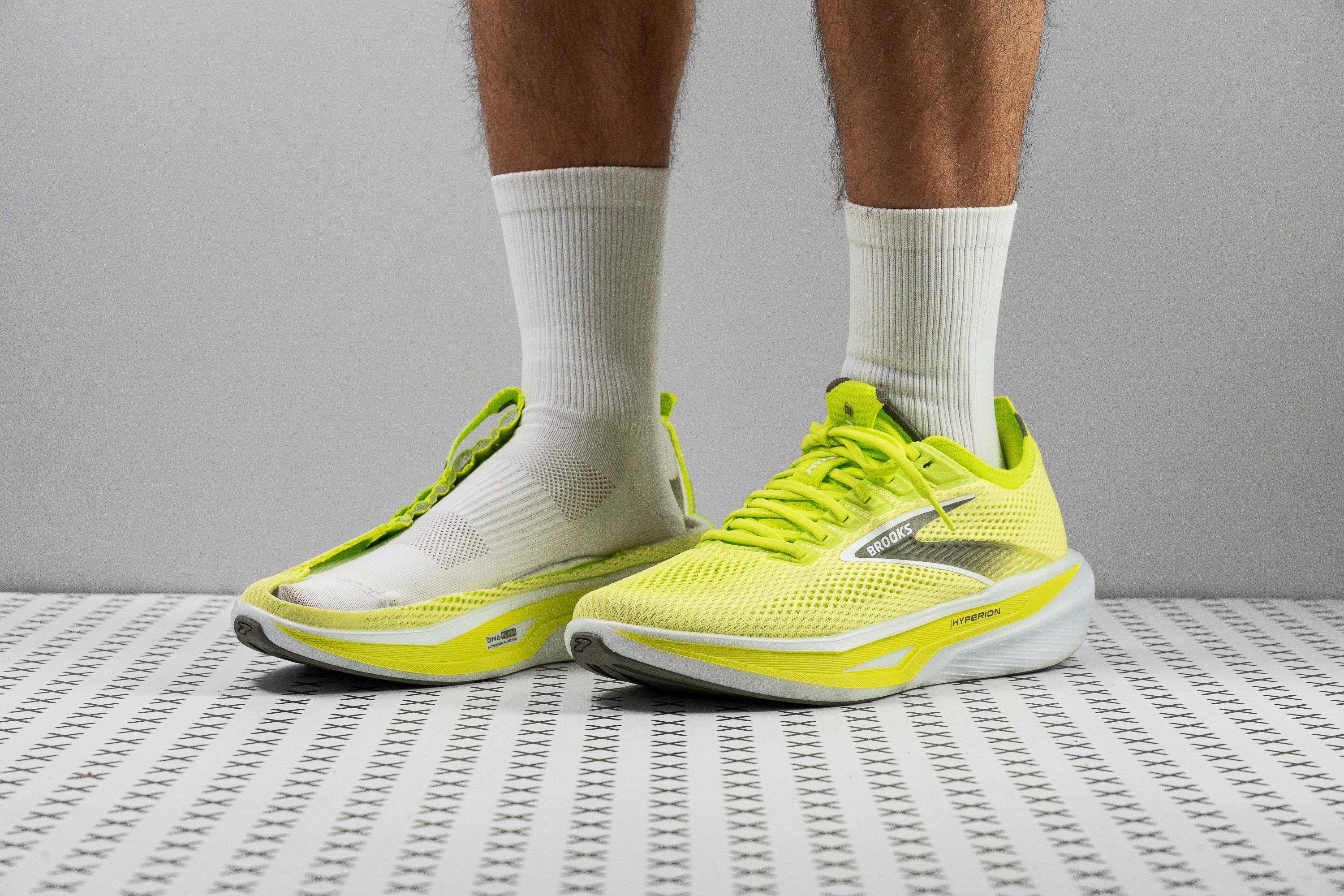












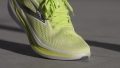









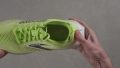









Our verdict
- Daily running 82
- Tempo 70
- Race 53
- Stability 78
Pros
- Exceptional upper
- Good value without a price increase
- Secure and plush fit
- Higher stack adds versatility
- Softer midsole than v2
- Reliable durability
- Excellent for heel strikers
- Superb stretchy tongue
- Good option for beginners
Cons
- Much heavier than its predecessor
- Needs more energy return
- Feels less natural than before
Comparison
The most similar running shoes compared
+ + Add a shoe | |||||
|---|---|---|---|---|---|
| Our score | 78 Good | 86 Great | 91 Superb | 94 Superb | |
| Price | £130 | £115 | £130 | £180 | |
| Pace | Daily runningTempo | Daily running | Daily running | Tempo | |
| Shock absorption | Moderate | High | High | High | |
| Energy return | Moderate | Moderate | High | High | |
| Traction | High | High | High | High | |
| Arch support | Neutral | Neutral | Neutral | Neutral | |
| Weight lab Weight brand | 8.6 oz / 244g 8.6 oz / 244g | 9.3 oz / 264g 9.2 oz / 260g | 9.2 oz / 261g 9.3 oz / 264g | 8.5 oz / 241g 8.4 oz / 238g | |
| Lightweight | ✓ | ✗ | ✗ | ✓ | |
| Drop lab Drop brand | 11.3 mm 8.0 mm | 7.6 mm 8.0 mm | 11.5 mm 10.0 mm | 10.6 mm 8.0 mm | |
| Strike pattern | Heel | Mid/forefoot | Heel | Heel | |
| Size | Slightly small | True to size | True to size | Slightly small | |
| Midsole softness | Balanced | Balanced | Soft | Firm | |
| Difference in midsole softness in cold | Small | Normal | Small | Normal | |
| Toebox durability | Decent | Good | Good | Decent | |
| Heel padding durability | Good | Good | Decent | Good | |
| Outsole durability | Good | Good | Decent | Good | |
| Breathability | Breathable | Moderate | Breathable | Breathable | |
| Width / fit | Medium | Medium | Medium | Medium | |
| Toebox width | Medium | Medium | Medium | Medium | |
| Stiffness | Moderate | Moderate | Stiff | Moderate | |
| Torsional rigidity | Moderate | Moderate | Flexible | Moderate | |
| Heel counter stiffness | Stiff | Stiff | Moderate | Stiff | |
| Rocker | ✗ | ✗ | ✗ | ✓ | |
| Heel lab Heel brand | 36.5 mm 36.0 mm | 39.4 mm 39.0 mm | 37.4 mm 40.0 mm | 37.4 mm 36.0 mm | |
| Forefoot lab Forefoot brand | 25.2 mm 28.0 mm | 31.8 mm 31.0 mm | 25.9 mm 30.0 mm | 26.8 mm 28.0 mm | |
| Widths available | Normal | Normal | NormalWide | NormalWide | |
| Orthotic friendly | ✓ | ✓ | ✓ | ✓ | |
| Season | SummerAll seasons | All seasons | SummerAll seasons | SummerAll seasons | |
| Removable insole | ✓ | ✓ | ✓ | ✓ | |
| Ranking | #262 Bottom 34% | #93 Top 24% | #30 Top 8% | #4 Top 2% | |
| Popularity | #125 Top 32% | #211 Bottom 47% | #231 Bottom 42% | #21 Top 6% |



Who should buy
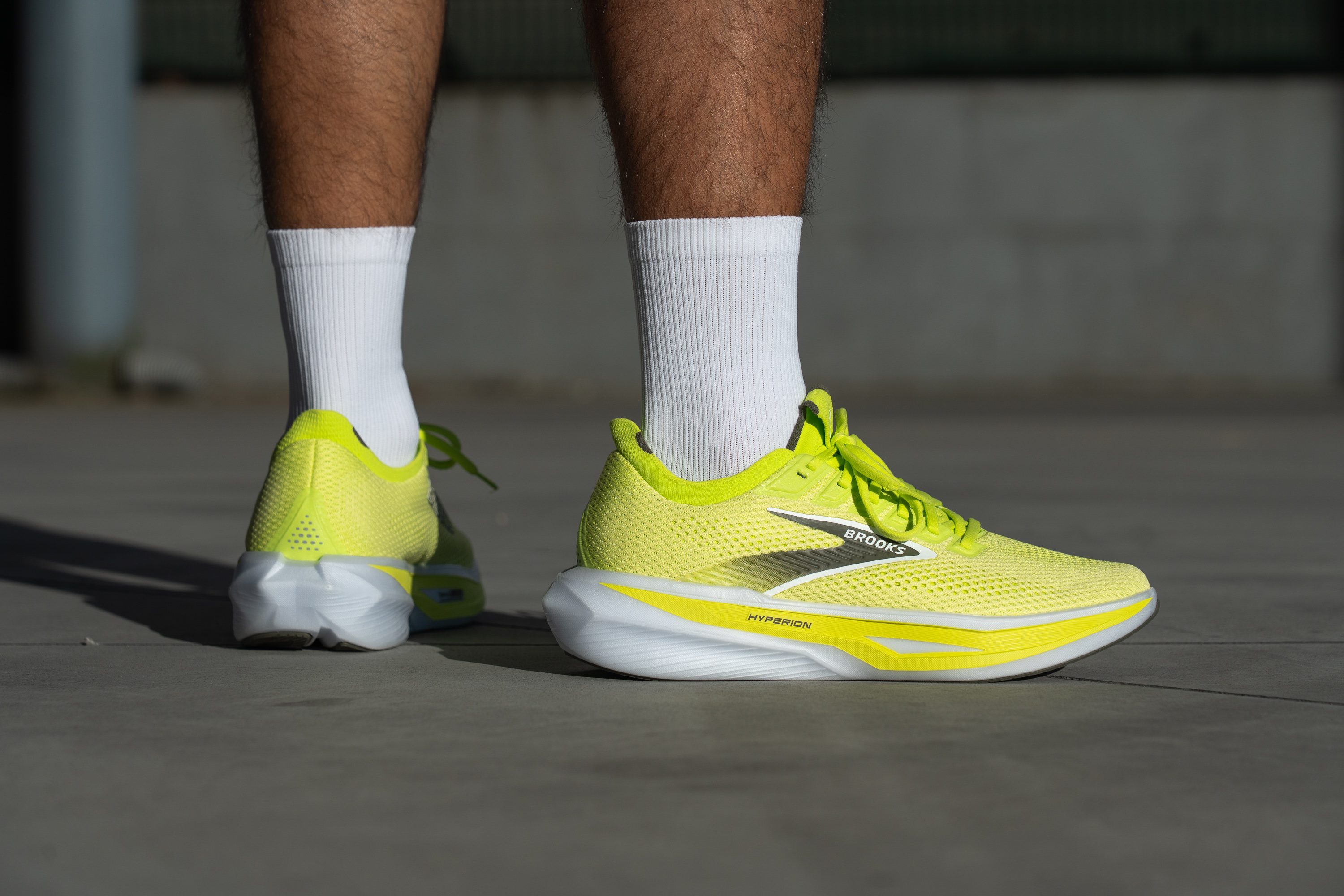
In our view, the Brooks Hyperion 3 is a smart pick for:
- Runners who want a state-of-the-art upper at a very reasonable price.
- Those who felt the Hyperion 1 or 2 didn’t offer enough cushioning underfoot.
- Heel strikers who need a comfortable, breathable, and durable option for easy days and light tempo work.
Who should NOT buy
We believe that the Hyperion 3 isn’t the best option for runners needing cushioning, as we found its shock absorption is still limited for long sessions. The Hyperion Max 3 is the natural upgrade, as it offers excellent impact protection while keeping Brooks DNA. But if you need a cost-effective shoe, then the ASICS Novablast 5 is the answer.
We also think it’s not ideal for tempo-focused runners who want high energy return. After testing, we discovered that its midsole falls a bit short, and shoes like the PUMA Velocity Nitro 4 or the adidas Adizero EVO SL provide a more energetic running experience.
Cushioning
Shock absorption
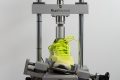
Using the ASTM F1976 test, we found that the Hyperion 3 delivers almost the same shock absorption as the Hyperion 2, so you should expect minimal changes here.
We measured 130 SA in the heel and 98 SA in the forefoot, both close to the current lab average. And with shoes getting thicker every year and new super trainers arriving into the market, results like this may soon fall into the lower 15 or 20%.
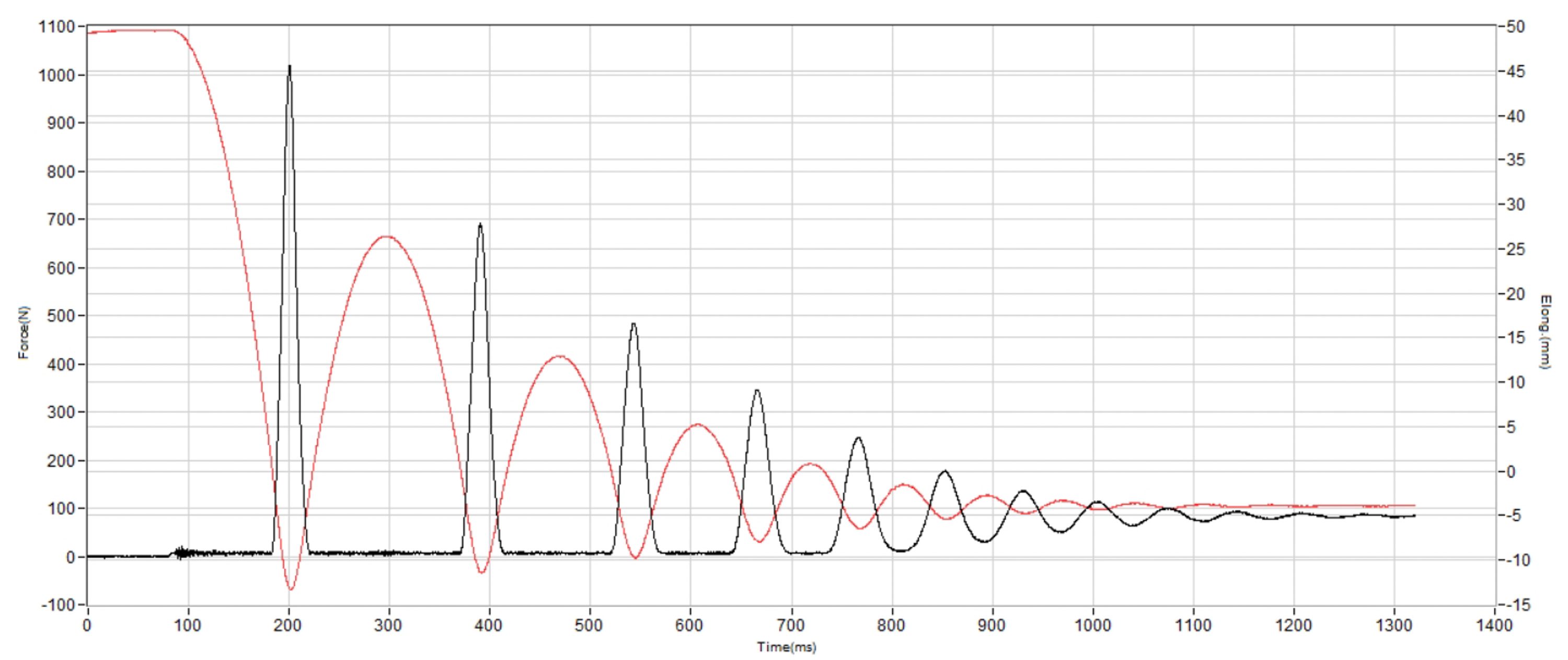
| Hyperion 3 | 130 SA |
| Average | 131 SA |
Energy return
The Hyperion 3 keeps a supercritical EVA foam, so we didn’t expect excellent energy return but also not the dull feel of plain EVA.
After we tested it, we discovered 56.0% in the heel and 59.9% in the forefoot, numbers that were strong a few years ago. However, this is not 2022 anymore, and with shoes in this price range now switching to better compounds, we think that Brooks needs to start looking for an affordable A-TPU foam as soon as possible.
| Hyperion 3 | 59.9% |
| Average | 61.4% |
Heel stack
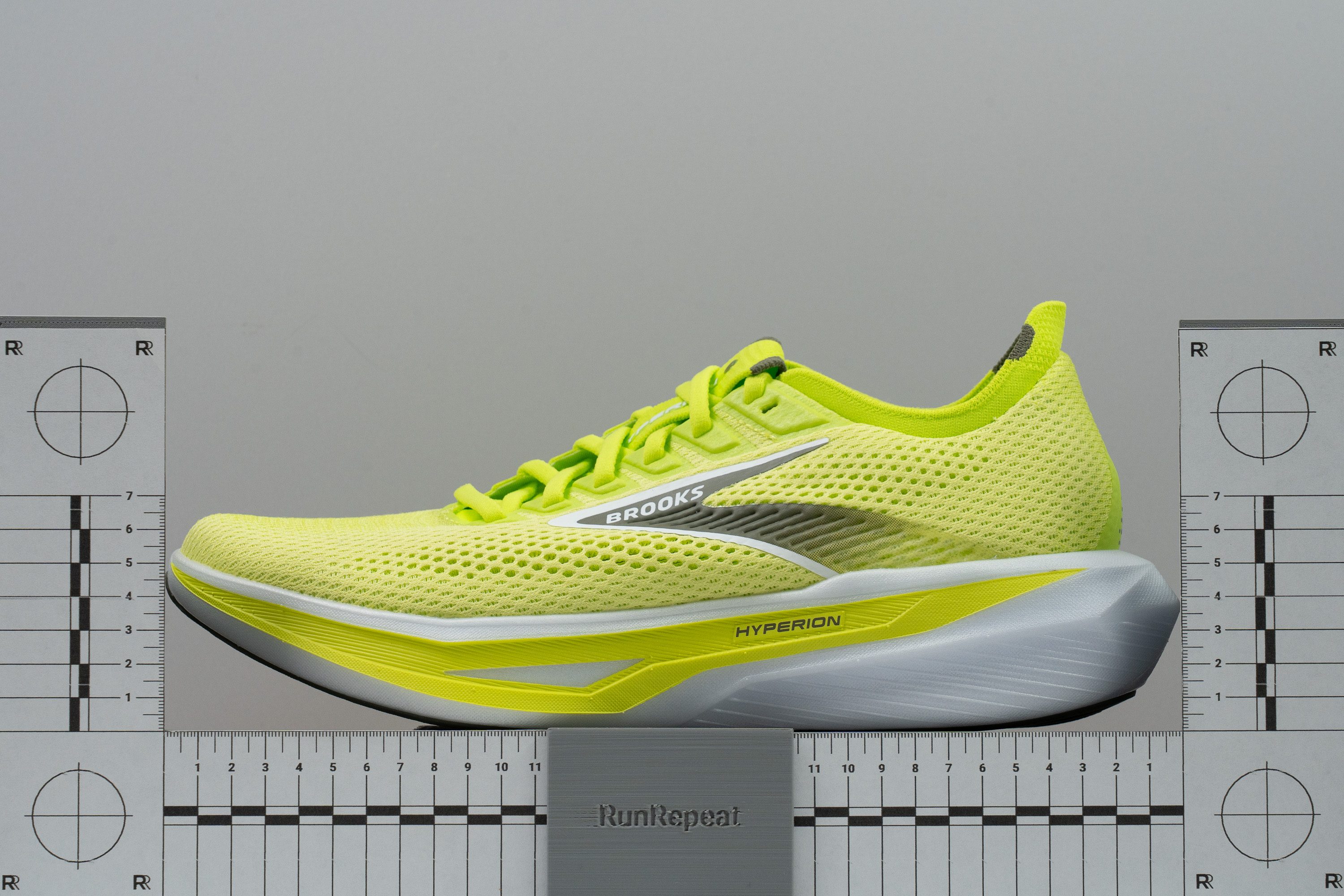
We have bad news for runners who loved the low-stack feel of the previous Hyperions. That design is gone, as the Hyperion 3 now brings 36.5 mm of stack height in the heel, which we found to be a major shift in character. Version 2 had only 32.2 mm.
This new measurement puts the shoe closer to a modern daily trainer instead of the grounded, natural setup that made earlier versions unique. And while we understand why Brooks moved in this direction, we still would have preferred a lower-stacked design here, given that a gazillion cushioned shoes are on the market nowadays.
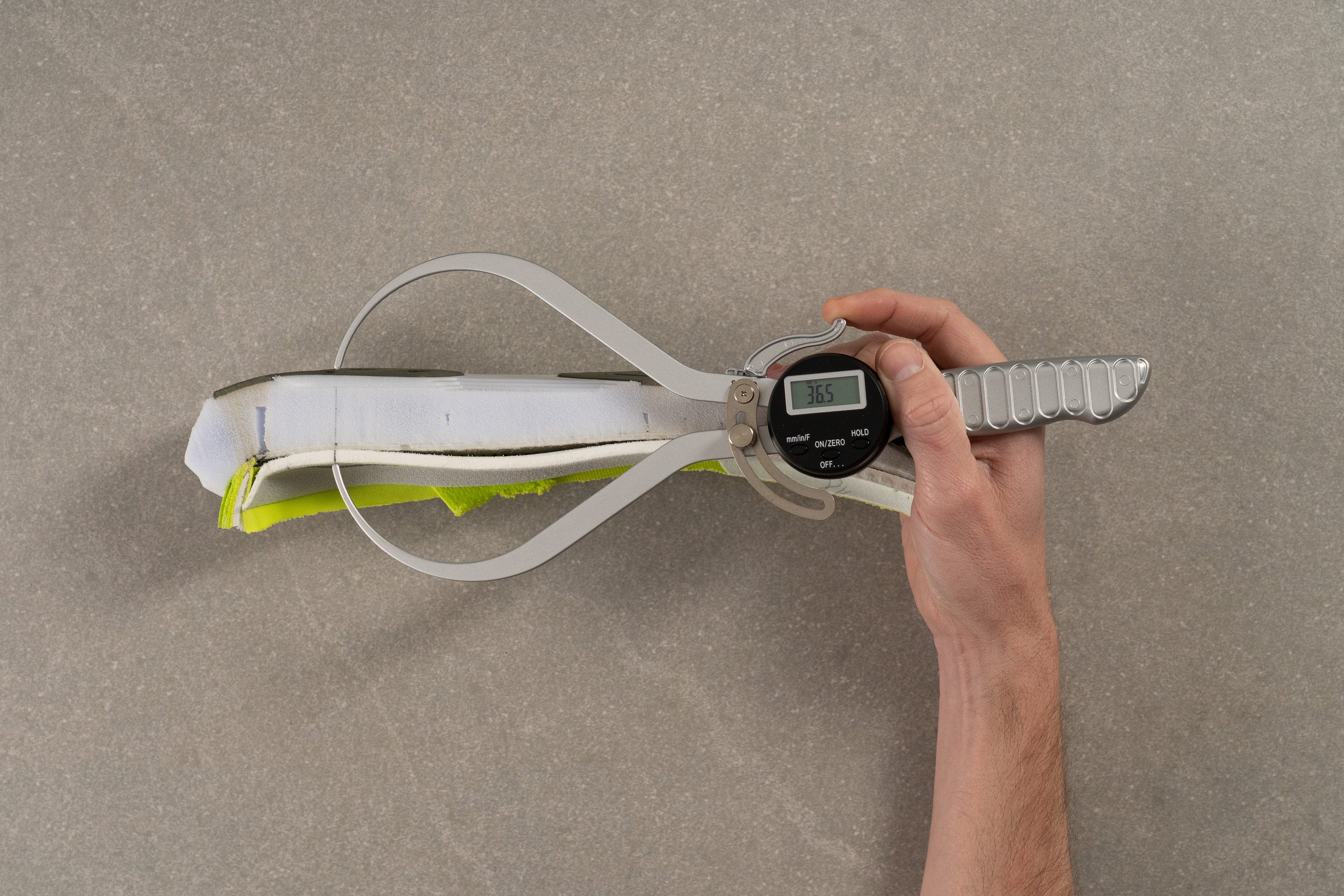
| Hyperion 3 | 36.5 mm |
| Average | 35.5 mm |
Forefoot stack
The forefoot also shifts the shoe’s character, as 25.2 mm now feels better suited for longer distances than before. It’s true that the Hyperion 3 becomes more versatile and covers a wider range, but that light, ground-focused feel from earlier versions is gone.
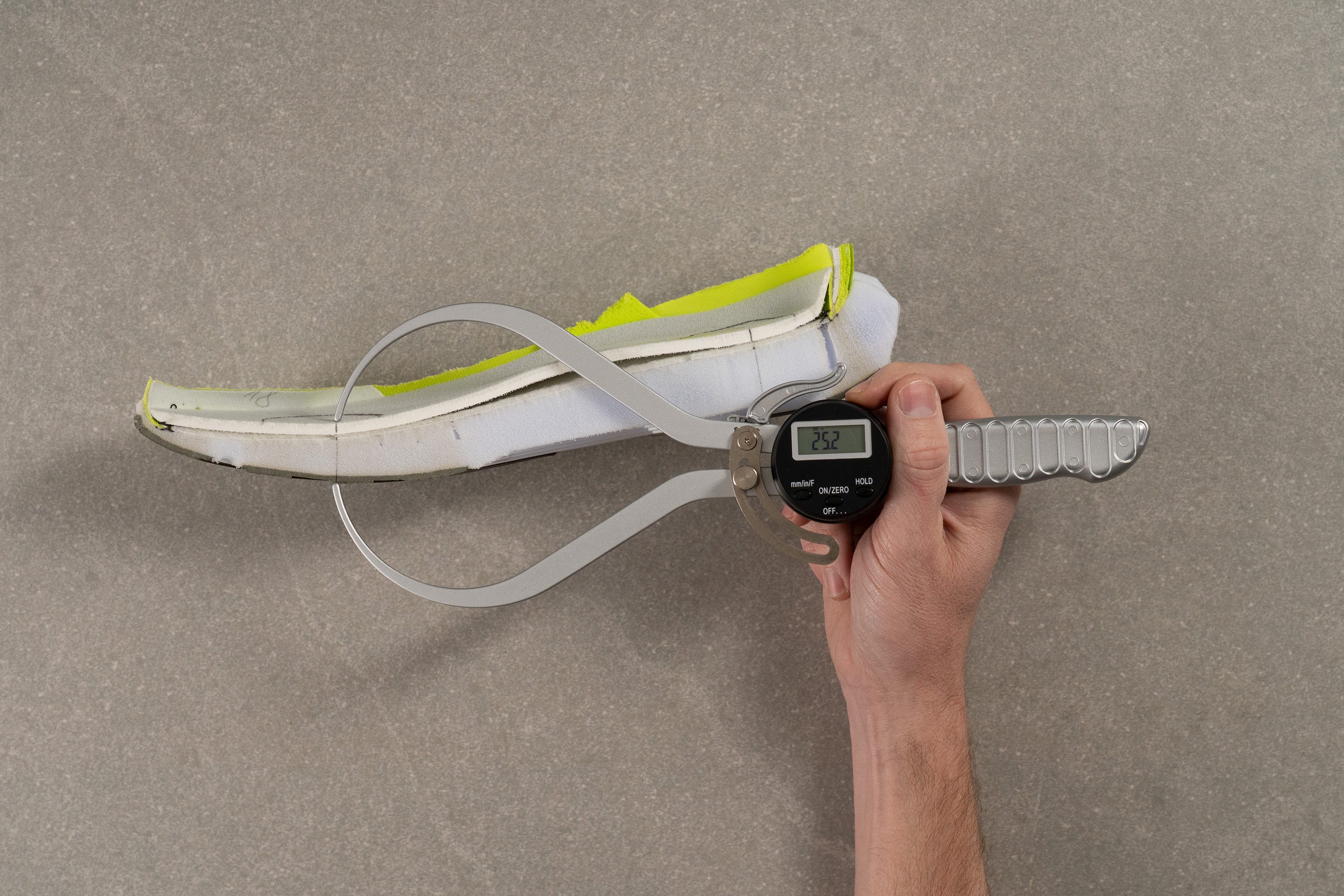
| Hyperion 3 | 25.2 mm |
| Average | 27.1 mm |
Drop
The drop is massive at 11.3 mm, although a high offset has always been part of the standard Hyperion line.
We think this setup suits heel strikers the most, but runners who prefer a higher drop—such as those with recurring Achilles tendon issues—can also benefit from this design.
| Hyperion 3 | 11.3 mm |
| Average | 8.4 mm |
Midsole softness
One of the biggest complaints we heard about the Hyperion 2 was its firm feel. It simply wasn’t soft enough for today’s standards.
Brooks addressed this with the updated DNA Flash v2 foam, which now measures 34.9 AC. It’s still not plush if that's what you want, but remember that with a moderate stack height you can’t go ultra-soft, and that also explains why Brooks kept things firmer in the older low-stack version.
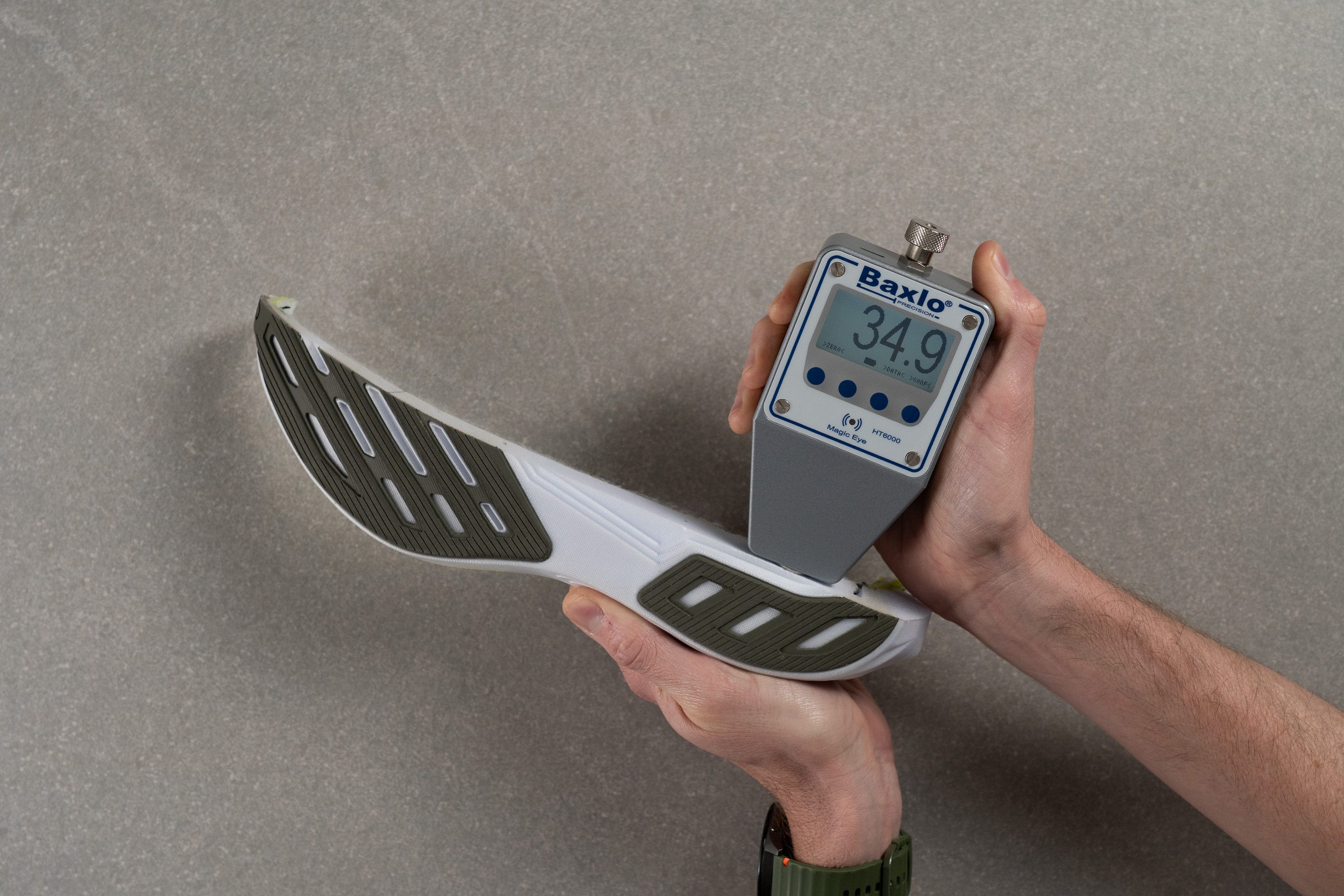
| Hyperion 3 | 34.9 AC |
| Average | 35.5 AC |
Rocker
Despite having a bit more foam in the heel and forefoot, we were glad to see that the rocker remains almost unchanged. It keeps only the slight curvature needed for a smooth ride without pushing into an exaggerated shape.
Size and fit
Size
Brooks Hyperion 3 fits slightly small (19 votes).
Width / Fit
We found that the Hyperion 3 offers a fit that leans slightly toward a low-volume feel, yet it should work well for most runners who enjoy a closer, more compact upper.
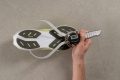
To help you compare it with other models, we created our usual gel mould, and the first width measurement came in at 96.3 mm.
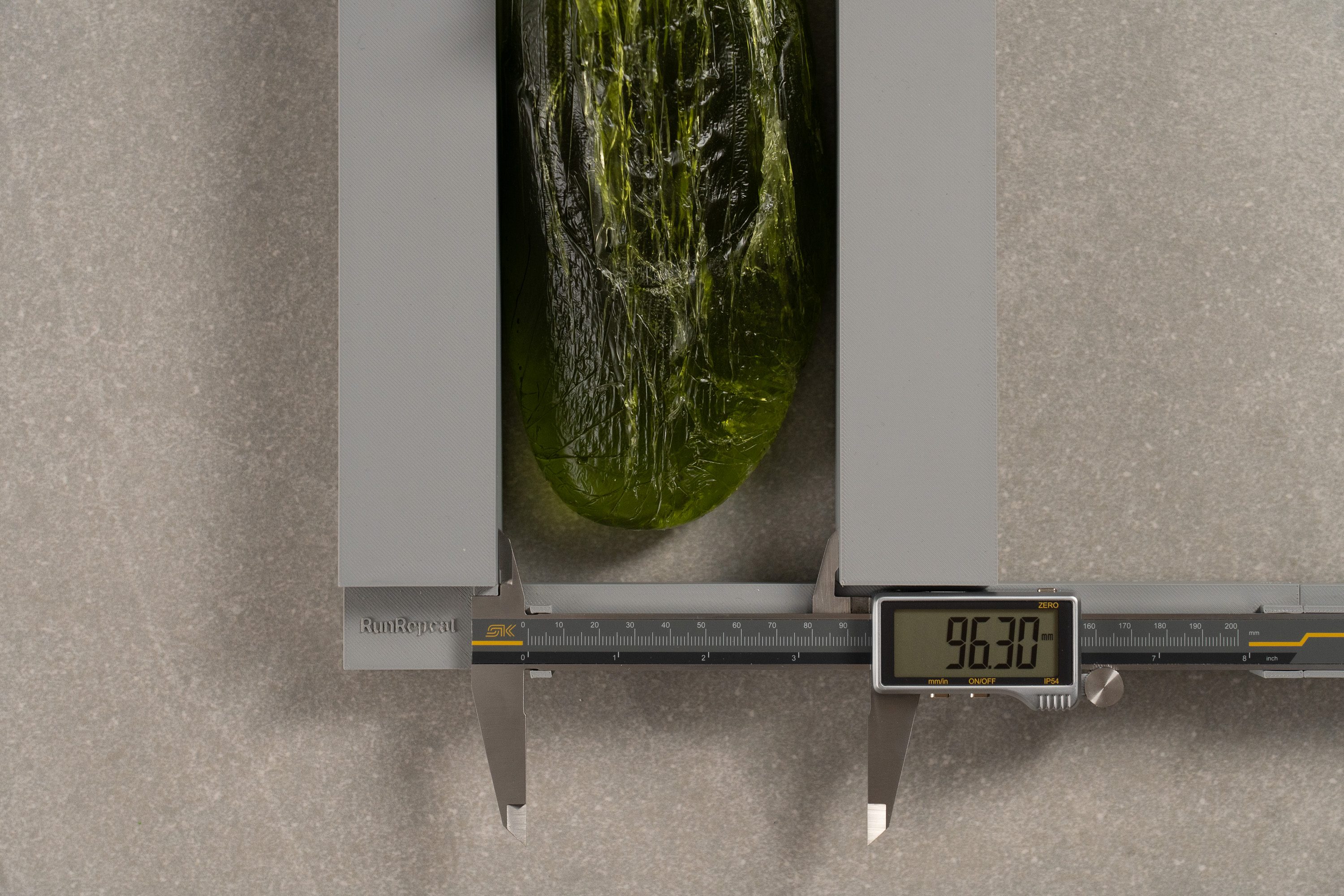
| Hyperion 3 | 96.3 mm |
| Average | 95.2 mm |
Toebox width
Our second reading focused on the toebox, where things tightened up to 72.1 mm, giving us a clearer idea of why the shoe felt a bit snug during our runs.
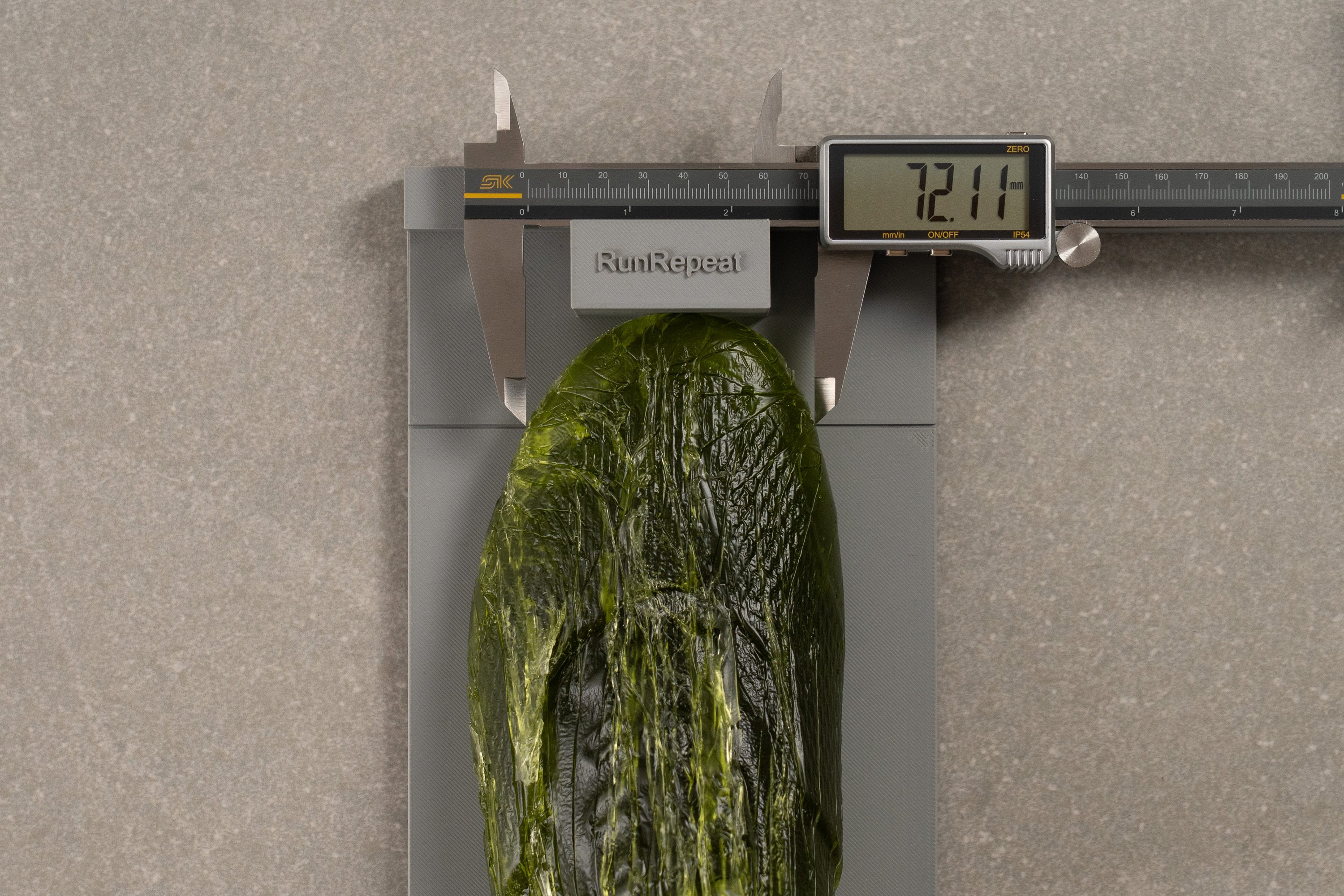
| Hyperion 3 | 72.1 mm |
| Average | 73.2 mm |
Toebox height
The third measurement confirmed the low-volume feel we noticed.
At just 24.7 mm, it’s clear that while the Hyperion 3 can now cover a bit more distance, Brooks still shaped it with a speed-focused design in mind.
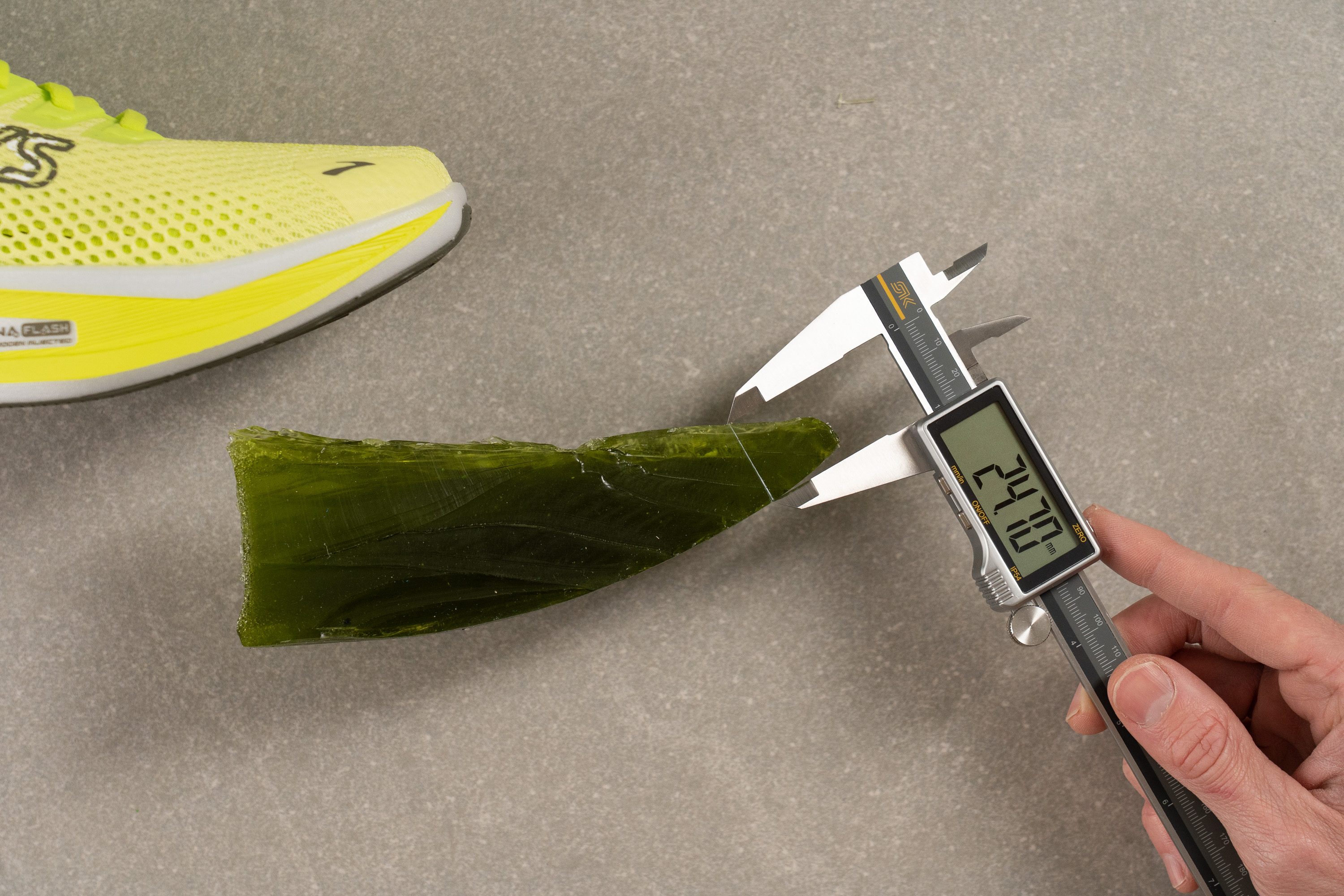
| Hyperion 3 | 24.7 mm |
| Average | 27.0 mm |
Traction / Grip
Traction test
The outsole of the Hyperion 3 offers solid grip in dry conditions with a 0.46 score. On wet surfaces it feels a bit less secure, though we think it still handles light rain reasonably well.
| Hyperion 3 | 0.46 |
| Average | 0.53 |
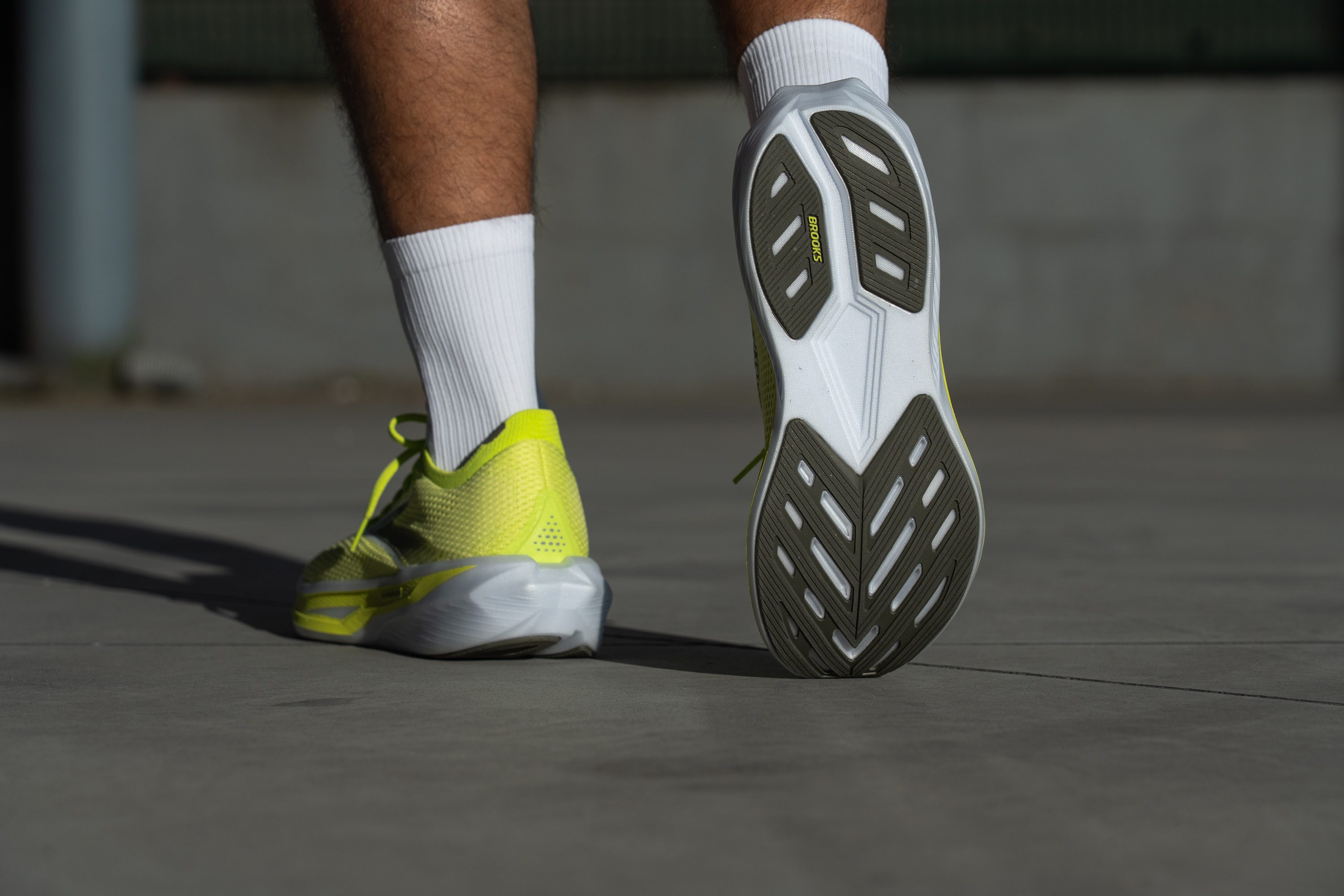
Outsole design
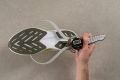
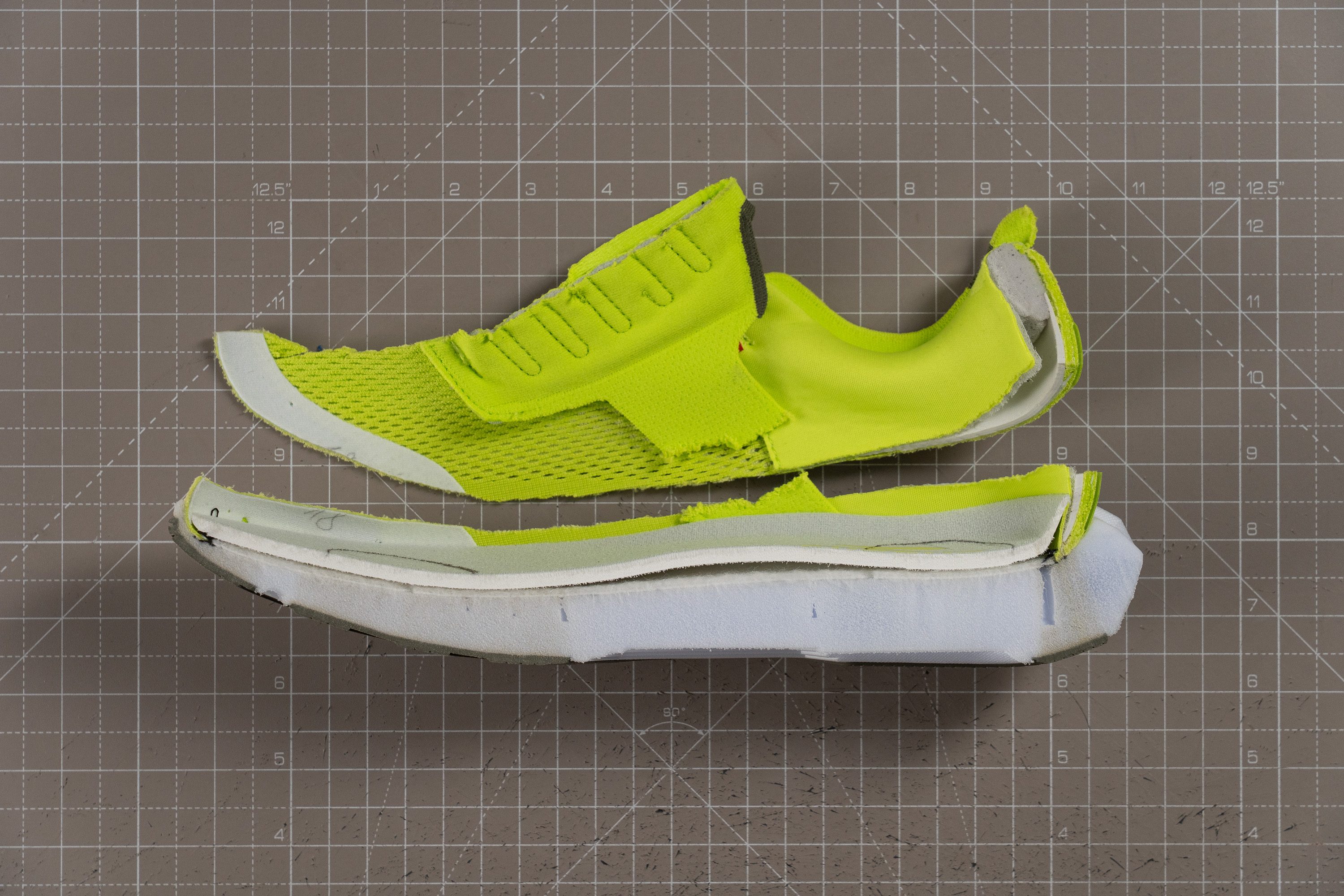
Taking a look at the outsole, we found that it has two big oval rubber pieces in the heel with small rectangular openings, and the midfoot shows exposed foam with simple lines and a shallow cutout around it.
The forefoot uses a wide V-shaped rubber area made of long rectangle shapes, each split by foam channels, creating a clear and organised layout. And because now there's a little bit less of rubber overall, that takes a small toll on traction as we found before.
Flexibility / Stiffness
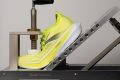
The Hyperion 3 adds more stack height and, as expected, becomes a stiffer shoe. It moves from 13.0N to 15.8N in this test, creating yet another step away from the natural-feeling design it had in earlier versions.
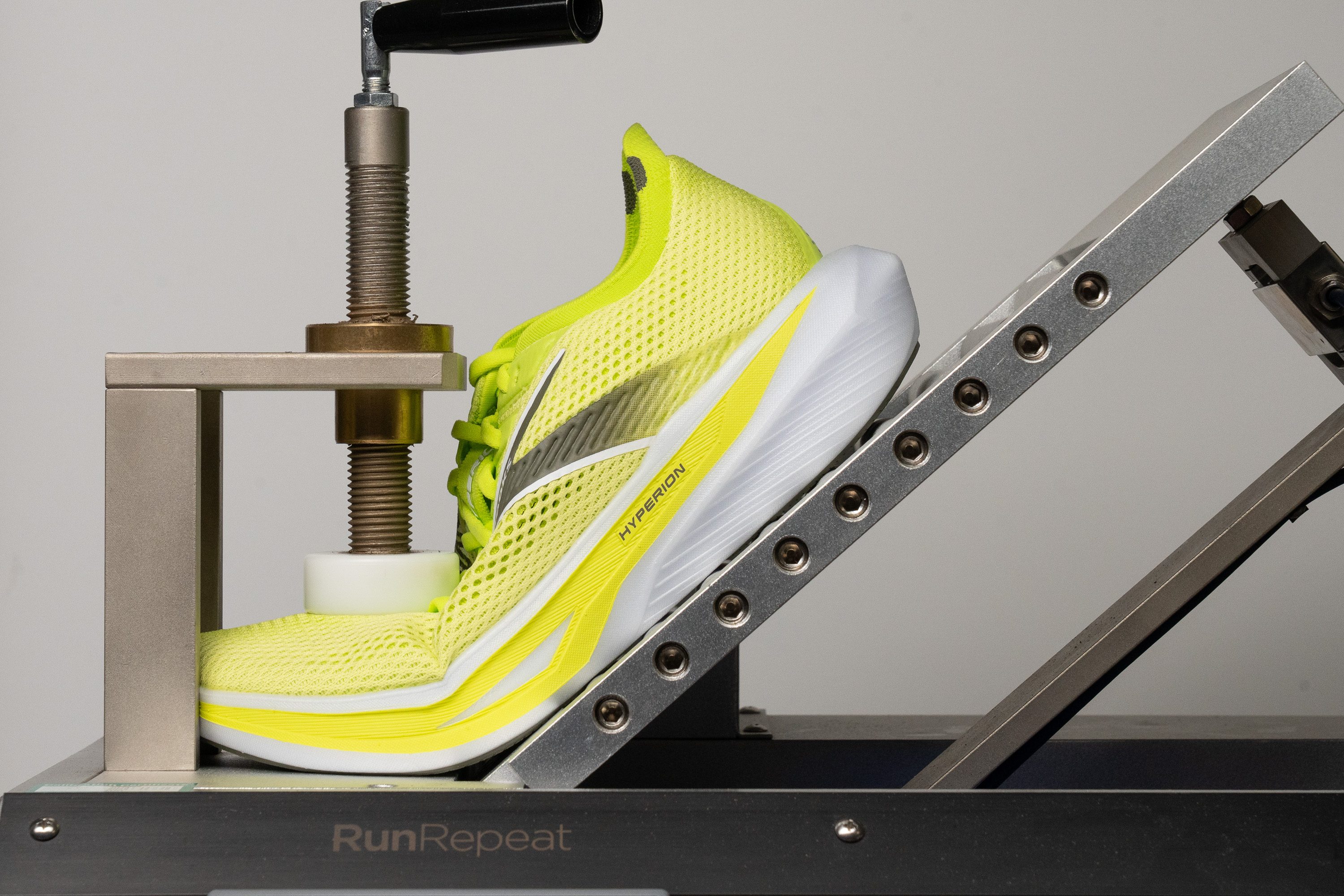
| Hyperion 3 | 15.8N |
| Average | 15.5N |
Weight
One of the things we appreciated in the Hyperion 2 was its extreme lightness, as it was a shoe that almost disappeared underfoot during our runs. We tested version 3 and discovered that feeling is gone, as the shoe now weighs 8.6 oz or 244g, a major jump from the 7.2 oz or 203g of its predecessor.
In our view, this sharp increase could be a real deal-breaker for many runners, and may lead some to look for version 2 at a discount.
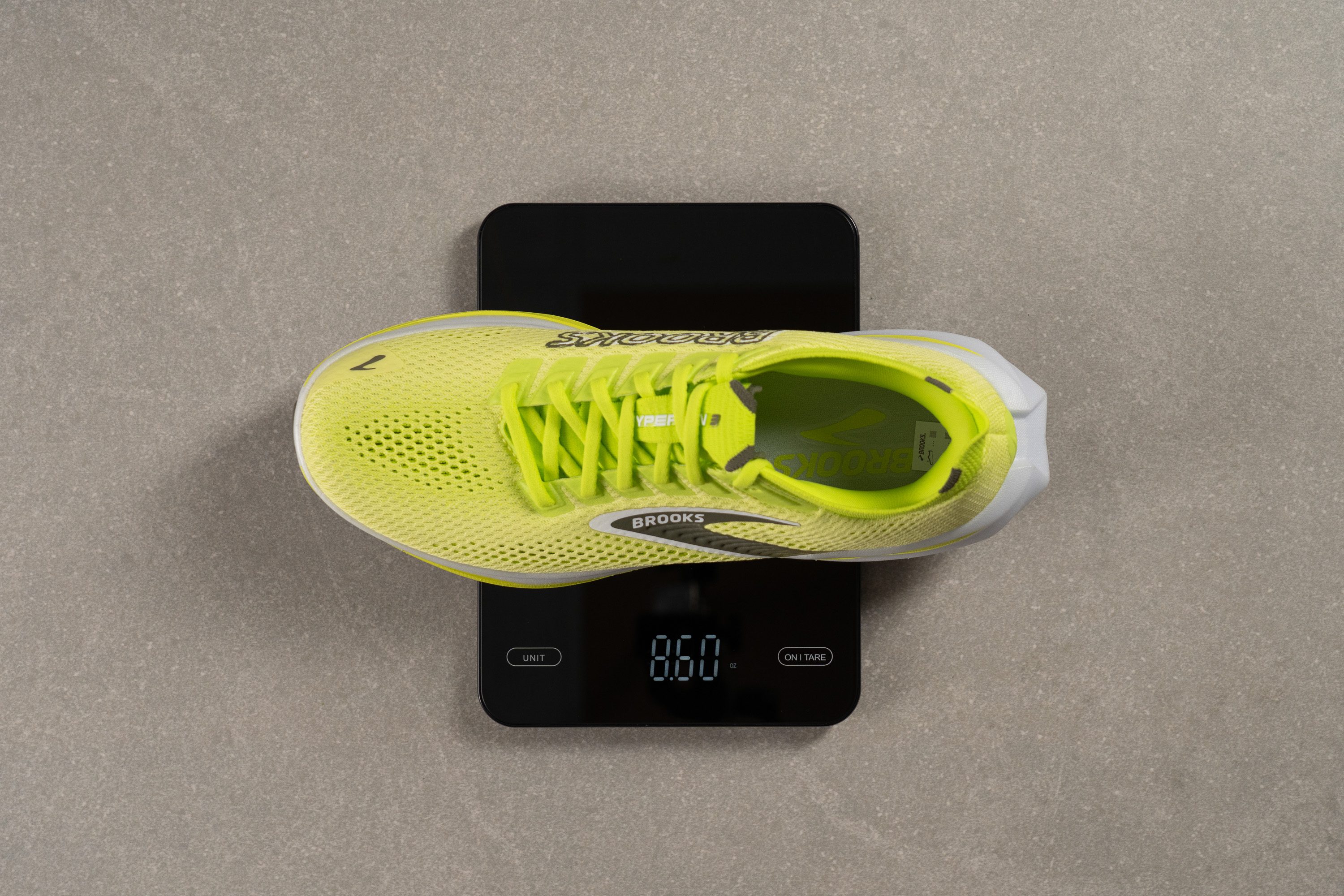
| Hyperion 3 | 8.6 oz (244g) |
| Average | 9.2 oz (261g) |
Breathability
Breathability test
Brooks may be behind brands like ASICS or PUMA in pure performance, but there is one area where they are clearly on top: uppers. We were amazed by the Hyperion Elite 5, and the Hyperion 3 arrives with one of the best uppers you can get at this price point.
It uses a double jacquard mesh that delivers excellent ventilation and great comfort. In our airflow test, it reached a perfect 5/5.
Ventilation is not limited to the toebox. Most of the upper lets air escape well, making this shoe a top option for runners in very hot climates.
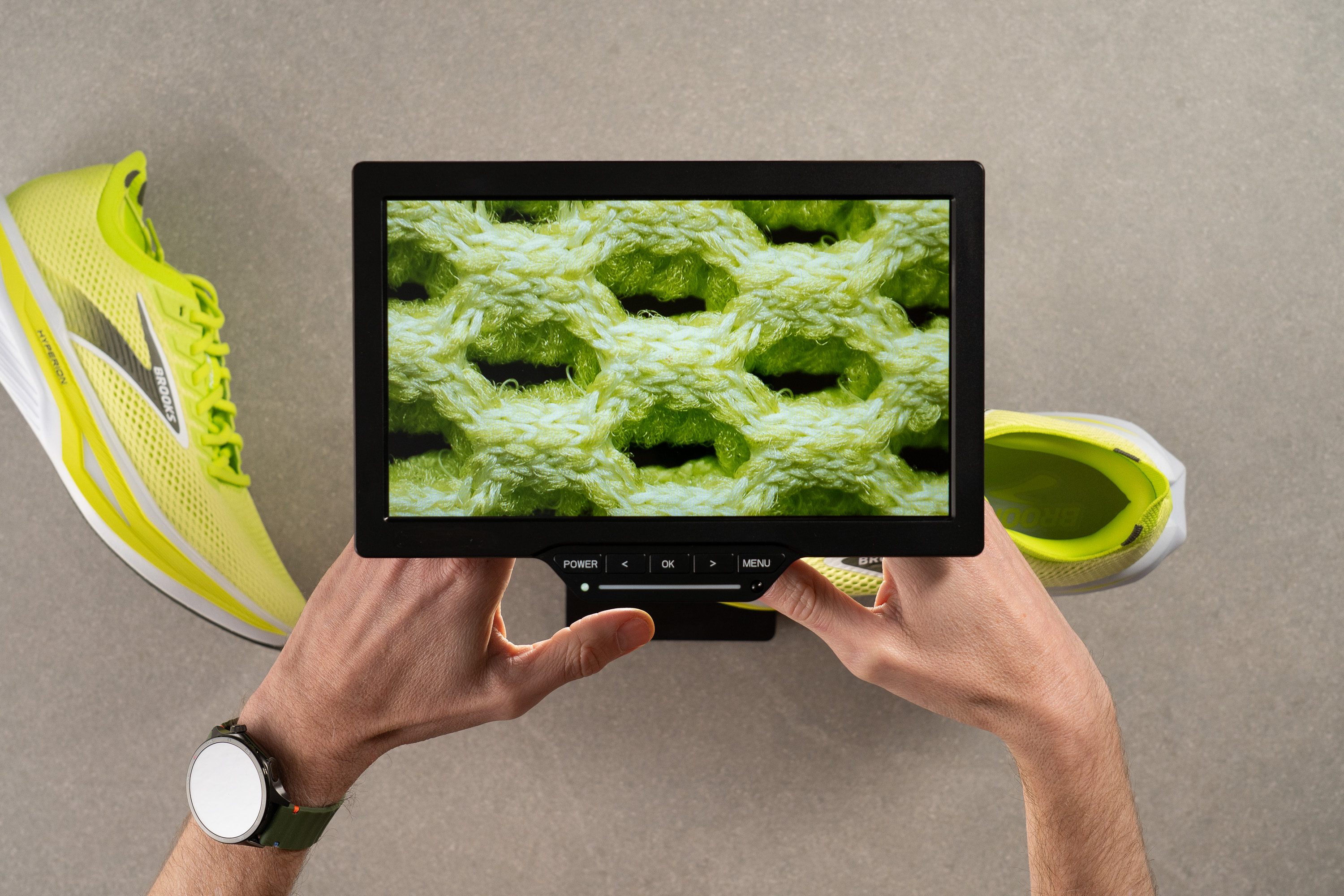
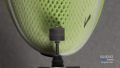
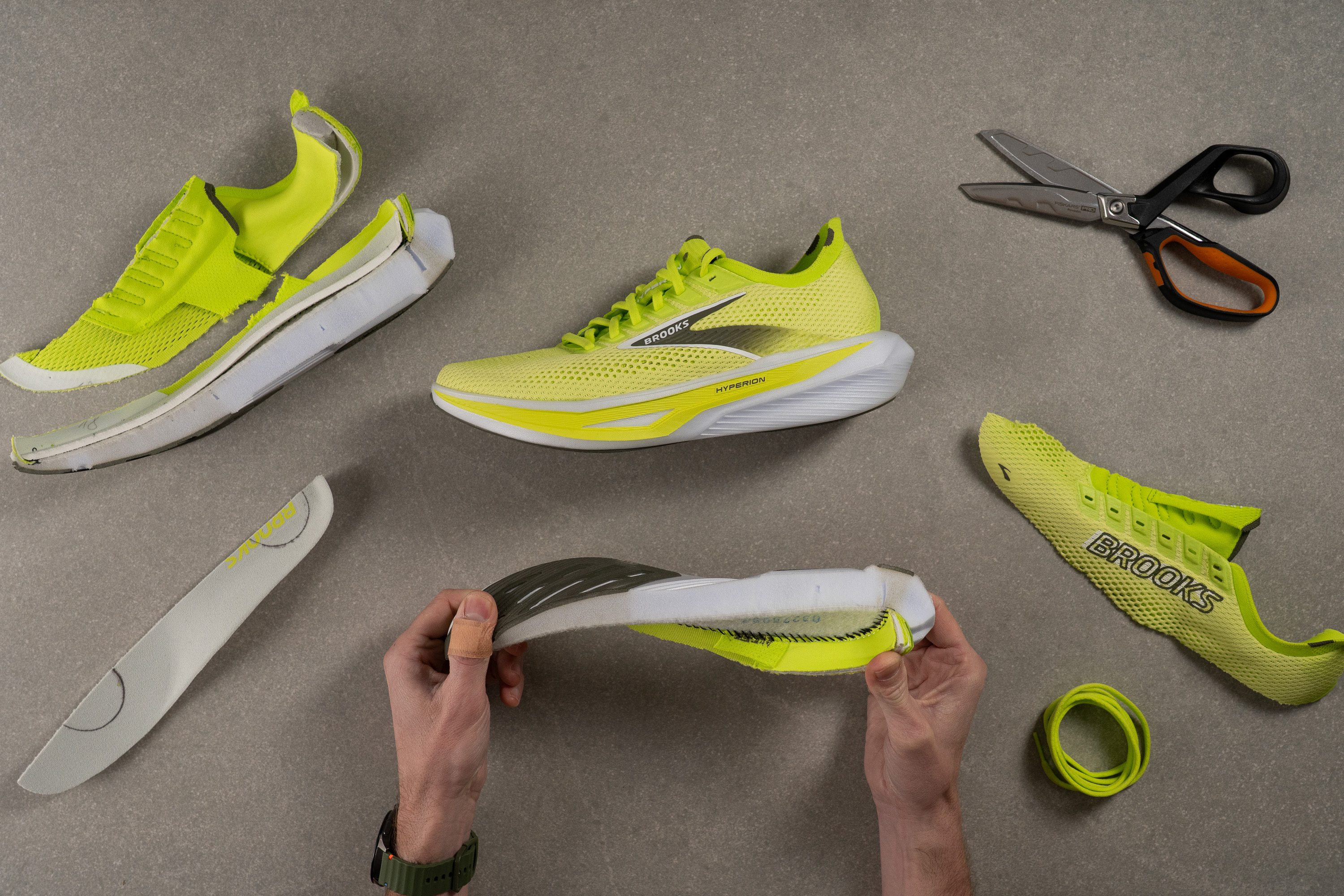
Under the microscope, we found a very nice detail. Instead of using an inner layer that blocks airflow like many other brands, Brooks aligned the holes of both layers to keep air moving.

Comfort is also outstanding thanks to the tongue, which uses variable padding instead of a single foam sheet. In our opinion, this upper has a premium touch that you rarely find at such a low price.
| Hyperion 3 | 5 |
| Average | 3.6 |
Stability
Lateral stability test
Brooks added small sidewalls on both sides of the shoe, giving the Hyperion 3 a slight stability boost and helping offset the higher stack compared to earlier versions. However, we still think this model works best for neutral runners who don’t need extra support.
Torsional rigidity
Scoring 13.4 Nm in our torsional rigidity lab test, the Hyperion 3 maintains a reasonable level of flex and remains far from being a highly rigid shoe.
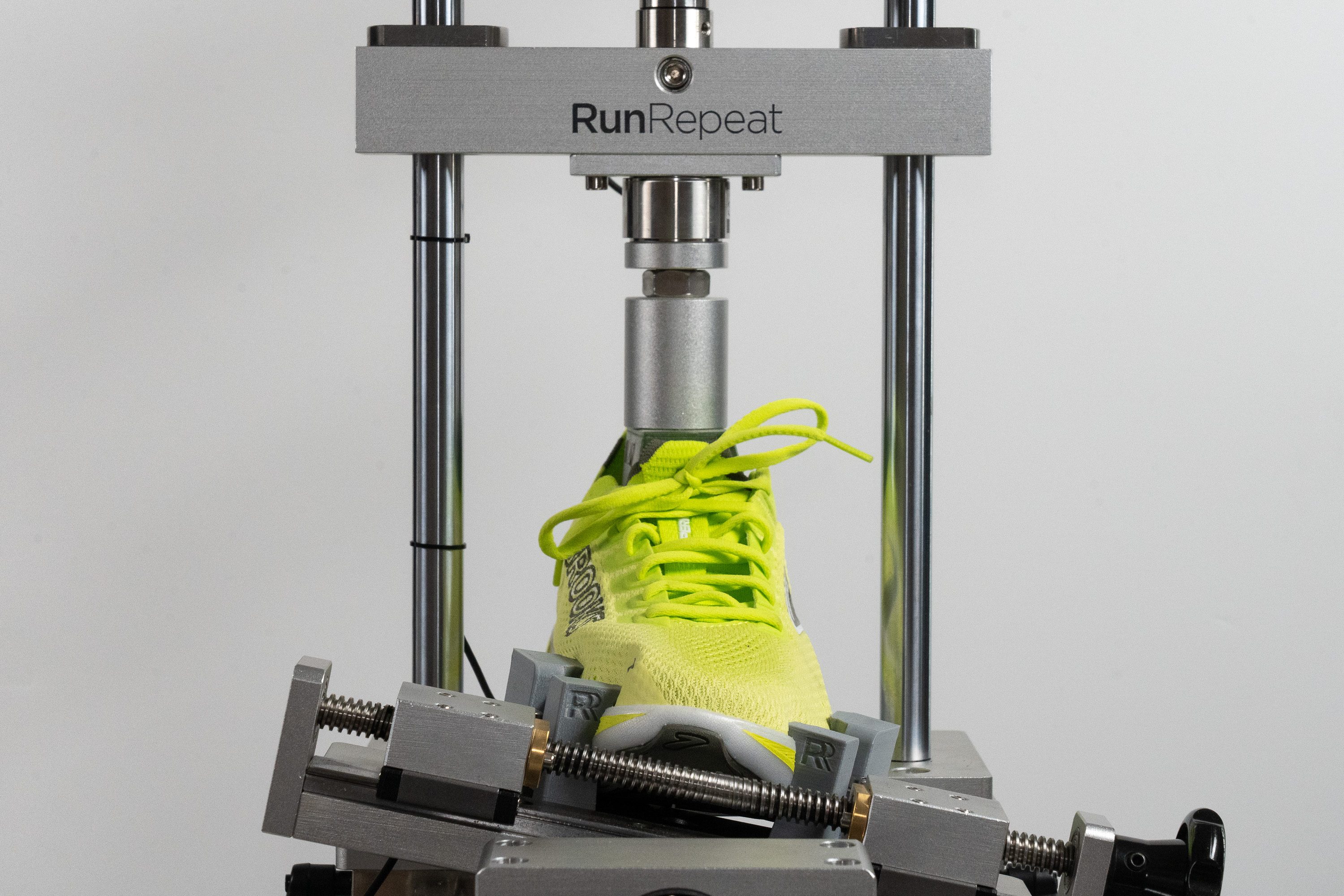
| Hyperion 3 | 13.4 Nm |
| Average | 14.4 Nm |
Heel counter stiffness
The heel counter is also stiffer than the previous version, now scoring one point higher at 4/5. Brooks added extra padding in the heel to make this added stiffness barely noticeable, though.
| Hyperion 3 | 4 |
| Average | 3 |
Midsole width - forefoot
The Hyperion 3 is bigger in every direction, whether you look at width or height, in the heel or forefoot. We found a small increase in the front area, which now measures 115.0 mm and sits closer to the current average.
Thankfully, Brooks didn’t push this too far, and the shoe still feels more agile than many modern daily trainers. Still, it’s clearly different from the nimble design of the past two versions.
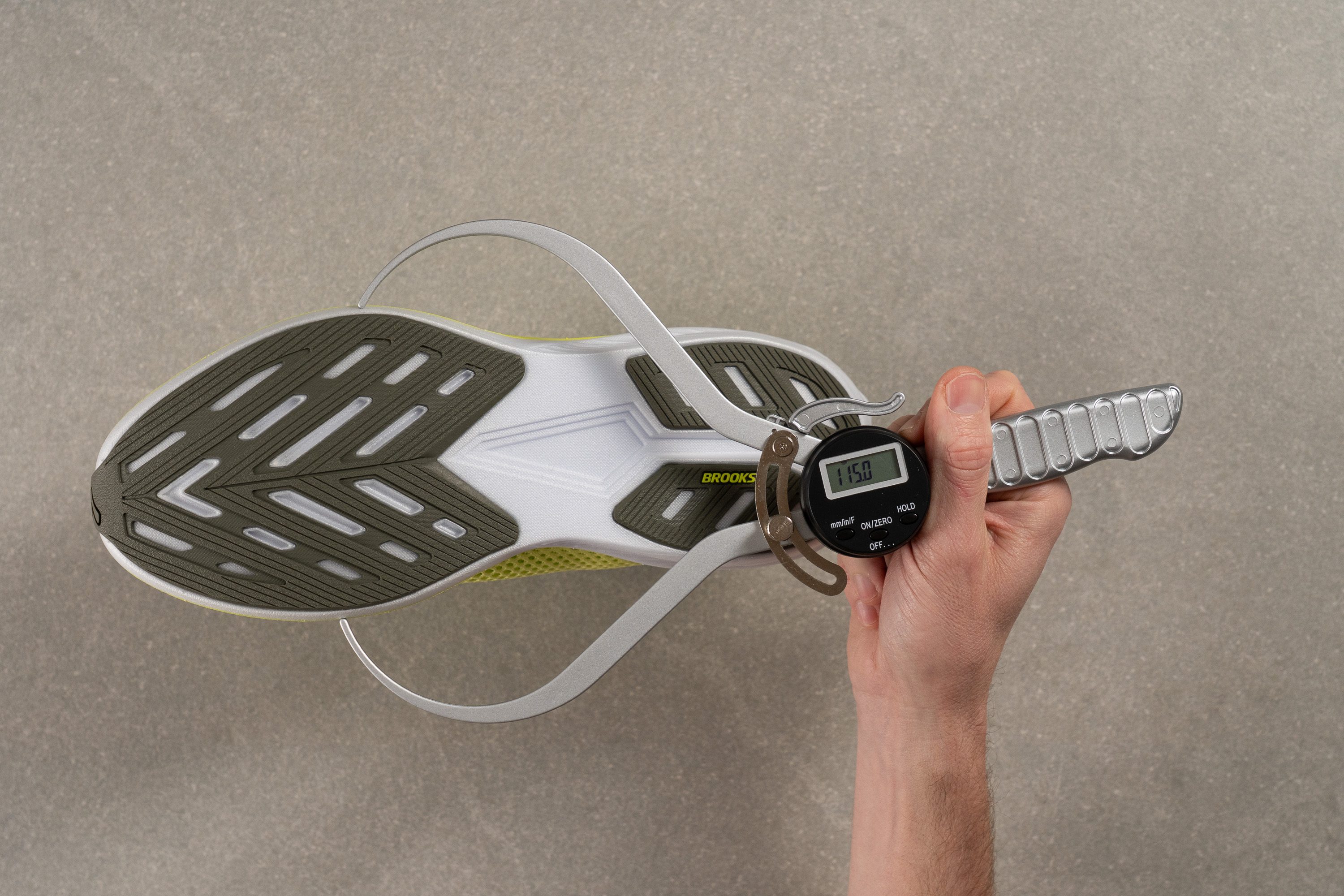
| Hyperion 3 | 115.0 mm |
| Average | 115.1 mm |
Midsole width - heel
The heel follows the same design update as the forefoot and now measures 88.5 mm. This change won’t appeal to everyone, but runners who want a bit more stability in the rearfoot will appreciate what version 3 offers.
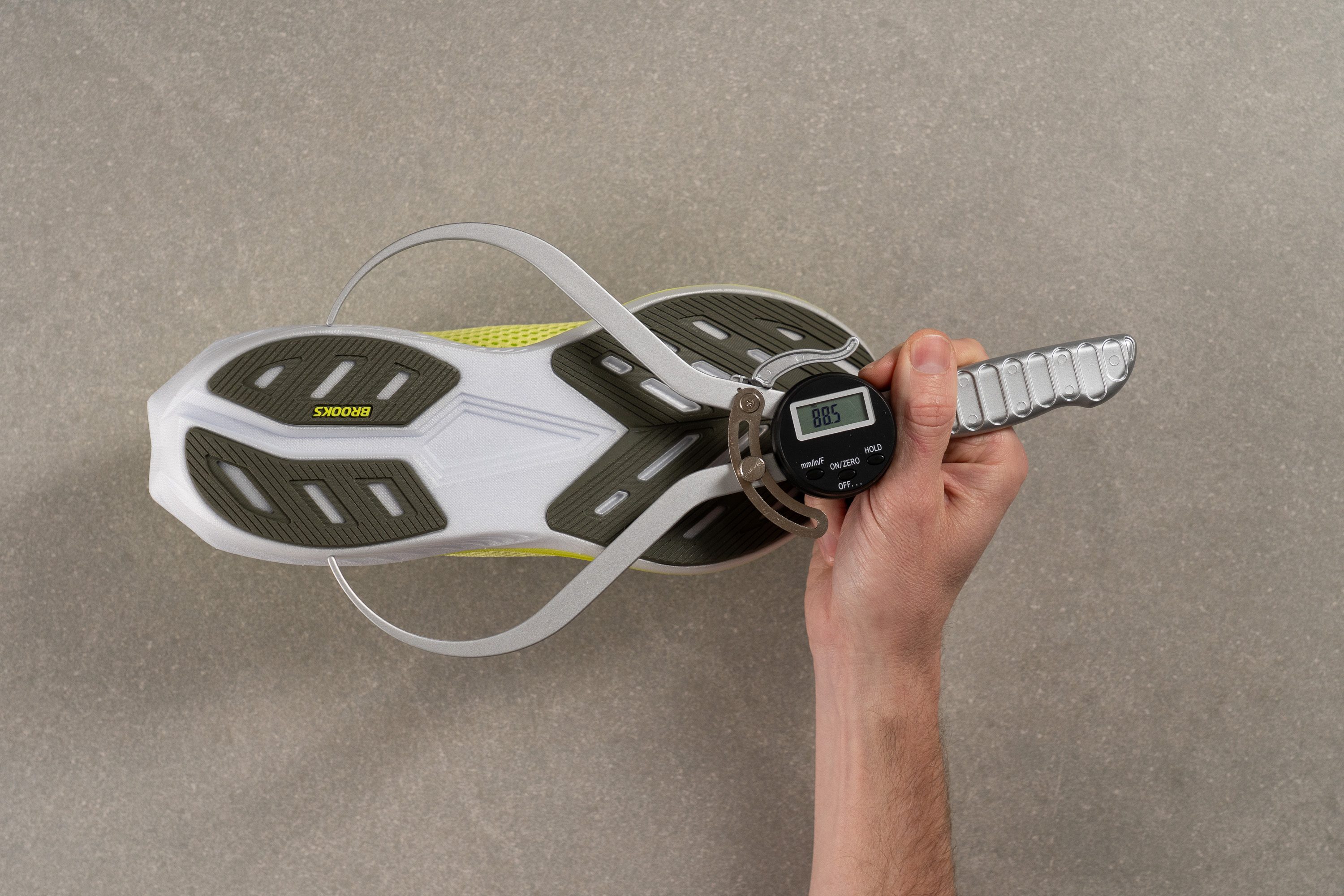
| Hyperion 3 | 88.5 mm |
| Average | 91.1 mm |
Durability
Toebox durability
We already showed that the upper is fantastic in many ways, but we still needed to check durability. It didn’t disappoint, delivering a solid 3/5 score despite its aggressive and lightweight design.
| Hyperion 3 | 3 |
| Average | 2.6 |
Heel padding durability
The heel padding uses plenty of foam for a soft step-in feel, which often struggles in our Dremel test, but the Hyperion 3 held up surprisingly well and earned a solid 4 out of 5.
| Hyperion 3 | 4 |
| Average | 3.4 |
Outsole durability
The final durability test targets the outsole, where we double the tool’s speed to match the tougher rubber. The Hyperion 3 held strong once more, showing only 0.9 mm of material worn away.
| Hyperion 3 | 0.9 mm |
| Average | 1.1 mm |
Outsole thickness
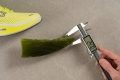
And the rubber needs to be durable, because it’s only 2.4 mm thick in an effort to keep the weight down. That goal didn’t quite work out, but a thicker outsole would have pushed the weight even higher.
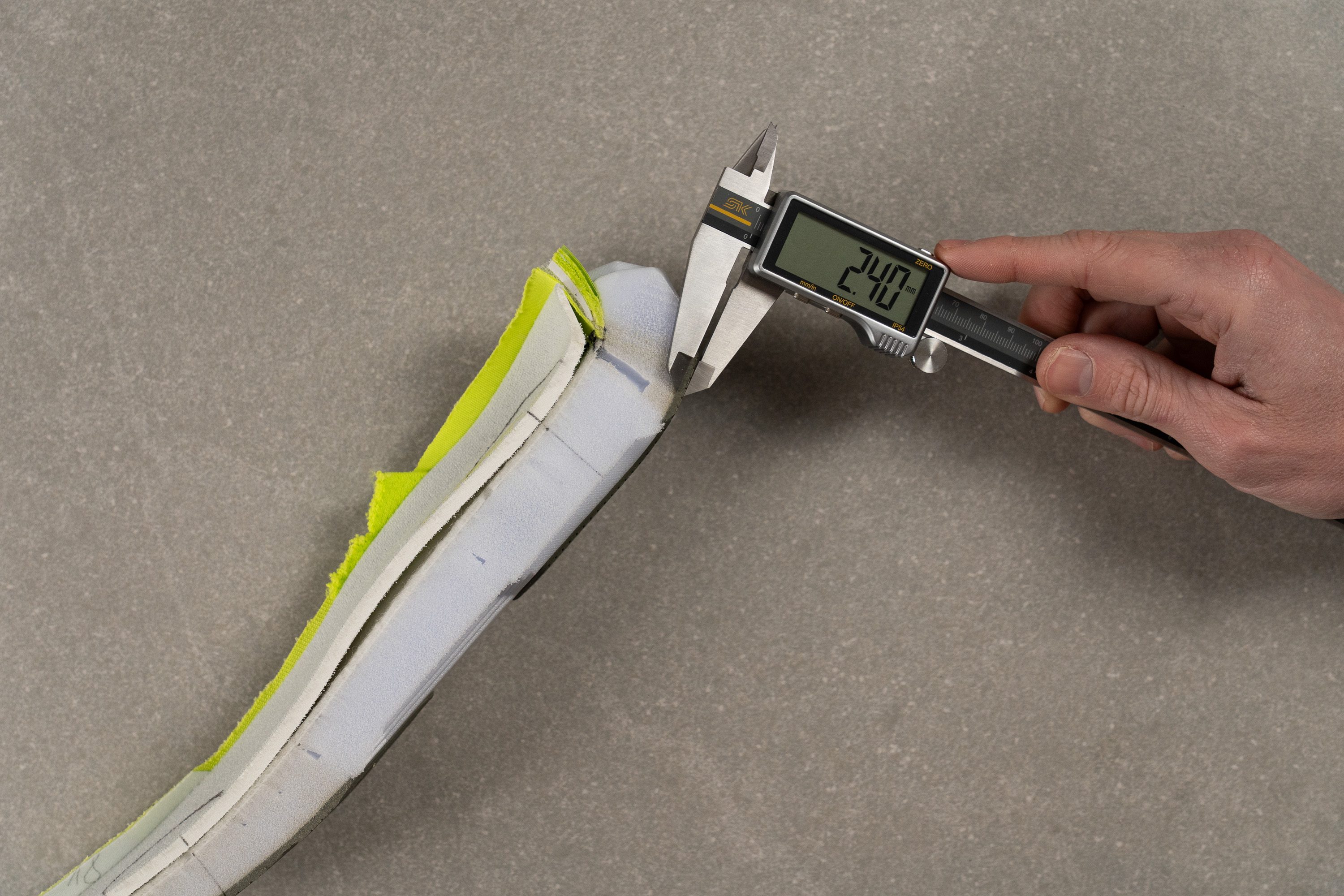
| Hyperion 3 | 2.4 mm |
| Average | 3.1 mm |
Misc
Insole thickness
The Hyperion 3 comes with a 4.8 mm insole, which is right in line with what we see in most shoes.
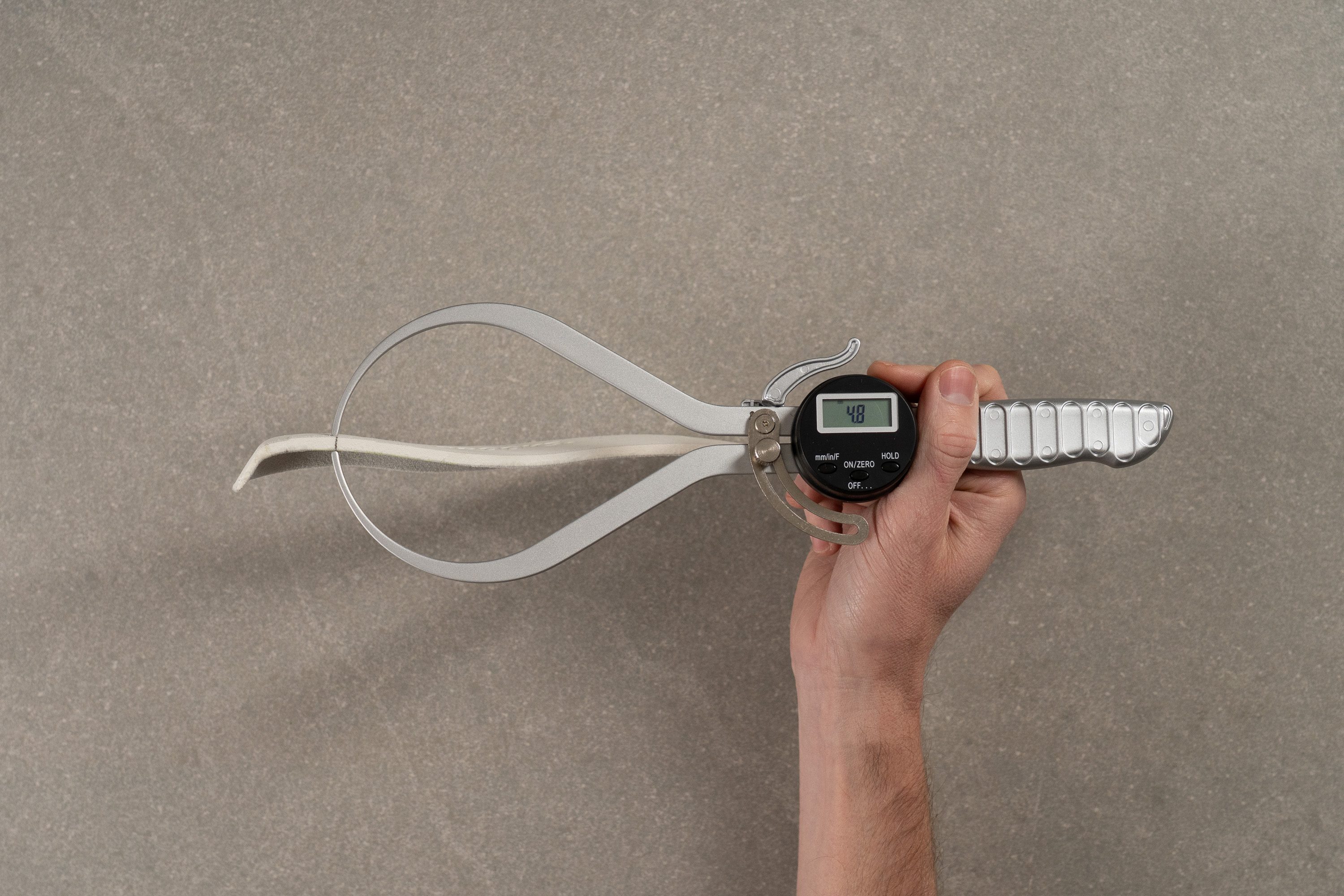
| Hyperion 3 | 4.8 mm |
| Average | 4.4 mm |
Removable insole
You can also swap in a custom insole or a podiatrist-made orthotic without any issues.
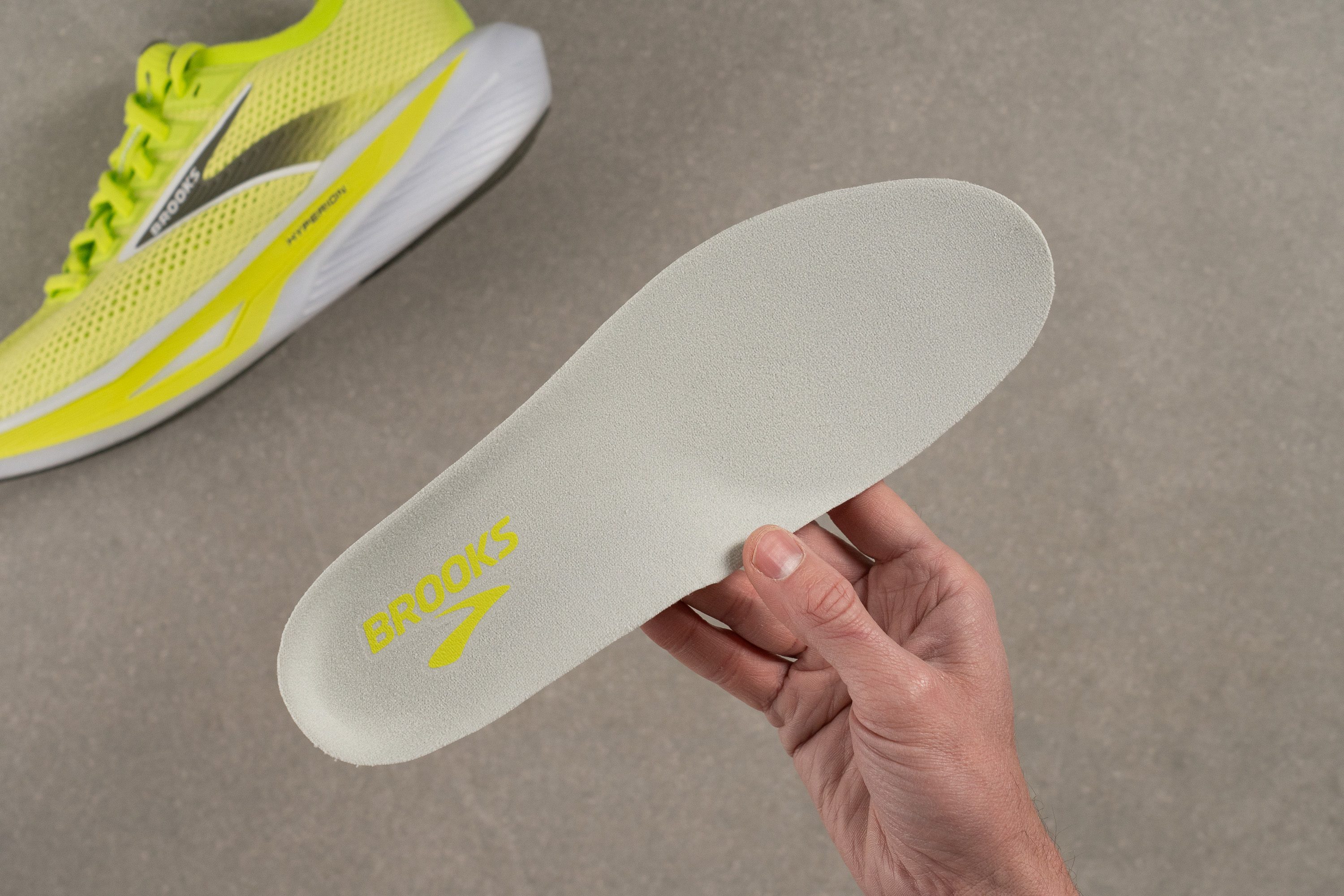
| Hyperion 3 | Yes |
Reflective elements
There’s a small triangular reflective detail on the heel of the Hyperion 3, offering a helpful touch of visibility for cars approaching from behind.
| Hyperion 3 | Yes |
Tongue padding
The lacing system is excellent, and the stretchy tongue setup with a pull tab that also works as a lace loop is extremely well executed, delivering a perfect lockdown. It’s interesting how some brands struggle with tongue design while others get it right, and we think that Brooks delivers a genuinely impressive one here.
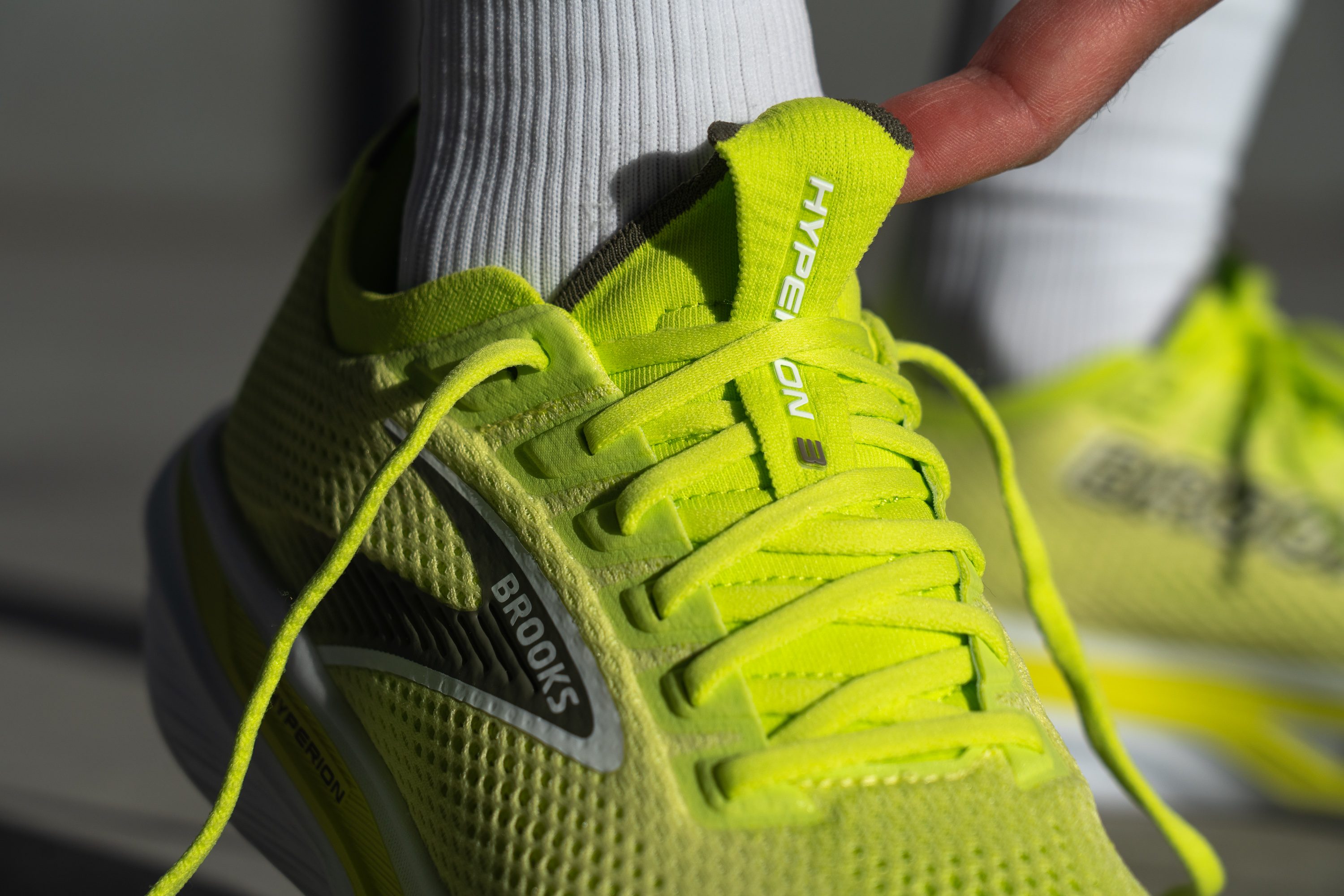
In terms of thickness, the tongue comes with just 3.1 mm of padding in the thickest area, but we tested it and felt it was more than enough. There’s no pressure from the laces, and this shoe isn’t meant for 2 or 3h runs anyway.
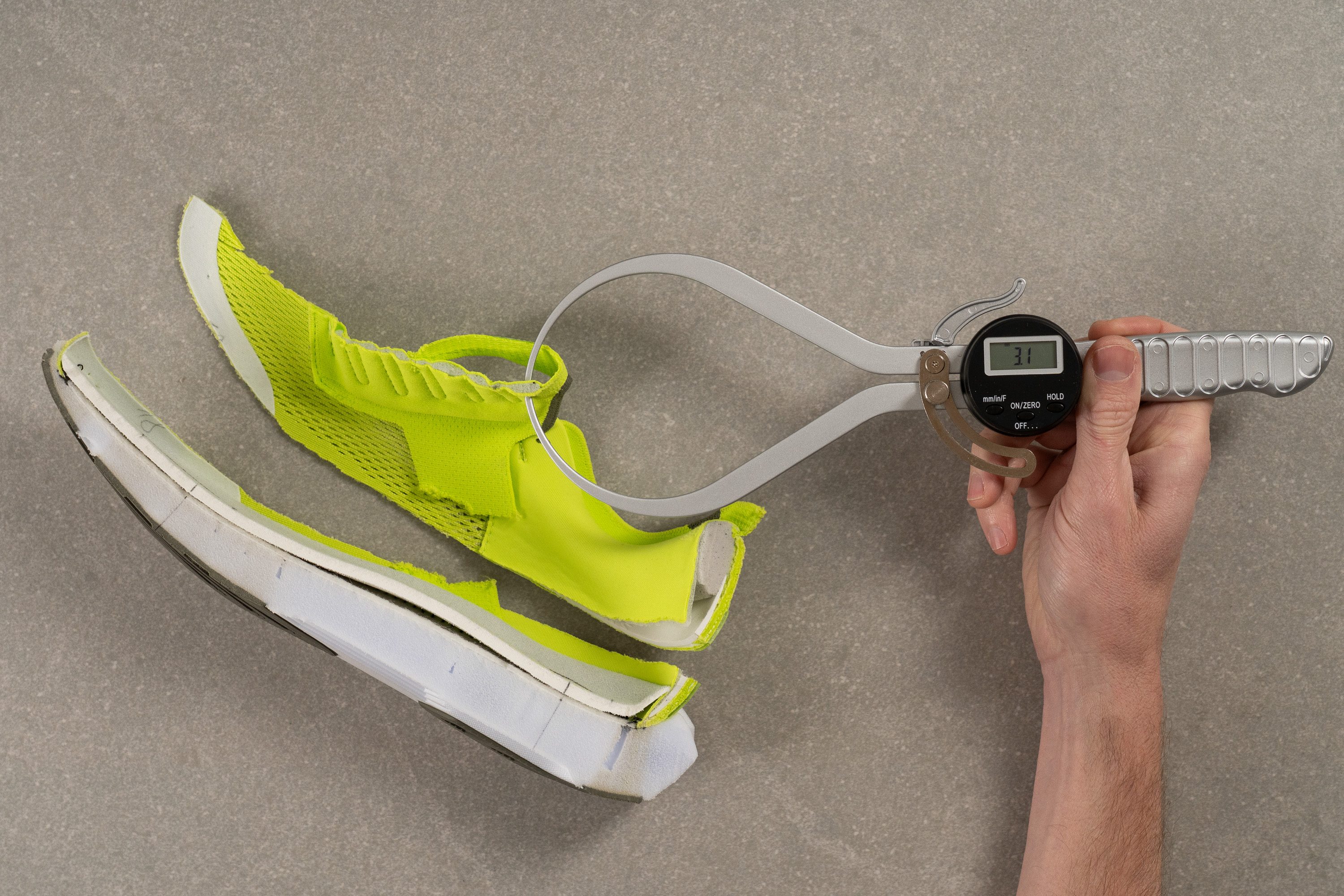
| Hyperion 3 | 3.1 mm |
| Average | 5.8 mm |
Tongue: gusset type
The tongue of the Hyperion 3 is excellent, matching what we often see in higher-priced shoes. Its semi-gusseted design keeps it centred with ease while staying exceptionally comfortable.
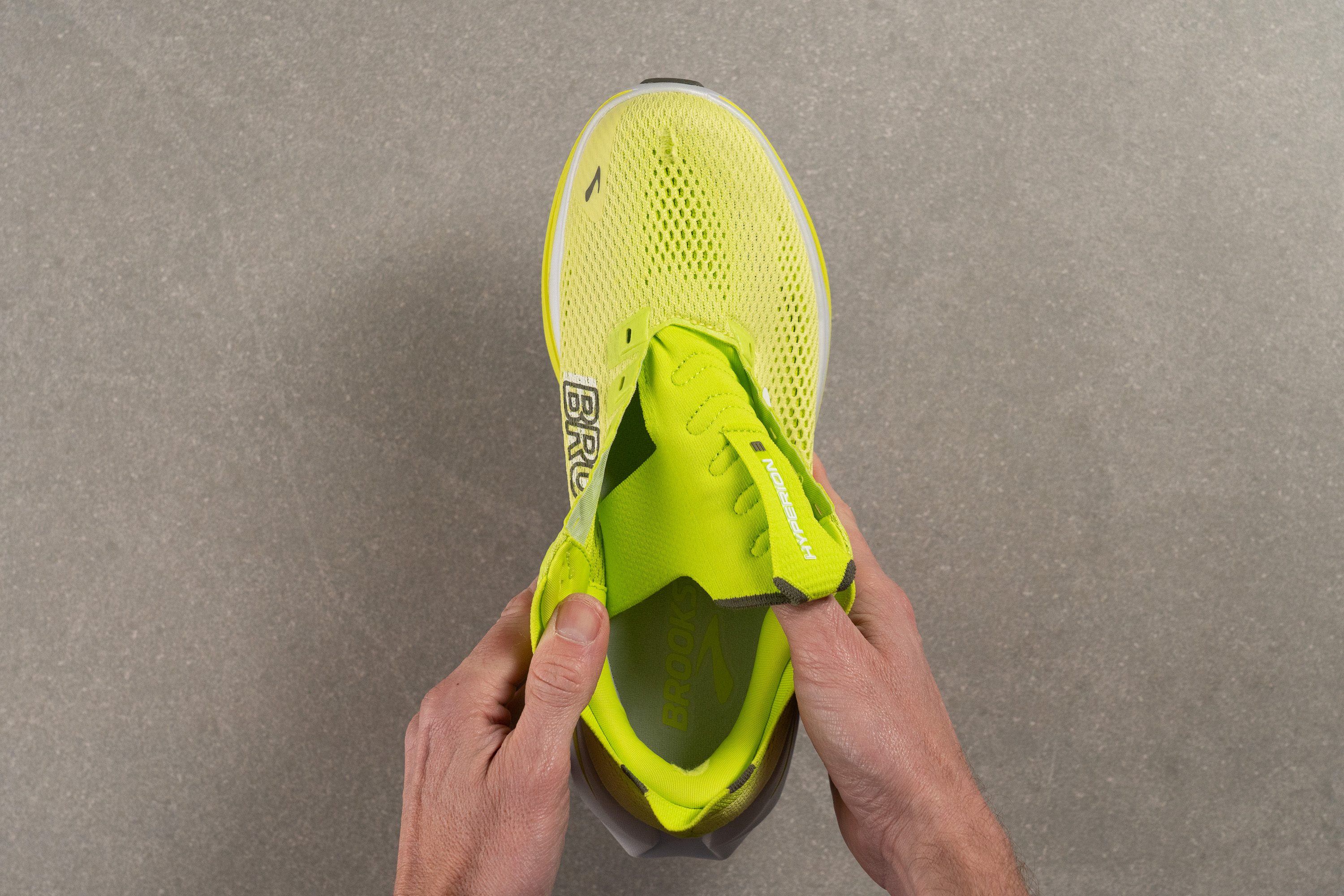
| Hyperion 3 | Both sides (semi) |
Heel tab
The heel features a small extension that you can easily grab and use as a practical pull tab.
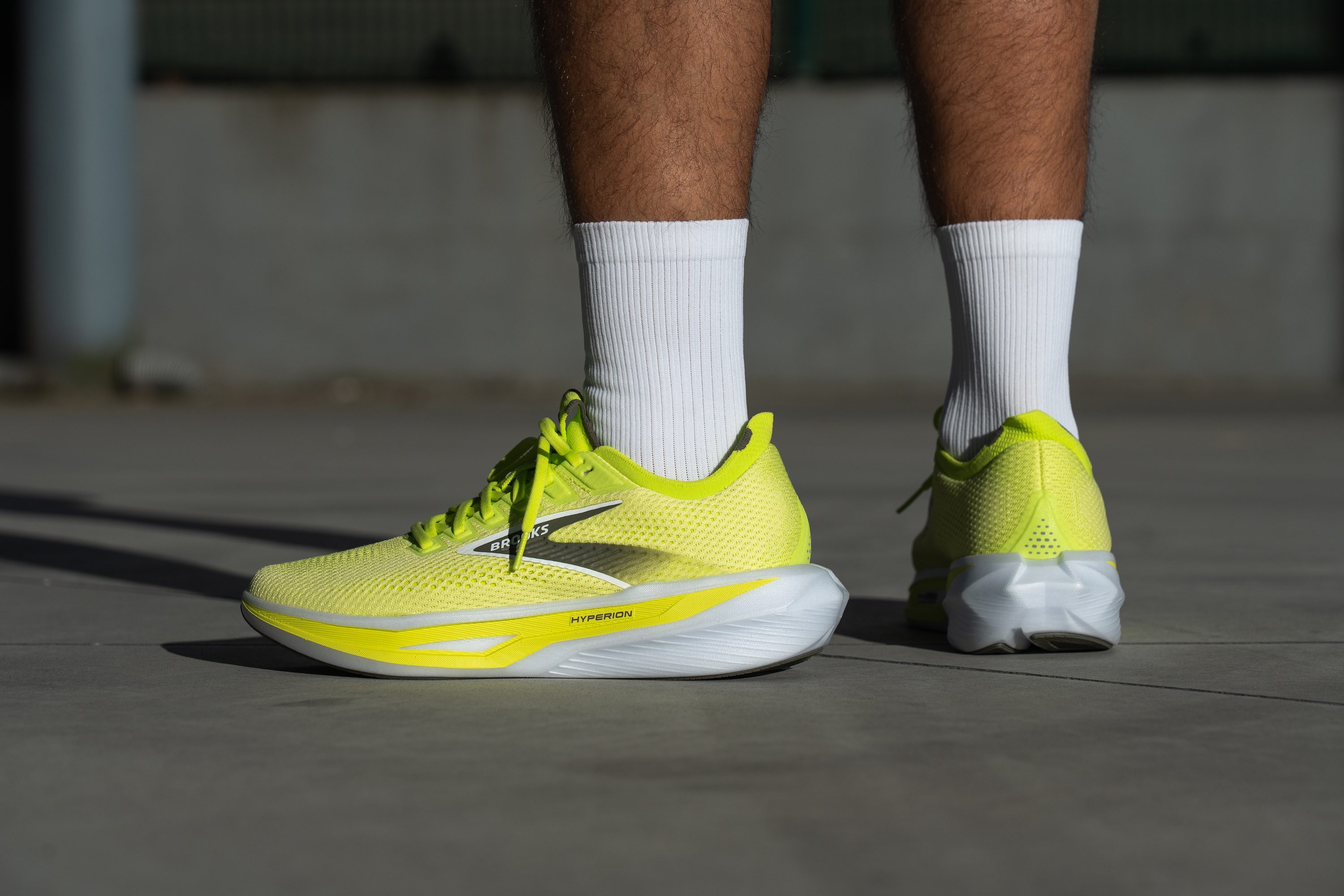
| Hyperion 3 | Pull tab |
Price
In our view, the Hyperion 3 is fairly priced for what it offers. We would love to see a more advanced foam in the midsole, but considering the strong build quality and excellent upper, it still feels like a reasonable deal.
| Hyperion 3 | $140 |