









Our verdict
- Daily running 78
- Tempo 35
- Race 24
- Stability 76
Pros
- Ultra-affordable price
- Durable outsole
- Comfortable and plush upper
- Versatile enough for multiple activities
- Smooth heel transitions
- Flexible build
- Great option for cold weather
- Greatly improved traction
- Insane value
Cons
- Too heavy for its size
- Narrow fit
- Heel rocker can feel awkward
- Low breathability
Awards
- Top pick in best cheap Nike running shoes
- Top 17% most popular running shoes
Comparison
The most similar running shoes compared
+ + Add a shoe | |||||
|---|---|---|---|---|---|
| Our score | 75 Good | 79 Good | 80 Good | 75 Good | |
| Price | $80 | $70 | $100 | $90 | |
| Pace | Daily running | Daily running | Daily running | Daily running | |
| Shock absorption | Moderate | Moderate | Moderate | Low | |
| Energy return | Moderate | Moderate | Moderate | Moderate | |
| Traction | High | High | High | Moderate | |
| Arch support | Neutral | Neutral | Neutral | Neutral | |
| Weight lab Weight brand | 11.1 oz / 315g 11.1 oz / 315g | 9.3 oz / 264g 9.5 oz / 270g | 9.3 oz / 264g 9.5 oz / 269g | 10.5 oz / 298g 10.8 oz / 305g | |
| Drop lab Drop brand | 7.4 mm 10.0 mm | 8.8 mm 10.0 mm | 8.6 mm 8.0 mm | 8.6 mm 10.0 mm | |
| Strike pattern | Mid/forefoot | HeelMid/forefoot | HeelMid/forefoot | HeelMid/forefoot | |
| Size | True to size | Slightly small | - | True to size | |
| Midsole softness | Balanced | Firm | Balanced | Firm | |
| Difference in midsole softness in cold | Normal | Normal | Small | Big | |
| Toebox durability | Good | Good | Decent | Decent | |
| Heel padding durability | Decent | Good | Good | Decent | |
| Outsole durability | Good | Decent | Good | Decent | |
| Breathability | Warm | Moderate | Moderate | Moderate | |
| Width / fit | Narrow | Medium | Medium | Medium | |
| Toebox width | Medium | Medium | Medium | Narrow | |
| Stiffness | Flexible | Flexible | Moderate | Moderate | |
| Torsional rigidity | Flexible | Moderate | Moderate | Stiff | |
| Heel counter stiffness | Moderate | Stiff | Stiff | Stiff | |
| Heel lab Heel brand | 31.1 mm 34.0 mm | 31.8 mm 33.0 mm | 32.7 mm 32.0 mm | 33.0 mm 34.0 mm | |
| Forefoot lab Forefoot brand | 23.7 mm 24.0 mm | 23.0 mm 23.0 mm | 24.1 mm 24.0 mm | 24.4 mm 24.0 mm | |
| Widths available | NormalWideX-Wide | NormalWideX-Wide | NormalWide | Normal | |
| Orthotic friendly | ✓ | ✓ | ✓ | ✓ | |
| Season | All seasons | All seasons | All seasons | All seasons | |
| Removable insole | ✓ | ✓ | ✓ | ✓ | |
| Ranking | #315 Bottom 21% | #235 Bottom 41% | #217 Bottom 45% | #318 Bottom 20% | |
| Popularity | #65 Top 17% | #37 Top 10% | #92 Top 23% | #126 Top 32% |


Who should buy
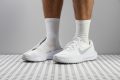
We recommend the Nike Downshifter 14 for runners who:
- Want an ultra-affordable running shoe with a comfort-focused and easy step-in feel for daily use.
- Run or walk in colder climates and prefer a dense upper that keeps airflow lower than average.
- Need one budget-friendly shoe for everything, including gym sessions, short runs, walking, and everyday wear.
Who should NOT buy
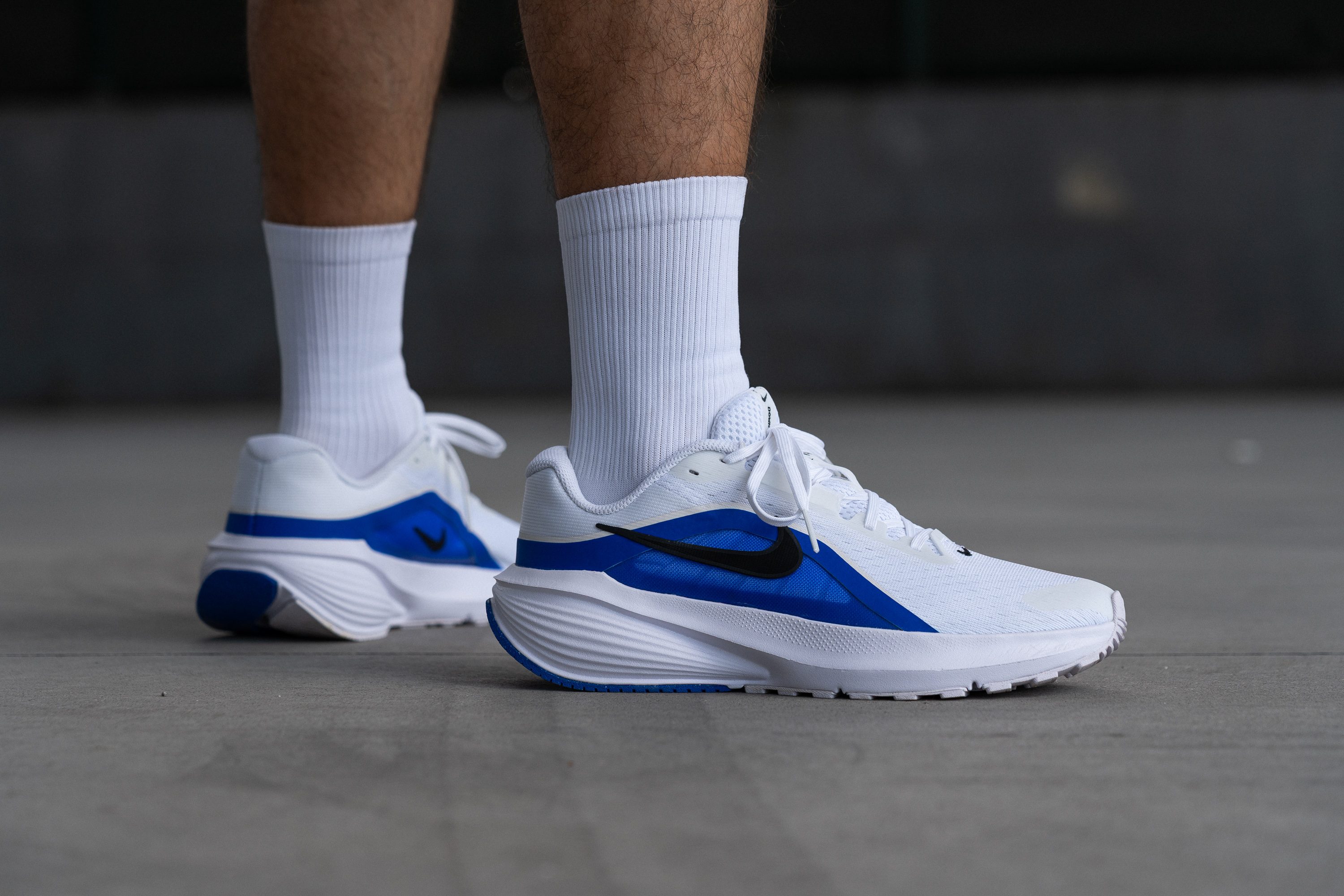
We do not recommend the Downshifter 14 for runners with wide feet or those who enjoy a roomy, comfort-driven fit. We found in the lab that its tapered toebox feels restrictive, and the Brooks Revel 8 offers a more accommodating experience without being excessively roomy.
We also think it’s not the best choice for runners chasing a modern, cushioned ride. In our experience, the moderate stack and firm midsole can feel a bit dated, and we suggest the adidas Galaxy 7 or ASICS Gel Excite 11 instead.
Cushioning
Shock absorption
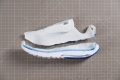
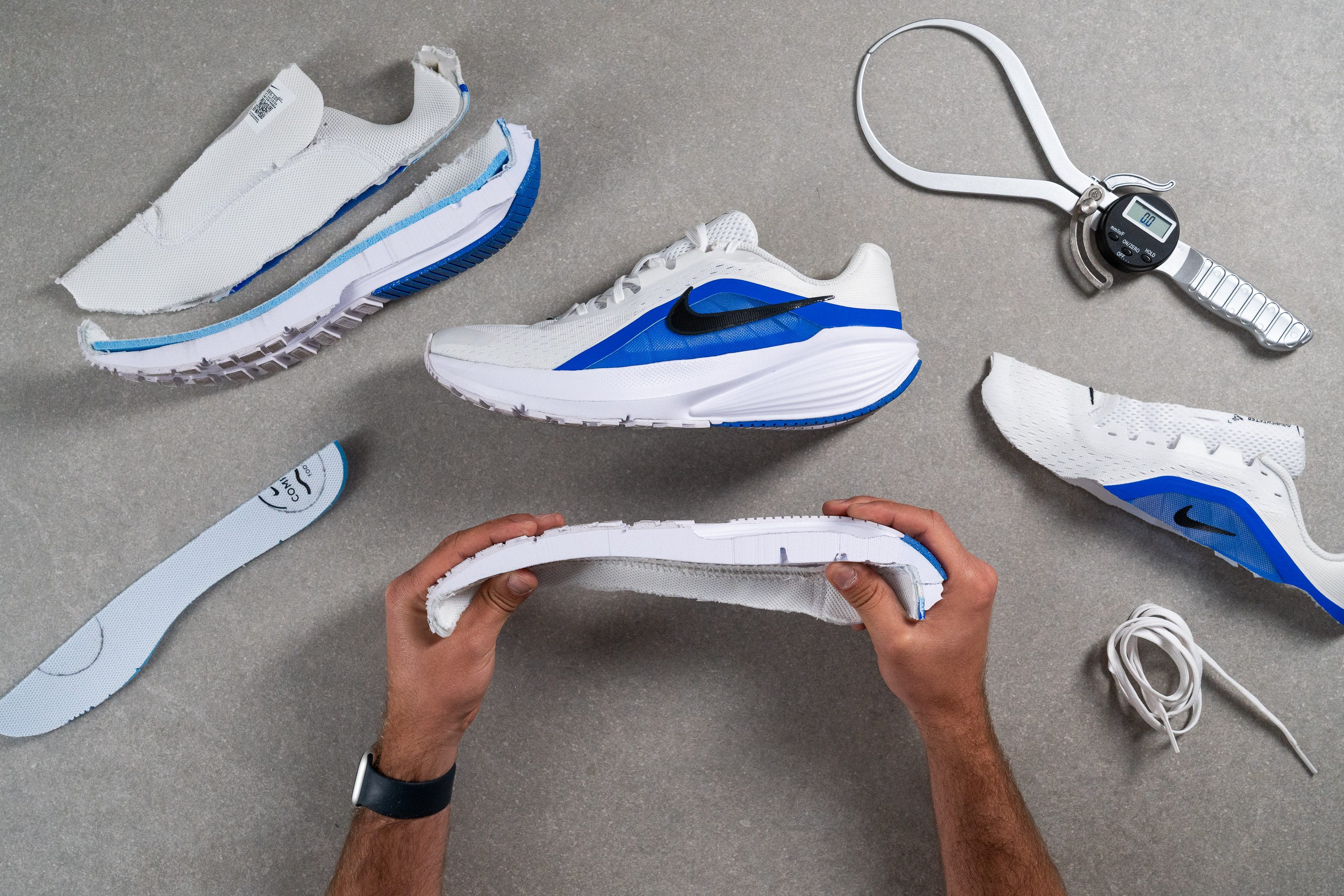
The Downshifter 14 maintains its old-school-inspired approach, avoiding the ultra-stacked design trend in favor of a more grounded platform that we believe works especially well for everyday use.
However, Nike still managed to increase shock absorption by 9%, a highly-welcomed upgrade that pushed the numbers to 121 SA in the heel and 92 SA in the forefoot.
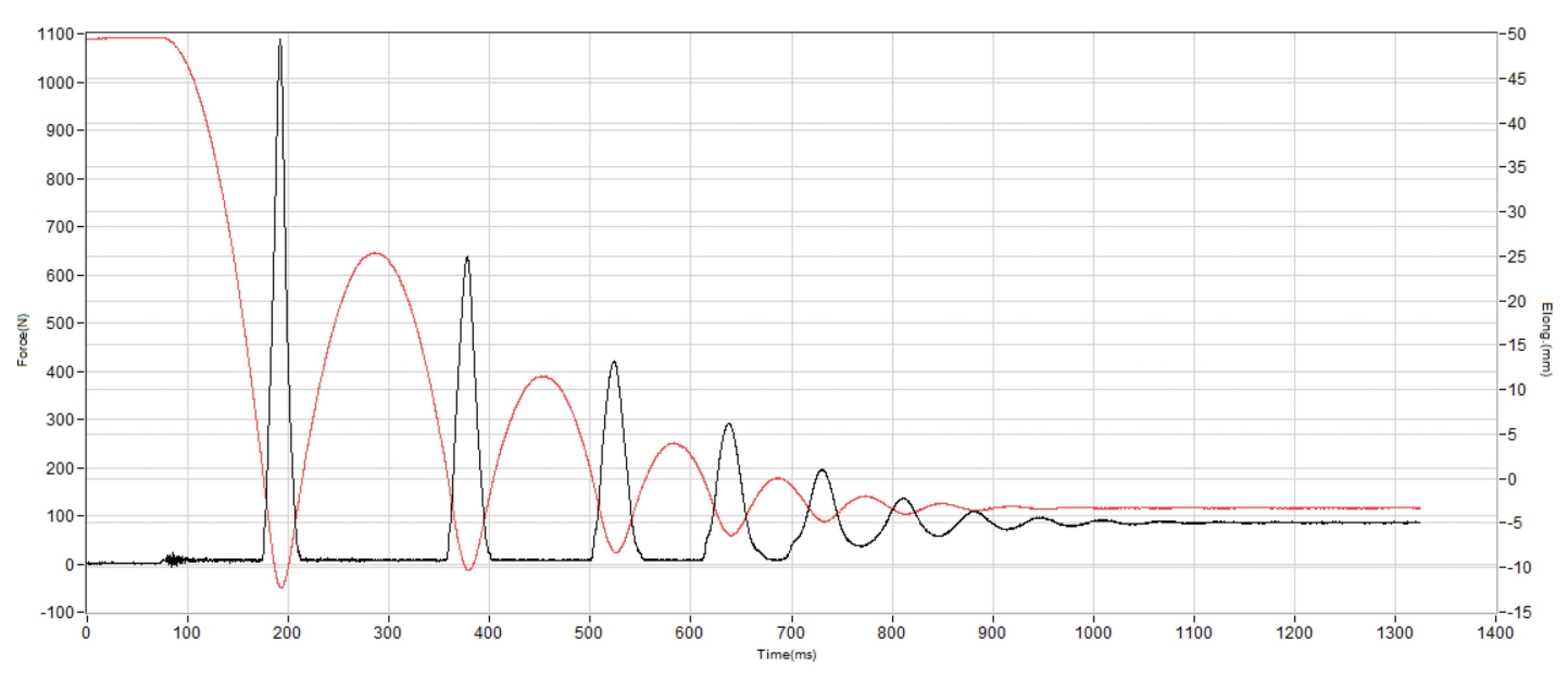
| Downshifter 14 | 121 SA |
| Average | 131 SA |
Energy return
Energy return remains moderate and clearly below our lab average, reaching 50.1% in the heel and 57.4% in the forefoot. But considering the budget-friendly price, we still think it delivers a solid bounce-per-dollar ratio.
However, it's also clear to us that runners seeking a fast and energetic ride will likely be disappointed, and spending more money is absolutely necessary to get that kind of performance.
| Downshifter 14 | 57.4% |
| Average | 61.5% |
Heel stack
As we mentioned earlier, this shoe doesn’t follow the max-stack trend and instead sticks to a moderate stack height. In fact, with only 31.1 mm in the heel, we believe this setup may soon be considered low-stack by modern standards.
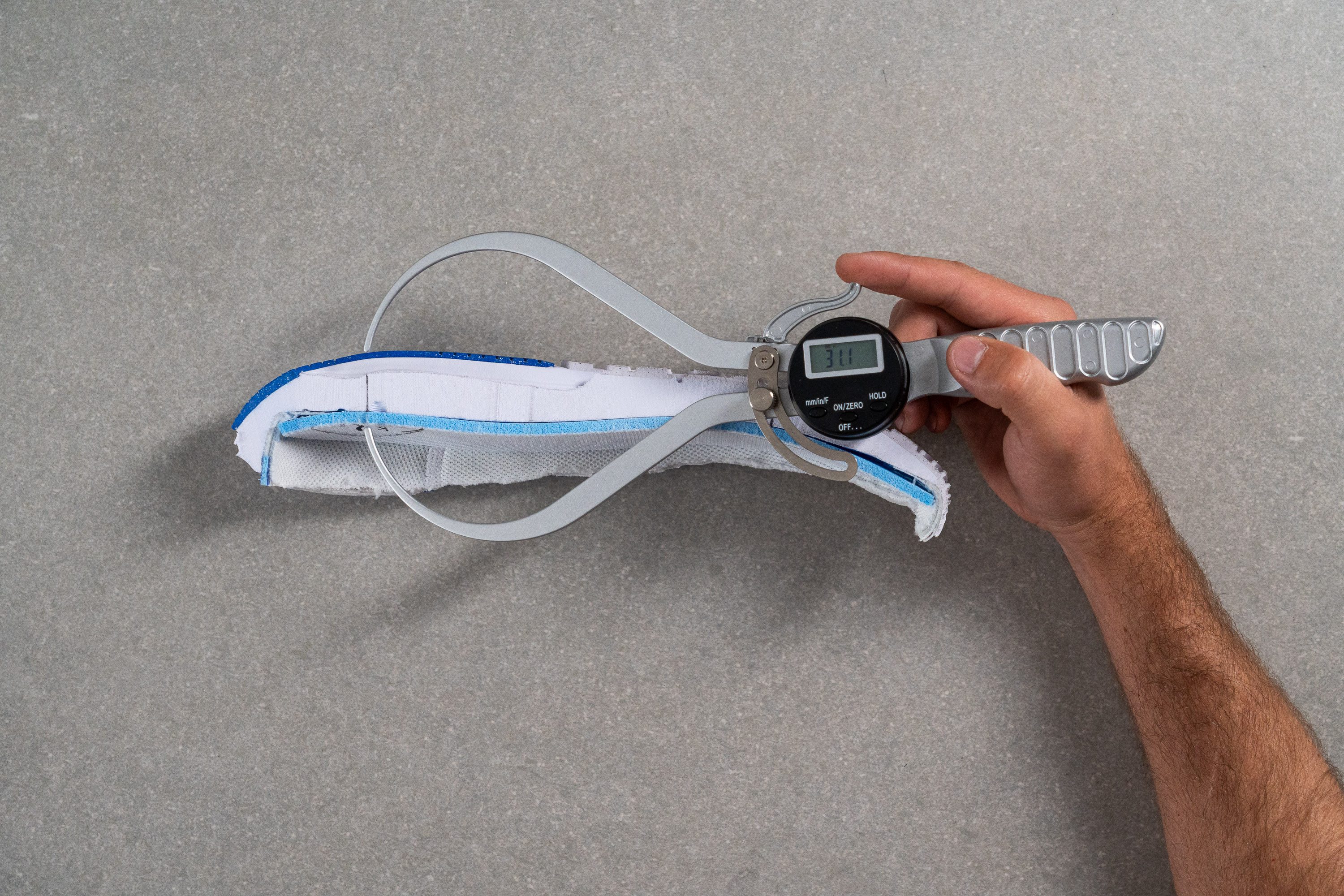
| Downshifter 14 | 31.1 mm |
| Average | 35.6 mm |
Forefoot stack
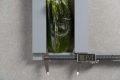
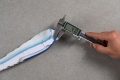
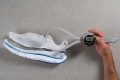
The forefoot also sits below the average running shoe in stack height, measuring just 23.7 mm in our digital calipers and barely surpassing the 20 mm mark.
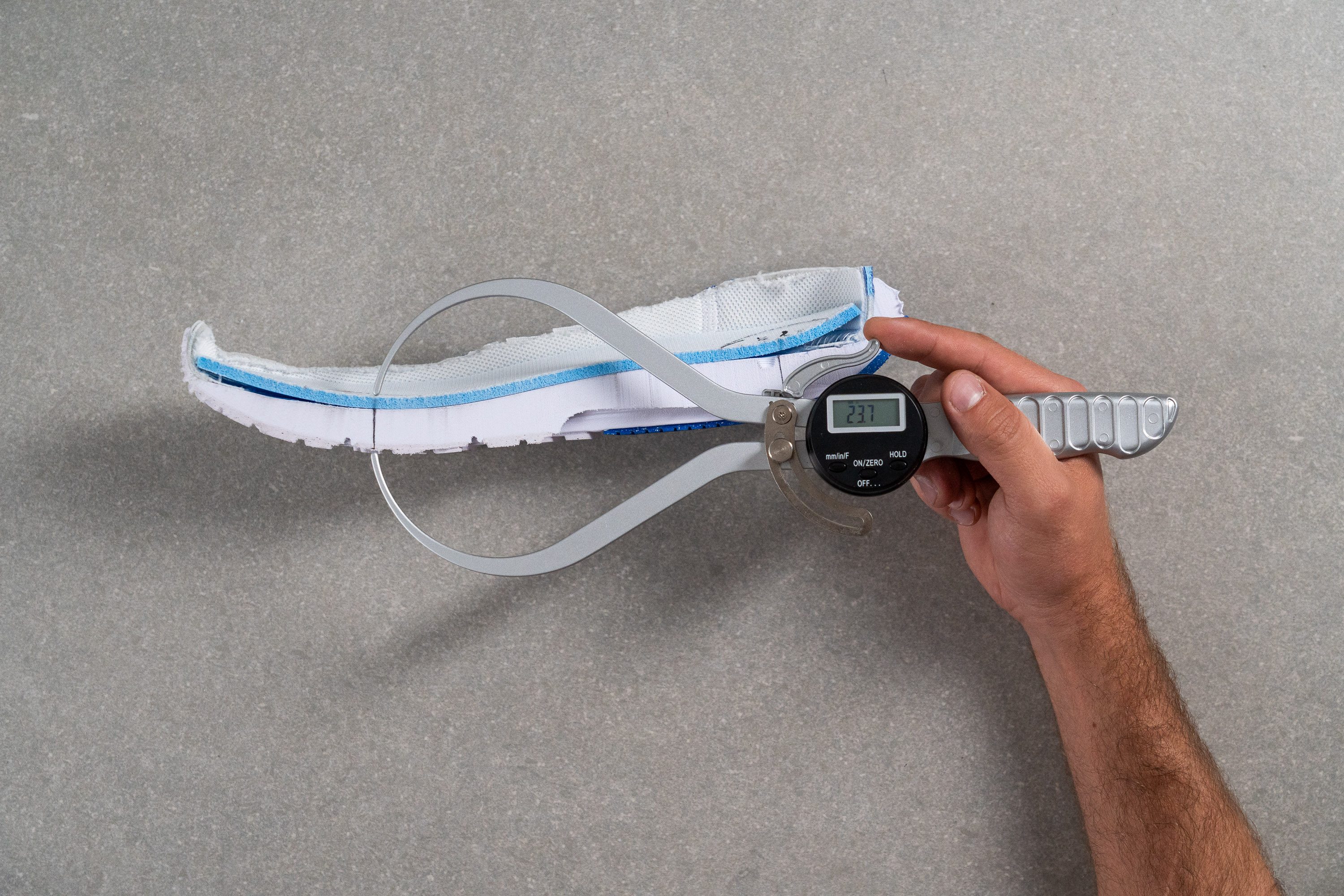
| Downshifter 14 | 23.7 mm |
| Average | 27.1 mm |
Drop
Nike claims that the Downshifter 14 features an 8 mm drop, and our measurements came remarkably close at 7.4 mm, fully matching the expected ride experience.
In our opinion, this moderate drop works well for all footstrike patterns and also makes the shoe a solid option for runners transitioning away from higher-drop 10 mm models.
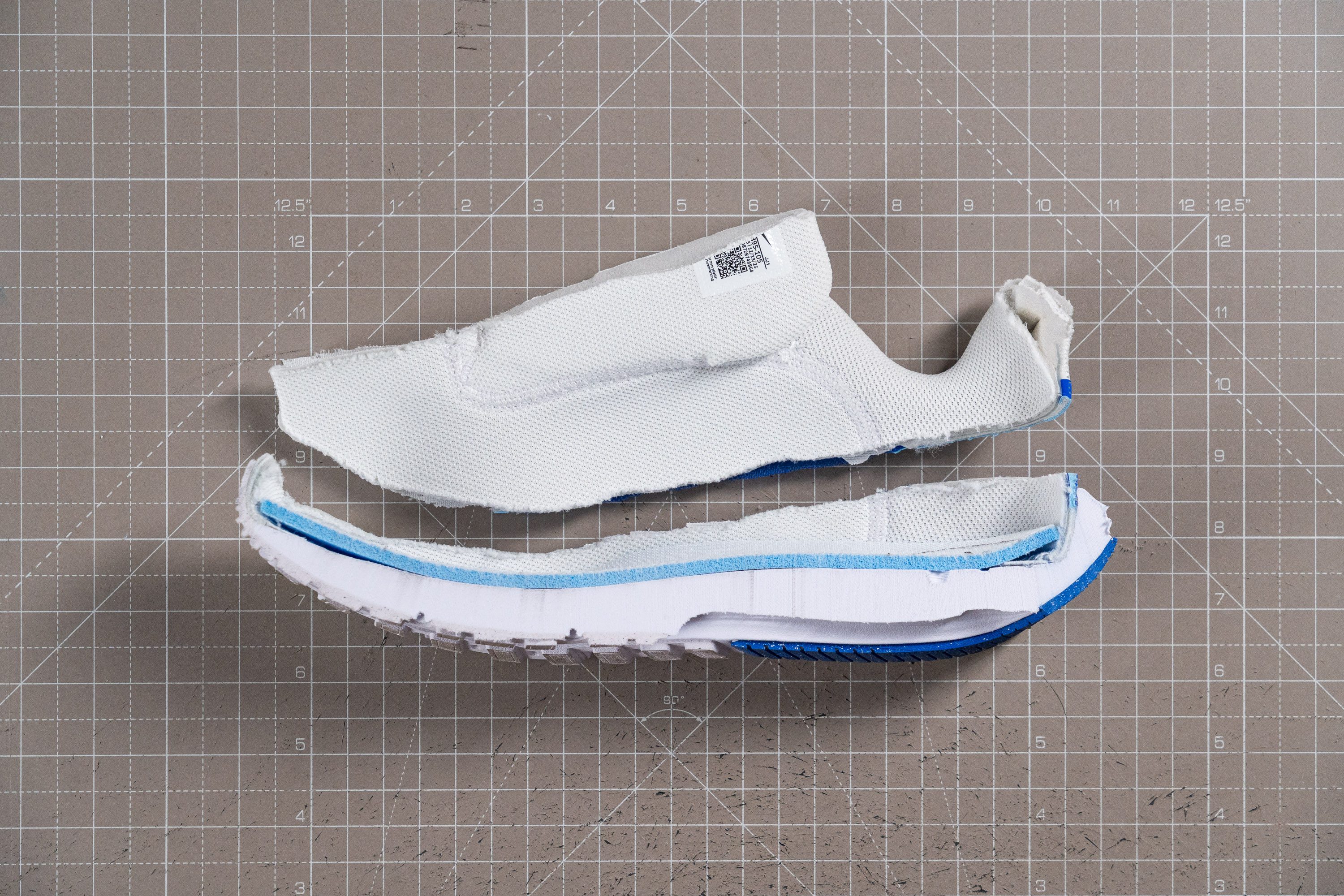
| Downshifter 14 | 7.4 mm |
| Average | 8.4 mm |
Midsole softness
The ride of the Downshifter 14 is the complete opposite of plush with a 40.3 AC measurement, delivering a firm underfoot experience that reminds us of older-generation running shoes.
We don’t think this was a bad decision by Nike. Given the relatively low stack height, using a softer foam would likely increase the risk of bottoming out, especially for heavier runners.
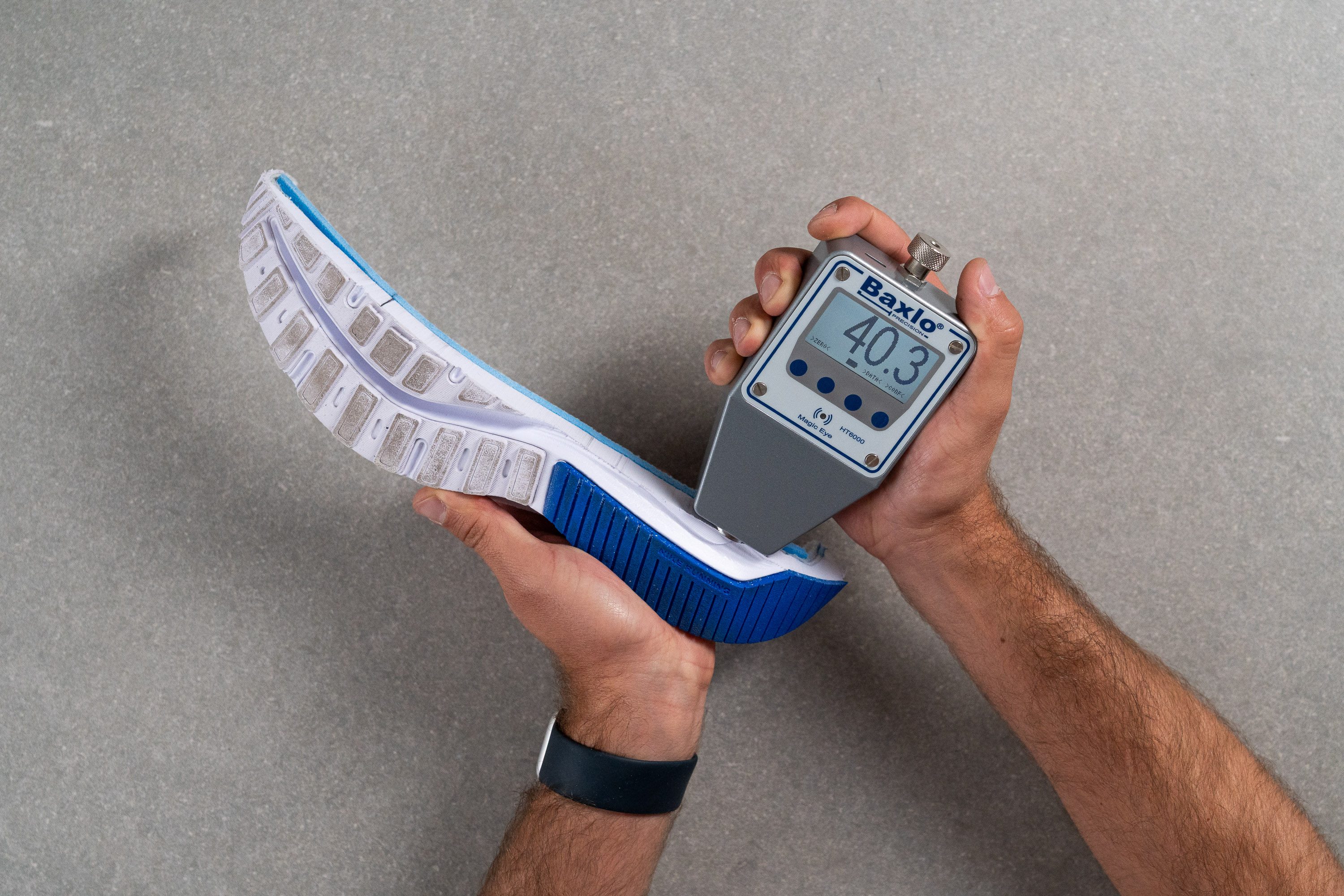
| Downshifter 14 | 40.3 AC |
| Average | 35.4 AC |
Rocker
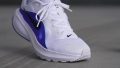
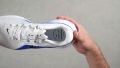
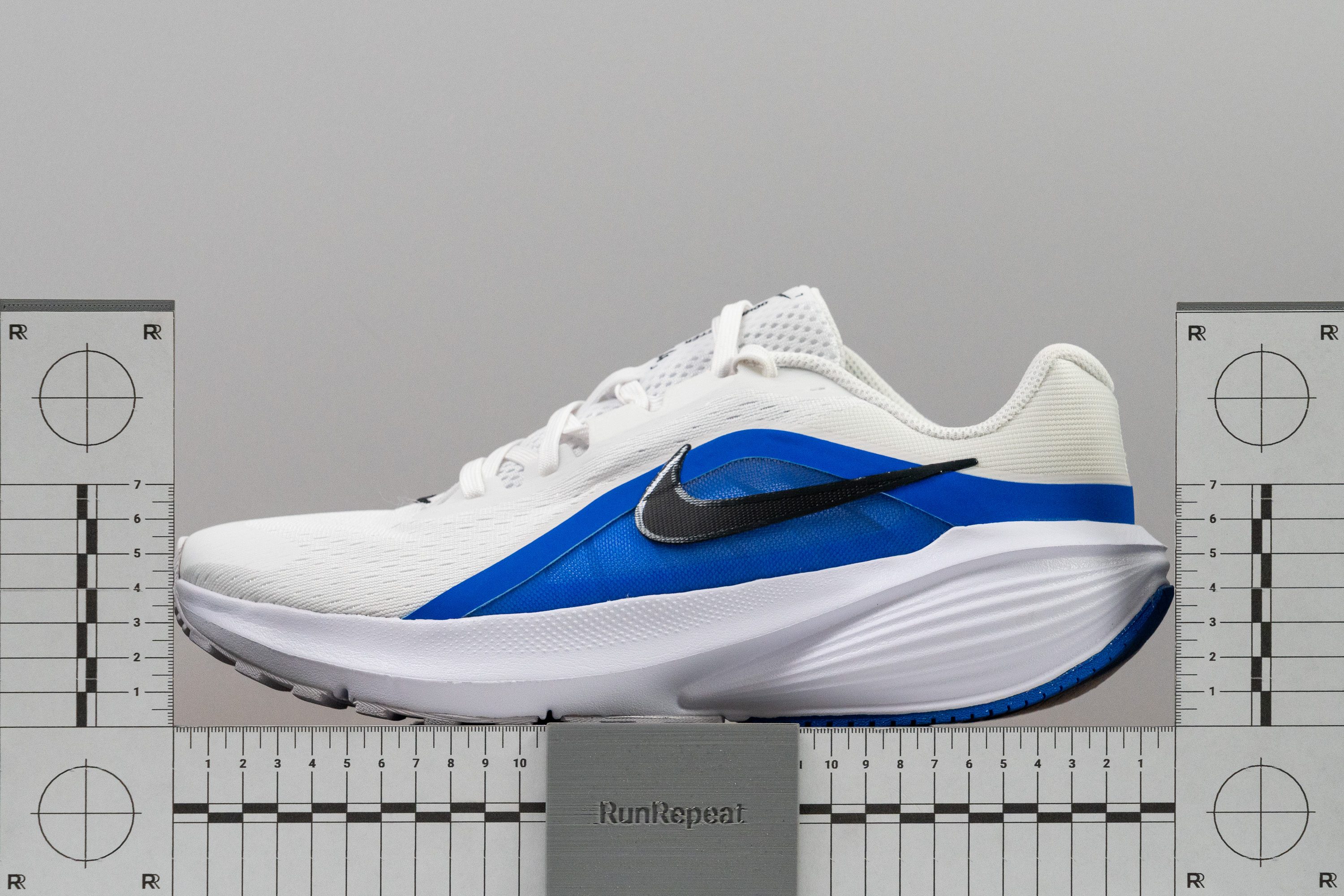
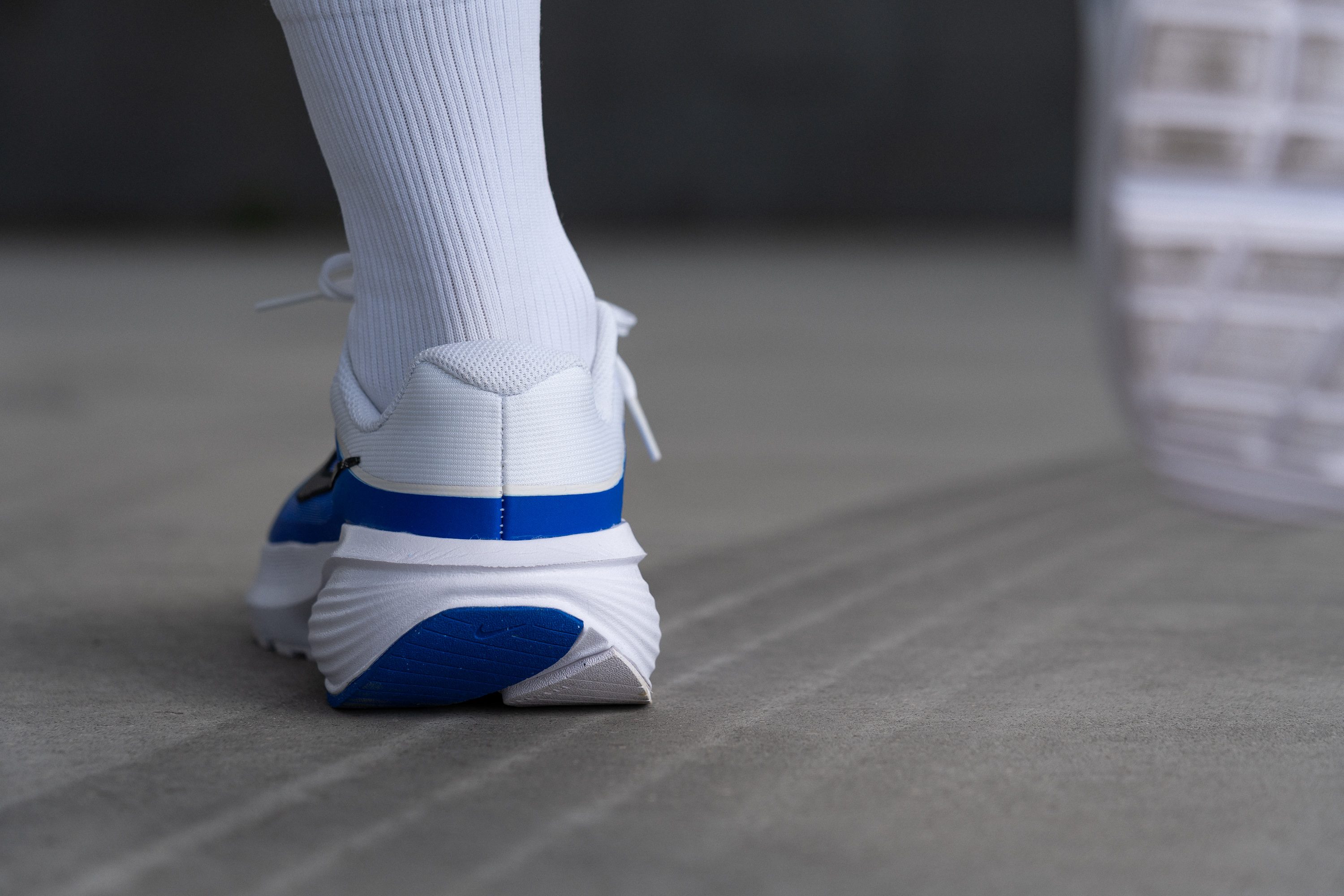
If you pay close attention to the profile of this shoe, it becomes obvious that something feels different compared to most modern running shoes.
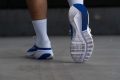
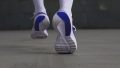
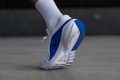
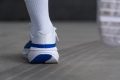
The forefoot keeps a modest curvature and delivers a classic ride feel, but Nike went all-in with the heel bevel, clearly aiming to make transitions exceptionally smooth for extreme heel strikers. In fact, this is one of the most aggressive heel designs we can remember testing!
Size and fit
Size
Nike Downshifter 14 fits true to size (39 votes).
Internal length
| Downshifter 14 | 264.4 mm |
| Average | 269.3 mm |
Width / Fit
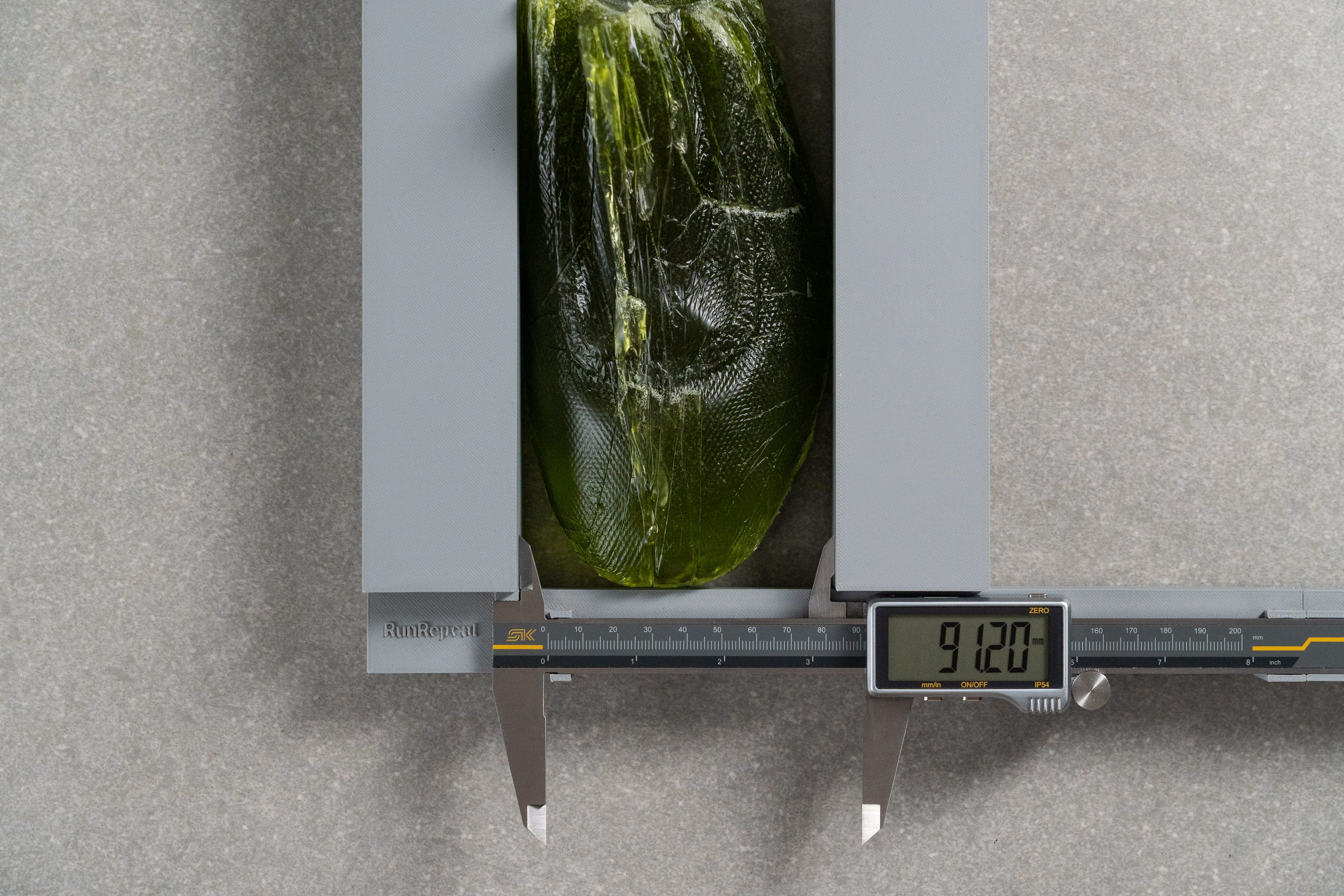
Thanks to our gel method, we found that the Downshifter 14 features a shape that works especially well for runners with narrow feet.
In our first measurement, we recorded just 91.2 mm, which delivers a notably snug fit compared to most competing models.
| Downshifter 14 | 91.2 mm |
| Average | 95.2 mm |
Toebox width
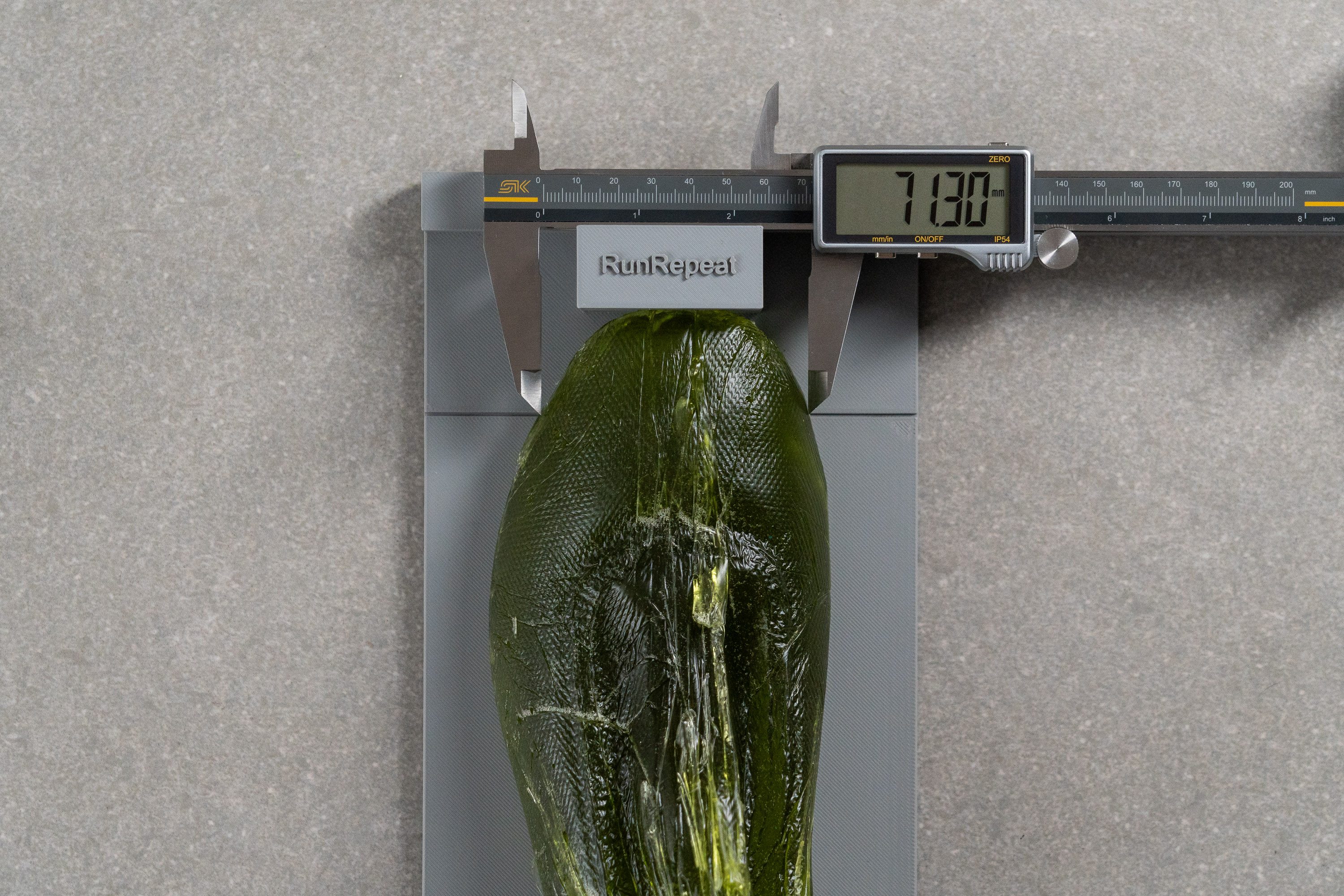
The snug fit continues in this area with a toebox width of just 71.3 mm, confirming the tapered design language found in many classic Nike running shoes.
However, we should also mention that the Downshifter 14 is produced in a Wide version too, although that option is not offered in every market.
| Downshifter 14 | 71.3 mm |
| Average | 73.2 mm |
Toebox height
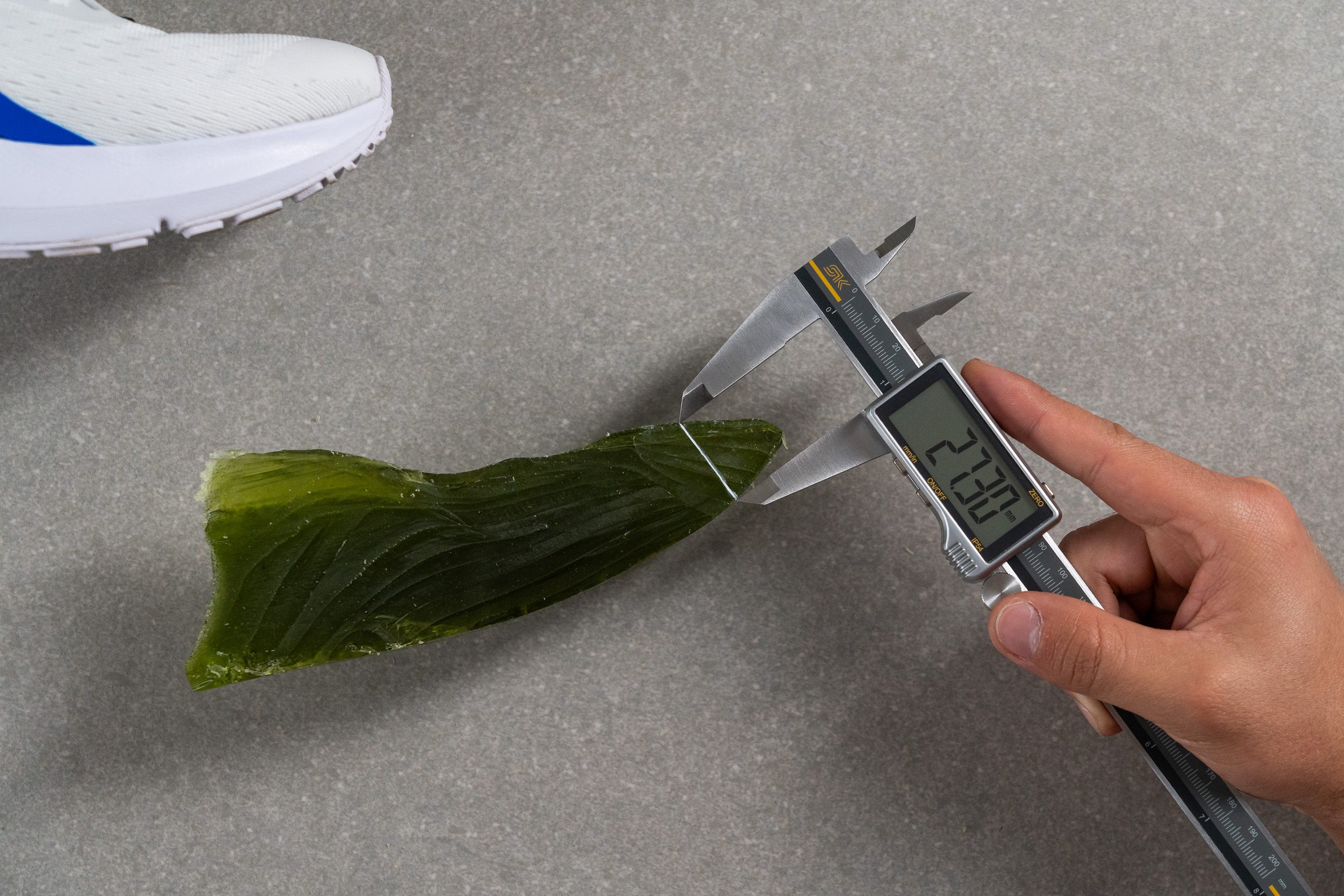
The toebox height felt adequate during our test runs, and we never experienced any discomfort or pressure points.
Once back in the lab, the 27.3 mm measurement made perfect sense based on our on-foot experience.
| Downshifter 14 | 27.3 mm |
| Average | 27.0 mm |
Traction / Grip
Traction test
The biggest disappointment we had with the Downshifter 13 was its traction, which landed at only 0.36.
However, Nike is clearly making real progress with its outsole compounds, and that improvement shows here with an outstanding 0.69 score, nearly doubling the result of its predecessor.
| Downshifter 14 | 0.69 |
| Average | 0.53 |
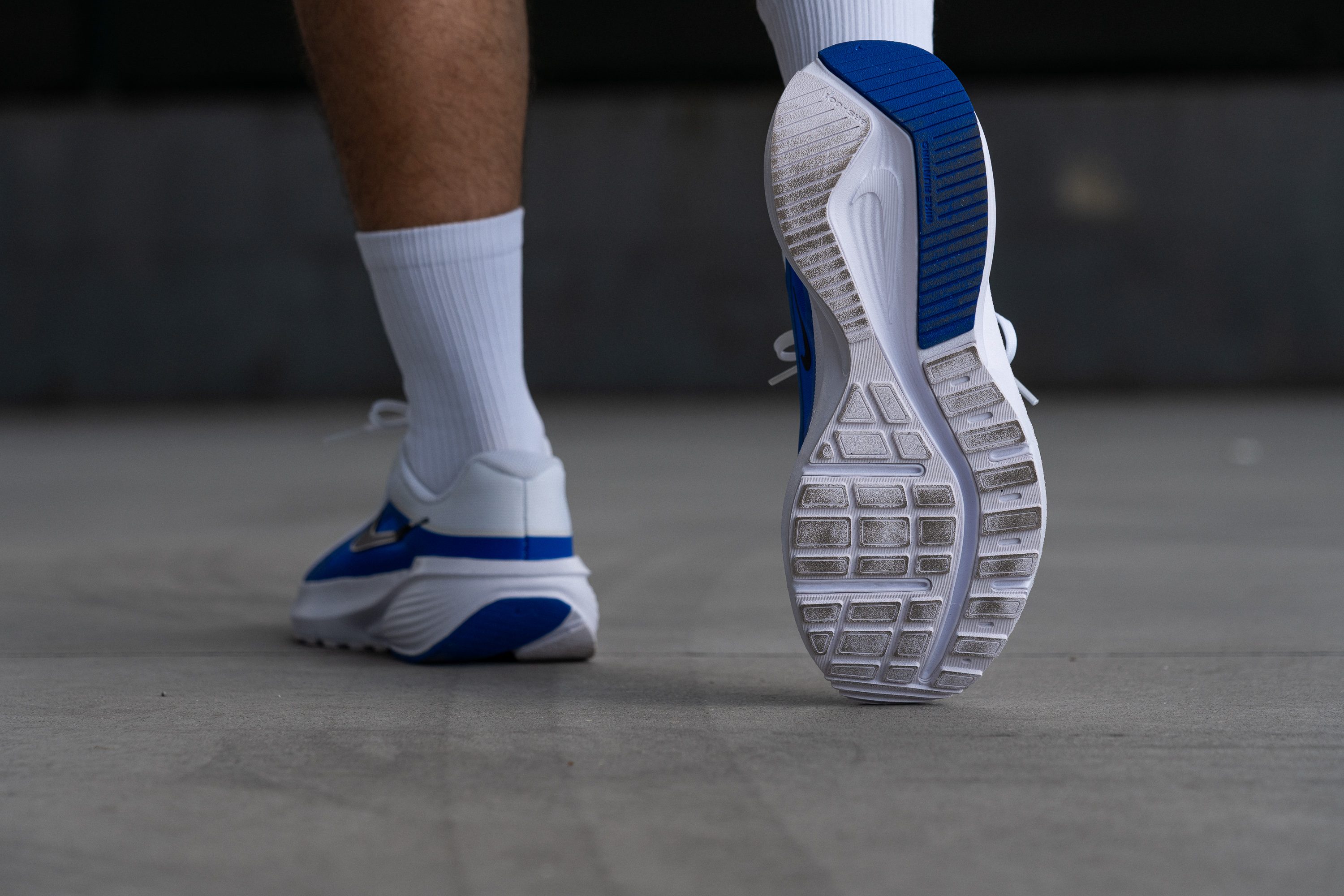
Outsole design
The outsole has been completely redesigned, although it still features a massive longitudinal cutout that helps channel water away while also improving flexibility.
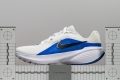
Now the outsole is clearly split into two distinct sections, with most of the surface using a grippy rubber compound and a blue lateral heel area featuring a tougher formulation aimed at boosting durability.
Flexibility / Stiffness
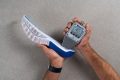
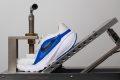
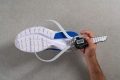
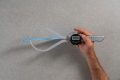
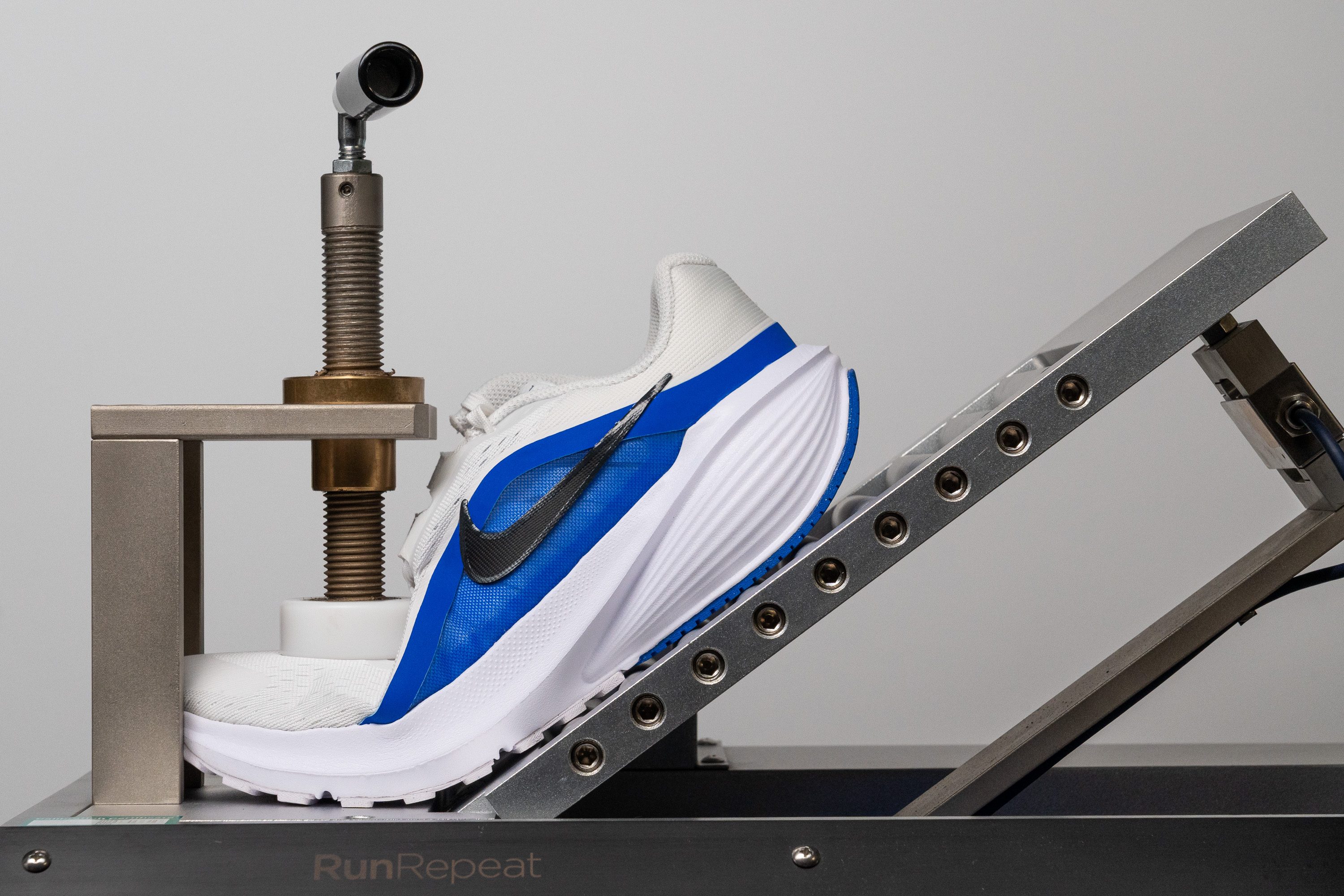
Thanks to the low stack height and thoughtfully-designed outsole, this shoe remains very flexible and scored almost exactly the same as last year at 11.3N. We believe that’s excellent news for maintaining all-day comfort during everyday use.
| Downshifter 14 | 11.3N |
| Average | 15.5N |
Weight
Here comes the biggest issue with the Downshifter 14.
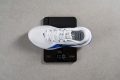
For a shoe with a moderate stack height, tipping the scales at 11.1 oz or 315g feels excessively heavy, even when taking its budget-friendly price into account.
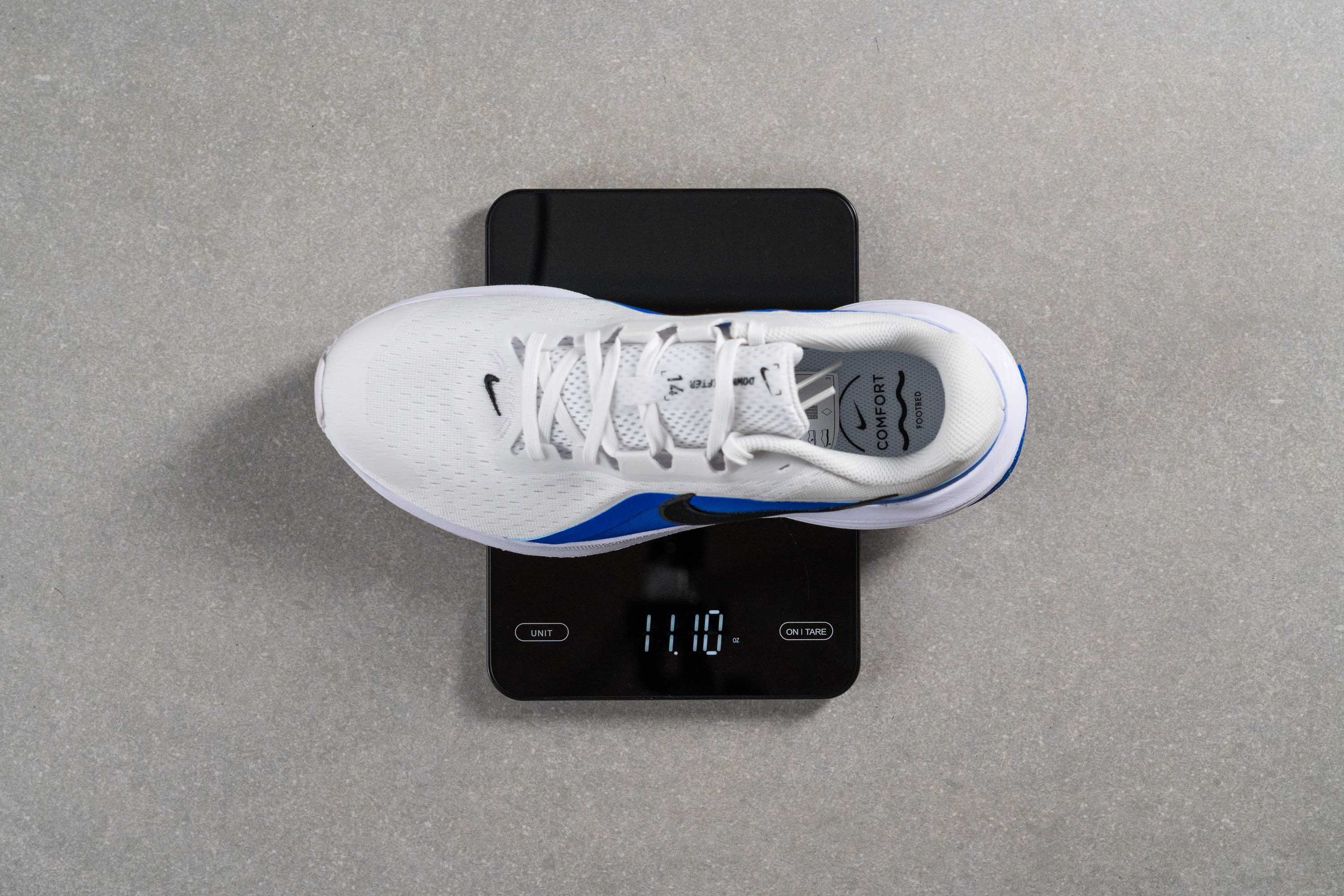
| Downshifter 14 | 11.1 oz (315g) |
| Average | 9.2 oz (261g) |
Breathability
Breathability test
We also found that breathability is far from being a standout feature here. In fact, the Downshifter 14 leans more toward the opposite end of the spectrum.
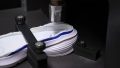
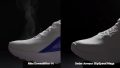
After firing up our smoke machine and connecting it to the shoe using a custom 3D-printed adapter, we noticed very little smoke escaping through the upper. As a result, it earned only a 2/5 in our breathability test.
The upper was clearly designed with other priorities in mind, something that became immediately obvious due to its low-transparency construction.
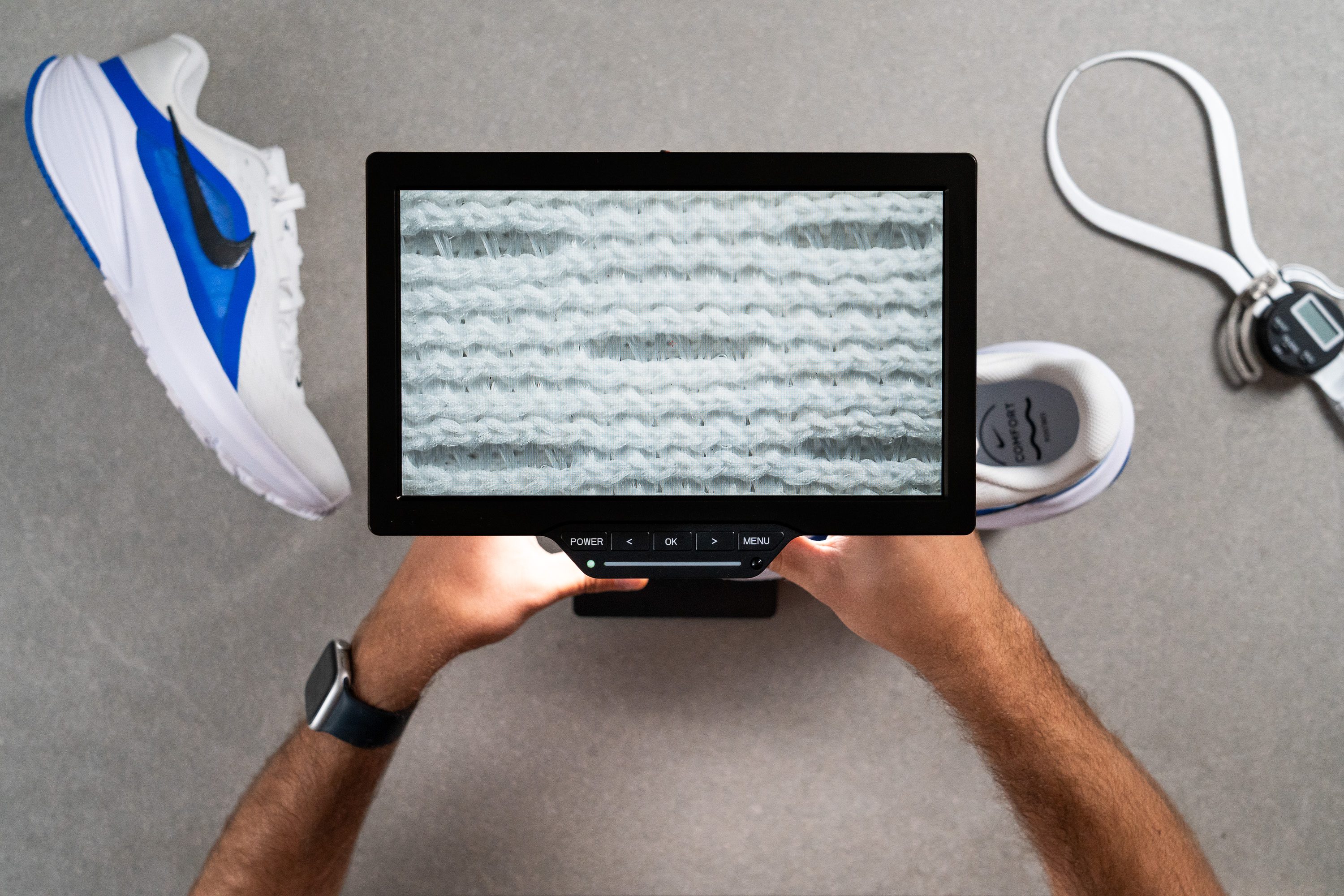
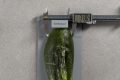
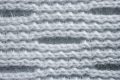
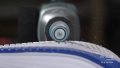
We also inspected the engineered mesh under our digital microscope and quickly understood why airflow felt restricted.
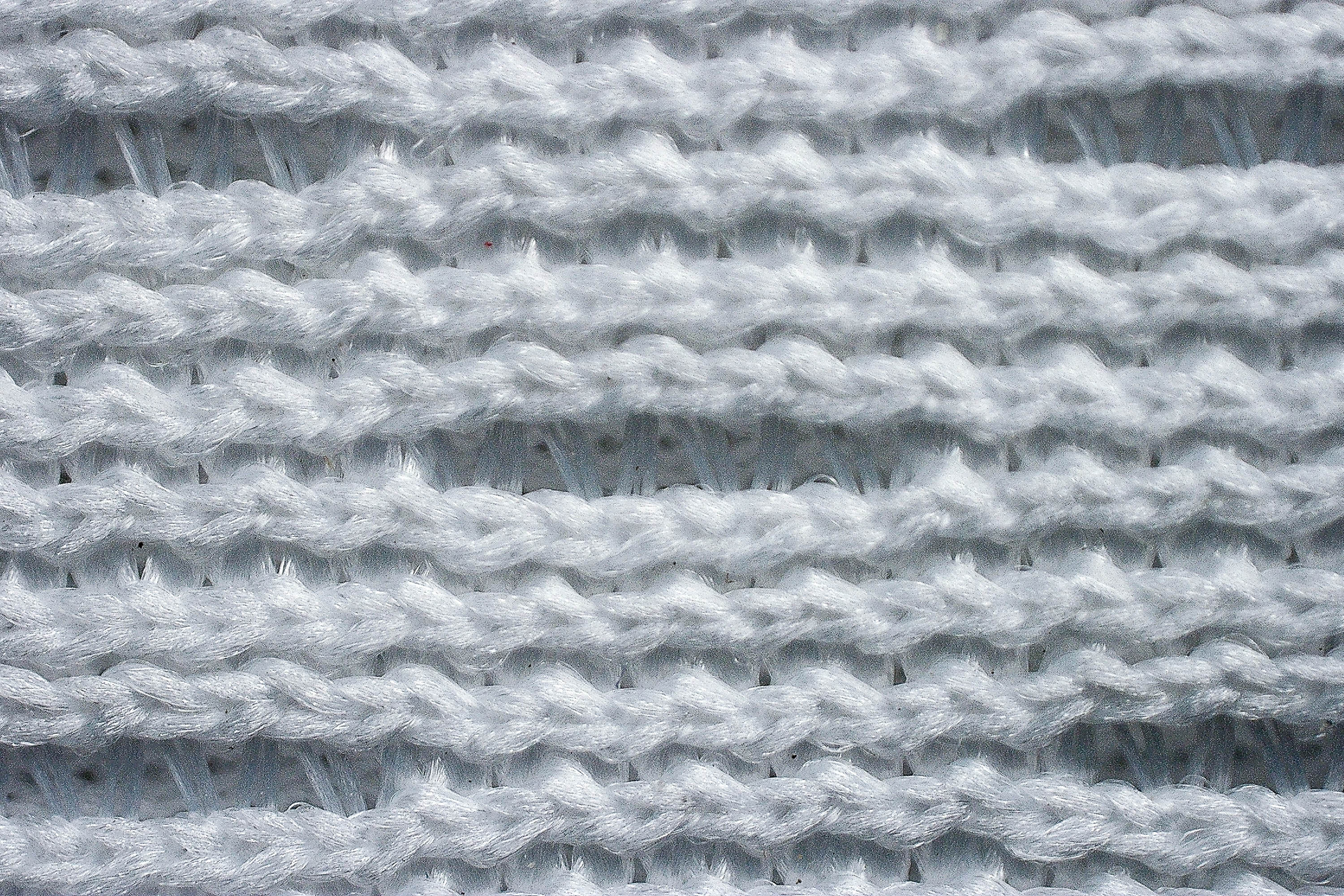
The tiny ventilation holes are mostly blocked by a secondary inner layer, preventing air from moving freely through the shoe.
Where Nike definitely didn’t cut corners is comfort. The heel feels especially plush and heavily-padded, delivering a surprisingly cozy step-in experience for such a budget-friendly model.
| Downshifter 14 | 2 |
| Average | 3.6 |
Stability
Lateral stability test
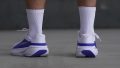
We recommend the Downshifter 14 only for neutral runners, as its compact dimensions and highly-flexible design make it a poor choice for those needing extra stability or support.
However, Nike still made a noticeable effort to improve stability for heel strikers by using midsole sidewalls, the already-mentioned huge rear rocker, and a dense upper that does a better job containing lateral movement.
Torsional rigidity
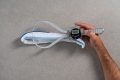
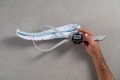
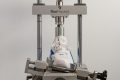
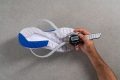
The Downshifter 14 once again proved its highly-flexible nature, this time from a torsional standpoint. Our machine required only 9.8 Nm of torque to twist the shoe in both directions, confirming its easy-bending and non-restrictive design.
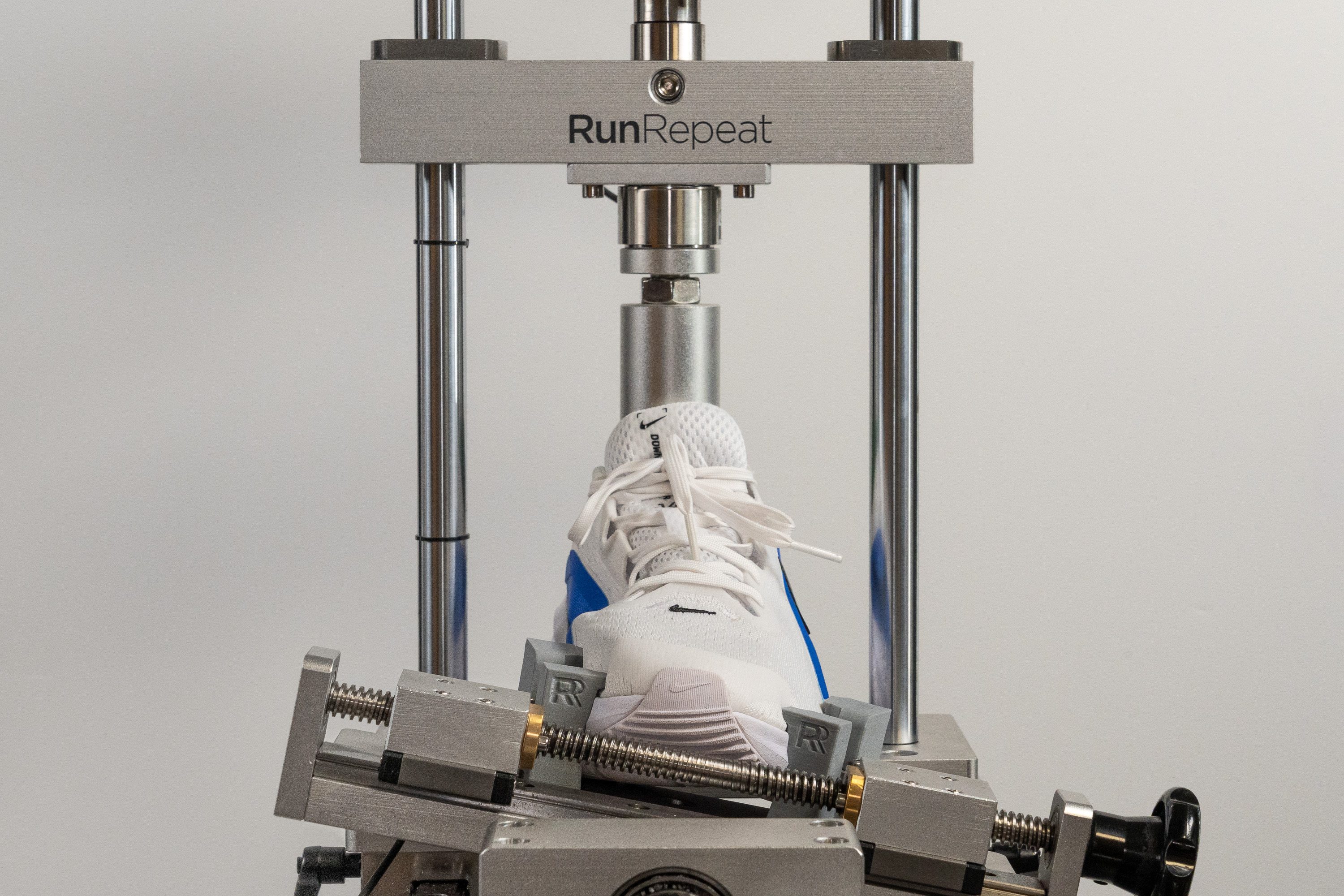
| Downshifter 14 | 9.8 Nm |
| Average | 14.3 Nm |
Heel counter stiffness
The heel counter feels very similar to those found in many other daily trainers, striking a balanced middle ground between comfort and support with a 3/5 stiffness score.
| Downshifter 14 | 3 |
| Average | 3 |
Midsole width - forefoot
We mentioned earlier that the Downshifter 14 sticks to a classic stack height instead of following modern max-stack trends, and the same philosophy applies to the midsole width. Once again, it lands below our lab average with a forefoot measurement of 111.9 mm.
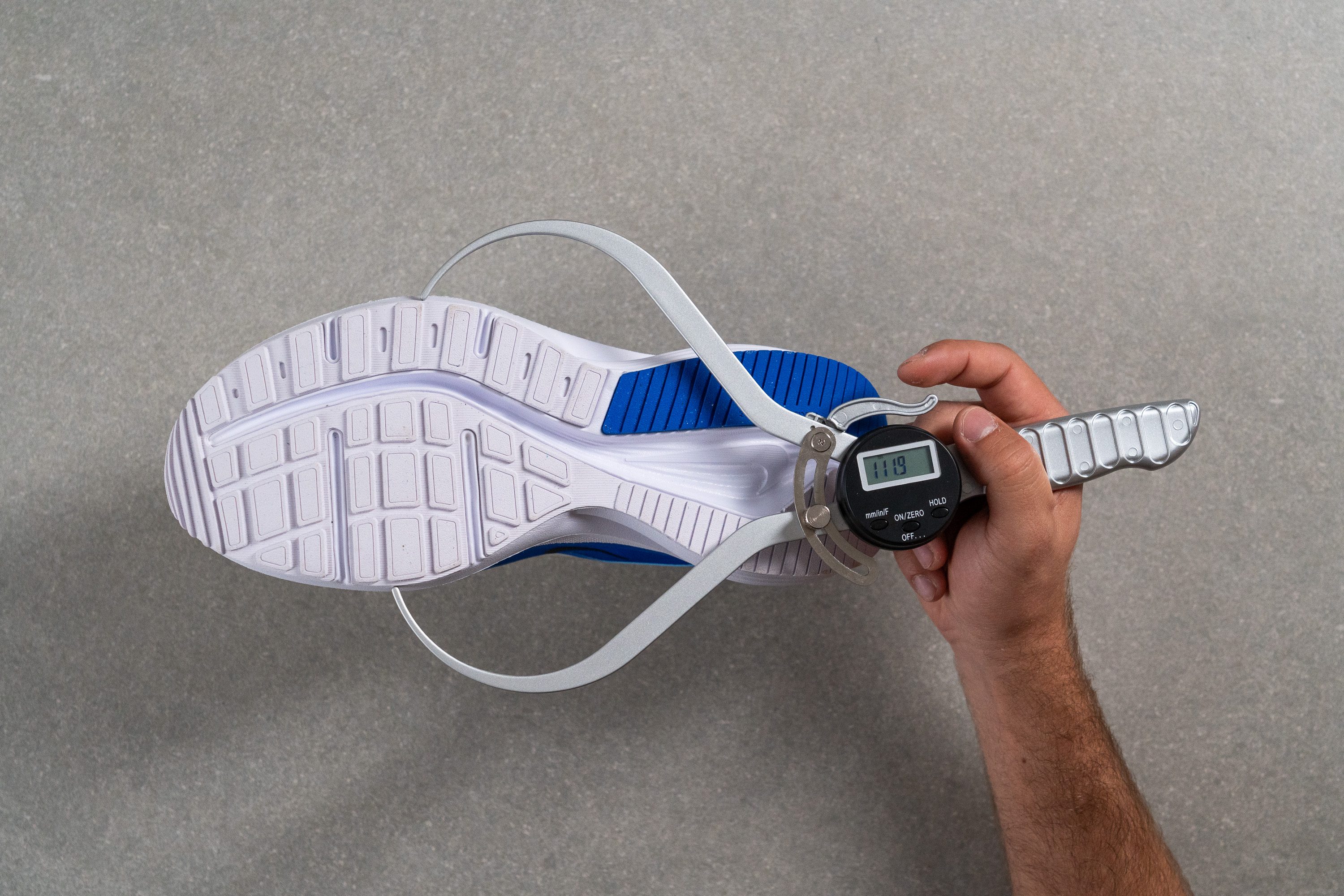
| Downshifter 14 | 111.9 mm |
| Average | 115.1 mm |
Midsole width - heel
The forefoot transitions into the heel area (89.7 mm) through an ultra-narrow midfoot design, one of the most aggressive midfoot shapes we’ve seen in quite some time.
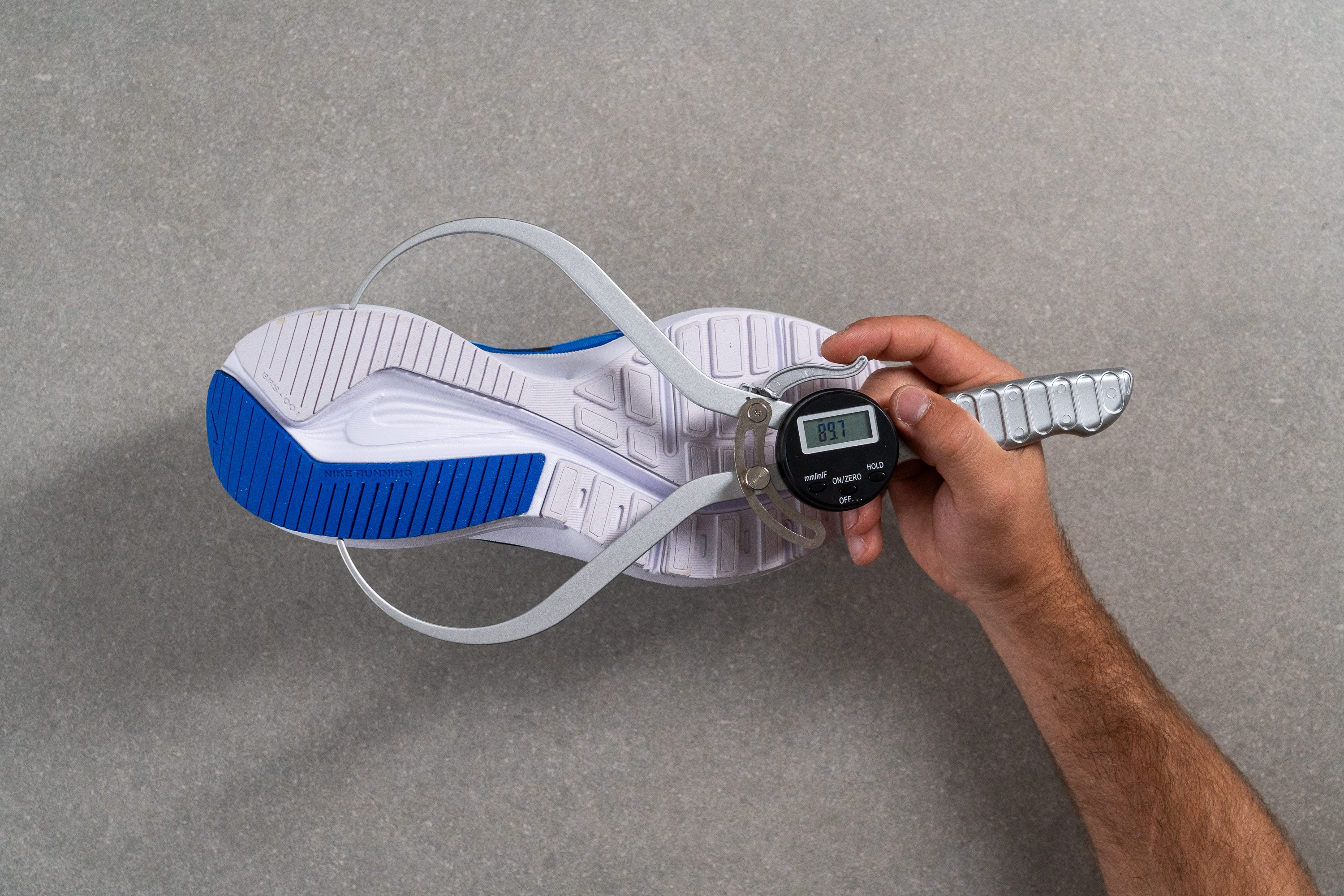
| Downshifter 14 | 89.7 mm |
| Average | 91.1 mm |
Durability
Toebox durability
We found solid toebox durability and awarded it a strong 4/5 in our scale.
That result helps explain the upper design, as the reduced breathability clearly worked in favor of durability. At least the trade-off paid off in this area.
| Downshifter 14 | 4 |
| Average | 2.6 |
Heel padding durability
The heel padding durability wasn’t nearly as impressive, earning only a 3/5 in our test. That’s still a decent result, although far from outstanding.
| Downshifter 14 | 3 |
| Average | 3.4 |
Outsole durability
For those concerned about outsole durability, we have some encouraging news. We found only minor damage of 0.8 mm after our Dremel test, which is a fantastic result for such an affordable shoe.
| Downshifter 14 | 0.8 mm |
| Average | 1.1 mm |
Outsole thickness
And there’s more. Nike clearly aimed to make outsole durability one of the standout features here, adding a substantial 4.1 mm layer of rubber. In our experience, this should ensure excellent long-term durability even if the shoe becomes your do-it-all option for daily use.
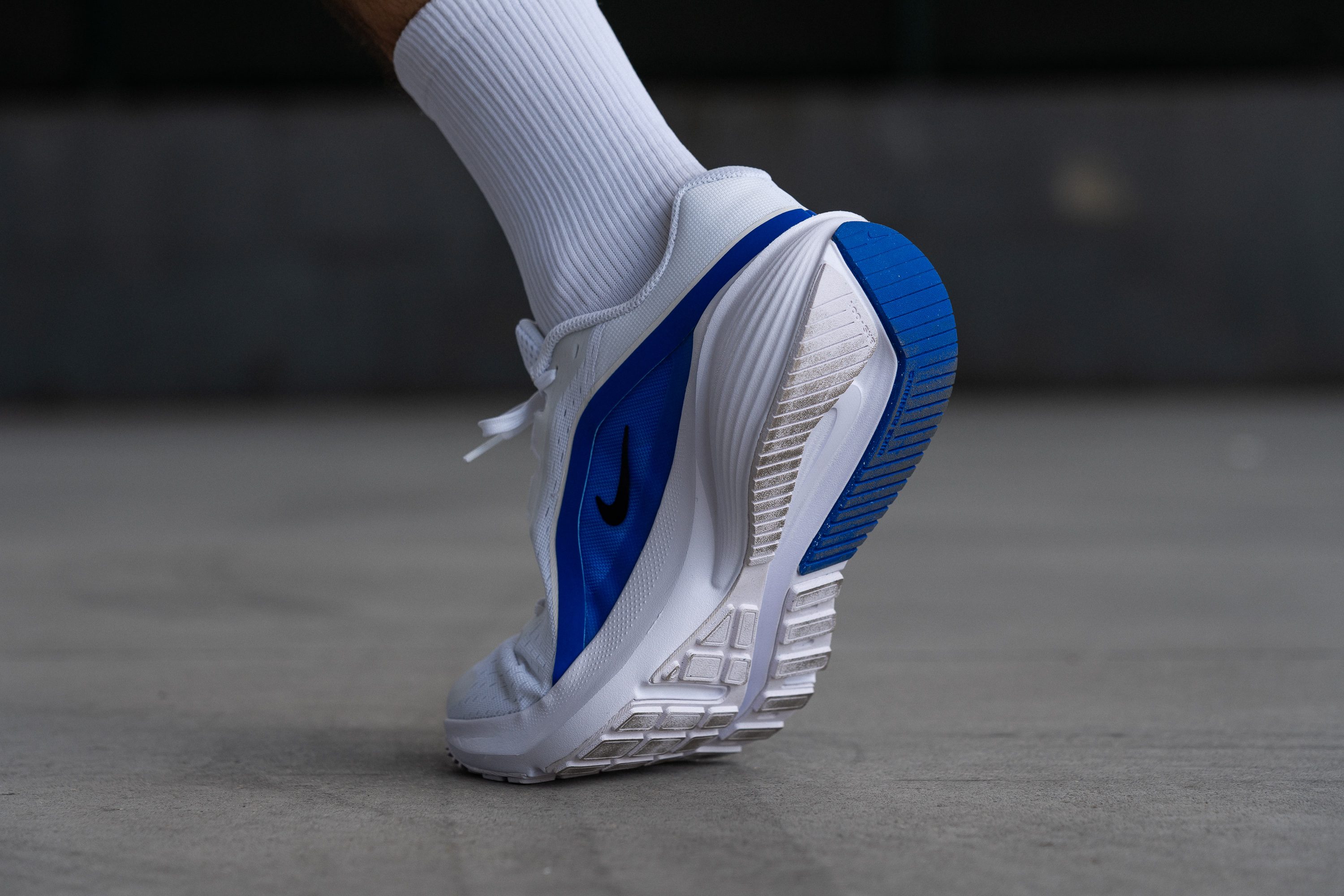
On the downside, using more rubber than usual contributes to an even firmer ride feel.
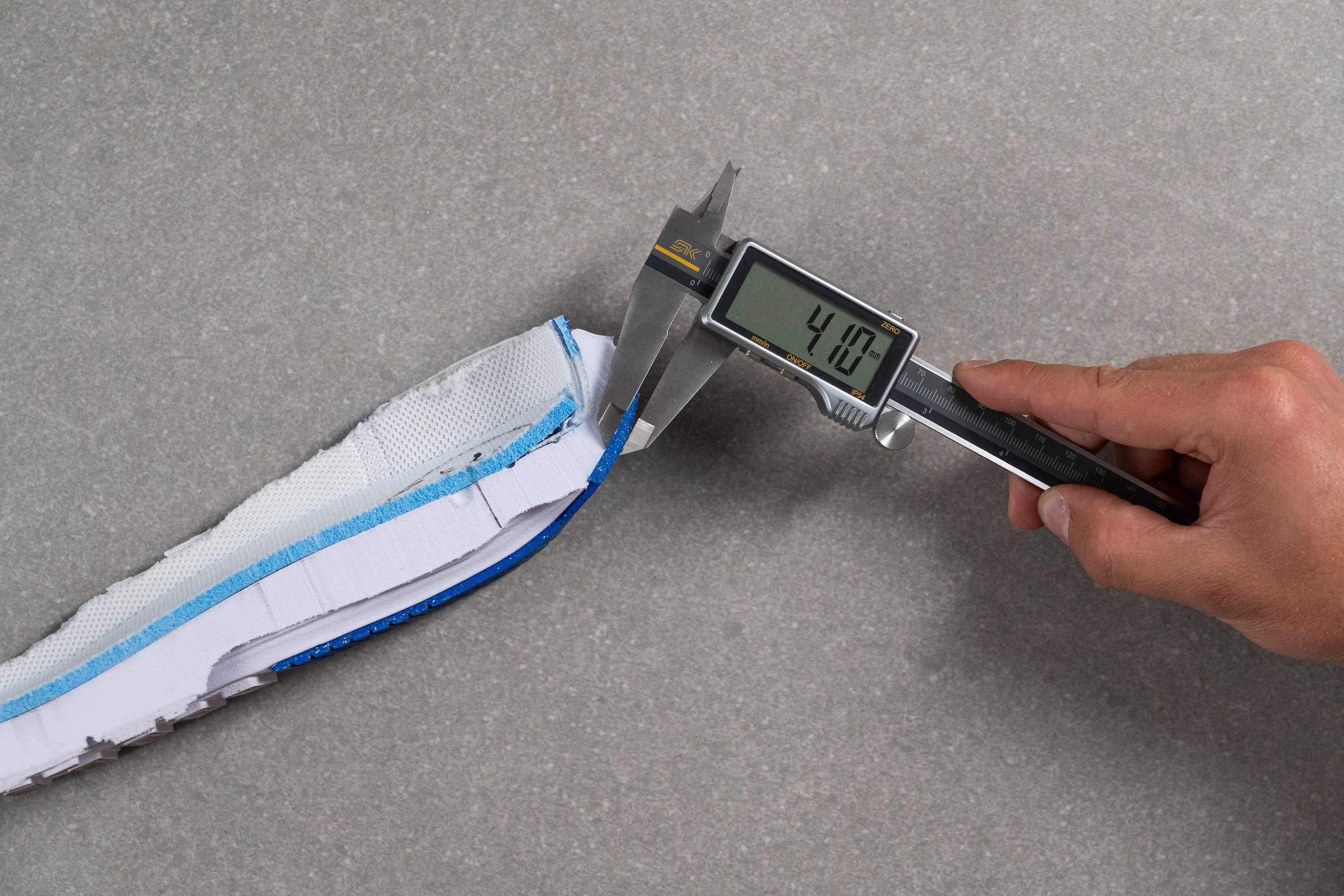
| Downshifter 14 | 4.1 mm |
| Average | 3.1 mm |
Misc
Insole thickness
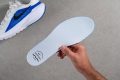
The insole measures 4.5 mm in thickness, landing almost exactly at our lab average.
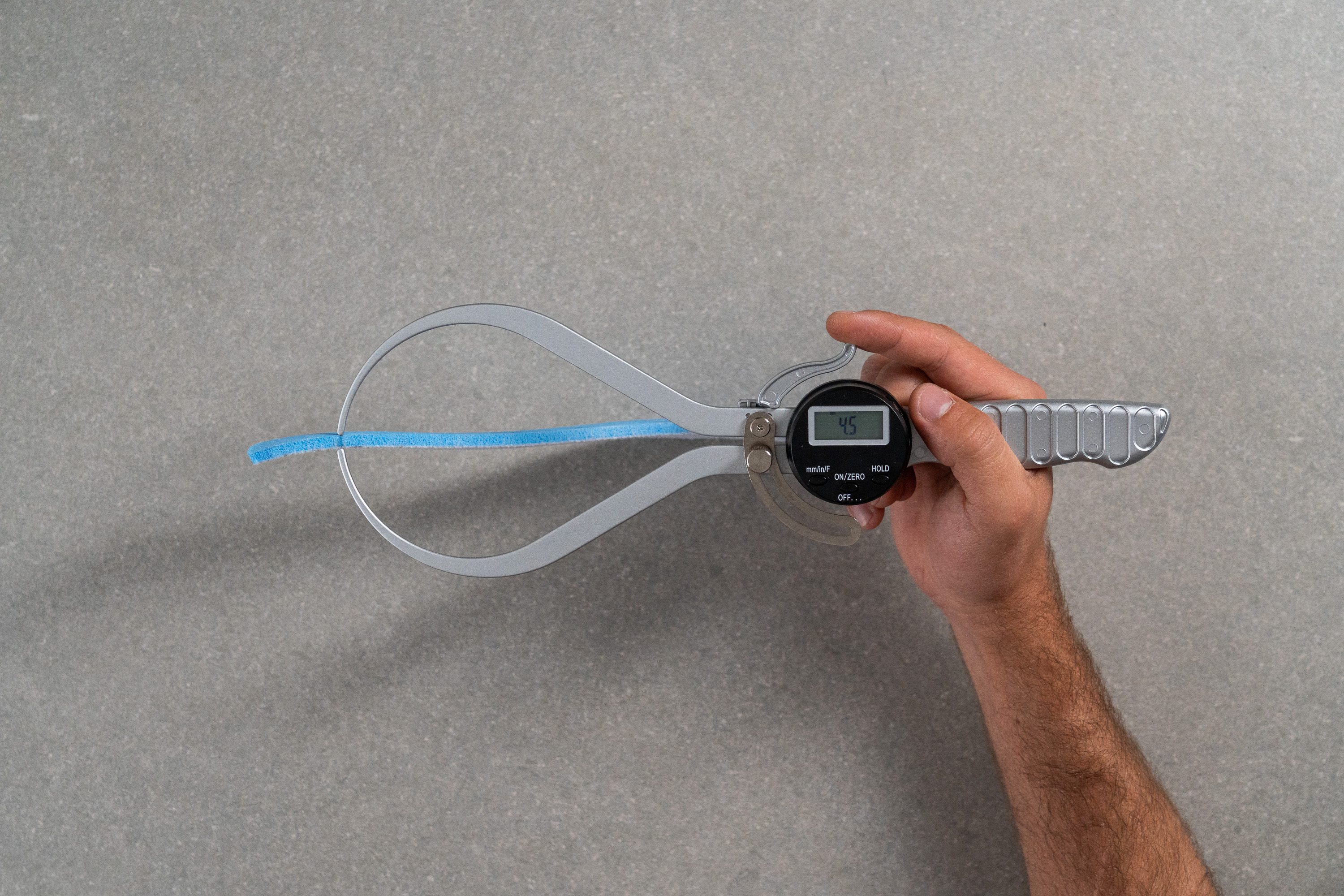
| Downshifter 14 | 4.5 mm |
| Average | 4.4 mm |
Removable insole
You can easily swap the insole of the Downshifter 14 if desired. Despite the "Comfort Footbed" branding, it’s simply a standard insole without any especially plush or standout feel.
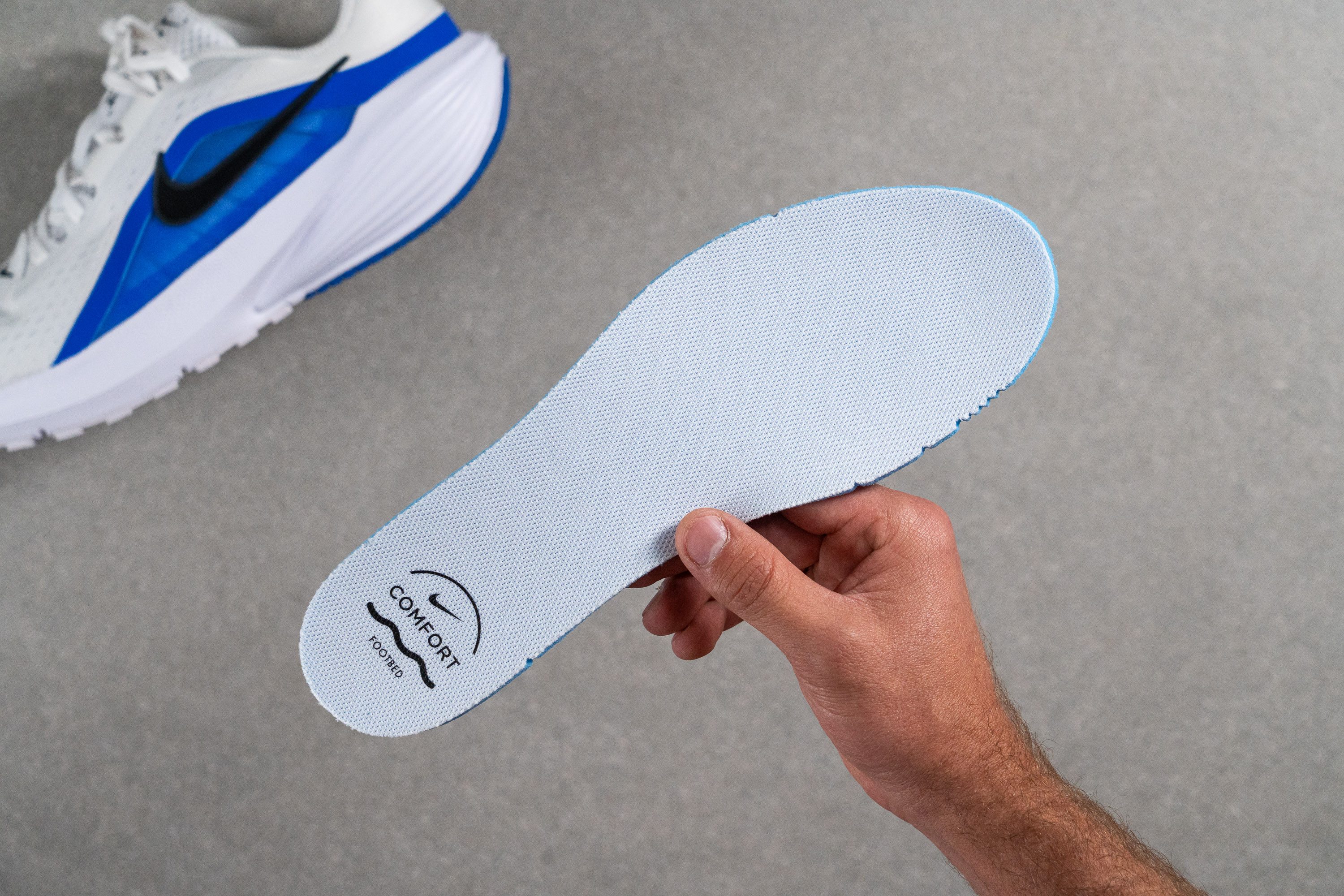
| Downshifter 14 | Yes |
Reflective elements
Nike saved a few cents by skipping reflective elements. In our view, that feels like a questionable trade-off.
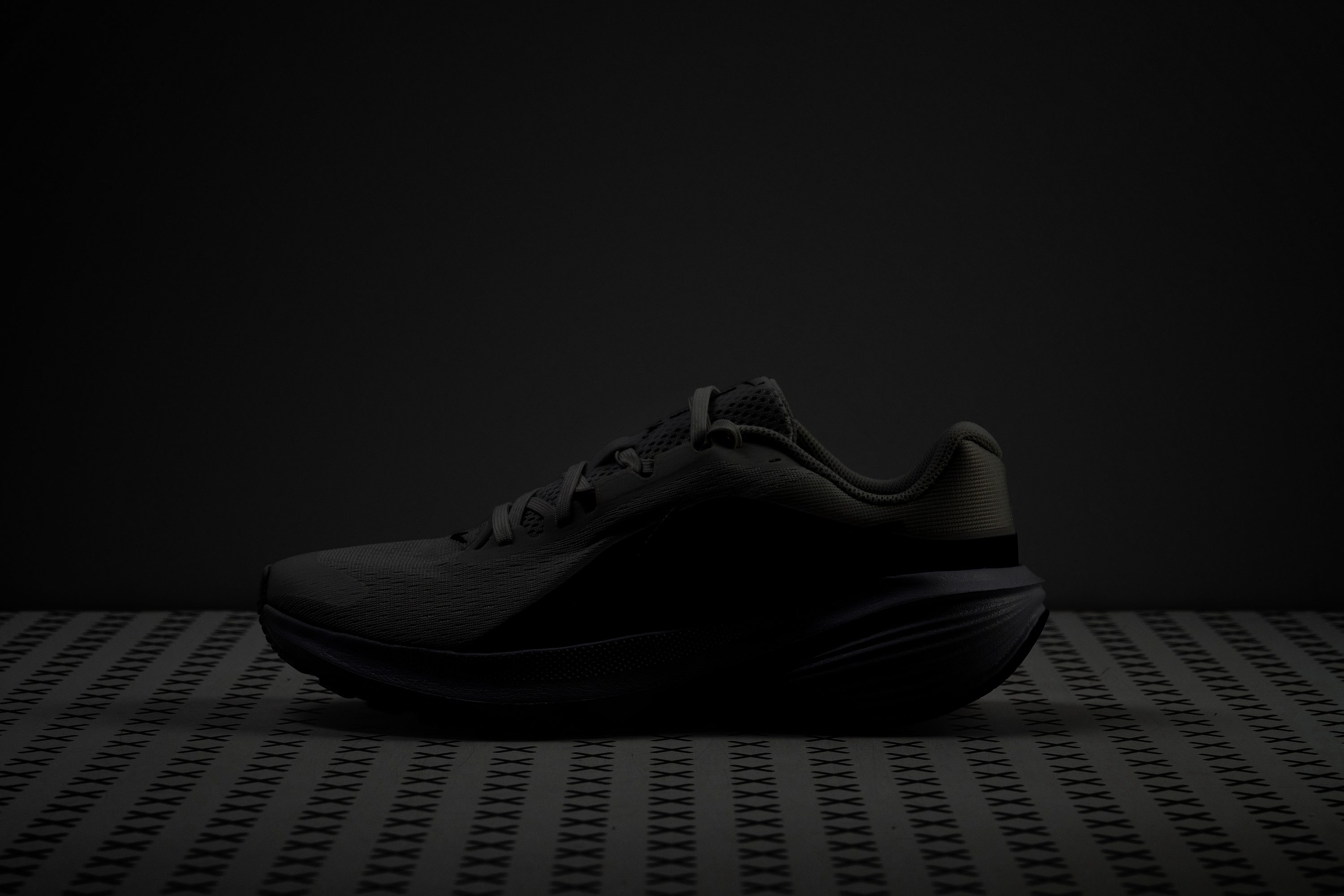
| Downshifter 14 | No |
Tongue padding
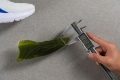
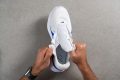
We examined the lacing system of the Downshifter 14 and found that Nike used a mixed layout, featuring four loops that work remarkably well to relieve pressure from the instep.
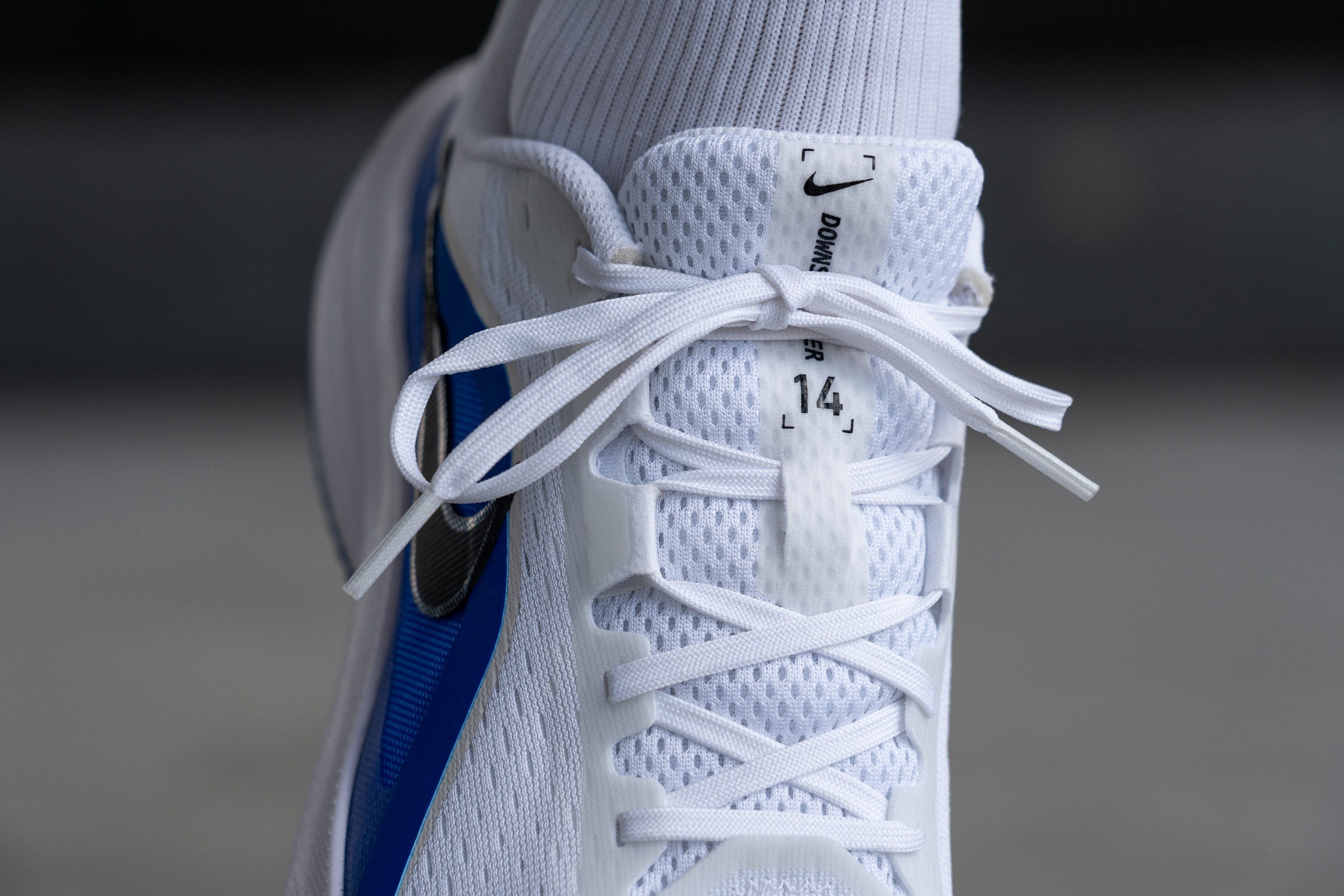
That, paired with the 6.9 mm-thick tongue, is definitely good news. In our opinion, there’s more than enough comfort here for everyday wear and daily runs. We also appreciated that the tongue uses a more breathable mesh than the upper itself, something this shoe truly needed.
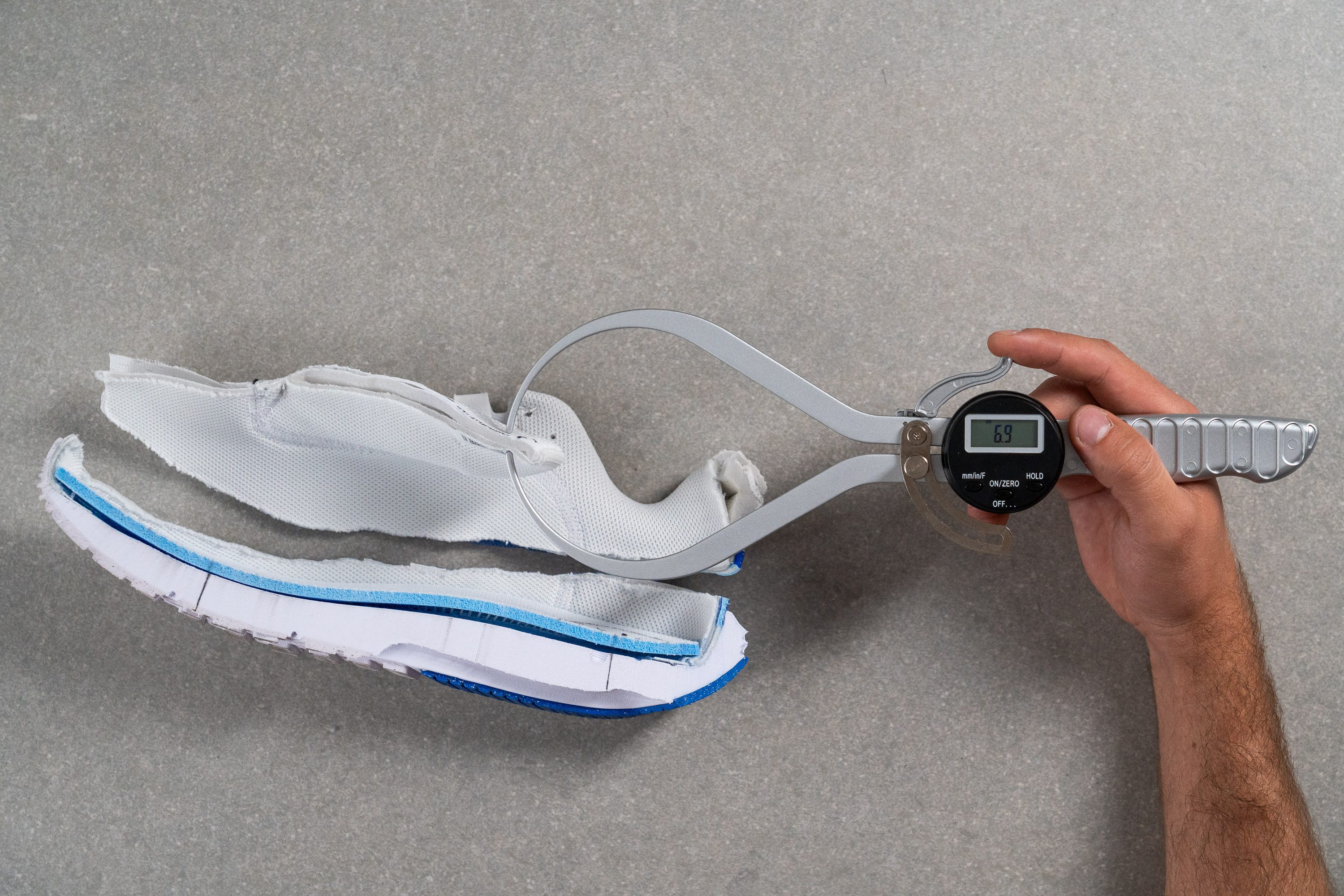
| Downshifter 14 | 6.9 mm |
| Average | 5.8 mm |
Tongue: gusset type
The tongue comes gusseted on both sides, which was a pleasant surprise in a shoe priced well below $100. This feature is usually reserved for higher-end models across most brands.
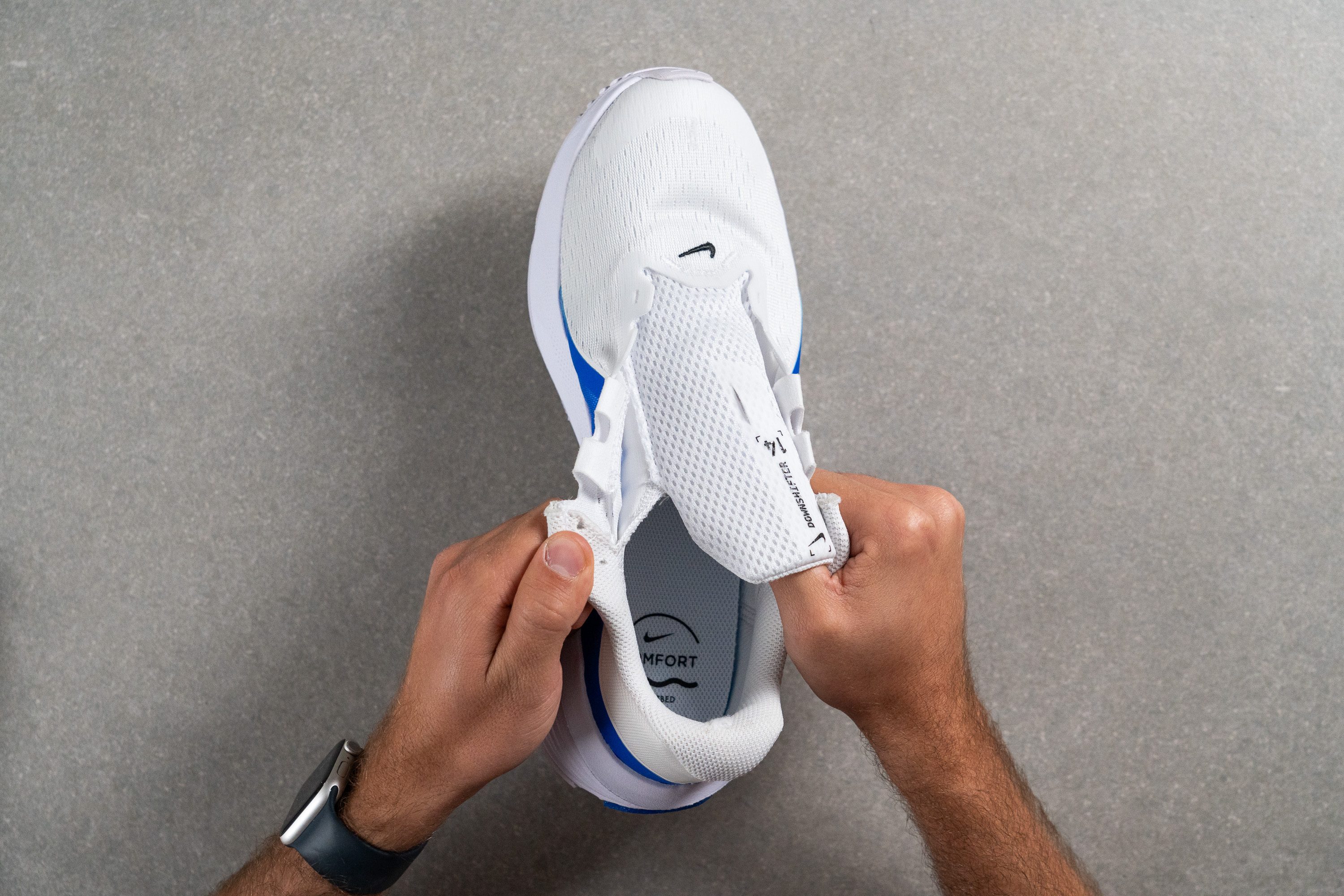
| Downshifter 14 | Both sides (full) |
Heel tab
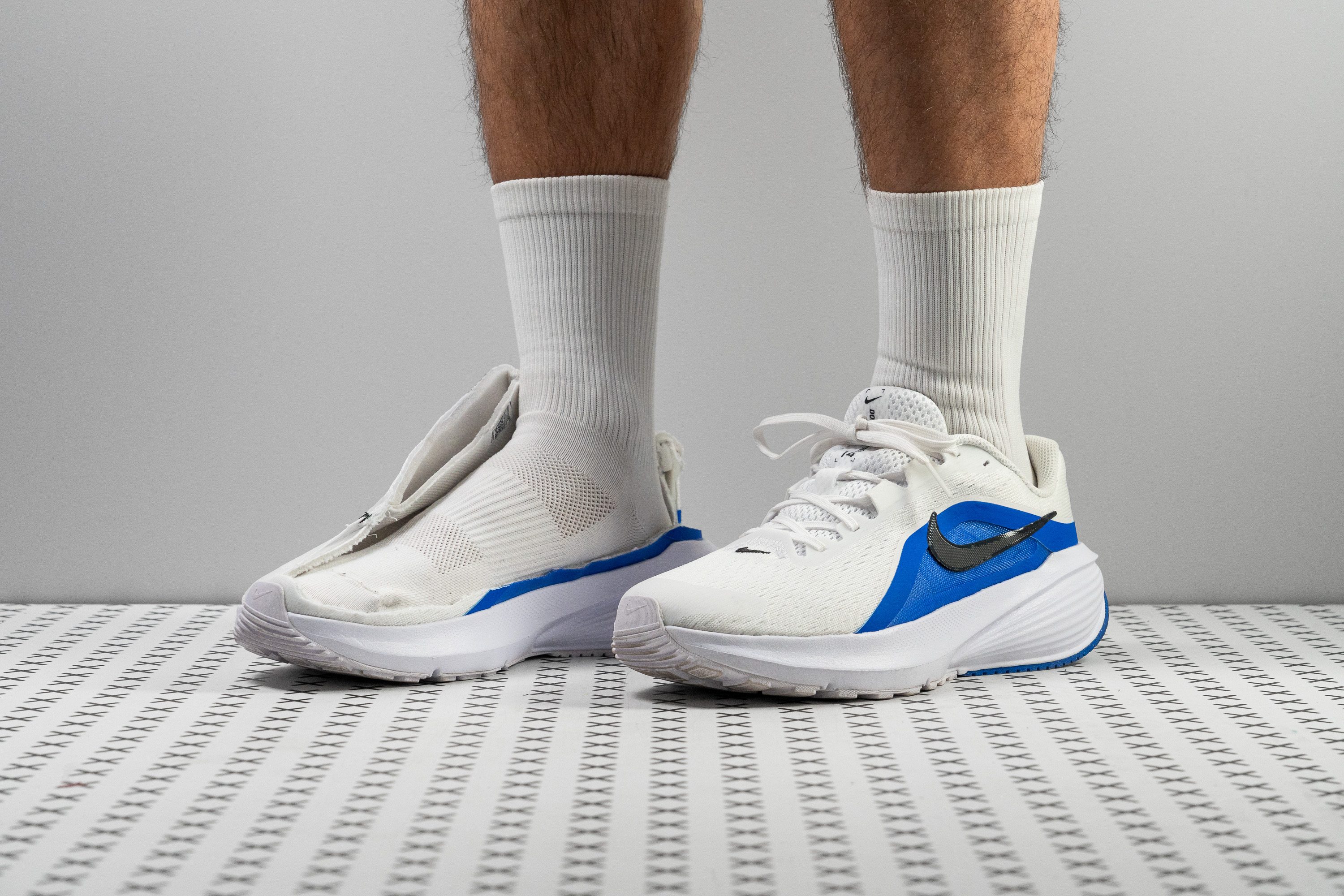
Not the cleanest-looking finish we've ever seen in a running shoe, although this colorway helps the heel look reasonably good. It also comes without any kind of heel tab.
| Downshifter 14 | None |
Price
The Downshifter series has always focused heavily on affordability, and that remains the standout feature of the fourteenth version. It's not about the foam, versatility, or upper, but the amount of money you save compared to other running shoes.
| Downshifter 14 | $80 |
| Average | $158 |