7 Best Winter Sneakers in 2026

We buy shoes ourselves. We earn commissions when you buy through us, at no extra cost. Why trust us
Keeping the feet and toes warm in winter is a priority. Here, we dissect the shoes and examine all the details in order to find out and present what makes a sneaker winter-friendly. Not all feet are the same and they don't sweat the same, so we use lab data to keep things objective. As always, the best picks that outperformed the rest are highlighted for quick navigation and easier shopping decisions!
How we test winter sneakers
Testing winter sneakers means we follow the same protocol as with any other sneakers. Here's what we do:
- Buy the sneakers with our own money; no freebies or contracts with the brands
- Wear-test the sneakers in appropriate conditions and environments, such as rain and snow.
- Lab test the sneakers (following our methodology), which includes anything from measuring the traction on wet surfaces (super important so the sneakers don't get slippery in winter) to drying potential (how much sweat evaporates through the sneaker's materials, which correlates to how long until the sneaker is dry). Naturally, we also test breathability and examine the waterproofness of materials (if any are present).
- Highlight the top performers and explain why we find them worthy of the top spots.
Best winter sneakers overall





What makes it the best?
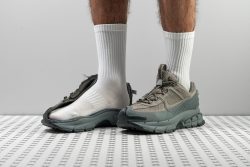
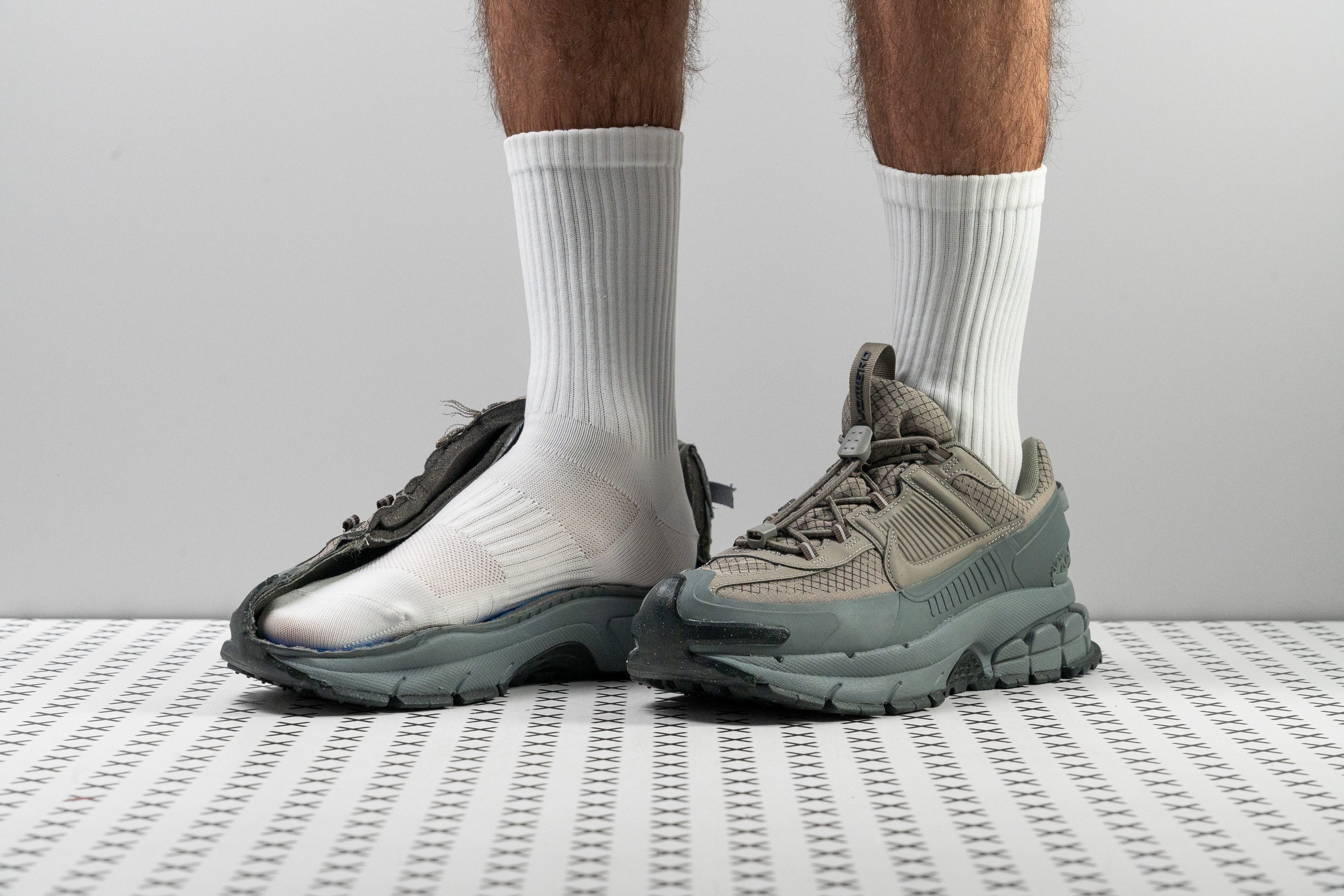
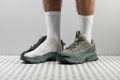
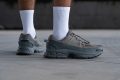
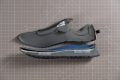
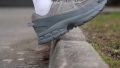
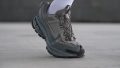
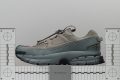
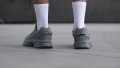
The Nike Zoom Vomero Roam serves as the perfect shield against cold, foot fatigue, slips, and instability with its solid structure, making it our best winter sneaker overall. Its sturdy design offers extra ankle support and warmth, as the impermeable and indestructible upper protects our feet.
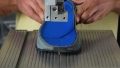
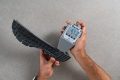
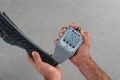
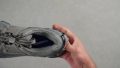
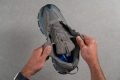
Zoom Vomero Roam can take the harshest winters with its airtight upper, proven by our light and smoke tests in the lab. The upper has a solid ripstop upper that won’t allow our body heat to escape, earning the lowest 1/5 breathability score. It also proved to be wear-resistant in our Dremel test, scoring a solid 4/5 in toebox durability.
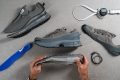
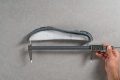
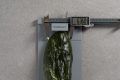
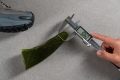
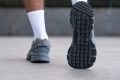
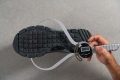
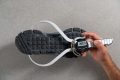
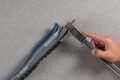
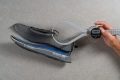
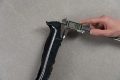
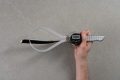
Its added width enhances our surefootedness. Our caliper shows the base is 121.4/92.7 mm, which offers a well-planted feeling. Underfoot, it delivers strong traction through its aggressive tread pattern, shown by its high 0.65 result in our wet-condition test. Whether we walked through wet pavements or slushy sidewalks, we maintained control.
Complementing all the stiff elements is the plush and cozy midsole. It reaches a towering 35.2/25.0 mm height, with two Zoom Air units in the heel and forefoot. Its deep comfort is evident in its high shock absorption of 112 SA in the heel.
However, its bulky build of 14.6 oz (414g) may limit its appeal. Those who prefer a more natural and lighter pair for daily use should look elsewhere.
Pros
- Blocks moderate rain, snow, and splashes
- Fantastic shock absorption
- Zoom Air makes the ride springy
- Excellent traction for winter streets
- Great stability for long walks
- Promising durability
- Reflective elements
Cons
- Really snug fit
- Heavier than average
- Pricey
Best dad shoes for winter







What makes it the best?
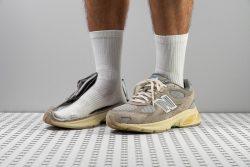
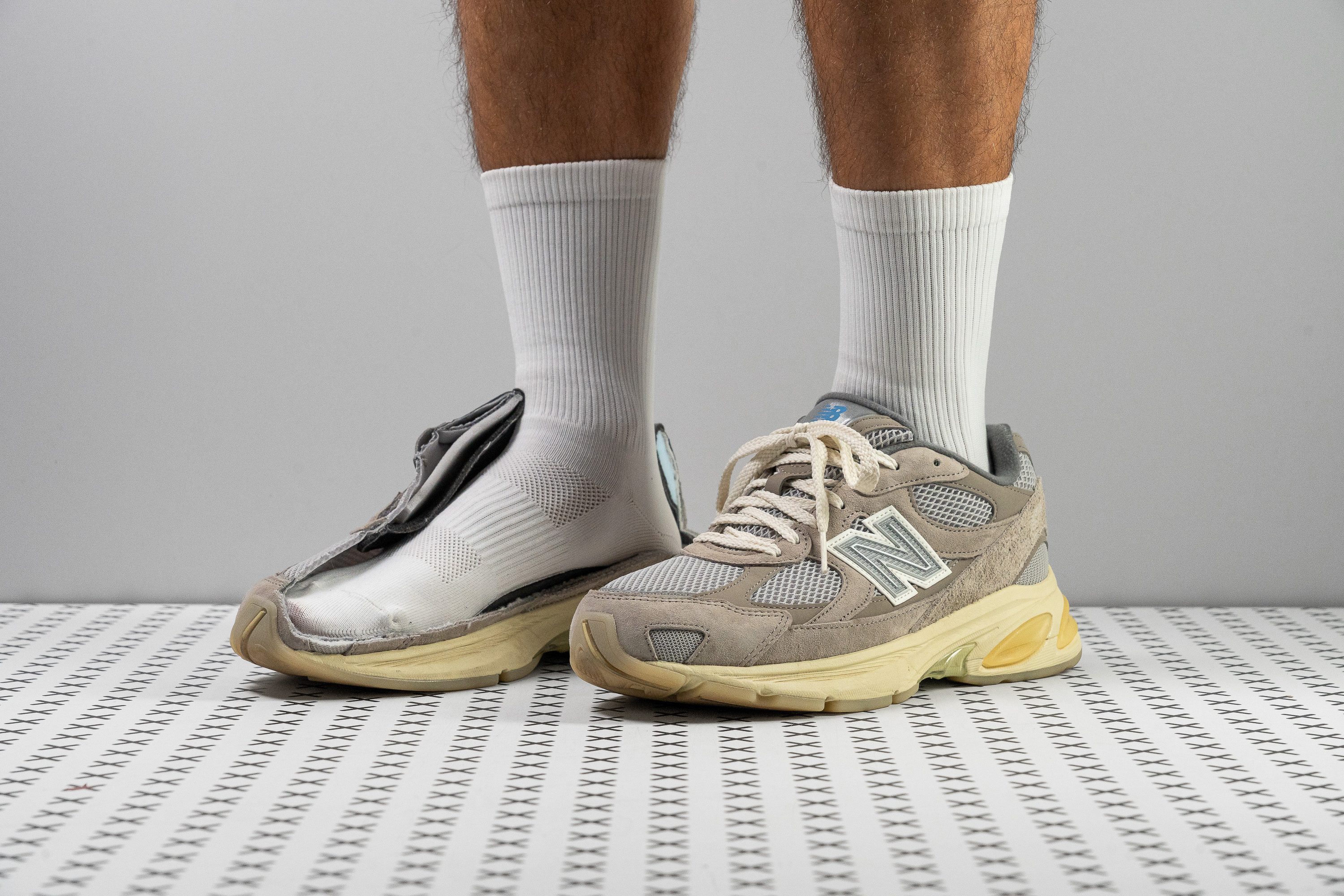
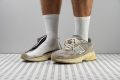
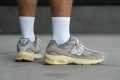
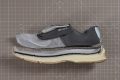
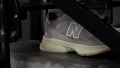
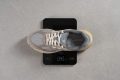
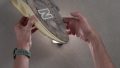
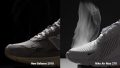
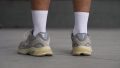
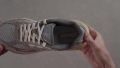
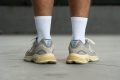
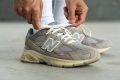
With its chunky and old-school aesthetic and generously padded interiors, the New Balance 2010 is our best dad shoe among winter sneakers we evaluated in and out of the lab. It has thick layers that keep us warm and cozy, with strong impact protection that allows us to walk for hours on end. Its broad base secures our footing, while its low figure is a pleasant surprise.
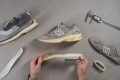
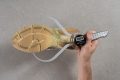
Upon slicing the midsole, a double-layered upper revealed itself, with the second layer having a tight composition as seen under our microscope. Together with the plush 10.9 mm tongue padding, airflow is almost non-existent, which is why it scored the lowest 1/5 in breathability. This result is exactly what we want in a winter sneaker.
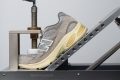
Underfoot, we measured thick cushioning of 35.7/24.7 mm. Moreover, the heel is able to reduce ground force by 35% compared to the average, with its high 121 SA rating.
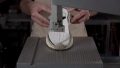
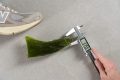
To ensure controlled steps, the wide base balanced us, measuring 115.9/95.7 mm. Despite its broad dimensions and bulky visuals, it weighs surprisingly lighter than average at 13.4 oz (381g).
However, note that the toebox is narrower than average. Therefore, extra-thick socks or very wide feet are not welcome.
Pros
- Very comfortable
- High-quality materials
- Super durable outsole
- Best impact protection for your feet
- Incredibly high energy return for sneakers
- Fairly stable
- Authentic leather and suede
- Cool retro style
- Lots of reflective elements
Cons
- Not breathable
- Might be too narrow for some
Winter shoes with the best traction



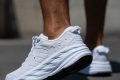
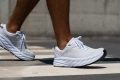
What makes it the best?
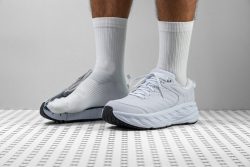
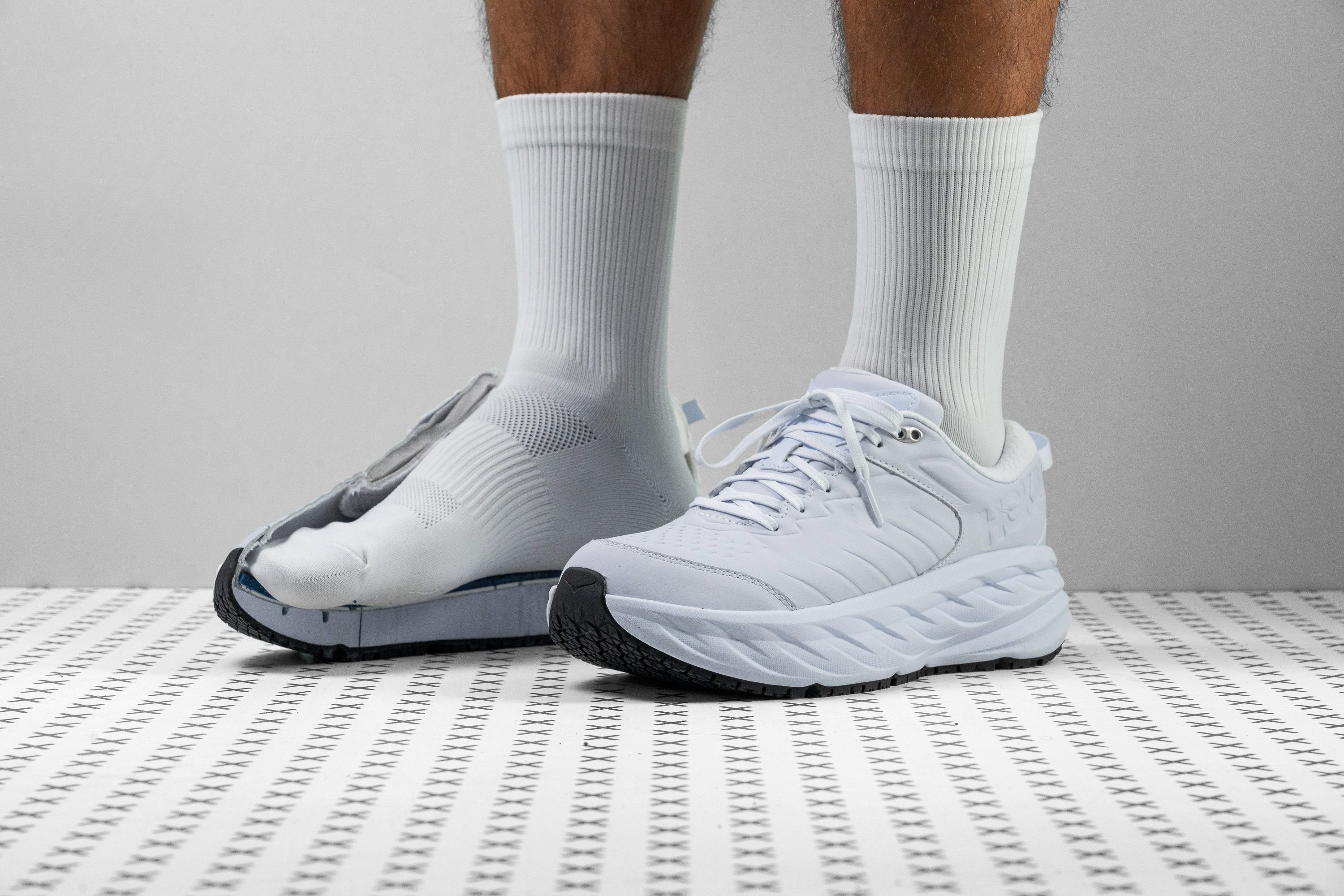
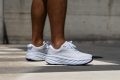
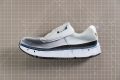
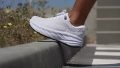
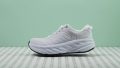
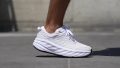
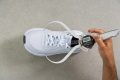
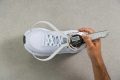
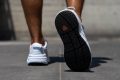
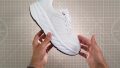
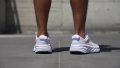
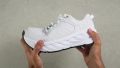
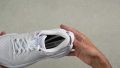
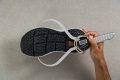
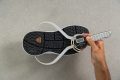
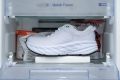
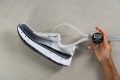
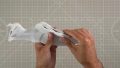
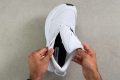
The HOKA Bondi SR is resistant to all things we’re afraid of in the winter: cold and slips. Lab tests back up our experience, which provides a cozy place for us to be in with its all-around padding, shock absorption, and warmth. However, it ultimately leads the pack with unmatched traction among winter sneakers.
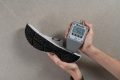
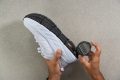
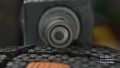
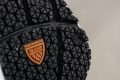
We tested the heel in our wet-condition test, and returned a whopping friction score of 0.77. This indicates a high level of slip-resistance compared to the 0.47 average! From snowy paths to slippery indoor tiles, it grips any surface firmly.
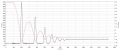
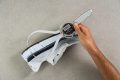
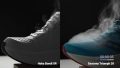
We observed the upper under our microscope and couldn’t find any ventilation holes. It’s sealed shut, earning the lowest 1/5 breathability score in our smoke test. With its thick 11.1 mm tongue padding and the Memory Foam in the collar padding, we enjoyed maximum warmth and comfort.
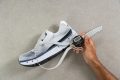
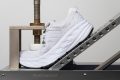
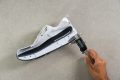
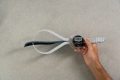
Underfoot, the thick and protective stack supported us during long days. We measured its height at 39.4/31.2 mm, which is way above the standard. Moreover, the heel scored an impressive 111 SA in our shock absorption test, making landings 24% gentler than the average sneaker.
Unfortunately, its maximum grip led to low durability. Our Dremel created a dent that’s 92% deeper than average, causing concerns regarding its longevity.
Pros
- Comfort is off-the-charts
- Extra thick cushioning for all-day support
- Smooth heel-to-toe transitions
- Alleviates foot discomfort (podiatrist approved)
- Stable for a neutral shoe
- Truly slip-resistant outsole
- Superior material quality
- Water-resistant leather upper
- Accommodating toebox
Cons
- Heavy and bulky
- Not breathable
Best Gore-Tex winter shoes
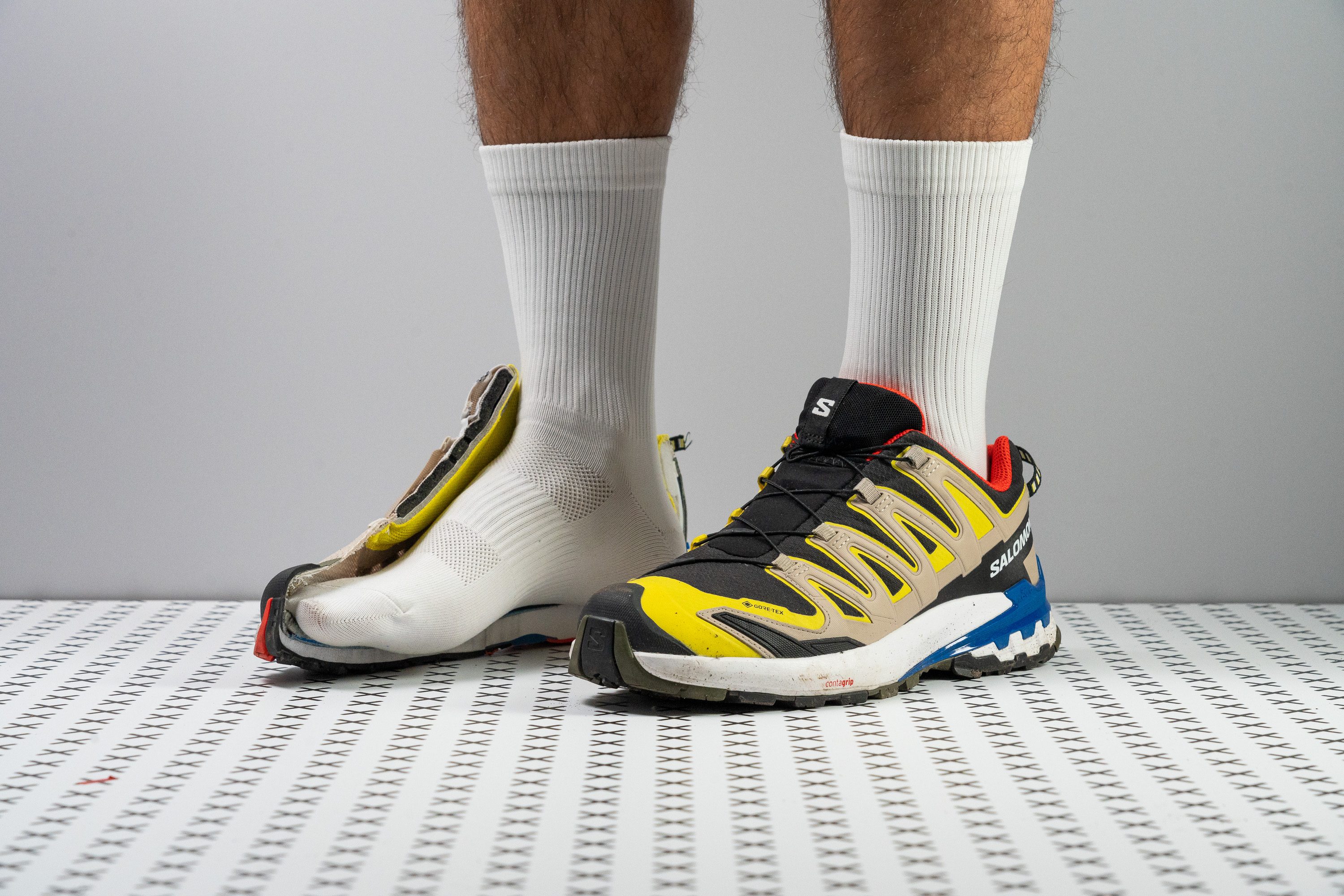









What makes it the best?
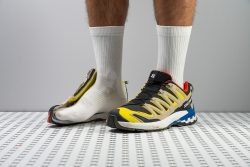
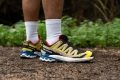
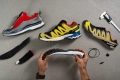
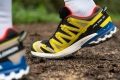
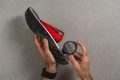
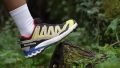
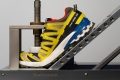
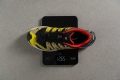
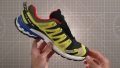
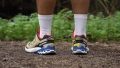
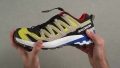
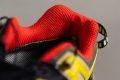
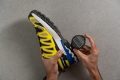
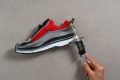
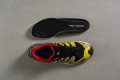
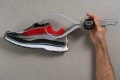
Walking in the snow has never felt more effortless and secure than when wearing Salomon's XA Pro 3D v9 GTX. In our lab tests, this shoe proved to be extremely protective against elements typically encountered with snow—cold, slippery surfaces, and imbalances. Among winter sneakers, this pair is our best Gore-Tex pick.
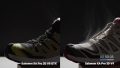
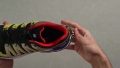
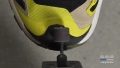
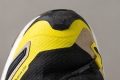
The shoe's upper features a waterproof GTX membrane that shields us from moisture and chilly winds. In our lab, the tightly braided upper exhibited minimal breathability, scoring a mere 1/5 for ventilation. Additionally, the shoe incorporates a toe bumper for enhanced protection against hard ice and rocks.
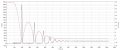
Even on unpredictable paths, the cushioning provides reliable support without bottoming out, verified by its strong ground feel, as indicated by its low 93 SA shock absorption score. The 3D chassis further bolsters stability by resisting extreme twisting and lateral movements, thereby reducing the risk of injuries.
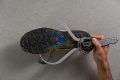
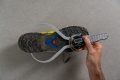
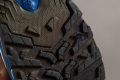
Supporting the shoe's robust build is the Contagrip outsole, which seamlessly combines traction and durability. The 2.8-mm lugs offer a secure grip on slippery ice, while the rubber outsole exhibited minimal wear even after rigorous testing in challenging conditions.
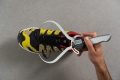
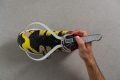
Individuals with broad feet or those who prefer wearing thick socks should note that the 111.1/82.2 mm midsole runs narrower than average.
Pros
- Incredibly protective
- Extremely stable and supportive
- Watertight Gore-Tex upper
- Flexible and forgiving on the foot
- Makes a great hiking companion
- Effectively dampens landings
- Generously padded from heel to tongue
- No lace bite whatsoever
- Durable, high-quality construction
- Simple yet snazzy design
Cons
- Could be lighter
- Rather firm cushioning
- Upper needs breaking in
- Lacks the agility for technical trails
Most versatile winter shoes
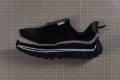





What makes it the most versatile?
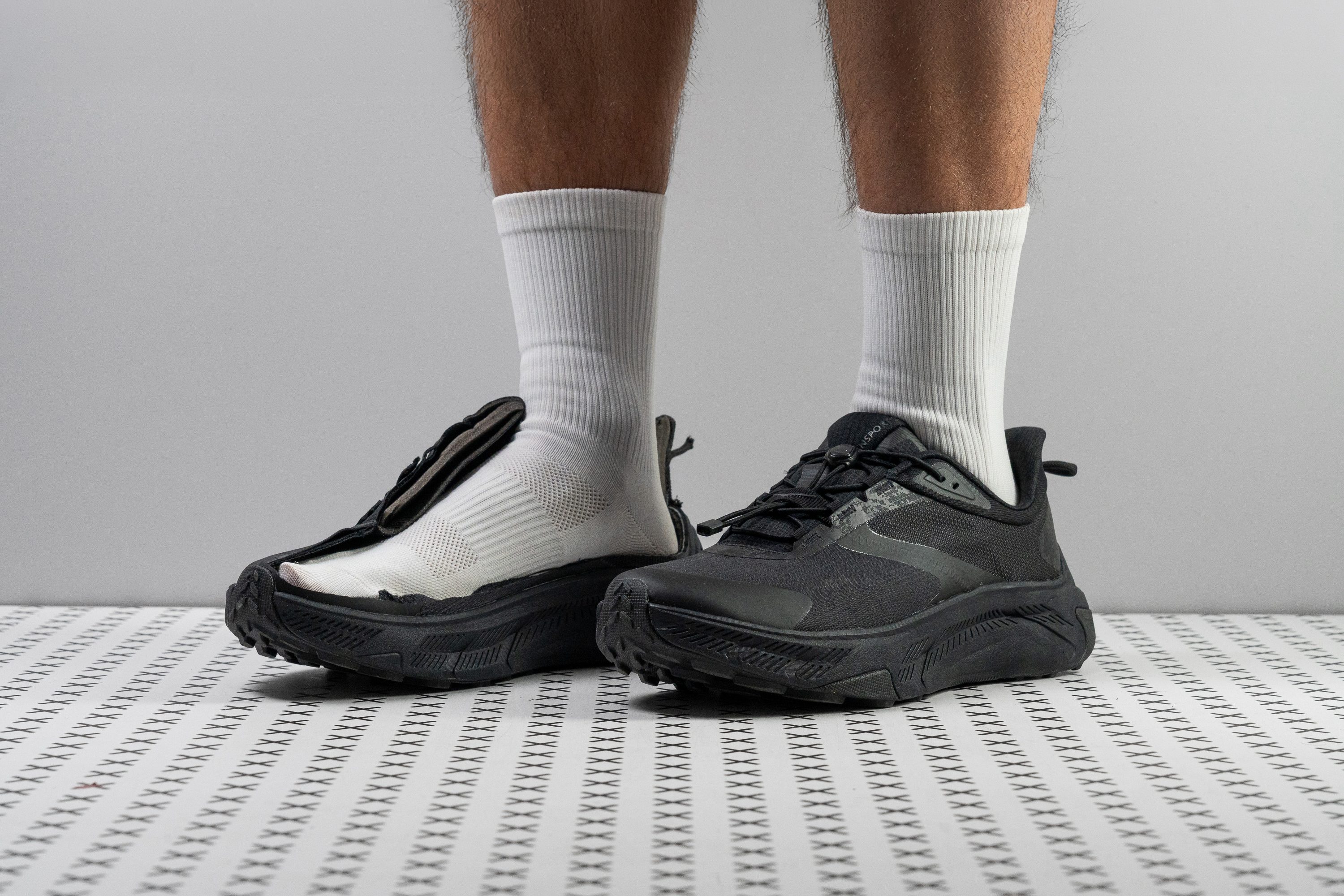
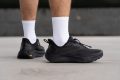
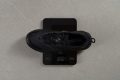
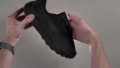
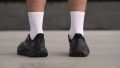
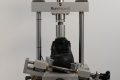
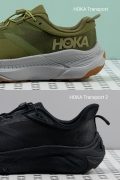
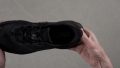
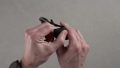
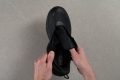
During our wear and lab tests, the HOKA Transport 2 boasted the highest level of versatility, handling various activities and a wide range of surfaces well through its durable build and reliable traction. Besides these, it features an impermeable upper on top and a well-cushioned base below, easing our steps with a cozy embrace.
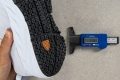
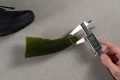
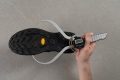
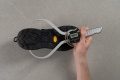
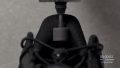
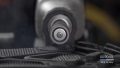
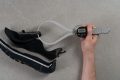
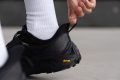
Featuring Vibram EcoStep Recycle, the Transport 2 offers confidence and steadiness from the roads to the trails. Our traction test reveals an impressive 0.64 rating, making it 36% grippier than average. Moreover, it features 2.9 mm lugs that bite softer ground without feeling too blocky on concrete. It also proved to be protective as our Dremel produced a smaller-than-average dent of 1.0 mm.
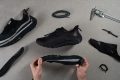
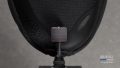
We tested the half-cut upper under our light and smoke test, and nothing could pass through. There were no ventilation holes whatsoever, explaining its 1/5 breathability score. This result indicates suitability for the winter because it’s able to contain our body heat. It also has water-repellent features, ensuring our socks won’t get wet even as we walk through deeper snow.
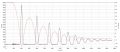
Underfoot, the well-cushioned base of 38.0/26.8 mm reduces the stress on our joints and muscles. In our shock absorption test, the heel scored well above the average at 124 SA, making it 39% more protective than the average sneaker.
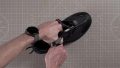
A downside we found during our Dremel test is its frail inner lining and heel padding. Therefore, Transport 2 isn’t the best option for people who easily puncture the collar mesh with heel rubs.
Pros
- Even more cushioning!
- Very lively and springy ride
- Smooth heel-to-toes
- Wide and stable platform
- Versatile traction for city and trail
- Excellent durability
- Wide width available
- Comfortable in-shoe feel
Cons
- Not breathable
- Frail collar mesh
Best futuristic sneakers for winter









What makes it the best?
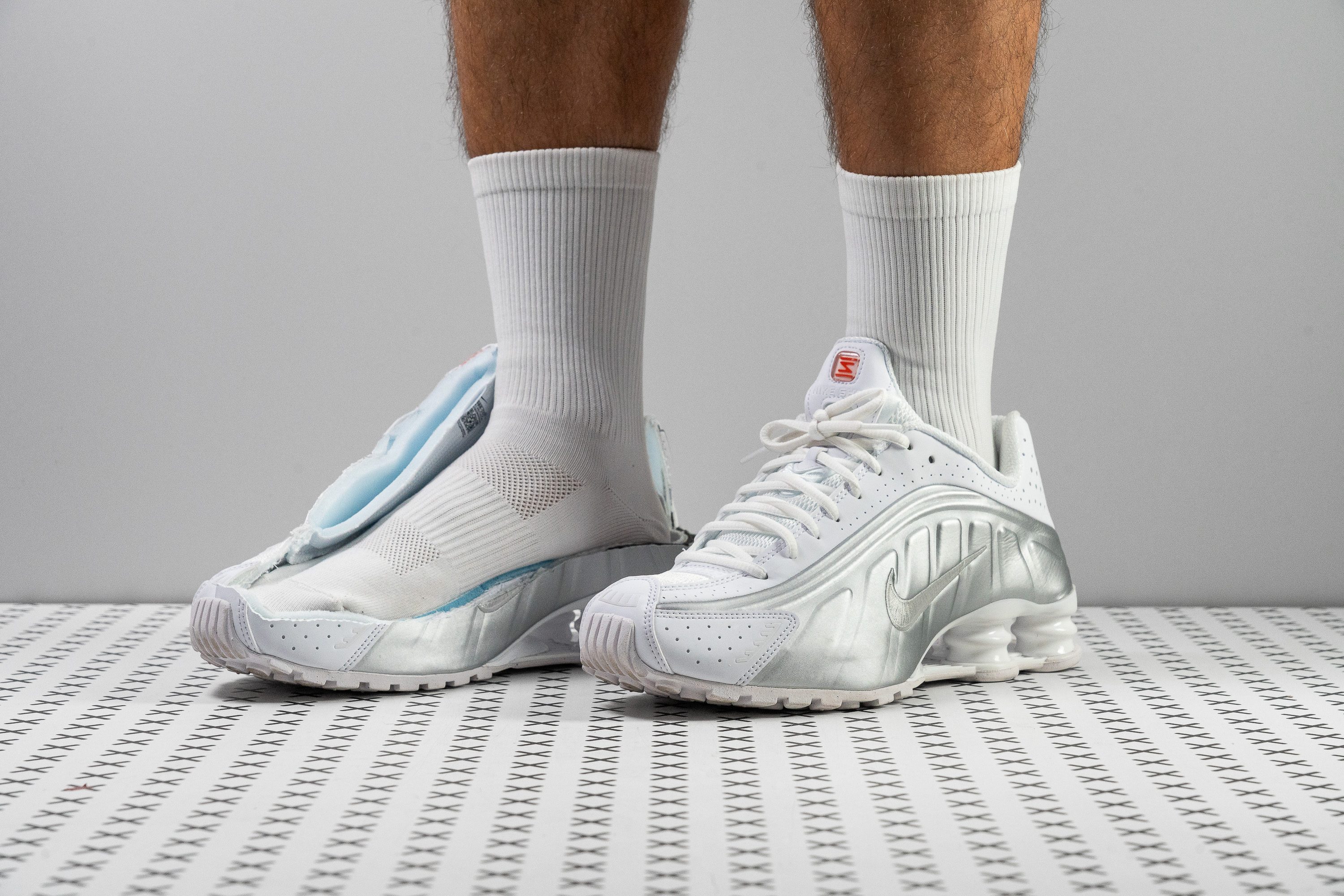
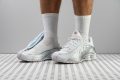
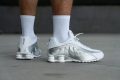
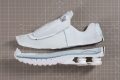
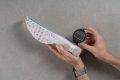
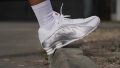
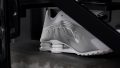
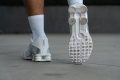
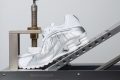
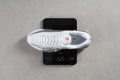
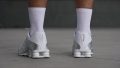
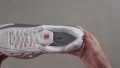
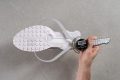
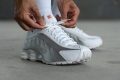
The snow and cold weather won’t stop us from strutting the streets with confidence, comfort, and style, as we found the Nike Shox R4 to be our best futuristic winter sneaker. With plenty of reflective details, it’s ideal for the shorter days of winter. Plus, lab tests verify it's packed with cushioning for warmth and underfoot relief and a grippy base to keep us safe on snow-covered streets.
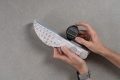
The reliable traction Shox R4 delivers allows us to wander around town without too much focus on our footing. Its outsole is cleverly designed, with round cut-outs in the midfoot and heel that act as suction cups. Furthermore, we tested the heel in our wet-condition test and it returned a high rating of 0.48, making it 9% grippier than average.
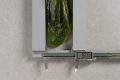
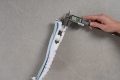
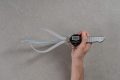
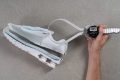
The Shox R4 is loaded with support, offering a massive platform measuring 42.4/27.0 mm and great shock absorption of 95 SA in the heel. To stabilize our steps, the base runs wide at 111.6/87.1 mm for better balance.
With its impermeable upper, air couldn’t flow in or out, earning the lowest 1/5 ventilation rating in our smoke test. With its dense textile material, our body heat is effectively trapped, perfect for when the temperature drops.
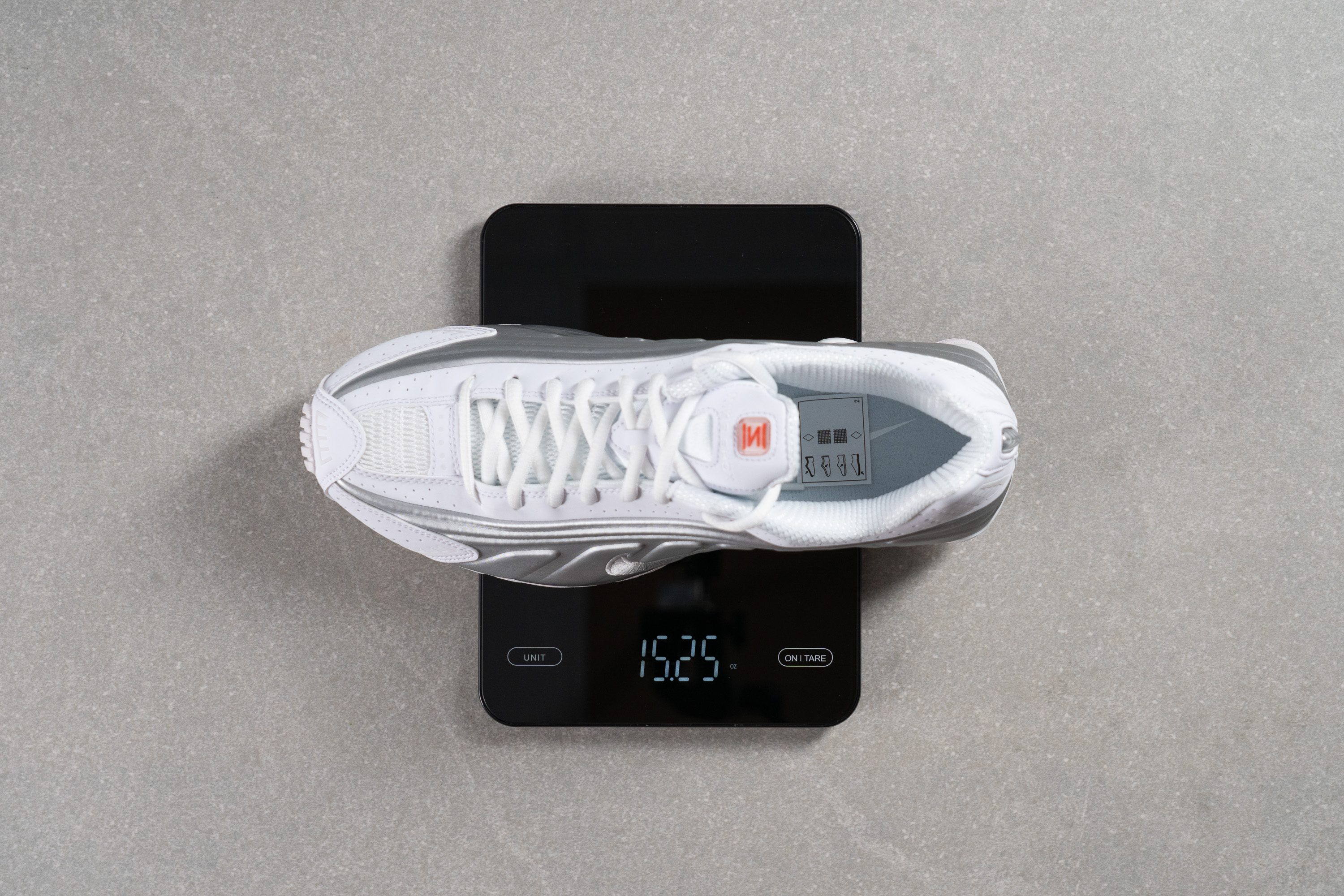
However, all the added features brought its weight down to 15.2 oz (432g). It almost feels like a boot, which may disappoint some sneakerheads.
Pros
- Incredibly durable
- Great stability
- Bouncy ride with Nike's Shox tech
- Makes you taller
- Cool retro-futuristic style
- Trendy sporty vibe
- Reflective elements everywhere
- Decent breathability
Cons
- Heavy
- Pricey
Best budget winter sneakers



What makes it the best?
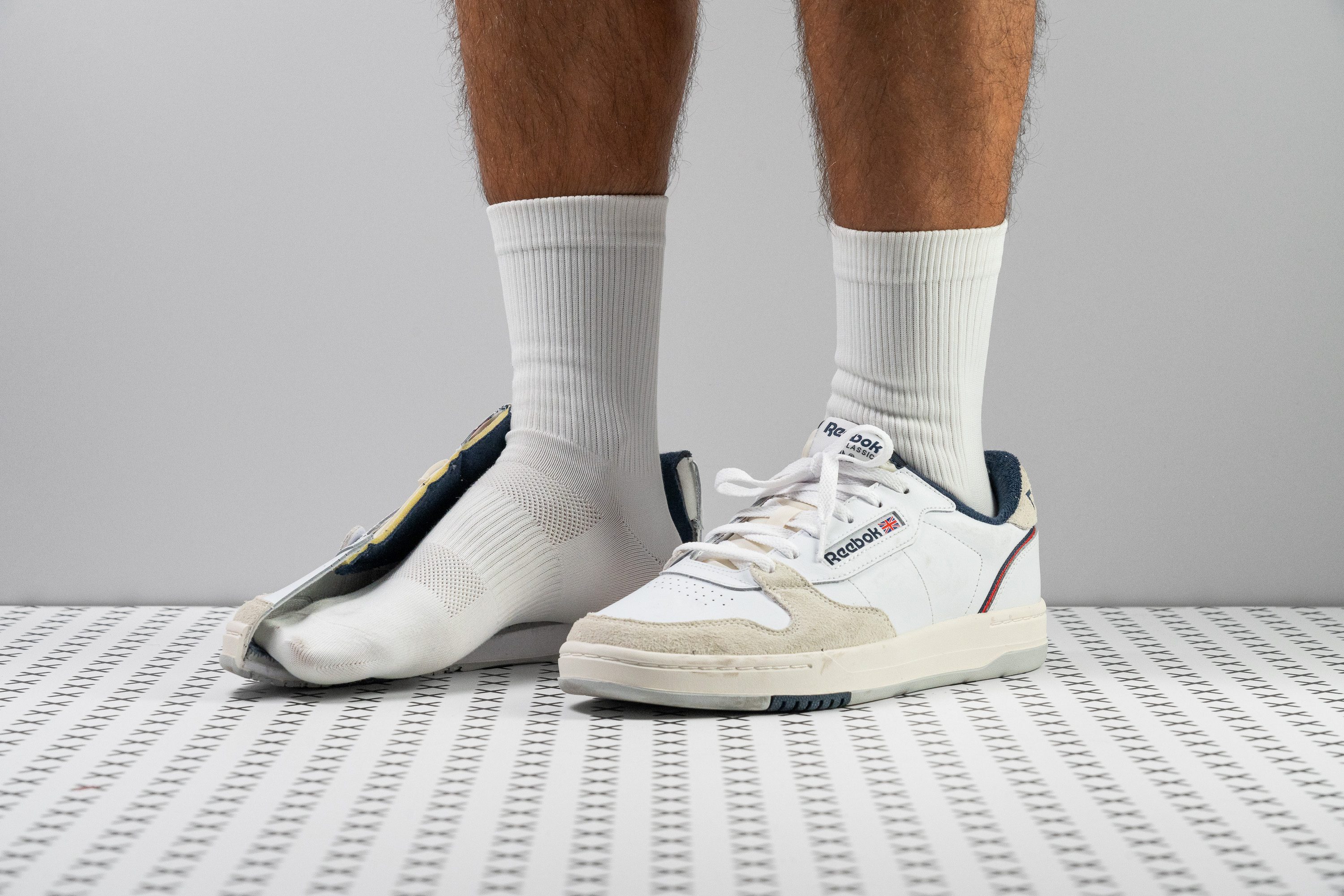
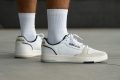
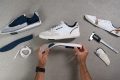
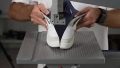
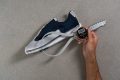
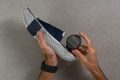
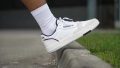
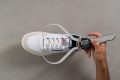
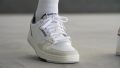
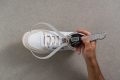
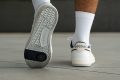
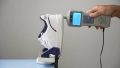
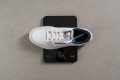
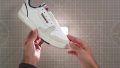
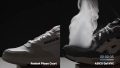
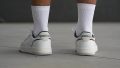
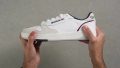
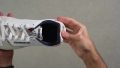
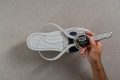
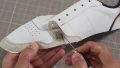
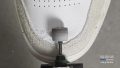
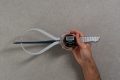
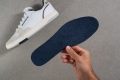
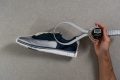
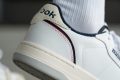
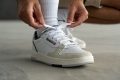
The Reebok Phase Court emerges as our go-to choice for winter walks, blending stability and warmth at a wallet-friendly $85 price point, earning the best budget title. Compared to the $115 average sneaker in our lab, it offers exceptional value without sacrificing durability and support. Even in sub-zero conditions, our feet felt at home, courtesy of the solid leather that proved to be genuine in our lab tests. It has no room for cold air to creep in, ensuring reliable protection against moisture and cold. The sturdy upper, scoring a rare 5/5 in our Dremel test, serves as our long-lasting shield.
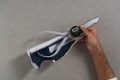
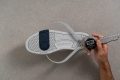
The combination of the structured upper and grounded base keeps our feet steady and secure. We measured a low-profile stack of 26.4/15.1 mm that boosts stability in our strides. The added stiffness improves our balance and mitigates ankle rolls, keeping us safe in our daily activities.
However, its heavy figure of 14.5 oz (410g) on the scale surprised us, given its minimal cushion. Those who prefer a lighter and more agile sneaker should go for other options.
Pros
- Super durable upper materials
- Very flexible and quite comfy
- Authentic leather and suede
- High-quality upper design
- Pretty stable
- Looks good with basically everything
- Really cool 90's retro style
- Fantastic value for money
Cons
- On the heavier side
- Outsole lacks durability
- Not for tennis
Winter sneakers are all about keeping your feet warm and the elements (rain, snow, slush, mud) outside. In the lab, we dig deep into why some sneakers breathe better than others and which little details play the most important part.
Breathability of winter sneakers
Winter sneakers need to be warm. How to find out which ones are warm? Fill them with smoke and wait to see a) whether the smoke will come out, b) where it will come out, and c) at what pace. This is exactly what we do when testing the breathability of sneakers.
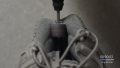
We use a smoke machine and 3D-printed casts that guide the smoke towards the toebox. The smoke output is constant, and so is the duration of this test. We also keep the room temperature and humidity at constant levels in the lab.
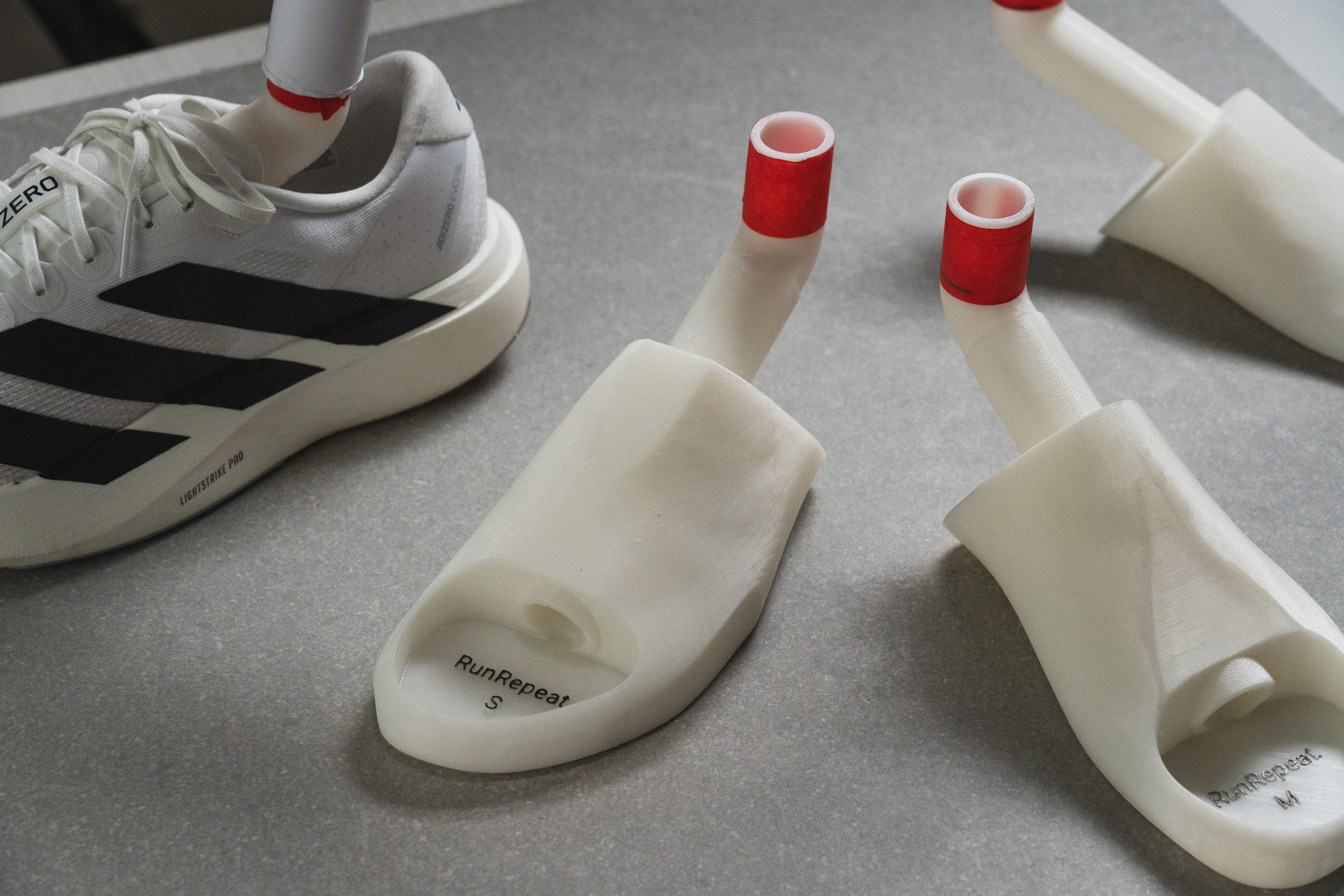
The result of this test is a breathability score of 1 to 5. 1/5 is assigned to the sneakers that basically keep it all in, and 5/5 to those that are very good at letting the smoke out, at a fast pace.
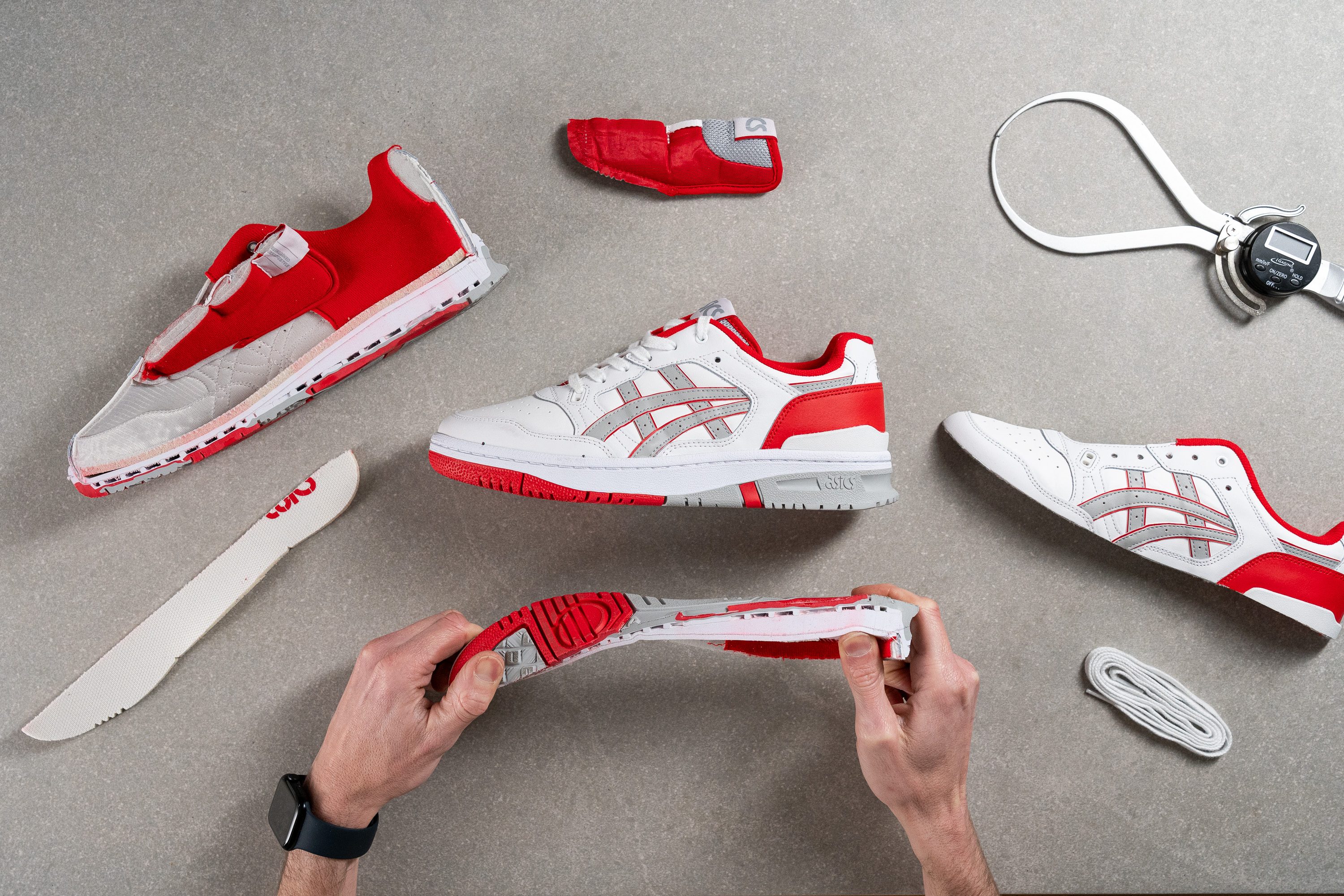
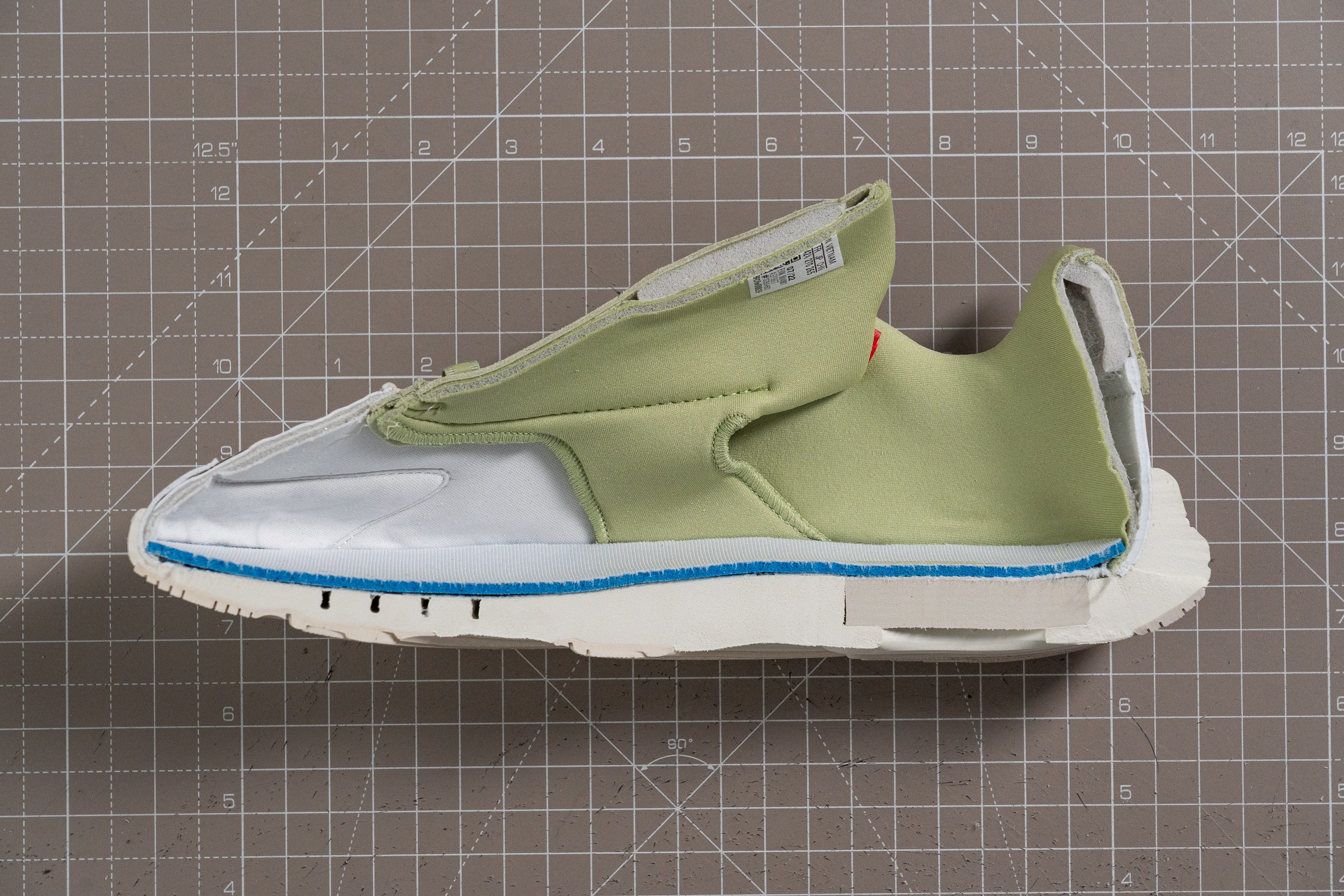
We also perform the light test when assessing the breathabilty, but in the case of winter sneakers, they are usually so thick that there’s no need to do it. Instead, we inspect the inner side of the upper to better understand the layers and the stitching.
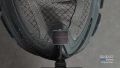
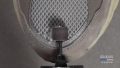
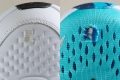
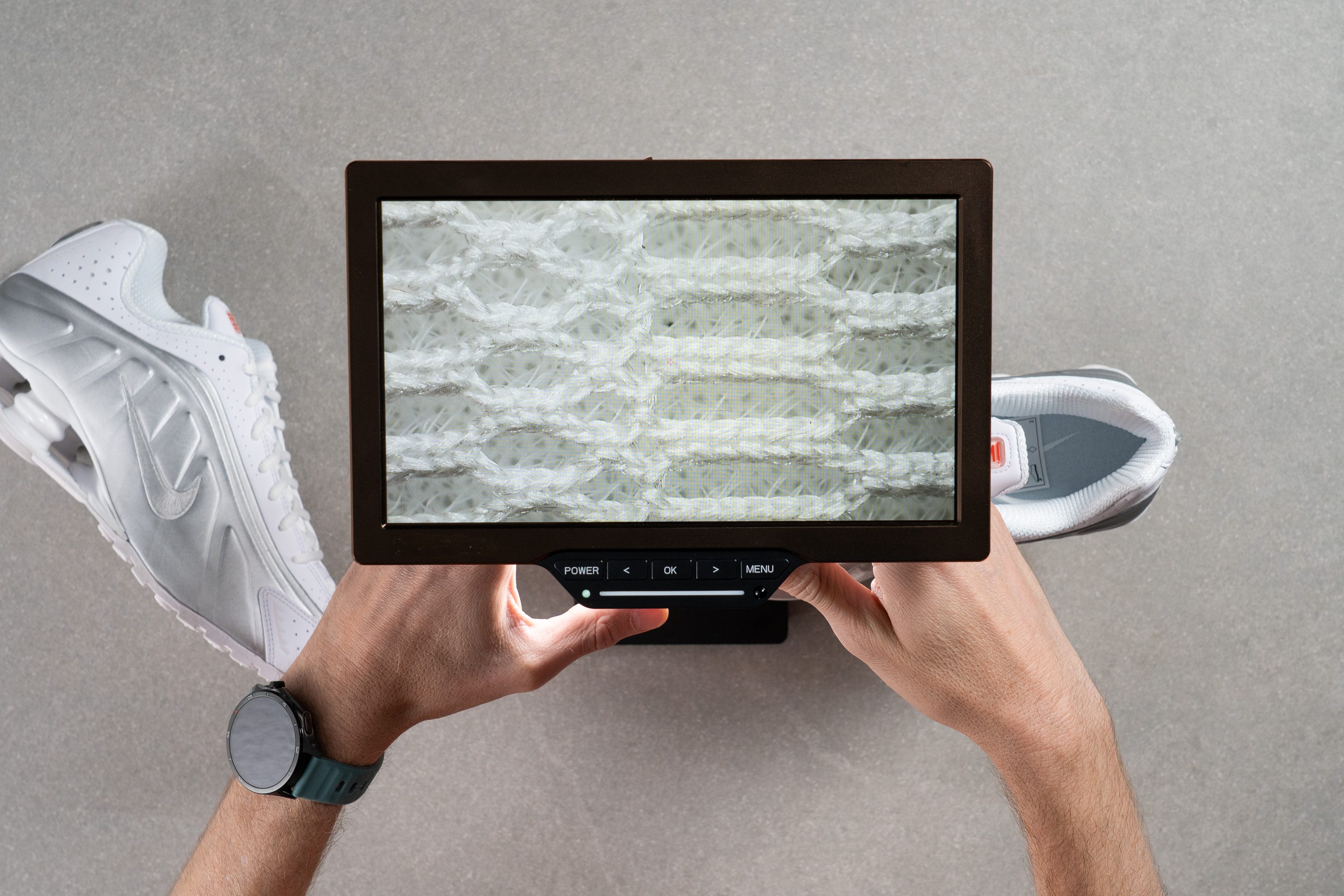
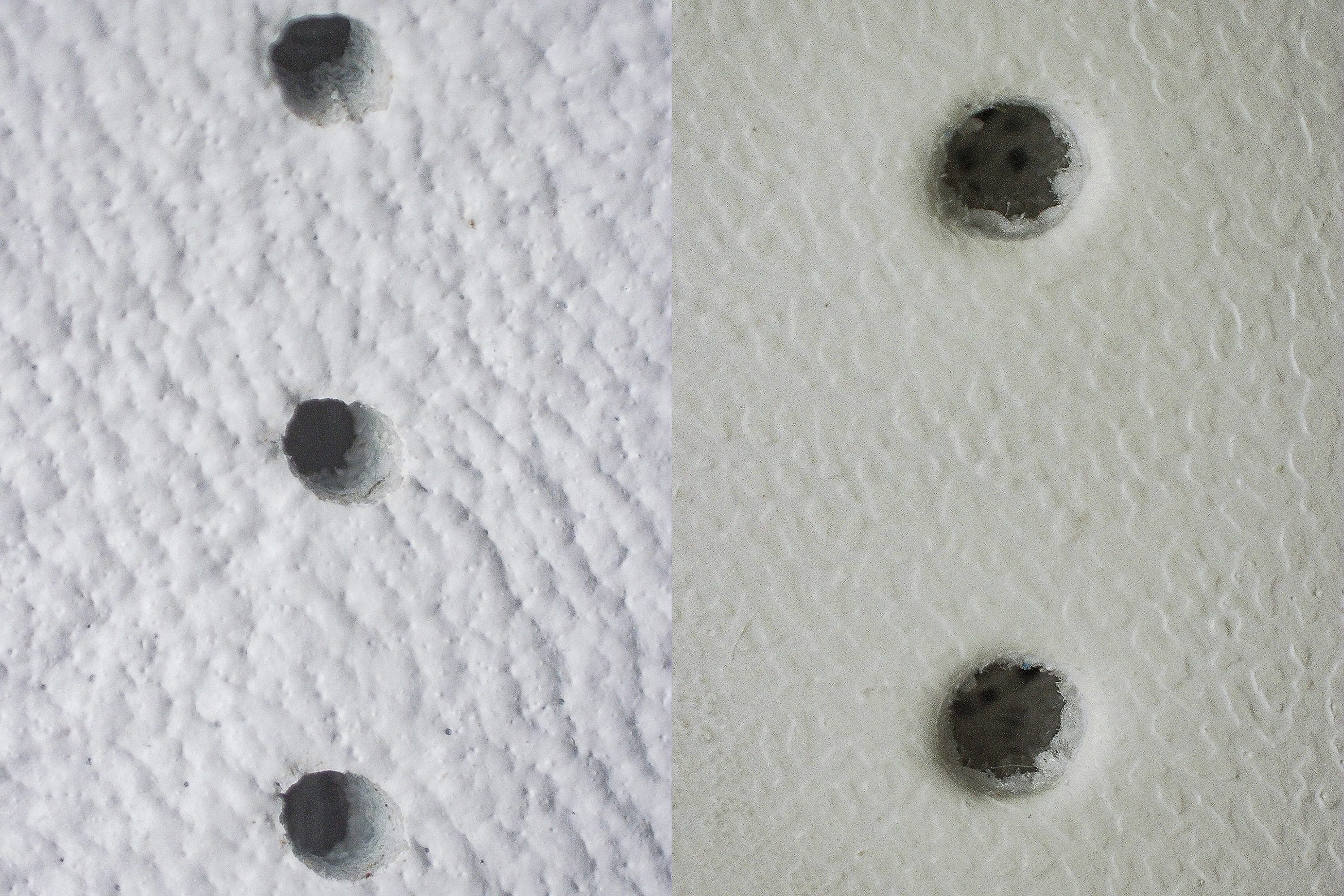
We then look at the upper under the microscope.
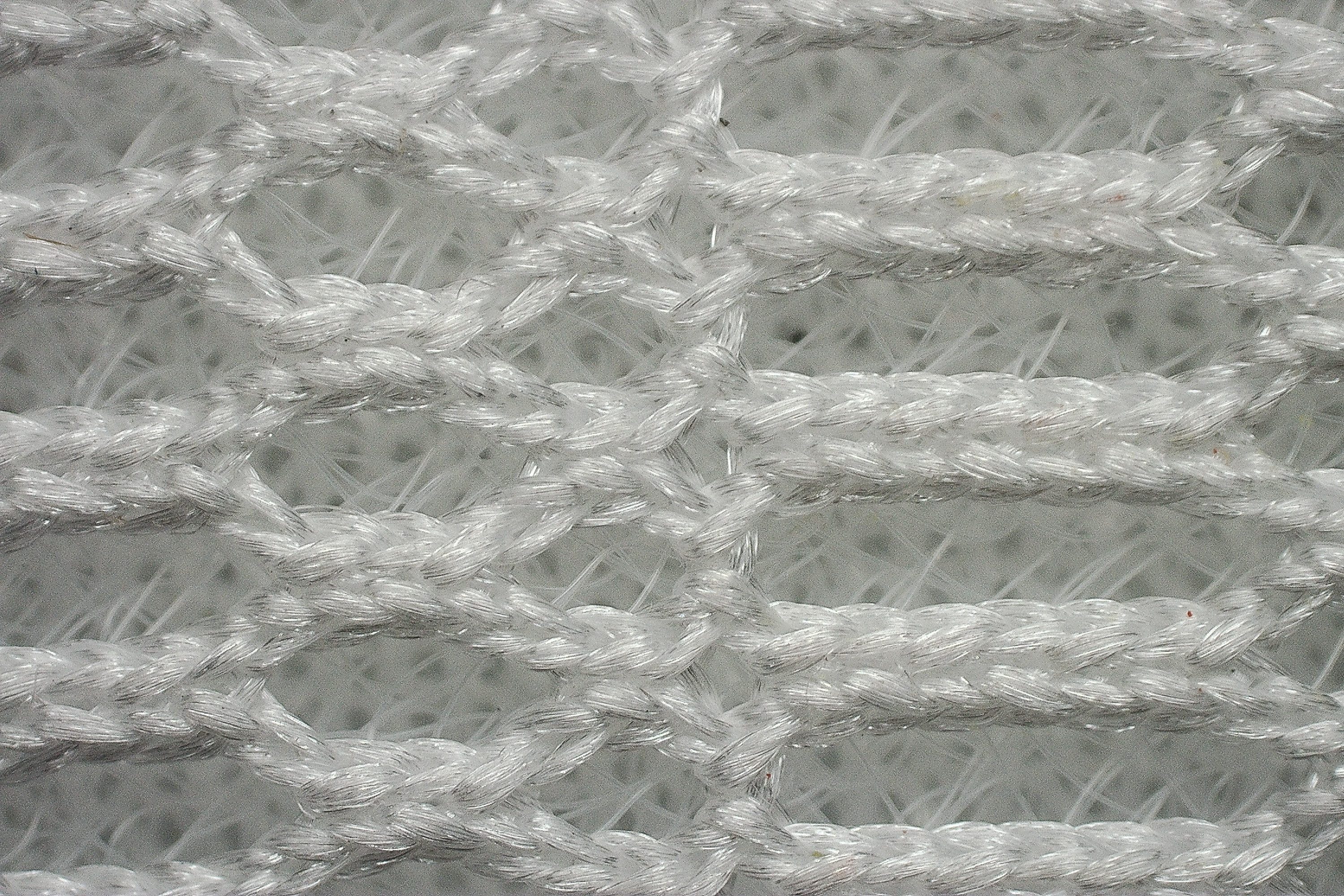
When we zoom in, it's easy to notice all the layers that go into the upper, thanks to which the upper traps the heat.
Another value this test provides for winter sneakers is determining whether the ventilation holes are decorative (on the right in the photo above) or functional (on the left).
Keeping your feet warm: a thick tongue
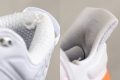
When doing the breathability test, we focus on the smoke and where it comes out. We intentionally direct it towards the toebox. But, what about the tongue? Can it provide warmth? Well, the thicker it is, the better, if we’re talking about cold weather.
As an extra nuance, we can also look at the gussets. Is the tongue attached to the sides? That’s another layer of material that won’t hurt in winter.
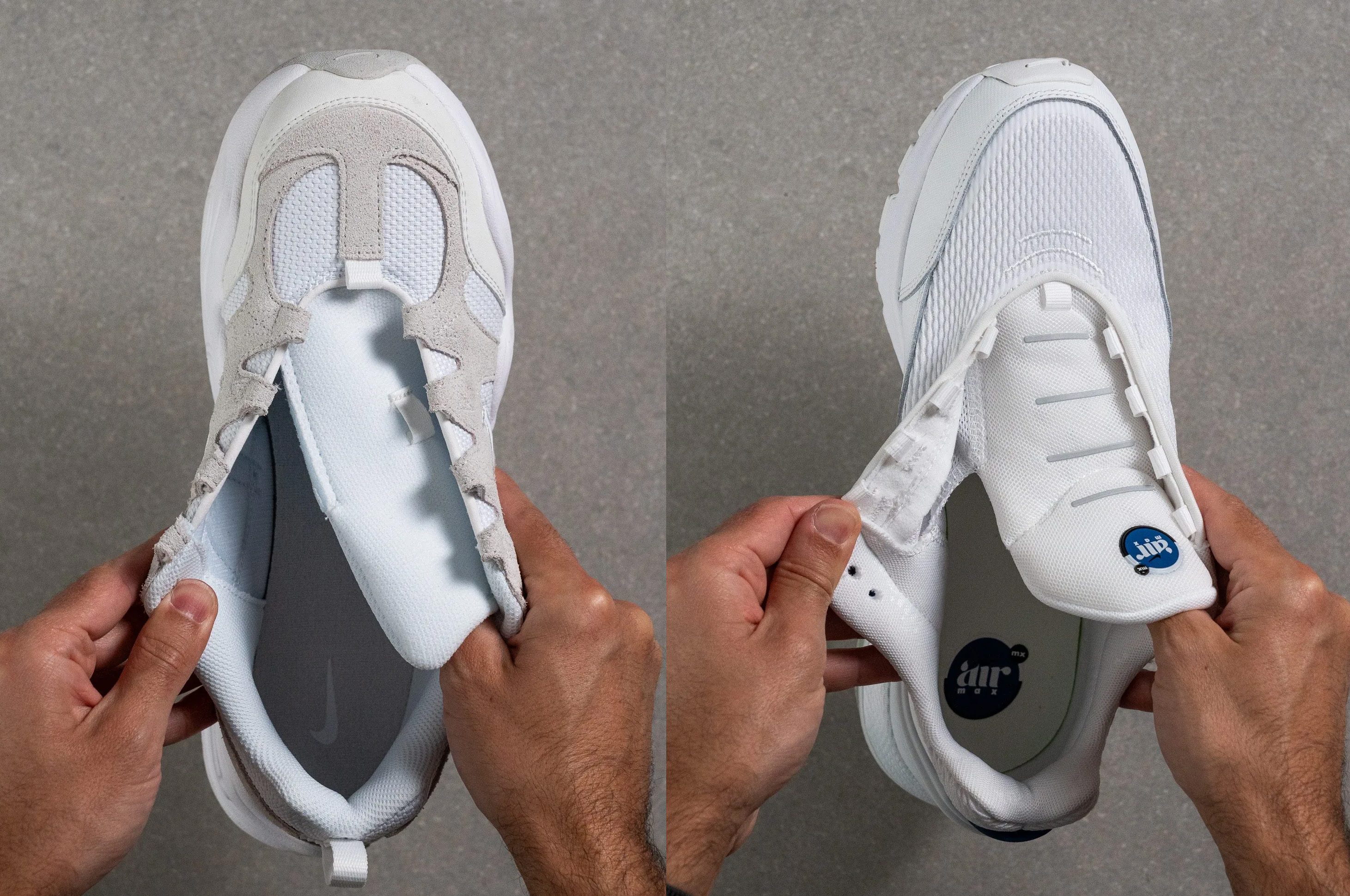
Tongues can be non-gusseted, meaning they are not attached to the sides, or they can be semi- or fully-gusseted (one side or both sides attached)
Warmer uppers = more durable toeboxes
Although it is obvious, it’s still worth pointing out that thicker (warmer) uppers are usually more durable. It’s the superlight, see-through ones that often end up with premature wear and tear. This is a hypothesis we can check using lab data.
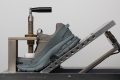
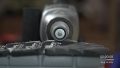
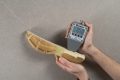
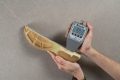
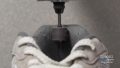
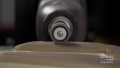
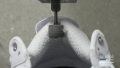
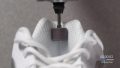
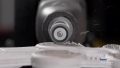
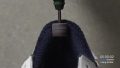
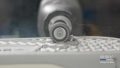
When we perform this test, we use a Dreme and always the same force, RPMs, and time duration. The end result is assessed on a 1-5 scale, where 5/5 is the most durable. Now, we can look at the lab data: the average toebox durability for summer sneakers is 2.9, while the average toebox durability for winter sneakers is 4.2/5!
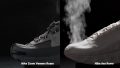
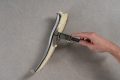
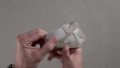
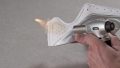
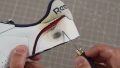
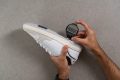
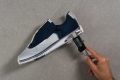
Additionally, if we’re talking about leather sneakers, we can always check the type of leather. When burnt, if it becomes a glue and smells like burnt plastic = fake. If it smells like burnt hair and chars = real. The video above shows real suede around the heel and fake leather on the tongue.
If you’re curious about the overall durability, not just the toebox one, we recommend looking for that data in our reviews.
How much do winter sneakers weigh?
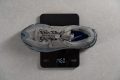
Warmer sneakers are expected to weigh more, just how much more? Let’s have a look at the lab data:
- The average weight of all sneakers tested in our lab: 13.8 oz or 390g
- The average weight of summer sneakers: 12.8 oz or 361.8g
- The average weight of winter sneakers: 14.2 oz or 401.8g
Swap the insoles, if needed!
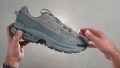
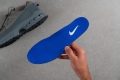
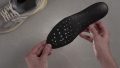
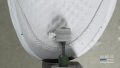
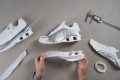
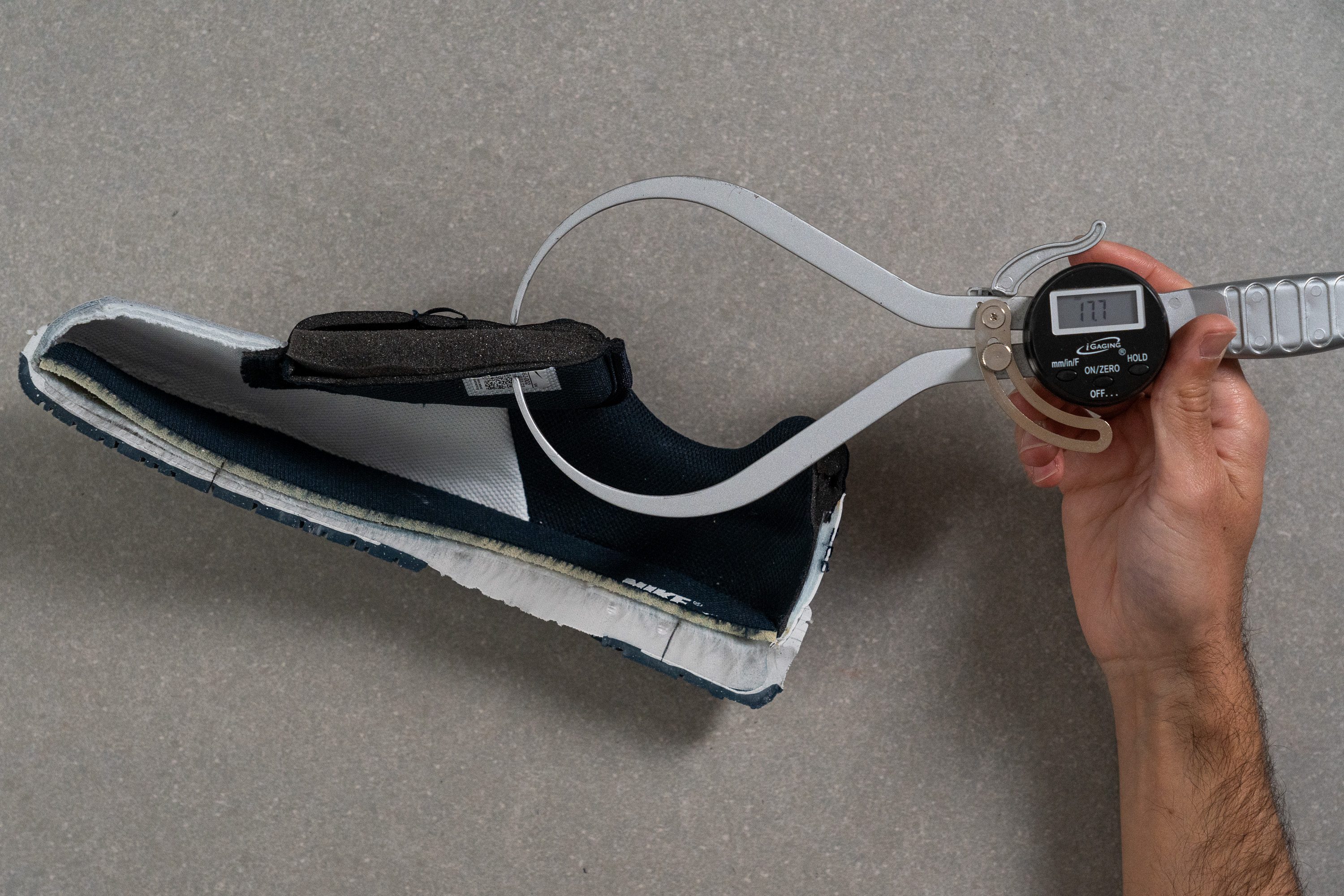
When testing the sneakers in the lab, we tear them into pieces and, naturally, check whether the insole is removable or glued to the midsole.
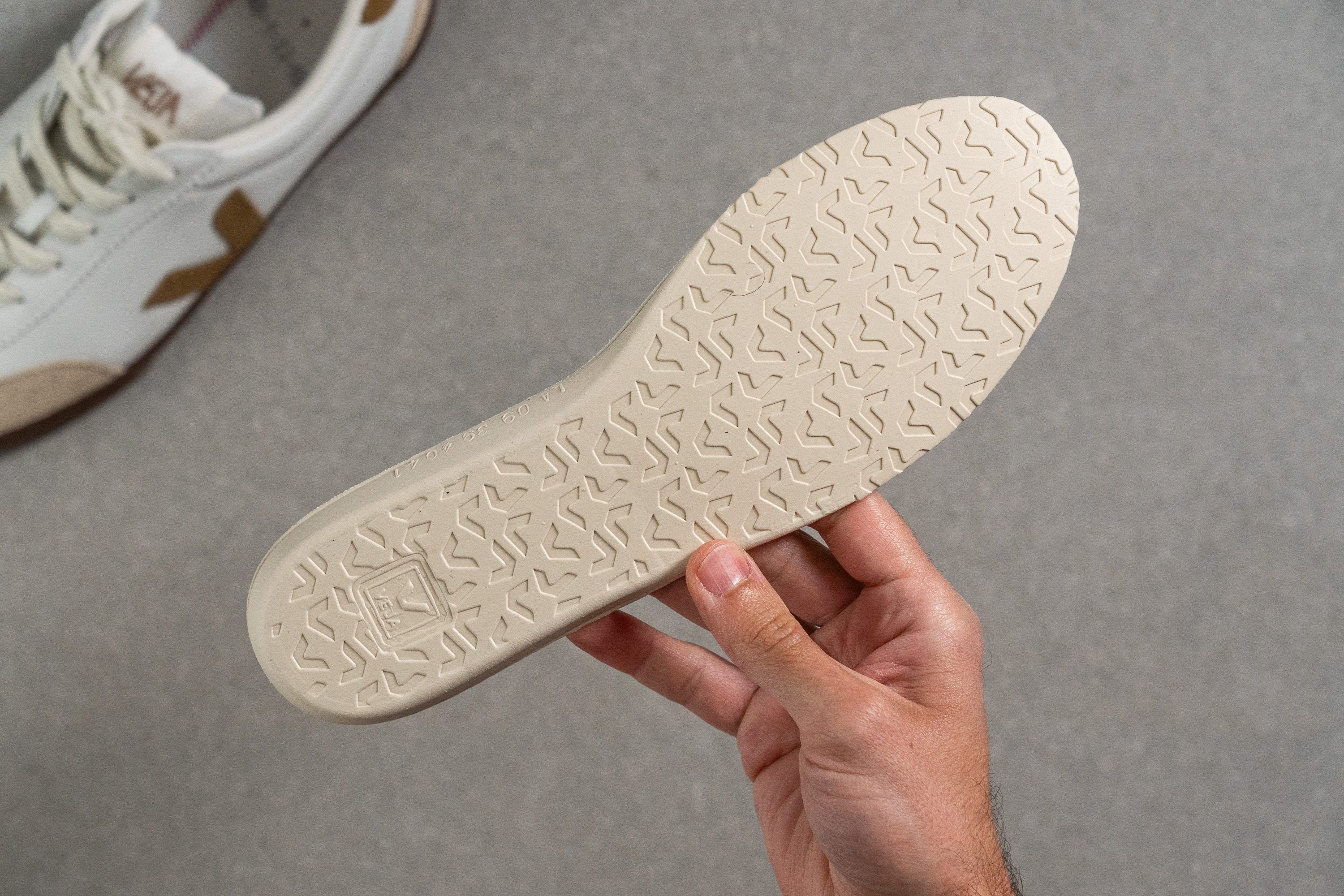
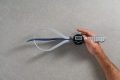
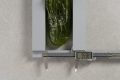
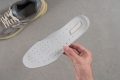
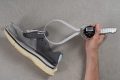
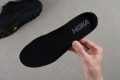
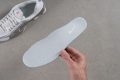
We also measure the thickness of the insole.
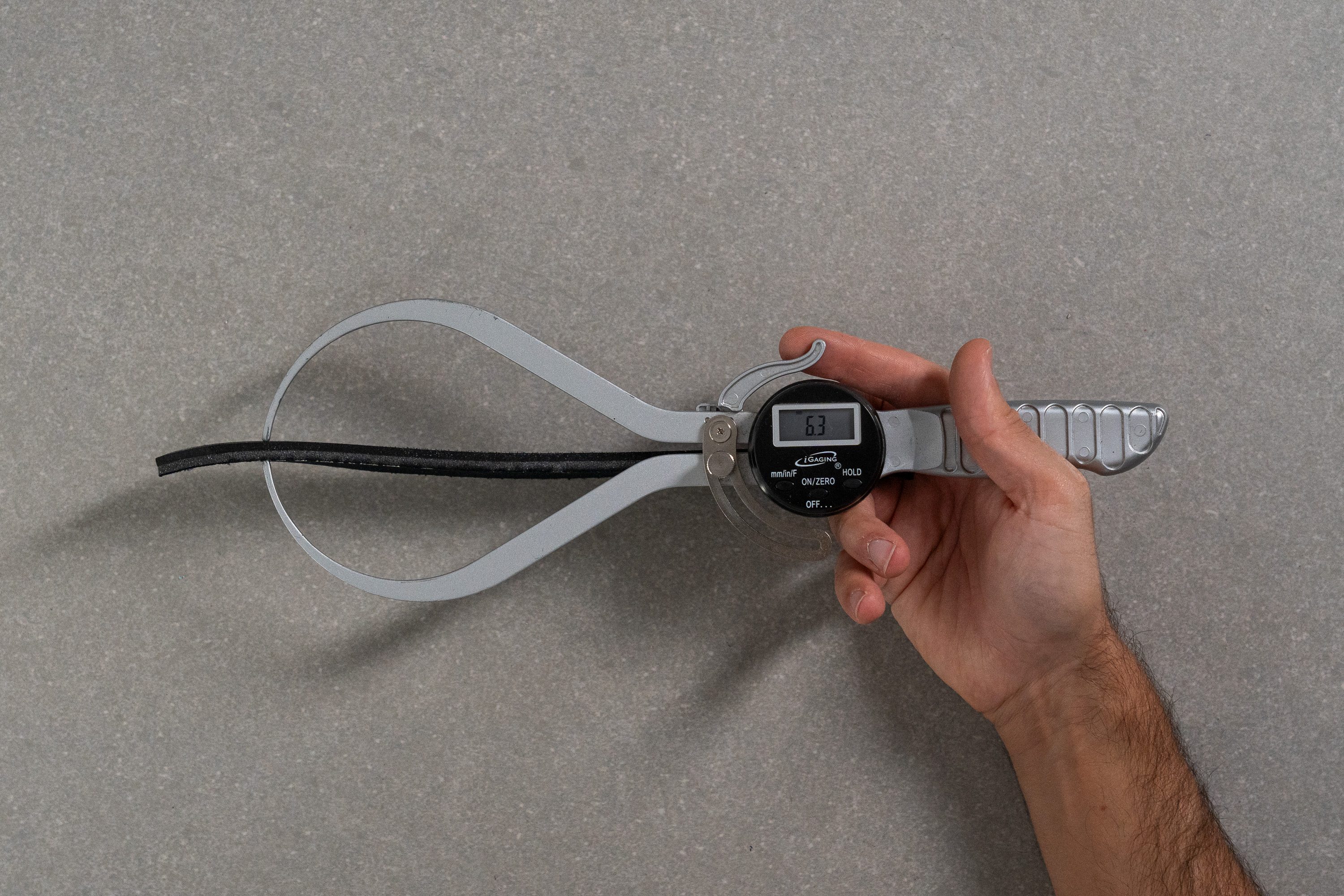
If you’re worried about being cold at the bottom of your feet, you can always swap the insole (if it’s removable) for a thicker or warmer one (e.g., made of wool).
Best-fitting winter sneakers
Winter sneakers can offer less room or at least feel more constricting if the upper material is stiff and thick. What better way to explore the options than to look at the numbers that tell us how much room there is, exactly?
To be able to give you these numbers, we have to make a gel cast of the shoe’s interiors. Then, we measure the width of the shoe where it’s the widest, the toebox width and the toebox height. It’s important to note that all of these measurements are done on sneakers in Men’s US 9, regular width.
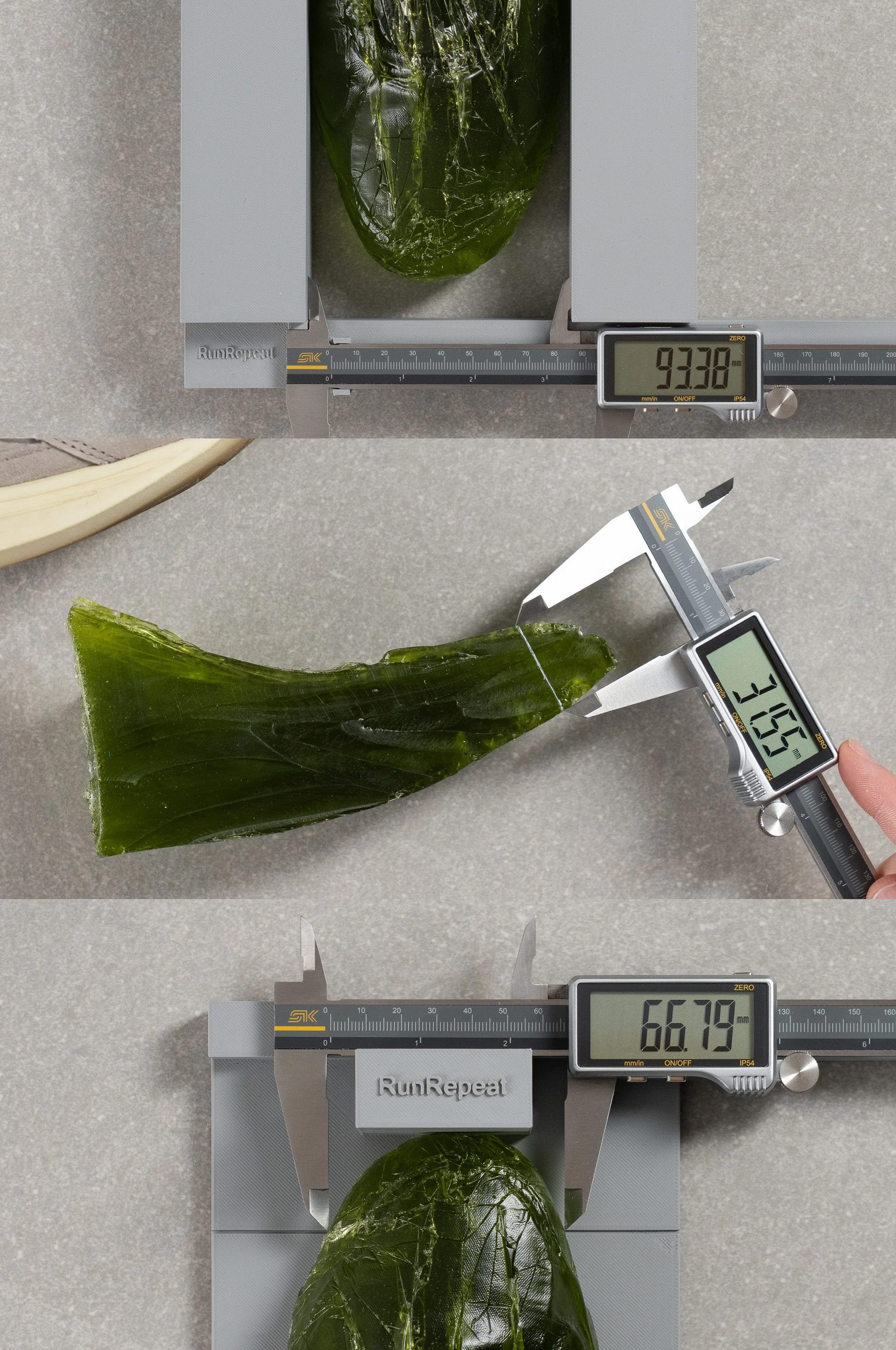
Looking at the toebox height, winter sneakers offer 1.0 mm more room on average than summer sneakers. And, if we look at the toebox, it’s 1.5 mm narrower on average in winter sneakers compared to summer sneakers.
If you’re struggling with sizing and not widths, look for advice in our Size charts for all brands.
Similar buying guides