
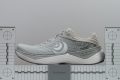



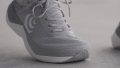
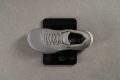




Nuestra conclusión
- Tiradas diarias / rodajes 85
- Tempo 56
- Competición 40
- Estabilidad 92
Pros
- Parte delantera espaciosa en todos los sentidos
- Pisada estable sin ser demasiado rígida
- Cómodas para el uso diario y para caminar
- La precisión del drop es perfecta
- Agarre fiable
- Opción excelente como puente hacia las zapatillas con drop cero
- Muy resistentes al frío
Contras
- Retorno de energía bajo
- No son para carreras largas
- La durabilidad del acolchado del talón podría ser mejor
- El ajuste puede ser demasiado holgado
Comparativa
Las zapatillas de running más parecidas
+ + Añadir unas zapatillas | |||||
|---|---|---|---|---|---|
| Nuestra puntuación | 82 Geniales | 82 Geniales | 79 Buenas | 80 Buenas | |
| Precio | 160 € | 165 € | 180 € | 160 € | |
| Ritmo | Correr a diario | Correr a diario | Correr a diario | Correr a diario | |
| Absorción de impactos | Moderada | Moderada | Moderada | Moderada | |
| Retorno de energía | Bajo | Bajo | Bajo | Alto | |
| Tracción | Alta | Alta | Alta | Moderada | |
| Sujeción arco del pié | Estabilidad | Estabilidad | Estabilidad | Estabilidad | |
| Peso laboratorio Peso marca | 9.6 oz / 272g 9.5 oz / 269g | 9.6 oz / 272g 9.6 oz / 272g | 9.8 oz / 278g 9.8 oz / 278g | 10.1 oz / 285g 10.1 oz / 286g | |
| Drop laboratorio Drop marca | 5.0 mm 5.0 mm | 6.6 mm 5.0 mm | 2.1 mm 0.0 mm | 7.3 mm 8.0 mm | |
| Técnica de carrera | Medio/antepié | Medio/antepié | Medio/antepié | Medio/antepié | |
| Talla | Tallan un poquito pequeño | - | Tallan bien | Tallan bien | |
| Rigidez de la mediasuela | - | Equilibrada | - | - | |
| Diferencia de la rigidez de la mediasuela en frío | Pequeña | Pequeña | Pequeña | Pequeña | |
| Durabilidad de la parte delantera | Decente | Mala | Buena | Mala | |
| Durabilidad del acolchado del talón | Media | Alta | Alta | Alta | |
| Durabilidad de la suela exterior | Buena | Buena | Buena | Buena | |
| Transpirabilidad | Media | Media | Media | Media | |
| Anchura / ajuste | Ancha | Media | Media | Media | |
| Anchura de la parte delantera | Ancha | Ancha | Ancha | Media | |
| Flexibilidad | Flexible | Flexible | Moderada | Flexible | |
| Rigidez torsional | Flexibles | Moderadas | Flexibles | Moderadas | |
| Rigidez del contrafuerte del talón | Moderado | Flexible | Flexible | Flexible | |
| Talón laboratorio Talón marca | 30.2 mm 28.0 mm | 33.0 mm 32.0 mm | 29.4 mm 30.0 mm | 33.0 mm 35.0 mm | |
| Antepié laboratorio Antepié marca | 25.2 mm 23.0 mm | 26.4 mm 27.0 mm | 27.3 mm 30.0 mm | 25.7 mm 27.0 mm | |
| Anchuras disponibles | EstándarAncho | EstándarAncho | EstándarAncho | EstándarAncho | |
| Compatibles con plantillas personalizadas | ✓ | ✓ | ✓ | ✓ | |
| Estación | Todas las estaciones | Todas las estaciones | Todas las estaciones | Todas las estaciones | |
| Plantilla extraíble | ✓ | ✓ | ✓ | ✓ | |
| Clasificación | #316 Top 48% | #191 Top 48% | #244 39% inferior | #231 42% inferior | |
| Popularidad | #445 32% inferior | #196 Top 49% | #143 Top 36% | #304 24% inferior |
Quién debería comprárselas
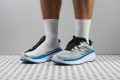
En nuestra opinión, las Topo Ultrafly 5 son estupendas para ti si:
- Tienes pies anchos y quieres un modelo de entrenamiento diario estable que se sienta seguro sin ser rígido.
- Estás buscando una combinación poco común: una parte delantera ancha, un drop bajo y una suela de altura moderada.
- Necesitas un solo par de zapatillas que te sirva tanto para las tiradas fáciles como para el uso diario, y que te proporcione un poquito de estabilidad.
Quién NO debería comprárselas
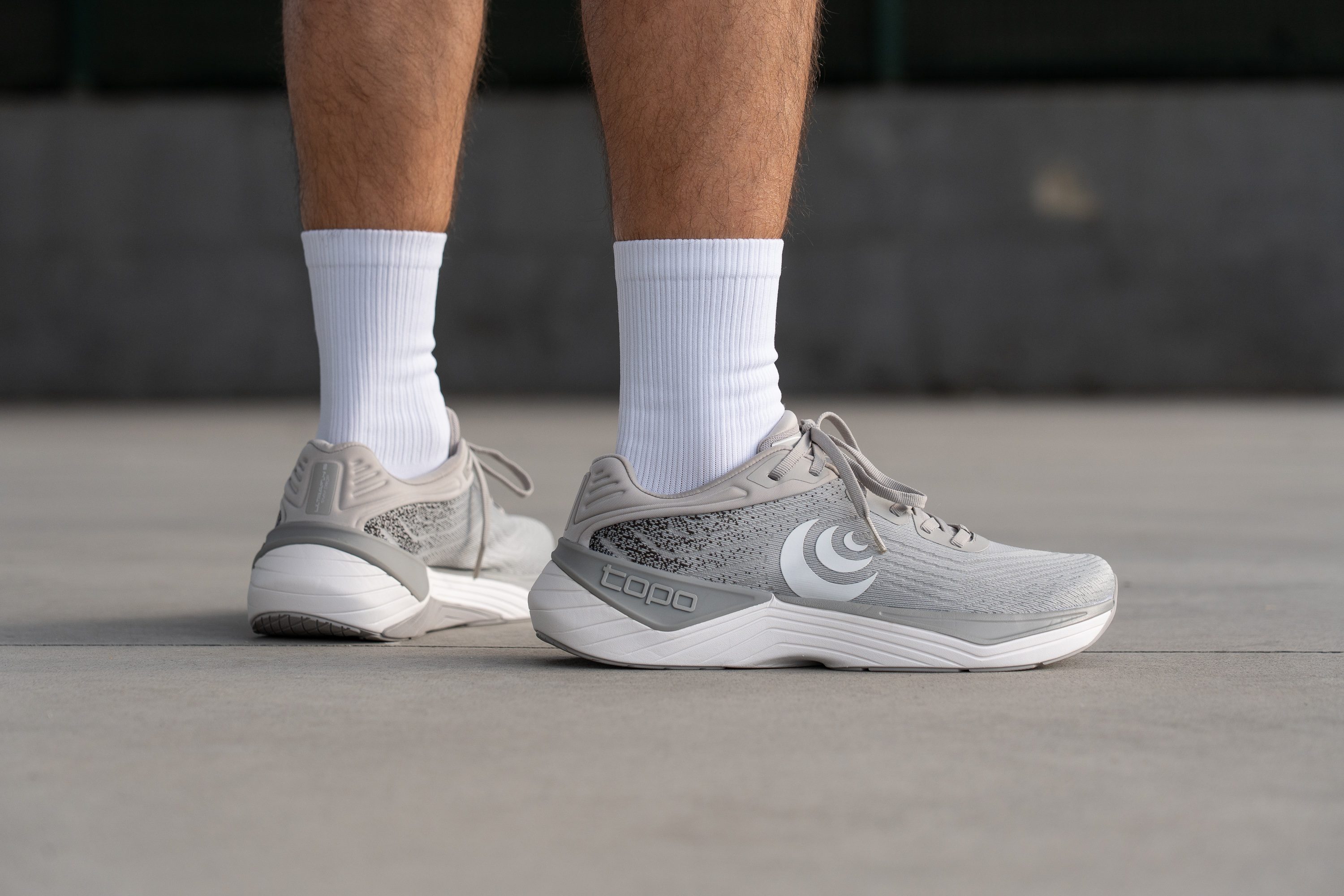
No les recomendamos las Ultrafly 5 a los corredores con pies estrechos. En el laboratorio, descubrimos que su ajuste puede ser demasiado espacioso, lo que puede ser un problema para algunos runners. Como alternativas, les recomendamos las ASICS GT 2000 14 o las On Cloudflyer 5.
También creemos que no son la mejor opción para los corredores que buscan la máxima amortiguación. En nuestras pruebas, vimos que la mediasuela es claramente más finita y menos protectora de lo esperado. Creemos que hay opciones mejores para los deportistas que están buscando una absorción de impactos de primera en unas zapatillas de estabilidad, como las Nike Structure 26 o las HOKA Arahi 8.
Amortiguación
Shock absorption
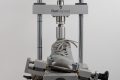
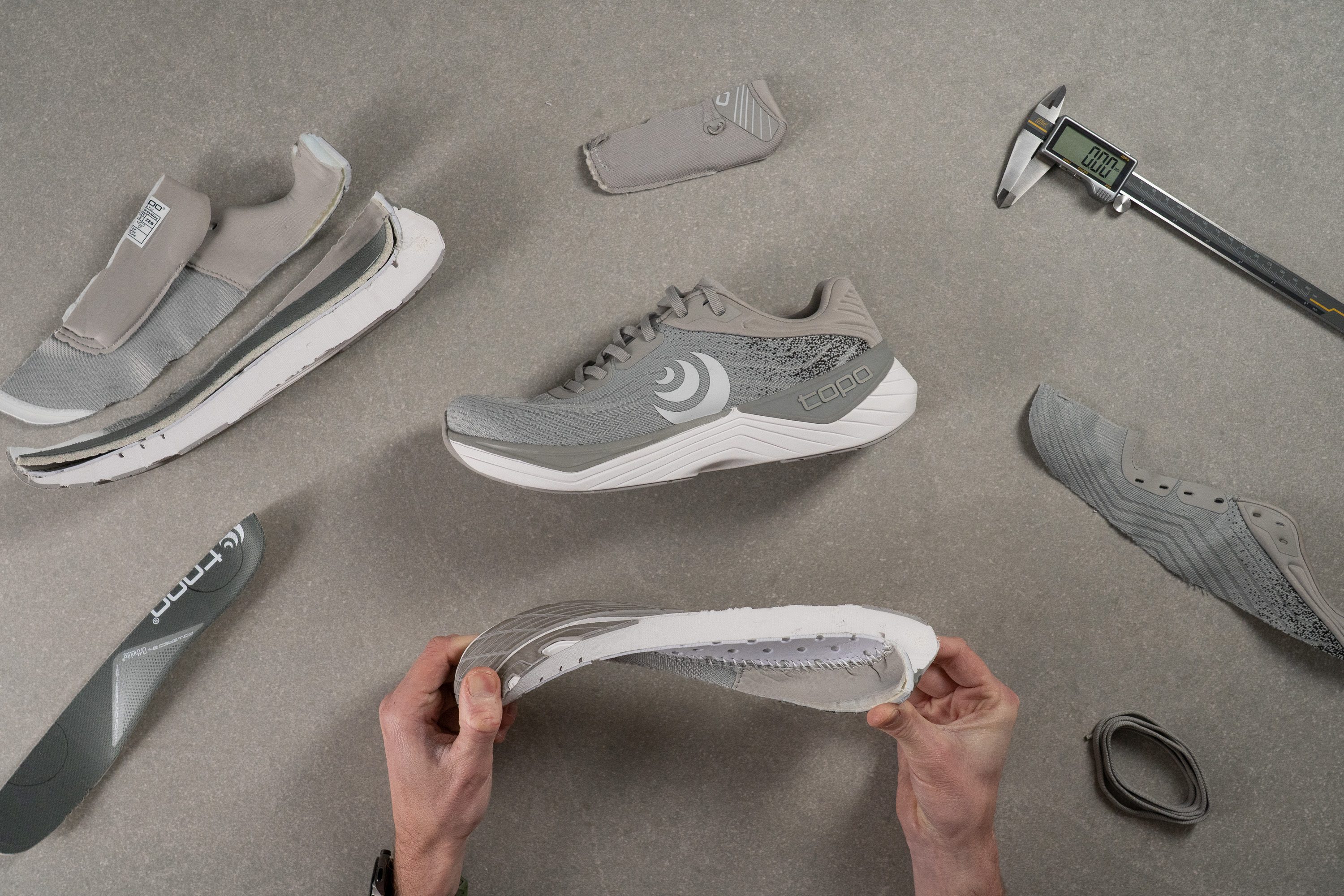
Con 111 SA en el talón y 96 SA en el antepié, las Topo Ultrafly 5 ofrecen una absorción de impactos ligeramente inferior a la de muchas zapatillas de entrenamiento diario modernas. Por eso creemos que se adaptan mejor a los corredores que no tienen pensado enfrentarse a distancias largas o a los que tienen un peso corporal de bajo a moderado.
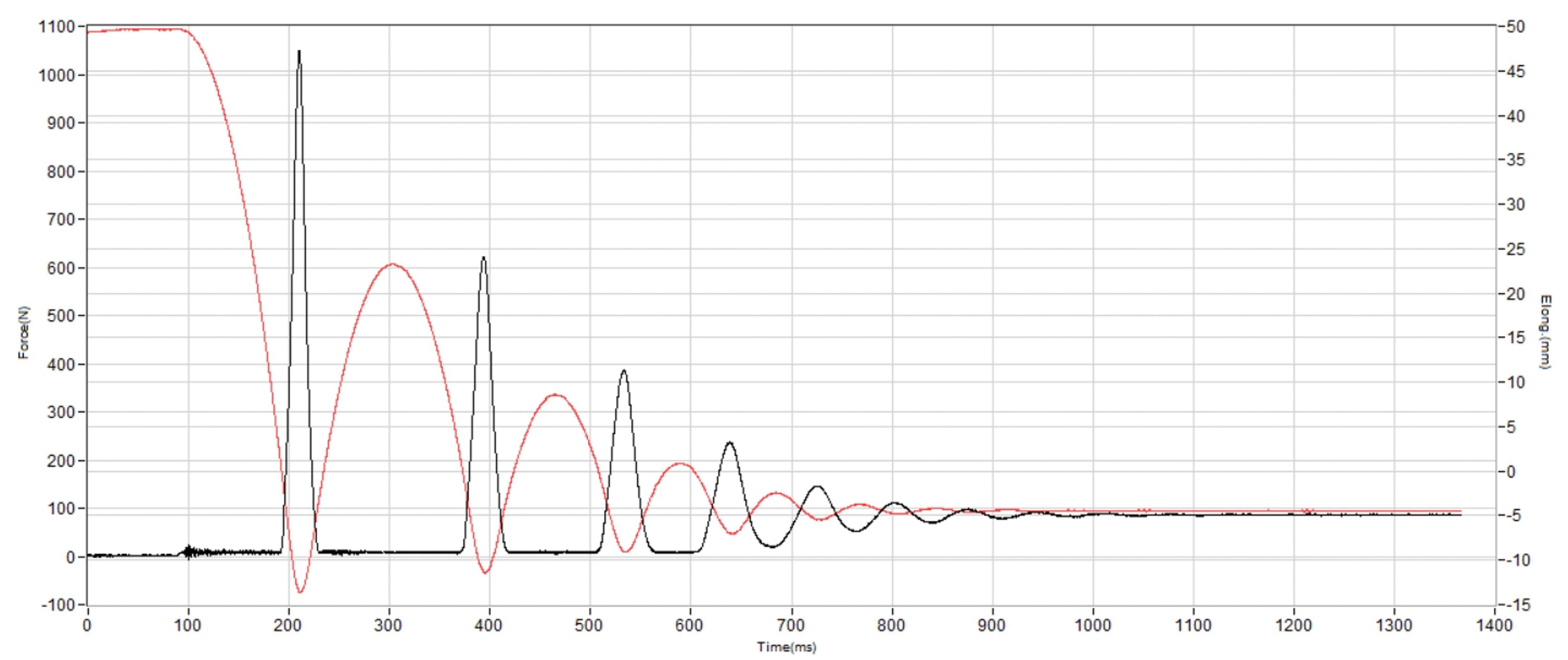
| Topo Ultrafly 5 | 111 SA |
| Media | 131 SA |
Energy return
Aunque Topo utiliza la excelente espuma Pebax en modelos como las Specter 2, las Ultrafly 5 recurren a un compuesto ZipFoam de EVA, de gama más baja y claramente con menos rebote. Pero claro, estas zapatillas también son más baratas.
En lugar de ofrecer un montón de impulso (que sería rondar el 65 %), este modelo tiene un retorno de energía de solo un 54,6 % en el talón y de un 48,6 % en el antepié, lo que confirma que la pisada se centra más en ser cómoda... y aburrida.
| Topo Ultrafly 5 | 48.6% |
| Media | 61.5% |
Altura de la suela en la zona del talón
El talón de las Ultrafly 5 les va a gustar a los corredores que no son fans de las suelas enormes. De hecho, es todo lo contrario, ya que tiene una altura de solo 30,2 mm y una pisada que nos recuerda a las zapatillas de entrenamiento de hace una década. Aunque no te lo creas, estos diseños siguen teniendo su público, y las Ultrafly lo demuestran con esta quinta edición.
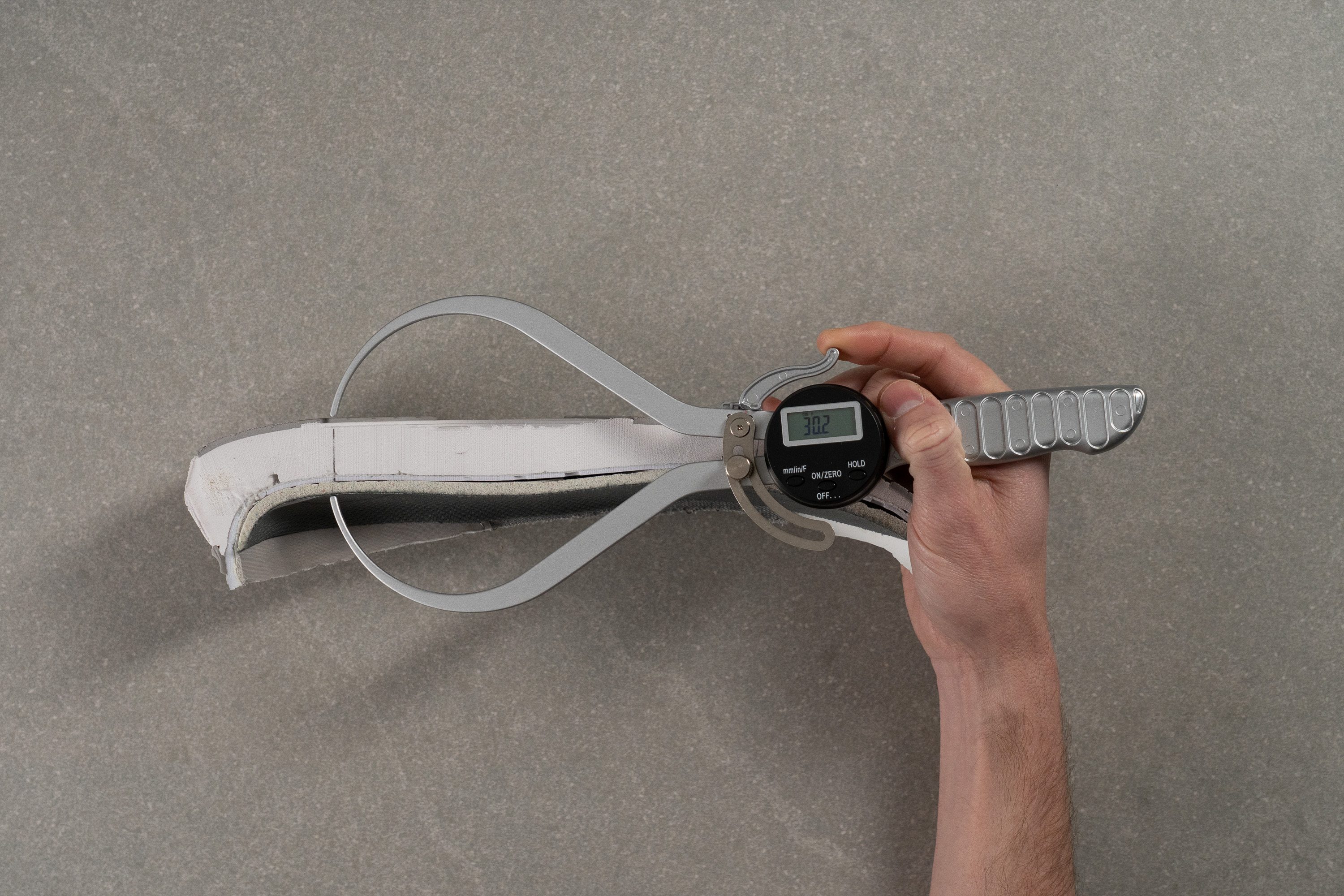
| Topo Ultrafly 5 | 30.2 mm |
| Media | 35.6 mm |
Altura de la suela en el antepié
El antepié se siente más como el de unas zapatillas de entrenamiento estándar gracias al frop moderado de las Ultrafly y a sus 25,2 mm de altura. Eso sí, para disfrutar a tope de esta quinta versión, tienes que estar buscando un modelo con menos amortiguación de lo habitual, ¡que quede claro!
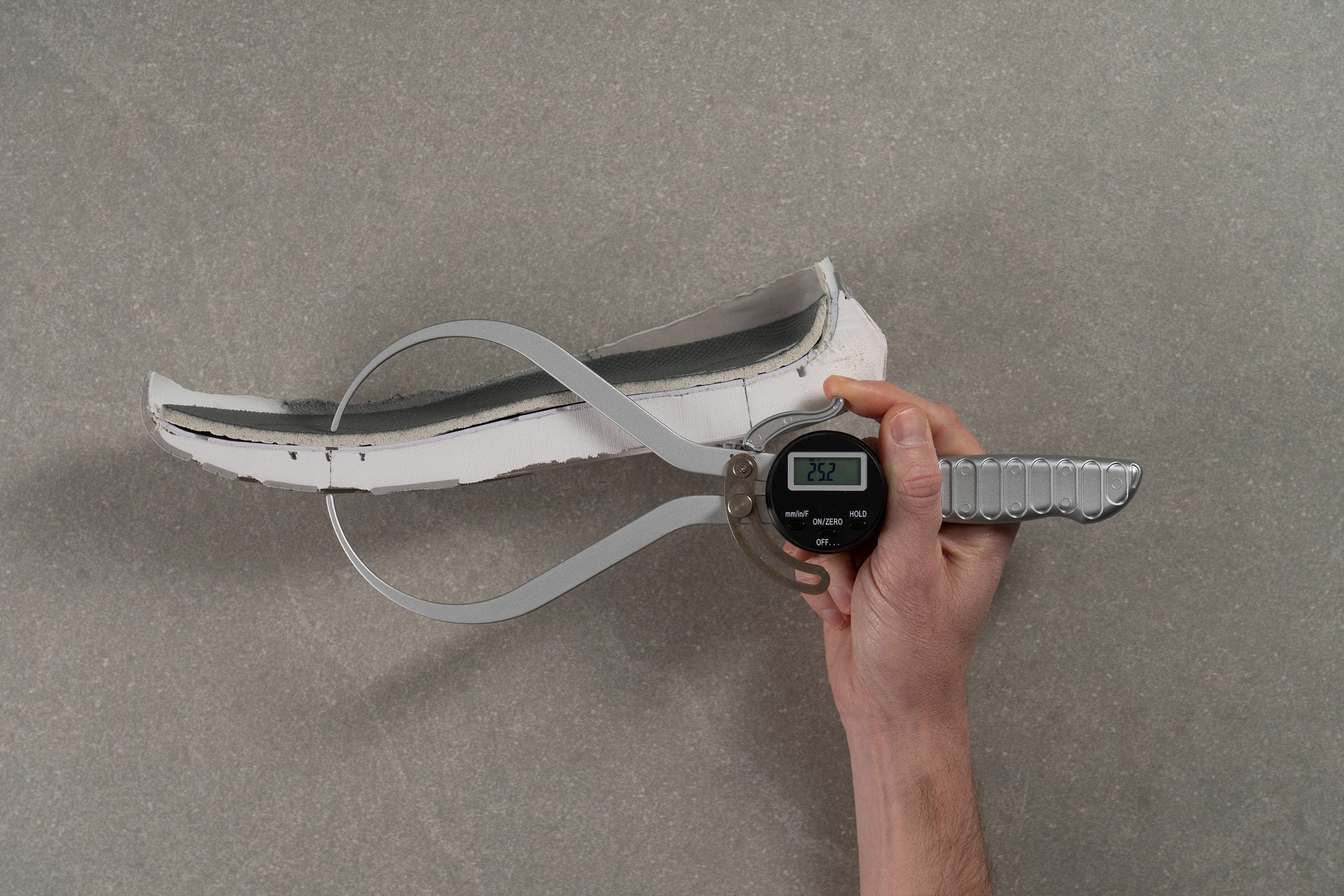
| Topo Ultrafly 5 | 25.2 mm |
| Media | 27.1 mm |
Drop
En la mayoría de las zapatillas, el drop suele estar cerca de lo que afirma la marca, con una desviación de, normalmente, 1 o 2 mm. Pero después de analizar nosotros mismos las Ultrafly 5, nos sorprendió ver que su drop era exactamente de 5,0 mm. Que nos hemos quedado flipando, vaya.
Este diseño es ideal para los corredores que aterrizan con el mediopié, aunque debería adaptarse a la mayoría de runners... quitando, a lo mejor, a los talonadores más extremos, que probablemente prefieran un modelo con un drop más alto.
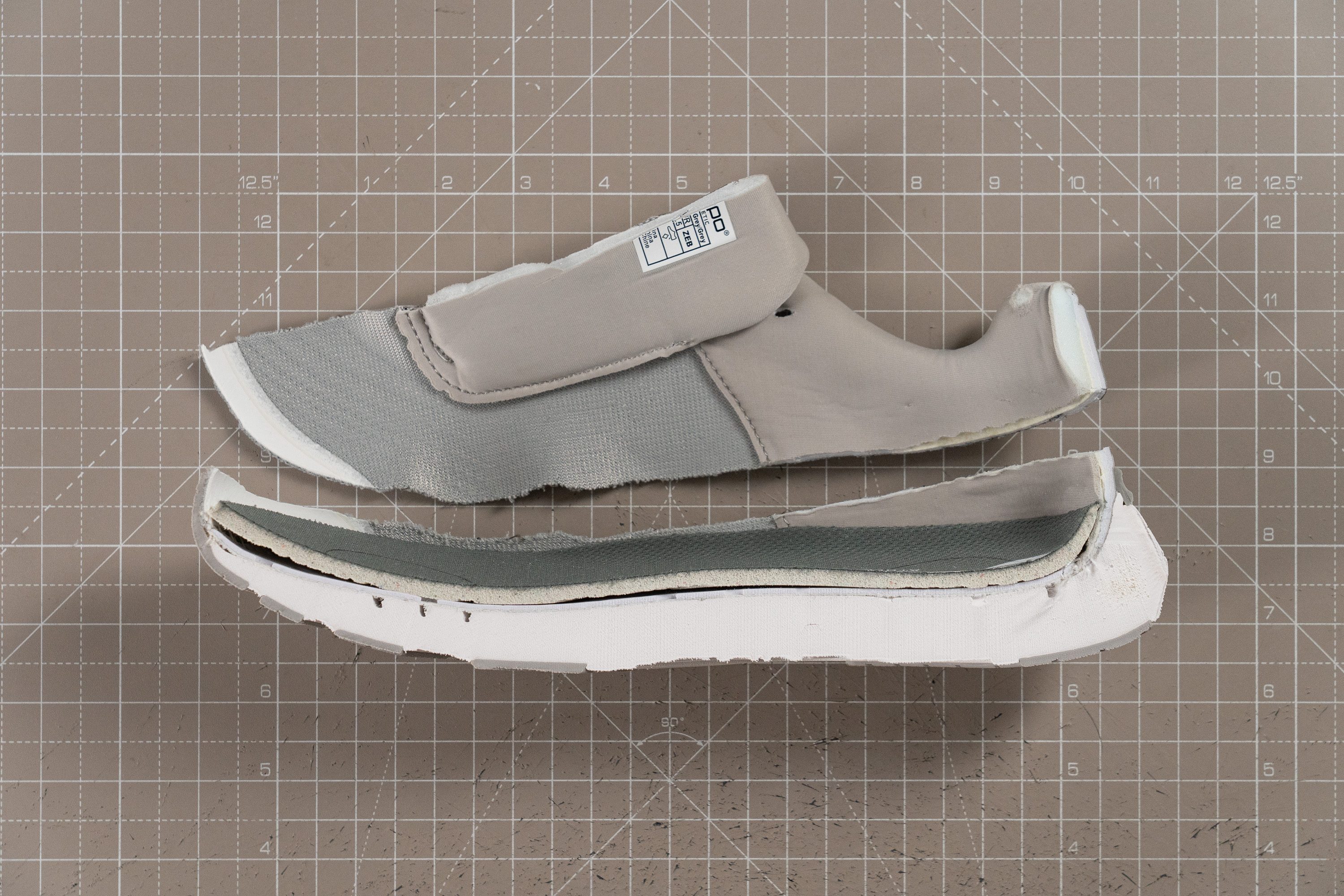
| Topo Ultrafly 5 | 5.0 mm |
| Media | 8.4 mm |
Midsole softness
The EVA-based ZipFoam compound in the Ultrafly 5 measured 18.1 HA in our durometer test, showing again that this shoe aims to be dependable rather than exciting.
During our test runs, it felt exactly like that: there is no plush cushioning at all, but it also never feels harsh or brick-like underfoot.
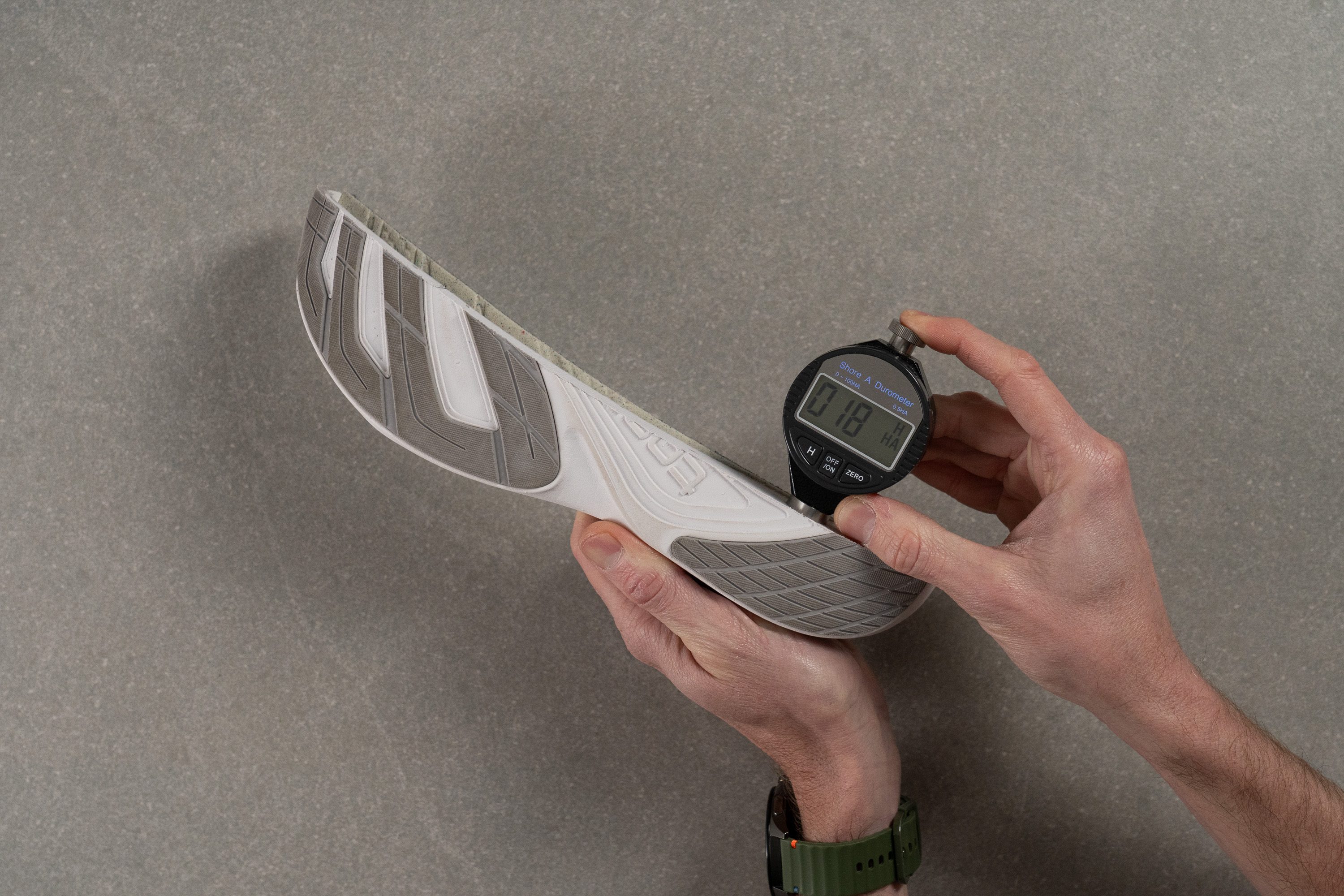
| Topo Ultrafly 5 | 18.1 HA |
| Media | 20.1 HA |
Rocker
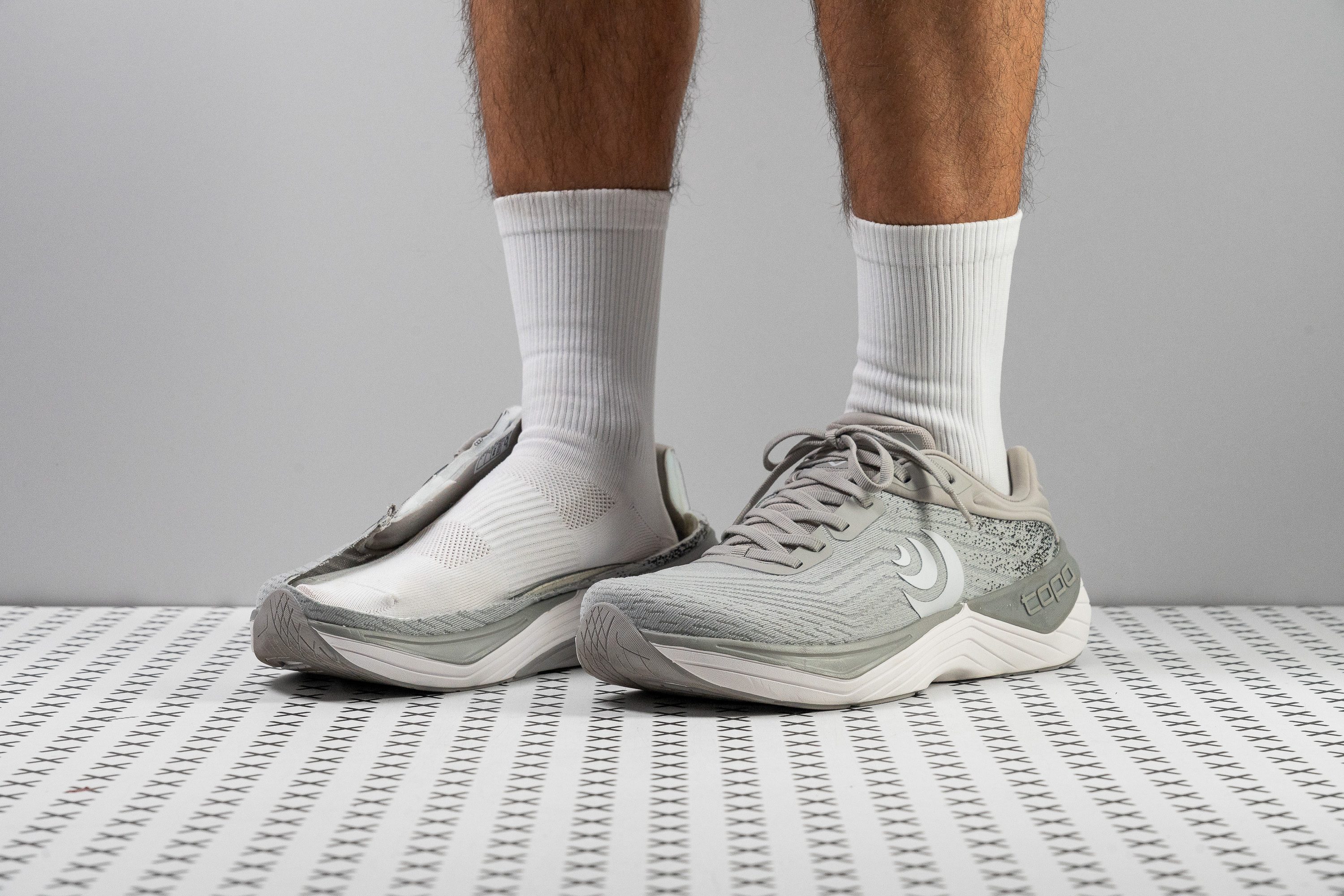
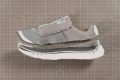
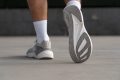
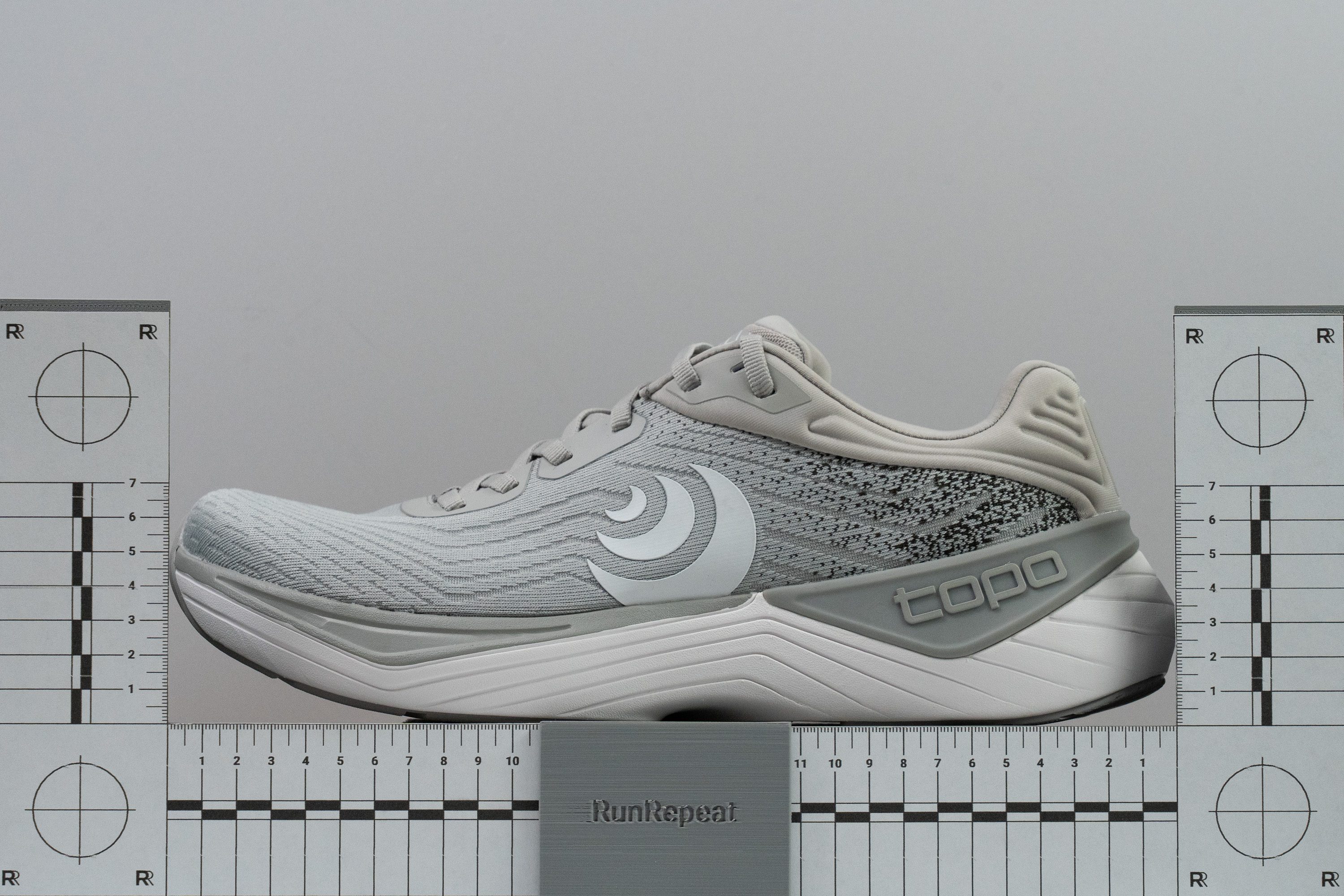
Las Topo Ultrafly 5 tienen una mediasuela con un diseño muy distintivo. El talón tiene un biselado marcado que ayuda a que el pie toque el suelo antes, haciendo que cada paso sea más fluido para los talonadores. Teniendo en cuenta que el drop es de 5 mm, esto nos tiene todo el sentido del mundo.
Por otro lado, el antepié se curva ligeramente hacia arriba, pero ofrece una sensación más clásica y una pisada predecible que, según nuestras pruebas, les va como anillo al dedo a los principiantes y los runners que tienen un ritmo más lento.
Tallaje y ajuste
Talla
Las Topo Ultrafly 5 quedan un poco pequeñas (35 votos).
Longitud interna
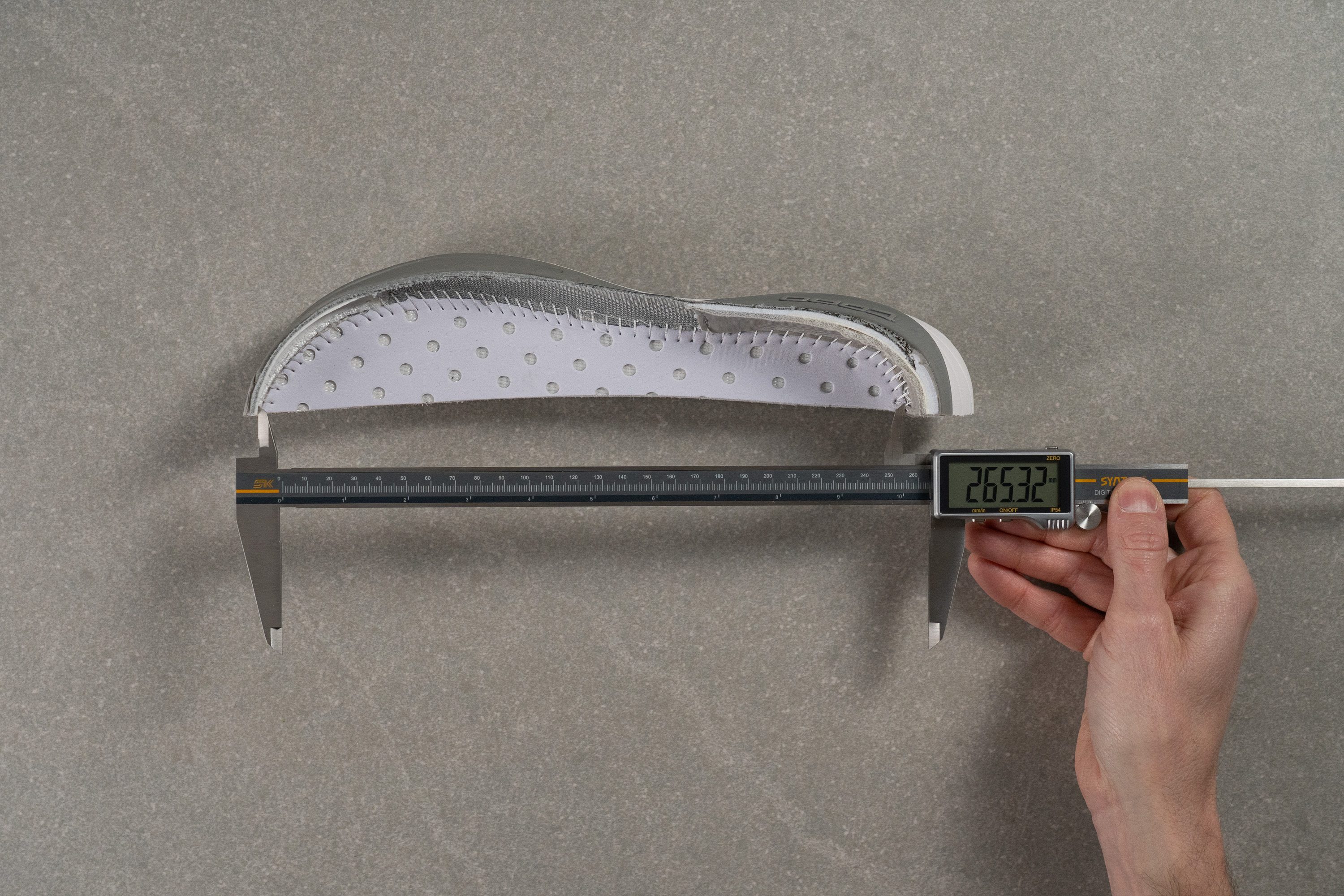
| Topo Ultrafly 5 | 265.3 mm |
| Media | 269.3 mm |
Anchura / Ajuste
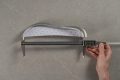
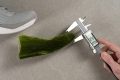
Muchos corredores se compran zapatillas de Topo Athletic por su reconocida horma ancha, así que teníamos curiosidad por comprobar si las Ultrafly 5 todavía se merecen su puesto en el grupo de amigas de los pies anchos.
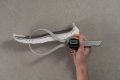
Después de completar nuestro molde de gel y tomar la primera medida, los resultados nos parecieron muy prometedores. Con una anchura de 98,8 mm, ¡claramente son más anchas que la media!
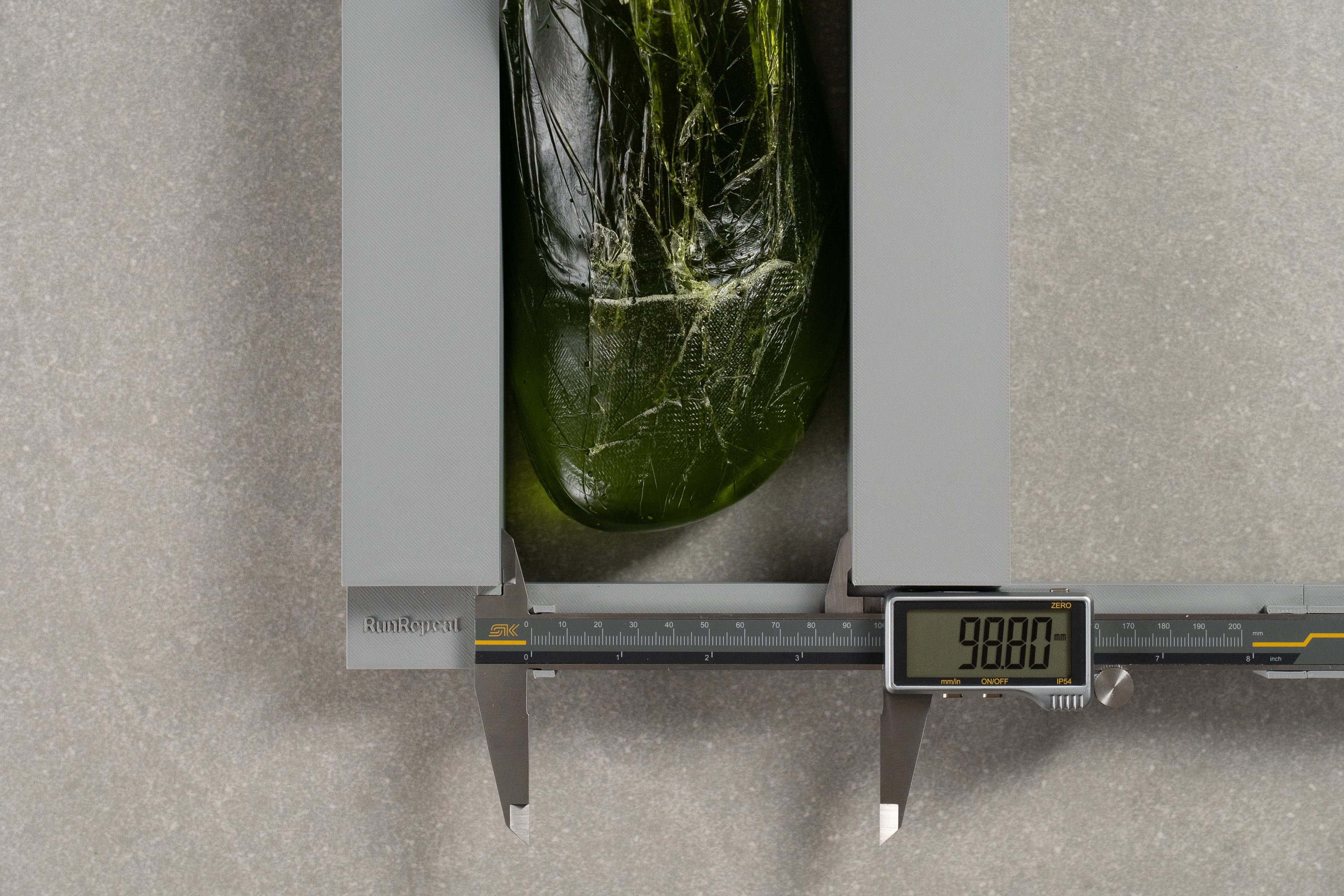
| Topo Ultrafly 5 | 98.8 mm |
| Media | 95.2 mm |
Anchura de la parte delantera
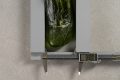
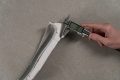
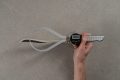
El molde tiene una forma muy poco común que ya apuntaba a que estas zapatillas iban a aser muy anchas, y lo confirmamos cuando nuestro calibre marcó 81,2 mm.
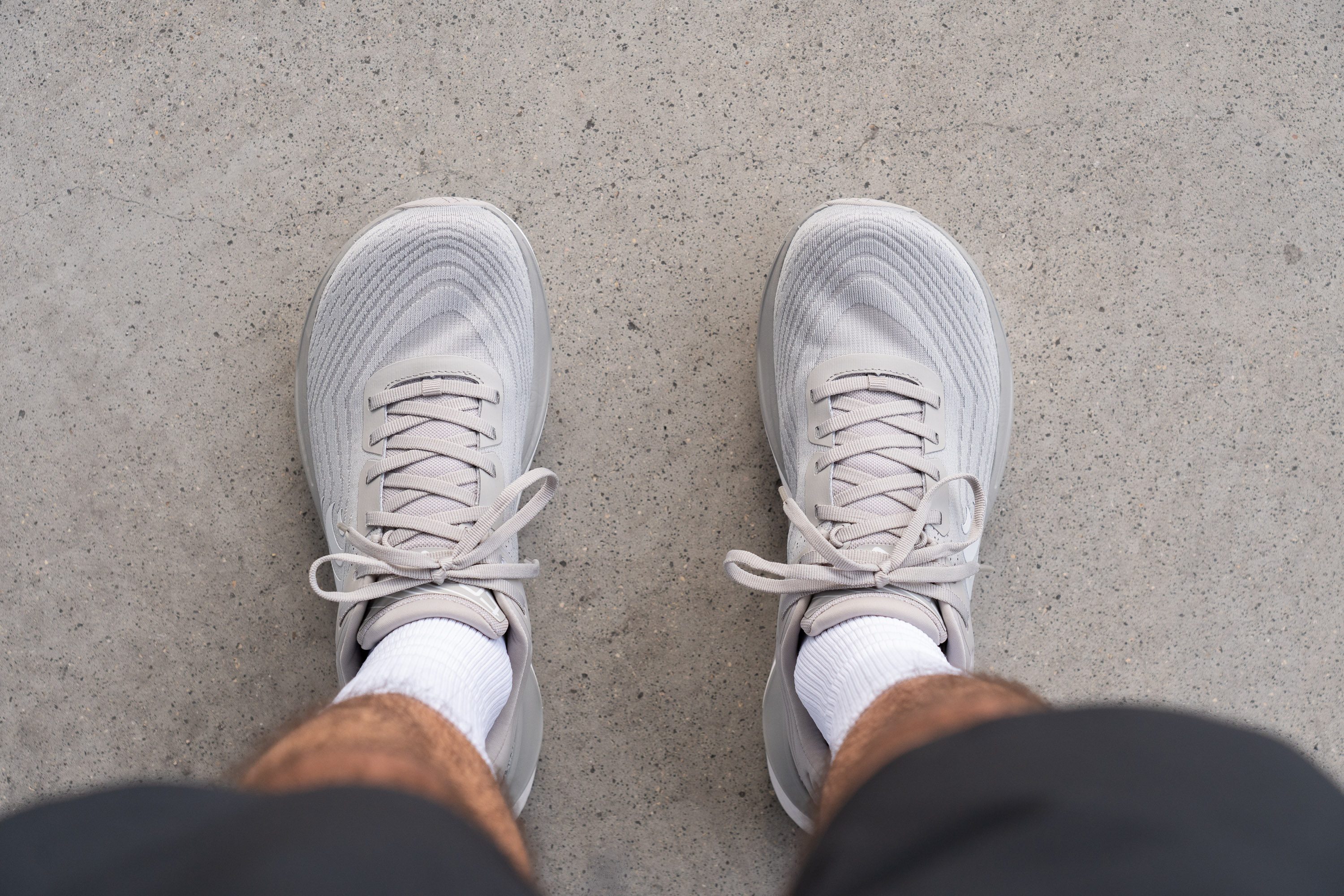
Los corredores que estén buscando mucho espacio para estirar los dedos deberían echarle un ojo a estas Topo.
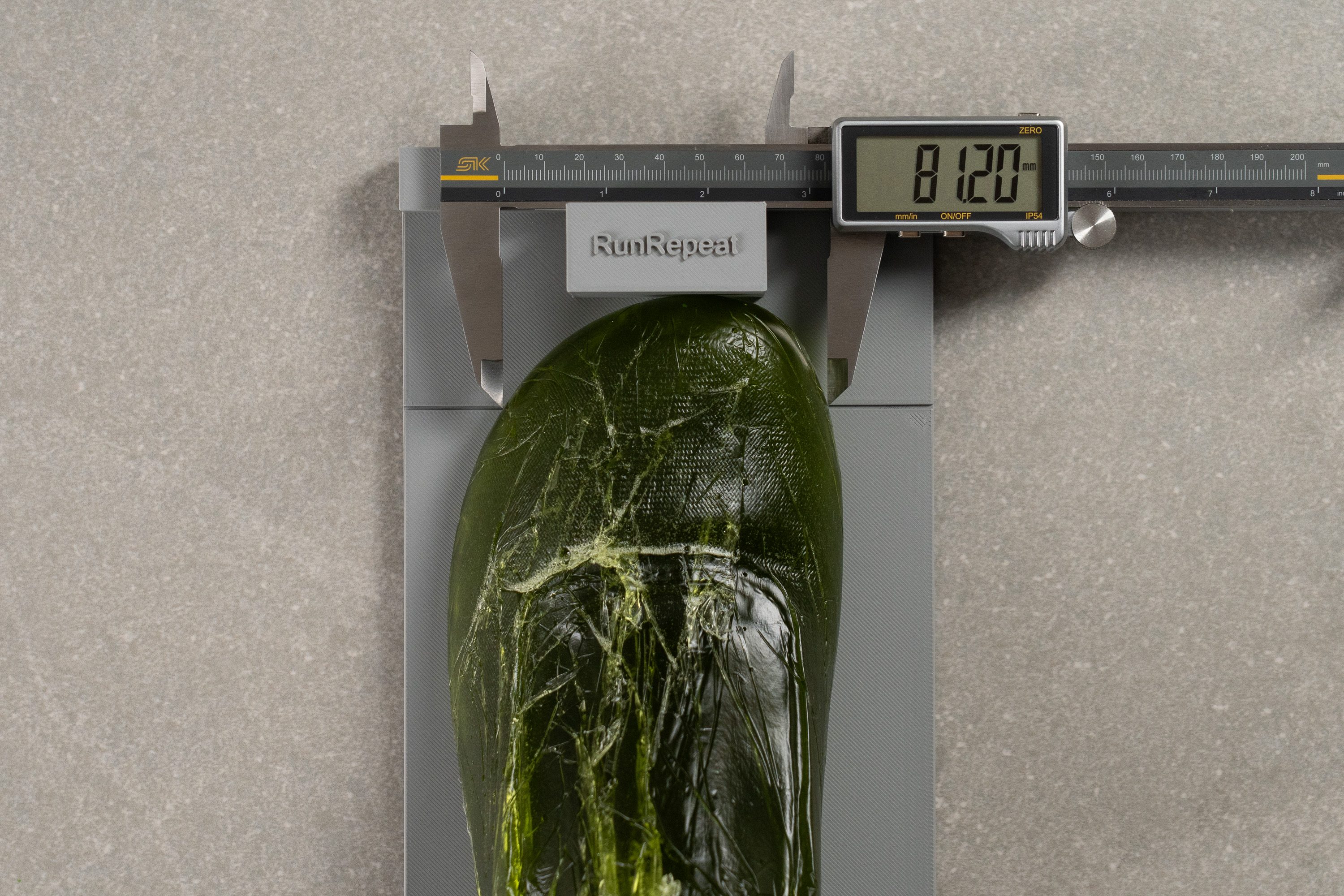
| Topo Ultrafly 5 | 81.2 mm |
| Media | 73.2 mm |
Altura de la parte delantera
La parte delantera también ofrece más espacio vertical que la mayoría de las zapatillas de running, dándoles a los dedos de los pies más libertad de movimiento sin ejercer presión.
Con una altura de 30,1 mm, esta medida confirma que las tres dimensiones del antepié son más amplias que la media, lo que hace que estas zapatillas sean una opción estupenda para los corredores que tienen pies muy voluminosos.
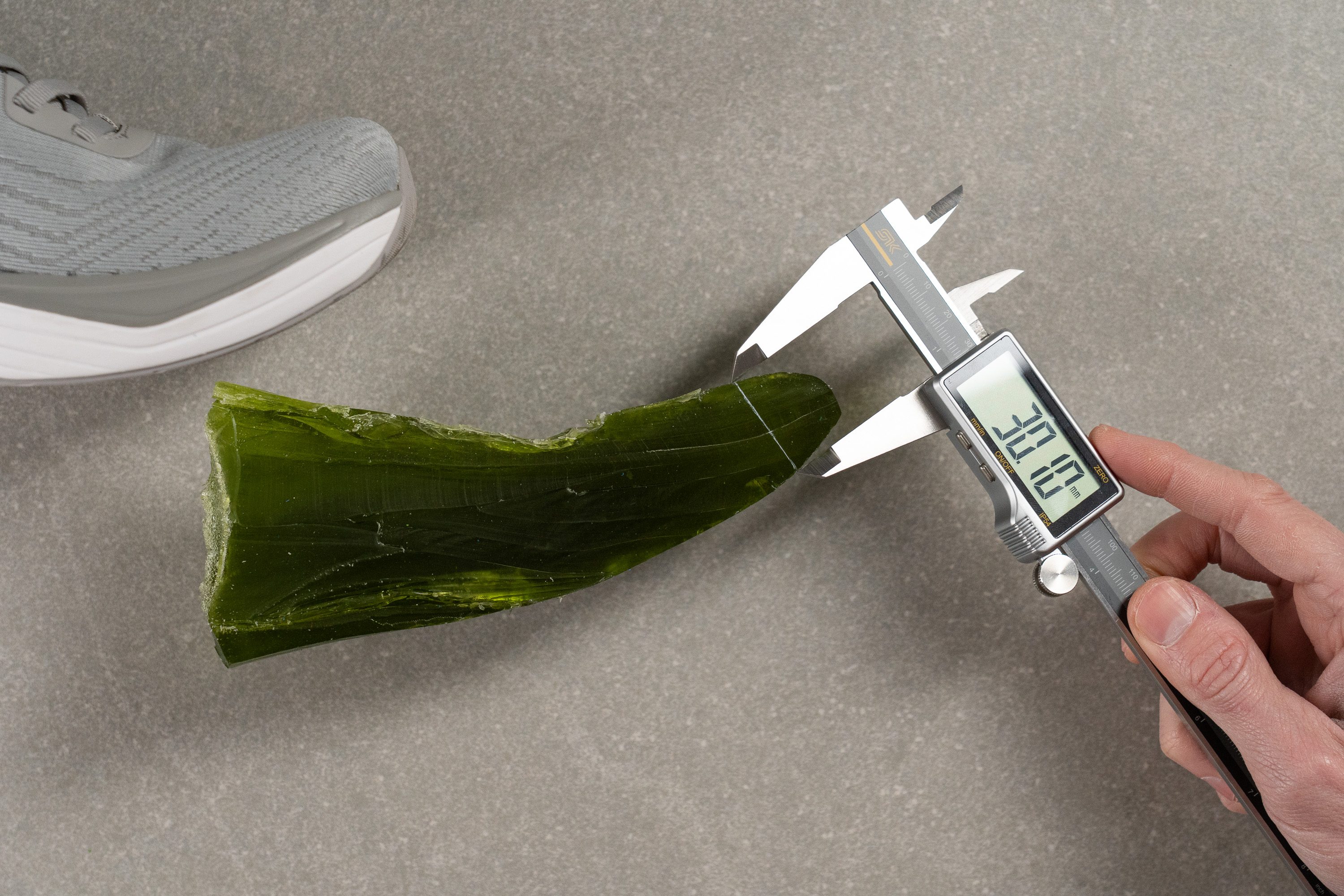
| Topo Ultrafly 5 | 30.1 mm |
| Media | 27.0 mm |
Tracción / Agarre
Traction test
Unas zapatillas diseñadas para ser fiables necesitan sí o sí una tracción sólida, y Topo cumplió con creces en ese aspecto: en nuestra prueba sobre hormigón mojado, ¡las Ultrafly 5 se llevaron un 0,66! Déjanos decirte que no es nada fácil conseguir un resultado tan alto, pero es que además esto significa que puedes confiar en ellas incluso si llueve.
| Topo Ultrafly 5 | 0.66 |
| Media | 0.53 |
Diseño de la suela exterior
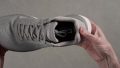
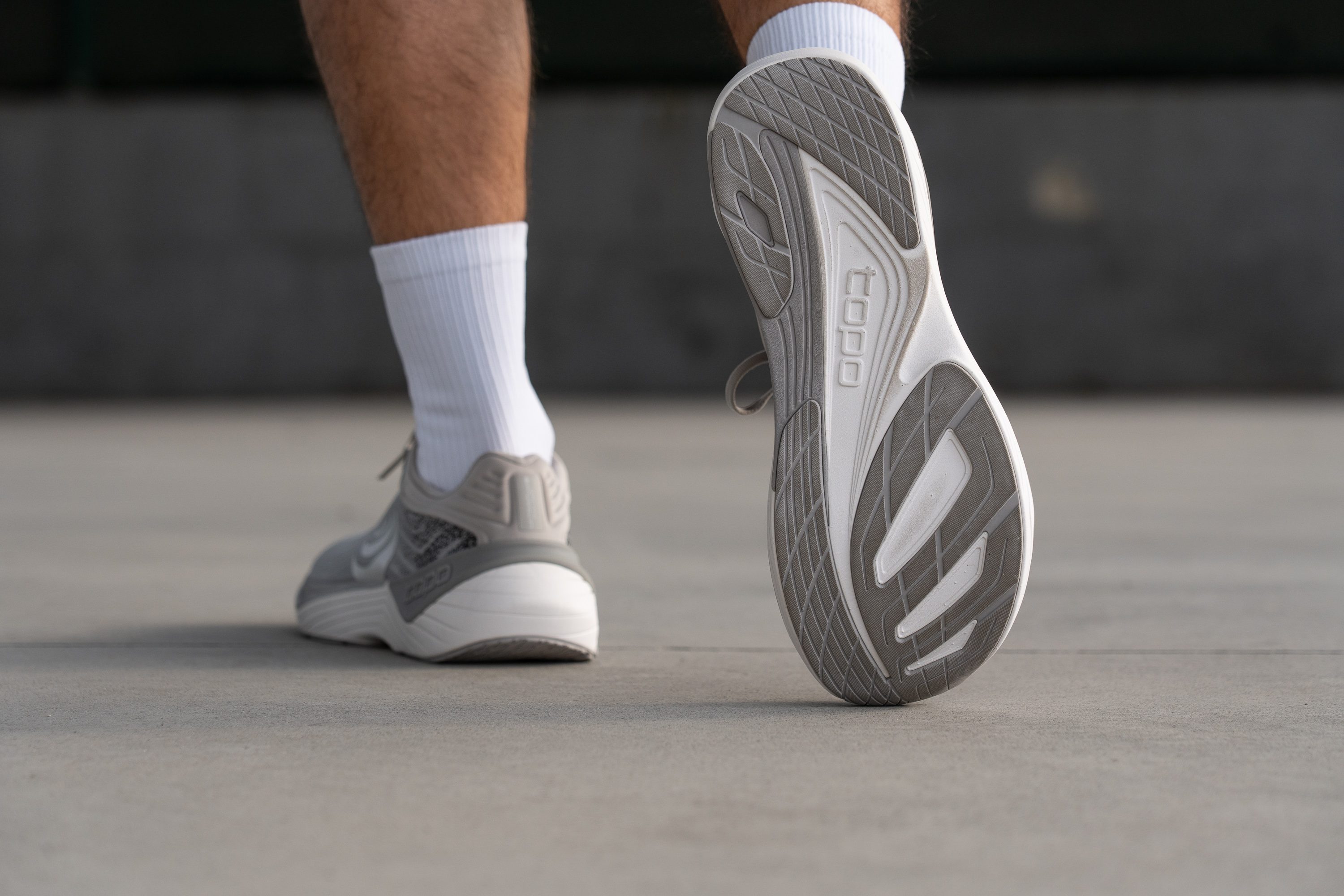
Descubrimos que la suela exterior de las Ultrafly 5 combina parte de la espuma de la mediasuela expuesta con zonas de caucho sólido. La zona central del mediopié tiene, principalmente, espuma descubierta, con un corte largo que te deja ver la mediasuela y que reduce el uso de caucho en general.
En el antepié, el caucho está segmentado y angulado para mejorar la flexibilidad, mientras que el talón utiliza una cobertura más amplia y continua. También queremos señalar que estas Topo utilizan espuma gris reforzada que viene, valga la redundancia, del refuerzo de la cara interna en algunas zonas sin caucho.
Flexibilidad / Rigidez
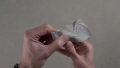
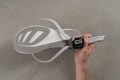
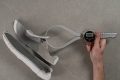
En general, las zapatillas de running se han ido volviendo más y más rígidas con los años, así que ver que Topo se centra en la flexibilidad con las Ultrafly 5, a pesar de ser un modelo de estabilidad, es como un agradable soplo de aire fresco. En nuestra prueba de 30 grados, solo necesitaron 9,7 N para doblarse, lo que las convierte en una opción excelente para el uso diario o para salir a pasear un buen rato. Además, nos han parecido bastante más cómodas que muchos otros modelos de entrenamiento diario más rígidos para ese propósito.
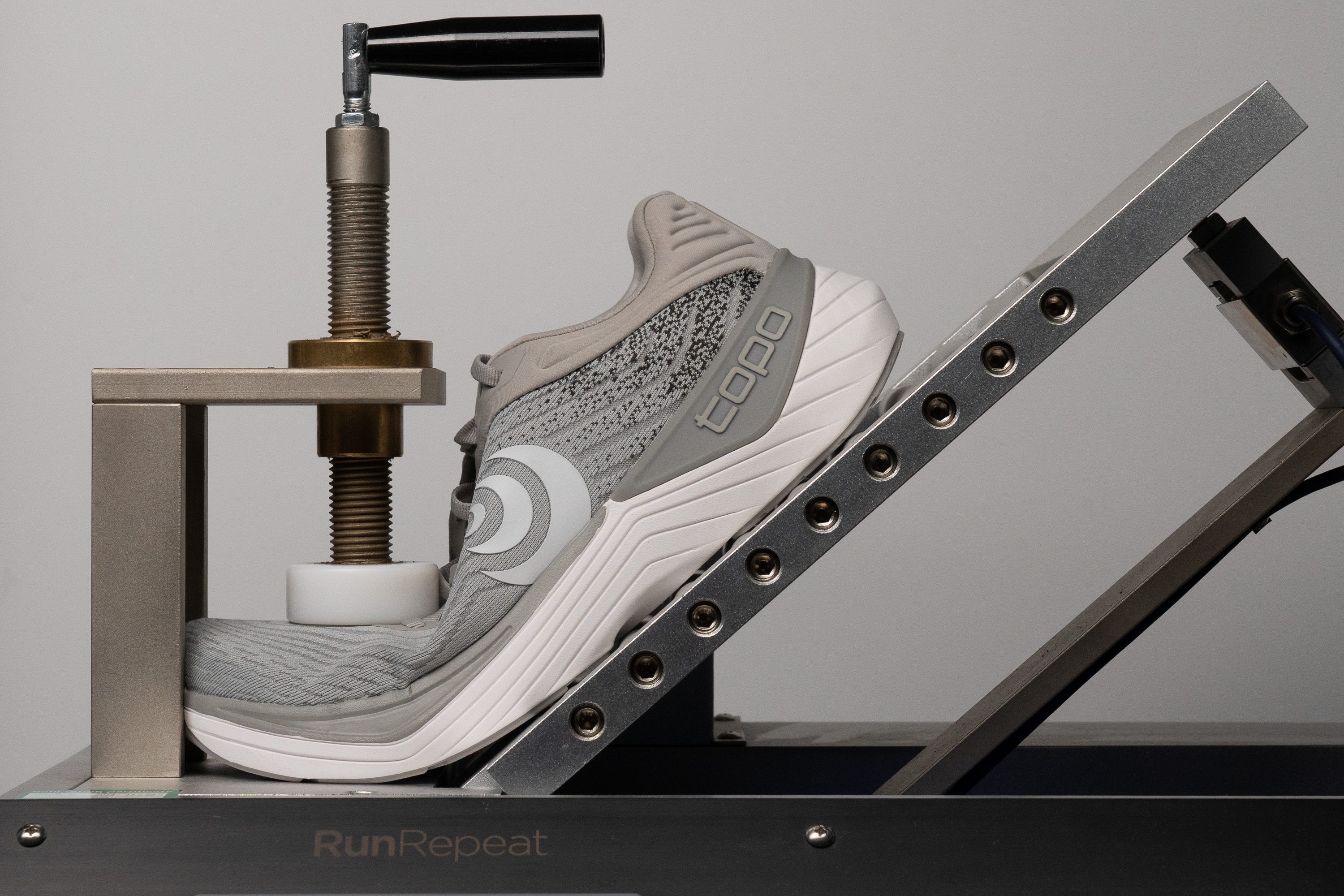
| Topo Ultrafly 5 | 9.7N |
| Media | 15.5N |
Peso
En nuestra opinión, el peso de las Ultrafly 5 encaja bien con el carácter de las zapatillas. No es ni innovador ni impresionante, pero también está lejos de ser un desastre. Con 272 g, han conseguido superar nuestras expectativas por los pelos.
Si Topo vuelve con una mejor espuma el año que viene, incluso una versión de EVA supercrítica, el peso se podría reducir fácilmente en aproximadamente un 10 %.
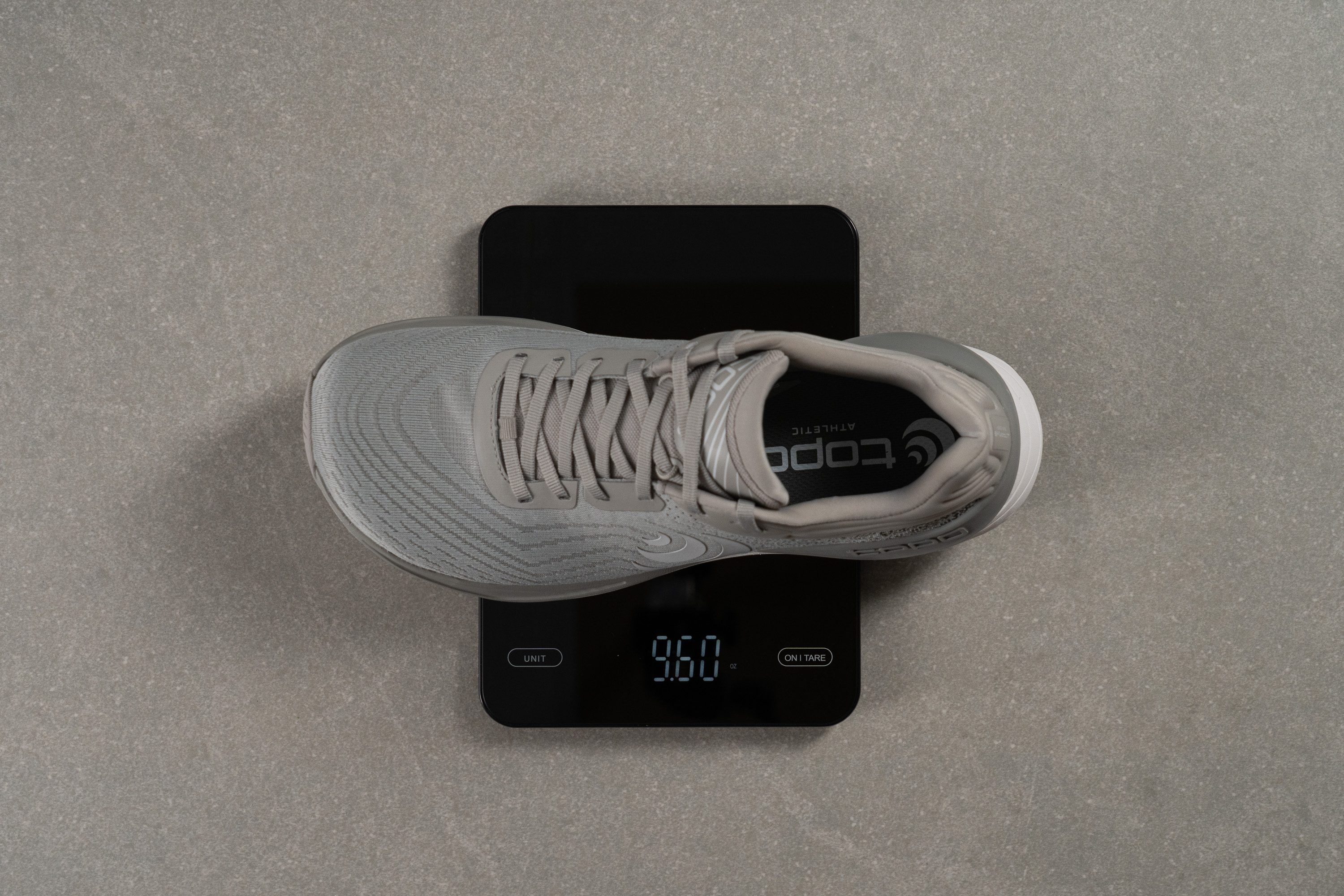
| Topo Ultrafly 5 | 9.6 oz (272g) |
| Media | 9.2 oz (261g) |
Transpirabilidad
Breathability test
Topo suele diseñar uppers muy distintos a lo que la mayoría de las marcas ofrecen, y eso nos encanta.
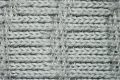
Las Ultrafly 5 son un ejemplo más, ya que presumen de una malla técnica reciclada que evita los habituales agujeritos para el flujo de aire que tienen la mayoría de las zapatillas de entrenamiento diario. En su lugar, utilizan canales largos que van del antepié al mediopié para que tus pies respiren.
Este diseño se llevó un 3/5 en nuestra prueba de transpirabilidad. A lo mejor te da un poco de calor si suben las temperaturas, pero debería adaptarse bien a la mayoría de los corredores.
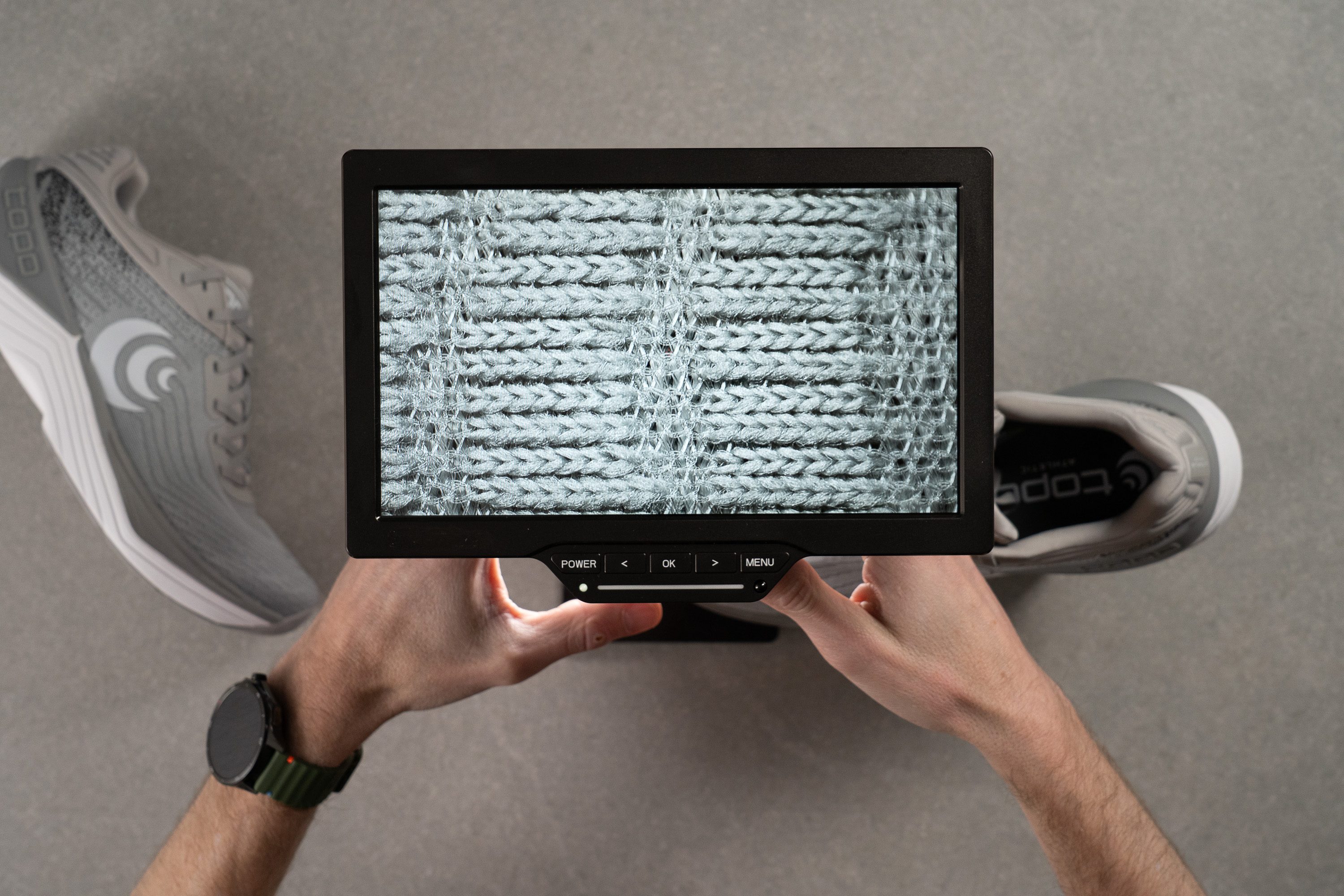
Al analizar más de cerca el material utilizando nuestro microscopio, vimos una estructura única que debería ayudar a mejorar la durabilidad, pero de eso hablaremos más adelante.
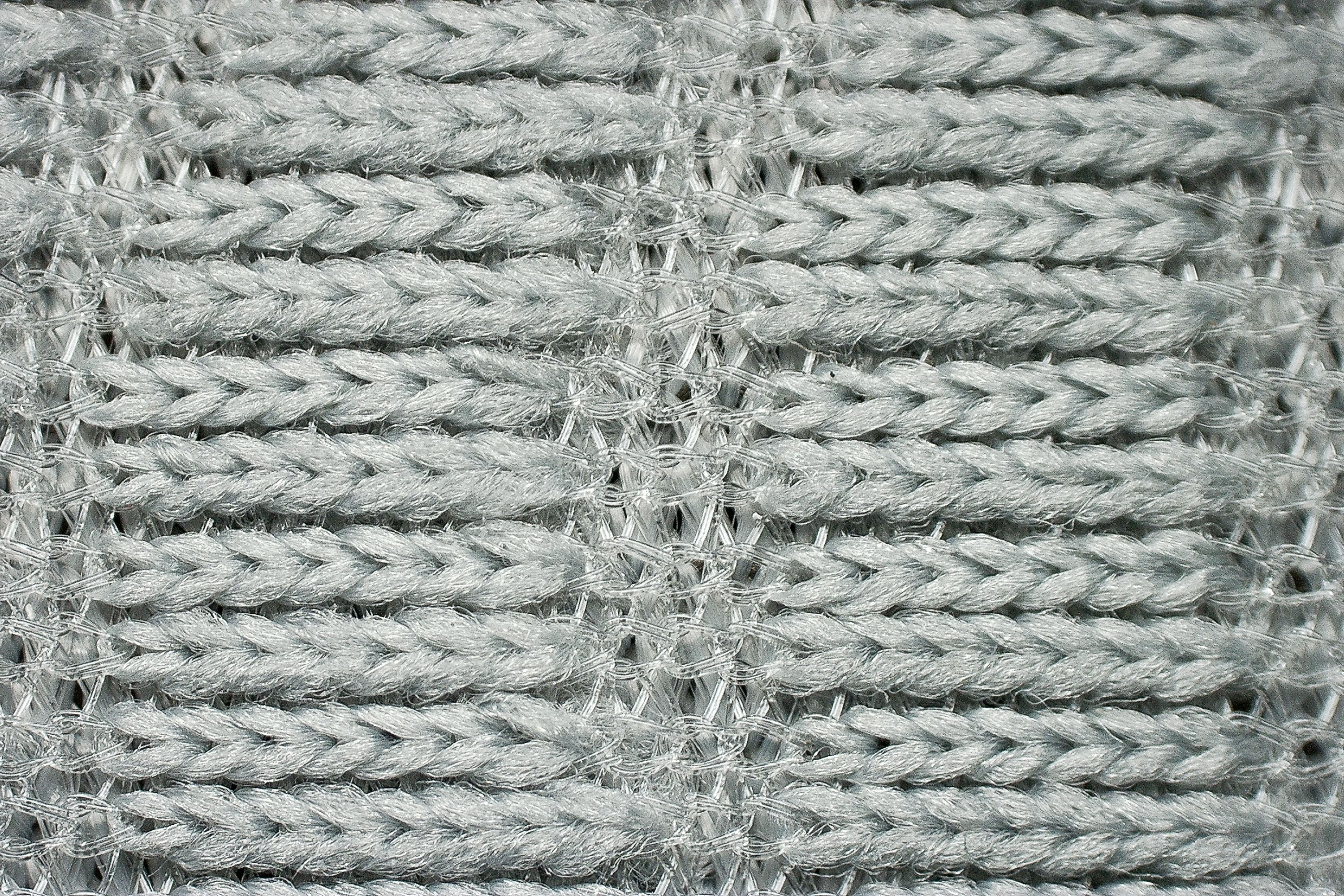
En general, este upper es sólido para su precio. Tiene acolchado alrededor del talón, refuerzos adicionales donde se necesitan y una transpirabilidad que, en la mayoría de los casos, cumple con su función.
| Topo Ultrafly 5 | 3 |
| Media | 3.6 |
Estabilidad
Prueba de estabilidad lateral
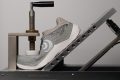
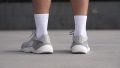
Durante nuestras pruebas, las Topo Ultrafly 5 nos parecieron estables, que es algo que ya nos esperábamos. Al fin y al cabo, ¡su diseño se centra en la sujeción! Un gran refuerzo en el talón hace la mayor parte del trabajo, mientras que el poste de la cara interna ayuda a que las zapatillas no se inclinen tanto hacia dentro.
Eso sí, queremos destacar que los corredores neutros no tendrán problema con estas zapatillas, ya que estos elementos de estabilidad no se sienten intrusivos.
Rigidez torsional
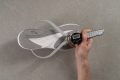
Este es un claro ejemplo de por qué las Ultrafly 5 les van como anillo al dedo a los runners que necesitan un poquito de estabilidad y a los que tienen una pisada neutra. En lugar de tener una plataforma muy rígida, son casi tan flexibles (11,4 Nm) como la mayoría de los modelos de entrenamiento diario neutros.
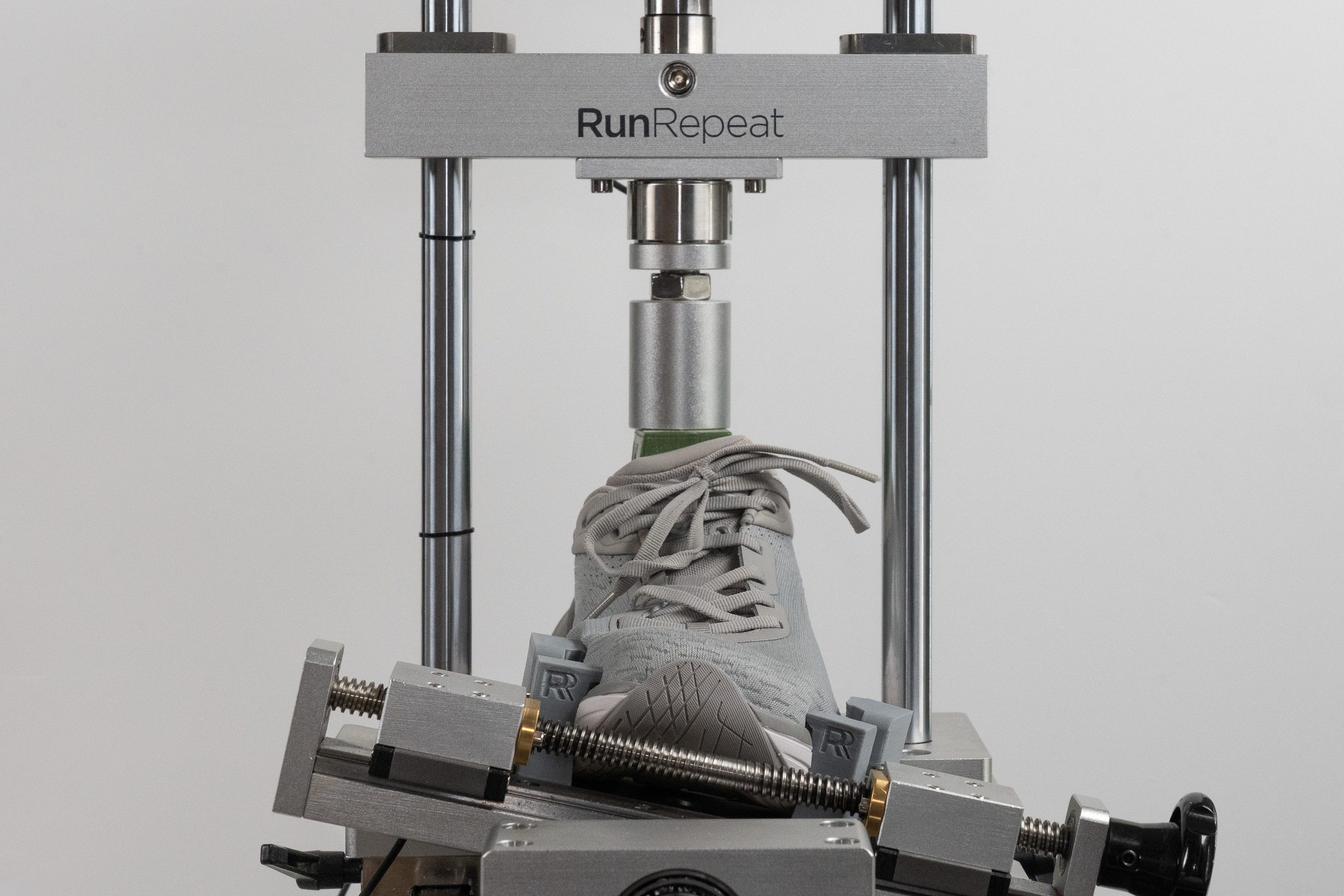
| Topo Ultrafly 5 | 11.4 Nm |
| Media | 14.3 Nm |
Rigidez del contrafuerte del talón
Con otro 3/5, la rigidez del contrafuerte del talón se parece más a la de unas HOKA Clifton 10 neutras que a la de unas ASICS Gel Kayano 32, que se centran en la estabilidad.
| Topo Ultrafly 5 | 3 |
| Media | 2.9 |
Anchura de la mediasuela - antepié
No es casualidad que tantas medidas estén cerca de la media. Claramente, Topo Athletic buscó crear unas zapatillas que funcionen... y ya, evitando los extremos en cuanto a diseño. Este enfoque también se refleja en la anchura de la mediasuela, que fue de 114,6 mm.
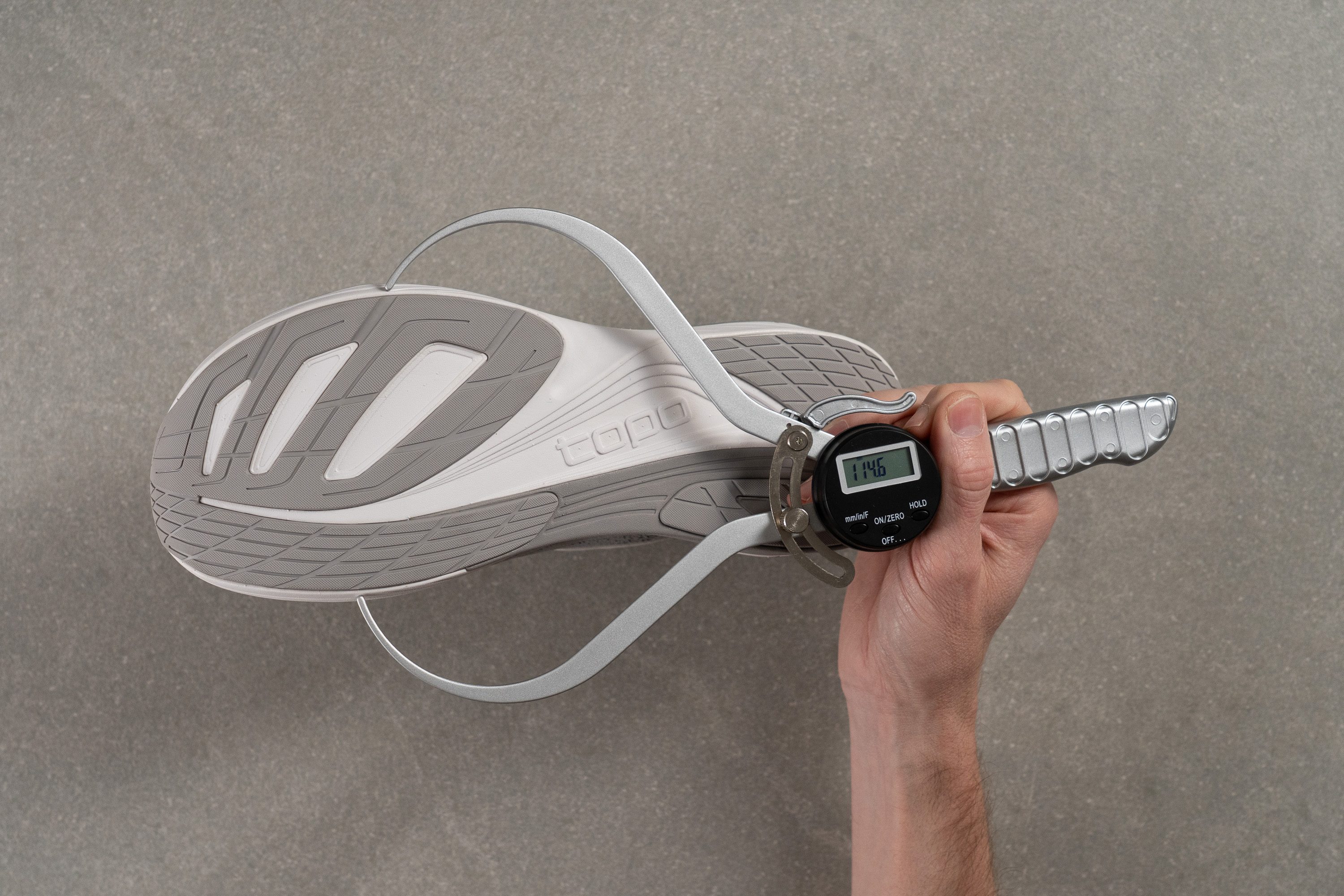
| Topo Ultrafly 5 | 114.6 mm |
| Media | 115.1 mm |
Anchura de la mediasuela - talón
El talón mide 87,9 mm. A lo mejor te parece un poco estrecho pero, si tenemos en cuenta el drop moderado, verás que los modelos de Topo se adaptan mejor a los corredores de mediopié o de metatarsos simplemente por su estructura.
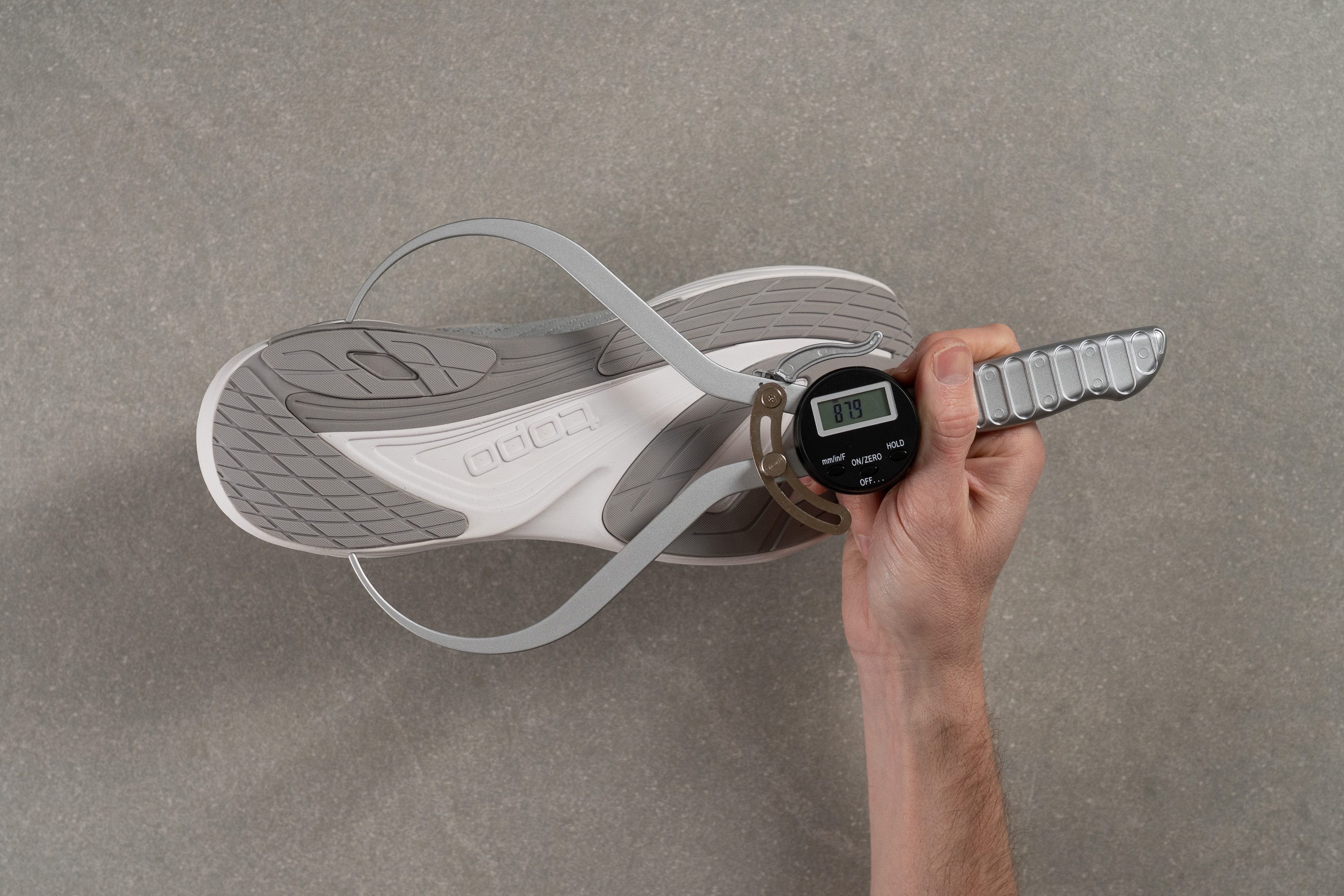
| Topo Ultrafly 5 | 87.9 mm |
| Media | 91.1 mm |
Durabilidad
Durabilidad de la parte delantera
El uso de canales en lugar de agujeritos para el flujo de aire funcionó, así que las Ultrafly 5 se llevaron un 3/5 en nuestra prueba de durabilidad, superando la media actual de nuestro laboratorio.
| Topo Ultrafly 5 | 3 |
| Media | 2.6 |
Durabilidad del acolchado del talón
Este no es el primer modelo de Topo que analizamos en el que el acolchado del talón no cumple con nuestras expectativas en cuanto a durabilidad. El 2/5 está lejos de ser ideal, y esperamos que Topo mejore esto en futuras versiones, ya que sigue siendo uno de los pocos puntos débiles de estas zapatillas.
| Topo Ultrafly 5 | 2 |
| Media | 3.4 |
Durabilidad de la suela
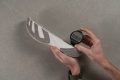
Nos quedamos muy contentos con el resultado de nuestra última prueba de durabilidad. Después de darle caña a la suela exterior, solo terminó con 0,8 mm de desgaste, lo que nos dice que su caucho está listo para resistir el desgaste.
| Topo Ultrafly 5 | 0.8 mm |
| Media | 1.1 mm |
Grosor de la suela
Para ir a lo seguro, Topo añadió 3,0 mm de caucho bajo la mediasuela. Es un resultado estándar y común entre la mayoría de los modelos de entrenamiento diario: sin riesgos, pero también sin sorpresas.
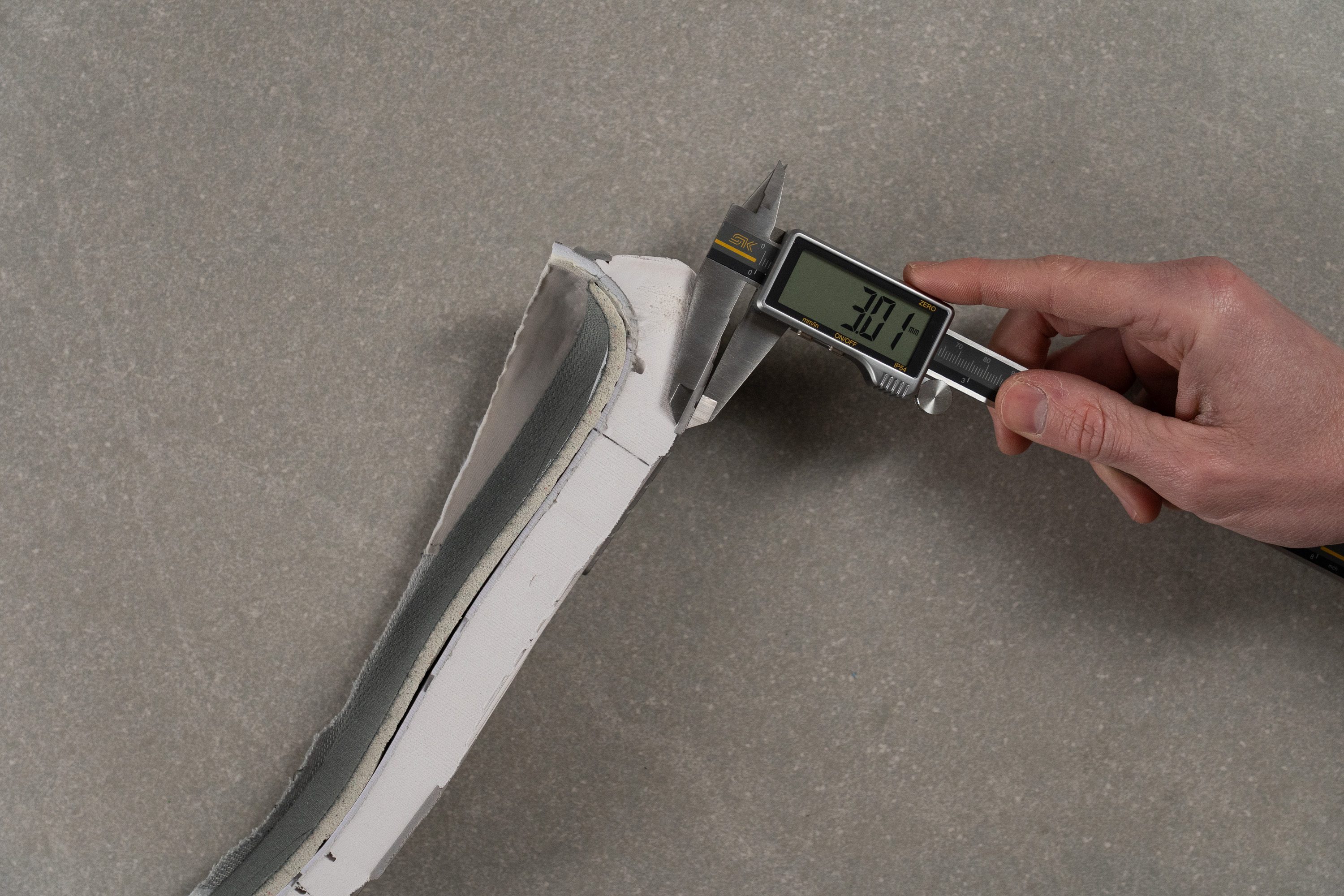
| Topo Ultrafly 5 | 3.0 mm |
| Media | 3.1 mm |
Varios
Grosor de la plantilla
La plantilla también va de la mano con lo que vemos en la competencia: tiene 4,1 mm de grosor y nada que realmente destaque.
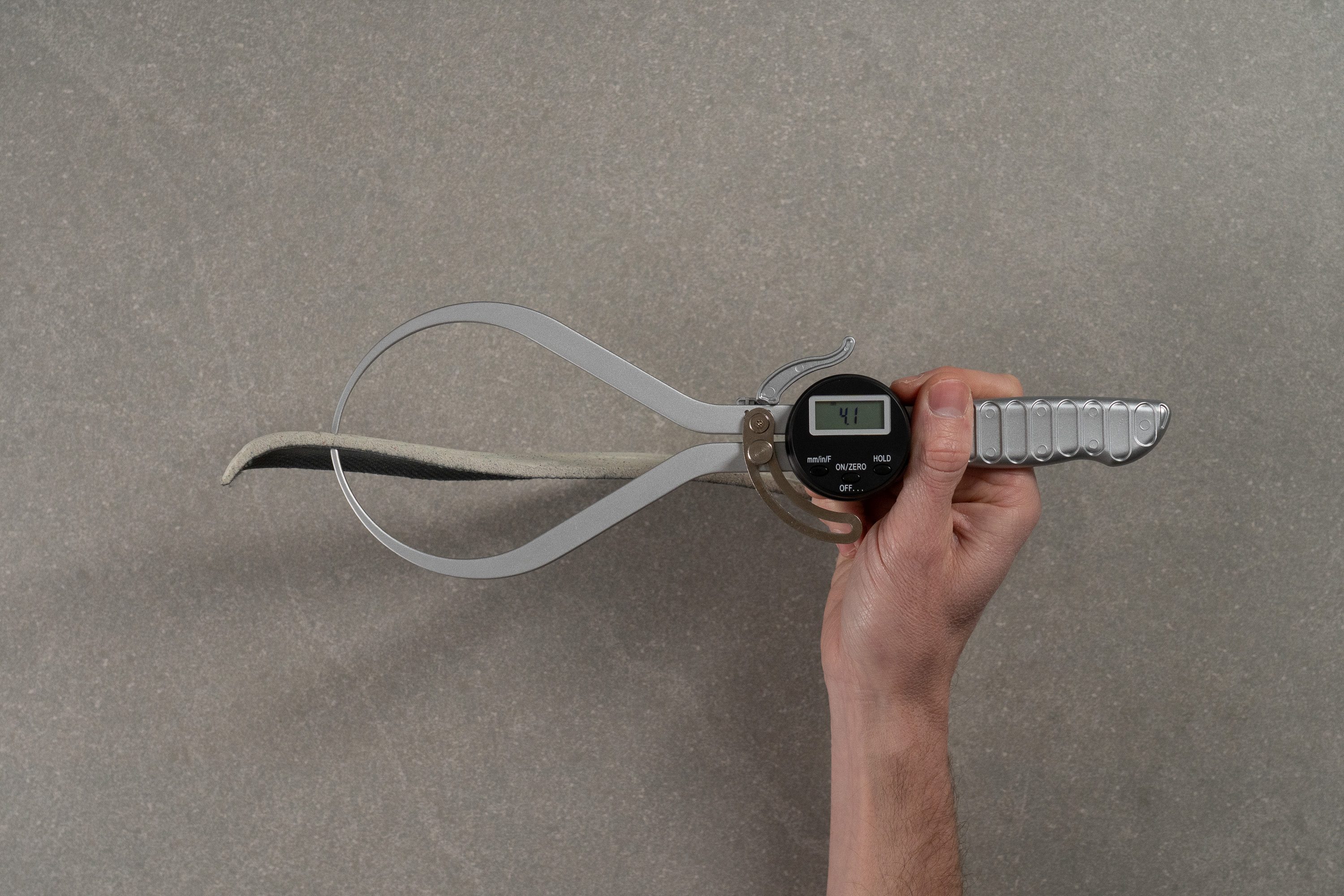
| Topo Ultrafly 5 | 4.1 mm |
| Media | 4.4 mm |
Plantilla extraíble
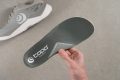
Las Ultrafly 5 utilizan una plantilla Ortholite llamada High Rebound Foam. Su nombre en inglés se traduce, literalmente, como espuma con mucho rebote, pero... eso de "mucho rebote" puede variar dependiendo de a quién le preguntes.
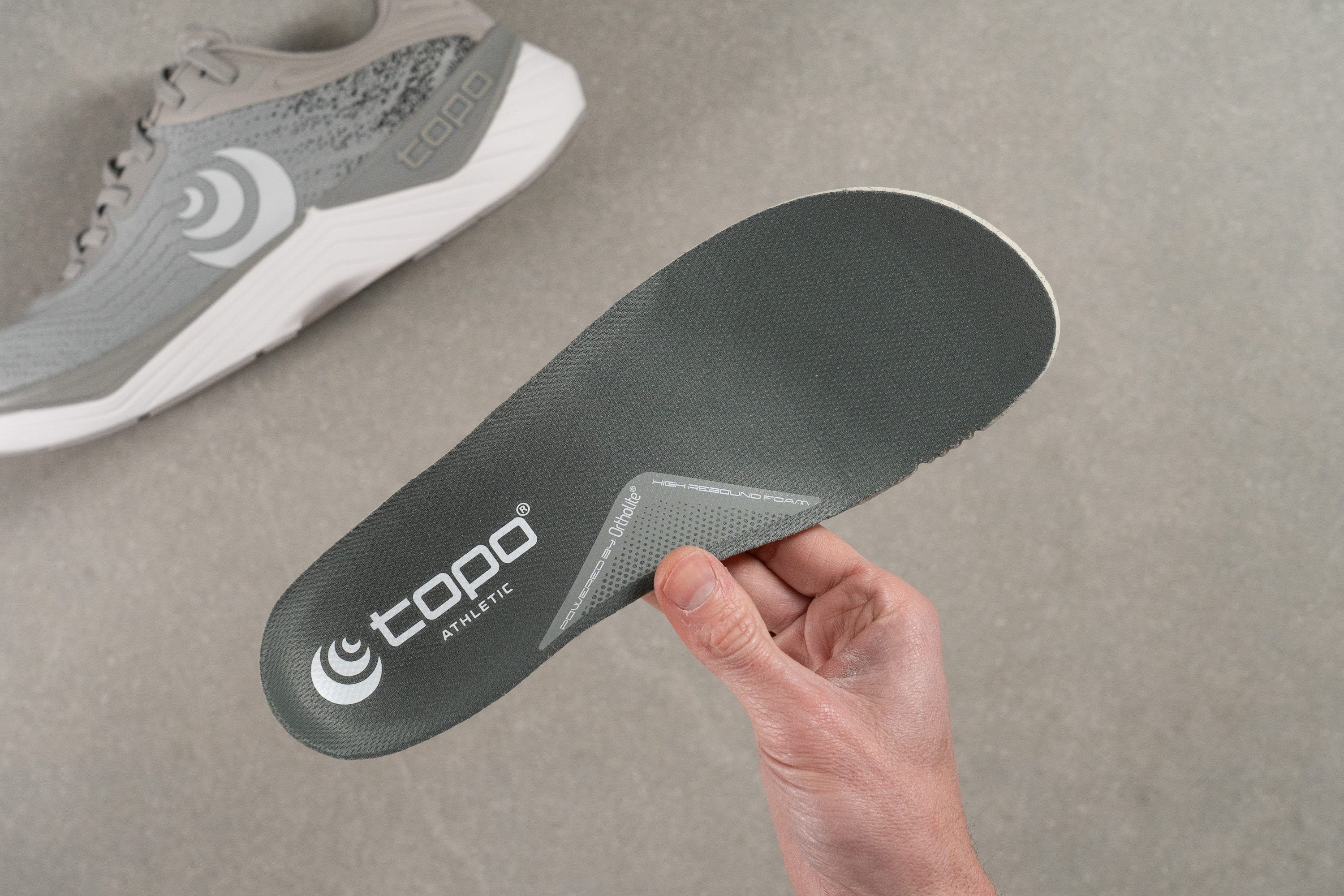
| Topo Ultrafly 5 | Sí |
Elementos reflectantes
Las Ultrafly 5 no tienen elementos reflectantes, que es algo que esperamos que Topo solucione en la próxima versión.
| Topo Ultrafly 5 | No |
Acolchado de la lengüeta
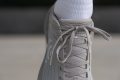
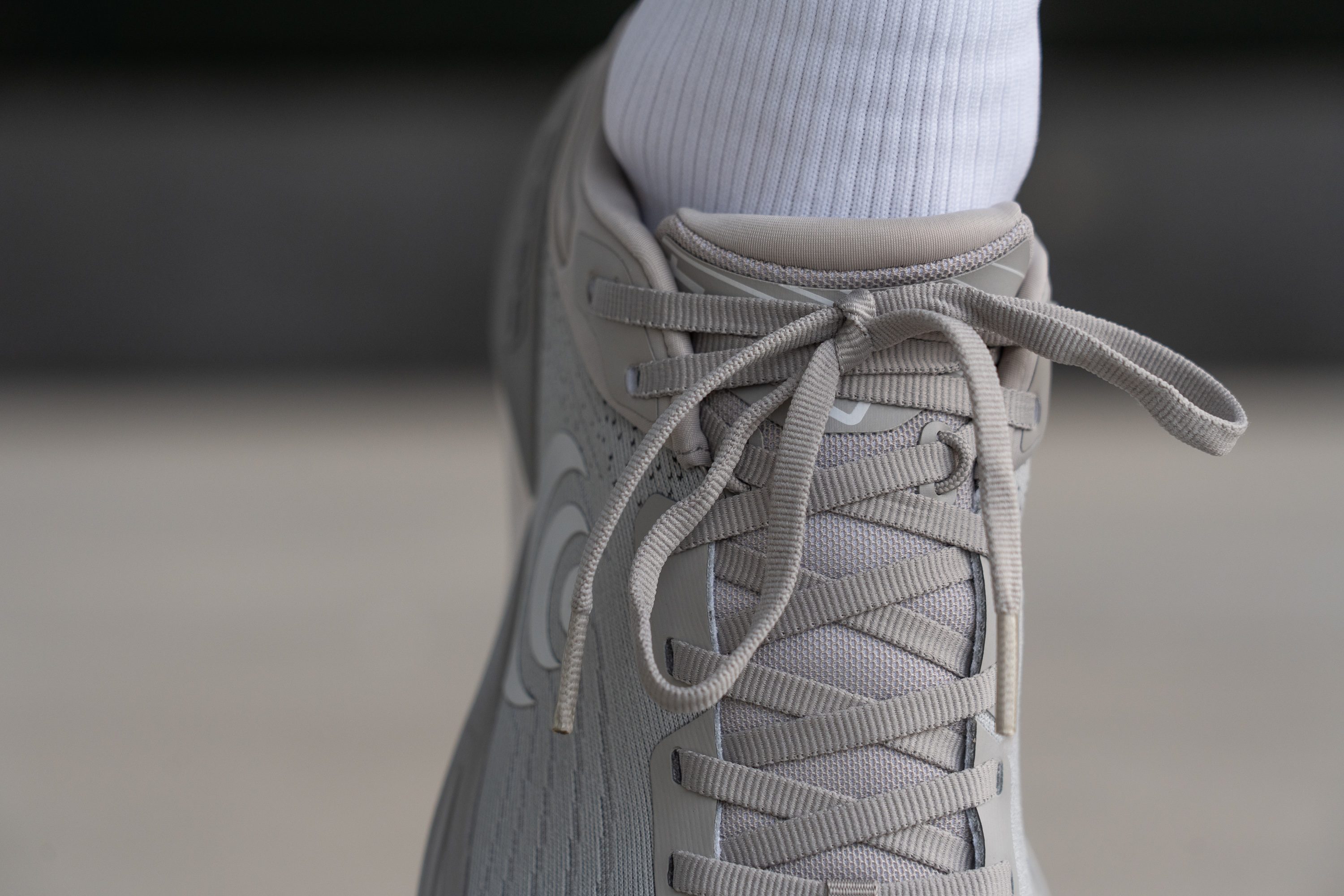
El sistema de cordones mantiene un diseño sencillo y de eficacia probada, con ojales perforados y cordones planos. Nada nos pareció frágil, pero tampoco emocionante. Así que... sí, es igual que el resto de las zapatillas.
También medimos un acolchado razonable de 6,3 mm. No es excesivo ni añade peso, pero es suficiente para que las zapatillas sean cómodas tanto para correr como para el uso diario.
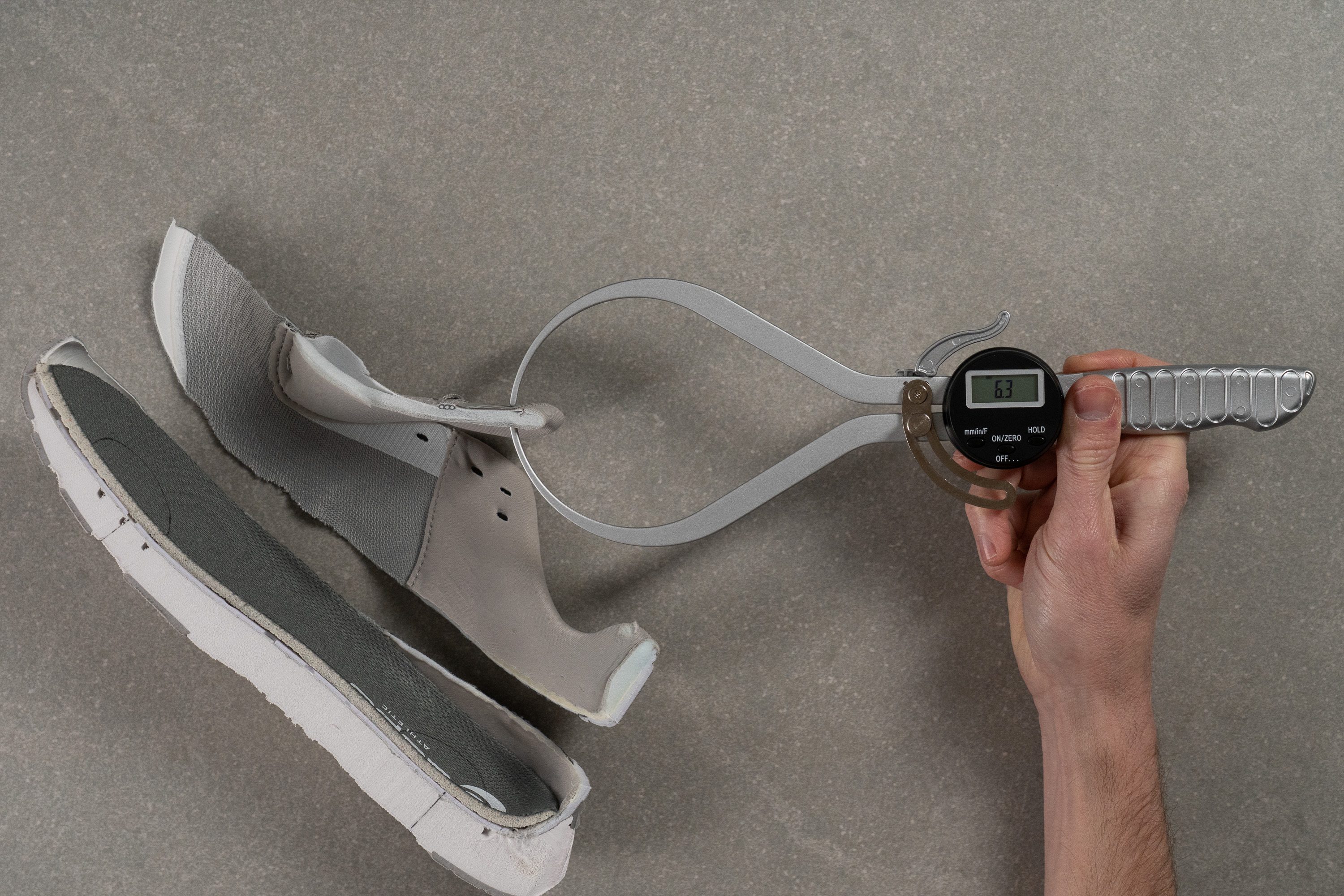
| Topo Ultrafly 5 | 6.3 mm |
| Media | 5.8 mm |
Lengüeta: tipo de refuerzo
Algo que podemos decir sobre Topo es que defiende todas sus decisiones en cuanto a diseño. Utilizar dos lacitos en la lengüeta para mantenerla en su lugar, en vez de ponerle refuerzos a los lados, ya es parte de su identidad.
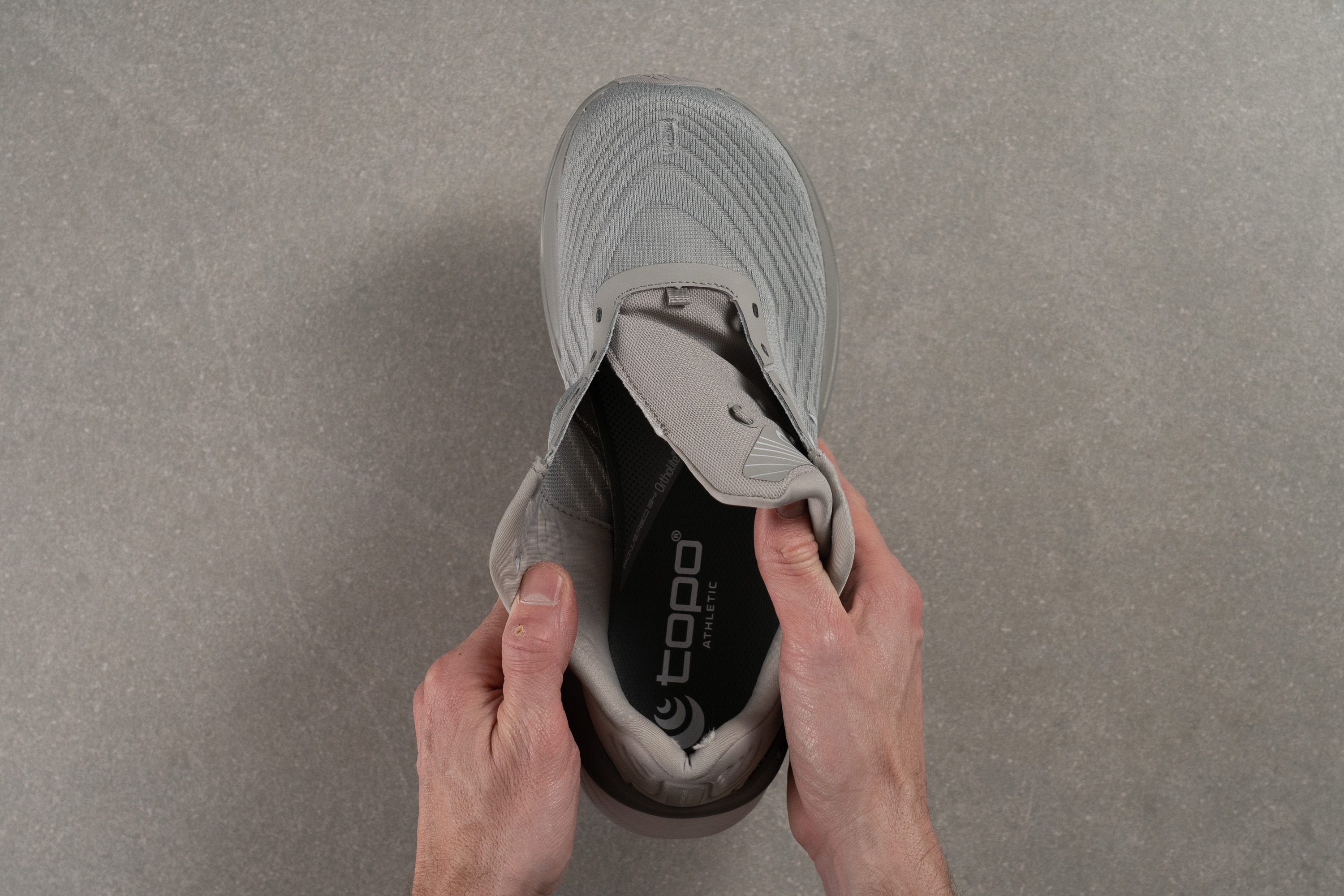
| Topo Ultrafly 5 | Ninguno |
Tirador del talón
Topo no les puso un tirador en el talón a las Ultrafly 5, pero tampoco nos sorprende teniendo en cuenta su diseño de los modelos para correr por carretera. Por otro lado, nos gustó que el diseño del talón fuese tan cuidado.
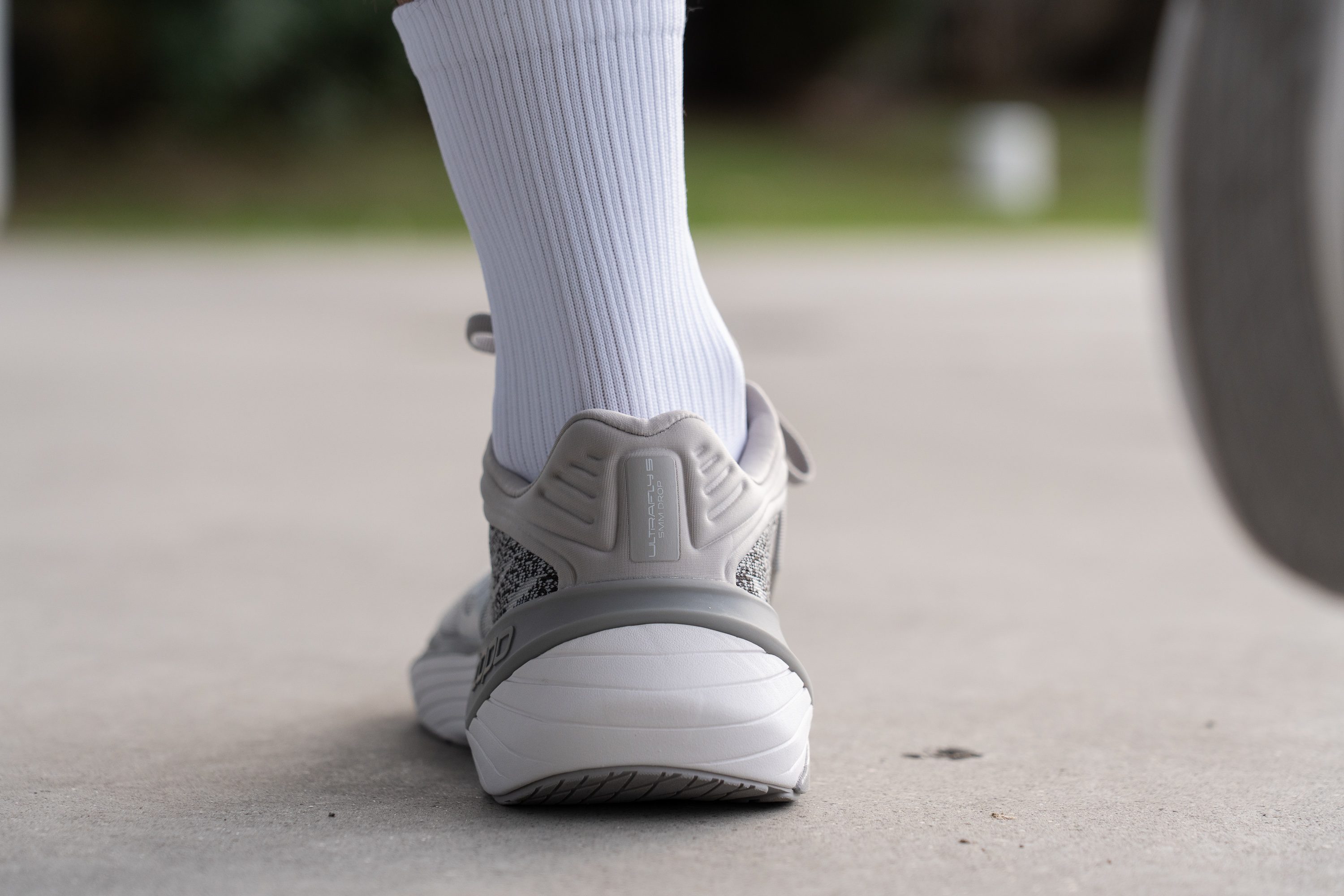
| Topo Ultrafly 5 | Ninguno |
Precio
Las Topo Ultrafly 5 tienen un precio parecido al de los modelos de entrenamiento diario de otras marcas, y la verdad es que no nos parecen demasiado caras. Eso sí, creemos que necesitan mejorar su espuma para que su relación calidad-precio brille, haciendo que puedan competir mejor con las opciones más recientes del mercado.
| Topo Ultrafly 5 | $140 |