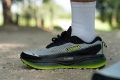

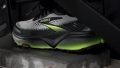
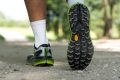


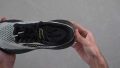


Nuestra conclusión
- Grava 89
- Versátiles 82
- Técnico 61
Pros
- Suela exterior Vibram Megagrip
- Muy estables
- Versátiles para senderismo y running
- Con más amortiguación que las Cascadia anteriores
- Cómodas
- Ajuste seguro
- Ideales para los talonadores
- Rinden bien en caminos de grava
- Relación calidad-precio excelente
- Más ligeras que la v19
Contras
- Siguen siendo unas zapatillas de trail pesadas
- Ajuste estrecho que no se adapta a pies anchos
- Upper con problemas de durabilidad
- Puede que sean demasiado firmes para algunos
Premios
- Entre mejores zapatillas Brooks de running
- Entre mejores zapatillas Brooks de trail running
- Top 13% entre zapatillas de trail running
- Top 4% entre zapatillas de running Brooks
- Top 22% más vendidas zapatillas de running
Comparativa
Las zapatillas de running más parecidas
+ + Añadir unas zapatillas | |||||
|---|---|---|---|---|---|
| Nuestra puntuación | 87 Geniales | 79 Buenas | 79 Buenas | 89 Magníficas | |
| Precio | 160 € | 140 € | 150 € | 170 € | |
| Terreno de trail | Grava / Trail y asfaltoVersátiles / Terreno de dificultad moderada | Grava / Trail y asfaltoVersátiles / Terreno de dificultad moderada | Grava / Trail y asfaltoVersátiles / Terreno de dificultad moderada | Grava / Trail y asfaltoVersátiles / Terreno de dificultad moderada | |
| Absorción de impactos | Alta | Alta | Moderada | Moderada | |
| Retorno de energía | Moderado | Moderado | Moderado | Alto | |
| Tracción | Alta | Alta | Alta | Alta | |
| Sujeción arco del pié | Neutral | Neutral | Neutral | Neutral | |
| Peso laboratorio Peso marca | 10.5 oz / 298g 10.8 oz / 306g | 10.2 oz / 289g 10.1 oz / 286g | 10.9 oz / 309g 10.9 oz / 309g | 11 oz / 312g 10.9 oz / 309g | |
| Drop laboratorio Drop marca | 8.8 mm 6.0 mm | 8.0 mm 6.0 mm | 8.8 mm 6.0 mm | 6.5 mm 6.0 mm | |
| Técnica de carrera | TalónMedio/antepié | TalónMedio/antepié | TalónMedio/antepié | Medio/antepié | |
| Talla | Tallan bien | - | Tallan bien | Tallan un poquito pequeño | |
| Rigidez de la mediasuela | Equilibrada | Equilibrada | Equilibrada | Equilibrada | |
| Diferencia de la rigidez de la mediasuela en frío | Pequeña | Pequeña | Grande | Normal | |
| Durabilidad de la parte delantera | Mala | Decente | Mala | Decente | |
| Durabilidad del acolchado del talón | Baja | Alta | Alta | Baja | |
| Durabilidad de la suela exterior | Buena | Buena | Decente | Decente | |
| Transpirabilidad | Media | Media | Media | Media | |
| Anchura / ajuste | Media | Ancha | Media | Media | |
| Anchura de la parte delantera | Estrecha | Media | Media | Media | |
| Flexibilidad | Rígida | Rígida | RígidaModerada | Moderada | |
| Rigidez torsional | Moderadas | Moderadas | Rígidas | Moderadas | |
| Rigidez del contrafuerte del talón | Rígido | Moderado | Rígido | Rígido | |
| Profundidad del dibujo de la suela | 3.4 mm | 3.5 mm | 3.6 mm | 3.5 mm | |
| Altura de la suela en la zona del talón laboratorio Altura de la suela en la zona del talón marca | 37.9 mm 38.0 mm | 38.3 mm 36.5 mm | 36.7 mm 39.0 mm | 37.6 mm 36.0 mm | |
| Antepié laboratorio Antepié marca | 29.1 mm 32.0 mm | 30.3 mm 30.5 mm | 27.9 mm 33.0 mm | 31.1 mm 30.0 mm | |
| Anchuras disponibles | EstándarAncho | Estándar | Estándar | Estándar | |
| Para corredores pesados | ✓ | ✓ | ✓ | ✓ | |
| Estación | Todas las estaciones | Todas las estaciones | Todas las estaciones | Todas las estaciones | |
| Plantilla extraíble | ✓ | ✓ | ✓ | ✓ | |
| Compatibles con plantillas personalizadas | ✓ | ✓ | ✓ | ✓ | |
| Clasificación | #63 Top 16% | #256 36% inferior | #242 39% inferior | #42 Top 11% | |
| Popularidad | #86 Top 22% | #347 13% inferior | #179 Top 45% | #143 Top 36% |
Quién debería comprárselas
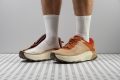
Las Brooks Cascadia 20 son estupendas para:
- Los corredores que llevaban tiempo esperando a que la línea Cascadia por fin tuviese una suela Vibram Megagrip.
- Los deportistas que están buscando más amortiguación de la que ofrecían las Cascadia anteriores.
- Cualquiera que quiera unas zapatillas de trail con una relación calidad-precio excelente que rindan bien en senderos fáciles y de dificultad moderada.
- Los talonadores que usan zapatillas de estabilidad para correr por asfalto y quieren una opción con un nivel de sujeción parecido para el trail running.
Quién NO debería comprárselas
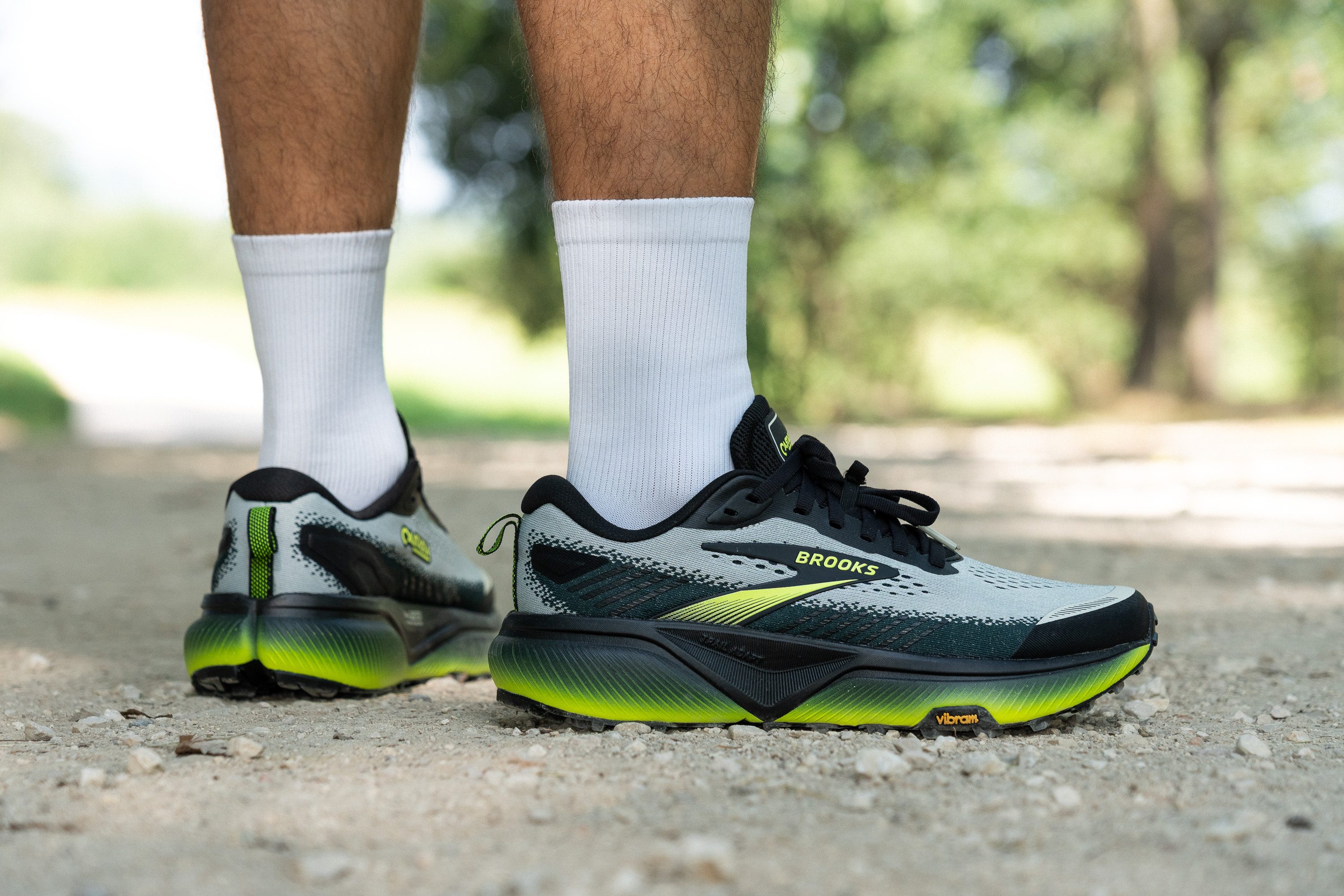
Si quieres unas zapatillas de trail ligeras, las Cascadia 20 no te van a encantar. Como alternativa, las adidas Terrex Agravic Speed tienen una pisada mucho más liviana y ágil.
También creemos que el ajuste ceñido de estas Brooks no es ideal para los corredores con pies anchos. Las Altra Olympus 275 son una opción estupenda para quienes necesitan mucho espacio en la parte delantera, mientras que las Nike Zegama 2 ofrecen un ajuste más equilibrado.
Amortiguación
Shock absorption
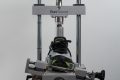
Con una absorción de impactos de 136 SA en el talón y 121 SA en el antepié, las Brooks Cascadia 20 son la versión que más protección ofrece hasta la fecha, lo que las convierte en una opción mucho más versátil para las distancias largas e incluso ultramaratones.
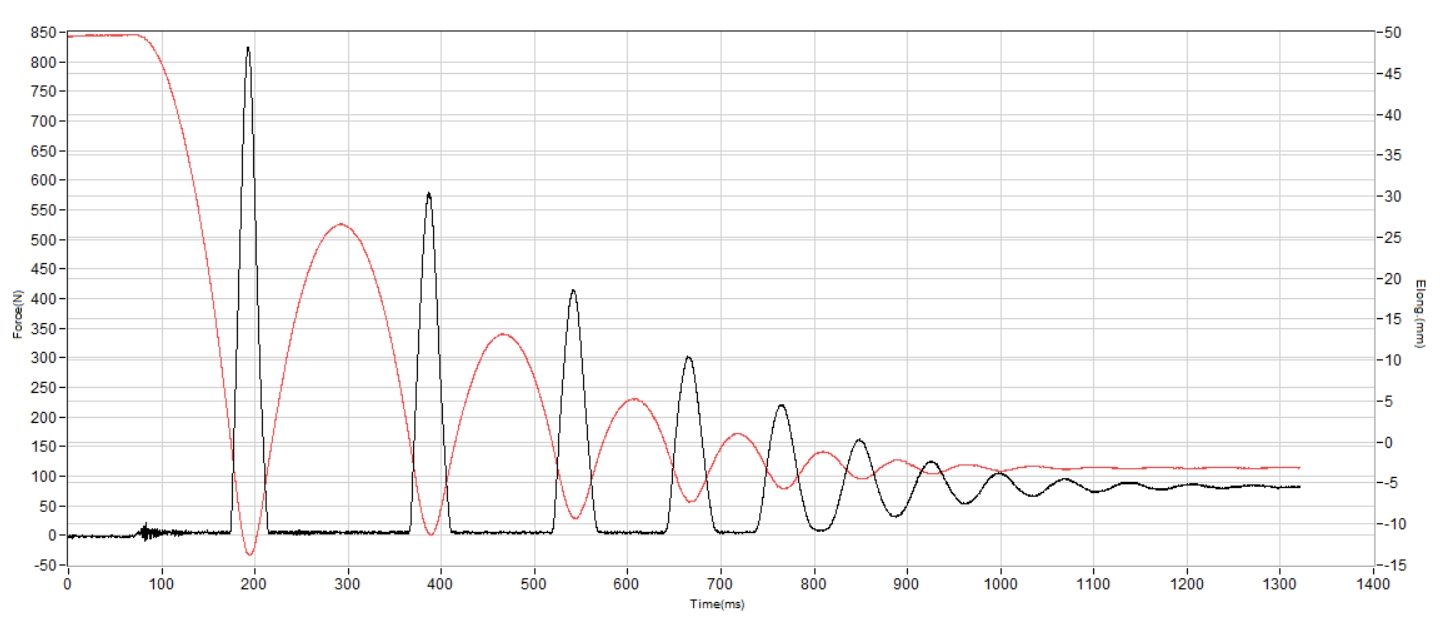
| Cascadia 20 | 136 SA |
| Media | 123 SA |
Energy return
The midsole now switches to DNA Flash v2, yet it delivers a similar level of bounce with 58.0% energy return in the heel and 59.8% in the forefoot.
This is an unexpected move, as Brooks introduced DNA Loft v3 to the Cascadia lineup just last year, making the transition to a new foam much sooner than anticipated.
| Cascadia 20 | 59.8% |
| Media | 59.7% |
Altura de la suela en la zona del talón
La altura de la suela en el talón de la línea Cascadia ilustra a la perfección cómo las zapatillas de trail running son cada vez más altas, pero..., ¿dónde está el límite?
- Brooks Cascadia 18: 32,6 mm
- Brooks Cascadia 19: 34,8 mm
- Brooks Cascadia 20: 37,9 mm
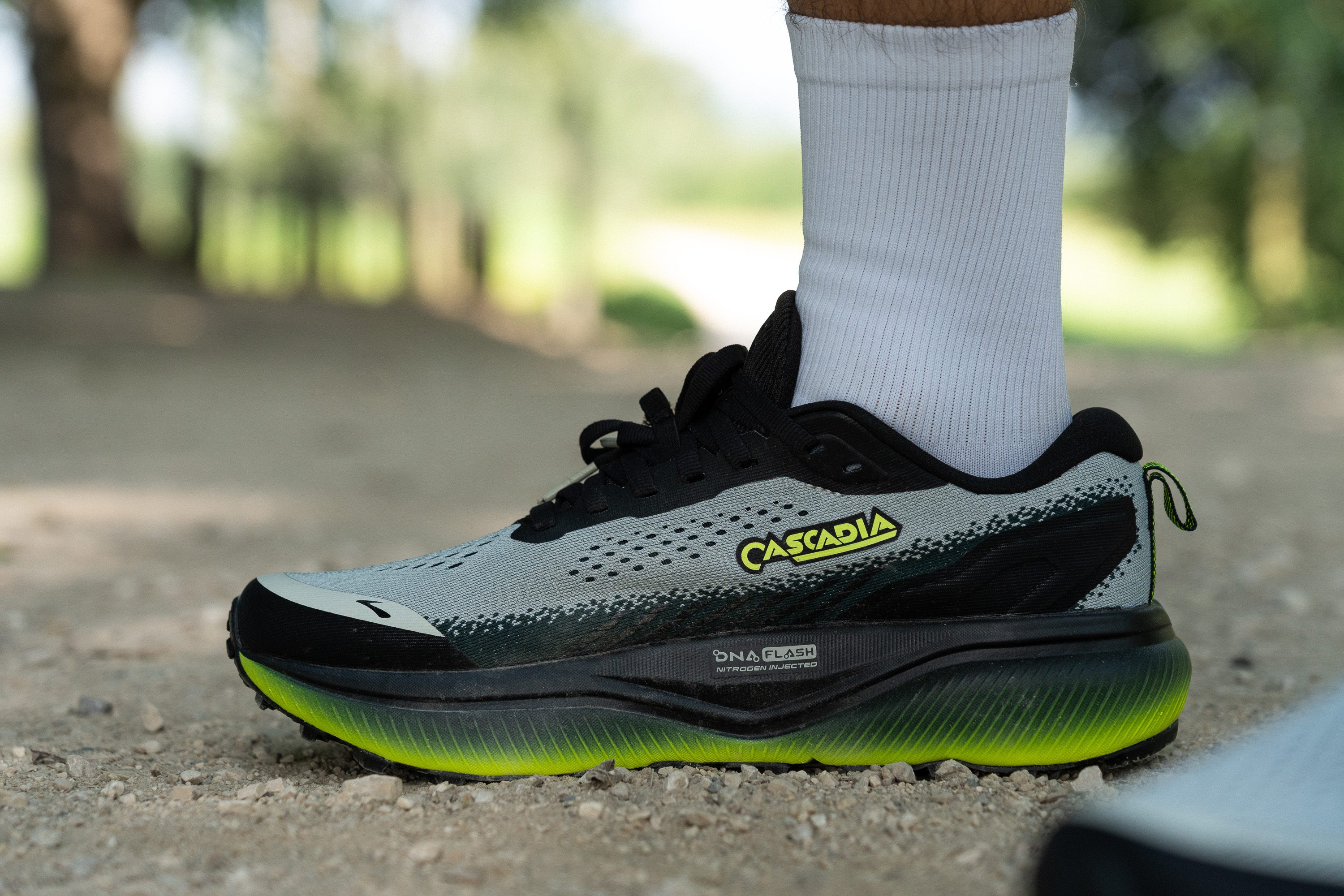
Si Brooks quiere que las Cascadia sigan siendo la navaja suiza del trail, superar los 40 mm no sería lo más acertado, sobre todo teniendo en cuenta que ya ofrecen una absorción de impactos más que suficiente.
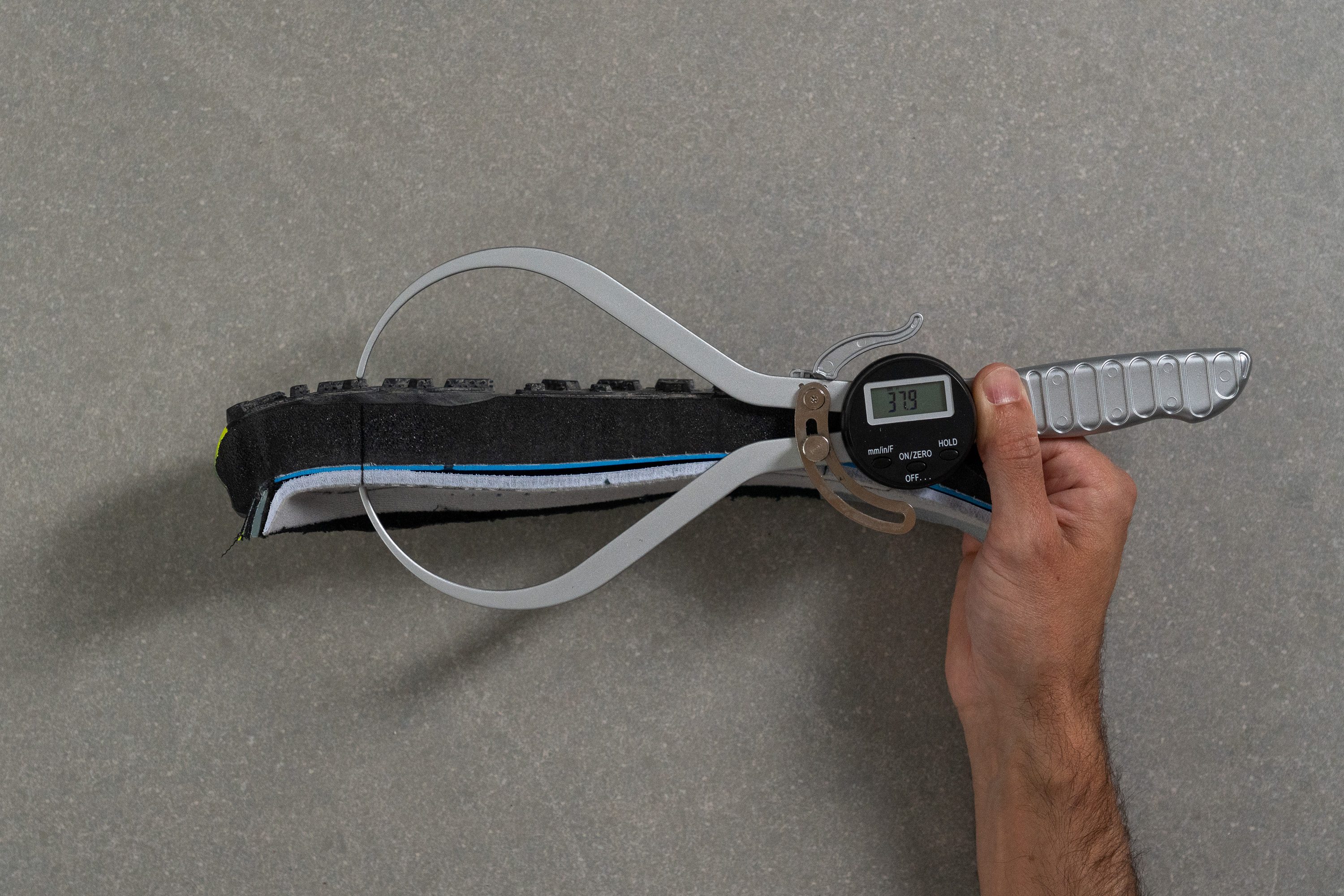
| Cascadia 20 | 37.9 mm |
| Media | 33.1 mm |
Altura de la suela en el antepié
En el antepié, la suela es 2,1 mm más alta que la de la versión anterior, hasta alcanzar un total de 29,1 mm.
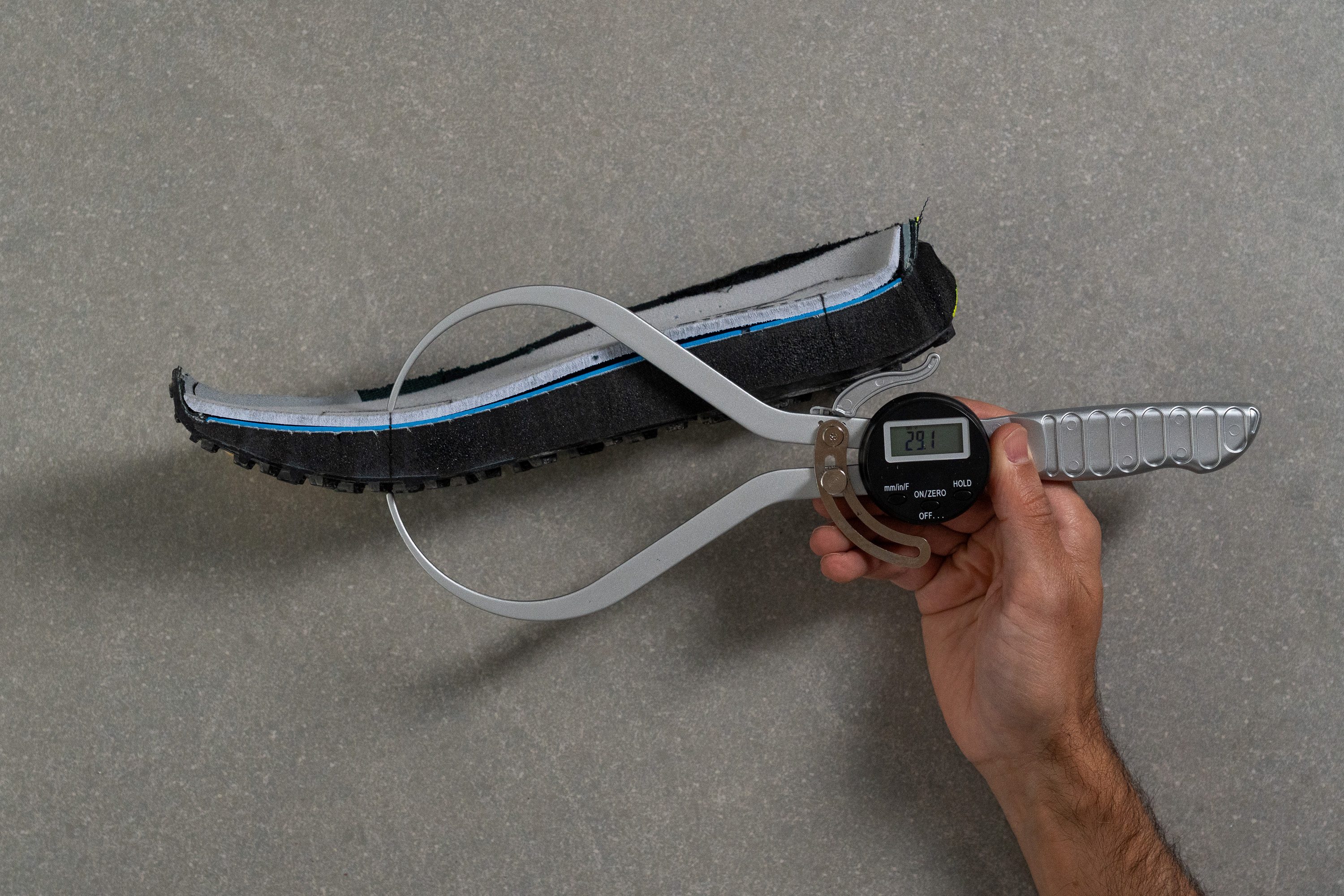
| Cascadia 20 | 29.1 mm |
| Media | 25.8 mm |
Drop
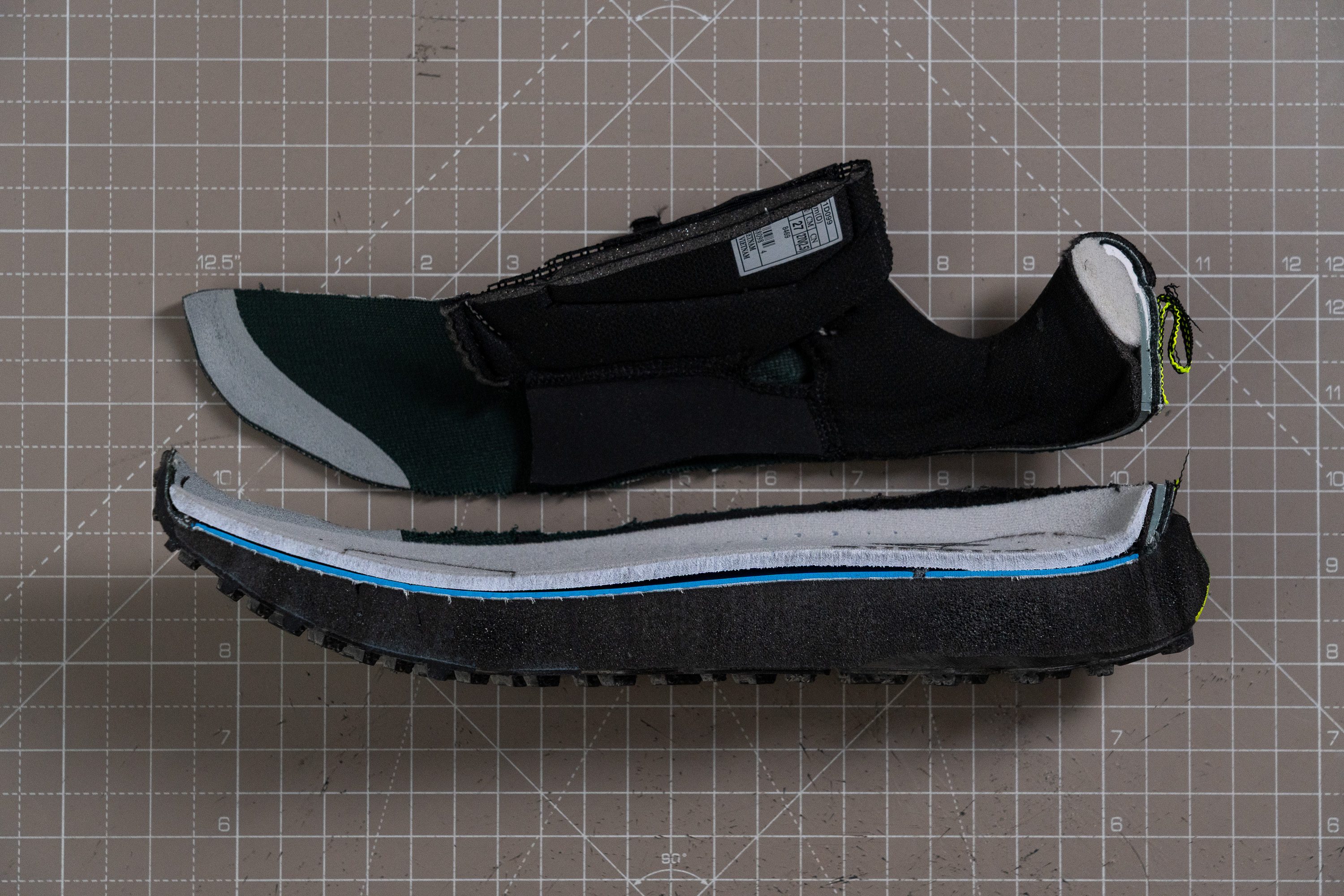
Como quizá ya hayas deducido de nuestras dos mediciones anteriores, el drop es más alto que los 6 mm que anuncia Brooks. De hecho, después de nuestros cálculos, nos dio 8,8 mm, lo que hace que estas zapatillas se adapten un poco mejor a los talonadores de lo que sugiere su ficha técnica.
| Cascadia 20 | 8.8 mm |
| Media | 7.3 mm |
Dureza de la mediasuela
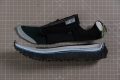
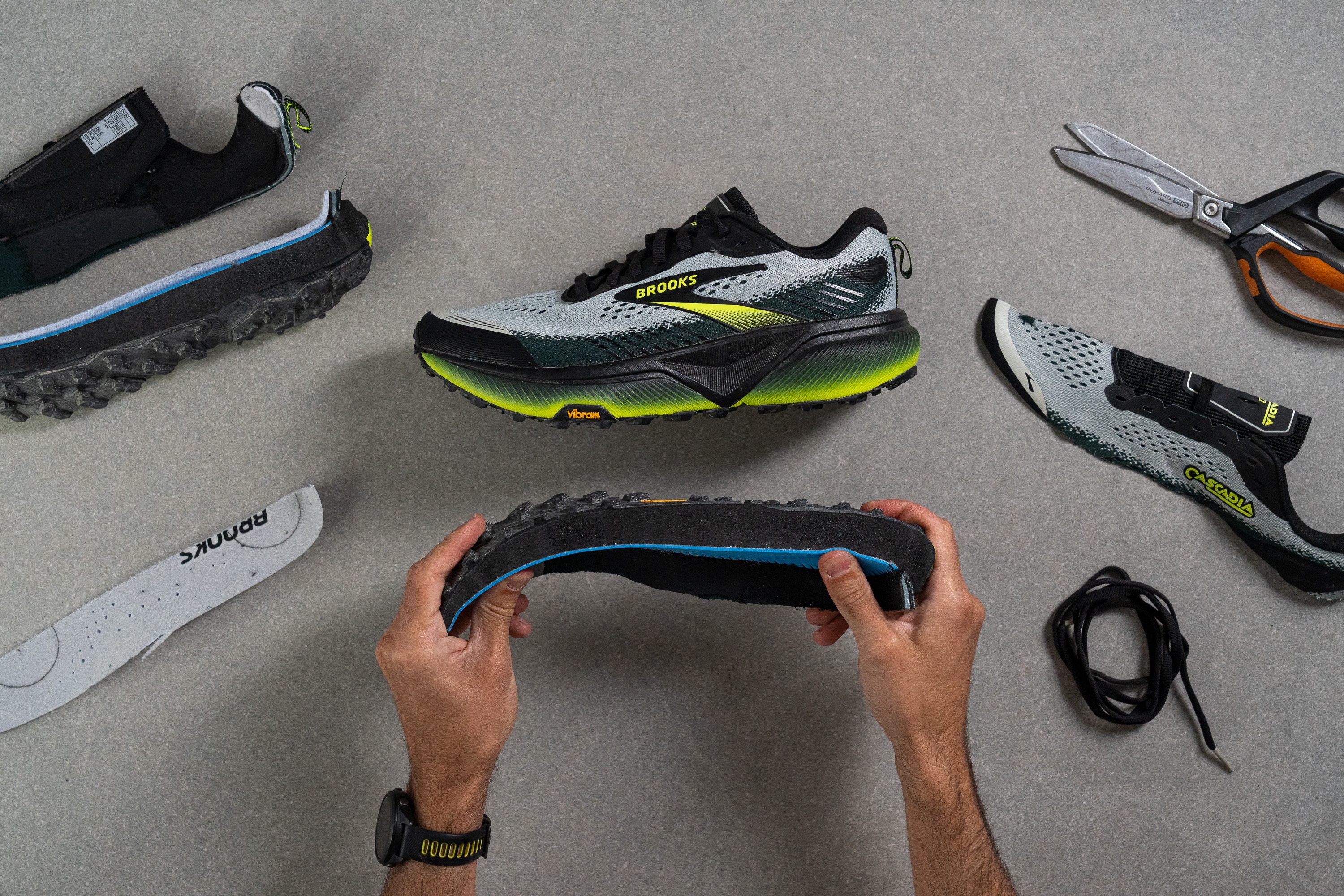
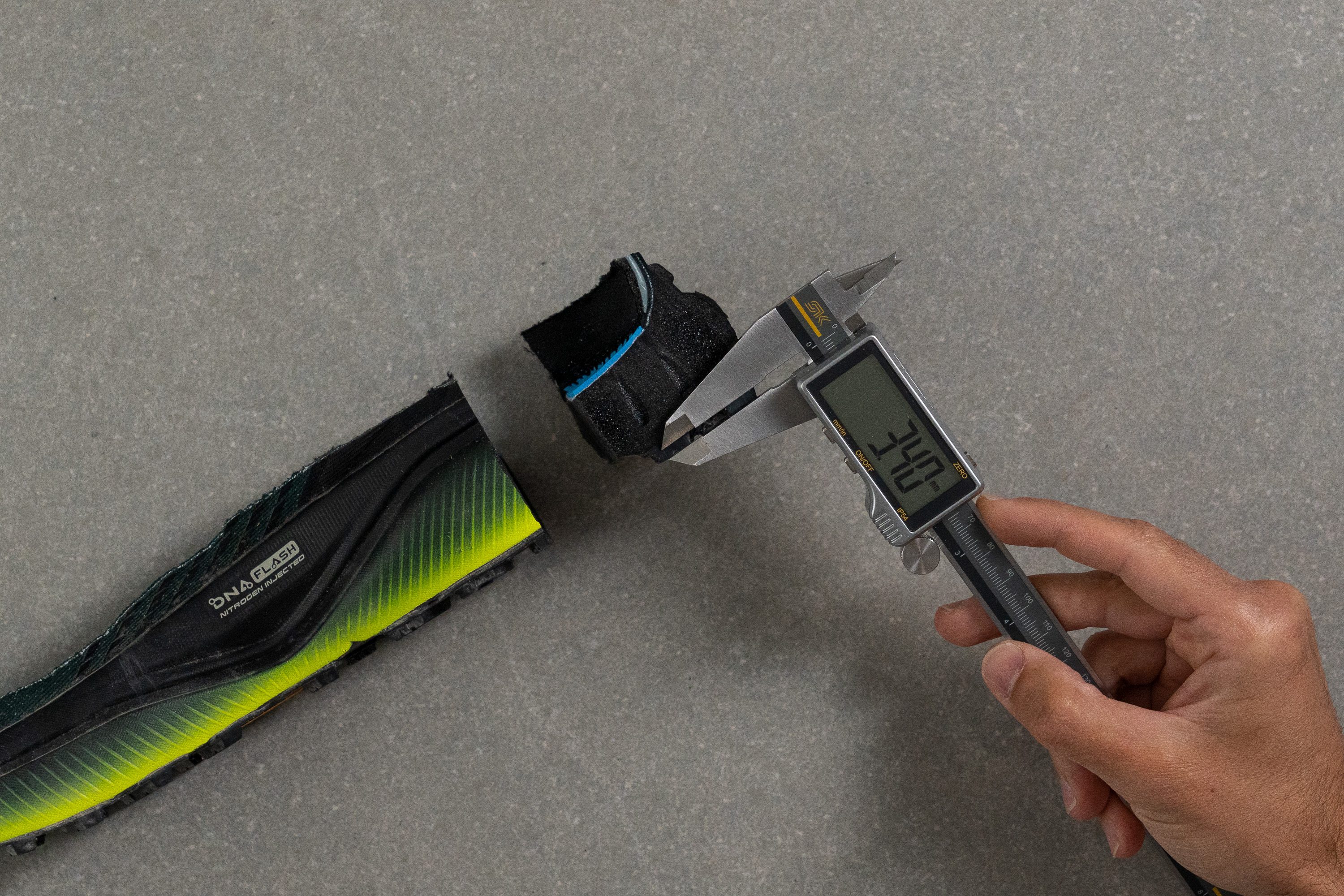
Puede que las Cascadia 19 fueran una especie de experimento, porque, en cuanto cortamos las Cascadia 20 por la mitad, descubrimos que Brooks les había quitado tanto la mediasuela de doble densidad como la placa, para así utilizar una estructura mucho más sencilla con una espuma de una sola densidad.
La DNA Flash v2 es un poquito más firme que la media con sus 39,6 AC, una característica que muchos amantes del trail running agradecen, ya que mejora la estabilidad y el control en terrenos irregulares.
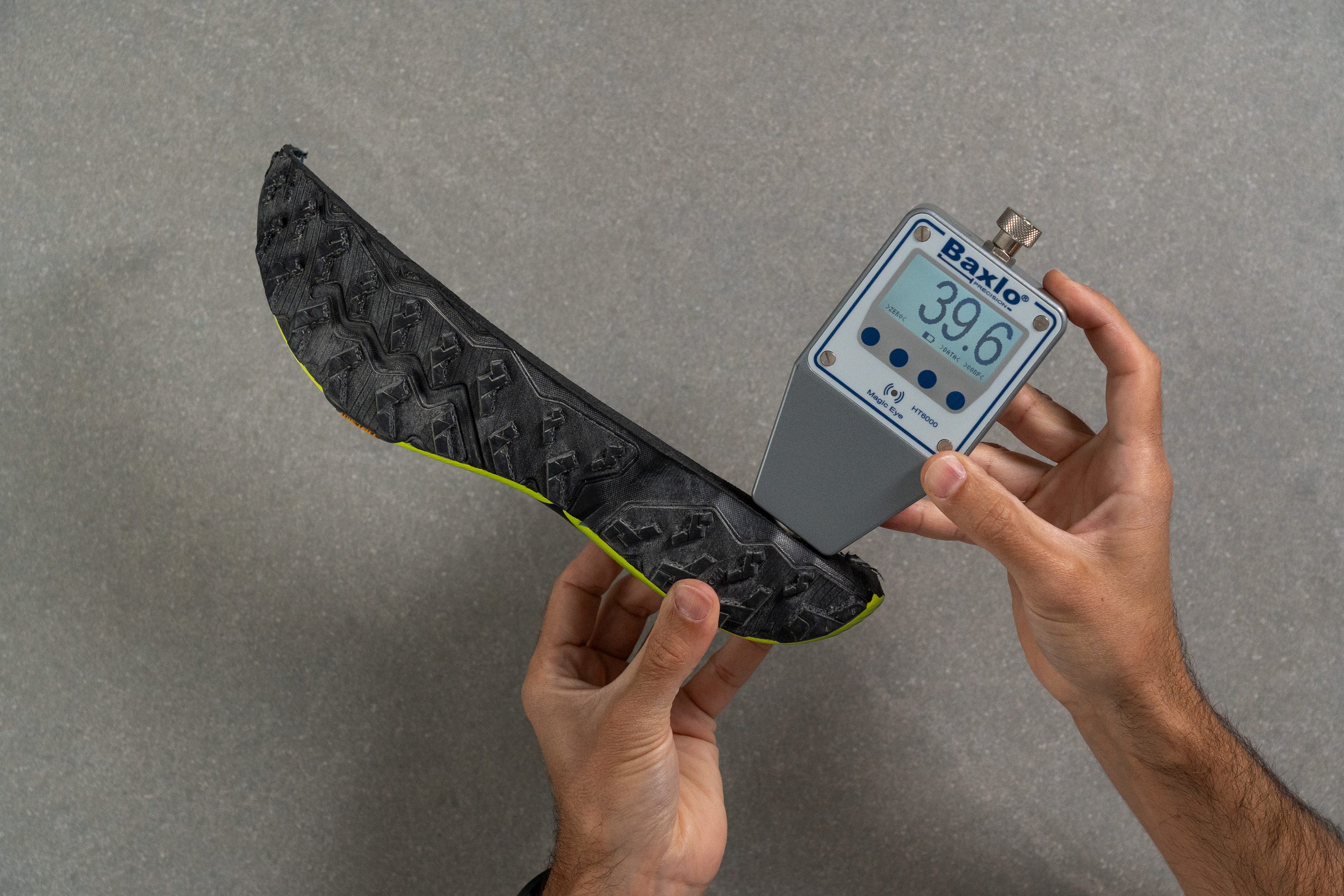
| Cascadia 20 | 39.6 AC |
| Media | 38.3 AC |
Rocker
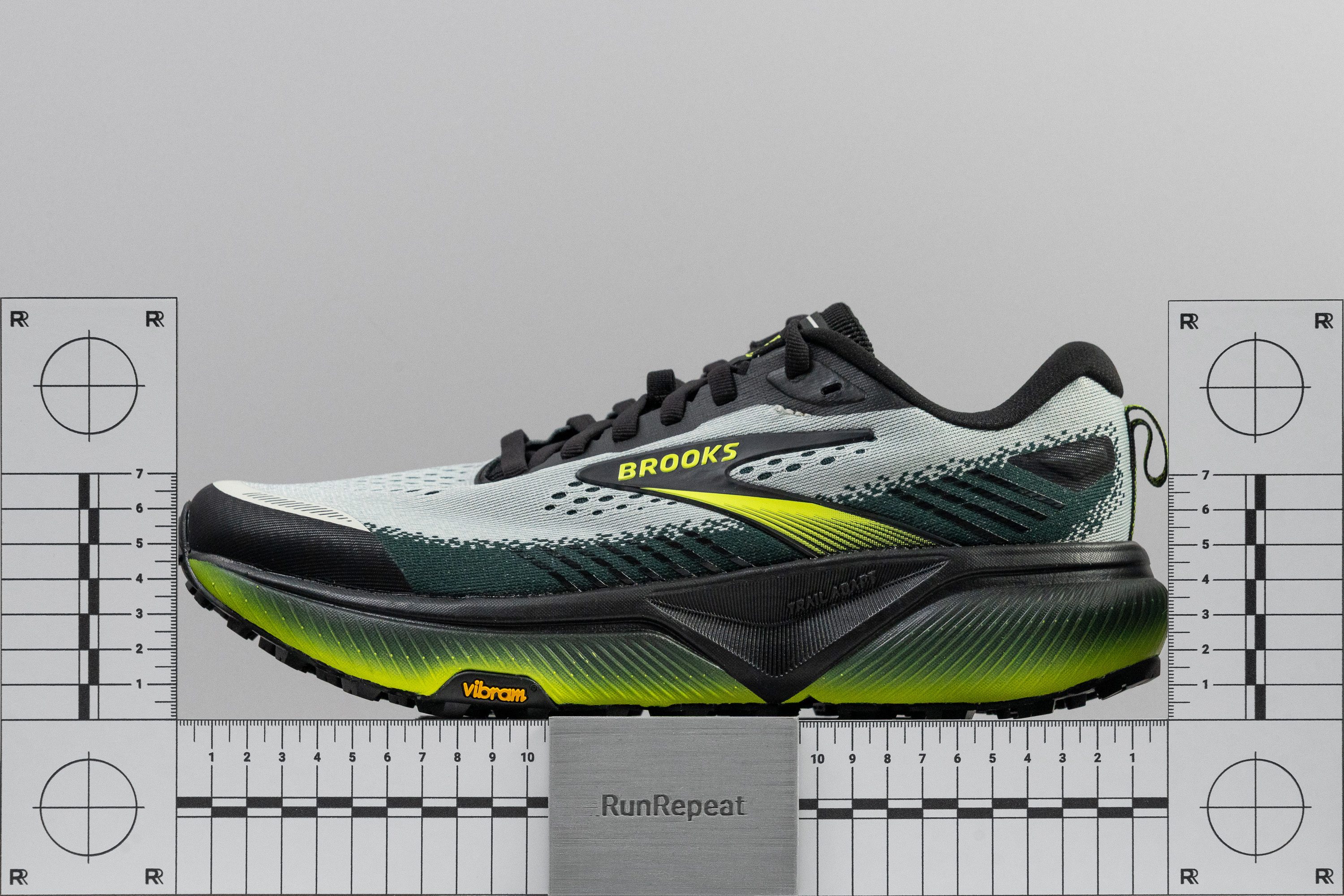
En este apartado no hay muchos cambios, ya que Brooks mantiene un rocker muy parecido al de la versión del año pasado. El talón tiene una curvatura suave que no nos pareció ni intrusiva ni incómoda en ningún momento, mientras que el antepié se eleva hasta los 4,5 cm, una cifra bastante habitual en las zapatillas de trail running actuales.
Tallaje y ajuste
Talla
Las Brooks Cascadia 20 tallan bien (10 votos).
Longitud interna
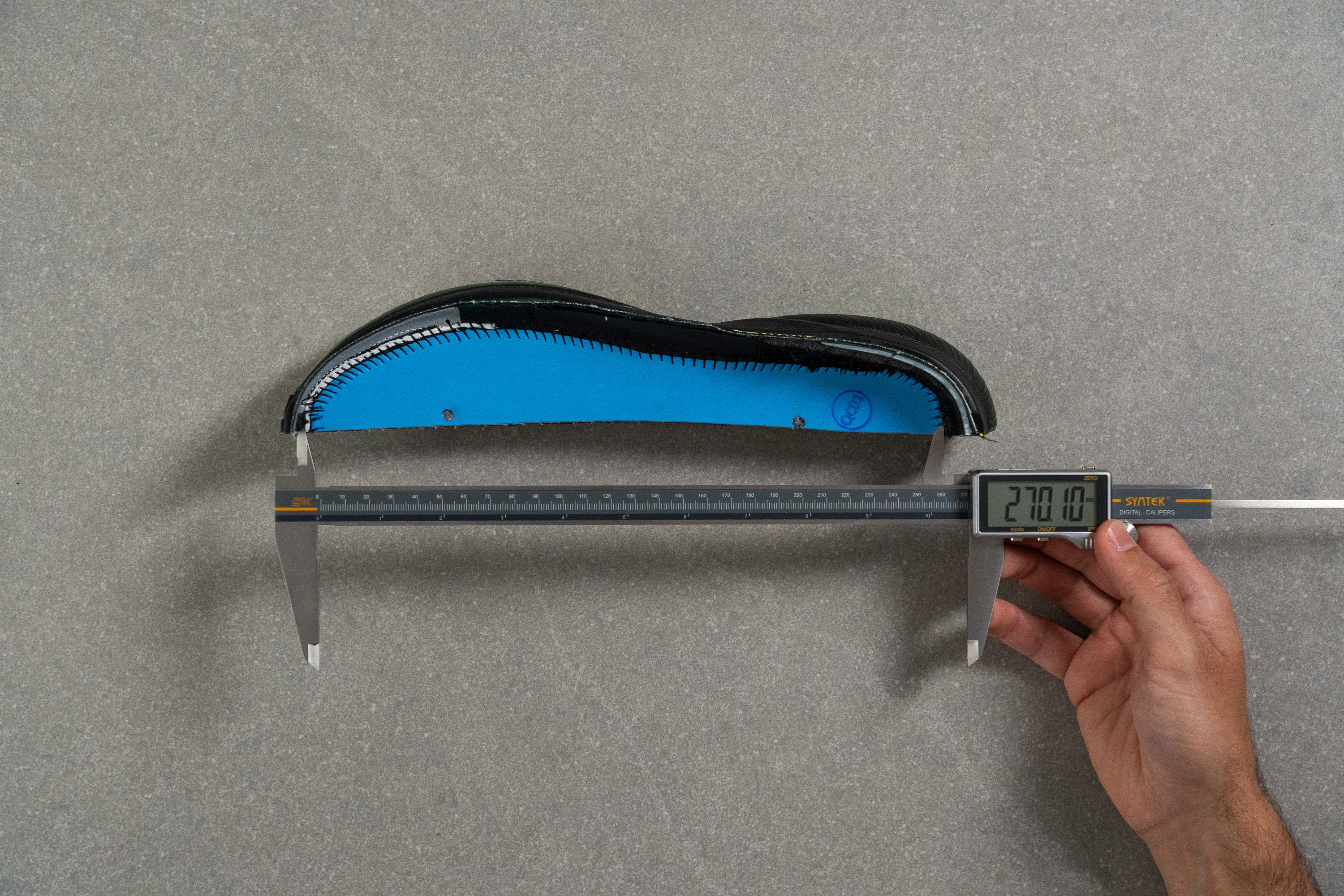
| Cascadia 20 | 270.1 mm |
| Media | 269.2 mm |
Anchura / Ajuste
Como de costumbre, Brooks ofrece las Cascadia tanto en anchura estándar como en versión ancha, aunque esta última solo está disponible en algunos países y tampoco la tienes en un montón de colores.
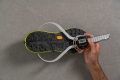
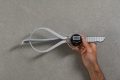
Pero, bueno, vamos a empezar por medir el espacio interior. En su punto más ancho, nuestro calibre marcó una anchura de 93,7 mm, que es inferior a la media.
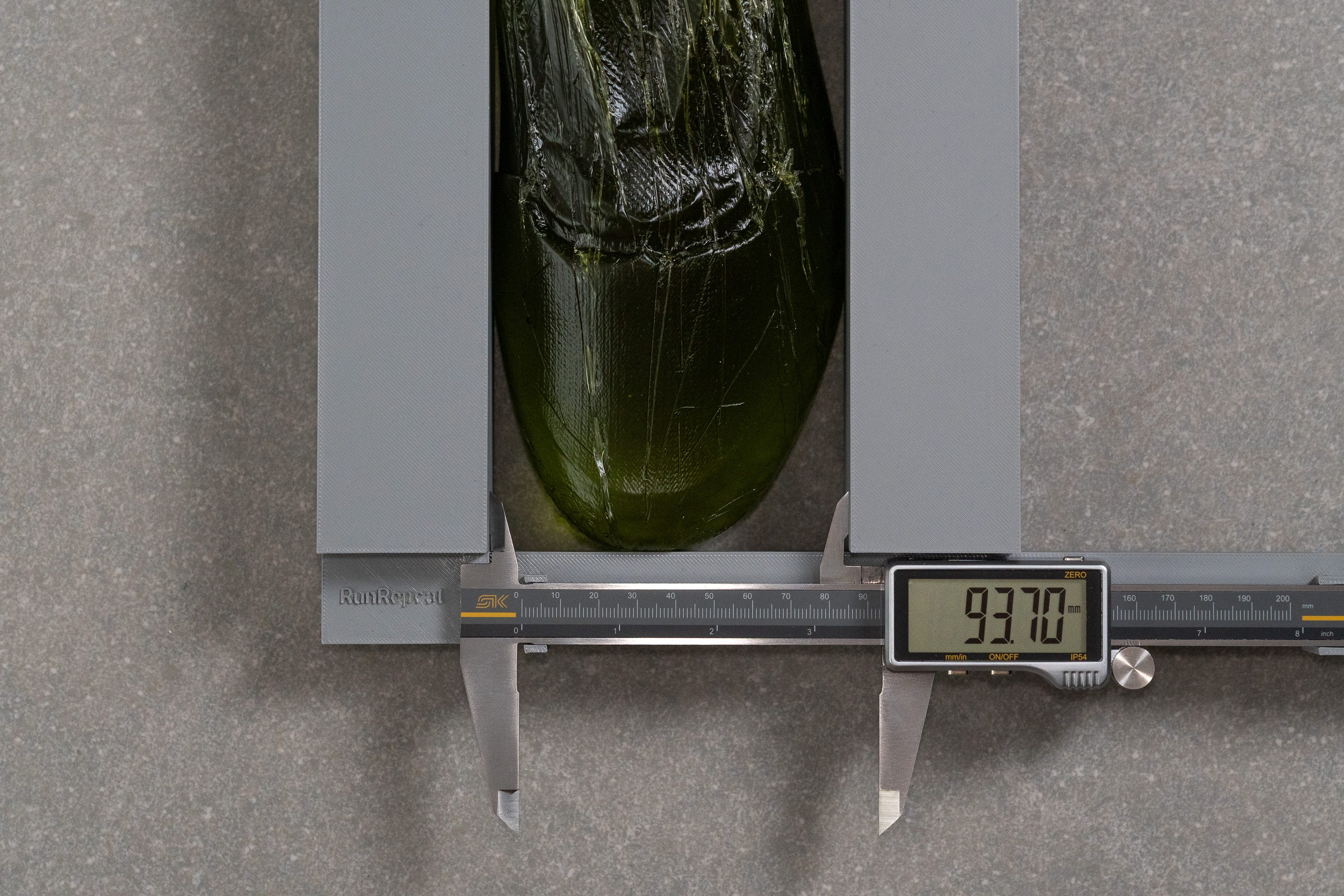
| Cascadia 20 | 93.7 mm |
| Media | 95.7 mm |
Anchura de la parte delantera
Después medimos la anchura de la parte delantera y vimos que no dejaba mucho espacio para separar los dedos. Con solo 70,6 mm, estas zapatillas son más adecuadas para corredores con pies estrechos o para los que prefieren un ajuste muy seguro que apenas permita que el pie se mueva lateralmente.
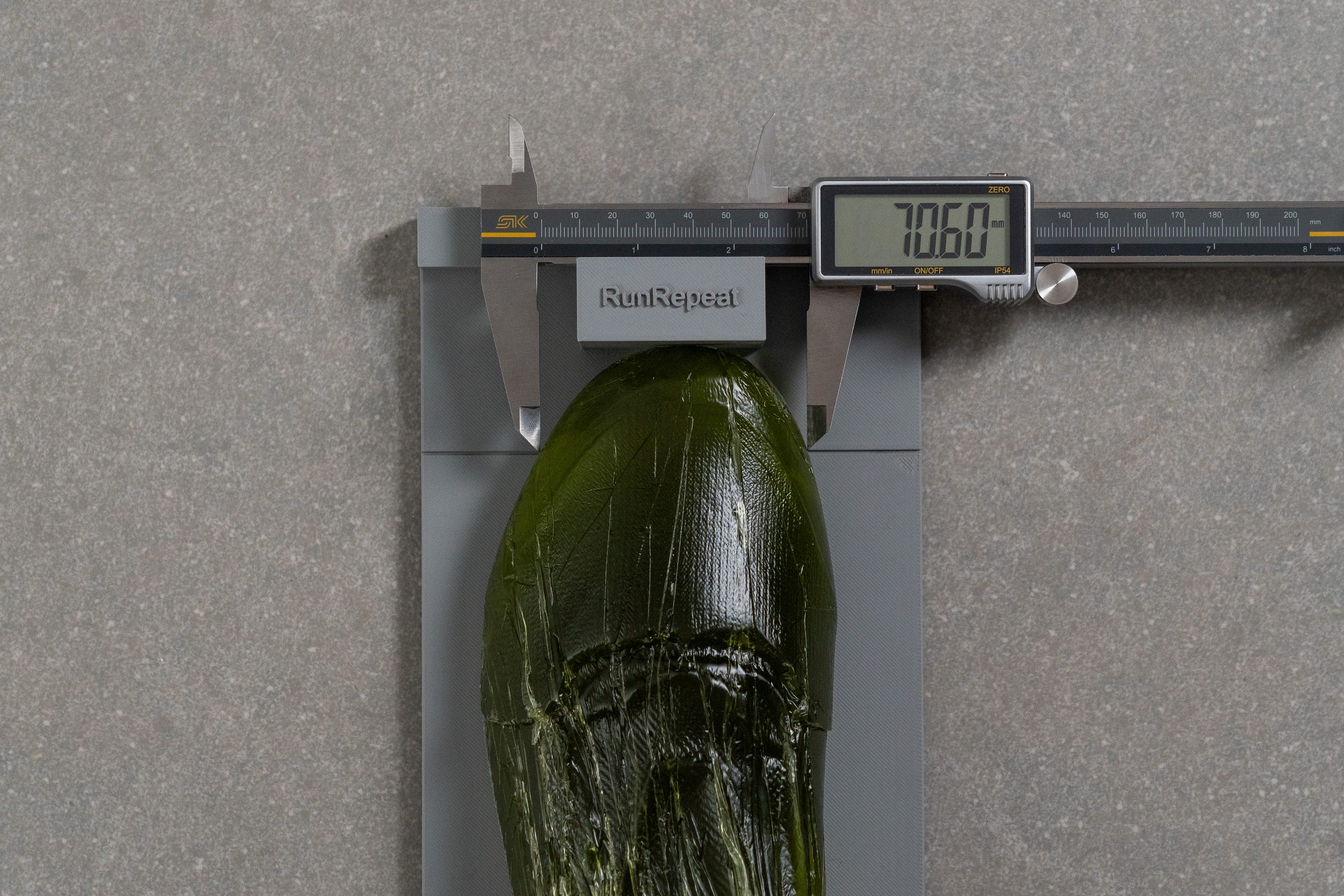
| Cascadia 20 | 70.6 mm |
| Media | 74.3 mm |
Altura de la parte delantera
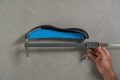
Por último, medimos el espacio vertical de la zona de los dedos.
Una vez más, el resultado es inferior a la media, aunque ahora está mucho más cerca. Por lo tanto, el ajuste es menos restrictivo en cuanto al espacio vertical para los dedos.
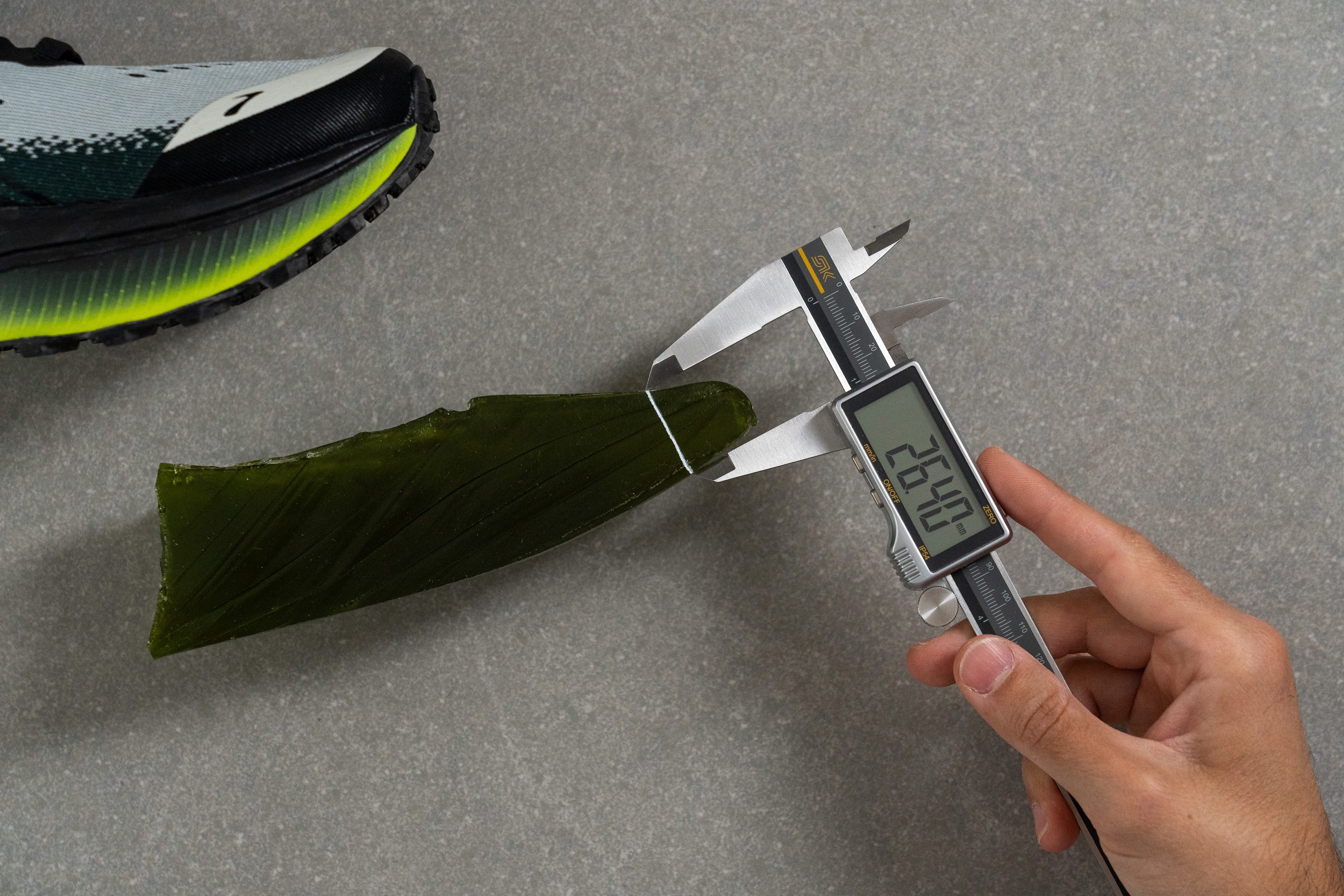
| Cascadia 20 | 26.4 mm |
| Media | 26.9 mm |
Tracción / Agarre
Traction test
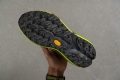
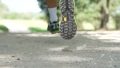
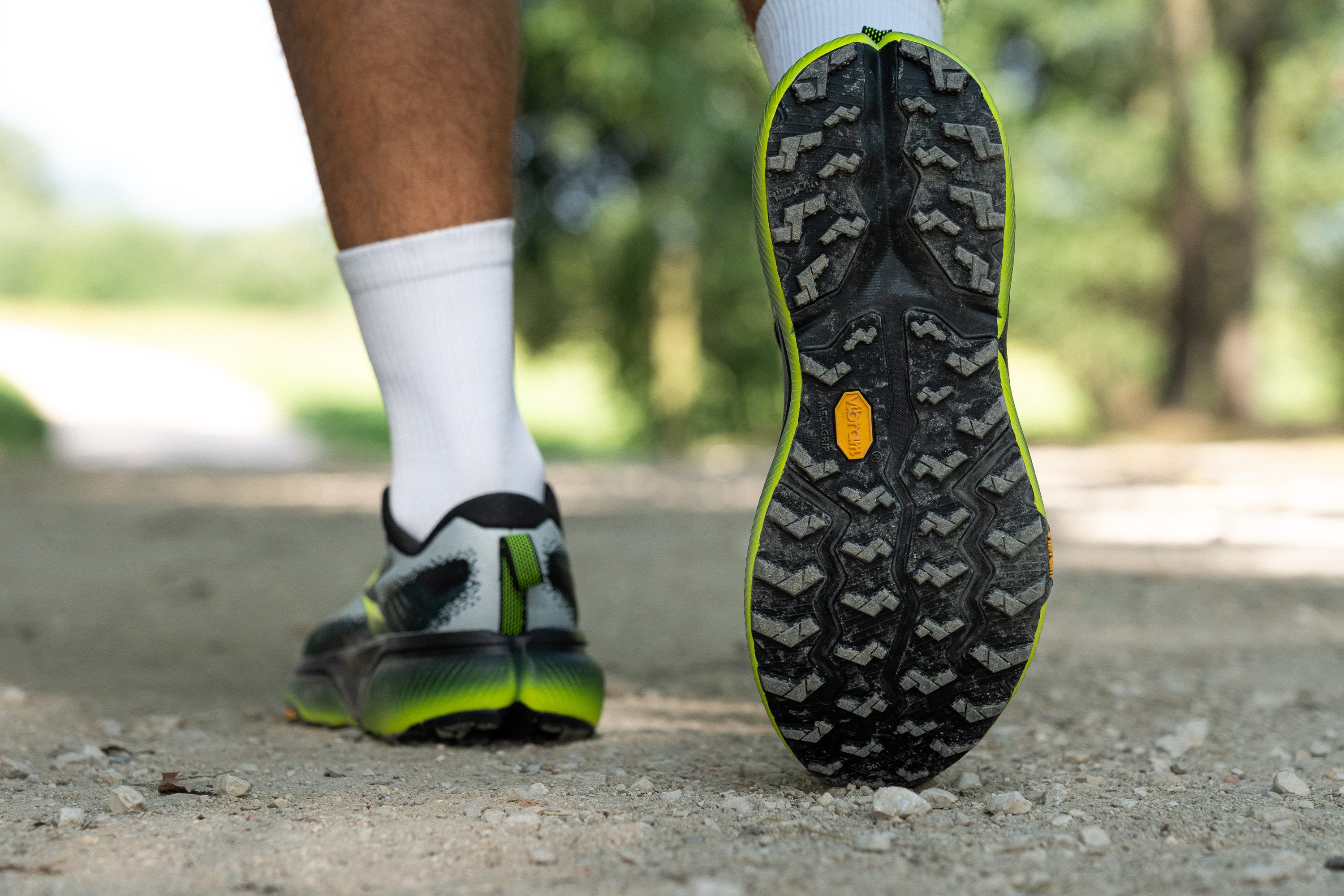
Las Brooks Cascadia 20 alcanzaron un excelente coeficiente de fricción de 0,79, muy por encima de la media actual de nuestro laboratorio. Su nueva suela Vibram Megagrip consiguió presumir de una tracción excepcional durante todas nuestras pruebas, transmitiéndonos total confianza en muchos terrenos distintos.
| Cascadia 20 | 0.79 |
| Media | 0.68 |
Profundidad del dibujo de la suela
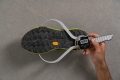
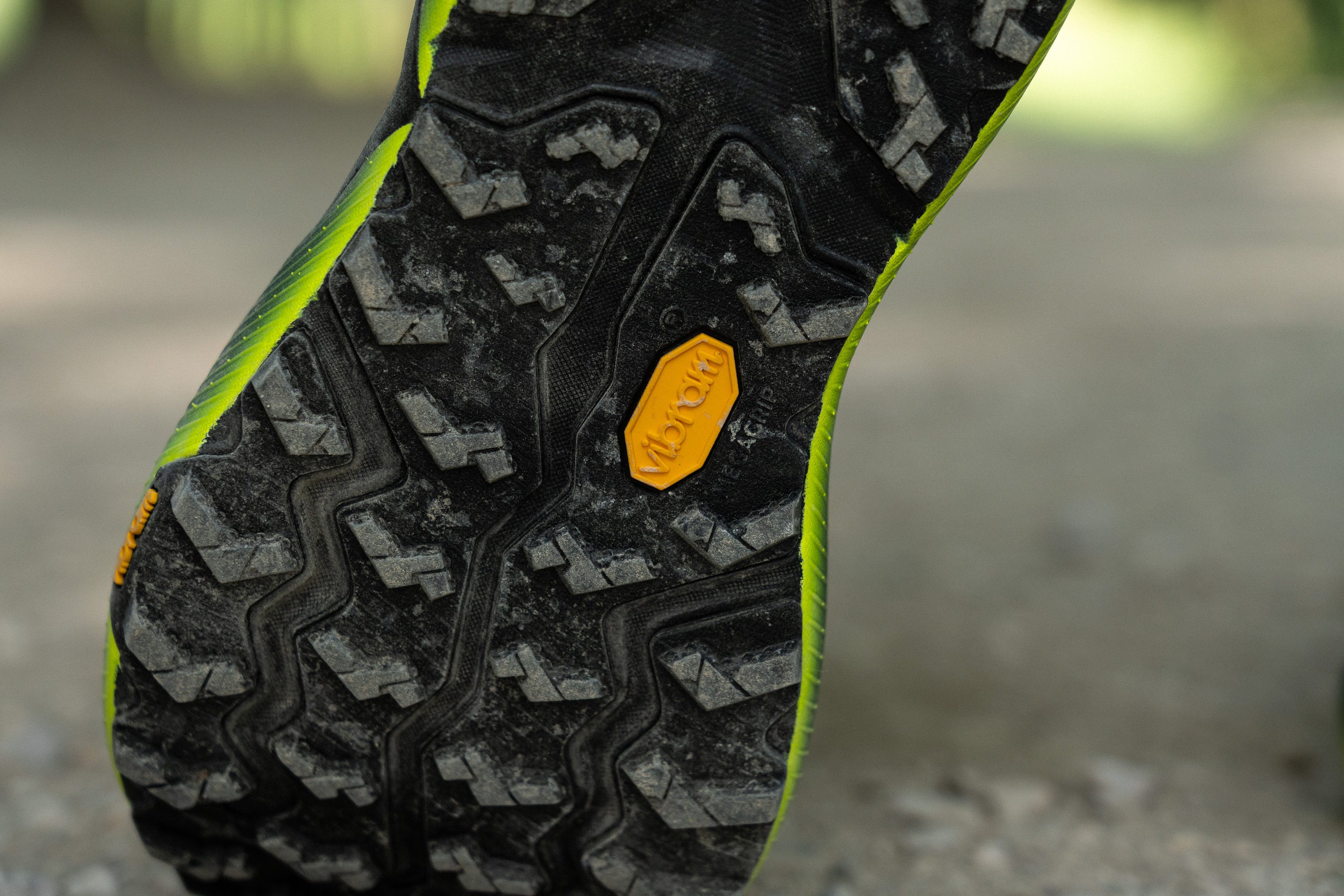
La nueva suela Vibram Megagrip, que por fin ha llegado a la línea Cascadia, también cuenta con la tecnología Traction Lug. La verdad es que agradecimos mucho esta mejora, ya que aumenta el agarre, sobre todo en las curvas, gracias a los pequeños puntos integrados en cada taco.
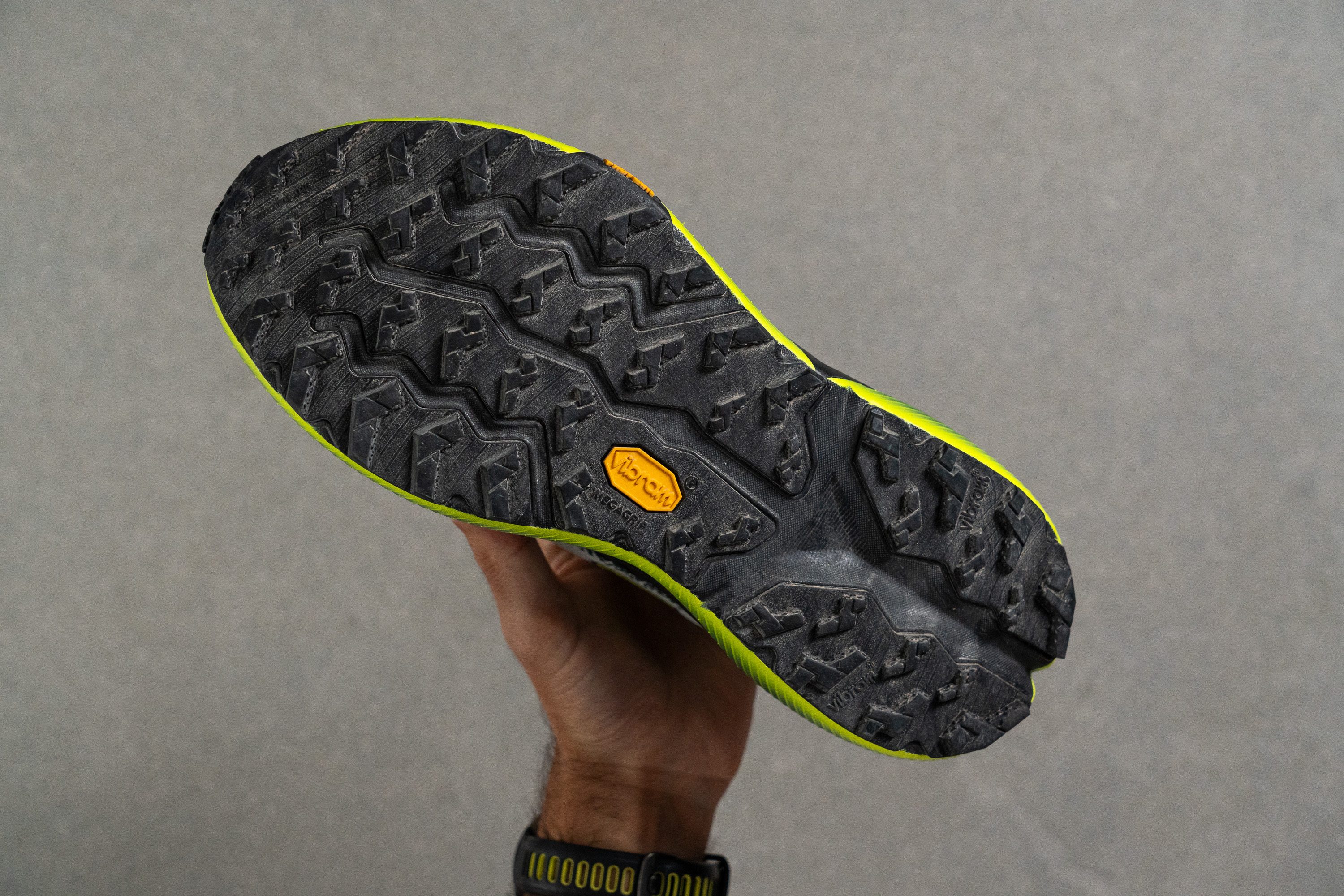
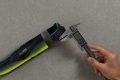
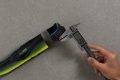
Cuando medimos los tacos, nuestro calibre marcó 3,4 mm, que es un poco menos que los 4 mm que indica Brooks. Por lo tanto, las Cascadia 20 rinden mejor en caminos de grava y senderos fáciles, mientras que se desenvuelven peor en los terrenos muy técnicos.
| Cascadia 20 | 3.4 mm |
| Media | 3.5 mm |
Diseño de la suela exterior
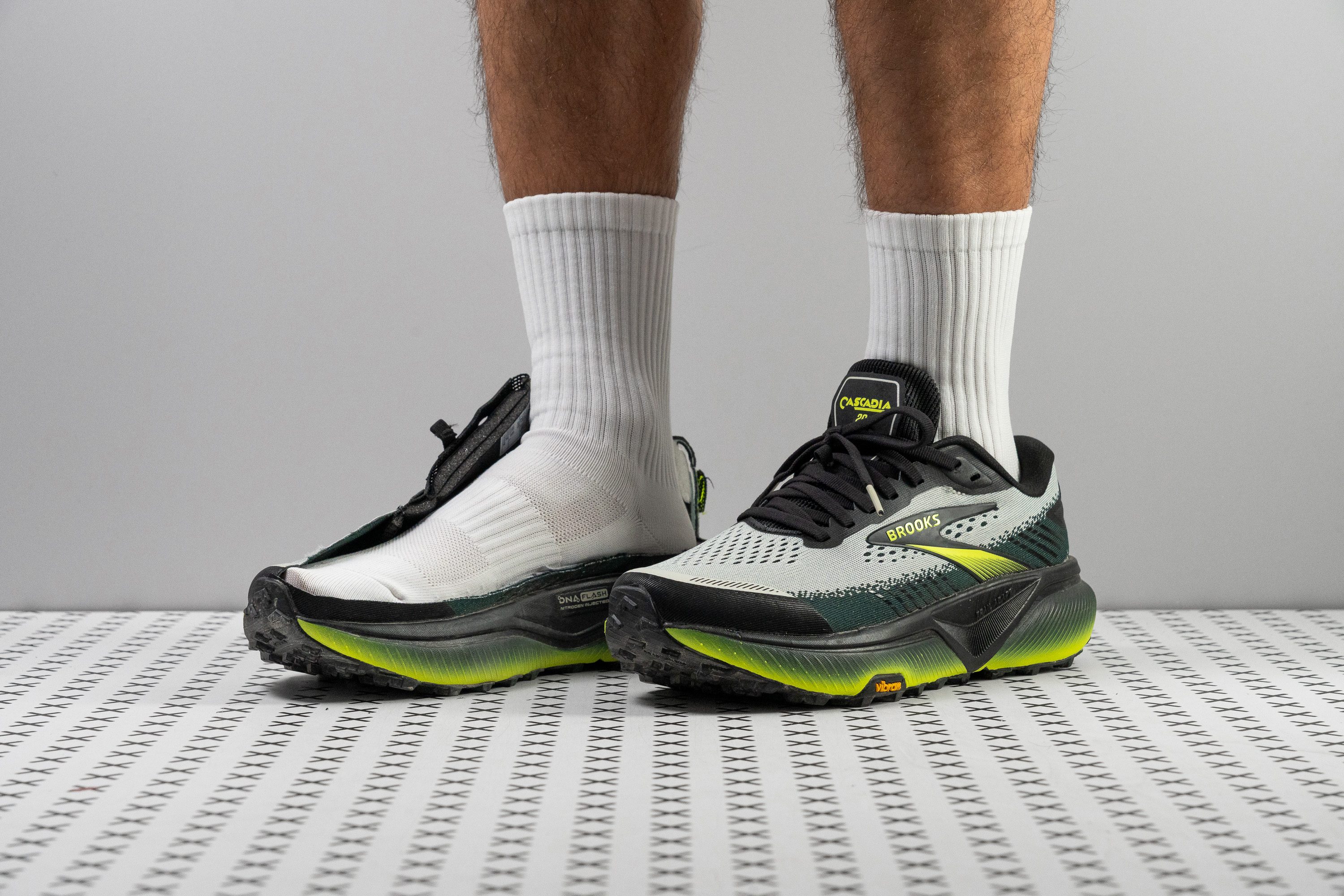
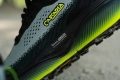
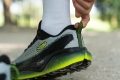
La suela está casi totalmente cubierta de caucho Vibram Megagrip de excelente calidad, y solo deja al descubierto unos pocos cortes de espuma diseñados para mejorar la flexibilidad, no para reducir el peso. En nuestra opinión, esta cobertura de caucho es excepcional y debería ofrecer una excelente durabilidad a largo plazo.
Flexibilidad / Rigidez
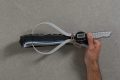
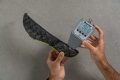
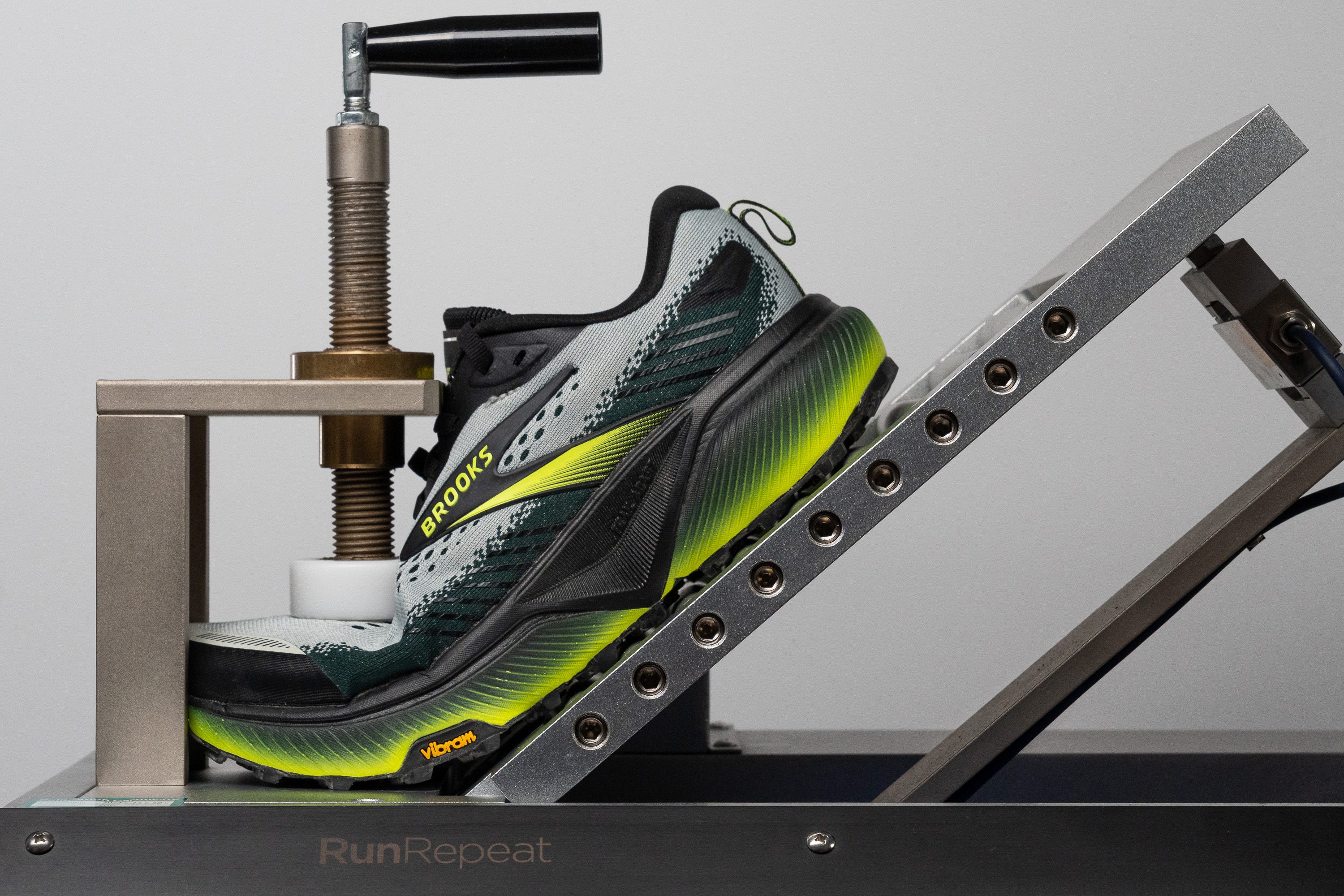
Una de las consecuencias de utilizar más espuma es el aumento de la rigidez. Como esperábamos, esta versión es menos flexible que sus predecesoras, y en nuestra prueba de flexión de 30 grados, necesitó 18,1 N de fuerza.
| Cascadia 20 | 18.1N |
| Media | 14.8N |
Peso
Una mayor altura también suele venir de la mano de un peso más alto, pero cuando pusimos estas zapatillas en nuestra báscula, descubrimos por qué Brooks cambió la DNA Loft v3 por la DNA Flash v2.
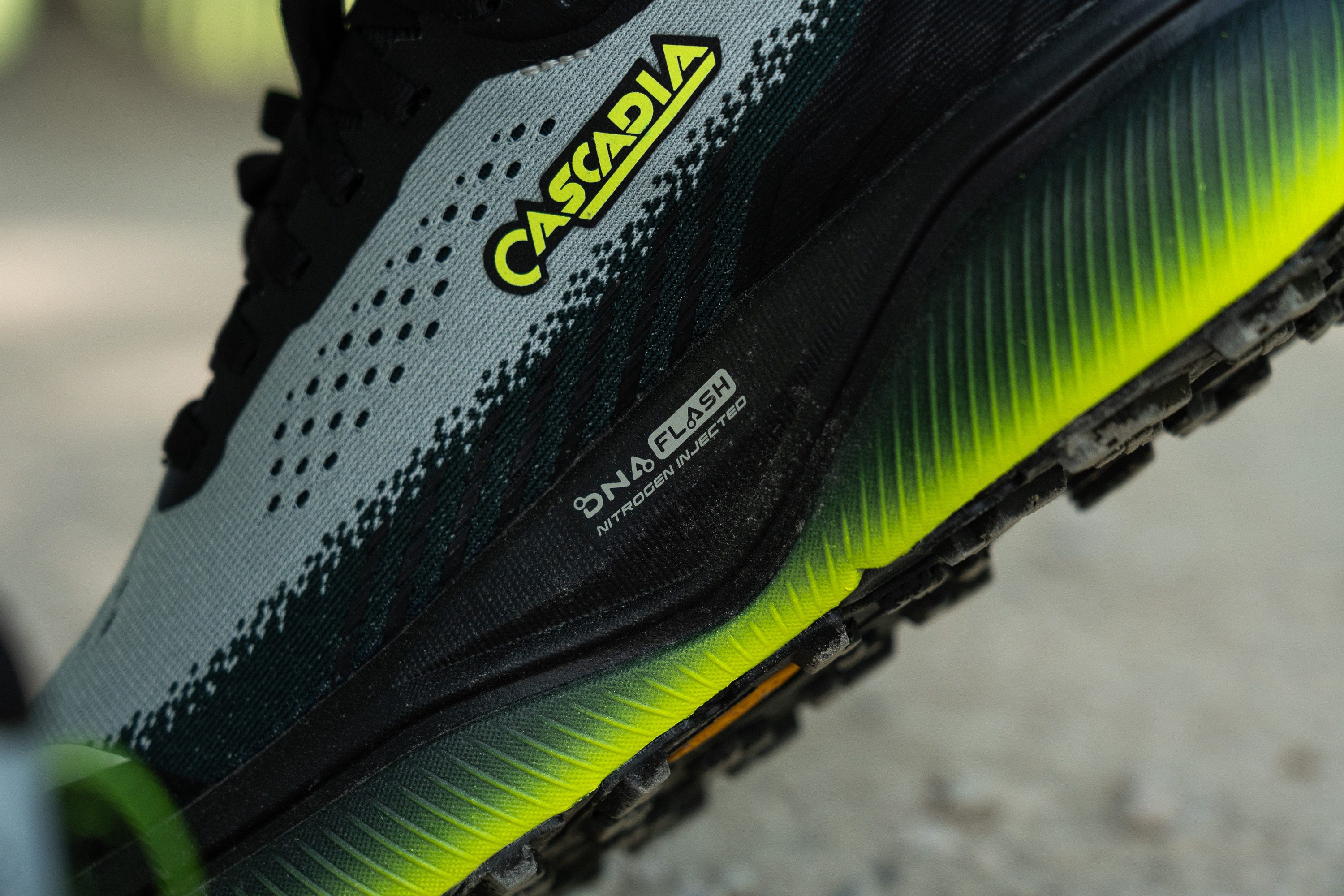
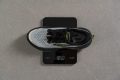
Esta nueva espuma es más ligera, lo que hace que las Cascadia 20 pesen un poco menos que sus predecesoras. Eso sí, sus 298 g hacen que sigan siendo unas zapatillas pesadas.
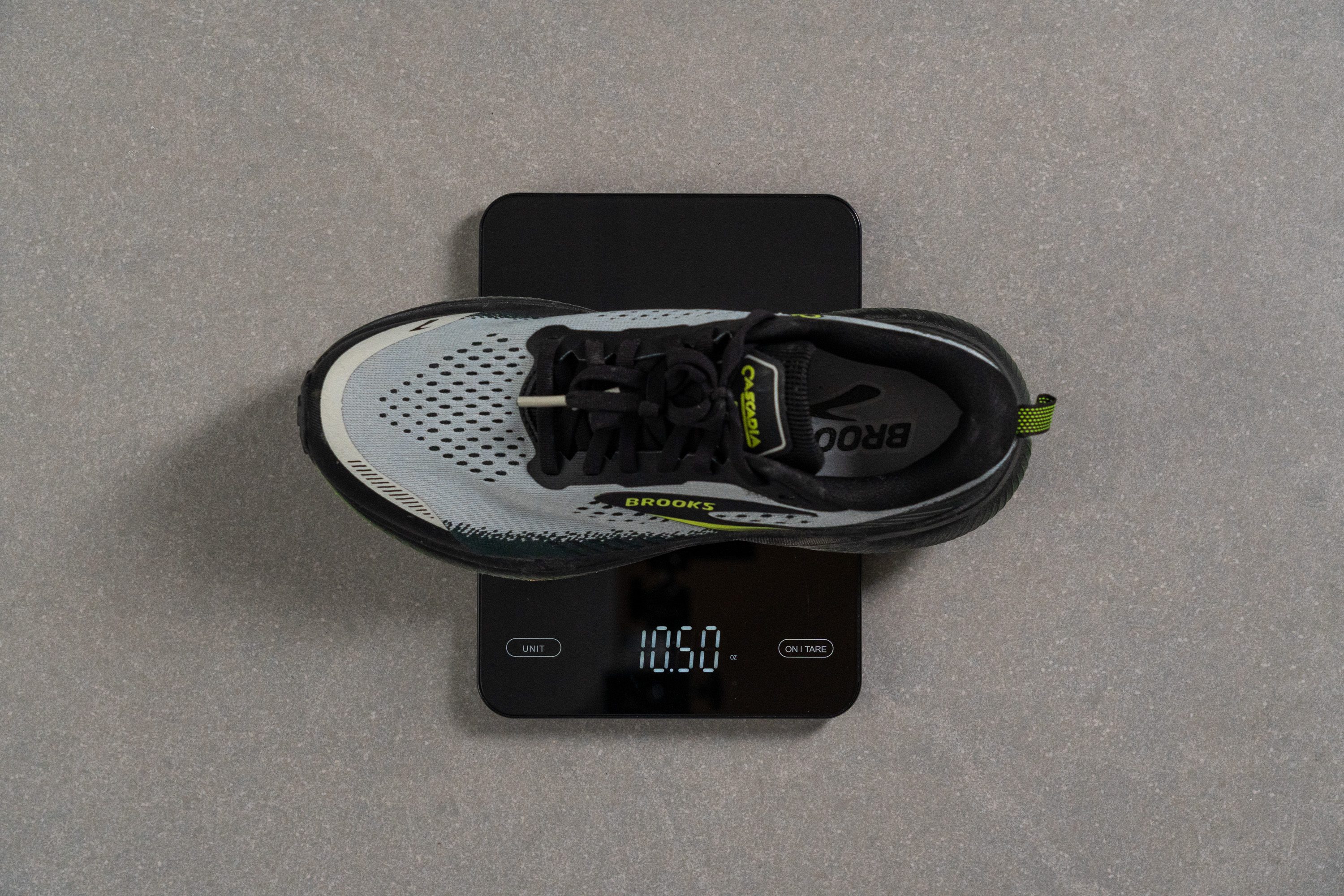
| Cascadia 20 | 10.5 oz (298g) |
| Media | 10.1 oz (285g) |
Transpirabilidad
Breathability test
The Brooks Cascadia 20 is built for demanding trails, featuring a mesh upper and strategically placed overlays to protect areas exposed to abrasion. That's a practical setup for rocky terrain, although we wanted to know whether the protective elements would limit ventilation.
We settled on a 3/5 score in our breathability test. There's a reasonable amount of airflow that works well for year-round versatility, but this isn't an especially airy trail shoe.

| Cascadia 20 | 3 |
| Media | 3.3 |
Estabilidad
Prueba de estabilidad lateral
Brooks vuelve a apostar por su tecnología TrailAdapt en las Cascadia 20, una combinación de características que mejora la sujeción y la flexibilidad en zonas clave para que la pisada sea estable.
Según nuestras pruebas, estas zapatillas ofrecen una excelente estabilidad tanto en el talón como en el antepié, y son una buena opción para quienes tienen sobrepronación leve o moderada.
Rigidez torsional
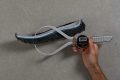
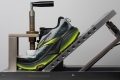
Los cortes de la suela que mencionamos antes, junto con el hecho de que este modelo no tiene placa, hacen que retorcerlo y doblarlo cueste menos. De hecho, nuestra máquina marcó 15,6 Nm, que es menos de lo que su tamaño podría sugerir a simple vista.
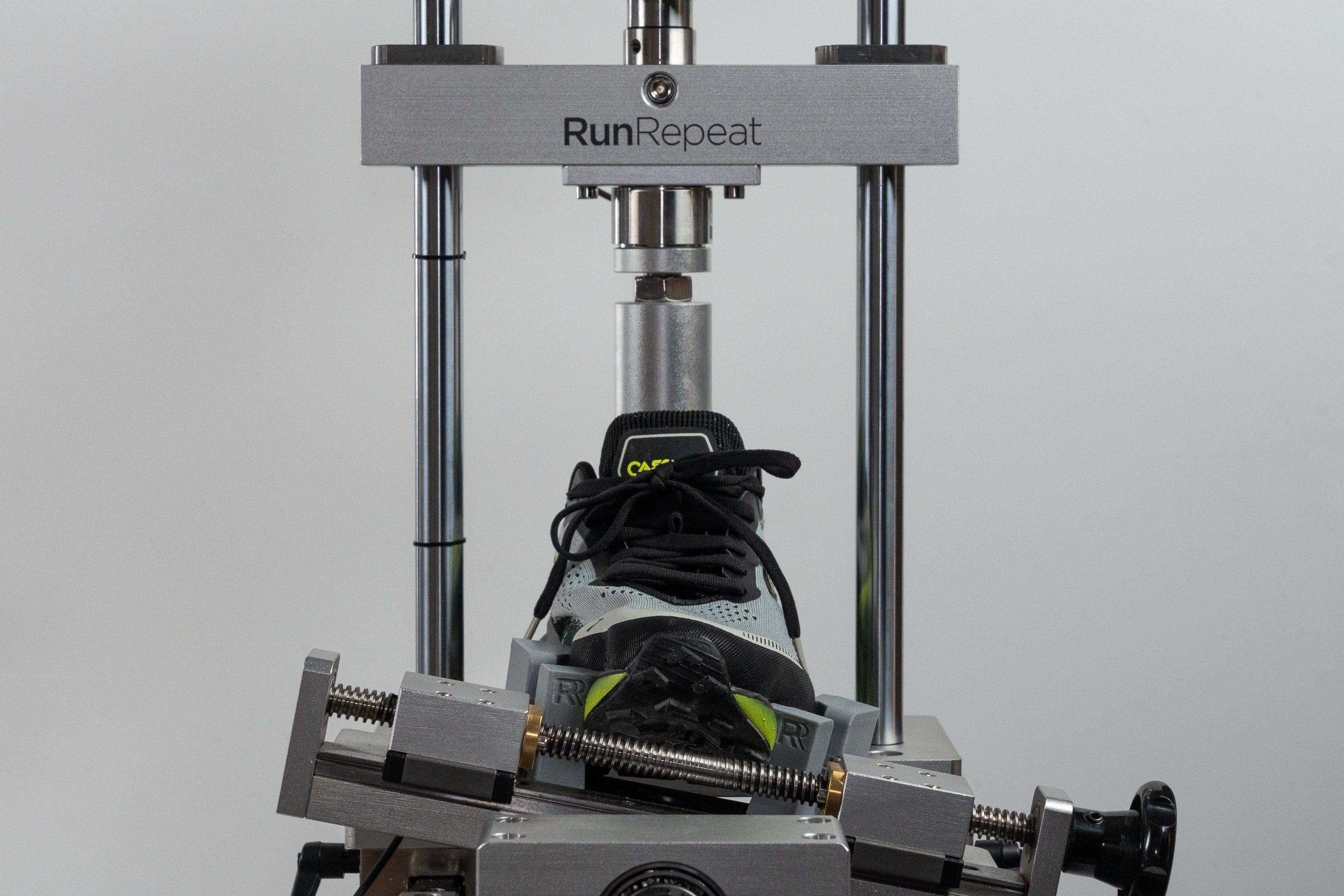
| Cascadia 20 | 15.6 Nm |
| Media | 15.8 Nm |
Rigidez del contrafuerte del talón
El talón se siente muy estable, cosa que, en parte, le debe al contrafuerte tan rígido (5/5) que Brooks les ha puesto a las Cascadia 20. Puede que no termine de convencer a los corredores que prefieren una sensación más natural, pero lo más probable es que al resto les compense por la sujeción extra que ofrece.
| Cascadia 20 | 5 |
| Media | 3 |
Anchura de la mediasuela - antepié
Con las Cascadia 20, hay algo que queda claro desde el primer momento: Brooks ha priorizado al máximo la estabilidad, y estas zapatillas transmiten esa sensación independientemente de cómo aterrices.
El antepié mide 117,7 mm de ancho, así que supera la media actual de nuestro laboratorio. Sin embargo, es en el talón donde Brooks ha apostado con más fuerza, con una plataforma excepcionalmente ancha.
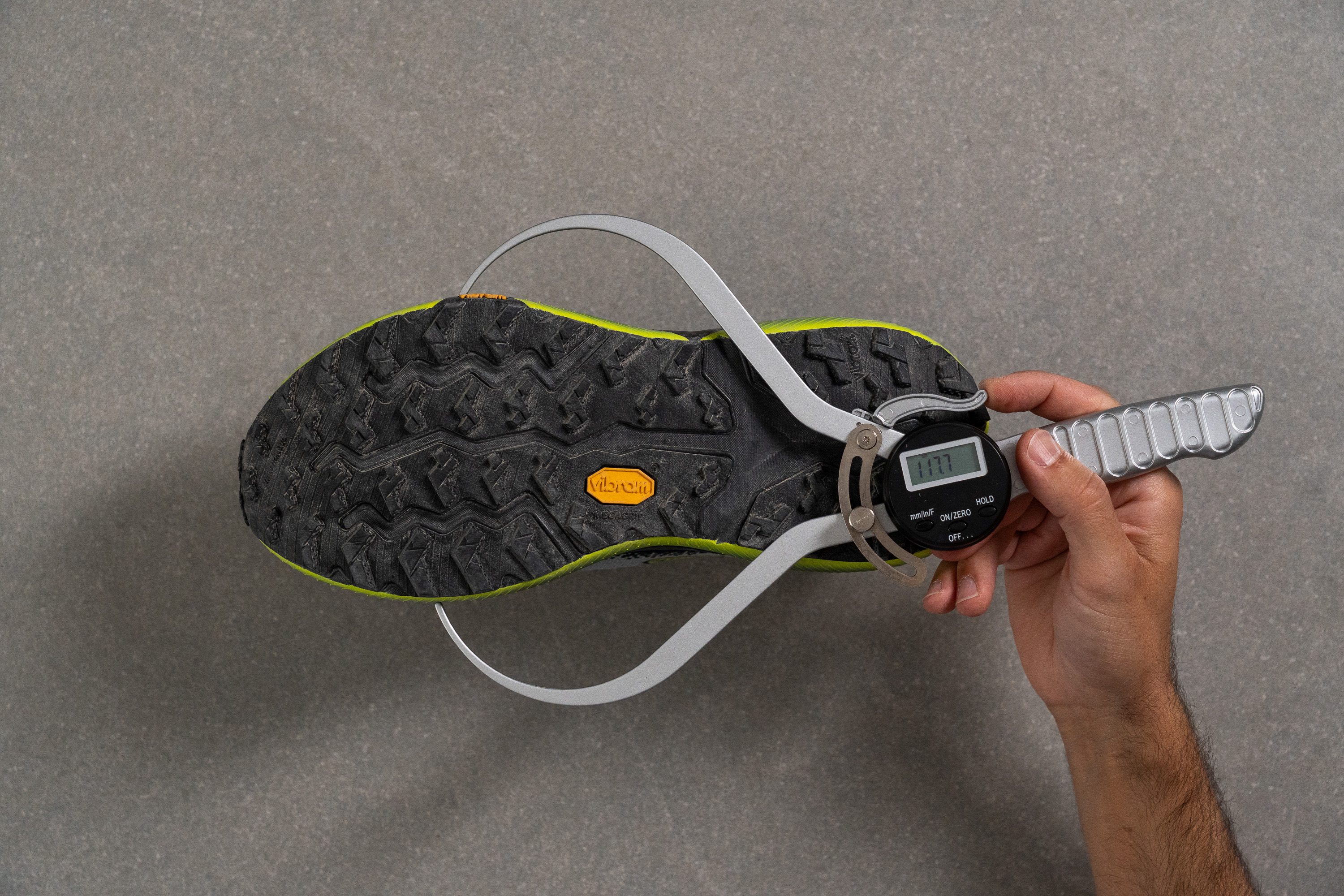
| Cascadia 20 | 117.7 mm |
| Media | 114.3 mm |
Anchura de la mediasuela - talón
Con 98,5 mm, la plataforma del talón es muy espaciosa, lo que hace que estas zapatillas sean una opción excelente para los runners que necesitan un extra de sujeción. Sin embargo, como toda decisión de diseño en unas zapatillas de running, también tiene su parte negativa: en este caso, es la pérdida de agilidad.
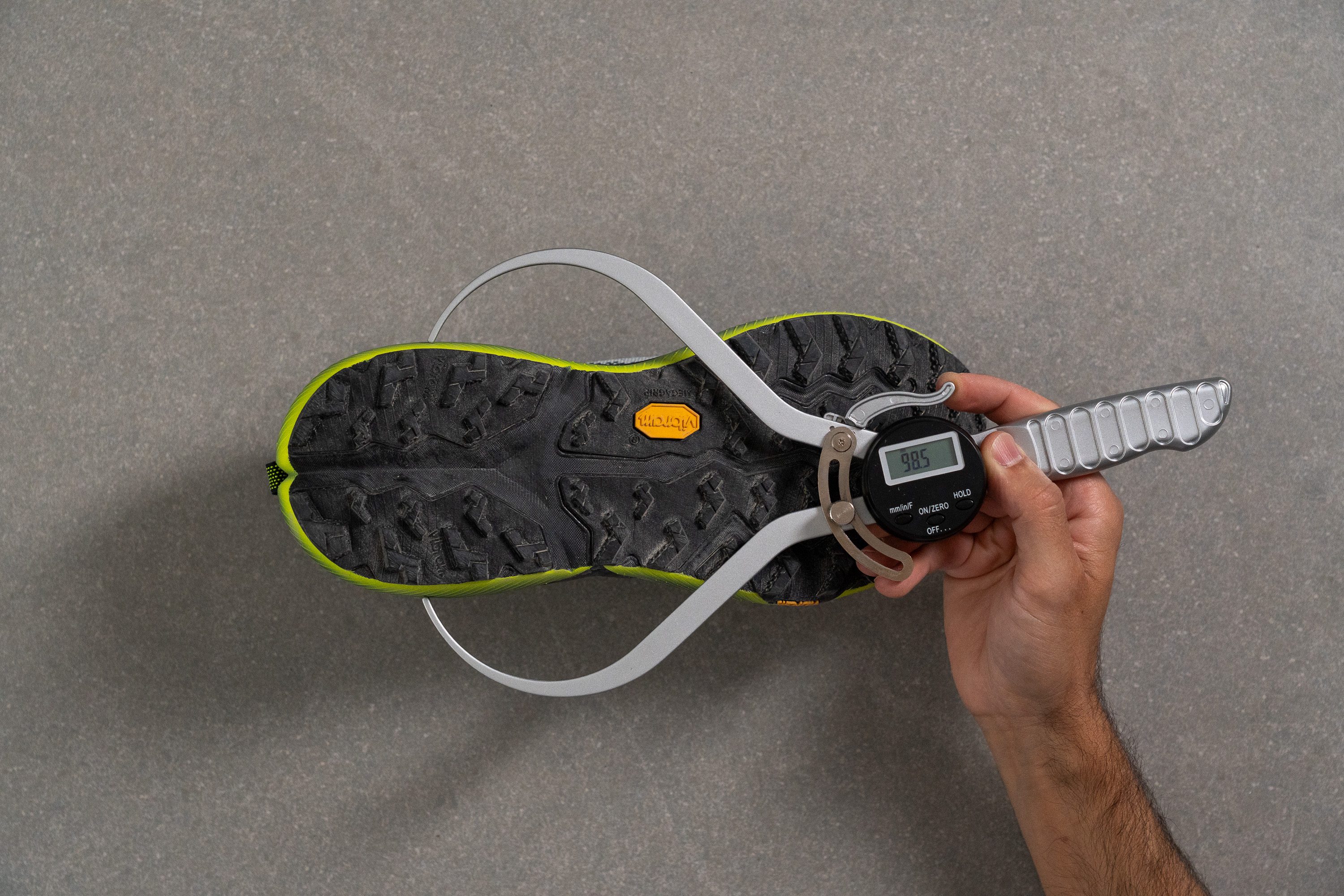
| Cascadia 20 | 98.5 mm |
| Media | 90.5 mm |
Durabilidad
Durabilidad de la parte delantera
El upper de malla técnica de las Cascadia 20 se parece más al de unas zapatillas de running para asfalto... excepto por sus resistentes refuerzos. Además, Brooks ha puesto la comodidad antes que la durabilidad en su lista de prioridades, algo que confirmamos con su modesto resultado de 2/5 en nuestra prueba de abrasión.
| Cascadia 20 | 2 |
| Media | 3.1 |
Durabilidad del acolchado del talón
También pusimos a prueba el acolchado del talón, y menudo chasco nos llevamos. Solo consiguió un 1/5 en nuestra prueba de abrasión, y la verdad es que nos esperábamos una mejor resistencia al desgaste.
| Cascadia 20 | 1 |
| Media | 3.1 |
Durabilidad de la suela
La suela perdió 1,0 mm de material en nuestra prueba con el Dremel, un resultado parecido al de otras zapatillas de trail running que hace que no nos tengamos que preocupar ni un poquito.
| Cascadia 20 | 1.0 mm |
| Media | 0.9 mm |
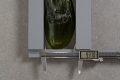
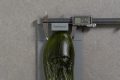
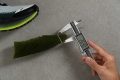
Grosor de la suela
Con un grosor de 2,3 mm, la suela también ofrece una protección más que suficiente frente al desgaste y las rocas afiladas de los senderos.
En nuestra opinión, este nivel de protección justifica totalmente la decisión de no utilizar una placa antirrocas.
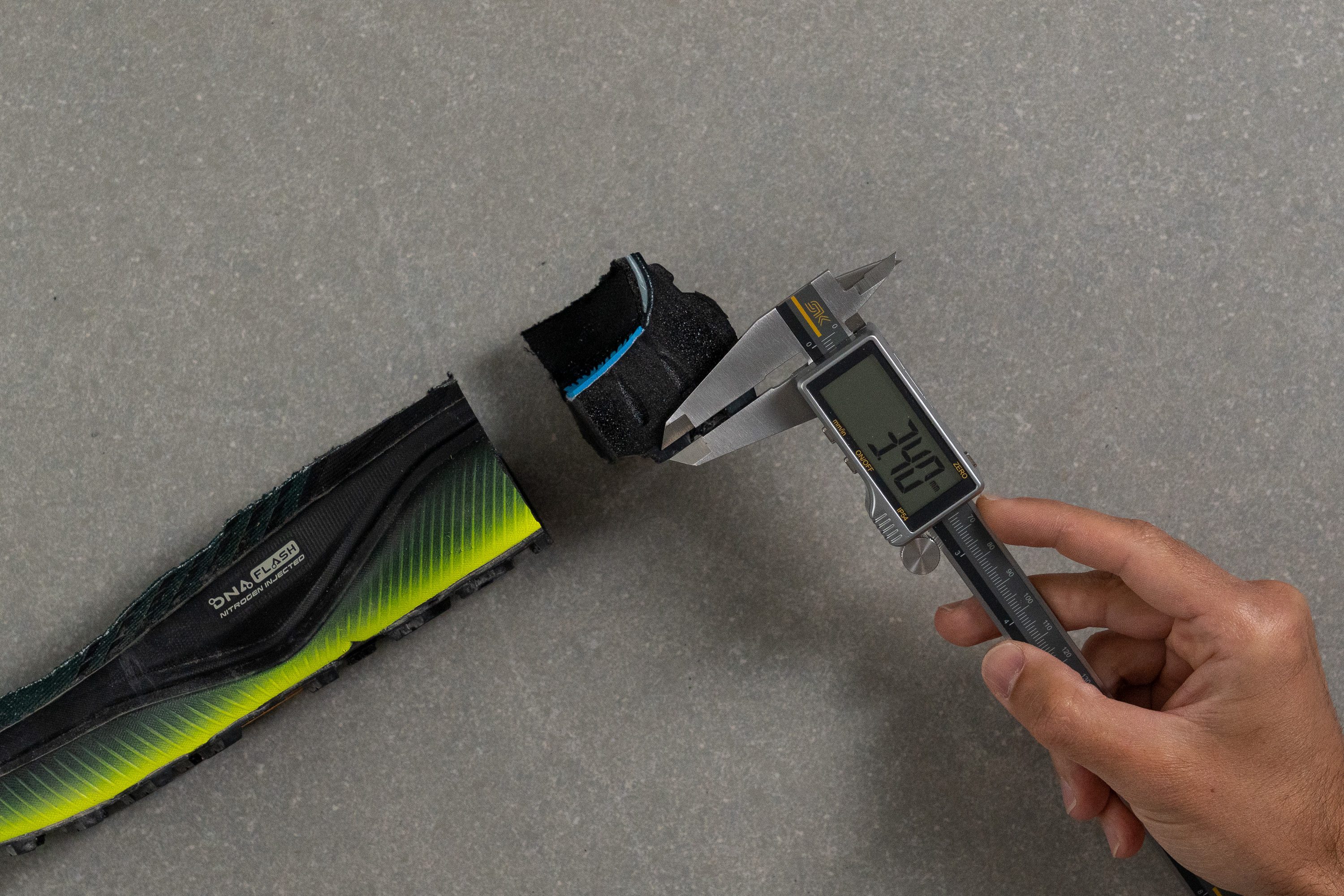
| Cascadia 20 | 2.3 mm |
| Media | 1.9 mm |
Varios
Grosor de la plantilla
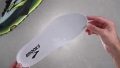
La plantilla también es un poquito más gruesa que la media con sus 5,2 mm, aunque la diferencia es mínima.
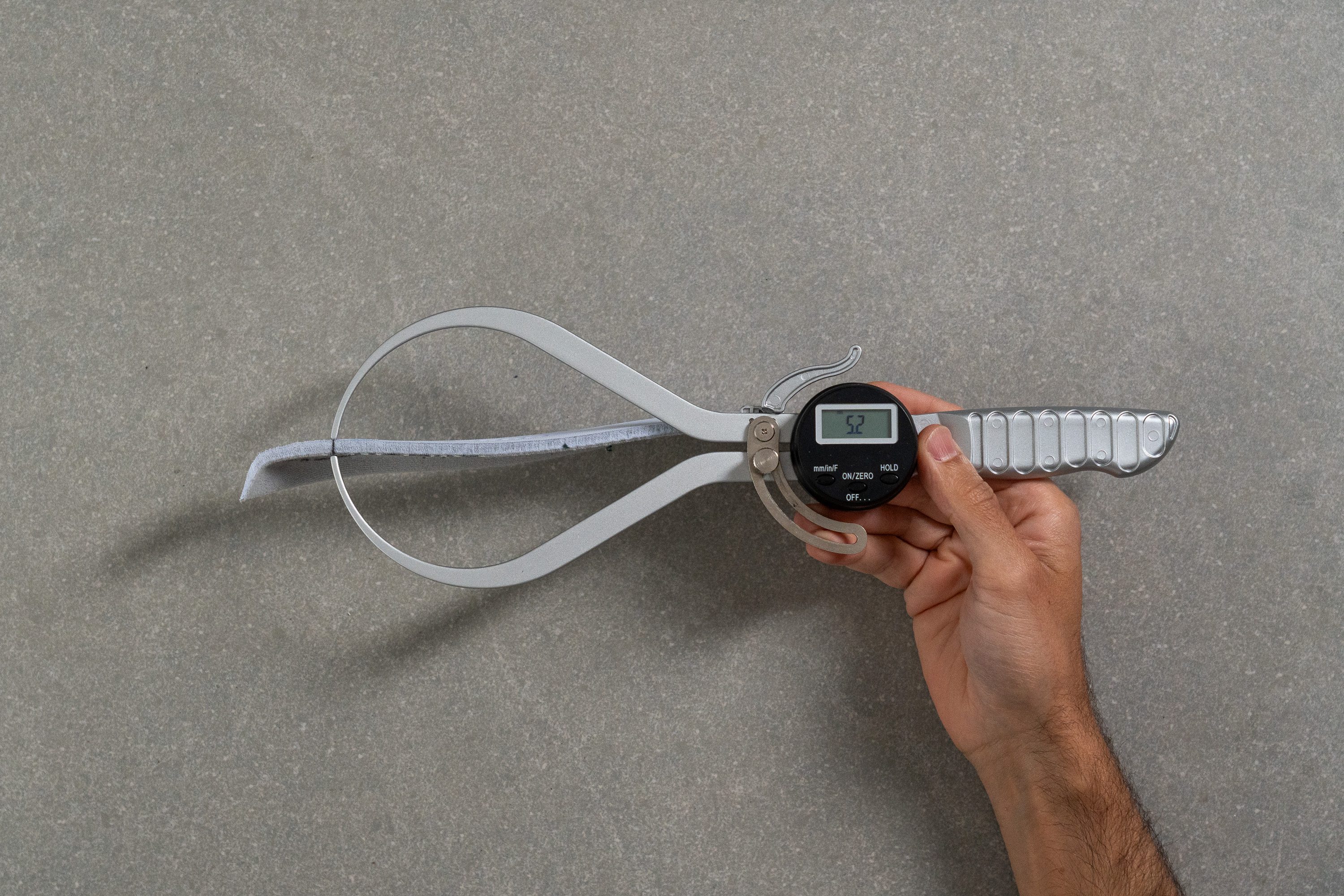
| Cascadia 20 | 5.2 mm |
| Media | 4.6 mm |
Plantilla extraíble
Nos ha encantado que Brooks le haya puesto perforaciones a la plantilla, ya que eso mejora la transpirabilidad y reduce el peso en unos gramos.
| Cascadia 20 | Sí |
Elementos reflectantes
Nos encantaría que la próxima versión tuviese algún que otro elemento reflectante en el upper.
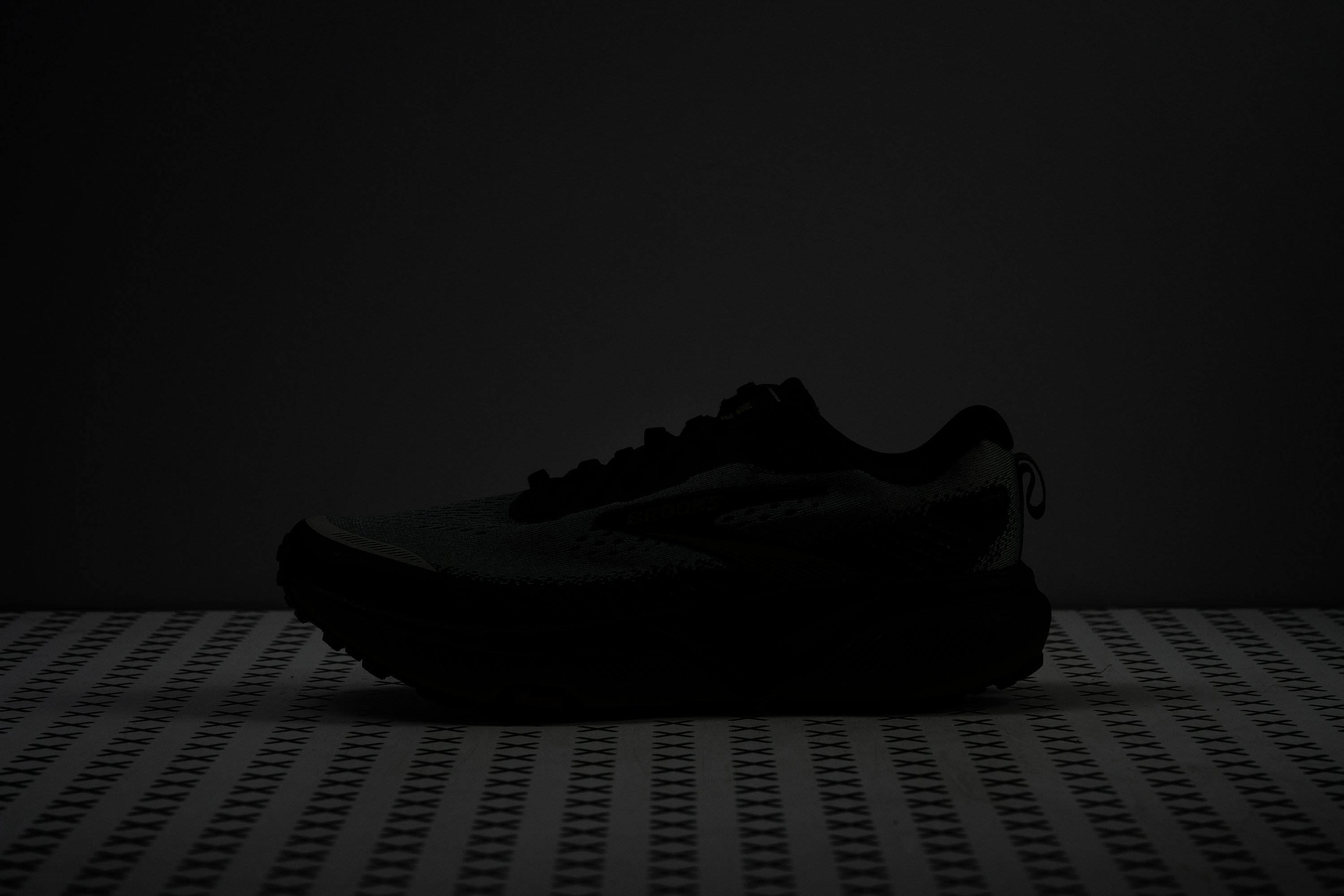
| Cascadia 20 | No |
Acolchado de la lengüeta
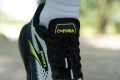
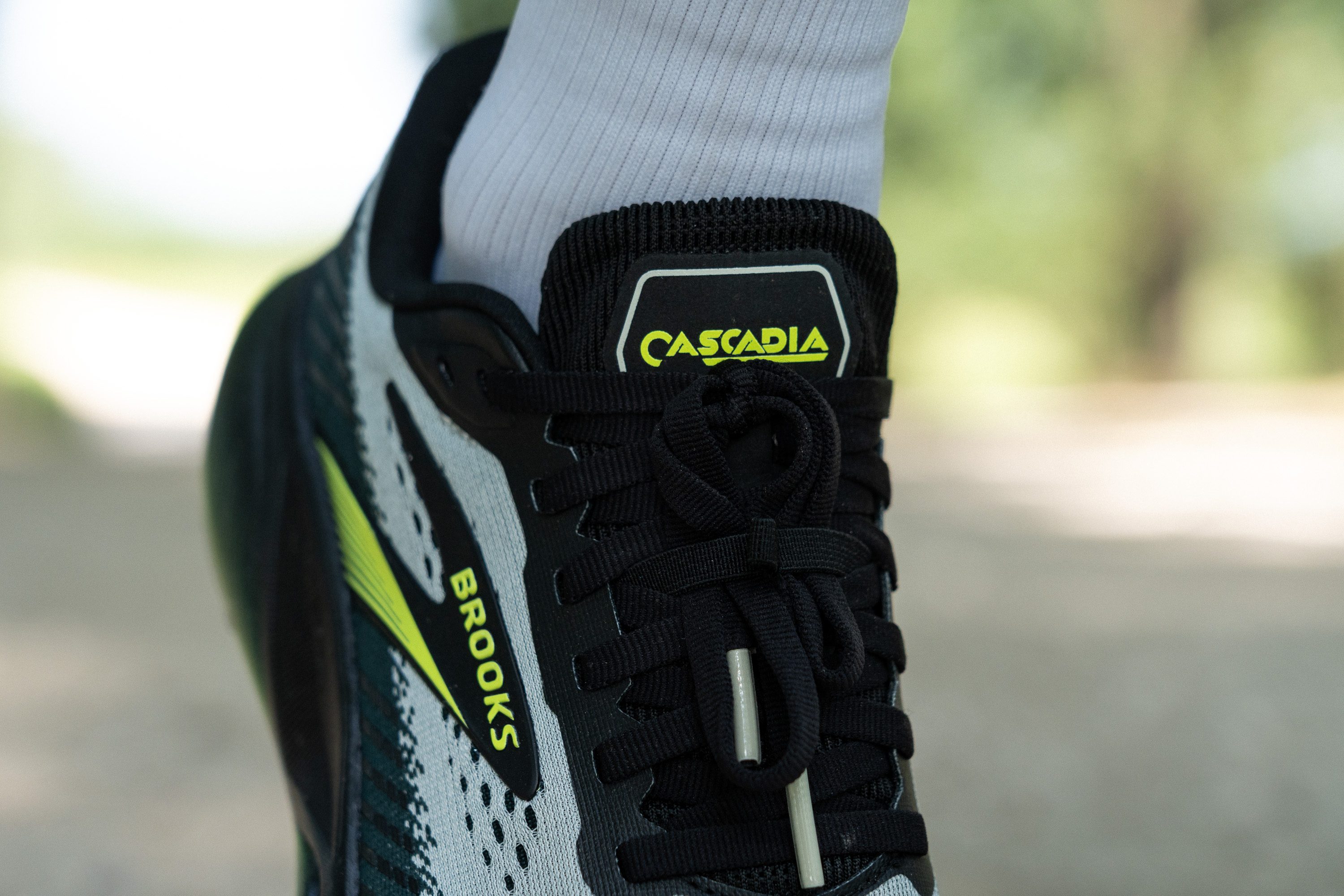
En los últimos años, Brooks ha dado en el clavo con el diseño de sus uppers, ofreciendo de forma constante zapatillas con una estética llamativa y un ajuste excelente. Las Cascadia 20 no son una excepción, ya que presumen de una sujeción muy segura y de una práctica banda elástica que recoge los cordones para evitar que se muevan al correr.
La lengüeta está a la misma altura, con un generoso acolchado de 10,0 mm que hace que las zapatillas sean comodísimas en cuanto te las pones. A algunos corredores puede parecerles algo excesivo, ya que este modelo ya es bastante pesado, pero a los runners fans de los ajustes mullidos seguro que les encantan las Cascadia 20 desde el primer paso.
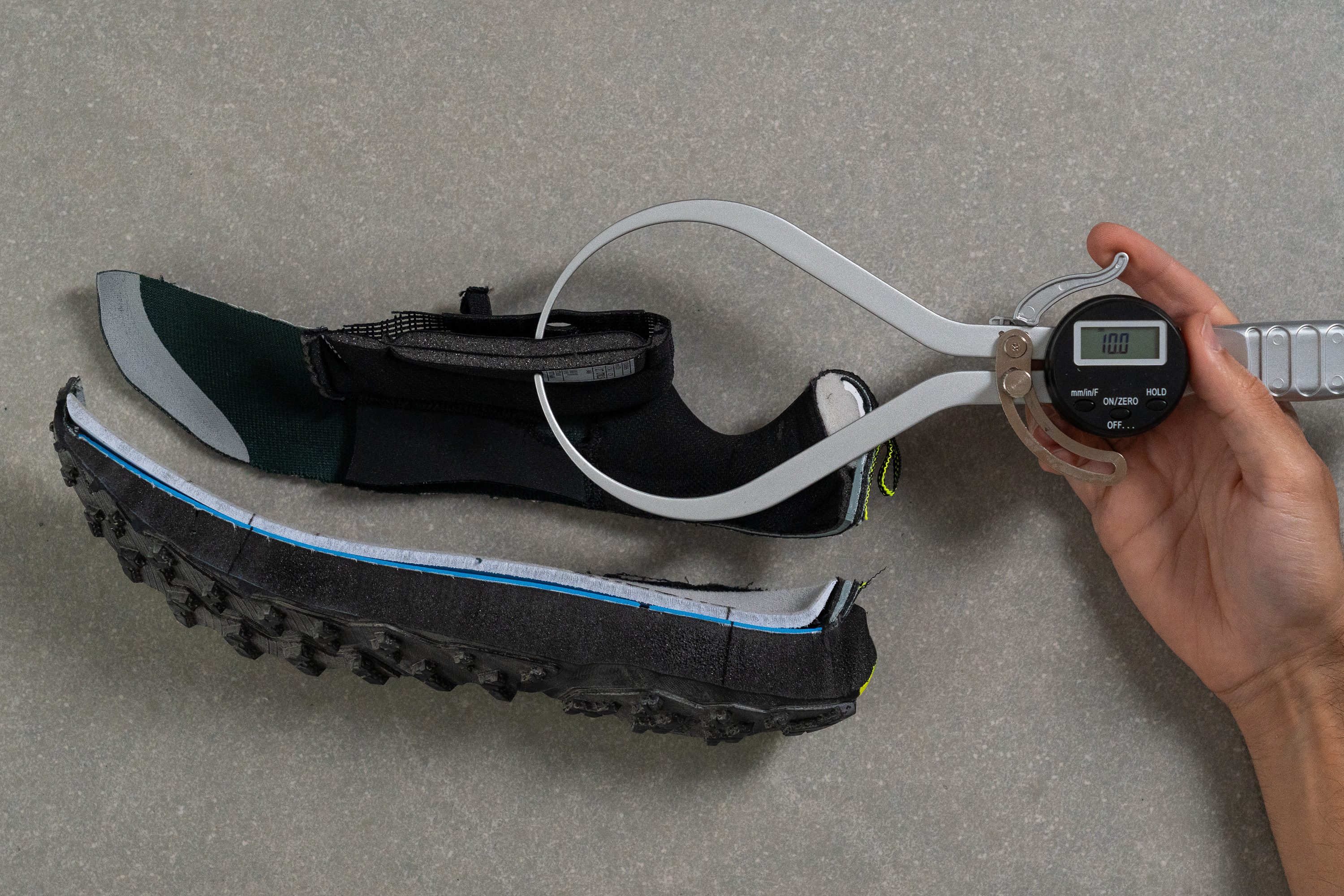
| Cascadia 20 | 10.0 mm |
| Media | 6.4 mm |
Lengüeta: tipo de refuerzo
La lengüeta, que está parcialmente unida a los laterales, es otro de los motivos por los que las Cascadia 20 ofrecen un ajuste tan bueno.
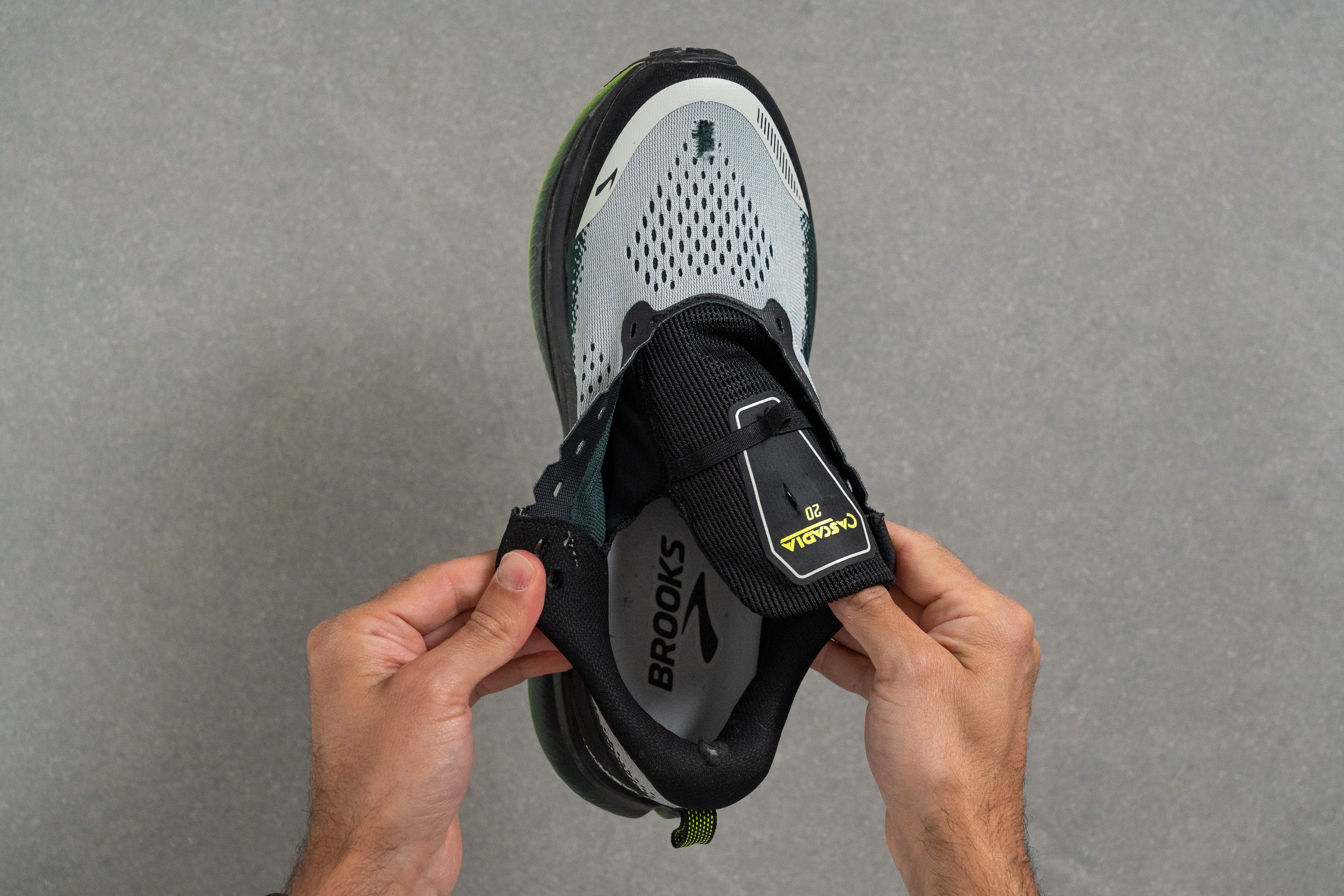
| Cascadia 20 | Ambos lados (semi) |
Tirador del talón
Terminamos con el tirador del talón, que es muy resistente y lo suficientemente grande como para que te quepa el dedo sin problemas. Sinceramente, ¡no nos imaginamos a nadie arrancándolo sin querer por tirar!
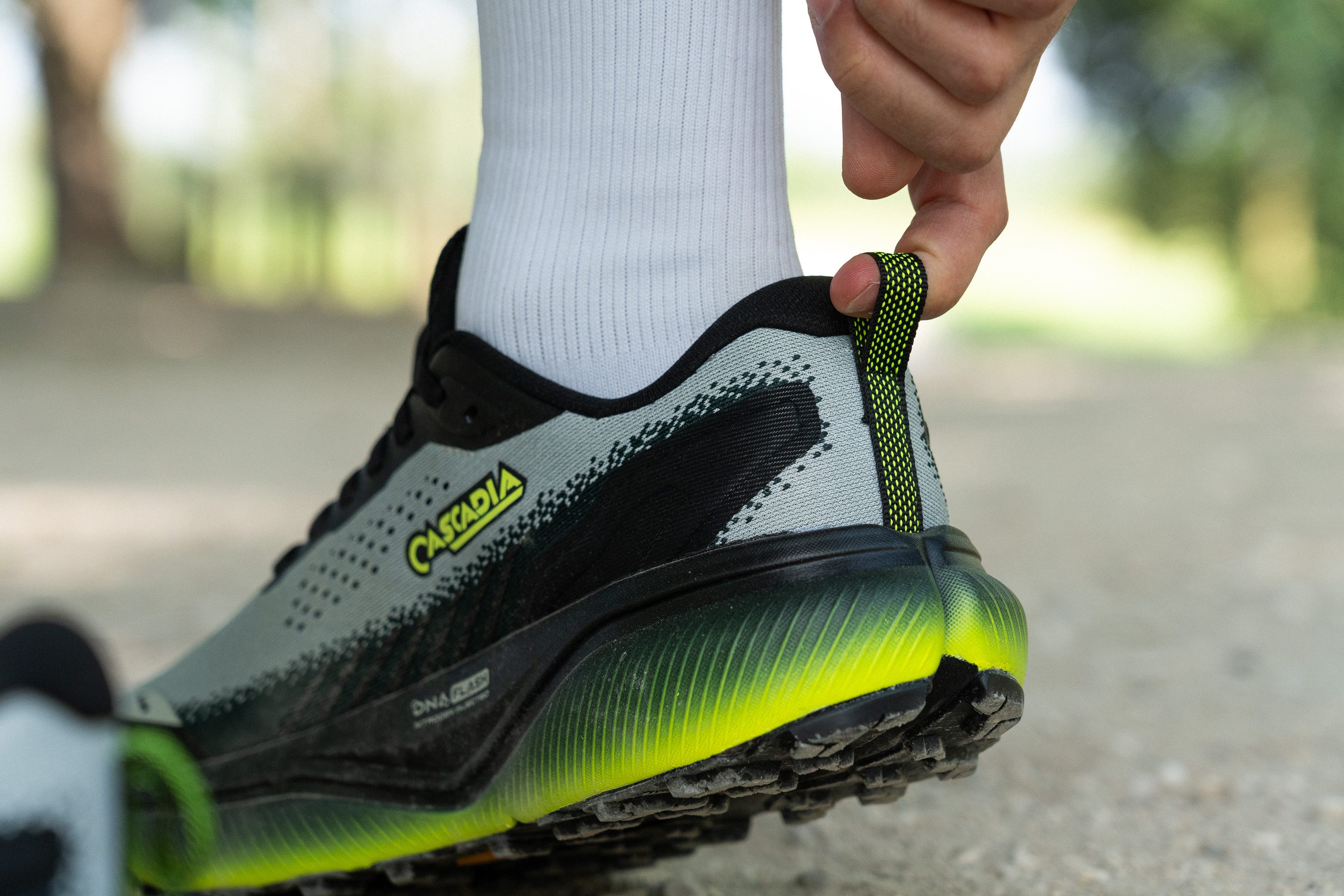
| Cascadia 20 | Tirador circular |
Precio
Si estás contentísimo con la relación calidad-precio de las Cascadia de estos últimos años, esta versión no te decepcionará. La incorporación de Vibram Megagrip por sí sola ya consigue que esta actualización les llame la atención a sus fans más fieles, mientras que la nueva espuma DNA Flash v2 y la mayor amortiguación no dejan de sumar puntos positivos.
| Cascadia 20 | $160 |