
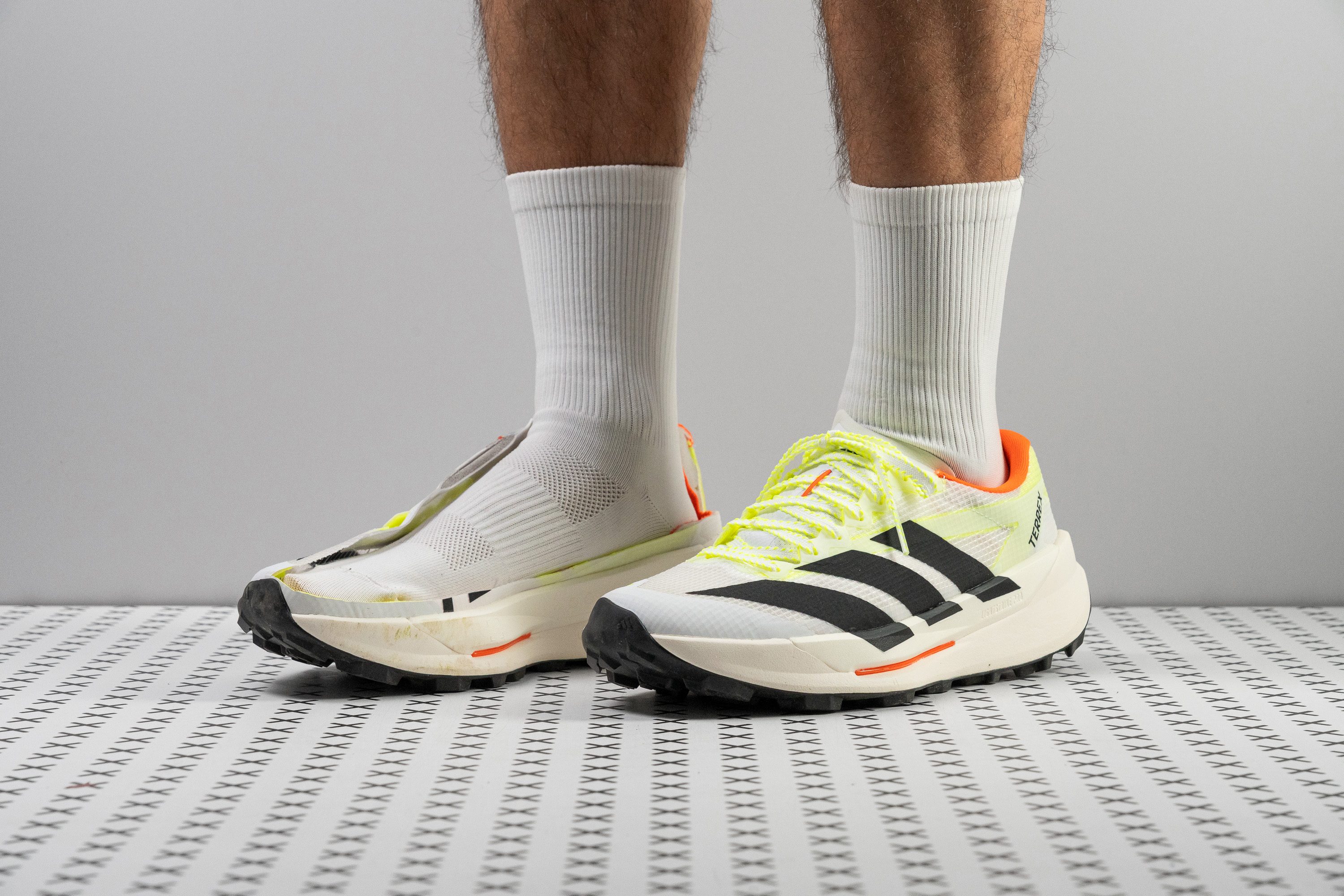


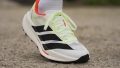








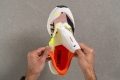

Nuestra conclusión
- Grava 54
- Versátiles 84
- Técnico 72
Pros
- Caucho Continental maravilloso
- Retorno de energía má alto que la media
- Flexibles para ser unas zapatillas de trail con placa
- La suela es muy duradera
- Estables en el antepié
- Versátiles para varios terrenos
- Ideales para los fans de los modelos con rocker
- Los descensos rápidos se les dan de lujo
- Cordones de primera calidad
Contras
- Más pesadas de lo esperado
- Parte delantera poco duradera
- El rocker podría ser demasiado agresivo
- No las recomendamos para el barro o la nieve
Comparativa
Las zapatillas de running más parecidas
+ + Añadir unas zapatillas | |||||
|---|---|---|---|---|---|
| Our score | 80 Good | 76 Good | 82 Great | 87 Great | |
| Price | 180 € | 150 € | 180 € | 160 € | |
| Trail terrain | Versátiles / Terreno de dificultad moderada | Grava / Trail y asfaltoVersátiles / Terreno de dificultad moderada | Versátiles / Terreno de dificultad moderada | Grava / Trail y asfaltoVersátiles / Terreno de dificultad moderada | |
| Absorción de impactos | Moderada | Moderada | Alta | Moderada | |
| Retorno de energía | Moderado | Bajo | Moderado | Moderado | |
| Tracción | Alta | Moderada | Alta | Alta | |
| Sujeción arco del pié | Neutral | Neutral | Neutral | Neutral | |
| Peso lab Peso brand | 10.6 oz / 301g 10.8 oz / 306g | 9.6 oz / 272g 9.7 oz / 275g | 10.8 oz / 305g 10.9 oz / 309g | 10 oz / 283g 9.9 oz / 281g | |
| Drop lab Drop brand | 9.1 mm 8.0 mm | 12.1 mm 8.0 mm | 8.6 mm 6.0 mm | 6.3 mm 8.0 mm | |
| Técnica de carrera | HeelMid/forefoot | Heel | TalónMedio/antepié | Mid/forefoot | |
| Talla | True to size | True to size | Tallan bien | True to size | |
| Rigidez de la mediasuela | Blanda | - | - | Equilibrada | |
| Diferencia de la rigidez de la mediasuela en frío | Pequeña | Pequeña | Pequeña | Pequeña | |
| Plate | Rock plate | ✗ | ✗ | Rock plate | |
| Durabilidad de la parte delantera | Very bad | Decent | Buena | Decent | |
| Durabilidad del acolchado del talón | Alta | Media | Alta | Alta | |
| Durabilidad de la suela exterior | Buena | Decente | Buena | Decente | |
| Transpirabilidad | Media | Media | Media | Media | |
| Anchura / ajuste | Media | Media | Media | Ancha | |
| Anchura de la parte delantera | Estrecha | Media | Ancha | Ancha | |
| Flexibilidad | Flexible | Flexible | Flexible | Rígida | |
| Rigidez torsional | Flexibles | Flexibles | Moderadas | Flexibles | |
| Rigidez del contrafuerte del talón | Flexible | Flexible | Flexible | Rígido | |
| Profundidad del dibujo de la suela | 4.1 mm | 4.0 mm | 4.1 mm | 3.7 mm | |
| Altura de la suela en la zona del talón lab Altura de la suela en la zona del talón brand | 34.9 mm 39.0 mm | 37.7 mm 29.0 mm | 36.3 mm 38.5 mm | 32.1 mm 36.0 mm | |
| Forefoot lab Forefoot brand | 25.8 mm 31.0 mm | 25.6 mm 21.0 mm | 27.7 mm 32.5 mm | 25.8 mm 28.0 mm | |
| Widths available | Estándar | EstándarAncho | Estándar | Estándar | |
| Estación | Todas las estaciones | Todas las estaciones | Todas las estaciones | Todas las estaciones | |
| Plantilla extraíble | ✓ | ✓ | ✓ | ✓ | |
| Compatibles con plantillas personalizadas | ✓ | ✓ | ✓ | ✓ | |
| Ranking | #230 42% inferior | #304 24% inferior | #196 Top 49% | #69 Top 18% | |
| Popularity | #329 17% inferior | #199 Top 50% | #341 14% inferior | #157 Top 40% |

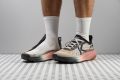
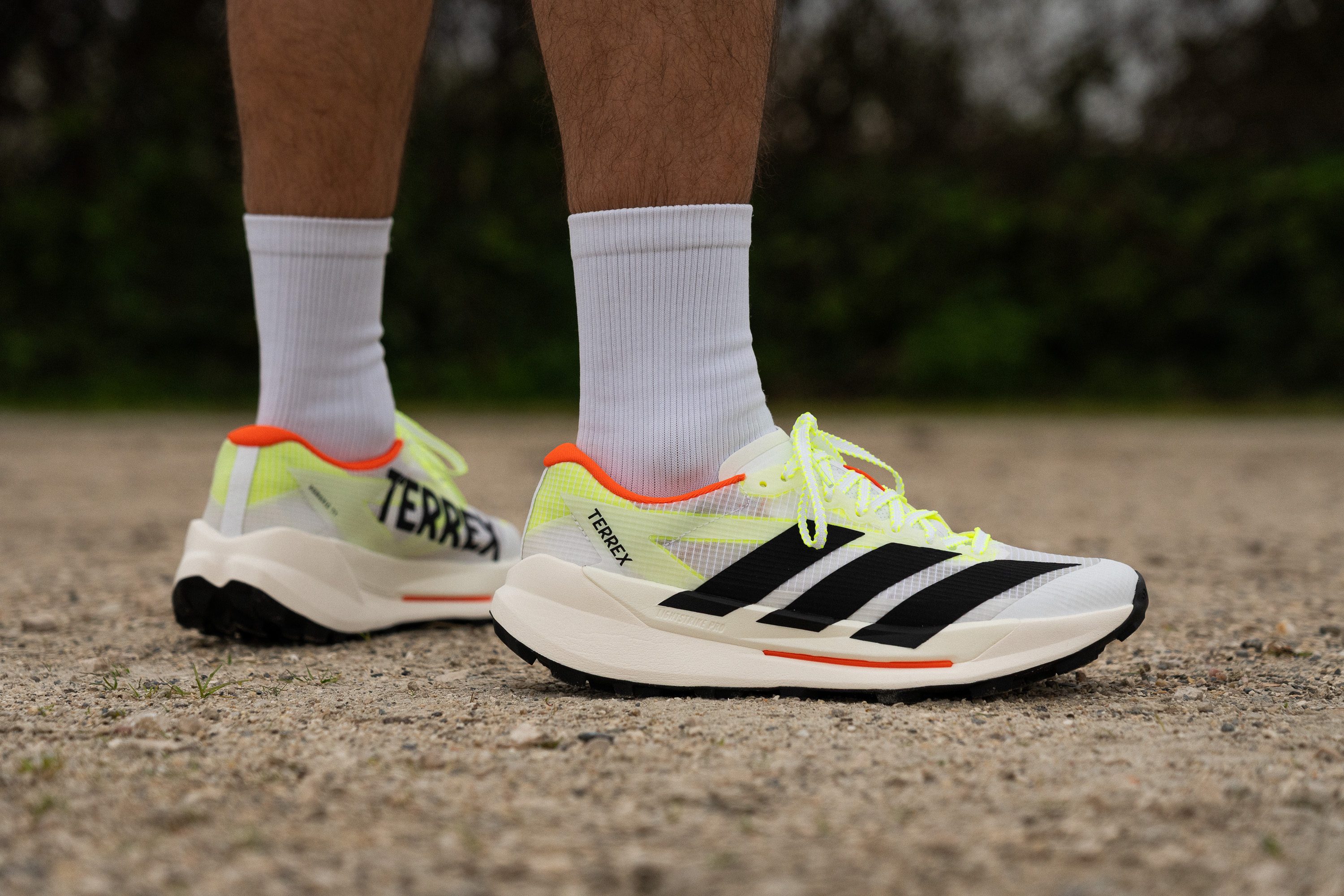
Who should buy
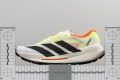
After testing the adidas Terrex Agravic TT on trails and in the lab, we think that:
- It works well for runners who enjoy a rockered midsole even in a trail shoe.
- Those who already like Continental rubber on road shoes will feel confident with the grip and durability here.
- It delivers an engaging, fun ride across a wide range of trails thanks to its lug setup and midsole design.
- It’s a strong option for runners who want some premium benefits without stepping into a full trail super shoe.
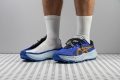
Who should NOT buy
We found in the lab that the adidas Terrex Agravic TT comes in heavier than expected. For runners chasing a lighter feel, we do not recommend it—the HOKA Speedgoat 6 offers better value, while the adidas Terrex Agravic Speed Ultra feels like a true next-level upgrade.
We also believe the price pushes it into a tough spot. If budget matters, we think there are better choices like the ASICS Trabuco 14 or the adidas Terrex Agravic 4.
Amortiguación
Shock absorption
The lab review of the adidas Terrex Agravic TT starts with solid numbers, as 124 SA in the heel and 100 SA in the forefoot provide a reliable base for most trail runs. These results are not standout, and runners targeting ultra distances may prefer higher SA, but we do not see this as a drawback at all.
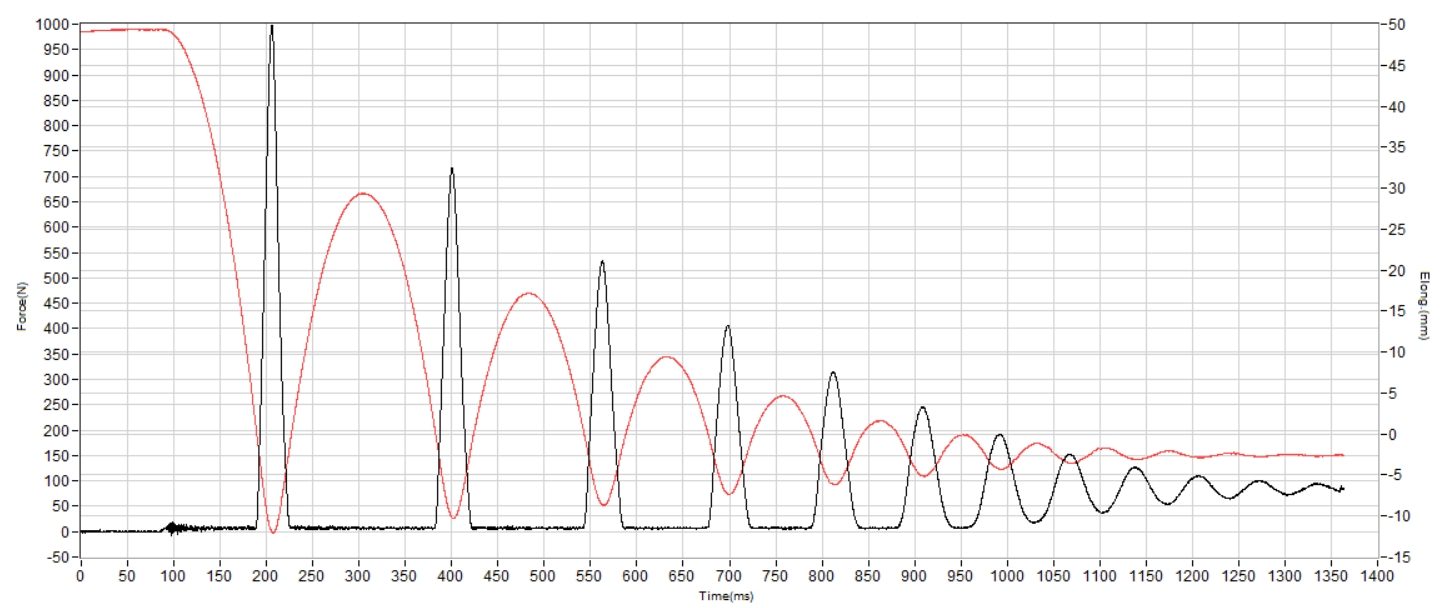
| Terrex Agravic TT | 124 SA |
| Media | 123 SA |
Energy return
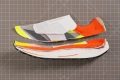
The adidas Terrex Agravic TT features a dual-foam setup, with a top layer of Lightstrike Pro, the same amazing foam used in models like the Adios Pro 4, paired with a bottom layer of standard Lightstrike. This combination blends a premium layer with a more cost-effective carrier foam to balance performance and durability.
Therefore, it makes sense that energy return slightly exceeds what we see in an average trail shoe but still falls short of the most energetic models. We measured 59.3% in the heel and a stronger 64.5% in the forefoot, with the higher result clearly driven by the greater presence of Lightstrike Pro up front.
| Terrex Agravic TT | 64.5% |
| Media | 59.7% |
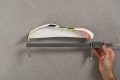
Altura de la suela en la zona del talón
We measure every running shoe at the exact same point to determine stack height and drop, following official World Athletics guidelines. However, in cases like this, the result can come out slightly lower than the brand’s stated maximum due to the strong rocker curvature.
In the Agravic TT, we measured 34.9 mm in the heel, but if you land closer to the midfoot, the shoe will likely feel a few millimeters taller underfoot.
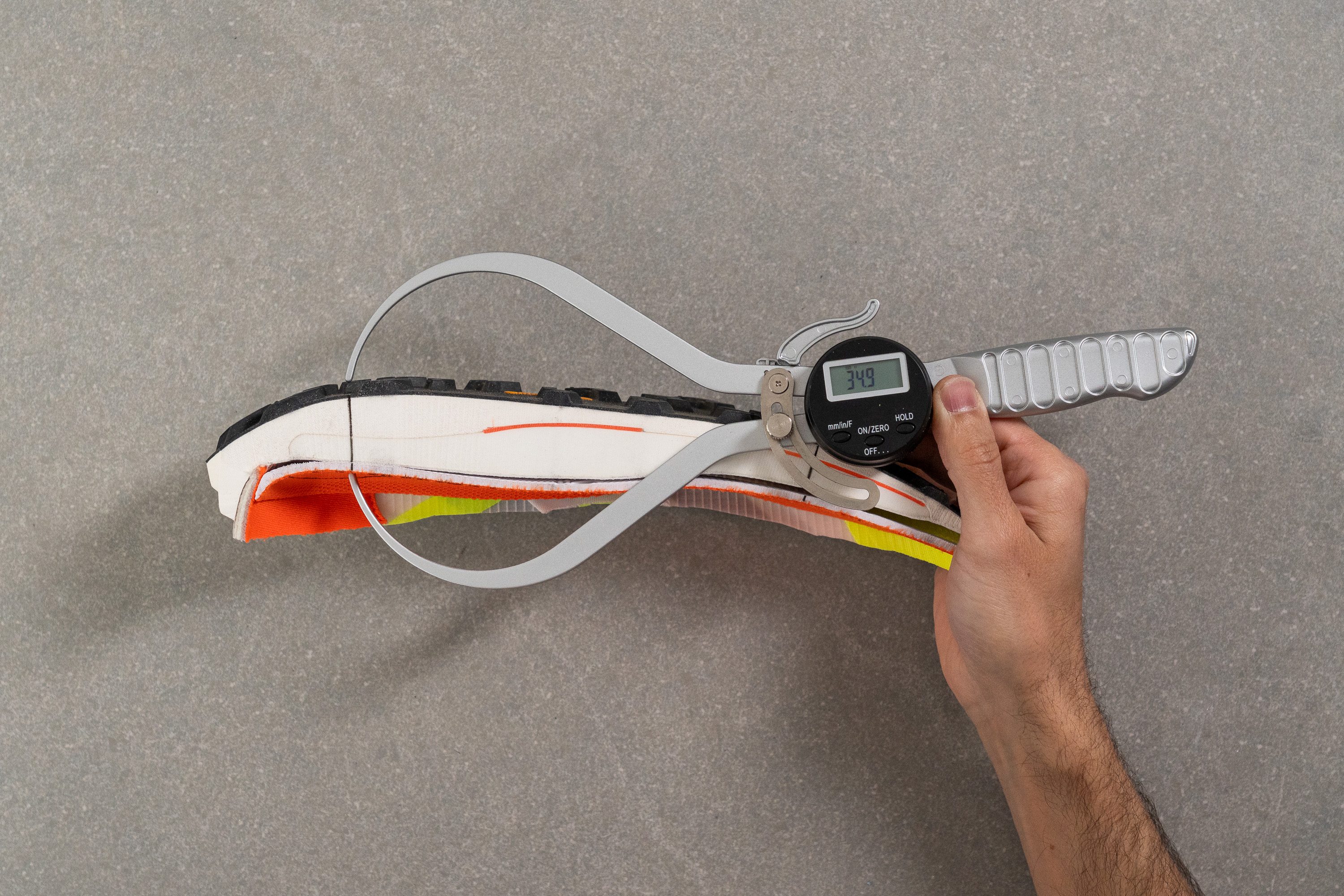
| Terrex Agravic TT | 34.9 mm |
| Media | 33.1 mm |
Altura de la suela en el antepié
The same situation applies to the forefoot. We measured 25.8 mm, while adidas states 31 mm, which is accurate closer to the midfoot but not at the official World Athletics measurement point. And for us, measuring every shoe at the same location is the only way to ensure consistent comparisons across models.
That said, this is one of those cases worth highlighting and we wanted to be fully transparent about it.
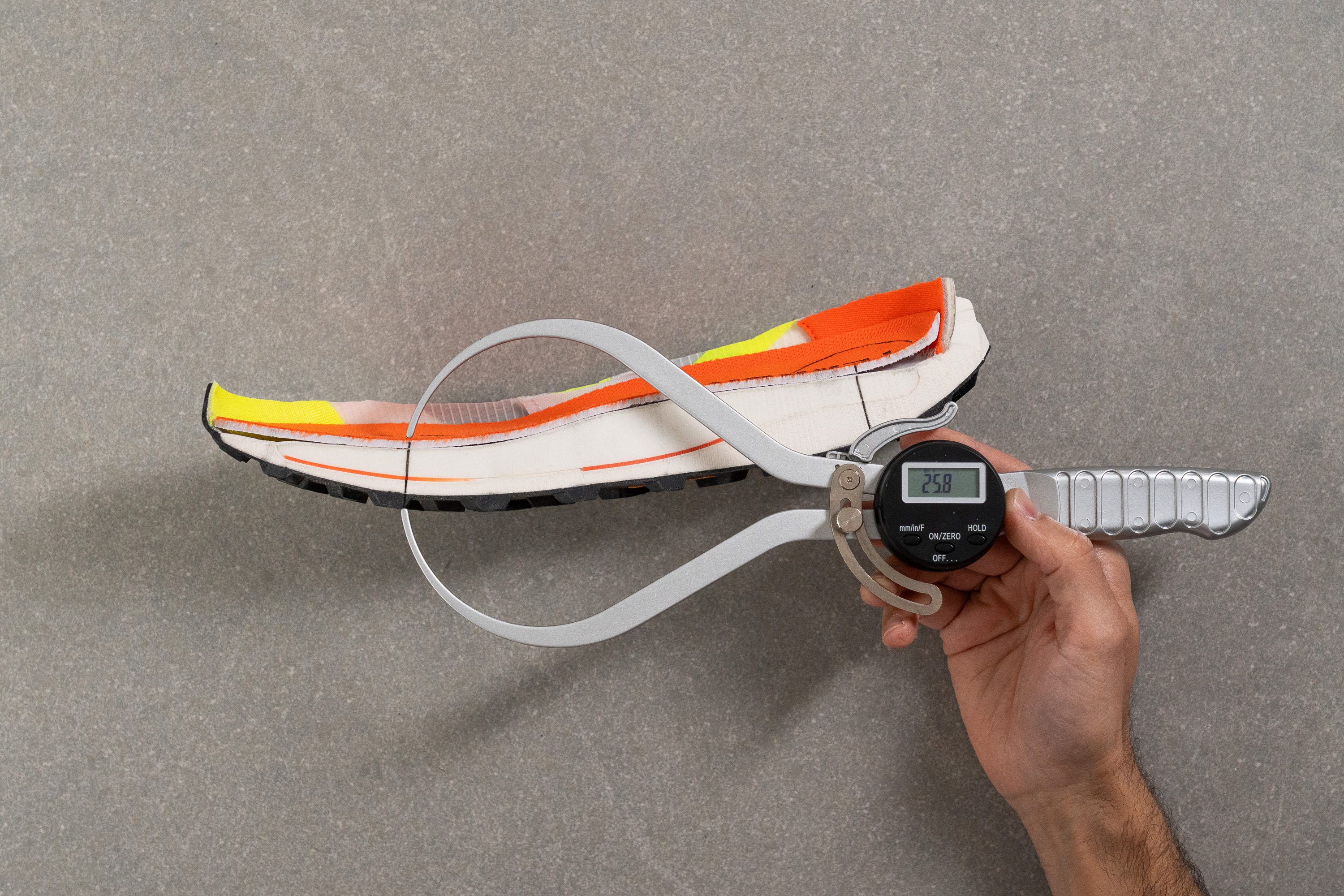
| Terrex Agravic TT | 25.8 mm |
| Media | 25.8 mm |
Drop
As is common across the Agravic line, adidas opts for a higher heel-to-toe drop than most trail shoes. In this case, we measured 9.1 mm, which clearly favors runners who prefer to avoid low-drop designs, even on the trails.
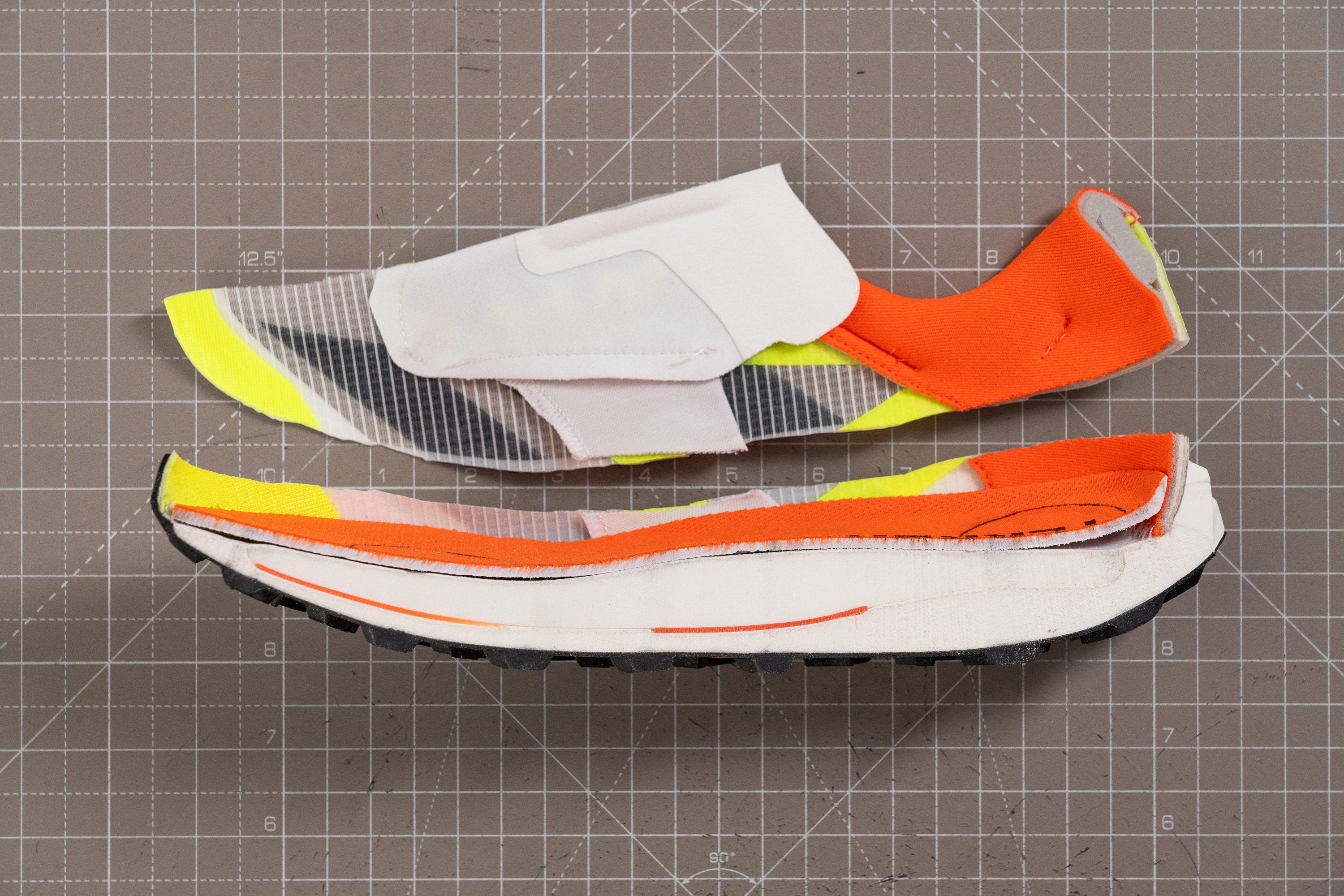
| Terrex Agravic TT | 9.1 mm |
| Media | 7.3 mm |
Dureza de la mediasuela
It’s clear that the main reason to pay the premium over the Agravic 4 is the inclusion of Lightstrike Pro. From a running experience standpoint, the difference is immediately noticeable and adds a more energetic feel underfoot.
We also measured it super plush at just 27.7 AC, and since this layer sits closest to the foot, the added softness is easy to feel. However, the overall ride does not come across as particularly soft, but rather balanced, and there’s a clear reason for that that you'll discover right now.
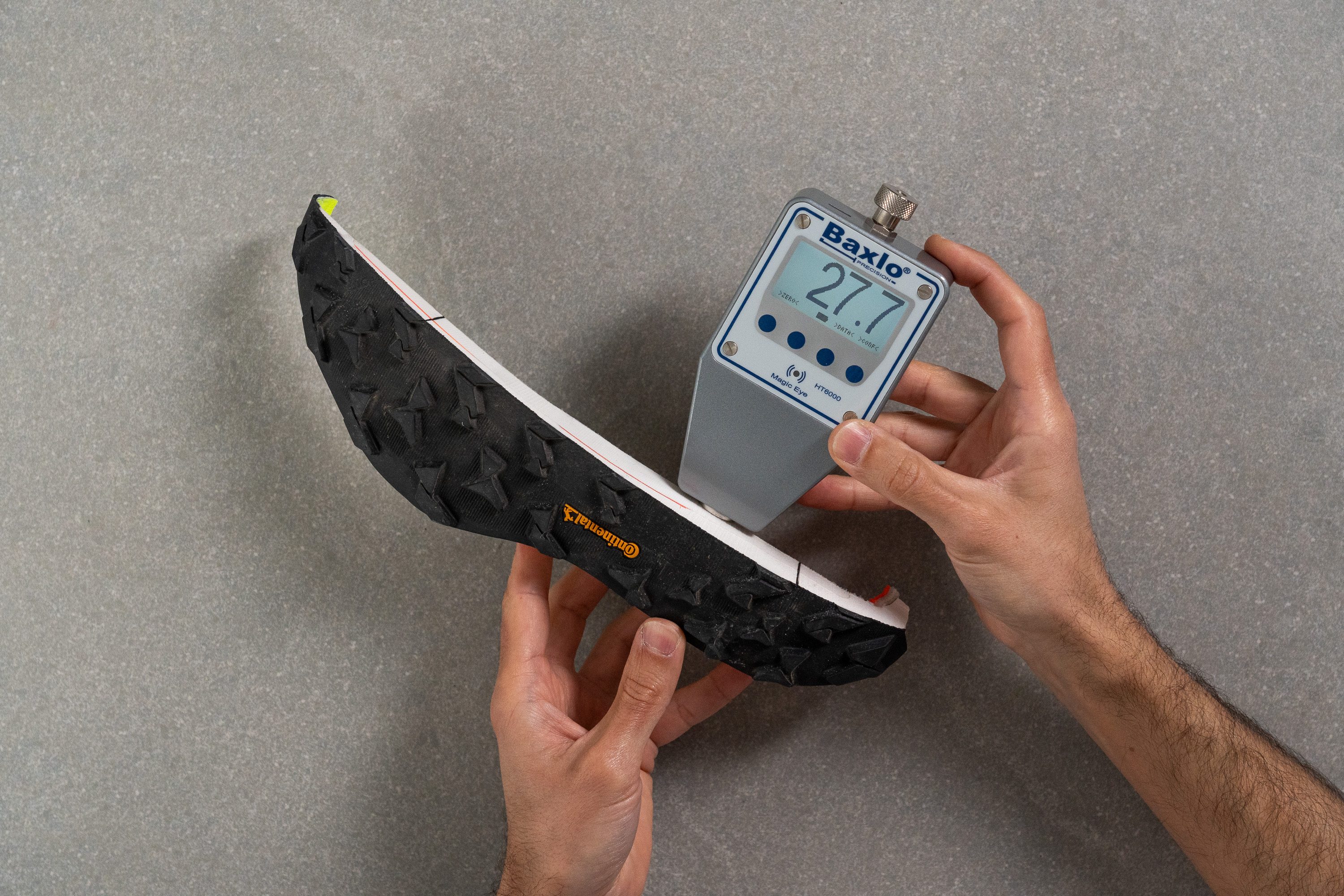
| Terrex Agravic TT | 27.7 AC |
| Media | 38.3 AC |
Rocker
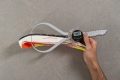
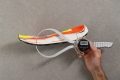
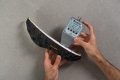
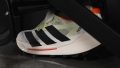
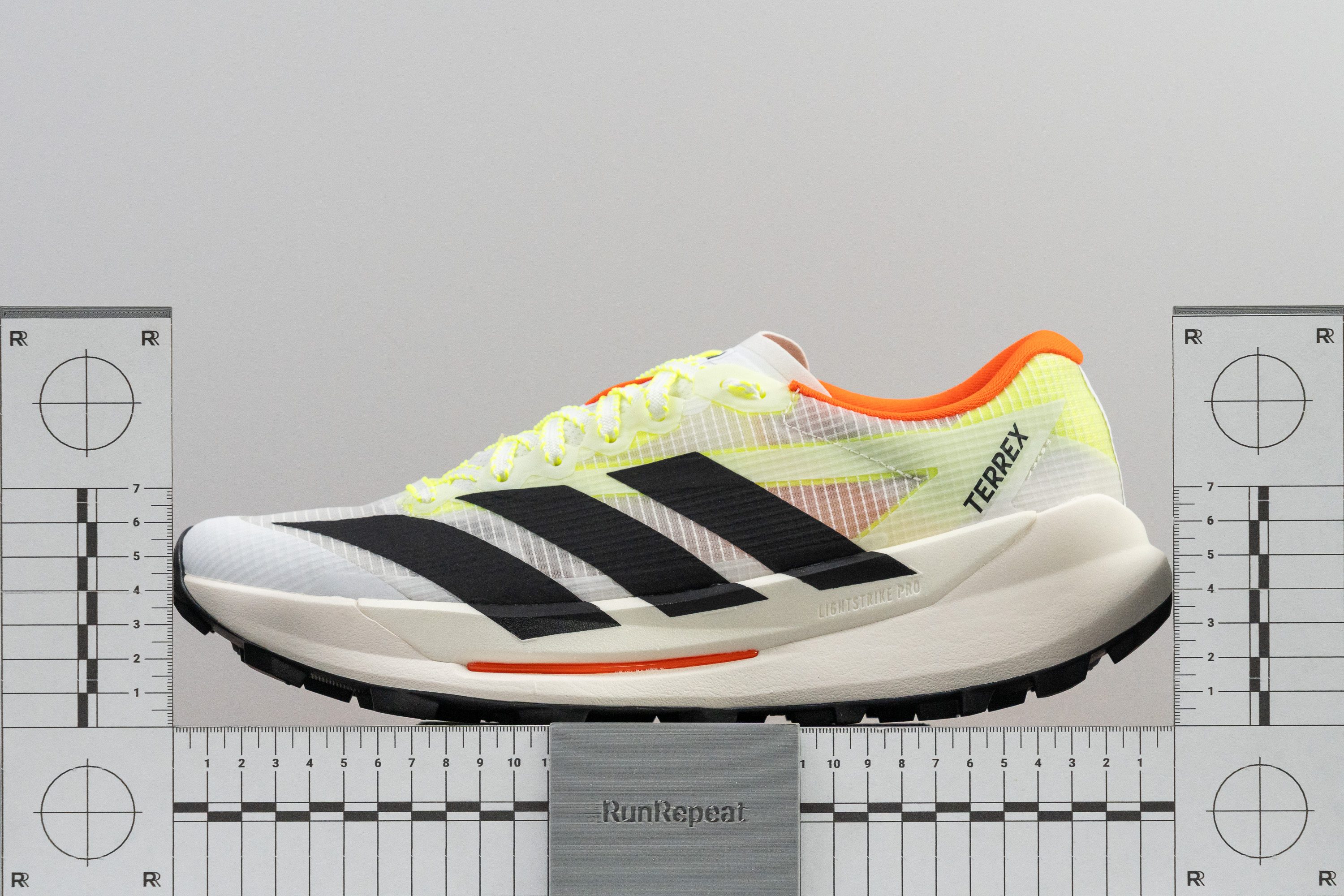
The adidas Terrex Agravic TT showcases an extreme rocker design that stands out even within today’s market. In our testing, we found an aggressive curvature where the heel rises almost as much as the forefoot, creating an eyebrow-raising instant reaction.
This works especially well paired with the high drop for heel strikers, delivering a strong forward-rolling sensation. But if you prefer a more natural and predictable ride on trails, this design will likely feel too extreme.
Placa
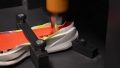
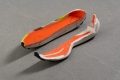
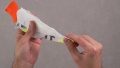
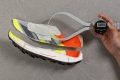
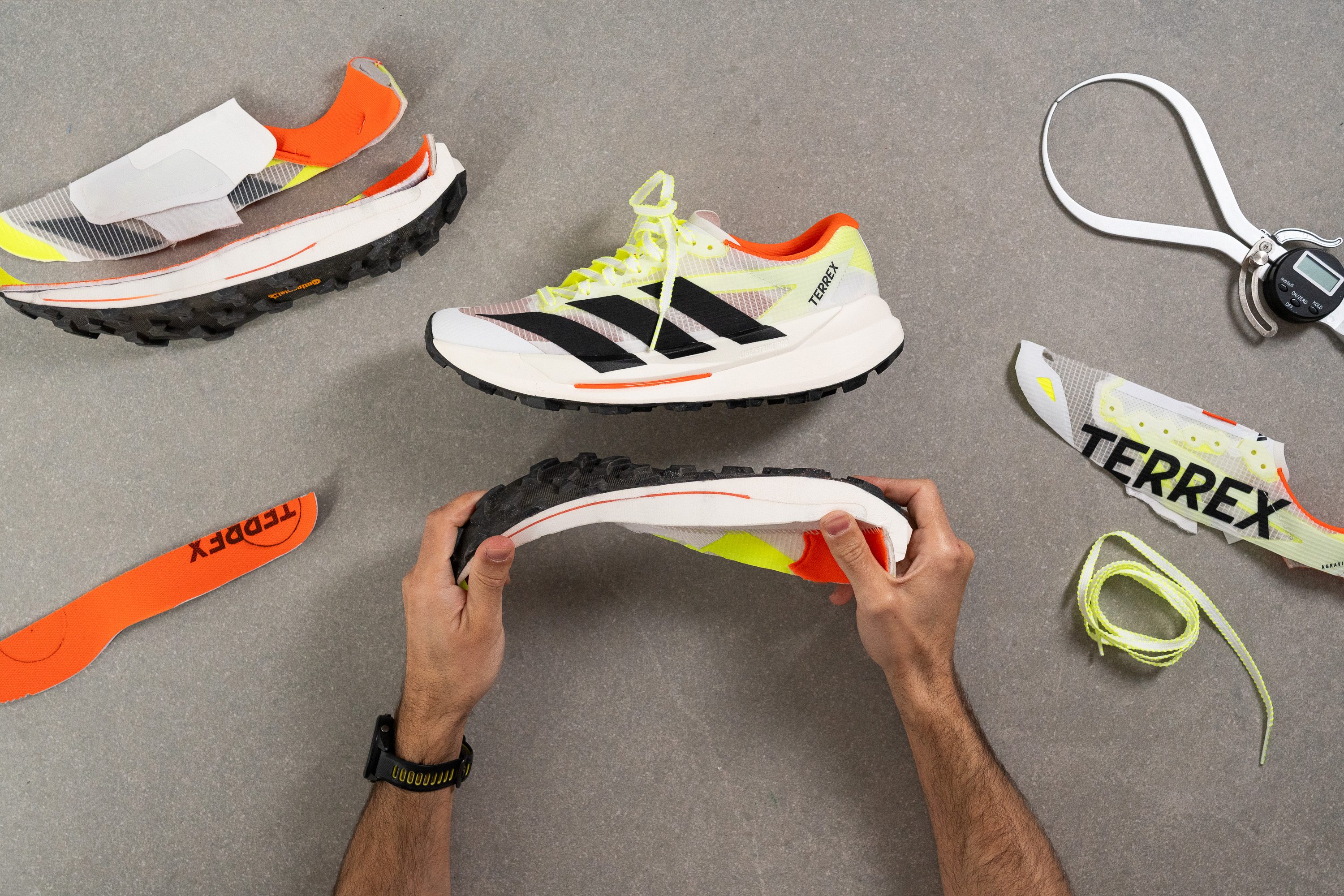
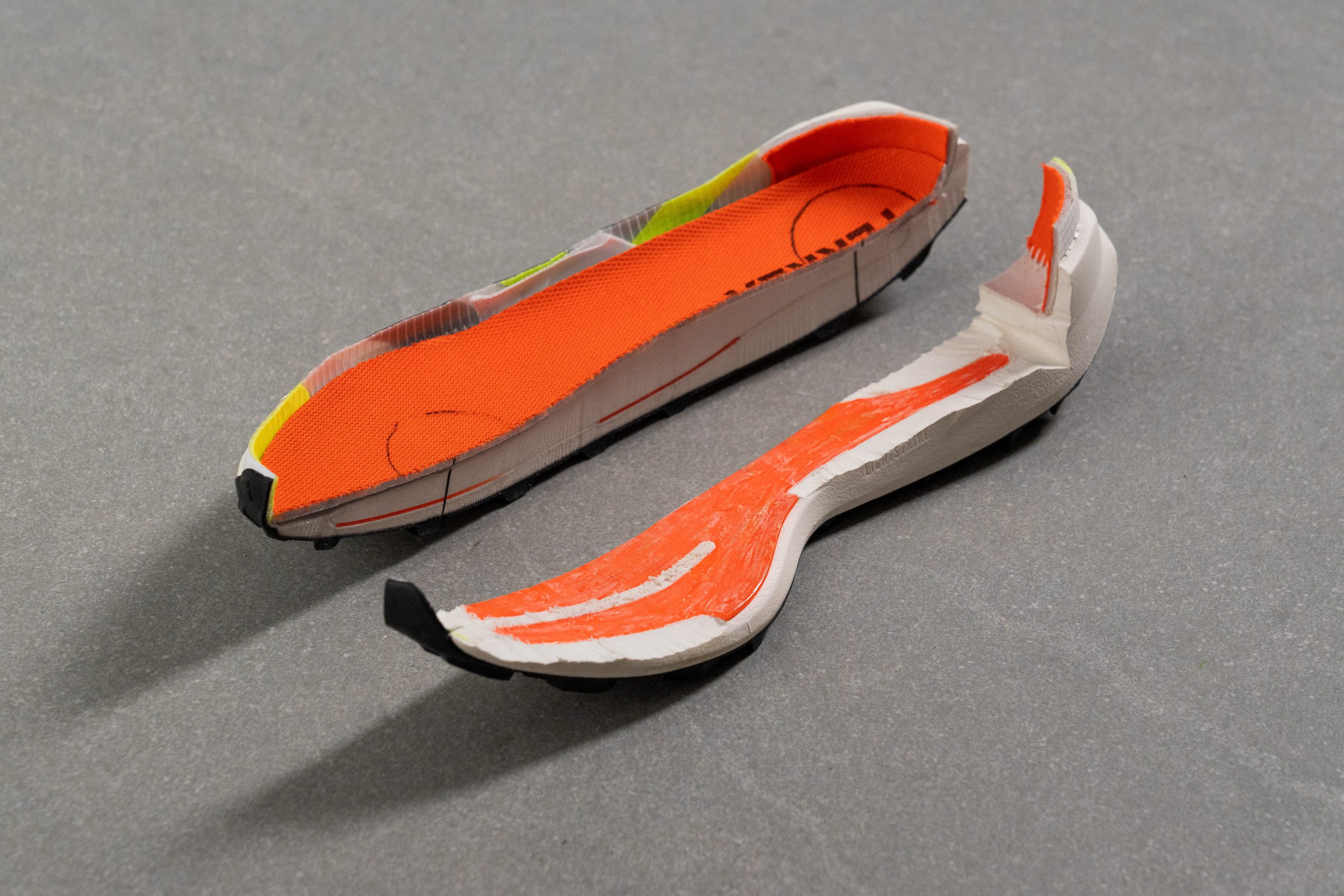
Unlike the standard Agravic model, this version includes a plate sandwiched between the two foam layers. However, it is not a full-length carbon plate.
Adidas uses a TPE and fiberglass composite with a partial-length design that splits at both ends, allowing greater flexibility and better adaptation across different terrains. And of course, we carved into the foam to reveal its true structure!
Tallaje y ajuste
Talla
Las adidas Terrex Agravic TT tallan bien (21 votos).
Longitud interna
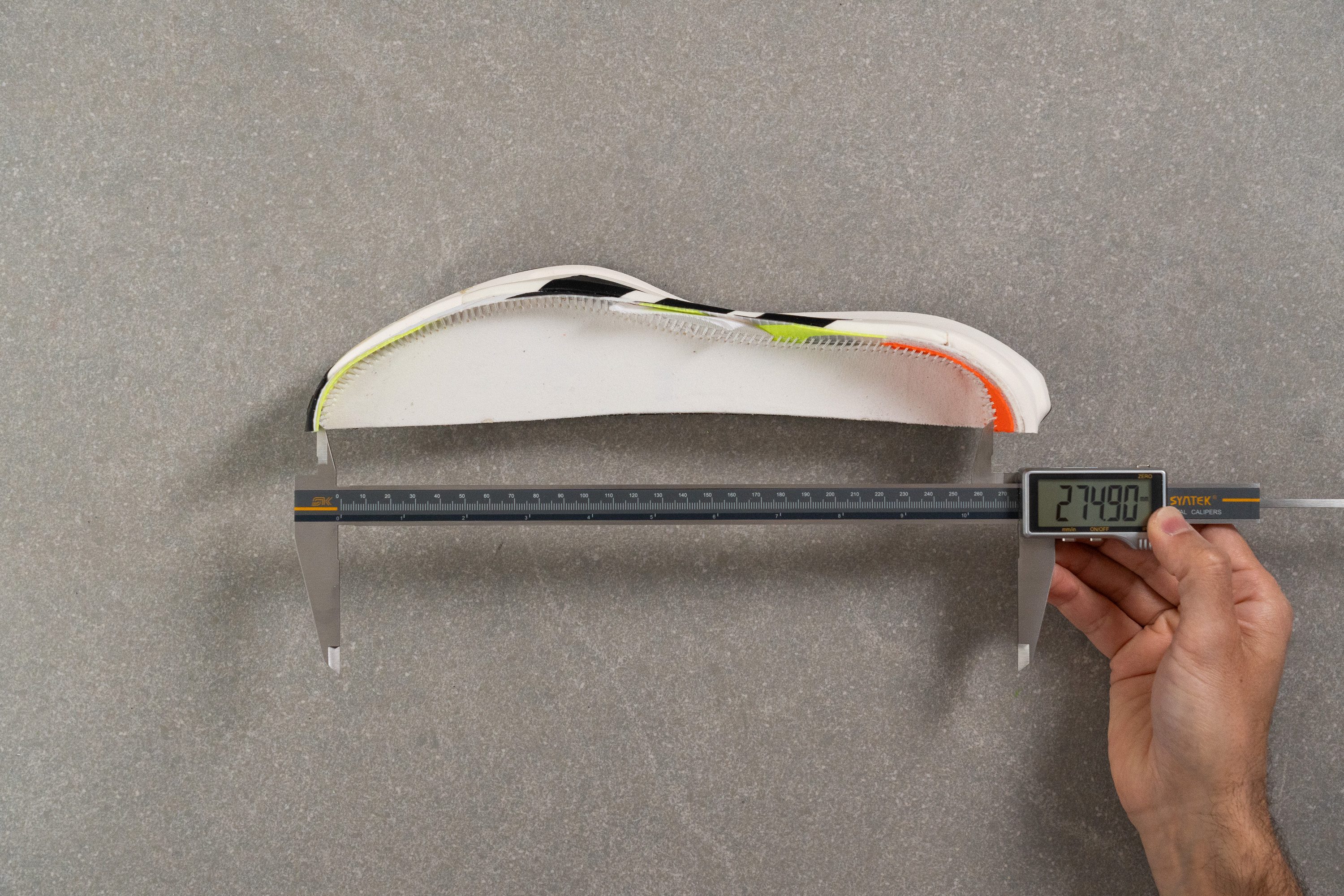
| Terrex Agravic TT | 274.9 mm |
| Media | 269.2 mm |
Anchura / Ajuste
Getting the fit right in a trail shoe is not easy. Too much room leads to a sloppy feel and reduced confidence, while a narrow shape can cause discomfort after a few hours on the trails.
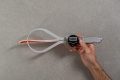
So what did adidas choose here? We created a gel mold of the interior to find out, and in our first measurement we recorded 96.0 mm, which sits close to the average for trail shoes.
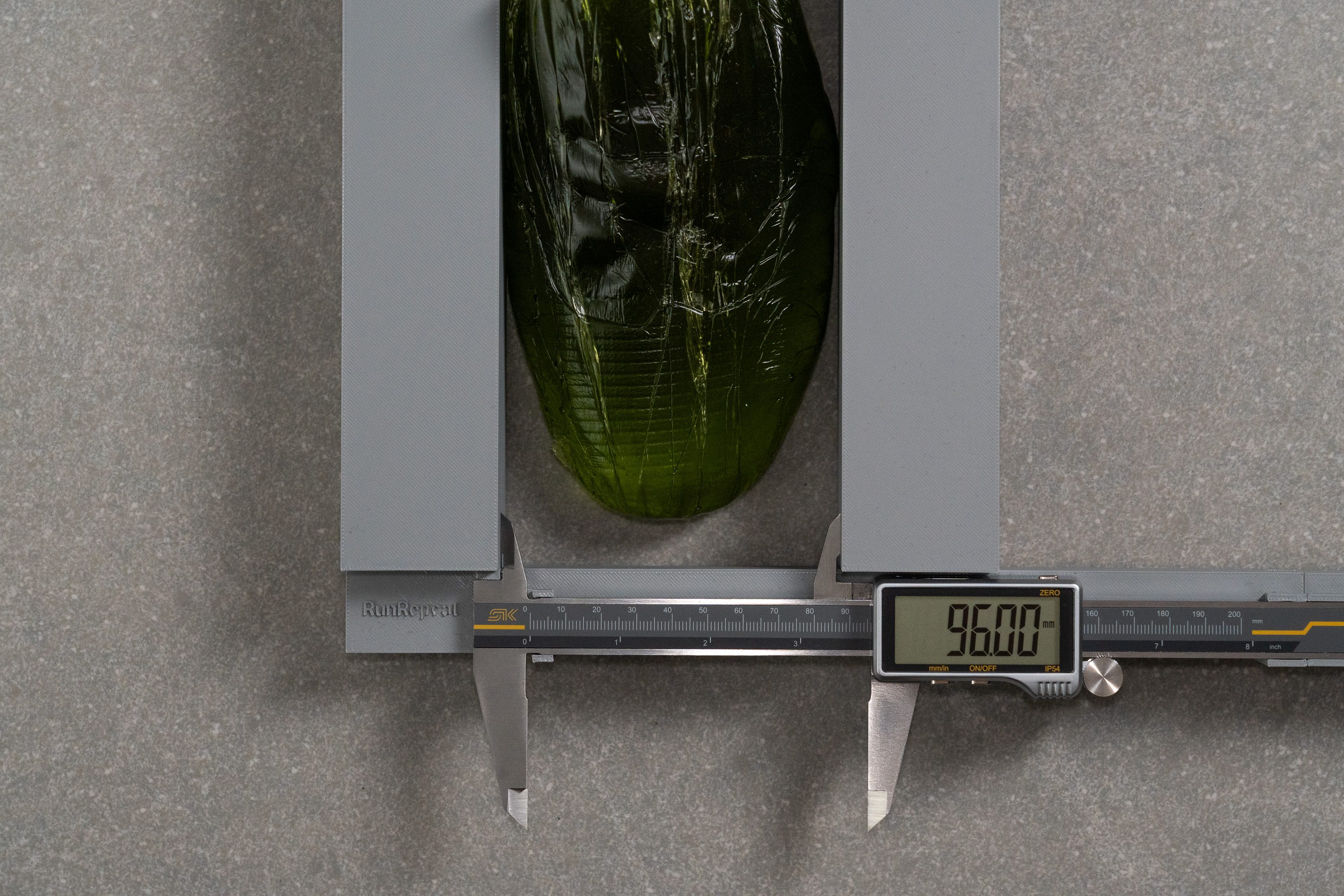
| Terrex Agravic TT | 96.0 mm |
| Media | 95.7 mm |
Anchura de la parte delantera
However, the second measurement at 70.6 mm is the one that reveals the true character of the fit.
This time, adidas opted for a more closed toebox, which makes sense given that this shoe is designed for more technical terrain and demanding descents compared to the standard Agravic model.
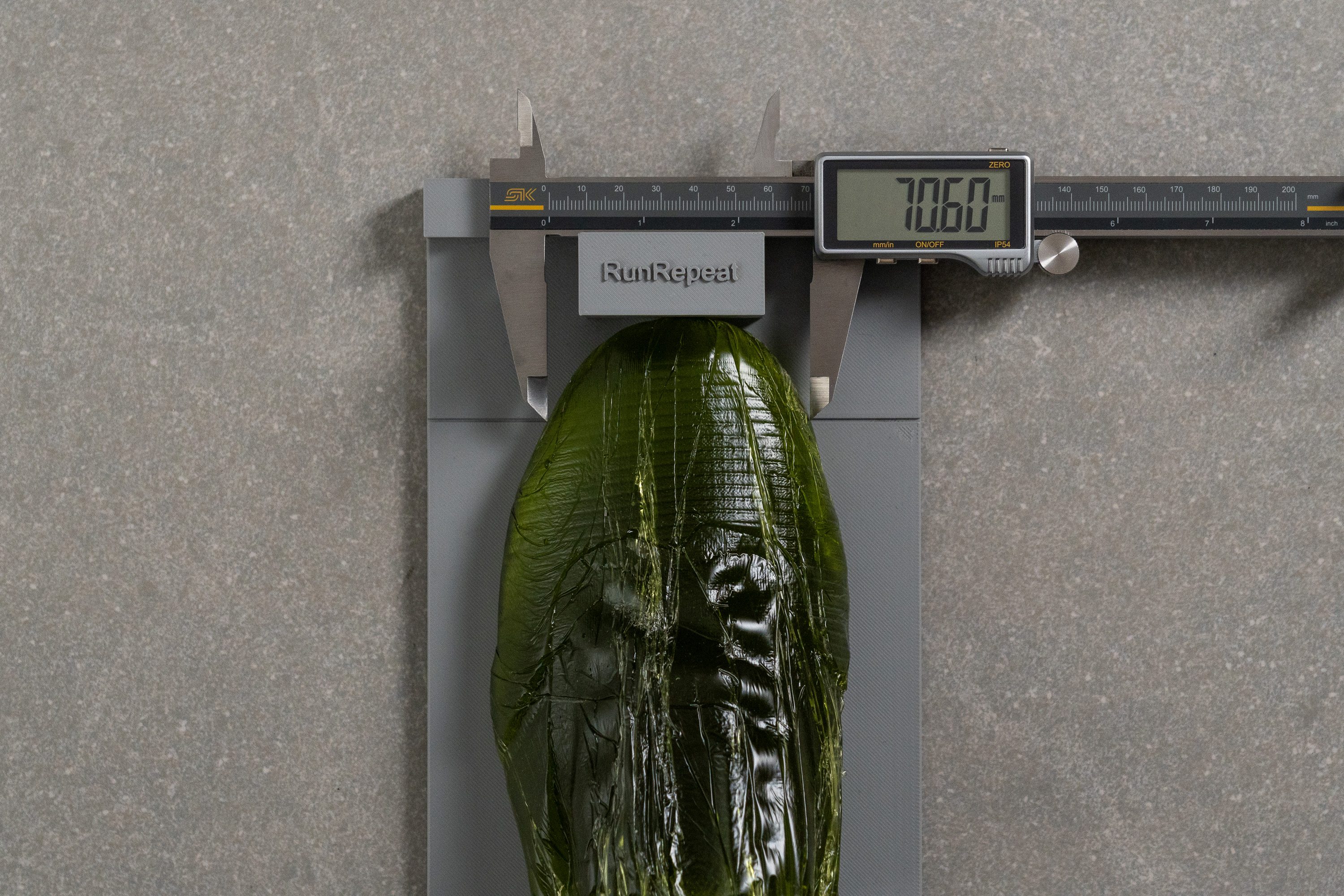
| Terrex Agravic TT | 70.6 mm |
| Media | 74.3 mm |
Altura de la parte delantera
We also found the toebox height to be below average at 25.9 mm, which further supports the focus on a secure, controlled fit.
However, pressure is not an issue. The upper is extremely thin and unlikely to create any discomfort around the toes.
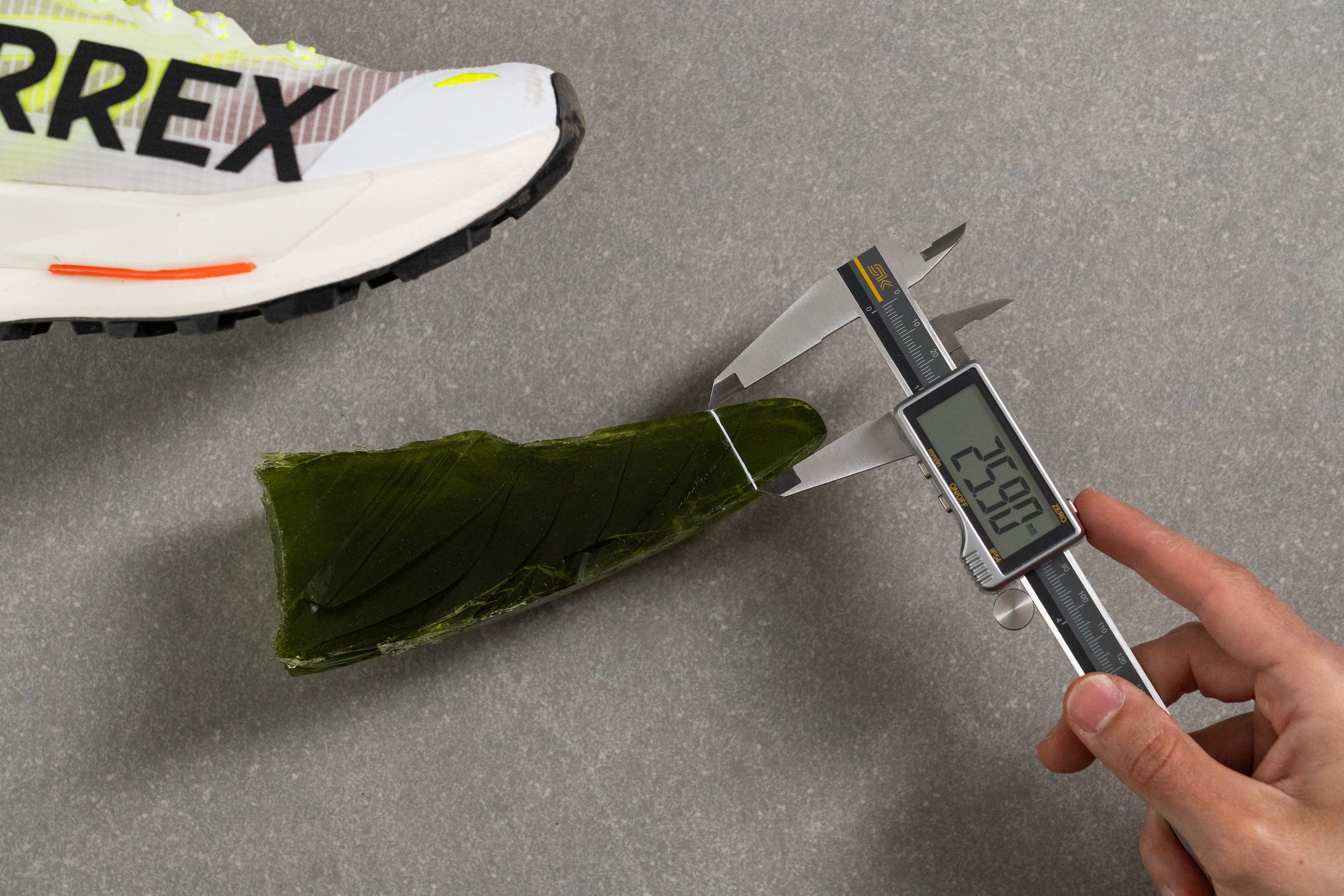
| Terrex Agravic TT | 25.9 mm |
| Media | 26.9 mm |
Tracción / Agarre
Traction test
We found that the adidas Terrex Agravic TT performed exactly as expected from a Continental outsole: surpassing our lab average. With a 0.69 result in our test, it delivers reliable traction on both dry and wet trails.
| Terrex Agravic TT | 0.69 |
| Media | 0.68 |
Profundidad del dibujo de la suela
The Agravic TT is positioned as adidas’ option within the Terrex line for technical terrain, as its name suggests. However, it works best for runners who prefer moderately deep lugs rather than aggressive ones.
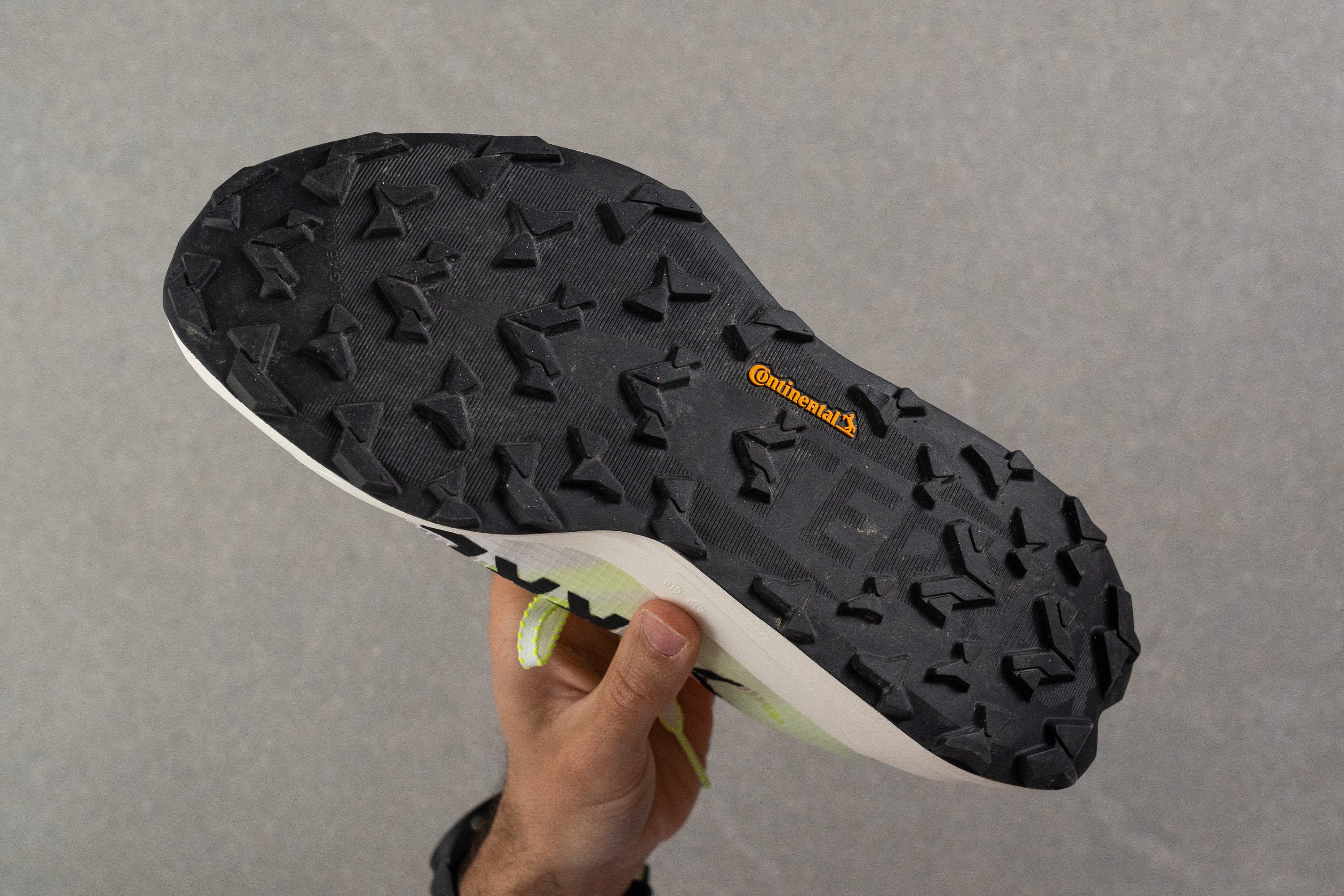
We measured a lug depth of 4.1 mm, which leans more toward versatility than fully technical setups, where lugs often exceed 4.5 mm or even 5 mm like in the Salomon Speedcross 6. Still, some runners feel more comfortable tackling difficult trails with less lug depth, and for them, this adidas can be a great fit.
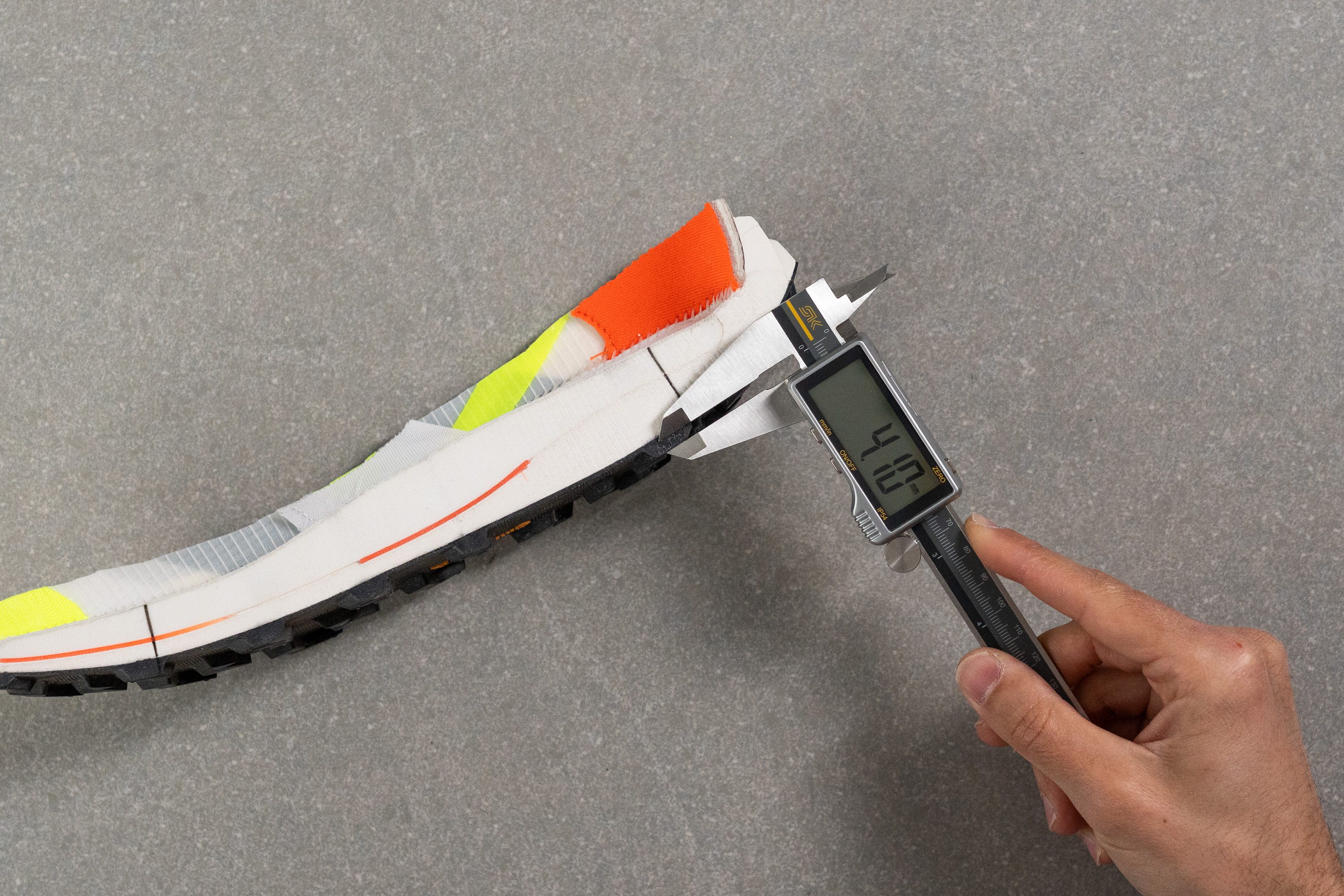
| Terrex Agravic TT | 4.1 mm |
| Media | 3.5 mm |
Diseño de la suela exterior
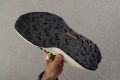
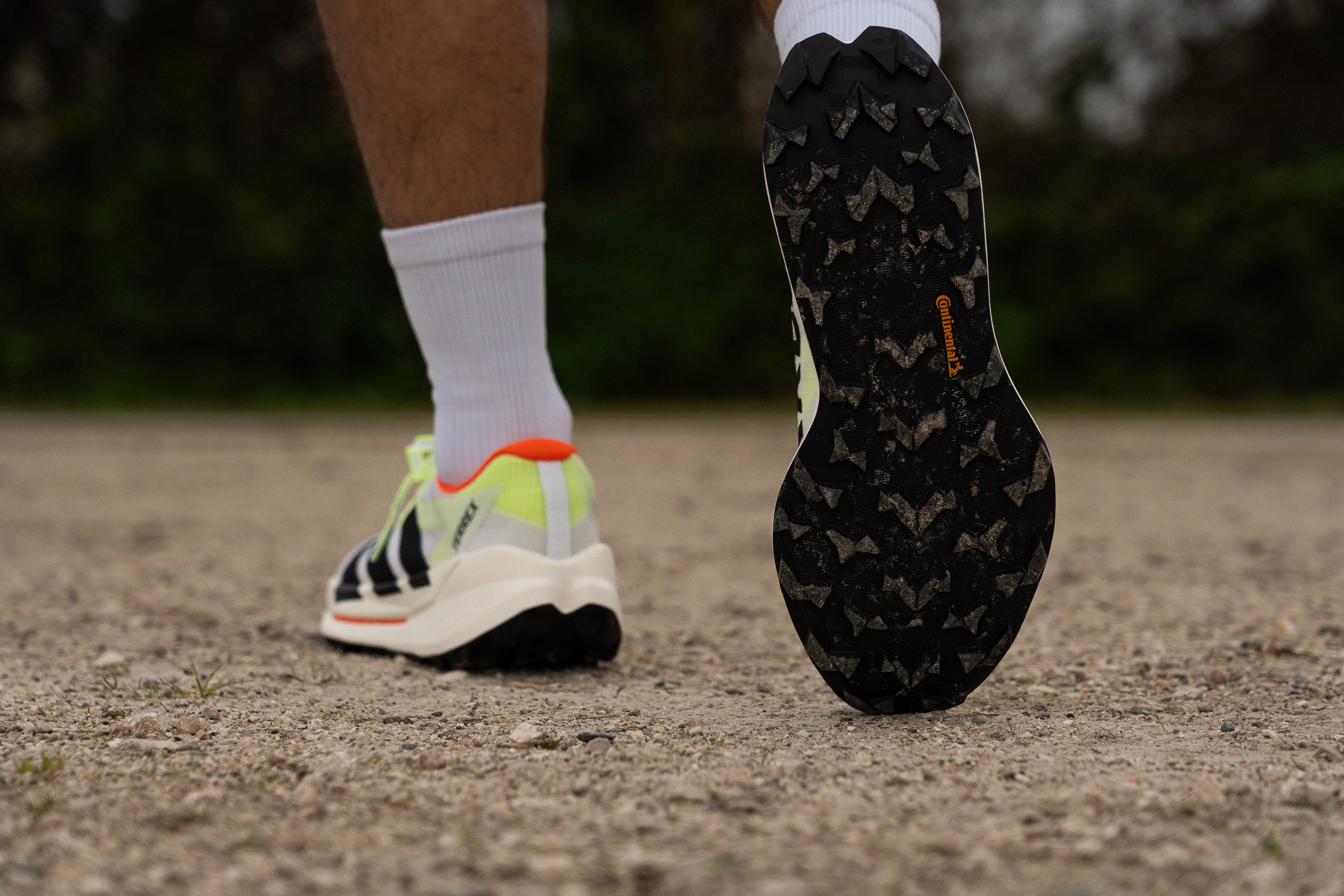
The outsole of the Agravic TT features full Continental coverage, so there is no need to worry about sharp rocks damaging the midsole. This setup provides solid protection across the entire base!
However, this comes with a clear trade-off that becomes obvious right away: added weight.
Flexibilidad / Rigidez
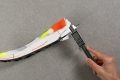
Thanks to its midsole design and the use of a less rigid plate material, the Agravic TT maintains impressive flexibility, scoring 11.8N in our test. This was a pleasant surprise, especially since the outsole has no cutouts.
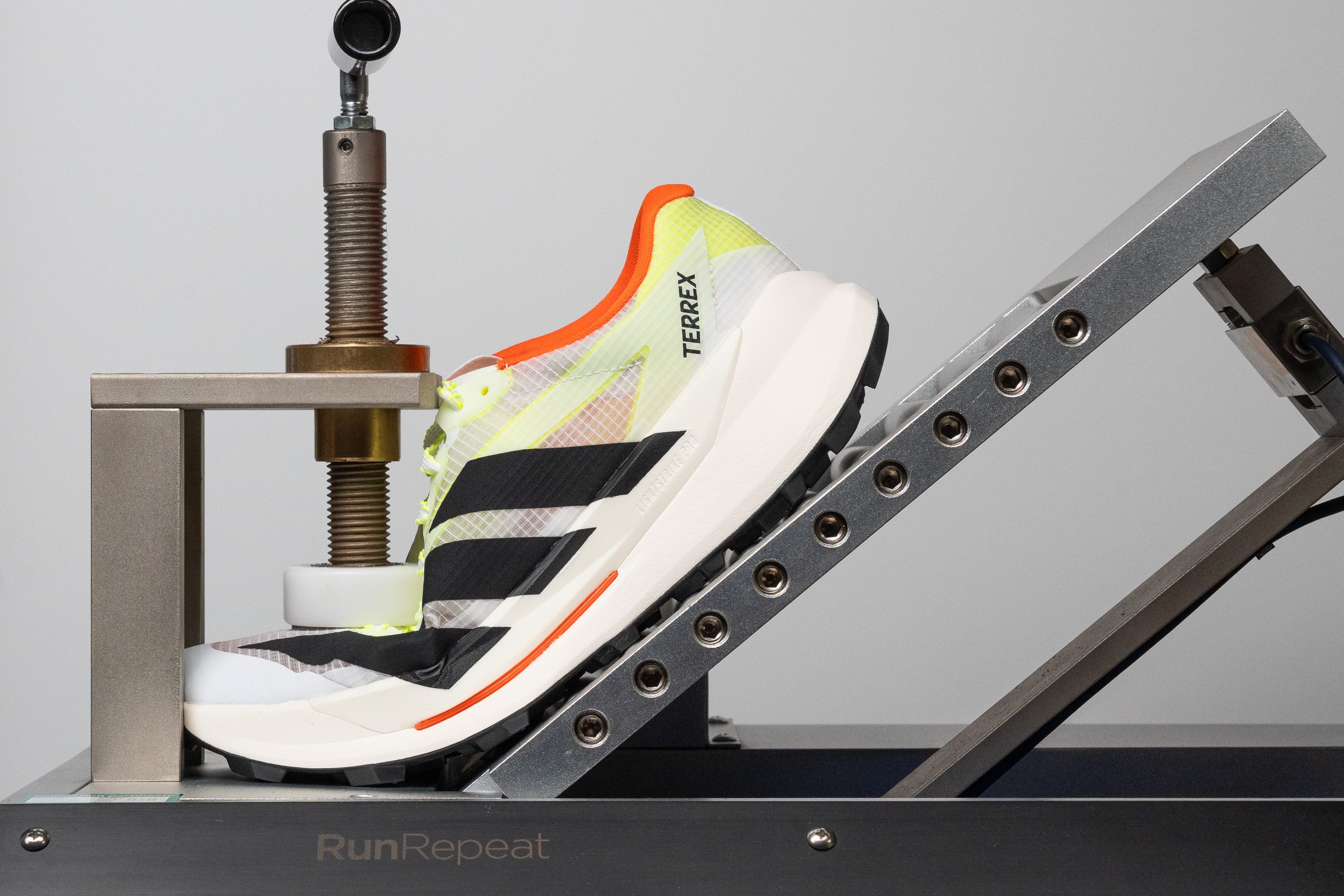
| Terrex Agravic TT | 11.8N |
| Media | 14.8N |
Peso
Despite adidas making some weight-saving efforts—especially in the upper—we found that the Terrex Agravic TT still feels like a heavy trail shoe. Considering its high price, this may come as a disappointment for some of you.
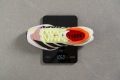
The final number in our lab was 10.6 oz or 301g, with most of the added weight coming from the EVA carrier foam and the durable, full-length Continental outsole. Yes, there's some room for improvement here...
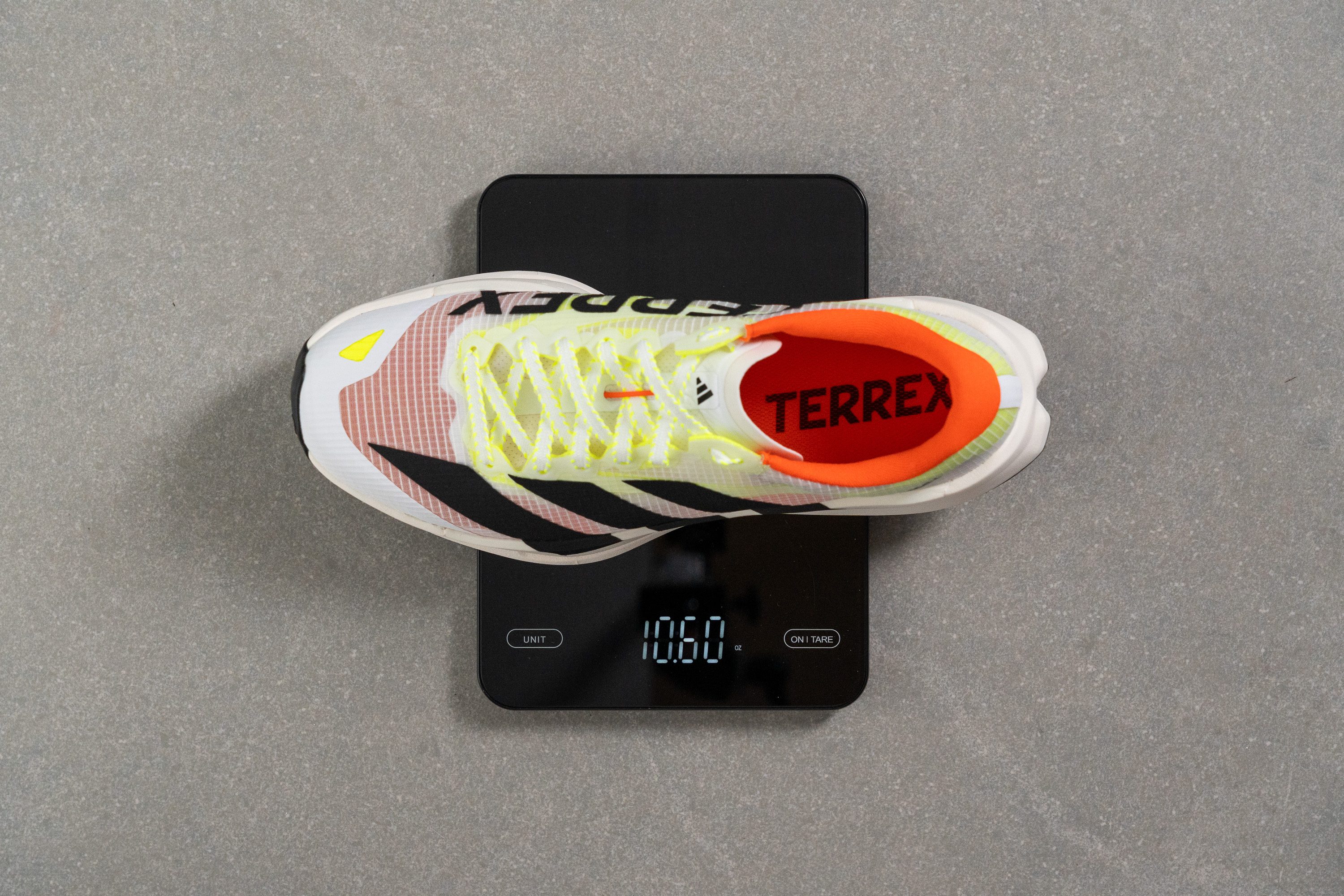
| Terrex Agravic TT | 10.6 oz (301g) |
| Media | 10.1 oz (285g) |
Transpirabilidad
Breathability test
The price increase over the regular Agravic comes mainly from two upgrades: the addition of Lightstrike Pro foam and a monomesh, ultra-thin upper.
This more advanced material is easy to spot both visually and in our smoke test, where airflow was strong enough to earn a 3/5 score, making it a reliable option across different seasons.
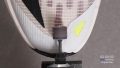
Shining a light through the upper clearly highlights the thinnest zones, and in this model, the toebox and tongue stand out as extremely thin.
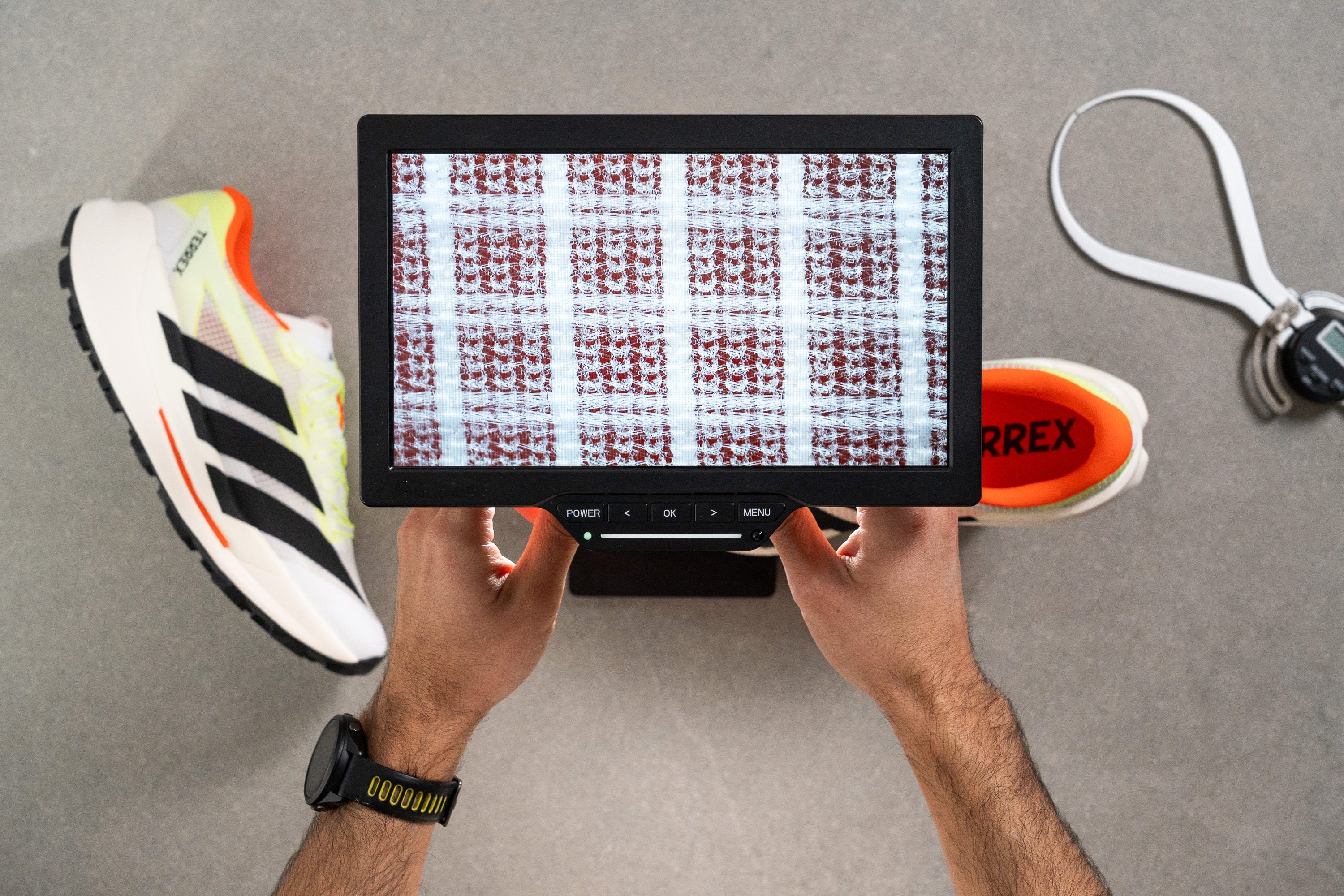
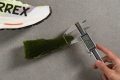
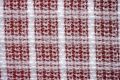
When we examined the material under the microscope, we were genuinely impressed by the grid-like structure with thin synthetic threads arranged in a precise pattern. At the same time, we found reinforcing strands running horizontally and vertically, adding some structure to an otherwise very delicate-looking mesh.
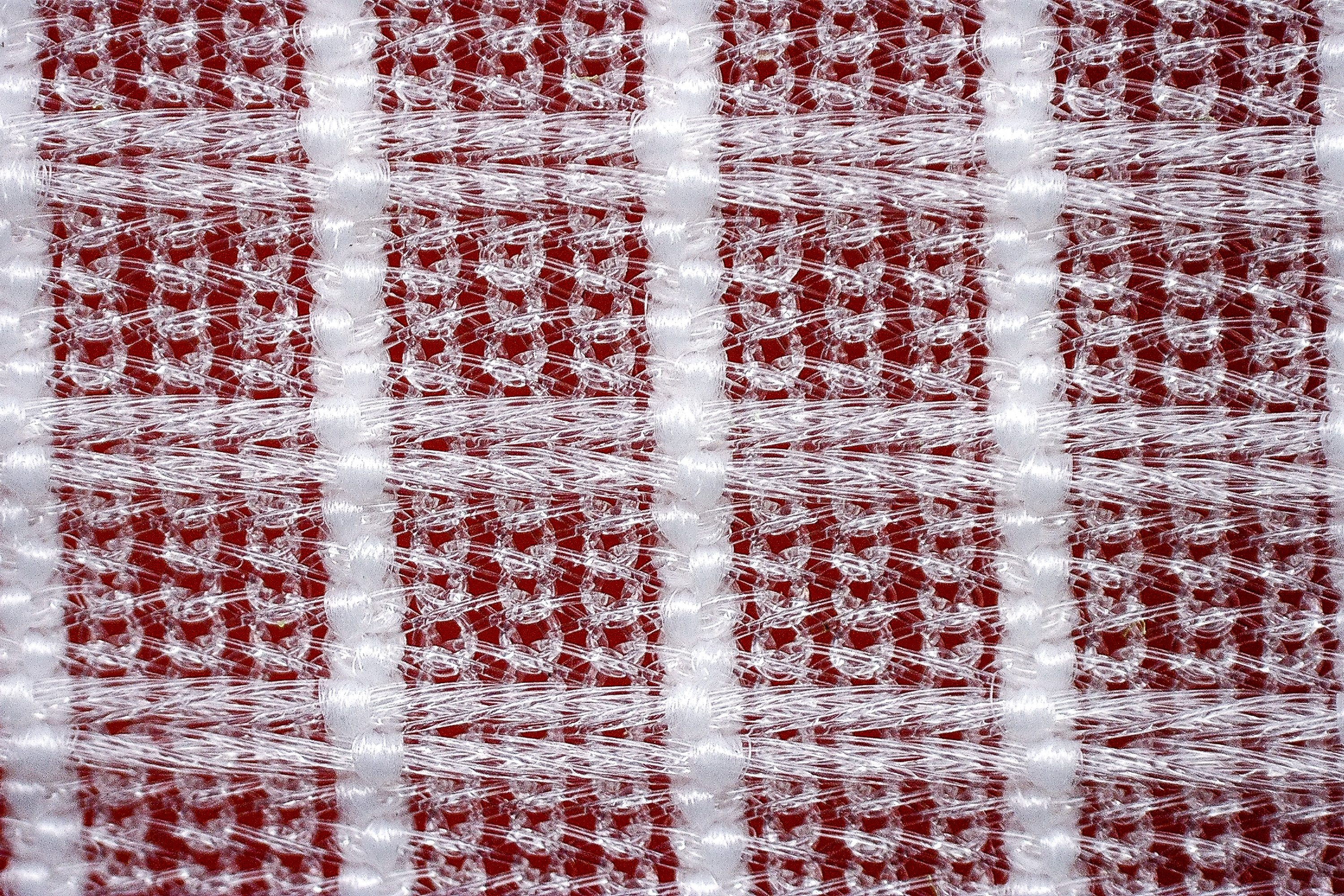
This is the kind of construction we usually see in super shoes, now brought into the Agravic TT.
Durability may be a concern given this construction, and we will evaluate that later. For now, we are satisfied with the balance of ventilation and comfort, as well as the overall build quality and materials.
| Terrex Agravic TT | 3 |
| Media | 3.3 |
Estabilidad
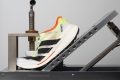
Prueba de estabilidad lateral
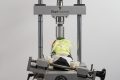
The Terrex Agravic TT is clearly designed to deliver stability on twisty and unpredictable trails. To achieve this, adidas combines the plate we already discussed with very high sidewalls and a wide forefoot that expands similarly to a maximalist running shoe.
Rigidez torsional
By avoiding a carbon plate, the Agravic TT retains solid flexibility and scored only 12.6 Nm in our torsional rigidity test. This works well for this type of shoe, allowing it to adapt to technical trails while remaining comfortable underfoot.
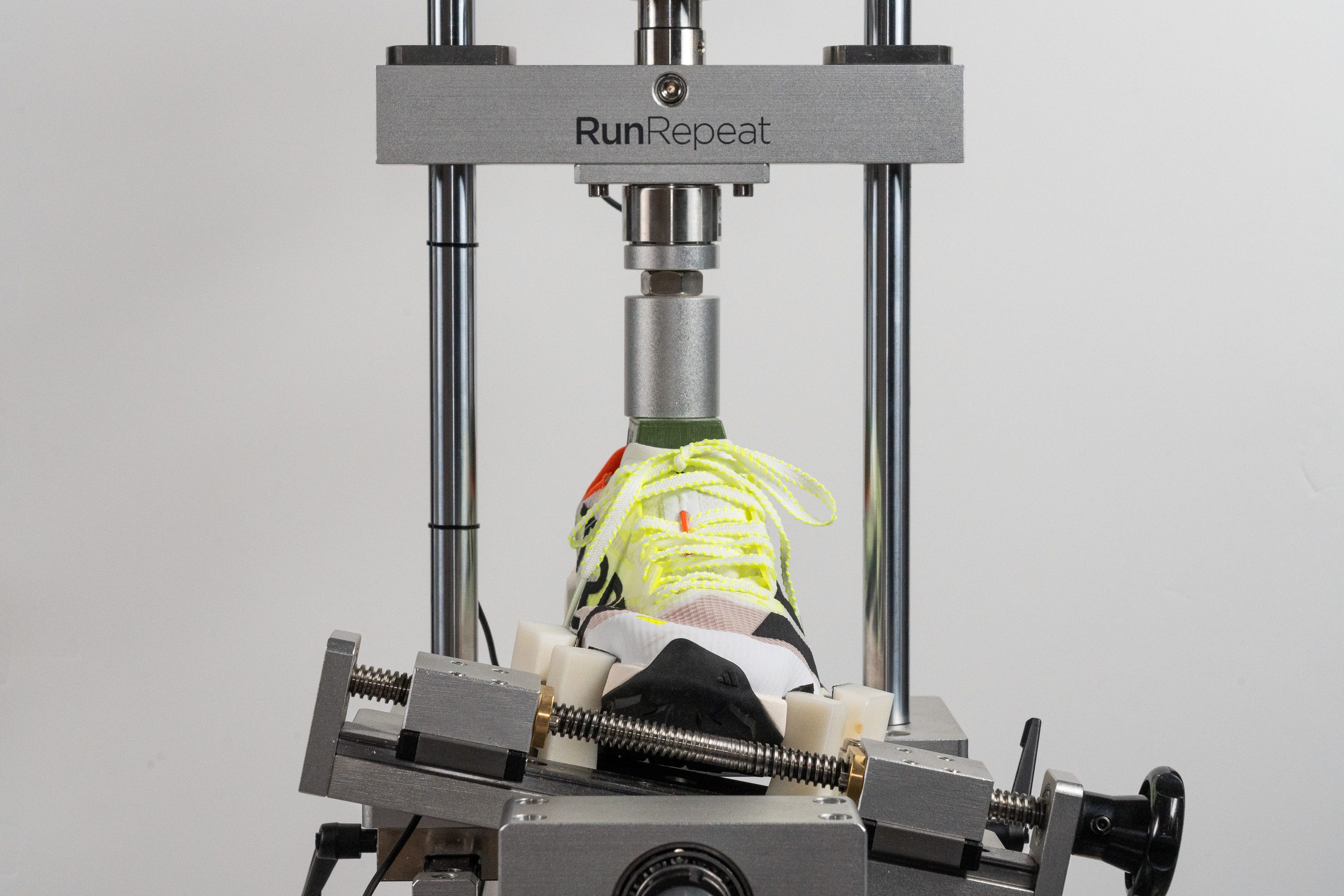
| Terrex Agravic TT | 12.6 Nm |
| Media | 15.8 Nm |
Rigidez del contrafuerte del talón
The heel counter caught us slightly off guard, leaning toward a race-inspired design with a 2/5 score. Then it made sense, as the shoe already delivers plenty of support through its oversized sidewalls, allowing for a more flexible construction in this area.
| Terrex Agravic TT | 2 |
| Media | 3 |
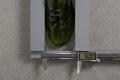
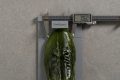
Anchura de la mediasuela - antepié
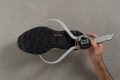
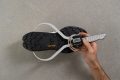
When we first discussed stability, we highlighted the very wide forefoot design. Now it’s time to confirm that impression with an actual lab measurement: 120.4 mm.
As shown in the image, the forefoot appears extremely wide, and that’s partly accurate. The effect is amplified by the sharply tapered midfoot, which creates a pronounced, wasp-like shape typical of many adidas Agravic models.
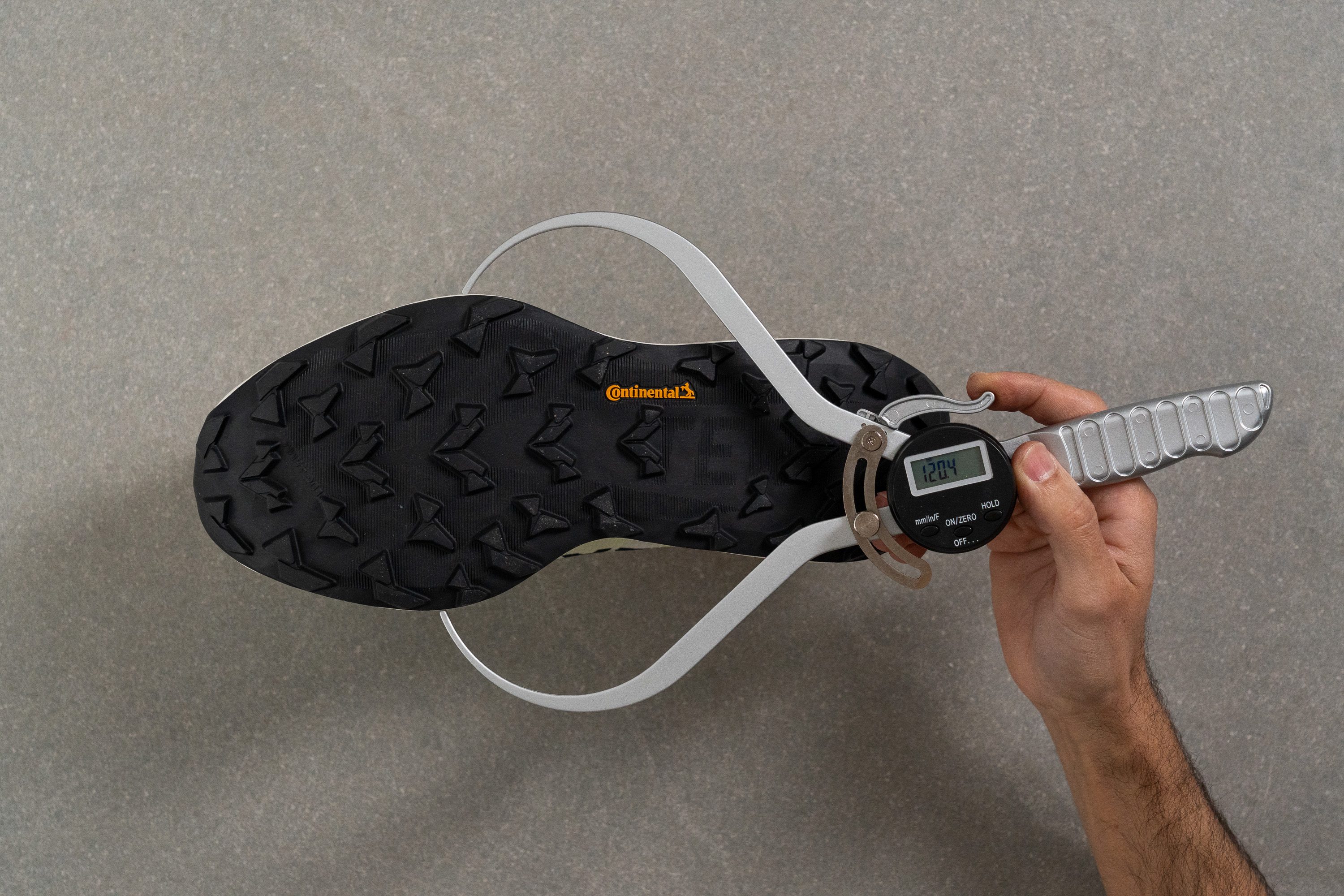
| Terrex Agravic TT | 120.4 mm |
| Media | 114.3 mm |
Anchura de la mediasuela - talón
We appreciate that adidas keeps a consistent design approach across its lineup, and that shows again here with the narrow heel at 87.8 mm, which follows the aggressive midfoot shape.
This will not suit everyone, but many trail runners prefer a narrower rearfoot for added agility, and adidas clearly leans in that direction.
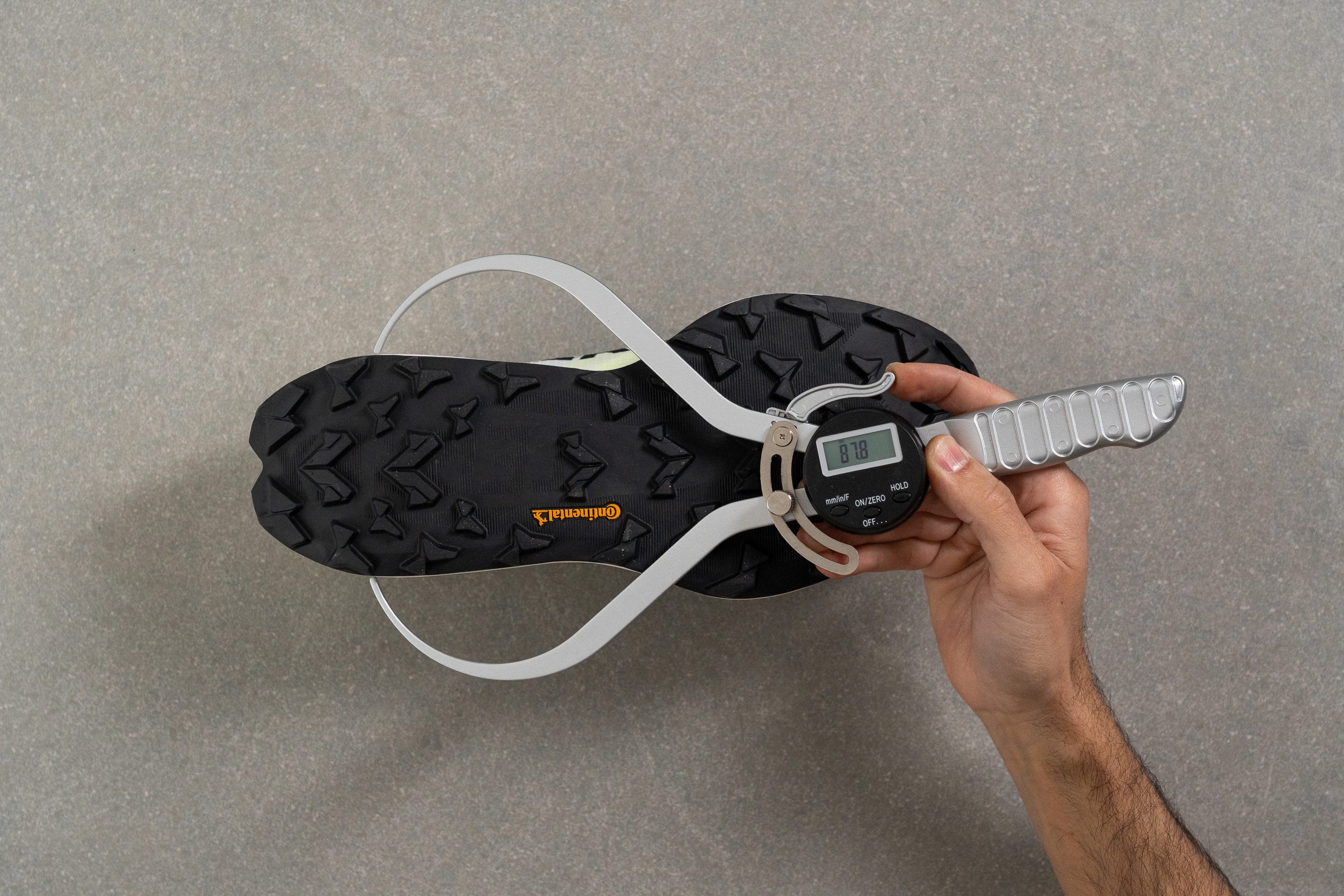
| Terrex Agravic TT | 87.8 mm |
| Media | 90.5 mm |
Durabilidad
Durabilidad de la parte delantera
We saw this coming. The razor-thin upper of the Agravic TT scored 1/5 in our durability test, which is hardly surprising given its design. Adidas at least added generous TPU reinforcements, but do not expect much durability in the areas left exposed.
| Terrex Agravic TT | 1 |
| Media | 3.1 |
Durabilidad del acolchado del talón
On the other hand, the heel padding delivered a much stronger result, scoring 4 out of 5, which is exactly what we like to see.
| Terrex Agravic TT | 4 |
| Media | 3.1 |
Durabilidad de la suela
We also had no doubts about the outsole, but in a good way. Continental delivers once again, with only 0.6 mm of rubber lost in our Dremel test, which is an excellent result.
| Terrex Agravic TT | 0.6 mm |
| Media | 0.9 mm |
Grosor de la suela
With the awesome Conti rubber from heel to toe and a plate between the foam layers, keeping the outsole thin at 1.3 mm makes perfect sense. Protection is already more than enough, so adding extra rubber would only increase weight unnecessarily.
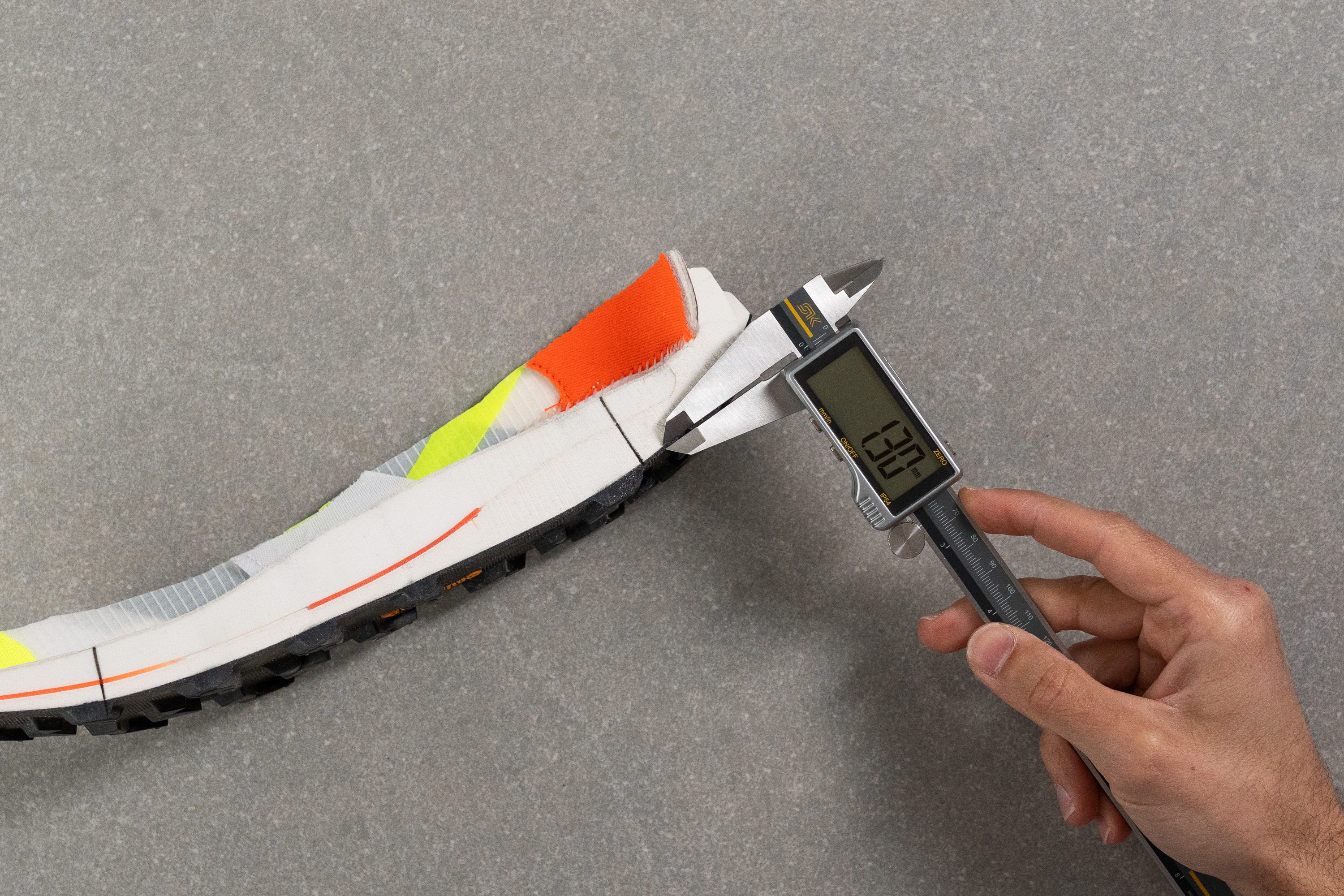
| Terrex Agravic TT | 1.3 mm |
| Media | 1.9 mm |
Varios
Grosor de la plantilla
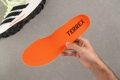
The insole included with the Agravic TT is fairly thin, measuring just 3.1 mm.
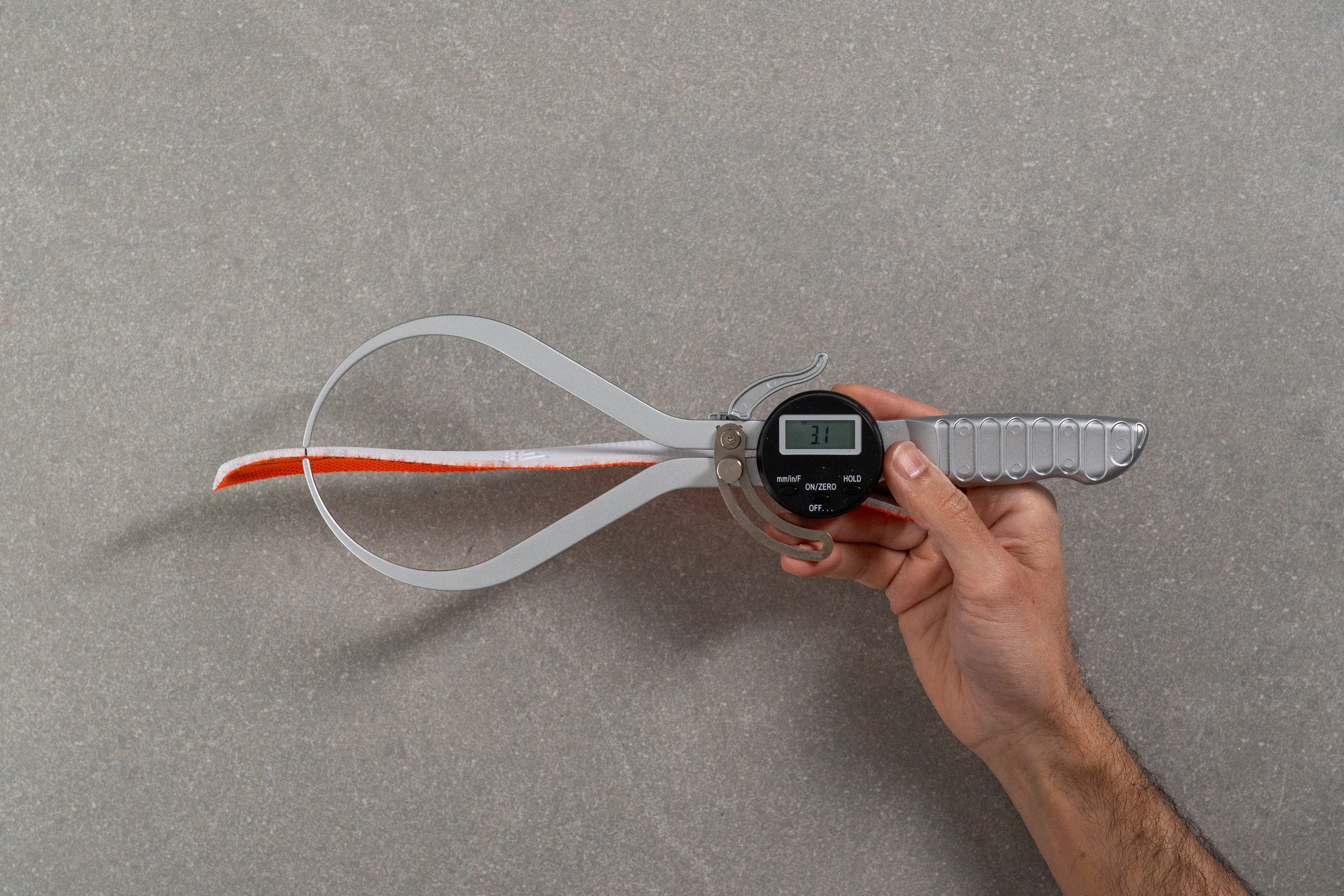
| Terrex Agravic TT | 3.1 mm |
| Media | 4.6 mm |
Plantilla extraíble
The insole is removable, so you can swap it if needed. However, it’s best to use a slim option to maintain the intended fit of the shoe.
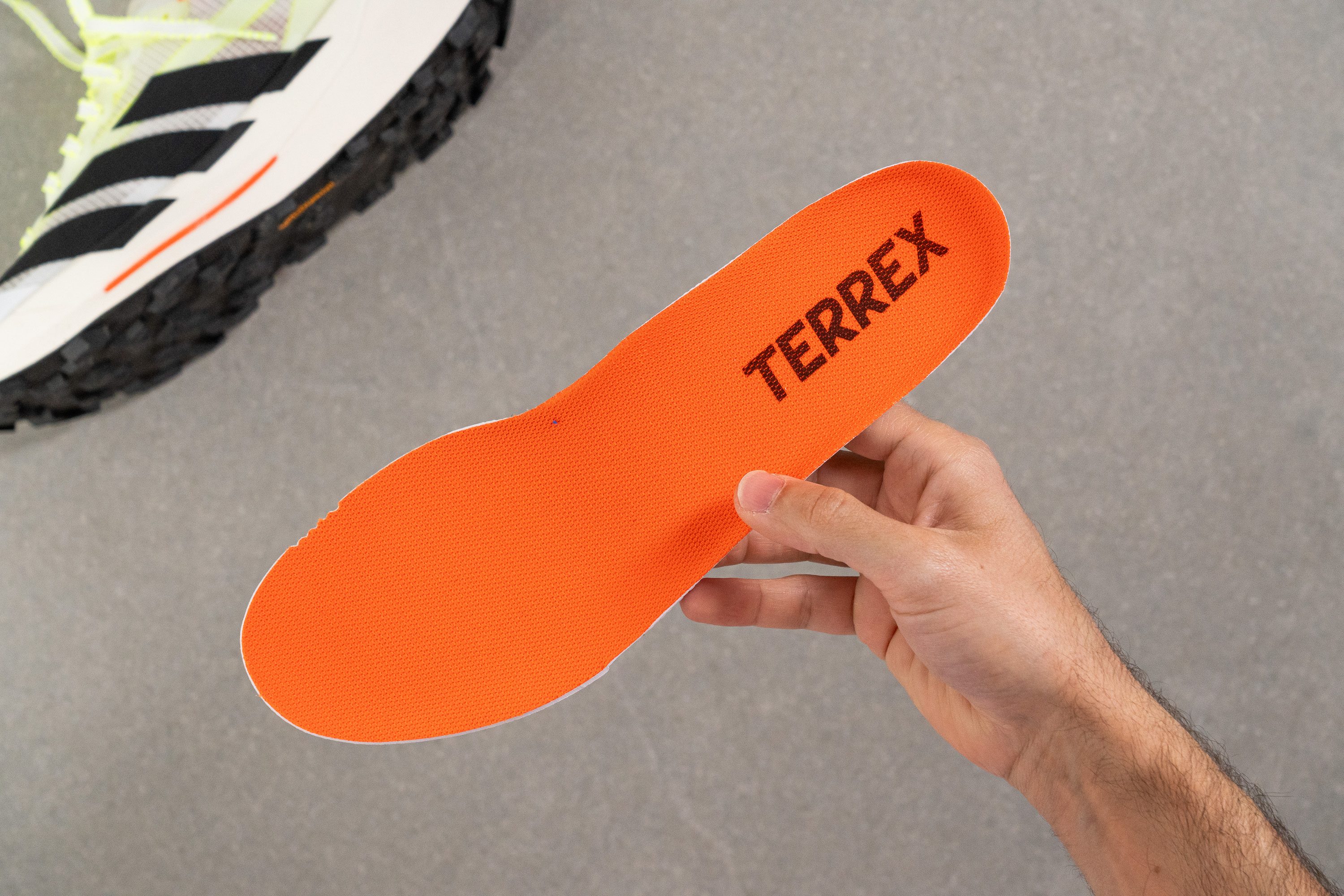
| Terrex Agravic TT | Sí |
Elementos reflectantes
Adidas left out reflective elements on the Agravic TT, which feels like a missed opportunity. It would have been very easy to include a few.
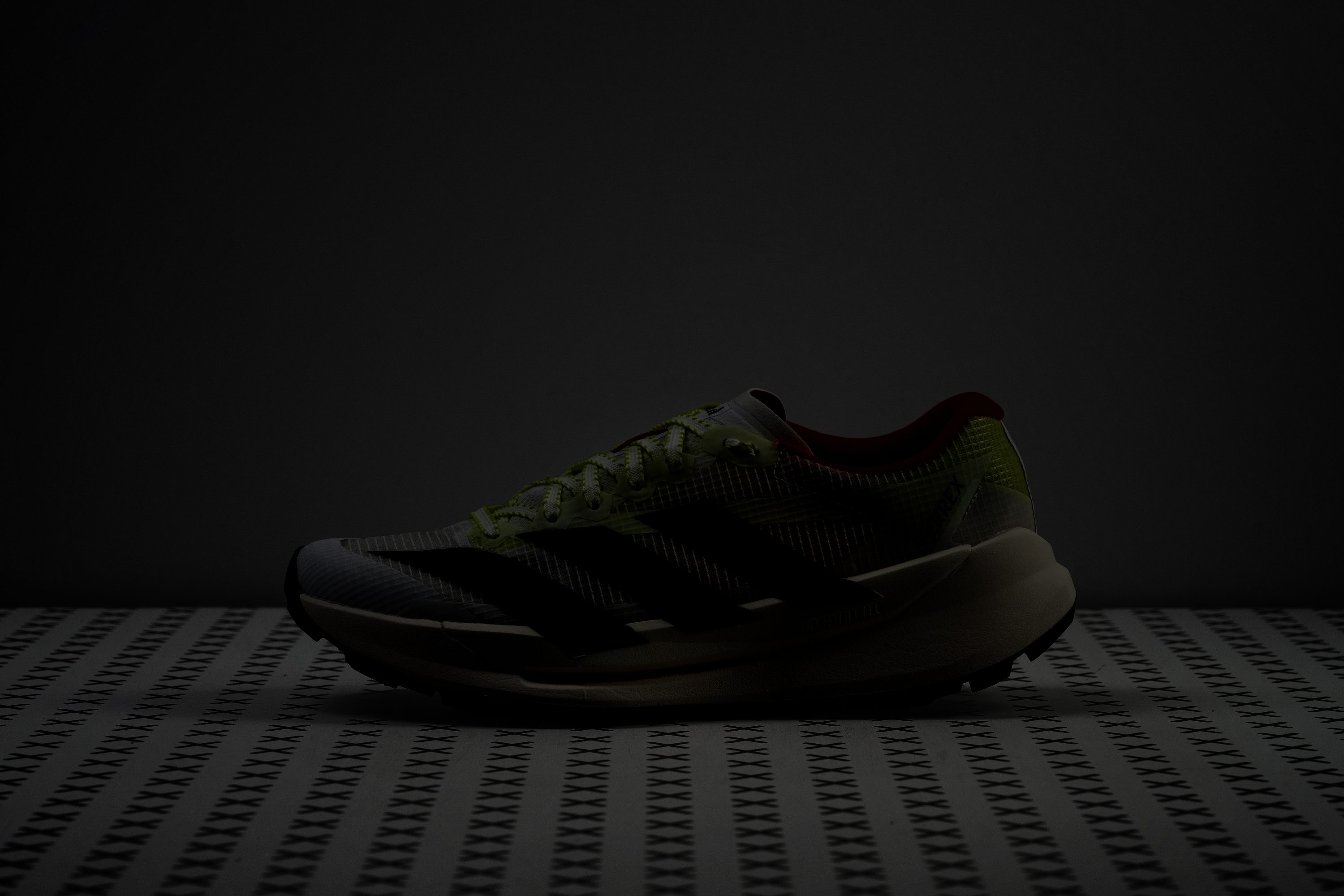
| Terrex Agravic TT | No |
Acolchado de la lengüeta
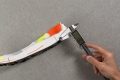
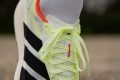
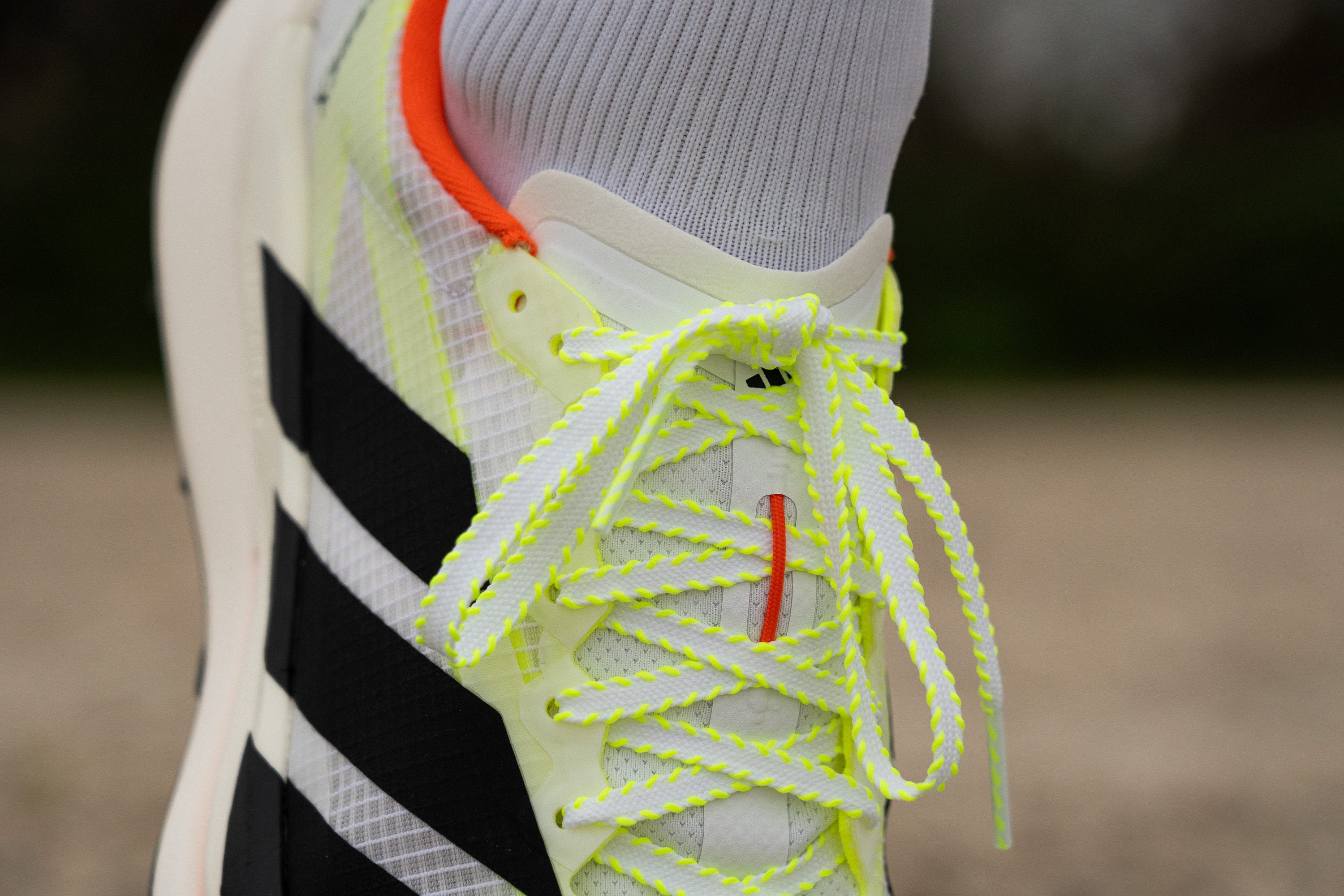
The Agravic TT comes with excellent laces, and that’s a big plus. They stay secure throughout the run, and the textured finish works like a charm. The tongue also includes a minimal loop with a thin cord that helps keep everything centered without adding bulk.
In terms of comfort, adidas clearly aimed for a weight-conscious design with targeted padding. We measured 5.3 mm in a single section, but it does not run top to bottom. Instead, it focuses on the area most exposed to lace pressure, which worked well in our testing.
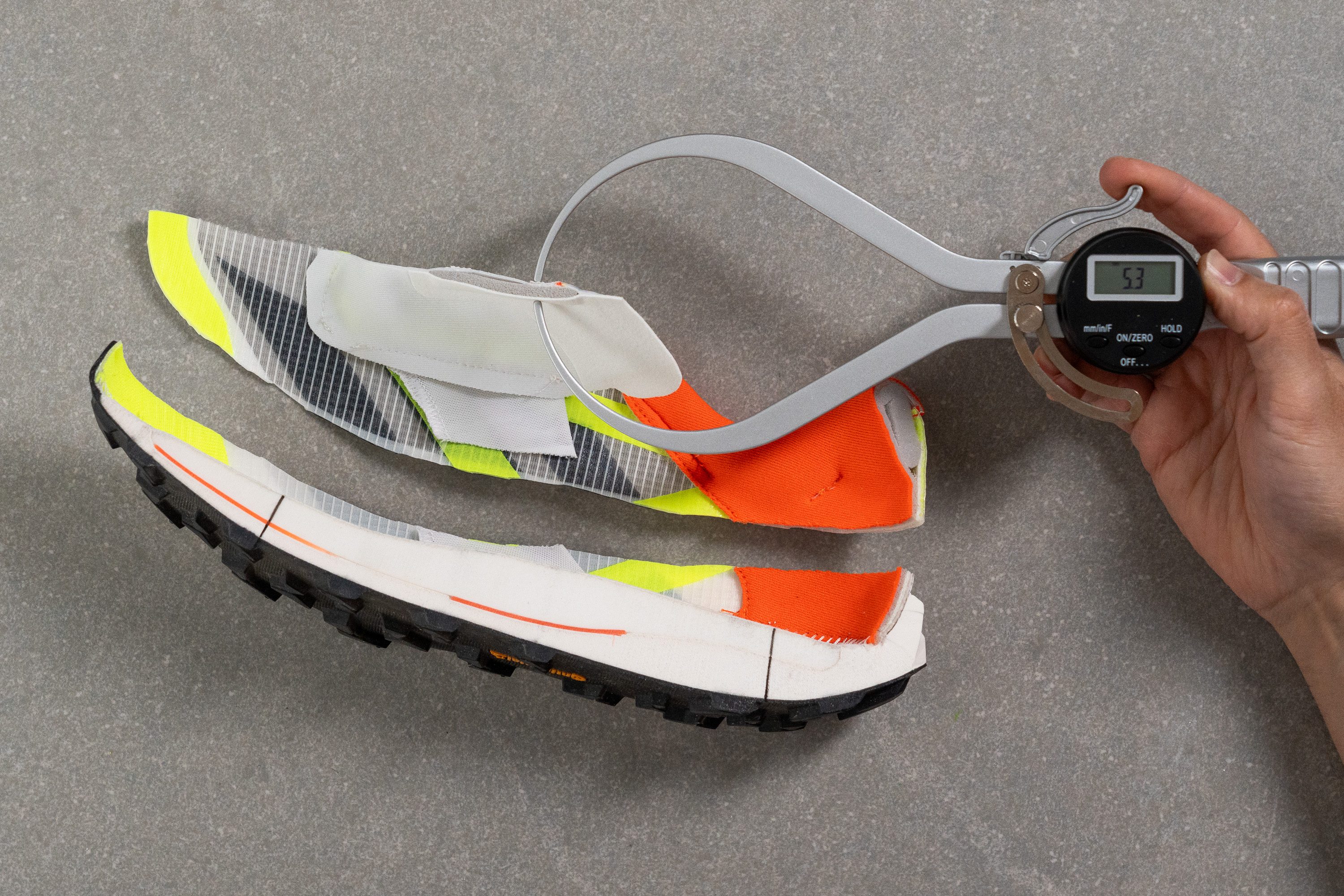
| Terrex Agravic TT | 5.3 mm |
| Media | 6.4 mm |
Lengüeta: tipo de refuerzo
The tongue is semi-gusseted, though it is almost fully stitched to the upper, and we think this setup works very well for this shoe.
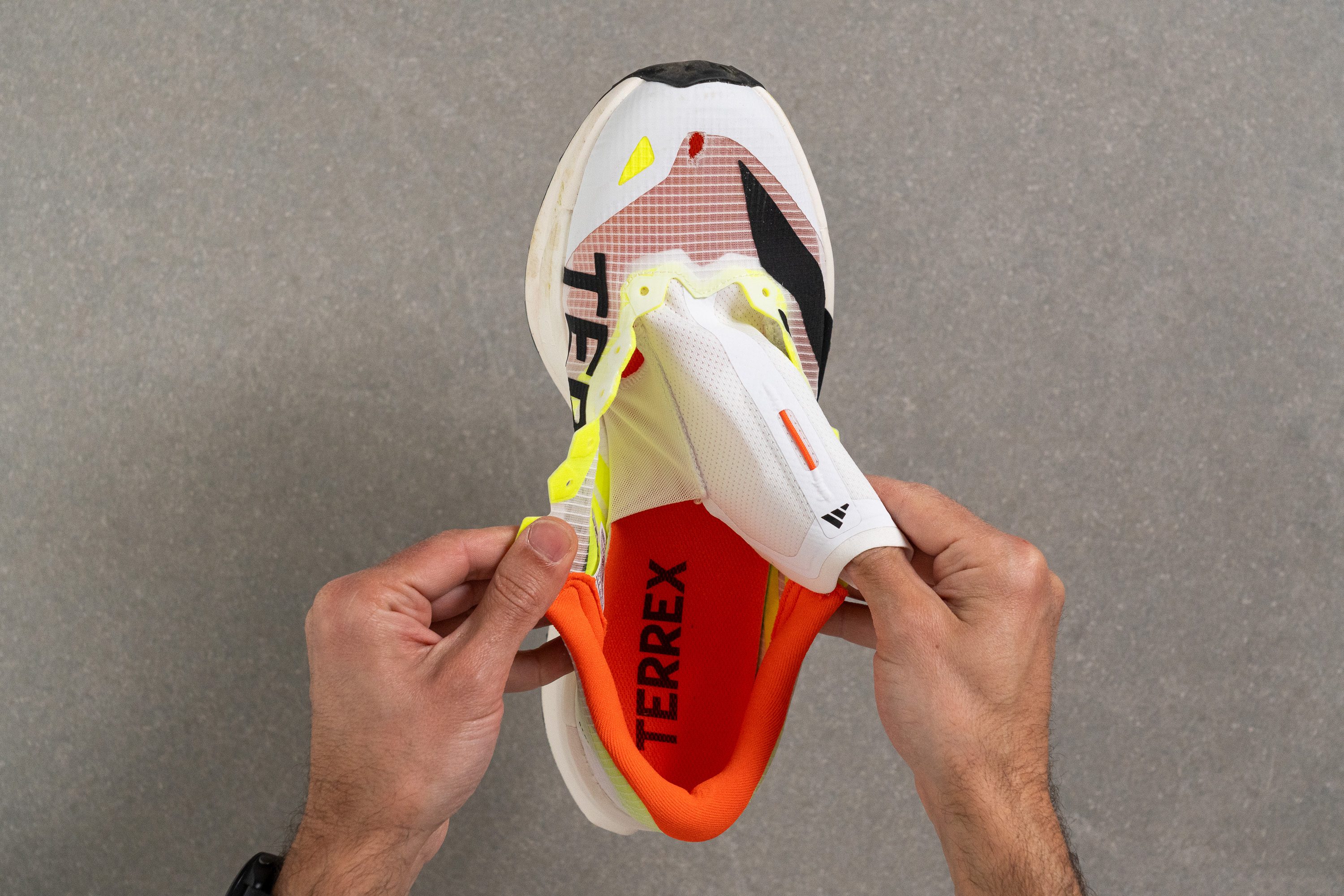
| Terrex Agravic TT | Ambos lados (semi) |
Tirador del talón
Like most recent adidas shoes, the Agravic TT features a clean, minimal heel design without a finger-loop tab. This time, however, adidas added a small strip to neatly cover the stitching.
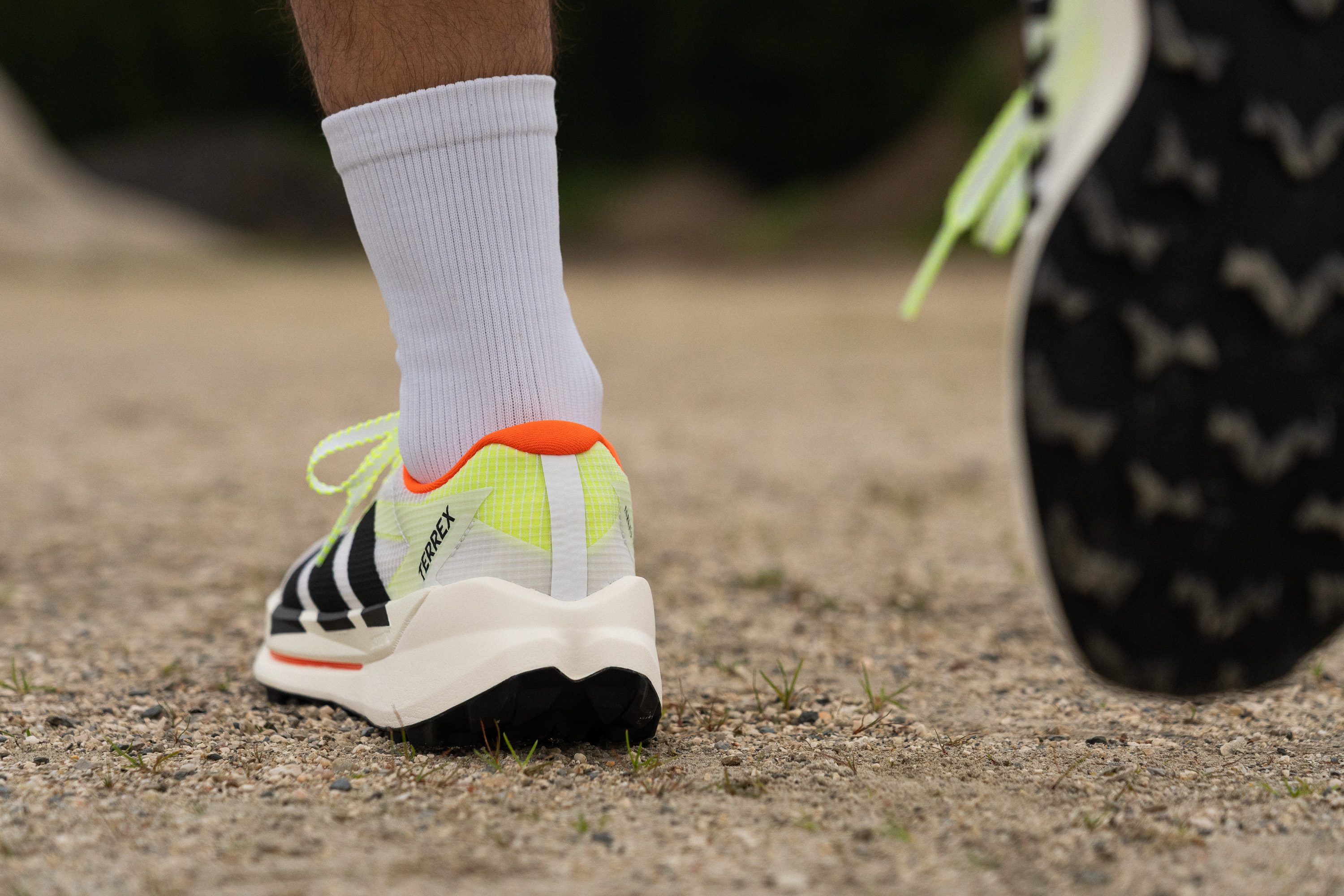
| Terrex Agravic TT | Ninguno |
Precio
The Agravic TT sits in a higher price bracket, competing with models like the Nike Zegama 2. Considering it includes Continental rubber and Lightstrike Pro, the pricing feels fair, but it is clearly not aimed at budget-conscious runners.
| Terrex Agravic TT | $185 |