
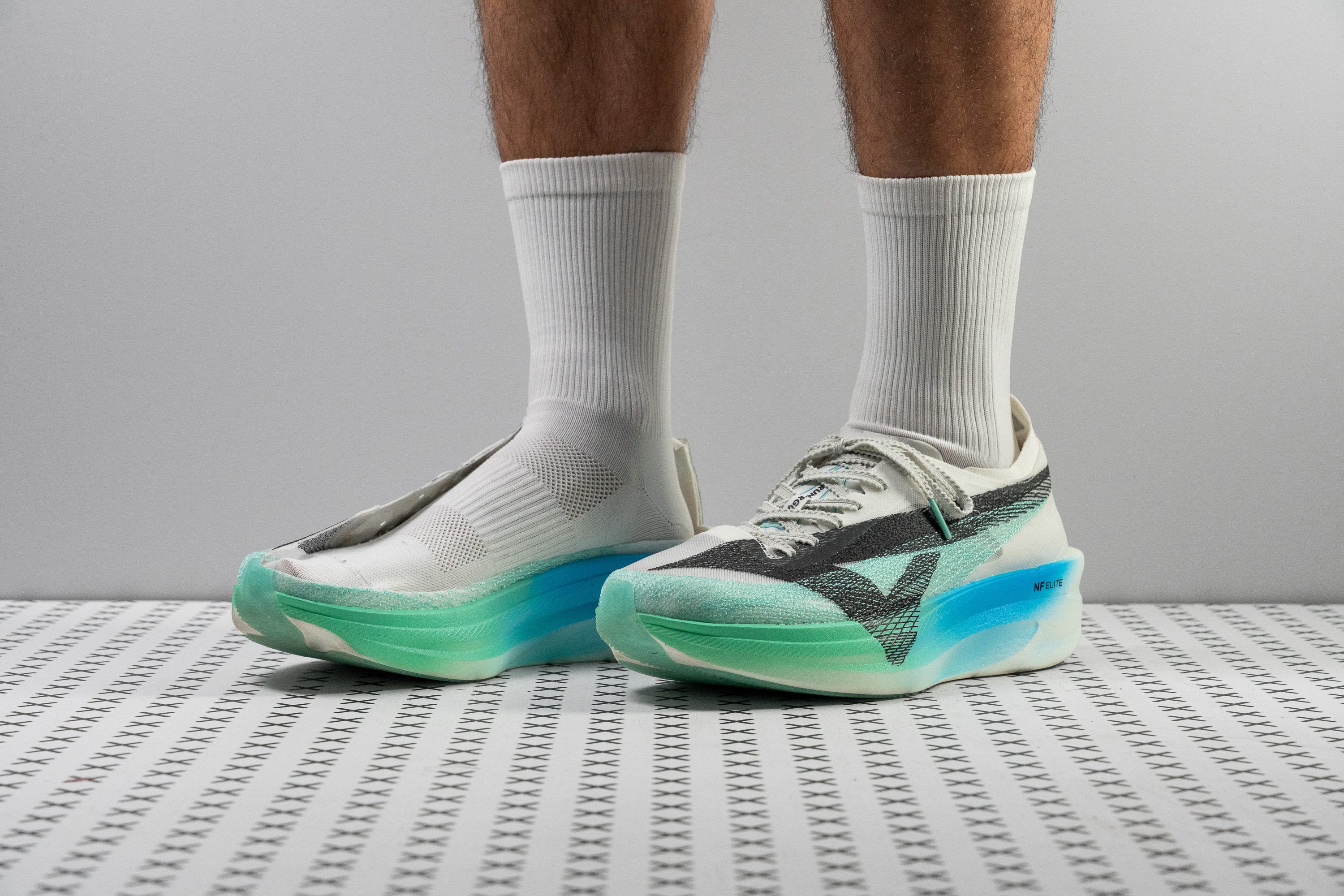


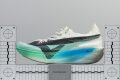
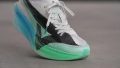
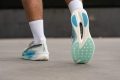



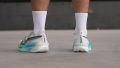



Our verdict
- Daily running 65
- Tempo 82
- Race 75
- Stability 68
Pros
- Outstanding low price for a carbon racer
- Excellent heel shock absorption
- Comfortable supercritical foam
- Durable and grippy CPU outsole
- Secure toothed laces
- Reflective details add visibility
- Highly breathable monofilament upper
- World Athletics-legal 39.9 mm stack
- Full-length carbon plate
- Impressive aesthetics!
Cons
- Not enough energy return
- Extreme high drop
- Limited stability
Comparison
The most similar running shoes compared
+ + Add a shoe | |||||
|---|---|---|---|---|---|
| Our score | 81 Great | 85 Great | 91 Superb | 87 Great | |
| Price | $95 | $265 | $275 | $275 | |
| Pace | CompetitionTempo | Competition | Competition | Competition | |
| Shock absorption | High | High | High | High | |
| Energy return | Moderate | High | High | High | |
| Traction | High | High | High | High | |
| Arch support | Neutral | Neutral | Neutral | Neutral | |
| Weight lab Weight brand | 7.8 oz / 222g | 7 oz / 198g 7.5 oz / 213g | 6.8 oz / 193g 7.5 oz / 213g | 6.7 oz / 190g 7 oz / 198g | |
| Lightweight | ✓ | ✓ | ✓ | ✓ | |
| Drop lab Drop brand | 14.8 mm | 10.7 mm 8.0 mm | 13.4 mm 7.0 mm | 13.9 mm 8.0 mm | |
| Strike pattern | Heel | Heel | Heel | Heel | |
| Size | True to size | True to size | Half size small | Half size small | |
| Midsole softness | Balanced | Balanced | Soft | Soft | |
| Difference in midsole softness in cold | Small | Small | Small | Small | |
| Toebox durability | Bad | Bad | Bad | Decent | |
| Heel padding durability | Good | Decent | Bad | Good | |
| Outsole durability | Good | Decent | Decent | Decent | |
| Breathability | - | Moderate | Moderate | - | |
| Width / fit | Medium | Medium | Narrow | Narrow | |
| Toebox width | Medium | Medium | Narrow | Medium | |
| Stiffness | Stiff | Moderate | Moderate | Stiff | |
| Torsional rigidity | Flexible | Flexible | Moderate | Moderate | |
| Heel counter stiffness | Flexible | Flexible | Flexible | Flexible | |
| Plate | Carbon plate | Carbon plate | Carbon plate | Carbon plate | |
| Rocker | ✓ | ✓ | ✓ | ✓ | |
| Heel lab Heel brand | 39.9 mm | 39.3 mm 40.0 mm | 44.5 mm 38.0 mm | 38.5 mm 40.0 mm | |
| Forefoot lab Forefoot brand | 25.1 mm | 28.6 mm 32.0 mm | 31.1 mm 31.0 mm | 24.6 mm 32.0 mm | |
| Widths available | Normal | NormalWide | Normal | NormalWide | |
| Orthotic friendly | ✓ | ✓ | ✓ | ✓ | |
| Season | - | All seasons | All seasons | - | |
| Removable insole | ✓ | ✓ | ✓ | ✓ | |
| Ranking | #217 Bottom 46% | #105 Top 26% | #30 Top 8% | #66 Top 17% | |
| Popularity | #382 Bottom 5% | #20 Top 5% | #396 Bottom 1% | #125 Top 31% |



Who should buy
We believe that the Ardiles Runergize is a great choice for:
- Runners looking to try their first carbon-plated shoe without spending a fortune.
- Beginners who want an affordable racing shoe for their first races and faster workouts.
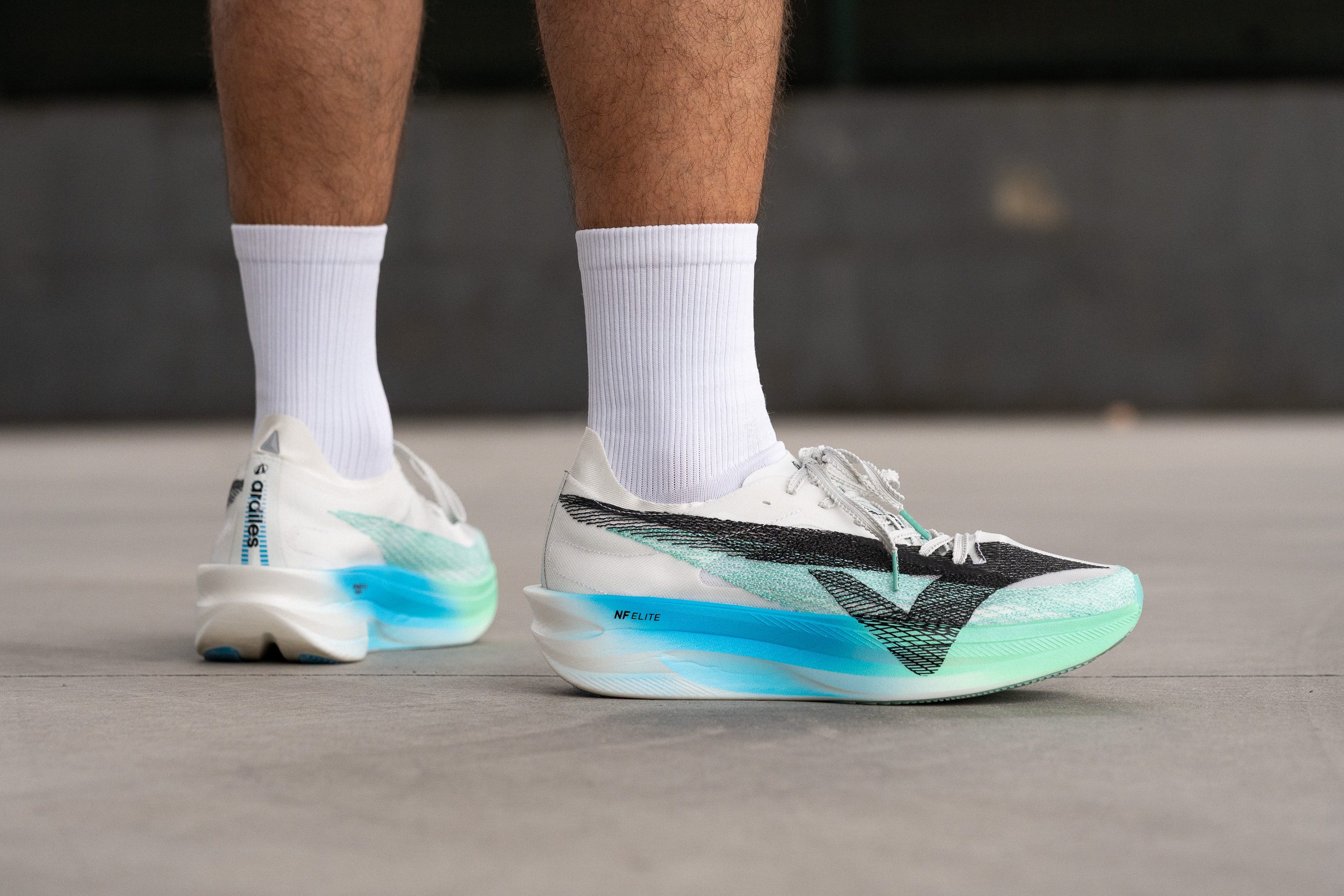
- Heel strikers who prefer a very high-drop design, as the Runergize delivers one of the highest drops we've ever measured in a racing shoe.
Who should NOT buy
If you're looking for explosive bounce and top-tier energy return, the Runergize is unlikely to meet your expectations. However, considering its exceptionally low price, we think it was an impossible task anyway. If you can stretch your budget, we recommend the PUMA Velocity Nitro 4 or the adidas Adizero EVO SL. Neither features a carbon plate, but both deliver noticeably higher energy return at a reasonable price.
We also believe that the Runergize's extremely high drop makes it a poor match for midfoot and forefoot strikers. If you prefer a more moderate drop in a racing shoe, take a look at the ASICS Metaspeed Sky Tokyo or the KIPRUN Kipstorm Elite.
Cushioning
Shock absorption
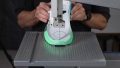
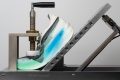
With 152 SA in the heel and 101 SA in the forefoot, the Ardiles Runergize delivers one of the largest heel-to-forefoot differences in shock absorption we've seen in the lab.
The heel offers an exceptionally impact-dampening ride, whereas the front may leave forefoot strikers wanting more protection for long runs or marathon distances.
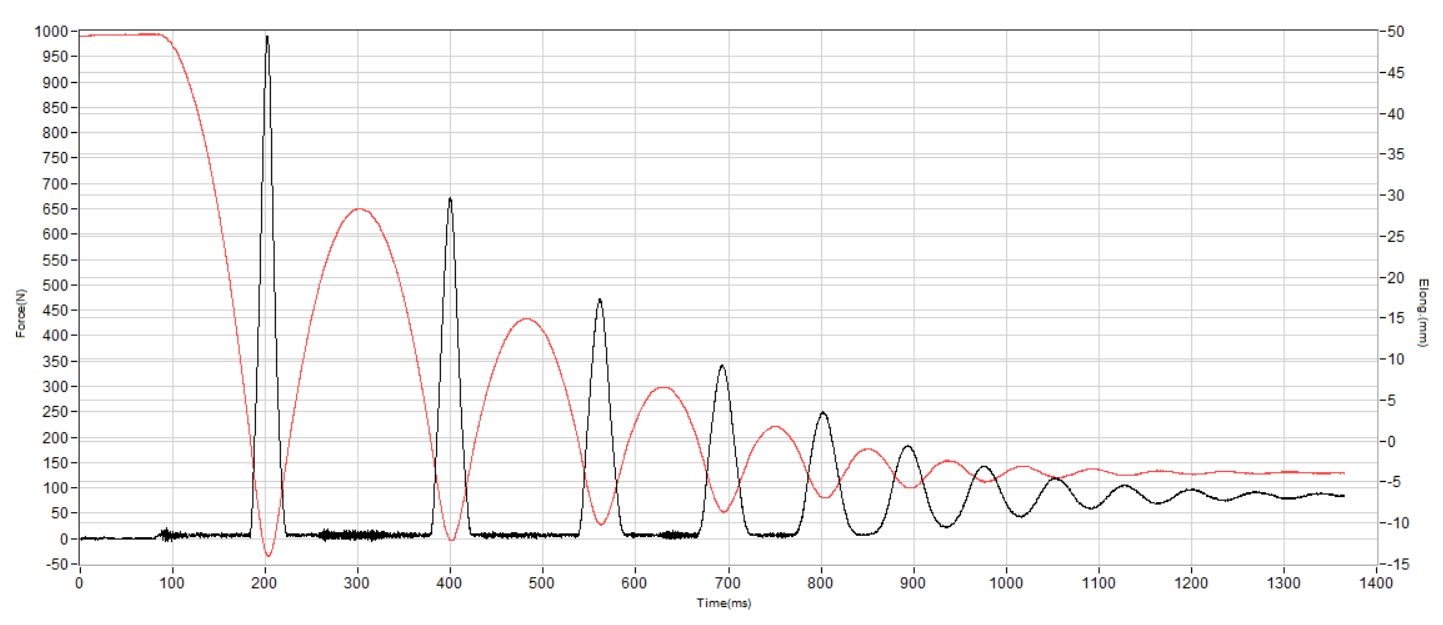
| Runergize | 152 SA |
| Average | 131 SA |
Energy return
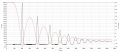
The NF Elite supercritical foam midsole looked promising on paper. However, it falls short of modern super shoe standards, returning 57.1% rebound in the heel and 63.4% in the forefoot in our lab tests.
Given the Runergize's affordable price, these numbers should not be viewed as a major drawback. Premium PEBA and A-TPU foams are substantially more expensive, and energy return around the 60% mark is entirely expected in this price range. Even so, we have to admit that we expected slightly higher rebound...
| Runergize | 63.4% |
| Average | 61.5% |
Heel stack
One area where Ardiles truly excelled is maximizing the Runergize's stack height without exceeding World Athletics regulations.
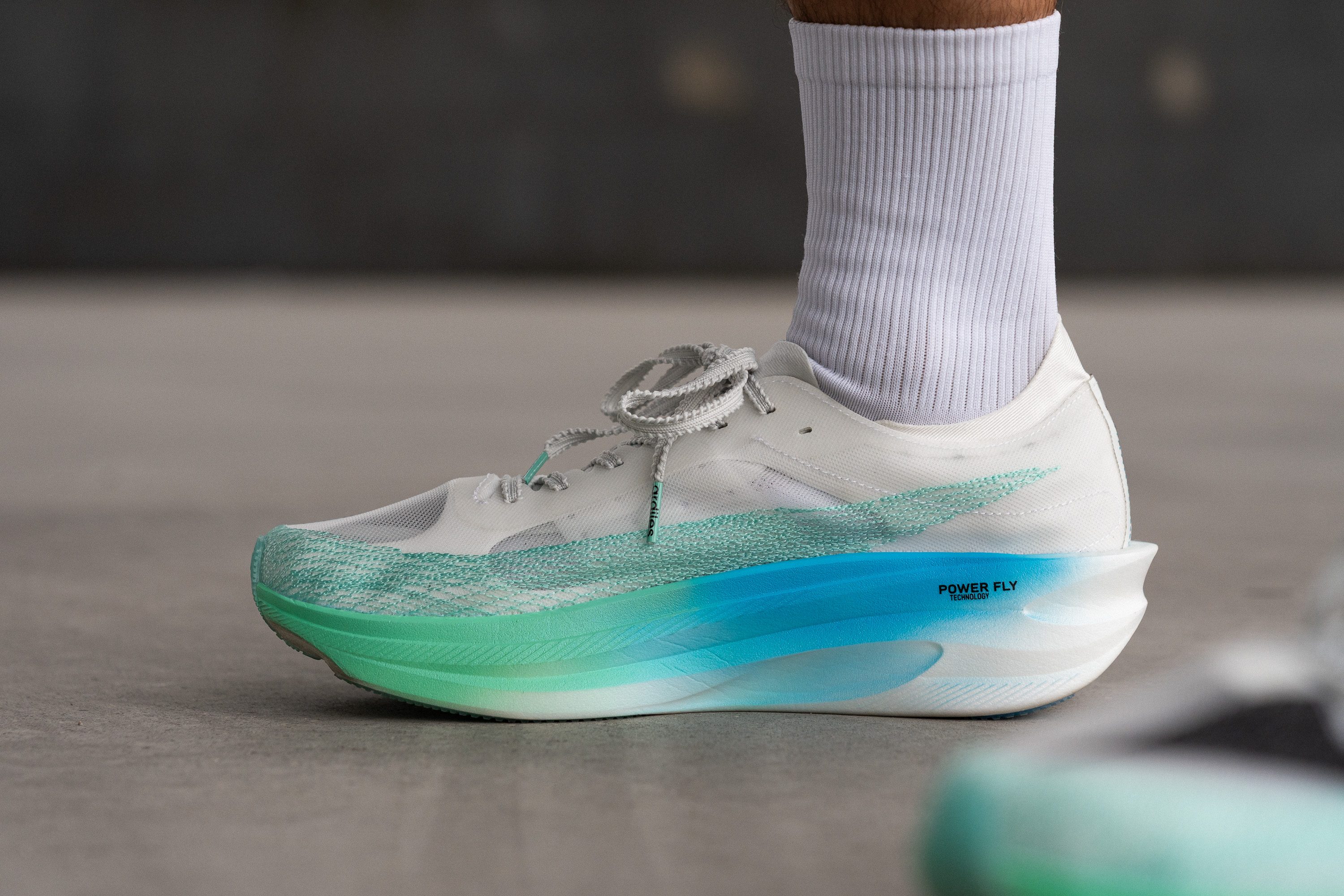
WA set a limitation of 40 mm, and our measurements came in at 39.9 mm, an almost perfect match that pushes the legal limit while packing as much foam as possible under the heel.
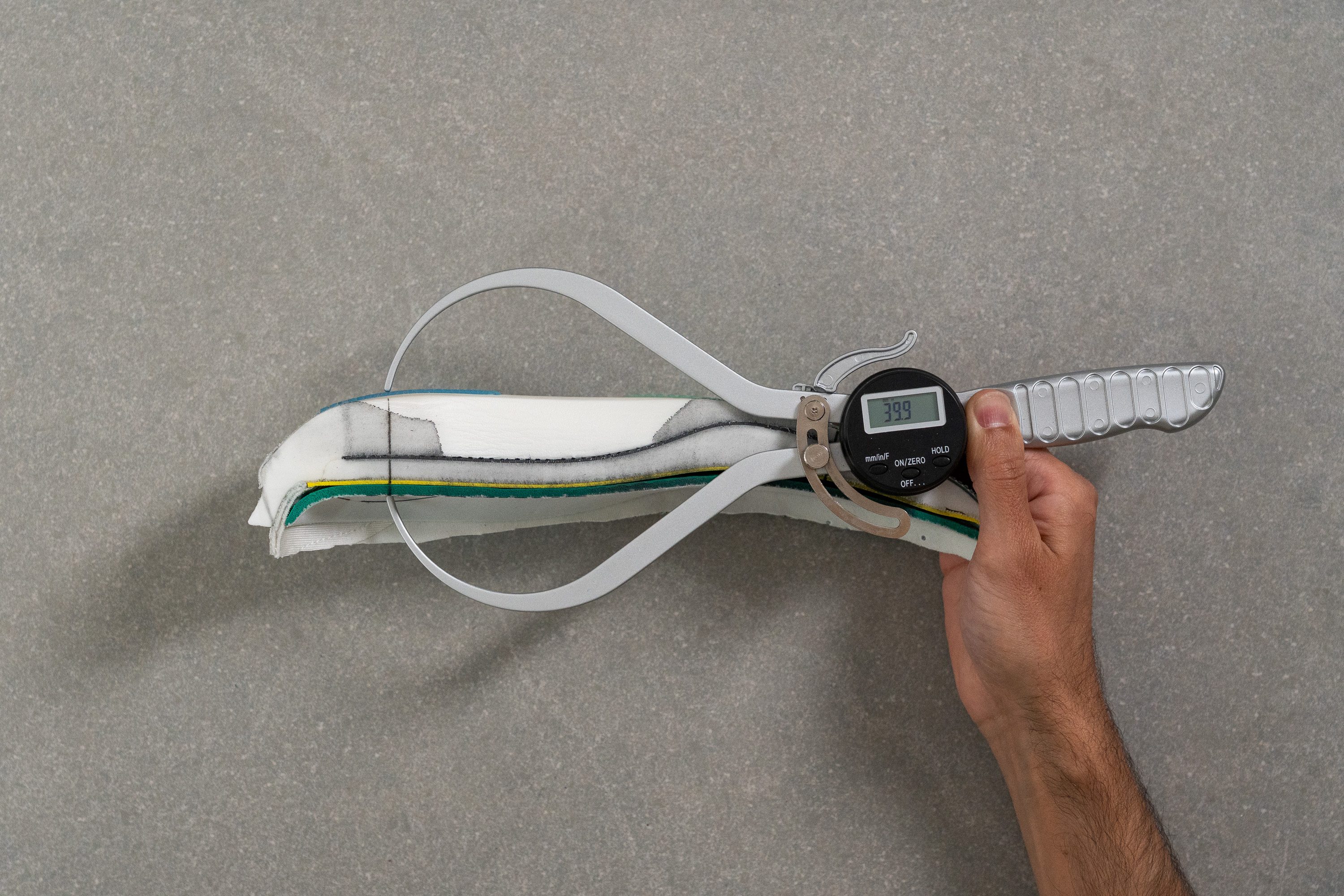
| Runergize | 39.9 mm |
| Average | 35.6 mm |
Forefoot stack
In contrast, the forefoot is considerably thinner, offering just 25.1 mm of cushioning between your foot and the ground.
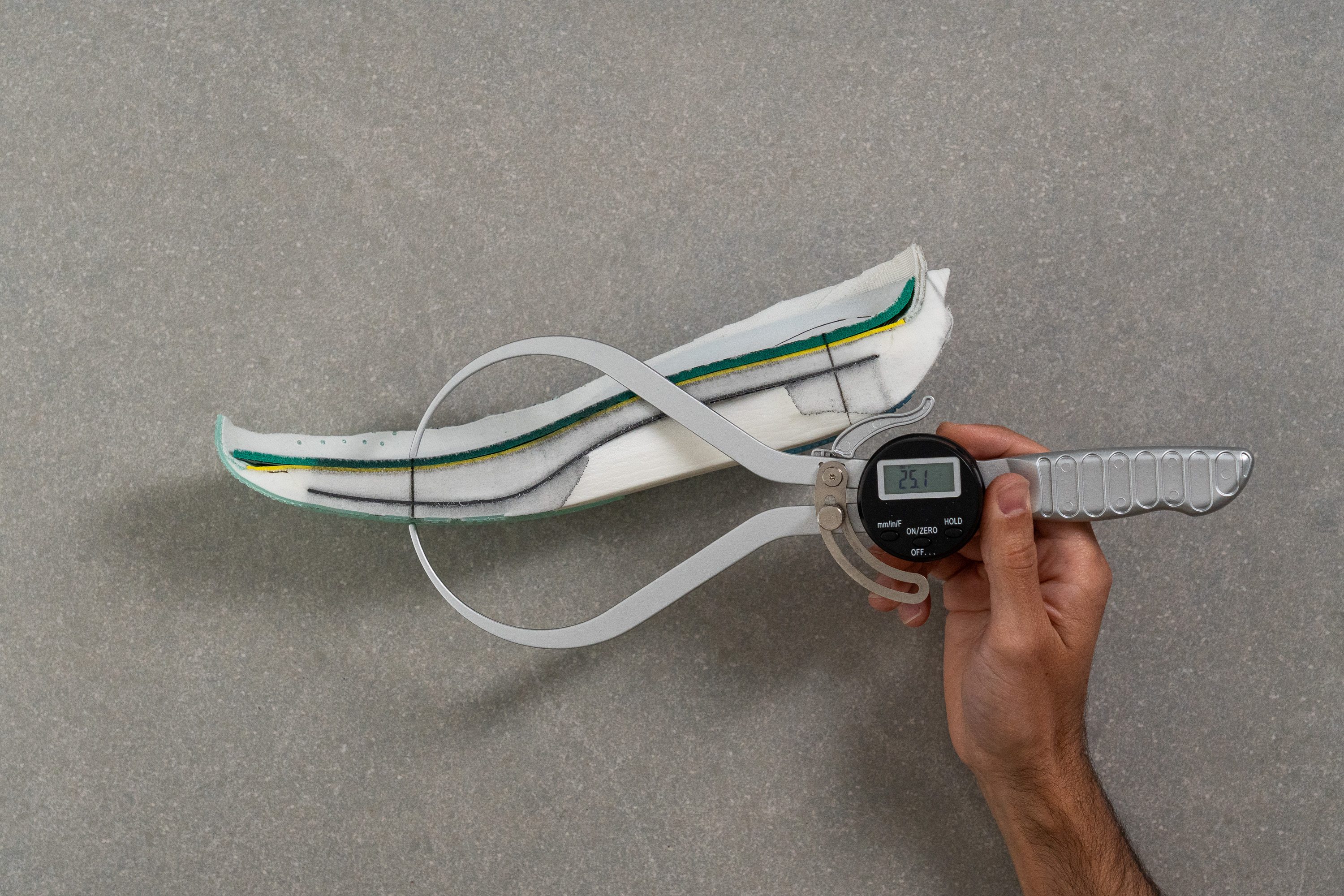
| Runergize | 25.1 mm |
| Average | 27.1 mm |
Drop
That leaves us with a massive 14.8 mm drop, making the Runergize an excellent choice for pronounced heel strikers looking for a racing shoe.
However, we believe that forefoot and midfoot strikers will find the drop simply too steep to complement their stride.
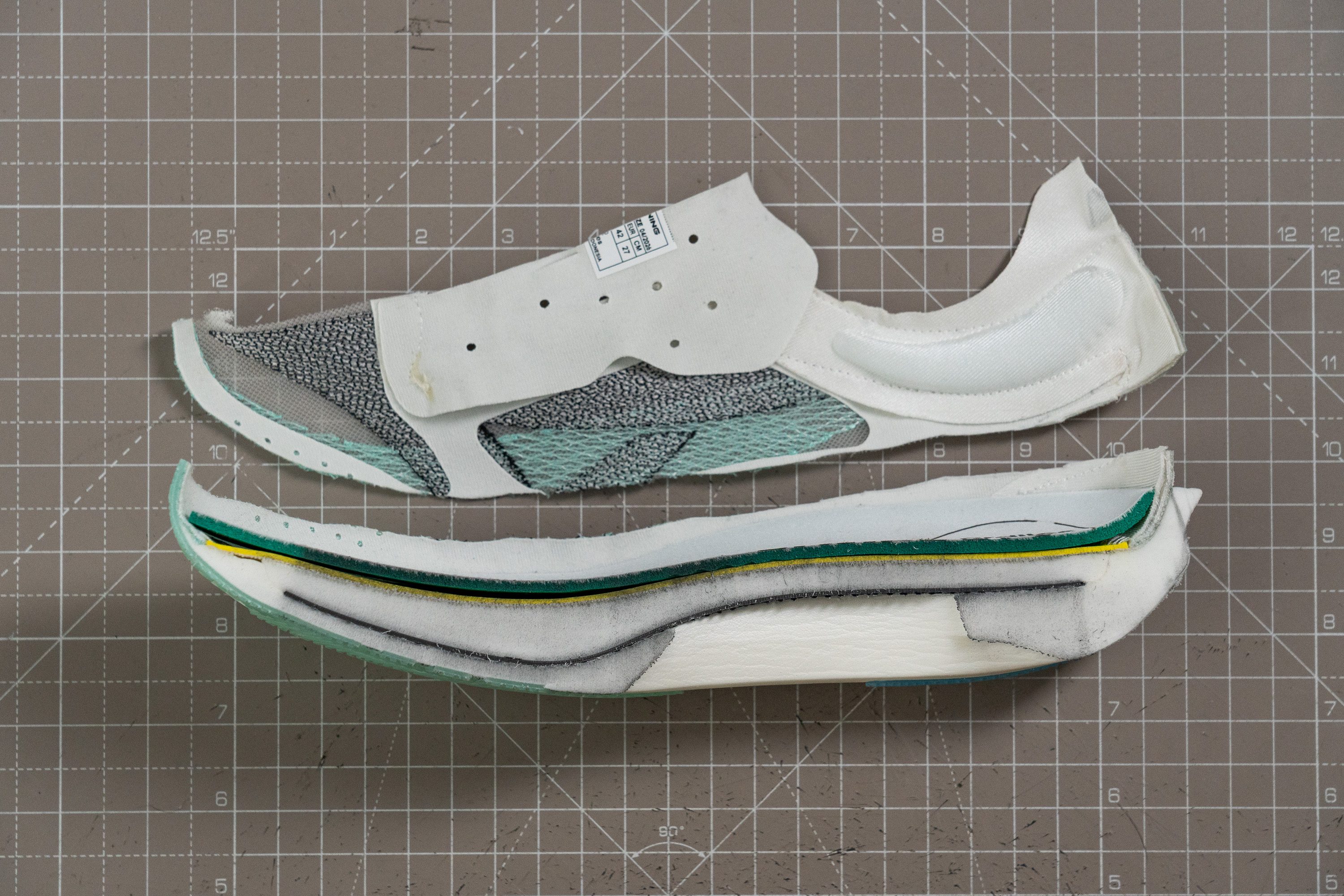
| Runergize | 14.8 mm |
| Average | 8.4 mm |
Midsole softness
The NF Elite foam felt highly comfortable during our test runs, striking a pleasant balance between plushness and firmness.
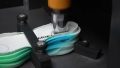
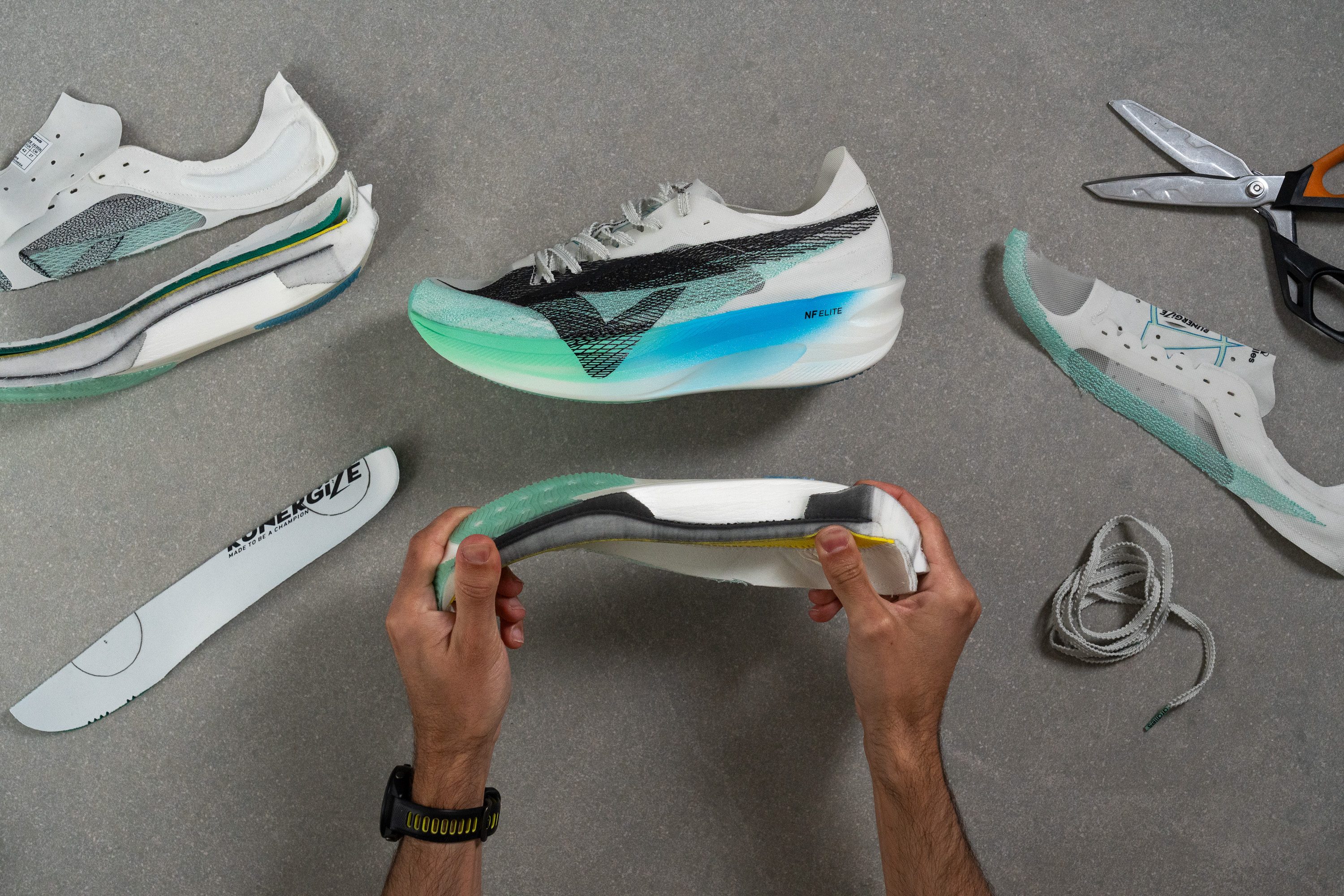
Back in the lab, we sliced the shoe and measured the foam with our Asker C durometer. It registered 33.7 AC, confirming that Ardiles opted for a well-balanced formulation that should appeal to a wide range of runners and also avoids the potential instability in the heel.
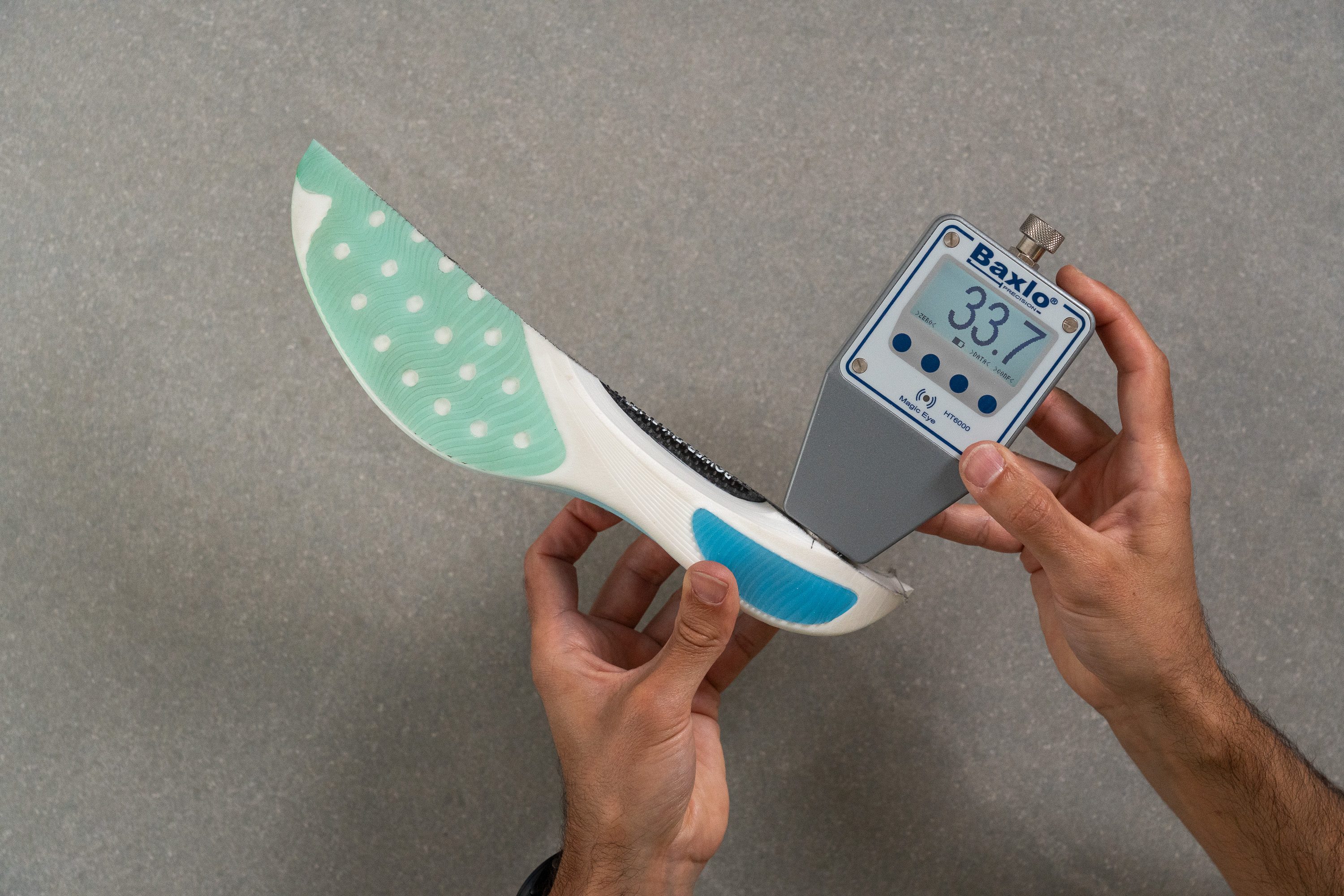
| Runergize | 33.7 AC |
| Average | 35.4 AC |
Rocker
Like most modern racing shoes, Ardiles designed the Runergize with a pronounced rocker geometry. The heel reminded us somewhat of the Nike Alphafly 3, while the forefoot features an early-stage rocker that rises progressively before reaching a final height of 5 cm.
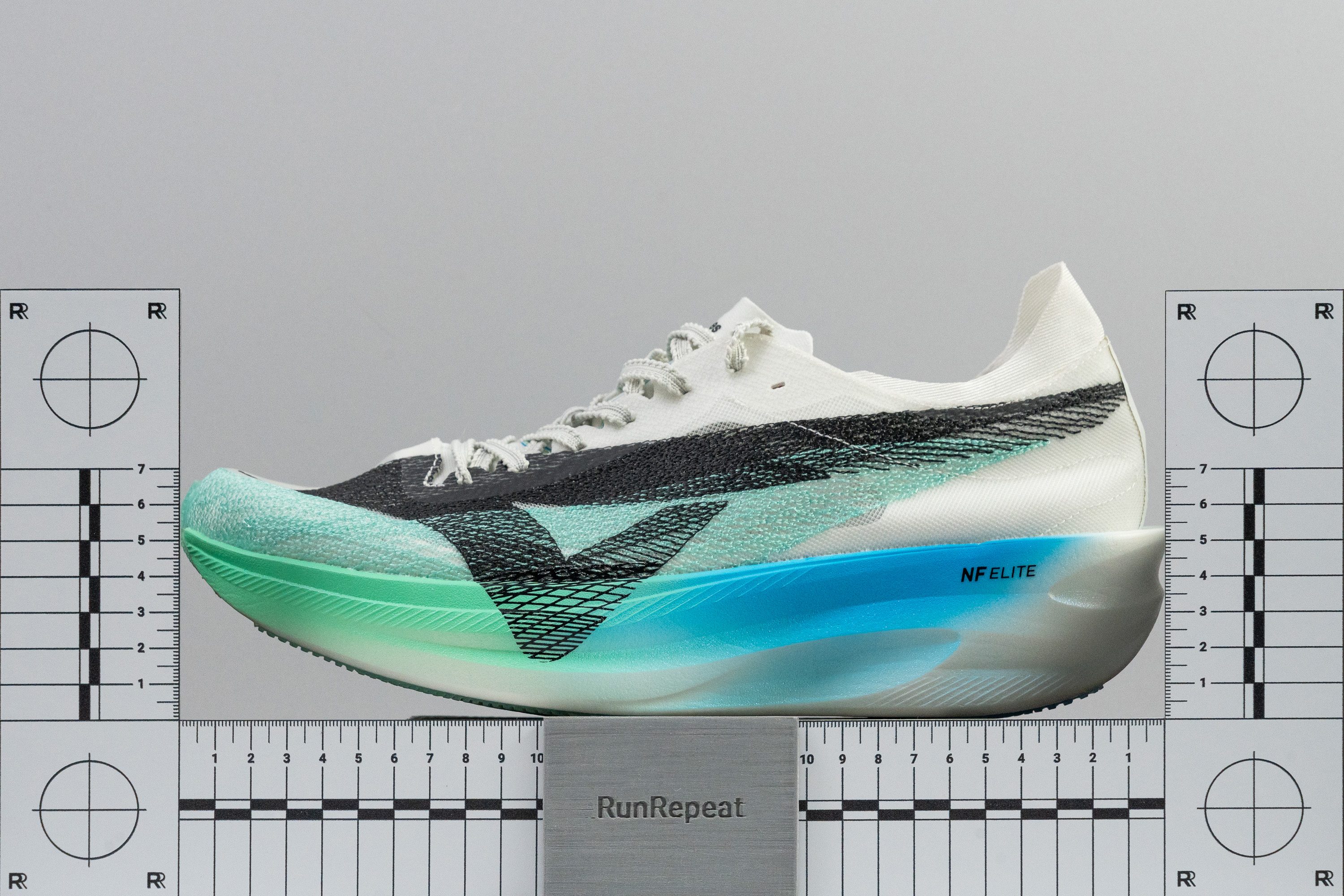
Plate
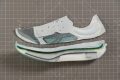
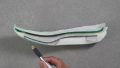
The Runergize features a full-length carbon plate called the Power Fly Plate. It uses the now-familiar spoon-shaped forefoot design, with an even more pronounced upward curve than the one we first saw in Nike's Vaporfly series.
Size and fit
Size
Ardiles Runergize fits true to size (10 votes).
Width / Fit
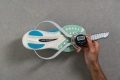
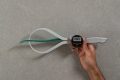
Thanks to our gel method, we're able to accurately measure the amount of space available inside the shoe.
As expected for a race-day model, the Ardiles Runergize delivered a below-average width of 93.9 mm in our first measurement. This was not surprising at all, since racing shoes are generally designed with a snugger fit than daily trainers to provide a more secure lockdown at faster speeds.
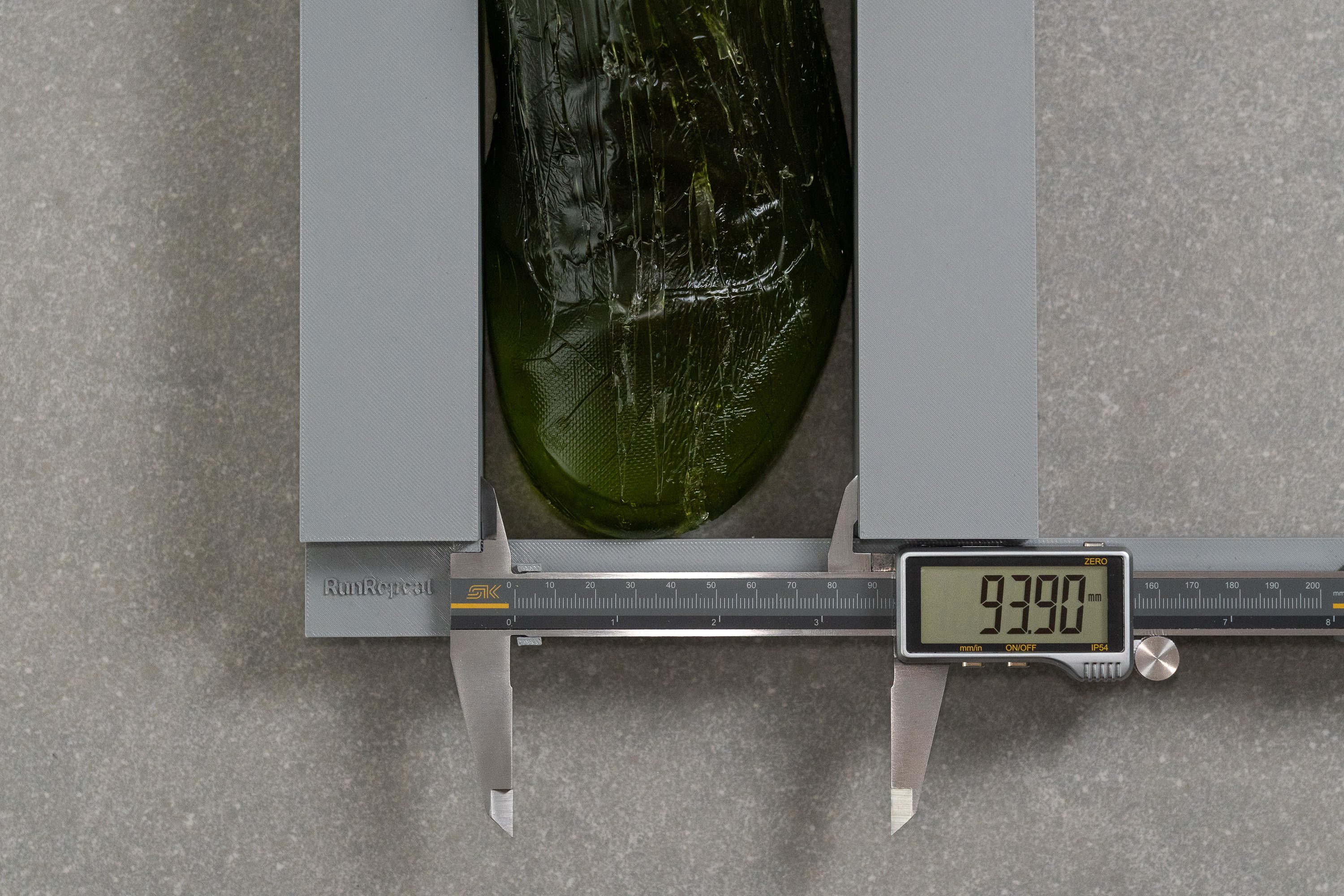
| Runergize | 93.9 mm |
| Average | 95.2 mm |
Toebox width
We also measured the width in the big toe area, where it reached 72.8 mm.
That's right around our current lab average and welcome news for runners considering the Runergize for Sunday long runs, especially given its outstanding heel shock absorption.
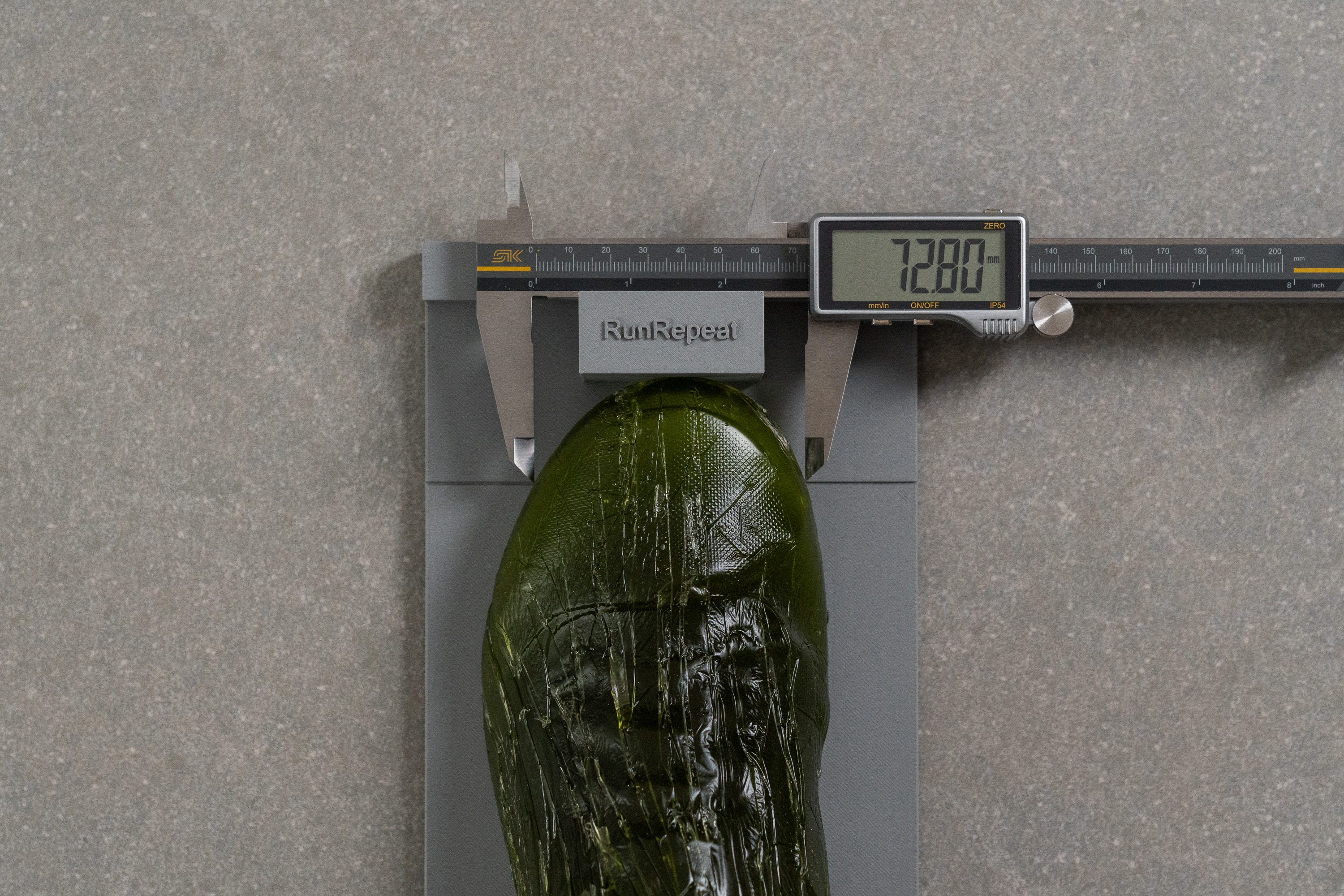
| Runergize | 72.8 mm |
| Average | 73.2 mm |
Toebox height
The Runergize features a paper-thin upper material with enough stretch to let the toes move and splay naturally without creating unwanted pressure.
That flexibility was reflected in our measurements, as the adaptable upper allowed us to record a generous toebox height of 29.5 mm.
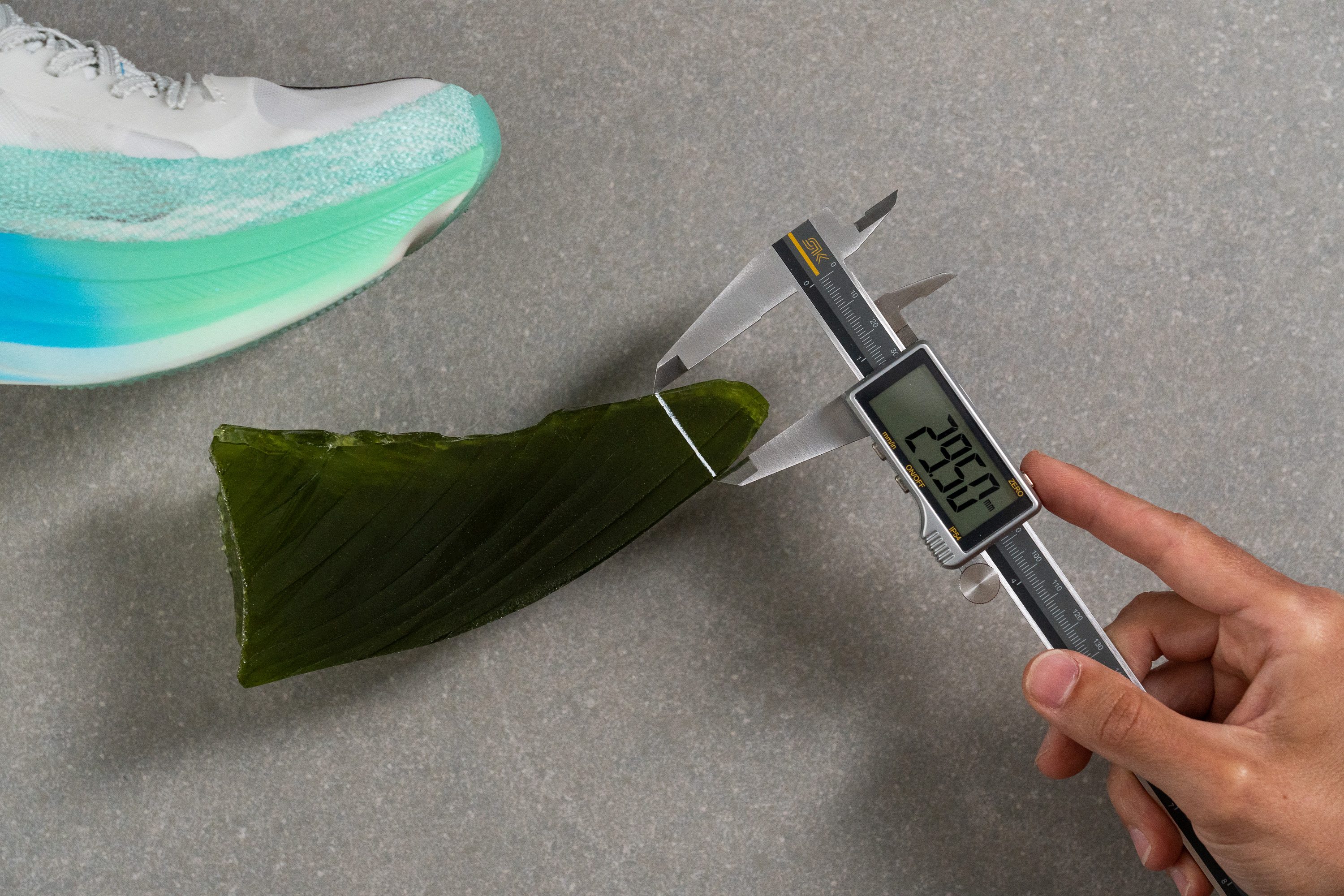
| Runergize | 29.5 mm |
| Average | 27.0 mm |
Traction / Grip
Traction test
This section is a work in progress
| Runergize | 0.78 |
| Average | 0.53 |
Outsole design
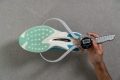
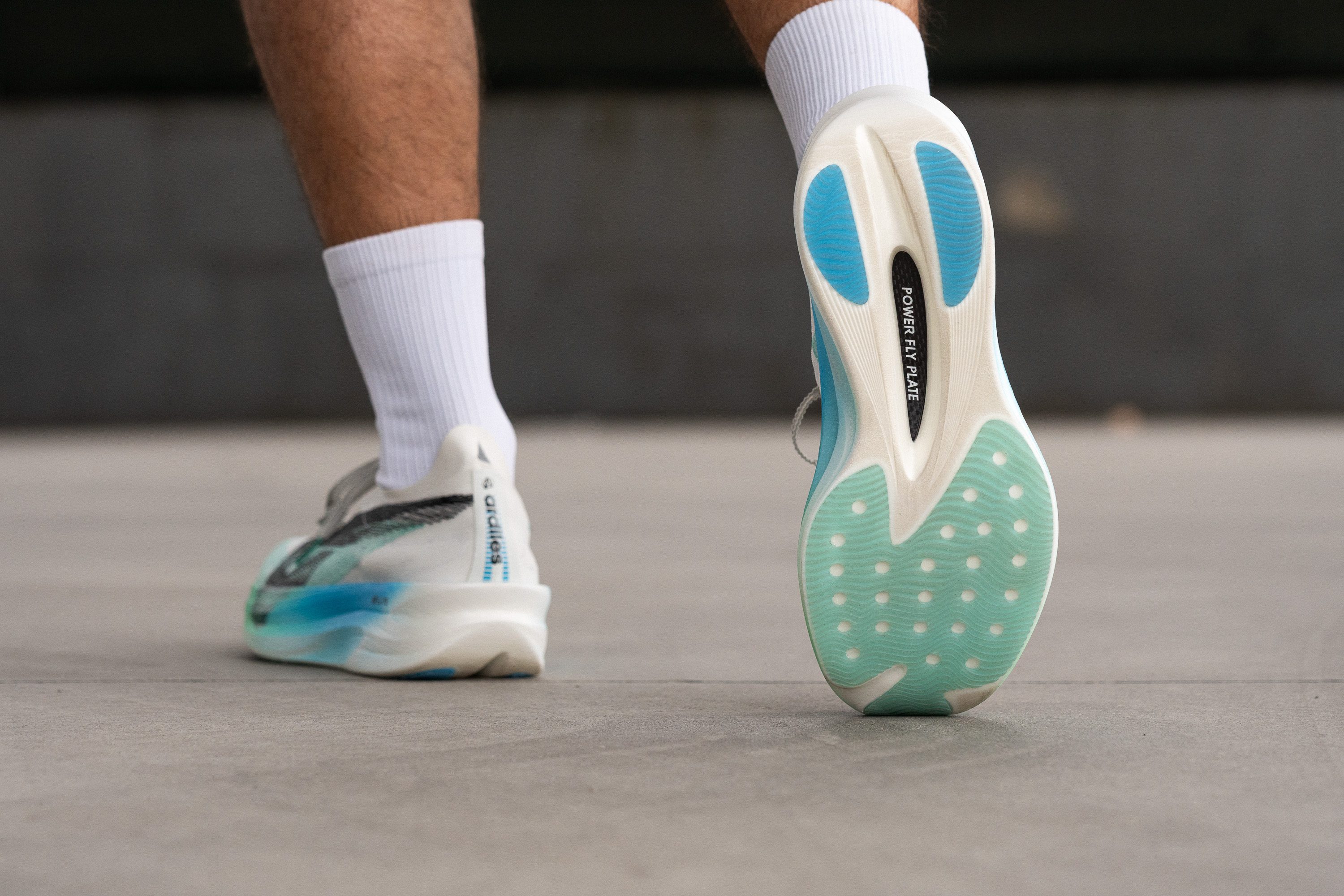
Ardiles certainly has a fondness for catchy technology names, branding the outsole as UltraGrip+. Its layout follows the familiar pattern seen in many racing shoes, with a large CPU rubber section covering the forefoot and two smaller pods positioned under the heel that use the same compound.
There's also a large central cutout that exposes the Power Fly Plate while helping shave off a bit of weight.
Flexibility / Stiffness
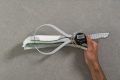
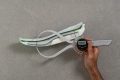
We were not surprised to see a high score in our 30-degree stiffness test, as the full-length carbon plate plays a major role here. We ultimately recorded 20.8N.
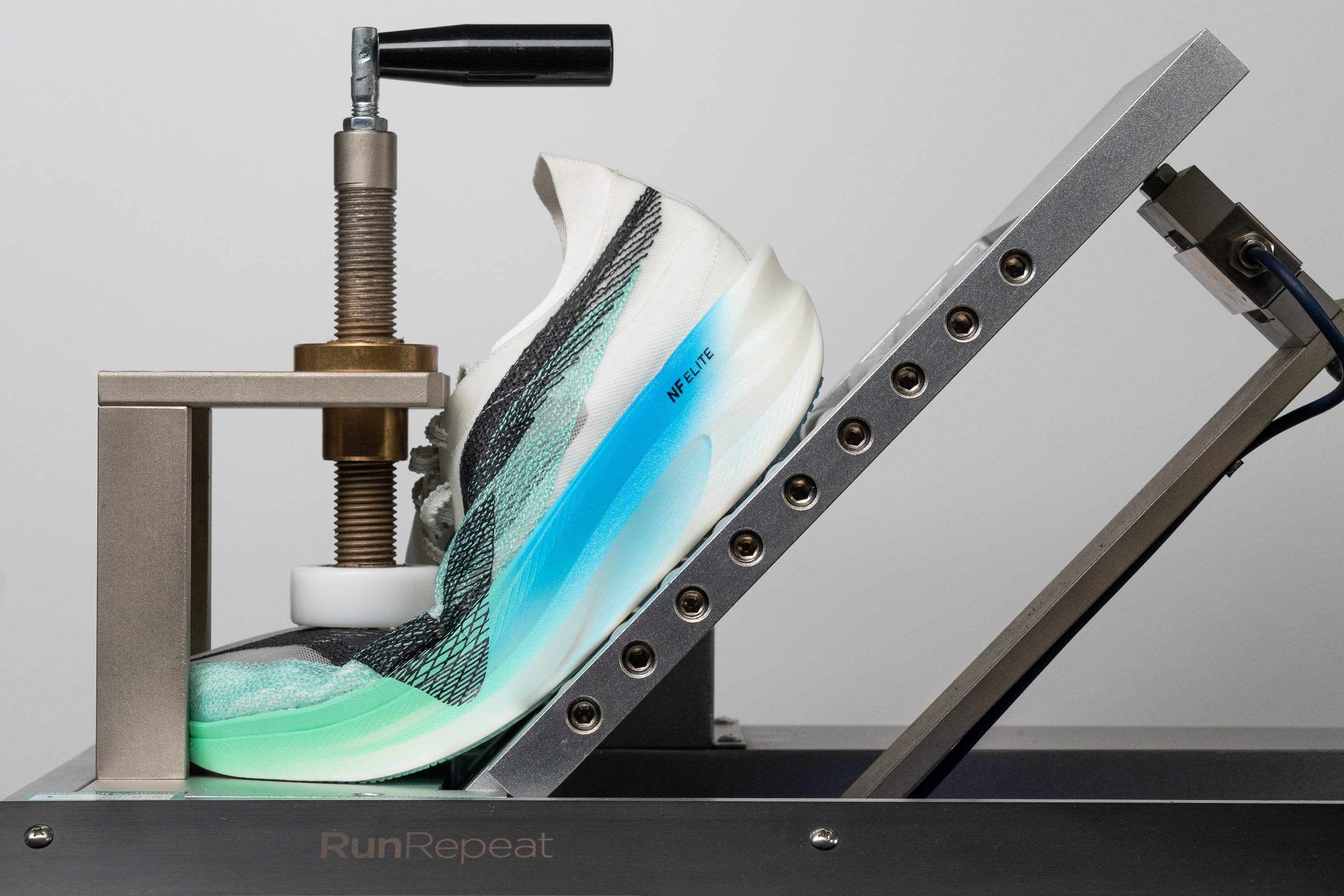
| Runergize | 20.8N |
| Average | 15.5N |
Weight
There are two ways to look at the weight of the Ardiles Runergize. Considering its remarkably affordable price, its weight of 7.8 oz or 222g is entirely reasonable. However, when compared against other modern racing shoes, it also lands on the heavier side of the spectrum.

| Runergize | 7.8 oz (222g) |
| Average | 9.2 oz (261g) |
Breathability
Breathability test
The Ardiles Runergize erased any doubts about breathability in our lab, earning a good score of 84 BR. Its HYPERskin monofilament mesh upper allows excellent heat exchange from inside the shoe to the outside, helping prevent blisters and hotspots on race day.
| Runergize | 84 BR |
| Average | 75 BR |
Drying potential
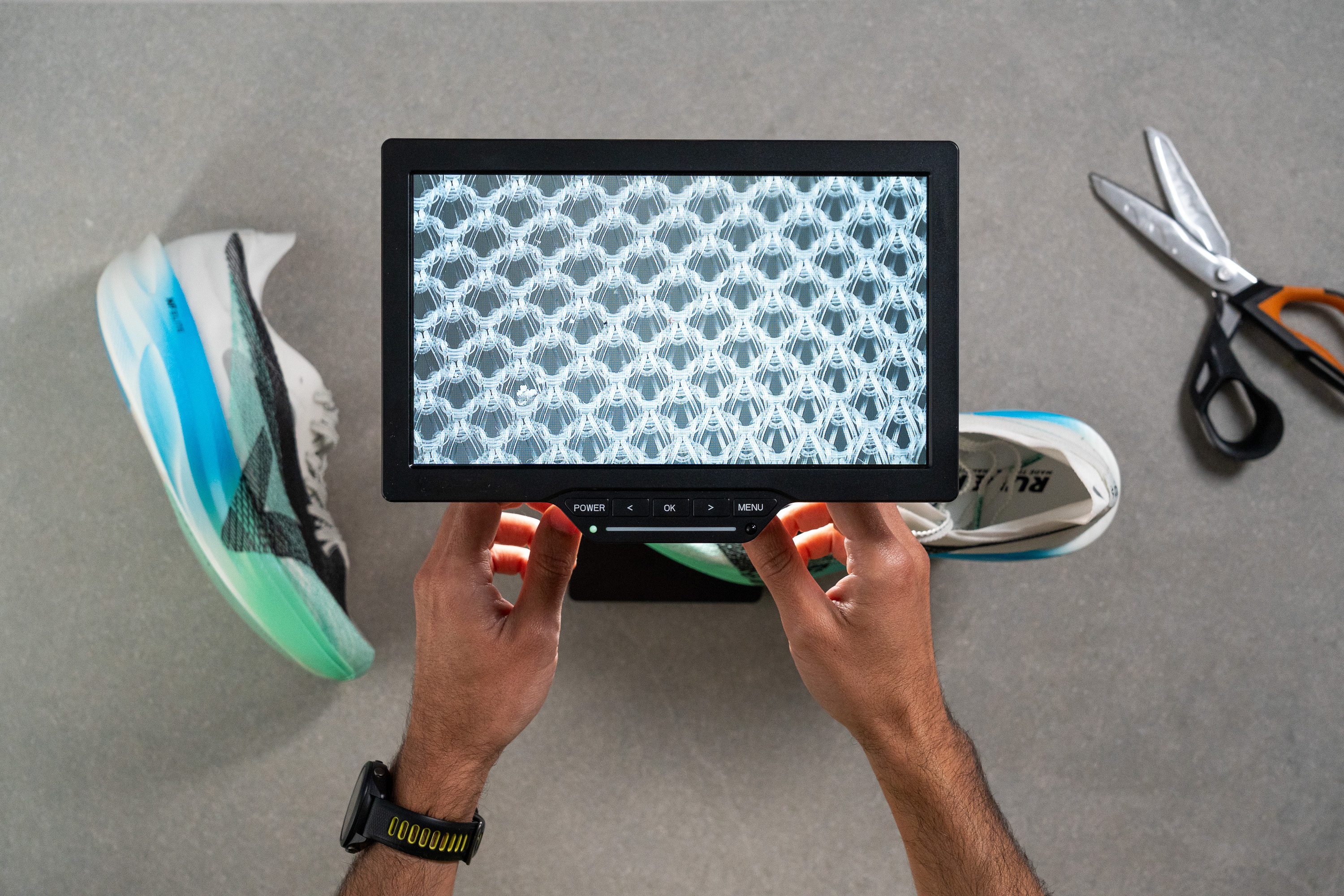
NewWe kept the shoe in the same machine and switched to our drying potential test to measure how much moisture it could evaporate over a 3-hour period.
It achieved a solid 54% result, showing good moisture evaporation that should prove especially useful during hot or rainy races.
| Runergize | 54% |
| Average | 53% |
Stability
Lateral stability test
Like most shoes built for speed and racing, the Runergize offers limited stability. It lacks dedicated stability features, and although the carbon plate adds a small amount of guidance, we believe it's best suited only for runners with a neutral gait.
Torsional rigidity
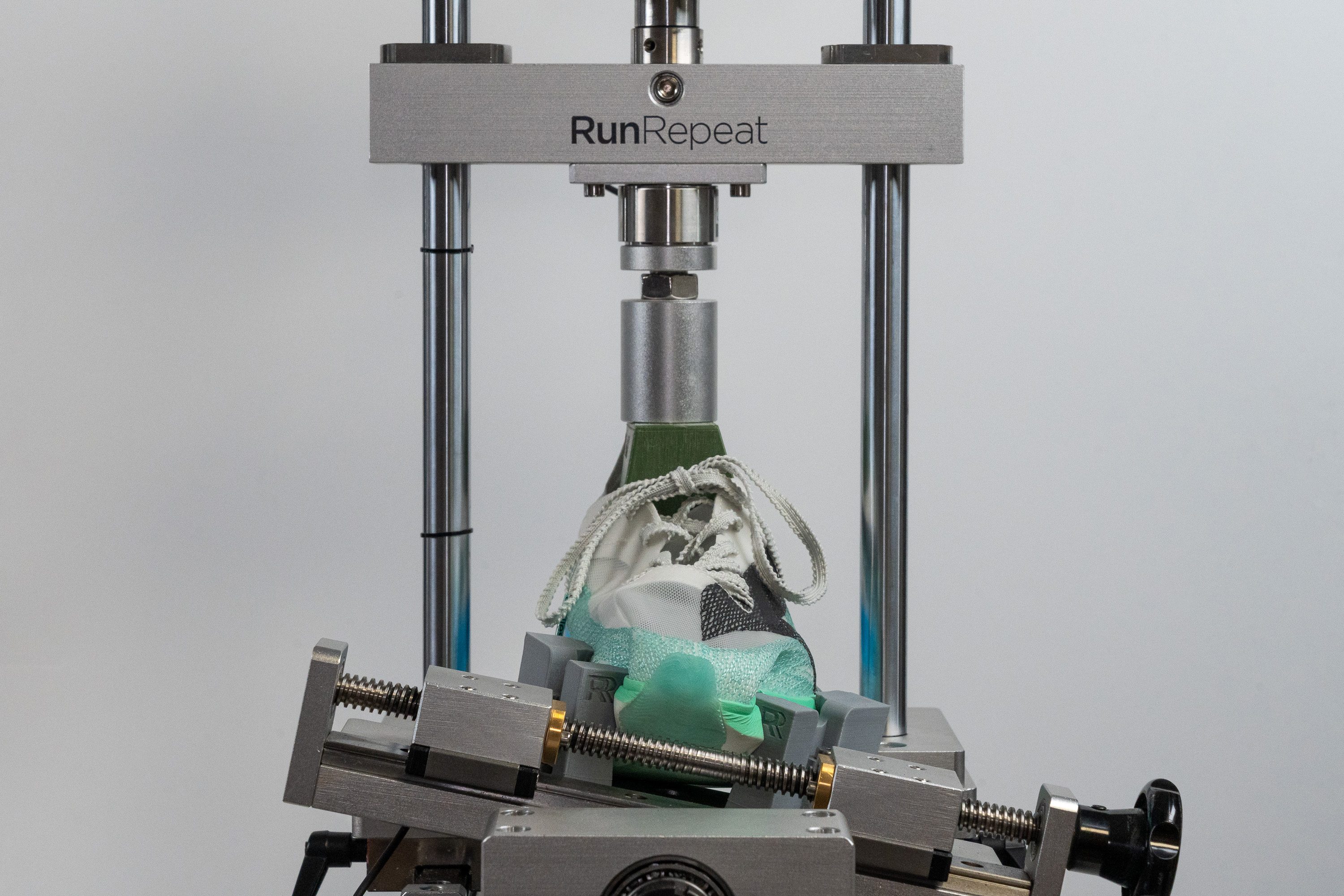
Interestingly, while the carbon plate adds substantial longitudinal stiffness, its effect on torsional rigidity is far less pronounced. In our test, it took just 11.4 Nm to twist the shoe in either direction, a noticeably lower result than we had expected.
| Runergize | 11.4 Nm |
| Average | 14.3 Nm |
Heel counter stiffness
The upper is engineered with performance as the top priority, which is another reason why the Runergize offers limited stability. Its highly-flexible construction earned the lowest possible score of 1 out of 5 in our heel counter stiffness test.
| Runergize | 1 |
| Average | 2.9 |
Midsole width - forefoot
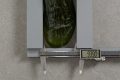
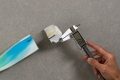
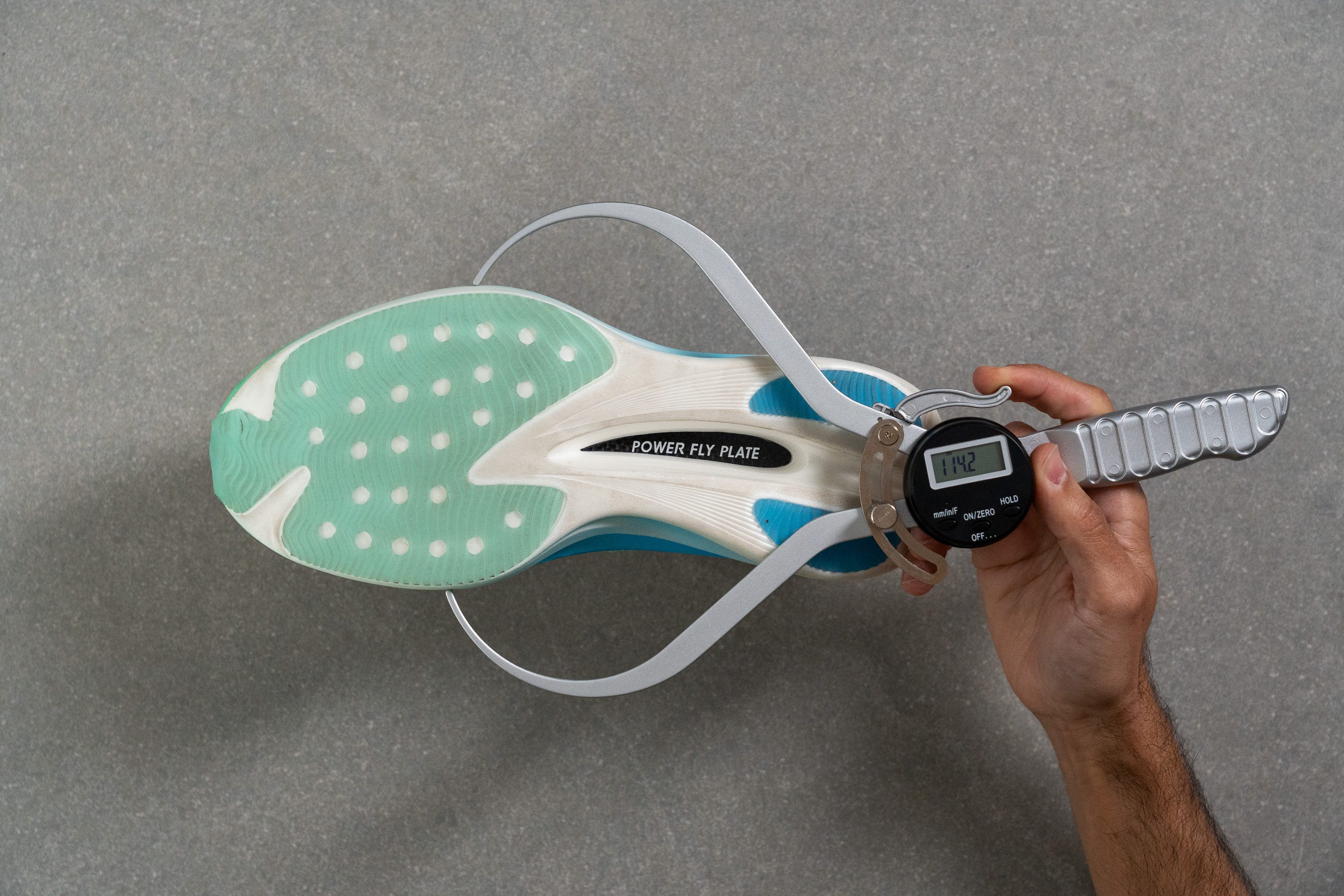
Afterwards, we grabbed our digital calipers once again to measure the platform dimensions. With a forefoot width of 114.2 mm, the Runergize sits close to the current lab average instead of adopting a more aggressive and narrow design.
| Runergize | 114.2 mm |
| Average | 115.1 mm |
Midsole width - heel
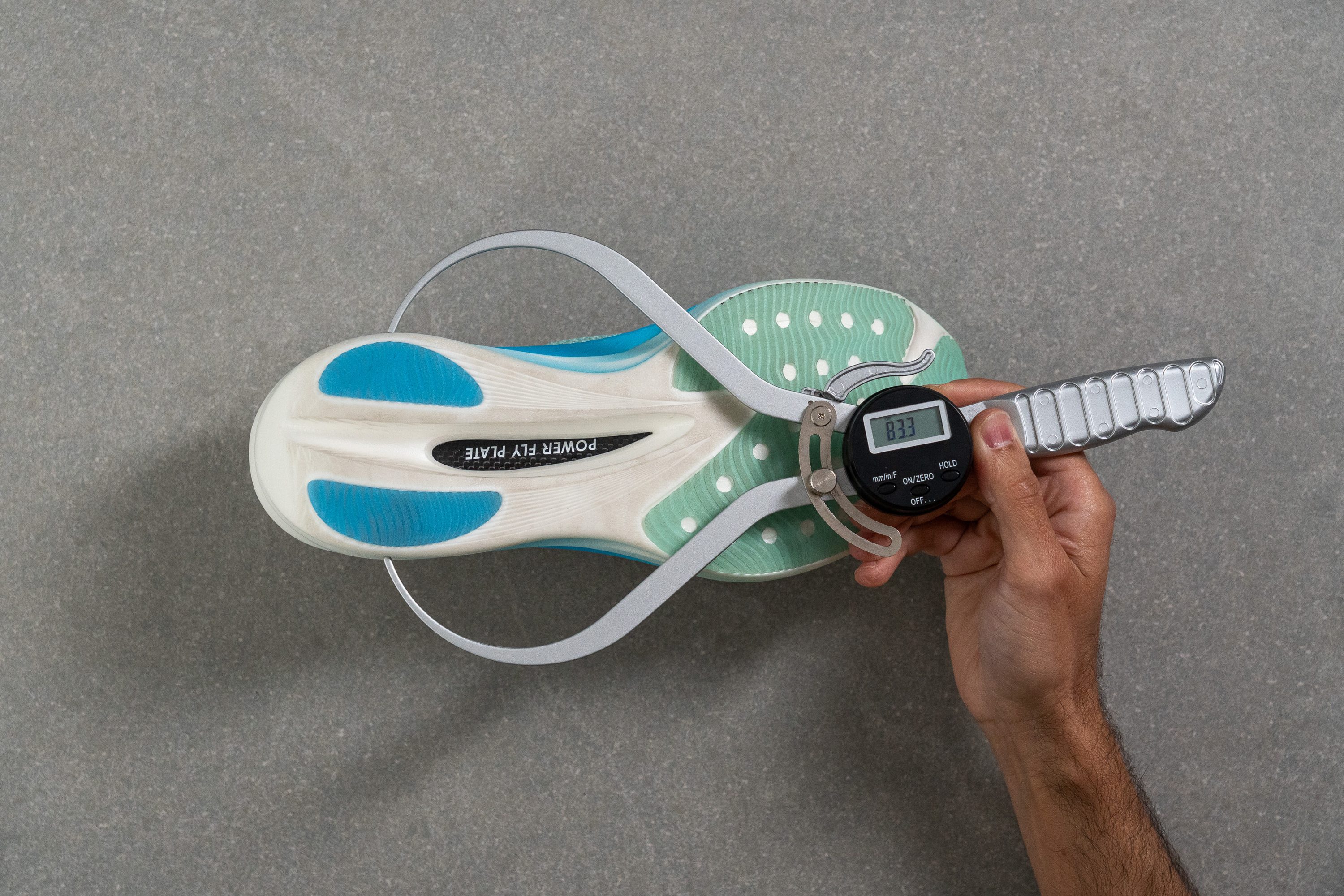
On the other hand, the heel has a relatively narrow platform at just 83.3 mm.
While that's not unusual for a racing shoe and is actually wider than many competing models, we believe the Runergize's strong emphasis on heel strikers would have benefited from a slightly wider heel, even if it meant trimming a bit of width from the forefoot.
| Runergize | 83.3 mm |
| Average | 91.1 mm |
Durability
Toebox durability
The Runergize features an exceptionally thin upper, especially around the toebox, so we had little doubt it would struggle in our durability test. After inspecting the damage, it was clear that the upper deserved the lowest possible score of 1 out of 5.
| Runergize | 1 |
| Average | 2.6 |
Heel padding durability
This result mattered even more to us, as racing shoes tend to develop holes around the heel long before the toebox, especially in a model like the Runergize with its generous toebox height.
Fortunately, the outcome here was much more encouraging, earning a strong 4 out of 5.
| Runergize | 4 |
| Average | 3.4 |
Outsole durability
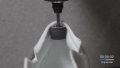
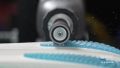
Racing shoes often use softer rubber compounds that sacrifice durability for grip, but that wasn't the case here. The UltraGrip+ outsole proved impressively resilient in our Dremel test, losing just 0.9 mm of material.
| Runergize | 0.9 mm |
| Average | 1.1 mm |
Outsole thickness
The outsole measures a solid 2.2 mm in thickness. While that's still below the overall lab average, many racing shoes use less than 2 mm of rubber, making this a relatively generous amount that also helps explain the Runergize's weight.
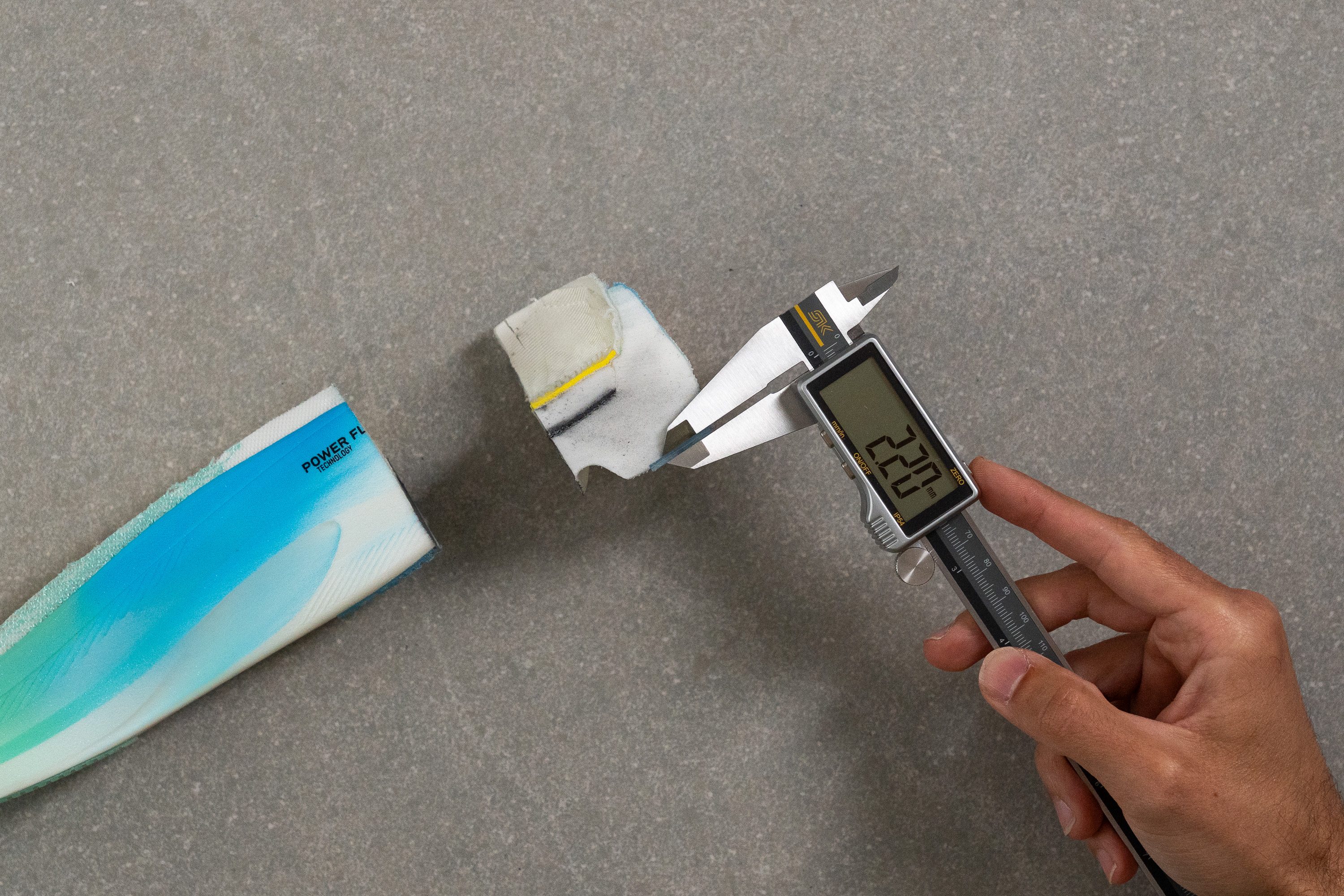
| Runergize | 2.2 mm |
| Average | 3.1 mm |
Misc
Insole thickness
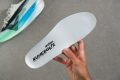
At 3.6 mm thick, the insole is slightly thinner than our current lab average. However, that's a very common characteristic among competition shoes.
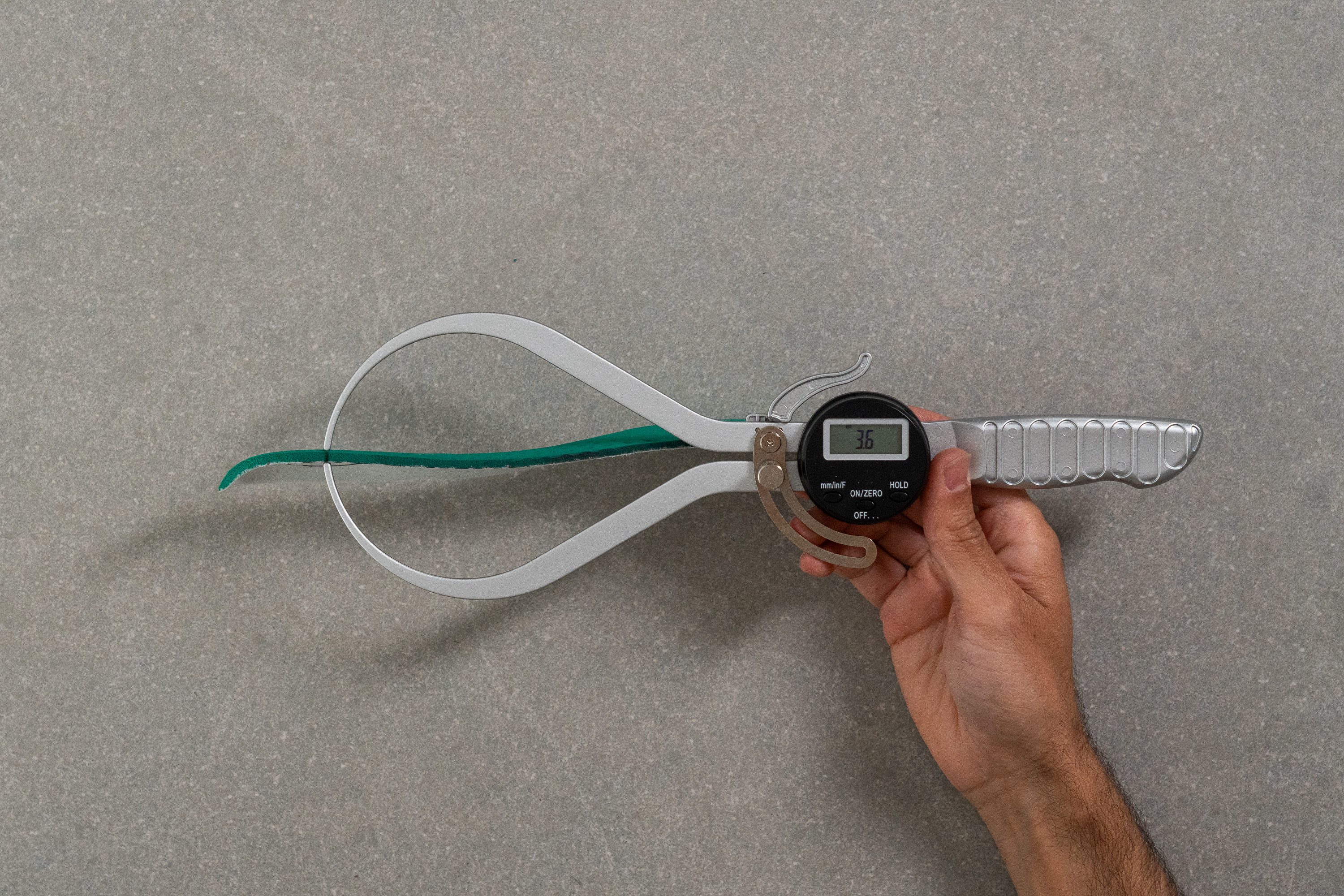
| Runergize | 3.6 mm |
| Average | 4.4 mm |
Removable insole
If you're not a fan of the stock insole, you'll be pleased to know that it isn't glued in place and can be removed effortlessly.
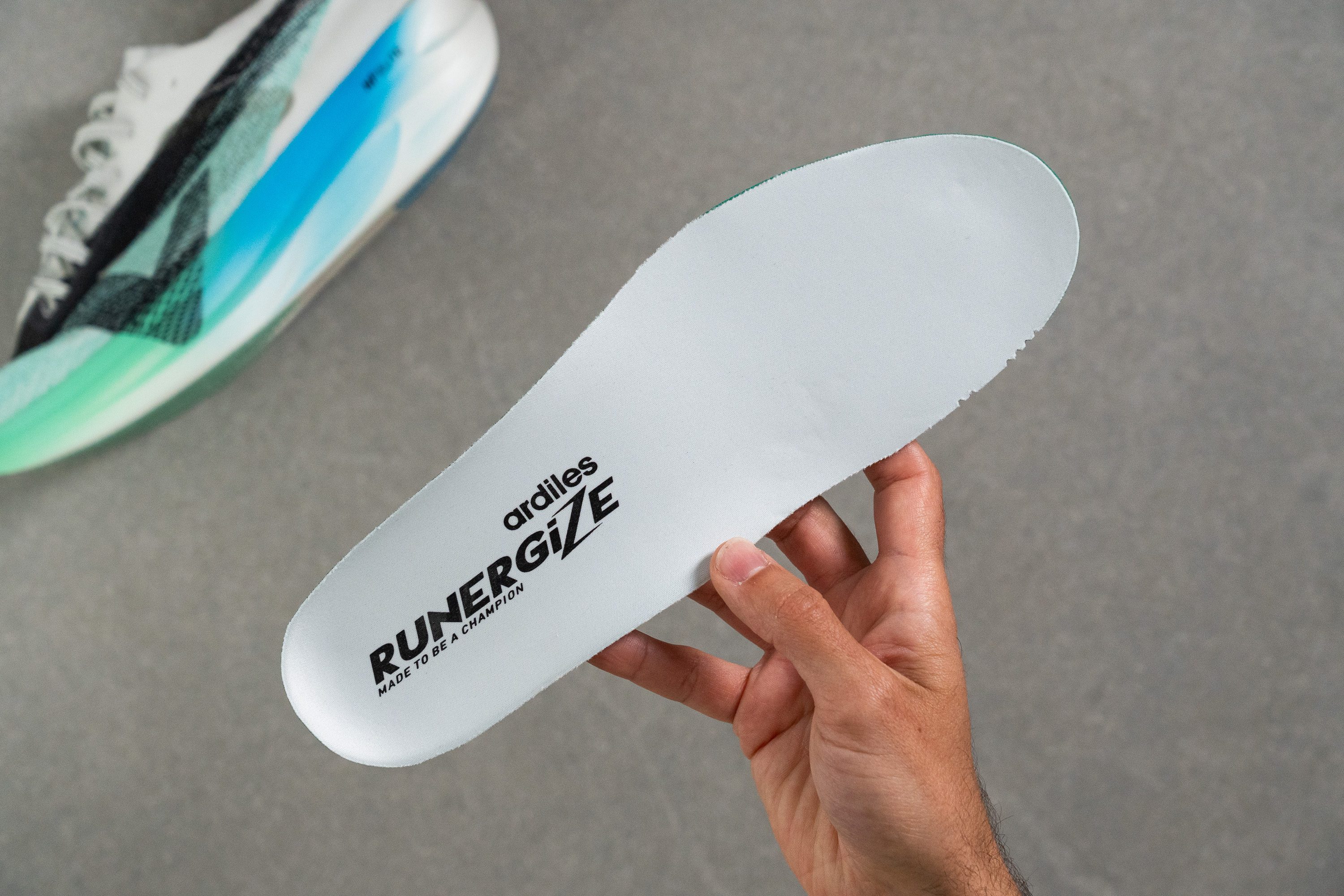
| Runergize | Yes |
Reflective elements
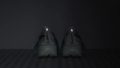
We spotted two small reflective elements on the heel. Since most competition shoes skip reflective details altogether, this was an unexpected bonus that we genuinely appreciated.
| Runergize | Yes |
Tongue padding
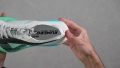
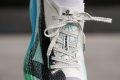
We also loved that Ardiles equipped the Runergize with toothed laces. Their added grip helps keep the knot secure, making it even harder to understand why some brands still omit this feature from super shoes that cost 2x or even 3x more than the Runergize.
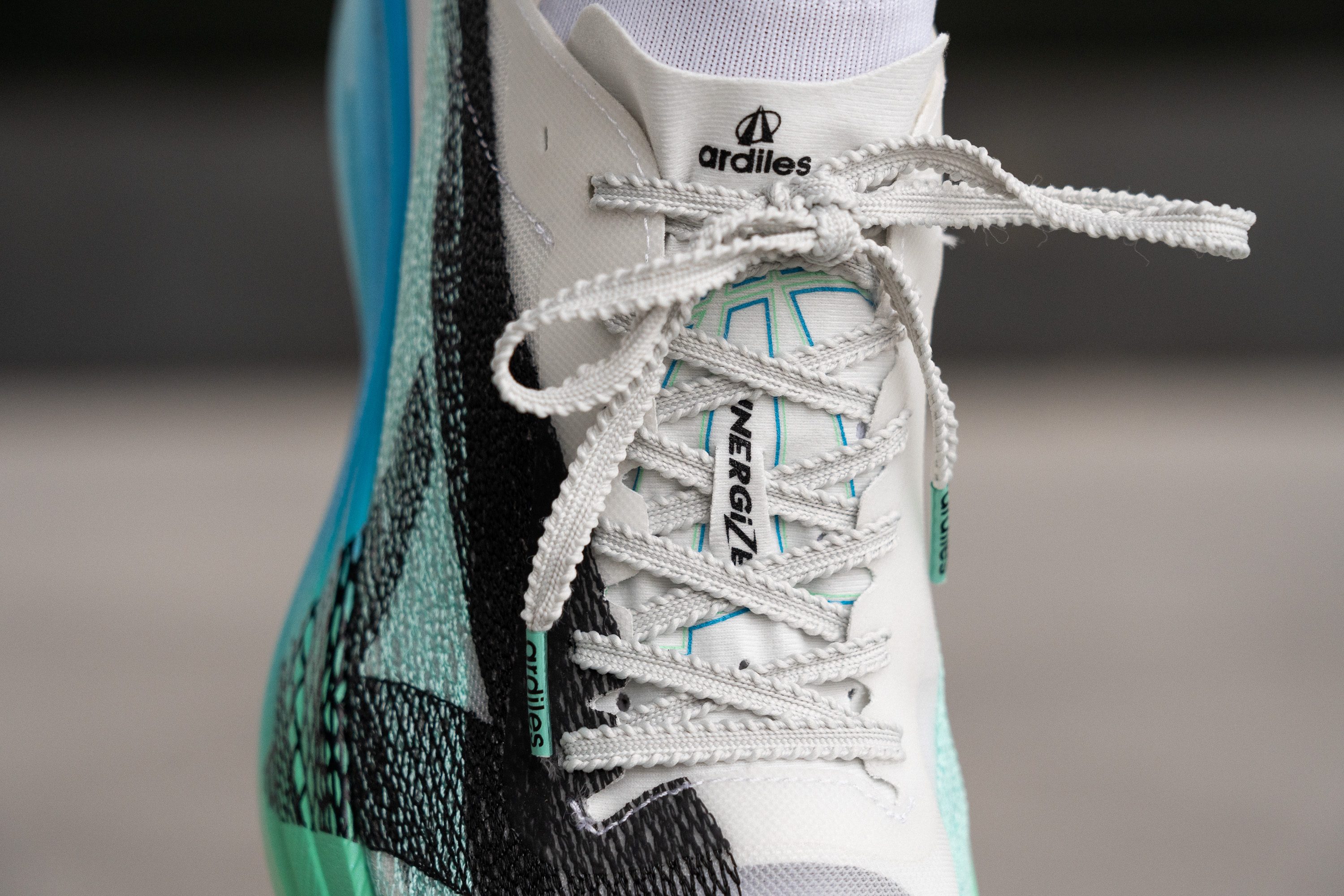
The tongue is exactly what we'd expect from a shoe built for racing. Measuring just 0.5 mm thick, it's one of the thinnest we've ever tested, eliminating unnecessary weight while maintaining a distraction-free fit.
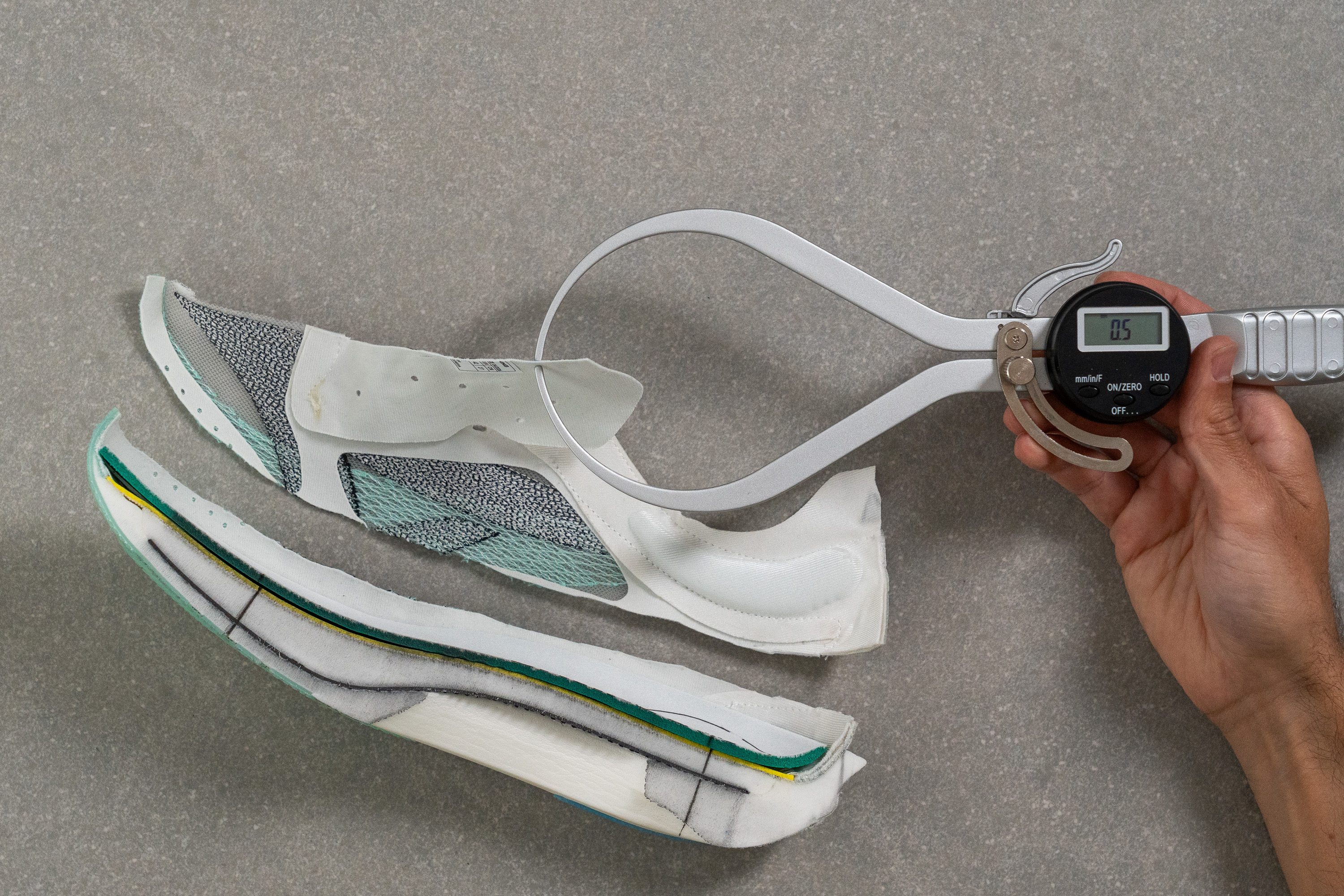
| Runergize | 0.5 mm |
| Average | 5.8 mm |
Tongue: gusset type
The tongue isn't gusseted, so you'll need to take a little extra care when putting the shoe on to keep it properly centered. But at the same time, we also recommend avoiding excessive lace pressure, as the ultra-thin, padding-free tongue offers very little protection over the instep.
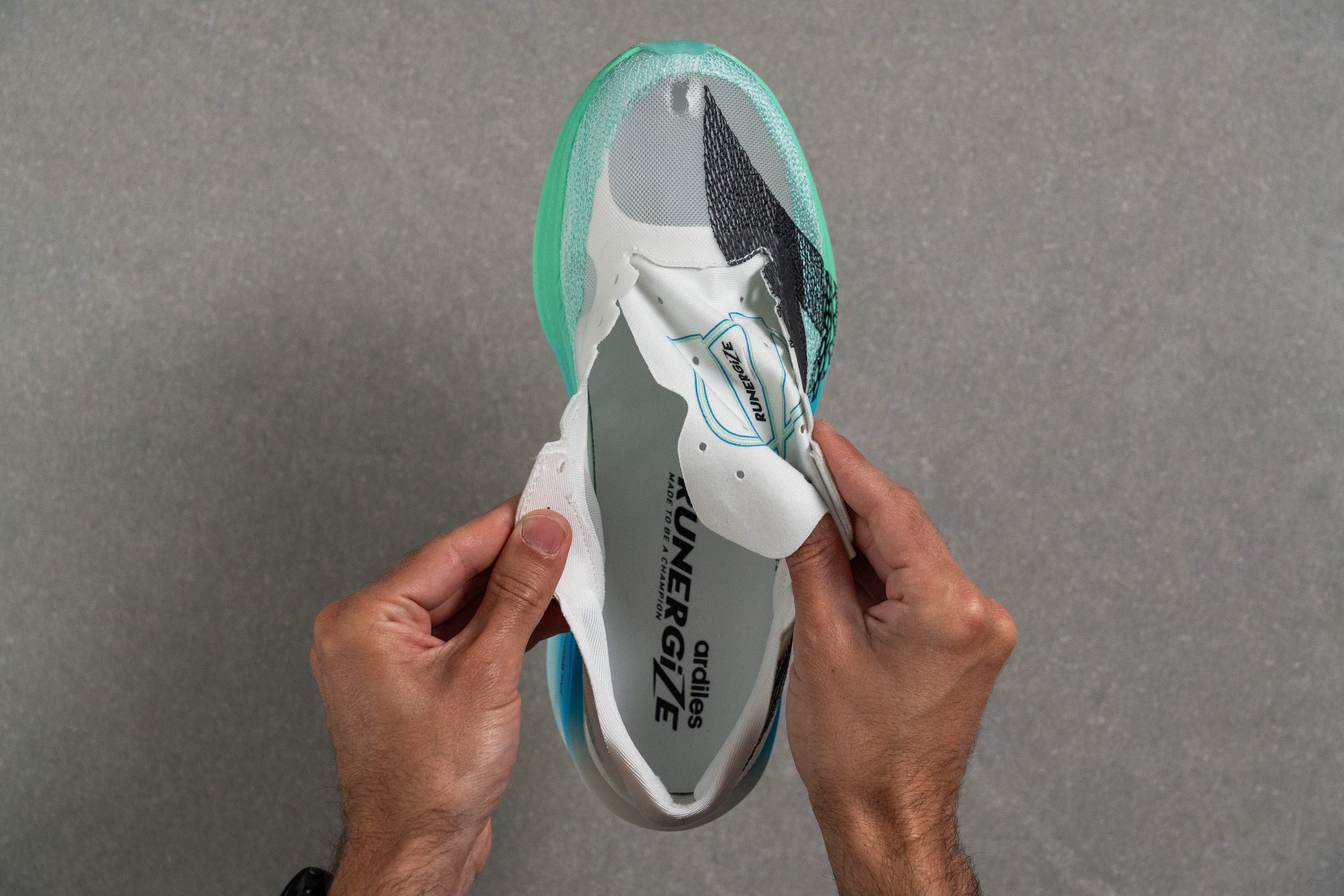
| Runergize | None |
Heel tab
We discovered an easy-to-grab pull tab, making the Runergize effortless to slip on. We also appreciated the smooth edges of the heel collar, which prevented irritation while adding almost no extra weight to the shoe.
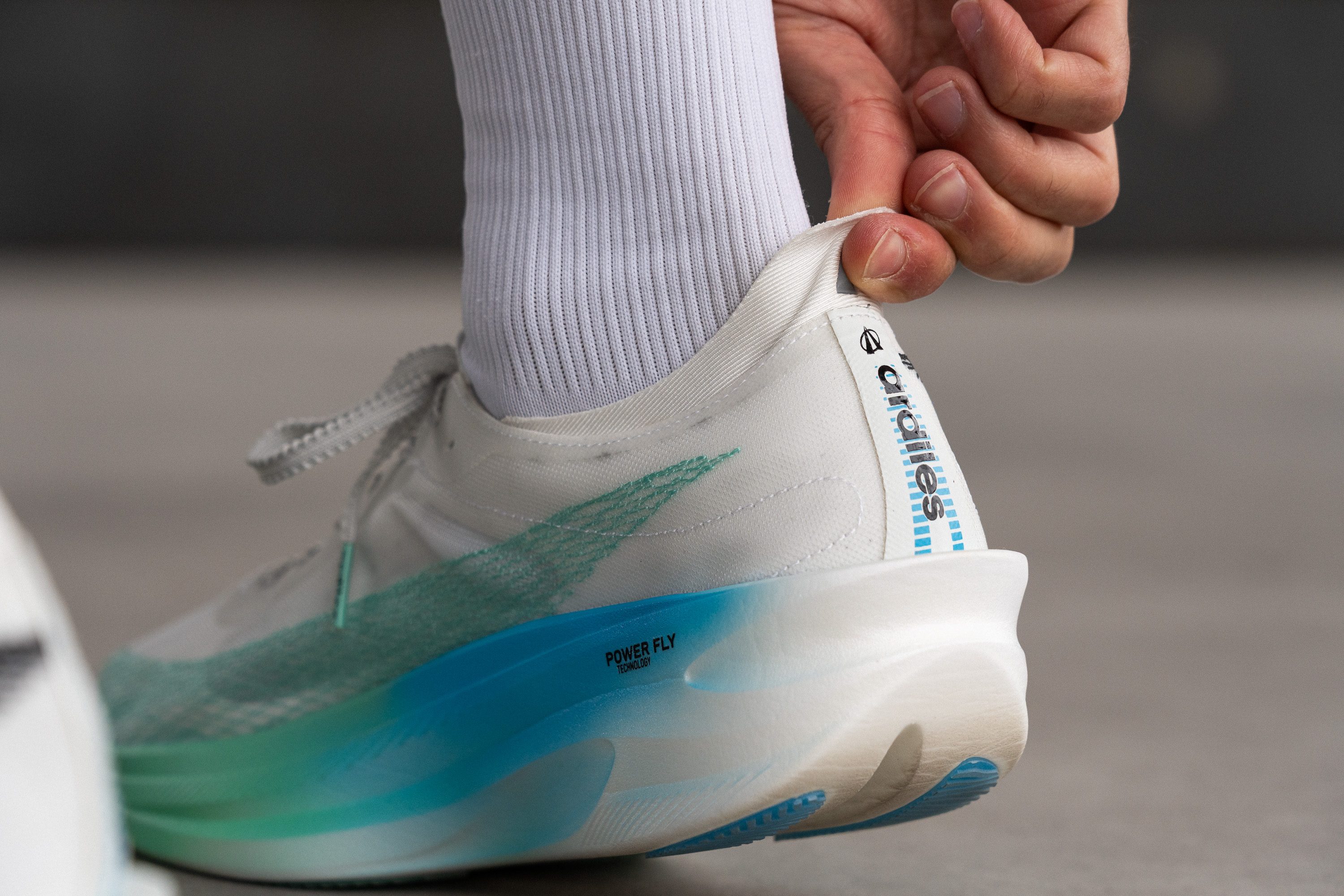
| Runergize | Finger loop |
Price
The Ardiles Runergize may not win you over with explosive rebound or an ultra-light build, but it makes a compelling case through its remarkably affordable price. Finding another racing shoe with a full-length carbon plate at this price point is almost impossible, and it also delivers an outstanding upper and a durable CPU outsole to add even more value!
| Runergize | $95 |
| Average | $158 |