

Our verdict
- Cross-training/HIIT 79
- Cardio 34
- Weightlifting 91
Pros
- True zero-drop platform
- Wide anatomical toebox
- Highly flexible construction
- Excellent grip for gym floors
- Secure lockdown and containment
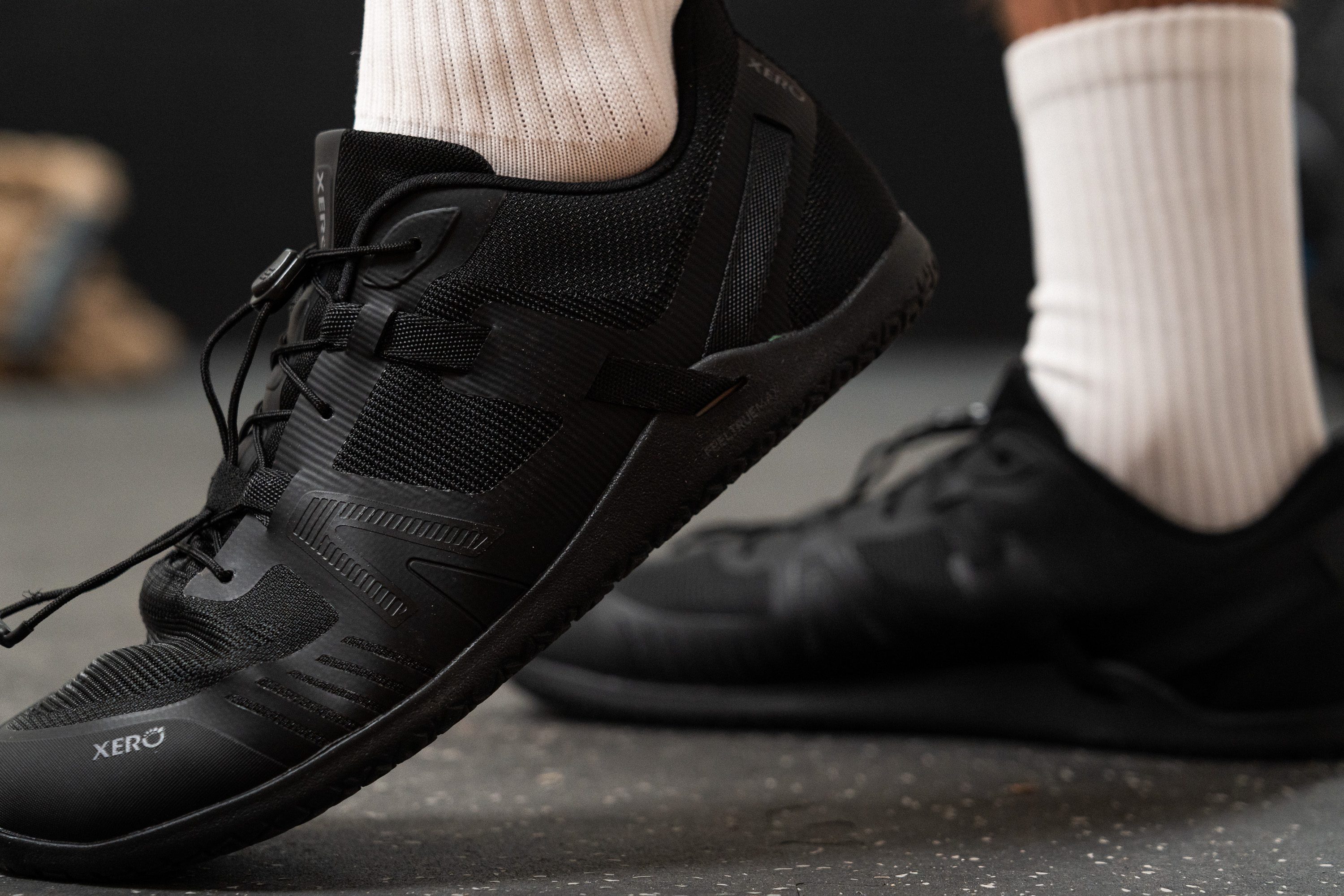
- Convenient Quick-lock laces
- Promotes natural biomechanics
Cons
- Could be lighter for a barefoot shoe
- Narrow near the ball of the foot
- Expensive for its kind
Awards
- Top 25% in barefoot training shoes
- Top 23% in minimalist training shoes
Comparison
The most similar training shoes compared
+ + Add a shoe | |||||
|---|---|---|---|---|---|
| Our score | 85 Great | 86 Great | 84 Great | 83 Good | |
| Price | £140 | £130 | £130 | £180 | |
| Use | WorkoutCross-trainingGymHIITSkipping rope | CrossfitWorkoutCross-trainingGymHIITSkipping rope | WorkoutCross-trainingGymHIITSkipping rope | WorkoutCross-trainingGymHIITSkipping rope | |
| Shock absorption | Low | Low | Low | Low | |
| Energy return | Moderate | Moderate | Low | Low | |
| Traction | High | Low | Low | Moderate | |
| Drop lab | 0.0 mm | 0.3 mm | 0.1 mm | 0.0 mm | |
| Heel stack lab | 12.0 mm | 15.6 mm | 6.9 mm | 8.5 mm | |
| Forefoot | 12.0 mm | 15.3 mm | 6.8 mm | 8.5 mm | |
| Weight lab | 7.7 oz / 218g | 9.7 oz / 275g | 8.7 oz / 248g | 8.3 oz / 235g | |
| Lightweight | ✓ | ✓ | ✓ | ✓ | |
| Breathability | Breathable | Warm | Moderate | Breathable | |
| Width / fit | Narrow | Narrow | Medium | Wide | |
| Toebox width | Wide | Narrow | Wide | Wide | |
| Size | - | Half size small | - | True to size | |
| Midsole softness | Firm | Firm | - | - | |
| Stiffness | Flexible | Flexible | Flexible | Flexible | |
| Torsional rigidity | Flexible | Moderate | Flexible | Flexible | |
| Heel counter stiffness | Flexible | Flexible | Flexible | Flexible | |
| Toebox durability | Decent | Good | Good | Good | |
| Heel padding durability | Decent | Good | Good | Good | |
| Outsole durability | Decent | Decent | Decent | Good | |
| Midsole width - forefoot | Narrow | Narrow | Average | Average | |
| Midsole width - heel | Average | Narrow | Very narrow | Average | |
| Widths available | NormalWide | Normal | NormalWide | NormalWide | |
| Insole thickness | Average | Average | Average | Average | |
| Outsole thickness | Average | Average | Average | Average | |
| Heel tab | None | None | Finger loop | Finger loop | |
| Tongue: gusset type | One side (full) | None | Both sides (full) | None | |
| Tongue padding | Thin | Thin | Average | Very thin | |
| Ranking | #15 Top 40% | #11 Top 29% | #18 Top 48% | #20 Bottom 47% | |
| Popularity | #34 Bottom 10% | #18 Top 48% | #38 Bottom 1% | #26 Bottom 31% |
Who should buy
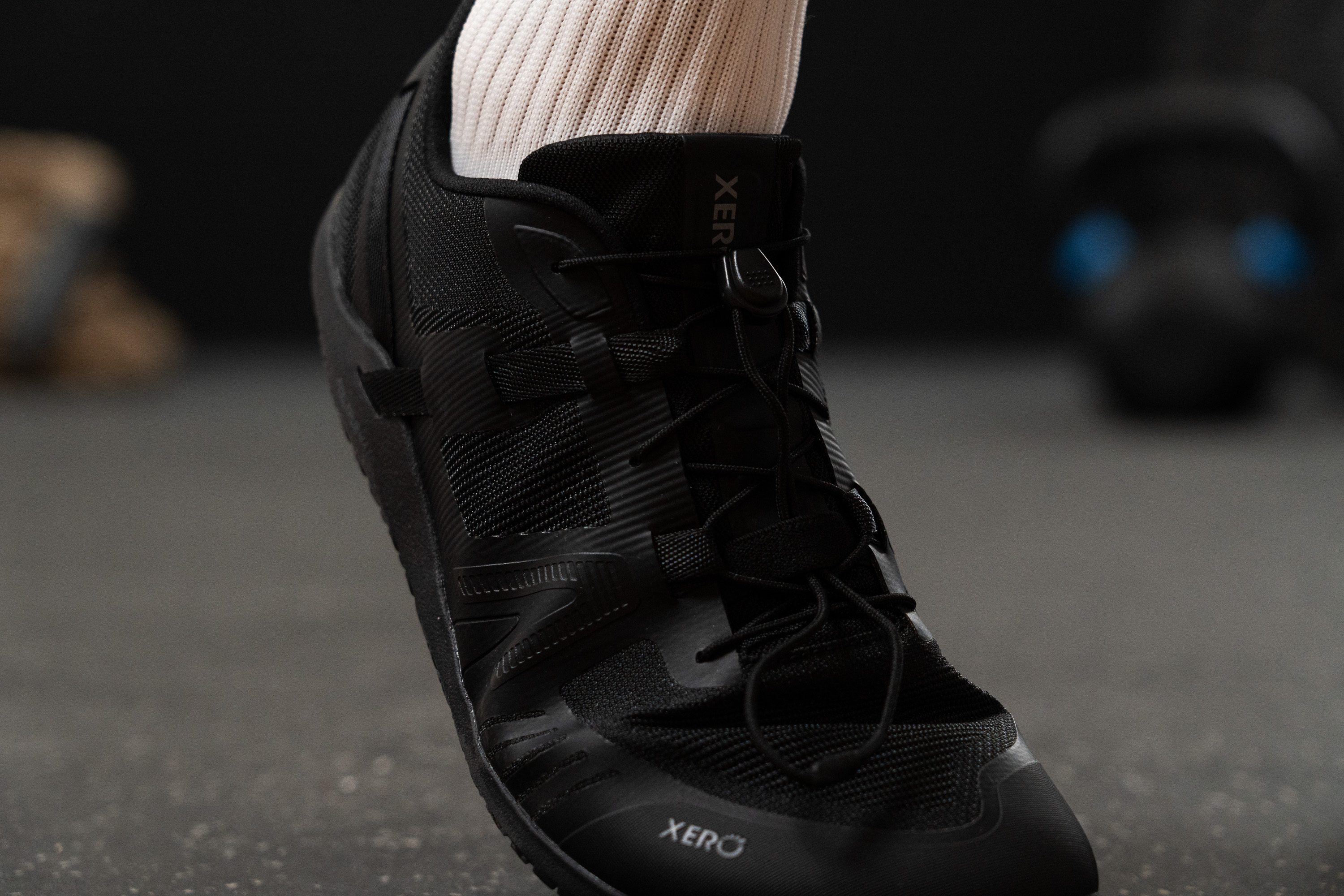
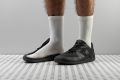
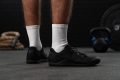
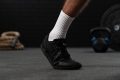
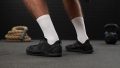
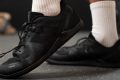
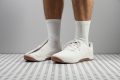
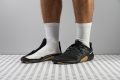
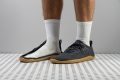
The XT Max is a high-performance barefoot trainer from Xero Shoes that caters to gym goers who:
- want to feel like they are wearing no shoes when training
- are working on foot and leg strength and balance
- prefer a snug fit that opens into an anatomically shaped toebox
- need a strong outsole grip on polished floors
Who should NOT buy
If you've never trained in barefoot training shoes before, we highly recommend transitioning slowly and considering a cross-trainer with a slightly higher stack and drop, like the Reebok Nano 2.0, to help your body adjust to the new biomechanics and proprioception.
And if you do need a barefoot trainer but the XT Max's price looks too steep, Xero Shoes has more affordable options like the Prio and the HFS II.
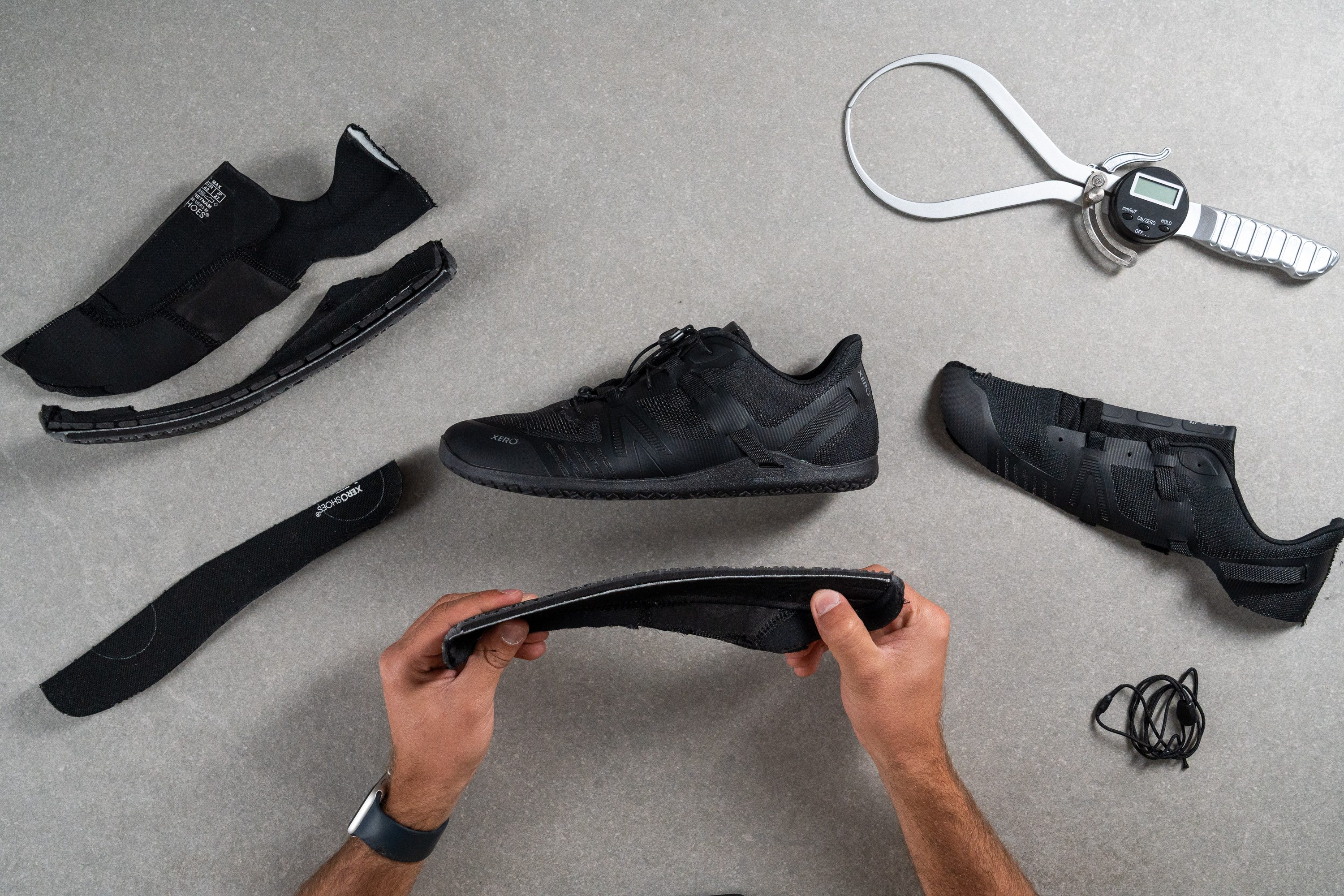
Cushioning
Shock absorption
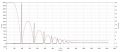
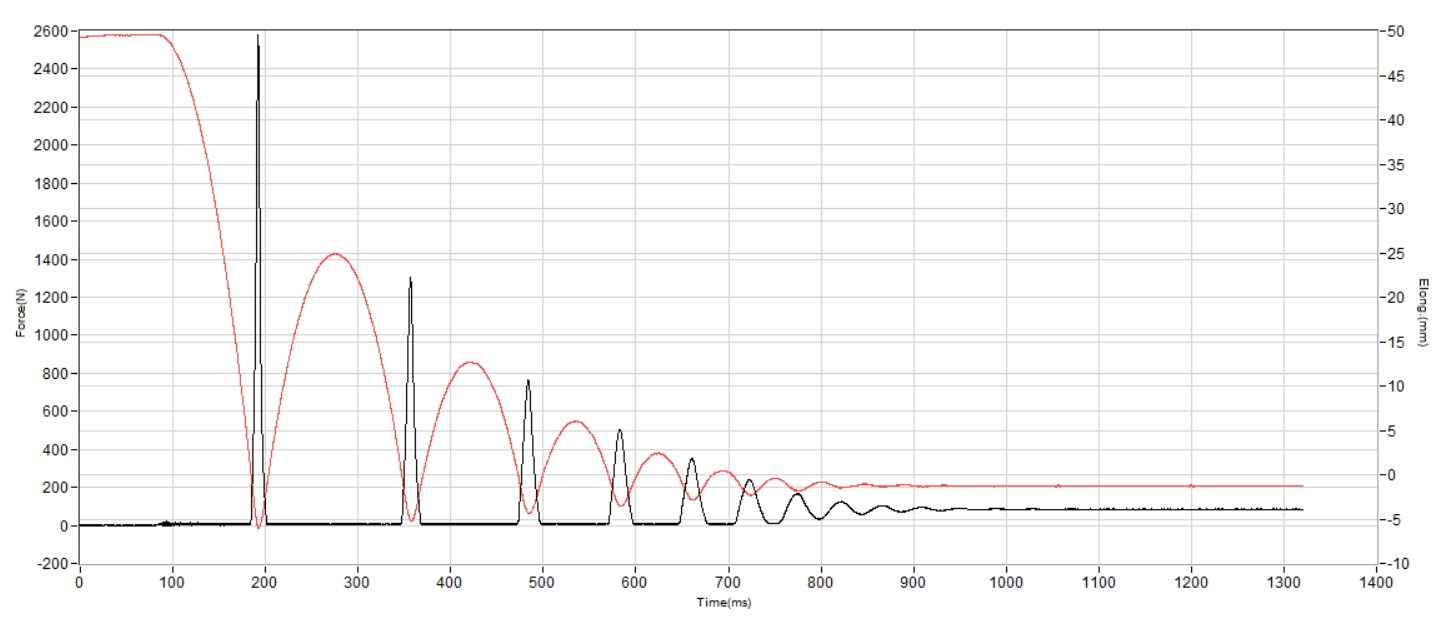
As expected from a barefoot trainer, there is virtually no cushioning in the XT Max. That's clearly reflected in the shoe's minimal shock absorption of 36 SA in the heel and 39 SA in the forefoot.
Repeated jumping, treadmill work, aerobics, and other impact-heavy cardio will not feel as supported in this minimal shoe.
| XT Max | 36 SA |
| Average | 81 SA |
Energy return
The only rebound you gain from this Xero Shoe is the one you generate yourself. Showing a standard energy return of 54.8% in the heel, this trainer helps keep the ride responsive by not interfering with your own biomechanics.
| XT Max | 53.9% |
| Average | 55.1% |
Heel stack
Built for balance and control, this Xero Shoe offers an unbeatable connection to the ground with a very low 12.0 mm heel stack.
It's not the lowest we've ever recorded in the lab (think Inov8 Bare-XF Pro at 6.9 mm), but its thin sole feels non-existent, especially if you're new to barefoot shoes.
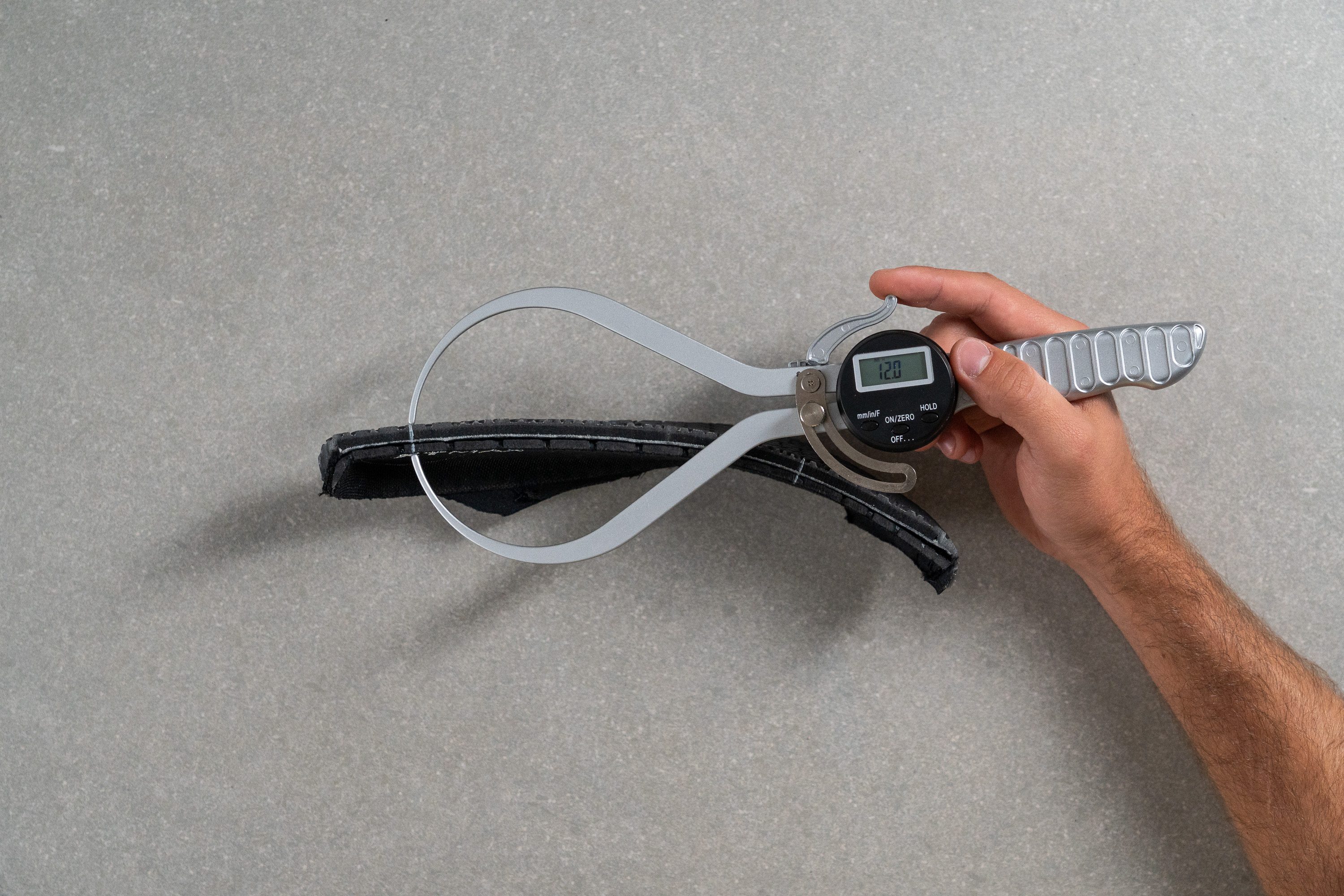
| XT Max | 12.0 mm |
| Average | 24.0 mm |
Forefoot stack
The shoe's forefoot stack is equally minimal at 12.0 mm. That makes it exceptionally pliable and responsive to each micromovement of the foot, enhancing proprioception and, as a result, offering a better sense of control.
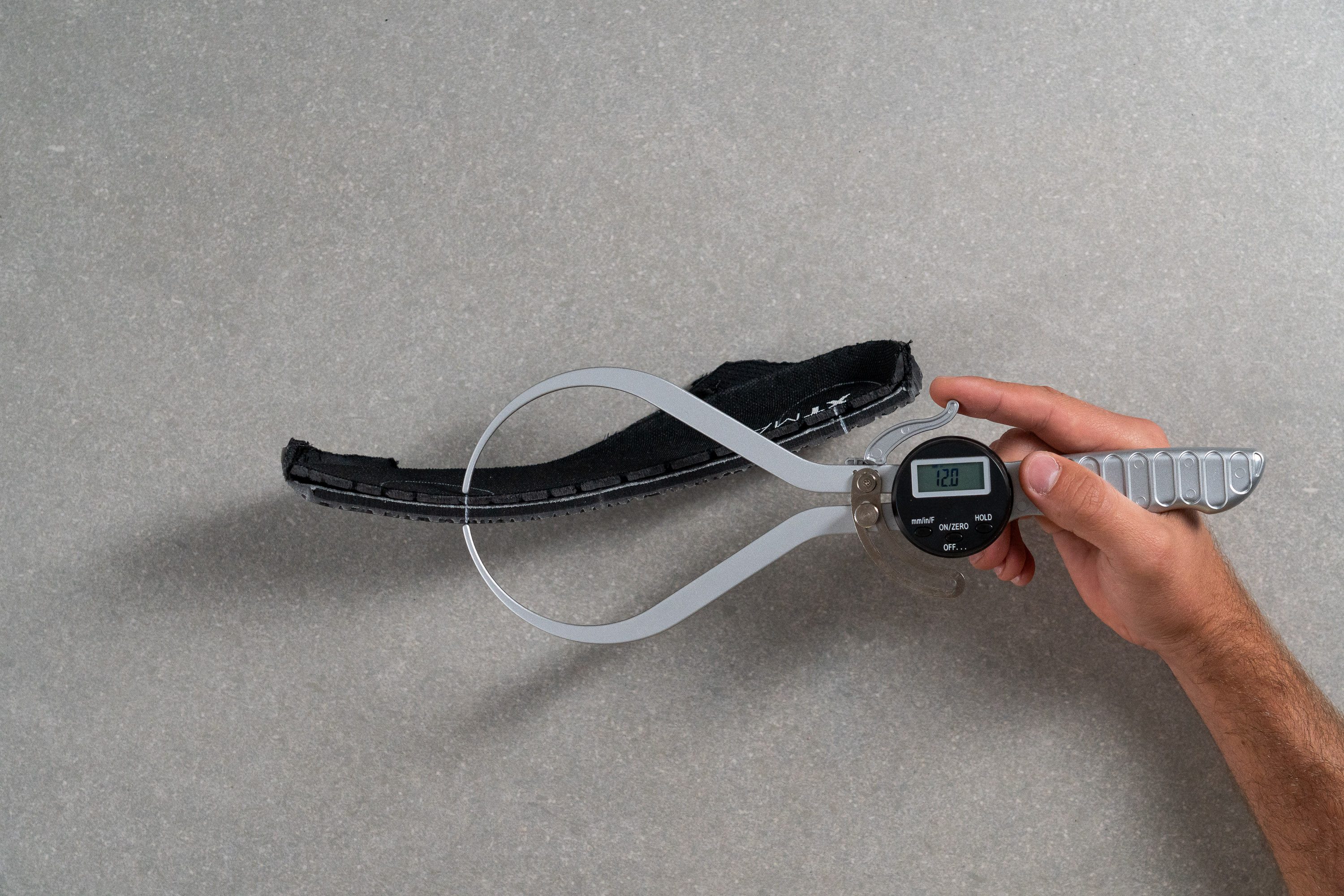
| XT Max | 12.0 mm |
| Average | 17.6 mm |
Drop
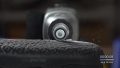
The two perfectly aligned stack heights result in a 0.0 mm drop, or as the brand calls it, a Zero-drop FeelTrue MAX sole.
This offset puts the heel and forefoot in a parallel position on the floor in the same way as if your foot were standing there barefoot. This helps engage the most natural biomechanics, enhancing ground feel, body awareness, balance, and control, among other benefits.
But if you are new to this setup, please allow yourself a slow transition period to let your body adapt. Otherwise, it can put too much strain on the muscles and tendons, and even cause injury.
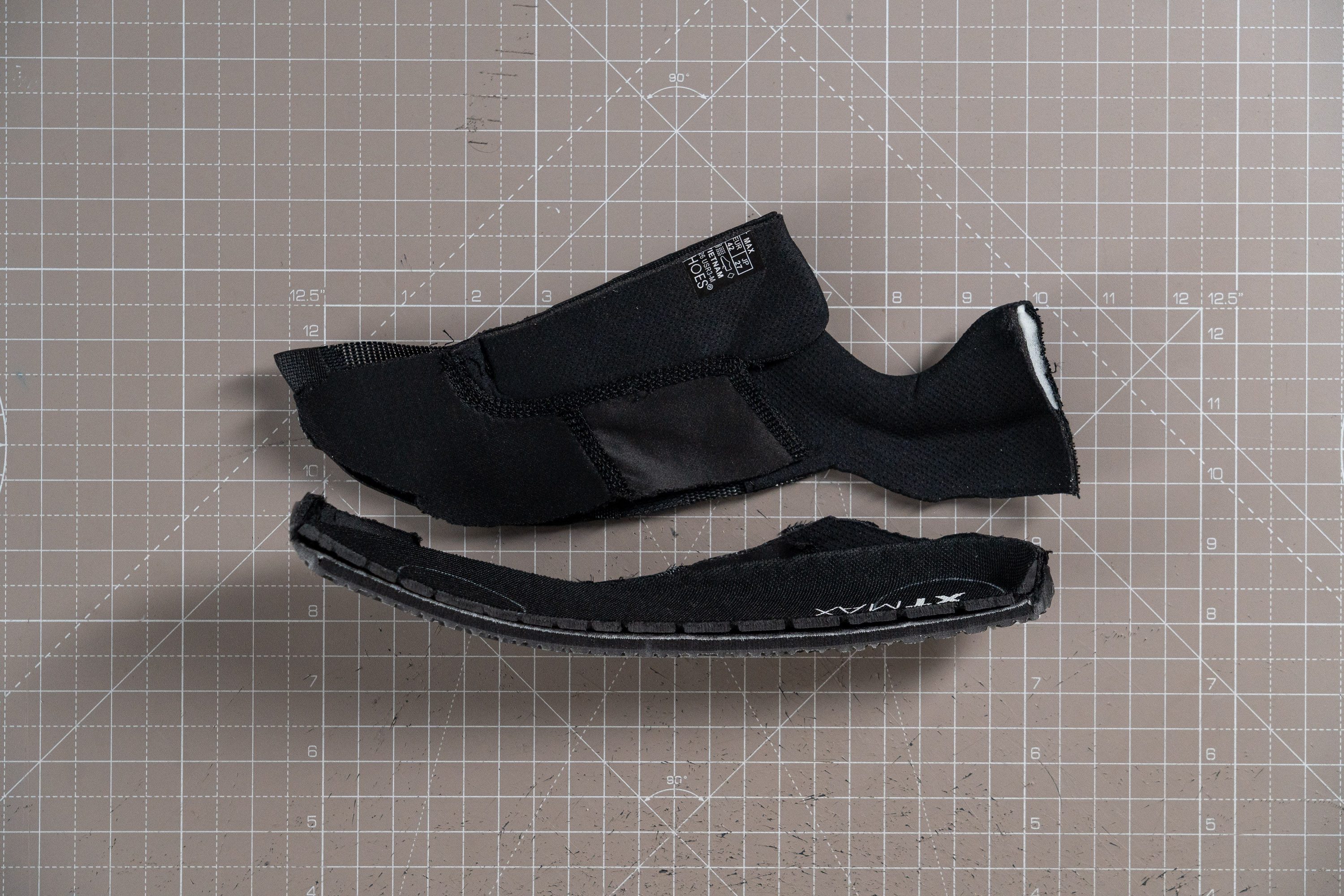
| XT Max | 0.0 mm |
| Average | 6.4 mm |
Midsole softness
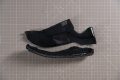
It may not feel like it, but this Xero Shoe packs a thin layer of EVA foam to buffer the foot from hard ground.
But make no mistake, this foam is not the squishy type with a high durometer reading of 53.2 AC. It is only there to add a touch of impact protection to prevent the trainer from feeling completely bare-bones.
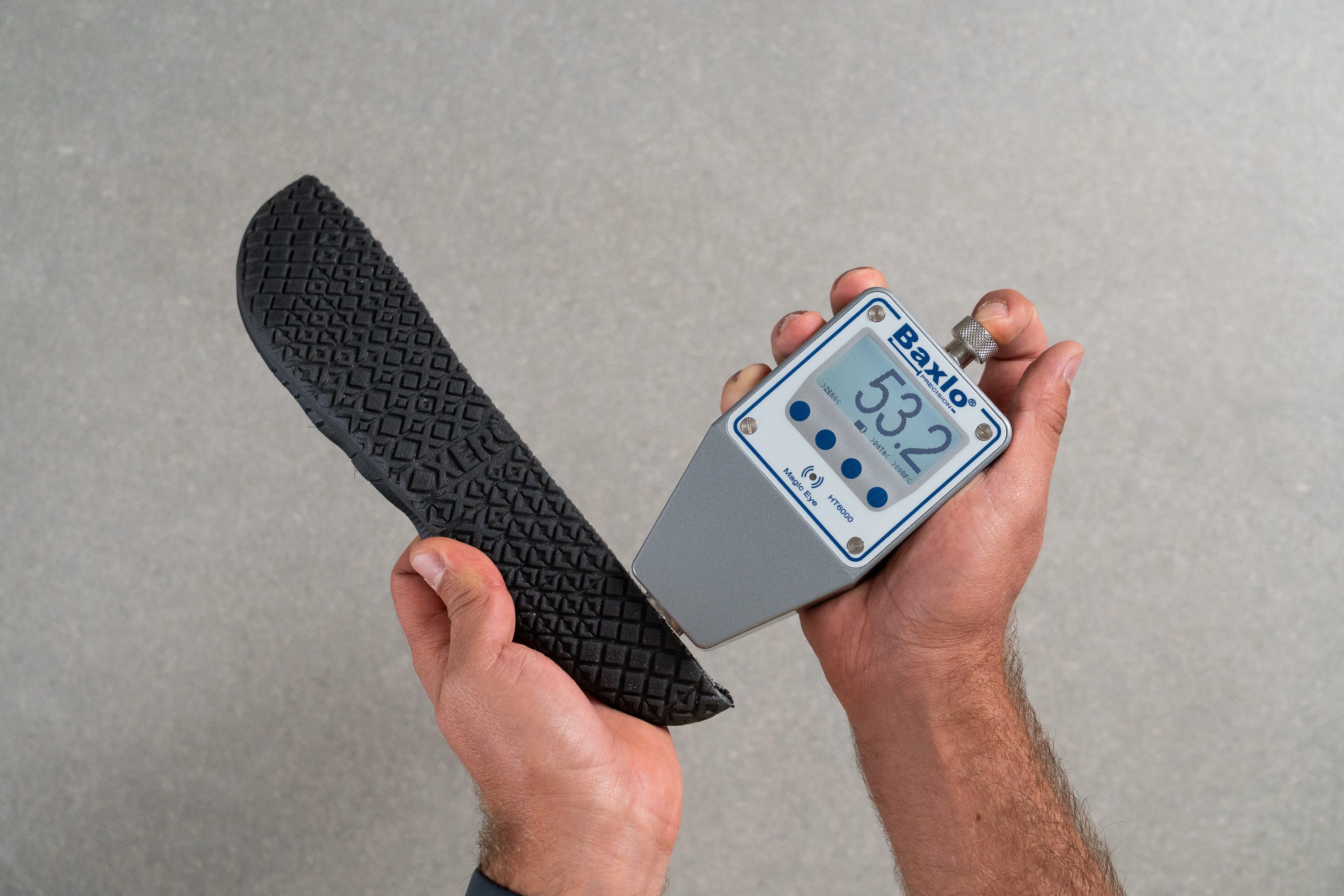
| XT Max | 53.2 AC |
| Average | 49.2 AC |
Size and fit
Size
Internal length
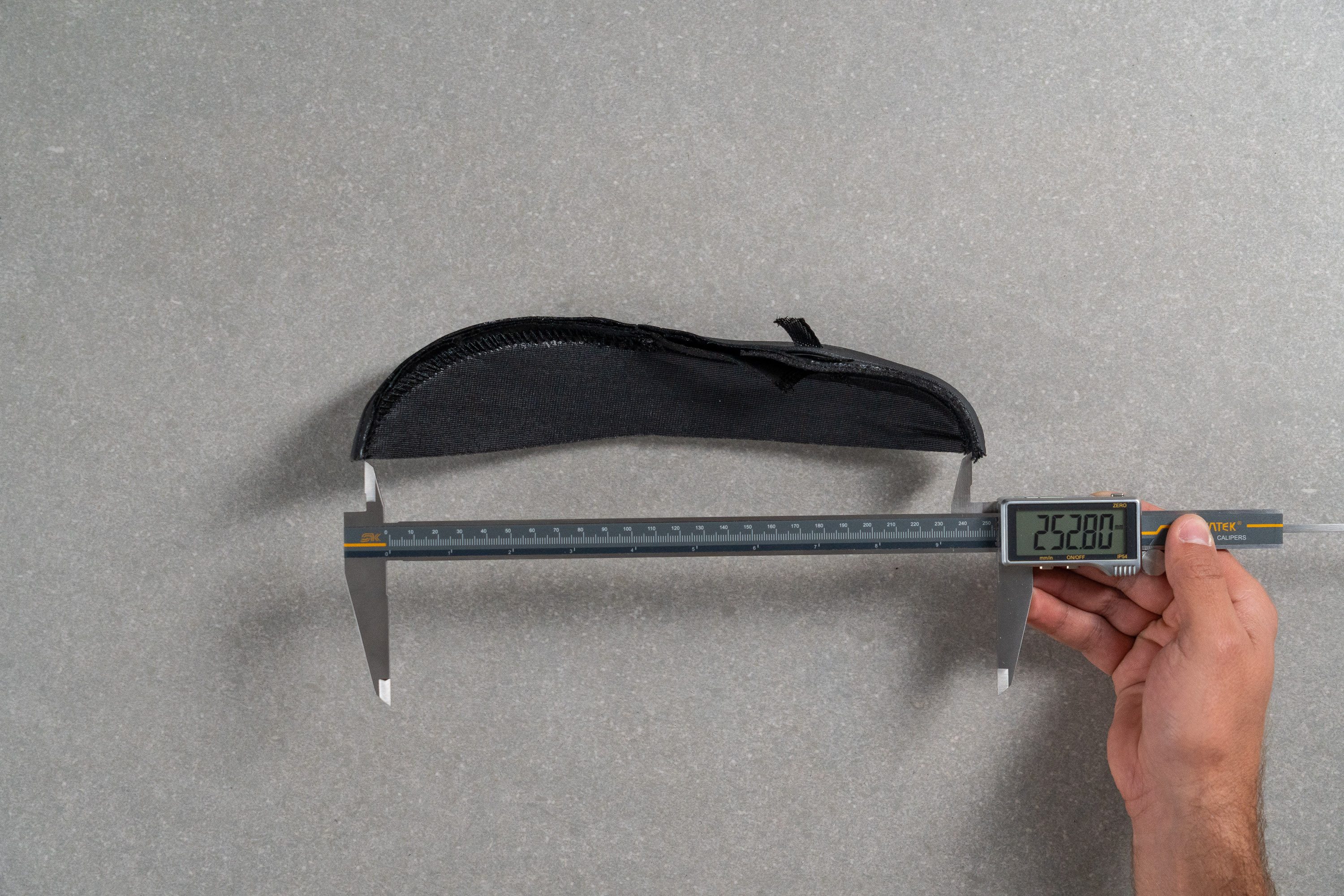
| XT Max | 252.8 mm |
| Average | 268.6 mm |
Width / Fit
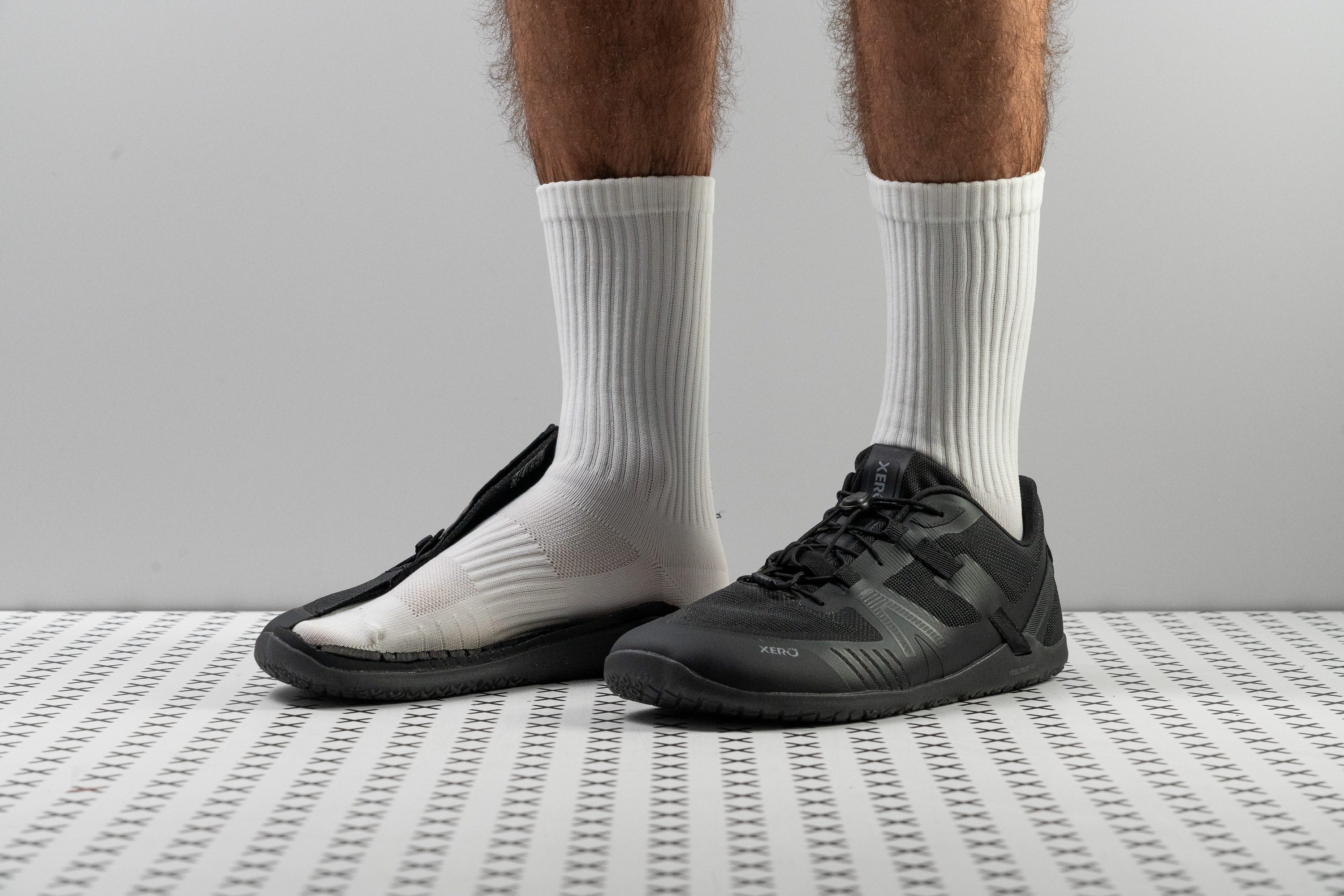
Barefoot shoes are meant to provide the ultimate freedom of movement, and that's why they often feature wide-set toeboxes that contour the foot rather than restrict it.
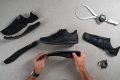
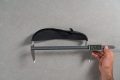
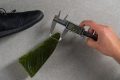
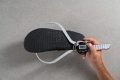
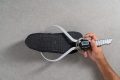
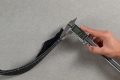
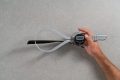
However, taking out a solid gel cast of the XT Max's interior and measuring its widest part with a calliper, we were surprised to see a moderate width of only 93.5 mm! Narrower than average, it fits pretty snug in the ball of the foot area.
If that sounds restricting, consider the Inov8 Bare-XF Pro (97.8 mm) or the Vivobarefoot Primus Lite Knit (99.3 mm).
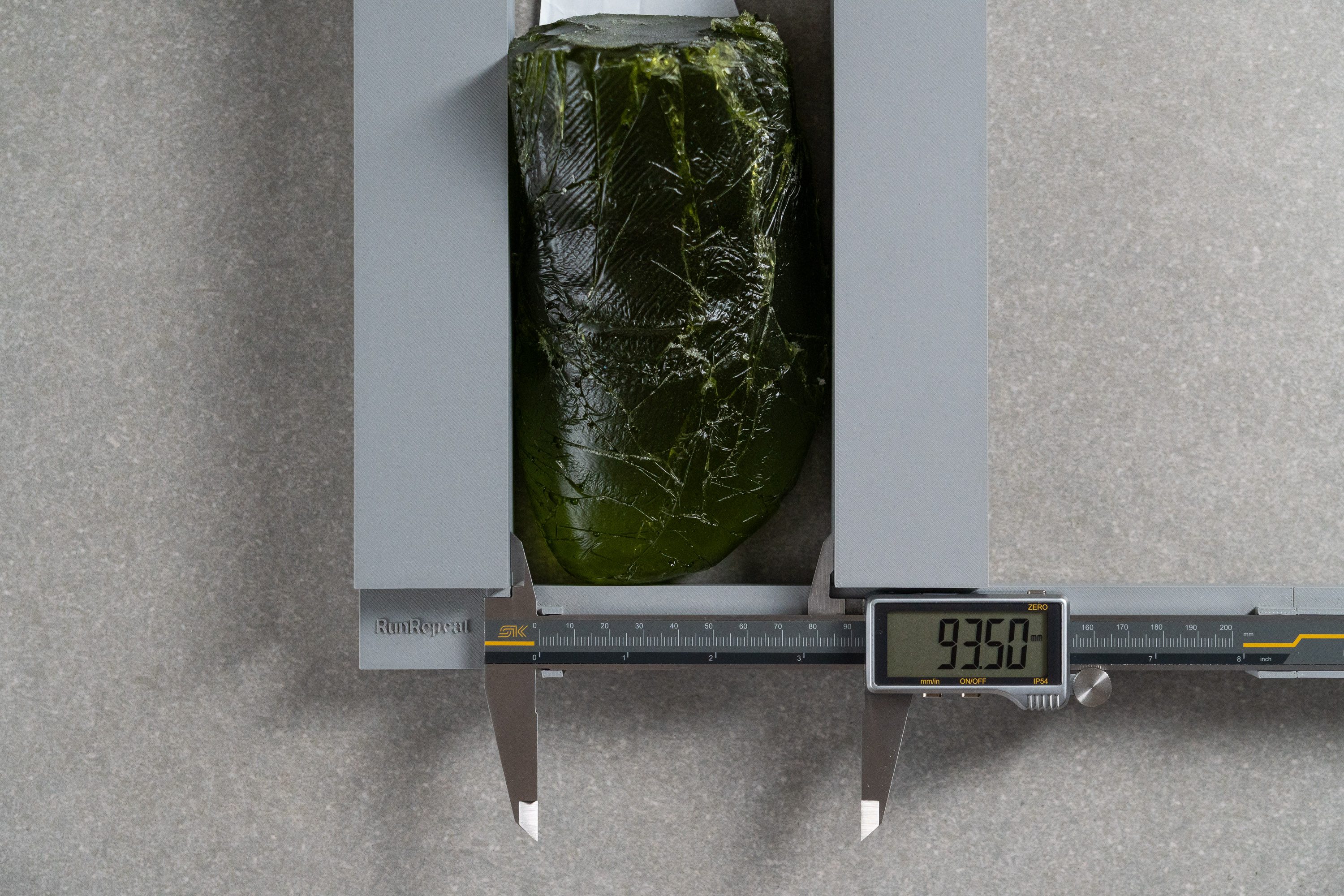
| XT Max | 93.5 mm |
| Average | 96.3 mm |
Toebox width
However, the toebox shape of this Xero Shoe offers plenty of room for splaying your toes as much as you need. Square-shaped, it measured a whopping 79.2 mm in the big toe area.
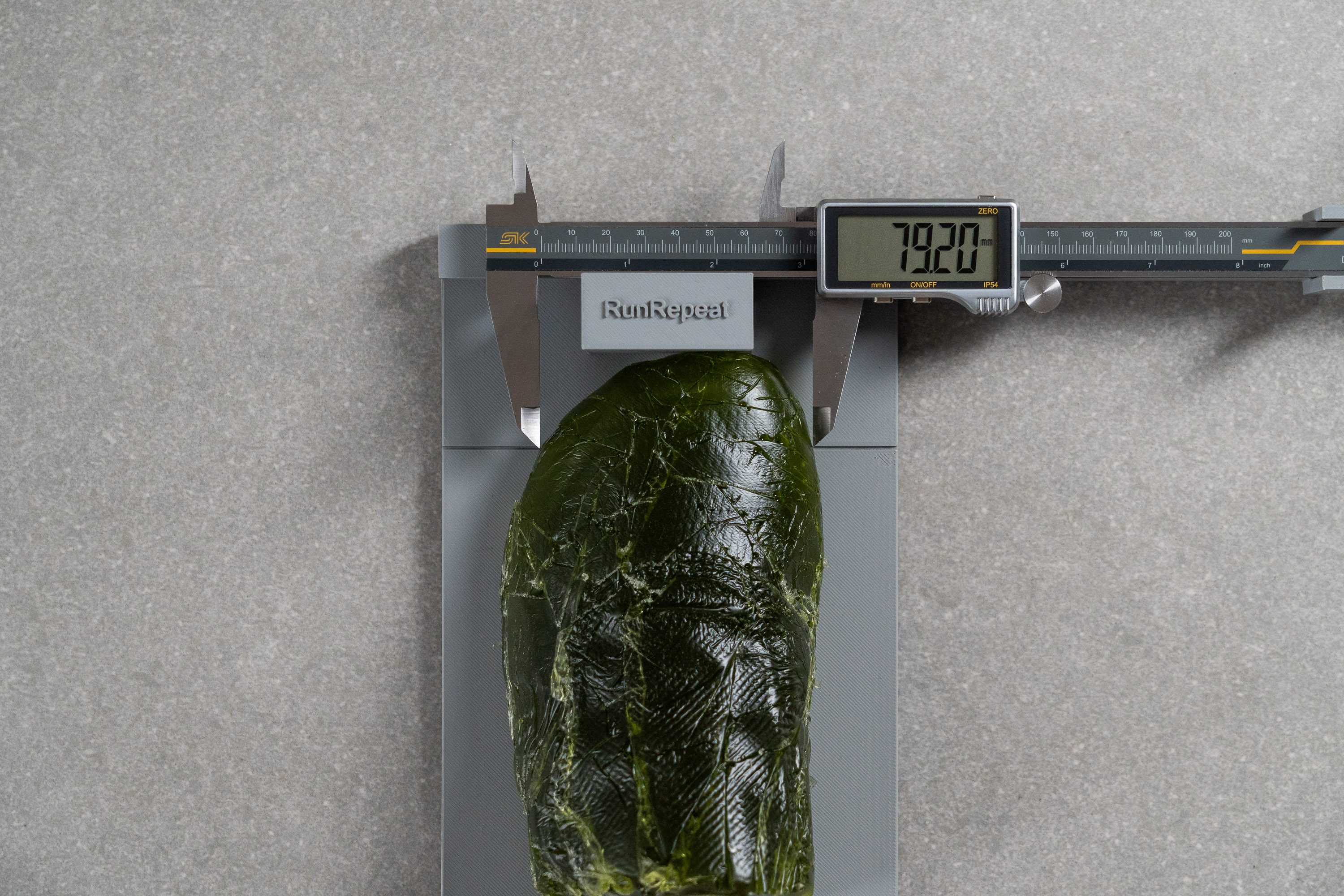
| XT Max | 79.2 mm |
| Average | 73.4 mm |
Toebox height
There is no lack of vertical space in the XT Max either.
With an above-average toebox height of 29.4 mm, it's very unlikely to experience pressure or rubbing on top of your toes in this trainer.
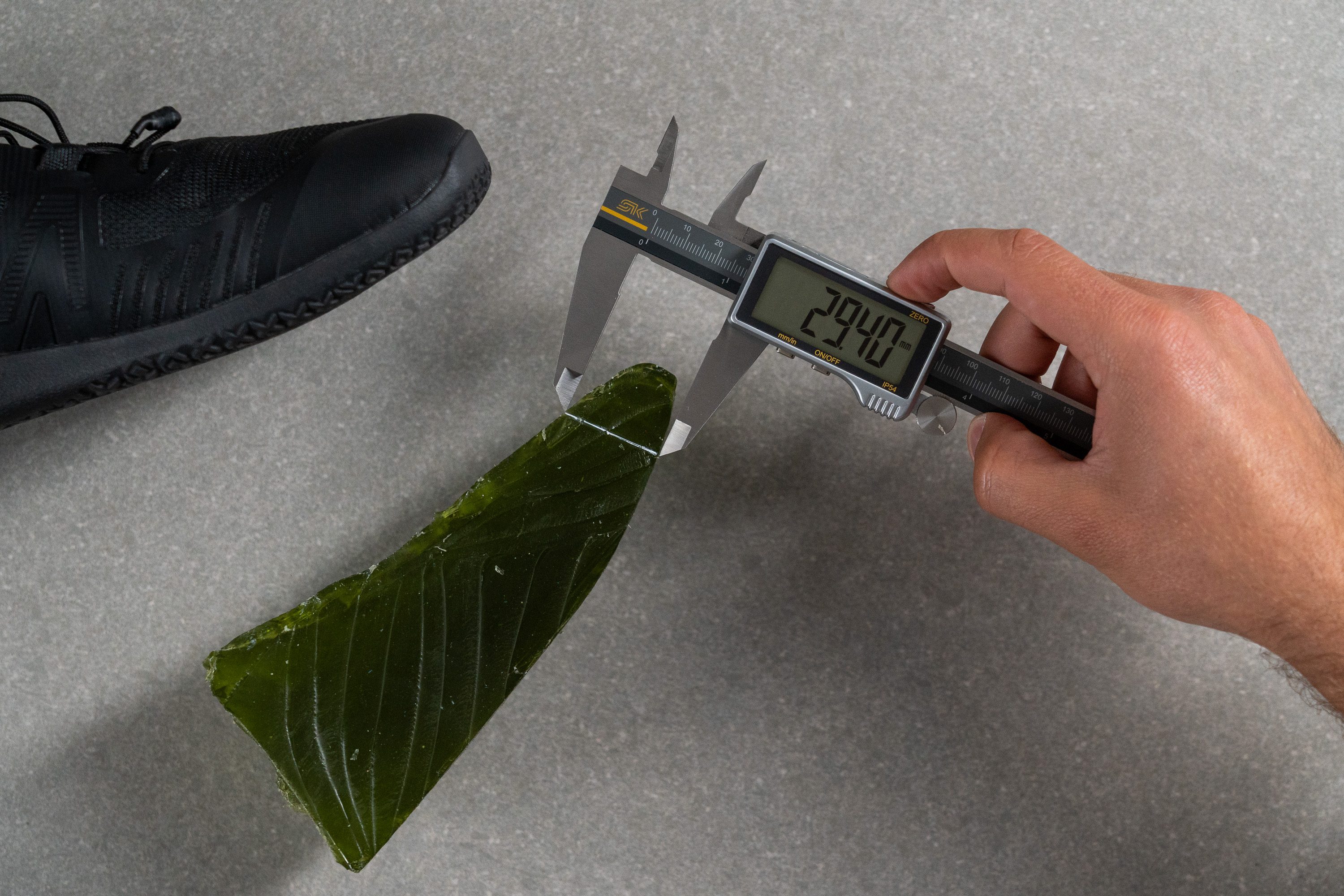
| XT Max | 29.4 mm |
| Average | 27.2 mm |
Traction / Grip
Traction test
Measuring the friction coefficient of this Xero Shoe's outsole on wet concrete, we recorded an above-average reading of 0.44. That means consistent grip on a variety of gym surfaces, even if those are dusty or a bit wet from sweat.
| XT Max | 0.44 |
| Average | 0.34 |
Outsole design
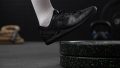
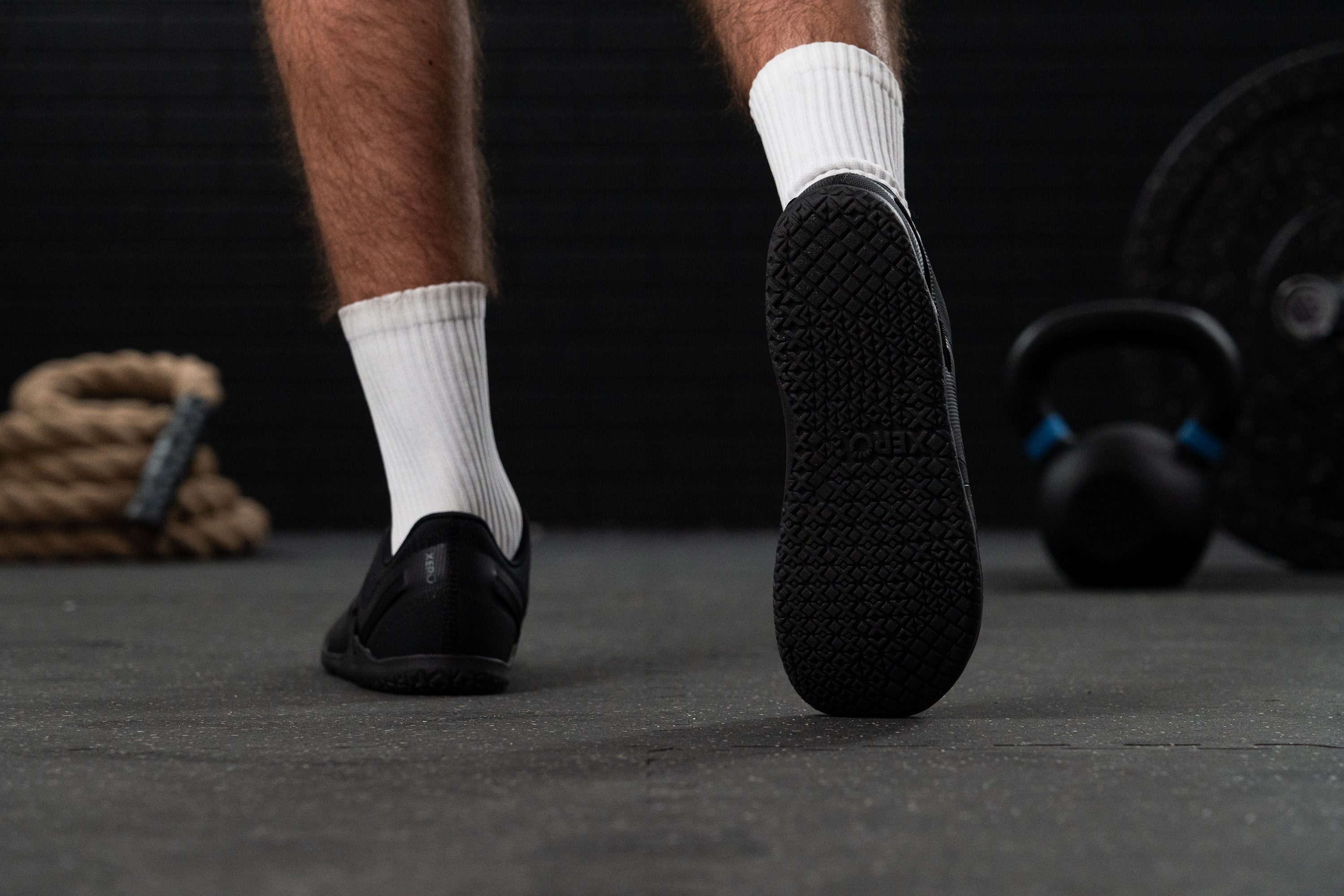
In addition to the tacky rubber blend, the shoe features adaptive square and X-shaped lugs of varying sizes that grip smooth, polished gym floors very effectively.
Flexibility / Stiffness
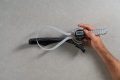
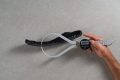
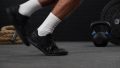
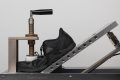
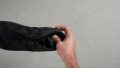
Unsurprisingly for a barefoot shoe, the Xero Shoes XT Max allowed our feet to bend as effortlessly as if we were working out with no shoes at all!
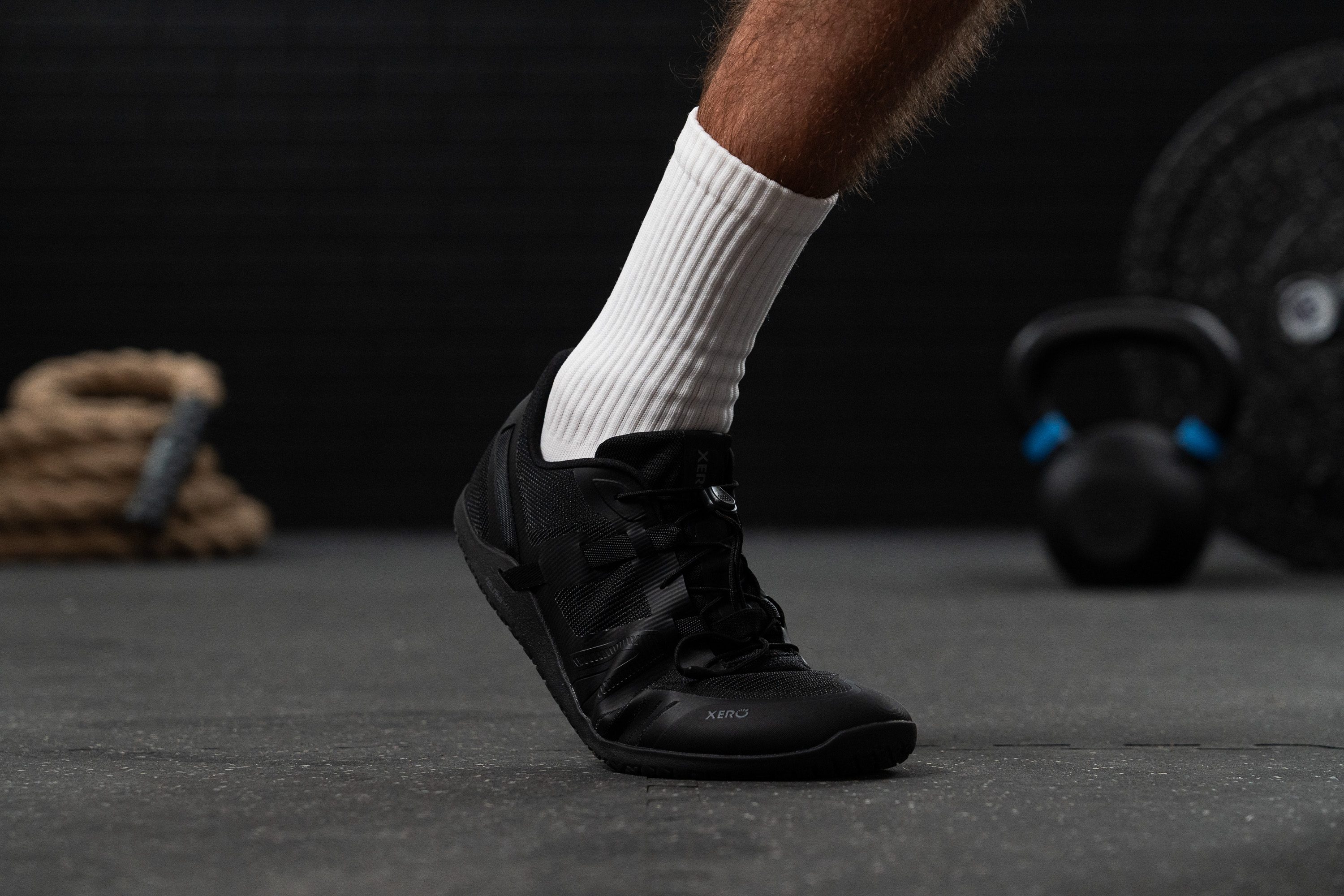
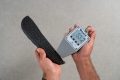
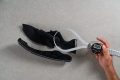
This trainer requires practically no force to bend by 30 degrees (2.8N), offering completely unhindered movement, which we especially appreciated during planks, lunges, and sled pushes.
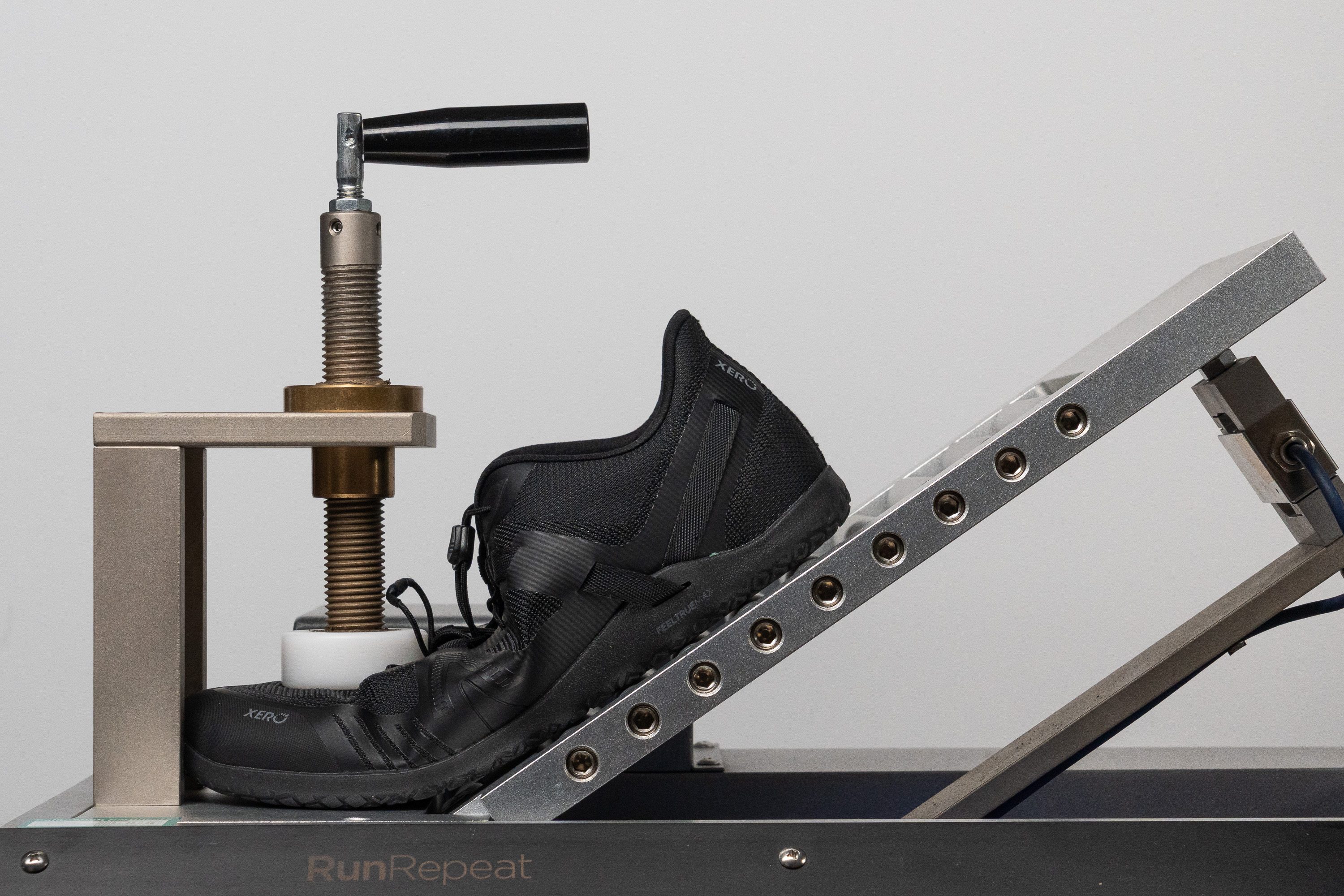
| XT Max | 2.8N |
| Average | 10.3N |
Weight
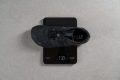
Even though we can't complain about the XT Max feeling heavy on foot, it's not the most featherlight barefoot trainer we've encountered either.
It is, without a doubt, light at 7.7 oz (218g) in a men's US size 9, helping us feel super light and quick on our feet for plyometrics and agility work. Yet, we believe that it could weigh even less considering the price point.
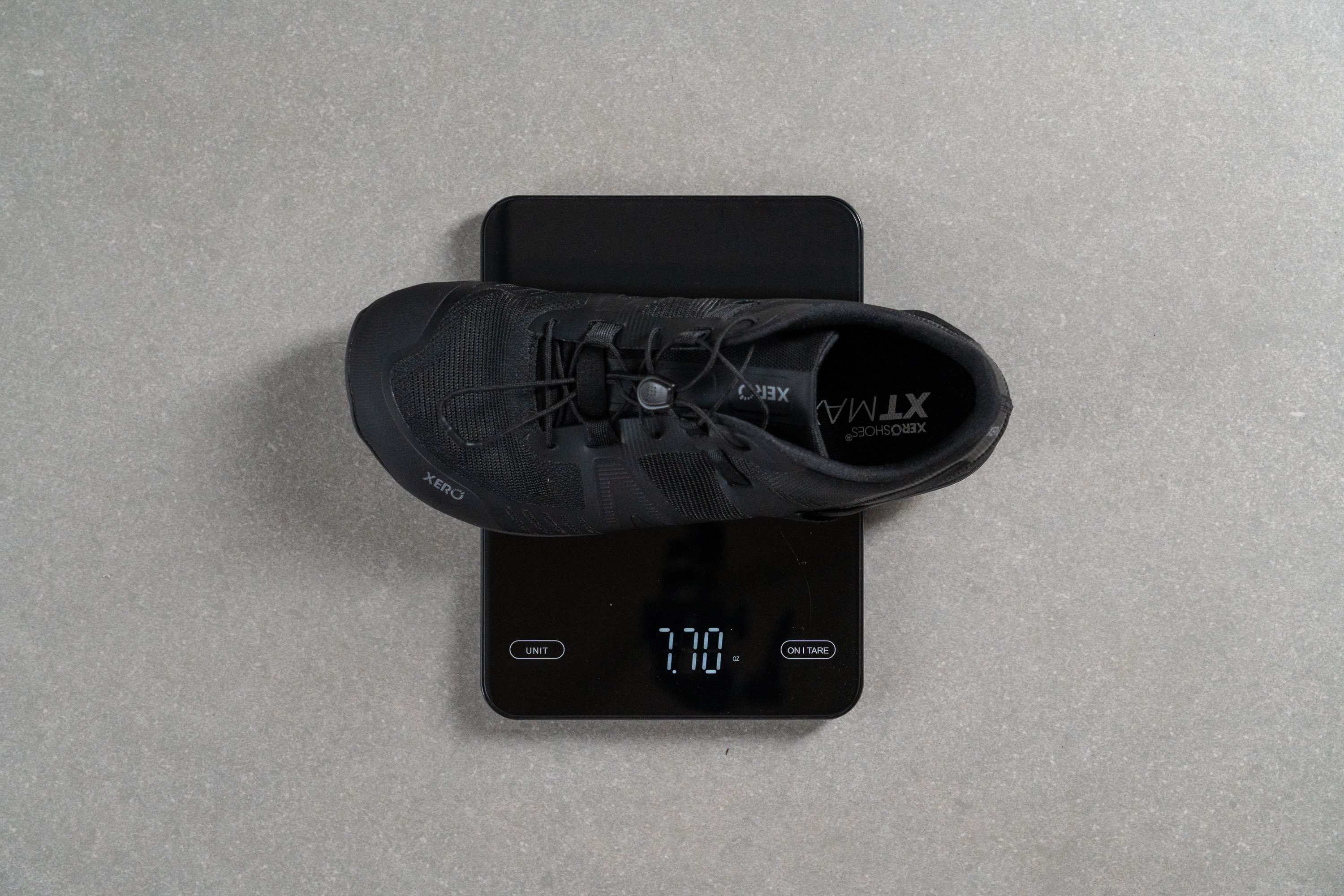
| XT Max | 7.7 oz (218g) |
| Average | 10.7 oz (304g) |
Stability
Lateral stability test
With barefoot shoes, much of the stability has to come from your own muscles and tendons rather than the shoe itself.
Having no structure or stabilising components, the XT Max doesn't contribute to lateral support, but it doesn't get in the way of you feeling steady on your own feet either.
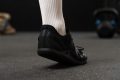
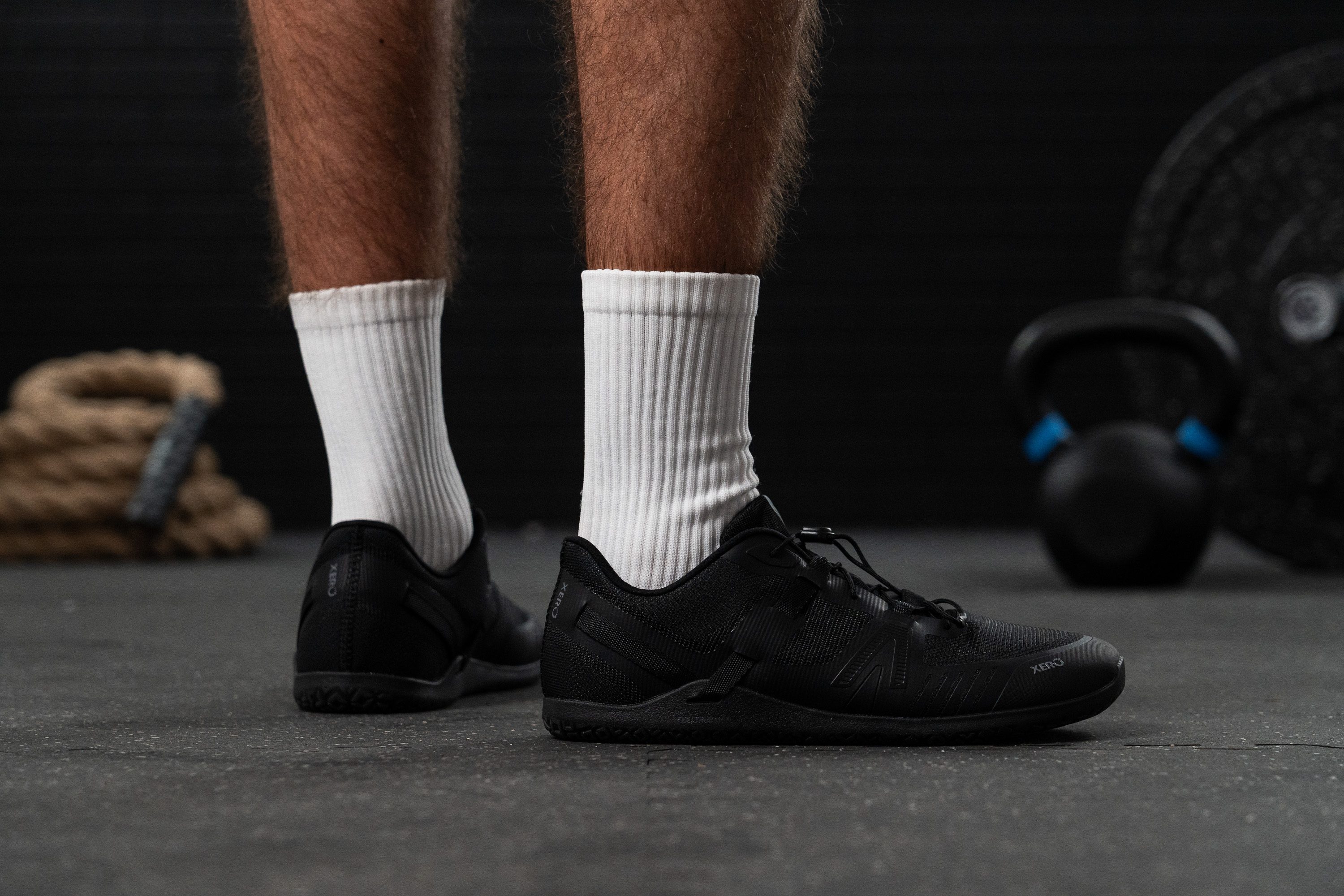
But it does wrap around the foot securely, offering a highly reliable lockdown. Its webbed straps connect the sole to the laces, enhancing the foothold when the laces are cinched. We found that it eliminates any undesirable in-shoe wobbling, adding confidence to our side-to-side moves.
Torsional rigidity
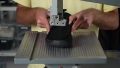
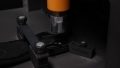
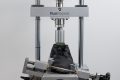
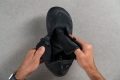
This Xero Shoe bends and twists easily, adapting to the micromovements of our feet during the workout. Our torsional rigidity test confirmed that it takes little torque (6.8 Nm) to twist the shoe sideways.
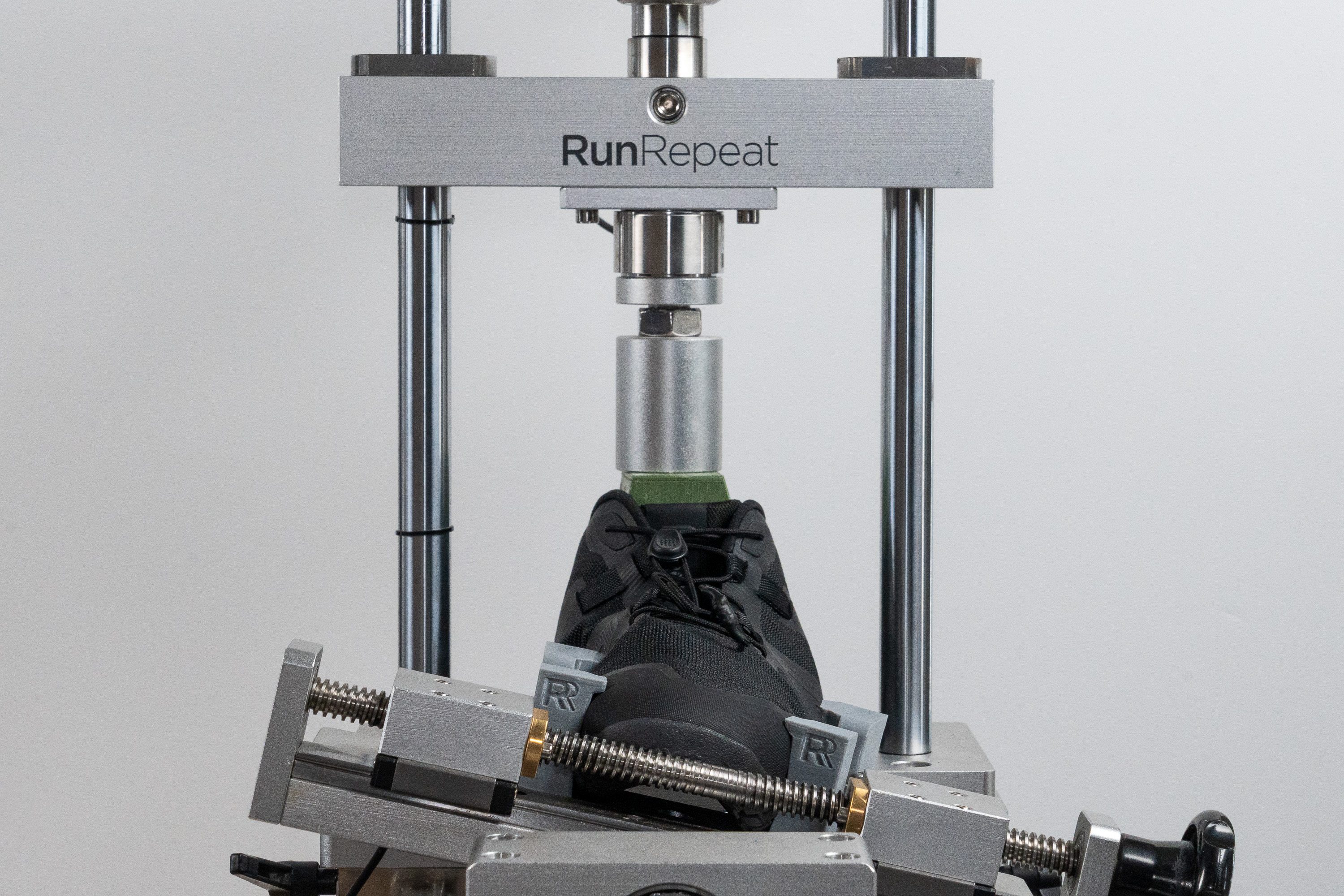
| XT Max | 6.8 Nm |
| Average | 13.8 Nm |
Heel counter stiffness
Our manual assessment confirmed that the XT Max has no rigid heel counter in the rearfoot. Bending and folding easily, we gave it the lowest stiffness score of 1 out of 5.
| XT Max | 1 |
| Average | 2.8 |
Midsole width - forefoot
Designed to fit the wearer's foot closely, the shoe's midsole has a rather moderate width. Our calliper recorded a below-average reading of 107.8 mm in the broadest part of its forefoot.
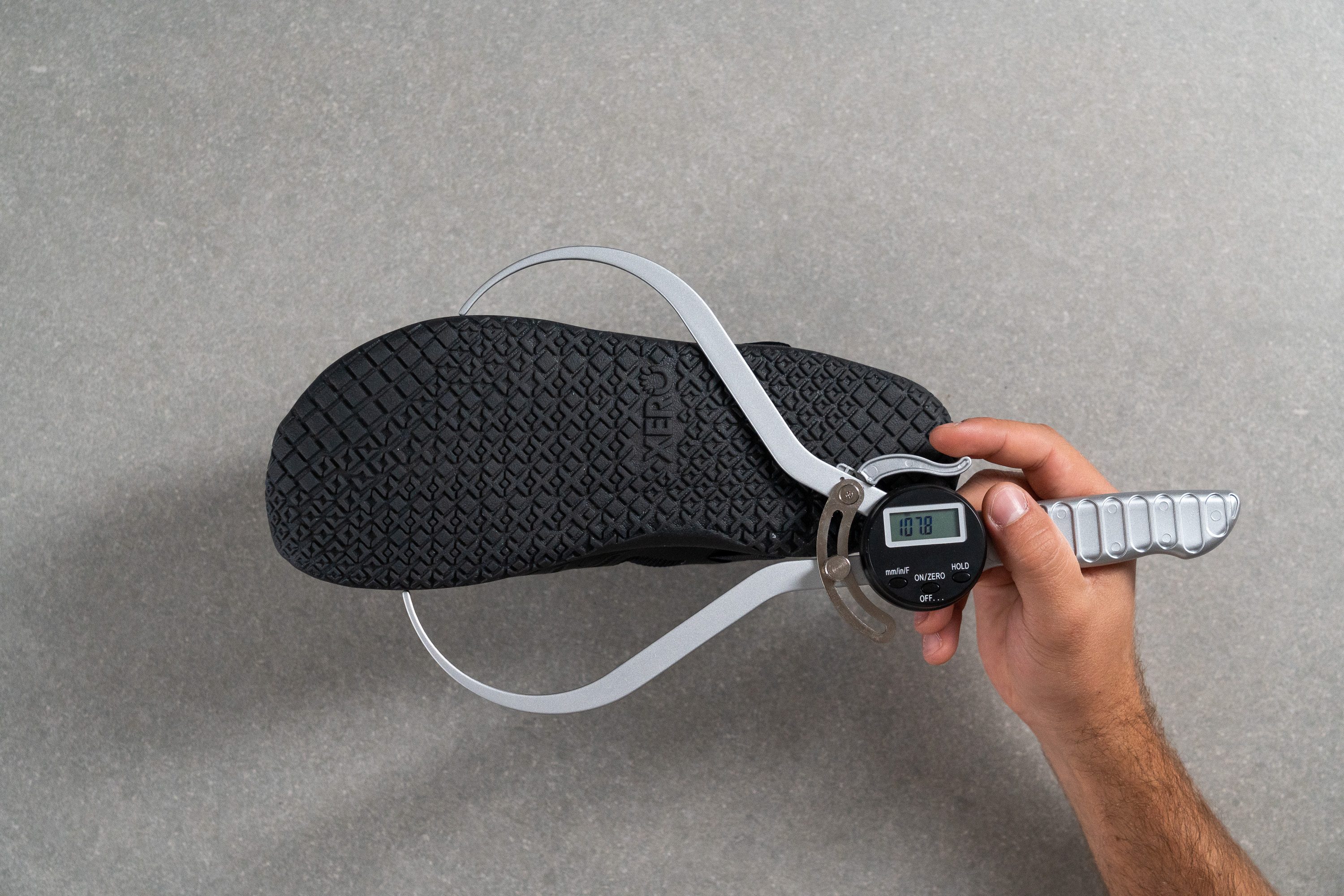
| XT Max | 107.8 mm |
| Average | 111.9 mm |
Midsole width - heel
The same is true for the shoe's heel, where the widest part returned merely 82.4 mm.
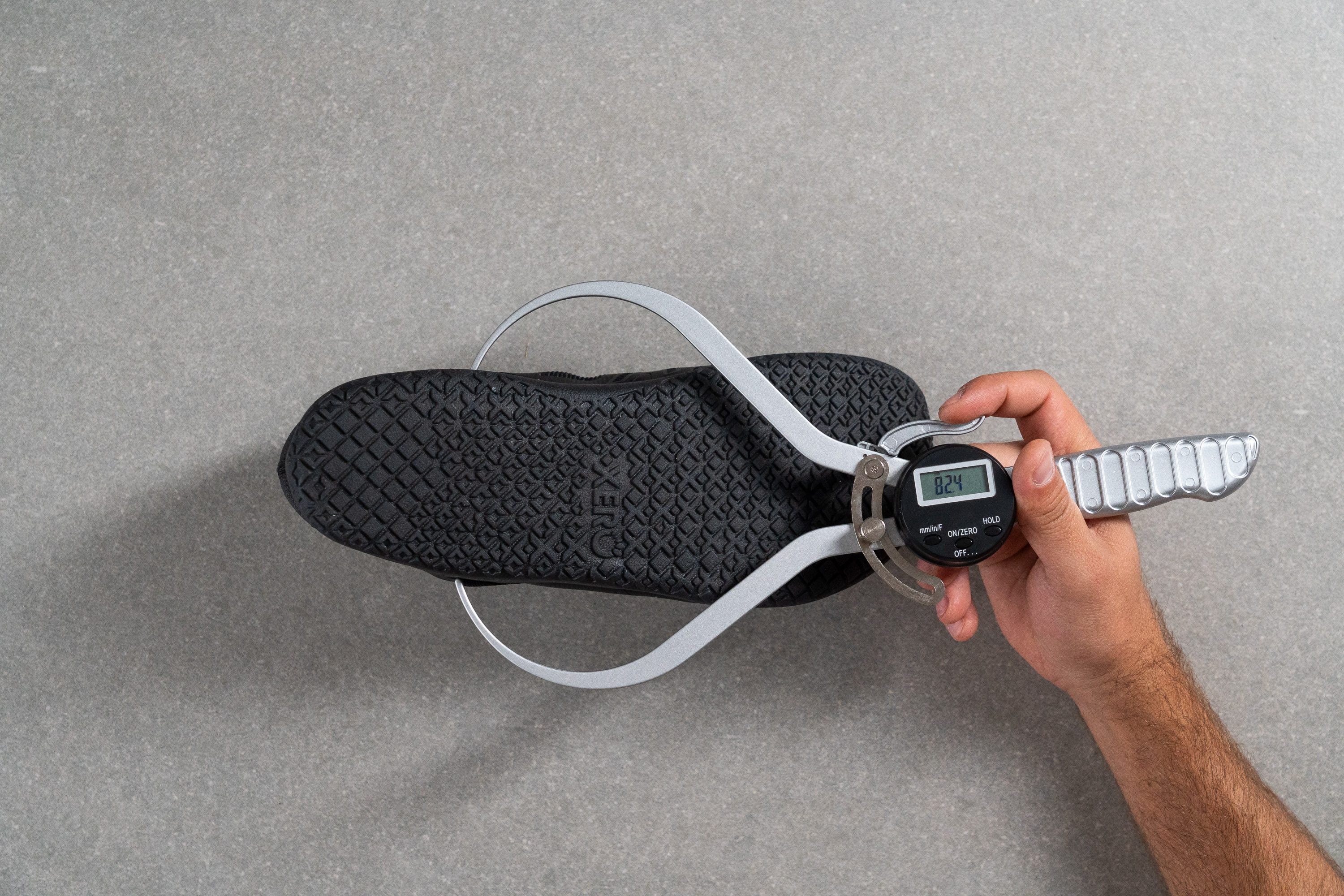
| XT Max | 82.4 mm |
| Average | 87.0 mm |
Durability
Toebox durability
Even though it doesn't scream durability, the ultralight mesh on this Xero Shoe's upper surprised us with fairly good wear resistance in our Dremel test!
Its moderate wear prompted us to give the shoe a middle-range toebox durability score of 3 out of 5.
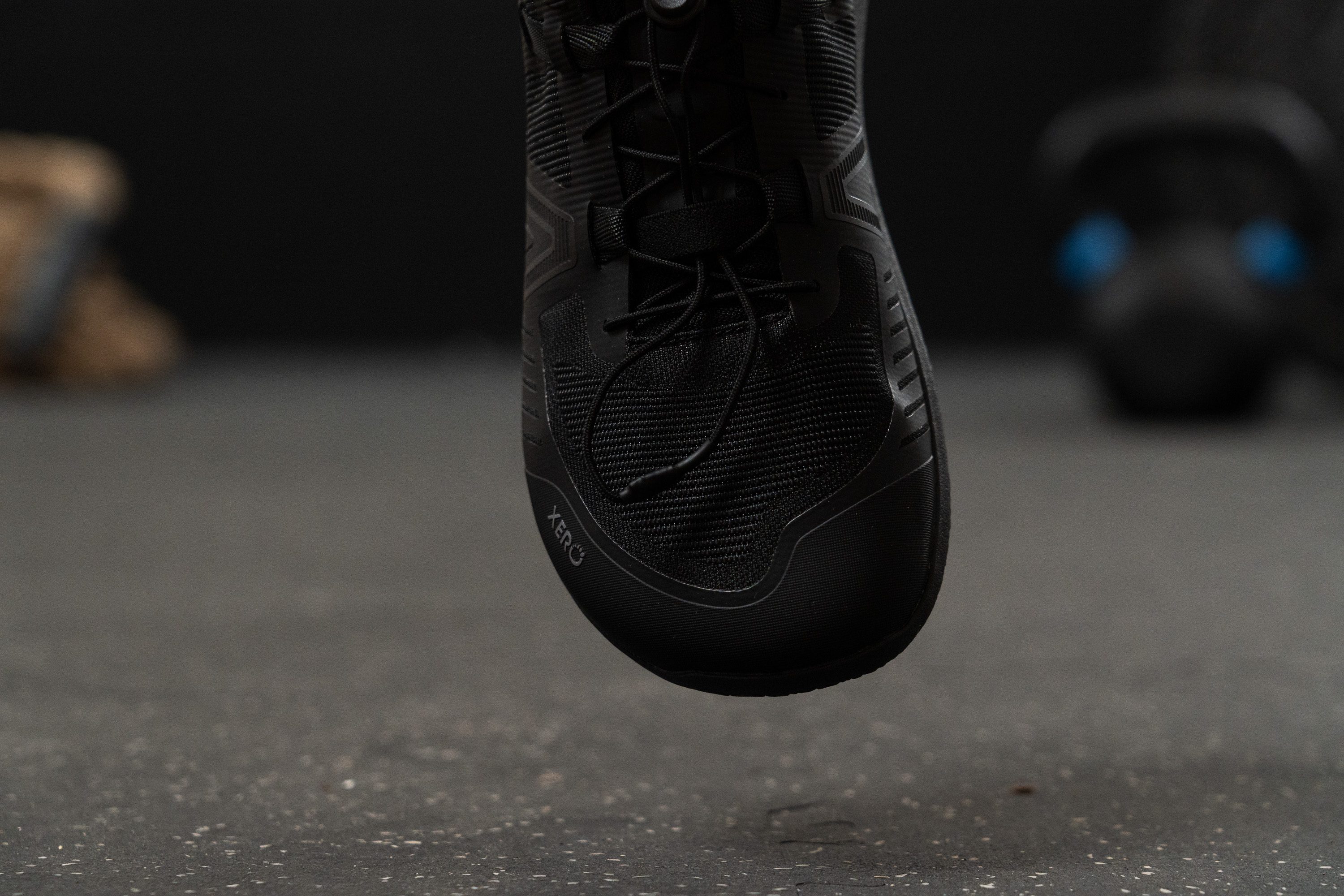
On top of that, the mesh is covered with large synthetic overlays, including an exceptionally large toe rand. Brushing our toes against the floor on burpees and bumping into gym equipment, we had no worries about destroying the shoe too easily.
| XT Max | 3 |
| Average | 2.7 |
Heel padding durability
If only the textile inside the shoe's collar was just as hard-wearing...
Giving in to the Dremel within seconds, it scored a lower 2 out of 5 for heel padding durability.
| XT Max | 2 |
| Average | 3 |
Outsole durability
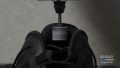
Luckily, the shoe's outsole durability didn't disappoint, as our drill only managed to chip away 1.1 mm of its rubber. That's a solid result for a training shoe.
| XT Max | 1.1 mm |
| Average | 1.1 mm |
Outsole thickness
As for the outsole thickness, our calliper measured it slightly below the average at 2.7 mm.
But combined with the XT Max's high wear resistance result, it promises great long-term durability even if you take the shoe outdoors occasionally.
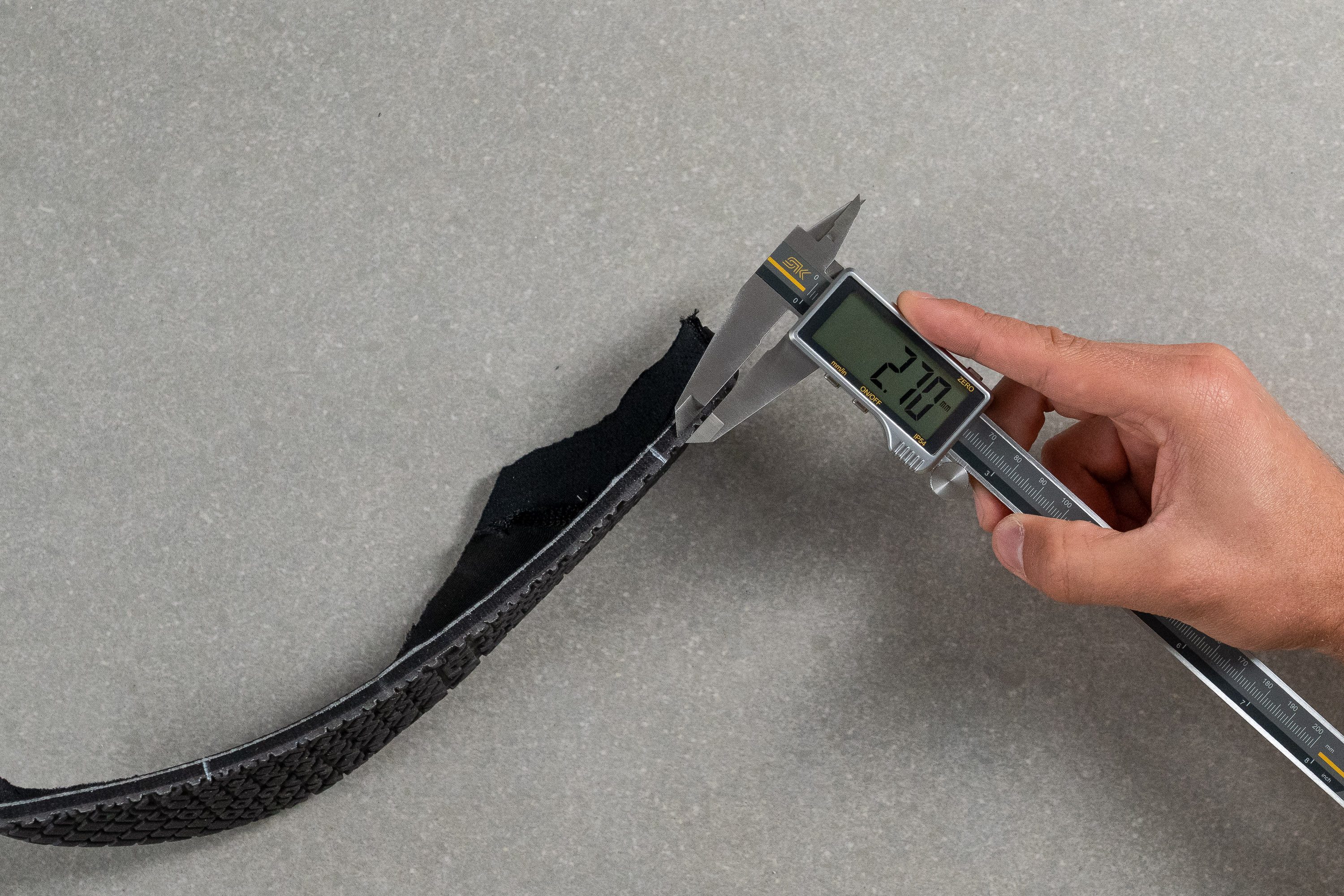
| XT Max | 2.7 mm |
| Average | 3.5 mm |
Misc
Insole thickness
The brand squeezed in a thin insole for a touch more padding between the foot and the hard rubber. At 3.4 mm in the heel, it's not too thick to mute ground feel or distort proprioception, but thick enough to add comfort.
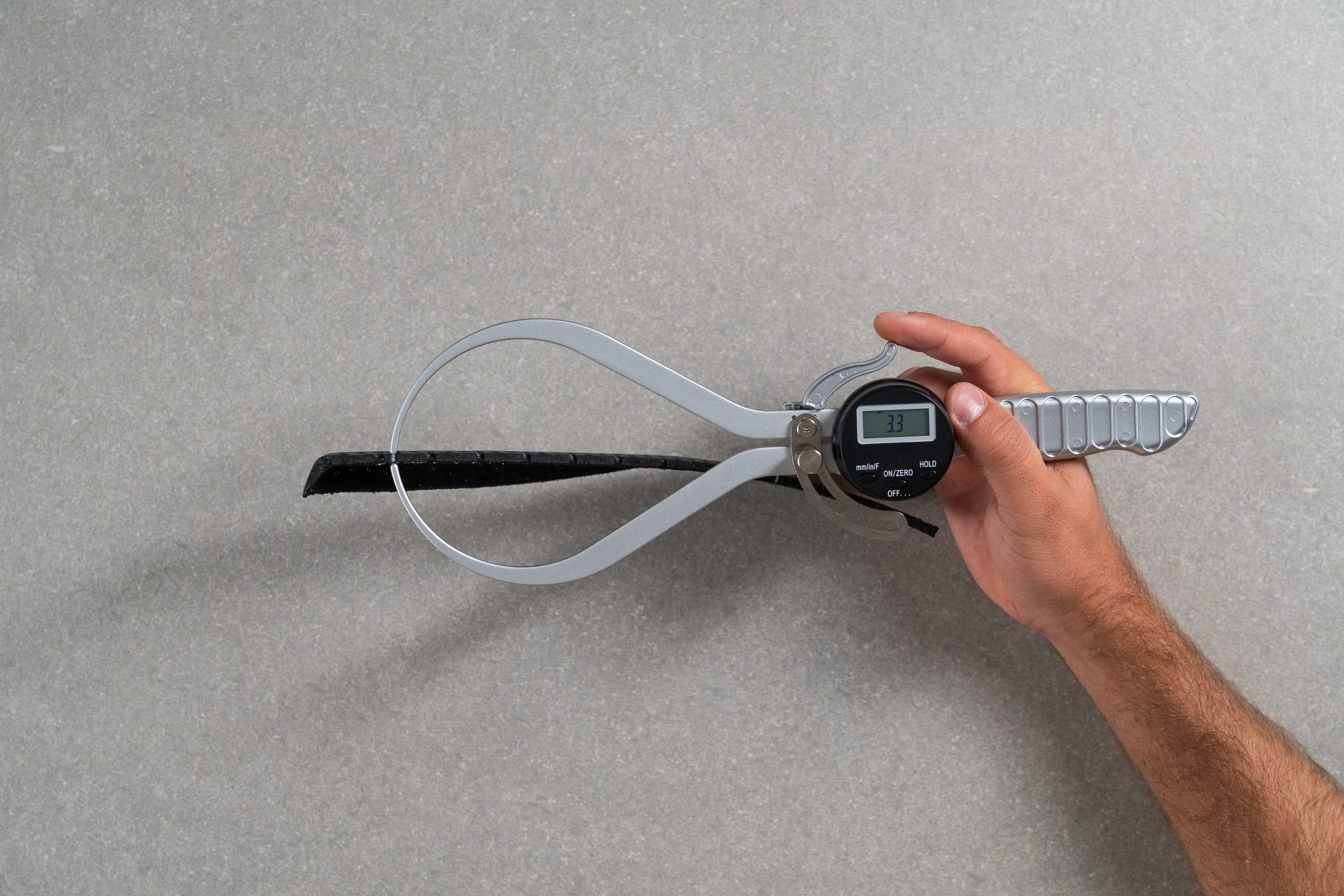
| XT Max | 3.4 mm |
| Average | 4.0 mm |
Removable insole
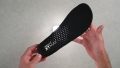
The insole also proved to be removable.
However, using custom orthotics with barefoot shoes can be tricky because it can significantly alter the underfoot experience.
Not to mention that this particular shoe's insert is generously perforated, and replacing it can also affect breathability.
| XT Max | Yes |
Reflective elements
No reflective elements are to be found on this Xero shoe.
| XT Max | No |
Tongue padding
Intended to fit like a second skin, barefoot shoes are often minimally padded, if they are padded at all. Thus, the XT Max's moderate tongue thickness of 3.7 mm is not surprising, yet it also proved to be effective at preventing lace bites.
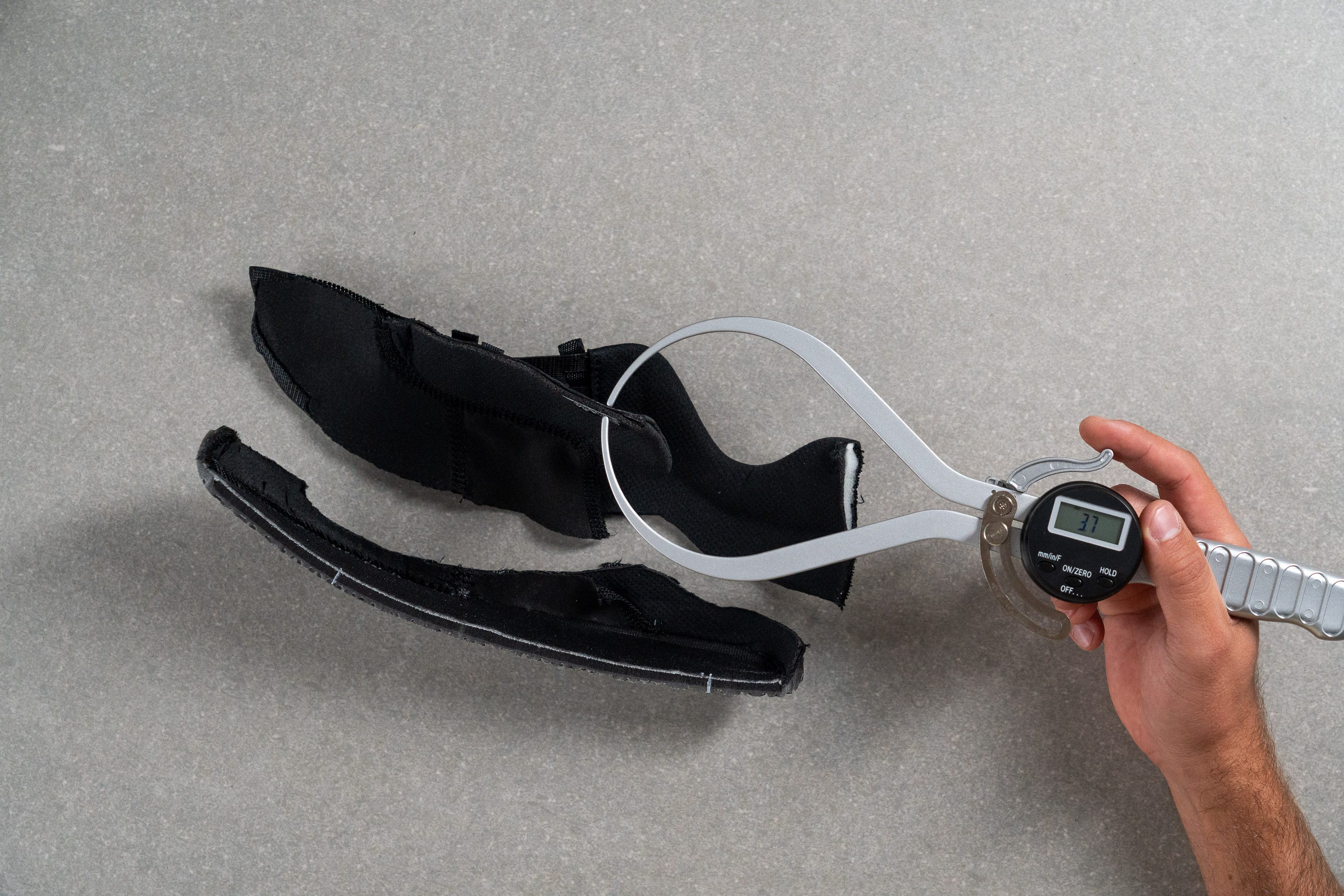
| XT Max | 3.7 mm |
| Average | 6.0 mm |
Tongue: gusset type
We are happy to see a fully gusseted tongue in a barefoot shoe, as it contributes to the shoe's foothold and lockdown and stays centred!
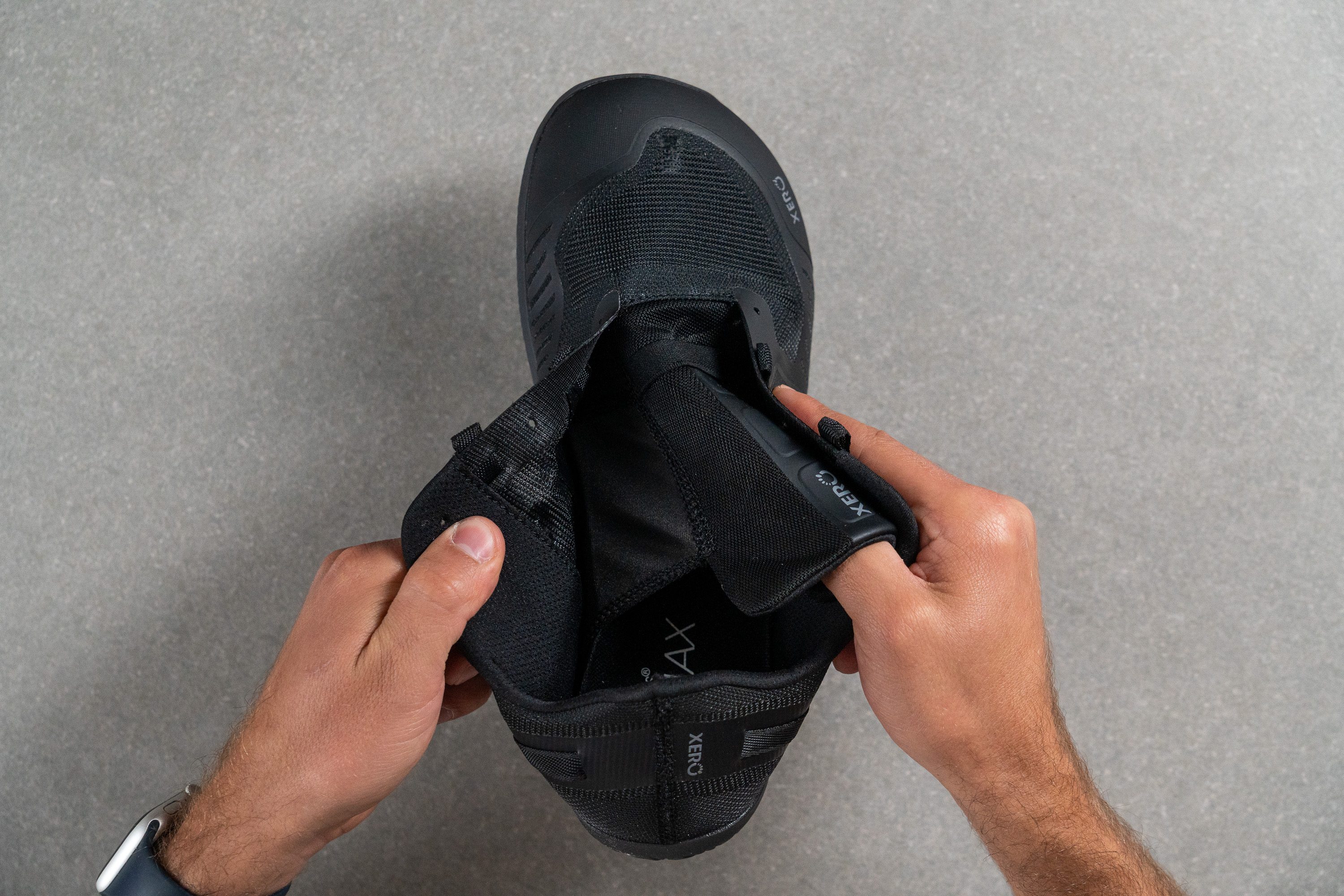
| XT Max | One side (full) |
Heel tab
There are no pull tabs or finger loops on this Xero Shoes trainer.
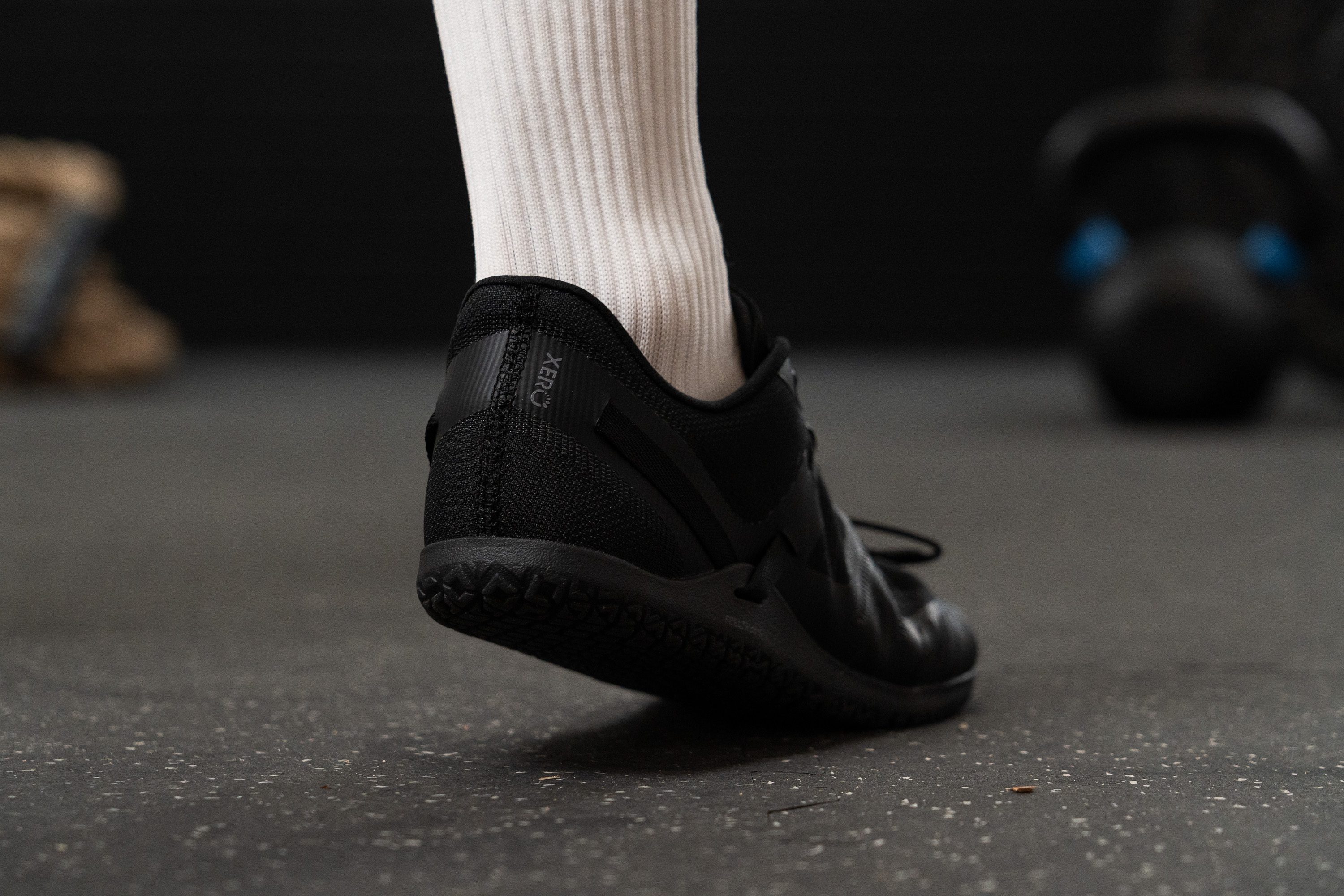
| XT Max | None |
Price
The most expensive trainer from Xero Shoes, the XT Max is also one of the priciest gym shoes in our catalogue. But looking at our lab test results, we cannot say that it performs that much better than the cheaper barefoot shoes we've tested.
| XT Max | $150 |
Quick-lock laces
The Quick-lock lacing system of this Xero shoe features a toggle that tightens and loosens the fit in seconds. There is also an elastic strap on the tongue that allows you to tuck the leftover cords.