


















Our verdict
- Sprint 76
- Middle distance 45
- Long distance 25
Pros
- Very affordable price
- Versatile for multiple events
- Flexible build
- Beginner-friendly geometry
- Replaceable 6-pin setup with tool included
- Comfortable heel padding
- Direct track feel
- Premium laces
- Looks good!
Cons
- Not ideal for 1500m+ specialists
- Too all-around for pure sprinters
- Lacks energy return
Awards
- Top pick in best sprint running spikes
Comparison
The most similar running spikes compared
+ + Add a shoe | |||||
|---|---|---|---|---|---|
| Our score | 75 Good | 82 Good | 87 Great | 86 Good | |
| Price | £80 | £70 | £180 | £160 | |
| Weight lab | 6 oz / 170g | 6.3 oz / 179g | 6 oz / 169g | 5.5 oz / 156g | |
| Breathability | Moderate | Breathable | Moderate | Breathable | |
| Use | HurdlesSprints | HurdlesSprints | HurdlesSprints | HurdlesSprints | |
| Removable spikes | ✓ | ✓ | ✓ | ✓ | |
| Width / fit | Medium | Wide | Narrow | Medium | |
| Toebox width | Medium | Narrow | Medium | Medium | |
| Drop lab | 4.4 mm | 0.0 mm | -0.9 mm | 0.0 mm | |
| Size | Slightly small | Slightly small | Slightly small | Slightly small | |
| Midsole softness | Firm | Firm | Firm | - | |
| Tongue padding | Average | Thick | Thick | Thin | |
| Stiffness | Flexible | Stiff | Stiff | Stiff | |
| Torsional rigidity | Flexible | Flexible | Flexible | Flexible | |
| Heel counter stiffness | Flexible | Flexible | Moderate | Flexible | |
| Outsole thickness | Average | Average | Thin | Very thick | |
| Heel tab | None | None | None | Finger loop | |
| Heel stack lab | 12.7 mm | 11.9 mm | 15.9 mm | 12.3 mm | |
| Forefoot | 8.3 mm | 11.9 mm | 16.8 mm | 12.3 mm | |
| Insole thickness | Thick | Average | Average | Average | |
| Midsole width - forefoot | Narrow | Narrow | Average | Very narrow | |
| Midsole width - heel | Average | Very narrow | Average | Narrow | |
| Ranking | #22 Bottom 8% | #18 Bottom 25% | #12 Top 50% | #13 Bottom 45% | |
| Popularity | #8 Top 34% | #16 Bottom 33% | #11 Top 46% | #5 Top 21% |


Who should buy
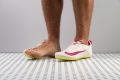
We believe that the Nike Zoom Rival Multi is a good option for:
- Runners who want to do a bit of everything on the track without spending much.
- Athletes looking for a durable and reliable spike for track and field use.
- Owners of a long-distance spike who want a versatile, low-cost pair for other events.
Who should NOT buy
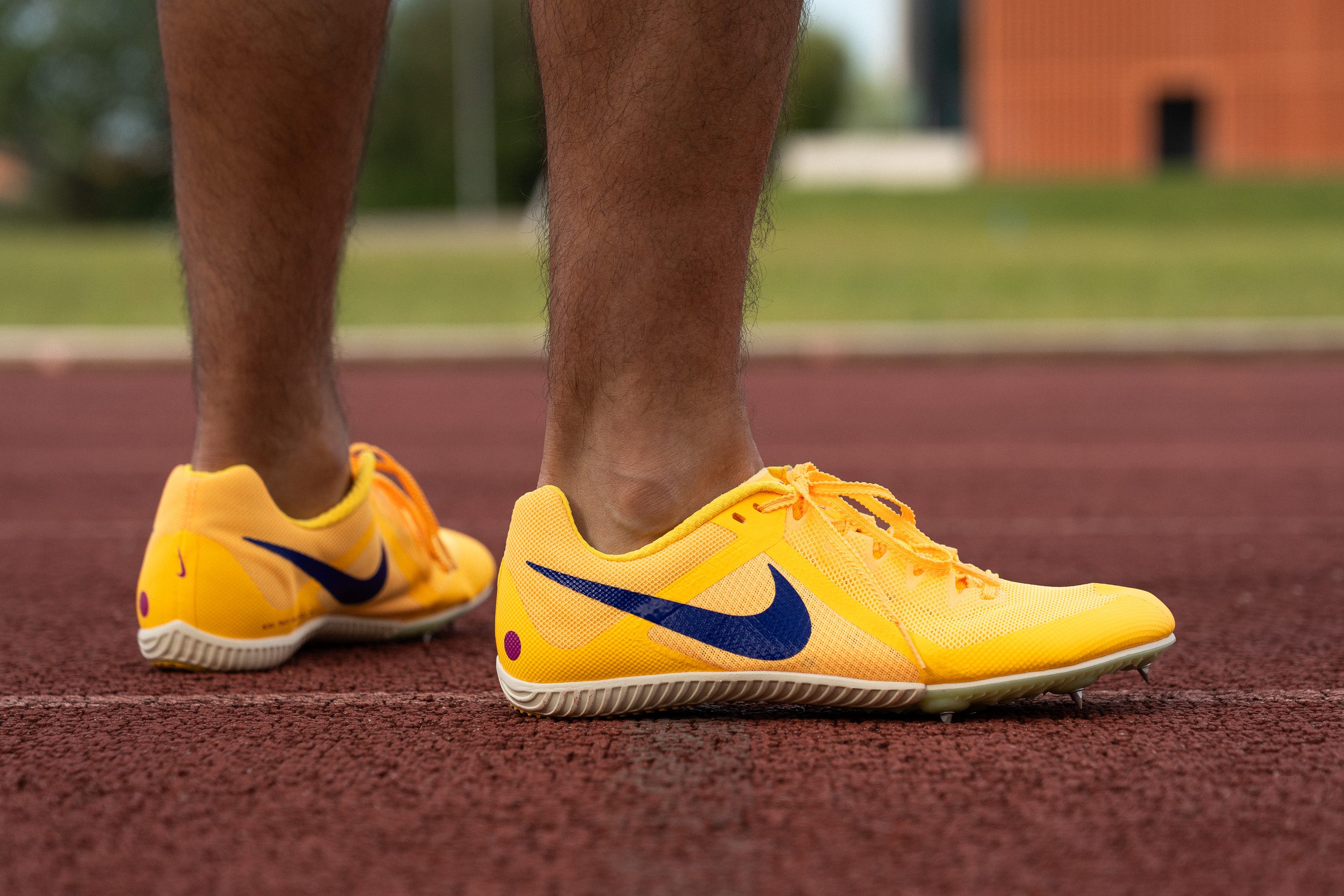
Runners focused only on 1500 metres and longer should skip the Rival Multi. We found in testing that its multi-event design gives away too much distance-specific comfort and cushioning. Instead, go for the Nike Zoom Rival Distance.
We also think pure sprinters should choose a speed-focused model instead. In our experience, the Rival Multi feels too all-around and not sharp enough. We recommend the Nike Ja Fly 4 or the Nike Maxfly 2.
Cushioning
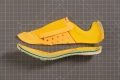
Heel stack
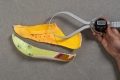
The Zoom Rival Multi stays well below the 20 mm World Athletics limit with 12.7 mm of heel stack height, and we think that’s the right approach.
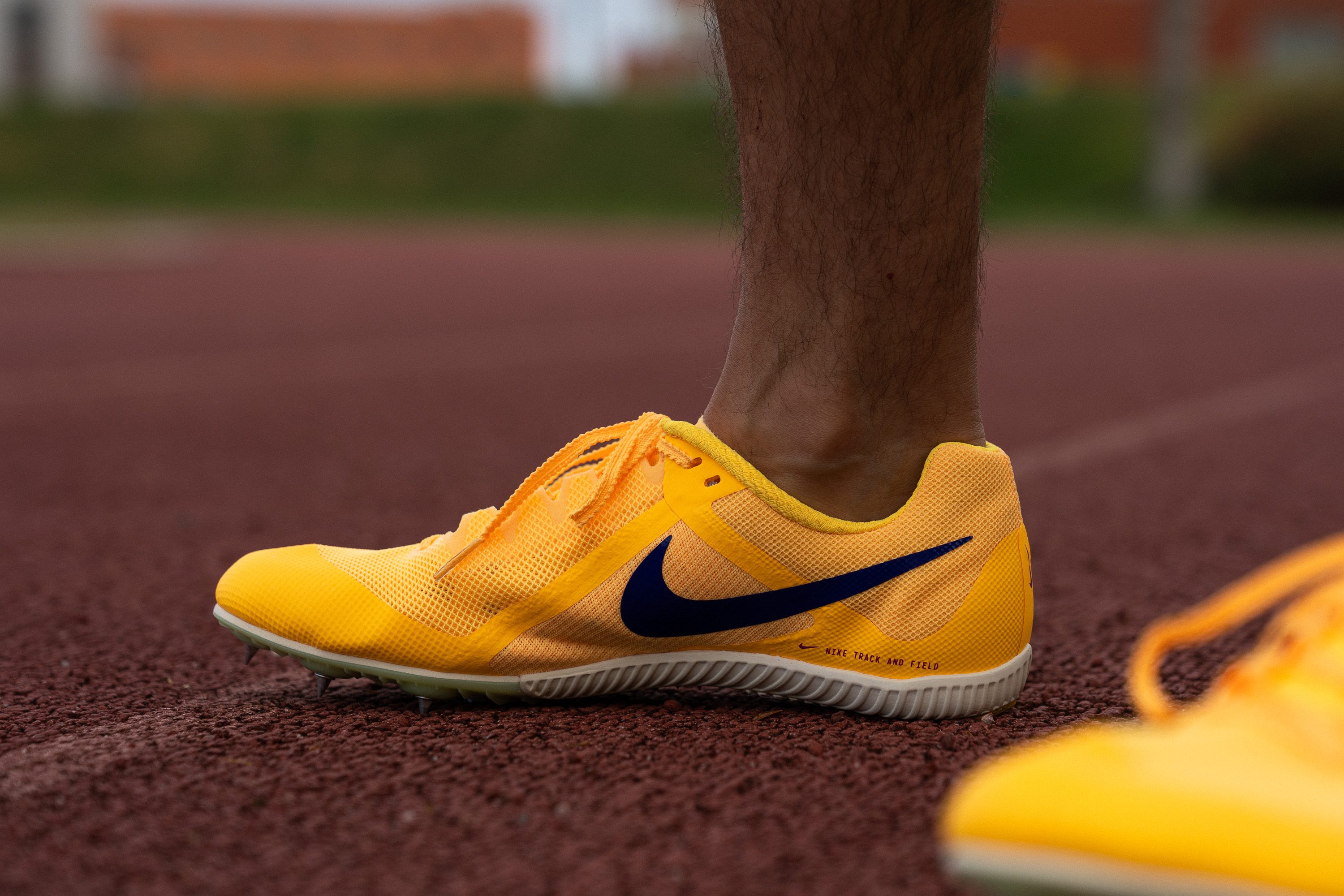
This spike is built for a wide range of events rather than long-distance races, so maximising foam would only add unnecessary weight.
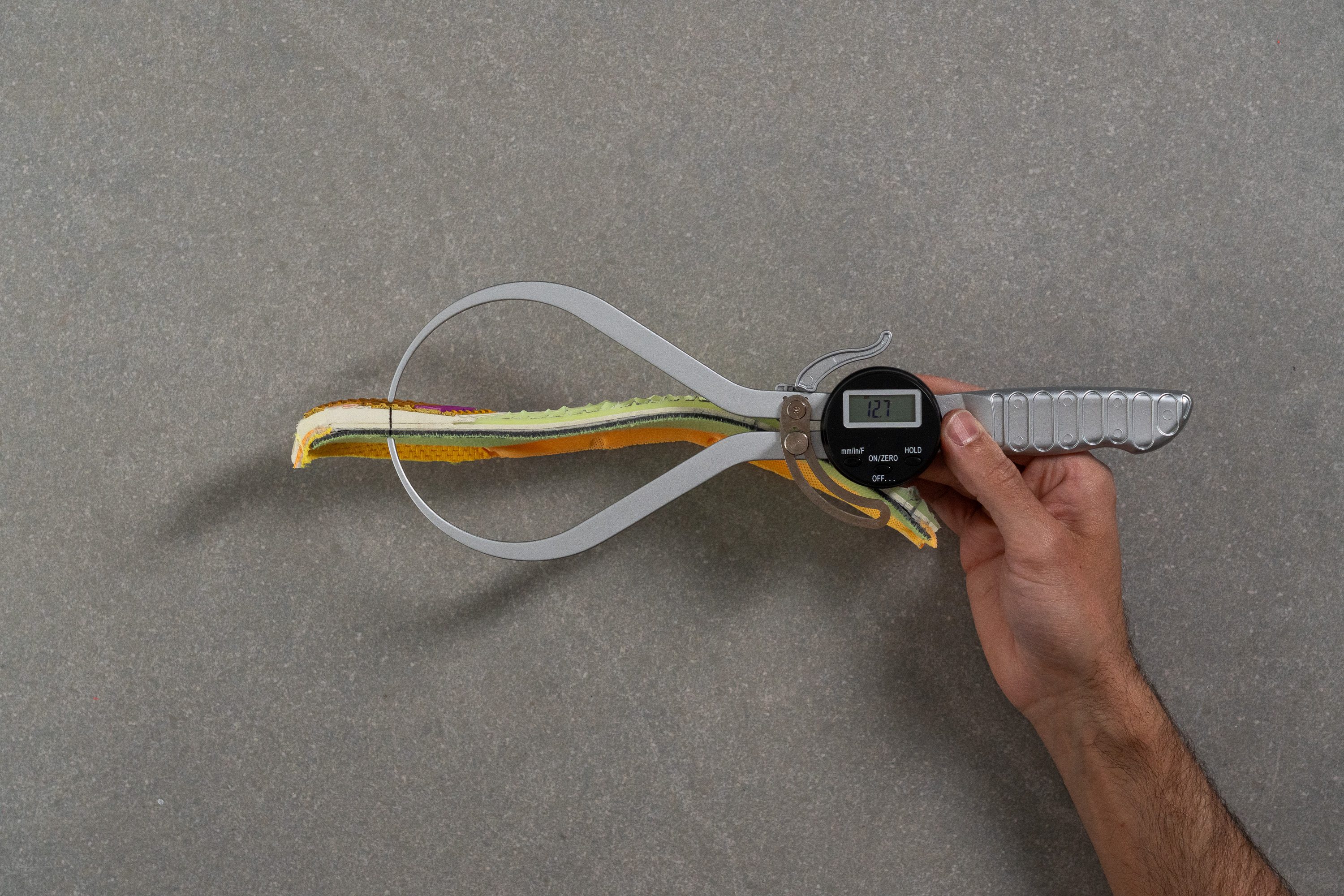
| Zoom Rival Multi | 12.7 mm |
| Average | 16.8 mm |
Forefoot stack
The forefoot is even more aggressive in its design, with just 8.3 mm of thickness.
During our testing, we found that the connection with the track feels very direct, whether you enjoy that sensation or not.
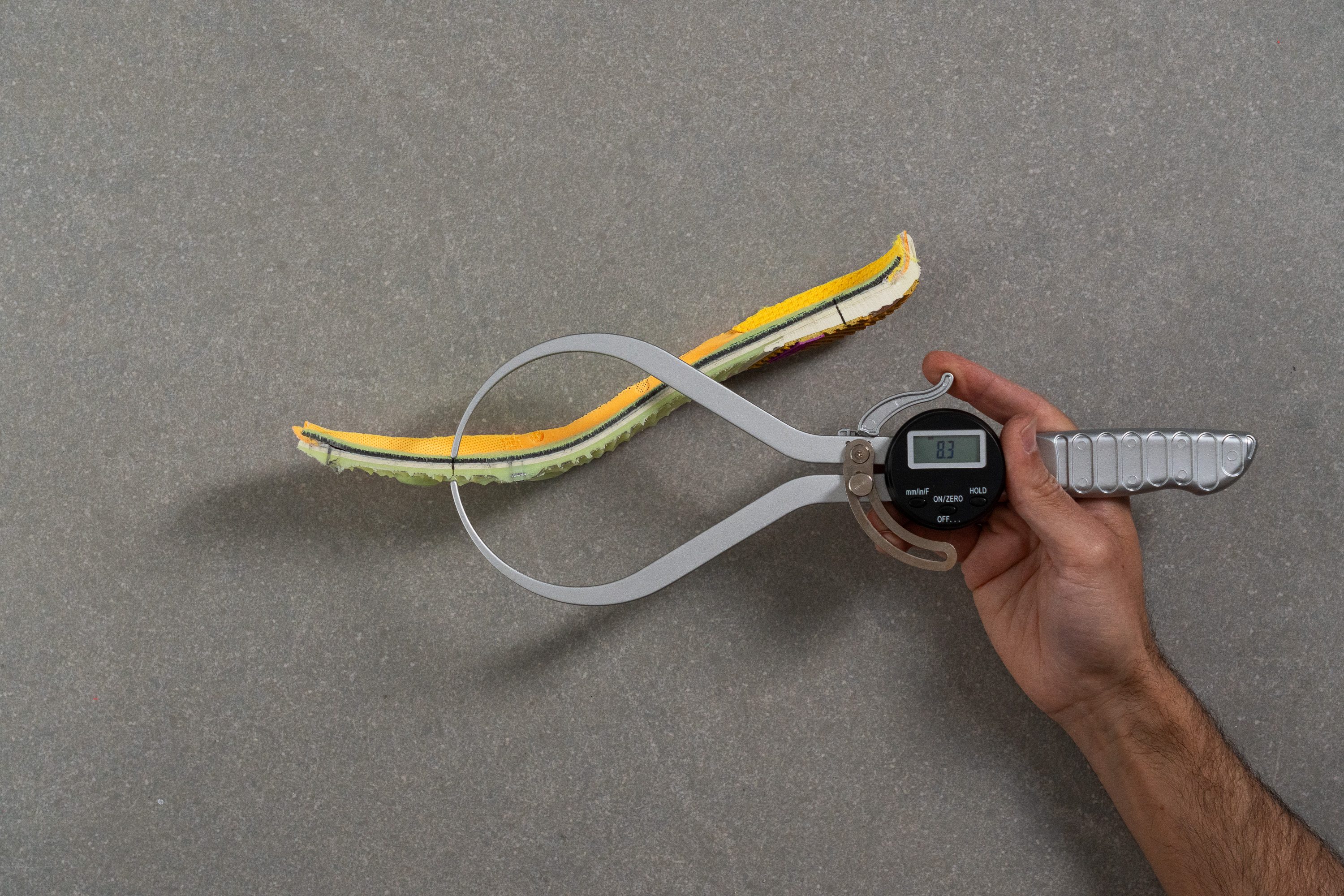
| Zoom Rival Multi | 8.3 mm |
| Average | 15.8 mm |
Drop
Nike takes a beginner-friendly approach here that fits the Zoom Rival Multi’s low price. Instead of a flat geometry, we measured a 4.4 mm drop, which better supports runners who are used to heel striking in road shoes.
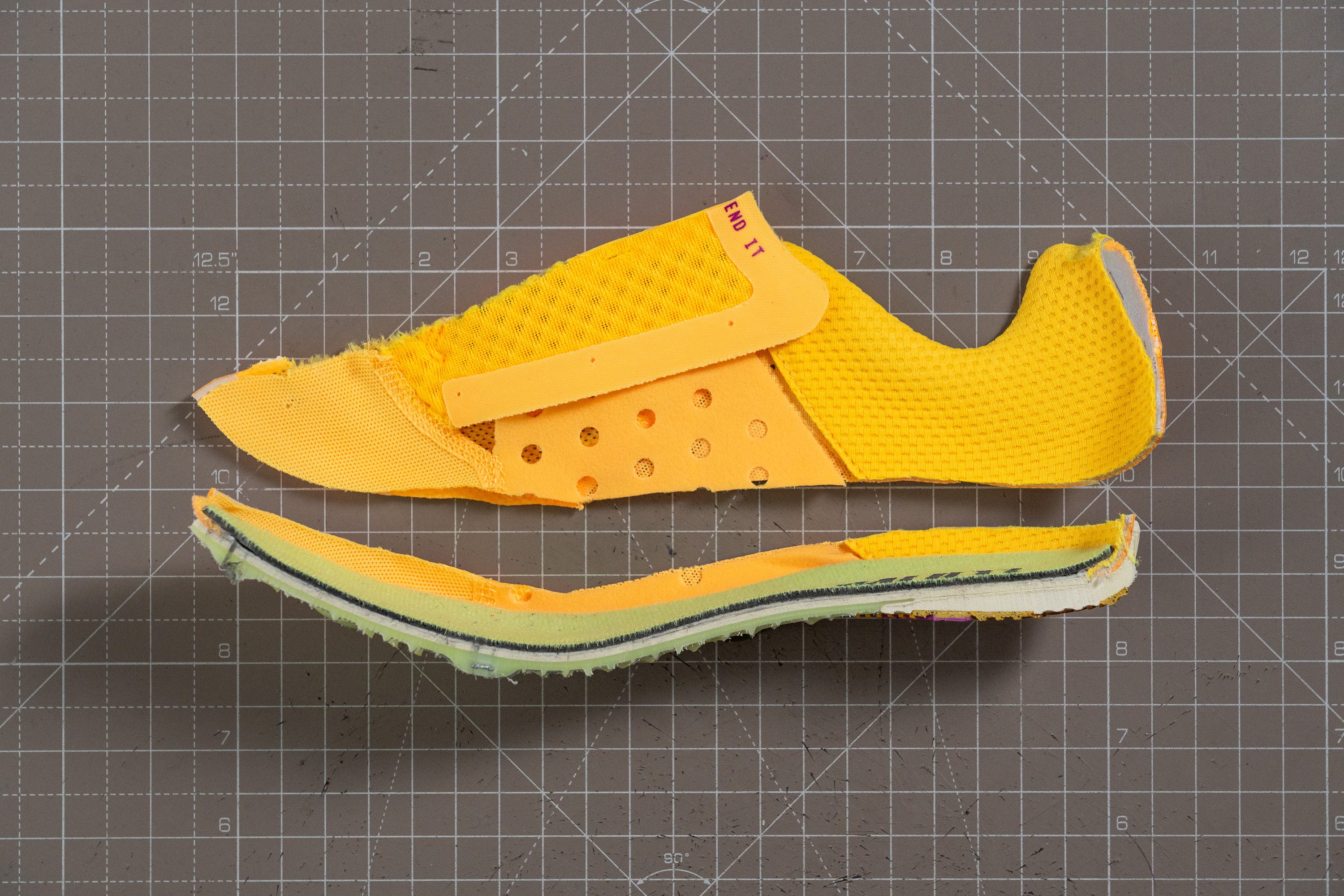
| Zoom Rival Multi | 4.4 mm |
| Average | 1.0 mm |
Midsole softness
We found that Nike uses only a thin layer of foam in the heel and both sides of the midfoot, and it’s quite firm at 43.1 AC.
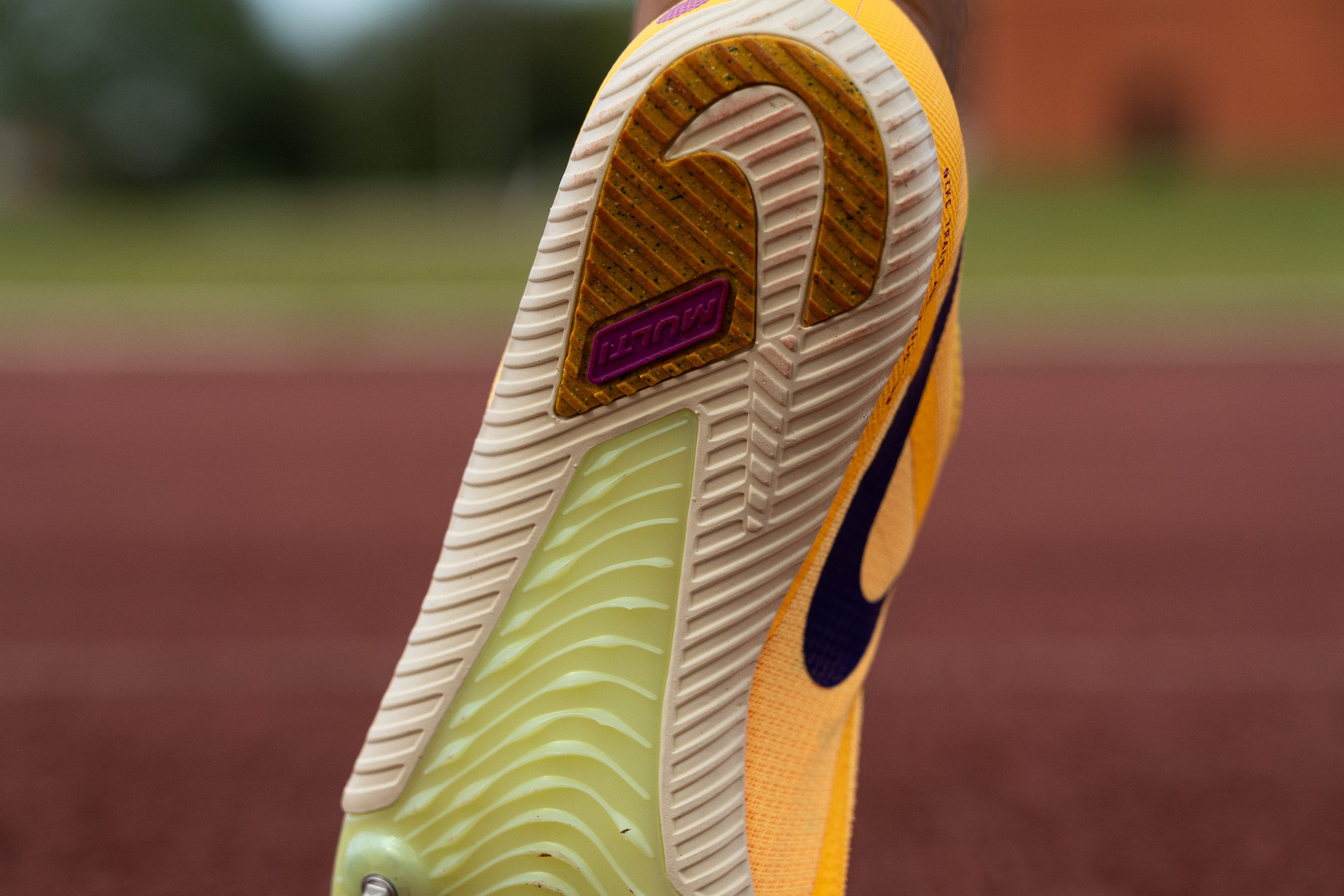
While that sits around our lab average, it’s worth noting that most running spikes lean firm. This approach makes sense, as softer foams can feel weird on the track, especially in events like hurdles or jumps.
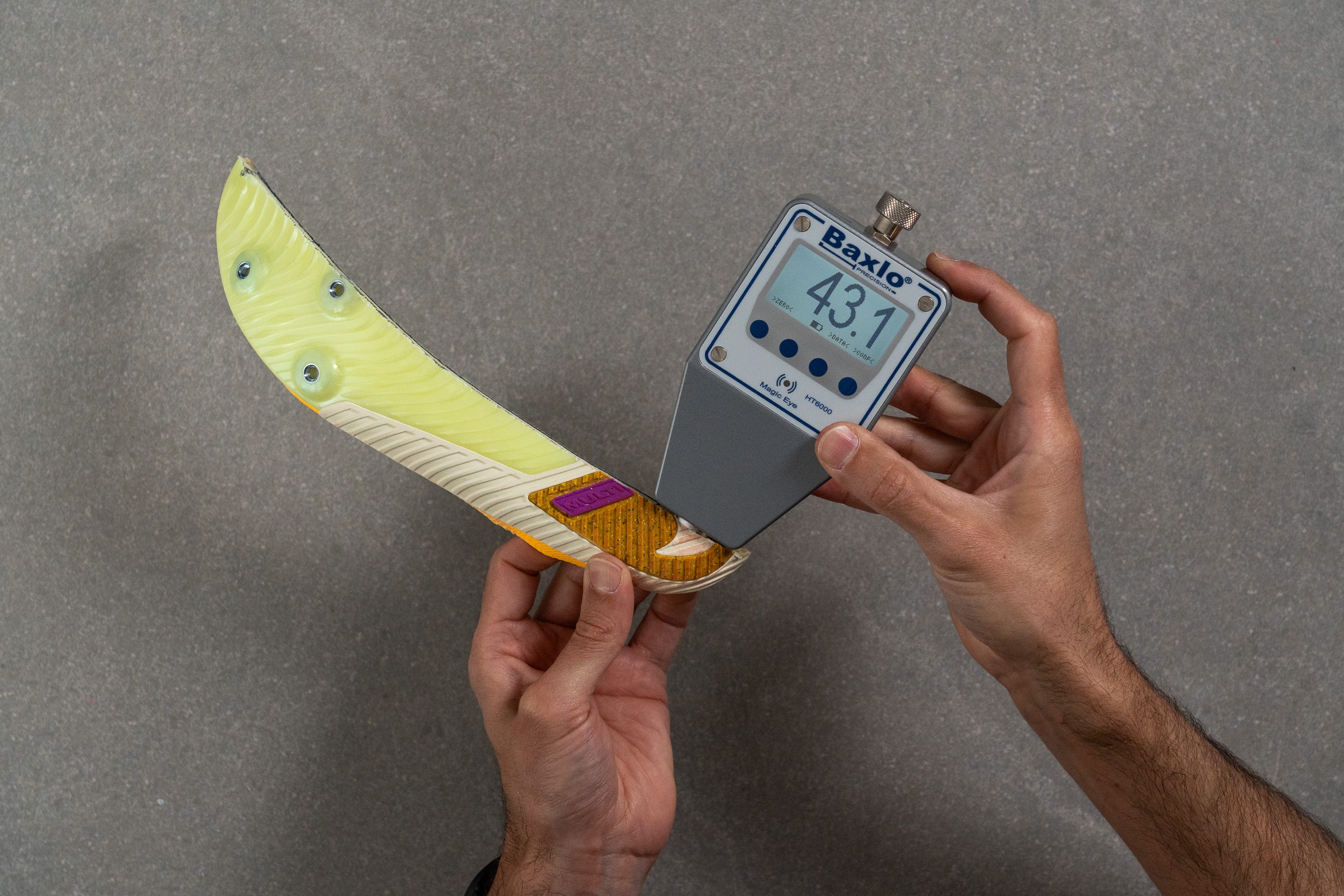
| Zoom Rival Multi | 43.1 AC |
| Average | 42.9 AC |
Size and fit
Size
Nike Zoom Rival Multi fits slightly small (22 votes).
Internal length
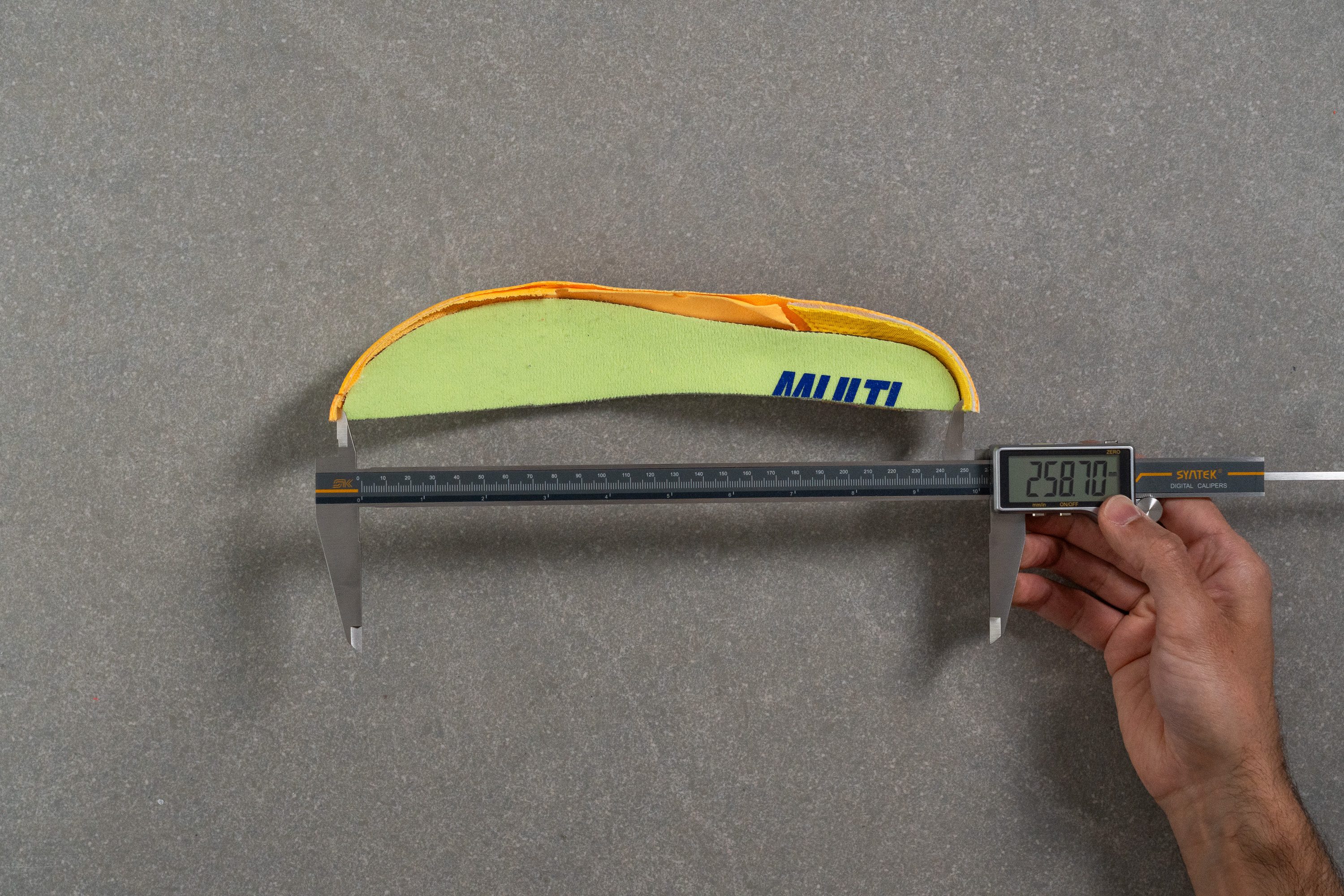
| Zoom Rival Multi | 268.7 mm |
| Average | 260.9 mm |
Width / Fit
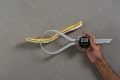
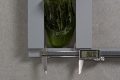
To verify how the Rival Multi fits, we created a gel mould of the interior and took precise measurements.
The result came in at 88.0 mm of width, which aligns closely with the average and matches the snug fit we expect from Nike spikes.
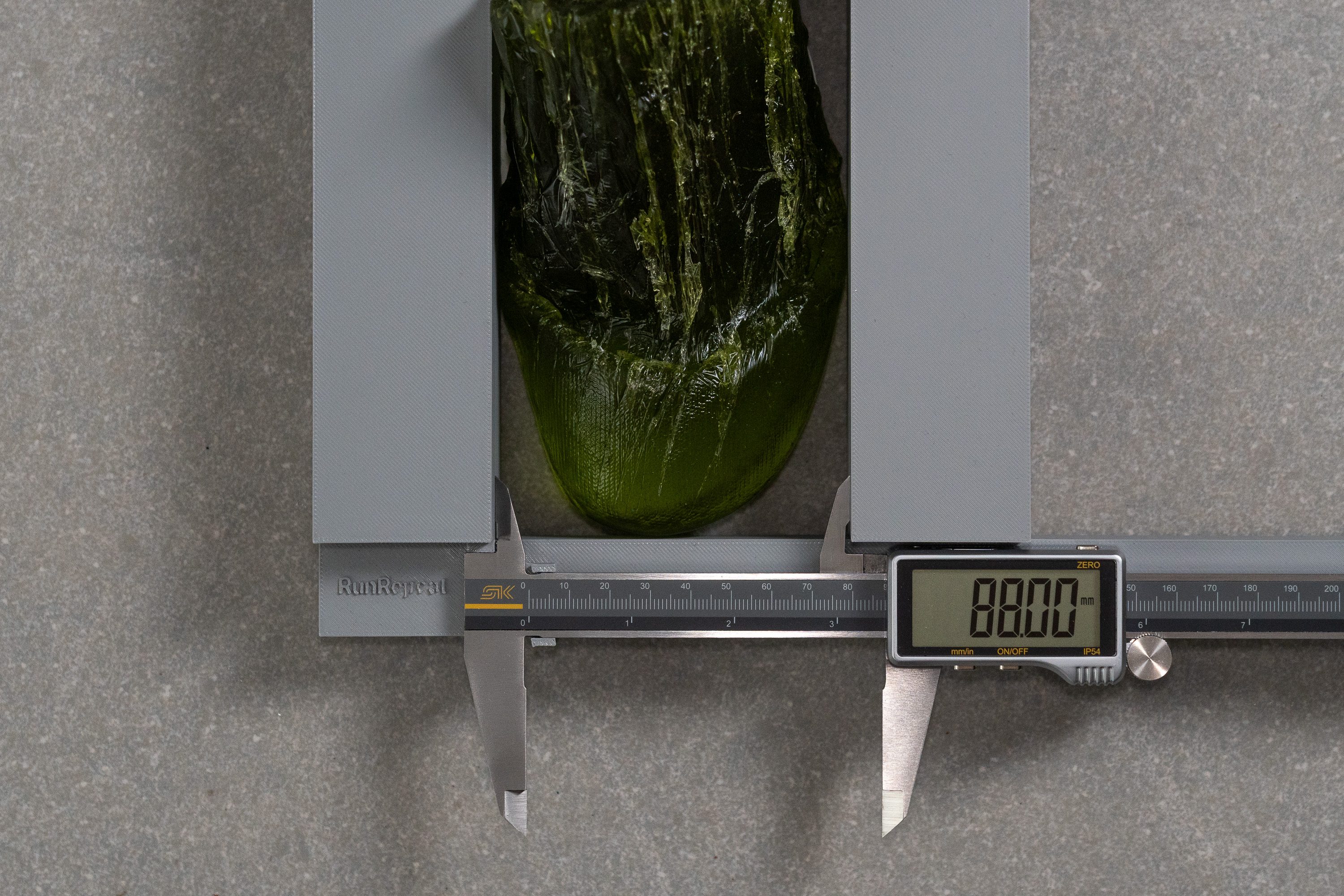
| Zoom Rival Multi | 88.0 mm |
| Average | 88.7 mm |
Toebox width
The toebox sits around average (68.7 mm) and maintains that same feel. We noted that it’s definitely not roomy, as expected from a track spike.
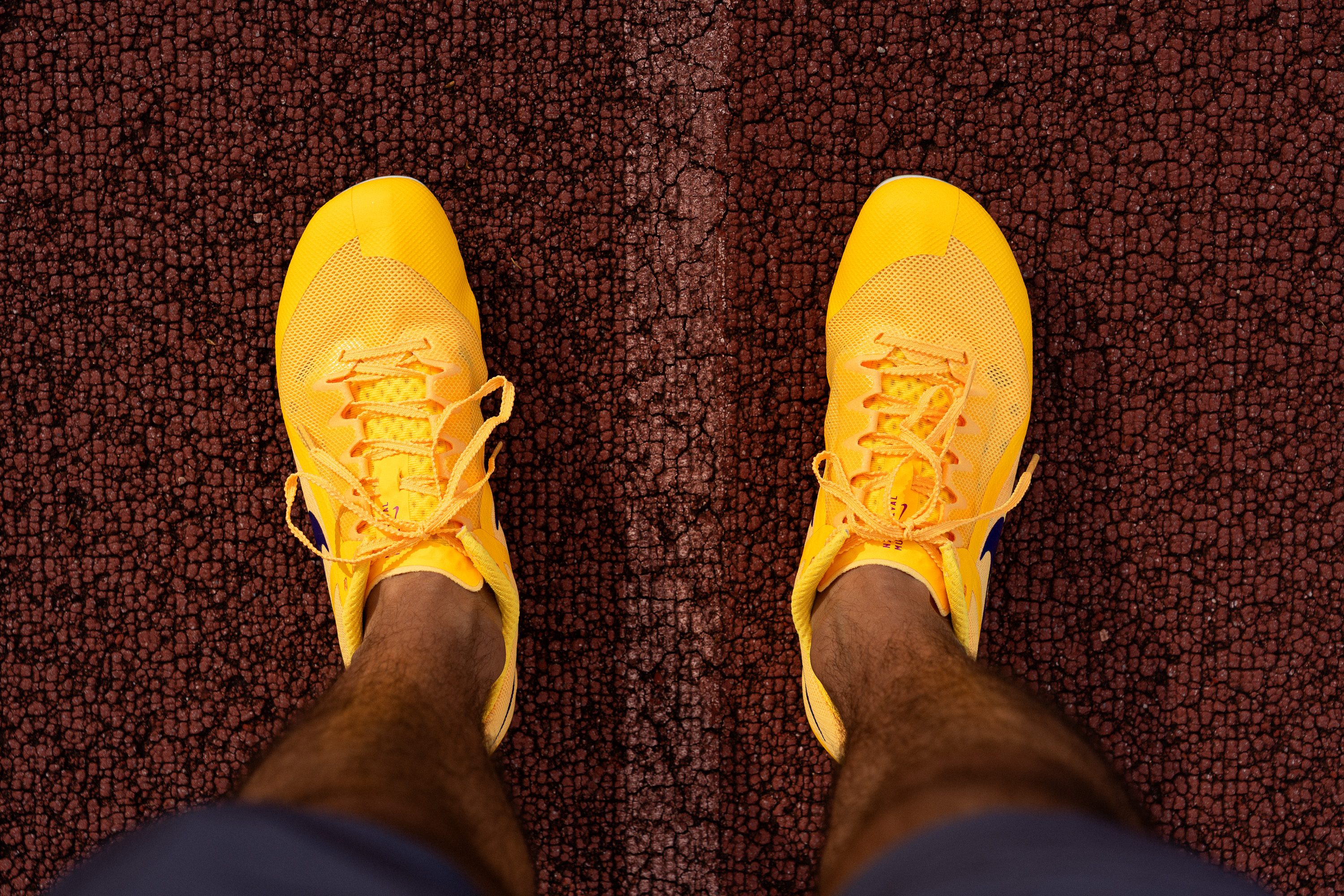
A snug fit that limits toe movement may not suit road or trail shoes, but here it's key to enhance security and control.
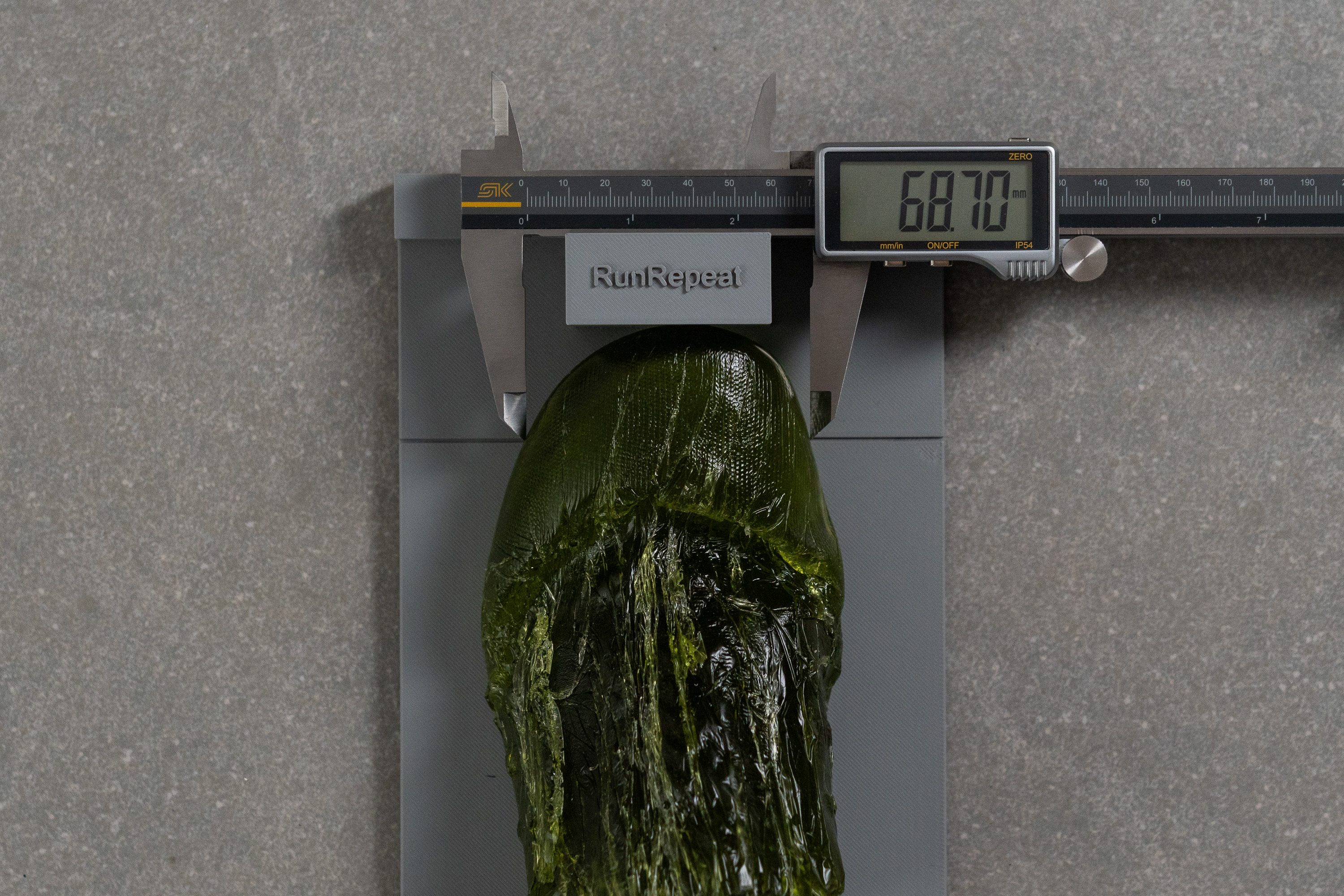
| Zoom Rival Multi | 68.7 mm |
| Average | 68.8 mm |
Toebox height
We found a bit more room in the toe area, measuring 27.3 mm.
There’s nothing concerning here, and it may even be a benefit for runners who prefer a slightly more relaxed fit. In fact, it could be ideal for those tackling varied track workouts across multiple events and wanting to rely on a single pair.
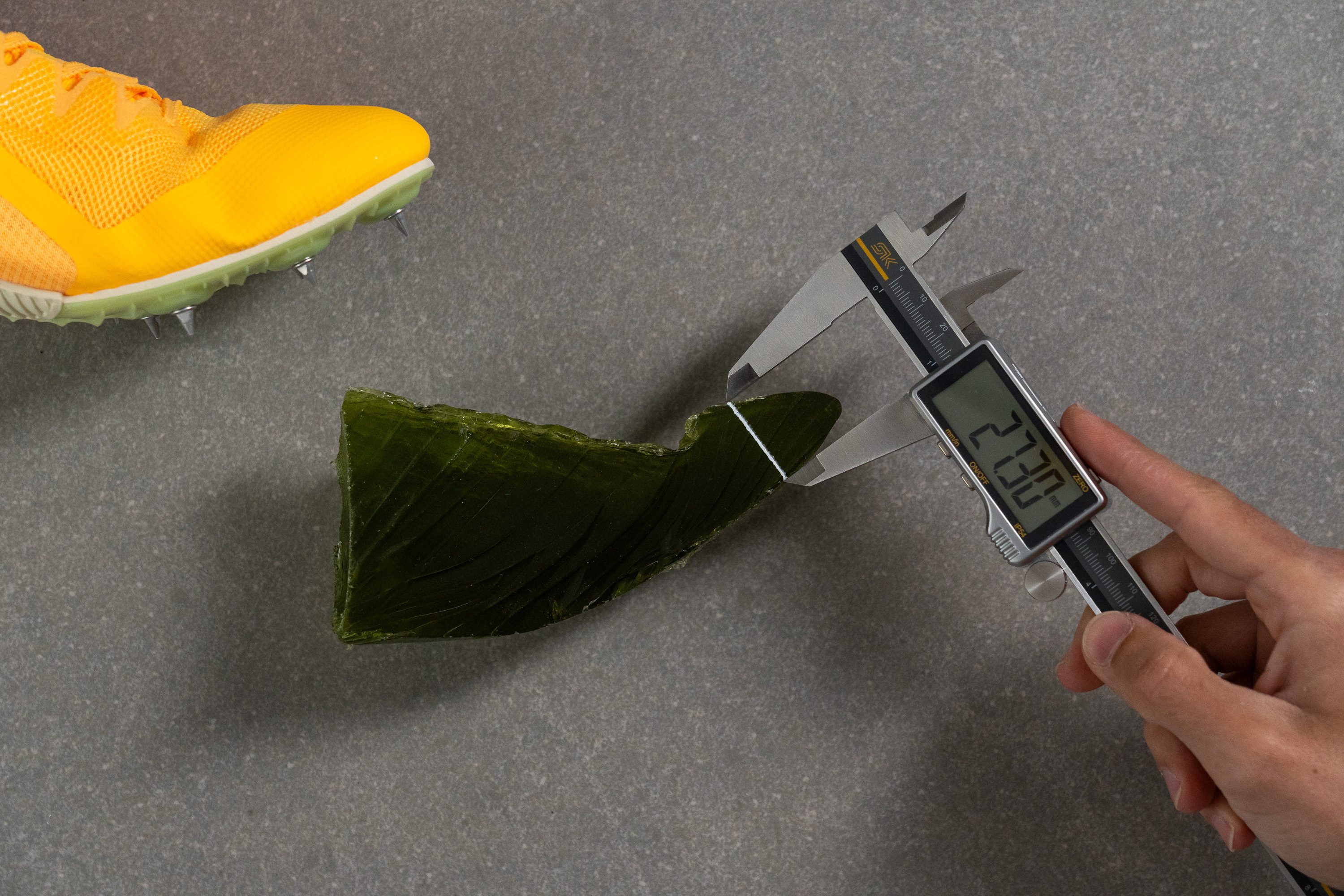
| Zoom Rival Multi | 27.3 mm |
| Average | 25.9 mm |
Flexibility / Stiffness
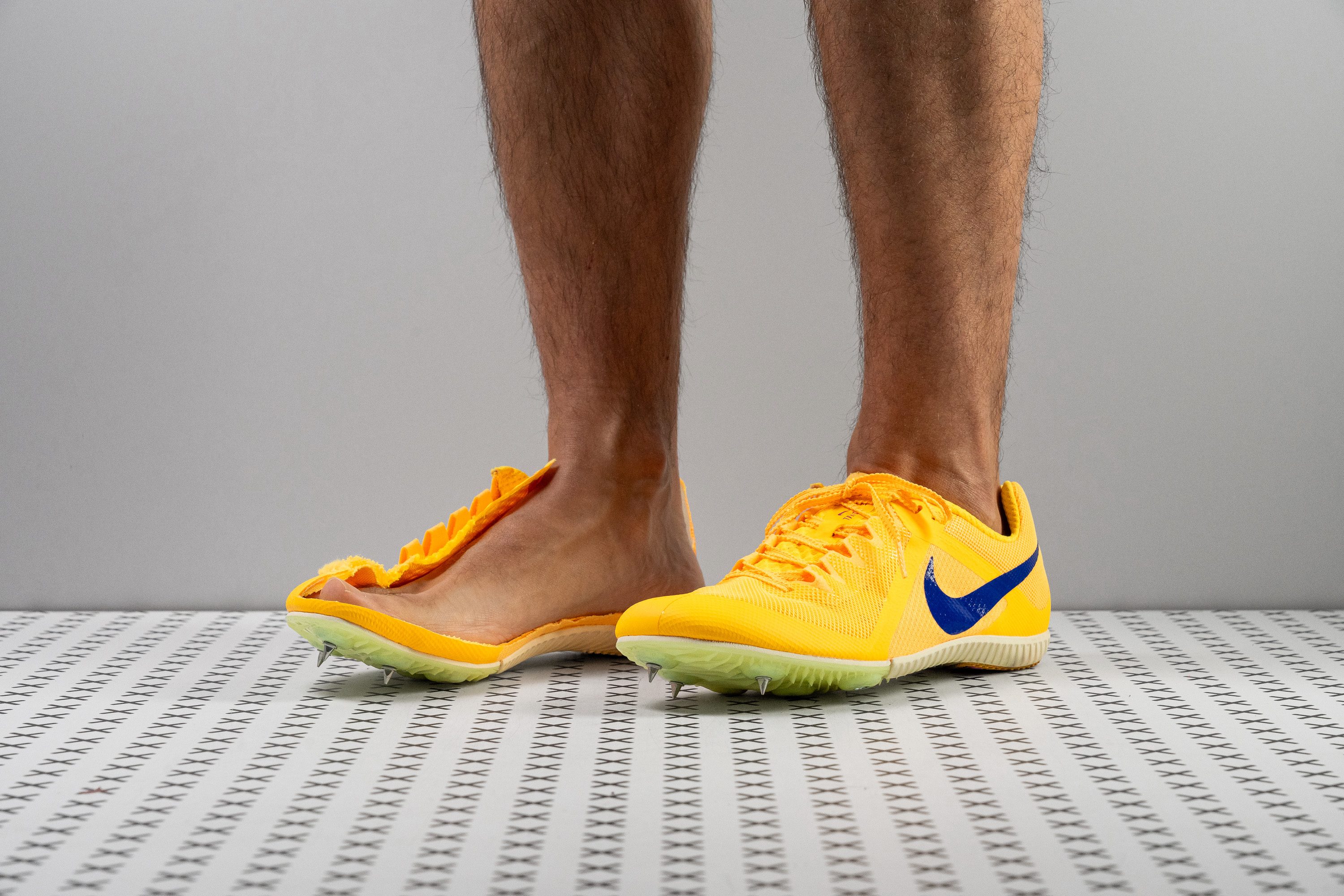
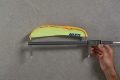
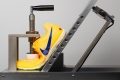
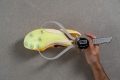
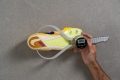
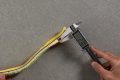
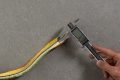
Without a carbon plate and designed for newcomers to the sport, we see it as a positive that the Nike Zoom Rival Multi proved to be quite flexible in our longitudinal stiffness test. It scored a well-below-average 8.9N.
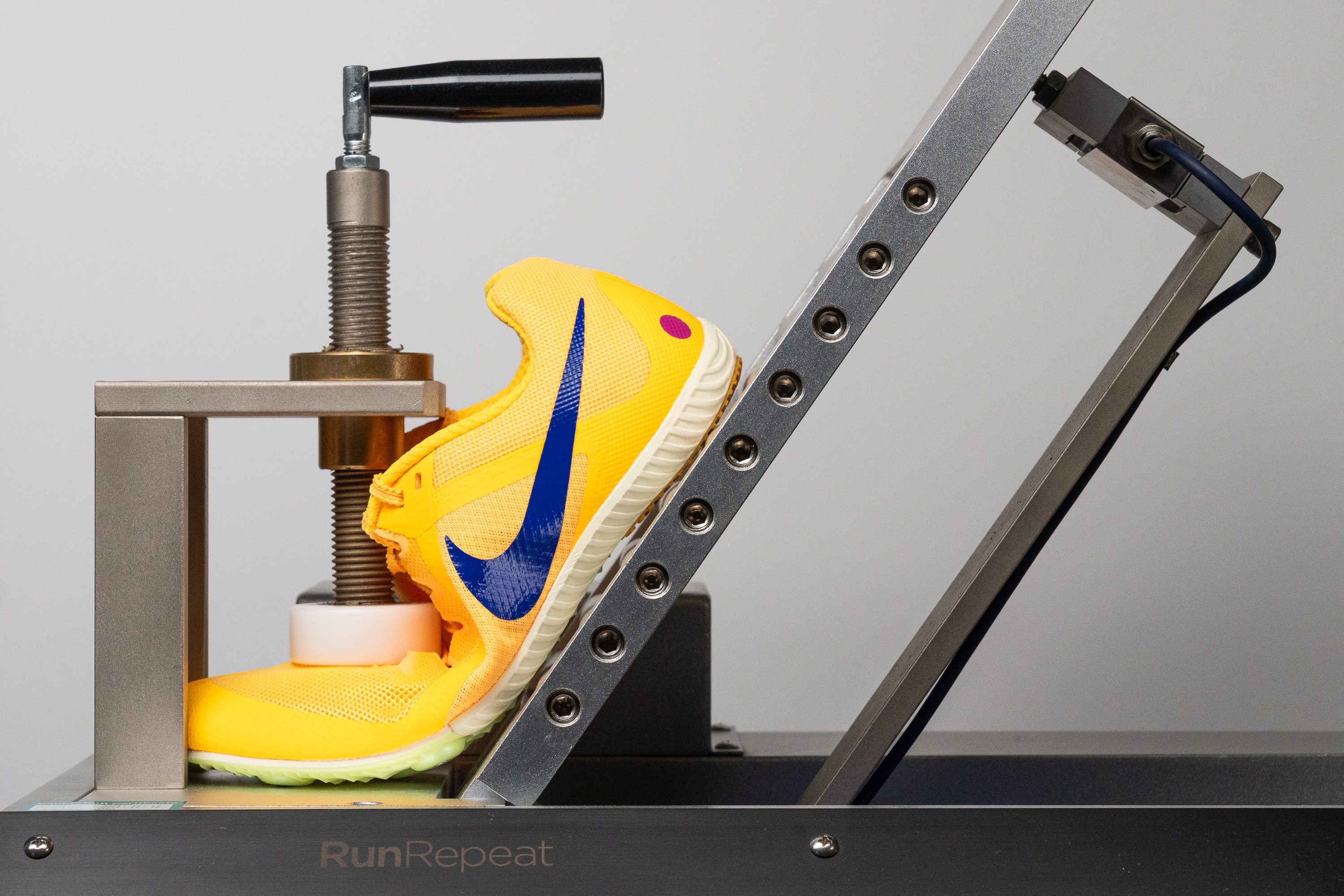
| Zoom Rival Multi | 8.9N |
| Average | 14.5N |
Weight
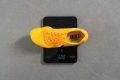
By using slightly less foam than the Rival Distance, Nike trims a few grammes and brings the Rival Multi down to 6.0 oz or 170g.
It’s not exceptionally light, but still quite solid considering its low price, which limits the use of advanced lightweight materials.
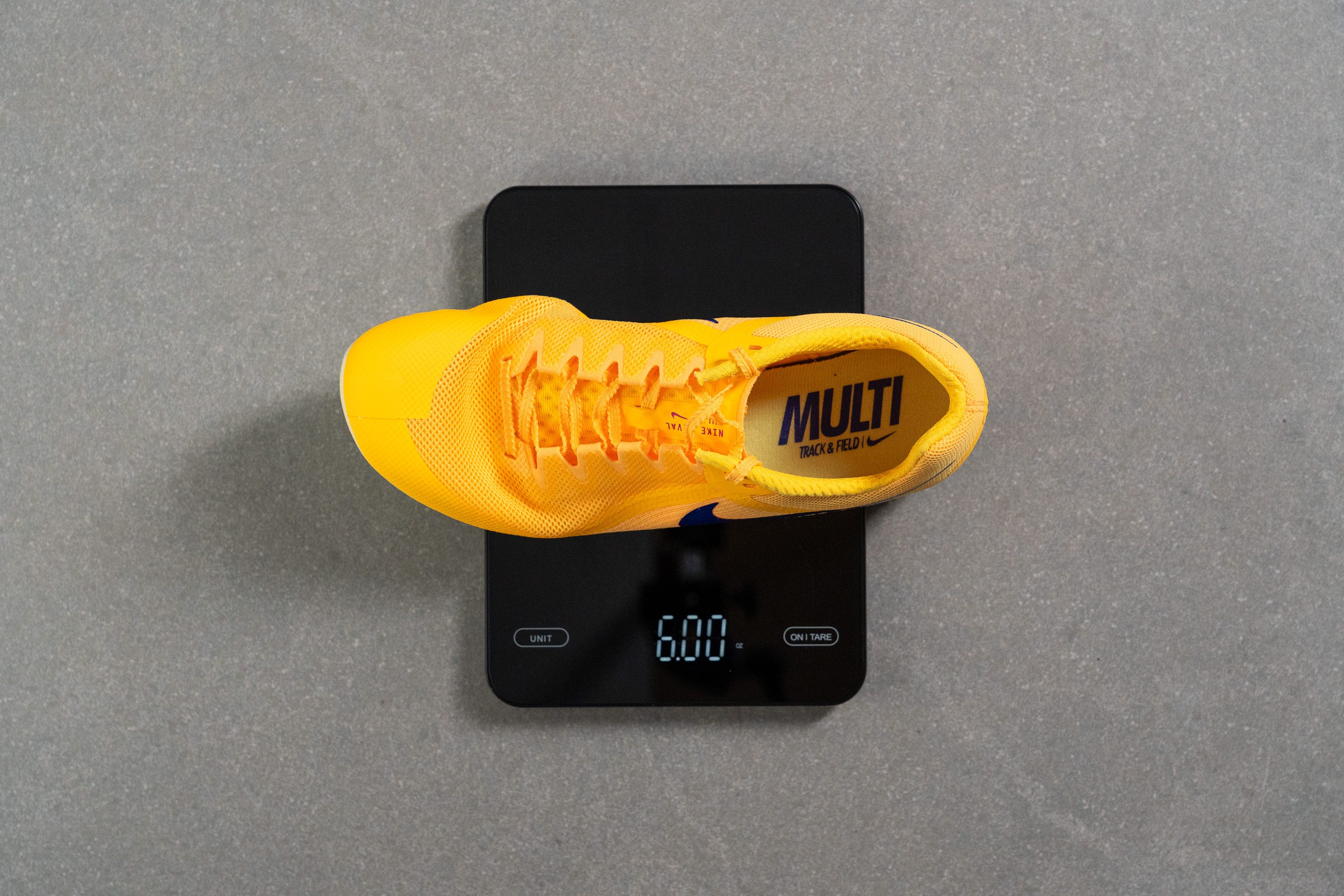
| Zoom Rival Multi | 6.0 oz (170g) |
| Average | 5.7 oz (162g) |
Breathability
The engineered mesh of the Rival Multi differs from the one used in the Distance version. However, both approaches lead to a similar outcome, as it also scored 3/5 in our breathability test.
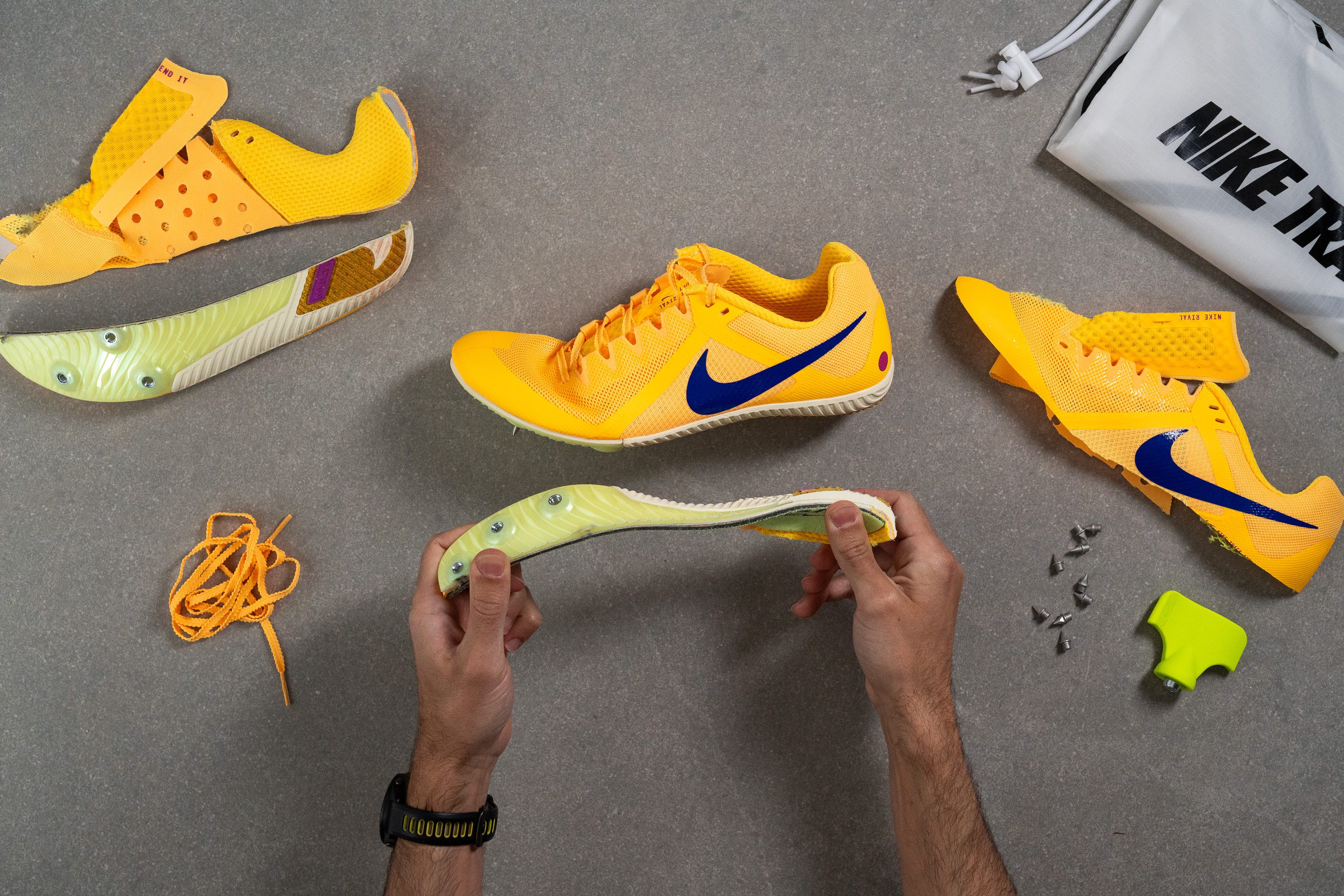
Nike concentrates ventilation in the tongue and toebox, while reinforcing the midfoot more than in most spikes. This makes sense for a model designed for multiple events, where the upper must handle twisting forces beyond straight-line running.
Under the microscope, we observed a material without large ventilation holes, yet open enough to allow a decent level of airflow. Overall, we think this is a well-judged design choice given the obvious budget limitations here.
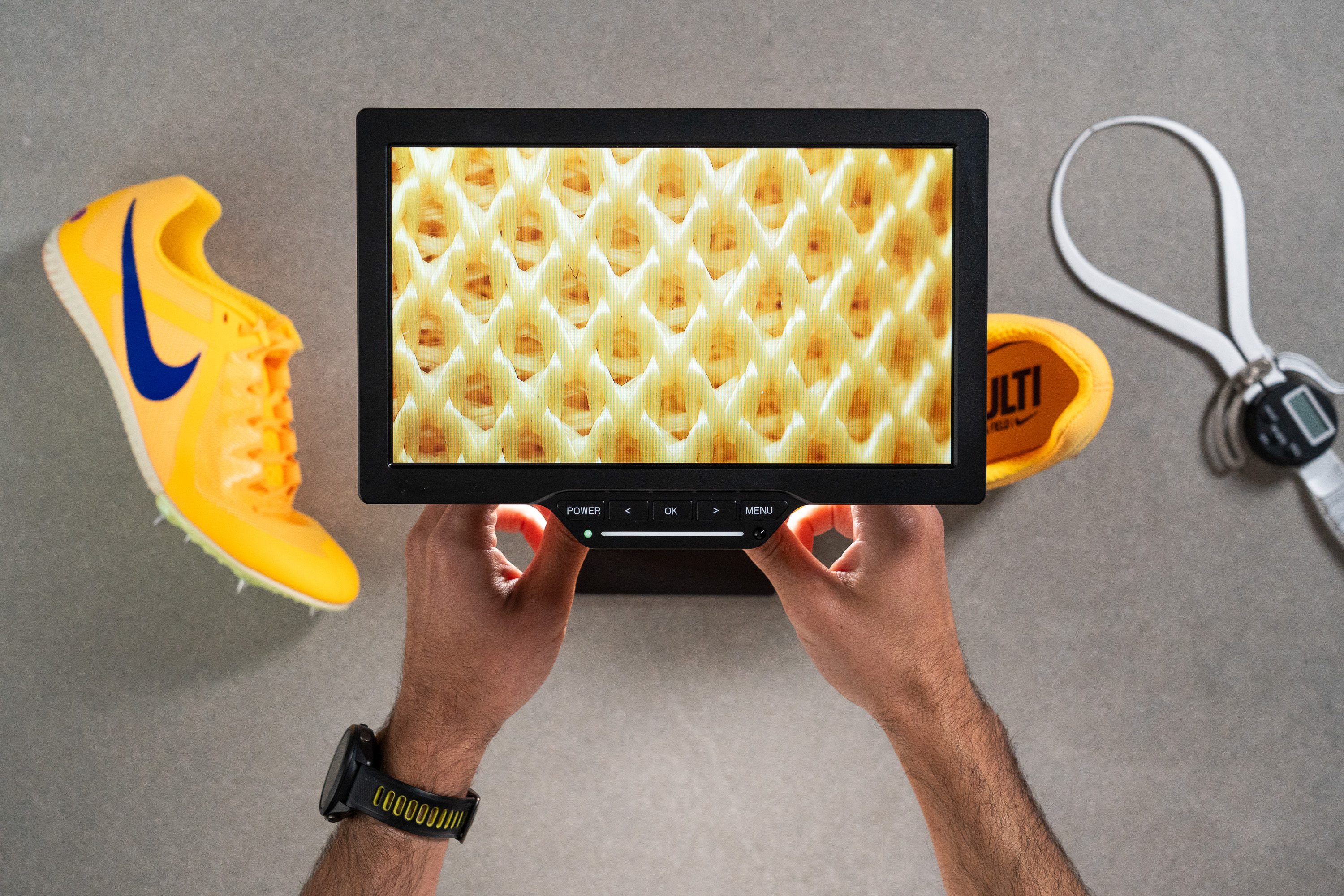
The upper uses a two-layer construction, which stood out to us, as most running spikes rely on a single-layer mesh to save weight.
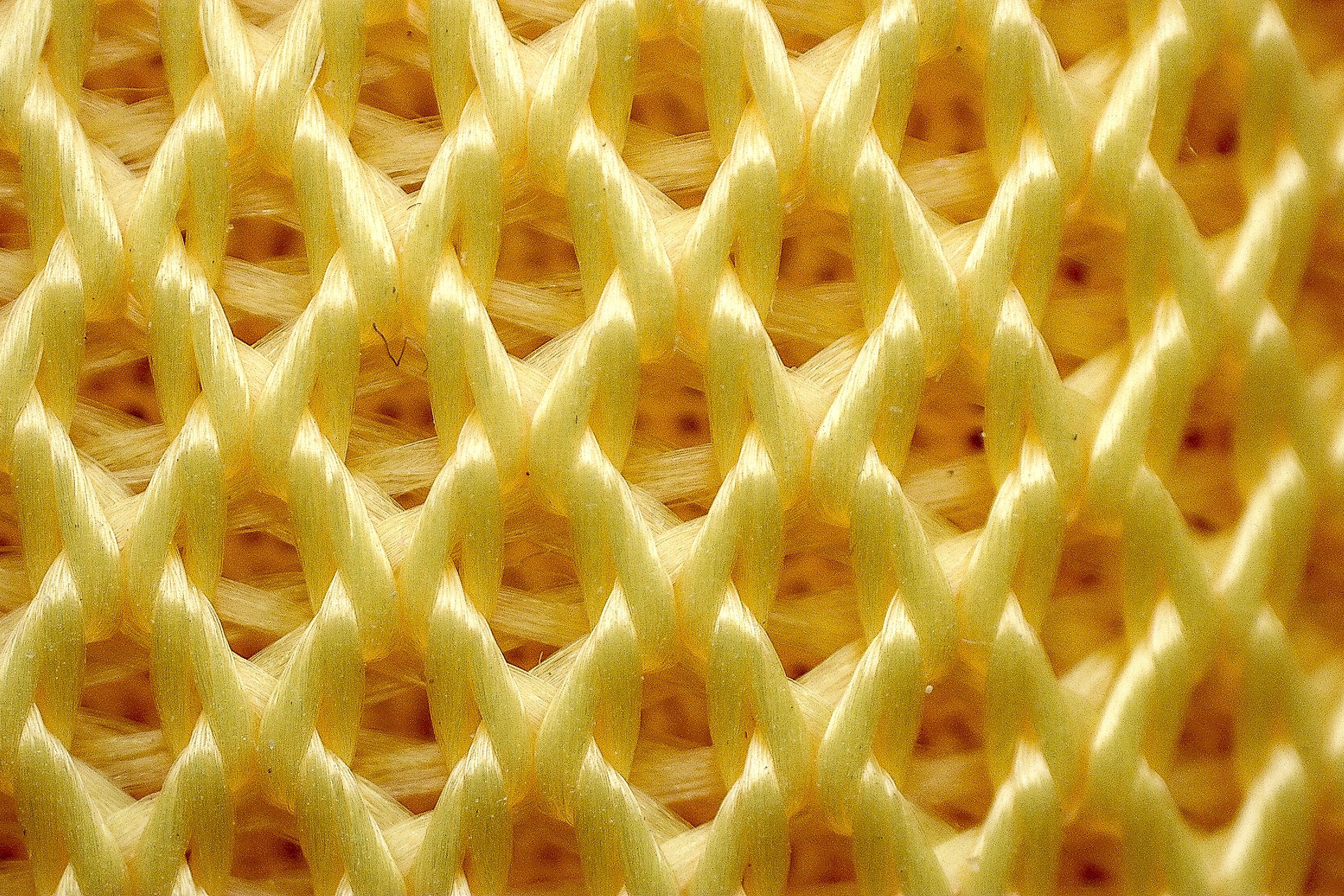
We also want to highlight the heel area, where comfort is noticeably improved thanks to the generous padding.
| Zoom Rival Multi | 3 |
| Average | 3.9 |
Stability
Torsional rigidity
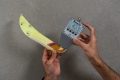
Need more proof of the Zoom Rival Multi’s flexible nature? With just 6.7 Nm of torsional rigidity, it stands out as one of the most bendable and forgiving spikes available right now.
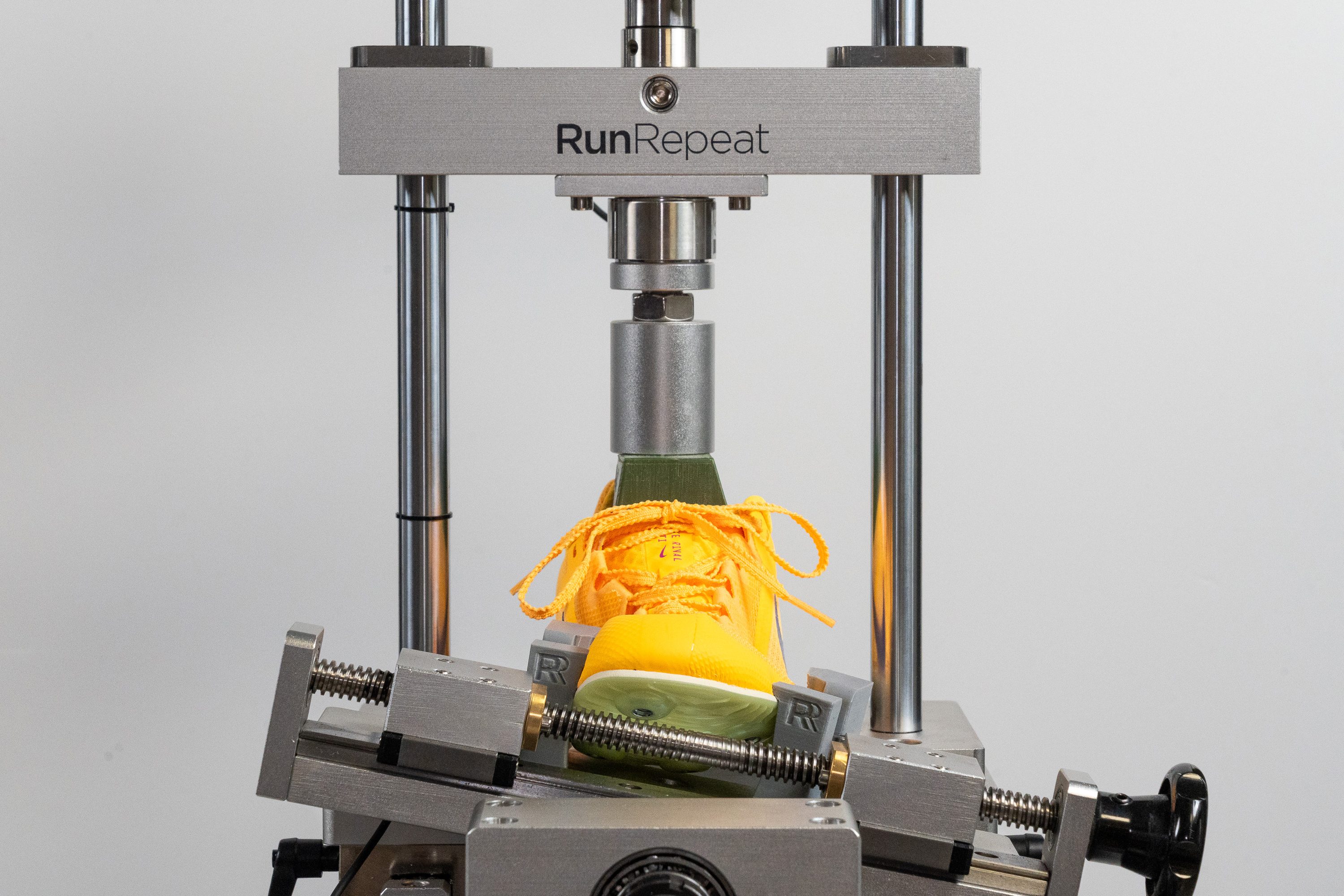
| Zoom Rival Multi | 6.7 Nm |
| Average | 10.7 Nm |
Heel counter stiffness
In our manual test, the Rival Multi received a 2/5 heel counter score. It provides a bit of structure and light support, which is a good idea given the versatile focus of this spike.
| Zoom Rival Multi | 2 |
| Average | 1.6 |
Midsole width - forefoot
Given that the Rival Multi is less focused on efforts lasting more than one minute, it makes sense that Nike made this spike slightly narrower than the Rival Distance, prioritizing agility and stable landings. That’s why we measured 90.1 mm here instead of the 97.6 mm found in its sibling.
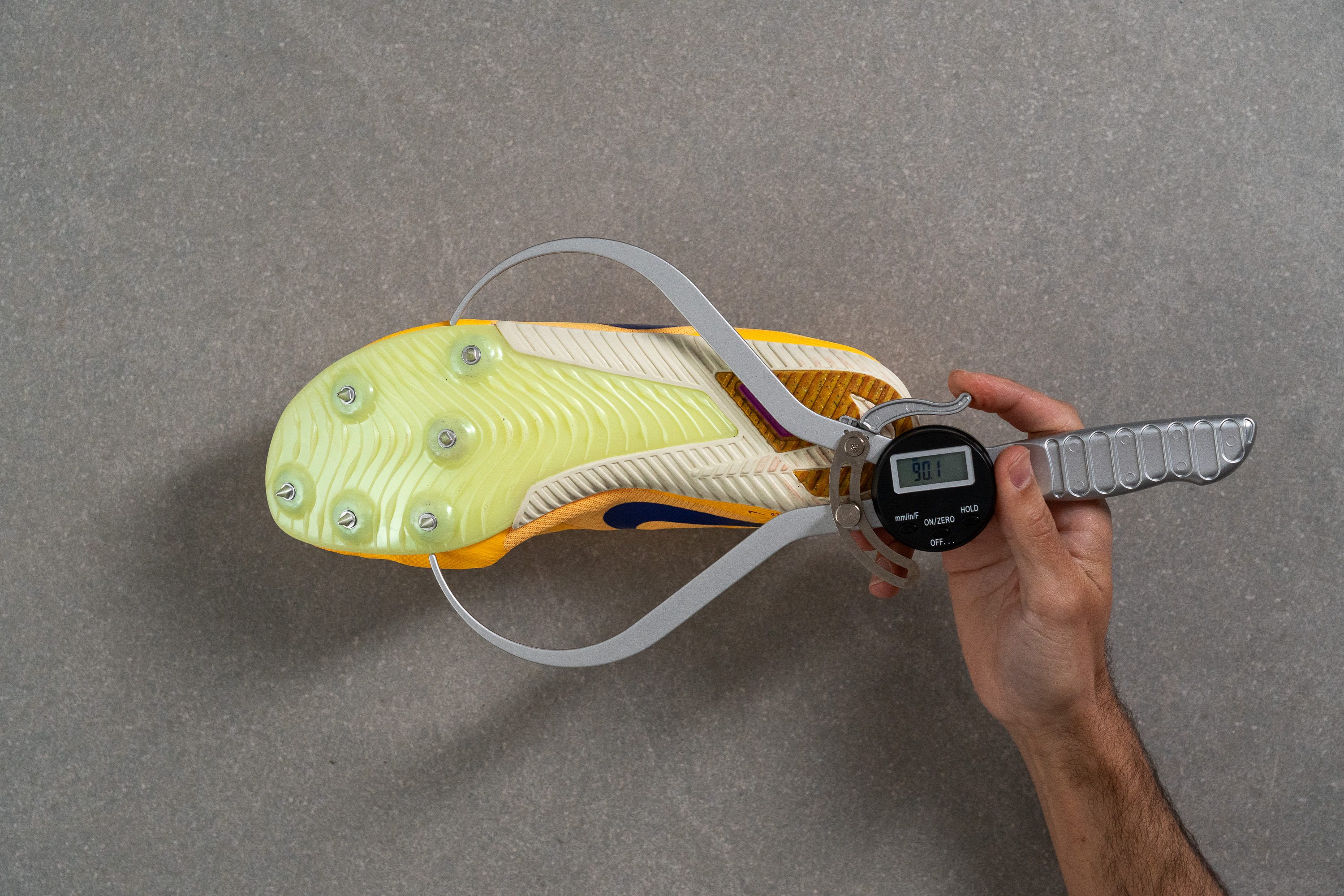
| Zoom Rival Multi | 90.1 mm |
| Average | 96.1 mm |
Midsole width - heel
On the other hand, the heel has the exact same width at 66.7 mm. That places it around average and reinforces the beginner-friendly focus we found throughout the shoe.
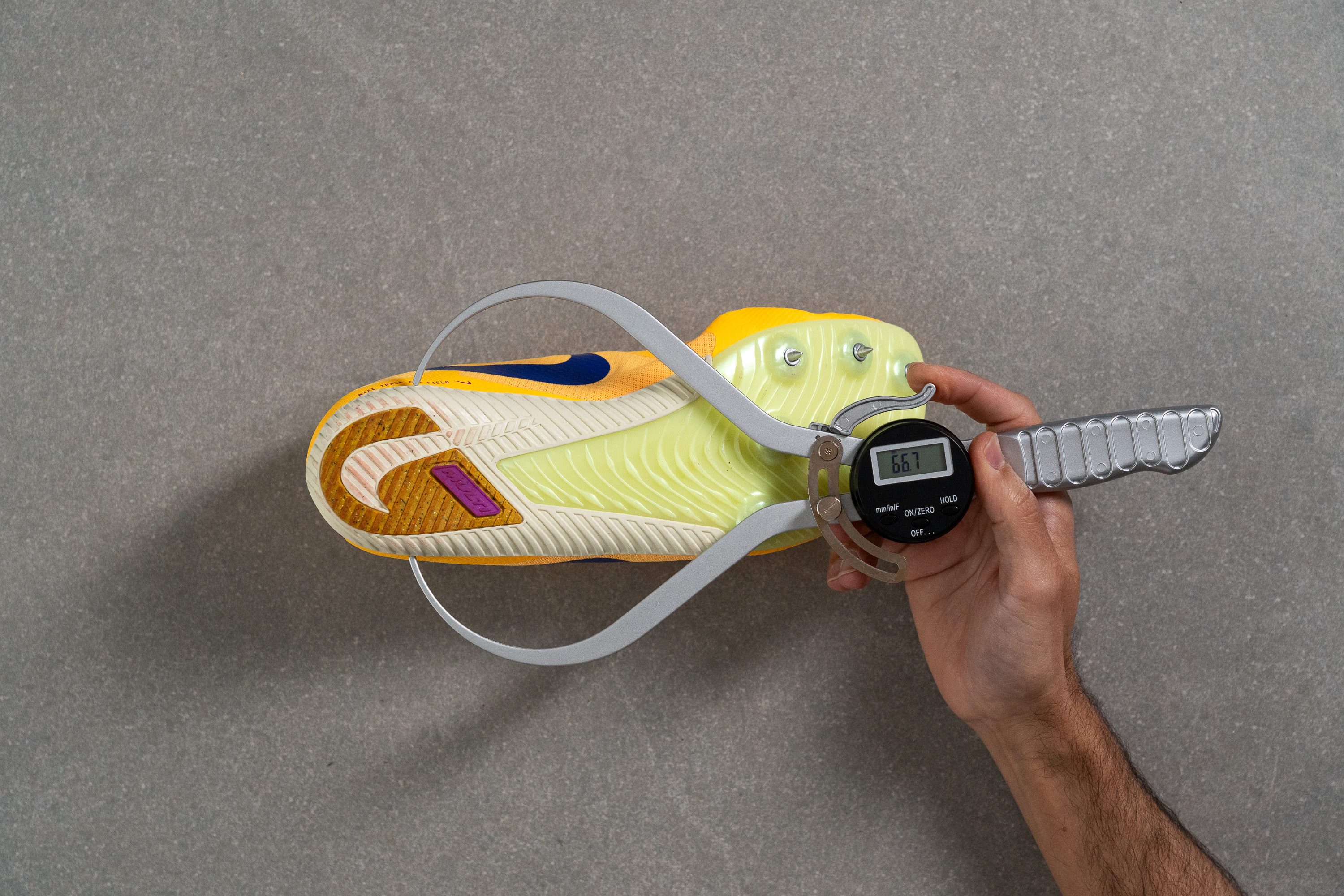
| Zoom Rival Multi | 66.7 mm |
| Average | 63.8 mm |
Durability
Toebox durability
The engineered mesh of the Rival Multi earned a solid 3/5 in our test, which is already quite good. But Nike also aimed for outstanding durability, adding substantial TPU overlays to protect the upper from damage caused by the big toenail, so real-use durability is just exceptional.
| Zoom Rival Multi | 3 |
| Average | 2.2 |
Heel padding durability
The heel padding also scored 3 out of 5, which is not outstanding but certainly enough to ensure a solid lifespan.
| Zoom Rival Multi | 3 |
| Average | 3.8 |
Outsole thickness
We found that Nike played it safe here as well, using 2.7 mm of outsole thickness, a solid amount that should prevent premature wear after only a few training sessions.
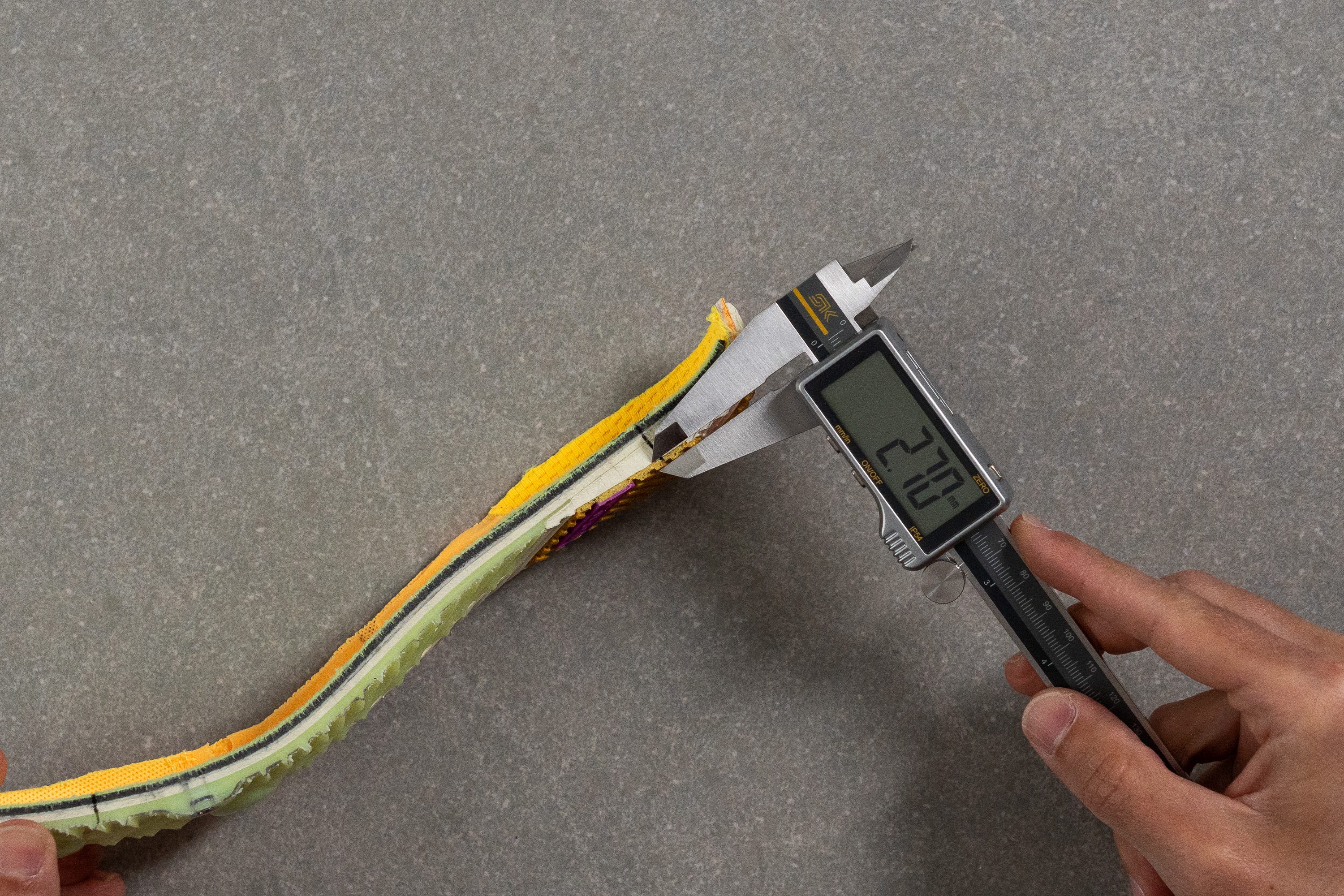
| Zoom Rival Multi | 2.7 mm |
| Average | 2.6 mm |
Misc
Insole thickness
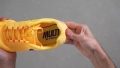
The Zoom Rival Multi includes a non-removable insole with a thickness of 3.2 mm.
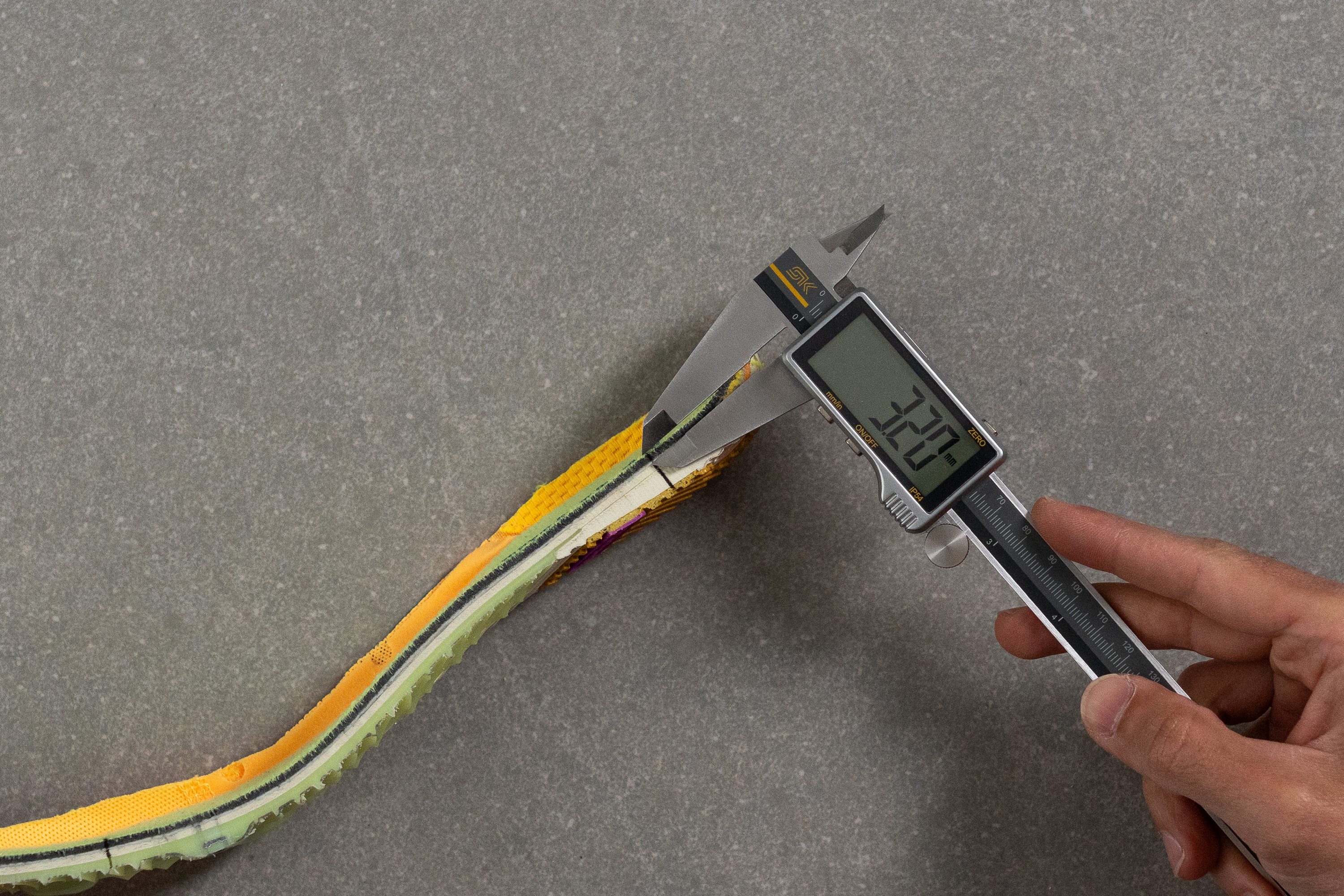
| Zoom Rival Multi | 3.2 mm |
| Average | 2.6 mm |
Tongue padding
Nike goes the extra mile here by equipping this budget-friendly and versatile spike with the same textured laces seen in the Alphafly 3.
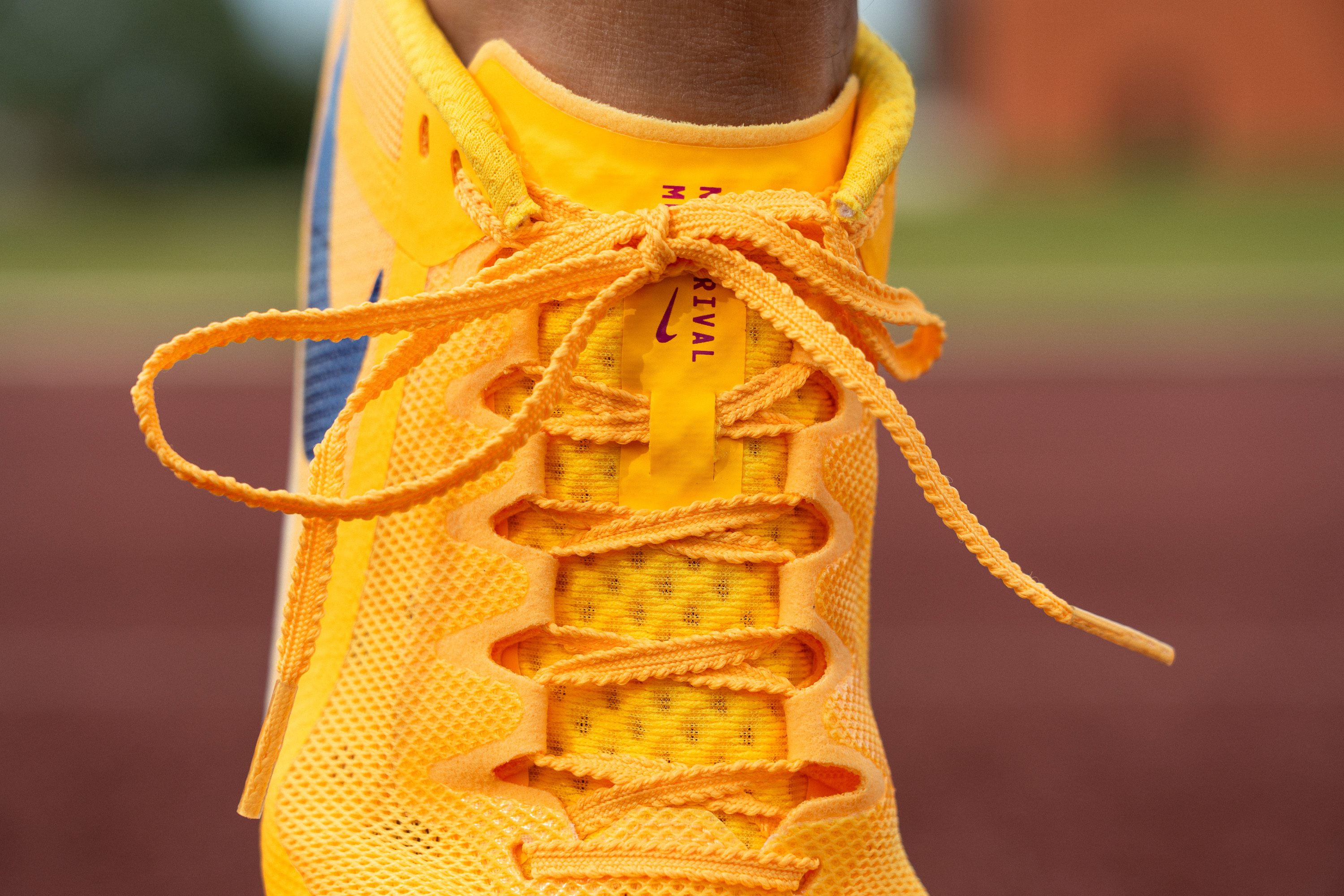
The tongue also caught our attention for its ultra-thin build, exactly what we expect in a track spike, and we verified our feelings finding just 1.4 mm of cushioning.
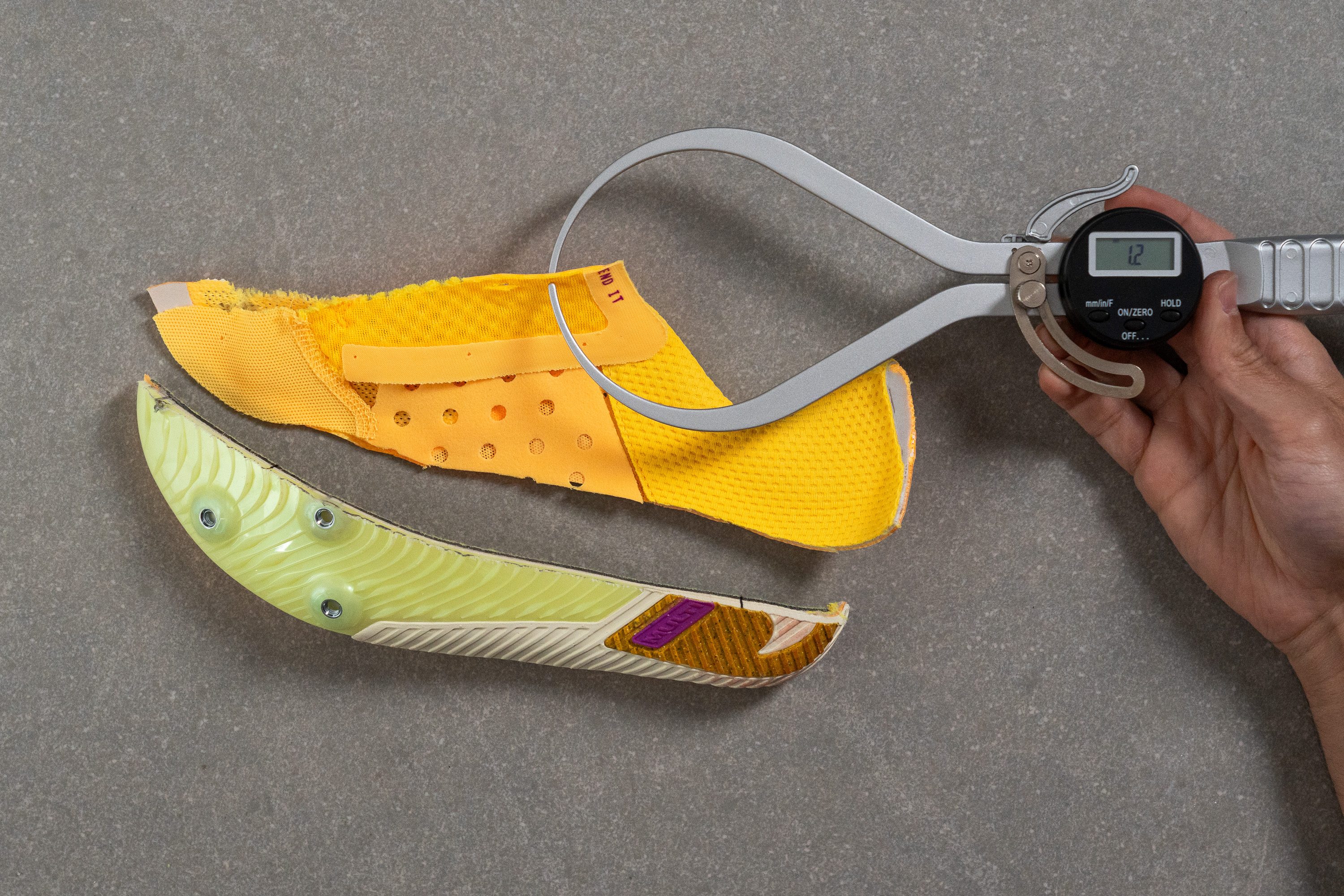
| Zoom Rival Multi | 1.2 mm |
| Average | 2.3 mm |
Heel tab
The heel features a simple design without any added elements, clearly prioritising cost-effectiveness.
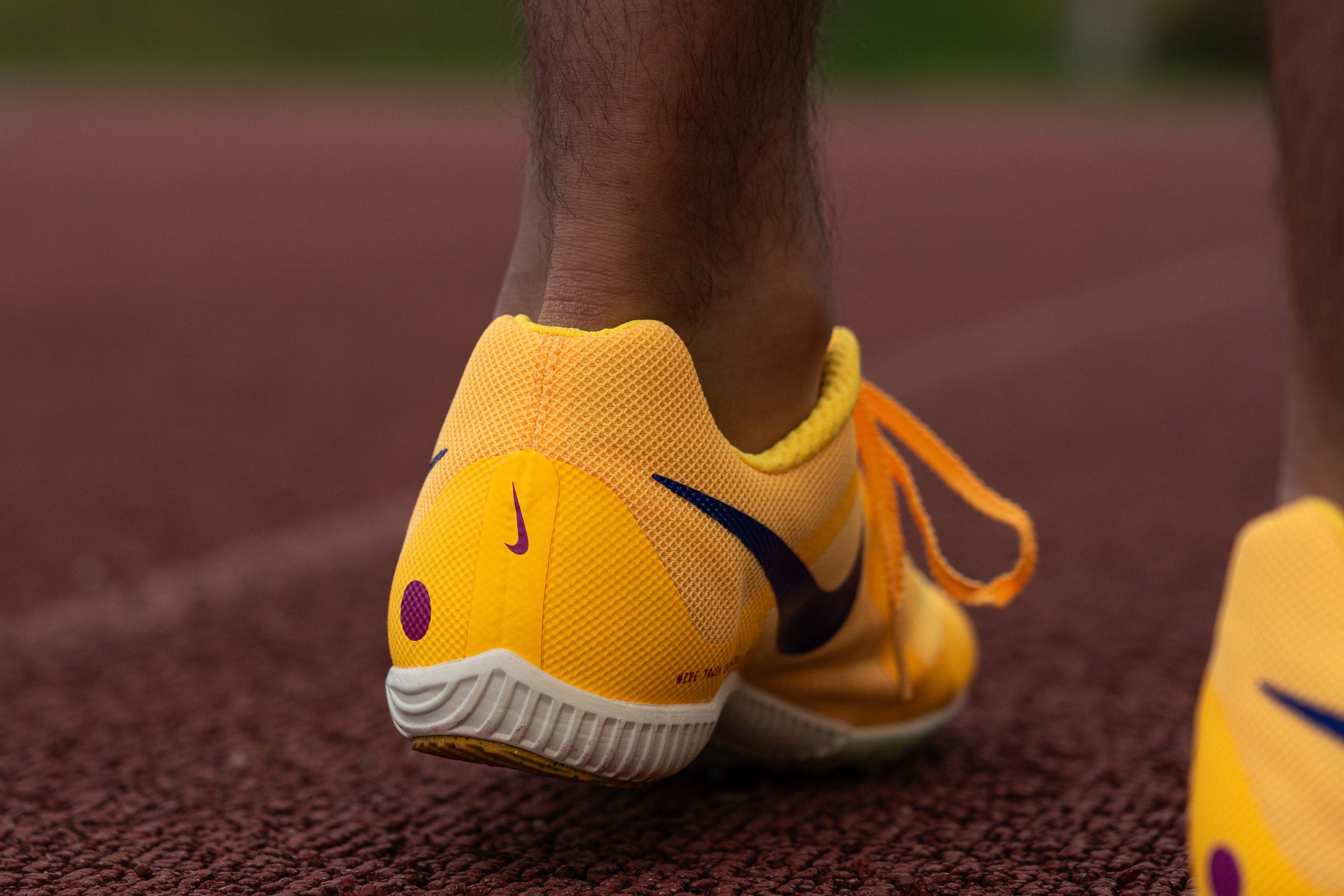
| Zoom Rival Multi | None |
Price
One of the main reasons to choose the Rival Distance is its affordable price. It costs roughly half as much as a Nike daily trainer for road running, making it a great value.
| Zoom Rival Multi | $80 |
Removable pins
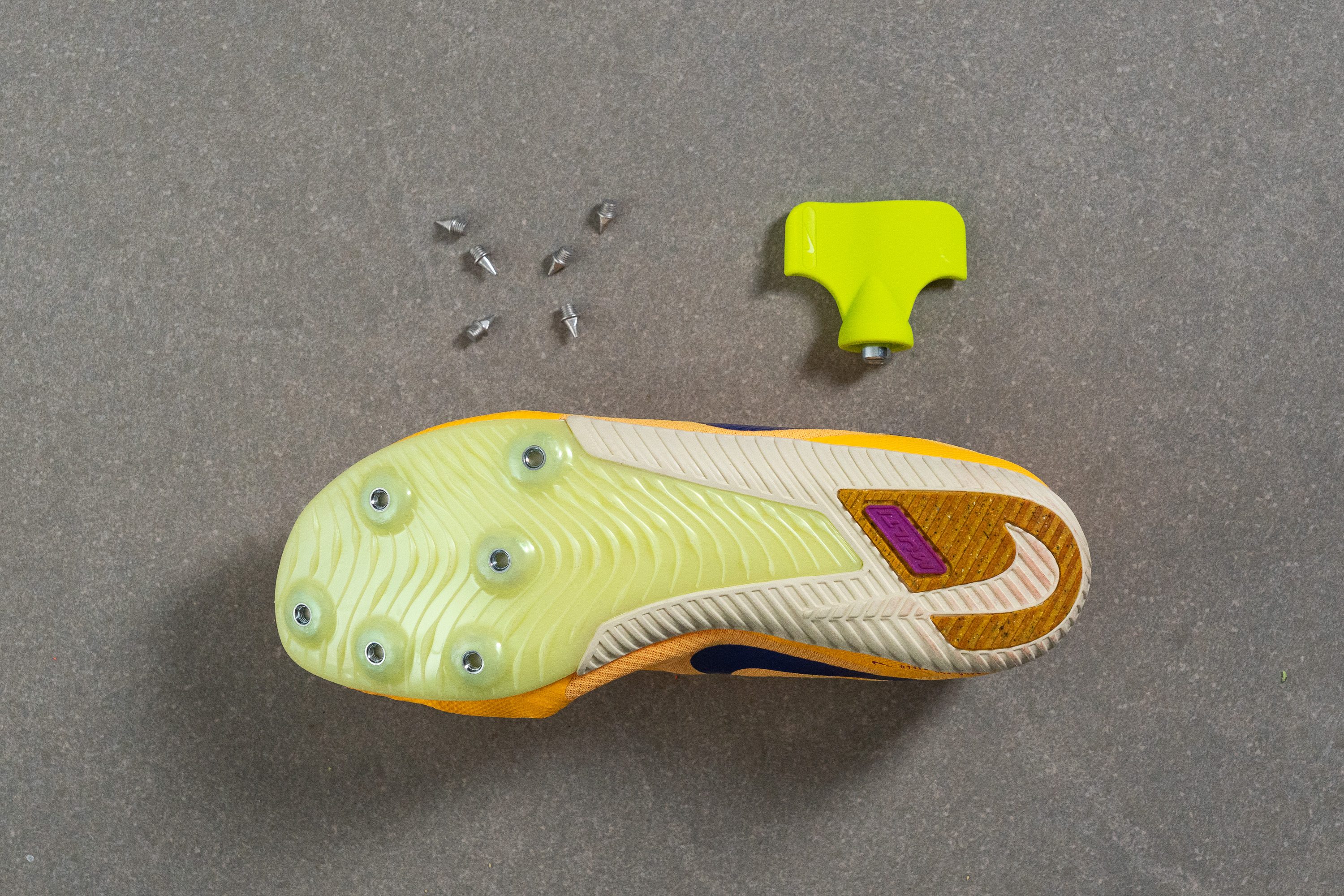
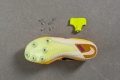
The Rival Multi features a 6-pin layout, and you can easily swap all the pins for different shapes or depths, as the required tool is included in the box.