














Our verdict
- Sprint 25
- Middle distance 73
- Long distance 75
Pros
- Very affordable compared to premium spikes
- Ideal for beginners
- Moderate stiffness reduces foot fatigue
- Stable platform
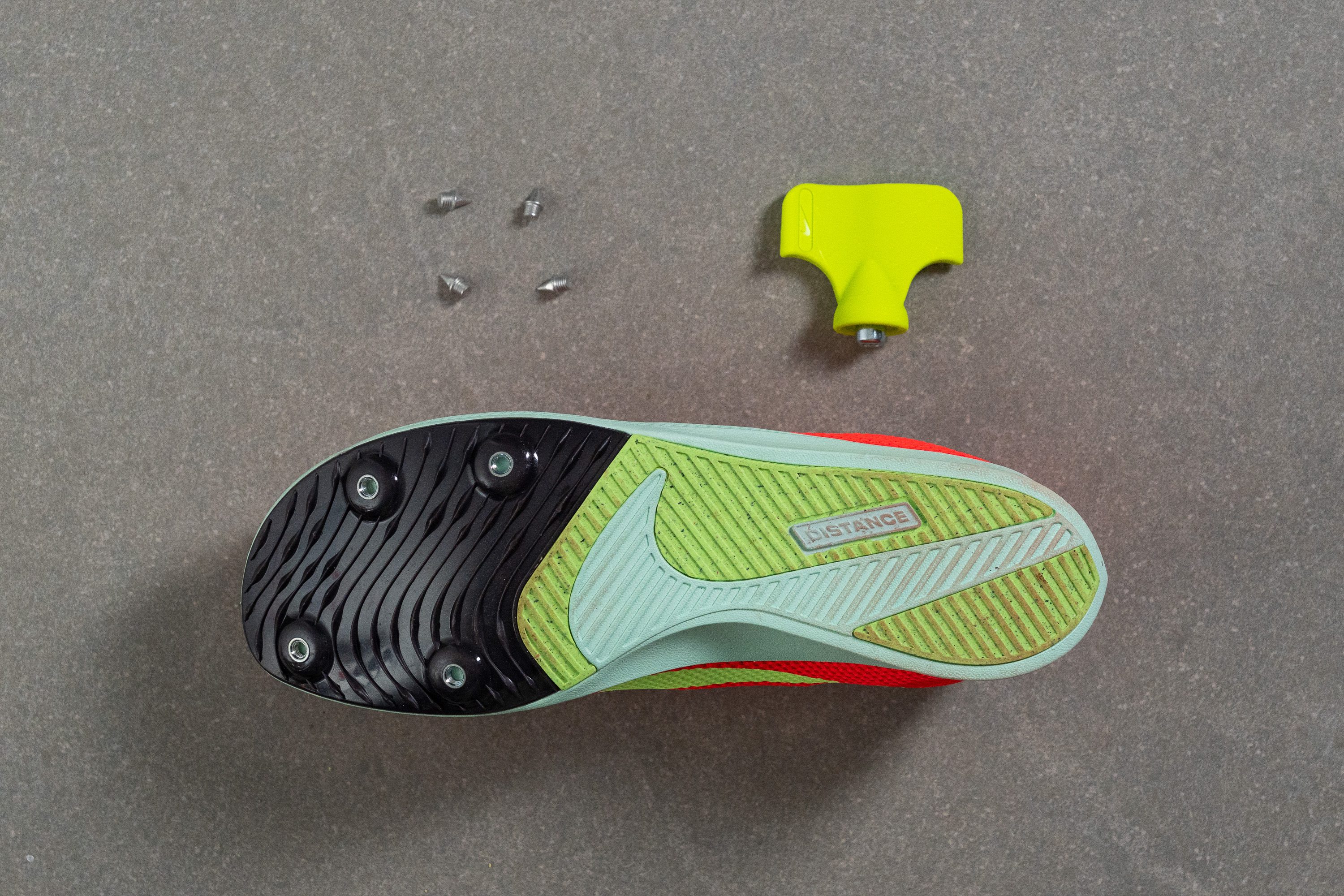
- Removable pins with included tool
- Extremely good value
- Can handle multiple distances
- Inspired by the Dragonfly series
- Premium laces
Cons
- Basic foam lacks energy return
- Low-quality upper
- Not for elite performance
Awards
- Top pick in best running spikes
- Top 30% most popular tracking shoes
Comparison
The most similar running spikes compared
+ + Add a shoe | |||||
|---|---|---|---|---|---|
| Our score | 77 Good | 72 Decent | 85 Great | 80 Good | |
| Price | £80 | £70 | £80 | £130 | |
| Weight lab | 6.2 oz / 176g | 5.7 oz / 161g | 6.5 oz / 184g | 4.8 oz / 135g | |
| Breathability | Moderate | Moderate | Breathable | Breathable | |
| Use | Long DistanceMid Distance | Long DistanceMid Distance | - | Long DistanceMid Distance | |
| Removable spikes | ✓ | ✓ | ✓ | ✓ | |
| Width / fit | Wide | Wide | Medium | Wide | |
| Toebox width | Medium | - | Medium | Narrow | |
| Drop lab | 5.1 mm | 4.1 mm | 2.7 mm | 3.6 mm | |
| Size | Slightly small | Slightly small | - | Slightly small | |
| Midsole softness | Firm | Firm | Soft | Firm | |
| Tongue padding | Average | Average | Average | Thin | |
| Stiffness | Moderate | Flexible | Flexible | Flexible | |
| Torsional rigidity | Flexible | Flexible | Flexible | Flexible | |
| Heel counter stiffness | Flexible | Flexible | Flexible | Flexible | |
| Outsole thickness | Thin | Average | Average | Average | |
| Outsole hardness | - | Soft | - | - | |
| Heel tab | None | None | None | None | |
| Heel stack lab | 17.3 mm | 15.0 mm | 17.5 mm | 15.6 mm | |
| Forefoot | 12.2 mm | 10.9 mm | 14.8 mm | 12.0 mm | |
| Insole thickness | Thick | Thin | Average | Average | |
| Midsole width - forefoot | Average | Average | Wide | Average | |
| Midsole width - heel | Average | Average | Very wide | Average | |
| Ranking | #21 Bottom 12% | #23 Bottom 4% | #4 Bottom 42% | #20 Bottom 16% | |
| Popularity | #7 Top 30% | #22 Bottom 8% | #2 Top 29% | #17 Bottom 29% |


Who should buy
In our opinion, the Nike Zoom Rival Distance is a solid spike for:
- Runners who plan to use the track occasionally and want a true spike feel without spending much.
- Athletes who find most spikes too aggressive and prefer a higher drop with a more forgiving ride.
- Budget-focused runners looking for a versatile option for both workouts and races.
Who should NOT buy
Athletes chasing speed performance and top-tier energy return should skip the Zoom Rival Distance, as its basic EVA foam lacks a truly spring-loaded feel. We think it’s not the best for racing-focused runners, and we believe the Nike Dragonfly 2 is worth the extra investment.
We also believe that sprinters will find this model underwhelming, as its distance-tuned design feels not sharp enough. From our perspective, the Nike Rival Sprint or adidas Sprintstar deliver a better sprint experience at a similar price point.
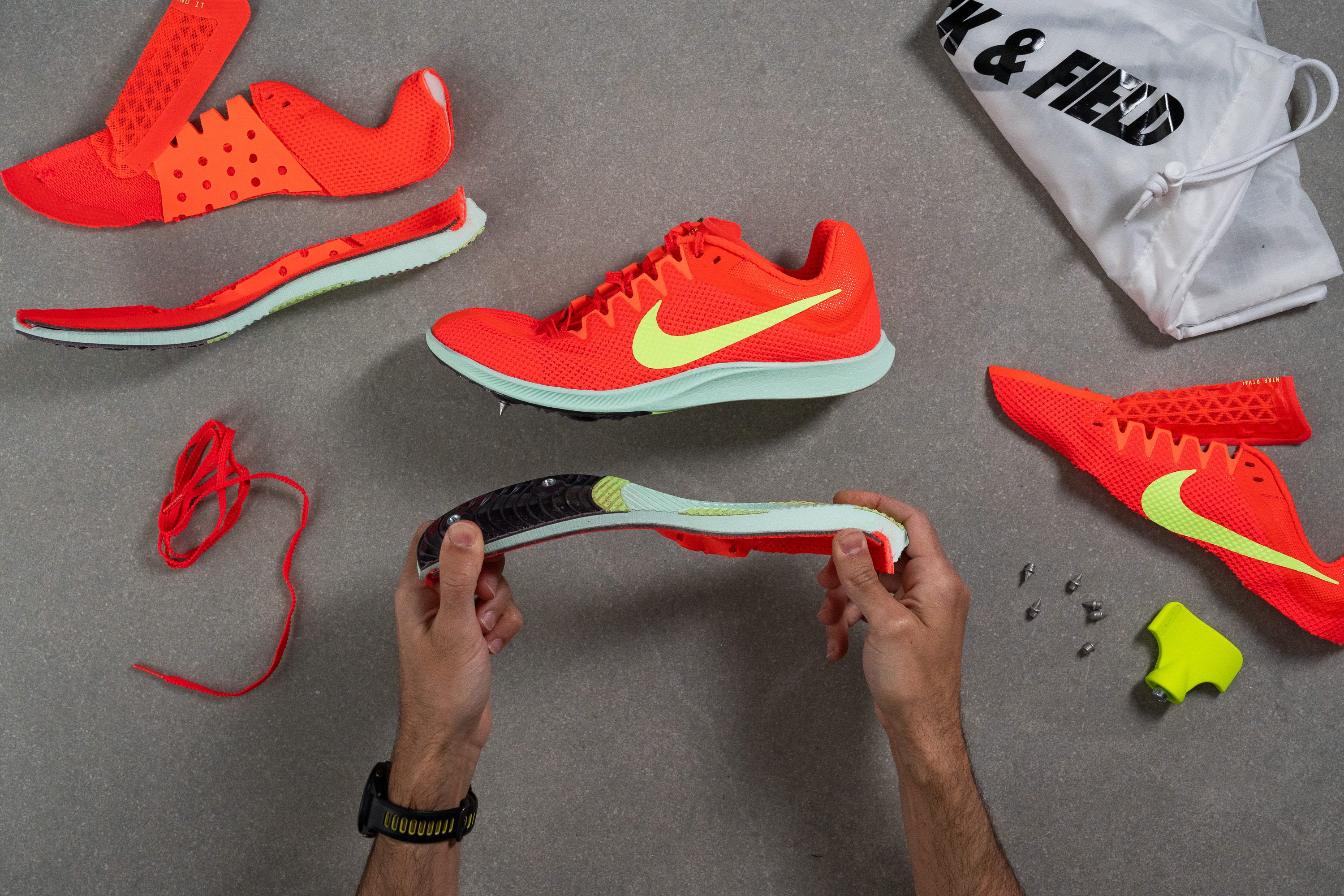
Cushioning
Heel stack
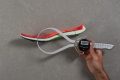
Designed for middle and long-distance events, this spike features a notably substantial amount of foam underfoot. In the heel, we measured a total thickness of 17.3 mm.
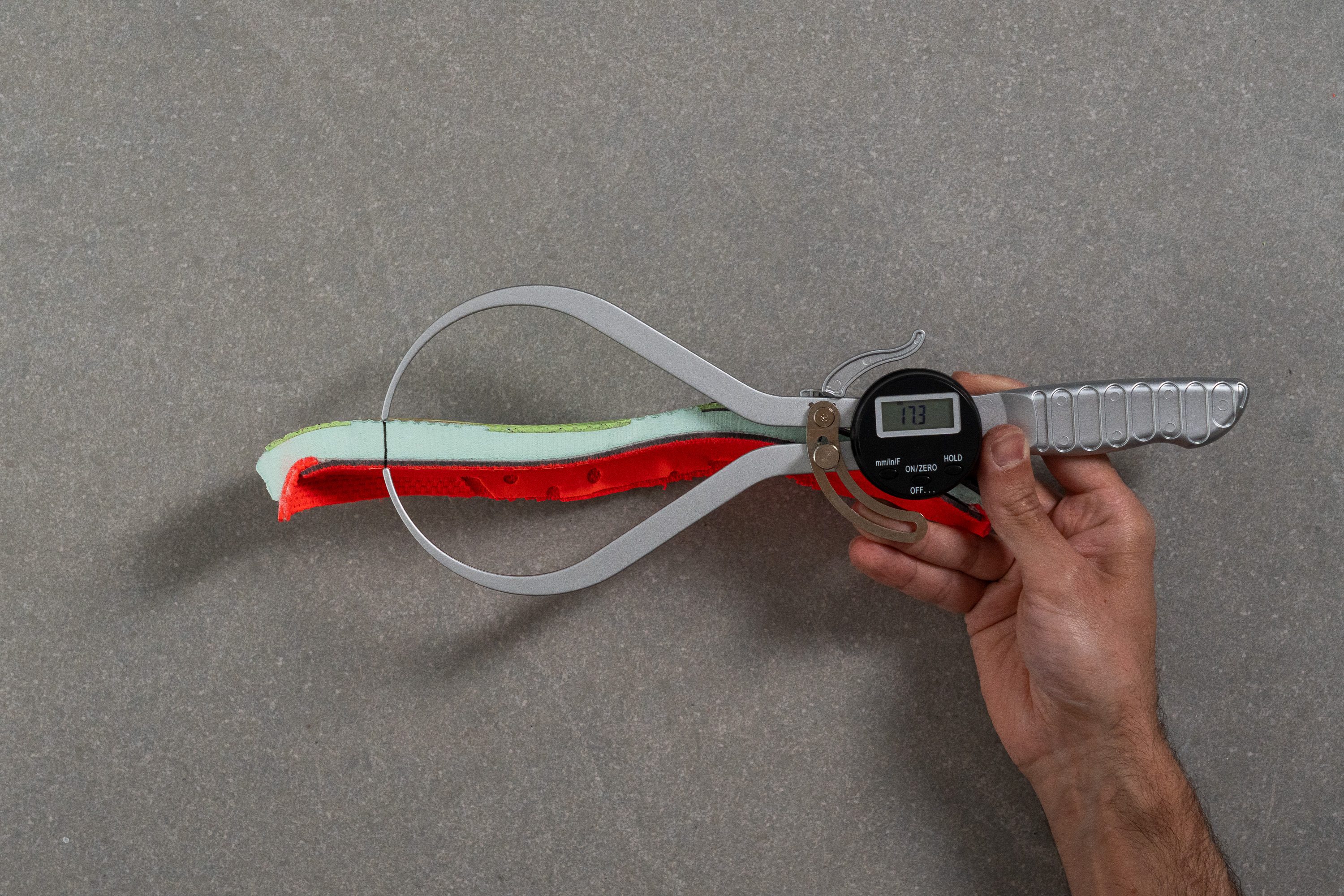
| Zoom Rival Distance | 17.3 mm |
| Average | 16.8 mm |
Forefoot stack
The forefoot is slightly thinner at just 12.2 mm, which may feel minimal for runners with a pure forefoot striking technique. However, there’s a reason behind this.
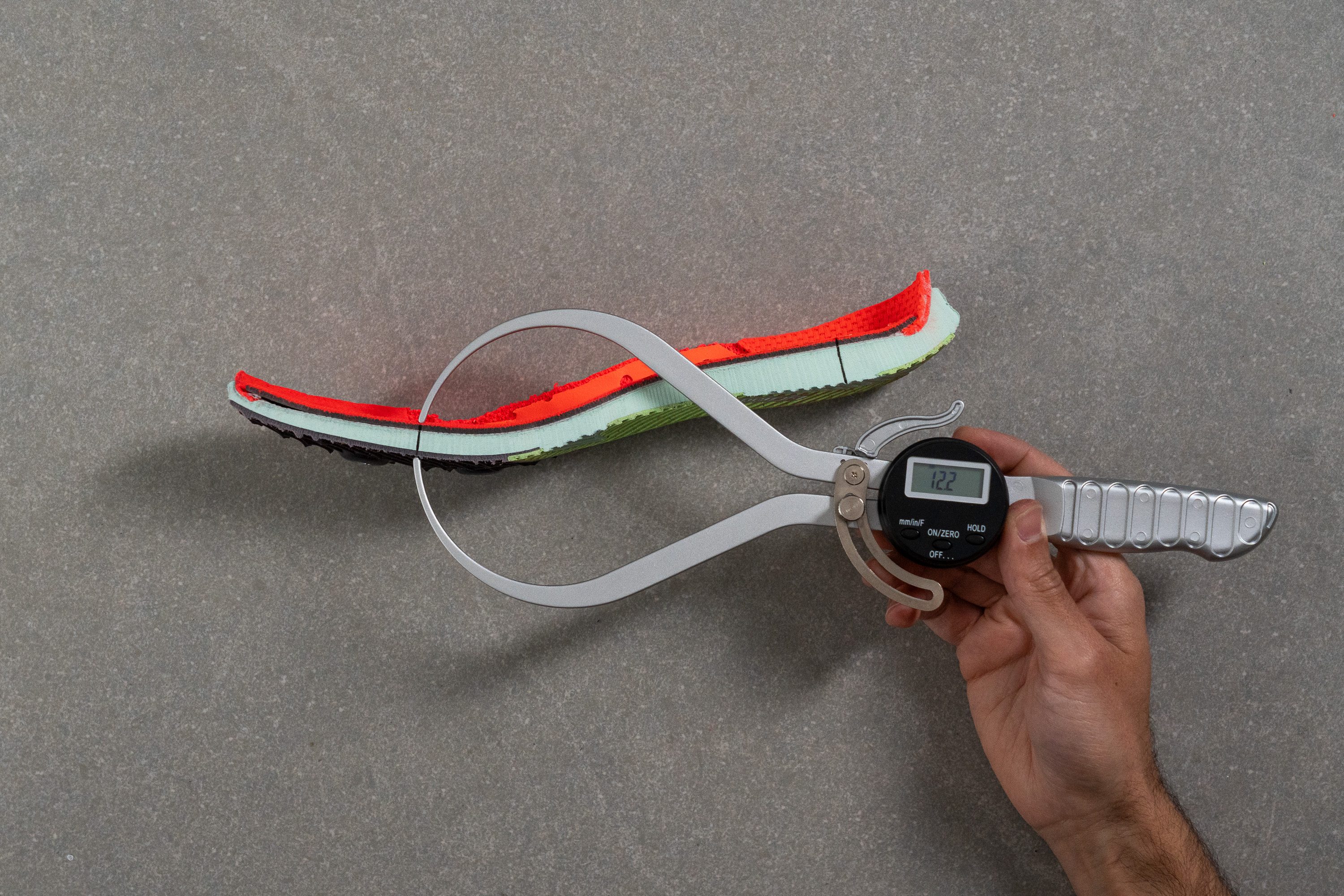
| Zoom Rival Distance | 12.2 mm |
| Average | 15.8 mm |
Drop
This spike is built with beginners and everyday track runners in mind, as more advanced athletes will likely choose the Dragonfly series.
For that reason, Nike uses a generous 5.1 mm drop that feels more forgiving for runners who heel strike on the road, which also explains the reduced foam in the forefoot.
| Zoom Rival Distance | 5.1 mm |
| Average | 1.0 mm |
Midsole softness
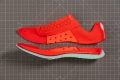
Part of what keeps the Rival Distance at a lower price comes from its EVA foam.
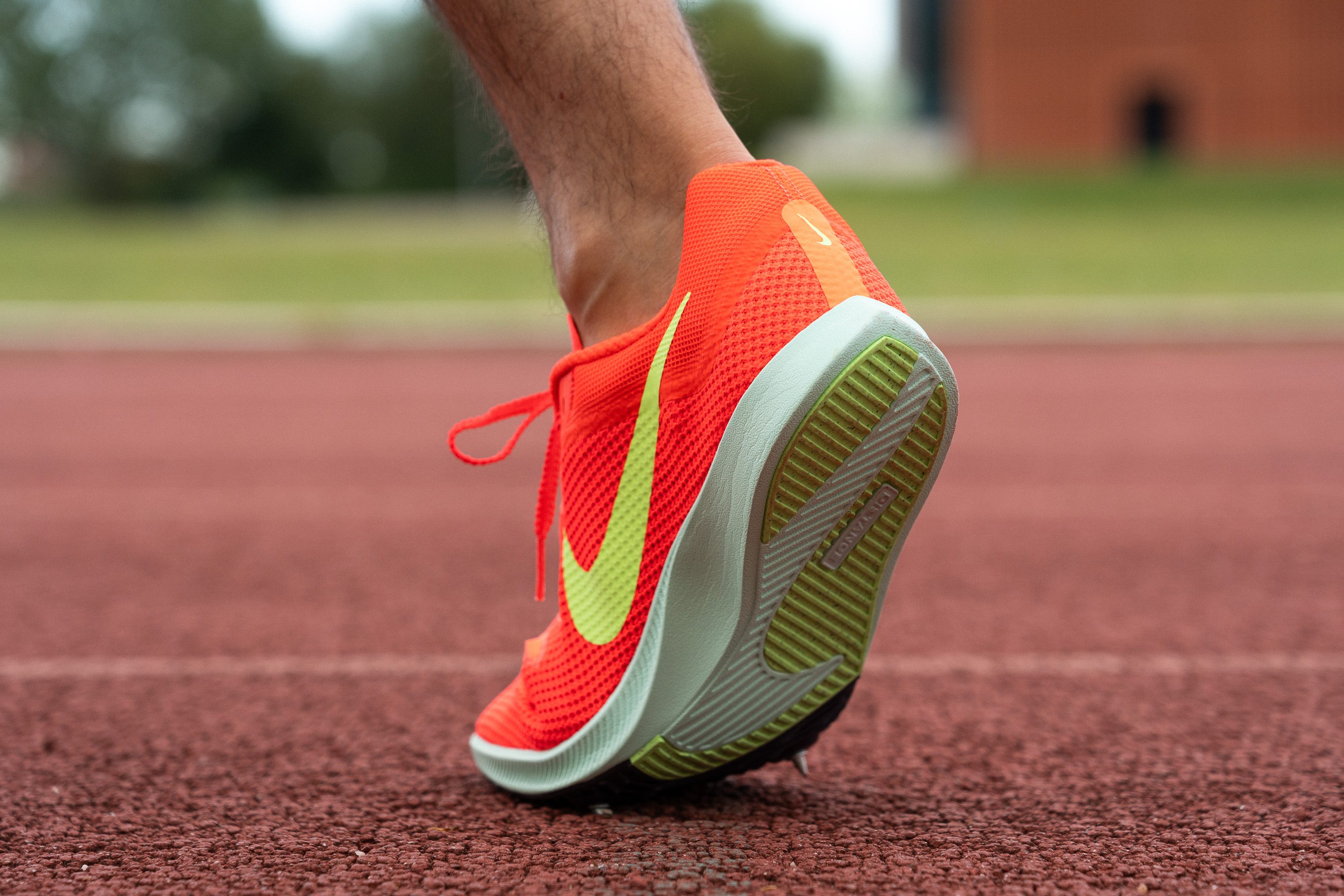
Instead of the pricey ZoomX and its outstanding energy return, Nike opts for a basic EVA compound designed to perform reliably without drawing attention, which is reflected in its balanced 44.1 AC softness.
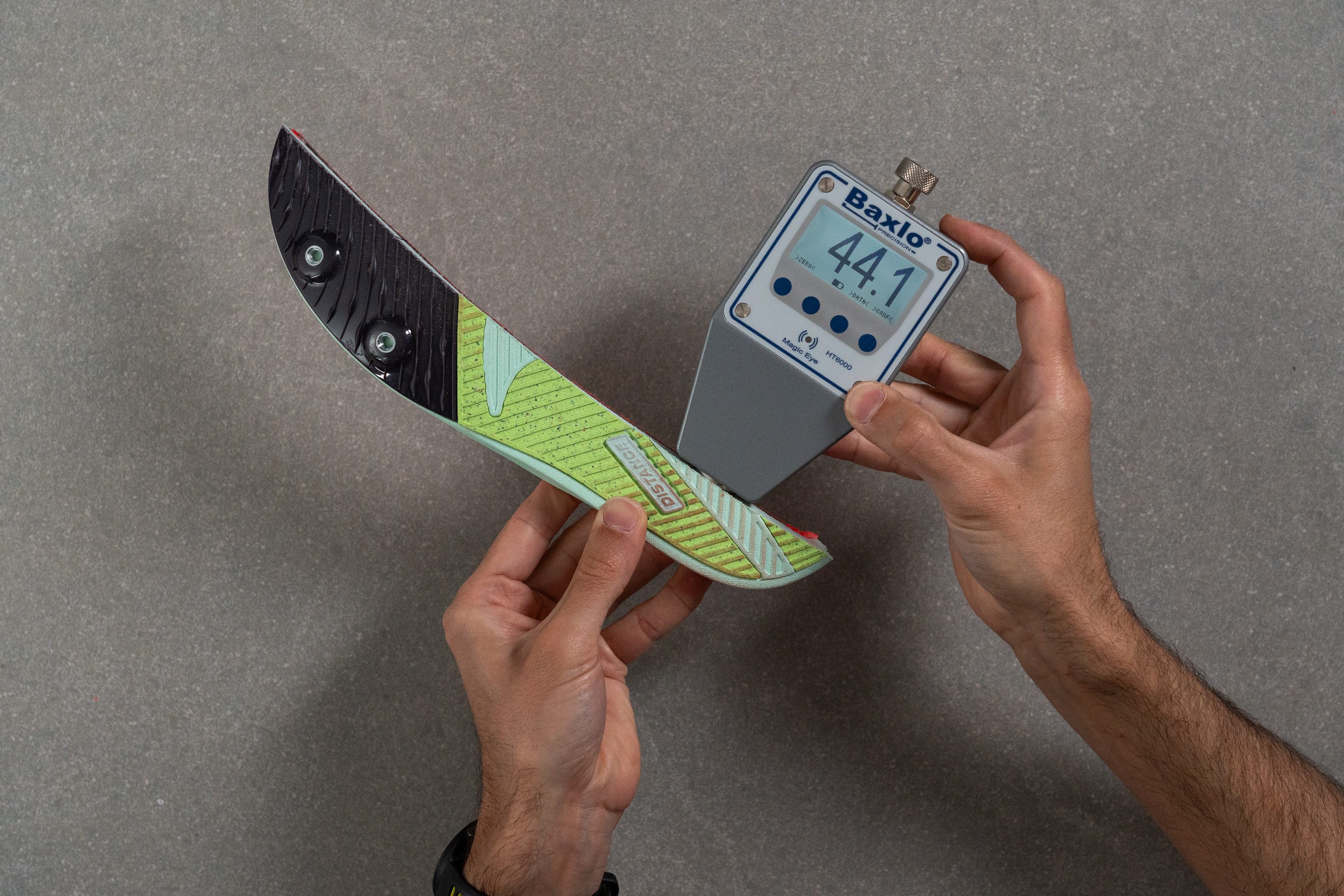
| Zoom Rival Distance | 44.1 AC |
| Average | 42.9 AC |
Size and fit
Size
Nike Zoom Rival Distance fits slightly small (15 votes).
Internal length
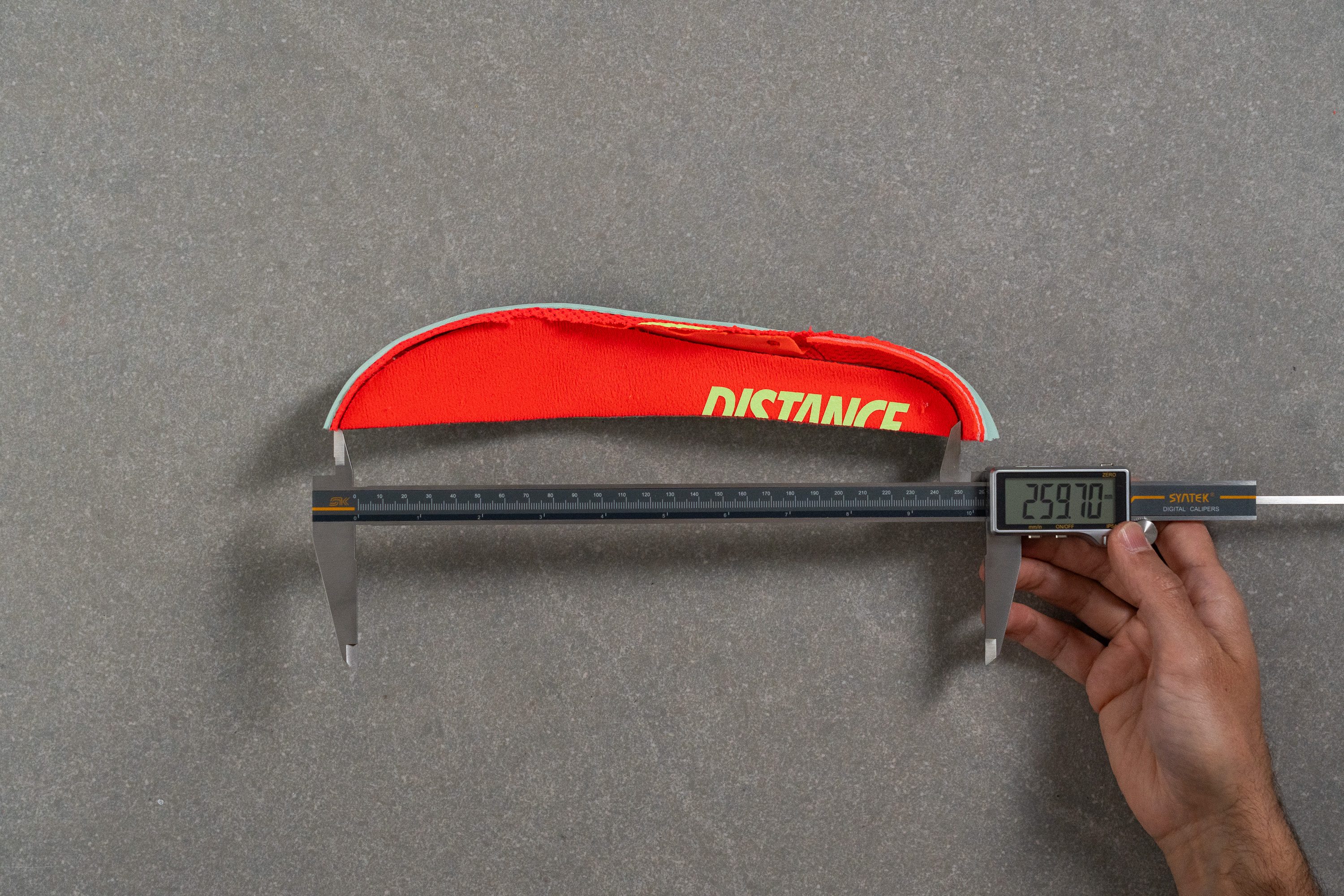
| Zoom Rival Distance | 259.7 mm |
| Average | 260.9 mm |
Width / Fit
The fit of the Rival Distance feels quite similar to other long-distance spikes, at least based on our runs. To confirm this, we created a gel mould of the interior and took precise measurements.
Our first reading showed a width of 90.6 mm, which sits around average.
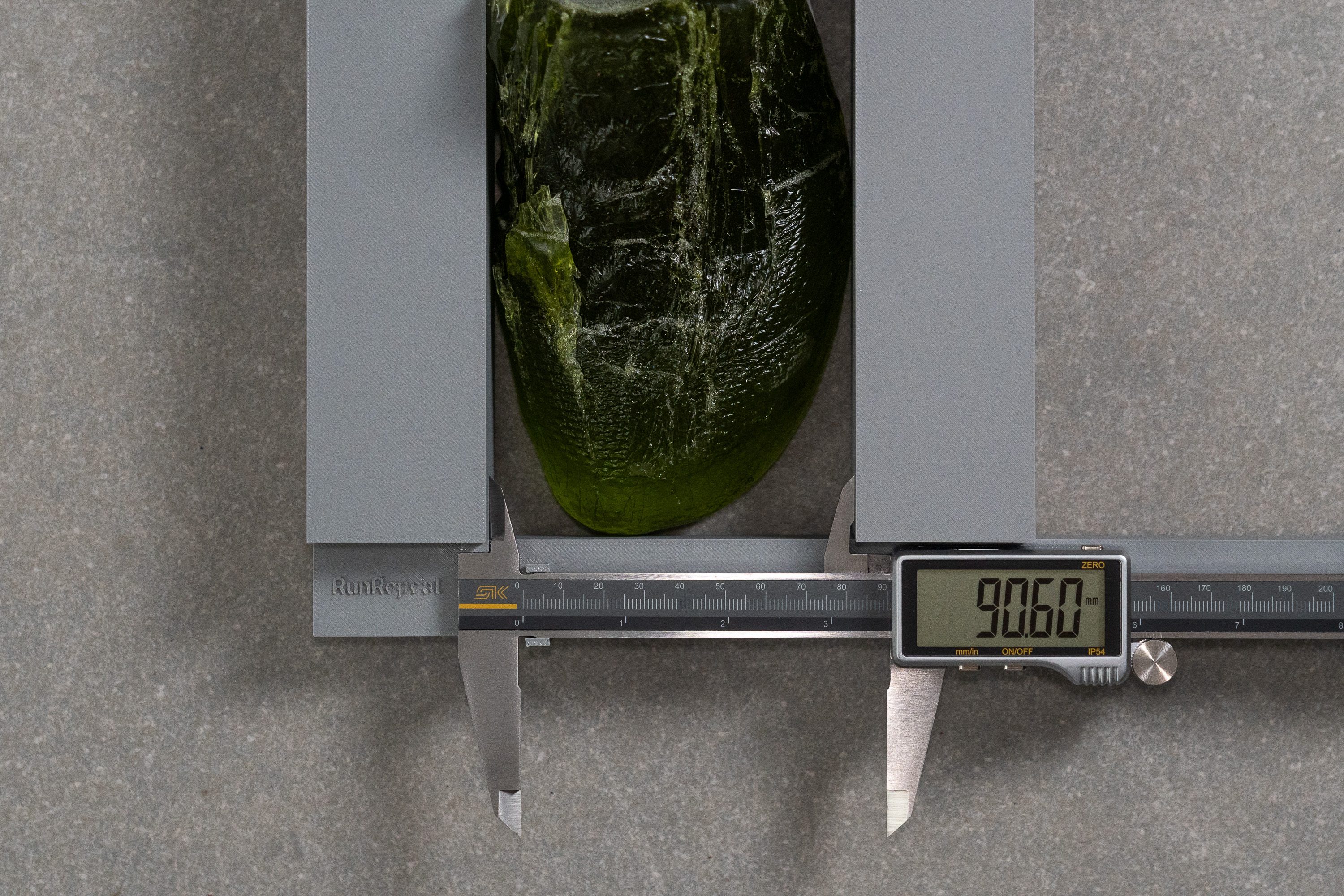
| Zoom Rival Distance | 90.6 mm |
| Average | 88.7 mm |
Toebox width
We took a second reading, this time in the toebox area. Once again, Nike takes a safe approach with a 70.0 mm width, aiming for a secure fit without making it overly aggressive.
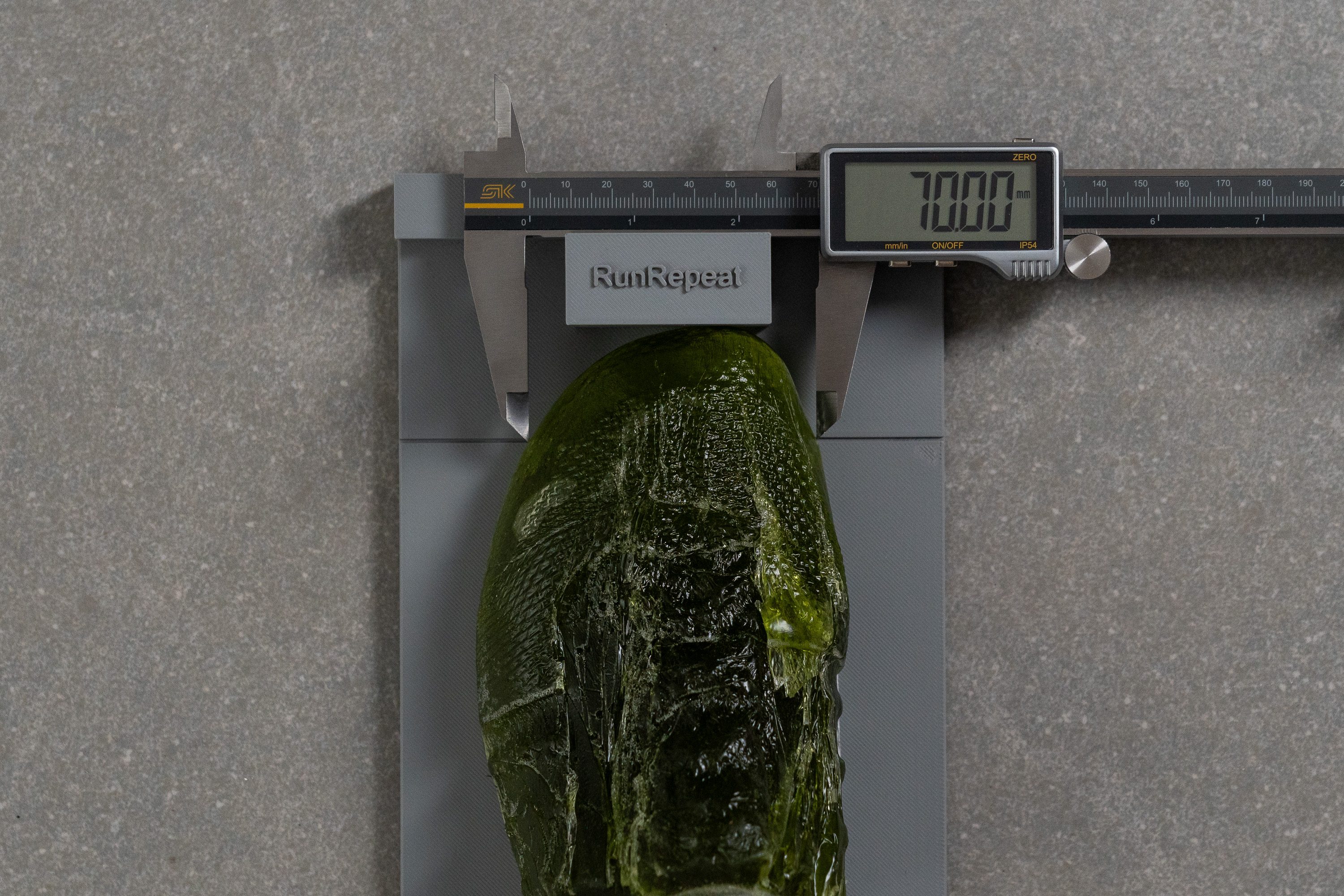
| Zoom Rival Distance | 70.0 mm |
| Average | 68.8 mm |
Toebox height
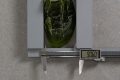
The final measurement surprised us, as we recorded 29.9 mm of toebox height.
That’s significantly higher than most competitors and works well for runners who dislike uppers pressing on their toes.
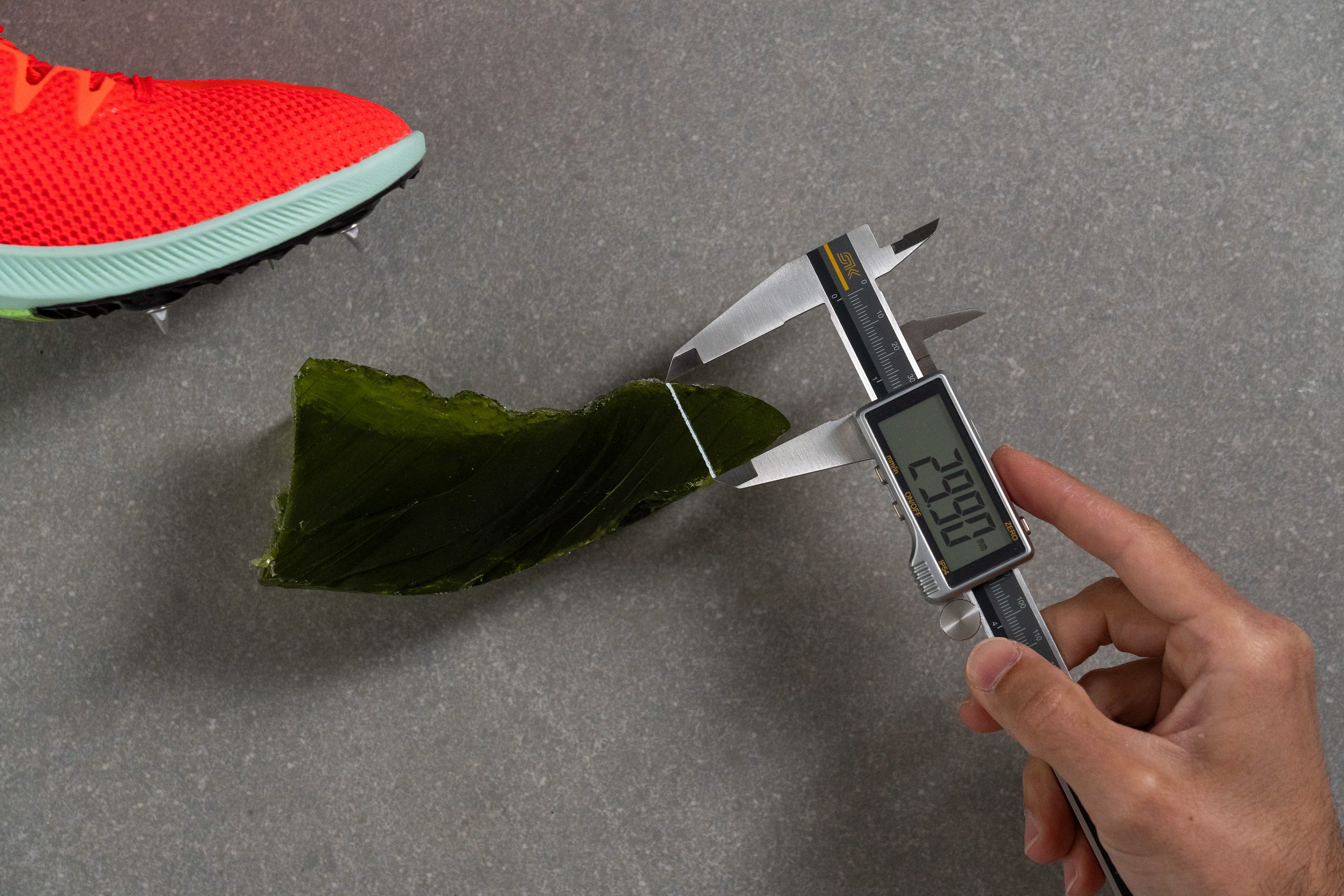
| Zoom Rival Distance | 29.9 mm |
| Average | 25.9 mm |
Flexibility / Stiffness
The Nike Zoom Rival Distance feels closely aligned with our lab average... all the time!
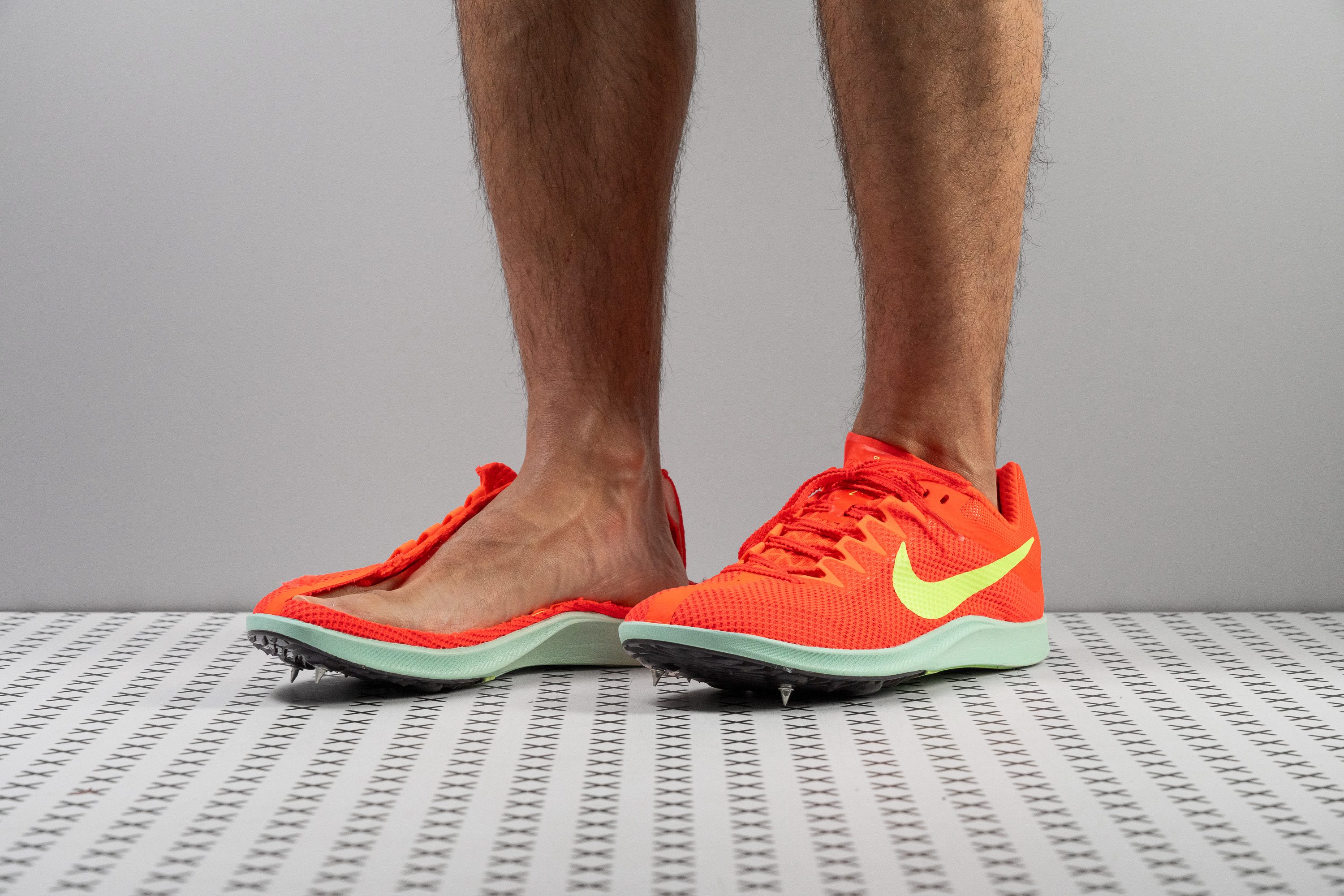
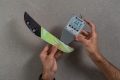
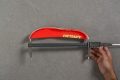
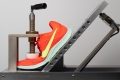
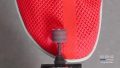
In our longitudinal stiffness test, it scored 14.6N. Without a carbon plate, high stiffness isn’t expected, but a moderate level still helps relieve the foot from doing all the work and we found exactly that here.
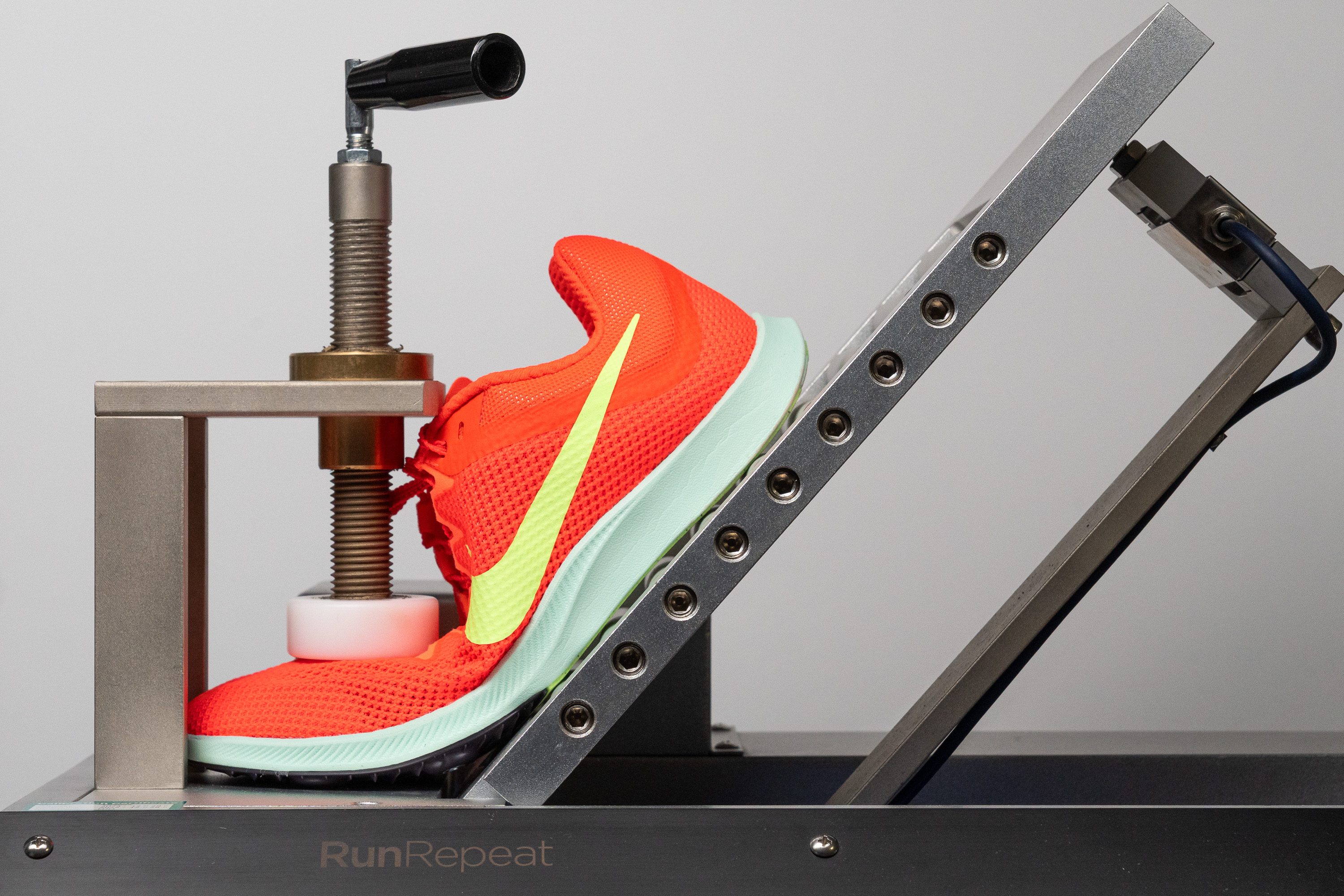
| Zoom Rival Distance | 14.6N |
| Average | 14.5N |
Weight
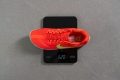
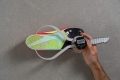
Weight is decent at 6.2 oz or 176g. It’s not a standout, but also far from a drawback, especially considering the price, and it never felt heavy during our runs.
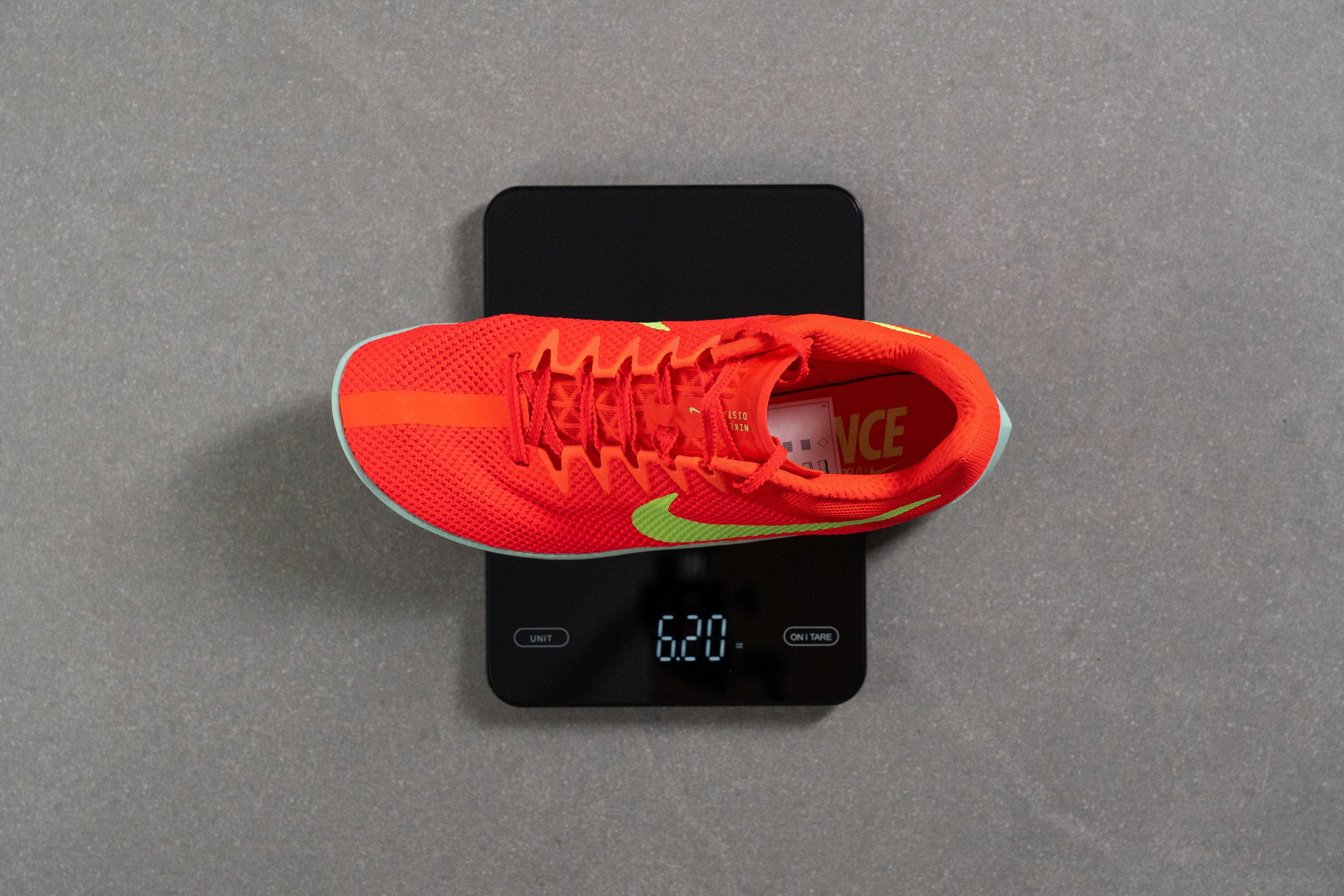
| Zoom Rival Distance | 6.2 oz (176g) |
| Average | 5.7 oz (162g) |
Breathability
We were eager to test breathability in the Rival Distance, as it’s a key feature for a spike designed for races up to 10K on the track and longer workouts in hot conditions.
Thankfully, it delivered a solid result with a 3/5 score. It’s nothing exceptional and we would have preferred slightly more airflow, but it’s enough to handle most sessions without issues.
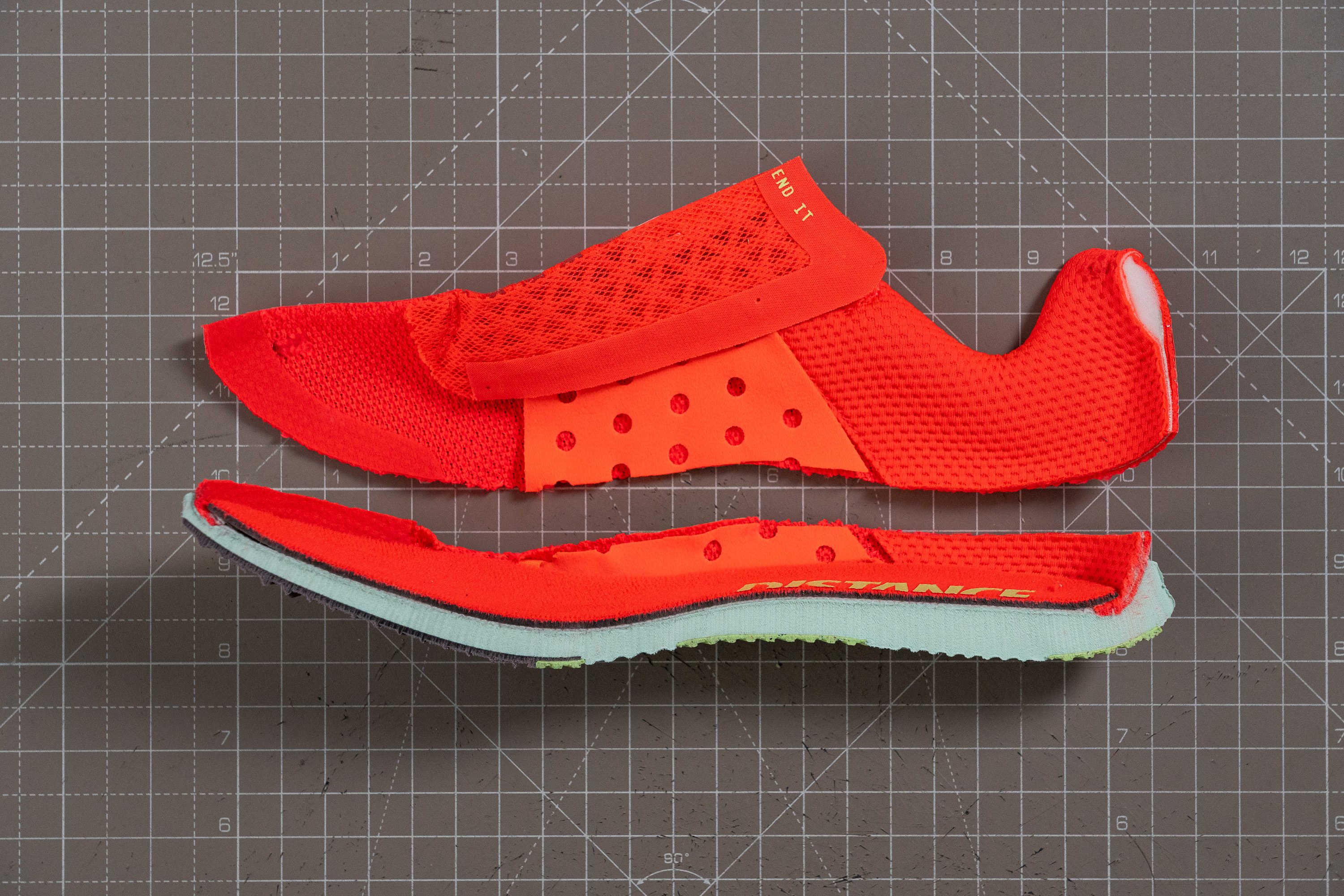
We found that ventilation is concentrated mainly in the toebox and the tongue, with a few smaller areas in the midfoot also adjusted to allow some airflow.

The engineered mesh used by Nike reminded us of what we’ve seen in some budget-friendly daily trainers, which makes sense given the goal of keeping costs low.
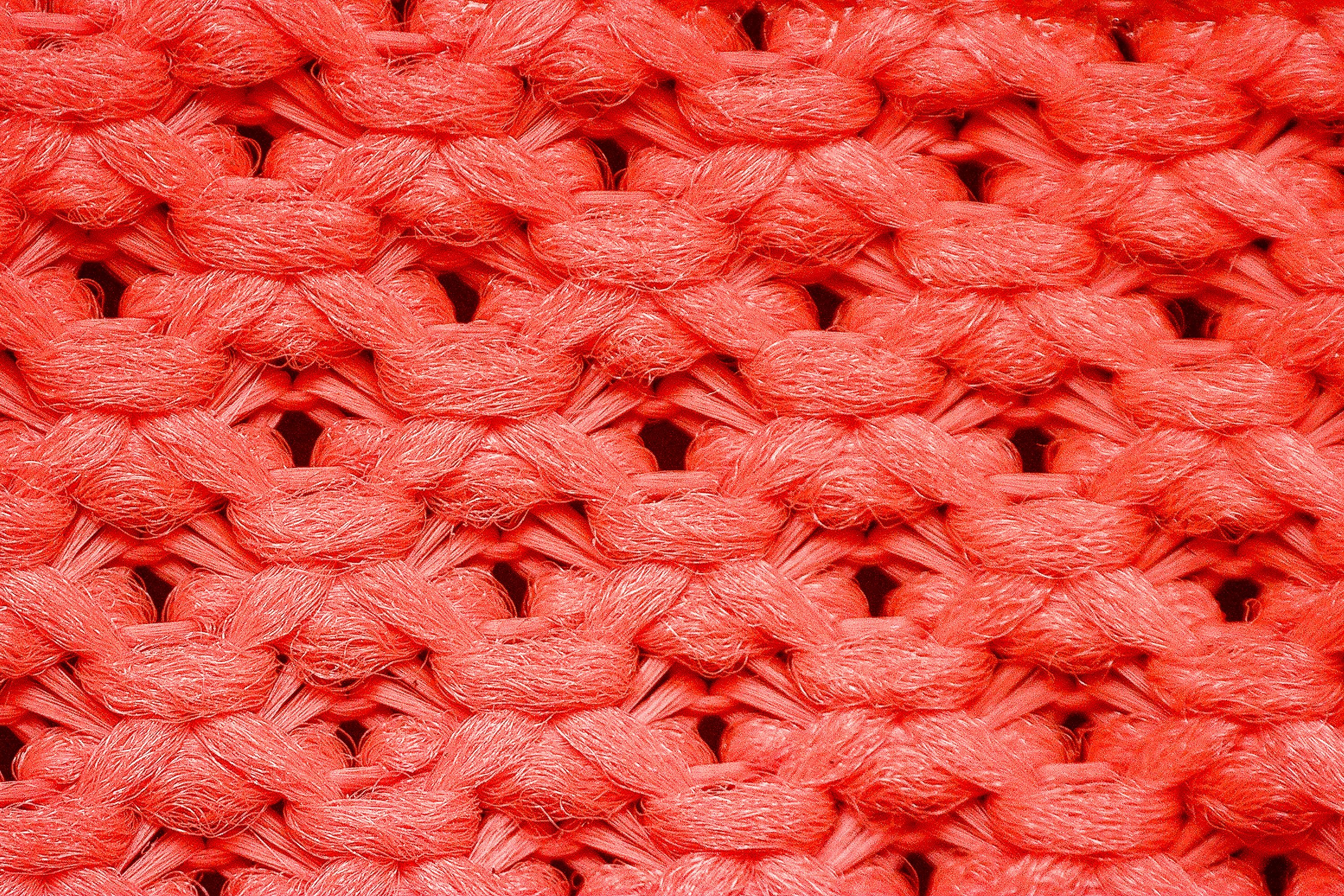
Don’t expect a premium feel or an ultra-light upper at this price point, but based on our testing, it performs exactly as expected, which is a positive outcome.
| Zoom Rival Distance | 3 |
| Average | 3.9 |
Stability
Torsional rigidity
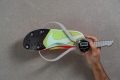
We applied a total torque of 9.8 Nm to twist the Nike Zoom Rival Distance in both directions, which places it on the slightly flexible side in terms of torsional rigidity. We believe this is a smart choice given that beginners are a key target group.
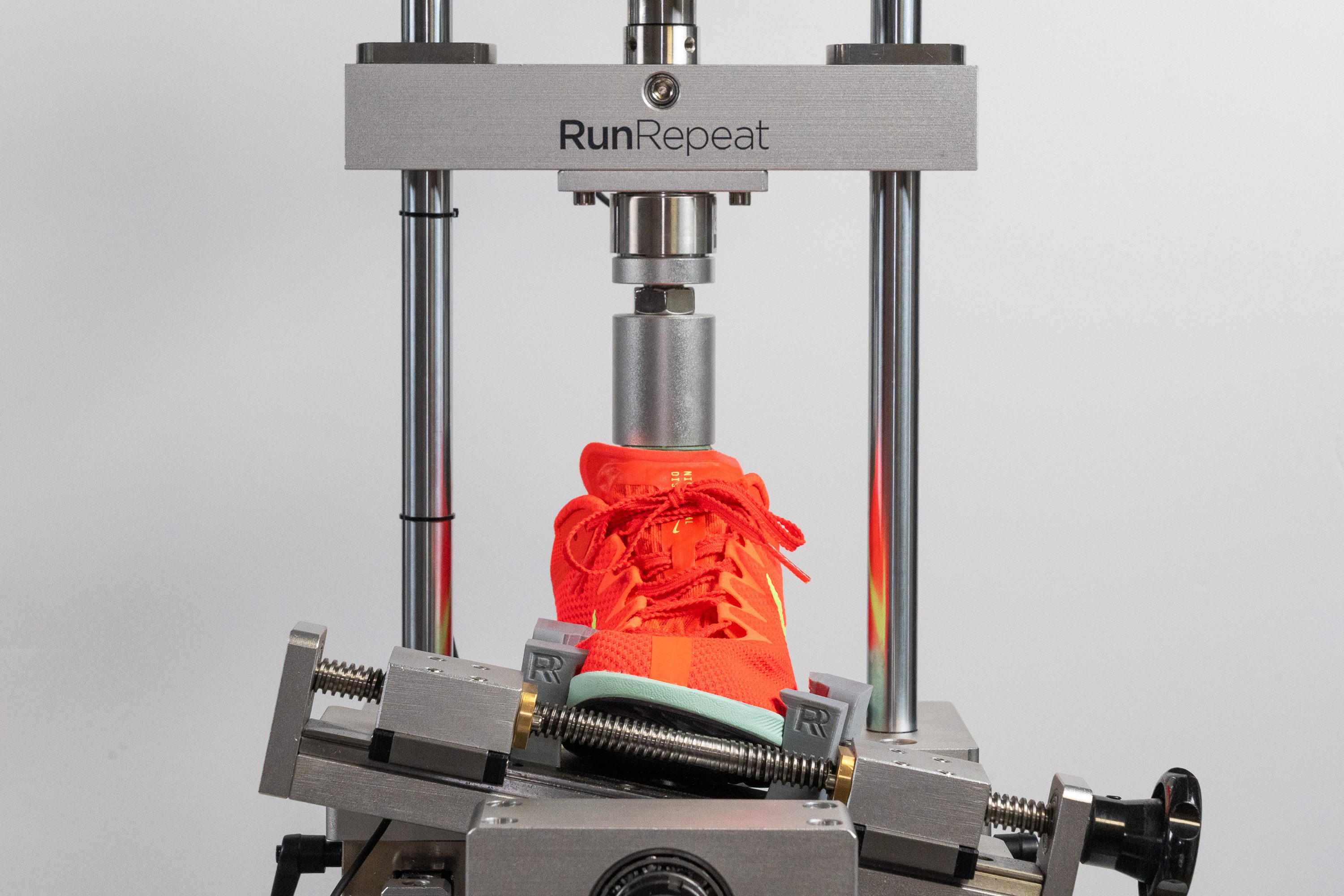
| Zoom Rival Distance | 9.8 Nm |
| Average | 10.7 Nm |
Heel counter stiffness
The heel counter of the Rival Distance offers some structure and a small amount of support, but it remains flexible like other spikes and earned a 2/5 score in our test.
| Zoom Rival Distance | 2 |
| Average | 1.6 |
Midsole width - forefoot
The forefoot feels familiar and performs well for long races, while still handling fast strides or short repeats with ease.
With a width of 97.6 mm, it avoids being too narrow and becoming unstable at all.
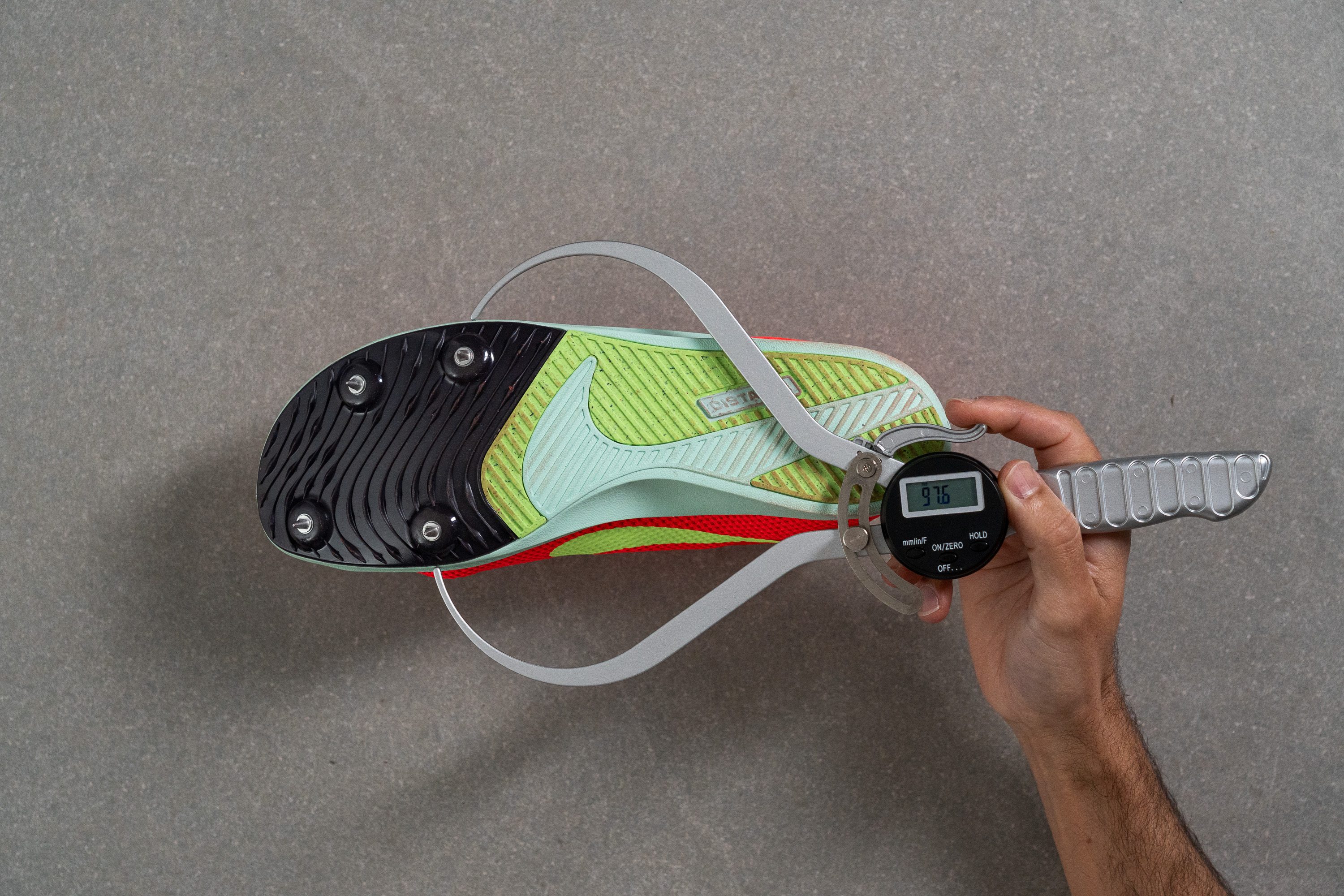
| Zoom Rival Distance | 97.6 mm |
| Average | 96.1 mm |
Midsole width - heel
Another sign that this could be your next spike if you’re new to the track is the heel midsole width. Nike avoids an aggressive design here, using a 66.7 mm platform that makes the Rival Distance slightly more stable than its counterparts.
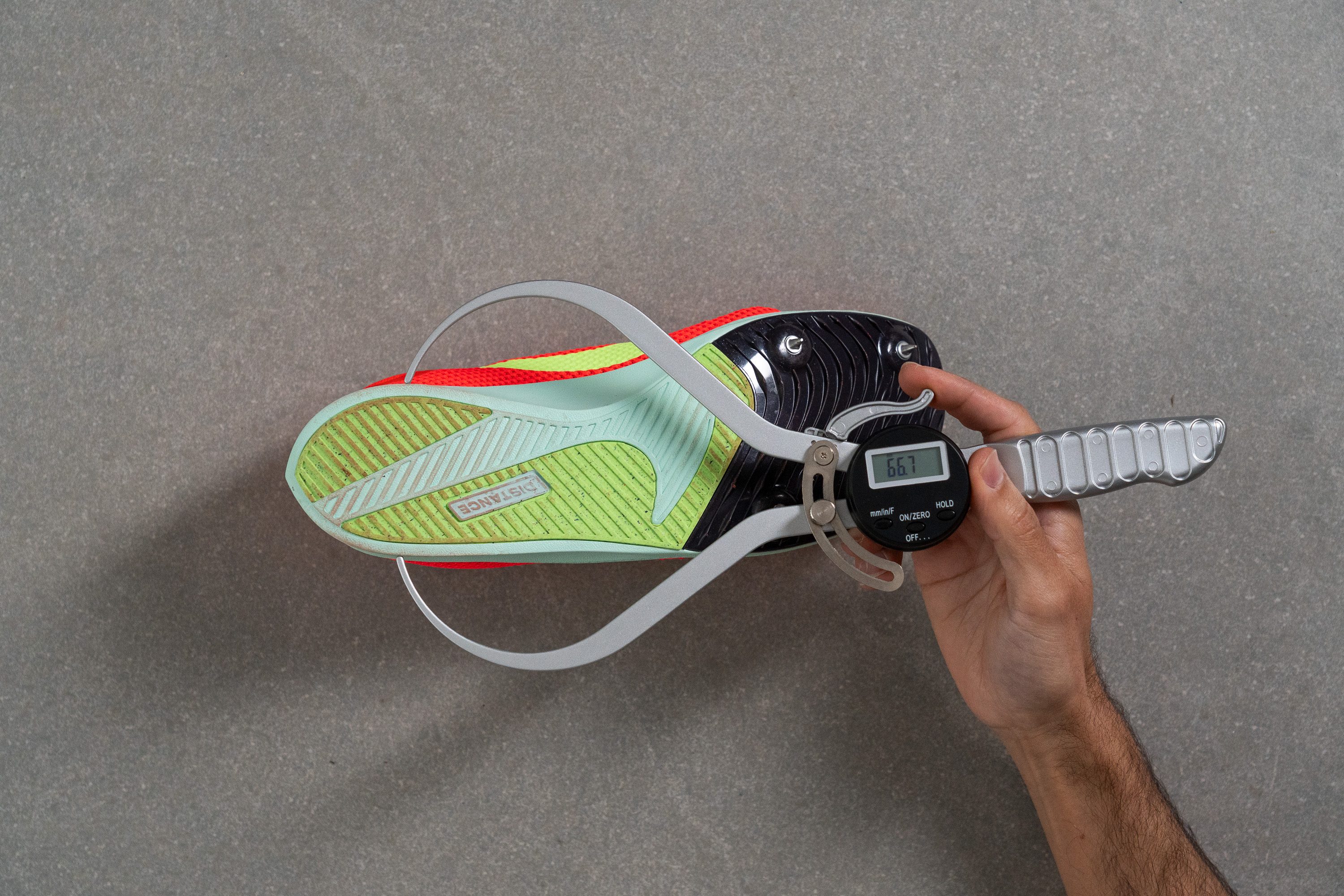
| Zoom Rival Distance | 66.7 mm |
| Average | 63.8 mm |
Durability
Toebox durability
The engineered mesh used by Nike didn’t appear very durable during our initial inspection, and we confirmed this with our Dremel test. It scored just 1 out of 5, which may be worth considering if you often run sockless and tend to wear through the upper.
| Zoom Rival Distance | 1 |
| Average | 2.2 |
Heel padding durability
We found that the heel padding improved the durability score to 3/5, but it’s still below average and makes it clear that upper durability is not where this shoe excels.
| Zoom Rival Distance | 3 |
| Average | 3.8 |
Outsole thickness
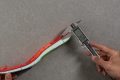
There are 2.0 mm of outsole, which should be more than enough to handle the usual wear for a spike like this.
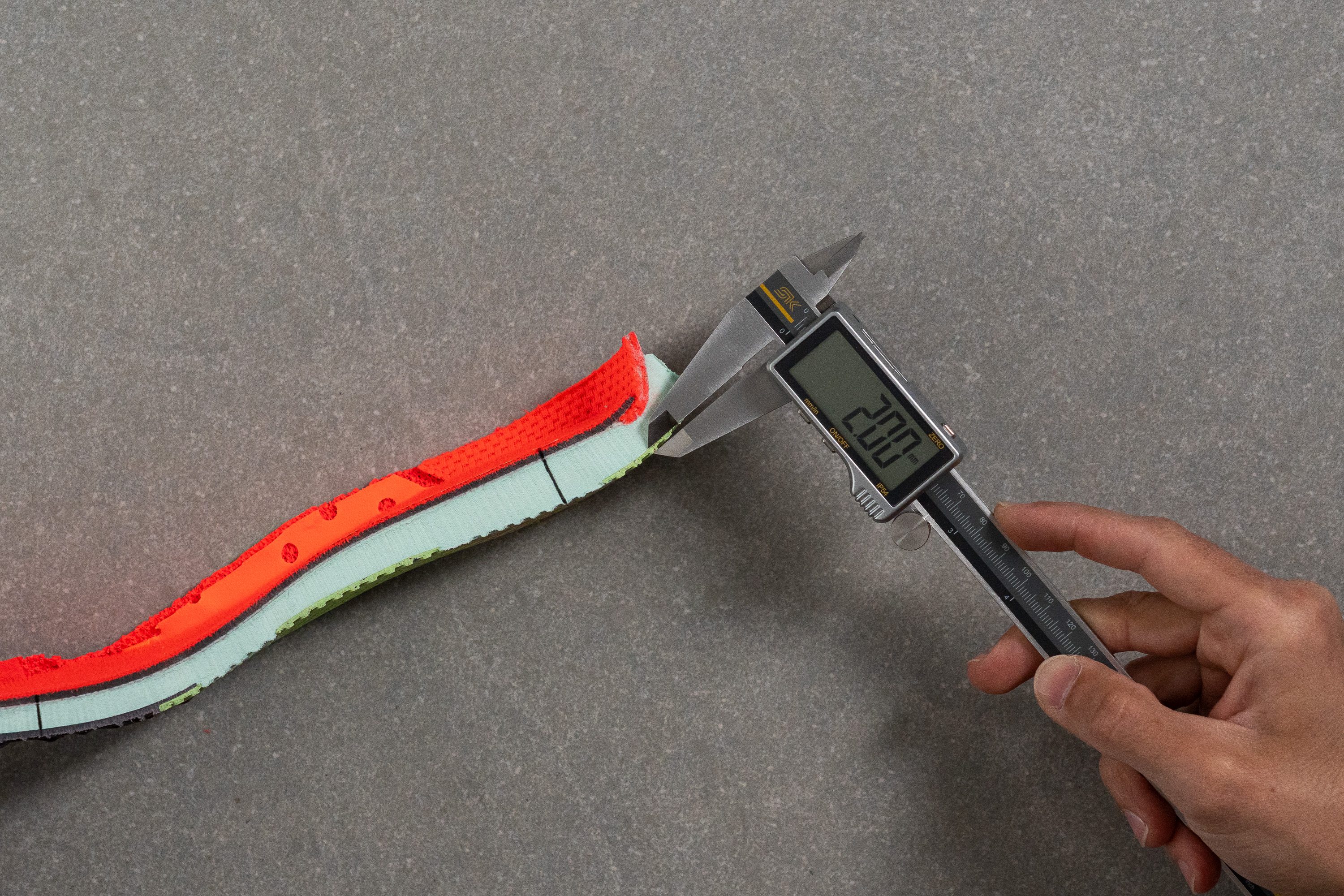
| Zoom Rival Distance | 2.0 mm |
| Average | 2.6 mm |
Misc
Insole thickness
The insole of the Zoom Rival Distance adds 3.2 mm of cushioning to the shoe, whether you like it or not, as it isn’t removable.
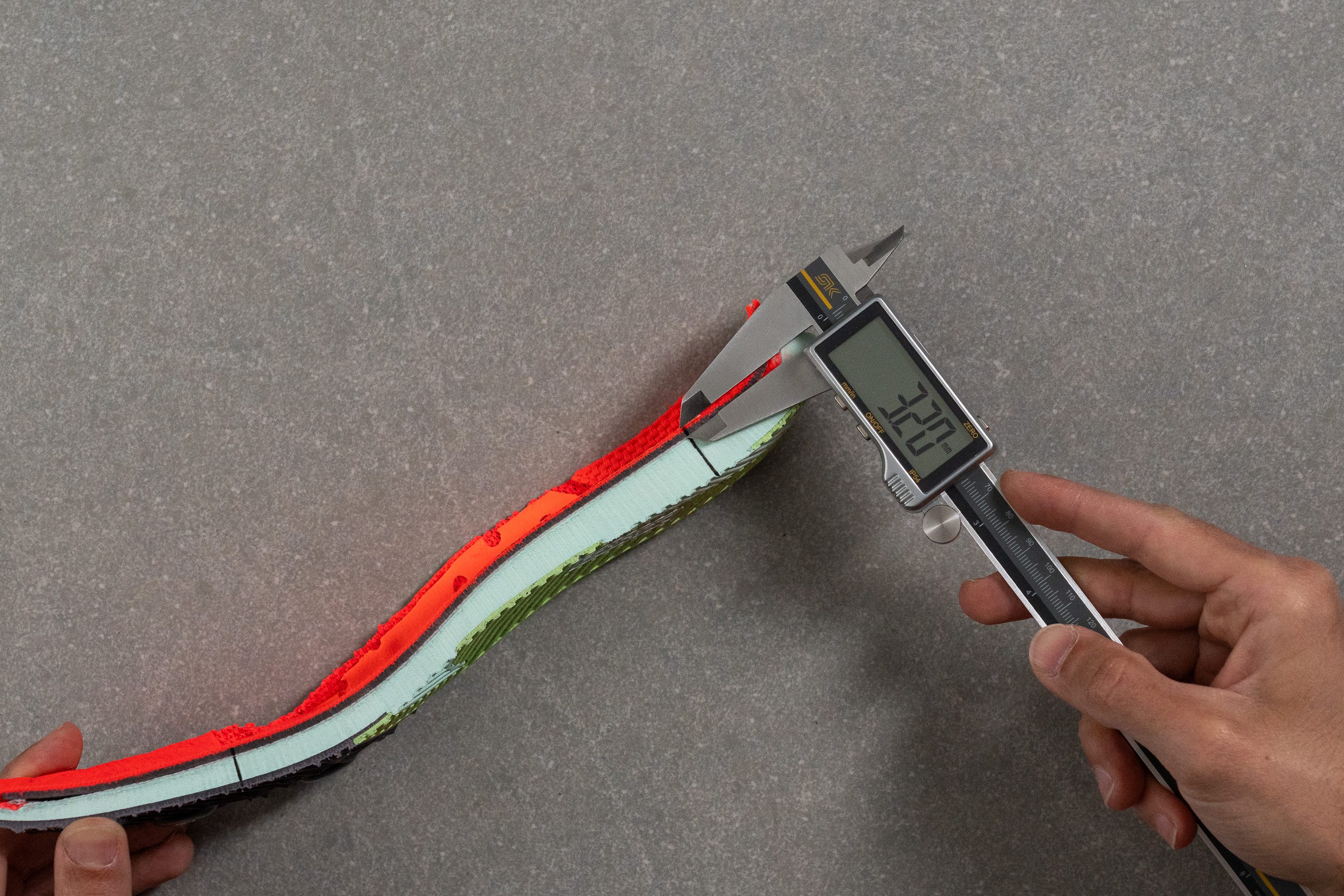
| Zoom Rival Distance | 3.2 mm |
| Average | 2.6 mm |
Tongue padding
Many brands still use standard laces in their spikes, while Nike includes the same premium laces found in their super shoes... in a budget-friendly track spike! That’s truly impressive.
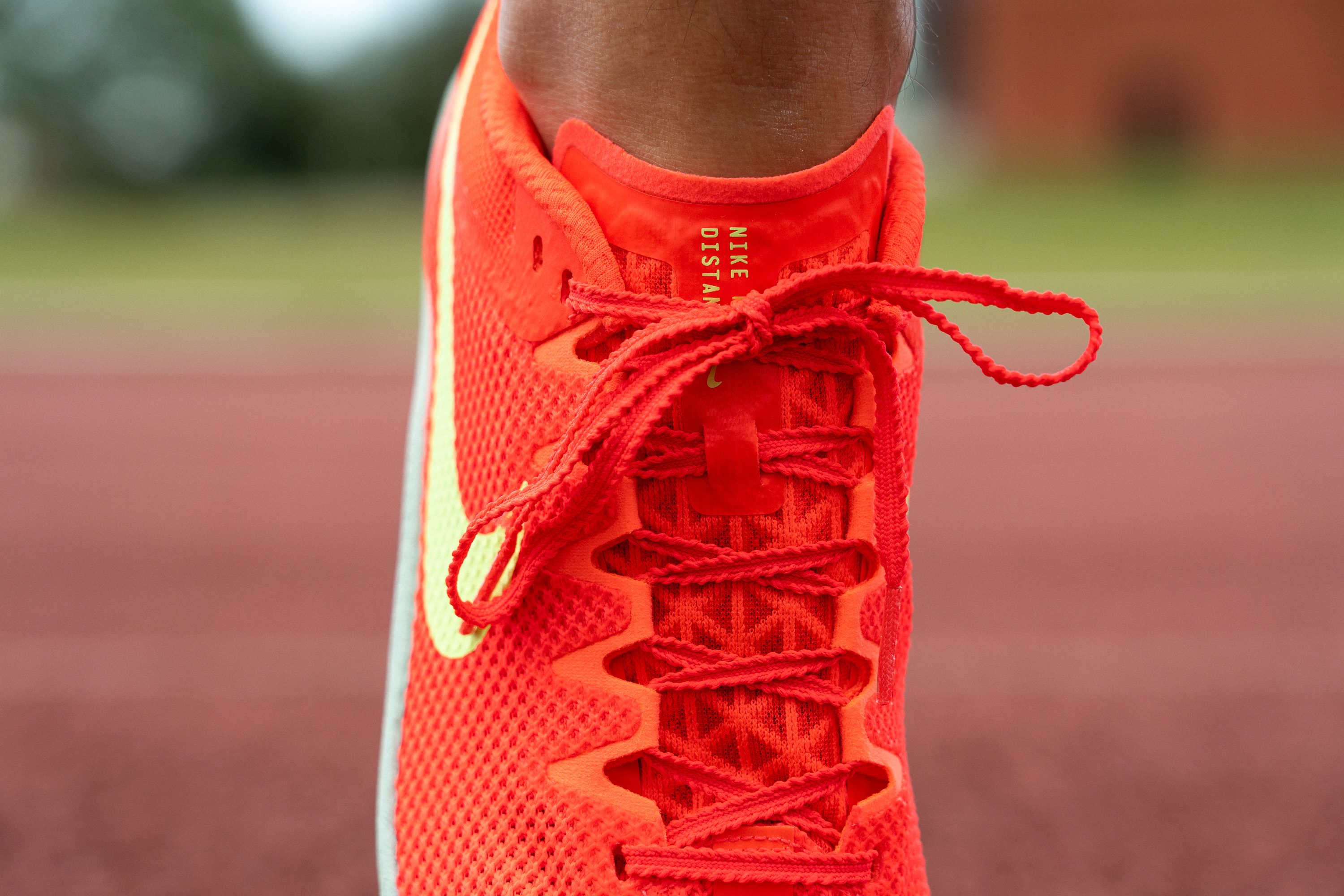
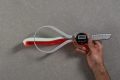
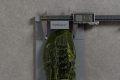
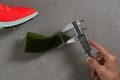
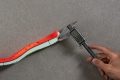
We also liked the tongue, as it’s extremely thin as expected in a racer. Using our digital callipers, we measured just 1.4 mm of cushioning.
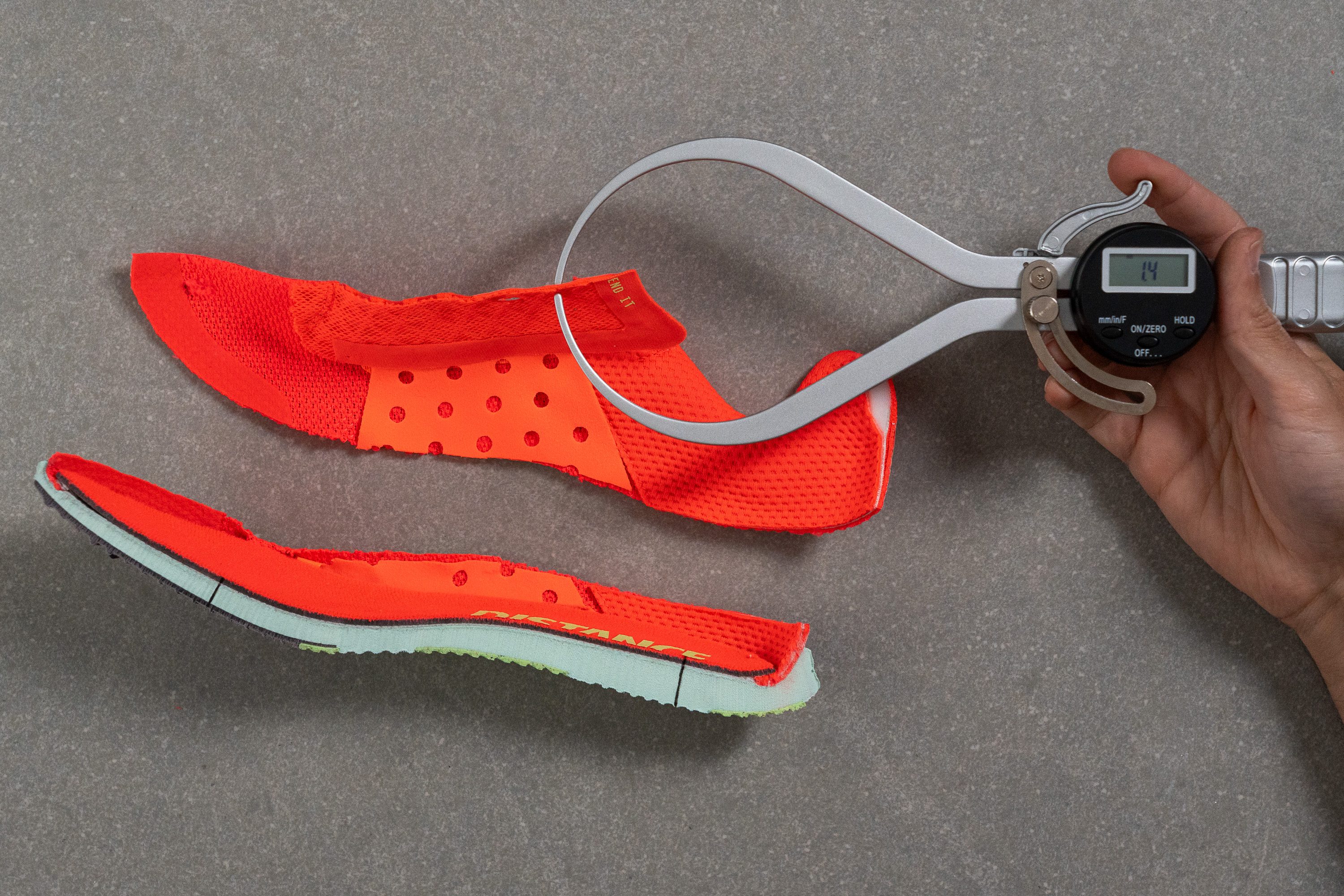
| Zoom Rival Distance | 1.4 mm |
| Average | 2.3 mm |
Heel tab
The heel uses a simple design that skips the circular cutout seen in other Nike spikes and also lacks any pull tab.
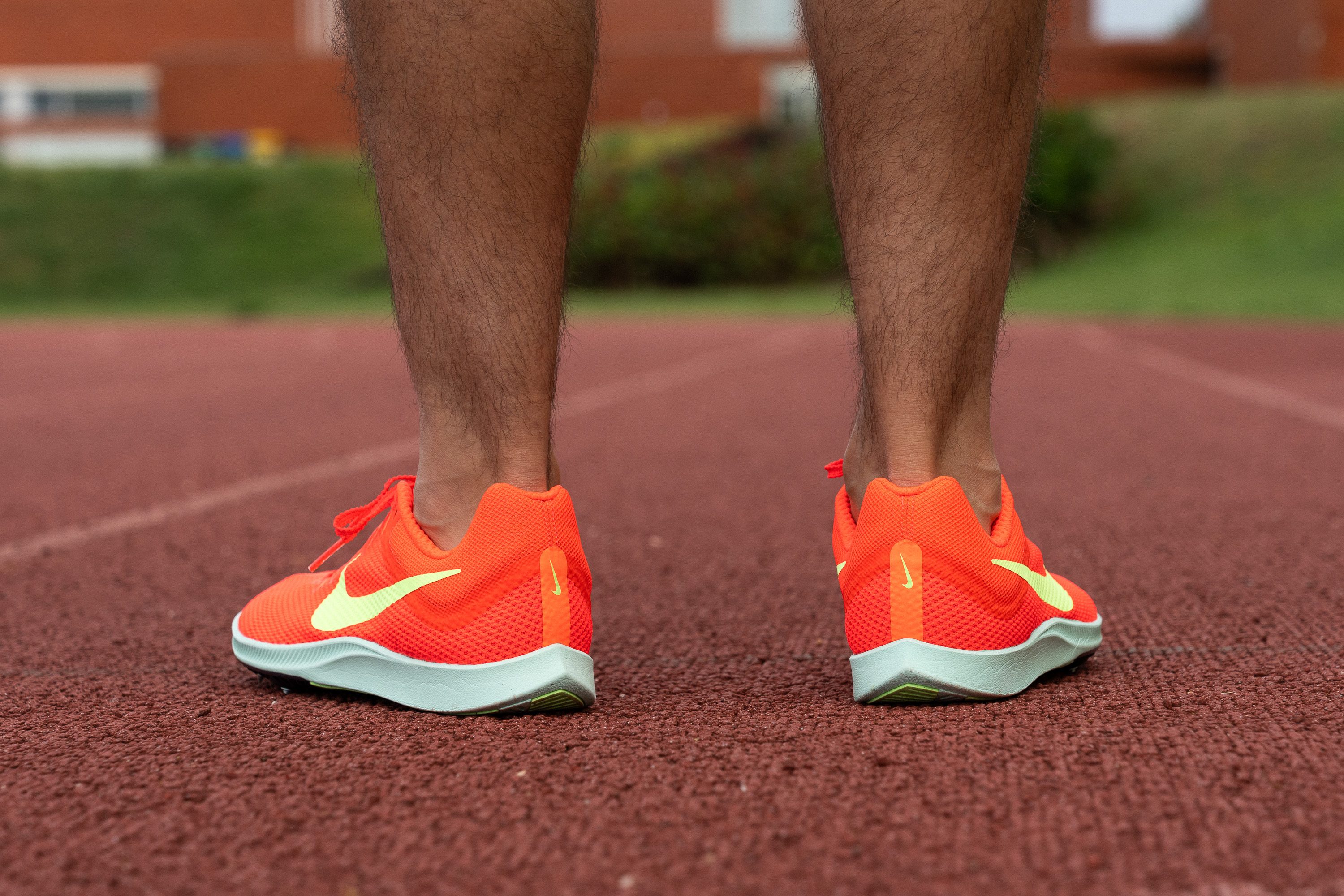
| Zoom Rival Distance | None |
Price
One of the main reasons to choose the Rival Distance over other Nike spikes is its price. This one costs half as much as the Dragonfly 2, which we believe represents significant savings.
| Zoom Rival Distance | $80 |
Removable pins
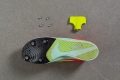
You can remove and replace the four pins on the Rival Distance if needed, and the tool is included as well.