

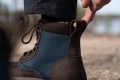
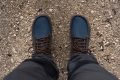
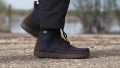
Our verdict
- Urban 90
- Speed 45
- Day hiking 62
- Backpacking 30
Pros
- Exceptionally lightweight
- Wide foot-shaped toebox
- Ultra-flexible construction
- Inherently stable and grounded
- Good traction on smooth surfaces
- Excellent upper durability
- Classy look for casual use
- Breathable for warm weather
Cons
- Not a true zero drop (3.3 mm)
- Poor outsole durability
- Not breathable
Awards
- Top 10% most popular hiking boots
Comparison
The most similar hiking boots compared
+ + Add a shoe | |||||
|---|---|---|---|---|---|
| Our score | 74 Good | 81 Good | 86 Great | 91 Superb | |
| Price | £140 | £145 | £170 | £170 | |
| Trail terrain | Light terrainVersatile / Moderate terrain | Light terrainVersatile / Moderate terrain | Snow / Icy terrainVersatile / Moderate terrain | Light terrainVersatile / Moderate terrain | |
| Shock absorption | Low | Moderate | High | High | |
| Energy return heel | Low | High | Moderate | High | |
| Traction | Low | Moderate | High | - | |
| Weight lab Weight brand | 11.2 oz / 318g 9.9 oz / 280g | 14.7 oz / 417g | 13.5 oz / 383g | 15 oz / 425g 15 oz / 425g | |
| Lightweight | ✓ | ✓ | ✓ | ✓ | |
| Breathability | Warm | Warm | Warm | Breathable | |
| Use | Day HikingUrban hikingBeginners | Day HikingSpeed Hiking | Day HikingSpeed HikingUrban hiking | Day HikingSpeed Hiking | |
| Orthotic friendly | ✓ | ✓ | ✓ | ✓ | |
| Drop lab | 3.3 mm | 1.2 mm | 7.8 mm | 14.4 mm | |
| Size | - | - | True to size | True to size | |
| Midsole softness | Firm | Balanced | Balanced | Balanced | |
| Difference in midsole softness in cold | Small | Small | Small | Big | |
| Heel counter stiffness | Flexible | Flexible | Moderate | Flexible | |
| Stiffness | Moderate | Stiff | Stiff | Moderate | |
| Outsole hardness | - | - | - | Very soft | |
| Waterproofing | Water repellent | Waterproof | WaterproofWater repellent | - | |
| Material | LeatherTextile | Textile | Textile | KnitMesh | |
| Season | Winter | Winter | Winter | SummerAll seasons | |
| Toebox durability | Decent | Decent | Good | Decent | |
| Heel padding durability | Good | Bad | Decent | Good | |
| Outsole durability | Bad | Decent | Decent | Good | |
| Width / fit | Wide | Wide | Medium | Wide | |
| Toebox width | Wide | Wide | Narrow | Medium | |
| Lug depth | 3.5 mm | 4.0 mm | 4.0 mm | 3.7 mm | |
| Heel stack lab | 18.2 mm | 24.2 mm | 35.6 mm | 38.4 mm | |
| Forefoot | 14.9 mm | 23.0 mm | 27.8 mm | 24.0 mm | |
| Widths available | Normal | NormalWide | Normal | Normal | |
| Technology | - | - | Gore-TexVibram | - | |
| Cut | Mid cut | Mid cut | Mid cut | Mid cut | |
| Removable insole | ✓ | ✓ | ✓ | ✓ | |
| Ranking | #40 Bottom 9% | #30 Bottom 31% | #18 Top 41% | #3 Top 7% | |
| Popularity | #4 Top 10% | #14 Top 32% | #20 Top 46% | #16 Top 37% |
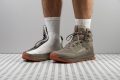
Who should buy
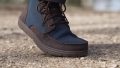
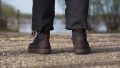
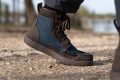
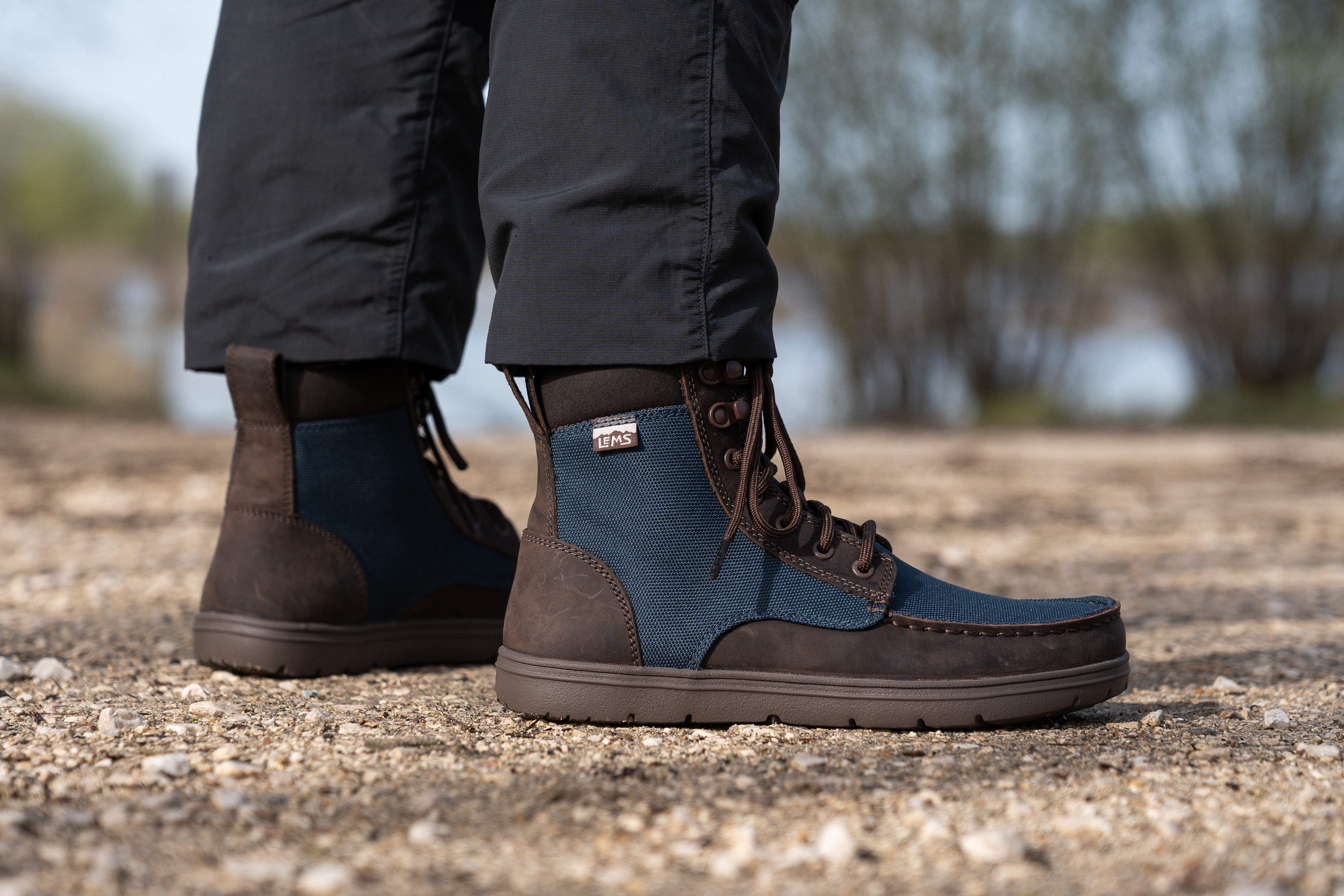
The Boulder Boot is one of Lems' longstanding silhouettes, and we can wholeheartedly recommend it to outdoor enthusiasts who:
- need a boot for a mix of light hiking on groomed trails and casual use
- are into minimalist footwear because they love feeling more connected to the ground
- prefer a natural fit with plenty of toe space
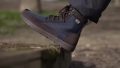
- want a boot that passes the style test and transitions seamlessly from the campsite to the restaurant
Who should NOT buy
Our lab tests confirmed that the Boulder Boot's outsole is not cut out for any serious or at least moderate hiking. A more rugged option would be the Lems Outlander, and if you don't mind other brands, the Altra Lone Peak 9 Waterproof Mid or the Altra Lone Peak Hiker 2 are both excellent alternatives.
Altra is one of the few outdoor brands that shares Lems' minimalist philosophy of zero-drop and foot-shaped footwear.
Cushioning
Shock absorption
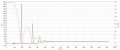
There is a clear reason why the Lems Boulder Boot recorded some of the lowest shock-absorption measurements among hiking boots. Showing as little as 58 SA in the heel, this minimalist silhouette offers about 40% less impact protection than the average boot.
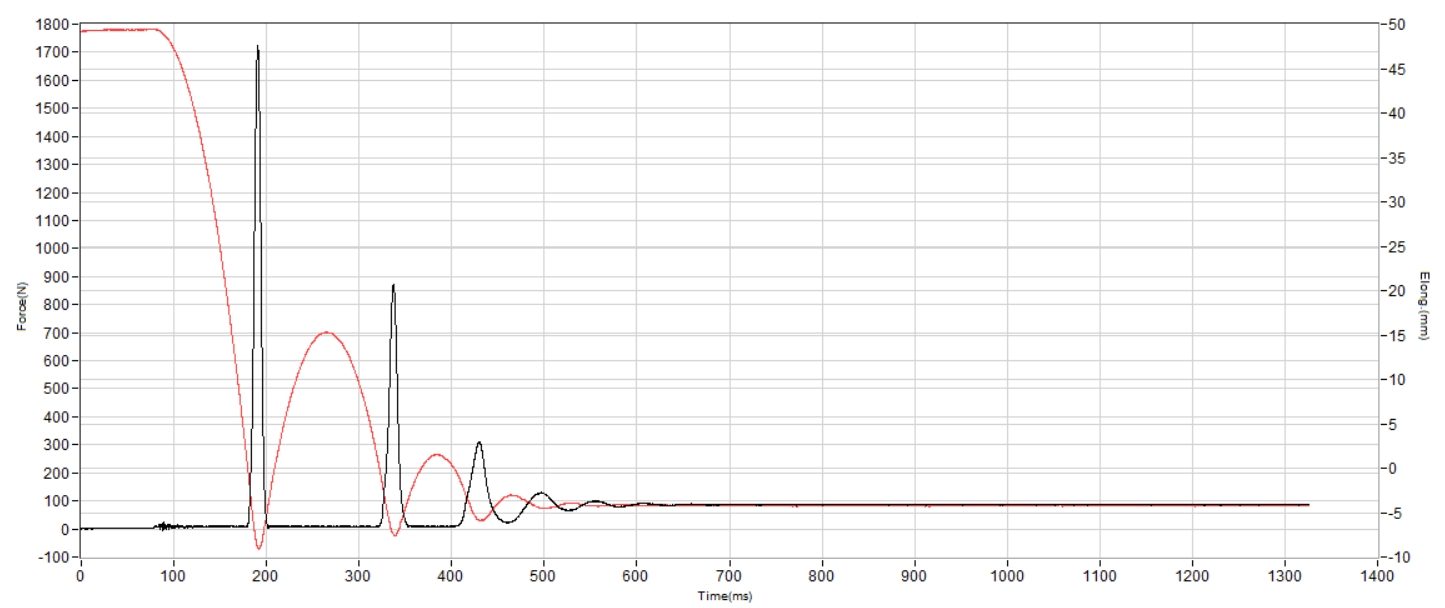
| Boulder Boot | 58 SA |
| Average | 94 SA |
Energy return
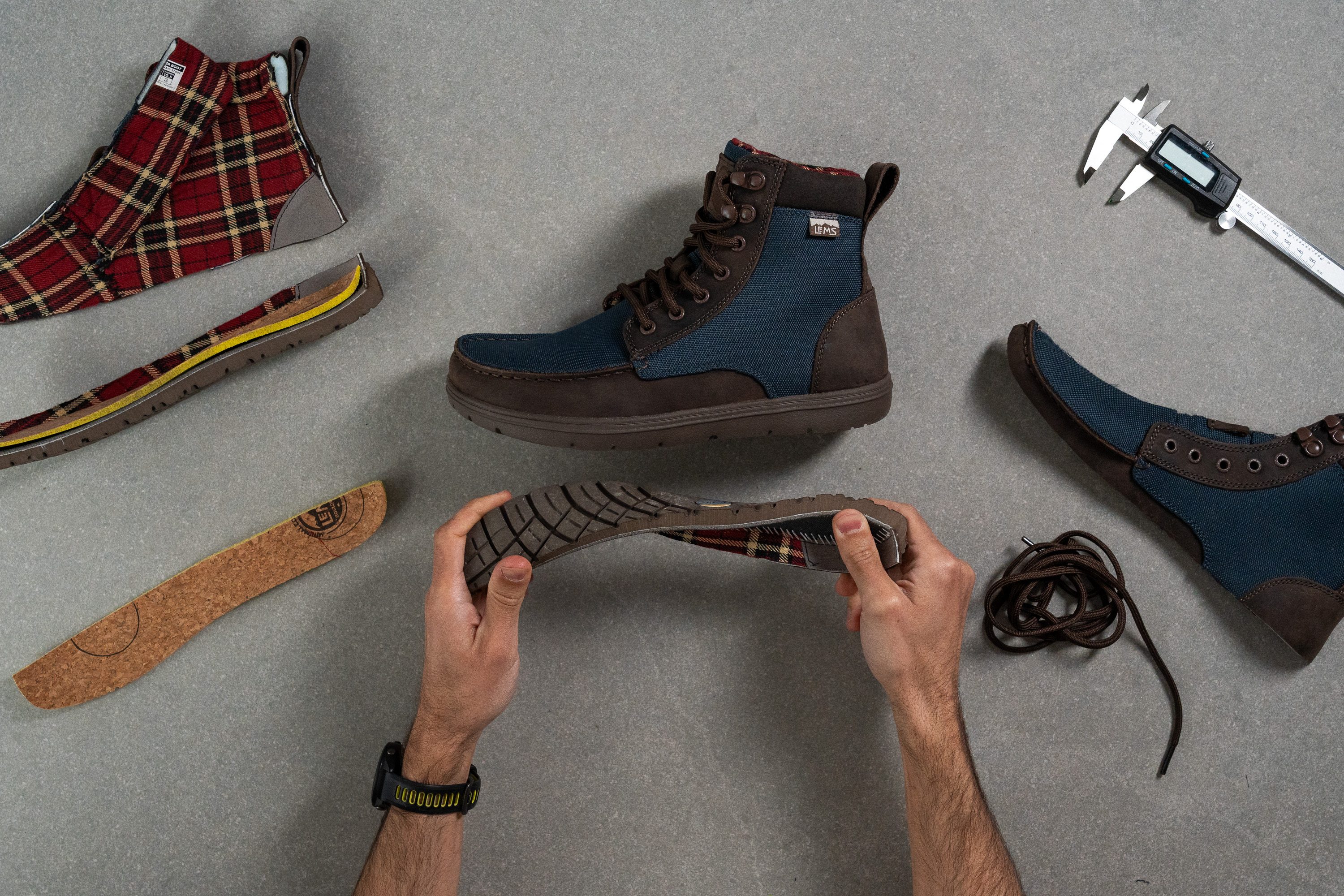
Comprising blown rubber and a thin PU insole, the Boulder Boot lacks a midsole foam layer. And the aforementioned duo falls short of any tangible energy return to make the ride lively or springy. Hence, the boot's very low rebound measurement of 39.0%.
| Boulder Boot | 39.0% |
| Average | 50.4% |
Heel stack
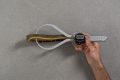
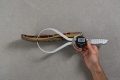
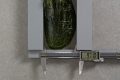
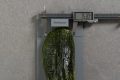
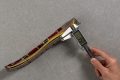
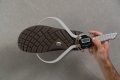
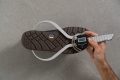
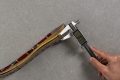
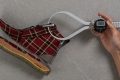
According to the product specs, the Lems boot should have a 10 mm stack height. However, our calliper readings showed that it's nearly twice as thick at 18.2 mm, when both the insole and the outsole are considered.
And that's actually great news because a 10 mm underfoot buffer wouldn't get you very far, even on a highly manicured trail. Yet, the Boulder is still the most minimalist outdoor boot in our lab, offering a very light buffer from sticks and stones.
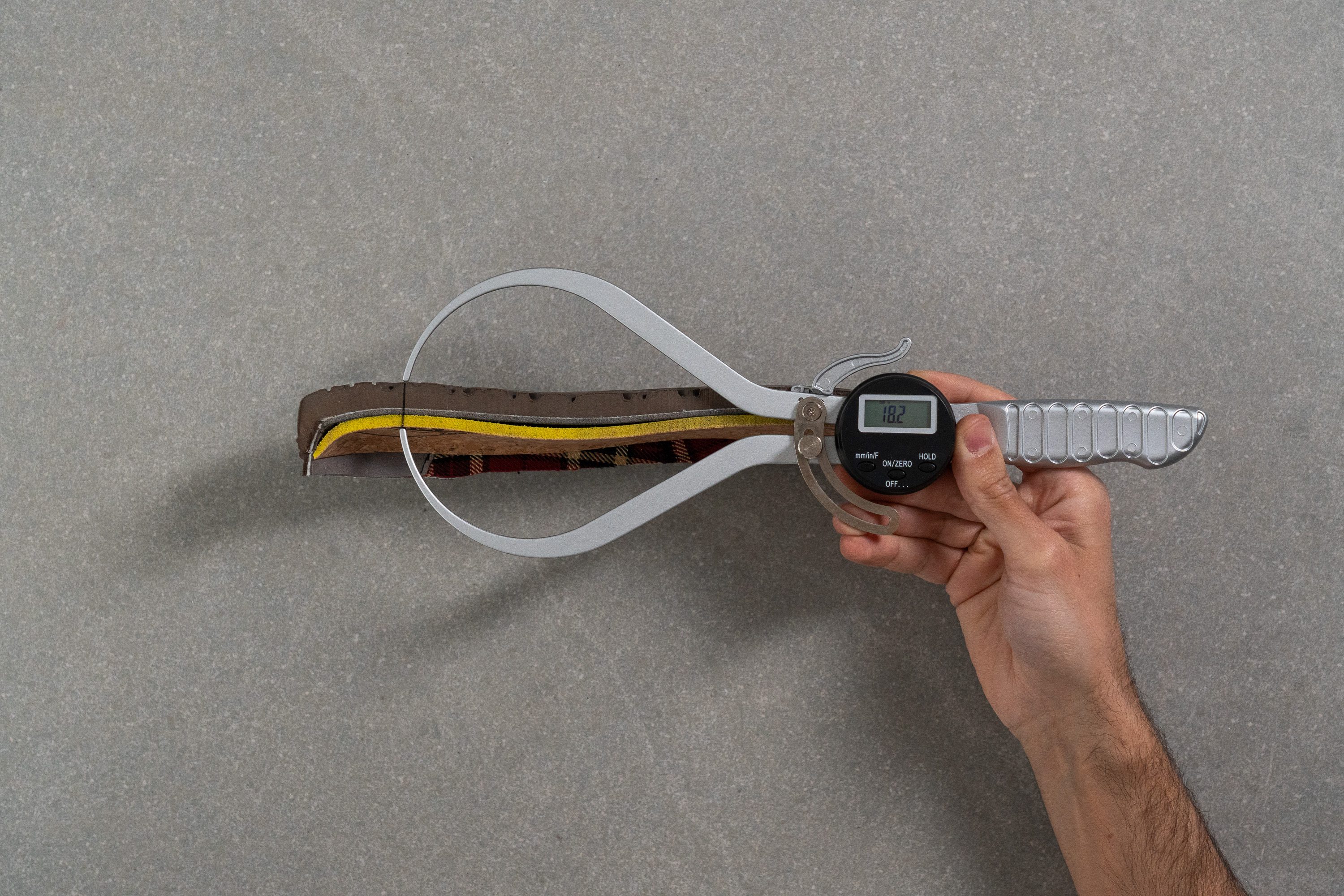
| Boulder Boot | 18.2 mm |
| Average | 36.0 mm |
Forefoot stack
The boot's forefoot stack is just as expectedly low at only 14.9 mm. It's not the type of footwear you want to jump into straight away, without allowing your toe joints and the balls of your feet at least a short adaptation period.
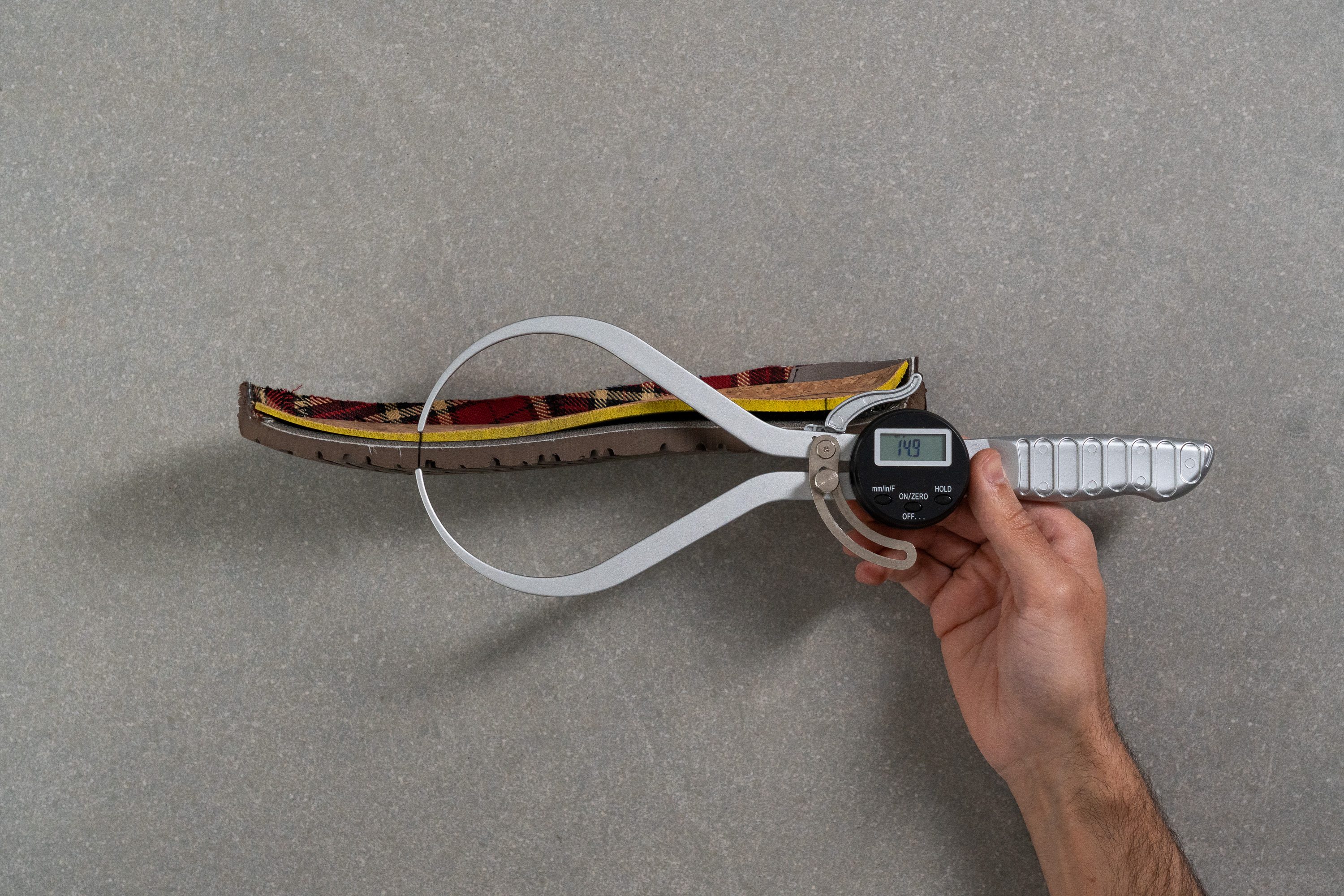
| Boulder Boot | 14.9 mm |
| Average | 23.5 mm |
Drop
A zero-drop offset is one of the key features of the Lems Boulder Boot. In this setup, the wearer's heel is supposed to be positioned at the same height above the ground as their toes.
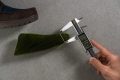
However, our calliper showed a notable discrepancy with the specs at 3.3 mm! That's a pretty tangible deviation for minimalist footwear, especially for someone who specifically looks for that 0.0 offset.
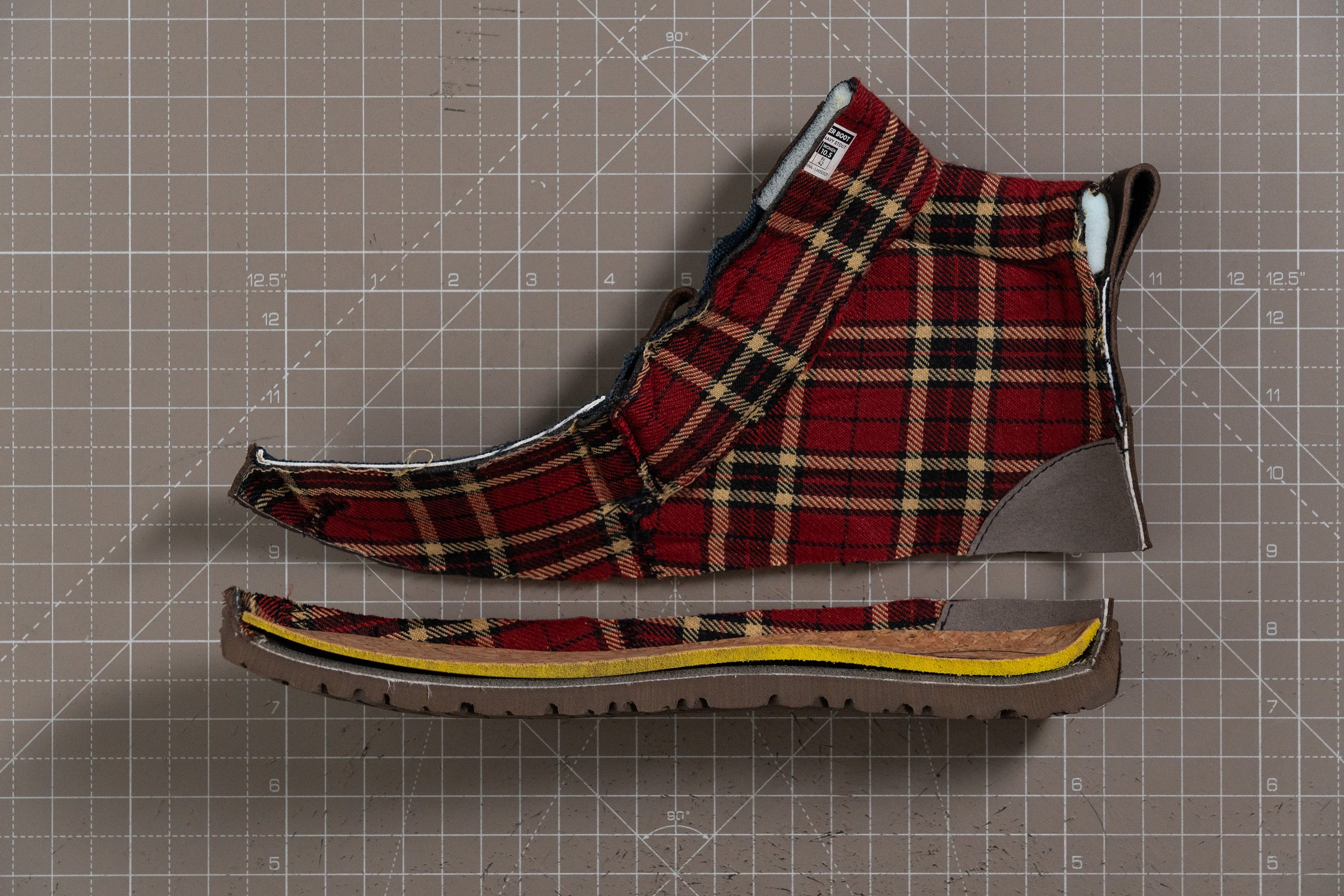
| Boulder Boot | 3.3 mm |
| Average | 12.4 mm |
Midsole softness
Technically, the Lems Boulder Boot has no midsole, but we still pressed our durometer against its blown-rubber sole to give you a better understanding of its underfoot feel.
And just as one might expect from a no-foam boot, the tool showed a very firm reading of 67.5 AC. One of the firmest in the category.
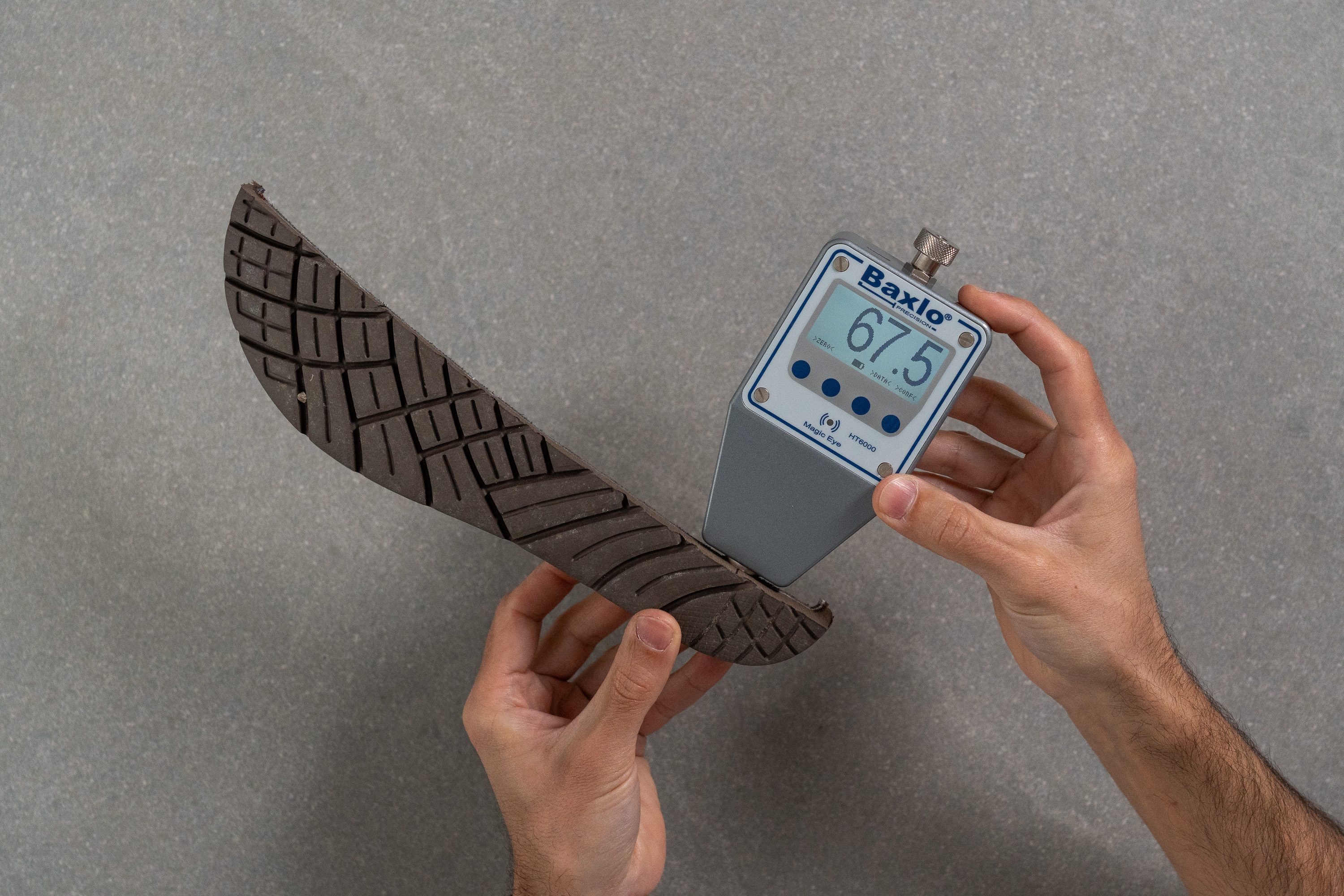
| Boulder Boot | 67.5 AC |
| Average | 45.9 AC |
Size and fit
Size
Internal length
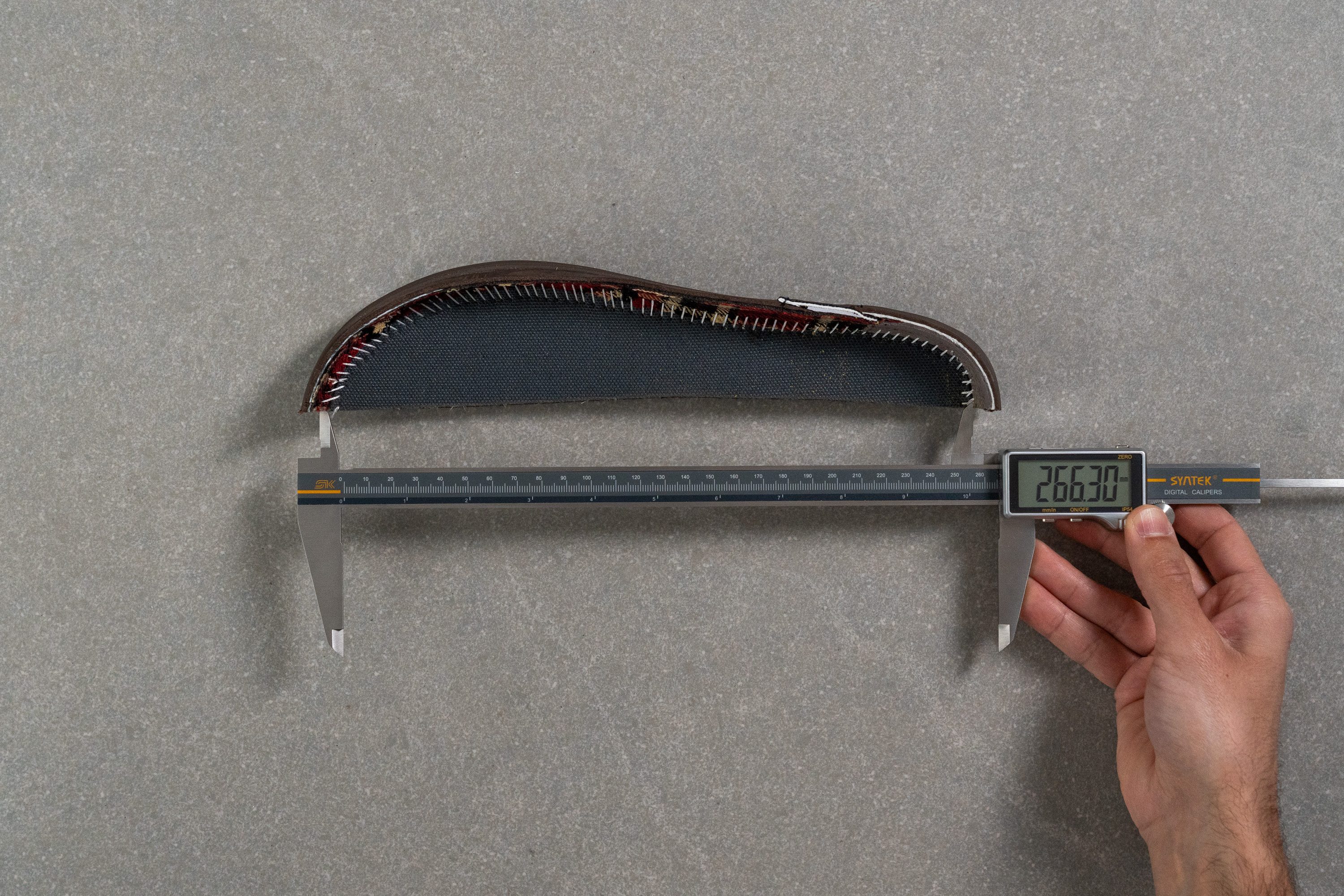
| Boulder Boot | 266.3 mm |
| Average | 270.8 mm |
Width / Fit
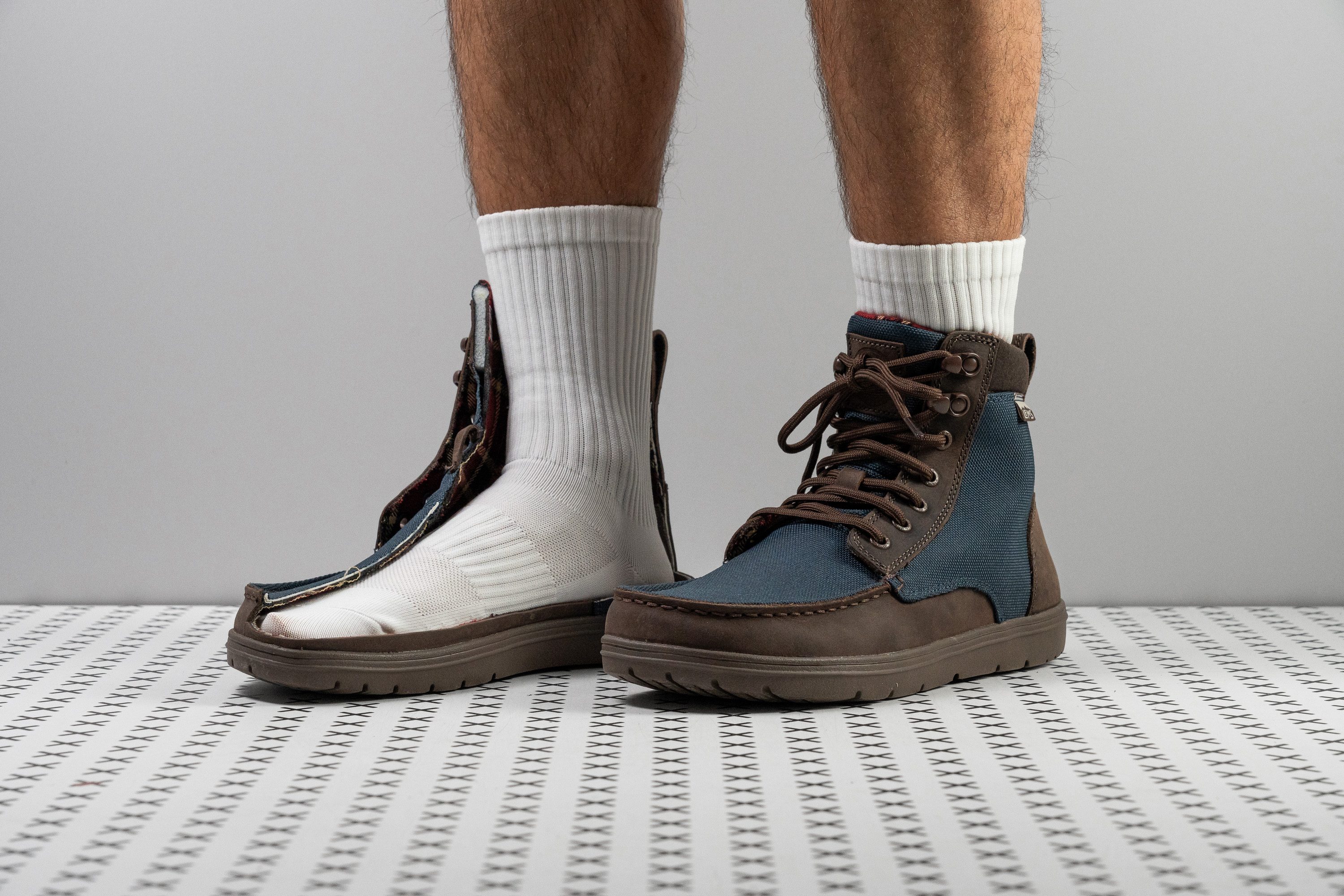
Lems prides itself on designing foot-friendly lasts, and the Boulder Boot is built on the brand's Wide Natural-Shape last as well. And true enough, its width and toebox shape can only be compared to that of Altra and KEEN boots.
But let's back this up with some numbers from our gel mould of the boot's interiors.
Measuring the mould's widest area, we recorded an above-average reading of 97.1 mm, which indeed puts this Lems boot into the wide category.
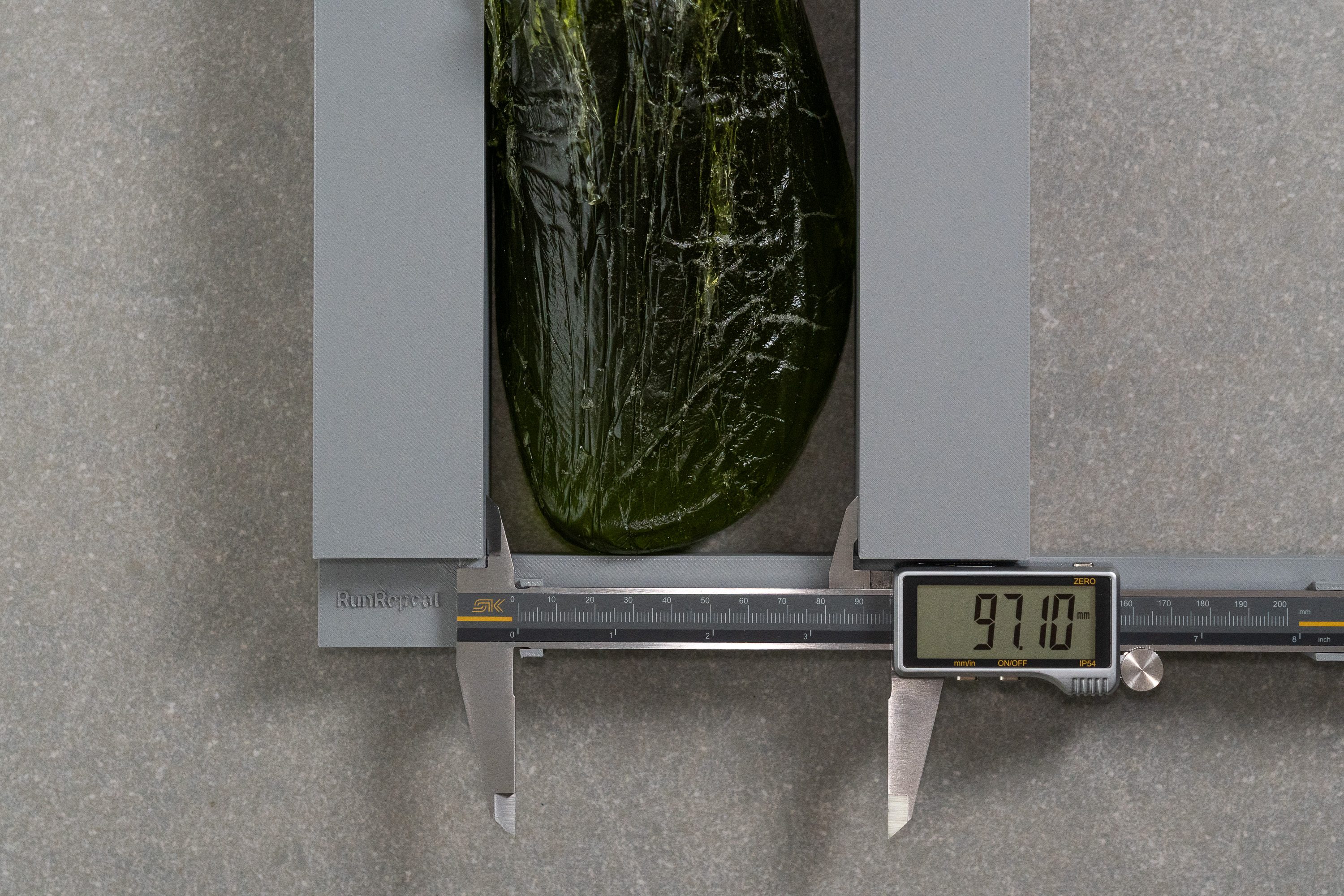
| Boulder Boot | 97.1 mm |
| Average | 94.2 mm |
Toebox width
The rounded shape of this boot's toebox also proved to be wide. With a calliper reading of 75.3 mm, it accommodates all five toes without discrimination, allowing them to splay naturally rather than get cramped together.
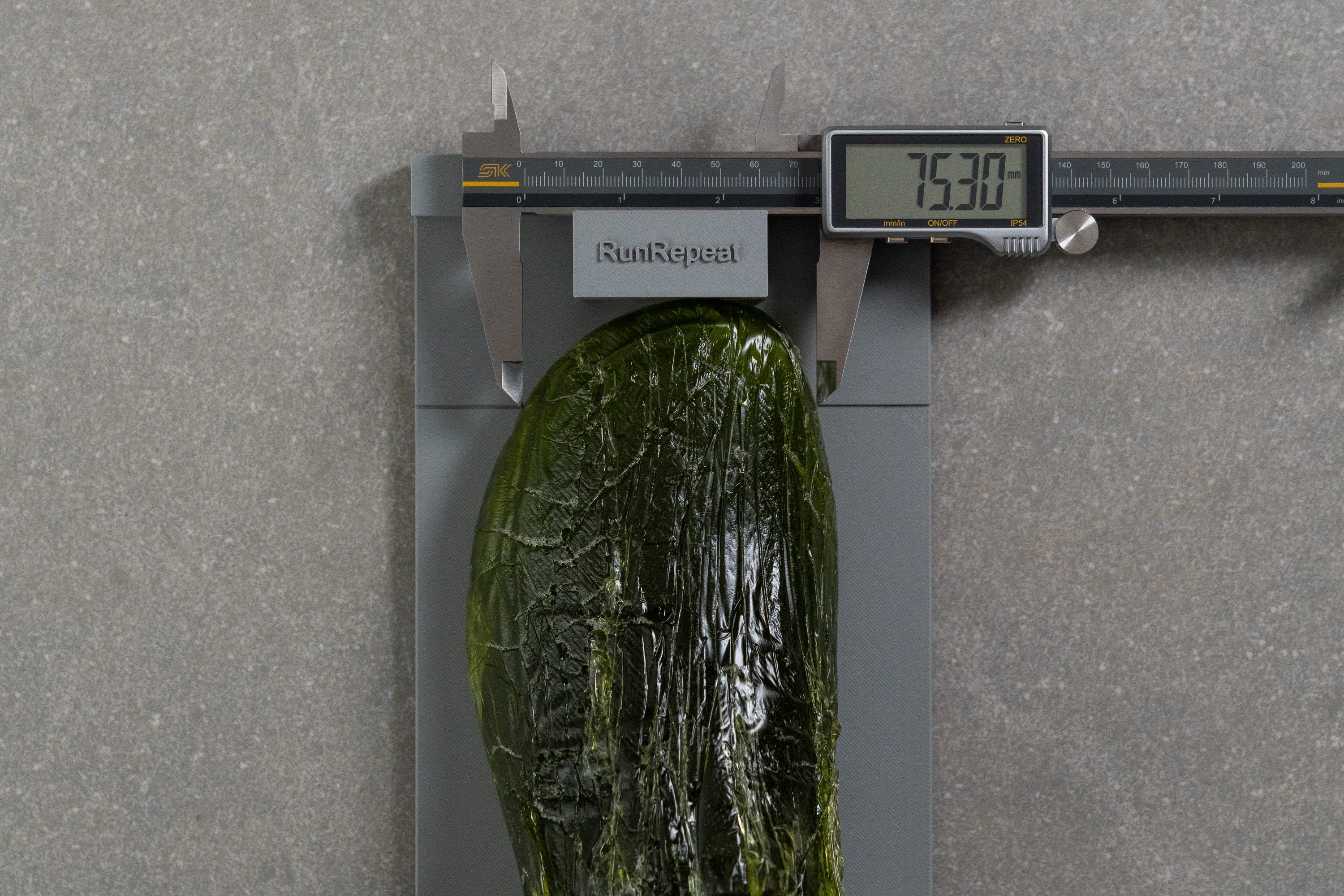
| Boulder Boot | 75.3 mm |
| Average | 71.8 mm |
Toebox height
Nothing can stop you from wearing thick woollen socks with the Lems Boulder Boot in the chilly season, as its vertical space is quite generous as well!
And if you worry about that thick, moc toe stitch that welds canvas and leather panels together on top of the toebox, they form the foot nicely and never feel abrasive.
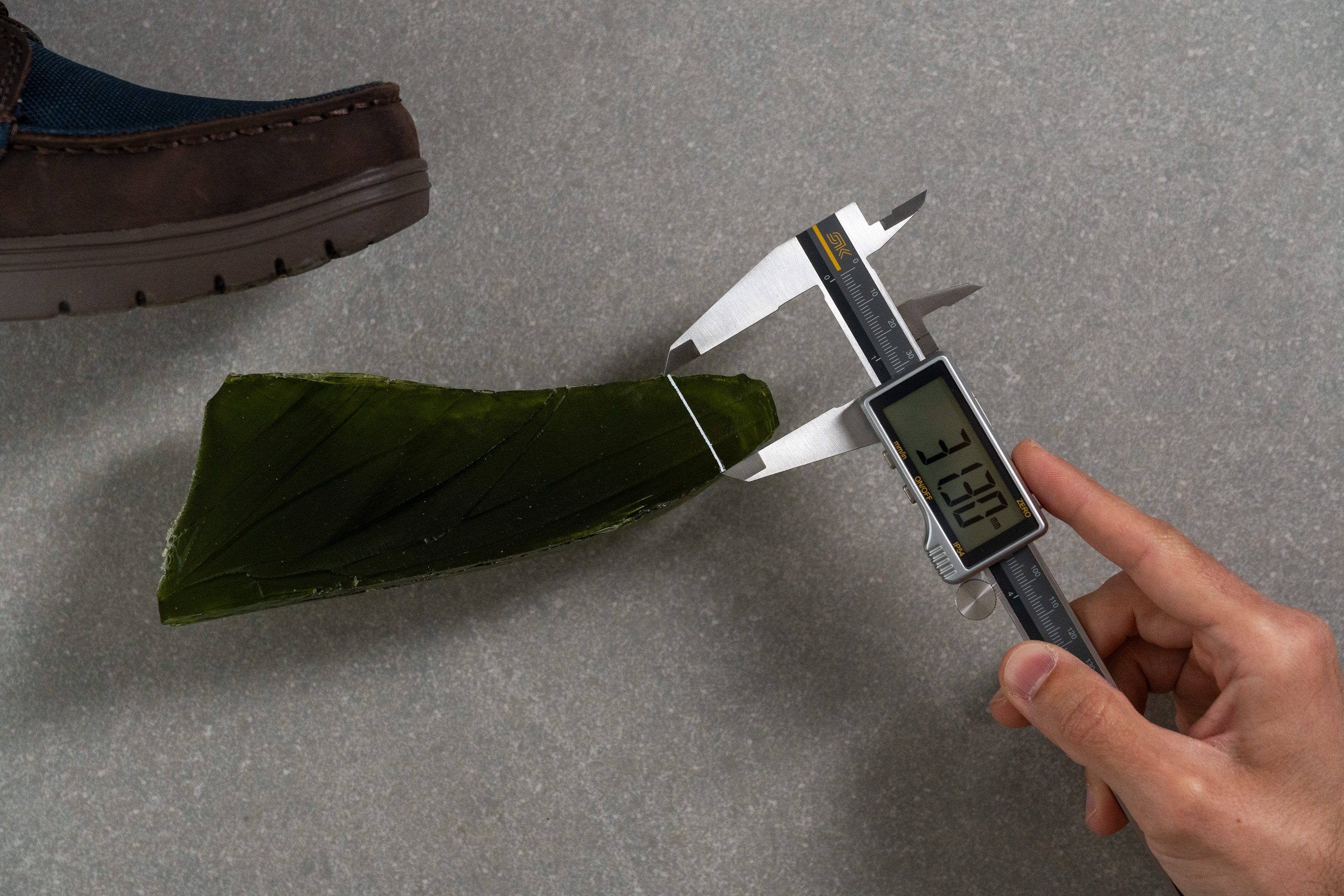
| Boulder Boot | 31.3 mm |
| Average | 27.6 mm |
Traction / Grip
Traction test
In this review, we're looking at the original nylon Boulder Boot, and not the Grip Waterproof version. The latter is marketed as having a grippier outsole than the regular boot, priced at £180, £40 more.
But to be fair, even the regular Boulder Boot showed rather good traction in our lab tests. With a friction coefficient of 0.48, it grips smooth and even wet surfaces well enough to keep us surefooted.
| Boulder Boot | 0.48 |
| Average | 0.63 |
Lug depth
In the case of this Lems boot, it would be more accurate to say sipe depth instead of lug depth because there are no toothy lugs as such. But the sipes in its rubber go as deep as 3.5 mm, creating a myriad of channels to disperse water and reduce hydroplaning.
However, in sloppy environments like muddy trails, snow, or wet grass, the outsole just doesn’t have enough bite to deliver confident footing.
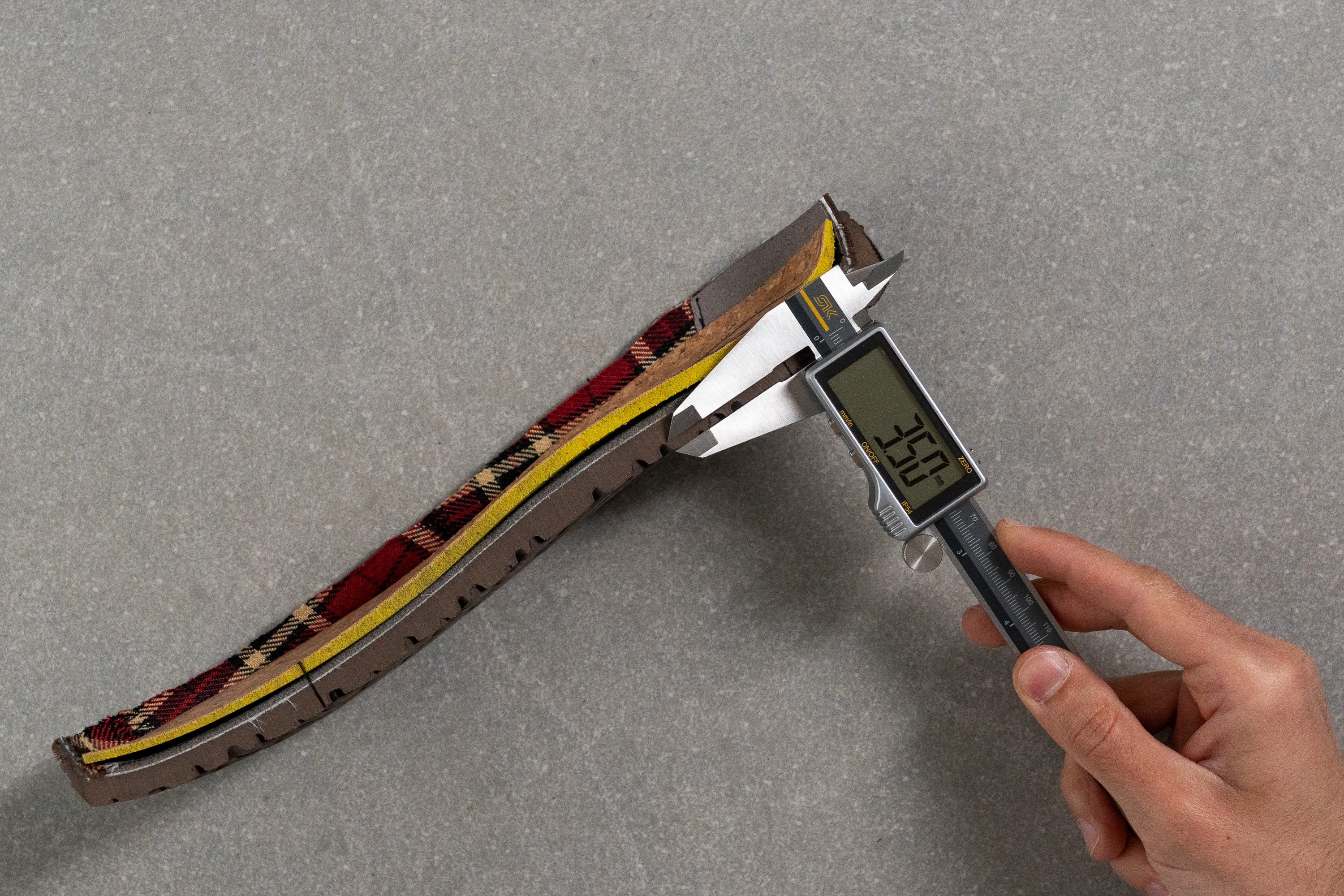
| Boulder Boot | 3.5 mm |
| Average | 4.2 mm |
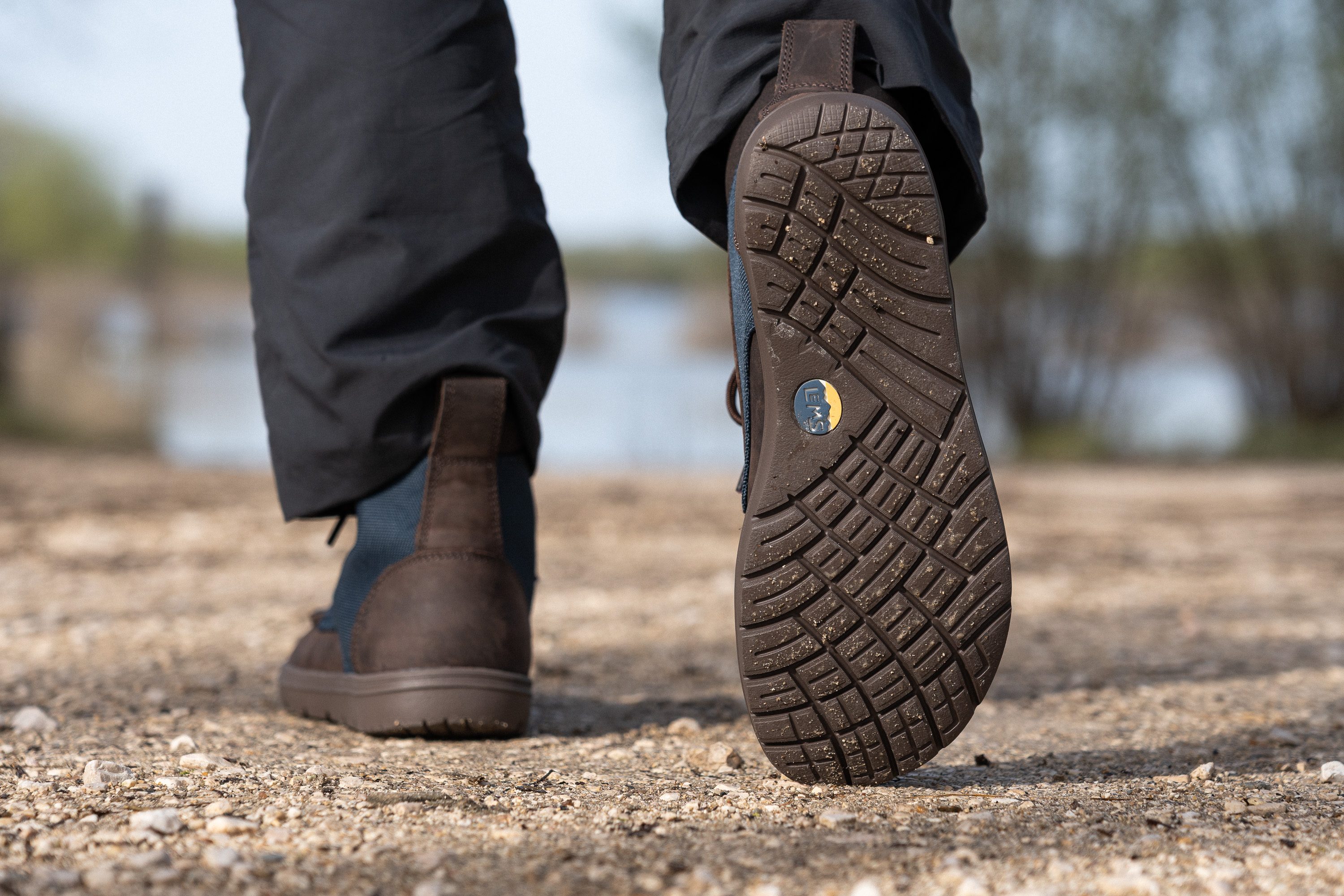
Outsole design
The entire length of the Boulder Boot's outsole is lined with deep sipes that also serve as flex grooves, enhancing grip by increasing flexibility.
However, this boot is only suitable for light, hard-packed, and predictable trails. For a more aggressive outsole from Lems, consider the Boulder Summit, the Outlander, or the Summit Pro.
Flexibility / Stiffness
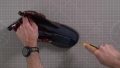
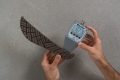
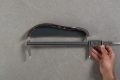
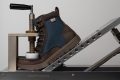
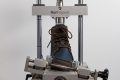
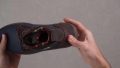
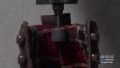
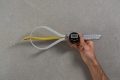
As a minimalist boot, the Lems Boulder boasts an ultra-flexible construction that also makes it easy to pack. Requiring as little as 14.3N of force to bend by 30 degrees, it is 50% more flexible than the average hiking boot and can practically be rolled into a ball if you need to!
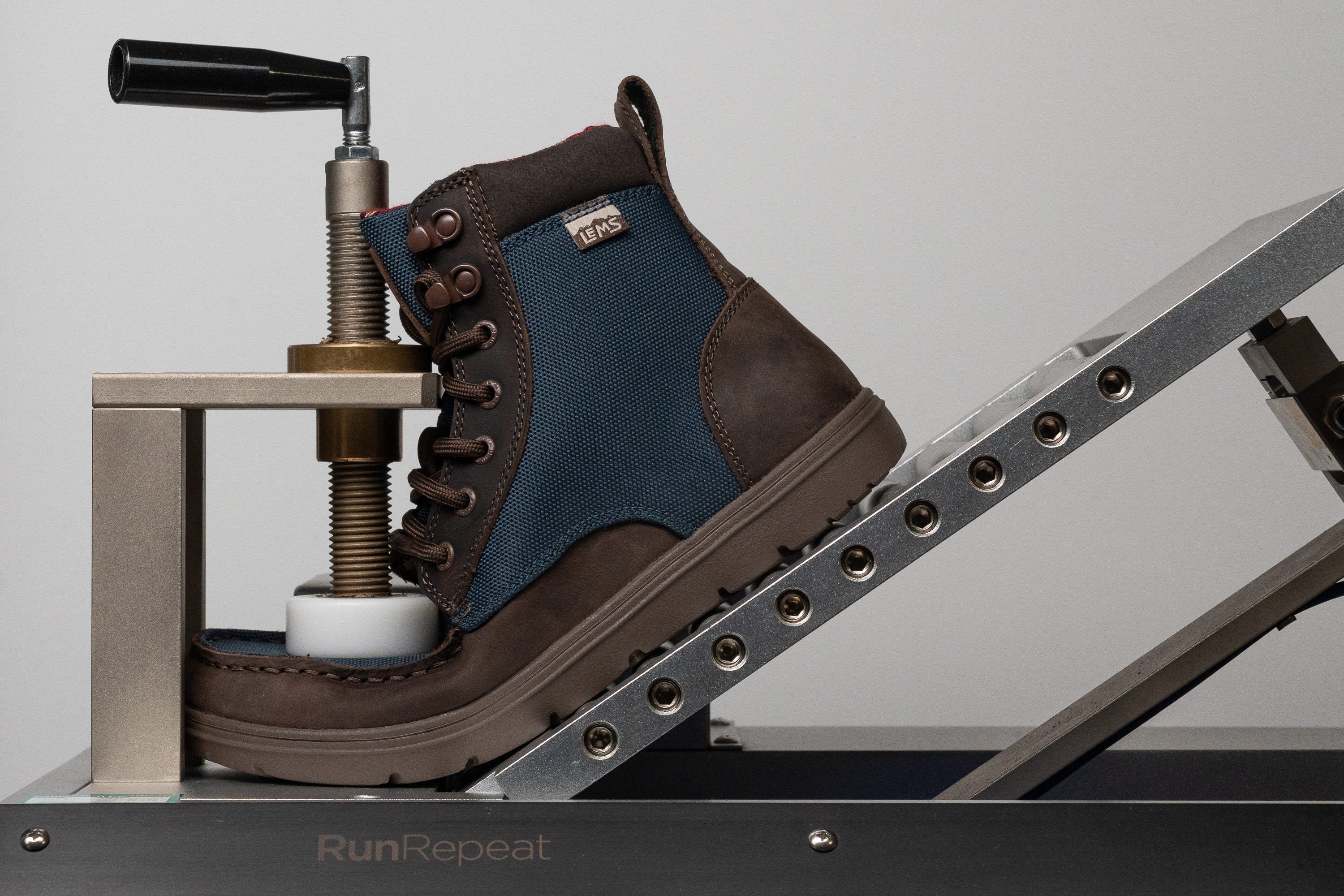
| Boulder Boot | 14.3N |
| Average | 28.3N |
Weight
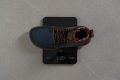
Quite expectedly, the Boulder Boot turned out to be the lightest in our hiking boot catalog, tipping the scale at only 11.2 oz (318g)! About 7 oz (200g) lighter than the category average, it is just barely there!
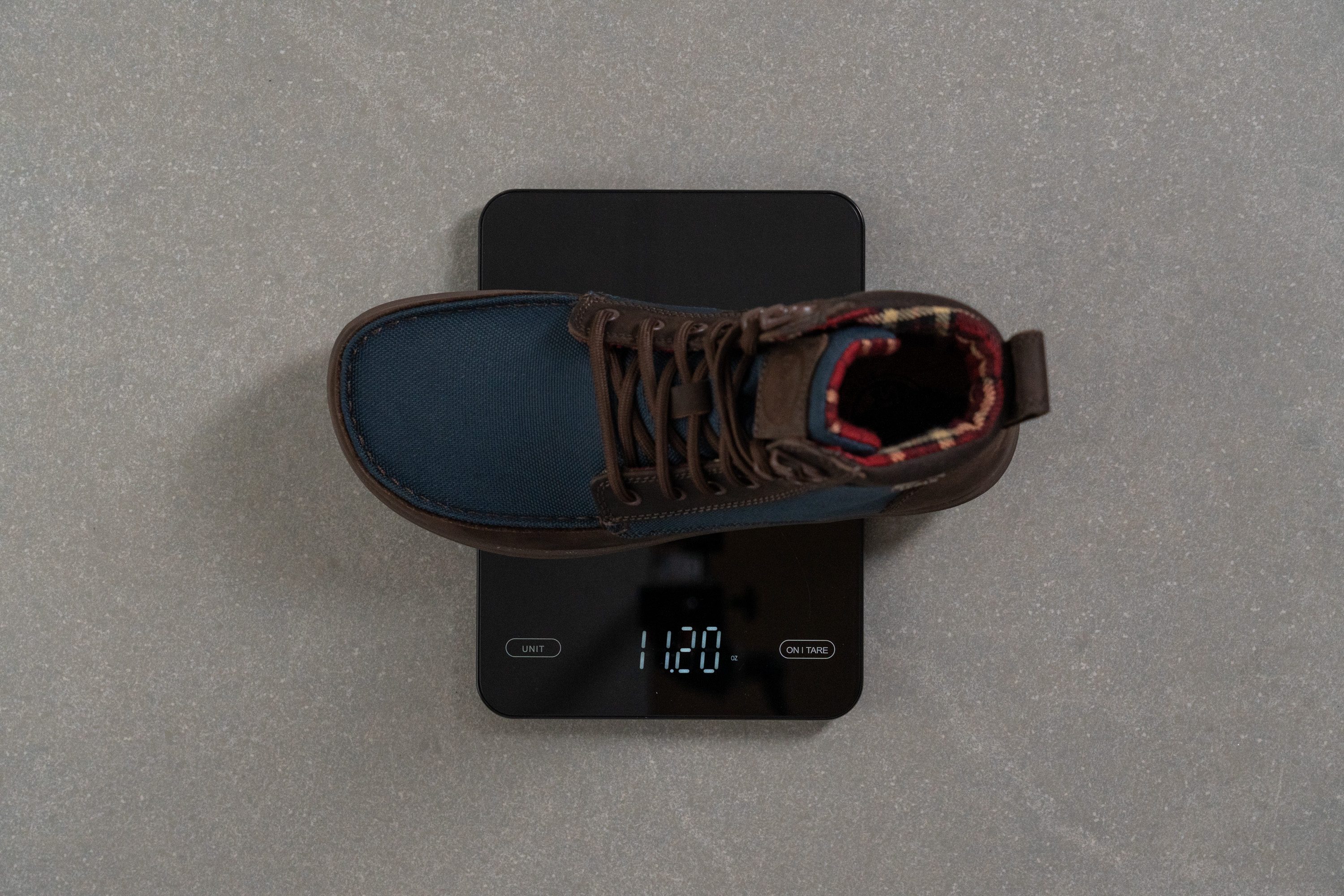
| Boulder Boot | 11.2 oz (318g) |
| Average | 18.2 oz (517g) |
Breathability
Breathability test
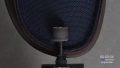
UpdatedThe Boulder Boot is one of the most breathable hiking boots in our roster, with an above-average result of 61 BR. Less reinforced than other options, it has fewer materials to impede sweat regulation and is better suited for hikes in warmer weather.
| Boulder Boot | 61 BR |
| Average | 46 BR |
Drying potential
NewIn addition to measuring how effective this Lems boot is at drawing sweat away from the foot (breathability), we also record how much moisture it evaporates within 3 hours. The latter reflects the boot’s drying potential, and at 41%, it is one of the fastest-drying boots we’ve tested!
That makes it a great summer-ready option for trail outings of various lengths.
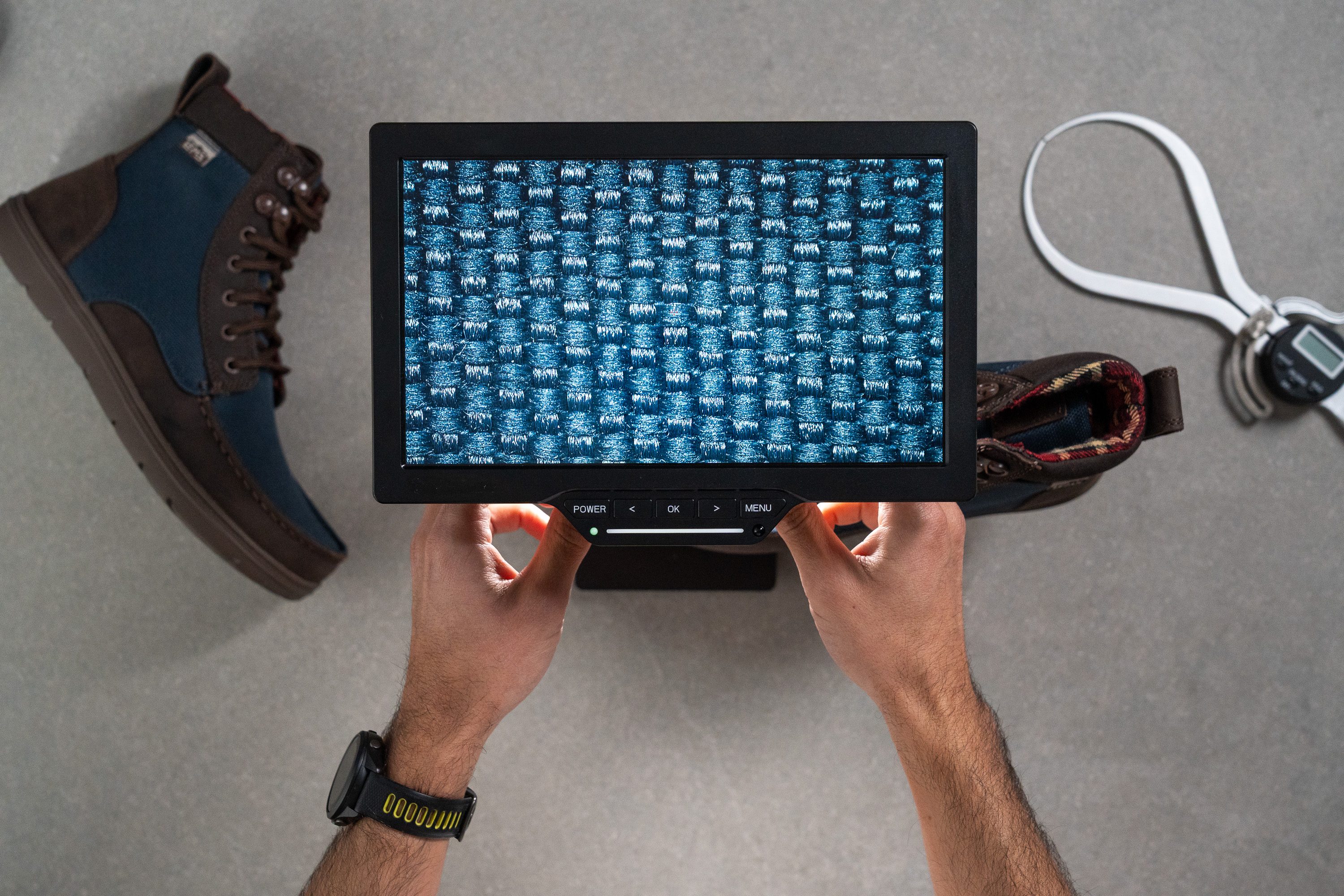
| Boulder Boot | 41% |
| Average | 25% |
Stability
Lateral stability test
Stability works differently in minimalist hiking boots, as their grounded soles themselves make the ride inherently stable. And there is no towering platform that requires additional stability elements to prevent ankle rolls.
But please note that these boots are intended for very easy hikes and casual use, so there is absolutely no ankle support for carrying any heavy loads or traversing even moderately technical terrain.
Torsional rigidity
Torsional rigidity is practically nonexistent here, as the Lems Boulder Boot is meant to flow with the natural motion of your foot.
At 11.8 Nm, it requires 50% less torque to twist than an average hiking boot, making it the most pliable in the category!
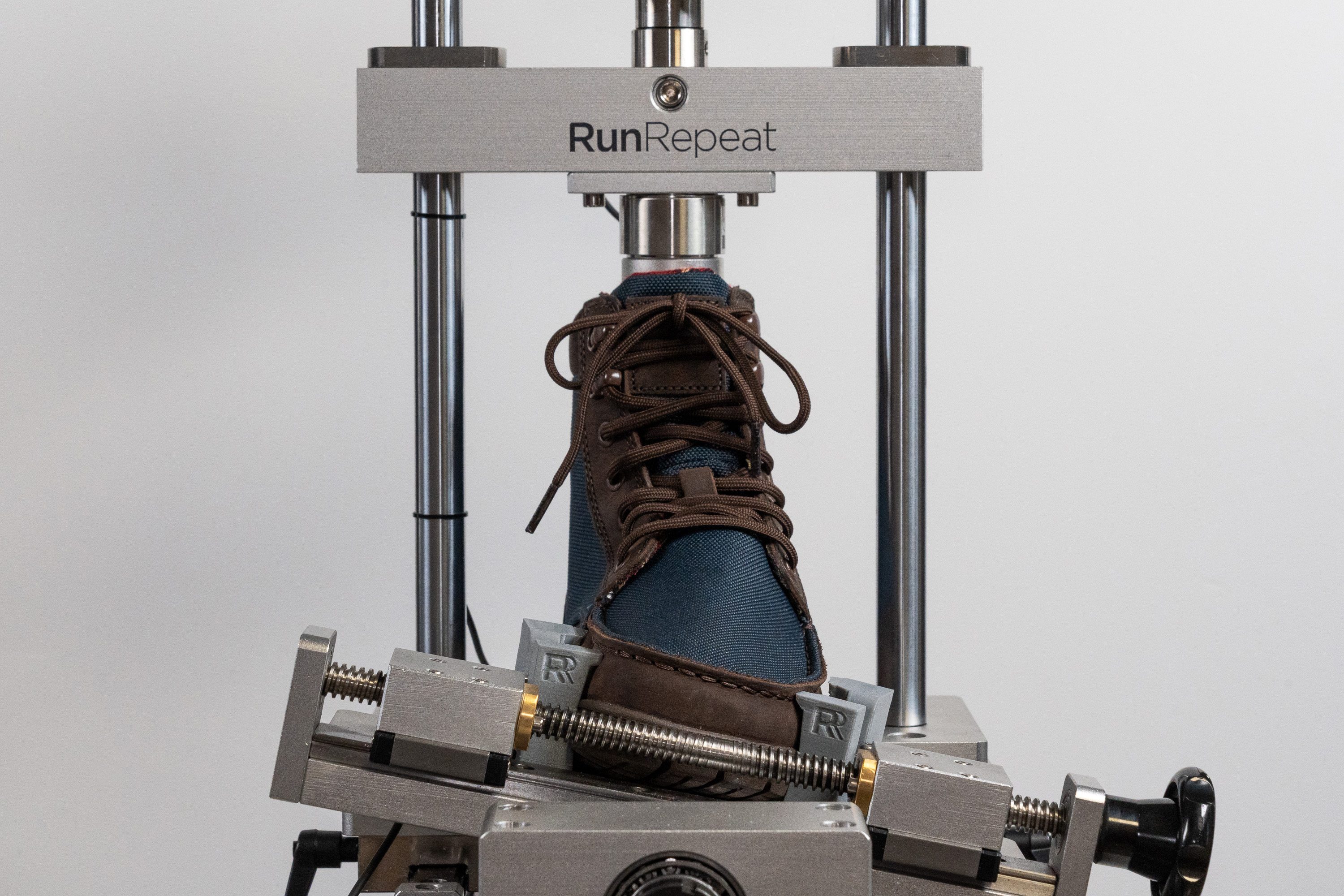
| Boulder Boot | 11.8 Nm |
| Average | 23.6 Nm |
Heel counter stiffness
And there is no need for a stiff heel counter either. With nothing but a full-grain leather overlay adding a bit of structure in the rearfoot, we assessed the boot's heel counter stiffness at only 2 out of 5.
| Boulder Boot | 2 |
| Average | 3.7 |
Midsole width - forefoot
Surprisingly, the Boulder Boot is not even the slimmest in terms of midsole width. The widest part of its forefoot clocked in at a nearly-average 109.3 mm on our caliper.
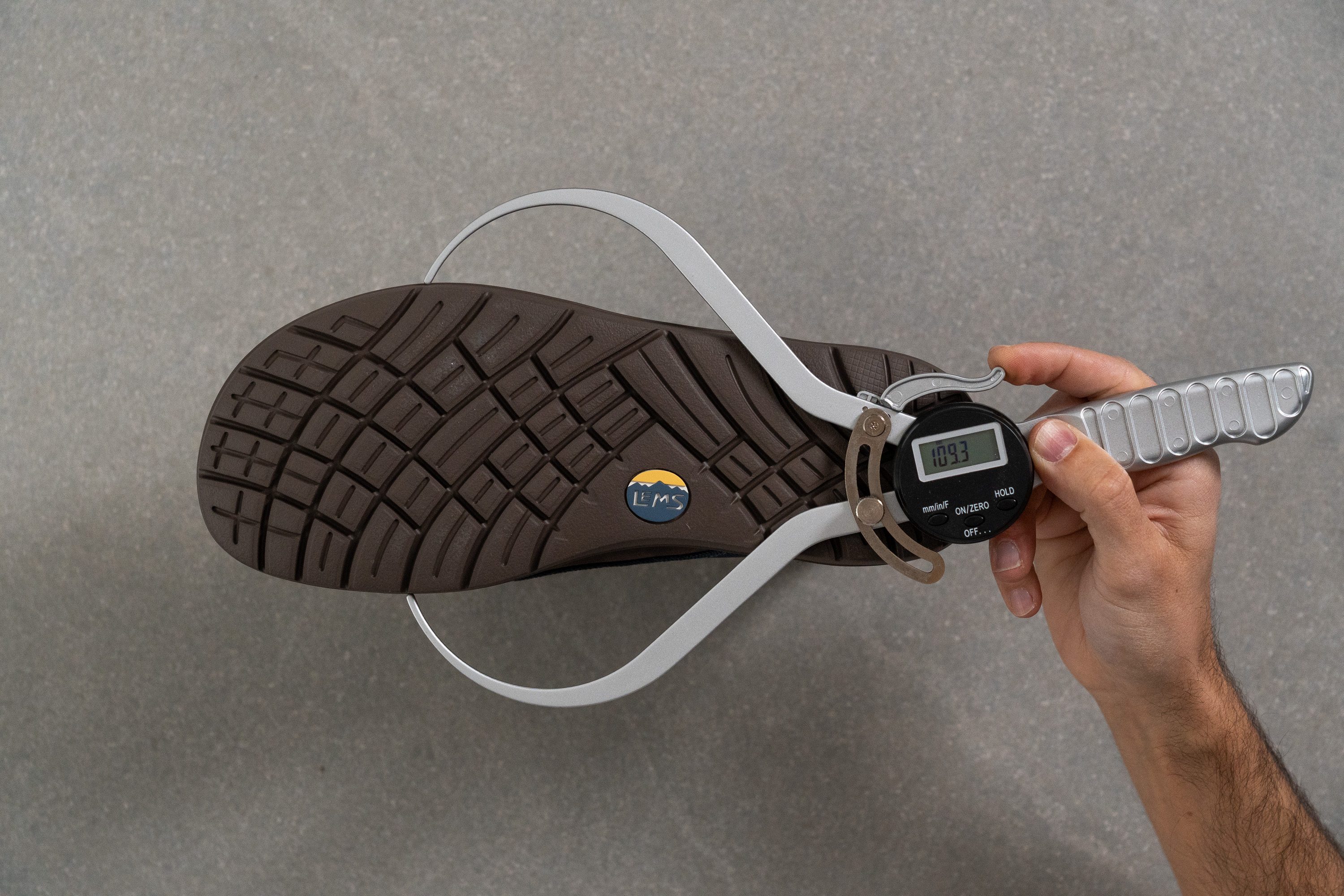
| Boulder Boot | 109.3 mm |
| Average | 112.3 mm |
Midsole width - heel
However, the heel is about 10 mm narrower than average at 77.1 mm, echoing the boot's minimalist design.
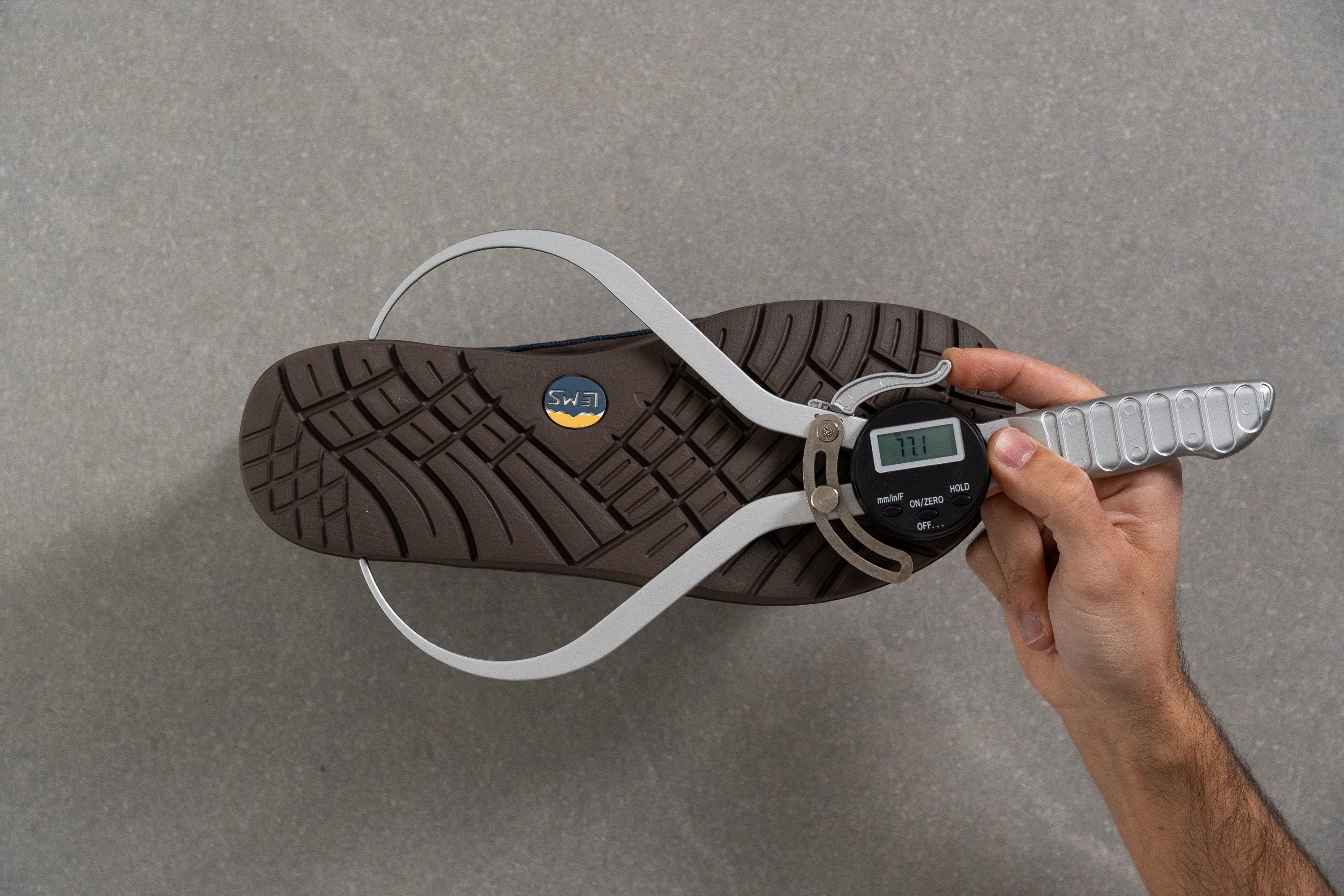
| Boulder Boot | 77.1 mm |
| Average | 88.0 mm |
Durability
Toebox durability
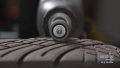
A heavy-duty 1200-denier nylon is the primary upper material of this Lems boot. Used in military gear, backpacks, and even rugged horse blankets, this synthetic fabric also proved its abrasion resistance in our Dremel test.
With only cosmetic scuffing, it earned the Boulder Boot a high toebox durability score of 4 out of 5.
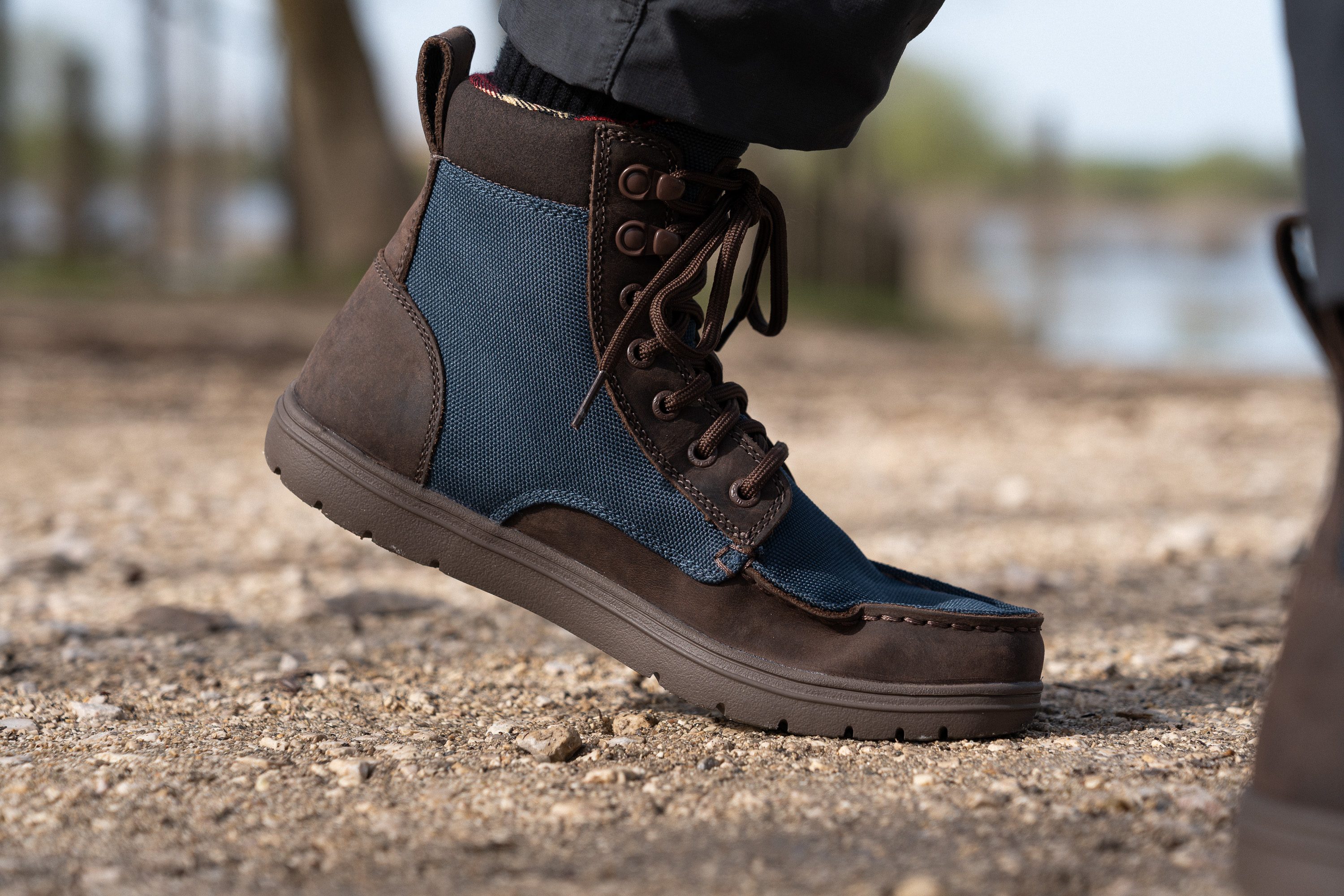
The high-wear areas of this Lems boot, however, are made of even more abrasion-resistant full-grain leather. It is used for the toe rand, the heel cover, and the eyestay.
| Boulder Boot | 4 |
| Average | 4.2 |
Heel padding durability
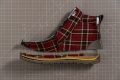
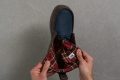
Inside the boot, a polyester lining with a classy plaid print also showed off its strong abrasion resistance. With minimal wear and tear, the fabric also scored high in our durability test, earning 4 out of 5!
| Boulder Boot | 4 |
| Average | 3.5 |
Outsole durability
The Boulder Boot's sole is made of Injection Blown Rubber (IBR), and as the name suggests, it is a mixture of air and rubber that helps keep the boot's weight down. But, unfortunately, the durability of this material pales in comparison to regular black rubber...
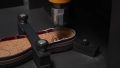
Our Dremel burned through the IBR like it was butter, leaving a deep 1.4 mm dent after only 18 seconds. As one of the worst outsole durability results among hiking boots, it is yet another confirmation that the Lems Boulder Boot is for light use only.
| Boulder Boot | 1.4 mm |
| Average | 0.8 mm |
Outsole thickness
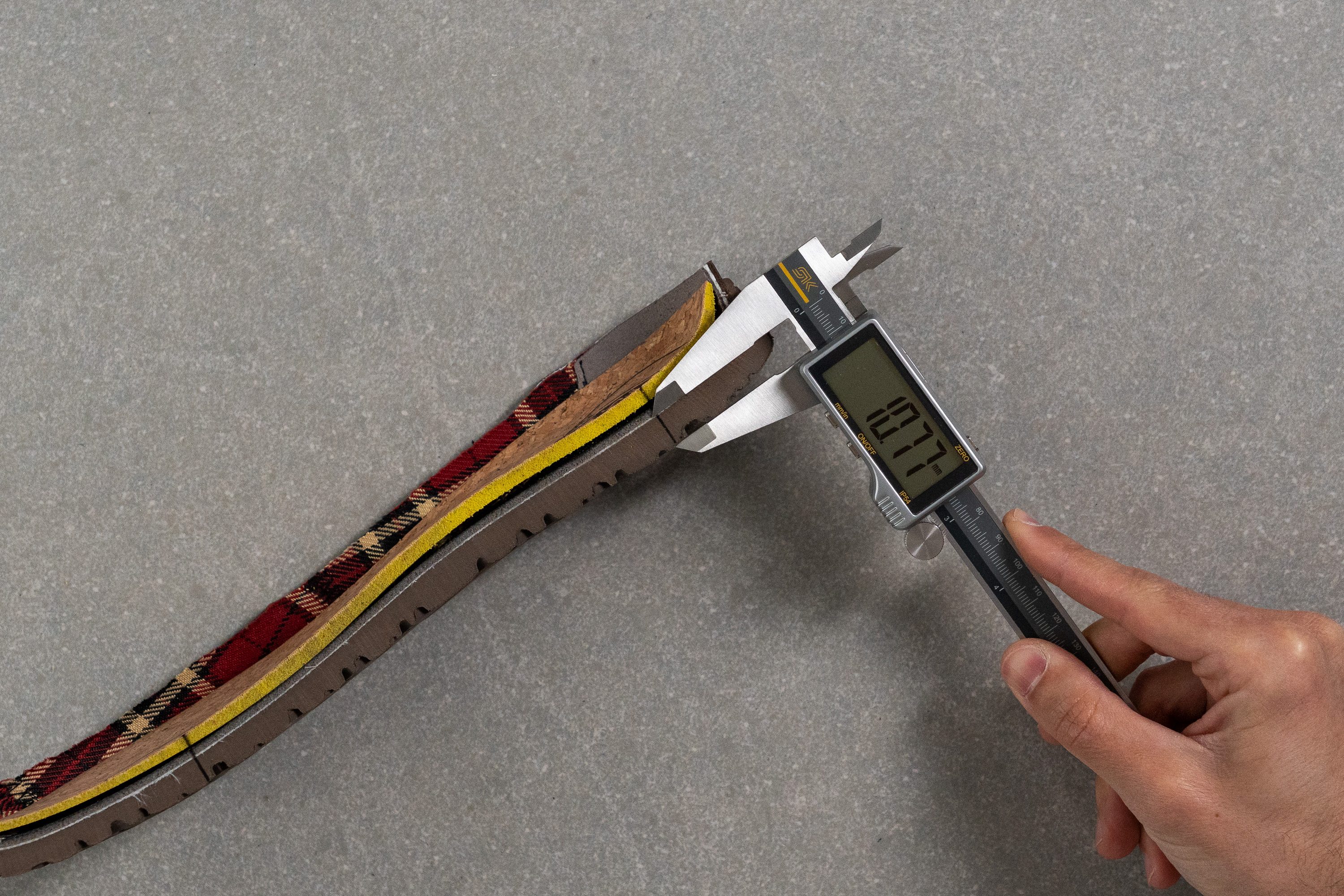
Because the boot's outsole also acts as the midsole, it is significantly thicker than the average at 10.8 mm.
Misc
Insole thickness
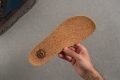
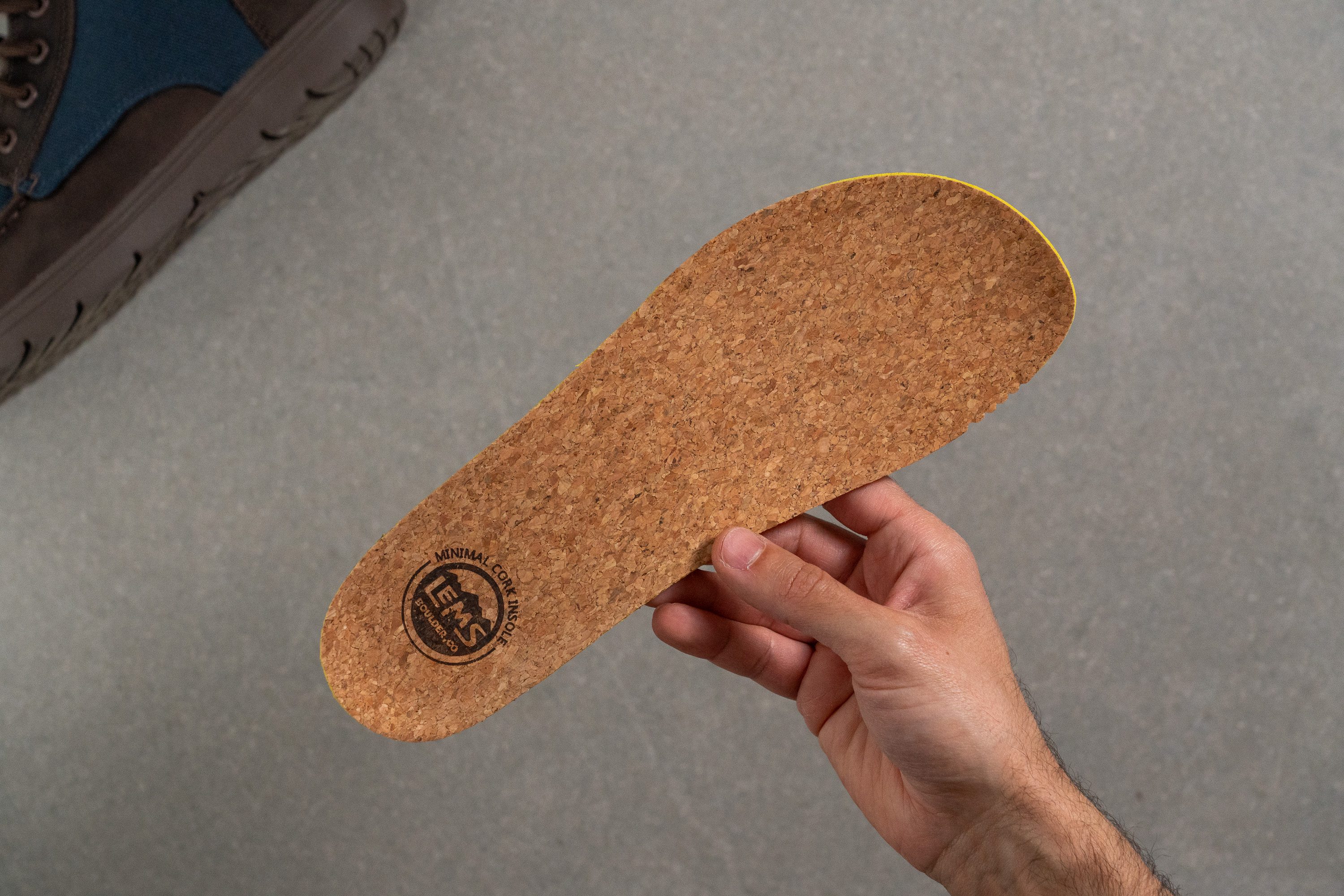
Lems' proprietary Minimal Cork Insole measured 4.2 mm thick at the heel. Its top layer (0.8 mm) is made of cork, offering some natural cooling if you choose to wear the Boulder Boot without socks. The rest of it is made of a breathable, open-cell PU material for comfort and some odour control.
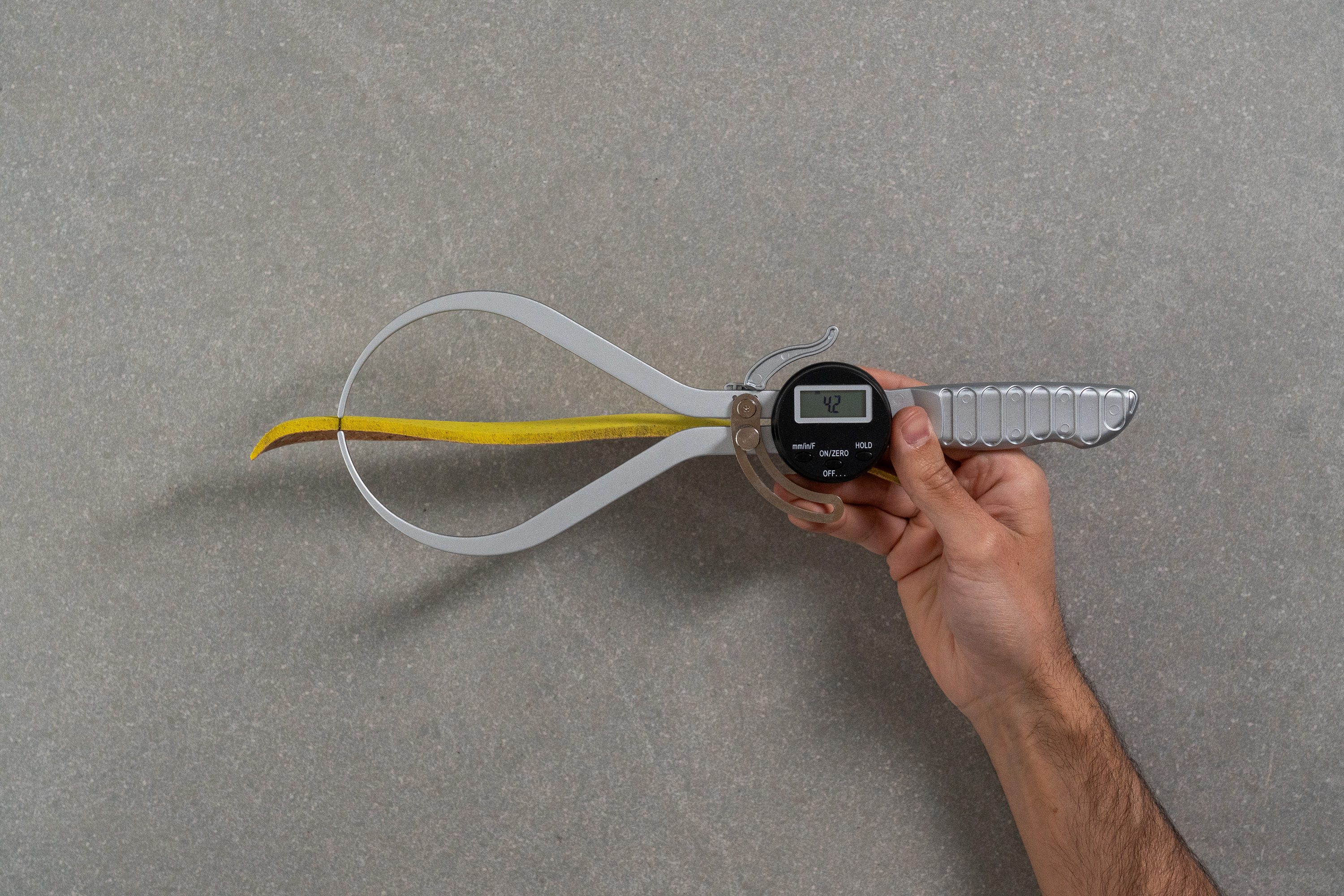
| Boulder Boot | 4.2 mm |
| Average | 5.9 mm |
Removable insole
We found the insole to be easily removable, and Lems actually states on its product page that the insole can be removed to increase volume inside the boot or improve contact with the ground.
| Boulder Boot | Yes |
Midsole softness in cold (%)
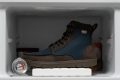
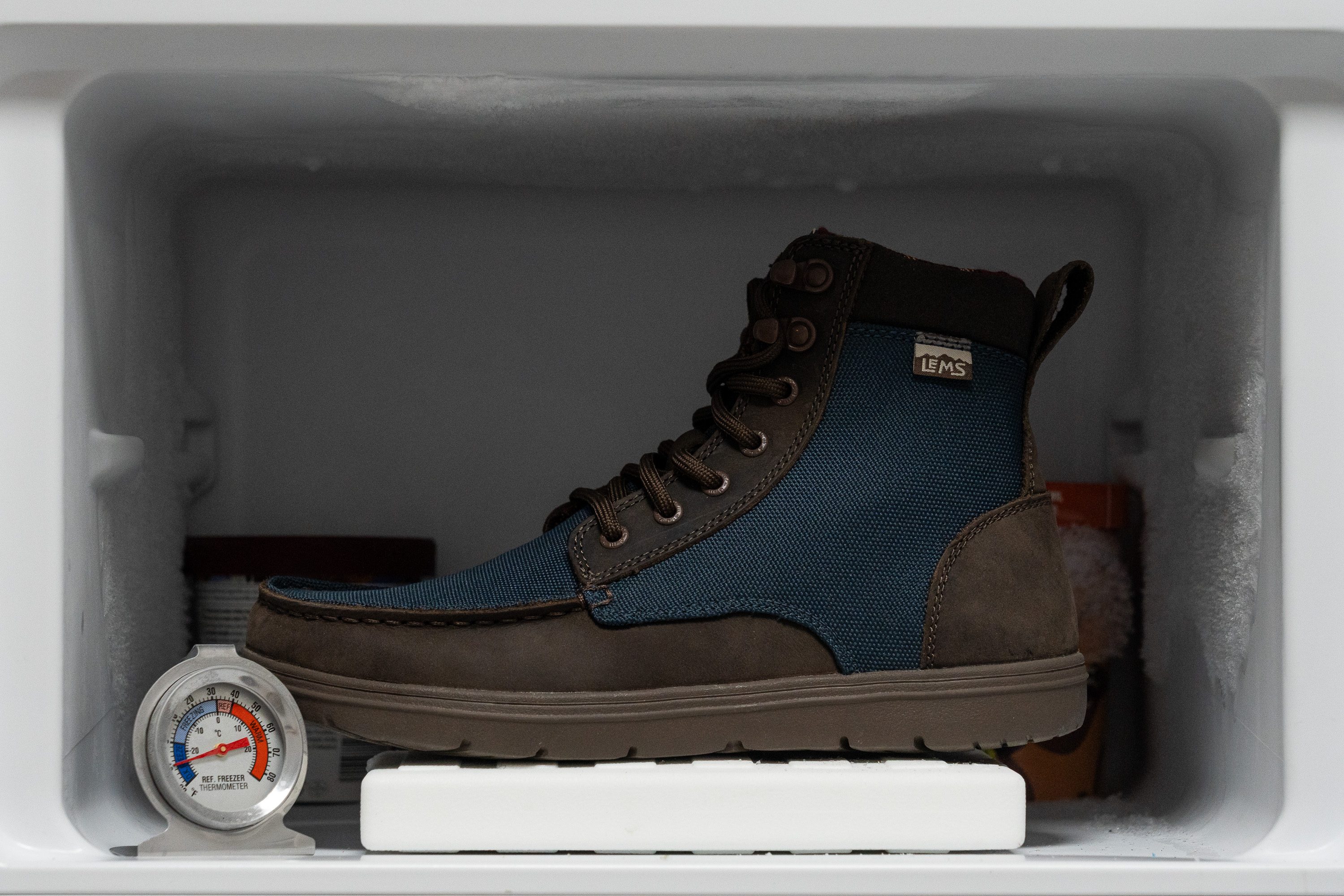
Firm to begin with, the IBR sole of this boot doesn't get much harder in low temperatures either. After keeping the boot in the freezer for 20 minutes, we repeated our durometer measurement and recorded only a 7% increase in firmness.
| Boulder Boot | 7% |
| Average | 20% |
Reflective elements
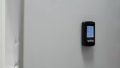
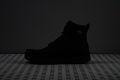
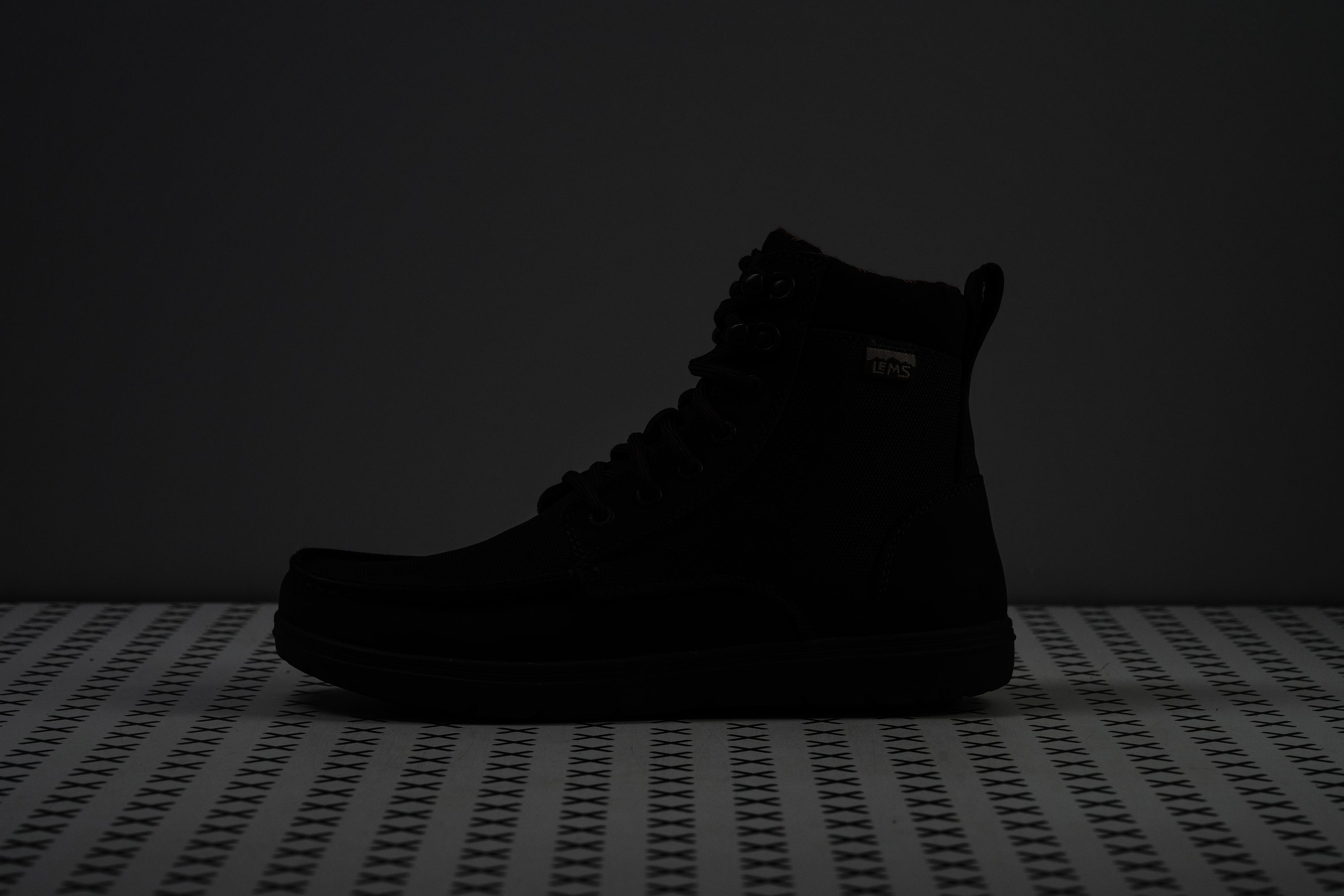
No reflective elements were detected on the Lems Boulder Boot in our dark room test.
| Boulder Boot | No |
Tongue padding
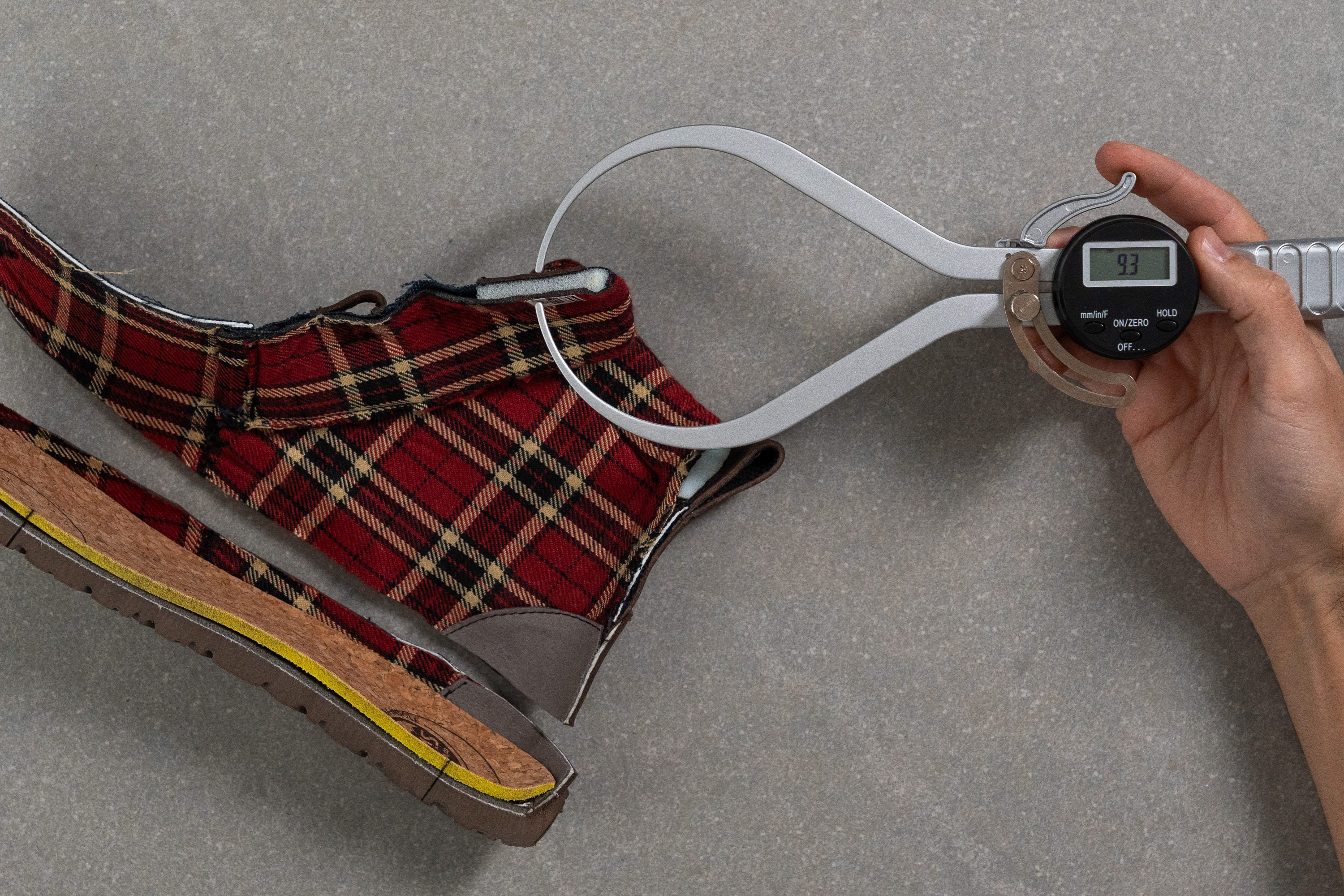
The internal padding of this Lems boot is limited only to the collar area. With a thickness of 9.3 mm, the foam provides sufficient buffering for the laces and the boot edges over the ankle.
| Boulder Boot | 9.3 mm |
| Average | 10.8 mm |
Tongue: gusset type
The Boulder Boot's tongue is non-gusseted, which is fine for a non-waterproof boot. And we never experience issues with tongue sliding to the side because of how wide it is and how deeply it is placed under the quarters.
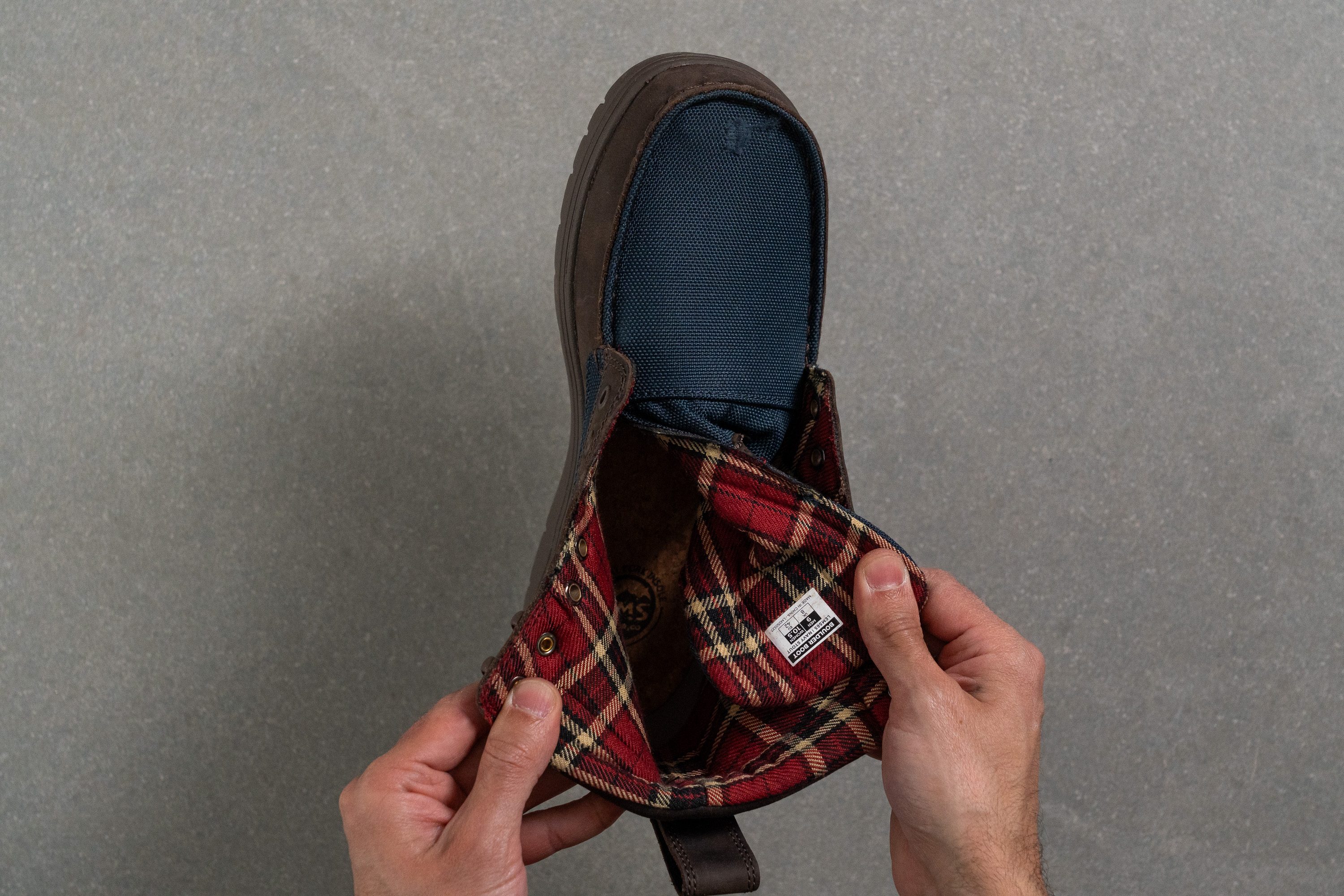
| Boulder Boot | None |
Heel tab
A leather pull loop at the heel facilitates easy entry. Meanwhile, two pairs of speed hooks help lace and unlace the boot faster.
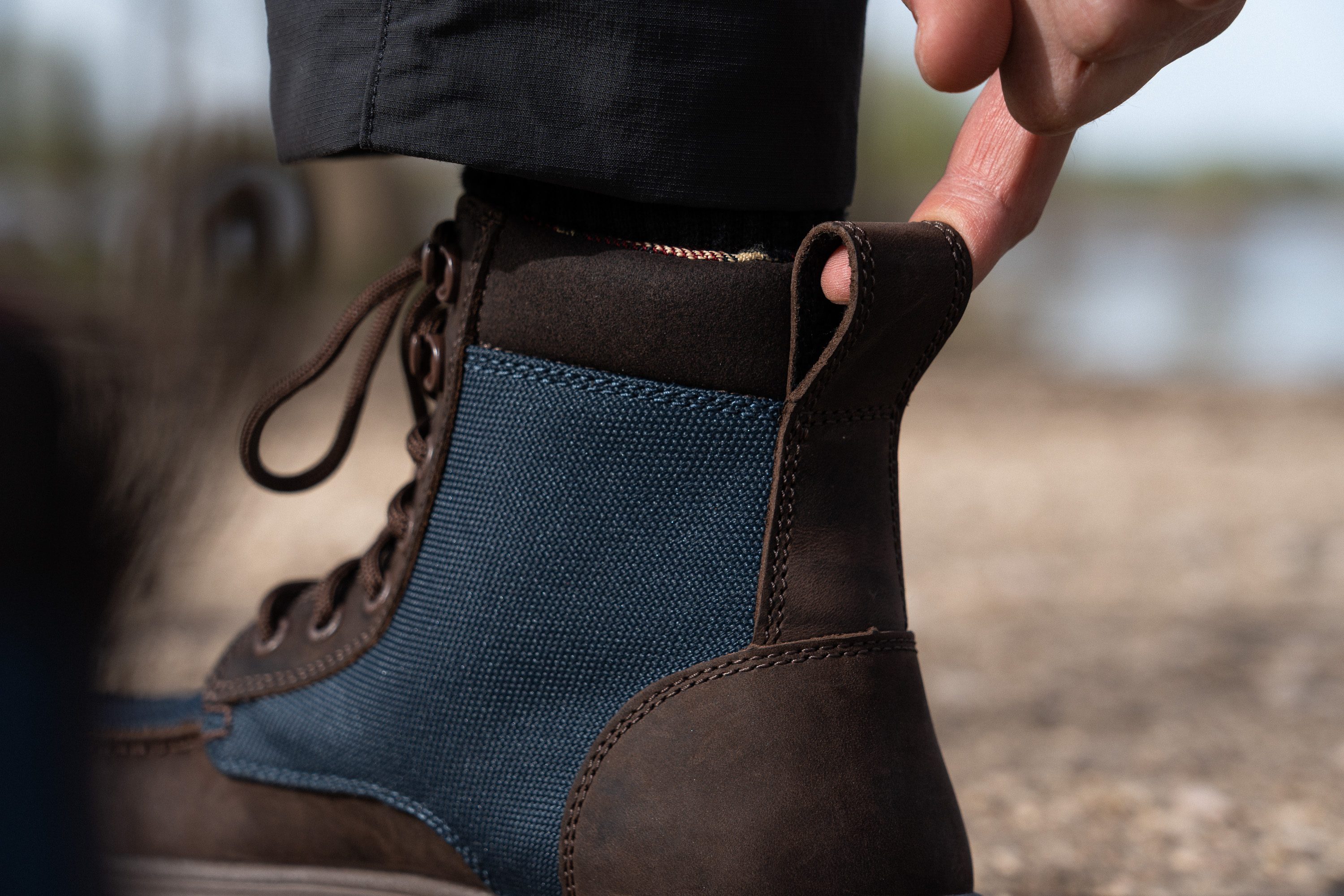
| Boulder Boot | Finger loop |
Price
At £140, the Boulder Boot is the cheapest boot in Lems' lineup, which is reasonable given its minimal setup and the absence of waterproofing or a rugged outsole.
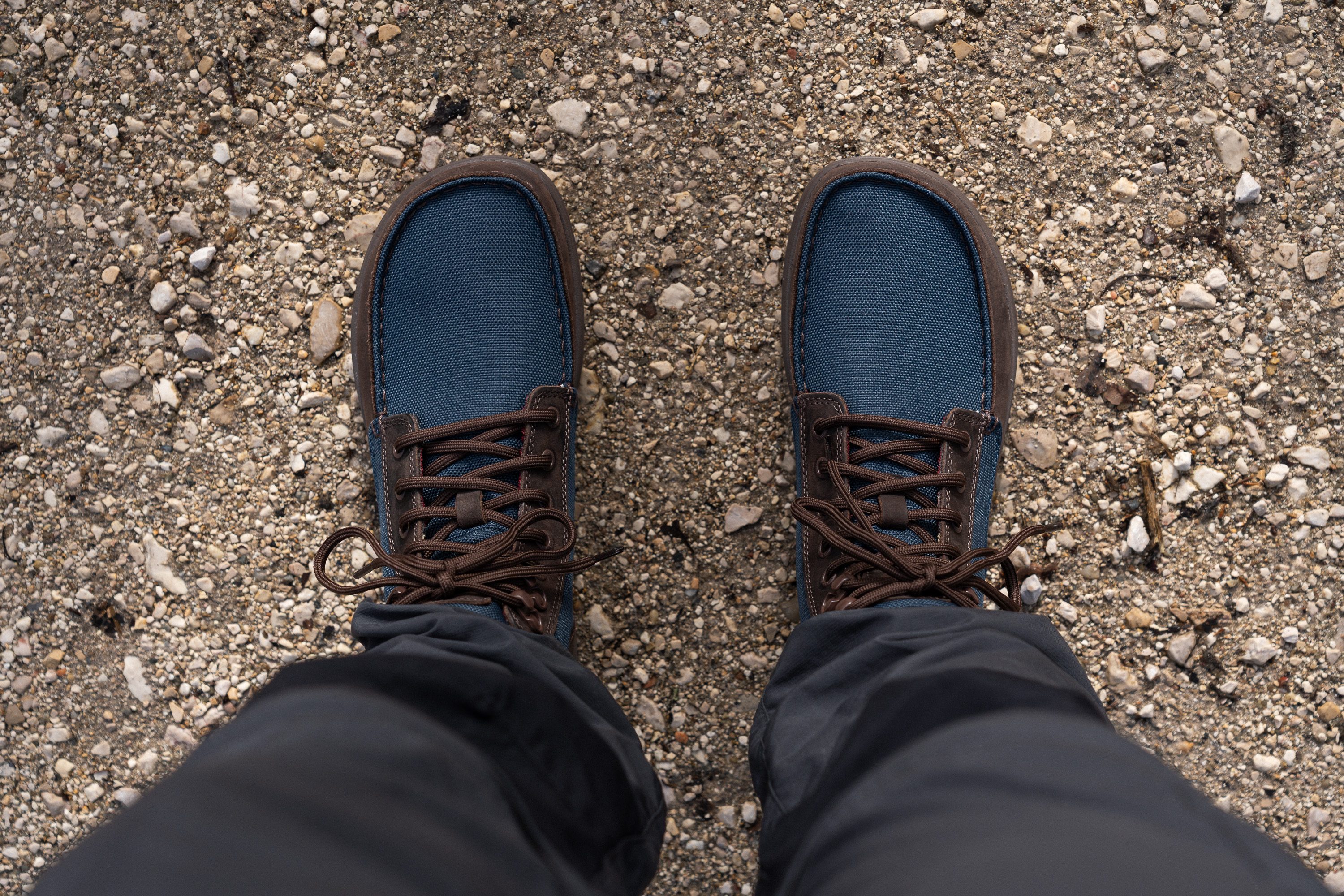
| Boulder Boot | $155 |
Vegan options
In this review, we tested the Navy Stout colorway of the Boulder Boot, which is not vegan, given the full-grain leather pieces.
But if you prefer a fully plant-based option, go for the Black colorway, which is 100% nylon. But please note that you may need to order a half-size larger than your normal US size.