7 Best Water Hiking Sandals in 2026
We buy shoes ourselves. We earn commissions when you buy through us, at no extra cost. Why trust us
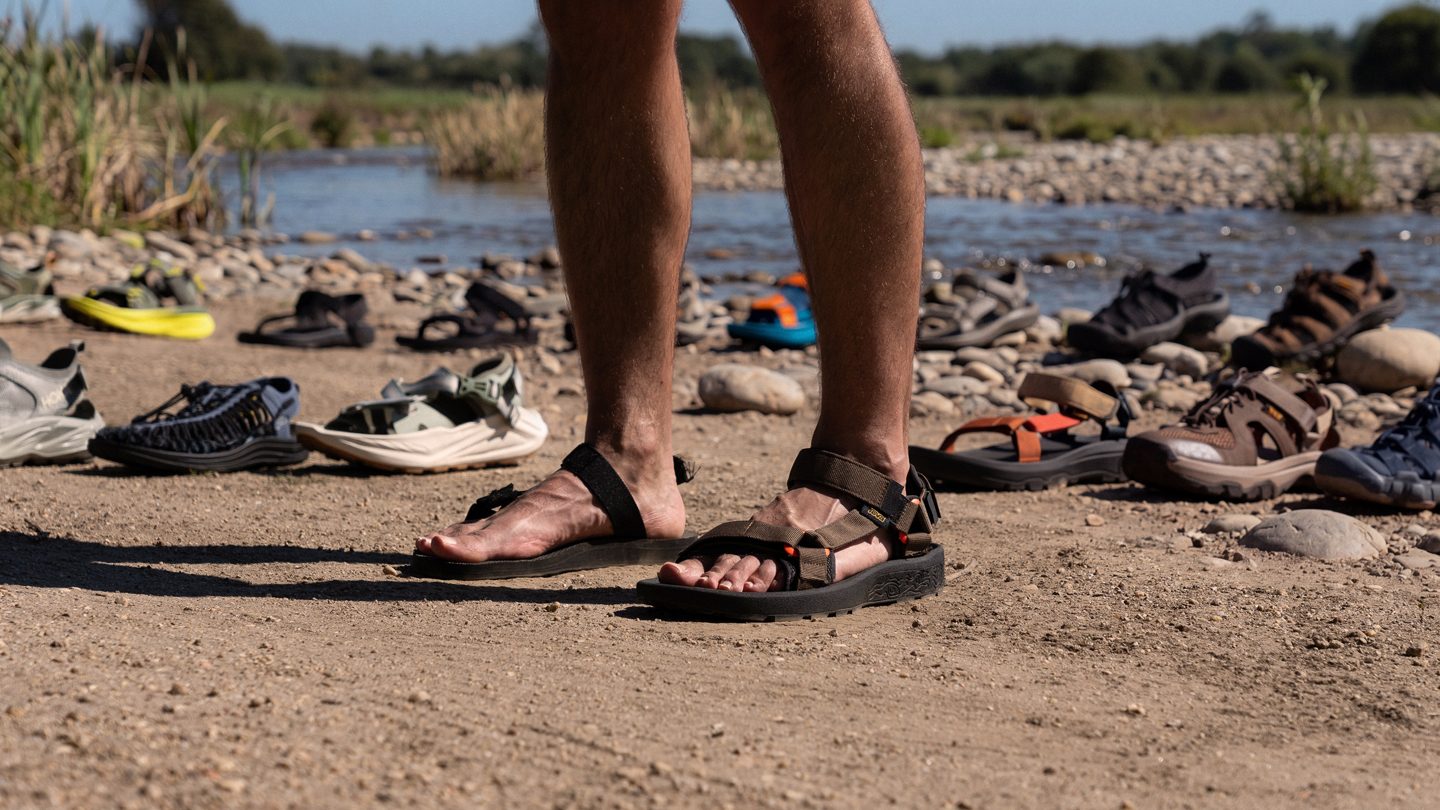
Hello dear amphibians, it’s good to have you here. You’re most likely on a quest to find the best footwear, and we’re here to help. We made sure to test the traction in wet conditions, the lockdown, and the overall versatility of hiking sandals, because let’s not kid ourselves, it’s never about crossing one creek or going on a hike around water. We all end up abusing the sandals on different fronts.
As always, we selected the top performers and highlighted them, in case you want a TL;DR.
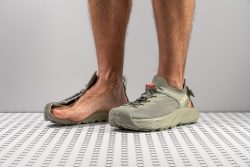
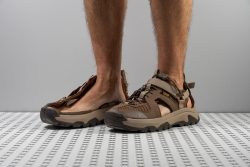
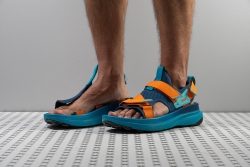
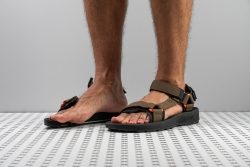
How we test water hiking sandals
Water hiking sandals are a special category on their own. It’s not just about having a proper sandal that fits, it’s about one that will not let you down when you end up getting in and out of water over and over again. Here’s how we go about testing them:
- We buy the sandals depending on how important they are for the overall category and whether they are available in Men’s US 9 (read more about our shopping criteria here)
- We test them on the trails doing different activities, in and out of the water.
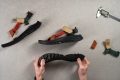
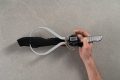
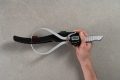
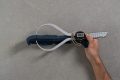
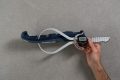
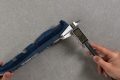
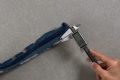
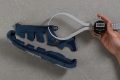
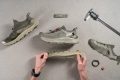
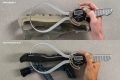
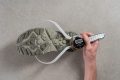
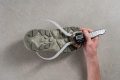
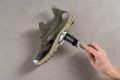
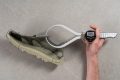
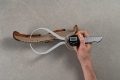
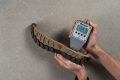
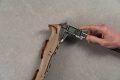
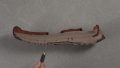
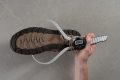
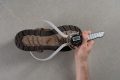
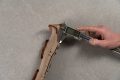
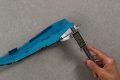
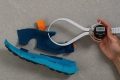
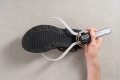
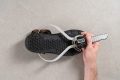
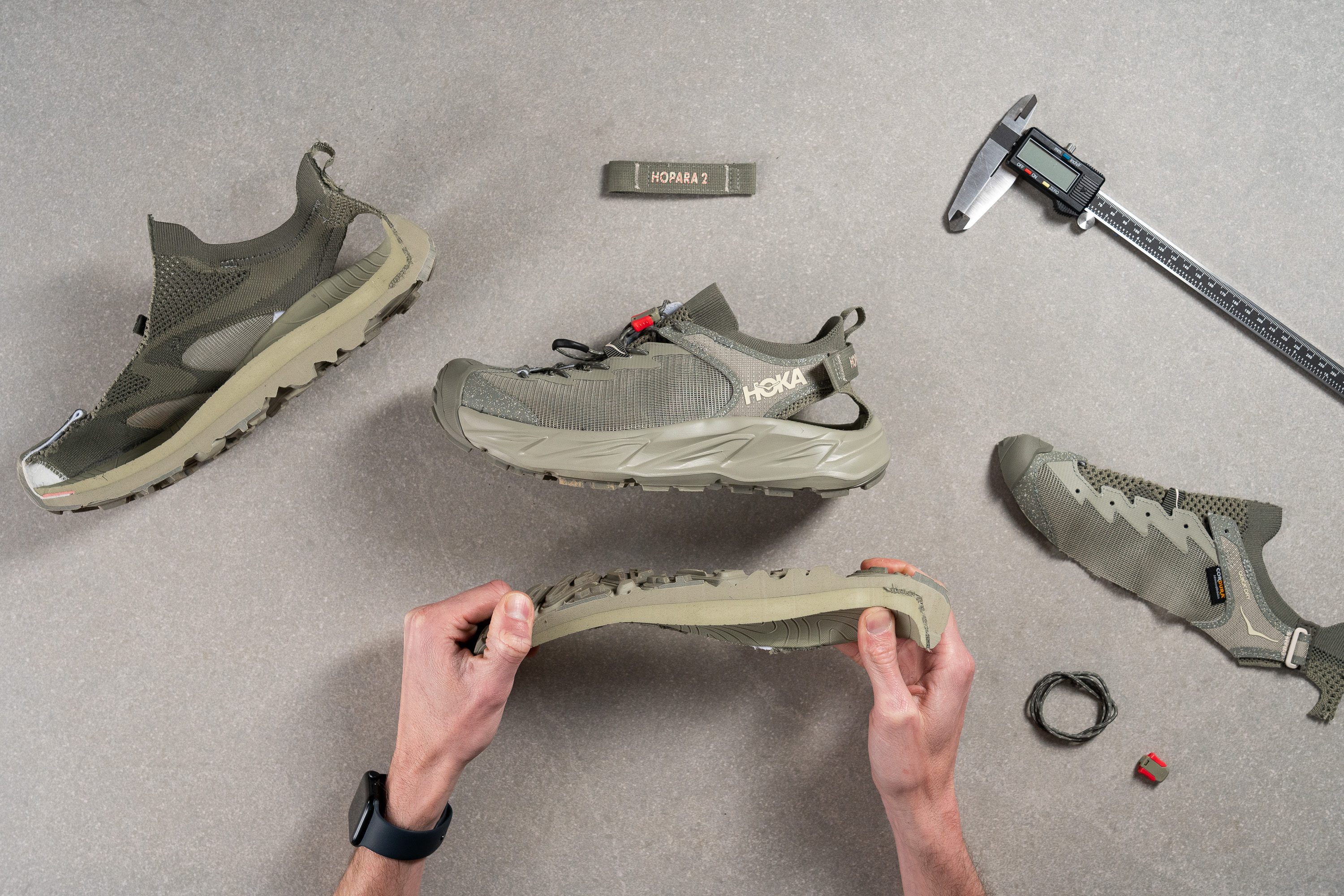
- We get them to the lab where they are weighed, inspected, cut into pieces, and tested. This approach results in more than 30 data points on each hiking sandal. We pay special attention to the traction in wet conditions, because it's water hiking. We follow the SATRA TM144 methodology and measure a dynamic coefficient of traction. The higher it is, the better. Of course, we also take into account the lug depth (measured with callipers on sandals cut in half), lugs' shape, orientation, and distance.
- Given that our testing is standardised, all test results are comparable.
- We publish the reviews with no backsies. We publish what we find, however good or bad.
Best water hiking sandals overall



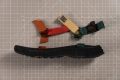
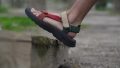

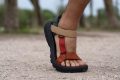

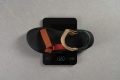
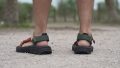



What makes it the best?
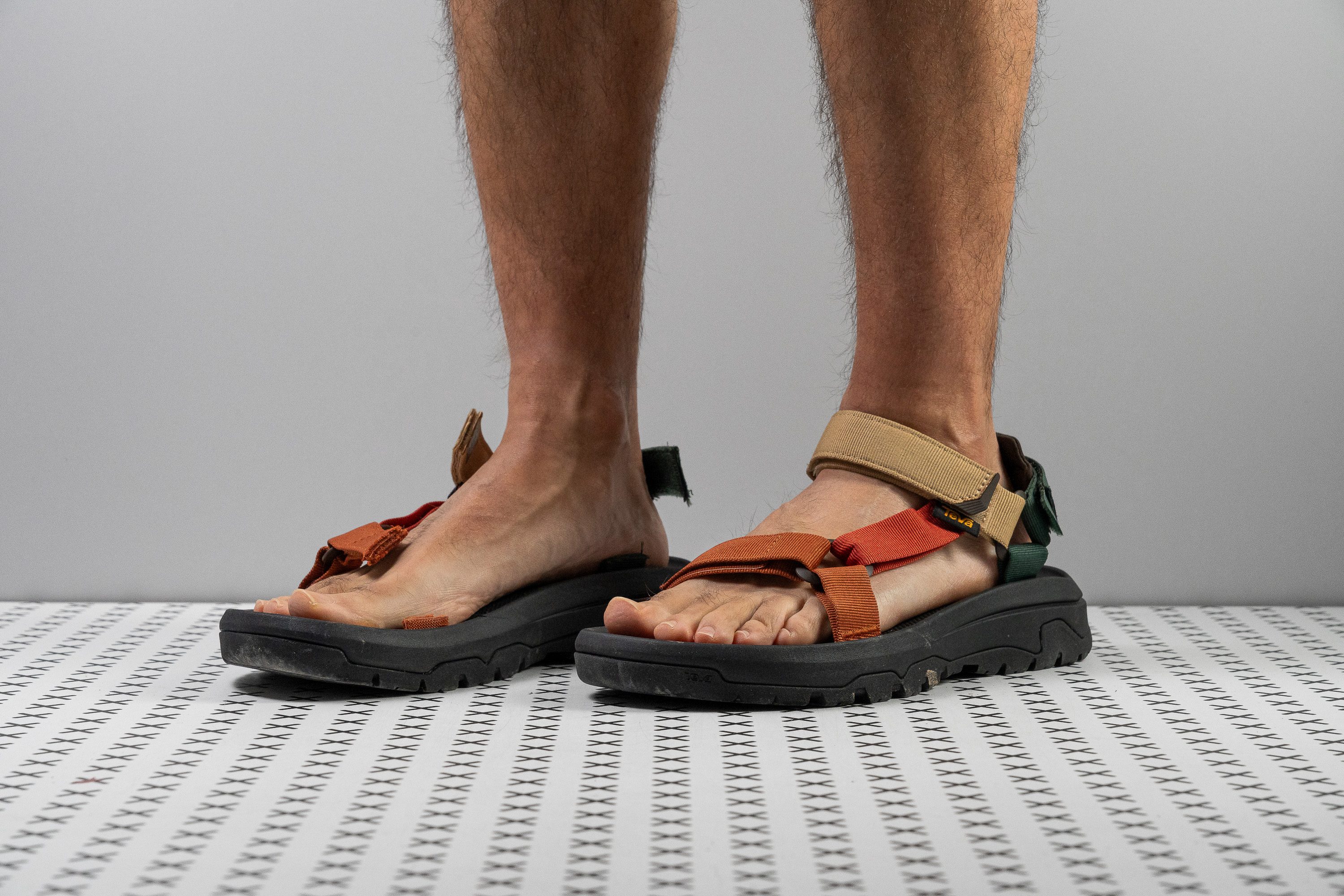
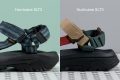
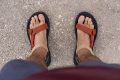
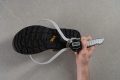
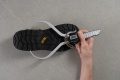
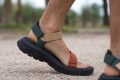
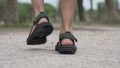
With its open-toe design, abundant cushioning, and grippy base, we don’t mind trekking for hours and getting wet in the Teva Hurricane XLT3. This pair has got to be one of the comfiest we’ve tested, and our lab results prove this. It easily wins as the best water hiking sandal, the same way it quickly captured our hearts (and feet)!
With 3 adjustable straps, we can customise the Hurricane XLT3’s fit as we please. Moreover, it dries up quickly, making it perfect for our water activities.
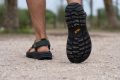
We gripped the ground confidently regardless of terrain and weather, as we found the outsole to deliver reliable traction. Our wet-condition proves its strong grip with an impressive 0.69 result. Furthermore, it features 3.7 mm lugs that bite the ground effectively.
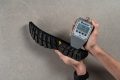
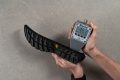
Comfort is on another level, as our callipers verify the Hurricane XLT3 is the tallest sandal so far in the lab, reaching 35.5/23.6 mm. Moreover, it broke another record in terms of shock absorption, scoring 124 SA in the heel. At this rate, it reduces impact 12% better than average.
Unfortunately, its thick platform added stiffness to the sandal. Hikers who prefer a more natural sensation underfoot should have a more flexible pair.
Pros
- Exceptionally high shock absorption
- Great underfoot protection
- Convenient 3-strap fit regulation
- Excellent outsole grip on dry and wet
- Super wide and stable platform
- Impressive outsole durability
- Sustainable materials
Cons
- Got heavier than average
- $20 price hike
Water hiking sandals with the best support











What makes it the best?
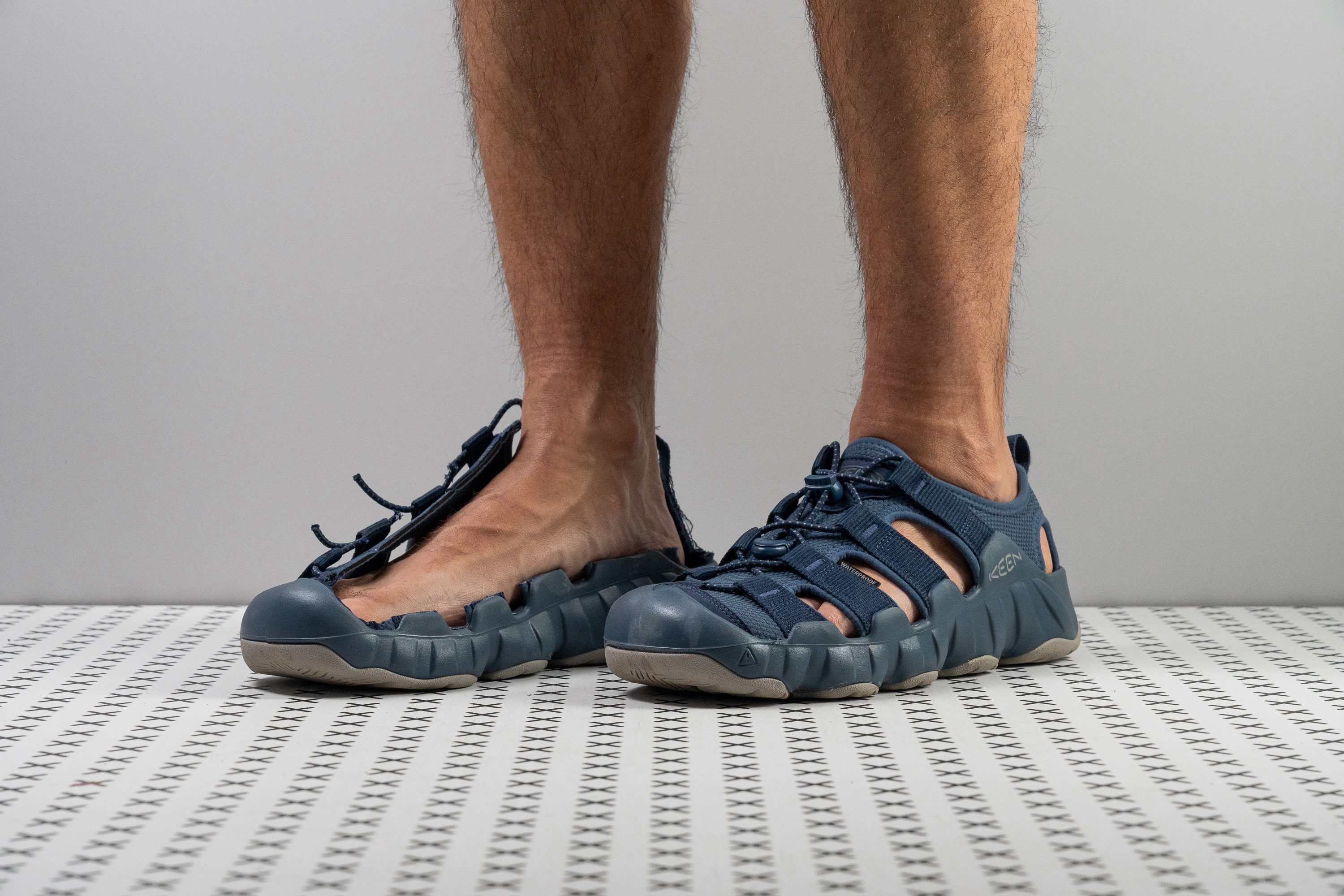
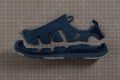
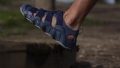
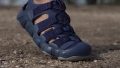
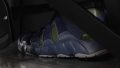
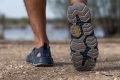
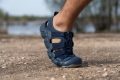
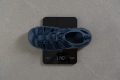
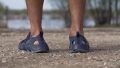
Zero restrictions in terms of fit, but all out when it comes to stability – that’s what the KEEN Hyperport H2 is all about, making it our water hiking sandal with the best support. Its enclosed design creates a very steady feeling without restricting our feet, as lab tests verify. Moreover, its ground connection allows us to adjust to various surfaces.
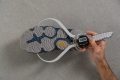
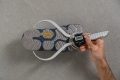
The contoured topsole, the raised midsole walls, and the straps cradle our feet, delivering centred and steady footing. In addition, the wide 93.9 mm heel ensures our feet don’t spill over the base.
The upper and straps have a stretchy fabric, which feels spacious and allows water to flow in and out freely. It feels more forgiving than other leather sandals. For a more customizable fit, the bungee toggle can be adjusted as needed.
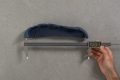
We measured the heel stack at an average of 28.0 mm, while the forefoot is a lower-than-average 17.3 mm. The latter offers strong surface feedback, allowing us to adapt and manoeuvre through various terrains.
However, Hyperport H2 lacks the pliability that many other sandals offer. Those who don’t like the rigid feeling should find a different pair.
Pros
- Lively and responsive ride
- Stable and supportive build
- Highly protective toe bumper
- Generous toe space
- Light for a closed-toe sandal
- Good traction on dry and wet
Cons
- Not the best shock absorption
- Not very flexible
Water hiking sandals with the best comfort



















What makes it the best?
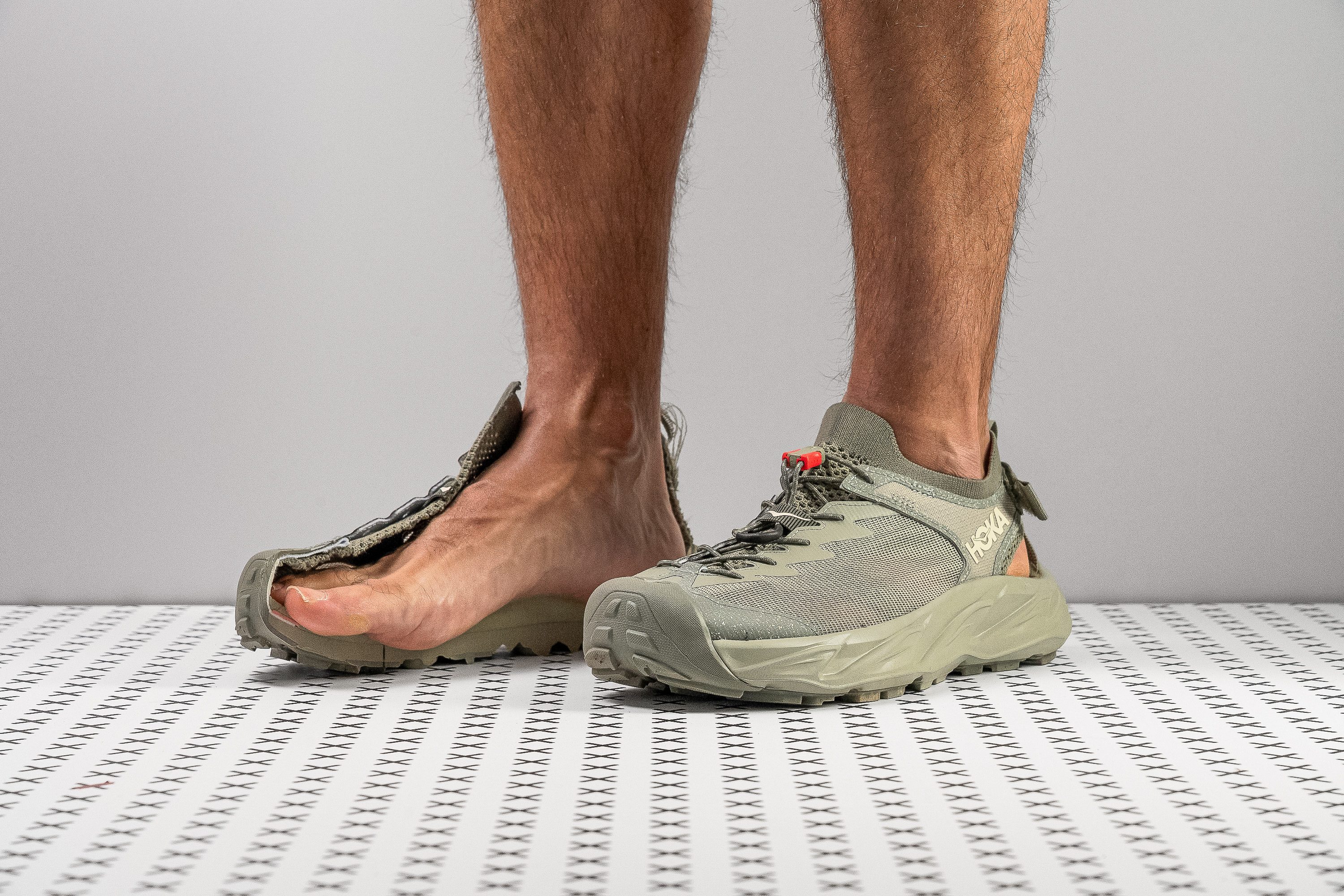
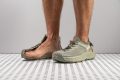
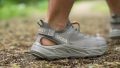
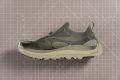
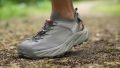
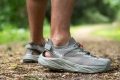
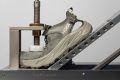
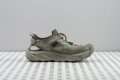
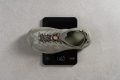
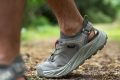
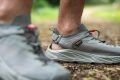
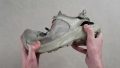
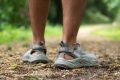
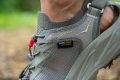
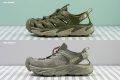
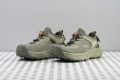
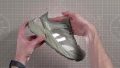
After conducting actual hikes and intensive lab analysis, it’s hard to find a sandal that matches HOKA Hopara 2’s cushioning and protection. With its cushy platform, efficient drainage, and robust overall build, it’s easily our top pick for the water hiking sandal with the best comfort.
Without being excessively tall, Hopara 2 offers a rare combination of plushness, protection, and bounce that makes us go further. Testing for shock absorption, it impressed with a score of 123 SA, 11% better than average, which mutes out any trail debris we step on. It also offers a touch of rebound that enhances the shoe's underfoot sensation.
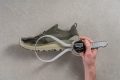
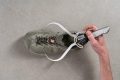
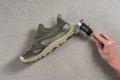
Even below, the robust 82.9 HC outsole can take a beating. It resisted our Dremel impressively and showed a minimal 0.7 mm dent compared to the 1.3 mm average. Its 3-mm lugs also kept us surefooted throughout any terrain, be it loose ground or wet rocks.
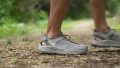
As we passed through deep waters, the sturdy Cordura mesh panels and toe cap ensured our feet were protected from toe stubs and small pebbles. Drying out was also a breeze as the water escaped quickly while air flowed in freely. However, it’s best to leave this pair at home during beach trips as it traps sand inside.
Pros
- Comfortable cushioning
- Highly durable construction
- Light for a closed-toe sandal
- Unmatched cushioning and impact protection
- Feels stable and grounded
- Fantastic grip on slippery surfaces
- Plenty of toe room
- Sustainable materials
- Sustainable materials
Cons
- Traps sand easily
- Not for narrow feet
- Colour discrepancy
Water hiking sandals with the best traction












What makes it the best?
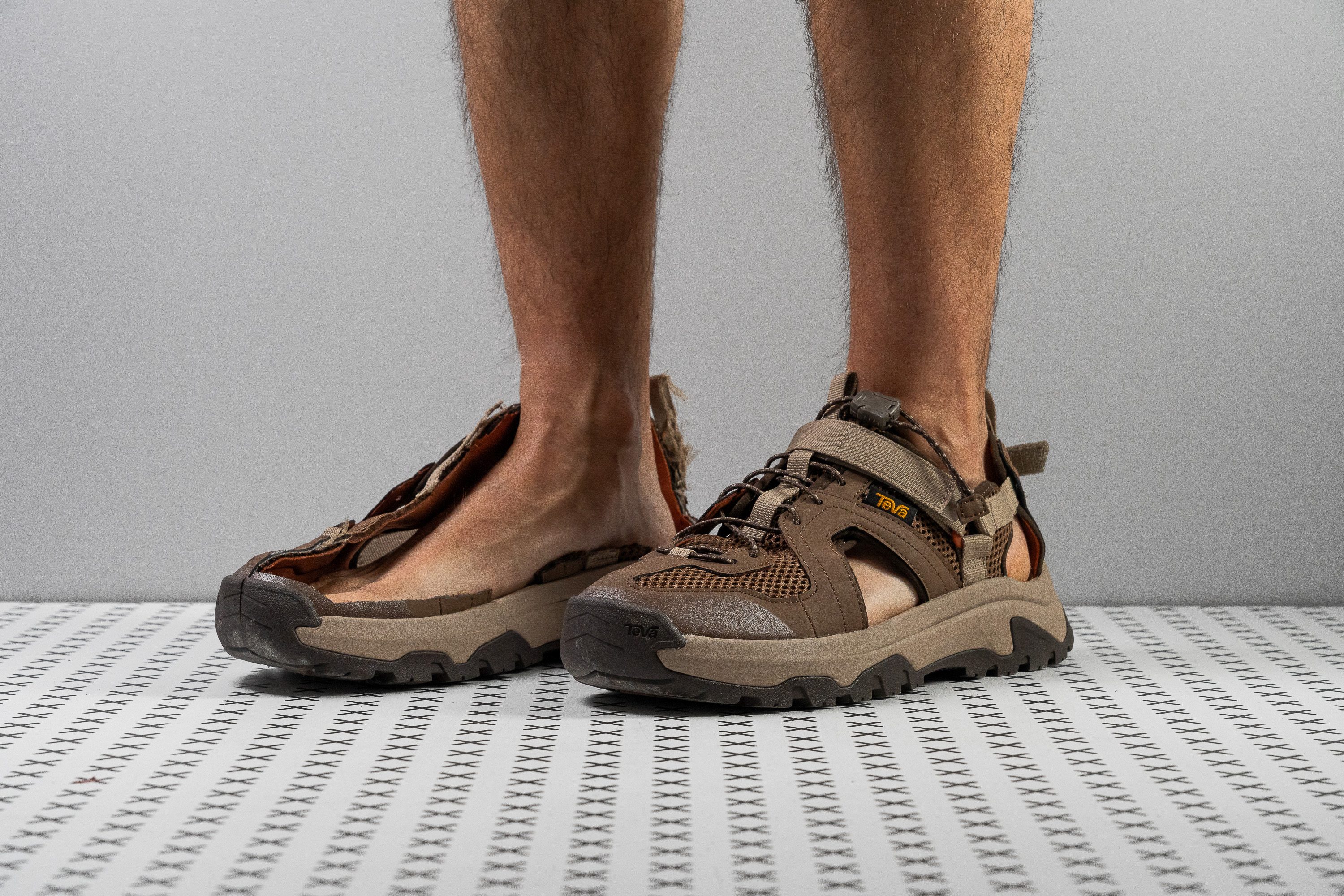
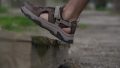
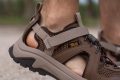
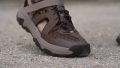
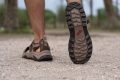
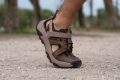
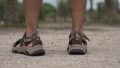
The Teva Hurricane XLT3 Closed Toe sandal made us feel safe and secure, while remaining well-ventilated. With its exceptional performance all-around in our lab’s durability test, it’s one tough pair. However, its highly reliable traction stands out among water hiking sandals.
In our wet-condition test, we recorded an impressive 0.73 result, indicating all-weather readiness. We’re not afraid of the water, rain, or moist boulders because Hurricane XLT3 Closed Toe’s tackiness kept us steady. Moreover, its 3.0 mm lugs offer an extra bite on sand, mud, or inclined sections.
What’s also impressive about the outsole is how durable it is. In our Dremel test, we only shaved off 0.6 mm of rubber, making it 53% sturdier than average. Even if there are sharp rocks or shells we accidentally step on, our feet will remain safe. The toebox is also resistant to punctures, as it received a solid 4/5 durability rating in our test.
Despite its closed-toe design, the sandal has wide ventilation pores to let our sweat or even water dry out. Our feet could breathe easily, which felt amazing on warmer days.
Those expecting a highly cushioned sensation won’t find that here. Despite featuring an above-average stack, shock absorption is only average. Those who prefer a plusher feel underfoot should try alternatives.
Pros
- Fantastic traction on dry and wet
- Amazingly durable materials
- Stable and grounded platform
- Soft topsole directly under the foot
- Solid shock absorption for a sandal
- Great breathability for a closed-toe sandal
- Convenient fit regulation
- Sustainable materials
Cons
- Heavier than average sandal
- Less cushioning than in the open-toe XLT3
Water hiking sandals with the best shock absorption







What makes it the best?
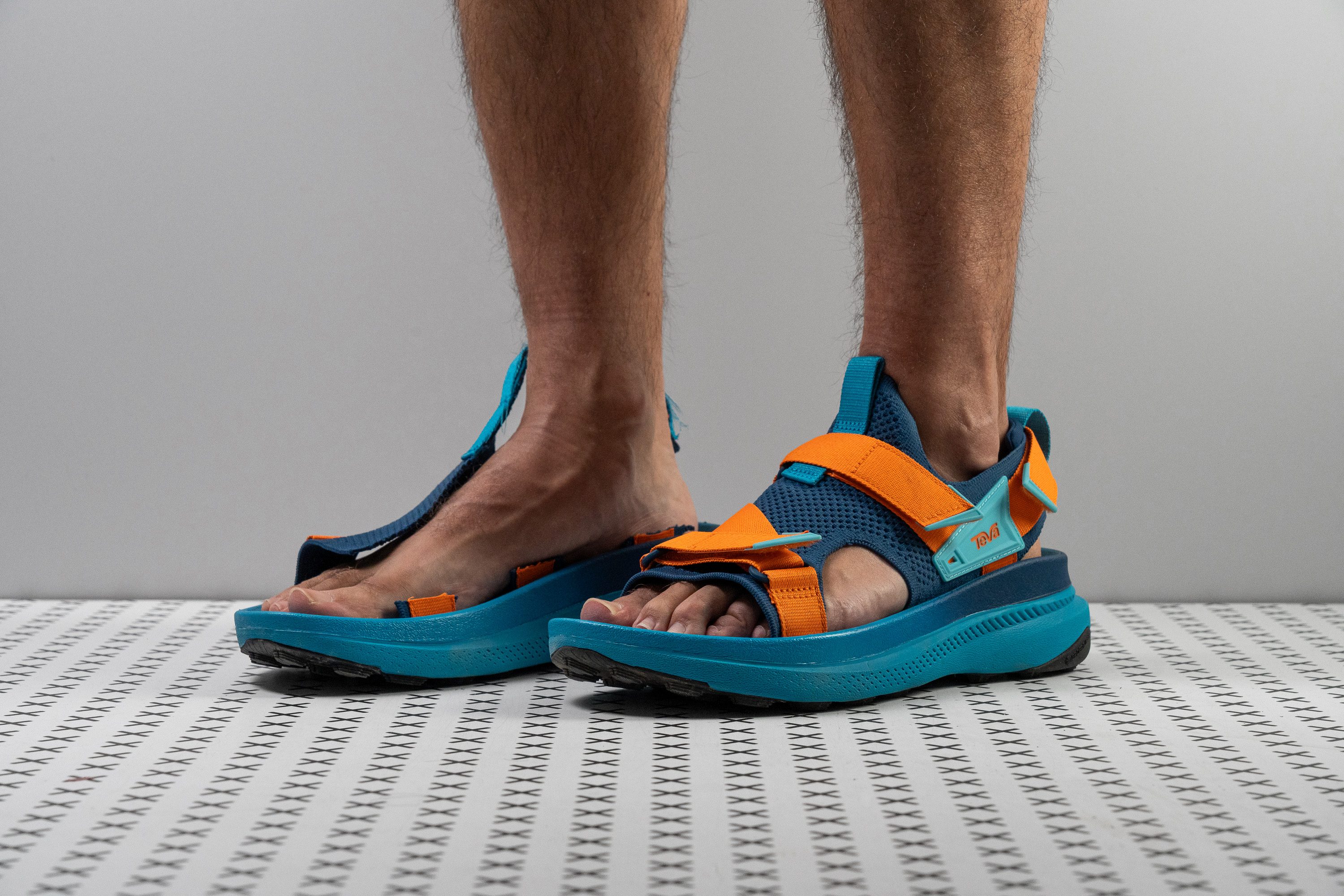
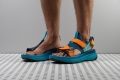
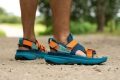
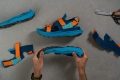
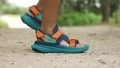
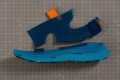
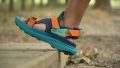
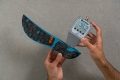
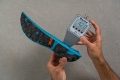
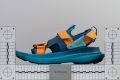
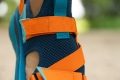
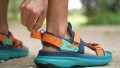
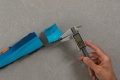
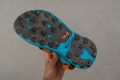
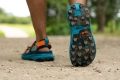
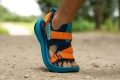
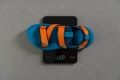
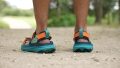
With each step, we’re released by the dynamic cushion and caught by the plush midsole of the Teva Aventrail Sandal. It soothed our muscles no matter how long we stayed on foot, with lab tests proving it offers the best shock absorption among water hiking sandals. Not only that, it delivers a surprisingly stable ride.
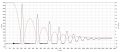
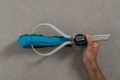
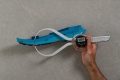
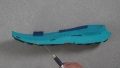
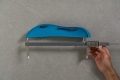
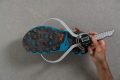
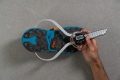
The harshness of the ground disappears when wearing this sandal, with a thick 41.5/25.1 mm cushion lifting us off the surface. It’s one of the tallest sandals we’ve tested! Moreover, the heel cushion itself reduces the forces of each landing, with its high shock absorption of 147 SA, exceeding the 116 SA average comfortably.
Despite being heavily cushioned, the Aventrail Sandal isn’t wobbly at all! In fact, our lab work shows raised midsole edges and a broad 104.2 mm heel contributing to a well-planted feeling.
Moreover, we found a stiff nylon shank in the midfoot to forefoot areas, adding both bounce and stability to our steps. What also adds to its effortless feel is the rockered midsole and springy heel, returning a solid 57.7% energy return rating.
However, all these features come with a higher price tag of £130. Hikers on a tighter budget can explore more affordable, cushioned options.
Pros
- Unmtached cushioning for long miles
- Can be used for trail running
- Amazingly stable for its high stack
- Impressive outsole durability
- Smooth heel-to-toe trasitions
- Foot-hugging knit sleeve
- Adjustable strapping system
Cons
- Overly steep drop
- Not for technical terrain
Best budget water hiking sandals









What makes it the best?
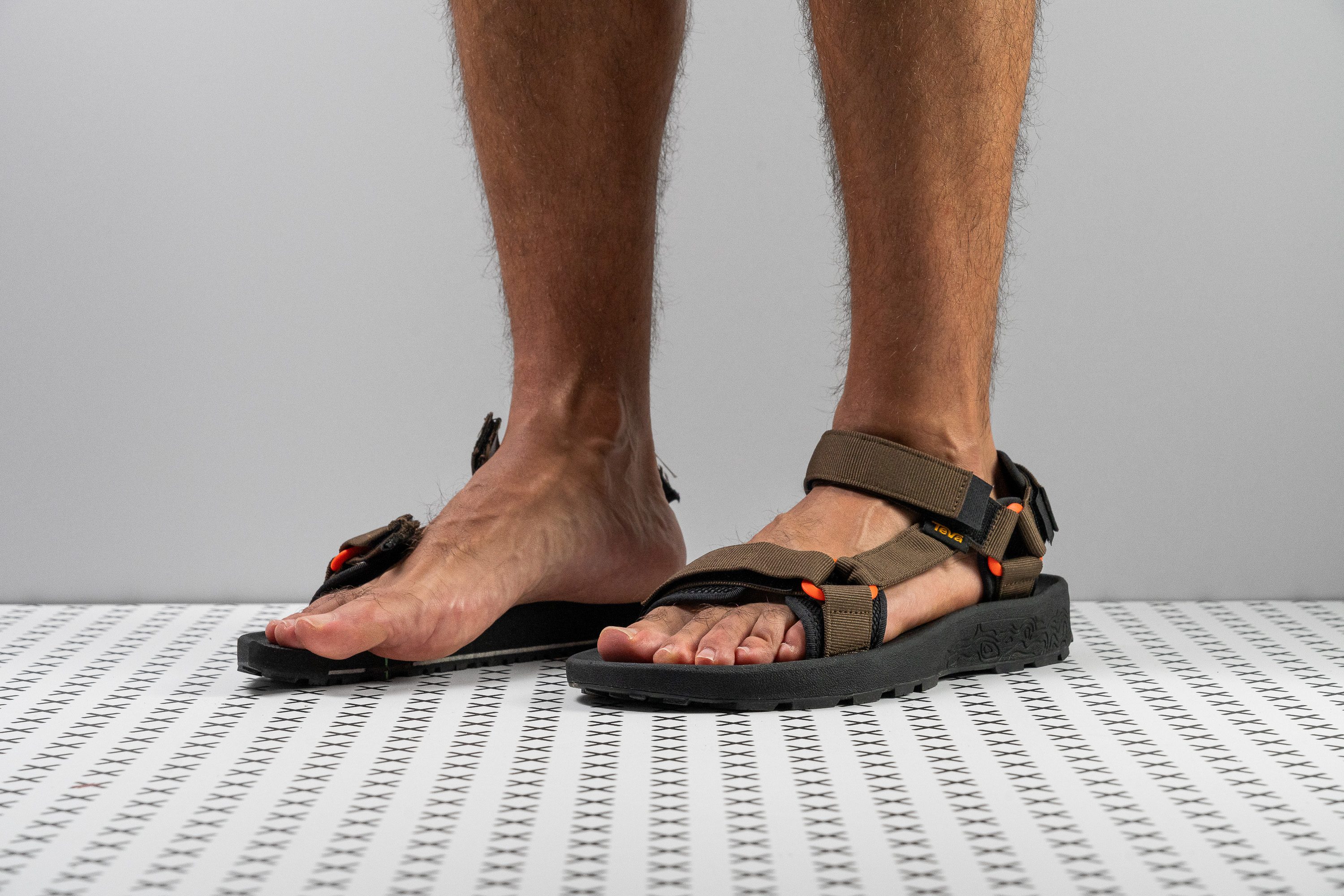
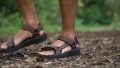
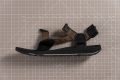
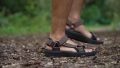
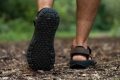
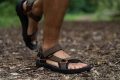
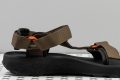
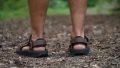
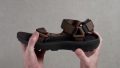
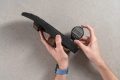
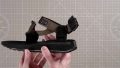
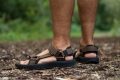
We couldn’t agree on a better name for the Teva Hydratrek because it’s perfect for our hydro activities. For only £80, it’s the best budget water hiking sandal we’ve tested in the lab. Stylish for beach trips, comfortable for light hikes, and grippy for water sports, it’s a sandal that can do it all!
The shoe has a classic look that can blend well with casual wear. All its straps are adjustable to accommodate different foot shapes, displaying its versatile nature. It feels easy on the foot thanks to its light 10.8 oz (305g) build and flexible midsole. Our bend test confirms it’s 28% more adaptive than average.
The platform felt so pleasant on the foot. Its cushioned heel offers excellent impact protection, while its moderate forefoot delivers ground connectedness, crucial for navigating through rocks. Our shock absorption test reveals a high score of 116 SA, making it more protective than average. It also offers a nice spring with each step, confirmed by our energy return test with an impressive 61.1% score.
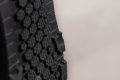
The outsole is a soft 77.6 HC, enhancing traction with its 2.6 mm lugs. What’s unique about this sandal is the tread pattern has air channels to create a suction effect when dealing with slippery surfaces. The textured topsole also prevented our feet from sliding in the sandal when getting wet.
However, those who need more coverage from bumping into rocks and other debris should find a closed hiking sandal for more protection.
Pros
- Versatile: water activities, light hiking, casual
- Great value for money
- Comfortable softer cushioning
- Wide and stable platform
- Enhanced grip on wet surfaces
- Very flexible construction
- Padded straps prevent blisters
- A high % of recycled components
Cons
- Mud gets stuck between lugs
- Fiddly when putting on (pads fold over)
Water hiking sandals with the best style







What makes it the best?
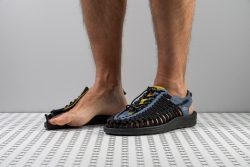
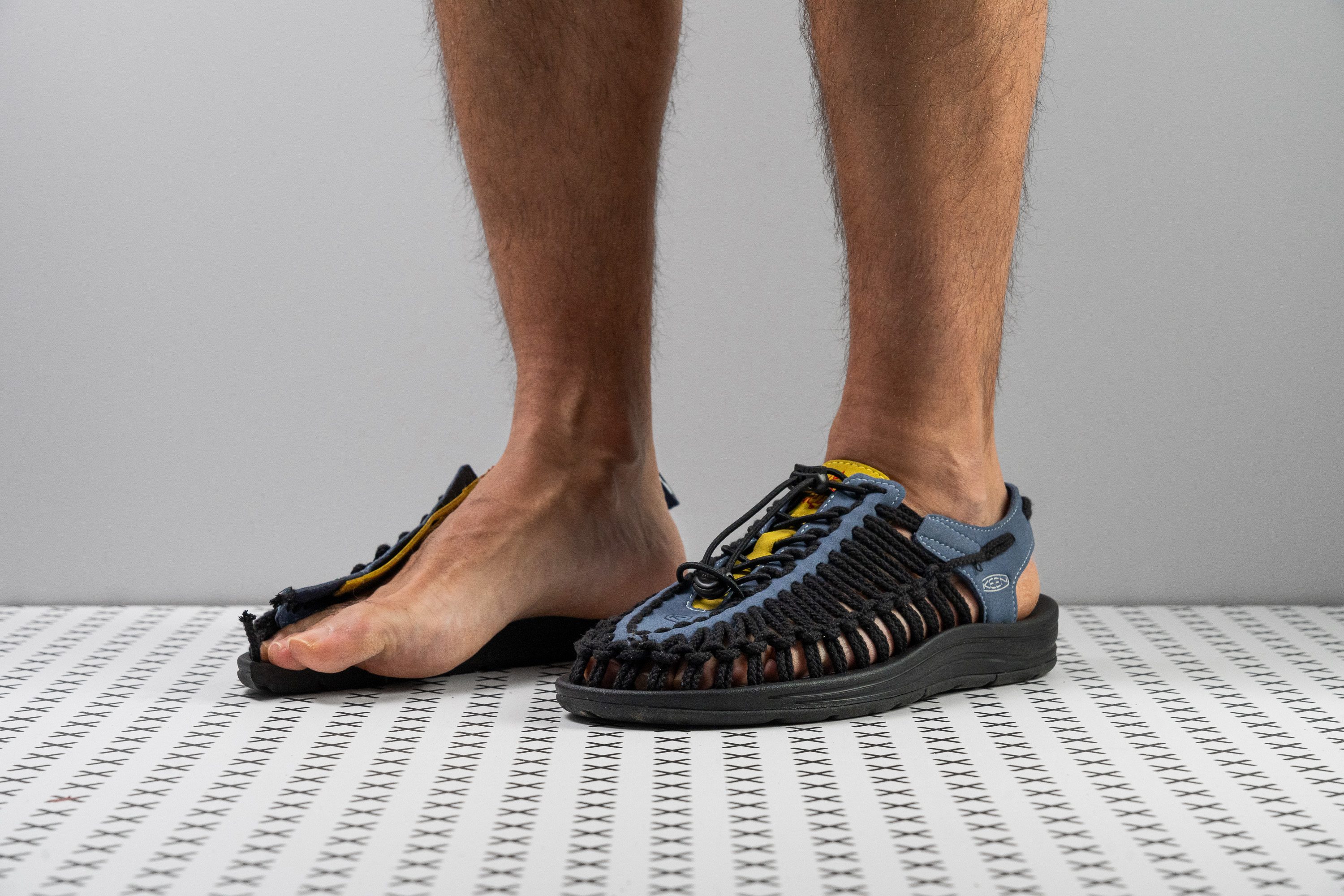
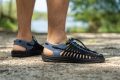
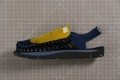
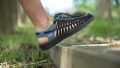
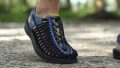
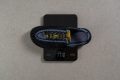
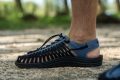
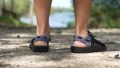
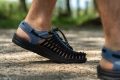
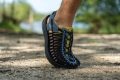
Hiking with water sandals never felt so fashionable until we wore KEEN Uneek! It has the best style in this roster with its eye-catching cord upper that allows air to flow and our feet to dry. We learned this adaptive sandal feels so easy and comfortable on foot and works incredibly well for daily wear, light hikes, and aquatic sports.
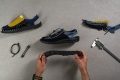
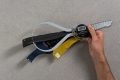
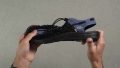
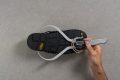
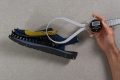
Besides its exceptional ventilation, its airiness is enhanced by its ultra-flexible build. We tried twisting the sandal with our hands, and it immediately surrendered, so we rated it with the lowest 1/5 torsional rigidity score.
Even longitudinally, it emerged 57.0% more bendable than average, making it the most flexible sandal we’ve tried so far! It’s easy to manoeuvre and boosts comfort for all-day activities.
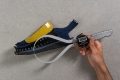
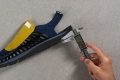
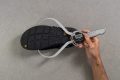
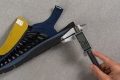
The midsole feels well-balanced and offers good arch support through its moderate curve on the foot's inner side. It offers excellent ground feedback, validated by its below-average 20.5/12.9 mm stack. Because its foam is so thin, it manages to be both flexible and naturally supportive by offering a well-planted feeling.
Unfortunately, this sandal’s smooth outsole and barely-there “lugs” lack the traction needed for serious trails. This fashionable pair is made for the beach or walks by the riverside.
Pros
- Head-turning cord design
- Ultra flexible construction
- Impressively durable outsole
- Intimate contact with the ground
- Grippy on wet and smooth surfaces
- Feels light and airy on the foot
- Cords made of recycled materials
Cons
- Not much support
- Little protection from debris
3 features that make water hiking sandals special
There are many sandals on the market, even when it comes to those tagged as hiking sandals. However, water hiking is a niche category, and it asks for a set of specific features:
- Superb grip that excels on wet surfaces
- Great drainage and quick-drying materials
- Customizable closure system (buckles, Velcro, or bungee) that allows you to achieve a perfect lockdown
We could add protection here, as a separate feature, but that one depends on you and your needs. We will cover all of these further below.
Which features should you look for NOW?
|
If you plan to use the sandals for… |
|
|
Boating and floating, SUP, walking in urban settings, boat decks, going to the park, light water activities on flat terrain, sand beaches, water parks and public pools |
Crossing streams and creeks, amphibious hiking, rocky river passages, and moderate to demanding (technical) terrain |
|
Look for these features: |
|
|
Great traction for wet surfaces |
Superb traction for wet surfaces |
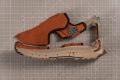
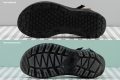
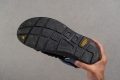
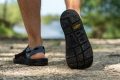
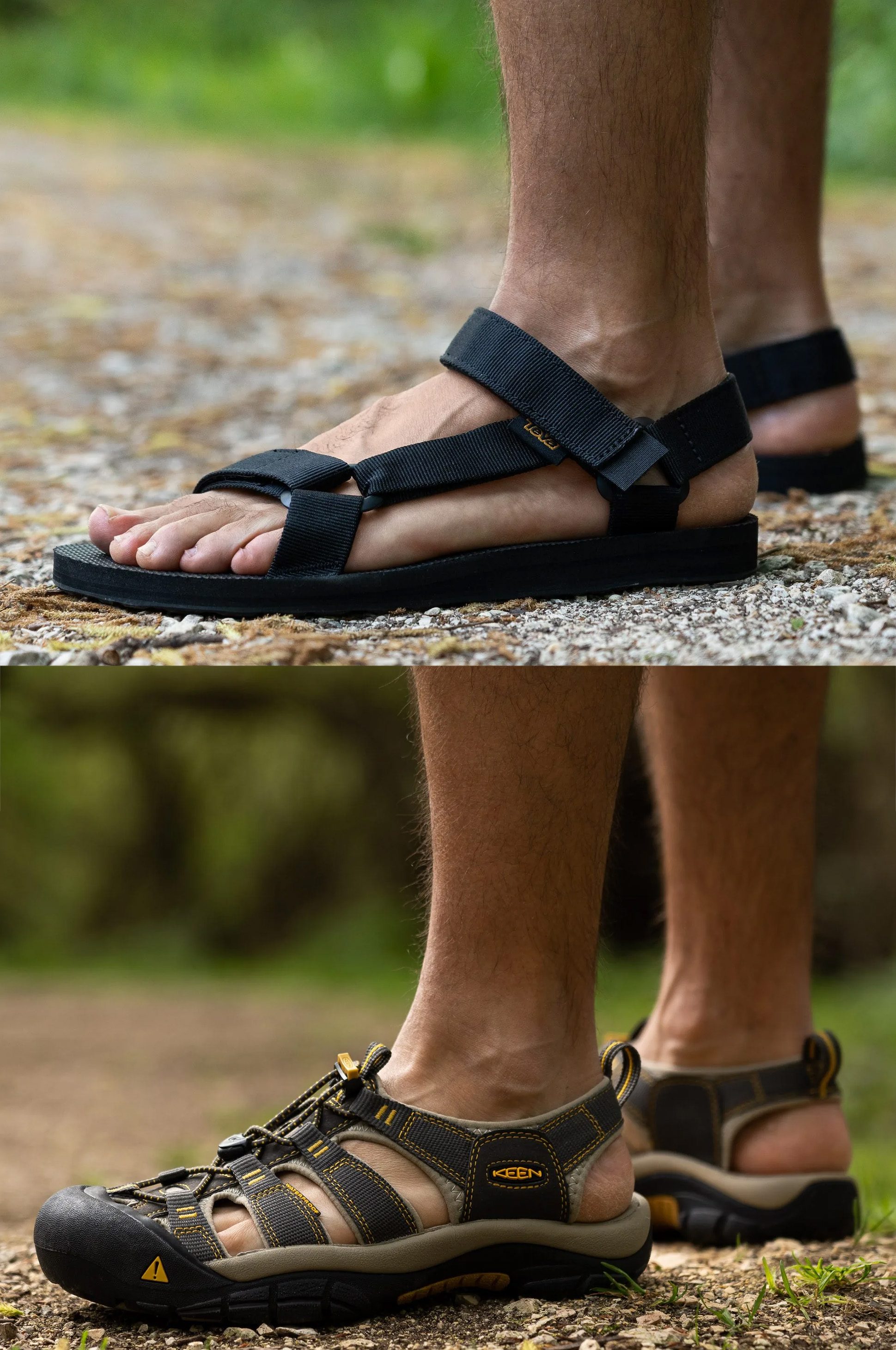
The most obvious visual comparison is below: light walking, almost urban use, with no serious hiking on your mind, vs. a protective sandal with a toe bumper and a thick, firm outsole, ready to tackle anything, dry trails, and water activities.
Water hiking sandals traction: lab test results
In hiking, we always say that traction is of the utmost importance. And our lab test measures exactly that, but what’s even better is that we perform the test in wet conditions. There’s no need to hypothesise “if you live in wet climates” or “if you love running when it’s raining”. No, straight to the point: let’s see how hiking sandals perform on wet surfaces.
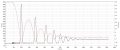
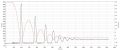
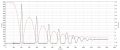
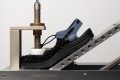
For this test, we follow SATRA TM144 methodology to measure the coefficient of friction. The higher it is, the better! For water hiking, we recommend sandals that score 0.45 or higher. As you can see in the video, we test sandals on wet concrete!
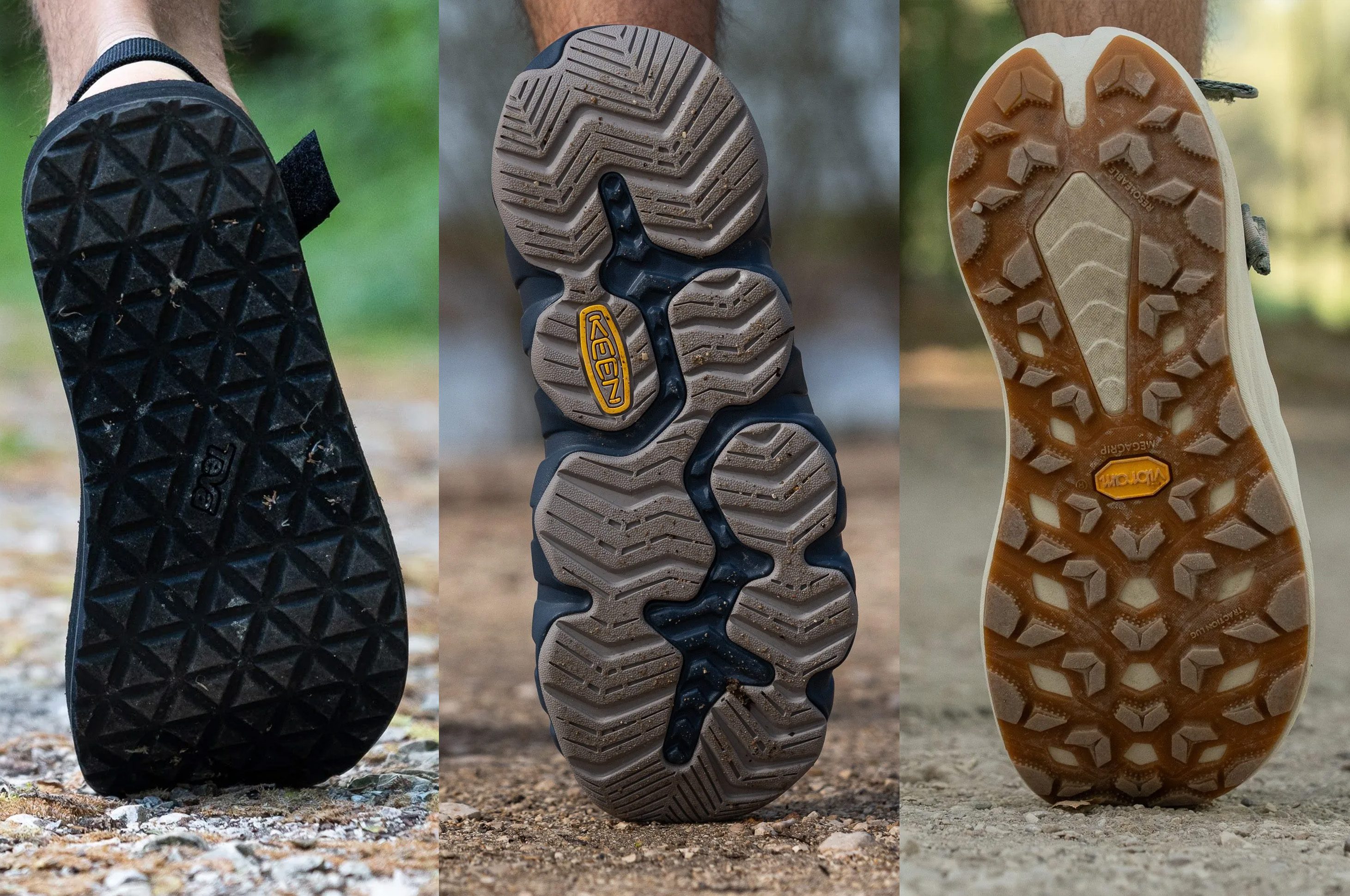
Traction is, of course, a priority when water hiking. One of the factors that plays a big role here is the lug depth.
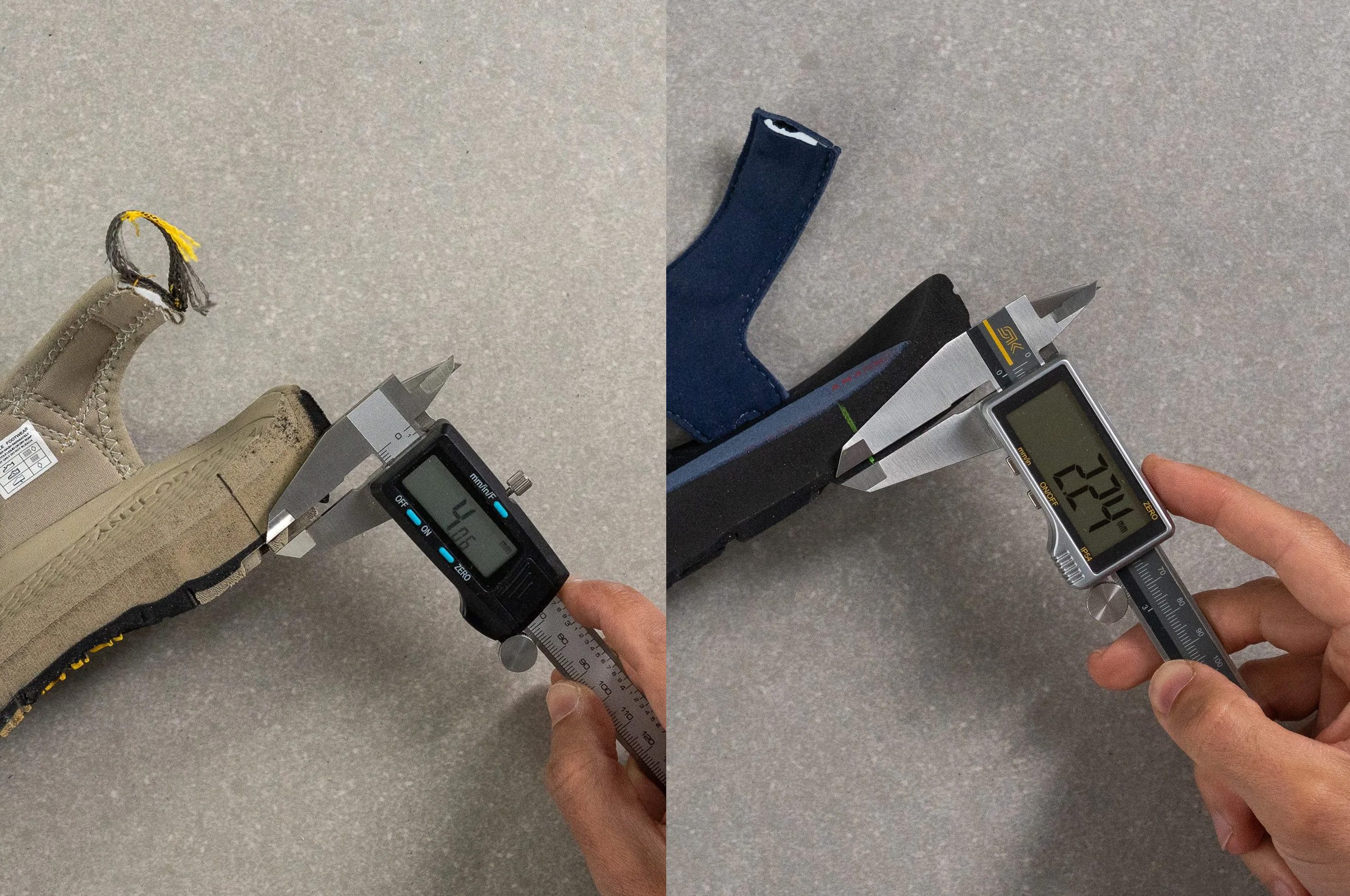
A general rule is: the thicker the lugs, the better the grip. But that’s only one piece of the puzzle. We should look at the tread pattern: are there channels that would minimise water pooling underfoot? Are the lugs thick and placed further apart for better mud shedding? Or are they moderately thick and dense, for versatility?
2 levels of protection in water hiking sandals
This depends on what you plan to do wearing the sandals. There are 2 scenarios:
- Light water activity, like stand-up paddling, kayaking, basically boating and floating, walking around the beach, or also using the sandals for the walk to the park and similar. These activities ask for a low level of protection, which means you don’t necessarily need closed-toe sandals and thick, robust outsoles.
- Intermediate to heavy usage, like hiking on moderate to somewhat technical terrain combined with some body of water, crossing rivers and creeks, whitewater rafting, hiking including mossy-rock passages or oyster reefs, and so on. These activities usually ask for closed-toe sandals with protective toe bumpers and thick protective bottoms. With one exception, see our note below.
Note: Keep in mind that, if there are a lot of small pebbles, sand, and silt in the water you’re planning to cross or spend time in, closed-toe sandals can create issues (discomfort, blisters, bleeding). It’s best to consult with a tour guide covering the same area in that case: what do you need more, protection from rocks, or better debris shedding?
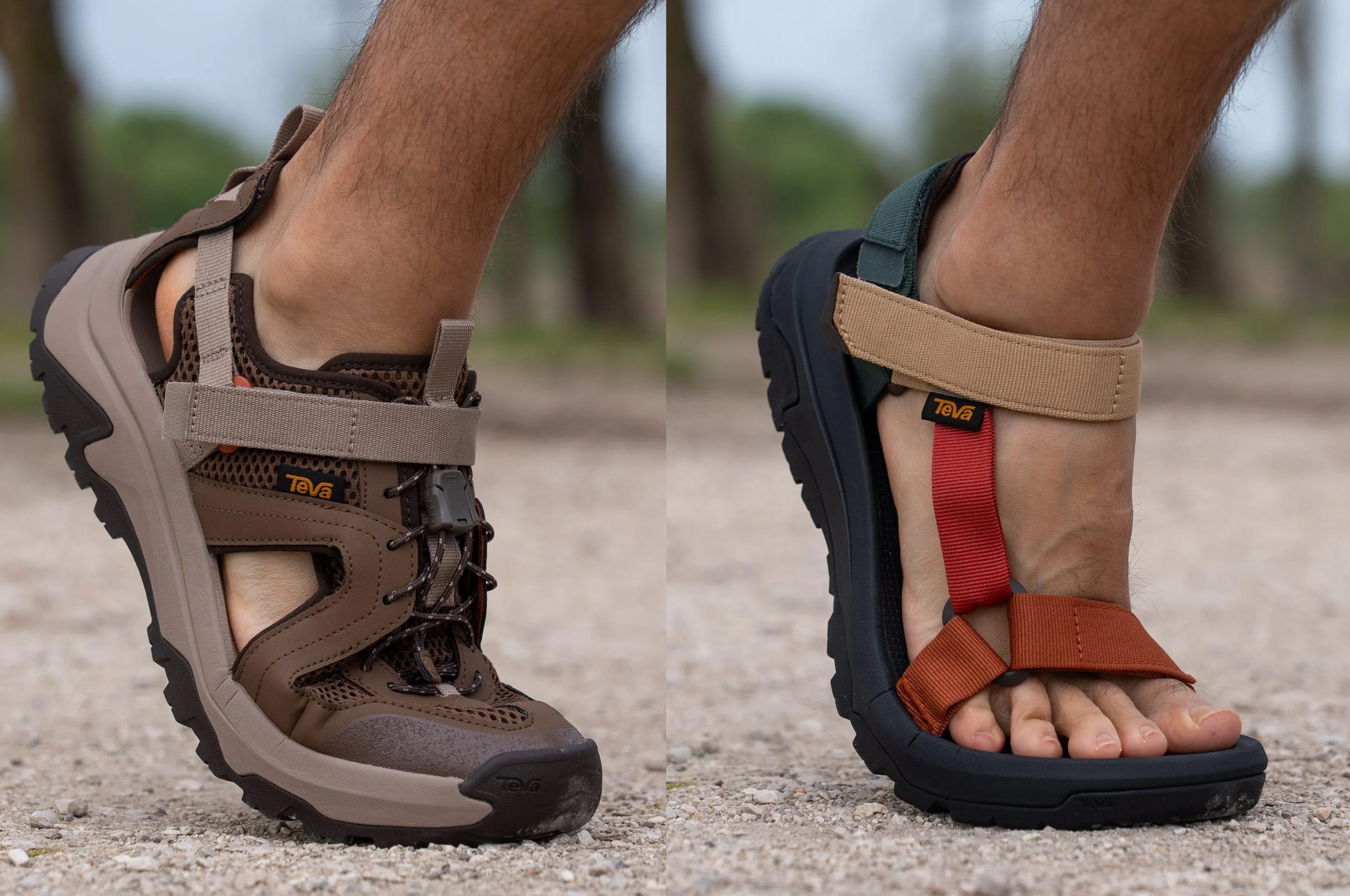
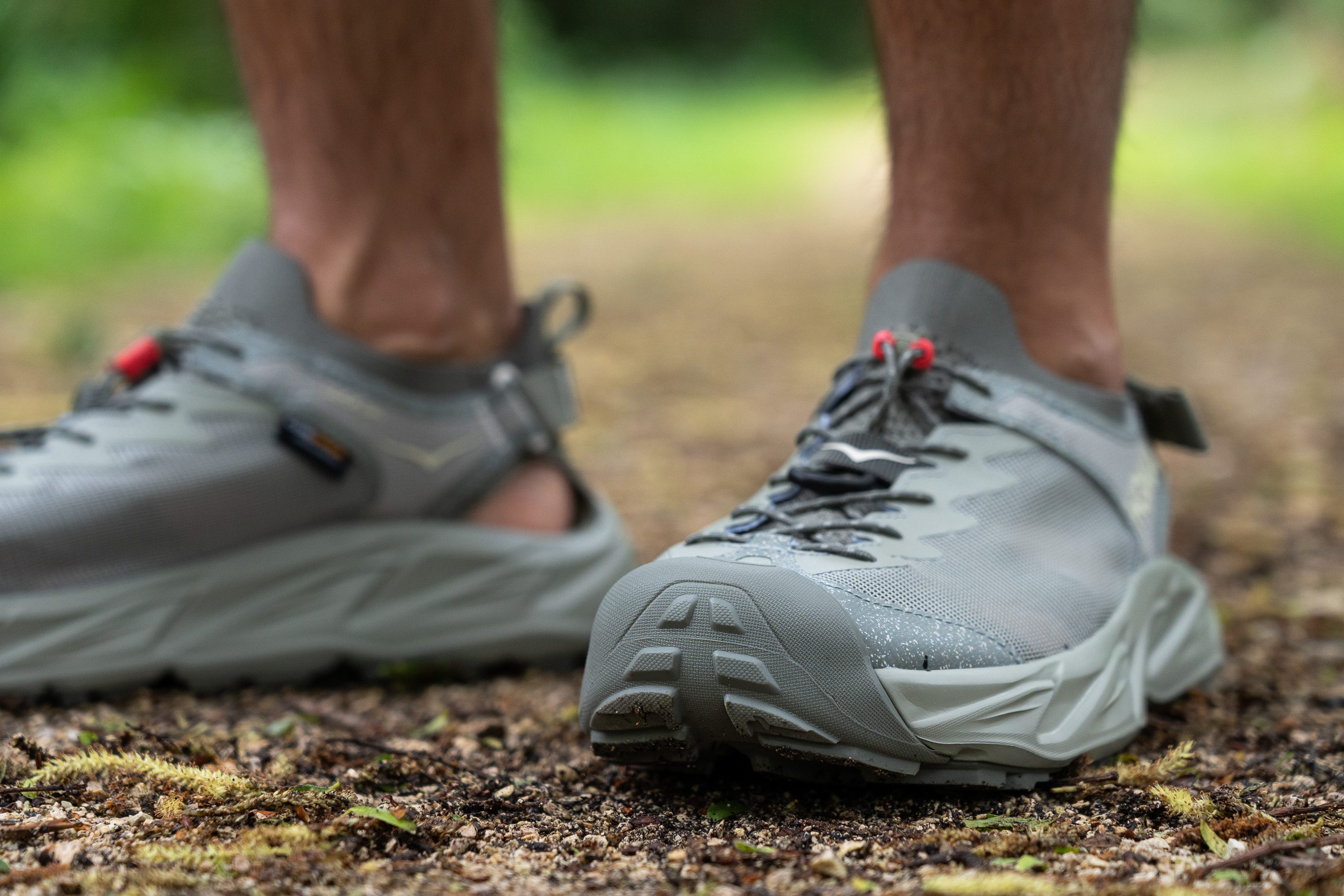
When it comes to the protection from the bottom, we need to look at the thickness of the platform (stack height).
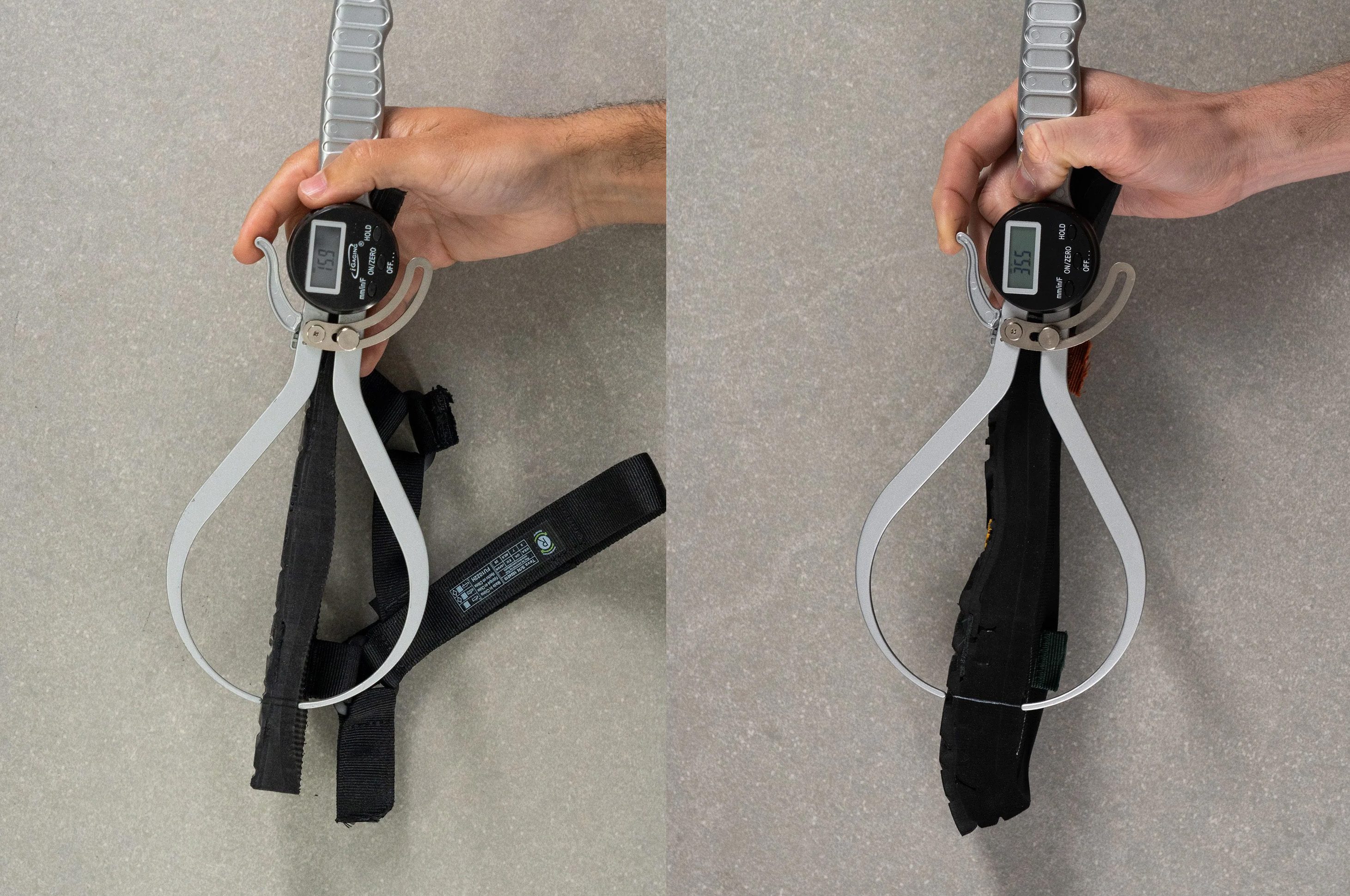
Again, if you’re only paddling or walking to the park, you don't need beefy platforms. If you plan to hit the rocky trails or rocky river beds, suit up. Another thing to pay attention to here is the stiffness of the platform. This is to avoid toe flap roll: when you hit an obstacle with the tip of the sandal and the forefoot part of the platform curls downwards. It is when you would trip and hopefully not fall.
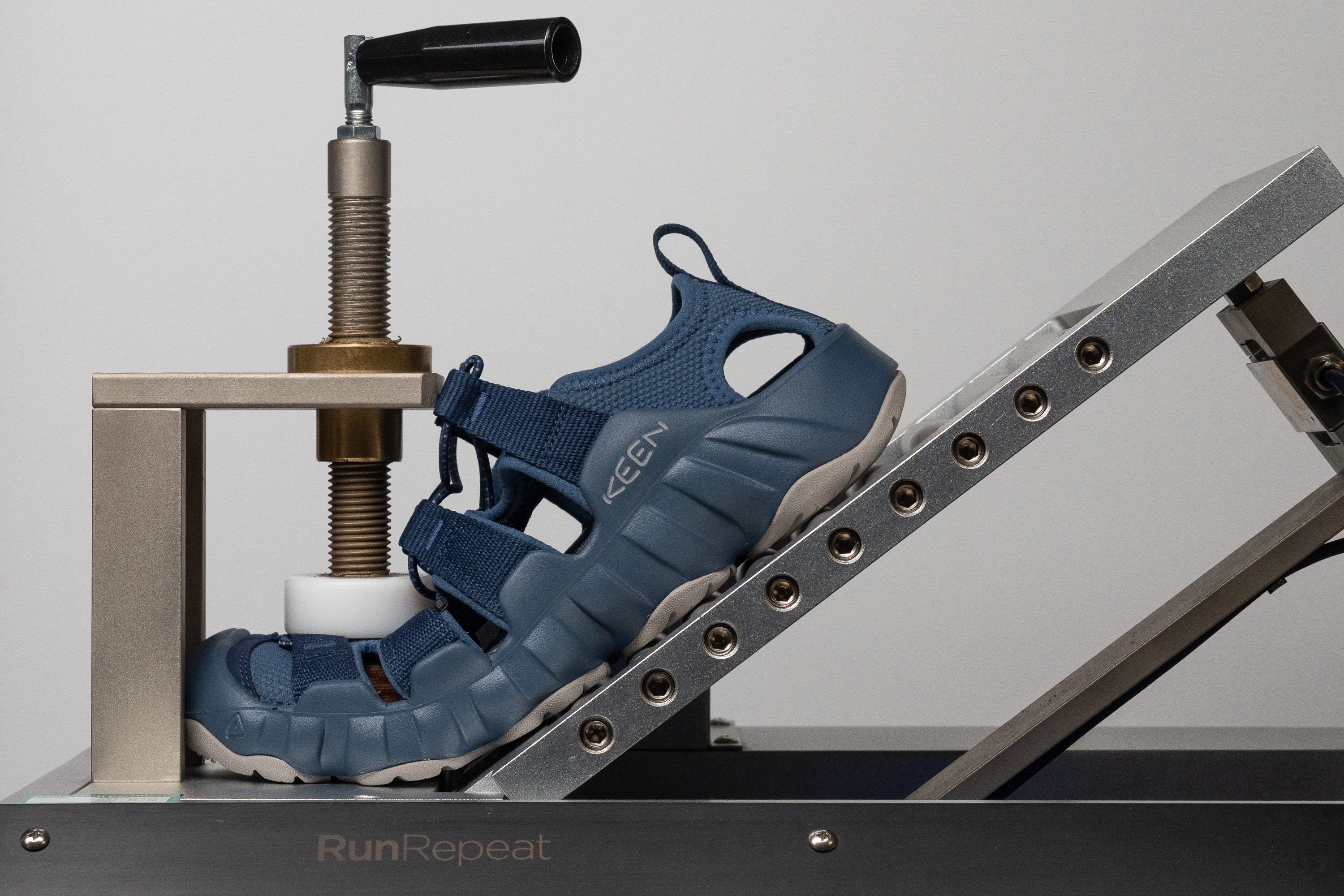
To avoid toe flap rolls, do not use sandals made for urban settings on serious hikes, or even those that may be great for kayaking but are too flexible to be safe enough on the trail.
Quick-drying materials are a must
The straps on the water-hiking sandals are usually made of synthetic materials which, unlike cotton and leather, have low water retention. They don’t swell and become heavier; they drain and dry more quickly.
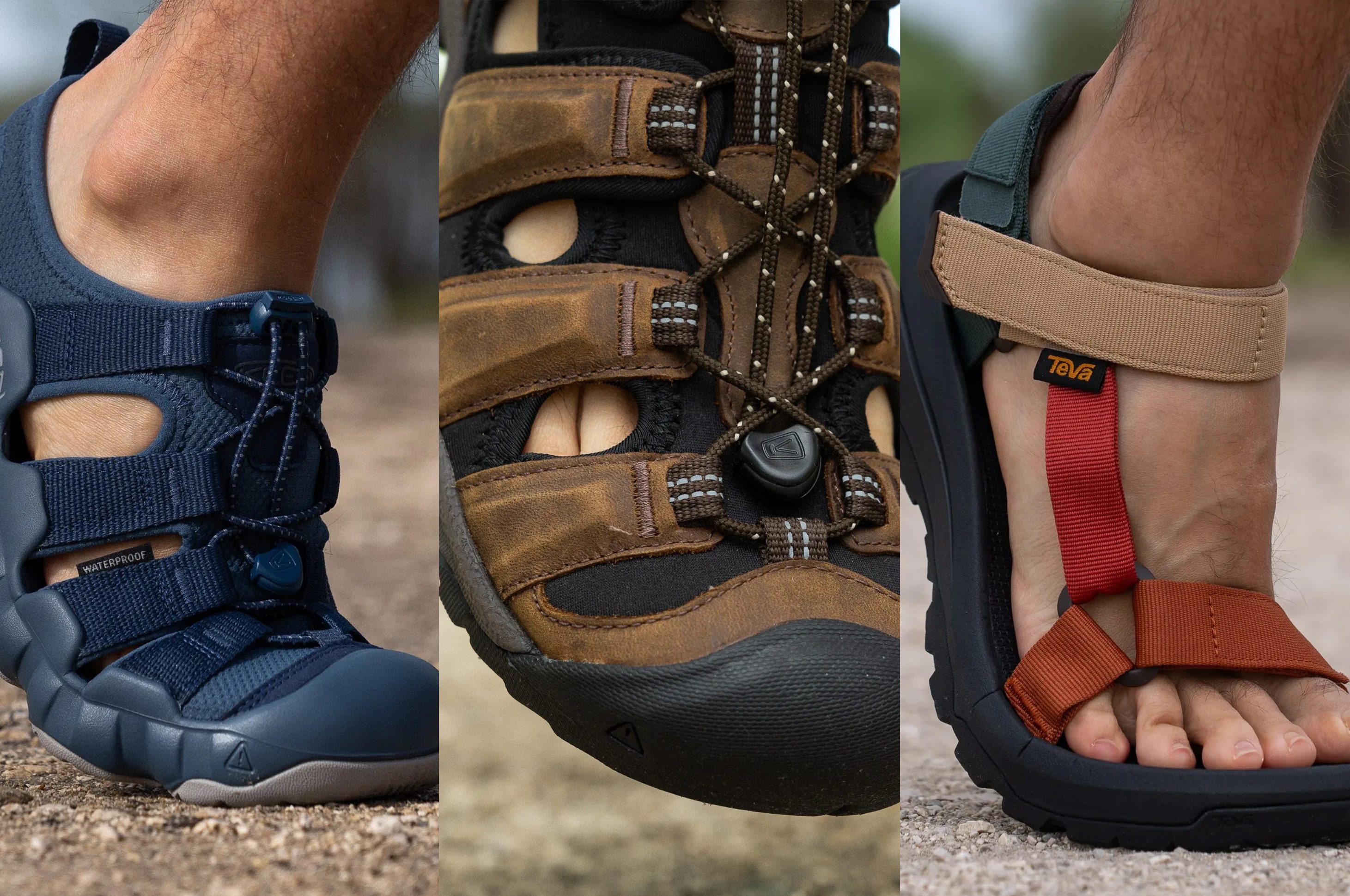
The straps might be shedding the water well, but you also want good drainage. This is where the water hiking sandal plays an important role because you don’t want only water to get out, but also silt and pebbles. Closed-toe sandals perform worse in that regard.
All the aspects of secure lockdown in water hiking sandals
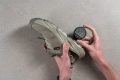
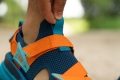
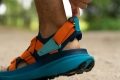
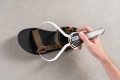
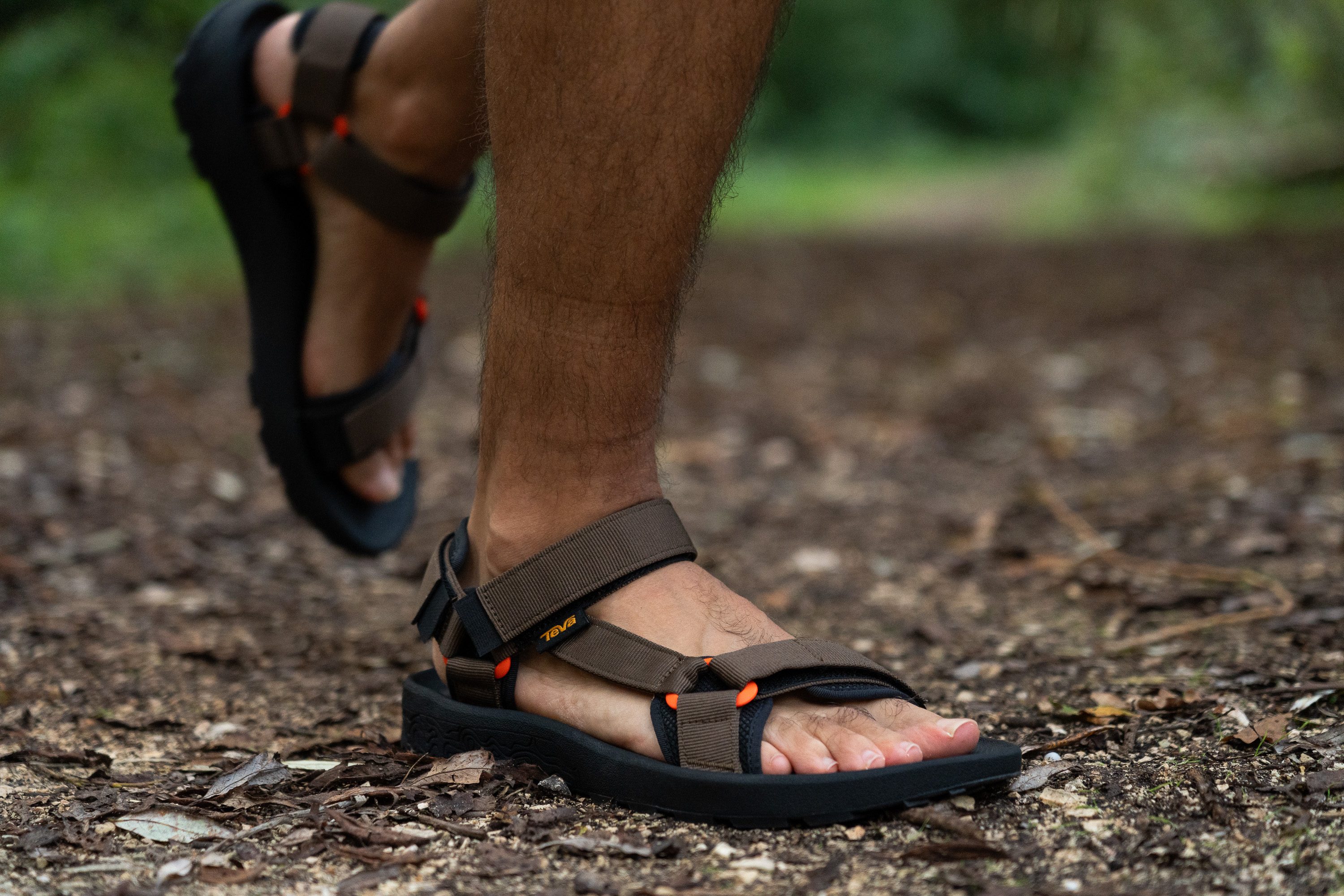
We need to talk about closure systems (buckles, Velcro straps, and bungee laces) and strap designs (toe thong/toe post, toe loop, full forefoot strap, and a closed-toe web-like design). The customization of the straps or the whole closure system is a priority at the beginning of the hike, but also later, because our feet swell after spending some time underwater, and you may want to adjust the system along the way.
IMAGE add what we have, ideally all 4 but i think we have only 3
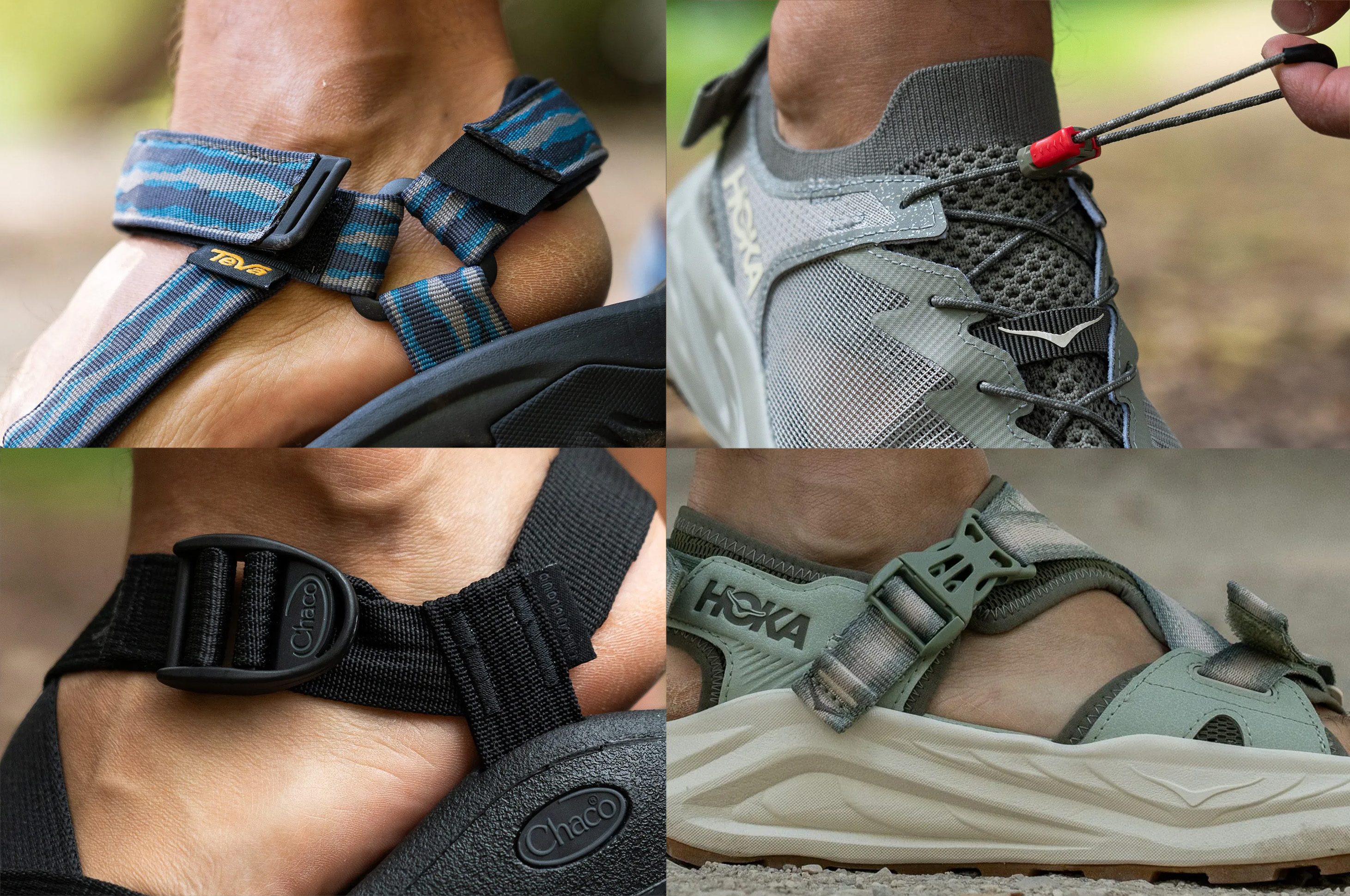
Achieving the best lockdown is a must given that you will be hiking or walking on slick surfaces. Sliding back and forth within the sandal, or side to side, is out of the question. Because of this, the straps or the laces are customizable. In some cases, there are 3 straps, out of which only 2 are customizable. This may work if you have average-volume feet. Other hikers, be it with narrower or wider foot parts, often prefer as many customization options as possible.
It’s also worth noting that sandals with a toe thong/toe post often ask for a break-in period. This is especially true in cases where hikers haven’t worn such sandals before. The separator feels odd at first, sometimes even bordering on pain.
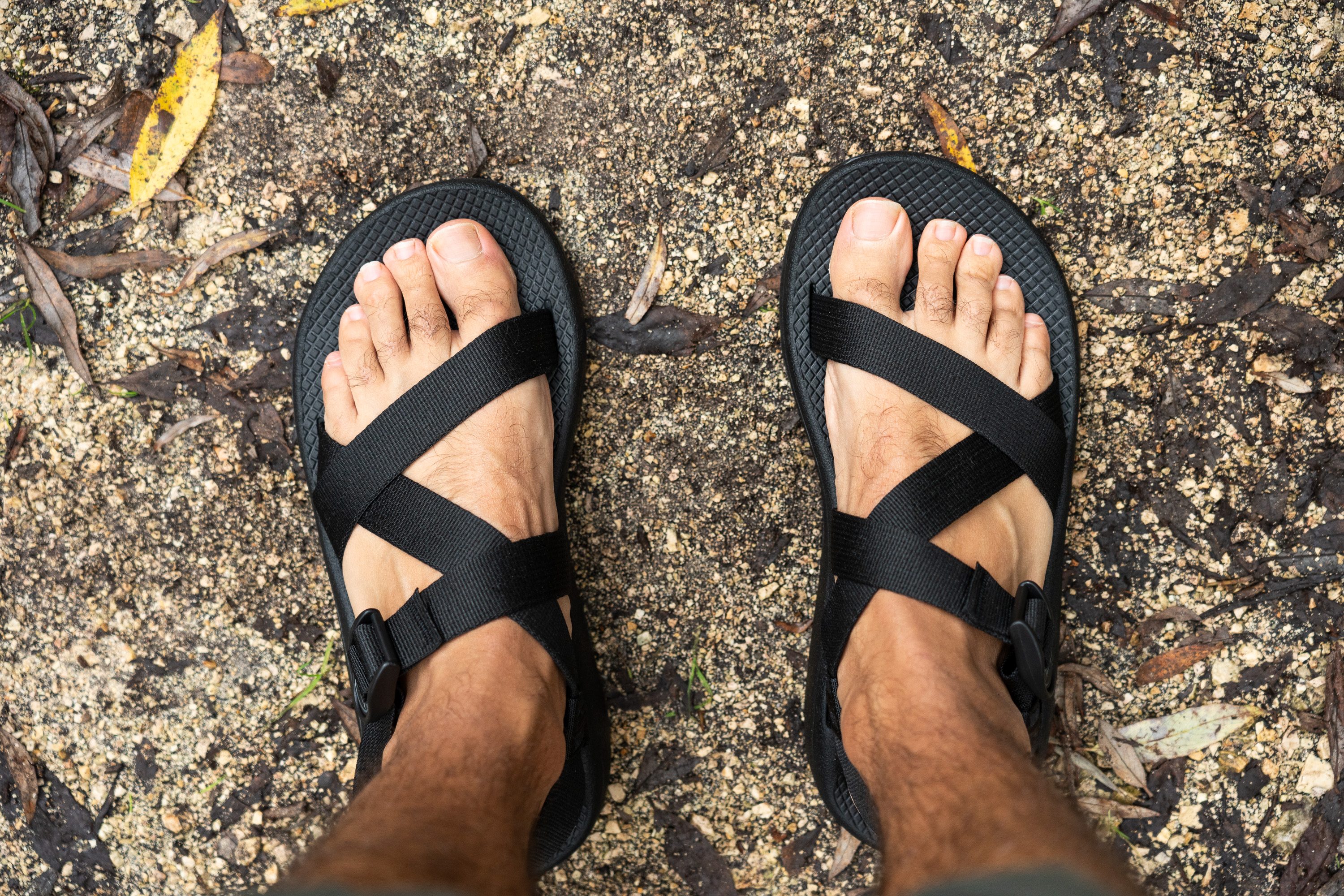
When it comes to the closure systems, buckles keep the straps locked in. Bungee laces may feel slightly less secure because they can wiggle or be elastic. Finally, Velcro is super easy to use; it’s secure, but may lose its bond strength with heavy use, especially if you keep adjusting in areas with a lot of silt/sand that could get into the Velcro patches.
How to care more about water and Earth and what does it have to do with your water hiking sandals
Water hiking means getting in and out of the water. With this, we hope we all agree that what nature is offering us should be unharmed, and we should protect the landscapes and ecosystems we wade through, and leave them undisturbed. Unfortunately, forever chemicals are there to ruin our plans, with us not even knowing about it. So, let’s learn more about them.
PFAS are the forever chemicals. They do not dissolve or break down. They accumulate in our waters, ground, food, wildlife, human bodies, and blood. They are everywhere. We’re talking non-stick cookware, microwave popcorn bags, many types of takeout containers, baking paper, waterproof and water-repellent apparel, rain gear, materials treated for stain resistance, water-repellent picnic blankets, backpacks, dental floss, some cosmetic products... And they are extremely harmful.
- In 2023, a working group of 30 international scientists classified PFA as carcinogenic to humans and PFS ans possibly carcinogenic to humans (Volume 135, WHO)
- CDC data found PFAS in the blood of 97% of Americans after tracking PFAS in blood serum since 1999 across tens of thousands of participants (see more on the National Institute of Environmental Health Sciences website).
- PFAS exposure has been associated with kidney, ovarian, testicular, thyroid, and endometrial cancers (Li et. al, 2025).
- PFAS exposure is significantly associated with reproductive hormone disruption, as shown in a systematic review and meta-analysis across 11 studies involving 7,714 participants (Li et. al, 2024). There are more studies available proving the association between PFAS exposure and reproductive ageing.
In 2023, a sustainability manager from KEEN stated that (back in 2014) hundreds of components that don’t even need to be waterproof (by design or because they are meant to go underwater) were being treated with PFAS. Even laces and eyelets! This applies to hiking sandals, too! They eliminated nearly 70% of those chemicals simply by not using them where they did not need them. Since 2018, KEEN has been PFC-free. Looking at other brands in the hiking realm, these are also PFAS/PFC-free: Deuter, Ortovox, and Patagonia.
| What can you do? Check the brand’s specifications prior to purchasing water hiking sandals and show your respect and admiration for nature by buying only sandals with no forever chemicals. |
Key terms to understand
PFAS per- and polyfluoroalkyl substances, what a mouthful. This is the umbrella term for thousands of synthetic chemicals, so-called forever chemicals. They do not break down in the environment or in the human body.
PFC perflourinated compounds or perfluorocarbons; this is an old term but still found in some brand specifications saying PFC-free. PFC is a subset of PFAS, so in the context of hiking sandals, these 2 may be used interchangeably.
DWR stands for durable water repellent. This is obviously not a compound, but a treatment of the material which makes it repel water rather than soaking it in. Most of these were PFAS-based, and right now there’s a transition to better alternatives happening.
C6 and C8 are used for the 6-carbon chain and 8-carbon chain, the length of the carbon chain in fluorinated DWRs. C8 was the original problem, then C6 was what the industry presented as a solution (which it was not). You may have also heard about C4 or short-chain PFAS. The issue with short-chain PFAS is that they are still accumulating and not breaking down, only somewhat less aggressively. Right now, C0 is the way to go: no fluorinated chemistry at all. Brands are doing this voluntarily or by regulatory mandate. That is why we also have so-called C0 DWR, which is, as the name suggests, a DWR treatment with zero fluorinated chemistry.
PFOA/PFOS, short for perfluorooctanoic acid, which is used in Teflon manufacturing, and perfluorooctane sulfonate, which is found in military firefighting foam. Both banned. You may have heard about these if you’ve watched Dark Waters. If you haven’t, we highly recommend doing so.
Similar buying guides