5 Best Slip-on Walking Shoes in 2026


We buy shoes ourselves. We earn commissions when you buy through us, at no extra cost. Why trust us
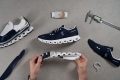
Finding the perfect slip-on walking shoe can be a demanding task. To help you out, we've tested slip-on walking shoes both on foot and in the lab, where we tore them to pieces to examine every little detail. We ended up with the best out of the best picks that you can look over.
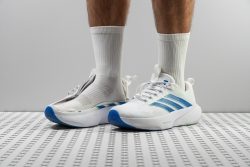
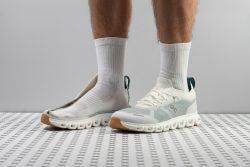

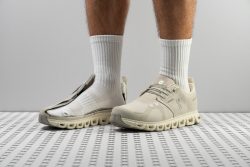
How we test slip-on walking shoes
This selection is the fruition of our hard work and desire to deliver greatness in a comprehensive form. Here is our approach:
-
We buy slip-on walking shoes using our own money.
-
We wear these kicks extensively to find out which pairs deserve the top ranks. Of course, we do not only investigate the shoes' durability and comfort but also their delivered practicality and overall fit. After all, we are looking for the best slip-on.
-
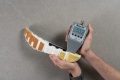
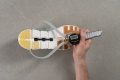
We also test these walking shoes in our lab, where we measure and assess their breathability, flexibility, weight (talk about easy and light packing), stability, heel counter stiffness, shock absorption, and other features that we find relevant for walking.
Best slip-on walking shoes overall

What makes it the best?
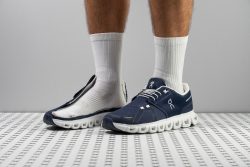
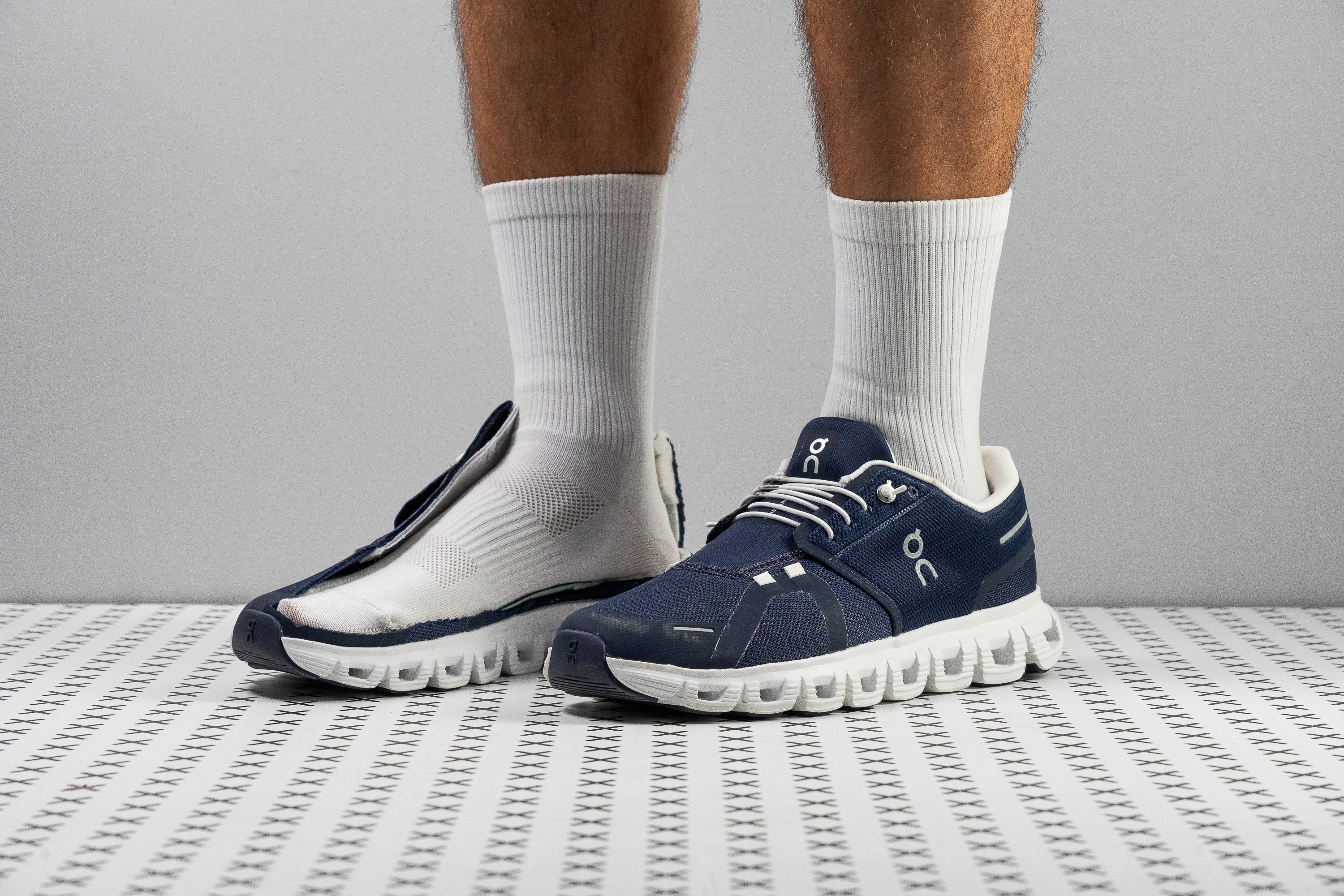
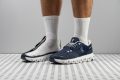
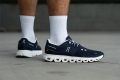
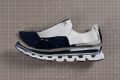
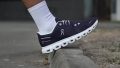
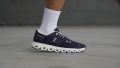
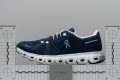
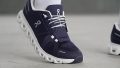
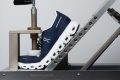
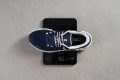
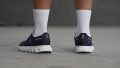
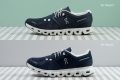
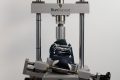
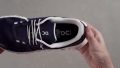
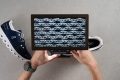
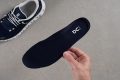
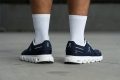
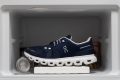
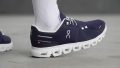
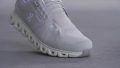
The On Cloud 6 offers a second-skin sensation with its airy build and forgiving structure. Backed by lab results, it allows us to go on strolls on autopilot mode with its effortless feel, enhanced with an easy wear-on and off experience through its speed lacing. Therefore, it’s our top slip-on walking shoe.
The Cloud 6 features elastic shoestrings that don’t need to be tied, taking away the hassle of having to retie laces while out and about.
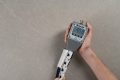
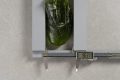
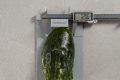
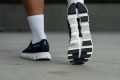
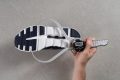
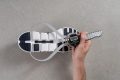
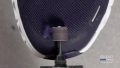
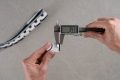
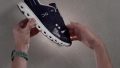
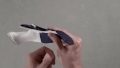
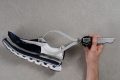
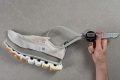
It’s fairly light and offers comfort that makes us feel like we’re barefoot, backed up by its low 9.7 oz (274g) figure on the scale. Its weightlessness is further enhanced by its flexible build. In our bend test, it emerged 7.9% more malleable than average.
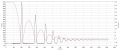
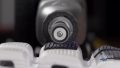
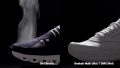
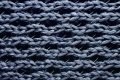
Lastly, its strong airflow seals the deal. Its breathability makes the overall experience lighter, proven by its impressive 4/5 score in our smoke test.
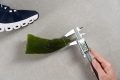
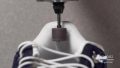
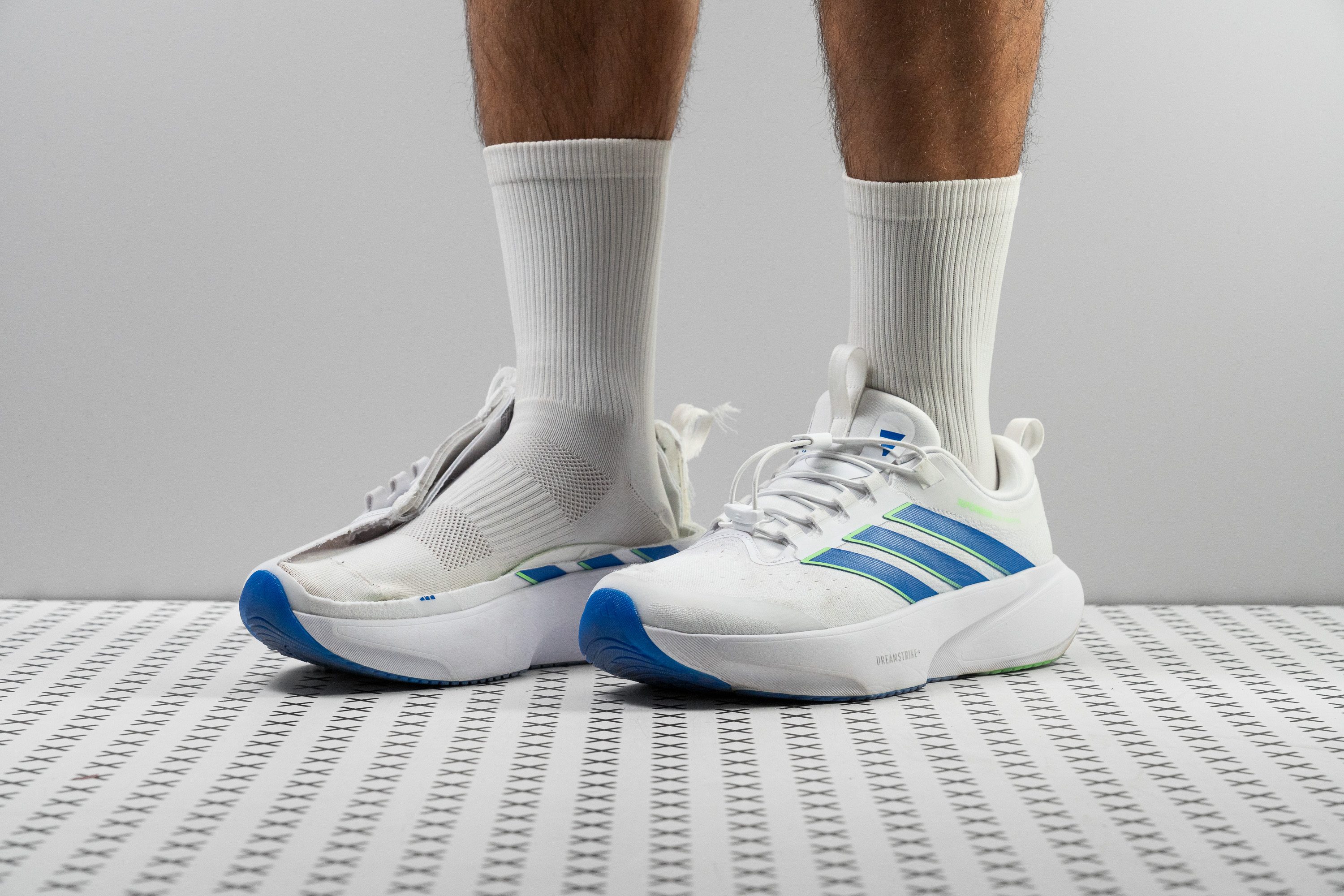
Unfortunately, the upper couldn’t handle our Dremel. Those seeking reinforcements in the toebox should rethink if Cloud 6 is a good match.
Pros
- Smooth heel-to-toe transitions
- True to size and width
- Great traction on wet and dry
- Flexible construction
- A bit lighter than average
- Breathable for warm weather
- Promising outsole durability
- Slip-on design with easy on-and-off
Cons
- Steep price hike with minimal changes from the v5
- Not for all-day wear
- Not very supportive
- Upper lacks wear resistance
Best slip-on walking shoes for all-day wear
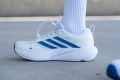
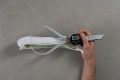
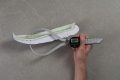
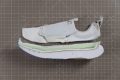
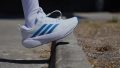
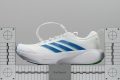
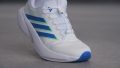
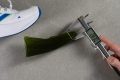
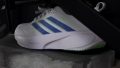
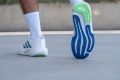
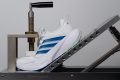
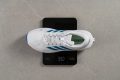
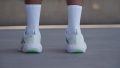
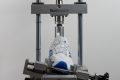
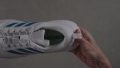


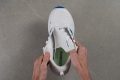
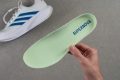
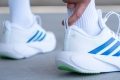
What makes it the best?
Pros
- Excellent grip across dry and wet surfaces
- Adaptive features for runners with disabilities
- Good durability from top to bottom
- Versatile design works for casual wear
- Comfortable upper
- Easy entry with two finger-loop tabs
- Thicker tongue for extra comfort
- Keeps the same price as regular version
- Works very well for heel strikers and beginners
- Shines at easy, daily miles
Cons
- A bit heavier than the Rise 3
- Less lively when running faster
- We still expect more bounce from Dreamstrike+
Best lightweight slip-on walking shoes
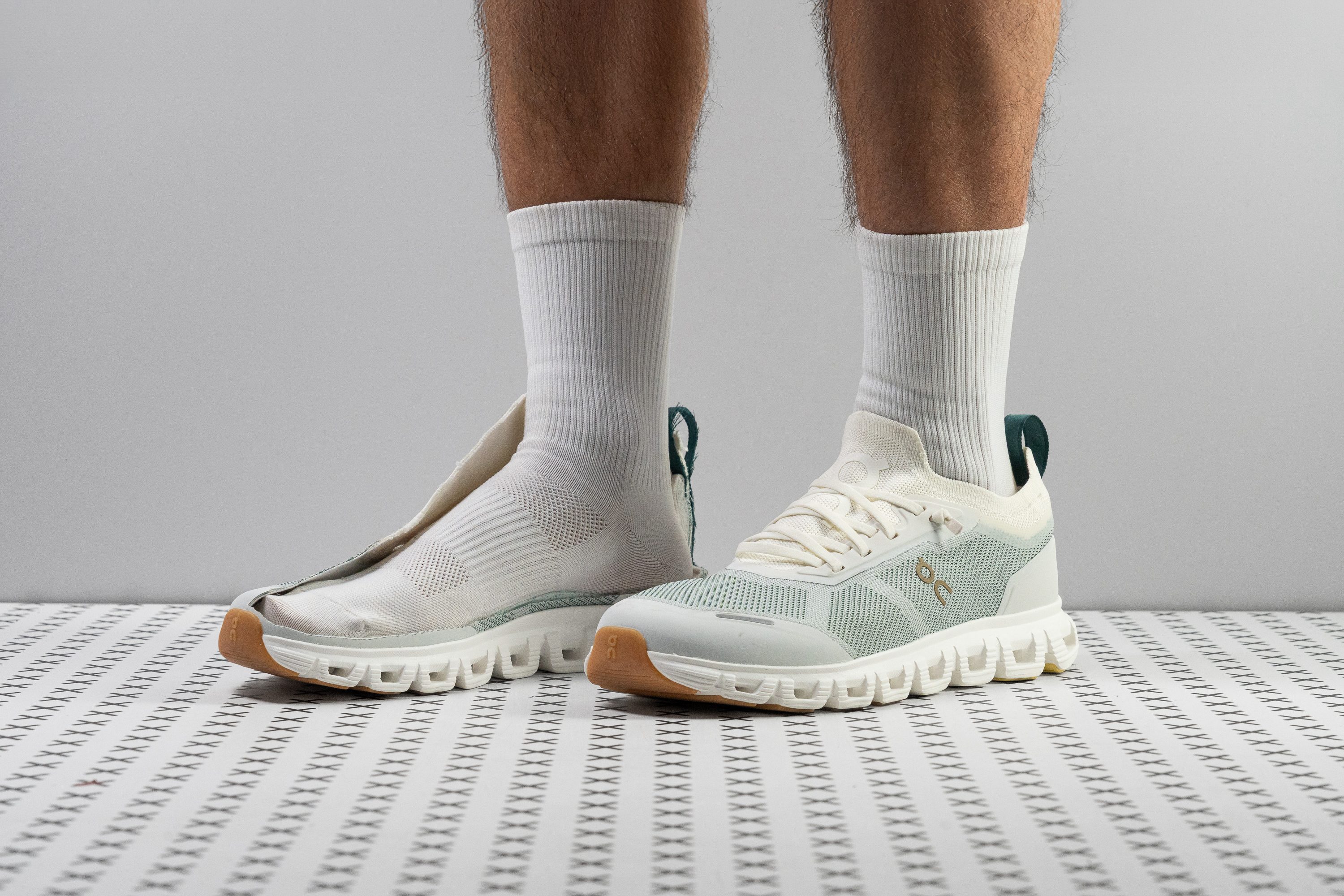
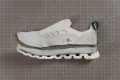
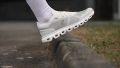
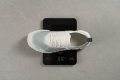
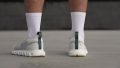

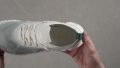
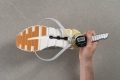


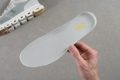
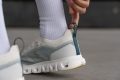
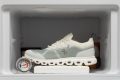

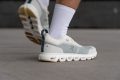
What makes it the best?
Pros
- Pleasantly smooth ride
- Much lighter than average
- Excellent grip on wet and dry
- Sock-like upper
- Perfect medium fit
- Great durability
- No need to tie laces
Cons
- Pricey for what it offers
- Not for all-day wear
Best slip-on walking shoes for fitness walks

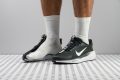




What makes it the best?
Pros
- Fast-entry EasyOn system
- Convenient one-hand elastic laces
- Improved ReactX midsole
- Exceptional breathability
- Air Zoom units for more bounce
- Triathlon-friendly
- No price increase from Pegasus 41
- Amazing as a lifestyle shoe
Cons
- Stability reduced by EasyOn design
- Low toebox durability
- Tapered toebox
Best waterproof slip-on walking shoes
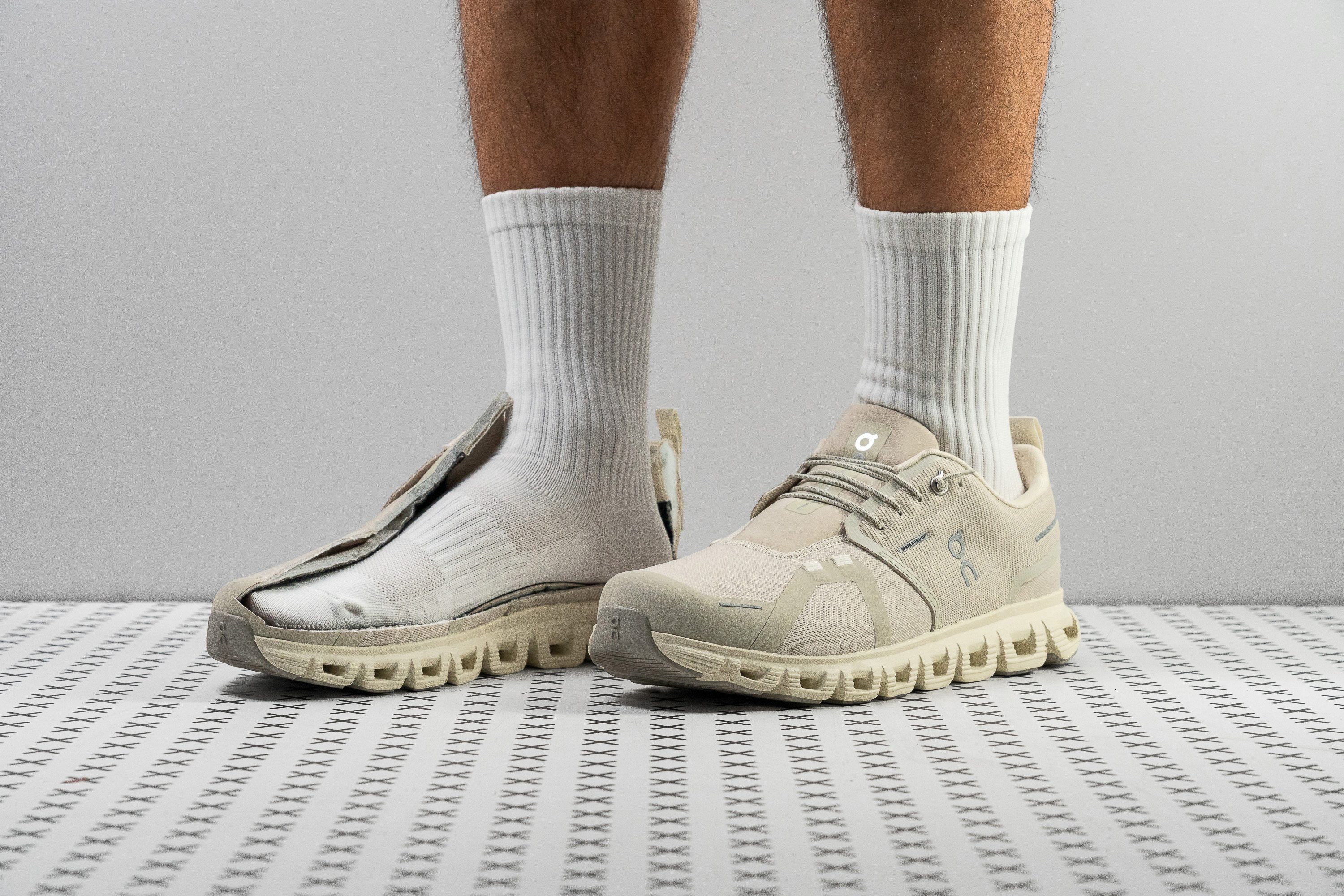
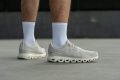
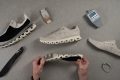
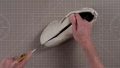
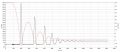
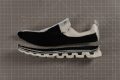
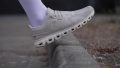
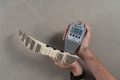
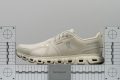
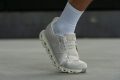
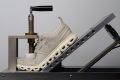
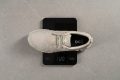
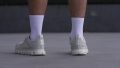
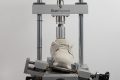
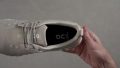
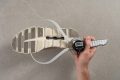
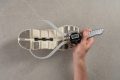

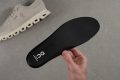
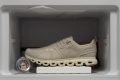

What makes it the best?
Pros
- Impressive outsole traction
- Stable and grounded ride
- Smooth heel-to-toe transitions
- Excellent durability
- Enclosed bootie upper
- Easy on-and-off
- Protective waterproof lining
Cons
- Not ideal for all-day wear
- Somewhat overpriced
- Heavier than average
- Poor breathability
Why NOT to buy slip-on walking shoes
Slip-on walking shoes are like the yoga pants of footwear - their convenience and comfort are simply irresistible. But on the flip side, there are a few reasons why a pair of slip-ons may not be your best bet.
Unadjustable fit
Even if a slip-on shoe has elastic laces, they can’t be fine-tuned to regulate the fit as accurately as the regular laces. So when you are getting a slip-on shoe, you have to make sure that it fits to a T from the box.
It should also be noted that fabric uppers tend to stretch and can become loose overtime. This affects not only the fit of the shoe but also its ability to support the foot and keep it in place. What’s more, increased fabric friction against the foot leads to hot spots and blisters.
Not the same support and stability
In many ways, slip-on shoes remind us of bedroom slippers. They are ideal for laid-back days and leisurely strolls but they are just not supportive enough for anything beyond that.
So if you spontaneously decide to go on a run, play a round of pickleball, or take a longer walk on not-so-even surfaces (like cobblestone), you would need to change your shoes first.
With their lack of lateral support and lockdown, slip-on shoes can cause discomfort at best and an injury in the worst-case scenario.
People with conditions like flat feet, overpronation, plantar fasciitis, obesity, diabetes, and others, will also benefit from lace-up shoe designs because their more supportive construction minimises foot wobbling and prevents aggravation.
|
If easy on-and-off is the only reason why you are looking for slip-on shoes, you can put aftermarket bungee strings (like Lock Laces) into a regular lace-up shoe. Their tightness is easily regulated with a knob. |
Now that we have gone over the drawbacks of slip-on footwear, let’s have a look at the bright side and help you choose the right pair.
Choosing the right slip-on walking shoes for you
The appeal of slip-on walking shoes lies mostly in their effortless comfort. They are ideal for running errands, shopping, travelling, and passing TSA security lines. The easy on-and-off also makes slip-on walking shoes excellent for anyone with mobility issues.
When choosing slip-on walking shoes, it helps to consider the following:
- the amount of cushioning you need
- the amount of support and stability you need
- how durable your shoe should be
- the climate and weather
Understanding your needs and preferences will guide you toward the slip-ons that are best suited to your use case.
Cushioning in slip-on shoes
Most slip-on walking shoes these days have pretty good cushioning, but if you are choosing a pair for long hours of walking and standing, you need to be sure that it offers enough shock absorption.
Having measured hundreds of shoes in our lab, we found that the optimal shock absorption measurement for all-day wear is 100 SA or more.
The cushioning foams of slip-on shoes also tend to be rather plush, or at least balanced (moderately soft).
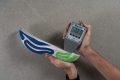
We press an Asker C durometer against the midsole foam of each shoe to put a number on its softness. Plush foams have AC readings below 33 AC, and balanced ones come between 33 and 42 AC (the lower, the softer).
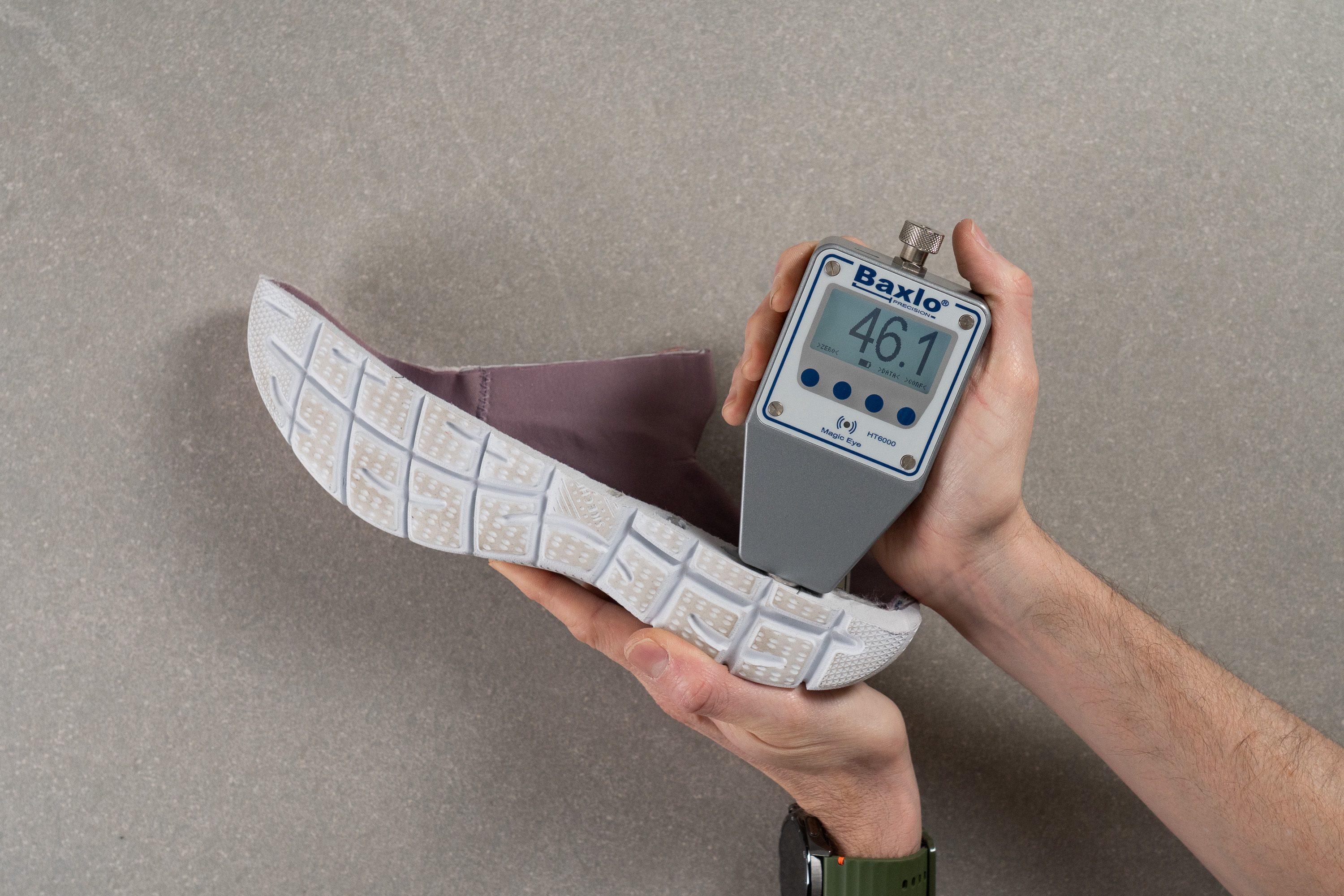
It is up to you to decide how squishmallow you want the ride to be. But our general advice is to choose a more balanced platform if you walk long distances regularly. A touch of firmness adds support and stability to your walking shoes.
Consider support and stability
Most slip-on walking shoes have very little structure to them. Plush, light, and flexible, they offer plenty of immediate comfort but not much long-term support. In fact, your feet can end up feeling more fatigued in a “comfortable” shoe than they would in a bit firmer but more stable shoe after 10 hours of walking.
So if you see yourself needing that extra support, look for the following shoe features:
- higher torsional rigidity (the shoe is harder to twist with your hands)
- stiffer heel counters (the back of the shoe’s upper shows some resistance to pushing and squeezing)
- wider midsoles (the shoe’s heel and forefoot have flanges and the midfoot is broad)
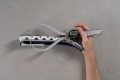
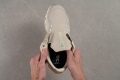
In our lab, we assess the level of stability in both slip-on and lace-up shoes equally. We perform a manual test of their torsional rigidity and heel counter stiffness. Both get a stiffness score of 1-5 (where 5 is the stiffest).
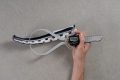
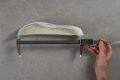
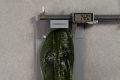
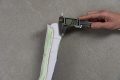
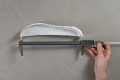
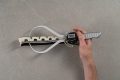
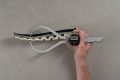
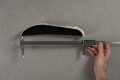
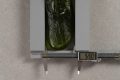
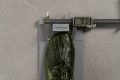
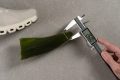
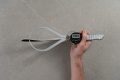
We also measure each shoe’s midsole in the widest part of the heel and forefoot using a digital calliper.

These tests and measurements help us pick out slip-on shoes that offer a little more stability than their counterparts. However, these shoes are not as supportive as the walking shoes designed specifically for flat feet and overpronation.
Durability of slip-on shoes
Most slip-on walking shoes are designed for light use and are not ready for the rigours of all-day wear on abrasive surfaces. They rarely have full-length rubber outsoles or protective overlays to guard their dainty upper fabric.
But if you see yourself walking on concrete quite a bit, it’s better to get a shoe with more promising durability from the start.

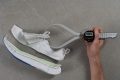
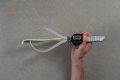
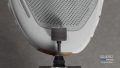
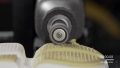
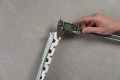
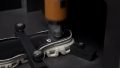
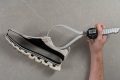
Equipped with a Dremel and sandpaper, we rigorously test the abrasion resistance of each walking shoe in our lab. We apply the tool to the shoe’s toebox fabric, inner heel lining, and outsole to see how quickly they break down.
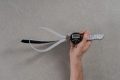
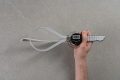
Based on the severity of the damage, we rate each shoe’s toebox and heel padding durability on a 1-5 scale (5 being the most durable) and measure the depth of the outsole dent with a tread gauge (the shallower the dent, the sturdier the outsole).

Most slip-on shoes have no rubber outsole and their exposed foam gets easily damaged.
Slip-on shoes for different weather
To provide a snug sock-like fit, most slip-on shoes are made with knit or even wollen uppers.
These types of fabric are better at keeping the foot warm and cosy but obviously lack the breathability needed for warm summer days.
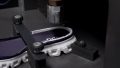
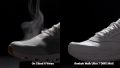
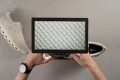
In our lab, we test the airflow of all walking shoes using a smoke-pumping machine. The varying amount and intensity of smoke passing through the shoe’s toebox helps us assess its breathability and compare it to others.
Additional transparency and microscope tests also give us a more comprehensive picture of the shoe’s ventilation capacity and help us rate its breathability on a 1-5 scale (5 being the most breathable).
How to get the right size and fit in slip-on shoes
Considering the lack of laces and buckles, it can be tricky to achieve the right fit in slip-on walking shoes, especially when shopping online.
But there are a few tips that can follow to increase your chances of ordering the right size and fit.
Size
First and foremost, start by measuring your current foot length. It’s pretty easy to do if you have a friend to help you.
Why is this necessary?
- You may need different sizes in different brands because there is no unified shoe sizing.
- Your feet change and grow even in adulthood, especially when you gain weight.
Once you know your foot length in inches or millimetres, the tool below will help you find the right size depending on the brand.
Fit
Because the fit of slip-on shoes is rarely adjustable, it’s good to know exactly how much in-shoe space to expect. You might as well consider a shoe with:
- a snugger and pointier toebox if you have narrow feet
- a roomy and rounded toebox or even a wide/extra wide option if you have wide feet
- a wide toebox and a stretchy upper if you have bunions
In our lab, we strive to provide people with the most accurate information on each shoe’s fit. That’s why we now create a mould of each shoe's interior using a special gel and then measure its dimensions with a digital calliper. We measure the following:
- the widest part of the mould
- the width at the big toe
- the toebox height

The photo above shows that even shoes of the same size can have different widths and toebox shapes.
Other things to consider in slip-on shoes
Slip-on walking shoes vary in their upper designs and approaches to the on-and-off action. Let’s take a look at some of these variations.
Some shoes look like they have laces but, in reality, these are unadjustable elastic cords. Even though they can’t be tightened up, they do create a bit more compression on top of the foot than the full slip-ons. In some cases, a pair of regular laces also comes in a box with these shoes (in case you want to go for the conventional lacing).

Nike turns some of its popular running and walking shoes into slip-ons with the help of the EasyOn design. The collar shape of these shoes allows you to slide in a hands-free and adjust the tightness in seconds using a bungee string.
We also see more slip-on shoes with extended heel collars that you can grab onto when slipping into the shoe. They are bigger and sturdier than the regular finger loops and pull tabs which tend to snap and tear easily. They also don’t break down from the regular on-and-off like regular heel collars do.
You might as well consider collapsible, or drop-in, heels if you want to change between a shoe and a slipper. These designs are very handy for travelling.
Some slip-on shoes have very soft sock-like collars while others have sturdy and padded booties. The former offers lightness and freedom of movement whereas the latter is more supportive.

Similar buying guides