7 Best Salomon Running Shoes in 2026

We buy shoes ourselves. We earn commissions when you buy through us, at no extra cost. Why trust us
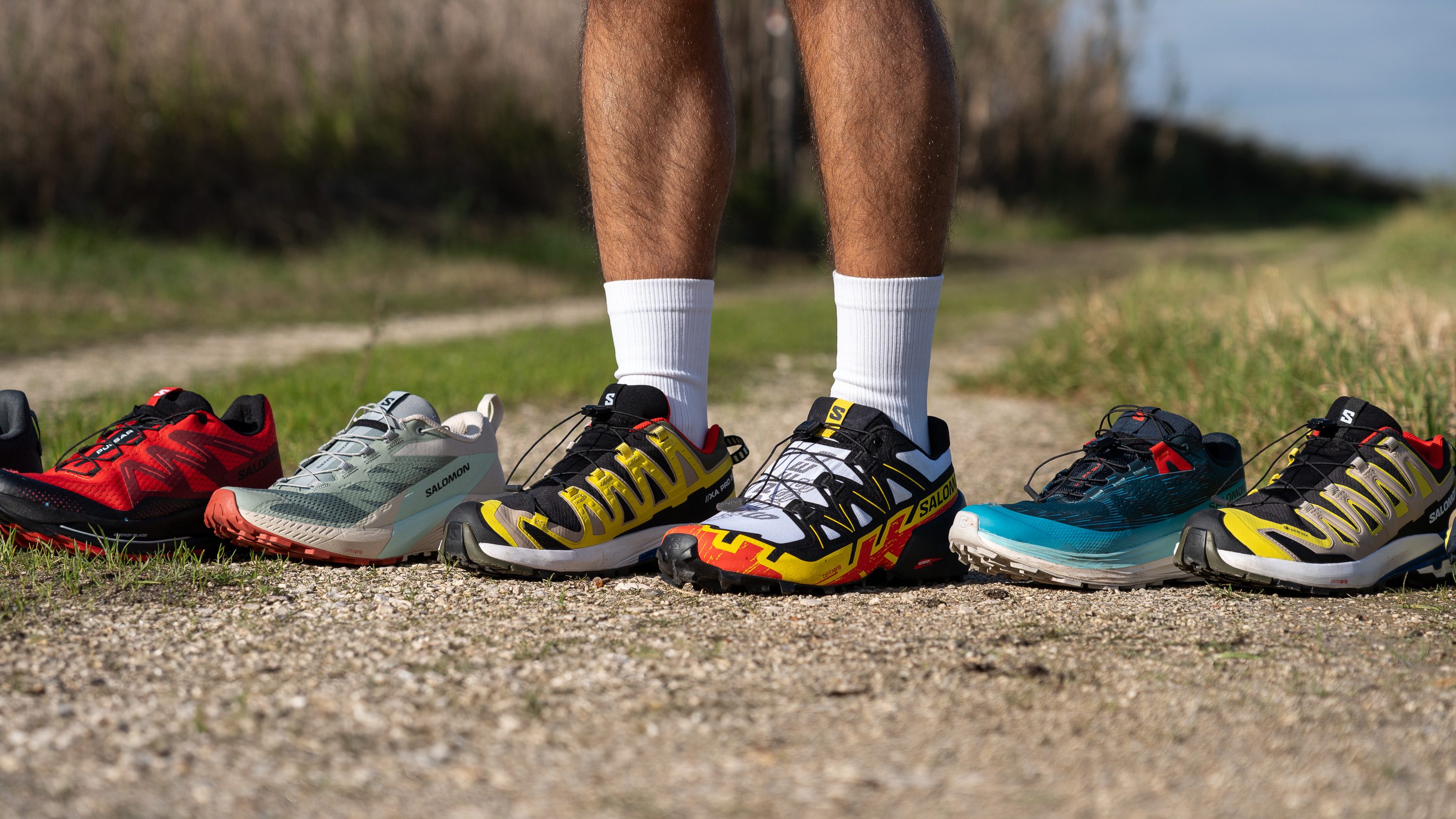
From amateur to pro runners, Salomon running shoes offer some of the most innovative and forward-thinking designs in the market. We're happy that we get to test them and write about them.
If you are looking for the right fit for your training or races, be it on the road or trail, we have prepared our best selection of Salomon running shoes based on our test runs and lab tests.
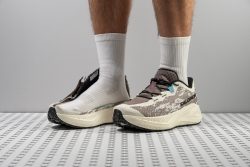
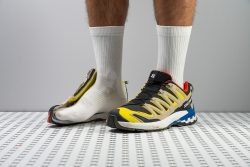
How we test Salomon running shoes
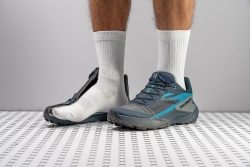
After years of on-the-road (or off-the-road) testing and research in the lab, we have developed a methodology that makes finding the best picks quite easy:
- We buy all Salomon trail running shoes with our own money to ensure the integrity of our reviews.
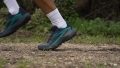
- As a team of dedicated testers and runners, we spend hours on field testing the shoes to experience their fit, comfort, grip, durability, and breathability.
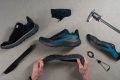
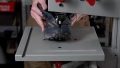
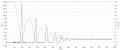
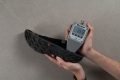
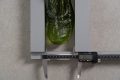
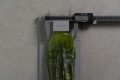
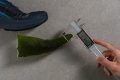
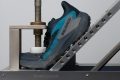
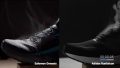
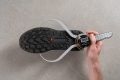
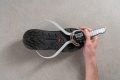
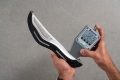
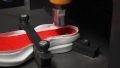
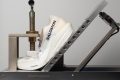
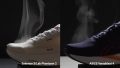
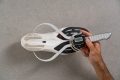
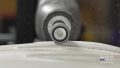
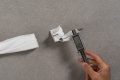
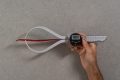
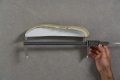
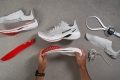
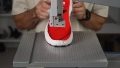
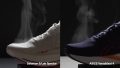
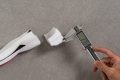
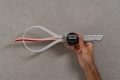
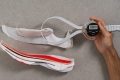
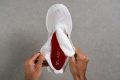
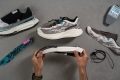
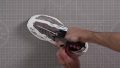
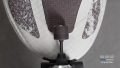
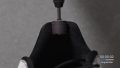
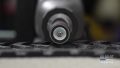
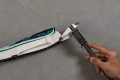
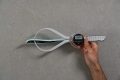
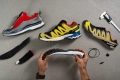
- We cut the shoe into pieces and measure every little detail. We use different tools, including durometers, callipers, and smoke machines, to quantitatively describe flexibility, breathability, shock absorption, and other features.
- We publish our in-depth reviews along with all the lab data. It's super easy to find the energy return, outsole hardness, or outsole/upper durability, and to compare different shoes by these features.
Best Salomon running shoes overall



What makes it the best?
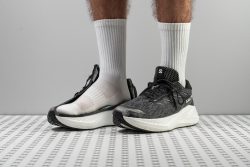
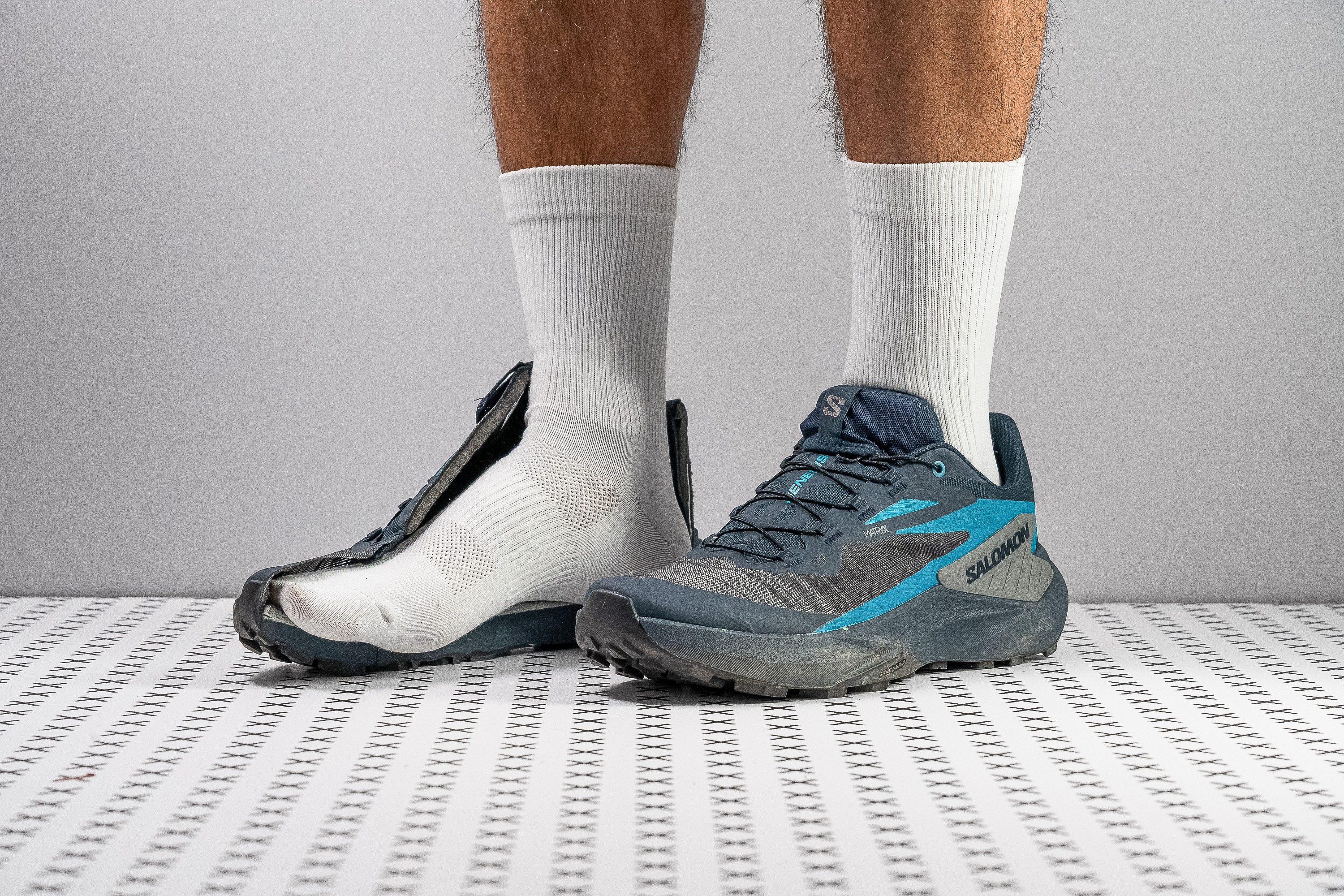
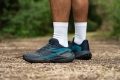
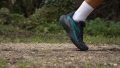
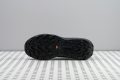
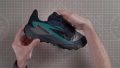
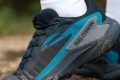
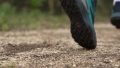
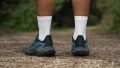
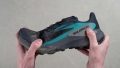
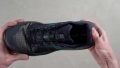
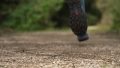
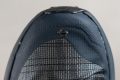
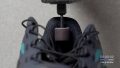
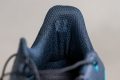
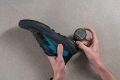
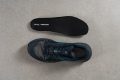
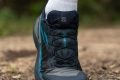
The Genesis quenched our thirst for a fuss-free and agile ride. It blends support and flexibility beautifully, making it our top Salomon running shoe. Equipped with strong traction, we tackled mixed terrains effortlessly.
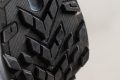
Genesis shows unquestionable grip even on the slippiest surfaces. Lined with 4.0 mm deep and multi-shaped lugs, it clings to any surface and allows us to stay in control.
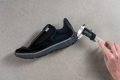
The ride feels very stable on our test runs. The moderate 33.5/24.5 mm stack heightens our ground feel and keeps us balanced on technical terrains. In addition, the Active Chassis system, consisting of rigid plastic pieces, guides our strides and reduces leg fatigue.
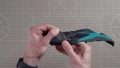
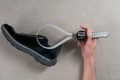
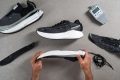
Balancing the supportive midsole is its longitudinal flexibility. This makes it versatile and comfortable enough even for walking. In our bend test, Genesis emerges 10.6% more flexible than average.
With a low 86 SA score in the forefoot, Genesis emphasises ground feel. Forefoot strikers who seek more cushion and impact protection should go for another pair.
Pros
- Premium MATRYX upper
- Great for summer adventures
- Comfortable for long distances
- Perfect for heel strikers
- Reasonably priced
- Smooth and flexible ride
- Super stable
Cons
- Missing reflective elements
- Outsole wears quickly
- Drop too high for some
Salomon running shoes with the best energy return



What makes it the best?
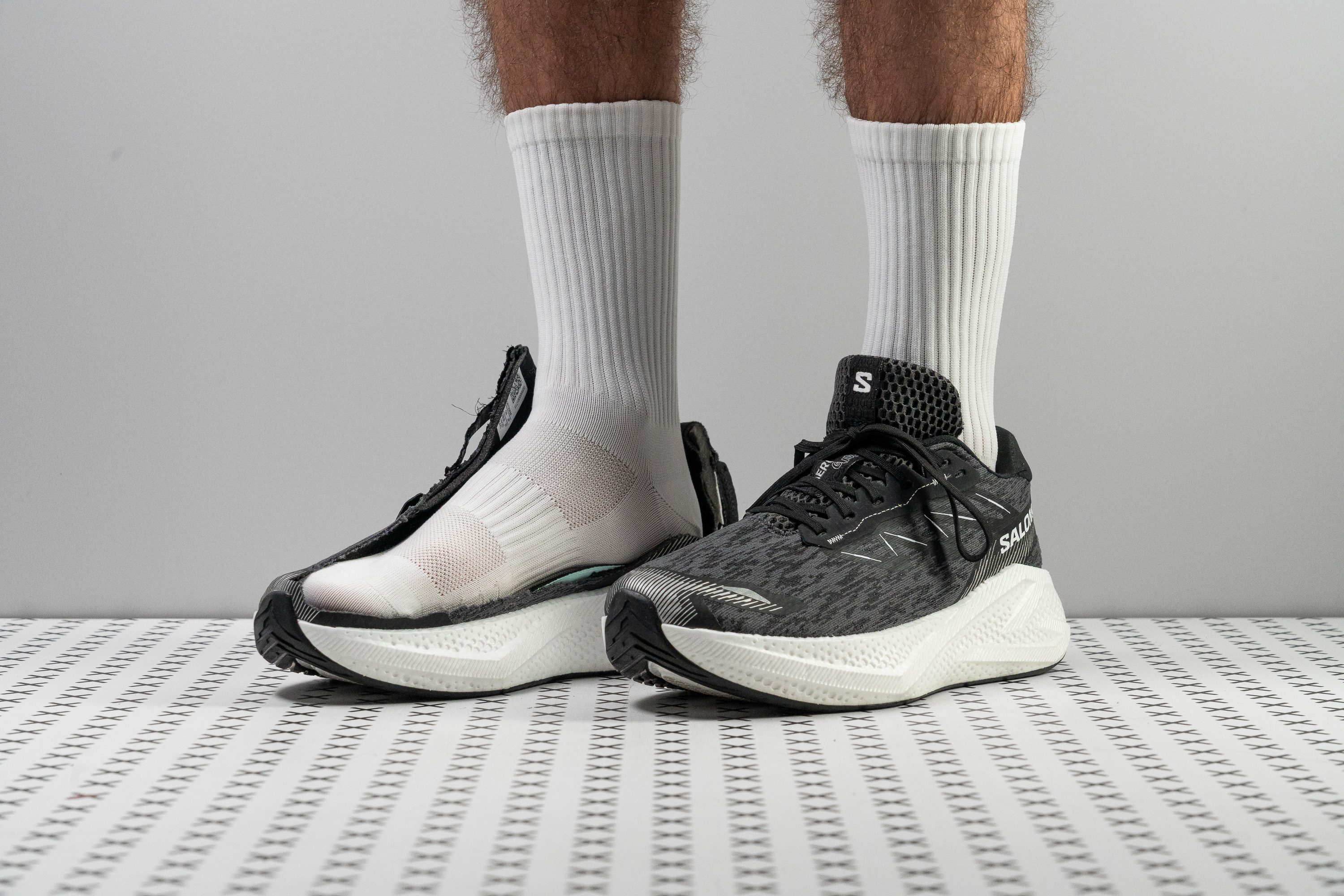
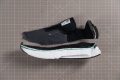
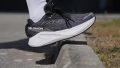
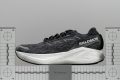
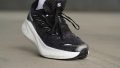
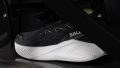
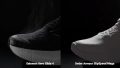
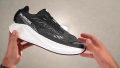
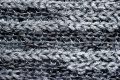
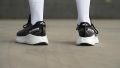
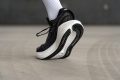
After conducting street runs and in-depth lab tests, we found that the Aero Glide 4 offers the best energy return among Salomon road-running shoes. Airy yet supremely cushioned underfoot, it’s a versatile trainer that can handle any mileage or pace effortlessly. It’s comfy, snappy, and even offers subtle support.
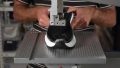
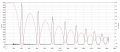
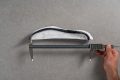
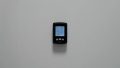
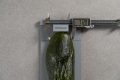
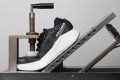
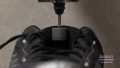
Our runs with the AG4 blew us away with its impressive energy return scores of 72.2% and 73.2% in the heel and forefoot, respectively. The ride felt lively and highly cushioned, confirmed by our calliper with a generous 43.2/31.5 mm stack vs. the 35.5/27.1 mm average. Our legs felt secure against repeated impacts, as reflected in above-average shock absorption ratings of 152/120 SA in the heel and forefoot.
The landing base measures a wide 121.7/94.2 mm, with supportive sidewalls that eliminate the risk of losing balance.
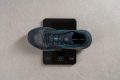
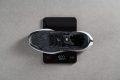
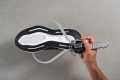
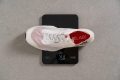
Surprisingly, the Aero Glide 4 is impressively light for its size! We couldn’t believe it during our wear tests, but our scales validate it’s only 9.0 oz (255g), staying below the average road trainer.
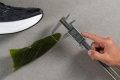
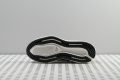
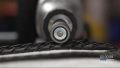
However, the downside of this shoe is limited wear resistance in the outsole. Our Dremel caused a deep 1.4 mm, so we can’t recommend this pair to runners seeking a durable shoe.
Pros
- Amazing foam upgrade
- Deep cushioning feels great on long runs
- Stable enough (without being intrusive)
- Reasonable weight for its stack height
- Excellent value for price
- Amazing ride for heel strikers
- Ideal for those who hate rockered shoes
- Cheaper alternative to most super trainers
- Impressive versatility
Cons
- High drop may bother forefoot strikers
- Oversized tongue won't work for everyone
- Outsole durability falls below average
Best Salomon shoes for running a marathon









What makes it the best?
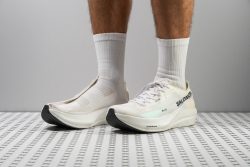
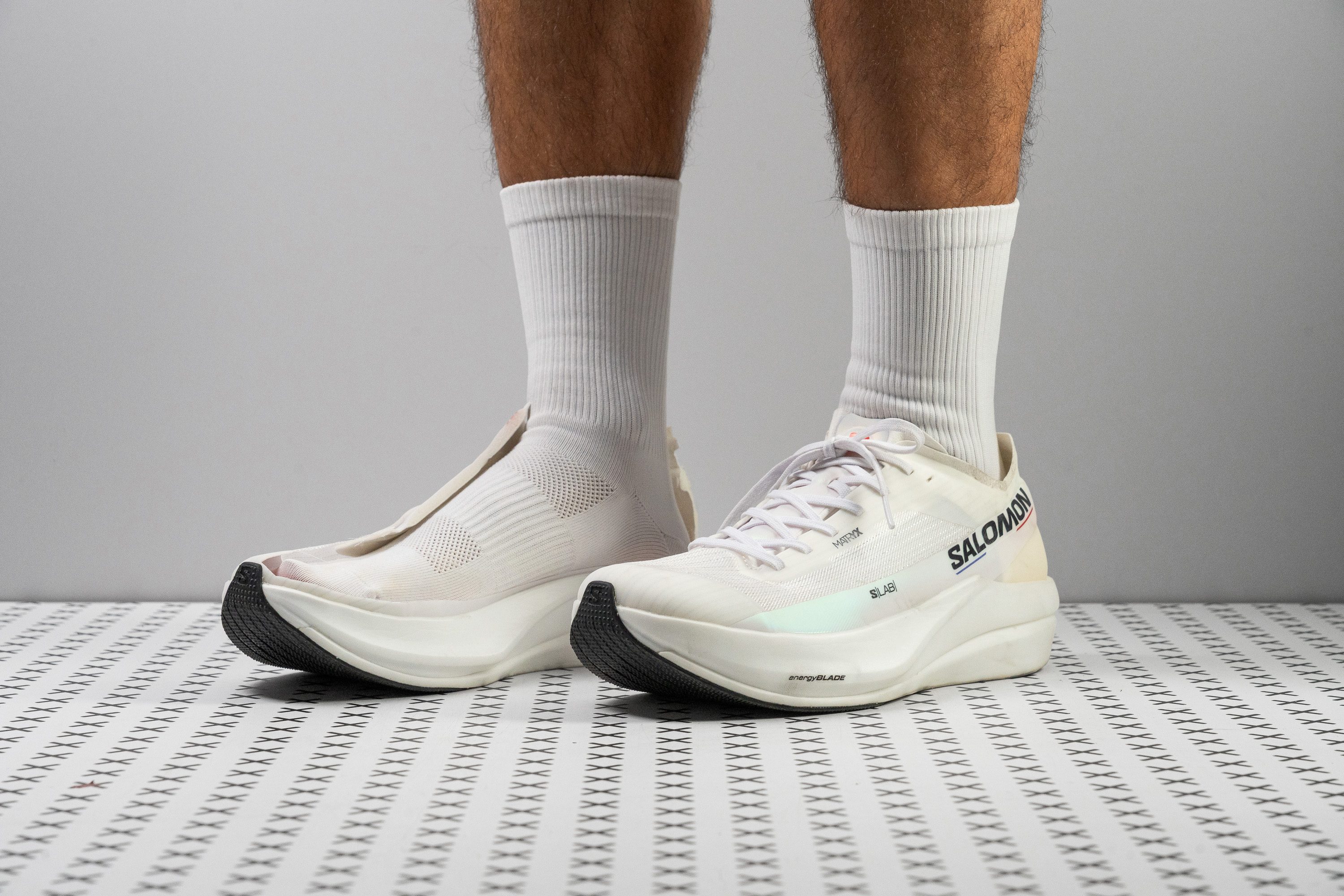
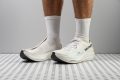
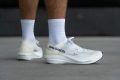
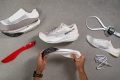
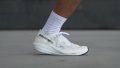
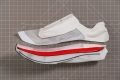
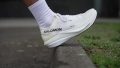
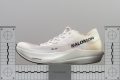
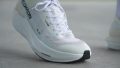
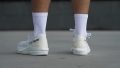
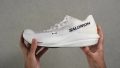
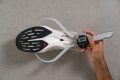
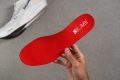
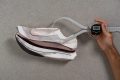
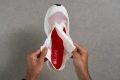
The Salomon S/Lab Phantasm 2 offers a refreshing running experience, characterised by its low profile and low drop that delivers an agile experience far from typical maximalist racers. Naturally, it turns out to be both light and flexible. Yet the most pleasant surprise from our lab tests was its strong shock absorption, making it our best Salomon running shoe for marathons.
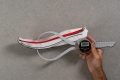
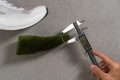
We measured the low stack height at 31.5/26.4 mm, which delivers a classic racing flat feel, along with its low 5.1 mm drop.
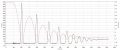
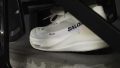
Despite having less cushion than average, the platform still felt kind to our muscles, which helped prevent fatigue. We verified its strong impact protection with exceptional shock absorption scores of 142 SA in the heel and 114 SA in the forefoot.
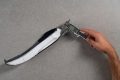
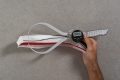
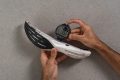
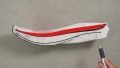
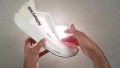
Because of its compact build, it’s easy to pick up the pace with its light 7.5 oz (213g) build. At this weight, it’s 19.3% below average and makes a huge difference over long distances. Moreover, it emerged 11.8% more flexible than average, which means it takes less effort to manoeuvre the midsole.
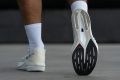
However, the low drop and strikingly narrow heel make it unfavourable for rear strikers. This shoe is ideal for midfoot and forefoot runners.
Pros
- Exceptional build quality (made in France)
- Reliable shock absorption
- Durable, high-traction outsole
- Secure heel lockdown
- MATRYX upper
- Smooth forefoot rocker
- Plush and fun underfoot feel
- Great option for speed-focused training sessions
Cons
- Disappointing energy return
- Heavier than expected
- Poor price-to-performance ratio
- Not for heel strikers
Best Salomon shoes for running ultras










What makes it the best?
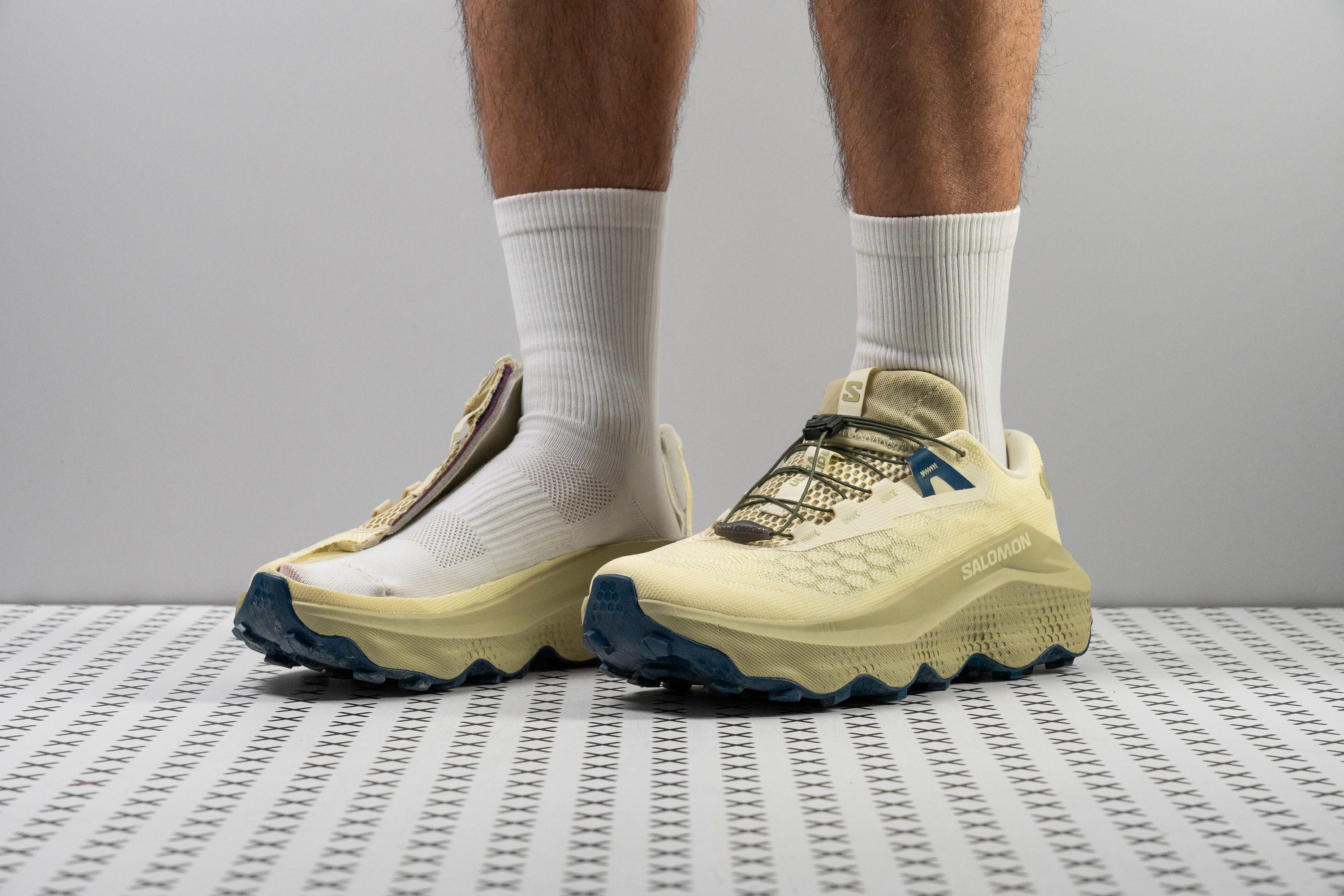
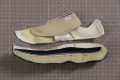
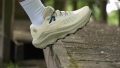
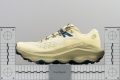
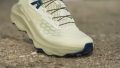
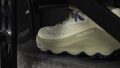
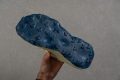
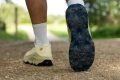
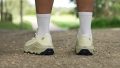
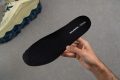
Salomon’s Ultra Glide 4 combines running smoothly and far seamlessly. It’s delightfully protective for long miles, with a reliable and durable outsole, as proven by lab tests. It delivers the right ingredients to conquer endurance runs comfortably, making it our top Salomon ultra running shoe.
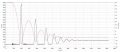
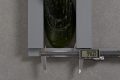
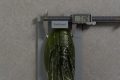
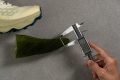
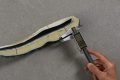
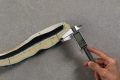
UG4 houses a unique design in its midsole, featuring wave-like curves in its relieveSPHERE geometry. We measured a towering stack height of 38.6/31.1 mm using our calliper, confirming the cushy sensation in our runs. It prevents leg fatigue from repetitive landing impacts, especially in the forefoot with its magnificent 121 SA score.
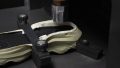
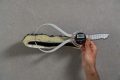
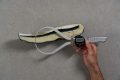
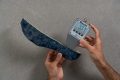
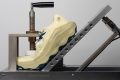
With its aggressive rocker, it promotes smooth forward rolls and efficient turnover. To maintain its shape, it’s longitudinally stiff. In our bend test, it’s 33% stiffer than average, which helps assist our strides as fatigue sets in.
The outsole features contaGRIP rubber, which posted a reliable 0.68 traction score in our wet-condition test. Moreover, its 3.9 mm lugs felt versatile on moderate trails and hard-packed surfaces. It also proved it can withstand abrasive surfaces and countless miles with its small 0.7 mm dent in our Dremel test.
However, its low breathability in our assessment means sweat may build up over the miles, which can potentially become a blister magnet. Those who need maximum breathability for running in warmer weather should find another pair for better comfort.
Pros
- Stable for a max-stack trail shoe
- Smooth, rockered ride
- Excellent comfort
- Premium upper
- Solid traction results
- Versatile lug design for mixed terrain
- Easy-to-adjust Quicklace system
- High forefoot shock absorption
- Unique aesthetics
Cons
- Low energy return dulls the ride
- Pointy toebox
- Slightly heavy versus modern rivals
- Breathability should be better
Salomon running shoes with the best traction










What makes it the best?
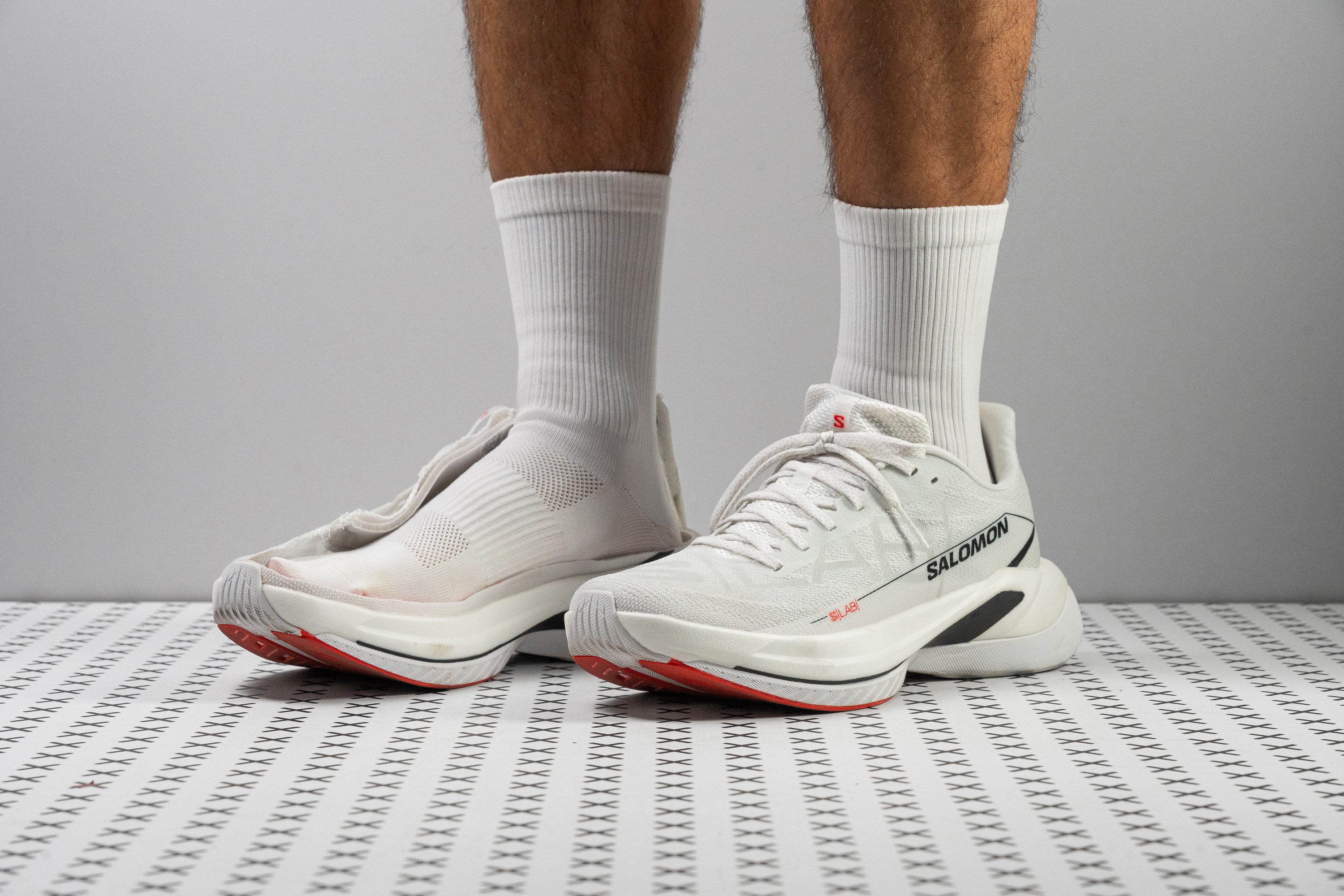
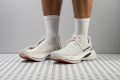
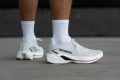
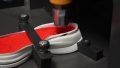
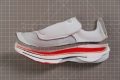
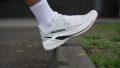
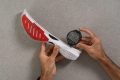
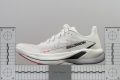
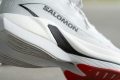
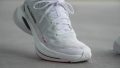
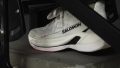
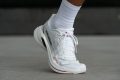
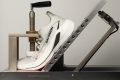
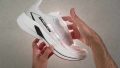
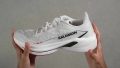
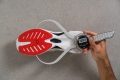
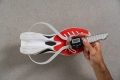
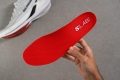
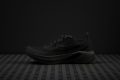
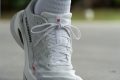
Out of all the Salomon shoes we ran in, S/Lab Spectur offers the best traction because of its effective slip-resistance that allows us to be fast and secure. It has a padded base for comfort, balanced by a smooth rocker and a snappy carbon plate for a livelier feel.
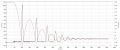
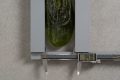
Amazingly, we never had to slow down on wet pavements or slippery segments of our run. The contaGRIP outsole is a strong contender in our traction test, scoring 0.61 and emerging 22% grippier than average!
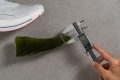
Underfoot, we measured the stack height at 36.9/26.2 mm. The heel feels cushioned and offers above-average impact protection of 138 SA. Meanwhile, the forefoot has a lower shock absorption score of 97 SA, making us more sensitive to the ground, therefore allowing us to quickly adapt to the surface.
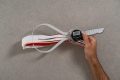
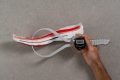
To help us maintain quick cadence and cruise through faster paces, S/Lab Spectur features a Reverse Camber, or a rocker geometry. Moreover, the energyBLADE carbon plate adds a good mix of propulsion and stability to our strides.
However, we believe this pair can level up to a racer if it has a more energetic midsole. Unfortunately, it failed to impress us with mediocre scores.
Pros
- Great shock absorption in the heel
- Softer underfoot experience with PEBA foam
- Rocker ensures quick and smooth transitions
- Regular medium fit (not narrow as stated)
- Fantastic grip on wet and dry surfaces
- Accommodates heel strikers
- Solid outsole durability
Cons
- Disappointing energy return for the price
- Could be lighter for a supershoe
- Deviations in stack and drop
Best Salomon running shoes for gravel




What makes it the best?
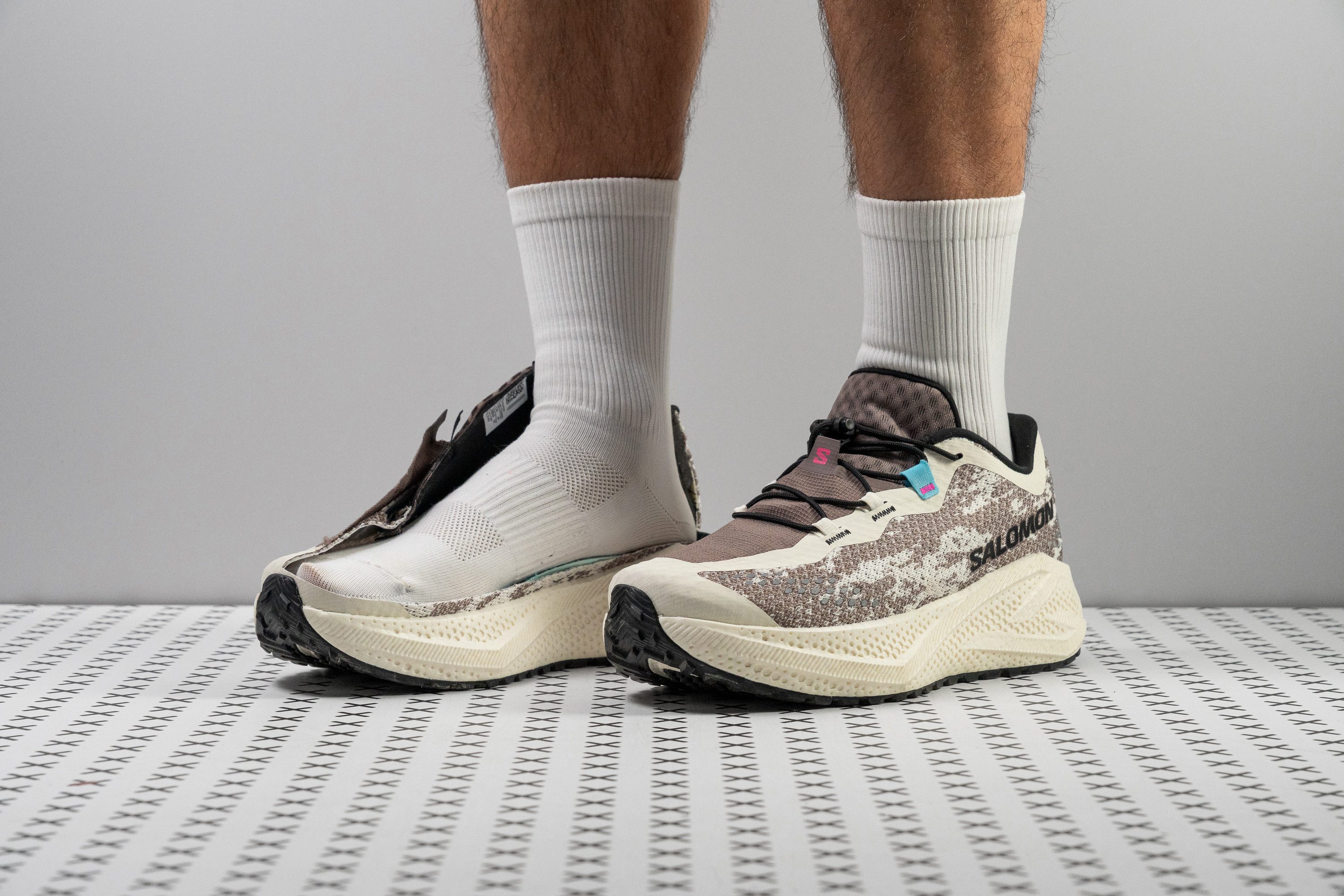
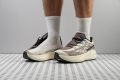
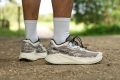
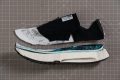
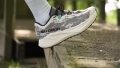
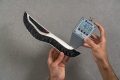
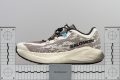
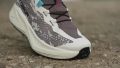
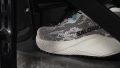
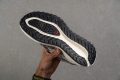
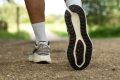
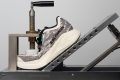
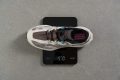
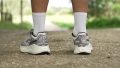
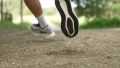
The Salomon Aero Glide 4 GRVL shows consistent performance from dry pavements to moderate trails with its versatile yet robust outsole and ultra-soft yet bouncy cushion. It’s a no-fuss shoe that keeps us worry-free, making it our top gravel Salomon running shoe.
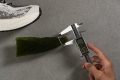
Lined with 2.3 mm lugs on its Gravel contaGRIP rubber outsole, it has traction that works well even on city parks, rough roads, and hard concrete. We measured a strong 0.54 result in our traction test, scoring just above road running shoes and just below dedicated trail shoes.
Its outsole is hard enough to protect our feet from debris, as confirmed by its minimal 0.7 mm dent in our abrasion test.
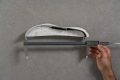
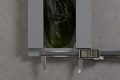
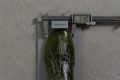
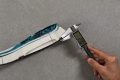
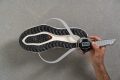
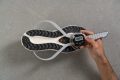
We verified this trainer is a max-stacked shoe, with its 40.9/31.7 mm height offering serious protection underfoot. Additionally, the cushion itself dampens ground forces, earning high shock absorption scores of 146 SA in the heel and 122 SA in the forefoot.
Aero Glide 4 GRVL rises to the occasion when pushing for faster paces. The midsole is full of vigour, and our energy return test shows whopping results of 73.6% in the heel and 73.2% in the forefoot.
However, we cannot recommend this pair to runners in warmer climates, as the winterproof upper may cause sweat build-up, discomfort, or even blisters.
Pros
- Incredible energy return
- Ideal for long gravel runs or flat ultras
- Excellent road-to-trail versatility
- Stable despite maximalist stack height
- Outstanding outsole durability
- Perfect for winter running
- Smooth ride on paved surfaces too
- Terrific value for the performance
- Updated Quicklace Neo lacing system
Cons
- Fit can be a bit too snug
- Oversized tongue may bother some
- Hard to put on
Best Salomon running shoes with Gore-Tex











What makes it the best?
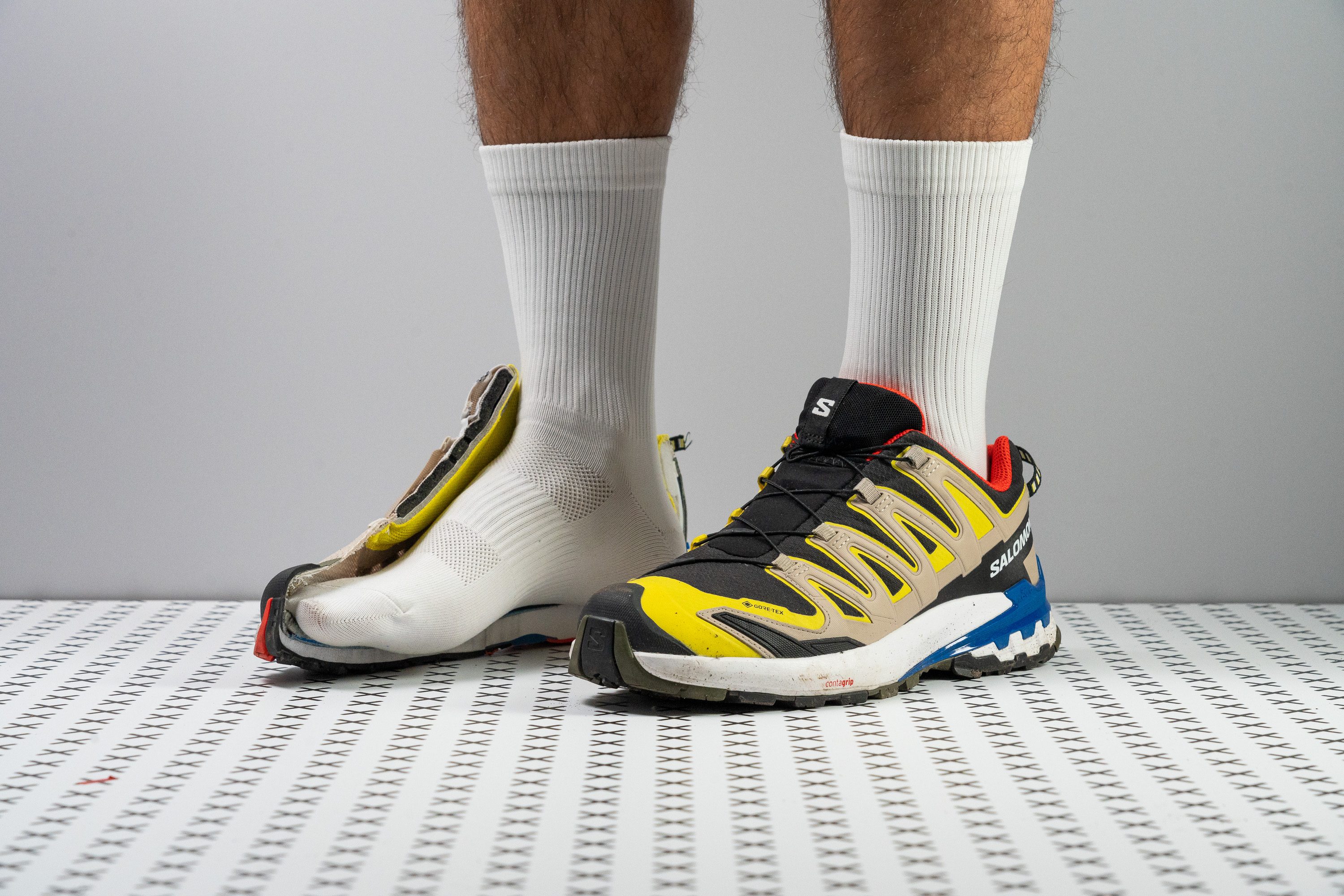
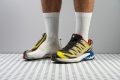
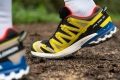
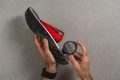
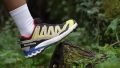
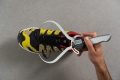
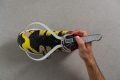
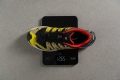
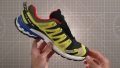
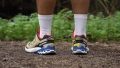
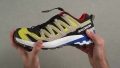
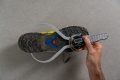
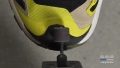
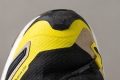
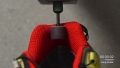
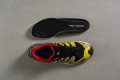
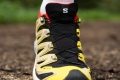
We fearlessly ran through river streams and puddles in our Salomon XA Pro 3D v9 GTX. This ultra-protective shoe is perfect for outdoor adventures because of its waterproof membrane, firm cushion, and stability system. It excelled in our lab tests and runs, making it our best Gore-Tex Salomon running shoe.
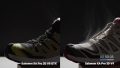
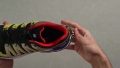
Composed of a Gore-Tex membrane, it effectively blocks water and debris out. It even blocked off light in our permeability test in the lab! In our runs, we remained dry and safe as we tackled puddles and streams of water. It even has a toe bumper to shield us from painful toe stubs.
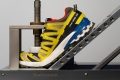
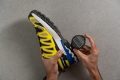
The ride feels firm underfoot but not in a harsh way. It effectively dampens our landings while providing some rebound and exceptional stability. Our durometer reveals a 32.5 HA reading, 23.6% harder than average.
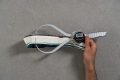
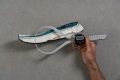
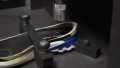
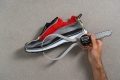
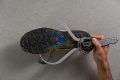
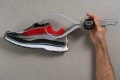
Another element that keeps us centred is the 3D chassis technology that gives the shoe a high level of torsional rigidity. This means protection from unwanted rolling of our strides on uneven paths. We rated it a 5/5 on our subjective scale as it was extremely resistant to our manual twists.
Though the upper is securely waterproof, it only offers protection below the ankle. We recommend staying away from deeper water levels. Since water won’t get in, it won’t get out if it creeps inside the shoe.
Pros
- Incredibly protective
- Extremely stable and supportive
- Watertight Gore-Tex upper
- Flexible and forgiving on the foot
- Makes a great hiking companion
- Effectively dampens landings
- Generously padded from heel to tongue
- No lace bite whatsoever
- Durable, high-quality construction
- Simple yet snazzy design
- Simple yet snazzy design
Cons
- Could be lighter
- Rather firm cushioning
- Upper needs breaking in
- Lacks the agility for technical trails
From widely recognised Speedcross models that bite mud like pros, which they are, to shoes like the XA Pro 3D that have become a sort of fashion statement, Salomon covers it all. We’re here to help you choose the right pair, not by its name or popularity, but by what it has to offer: the features that match your needs and your needs only.
Features Salomon is known for
There are a few features that are recognisable in Salomon running shoes: Quicklace lacing system, Contragrip outsole, Matryx lightweight mesh that combines Kevlar and polyamide, Advanced Chassis midsole support plate that stabilises lateral movements, Sensyfit system, and grip found in Speedcross models.
Quicklace lacing system
Patented design that allows you to tighten or loosen the laces quickly and then tuck the end into a lace garage (in many models). Zero worries about laces loosening along the way or having to do a runner's knot.
Contagrip outsole
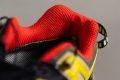
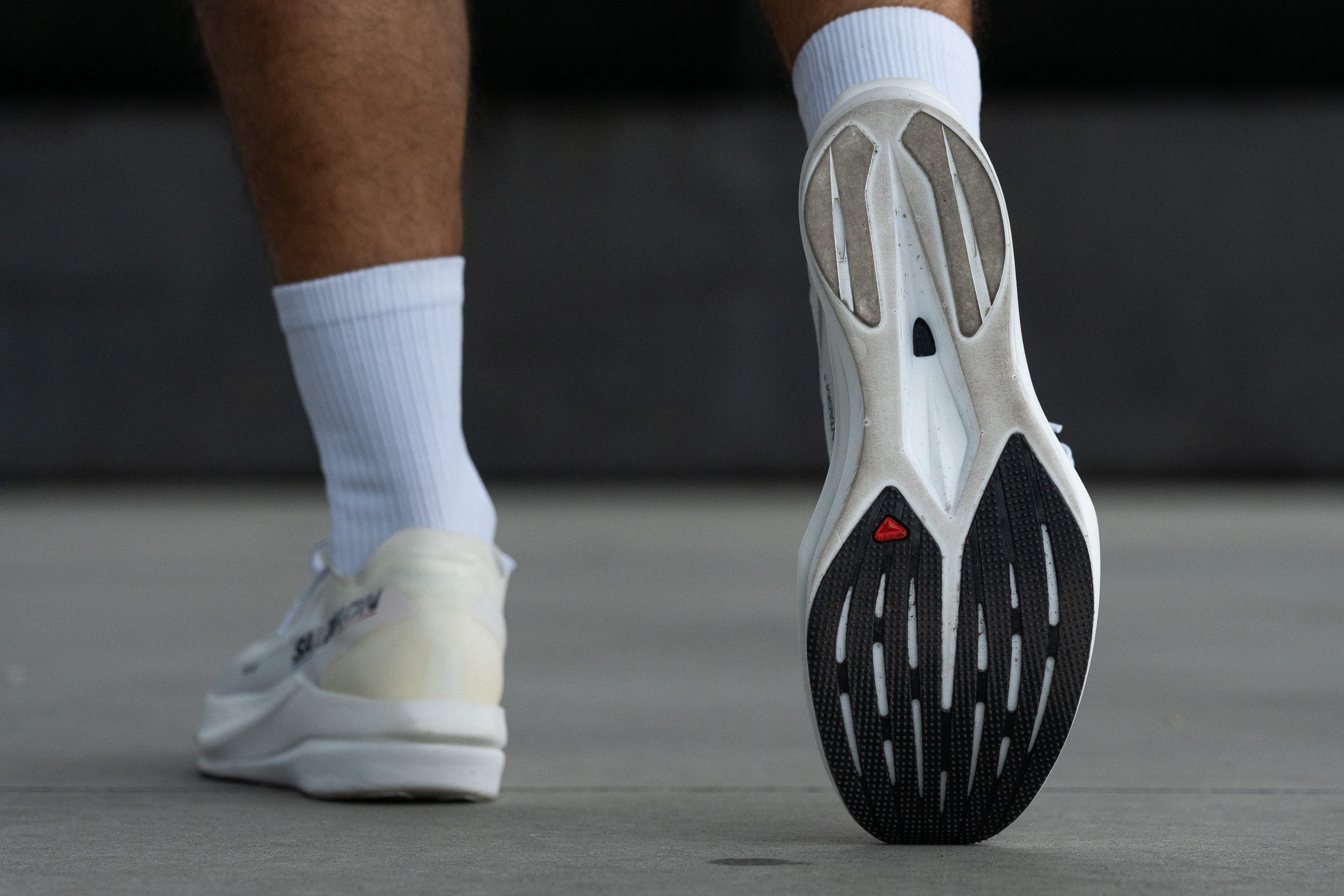
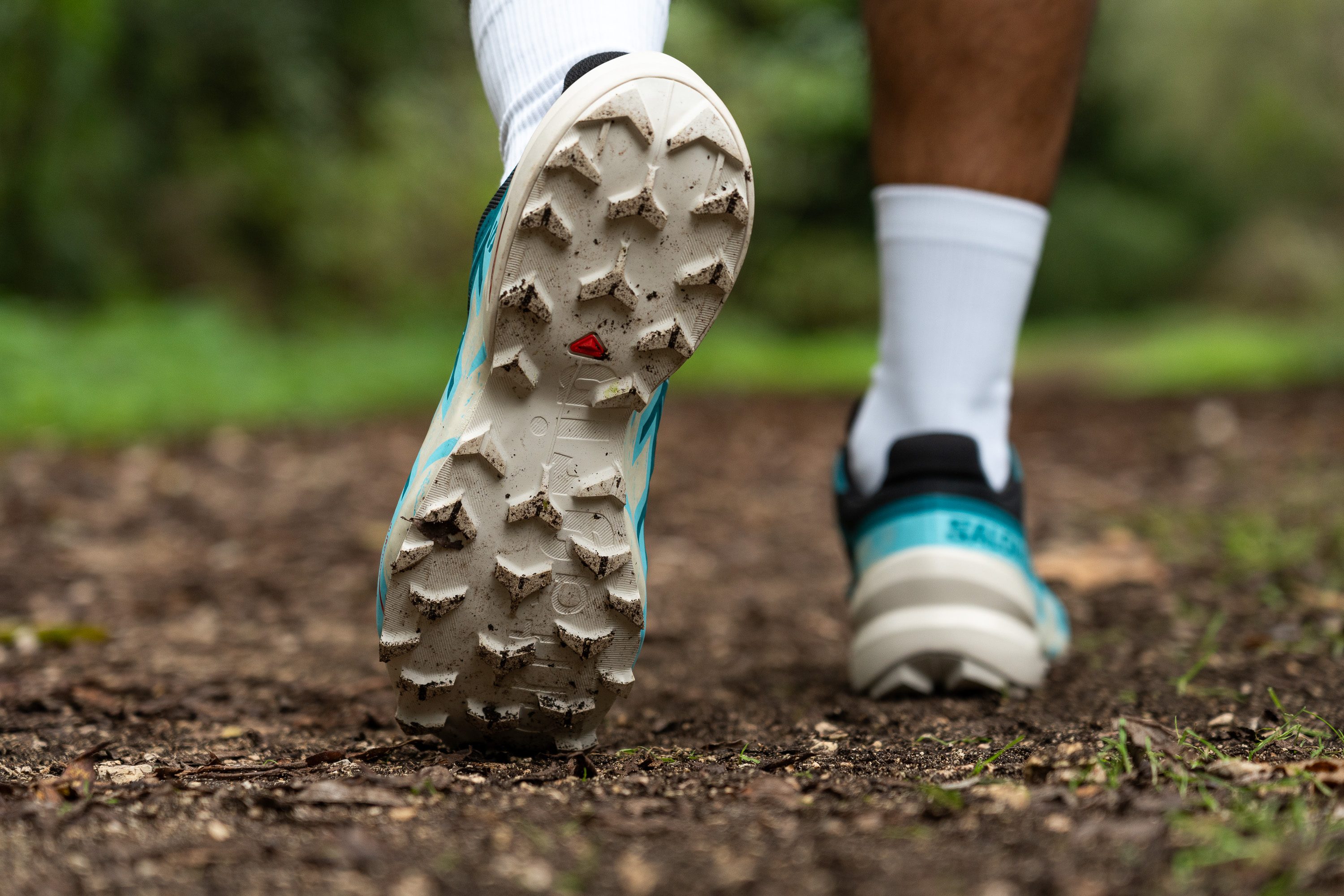
If Salomon is known for something, it has to be the grip, and their Contagrip rubber compound delivers on many fronts. All the Salomon shoes we’ve tested so far have scored high on the traction test (checked at the moment of writing this guide). Notice the little red triangle marking the outsole as Contagrip.
Matryx upper
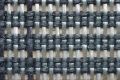
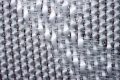
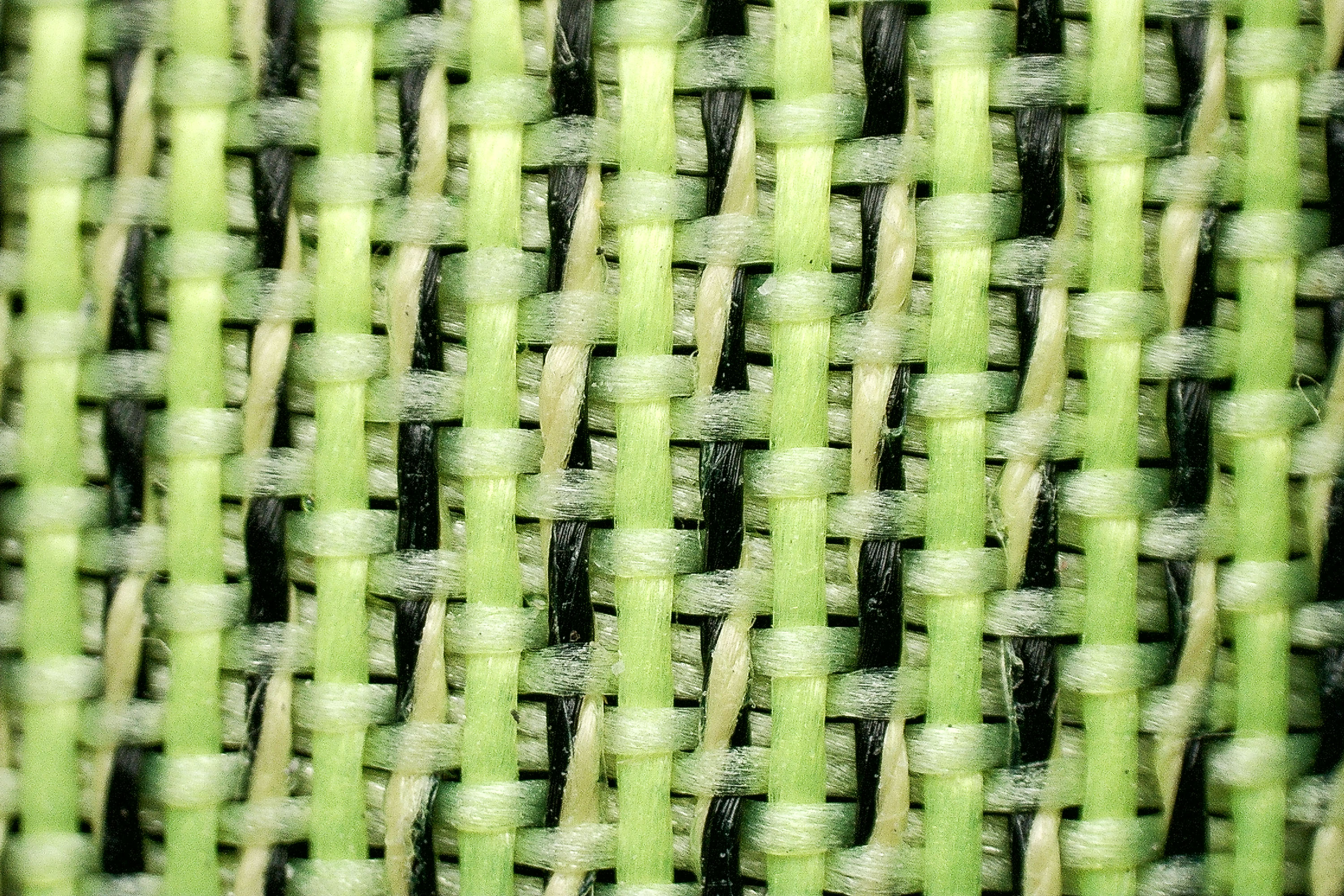
Matryx upper is engineered mesh (which uses Kevlar!) that is very breathable based on our lab data (scoring 4/5), lightweight, and comfortable.
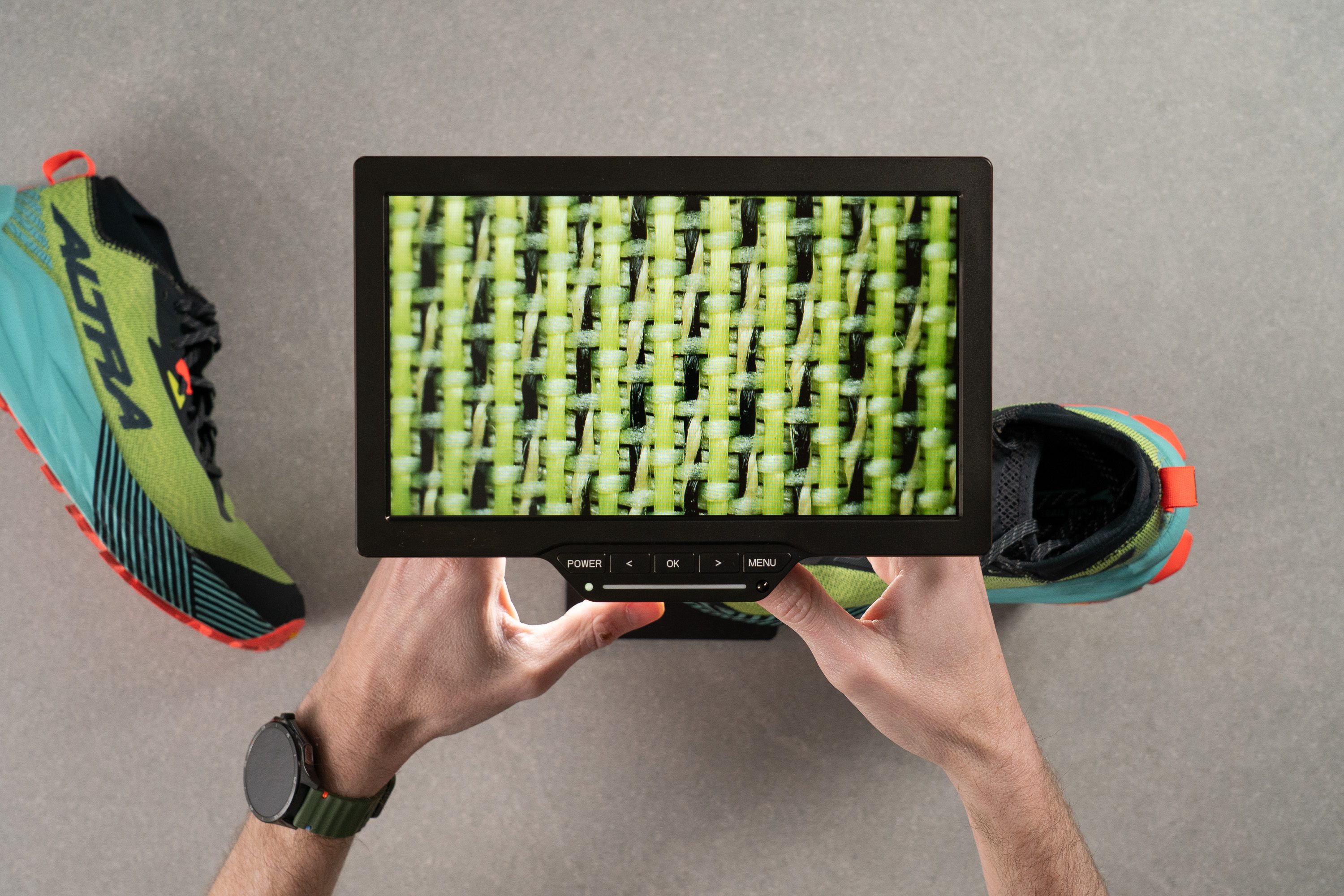
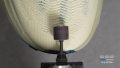
Here's a snapshot of Matryx textile under the microscope.
Advanced Chassis
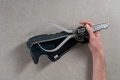
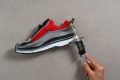
This feature is Advanced Chassis is a stiff TPU brace that runs from the midfoot around the heel and stabilises the midfoot and the heel at the highest level. It is super useful for overpronators whose heels tend to collapse inwards and also runners and hikers in general who enjoy the extra stability at the rearfoot. Below, we can see the 3D Chassis stabilising lateral movement.
Sensifit system
Salomon’s Sensifit system secures a good lockdown by connecting the midsole to the reinforced upper and it feels like a secure wrap. No sliding, no unwanted movement, so the shoes also feel more responsive.
Speedcross outsole design
Speedcross shoes are known for their insane grip. They work best on soft, wet ground: mud and snow. The lugs have a unique shape, orientation, and placement on the outsole. They are quite spaced apart with a lot of room in between them, which allows the mud to shed and not clog the lugs.
How do Salomon running shoes fit?
Snug, in many cases. It’s not just about how we felt while running in Salomon running shoes, but also what the lab data tells us. Let’s have a look.
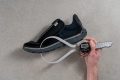
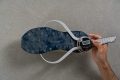
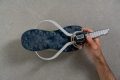
In order to be able to quantify the fit, we make a gel of the shoe’s interiors, and then measure its width (where the shoe is the widest) and toebox width (at the big toe).
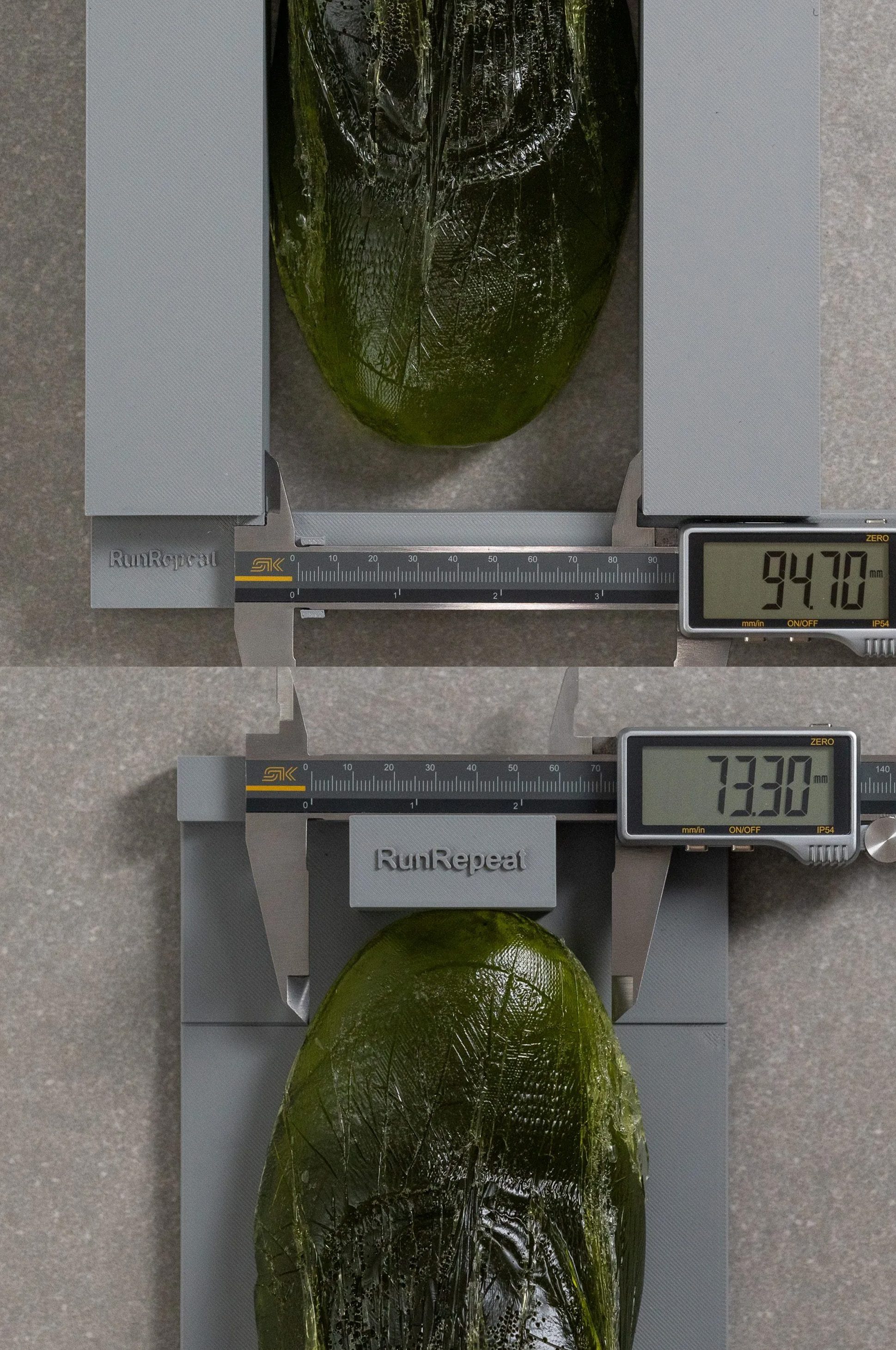
| Looking at the numbers, the average width of all running shoes is 95.3 mm, while Salomon running shoes sit at 94.7 mm. Toebox width, on the other hand, averages at 73.6 mm, and Salomon’s running shoes have an average toebox width of 72.8 mm. |
Given that many runners suffer from bleeding or black toenails, we have to address the vertical clearance as well. We cut the gel mould in half lengthwise and measure the height of the toebox.
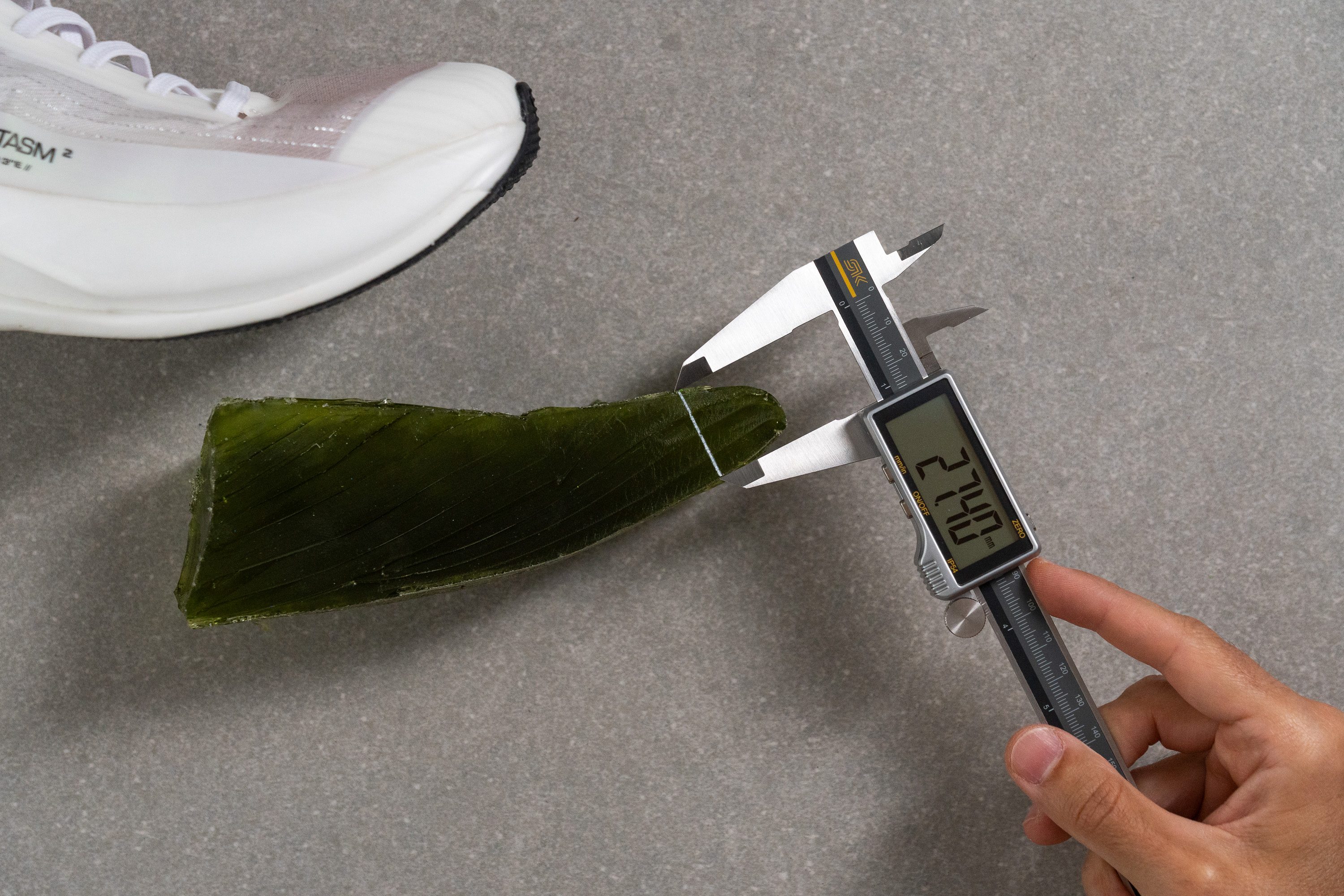
Knowing these numbers now, it’s easy to look for a Salomon running shoe that offers more or less room exactly where you need it. Given that the snug fit is usually the biggest concern, we will sort running shoes below starting from the widest:
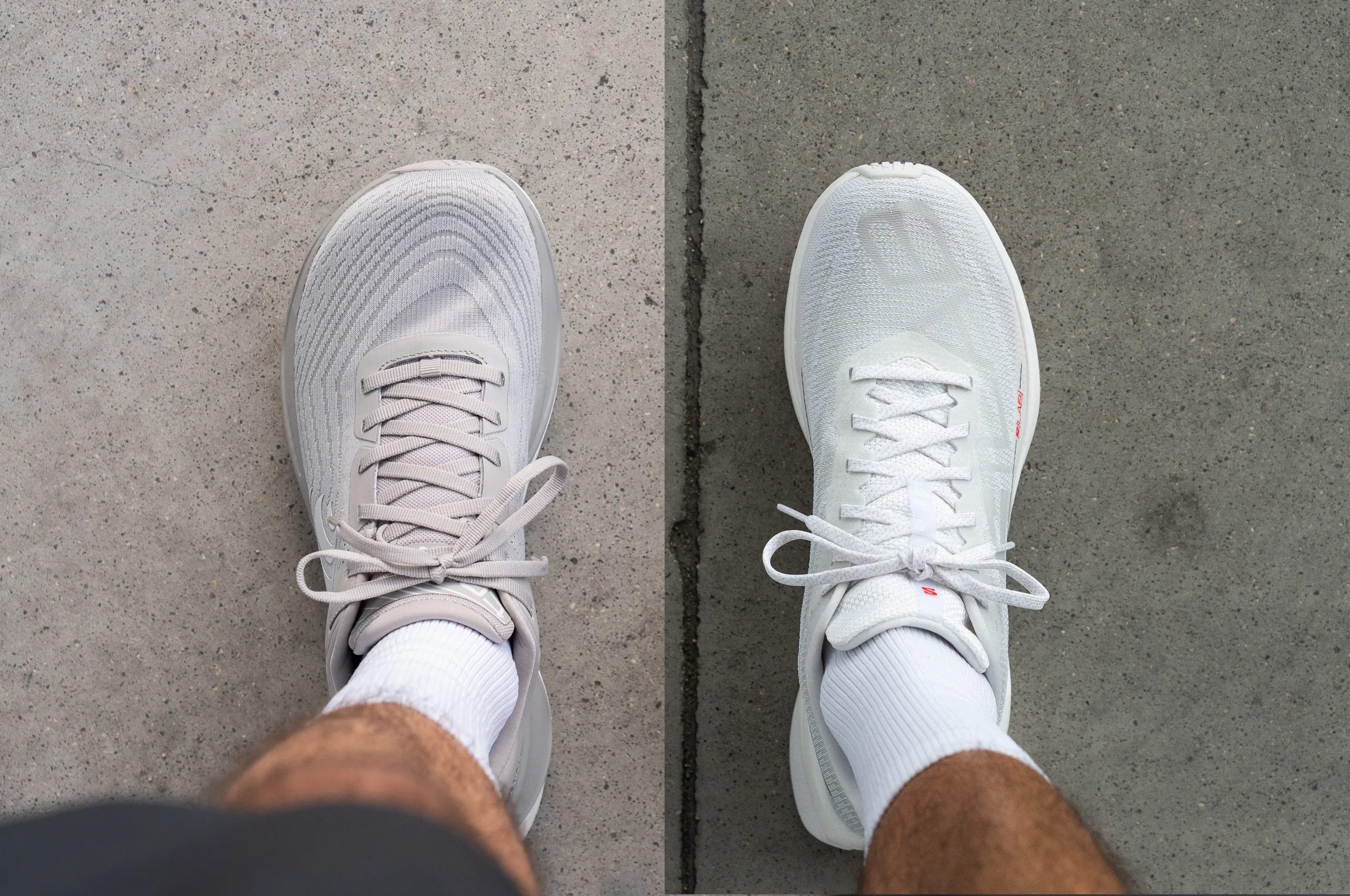
If you’re not sure about the sizing, head over to the Salomon size chart.
Traction in Salomon running shoes
Many other shoe features become irrelevant when grip fails you mid-run. Especially on the trails. This is why we started testing traction in our shoe lab.
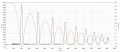
This test follows SATRA TM144 methodology, which means we use a force of 500N to press the shoe against the wet surface at a 7-degree angle. The result is a dynamic coefficient of friction; the higher it is, the better the traction.
For context, a dynamic coefficient of friction higher than 0.80 is considered high, between 0.70 and 0.80 moderate, and lower than 0.70 slippery both on wet and dry surfaces. So far, all the Salomon shoes we’ve tested scored high in traction!
Durability of Salomon running shoes
People running on trails (in which case we recommend a guide on Best Salomon trail shoes) usually focus on the durability of the outsole (lugs) and the upper. Road runners may prioritise any of these: the outsole, toebox, or heel padding. So, we cover all 3. Durability tests are performed using a Dremel. The smaller the damage, the better, naturally.
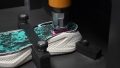
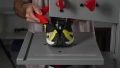
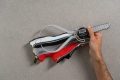
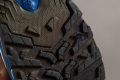
Once the Dremel test is done, we look at the depth of the dent. We then use a tyre tread gauge to measure the depth of the dent with a 0.1 mm precision. Shallower dents = more durable outsoles, of course. The toebox below scored 1/5 because the Dremel ate through it, making a hole.
Then, we move onto the durability of the toebox. The time spent on destroying the upper (or trying to), the force, and the RPMs, these are all standardised, so all Salomon shoes are given the identical treatment. When the test is done, we assess the damage on a 1-5 scale, where 5/5 is kept for the best toebox durability and 1/5 for the worst. The heel padding below scored 4/5.
This area is either very important to runners or they wonder why are we even doing the test. Runners who don’t use shoe horns and/or who have a protruding heel or Haglund’s deformity want this area to be very durable so that their heels don't end up rubbing the harsh materials inside the heel. Again, we assign a 1-5 durability rating based on the damage size and depth.
When looking at the durability of the outsole, you may also want to consider the outsole thickness (or lug thickness), because it may mean that you’ll end up running on exposed midsole or flat rubber sooner rather than later.
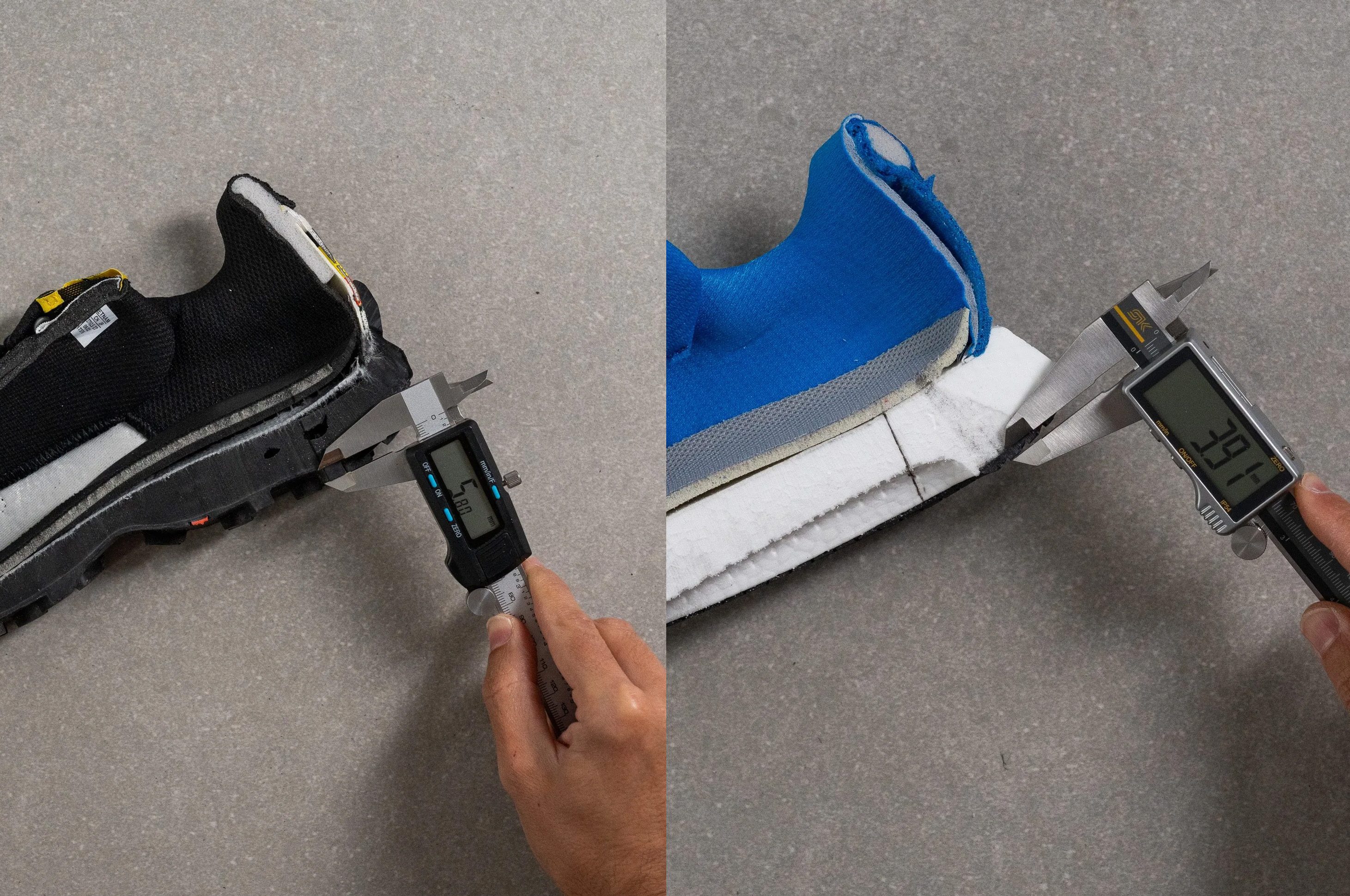
Best shock absorption in Salomon running shoes
Shock absorption or shock attenuation might be a mouthful for beginner runners but it surely matters, especially for mid- and long distances. It basically tells us how protective the midsole is because it is a measure of how much force the midsole is capable of absorbing. The better it does this job, the less stress is sent to the runner’s legs so, naturally, we want it to be on the higher end.
However, there are shoes with lower shock attenuation, and they are mostly focused on slower paces and shorter distances.
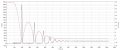
We usually focus on shock absorption at the heel because the majority of runners land on the heel. However, we measure it at the forefoot as well. For context, keep in mind that there’s high shock absorption (above 130 SA), moderate (110-130 SA), and low (lower than 110 SA).
If you want to learn more about the type of foams Salomon is using, we recommend heading over to our Ultimate guide on running shoe foams and reading about Salomon Energy Foam (EVA + OBC), Salomon Energy Foam EVO (eTPU), and Salomon optiFOAM (EVA + OBC).
Most responsive Salomon running shoes (energy return lab data)
What’s the ride like? Lively and peppy? Dull? Does the shoe feel like it’s pushing you forward or slowing you down? We answer this by looking at the energy return lab data.
We test energy return at the same time as shock absorption. Energy return tells us how much energy is returned and not dissipated or lost as heat. The highest energy return is found in premium race shoes which are usually lighter, less durable, but wildly responsive and used for shaving off a few seconds/minutes from your PB.
There are 3 levels of energy return: high (65% or more), moderate (55-65%), and low (less than 55%). If speed is your priority, look fo a higher energy return. If you plan to use Salomon running shoes for daily walks/hikes or jogs, moderate energy return is OK.
| Beginners should not overthink energy return and shock absorption, especially because if they look for both of them in higher ranges, they will have to pay more for the pair, which is risky and usually not needed. |
Pay attention to the high heel-to-toe-drop
Heel to toe drop tells us how big the difference in height is between the forefoot and the heel. Think of extremes: going barefoot (zero heel drop) and high heels (very high heel drop). In running shoes, we’re seeing everything from 0 mm to 16 mm.
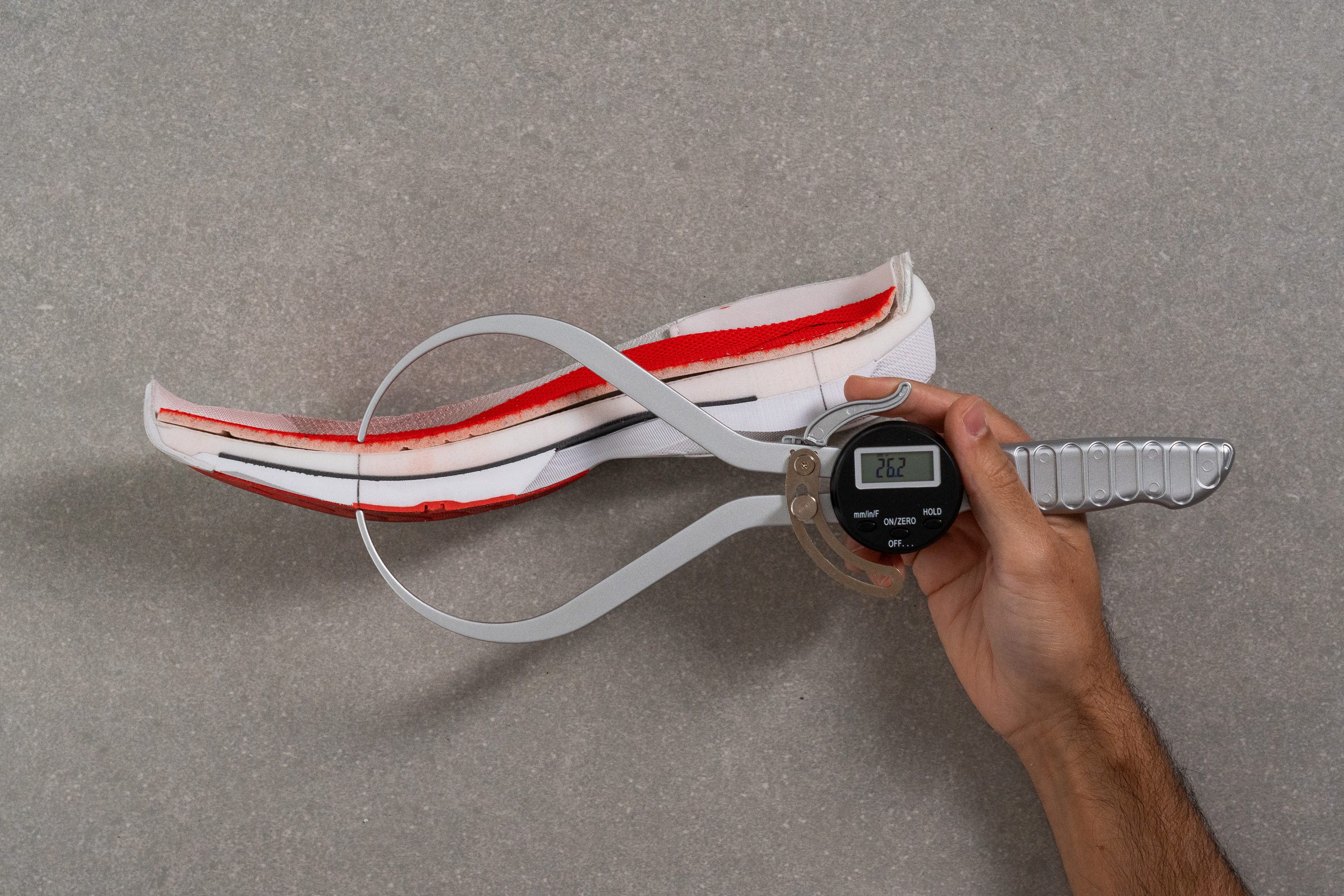
Heel drop is important because which leg muscles will be utilised the most. Zero drop asks for the activation of your foot muscles and ankles the most, while a high drop (9 mm and higher) uses higher leg muscles (when switching from a low to a high drop, you can sometimes feel your hip muscles working).
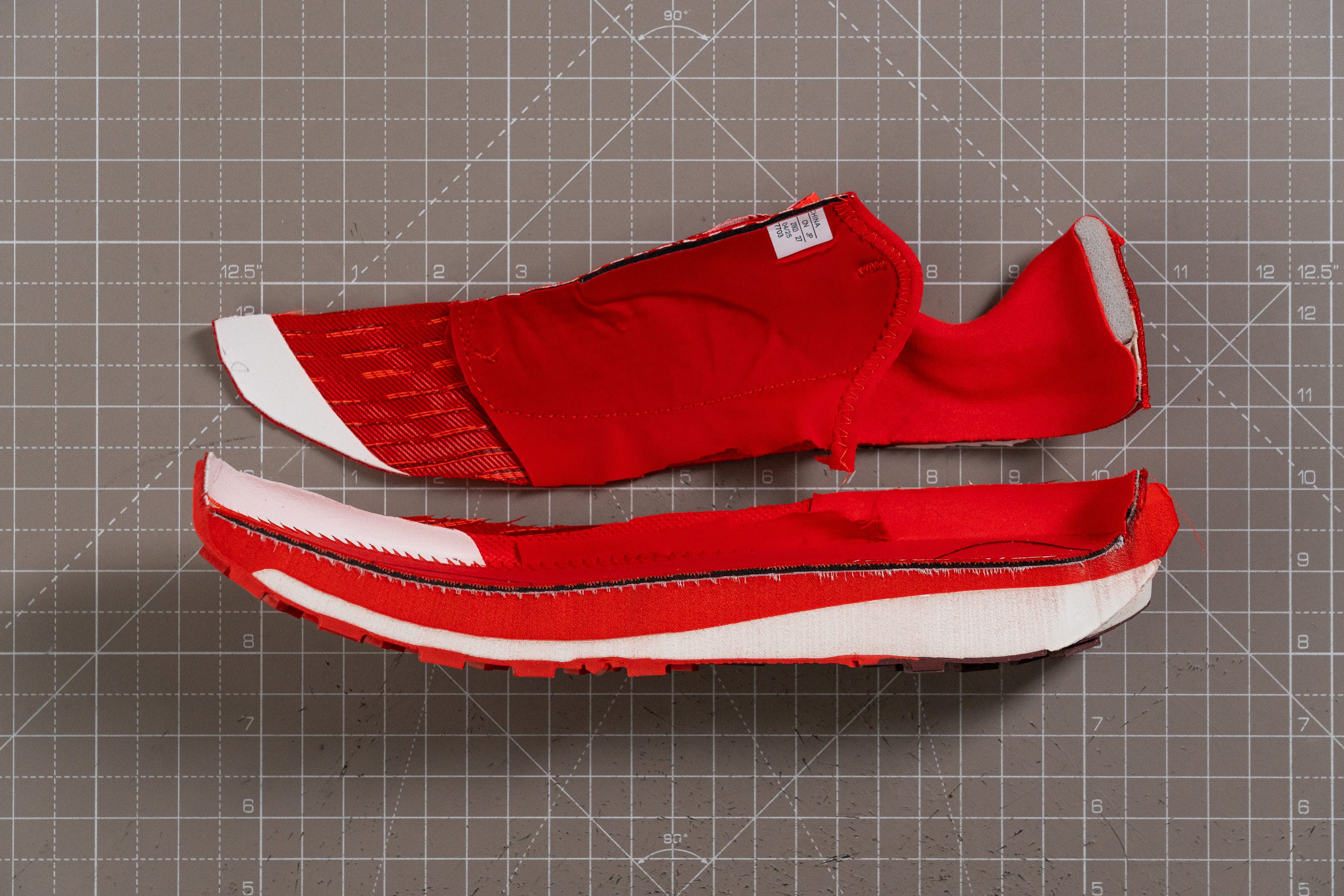
Depending on where you’re currently at, form-wise and injury-wise, you may want to take heel drop into account and not blindly go into too big a change. We consider any heel drop change of 4 mm and higher to be aggressive. Such changes need an adaptation period and taking it easy.
The average heel drop for all running shoes is 8.3 mm, while for Salomon it sits at 9.7 mm (with more than 50% them, which were tested in our lab, with a heel drop of 9 mm or higher).
To learn more about the importance of heel to toe drop, we recommend heading over to the Heel to Toe Drop: The Ultimate Guide immediately!
Similar buying guides