7 Best Shoes For Haglund's Deformity in 2026

We buy shoes ourselves. We earn commissions when you buy through us, at no extra cost. Why trust us
Disclaimer: This guide serves educational purposes only. If you experience regular pain and discomfort, please consult a professional. Additional X-rays, ultrasounds, and MRI scans may be necessary to identify the cause of pain.
The thing about Haglund’s deformity is that you may not even know you have one until you wear a certain type of shoe that rubs that bony bump the wrong way. In fact, it’s also called a ‘pump bump’ because this condition causes pain and discomfort when wearing pumps or high-heeled dress shoes with tight backs.
But fancy shoes aside, even some well-cushioned footwear can feel off because of its stiff and overly structured heel counters.
In our top picks below, we’ve put together athletic shoes that are least likely to cause pain and pressure in the rearfoot area.
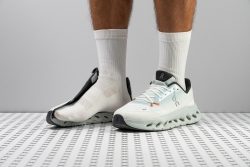
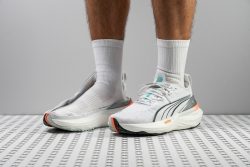
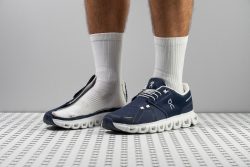
How we test shoes for Haglund's deformity
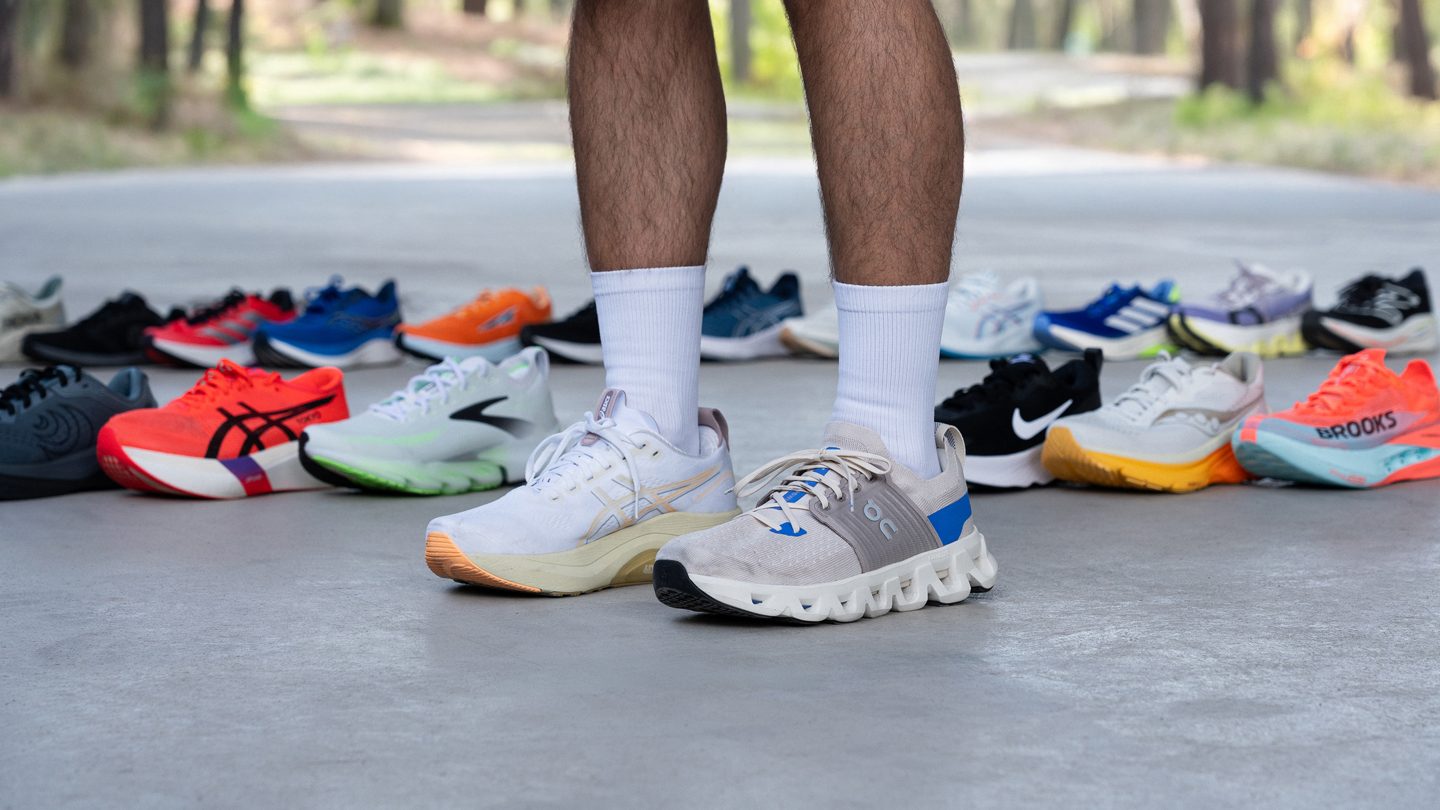
As an independent shoe testing lab, we take footwear comfort very seriously. In addition to wear testing each pair on foot, we take it through rigorous testing in our facilities.
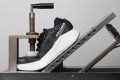
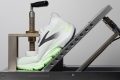
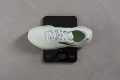
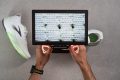
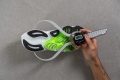
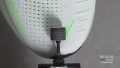
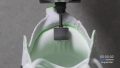
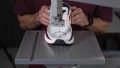
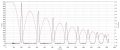
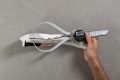
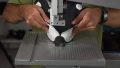
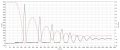
Using specialised tools and machinery and following scientifically validated protocols, we record over 30 data points for each shoe’s cushioning, stability, fit, and other parameters. Regarding the Haglund's deformity, we focus on the heel: how stiff it is and how much padding there is.
We then write in-depth reviews, listing all the pros and cons, and nuances of each tested pair, and filter out the best options for the given guide.
Best shoes for Haglund's deformity overall
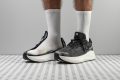
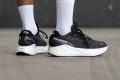
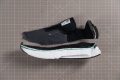
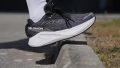
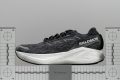

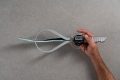
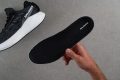
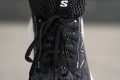
What makes it the best?
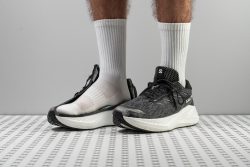
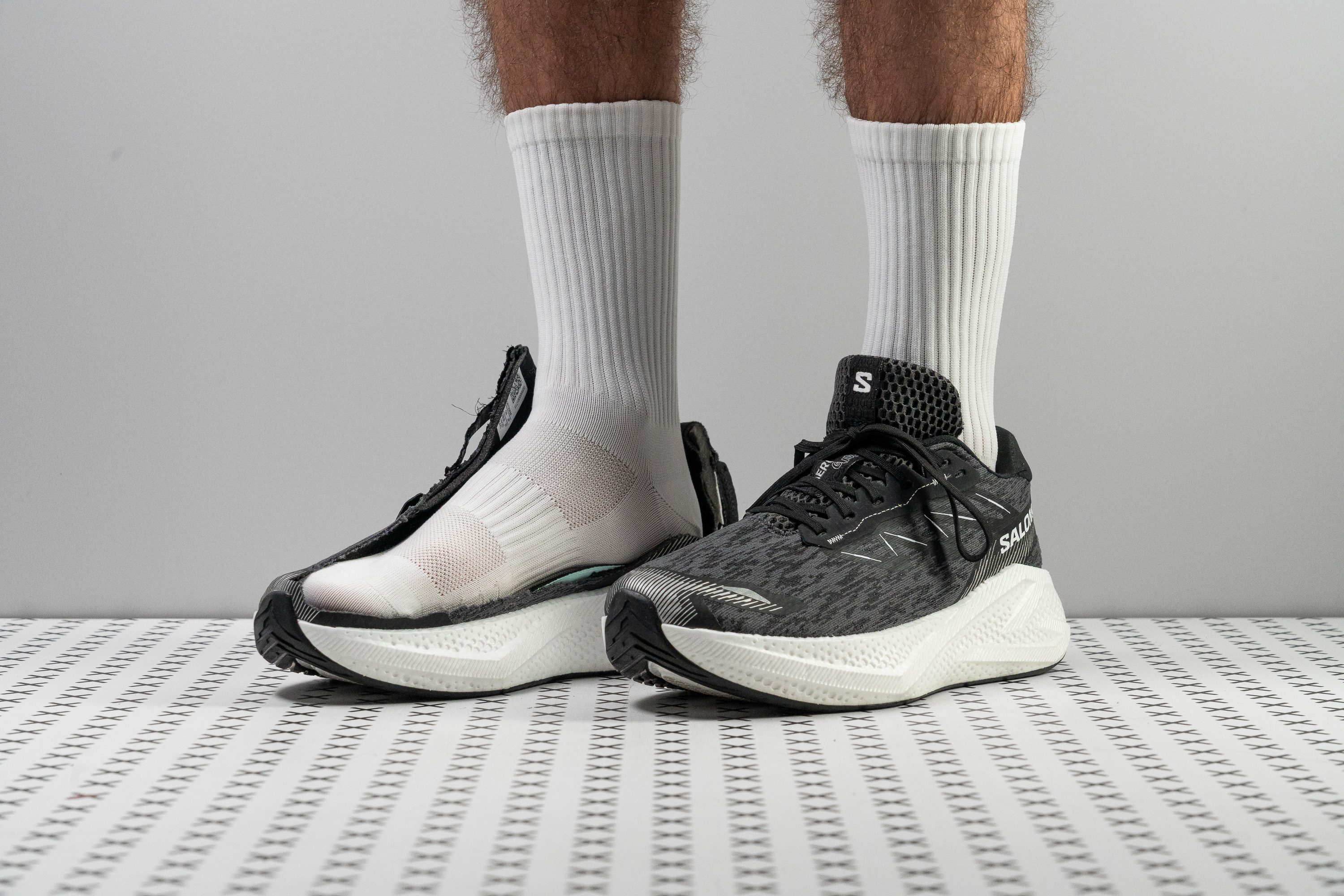
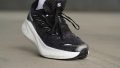
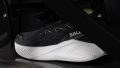
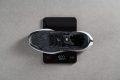
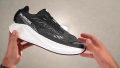
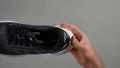
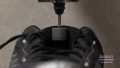
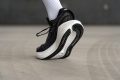
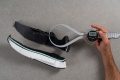
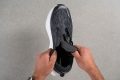
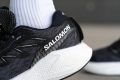
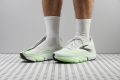
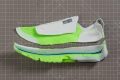
The Salomon Aero Glide 4 offers strong support for people dealing with Haglund’s deformity, making it our top running shoe for this category. Its flexible heel never irritated us, while its cushioned midsole enhances comfort for our training. The broad rear enhances our surefootedness, while the sturdy heel lining ensures the padding will stay intact.
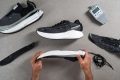
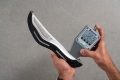
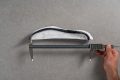
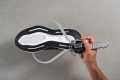
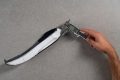
Aero Glide 4 feels steady without being rigid. We found that it features a broad 94.2 mm heel to help us secure our footing with every landing. Even those of us with protruding bones at the back didn’t feel any pressure points because the heel counter is forgiving. In our manual assessment, we awarded it a low 2/5 in stiffness.
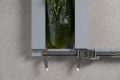
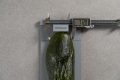
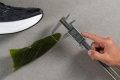
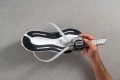
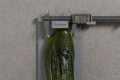
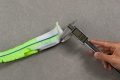
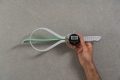
Not only is the heel counter forgiving, but the whole midsole is too. Our calliper shows a mega stack height of 43.2/31.5 mm, with strong impact protection of 152 SA in the heel and 120 SA up front.
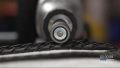
We tested the heel padding’s durability, and it impressed with the highest 5/5 rating. It won’t break down easily, which is a relief since less foam in this area can cause more pain.
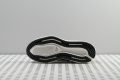
However, the outsole performed inversely in our abrasion test, ending up with a deeper dent than average. We advise avoiding unpaved surfaces and very rough pavements since the outsole also has exposed foam.
Pros
- Amazing foam upgrade
- Deep cushioning feels great on long runs
- Stable enough (without being intrusive)
- Reasonable weight for its stack height
- Excellent value for price
- Amazing ride for heel strikers
- Ideal for those who hate rockered shoes
- Cheaper alternative to most super trainers
- Impressive versatility
Cons
- High drop may bother forefoot strikers
- Oversized tongue won't work for everyone
- Outsole durability falls below average
Best daily running shoes for Haglund's deformity

What makes it the best?
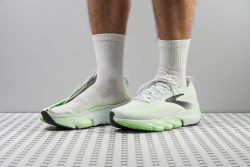
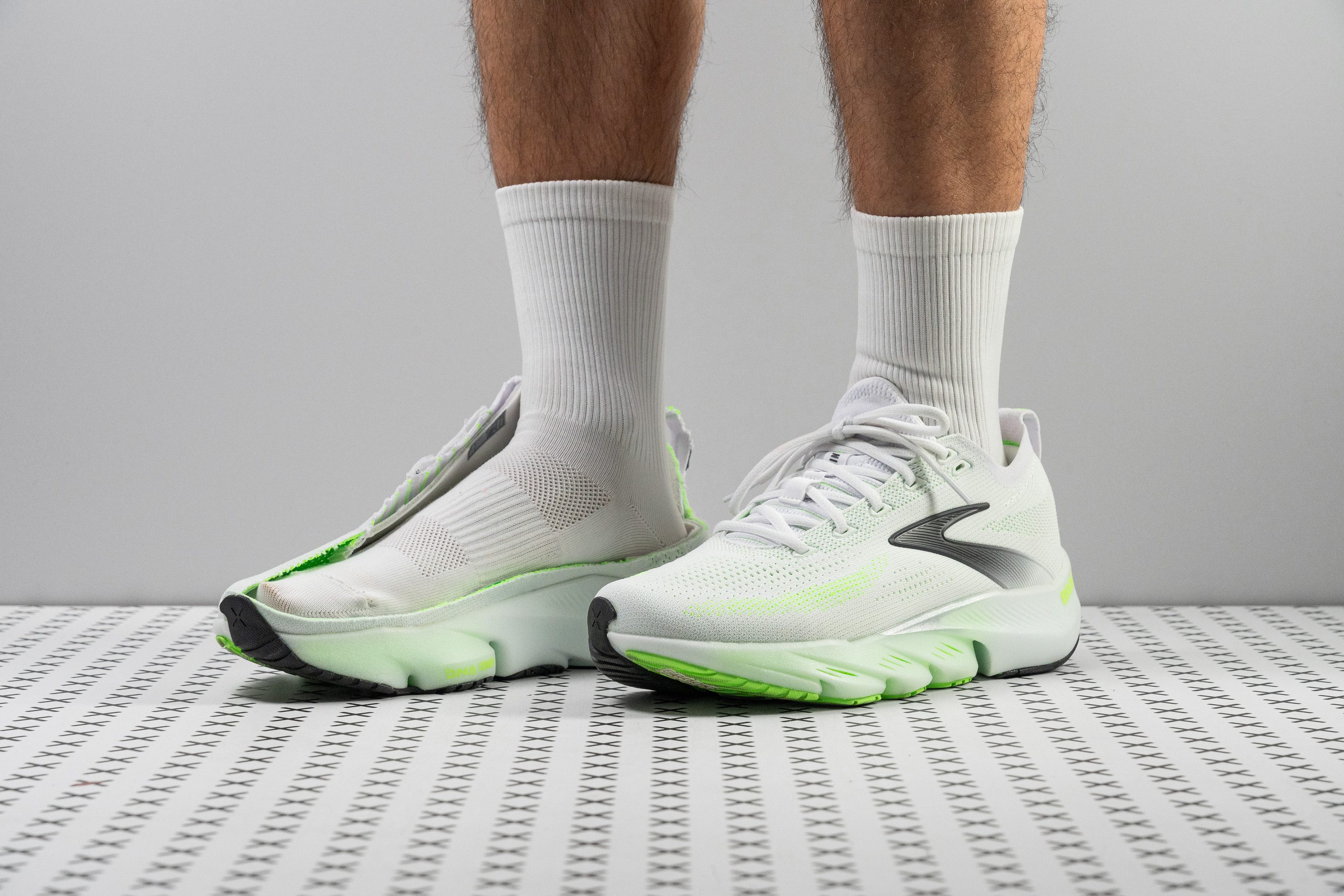
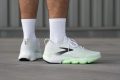
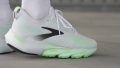
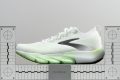
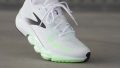
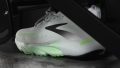
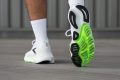
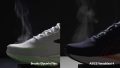
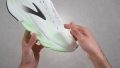
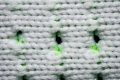
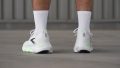
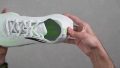
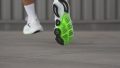
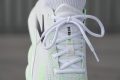
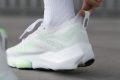
The Brooks Glycerin Flex offers a forgiving ride from every angle: impact protection, a bendable midsole, and a flexible heel counter. Proven in the lab and felt by our feet, it’s the best daily trainer for runners dealing with Haglund’s deformity.
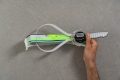
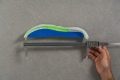
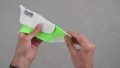
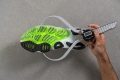
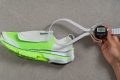
We measured a good amount of midsole cushioning, reaching 35.2/25.9 mm. To create more room for movement, the outsole is heavily segmented with cutouts and deep flex grooves throughout the front half of the shoe. In our bend test, it proved to be 21% more pliable than average.
The midsole offers impressive shock absorption for a daily trainer, making it comfortable for long miles or heavier runners. We measured above-average ratings of 143 SA in the heel and 109 SA in the forefoot.
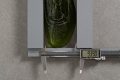
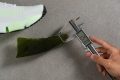
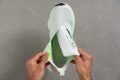
We also assessed the heel counter and found it to be very forgiving, earning a 2/5 score. This result shows its flexibility, which is a must to prevent unwanted pressure on the bony growth. The heel padding also remained intact after our Dremel test, earning the maximum 5/5 durability score, which means it can survive heel rubs without easily breaking down.
However, the outsole’s performance in our abrasion test leaves us with concerns about whether it can handle daily mileage. Those who plan to buy a pair with a long-lasting outsole should explore elsewhere.
Pros
- Premium knit upper
- More flexible than regular Glycerin
- Great comfort for walking and running
- Ideal for narrow feet
- Upper combines airflow and durability
- Stable midfoot and heel
- Works well as a daily workhorse
- Excellent design
- Lighter than Glycerin 23
Cons
- Less flex than we expected
- Narrow toebox limits toe splay
- Low energy return
- High price
Best race running shoes for Haglund's deformity


What makes it the best?
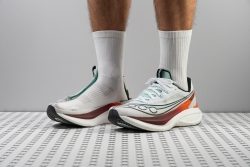
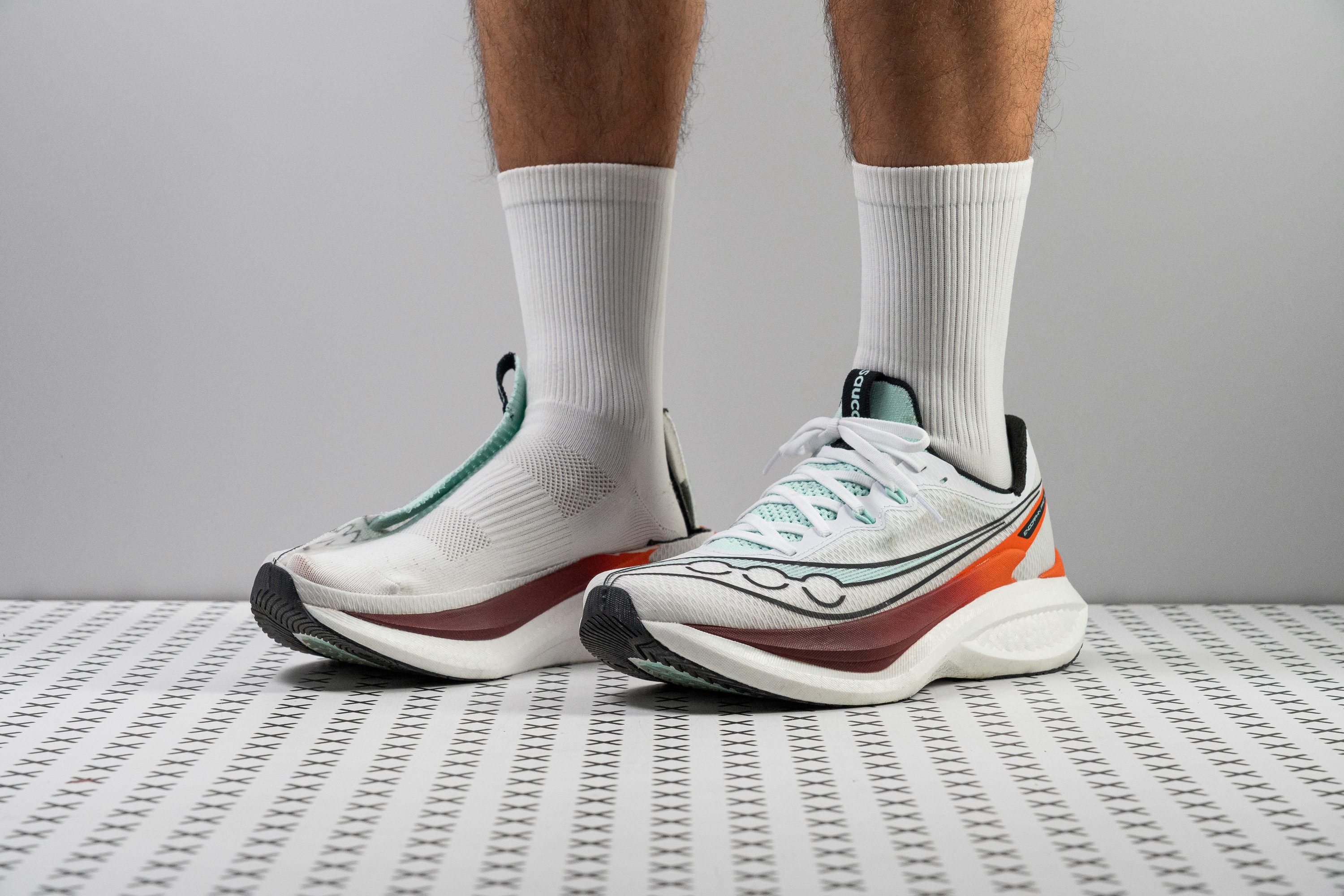
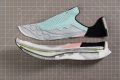
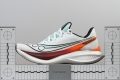
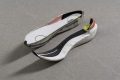
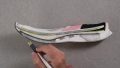
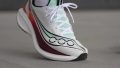
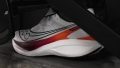
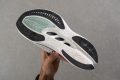
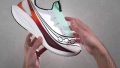
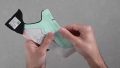
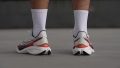
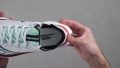
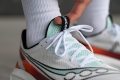
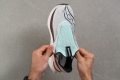
The Saucony Endorphin Pro 5 proved to be a perfect blend of comfort and responsiveness in our runs. In the lab, we found it has a highly forgiving heel counter that didn’t cause unwanted friction. Plus, its speed, propulsion, and lightness are defining features, making it our best Haglund’s deformity running shoe for racing.
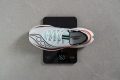
The EP5 impressed us with a minimal weight of 7.6 oz (215g), 17% below average. Our transitions feel snappy, thanks to the bouncy midsole, returning superb energy scores of 72.8% in the heel and 75.8% in the forefoot. It also features the Speedroll geometry of the brand, which seamlessly promotes smooth forward movement.
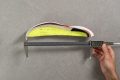
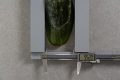
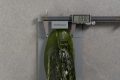
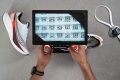
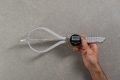
We measured the stack height using our calliper and recorded a well-cushioned 36.5/27.8 mm. It shielded us from impact without entering maximalist territory, further verified by impressive shock absorption scores of 137 SA in the rear and 107 SA up front.
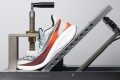
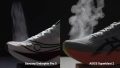
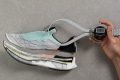
Thankfully, the heel counter isn’t stiff. We tested it manually and awarded it a low 2/5 rigidity score, indicating it won’t aggravate any pain.
However, like most racers, the toebox fits snugly. Therefore, we think this trainer is a solid option only for those with medium to narrow feet.
Pros
- Improved energy return
- Stable ride for a super shoe
- Amazing value
- Excellent outsole durability + great coverage
- Can work as a premium trainer too
- Ideal super shoe for heel strikers and beginners
- Foam got a bit softer
- Excellent stretchy knit tongue with pull tab
Cons
- Heavier than most super shoes
- Maybe a bit stiffer than it should
- Aggressive rocker won't work for everyone
Best running shoes for Haglund's deformity and wide feet




What makes it the best?
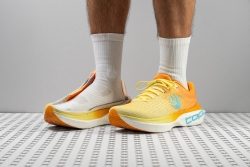
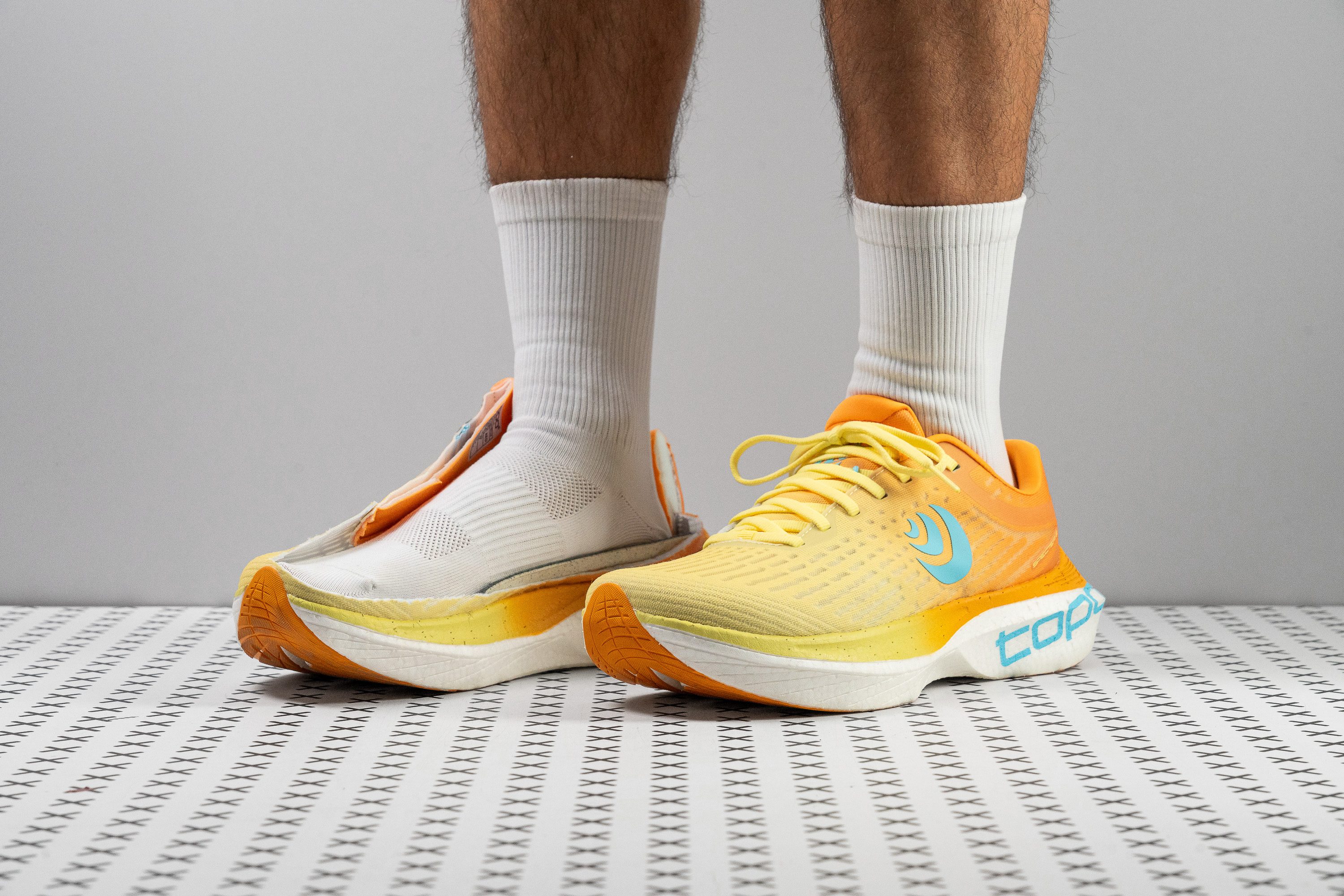
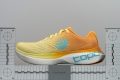
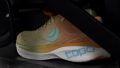
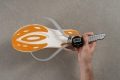
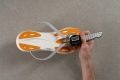
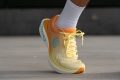
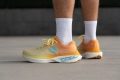
The Topo Spectre 2 was so kind to our feet, offering lots of room up front and delivering gentle support at the back. Lab tests verify its accommodating fit and forgiving heel counter, making it our best Haglund’s deformity running shoe for wide feet.
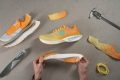
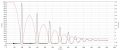
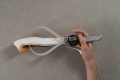
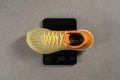
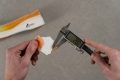
We created a gel mould replica to precisely measure the spaciousness we immediately noticed upon wear. At the widest section, we recorded an above-average reading of 97.6 mm, welcoming broad or square-shaped feet with ease. The toebox design is also based on our natural anatomy, maintaining a spacious 80.2 mm width.
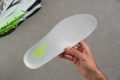
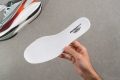
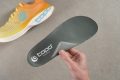
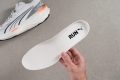
The Spectre 2’s insole is also removable so that heel inserts may be added as needed.
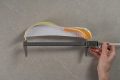
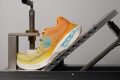
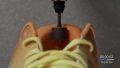
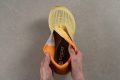
We checked if the heel counter is friendly enough for those with Haglund’s deformity, and it sure is with its low 2/5 stiffness score in our manual test. Because it’s not too rigid, it won’t cause unnecessary rubbing, which could aggravate the condition.
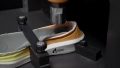
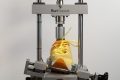
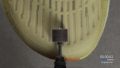
However, the heel padding is easily prone to wear as our Dremel tore through the material. Once the soft layer gets damaged, it may cause unwanted friction and pressure. If this is a dealbreaker, we suggest looking for a pair with better durability.
Pros
- Versatile for multiple paces and distances
- Lightweight construction
- Excellent room for toe splay
- Agile, nimble ride
- Generous toebox height
- Works especially well for midfoot strikers
- Reasonable price for its features
- Dependable traction
Cons
- Midsole feel may be too firm for some
- Doesn't work for narrow feet
- Non-gusseted tongue
- Heel padding durability should be better
Best all-day wear shoes for Haglund's deformity


What makes it the best?
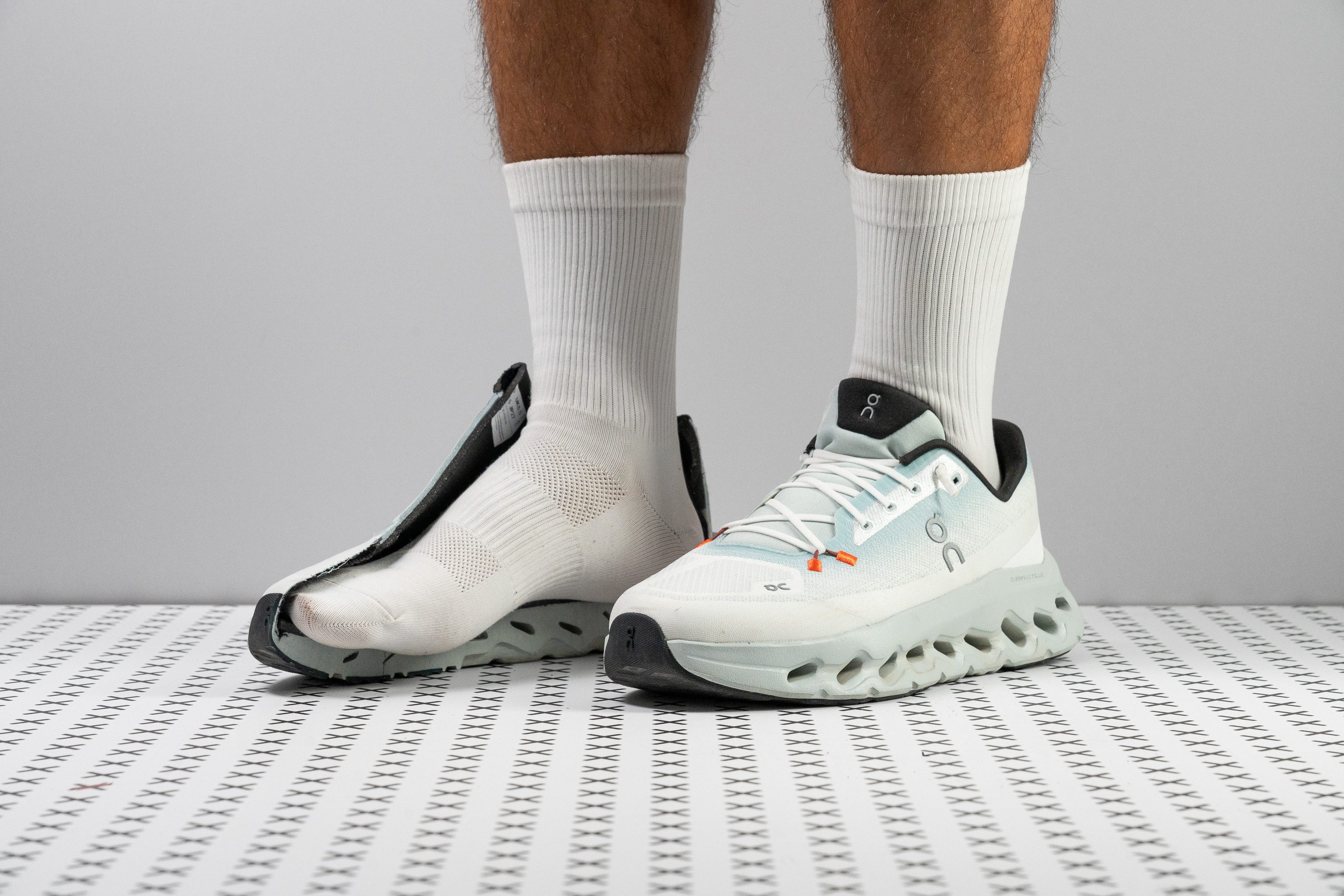
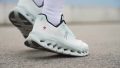
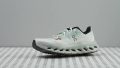
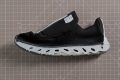
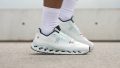
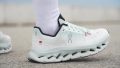
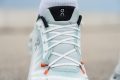
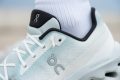
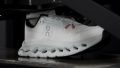
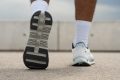
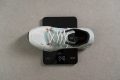
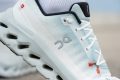
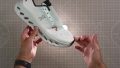
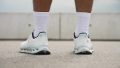
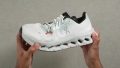
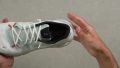
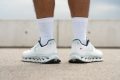
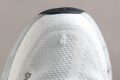
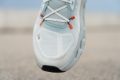
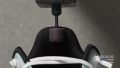
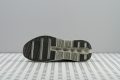
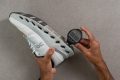
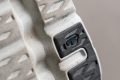
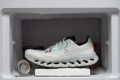
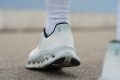
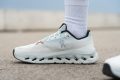
The On Cloudtilt impressed us greatly in our lab and wear tests. Its design stands out from the rest, with its luxurious cushion, smooth transitions, and flexible heel counter, making each walk truly enjoyable. Among Haglund’s deformity running shoes, it’s our top choice for all-day wear.
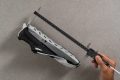
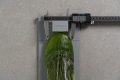
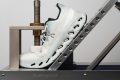
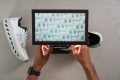
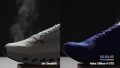
The cloud-like cushion feels squishy and thick. Our shock absorption reveals an above-average rating of 132 SA, making it 18% more protective than average. Moreover, its 35.5/26.8 mm stack is taller than the standard. Long miles roll by with Cloudtilt's pillowy goodness, whereas the CloudTec compression levels up softness and bounce, minimising fatigue.
Cloudtilt is easy on the legs as it weighs only 9.4 oz (266g), 8% lighter than the average walking shoe. Moreover, it delivers smooth heel-to-toe transitions with every stride through its rocker.
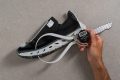
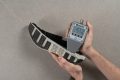
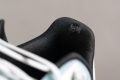
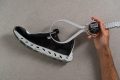
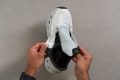
We found its heel counter to be very forgiving, scoring a low 2/5 stiffness score in our assessment. This result reflects how it won’t irritate the bony growth.
However, note that the heel padding’s resistance to wear is concerning (1/5). Those who easily puncture this area should go for a sturdier option. Burning through the soft layer may cause unwanted friction.
Pros
- Plenty of cushioning for long hours on feet
- Soft yet bouncy ride
- Feels nice and light on foot
- Abrasion-resistant upper and outsole
- Wide and steady platform
- Excellent outsole grip
- Easy on-and-off with bungee laces
- Upper made of recycled material
Cons
- Not very breathable
- Flimsy inner lining and insole
- Not for wide feet
Running shoes for Haglund's deformity with the best stability





What makes it the best?
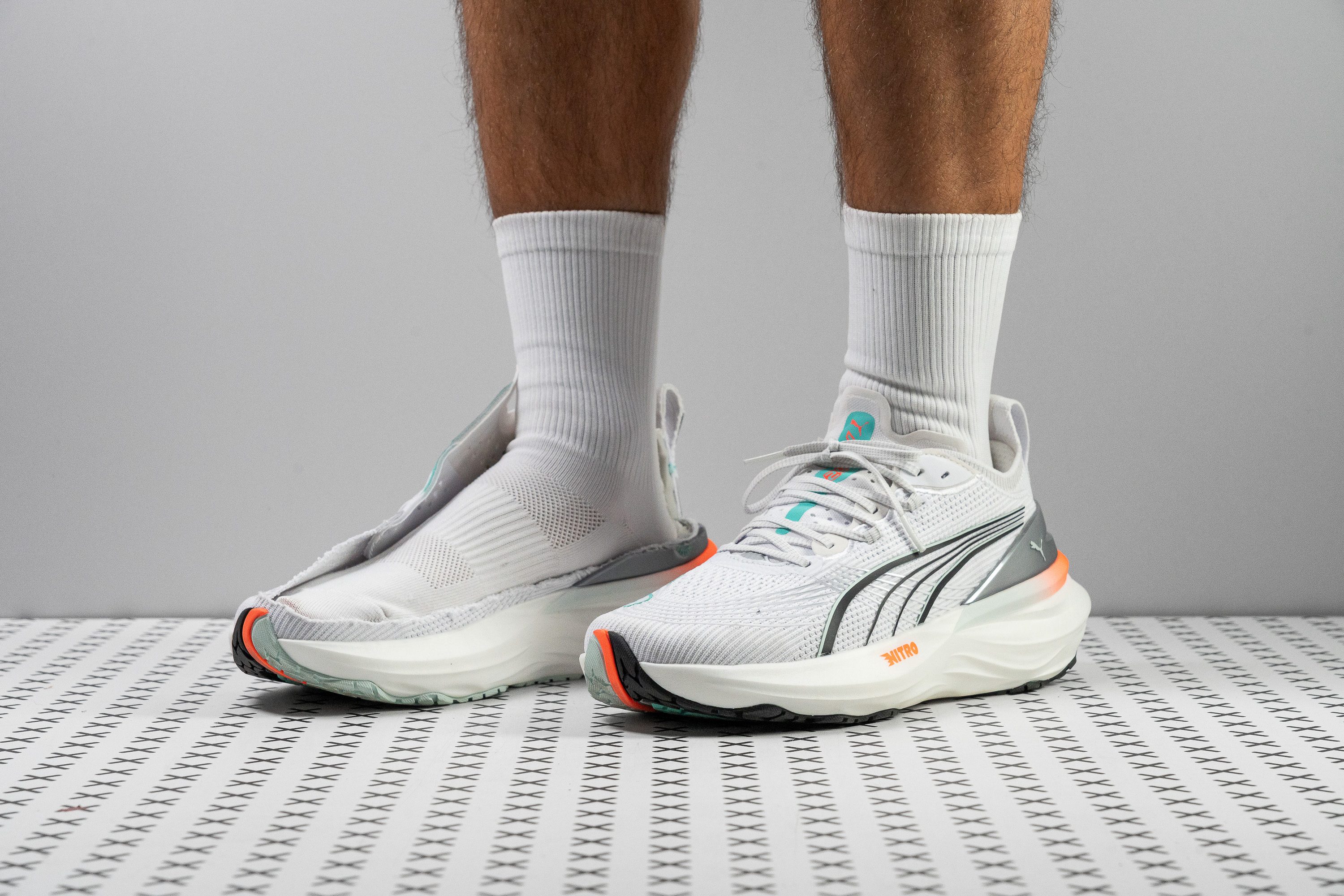
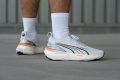
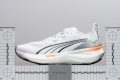
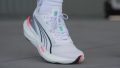
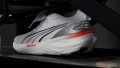
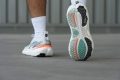
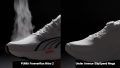
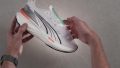
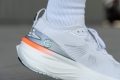
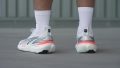
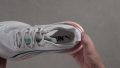
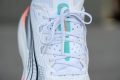
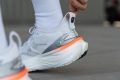
The PUMA ForeverRun Nitro 2 offers surefooted strides without the rigidity, particularly in the rear area, making it our best stability running shoe for those dealing with Haglund’s deformity. Lab tests show its forgiving heel counter helps minimise irritation, while the midsole remains smooth and easy to transition through. Stability comes from its broad and well-planted base, further enhanced by the PumaGrip outsole.
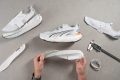
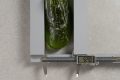
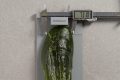
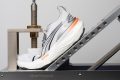
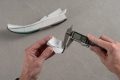
This trainer features PUMA’s Run Guide System in the heel, which stabilises the foot upon landing. We measured an extra-wide platform of 121.3/97.6 mm using our calliper, which keeps us within the shoe after every touchdown.
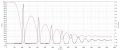
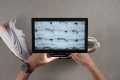
The PumaGrip rubber is also another element that keeps us in control. Scoring 0.63 in our traction test, it keeps us steady even on wet surfaces.
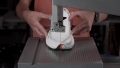
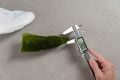
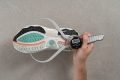
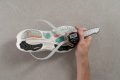
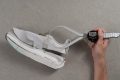
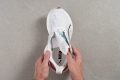
Because the support features are already efficient, ForeverRun Nitro 2 manages to stay flexible. Its heel counter is forgiving, evidenced by its low 2/5 stiffness score in our assessment, and avoids unwanted pressure on the bone spur. Moreover, the midsole itself emerged 30% more pliable than average, enhancing seamless forward movement.
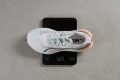
Unfortunately, its 10.3 oz (291g) weight takes away the agility some runners prefer. This trainer should have trimmed its weight for a faster and nimbler experience.
Pros
- Breathable and comfortable knit upper
- Amazing traction with PumaGrip
- Fair price for its features
- Excellent stability
- Flexible build
- Good durability
- Well designed for heel strikers
- Extra-wide midsole for added support
- Good option for everyday life too
Cons
- Heavier than the previous version
- Rocker mainly benefits heel strikers
- Stability system could be a bit intrusive
- Not the best for wide feet
Best travel shoes for Haglund's deformity


What makes it the best?
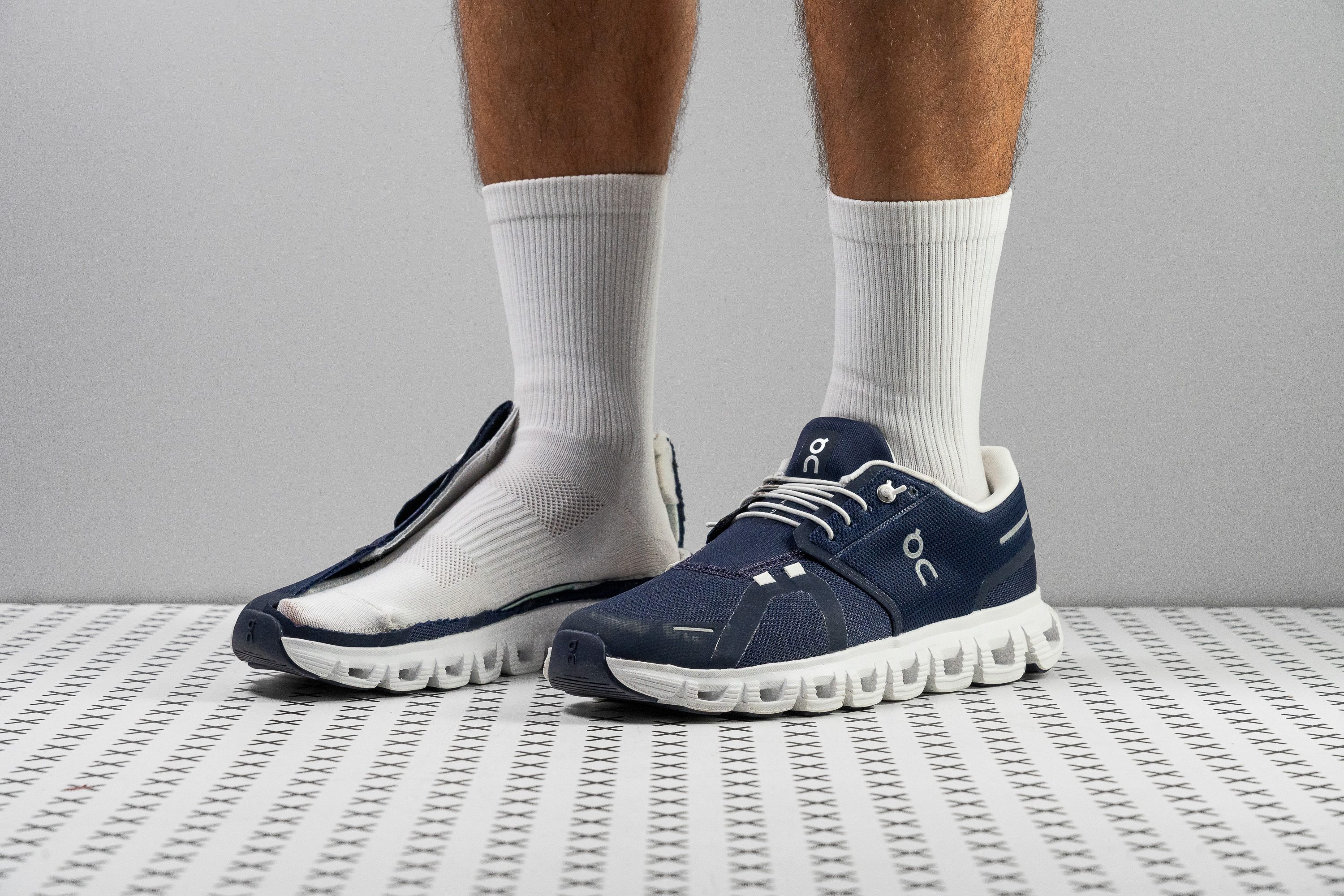
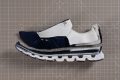
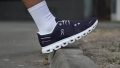
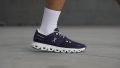
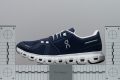
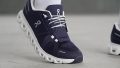
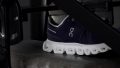
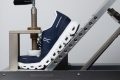
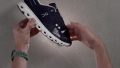
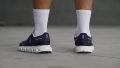
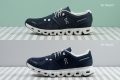
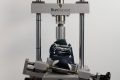
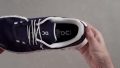
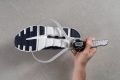
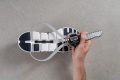
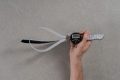
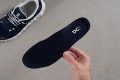
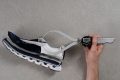
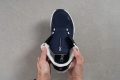
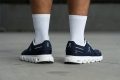
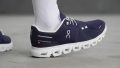
With its simple and versatile build, the On Cloud 6 offers seamless transitions and feels very easy to bring around. In our lab assessment, we discovered that its flexibility both in the midsole and in the heel counter feels forgiving and refreshing. Its grounded platform also offers a good mix of stability and control, making it our best travel running shoe for those with Haglund’s deformity.
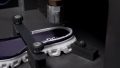
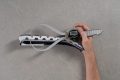
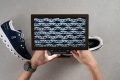
The malleable midsole elevated the experience, keeping turnover smooth and effortless. In our bend test, we found it 17% more pliable than the average running shoe. It’s also perfect for walking when exploring new cities, allowing us to relax since we don’t have to fight much resistance when bending our feet.
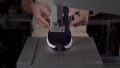
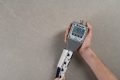
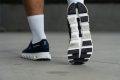
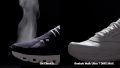
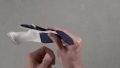
The heel counter didn’t get in the way and kept us comfortable throughout the day. Testing for its rigidity, it easily gave in to pinching, so we rated it a low 2/5 stiffness score, which makes it highly suitable for people with bony growth.
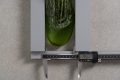
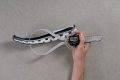
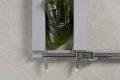
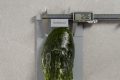
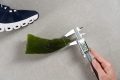
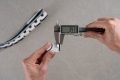
Underfoot, we measured the foam with a below-average thickness of 28.3/19.5 mm. It boosts our agility and doesn’t feel bulky in our luggage!
However, it lacks cushioning and impact protection for long runs. This pair works best for relaxed shorter runs and doubles as a walking shoe that’s easier to style than a dedicated running shoe.
Pros
- Smooth heel-to-toe transitions
- True to size and width
- Great traction on wet and dry
- Flexible construction
- A bit lighter than average
- Breathable for warm weather
- Promising outsole durability
- Slip-on design with easy on-and-off
Cons
- Steep price hike with minimal changes from the v5
- Not for all-day wear
- Not very supportive
- Upper lacks wear resistance
Is it Haglund’s deformity for sure?
Heel pain is a very general term and can imply many different underlying conditions, from plantar fasciitis and Achilles tendonitis to bone spurs, Haglund’s deformities, and more.
A bony growth on the heel bone (calcaneus), Haglund’s deformity, can be confused with a heel spur. But while the heel spur pokes out from the bottom of the heel, Haglund’s deformity is formed at the back of the heel, where the Achilles tendon is attached.
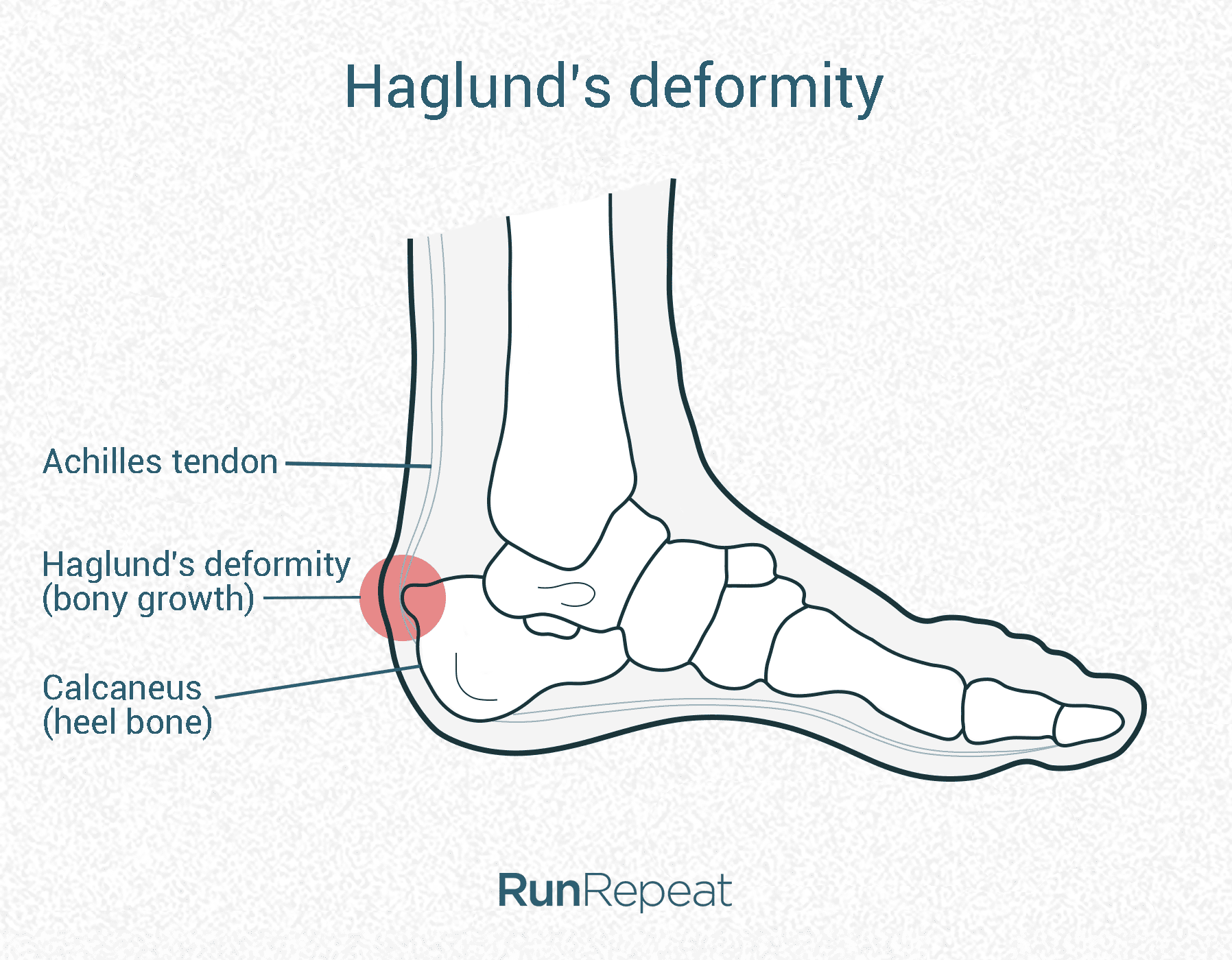
Curiously, you may not even know you have a Haglund’s deformity until you try to wear shoes with very rigid and minimally padded heel counters for an hour or two. Because that’s when the symptoms really start to kick in:
- pain from the pressure on the bony growth
- swelling and/or skin discoloration in the bump area
This is a very common issue among high-performance athletes who wear tight-fitting footwear for their sports, such as skaters, skiers, cyclists, and climbers. Repetitive mechanical compression and friction at the heel can really exacerbate the condition.
However, this doesn’t mean that shoes alone cause the condition because Haglund’s deformity is characterised as an idiopathic condition (with no definite cause). Aside from tight shoes, the contributing factors include:
- genetics (if your closest relative has one, you are likely to develop the bump too)
- being a woman (ladies are more likely to develop the pump bump)
- overuse injuries (in athletes, especially runners, tennis and basketball players)
- high-arched feet (more rubbing of the heel bone against the tendon)
- tight Achilles (tender and inflamed bursa is more easily irritated)
- certain gait disorders
- weight gain
- injuries
Even though it’s hard to ignore the pain from Haglund’s deformity, if it’s left untreated, the pressure on the bony growth can make it bigger and lead to other conditions in your heel and feet, including Achilles tendinitis and heel bursitis.
The treatment includes:
- custom inserts or heel cups
- over-the-counter anti-inflammatory medications (NSAIDs)
- physical therapy (stretches, exercises)
- changes to footwear
Let’s take a detailed look at the latter in the section below.
What to look for in the best shoes for Haglund’s deformity
Even though the right pair of shoes won’t reverse Haglund’s deformity, it can relieve its symptoms and potentially prevent the bump from growing bigger.
1. Flexible and/or well-padded heel counter
The main feature you want to see in a shoe that’s friendly for Haglund’s deformity is a non-rigid heel counter.
A heel counter is a stiff or moderately stiff component in the rearfoot section of the shoe’s upper. It can be either internal (placed inside the shoe’s heel collar) or external (stiff overlays around the heel and ankle).
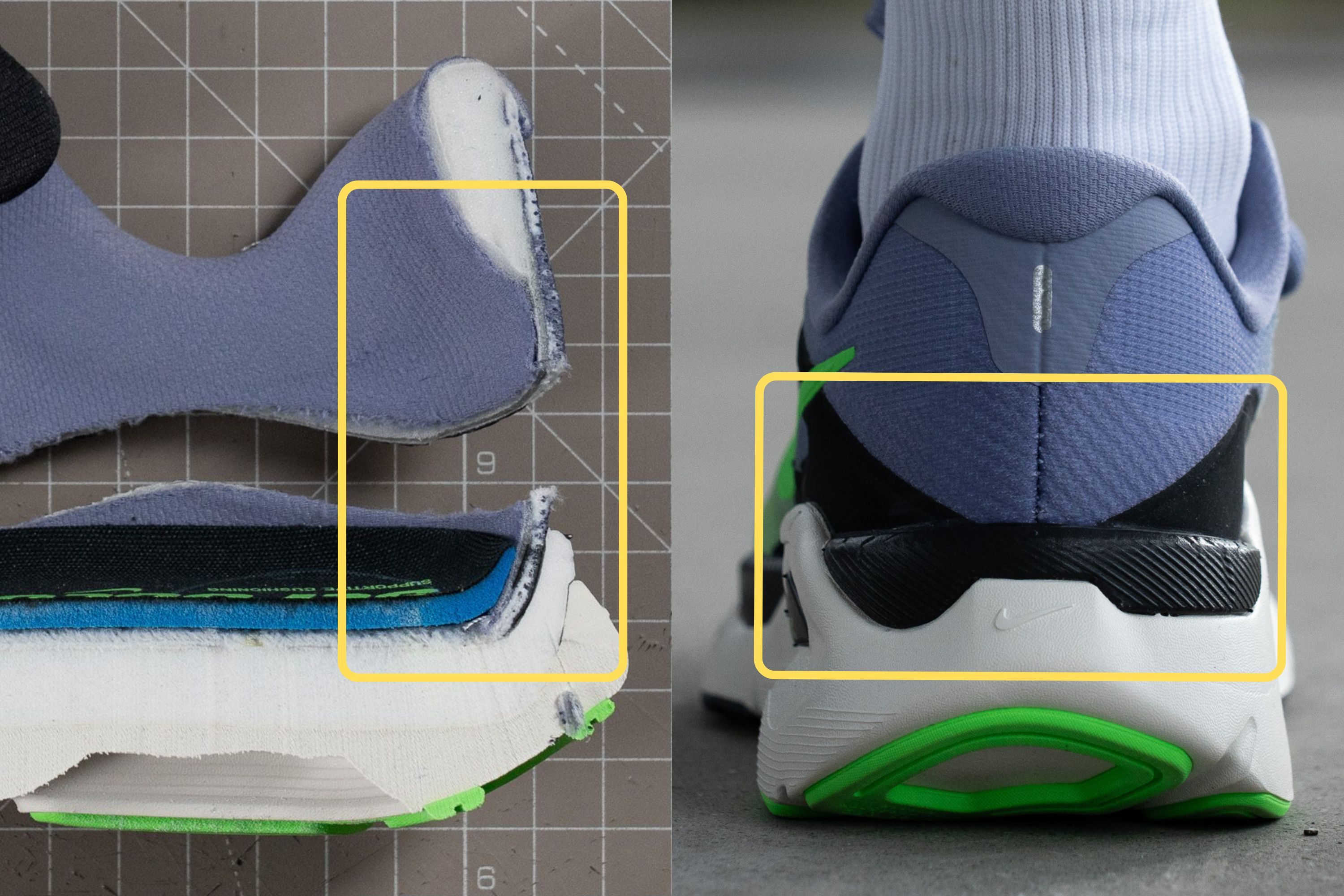
A heel counter maintains foot and ankle alignment and prevents excessive side-to-side movement by keeping the heel centred. It also helps improve in-shoe lockdown and containment.
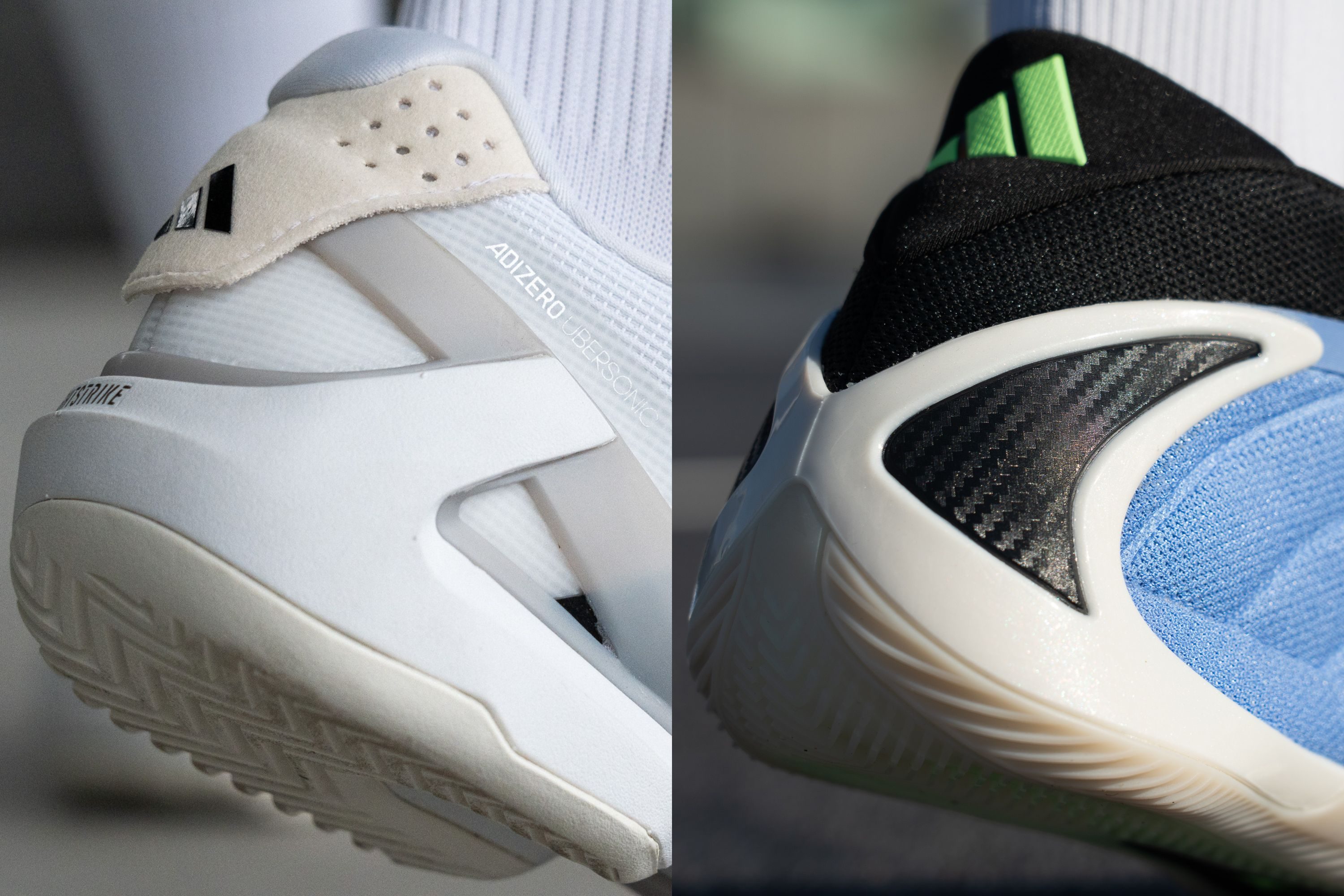
Shoes for lateral sports like basketball and tennis tend to have highly rigid and reinforced heel counters. Hiking shoes and boots also feature stiff, structured heel counters to keep the foot and ankle stable under heavy loads.
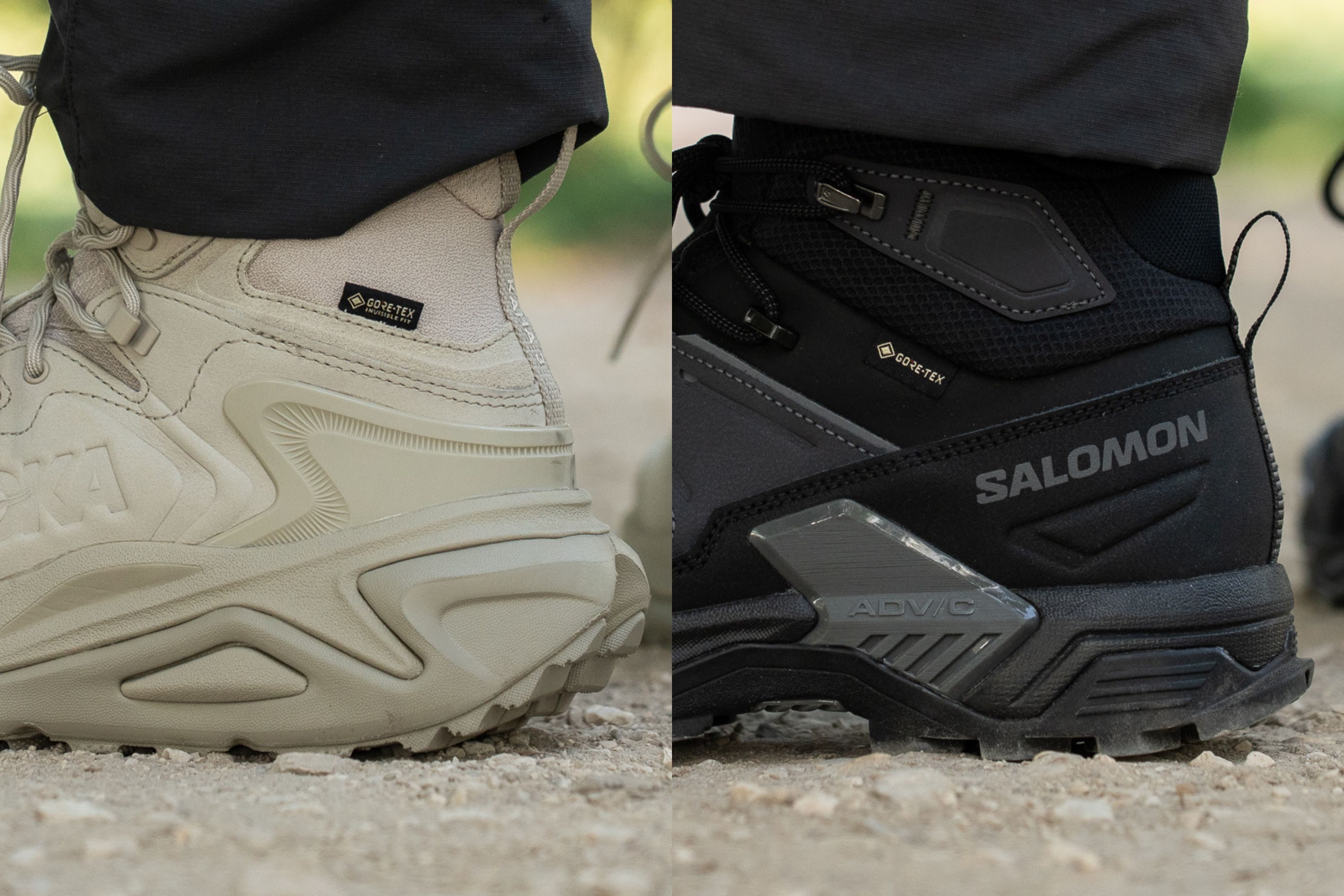
Most stability running shoes also have rigid heel counters to minimise overpronation.
But as important as they are for support and stability, heel counters wrap around the heel bone (calcaneus) exactly where Haglund’s deformity develops. So, along with stability, they can also put a lot of pressure on the bony growth, causing pain and discomfort.
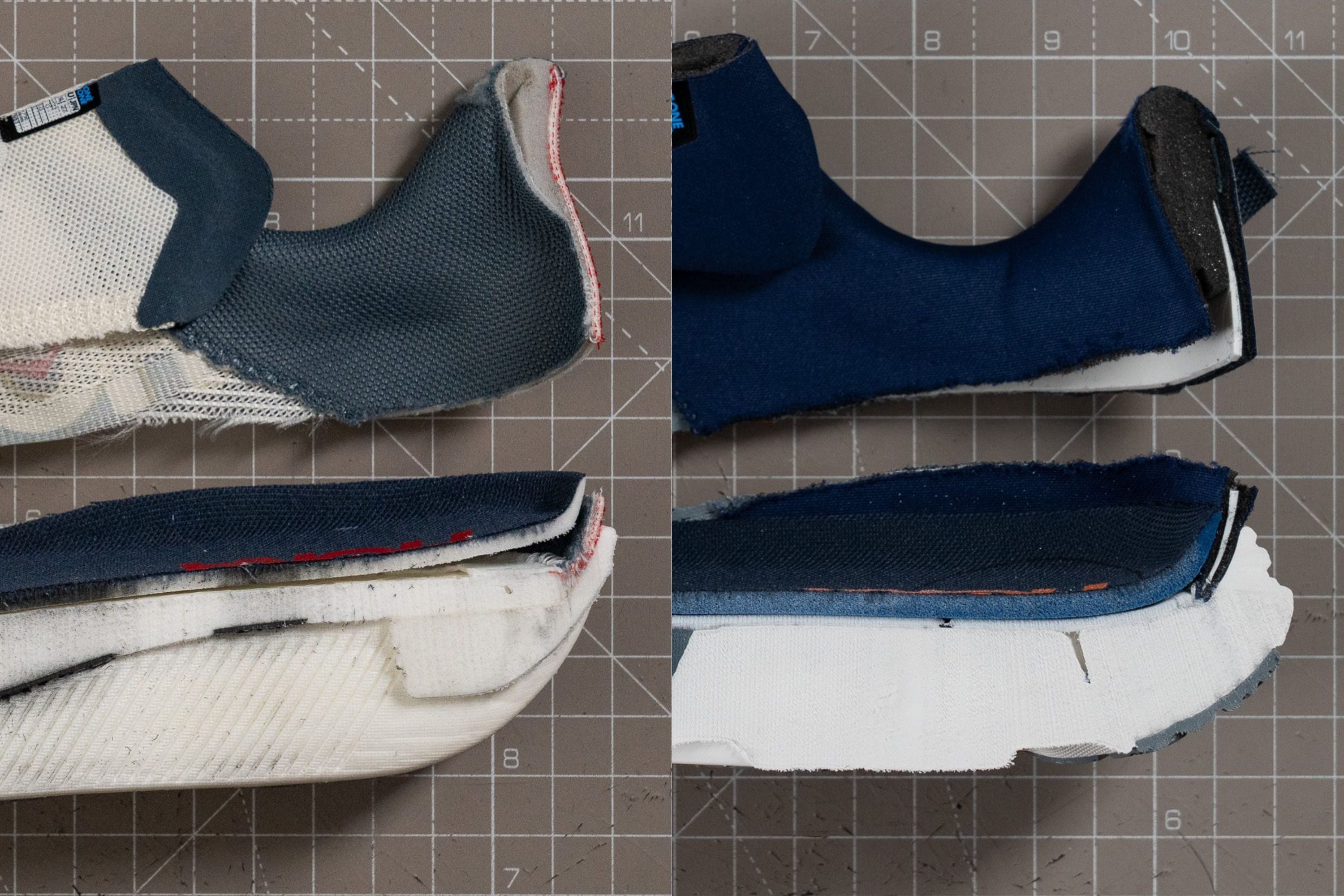
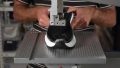
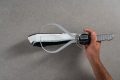
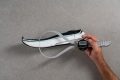
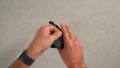
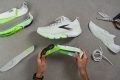
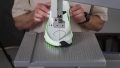
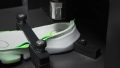
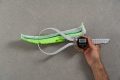
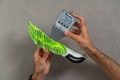
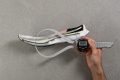
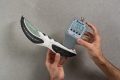
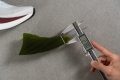
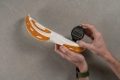
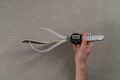
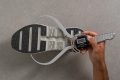
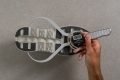
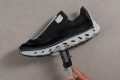
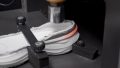
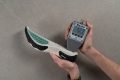
In our lab, we perform a manual test by pressing on both sides and the back of the heel counter. Based on its resistance, we rate the shoe’s heel counter stiffness on a 1-5 scale, where 5 is the stiffest.
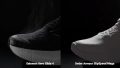
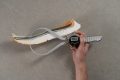
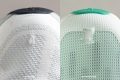
Example of a flexible heel counter
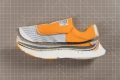
Example of a rigid heel counter
Shoes with flexible or at least moderately pliable heel counters and minimal rearfoot structure are the most agreeable type for Haglund’s deformity. In our lab, they have a low stiffness score of 1/5 or 2/5:
See all running shoes for Haglund's deformity
However, not all structured heel counters end up aggravating the pump bump. If it is complemented by a deep heel cup and a generously padded heel collar, the stiff bit may not even hit the bony growth.
Thick foam around the collar helps reduce friction and rubbing by distributing pressure rather than concentrating it on the bump. But please keep in mind that the foam also tends to compress and wear out with use, and the bump might eventually meet the heel counter.
You might as well need to buy additional heel pads to enhance the shoe’s interior foam.
|
A stiff heel counter with no collar padding is the worst combo for Haglund's deformity. Example: |
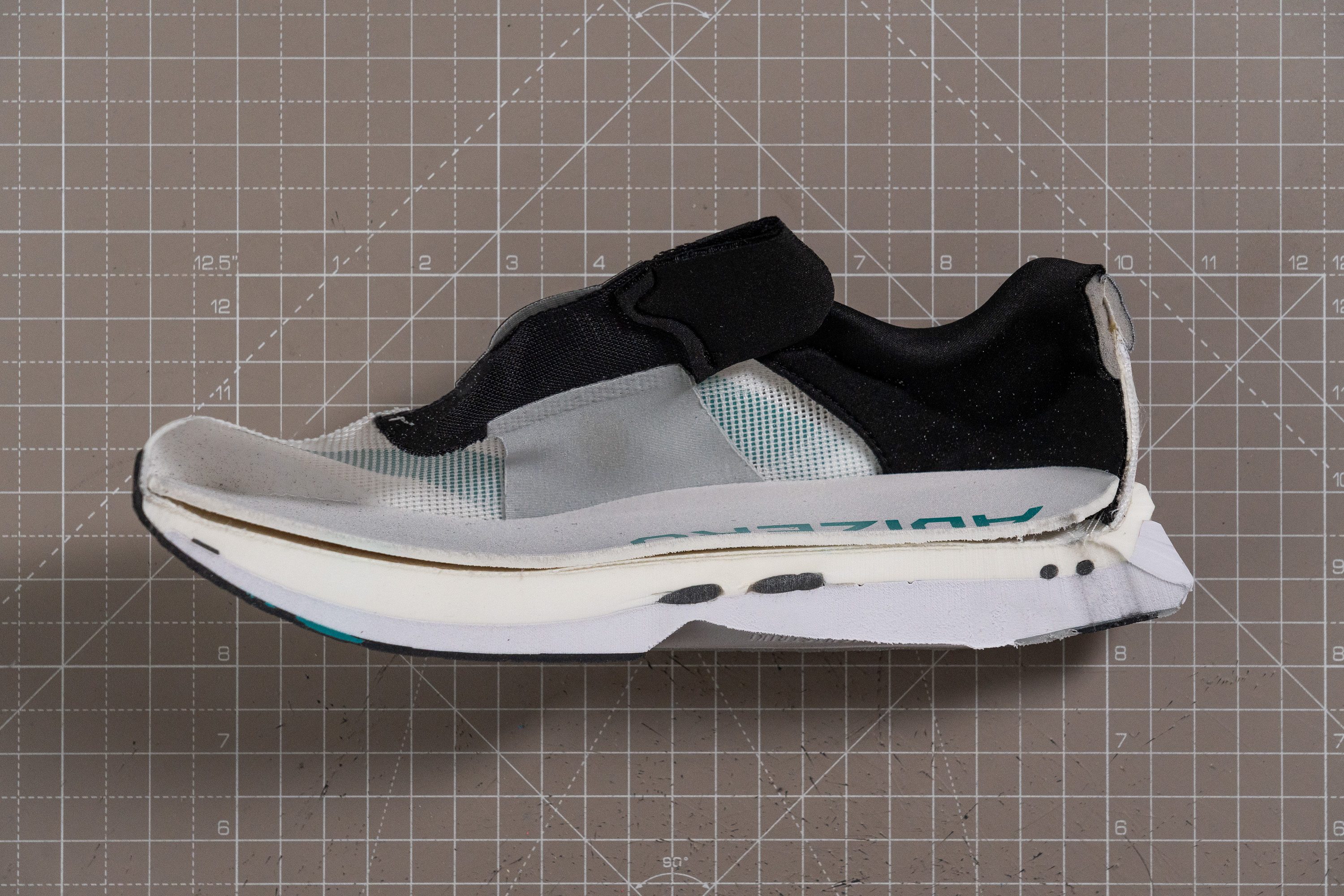
And if you want to give your feet a real break when not training, you might as well benefit from slides, clogs, backless shoes, or convertible shoes with drop-in heels to give your heel bones all the breathing room they need.
The latter can go from slipper to full-shoe mode in a matter of seconds!
2. Proper shoe size and fit
Studies have repeatedly shown that too many people are wearing ill-fitting shoes, either length-wise or width-wise.
In the context of Haglund’s deformity, a proper heel fit is essential. It implies a secure but not overly tight fit in the rearfoot: too tight and you get direct pressure on the bump, too loose and heel shifting causes undesirable friction and irritation.
We have put together a simple 3-step guide on how to measure your foot length at home to help you out with online shoe shopping.
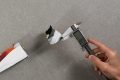
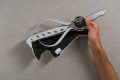
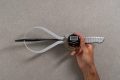
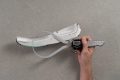
Once you have the measurements, you can consult the corresponding brand size chart and check out each individual shoe’s lab review for more specific information. We use a digital calliper to measure the internal length of each shoe and include other wearers’ feedback on its fit.
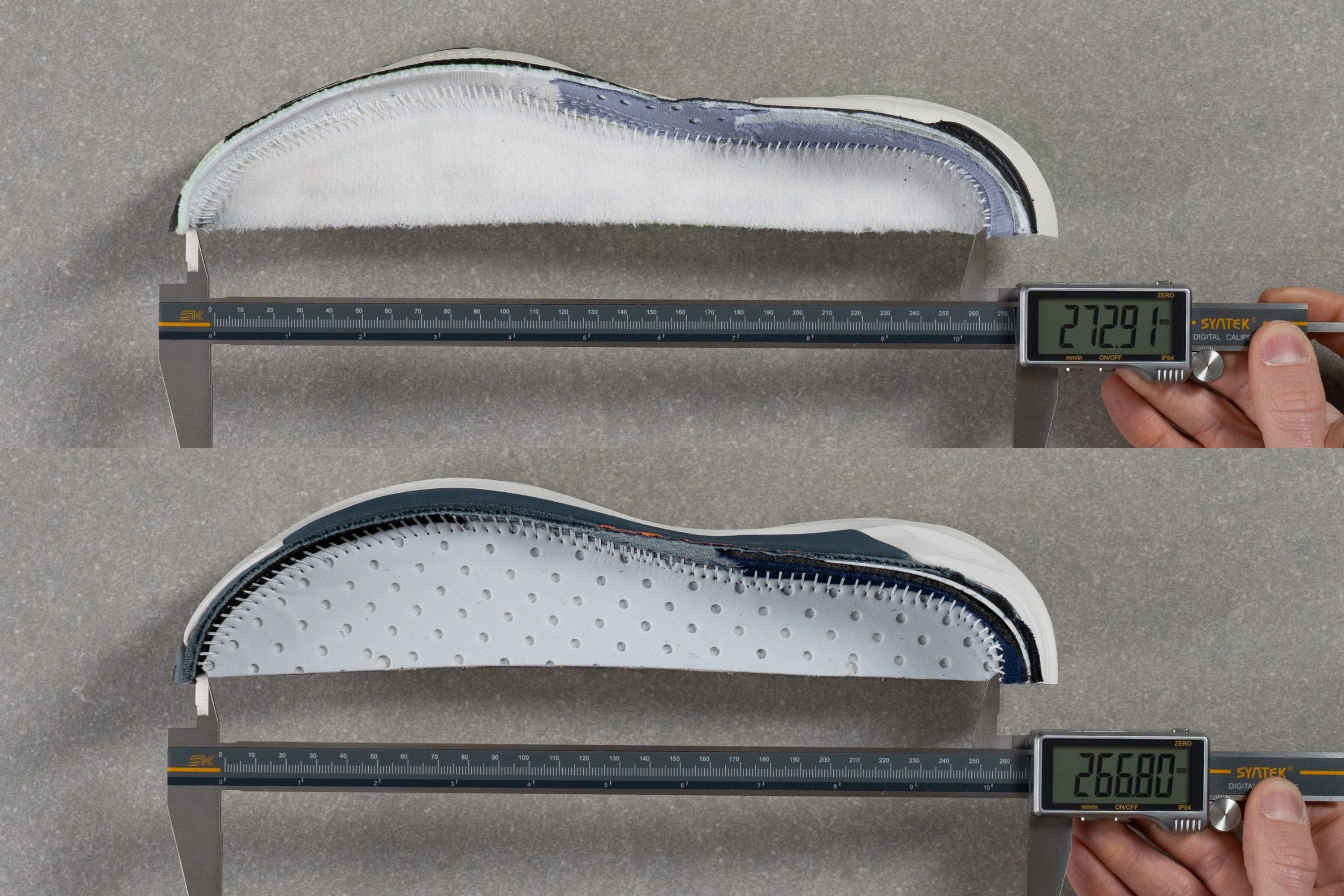
You will be surprised how much internal length deviates among shoes, even in the same size!
3. Durable heel lining/padding
Foot deformations like Haglund’s put additional pressure and friction on the shoe’s internal fabric, causing it to deteriorate notably faster.
And once that soft layer wears out and tears, your bump ends up brushing against the tough internal heel counter (if there is one).
But how can you predict the abrasion resistance of that material?
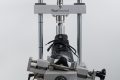
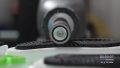
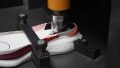
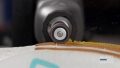
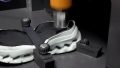
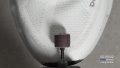
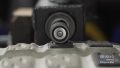
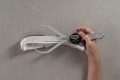
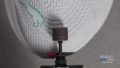
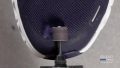
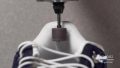
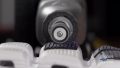
In our lab, we use a Dremel with a sanding tip on the area where the bump normally contacts the inner shoe lining. The pressure (2N), speed (5K RPM), and exposure time (4 seconds) remain the same across all tested shoes to ensure consistent results.
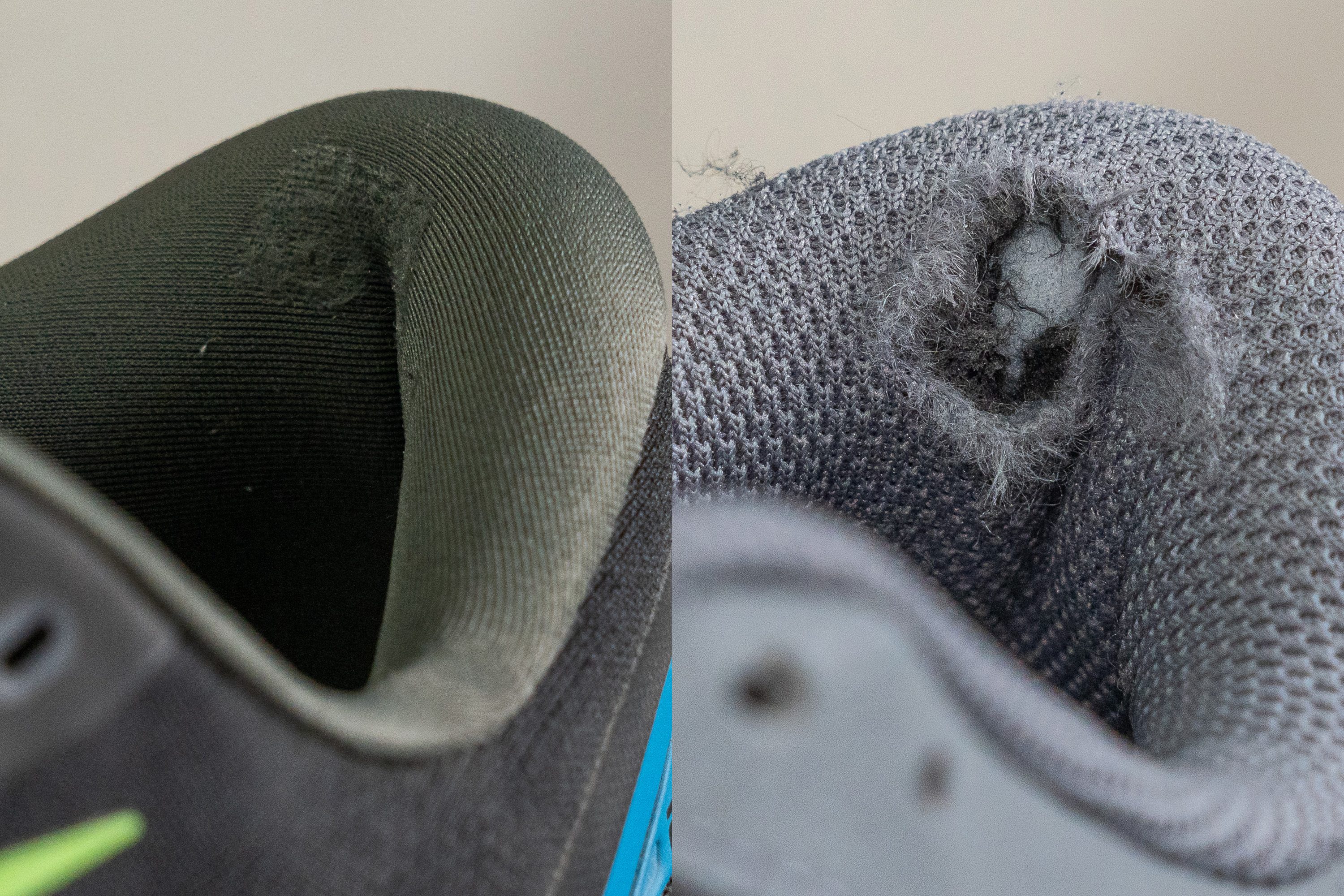
Based on the severity of damage, we assess each shoe’s heel padding durability on a 1-5 scale, where 5 indicates the most abrasion-resistant material.
4. Removable insole (optional)
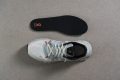
If you are dealing with a severe case of Haglund’s deformity and your doctor recommends wearing heel inserts, you may need to get a shoe with removable insoles to accommodate those inserts.
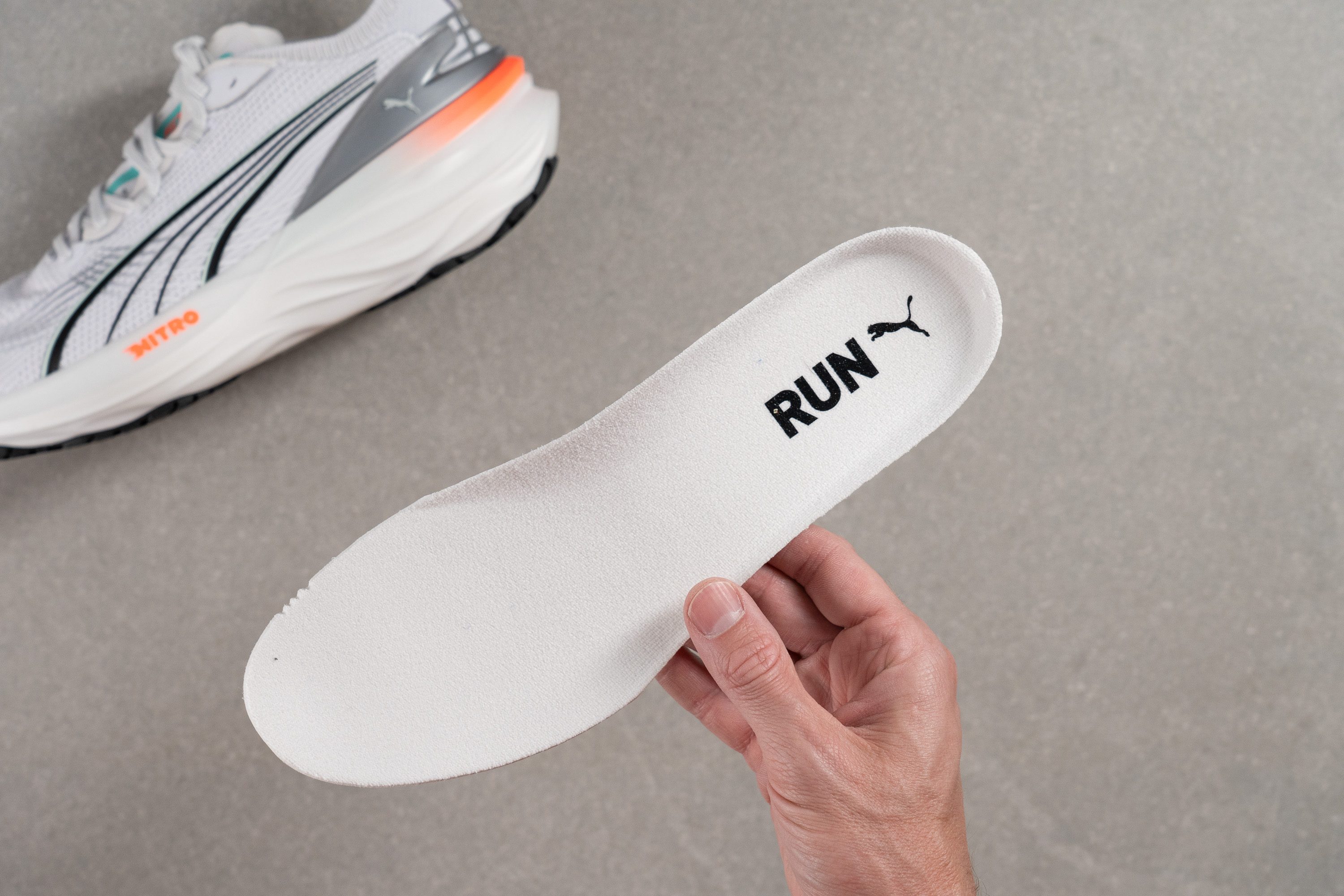
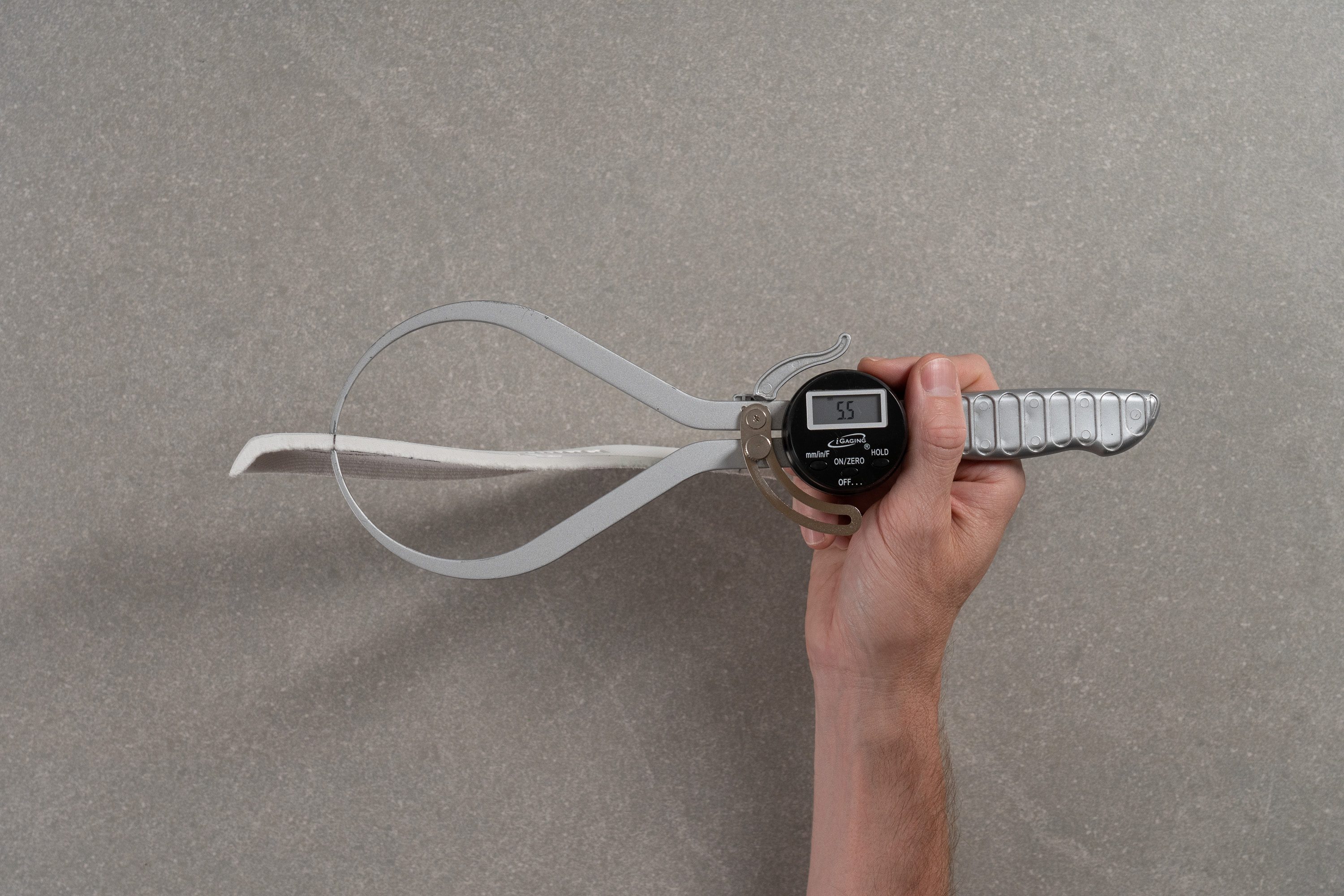
But please take note of the shoe’s insole thickness as it might be too thick to make a difference (1-2 mm) or too thick (7-8 mm), leaving too much internal space to fill.
Sources:
Similar buying guides