7 Best Height-Boosting Shoes in 2026

We buy shoes ourselves. We earn commissions when you buy through us, at no extra cost. Why trust us
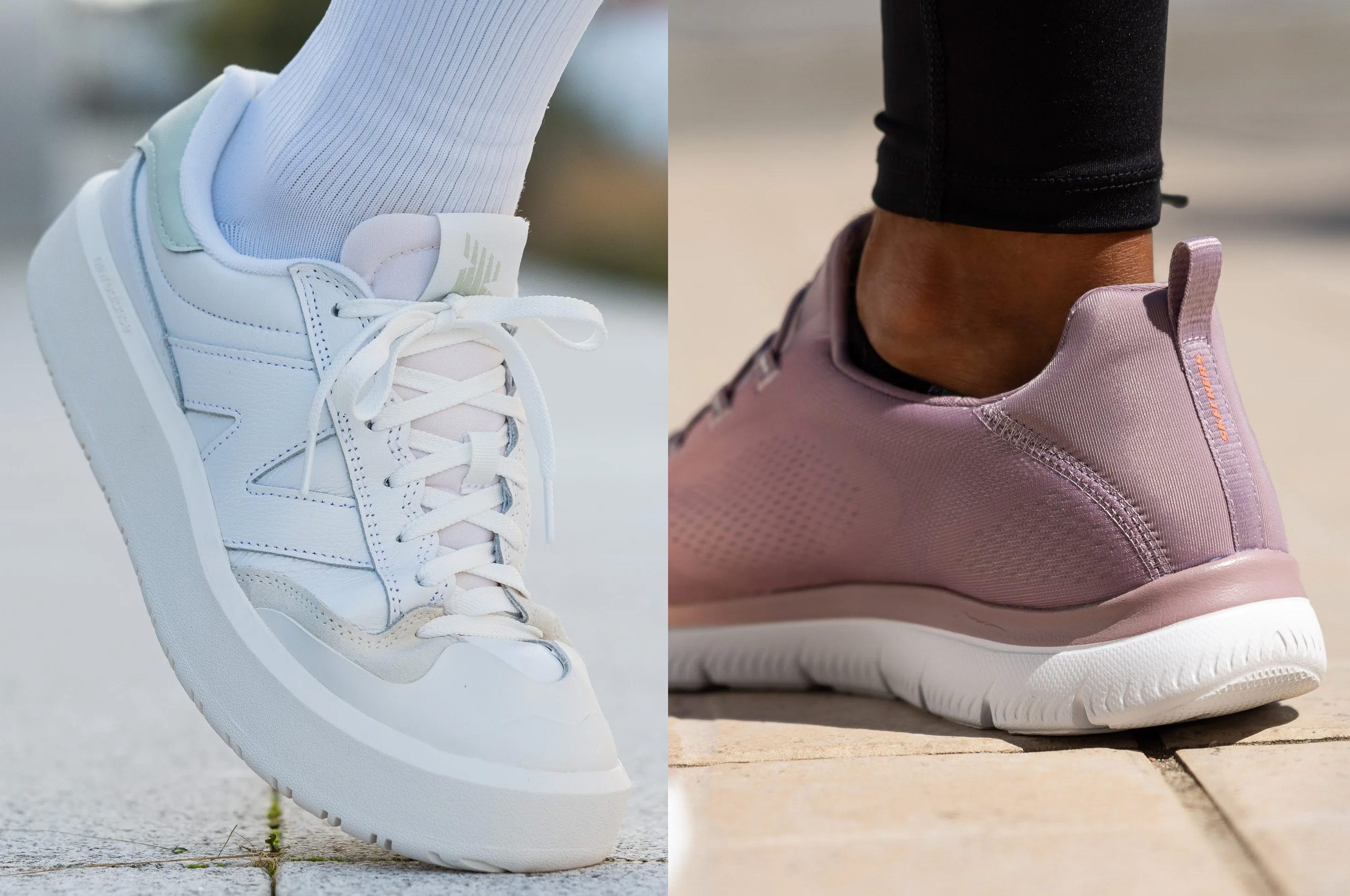
People want to appear taller, so here, we explain what is and what is not possible with (regular) shoes, and also what to look for in a midsole when looking for this height-increasing effect. Can insoles help you out? Why is it important to check the heel drop and the weight of the shoe? We cover it all.
As always, we highlight the shoes that have outperformed the rest. These top picks truly deserve to be at the top based on our tests inside and outside of the lab.
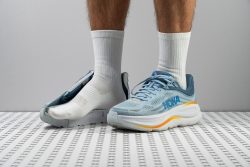
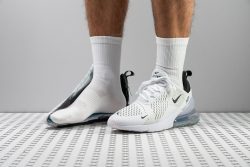
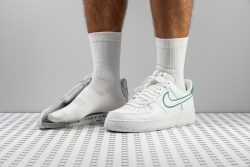
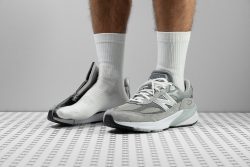
How we test Height-Boosting shoes
Working in an independent shoe lab means honouring a testing protocol that keeps us independent and objective. In order to accomplish this, we buy all the footwear with our own money. No sponsored collaborations, no paid articles, no freebies.
We also perform field testing and lab testing. Outside of the lab, we have to experience the shoes on our own and understand how they fit, feel, and perform. In the lab, we use specific testing protocols and specialised machines that allow us to describe each shoe with over 30 parameters.
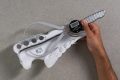
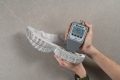
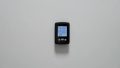
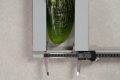
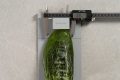
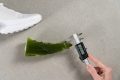
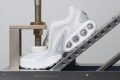
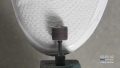
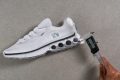
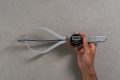
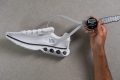
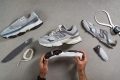
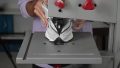
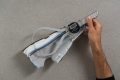
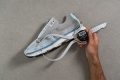
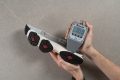
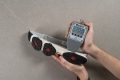
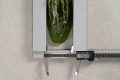
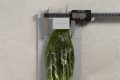
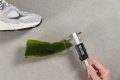
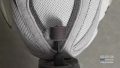
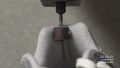
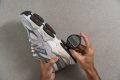
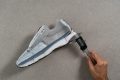
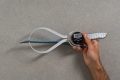
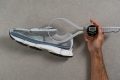
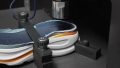
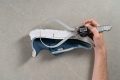
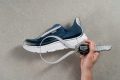
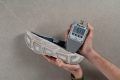
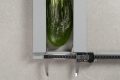
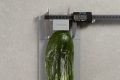
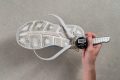
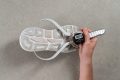
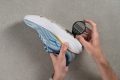
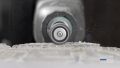
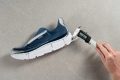
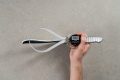
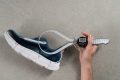
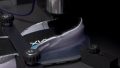
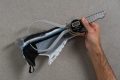
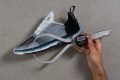
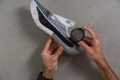
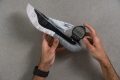
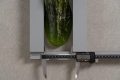
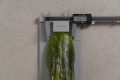
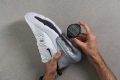
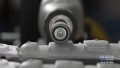
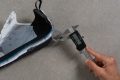
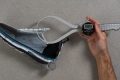
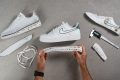
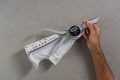
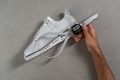
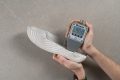
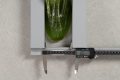
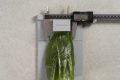
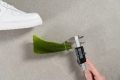
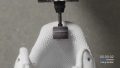
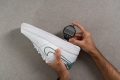
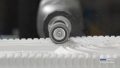
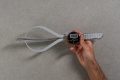
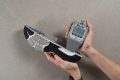
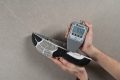
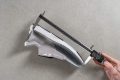
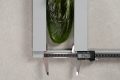
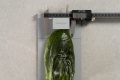
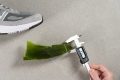
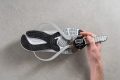
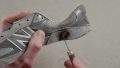
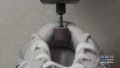
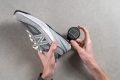
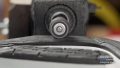
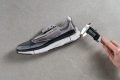
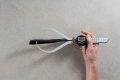
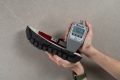
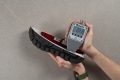
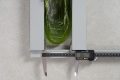
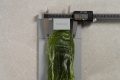
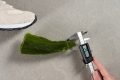
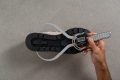
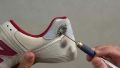
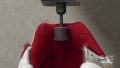
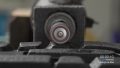
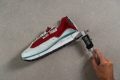
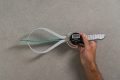
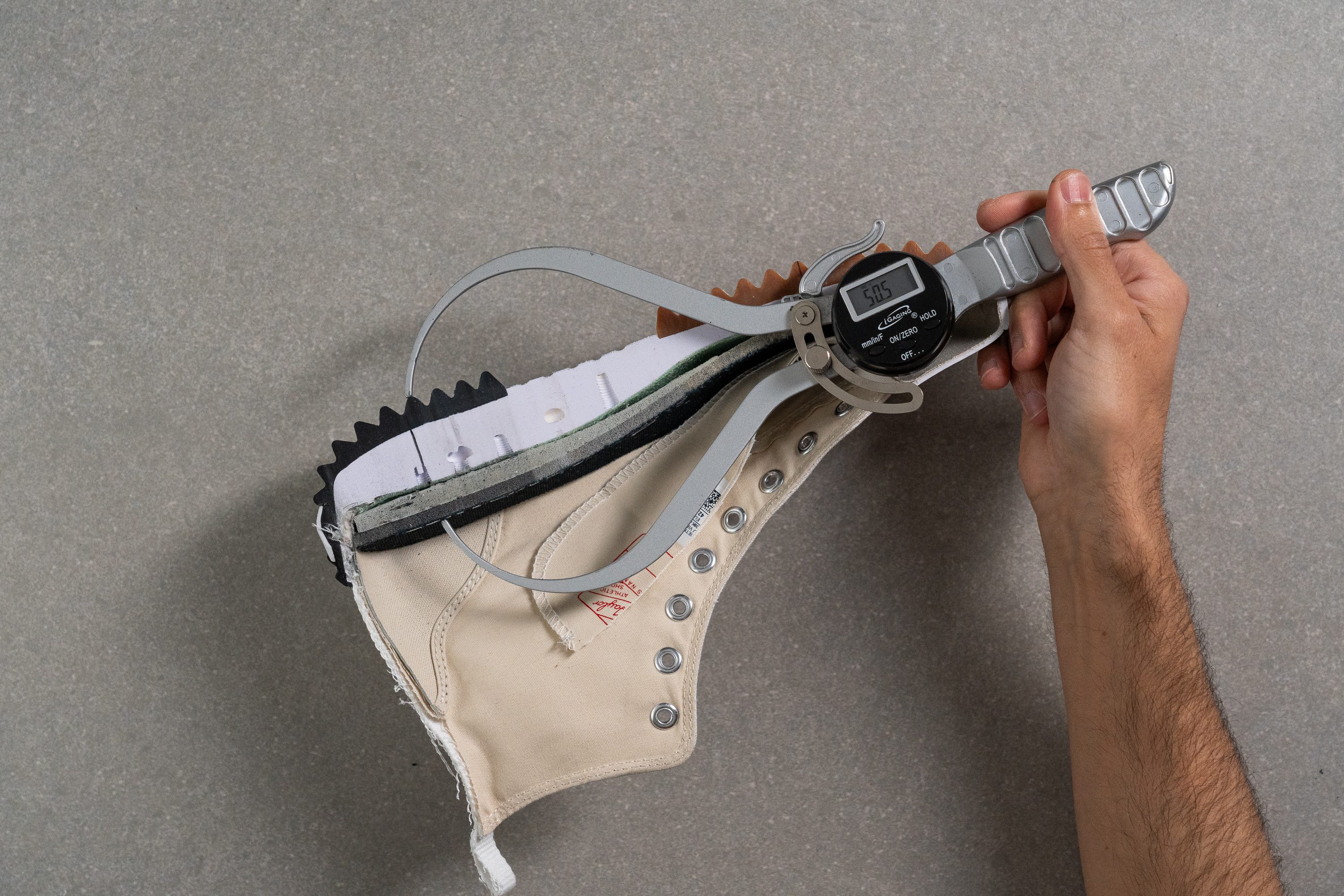
When it comes to height boosting, we are specifically interested in heel stack height and midsole softness. The idea is, of course, to have a platform that's high (we use a digital calliper to measure the heel height) and that's not squishy, because the sinking in would reduce the overall height (we use a durometer and stick its needle into the midsole to learn how soft the midsole is).
We publish everything we discover during our testing, no backsies. You can use this data to compare the shoes you’re interested in and find one that suits you the best.
Best height-boosting shoes overall







What makes it the best?
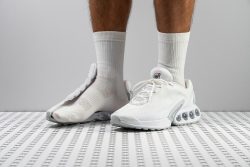
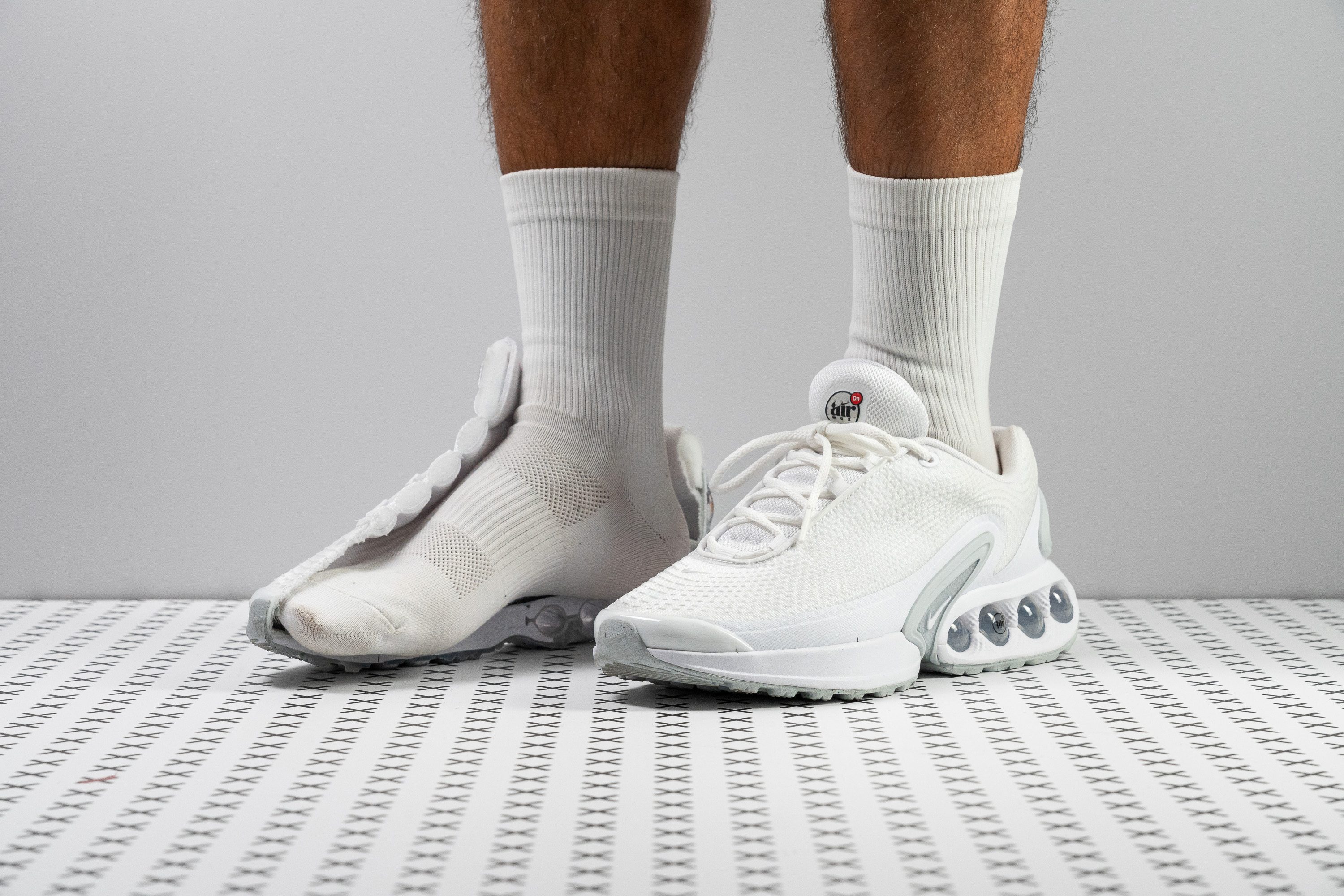
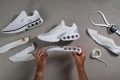
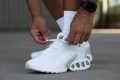
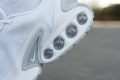
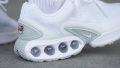
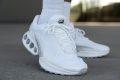
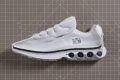
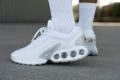
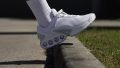
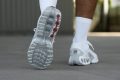
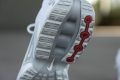
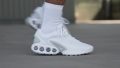
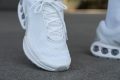
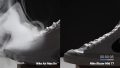
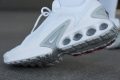
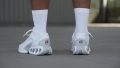
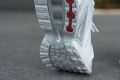
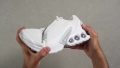
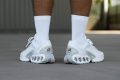
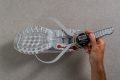
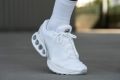
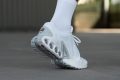
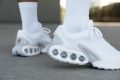
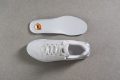
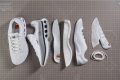
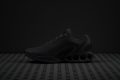
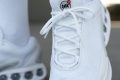
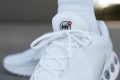
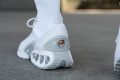
The Nike Air Max DN is as high as our confidence sporting this unique sneaker. Lab assessments reveal that it features a massive stack and displays the Air unit at the heel, which not only enhances its visual appeal but also improves its comfort and rebound. It’s delightful for everyday wear, thanks to its light and breathable construction. With all these and more, it’s our best height-boosting sneaker.
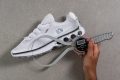
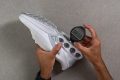
We grabbed our callipers and measured the stack right away, and recorded a whopping 40.3 mm in the heel. The added height is because of the Dynamic Air system, which softens impact and improves springiness. Testing for shock absorption, it impressed with a solid 104 SA.
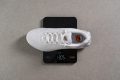
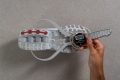
As mentioned, the Air Max DN adds fun and bounce to our walks. We tested for its energy return and measured a high 58.4%. Moreover, it maintains a light 13.1 oz (370g) build despite its generous midsole. Altogether, the ride feels smooth and effortless.
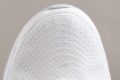
We could spend hours in this kick. Besides its plush midsole, the upper offers unhampered ventilation. The air we pumped in escaped in a rapid manner, so we awarded it the maximum 5/5 breathability score.
However, the upper isn’t stretchy, and the toebox has limited height. Those with broad or high-volume feet may want to look elsewhere to avoid pressure points and black toenails.
Pros
- Iconic design mixing retro and futuristic vibes
- Well-cushioned for all-day wear
- Amazingly energetic ride
- High-quality and durable upper materials
- Pretty lightweight design
- Spot-on breathability
- Extremely popular
- Makes you taller
- Visible Dynamic Air system
- Good outsole grip
Cons
- Firmer than expected
- Might be hard to find
Best chunky height-boosting shoes









What makes it the best?
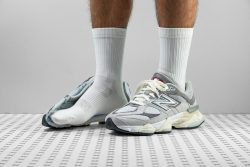
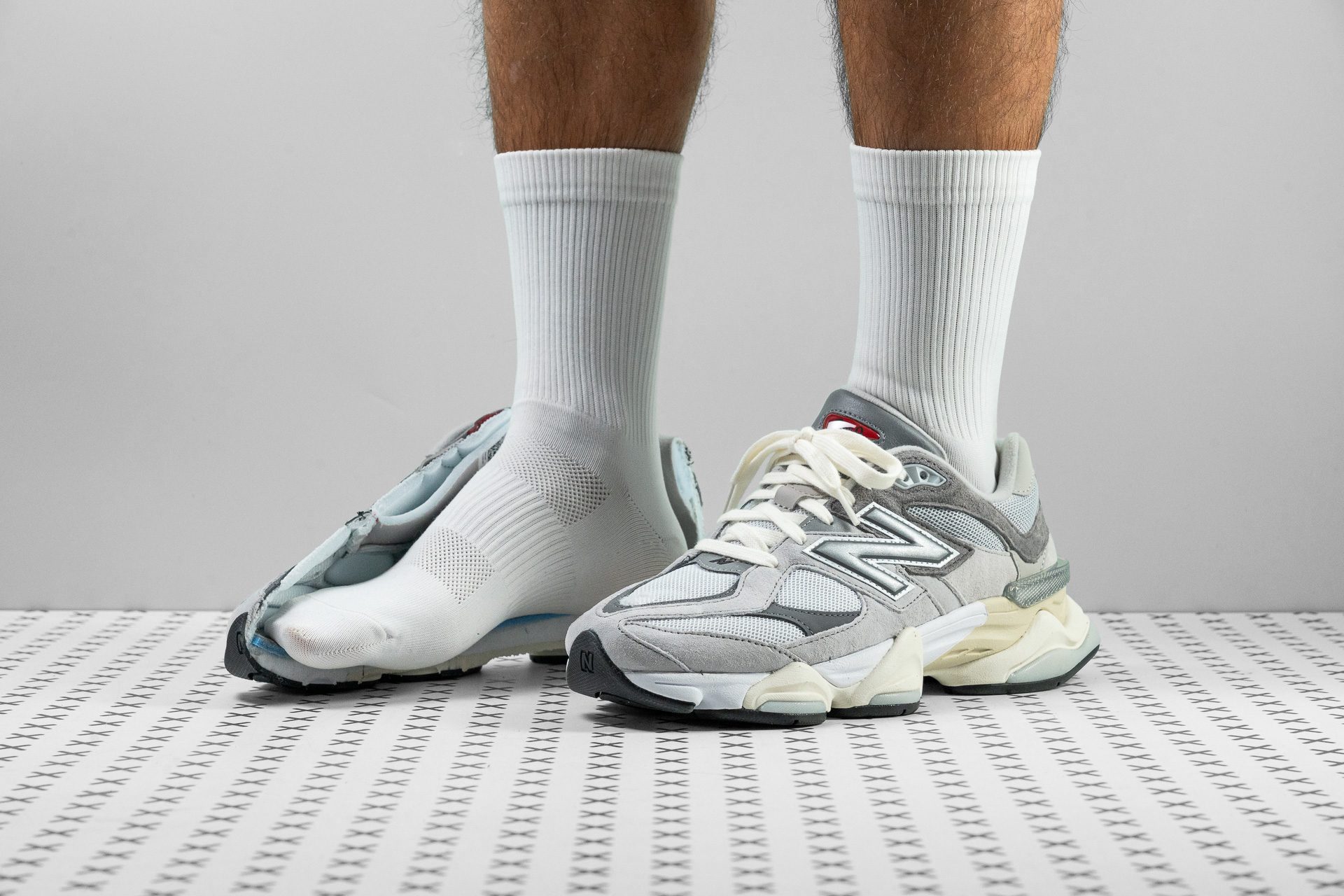
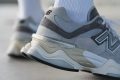
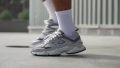
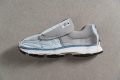
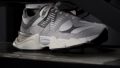
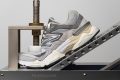
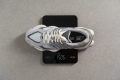
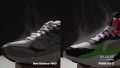
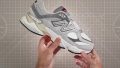
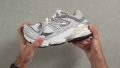
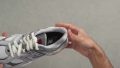
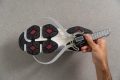
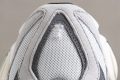
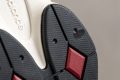
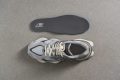
The New Balance 9060 feels incredibly comfortable with its thick stack, not only accentuating our height but also its cushioned sensation. Lab results back up its abundant foam, making it our best chunky height-boosting sneaker. Moreover, it offers steadiness through its stable base and all-weather-ready grip.
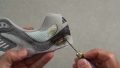
We savoured the cushioned midsole, which we measured at an above-average 37.2/26.0 mm, much taller than the 30.7/19.5 mm average. Each step feels well-protected from the ground, as evidenced by its high shock absorption score of 100 SA in the heel.
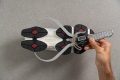
Despite its height, we felt balanced courtesy of its broad base. Our calliper reveals a massive 121.0/103.1 mm platform. Moreover, its solid twist resistance kept us centred within the shoe, backed up by its 4/5 torsional rigidity score in our manual assessment.
Underfoot, the grippy outsole allowed us to stay in control of each step. In our traction test, we recorded a high friction score of 0.51, making it 18.6% grippier than average. Moreover, it proved to be more resilient than average, sustaining only a 0.8 mm dent in our Dremel test.
However, all the extra chunk tipped the scales to a hefty 15.1 oz (427g). If this is too heavy, we advise checking alternatives.
Pros
- Comfortable and cushioned for all-day wear
- Excellent craftsmanship
- Quite heavy-duty
- Dope aesthetics
- Looks better in person
- Premium-grade materials
- Stable platform
- Great grip on dry and wet
Cons
- Limited colour options
- Squeaks
- A tad warm
Height-boosting shoes with the best shock absorption













What makes it the best?
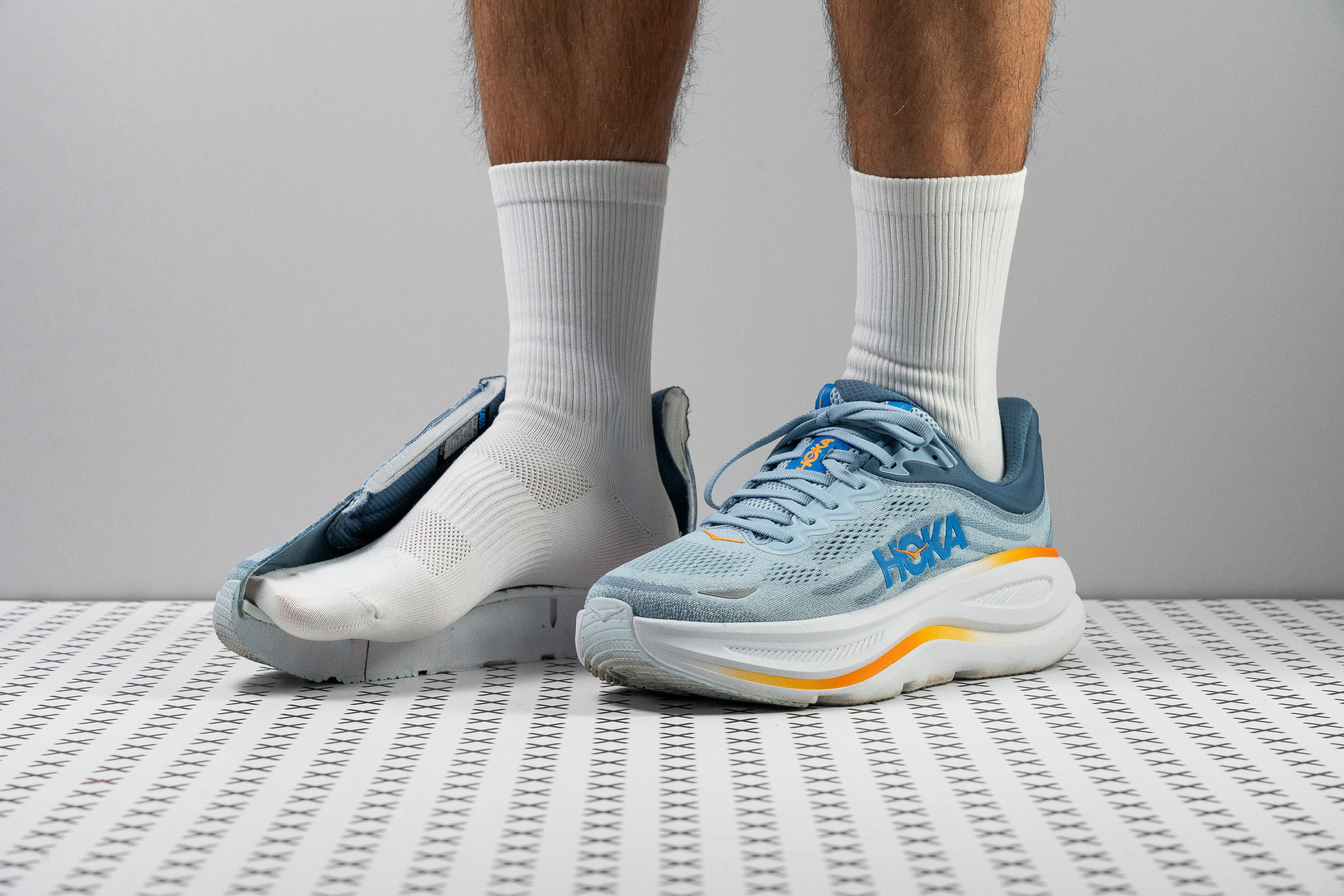
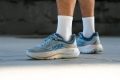
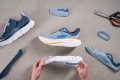
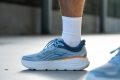
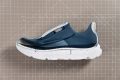
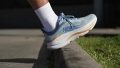
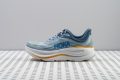
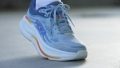
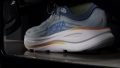
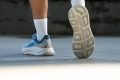
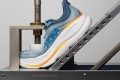
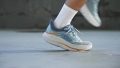
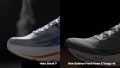
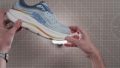
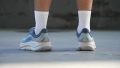
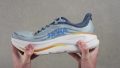
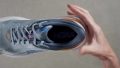
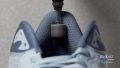
After countless wear tests and lab assessments, the HOKA Bondi 9 takes the crown for shock absorption in the height-boosting sneaker category. Complementing its plush midsole is a hard-wearing construction. No shortage of cushioning and protection here; it takes good care of our muscles and avoids triggering any pain.
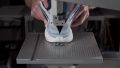
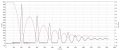
We measured the towering stack at 41.3/32.2 mm, verifying it’s ready for long days on foot. In addition to its height, the foam itself is pure joy. Each landing feels gentle, proven by a world-class shock absorption of 146 SA in the heel, surpassing many trainers and even running shoes.
The Bondi 9 not only passed our Dremel tests, but did so with flying colours on all fronts. It performed better than average with its minimal 0.9 mm dent in the outsole. Meanwhile, it scored 4/5 in the toebox, and a perfect 5/5 in the heel padding, ensuring us that this shoe will last long.
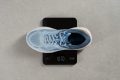
Despite its generous foam and sturdy build, it’s actually really light for a casual kick at 10.7 oz (303g), making it easier to carry around all day.
However, even with its oversized frame, we found its toebox to be surprisingly narrow. Therefore, we can only recommend the Bondi 9 to people with slim or low-volume feet.
Pros
- Endless cushioning
- New supercritical EVA midsole
- Amazing step-in comfort
- Doubles as a walking shoe
- Stable for its height
- Built to last
- Excels at slow-and-steady paces
- Well-designed heel collar
- Lighter than v8
Cons
- Not for wide feet
- Still feels heavy and clunky underfoot
- Drop measurement differs from stated
- Non-gusseted tongue
Best futuristic height-boosting shoes





What makes it the best?
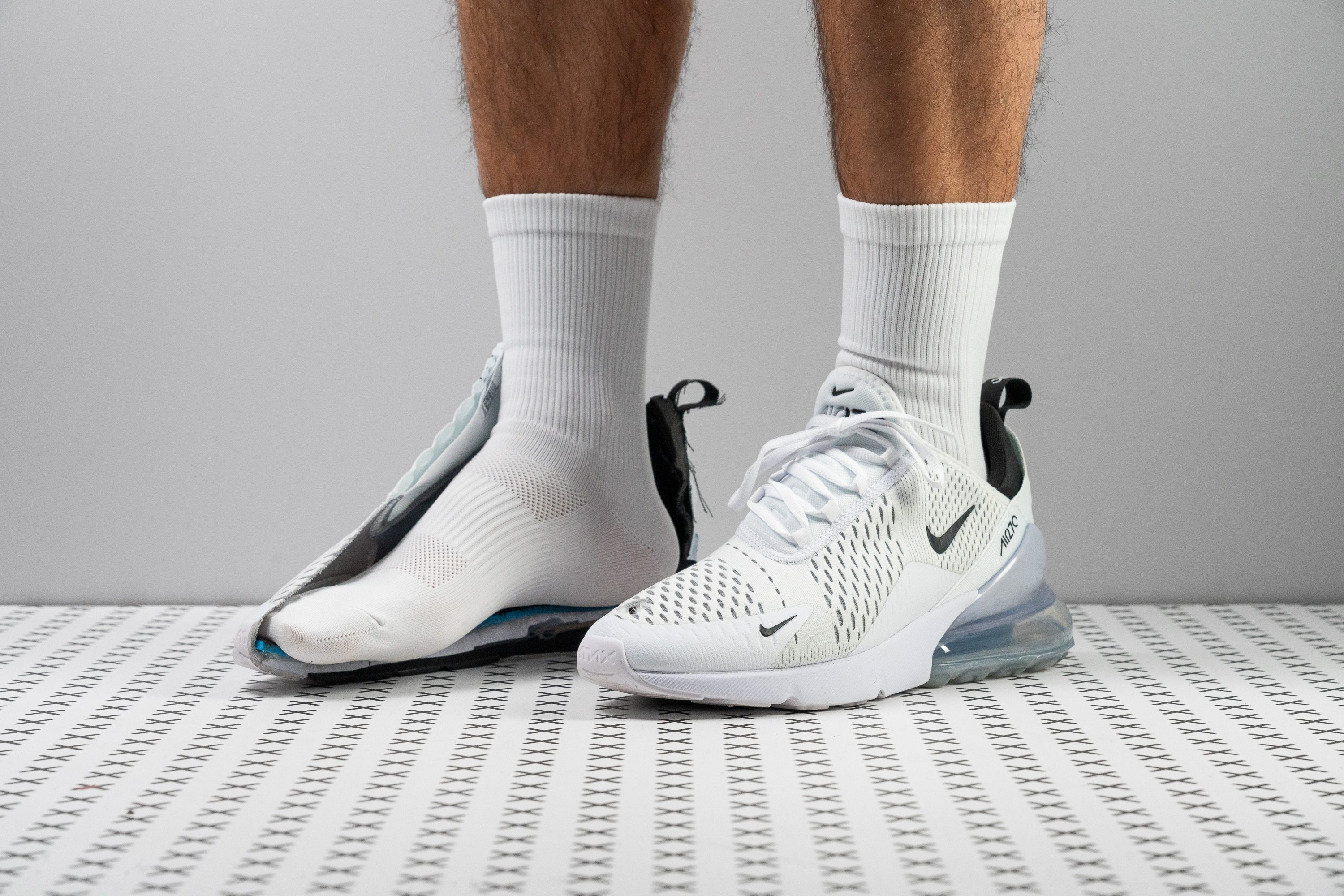
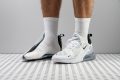
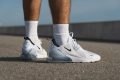
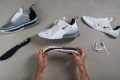
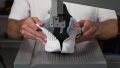
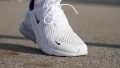
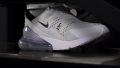
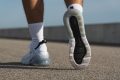
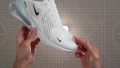
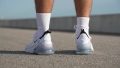
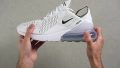
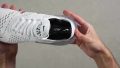
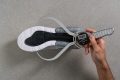
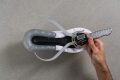
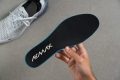
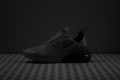
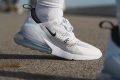
Combining unique visuals with modern technology, the Nike Air Max 270 is the pioneer model from the brand’s historic line to claim itself as a 100% lifestyle shoe. On our wear tests, we found the pair to be lightweight, breathable, and incredibly kind to our feet. As the first of its kind, it’s our best futuristic height-boosting sneaker in the lab.
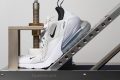
Eager to put the hype to the test, we strolled around town in the trainers. To our delight, they exceeded expectations, offering unparalleled comfort and breathability. Remarkably, we measured an above-average stack height of 36.4/20.3 mm. The visibly massive Air unit creates gentler landings, verified by its strong shock absorption of 107 SA.
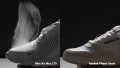
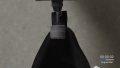
In terms of ventilation, smoke and light flowed freely in our lab tests, as if there was no material blocking them at all. We rated it the maximum 5/5 in breathability, which effectively prevents blisters and heat build-up.
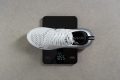
We found the pair immensely versatile as its light 10.6 oz (299g) build is easy to manoeuvre, enhancing comfort for longer hours on foot.
However, heel traction is limited, so we advise being extra mindful when encountering slippery tiles or rainy sidewalks.
Pros
- All-day comfort
- Fun and springy ride
- Incredibly lightweight
- Flexible structure
- Practical booty-like construction
- Perfect for active people
- Cool Nike Air technology
- Trendy futuristic vibe
- Crazy number of colorways
Cons
- Upper lacks durability
- Not for people with wide feet
- Can be slippery on wet
Best business casual height-boosting shoes




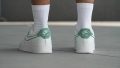
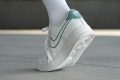
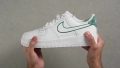
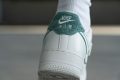

What makes it the best?
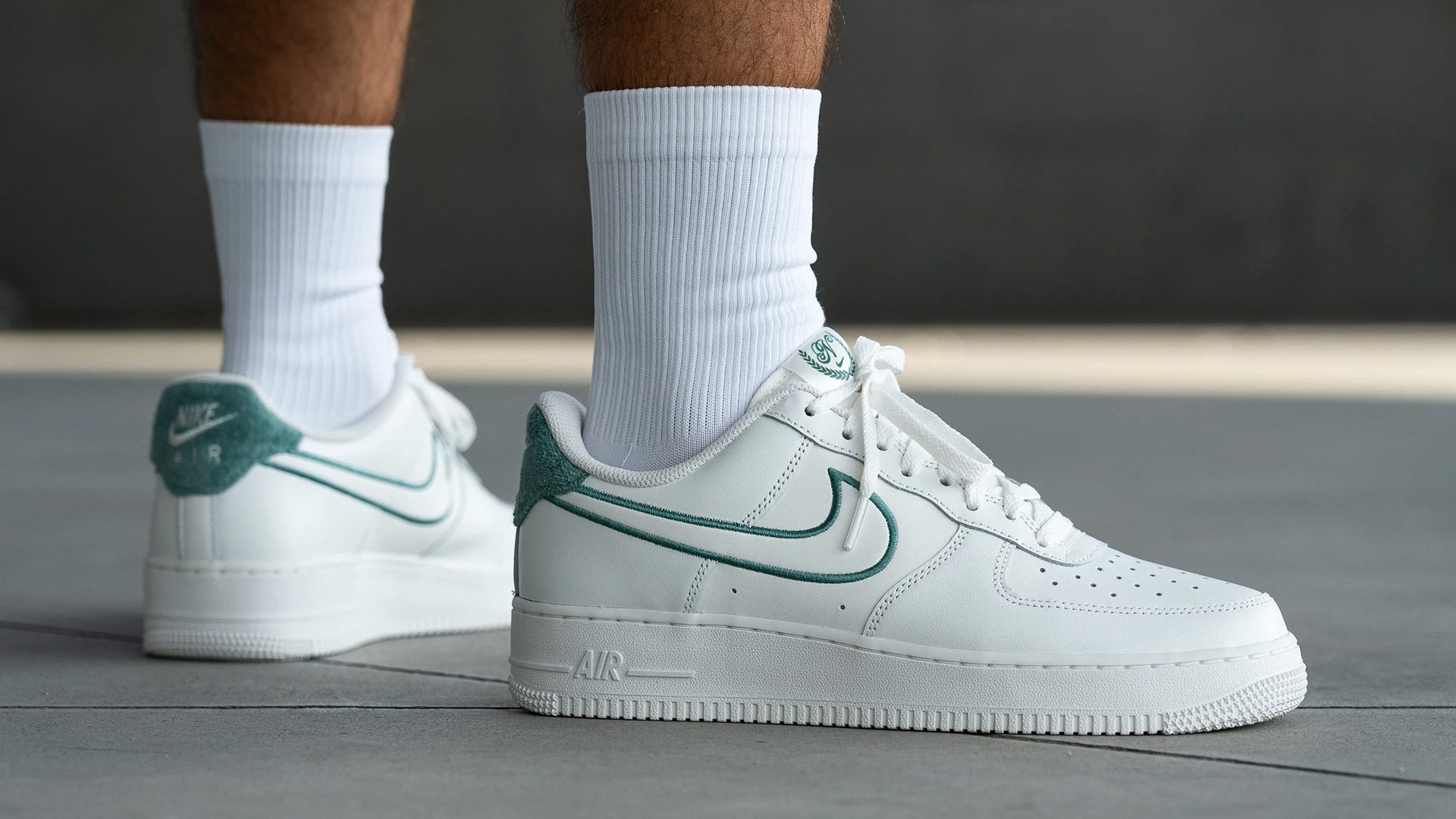
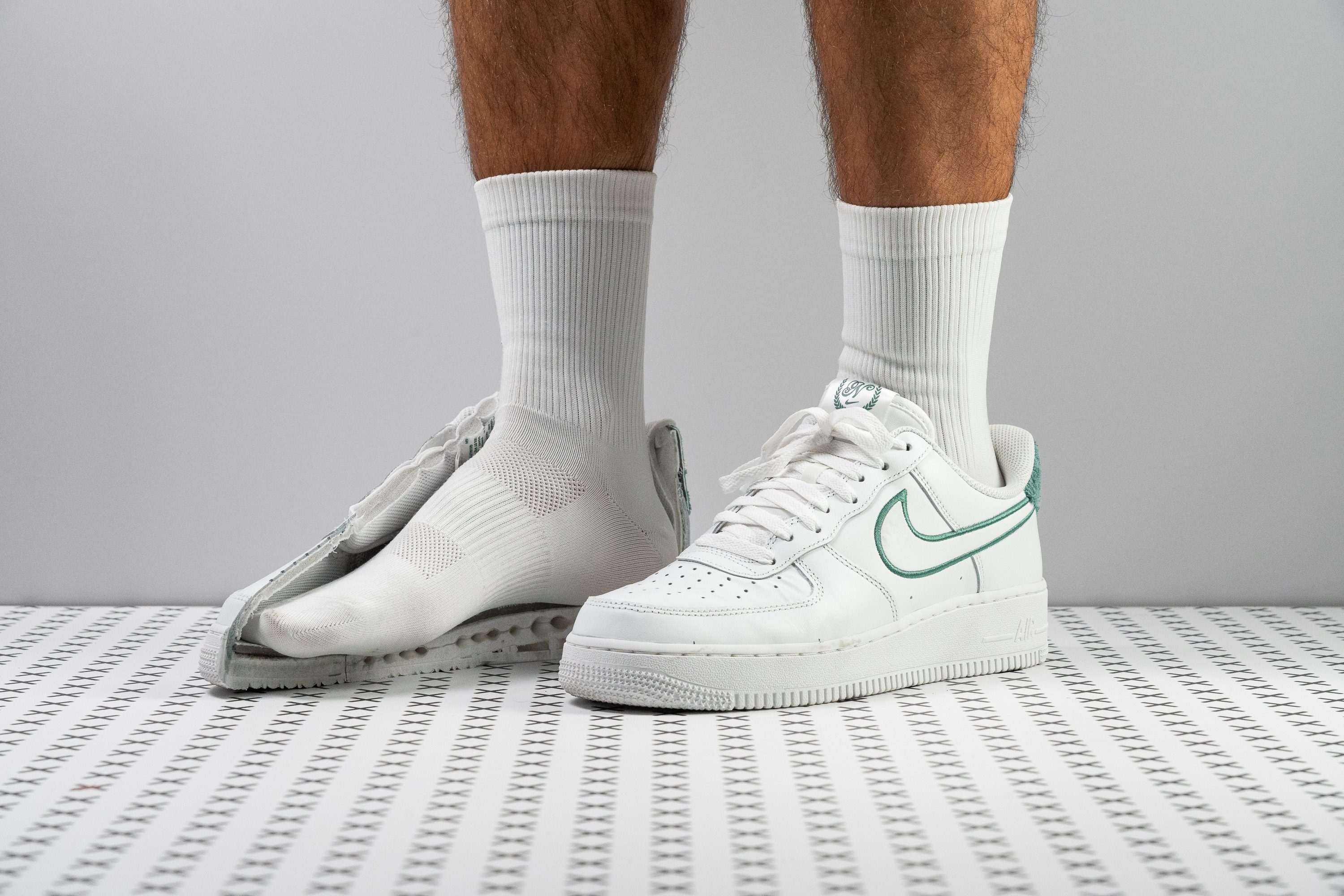
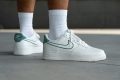
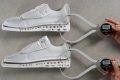
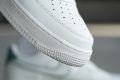
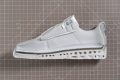
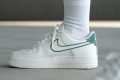
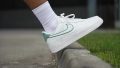
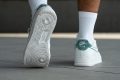
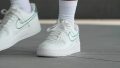
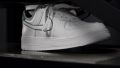
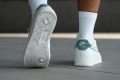
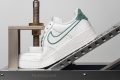
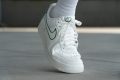
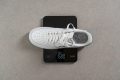
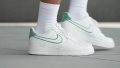
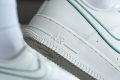
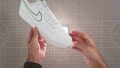
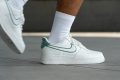
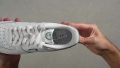
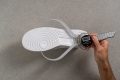
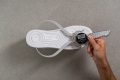
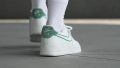
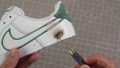
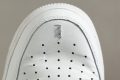
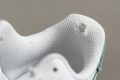
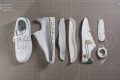
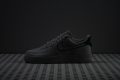
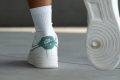
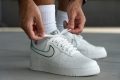
The Nike Air Force 1 07 LV8 keeps a clean and timeless look, featuring leather that’s pretty easy to maintain. It kept our feet cushioned and supported over long hours, as proven by our lab results. As its name suggests, it’s an elevated sneaker, making it our best business casual height-boosting sneaker.
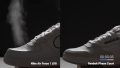
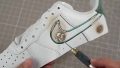
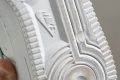
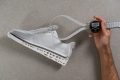
We took our torch and scratch awl and proved the leather’s genuineness when it didn’t catch fire. It’s easy to maintain and stays pristine over time because the upper can easily be cleaned with just a wipe away. It also proved to be durable in our Dremel, earning a solid 4/5 toebox durability score.
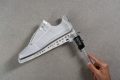
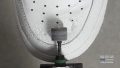
LV8 features an elevated platform, reaching a stack height of 36.7/20.1 mm. Moreover, it features a full-length Air unit that cushions each landing. We tested for its impact protection in the rear at a strong 101 SA.
Because the upper is made of stiff leather, it enhances ankle support. It feels impossible to lose our balance in this sneaker with its high level of torsional rigidity (5/5). However, it’s so rigid that we had to deal with a very long break-in period. If this is a nuisance, we recommend getting more flexible shoes.
Pros
- Great Air cushioning and impact protection
- Super trendy and stylish
- Fire basketball aesthetics
- Materials feel high quality
- Nice support and lockdown
- Good outsole grip
- Timeless design
- Makes you taller
Cons
- Not for wide feet
- Heavier than other Air Force 1s
- Break-in period
Best height-boosting dad shoes






What makes it the best?
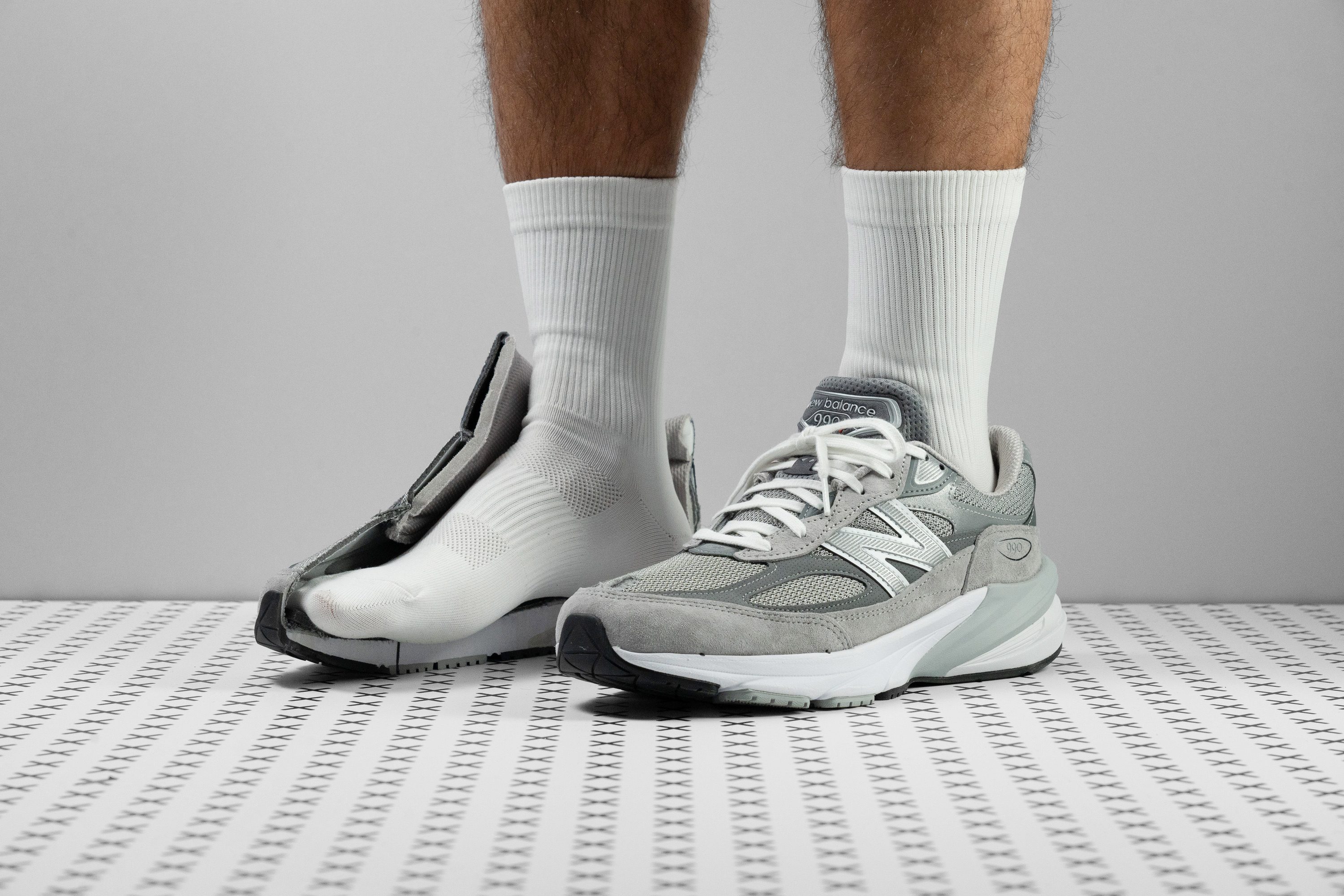
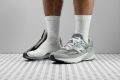
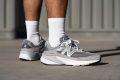
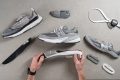
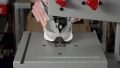
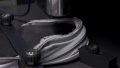
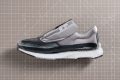
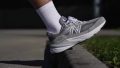
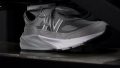
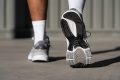
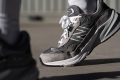
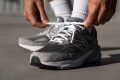
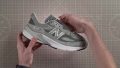
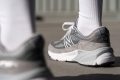
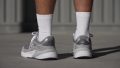
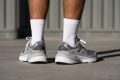
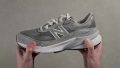
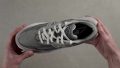
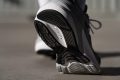
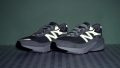
With staggering measurements in the lab and its visual bulk, the New Balance 990 v6 climbed to the top of our list as the best dad shoe among height-boosting trainers. Besides the comfort that comes with its generous midsole, it also offers incredible support in its lightweight package.
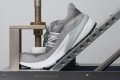
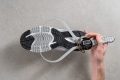
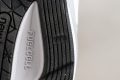
We measured the stack height immediately to find out this sneaker’s exact figures and recorded an astounding 39.1 mm in the heel. Moreover, it delivers impressive shock absorption of 102 SA, making it 17% more protective than average. This result indicates added comfort, which we felt in our wear tests.
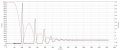
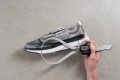
One would think that a plush and stacked platform would be unstable, yet 990 v6 proves otherwise. Featuring the ENCAP rim around the heel and an extra-wide base, it’s hard to lose our balance in this shoe. We measured the midsole at 113.8/88.0 mm wide, offering tonnes of room to find our footing.
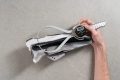
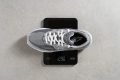
Upon checking the scales, its 12.9 oz (366g) weight is lower than expected. Despite its oversized dimensions, it’s actually 5% lighter than the average sneaker!
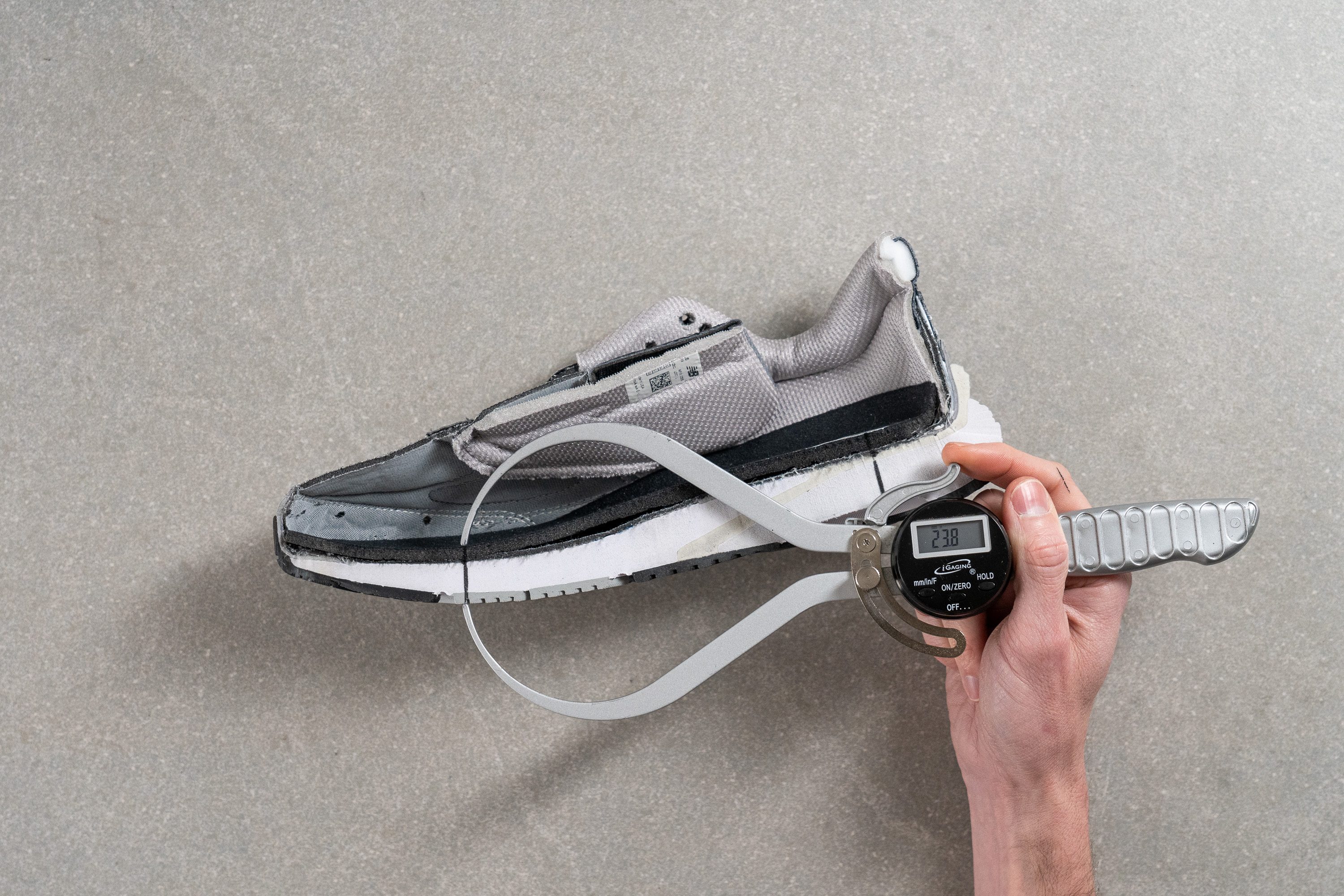
While the forefoot stack is also above-average at 23.8 mm, it’s not as extreme as the heel, leading to a steep 15.3 mm drop. If this offset feels too harsh, we recommend going for more level shoes.
Pros
- Unexpectedly lighter than average
- Real suede and quality materials
- Extra thick cushioning for all-day wear
- Mind-blowing arch support and stability
- Exceptionally hard-wearing outsole
- Fantastic breathability
- Well-padded all around
- Six(!) widths available
- Six(!) widths available
Cons
- Very delicate toebox mesh
- A bit stiff
Best budget height-boosting shoes






What makes it the best?
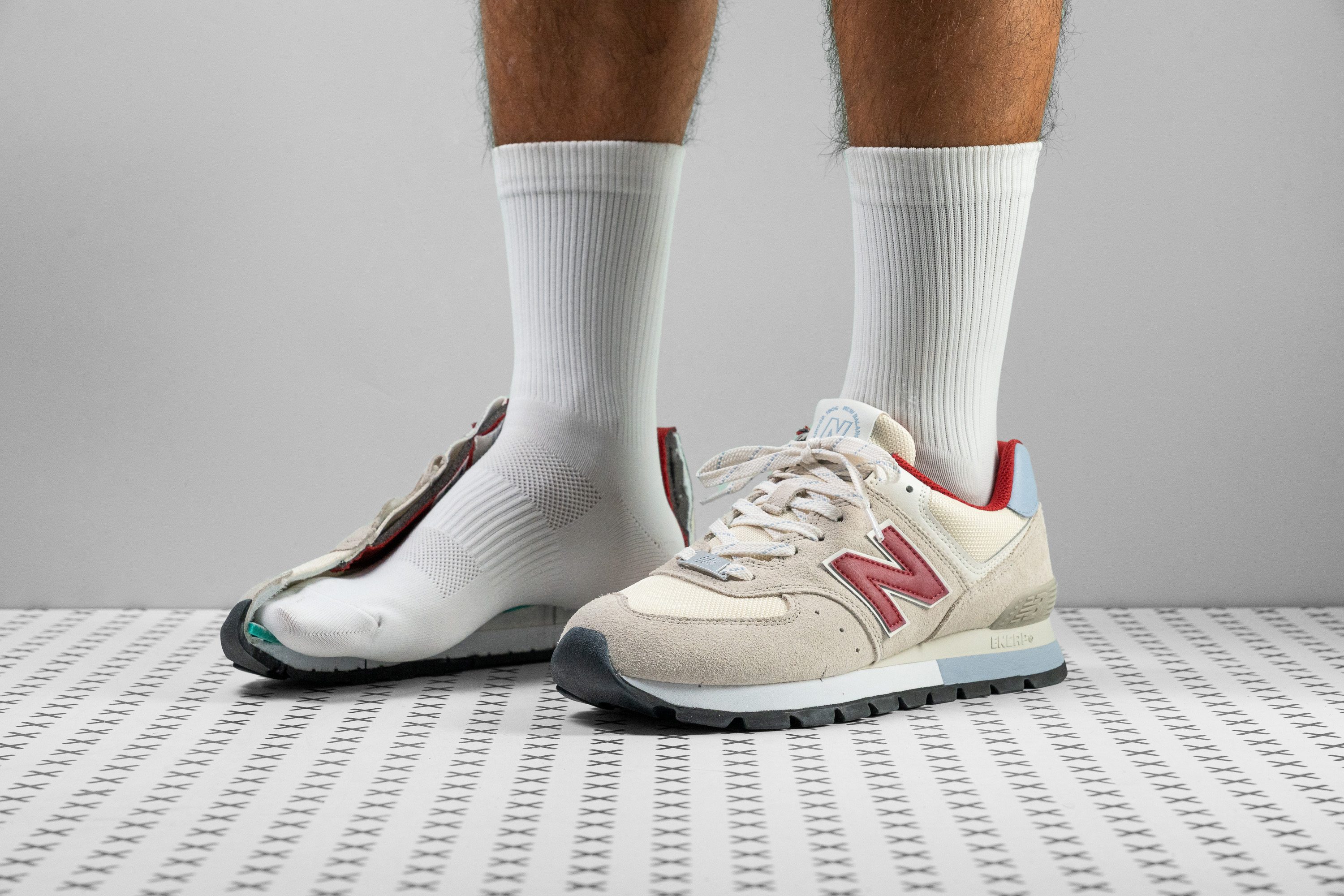
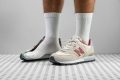
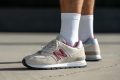
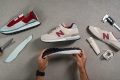
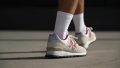
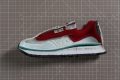
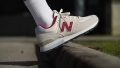
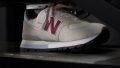
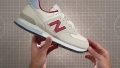
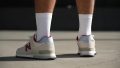
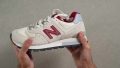
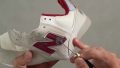
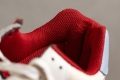
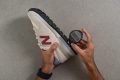
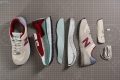
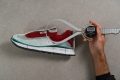
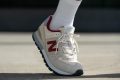
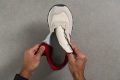
We’ve felt it in our strolls and confirmed it in the lab: the New Balance 574 is one of the tallest trainers we’ve tested. It delivers all-day comfort and support, plus exceptional traction that outperforms others at the £80 price point. The average sneaker in our lab costs £100, which makes the 574 our best budget height-boosting sneaker.
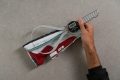
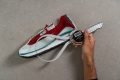
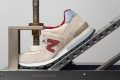
We immediately took our callipers to measure the added height we enjoyed, and recorded an above-average 38.2/25.2 mm. For reference, the average sneaker is only 30.7/19.5 mm tall. This provides exceptional comfort for extended wear, thanks to its high capacity to absorb the forces of the ground. We proved its strong impact protection with a great shock absorption score of 92 SA in the heel.
The 574 feels highly supportive with its resistance to excessive lateral movement. In our twist test, we gave it a solid 4/5 torsional rigidity score, which explains why our feet remain centred.
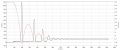
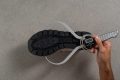
Moreover, its top-tier traction adds to controlled strides, regardless of the rain. In our traction test, we recorded a high friction score of 0.55, making the 574 27.9% grippier than average, an exceptional result given its accessible price.
Unfortunately, the 574 is quite inflexible because of its thick stack. Those who prefer a more natural underfoot sensation should try other options.
Pros
- Classic NB silhouette
- Budget-friendly
- Suitable for all-day wear
- Real suede
- Highly durable
- Stable and supportive
- Easy to style
- Numerous colour options
- Excellent grip on dry and wet
- Excellent grip on dry and wet
Cons
- Lacks breathability
- Stiff and firm platform
- Tongue shifts a little
2 types of height-boosting shoes
Depending on how the shoes look and how big a boost they can give you, they are split into 2 groups:
-
Height-increasing shoes that are casual and what you see is what you get. Here, we can find platform trainers or simply shoes with a higher heel stack. The boost you get matches the one that is visible.
-
Elevator shoes. These shoes have built-in wedges or inserts and they provide a much bigger boost than the casual ones because the elevated part is not visible from the outside and is made to look as if it were regular (lower).
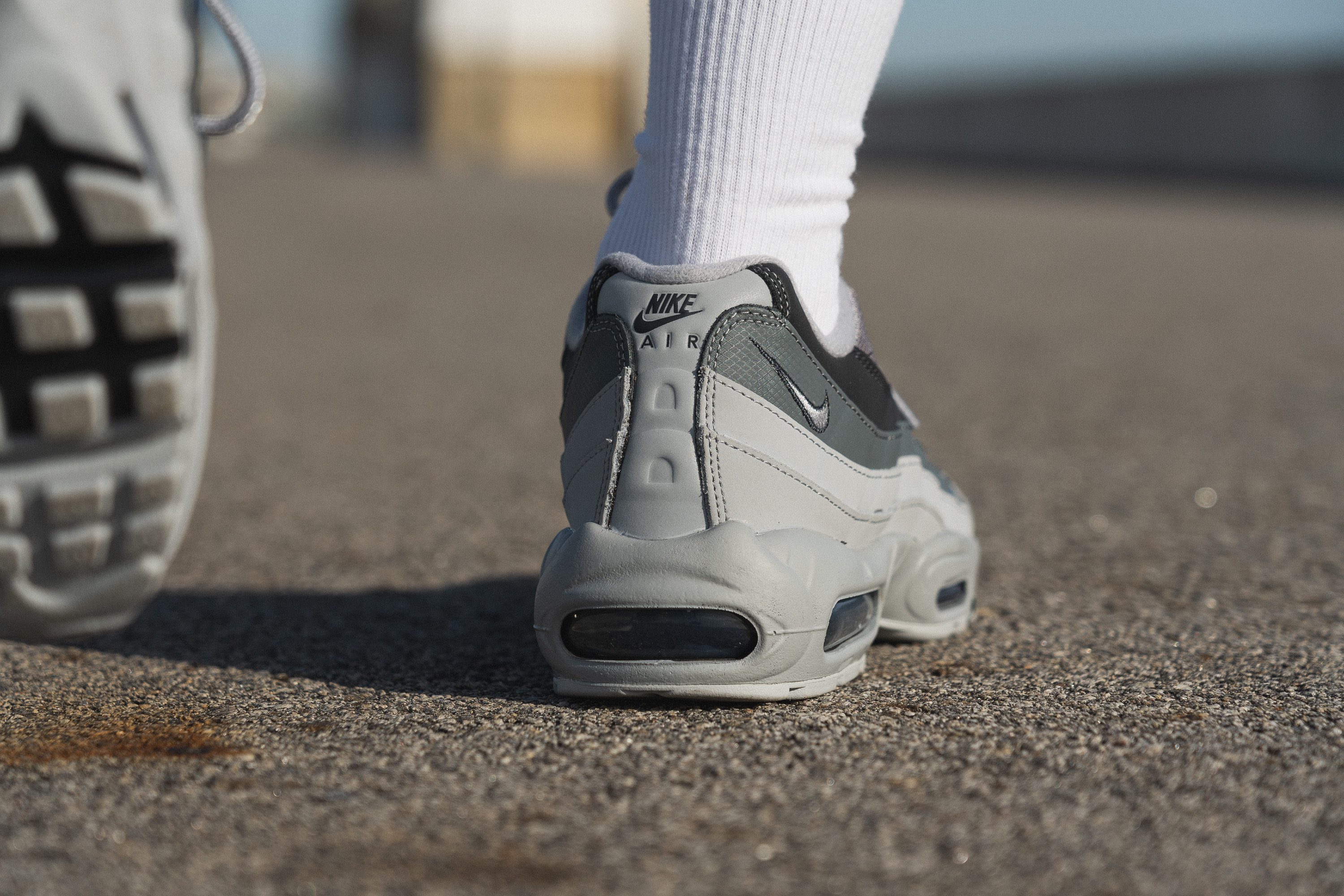
Elevator shoes are made specifically for this purpose: offering a higher platform to stand on while hiding how high it is so that you can’t tell a person is wearing elevator shoes without a closer inspection. We don’t test elevator shoes in the lab.
How many inches/centimetres can you actually get?
Depends on the shoe. In elevator shoes, which have wedges inserted into them and you can’t actually see from the outside how high your heel sits, brands usually promote how high the shoe is by writing +7cm, + 5cm, or +2 in, + 3 in. We don’t test these shoes, so we don’t know how true those brand statements are.
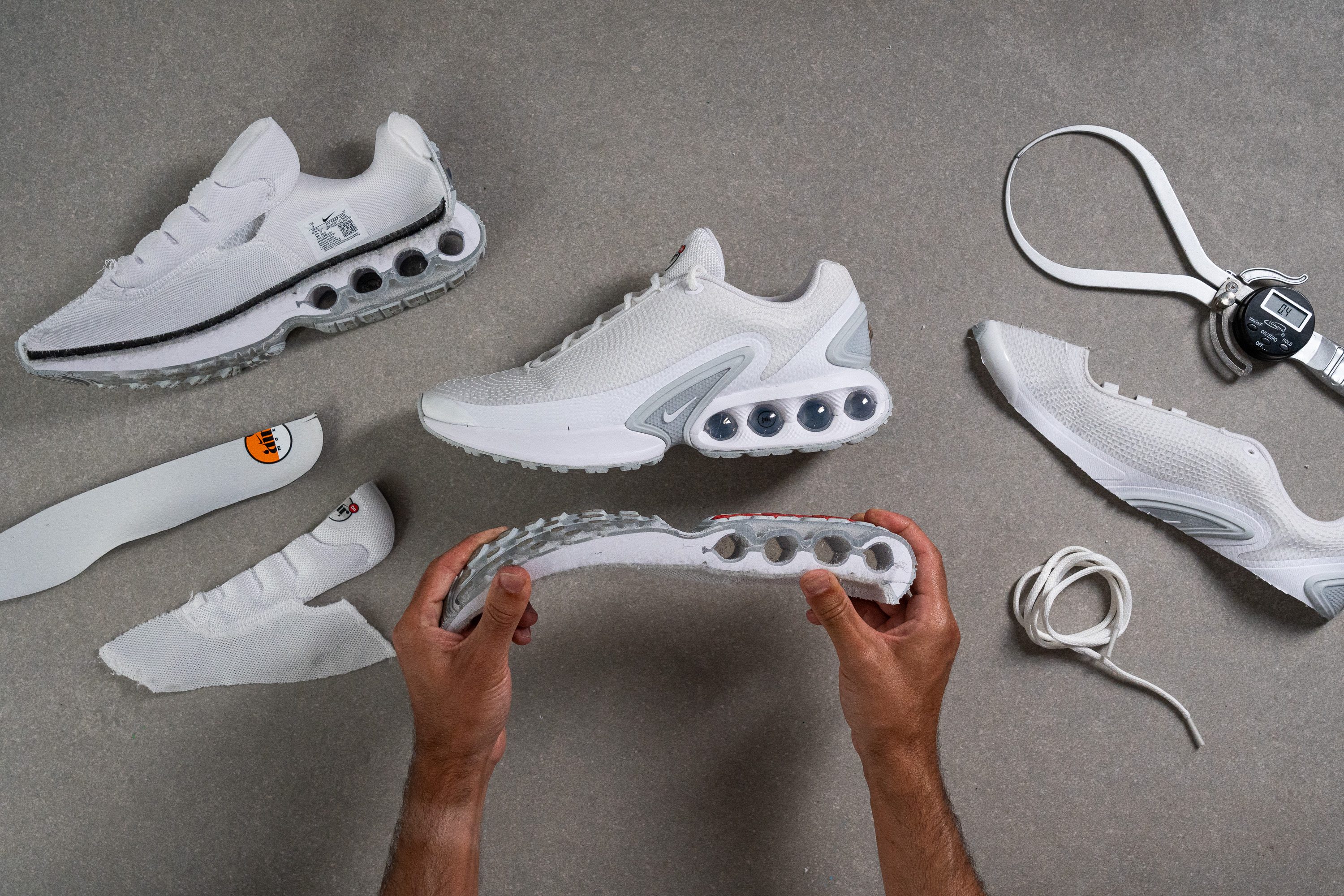
In regular shoes with no wedges or inserts, you can get a different height bonus that depends on the heel stack height (something we do measure) and the midsole softness (another thing we also measure). To put it simply, just because a heel is 35 mm tall does not mean you will get 35 mm, because you will lose some of that height in midsoles that are very soft and allow your feet to sink in.
This is exactly how we came up with the criteria for height-increasing shoes.
2 features of height-boosting shoes
Obviously, shoes have to be high. But, we also have to take the midsole softness into account. This way, 30 mm at the heel will be 30 mm or very close to that. We avoid sinking in (too much) by setting a limit on the softness. In height-increasing shoes, we focus on these 2 features:
- Heel stack of at least 35 mm
- Midsoles firmer than 33 AC.
Both of these are covered in our lab tests.
Stack height and midsole softness of shoes that make you taller
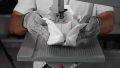
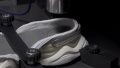
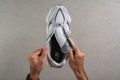
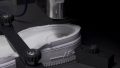
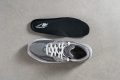
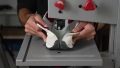
To do both properly, we have to cut the shoes in half. Then, we mark the 12% and 75% of the shoe’s internal length and measure the heel and the forefoot stack.
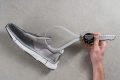
When it comes the midsole softness, we use an Asker C durometer.
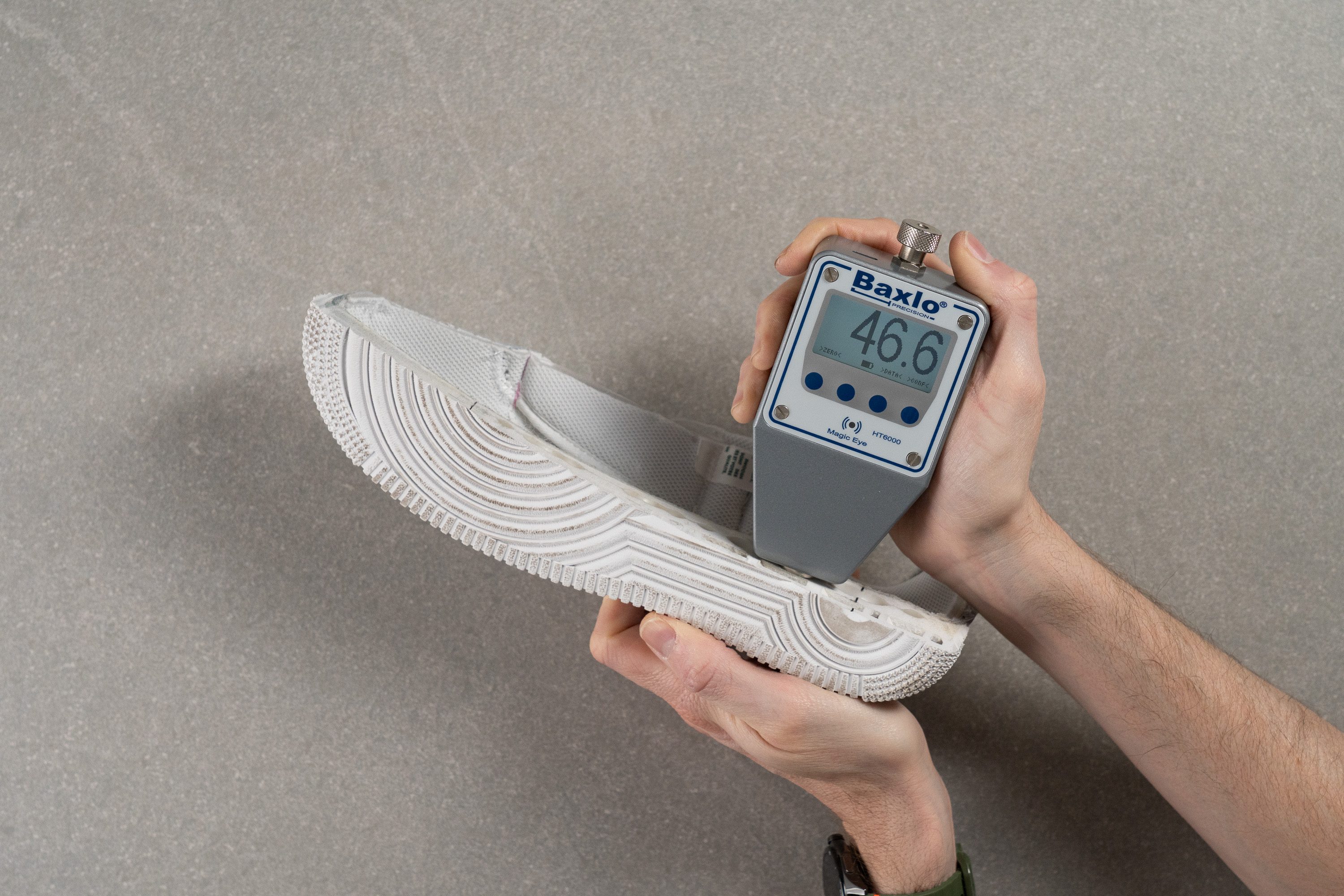
This 33 AC limit in midsole softness filters out shoes that are too soft.
Pay attention to the weight when buying height-increasing shoes
A common complaint about height-increasing shoes is the weight. They are often chunky and simply weigh more.
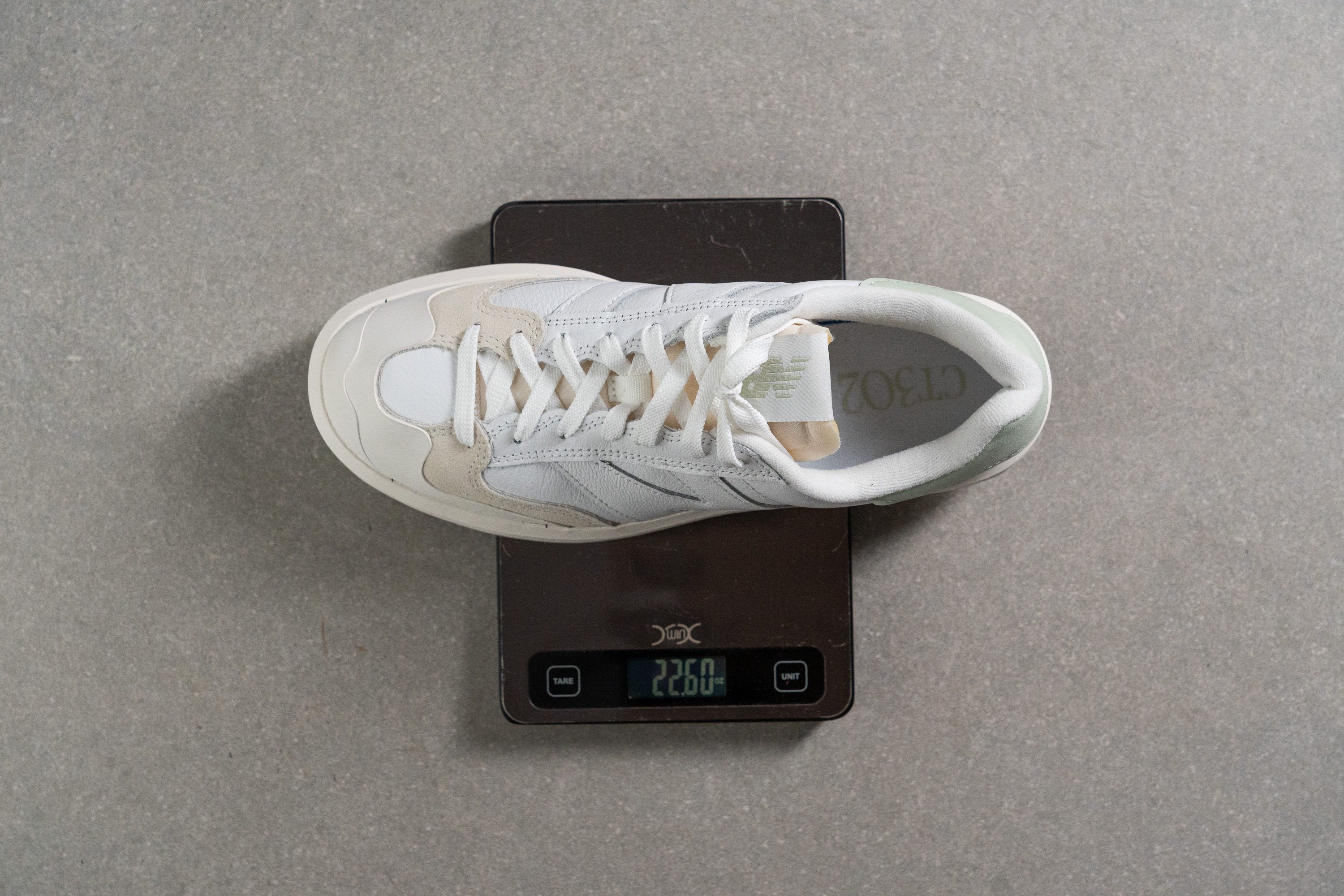
If you look at the weight lab data in our reviews, keep in mind that we always test shoes in men’s US 9. It’s also important to take into account the type of foam, especially in running shoes. Just because the shoe is higher does not mean that it’s heavier. Premium foams tend to be quite lightweight compared to standard ones.
Heavier shoes may not be deal breakers. It’s important to exercise caution as they may cause premature fatigue, so it's best not to plan whole-day wear without some adjustment period.
For reference, the average sneaker weight is 13.8 oz or 390g.
Why heel-to-toe drop matters in shoes that make you taller?
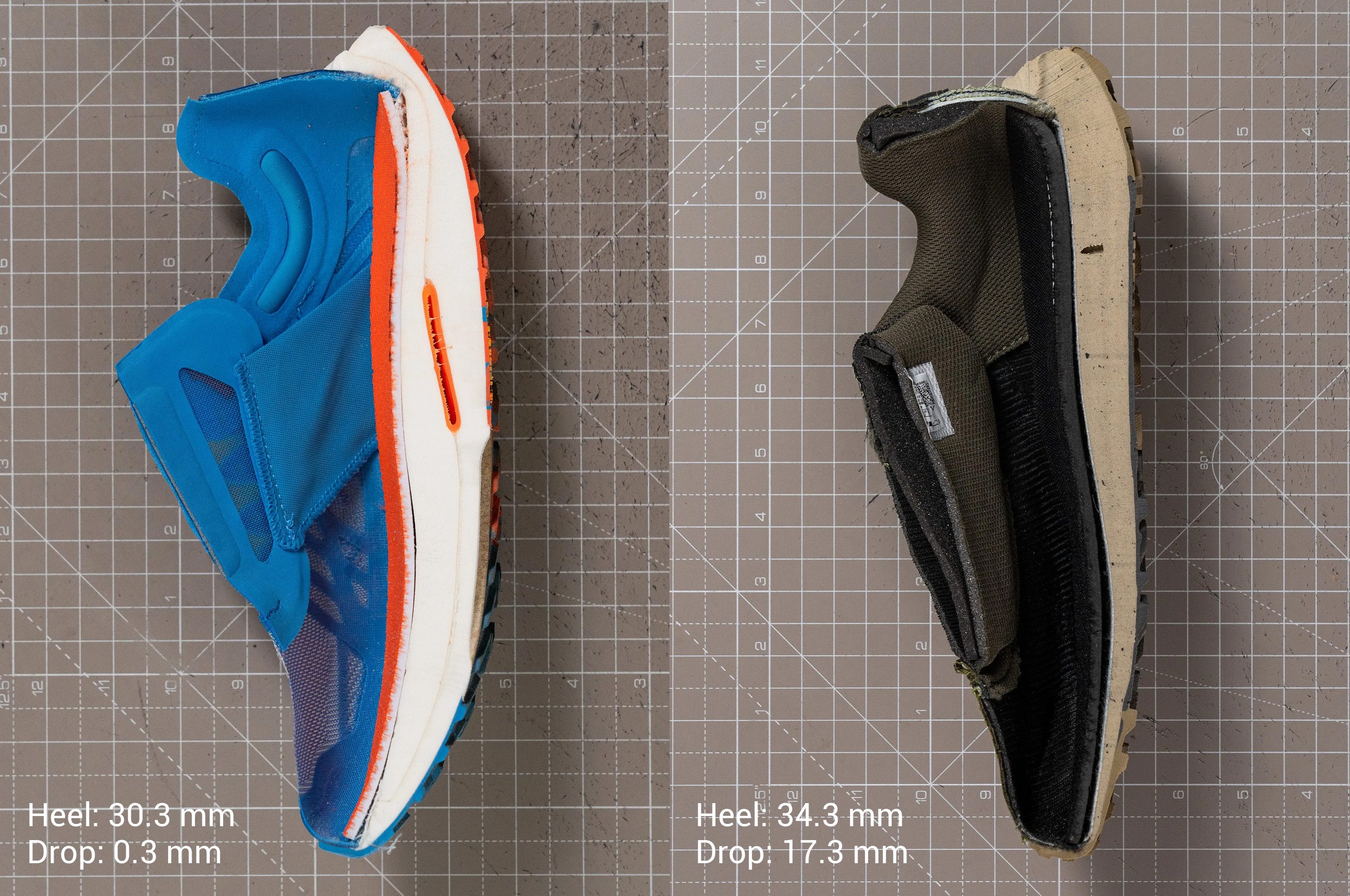
Well, it matters always, not just in shoes that make you taller. Heel drop goes from 0 mm (flat shoes) to 22.6 mm ,which is the maximum heel drop ever measured in our lab. Again, we’re talking about footwear across categories we are testing, not shoes like high heels or dress shoes.
The higher the drop is, the higher the muscles it utilises. Zero-drop shoes put the most stress on foot muscles and Achilles tendons, mid-drop focuses on the knees and the surrounding muscles, and the high drop (9 mm and higher) puts the most stress on glutes, hip muscles, and thighs. If you’re new to high drop, it’s best to rethink this idea if you have/had injuries in these areas.
|
If you’re interested in learning more about heel drop and the effects it has on leg muscles, we recommend reading Heel to Toe Drop: The Ultimate Guide. |
Looking at the height-increasing shoes in our database, this is where their heel drop falls: zero drop (0 mm): 0%; low drop (1-4 mm): 0%; mid drop (5-8mm): 24%; high drop (9+ mm): 76%. 9% have a heel drop higher than 20 mm.
Can insoles help you with height-boosting?
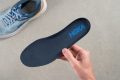
Insoles that come with the shoes are already taken into account when we measure the heel stack height. But, if you want to swap them with your insoles, which may be thicker and/or firmer, make sure to look for the “orthotic-friendly” feature noted in our reviews. This means that the insole is removable and there’s room for a different one.
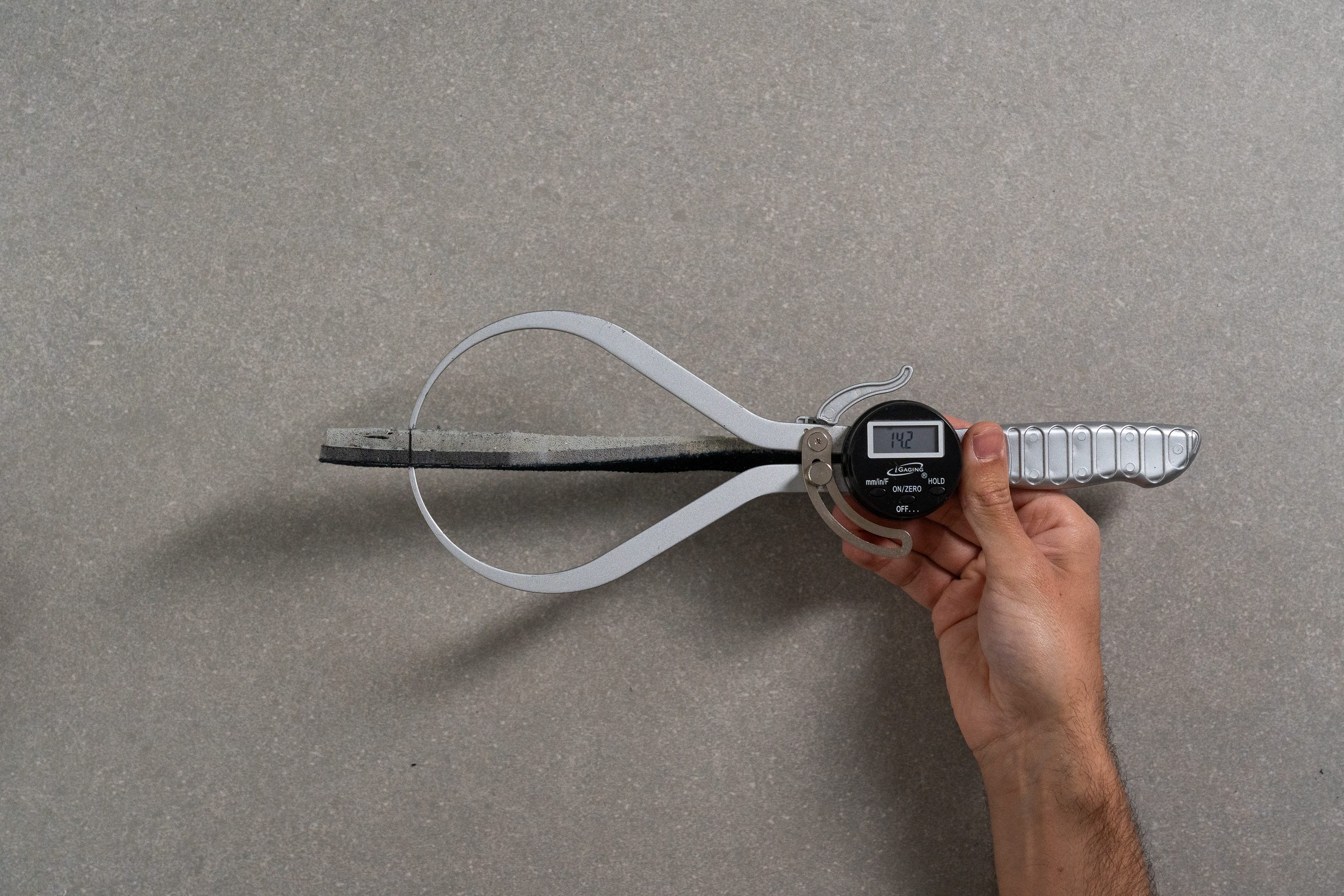
It’s important to note that, looking at all the height-increasing shoes we’ve tested so far across all categories, 93% are orthotic-friendly, 52% have insoles thinner than 5.0 mm, and only 1% have insoles thicker than 10 mm.
Maximum heel height across different categories
Given our extensive lab testing, we can have a look at the maximal heel height across all the categories we’re testing shoes in. Keep in mind that this is only height, without taking into account the softness of the midsole, or whether your feet will sink in (and, therefore, get lower).
|
Category |
Max heel stack height |
|
Trainers |
50.5 mm |
|
Road running |
50.1 mm |
|
Trail running |
47.3 mm |
|
Hiking boots |
46.9 mm |
|
Walking |
45.7 mm |
|
Hiking shoes |
39.4 mm |
|
Basketball |
38.4 mm |
|
Training |
36.2 mm |
In hiking sandals and tennis shoes, maximum heel stack heights were lower than 35 mm. If the style suits, maybe height-increasing shoes in other categories are worth exploring as well.
Similar buying guides