5 Best Danner Hiking Boots in 2026

We buy shoes ourselves. We earn commissions when you buy through us, at no extra cost. Why trust us
Do you need the best boot for all-around performance? Maybe you’re looking for the lightest Danner pair? Or perhaps want something that simply works in the winter? Whichever category you fall under, the right boot awaits you here.
We put fantastic Danner hiking boots to the test to bring you our top picks. We tested them on trails and in the lab. How else were we gonna discover whether the heel is slipping, how thick the insole is, or how good the insulation is? Not to mention the shock absorption or platform softness. Let's go down the Danner rabbit hole together.
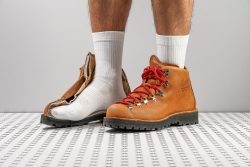
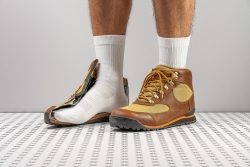
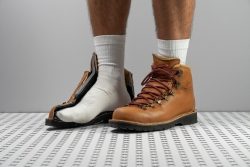
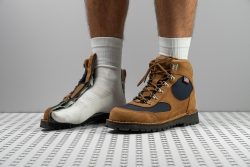
How we test Danner hiking boots
To showcase Danner’s biggest guns and remain unbiased, we use this approach:
- RunRepeat doesn’t rely on anyone to get Danner hiking boots. We buy all the boots ourselves to stay bias-free.
- We take our time to test every shoe, putting each hiker through the wringer to reveal its full potential, from the level of comfort to longevity.
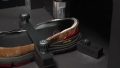
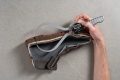
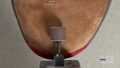
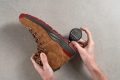
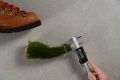
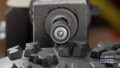
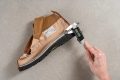
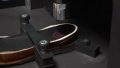
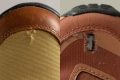
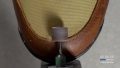
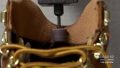
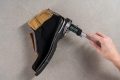
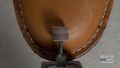
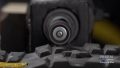
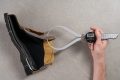
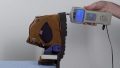
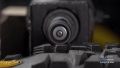
- Danner boots are known for their timeless looks and leather uppers. Naturally, we put the durability tests under the spotlight! Are the boots worth the investment? Is the leather real? How does it behave when met with a Dremel? This test (like any other in our lab) is standardised, so we always use the same pressure (force to press the Dremel against the toebox), RPMs (rotations per minute), and time duration. Regardless of the toebox material. This makes it even more interesting because it allows us to compare Danner leather boots to boots made of other materials and understand which materials are more durable (and, therefore, more worthy of the investment).
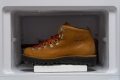
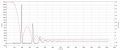
- How breathable are these boots? We put them on a foothold in a climate-controlled chamber for 3 hours and we simulate sweating. The results tell us how good the boot is at moving sweat away from the skin and at evaporating the moisture from the shoe.
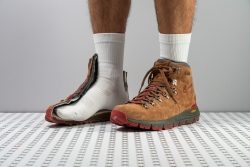
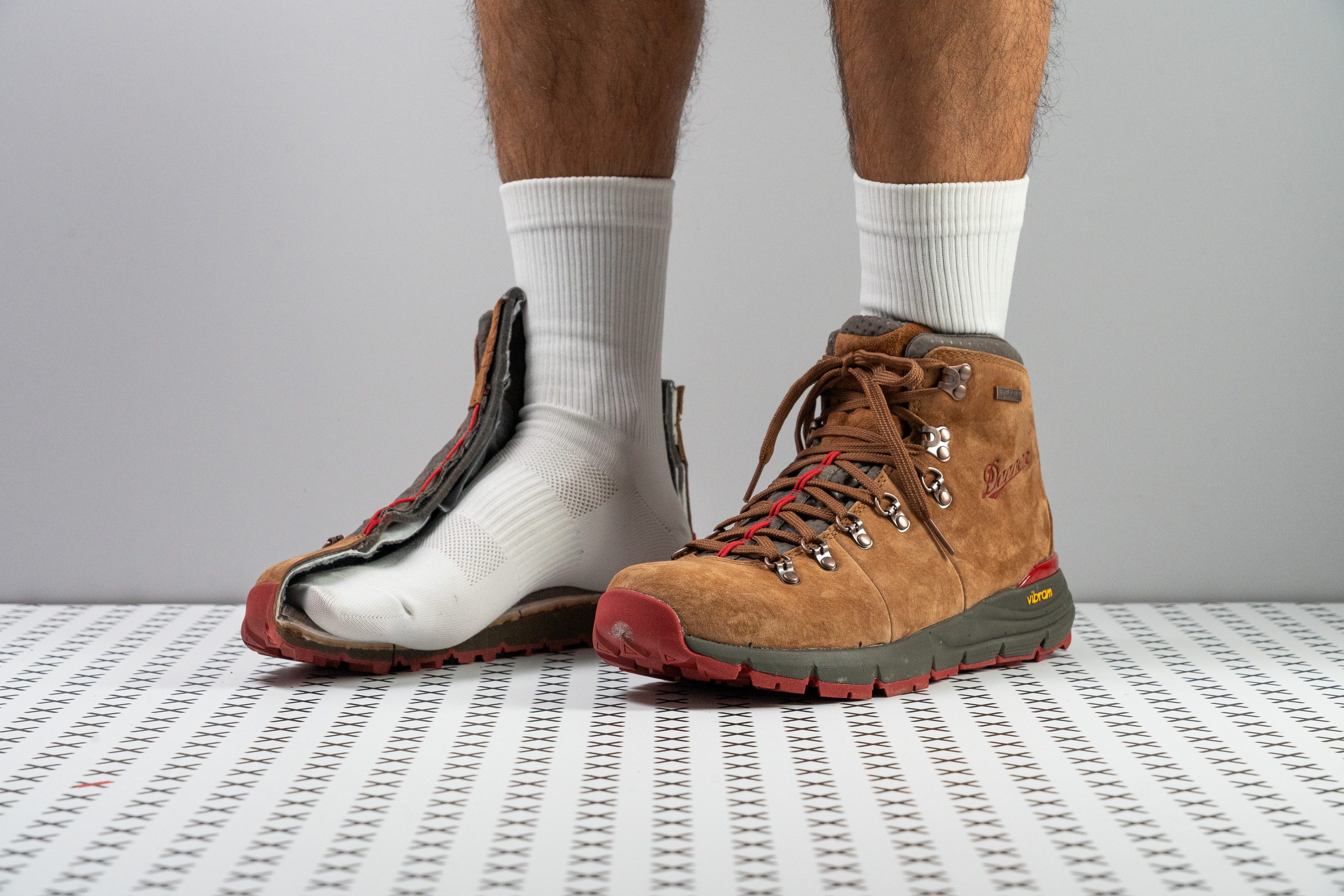
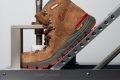
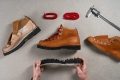
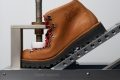
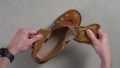
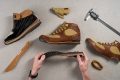
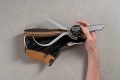
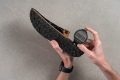
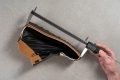
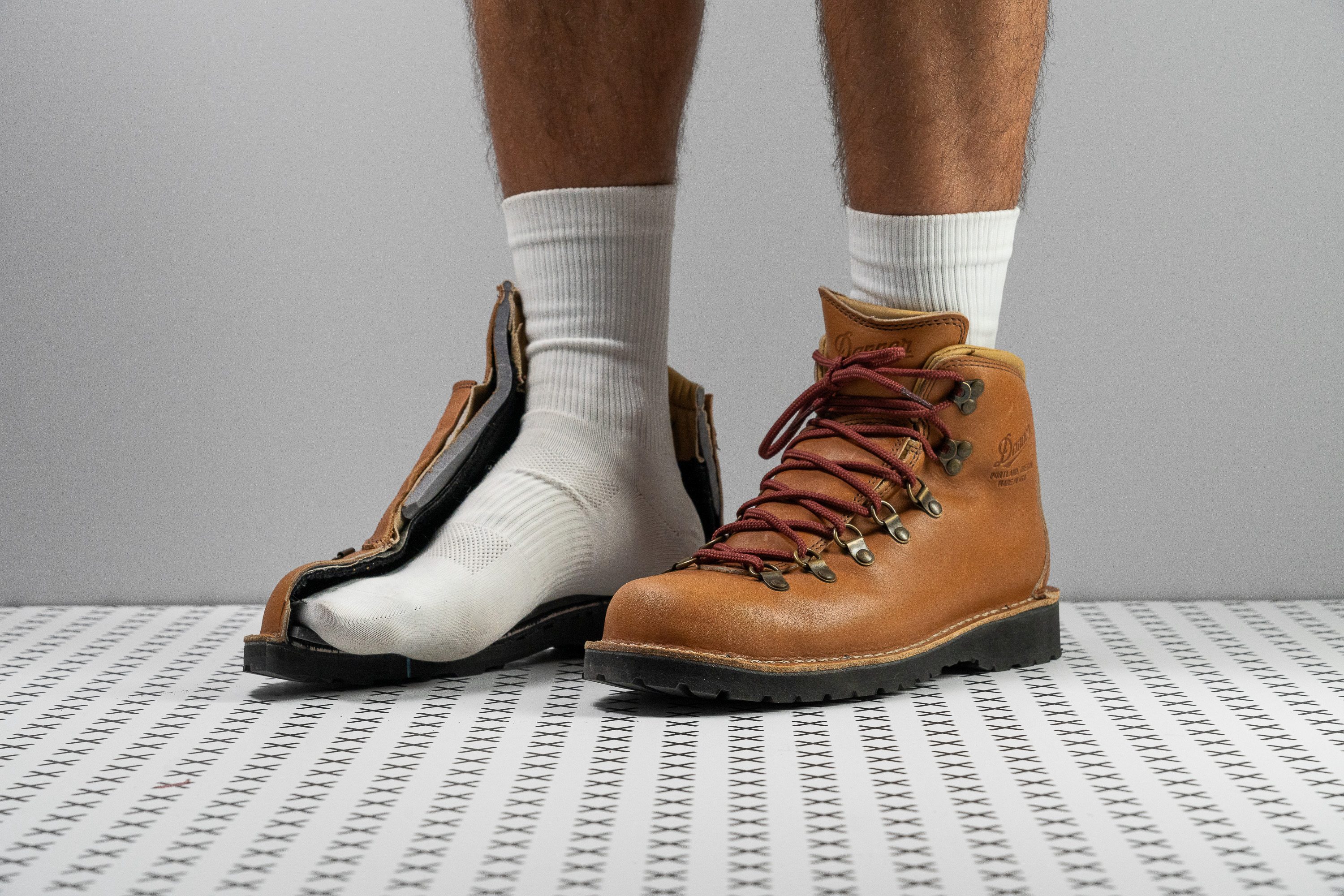
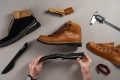
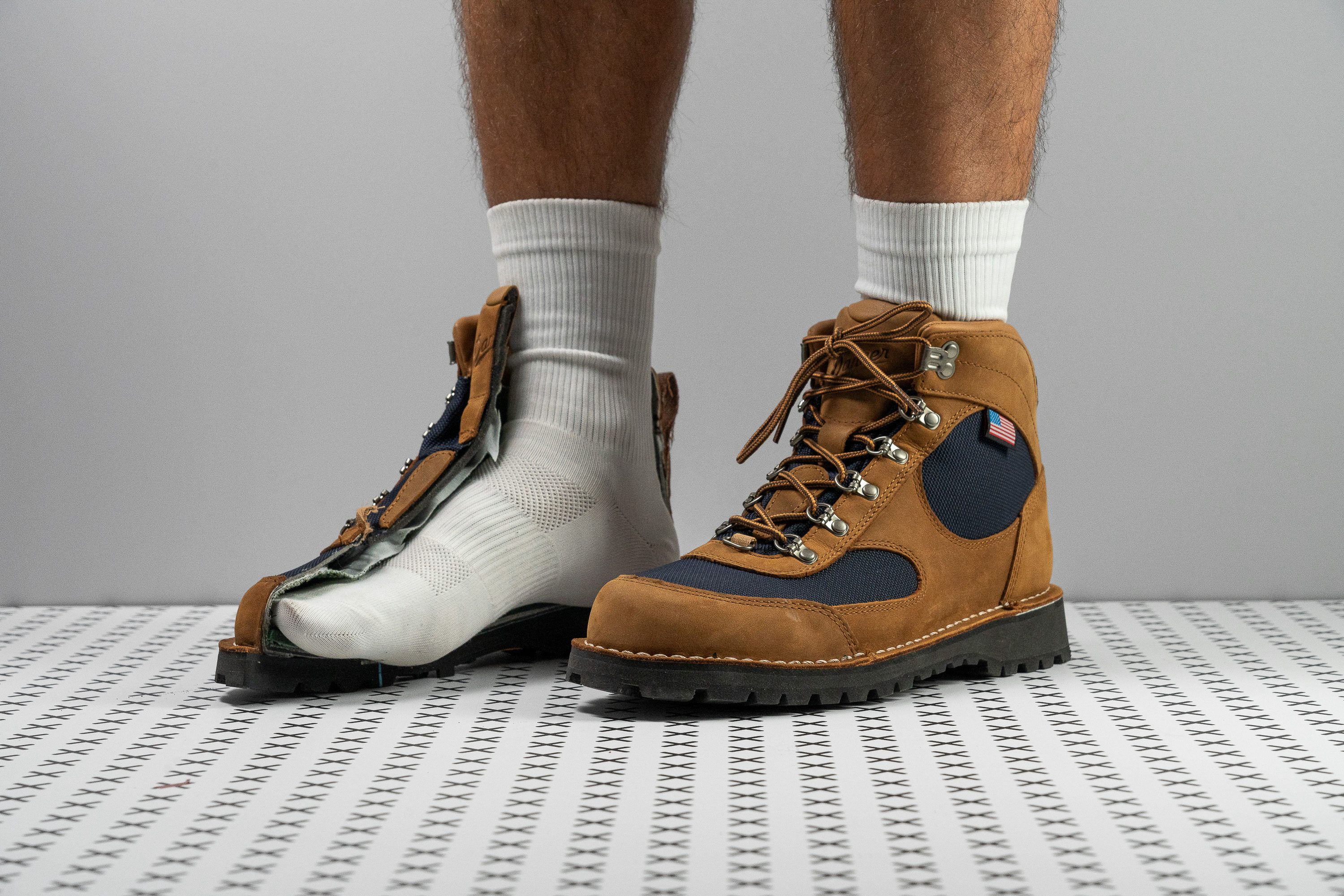
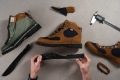
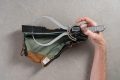
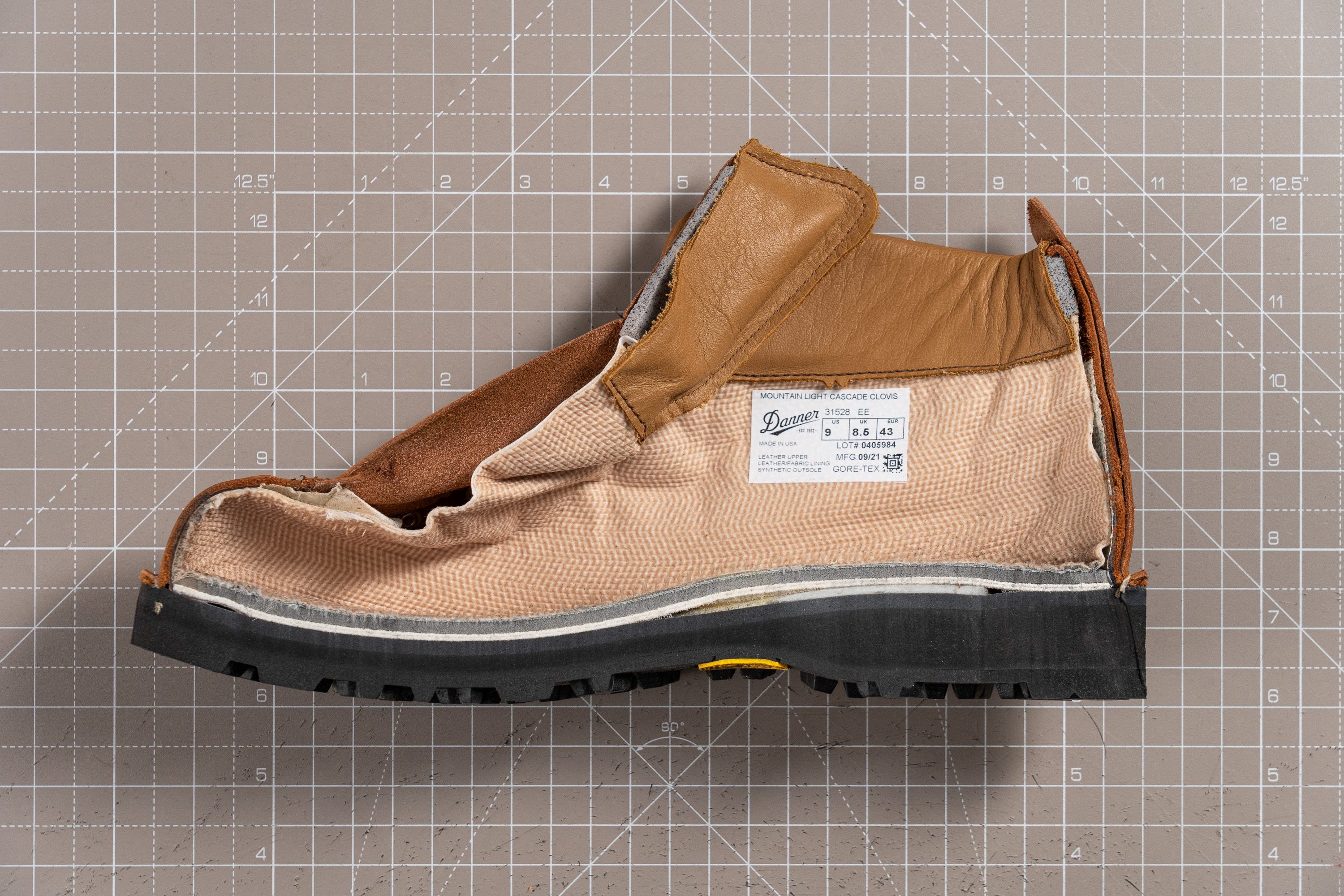
- We include the data we gather in our lab. We publish all the test results for breathability, durability, stiffness, shock absorption, lug depth, traction, etc. We also cut the boots into pieces to examine the parts that are not normally displayed.
Best Danner hiking boots overall











What makes it the best?
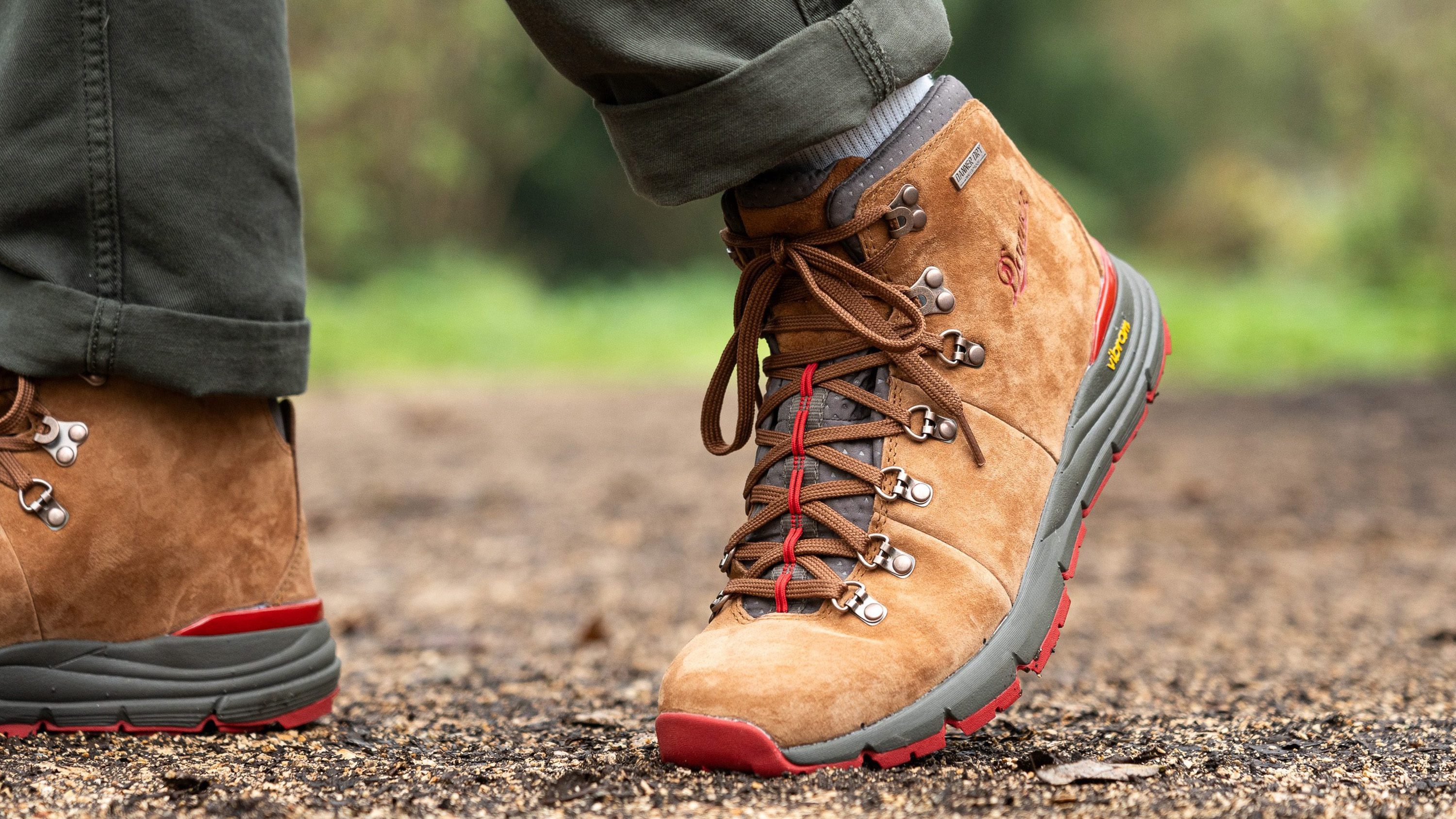
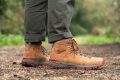
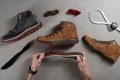
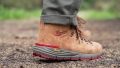
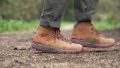
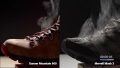
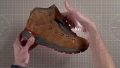
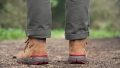
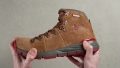
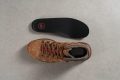
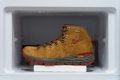
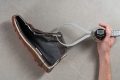
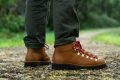
Among the Danner hiking boots we assessed in our backcountry journeys, the Danner Mountain 600 was the optimal fit for our standards. From the very step, this hiking boot brought instant comfort. With the Mountain 600, our treks are not only bearable but actually delightful. We are completely won over by its highly effective moisture-resistant construction.
The support delivered by the sturdy collar as well as the cushioned yet stabilising insole of this hiking boot safeguarded our ankles from trembly strides even on bumpy trails. The boot ensured our steadiness and comfort all throughout the day. Scrapes and blisters, which we ordinarily stumbled upon with hiking boots on long heights, were absent in the Danner Mountain 600.
We also attested that our feet would remain dry as long as they didn’t leave the Danner Mountain 600. For this kind of performance, its £180 price tag is expected. However, we don’t recommend it to frugal hikers and shoppers as it is 13.4% pricier than the average.
Pros
- Awesome for casual use
- Supportive
- Oustanding grip
- Durable
- Feels light
- Great out of the box
- Waterproof
- Awesome for casual use
Cons
- Debris gets into the boot
- Not for technical hiking
Danner hiking boots with the best quality




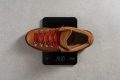
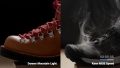
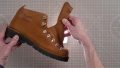
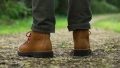





What makes it the best?
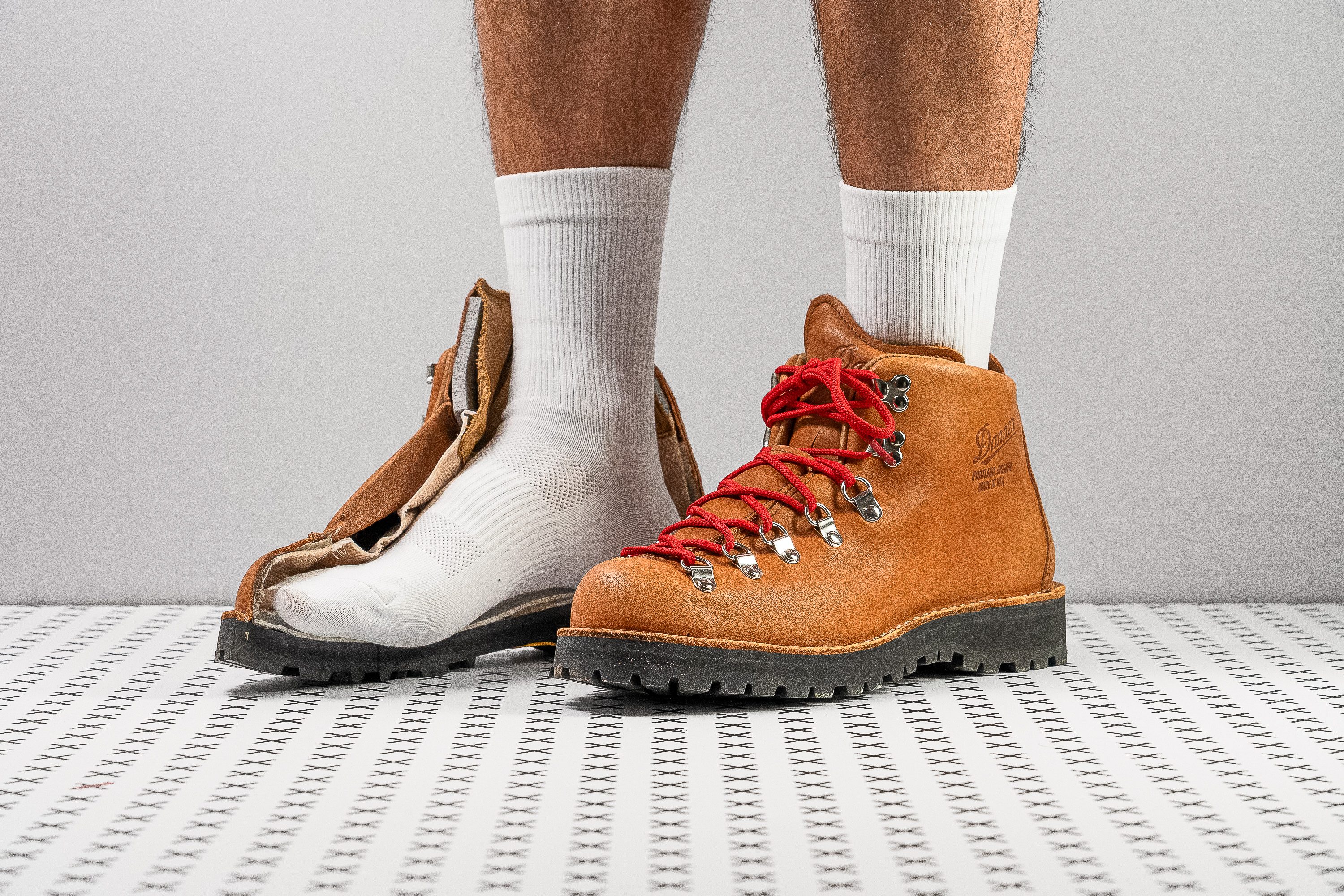
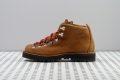
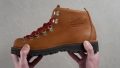
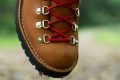
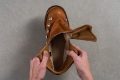
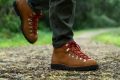
The Mountain Light sets the standard for top-notch quality, showcasing unquestionable durability, reliable grip, and dependable protection among Danner hiking boots. In lab tests, it exhibits exceptional resistance to wear and tear, maintaining its integrity even after our most challenging hikes with the harshest terrain conditions.
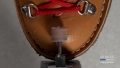
During our explorations, it withstands diverse environmental conditions with ease, serving as a shield against freezing temperatures and moisture. The boot's waterproofing and insulation properties are further proven by our lab with a 1/5 breathability score. Its handmade leather construction showcased resilience, with minimal signs of damage even after rigorous testing, receiving a perfect durability rating. The same was observed for the heel padding, cementing the boot’s quality craftsmanship.
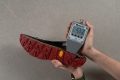
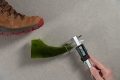
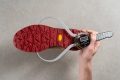
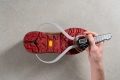
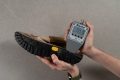
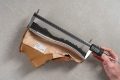
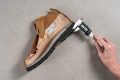
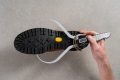
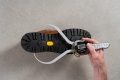
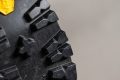
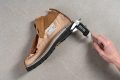
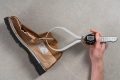
The Vibram outsole provides superior traction on rugged and rocky paths, boasting harder and thicker rubber than average for extra underfoot protection and longevity. Our durometer reveals a high 91.6 HC reading while the rubber measures 4.8 mm thick. Moreover, its 5.8 mm aggressive lugs enhance stability and control, boasting exceptional braking power on steep slopes.
However, the boot is extremely stiff and requires a taxing break-in period. For hikers prioritising immediate comfort, it might not be the ideal choice initially.
Pros
- Highly durable leather and rubber
- Premium materials and craftsmanship
- Top-notch waterproofing
- Can be resolved and recrafted
- Secure lockdown and support
- Very stable and reliable platform
- Sexy and snazzy vintage look
Cons
- Underfoot cushioning feels non-existent
- Breaking in takes time and effort
- The heaviest boot out there
- VERY expensive
Best lightweight Danner hiking boots












What makes it the best?
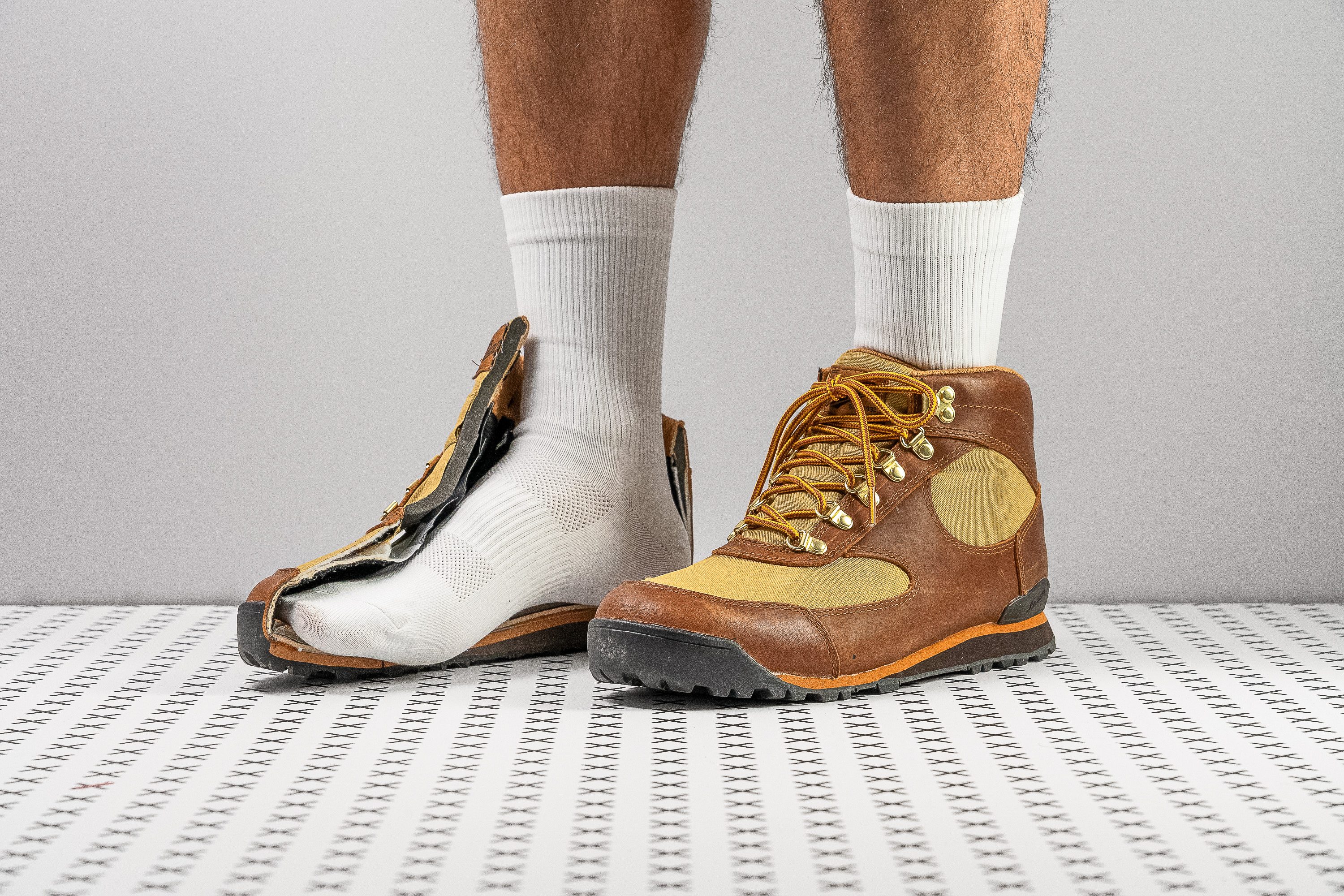
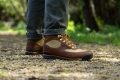
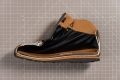
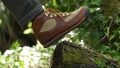
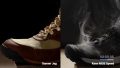
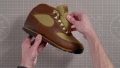
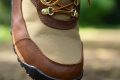
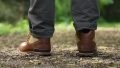
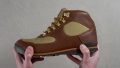
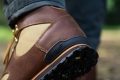
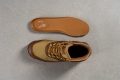
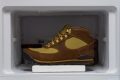
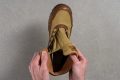
Blending style with function, the Danner Jag offers a retro charm with modern durability that withstands harsh environmental elements remarkably. We found its lightweight design extremely versatile, offering the most seamless town-to-trail transitions among Danner’s hiking roster.
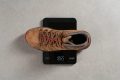
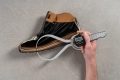
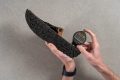
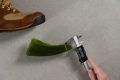
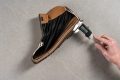
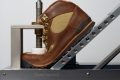
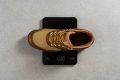
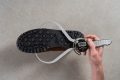
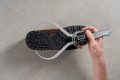
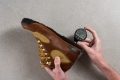
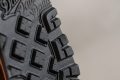
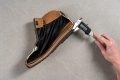
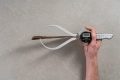
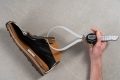
At 17.0 oz (482g), this heavy-duty boot weighs even lighter than the 18.5 oz (523g) average. It makes it a great companion for casual wear, especially with its classic look. In the lab, our bend test reveals it’s as flexible as the average, making it versatile enough for other activities.The Danner Jag effortlessly moves between trails and pavements, thanks to its 3.7 mm lugs. These are slightly shallower than the 4.2 mm average, ensuring a smoother feel on the road without compromising traction on loose terrain.
This premium boot excels in durability, withstanding our rigorous Dremel test across its outsole, heel, and upper. Scoring an impressive 92.1 HC on our durometer, it's built to last. Meanwhile, the heel and upper both received remarkable 4/5 durability scores. The upper is not only protective against abrasions but water and cold weather too. We never went home with wet and cold feet in our trials due to the impermeable material that embraced us. However, its low breathability makes it feel like an oven during summer hikes. Best to use this pair in colder seasons only.
Pros
- Versatile for both city and trail
- High-quality materials
- Excellent waterproofing
- Indestructible outsole
- Lighter than average
- Minimal break-in period
- Firm and grounded platform
- Stylish retro aesthetic
Cons
- Lacks cushioning for longer hikes
- Not for severe overpronation
Best town-to-trail Danner hiking boots










What makes it the best?
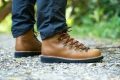
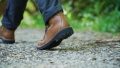
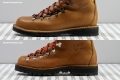
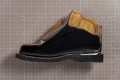
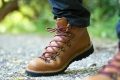
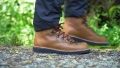
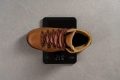
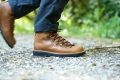
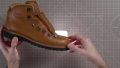
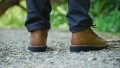
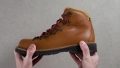
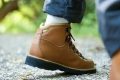
Blending style with support, the Danner Mountain Pass offers a retro charm with quality craftsmanship that withstands harsh environmental elements remarkably. We found its stable ride and subtle lugs perfect for casual wear and light hikes. Numbers checked it offers the most seamless town-to-trail transitions among Danner’s hiking boots roster.
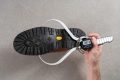
The Mountain Pass effortlessly moves between trails and pavements, thanks to its 3.1 mm lugs. Being shallower than the 4.2 mm average, they ensure a smoother feel on the road without compromising traction on loose terrain.
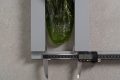
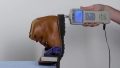
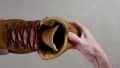
The ride feels highly surefooted thanks to the excellent foot containment and firm midsole, with a durometer measurement 25.4% harder than average. We never felt like our ankles would roll over in this pair.
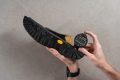
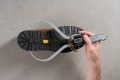
The Mountain Pass excels in durability, withstanding our rigorous Dremel test across its outsole, heel, and upper. Scoring an impressive 89.9 HC on our durometer, the Vibram rubber is built to last. Meanwhile, the heel and upper both received the highest durability scores. The leather is not only protective against abrasions but water and cold weather too. We never went home with wet and cold feet in our trials due to the impermeable material that embraced us.
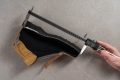
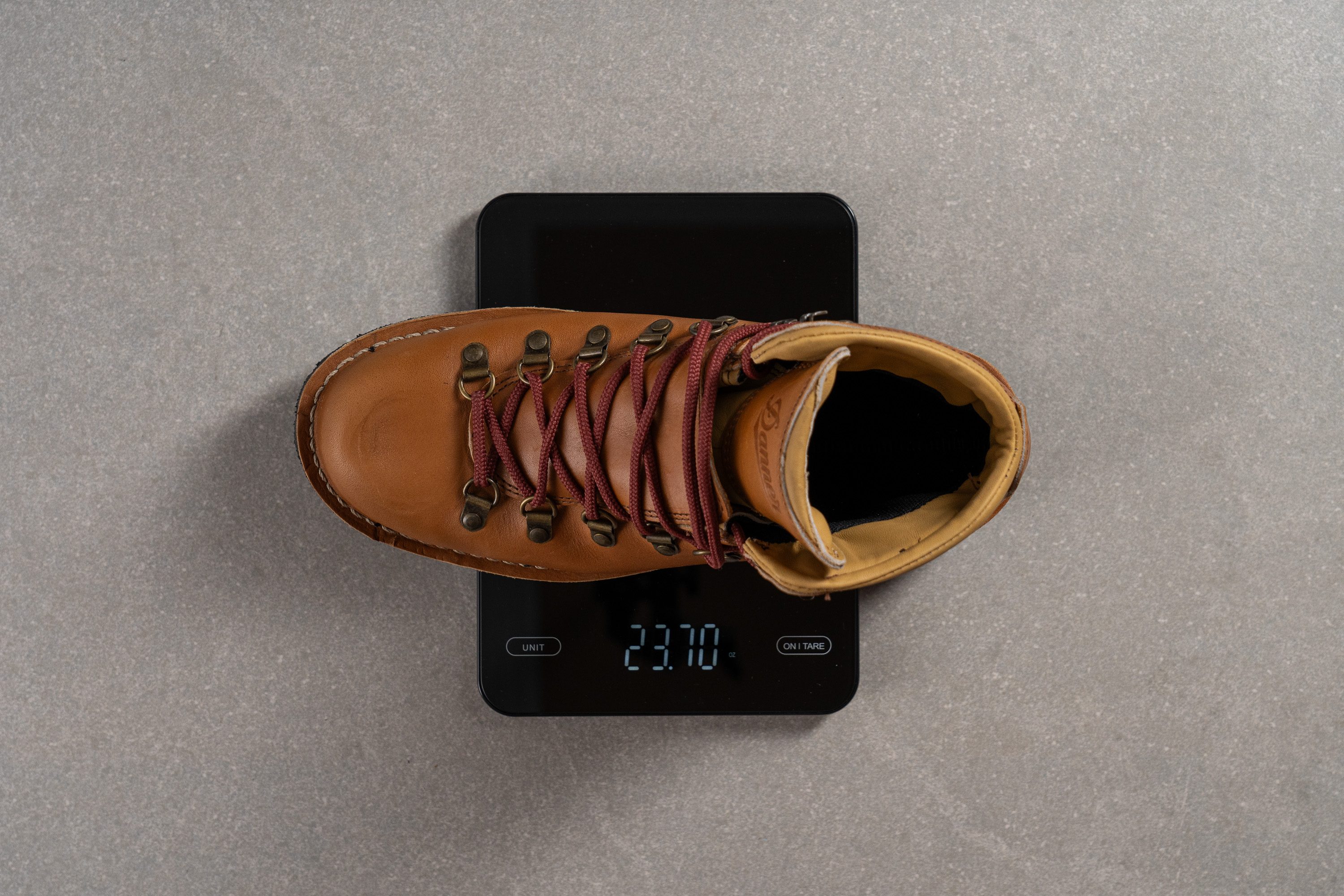
However, wearing the shoe for long hours left us fatigued with its 23.7 oz (672g) weight. That’s 27.0% above average! Those who want lightweight boots should look elsewhere.
Pros
- Exceptional quality and craftsmanship (USA made)
- Hard-wearing and long-lasting construction
- Four-season boot
- High level of foot protection
- Very secure foothold and support
- Extra stable platform
- Can be resoled and recrafted
- Hard-to-pass vintage appeal
Cons
- Extremely expensive
- Not for serious hikes or challenging terrain
- Much heavier than average
- Narrow toebox
Best Danner hiking boots for wide feet






What makes it the best?
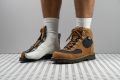
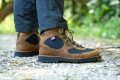
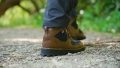
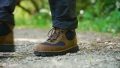
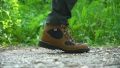
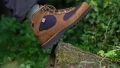
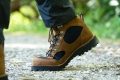
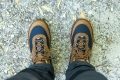
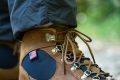
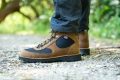
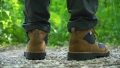
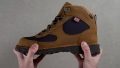
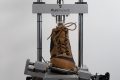
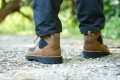
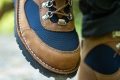
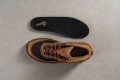
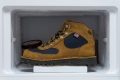
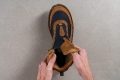
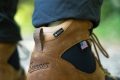
Even as we tackled the harshest weather and terrain conditions, the Danner Cascade Crest ensured we made it home safe and sound. Our lab validates its protective nature through its stable ride, robust Vibram outsole, and airtight upper. Plus, its toebox offers roomy comfort, making it our top Danner hiking boot for wide feet.
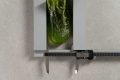
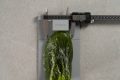
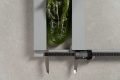
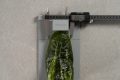
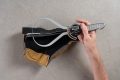
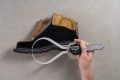
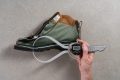
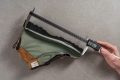
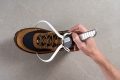
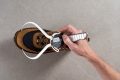
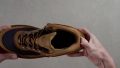
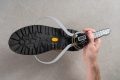
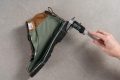
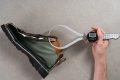
During our hikes, we had spacious room for toe splay. Our calliper confirms this with a 103.7 mm measurement on our calliper, by far the widest we’ve recorded among Danner boots. Moving to the midsole, it follows suit with an above-average 118.9/89.3 mm, ensuring we feel planted and secure throughout our adventures.
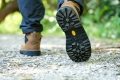
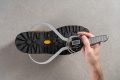
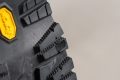
We felt like the main driver because the shoe’s traction kept us in control. Featuring the Vibram outsole, lined with deep 5-mm lugs, we remained steady on puddles, snow, and hilly terrains. As we passed by rocky trails, our feet felt protected with the tough 85.0 HC rubber. Besides its toughness, this shoe is resoleable and can definitely last a lifetime.
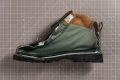
Even the finely crafted upper proves its longevity with a solid 4/5 durability score in our Dremel test. It sure felt waterproof and airtight with its Gore-Tex membrane and sturdy leather, proven by its 1/5 breathability rating.
However, the big toe space runs narrower than average at 74.3 mm. Those who need more volume in this area should search for alternatives.
Pros
- Excellent materials and craftsmanship (made in USA)
- Hard-wearing and durable build
- World-class Gore-Tex waterproofing
- Isolates the foot from trail hazards
- Stable platform and reliable foothold
- Wide-foot friendly
- Can be resoled/recrafted
- Beautiful vintage vibes
- Great for mildly cold season
Cons
- Much heavier than average
- Very expensive
- Dries slower than average
Is there a hiker or someone heavily into good-looking urban hiking footwear who hasn’t heard about Danner hiking boots? You got that right. No wonder, given that these boots go back to 1932 when the company was founded. Up until today, they have remained a popular choice thanks to their recognisable silhouettes, 360 stitch down, lasts, and boot recrafting options.
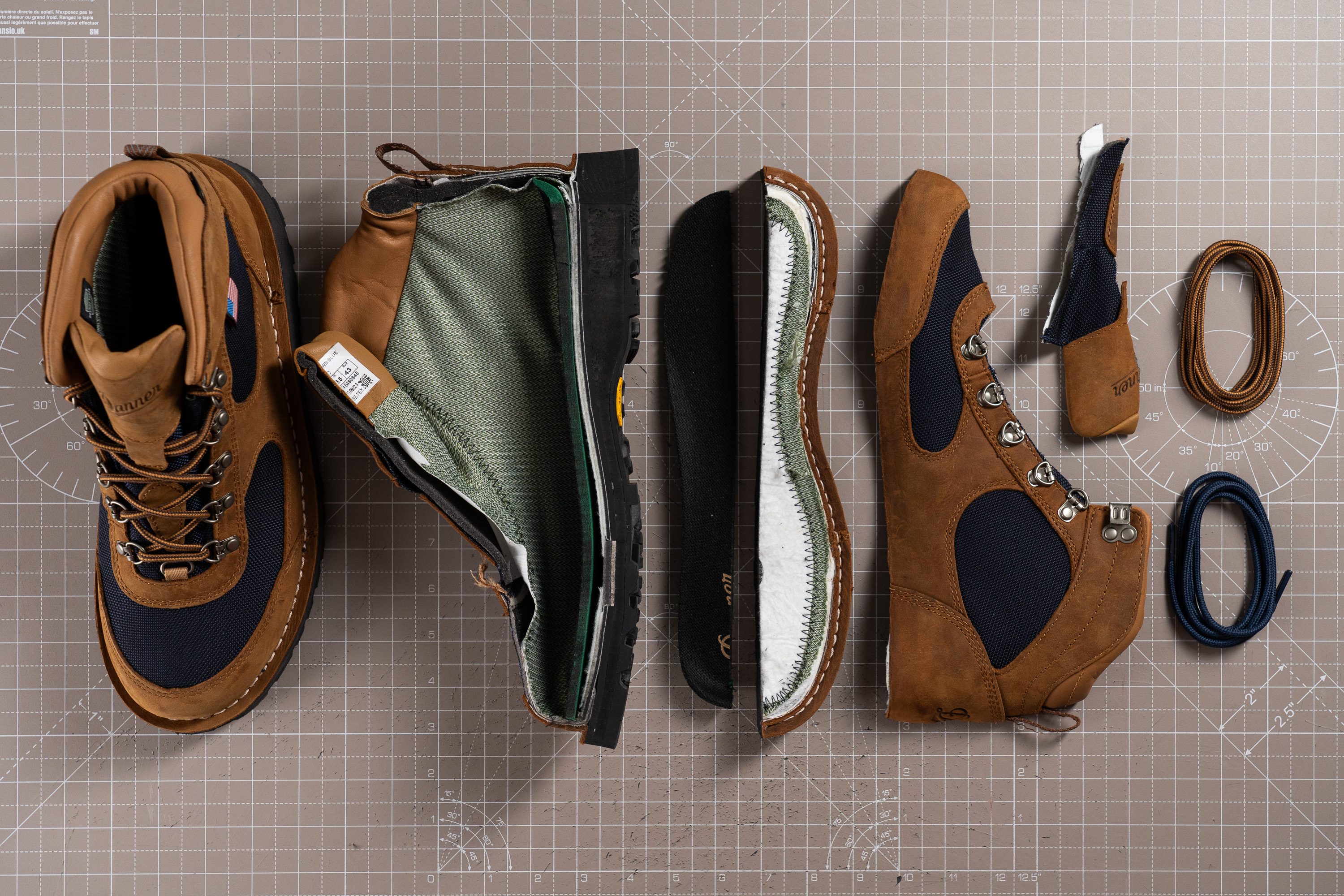
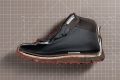
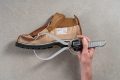
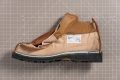
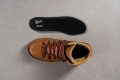
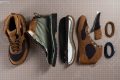
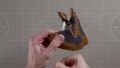
In many cases, you have to trust the brands. When testing the boots in the lab and cutting them in half, we get to double-check everything. And see the shanks embedded into midsoles and other details that are impossible to notice without cutting the boot into pieces.
Leather and suede quality in Danner hiking boots
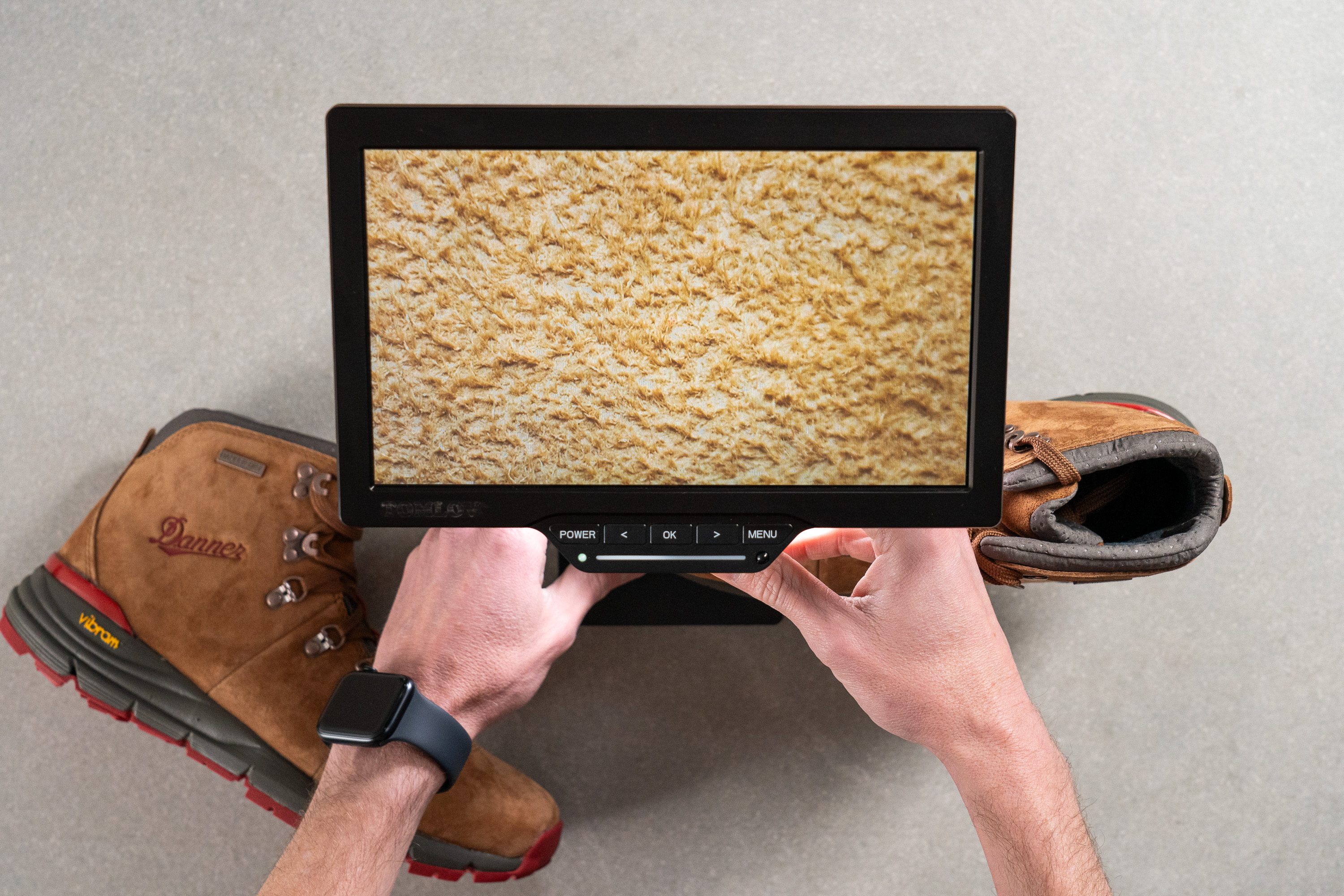
Danner is known for their leather and suede. The brand says they use full-grain leather and we’ve all seen what that looks like, but how durable are these materials?
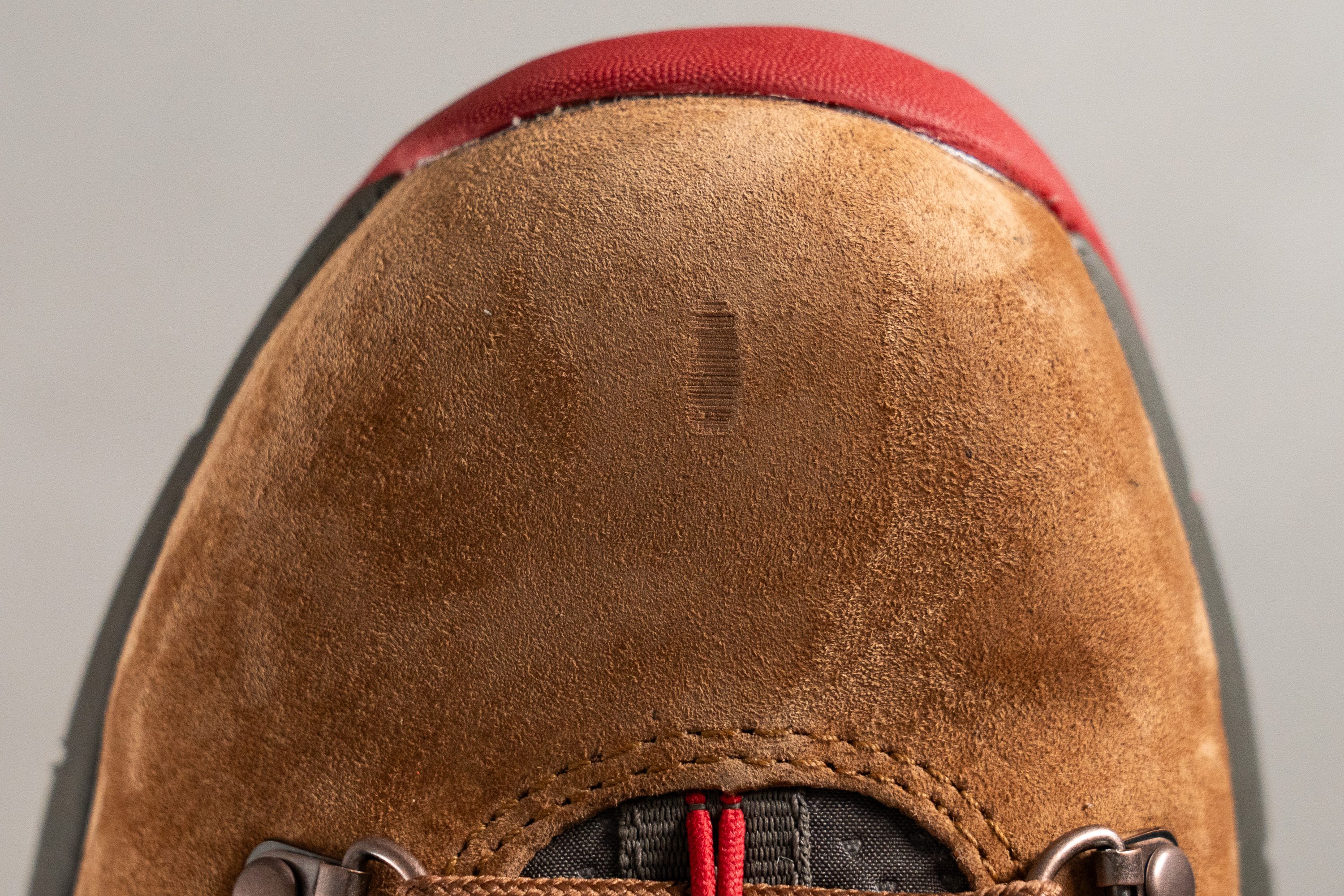
To answer this question, we use a Dremel.
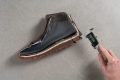
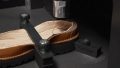
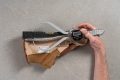
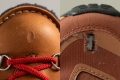
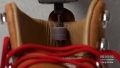
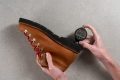
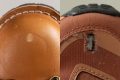
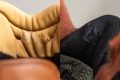
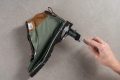
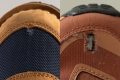
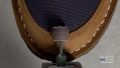
We press a Dremel (always at the same force, RPMs, and time duration) against the upper and then assign a durability rating to each upper. As one can imagine, the boot above scored a perfect 5/5 for the toebox durability.
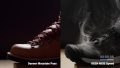
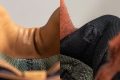
For reference, this is what a non-durable toebox (not Danner boot) looks like:
Danner hiking boots we’ve tested so far scored very high on this lab test.
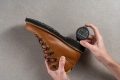
Another thing you may want to take into consideration when buying leather boots is their ageing potential. Danner boots are very expensive and people buy them because they expect them to last. High-quality leather boots look better and better as they age. They patina well. For this to happen, it’s best to avoid heavy pigment coating. Also, it’s important to take care of your boots and all the scuff marks, wrinkles, and so on.
Are Danner hiking boots good for hiking?
TL;DR Yes, but it depends on the hike difficulty and terrain.
To answer this question, we have to take into account the upper material and design, and traction. Given that Danner uses leather/suede and that the upper is often quite thick, these boots offer good protection on hikes. However, we have to look at the outsoles to learn the full story.
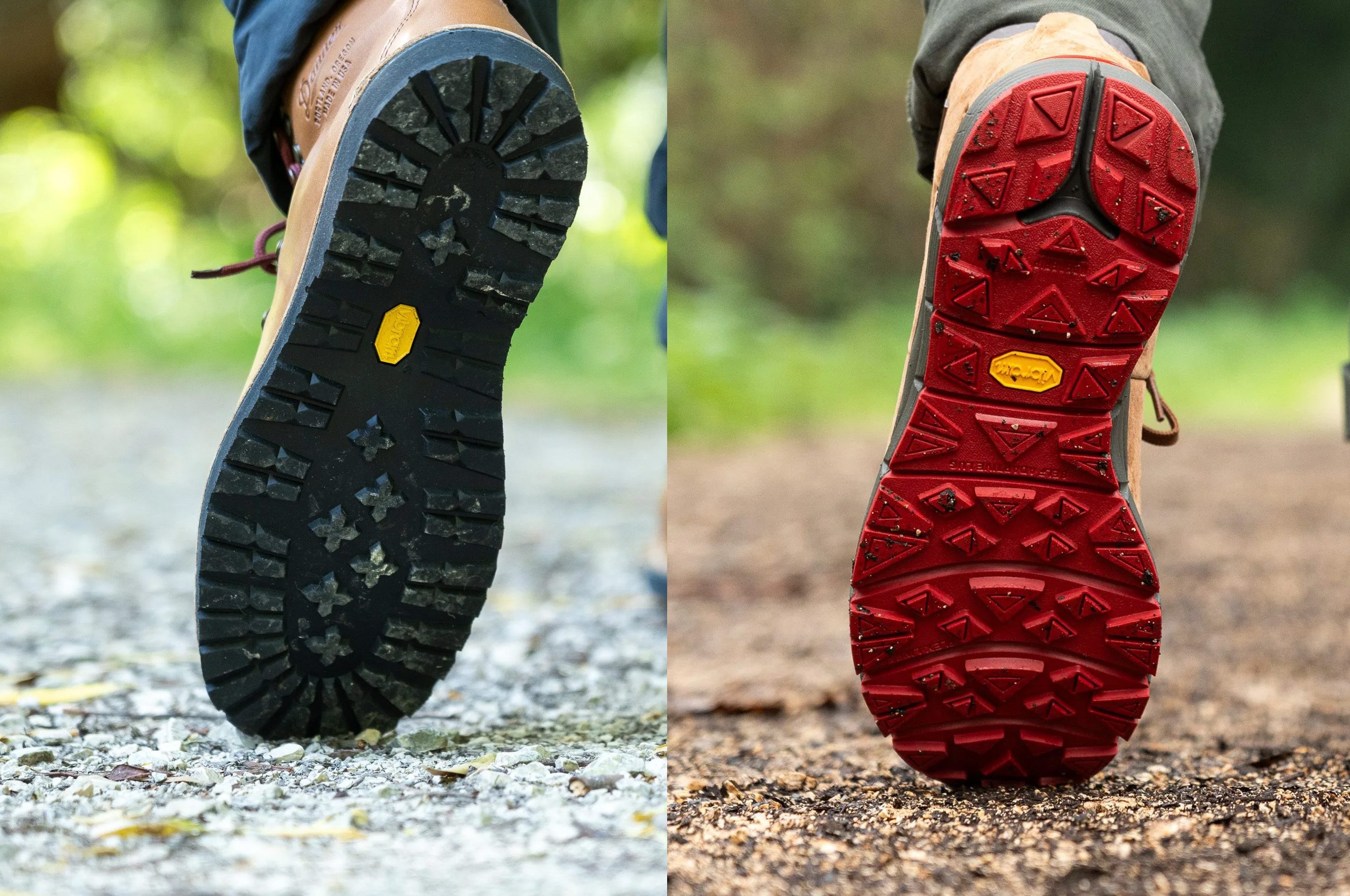
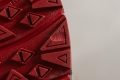
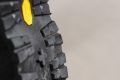
Lug depth, shape, orientation, and density determine which terrain the outsoles will perform well on. Very thick lugs (4 mm and deeper) are used for technical terrain, mud, slush, snow. For mud and slush, the lugs have to be placed further apart so that the mud does not clog the lugs. Shallower lugs are more versatile! When <2 mm, the boots can be used in urban settings as well, on hard-packed, well-maintained trails, and similar light surfaces.
We should also consider the outsole's durability. On the hikes, you don’t want your lugs to get destroyed easily because this means your outsoles will get flat in the most worn-out areas sooner rather than later, and that means losing the much-needed grip.
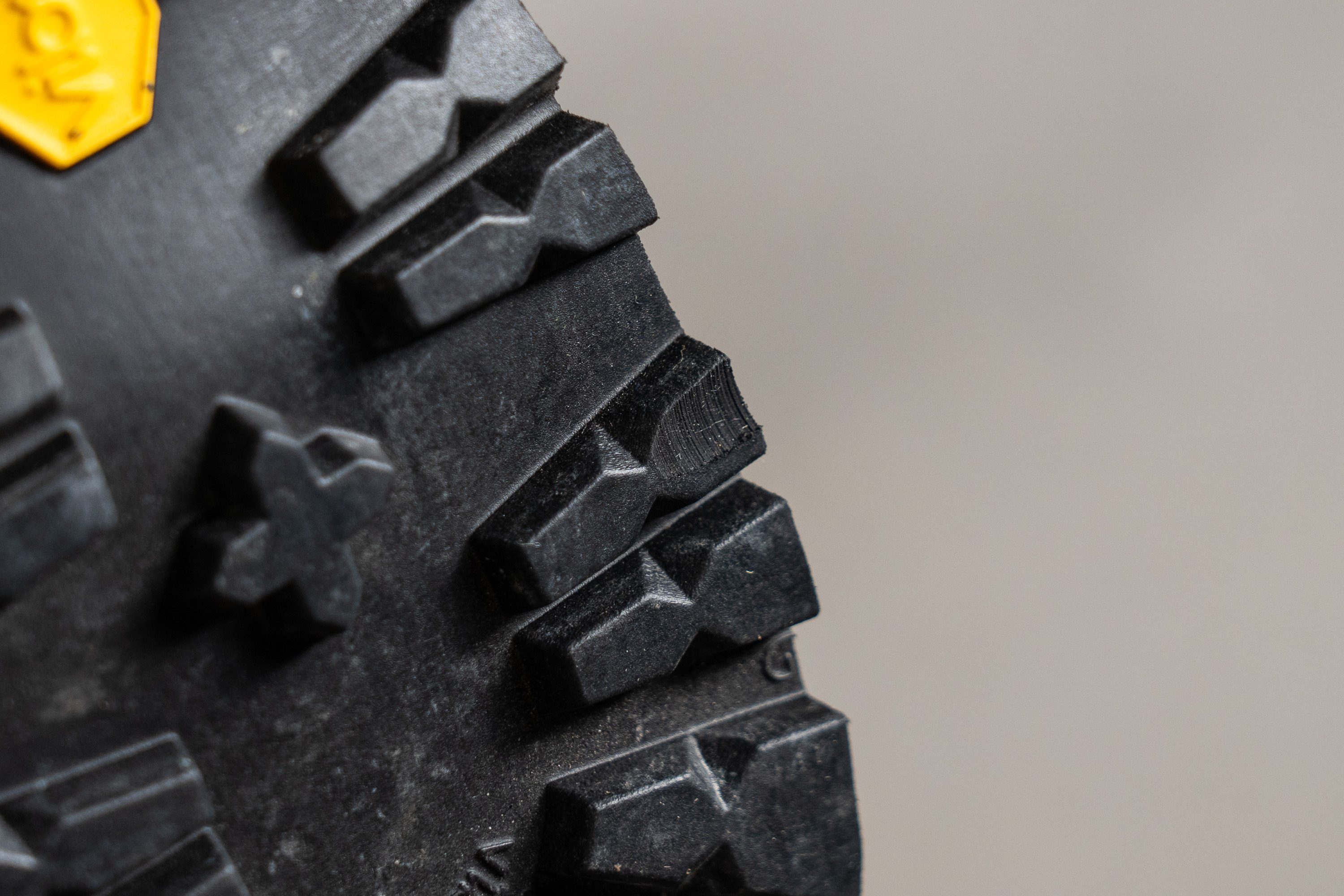
The deeper the dent made by our Dremel, the less durable the outsole rubber. So, we need shallower dents if we prioritise durability! Below you can see Danner boots we’ve tested and the terrain they can be used on.
It may be worth noting that Danner often uses Vibram outsoles, if this is what you care about when it comes to traction.
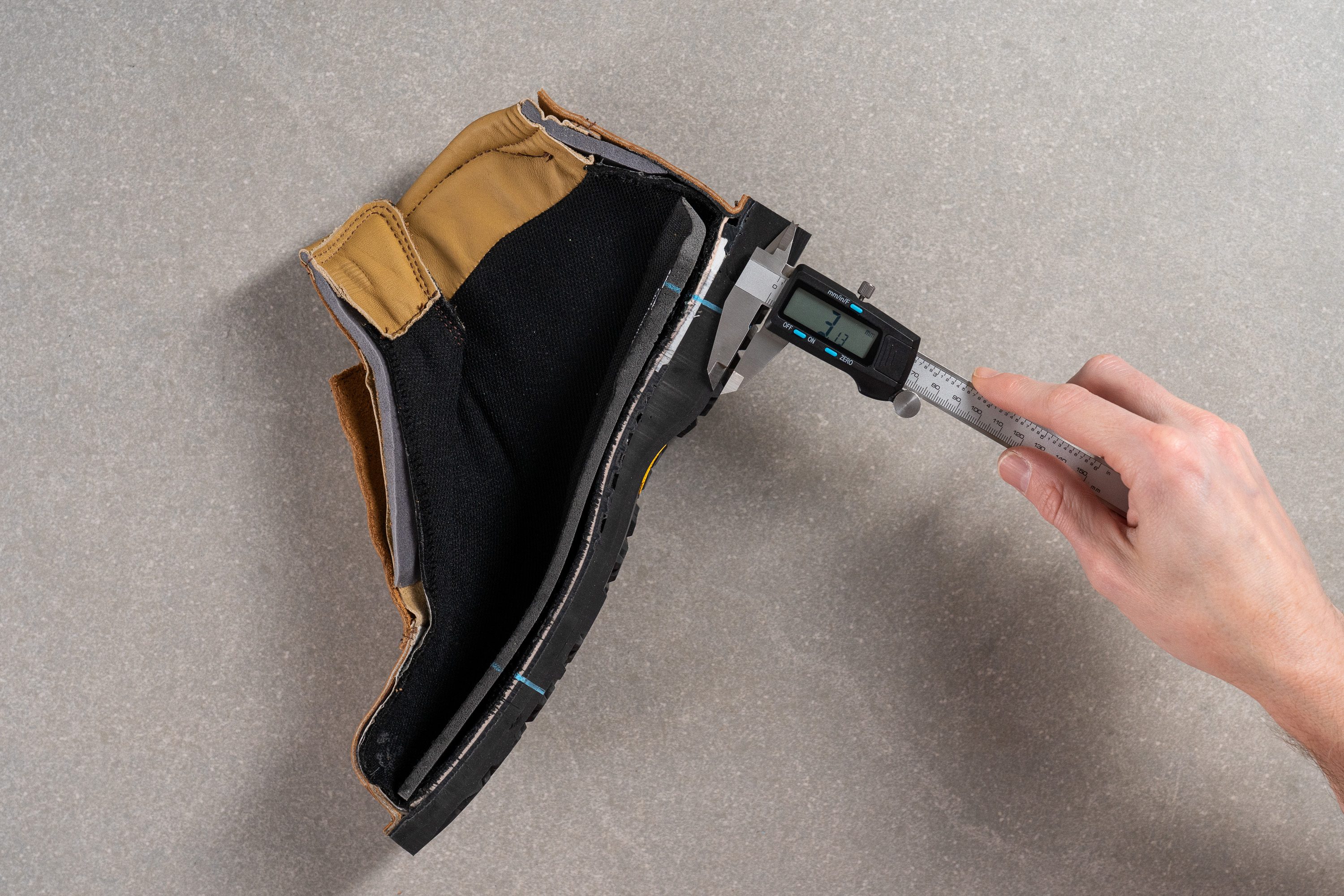
Heel lining: is leather better?
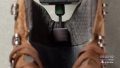
Durability-wise, leather heel lining is definitely better than fabric/mesh, as seen in our lab test. Comfort-wise, it’s a matter of personal preference.
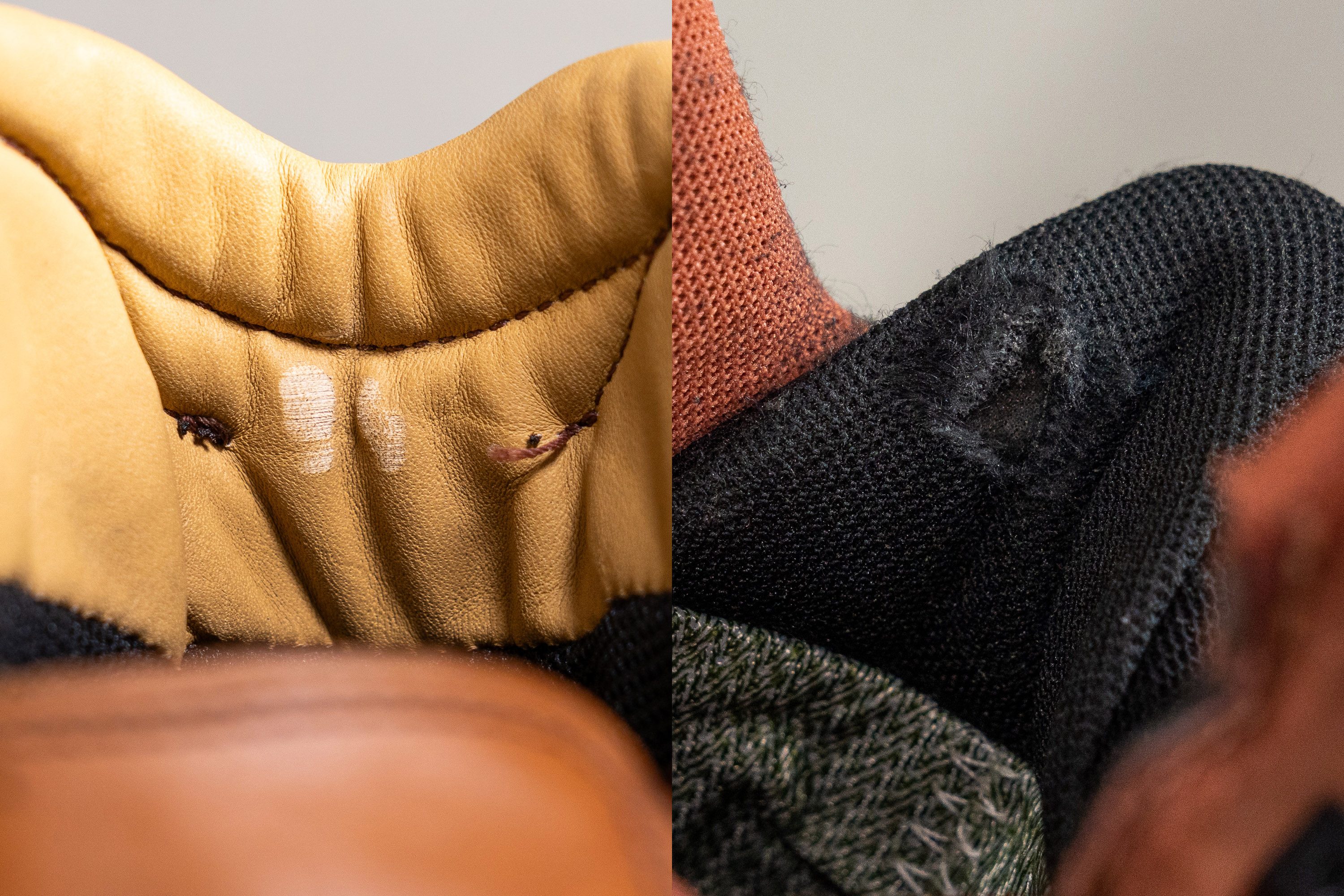
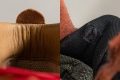
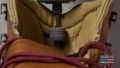
In the video above, we can see a non-durable (non Danner) heel padding area which ended up with a score of 1/5.
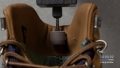
This leather lining stood its ground against the Dremel and the boot scored 5/5 on the heel padding durability test.
Danner hiking boots do not breathe
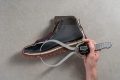
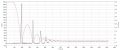
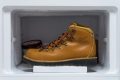
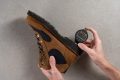
This makes sense given that we’ve focused on leather/suede boots from Danner. To test the breathability, we pump the smoke into the boot and watch where and when the smoke comes out, and at what pace.
Based on what we see, we assign a 1-5 breathability rating to each Danner boot. 5/5 stands for very breathable (summer-friendly) and 1/5 for very warm (ideal for winter). Given that the leather used for many Danner models is waterproof, it makes sense that the uppers are not breathable. It’s a price we have to pay.
Danner boots are heavy!
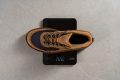
When boots have thick soles and full-leather uppers, they have to weigh more. For them to be lighter, they’d have to feature a much thinner leather, or a mesh upper, and certainly thinner midsoles. For reference, the average weight of hiking boots is 18.7 oz, so Danners average 22% more! We consider hiking boots that weigh less than 17.6 oz to be lightweight.
Danner hiking boots sizing guide
Most of the hiking boots are difficult to describe, size-wise, because there’s no data on the fit, except the one we do in the lab, of course. Danner goes a step further. So, if you’re first time buying boots from Danner, you can take into account:
- Different lasts are used for Danner hiking boots. You can read about the lasts, their shape, fit, and intended purpose before purchasing boots, to get familiar with the overall design and check whether it’s what you actually want.
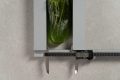
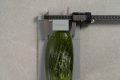
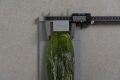
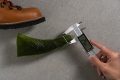
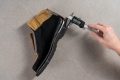
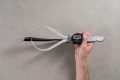
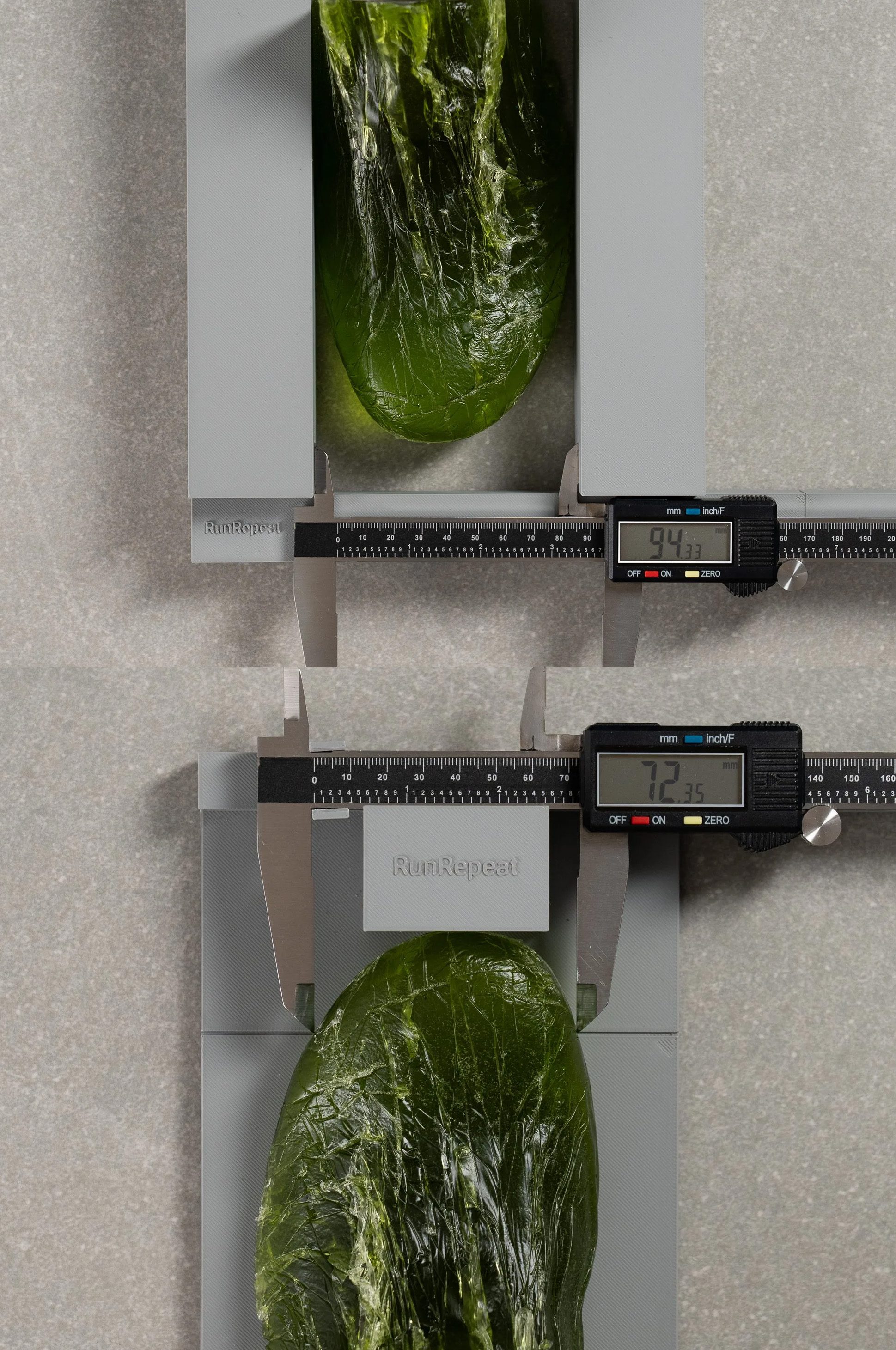
- Our lab data on width and toebox width. We make our own gel mould of the boots’ interiors and measure the width of the mould where the boot is the widest and at the big toe.
- Sizing for Danner boots. If you don’t know which size you are, how to convert from a different hiking brand, or how to measure your feet to find out your size, head over to our Danner size chart for men and women.
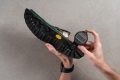
Gel mould of the boot's interior allows us to precisely measure the width of the boot.
How expensive are Danner boots
Looking at the models we’ve tested so far, their retail price averages at £290, which is 54% more expensive than the average price of hiking boots. If you’re looking for a discount, head over to our deals page.
Similar buying guides