


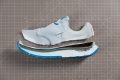
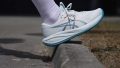
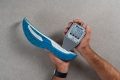
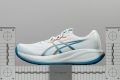


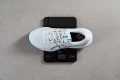












Our verdict
- Daily running 91
- Tempo 51
- Race 36
- Stability 89
Pros
- Plush cushioning
- Smooth and stable heel landings
- Comfortable and refined upper
- Excellent for rearfoot strikers
- Low weight for its size
- Fairly priced
- Roomier toebox than previous version
- Flexible despite massive stack height
- Premium knit tongue
Cons
- Low energy return despite foam upgrade
- Outsole durability is a real concern
- Drop can be too high
- Maybe it's time to ditch PureGEL?
Awards
- Top pick in best ASICS walking shoes
- Top 25% in road running shoes
- Top 22% in neutral running shoes
- Top 14% most popular running shoes
Comparison
The most similar running shoes compared
+ + Add a shoe | |||||
|---|---|---|---|---|---|
| Our score | 86 Great | 85 Great | 89 Superb | 81 Great | |
| Price | £140 | £100 | £150 | £150 | |
| Pace | Daily running | Daily running | Daily running | Daily running | |
| Shock absorption | High | High | High | High | |
| Energy return | Low | Low | High | Moderate | |
| Traction | High | High | High | High | |
| Arch support | Neutral | Neutral | Neutral | Neutral | |
| Weight lab Weight brand | 8.9 oz / 252g 9.7 oz / 275g | 9.7 oz / 275g 9.7 oz / 275g | 10.2 oz / 289g 10.2 oz / 290g | 9.3 oz / 264g 9.2 oz / 261g | |
| Drop lab Drop brand | 13.3 mm 8.0 mm | 11.5 mm 8.0 mm | 11.2 mm 8.0 mm | 11.0 mm 6.0 mm | |
| Strike pattern | Heel | Heel | Heel | Heel | |
| Size | True to size | True to size | - | True to size | |
| Midsole softness | Soft | Balanced | Balanced | Soft | |
| Difference in midsole softness in cold | Small | Small | Small | Small | |
| Toebox durability | Decent | Decent | Good | Decent | |
| Heel padding durability | Good | Decent | Good | Decent | |
| Outsole durability | Bad | Good | Decent | Good | |
| Breathability | Moderate | Moderate | Warm | Moderate | |
| Width / fit | Medium | Medium | Wide | Medium | |
| Toebox width | Medium | Narrow | Medium | Medium | |
| Stiffness | Moderate | Stiff | Moderate | Stiff | |
| Torsional rigidity | Moderate | Moderate | Moderate | Stiff | |
| Heel counter stiffness | Stiff | Moderate | Stiff | Stiff | |
| Rocker | ✓ | ✓ | ✓ | ✓ | |
| Heel lab Heel brand | 42.8 mm 38.0 mm | 39.3 mm 41.5 mm | 39.4 mm 38.0 mm | 42.1 mm 46.0 mm | |
| Forefoot lab Forefoot brand | 29.5 mm 30.0 mm | 27.8 mm 33.5 mm | 28.2 mm 30.0 mm | 31.1 mm 40.0 mm | |
| Widths available | NormalWideX-Wide | NormalWide | Normal | NormalWide | |
| Orthotic friendly | ✓ | ✓ | ✓ | ✓ | |
| Season | All seasons | All seasons | All seasons | All seasons | |
| Removable insole | ✓ | ✓ | ✓ | ✓ | |
| Ranking | #86 Top 22% | #120 Top 30% | #44 Top 11% | #201 Bottom 49% | |
| Popularity | #54 Top 14% | #147 Top 37% | #242 Bottom 39% | #231 Bottom 42% |



Who should buy
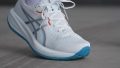
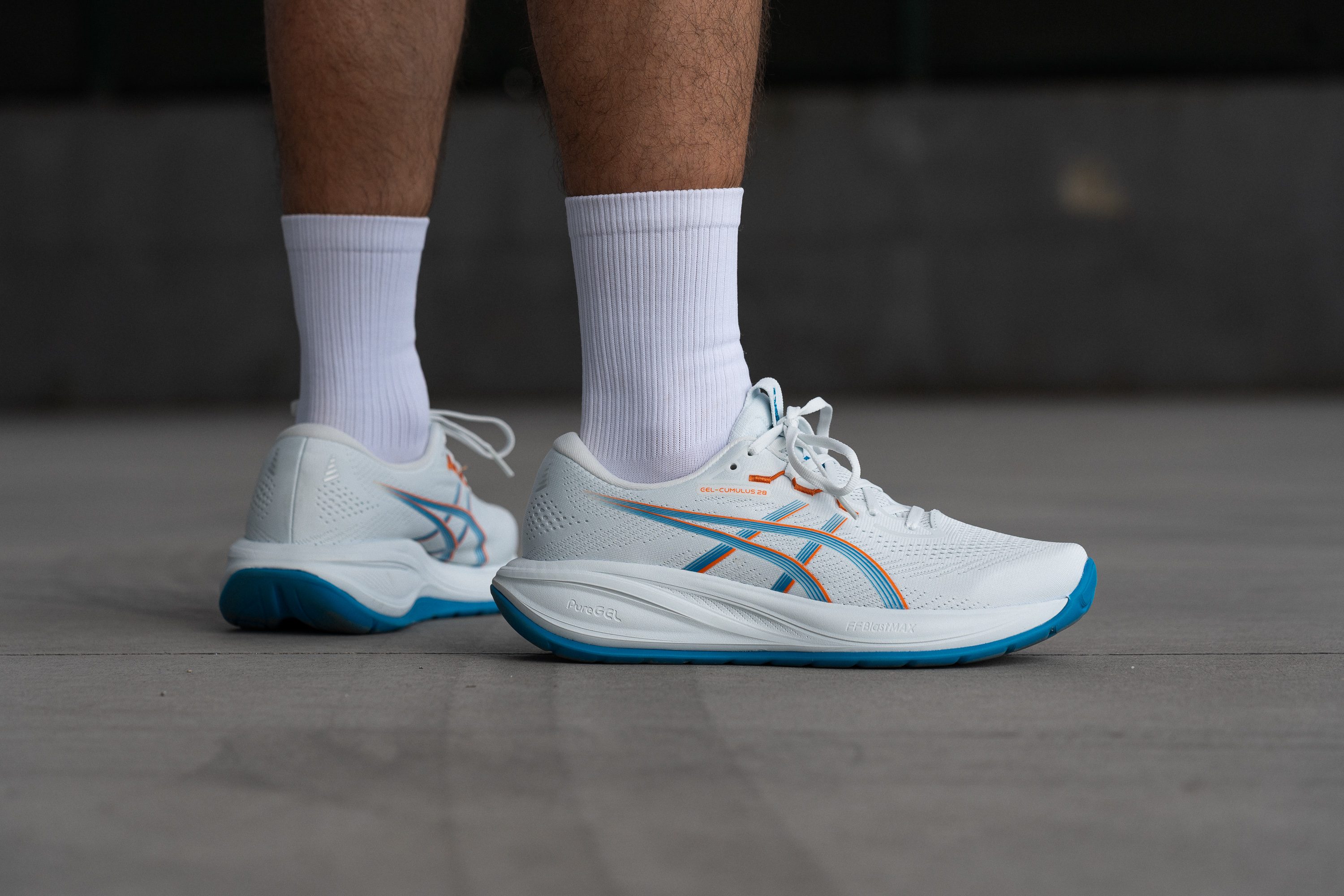
In our view, the ASICS Gel Cumulus 28 is ideal for:
- Heel strikers who want a plush daily trainer with strong comfort and a stable ride at a fair price.
- Longtime Cumulus fans looking for the softest and most refined version of the series so far.
- Runners who dislike firm midsoles and want to experience the unique feel of the foam-based FluidRide outsole.
Who should NOT buy
The FF Blast Max upgrade still fails to deliver the bounce we expected from the Gel Cumulus 28. If you want stronger energy return for uptempo runs or a more energetic feel, we believe there are better choices like the ASICS Novablast 5 or the adidas Adizero EVO SL.
We also think that midfoot and forefoot strikers may find the high drop excessive for daily training. In our view, the geometry works much better for heel strikers than for runners landing farther forward. For that group, we suggest the New Balance 1080 v15 or the adidas Supernova Rise 3.
Cushioning
Shock absorption
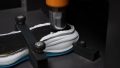
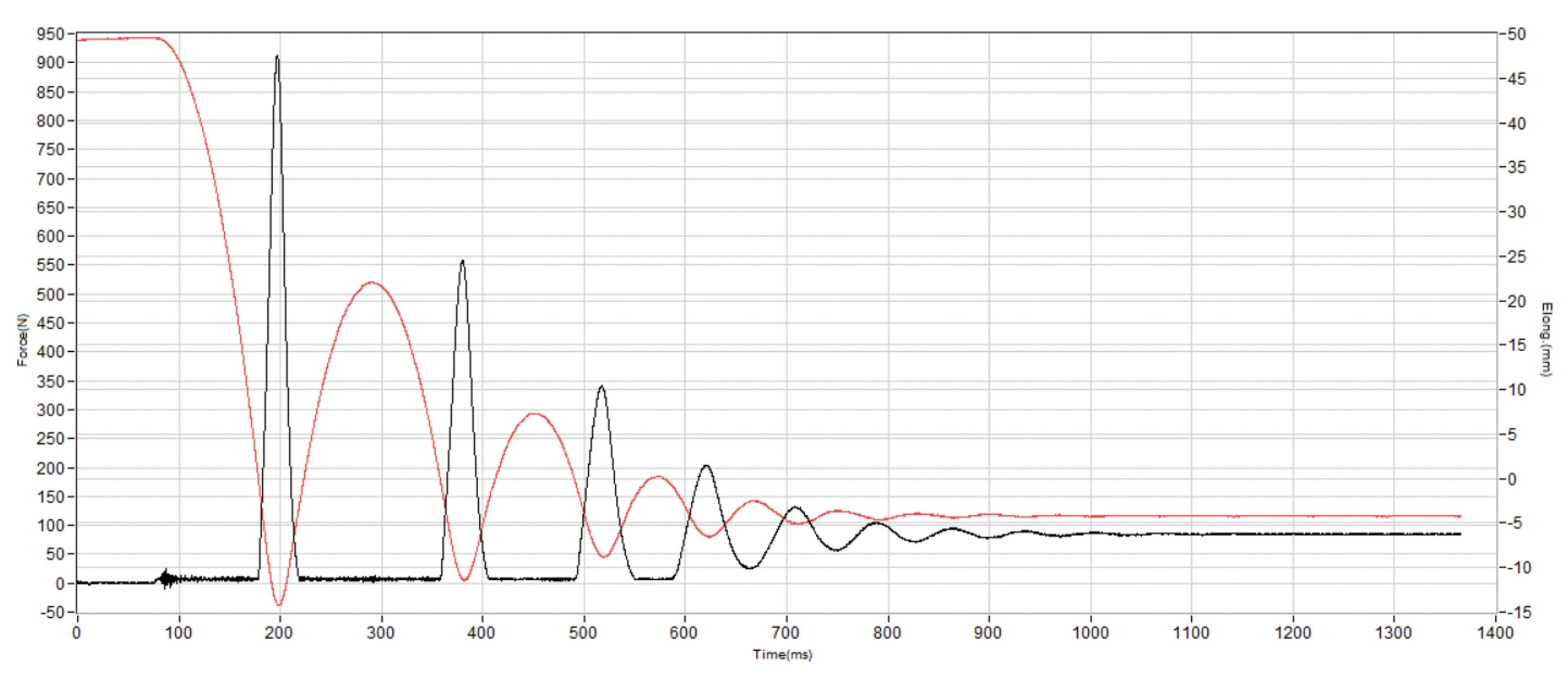
We found in the lab that despite switching from FF Blast+ to FF Blast Max, shock absorption stays almost identical to what we measured in the ASICS Gel Cumulus 27. This time, we recorded 139 SA in the heel and 110 SA in the forefoot.
Are we disappointed? Not at all. It remains a strong result for a shoe like the Cumulus, built to deliver versatility and reliable comfort for daily runs above everything else.
| Gel Cumulus 28 | 139 SA |
| Average | 131 SA |
Energy return
However, we were disappointed with the energy return. The switch to FF Blast Max has worked well in other ASICS models, but here the ride remains muted and lacks the bounce we expected. We confirmed this in the lab with results of 50.5% in the heel and 52.5% in the forefoot, both clearly below our current average.
| Gel Cumulus 28 | 52.5% |
| Average | 61.5% |
Heel stack
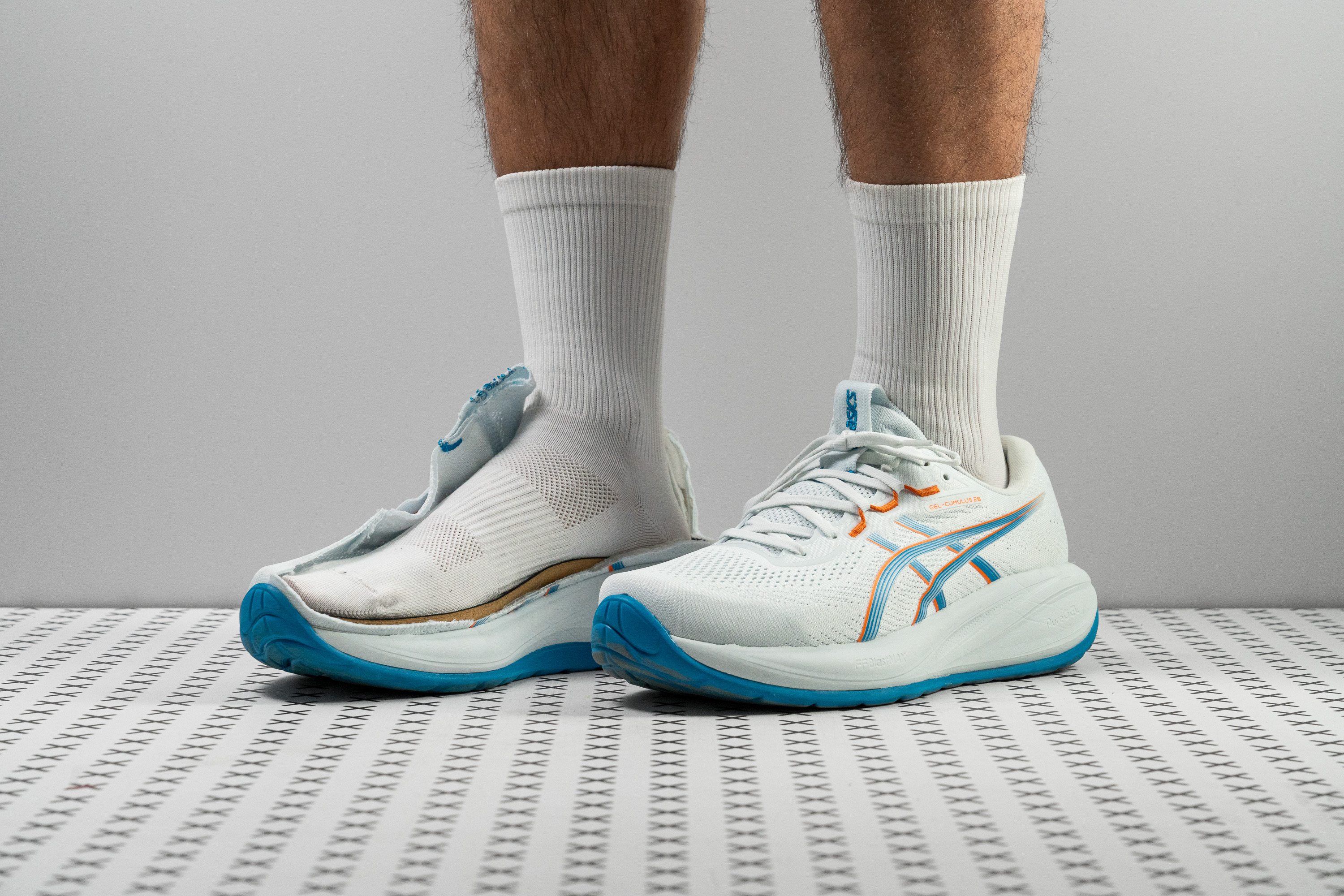
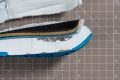
The major increase in stack height already came with version 27, jumping from 36.8 mm to 40.9 mm. It seems ASICS is not slowing down, as this update reaches an even higher 42.8 mm.
It may be time to pause. While 40 mm has become the new standard, pushing toward 45 mm feels excessive for a Cumulus that already provides more than enough protection and shock absorption.
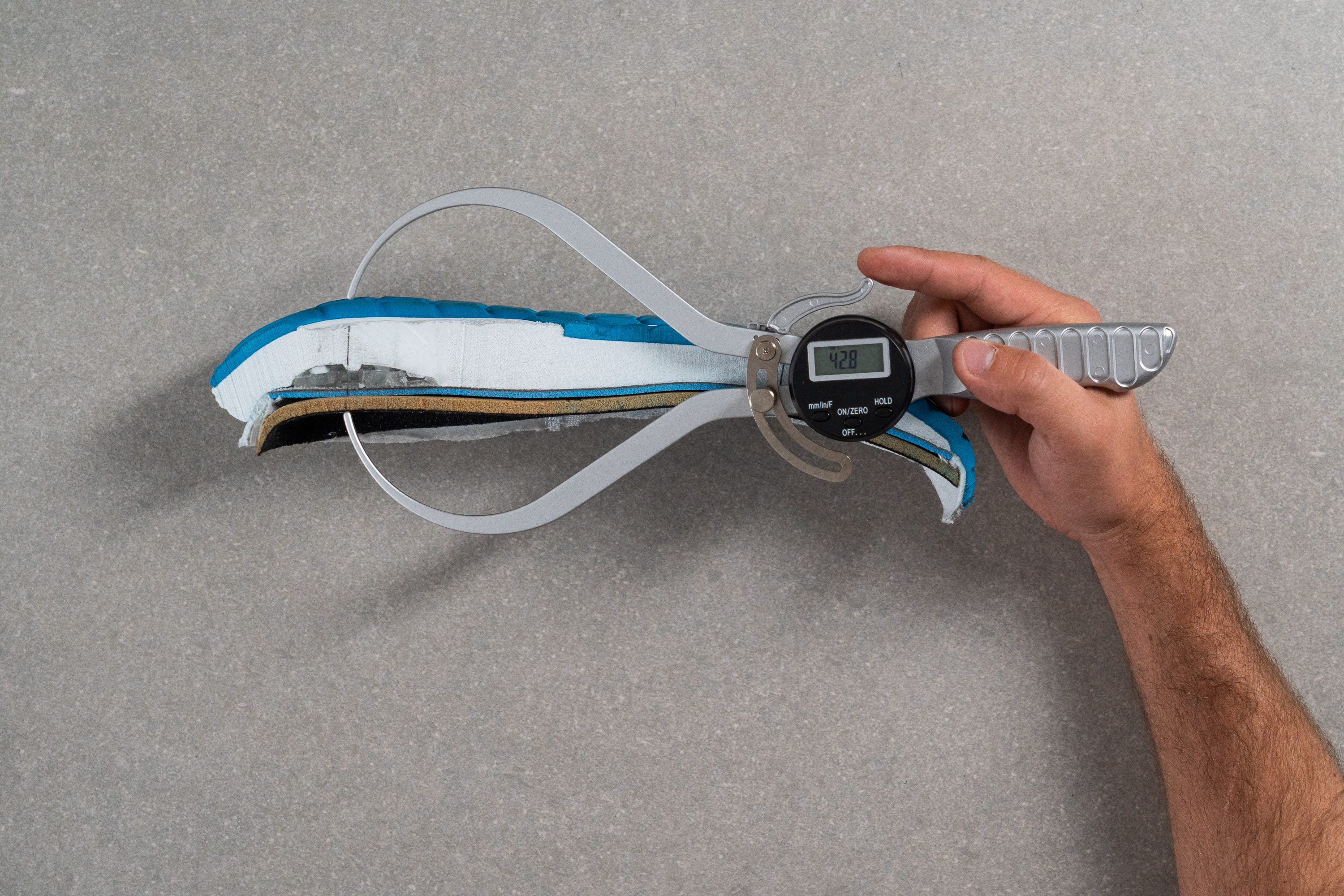
| Gel Cumulus 28 | 42.8 mm |
| Average | 35.6 mm |
Forefoot stack
The forefoot stays just under the 30 mm mark at 29.5 mm, which suggests a notably high drop that we’ll examine next.
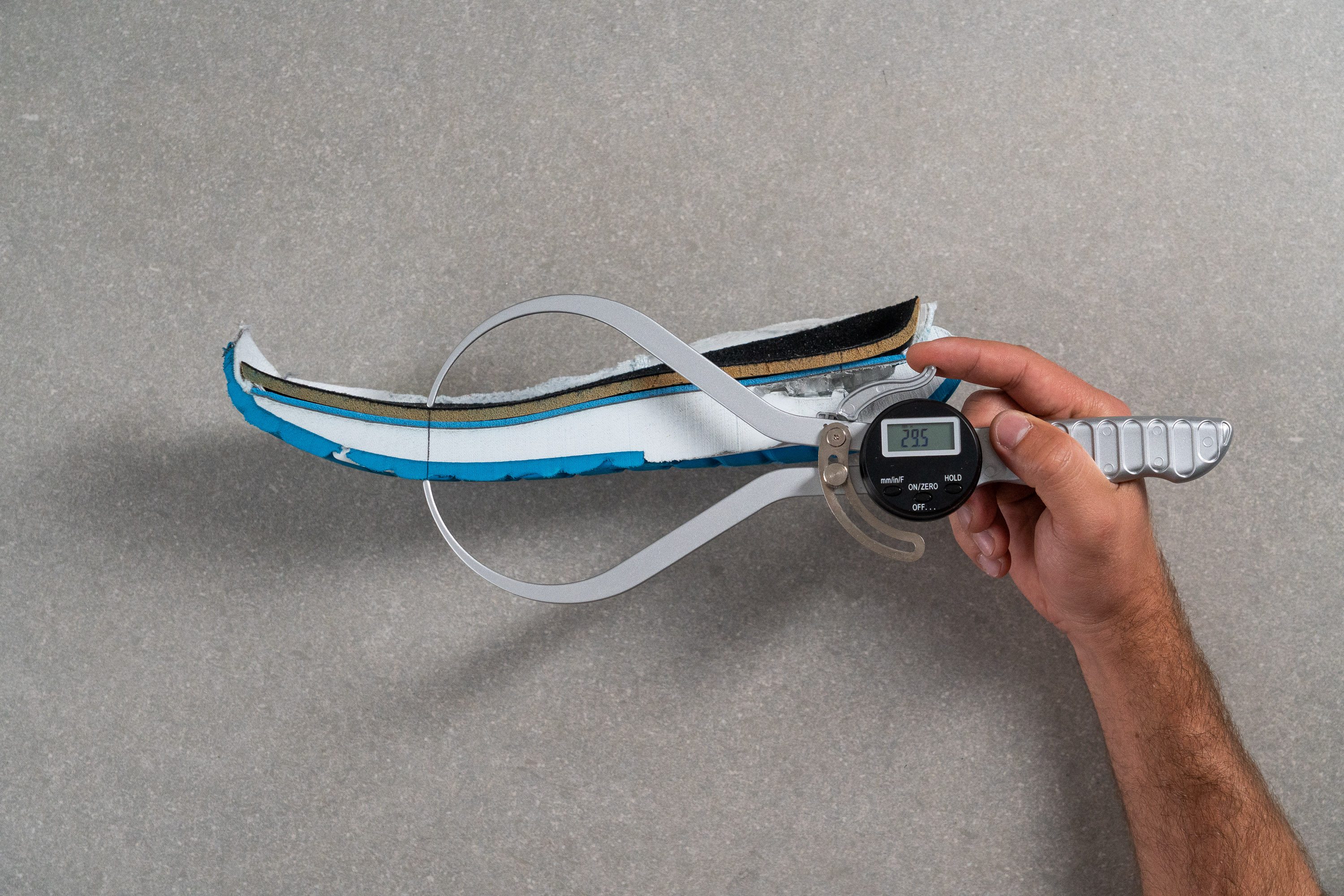
| Gel Cumulus 28 | 29.5 mm |
| Average | 27.1 mm |
Drop
Despite the advertised 8 mm drop for the Cumulus 28, we measured a much higher 13.3 mm.
This makes it a strong option for heel strikers or runners who prefer a high differential, as it can help reduce strain on the Achilles tendon. At the same time, it feels too extreme for runners who land on the forefoot.
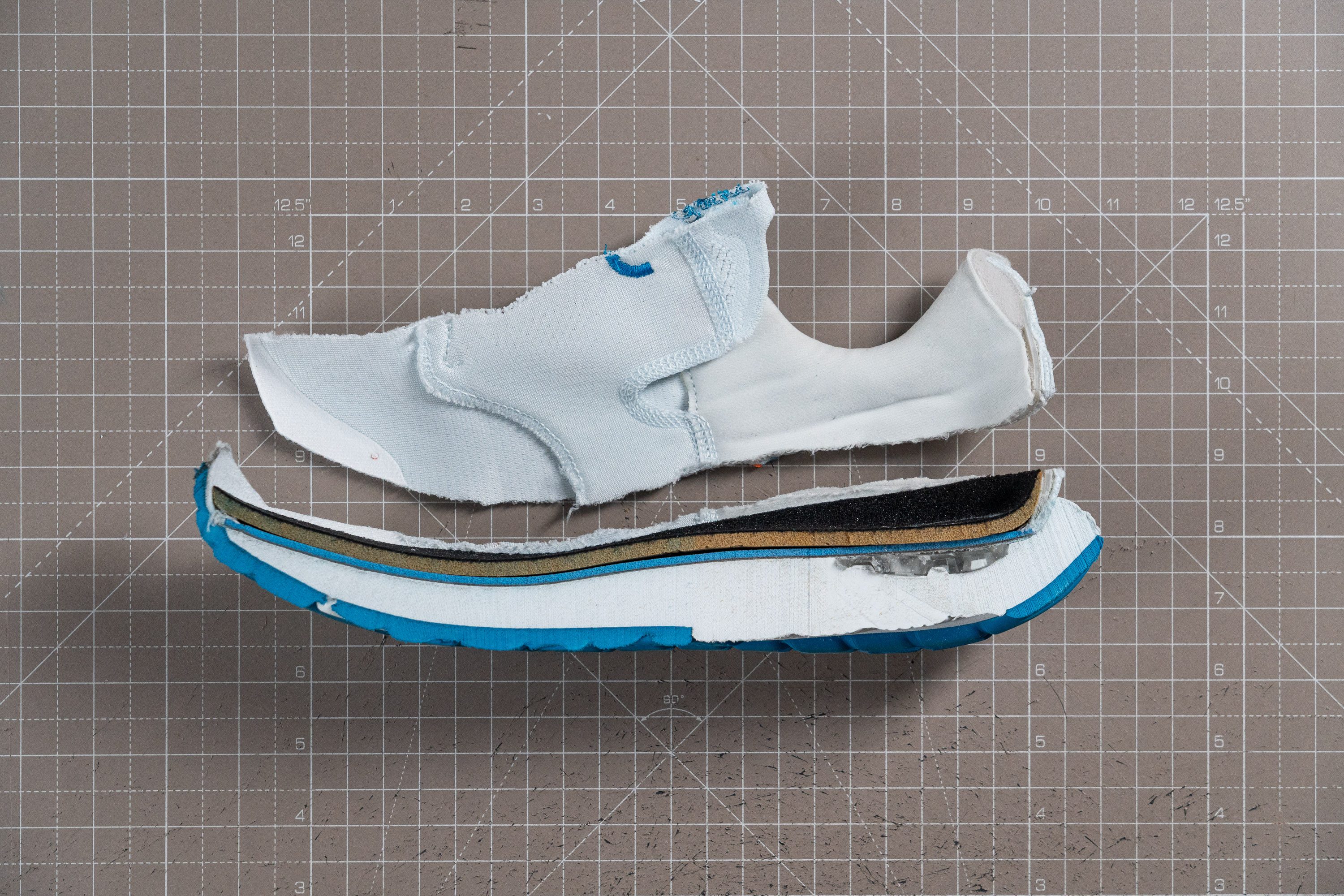
| Gel Cumulus 28 | 13.3 mm |
| Average | 8.4 mm |
Midsole softness
FF Blast Max brings a slight change in softness, lowering the score in our Asker C durometer to 31.9 AC.
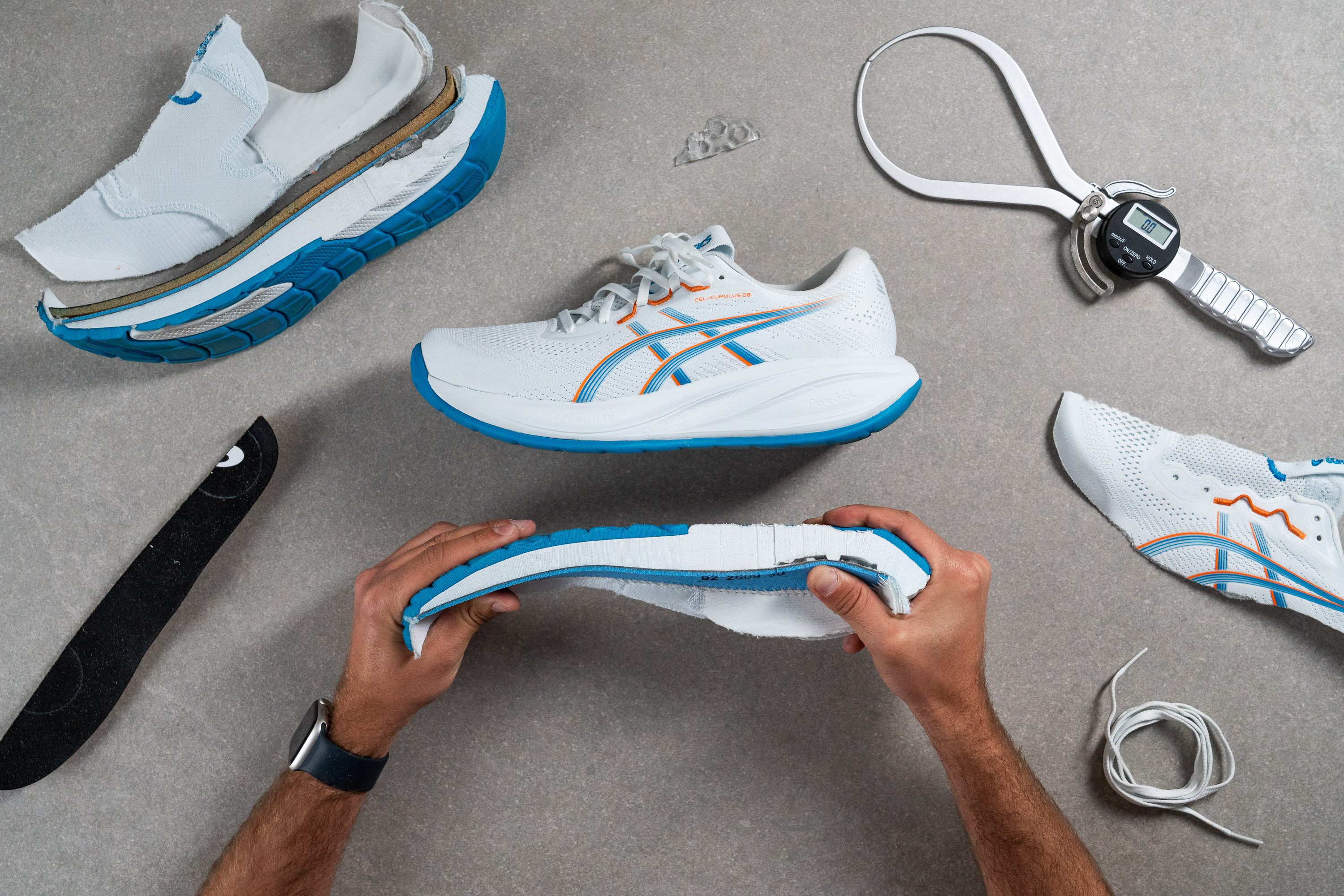
This places the ASICS Gel Cumulus 28 in the plush category, especially because it uses a different setup than most competitors, with a PureGEL insert in the heel and a FluidRide outsole made from foam instead of rubber, which we’ll cover shortly.
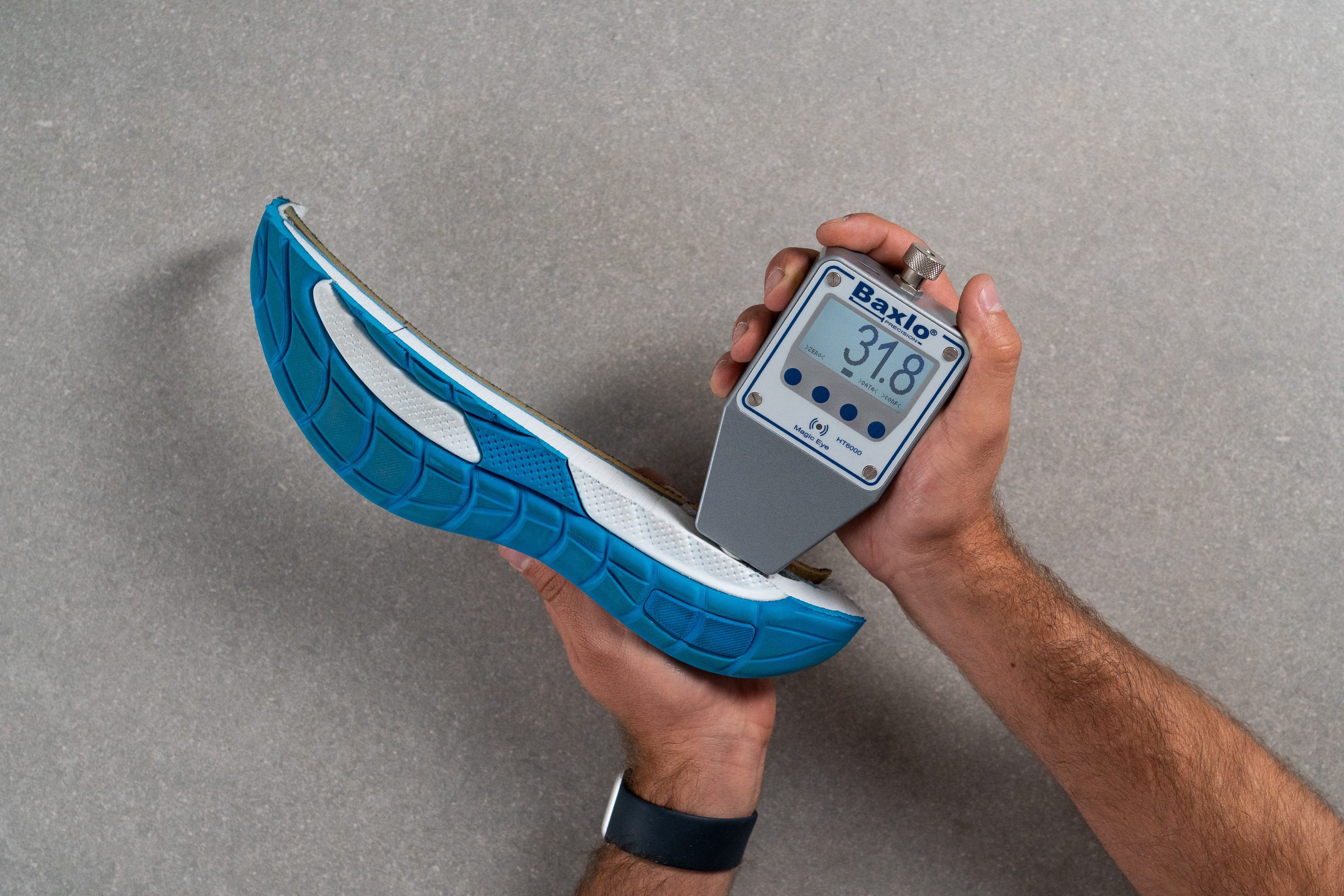
| Gel Cumulus 28 | 31.9 AC |
| Average | 35.4 AC |
Rocker
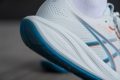
The Gel Cumulus 28 keeps a similar geometry to its predecessor, featuring a pronounced heel flare and a clear curvature that helps smooth the stride for rearfoot strikers, the main target of this shoe. The forefoot rocker remains moderate and never feels intrusive.
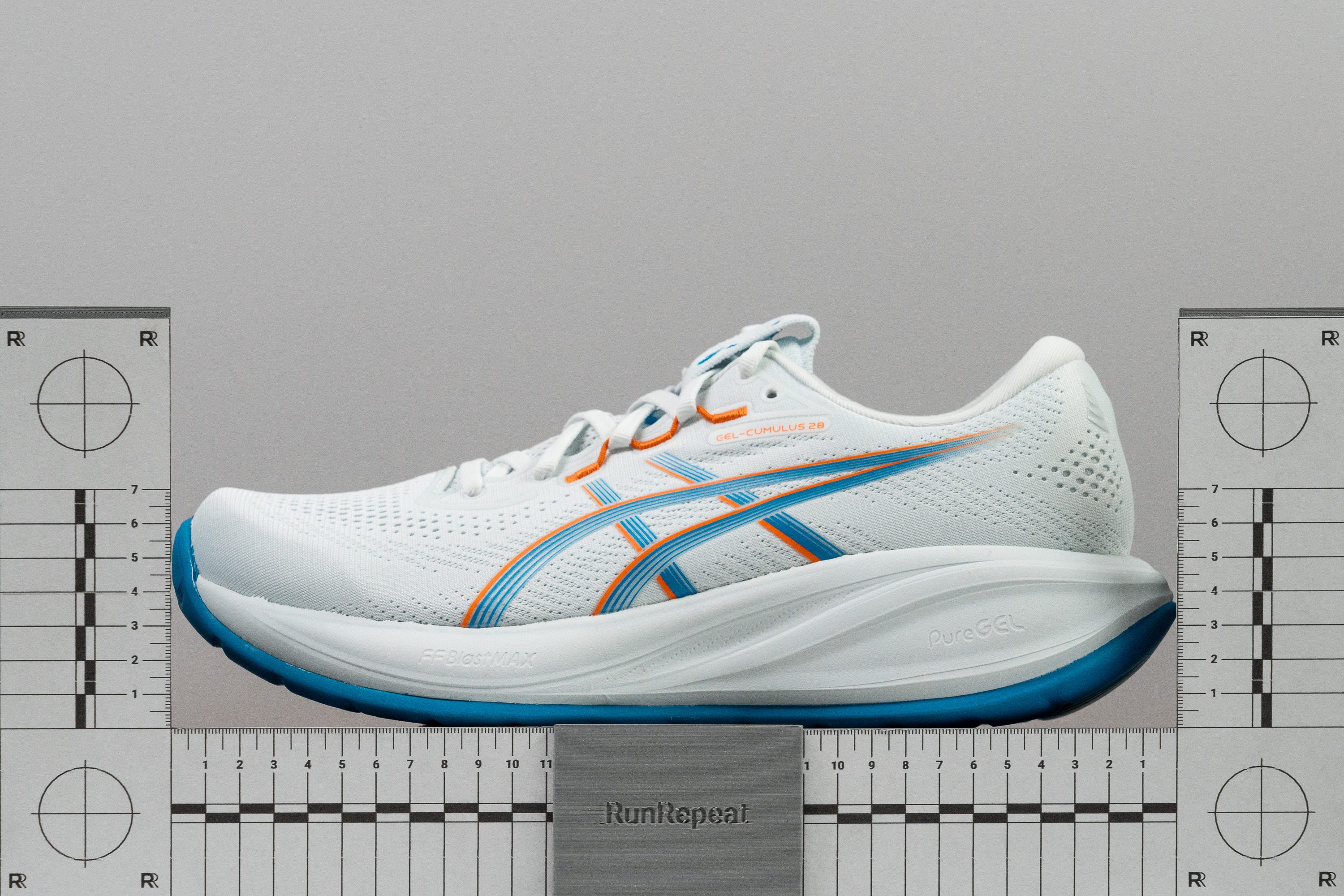
PureGEL
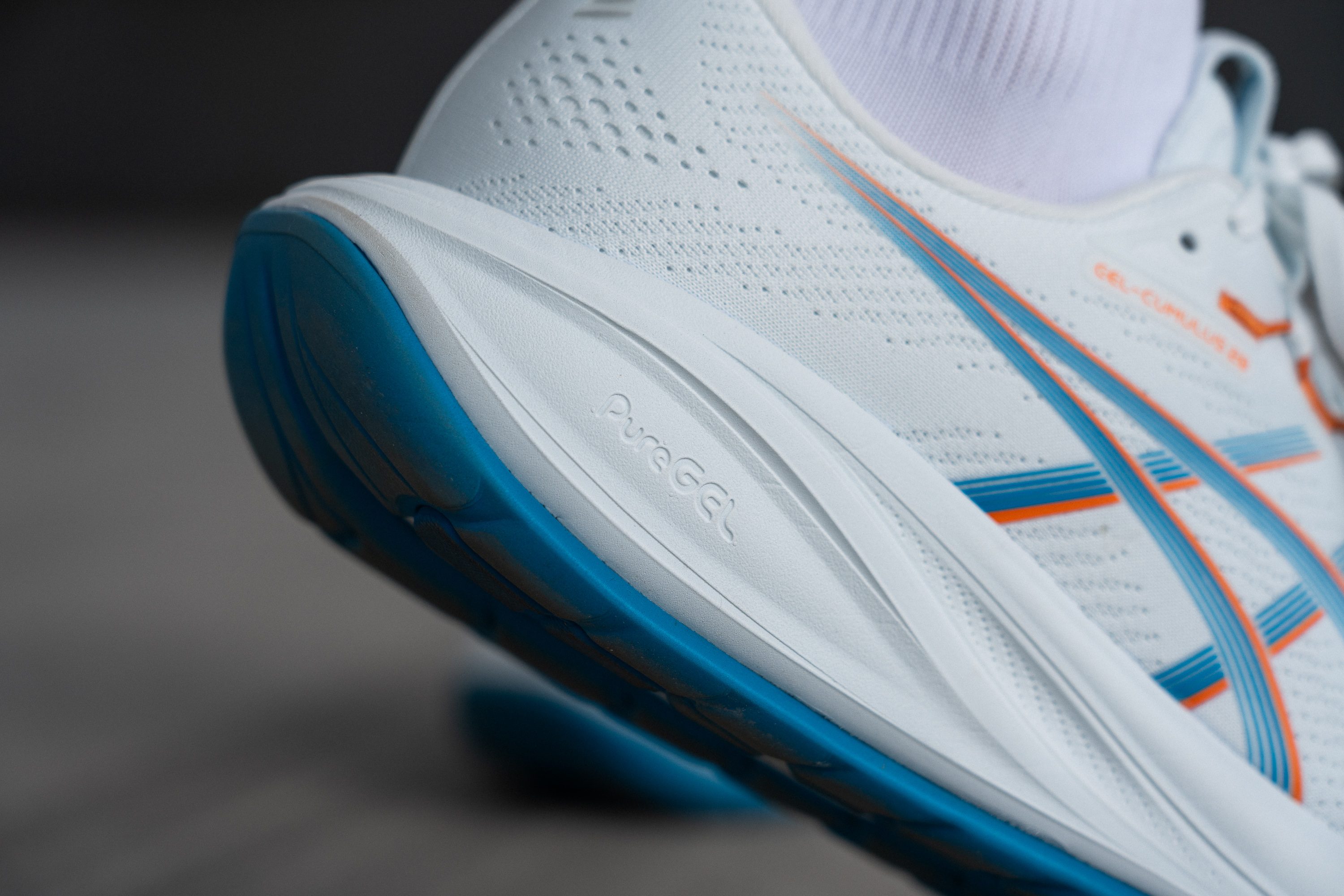
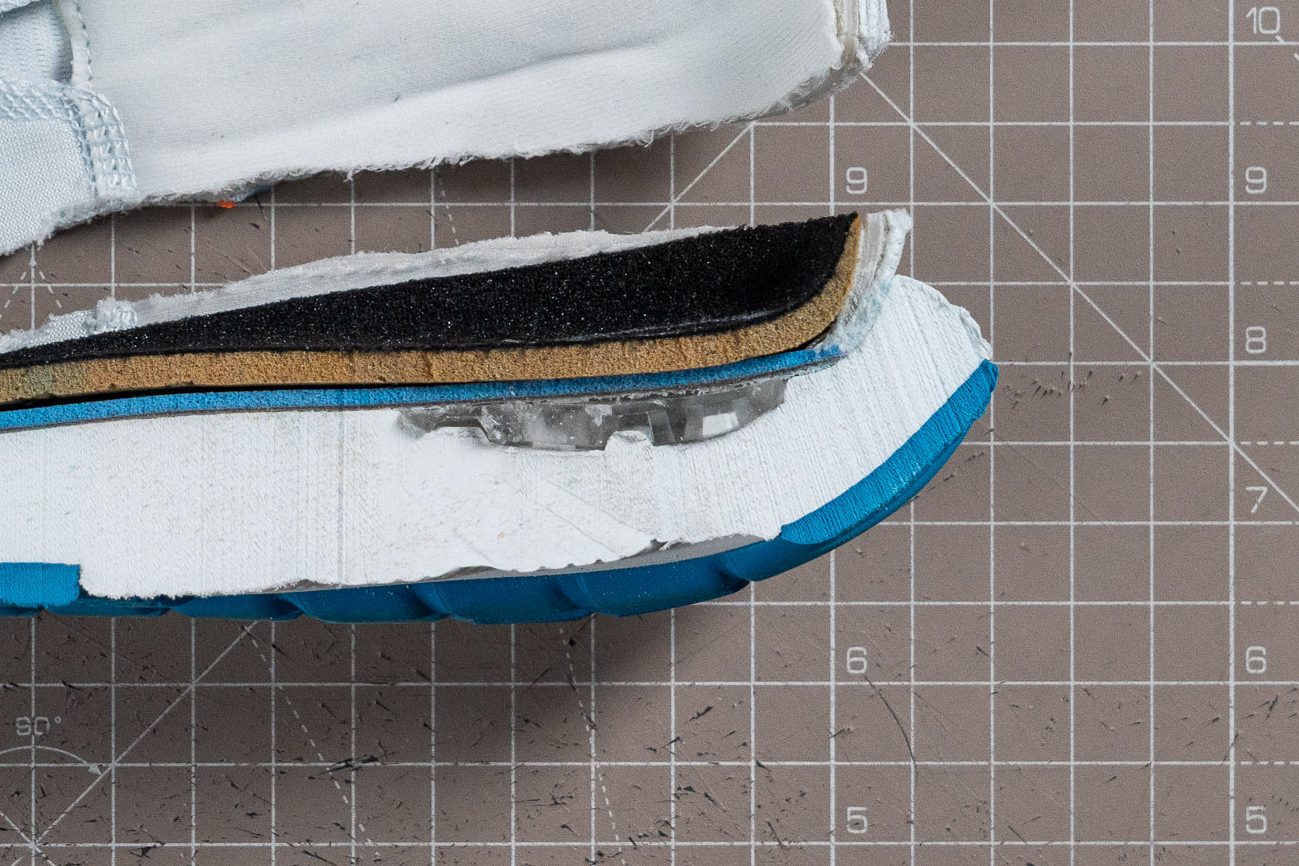
We keep thinking each year might be the one when ASICS drops GEL technology, but that is not the case yet. The Cumulus 28 retains the same PureGEL insert from last year, which softens landings but also limits energy return.
It also adds complexity to the manufacturing process and feels like one of those cases where marketing influences the final design. But at the same time, GEL is a core part of ASICS DNA, so it is easy to see why they hesitate to remove it.
Size and fit
Size
ASICS Gel Cumulus 28 fits true to size (33 votes).
Internal length
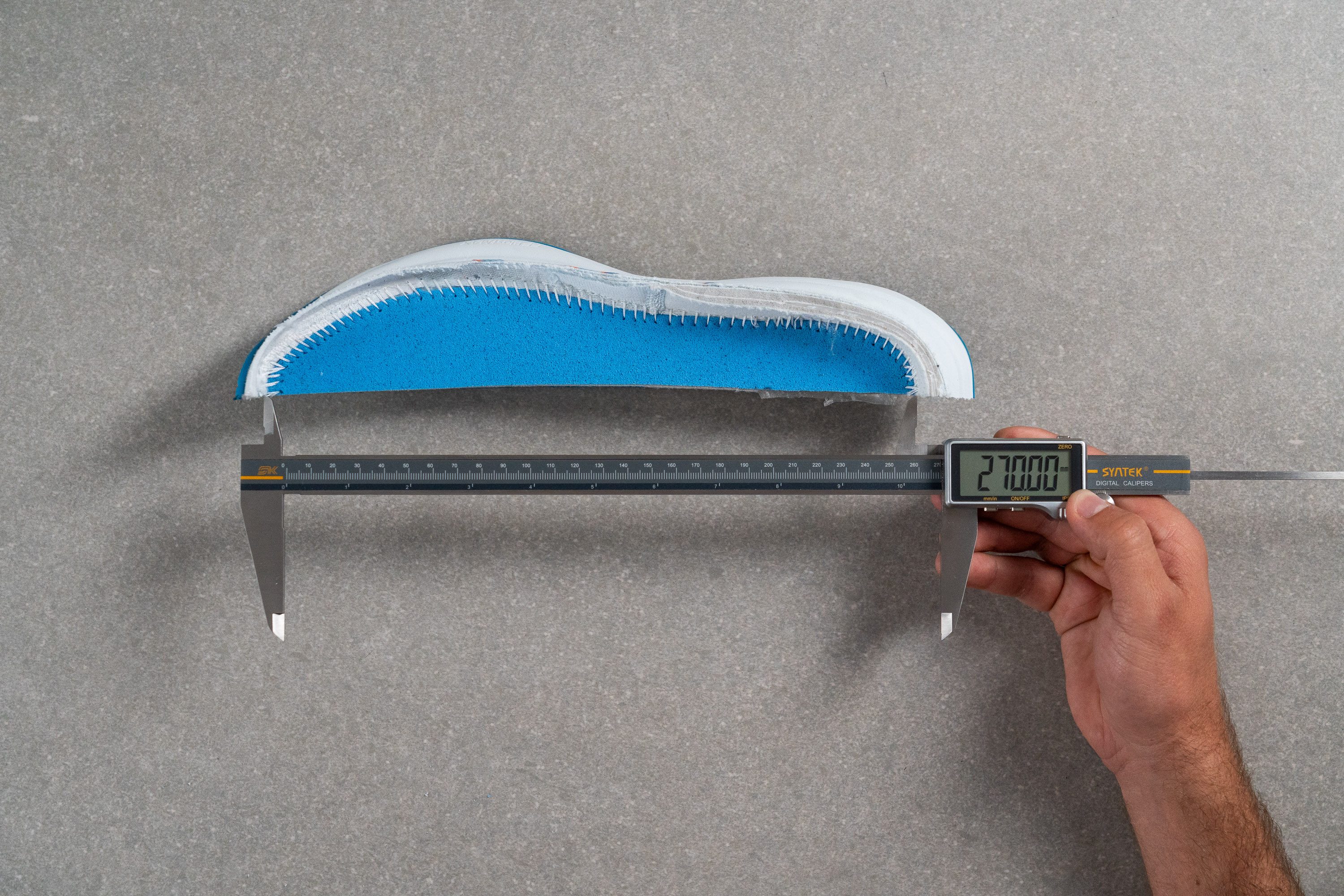
| Gel Cumulus 28 | 270.0 mm |
| Average | 269.3 mm |
Width / Fit
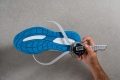
In our first measurement, we recorded 94.5 mm, which sits around the average and should suit most standard-width feet.
It’s also worth noting that the Cumulus is available in up to three widths in select markets. That said, let’s keep measuring.
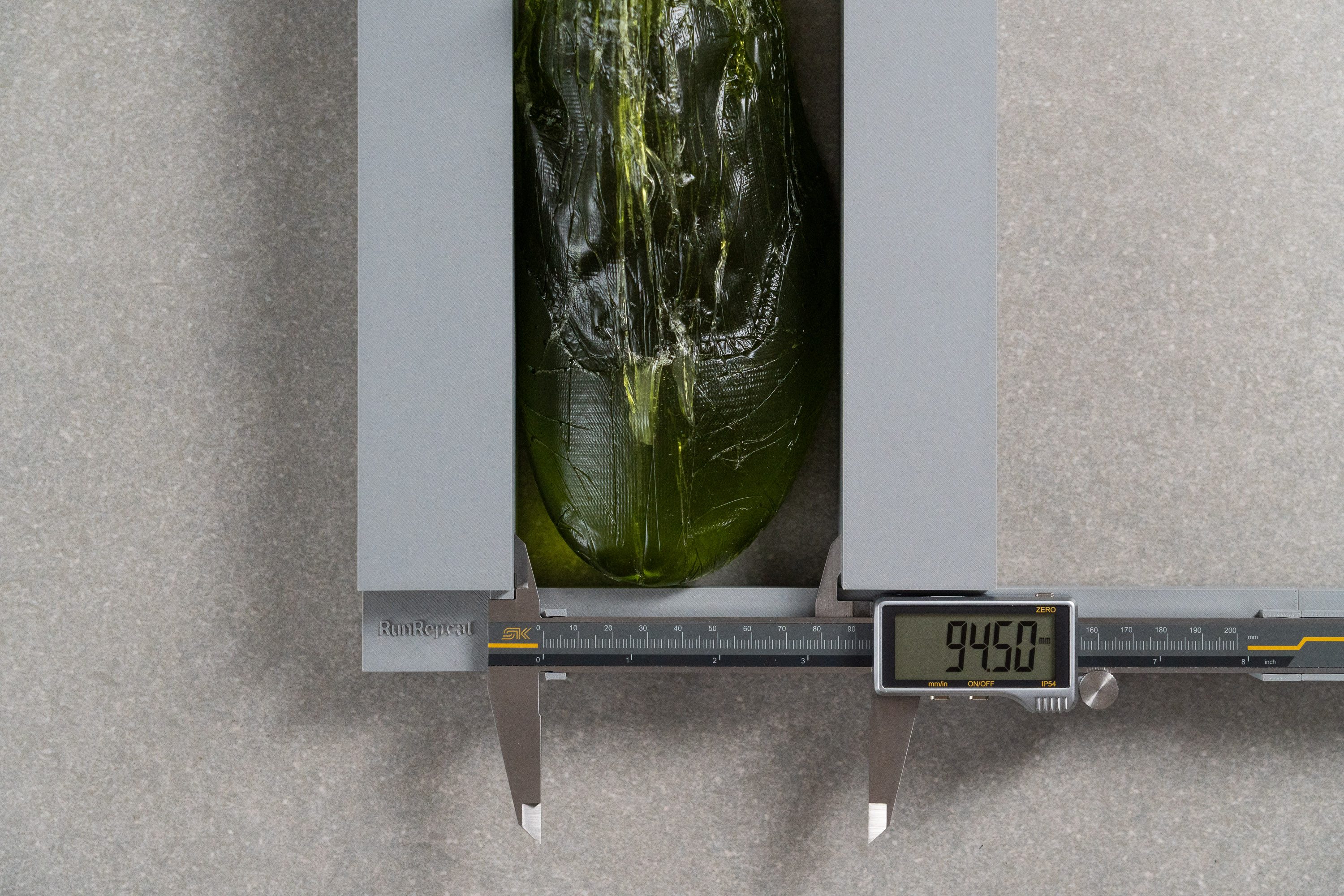
| Gel Cumulus 28 | 94.5 mm |
| Average | 95.2 mm |
Toebox width
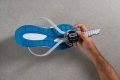
One aspect that some runners disliked in the previous Cumulus was its tapered toebox, so we were curious to see how this version performs. Luckily, it now offers more room for the toes at 74.4 mm, improving daily comfort, compared to 71.1 mm last year.
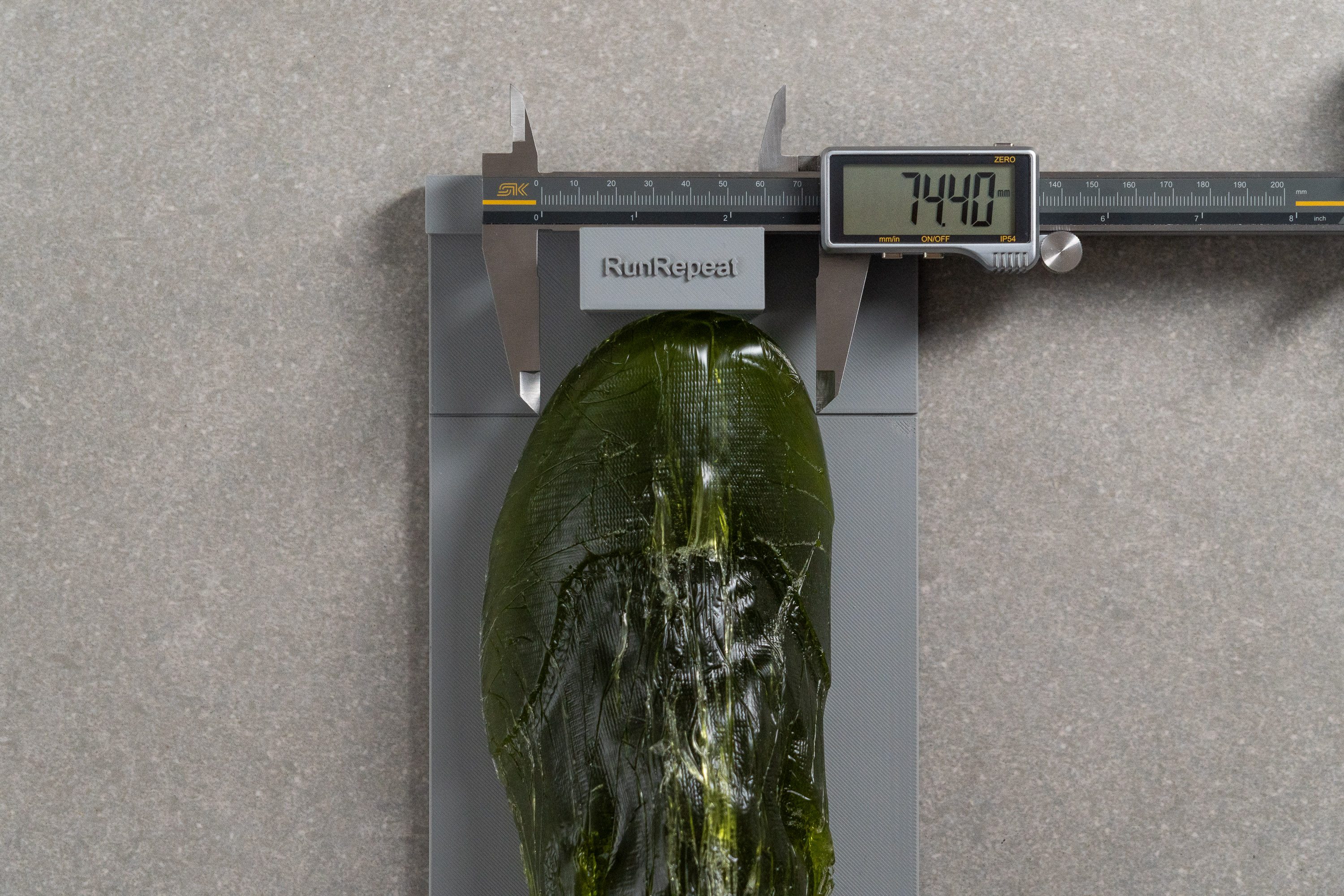
| Gel Cumulus 28 | 74.4 mm |
| Average | 73.2 mm |
Toebox height
The toebox height stays nearly unchanged, remaining slightly higher than most shoes.
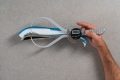
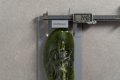
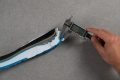
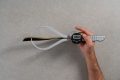
This year, our digital callipers measured 29.1 mm.
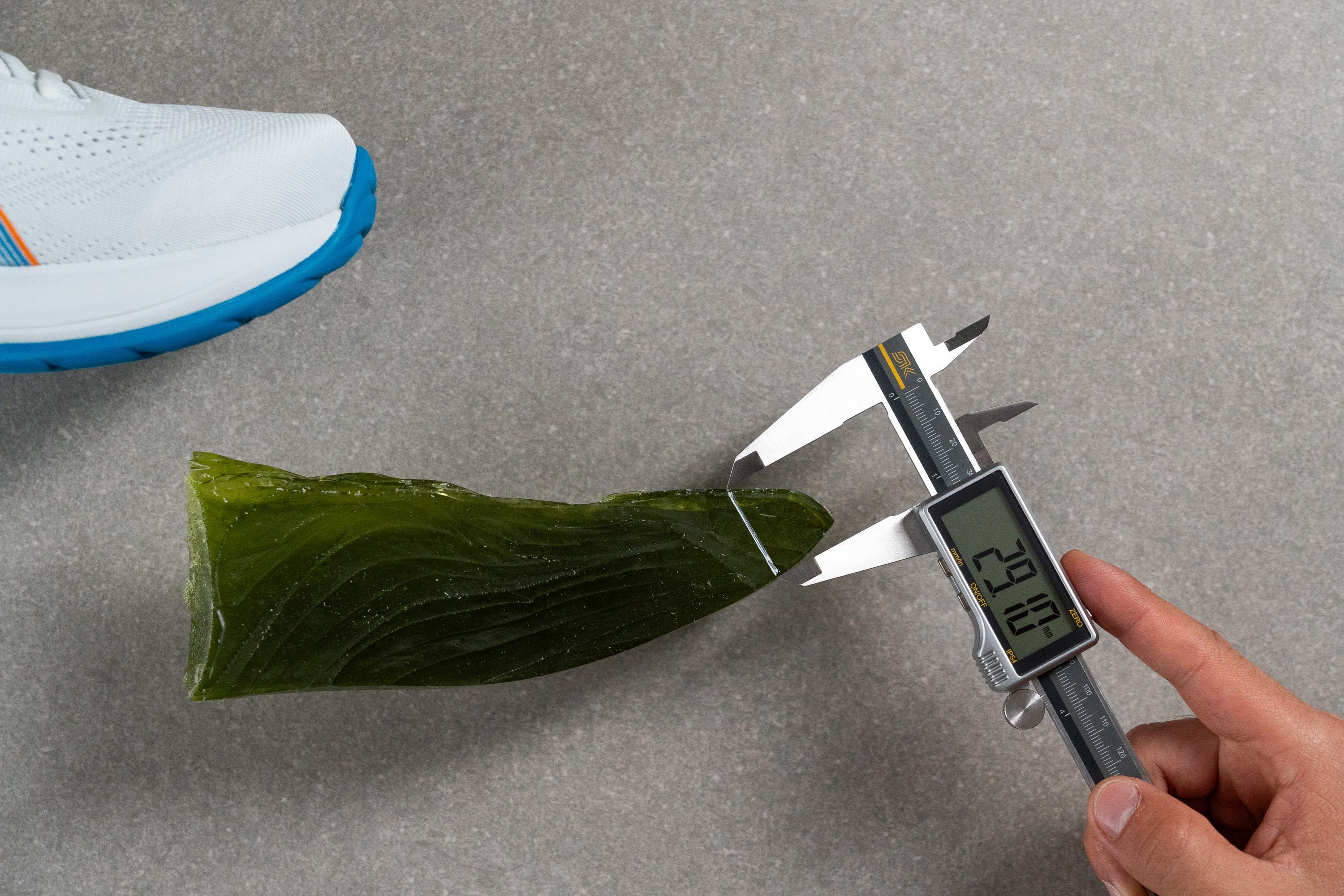
| Gel Cumulus 28 | 29.1 mm |
| Average | 27.0 mm |
Traction / Grip
Traction test
There are small changes in the outsole that bring a slight improvement in traction, although the overall grip remains very similar. The score increased from 0.50 to 0.54, which is a positive step, especially for this type of outsole where achieving strong grip can be challenging.
That said, it still falls clearly short of top-tier compounds like ASICSGRIP, which is important to keep in mind.
| Gel Cumulus 28 | 0.54 |
| Average | 0.53 |
Outsole design
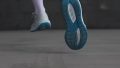
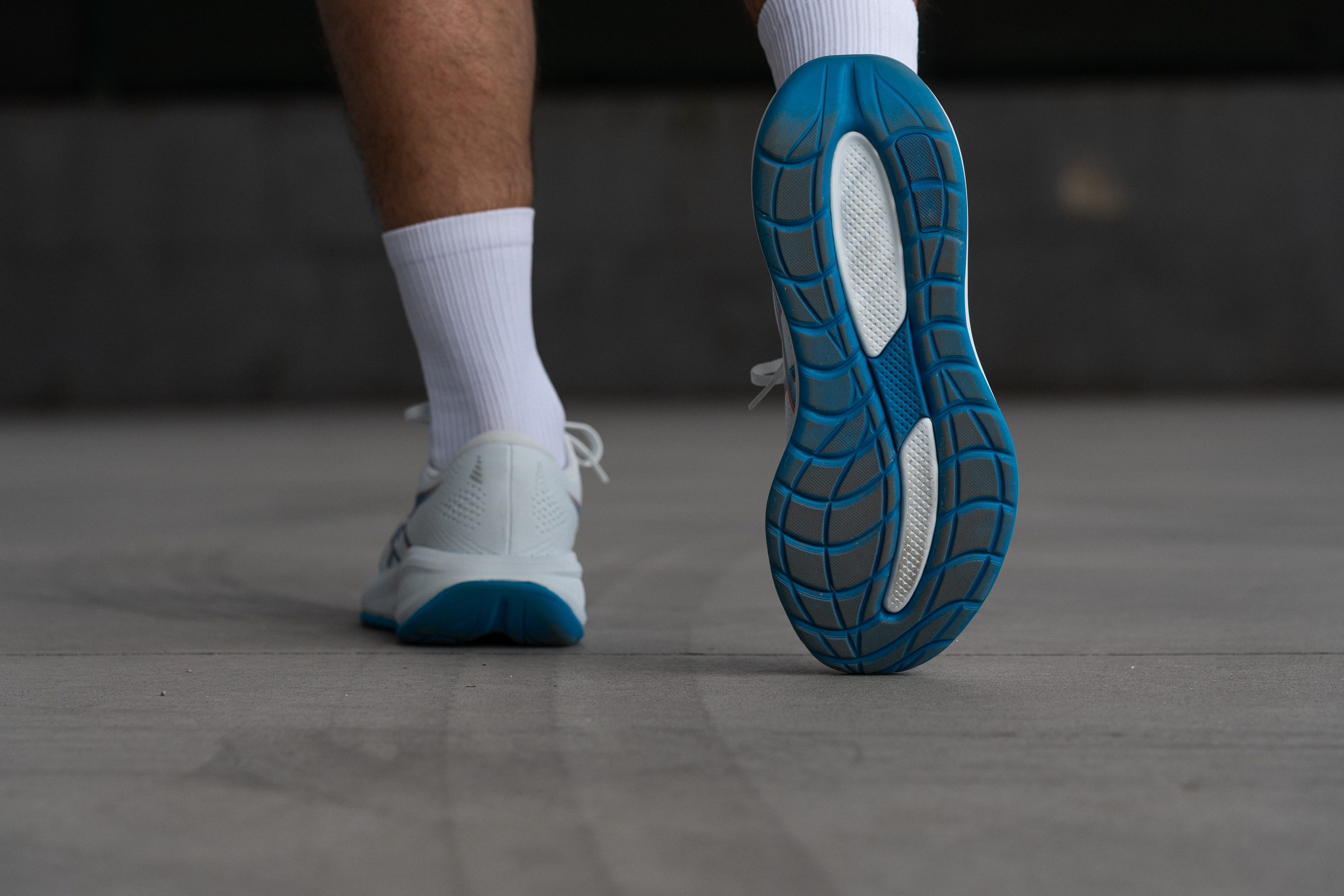
The biggest update comes from the redesigned forefoot, which now includes a white rubber section that improves grip and builds on the role this material already played in the previous version.
The rest of the outsole continues to use the familiar FluidRide formula, which works very well for runners who prefer soft landings.
Flexibility / Stiffness
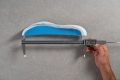
Despite its noticeably high stack height, the Cumulus 28 offers solid flexibility for everyday comfort at 13.7N. Once again, this is partly made possible by the FluidRide outsole we discussed earlier.
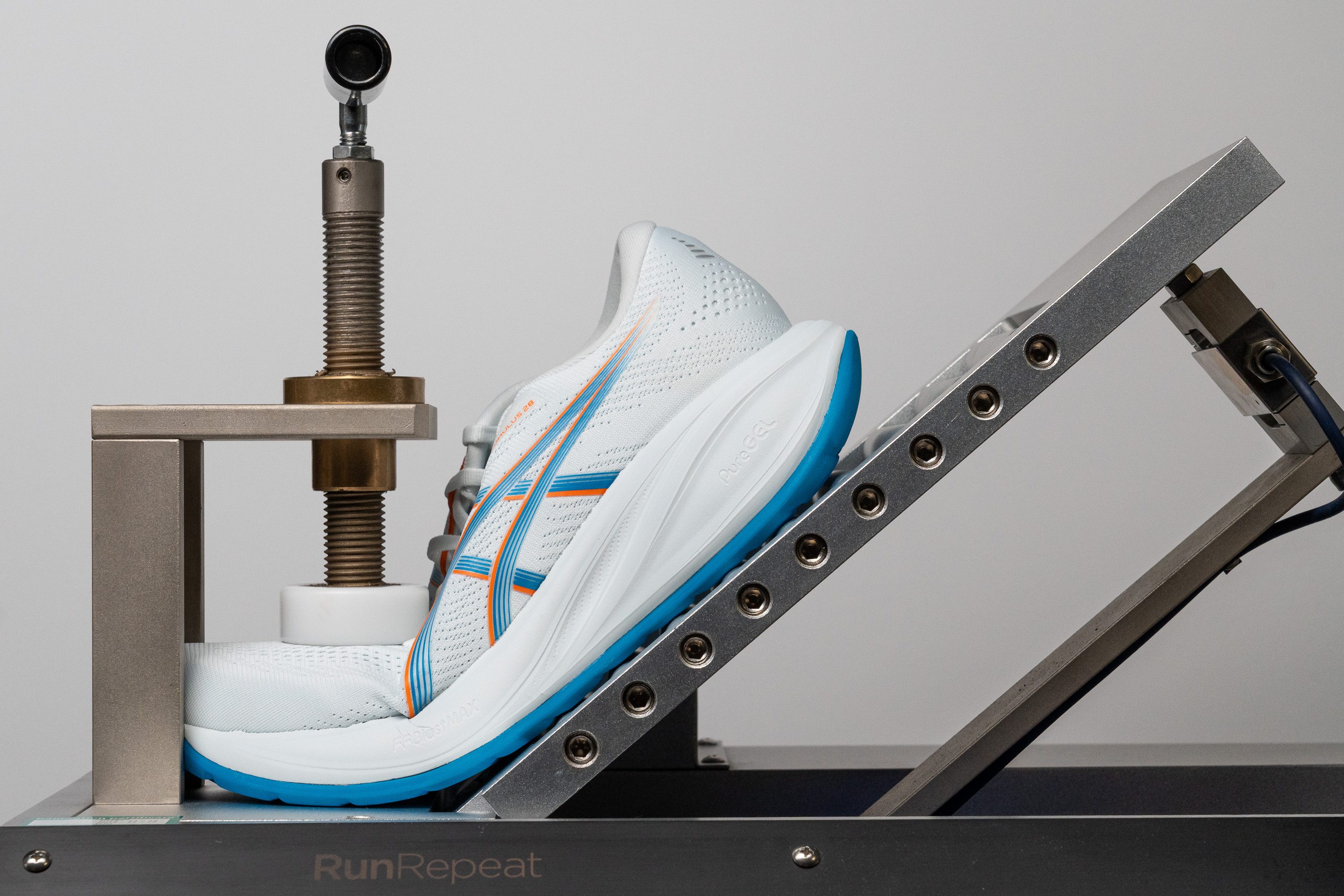
| Gel Cumulus 28 | 13.7N |
| Average | 15.5N |
Weight
Another area where the ASICS Gel Cumulus 28 performs well is weight. ASICS continues to trim it down with each update, and we measured a 3% reduction, bringing it to a very appealing 8.9 oz or 252g. For context, the Nike Pegasus 42 has a much lower stack height yet weighs 13% more.
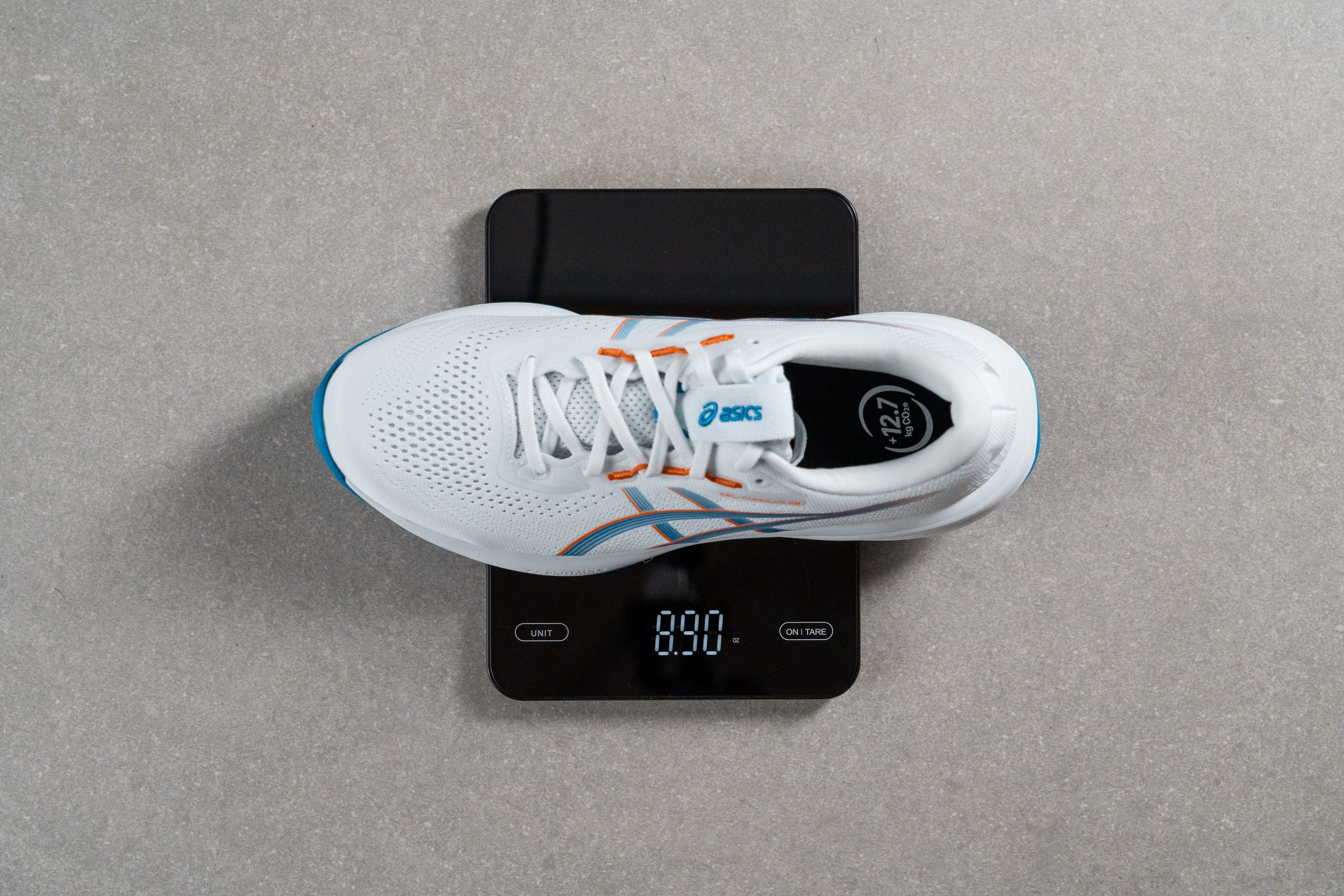
| Gel Cumulus 28 | 8.9 oz (252g) |
| Average | 9.2 oz (261g) |
Breathability
Breathability test
Uppers that focus heavily on comfort sometimes struggle with breathability, and we had a feeling this one might not be ideal for summer.
After our evaluations, we settled on a 3/5 score, which is decent and can work in warm conditions if temperatures are not extreme and the right socks are used.
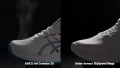
The tongue area also contributes some extra airflow, which is a welcome detail. However, given the overall design, we expected the Cumulus 28 to score slightly higher.
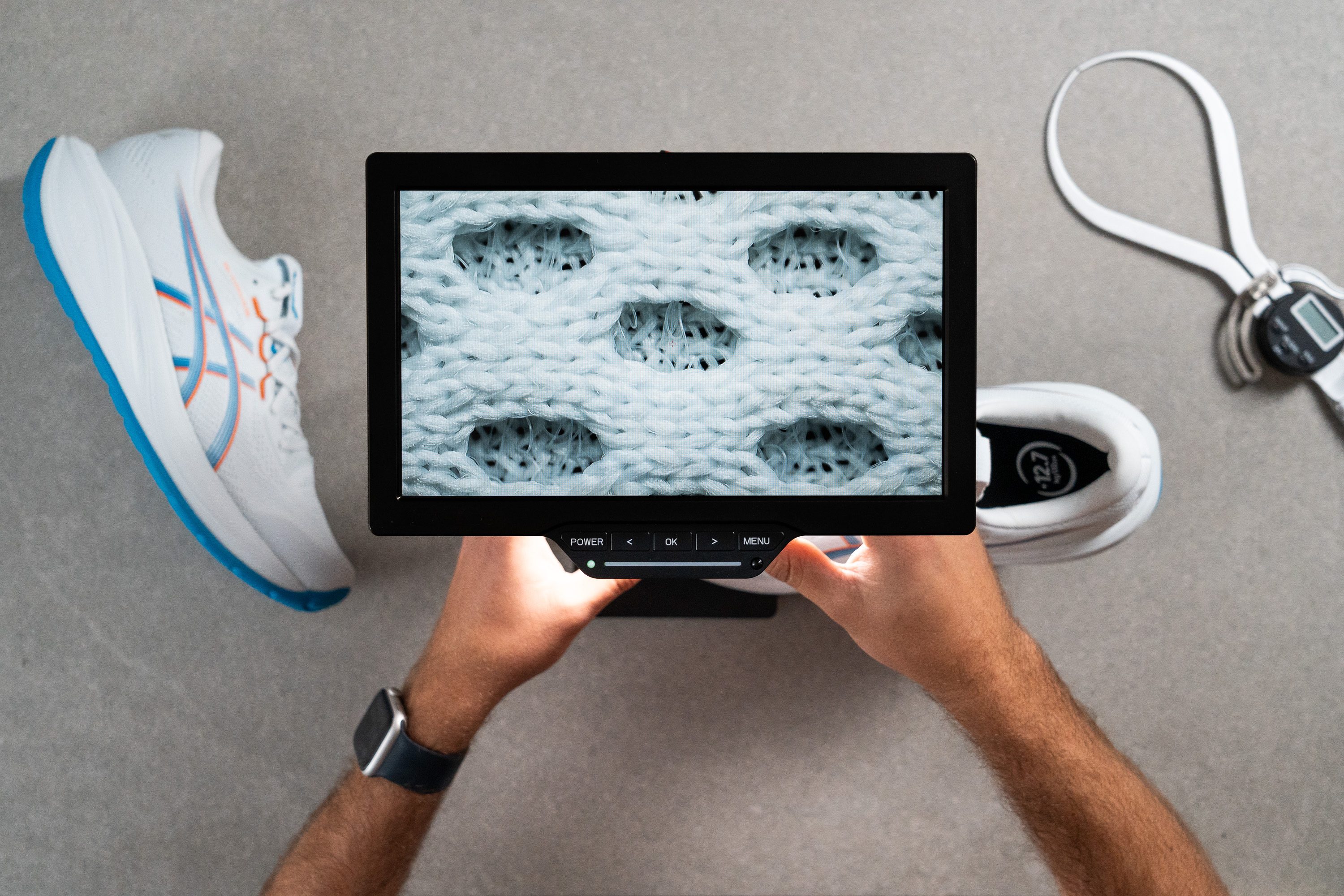
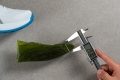
Looking at the upper under our digital microscope, we noticed that the main layer includes a secondary layer underneath that blocks much of the airflow.

That inner layer plays an important role in improving comfort, so ASICS likely made the right decision by keeping it in a shoe like the Cumulus.
| Gel Cumulus 28 | 3 |
| Average | 3.6 |
Stability
Lateral stability test
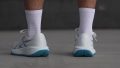
The Gel Cumulus 28 remains a fully neutral option within the ASICS lineup, which comes as no surprise. However, we believe it can also work for runners with mild pronation thanks to its supportive heel counter and wide base geometry, which naturally help stabilise the ride.
Torsional rigidity
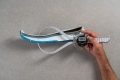
In terms of torsional rigidity, we measured a moderate 14.7 Nm result. This is a common approach for daily trainers and a safe design choice from ASICS, delivering stability without making the ride feel overly harsh underfoot.
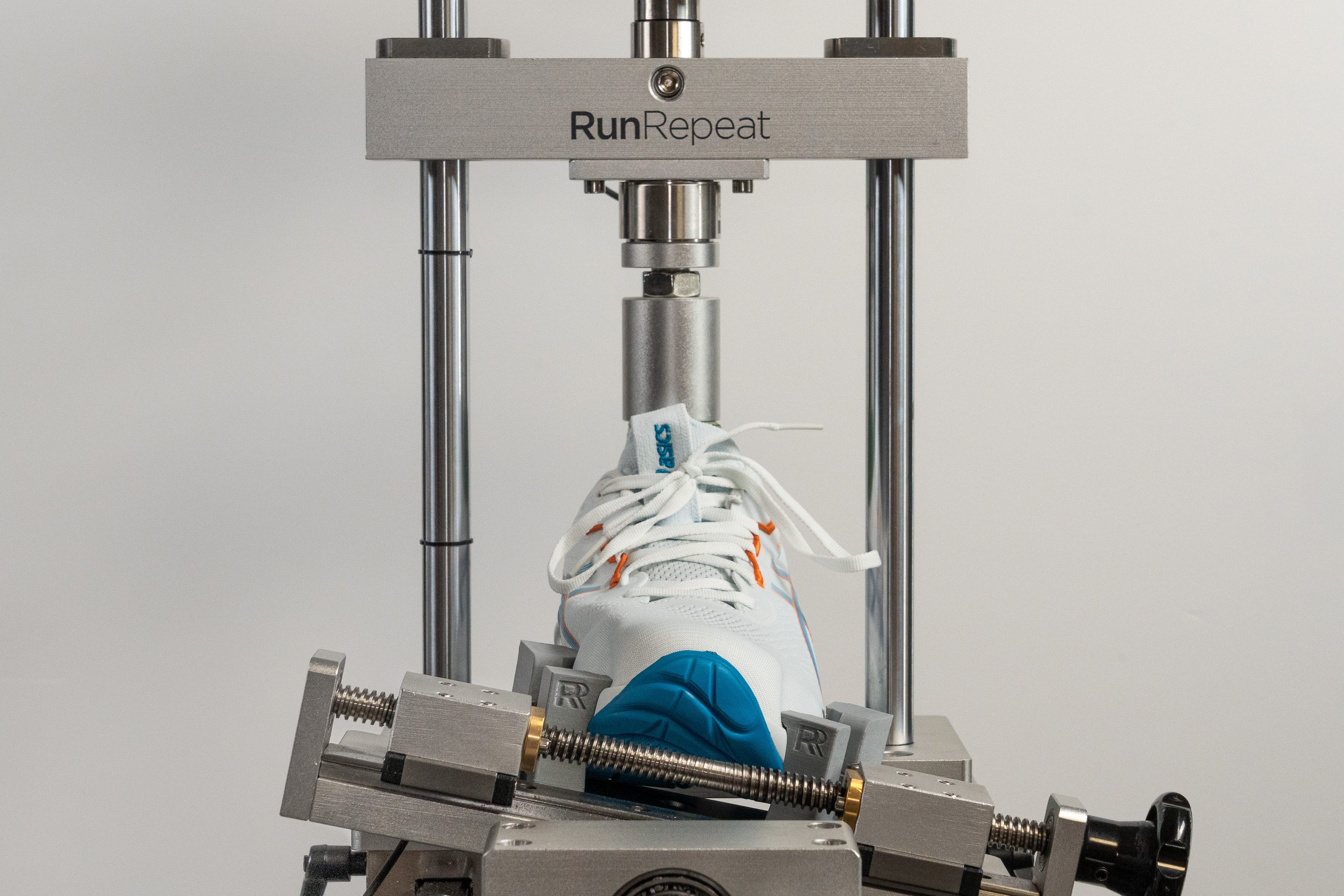
| Gel Cumulus 28 | 14.7 Nm |
| Average | 14.3 Nm |
Heel counter stiffness
We previously mentioned how stable the heel area feels, and that comes from ASICS using an extremely stiff heel counter that earned our maximum 5/5 score.
It is not ideal for runners with sensitive Achilles tendons or those who prefer a more natural feel, but it works very well for support and is nicely balanced by the generous foam padding.
| Gel Cumulus 28 | 5 |
| Average | 3 |
Midsole width - forefoot
Another reason why the Cumulus 28 feels so supportive is its oversized midsole, which is noticeably wider than that of a regular daily trainer. However, this has become the new standard for ASICS, as the brand now uses this design approach in nearly every non-racing model.
To put that into perspective, the 120.5 mm we measured here is even wider than the platform of the HOKA Gaviota 6, a dedicated stability shoe.
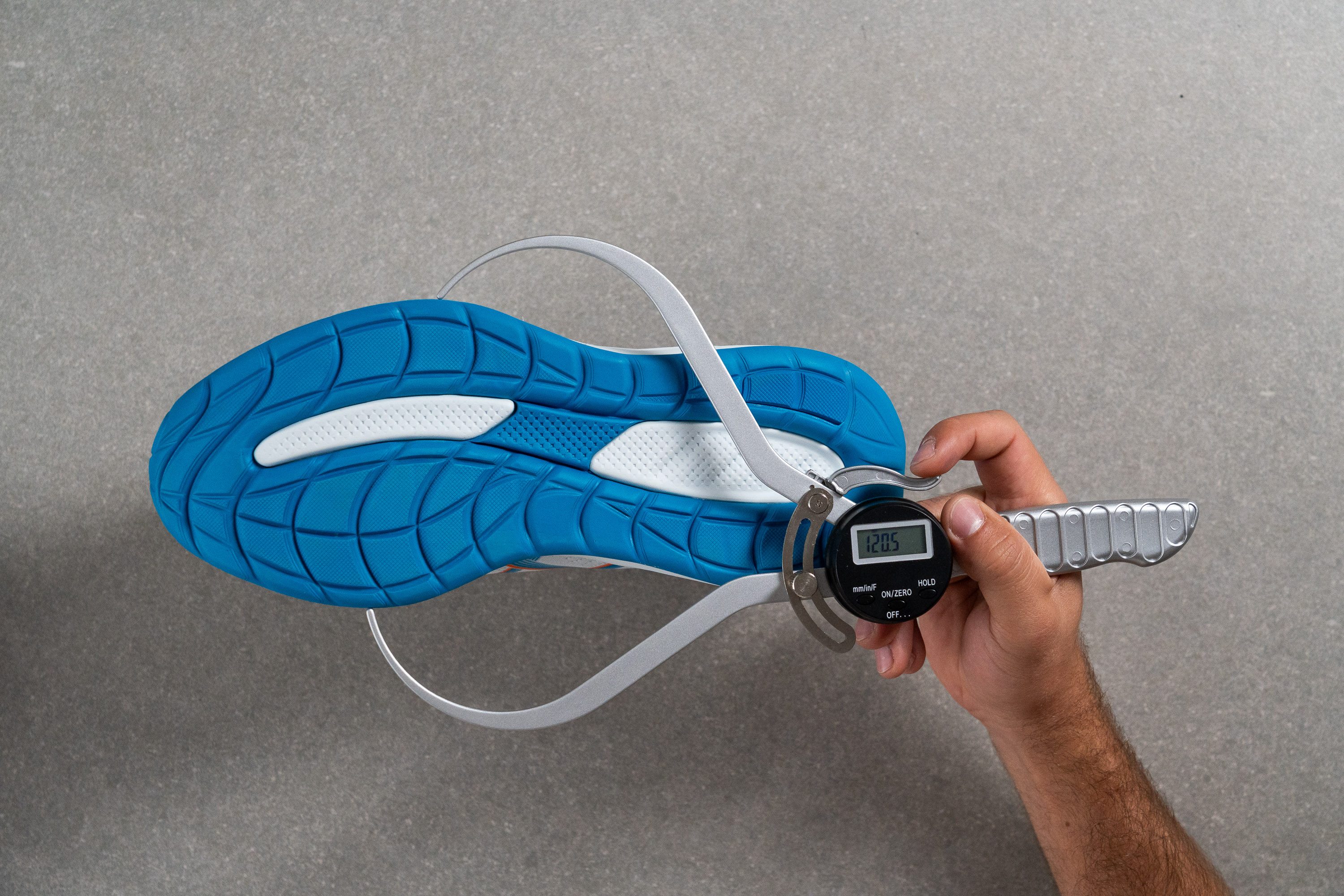
| Gel Cumulus 28 | 120.5 mm |
| Average | 115.1 mm |
Midsole width - heel
The heel is also notably wide at 96.5 mm, and this is even more important than the forefoot given the clear focus on heel strikers that we identified earlier.
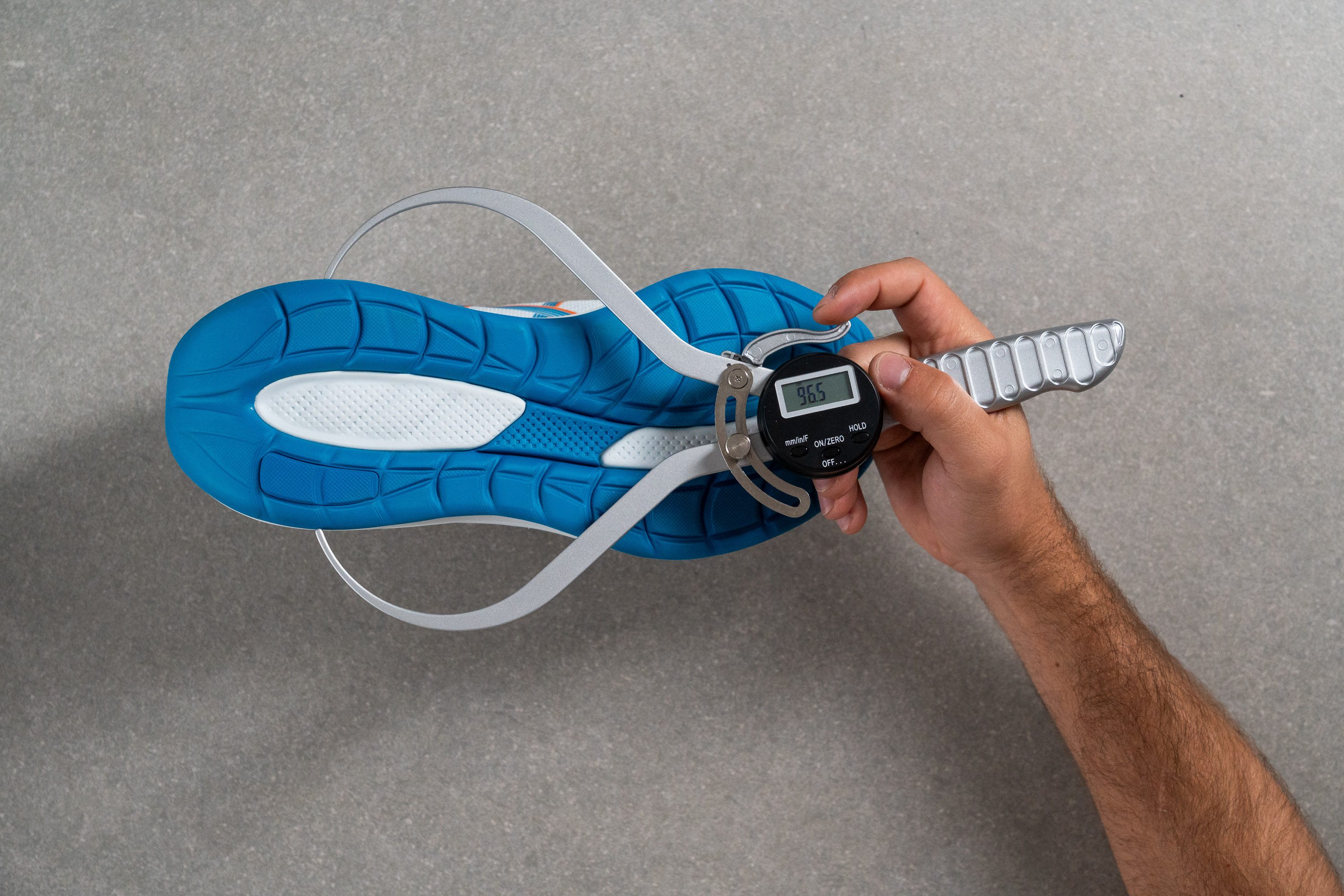
| Gel Cumulus 28 | 96.5 mm |
| Average | 91.1 mm |
Durability
Toebox durability
The toebox feels very comfortable, but durability is not a strong point, scoring 2/5. This is not surprising given the large ventilation holes in the top layer.
| Gel Cumulus 28 | 2 |
| Average | 2.6 |
Heel padding durability
On the other hand, the heel padding performed very well and achieved our highest score with a perfect 5.
| Gel Cumulus 28 | 5 |
| Average | 3.4 |
Outsole durability
The FluidRide outsole moves away from a traditional rubber setup, using a mix of foam and rubber with strategic reinforcements. These reinforcements are crucial, as durability would otherwise suffer. Even so, we measured 2.4 mm of damage, more than double the average, but there is a catch.
| Gel Cumulus 28 | 2.4 mm |
| Average | 1.1 mm |
Outsole thickness
The catch is that, because it works as both midsole and outsole, ASICS can use a thicker layer to offset the lower durability.
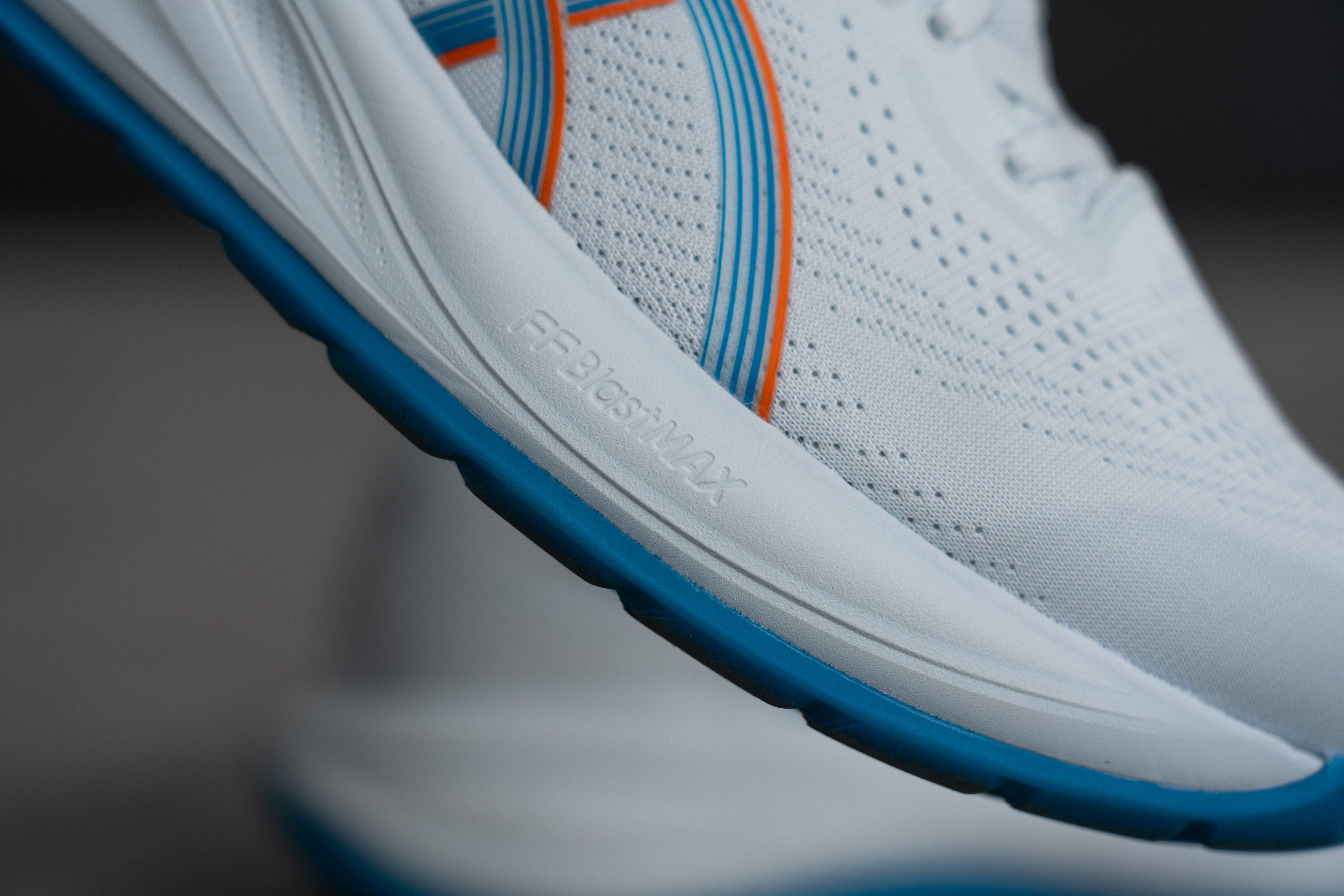
In the end, the overall result is fairly similar, but we still think this is not a good option for runners who are tough on outsoles, especially those who wear down small areas quickly.
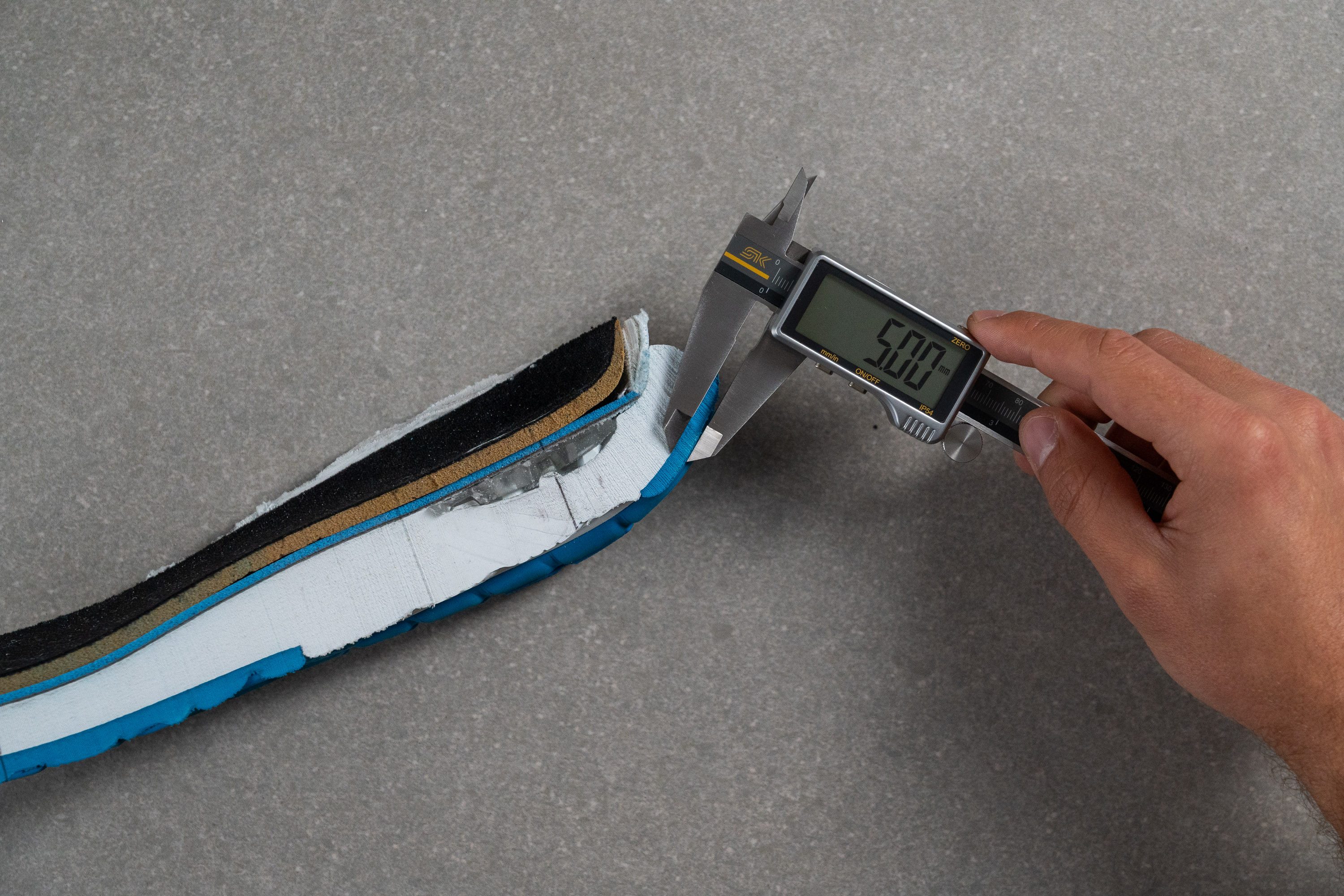
| Gel Cumulus 28 | 5.0 mm |
| Average | 3.1 mm |
Misc
Insole thickness
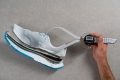
We found that ASICS opted for a slightly thicker-than-average insole at 5.2 mm.
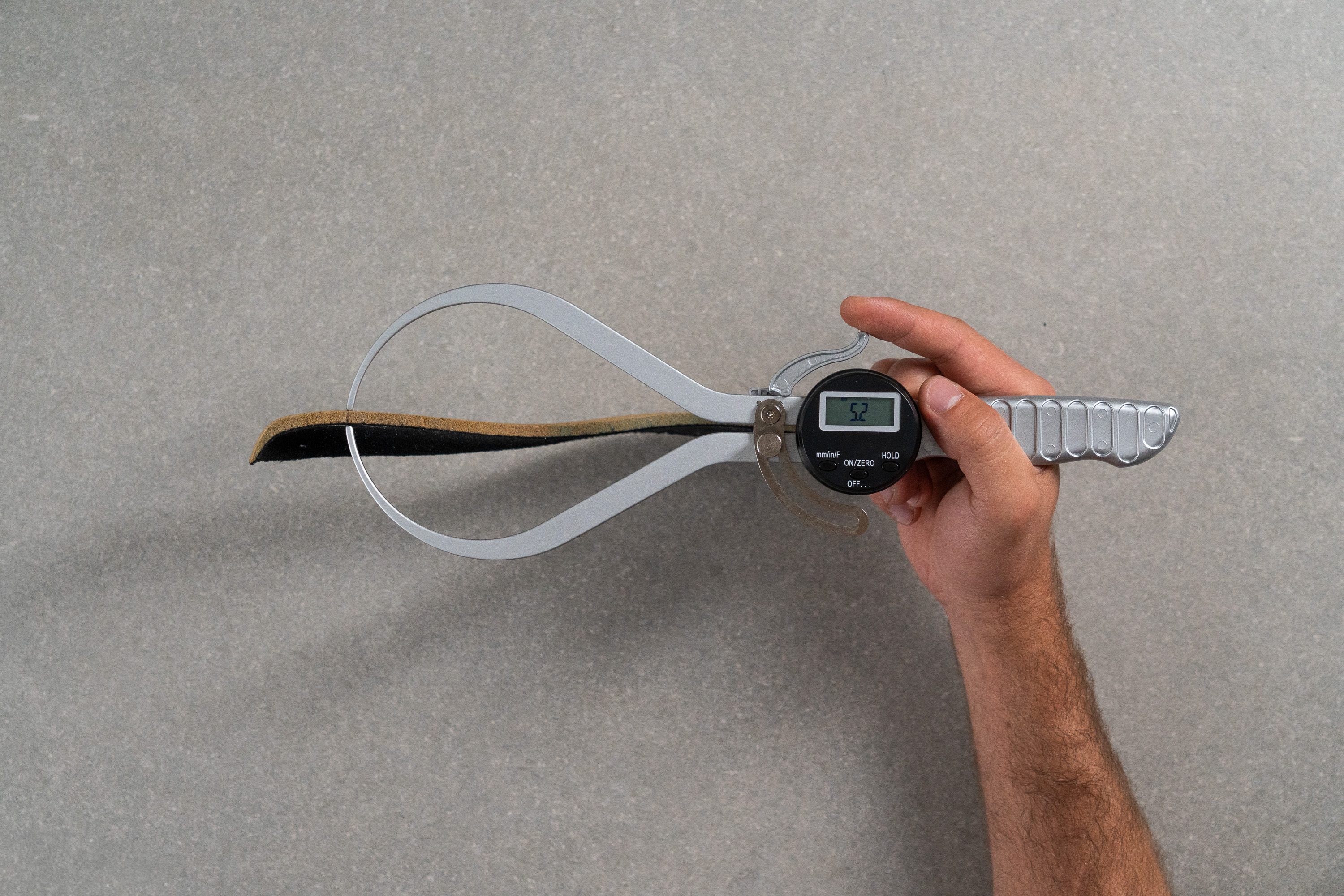
| Gel Cumulus 28 | 5.2 mm |
| Average | 4.4 mm |
Removable insole
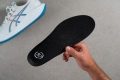
The insole is fully removable, allowing you to replace it if needed or preferred.
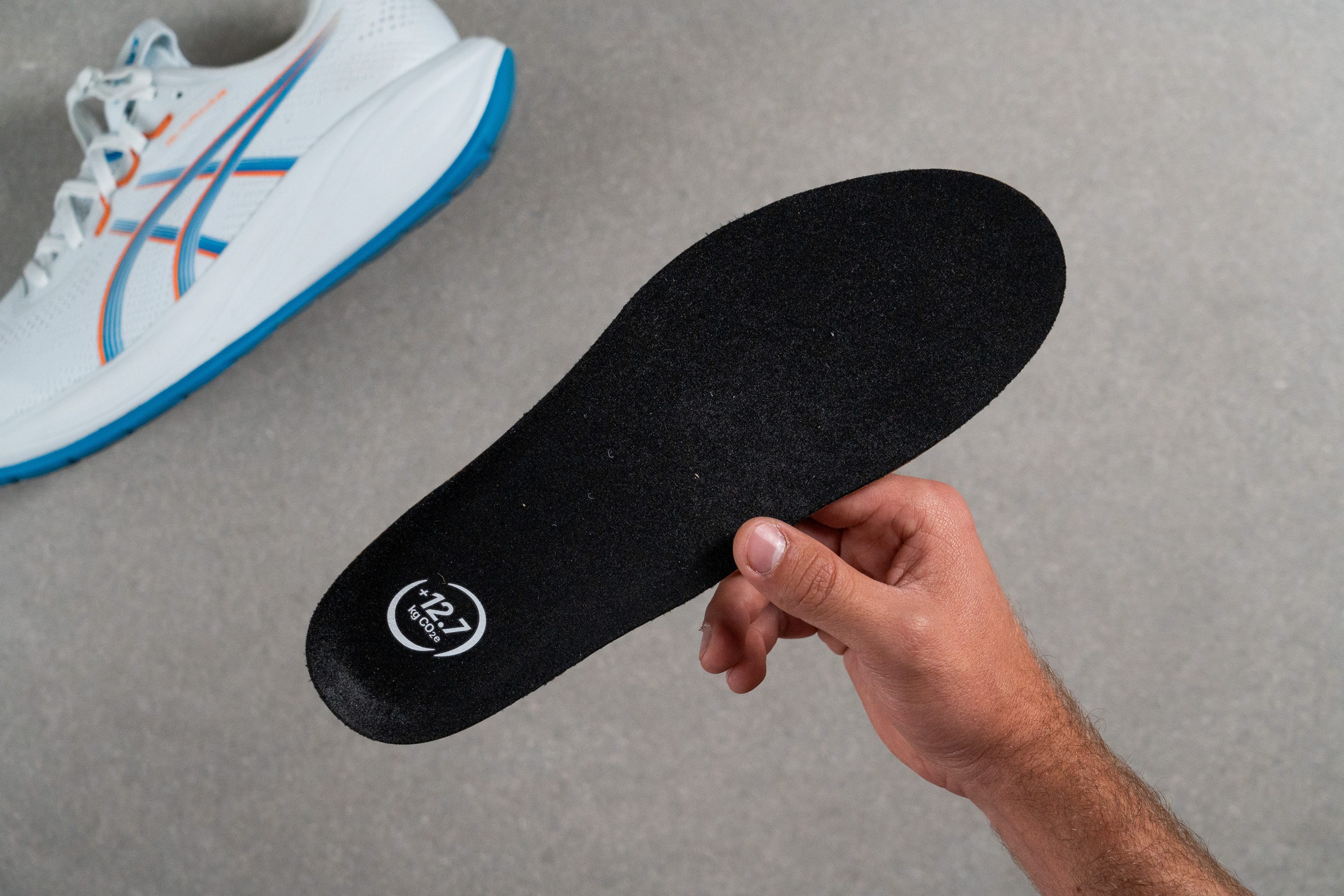
| Gel Cumulus 28 | Yes |
Reflective elements
There are small reflective elements in the heel, but they are not particularly impressive. For reference, ASICS could look at the excellent implementation that we found in the Altra Experience Flow 3.
| Gel Cumulus 28 | Yes |
Tongue padding
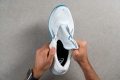
We discovered that this area has been fully redesigned and adds clear value to the overall package in terms of comfort and fit. The hybrid lacing system works perfectly to keep tension low while still delivering a secure lockdown, and the elastic knit material of the tongue feels excellent and is easy to adjust using the finger-loop tab.
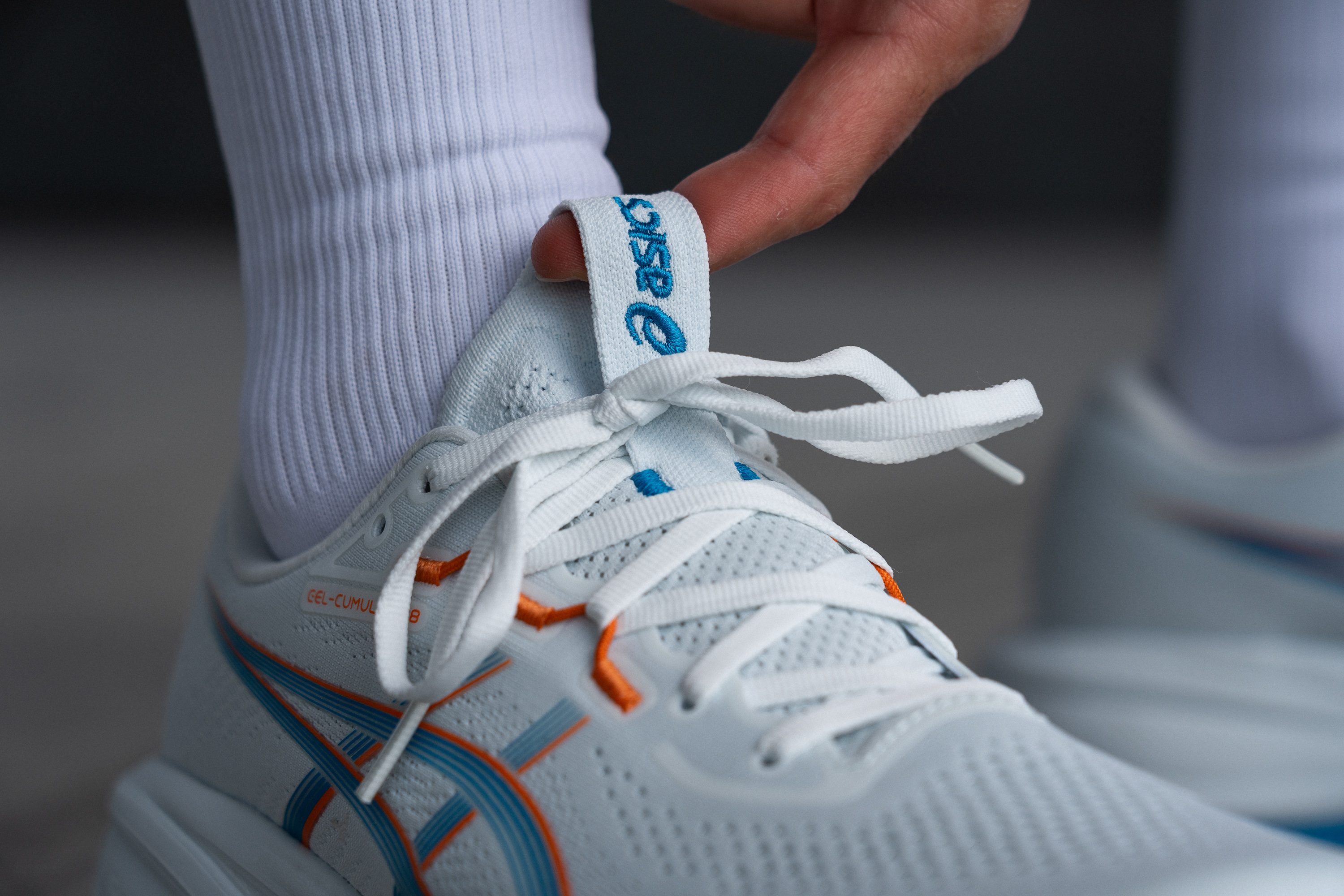
This 2.0-mm padding comes from ASICS moving toward ultra-thin tongues even in daily trainers. Not everyone will prefer this shift away from a more traditional padded tongue, but it still delivers comfort... just in a different way!
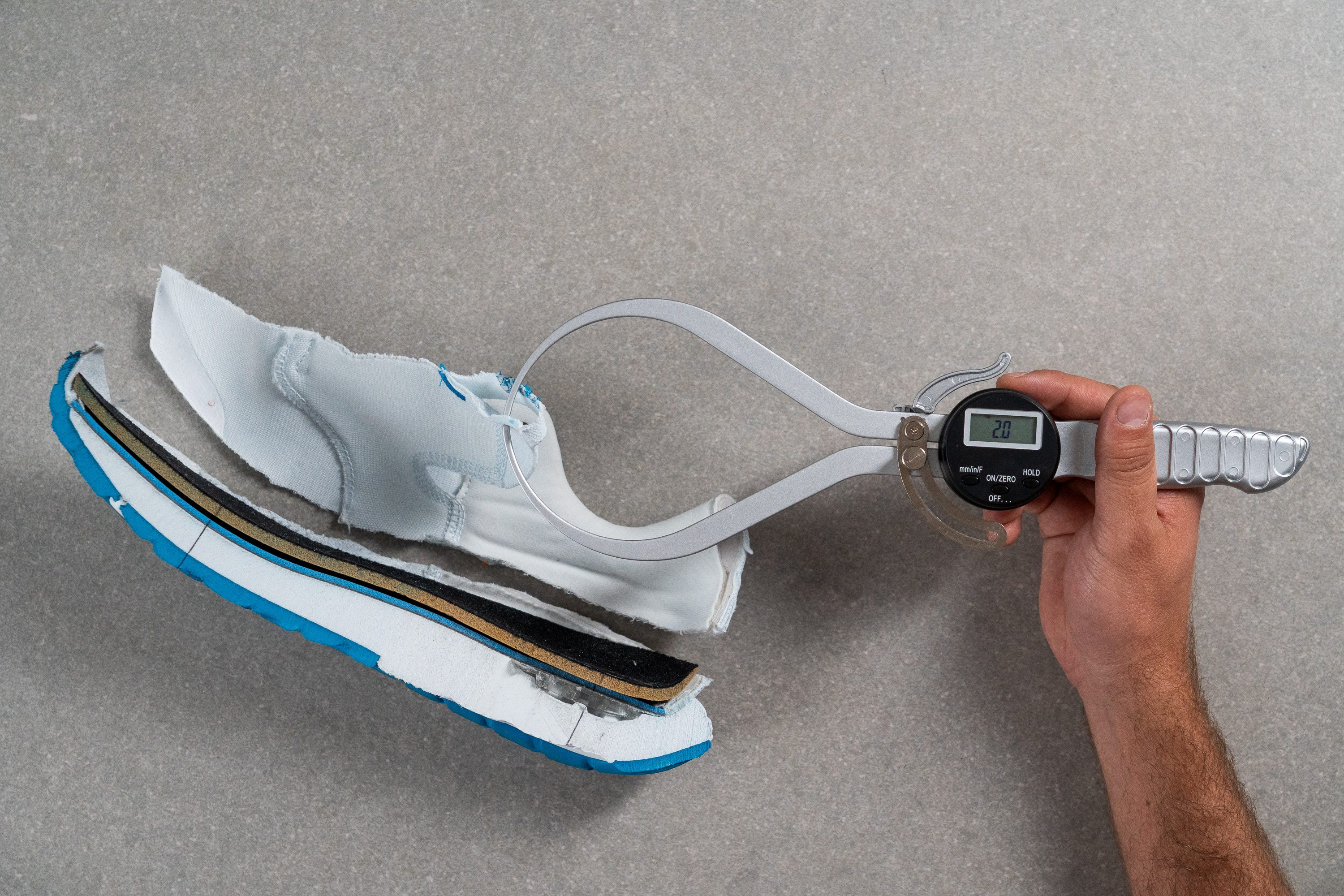
| Gel Cumulus 28 | 2.0 mm |
| Average | 5.8 mm |
Tongue: gusset type
We found that the tongue uses a semi-gusseted design, which helps keep it centred without adding unnecessary weight or putting pressure on the foot.
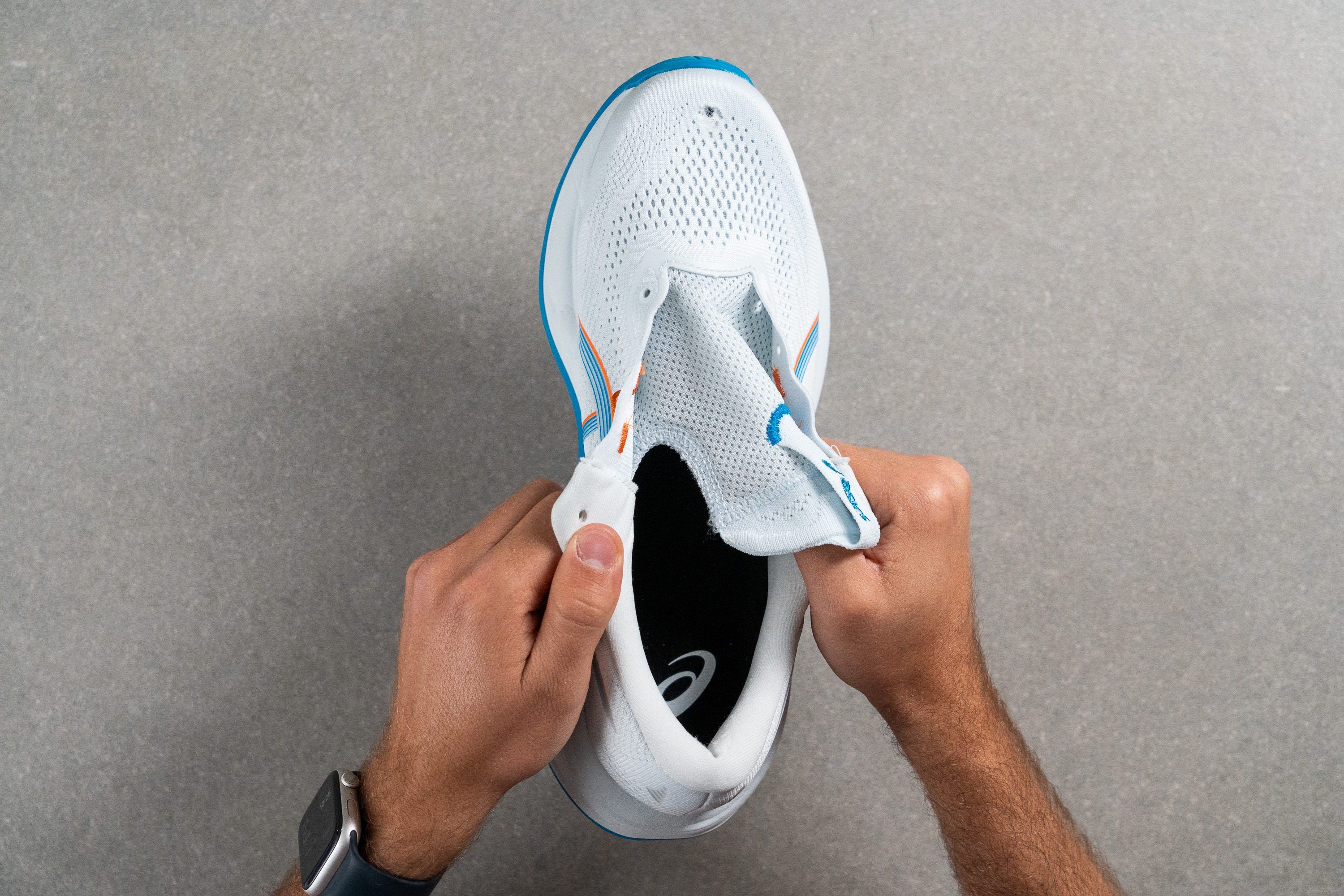
| Gel Cumulus 28 | Both sides (semi) |
Heel tab
The heel area features a clean, clutter-free design that also omits a heel tab.
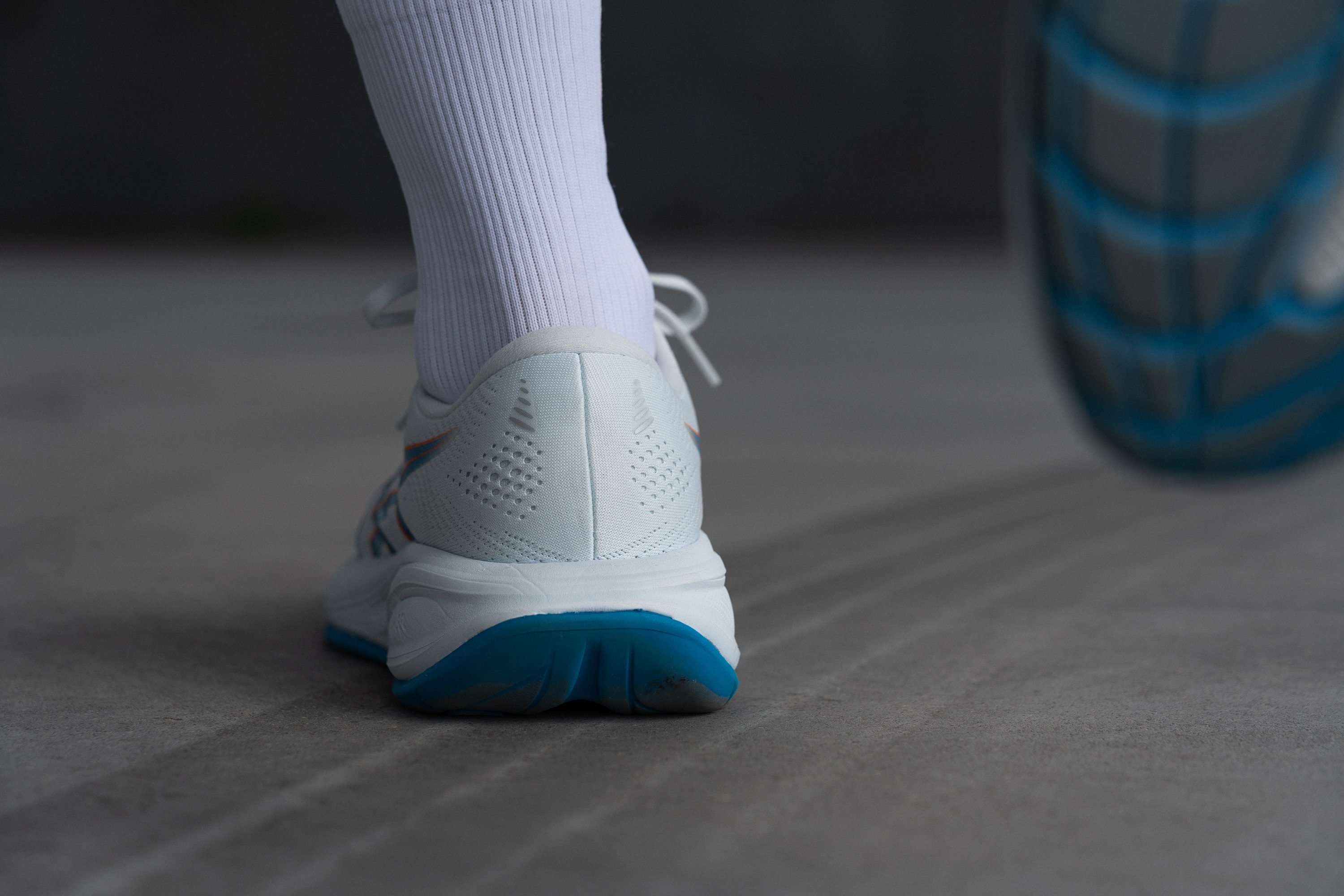
| Gel Cumulus 28 | None |
Price
The Cumulus 28 comes with a small price increase, which is expected as most brands are doing the same with their daily trainers. In our view, it still remains fairly priced given its features and overall package, even if areas like energy return should improve soon.
| Gel Cumulus 28 | $145 |