
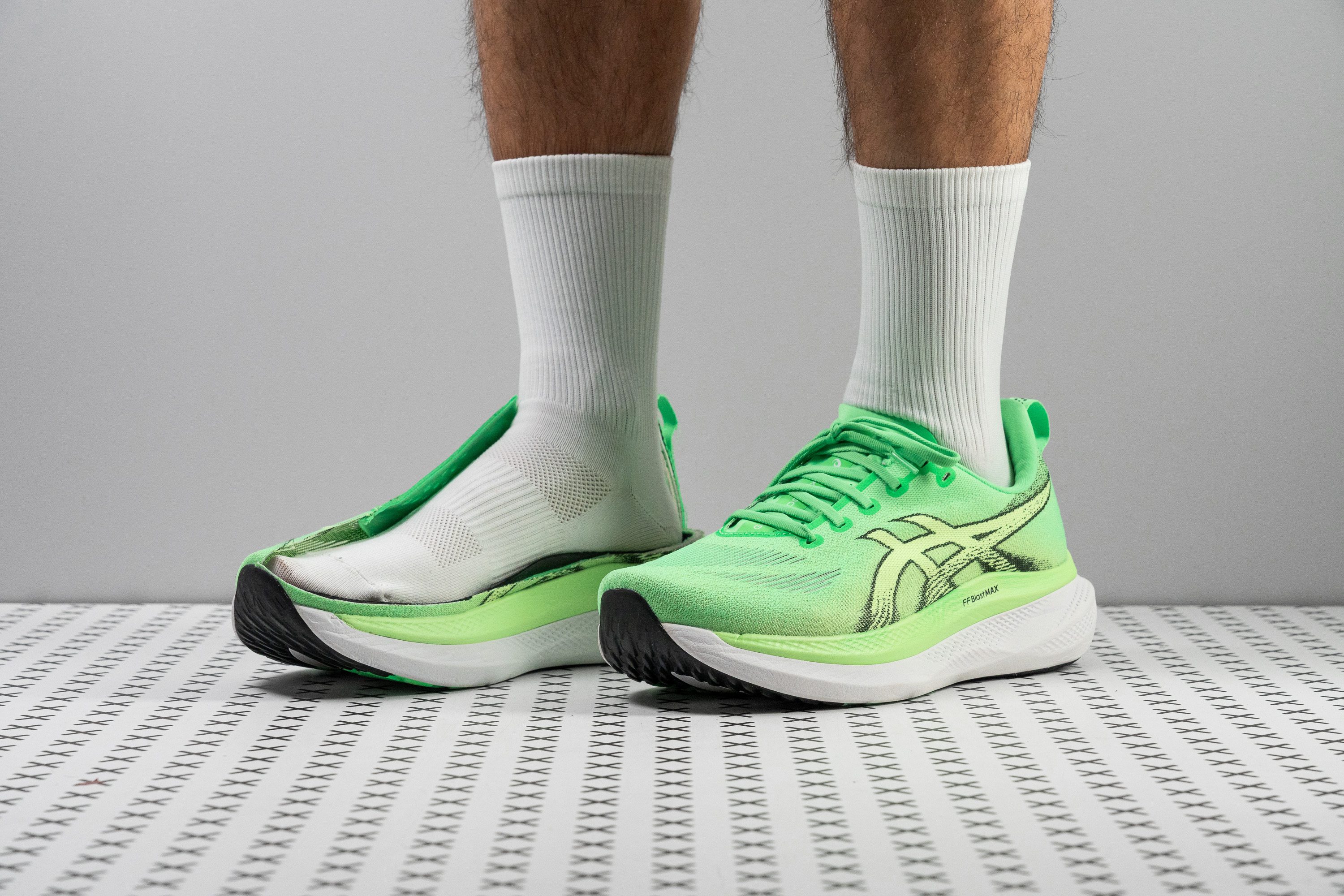
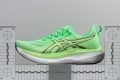




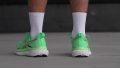
Our verdict
- Daily running 87
- Tempo 58
- Race 42
- Stability 79
Pros
- Upper comfort upgrade vs v1
- Rockered, forward-rolling ride
- High stack but not clunky
- Improved energy return
- Phenomenal traction
- Solid cold resistance
- Outsole durability
- No heel slippage
- Improved aesthetics
Cons
- Premium price, modest bounce
- Stack and drop vary vs ASICS
- Maybe too stiff for easy runs
Comparison
The most similar running shoes compared
+ + Add a shoe | |||||
|---|---|---|---|---|---|
| Our score | 81 Great | 86 Great | 76 Good | 83 Great | |
| Price | £150 | £220 | £80 | £160 | |
| Pace | Daily running | Daily runningTempo | Daily running | Daily running | |
| Shock absorption | High | Moderate | Moderate | High | |
| Energy return | Moderate | High | Low | Low | |
| Traction | High | High | High | High | |
| Arch support | Neutral | Neutral | Neutral | Neutral | |
| Weight lab Weight brand | 9.3 oz / 264g 9.2 oz / 261g | 10.1 oz / 286g 10.4 oz / 296g | 10.1 oz / 286g 10.2 oz / 290g | 9.5 oz / 269g 9.7 oz / 275g | |
| Drop lab Drop brand | 11.0 mm 6.0 mm | 9.2 mm 8.0 mm | 10.8 mm 8.0 mm | 10.5 mm 8.0 mm | |
| Strike pattern | Heel | HeelMid/forefoot | Heel | Heel | |
| Size | True to size | True to size | Slightly small | True to size | |
| Midsole softness | Soft | Balanced | Balanced | Balanced | |
| Difference in midsole softness in cold | Small | Small | Small | Small | |
| Toebox durability | Decent | Decent | Bad | Decent | |
| Heel padding durability | Decent | Good | Good | Decent | |
| Outsole durability | Good | Good | Good | Good | |
| Breathability | Moderate | Moderate | Warm | Moderate | |
| Width / fit | Medium | Medium | Medium | Medium | |
| Toebox width | Medium | Wide | Medium | Narrow | |
| Stiffness | Stiff | Stiff | Stiff | Stiff | |
| Torsional rigidity | Stiff | Stiff | Moderate | Moderate | |
| Heel counter stiffness | Stiff | Stiff | Stiff | Moderate | |
| Rocker | ✓ | ✓ | ✓ | ✓ | |
| Heel lab Heel brand | 42.1 mm 46.0 mm | 39.2 mm 40.0 mm | 38.2 mm | 45.5 mm 46.0 mm | |
| Forefoot lab Forefoot brand | 31.1 mm 40.0 mm | 30.0 mm 32.0 mm | 27.4 mm | 35.0 mm 38.0 mm | |
| Widths available | NormalWide | Normal | NormalWideX-Wide | Normal | |
| Orthotic friendly | ✓ | ✓ | ✓ | ✓ | |
| Season | All seasons | All seasons | All seasons | All seasons | |
| Removable insole | ✓ | ✓ | ✓ | ✓ | |
| Ranking | #200 Top 50% | #92 Top 23% | #296 Bottom 26% | #162 Top 41% | |
| Popularity | #231 Bottom 42% | #193 Top 49% | #69 Top 18% | #150 Top 38% |
Who should buy
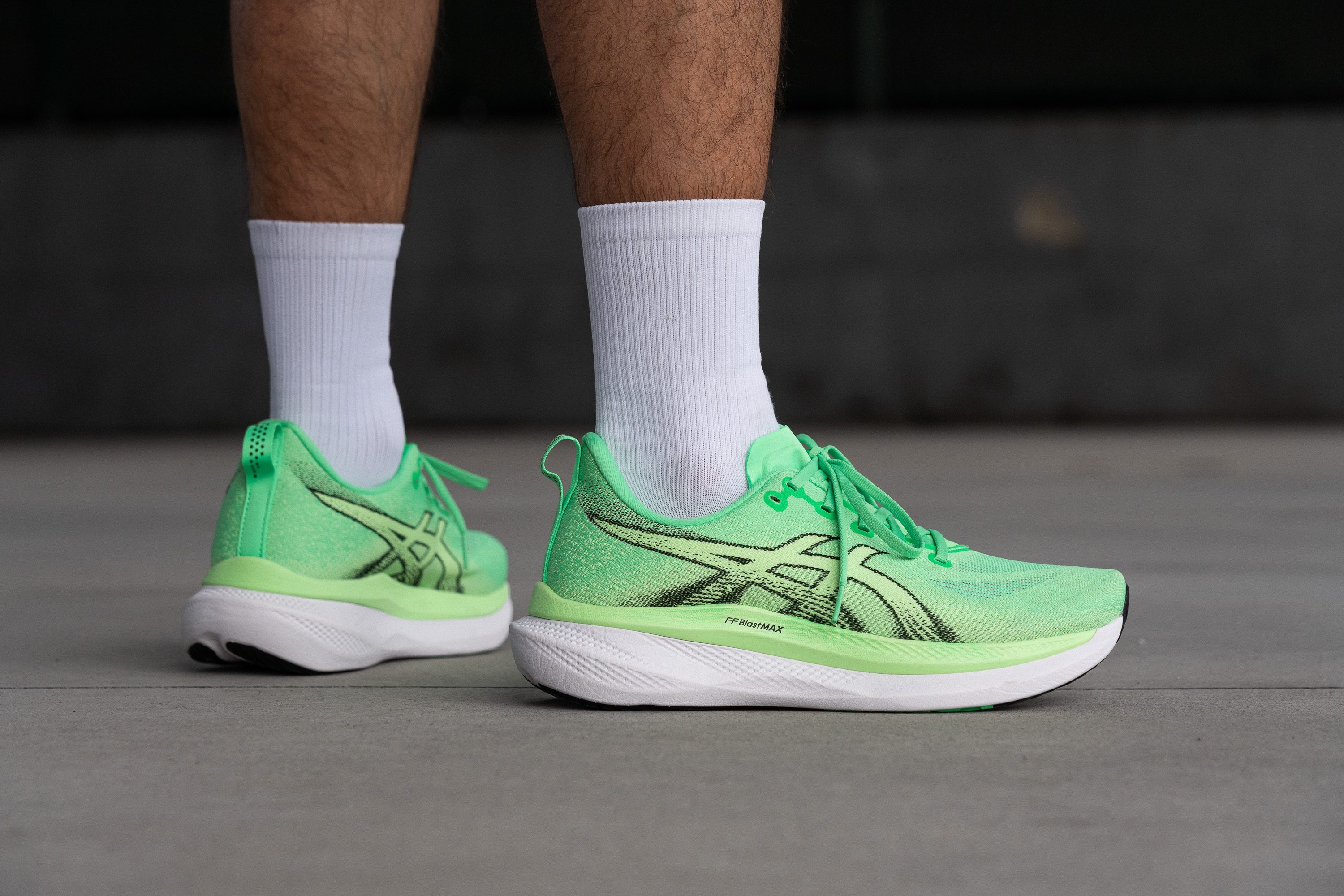
In our lab tests and on our runs, the ASICS Glideride Max 2 is a strong choice for:
- Runners who enjoyed version 1 and want a similar ride with a clear upgrade in upper comfort and design.
- Those who prioritise a high stack height and top-level grip for steady, high-mileage training.
- Runners who like a strong forefoot rocker and want to clearly feel that forward-rolling motion.
Who should NOT buy
We think the Glideride Max 2 sits in a tricky spot for the price. In our lab tests, we found that the energy return feels modest, and for a premium-tagged daily trainer, we do not recommend it if you expect a lively, bounce-driven ride. The adidas Adizero EVO SL or the PUMA Magnify Nitro 3 offer a more dynamic feel at a lower cost.
We also believe this shoe may not satisfy runners chasing an ultra-protective experience. Based on our testing, the shock absorption is solid but not class-leading. We think the New Balance 1080 v15 or the Nike Vomero Plus are better picks for those who want maximum cushioning.
Cushioning
Shock absorption
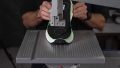
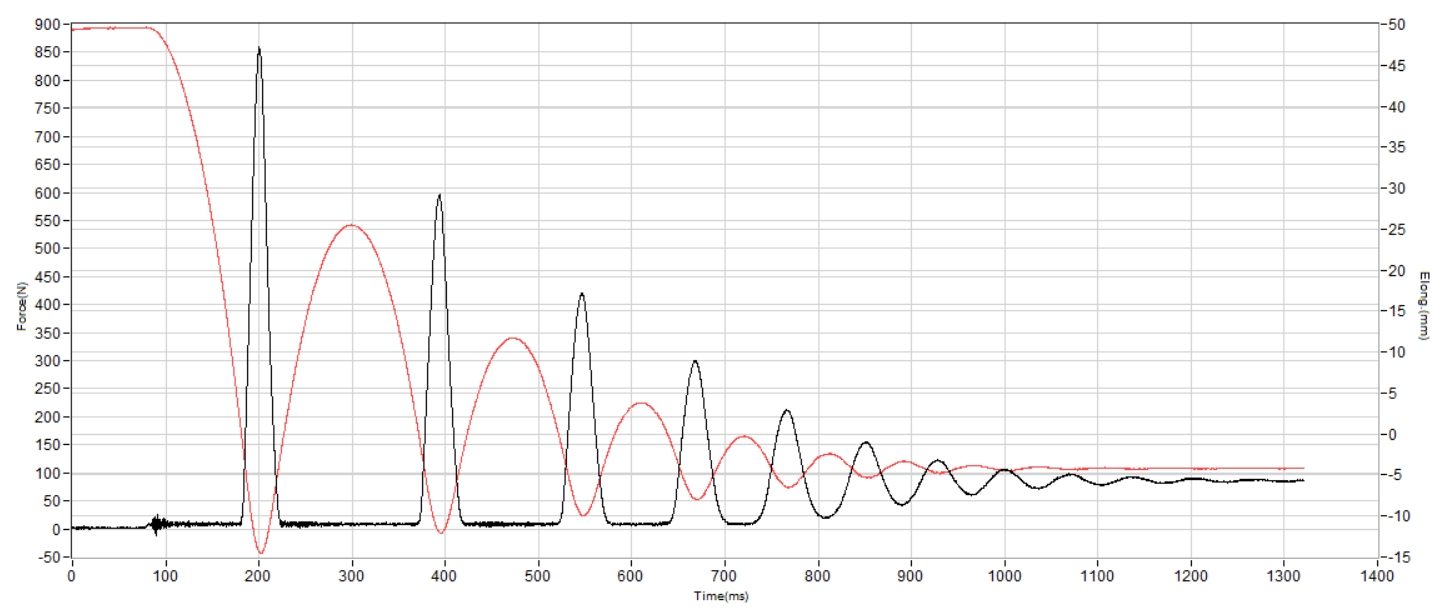
The Glideride Max 2 surprised us in the lab, as we measured slightly lower shock absorption compared against its predecessor.
To be precise, we recorded 137 SA in the heel and 117 SA in the forefoot. Both figures sit above average and provide enough protection for almost any distance, yet we found it unusual that the sequel delivers 6 SA less than the first generation given the max-cushioned ethos of this shoe.
| Glideride Max 2 | 137 SA |
| Average | 131 SA |
Energy return
While shock absorption dipped slightly, ASICS partially addressed one of our main issues with the original GlideRide Max: energy return.
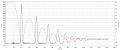
It received a modest but noticeable improvement, bringing the shoe to 56.1% in the heel and 58.6% in the forefoot. That moves it from bad to decent territory. It’s still below what we expected at this price point, but it’s a clear step forward for the series.
| Glideride Max 2 | 58.6% |
| Average | 61.4% |
Heel stack
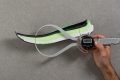
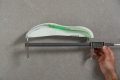
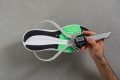
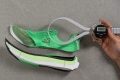
Today, any true max-stack running shoe is expected to exceed 40 mm in the heel. In the Glideride Max 2, we measured 42.1 mm, comfortably clearing that mark. However, this figure falls short of the 46 mm listed in the official specifications.
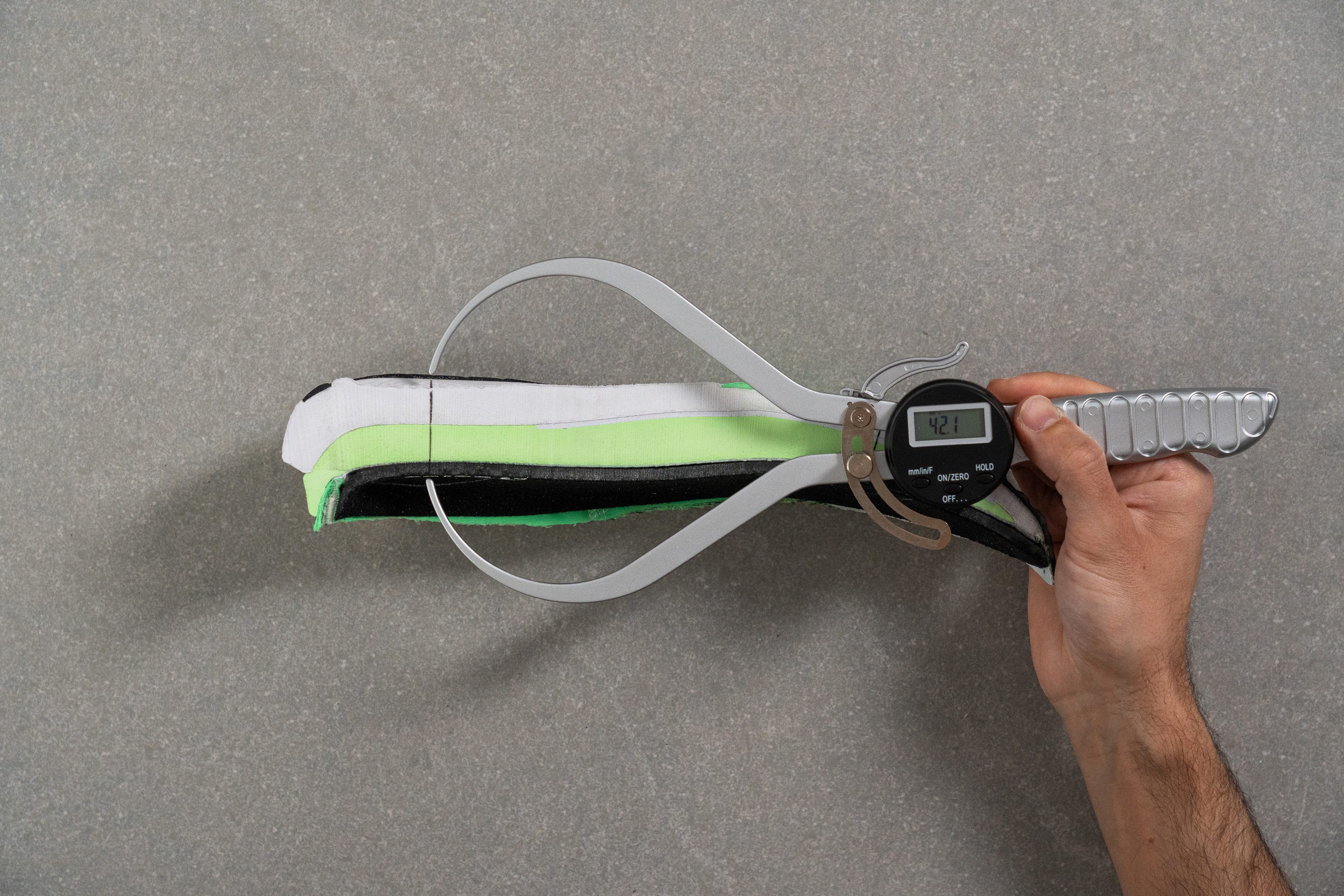
| Glideride Max 2 | 42.1 mm |
| Average | 35.5 mm |
Forefoot stack
A similar situation appears in the forefoot. We measured 31.1 mm, while ASICS lists it at 40 mm. We’re not suggesting the shoe lacks that amount of foam, but it’s clear that ASICS is using a different method to determine stack height and they measure closer to the midfoot.
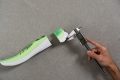
As always, we follow World Athletics guidelines when taking our measurements, and we apply the same protocol to every shoe we test so you can do fair comparisons between all running shoes from any brand.
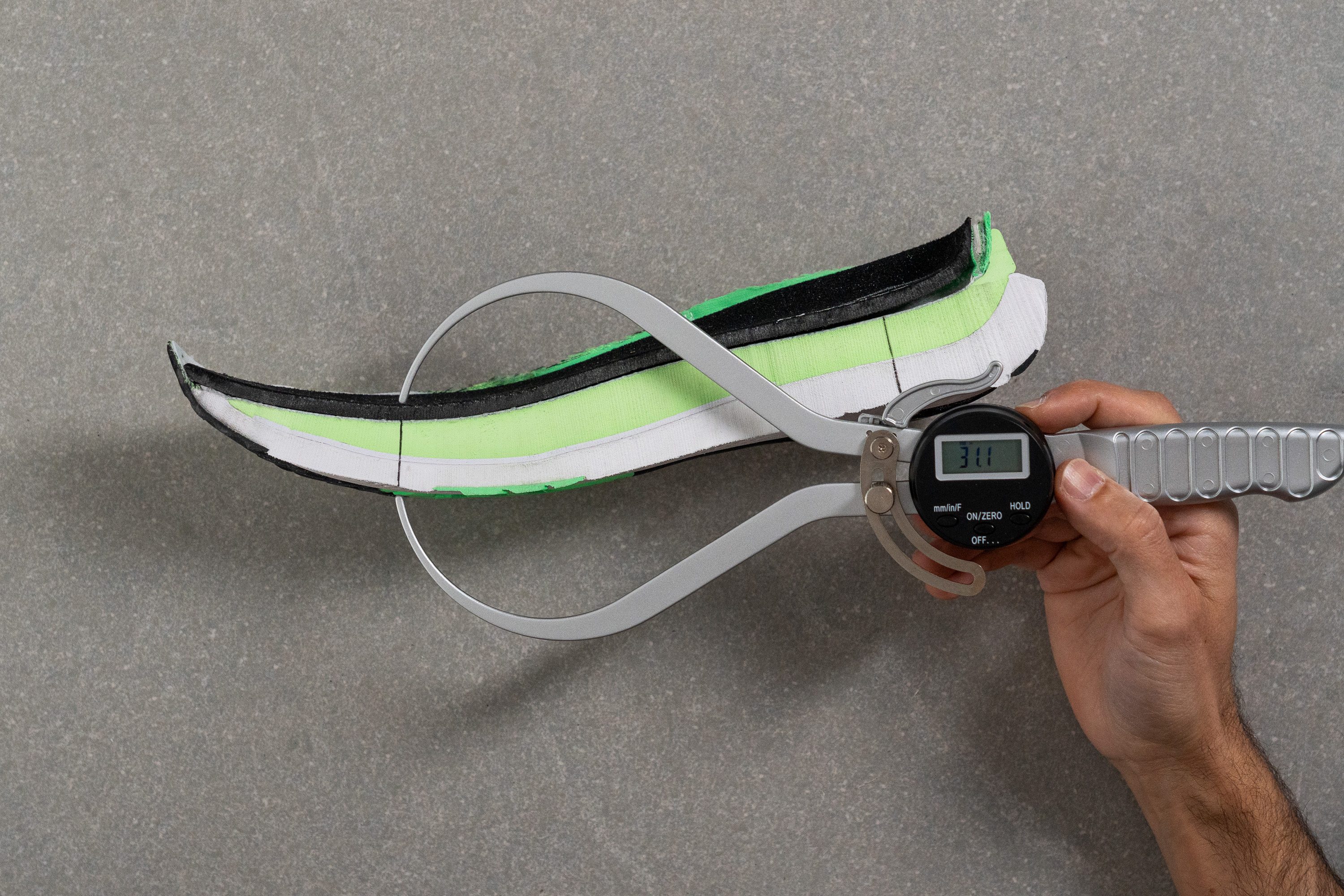
| Glideride Max 2 | 31.1 mm |
| Average | 27.1 mm |
Drop
The difference between our measurements results in an 11.0 mm heel-to-toe drop, which is significantly higher than the 6 mm stated in the official specifications.
Because this shoe features an aggressive rocker, the perceived drop varies depending on where you land, so take it with a pinch of salt.
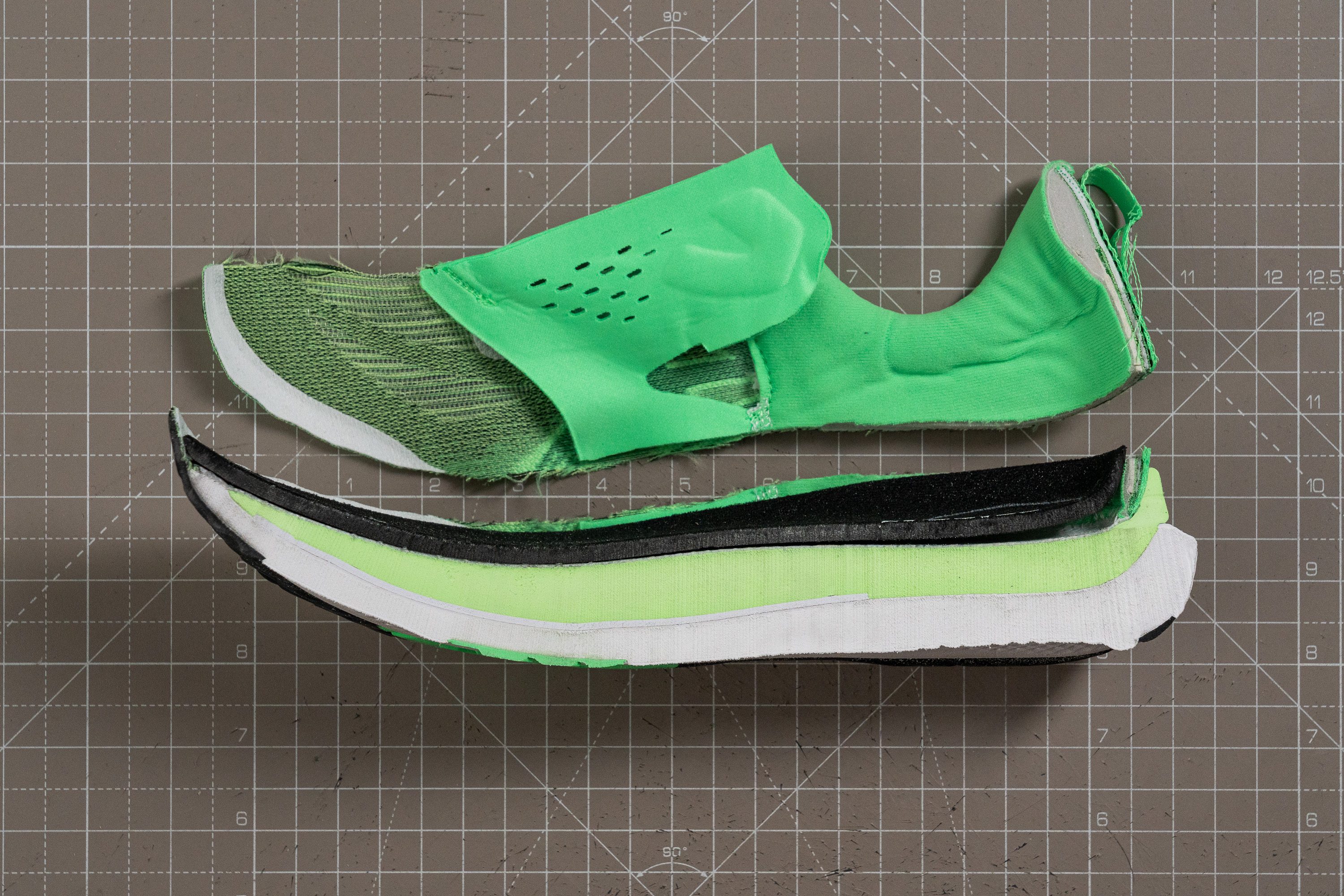
| Glideride Max 2 | 11.0 mm |
| Average | 8.4 mm |
Midsole softness
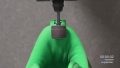
In our lab tests, we measured 32.8 AC with our Asker C durometer, making it slightly softer than the average. However, because this shoe uses a dual-foam build and an EVA plate, the ride feels firmer than the number suggests.
It's also important to note that FF Blast+ has consistently shown low energy return in our lab, and that characteristic also influences the Glideride Max 2.
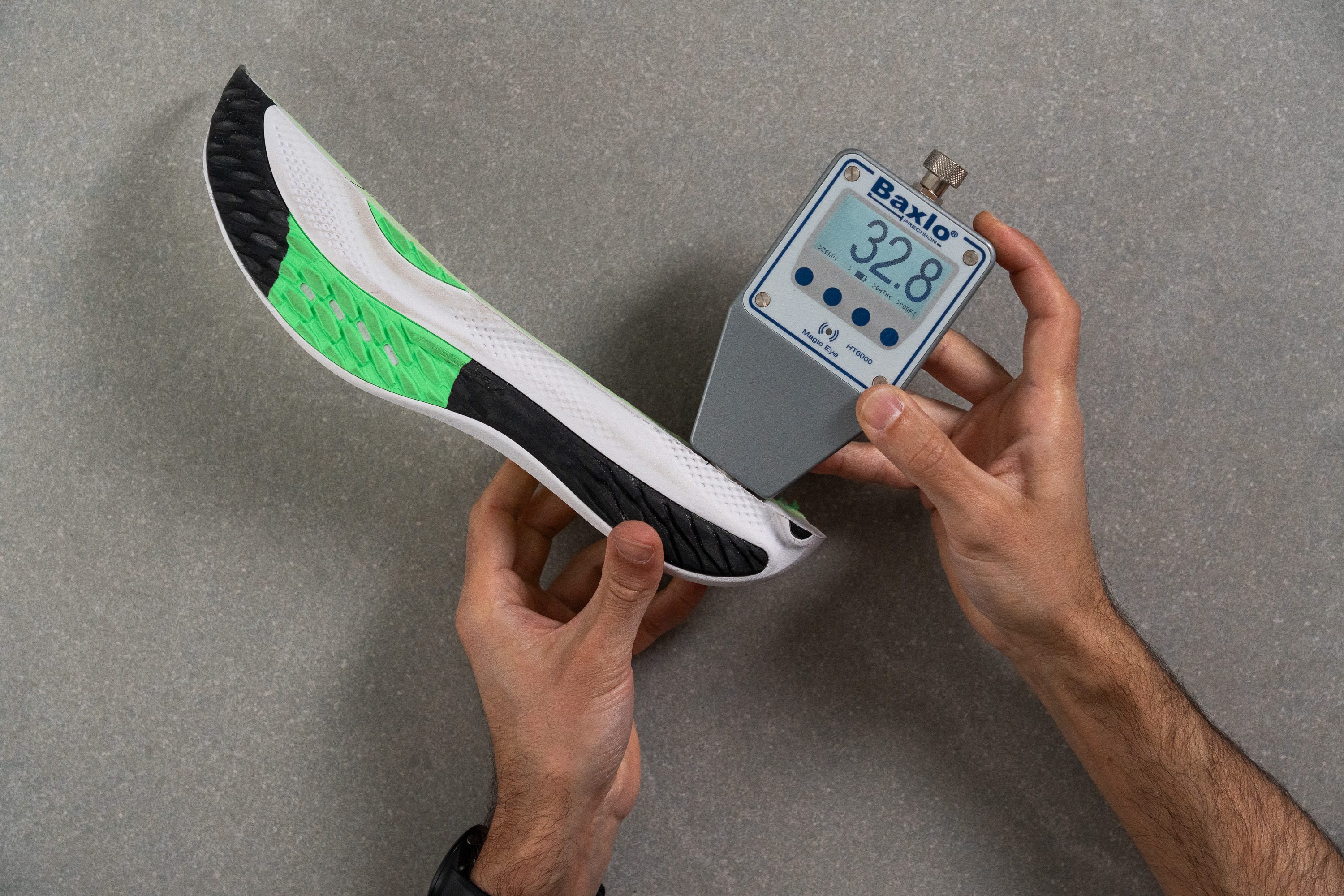
| Glideride Max 2 | 32.8 AC |
| Average | 35.5 AC |
Rocker
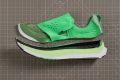
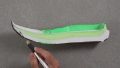
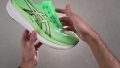
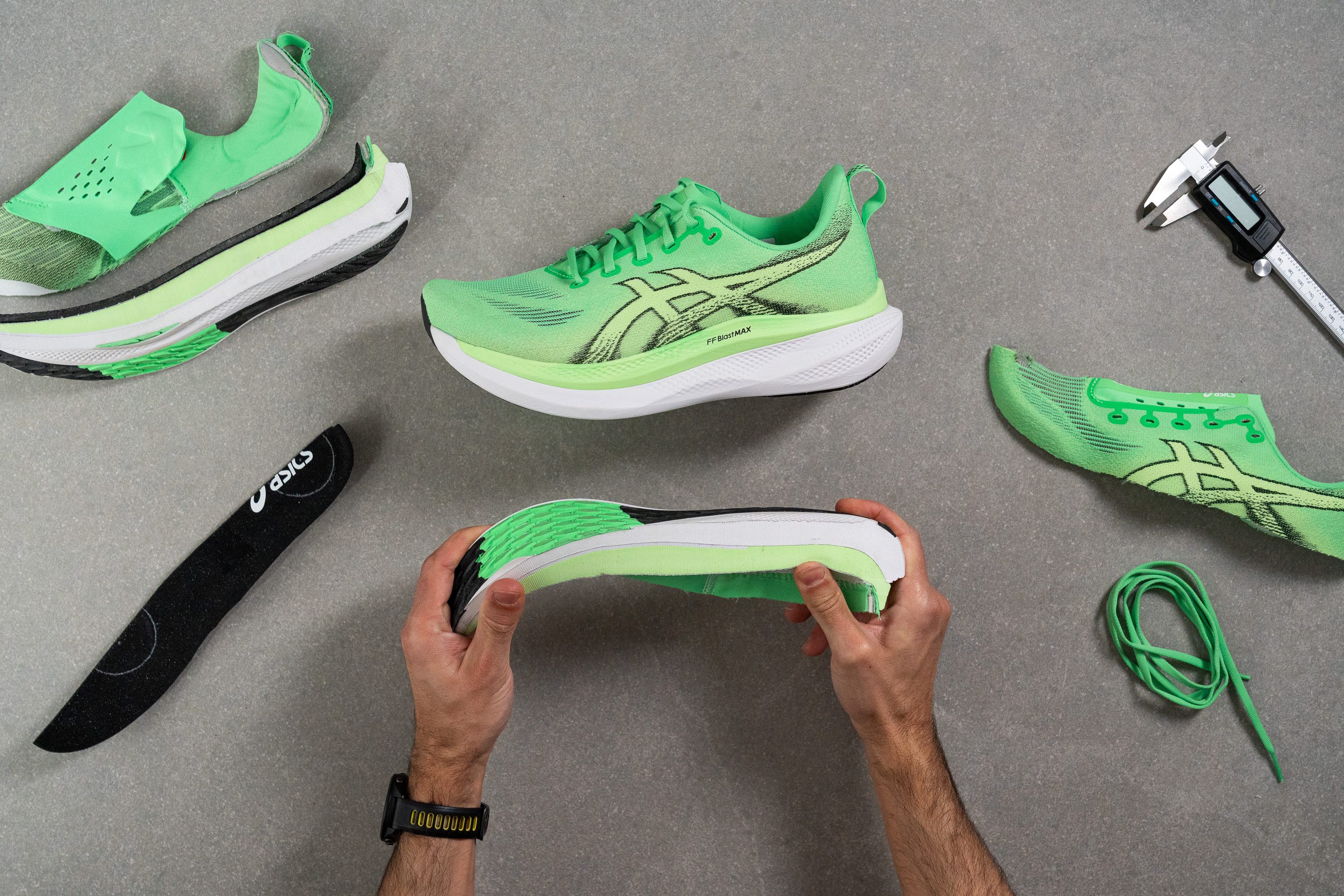
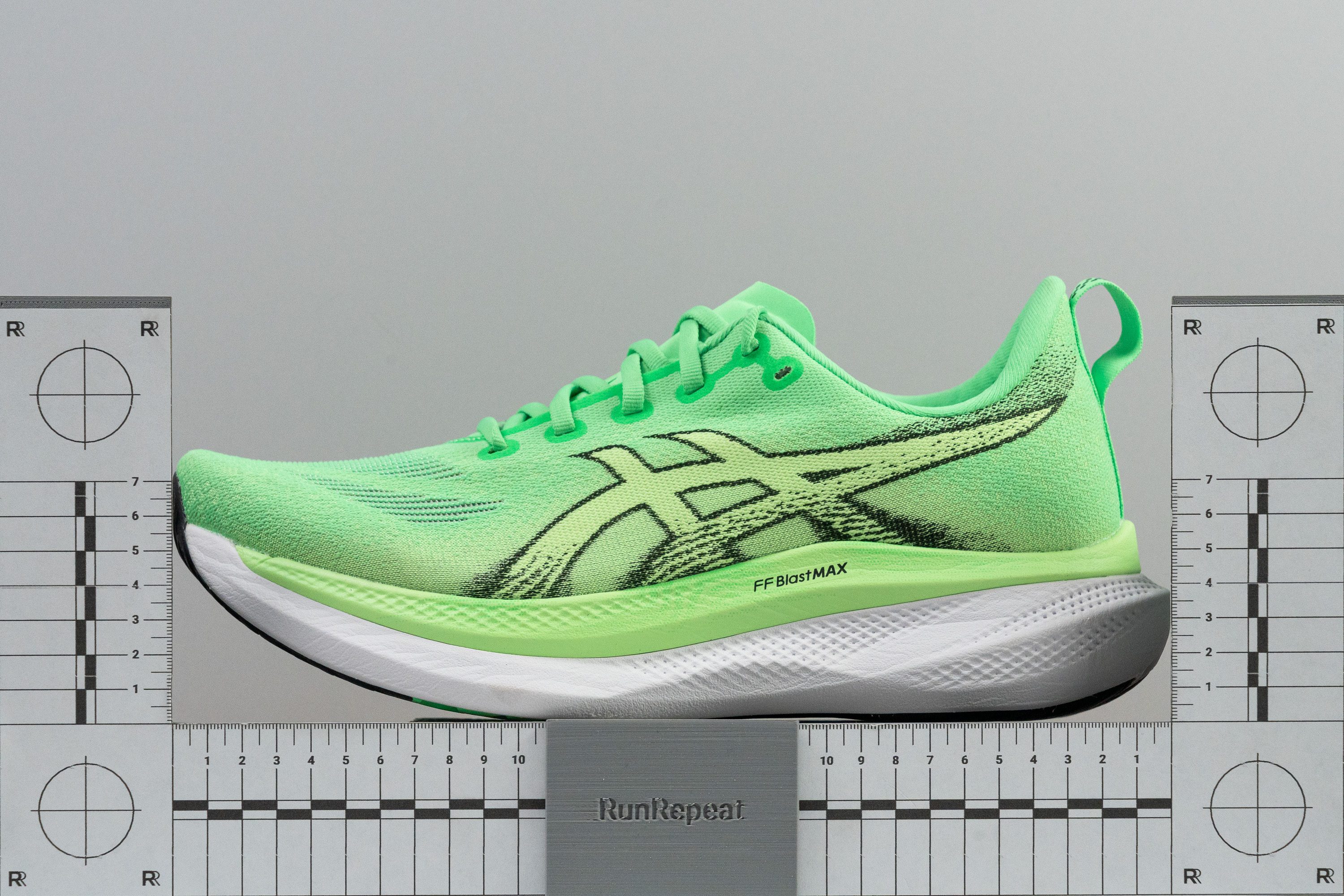
ASICS keeps the GUIDESOLE geometry in the Glideride series, and it remains a strong option for runners who enjoy a rockered, forward-rolling ride. The heel rocker is fairly moderate, but the forefoot stands out with a pronounced curvature and a bold toe spring that rises well over 5 cm.
Plate
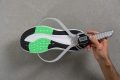
To improve stability and balance the tall stack height, the Glideride Max 2 once again includes a three-quarter-length EVA plate. It’s an unusual choice, as only a few brands use this type of plate, but in a training shoe where extra stiffness is not the goal, it can work.
That said, we question how much the ride would truly change without it. The shoe might feel slightly less stable but also a bit softer, so some runners may even prefer a plateless setup.
Size and fit
Size
ASICS Glideride Max 2 fits true to size (10 votes).
Internal length
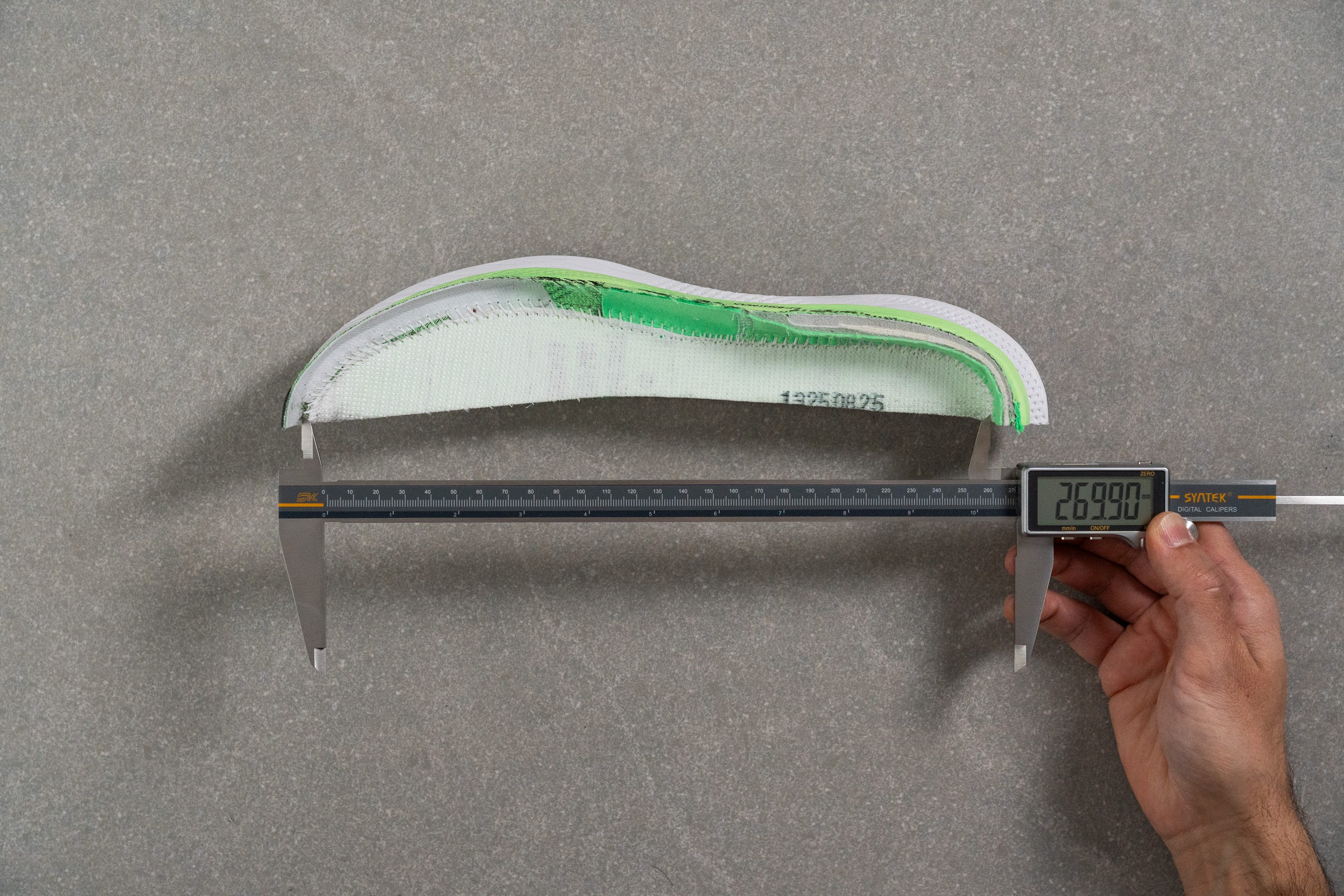
| Glideride Max 2 | 269.9 mm |
| Average | 269.4 mm |
Width / Fit
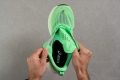
In terms of fit, our first impression of the Glideride Max 2 was that it felt very close to the previous version. The new upper material slightly changes the sensation on foot, but when it comes to overall space, the difference is minimal.
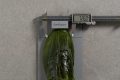
After creating our gel mould of the interior and taking precise measurements, the numbers confirmed that feeling. Our first reading came in at a very average 96.1 mm, supporting our initial assessment.
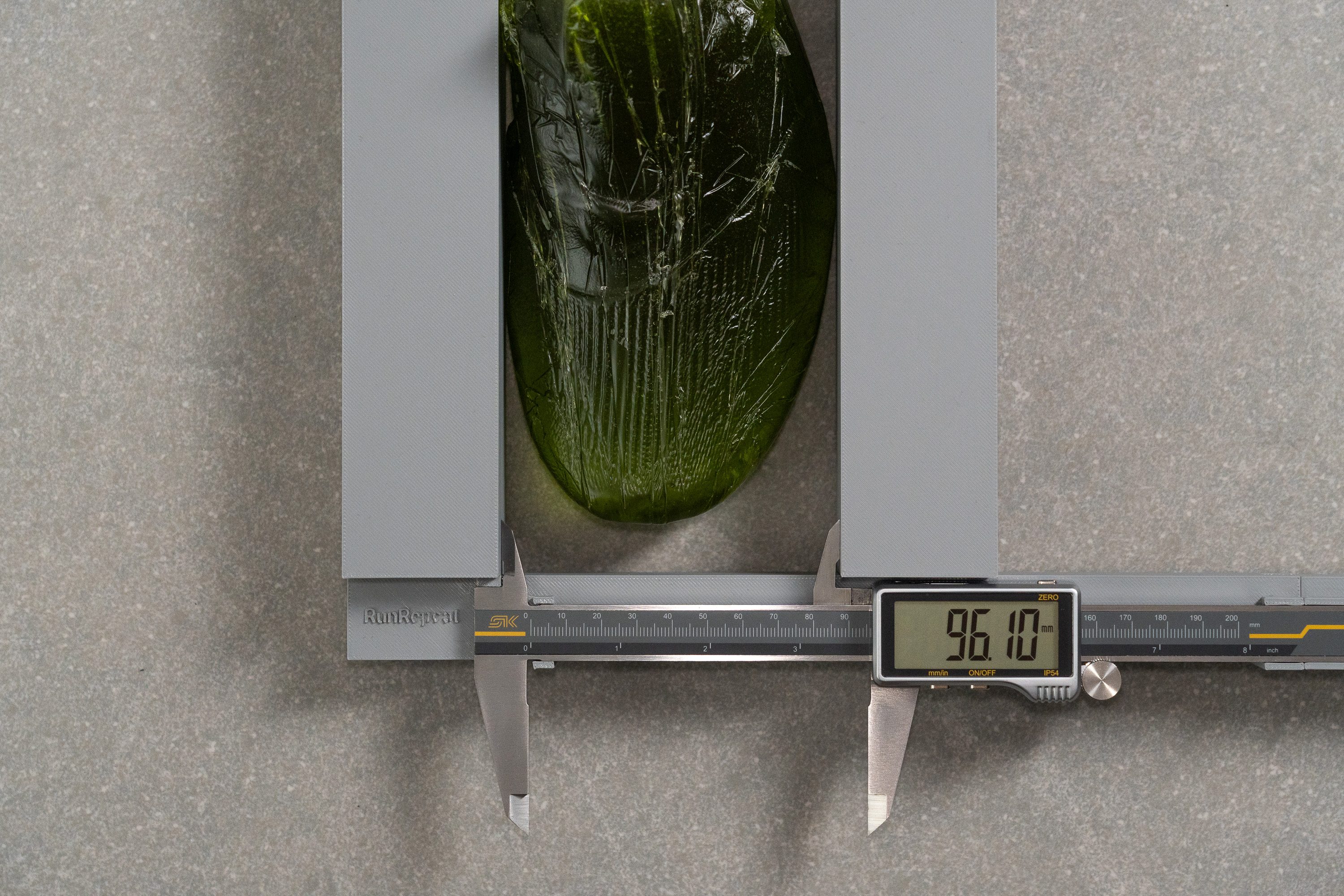
| Glideride Max 2 | 96.1 mm |
| Average | 95.2 mm |
Toebox width
The second measurement was equally expected. With 72.6 mm in the toebox, it should suit most runners, though it may feel slightly narrow for those with German or Roman foot shapes.
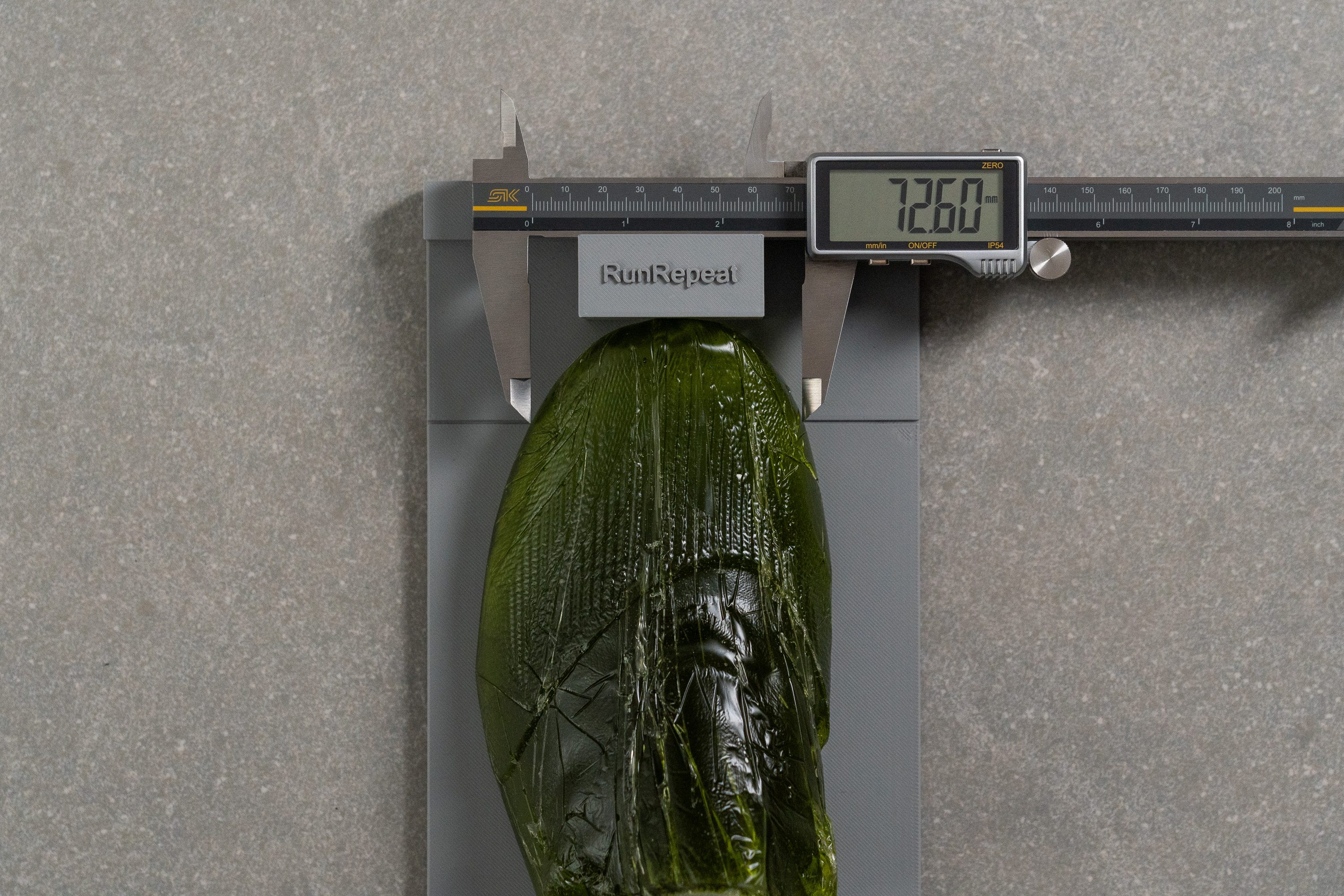
| Glideride Max 2 | 72.6 mm |
| Average | 73.2 mm |
Toebox height
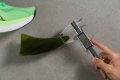
The only noticeable change is in the toebox height, where we measured 24.6 mm, a reduction of 2.8 mm compared to before.
It’s slightly less spacious, though the soft mesh upper rarely creates uncomfortable pressure.
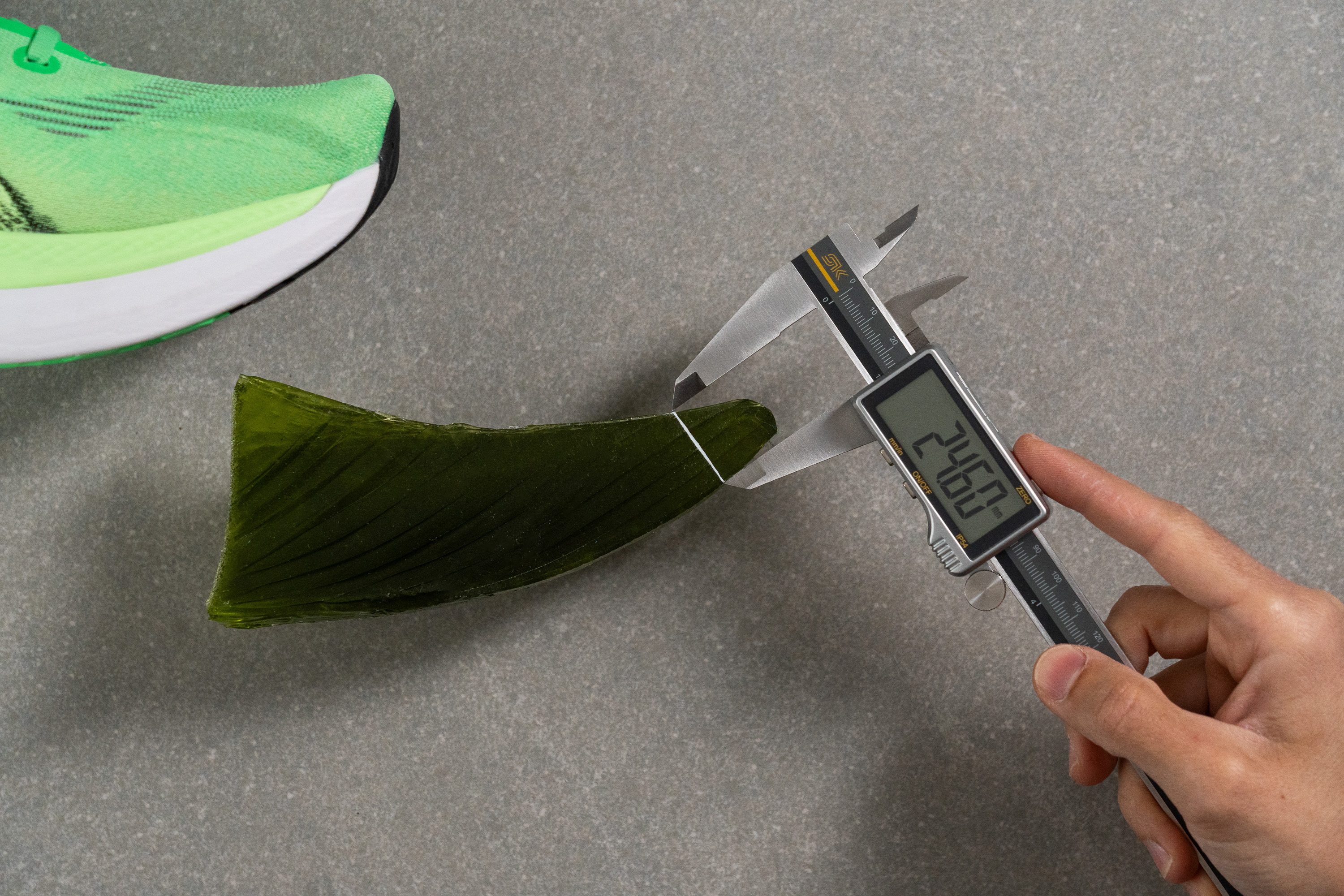
| Glideride Max 2 | 24.6 mm |
| Average | 27.0 mm |
Traction / Grip
Traction test
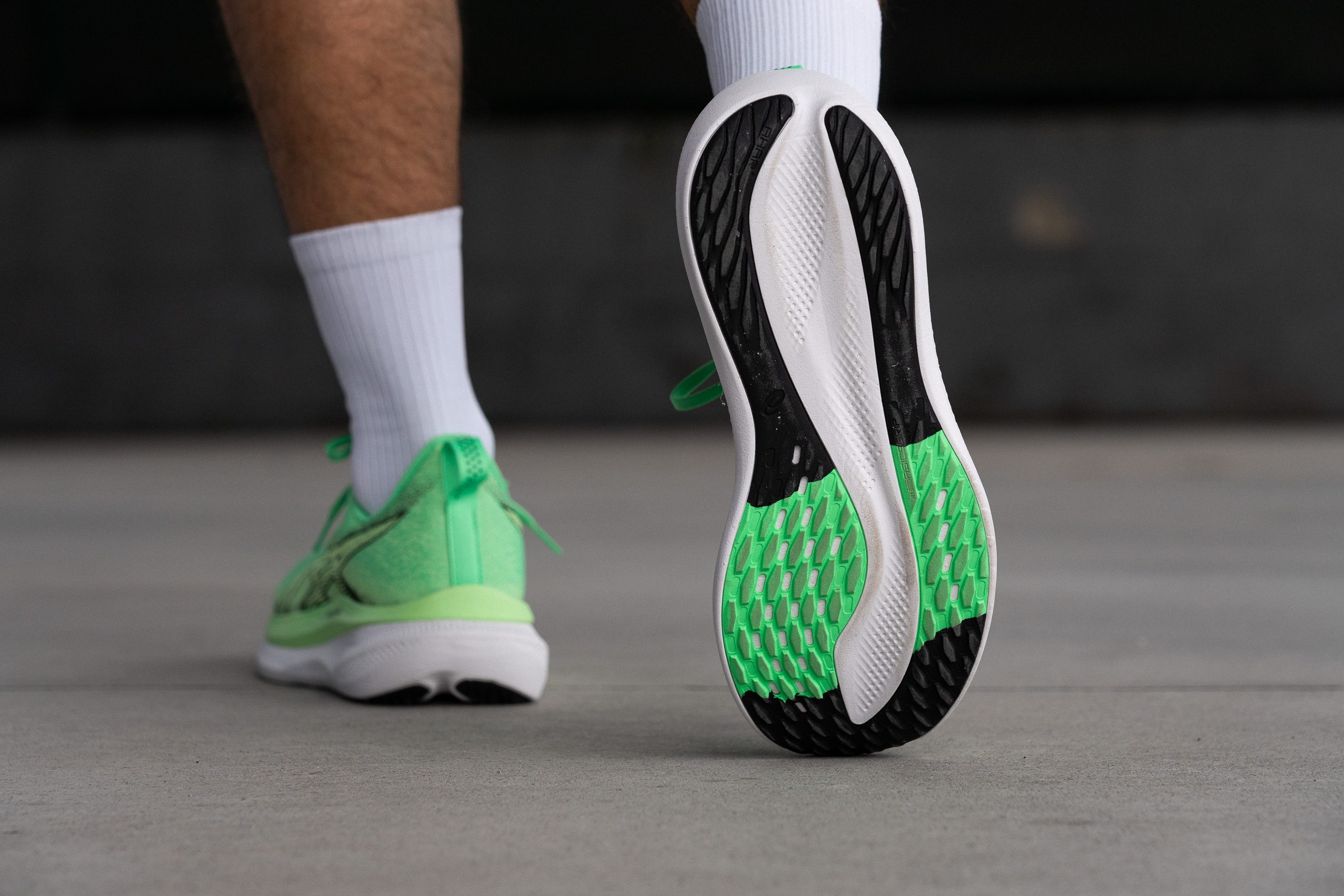
ASICS continues to impress with its outsole compounds, delivering outstanding grip across models that use its premium rubber. In this shoe, we found ASICSGRIP in the forefoot blended with AHAR PLUS in the heel, and it delivers an exceptional performance, earning a strong 0.86 score in our traction test.
| Glideride Max 2 | 0.86 |
| Average | 0.53 |
Outsole design
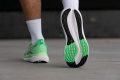
The HYBRID ASICSGRIP outsole layout mirrors what we saw in the previous version. It keeps the same wraparound rubber coverage along the perimeter for solid contact with the ground, while leaving a large central channel of exposed foam to reduce weight and maintain flexibility.
And honestly, why change it if it already worked so well? Sometimes keeping the proven design is the smartest move.
Flexibility / Stiffness
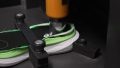
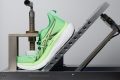
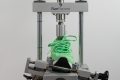
The tall stack height of the Glideride Max 2, combined with its EVA-based plate, makes it slightly stiffer than average, requiring 17.5N in our 30-degree bend test.
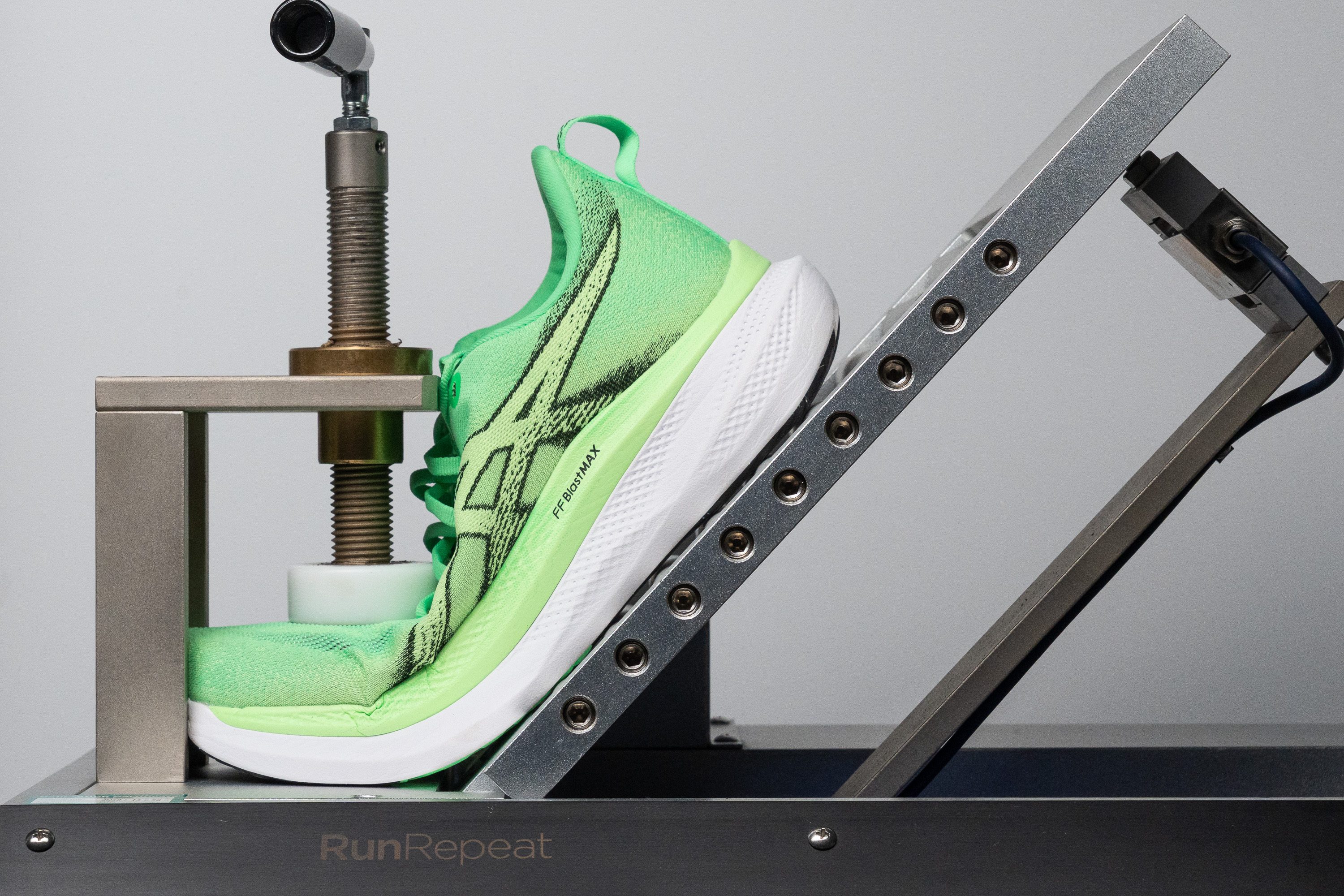
| Glideride Max 2 | 17.5N |
| Average | 15.5N |
Weight
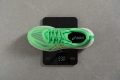
Tipping the scale at 9.3 oz or 264g, the Glideride Max 2 stays reasonable for such a high-stack design. ASICS deserves credit here, especially since subtle refinements helped trim 6% of weight compared to the previous version.
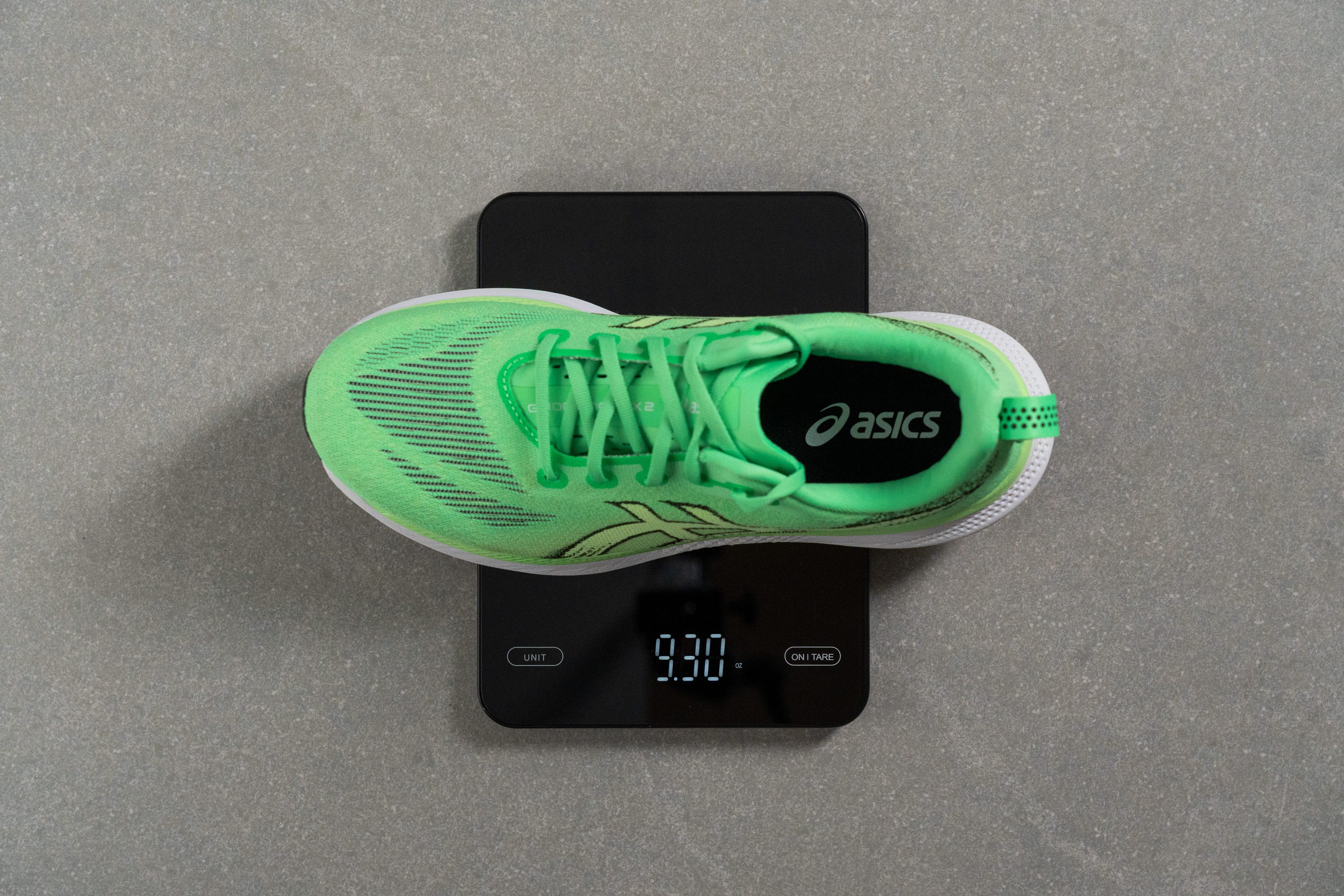
| Glideride Max 2 | 9.3 oz (264g) |
| Average | 9.2 oz (261g) |
Breathability
Breathability test
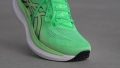
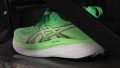
The upper of the Glideride Max 2 stands out as the most significant update from version 1, and we think that it's a major step forward. ASICS moved away from a standard mesh and introduced a more technical, premium construction in this iteration.
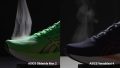
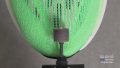
Breathability performed very well in our lab tests, with smoke escaping the toebox easily. After careful evaluation, we awarded it a solid 4 out of 5.
ASICS used a thicker, denser material through most of the upper but combined it with a highly ventilated toebox. Indeed, the toebox construction feels very impressive, and closer to what we typically see in competition-oriented models.
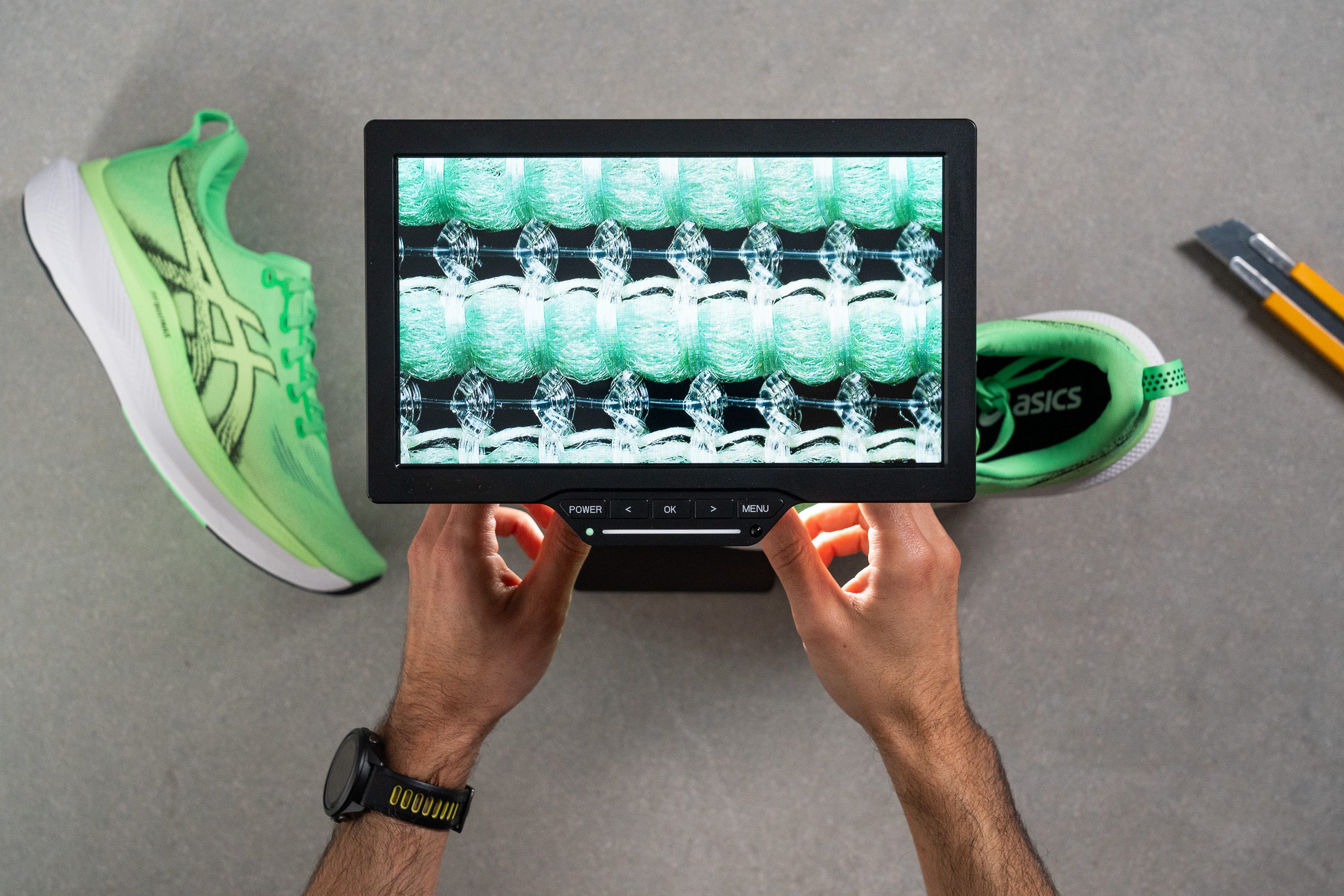
It’s an interesting design approach, though we’ll need to confirm in our durability tests whether this lighter material holds up well.
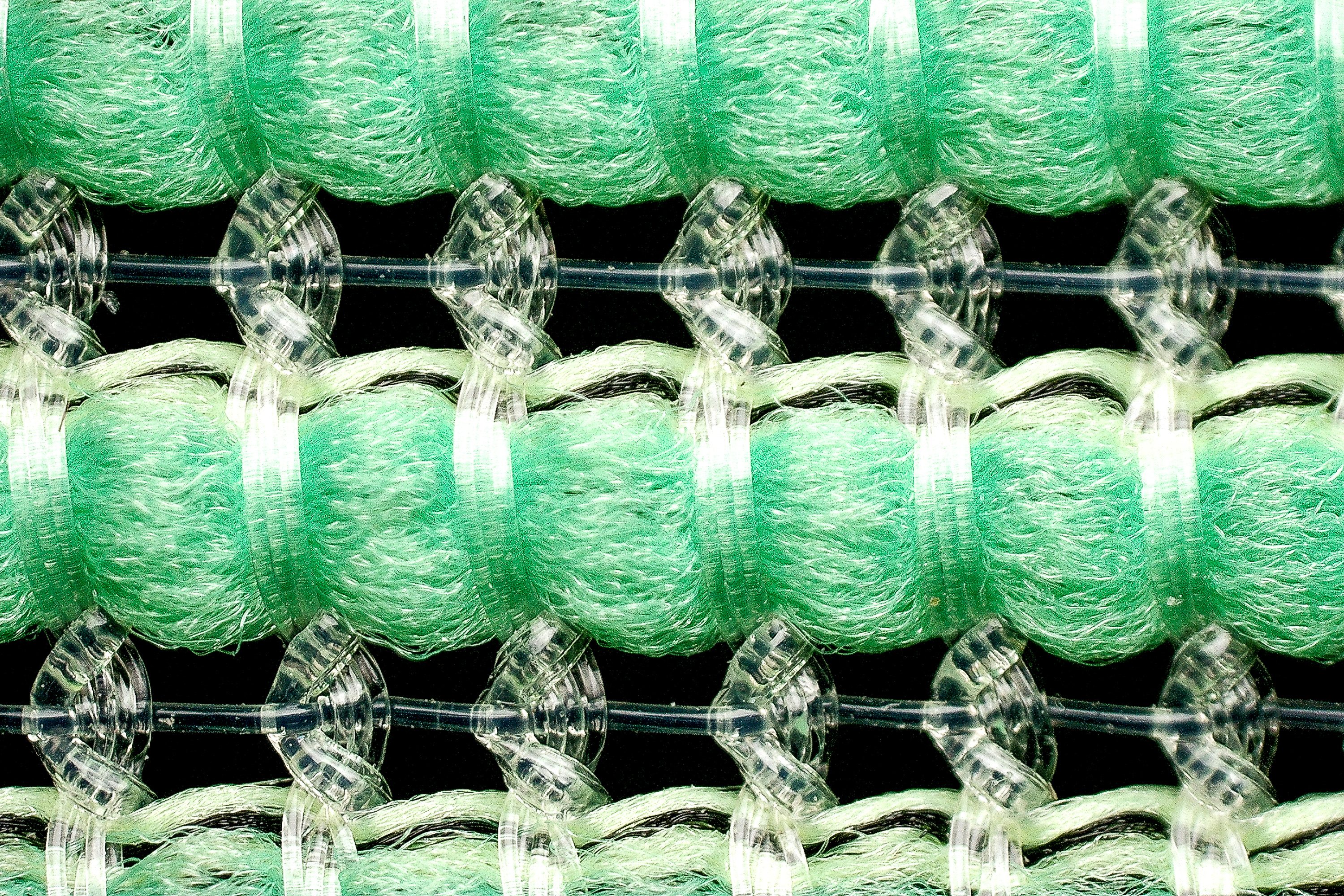
But overall, we believe that the upper is far from a weak point. Comfort is excellent, ventilation is strong, and the look feels premium, which matters at this price point.
| Glideride Max 2 | 4 |
| Average | 3.6 |
Stability
Lateral stability test
Given its tall stack height, stability is a valid concern for anyone considering the Glideride Max 2. Still, we found it fairly stable overall and a safe option for neutral runners.
In our view, ASICS took an interesting approach with the Glideride Max series. Instead of widening the midsole like many high-stack models do—such as the Superblast 2—they relied on raised midsole sidewalls, the GUIDESOLE rocker technology, and strong upper support to create a stable ride.
Torsional rigidity
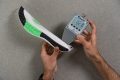
In our torsional test, the Glideride Max 2 scored 20.3 Nm, showing extreme high rigidity that we felt similar to a carbon plated shoe. The tall stack and EVA plate clearly play a major role in that result.
Due to this stiff feel, those of you that prefer a more natural and flexible feel underfoot may not enjoy this ride.
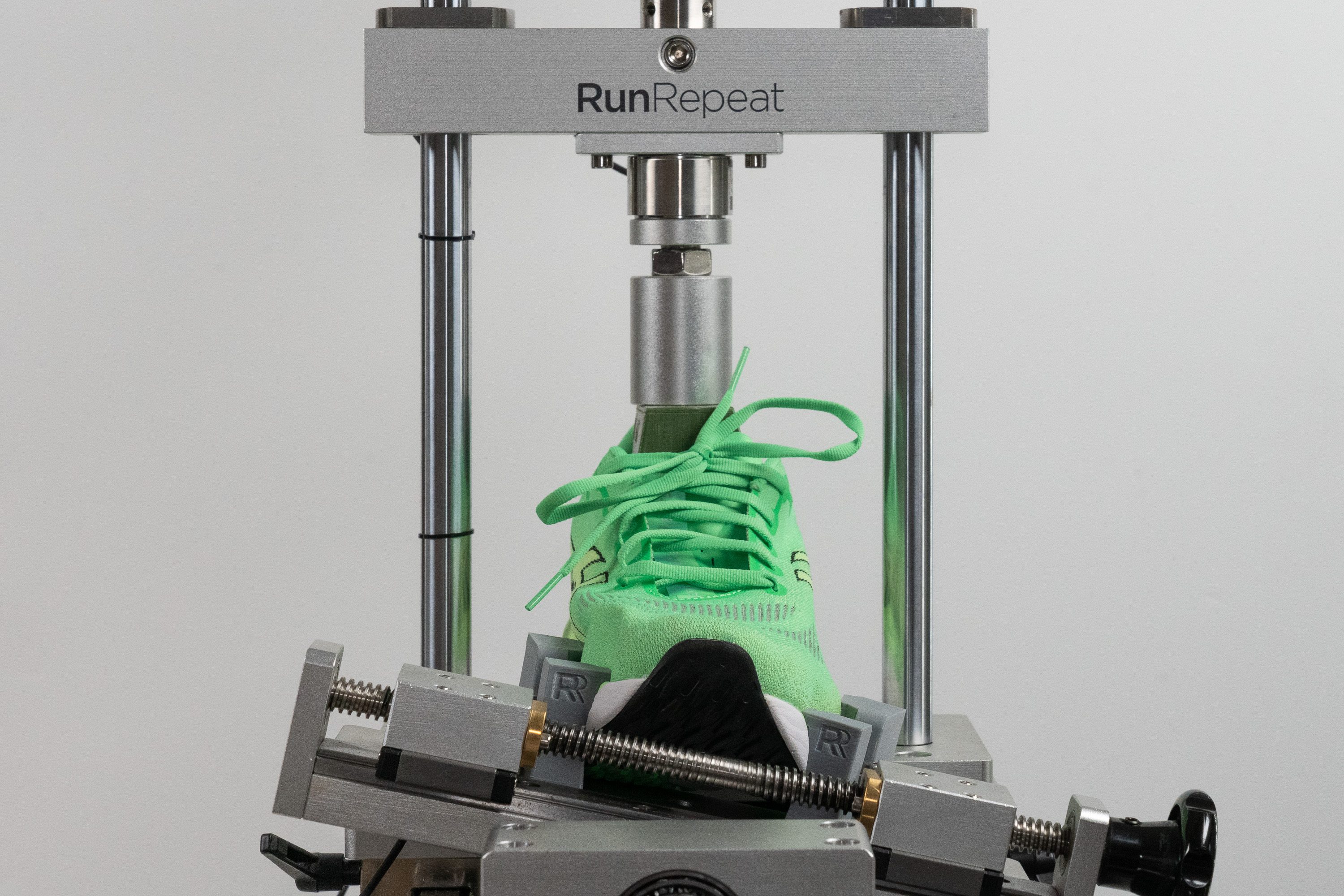
| Glideride Max 2 | 20.3 Nm |
| Average | 14.4 Nm |
Heel counter stiffness
ASICS also went all-in on the heel counter to increase stability. Runners who are sensitive to firm heel structures may not enjoy this very rigid design that we rated at 5/5, which feels closer to what you’d expect in a pure stability shoe.
| Glideride Max 2 | 5 |
| Average | 3 |
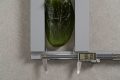
Midsole width - forefoot
This is exactly what we meant before. In our lab test, we measured the midsole width at 115.0 mm, which is close to an average daily trainer.
ASICS kept the platform fairly standard despite the tall stack. As a result, the shoe feels agile underfoot and may appeal more to runners who dislike ultra-wide designs.
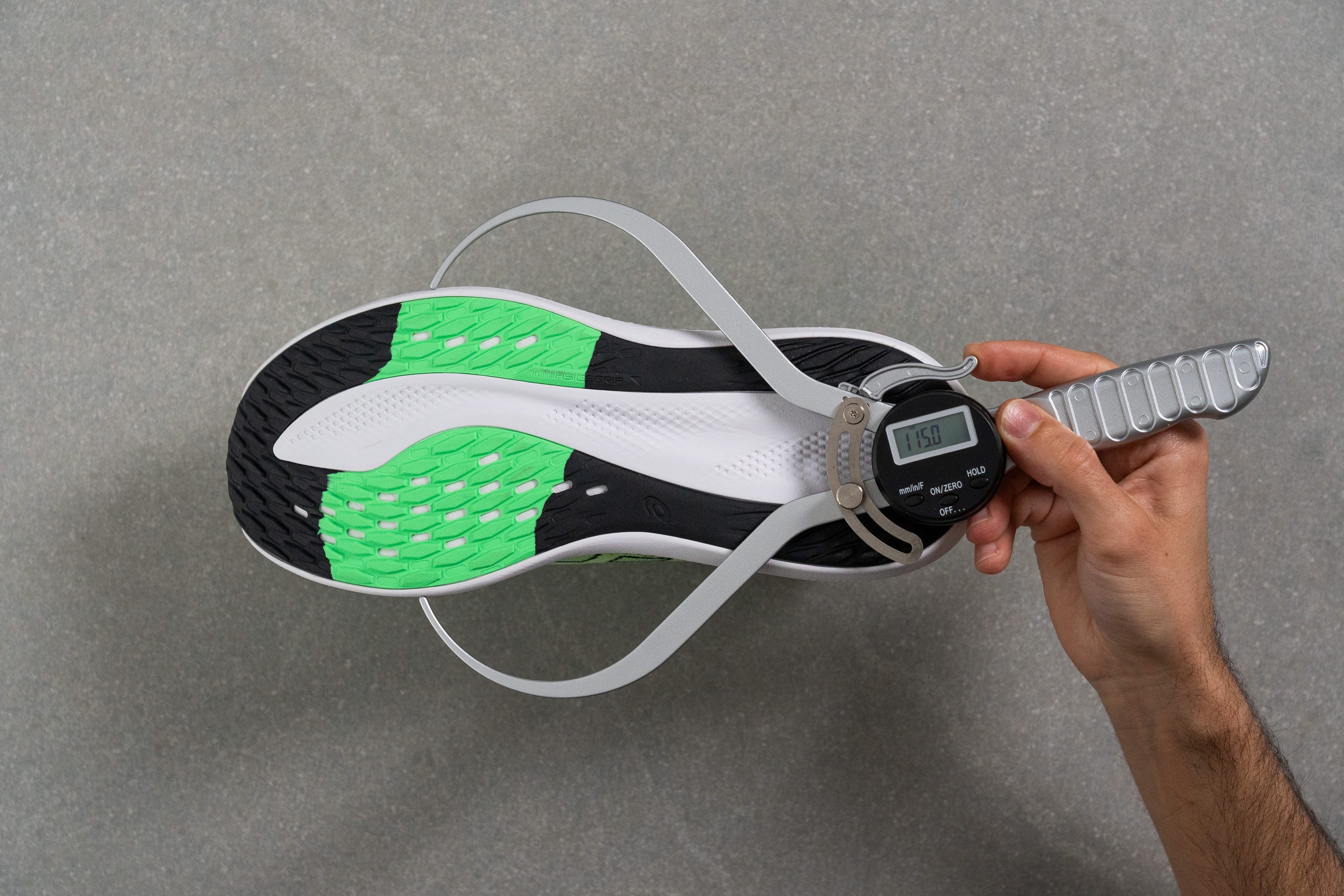
| Glideride Max 2 | 115.0 mm |
| Average | 115.1 mm |
Midsole width - heel
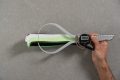
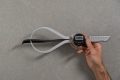
The heel measured 93.5 mm with our digital calipers, which is only slightly above average and still very reasonable by today’s standards. This also helps explain why ASICS opted for such a stiff heel counter.
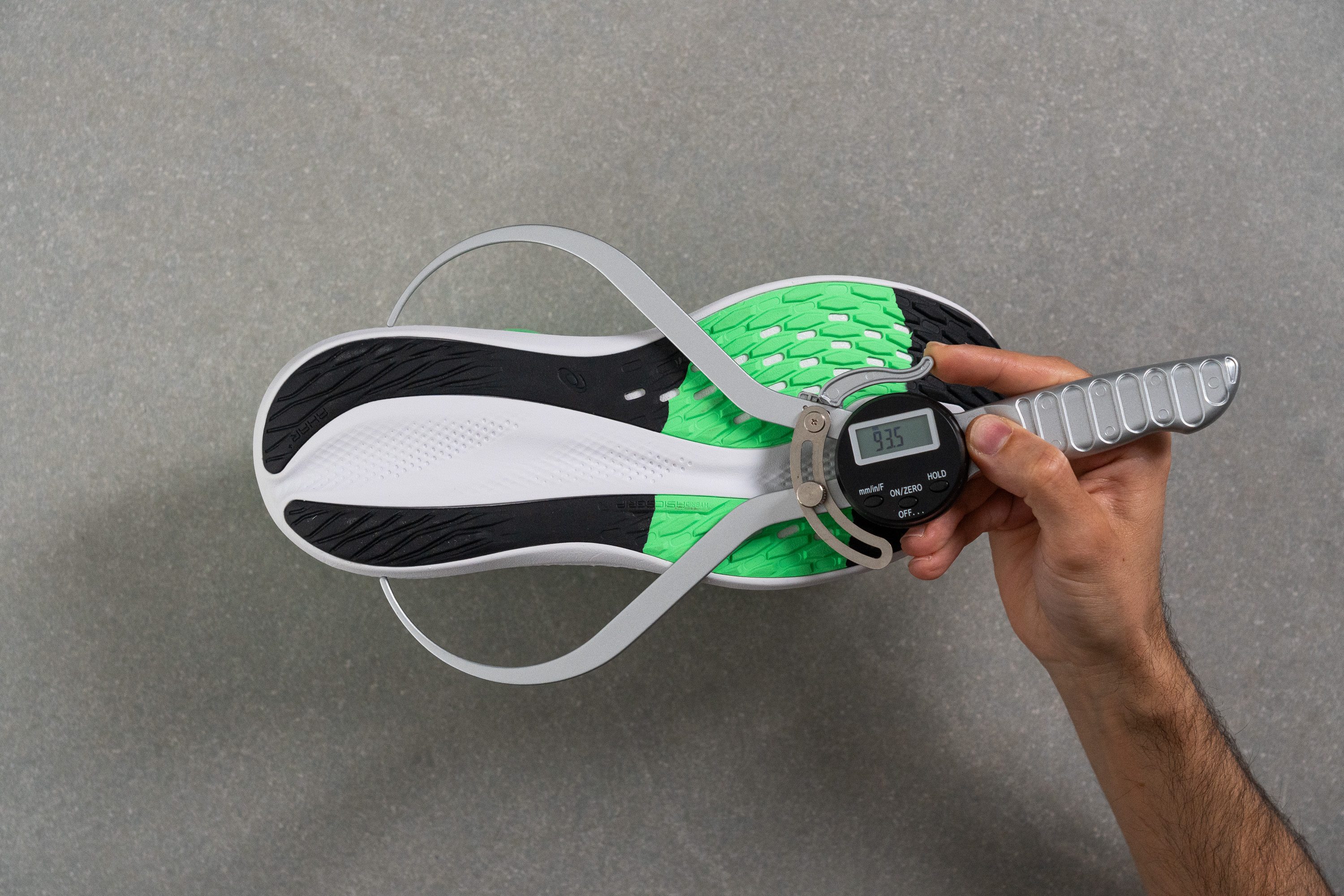
| Glideride Max 2 | 93.5 mm |
| Average | 91.1 mm |
Durability
Toebox durability
It came as no surprise that the Glideride Max 2 showed limited upper durability. Given its airy, paper-thin construction, the 2 out of 5 we recorded is actually a reasonable outcome all things considered.
| Glideride Max 2 | 2 |
| Average | 2.6 |
Heel padding durability
The heel padding also landed below average with a 3 out of 5 in our test. While that’s not a poor result, it still falls short of the long-term durability we would have liked to see.
| Glideride Max 2 | 3 |
| Average | 3.4 |
Outsole durability
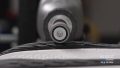
To balance the less durable upper, the HYBRID ASICSGRIP outsole performs very well. By combining AHAR PLUS with ASICSGRIP, it delivers excellent durability, as we removed only 0.6 mm of rubber in our abrasion test.
| Glideride Max 2 | 0.6 mm |
| Average | 1.1 mm |
Outsole thickness
ASICS opted for 3.6 mm of outsole rubber, which already signals strong durability. That generous thickness, combined with excellent abrasion resistance, makes this shoe a smart pick for runners who are especially tough on outsoles.
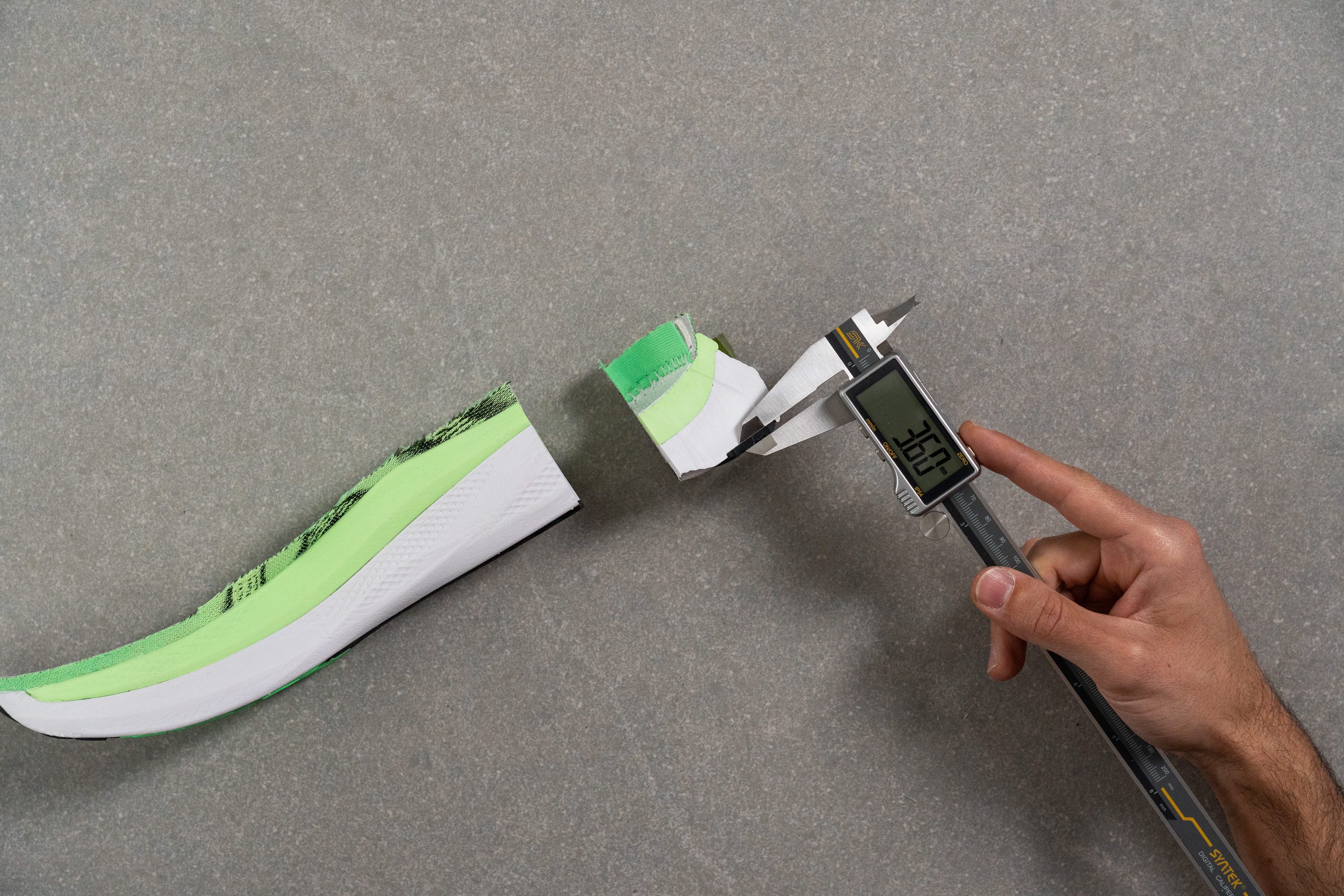
| Glideride Max 2 | 3.6 mm |
| Average | 3.1 mm |
Misc
Insole thickness
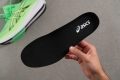
ASICS opted for a standard insole in the Glideride Max 2, measuring 4.4 mm in thickness.
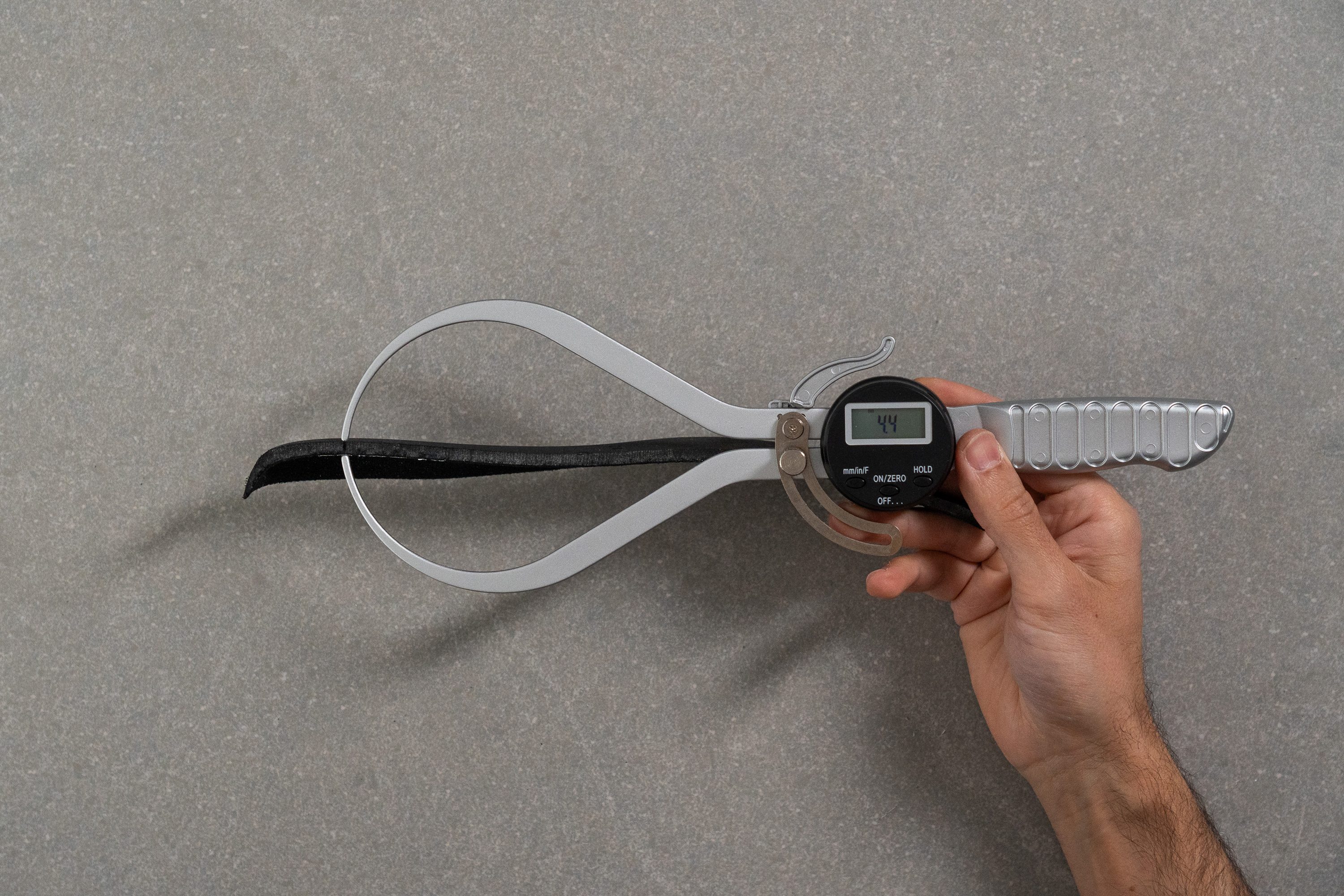
| Glideride Max 2 | 4.4 mm |
| Average | 4.4 mm |
Removable insole
We found it easy to remove, as it is not glued to the last.
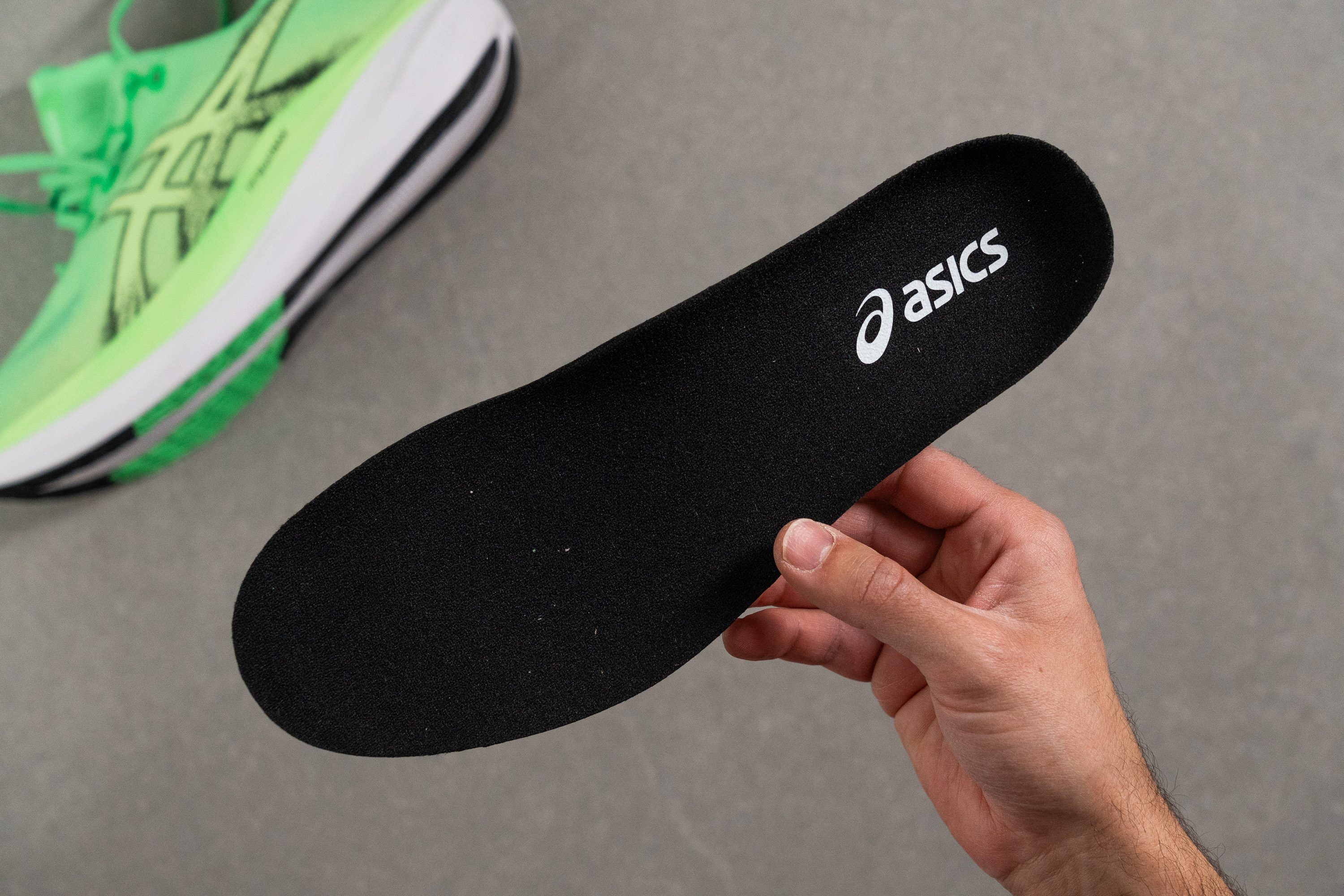
| Glideride Max 2 | Yes |
Reflective elements
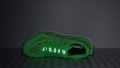
We love finding solid reflective elements in running shoes, and the Glideride Max 2 checks that box as well, adding a welcome touch of visibility for low-light runs.
| Glideride Max 2 | Yes |
Tongue padding
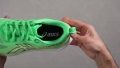
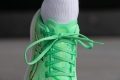
We found flat laces threaded through reinforced punched eyelets, plus an extra eyelet that allows for alternative lacing if needed.
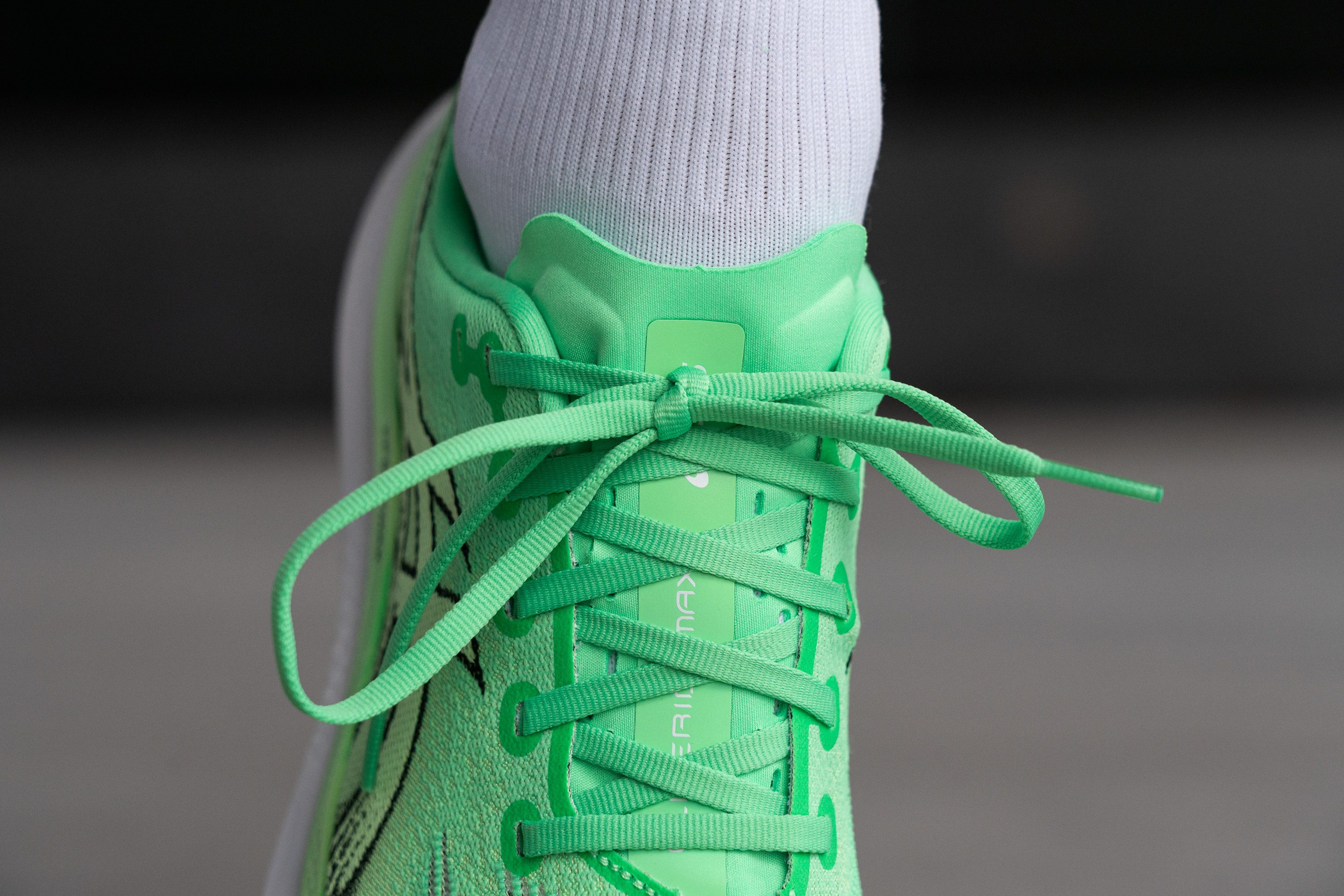
The tongue of the ASICS Glideride Max 2 follows the brand’s recent trend with a thin design and 4.4 mm of thickness. By skipping thick foam layers, keeping a lightweight, barely-there feel that is further enhanced by perforations to improve airflow.
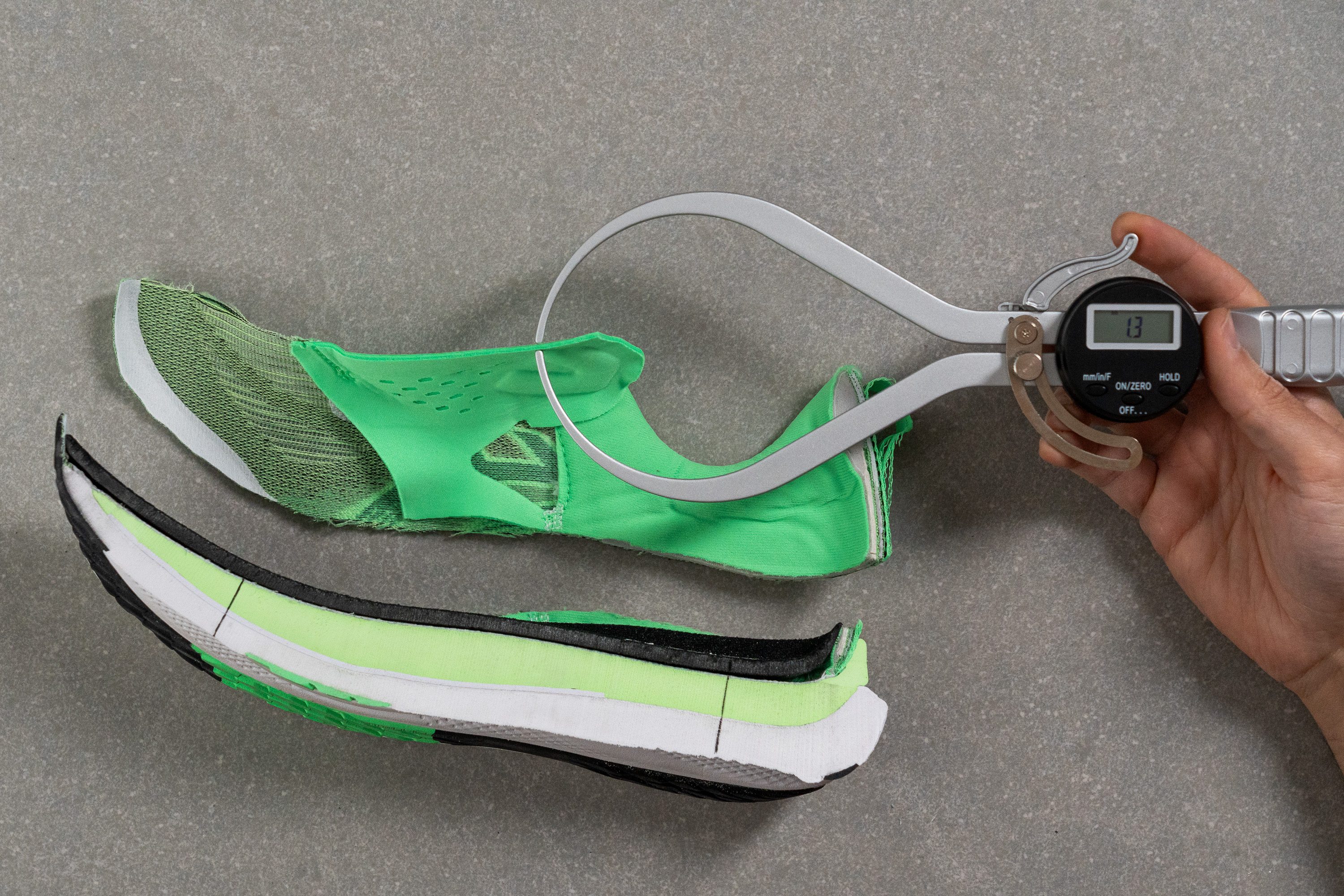
| Glideride Max 2 | 4.4 mm |
| Average | 5.8 mm |
Tongue: gusset type
The tongue features excellent gusseting that narrows toward the center, creating a secure and comfortable wrap. It’s a thoughtful design detail that many brands could learn from, instead of settling for a basic piece of fabric.
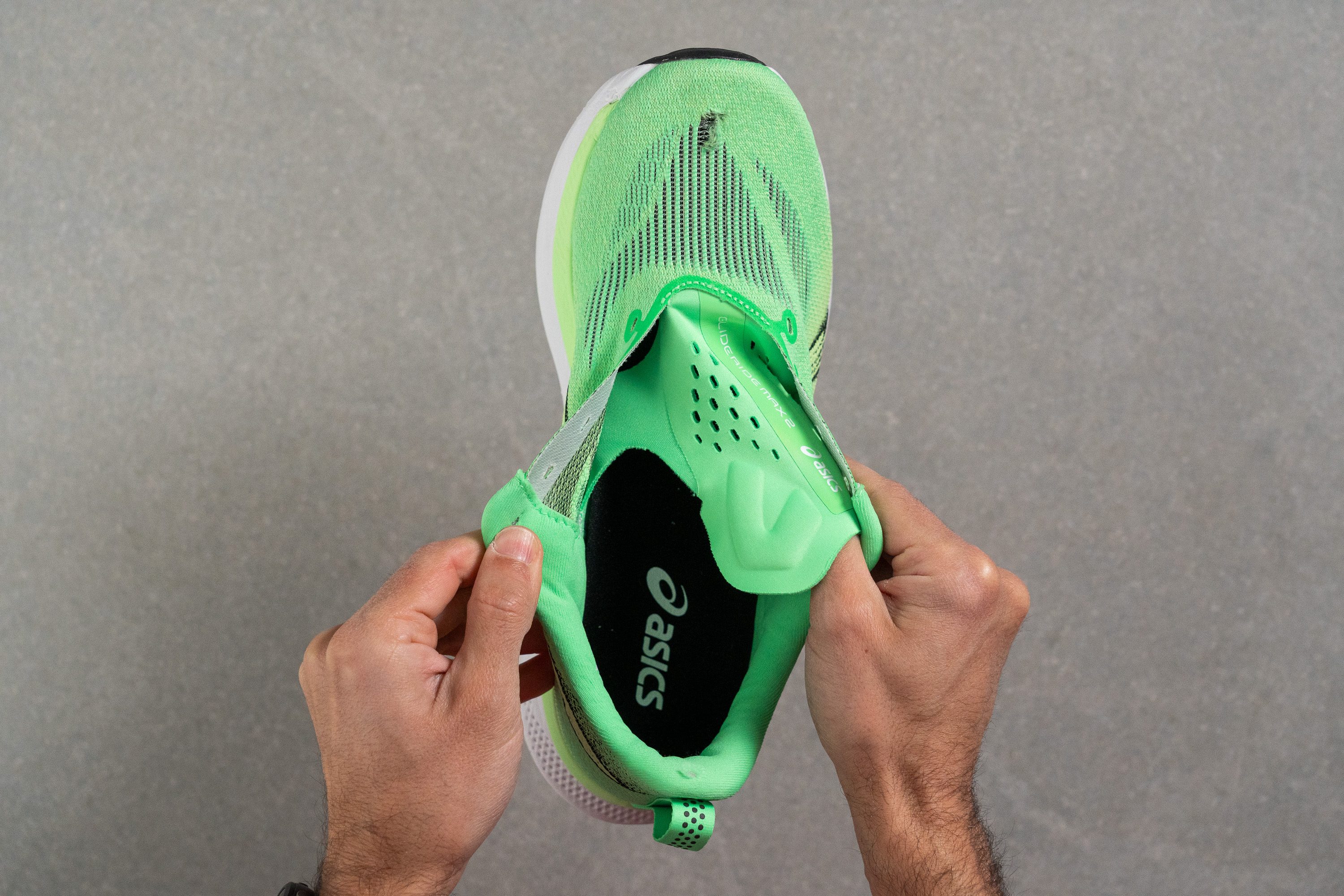
| Glideride Max 2 | Both sides (semi) |
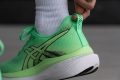
Heel tab
The new heel tab introduced with the upper redesign is lighter and less complex than the one we saw last year. It’s now a simple strip that also serves to cover the upper stitching.
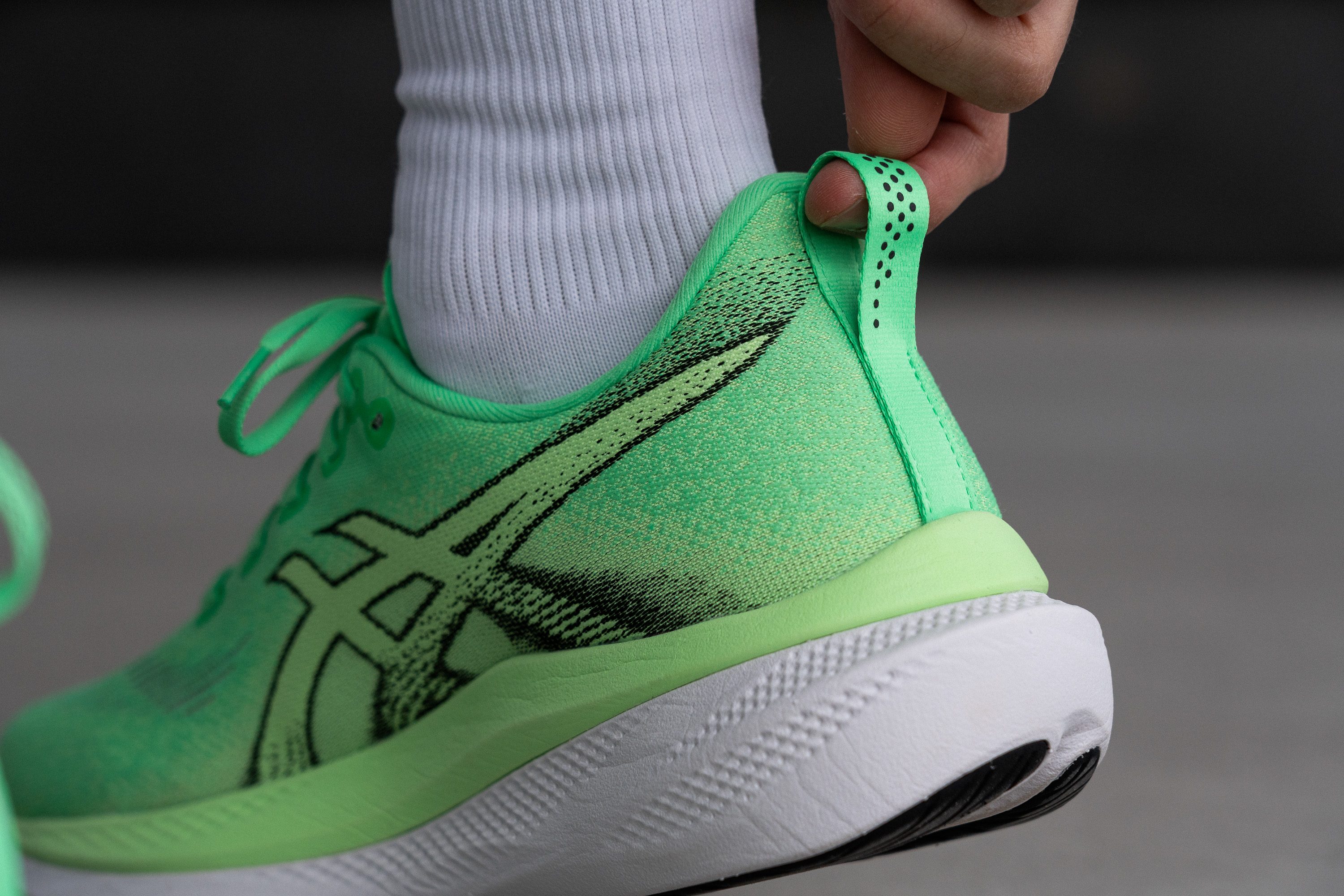
| Glideride Max 2 | Finger loop |
Price
The Glideride Max 2 is priced near the top of the daily trainer range, which is hard to justify when energy return still is somewhat limited. However, if bounce is not a priority and you plan to use it mainly for easy runs, it can still be a solid choice thanks to its overall build quality and excellent outsole performance.
| Glideride Max 2 | $170 |