















Our verdict
- Urban 90
- Speed 72
- Day hiking 74
- Backpacking 25
Pros
- Excellent cushioning for long hikes/walks
- Lighter than average
- Stable for light terrain
- Predictable medium fit
- Well-padded interiors
- Great for city wear
- Fantastic breathability for summer
Cons
- Not as springy as advertised
- For easy trails only
Awards
- Top pick in best summer hiking shoes
Comparison
The most similar hiking shoes compared
+ + Add a shoe | |||||
|---|---|---|---|---|---|
| Our score | 78 Good | 77 Good | 73 Good | 82 Good | |
| Price | $180 | $100 | $180 | $80 | |
| Trail terrain | Light terrainVersatile / Moderate terrain | Light terrainVersatile / Moderate terrain | Light terrainVersatile / Moderate terrain | Light terrainVersatile / Moderate terrain | |
| Shock absorption | High | Moderate | Low | Moderate | |
| Energy return heel | Moderate | Moderate | Moderate | Moderate | |
| Traction | Moderate | Moderate | Moderate | Moderate | |
| Weight lab Weight brand | 12.4 oz / 352g | 12.3 oz / 349g | 16.2 oz / 458g 14 oz / 397g | 11.9 oz / 337g | |
| Lightweight | ✓ | ✓ | ✗ | ✓ | |
| Breathability | Warm | - | Warm | Warm | |
| Use | Urban hiking | Day HikingUrban hikingBeginners | Day Hiking | Day HikingUrban hikingBeginners | |
| Orthotic friendly | ✓ | ✓ | ✓ | ✓ | |
| Drop lab | 13.9 mm | 13.5 mm | 12.1 mm | 13.3 mm | |
| Size | True to size | Slightly small | - | - | |
| Midsole softness | Balanced | Balanced | Balanced | Balanced | |
| Difference in midsole softness in cold | Small | Normal | Normal | Big | |
| Torsional rigidity | Moderate | Moderate | Stiff | Stiff | |
| Heel counter stiffness | Moderate | Stiff | Stiff | Flexible | |
| Stiffness | Stiff | Moderate | Stiff | Stiff | |
| Material | Mesh | Mesh | Leather | Suede | |
| Season | Winter | - | Winter | Winter | |
| Toebox durability | Decent | Very bad | Good | Good | |
| Heel padding durability | Decent | Decent | Bad | Decent | |
| Outsole durability | Good | Good | Decent | Good | |
| Width / fit | Medium | Medium | Medium | Medium | |
| Toebox width | Medium | Medium | Medium | Medium | |
| Lug depth | 3.5 mm | 3.7 mm | 3.7 mm | 4.4 mm | |
| Heel stack lab | 42.6 mm | 37.0 mm | 38.6 mm | 36.4 mm | |
| Forefoot | 28.7 mm | 23.5 mm | 26.5 mm | 23.1 mm | |
| Widths available | Normal | NormalWide | Normal | Normal | |
| Technology | Vibram | - | - | - | |
| Heel tab | Finger loop | Finger loop | None | Finger loop | |
| Removable insole | ✓ | ✓ | ✓ | ✓ | |
| Ranking | #37 Bottom 19% | #38 Bottom 17% | #42 Bottom 8% | #24 Bottom 47% | |
| Popularity | #26 Bottom 43% | #8 Top 18% | #44 Bottom 4% | #18 Top 40% |



Who should buy
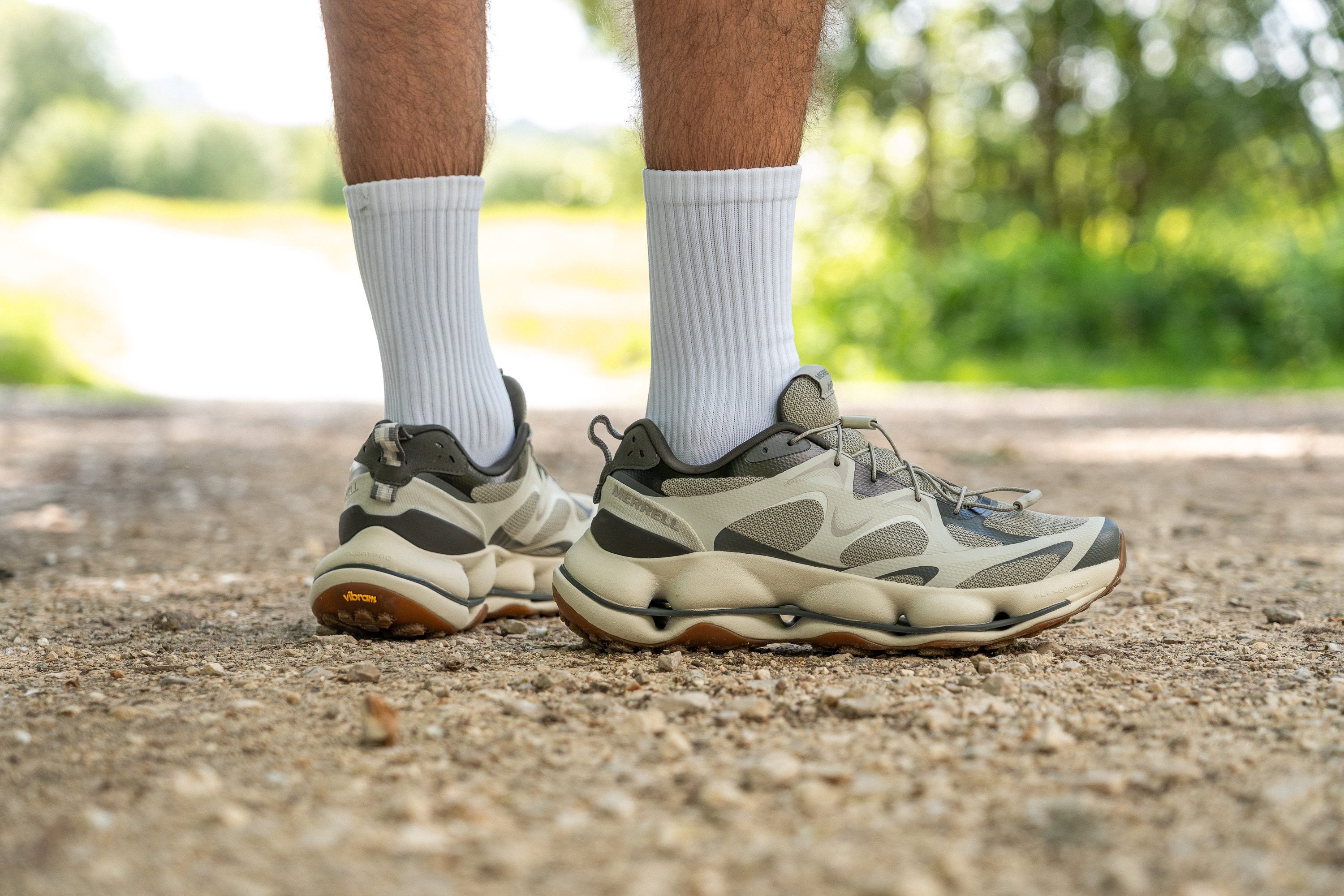
In our opinion, the Merrell SpeedARC Matis can be a great match for people in search of the following:
- a city-to-trail sneaker with striking aesthetics
- a well-cushioned and supportive shoe for long walks on hard-packed and moderate trails
- a summer shoe with excellent breathability
Who should NOT buy
Because it is such a far cry from a classic hiking shoe, the SpeedARC Matis can be polarizing. Its tall and puffy platform makes it less than ideal for serious hikes on mixed, rocky, and technical terrain. That's the Merrell Moab 3's area of expertise.
Yet if you are here for that semi-urban design but the SpeedARC's price feels too high, consider the HOKA Transport 2 instead.
Cushioning
Shock absorption
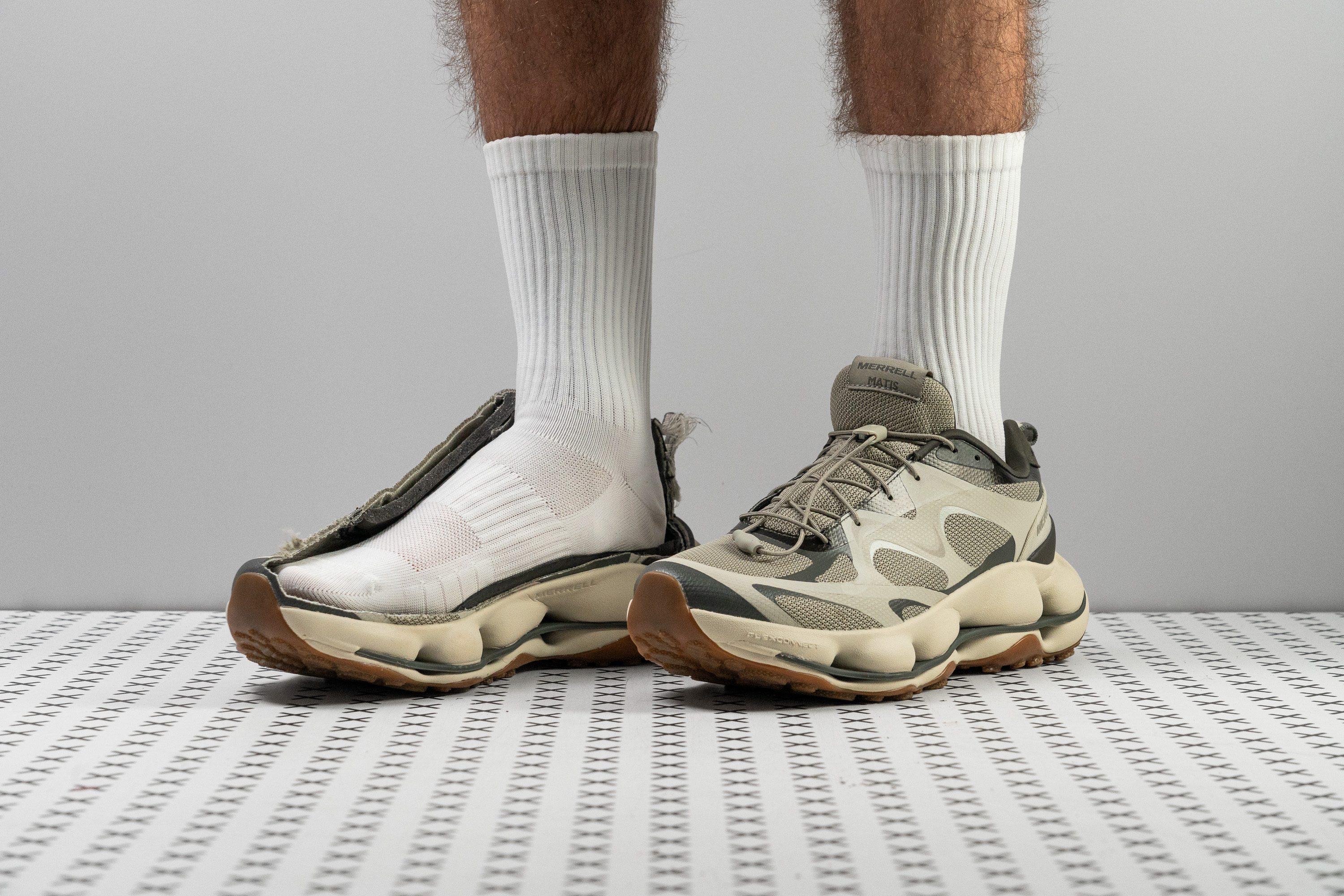
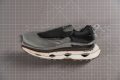
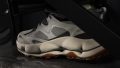
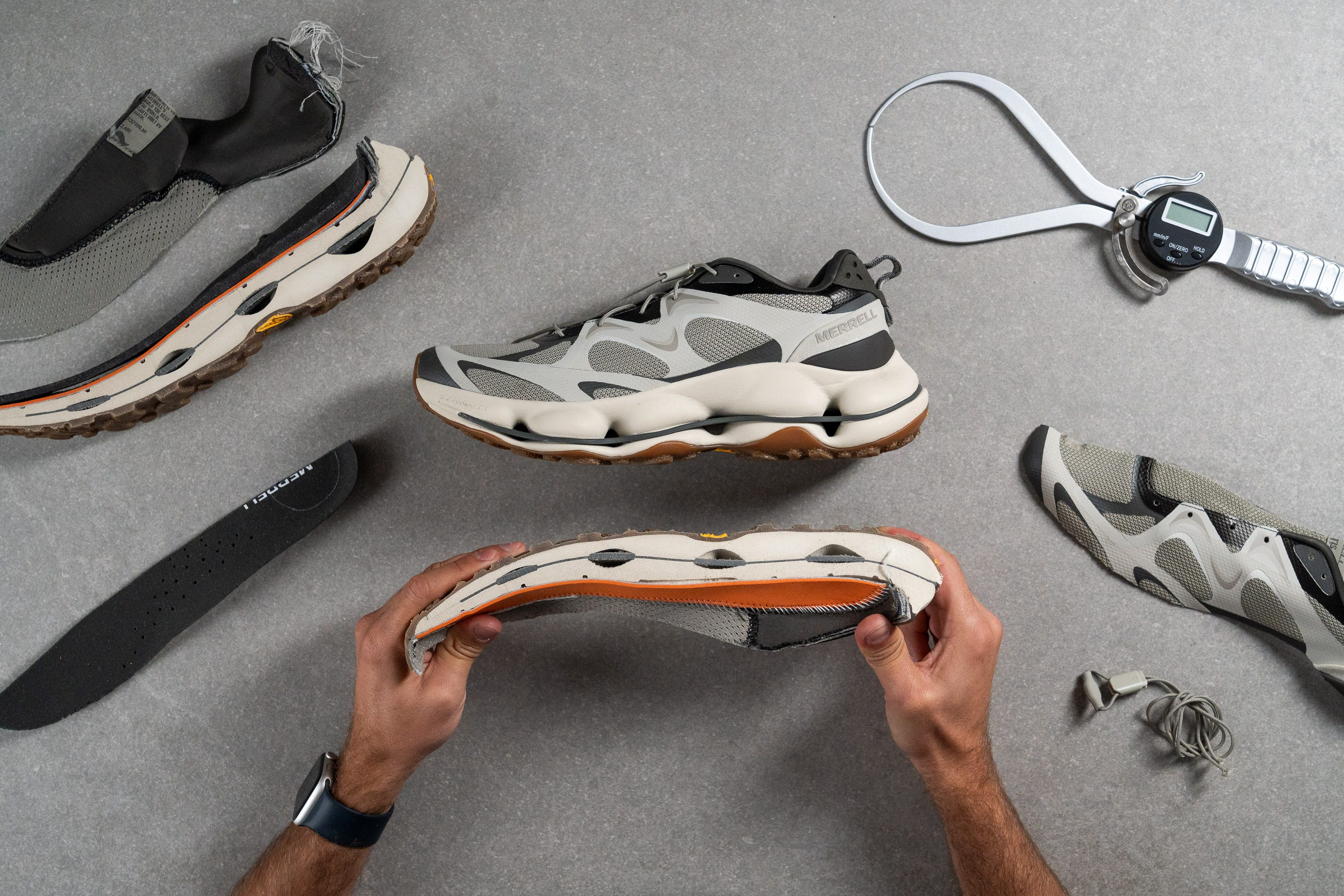
The striking bubble-like sole design of the SpeedARC Matis surely stands out from most other hiking shoes on the market. And its product description raises the stakes even higher by promising 'Merrell's most innovative and athletic fast hiking sneaker.'
Thus, we weren't surprised to see an above-average shock absorption of 120 SA in our lab test, confirming that the shoe's comfort lasts for hours, keeping fatigue at bay.
Yet, it's not the highest result we've seen among trail shoes.
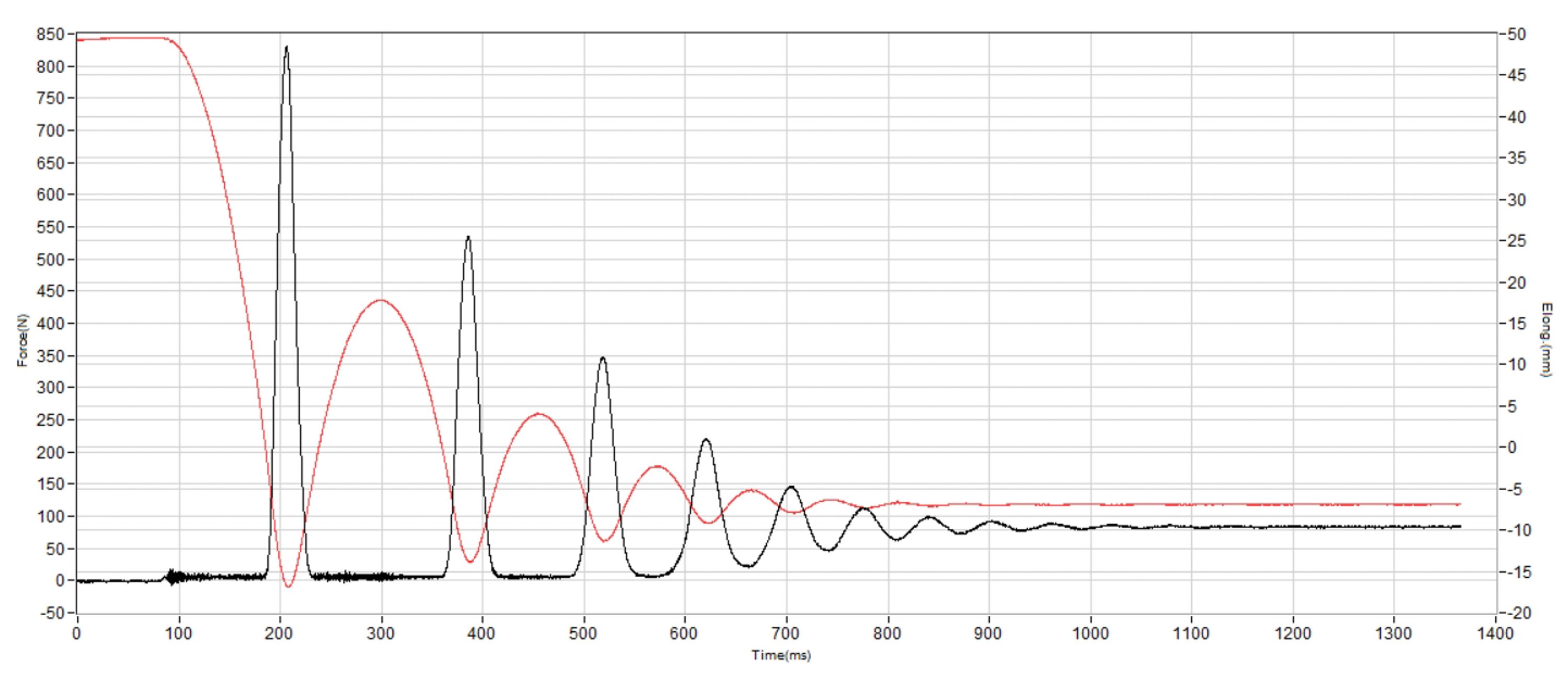
| SpeedARC Matis | 120 SA |
| Average | 108 SA |
Energy return
With all the marketing buzz around its propulsive ride, we ended up quite disappointed in the SpeedARC's actual energy return. Instead of the promised '100% more energy return than the leading hiking boot,' our machine recorded a depressing 47.5% in the shoe's heel area...
Not only is it below the hiking shoe average, but also nowhere near the springiness of most trail running shoes today!
| SpeedARC Matis | 47.5% |
| Average | 49.6% |
Heel stack
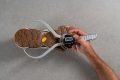
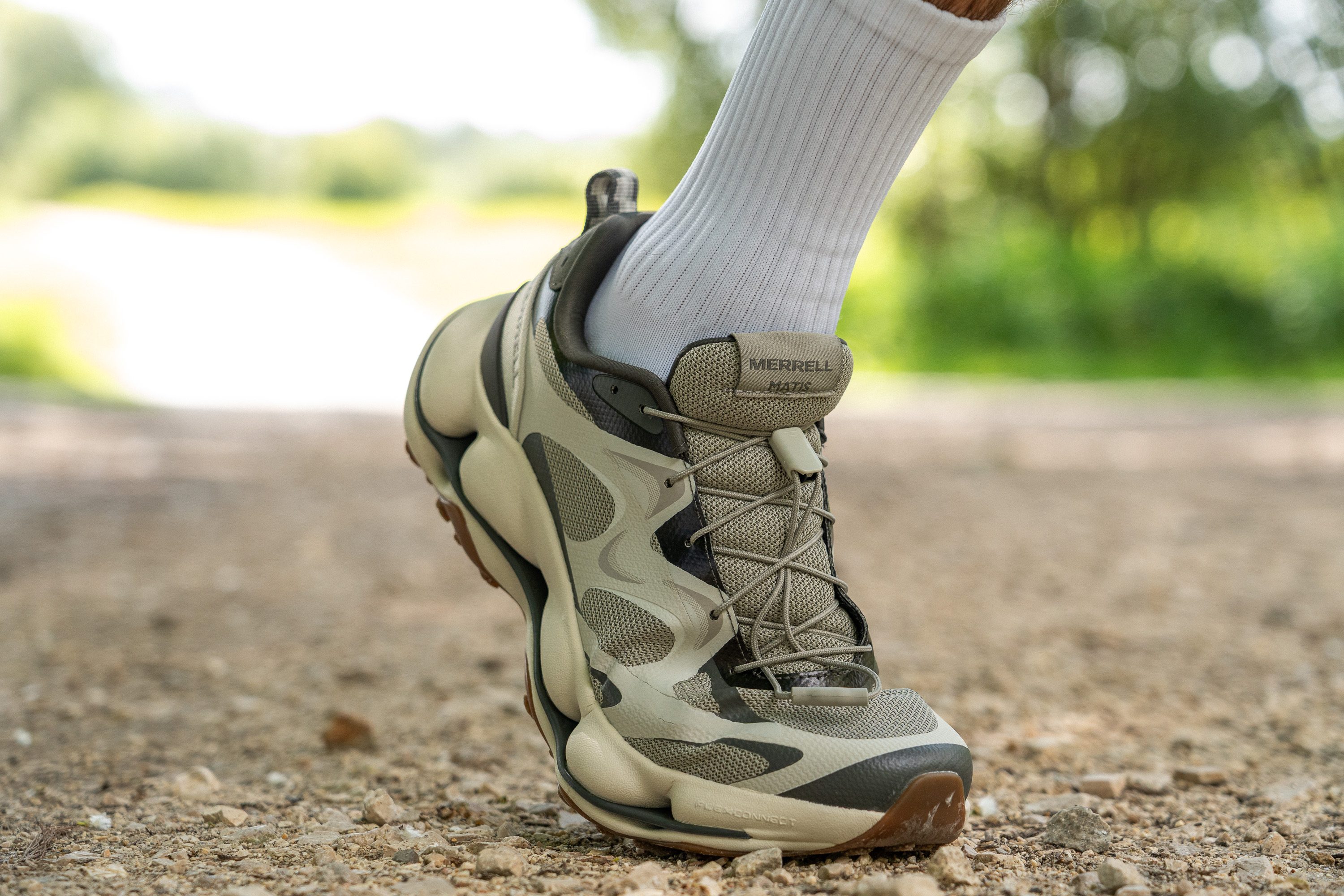
Its unconventional pod design gives this Merrell shoe a chunky appearance, and our measurements only confirm it.
Our tool recorded the SpeedARC Matis's heel stack at a whopping 42.6 mm, making its platform one of the tallest among hiking shoes!
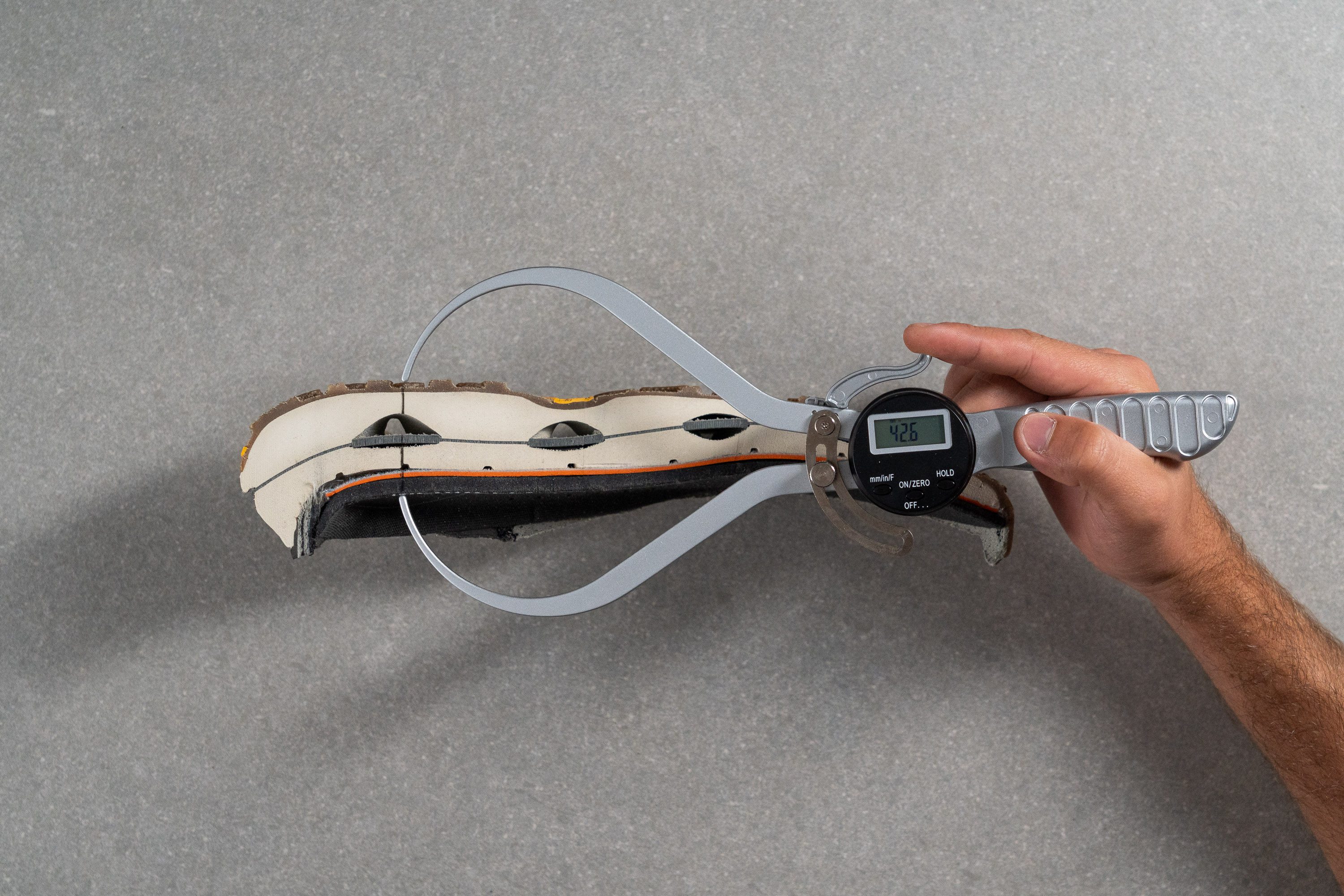
| SpeedARC Matis | 42.6 mm |
| Average | 34.0 mm |
Forefoot stack
Its forefoot stack measured an equally impressive 28.7 mm, towering above most other conventional hiking shoes.
This thick-foamed goodness offers a huge buffer from both concrete and trail but can feel isolating if you're not used to platformy shoes.
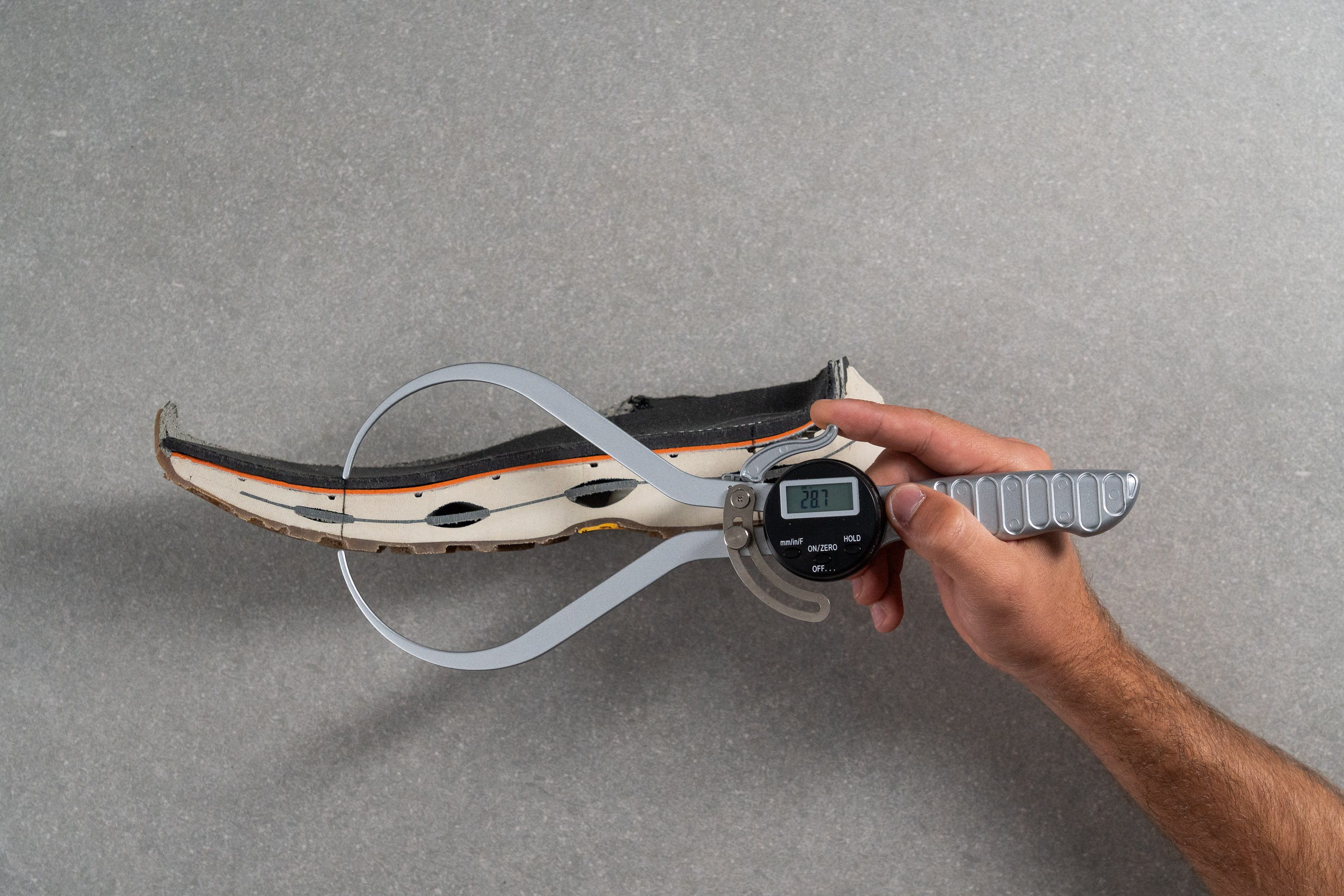
| SpeedARC Matis | 28.7 mm |
| Average | 22.9 mm |
Drop
At 13.9 mm, the shoe's heel-to-toe drop measured notably steeper than the stated 8 mm.
Elevating the heel higher above the toes, this offset helps take the load off the Achilles and calves but can also feel a bit tippy or even cause some forward toe shifting.
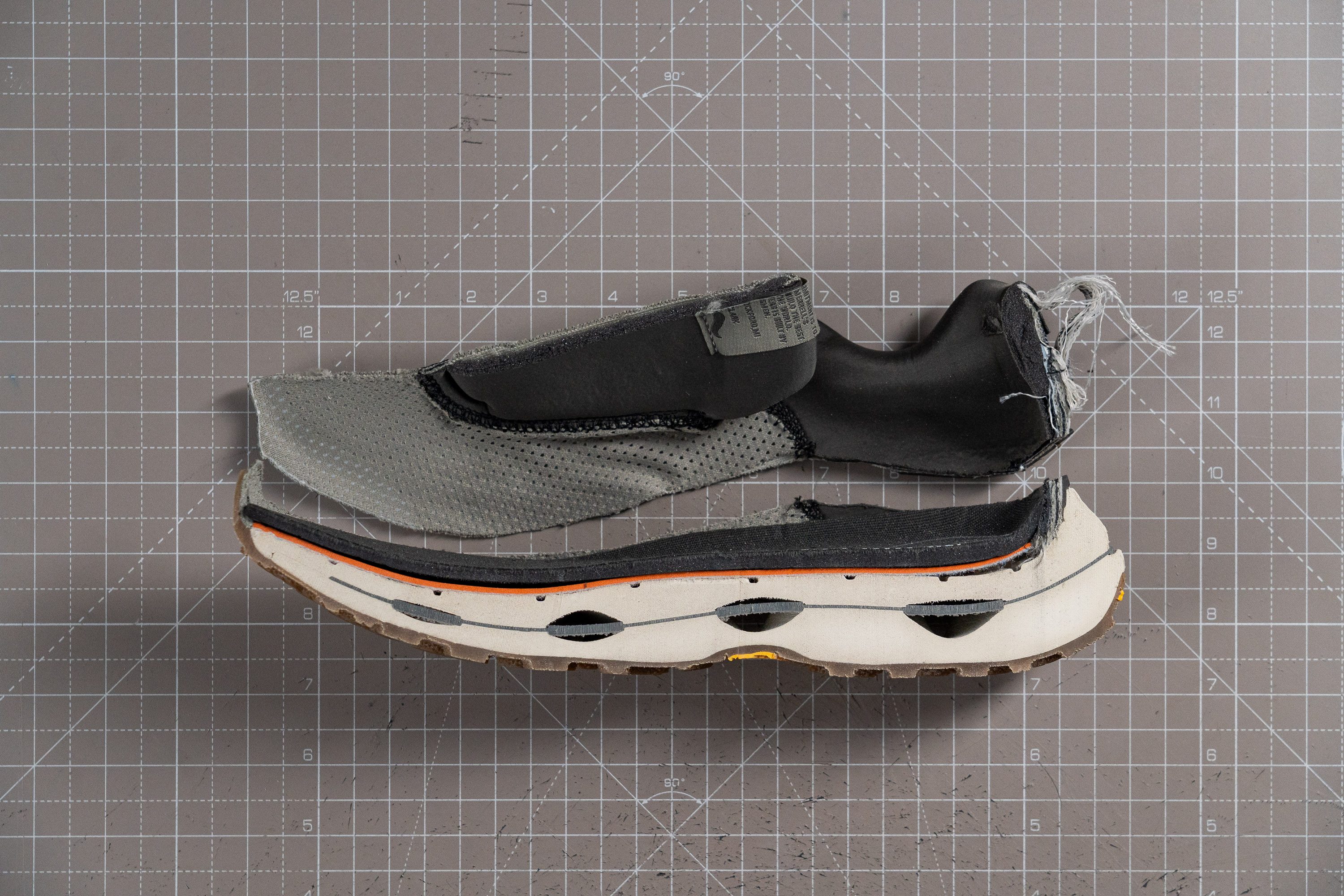
| SpeedARC Matis | 13.9 mm |
| Average | 11.2 mm |
Midsole softness
Although it looks like it's made of dual foam layers, the shoe features a single-density FloatPro+ Foam throughout its midsole.
With a durometer reading of 40.5 AC, it proved to be a moderately firm yet balanced blend. However, the cavities between its pods make the sole more compressible and therefore a little softer underfoot.
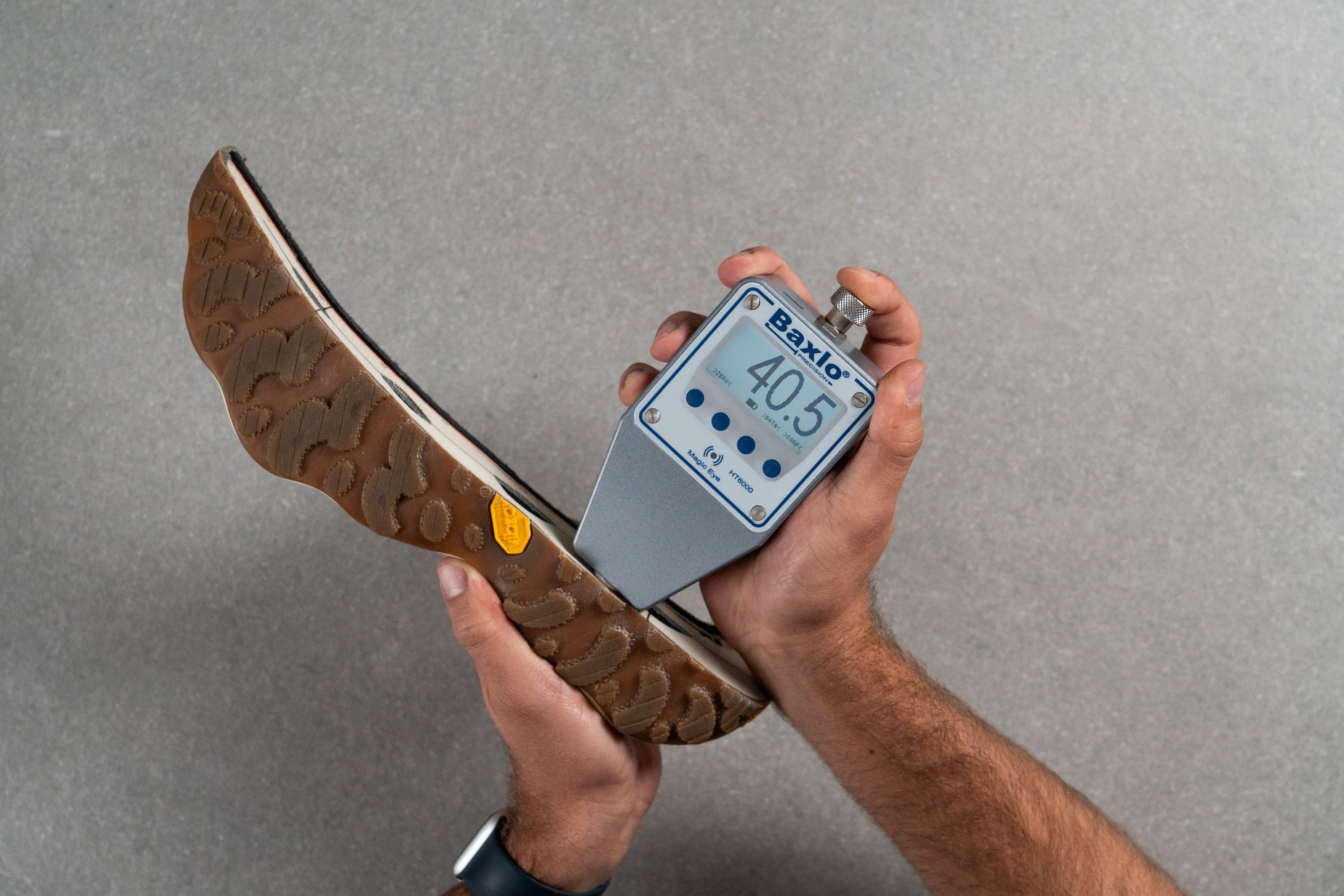
| SpeedARC Matis | 40.5 AC |
| Average | 43.9 AC |
Size and fit
Size
Merrell SpeedARC Matis fits true to size (10 votes).
Internal length
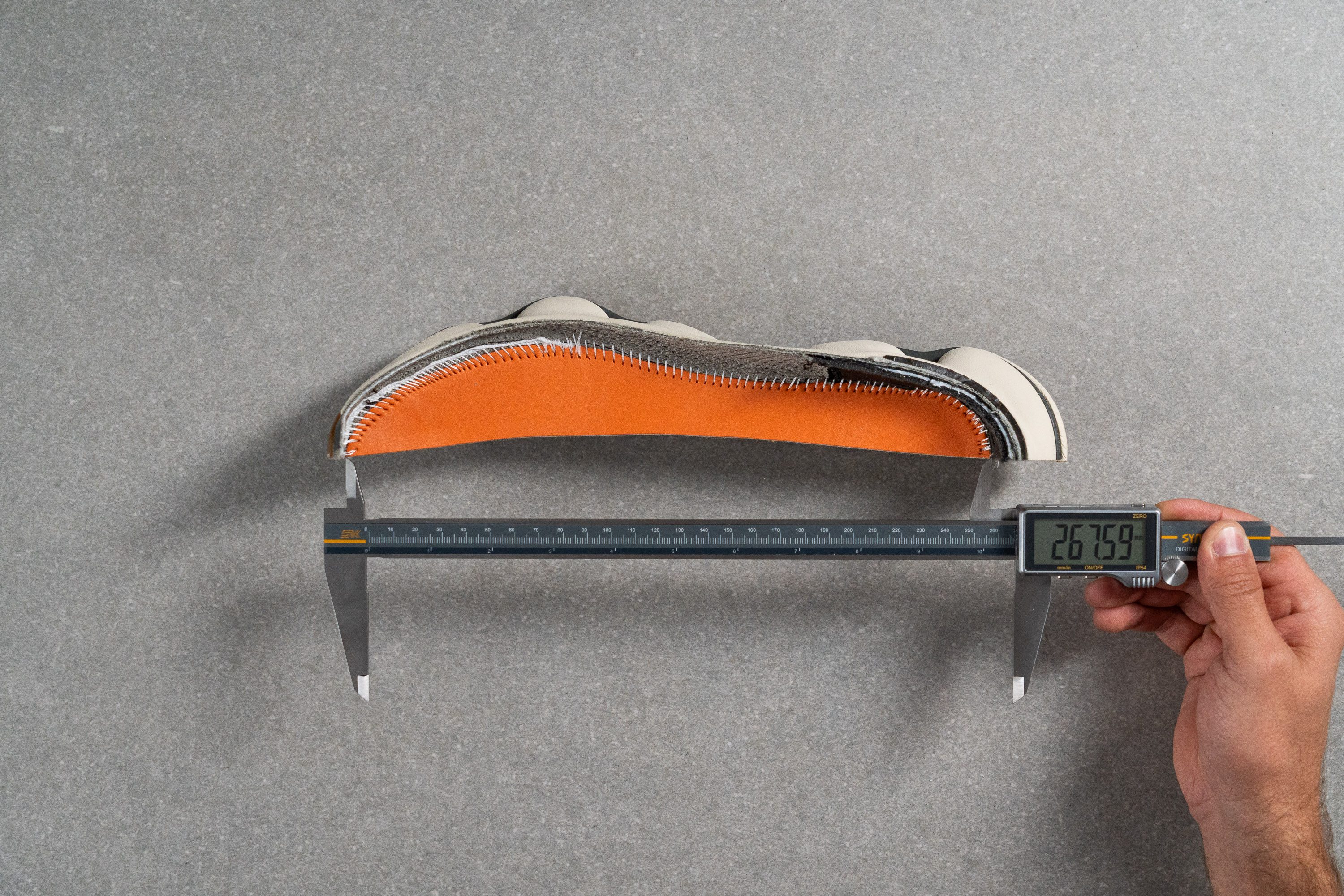
| SpeedARC Matis | 267.6 mm |
| Average | 268.9 mm |
Width / Fit
The Merrell SpeedARC Matis treated us to a predictable medium fit that felt exactly on point.
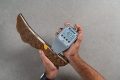
But we don't base conclusions on subjective experience alone, so we used a proprietary liquid to create a one-to-one replica of the shoe's interior and measured its dimensions more precisely.
The widest area of the shoe's gel cast returned a solid medium-width reading of 94.8 mm, confirming our positive on-foot experience.
However, this Merrell shoe is not available in any alternative widths in case you need a snugger or roomier fit.
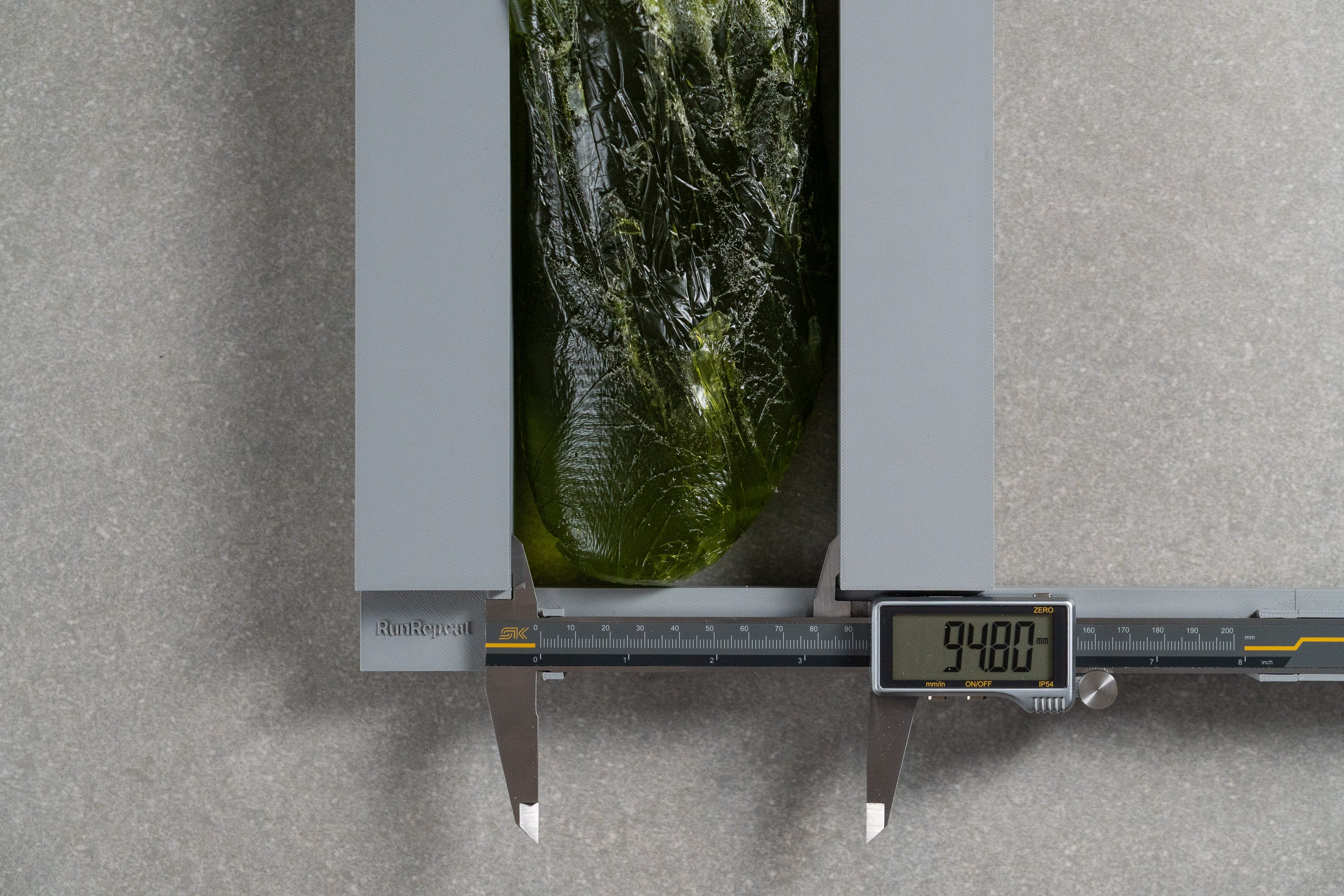
| SpeedARC Matis | 94.8 mm |
| Average | 94.0 mm |
Toebox width
The shoe's toebox shape also proved to be perfectly medium, with a very standard width of 72.0 mm at the big toe. There is no pronounced tapering to cause pressure or cramming.
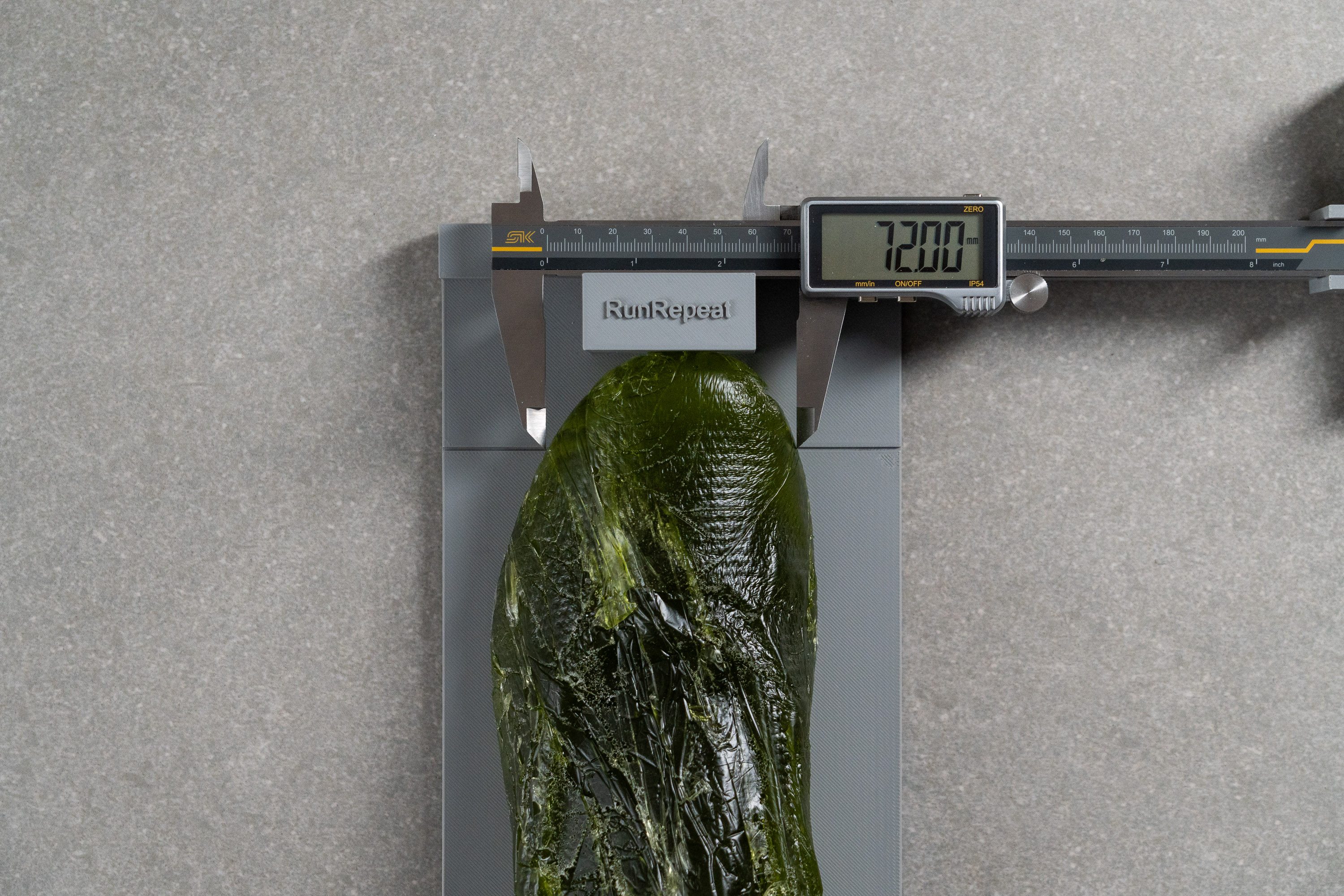
| SpeedARC Matis | 72.0 mm |
| Average | 71.9 mm |
Toebox height
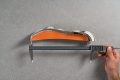
The shoe's vertical space can feel a bit limited, as we measured its toebox height at a slightly below-average 25.0 mm.
However, the rigidity is mostly concentrated around the shoe's toe bumper, leaving the toebox mesh fairly relaxed.
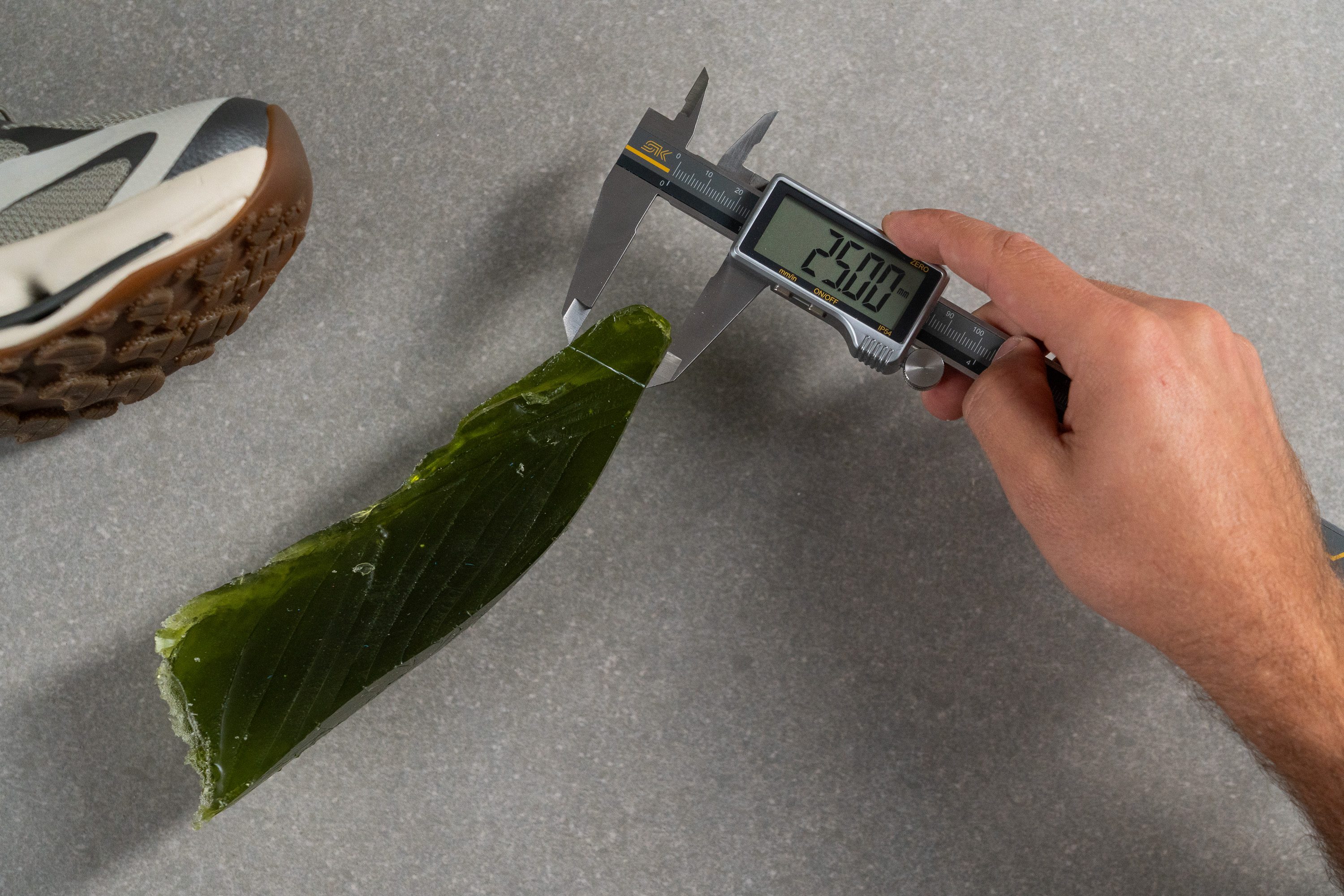
| SpeedARC Matis | 25.0 mm |
| Average | 27.5 mm |
Traction / Grip
Traction test
At 0.57 CoF, this Merrell shoe offers a pretty surefooted experience on smooth surfaces like polished rocks and occasional granite boulders, even if they are a little wet. However, it wouldn't be our first choice for extreme conditions with lots of slick areas.
| SpeedARC Matis | 0.57 |
| Average | 0.68 |
Lug depth
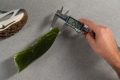
Merrell clearly states that the SpeedARC Matis is meant for moderate trails, and that's reflected in both its traction pattern and lug depth.
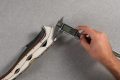
Measuring the latter with a caliper, we recorded 3.5 mm, which is close to the stated 3 mm. This is an optimal depth for anything from concrete and asphalt to light dirt, gravel, and grass.
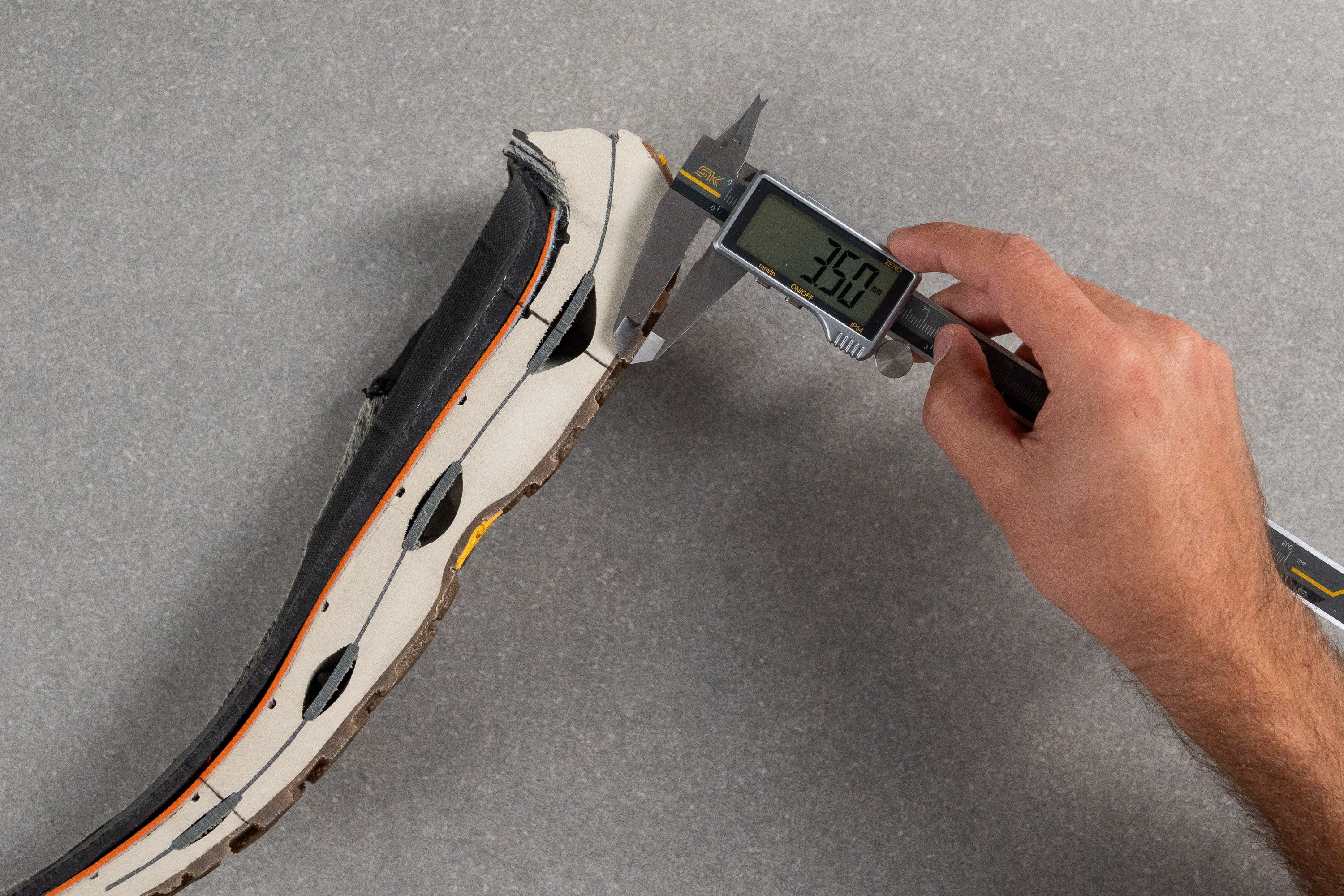
| SpeedARC Matis | 3.5 mm |
| Average | 3.9 mm |
Outsole design
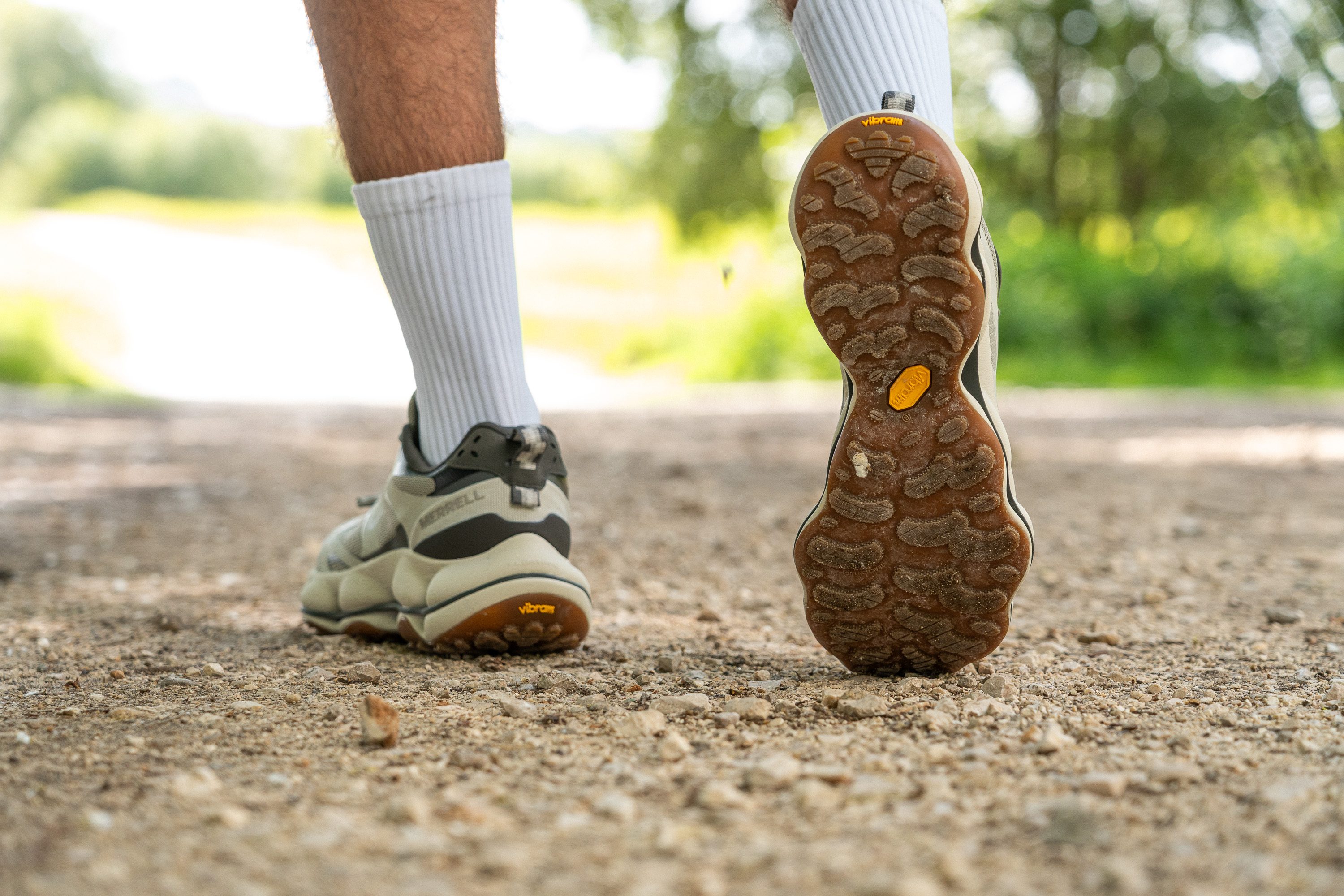
We also couldn't help but notice the shoe's wide, flat, and rounded treads that cater to hard-packed surfaces.
Meanwhile, the edges of these treads are covered in tiny Vibram MegaGrip dots, offering a necessary bite during ascents, descents, and other tricky situations.
Flexibility / Stiffness
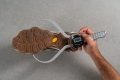
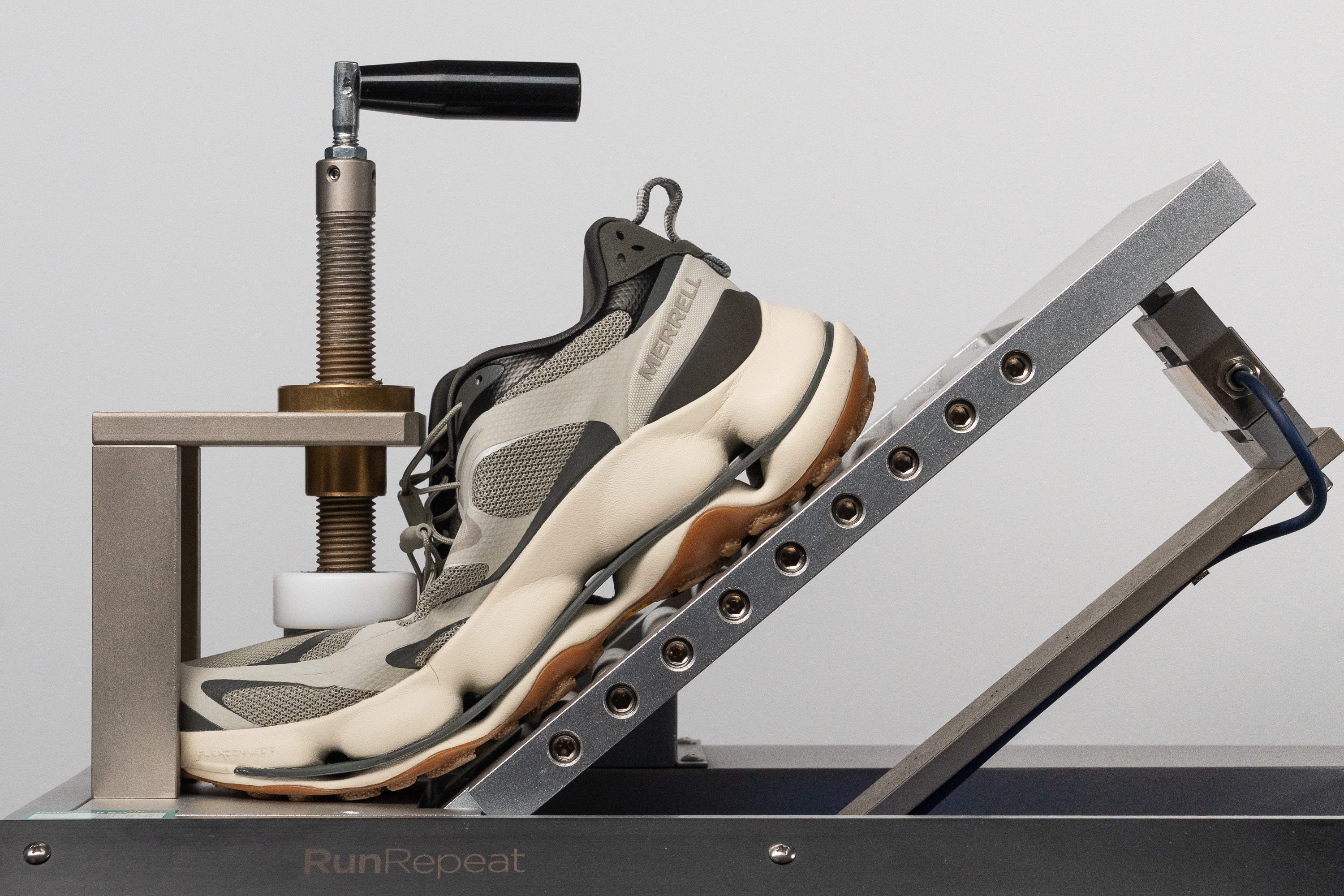
Despite its above-average forefoot stack and a full-length midsole plate, the SpeedARC Matis is no stiffer than the average hiking shoe.
Measuring the force it takes to bend this Merrell shoe by 30 degrees, we got a standard measurement of 18.8N.
Although it limits the natural bending of the foot and the proprioception that comes with it, it offers the benefit of a more stable ride and even pressure distribution.
| SpeedARC Matis | 18.8N |
| Average | 18.8N |
Weight
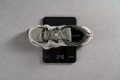
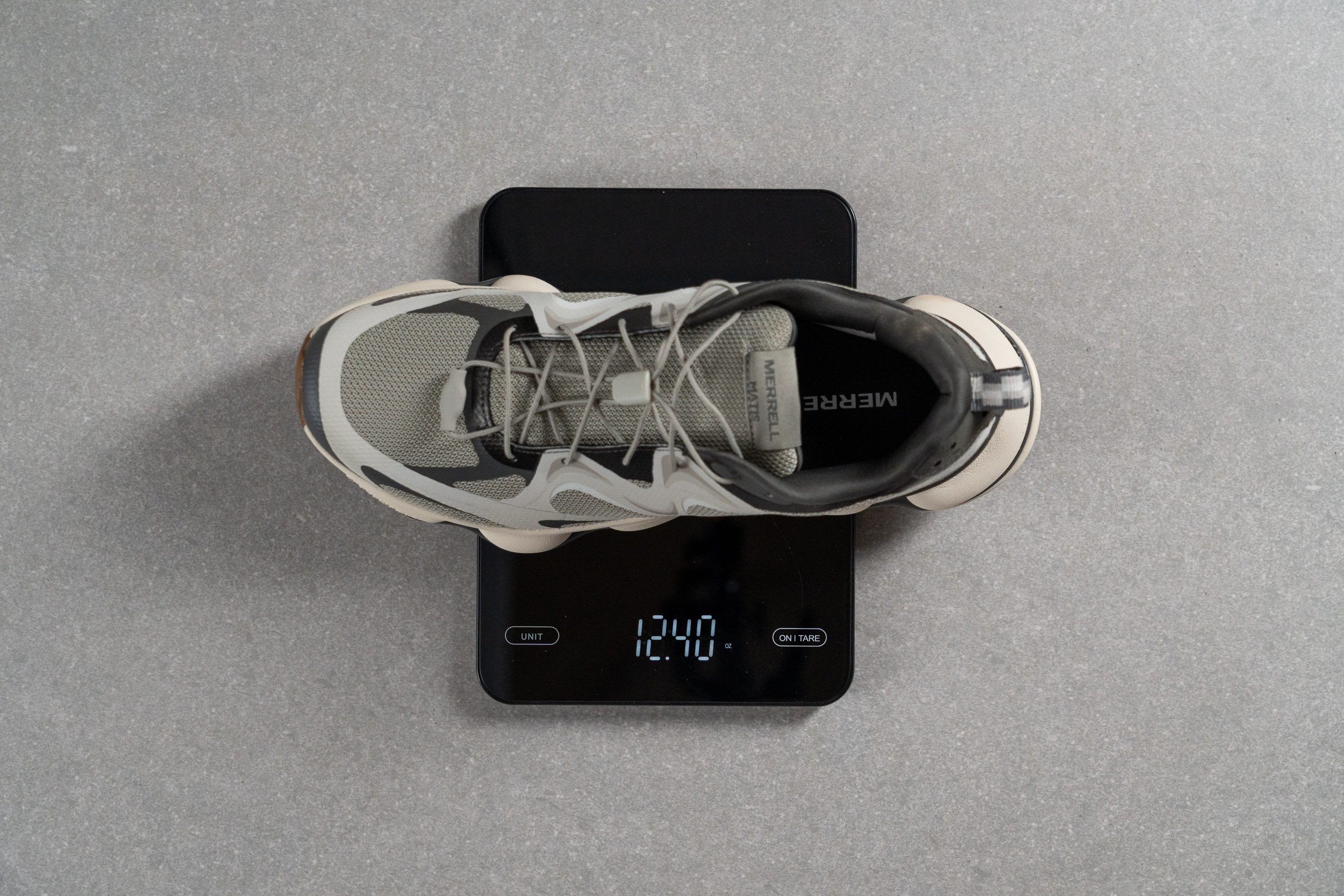
Despite the shoe's visual bulk, Merrell managed to keep the SpeedARC Matis's weight below average at 12.4 oz (352g). That helps it feel more like a sneaker indeed and less like a burly hiking shoe.
| SpeedARC Matis | 12.4 oz (352g) |
| Average | 13.2 oz (375g) |
Breathability
Breathability test
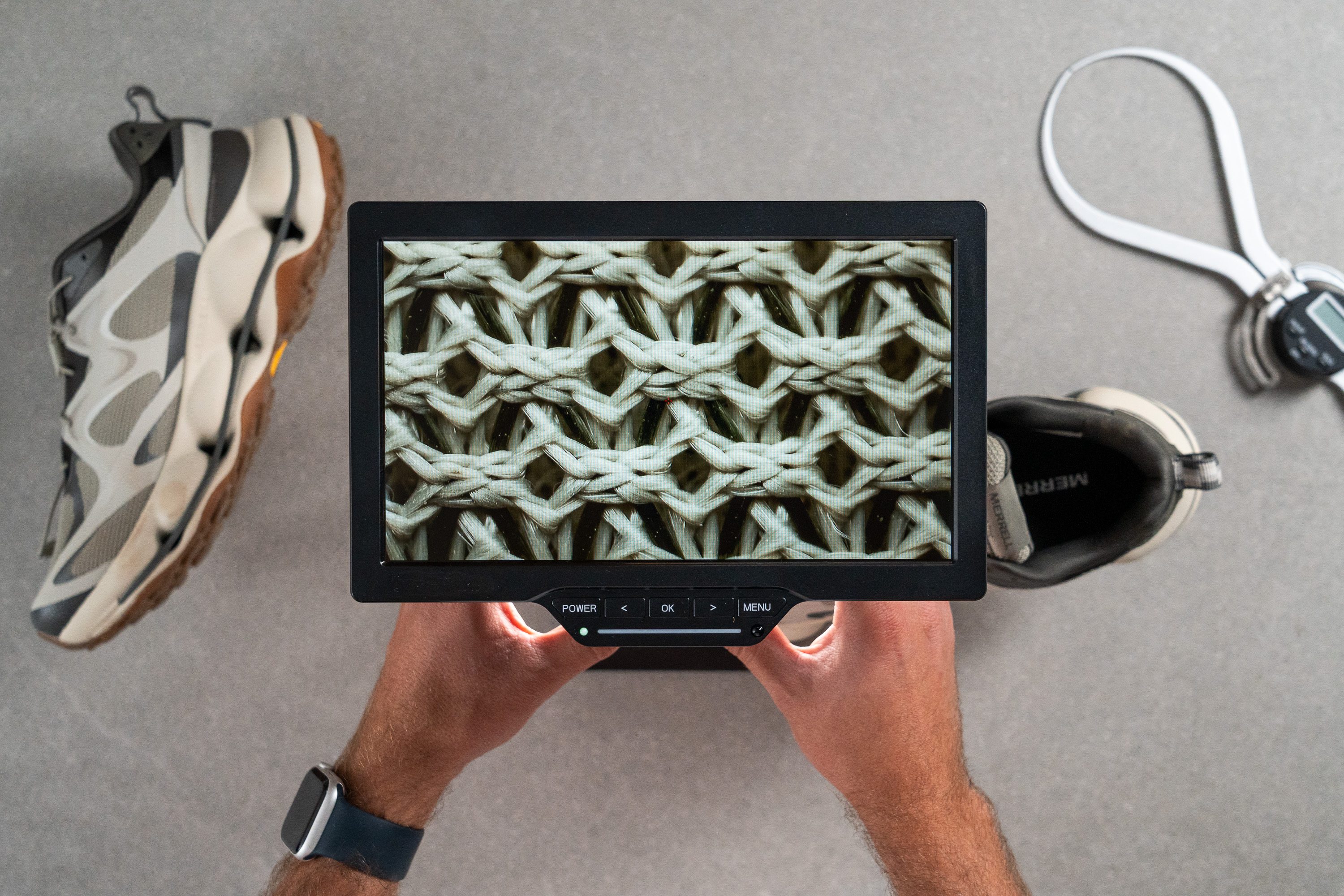
UpdatedThe breathability of this Merrell shoe is utterly impressive. With a high lab test result of 89 BR, it is 40% more effective at keeping the foot dry than the average hiking shoe!
Because we measure the shoe's overall moisture-wicking capacity, we don't know exactly which material is responsible for most of that sweat management. But its perforated insole could be a contributing factor here.
| SpeedARC Matis | 89 BR |
| Average | 58 BR |
Drying potential
NewAnd it dries pretty fast, too!
After keeping the SpeedARC Matis on a heated footform inside a special chamber with a controlled environment for 3 hours, we measured that it had evaporated an impressive 52% of the absorbed moisture!
Even with heavy perspiration, you can rest assured that this shoe won't build up a puddle of sweat inside, even on longer hikes and walks.
| SpeedARC Matis | 52% |
| Average | 39% |
Stability
Lateral stability test
The SpeedARC Matis offers dependable side-to-side stability on moderate trail types.
Although its towering platform limits the shoe's effectiveness on rocky and uneven stretches, it feels perfectly supportive on more predictable terrain.
Torsional rigidity
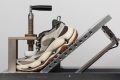
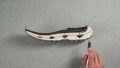
One of the shoe's key stability components is, of course, the stiff FlexPlate. Running from heel to toes, it adds structural integrity to the SpeedARC Matis's thick-foamed midsole.
But because there are no other supportive elements or sidewalls, the shoe's torsional rigidity ended up slightly below the average. Our lab test showed that it takes slightly less torque (14.9Nm) to twist it by 10 degrees in both directions.
This is not critically low to make the shoe feel sloppy or prone to rolling over, but again confirms that it's best to stick to less technical terrain in it.
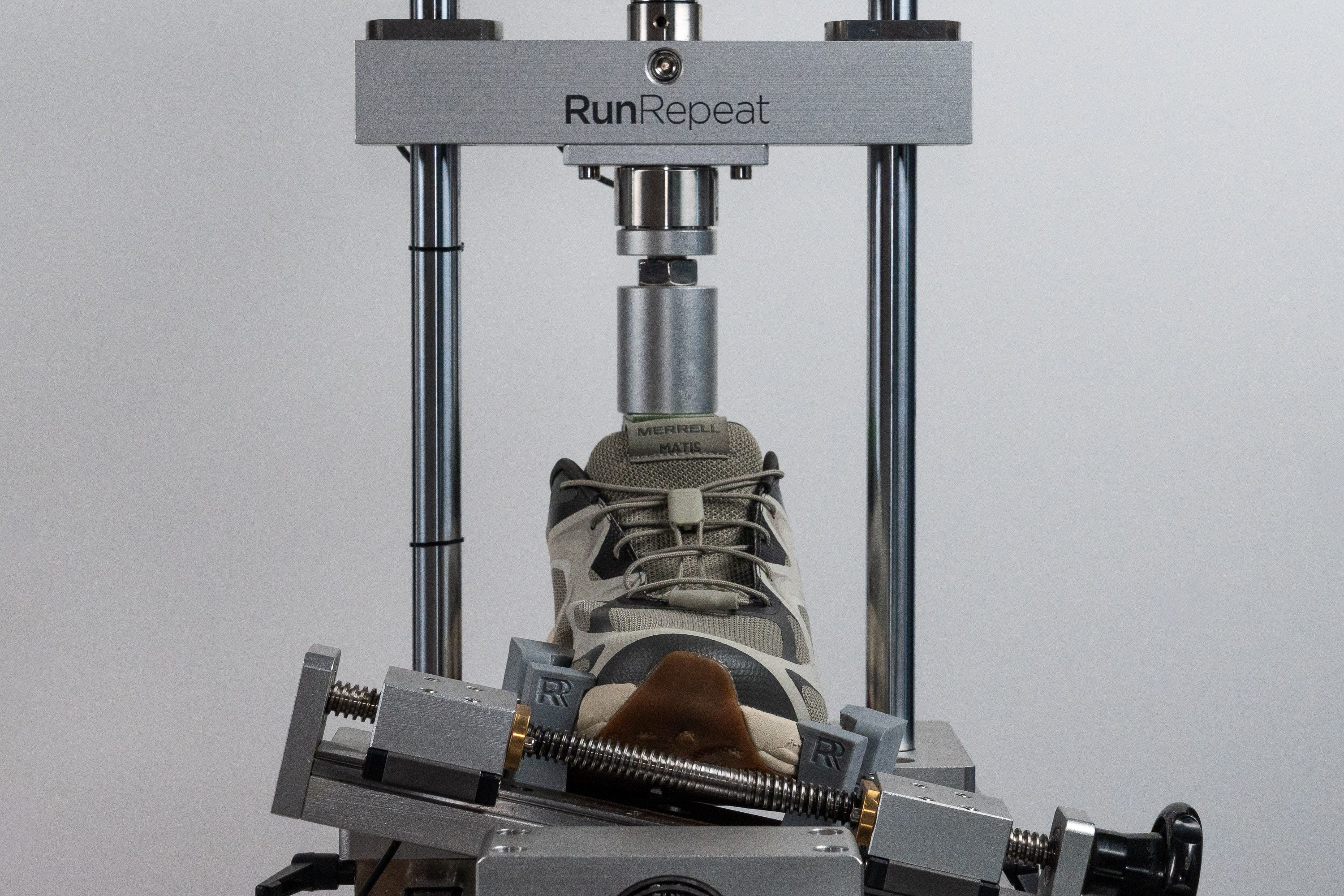
| SpeedARC Matis | 14.9 Nm |
| Average | 19.1 Nm |
Heel counter stiffness
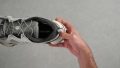
The shoe has a surprisingly well-structured TPU heel counter that hugs the rearfoot quite firmly. Assessing its stiffness on a 1-5 scale, we gave it a solid 4.
This, along with the shoe's other stability parameters, even makes it supportive enough for people with overpronation (excessive inward rolling of the foot).
| SpeedARC Matis | 4 |
| Average | 3.7 |
Midsole width - forefoot
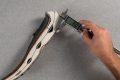
Our caliper also confirmed that the shoe's platform dimensions exceed the average by a few millimeters.
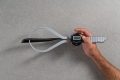
Measuring the width between the most extended points of its forefoot pods, we got a high reading of 117.3 mm.
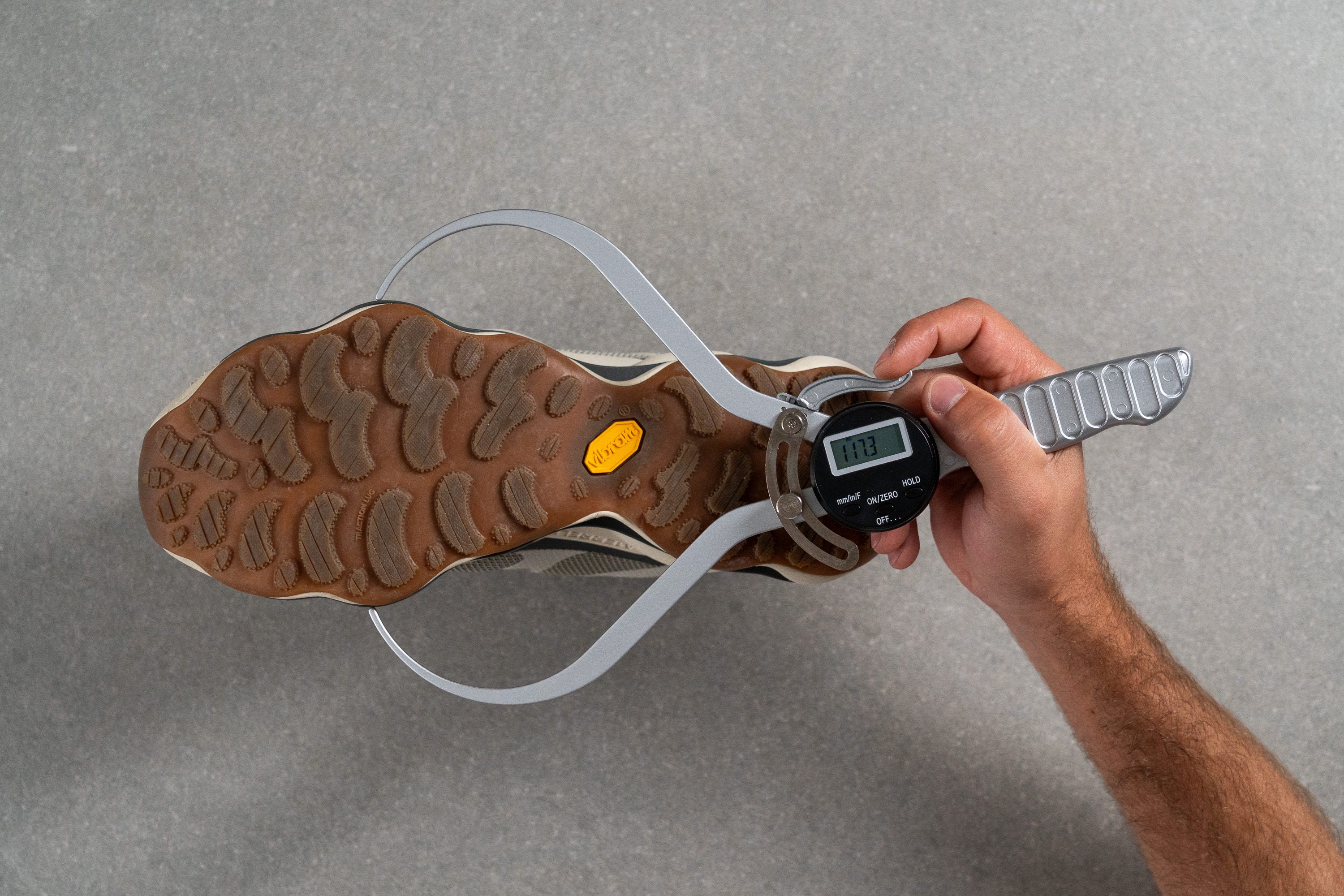
| SpeedARC Matis | 117.3 mm |
| Average | 112.6 mm |
Midsole width - heel
At 90.1 mm, the widest part of the shoe's heel is more on par with the average, though. Yet this is still good news, as there is enough surface area to feel stable on more or less even terrain.
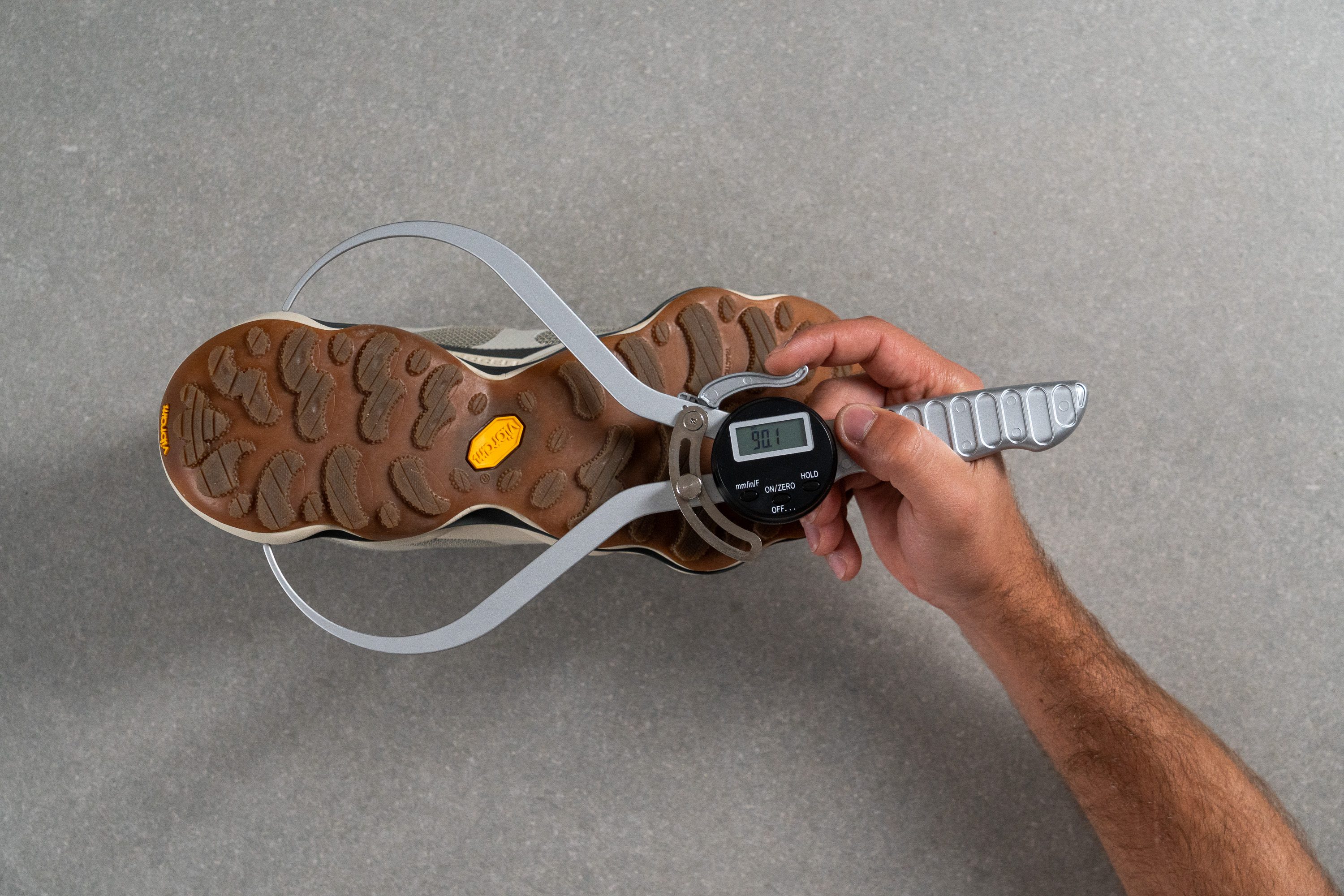
| SpeedARC Matis | 90.1 mm |
| Average | 88.6 mm |
Durability
Toebox durability
As airy and breezy as its mesh material is, it comes with the downside of reduced wear resistance.
Our Dremel left tangible damage in its upper fabric, lowering the shoe's toebox durability score to a moderate 3 out of 5. Not critical but could be better considering the price point.
| SpeedARC Matis | 3 |
| Average | 3.6 |
Heel padding durability
The same is true for the synthetic mesh inside the shoe's collar. Showing some tangible wear after only 4 seconds of drilling, we downgraded its heel padding durability score to 3 out of 5 as well.
| SpeedARC Matis | 3 |
| Average | 3 |
Outsole durability
The outsole, on the other hand, did not disappoint at all, with a very shallow dent of 0.7 mm.
| SpeedARC Matis | 0.7 mm |
| Average | 0.9 mm |
Outsole thickness
However, Merrell kept the shoe's rubber layer quite thin at only 1.8 mm, probably to save some weight in the SpeedARC Matis.
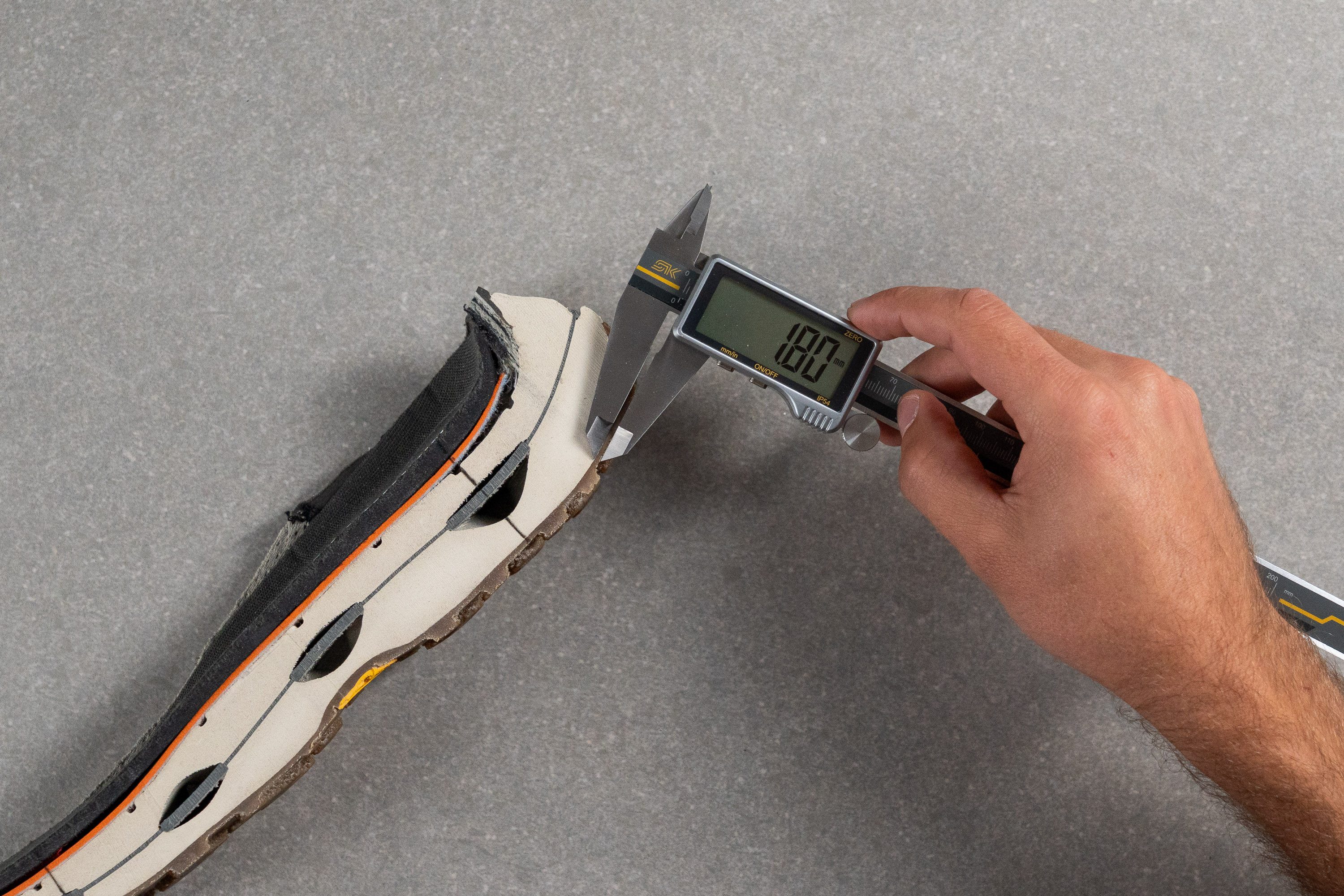
| SpeedARC Matis | 1.8 mm |
| Average | 2.3 mm |
Misc
Insole thickness
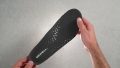
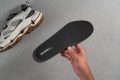
Part of the SpeedARC Matis's luxurious step-in feel comes from its well-padded insole. Measuring 6.2 mm in the heel, it is a little thicker than the average hiking shoe insole.
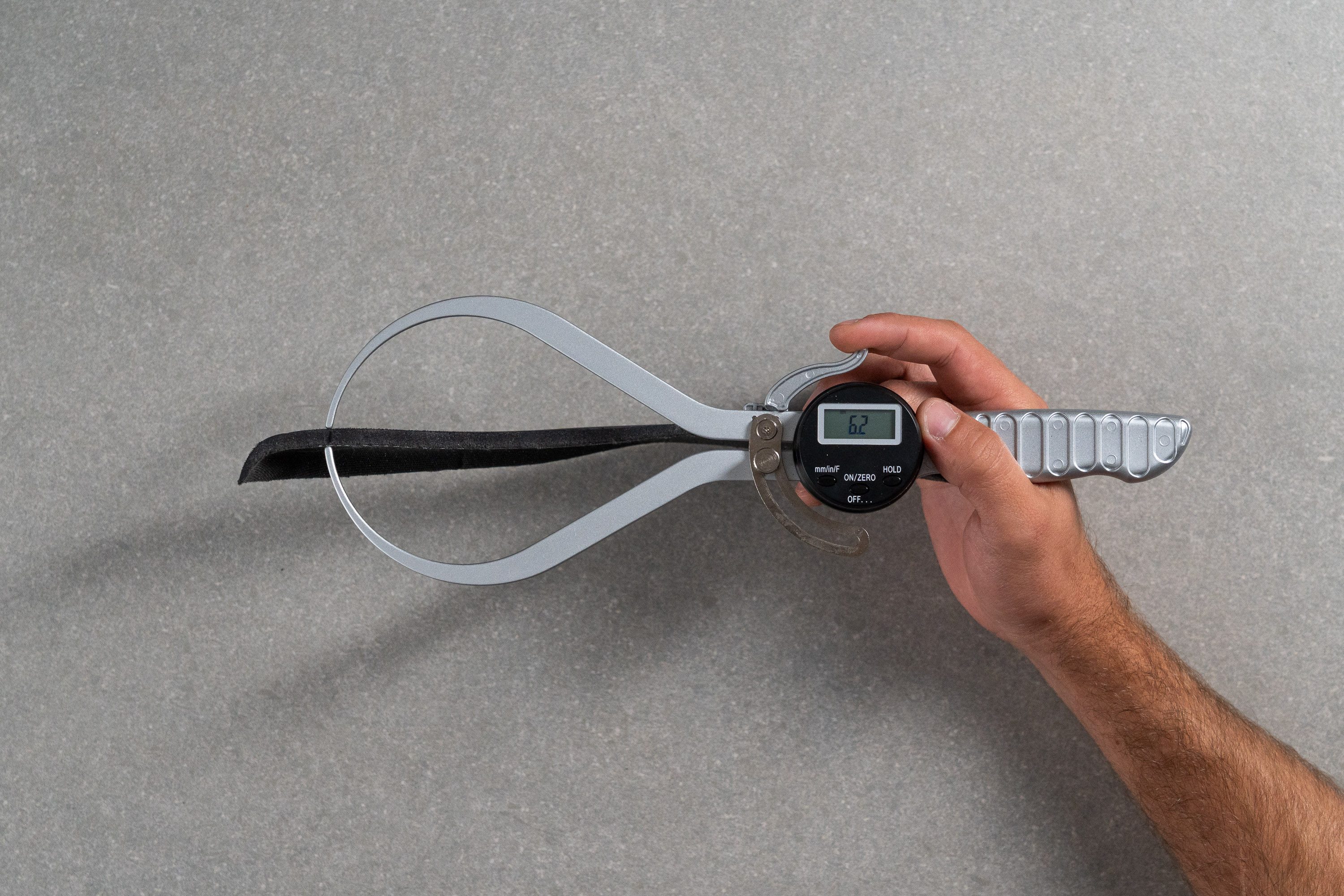
| SpeedARC Matis | 6.2 mm |
| Average | 5.3 mm |
Removable insole
The insole is easy to remove in case you choose to wear a custom orthotic.
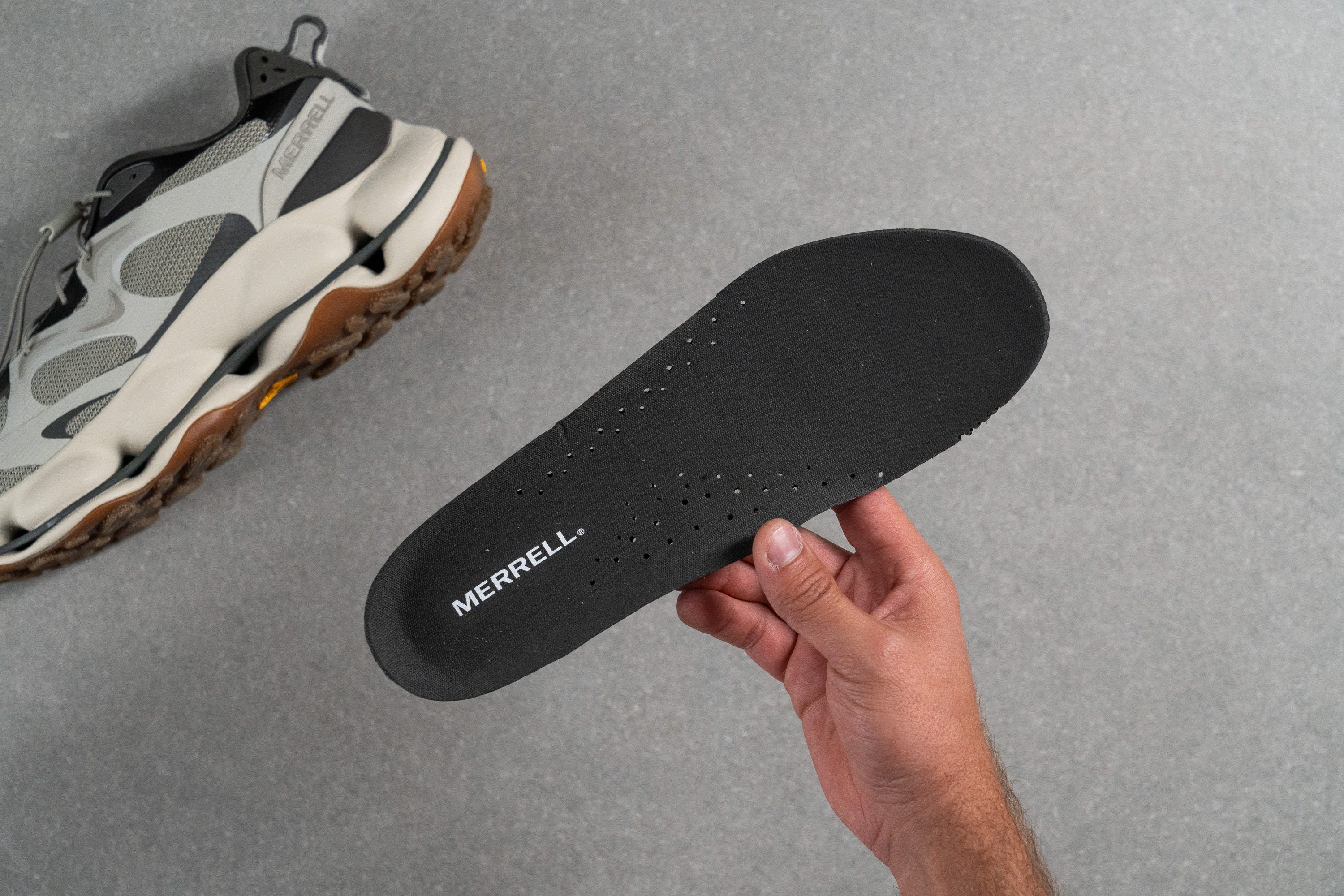
| SpeedARC Matis | Yes |
Midsole softness in cold (%)
If you think you'll be wearing the SpeedARC Matis in lower temperatures (or perhaps the shoe's GTX version), you'd be pleased to know that its midsole foam doesn't get much firmer in these conditions.
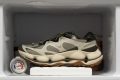
Measuring its softness with a durometer before and after a 20-minute freezer session, we recorded a mild change of 13%.
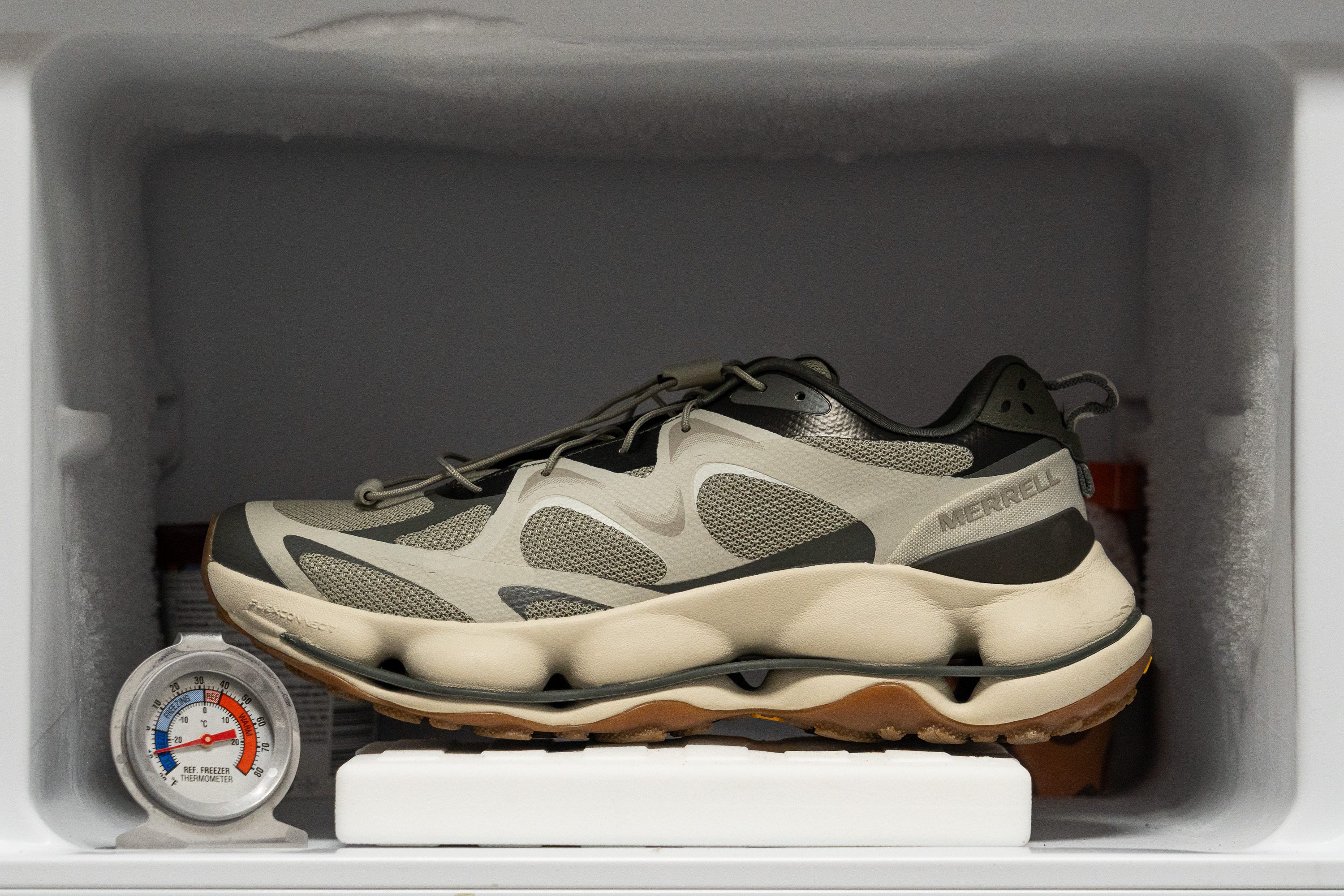
| SpeedARC Matis | 13% |
| Average | 18% |
Reflective elements
Our dark room test showed that none of the shoe's elements are reflective.
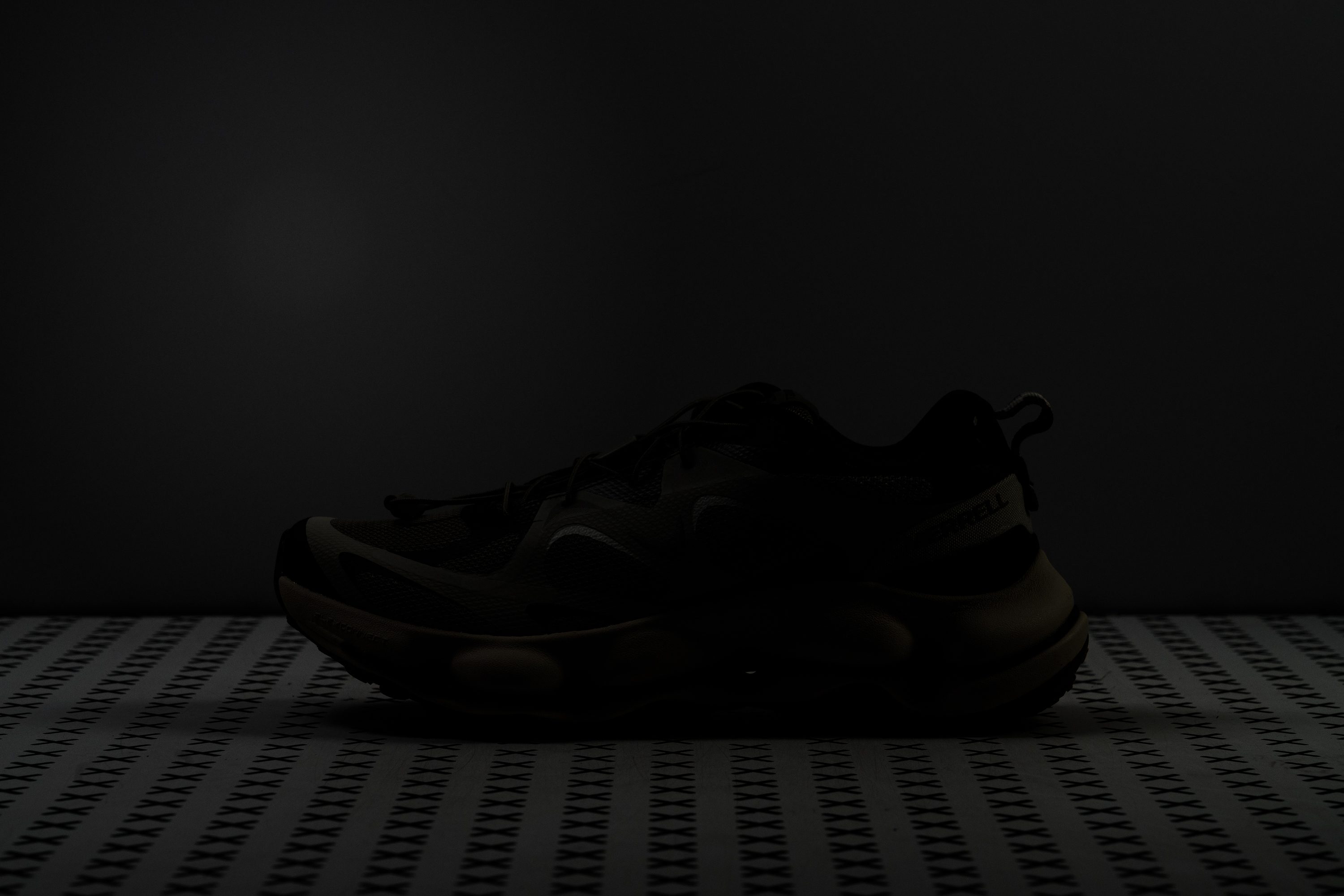
| SpeedARC Matis | No |
Tongue padding
In addition to its well-padded insole, the shoe's tongue and collar also pack a good amount of foam to create a cozy step-in feel.
Our caliper measured its tongue thickness at 8.1 mm.
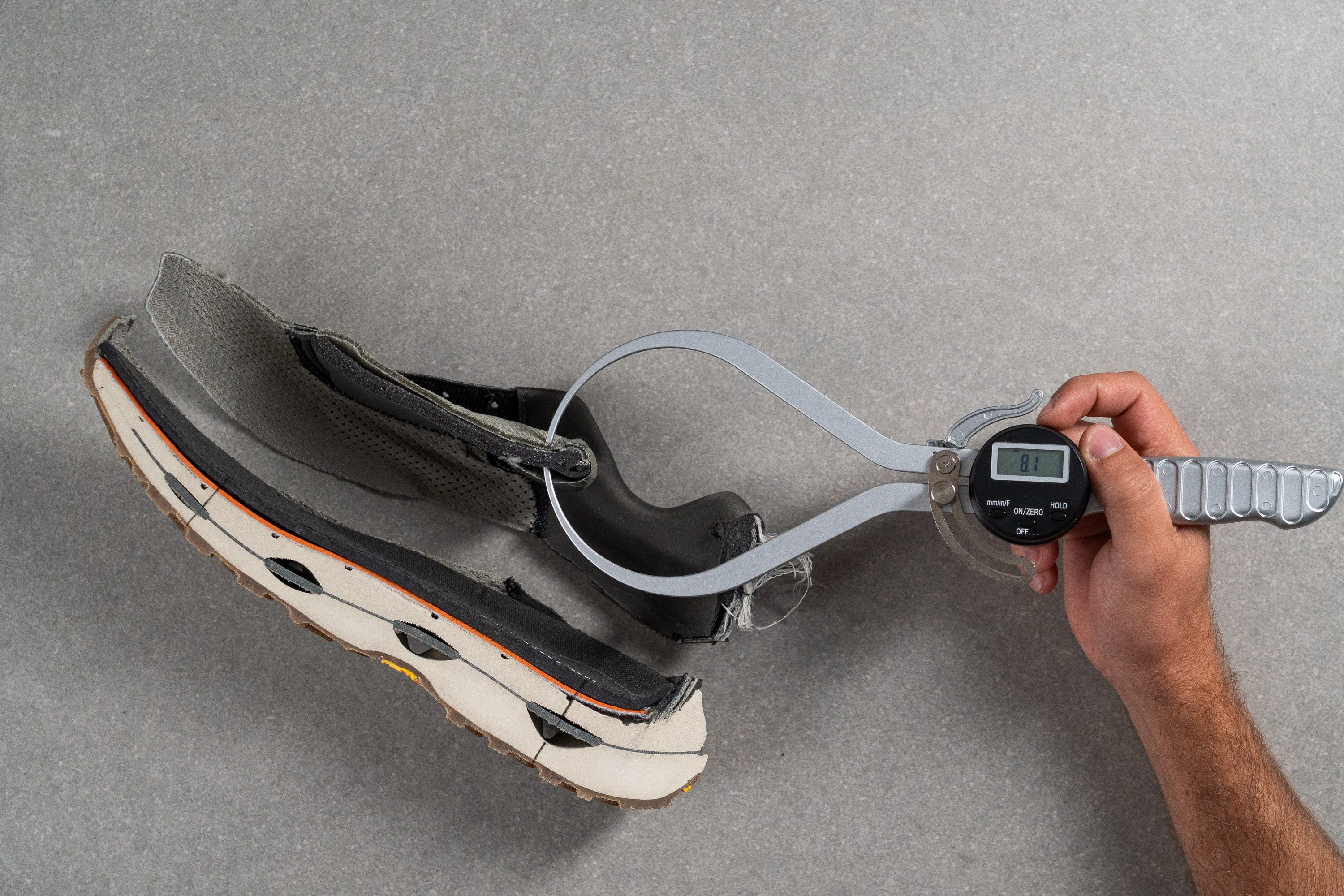
| SpeedARC Matis | 8.1 mm |
| Average | 9.8 mm |
Tongue: gusset type
Even though we are testing the SpeedARC Matis's non-waterproof version, it still comes with a fully-gusseted tongue. Merged with the rest of the upper, it offers a more secure lockdown, preventing water, sand, pebbles, and other small debris from entering the shoe.
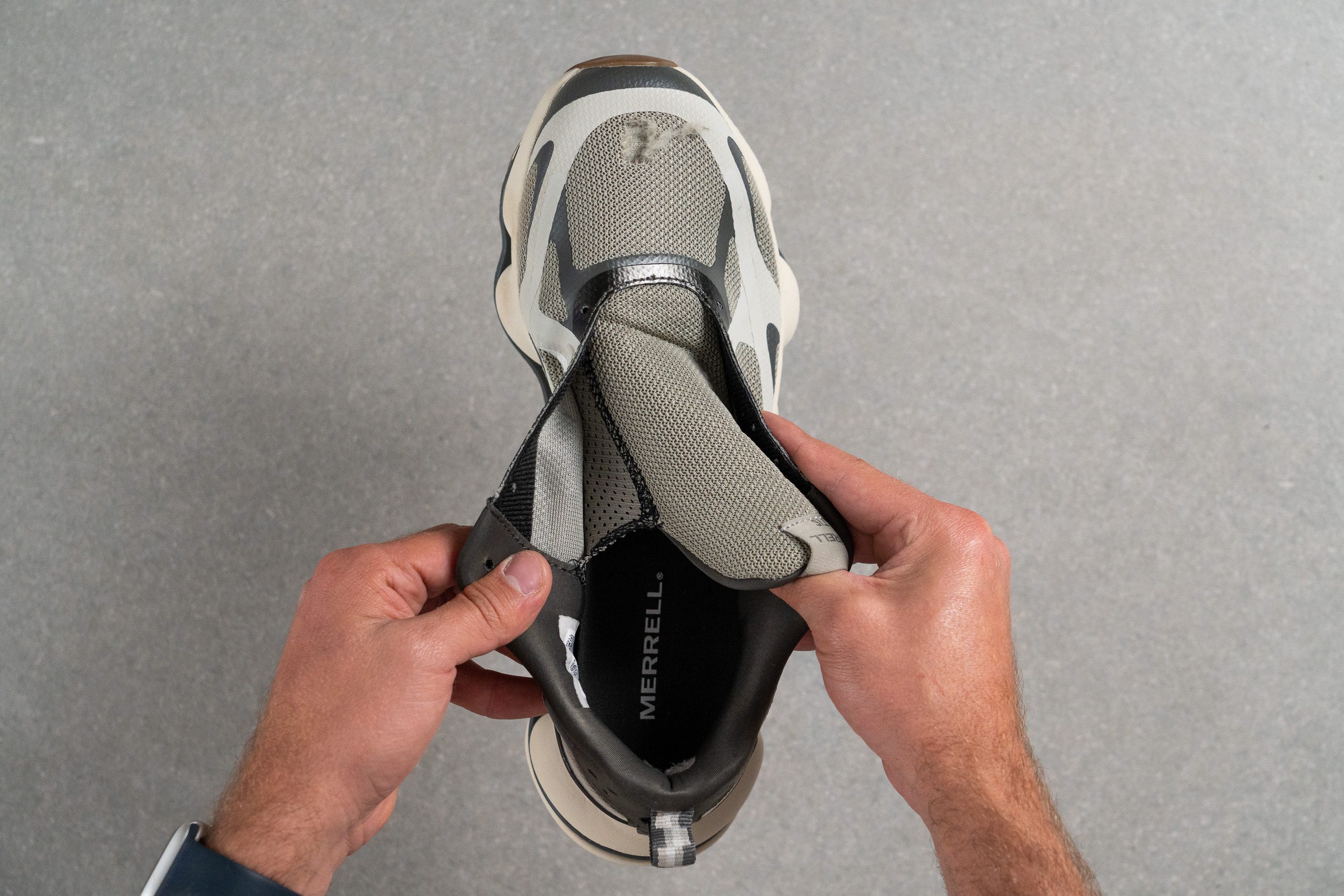
| SpeedARC Matis | Both sides (full) |
Heel tab
A fabric loop at the back of the shoe makes shoe entry a little easier.
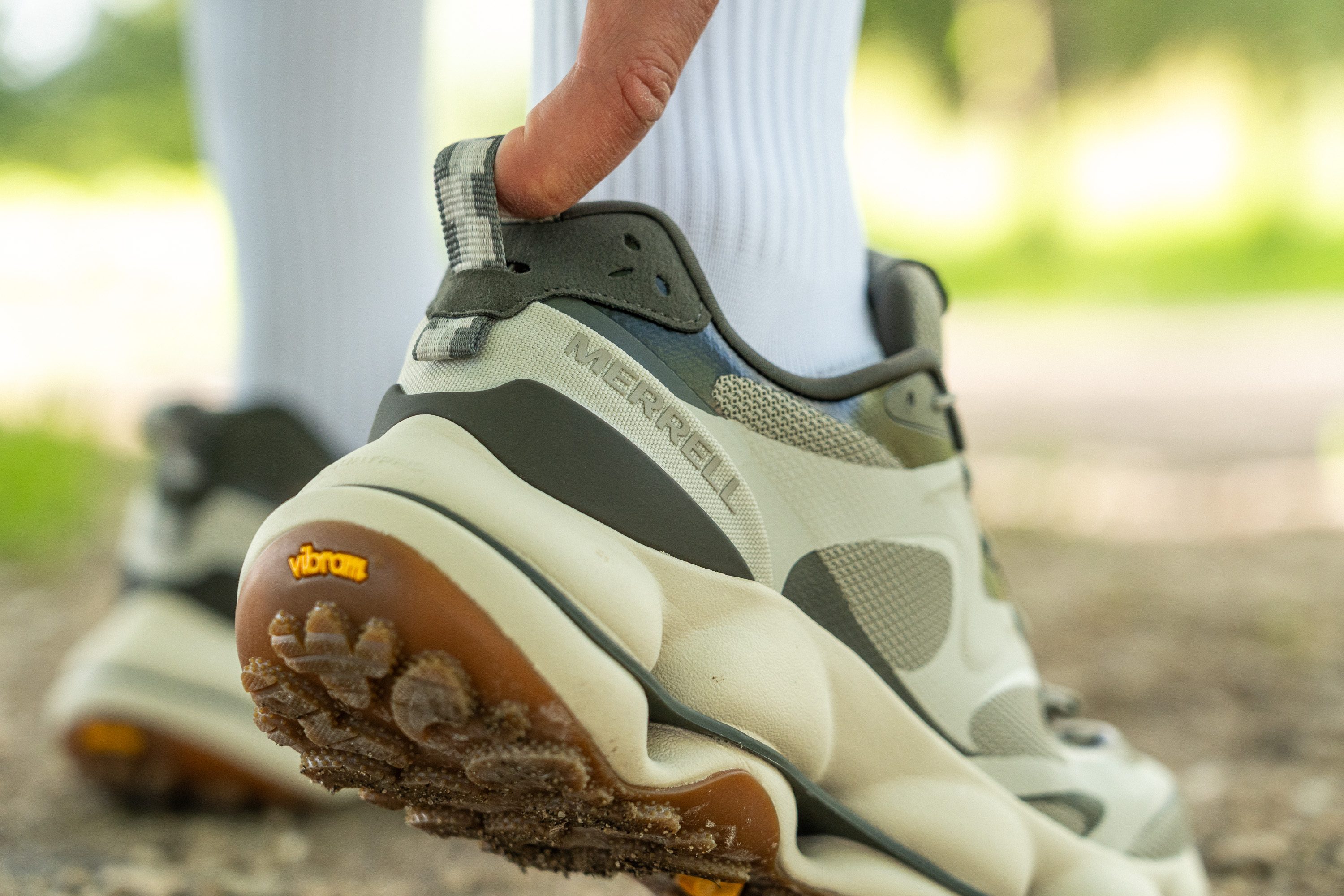
| SpeedARC Matis | Finger loop |
Price
Its innovative and unconventional design dictates the SpeedARC Matis's high price point. But looks aside, we also found that the shoe backs up its price with great lab test results!
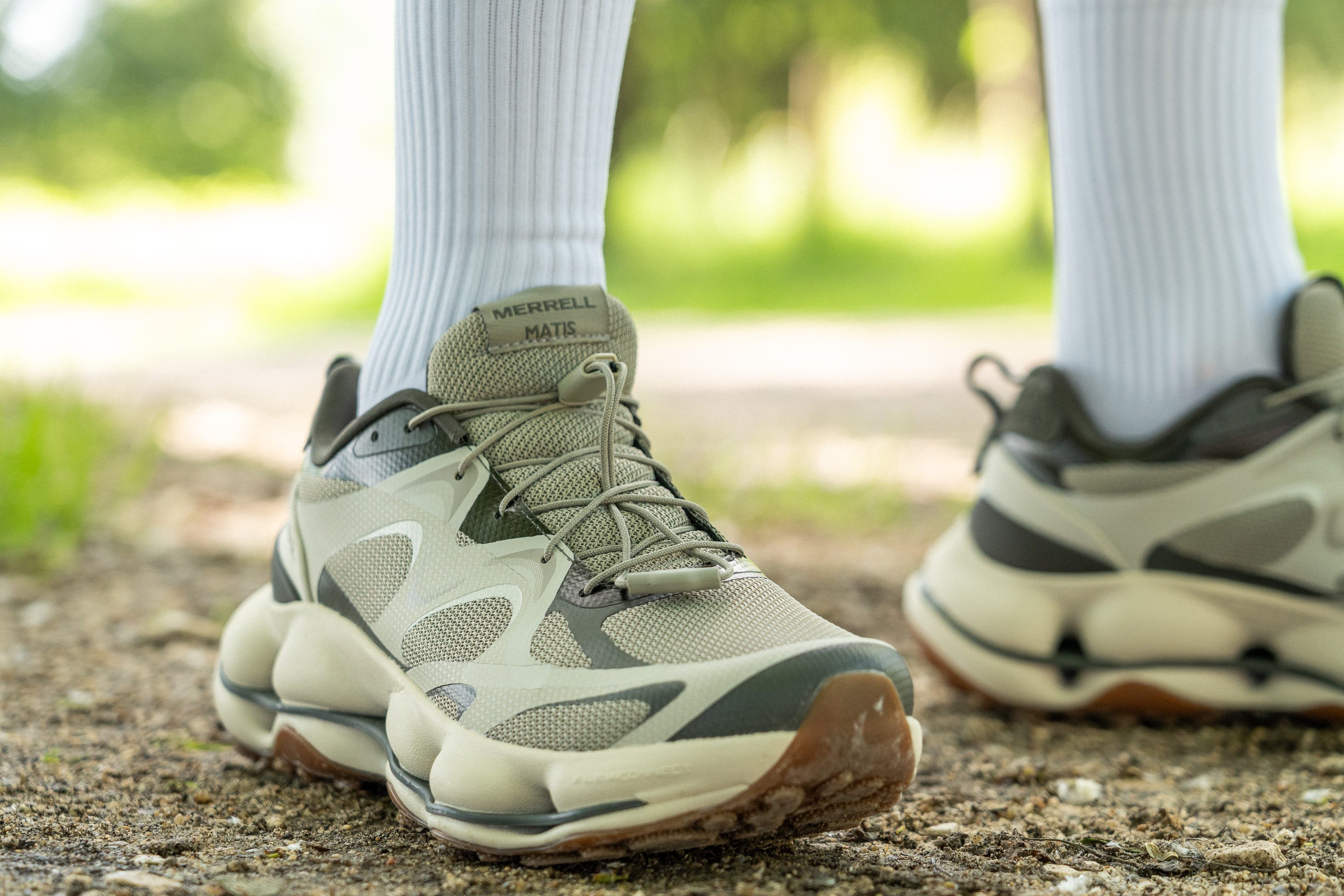
| SpeedARC Matis | $180 |
| Average | $157 |