
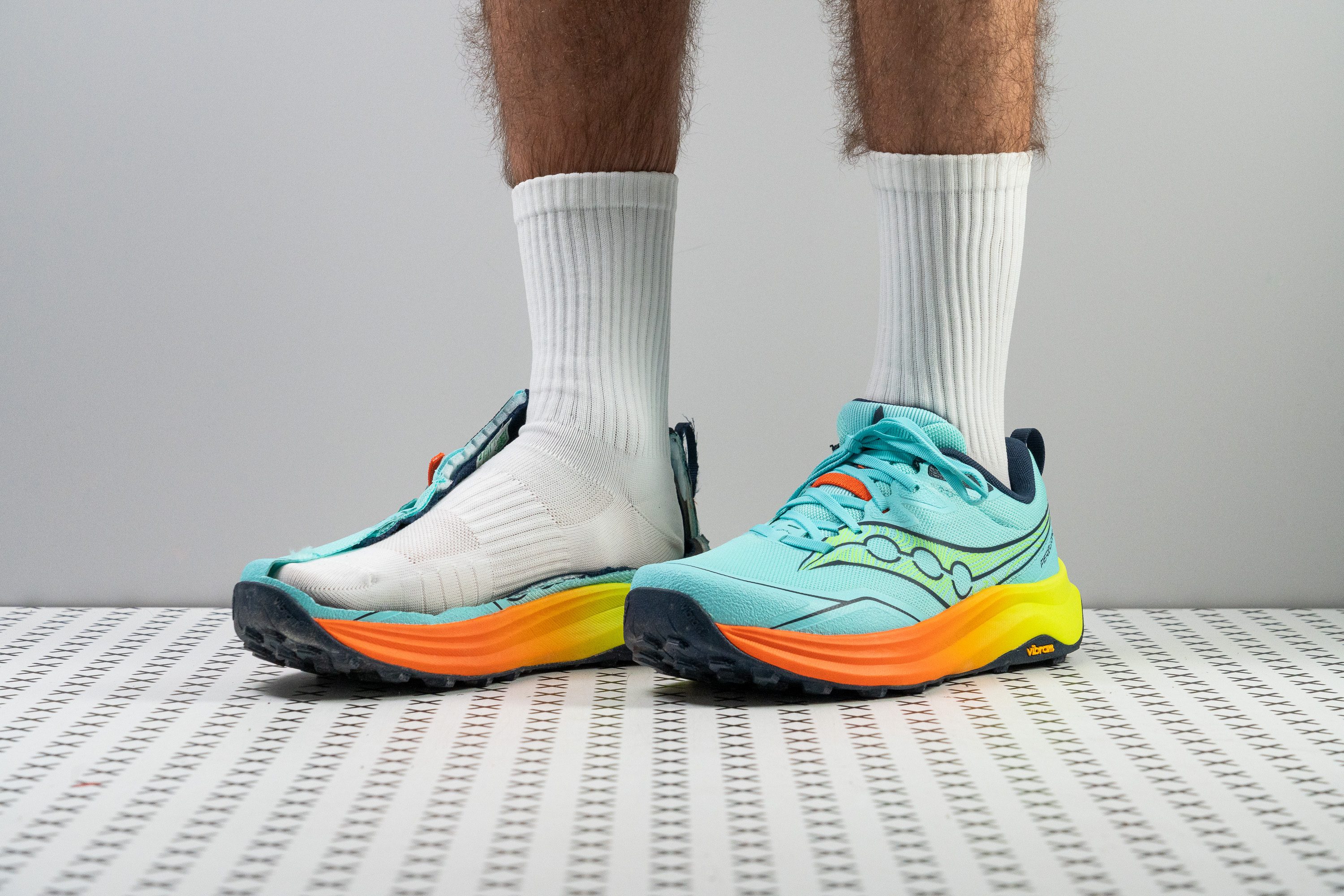

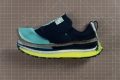
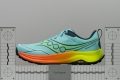



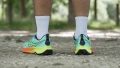



Nuestra conclusión
- Grava 94
- Versátiles 81
- Técnico 62
Pros
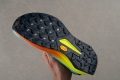
- Ojito que se viene el Vibram Megagrip
- Pisada estable
- Ajuste seguro que inspira confianza
- Versátiles para el trail running
- Mejores que antes para los caminos de grava
- Se atreven hasta con el senderismo
- Plantilla PWRRUN+ de primera calidad
- Espuma cómoda
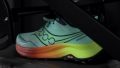
- Estética moderna
- Precio razonable
Contras
- Pesan un poquito más
- Se estrechan hacia la punta
- Drop bajo que no le gusta a todo el mundo
Premios
- Entre mejores zapatillas de running para el dolor de rodilla
- Entre las mejores zapatillas de running para grava
- Top 7% entre zapatillas de trail running
- Top 14% entre zapatillas de running neutras
- Top 30% más vendidas zapatillas de running
Comparativa
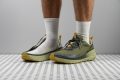
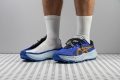
Las zapatillas de running más parecidas
+ + Añadir unas zapatillas | |||||
|---|---|---|---|---|---|
| Nuestra puntuación | 88 Magníficas | 74 Buenas | 89 Magníficas | 87 Geniales | |
| Precio | 160 € | 150 € | 170 € | 160 € | |
| Terreno de trail | Grava / Trail y asfaltoVersátiles / Terreno de dificultad moderada | Grava / Trail y asfaltoVersátiles / Terreno de dificultad moderada | Grava / Trail y asfaltoVersátiles / Terreno de dificultad moderada | Grava / Trail y asfaltoVersátiles / Terreno de dificultad moderada | |
| Absorción de impactos | Moderada | Moderada | Alta | Moderada | |
| Retorno de energía | Moderado | Bajo | Moderado | Moderado | |
| Tracción | Alta | Alta | Alta | Alta | |
| Sujeción arco del pié | Neutral | Neutral | Neutral | Neutral | |
| Peso laboratorio Peso marca | 9.8 oz / 278g 9.6 oz / 271g | 9.4 oz / 266g 10.3 oz / 293g | 10.8 oz / 306g 11.1 oz / 315g | 10 oz / 283g 9.9 oz / 281g | |
| Drop laboratorio Drop marca | 4.8 mm 4.0 mm | 6.1 mm 4.0 mm | 3.7 mm 4.0 mm | 6.3 mm 8.0 mm | |
| Técnica de carrera | Medio/antepié | Medio/antepié | Medio/antepié | Medio/antepié | |
| Talla | Tallan un poquito pequeño | Tallan bien | Tallan bien | Tallan bien | |
| Rigidez de la mediasuela | Blanda | - | Blanda | Equilibrada | |
| Diferencia de la rigidez de la mediasuela en frío | Pequeña | Normal | Pequeña | Pequeña | |
| Placa | Rock plate | ✗ | ✗ | Rock plate | |
| Durabilidad de la parte delantera | Mala | Decente | Muy mala | Decente | |
| Durabilidad del acolchado del talón | Media | Alta | Media | Alta | |
| Durabilidad de la suela exterior | Buena | Buena | Buena | Decente | |
| Transpirabilidad | Media | Baja | - | Media | |
| Anchura / ajuste | Media | Ancha | Media | Ancha | |
| Anchura de la parte delantera | Estrecha | Ancha | Media | Ancha | |
| Flexibilidad | Rígida | Flexible | Flexible | Rígida | |
| Rigidez torsional | Flexibles | Flexibles | Moderadas | Flexibles | |
| Rigidez del contrafuerte del talón | Rígido | Flexible | Moderado | Rígido | |
| Profundidad del dibujo de la suela | 3.5 mm | 3.5 mm | 3.9 mm | 3.7 mm | |
| Altura de la suela en la zona del talón laboratorio Altura de la suela en la zona del talón marca | 31.7 mm 32.0 mm | 32.3 mm 32.0 mm | 31.2 mm 38.0 mm | 32.1 mm 36.0 mm | |
| Antepié laboratorio Antepié marca | 26.9 mm 28.0 mm | 26.2 mm 28.0 mm | 27.5 mm 34.0 mm | 25.8 mm 28.0 mm | |
| Anchuras disponibles | EstándarAncho | Estándar | EstándarAncho | Estándar | |
| Estación | Todas las estaciones | Todas las estaciones | - | Todas las estaciones | |
| Plantilla extraíble | ✓ | ✓ | ✓ | ✓ | |
| Compatibles con plantillas personalizadas | ✓ | ✓ | ✓ | ✓ | |
| Clasificación | #51 Top 13% | #330 17% inferior | #40 Top 11% | #68 Top 18% | |
| Popularidad | #119 Top 30% | #189 Top 48% | #112 Top 29% | #157 Top 40% |

Quién debería comprárselas
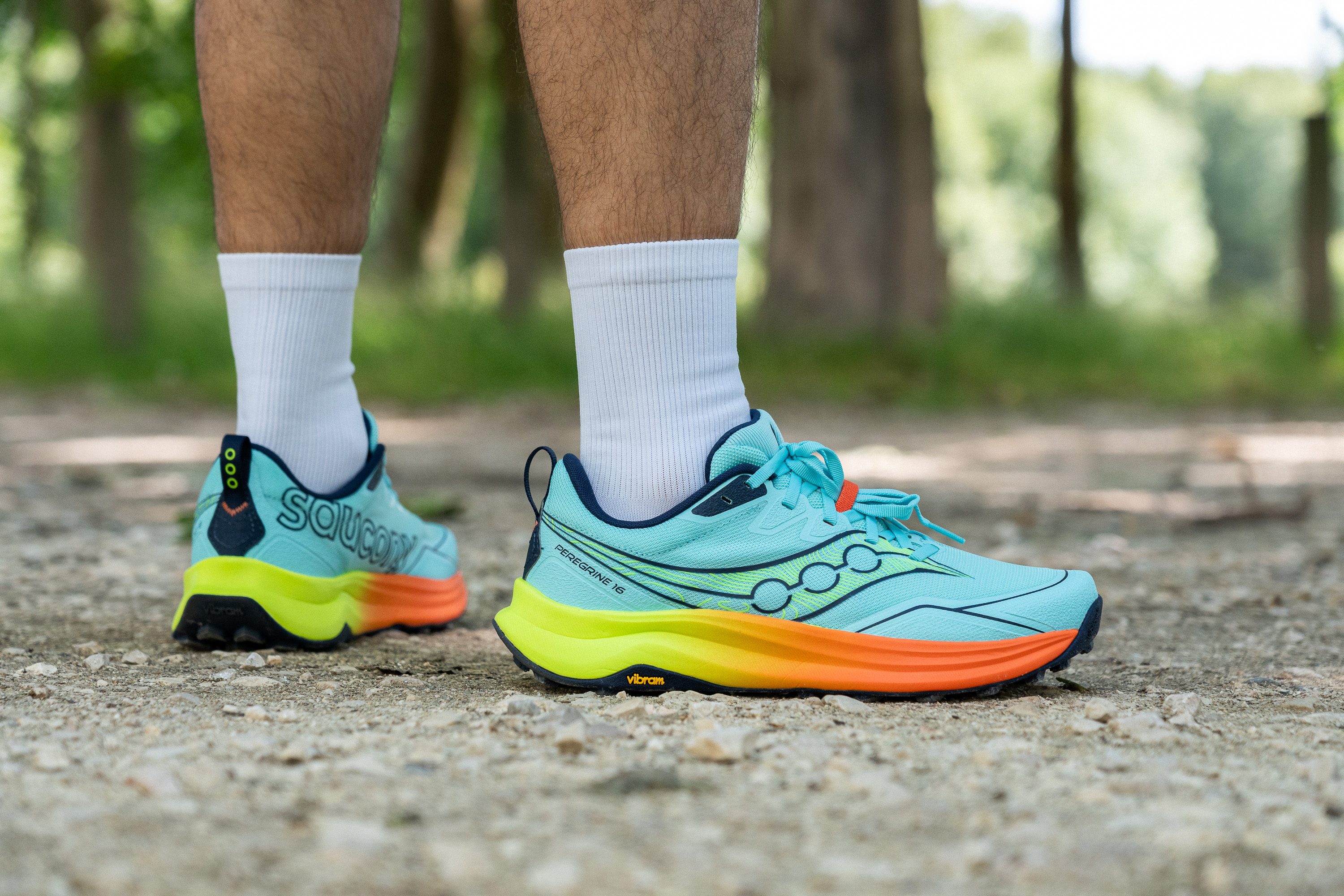
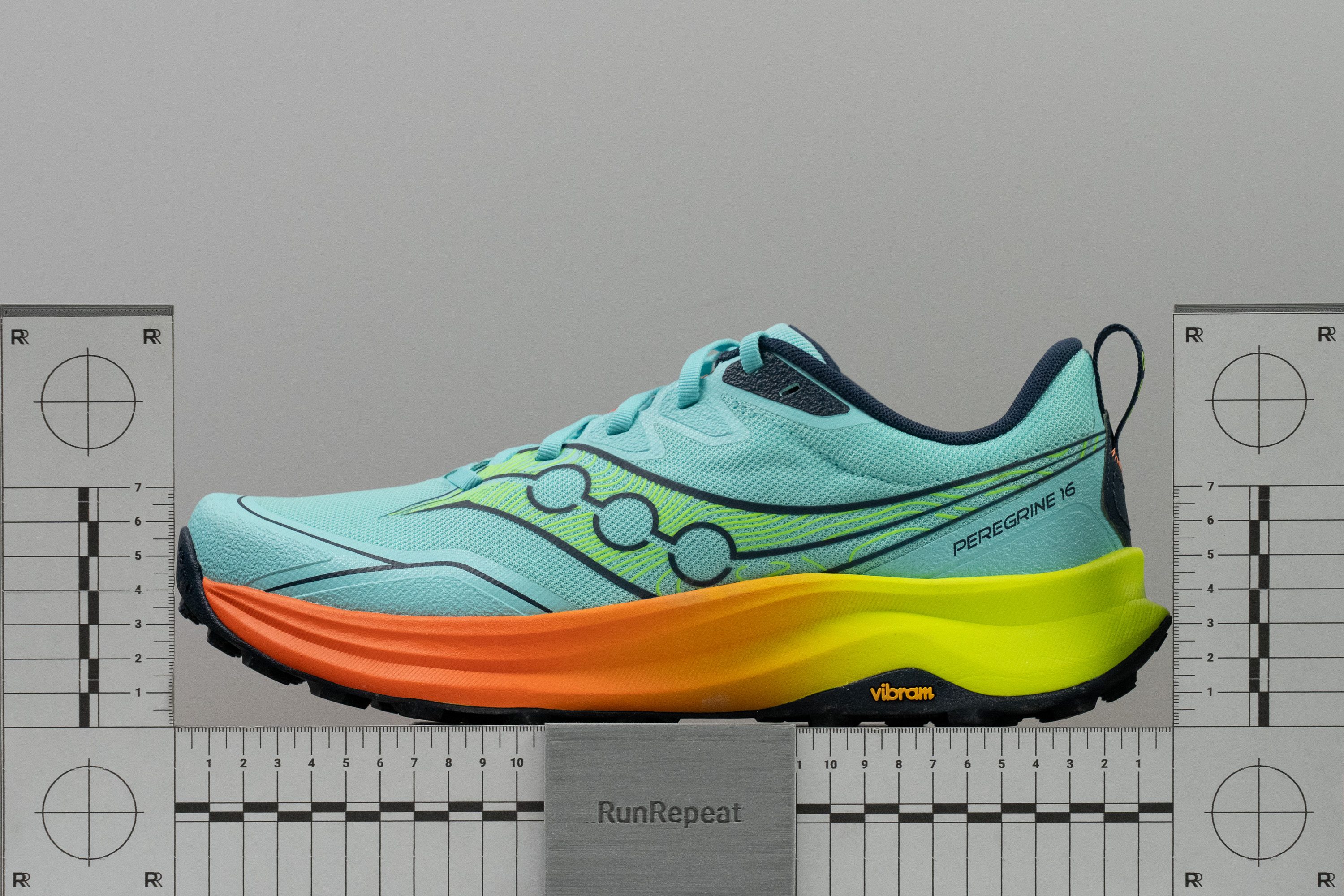
Las Saucony Peregrine 16 son una opción fantástica para:
- Los fans de las Peregrine de siempre que llevan un montón de tiempo esperando por el caucho Vibram Megagrip.
- Los amantes del trail running que están buscando unas zapatillas de confianza, duraderas, estables y versátiles que les sirvan para muchas actividades distintas.
- Los runners que prefieren los modelos con un drop bajo pero que prefieren la seguridad de las partes delanteras clásicas y ceñidas.
Quién NO debería comprárselas
Las Peregrine 16 son fieles a su drop bajo, cosa que, probablemente, no les haga tanta gracia a los runners que prefieren un drop medio o alto. Si eres uno de ellos, te recomendamos echarles un vistazo a las ASICS Trabuco 14 o a las Brooks Cascadia 19, que tienen un drop más alto pero que siguen siendo muy versátiles en el trail.
También creemos que los corredores que necesitan bastante espacio para estirar los dedos a lo mejor no están del todo contentos con lo estrechas que son las Peregrine. Si es tu caso, las Altra Experience Wild 2 o las Topo Ultraventure 4 son mejores opciones.
Amortiguación
Shock absorption
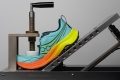
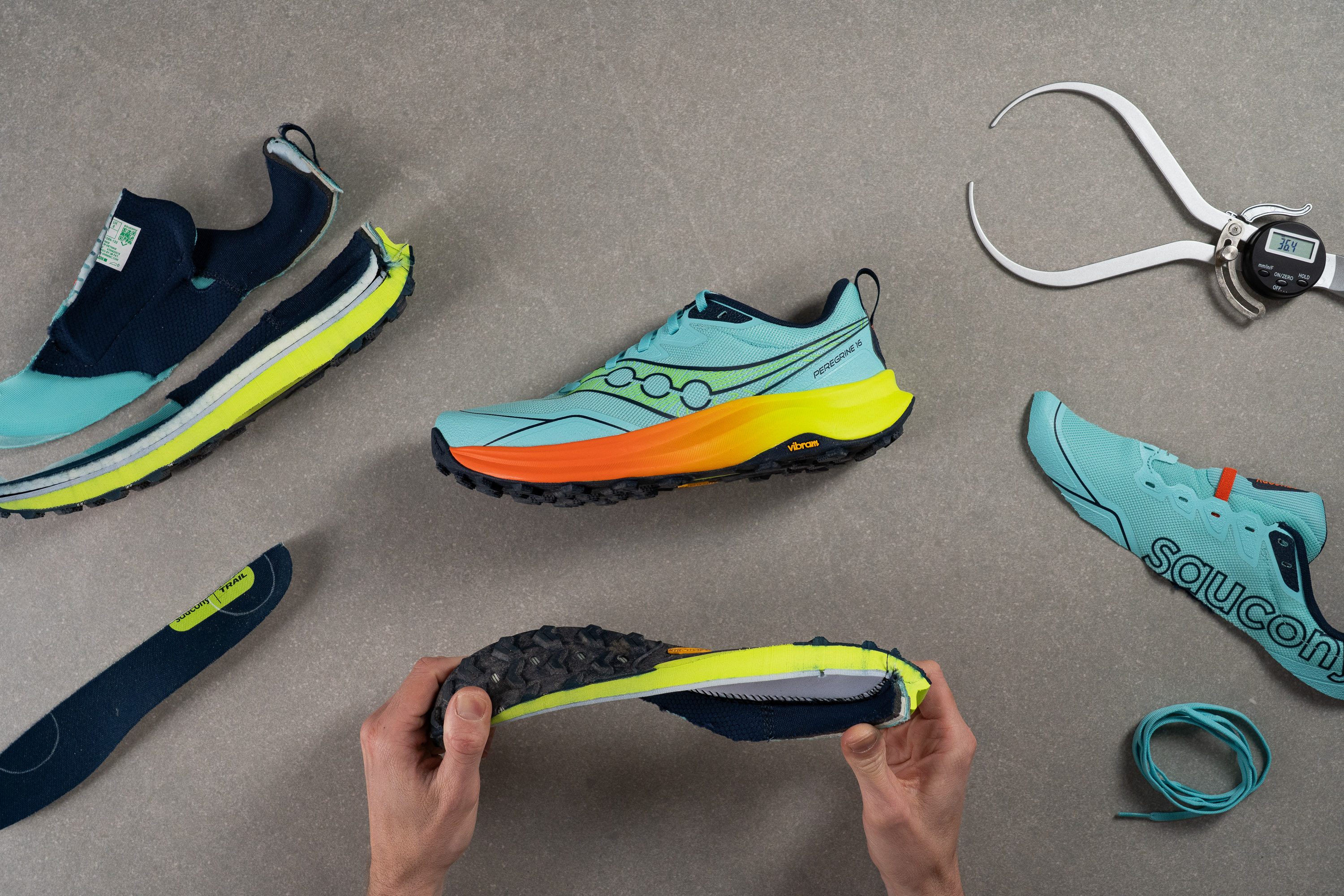
La línea Saucony Peregrine siempre se ha centrado en ser versátil en cuanto a su rendimiento en el trail, buscando adaptarse a muchos terrenos distintos en vez de destacar solo en uno de ellos. Como sus modelos siguen este enfoque tan equilibrado, solemos ver niveles de absorción de impactos cercanos a la media, dejándoles la amortiguación máxima a las zapatillas con suelas altísimas.
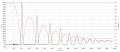
Siguiendo el protocolo ASTM F1976, los resultados fueron de 124 SA en el talón y 106 SA en el antepié.
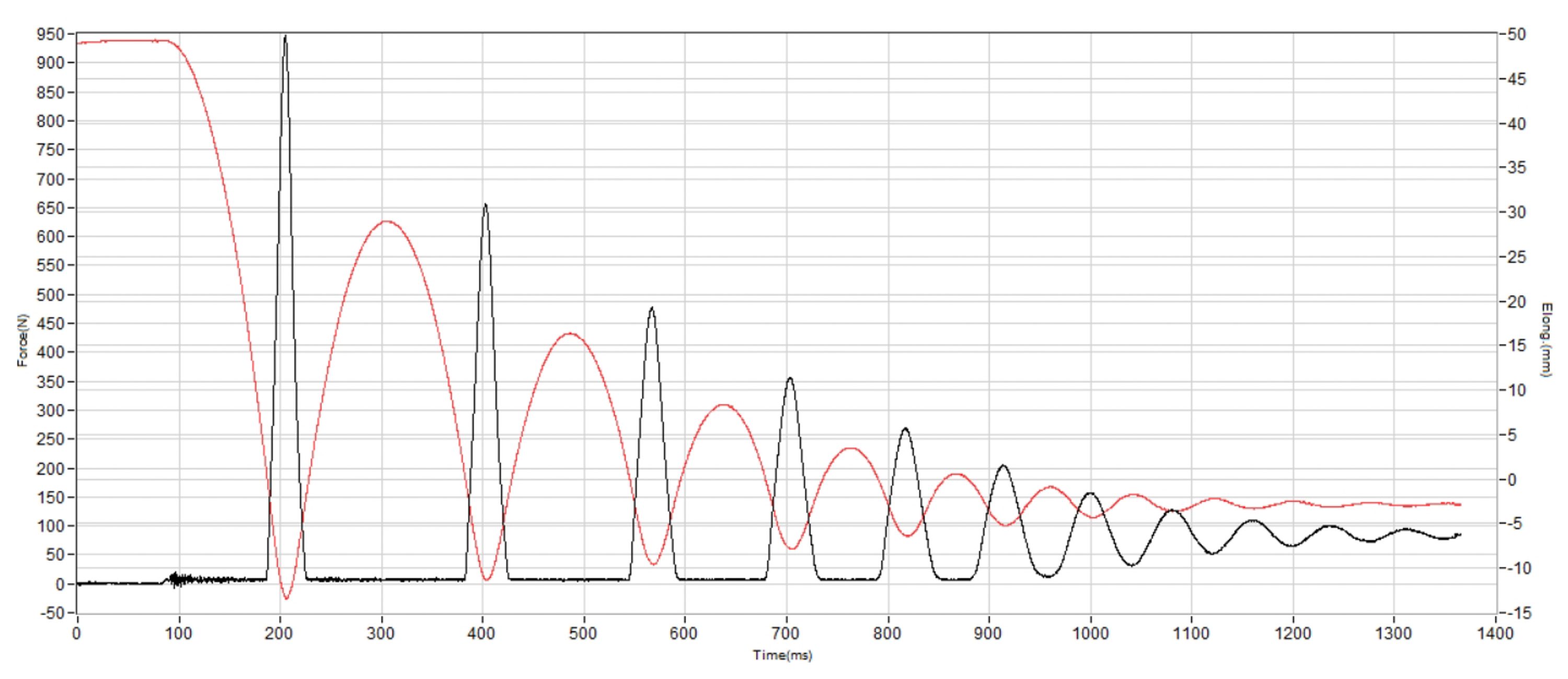
| Peregrine 16 | 124 SA |
| Media | 123 SA |
Energy return
El retorno de energía también es bastante sólido para unas zapatillas de trail dentro de este rango de precios. Con un 58,1 % en el talón y un 64,5 % en el antepié, ofrecen una pisada reactiva y agradable, aunque no pueden competir con las superespumas con más rebote, claro.
Esos resultados superan la media actual del laboratorio, adelantando por la derecha a muchas de sus competidoras directas.
| Peregrine 16 | 64.5% |
| Media | 59.7% |
Altura de la suela en la zona del talón
Un detalle que nos gusta mucho de las Peregrine 16 es que Saucony resistió la tentación de sumarse a la moda maximalista. De hecho, la marca se mantuvo fiel a la fórmula que ha hecho tan popular a este modelo, conservando la geometría equilibrada y la versatilidad preparada para el trail que definen la línea Peregrine.
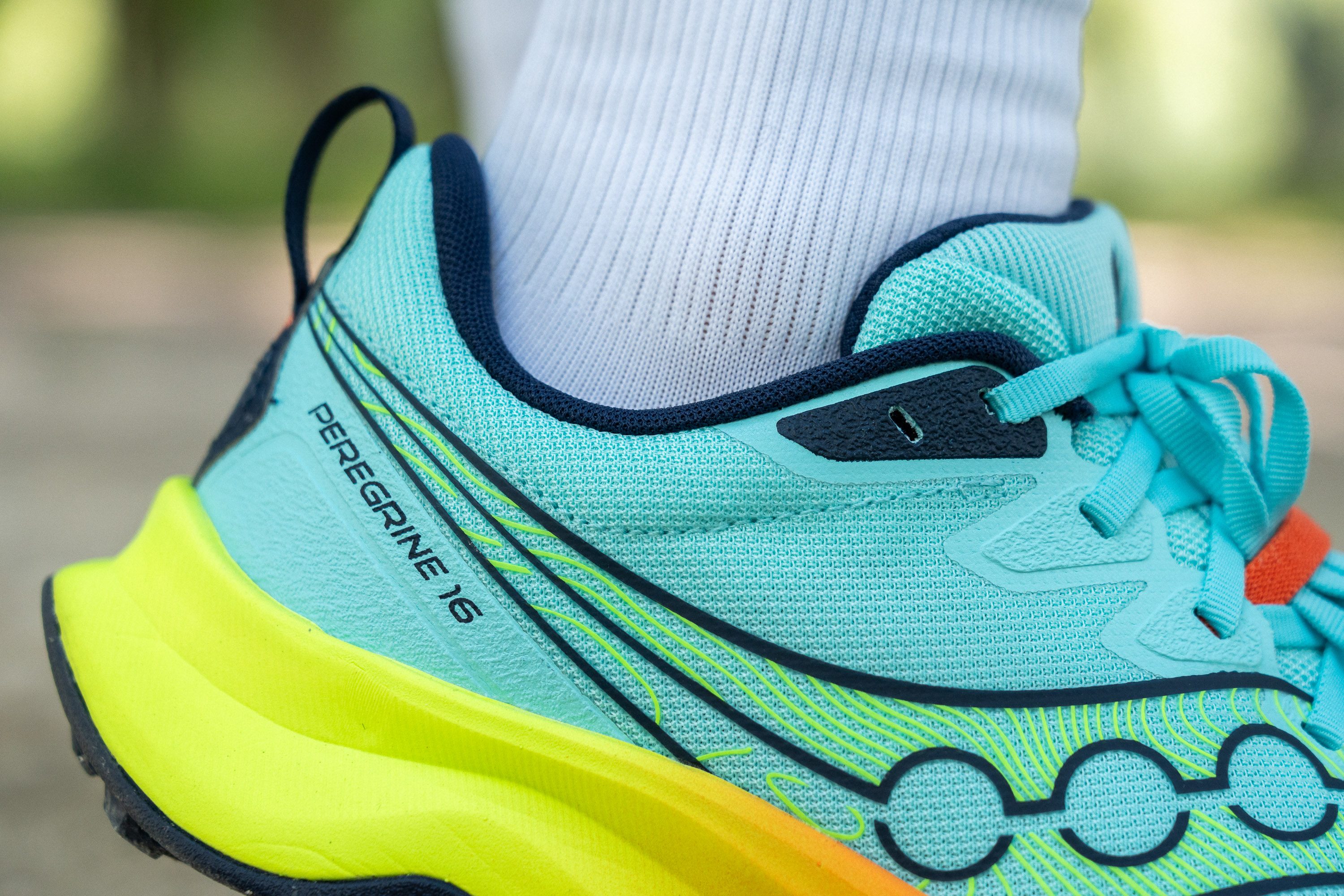
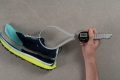
Cuando medimos la altura de la suela en el talón, nuestro calibre marcó 31,7 mm, un resultado que está muy cerca de los 32 mm que declara oficialmente Saucony en su página. Esta precisión entre las especificaciones reales y publicitadas nos pone muy contentos, la verdad.
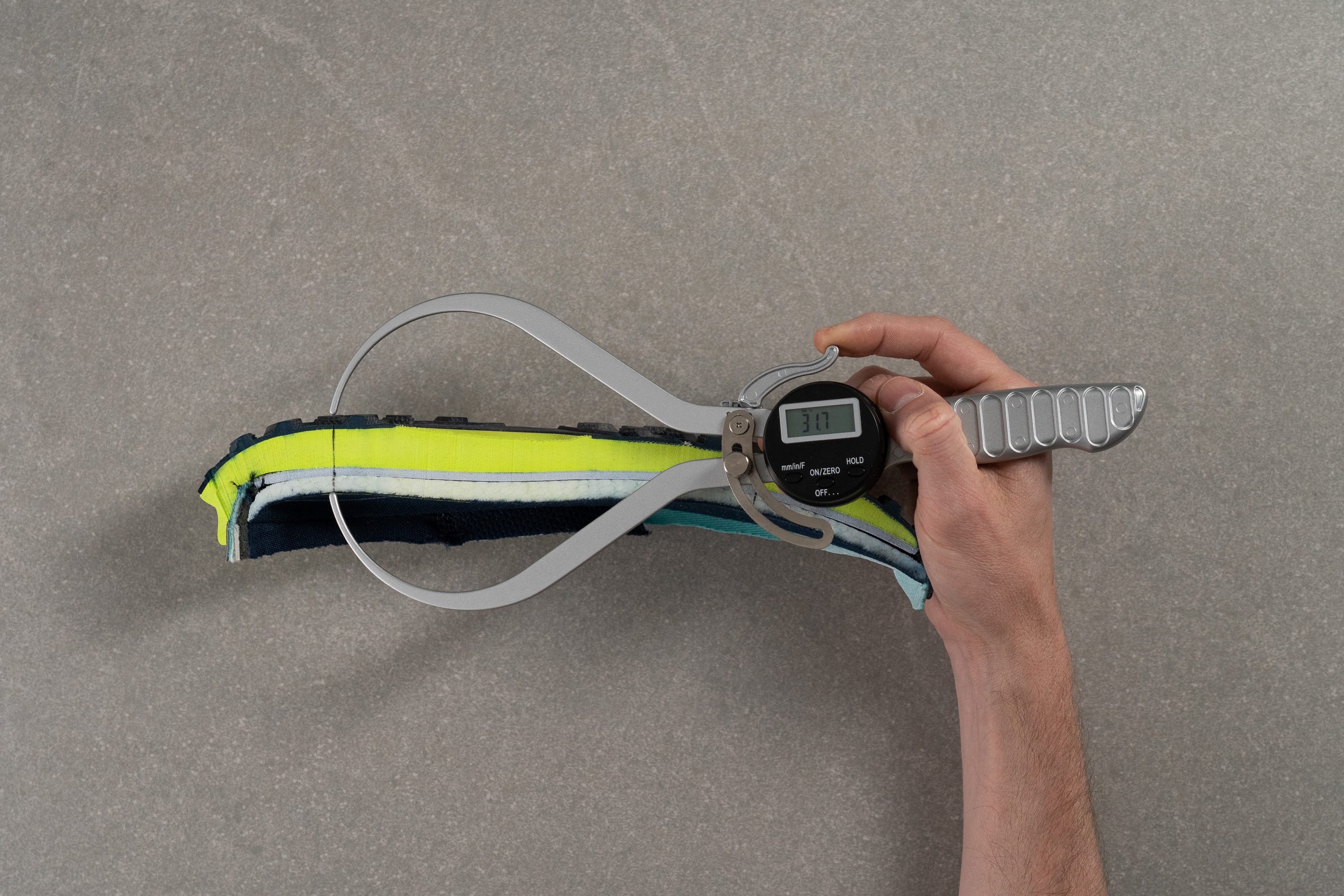
| Peregrine 16 | 31.7 mm |
| Media | 33.1 mm |
Altura de la suela en el antepié
Después movimos nuestro calibre al antepié y lo pusimos en el punto exacto que la World Athletics indica para medir la altura de la suela.
Con un resultado de 26,9 mm, las Peregrine 16 tienen amortiguación de sobra.
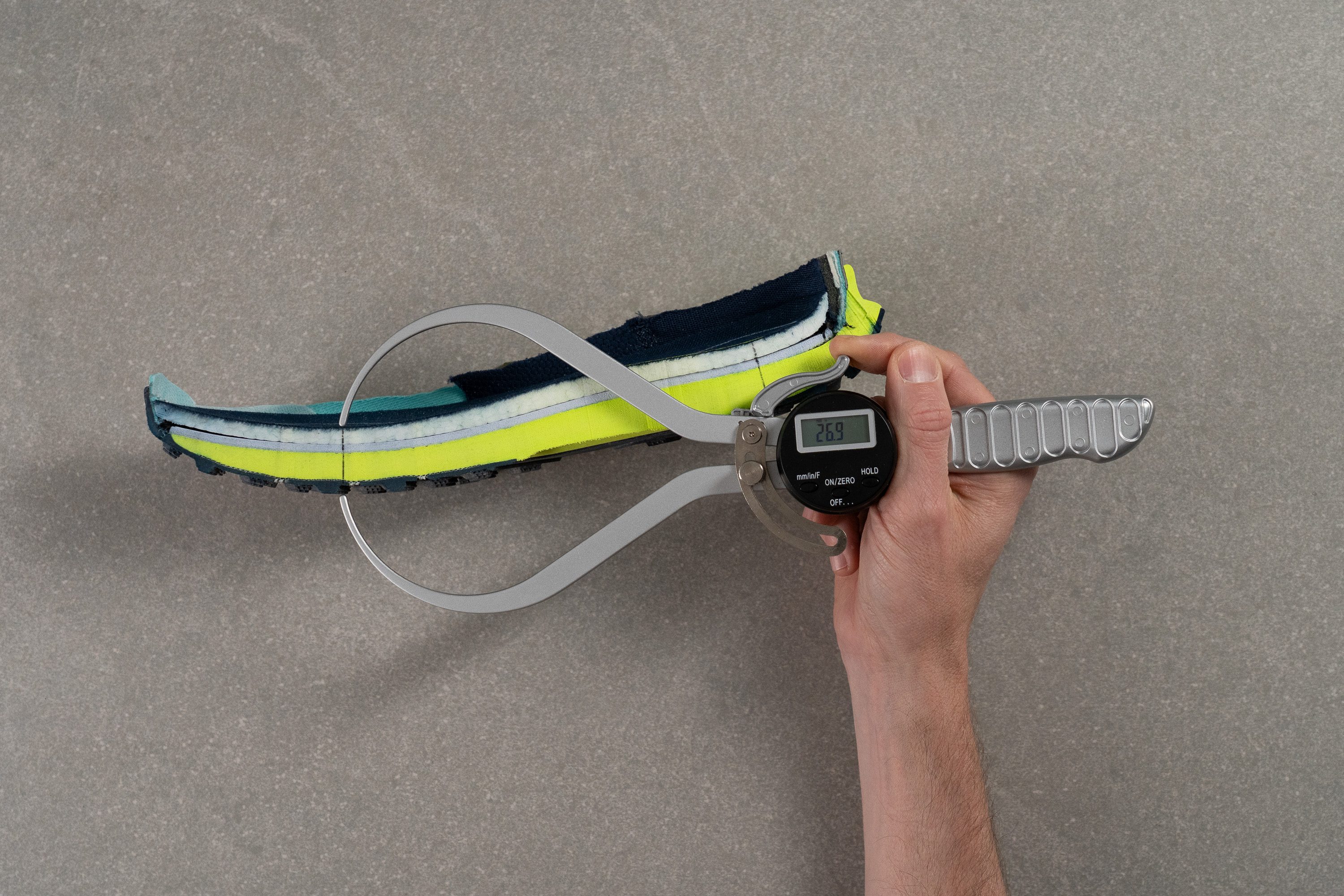
| Peregrine 16 | 26.9 mm |
| Media | 25.8 mm |
Drop
Las Peregrine 16 presumen del drop bajo de siempre, que ha sido una característica distintiva de la serie durante años. Según Saucony, el drop es de 4 mm, y después de nuestras cuentas, a nosotros nos dio 4,8 mm. Es una diferencia tan pequeña que ningún runner la sentirá al correr, y nosotros... pues tampoco.
A lo mejor algunos corredores se esperaban que Saucony utilizase un drop un poquito más alto en este modelo y, personalmente, nosotros creemos que unos 6 mm podrían haber sido una opción estupenda. Eso sí, mantener exactamente el mismo drop le garantiza a la marca que todos sus fans, que llevan con ella las 15 versiones anteriores, se sigan sintiendo como en casa.
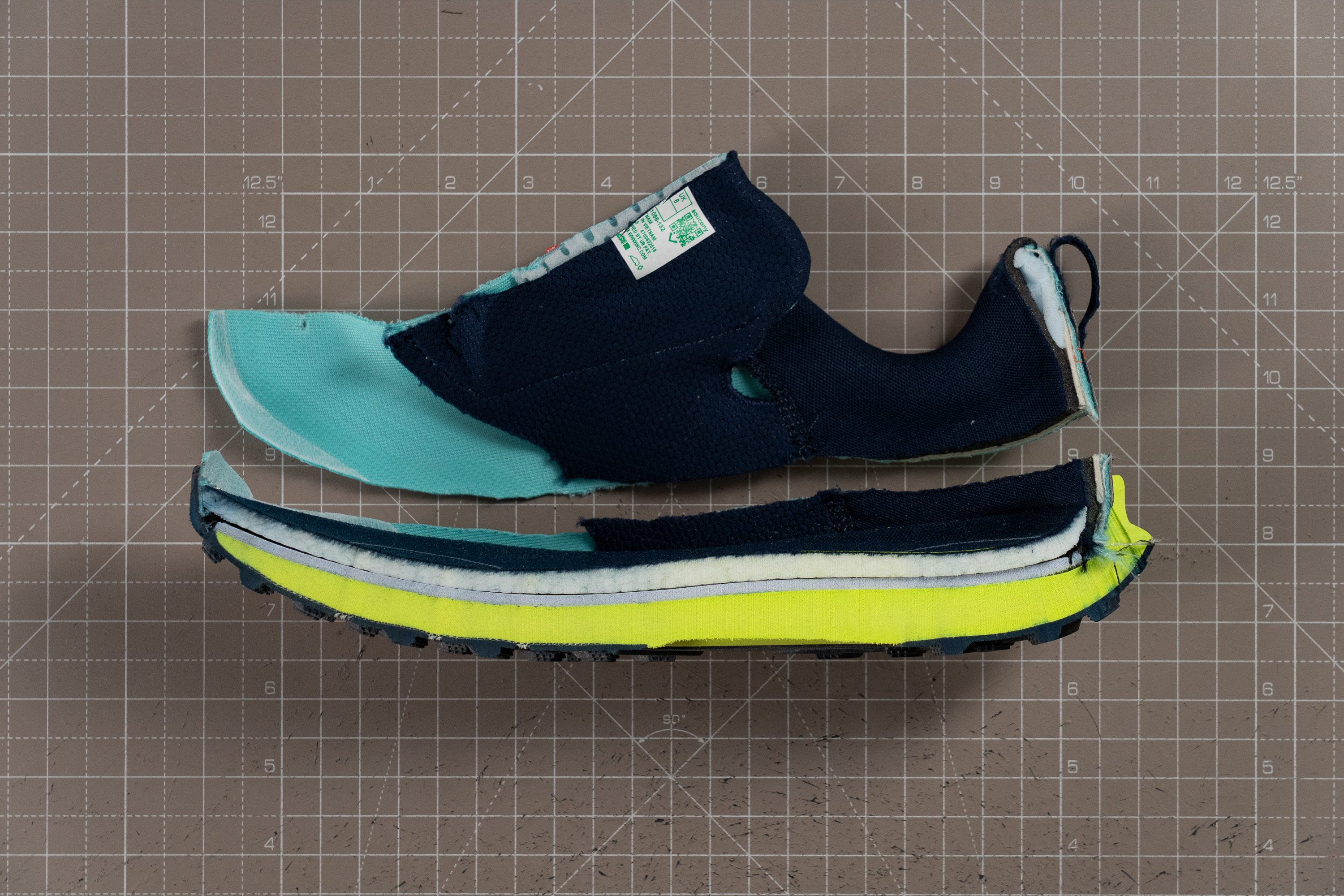
| Peregrine 16 | 4.8 mm |
| Media | 7.3 mm |
Dureza de la mediasuela
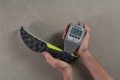
La suavidad de la mediasuela es otro punto clave al que Saucony decidió serle fiel en vez de cambiarlo. Nuestro durómetro Asker C marcó 31,3 AC cuando analizamos las Peregrine 16, que es casi el mismo resultado que vimos con las Peregrine 15, 31,6 AC.
Seguro que a los runners que prefieren las zapatillas de trail blanditas les encanta leer esto. Eso sí, no te olvides de que las Peregrine 16 se sienten más firmes que unas zapatillas de running para asfalto, incluso si los resultados de nuestro durómetro son los mismos, ya que tienen una suela exterior más grandota.
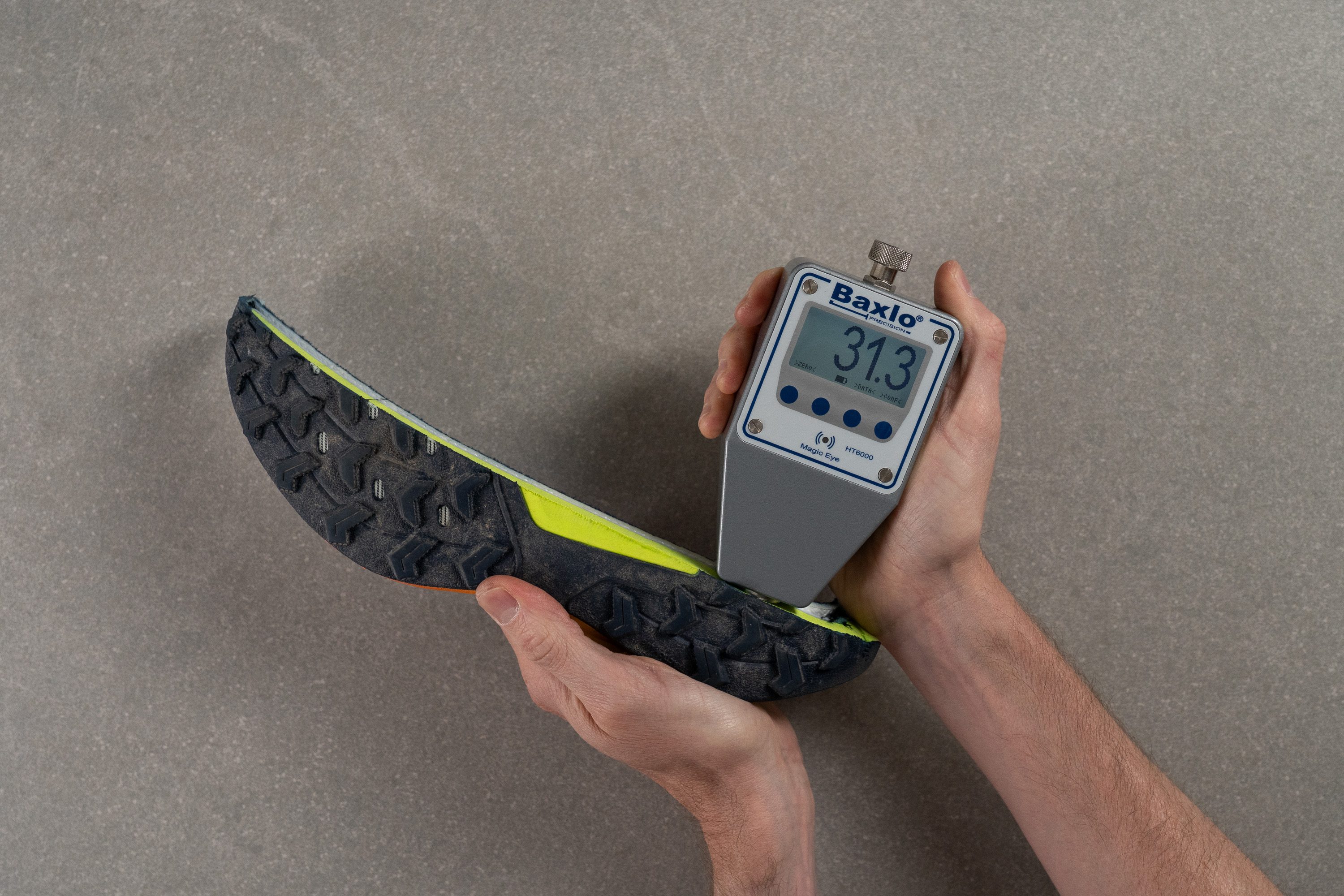
| Peregrine 16 | 31.3 AC |
| Media | 38.3 AC |
Rocker
Las Peregrine 16 se adaptan mejor a los corredores de mediopié y de metatarsos gracias a su drop bajo y a que no tienen un rocker agresivo.
Personalmente, nosotros creemos que este enfoque mejora la versatilidad. Como su mediasuela no tiene rocker, se adapta bien a varios tipos de terreno sin problema.
Placa
Otro detalle de las Peregrine 16 que se ha mantenido intacto es la placa antirrocas, que solo está en el antepié, y que está hecha de plástico ligero. Además, Saucony les puso 10 cortes en la mediasuela para que puedas ver esa pieza sin problema.
Tallaje y ajuste
Talla
Las Saucony Peregrine 16 quedan un poco pequeñas (27 votos).
Longitud interna
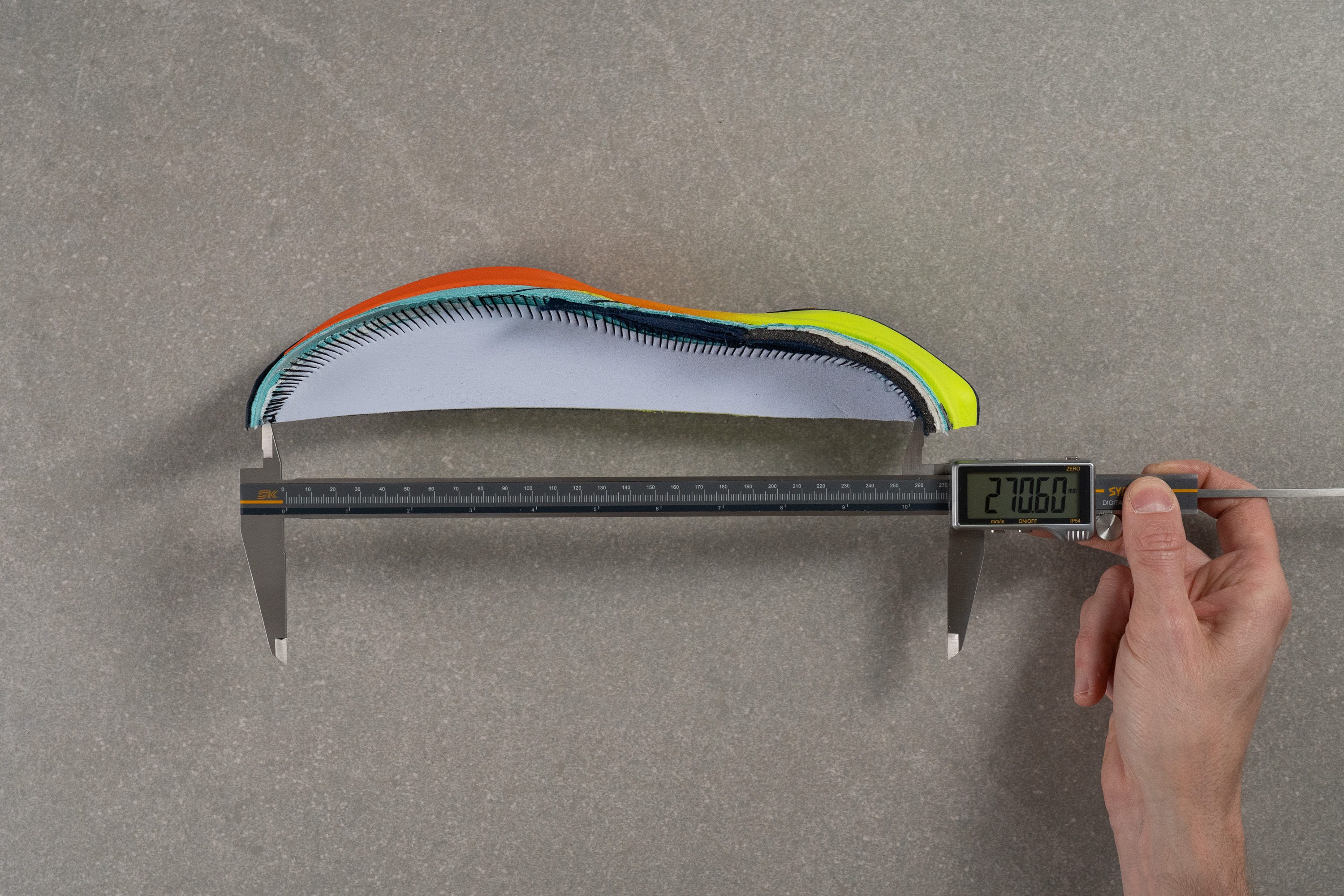
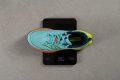
| Peregrine 16 | 270.6 mm |
| Media | 269.2 mm |
Anchura / Ajuste
Cuando nos pusimos las Peregrine 16, nos recordaron mucho a sus predecesoras, cosa que nos parece una señal clara de que Saucony está priorizando las actualizaciones suaves y progresivas, dejando que los fans de las Peregrine pasen de una versión a otra sin sorpresas.
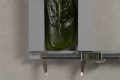
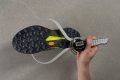
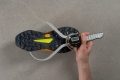
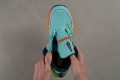
Después de crear una réplica del interior de estas zapatillas, medimos 3 puntos clave para saberlo todo sobre su ajuste. Para empezar, nuestro calibre marcó 96,9 mm, que es un poquito más que la media actual de nuestro laboratorio.
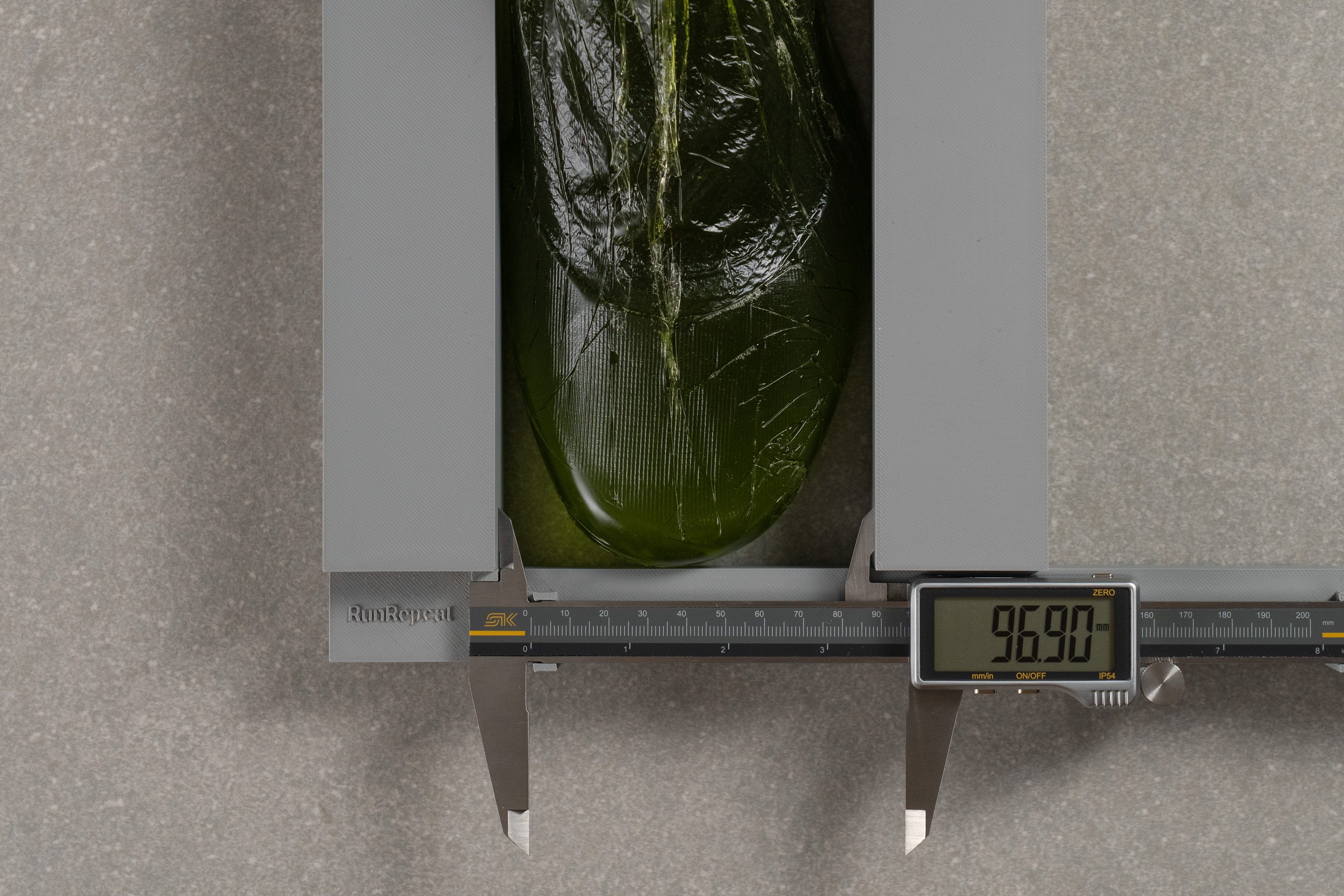
| Peregrine 16 | 96.9 mm |
| Media | 95.7 mm |
Anchura de la parte delantera
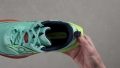
Seguimos con 70,3 mm, que es un resultado casi idéntico a los 70,9 mm de la versión anterior. Esto nos confirmó que Saucony no cambió el diseño puntiagudo de la parte delantera, cuya estructura mejora la sujeción del pie en las zonas técnicas y en los cambios rápidos de dirección.
El problema es que los dedos no tienen mucho espacio, así que los runners que prefieran un antepié más amplio a lo mejor no están del todo contentos con el ajuste ceñido de este par en las aventuras largas.
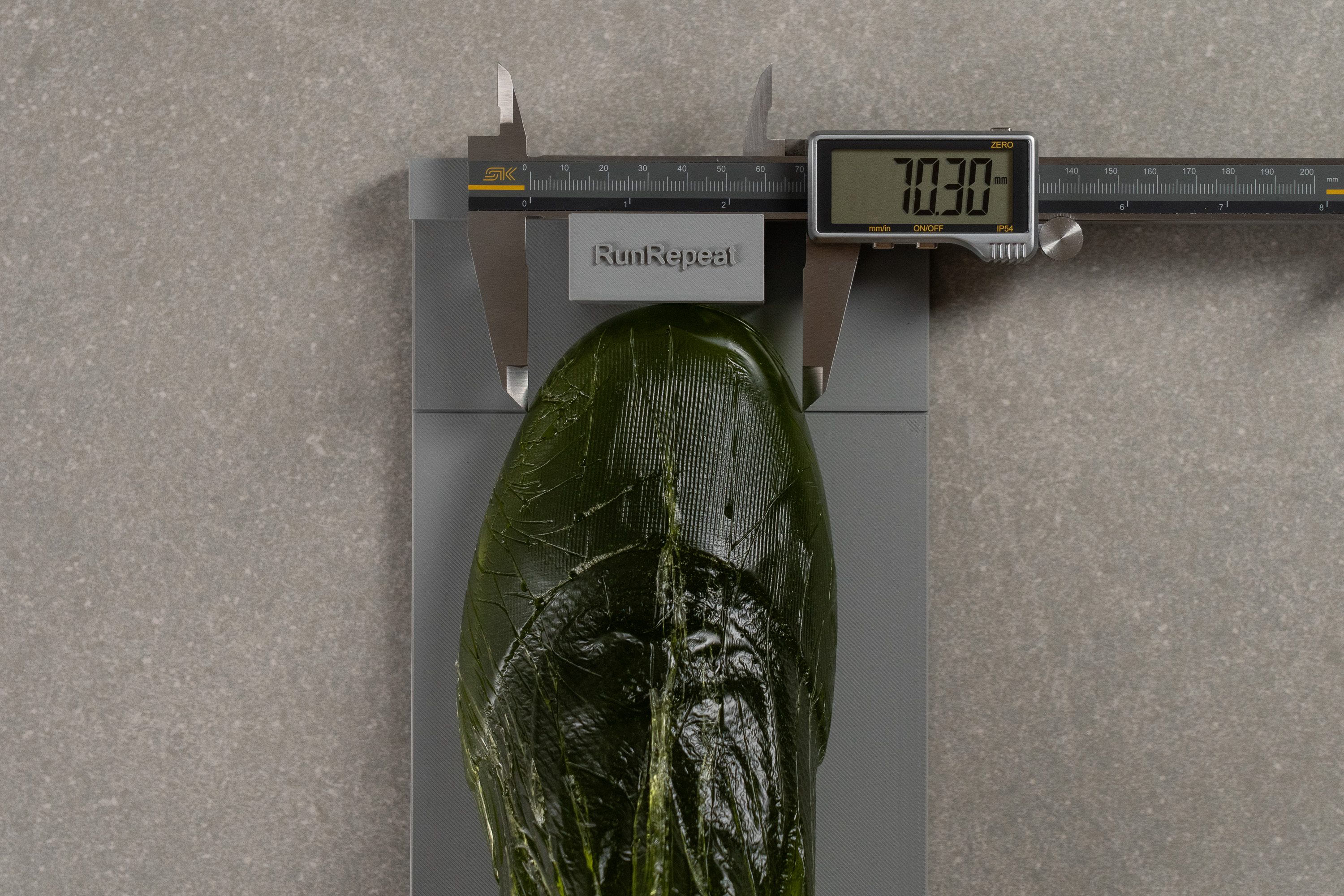
| Peregrine 16 | 70.3 mm |
| Media | 74.3 mm |
Altura de la parte delantera
Aunque esta forma cónica reduce el espacio en la zona de los dedos, no vimos ningún problema en cuanto al volumen vertical.
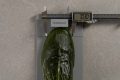
Nuestro calibre marcó 27,4 mm, un punto medio bien equilibrado que debería adaptarse a la mayoría de las formas del pie sin generar una presión desagradable sobre los dedos.
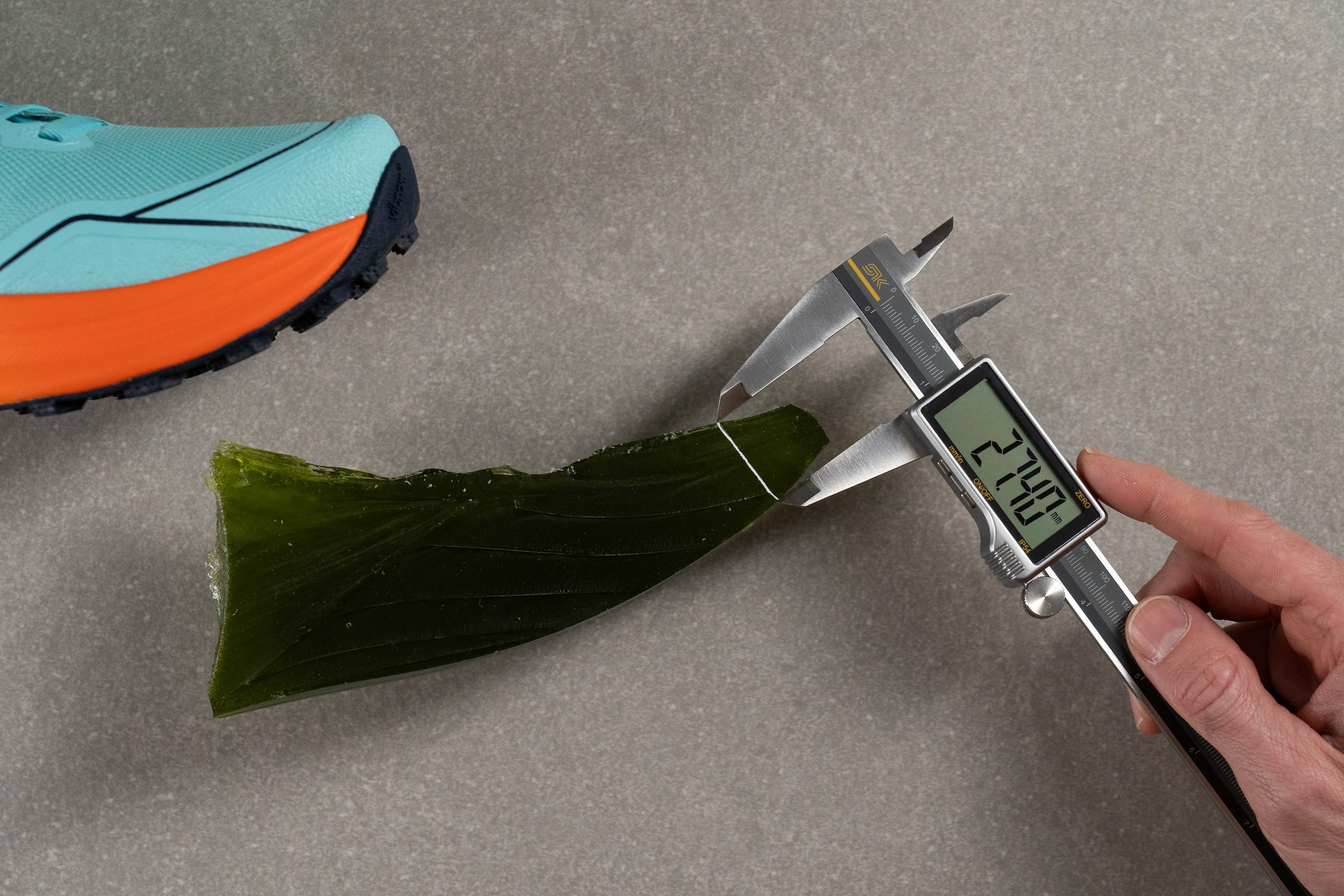
| Peregrine 16 | 27.4 mm |
| Media | 27.0 mm |
Tracción / Agarre
Traction test
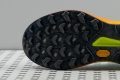
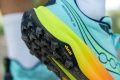
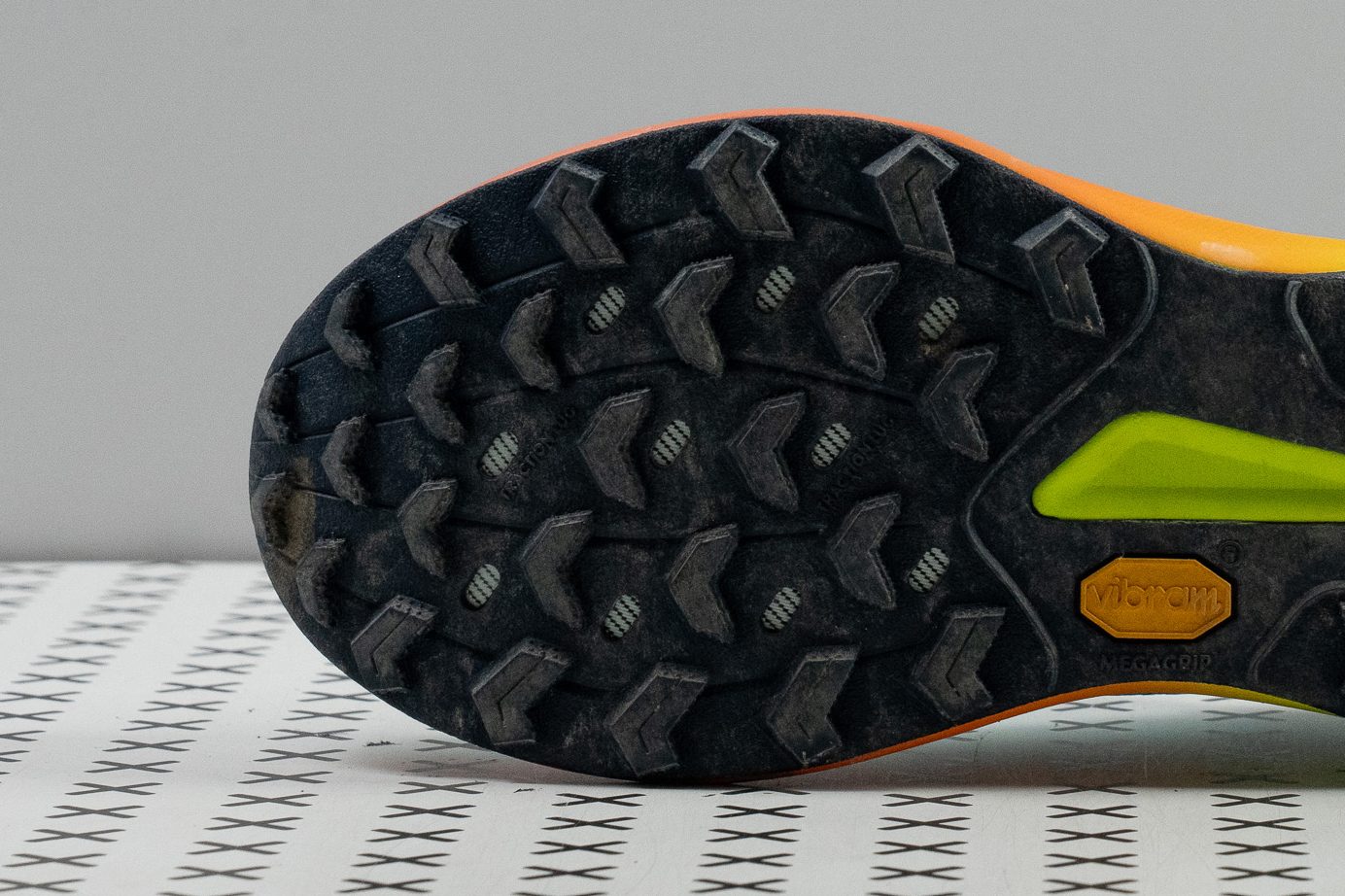
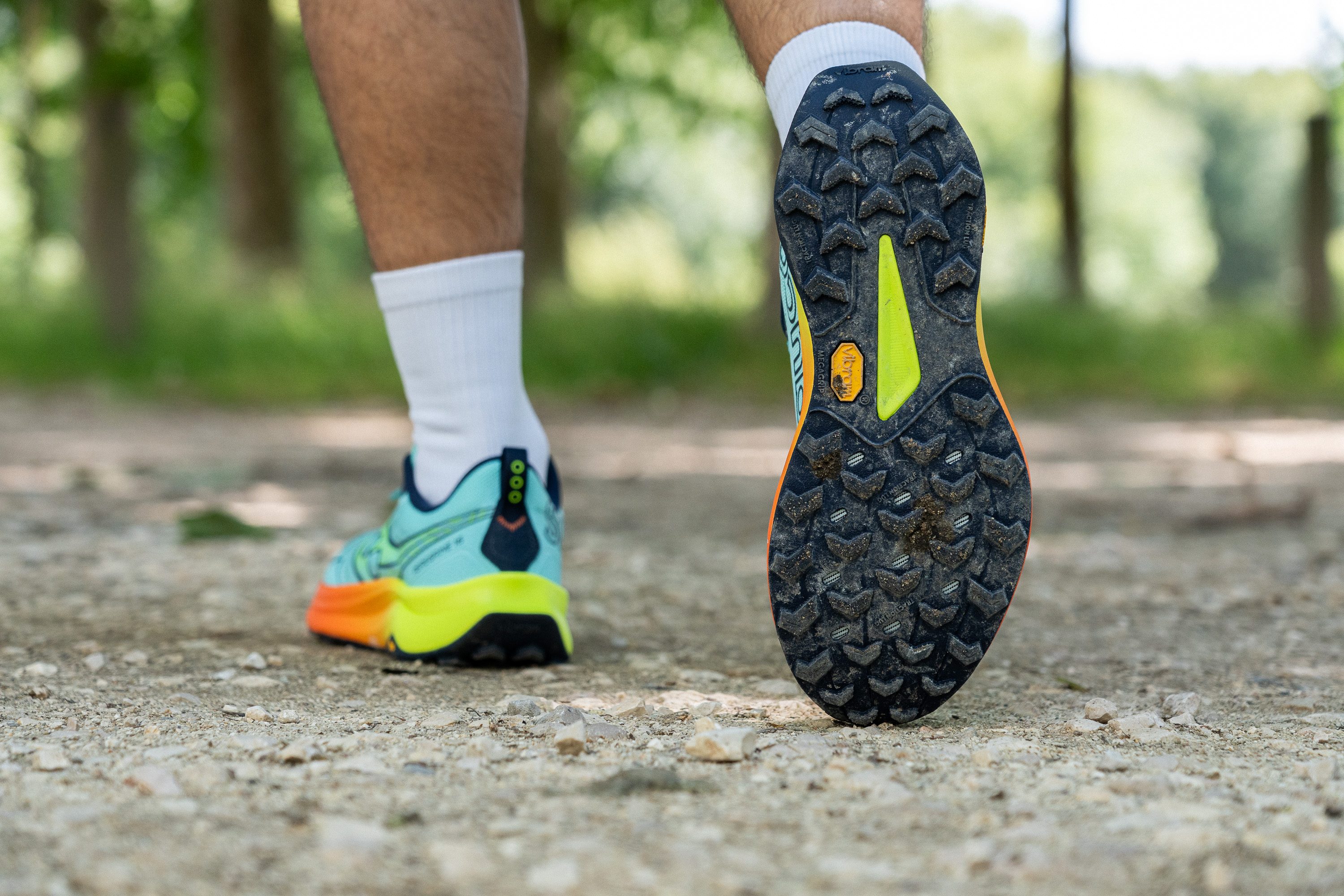
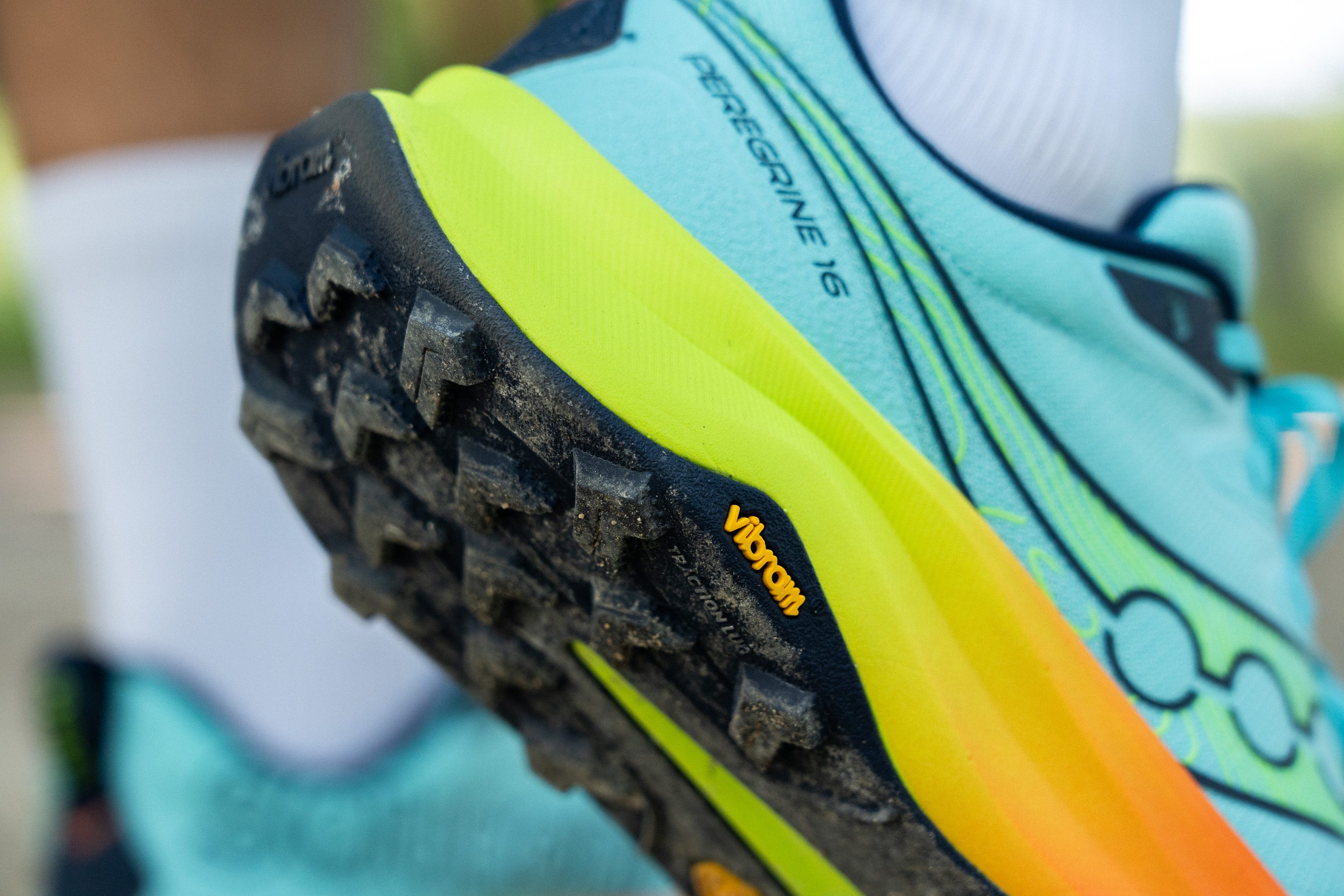
La principal razón para pasarse a las Peregrine 16, o para comprártelas en vez de buscar unas Peregrine 15 de rebajas, es su suela exterior. Saucony por fin se ha hecho amiga de Vibram, así que ya puede presumir de su famoso compuesto Megagrip en la línea Peregrine.
Aunque el resultado es un poquito más bajo que el de la mayoría de las zapatillas con suelas Vibram (por los tacos de las Peregrine 16), obtuvieron un resultado un poquito por encima de la media de nuestro laboratorio con un confiable coeficiente de fricción de 0,72.
| Peregrine 16 | 0.72 |
| Media | 0.67 |
Profundidad del dibujo de la suela
Resulta que, en vez de utilizar los tacos de 4,7 mm de la versión 15, Saucony optó por unos de 3,5 mm en este par, un cambio ideal para las zonas fáciles que ayuda a que las Peregrine 16 sean una opción sólida para todo, desde senderos clásicos hasta carreteras de grava, una categoría cuya popularidad no deja de crecer.
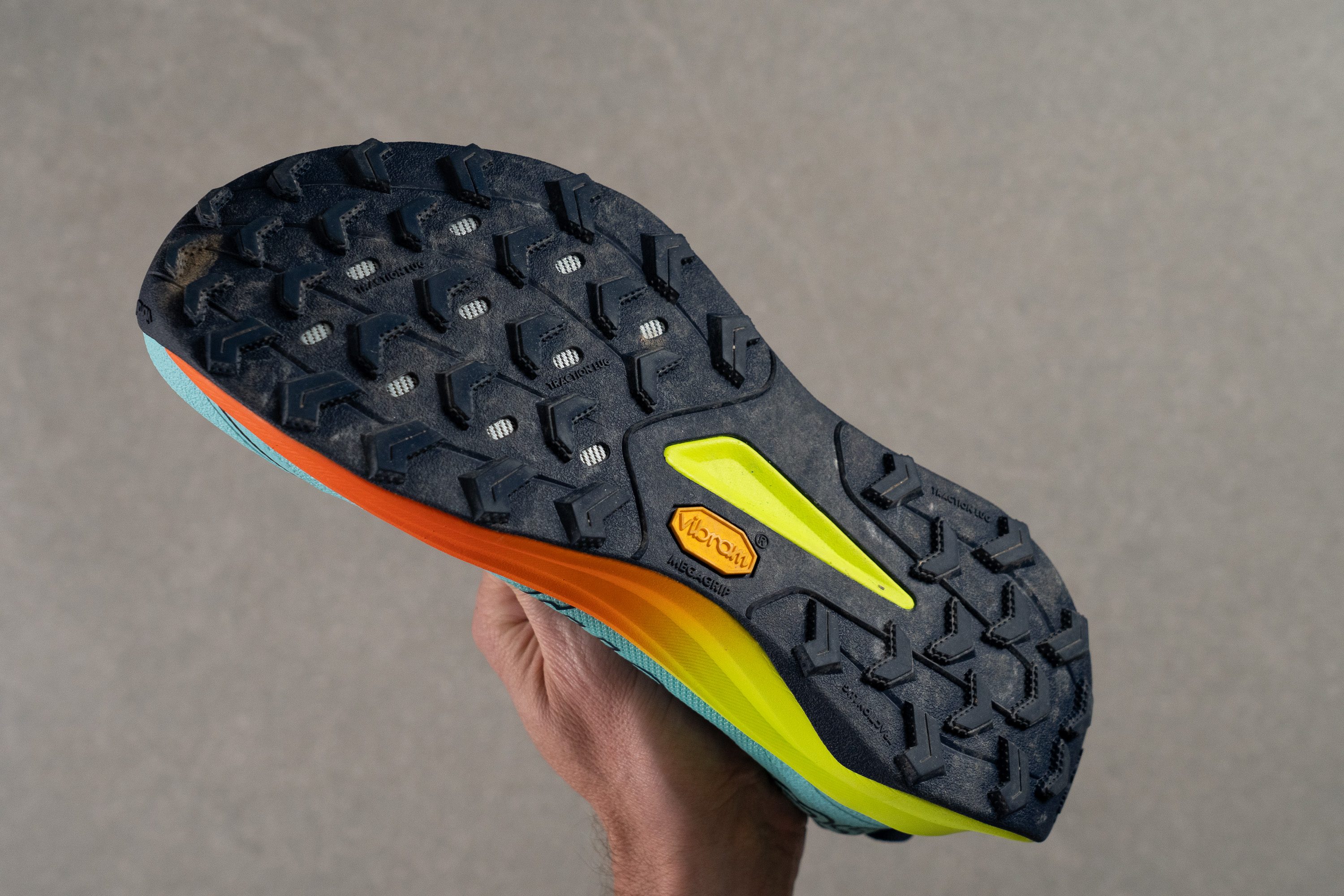
Eso sí, este enfoque tiene ciertas desventajas. Aunque estas zapatillas rinden bien en varios terrenos, los runners a los que les toque lidiar con barro profundo o hierba mojada muy probablemente preferirán tacos más agresivos, ya que estas zonas suelen requerir una mejor tracción que la que las Peregrine 16 están diseñadas para ofrecer.
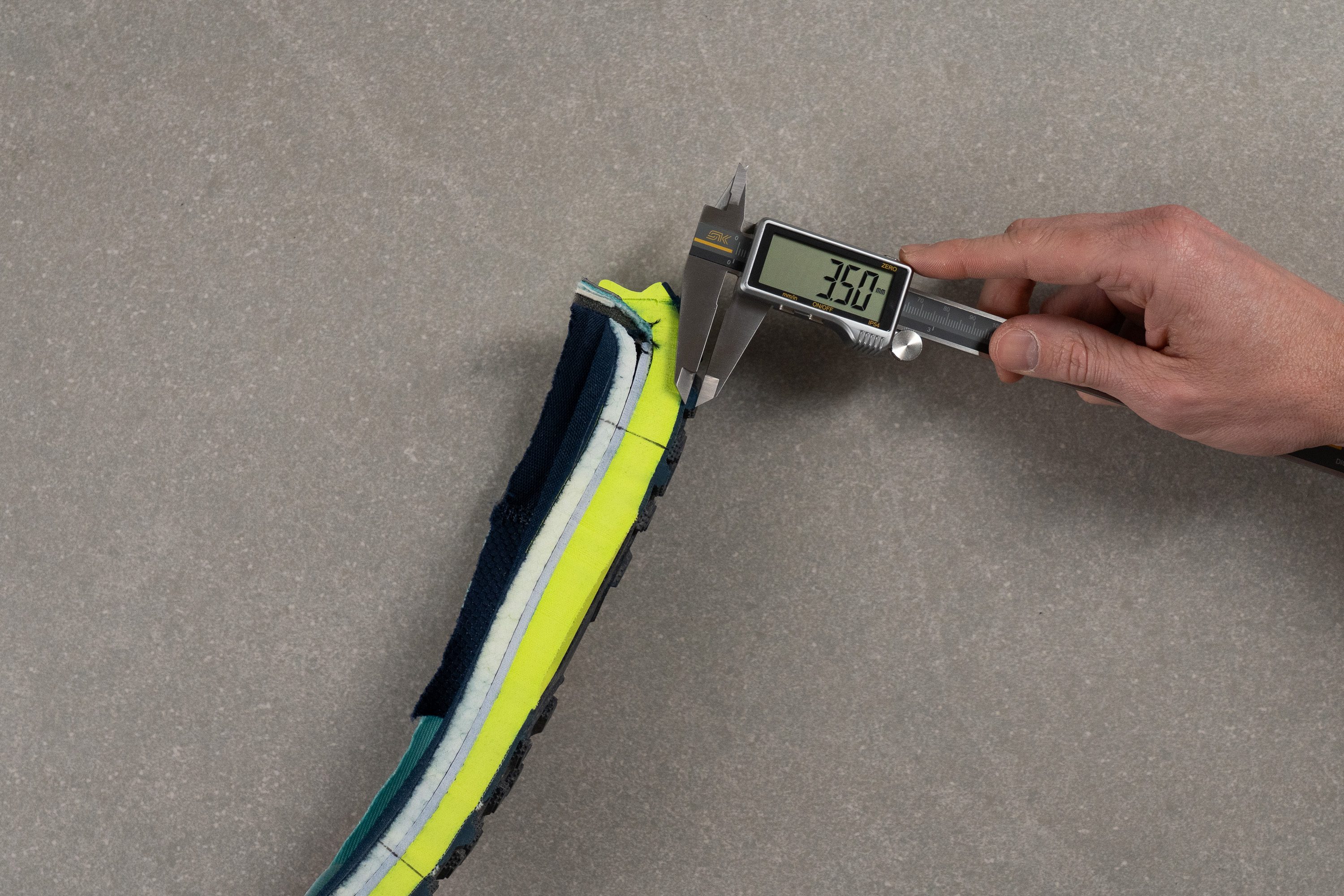
| Peregrine 16 | 3.5 mm |
| Media | 3.5 mm |
Diseño de la suela exterior
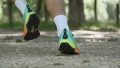
Saucony sigue utilizando sus míticos tacos en forma de V, invirtiendo la orientación entre el antepié y el talón para mejorar la tracción en los ascensos y descensos, y ahora presume de la tecnología Traction Lug de Vibram.
Dejando eso a un lado, la verdad es que estamos muy contentos con la cobertura de caucho de la suela, ya que solo hay un cachito pequeño de la mediasuela expuesto en el centro. Es tan poquito que la durabilidad no nos preocupa.
Flexibilidad / Rigidez
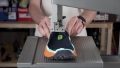
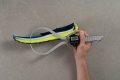
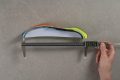
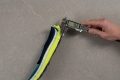
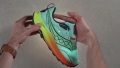
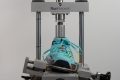
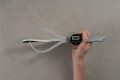
La placa antirrocas del antepié y que no haya cortes profundos que aumenten la flexibilidad hace que las Peregrine 16 tengan una plataforma bastante rígida. En nuestra prueba de flexión de 30 grados lo confirmamos, ya que necesitaron una fuerza de 24,7 N para doblarse.
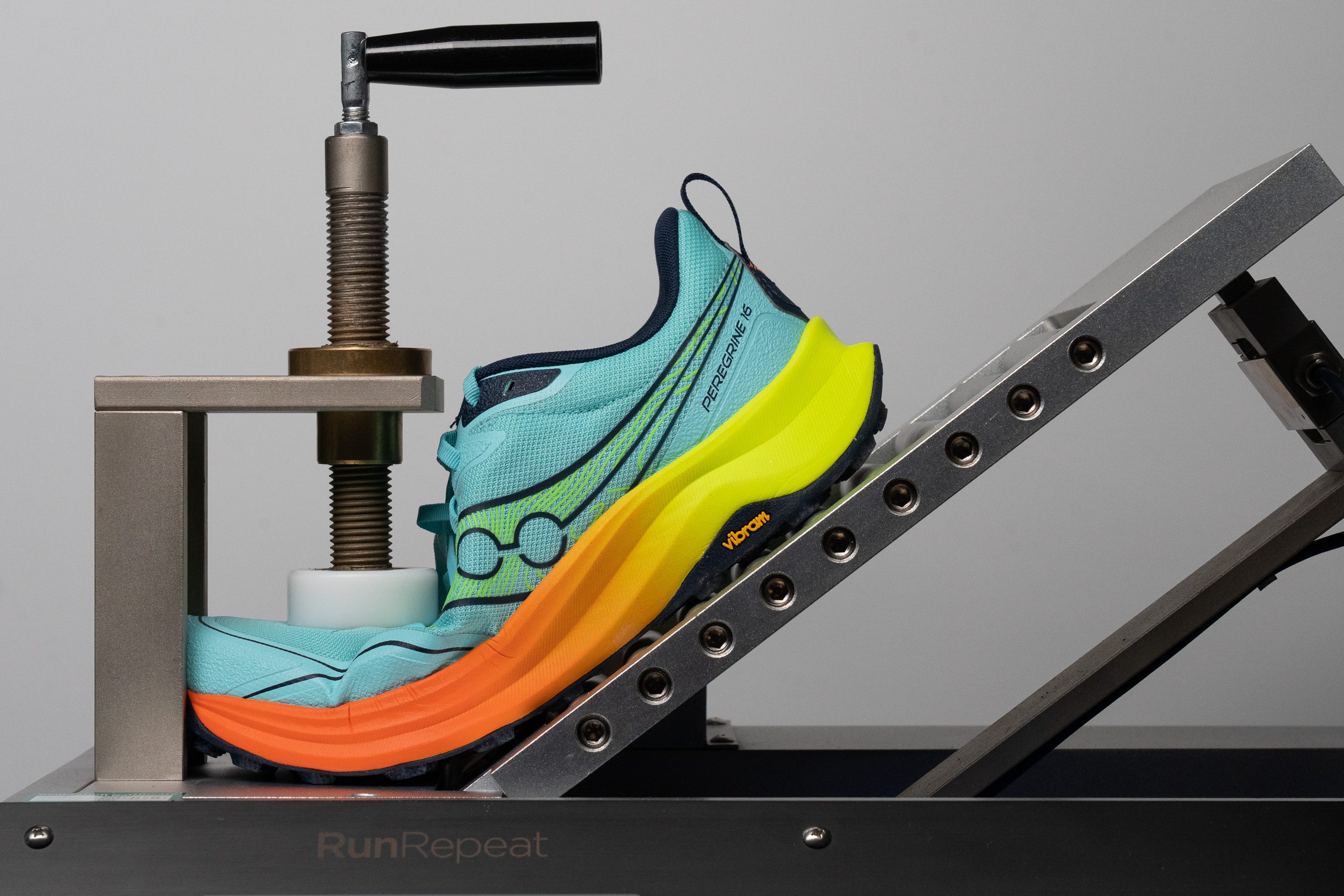
| Peregrine 16 | 24.7N |
| Media | 14.8N |
Peso
Un detalle en el que sí que han empeorado las Peregrine 16 es el peso. Sus 278 g las hacen más pesadas que sus predecesoras, y aunque el aumento es de solo un 4,5 % y la mayoría de los runners no se darán ni cuenta, sigue siendo un pasito hacia atrás.
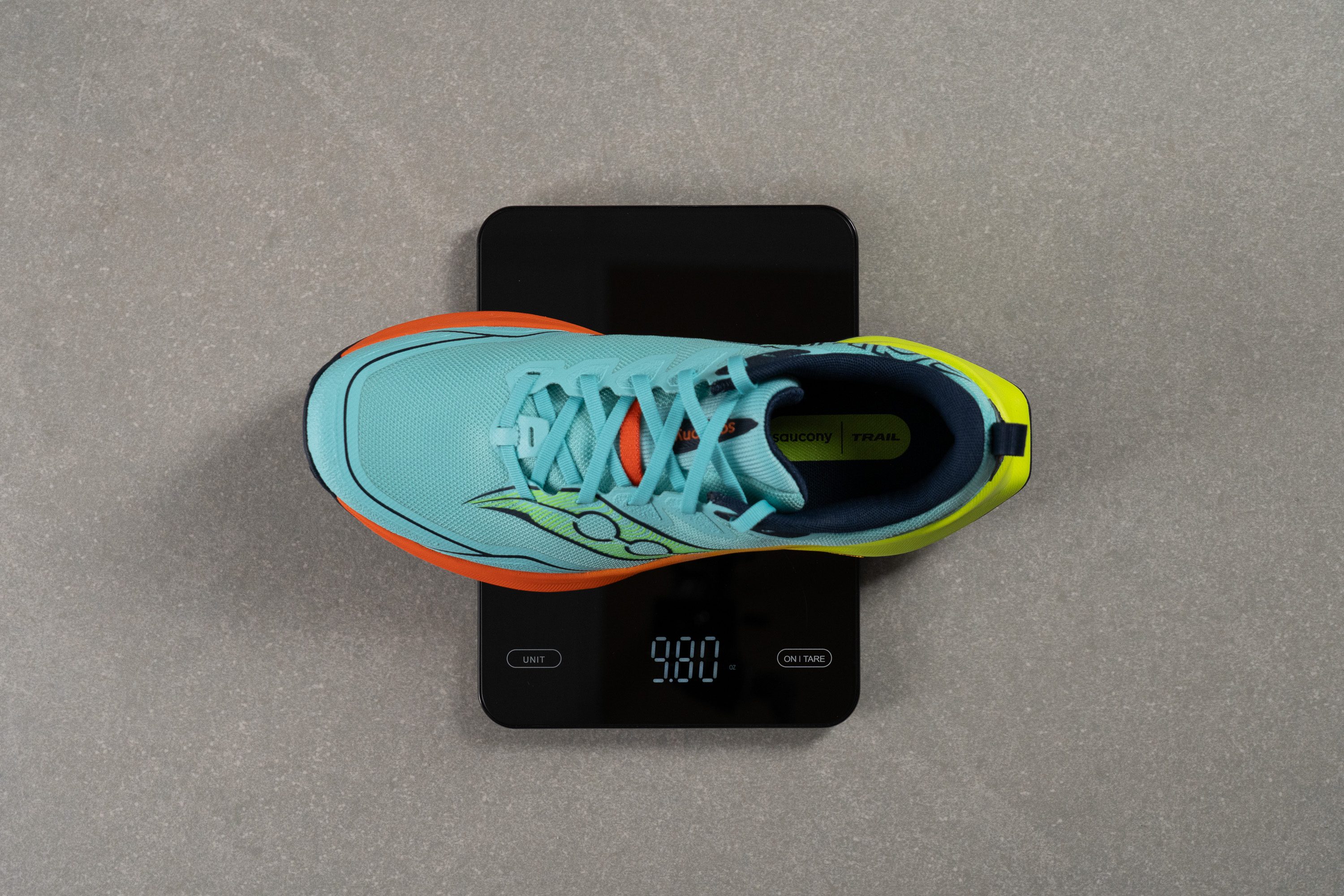
| Peregrine 16 | 9.8 oz (278g) |
| Media | 10.1 oz (285g) |
Transpirabilidad
Breathability
Breathability is often a difficult balancing act in trail shoes, as brands usually prioritize durability and protection over airflow.
With the Peregrine 16, we found that Saucony achieved a respectable result, earning a 3/5 score in our breathability test. It's not among the most ventilated shoes we've tested, but it should provide enough airflow to keep most of you comfortable on the trail.
We also noticed that Saucony avoided using large ventilation openings, which can become weak points in rugged environments. Instead, the brand relied on a lightweight mesh across the forefoot to promote airflow while maintaining durability.
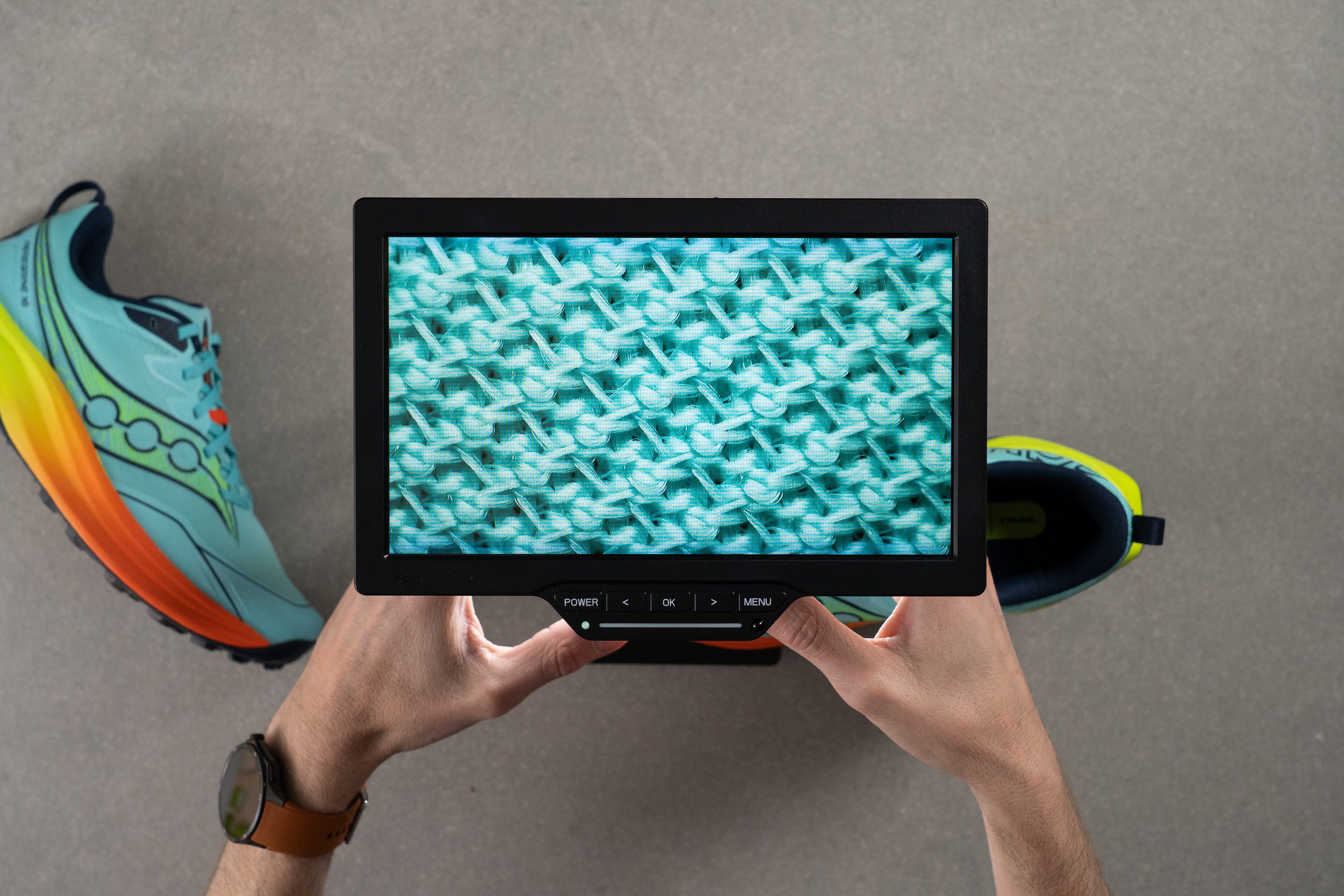
Under our microscope, we confirmed that air escapes through the tiny openings naturally formed within the weave of the mesh, rather than through dedicated perforations or large vents.
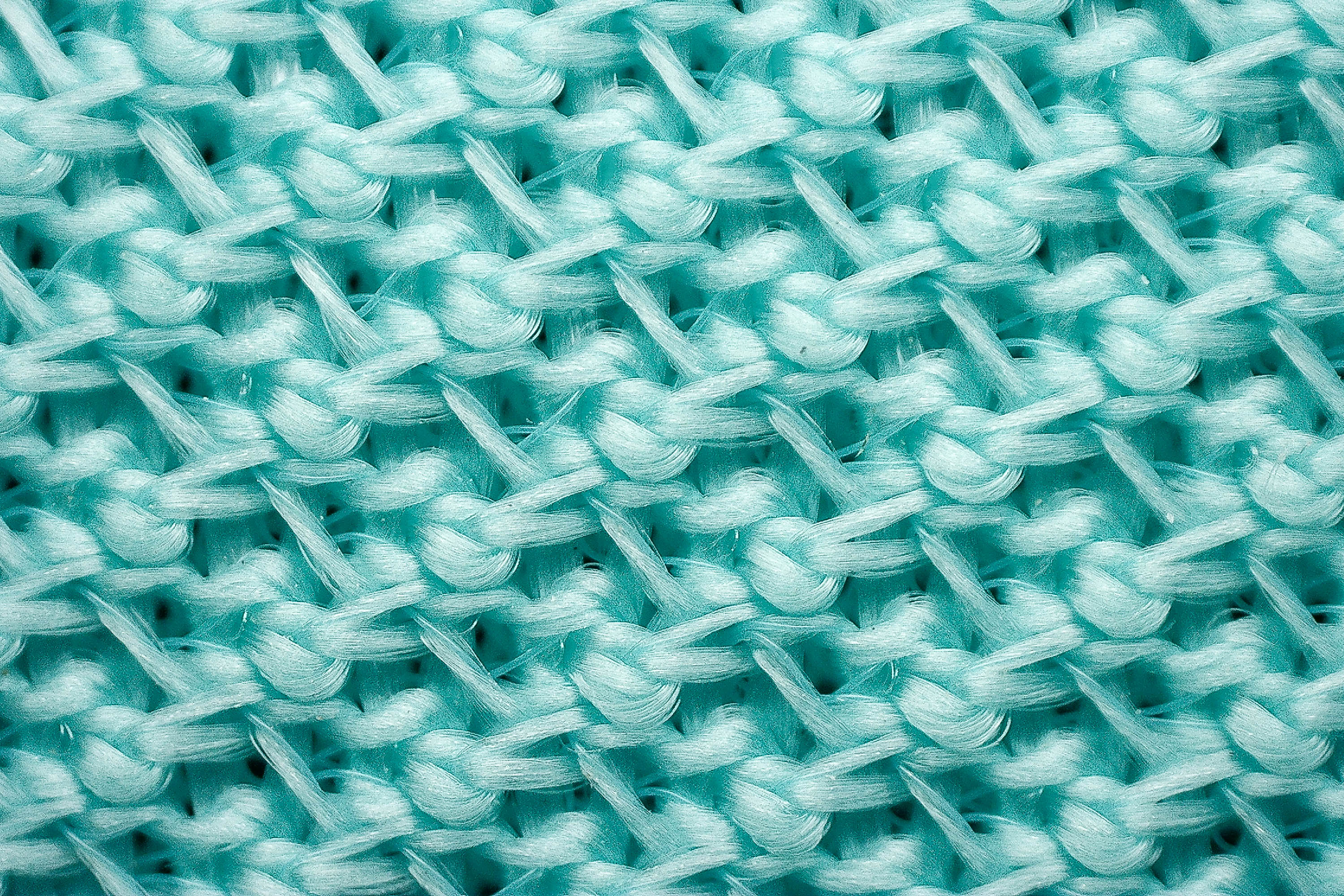
As for overall construction, the upper feels robust, comfortable, and built to handle demanding trails.
| Peregrine 16 | 3 |
| Media | 3.2 |
Estabilidad
Prueba de estabilidad lateral
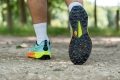
Las Peregrine siempre han destacado por su estabilidad, y las 16 no iban a ser distintas. Saucony ha creado unas zapatillas muy seguras para los runners neutros que nos llenaron de confianza en el trail, aunque fuesen zonas distintas.
Su plataforma es más ancha que nunca, el drop sigue siendo bajo y el upper está diseñado para proporcionar sujeción, así que nuestros pies no se movieron de su sitio ni en los terrenos irregulares ni con los cambios bruscos de dirección.
Rigidez torsional
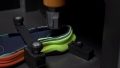
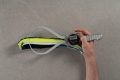
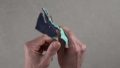
En nuestra prueba de rigidez torsional, las Peregrine 16 obtuvieron un resultado de 12,0 Nm. La verdad es que la diferencia con lo alta que es su rigidez longitudinal se nota, lo que nos dice que estas zapatillas son más fáciles de retorcer que de doblar.
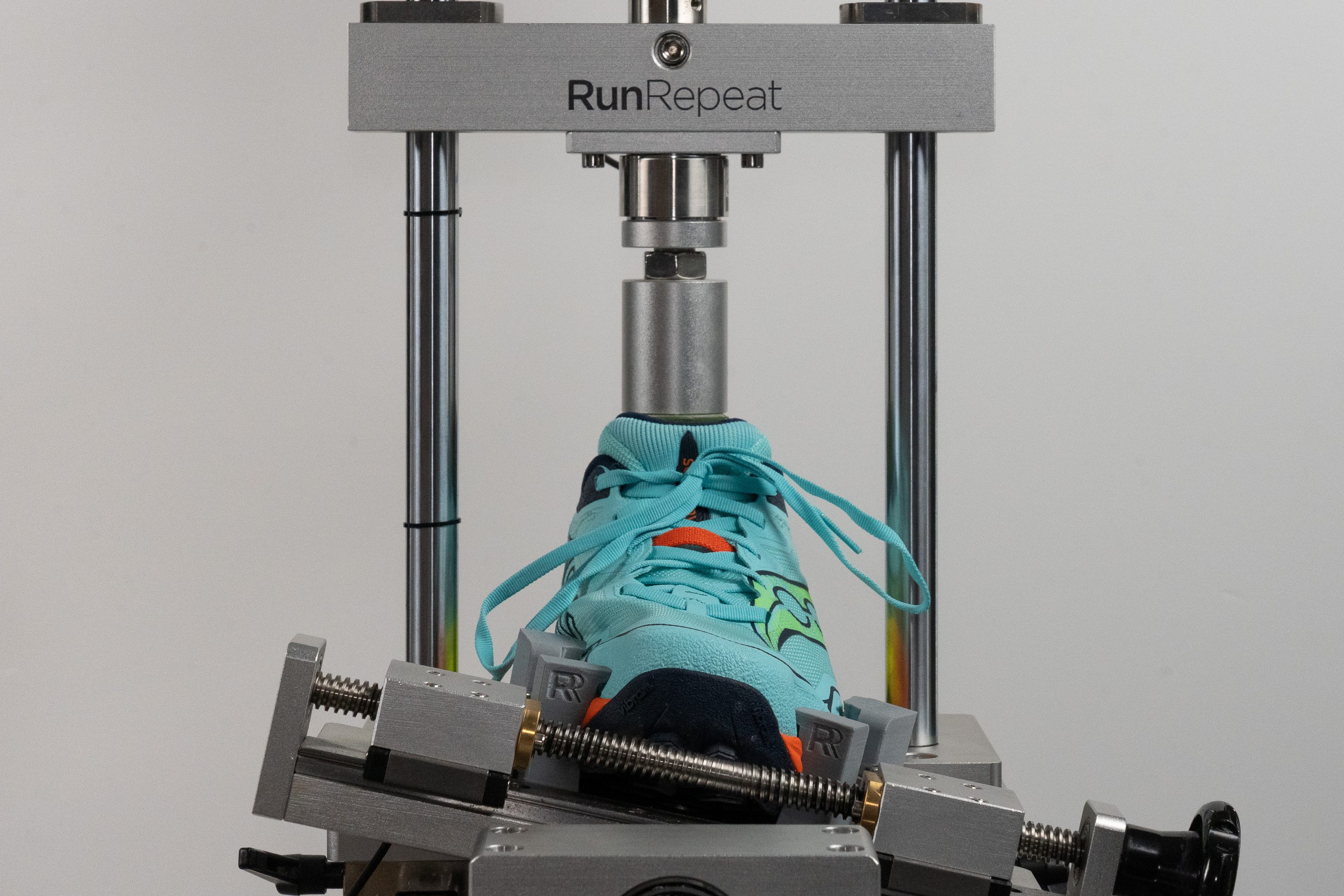
| Peregrine 16 | 12.0 Nm |
| Media | 15.8 Nm |
Rigidez del contrafuerte del talón
Otro detalle que hace que las Peregrine 16 sean más estables es su contrafuerte del talón, que es rígido hasta decir basta, así que se llevó un 5/5 en nuestra prueba.
Aunque los corredores que prefieren un diseño más suave o menos estructurado a lo mejor sienten que es demasiado, no podemos negar que cumple muy bien su función, mejorando tanto la seguridad como el control del talón.
| Peregrine 16 | 5 |
| Media | 2.9 |
Anchura de la mediasuela - antepié
Ya hemos hablado de que las Peregrine 16 son más anchas que sus predecesoras, pero ahora te vamos a dar los números concretos.
Nuestro calibre marcó 118,4 mm, lo que hace que esta plataforma sea bastante ancha para un modelo de trail. Sin duda, esto nos ayuda a explicar toda la estabilidad y confianza que sentimos cuando aterrizamos con el antepié.
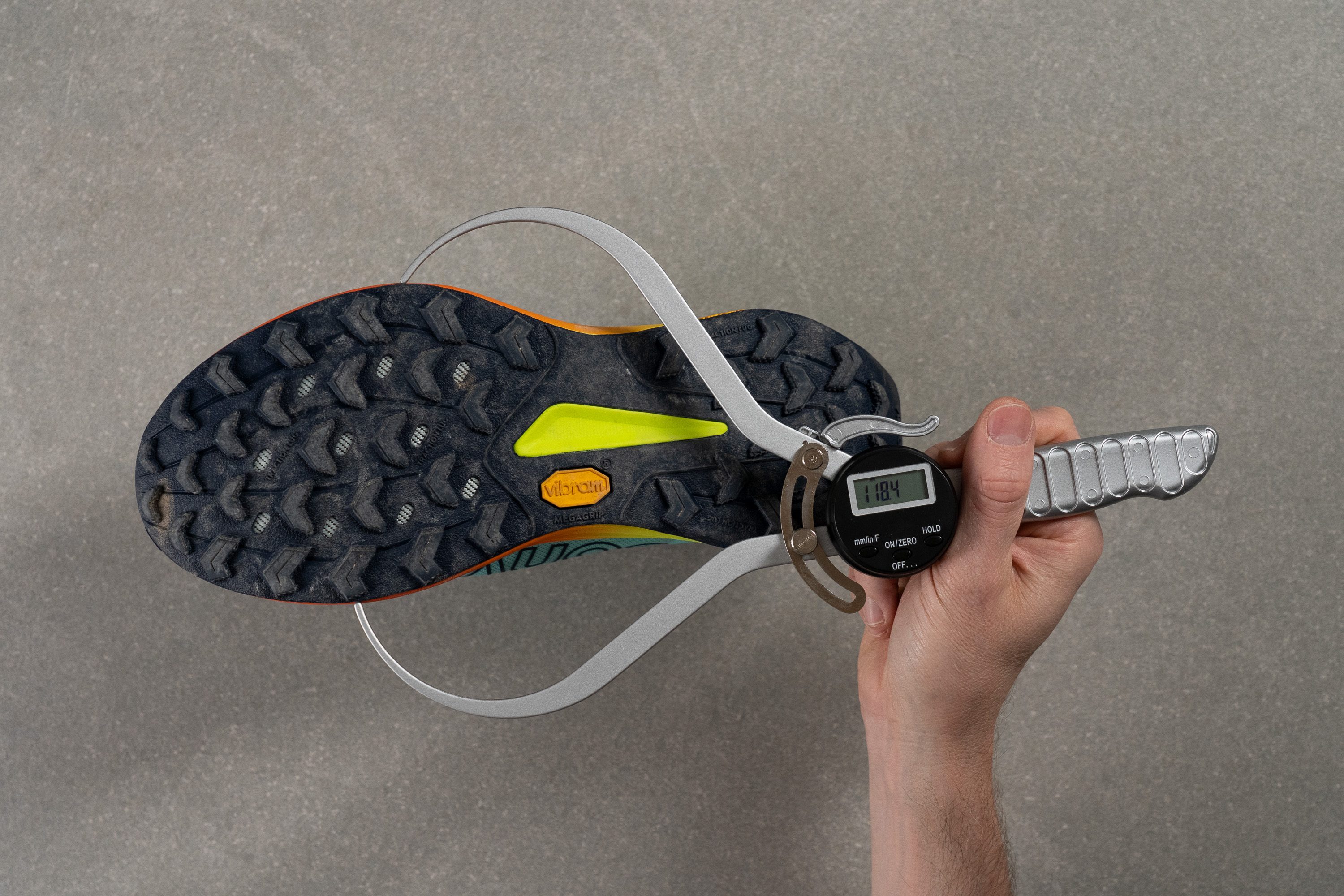
| Peregrine 16 | 118.4 mm |
| Media | 114.3 mm |
Anchura de la mediasuela - talón
Del mismo modo, en relación con la versión anterior, la plataforma también es más ancha en el talón. Pero Saucony adoptó un enfoque más conservador, ya que nuestro calibre marcó un resultado bastante estándar: 92,2 mm.
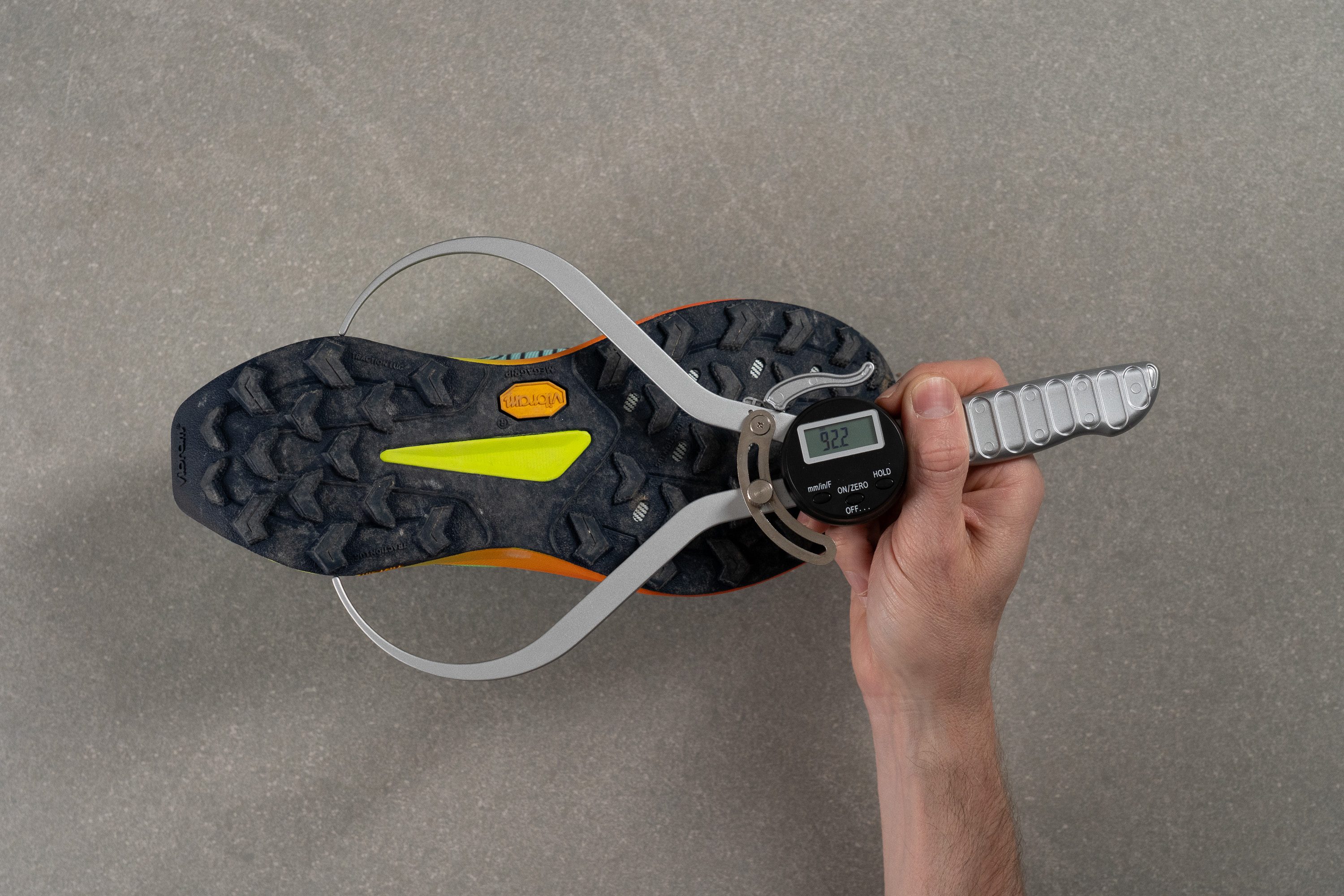
| Peregrine 16 | 92.2 mm |
| Media | 90.5 mm |
Durabilidad
Durabilidad del acolchado del talón
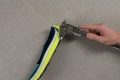
El acolchado del talón aguantó bastante bien la caña que le metió el Dremel, así que le dimos un 3/5 en durabilidad, que es un resultado estándar. Aunque no destaca, tampoco nos preocupa, la verdad.
| Peregrine 16 | 3 |
| Media | 3.1 |
Durabilidad de la suela
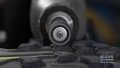
Que las Peregrine 16 puedan presumir del caucho Vibram Megagrip no solo mejora mucho su tracción, sino también su durabilidad. Solo perdieron 0,5 mm de caucho en nuestra prueba Dremel, que es un resultado excepcional. De hecho, casi duplican la resistencia al desgaste de las Peregrine 15 en esta misma zona.
| Peregrine 16 | 0.5 mm |
| Media | 0.9 mm |
Grosor de la suela
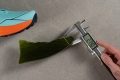
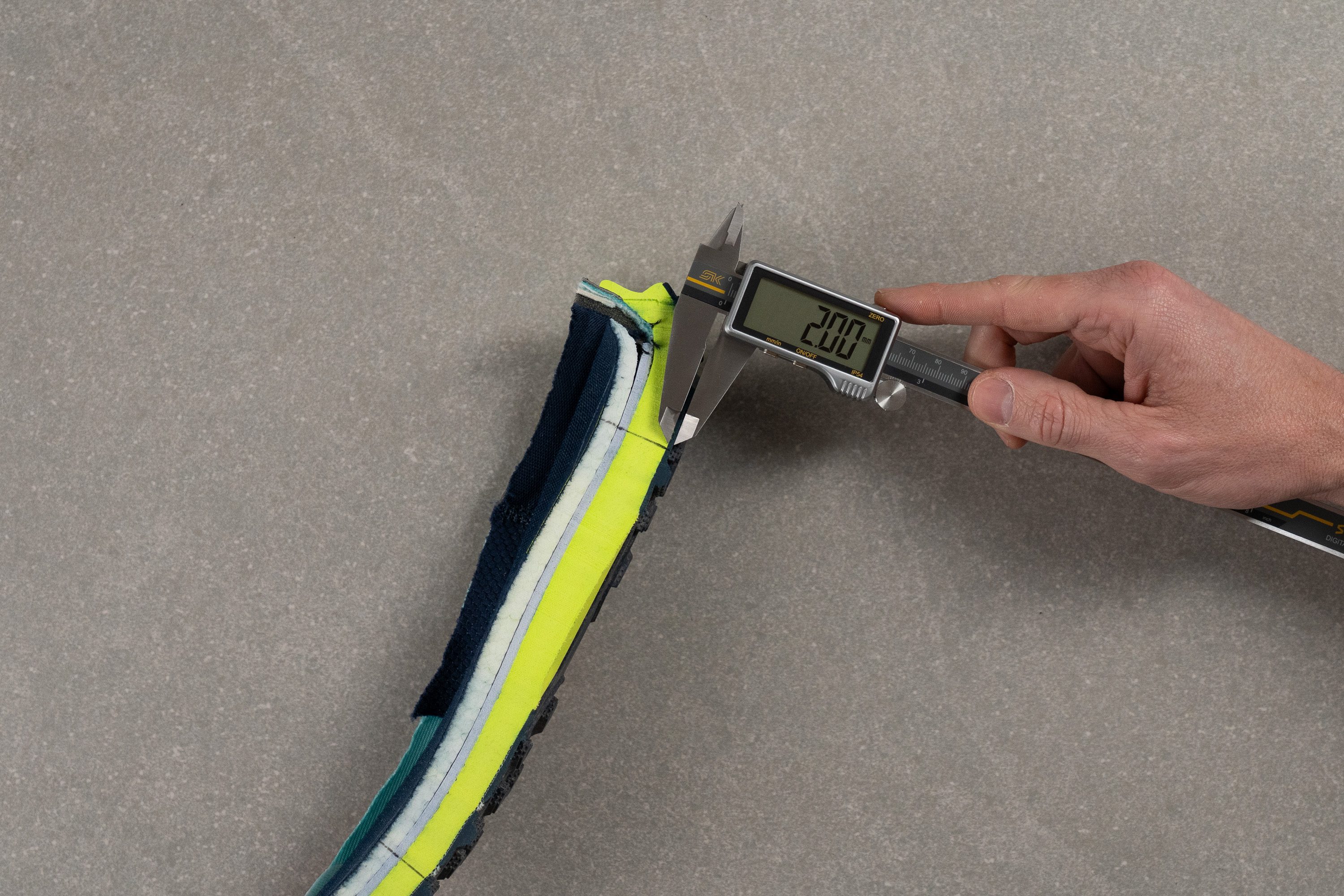
Resulta que la suela exterior tiene un grosor de 2,0 mm.
Como el antepié ya tiene la protección de la placa antirrocas, Saucony podría haber puesto un poquito menos de caucho en esa zona para reducir el peso sin que eso afecte negativamente al rendimiento en el trail.
| Peregrine 16 | 2.0 mm |
| Media | 1.9 mm |
Varios
Grosor de la plantilla
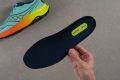
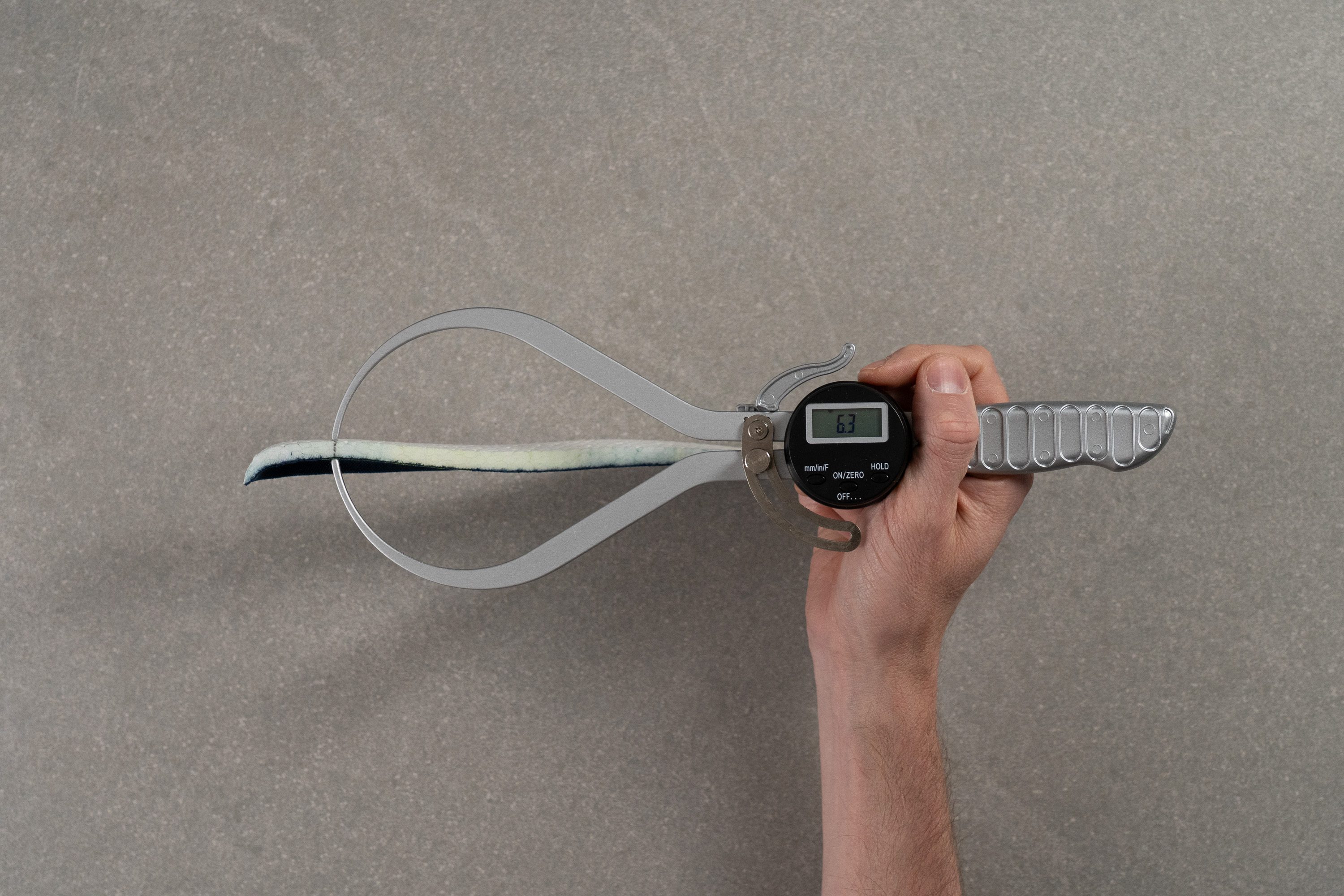
Según nuestro calibre, la plantilla PWRRUN+ tiene un grosor impresionante, de 6,3 mm.
| Peregrine 16 | 6.3 mm |
| Media | 4.6 mm |
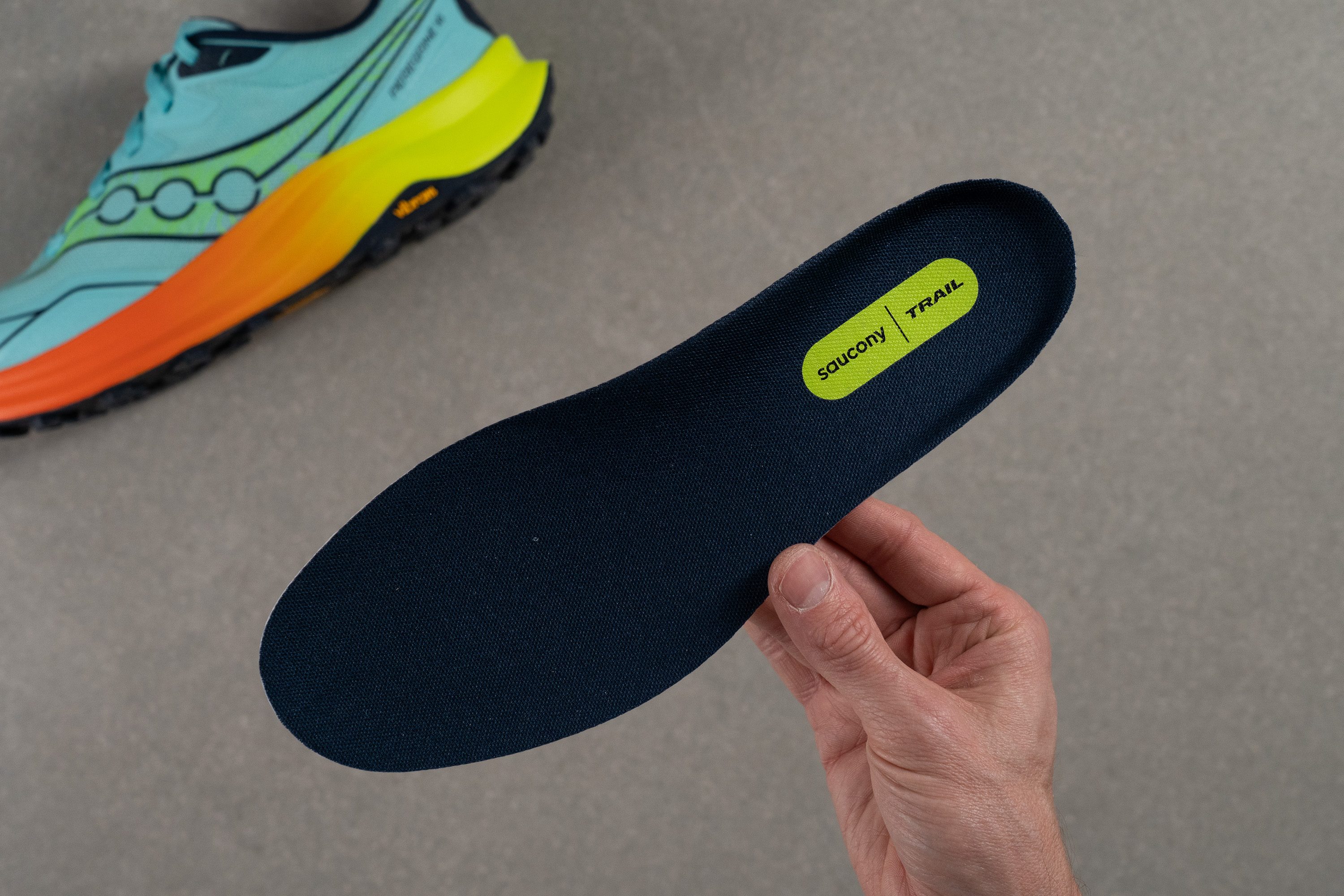
Plantilla extraíble
Puedes quitarles esa plantilla tan acolchada que traen y cambiarla por una opción más finita si tus pies necesitan más espacio dentro de las zapatillas, pero nosotros nos lo pensaríamos bien antes de tomar esta decisión. Al final, la plantilla que traen aumenta tanto la amortiguación como la comodidad bajo el pie.
| Peregrine 16 | Sí |
Elementos reflectantes
Las Peregrine 16 no tienen ni un solo elemento reflectante, y aunque no es el fin del mundo, Saucony podría solucionarlo en un momento, que no cuesta nada y ayudan mucho a que se te vea por la noche. ¿A lo mejor en la versión 17?
| Peregrine 16 | No |
Acolchado de la lengüeta
Saucony eliminó el ojal descentrado que les puso a las Peregrine 15, y la verdad es que nos parece todo un acierto. Mira, añadía una complejidad innecesaria y generaba otro posible fallo. La v16 vuelve a un diseño más sencillo con la cintita elástica que te agarra los cordones para que no te molesten.
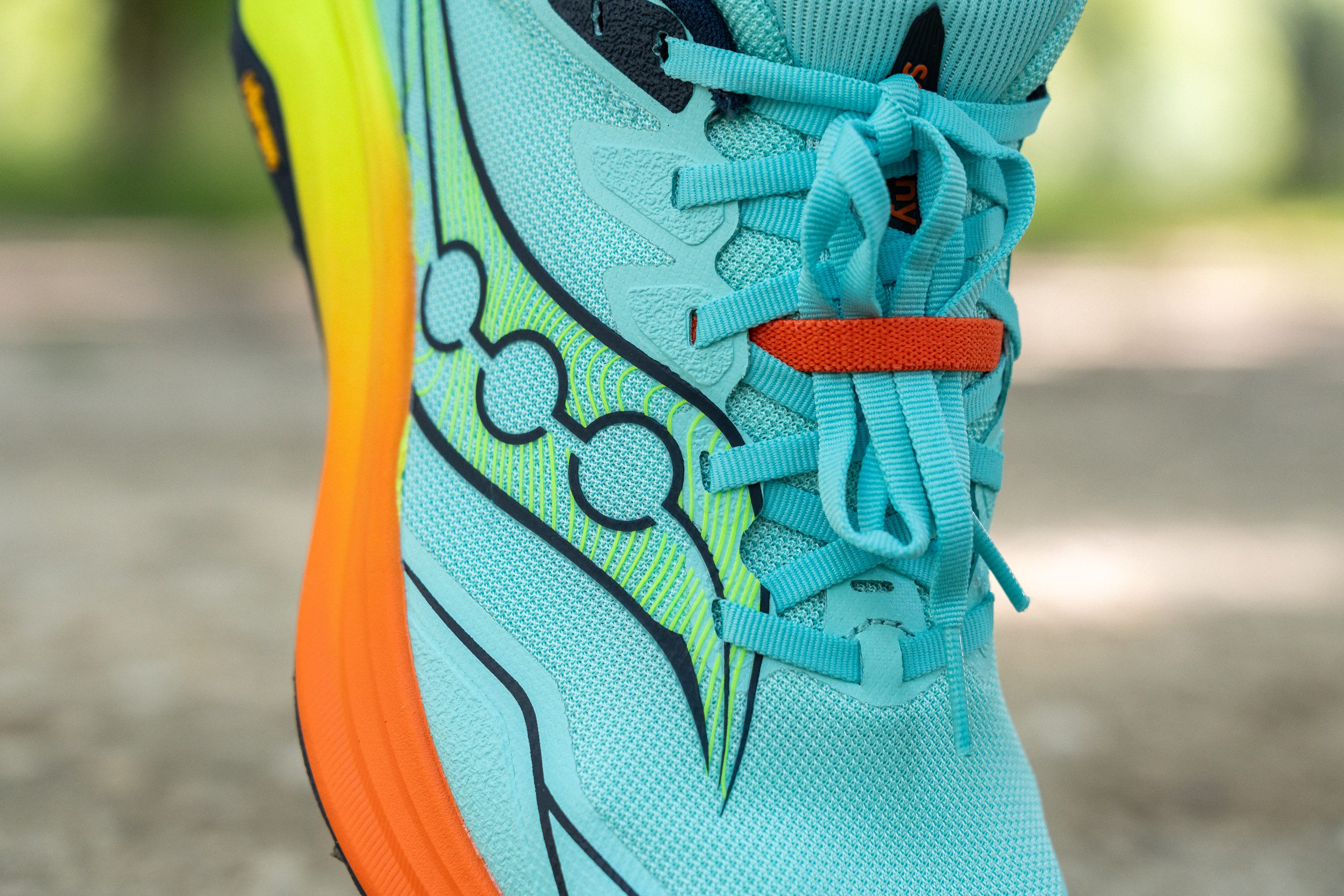
El acolchado de la lengüeta también es casi igual. Sus 6,5 mm nos parecen una cantidad confiable que consigue un equilibrio excelente entre comodidad y peso para unas zapatillas de trail como estas.
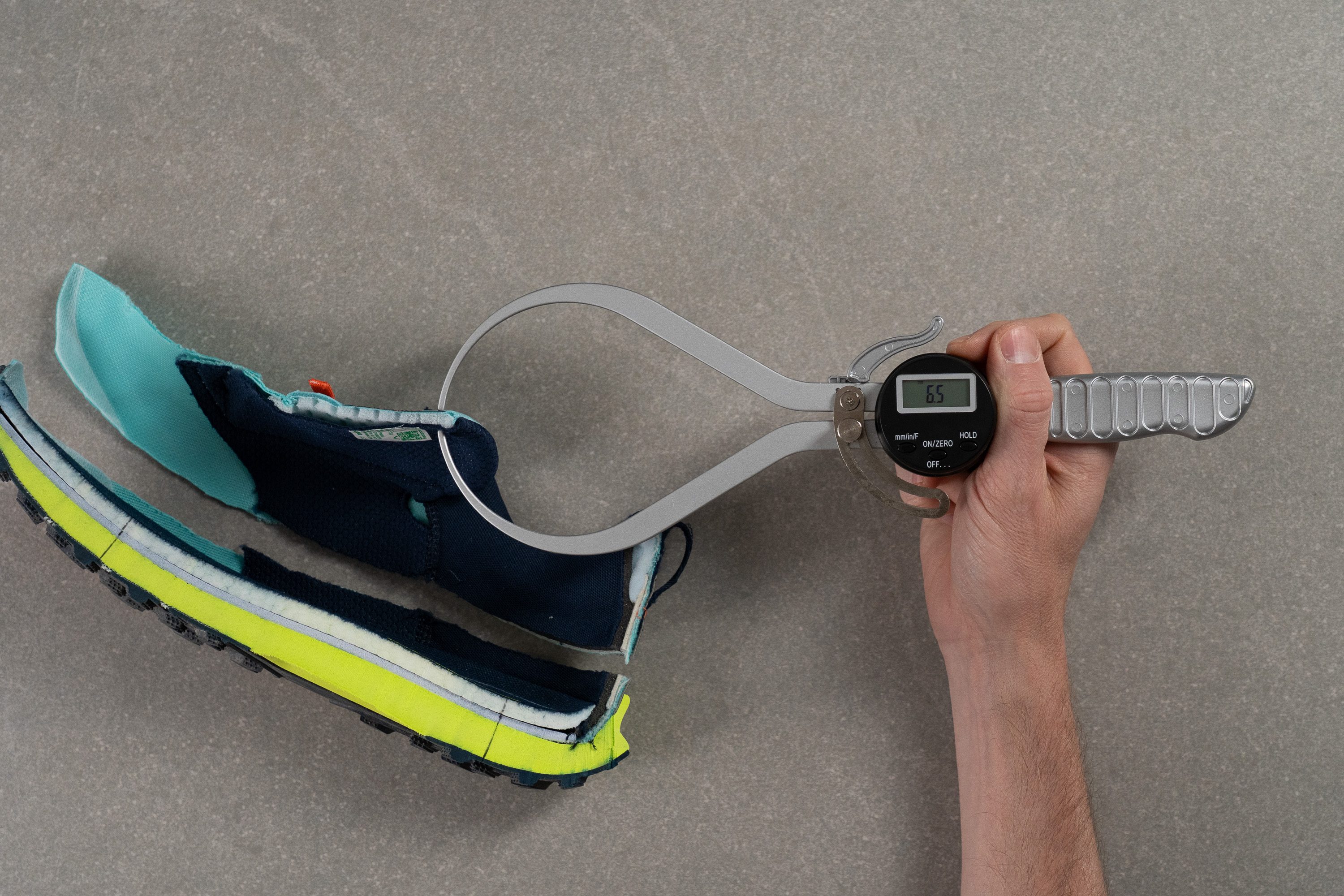
| Peregrine 16 | 6.5 mm |
| Media | 6.4 mm |
Lengüeta: tipo de refuerzo
La lengüeta tiene un diseño completamente reforzado, que es justo lo que queremos ver en unas zapatillas de trail. No deja que se cuelen ni las piedrecillas ni la tierra y, al mismo tiempo, mejora el ajuste en la zona del mediopié, así que es como un 2×1.
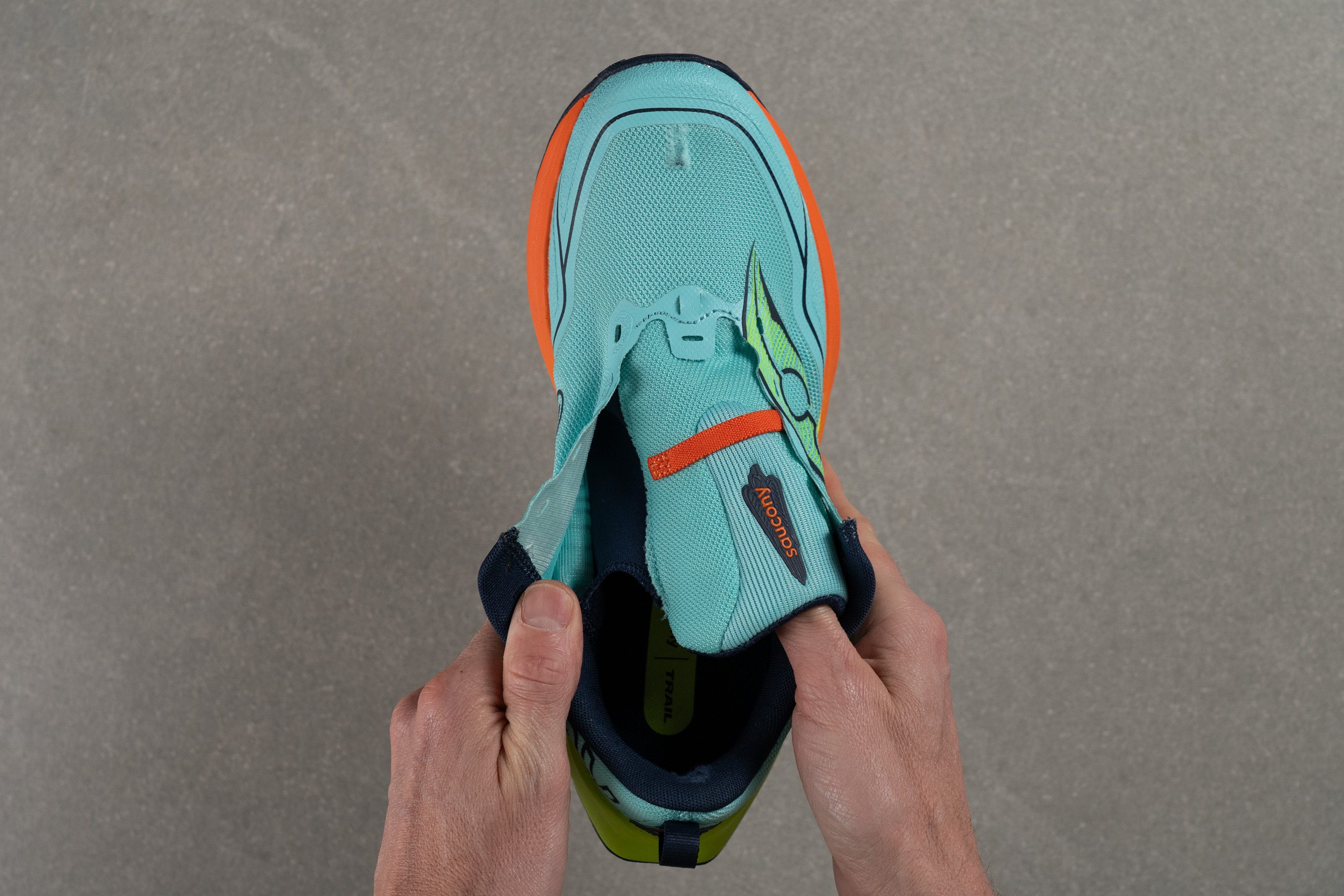
| Peregrine 16 | Ambos lados (completo) |
Tirador del talón
Estas Peregrine tienen un tirador en el talón que hace que calzarse sea más fácil, y así Saucony no tuvo que reducir la durabilidad. Nos encanta la forma en la que el upper y el contrafuerte del talón se juntan. ¡La atención al detalle es impecable!
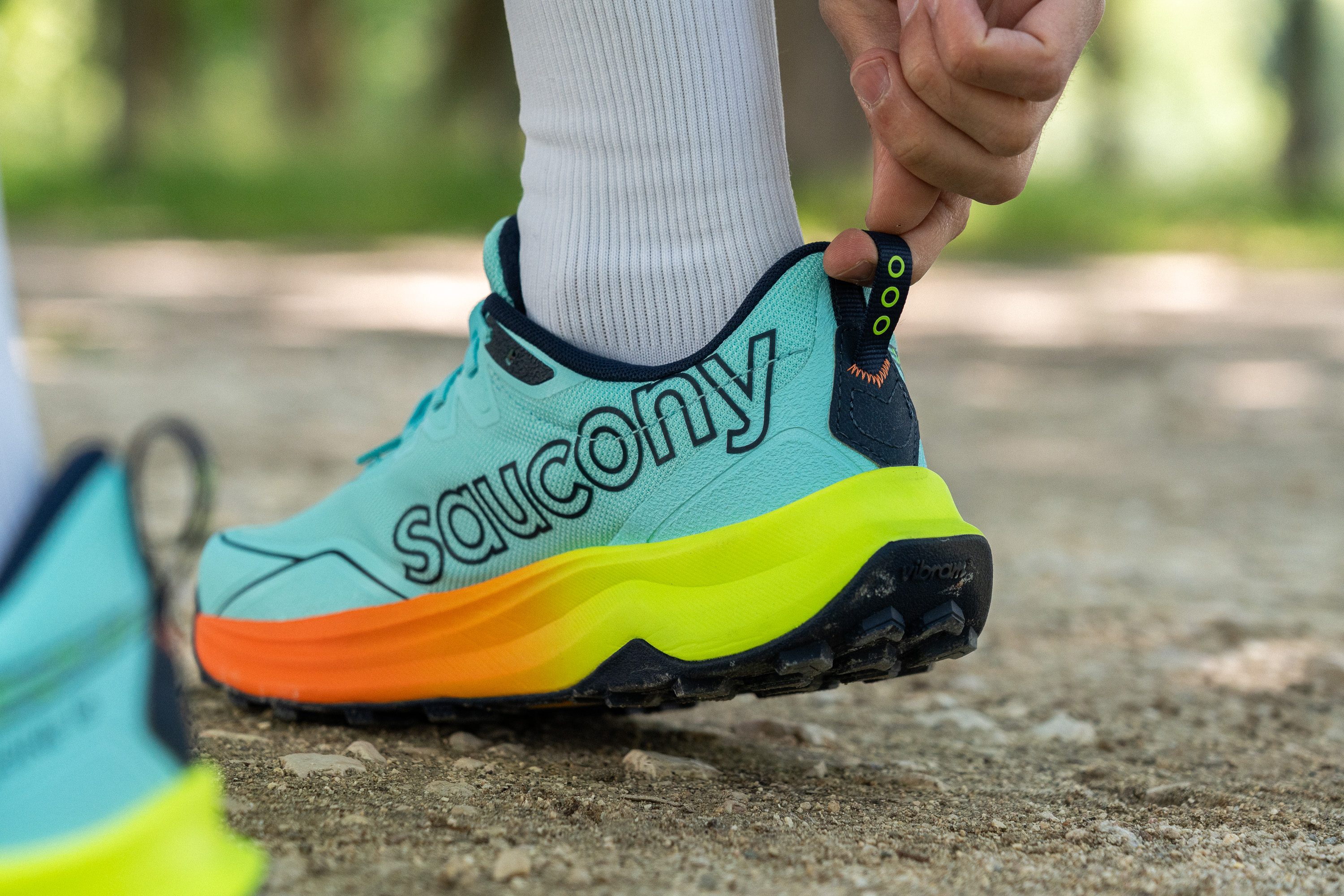
| Peregrine 16 | Tirador circular |
Precio
La serie Saucony Peregrine siempre ha destacado por ser uno de los modelos de trail running con la mejor relación calidad-precio del mercado, y las 16 no iban a ser distintas. Sin duda, nos parecen una de las opciones más sólidas dentro de su categoría teniendo en cuenta lo que cuestan, ya que ofrecen un equilibrio estupendo entre comodidad, versatilidad, durabilidad y rendimiento.
Y ahora tienen el caucho Vibram, que hace que llamen la atención incluso más. La verdad es que este cambio soluciona uno de los poquísimos puntos flacos en los que creíamos que había margen de mejora.
| Peregrine 16 | $145 |