



















Our verdict
- Daily running 88
- Tempo 50
- Race 34
- Stability 93
Pros
- Top-tier breathability
- Massive platform delivers excellent support
- Flexible feel despite being a stability shoe
- Excellent outsole durability
- Softer foam improves daily comfort
- Secure lockdown
- Keeps the same price
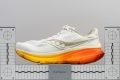
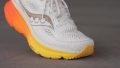
- Improved aesthetics
- Well-designed rocker for smooth transitions
- Perfect for midfoot strikers
Cons
- Needs to lose weight
- Not for extreme heel strikers
- PWRRUN starts to feel dated
Awards
- Top pick in best running shoes for overpronation
- Top pick in best Saucony running shoes
- Top 25% in running shoes for walking
- Top 1% in Saucony Guide running shoes
- Top 23% most popular running shoes
Comparison
The most similar running shoes compared
+ + Add a shoe | |||||
|---|---|---|---|---|---|
| Our score | 84 Great | 91 Superb | 81 Great | 86 Great | |
| Price | £140 | £160 | £150 | £180 | |
| Pace | Daily running | Daily running | Daily running | Daily running | |
| Shock absorption | High | High | Moderate | High | |
| Energy return | Moderate | High | Low | Moderate | |
| Traction | High | High | High | High | |
| Arch support | Stability | Stability | Stability | Stability | |
| Weight lab Weight brand | 10.5 oz / 298g 9.7 oz / 275g | 9.6 oz / 272g 9.2 oz / 262g | 10 oz / 283g 10 oz / 283g | 10.5 oz / 298g 10.5 oz / 298g | |
| Drop lab Drop brand | 6.0 mm 6.0 mm | 5.9 mm 6.0 mm | 7.3 mm 6.0 mm | 8.5 mm 8.0 mm | |
| Strike pattern | Mid/forefoot | Mid/forefoot | Mid/forefoot | HeelMid/forefoot | |
| Size | True to size | True to size | True to size | True to size | |
| Midsole softness | Soft | Balanced | Soft | Soft | |
| Difference in midsole softness in cold | Small | Small | Small | Normal | |
| Toebox durability | Good | Decent | Decent | Decent | |
| Heel padding durability | Decent | Good | Good | Good | |
| Outsole durability | Good | Good | Good | Decent | |
| Breathability | Breathable | - | Moderate | Moderate | |
| Width / fit | Medium | Medium | Medium | Medium | |
| Toebox width | Medium | Medium | Wide | Medium | |
| Stiffness | Flexible | Stiff | Stiff | Stiff | |
| Torsional rigidity | Flexible | Moderate | Stiff | Stiff | |
| Heel counter stiffness | Moderate | Moderate | Stiff | Stiff | |
| Rocker | ✓ | ✓ | ✓ | ✗ | |
| Heel lab Heel brand | 37.4 mm 35.0 mm | 38.3 mm 41.0 mm | 36.0 mm 39.0 mm | 36.8 mm 39.0 mm | |
| Forefoot lab Forefoot brand | 31.4 mm 29.0 mm | 32.4 mm 35.0 mm | 28.7 mm 33.0 mm | 28.3 mm 31.0 mm | |
| Widths available | NarrowNormalWideX-Wide | NormalWide | NormalWideX-Wide | NarrowNormalWideX-Wide | |
| Orthotic friendly | ✓ | ✓ | ✓ | ✓ | |
| Season | SummerAll seasons | - | All seasons | All seasons | |
| Removable insole | ✓ | ✓ | ✓ | ✓ | |
| Ranking | #132 Top 33% | #25 Top 7% | #197 Top 50% | #83 Top 21% | |
| Popularity | #89 Top 23% | #103 Top 26% | #36 Top 9% | #32 Top 8% |



Who should buy
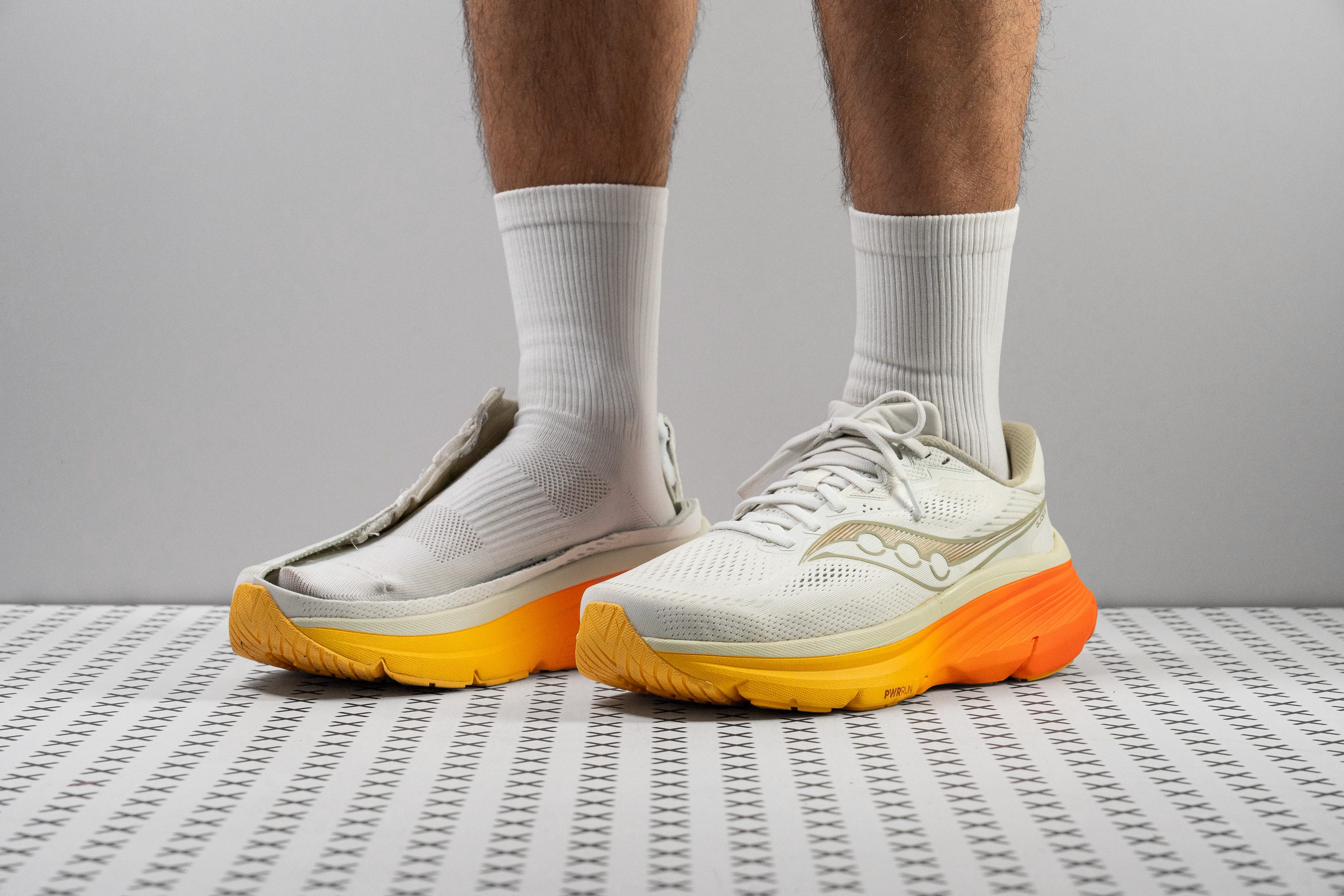
In our opinion, the Saucony Guide 19 is a good option for:
- Runners upgrading from older Guides who want a softer and more modern underfoot feel.
- Those needing excellent durability and a highly stable ride for everyday training.
- Anyone looking for strong support paired with surprising flexibility, and all at a fair price.
Who should NOT buy
The Saucony Guide 19 carries more weight than we expected for a modern stability shoe. If you want a more agile ride, we believe there are better choices like the HOKA Arahi 8 or the ASICS GT 2000 14.
We also think the 6 mm drop will not suit runners who prefer a more heel-focused setup. In our view, the Nike Structure 26 delivers a more familiar ride for heel strikers.
Cushioning
Shock absorption
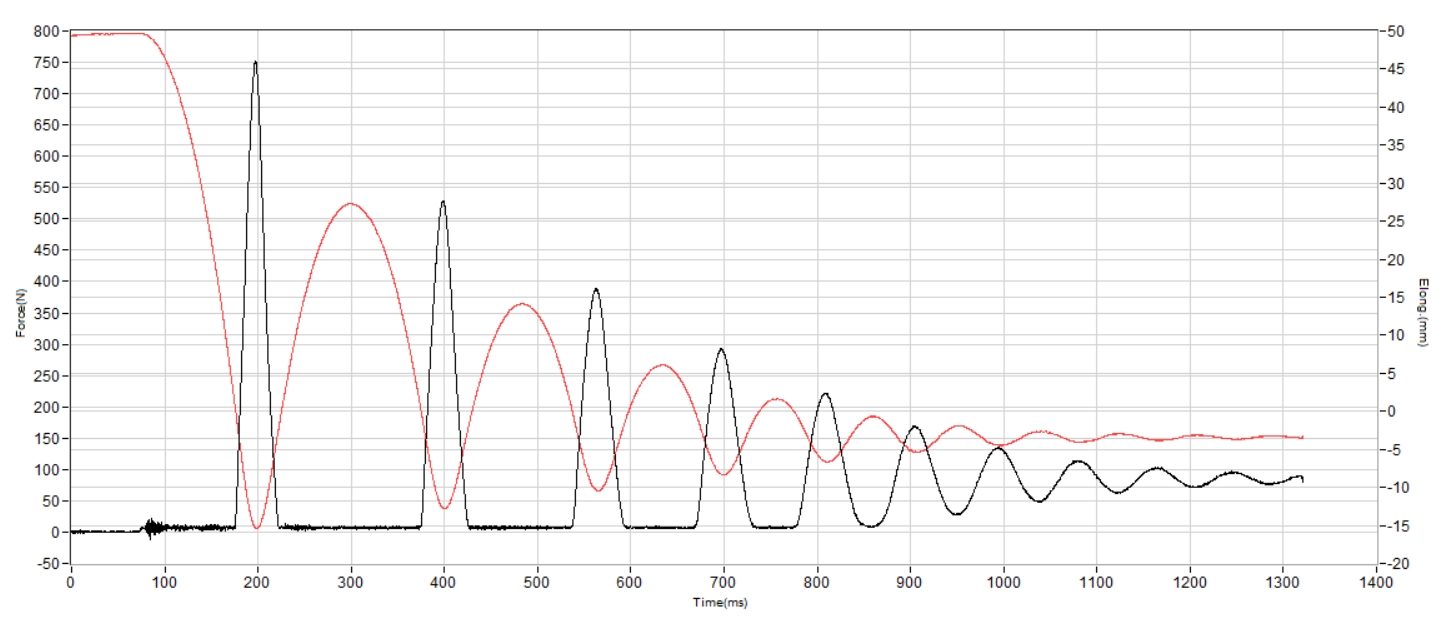
We found a major improvement in shock absorption for the Guide 19 compared to its predecessor. The Guide 18 felt somewhat disappointing in this area with only 124 SA in the heel, but this update fully addresses that issue and makes the shoe far more appealing for heavier runners or those targeting long-distance runs with 144 SA.
The forefoot also received a substantial upgrade, climbing all the way to 133 SA.
| Guide 19 | 144 SA |
| Average | 131 SA |
Energy return
Not all the changes are positive, as the new PWRRUN formulation delivers lower energy return in the heel at 54.8% while posting a similar result in the forefoot at 61.4%. We think this is not the direction most runners were hoping for, and it limits the shoe mainly to easy-paced runs.
| Guide 19 | 61.4% |
| Average | 61.4% |
Heel stack
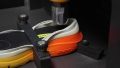
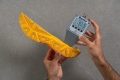
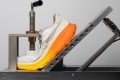
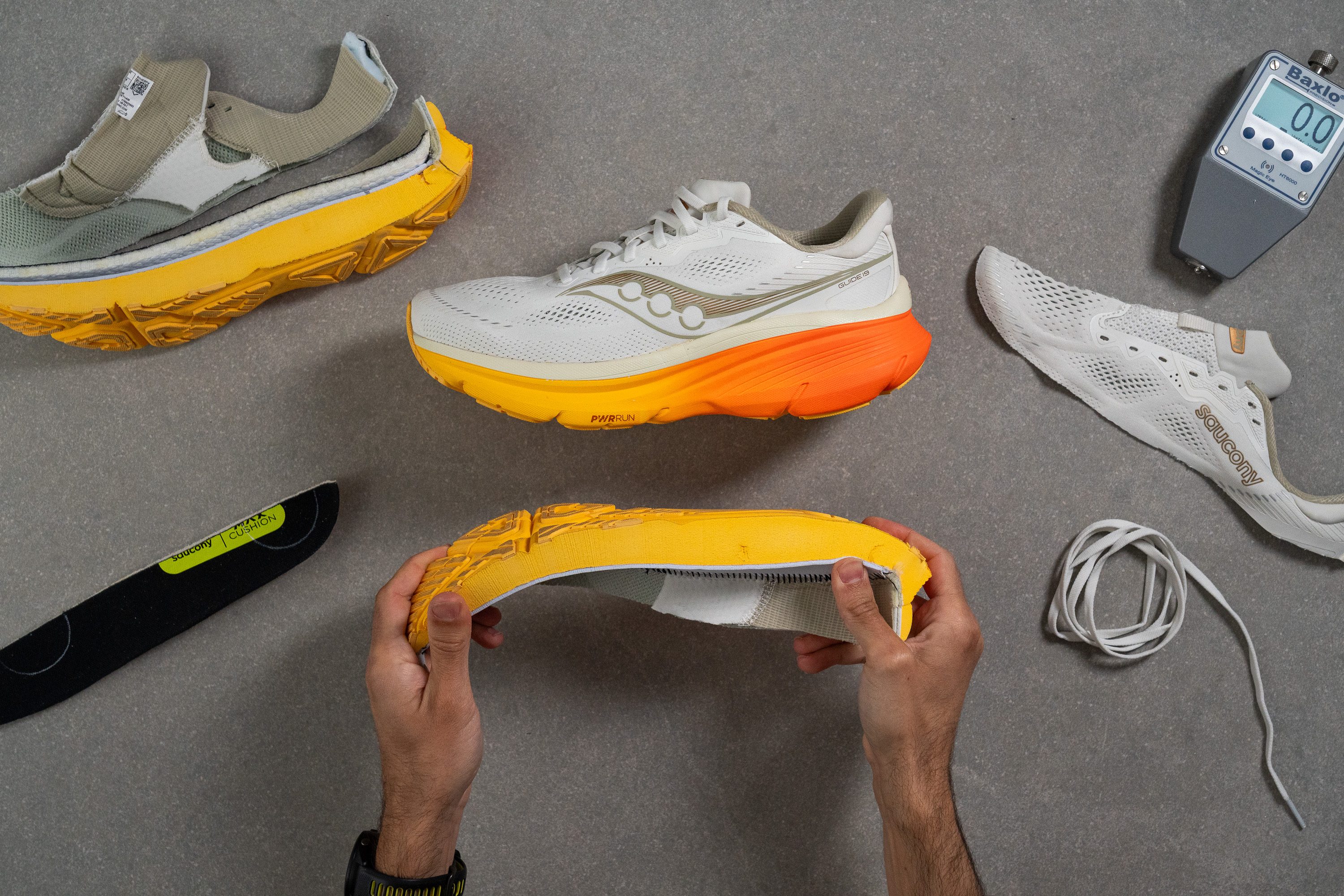
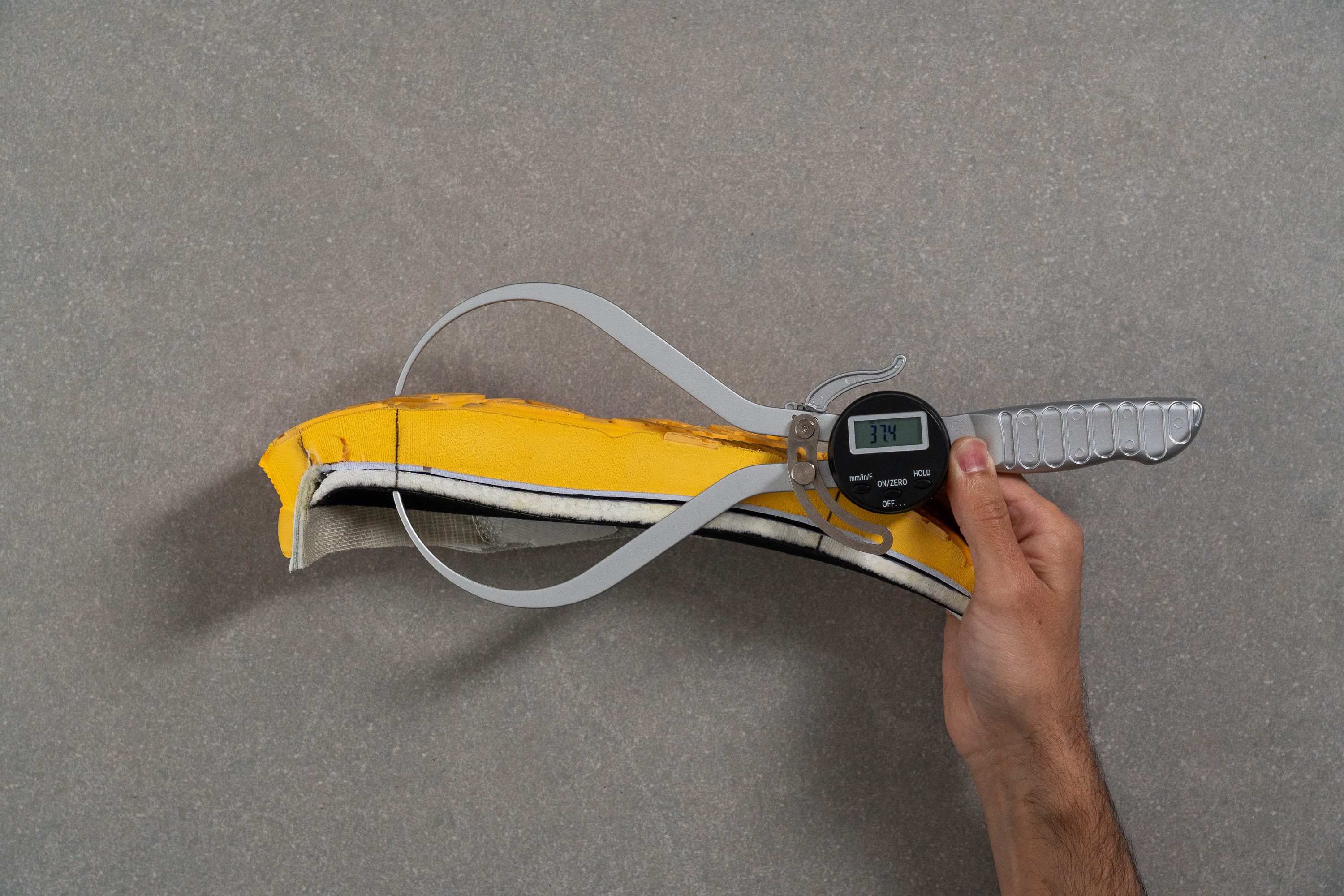
The Guide often looks taller than it really is because of its oversized midsole sidewalls, but that’s exactly why we cut shoes in half and measure the true stack height.
This year’s version brings another small increase, raising the Guide 19 to 37.4 mm. We think Saucony found a smart middle ground here, keeping the shoe aligned with modern max-cushioned trends without making it excessively tall and unstable, which would go against the core purpose of this model.
| Guide 19 | 37.4 mm |
| Average | 35.6 mm |
Forefoot stack
The forefoot is also noticeably taller than average at 31.4 mm, which is exactly what we expected from a shoe that avoids using a steep heel-to-toe drop.
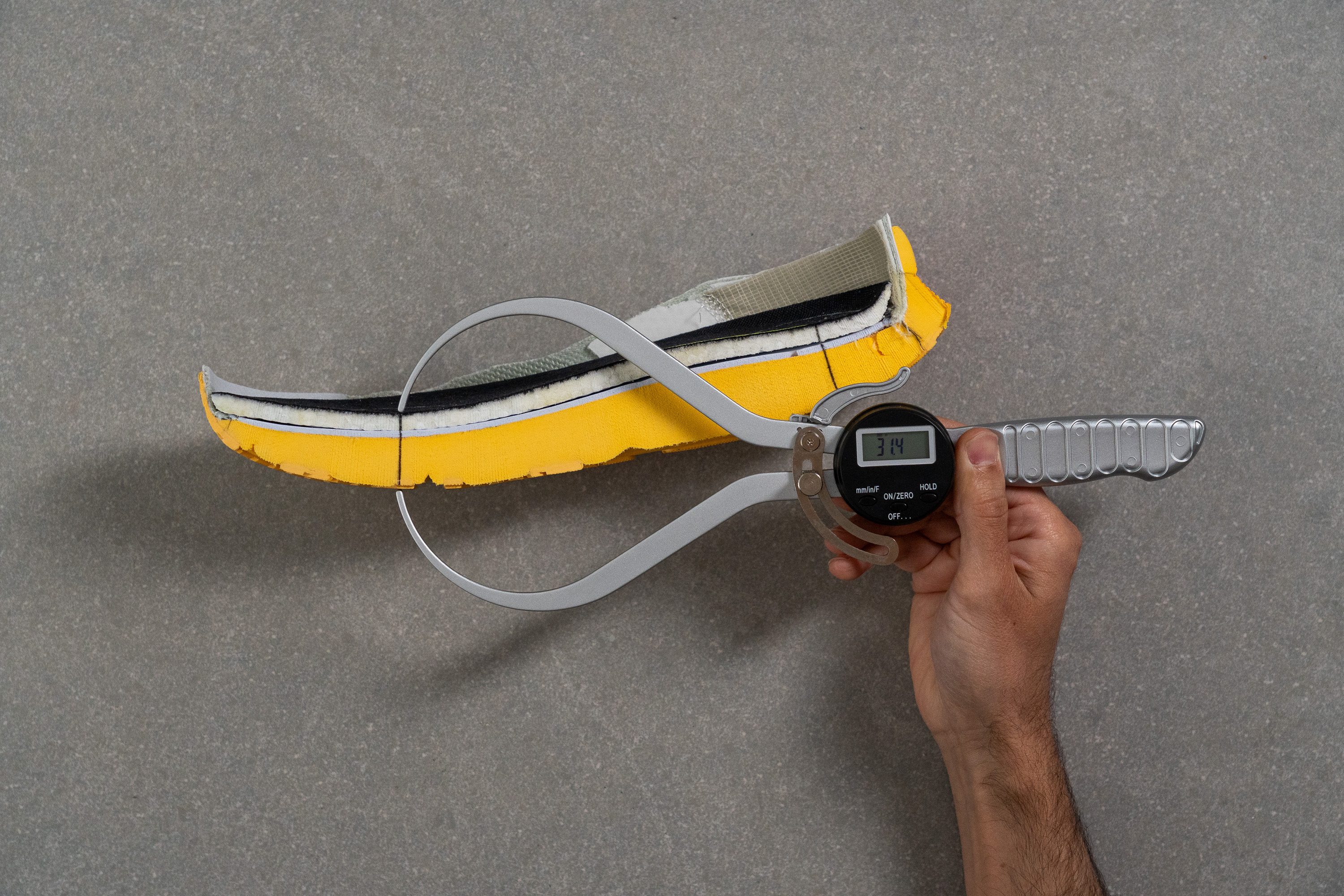
| Guide 19 | 31.4 mm |
| Average | 27.1 mm |
Drop
Speaking of that, here comes the drop. Saucony officially states that this shoe features a 6-mm offset, and we measured exactly the same result in our lab. That does not happen very often, so we were pleased to see the advertised geometry perfectly matching reality.
With a moderate drop like this, the Guide 19 feels especially natural for midfoot strikers. However, we think Saucony designed the platform well enough to comfortably support most runners.
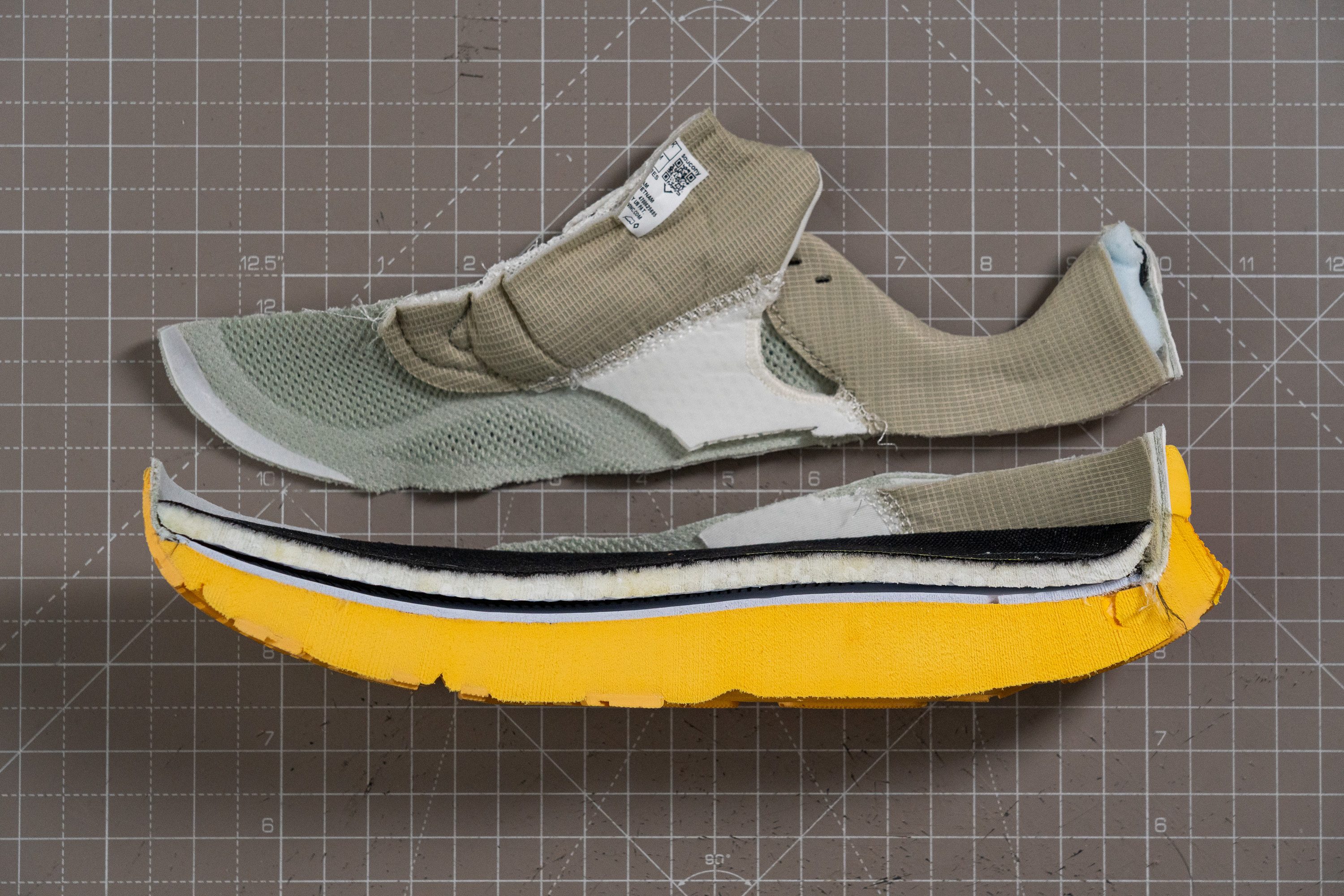
| Guide 19 | 6.0 mm |
| Average | 8.4 mm |
Midsole softness
One of the most noticeable updates in the Guide 19 comes from the midsole softness, as this new version of PWRRUN feels clearly softer than the one used in every previous model.
It measured only 30.5 AC in our Asker C durometer test. While that would have seemed unimaginable for a stability shoe not long ago, it has become increasingly common as modern support shoes now aim to blend comfort and stability through smarter geometry other supportive elements.
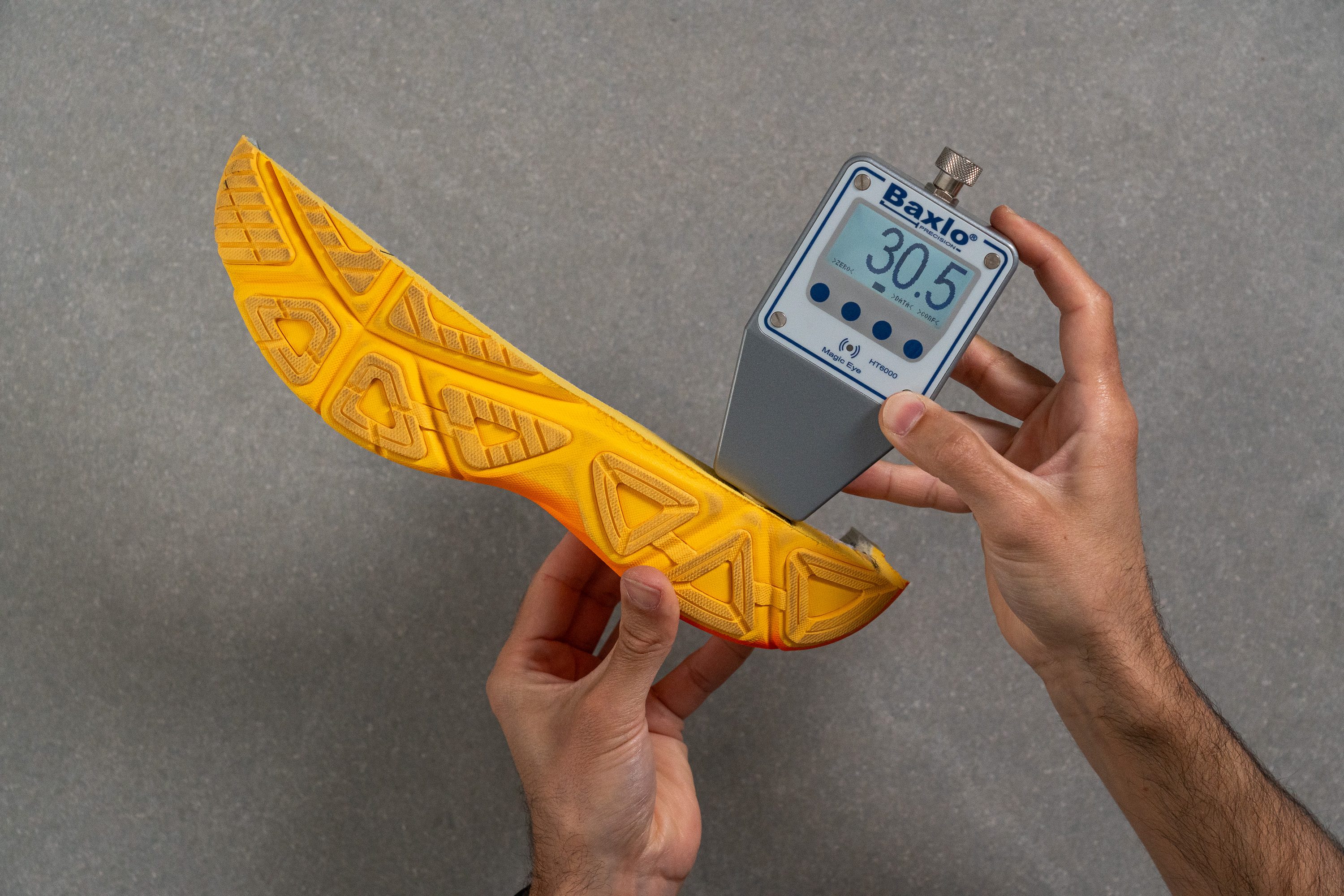
| Guide 19 | 30.5 AC |
| Average | 35.5 AC |
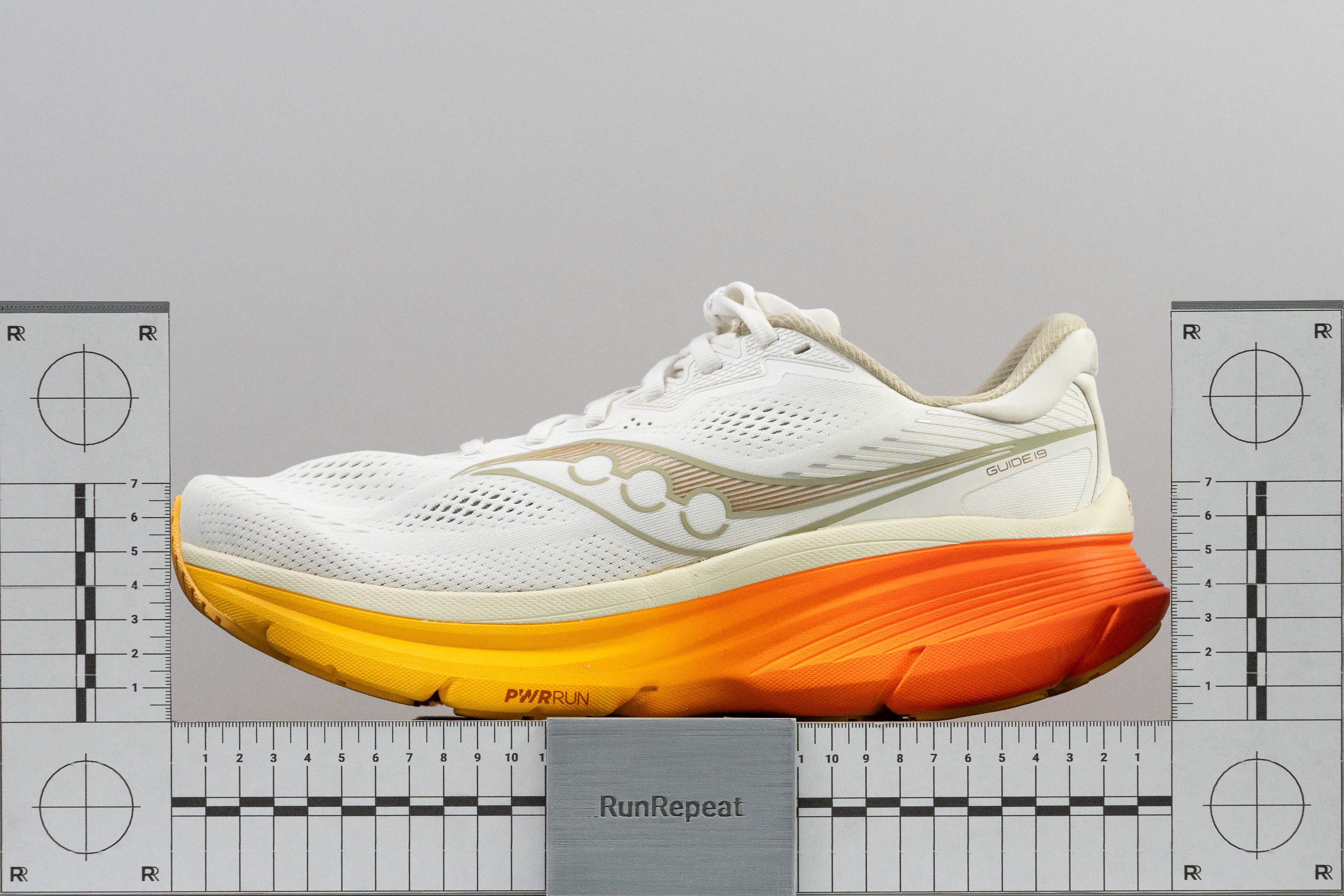
Rocker
Another update that becomes obvious during every stride is the redesigned rocker geometry. The forefoot now rises much more aggressively than before, while the heel features a noticeably deeper curvature clearly intended to help heel strikers transition smoothly despite the moderate 6-mm drop.
Size and fit
Size
Saucony Guide 19 fits true to size (29 votes).
Internal length
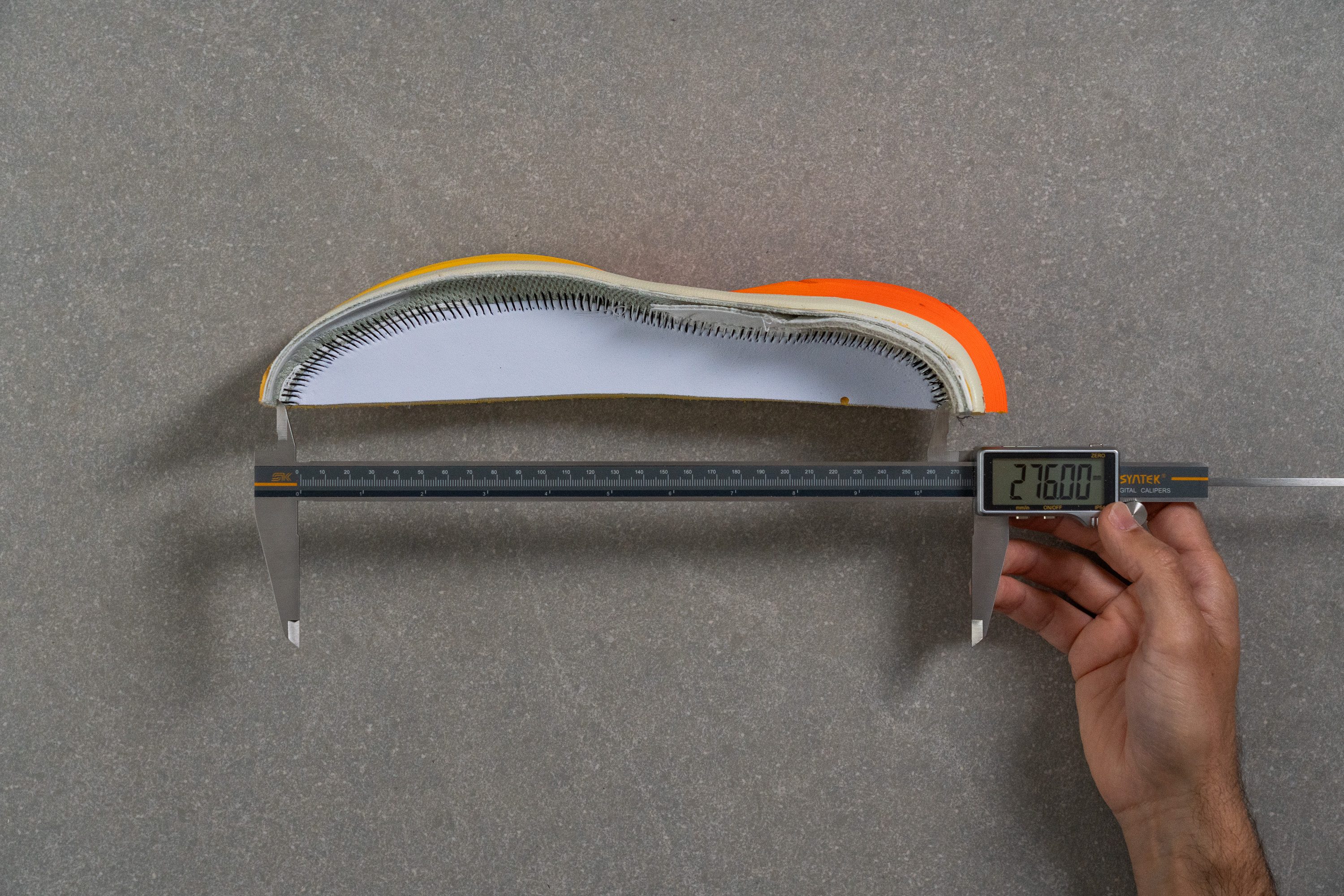
| Guide 19 | 276.0 mm |
| Average | 269.3 mm |
Width / Fit
What barely changed, at least during our runs, was the fit. Still, we wanted to verify that properly by analysing the interior of the Guide 19 using our custom testing method.
After letting the gel mould solidify inside our fridge, we started taking measurements. The first one came in very close to the current average at 96.2 mm, almost identical to last year’s result.
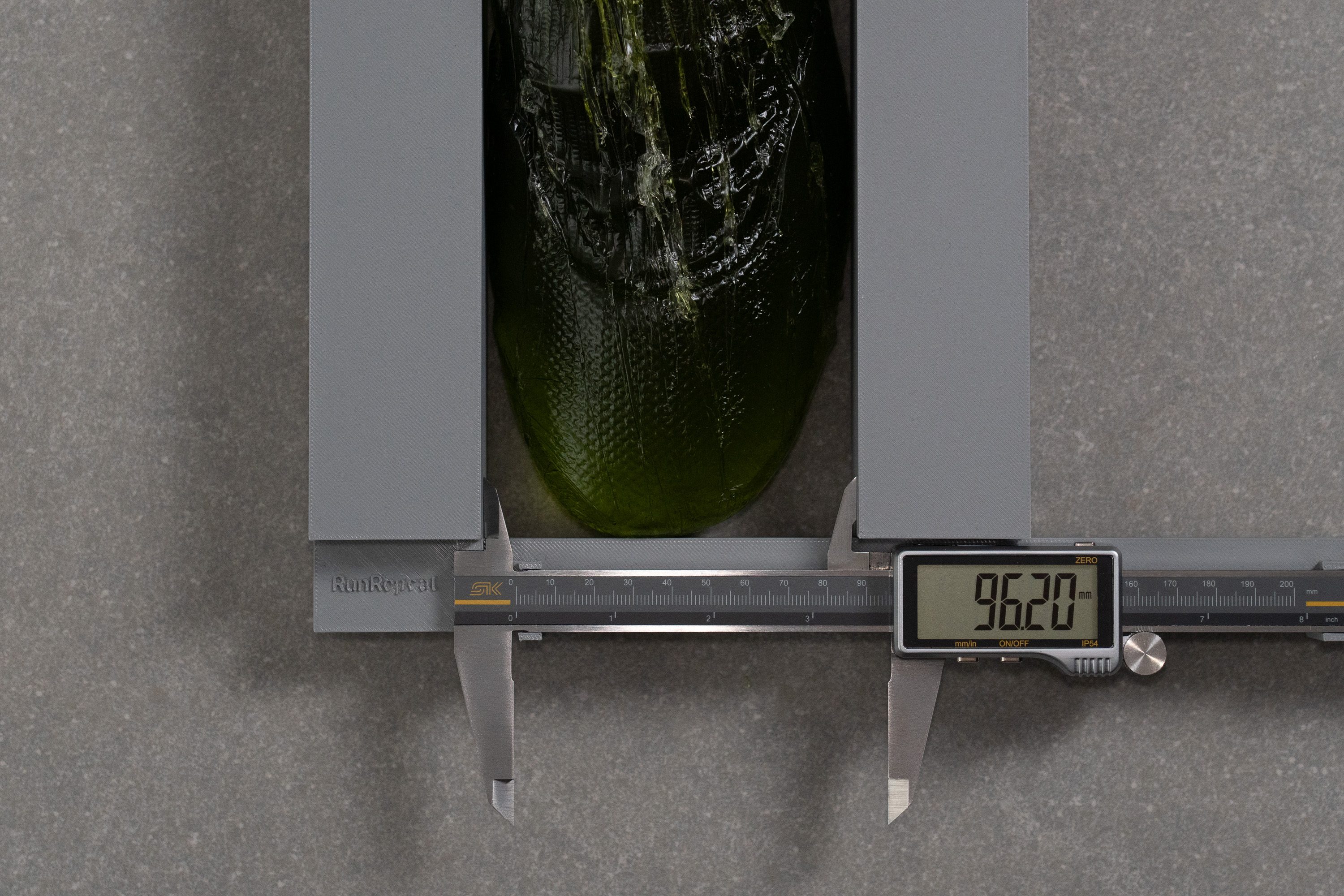
| Guide 19 | 96.2 mm |
| Average | 95.2 mm |
Toebox width
The same pattern continued in the toebox, where we measured 72.8 mm. That said, it’s important to mention that Saucony offers the Guide 19 in up to three different widths, although availability varies depending on the country.
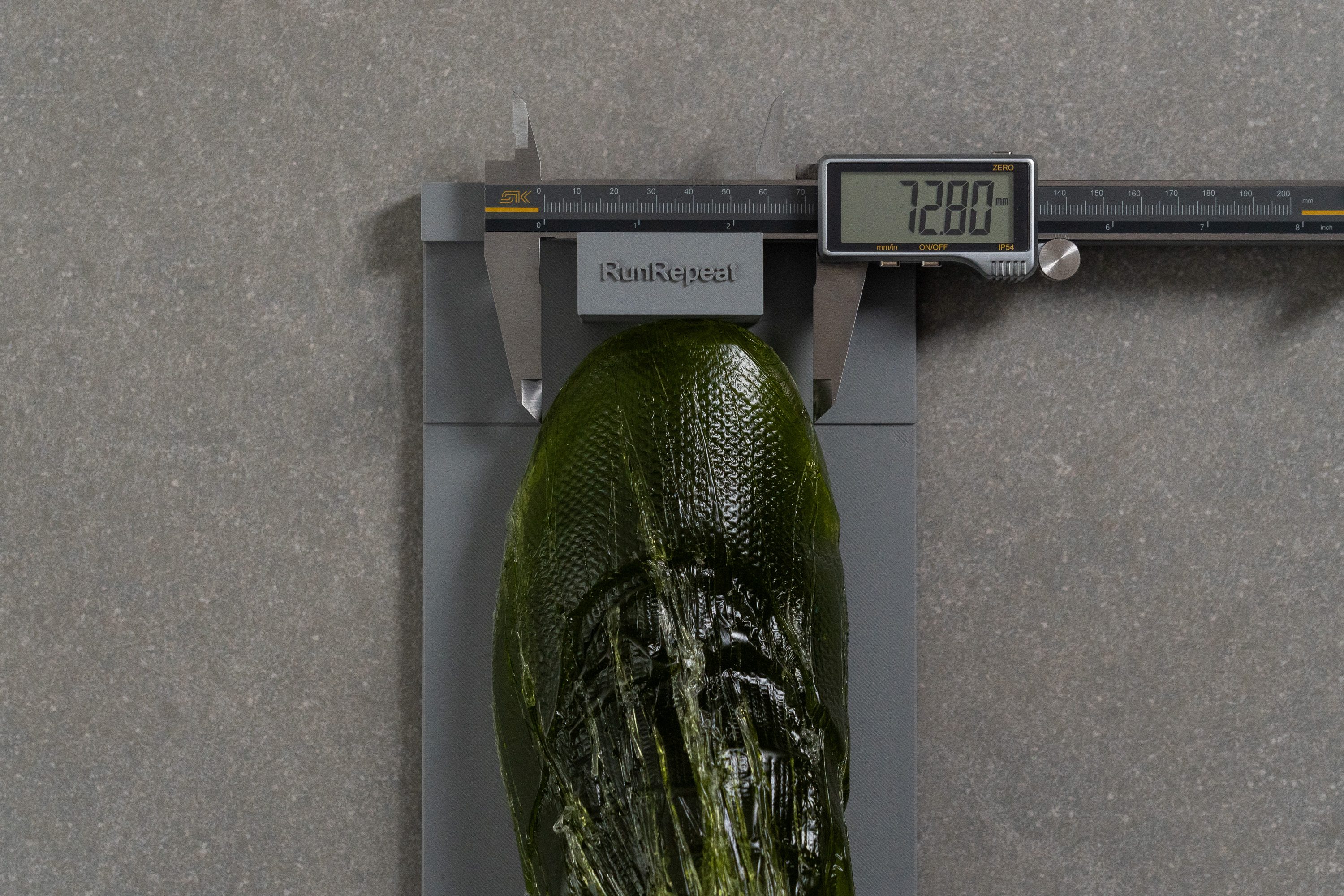
| Guide 19 | 72.8 mm |
| Average | 73.2 mm |
Toebox height
We also found the toebox height comfortable, with no signs of pressure points or potential hot spots during our runs.
At 26.8 mm, Saucony took a conservative approach here, just like with the other fit-related measurements.
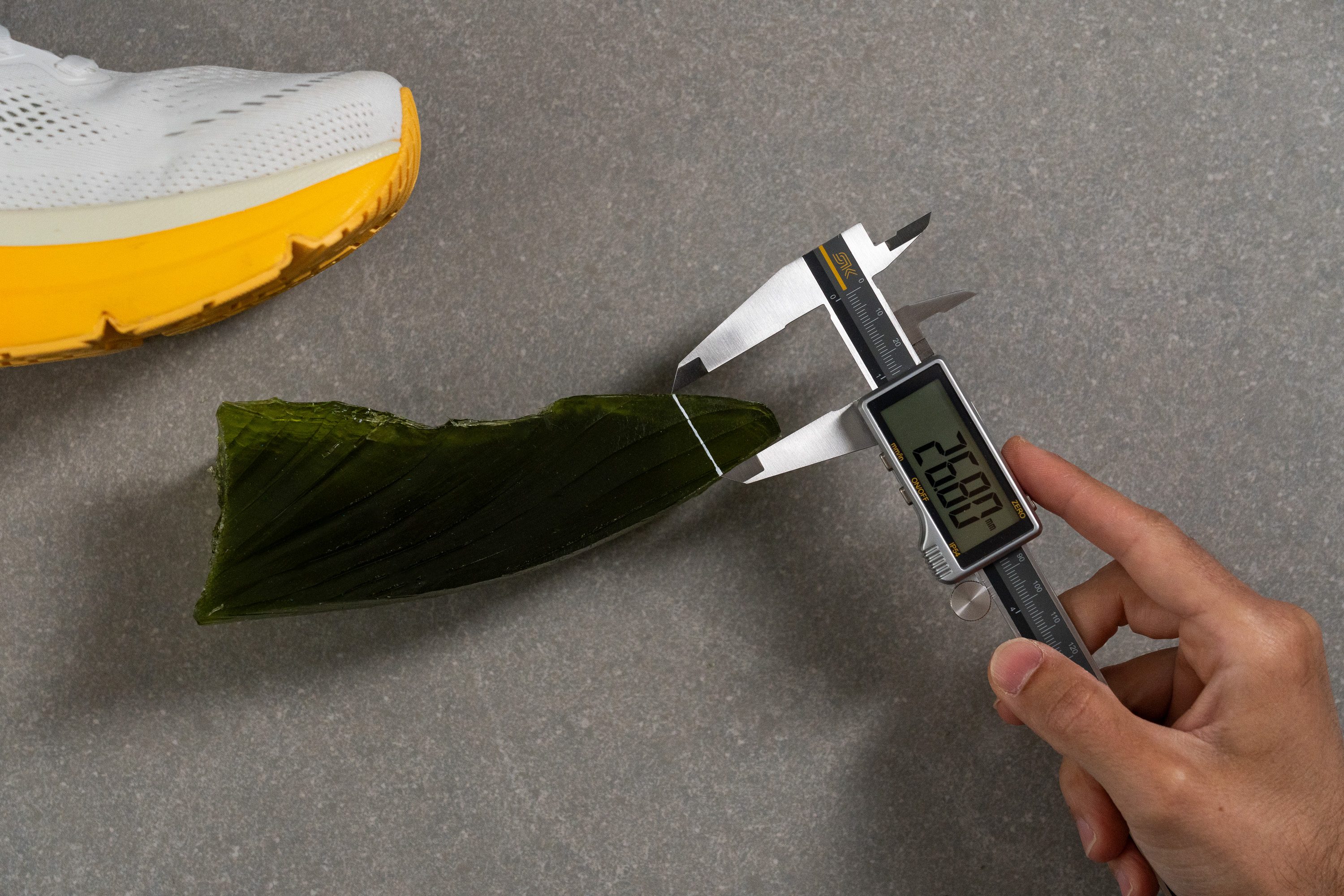
| Guide 19 | 26.8 mm |
| Average | 27.0 mm |
Traction / Grip
Traction test
The outsole of the Guide 19 also brings a small improvement in grip, reaching a score of 0.58 in our test. That result ensures dependable traction while slightly outperforming our current lab average, another positive step forward for this update.
| Guide 19 | 0.58 |
| Average | 0.53 |
Outsole design
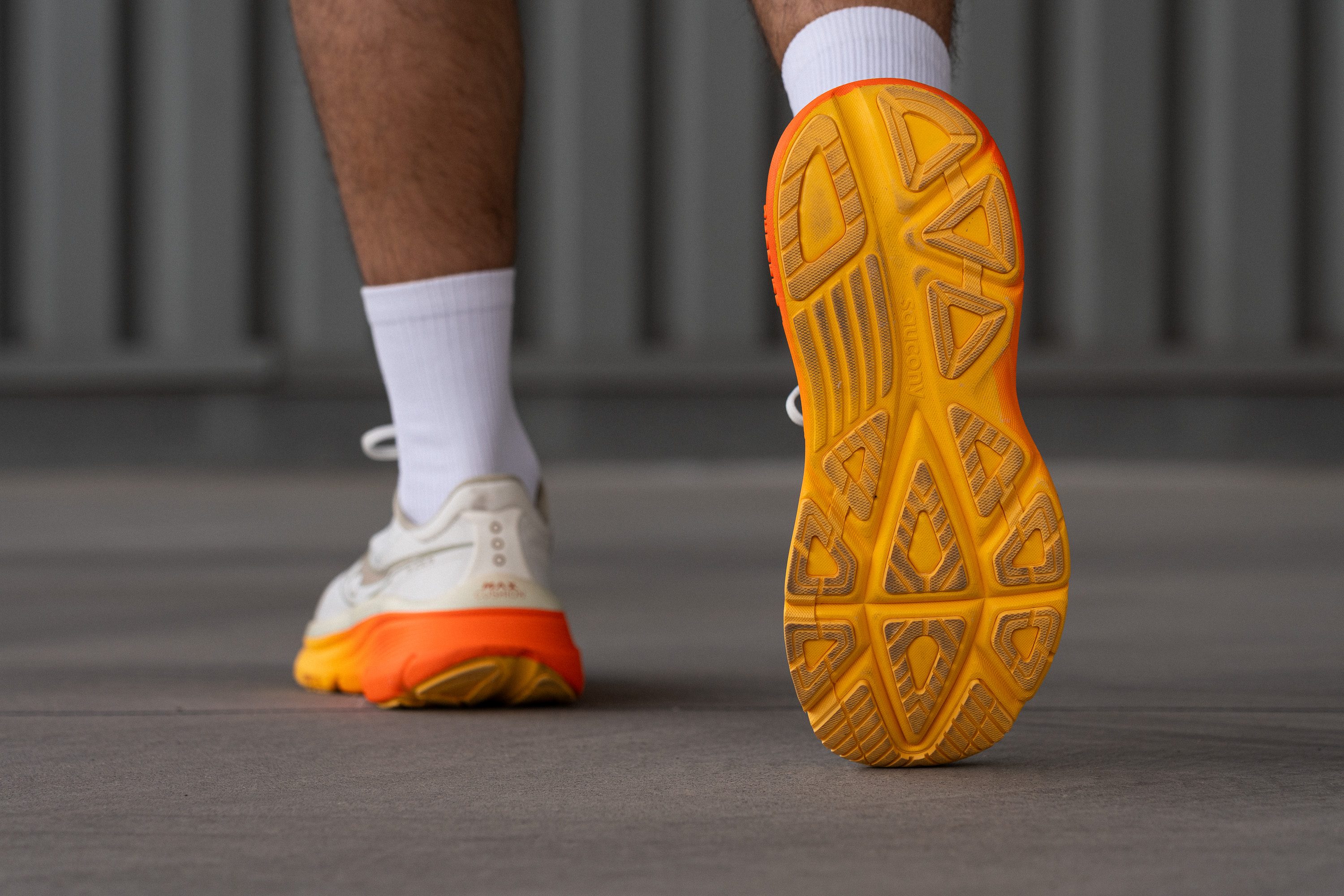
The outsole design remains very similar to previous generations, although Saucony introduced a few subtle adjustments. We noticed that the central forefoot area now includes rubber coverage instead of exposed foam, while several lateral pods feature small cutouts in the middle to help reduce some weight.
Flexibility / Stiffness
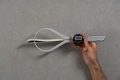
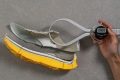
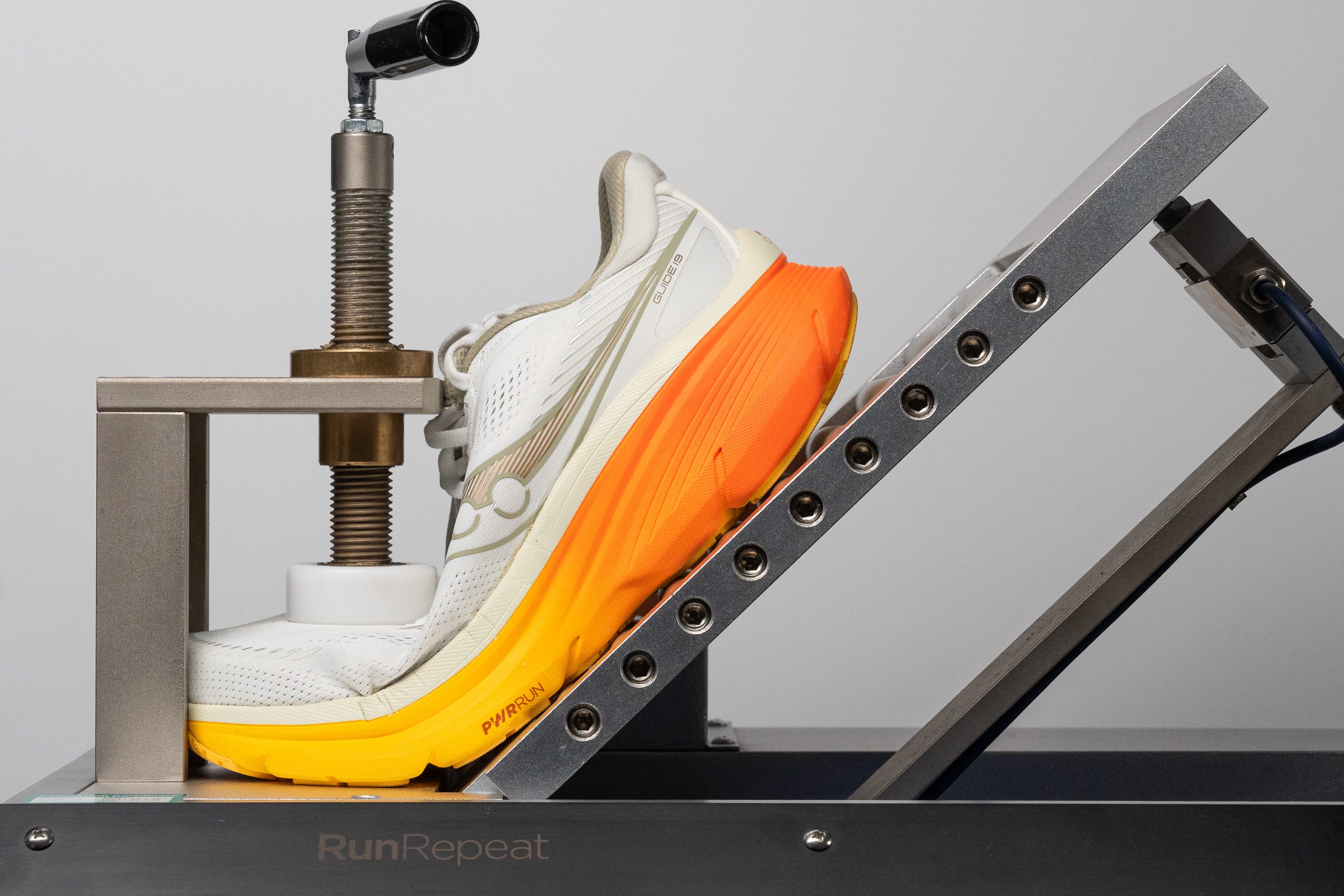
Some of the outsole design changes, combined with the softer PWRRUN foam, helped Saucony create a more flexible Guide 19. At only 11.1N in our test, this is great news for runners who dislike stiff midsoles and prefer a shoe that bends easily for everyday comfort.
| Guide 19 | 11.1N |
| Average | 15.5N |
Weight
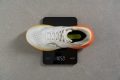
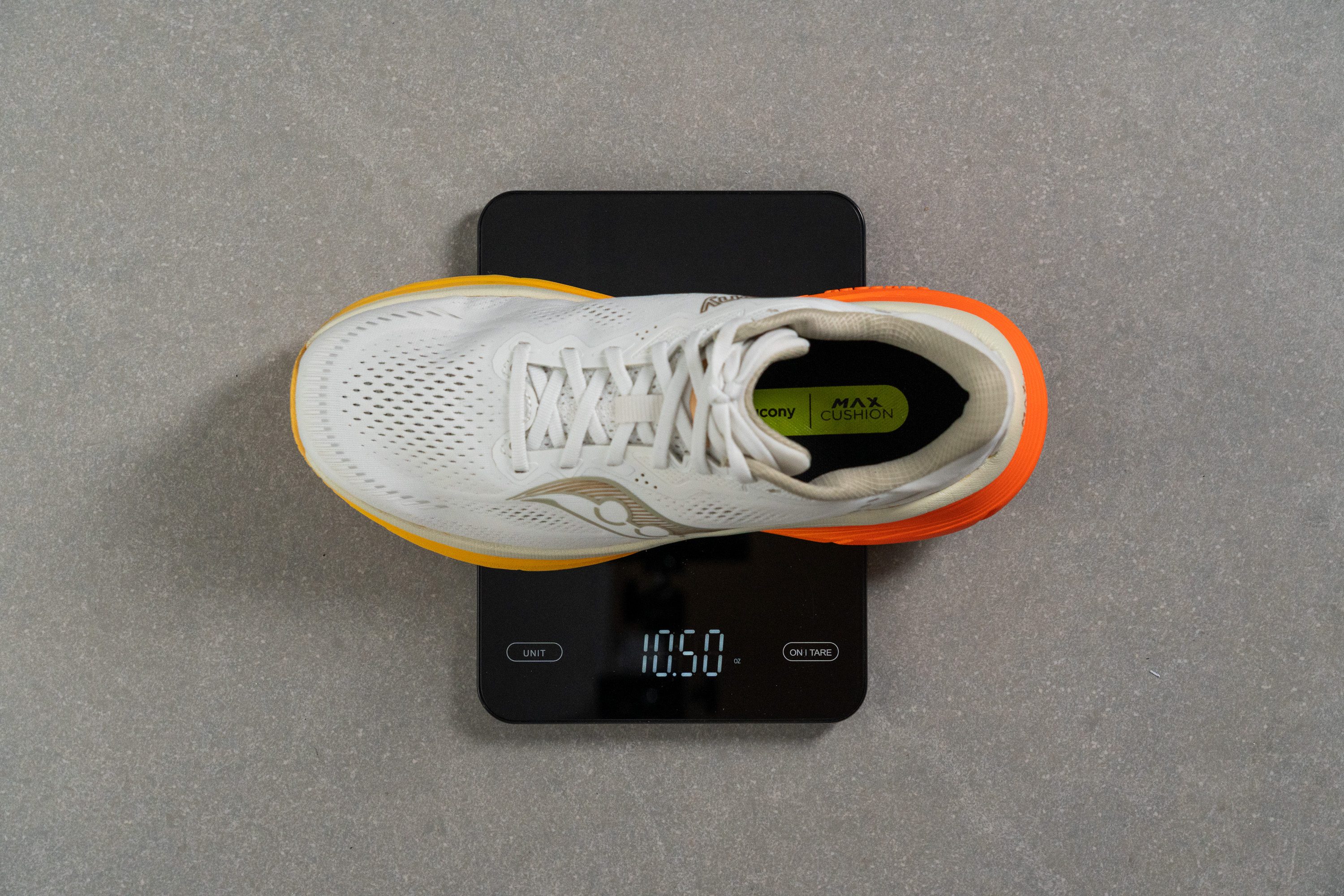
No matter how we look at it, 10.5 oz or 298g is simply too heavy for a modern daily trainer. It also represents a substantial 7% weight increase over the previous generation, so we really think Saucony still has work to do in this area.
| Guide 19 | 10.5 oz (298g) |
| Average | 9.2 oz (261g) |
Breathability
Breathability test
UpdatedThe oversized ventilation openings across the toebox immediately caught our attention when we unboxed the Guide 19, but they are only part of the story here. Breathability depends on the entire shoe system, and in this case everything works together remarkably well to manage moisture.
The result was an outstanding 93 BR in our lab test, showing that the Guide 19 excels at pulling sweat away from the foot and maintaining a dry, comfortable in-shoe environment.
| Guide 19 | 93 BR |
| Average | 75 BR |
Drying potential
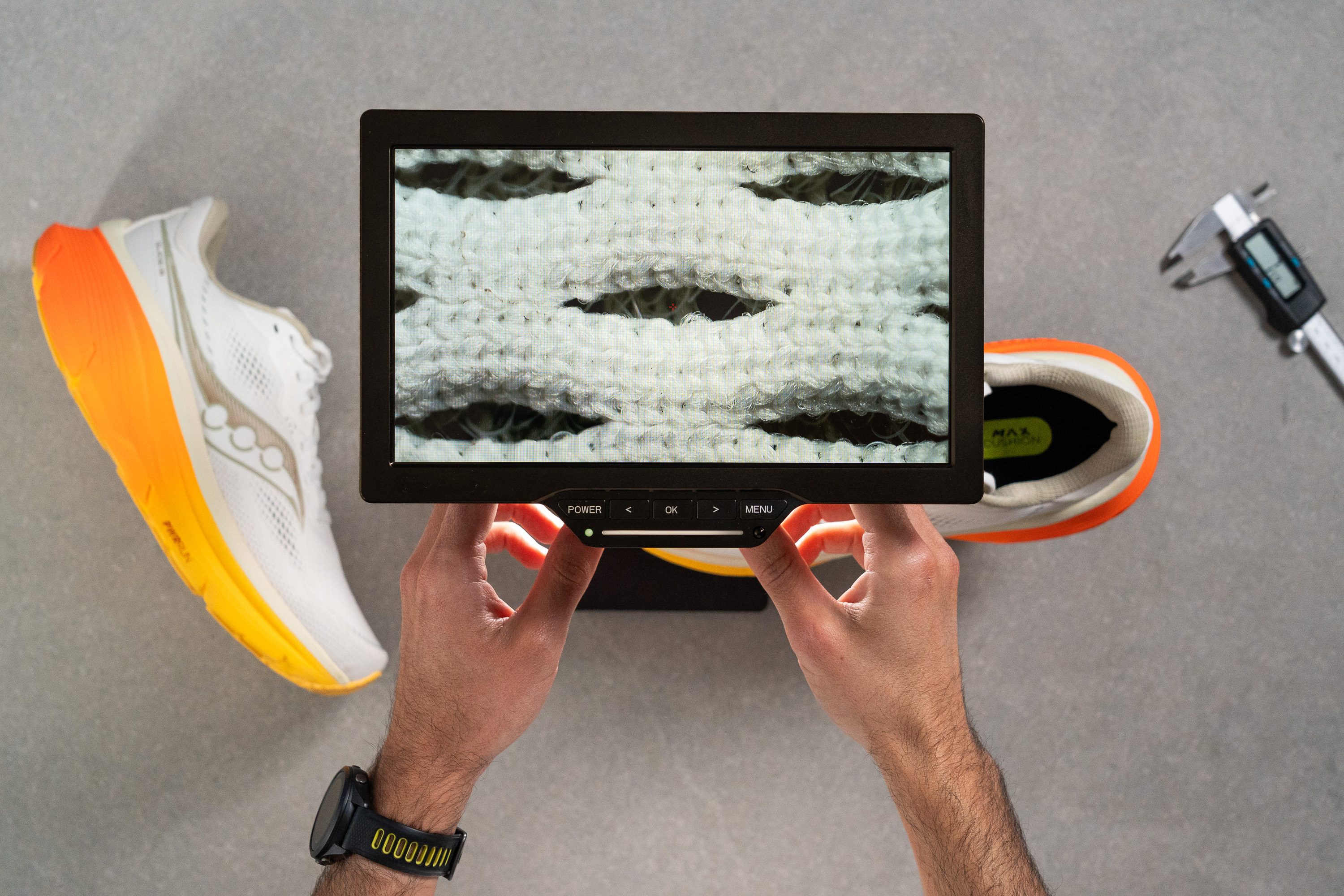
NewWe also measure how much moisture evaporates from the shoe during the same 3-hour test, and the outcome was once again very encouraging. With a drying potential of 55%, the Guide 19 proved highly effective at releasing accumulated moisture before it can build up inside the shoe.
| Guide 19 | 55% |
| Average | 53% |
Stability
Lateral stability test
Saucony is one of those brands that loves giving names to every technology, and their stability system, similar to GTS from Brooks or 4D Guidance System from ASICS, is called CenterPath.
In simple terms, it combines an extra-wide midsole with massive sidewalls to create excellent stability without relying on old-school and intrusive methods like a medial post.
Torsional rigidity
We really liked how Saucony managed to keep the Guide 19 flexible in every direction, something many brands still struggle to achieve in highly-cushioned running shoes. In fact, it posted a below-average result of just 10.7 Nm in our test.
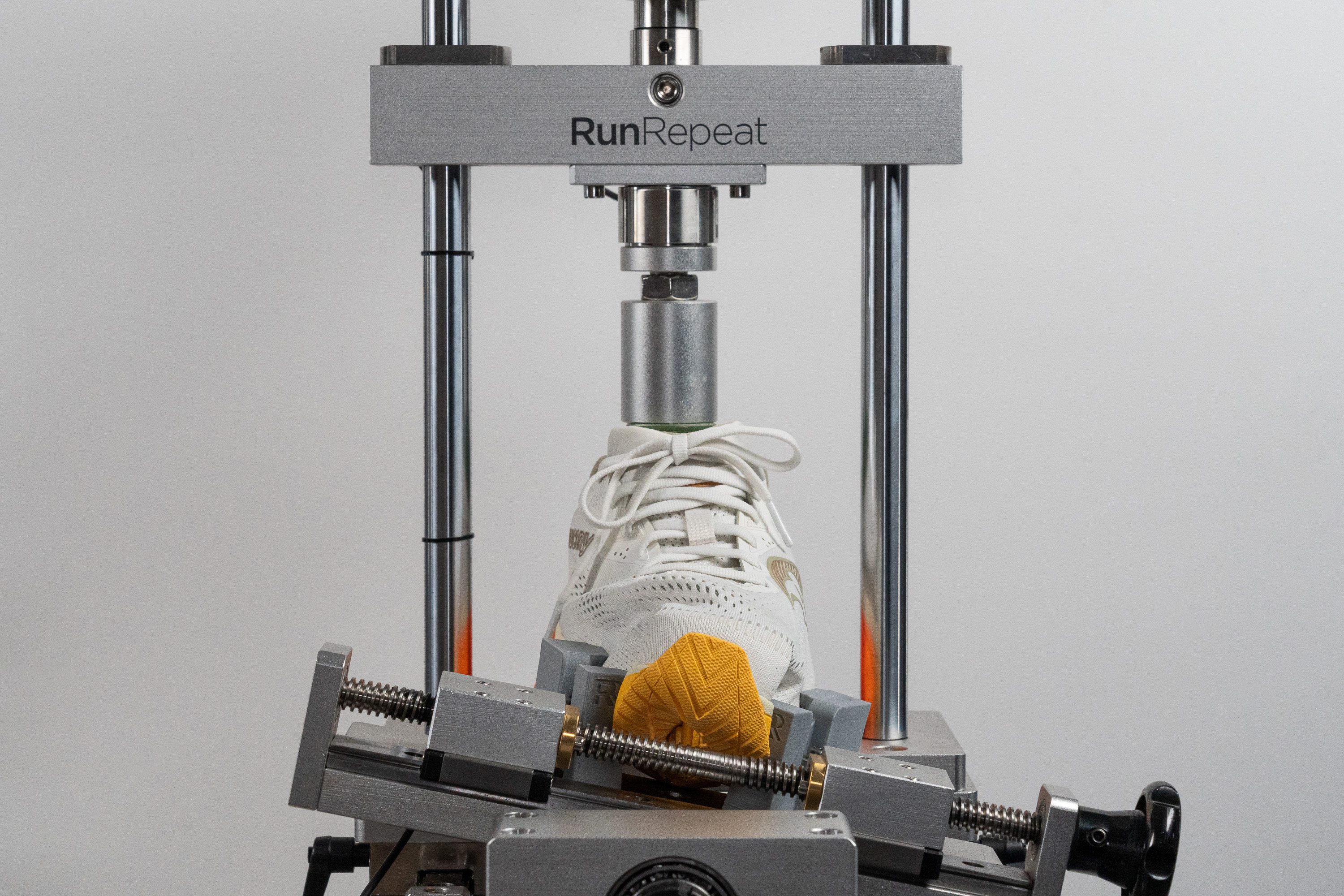
| Guide 19 | 10.7 Nm |
| Average | 14.3 Nm |
Heel counter stiffness
The heel counter also prioritises comfort over aggressive support with a moderate 3/5 score.
Instead of relying on the stiff heel structures commonly found in stability shoes, Saucony mainly depends on the ultra-wide heel platform to deliver support and control.
| Guide 19 | 3 |
| Average | 3 |
Midsole width - forefoot
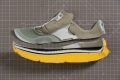
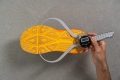
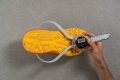
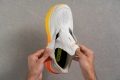
The footprint of the Saucony Guide 19 is absolutely massive, and that becomes obvious the moment you look at the shoe. The forefoot, midfoot, and heel are all noticeably broader than what we usually find in a standard daily trainer.
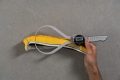
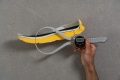
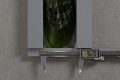
To verify that impression, we grabbed our digital callipers and measured an enormous 120.0 mm width in the forefoot.
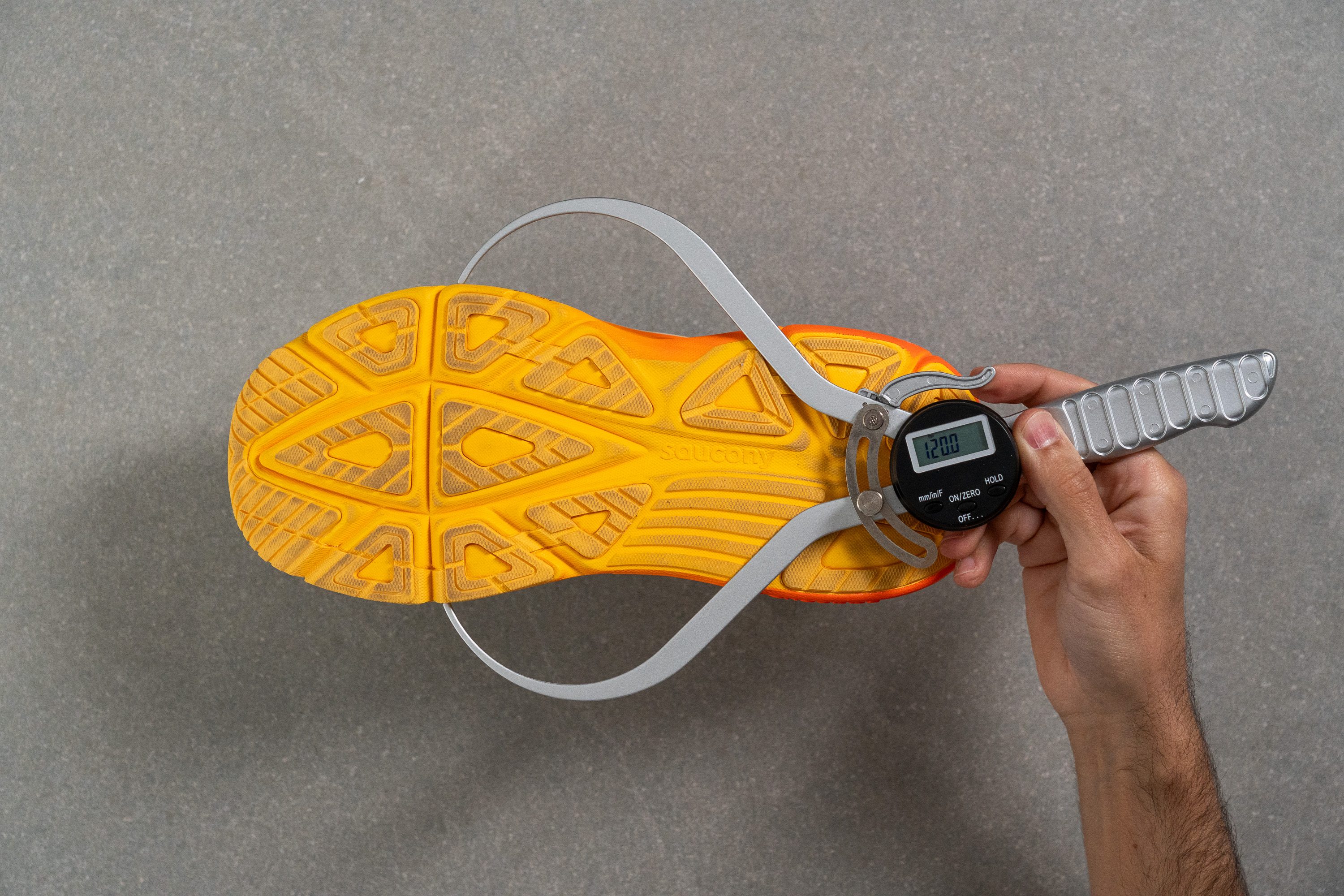
| Guide 19 | 120.0 mm |
| Average | 115.1 mm |
Midsole width - heel
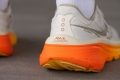
But the heel was what truly impressed us. At 104.2 mm wide, it’s one of the broadest platforms we’ve ever measured in the lab.
That explains the incredibly stable ride, although the obvious trade-off is a shoe that feels large, heavy, and somewhat bulky underfoot.
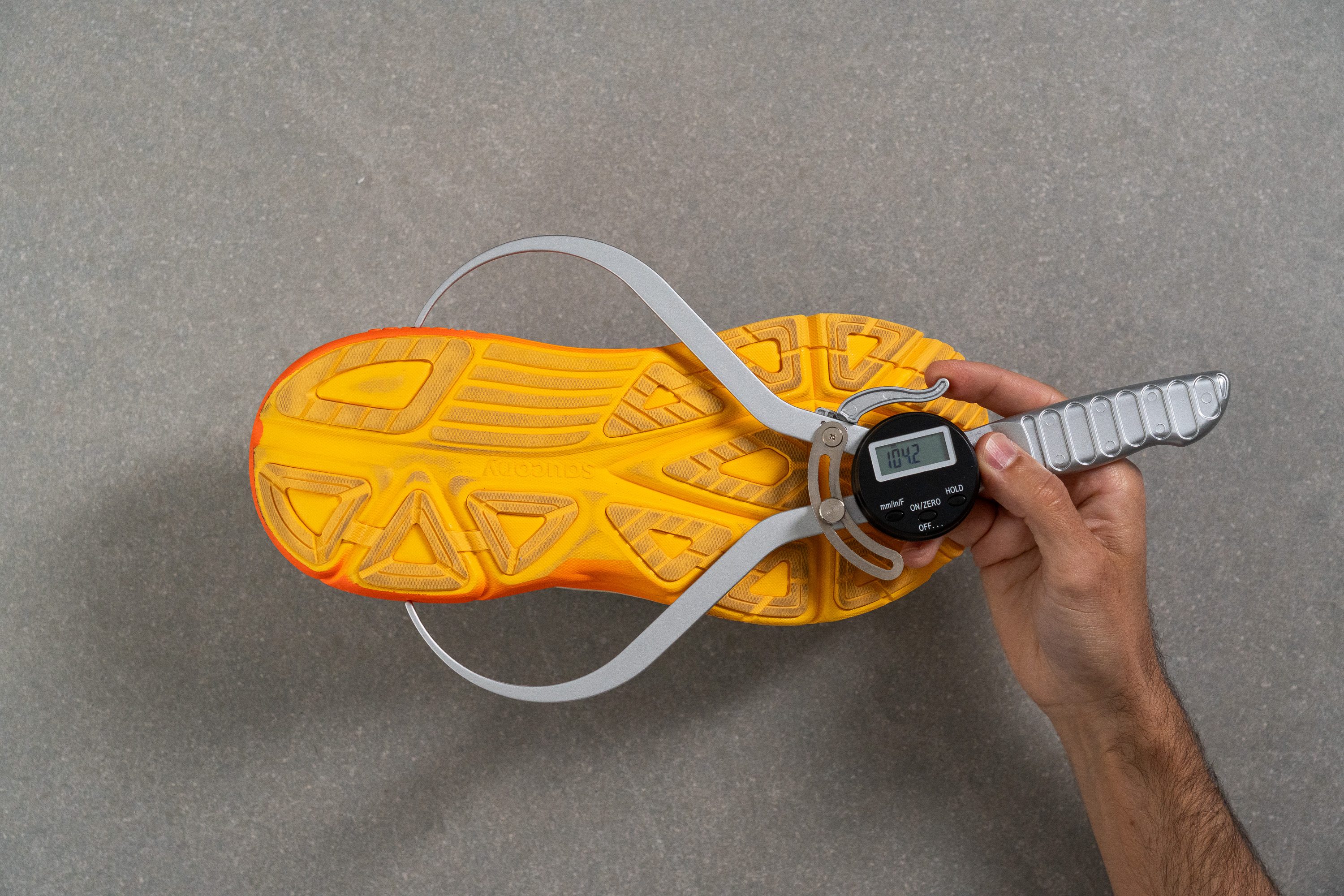
| Guide 19 | 104.2 mm |
| Average | 91.1 mm |
Durability
Toebox durability
We already liked the upper because of its nice design and outstanding ventilation, and this durability result became the perfect finishing touch. A 5/5 score here completely surprised us, but it was definitely a welcome outcome.
| Guide 19 | 5 |
| Average | 2.6 |
Heel padding durability
Most shoes perform better in this test than in the toebox durability assessment, but the Guide 19 surprisingly goes in the opposite direction. Here we recorded only a 2/5 result, and we think this is clearly an area Saucony should revisit for the next version.
| Guide 19 | 2 |
| Average | 3.4 |
Outsole durability
The XT-900 rubber delivered an excellent result in our outsole durability test. We measured only 0.6 mm of damage, which should translate into impressive long-term durability for the Guide 19.
| Guide 19 | 0.6 mm |
| Average | 1.1 mm |
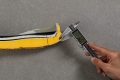
Outsole thickness
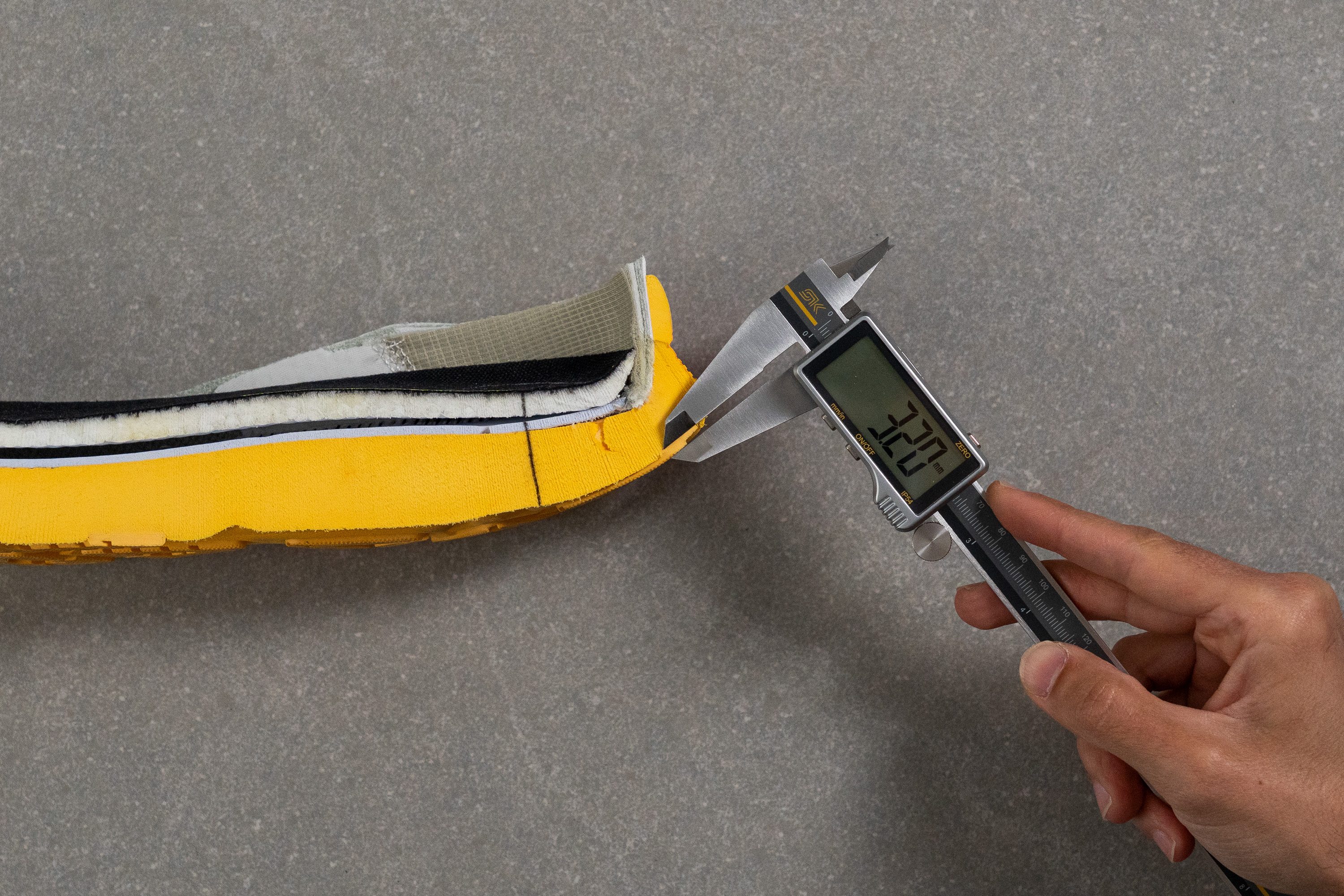
Saucony used a substantial 3.2 mm layer of rubber here, which feels like a smart and safe design decision.
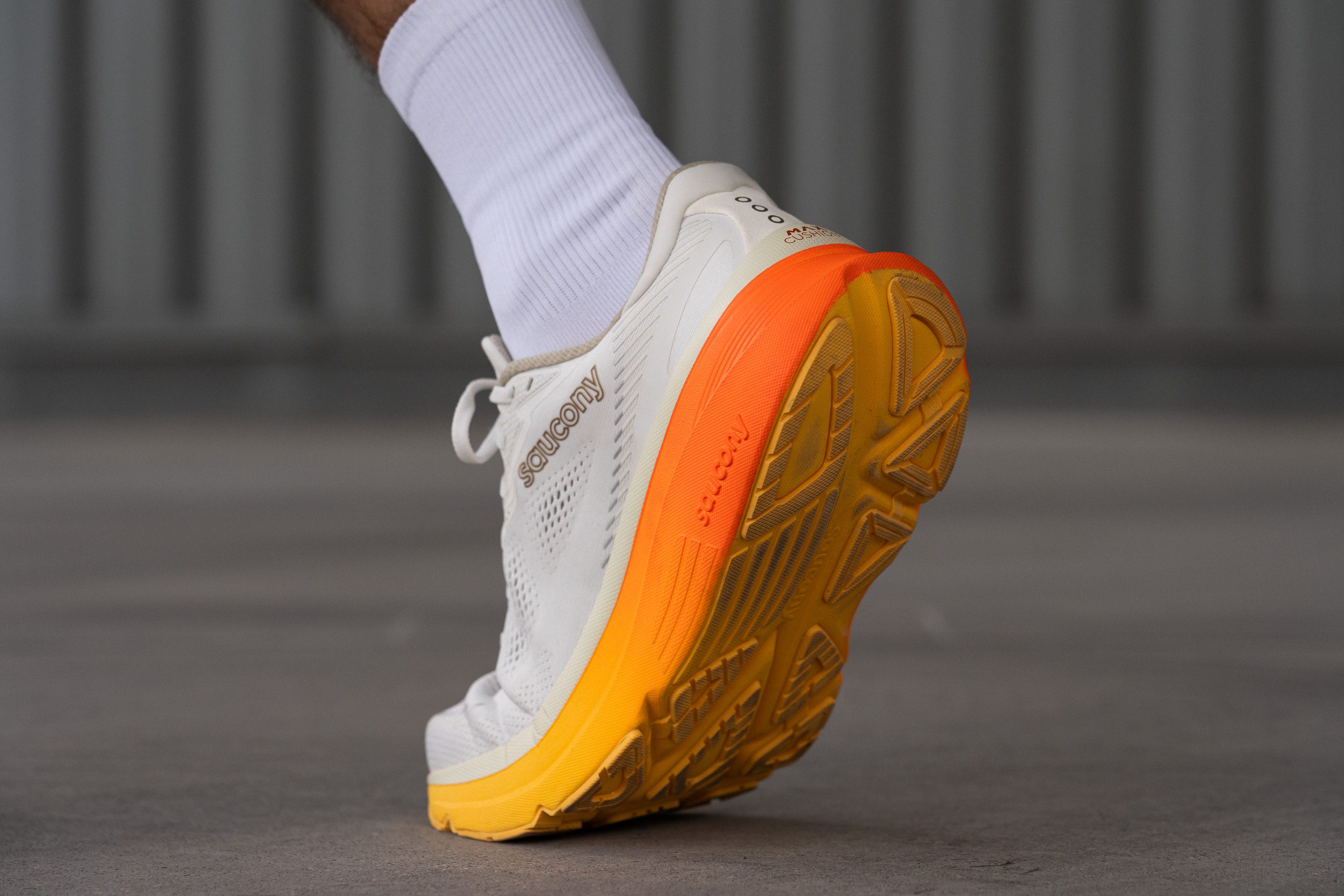
The brand could have reduced thickness to save some weight, but stability shoes are often used by runners who wear through outsoles quickly, so prioritising durability makes a lot of sense.
| Guide 19 | 3.2 mm |
| Average | 3.1 mm |
Misc
Insole thickness
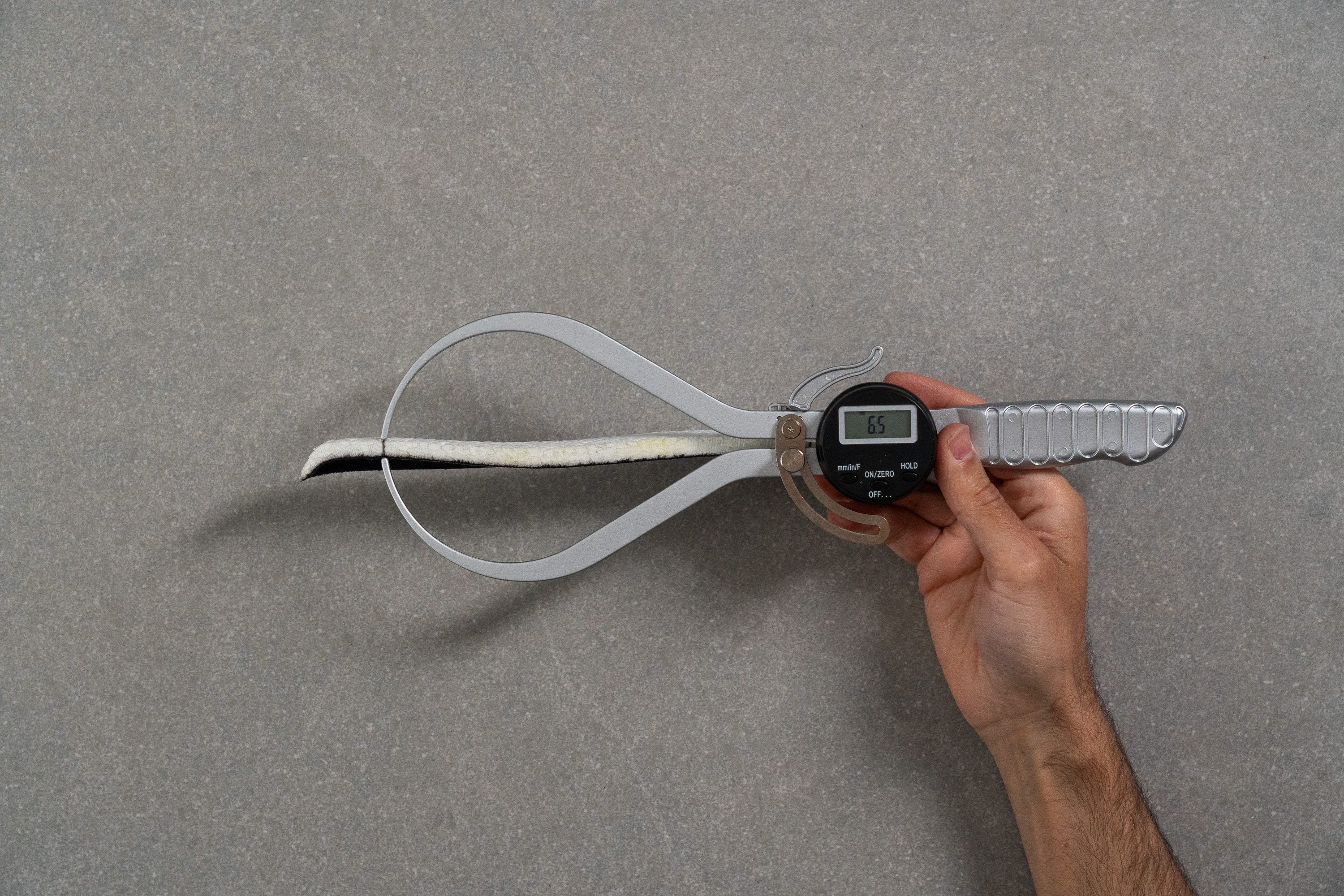
The beaded TPU insole included with the Guide 19 adds a generous 6.5 mm of extra cushioning, making it noticeably thicker than what we usually find in daily trainers.
| Guide 19 | 6.5 mm |
| Average | 4.4 mm |
Removable insole
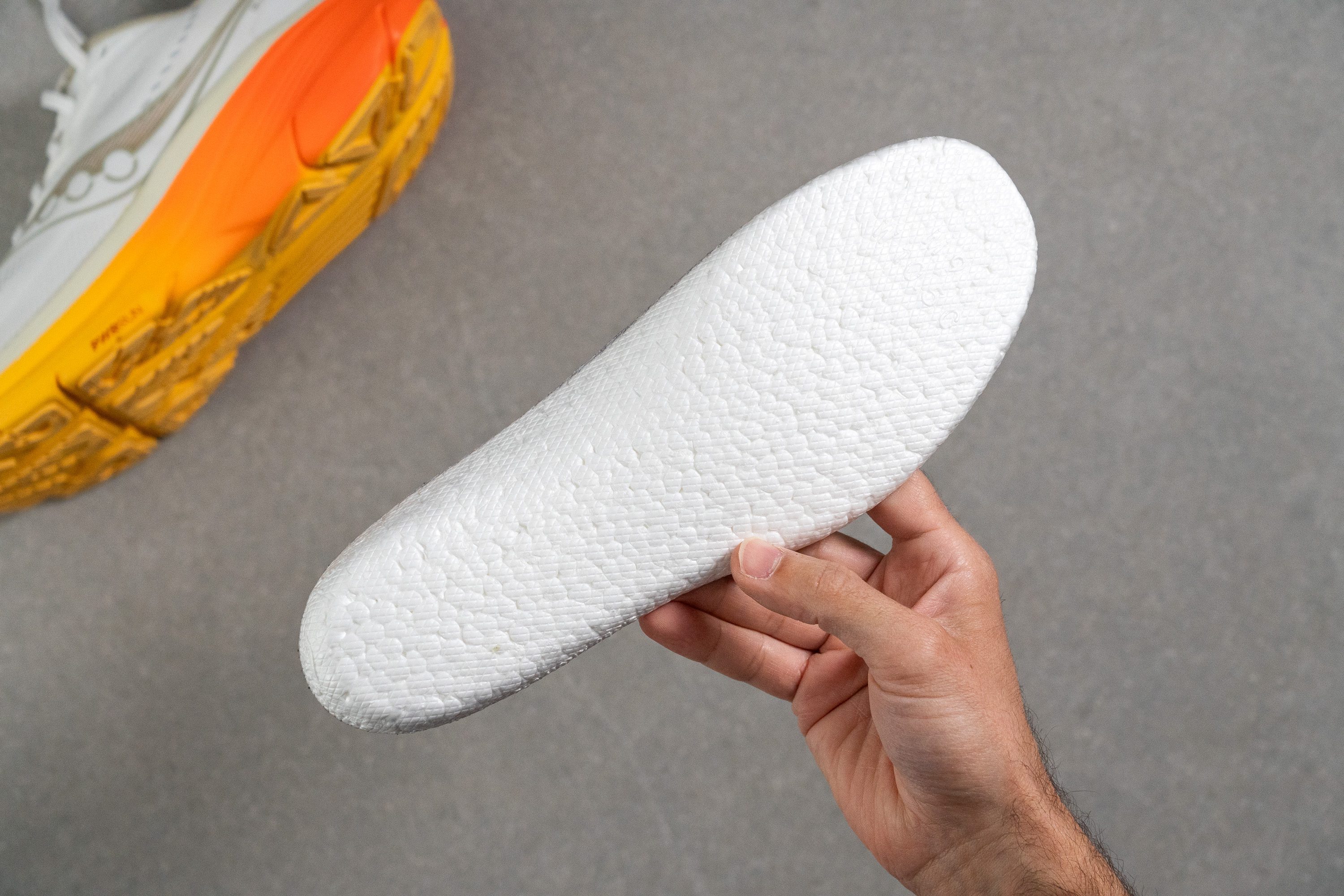
While removing it means losing one of the most distinctive features of this shoe, the insole can still be taken out without issues.
In fact, swapping it for a thinner option may actually be a smart move for runners who already find the Guide 19 slightly tight and would benefit from a bit of extra room inside the shoe.
| Guide 19 | Yes |
Reflective elements
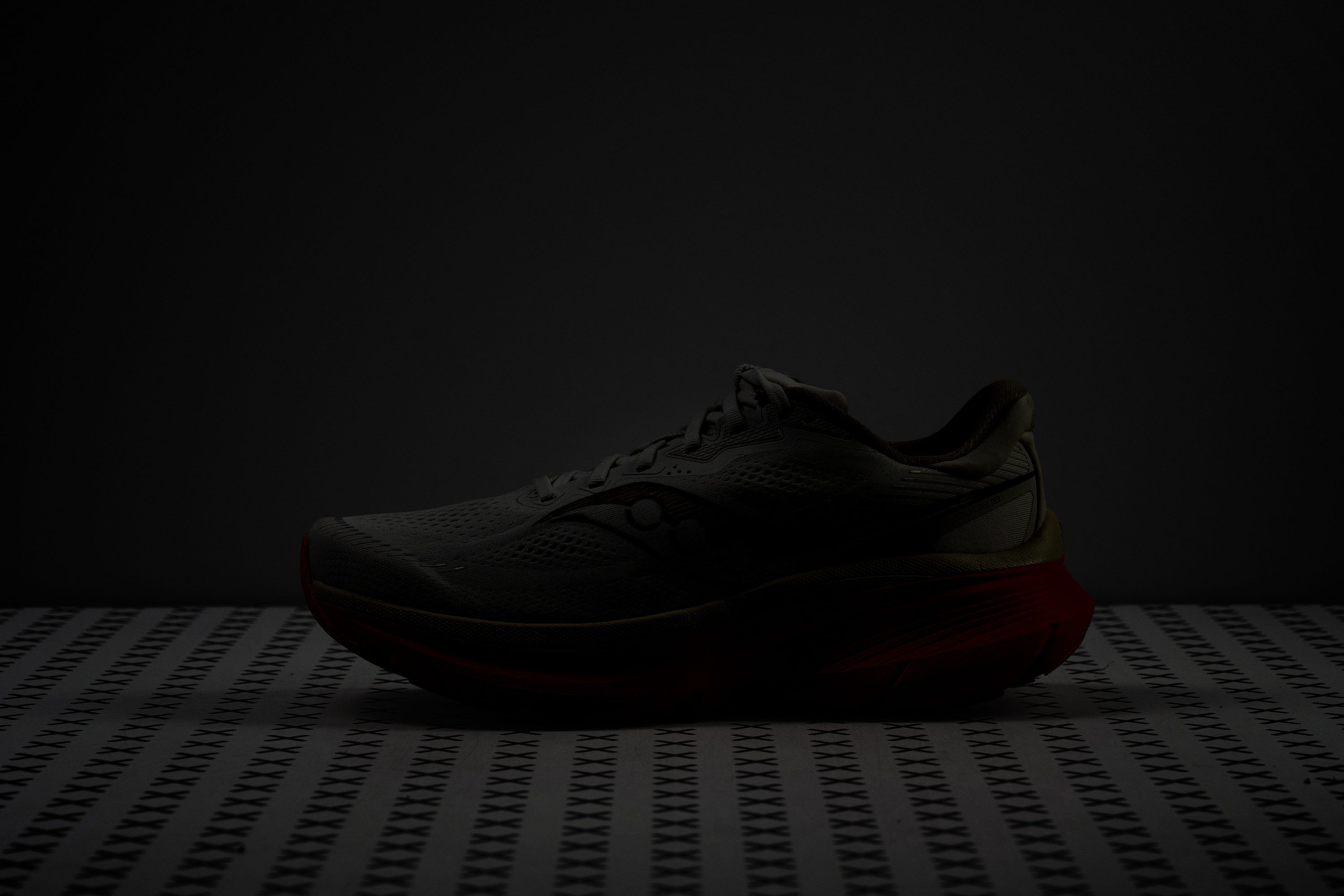
There are no reflective elements on the Saucony Guide 19, which feels like a missed opportunity. Hopefully Saucony addresses that in the next version.
| Guide 19 | No |
Tongue padding
Saucony kept the tongue fairly lean at 3.9 mm, and we think that was the right call considering the already weighty build of the shoe.
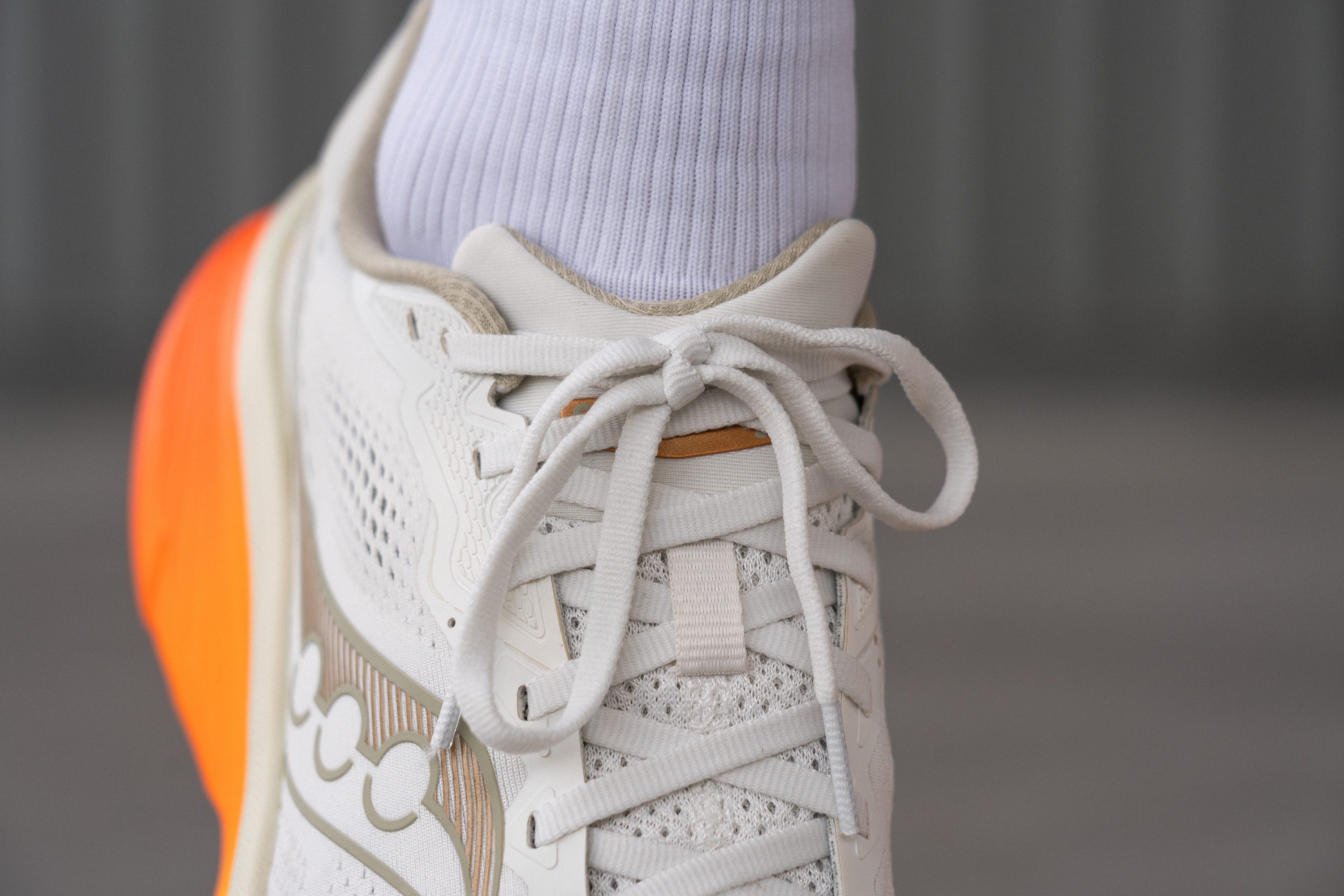
Even so, comfort never became an issue during our runs, as the padding strikes a smart middle ground between plushness and weight savings. However, if you prefer those ultra-padded, pillow-soft tongues found in some daily trainers, this shoe does not go in that direction.
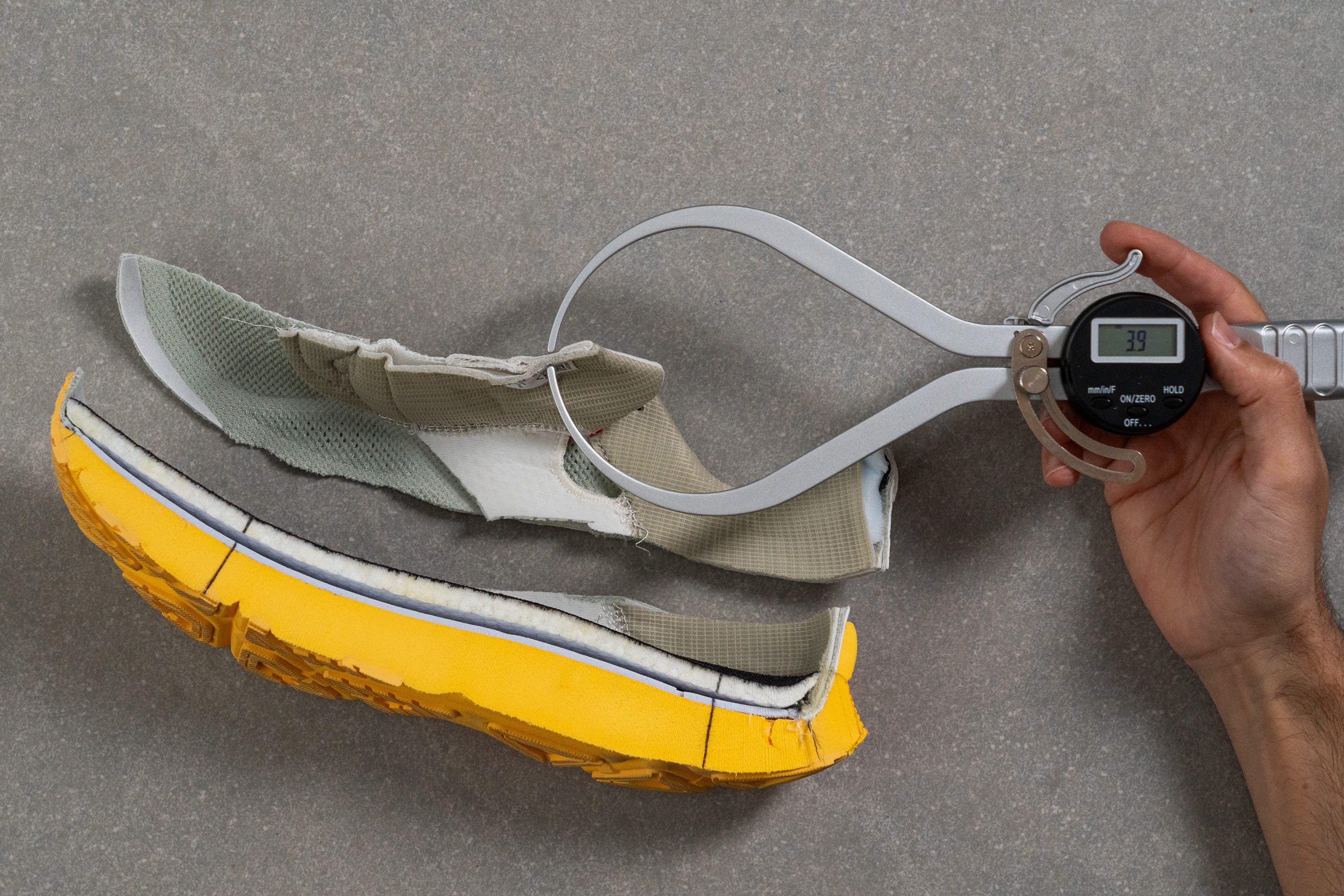
| Guide 19 | 3.9 mm |
| Average | 5.8 mm |
Tongue: gusset type
The tongue is semi-gusseted and we found it perfectly executed, using a breathable fabric that helps prevent this area from becoming a potential hot spot.
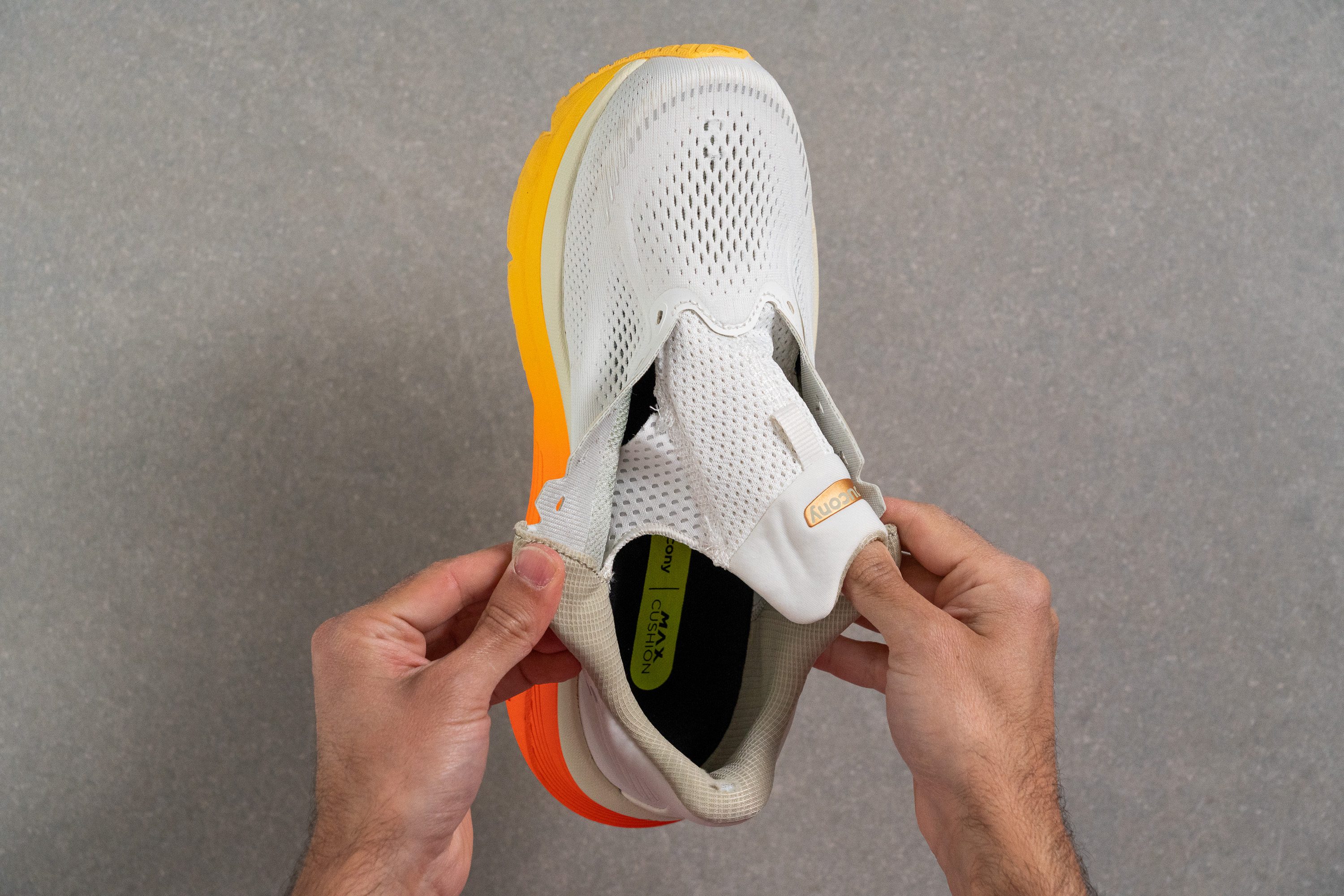
| Guide 19 | Both sides (semi) |
Heel tab
Saucony added generous padding in this area, although we noticed the brand skipped a heel tab entirely in favour of a cleaner and more streamlined design.
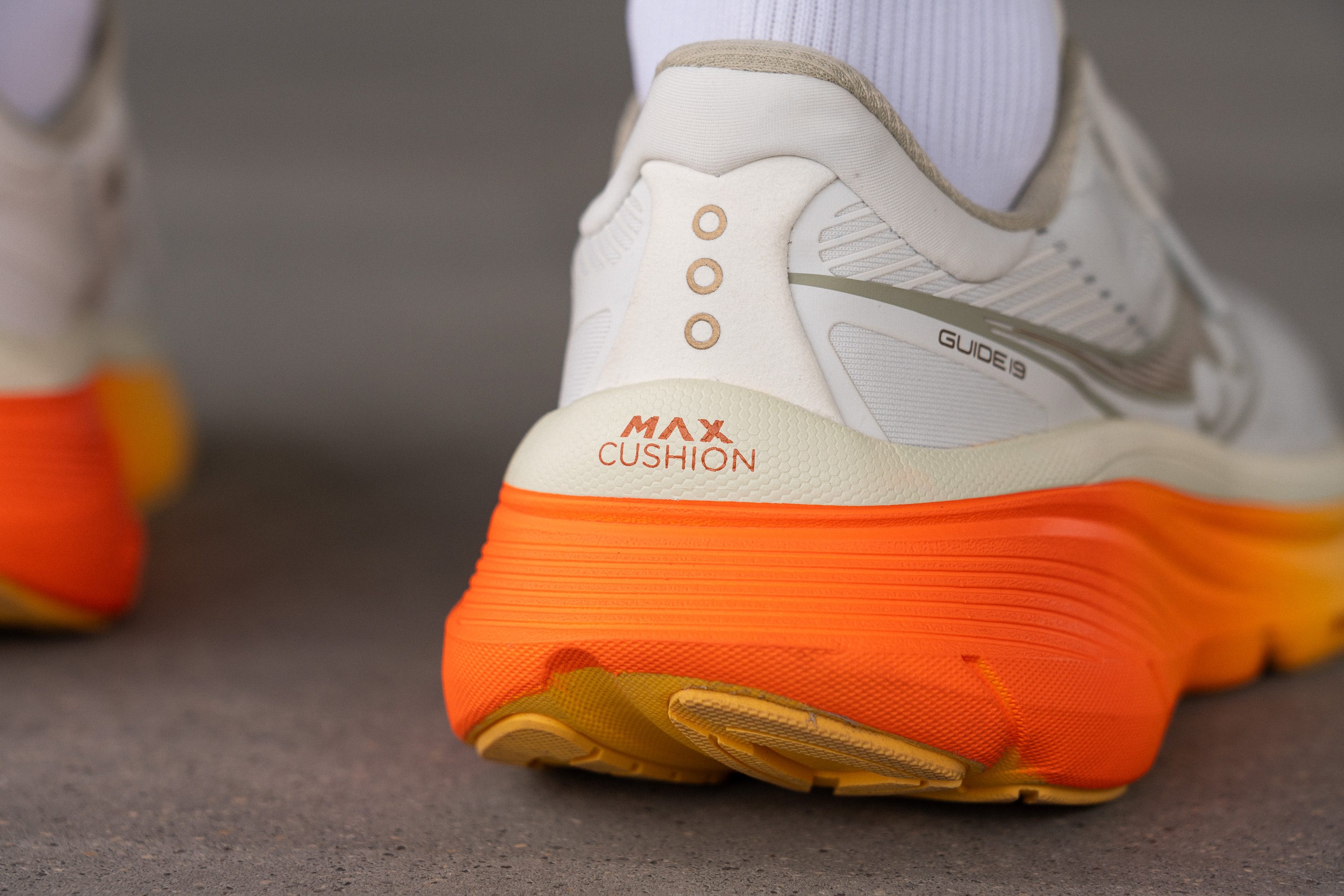
| Guide 19 | None |
Price
We’re happy to confirm that Saucony kept the same price as previous Guide models, which is genuinely good news at a time when many brands continue raising prices across their daily trainer lineups. And the Guide 19 stands out as a very strong value-oriented option in its category.
| Guide 19 | $150 |